Kenai Fjords NP

Kenai Fjords National Park

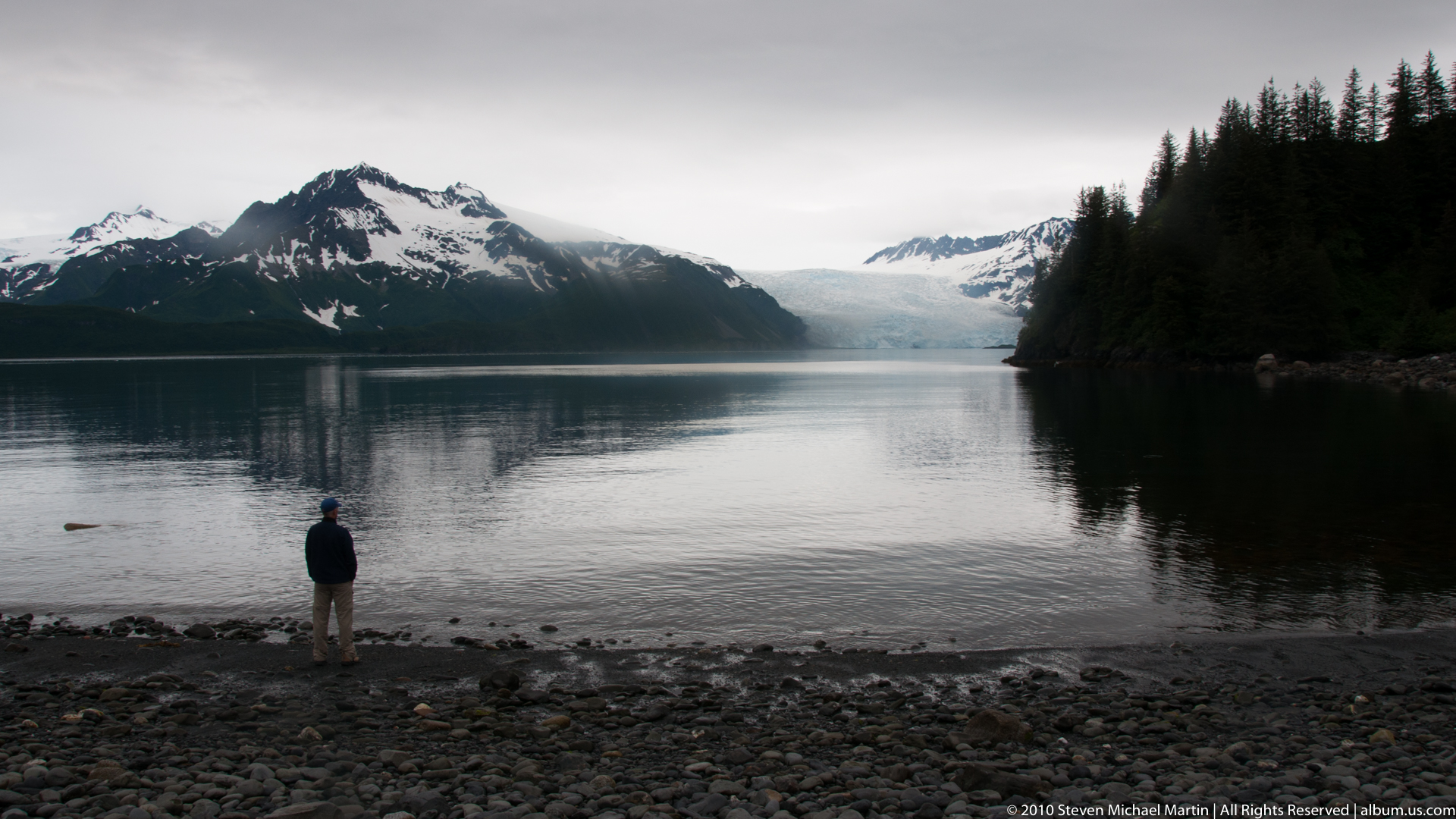
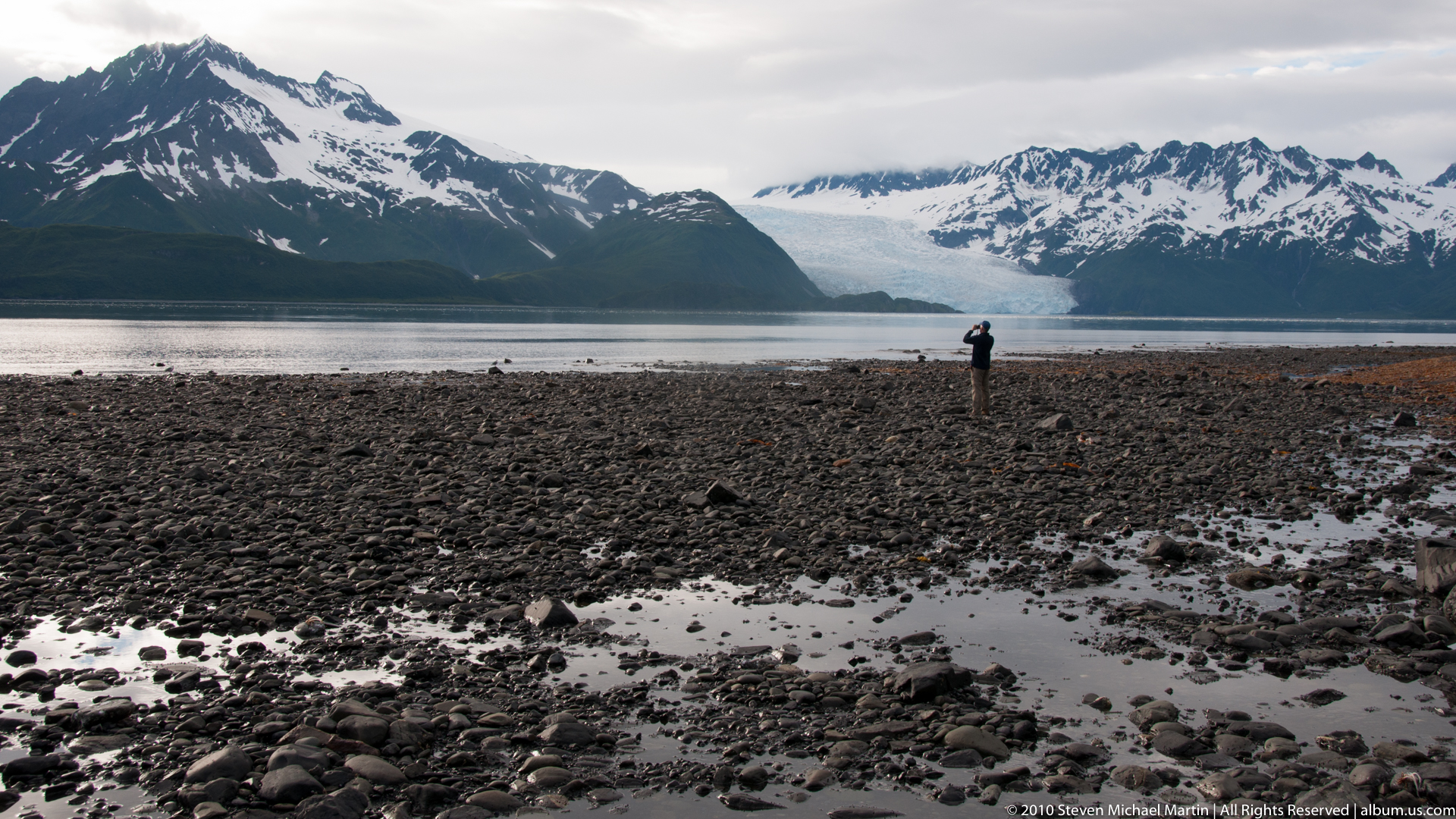
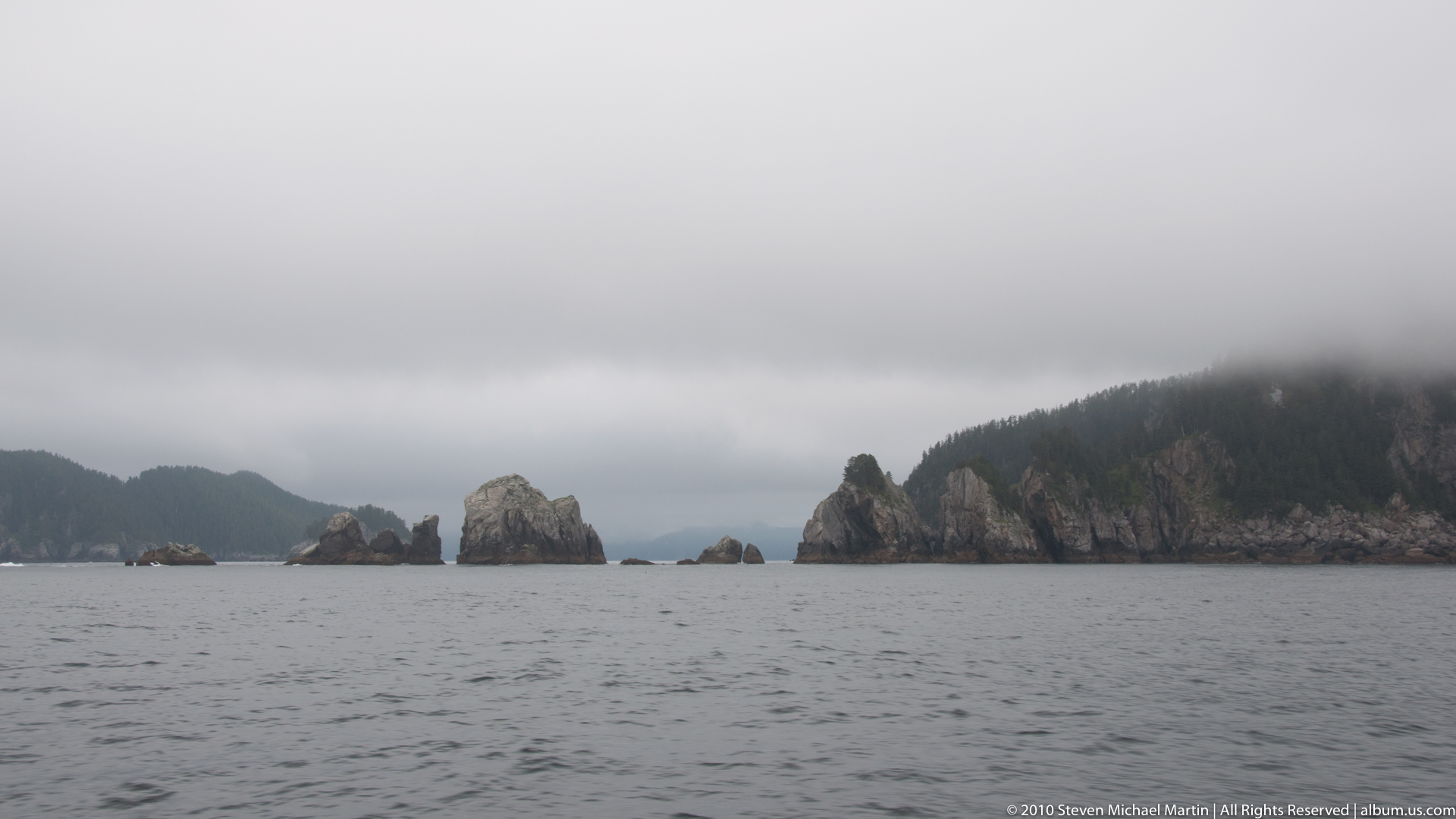
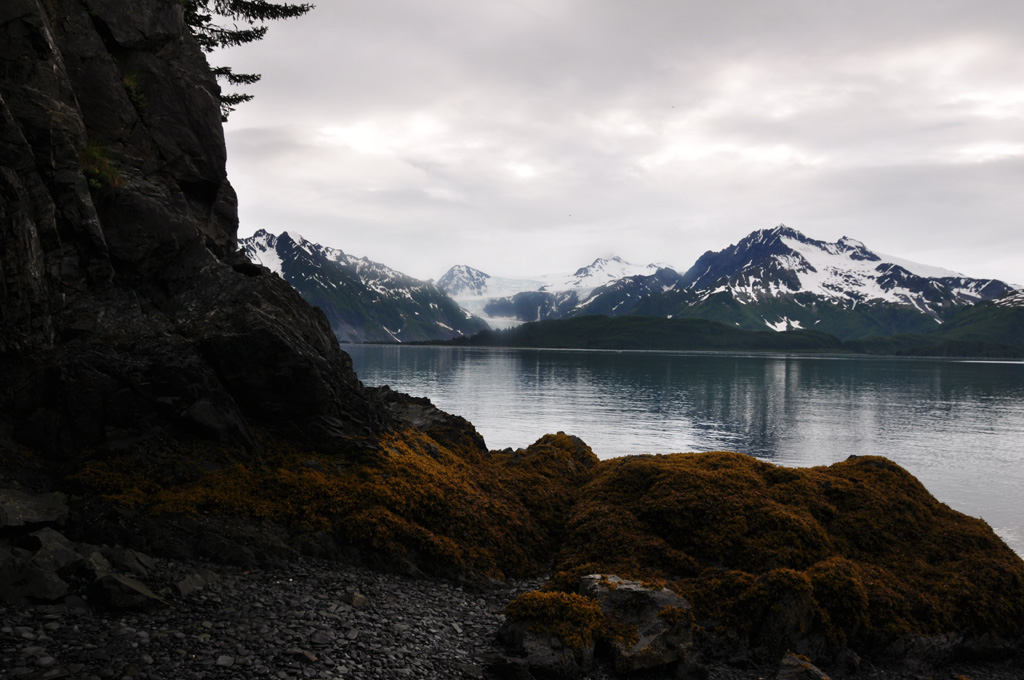
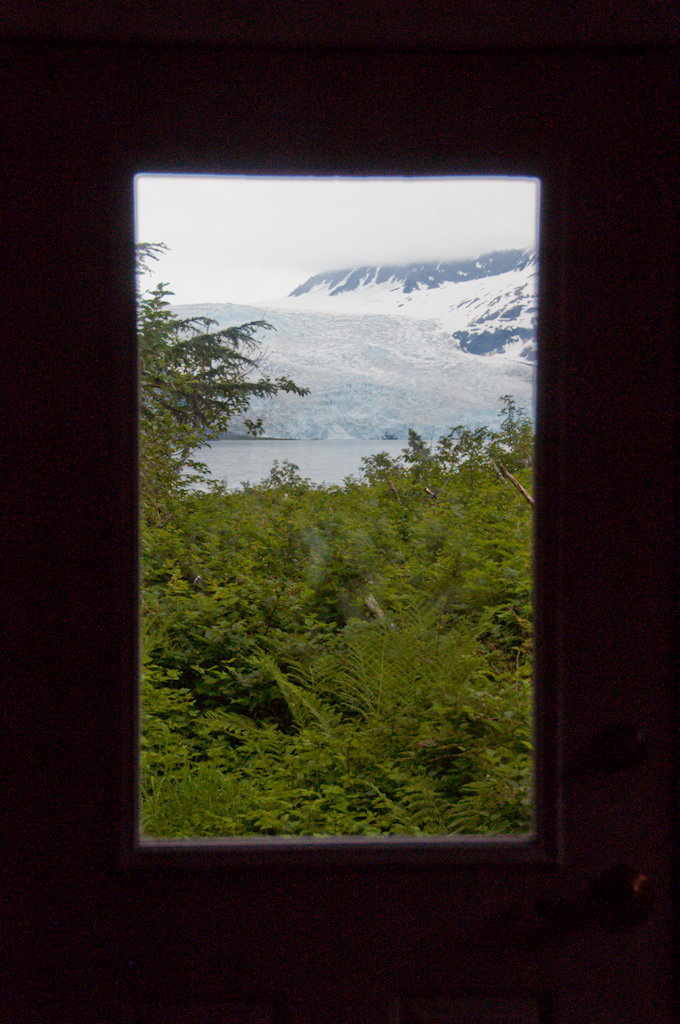
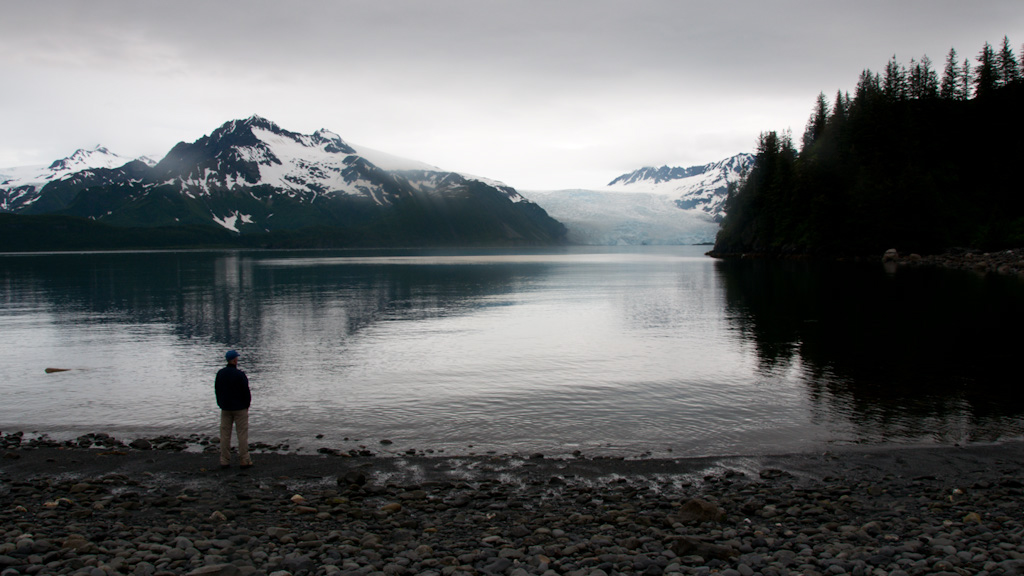
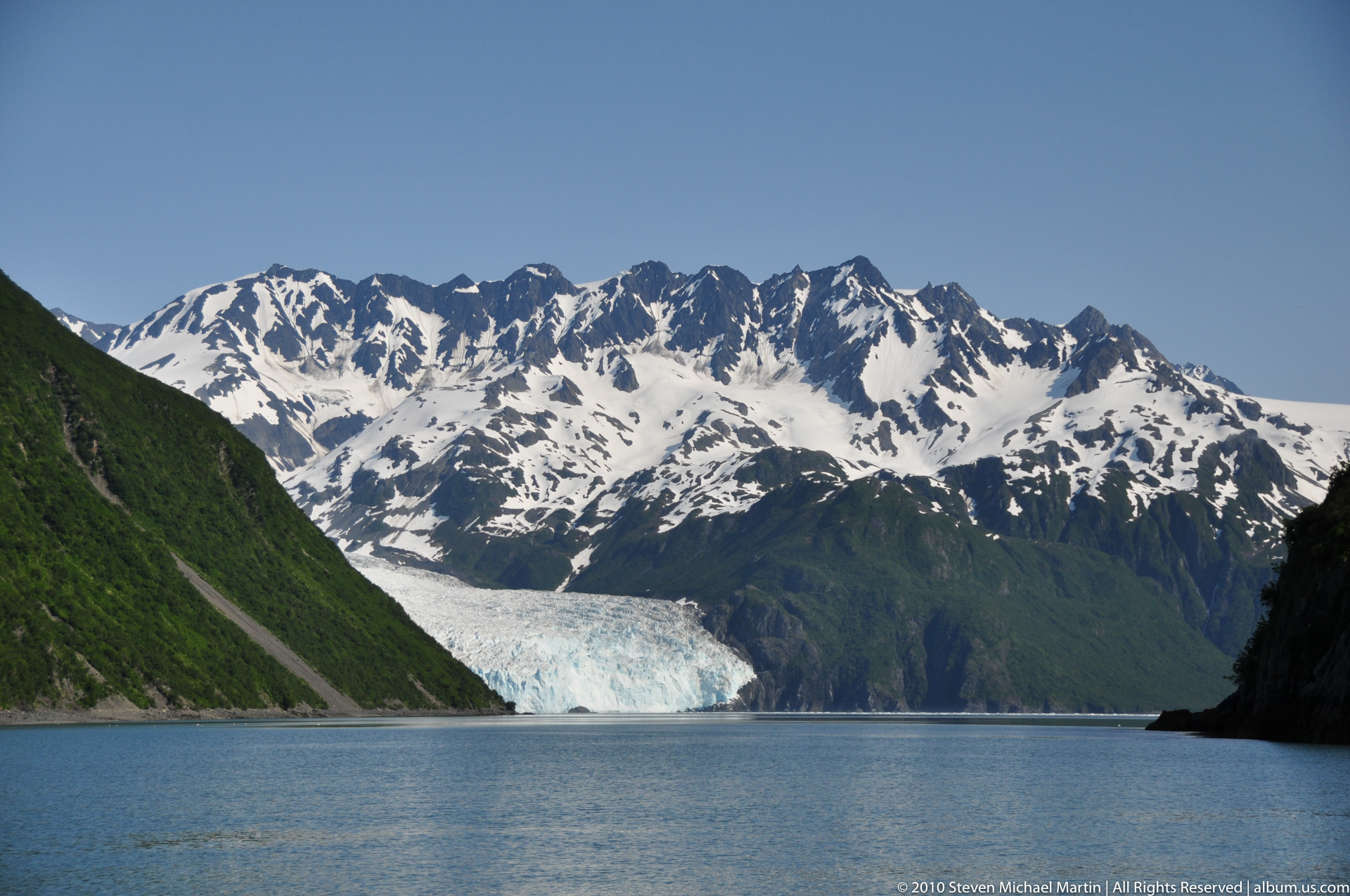
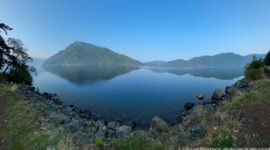
Kenai Fjords National Park protects landscapes shaped by glaciers extending from the Harding Icefield toward the coast. Glacial erosion carved deep valleys that later became fjords as sea levels rose. These steep-sided inlets illustrate the long-term influence of ice movement on coastal geography.

The Harding Icefield remains one of the largest ice fields in the United States, feeding numerous glaciers that continue to shape the surrounding environment. Ice movement, melting, and seasonal variation influence both the appearance of the landscape and the surrounding marine ecosystem.

Visitors encounter Kenai Fjords as a landscape defined by the interaction between ice, mountain terrain, and ocean environments. The fjords provide visual evidence of glacial erosion occurring over thousands of years.

Kenai Fjords National Park β€” Field Guide

🏞️ National Park Field Guide

πŸ“ Overview

Kenai Fjords National Park preserves fjord landscapes shaped by glaciers flowing from the Harding Icefield toward the Gulf of Alaska. Glacial erosion carved deep valleys that filled with seawater, forming steep coastal inlets.

The Harding Icefield feeds numerous glaciers that continue to influence the surrounding terrain. Ice movement and melting illustrate the dynamic nature of glacial environments.

⭐ Highlights

  • Fjord landscapes formed by glaciers
  • Harding Icefield glacier system
  • Coastal mountain scenery
  • Tidewater glaciers
  • Glacial erosion landforms

πŸ”Ž Key Features

  • Icefield-fed glacier systems
  • Deep coastal fjords
  • Steep mountain walls
  • Marine and glacial interaction
  • Evidence of long-term ice movement

🦦 Wildlife Encounters

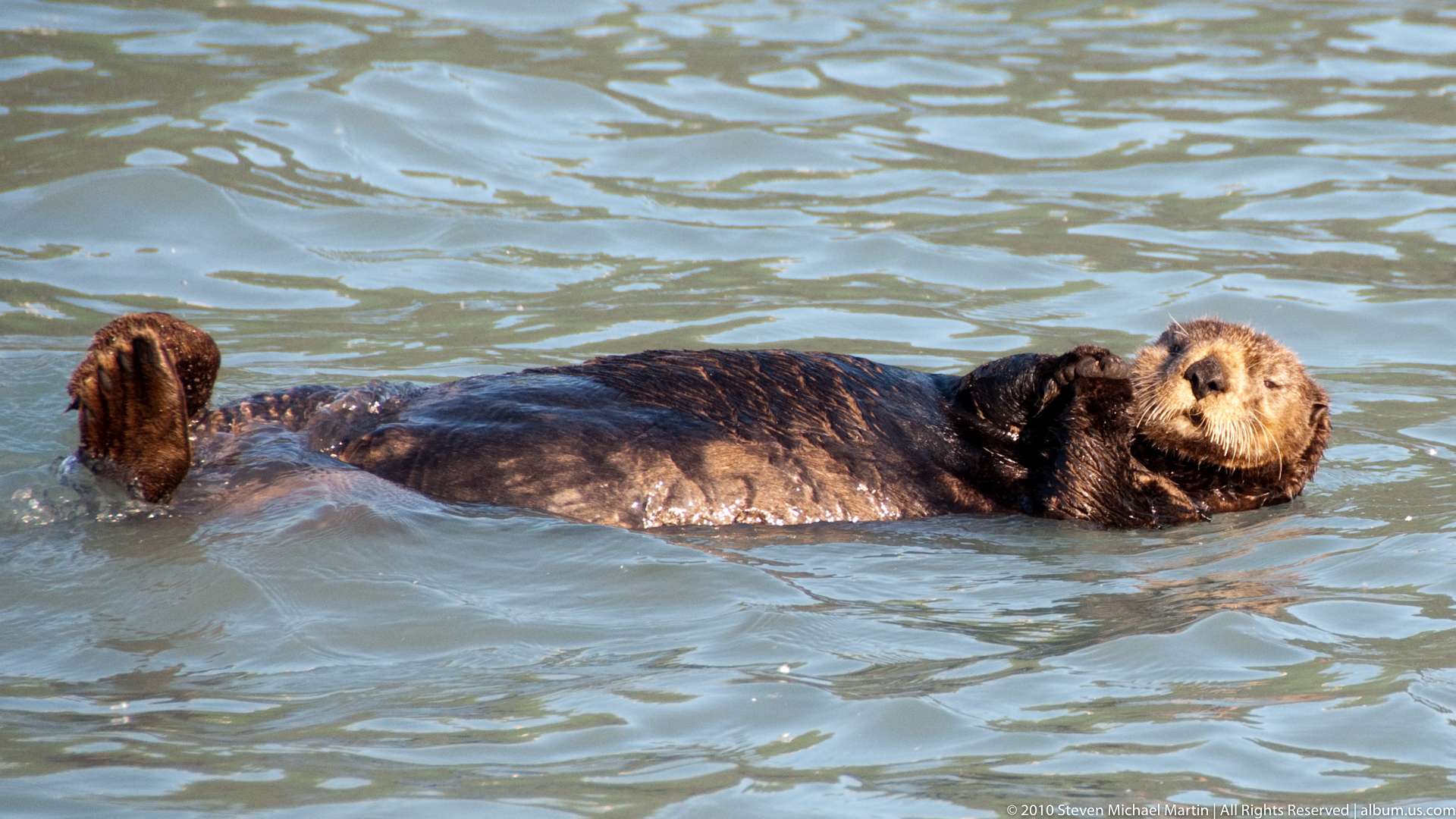
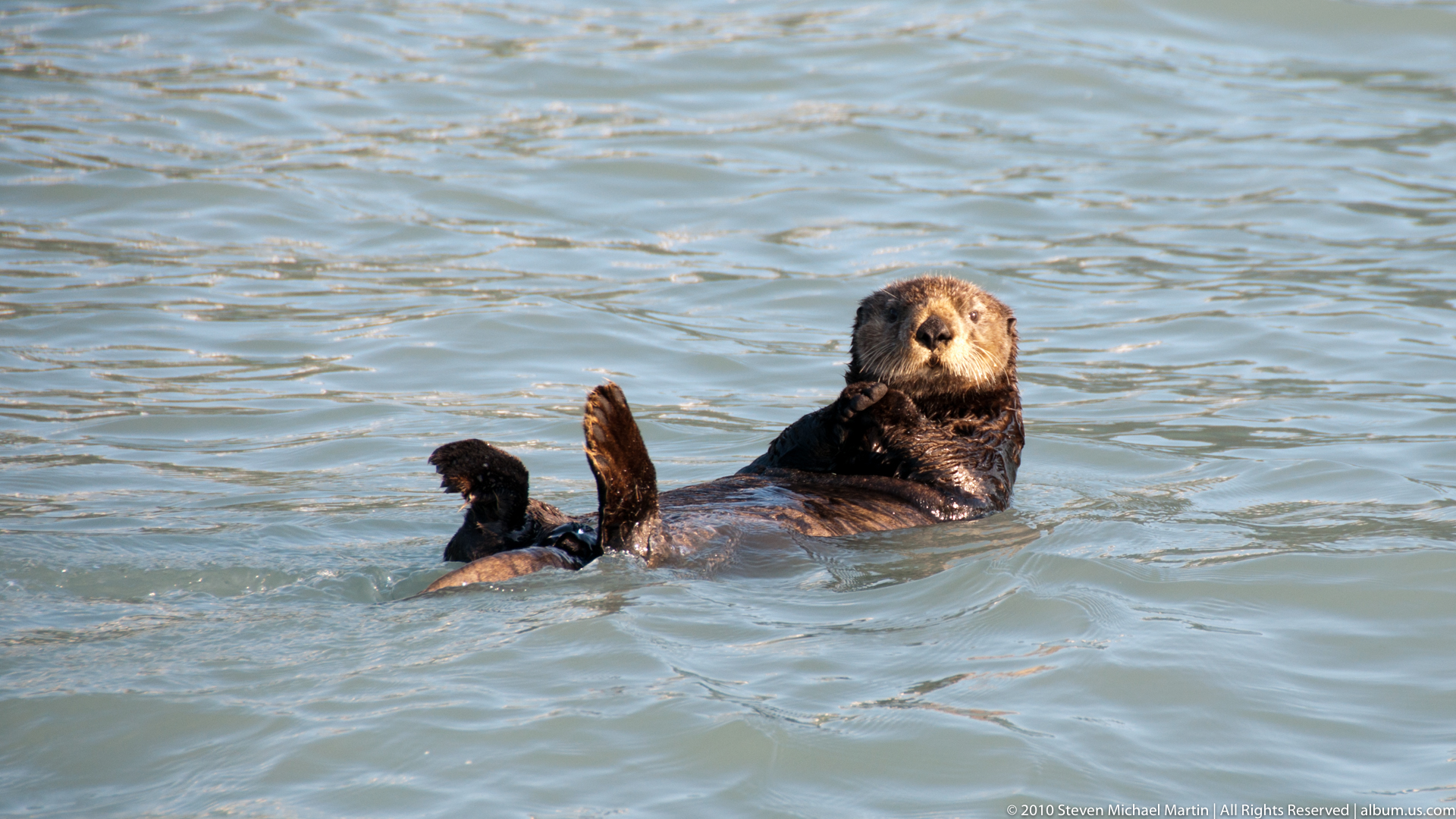
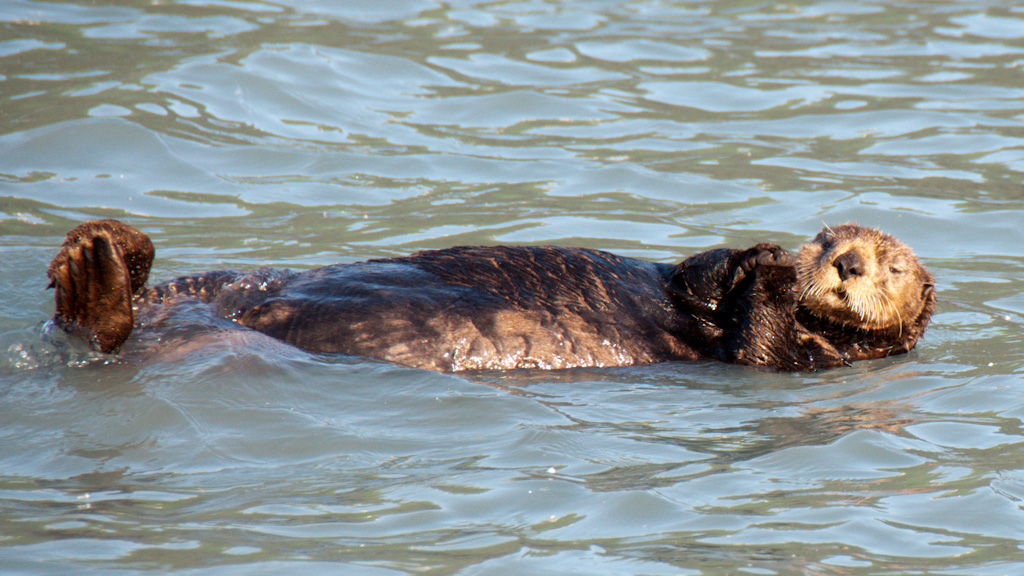
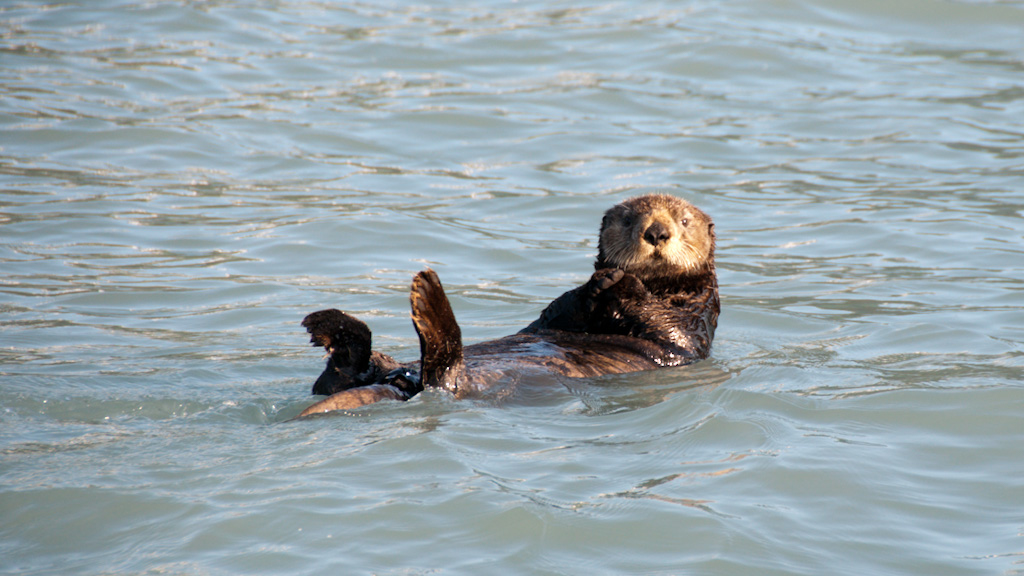
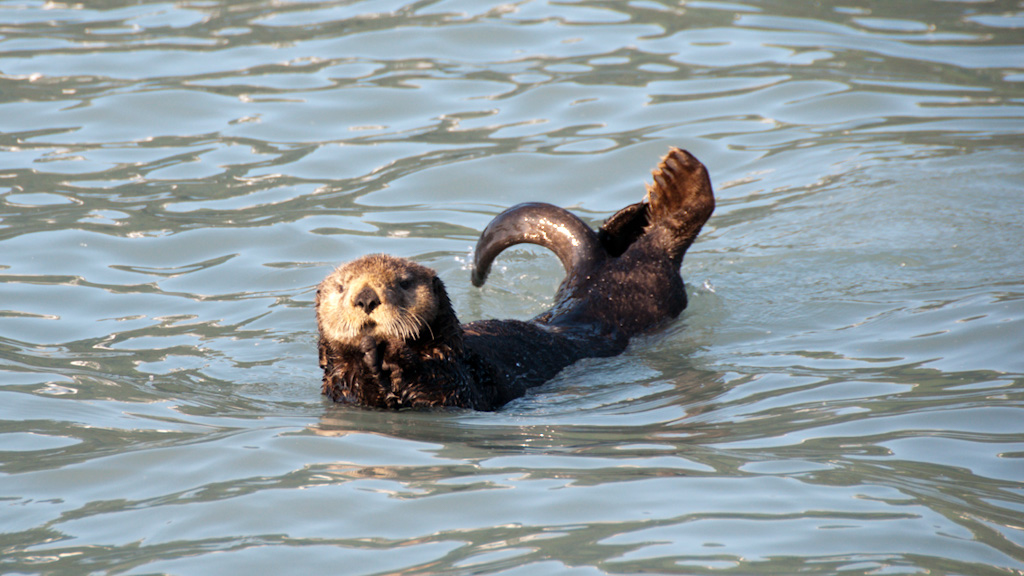
Wildlife encounters in Kenai Fjords often feel quieter and more intimate than those of inland Alaska. Sea otters were frequently observed floating calmly on their backs, drifting with the slow movement of protected waters. Their relaxed behavior contrasted with the dramatic vertical cliffs and glaciers surrounding the fjords. Watching them groom or raise their forepaws while drifting created a sense of stillness within an otherwise rugged environment.

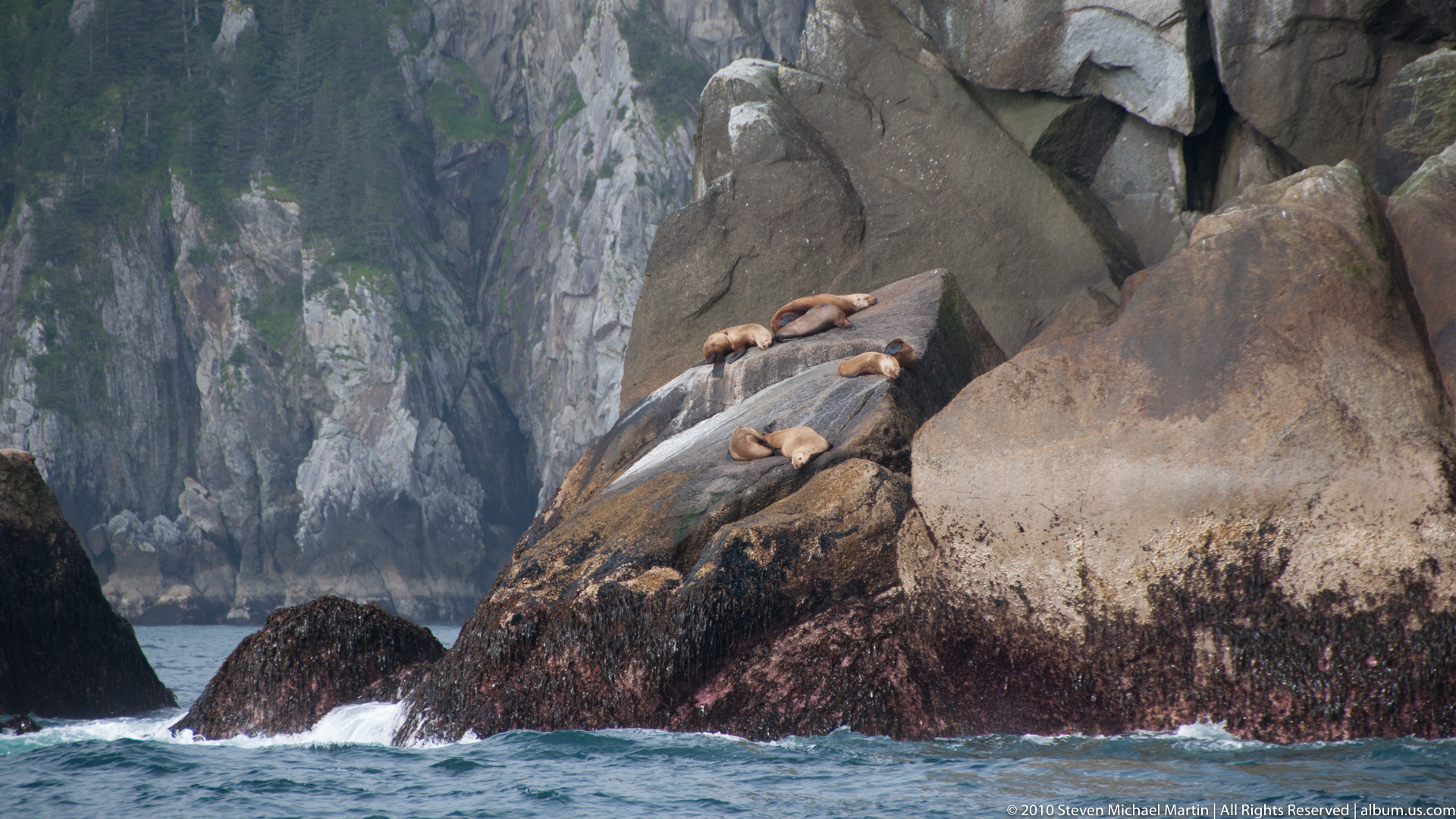
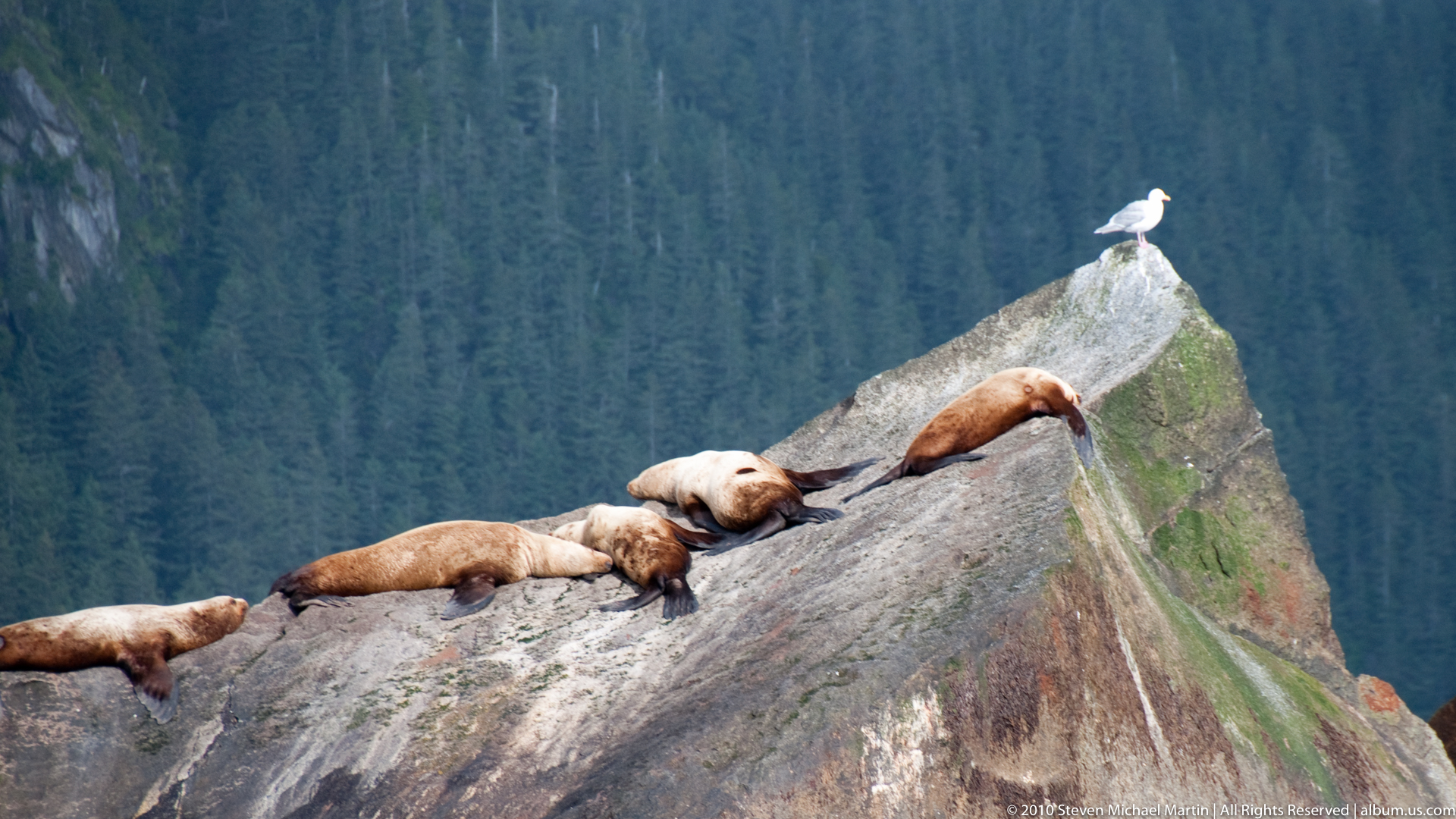
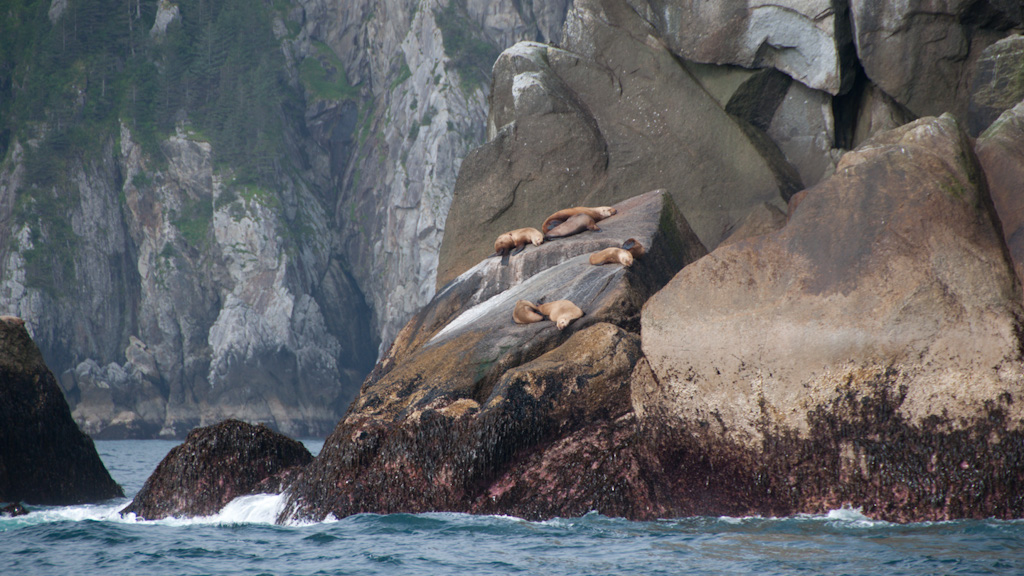
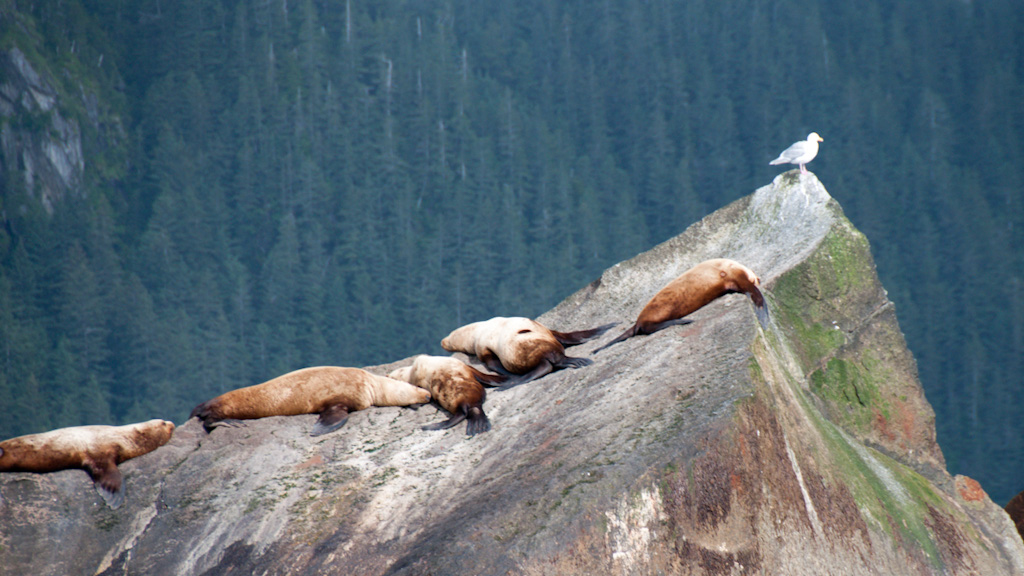
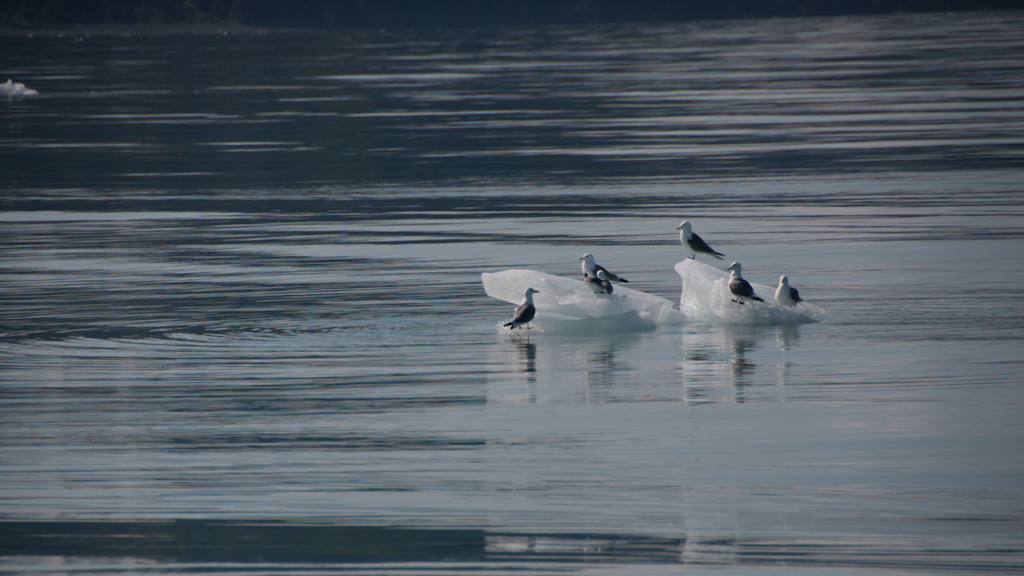
Along exposed coastal rocks, Steller sea lions gathered in small groups, resting between foraging trips in the cold nutrient-rich waters. Their presence added movement and sound to otherwise quiet shorelines. Harbor seals were occasionally seen resting on floating ice or briefly surfacing before disappearing again beneath the fjord’s surface. These animals illustrated how marine mammals adapt to an environment shaped by glacial ice and shifting ocean conditions.

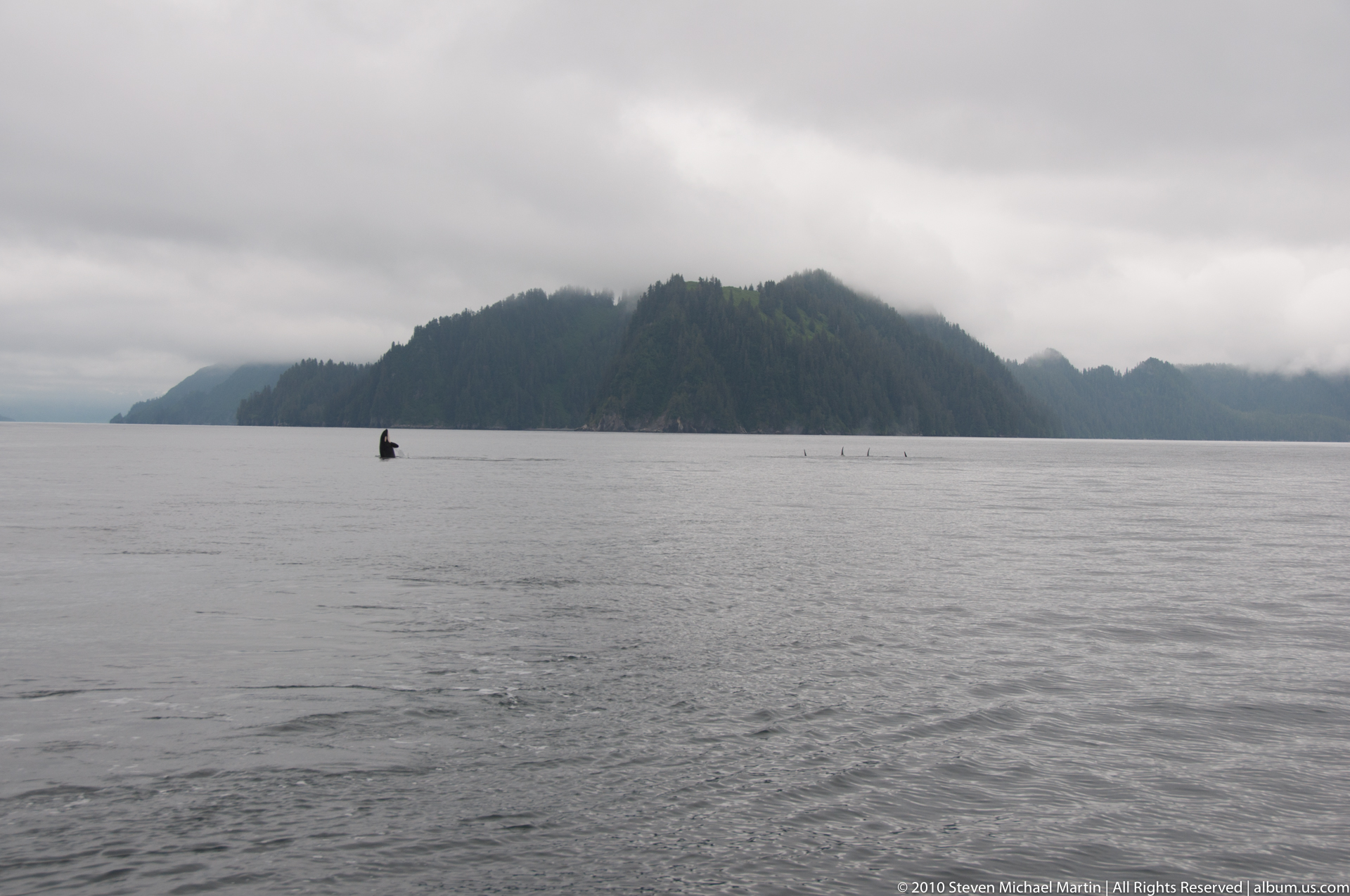
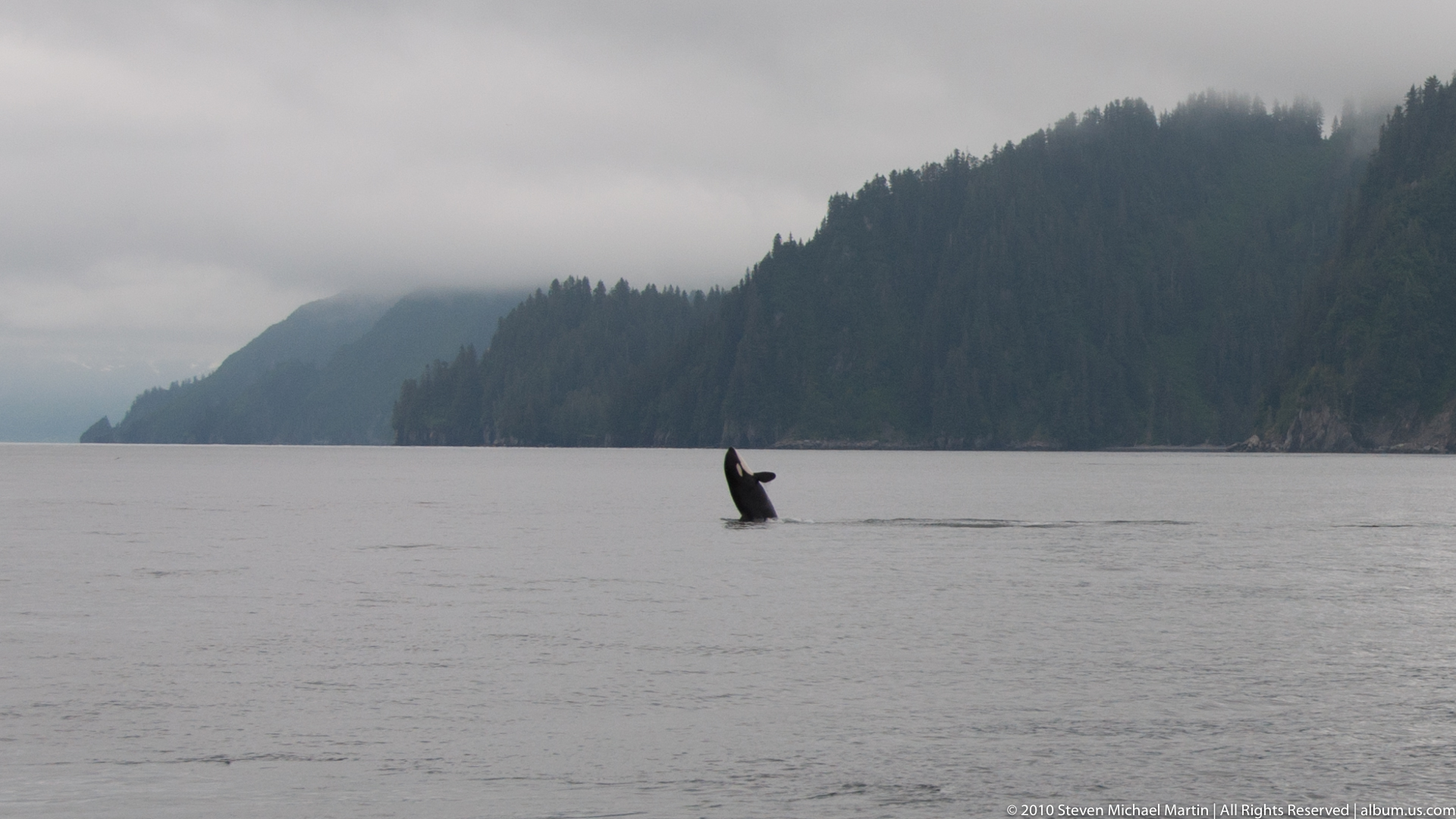
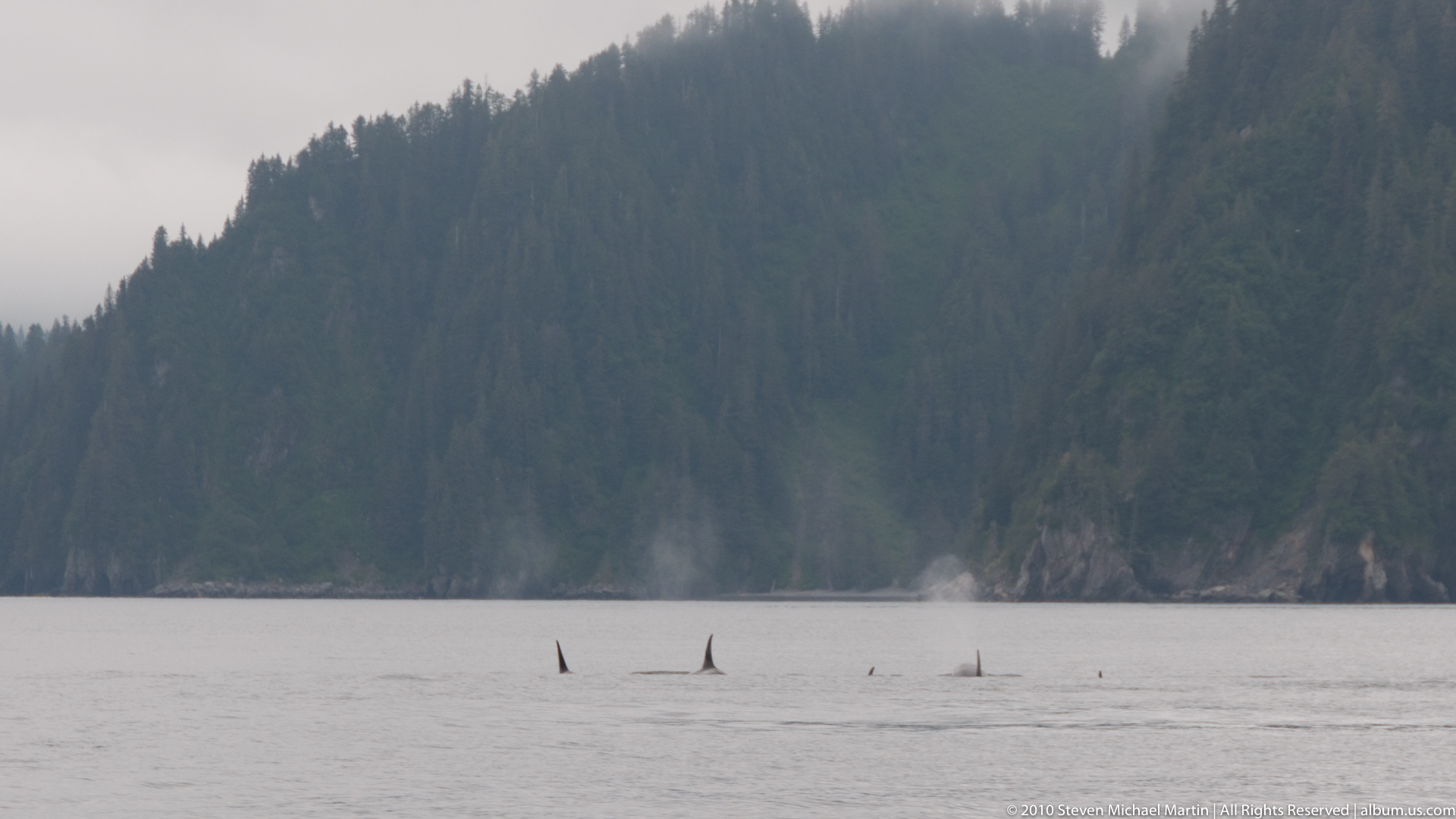
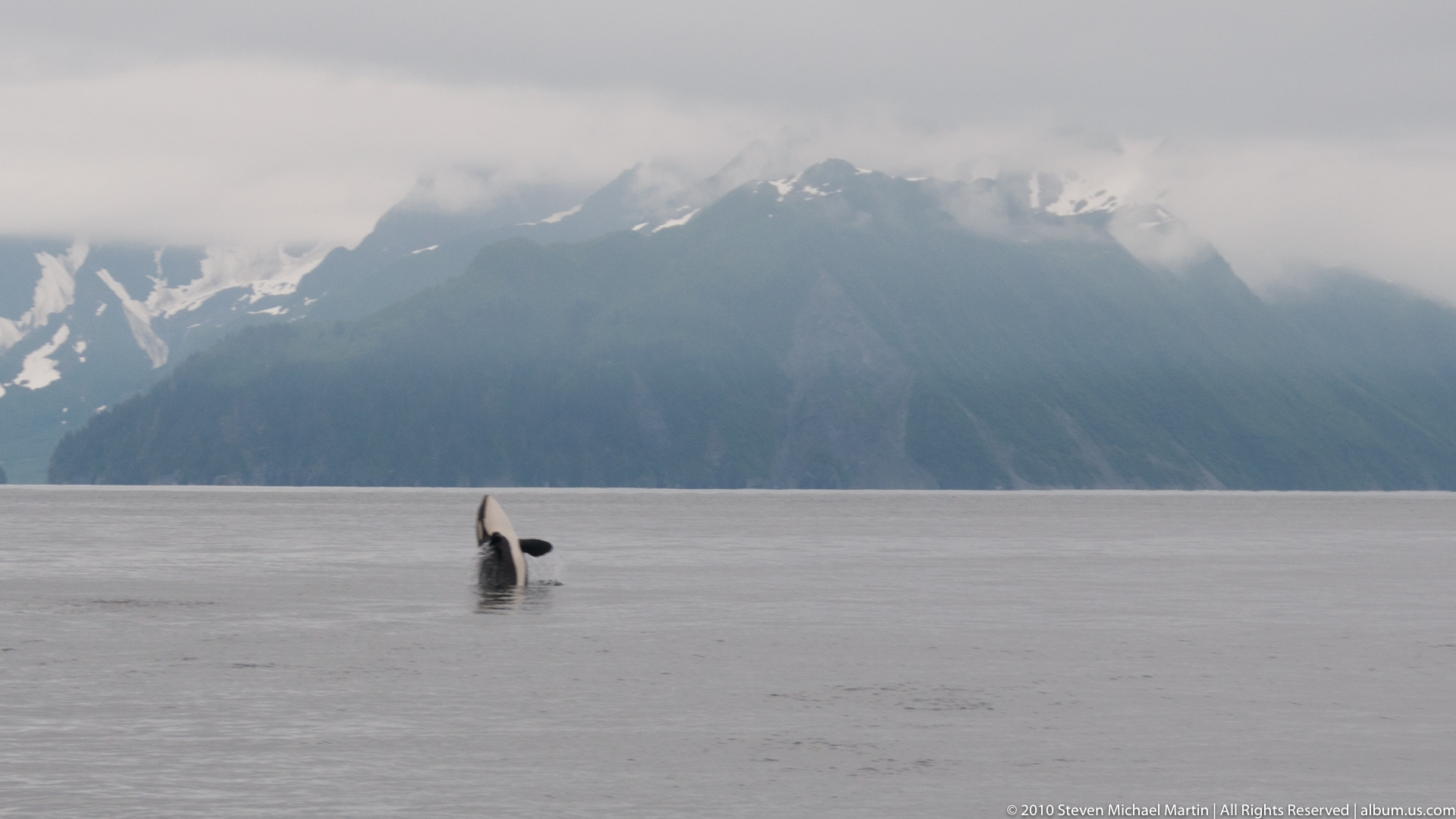
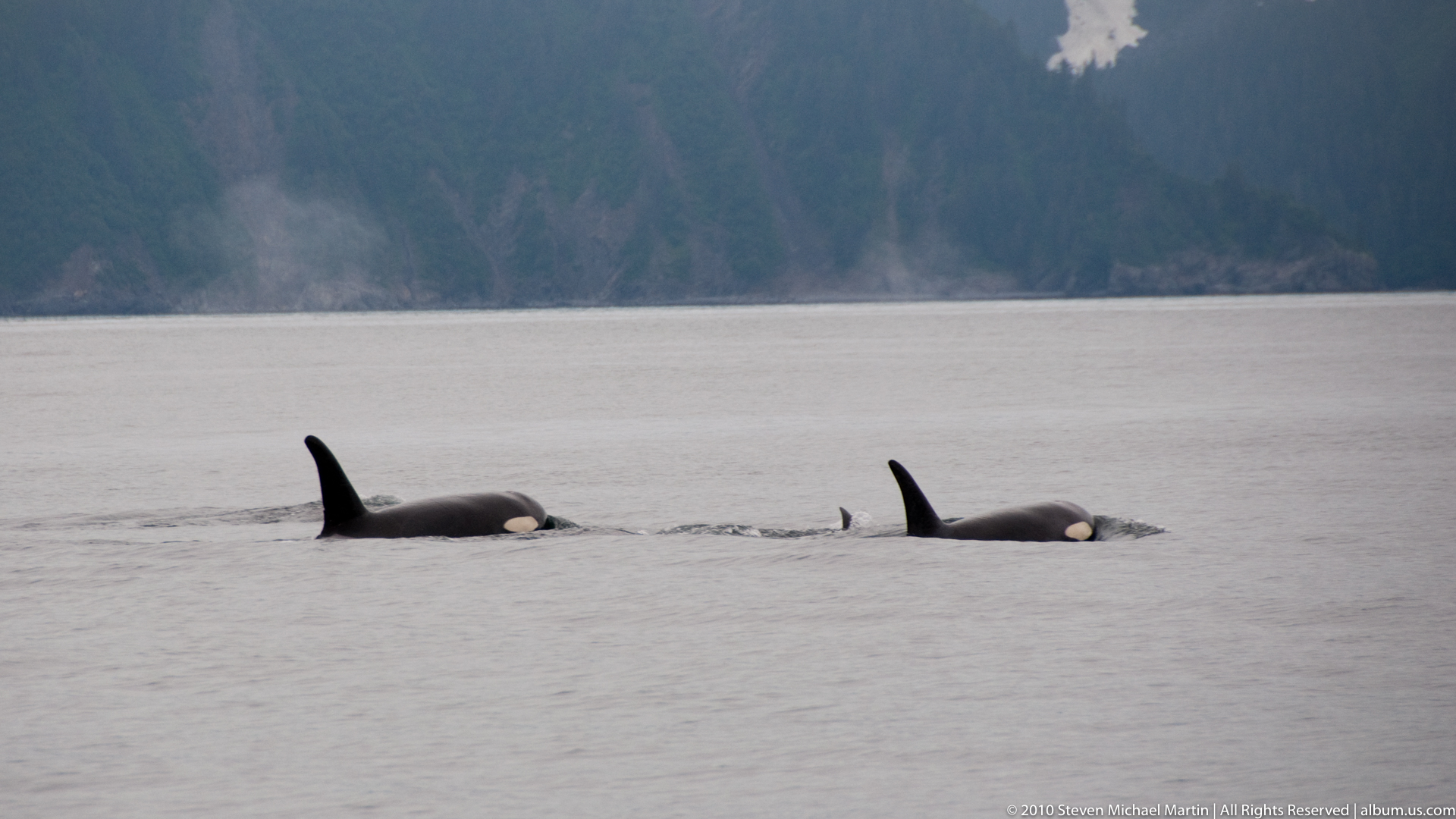
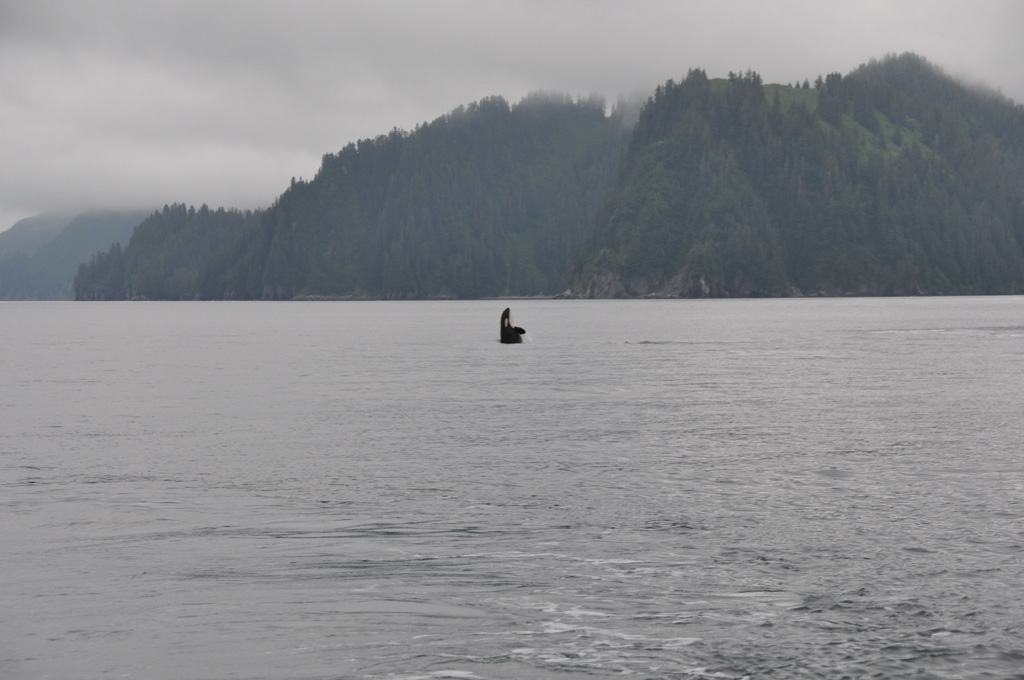
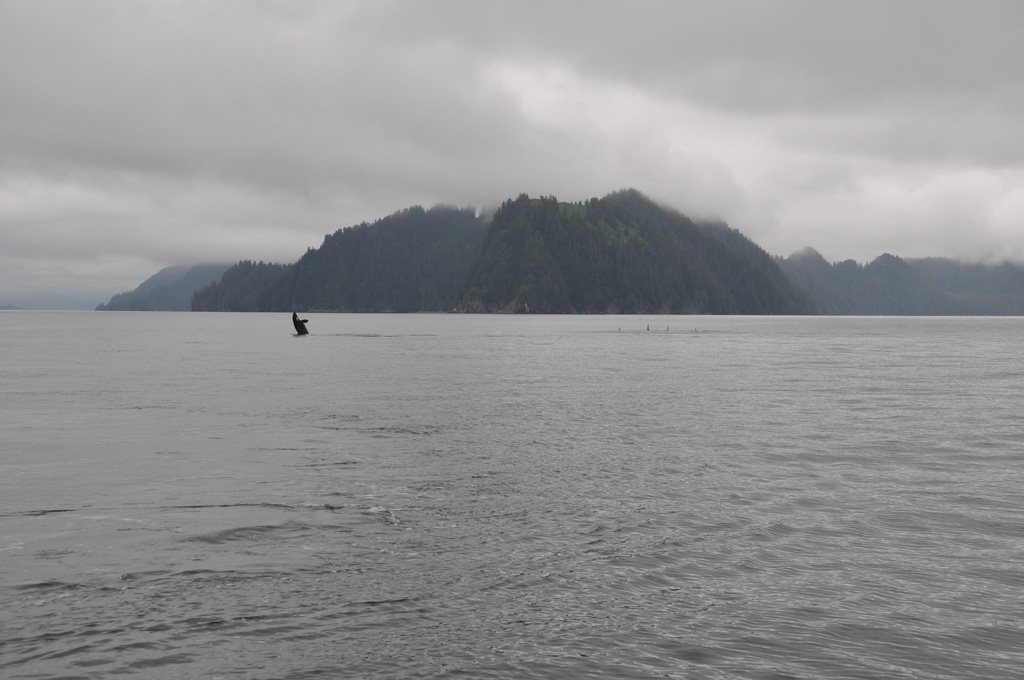
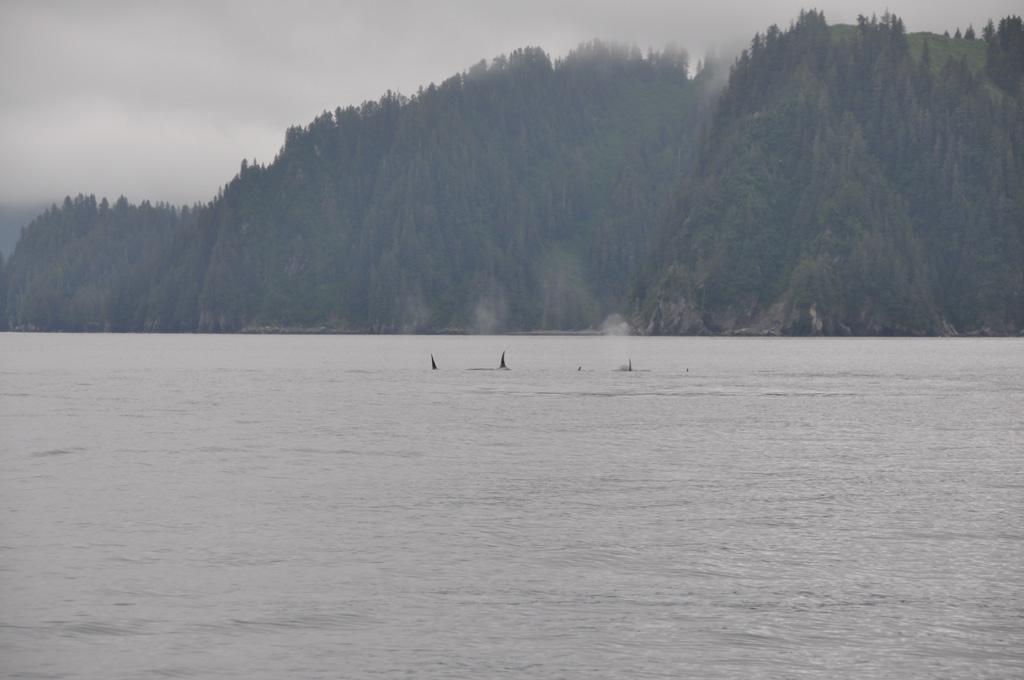
Further offshore, dorsal fins occasionally appeared above the calm water, revealing the presence of orcas which breached and moved steadily through the fjord. Sightings often occurred at a distance, reinforcing the sense that wildlife here moves through vast underwater spaces largely hidden from view. These brief appearances added an element of anticipation to extended periods of quiet observation.

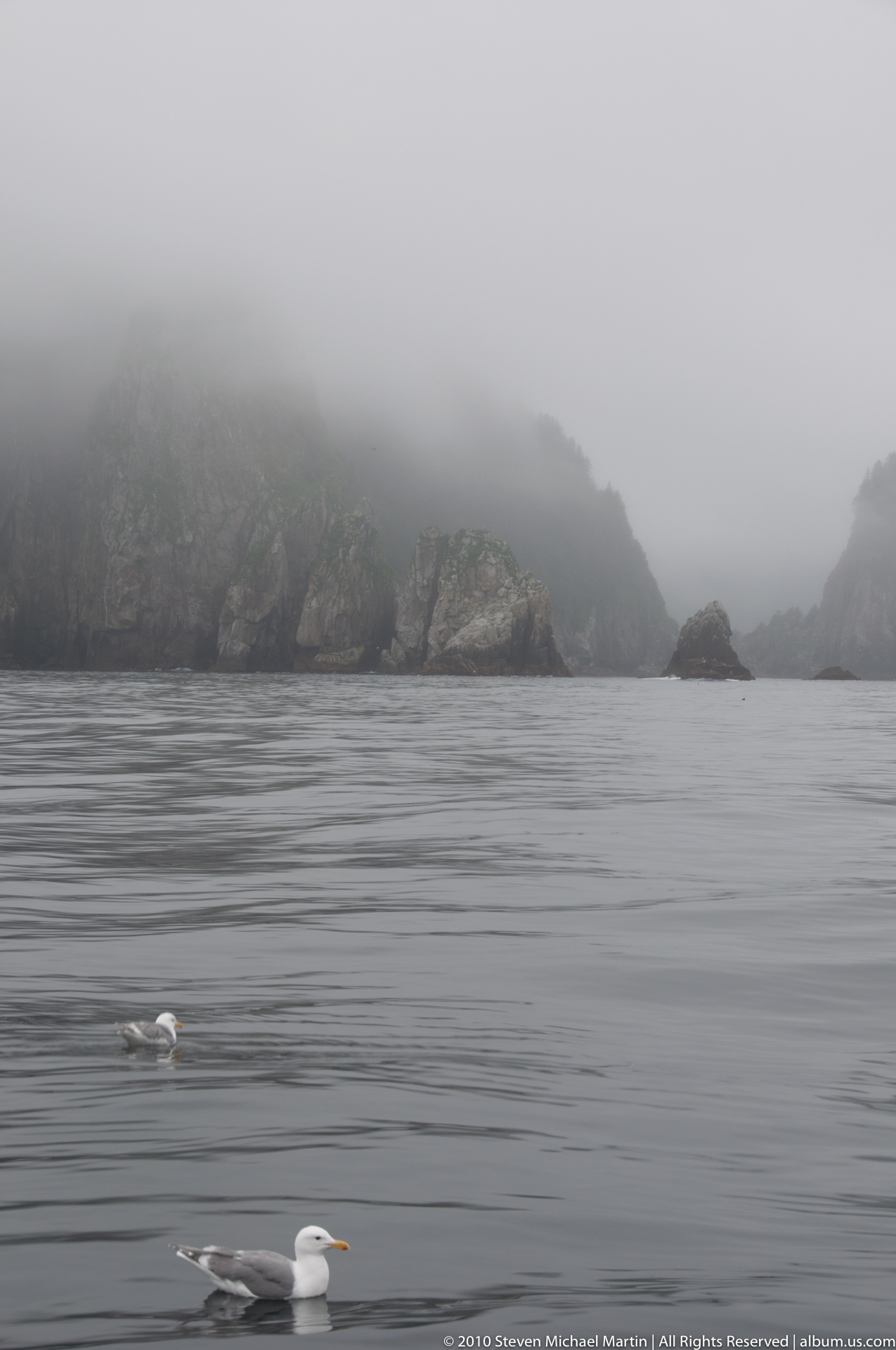
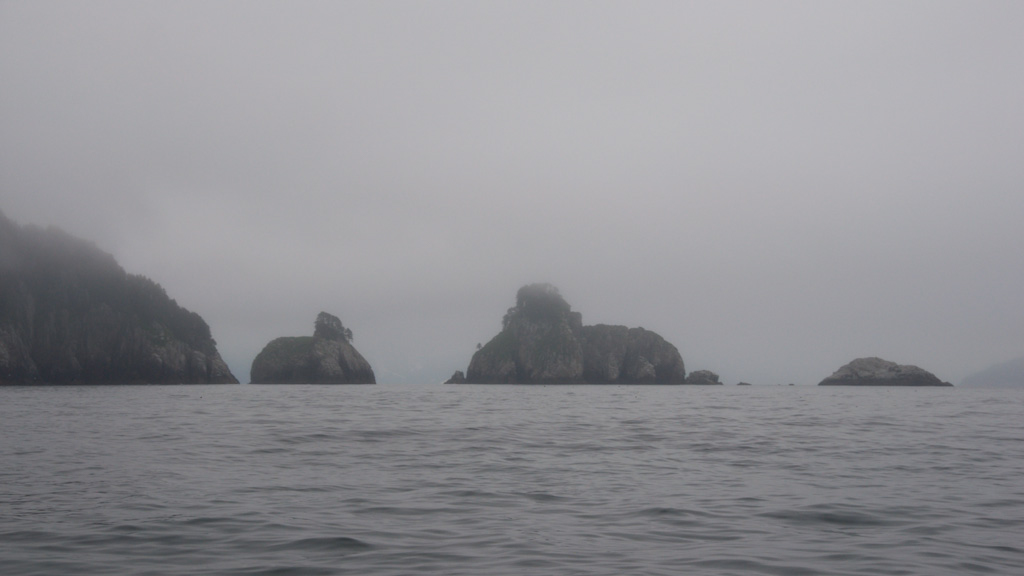
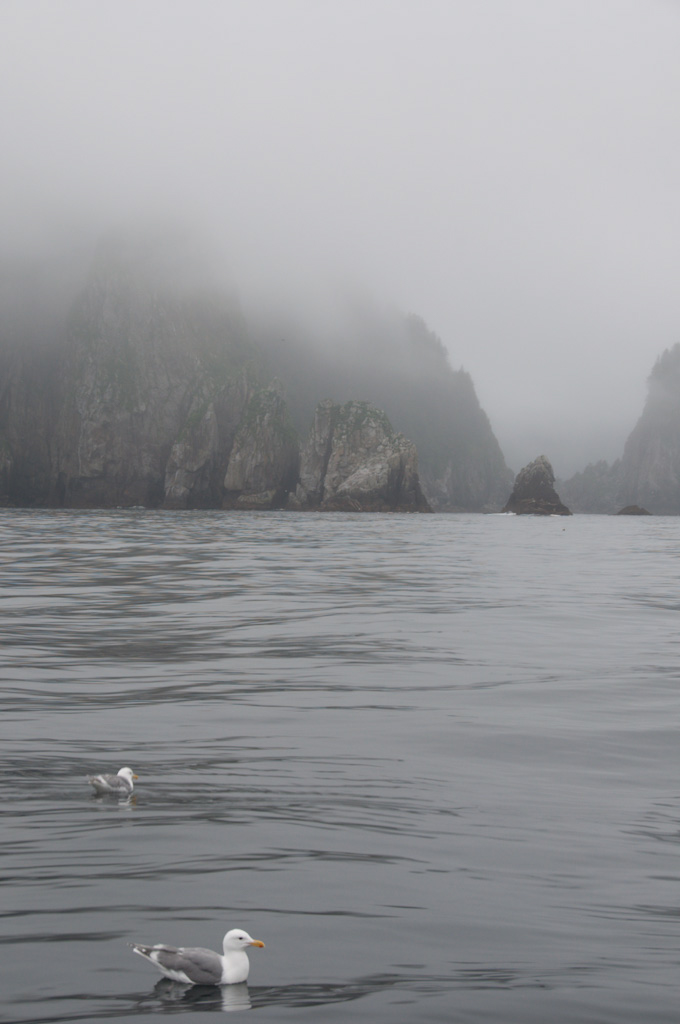
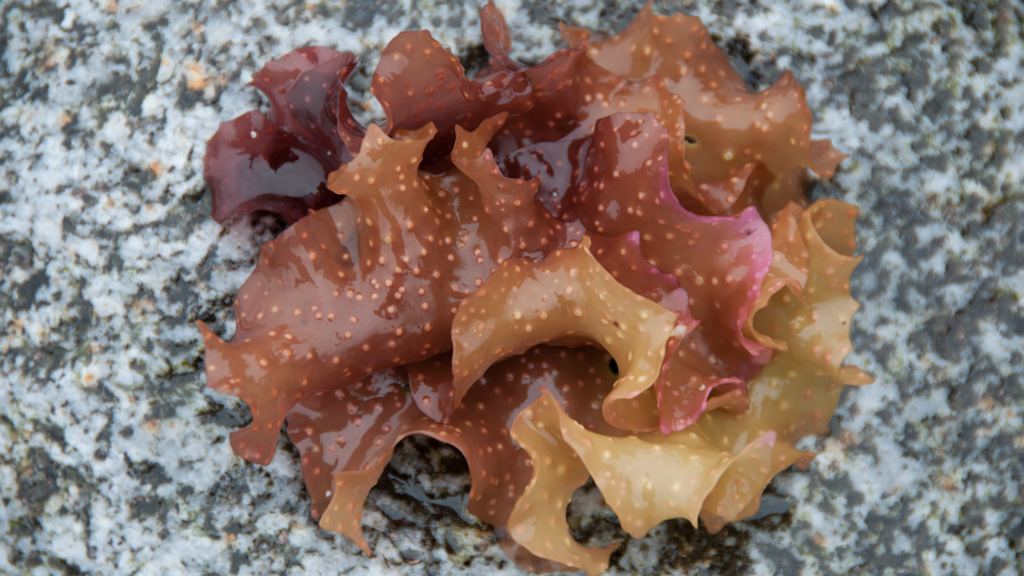
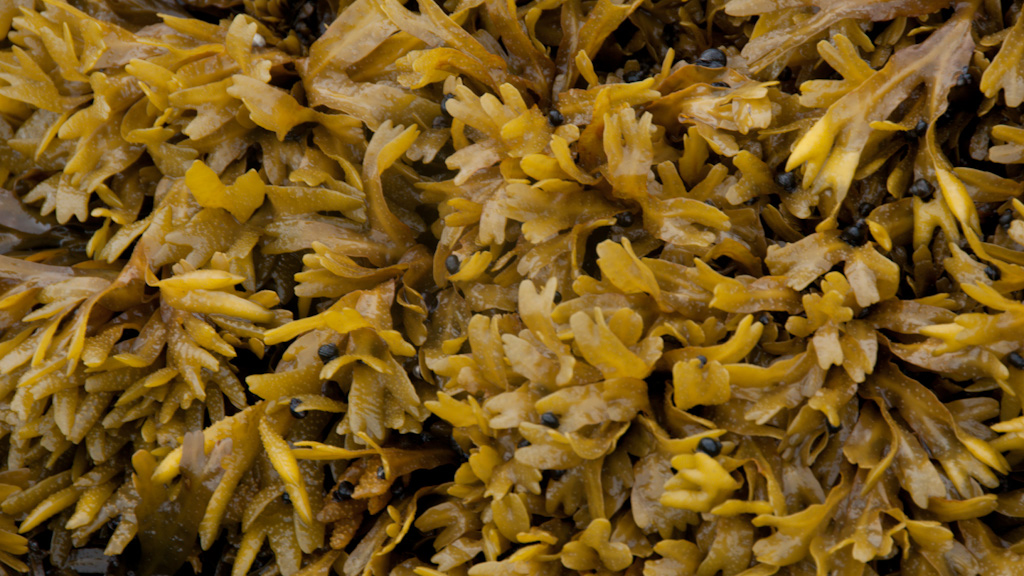
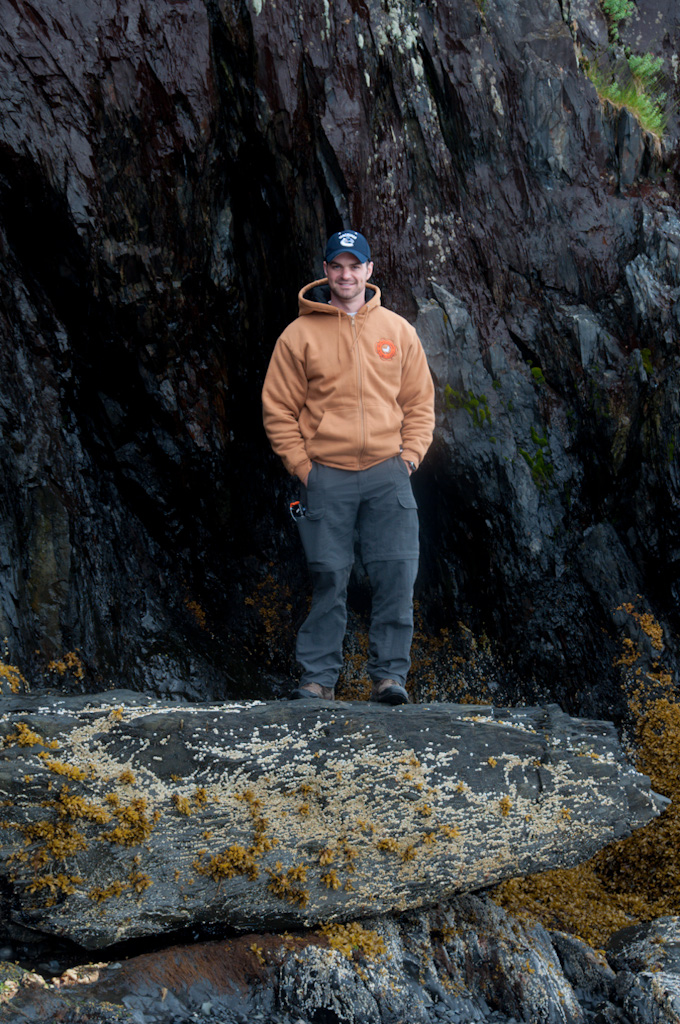
Seabirds crossed the fjord in loose groups or rested along rocky shorelines shaped by tides and weather. Intertidal areas revealed a surprising diversity of marine life, including seaweed, shellfish, and small invertebrates adapted to changing water levels. Together, these encounters emphasized how Kenai Fjords is defined as much by its living marine ecosystem as by its glaciers and mountain scenery.

πŸ“· Photography Notes

  • Overcast light enhances glacier color
  • Wide views emphasize fjord scale
  • Ice fragments create foreground interest
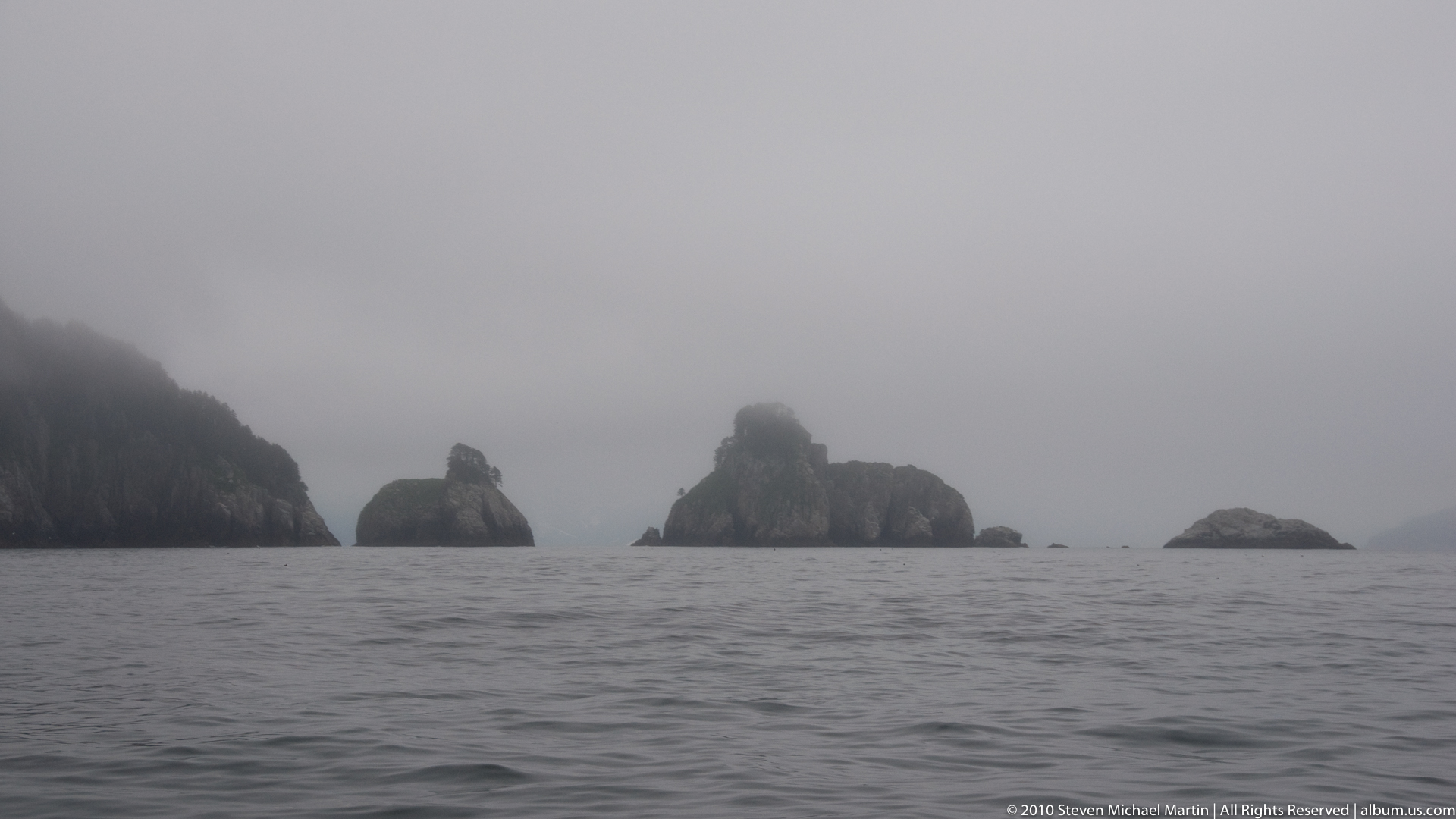
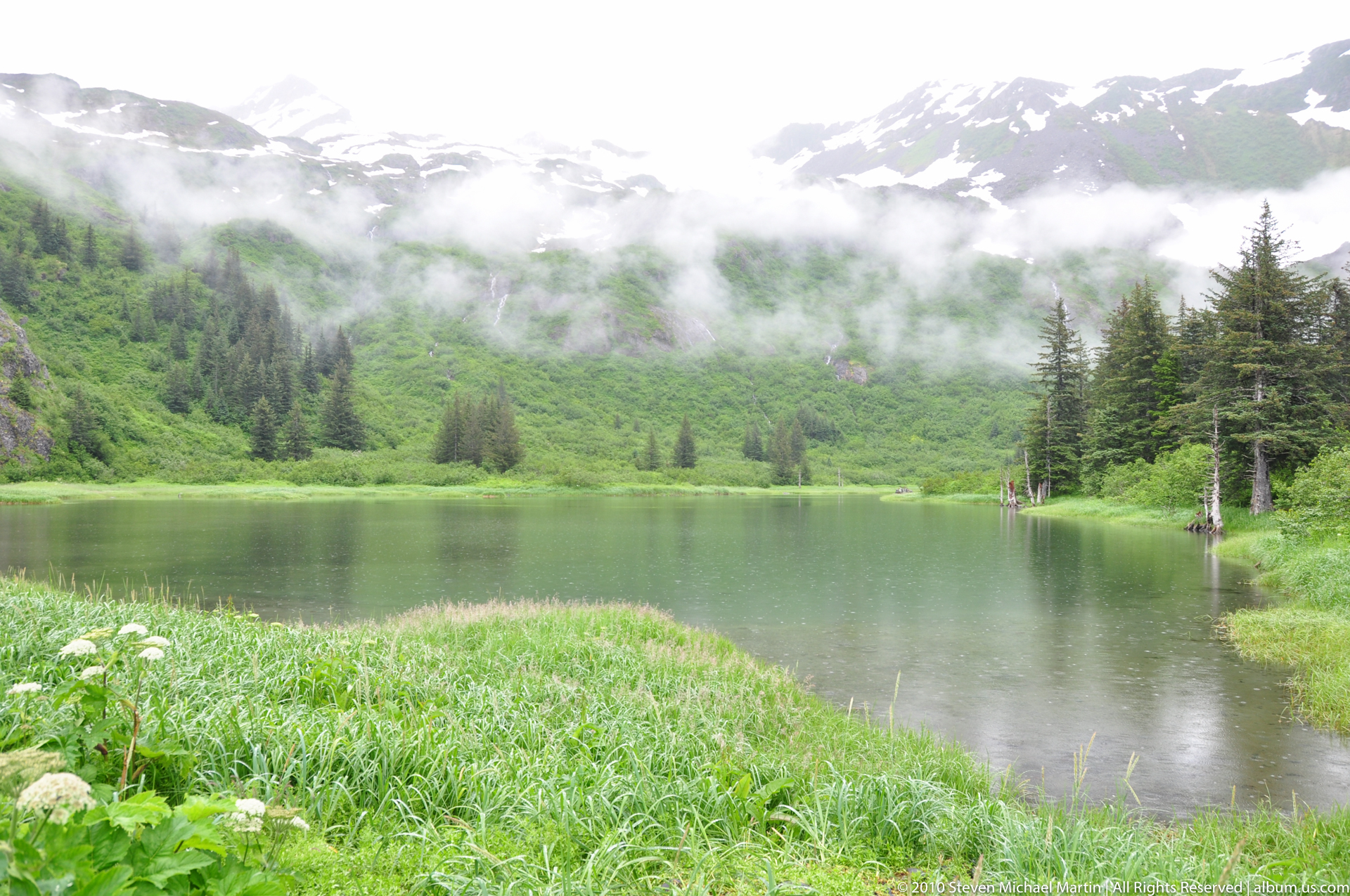
  • Cloud layers add atmosphere
  • Simple framing highlights glacier form
  • Water reflections add visual depth

You may also like

Leave a comment