Museum of Fine Arts, Boston
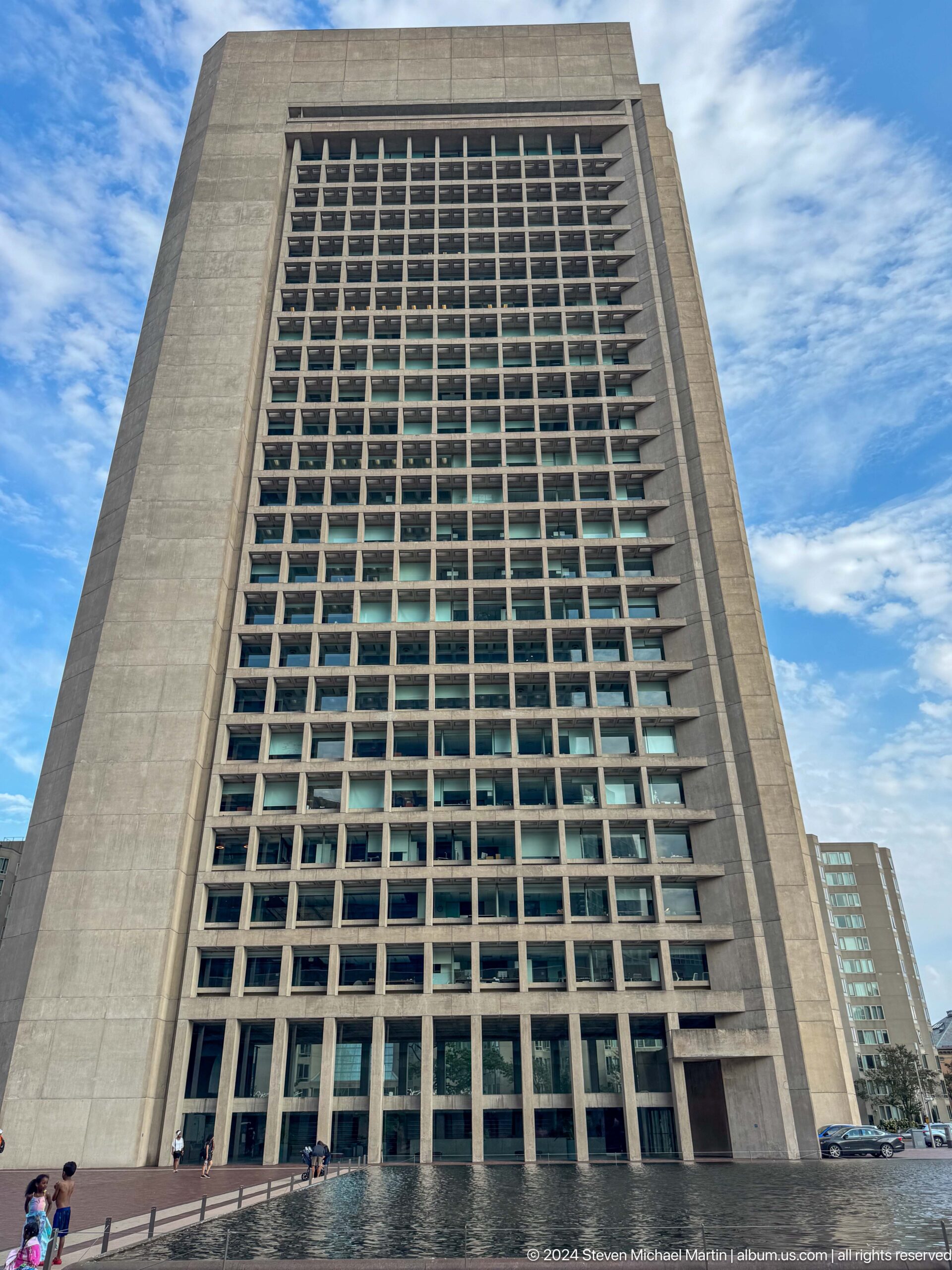
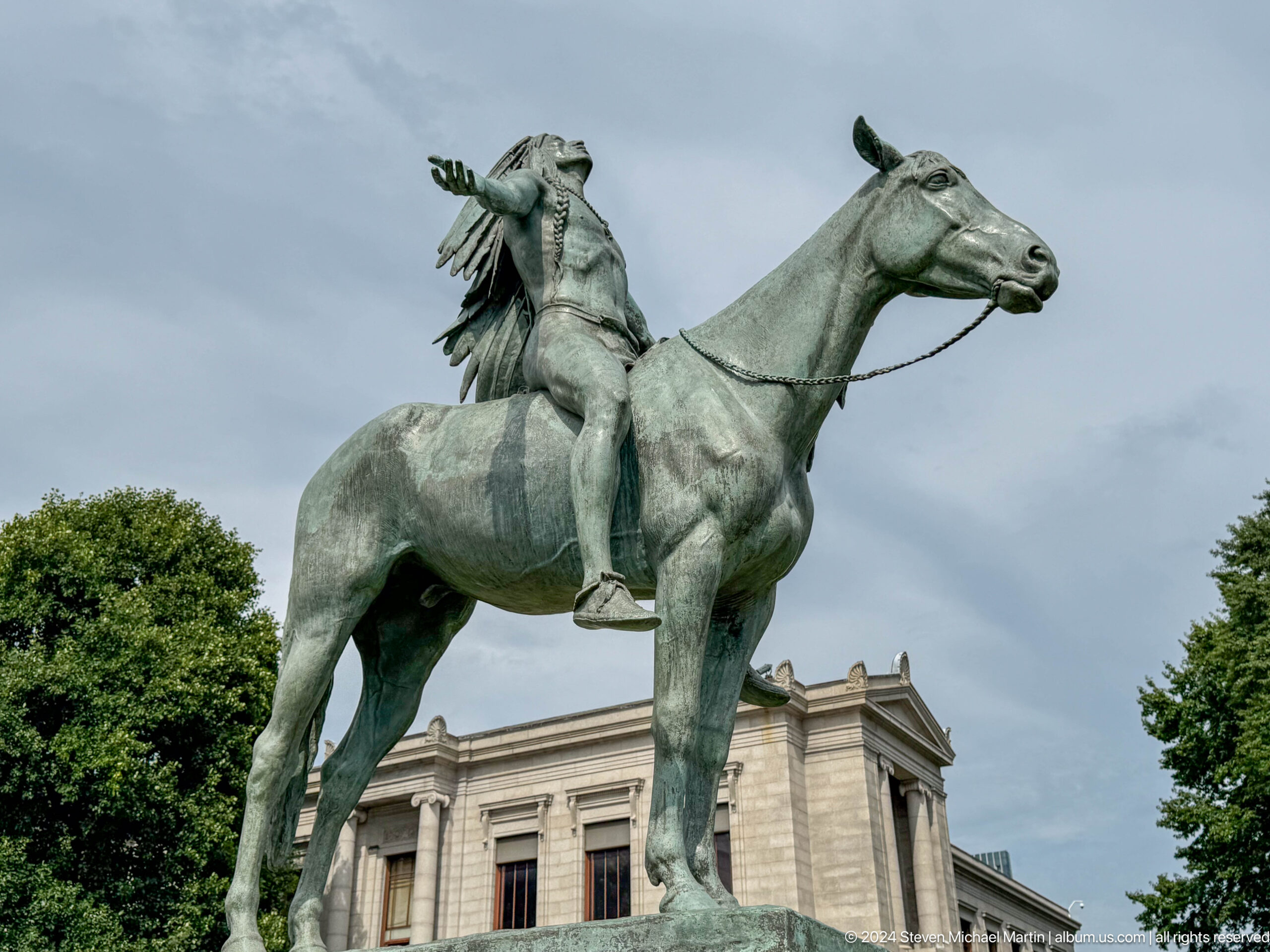
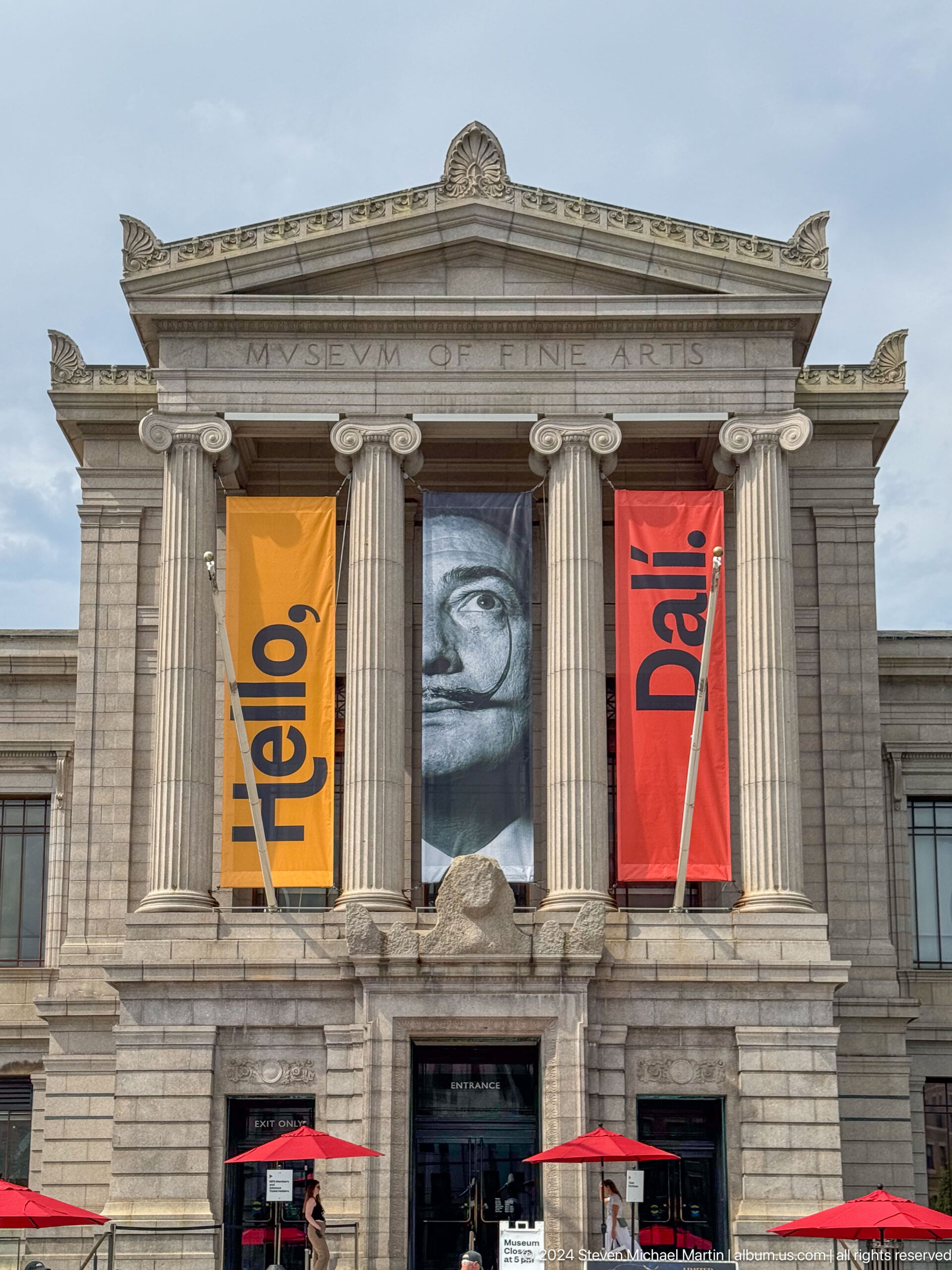
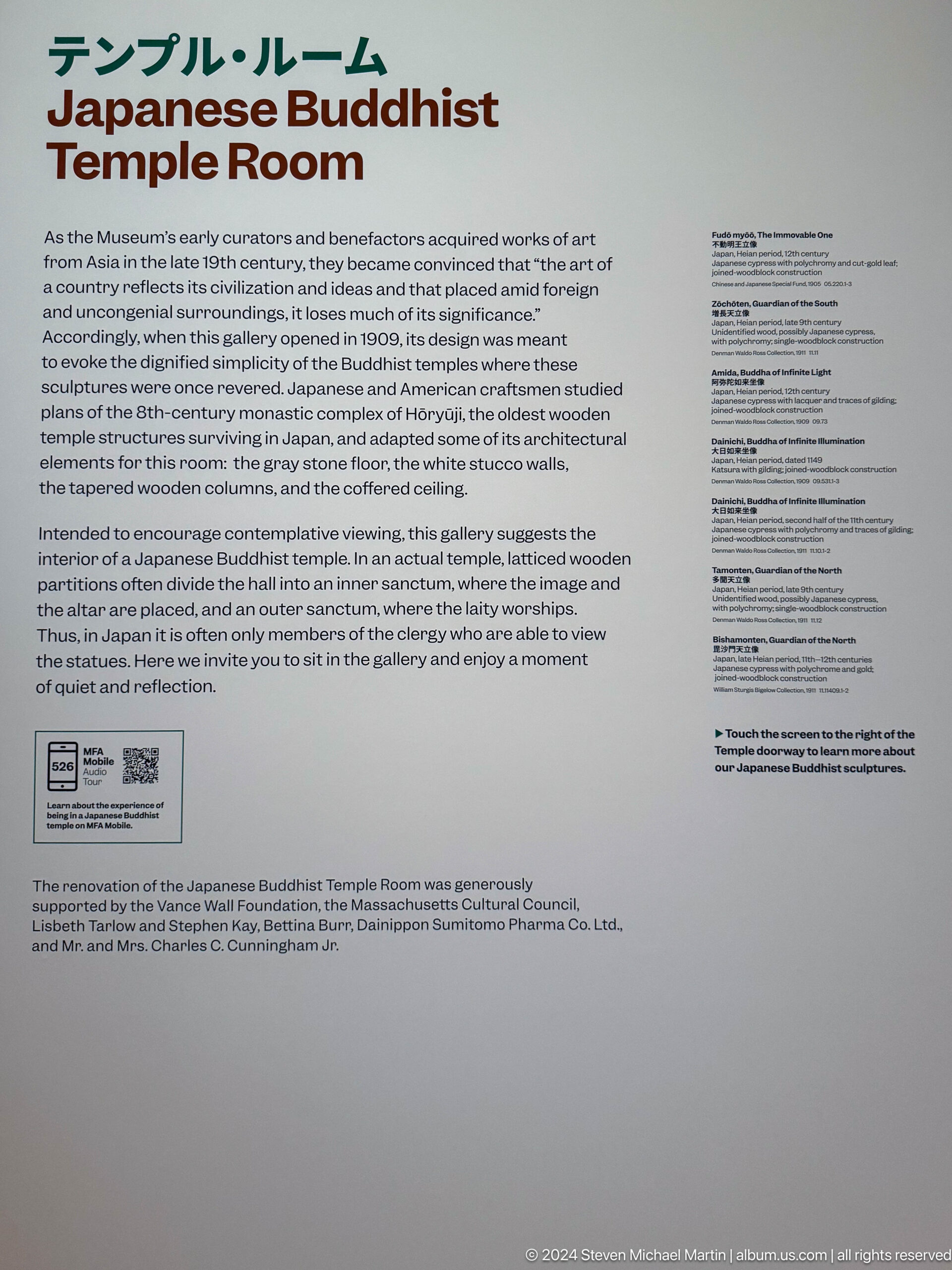
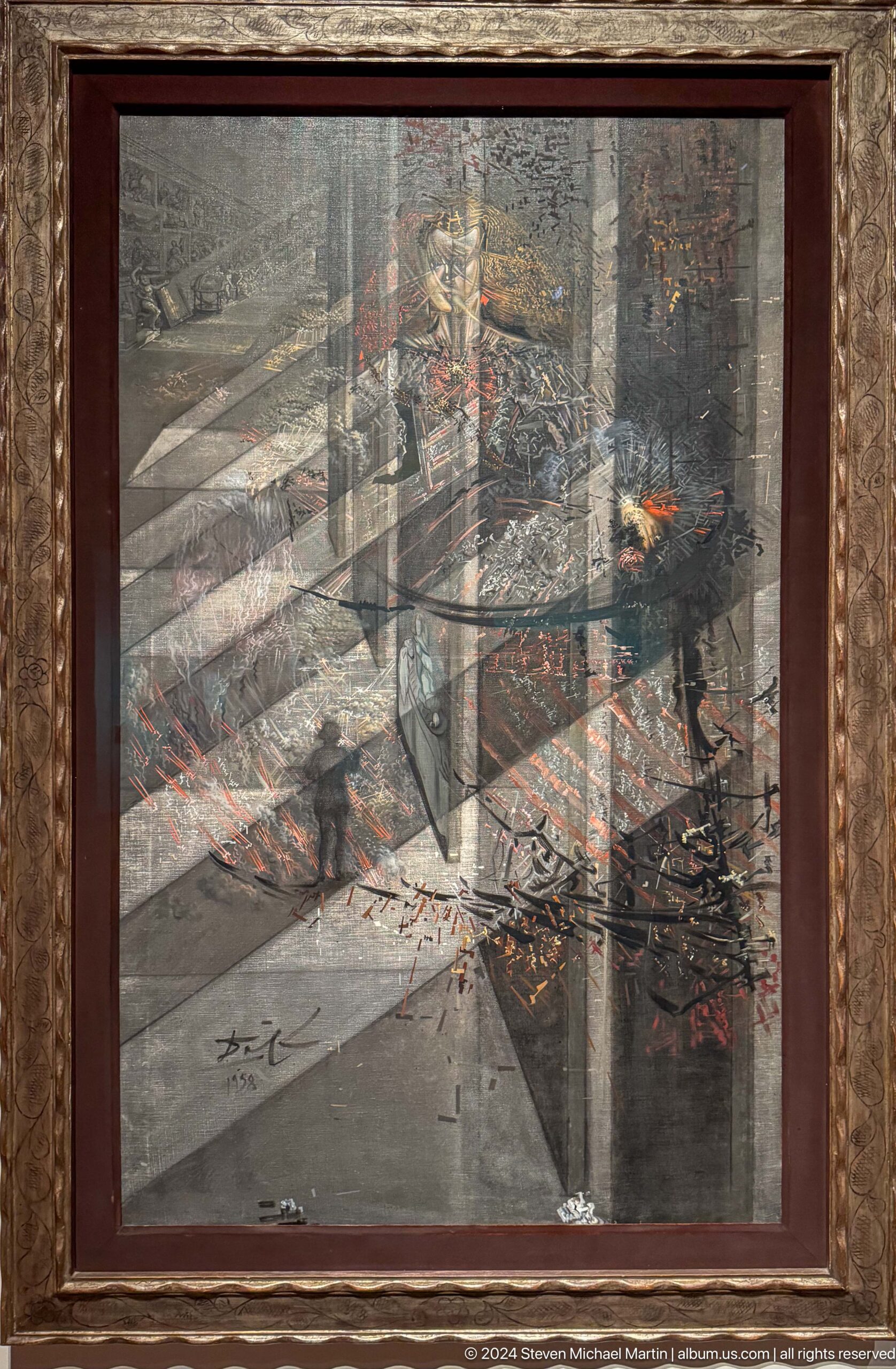
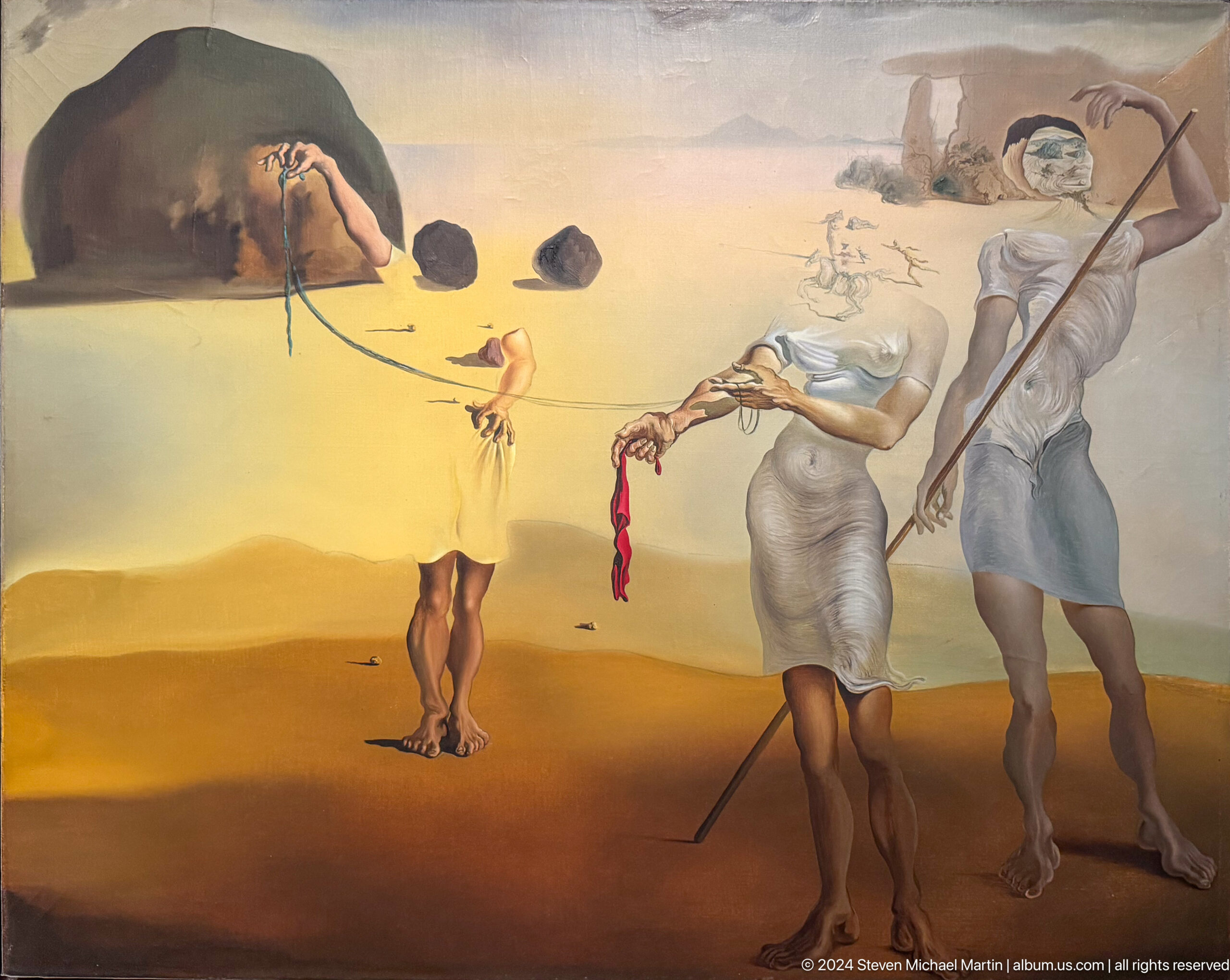
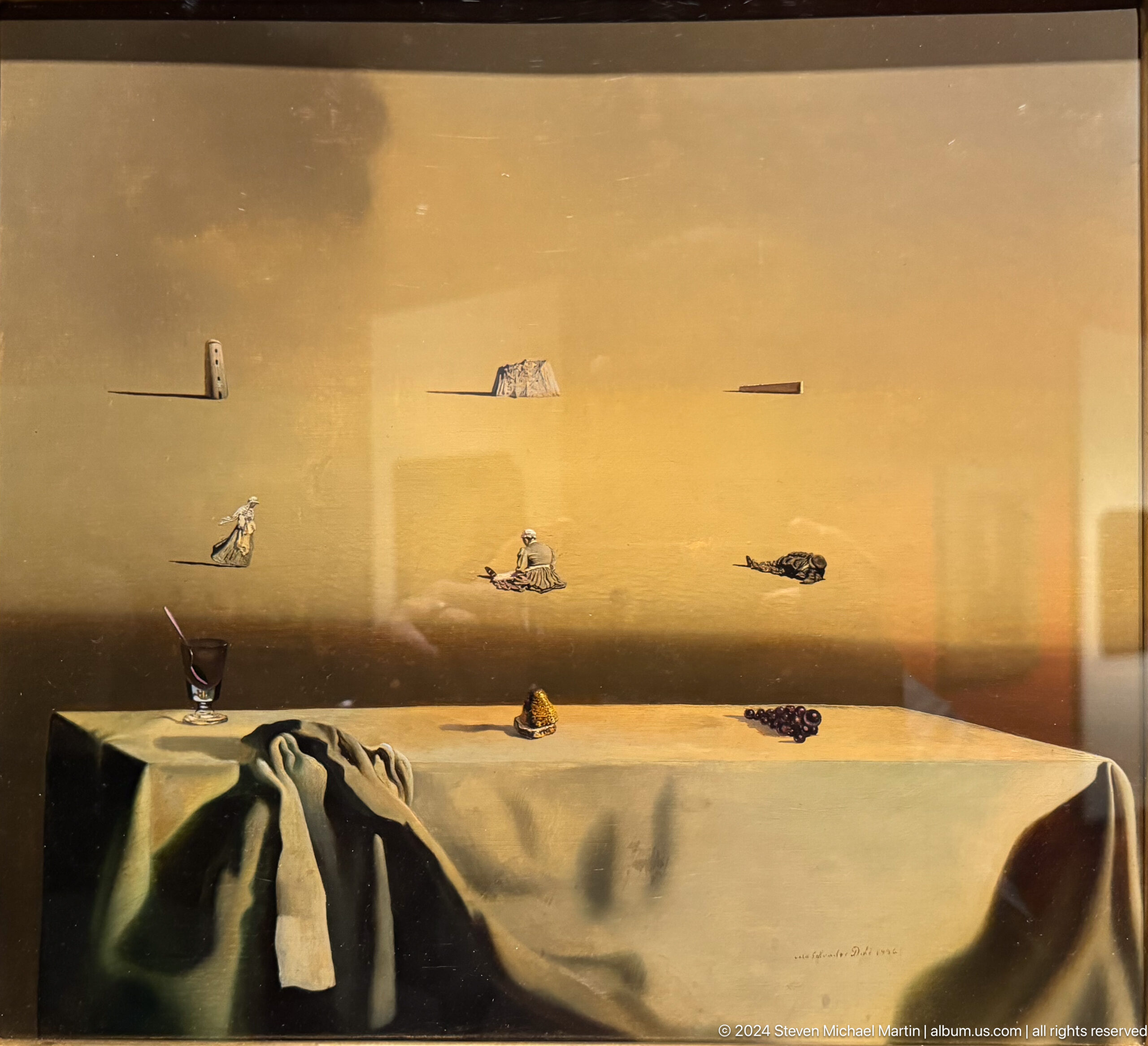
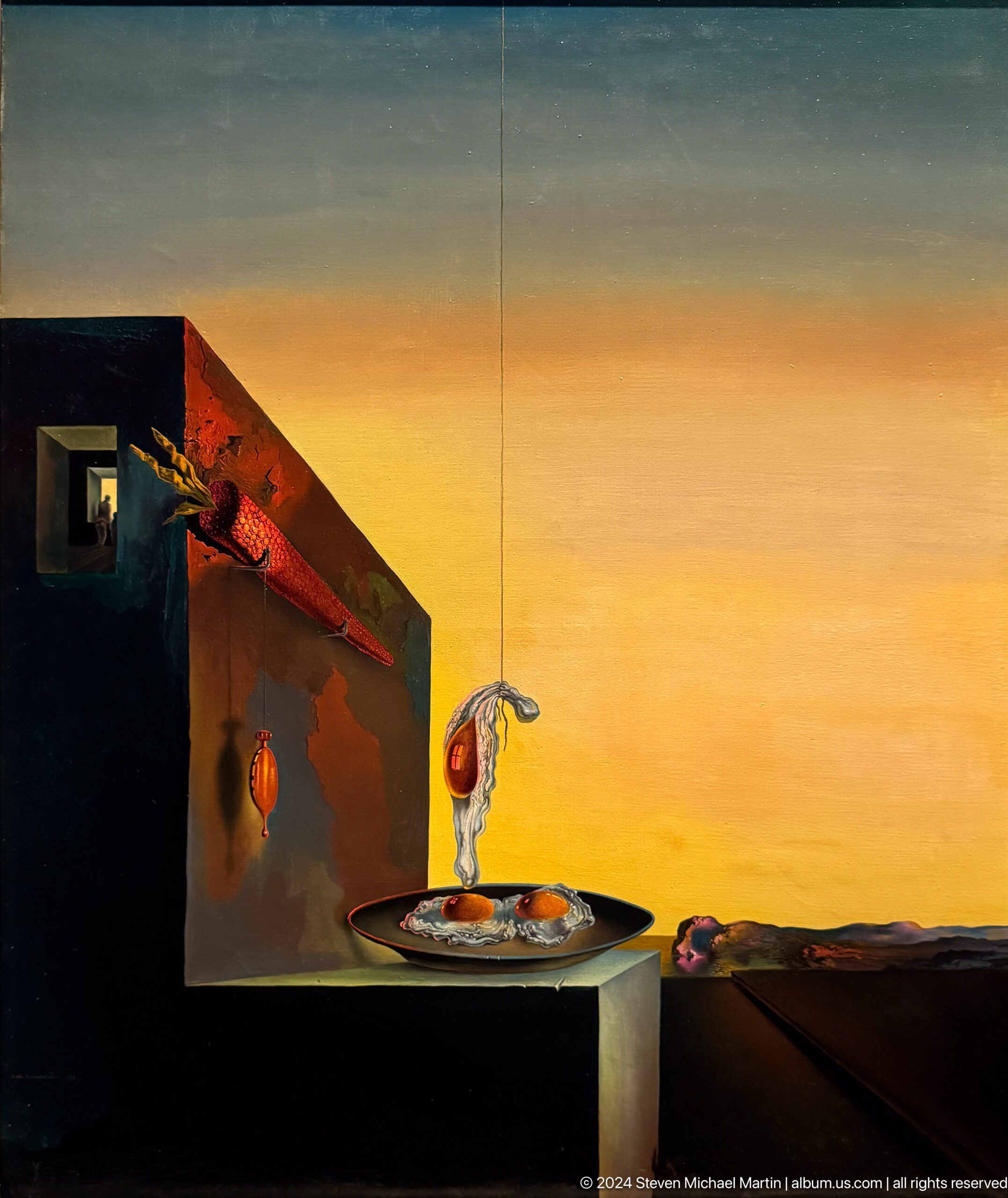
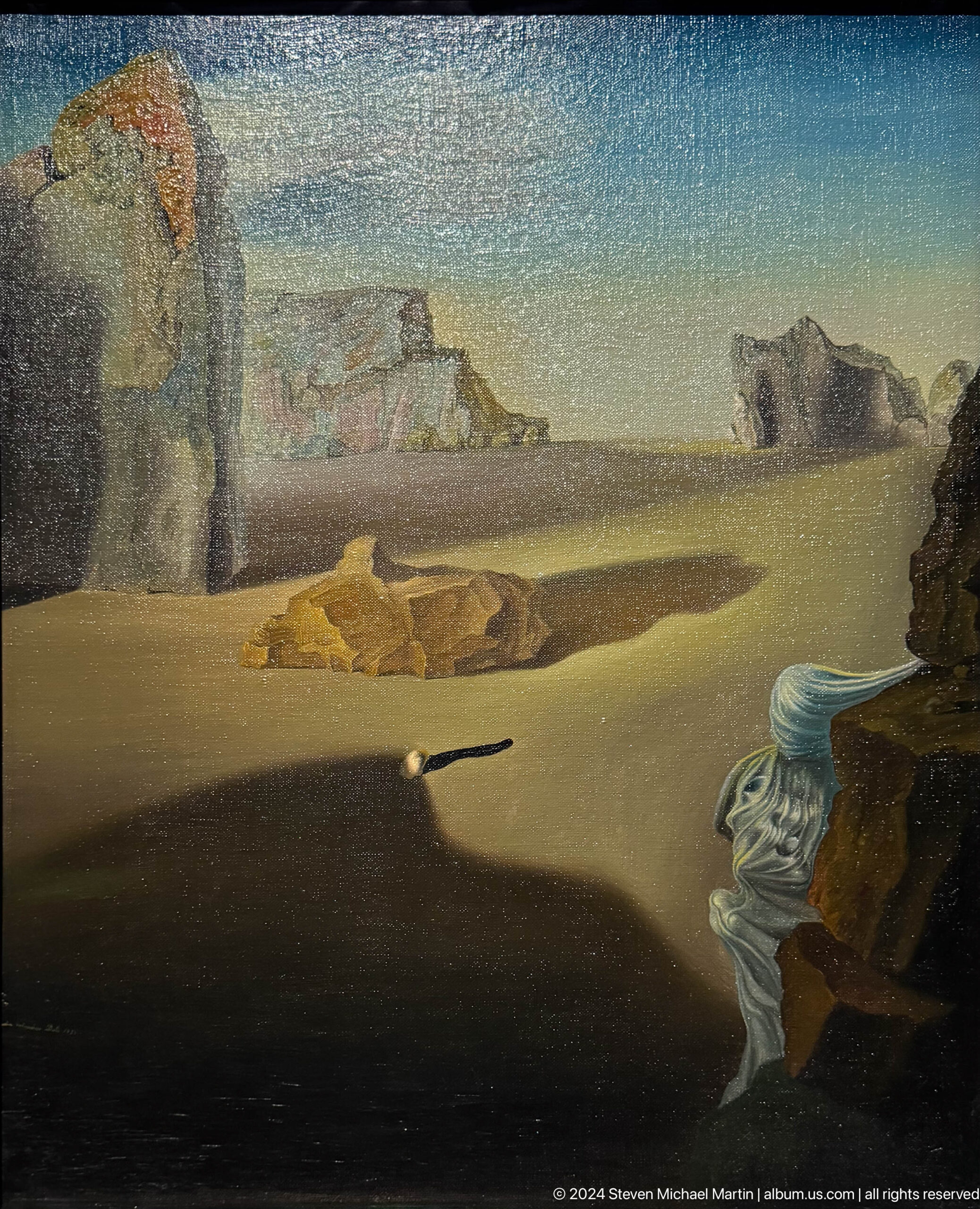
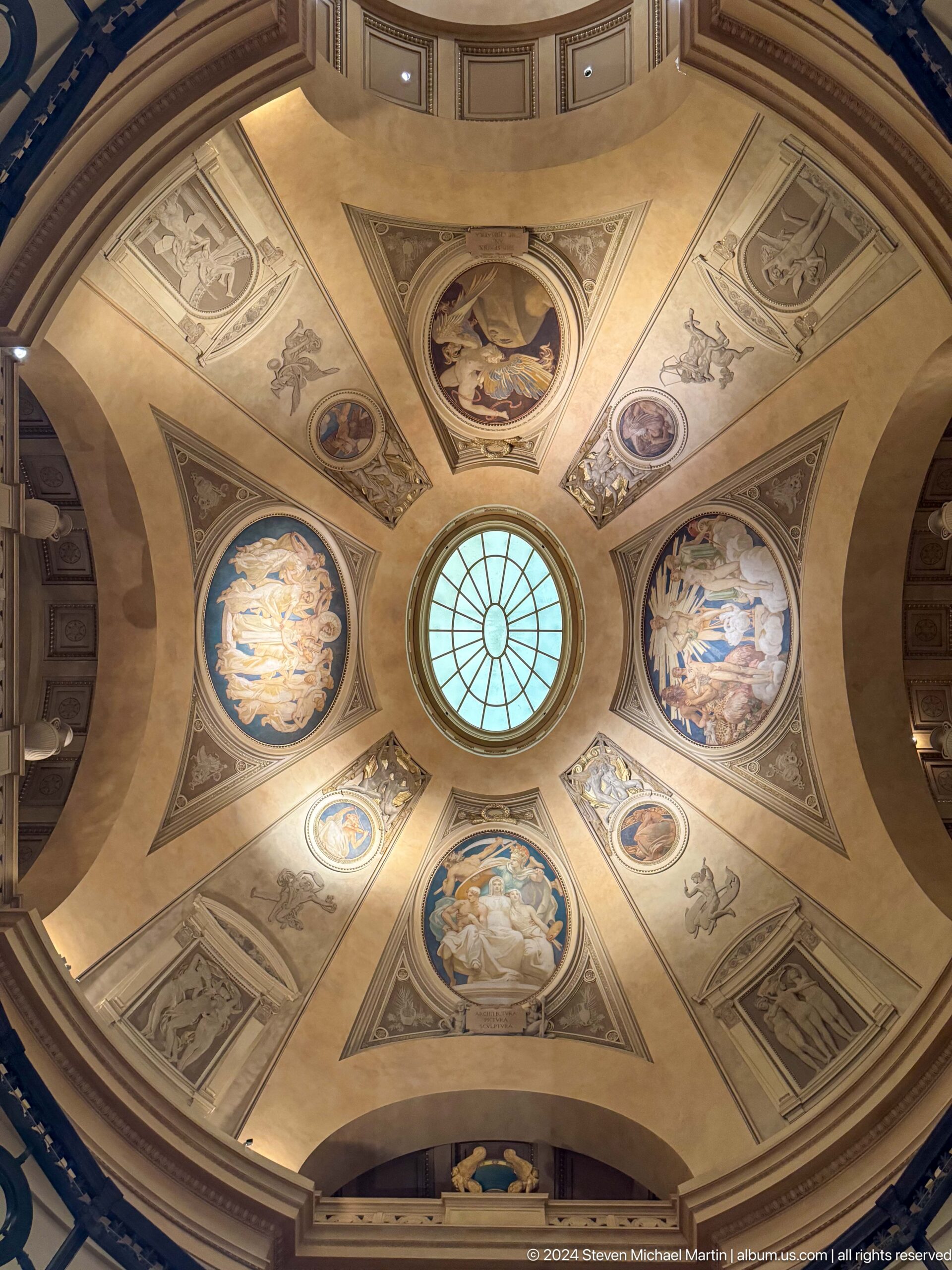
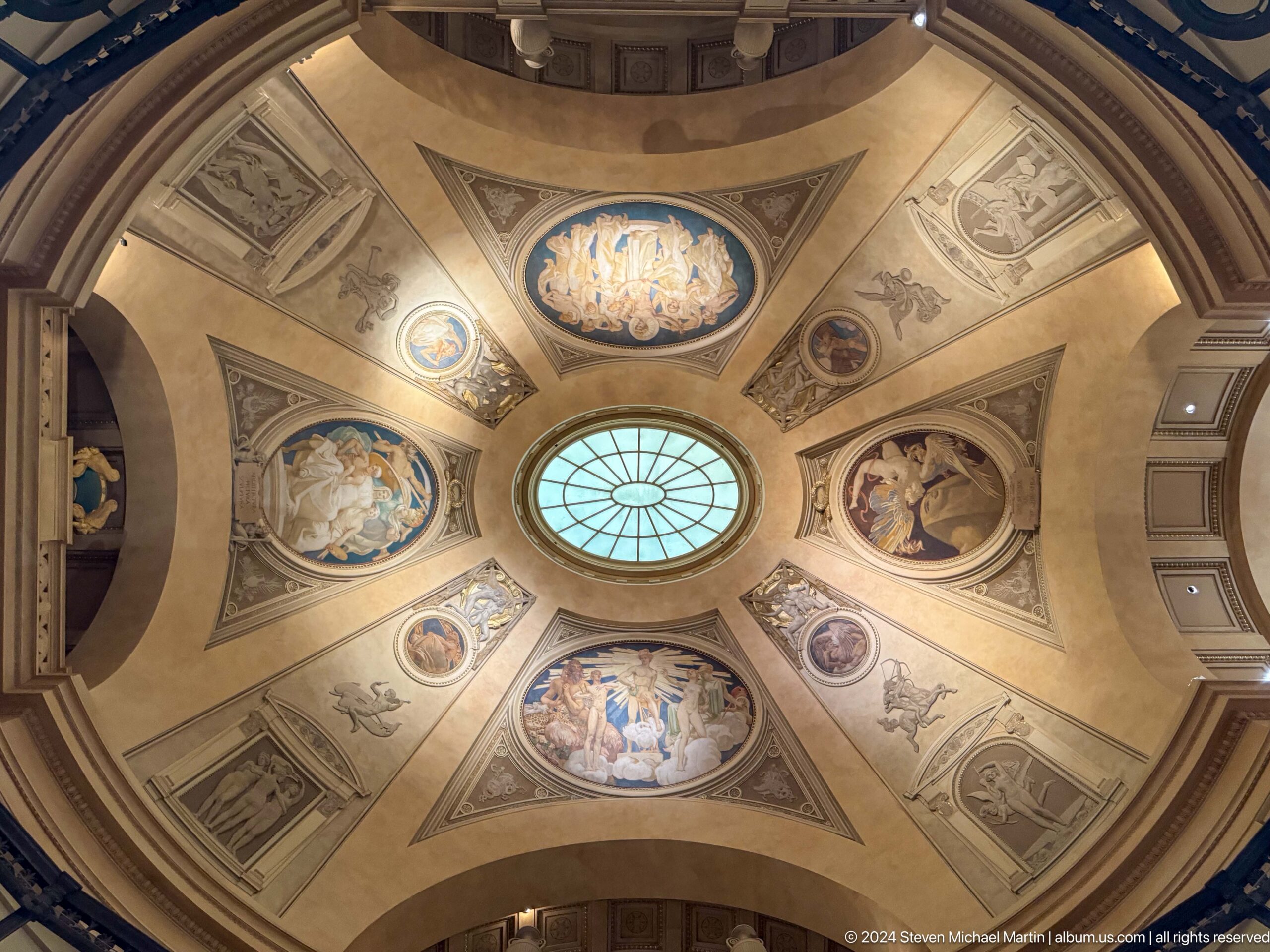
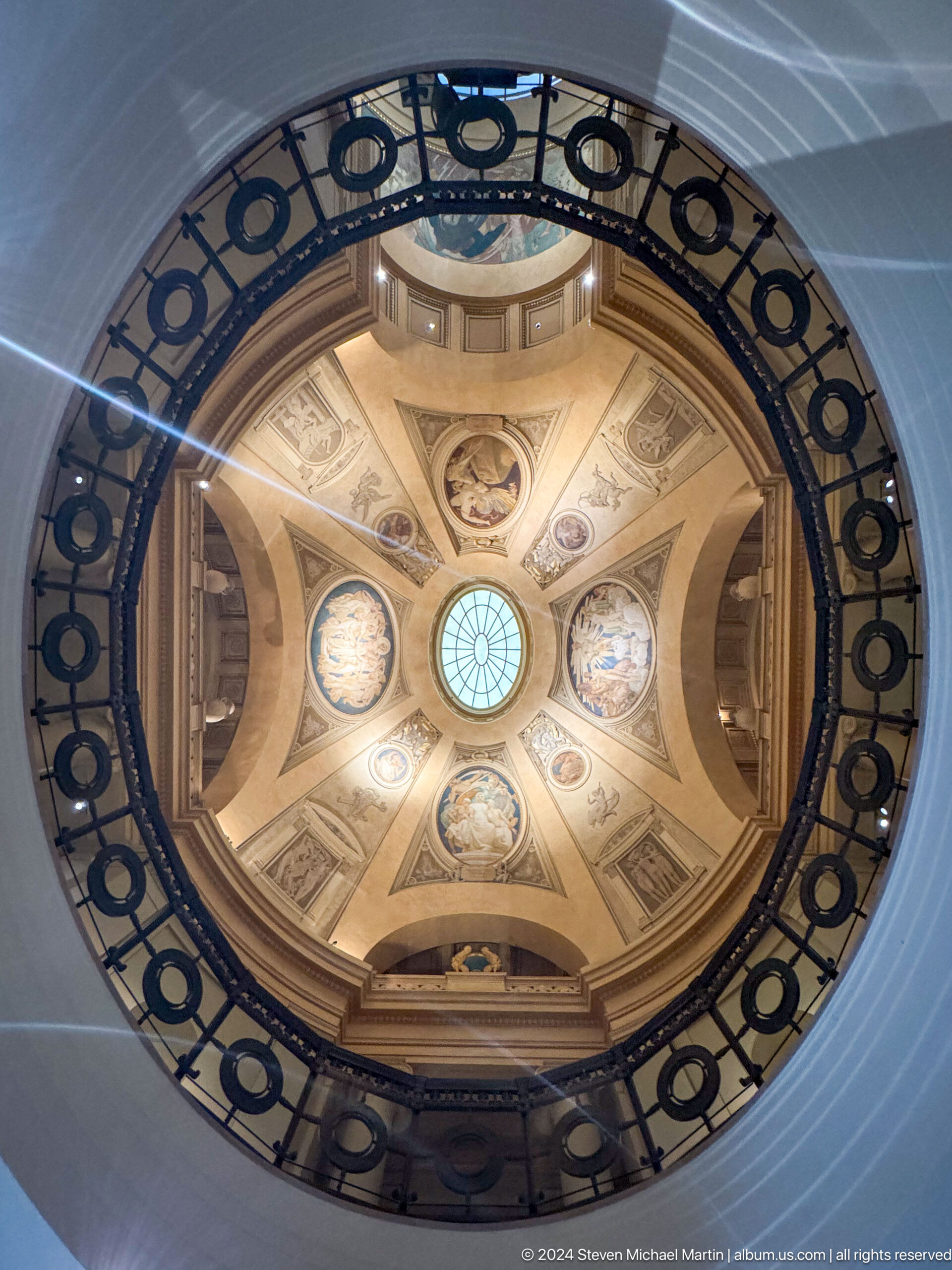
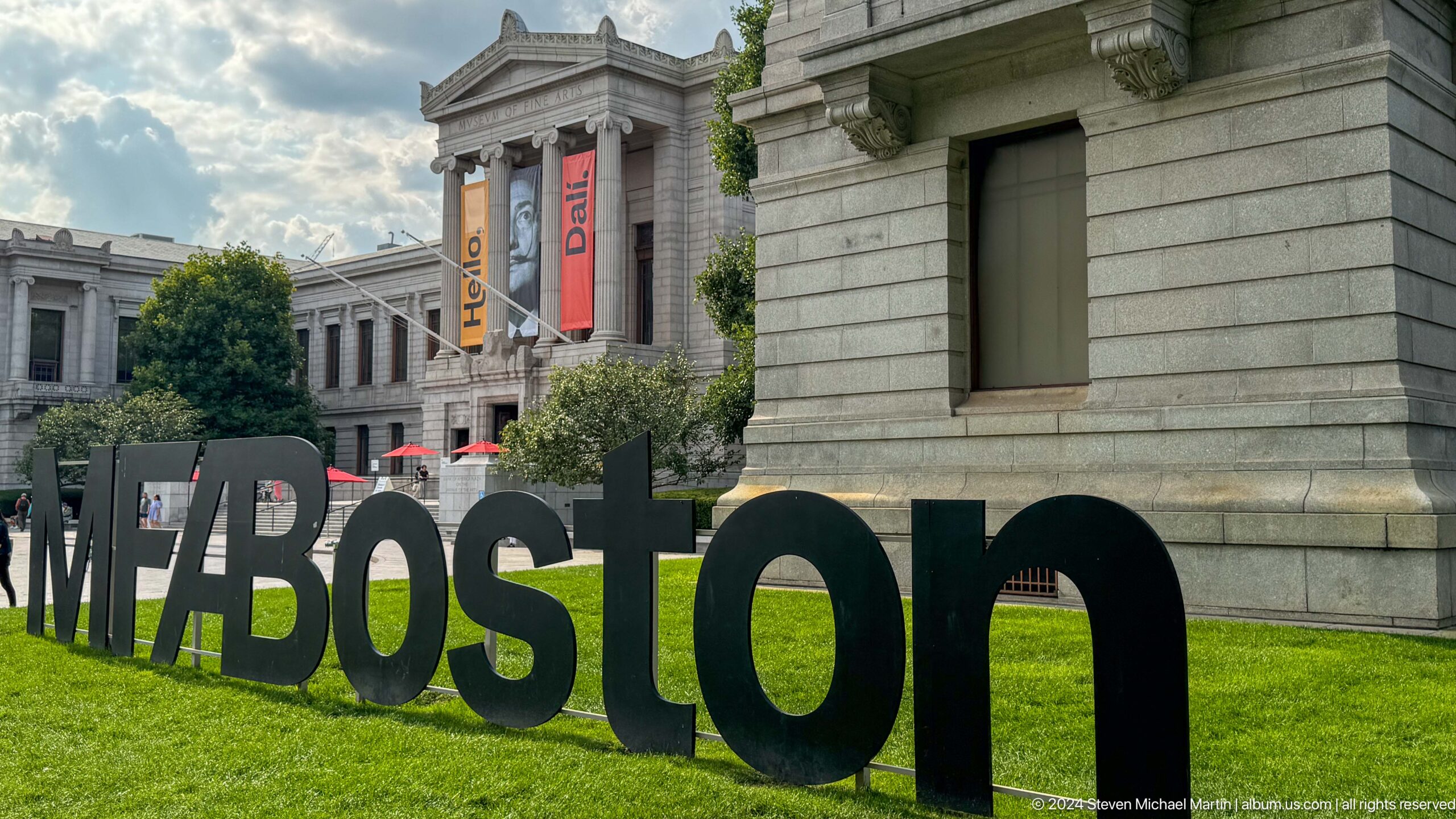
The Museum of Fine Arts, Boston is one of the most comprehensive art institutions in the United States, reflecting the development of cultural collecting traditions during the nineteenth and twentieth centuries. Founded in 1870 and relocated to its current Fenway location in 1909, the museum’s architecture and collections illustrate the role of Boston as a center of education, scholarship, and artistic exchange. The institution developed alongside other major cultural organizations in the Back Bay and Fenway districts, reinforcing the city’s identity as a hub of intellectual life in New England.
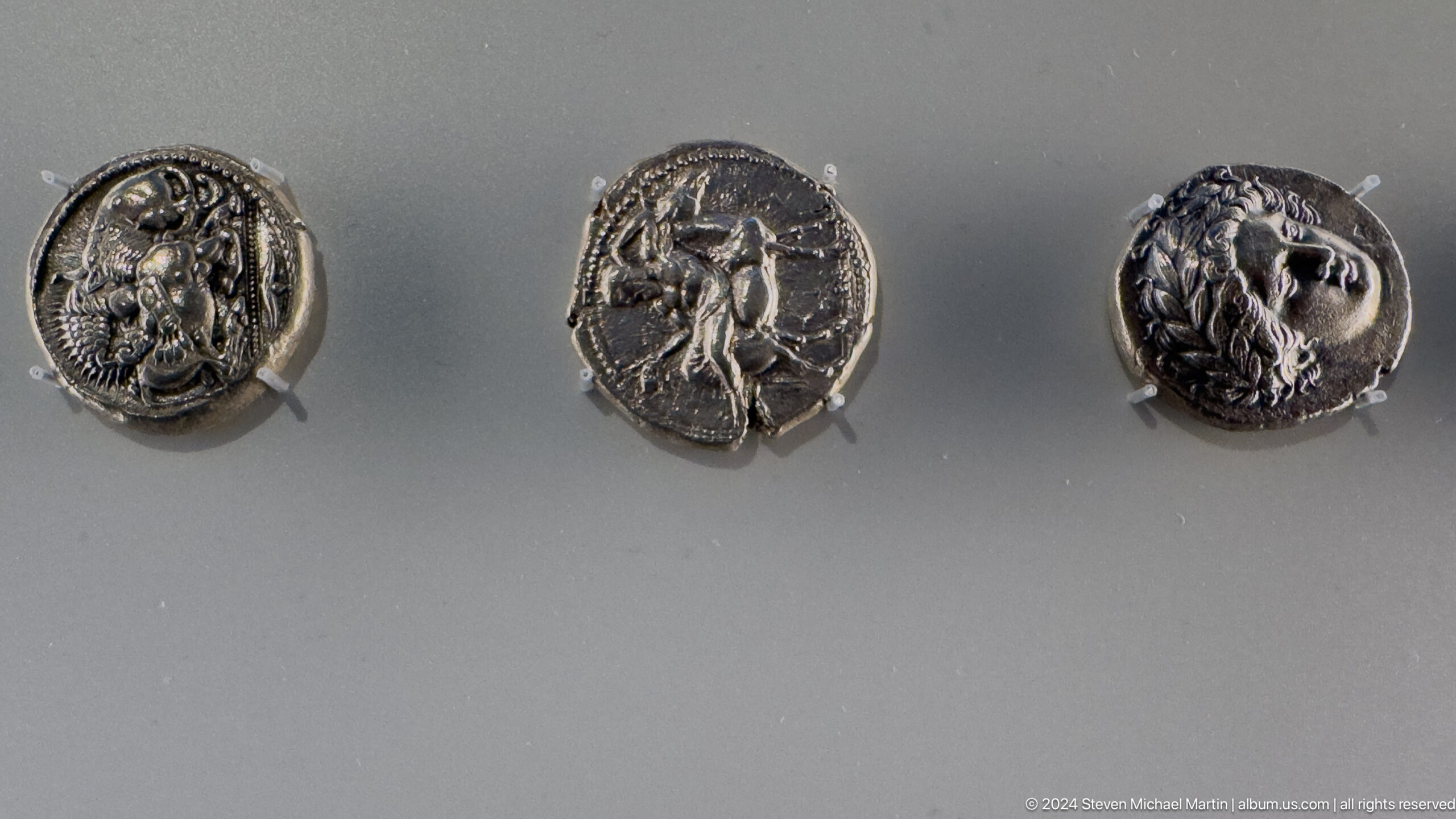
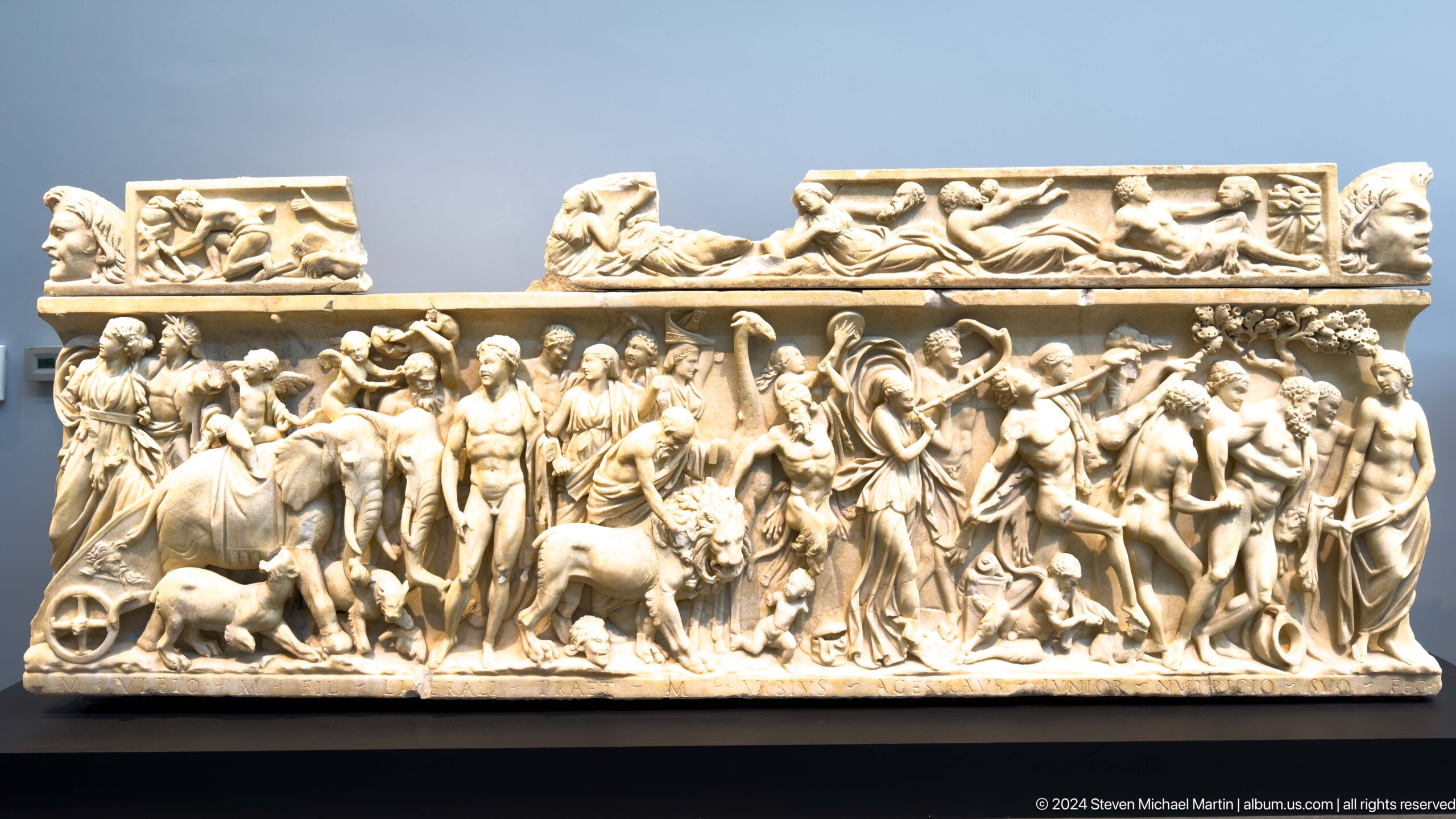
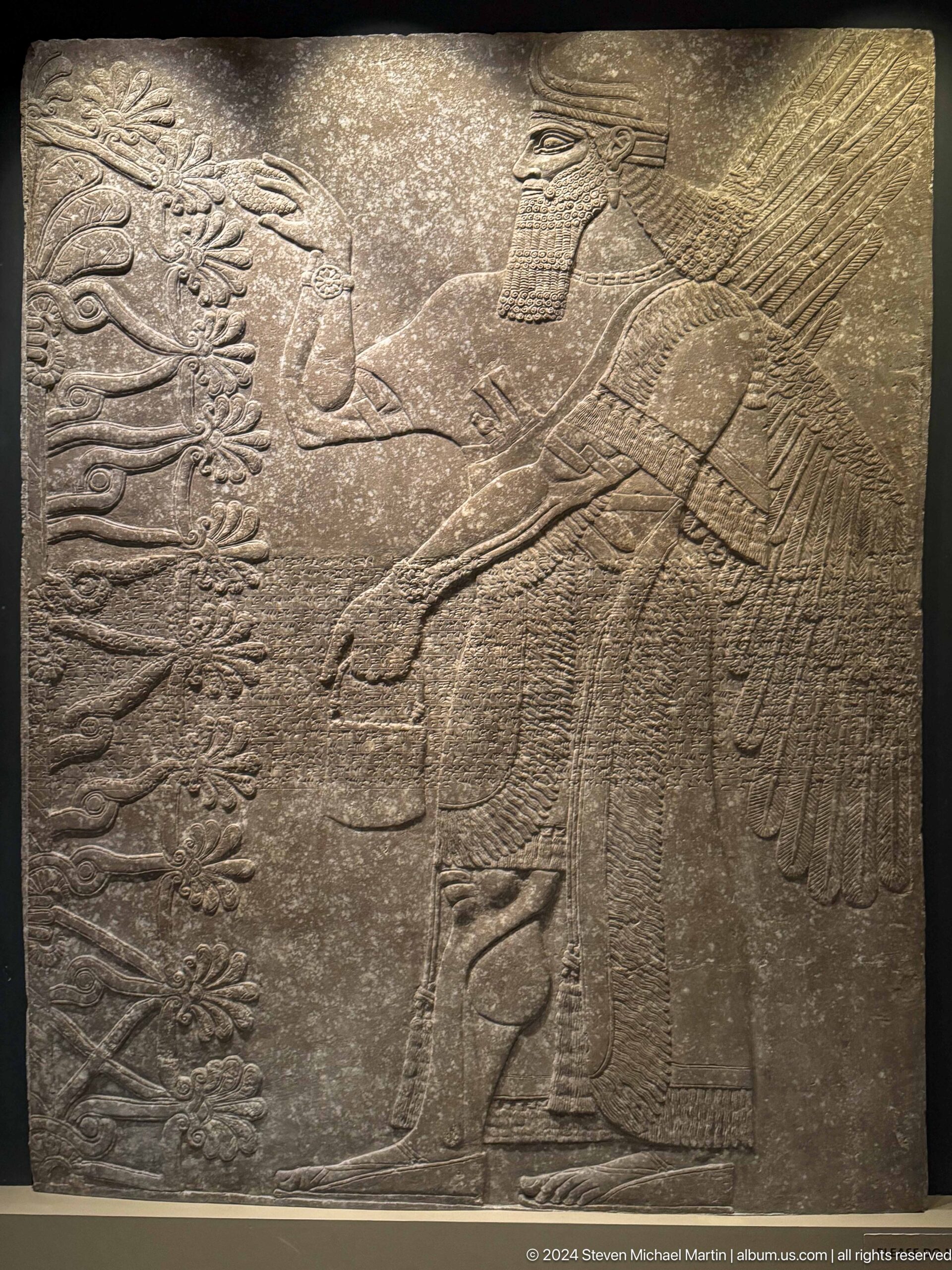
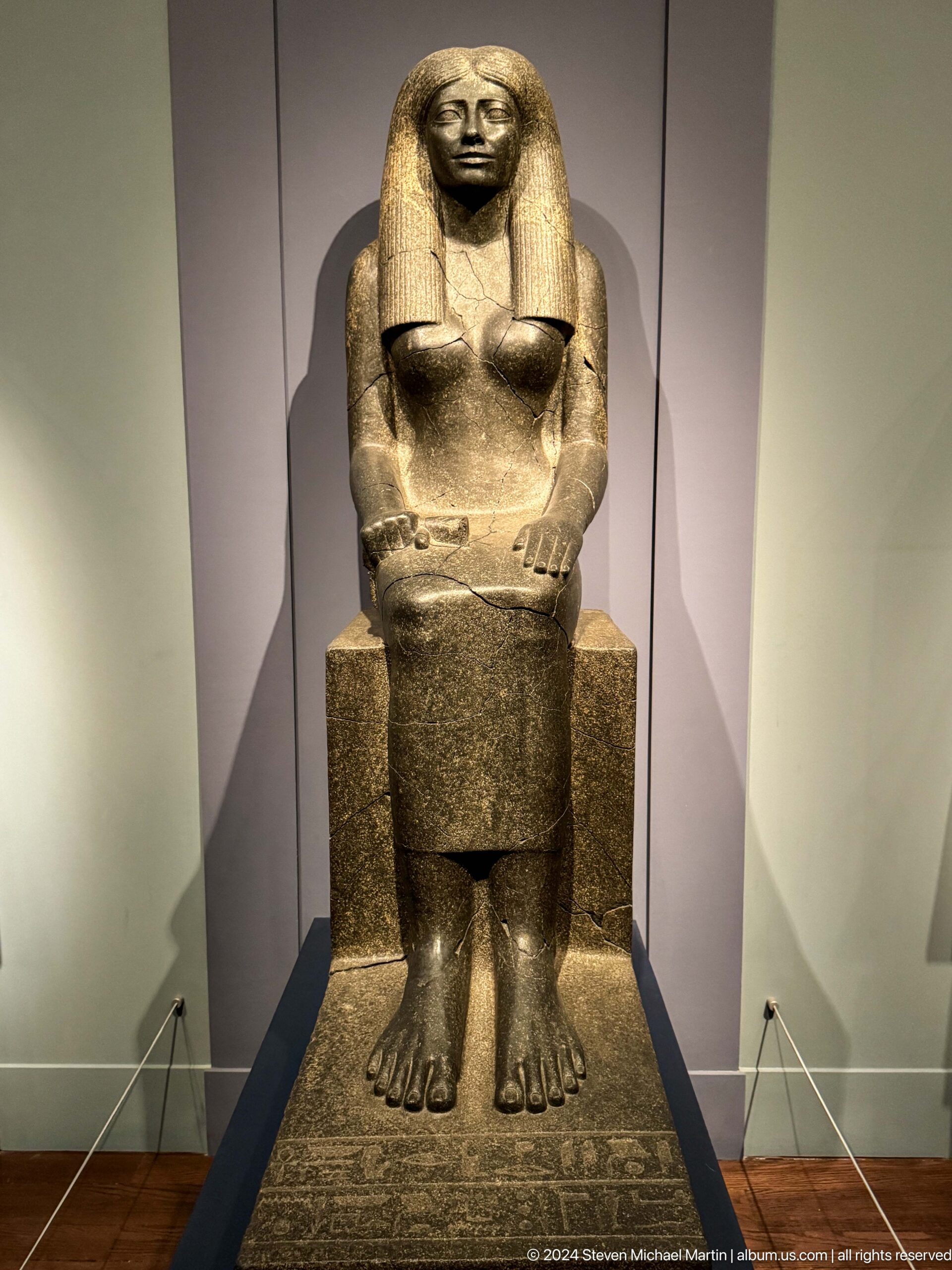
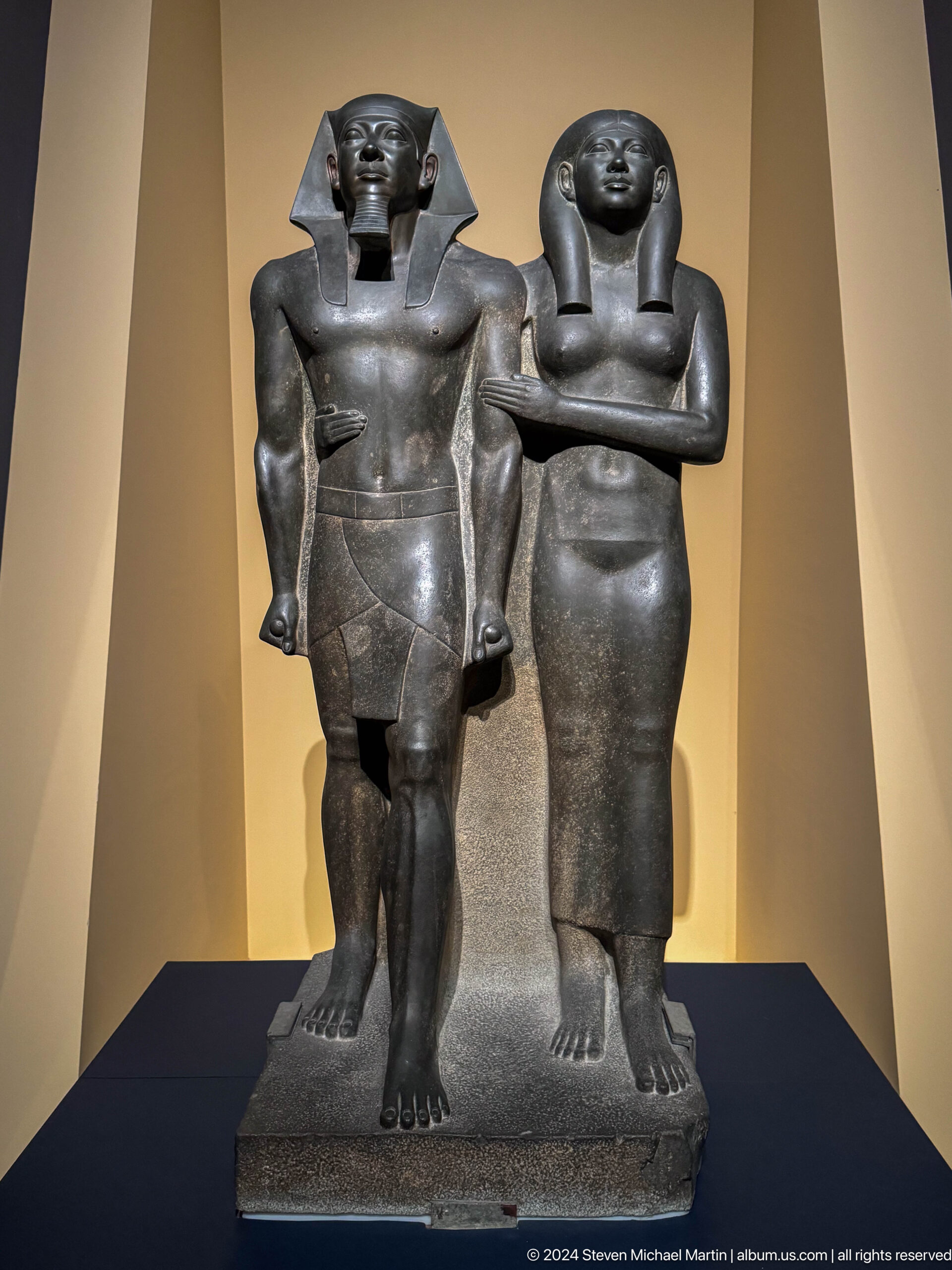
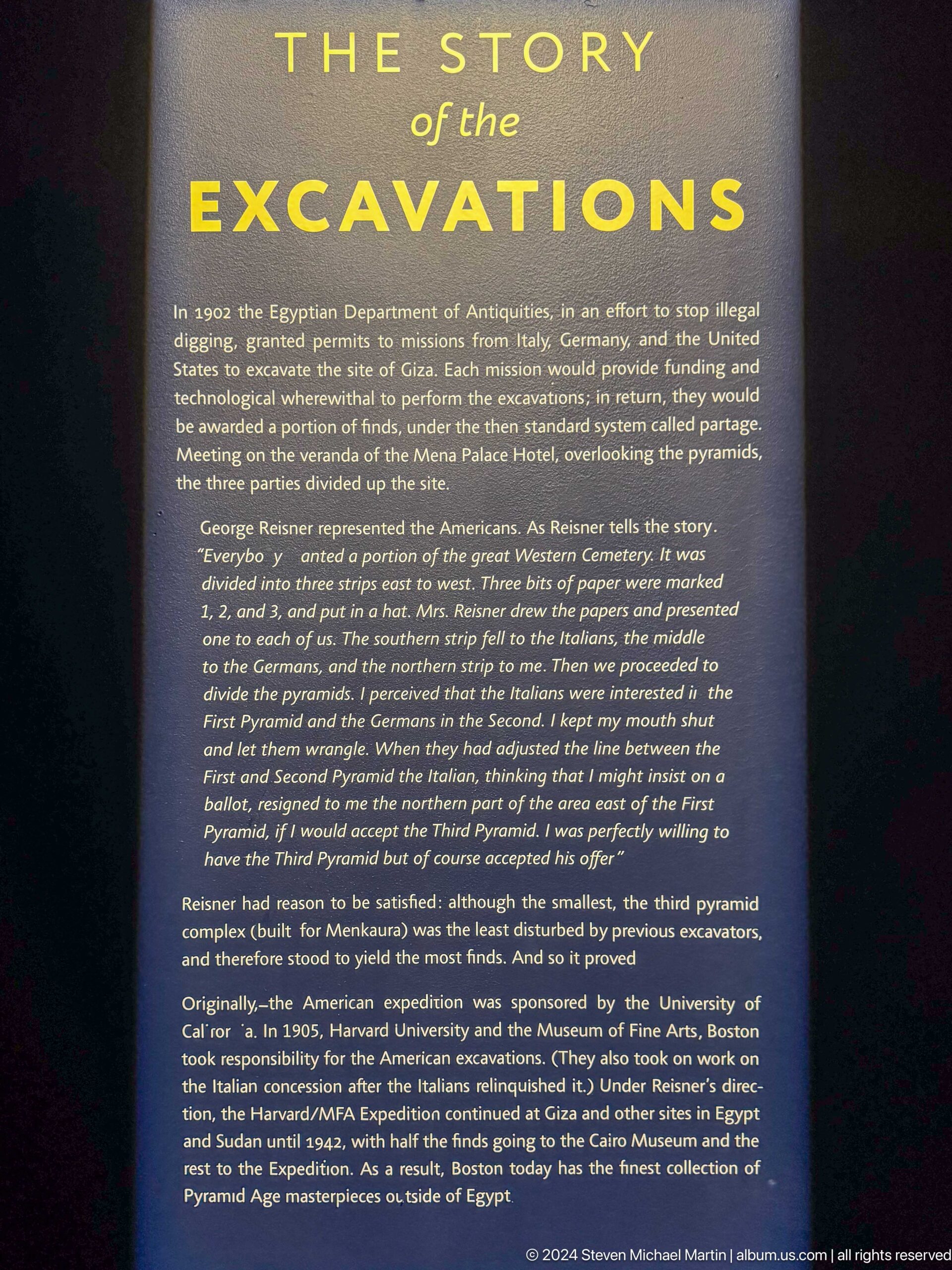
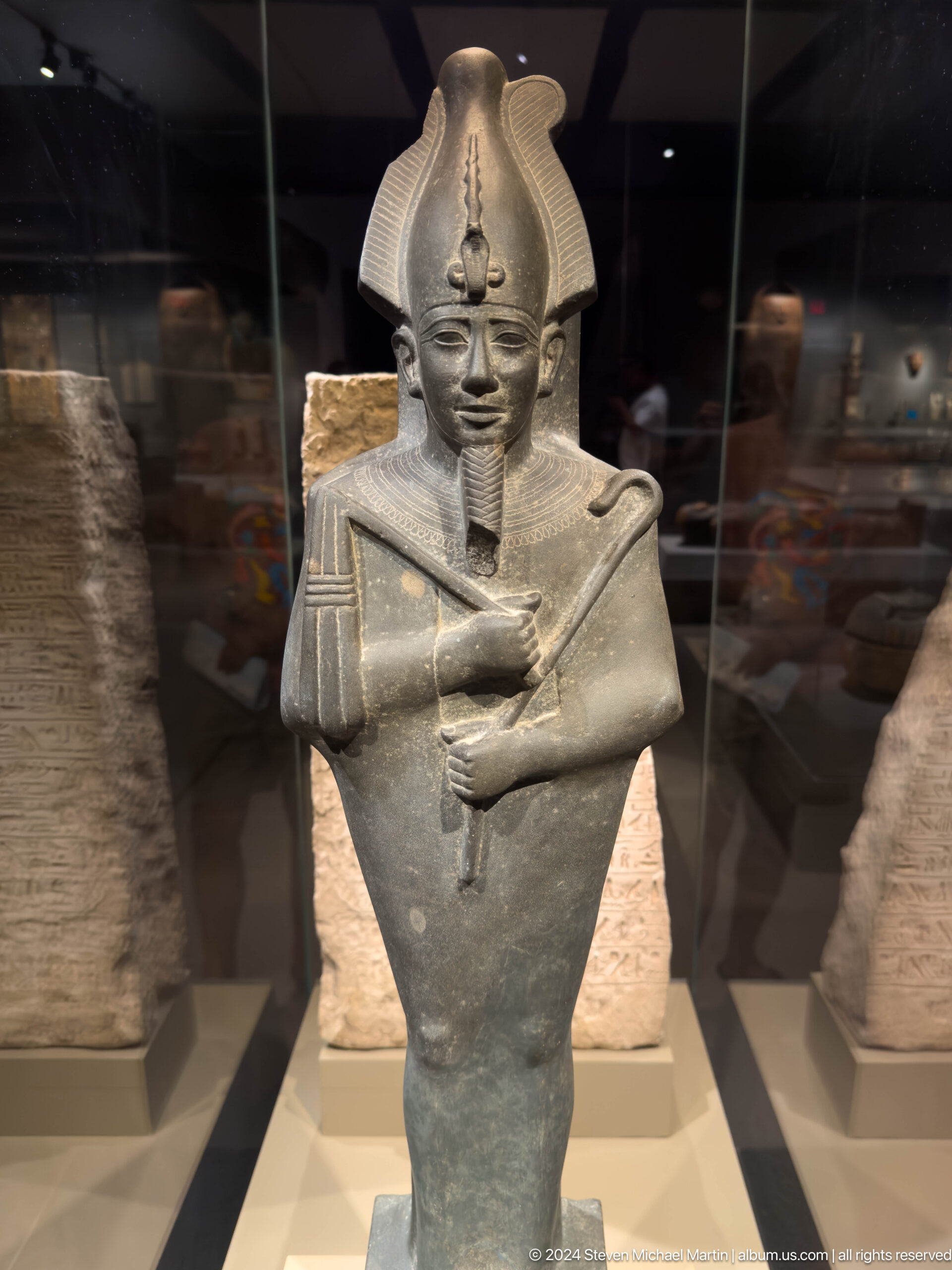
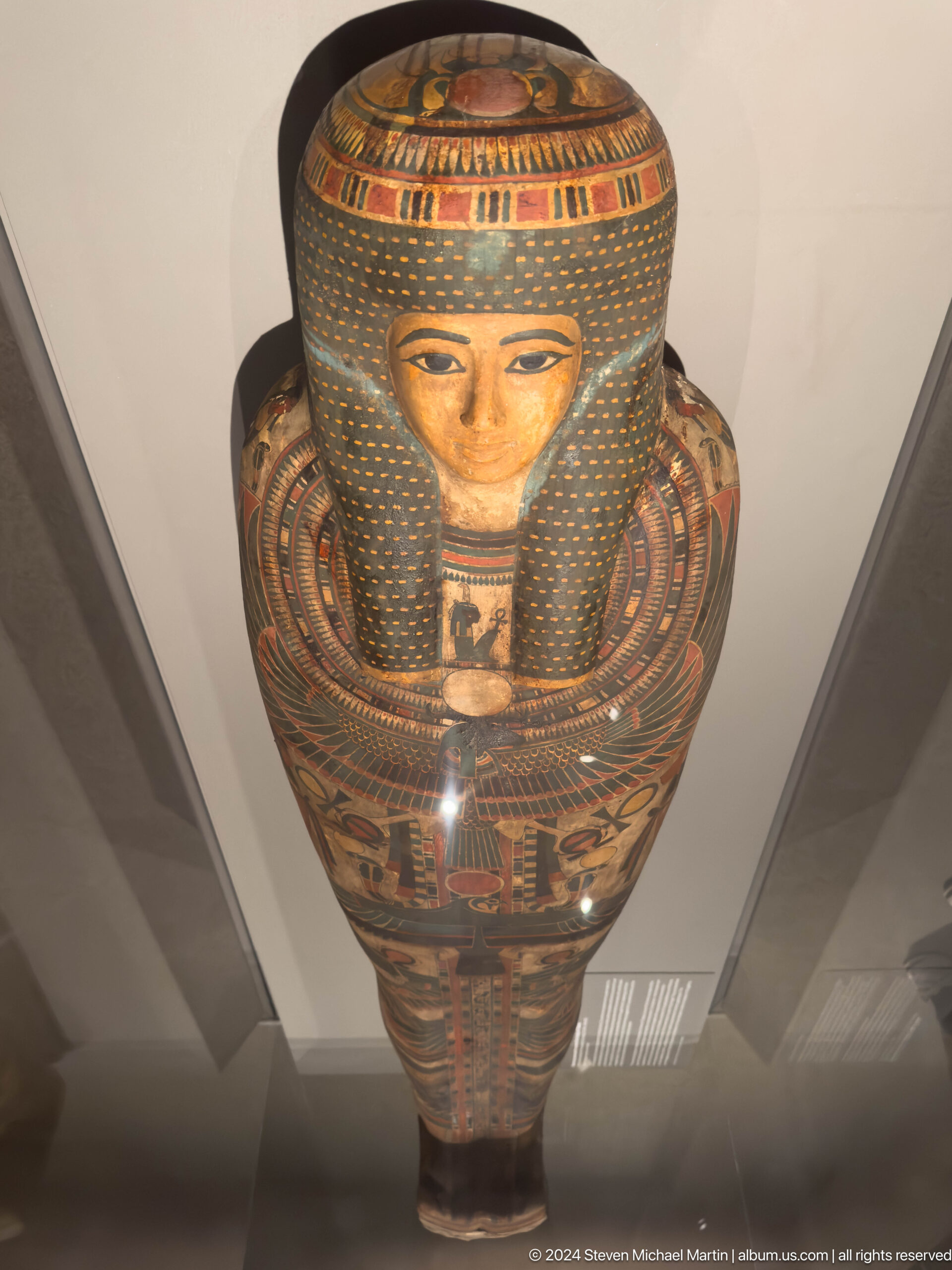
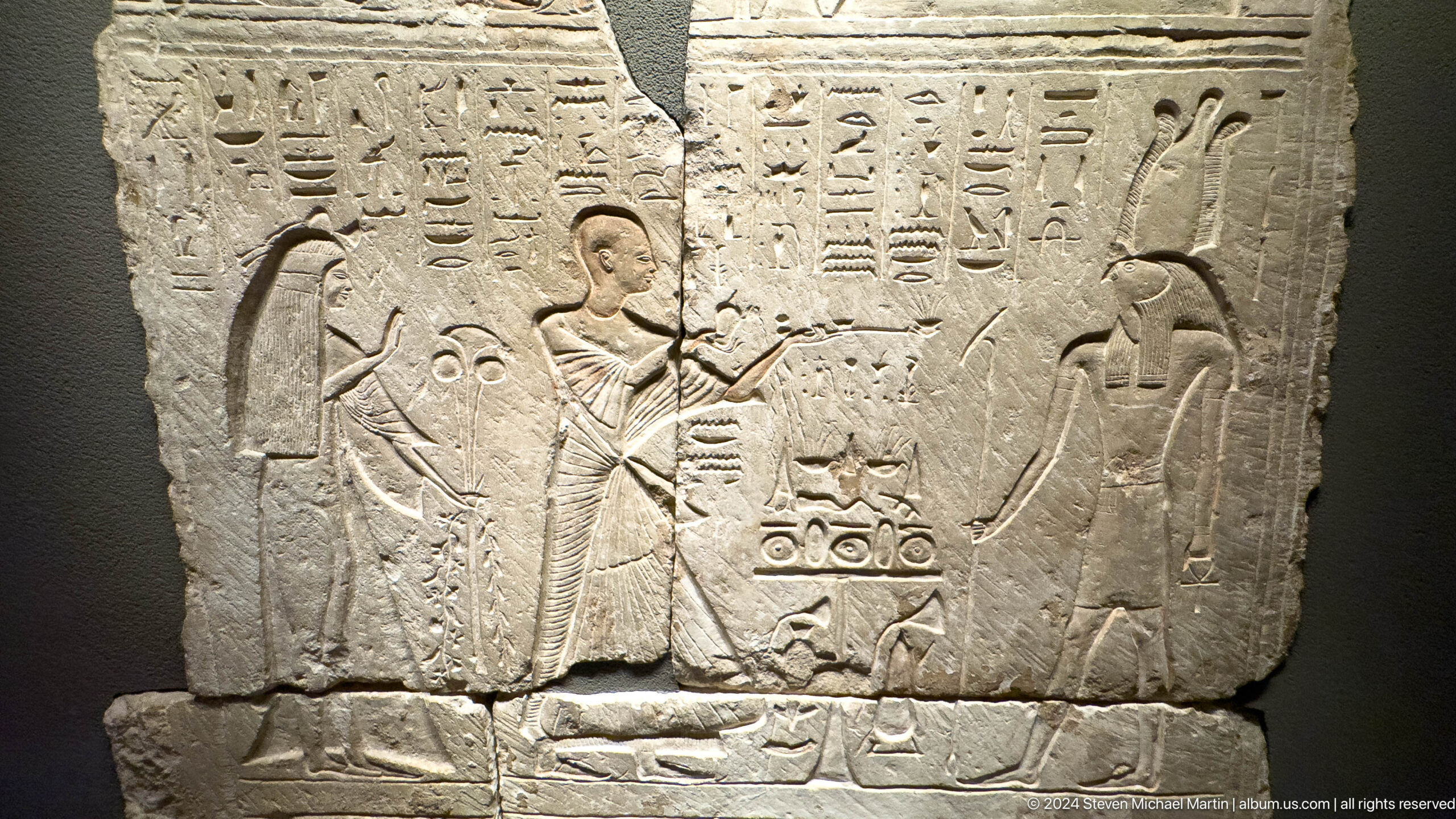
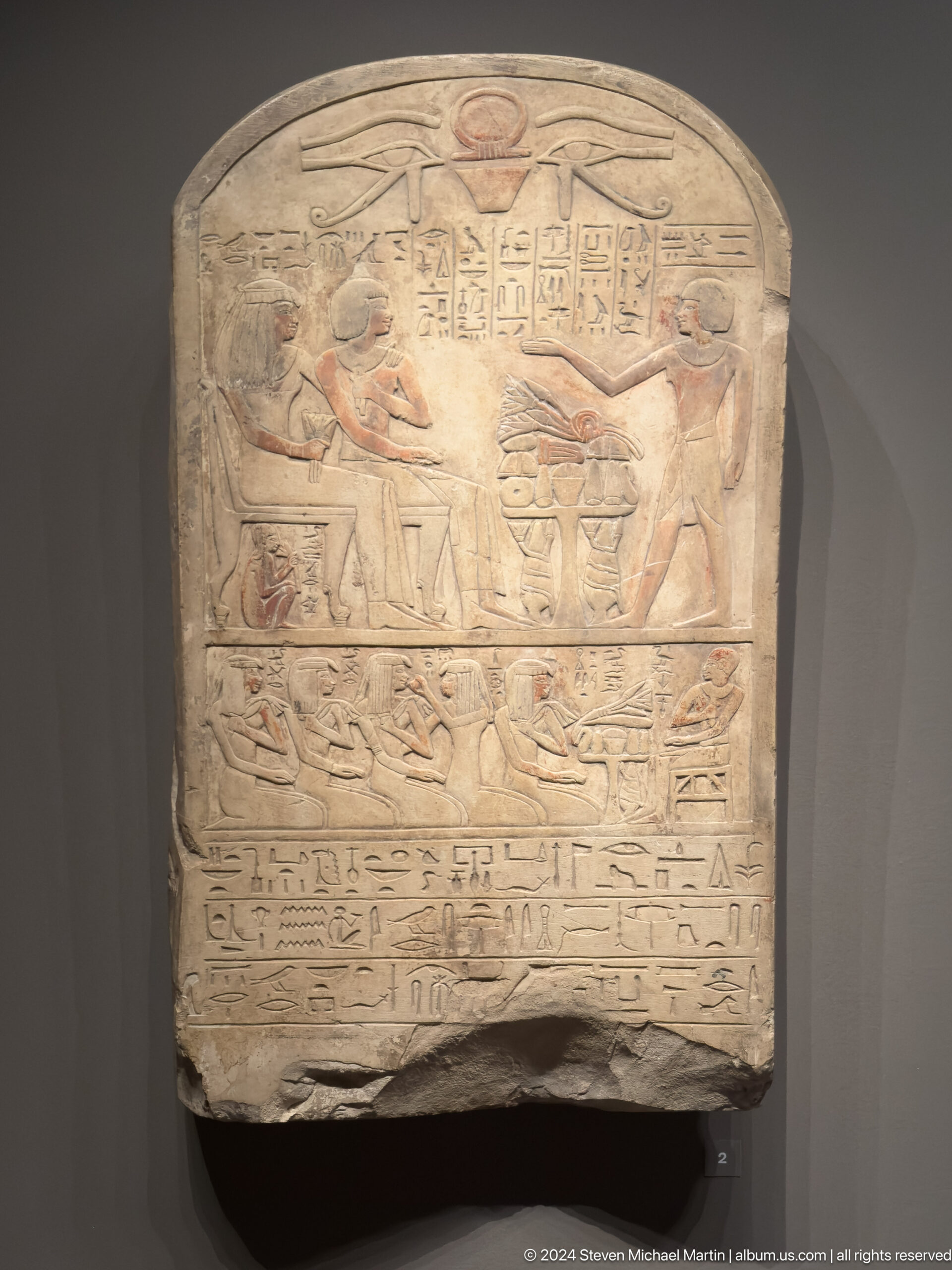
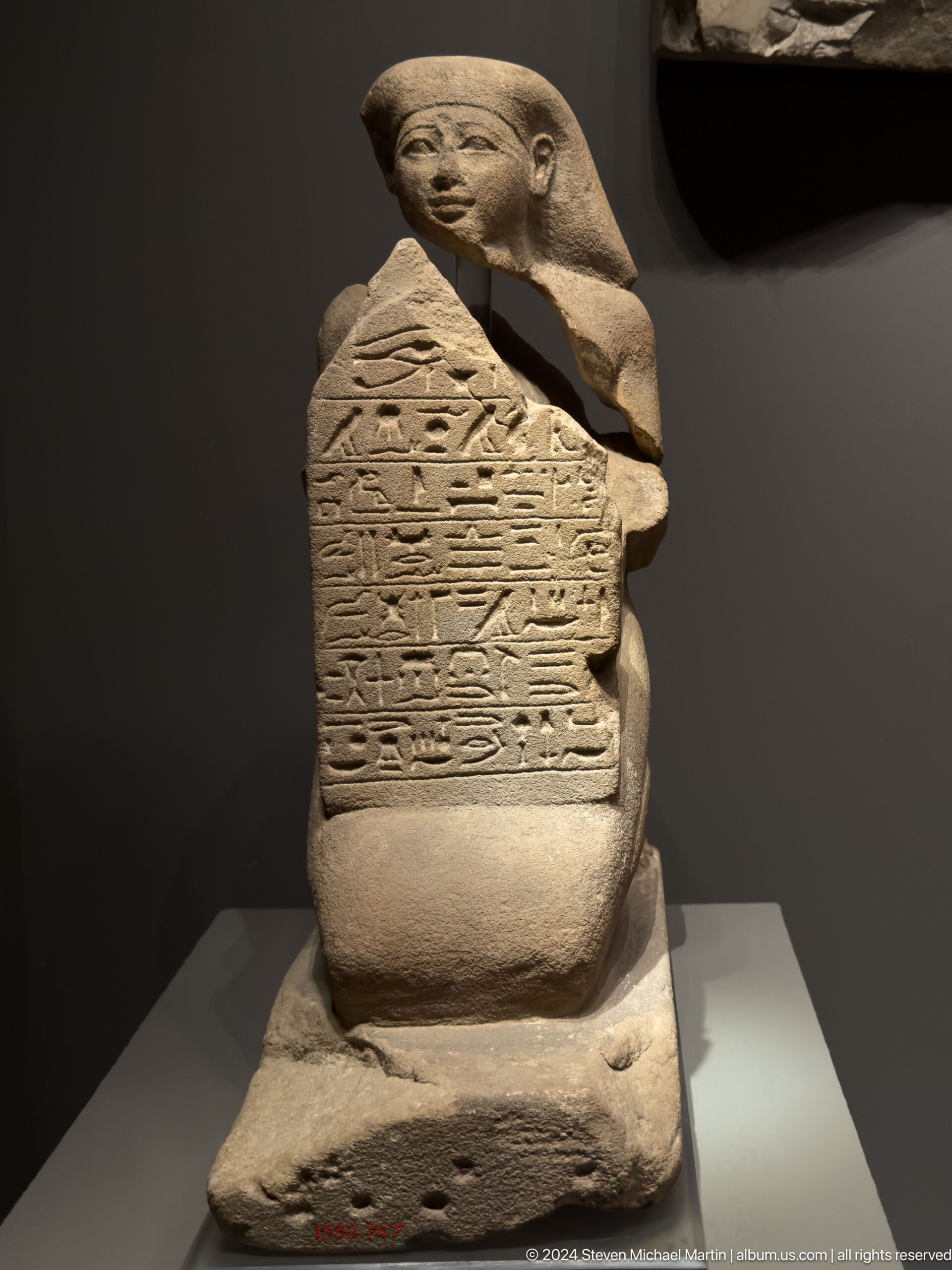
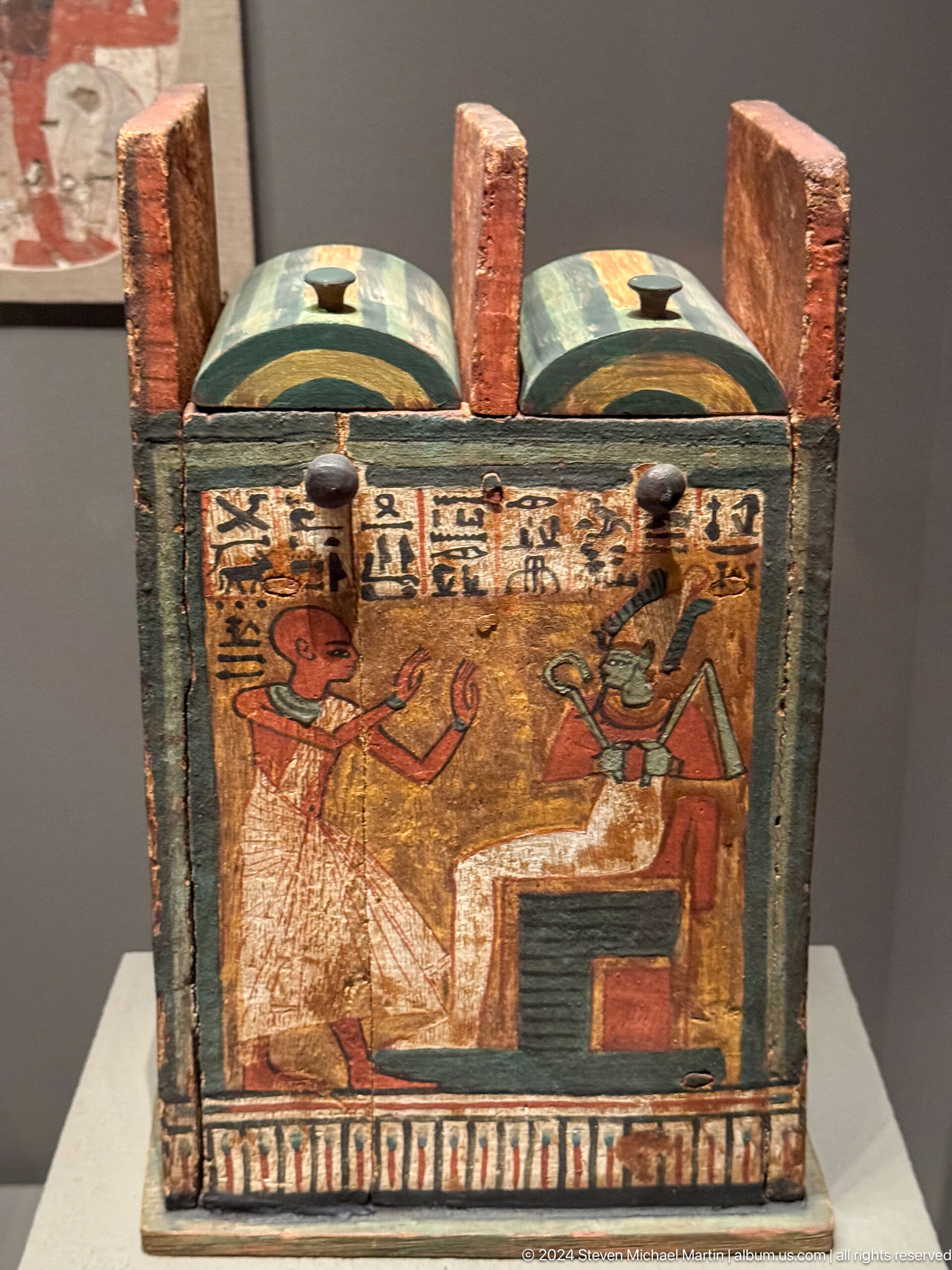
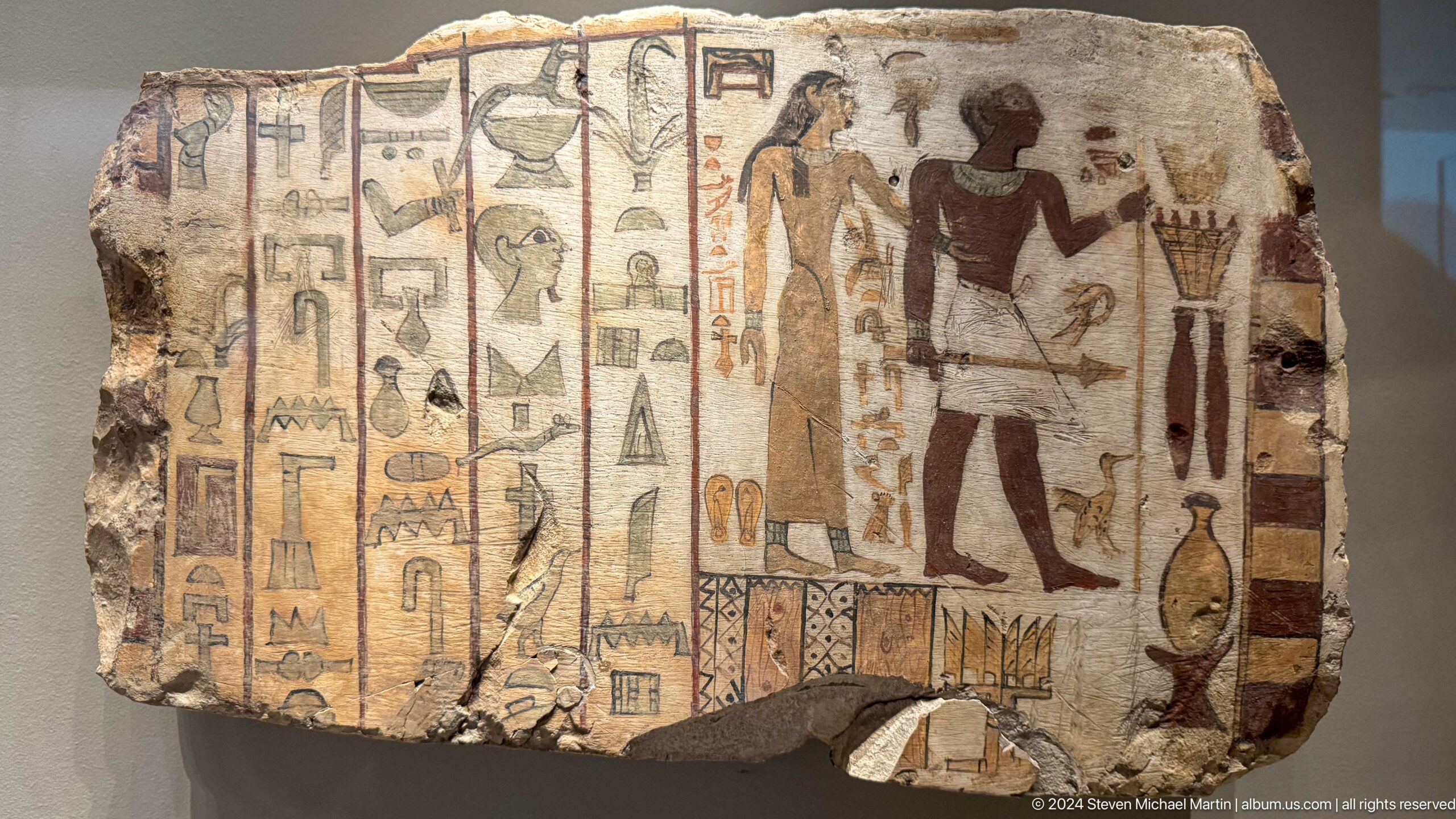
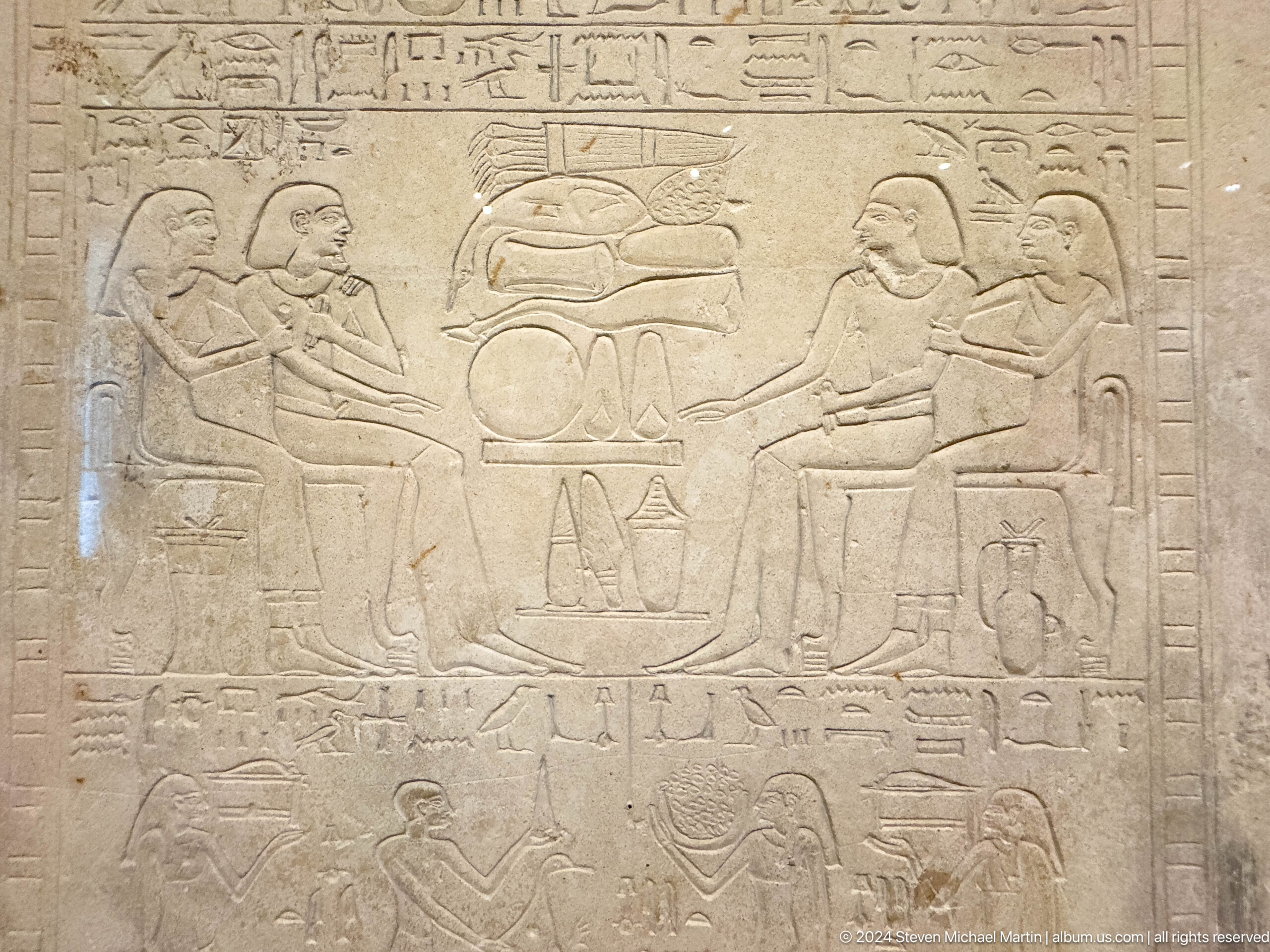
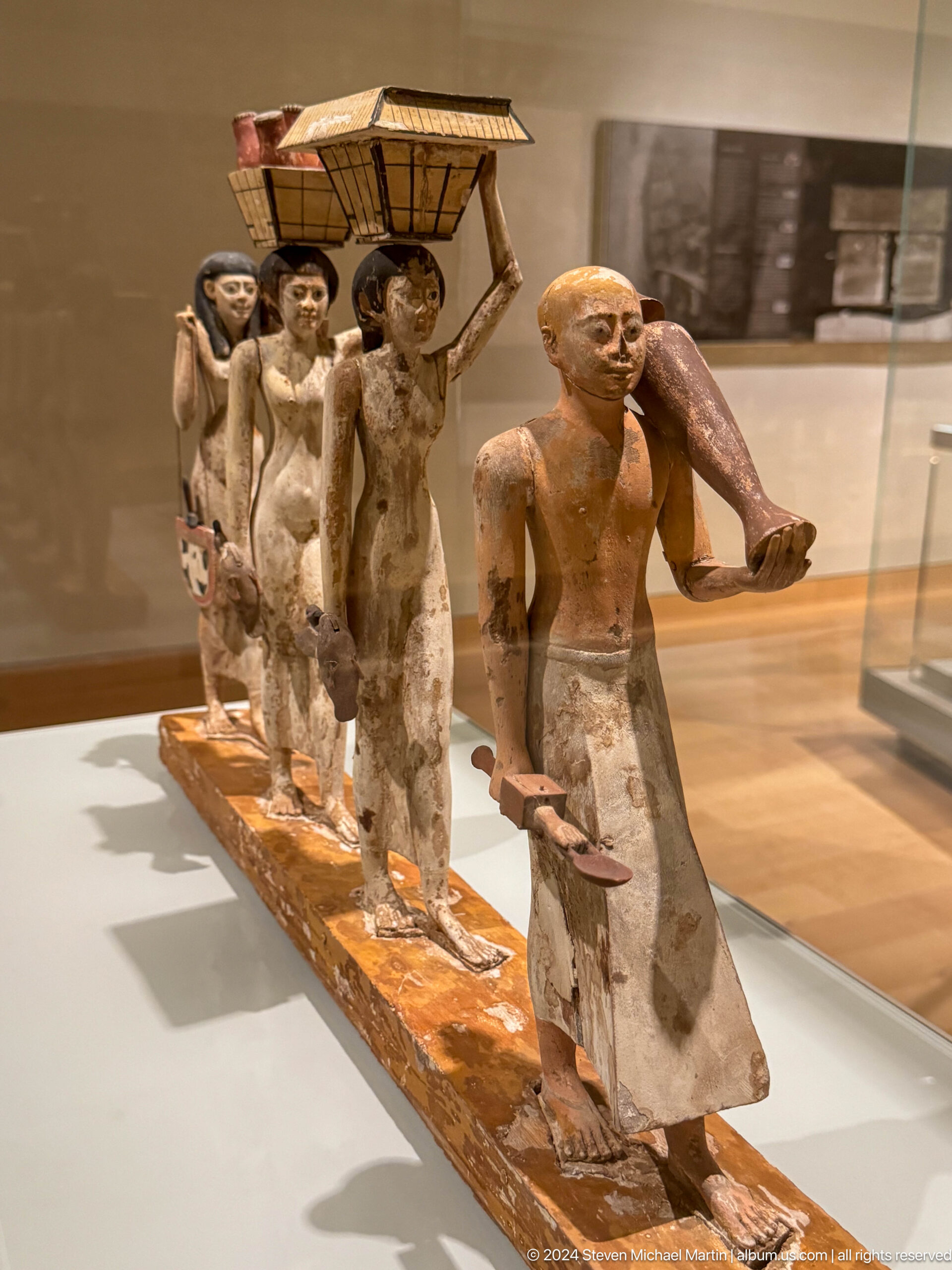
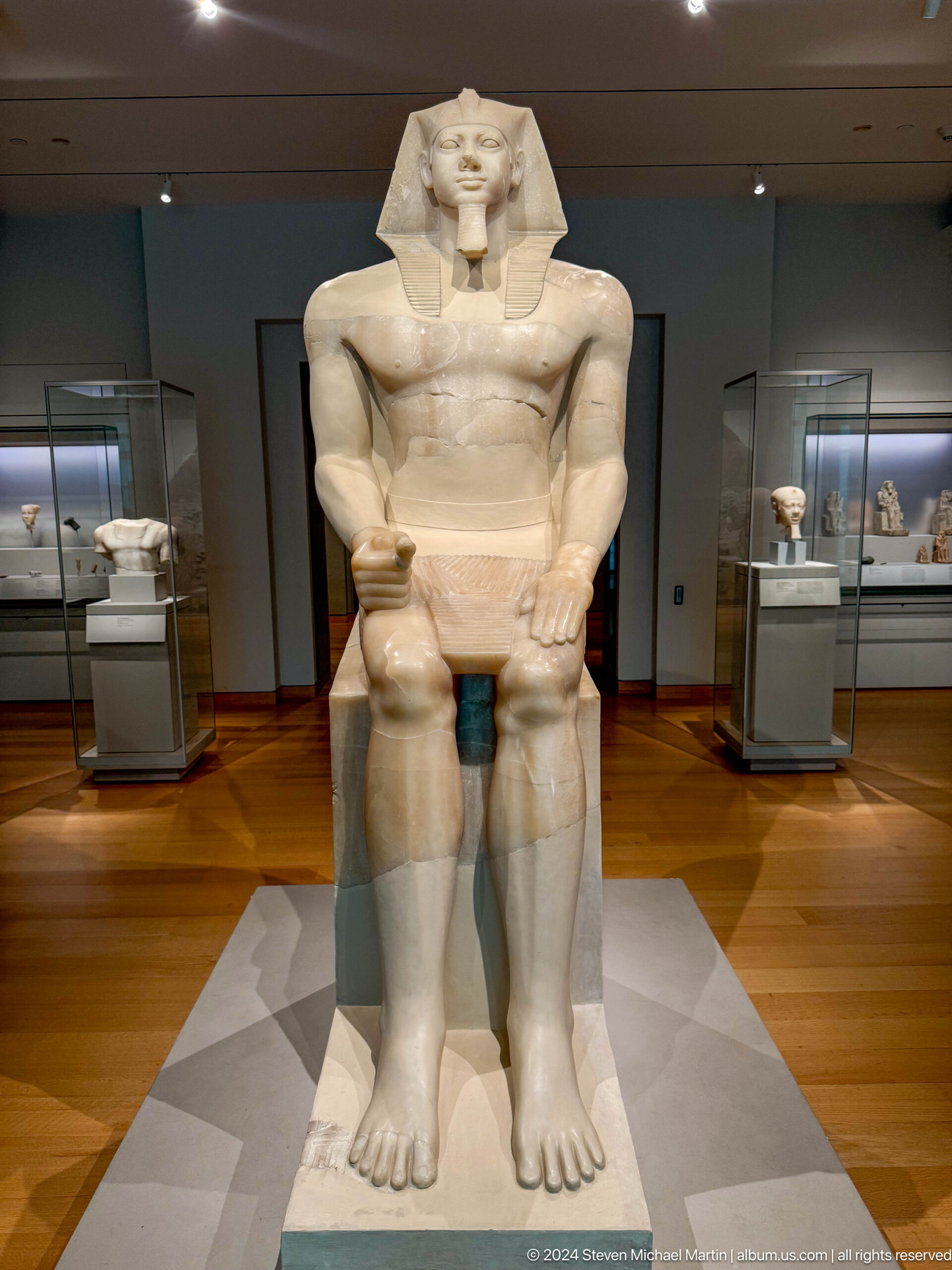
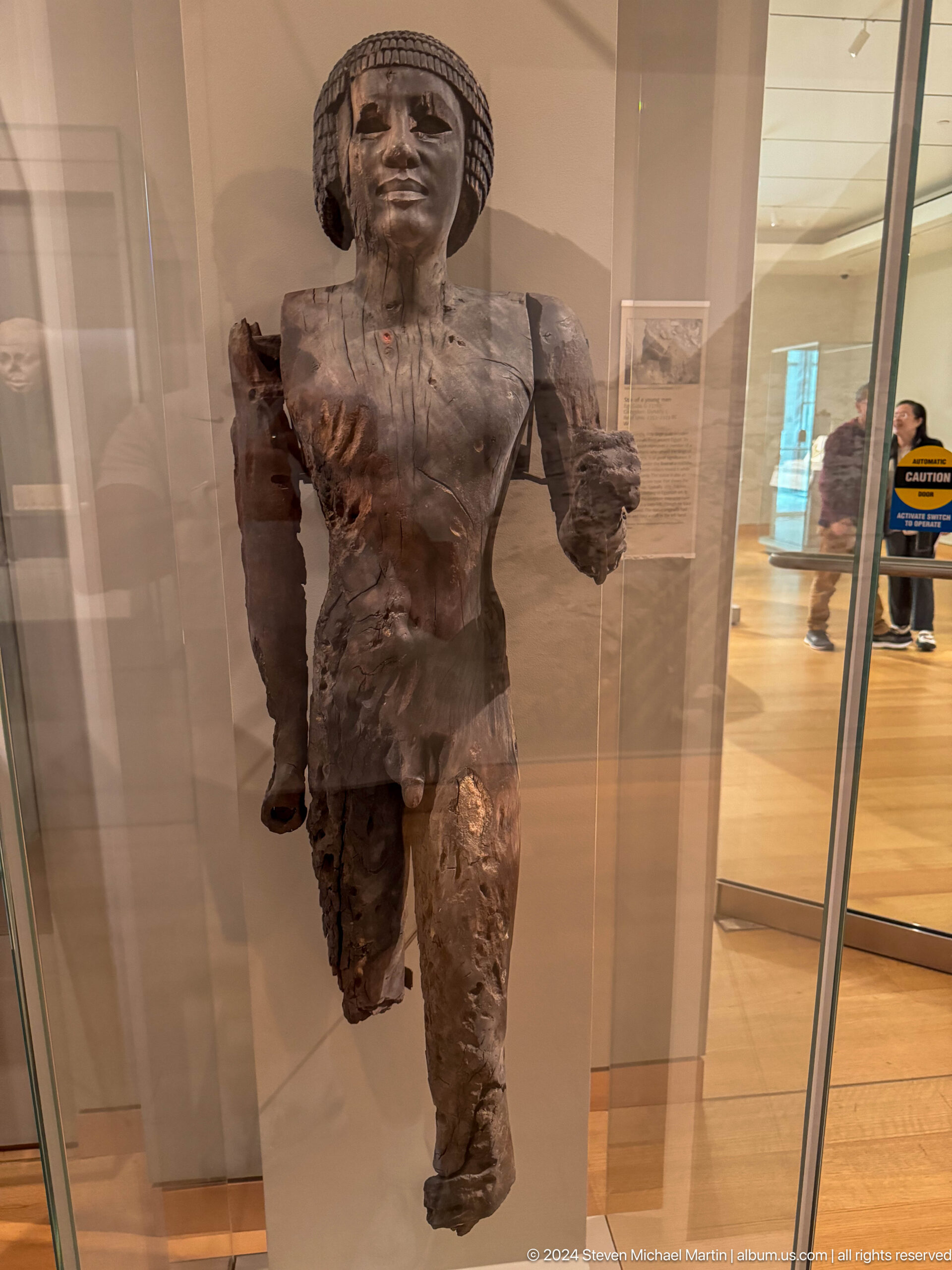
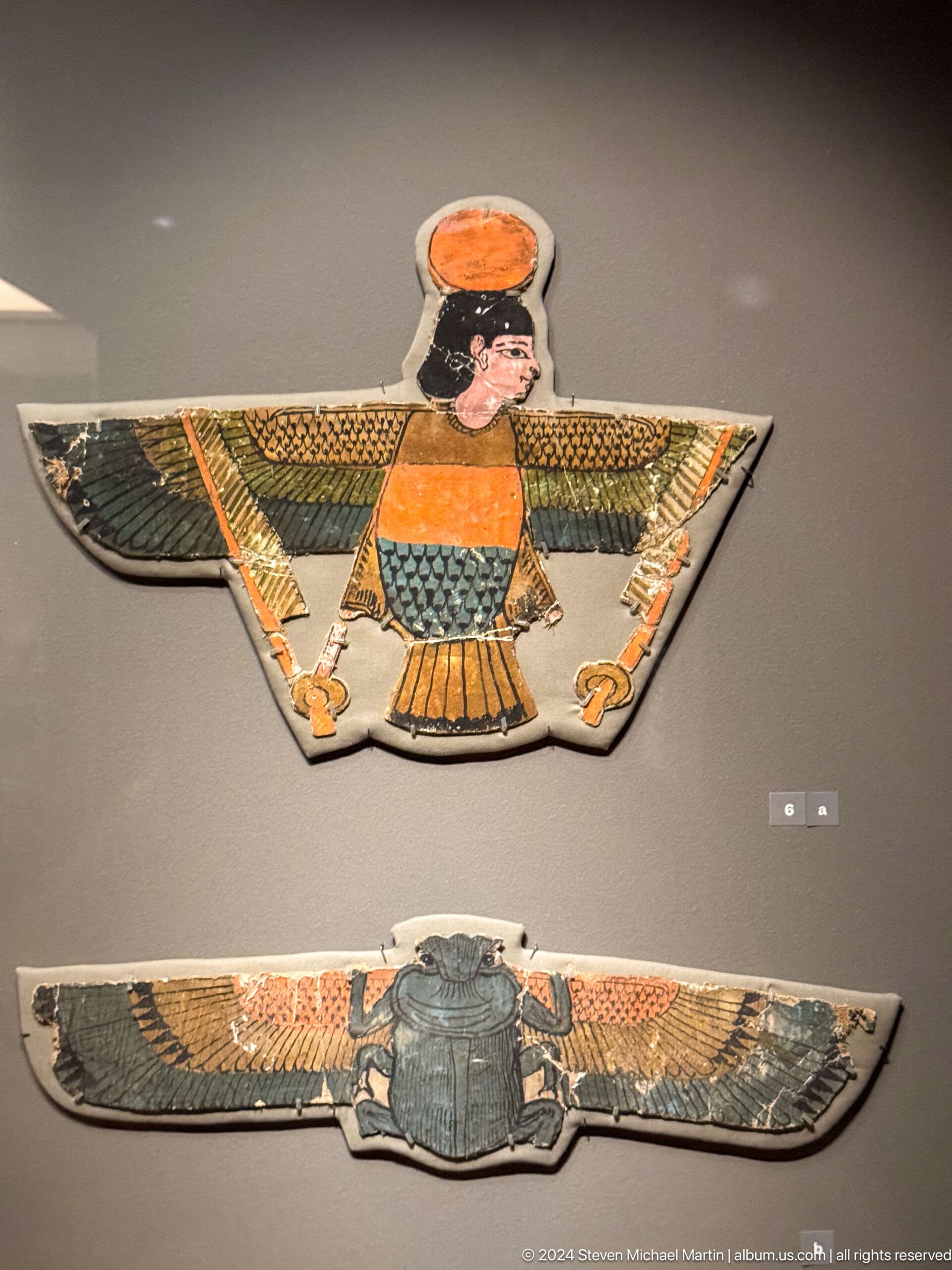
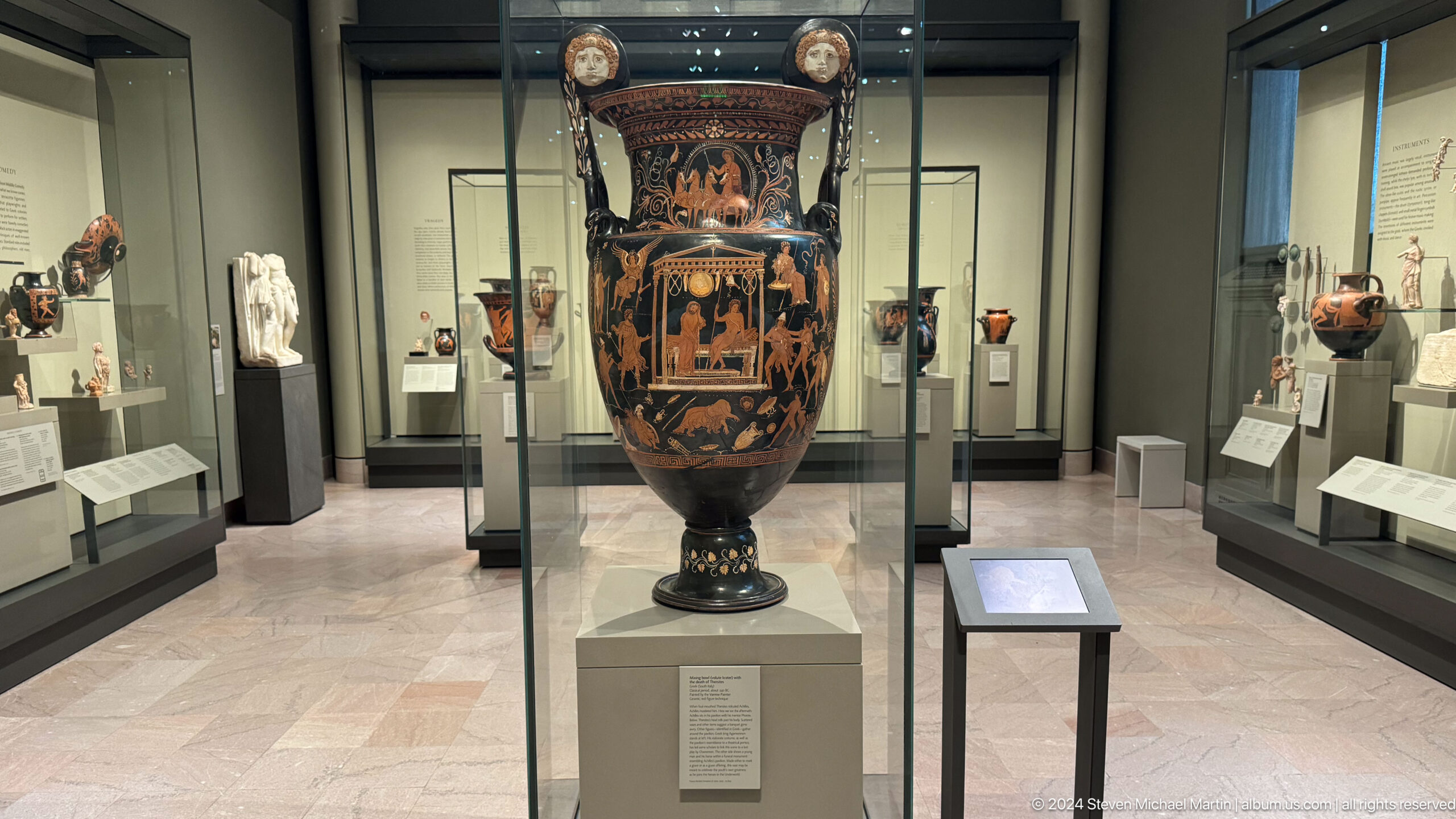
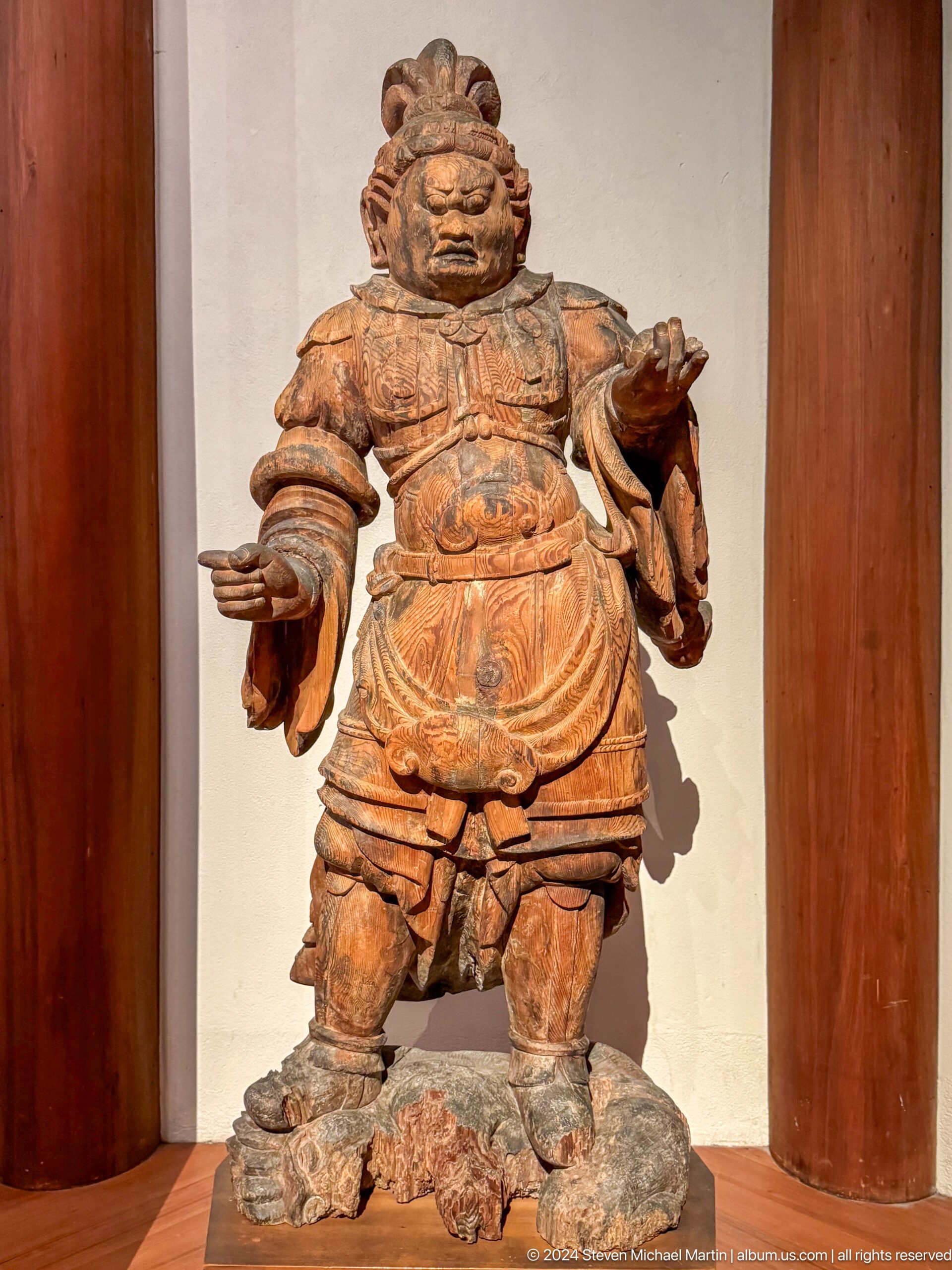
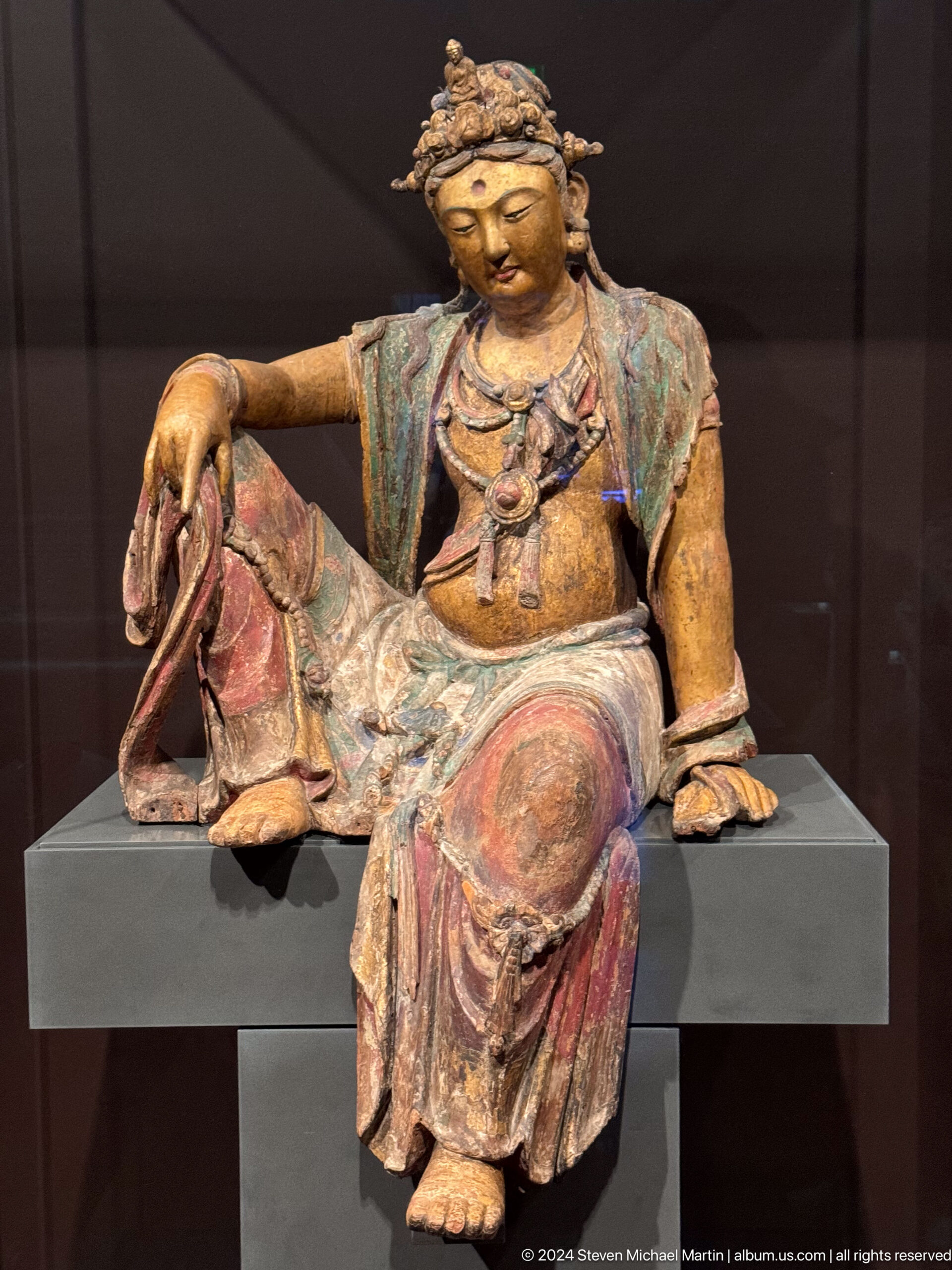
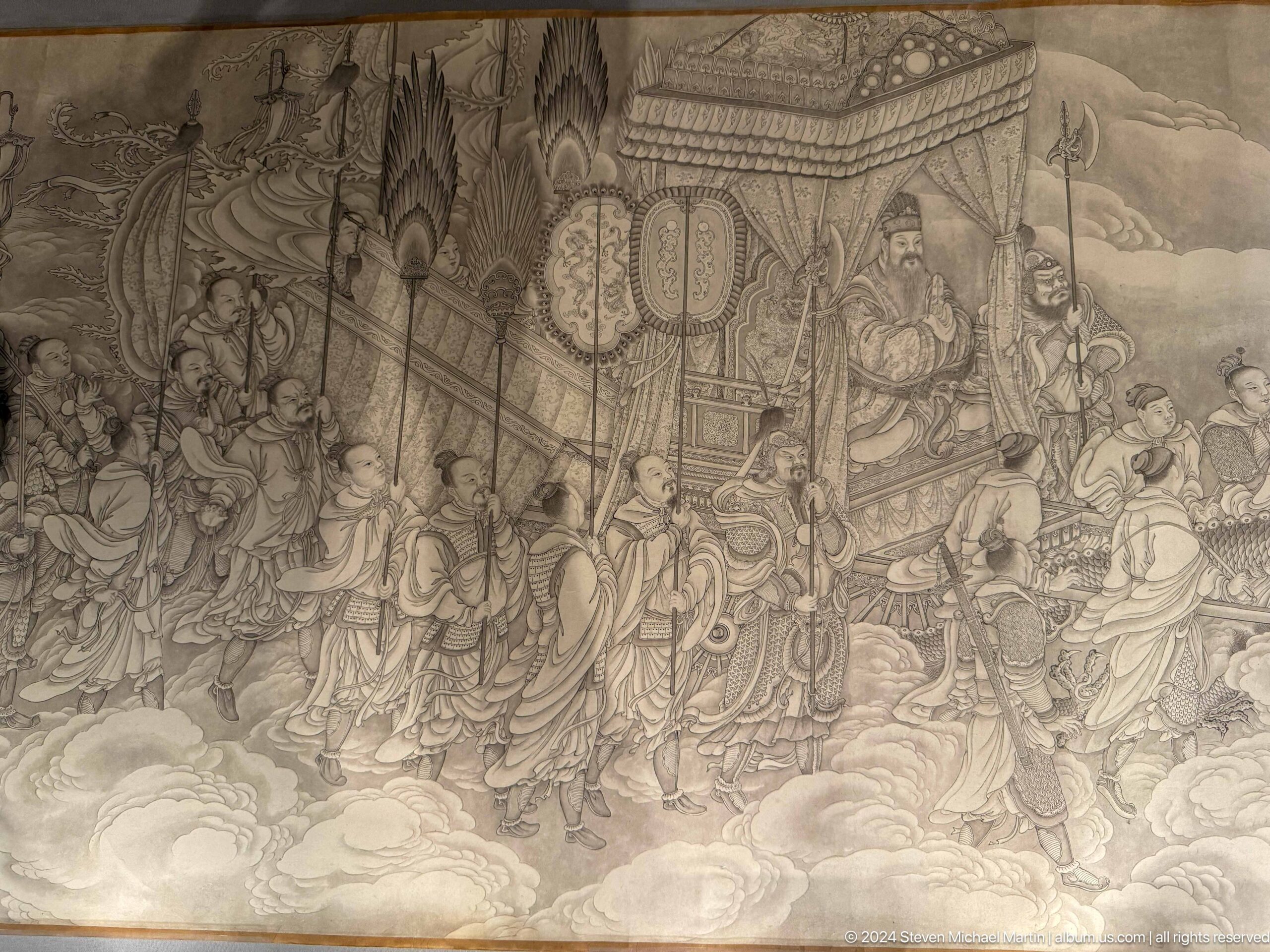
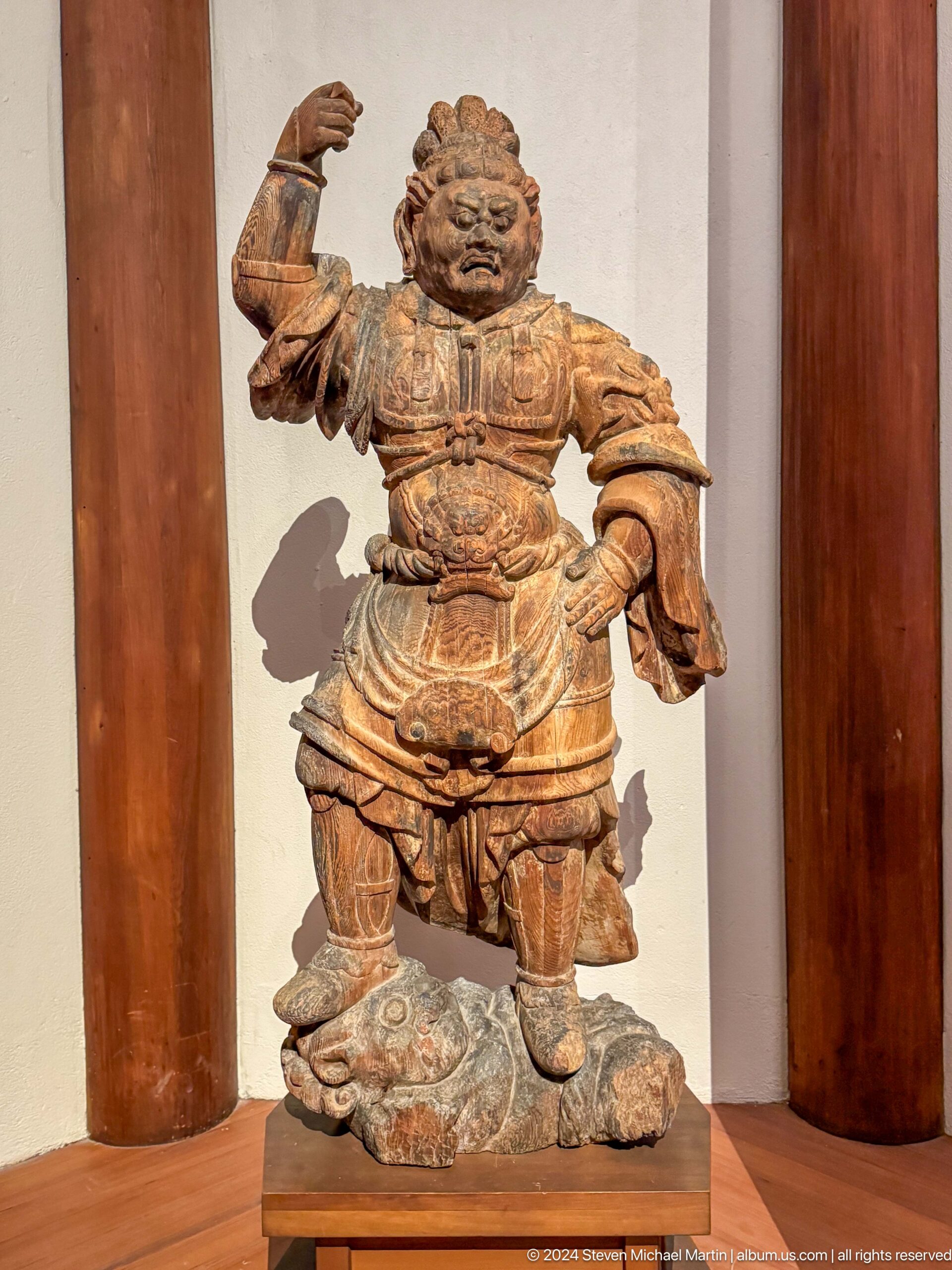
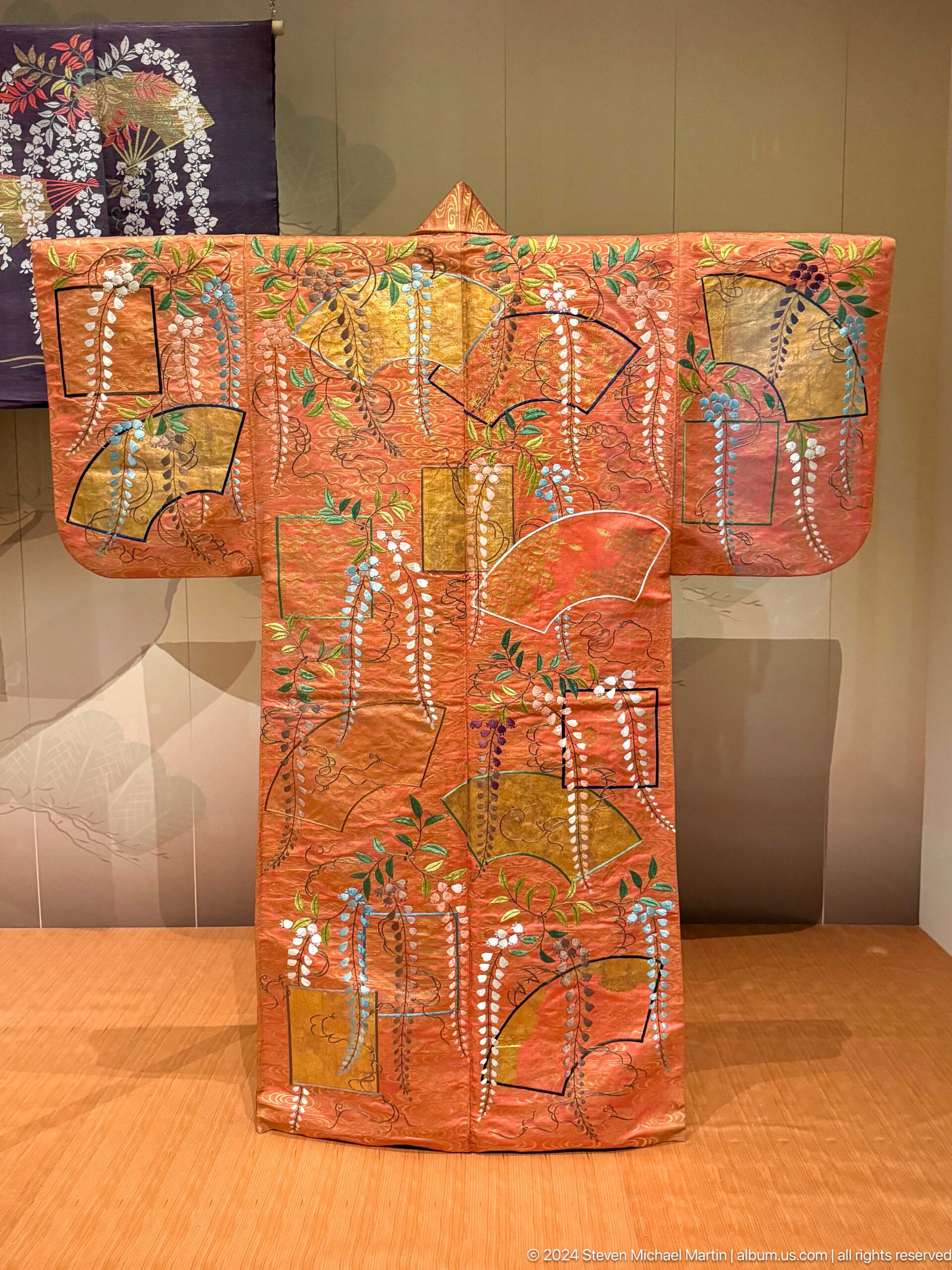
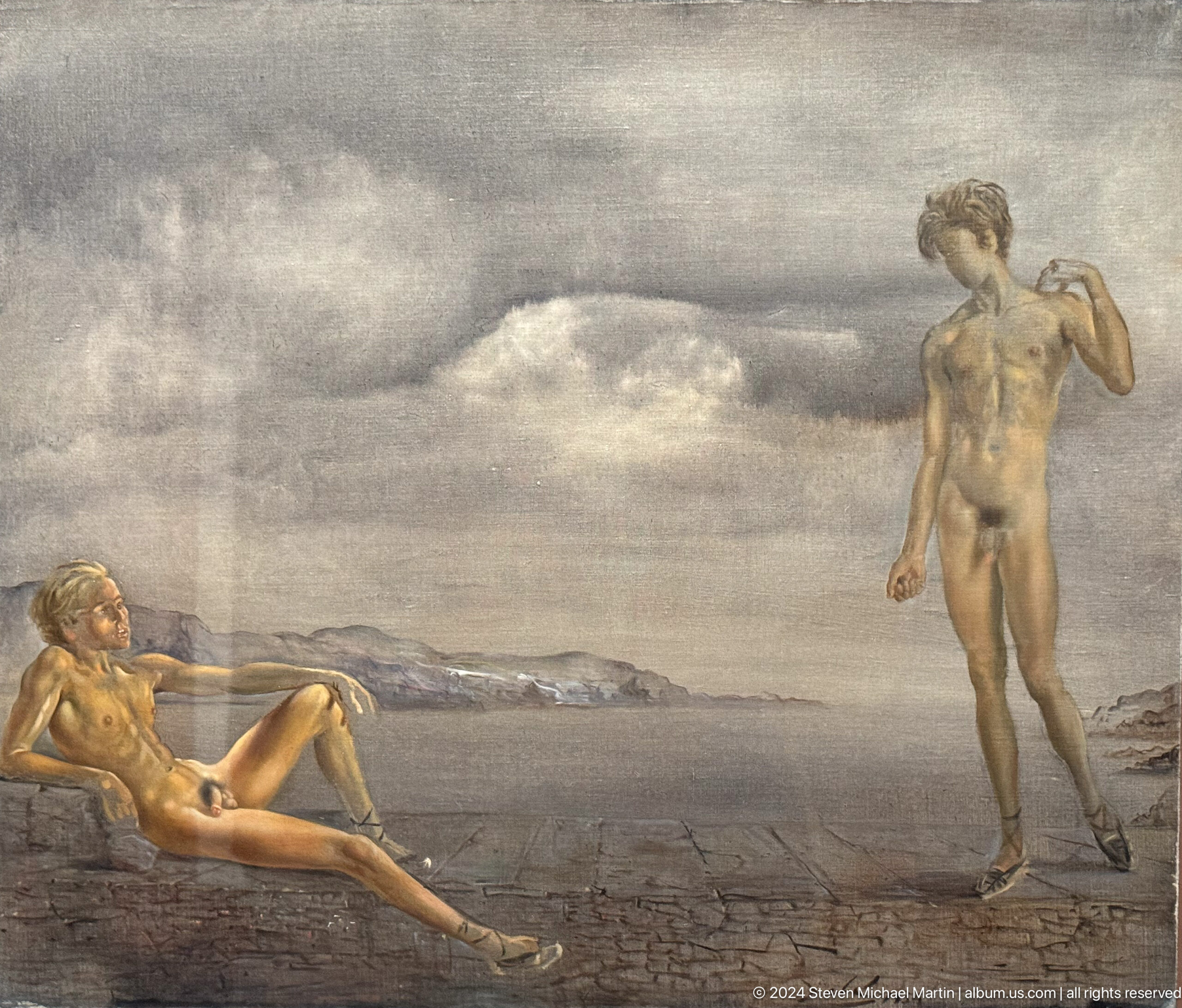
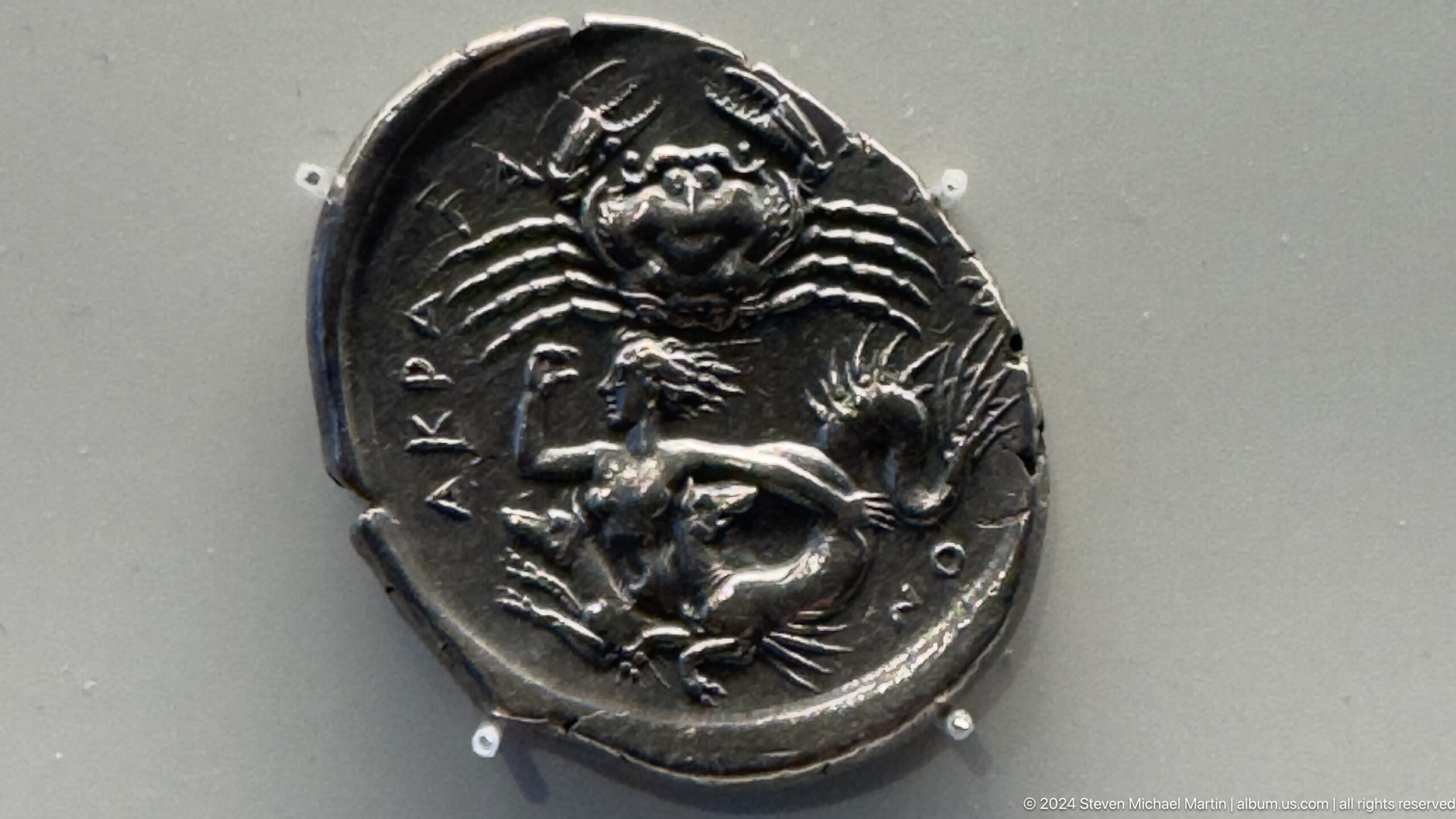
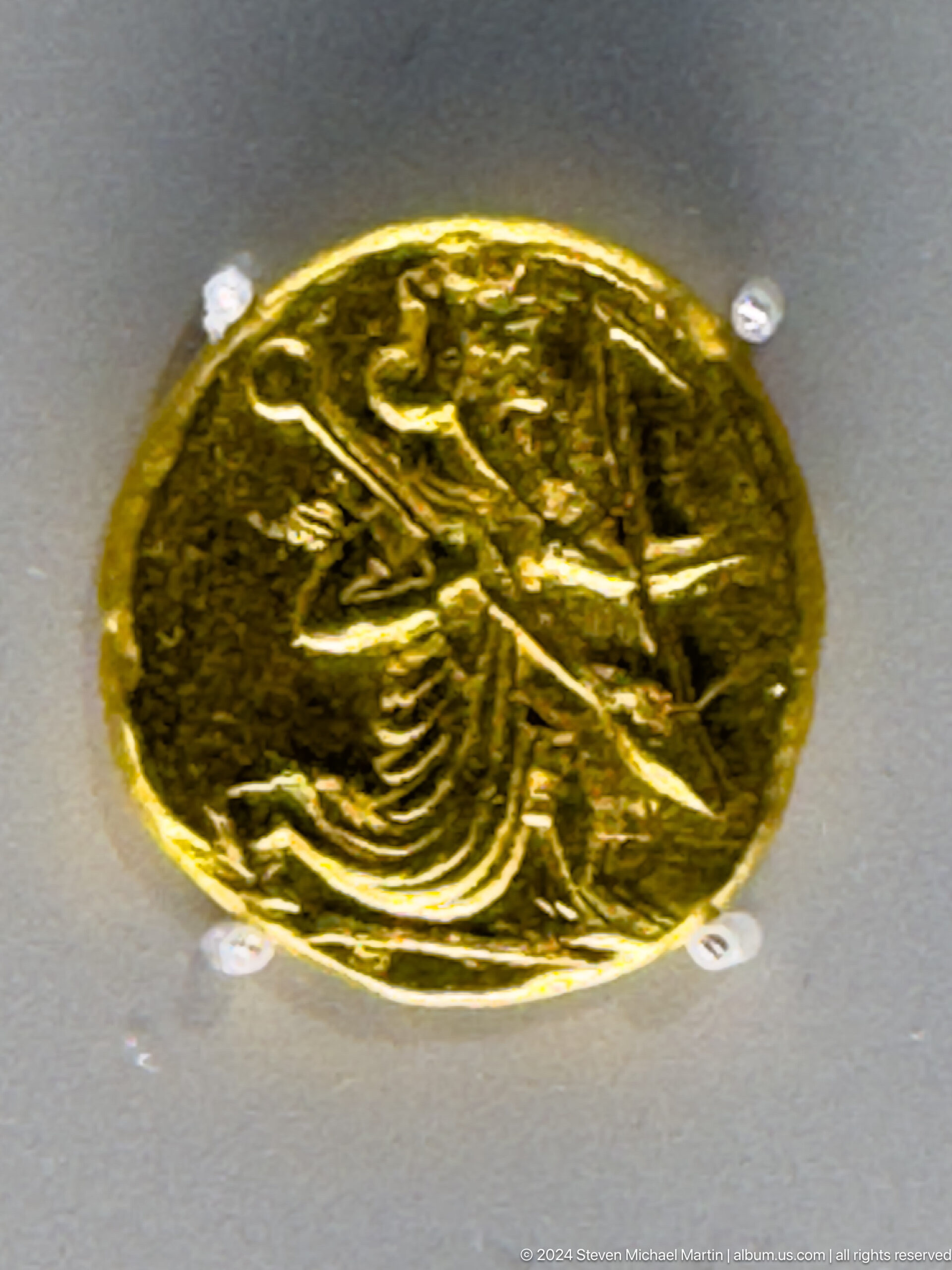
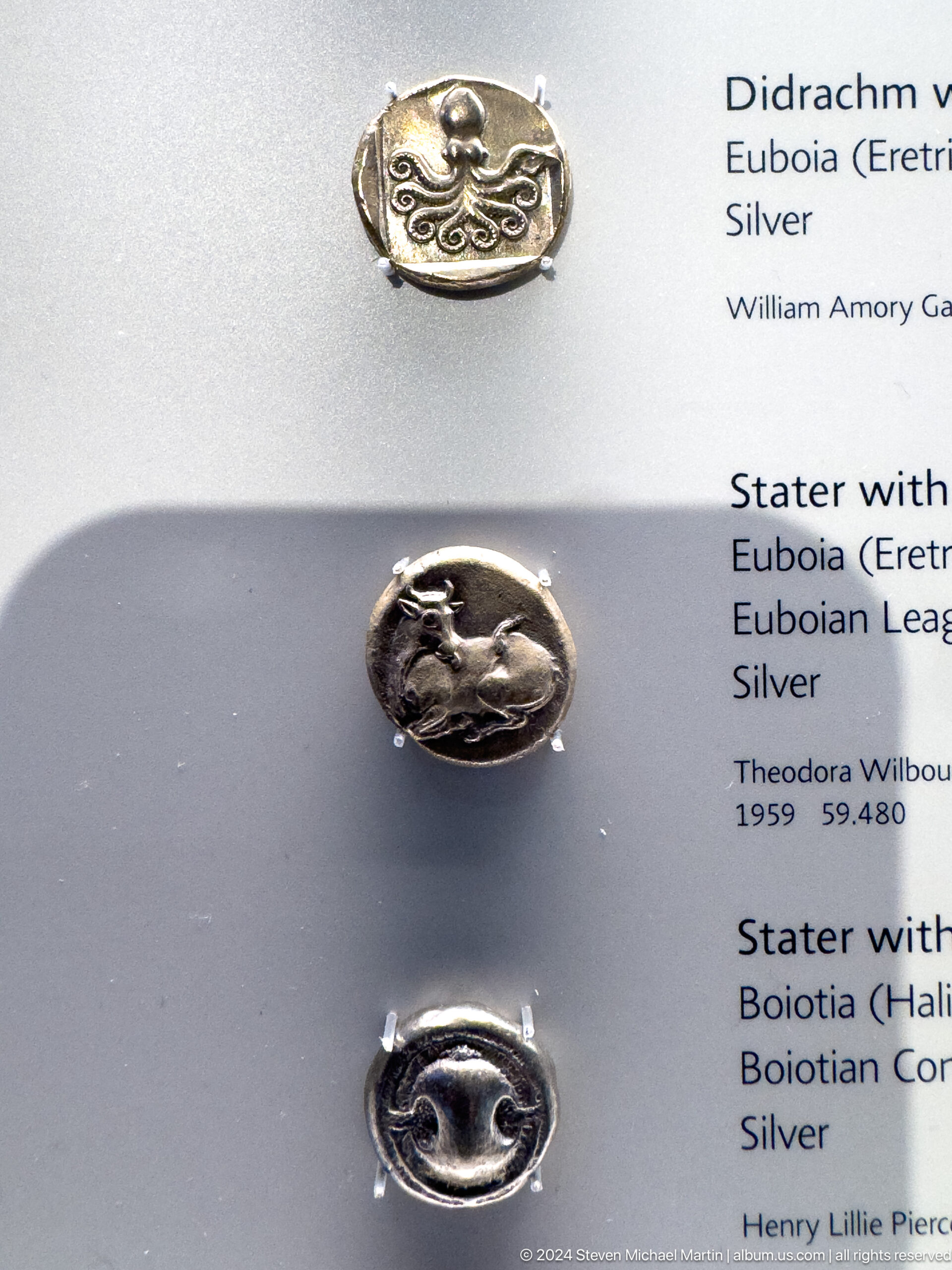
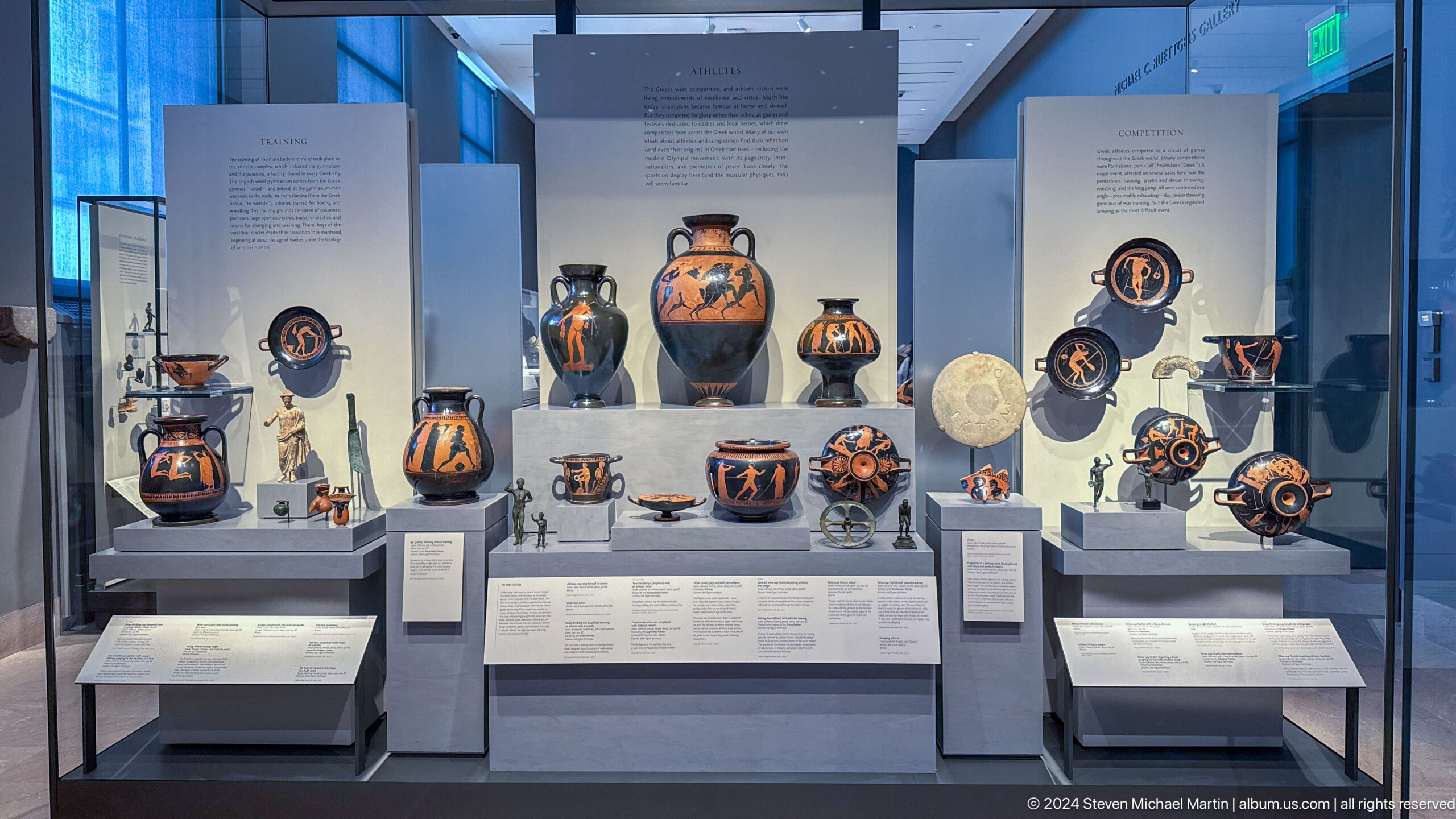
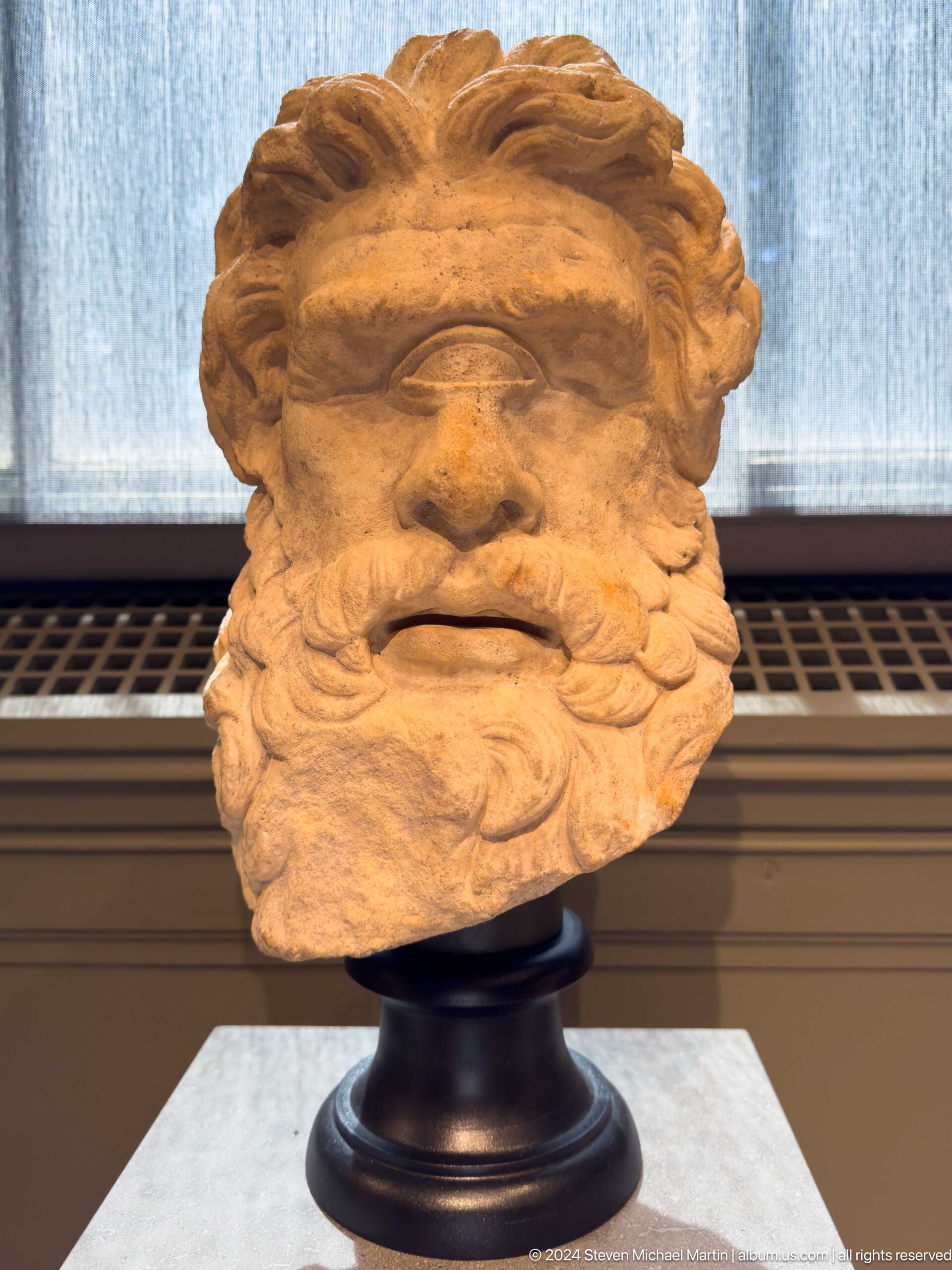
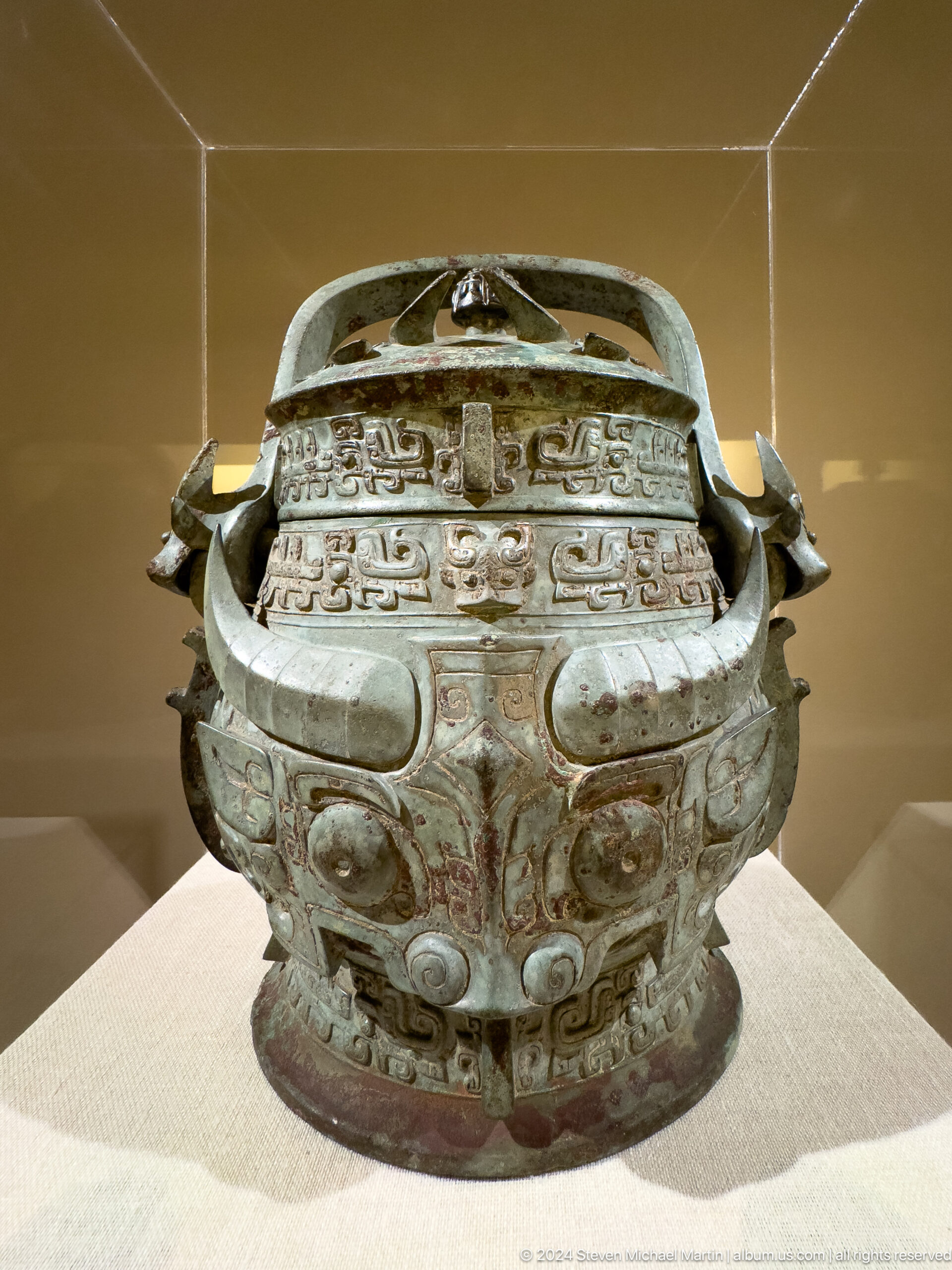
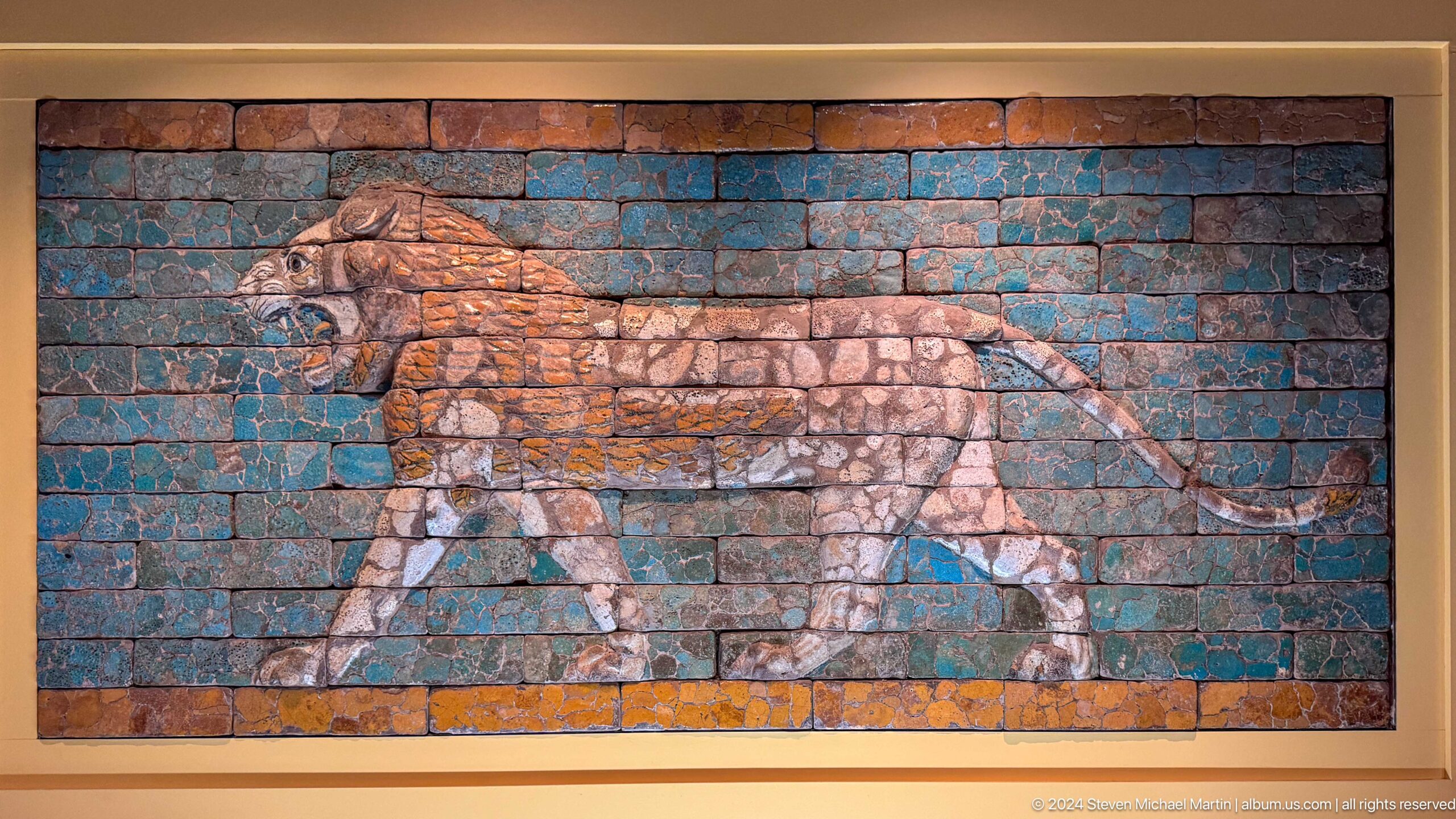
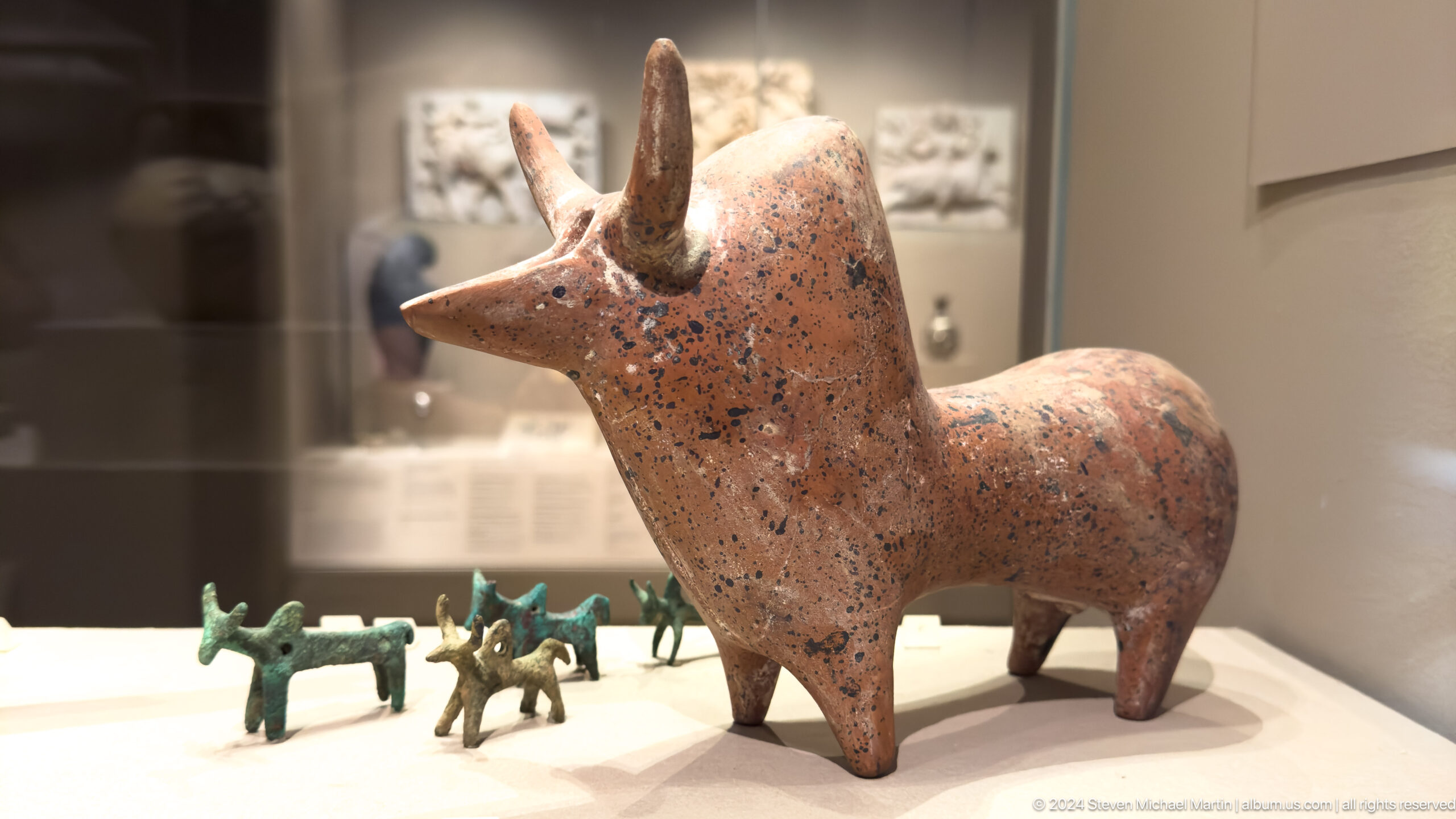
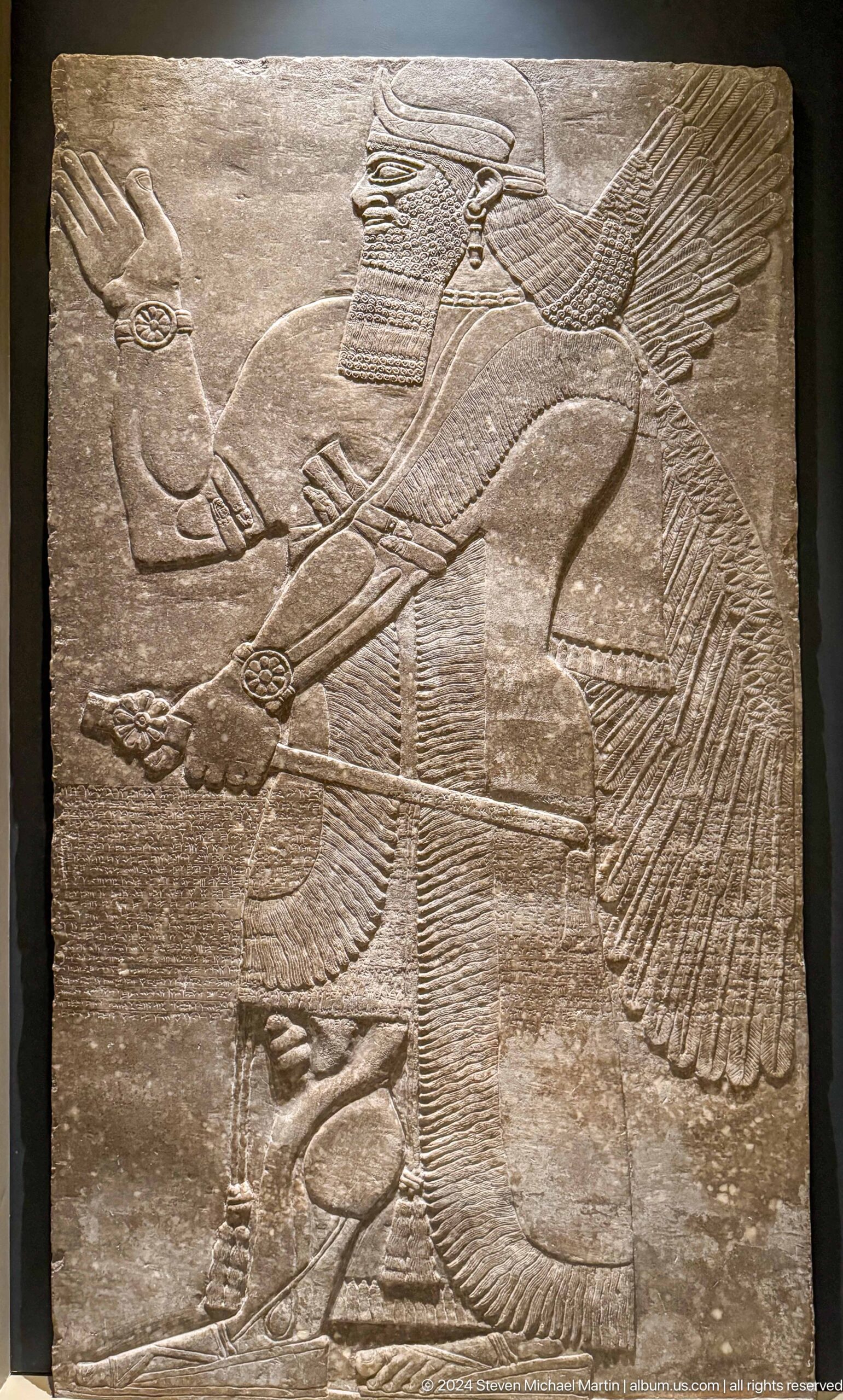
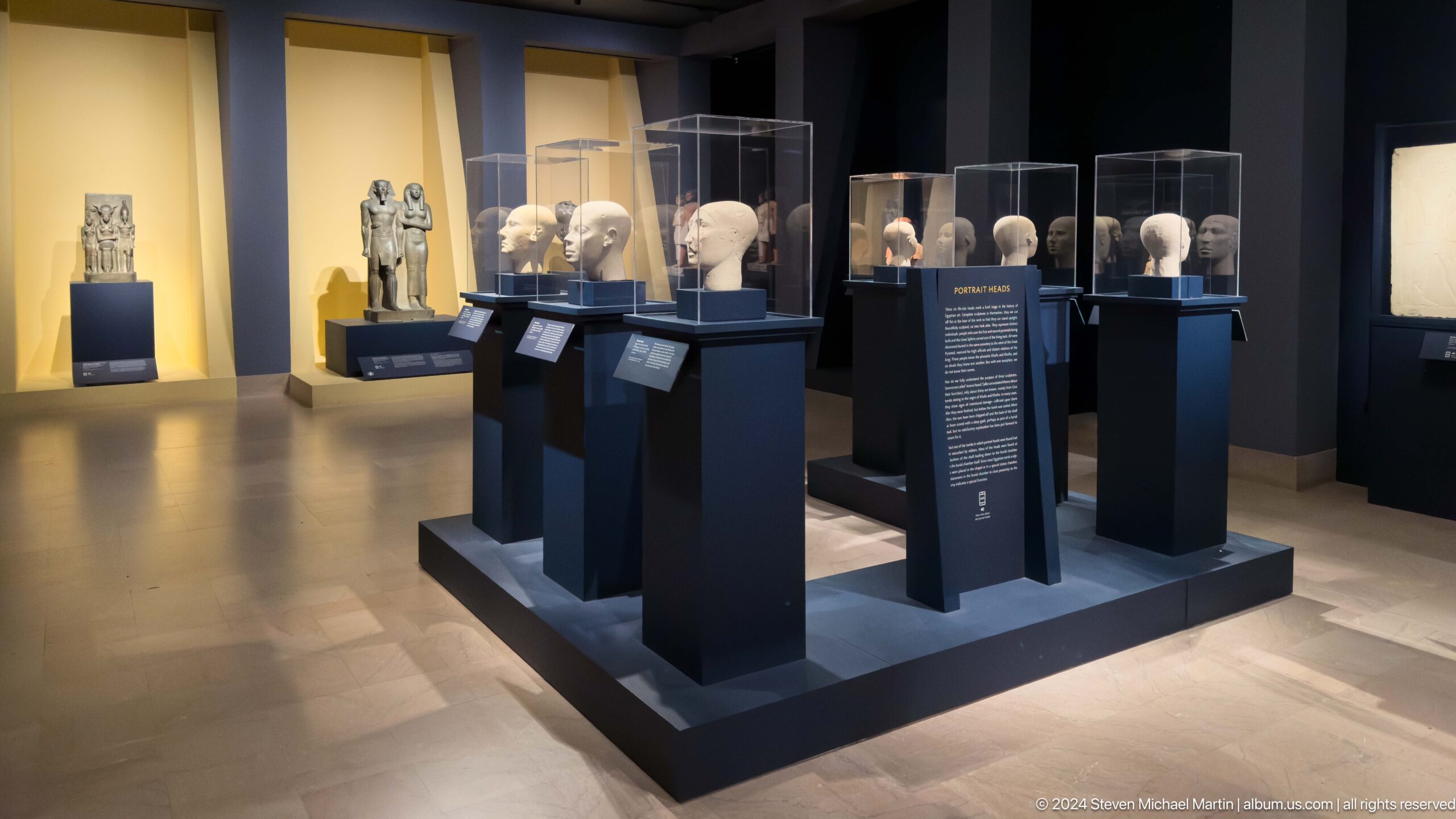
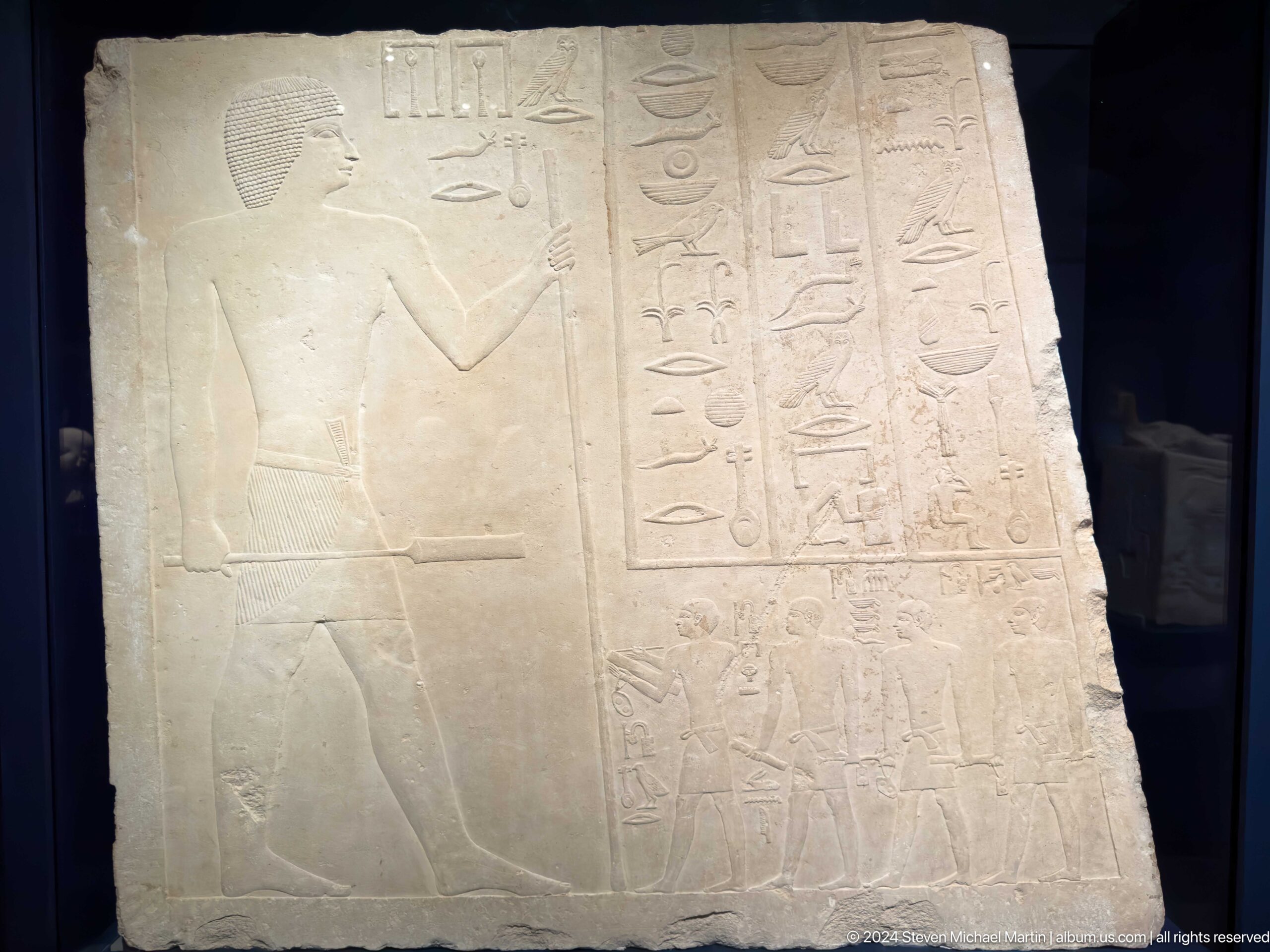
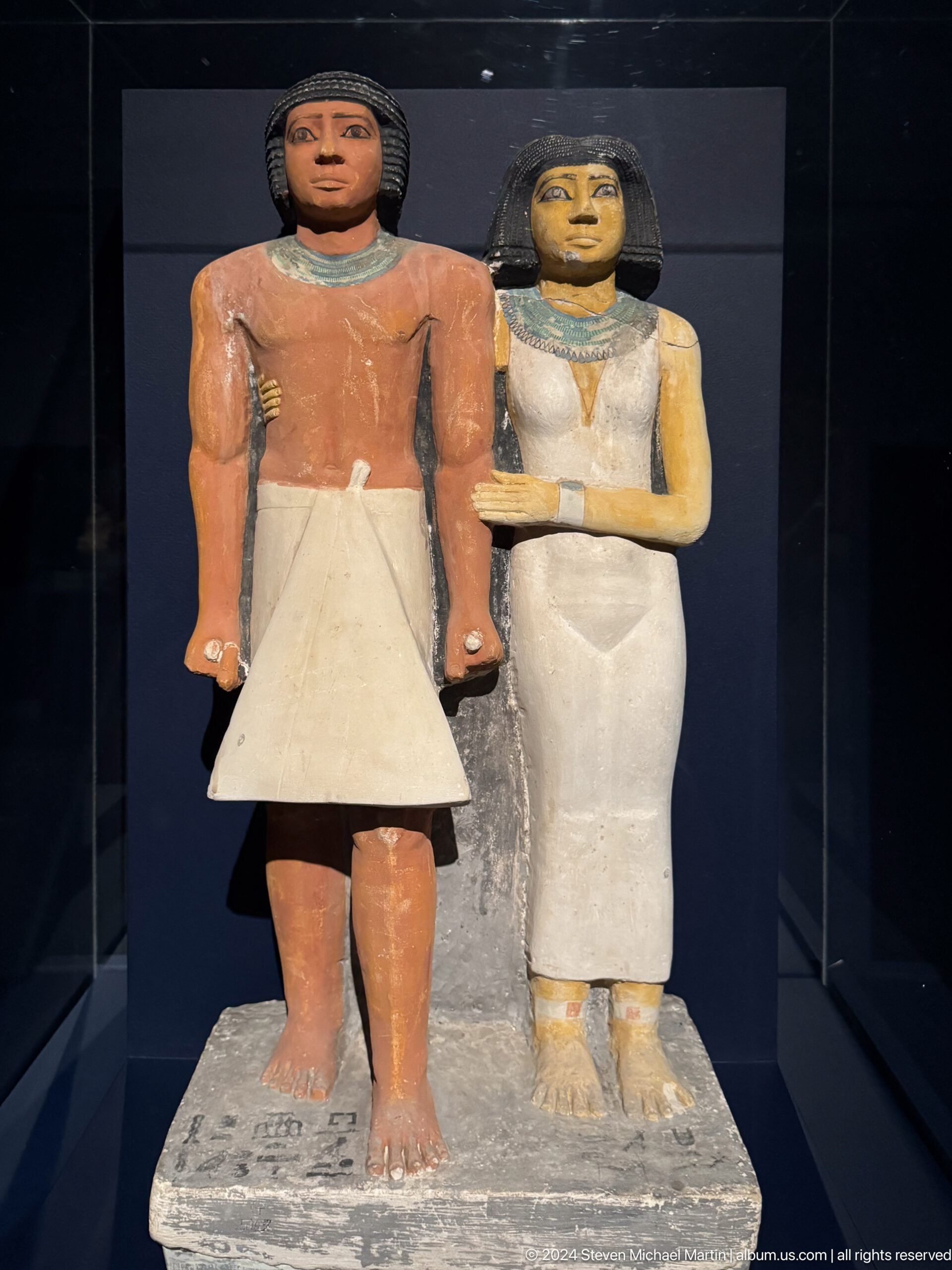
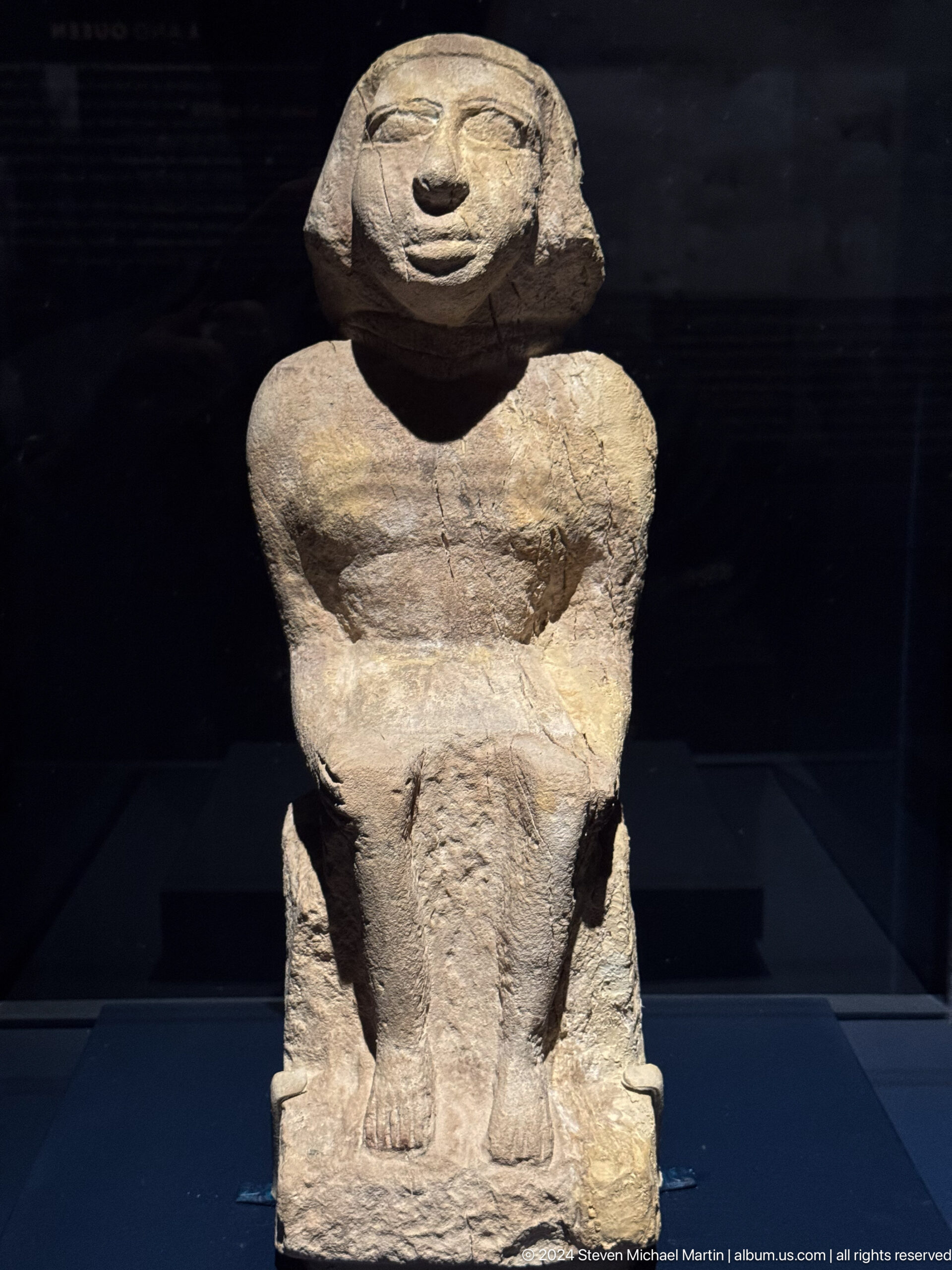
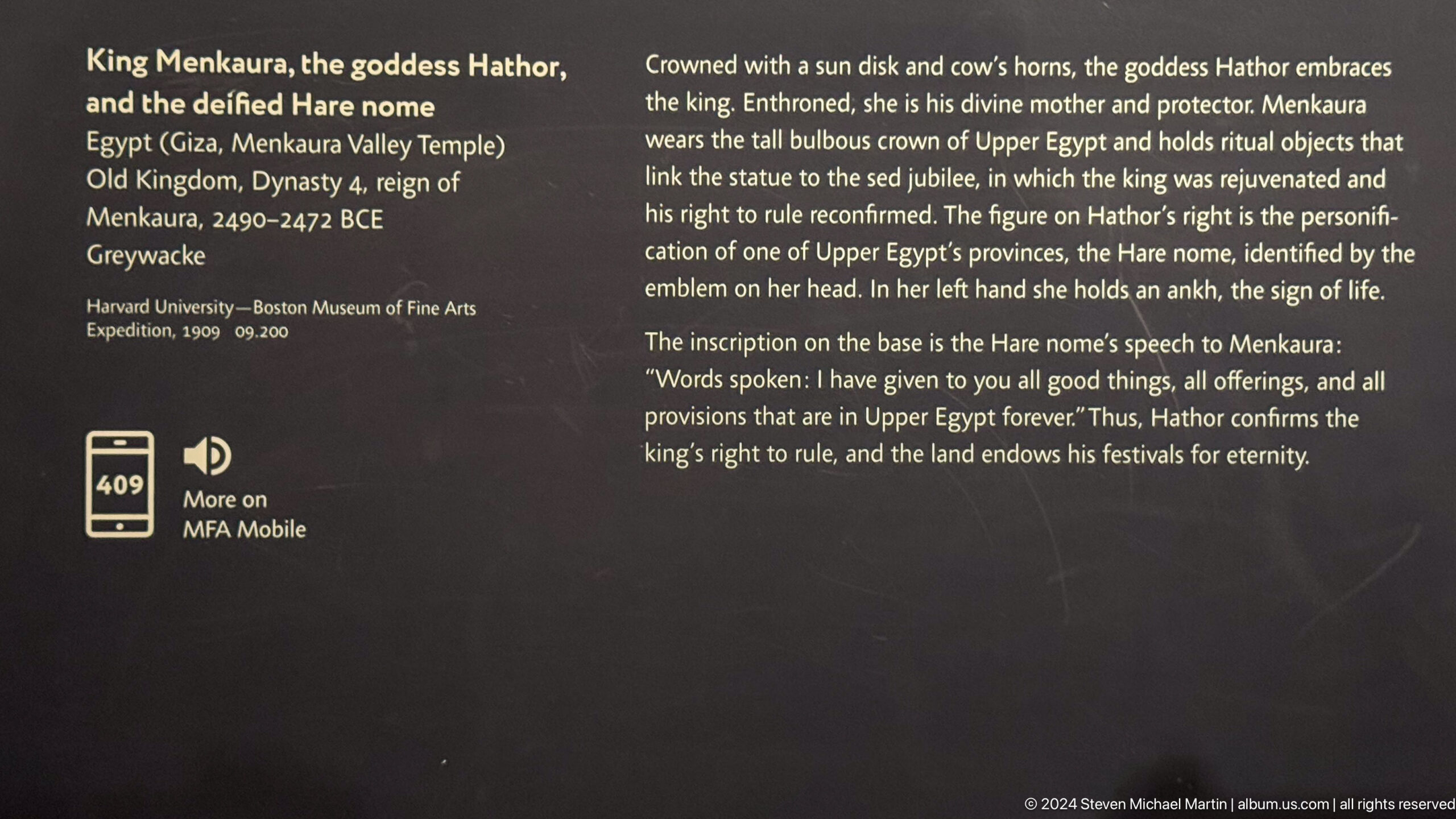
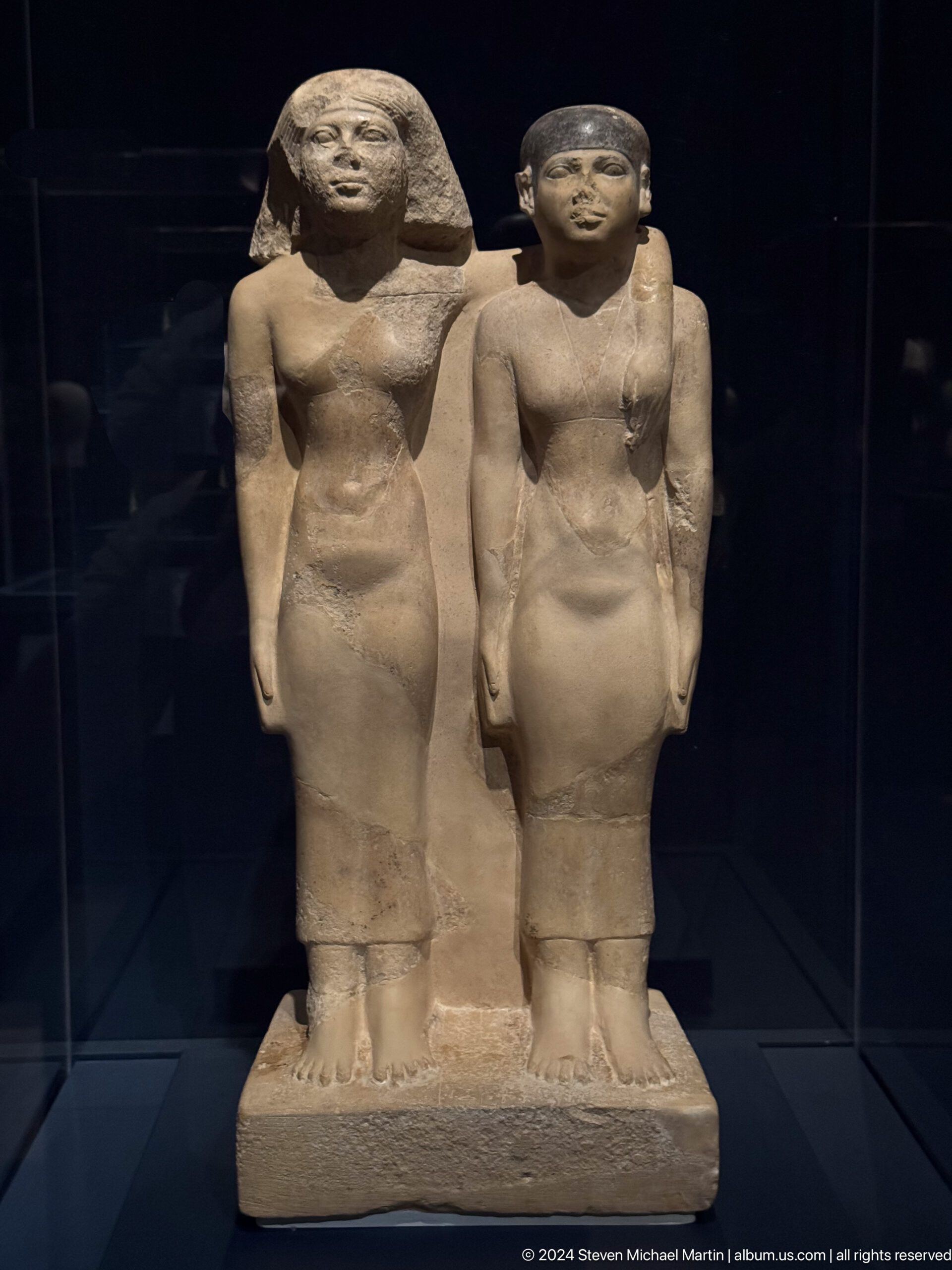
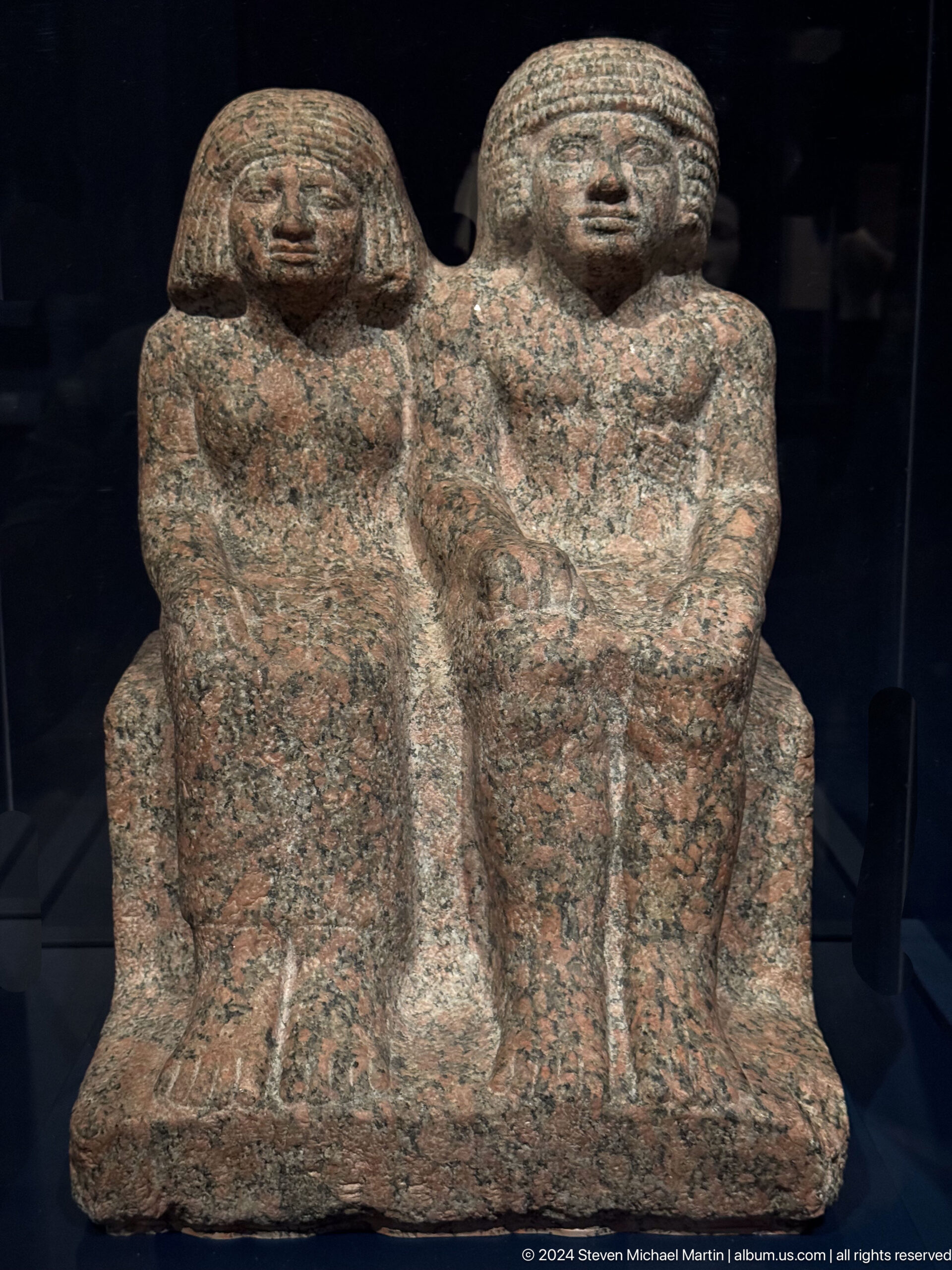
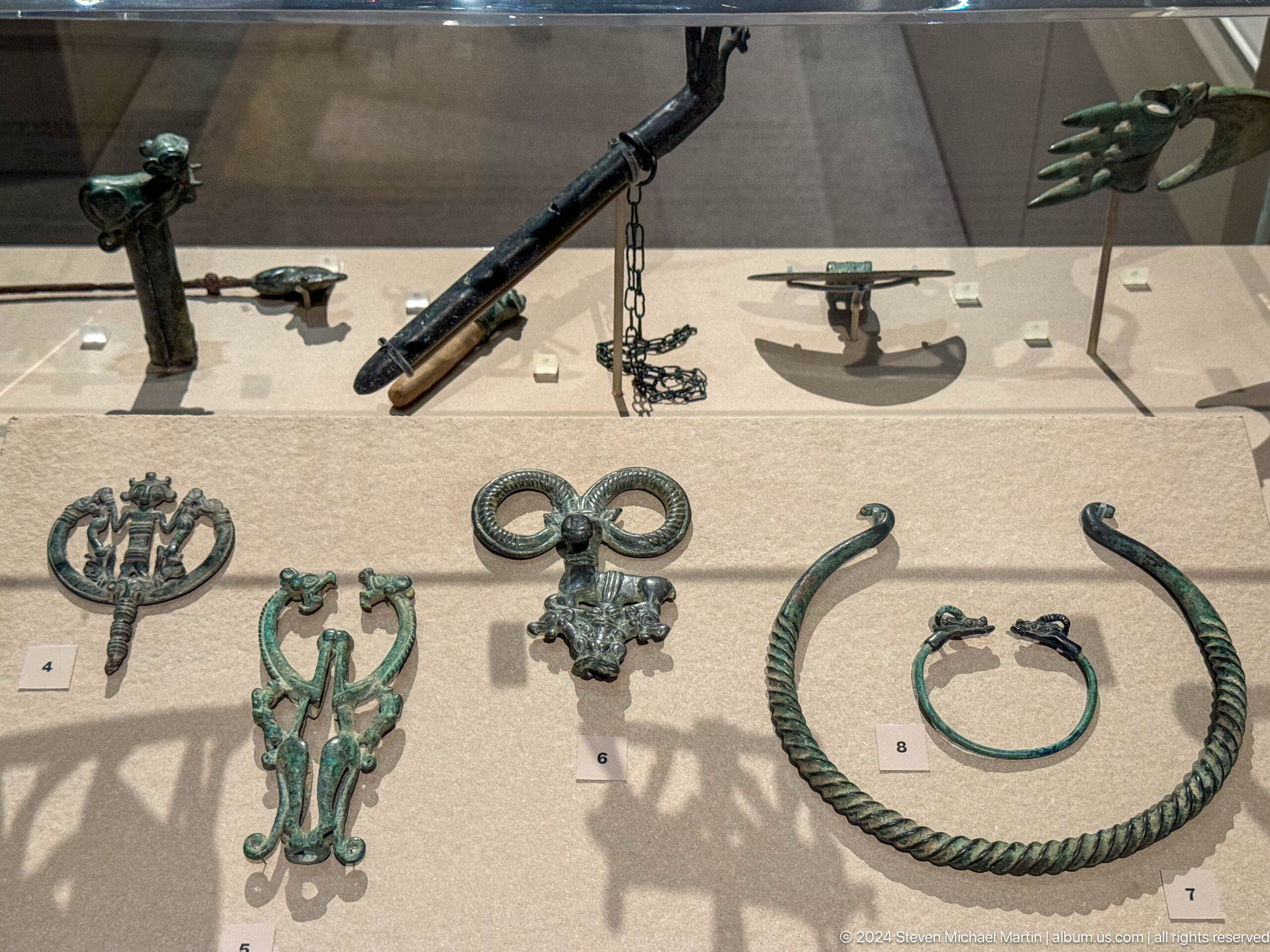
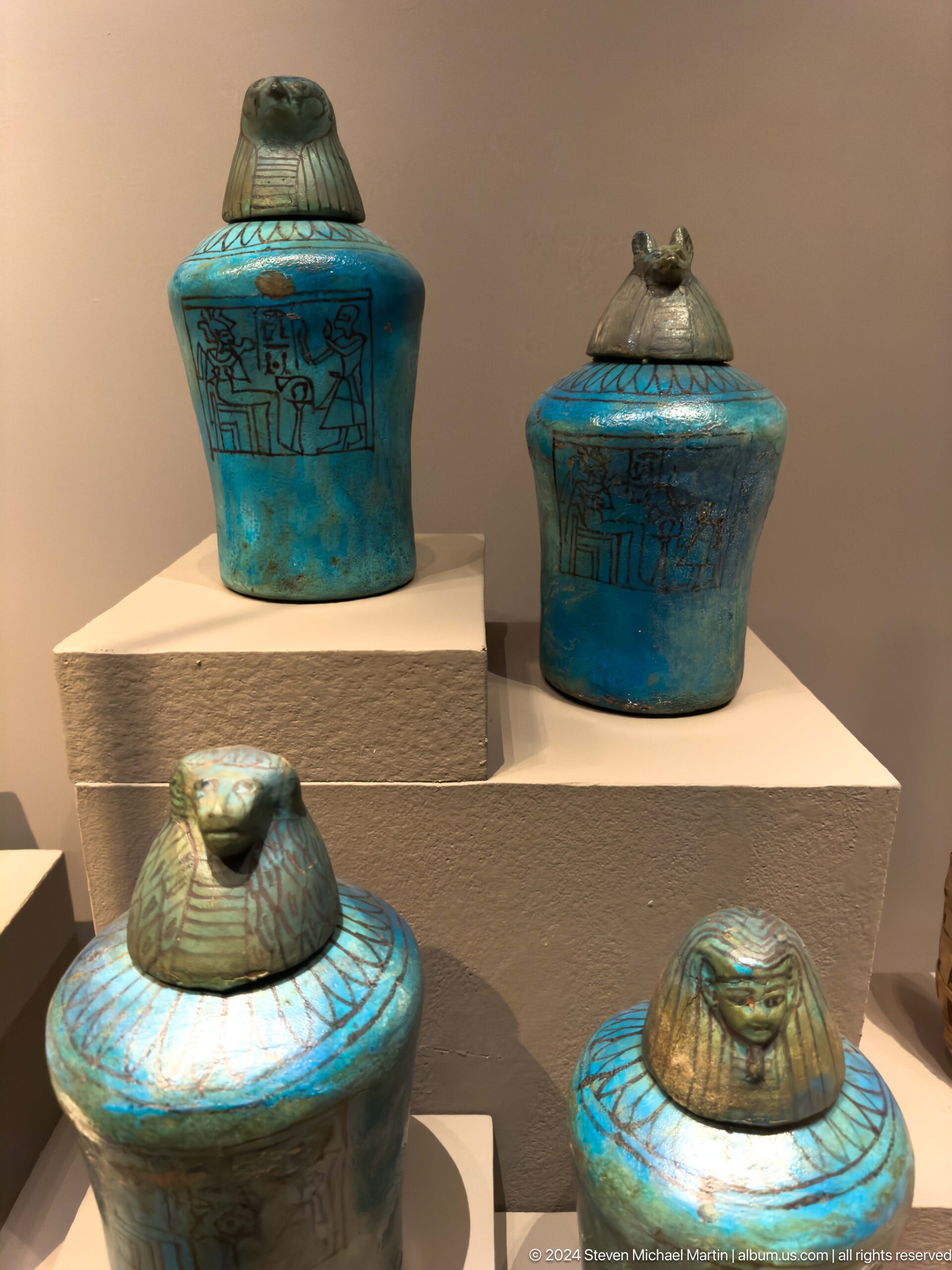
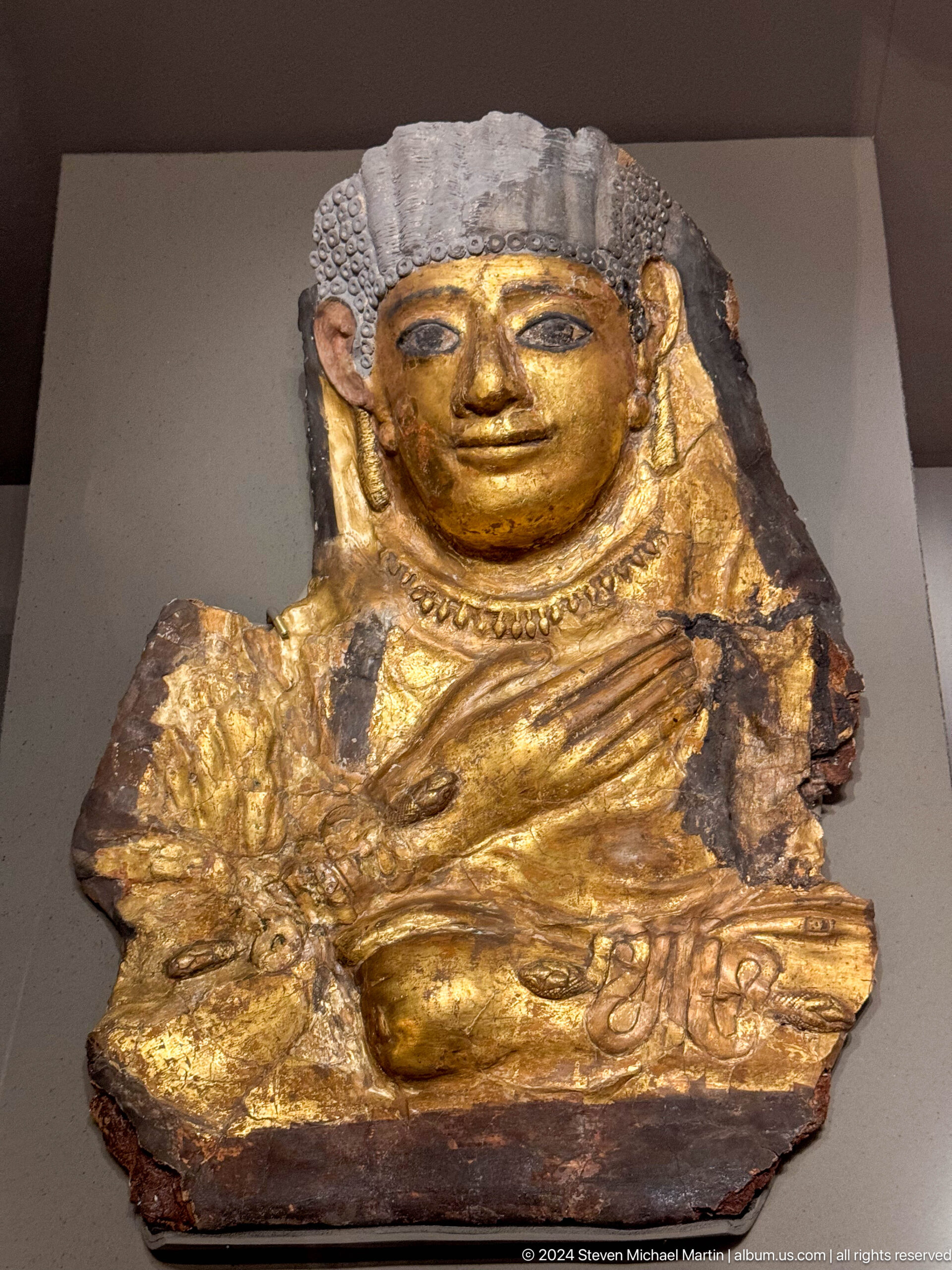
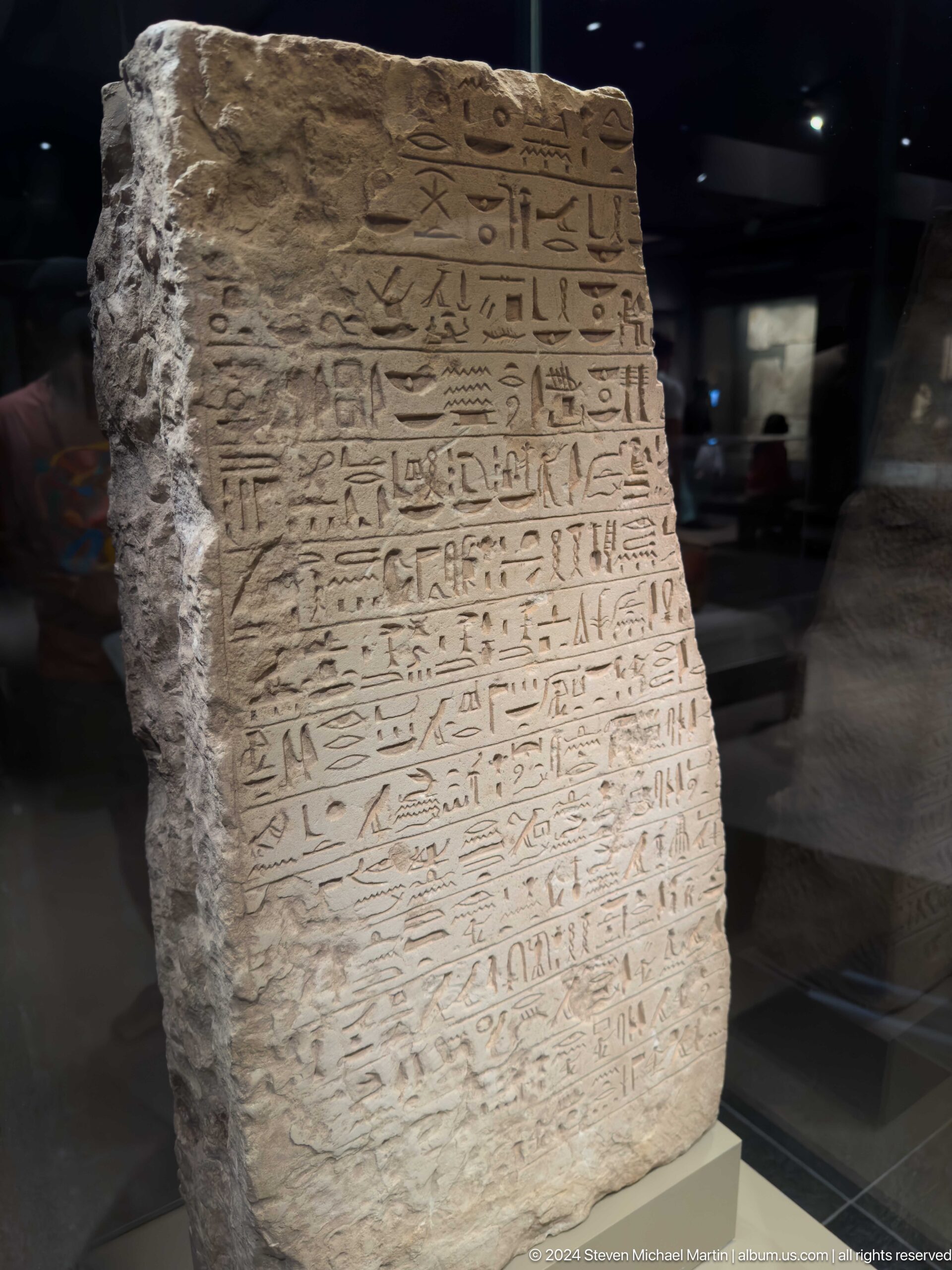
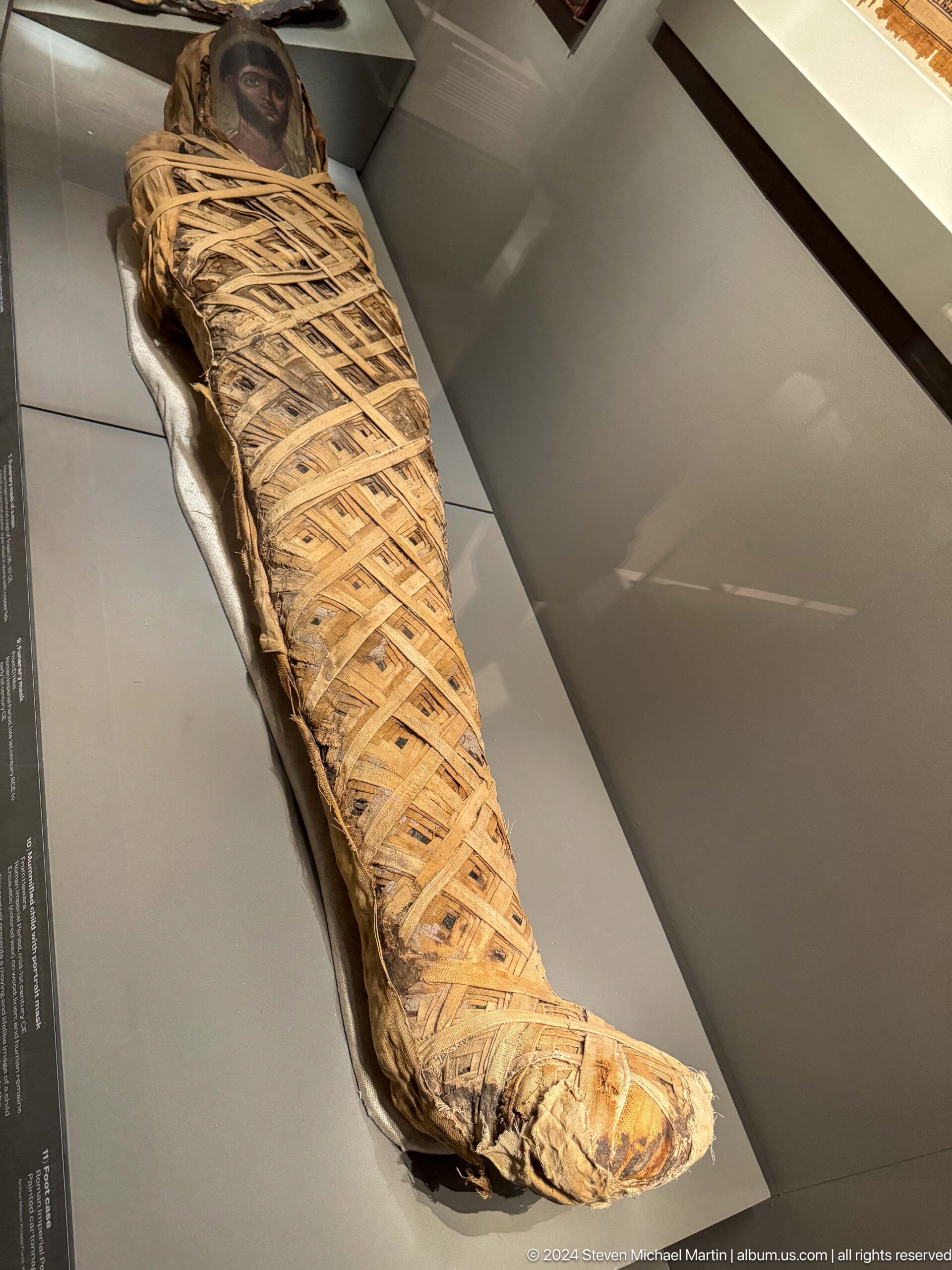
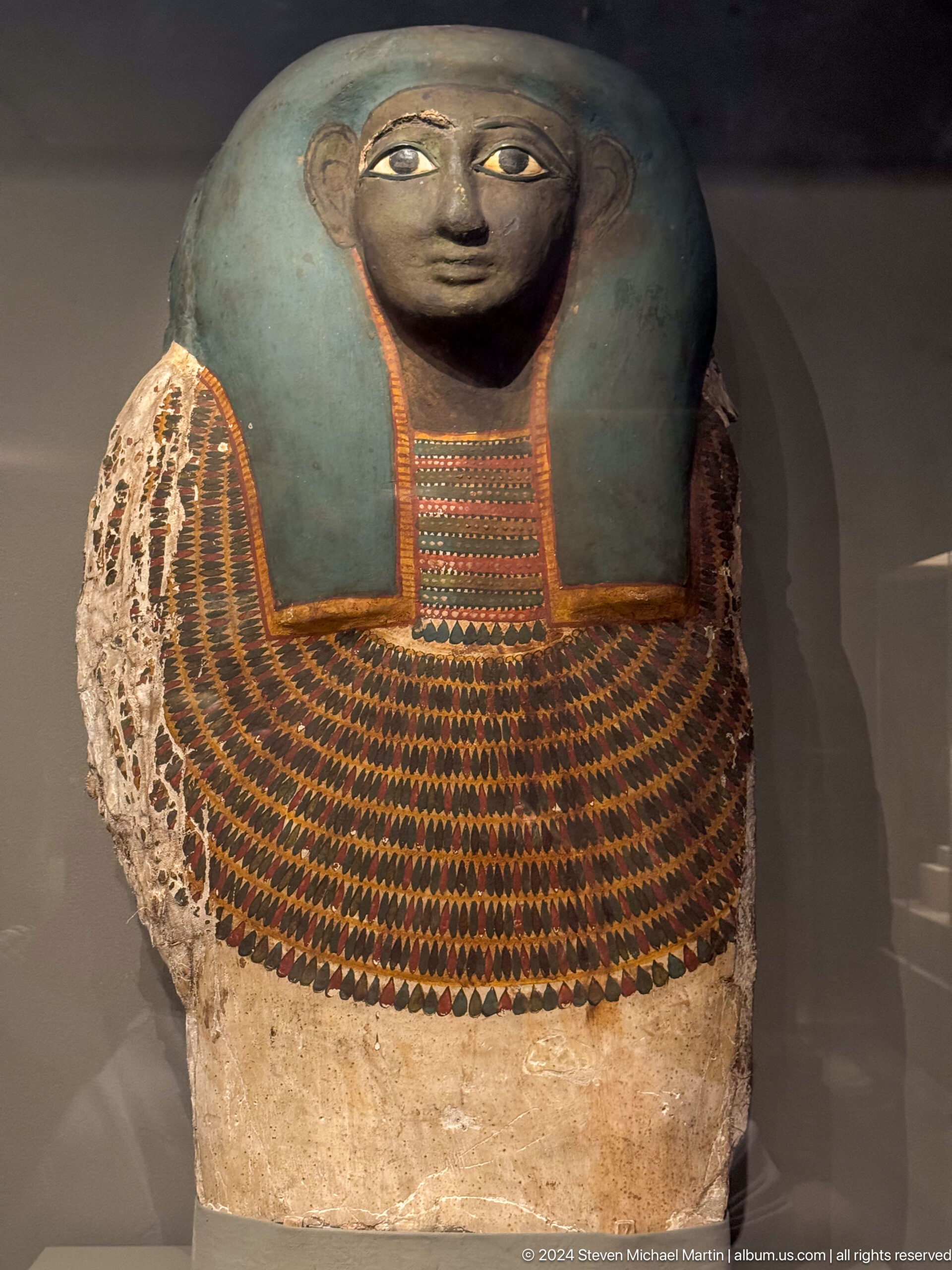
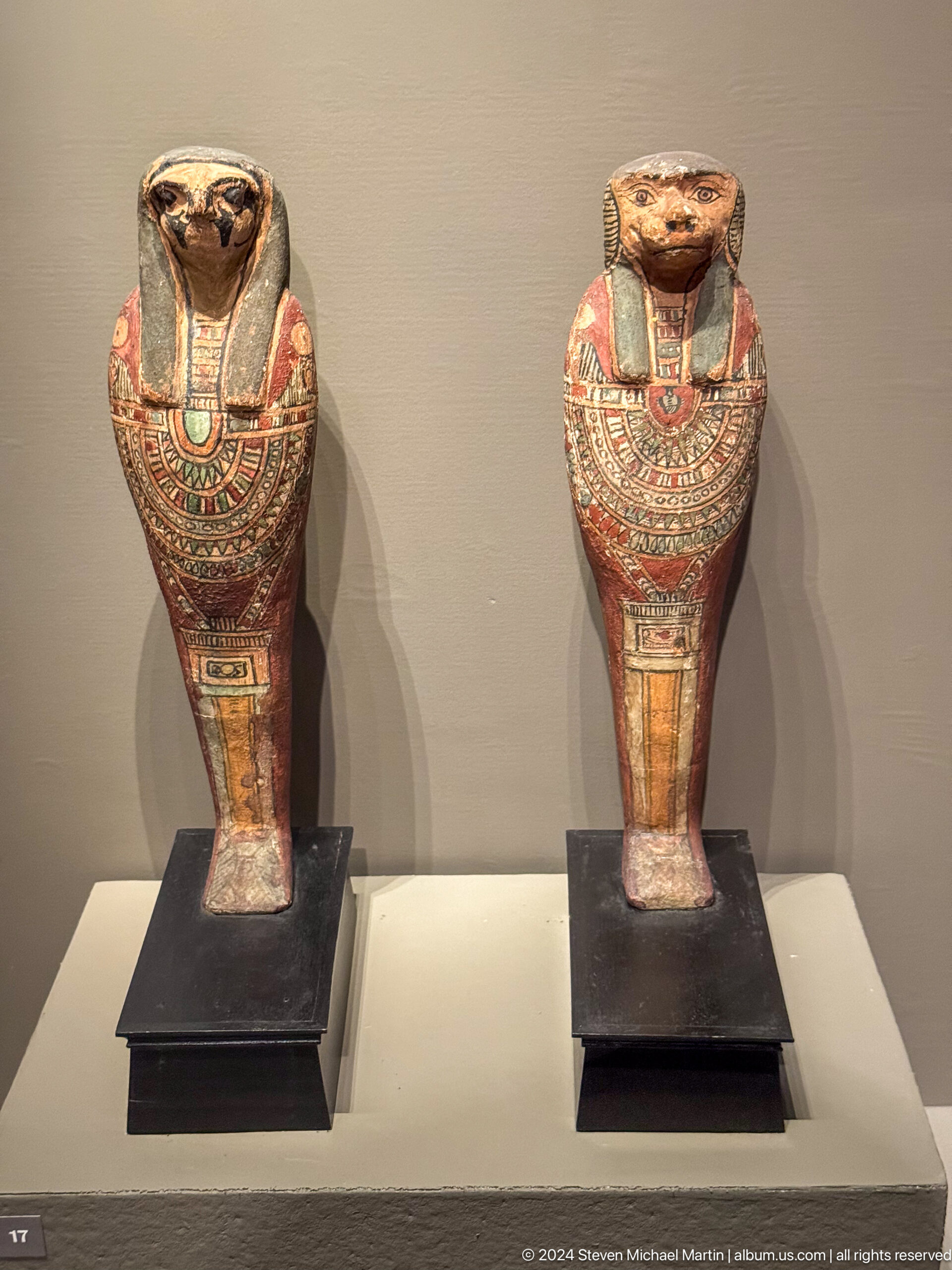
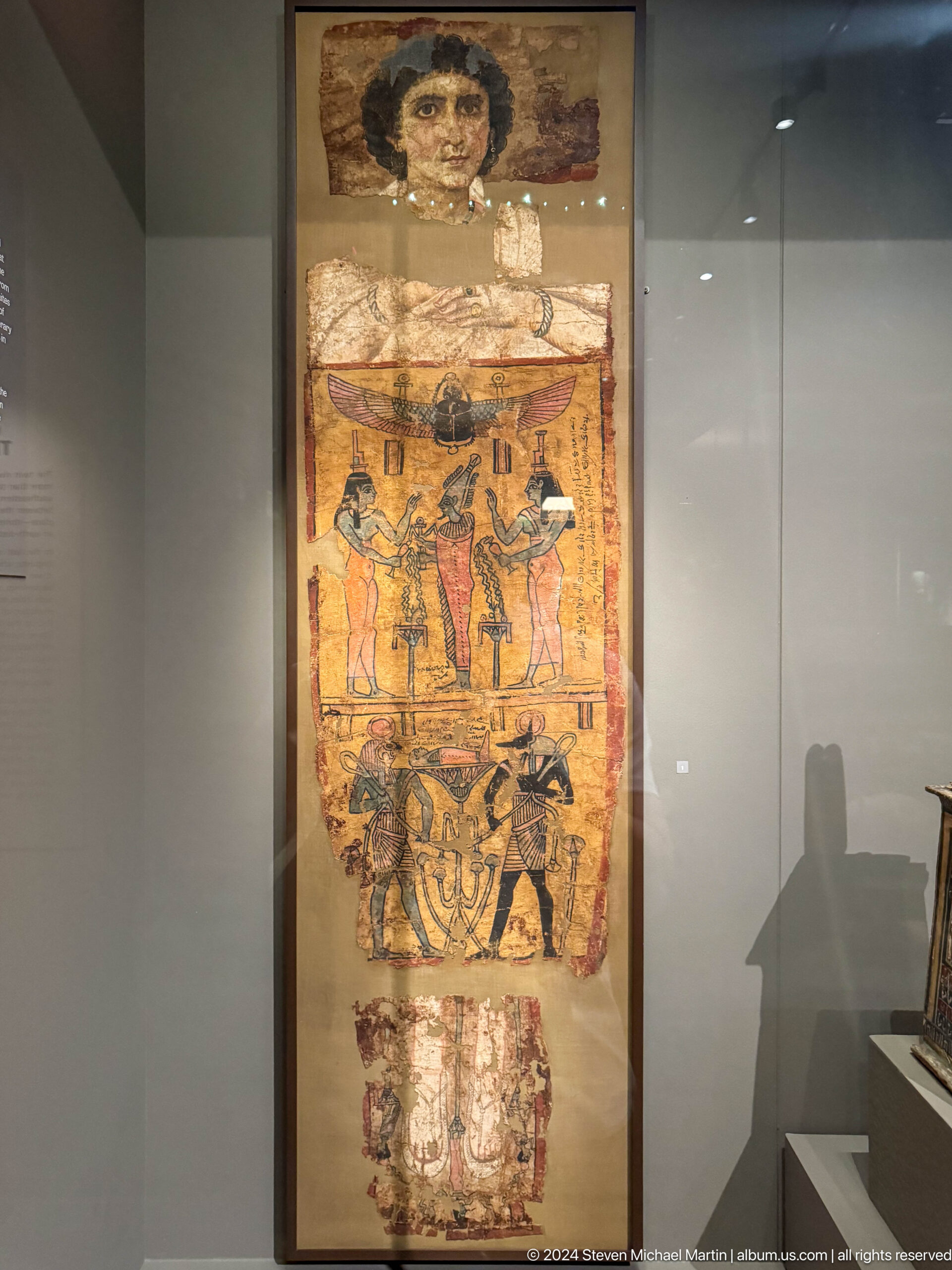
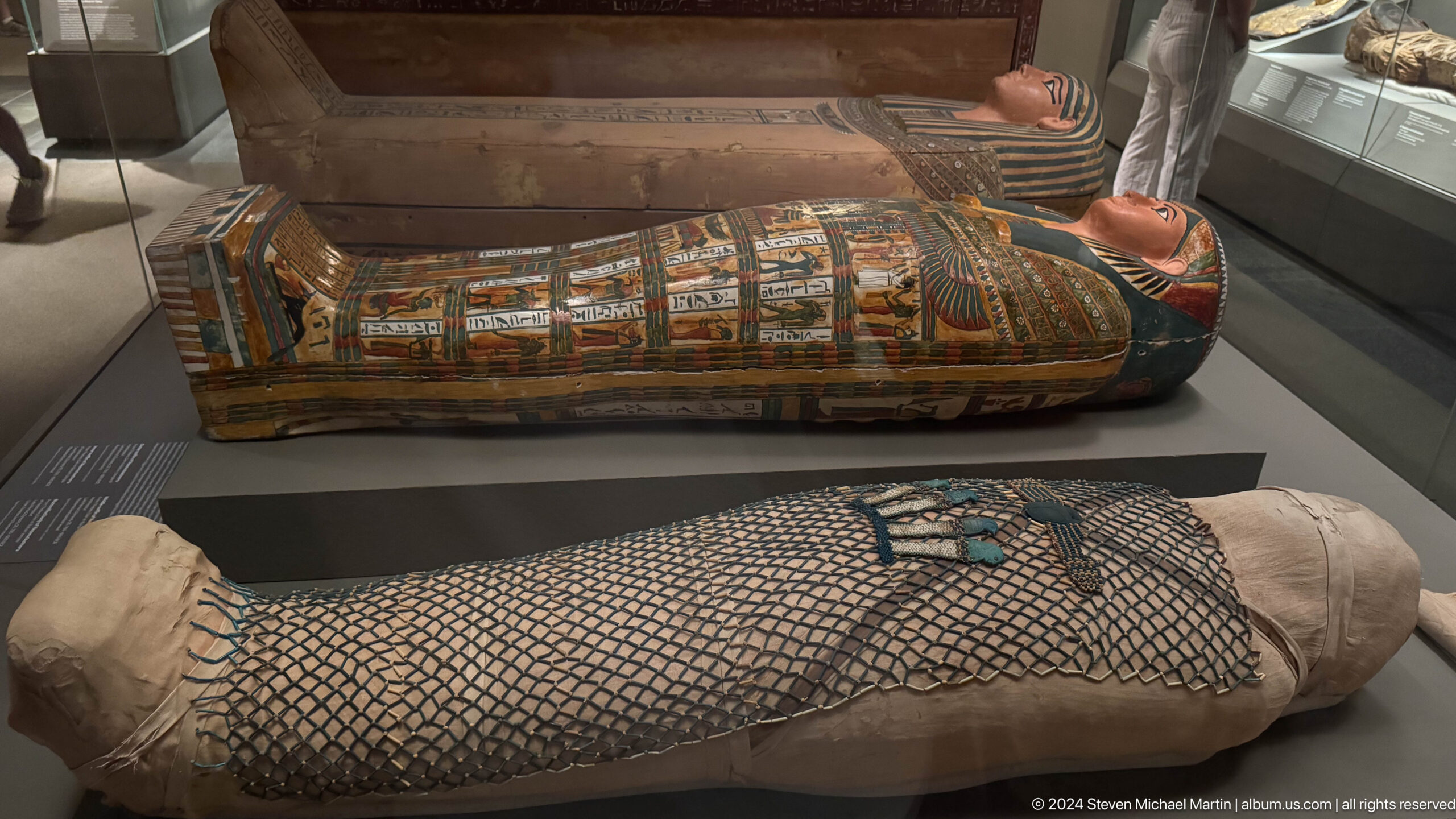
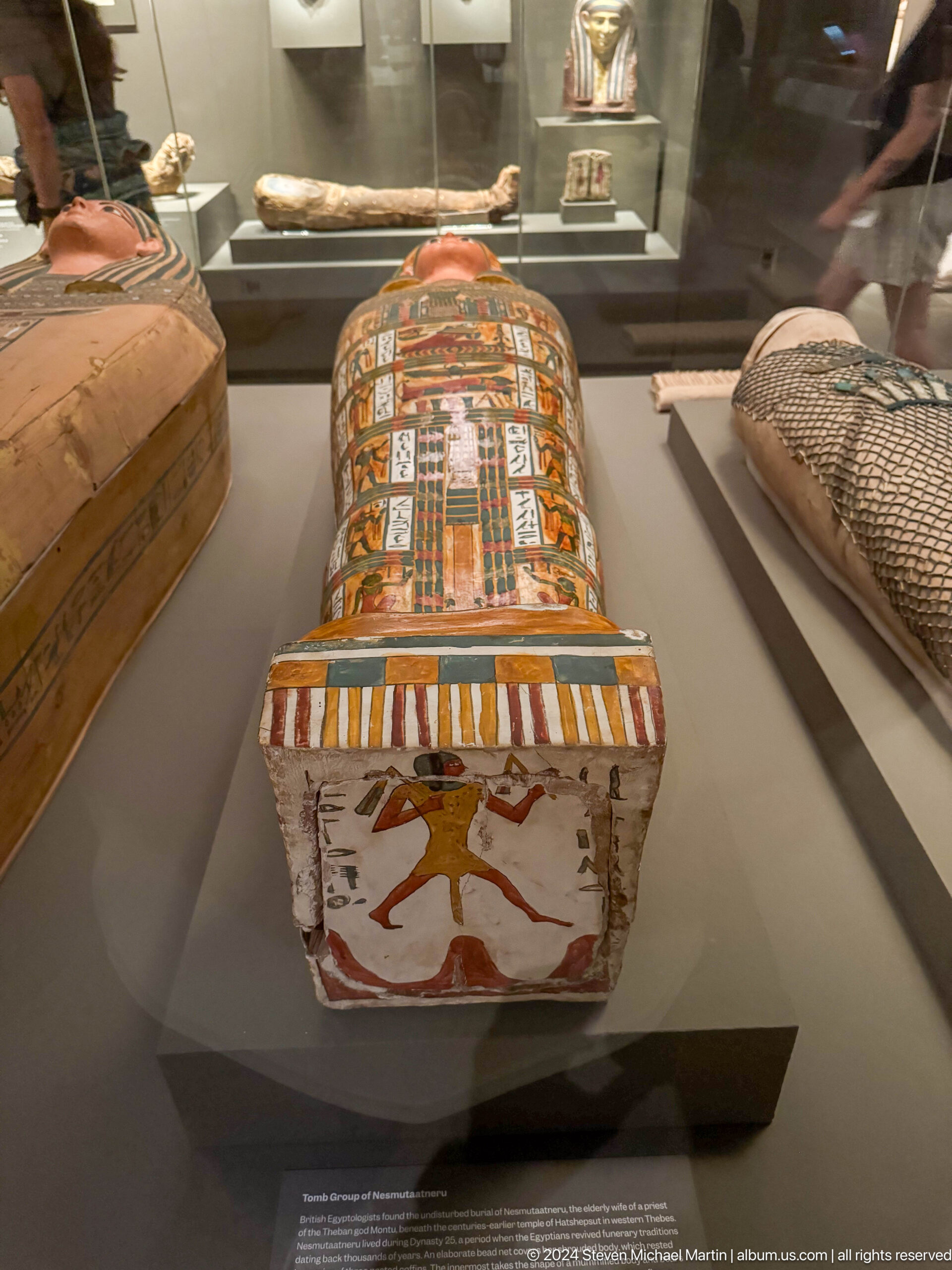
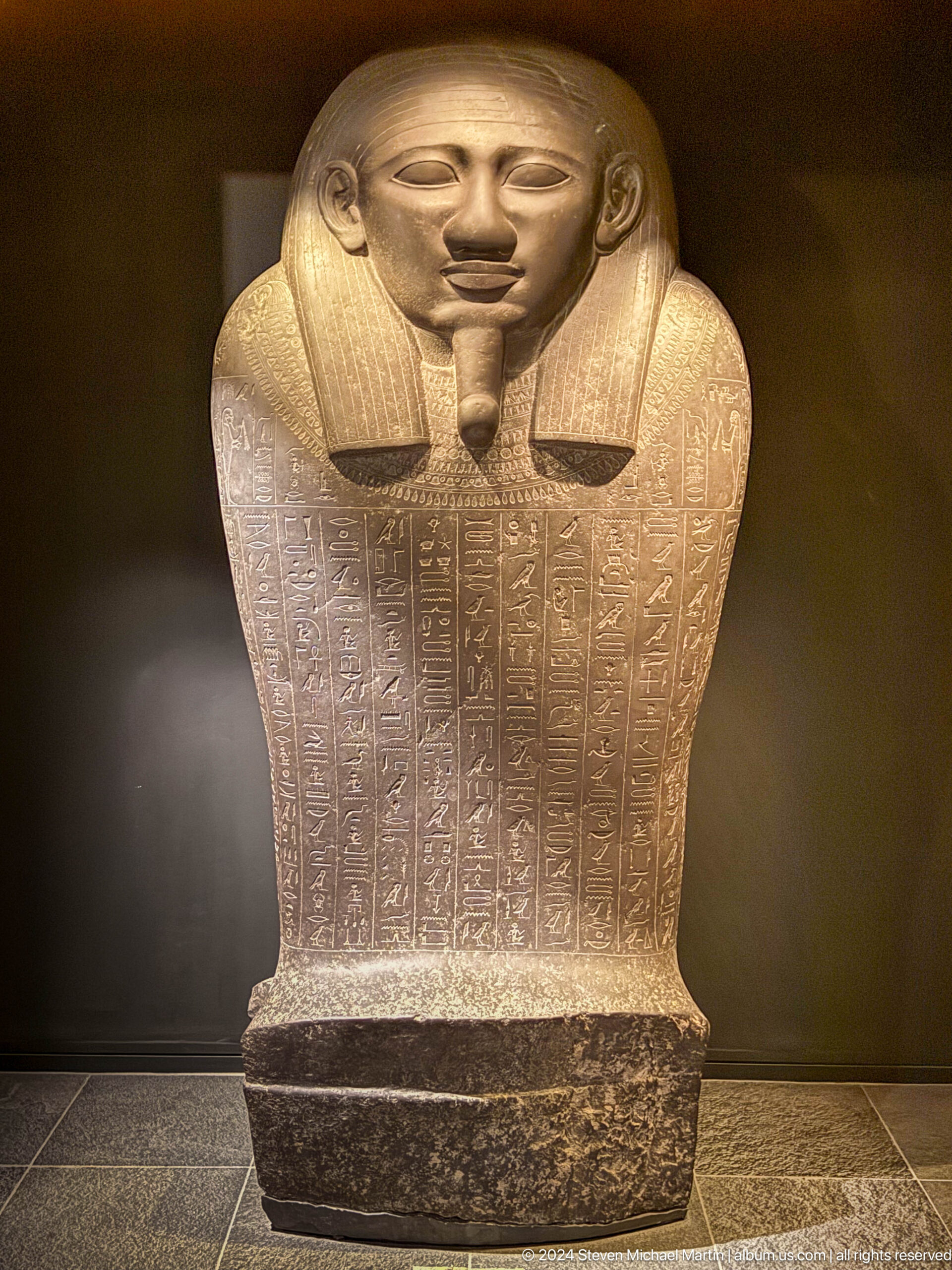
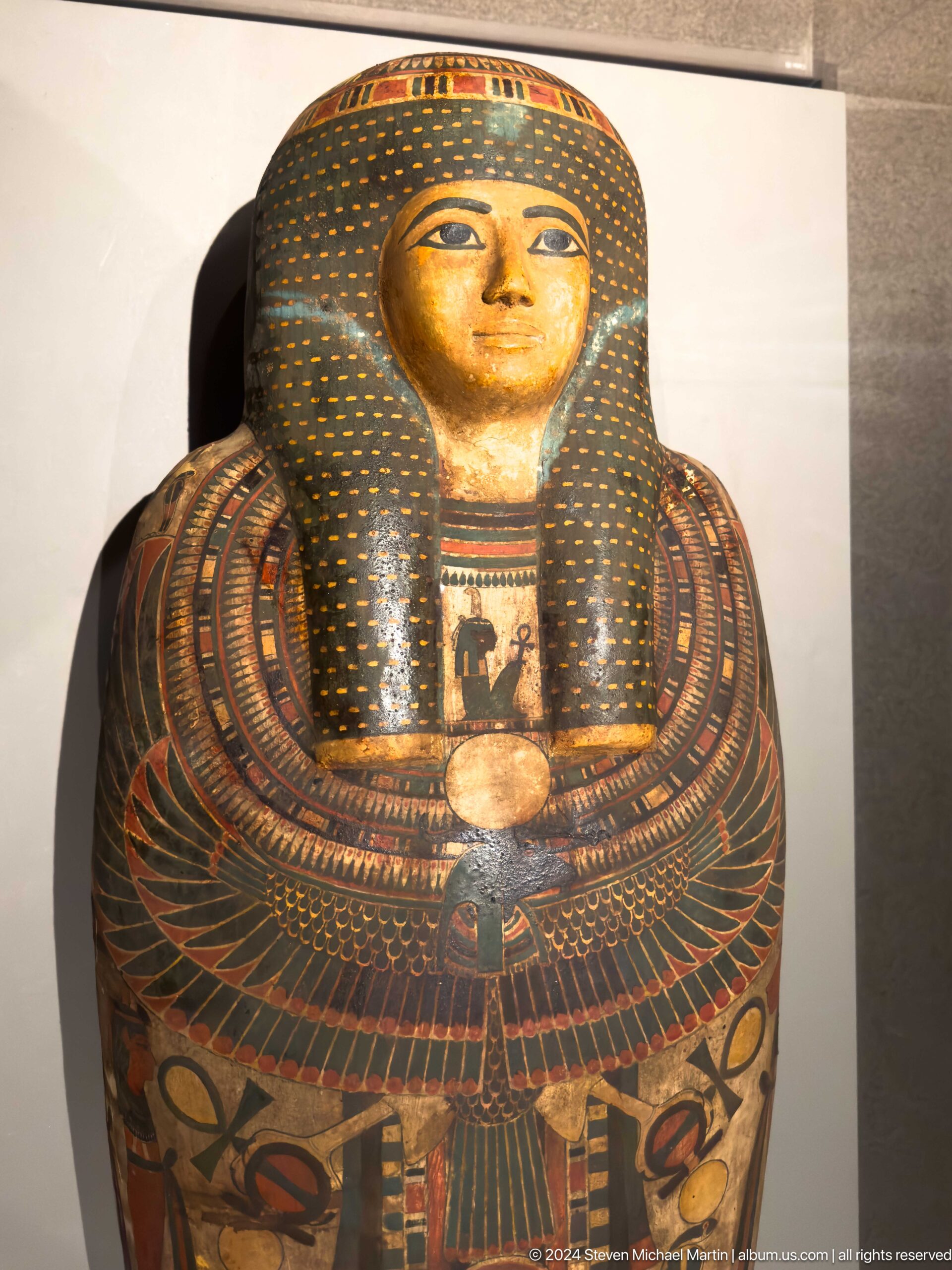
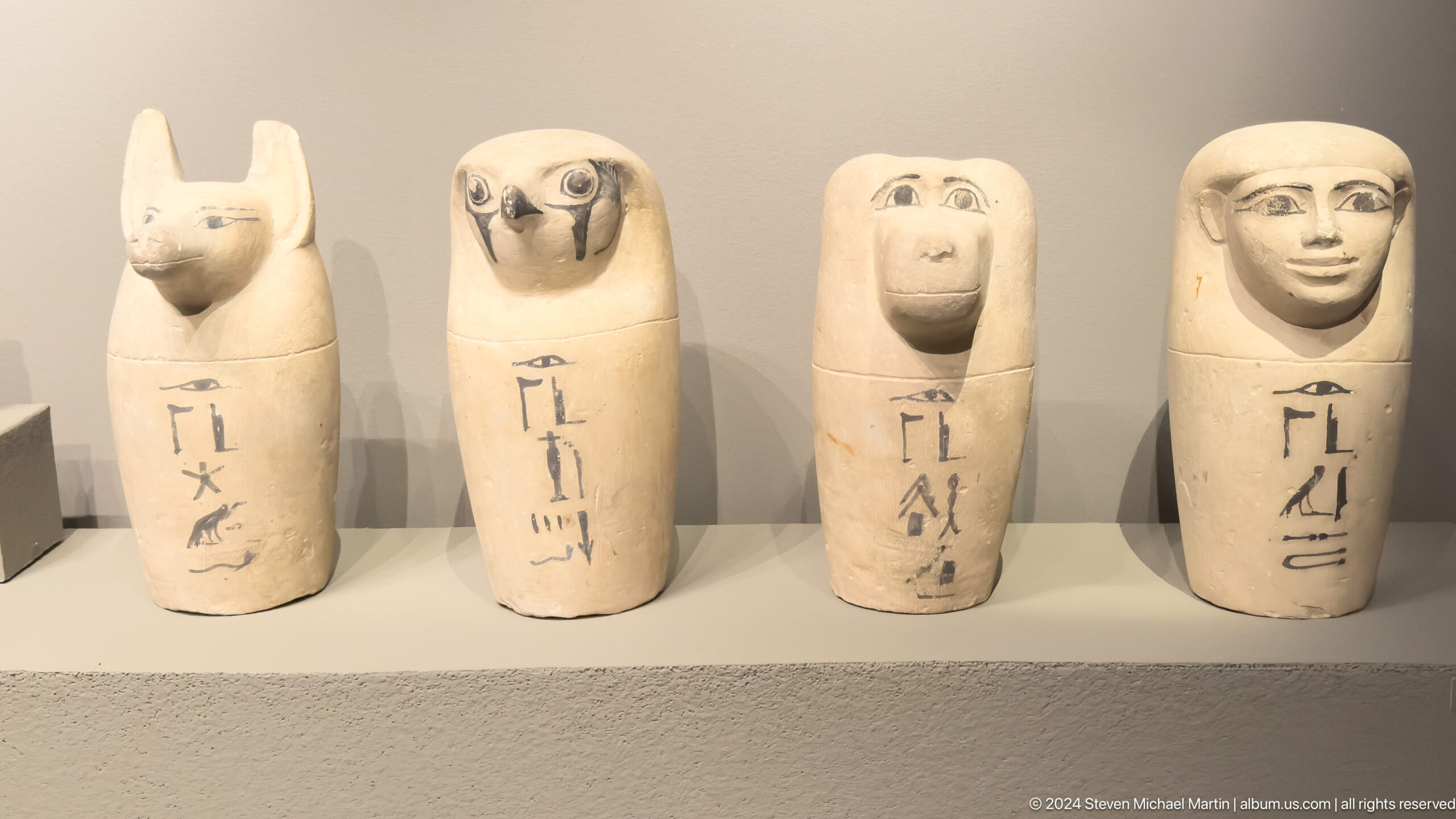
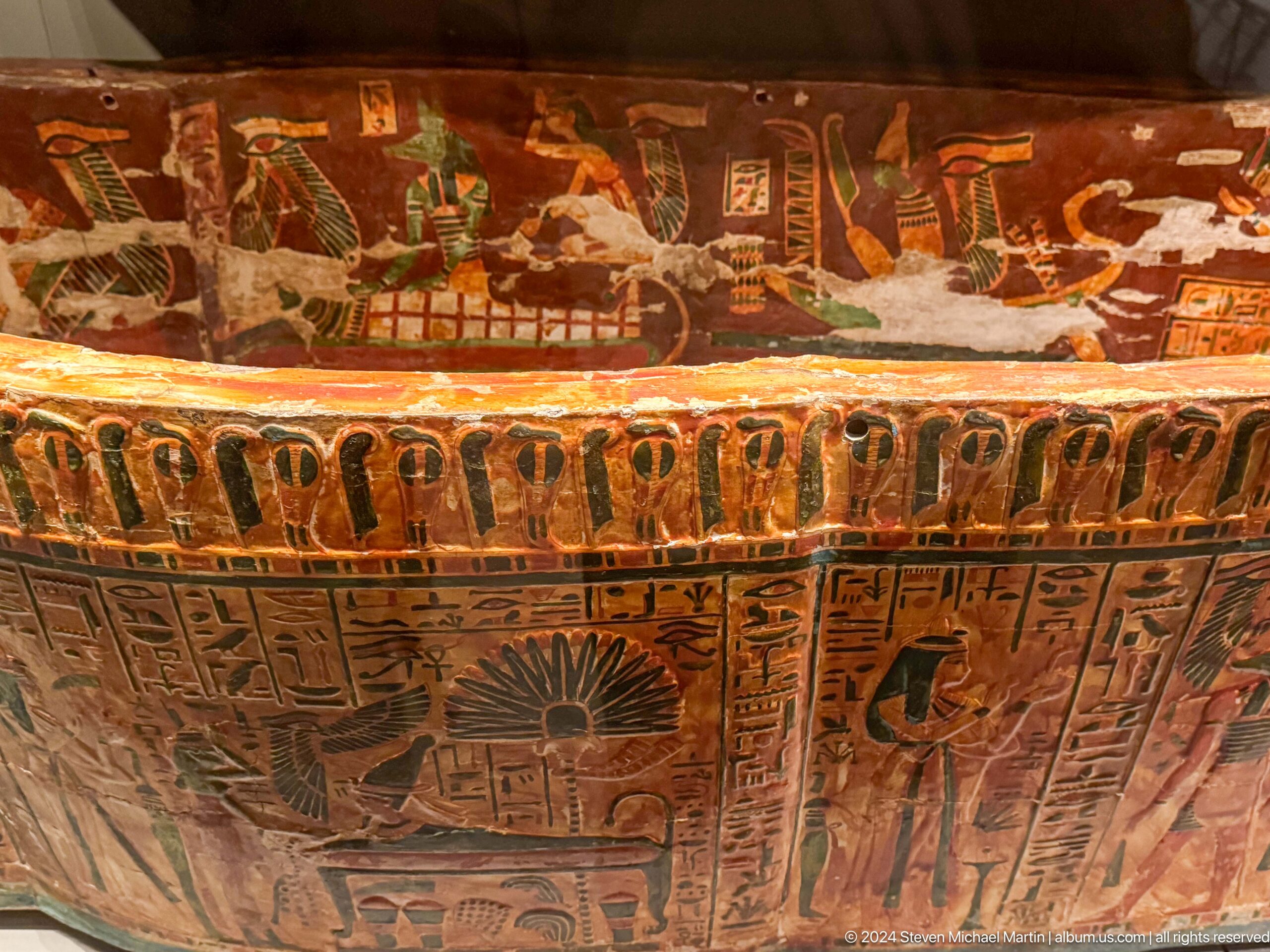
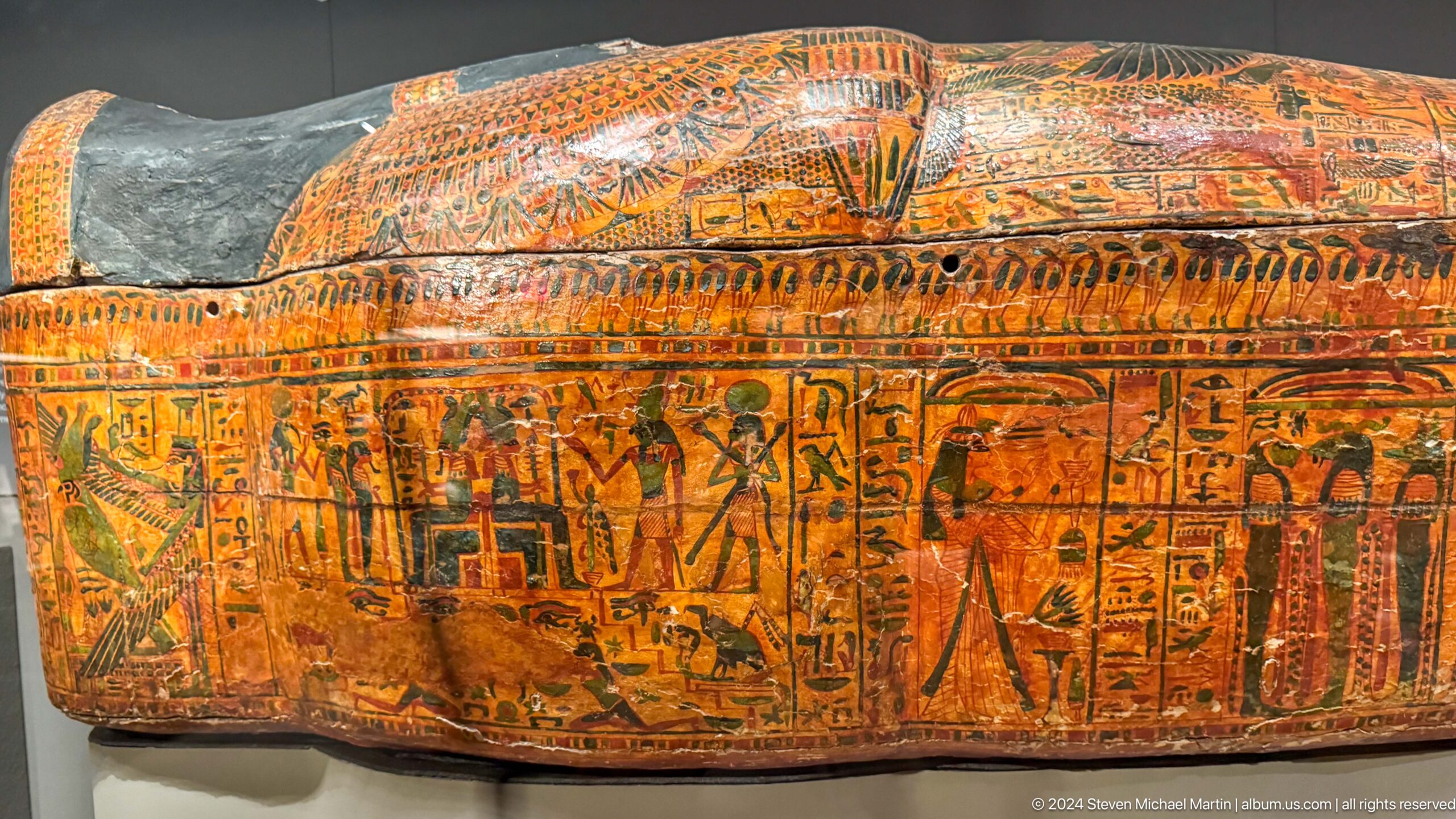
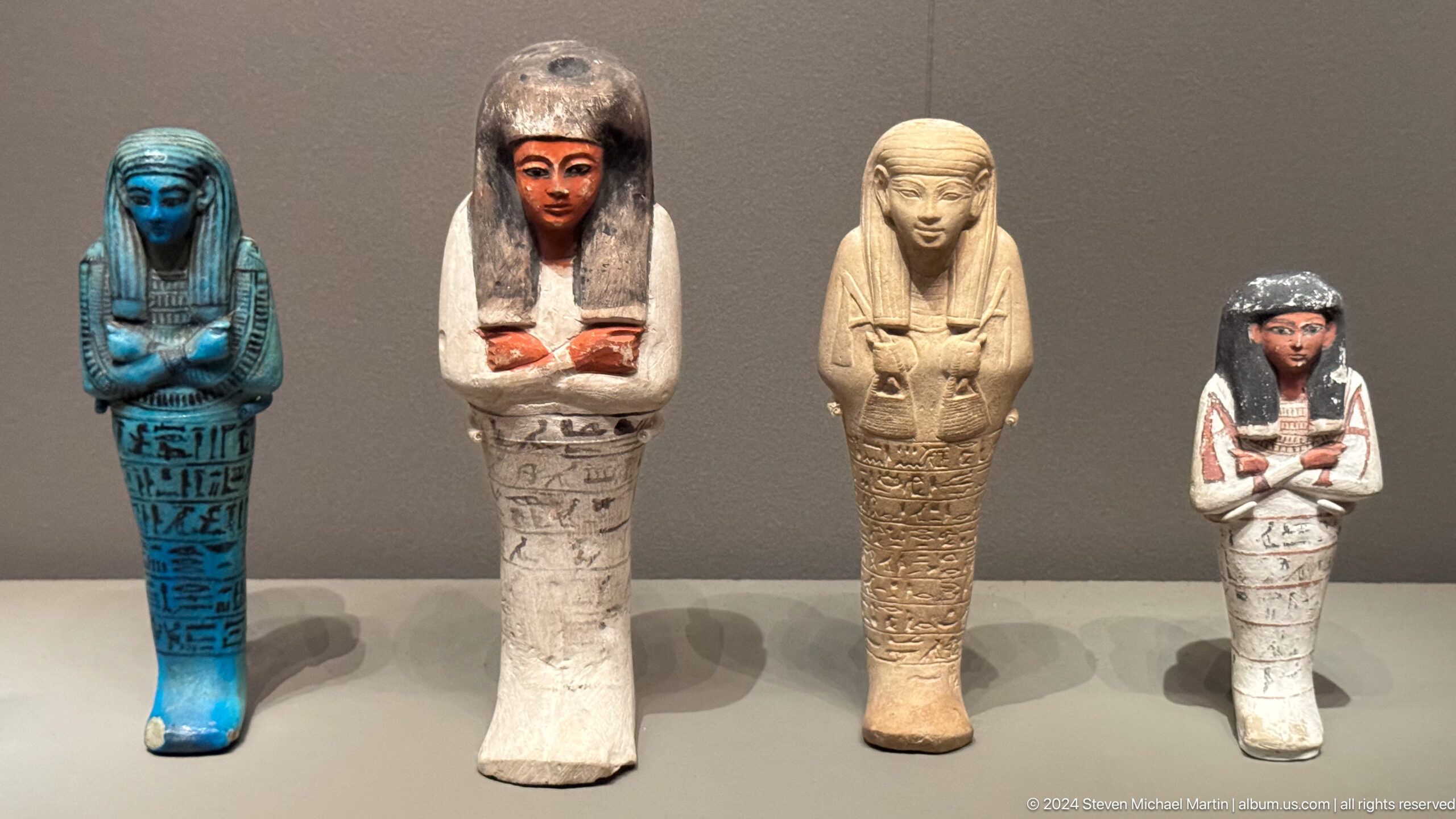
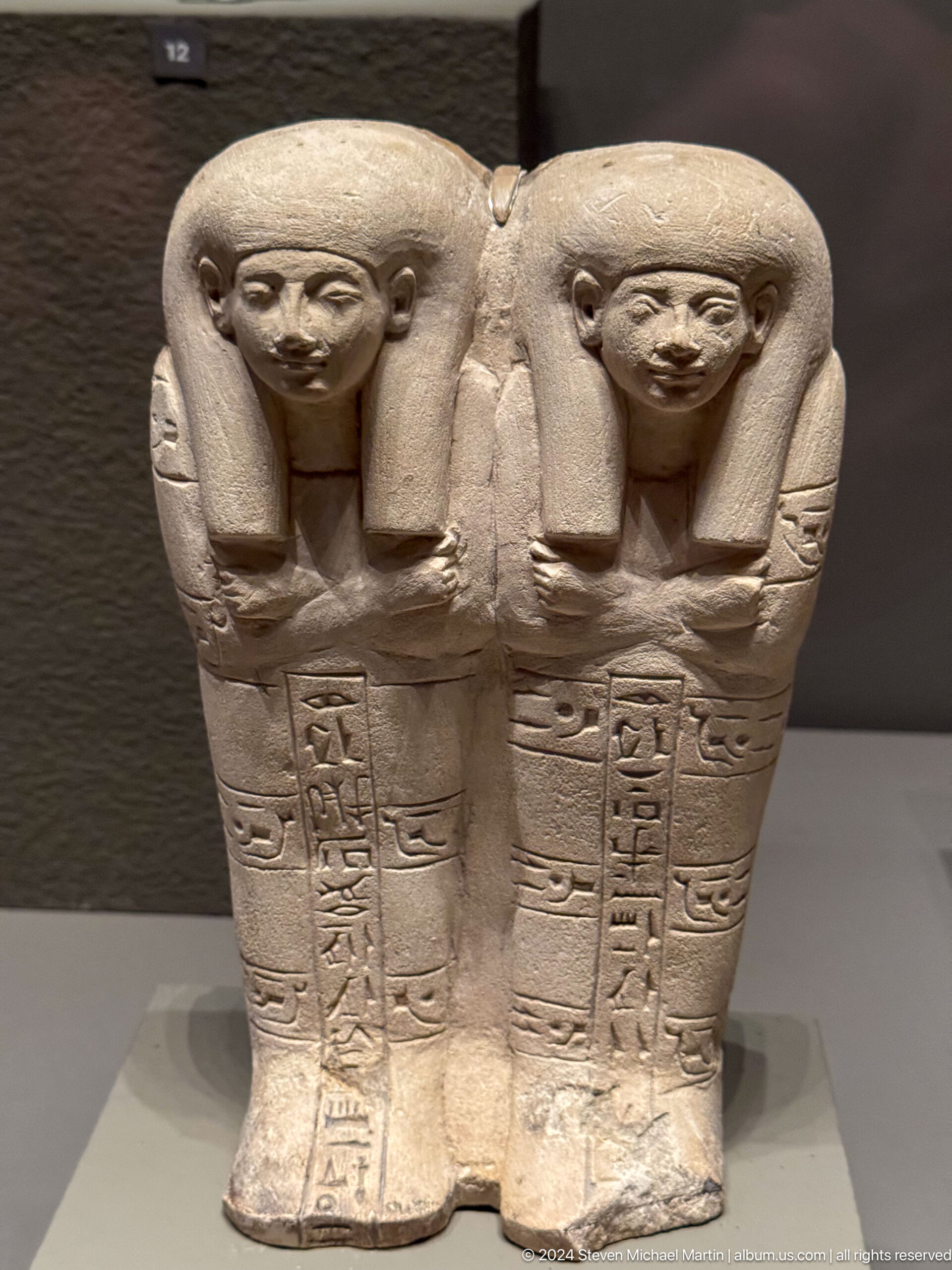
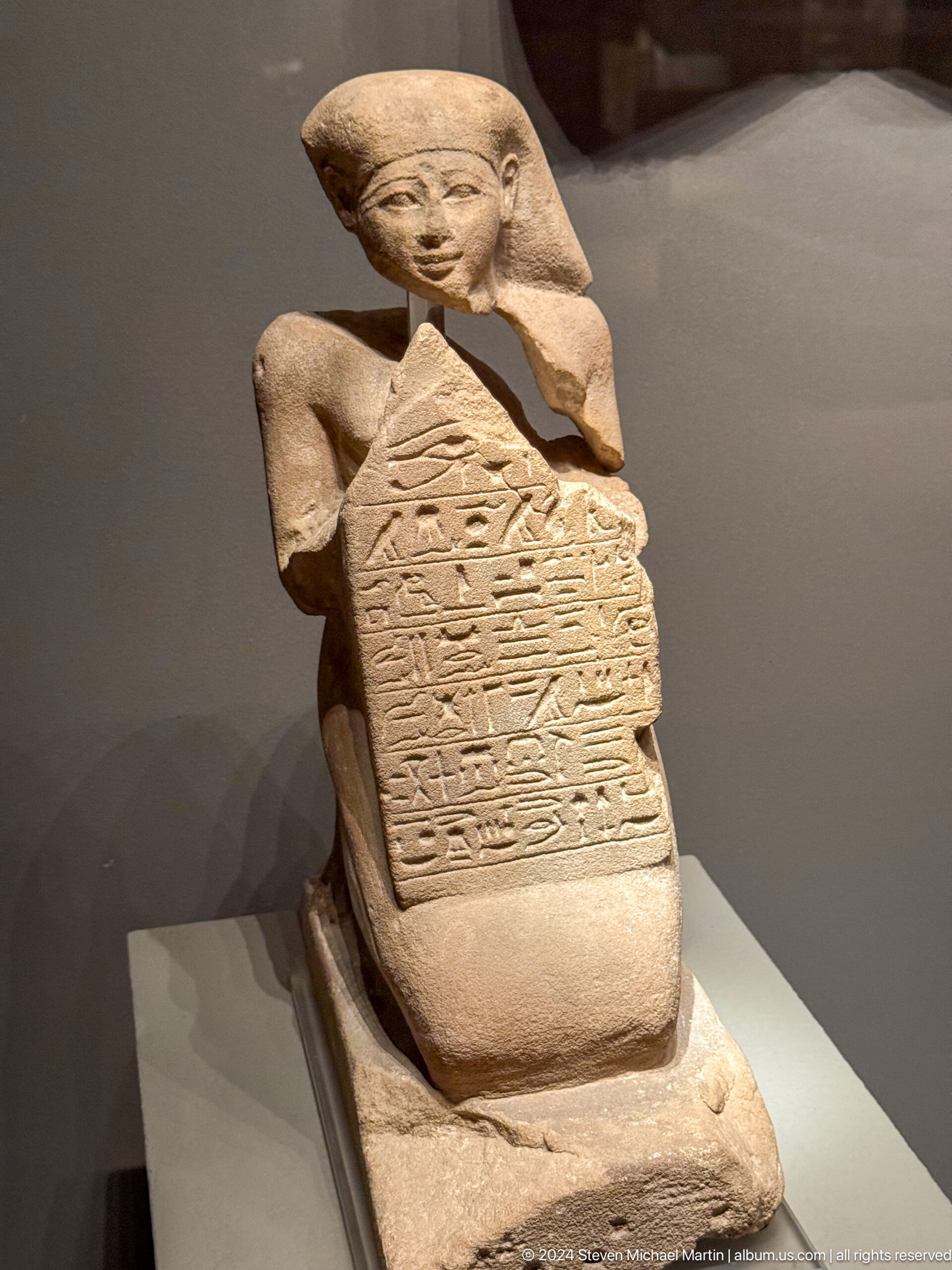
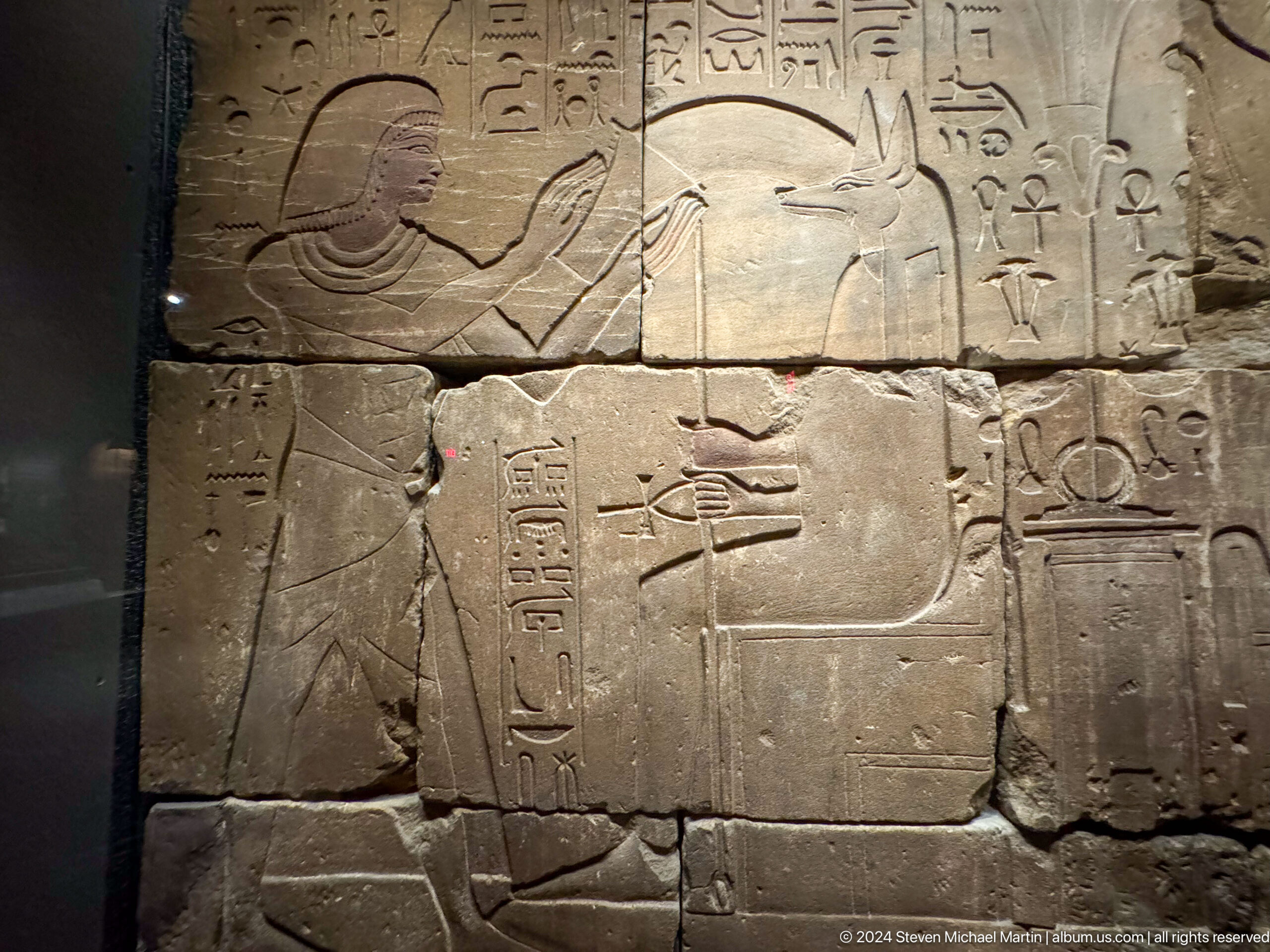
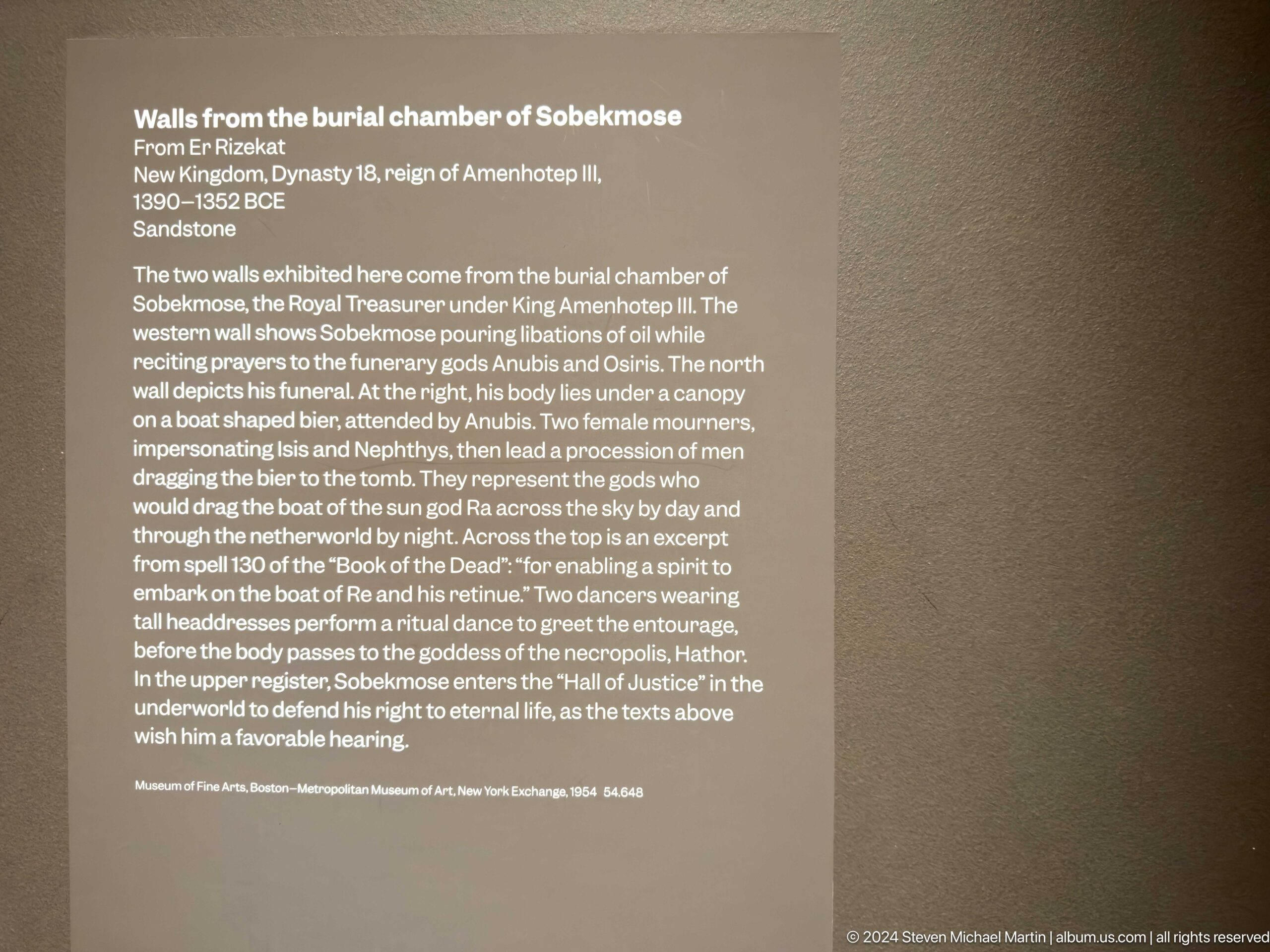
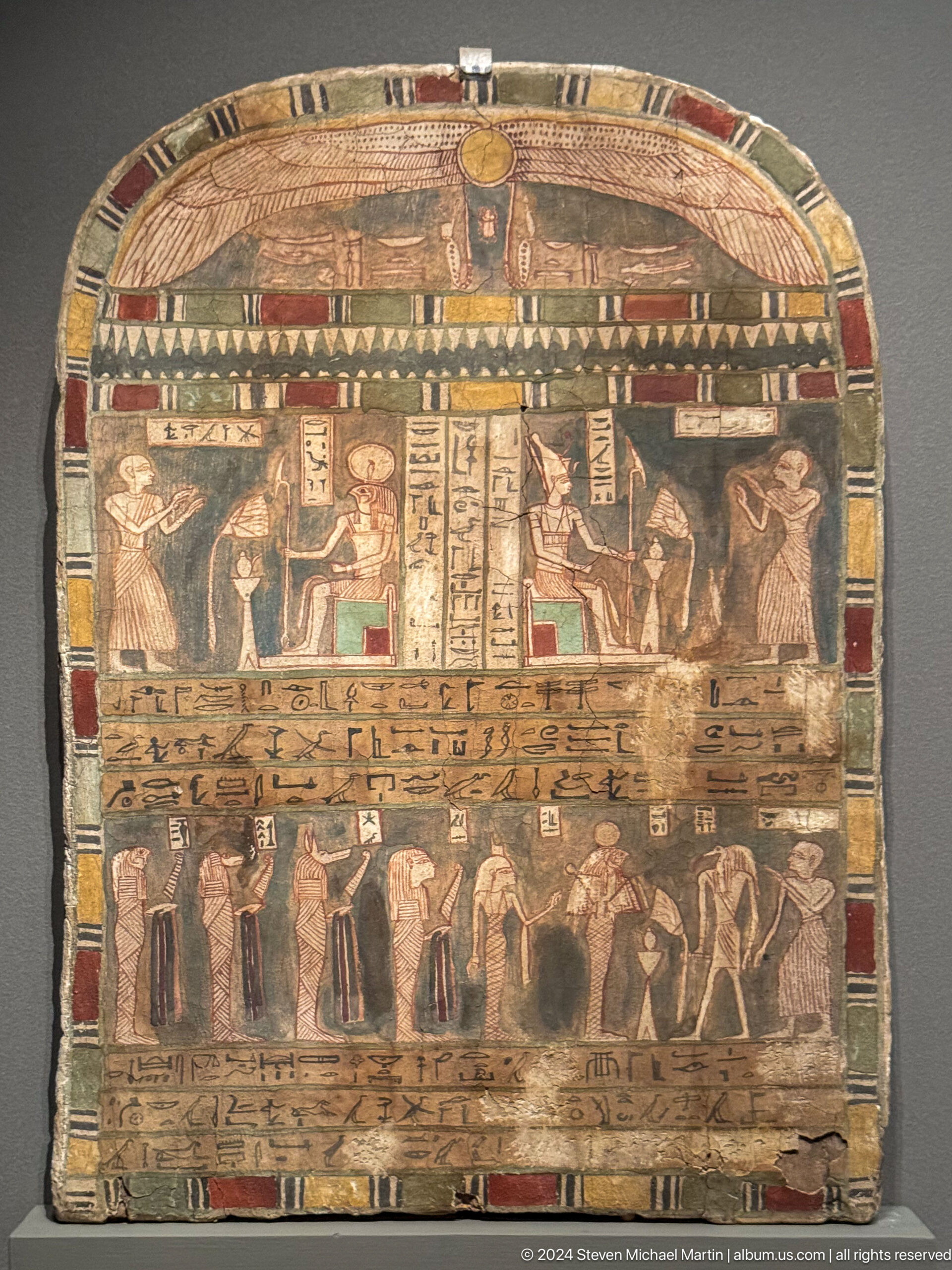
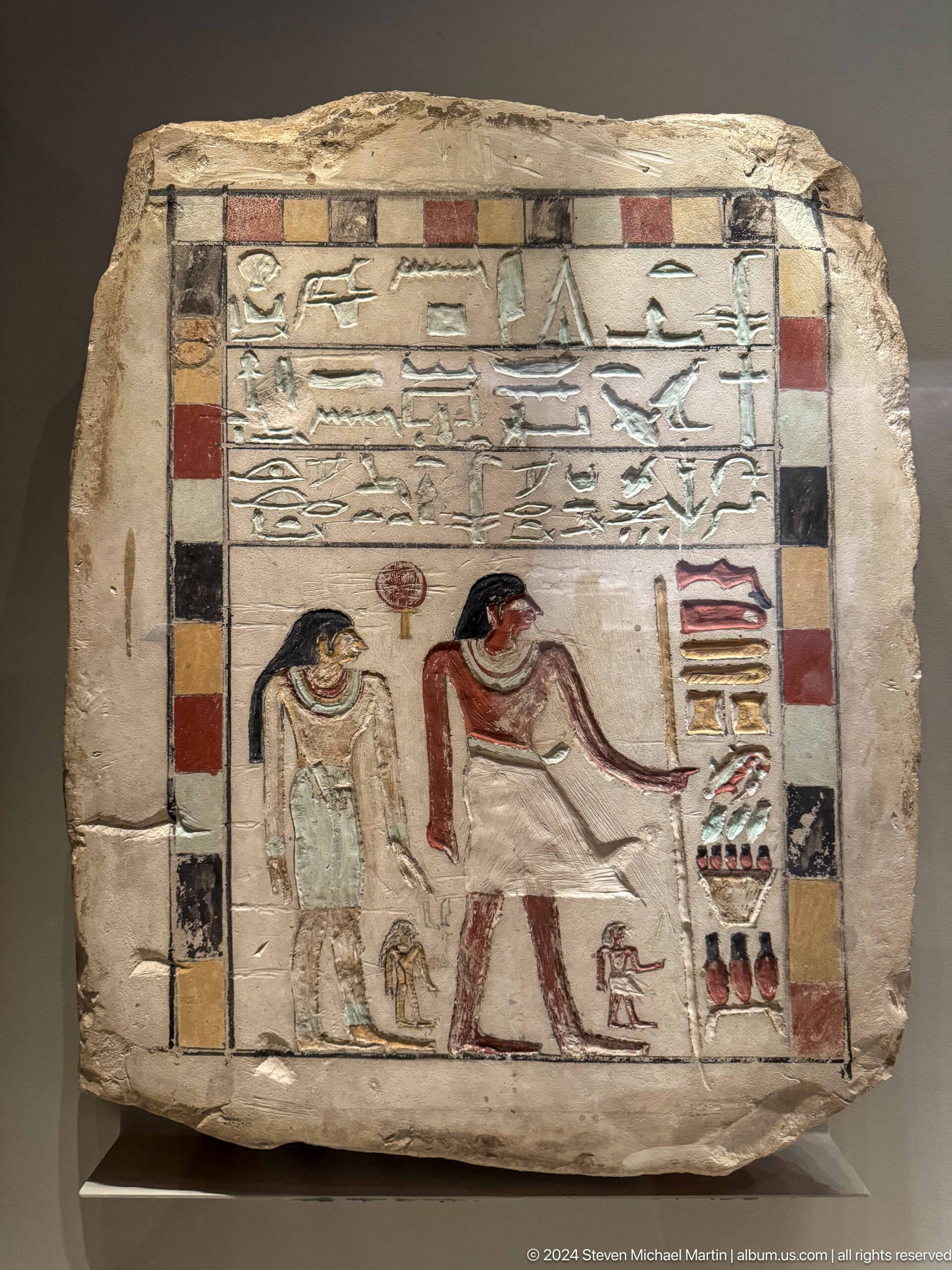
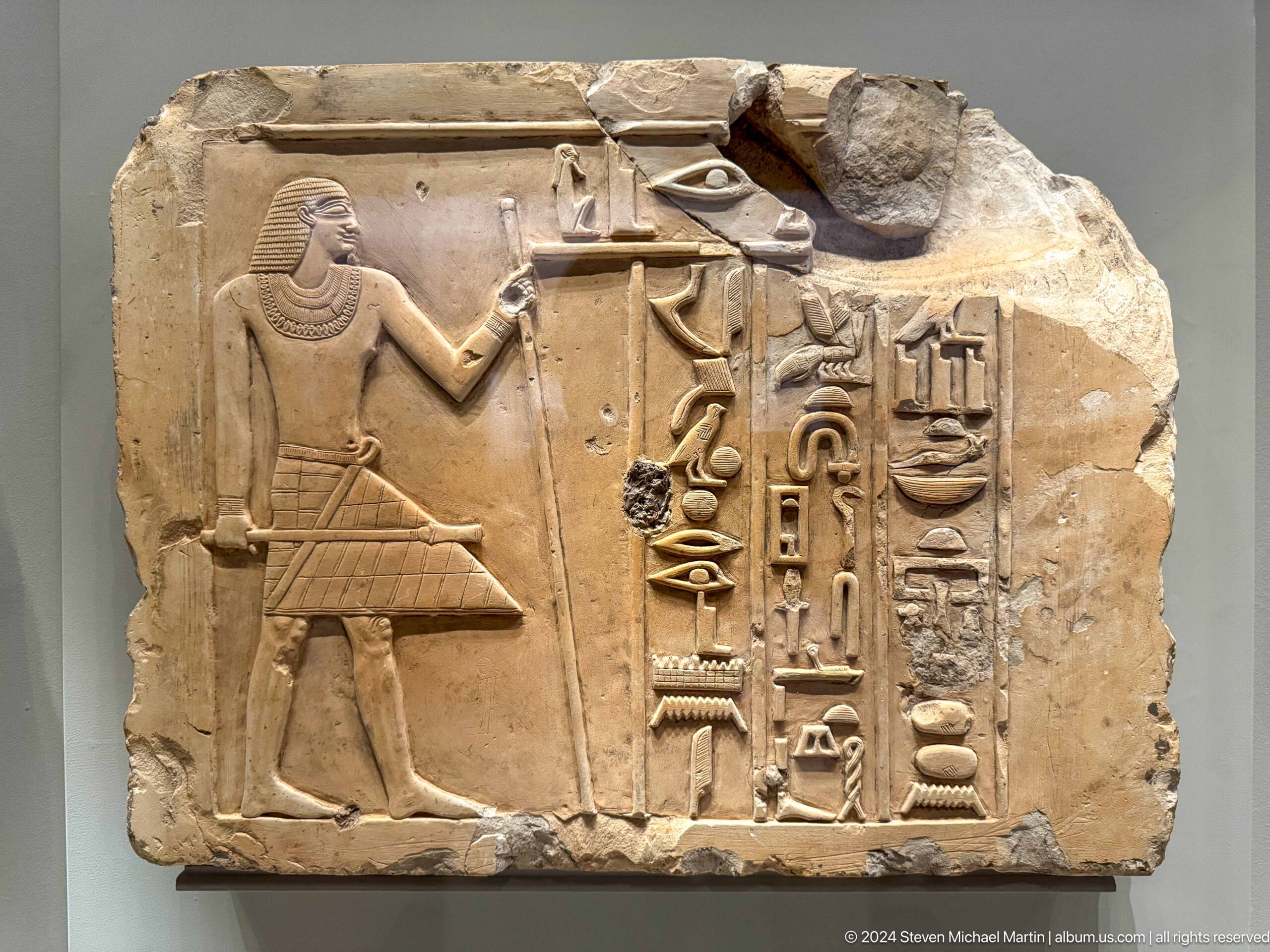
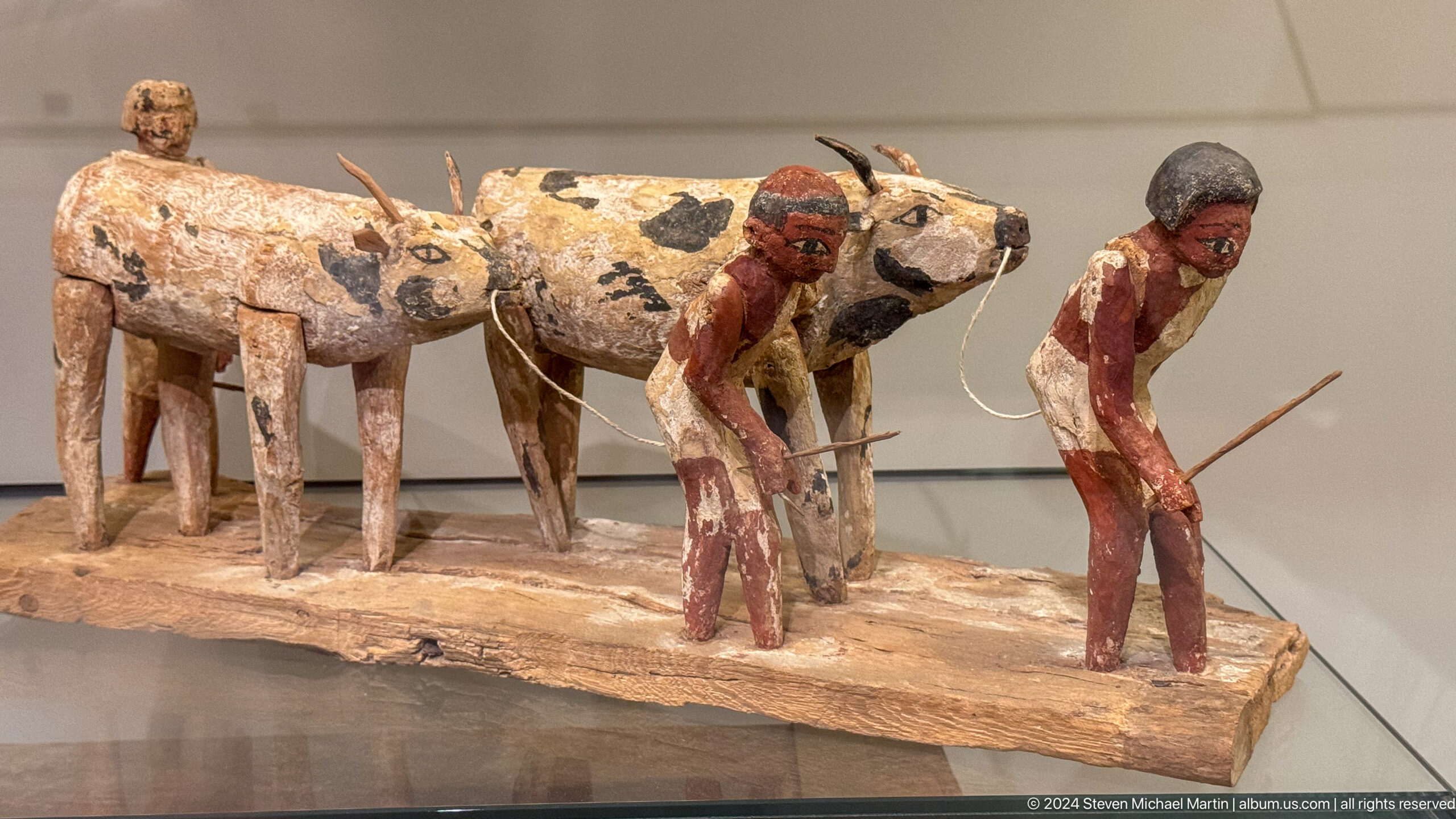
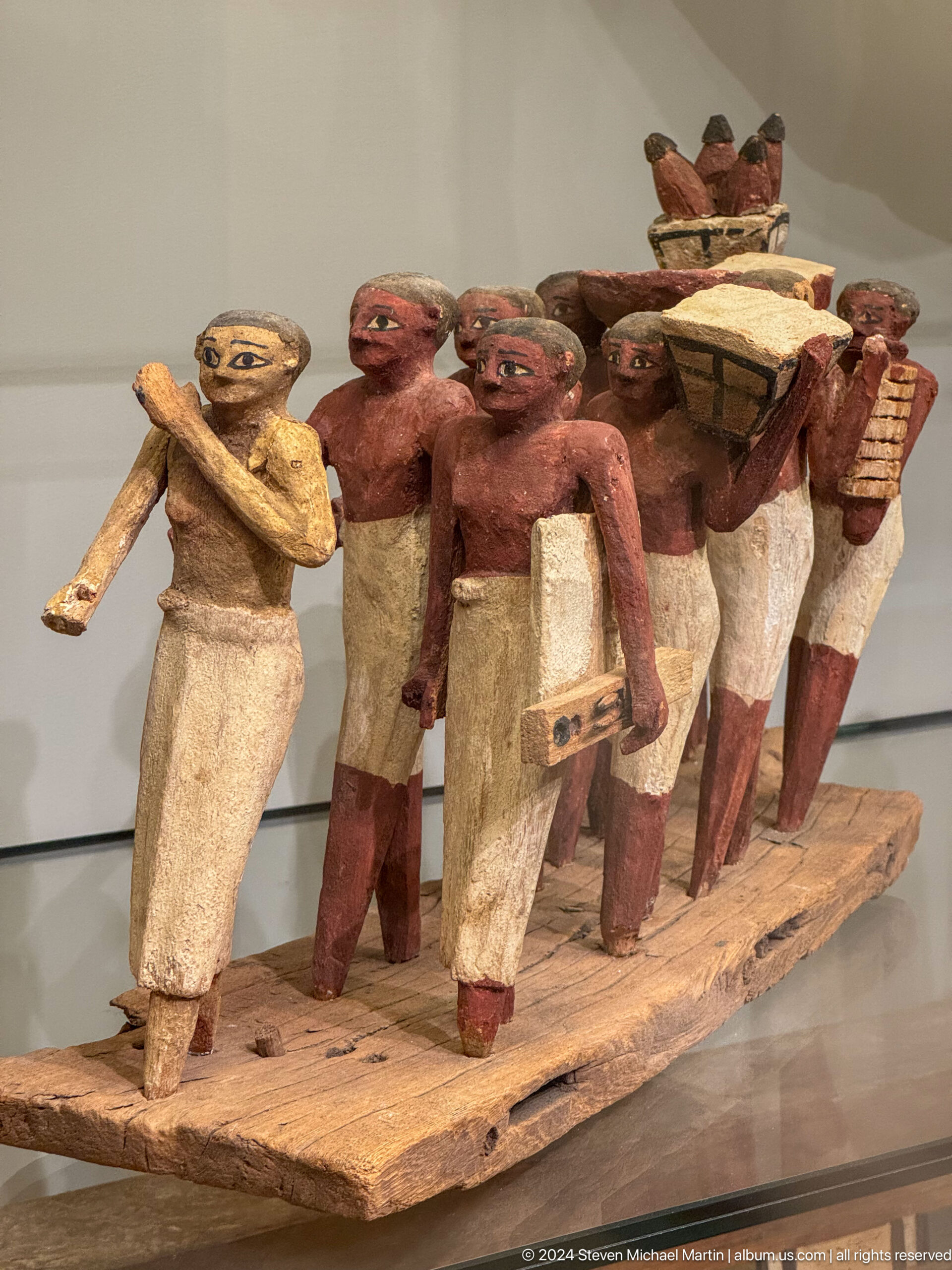
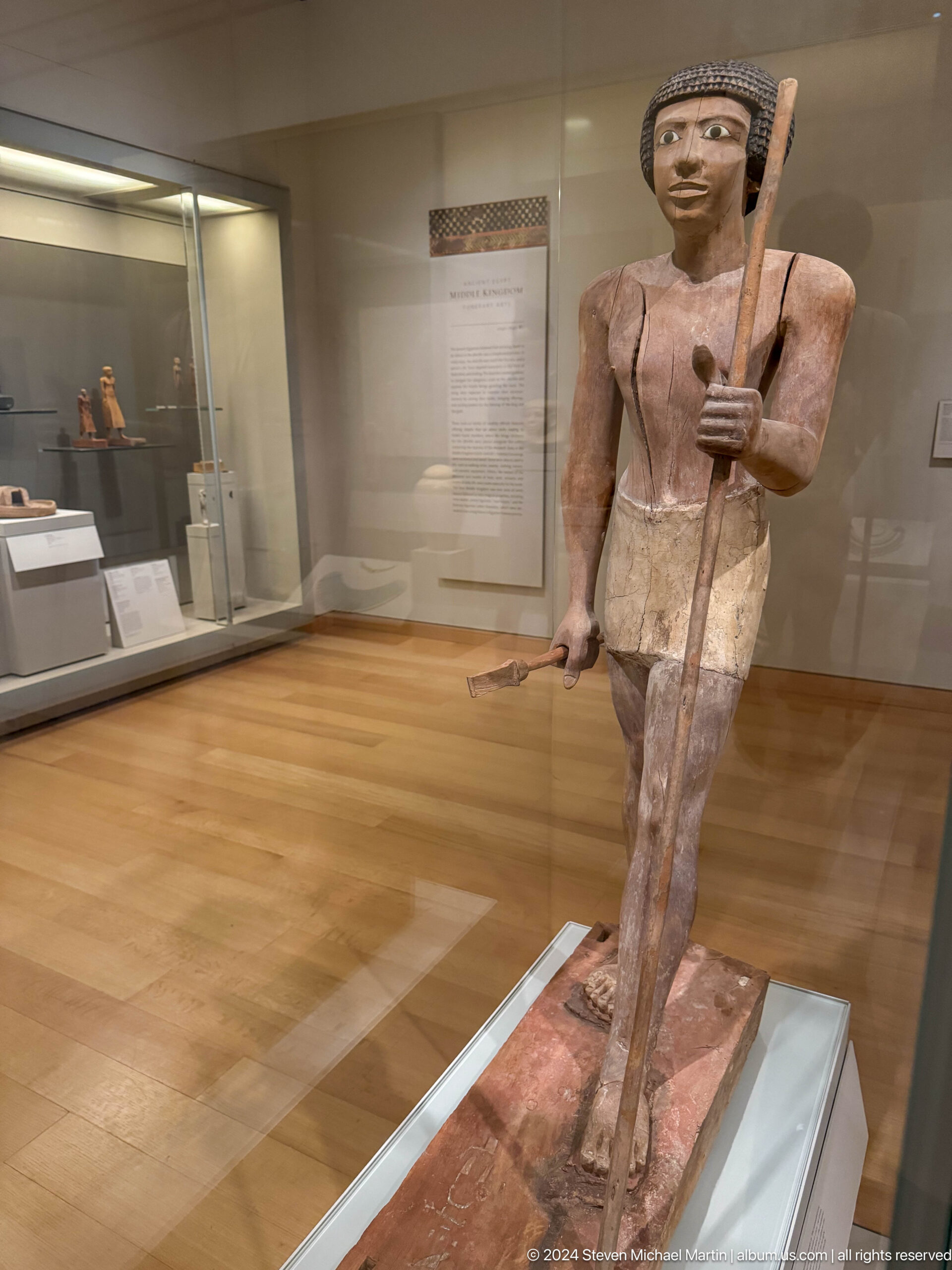
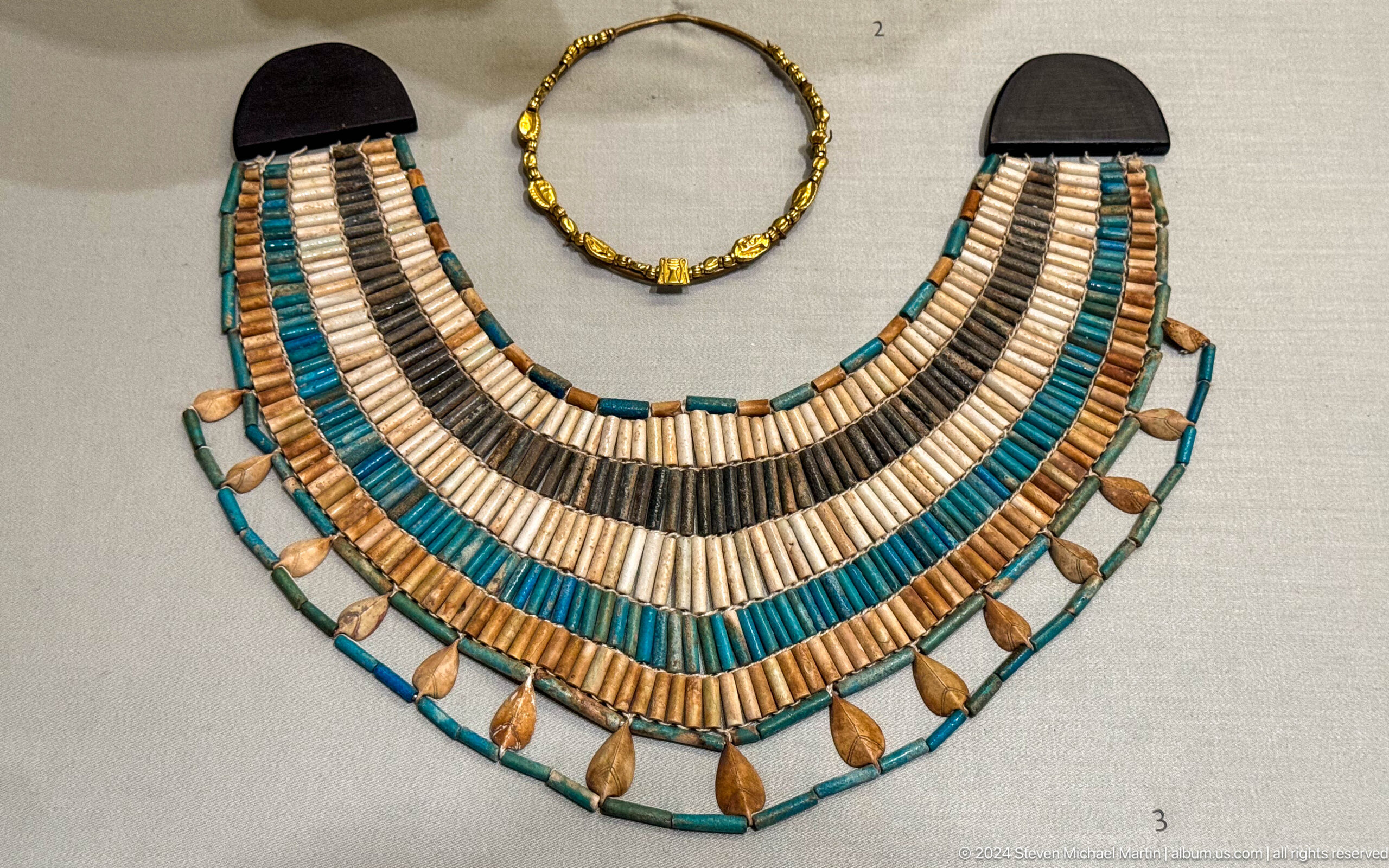
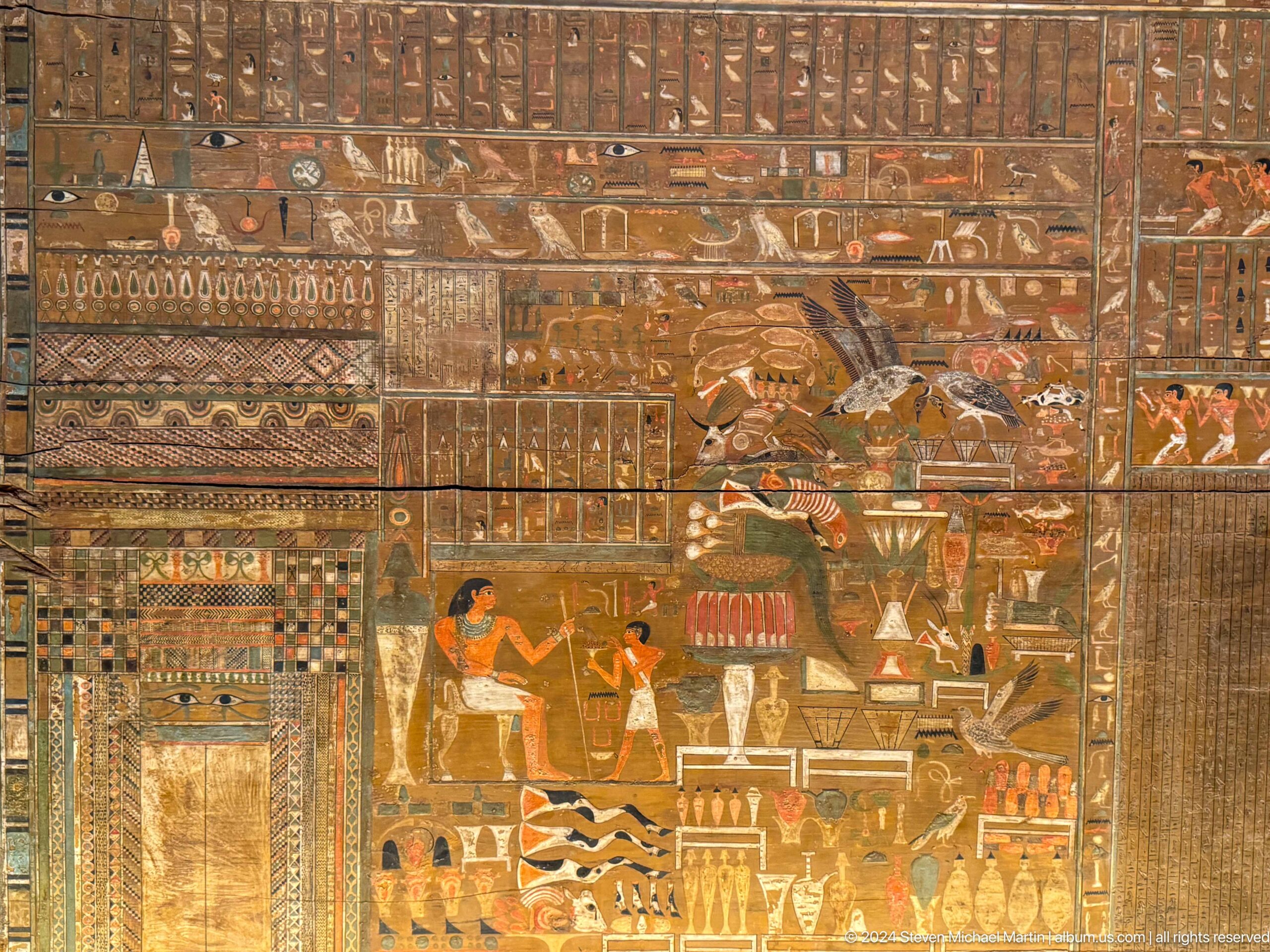
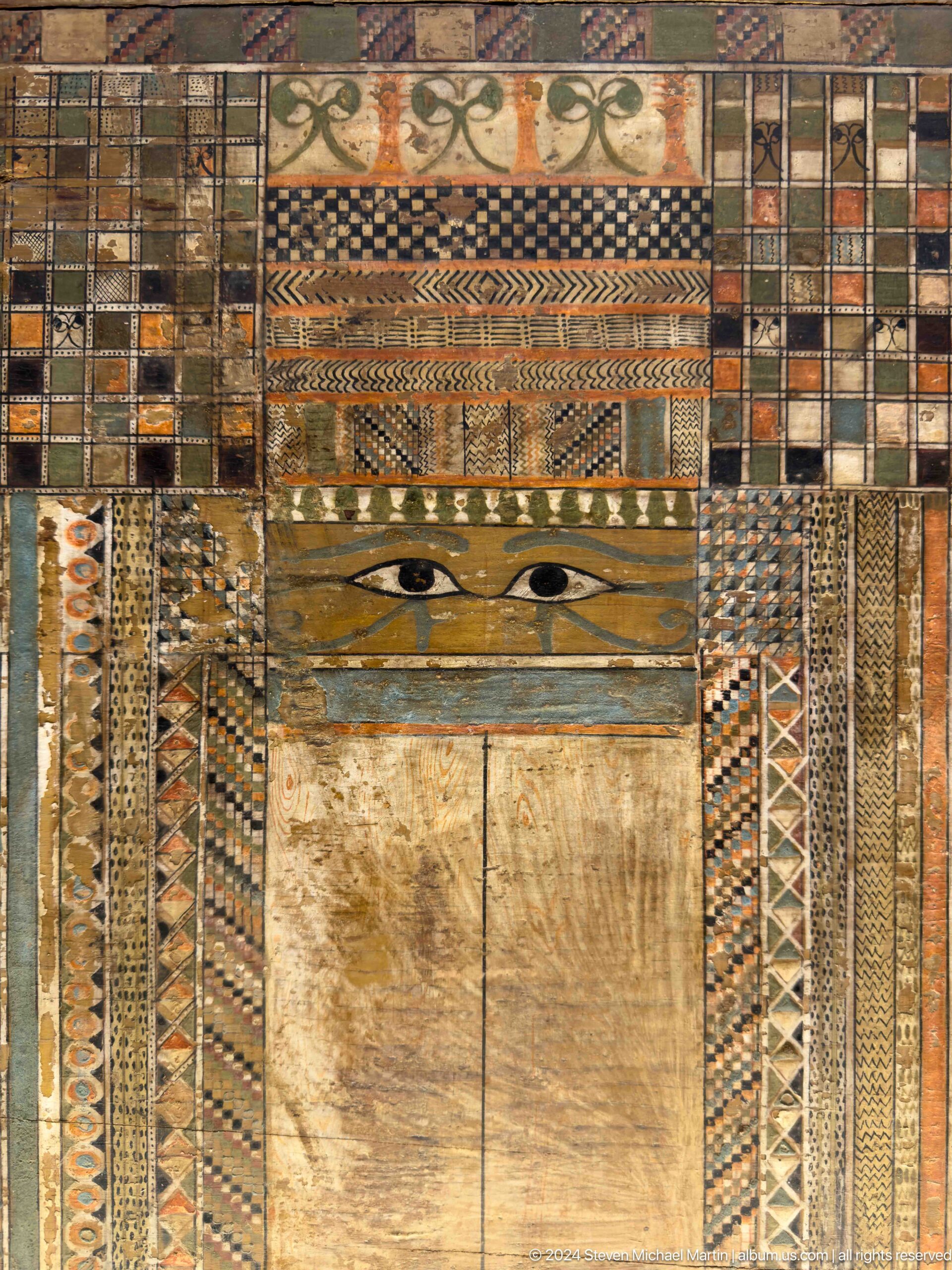
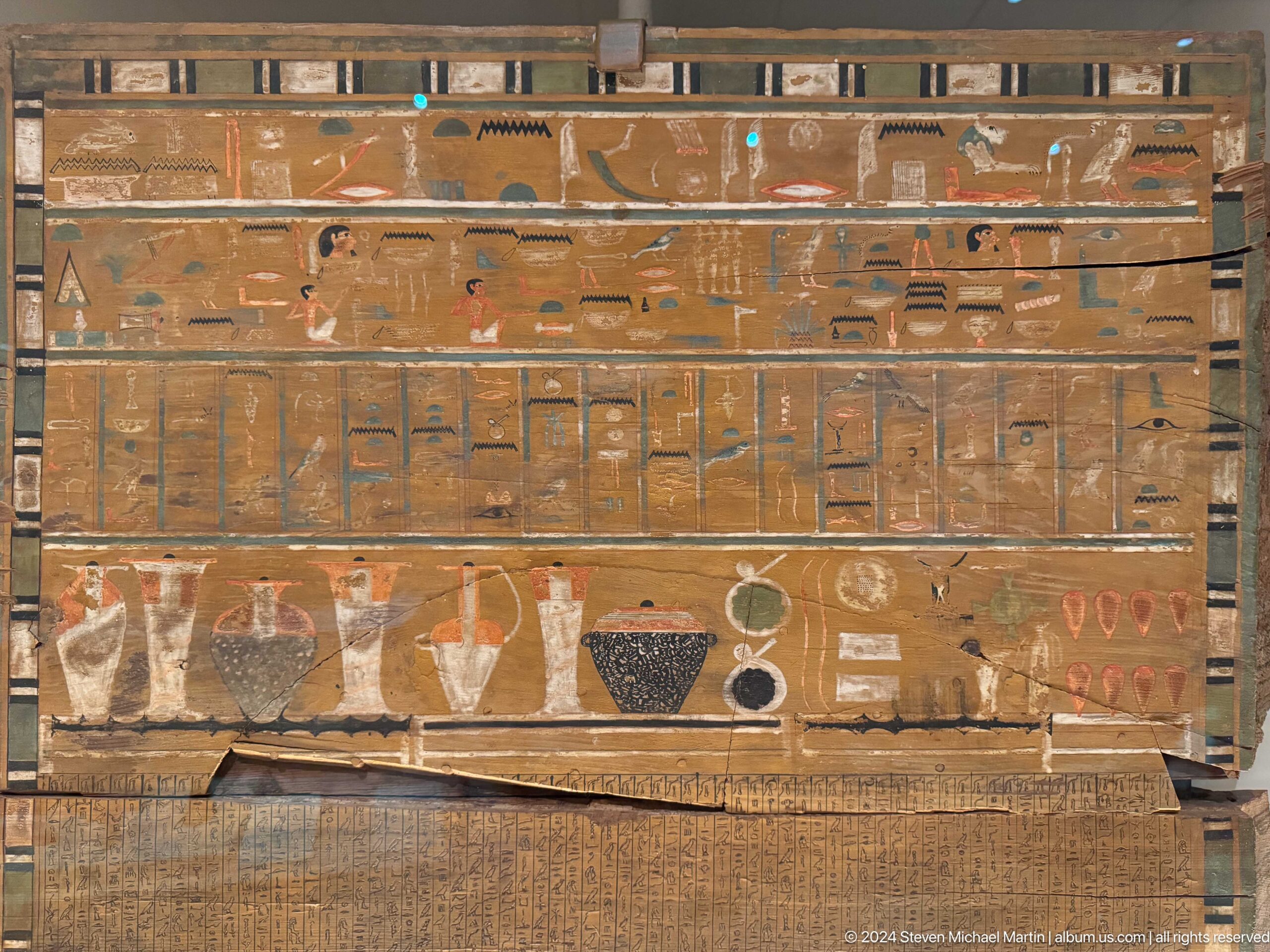
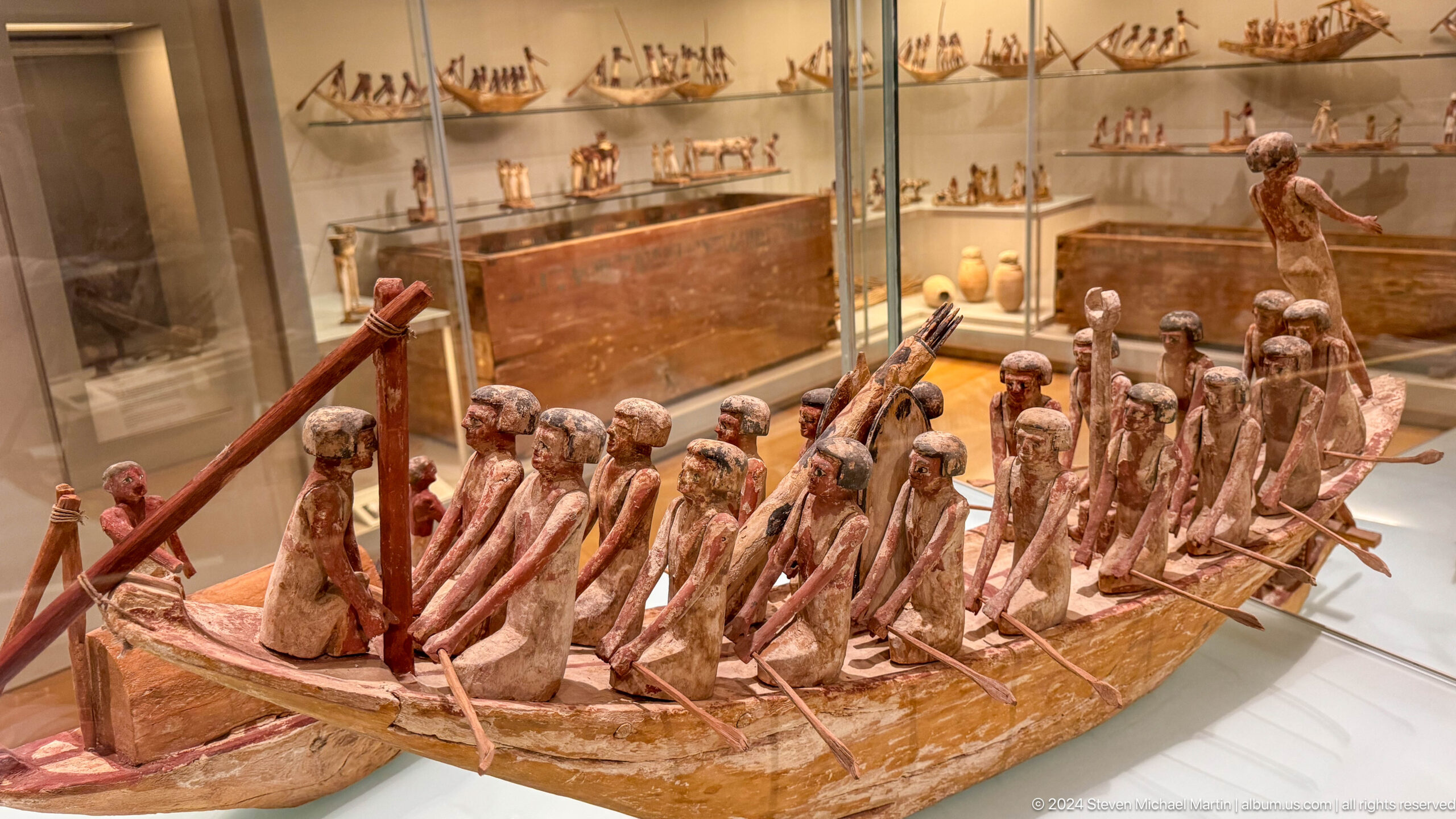
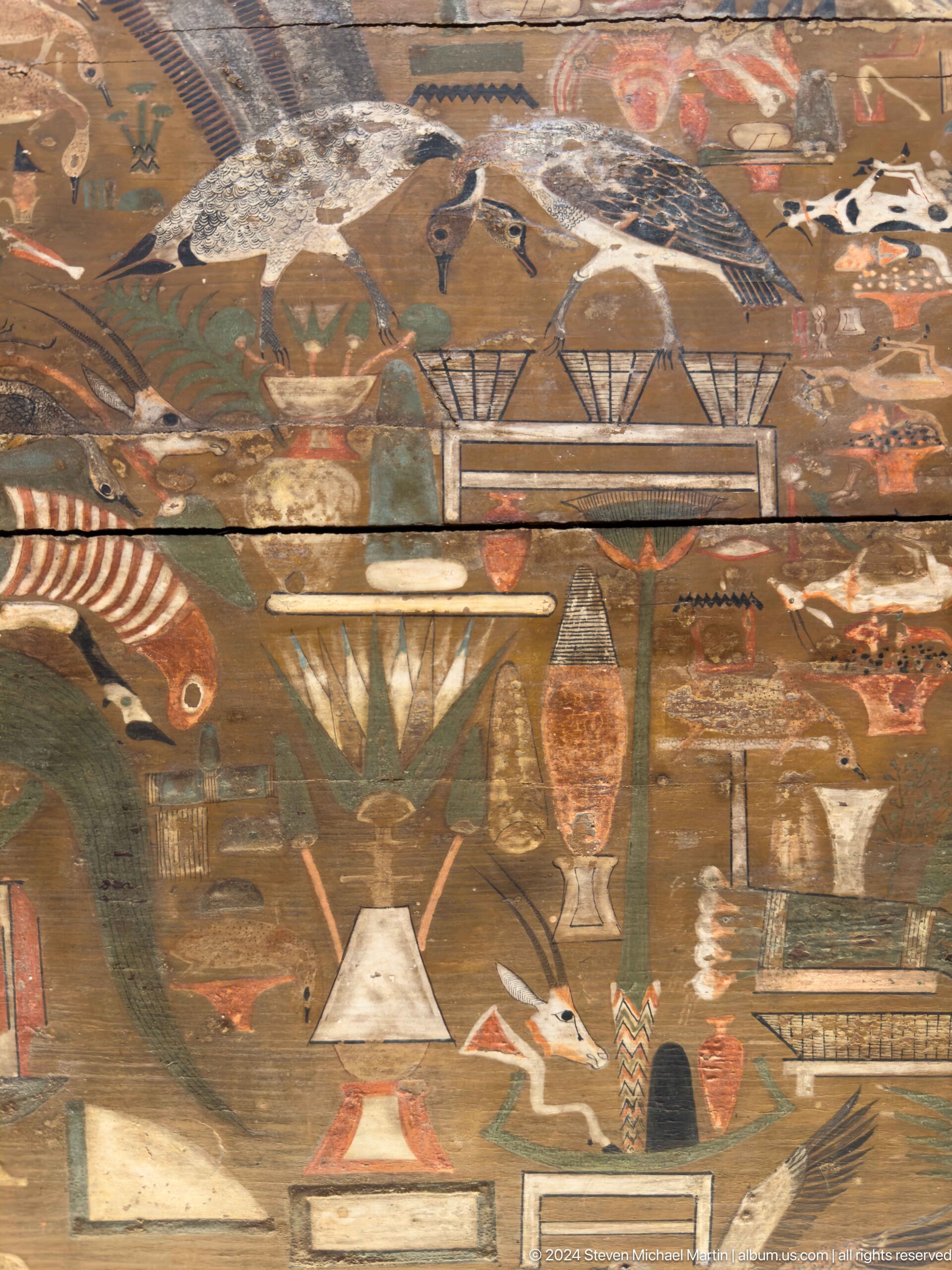
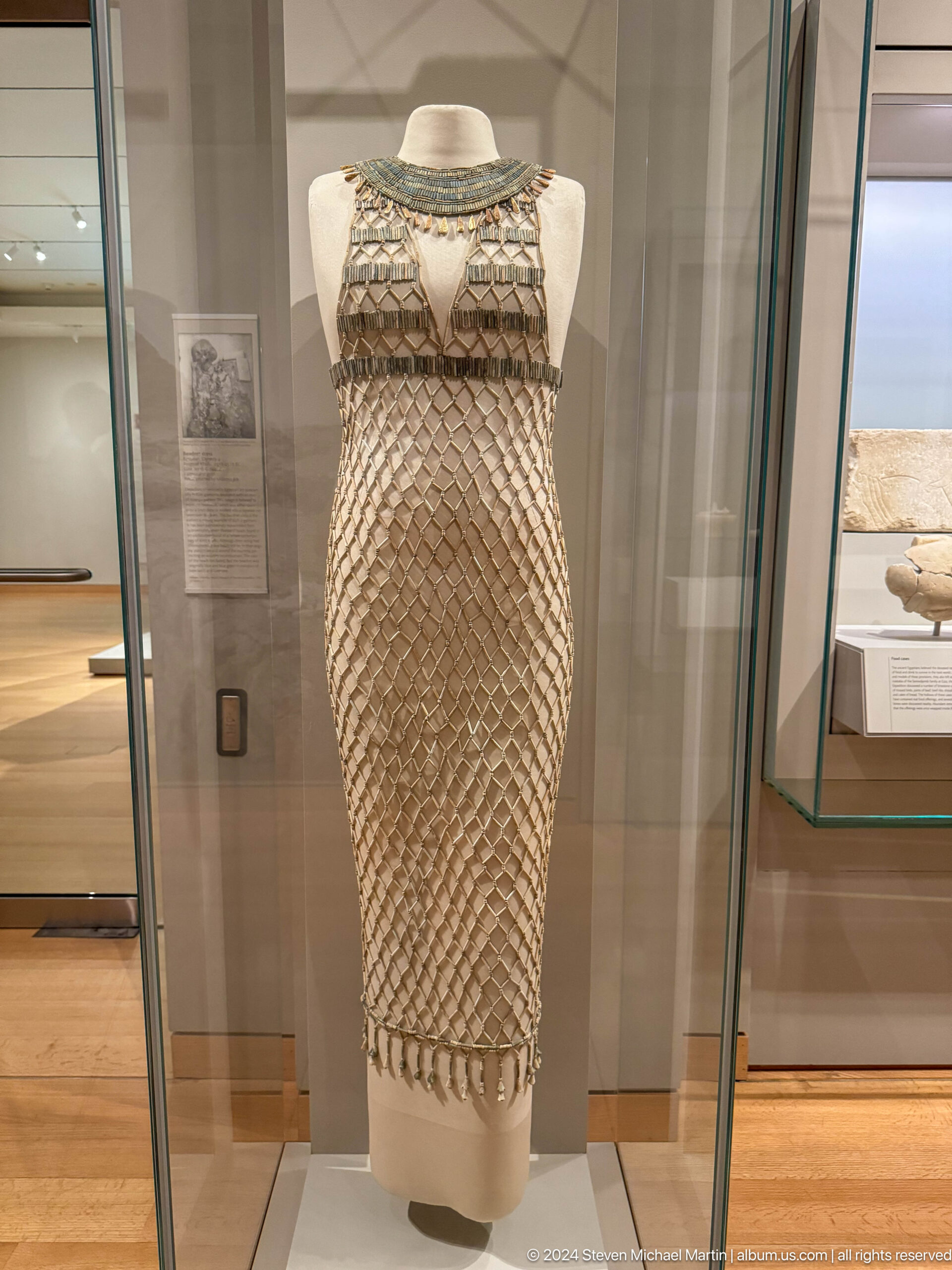
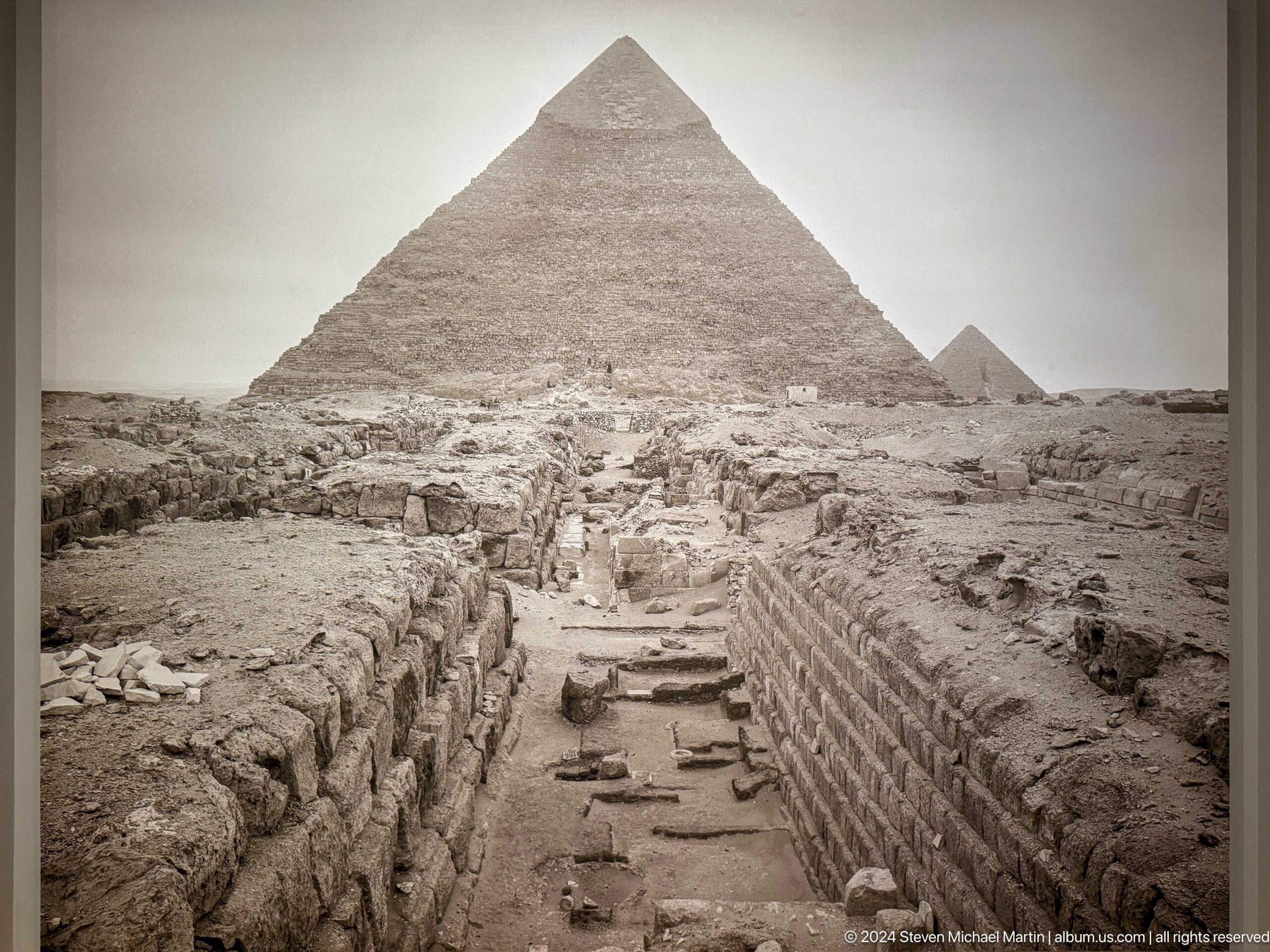
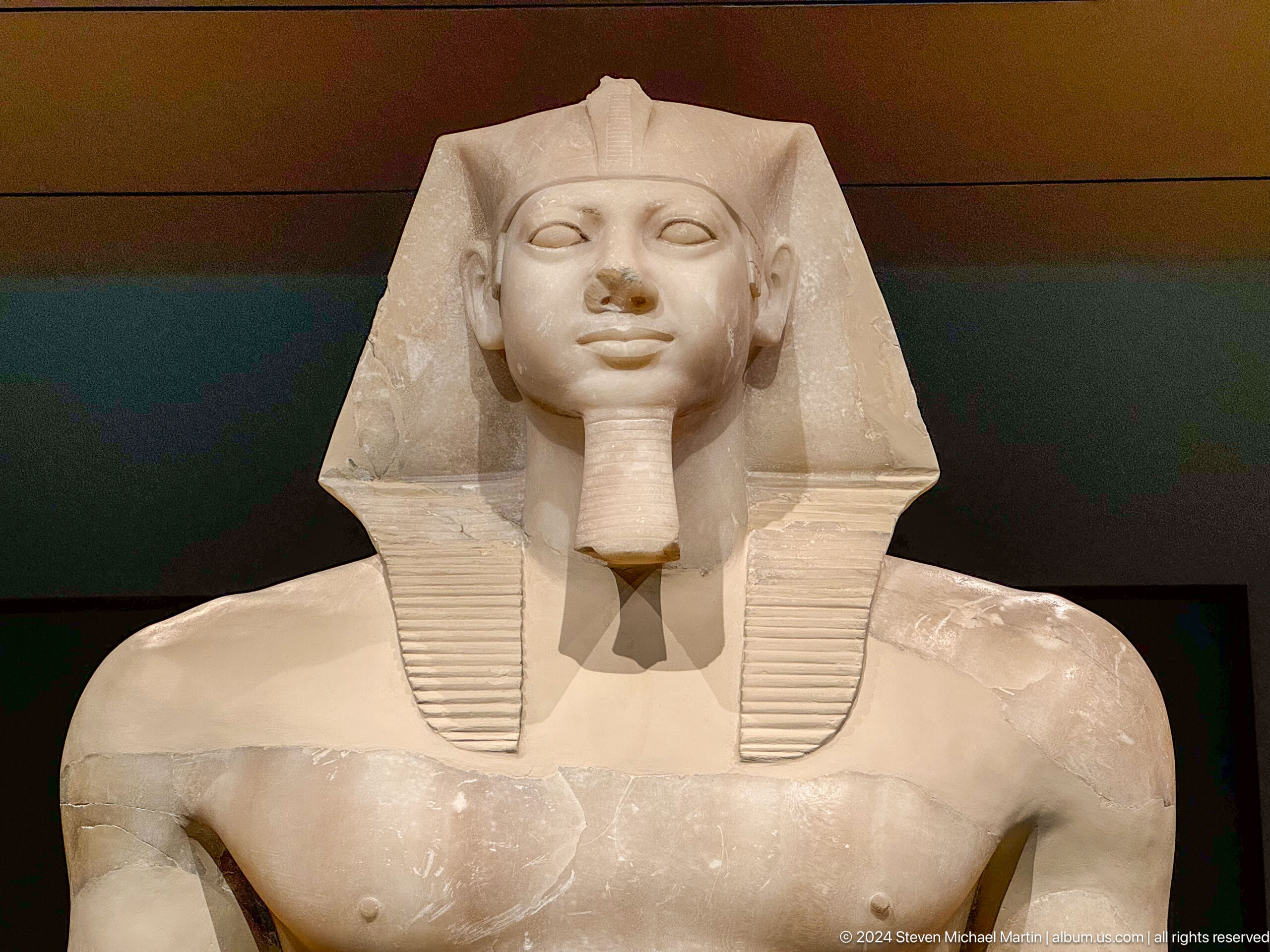
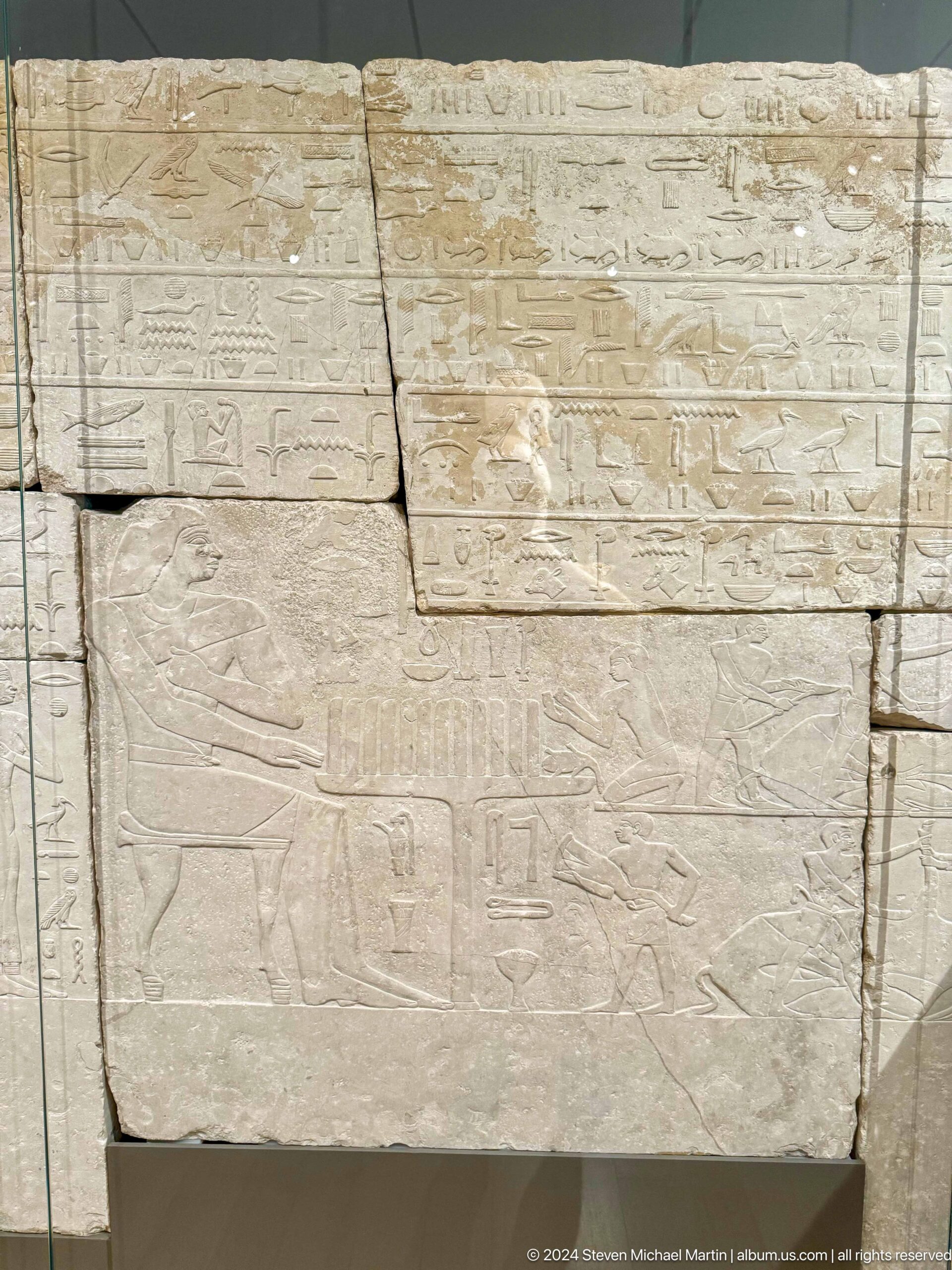
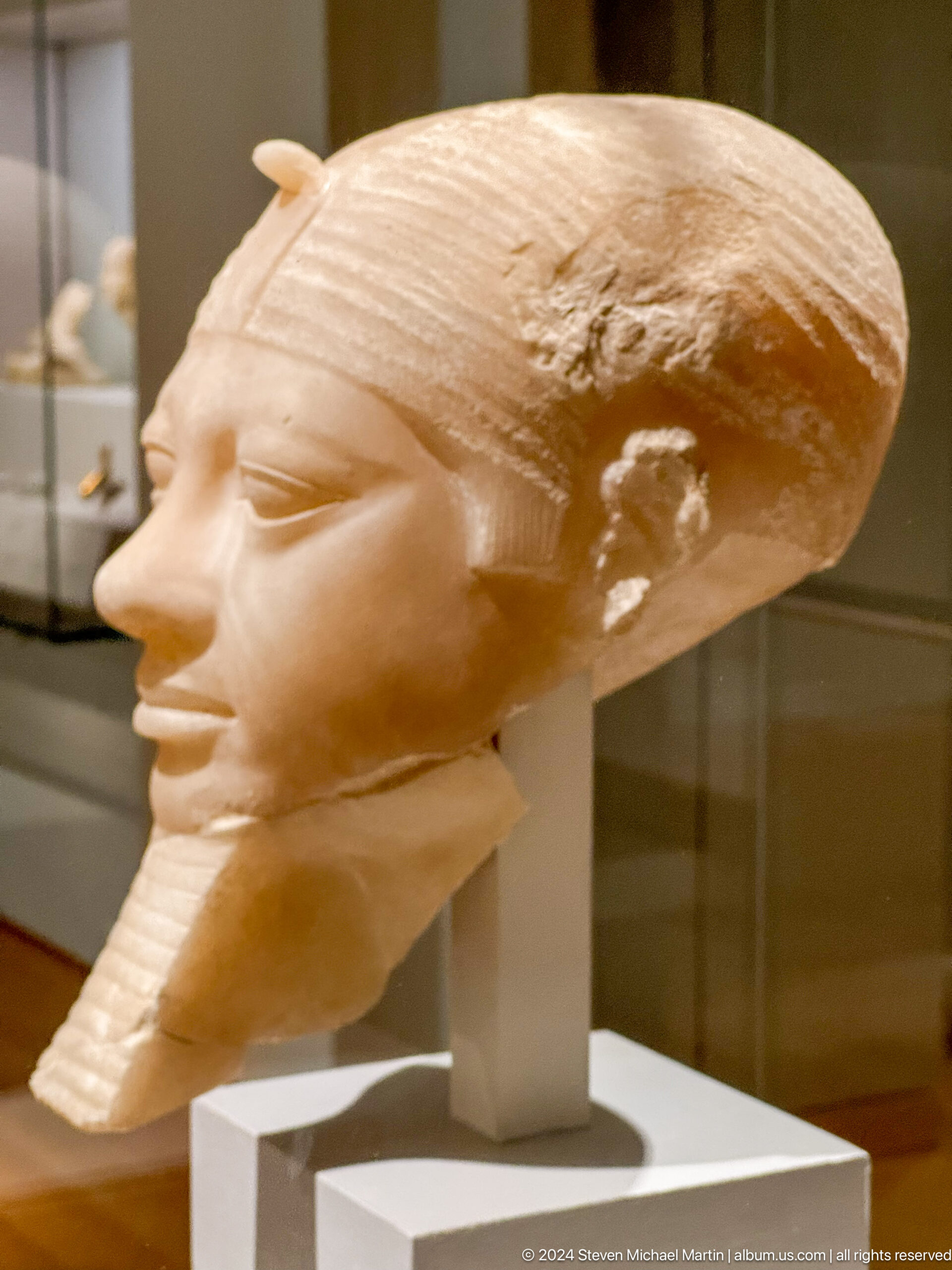
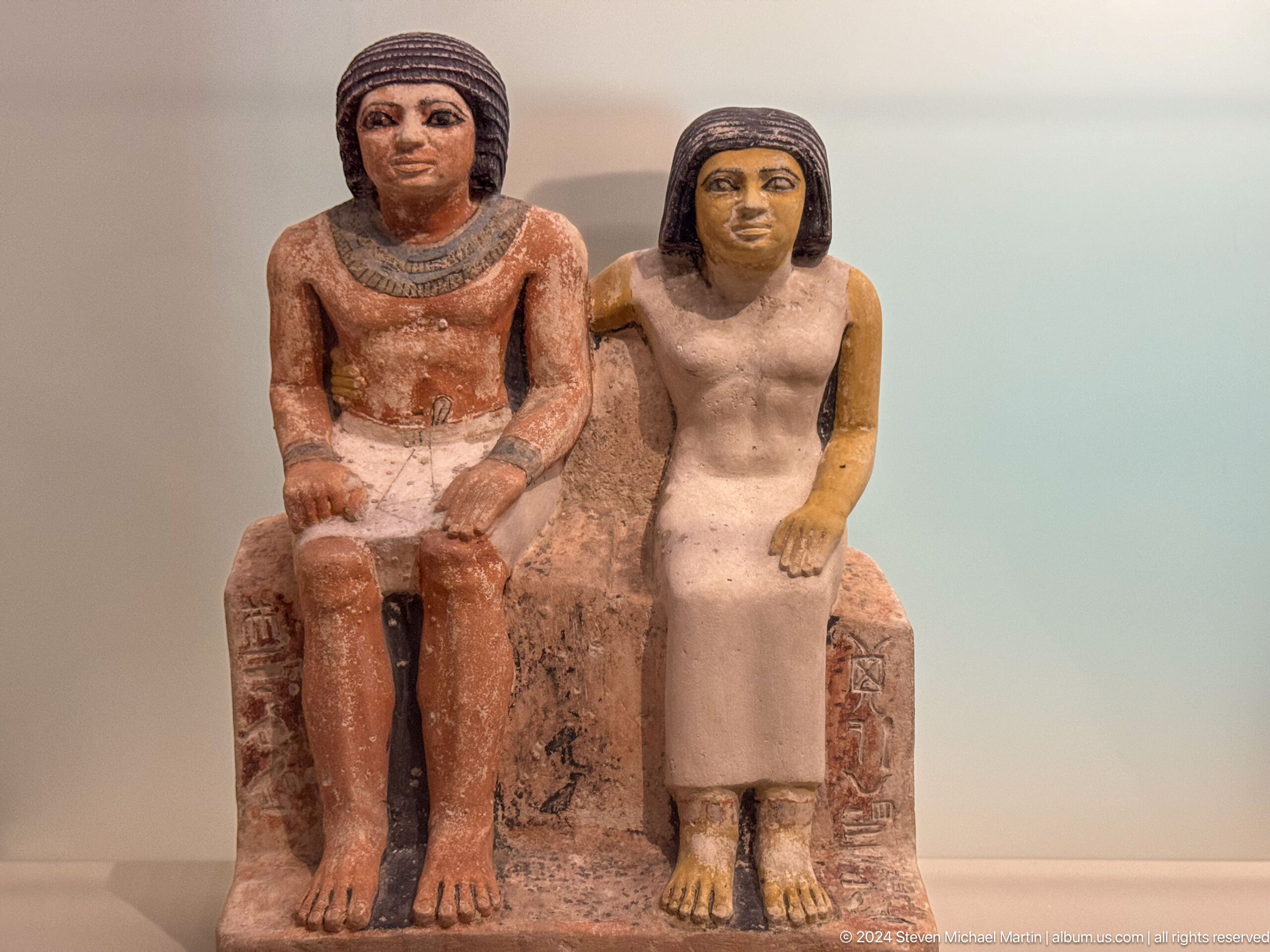
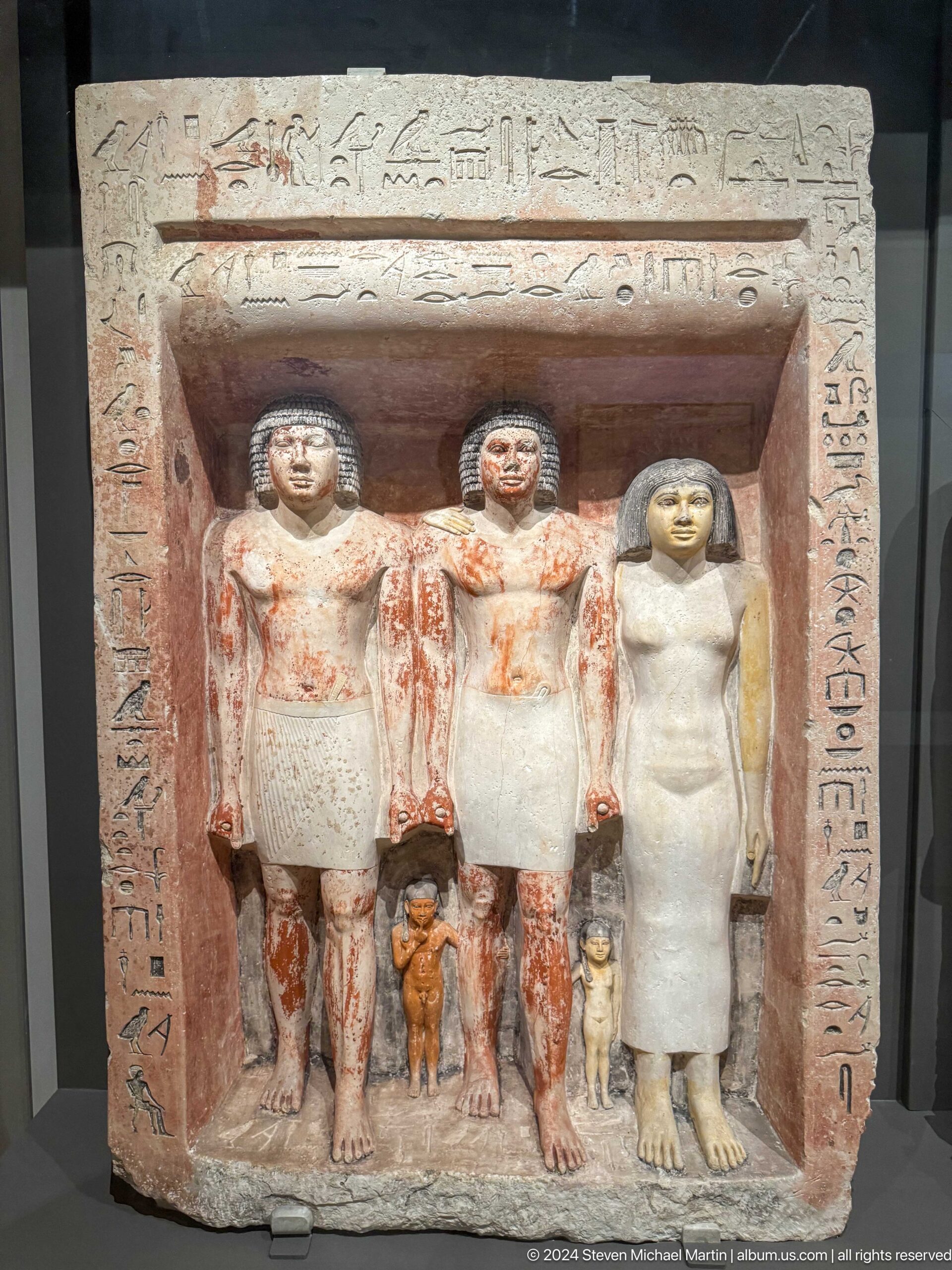
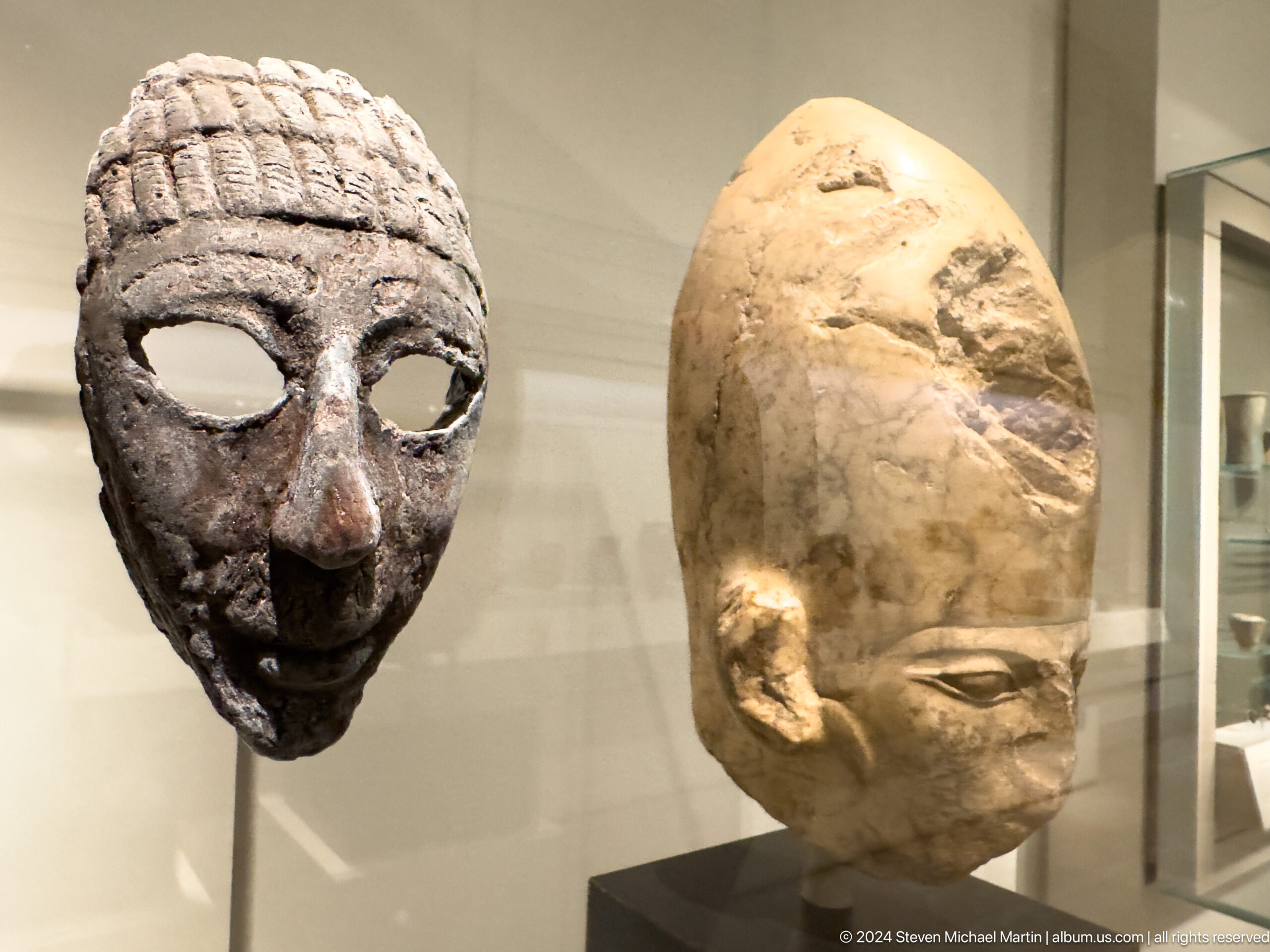
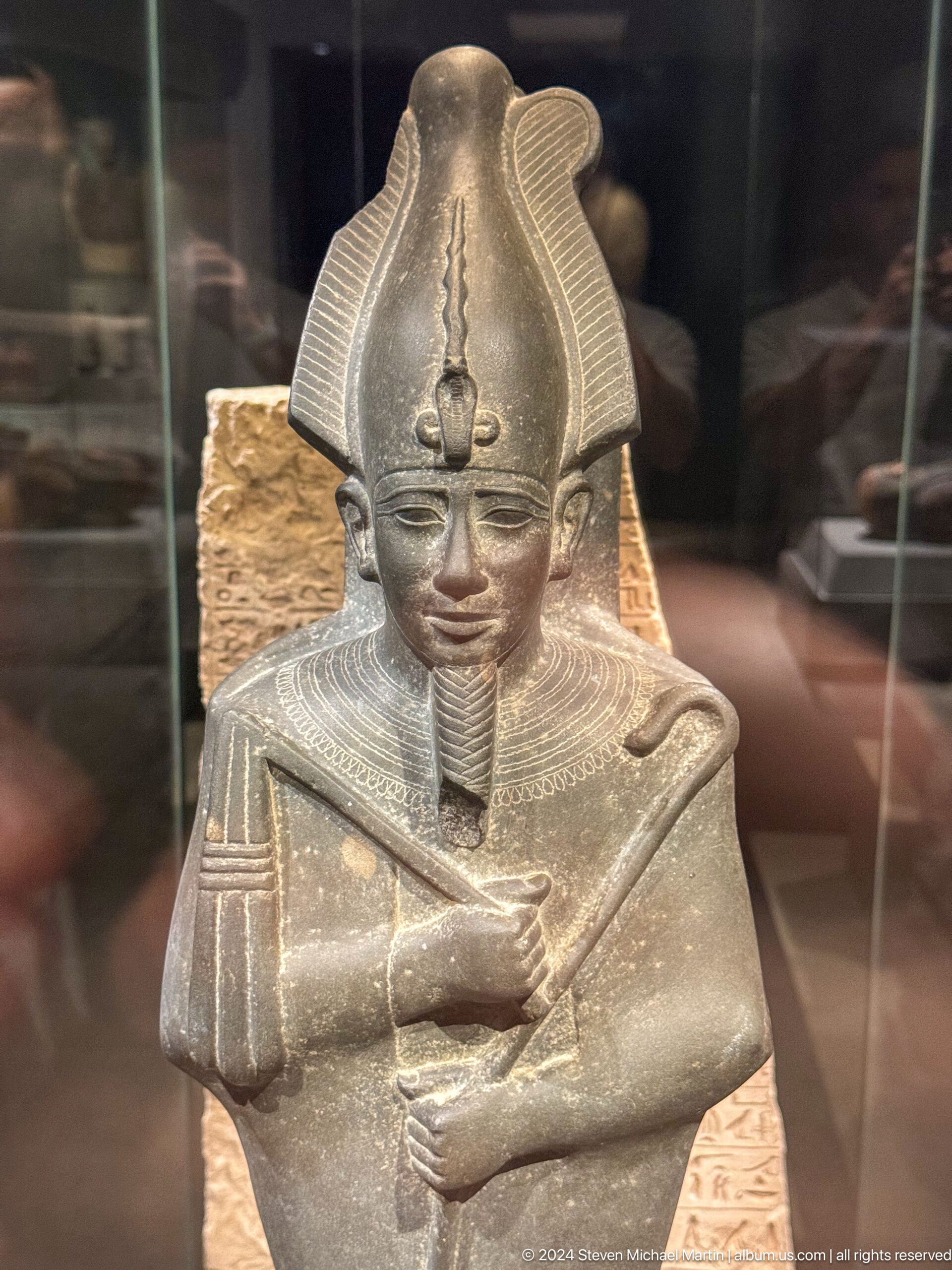
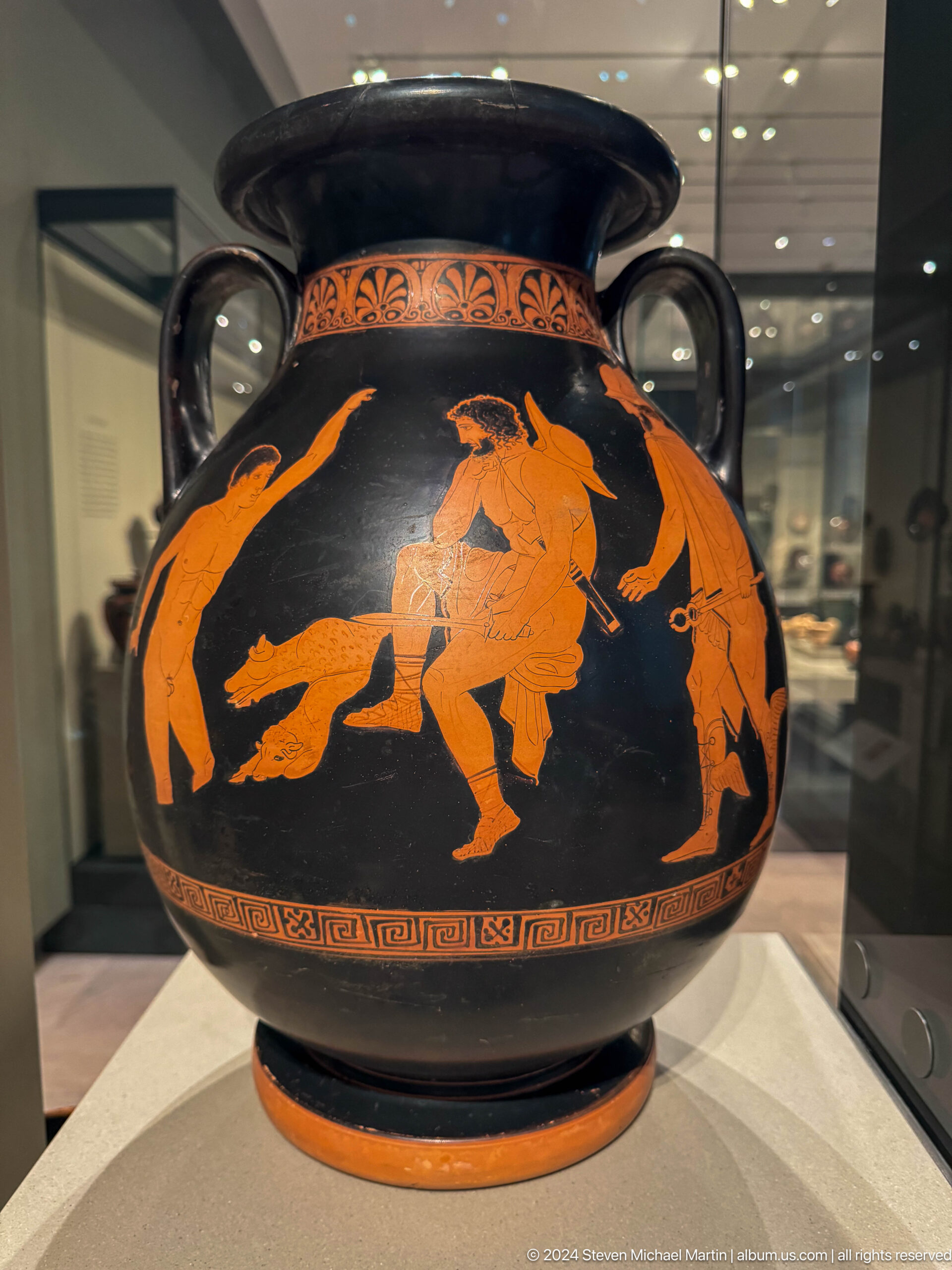
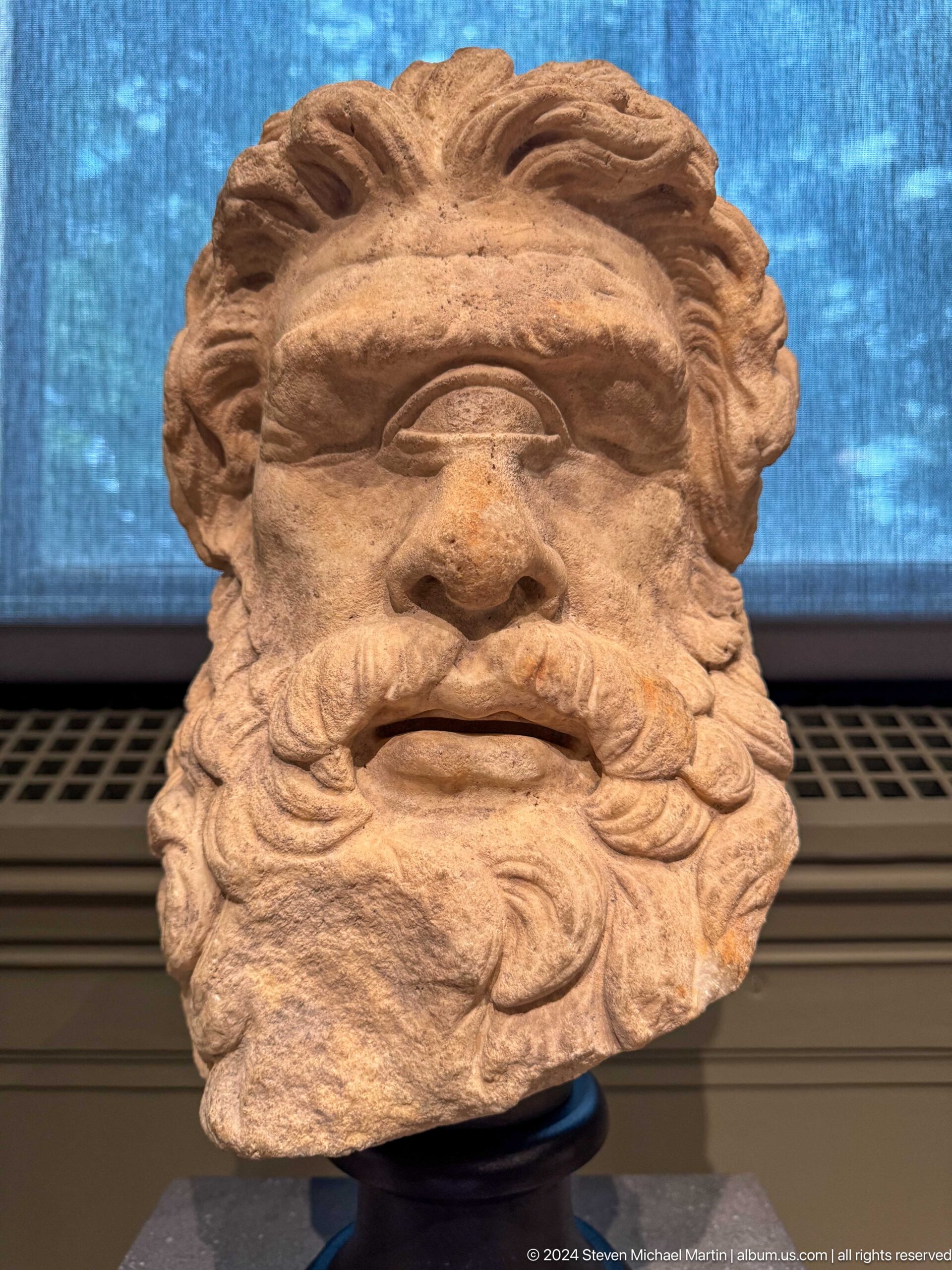
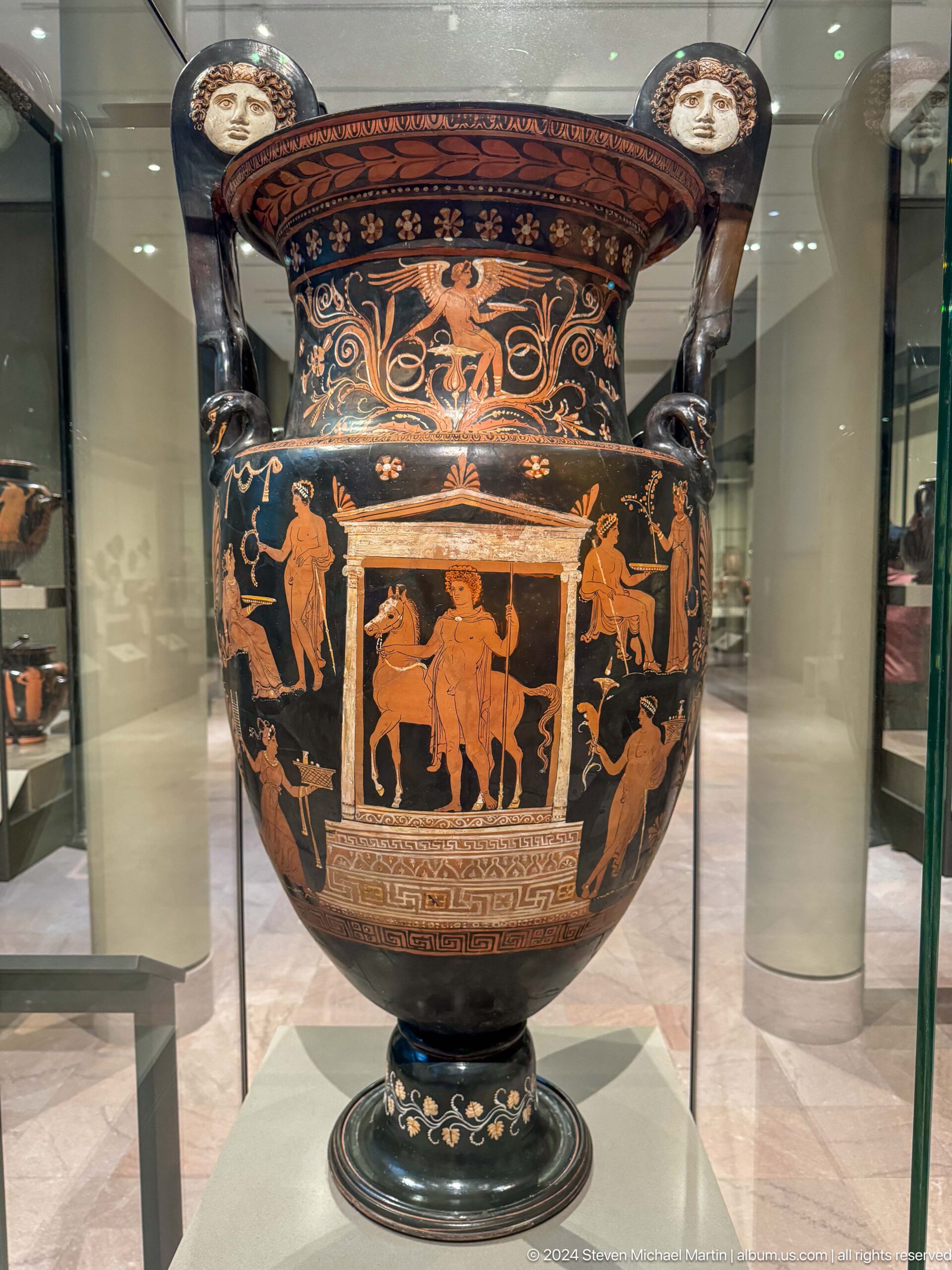
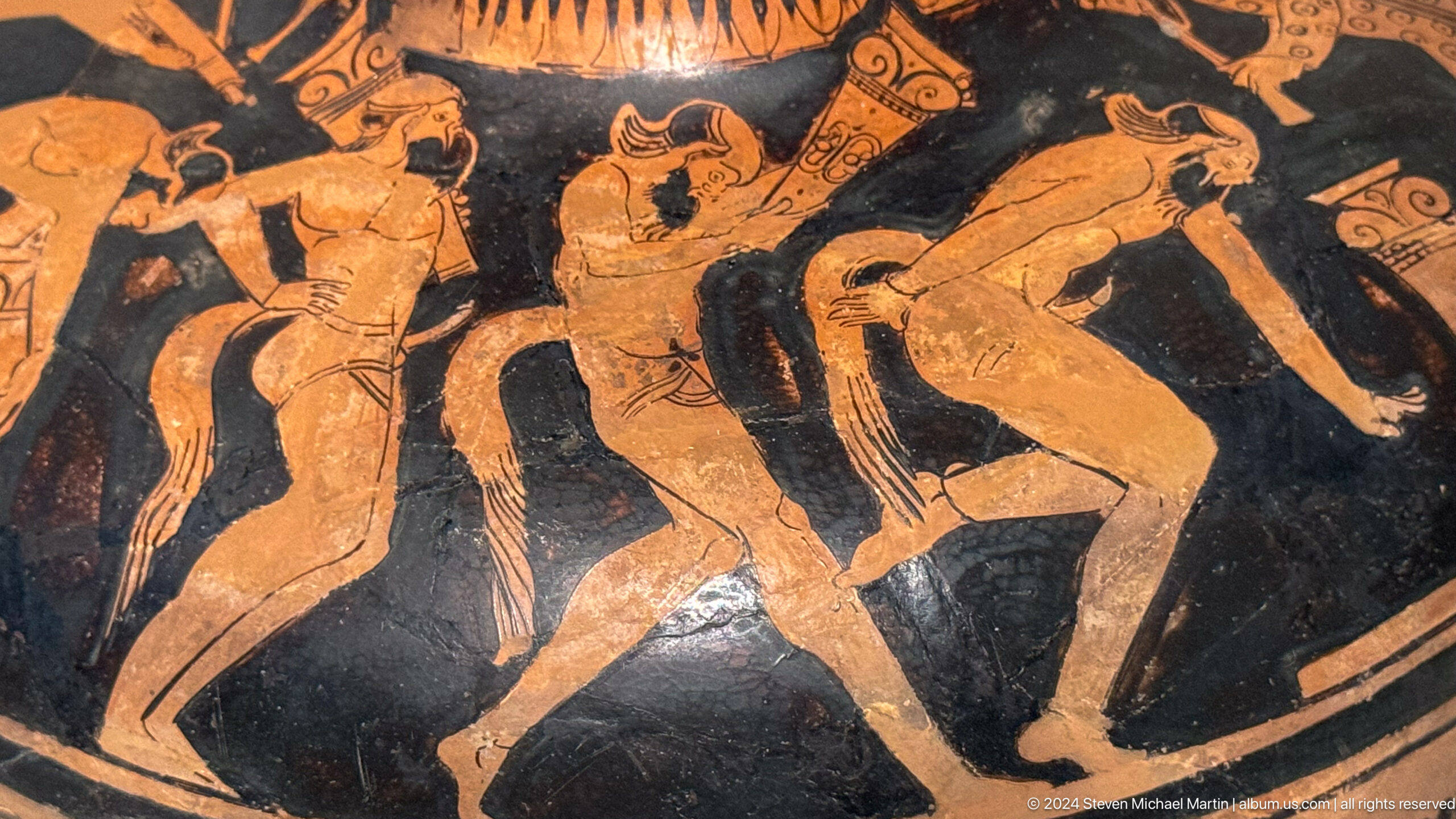
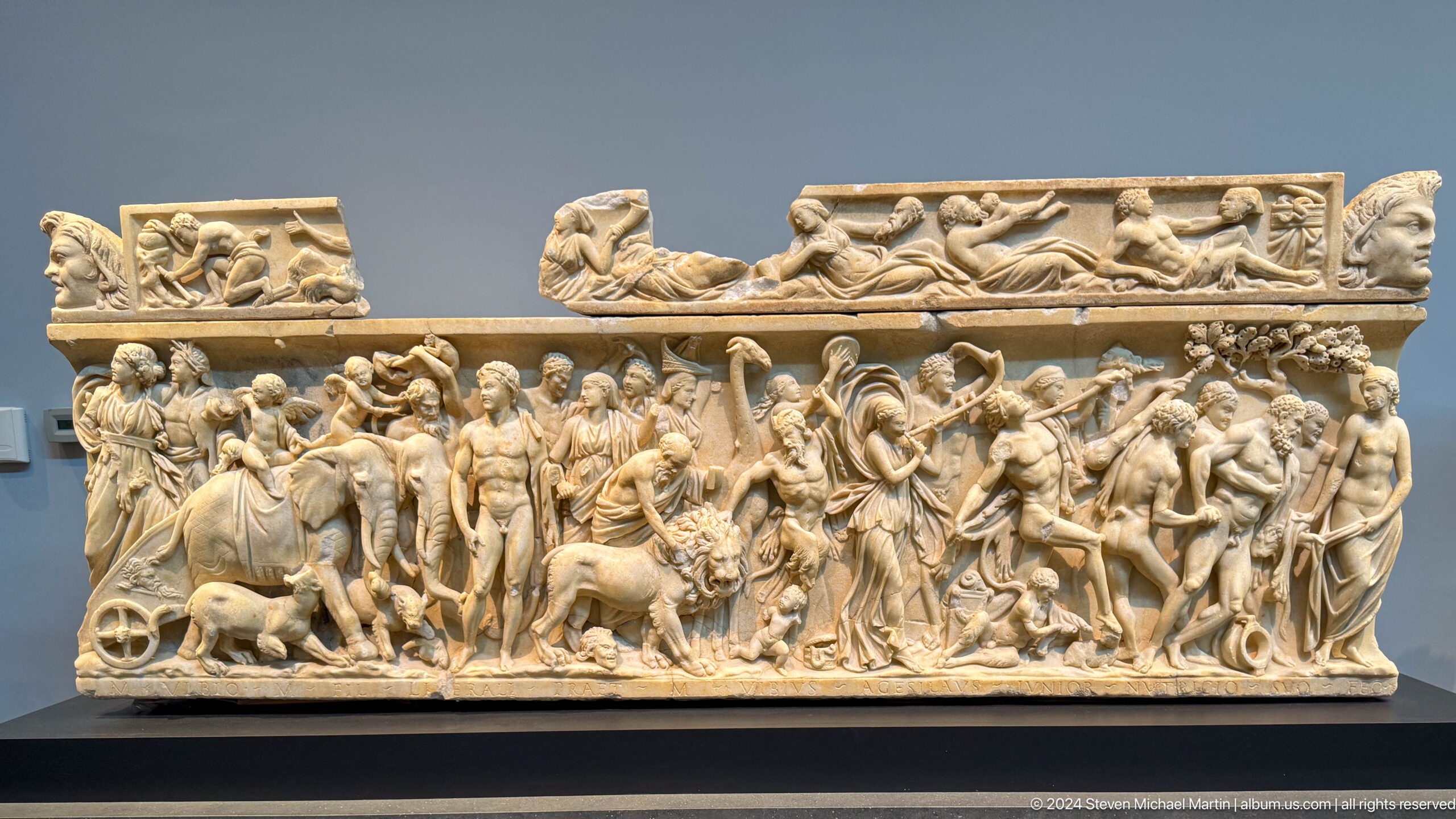
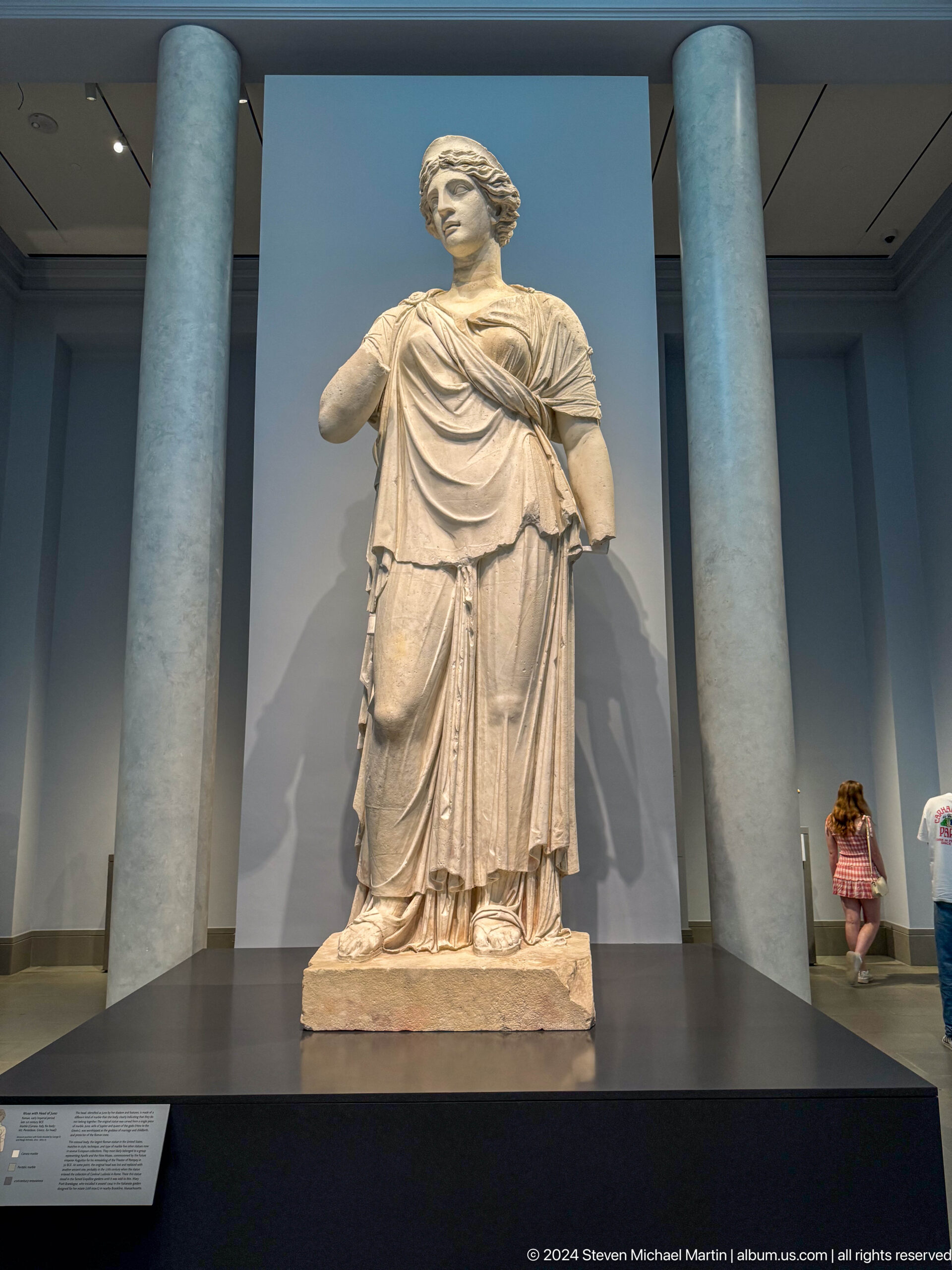
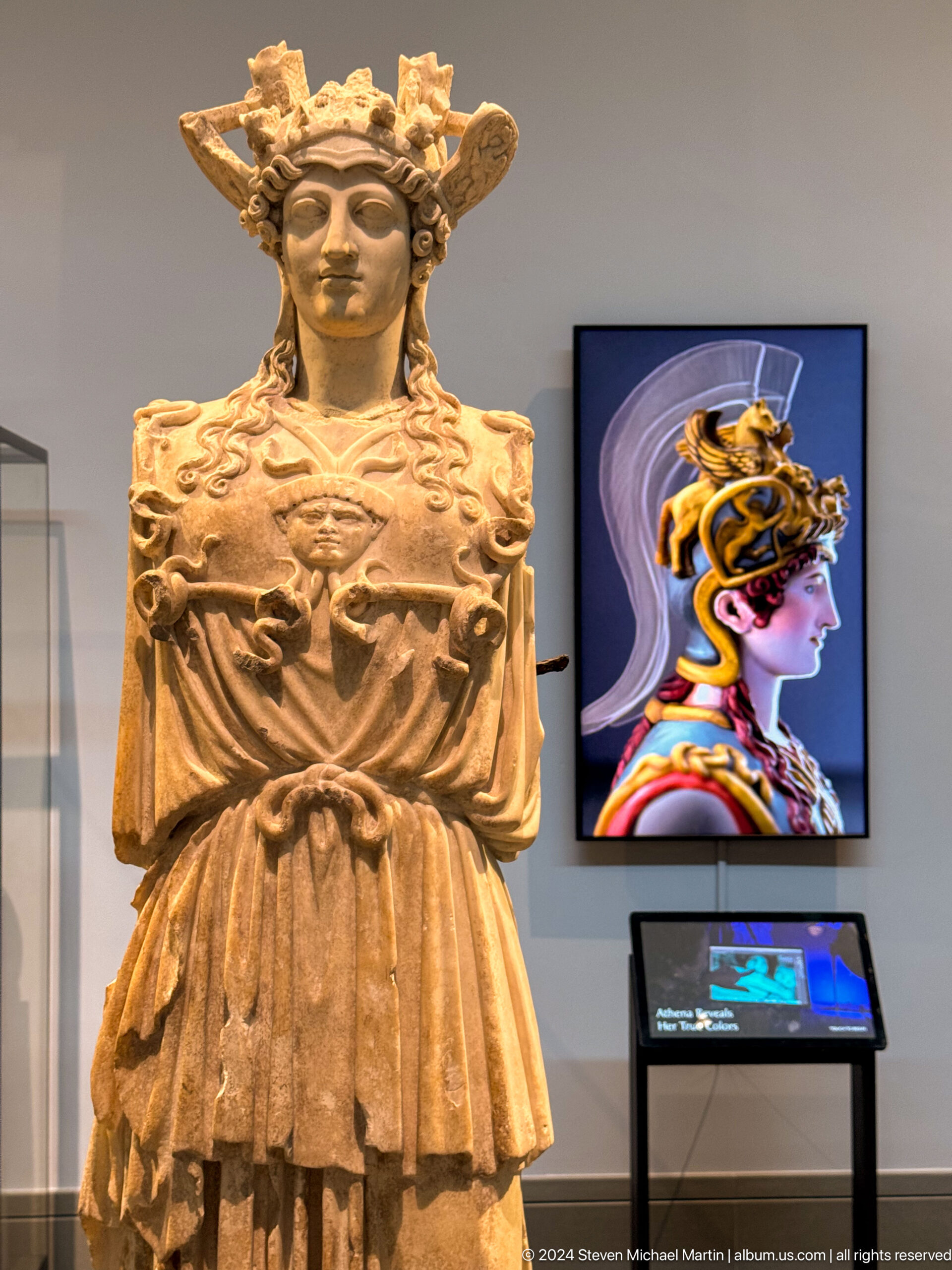
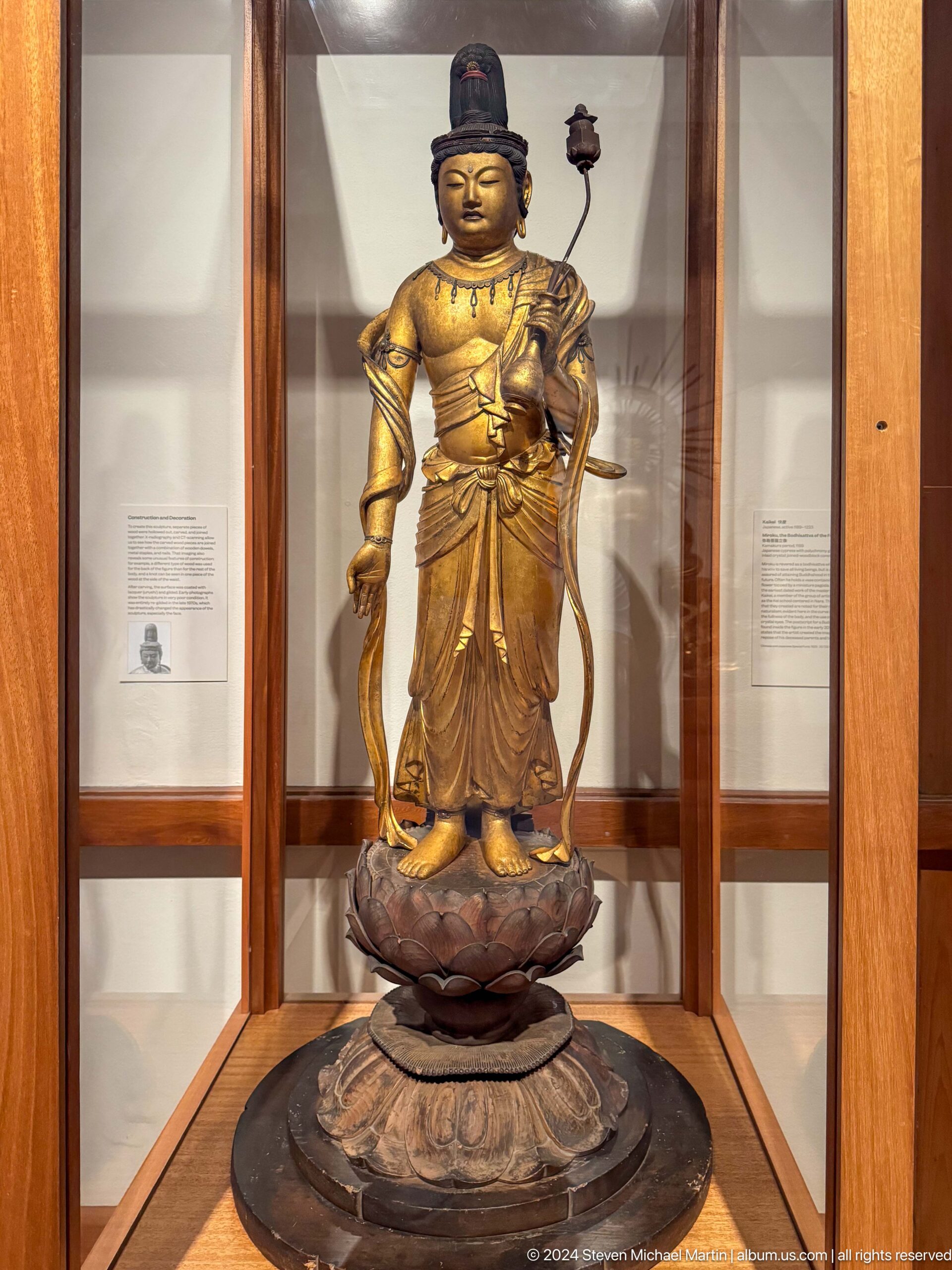
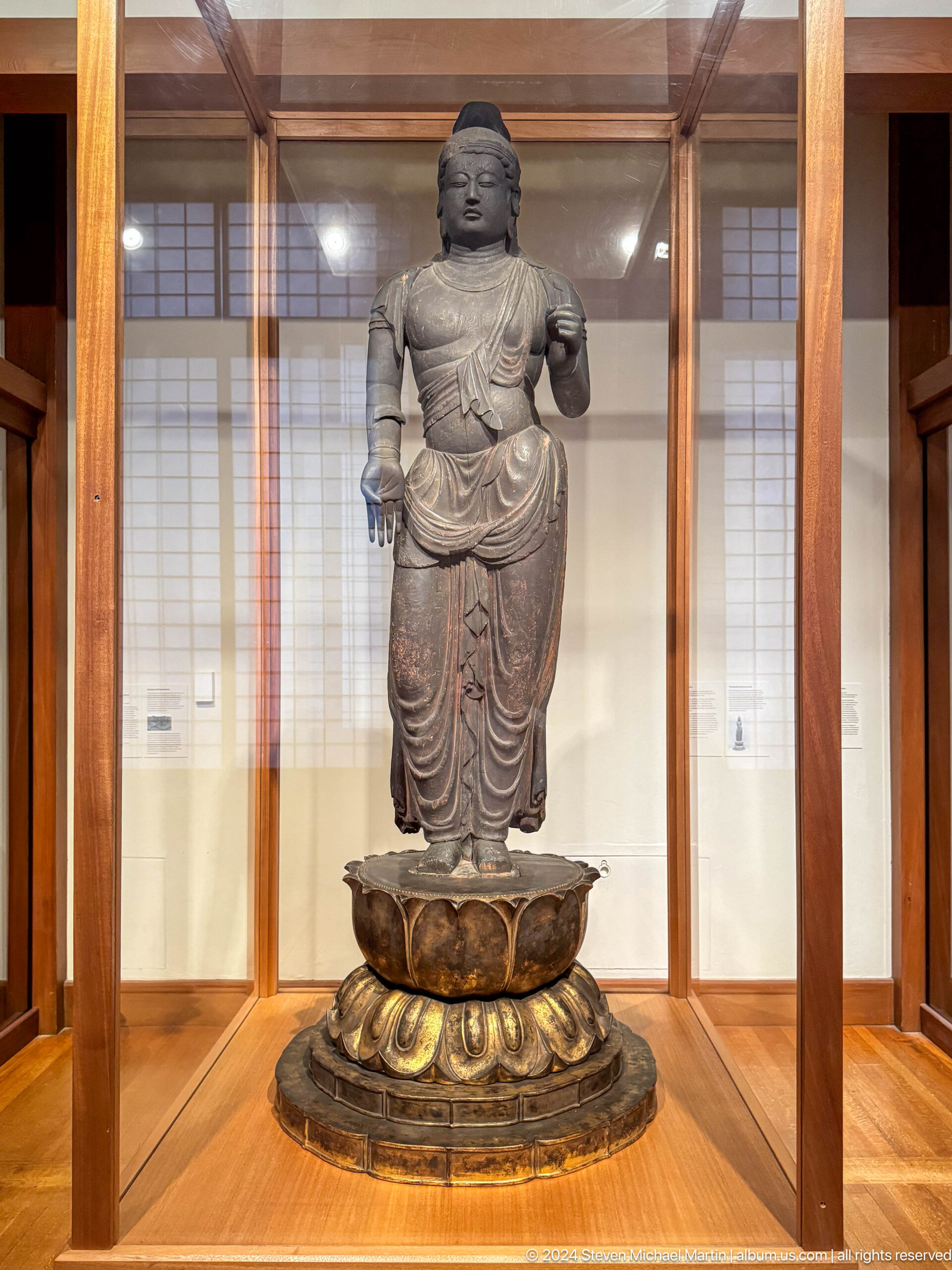
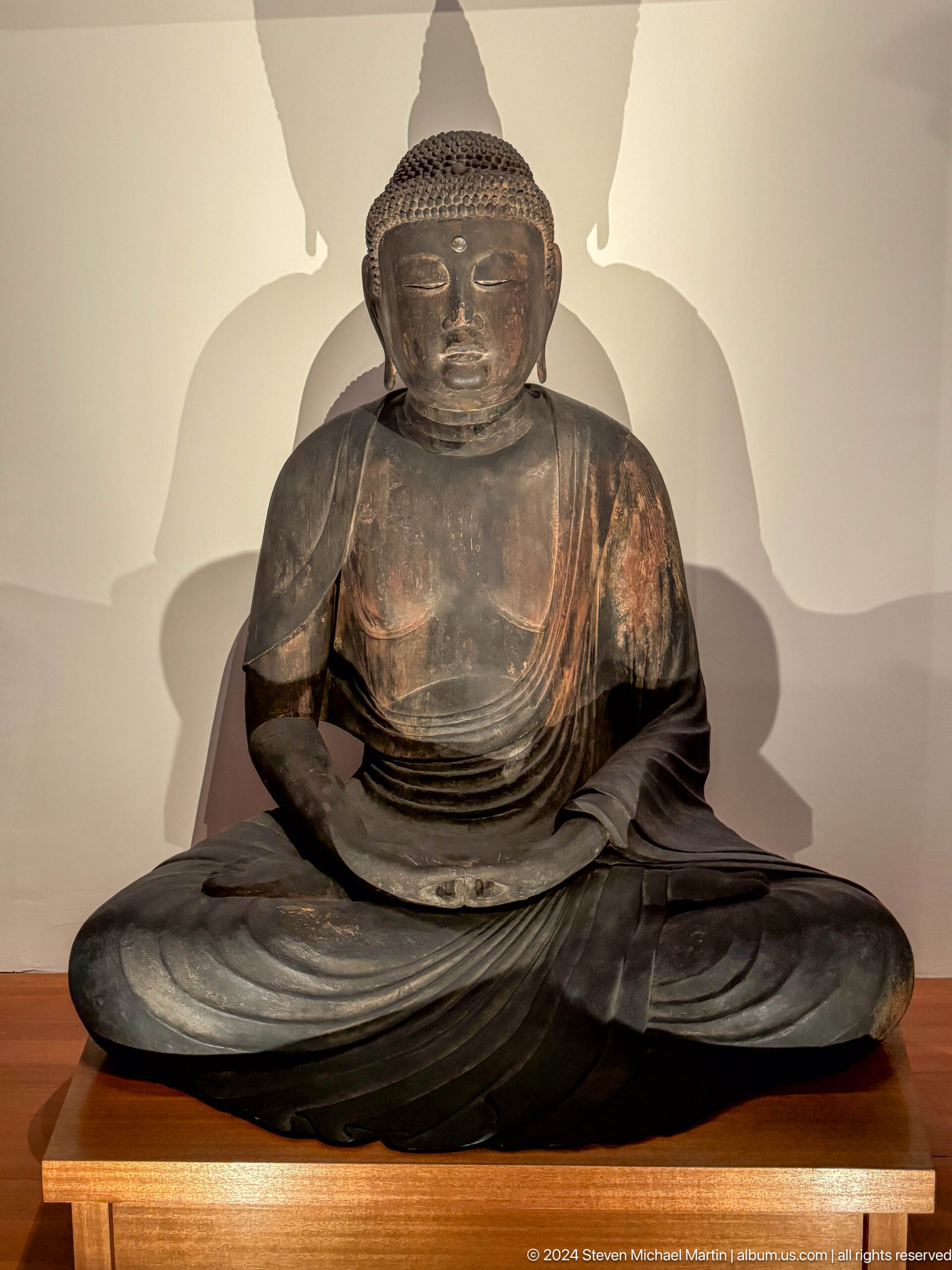
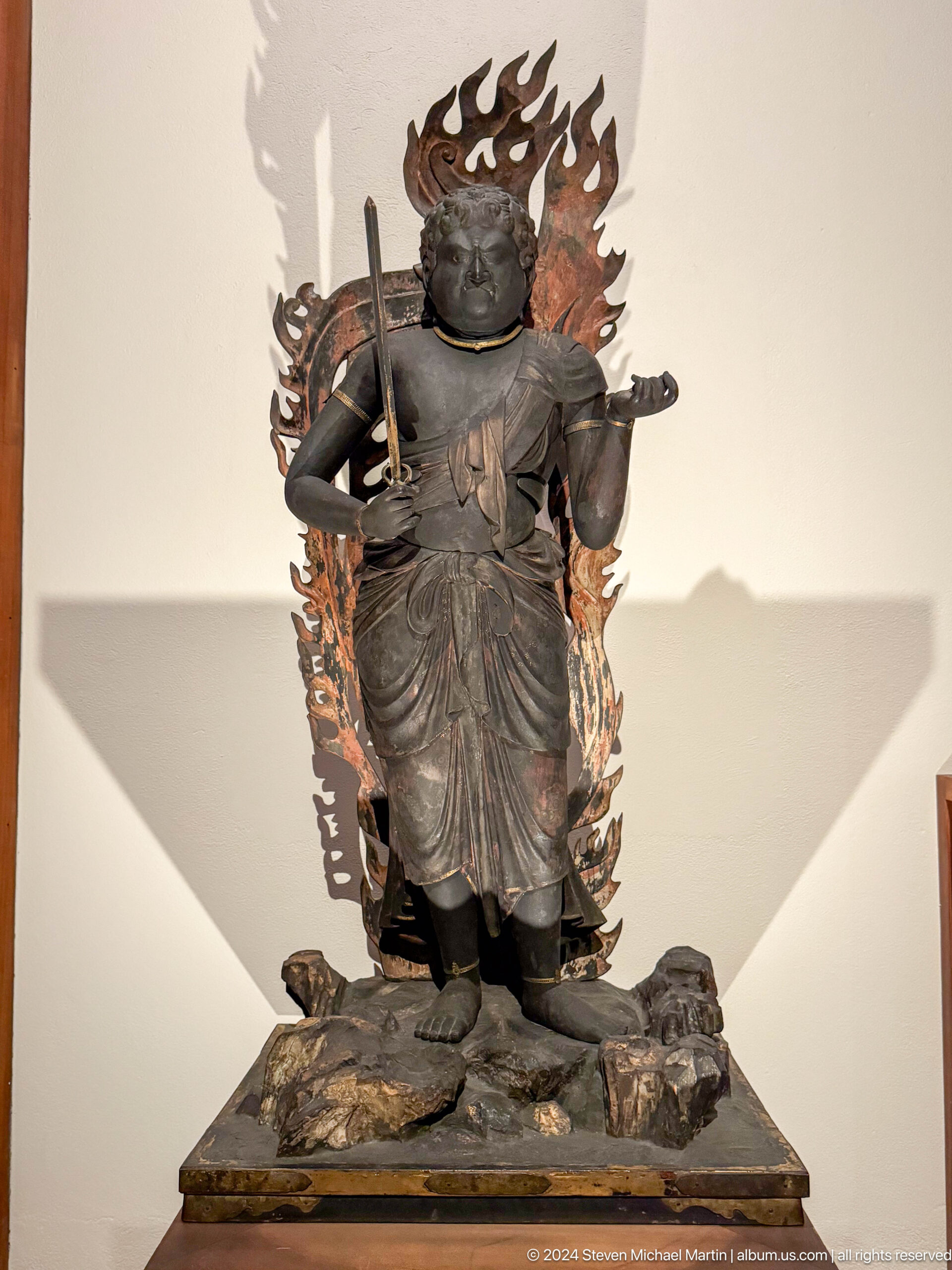
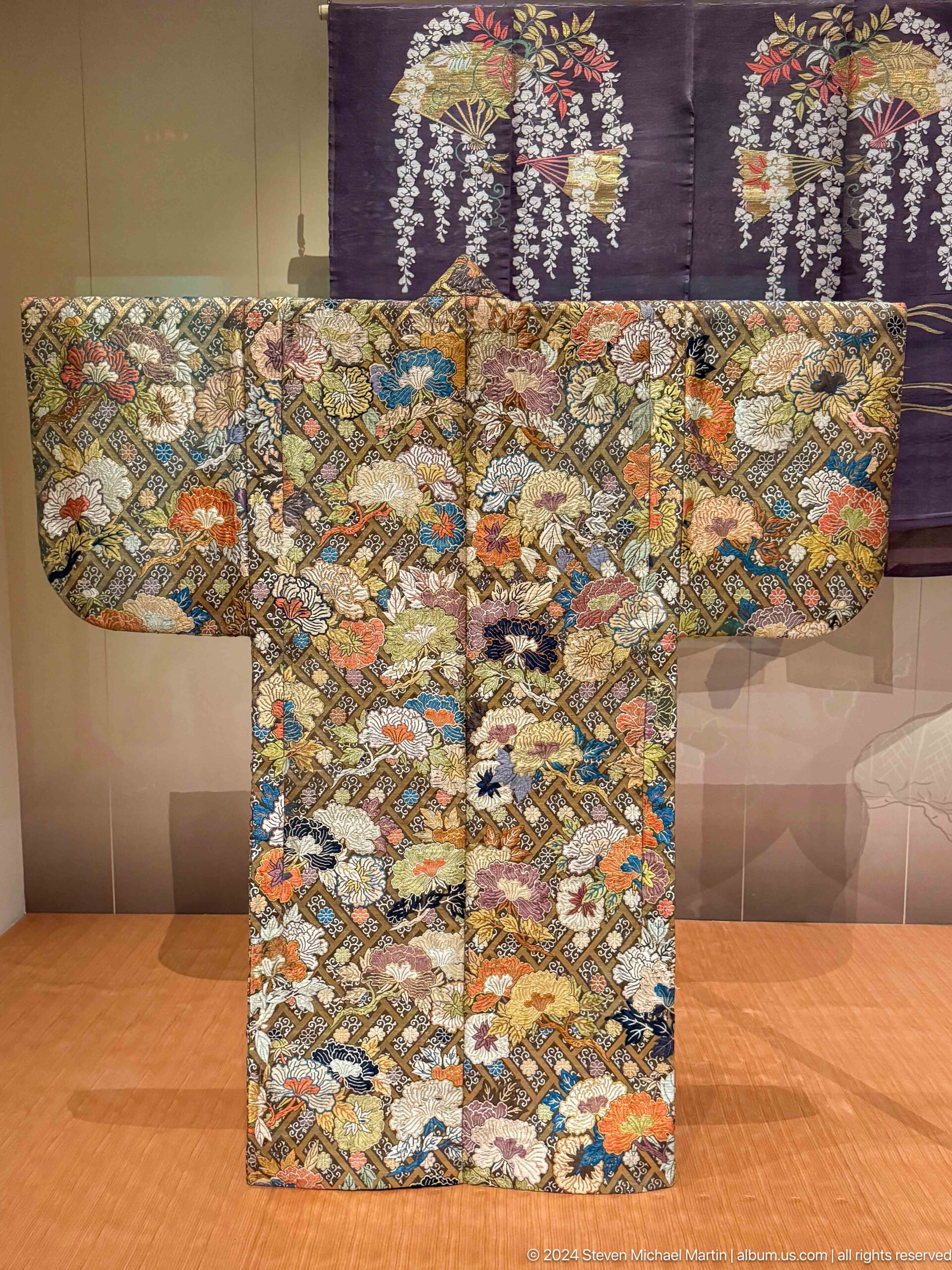
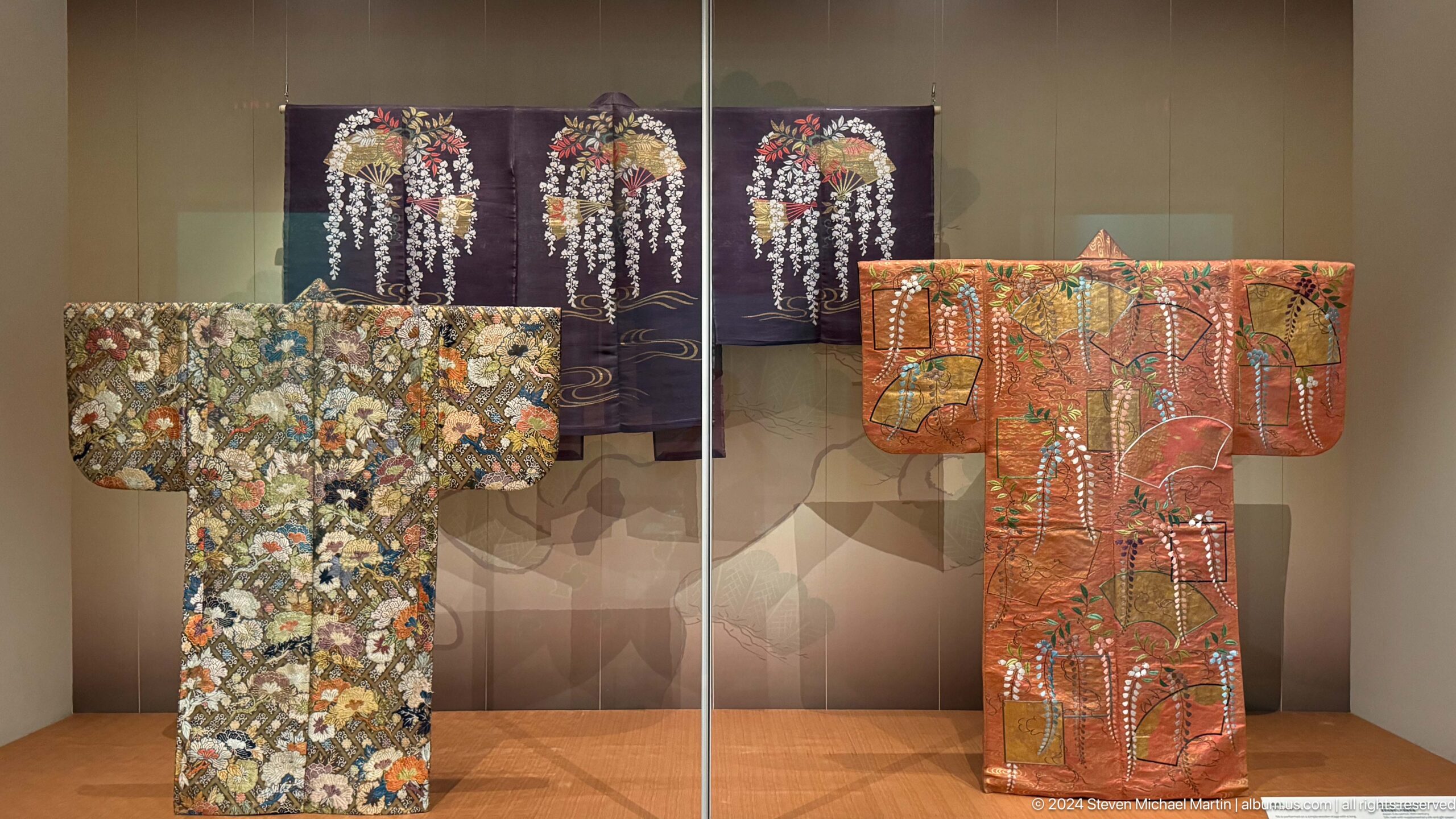
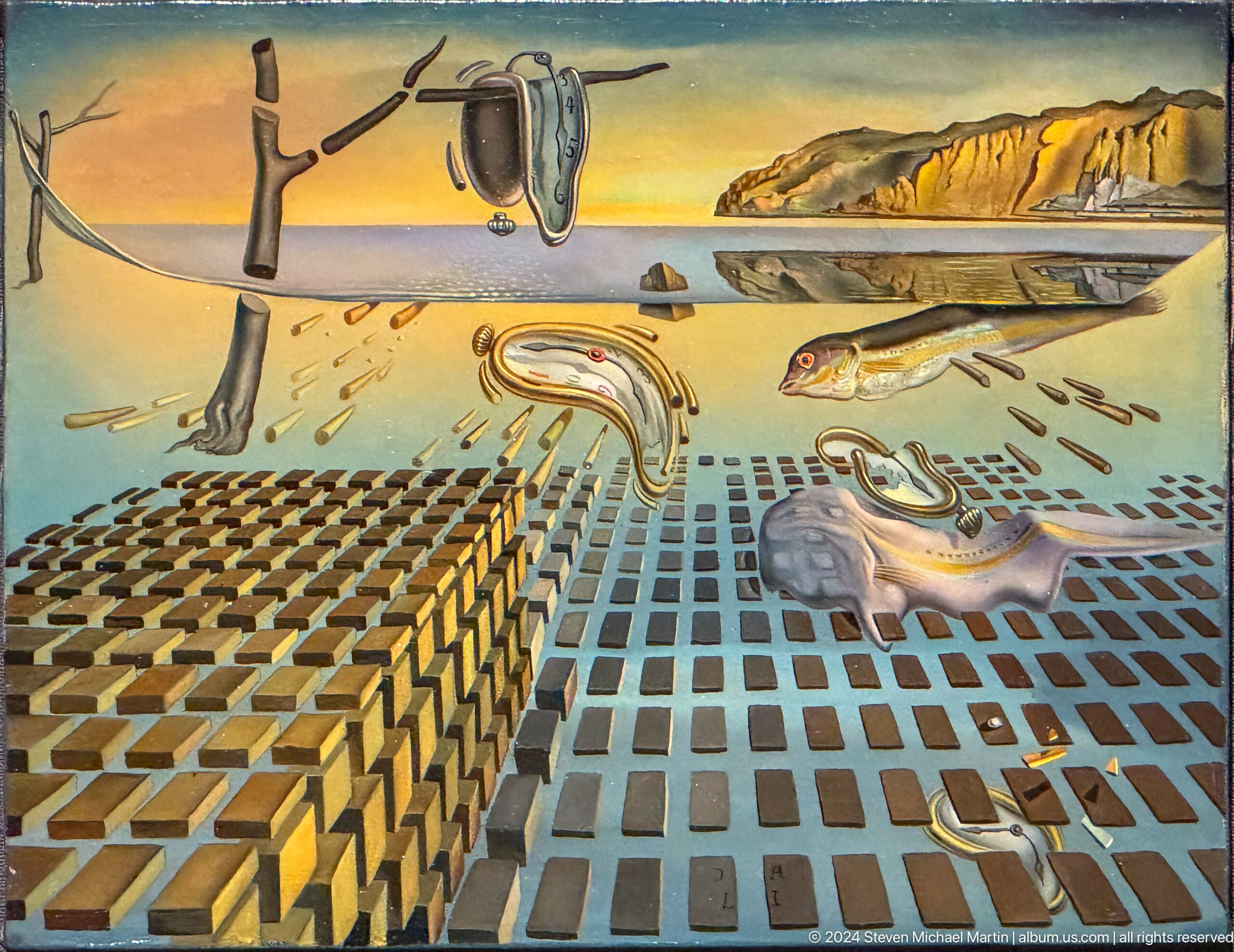
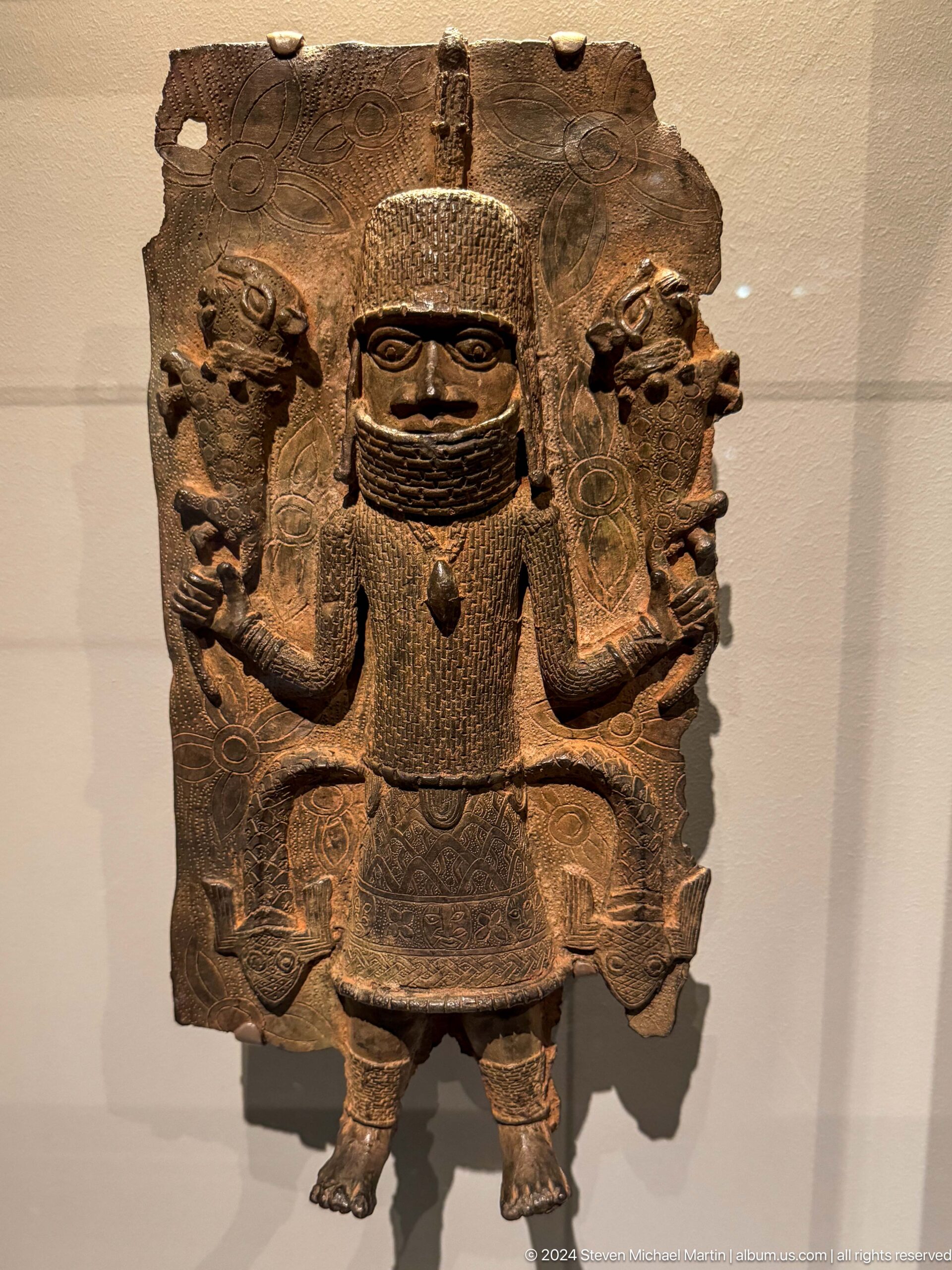
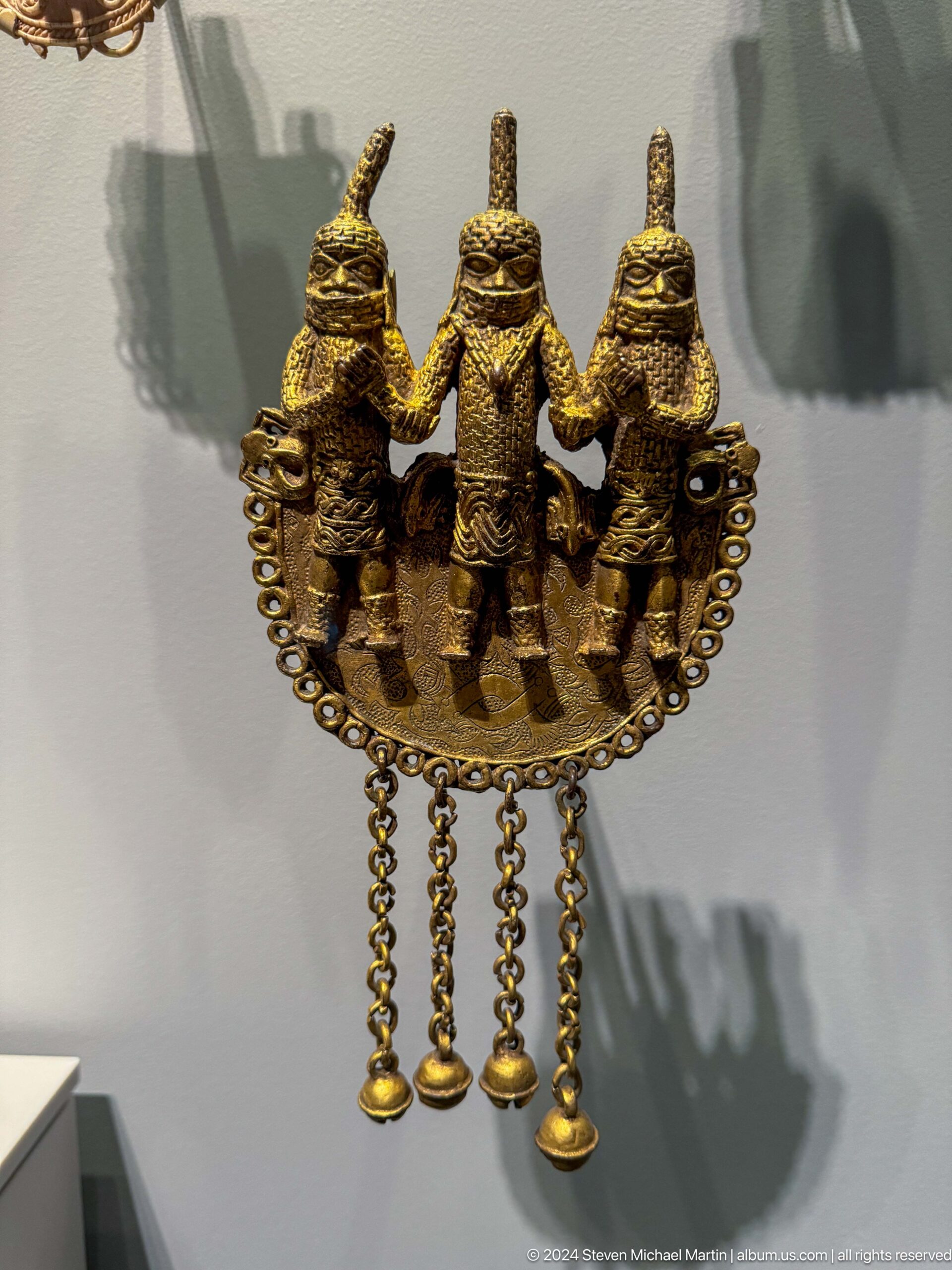
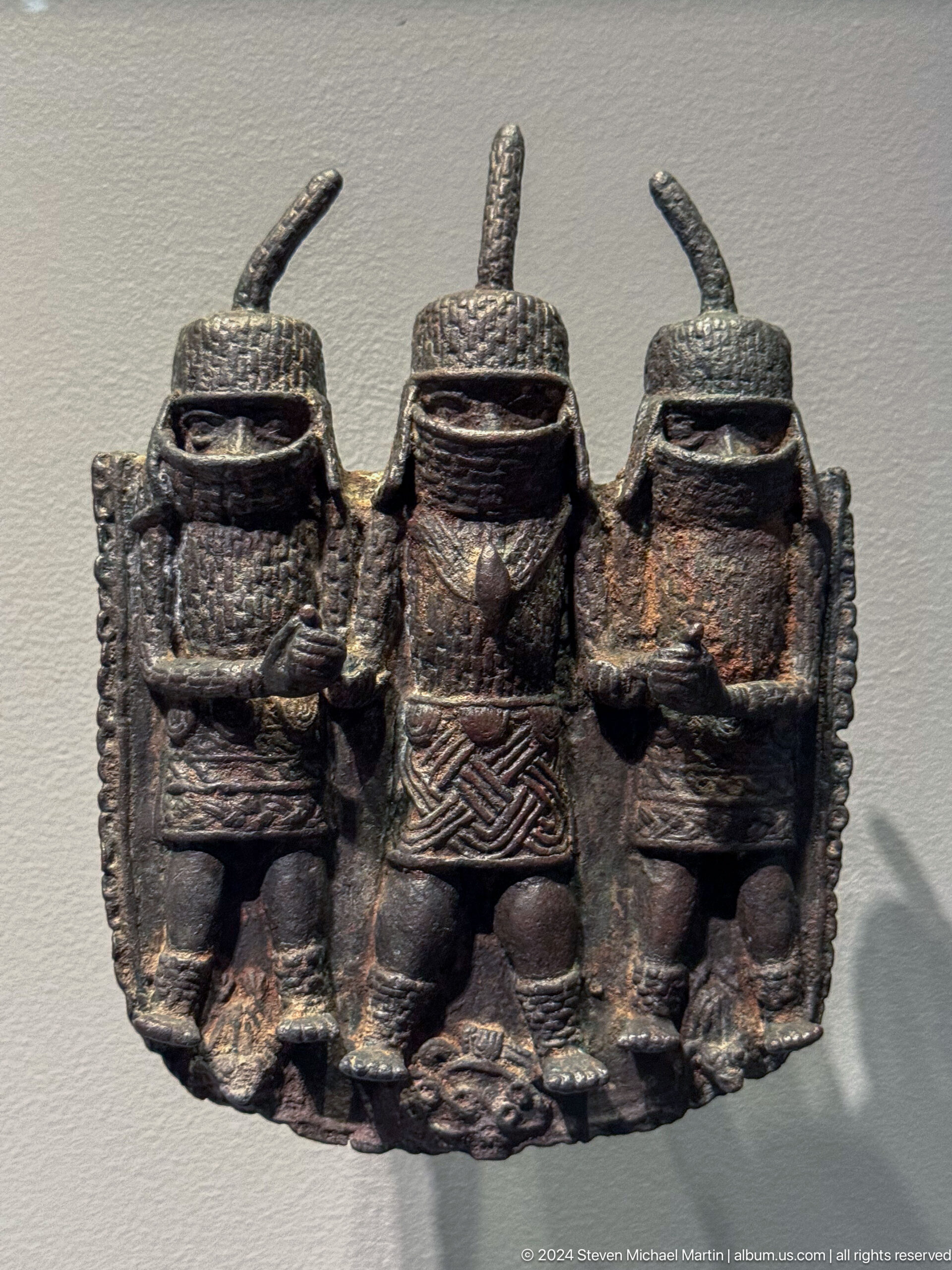
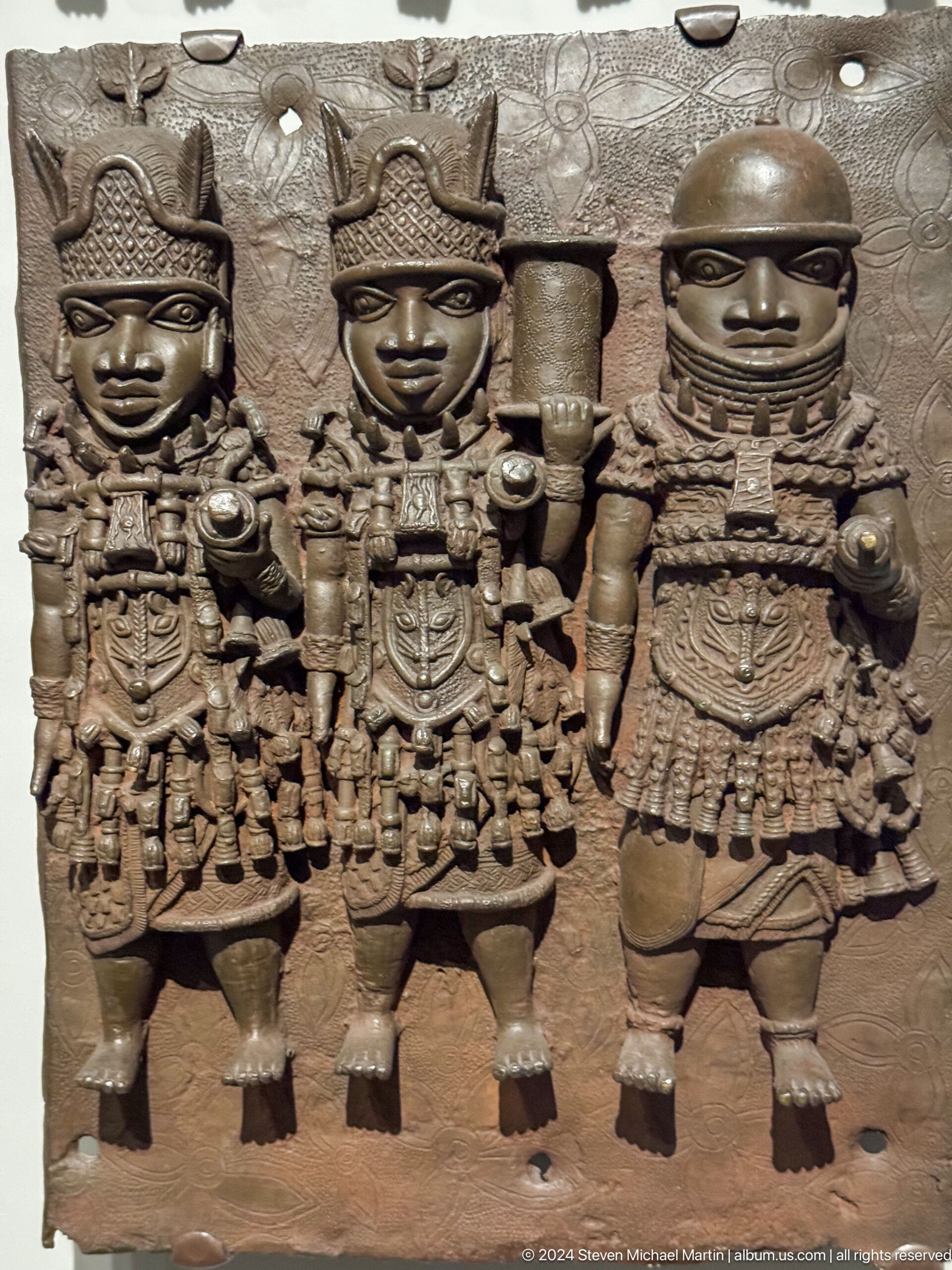
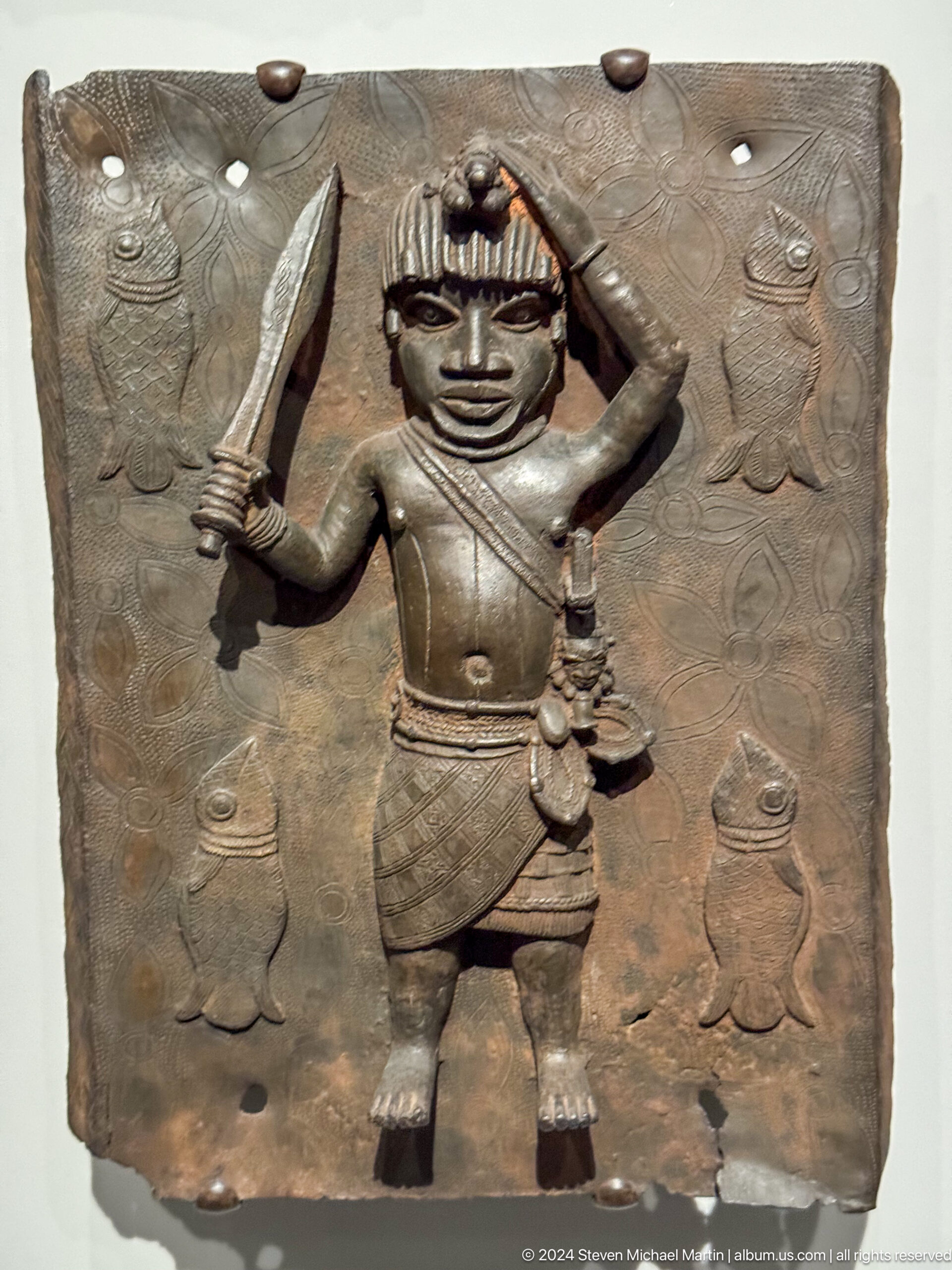
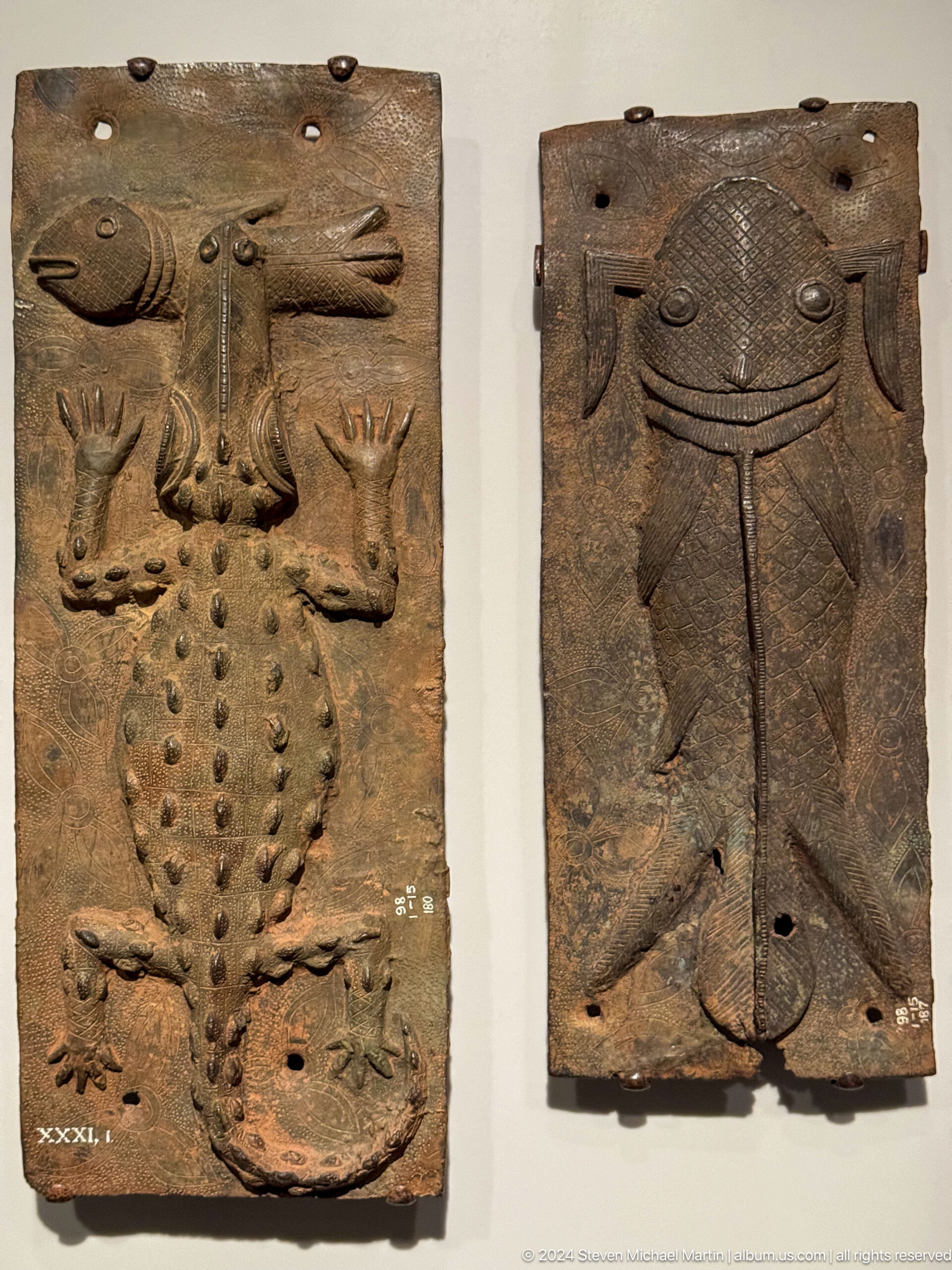
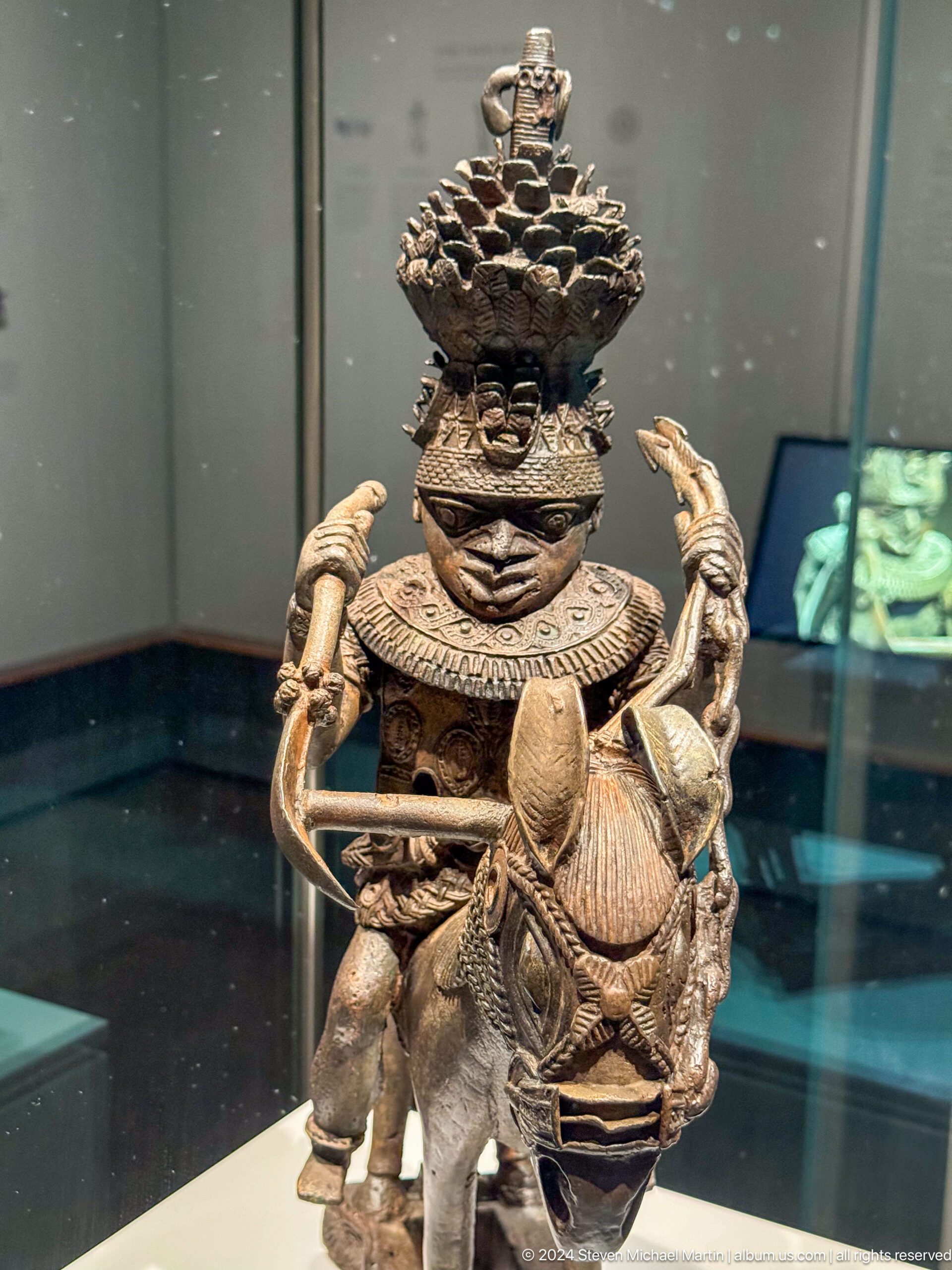
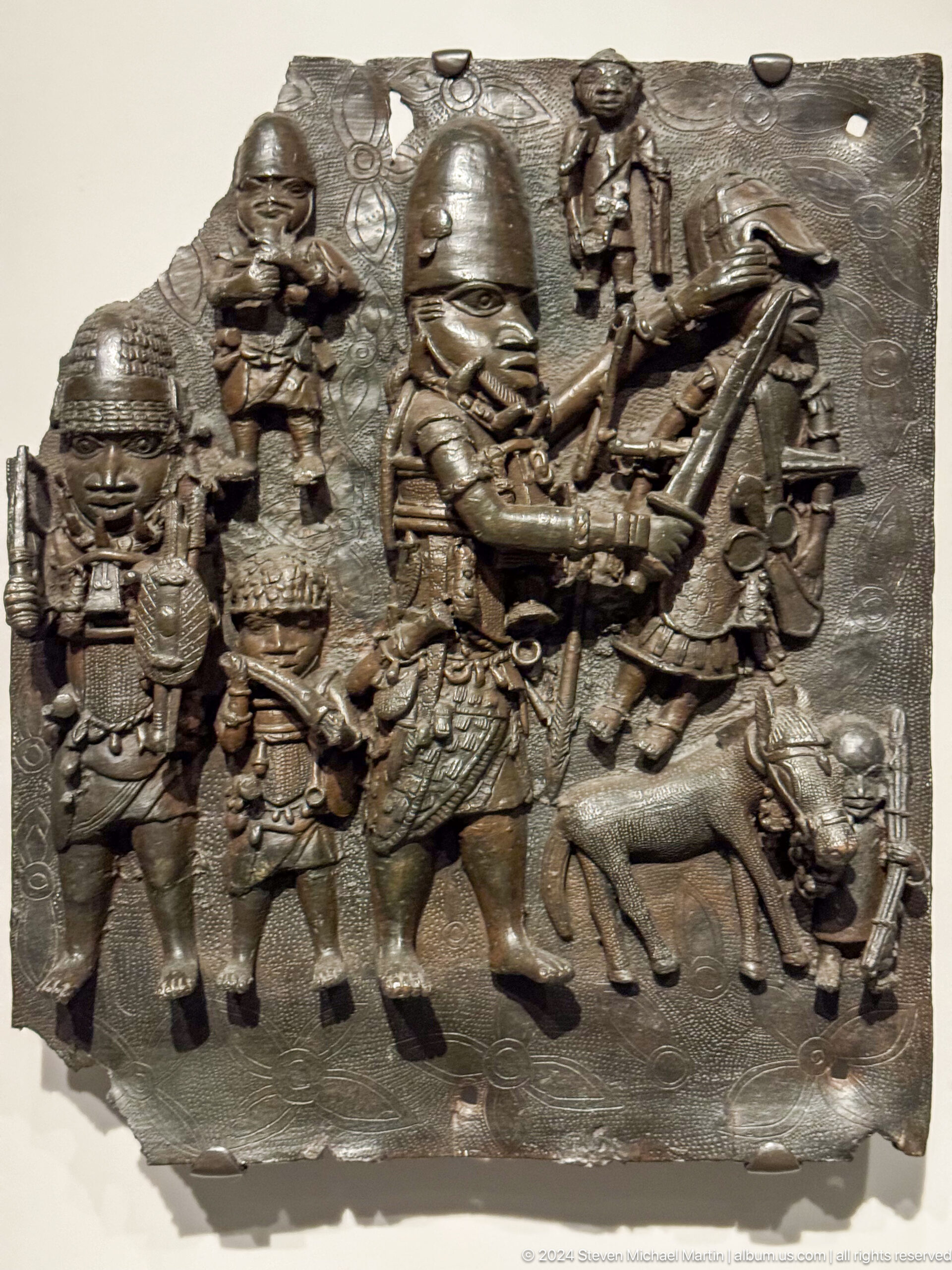
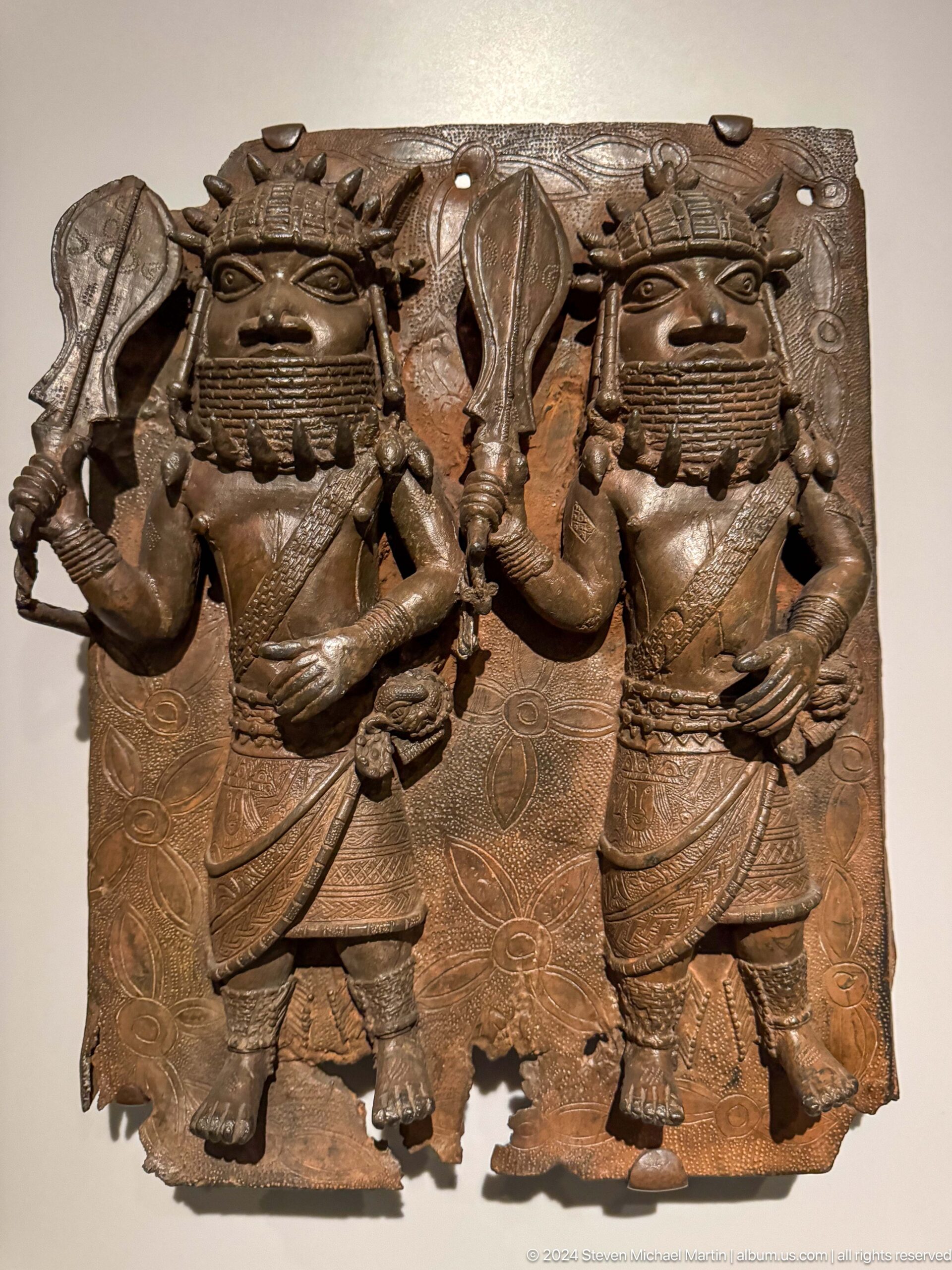
The museum’s collections span ancient civilizations, European painting, Asian art, and American decorative traditions, illustrating global artistic exchange across multiple historical periods. Its location near the Back Bay Fens places the institution within a broader landscape shaped by the nineteenth-century urban planning work of Frederick Law Olmsted, where designed parkland and civic architecture combine to create an integrated cultural environment. The museum’s galleries reflect evolving approaches to preservation, interpretation, and public education.
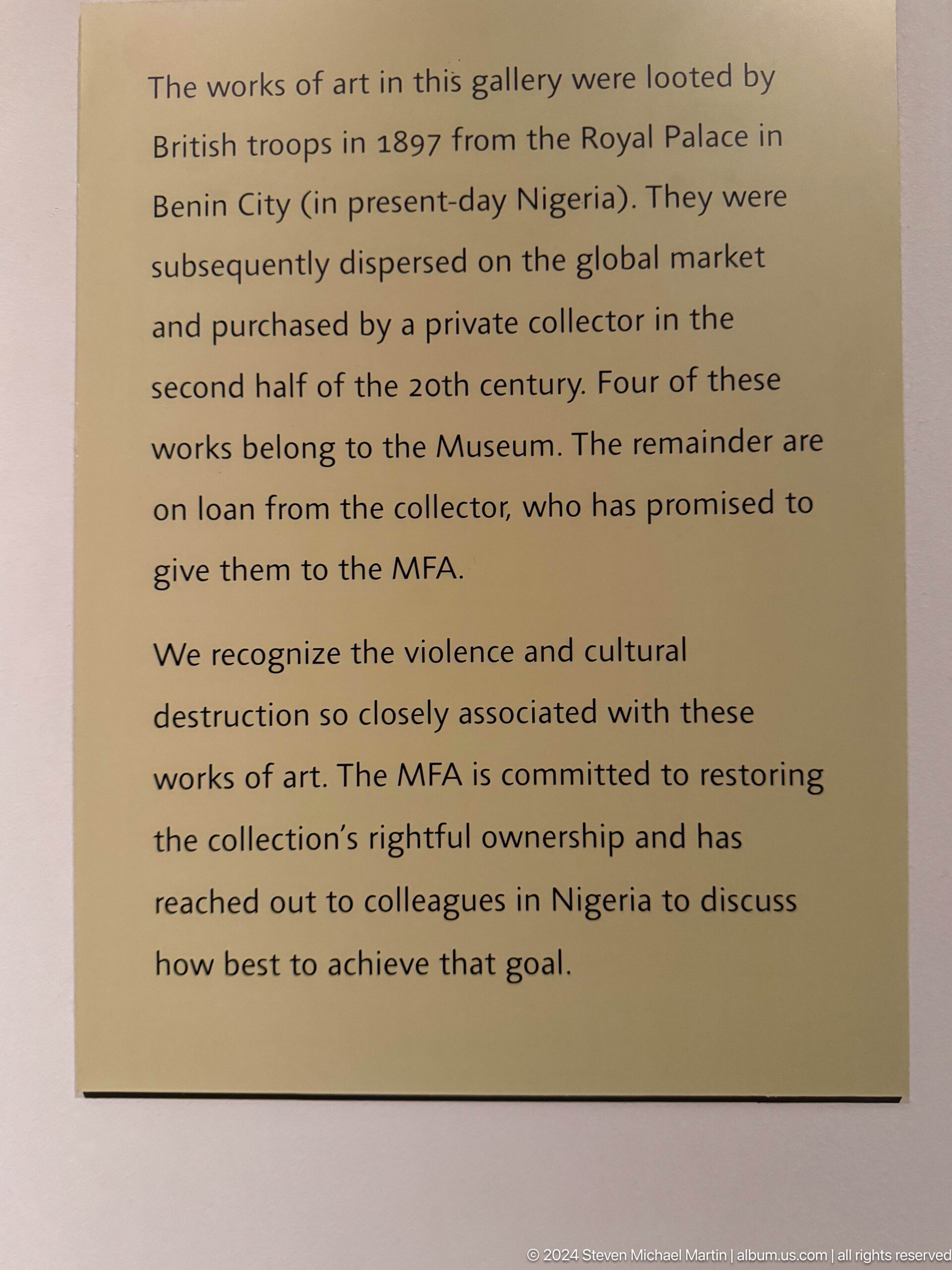
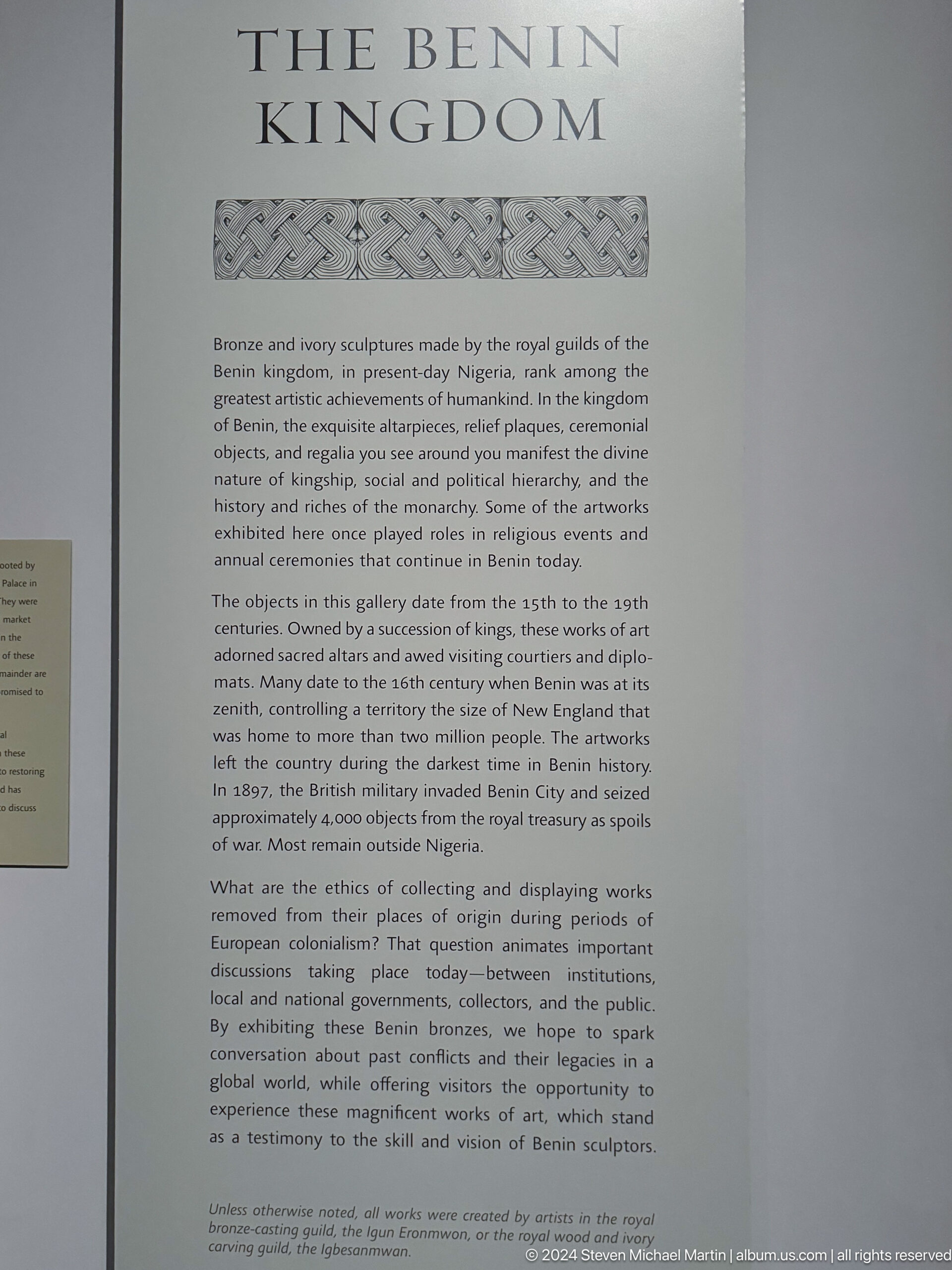
The Museum of Fine Arts contributes to understanding how public institutions preserve artistic heritage while supporting ongoing scholarship and cultural dialogue. Its collections demonstrate the global scope of artistic production and the role of museums in shaping historical interpretation. The institution remains an important component of Boston’s longstanding commitment to education and cultural continuity.