Introduction to Salem, Massachusetts
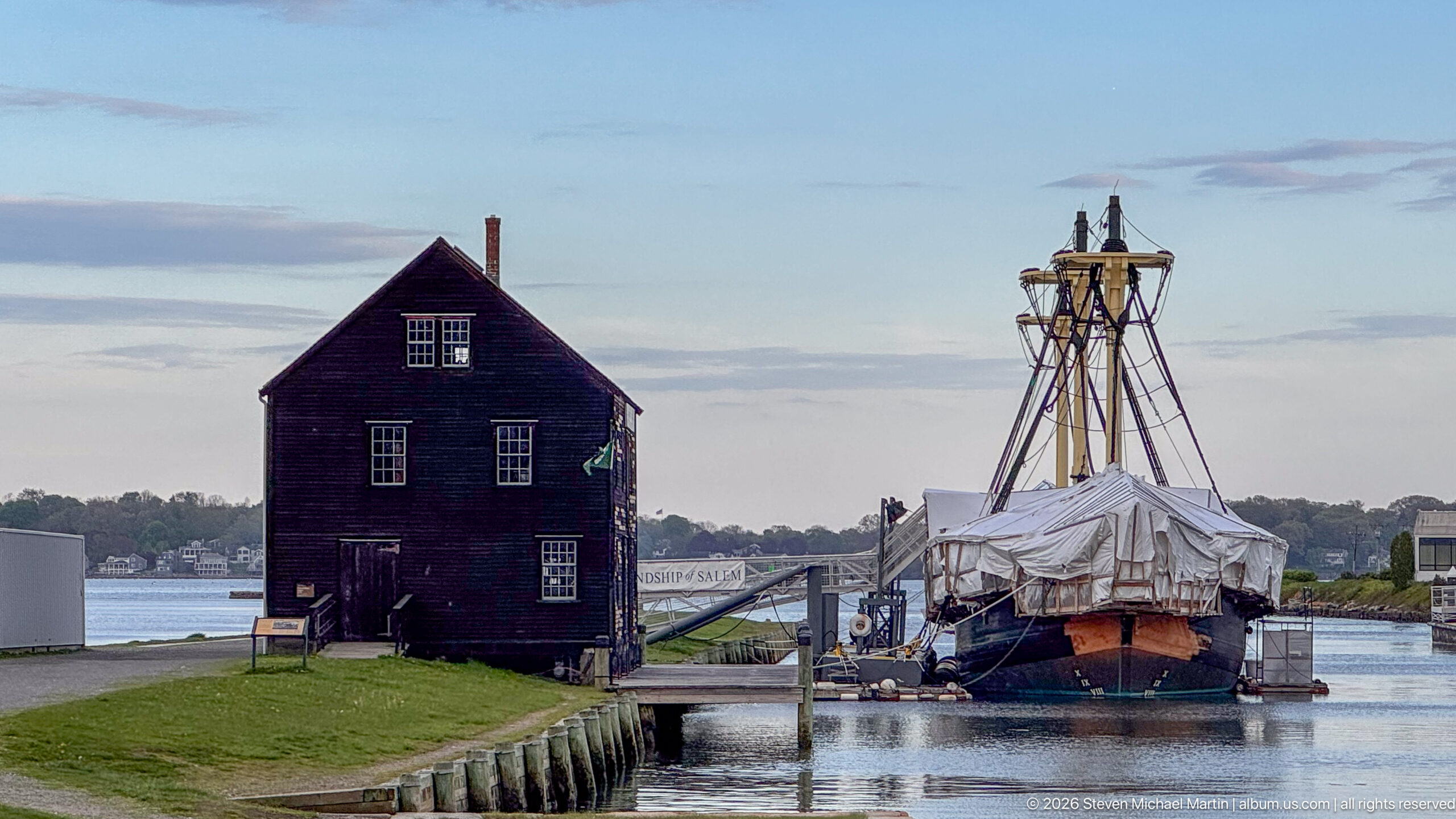
Salem is a city where maritime history, colonial architecture, and legend intersect in unusually vivid ways. Located along the Massachusetts coast north of Boston, Salem developed as one of New England’s most important seaports during the 18th and early 19th centuries, building wealth and influence through global trade routes that connected the young United States to Europe, Africa, India, and China. Today, traces of that era remain visible in the city’s historic streets, preserved homes, and waterfront districts, where centuries of commerce and cultural exchange continue to shape the character of the city.
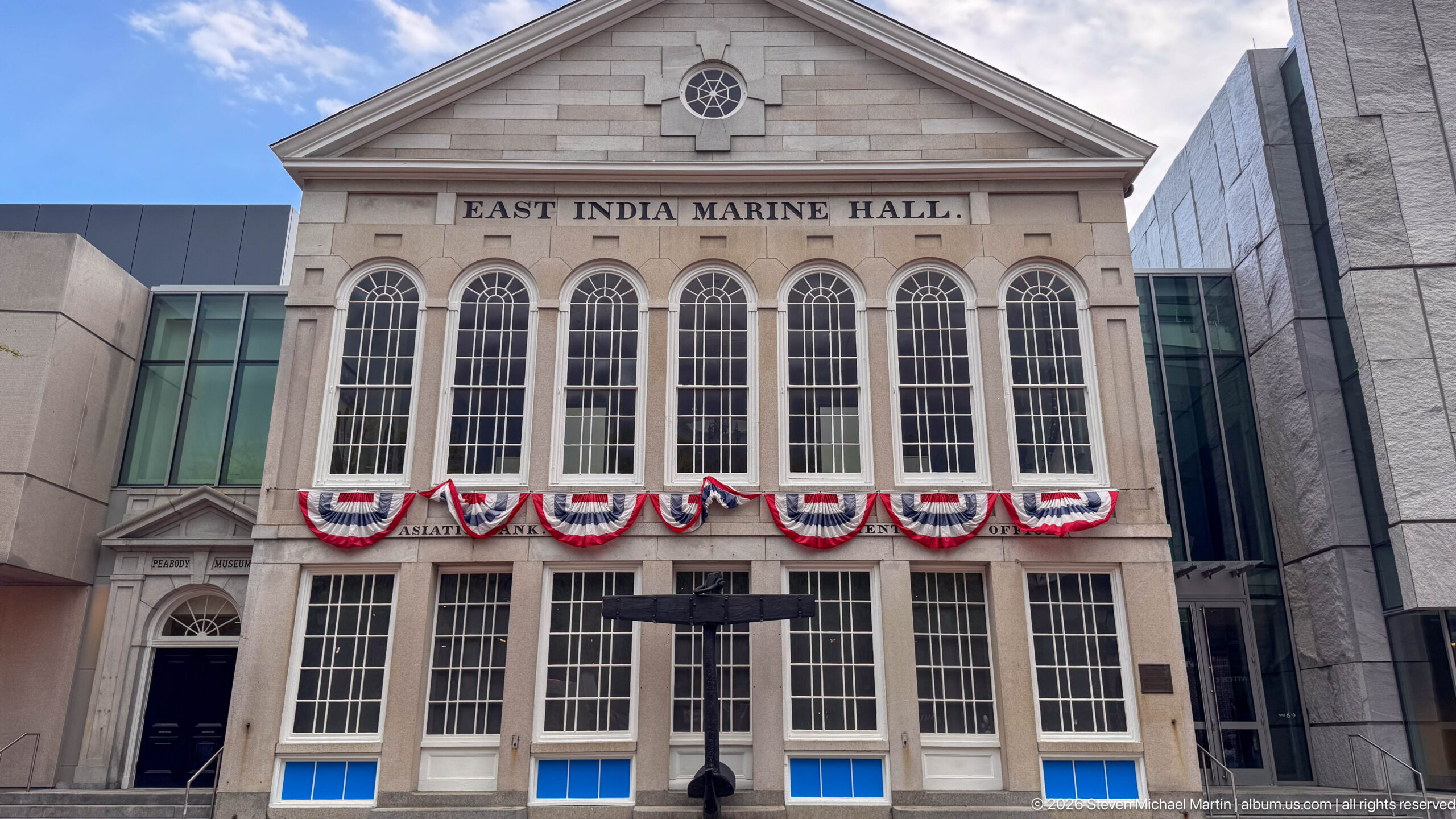
Although widely associated with the infamous Salem witch trials of 1692, the city’s historical significance extends far beyond that single chapter. Salem played a major role in the rise of American maritime trade and became one of the country’s earliest centers for collecting international art and artifacts, a legacy now reflected in institutions such as the Peabody Essex Museum. The city’s layered identity—part colonial settlement, part seaport, part cultural center—creates an atmosphere where architecture, history, and folklore exist side by side rather than in isolation.
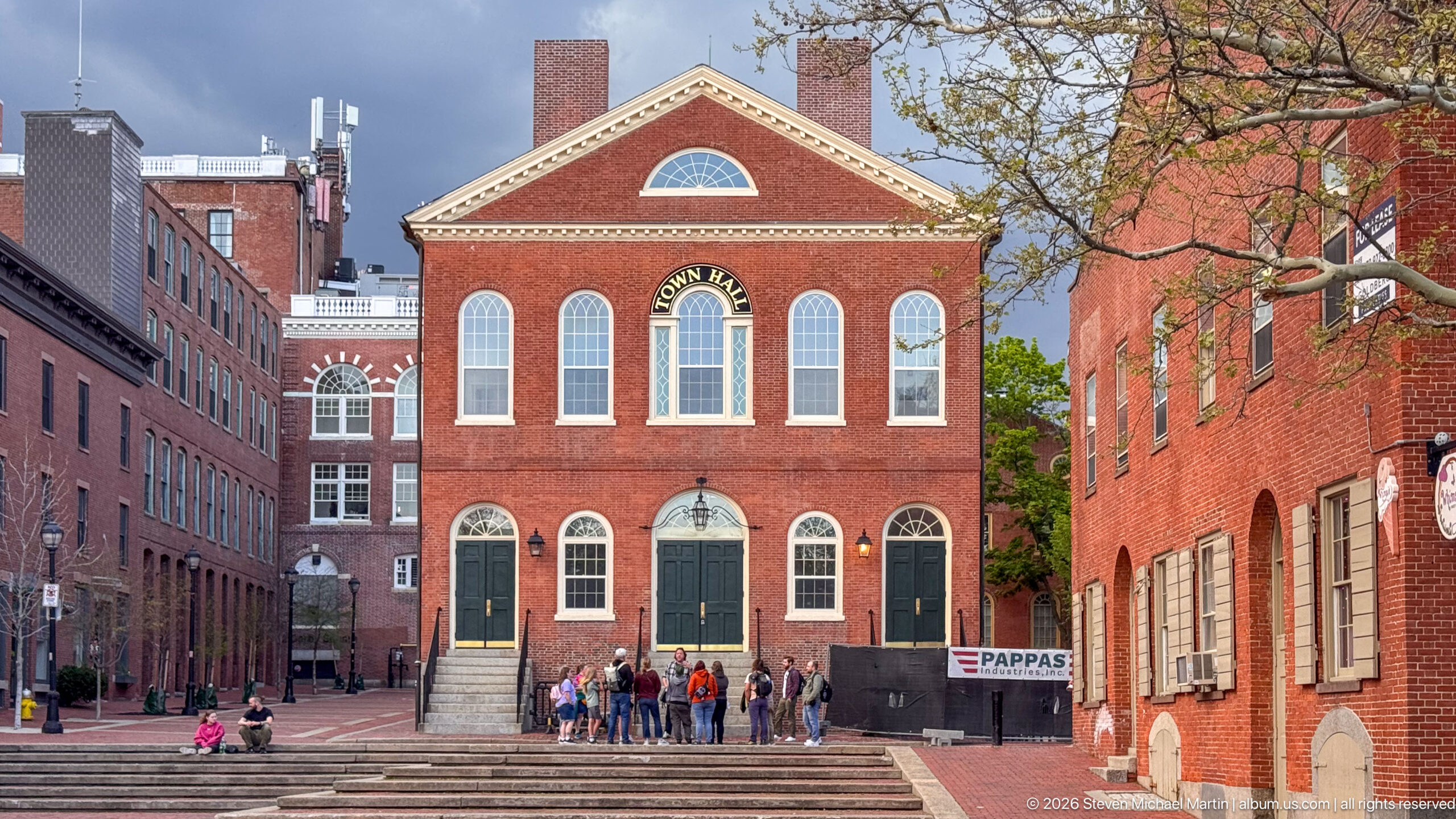
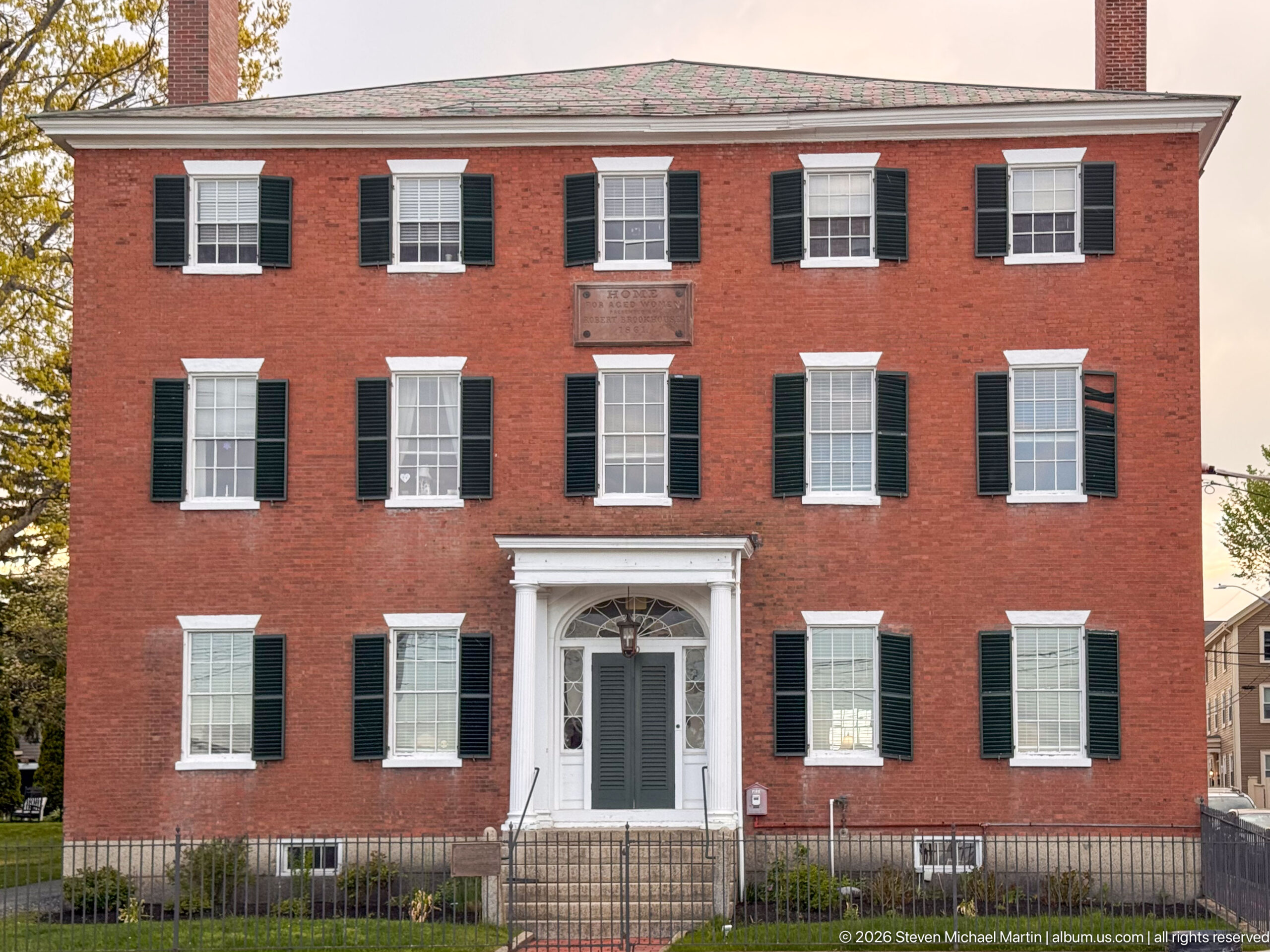
The historic core of Salem preserves a remarkable concentration of Federal-era buildings, churches, cemeteries, and maritime structures that reflect both the prosperity and tensions of early New England. From quiet residential streets lined with 18th-century homes to memorials connected with the witch trials, the city offers an unusually complete view of colonial and early American history. Salem’s enduring fascination comes not only from its legends, but from the way its physical landscape continues to preserve the complex realities of trade, religion, superstition, and community across more than three centuries