Blue Ridge Parkway
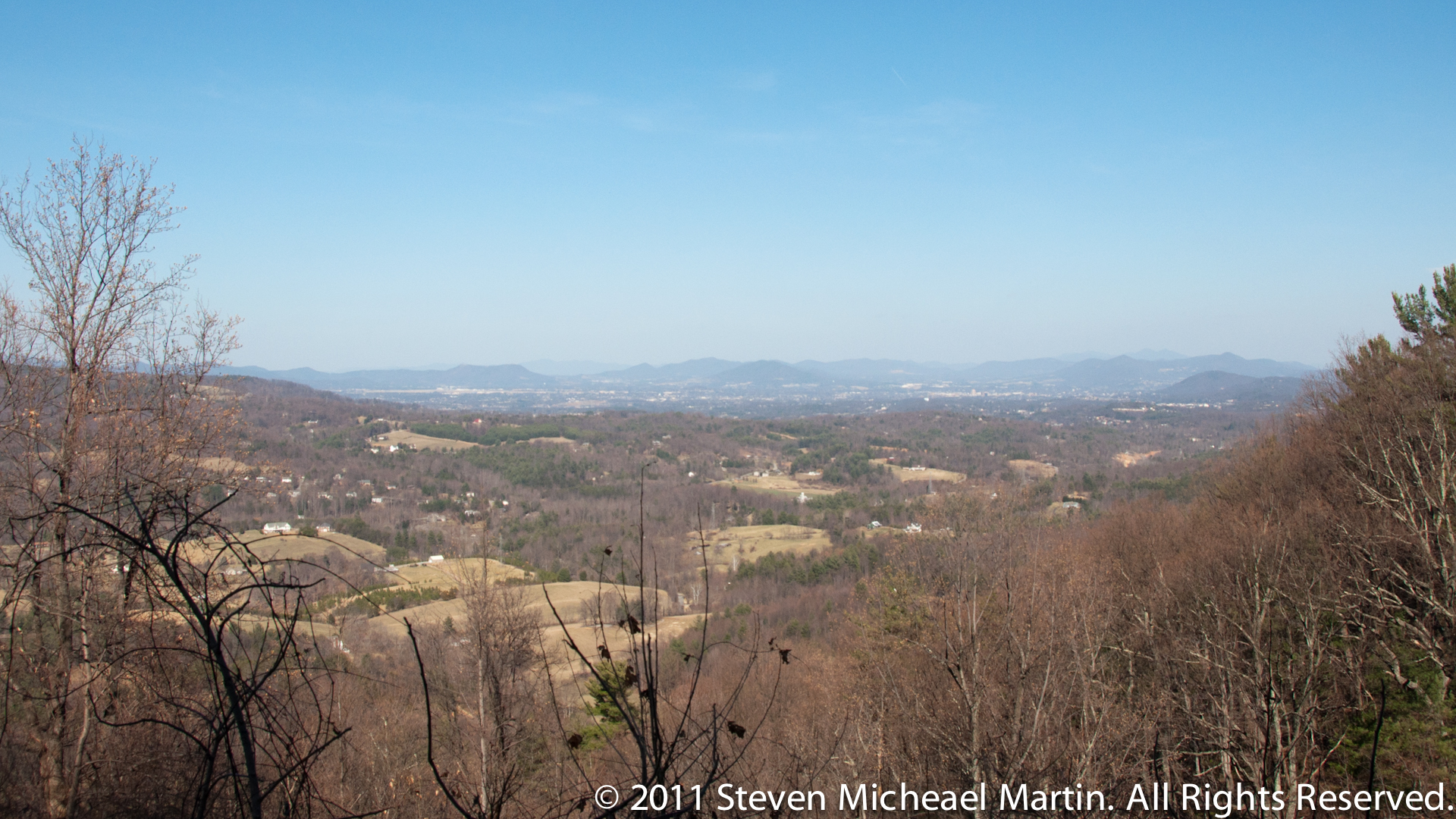
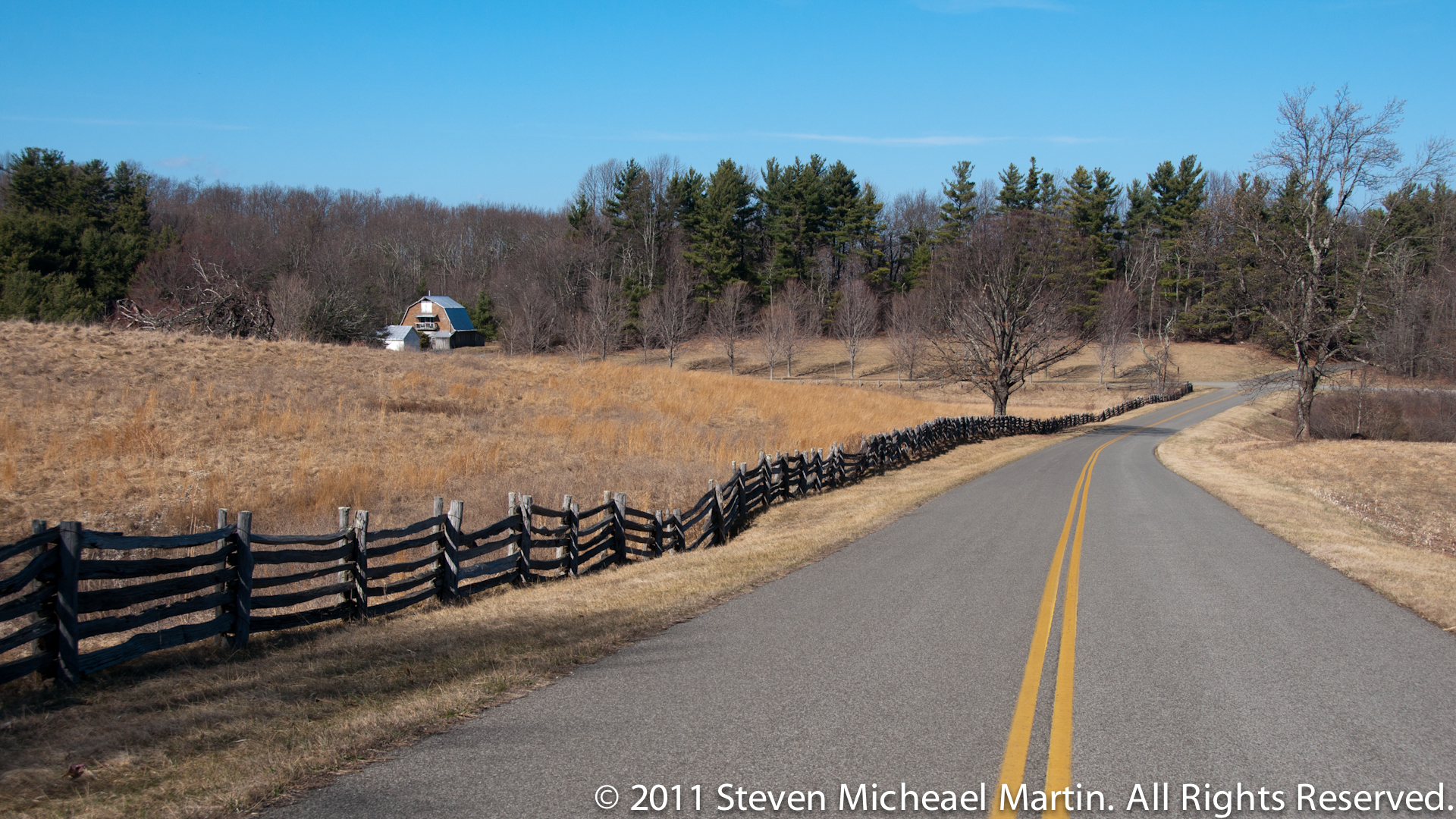
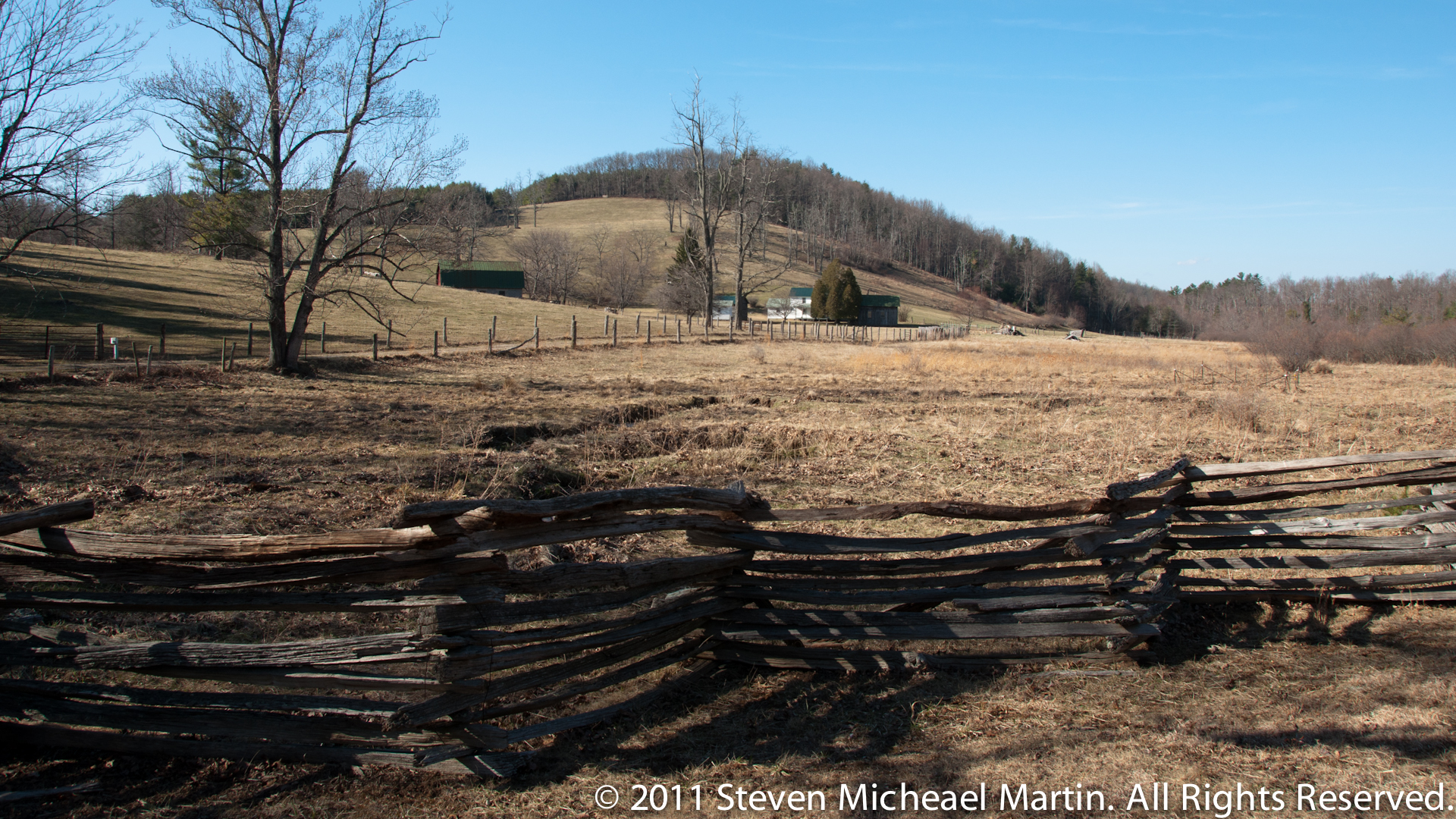
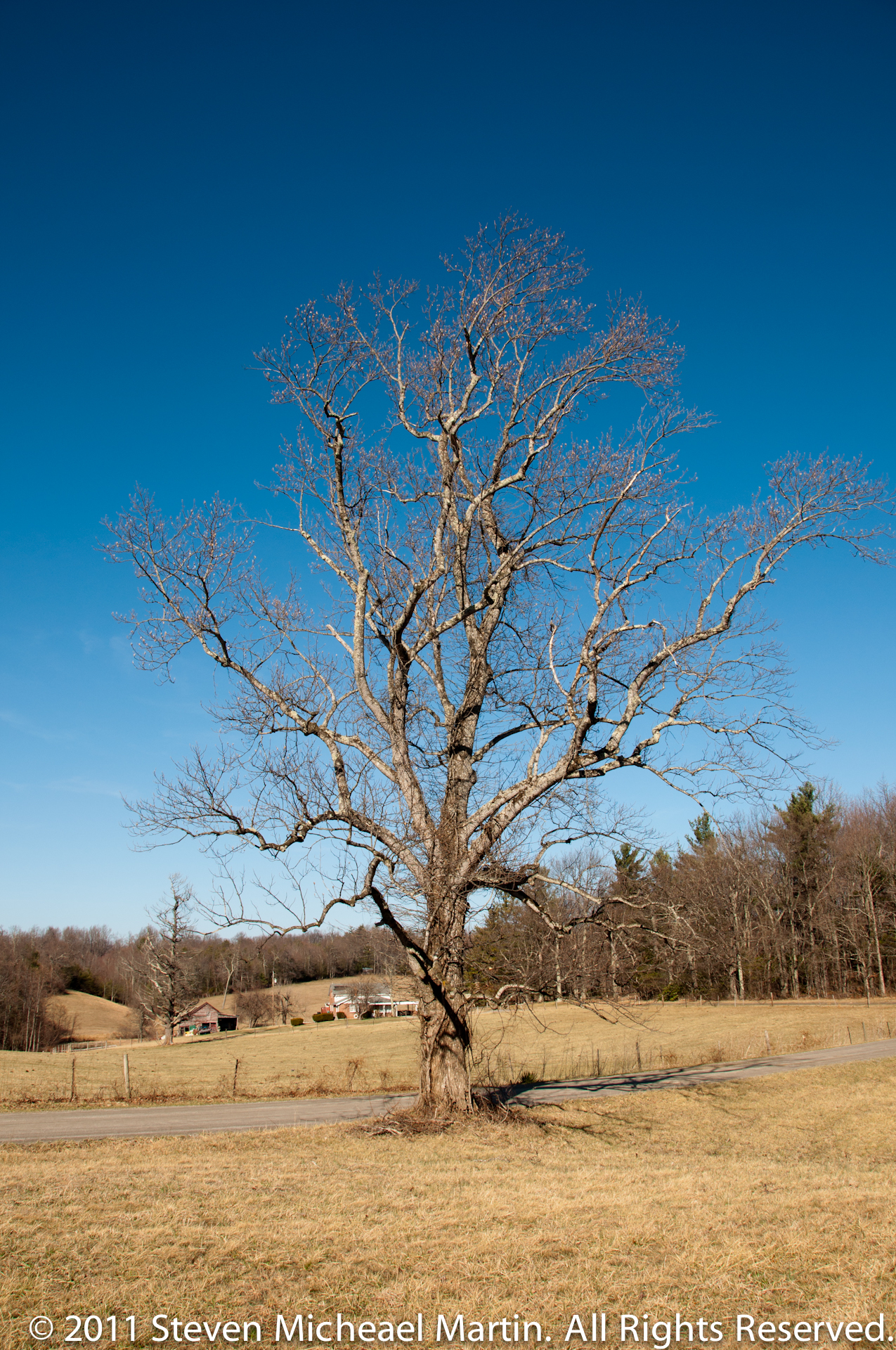
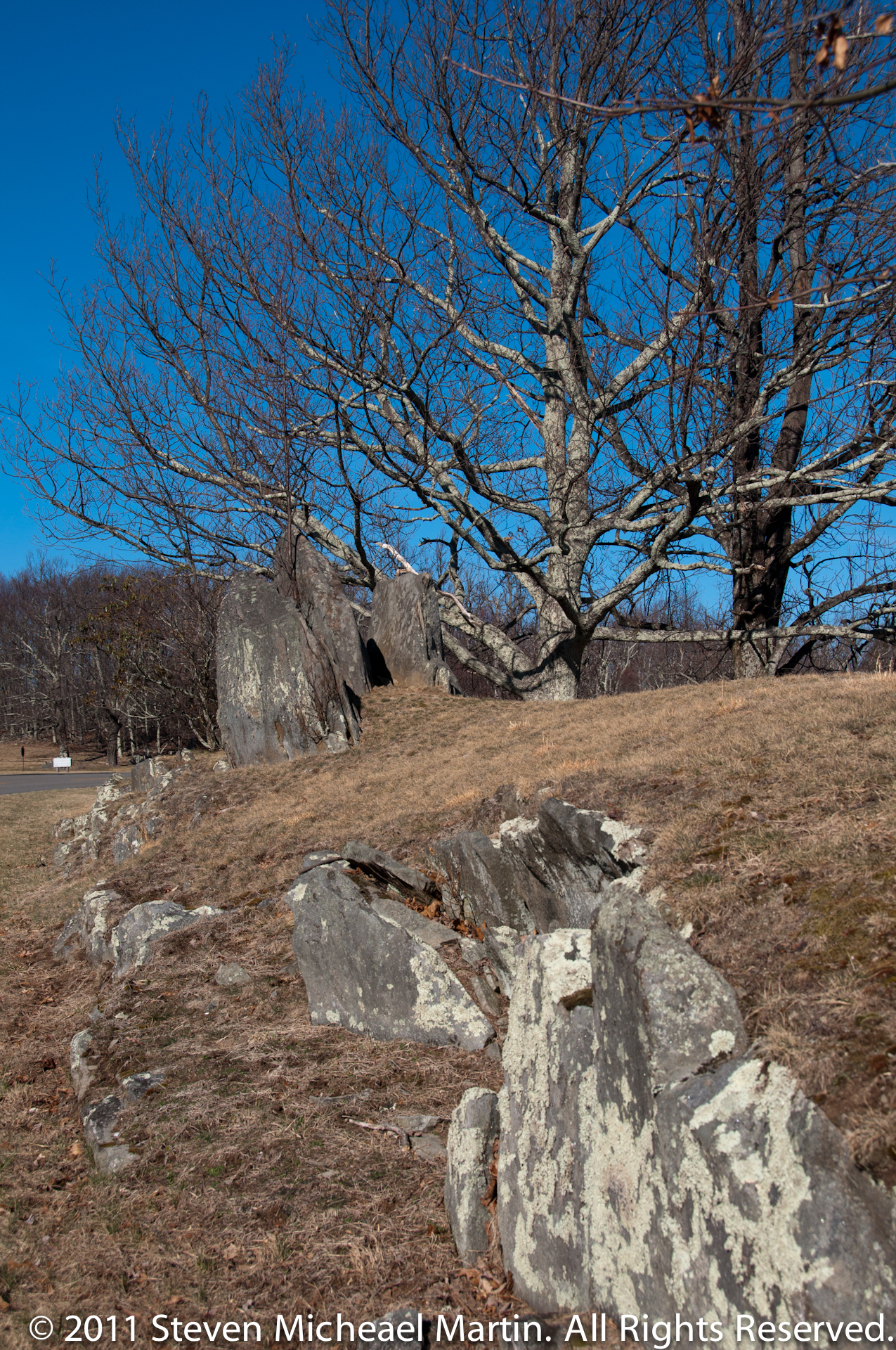
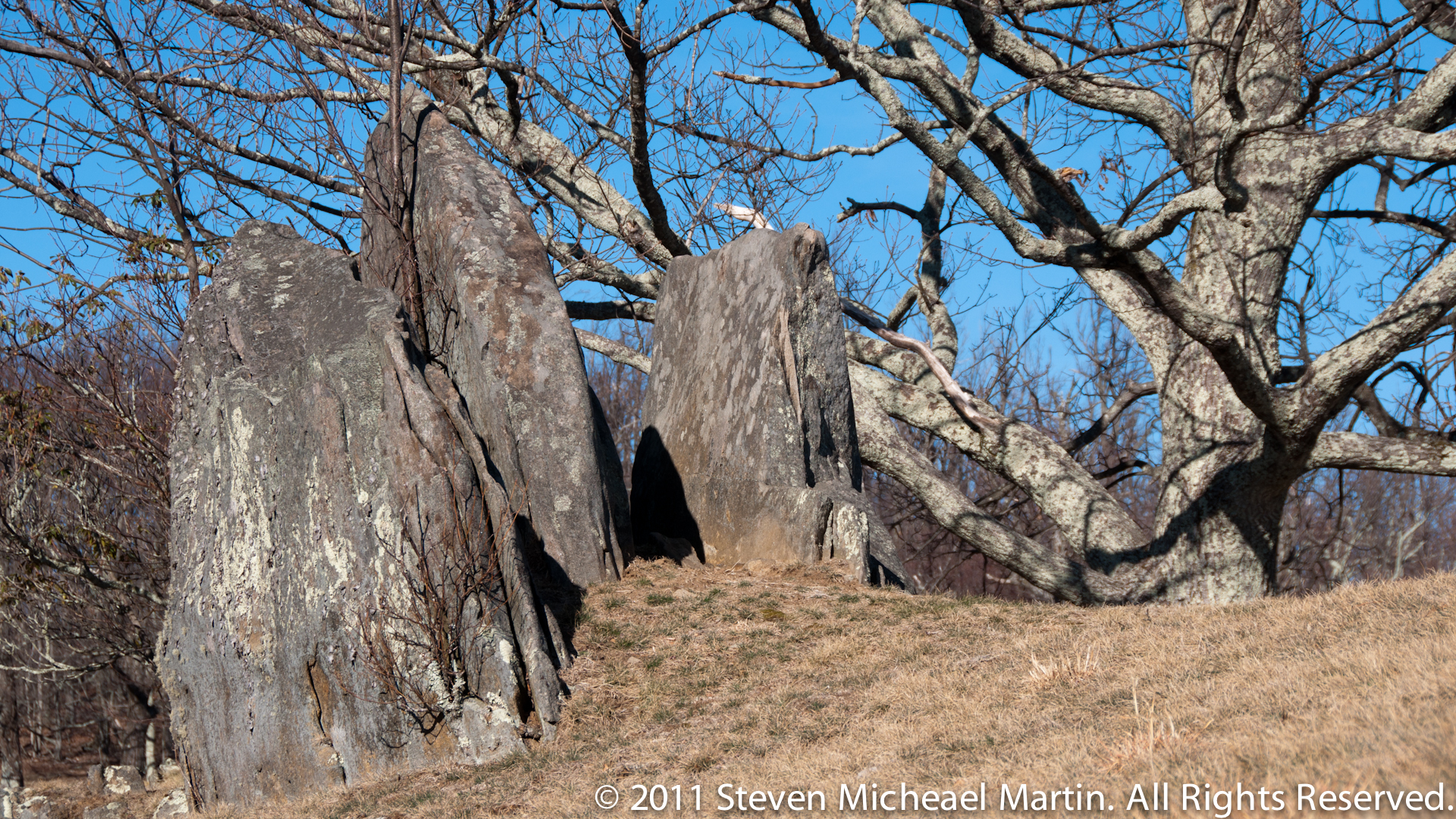
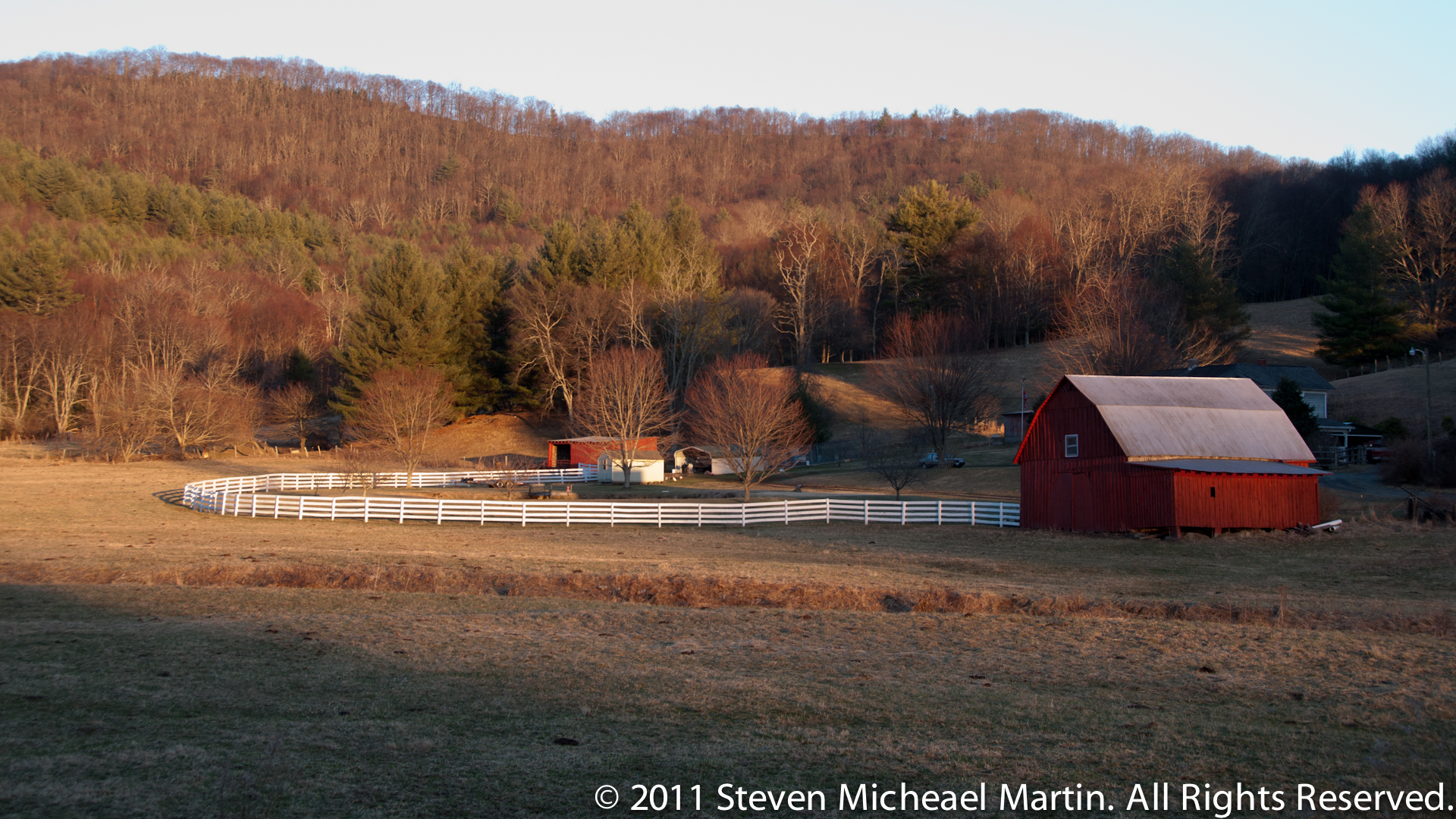
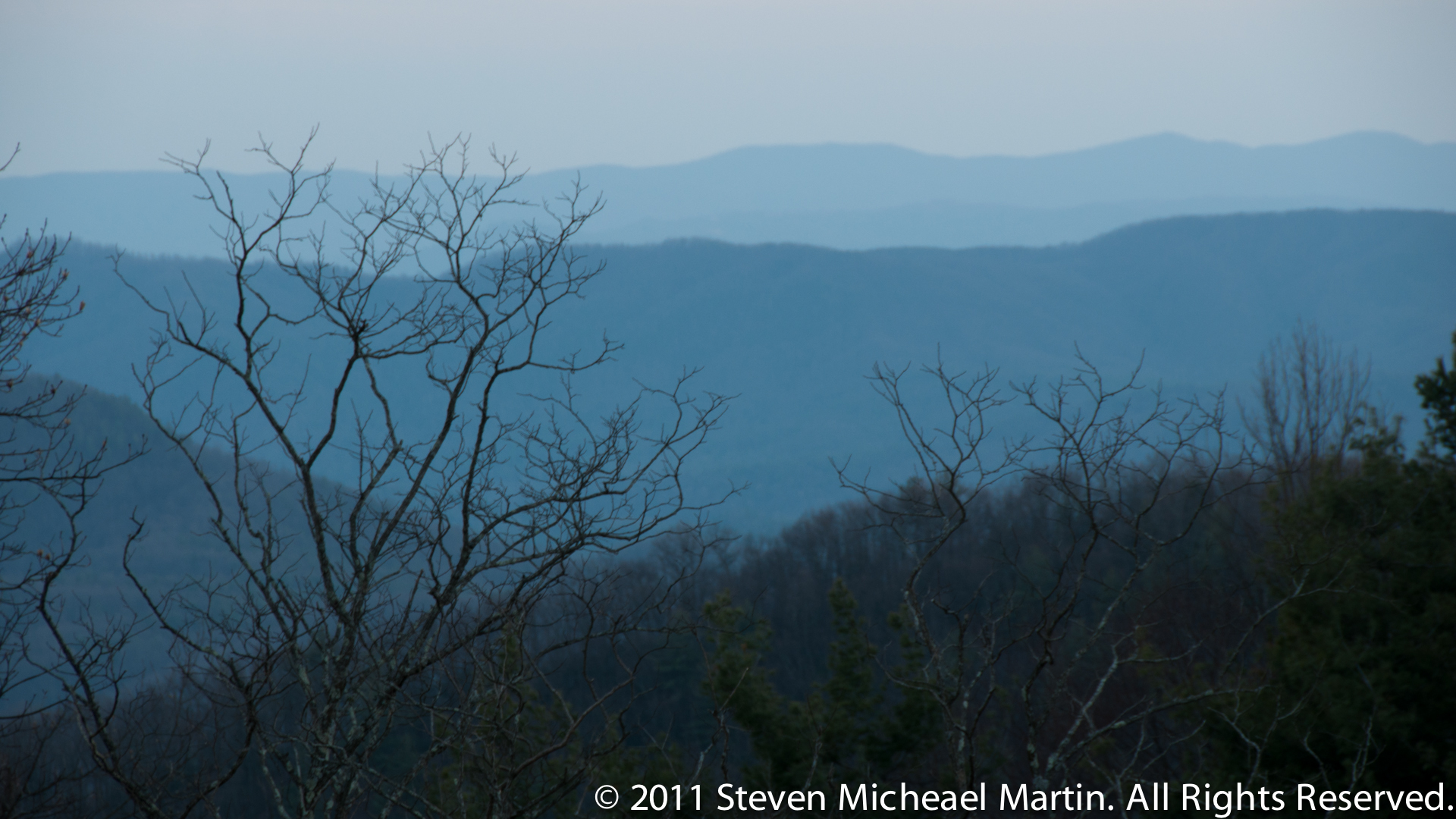
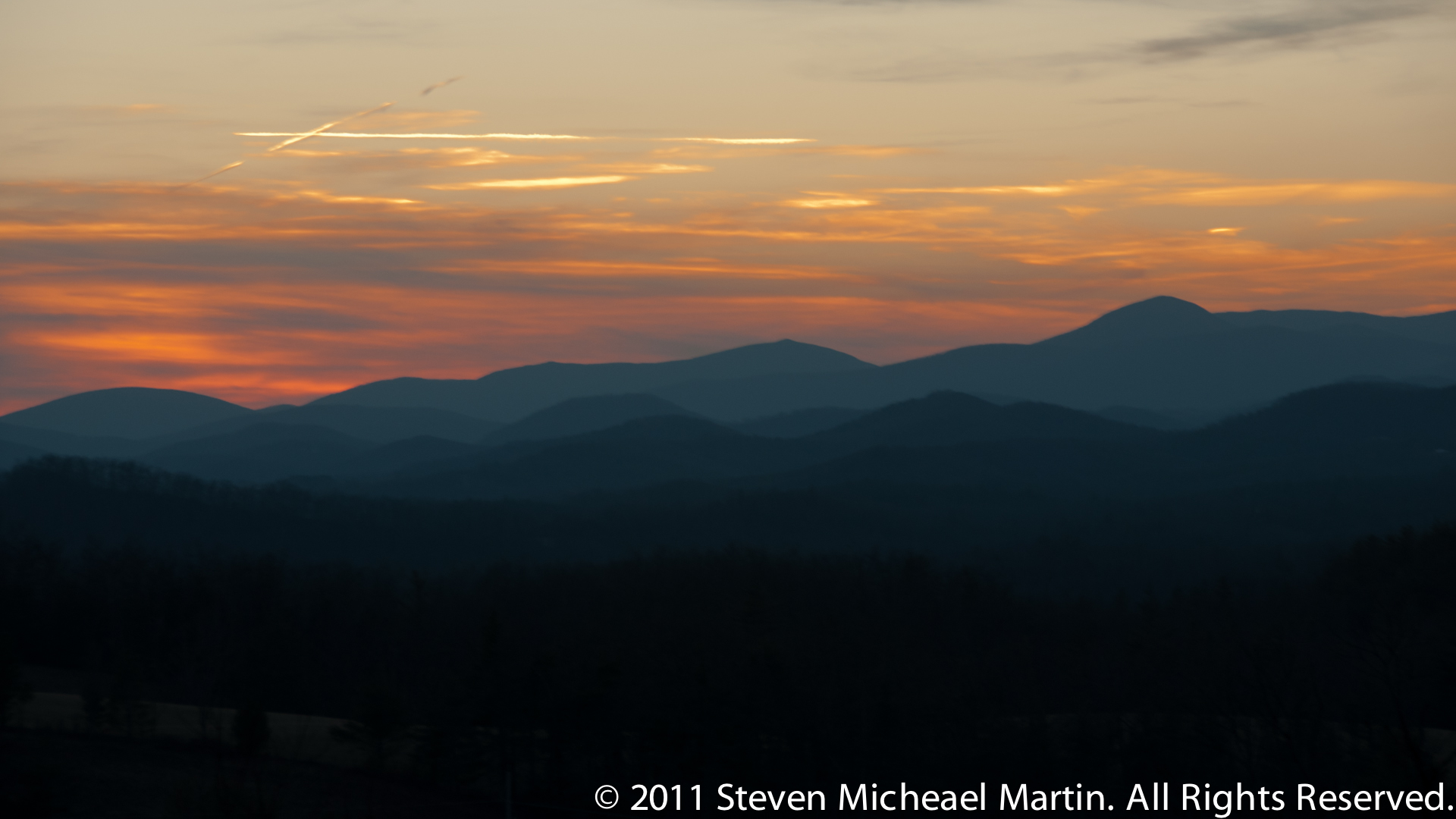
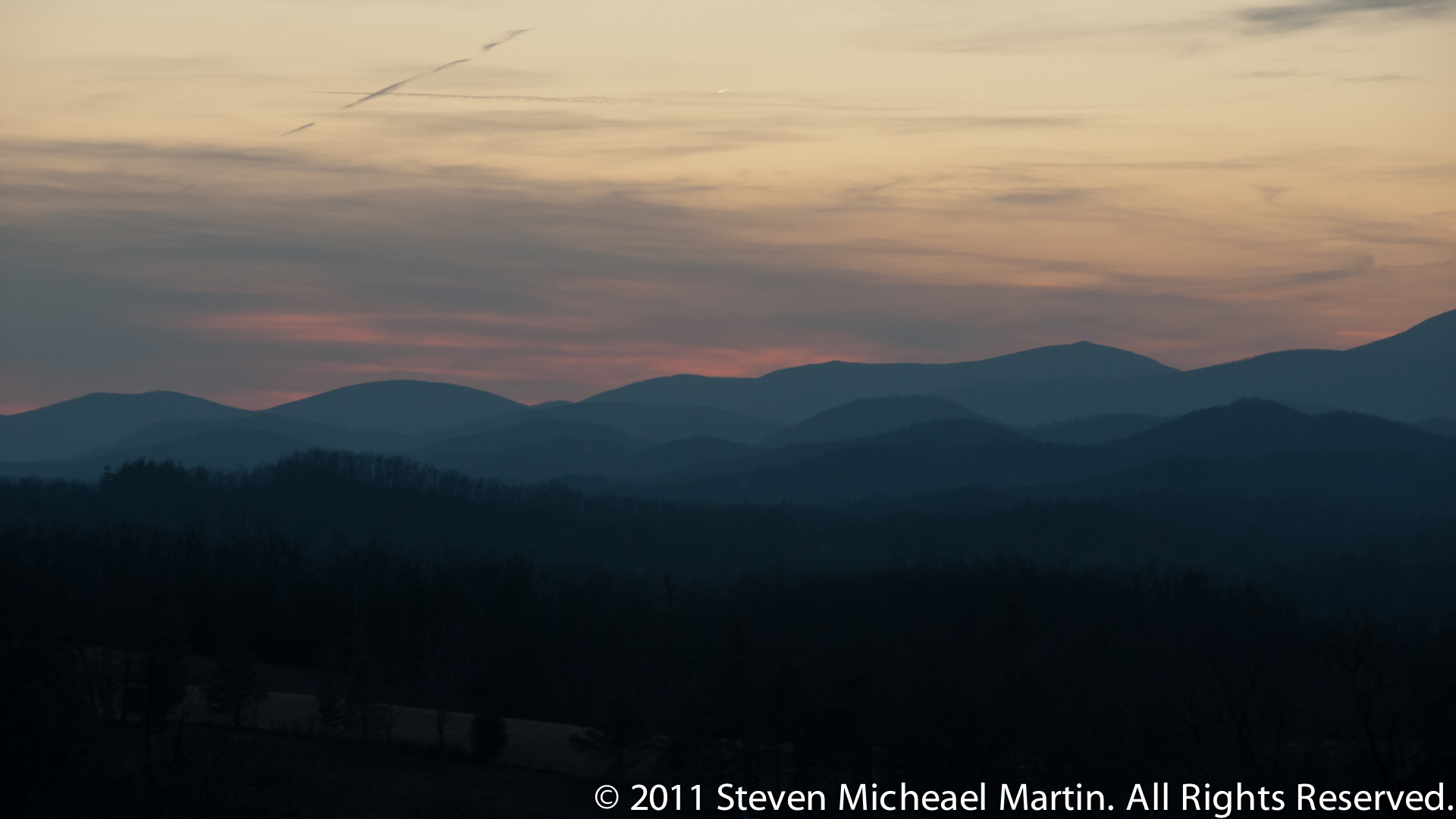
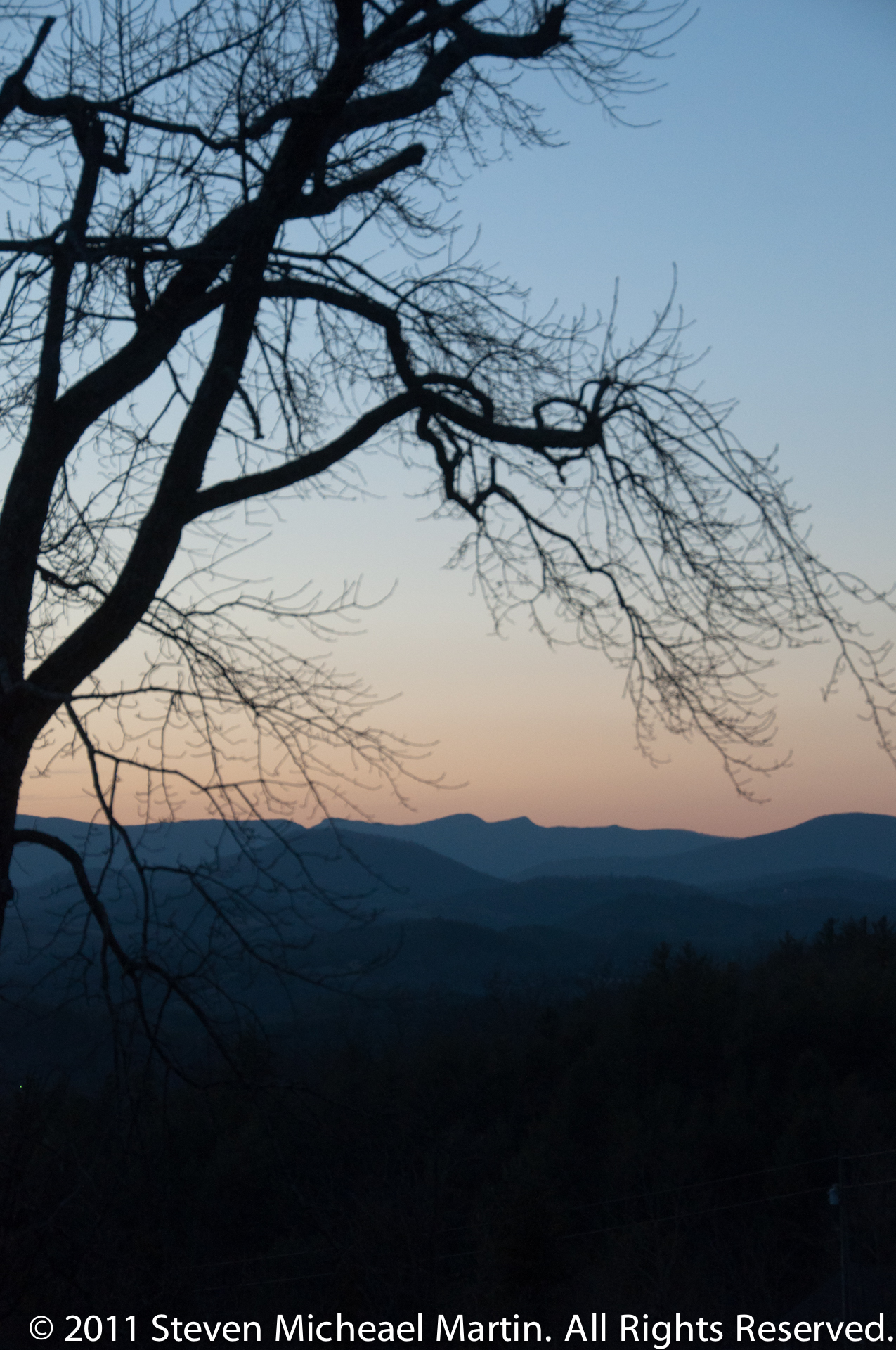
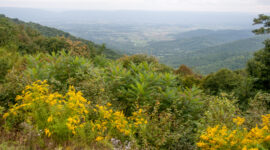
The Blue Ridge Parkway follows the crest of the Appalachian Mountains, a landscape shaped by some of the oldest geological formations in North America. The rolling ridgelines, forested slopes, and expansive vistas illustrate the environmental conditions encountered by early European settlers as they moved inland from the Atlantic coast. These mountain corridors influenced patterns of migration and settlement across the southeastern United States.
Although geographically distant from Louisiana, the Appalachian region forms part of the broader cultural landscape through which European traditions adapted to new environments. Communities in the Appalachian Mountains preserved distinctive musical, linguistic, and folk traditions influenced by European heritage. Similar processes of cultural adaptation occurred among Acadian settlers who later established communities in Louisiana following the Great Deportation.
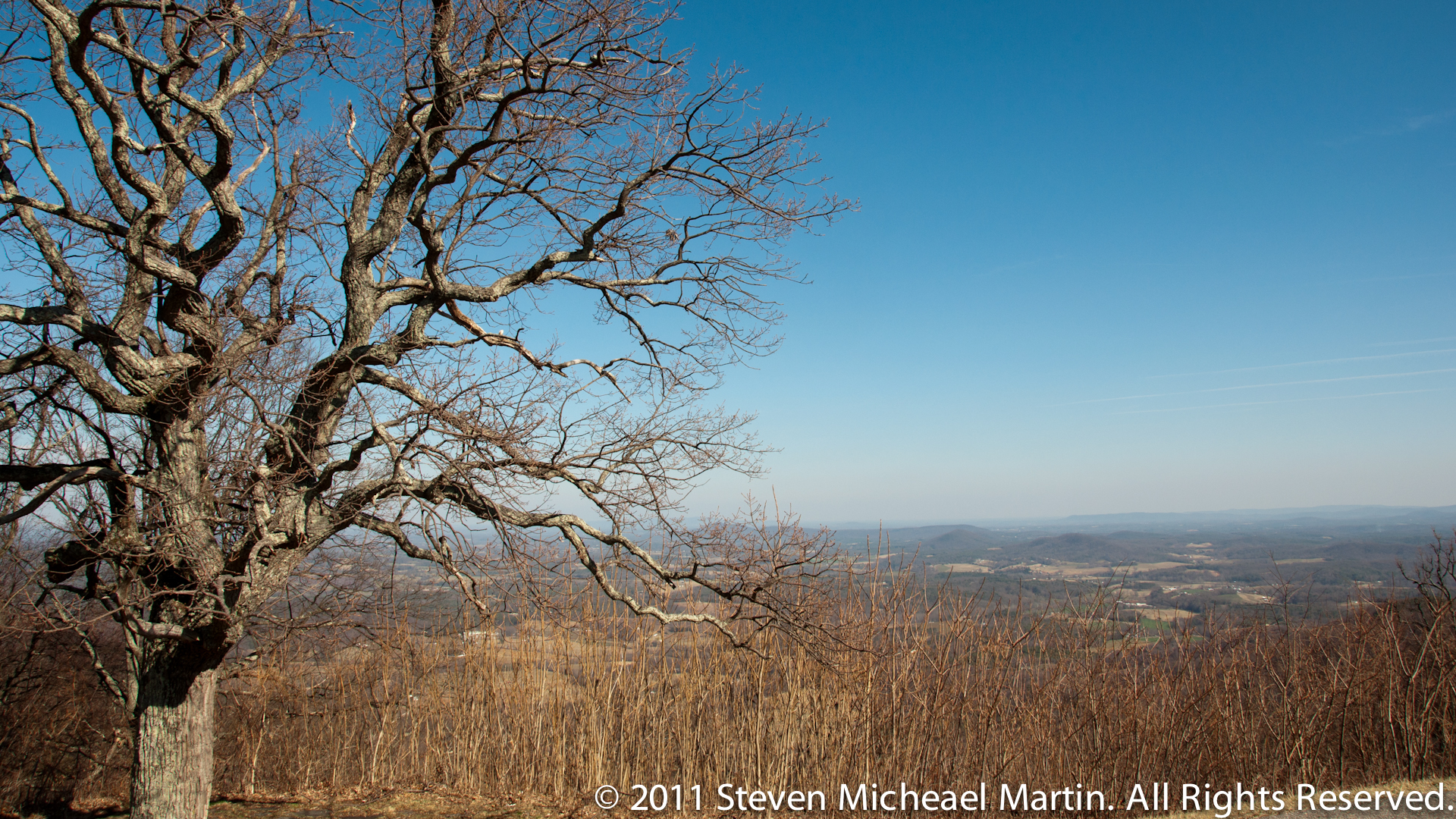
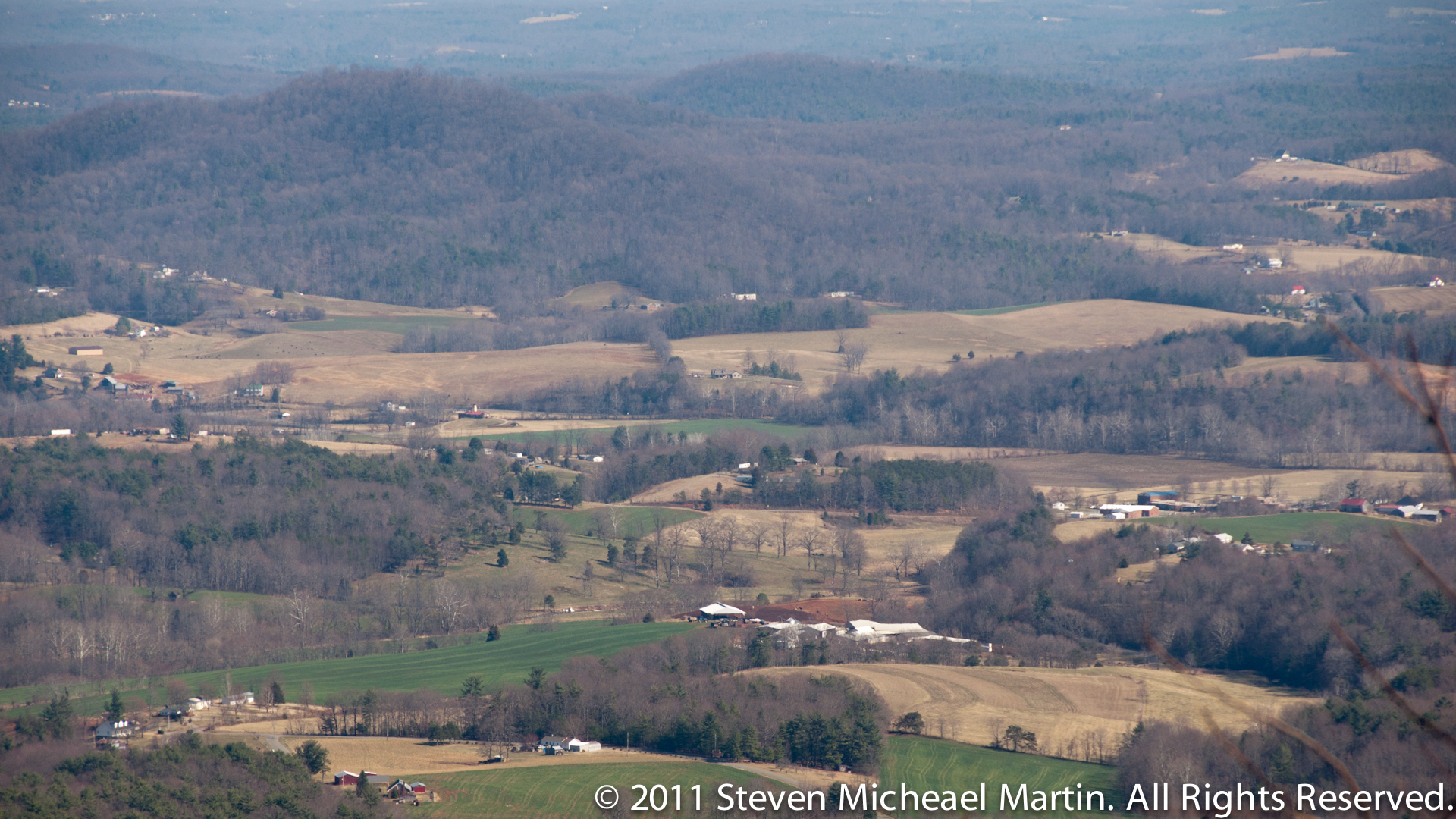
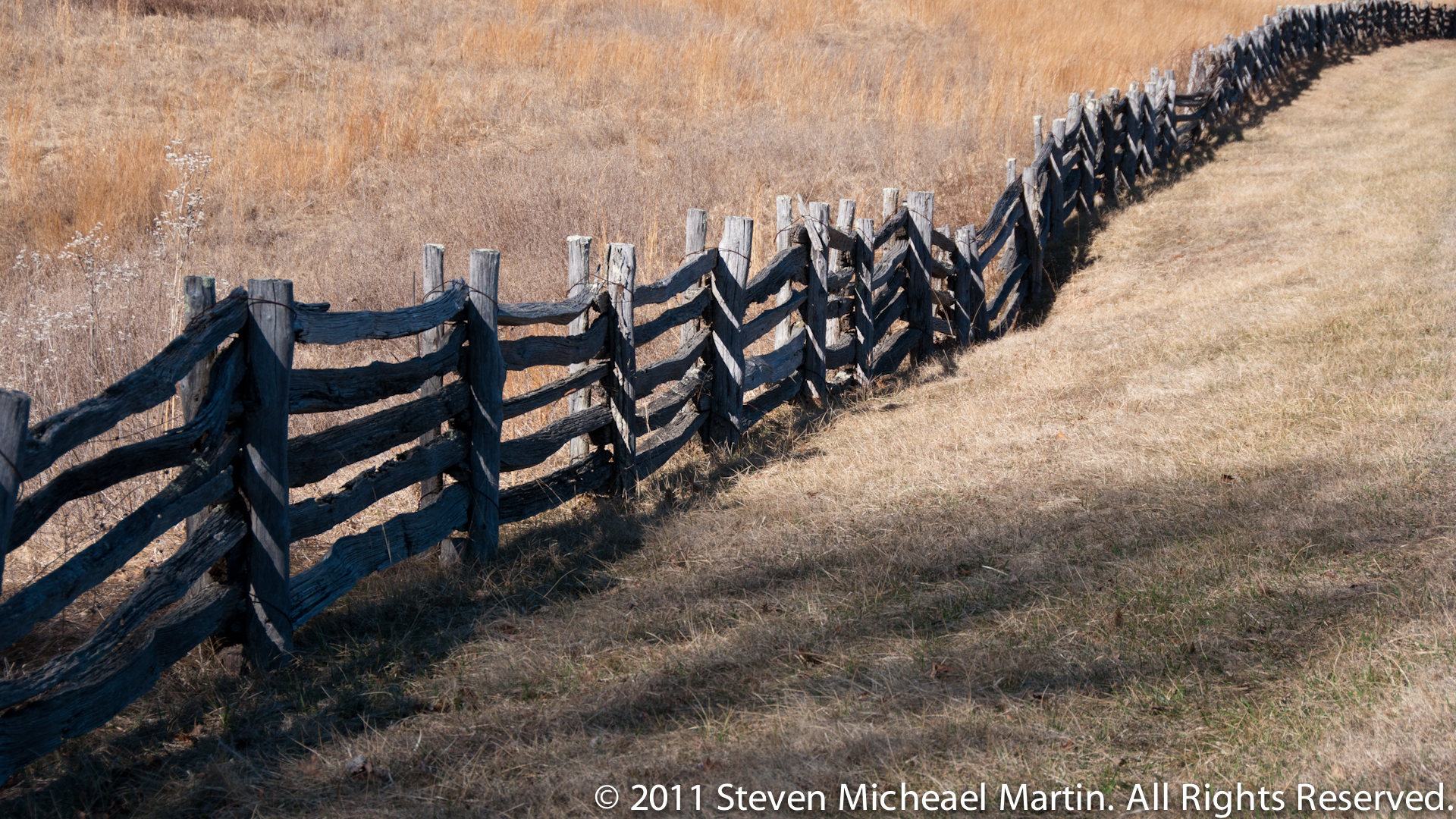
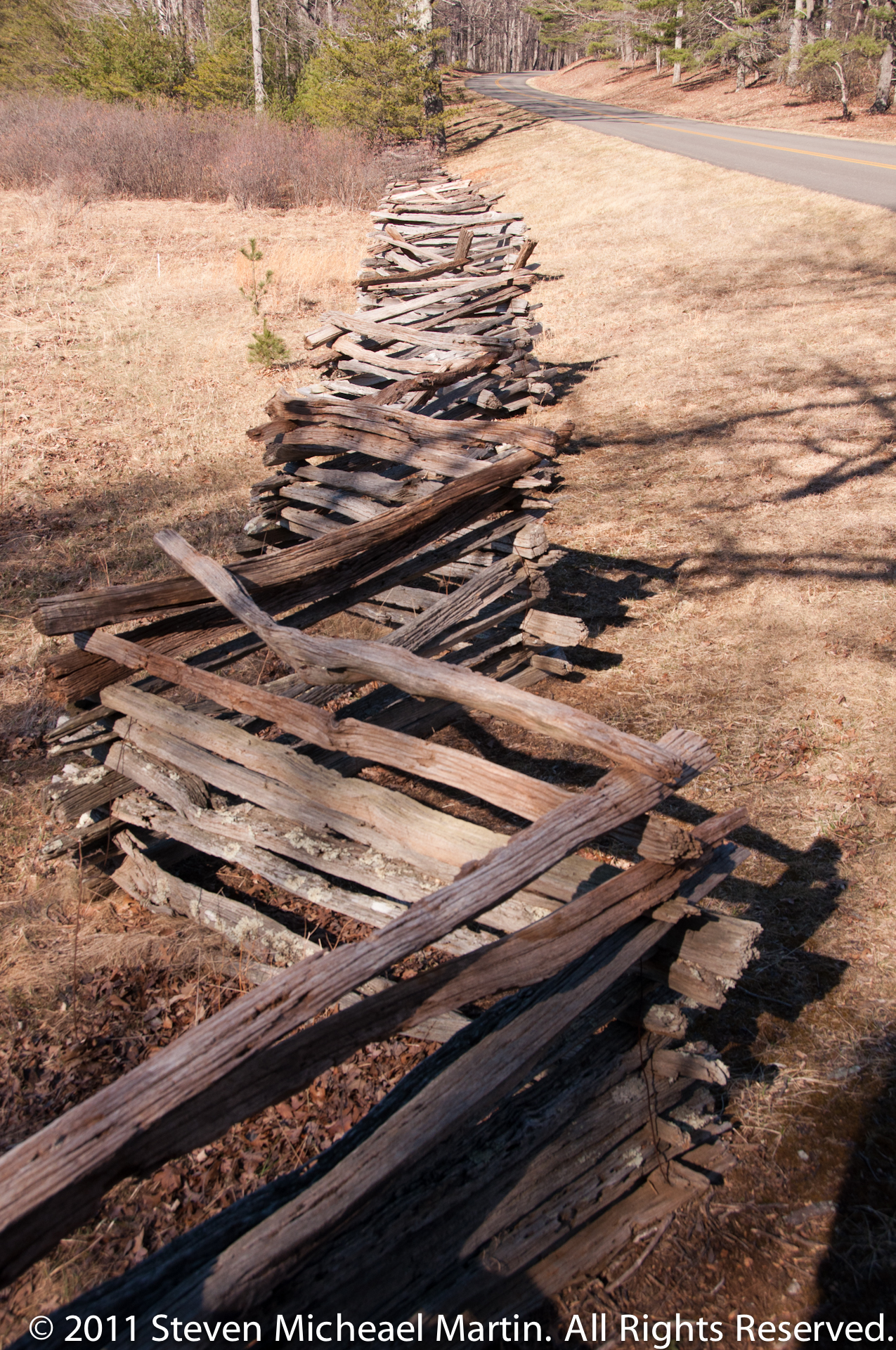
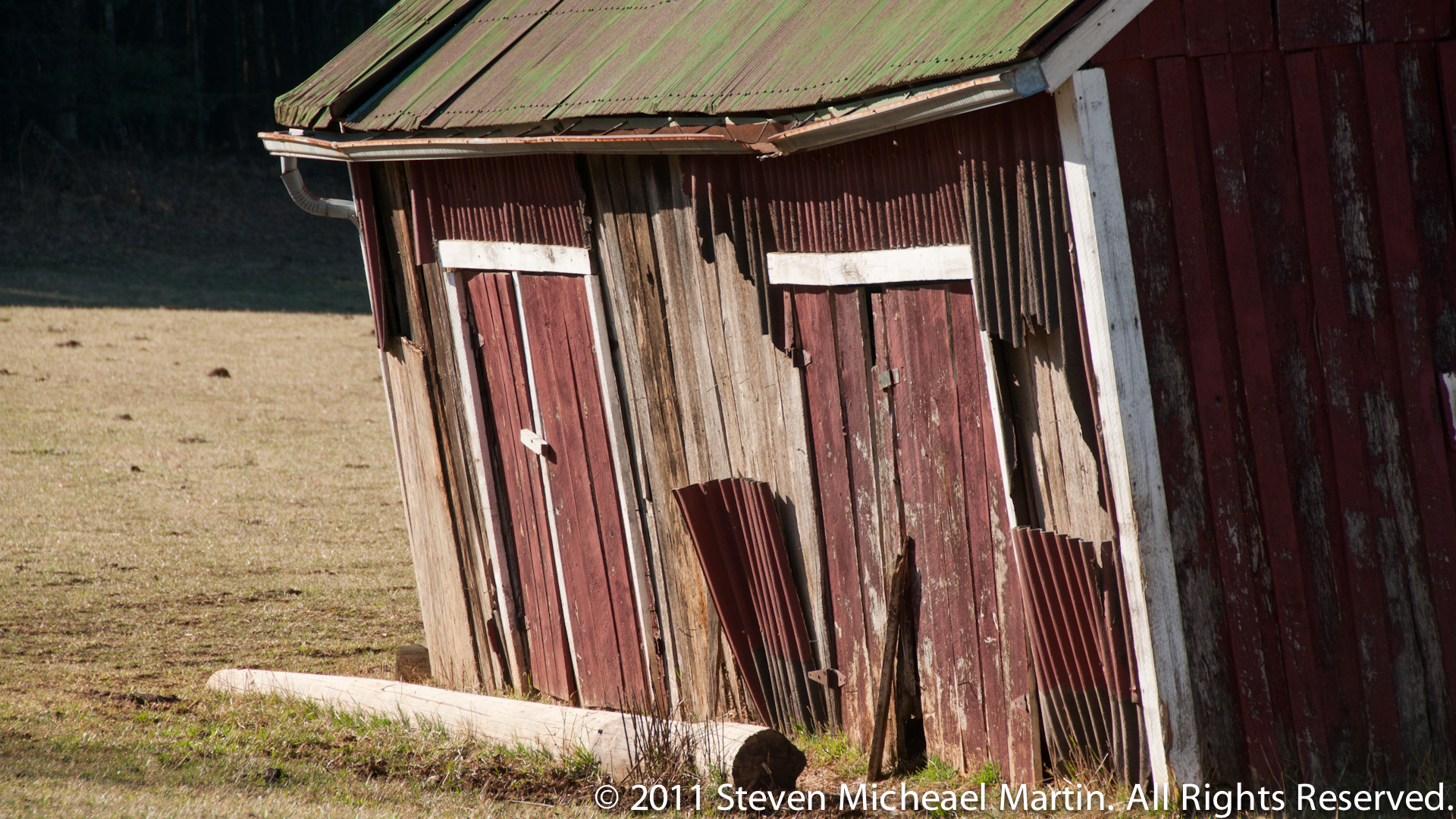
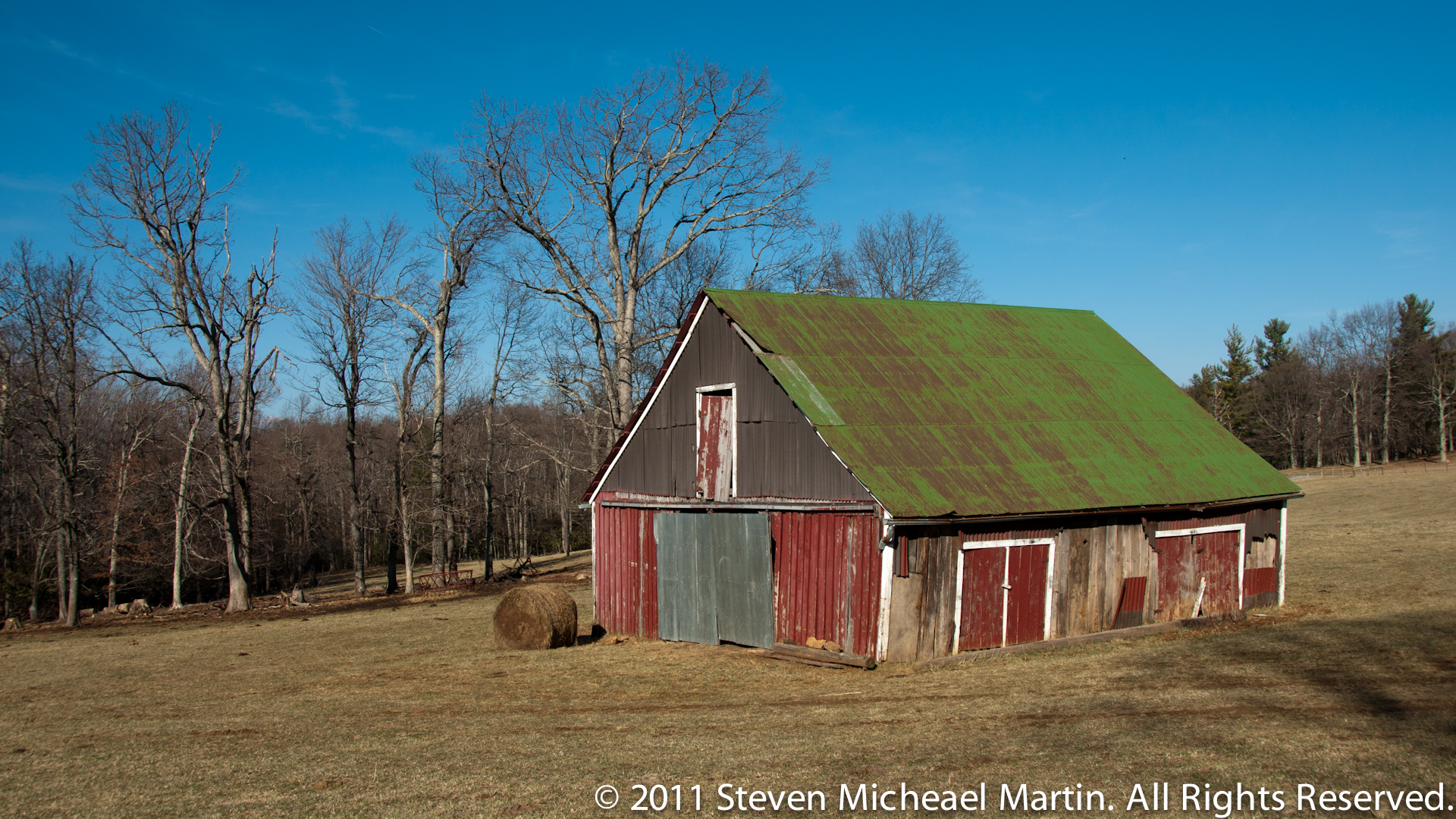
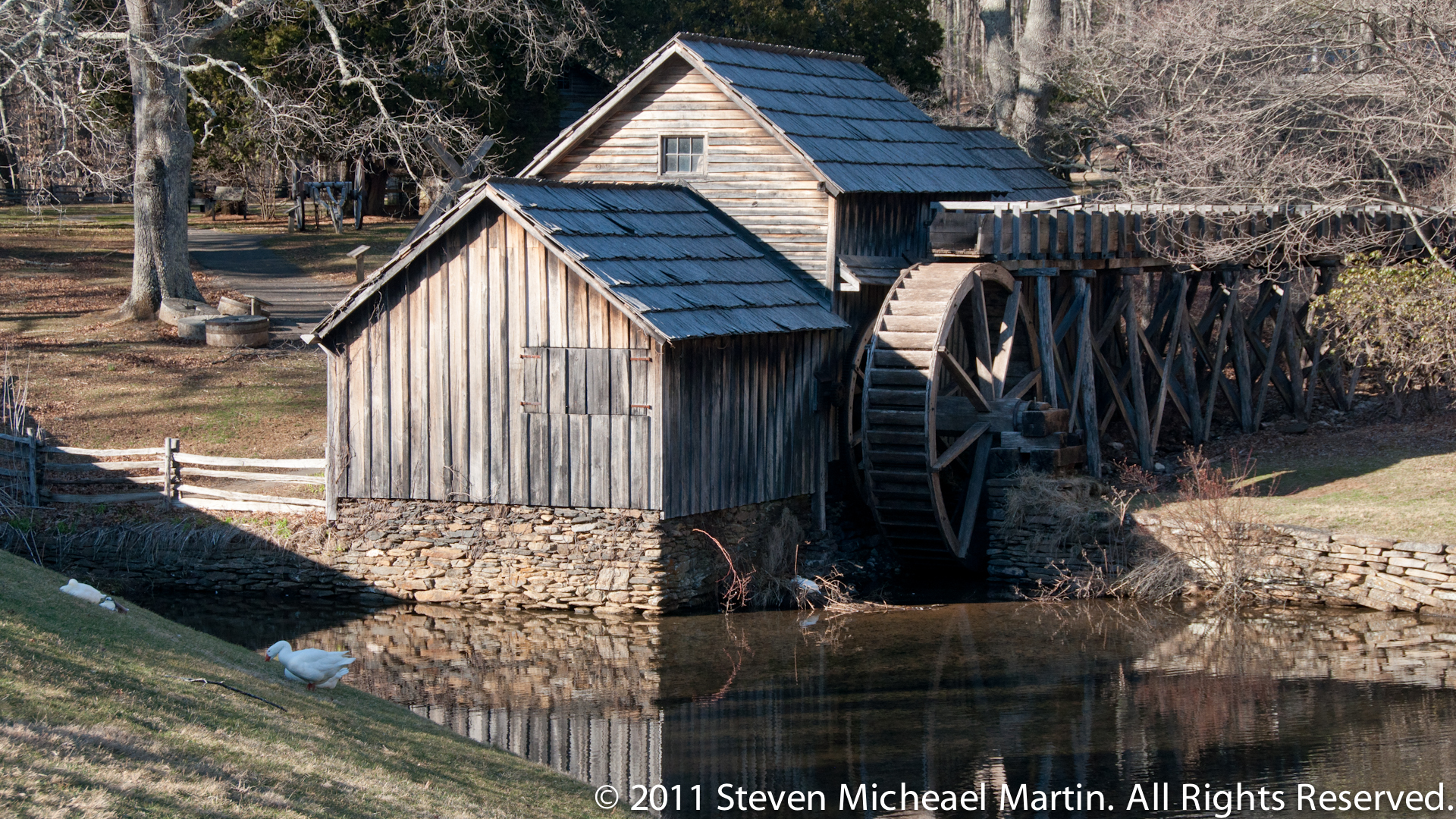
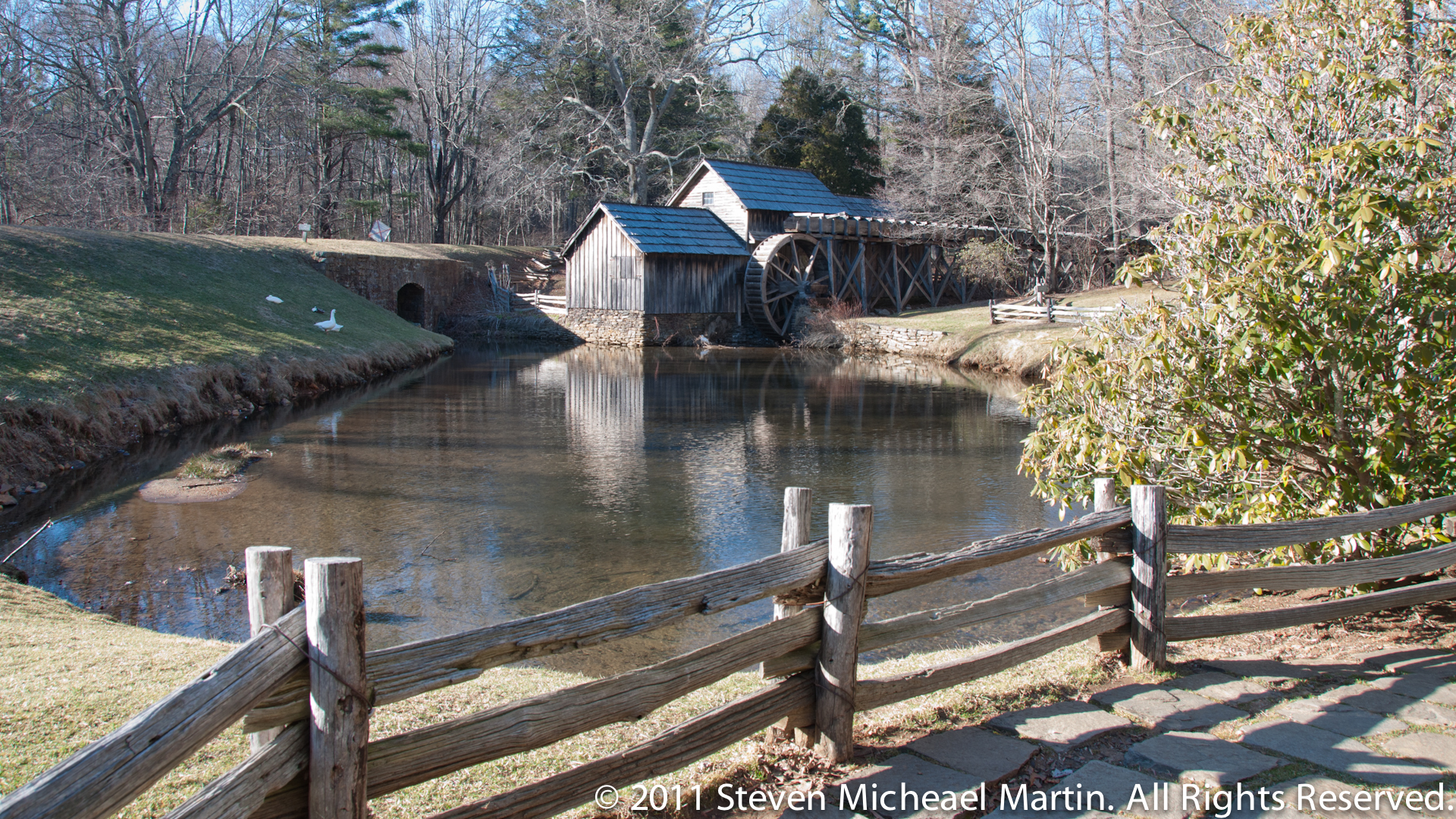
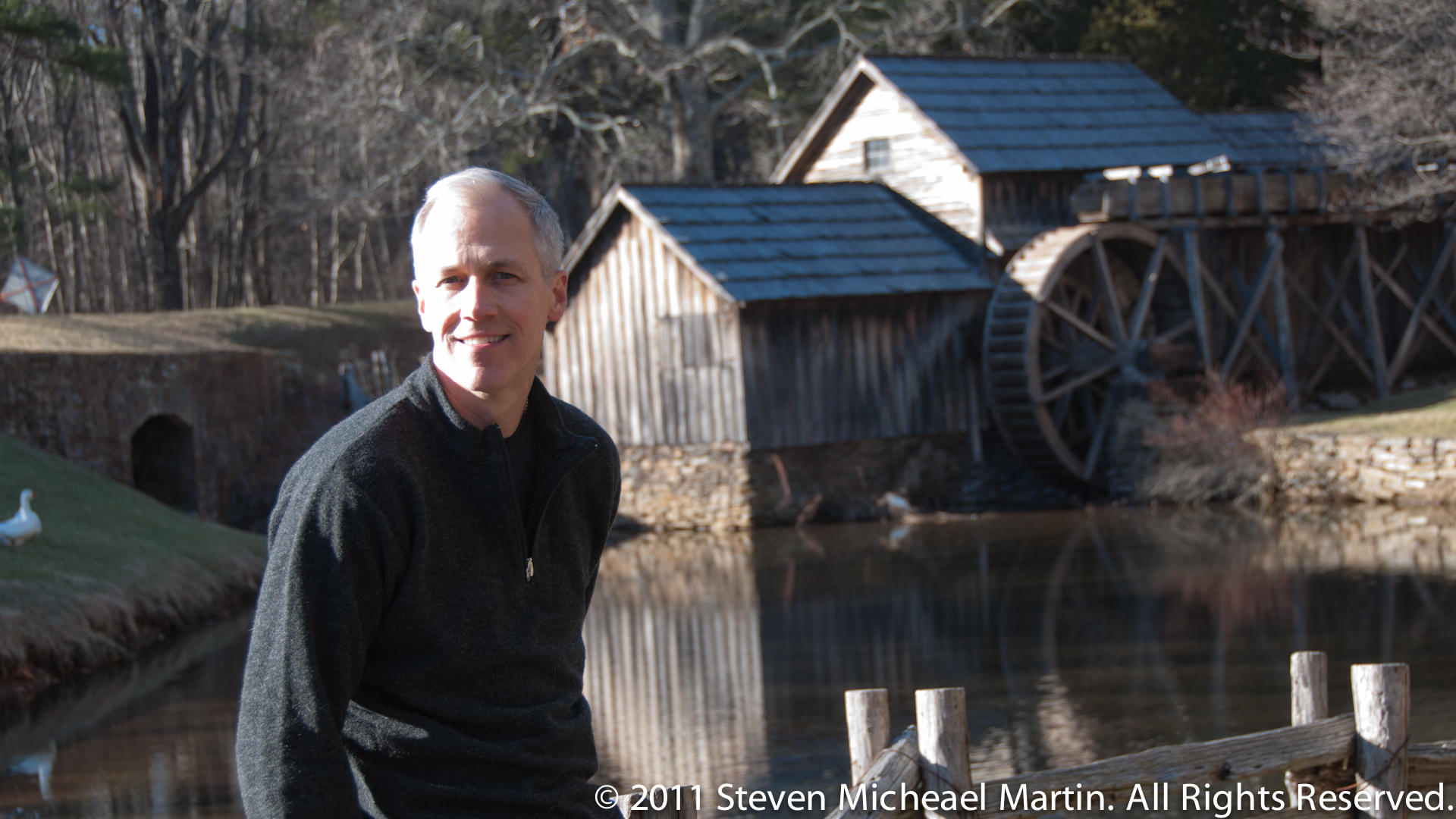
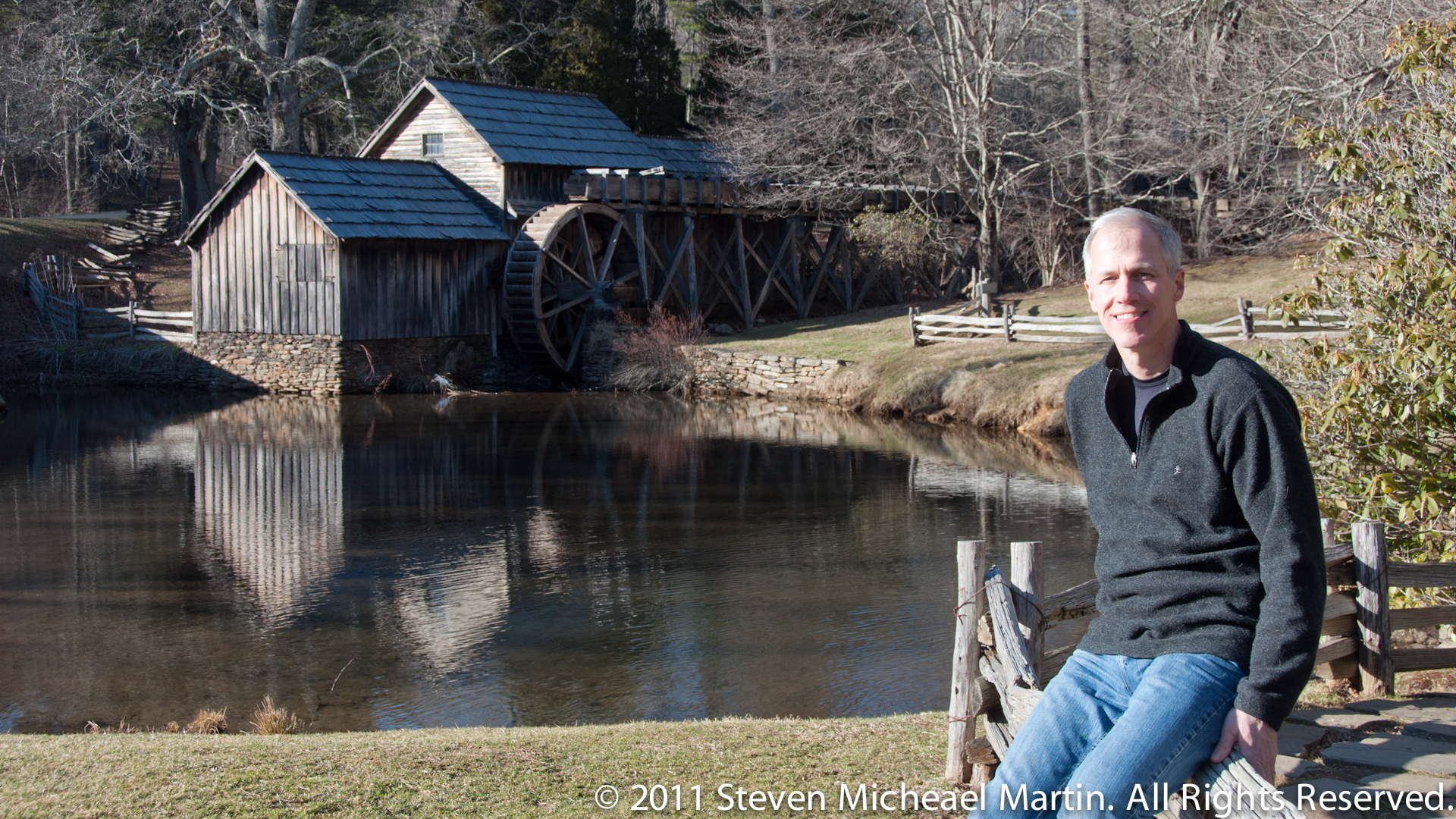
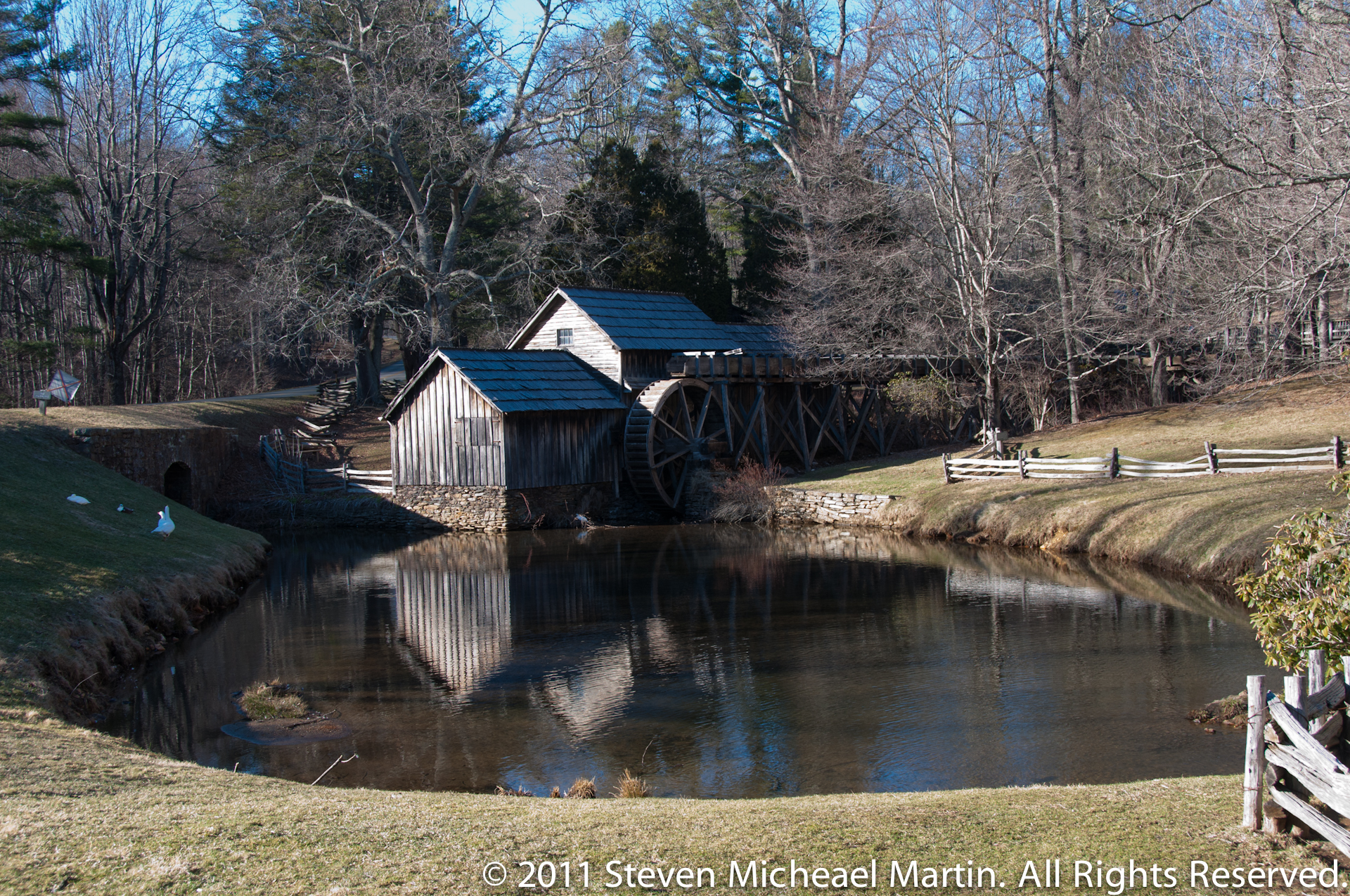
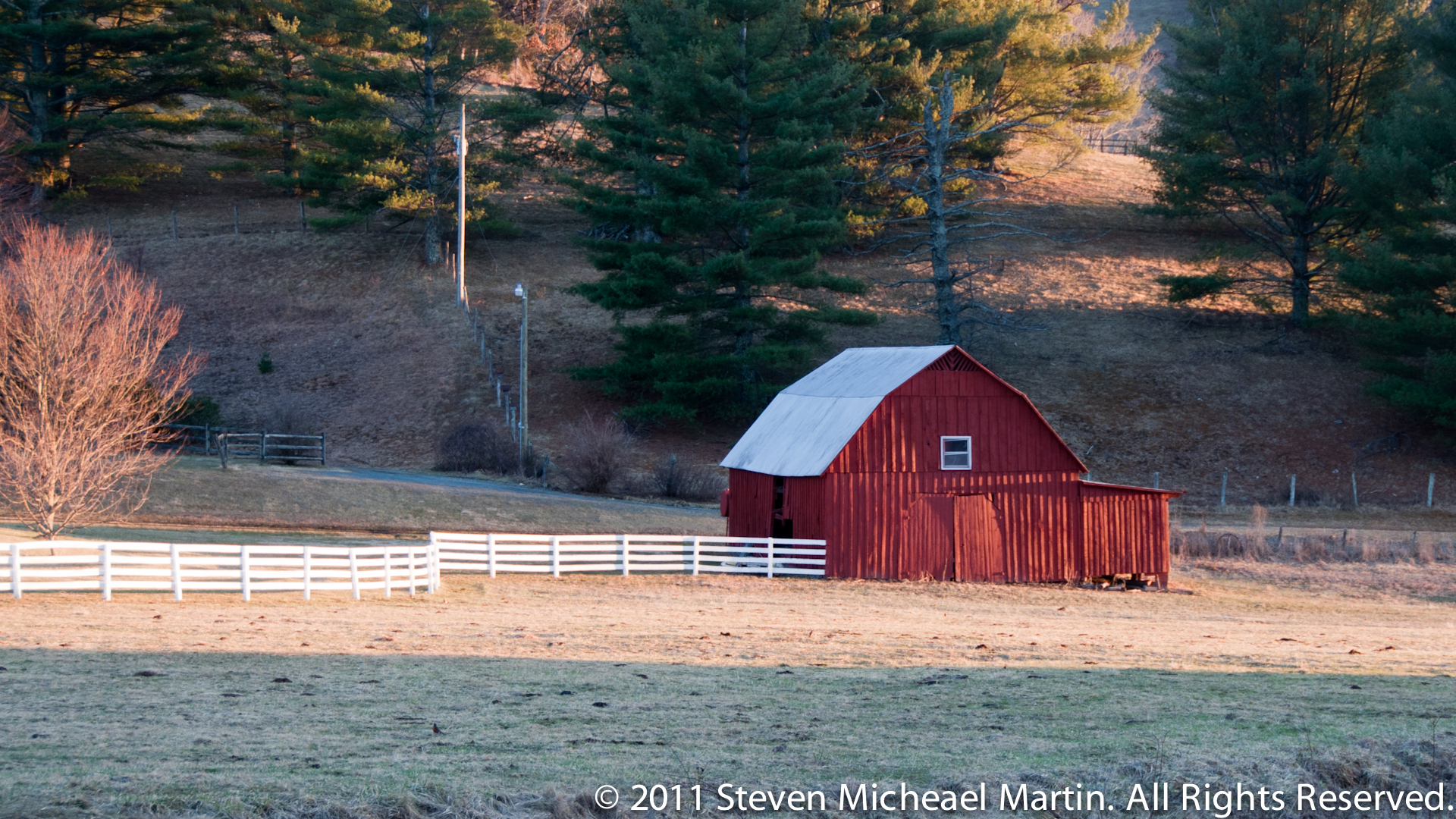
Today, the Blue Ridge Parkway offers a visual introduction to the natural environments that shaped early American migration routes. The combination of mountain scenery, seasonal foliage, and rural landscapes illustrates how geography influenced cultural development across the eastern United States.