Boston Buildings in Winter
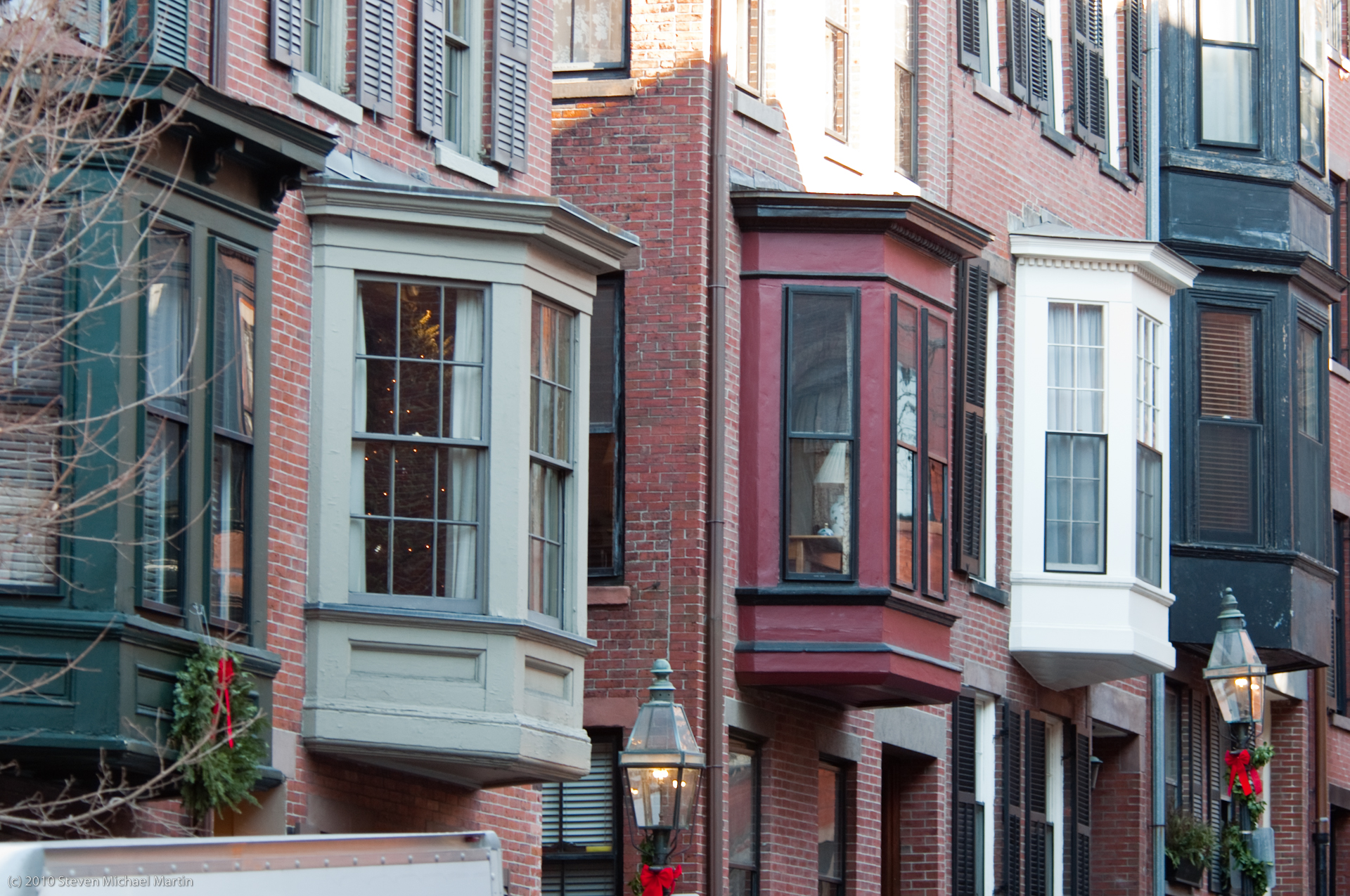
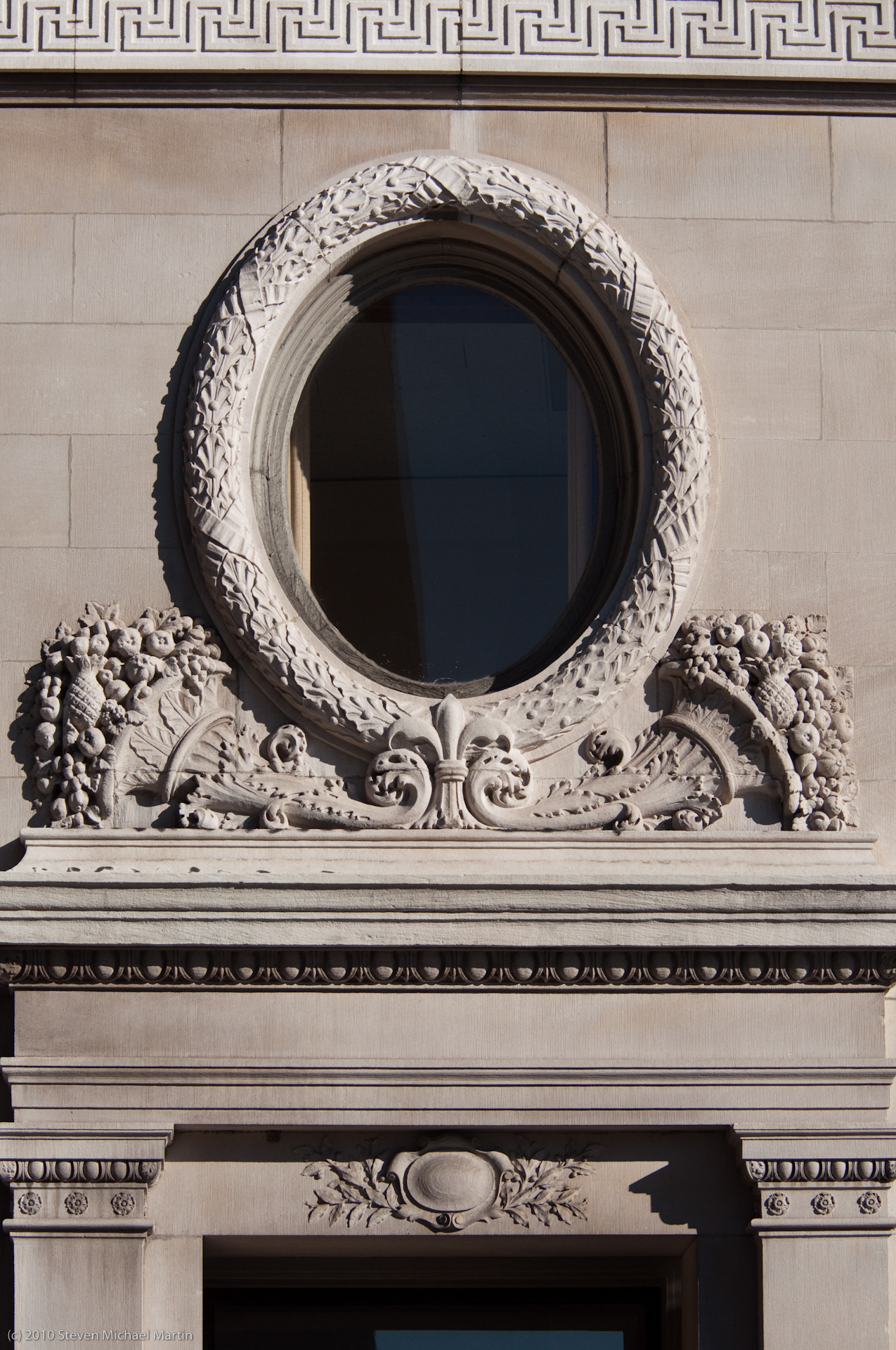
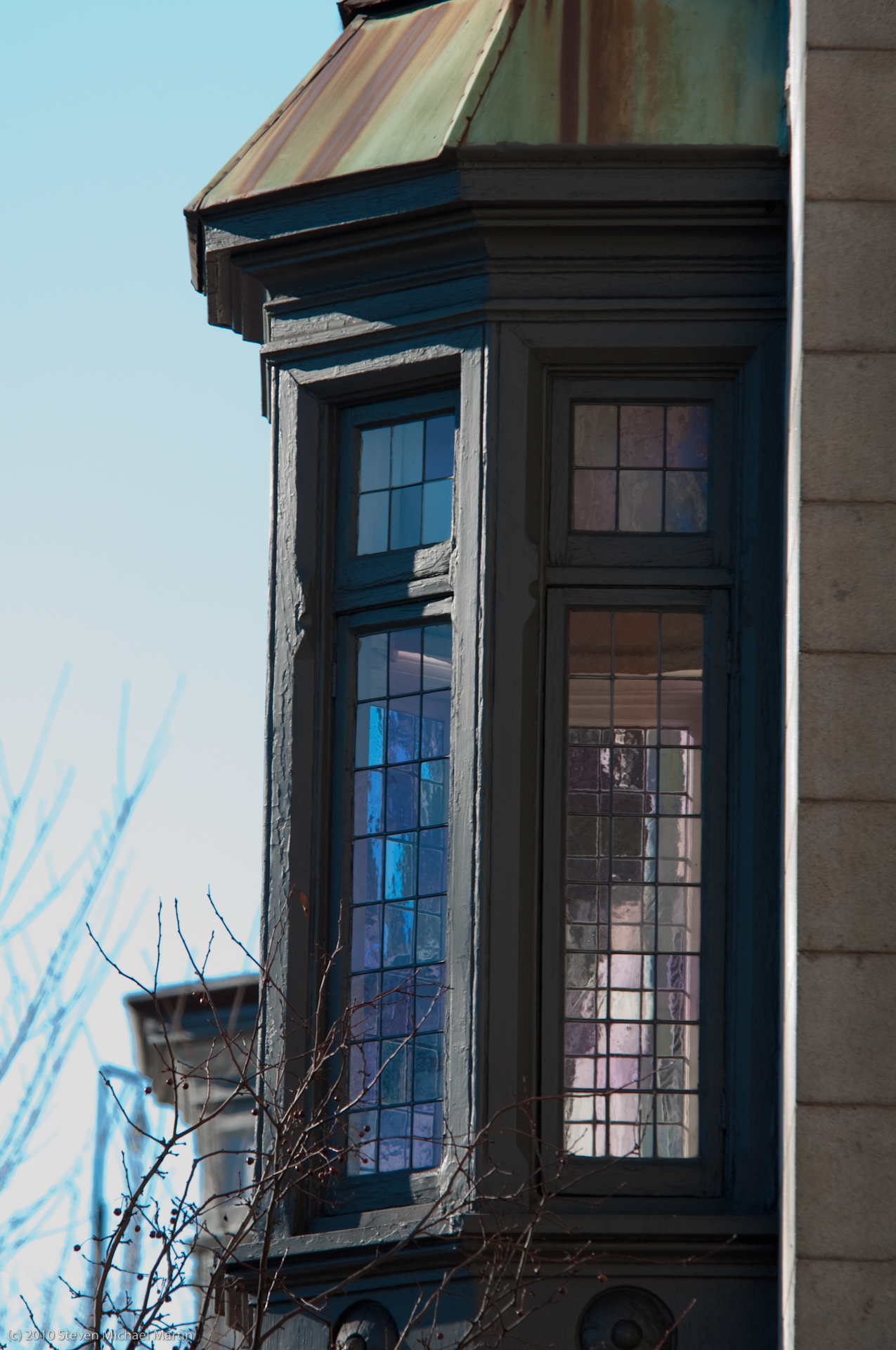
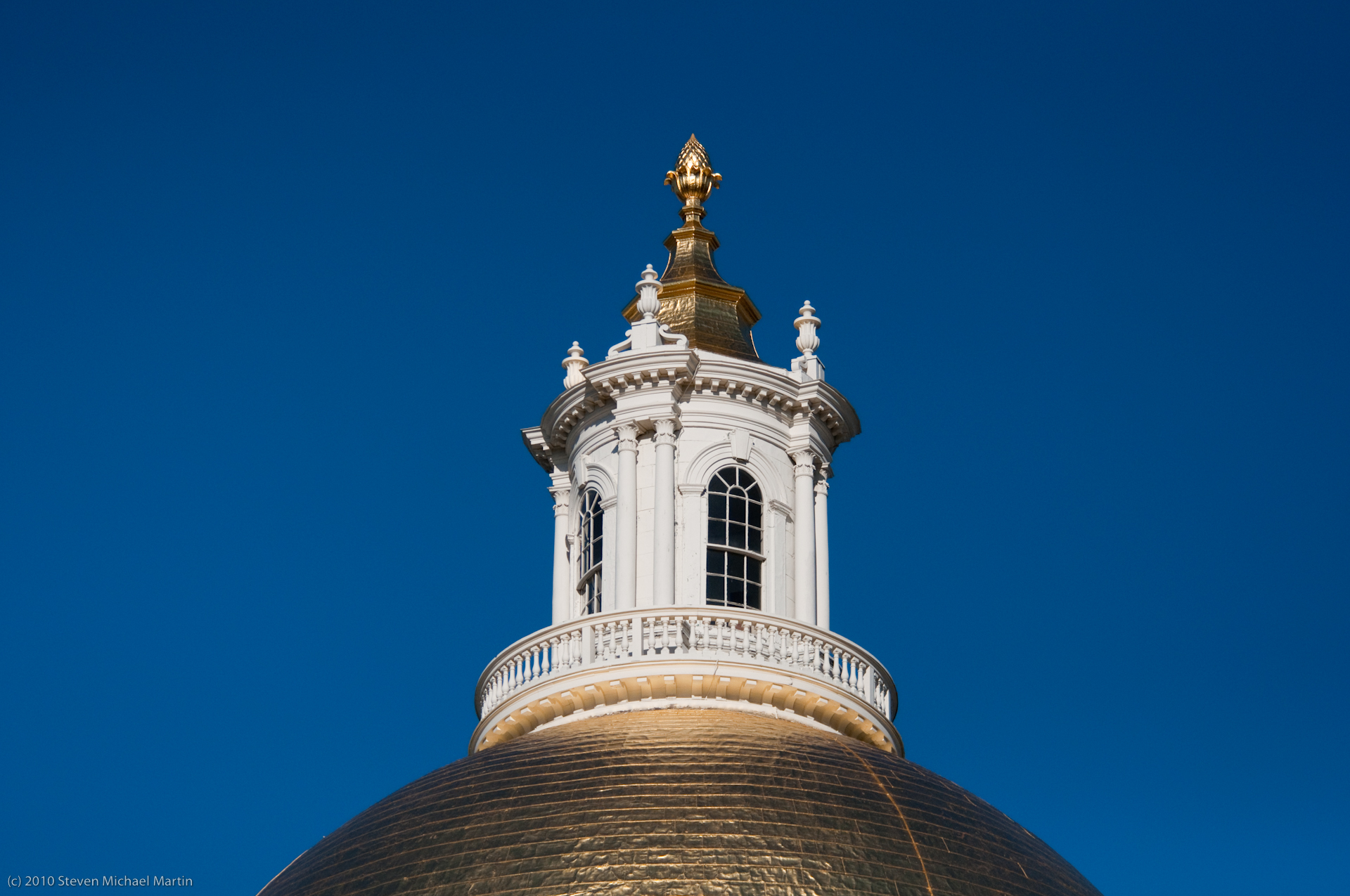
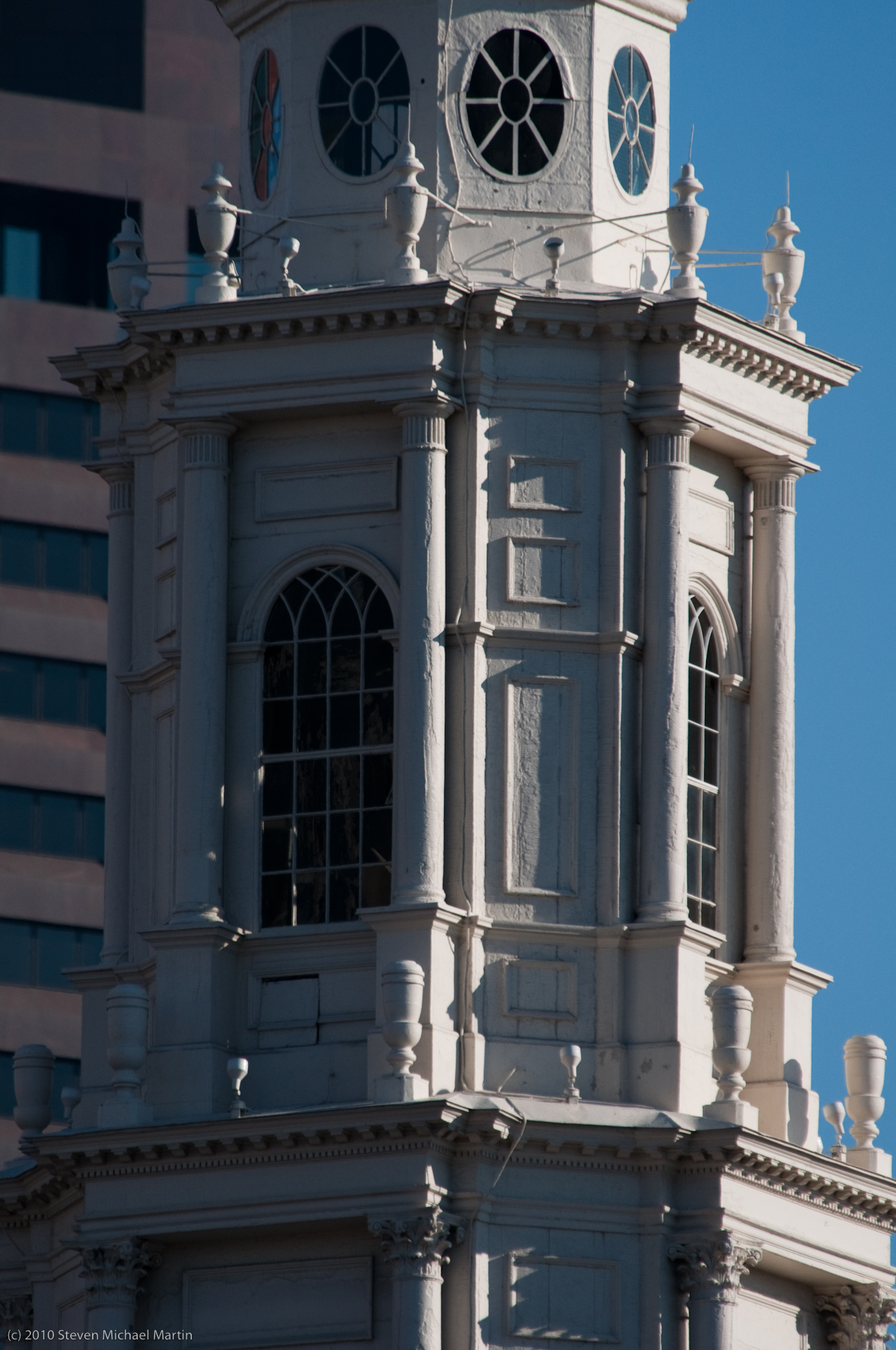
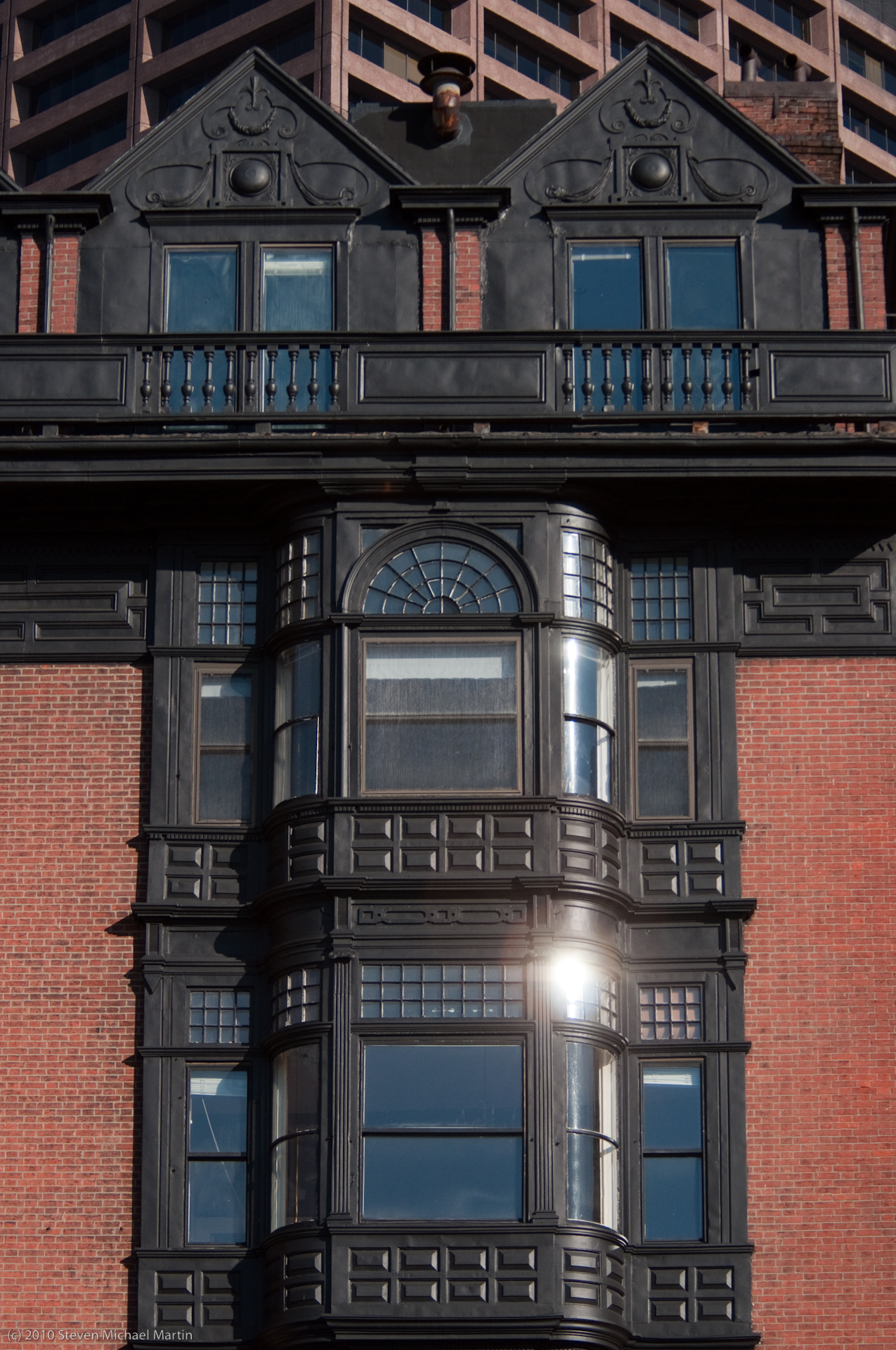
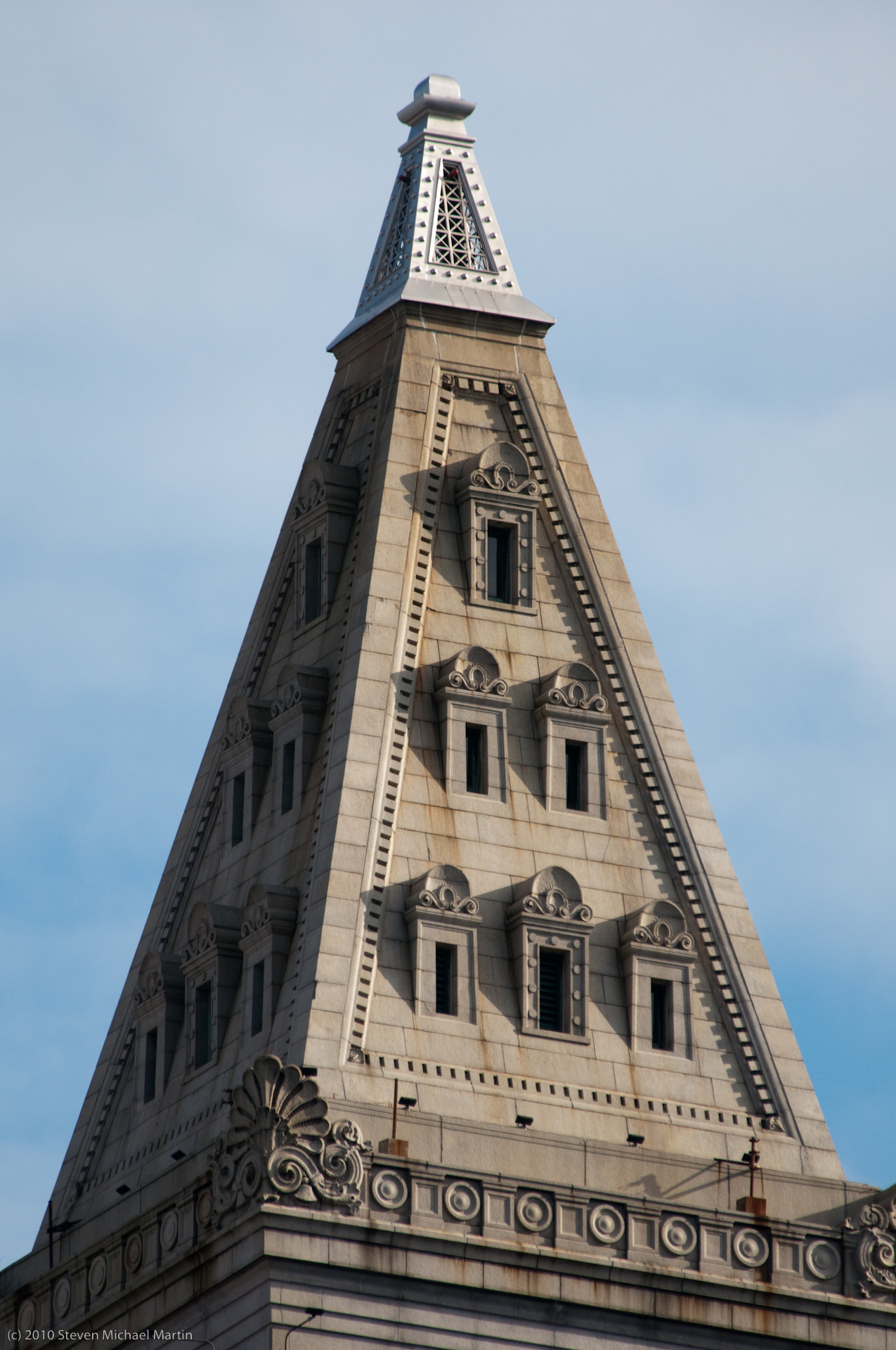
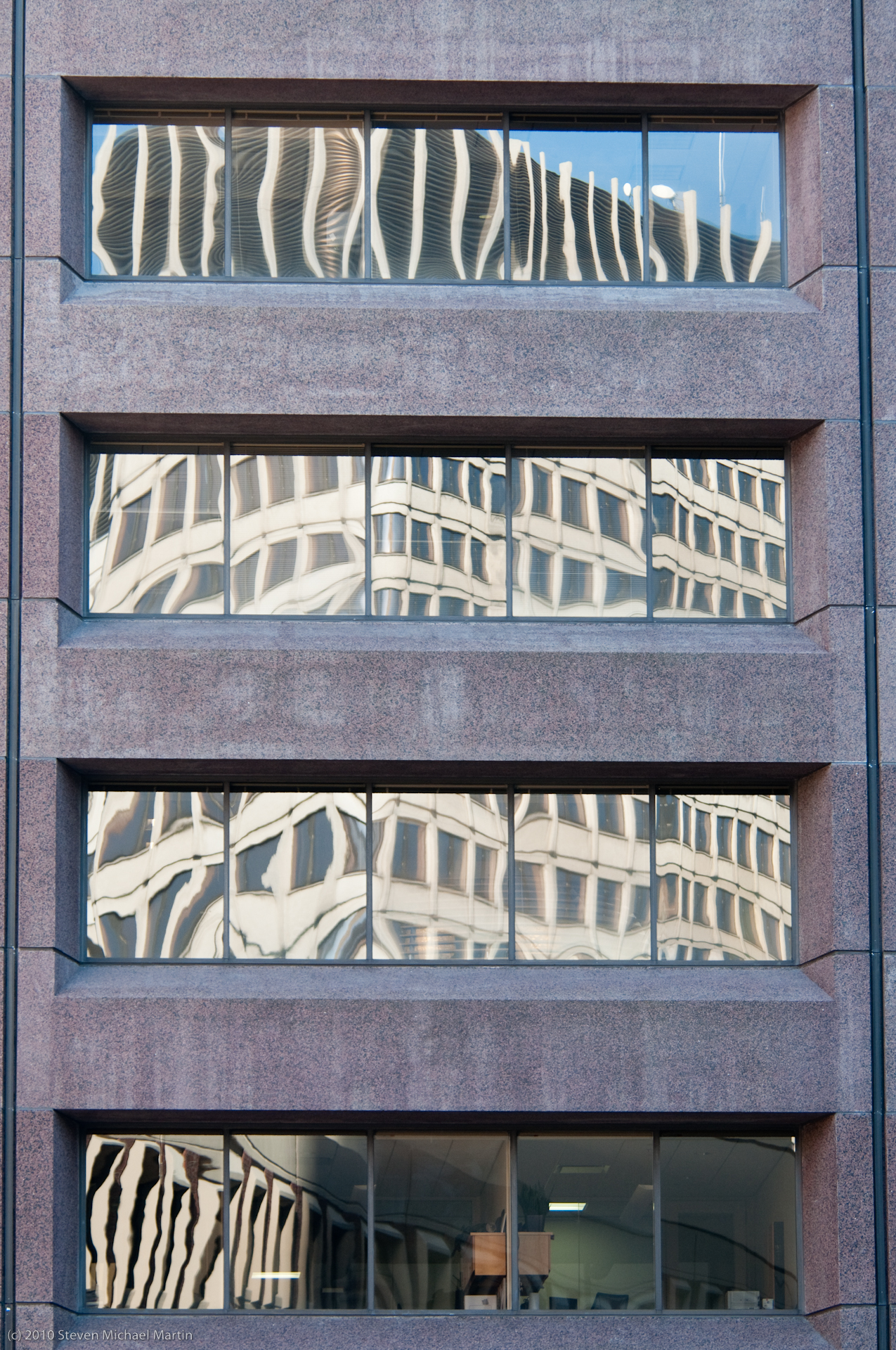
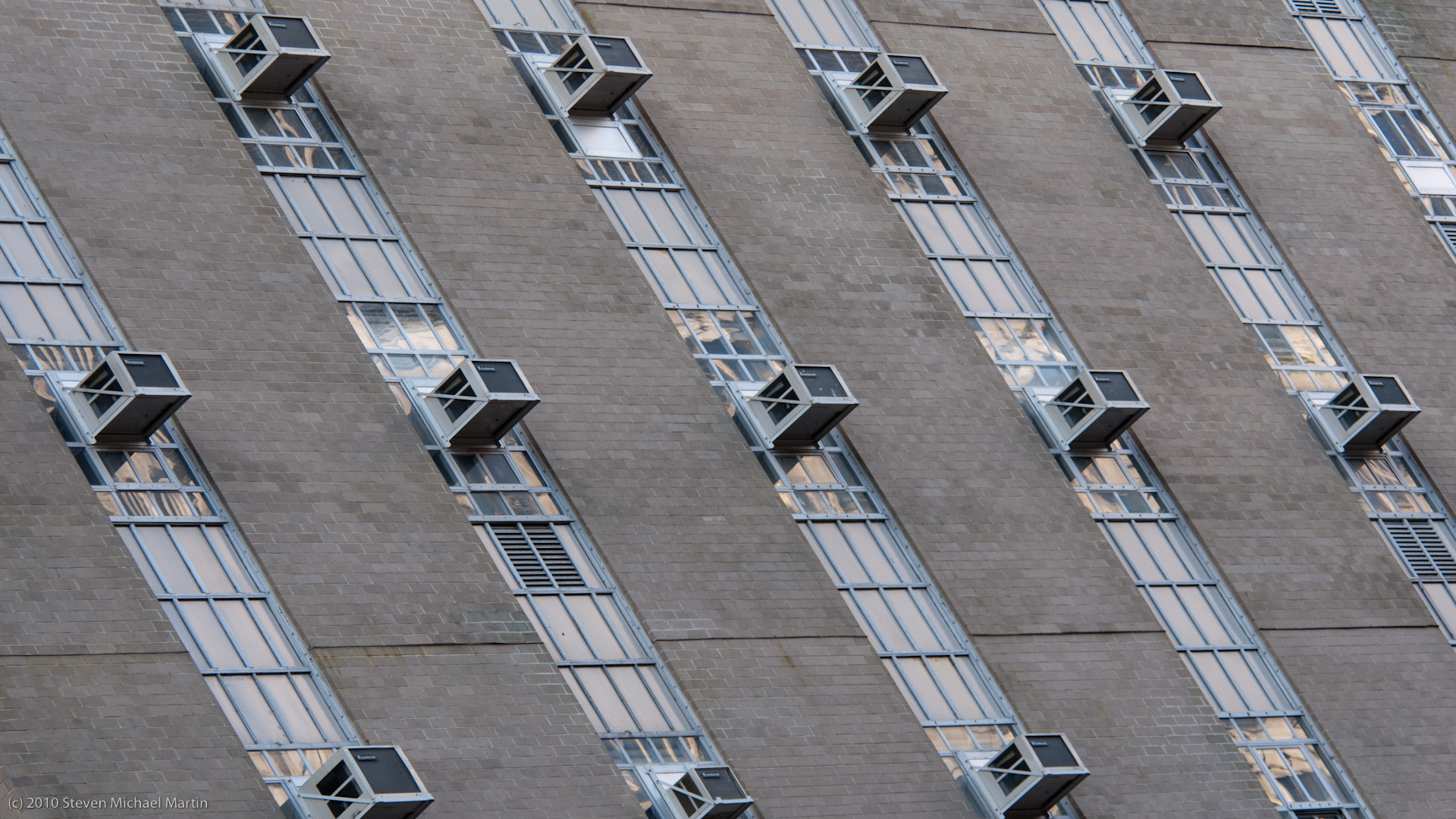
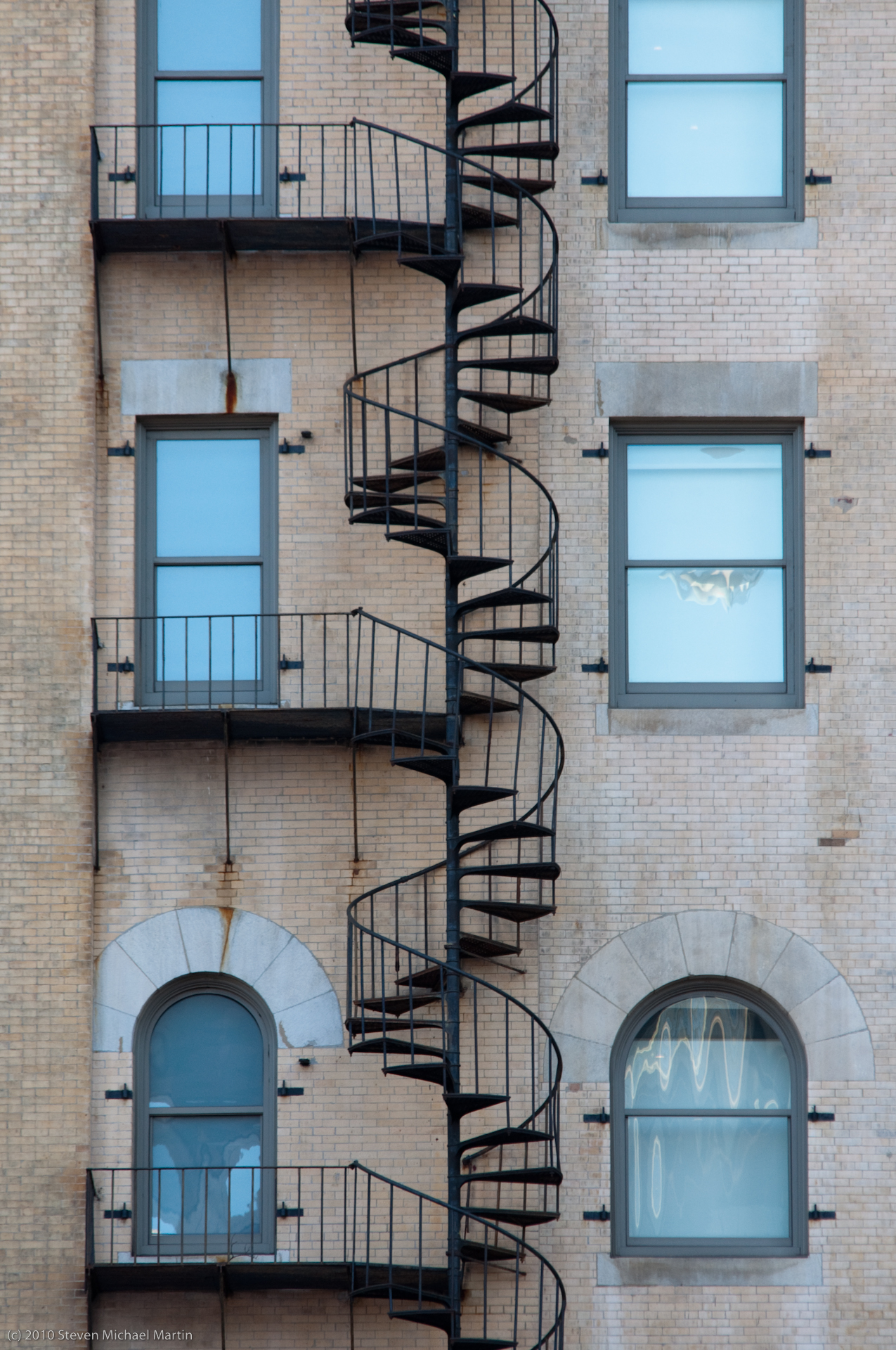
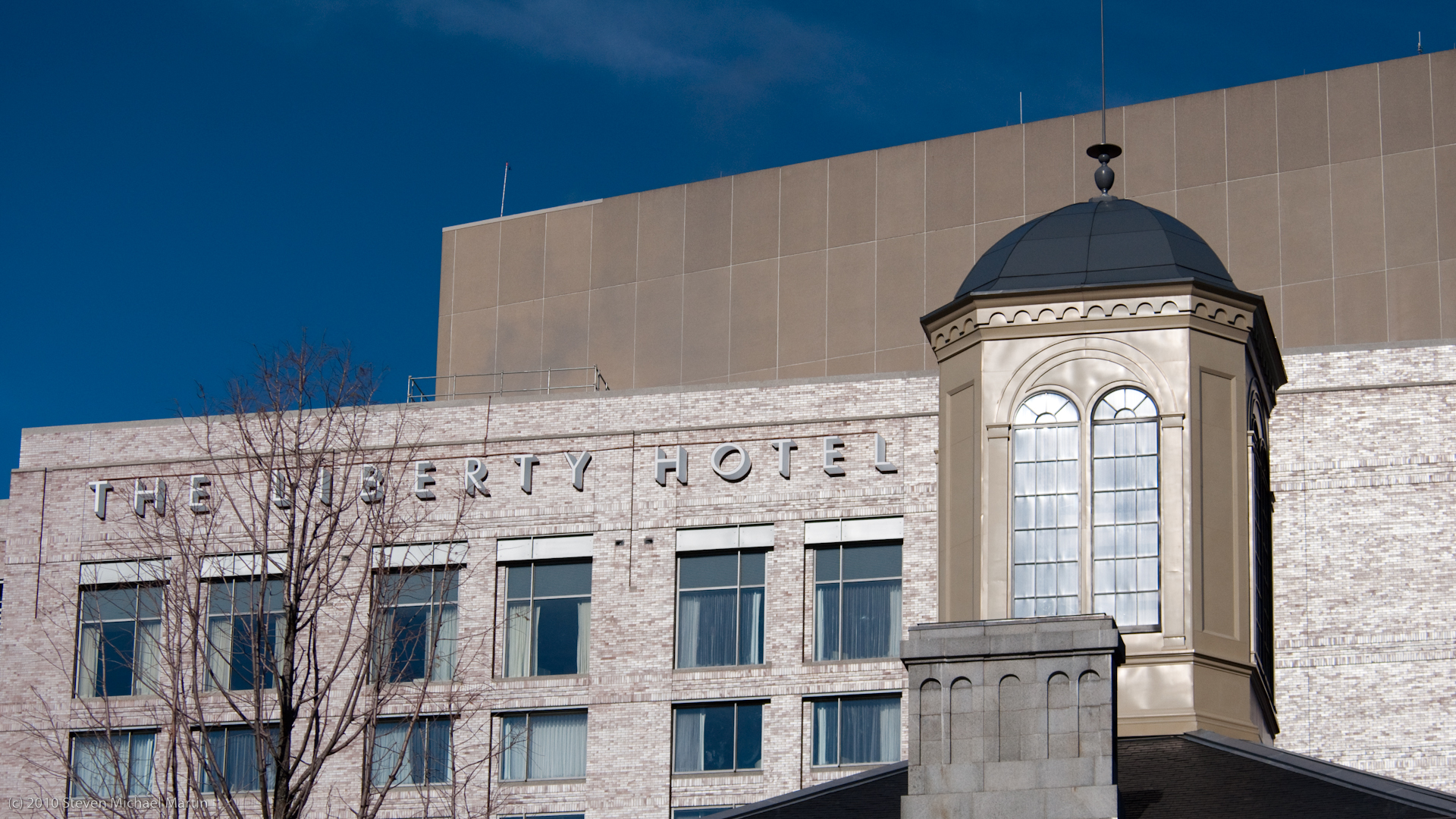
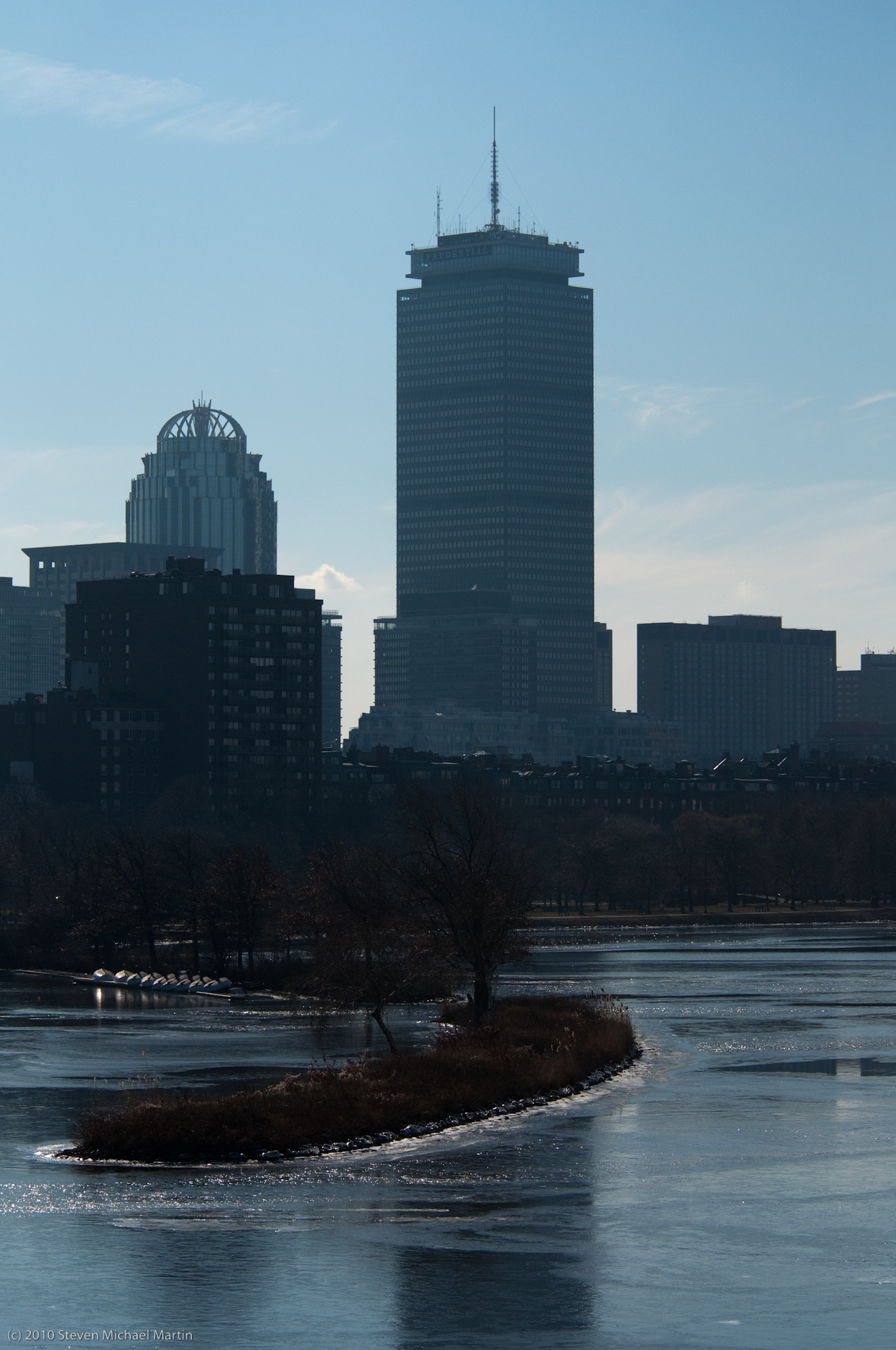
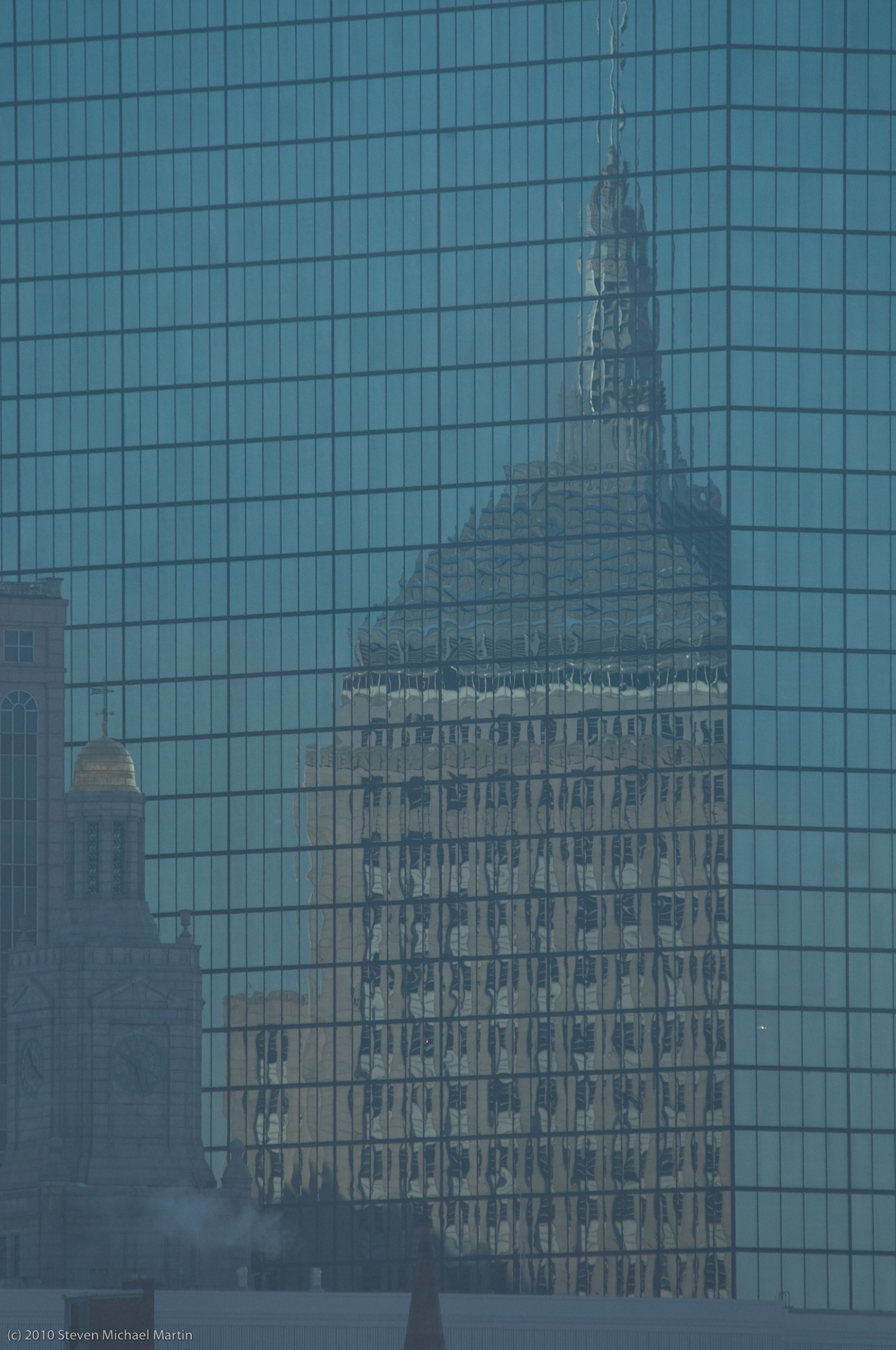
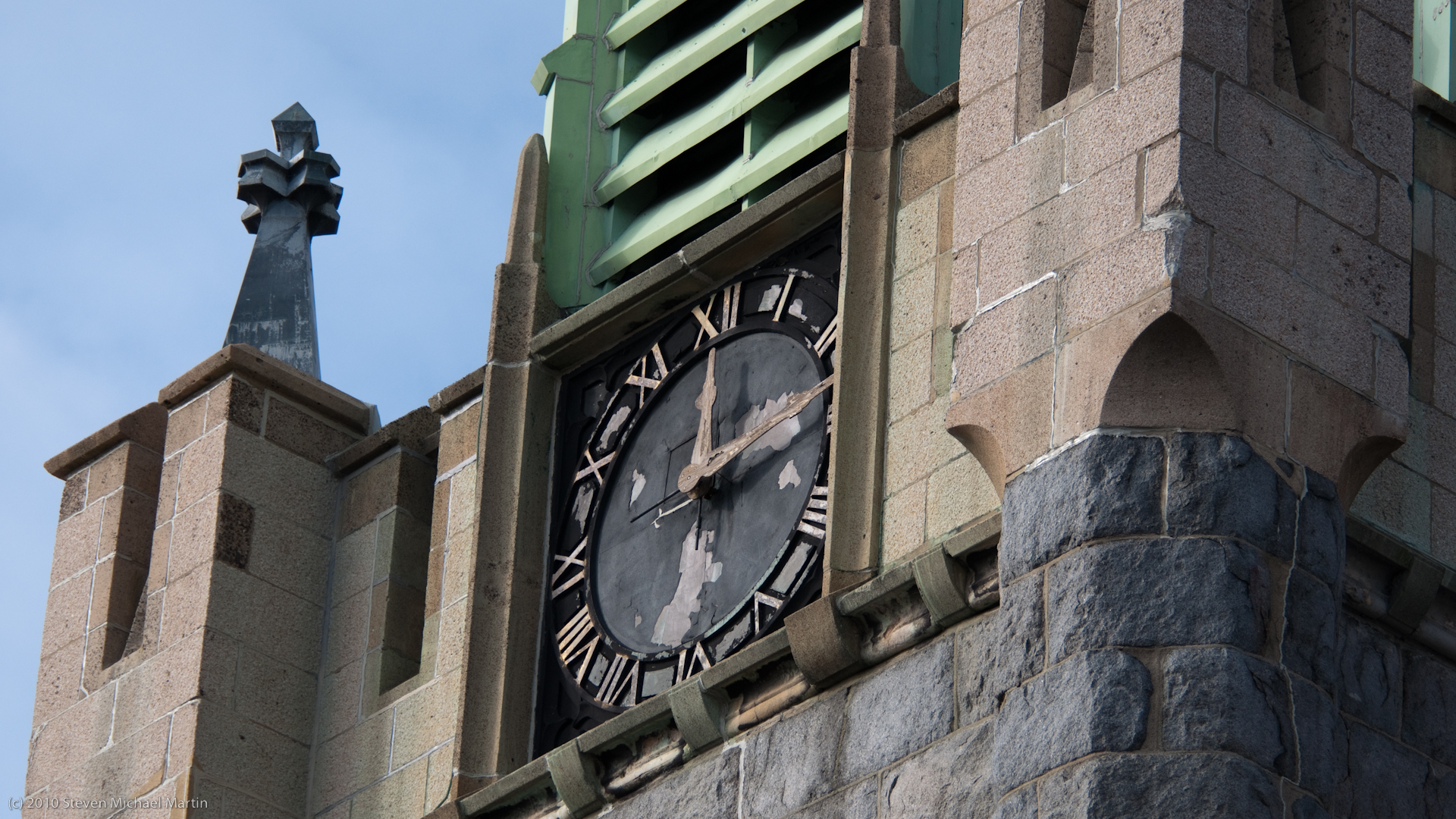
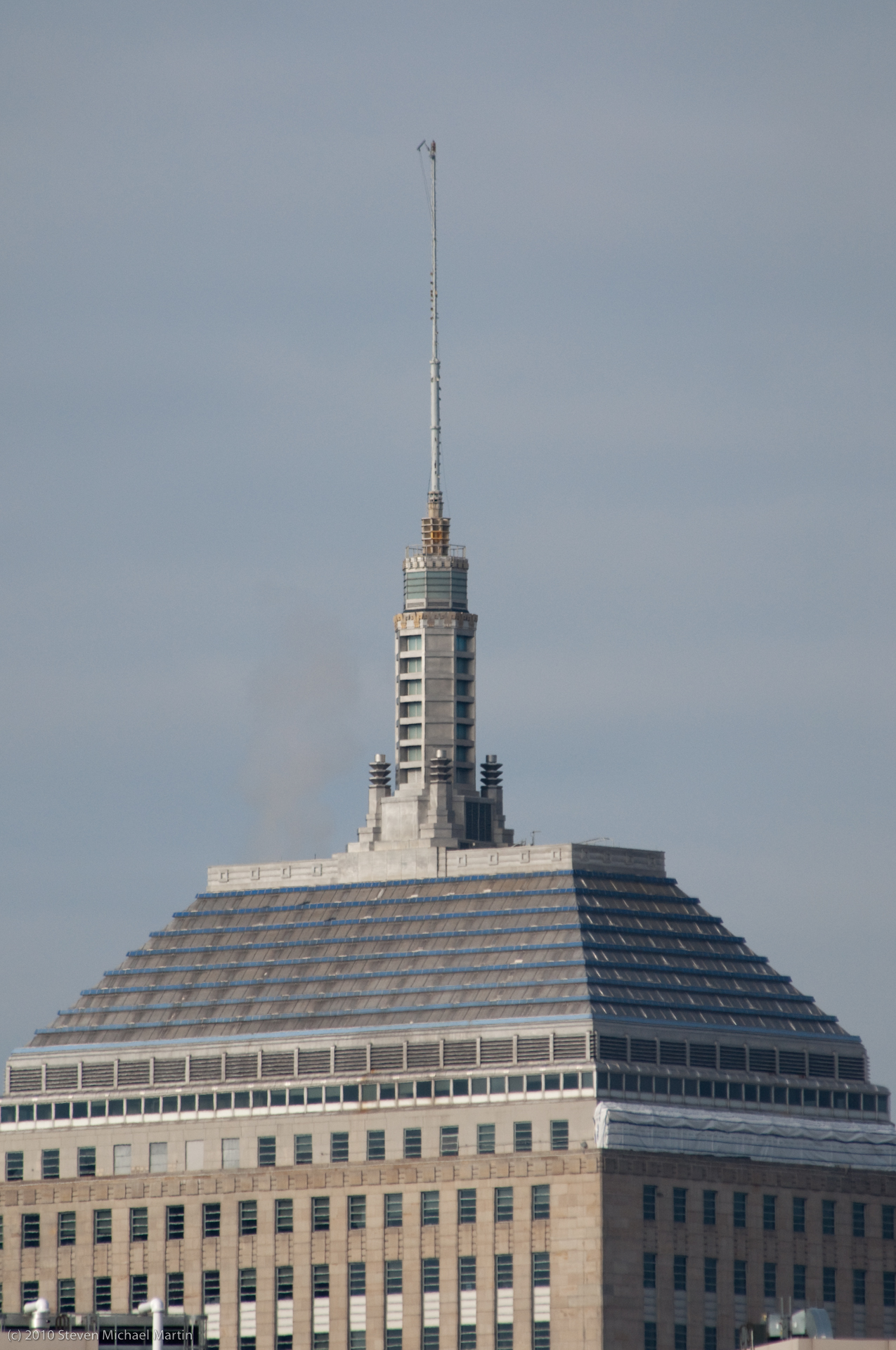
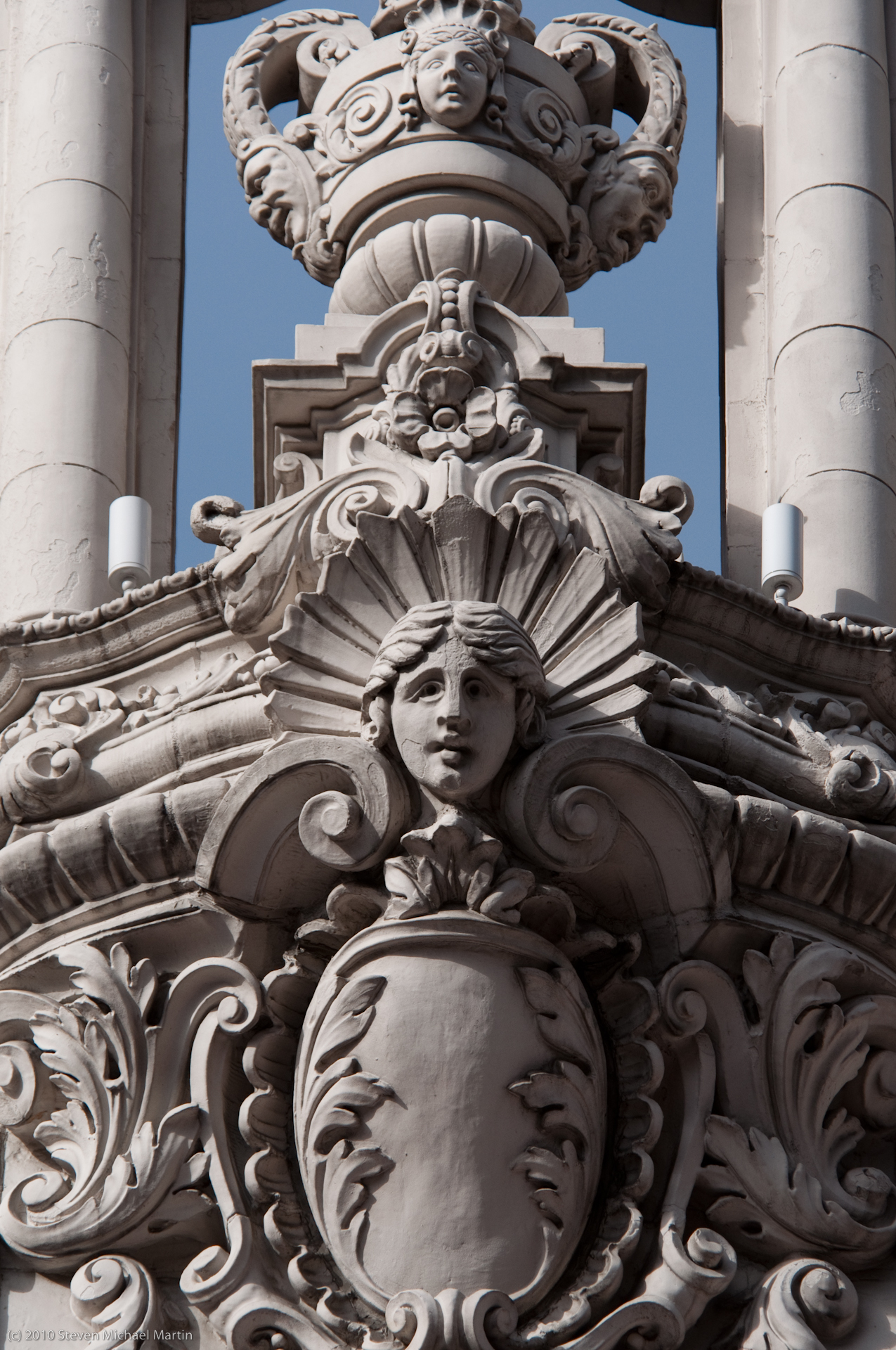
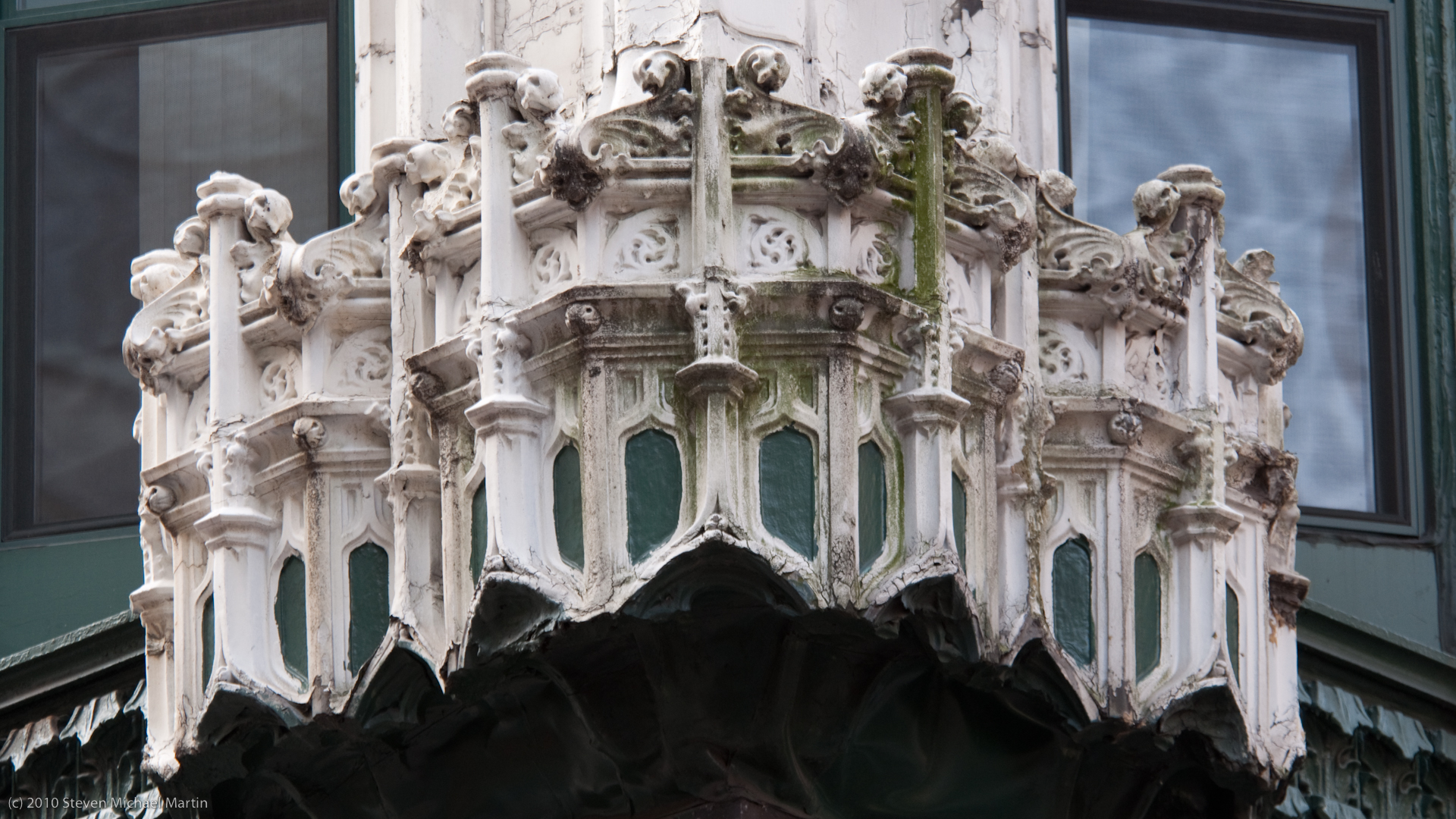
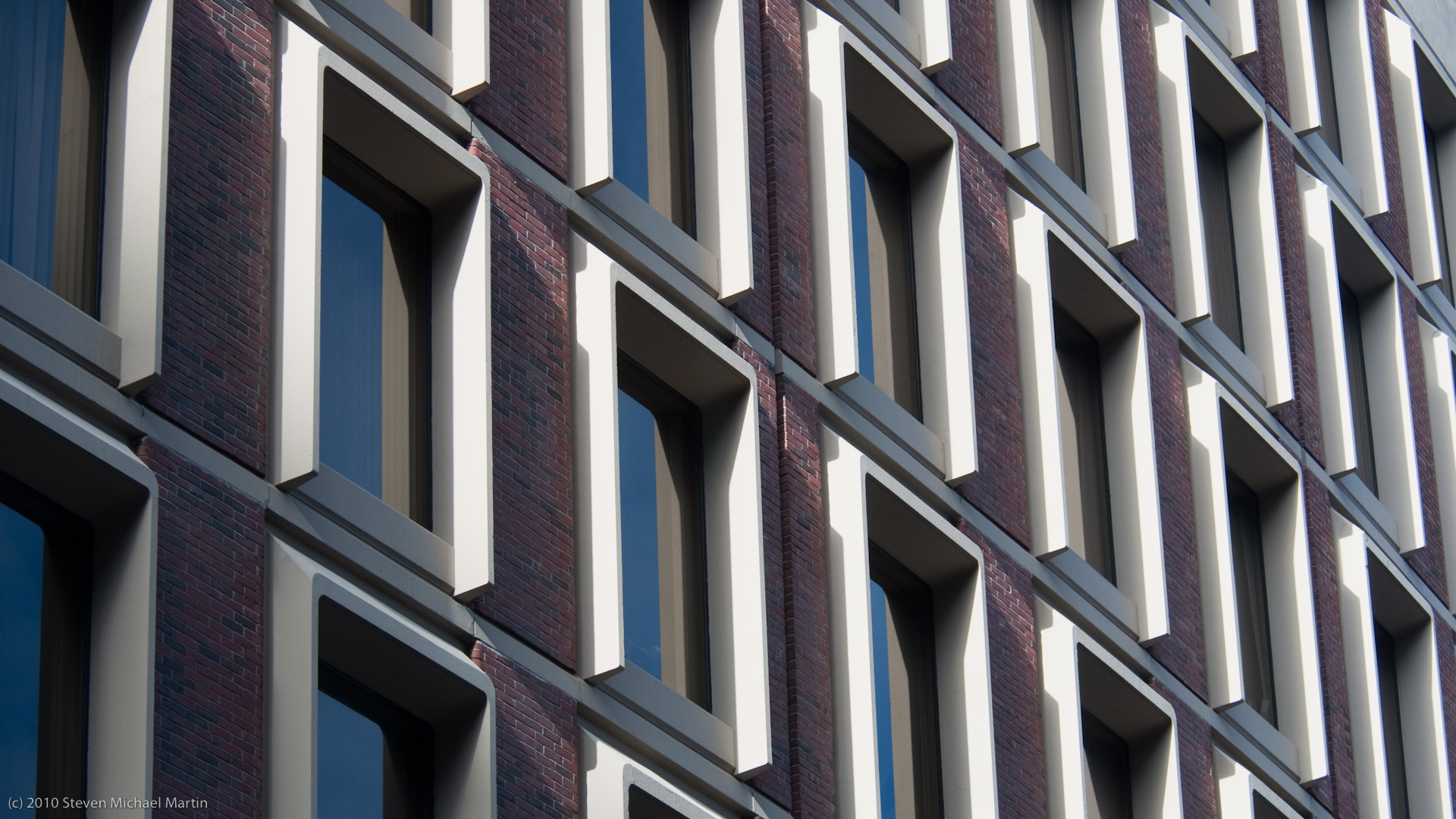
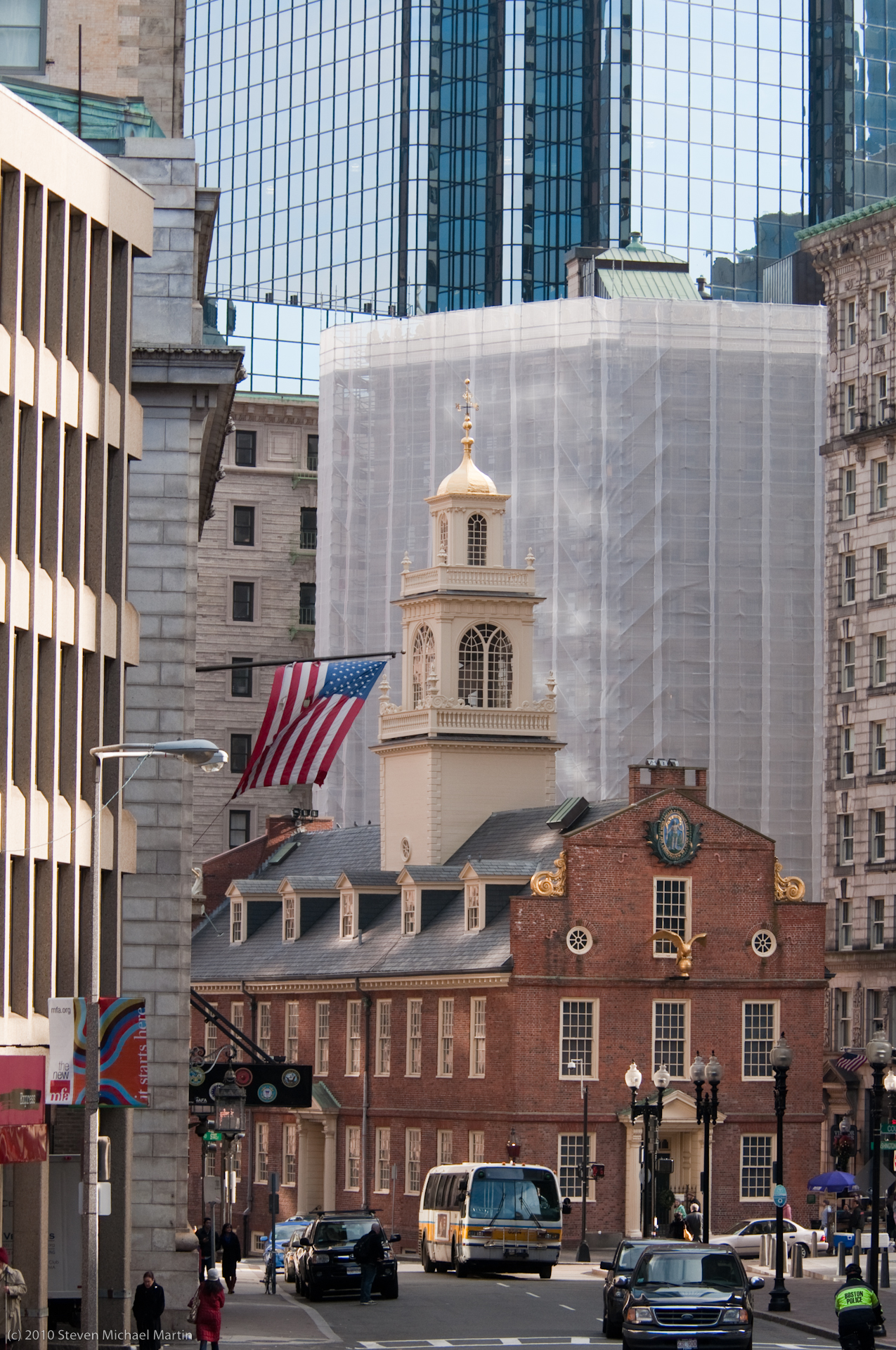
Boston’s architectural landscape reflects centuries of development influenced by climate, geography, and historical growth along the Massachusetts coastline. Winter conditions often highlight the structural form and materials of buildings as snow and low-angle light emphasize the contrast between masonry, glass, and stone. The city’s urban fabric includes colonial-era structures, nineteenth-century brick architecture, and modern skyscrapers that together illustrate changing construction traditions over time.
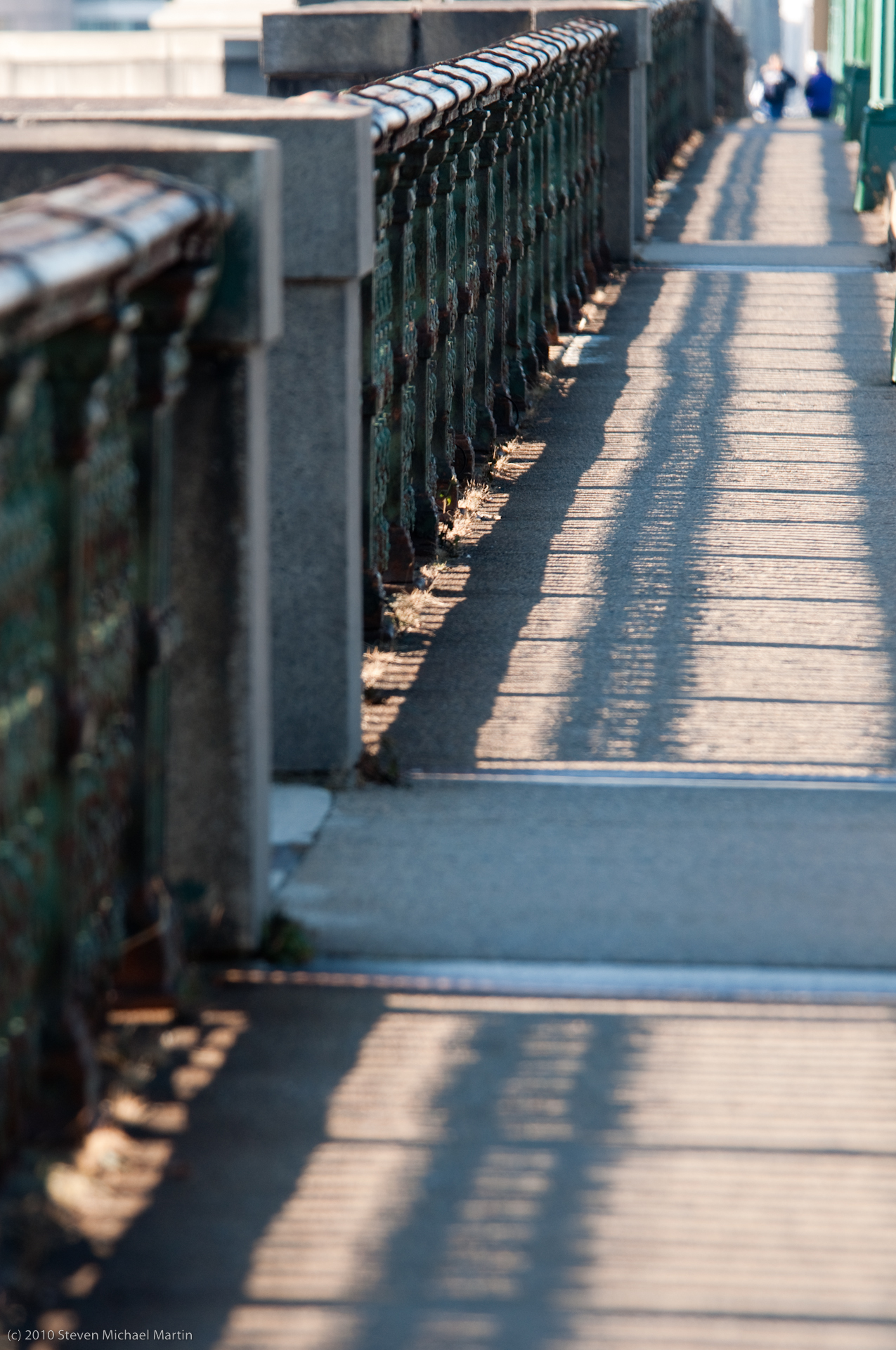
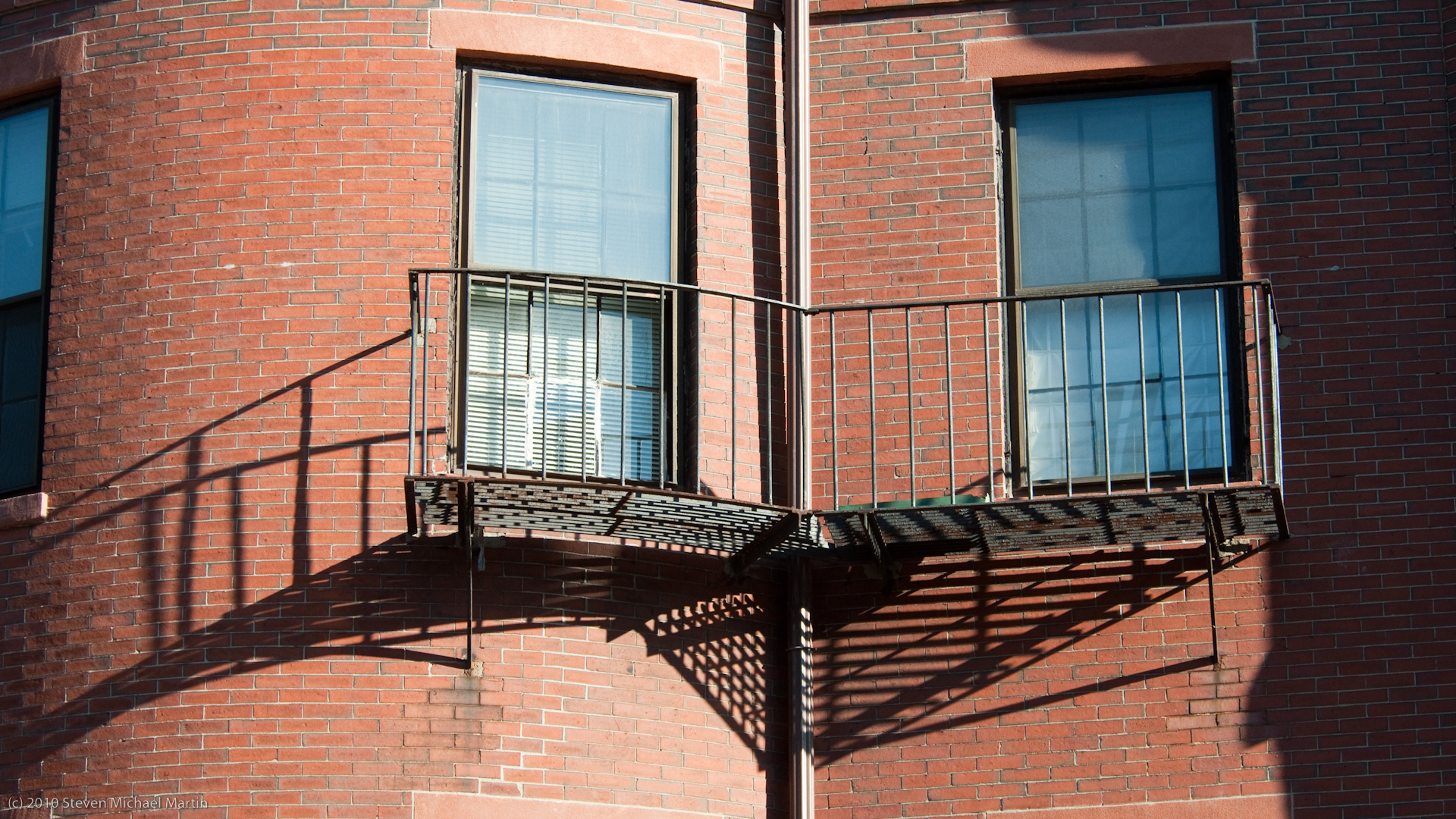
Cold seasonal weather associated with continental air masses moving across New England can produce snow accumulation that transforms the visual character of historic neighborhoods such as Beacon Hill, Back Bay, and the waterfront districts. Winter light conditions create strong shadow patterns that reveal architectural detail and the geometric structure of city streets. Snow-covered environments often emphasize the relationship between built form and seasonal climate within northern coastal cities.
Boston in winter contributes to understanding how climate influences architectural perception and urban experience. Seasonal weather highlights the durability of construction materials developed for cold environments characteristic of the northeastern United States. The winter landscape reflects continuity between historic design traditions and the environmental conditions that shaped New England cities.