Boston Nostalgia
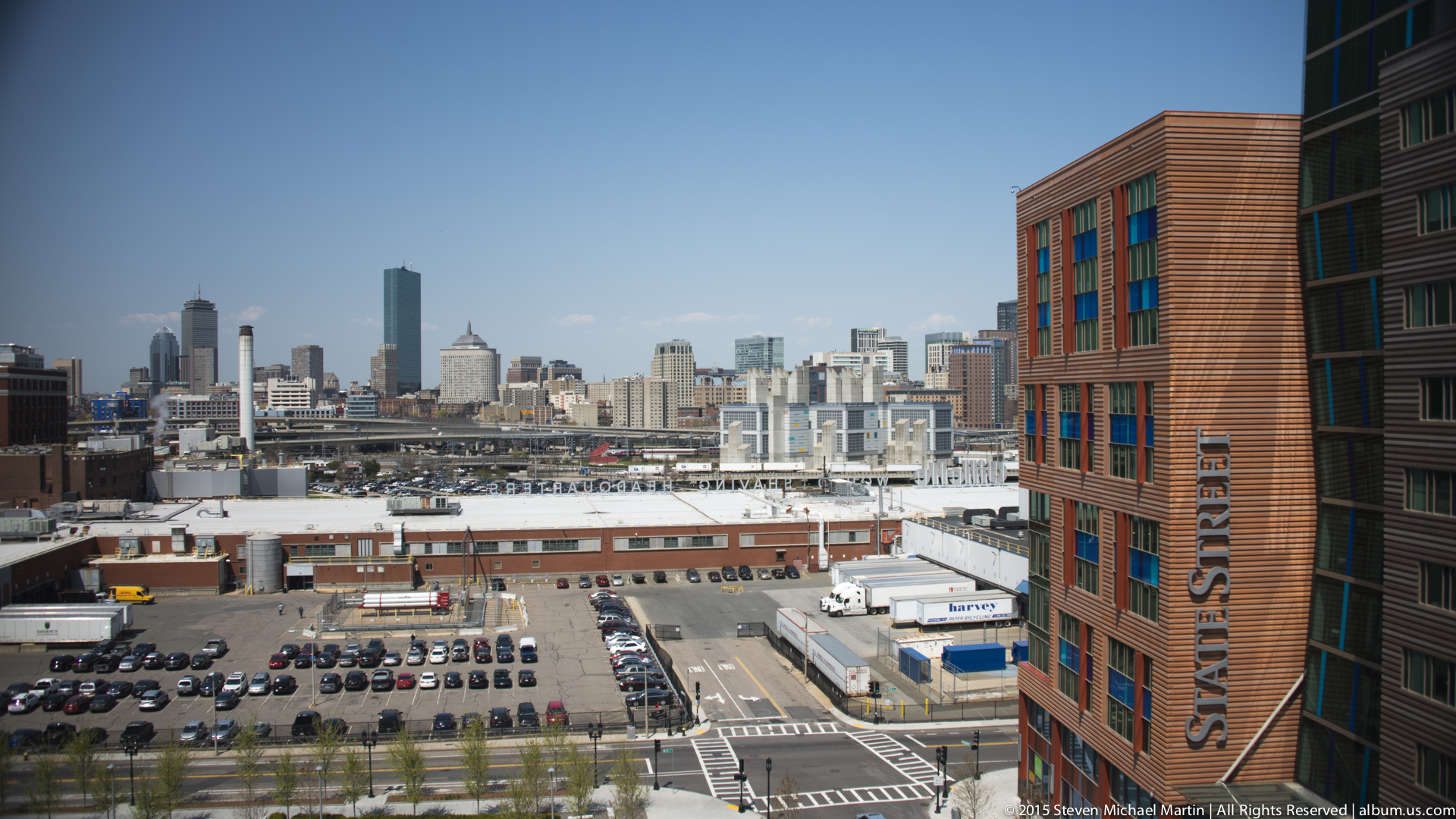
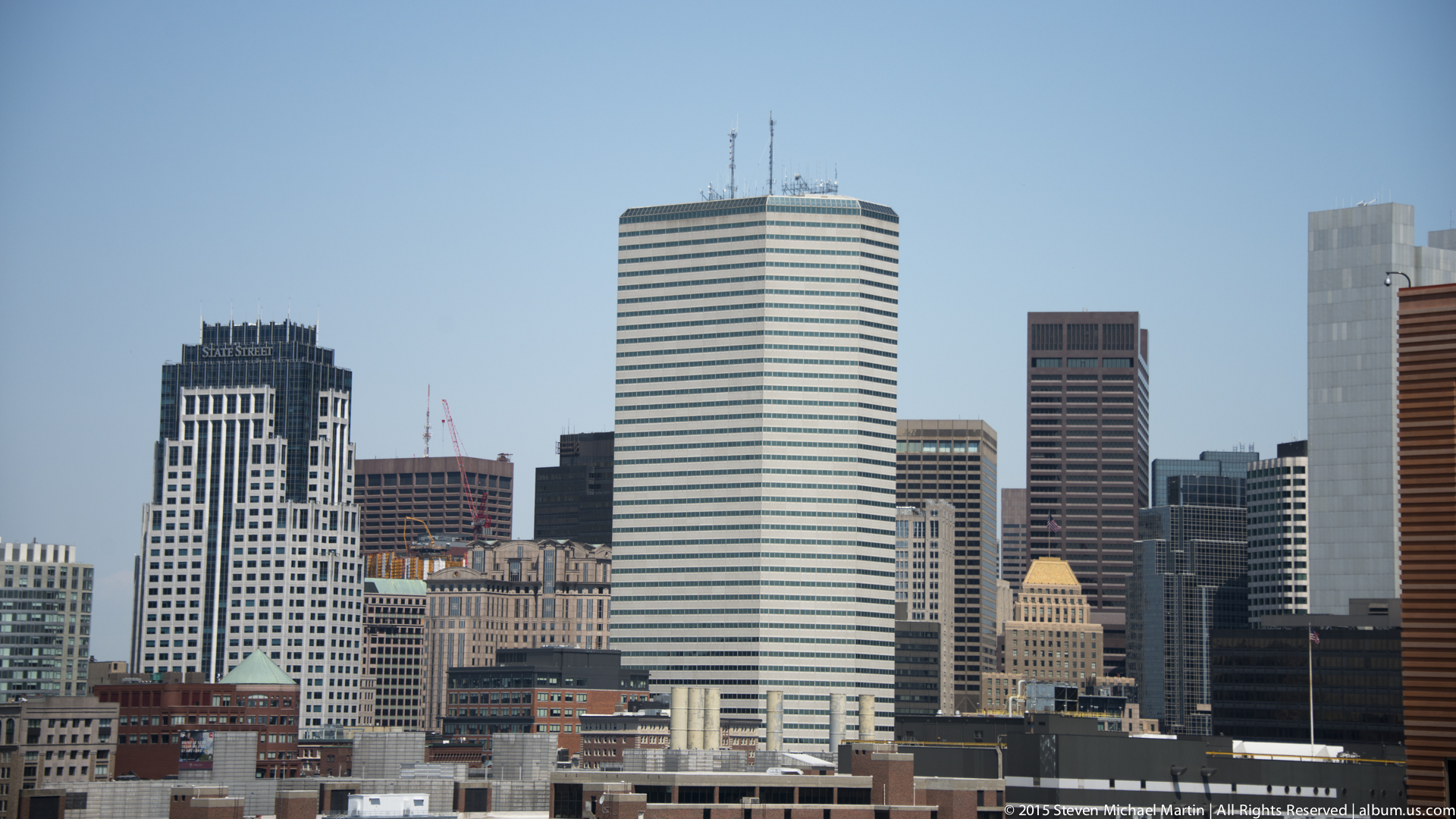
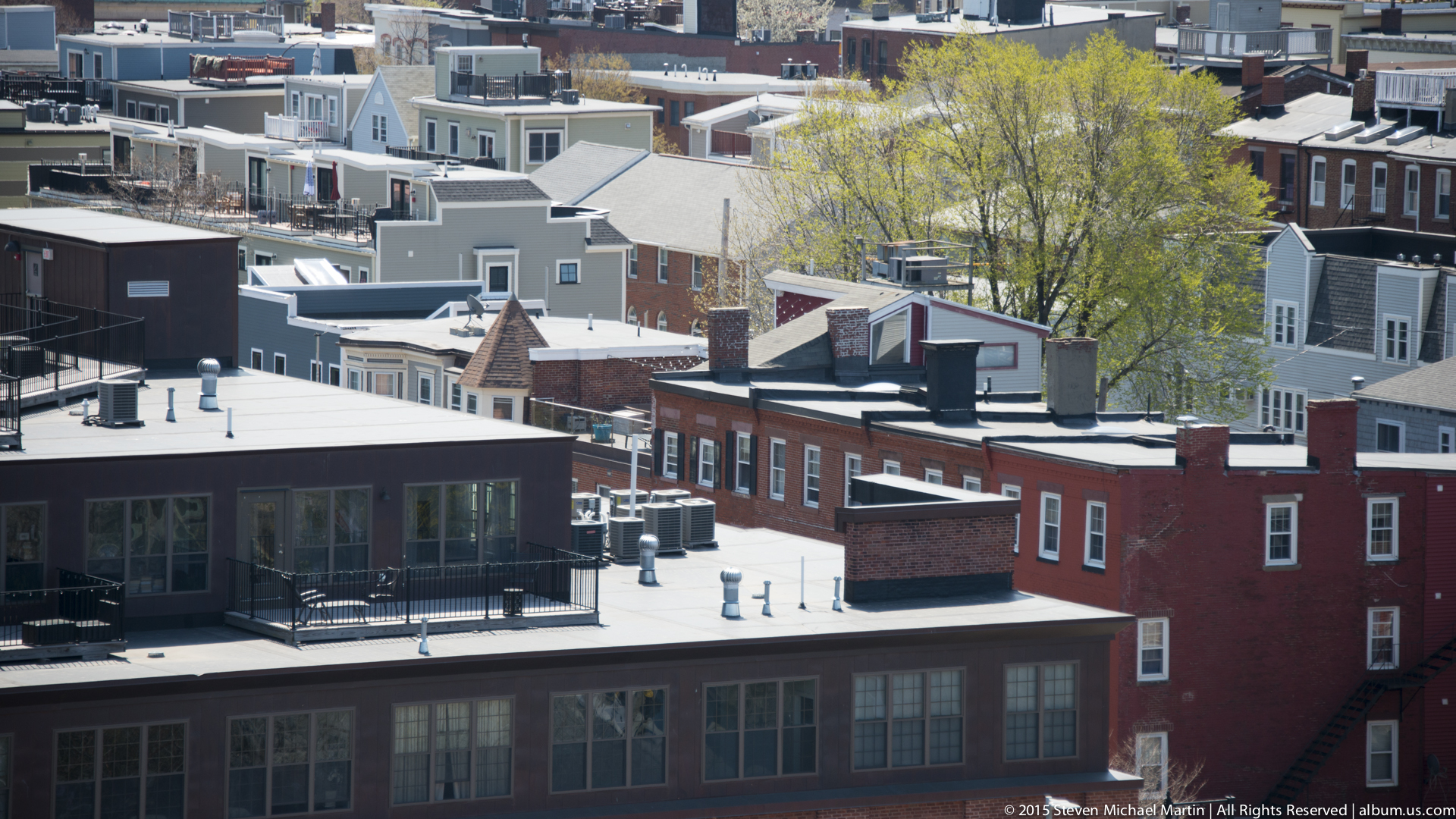
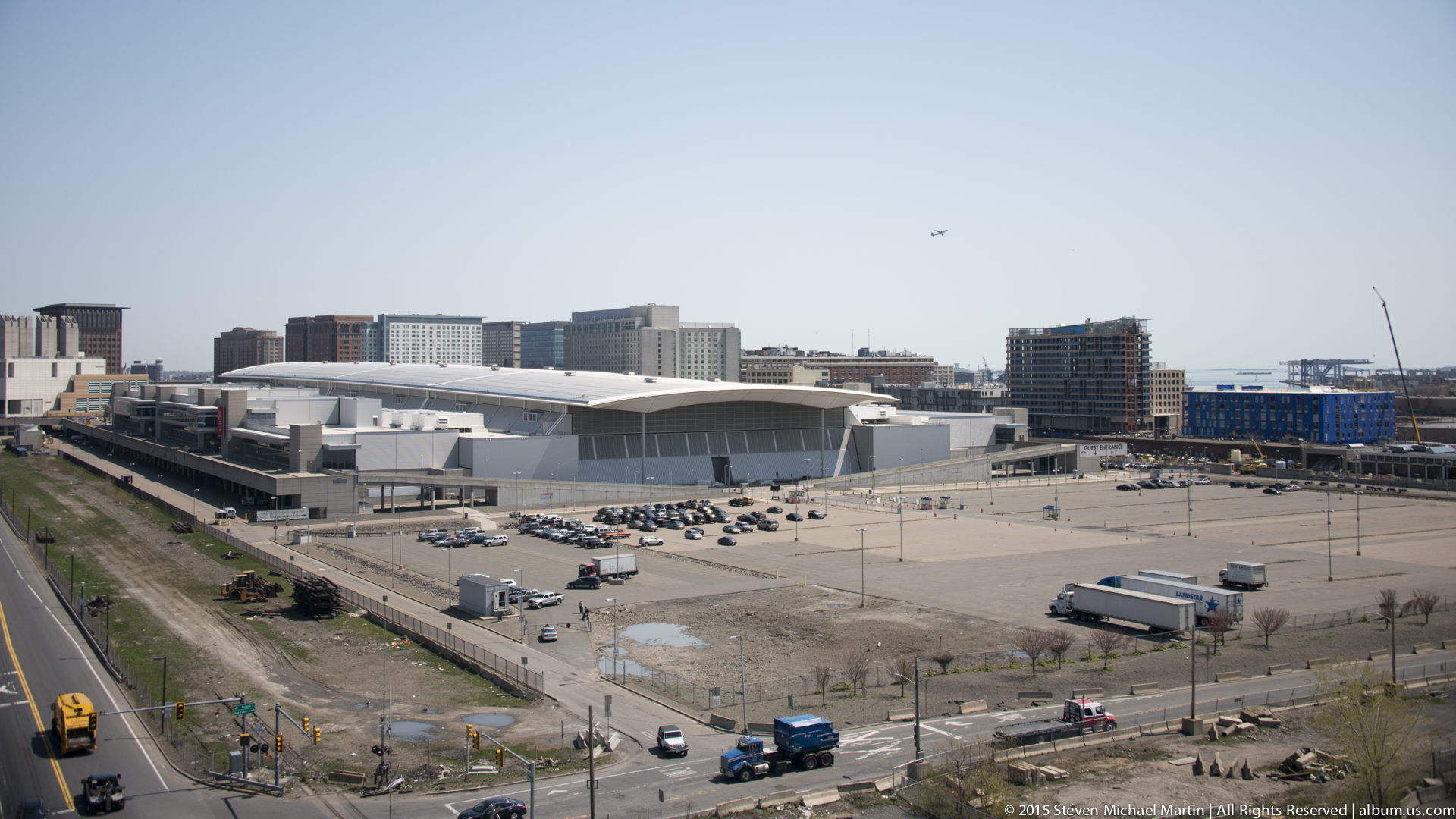
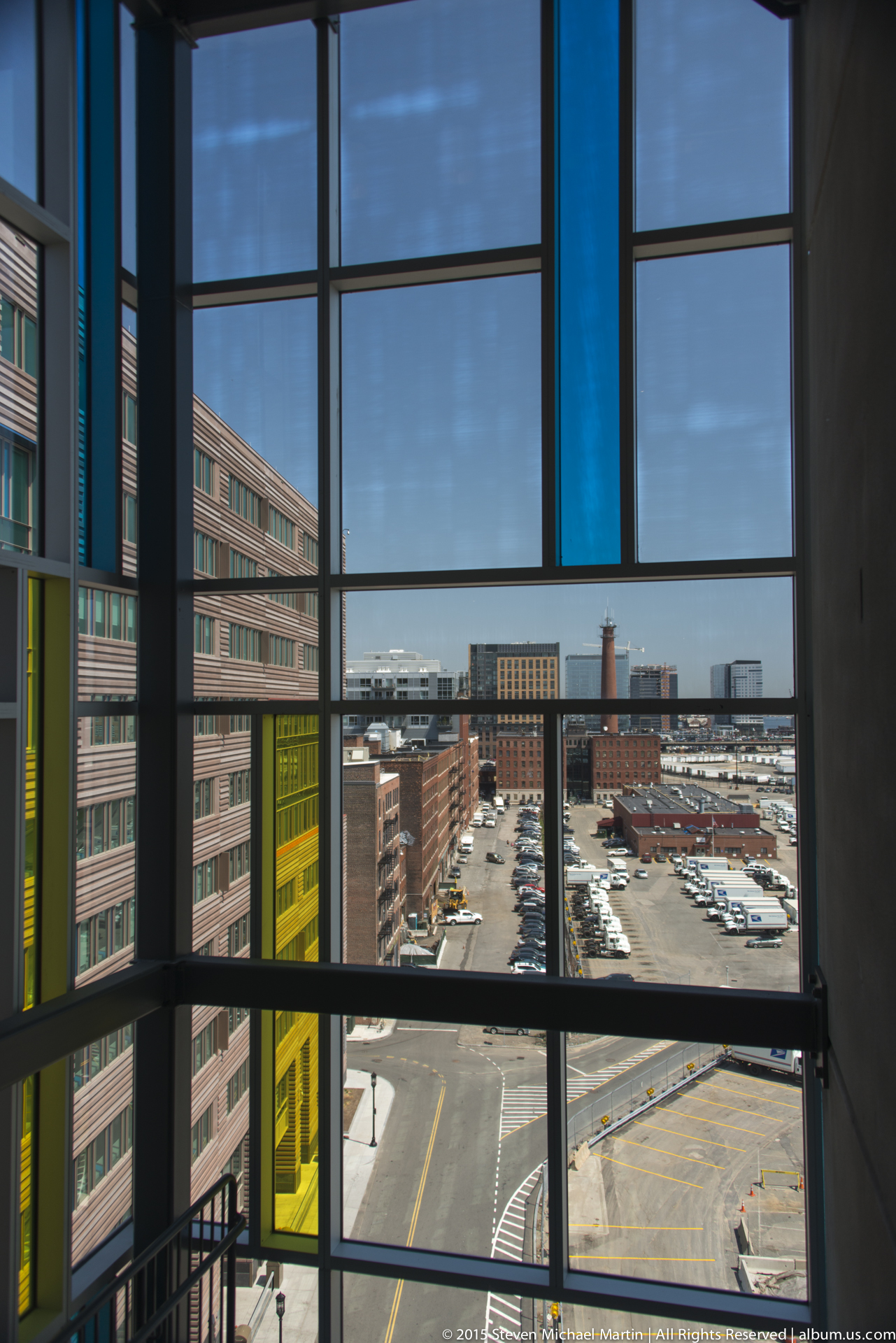
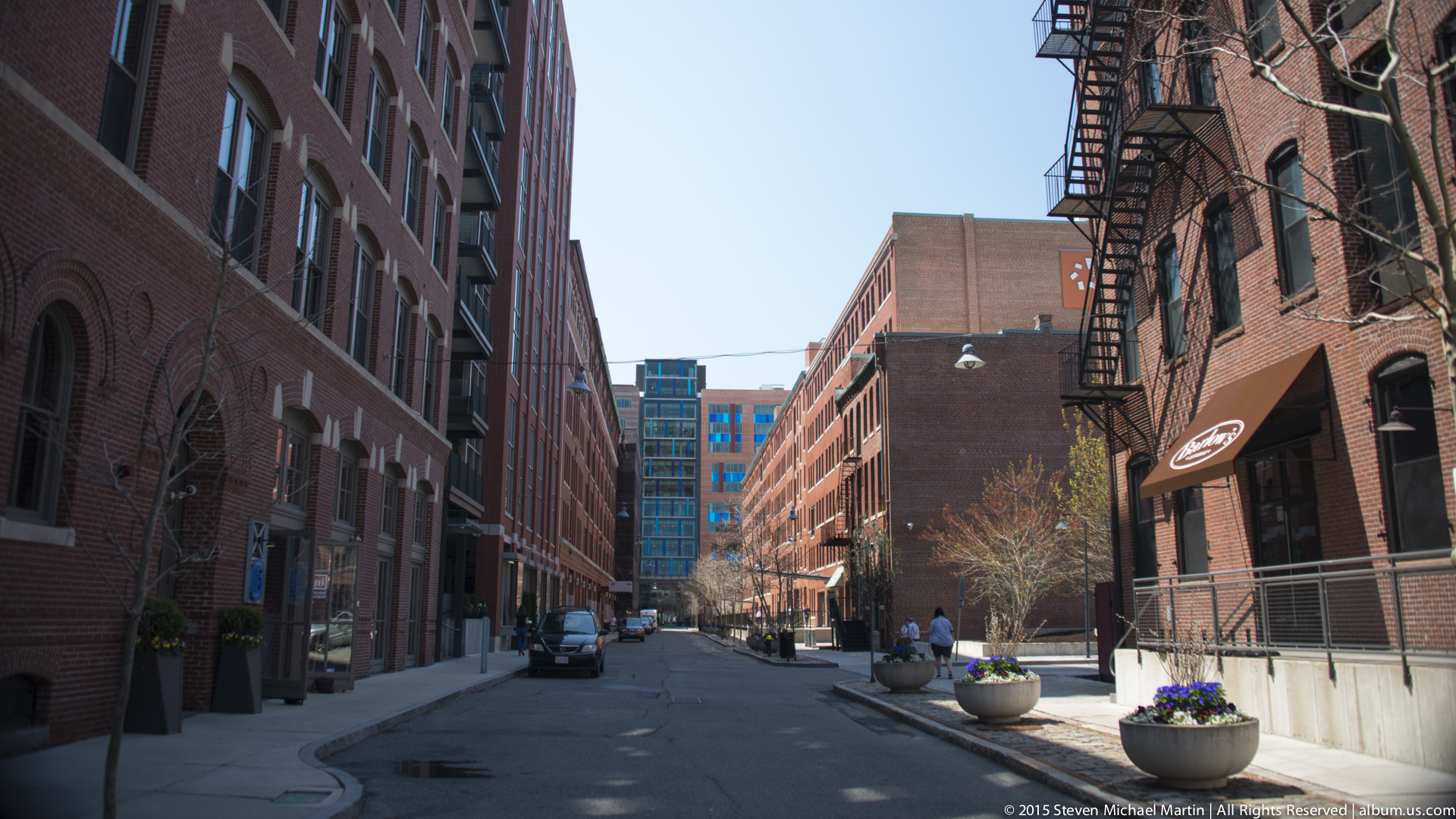
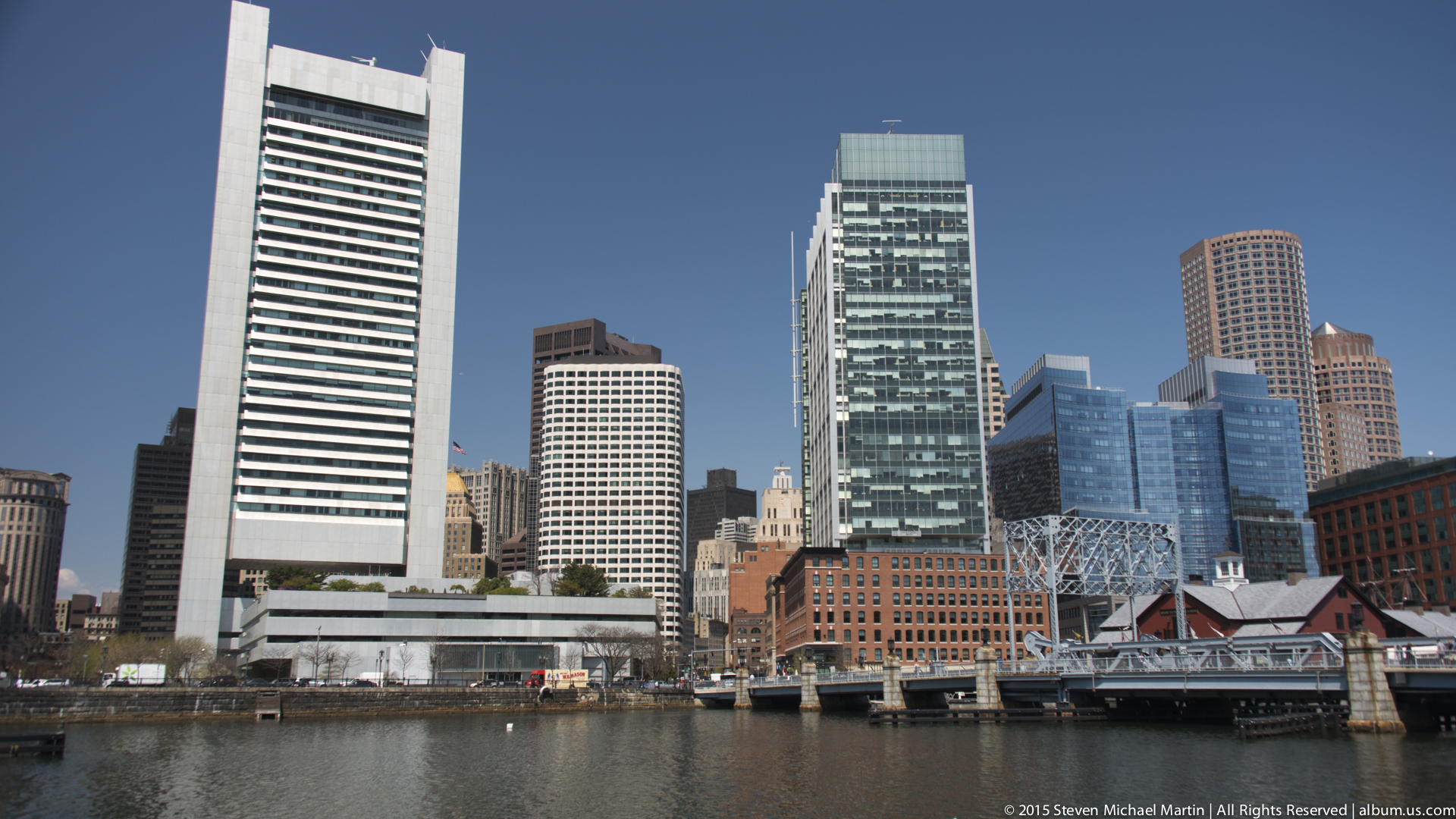
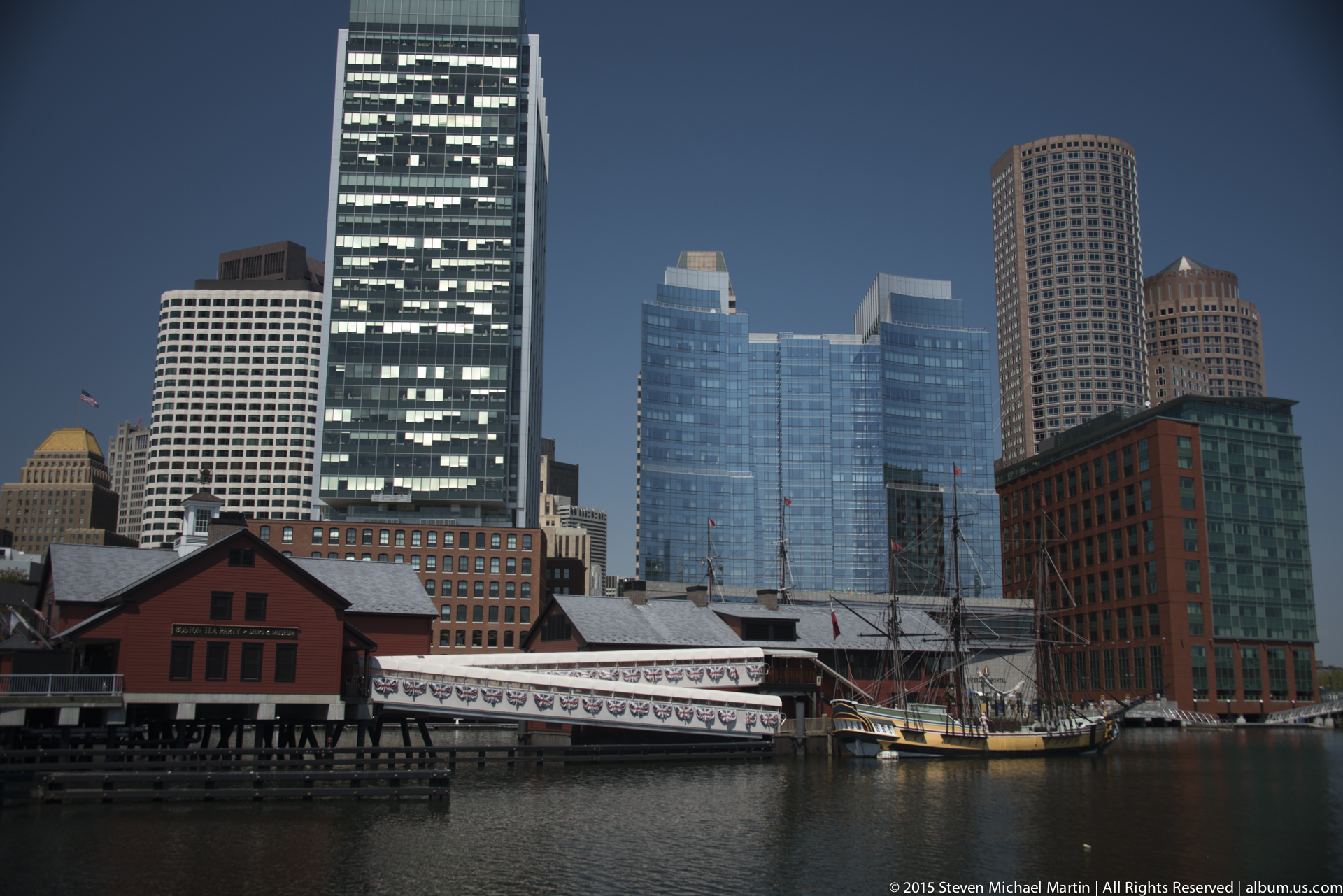
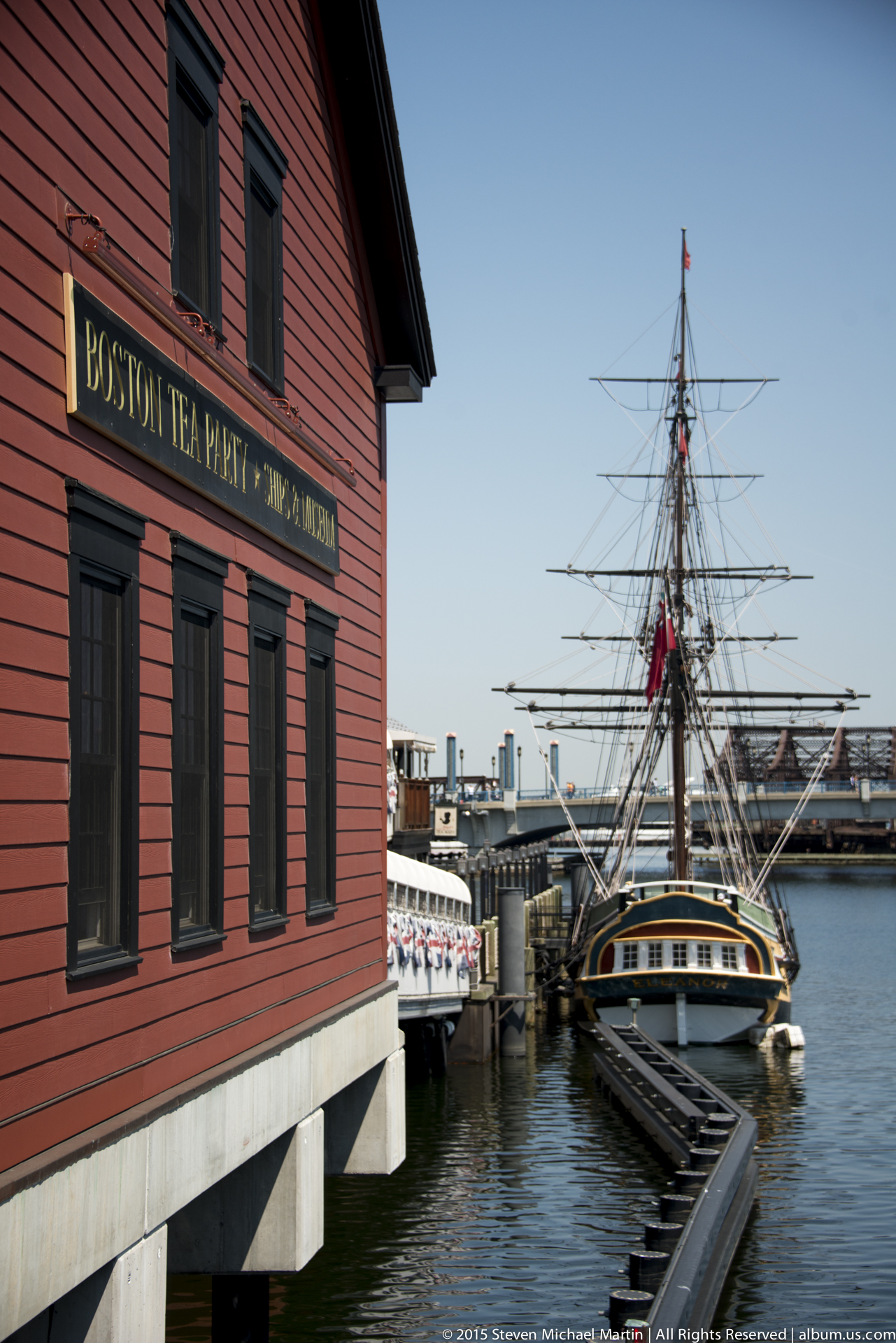
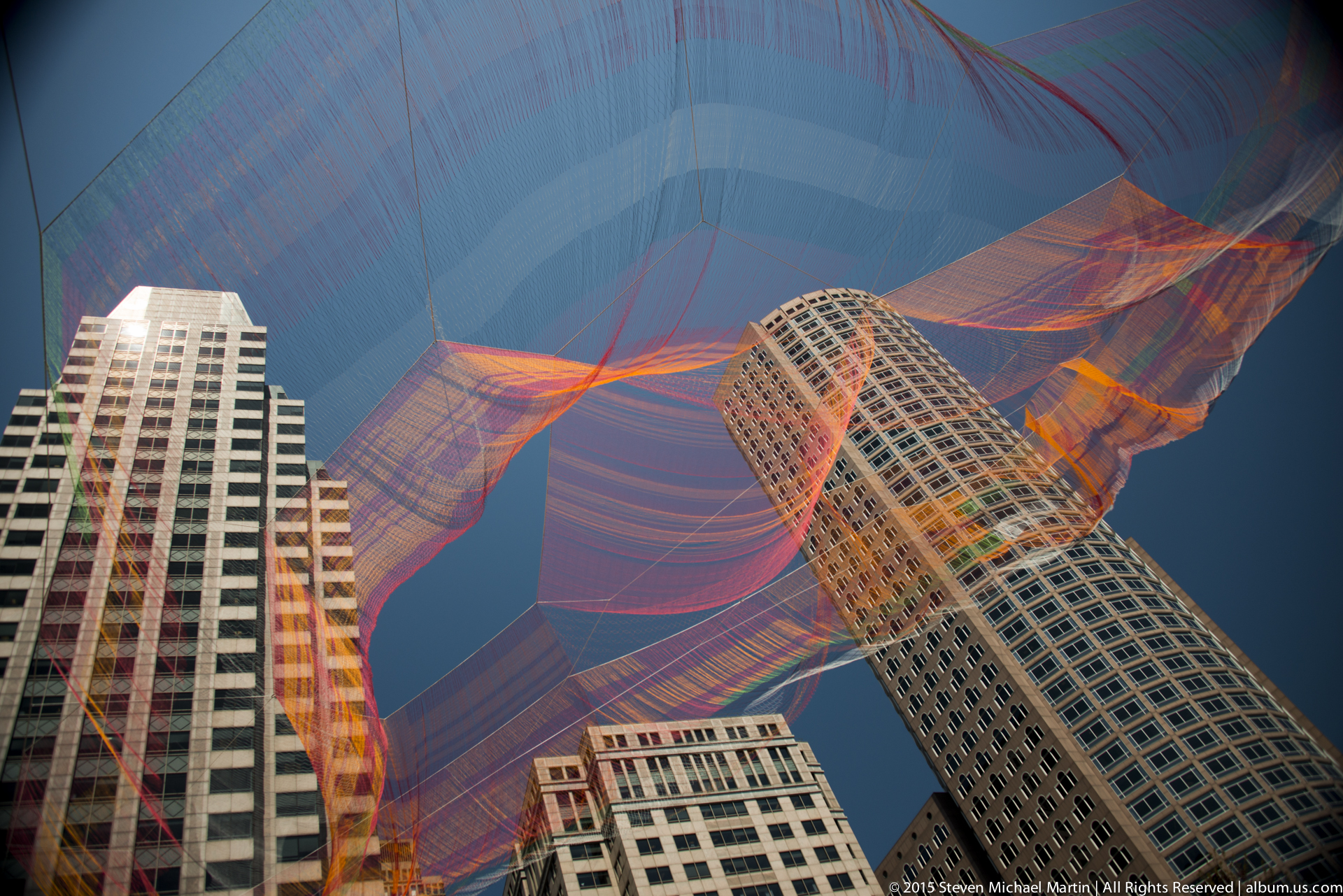
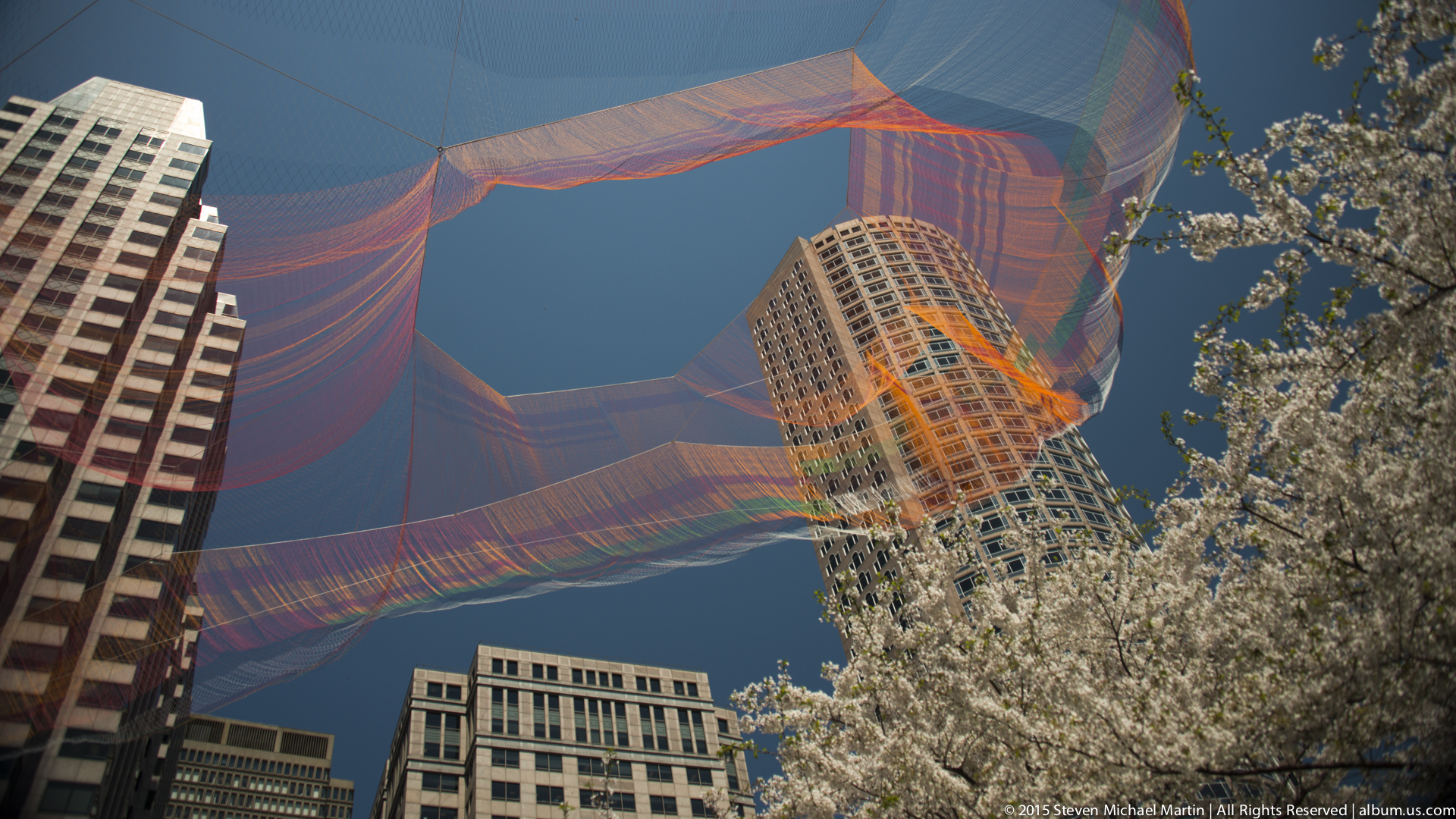
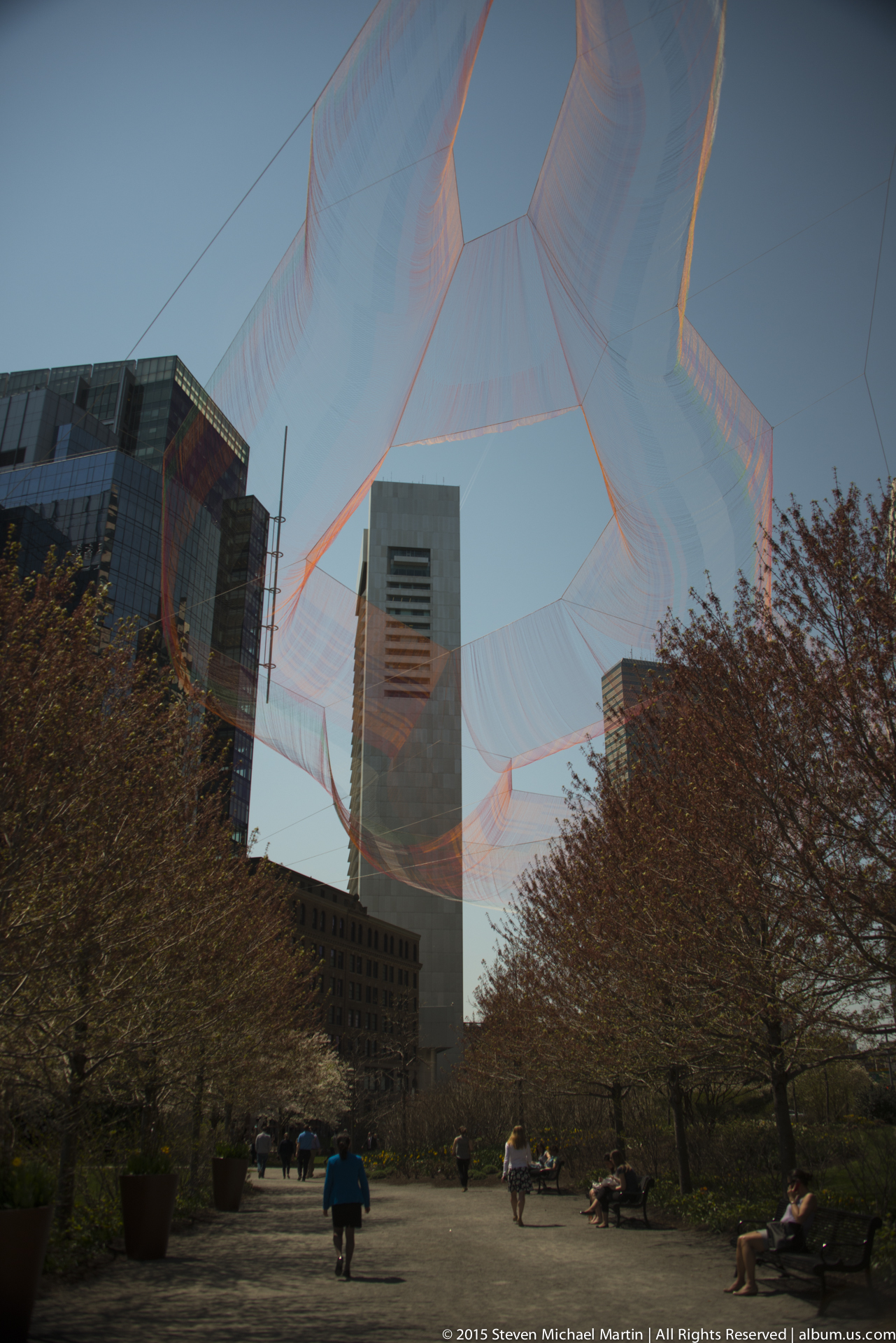
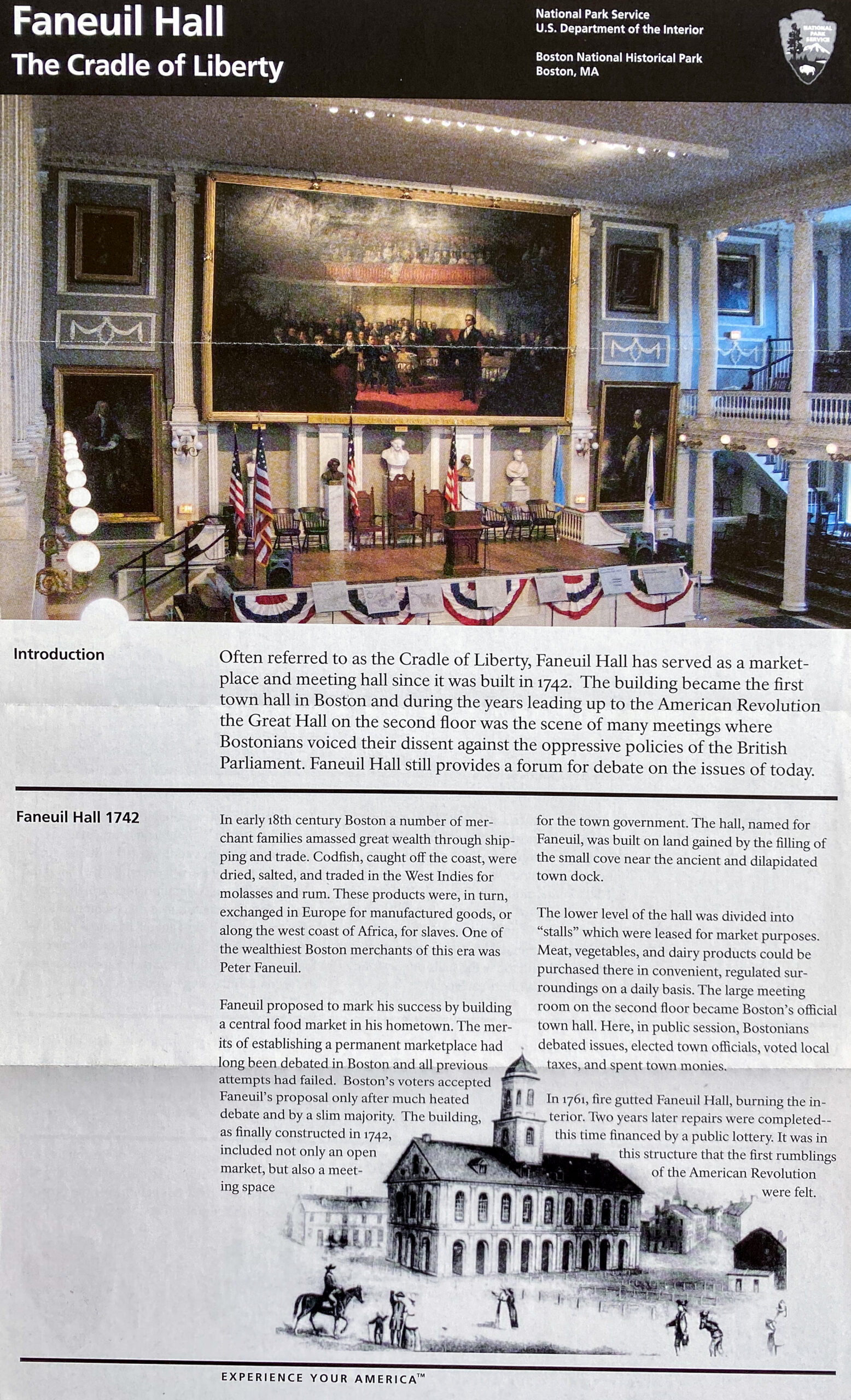
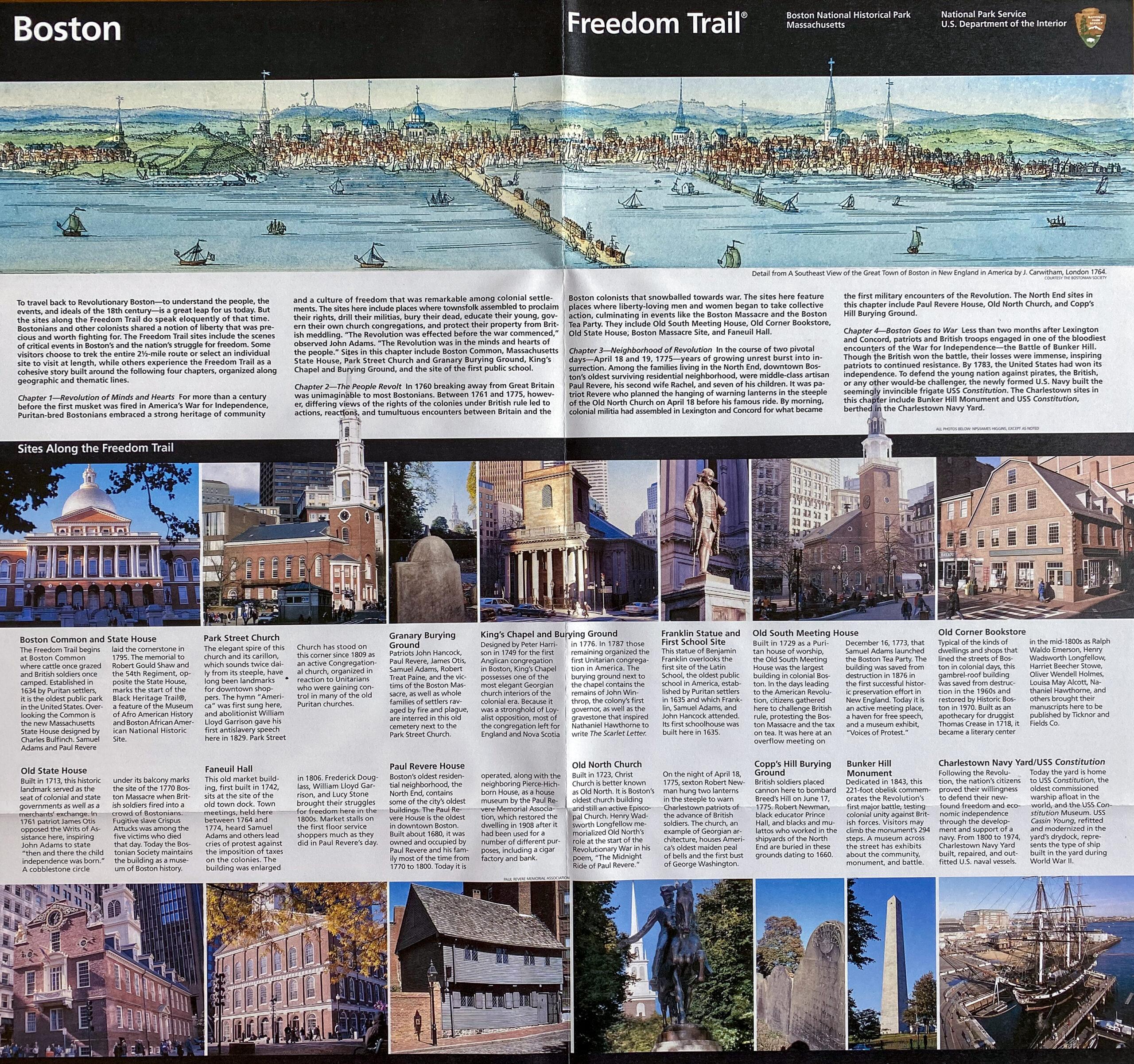
Boston’s historic landscape often creates strong continuity between past and present, particularly for those who have lived in the city and later returned after time away. As one of the oldest urban centers in the United States, Boston preserves a layered environment shaped by colonial settlement, nineteenth-century expansion, and modern urban development. Streets, public squares, and waterfront areas maintain visual connections to earlier periods of American history, reinforcing the city’s long-standing role as a cultural and intellectual center of New England.
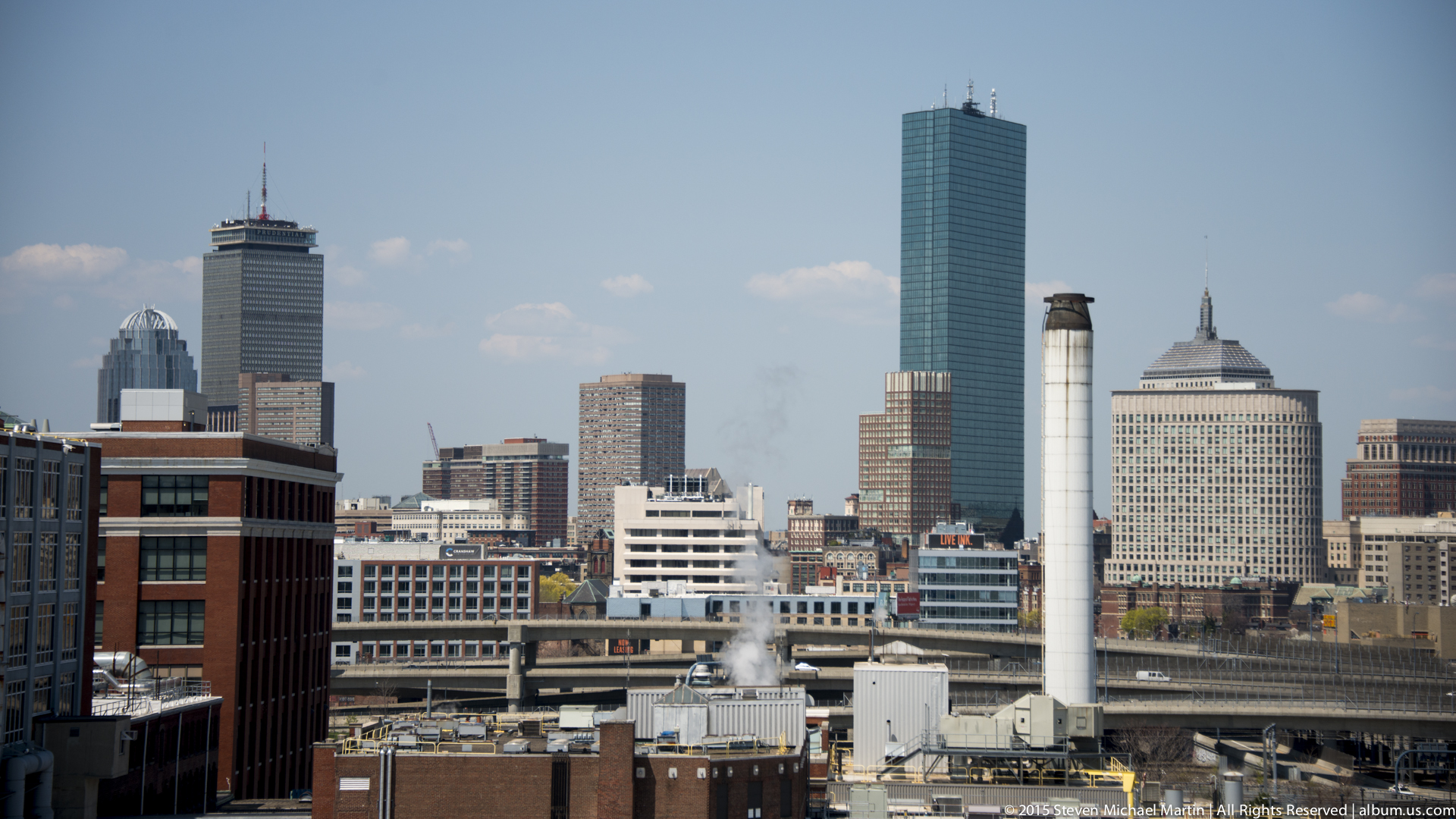
A return visit after relocating to Washington, DC highlights the relationship between memory and place, where familiar neighborhoods and landmarks evoke earlier experiences shaped by daily life within the city. Areas such as Back Bay, Beacon Hill, and the harborfront reflect Boston’s distinctive combination of compact scale, historic architecture, and pedestrian-oriented streets. The continuity of these environments demonstrates the durability of urban form that has remained recognizable across generations.
Boston contributes to understanding how historic cities sustain personal and collective memory through preserved streetscapes and architectural character. The experience of returning to the city underscores the enduring relationship between urban landscape and lived experience. Such revisits illustrate how place continues to influence identity even after geographic relocation.