Ketchikan
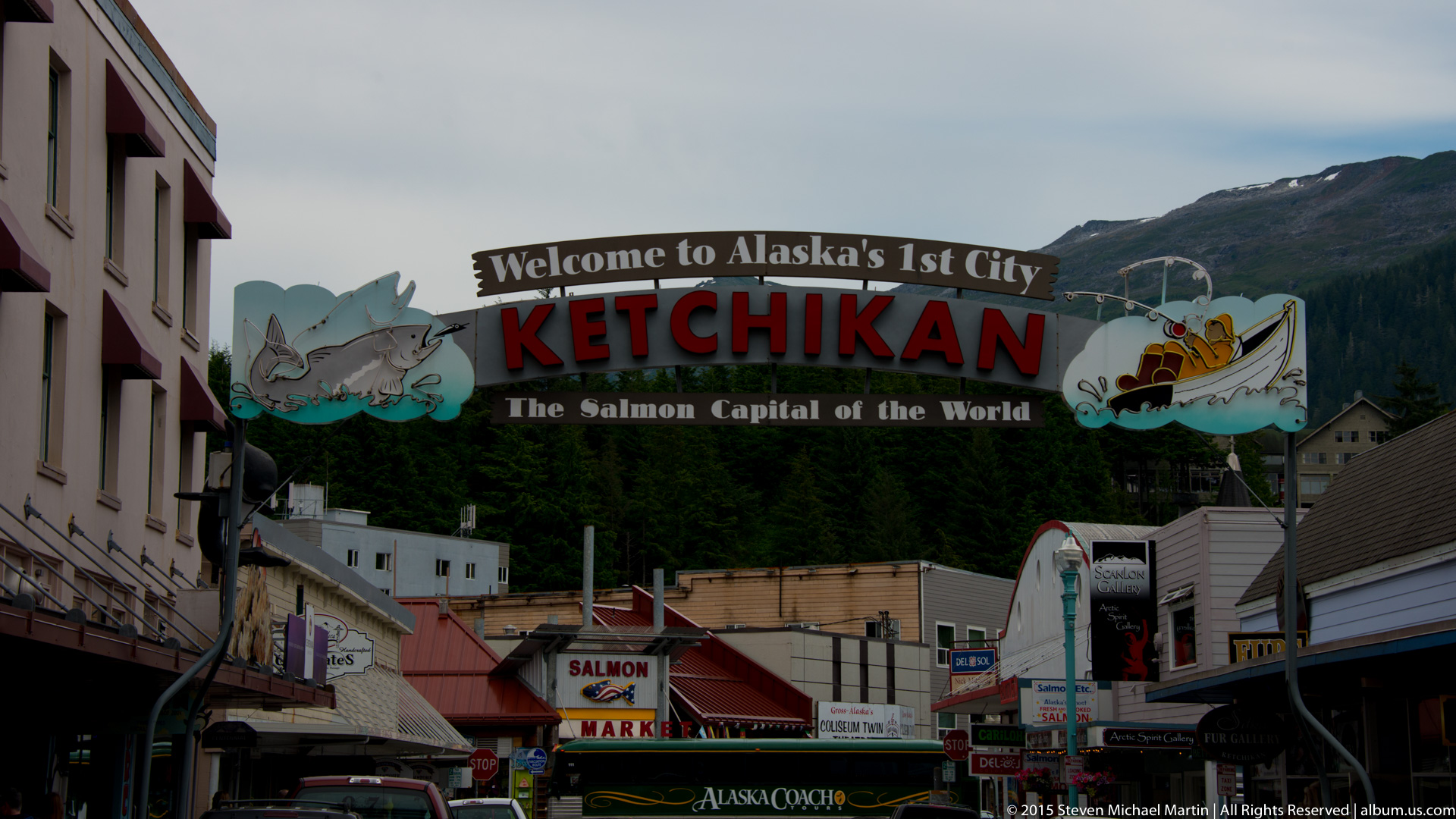
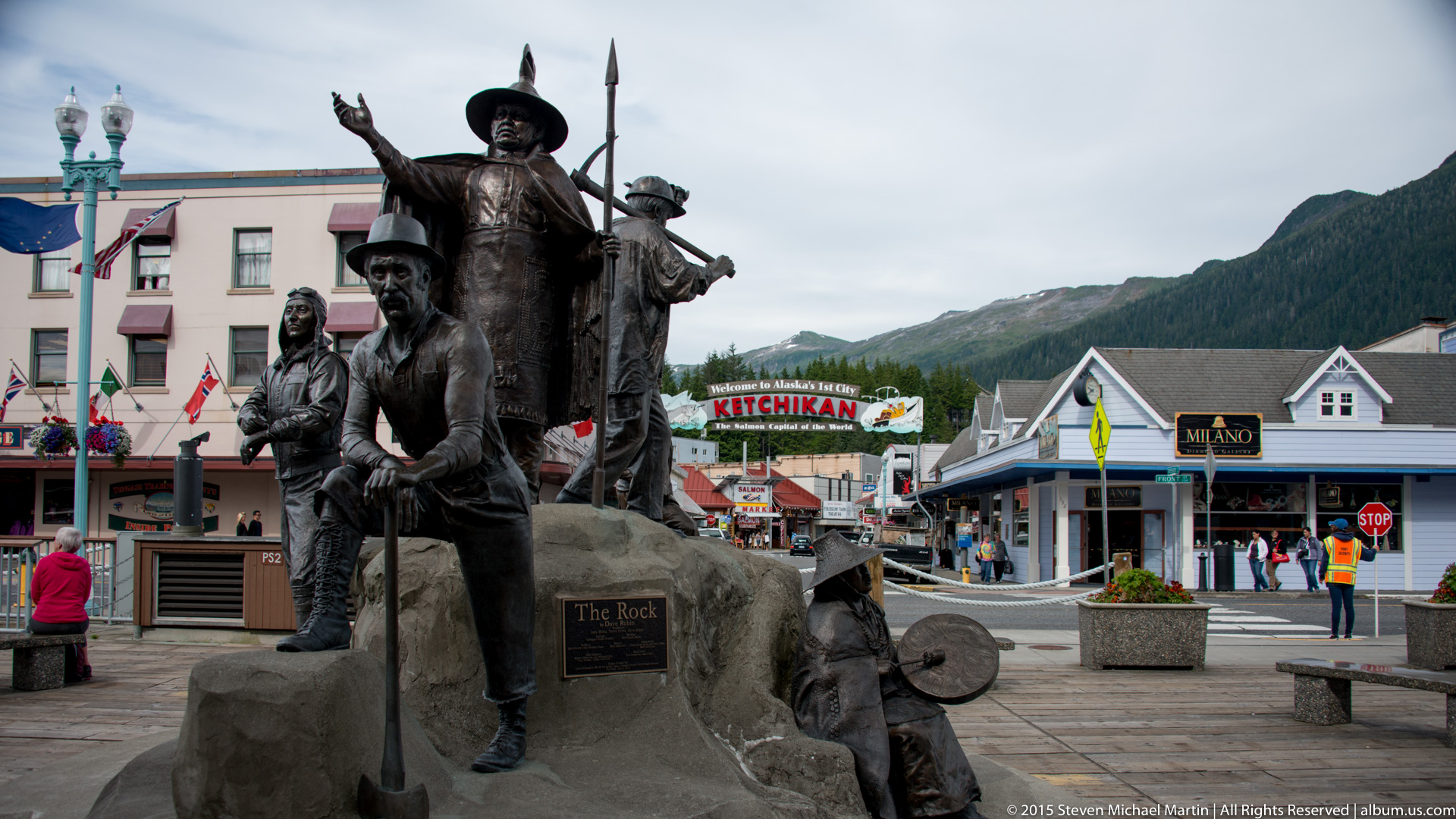
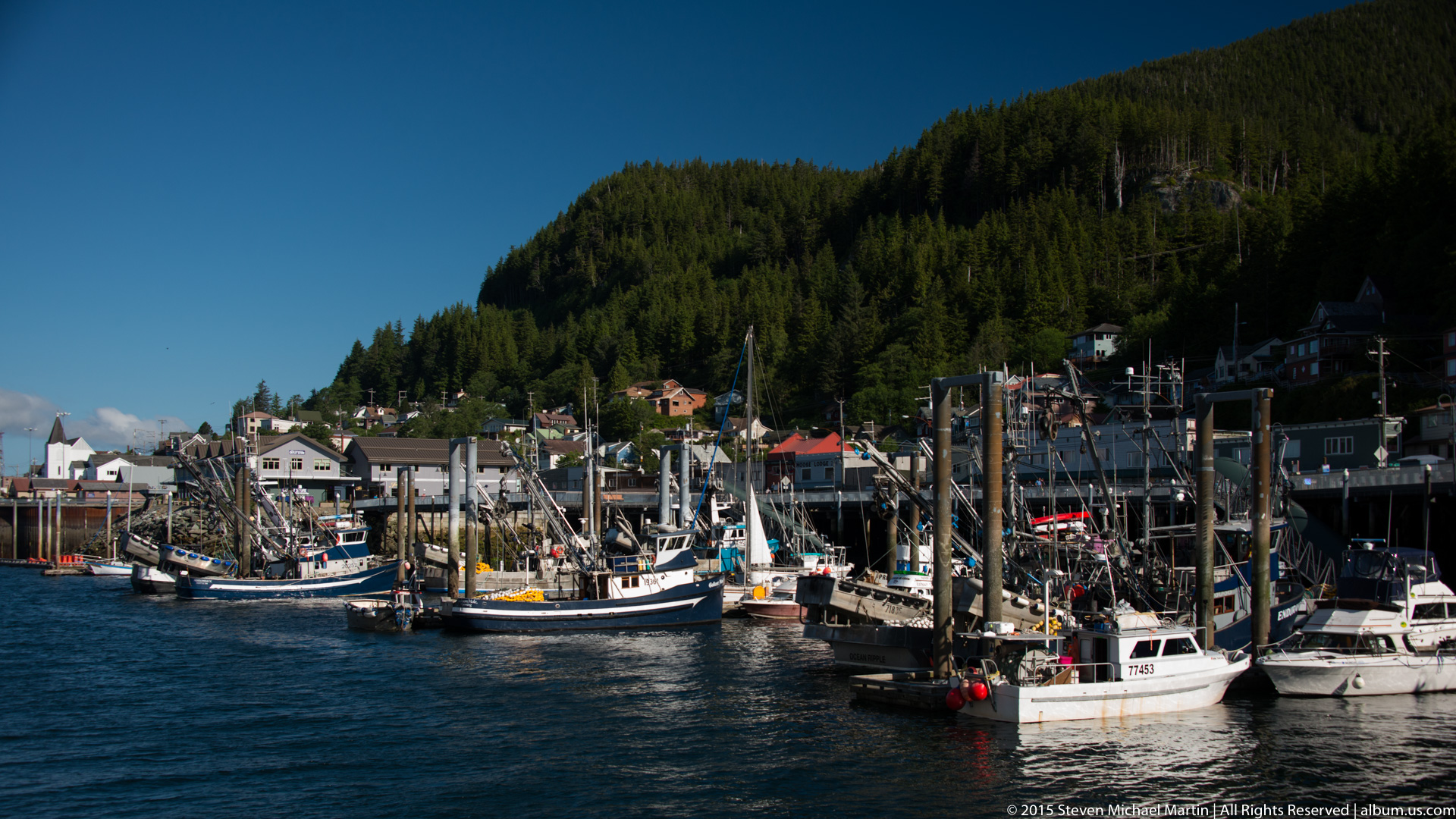
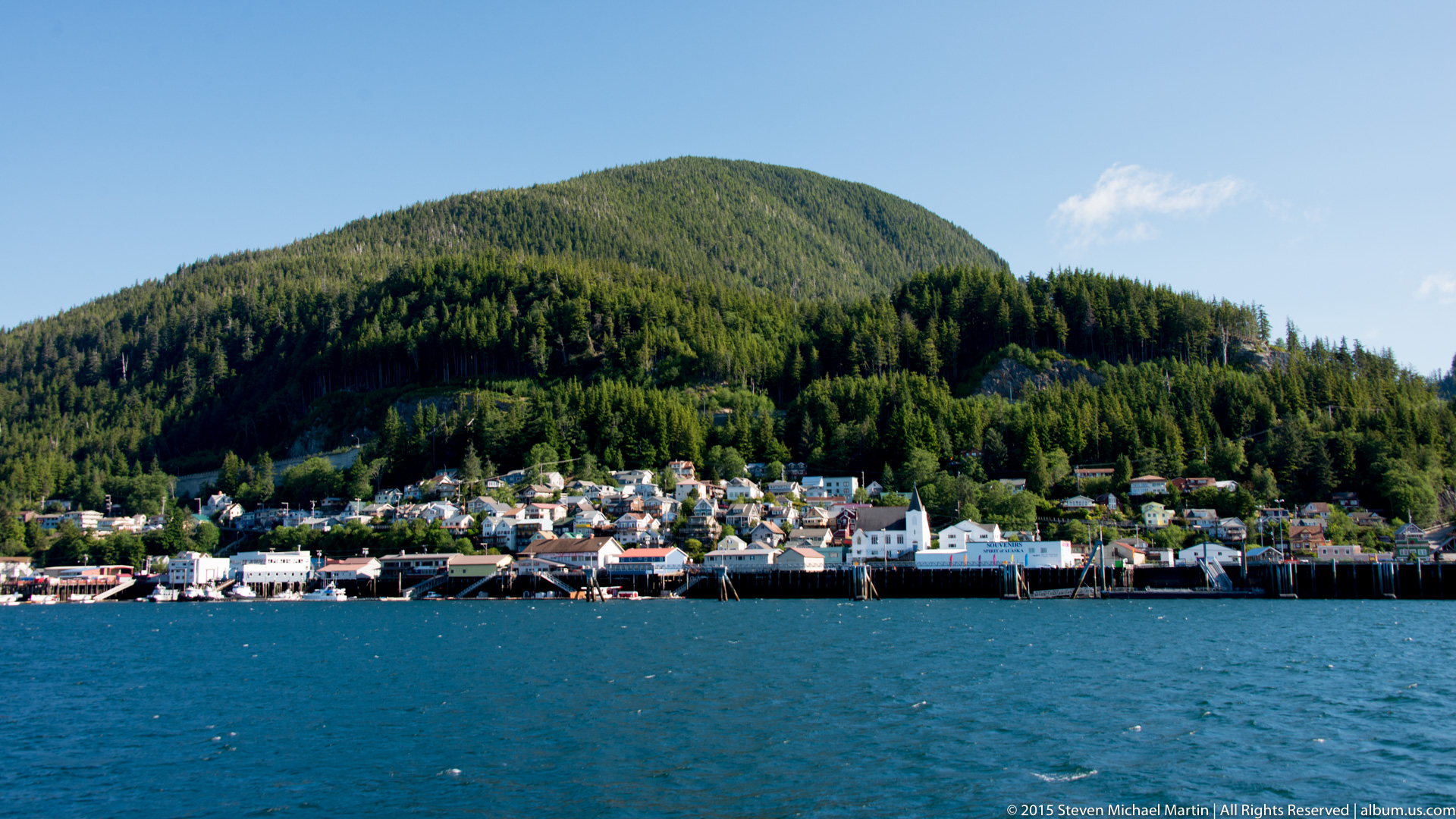
Ketchikan developed as an important port community supported by fishing and timber industries that relied on access to coastal waterways. Its location along the Inside Passage allowed the town to grow as a center for transportation and trade between remote coastal settlements. The surrounding landscape of forested islands and protected harbors reflects the geographic conditions that shaped the region’s economic development.
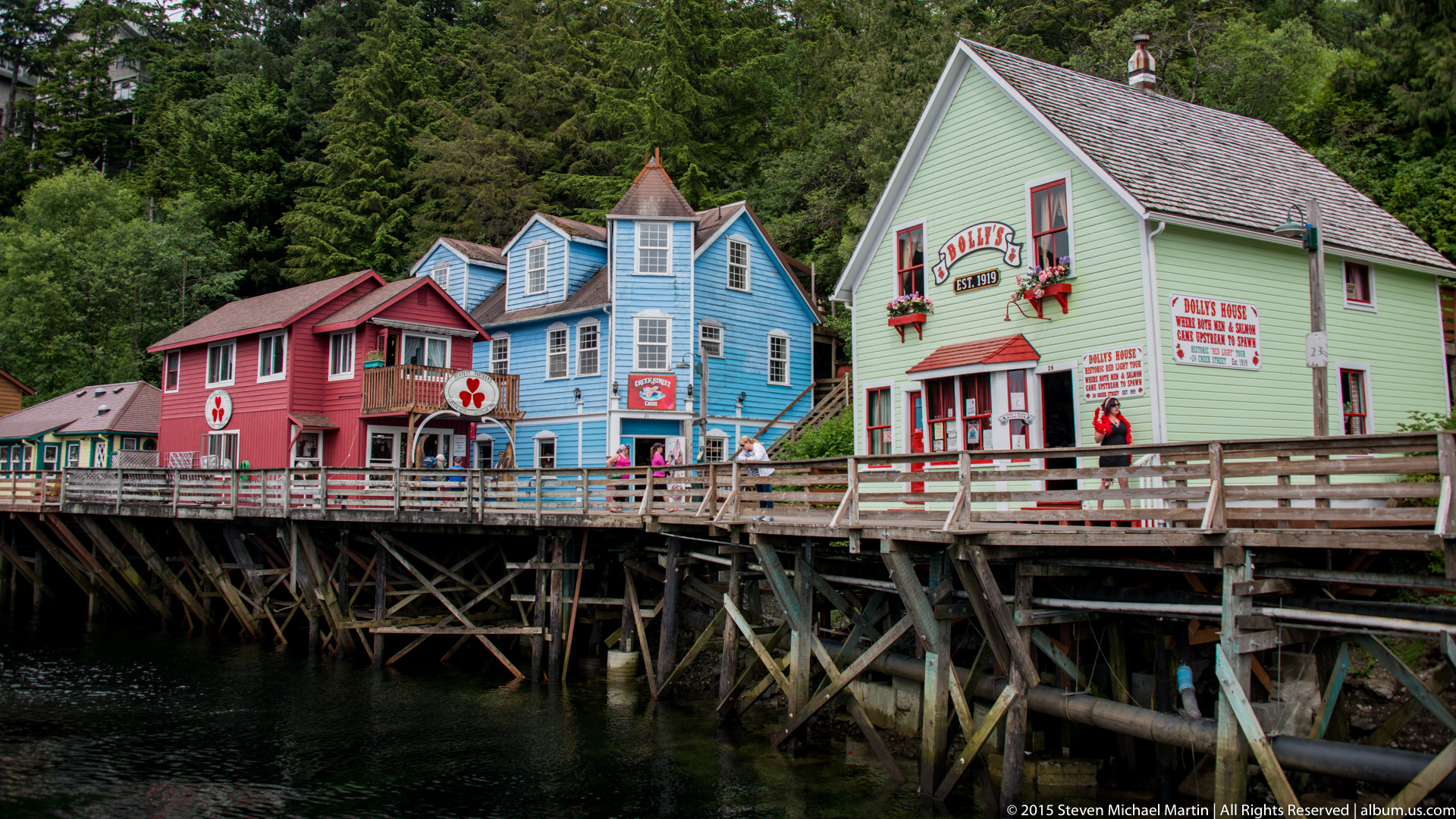
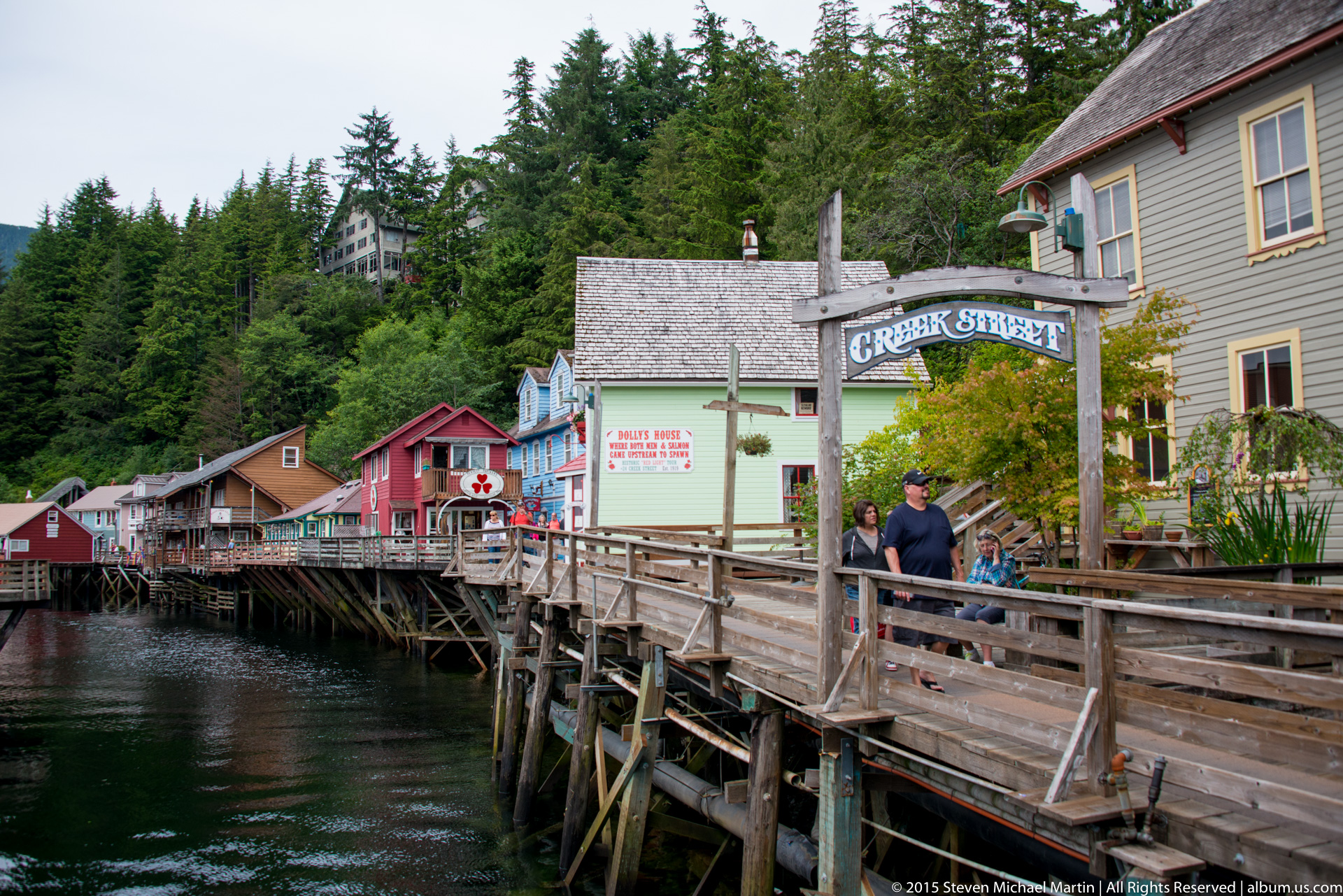
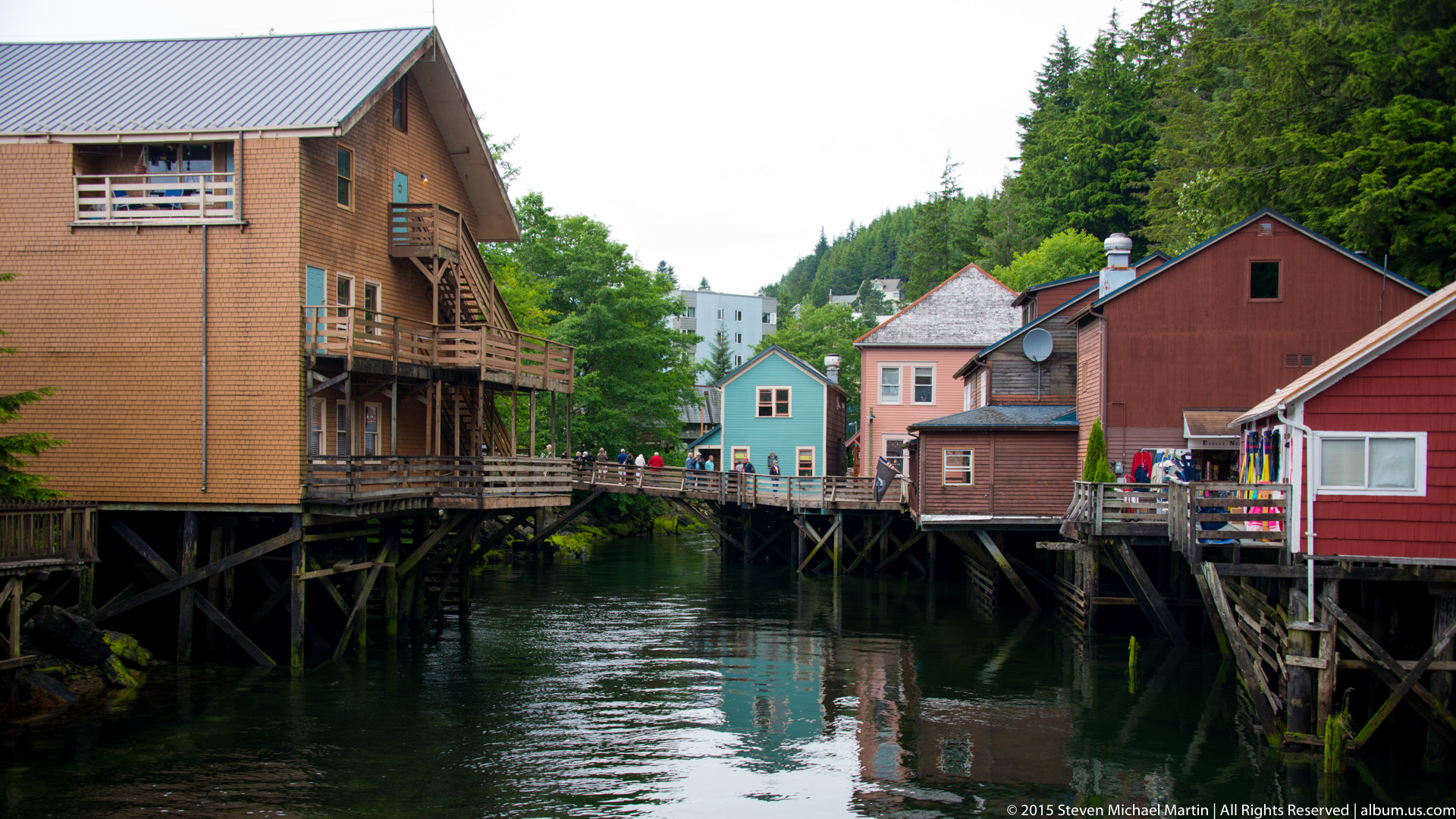
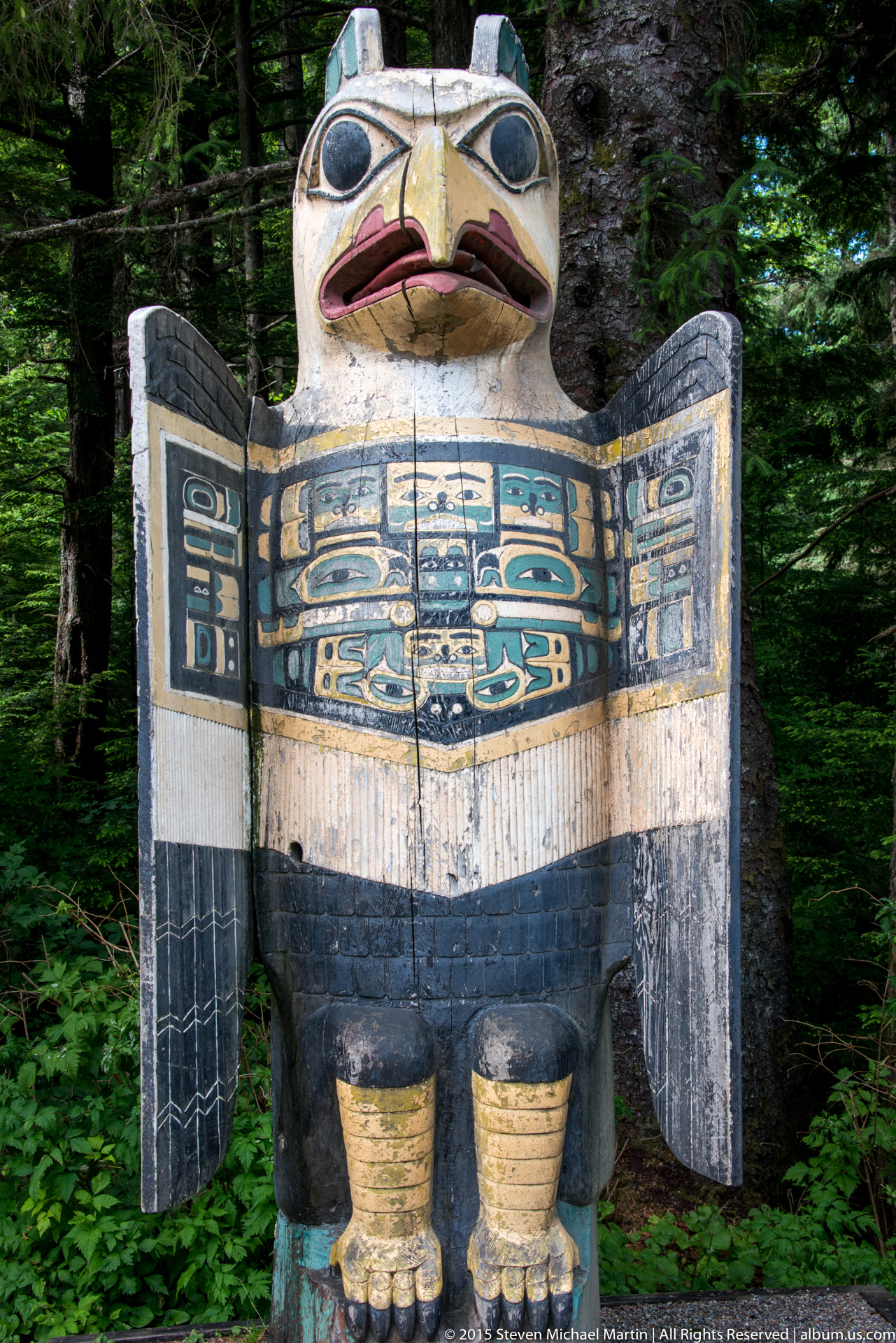
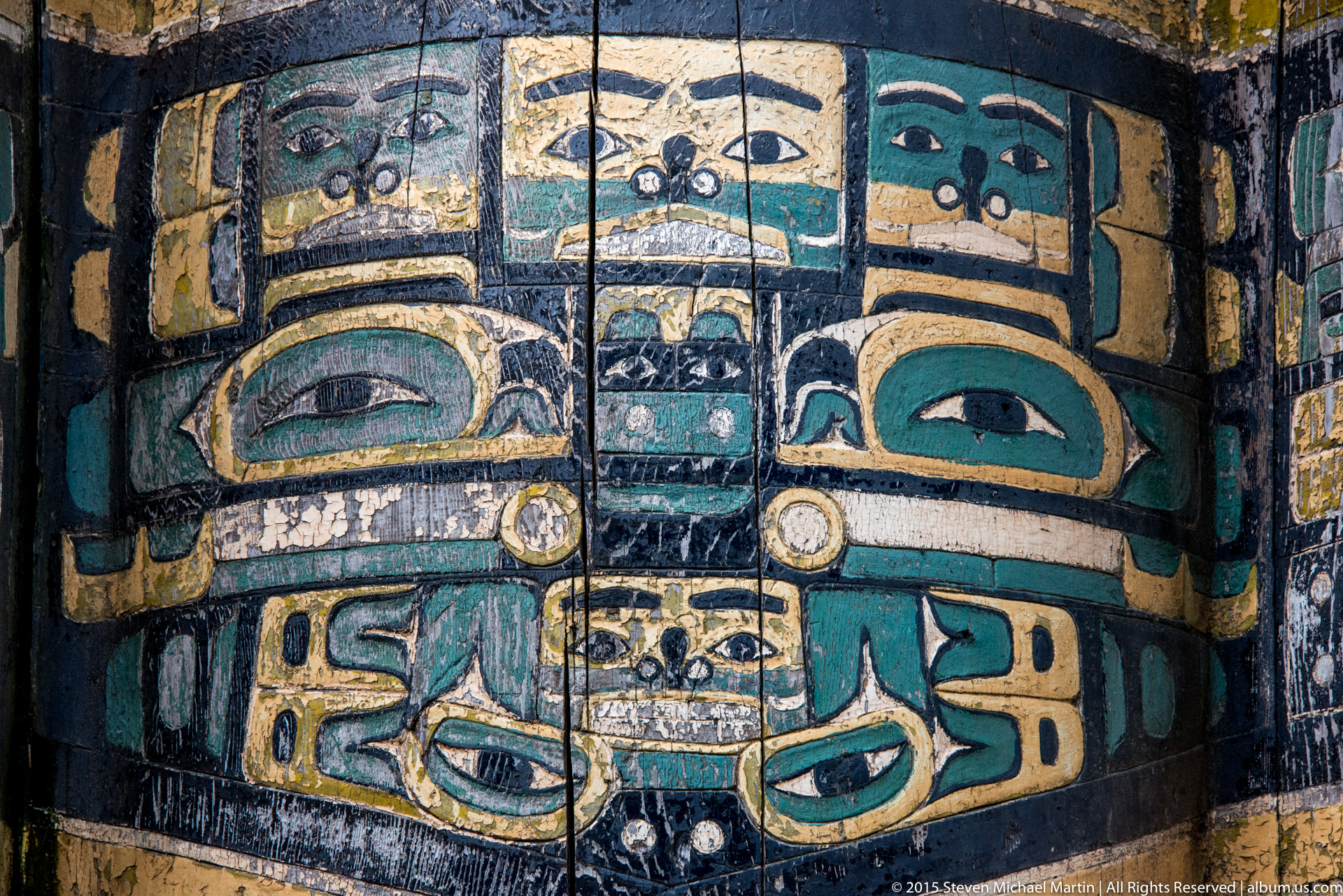
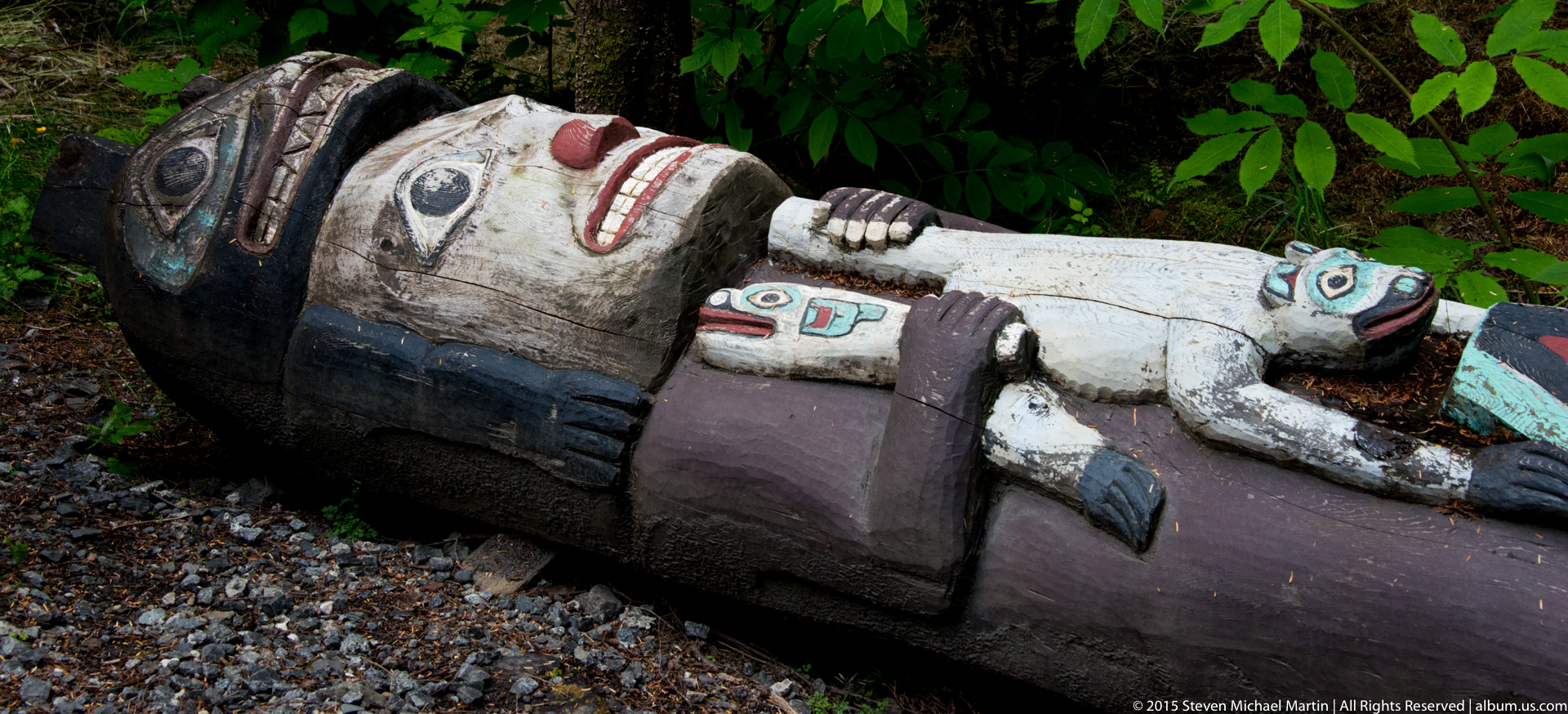
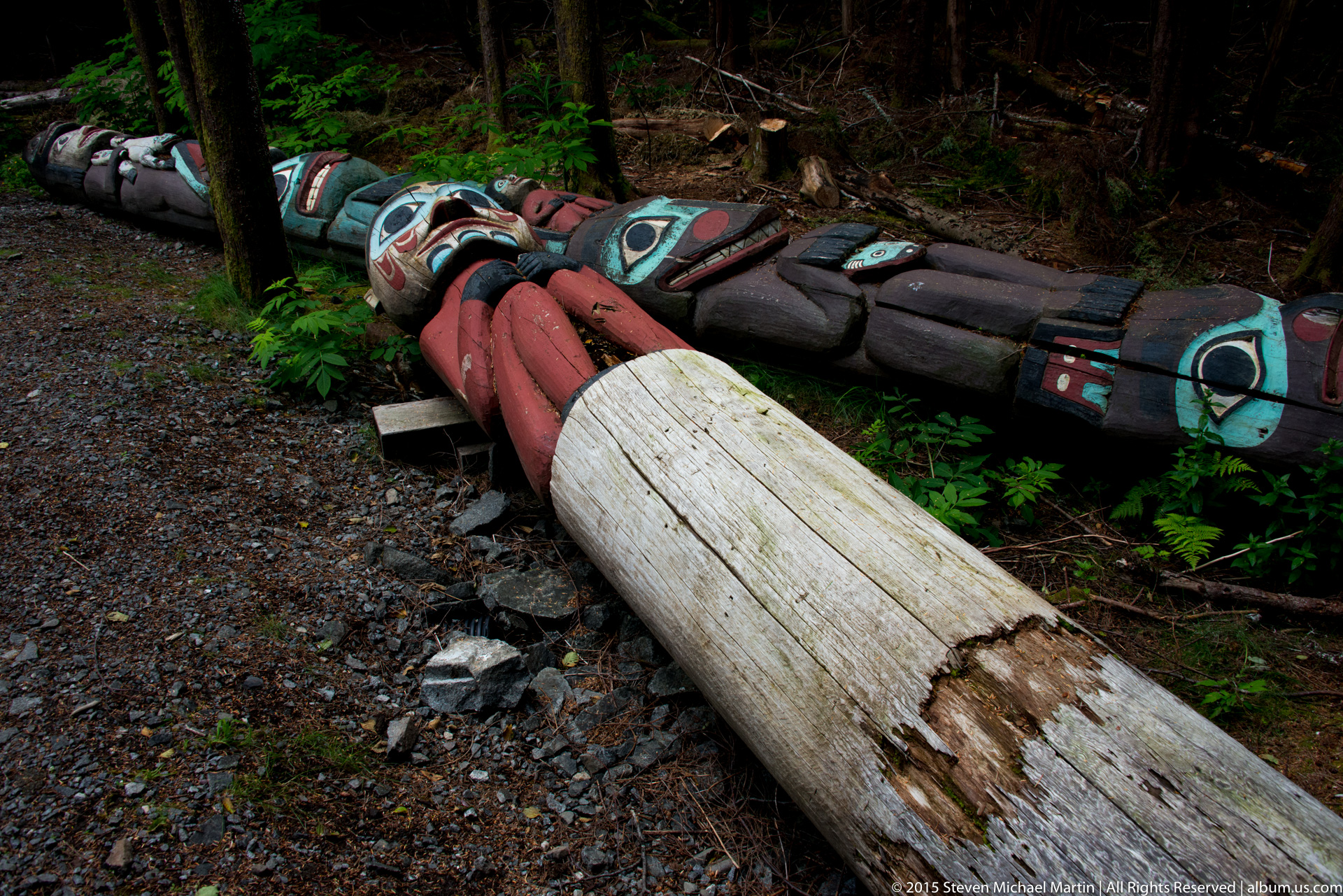
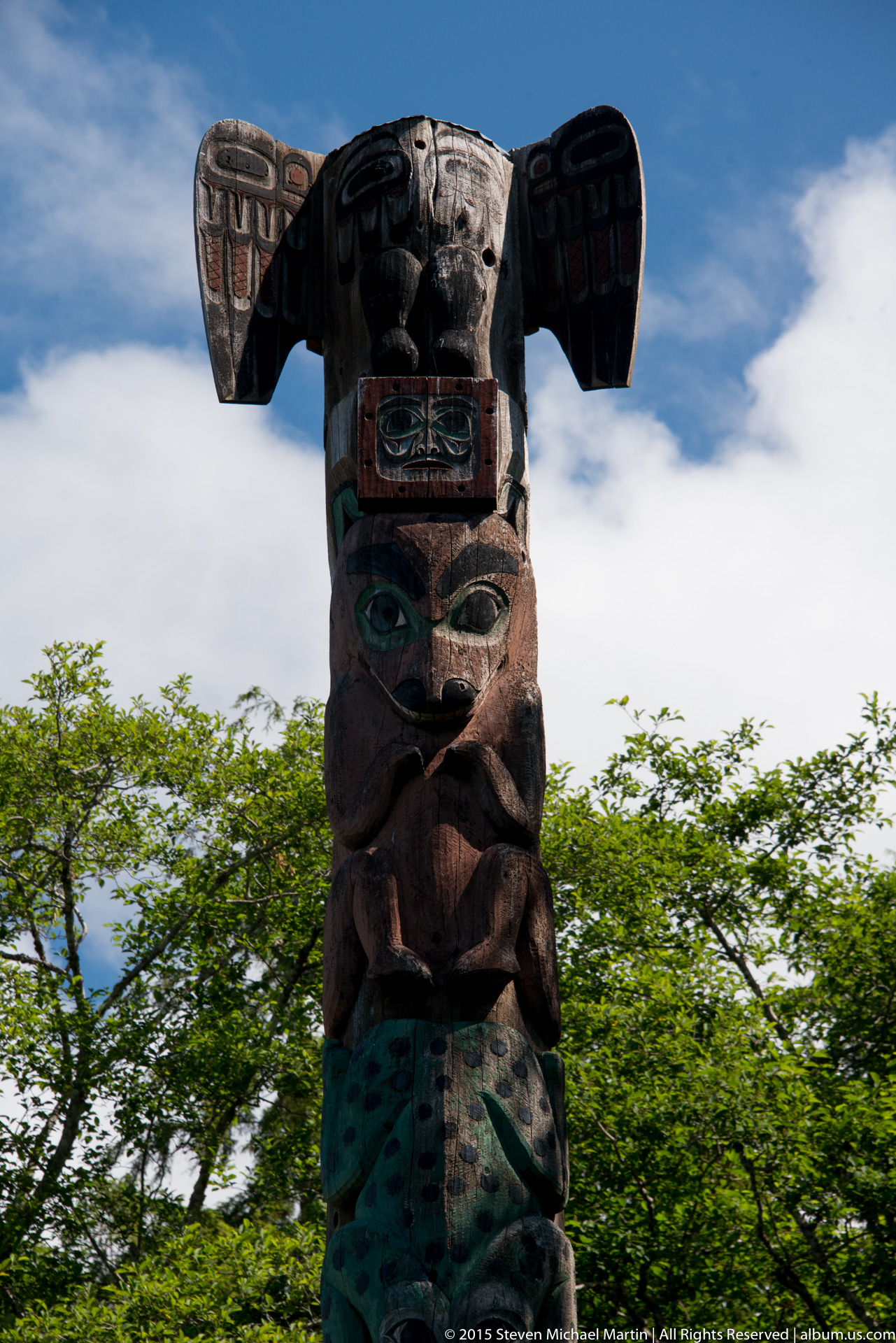
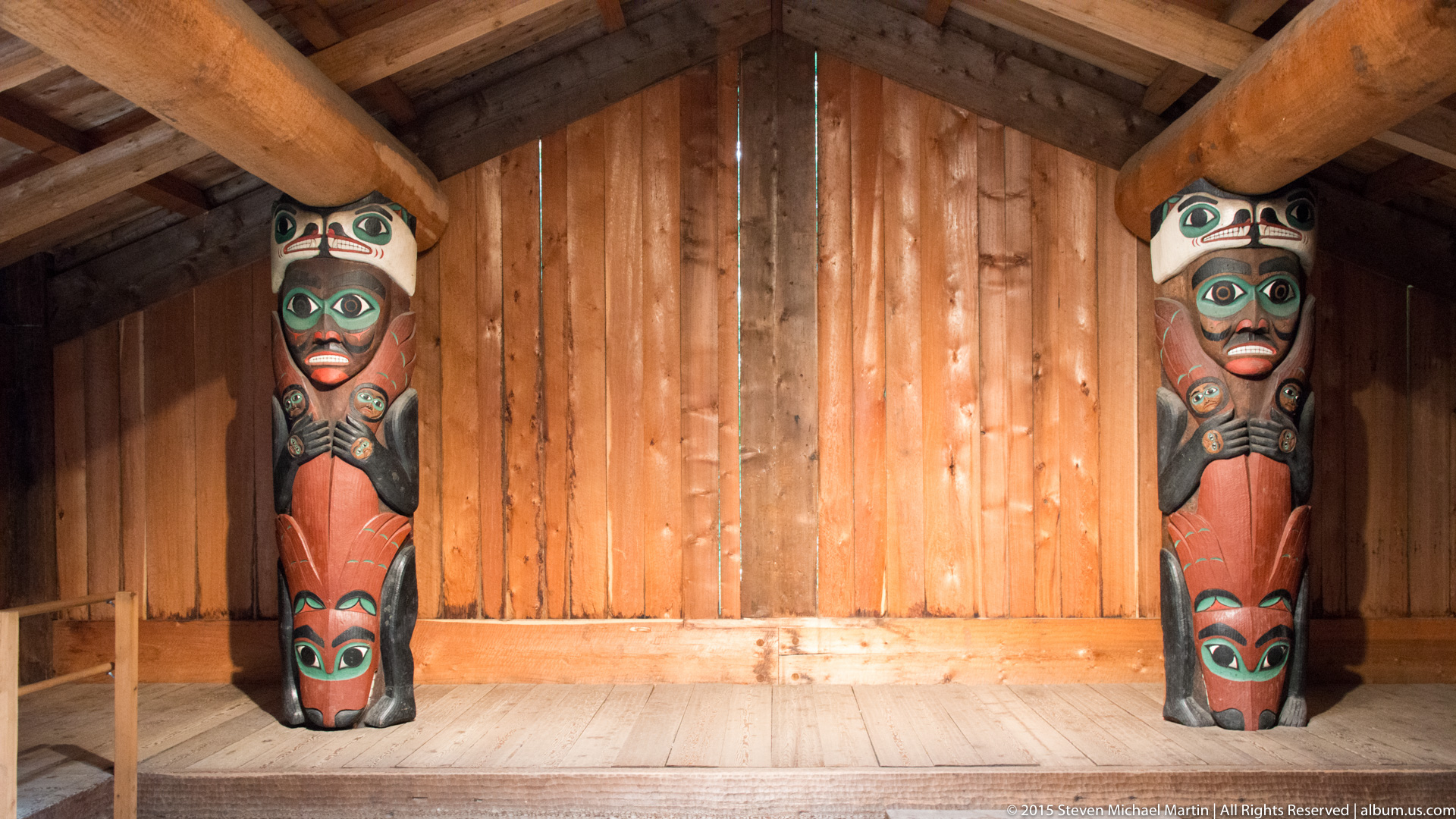
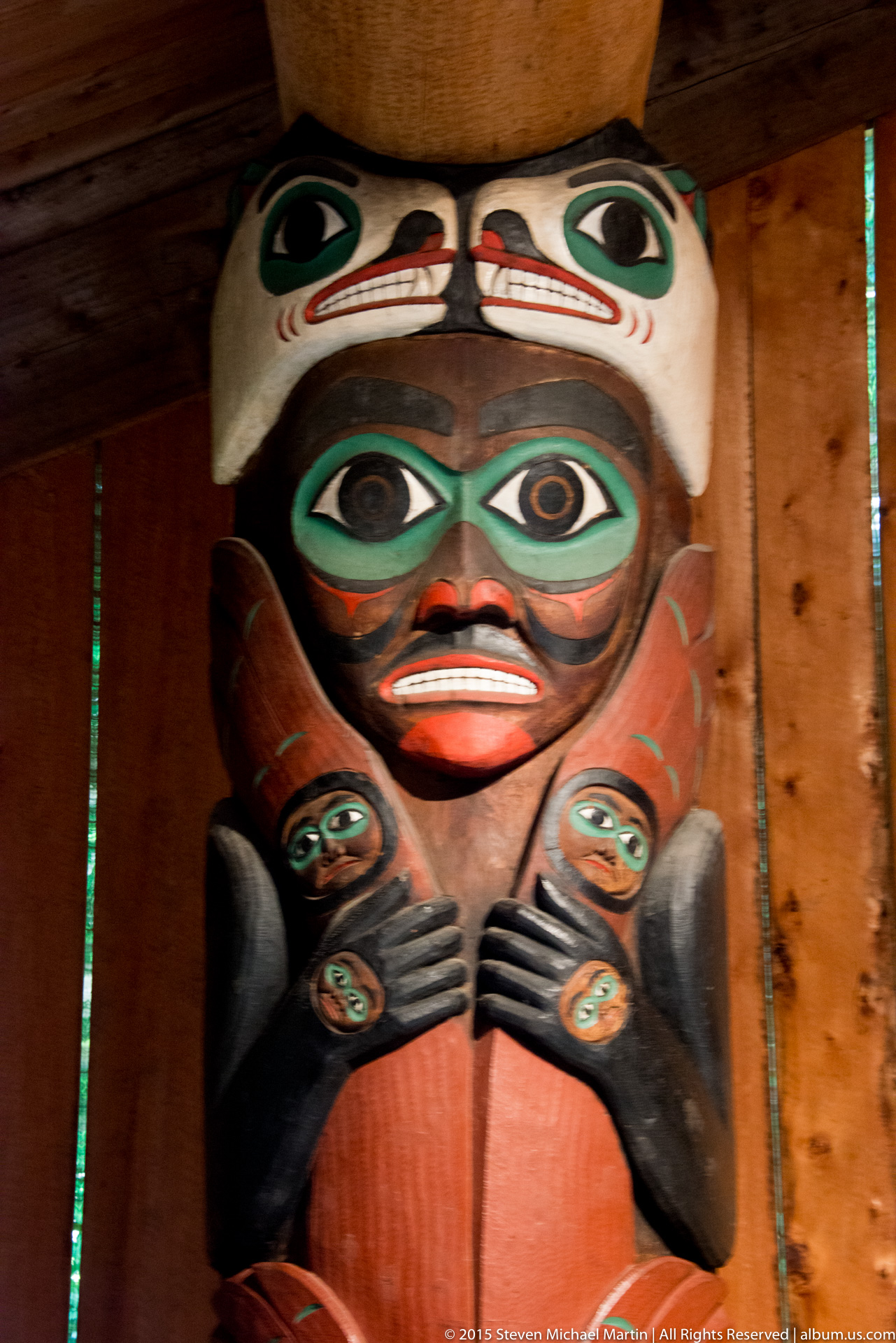
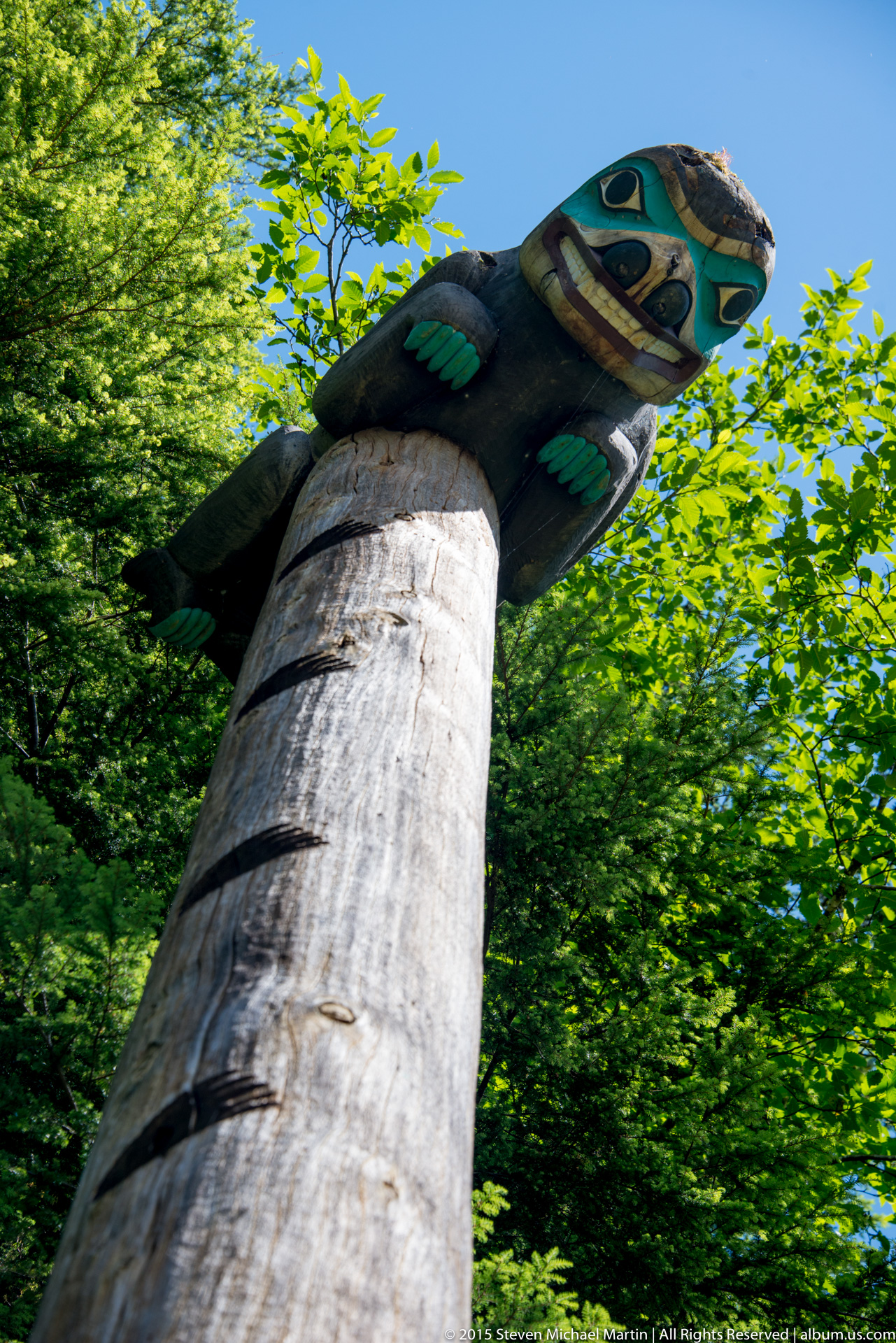
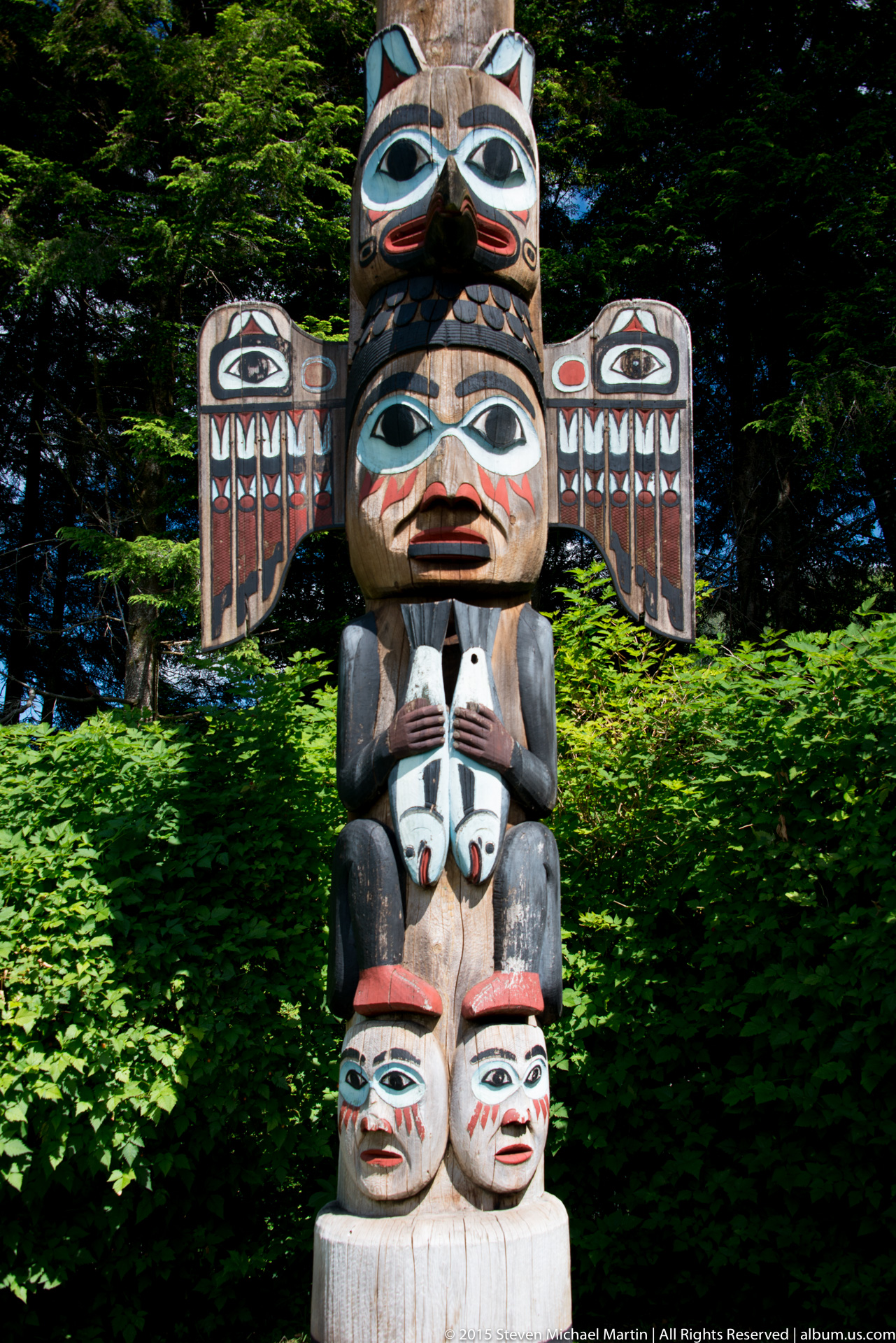
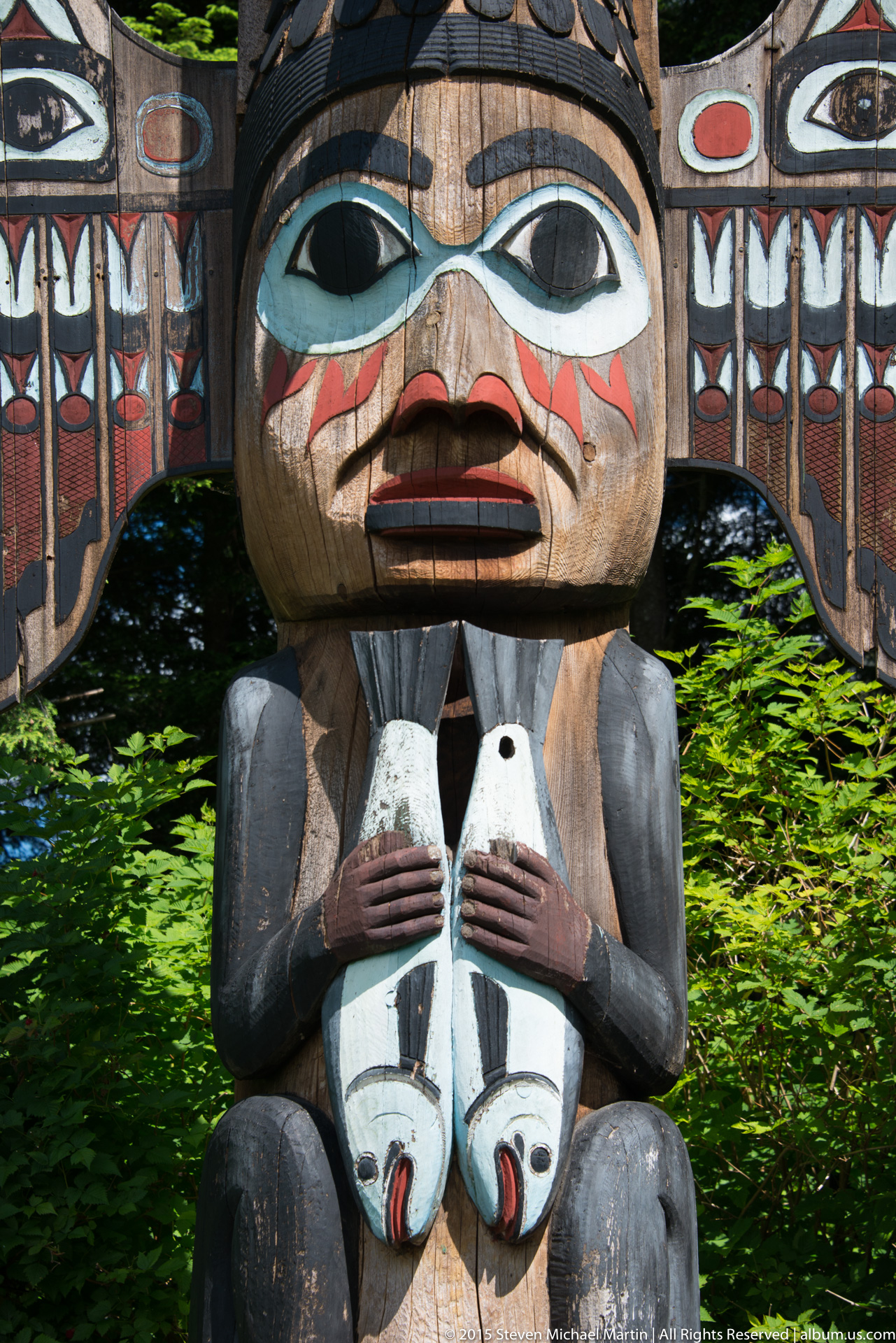
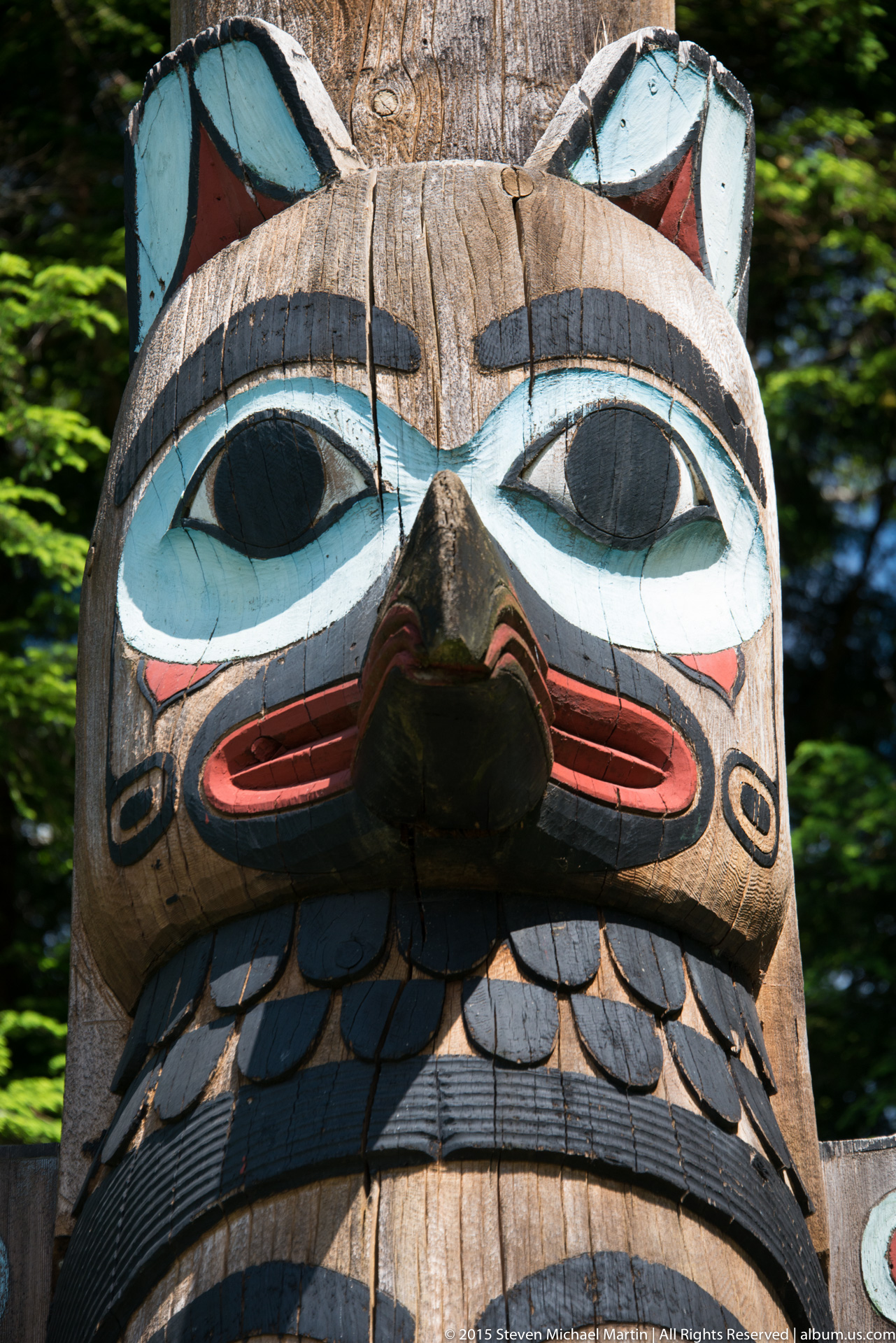
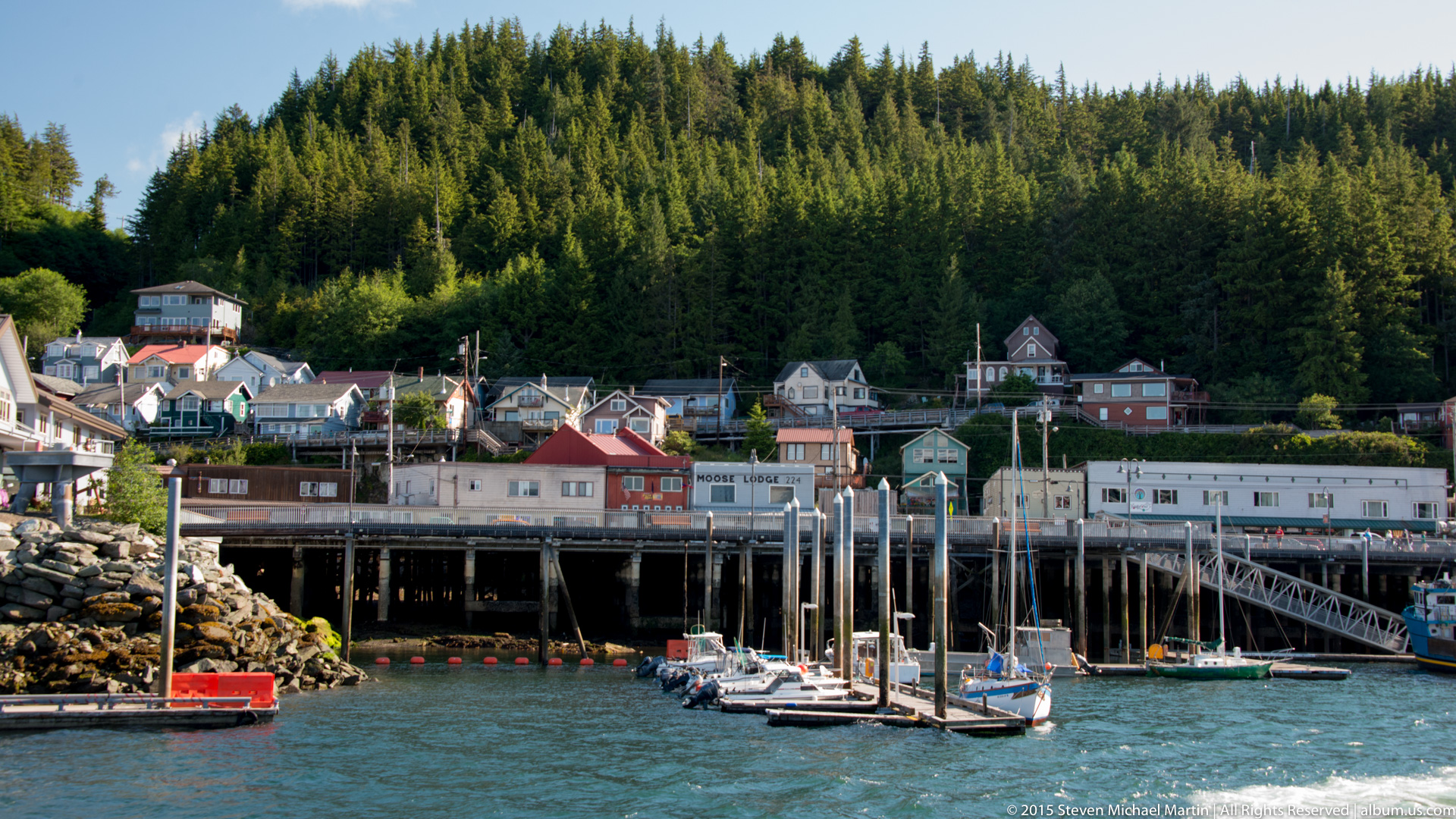
Historic areas such as Creek Street illustrate the architectural adaptations required for building in a tidal coastal environment. Structures elevated on pilings demonstrate how settlement patterns responded to changing water levels and shoreline conditions. Cultural influences are also visible through totem poles and artistic traditions reflecting Indigenous heritage.
Visitors experience Ketchikan as a town closely connected to the surrounding marine landscape. The harbor, boardwalks, and nearby forested hills create a setting that reflects both the working character of the community and its historical relationship to coastal geography.