H
Bryce Canyon National Park – Navajo Loop
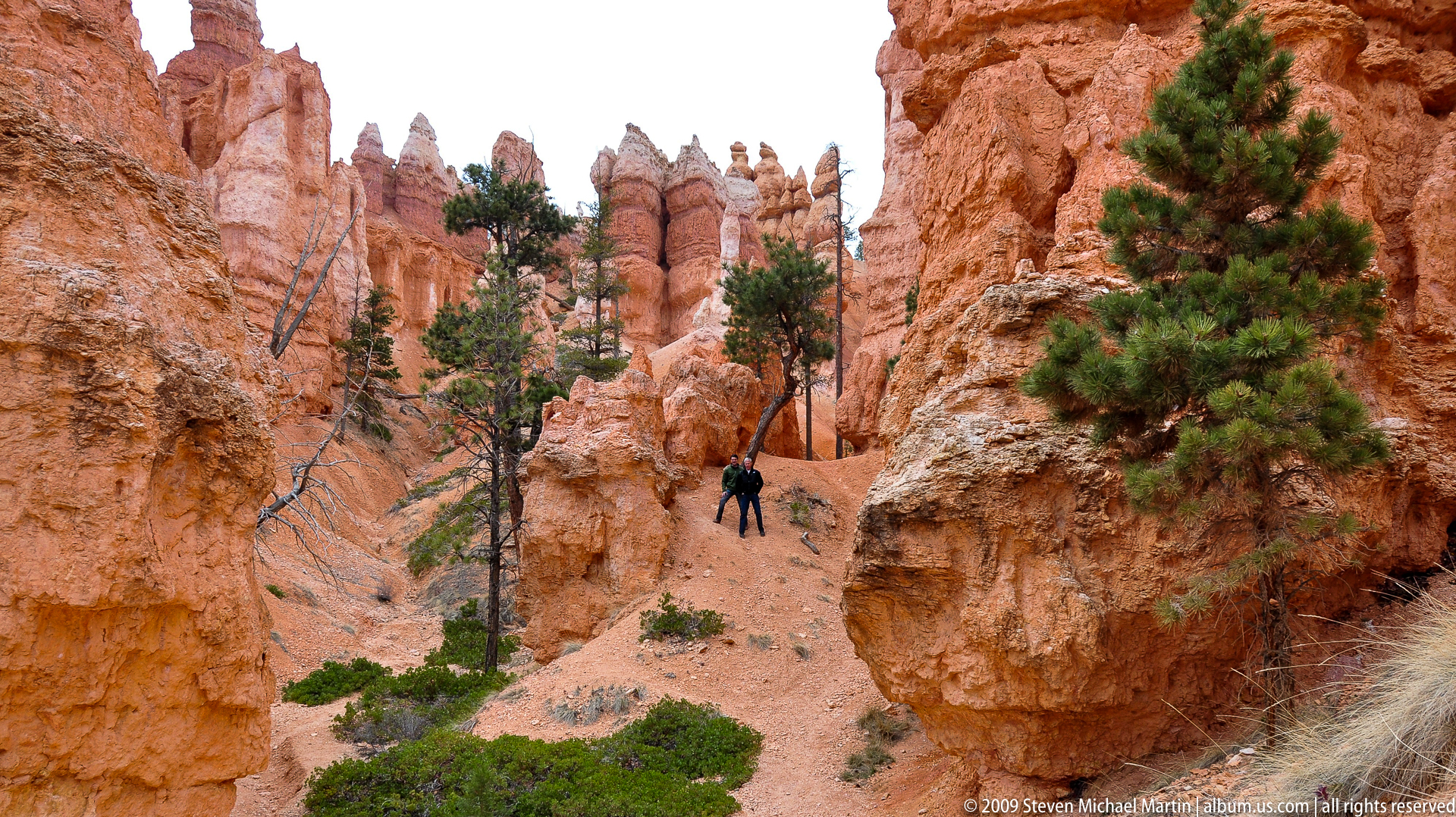
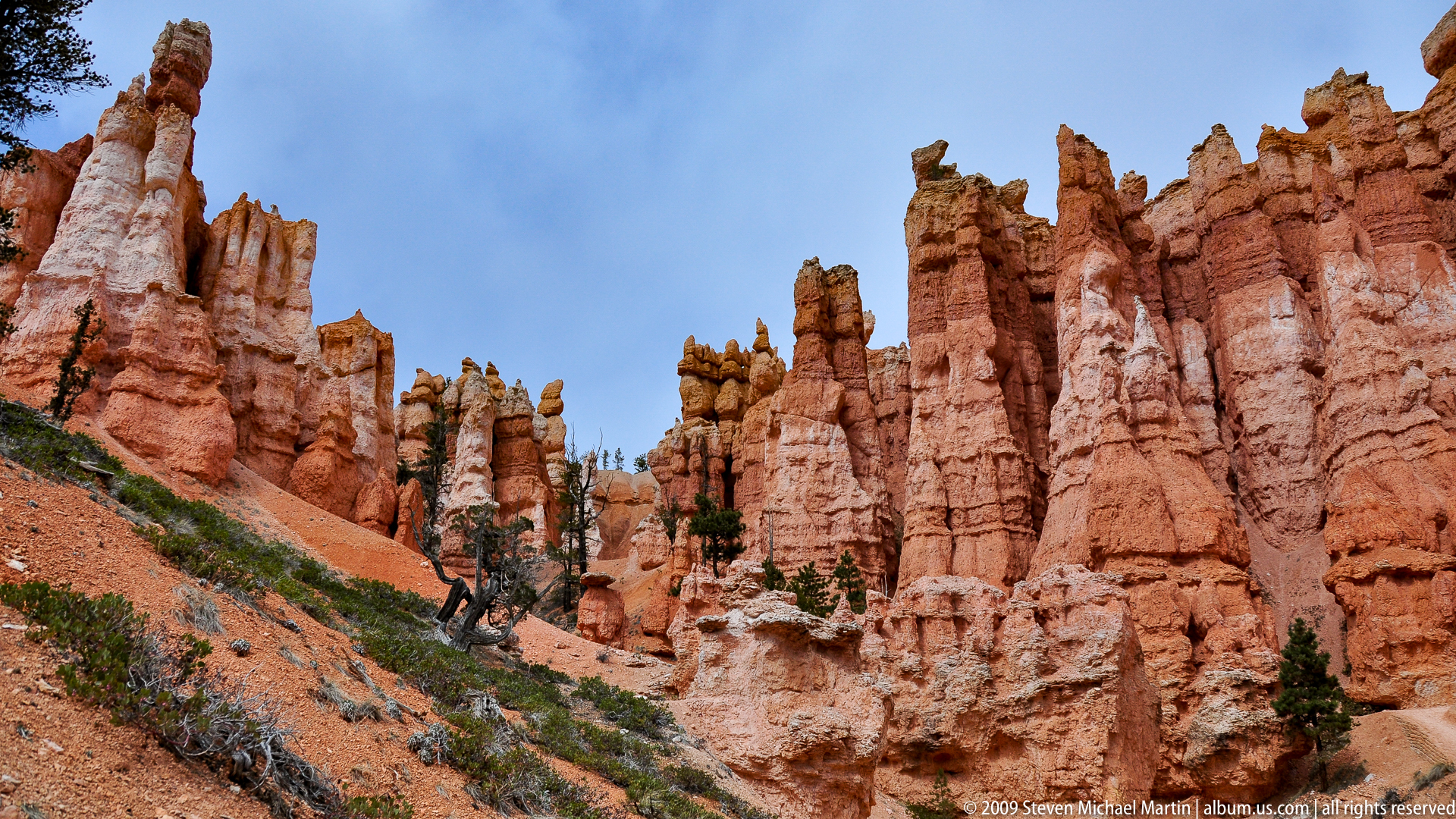
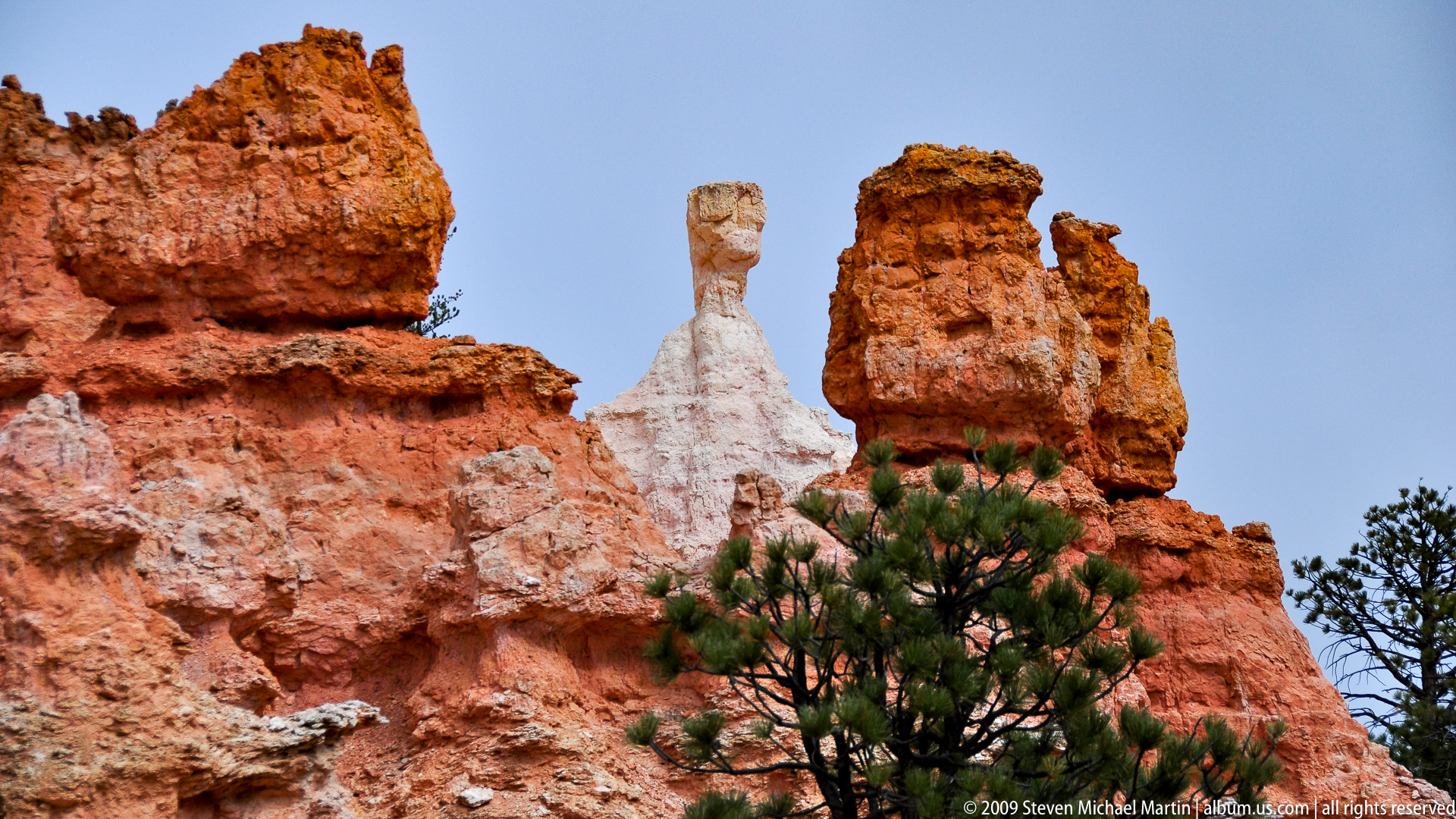
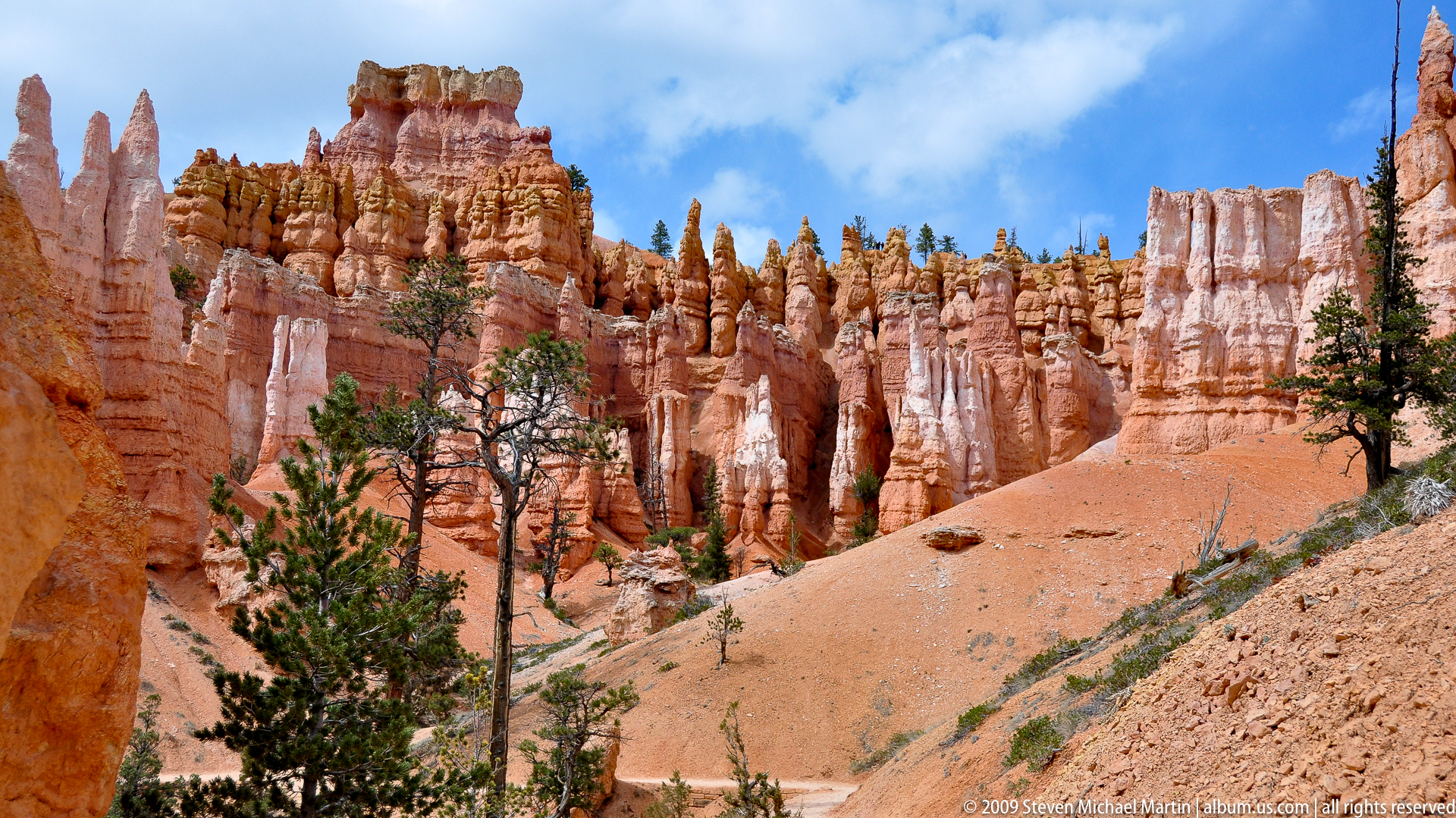
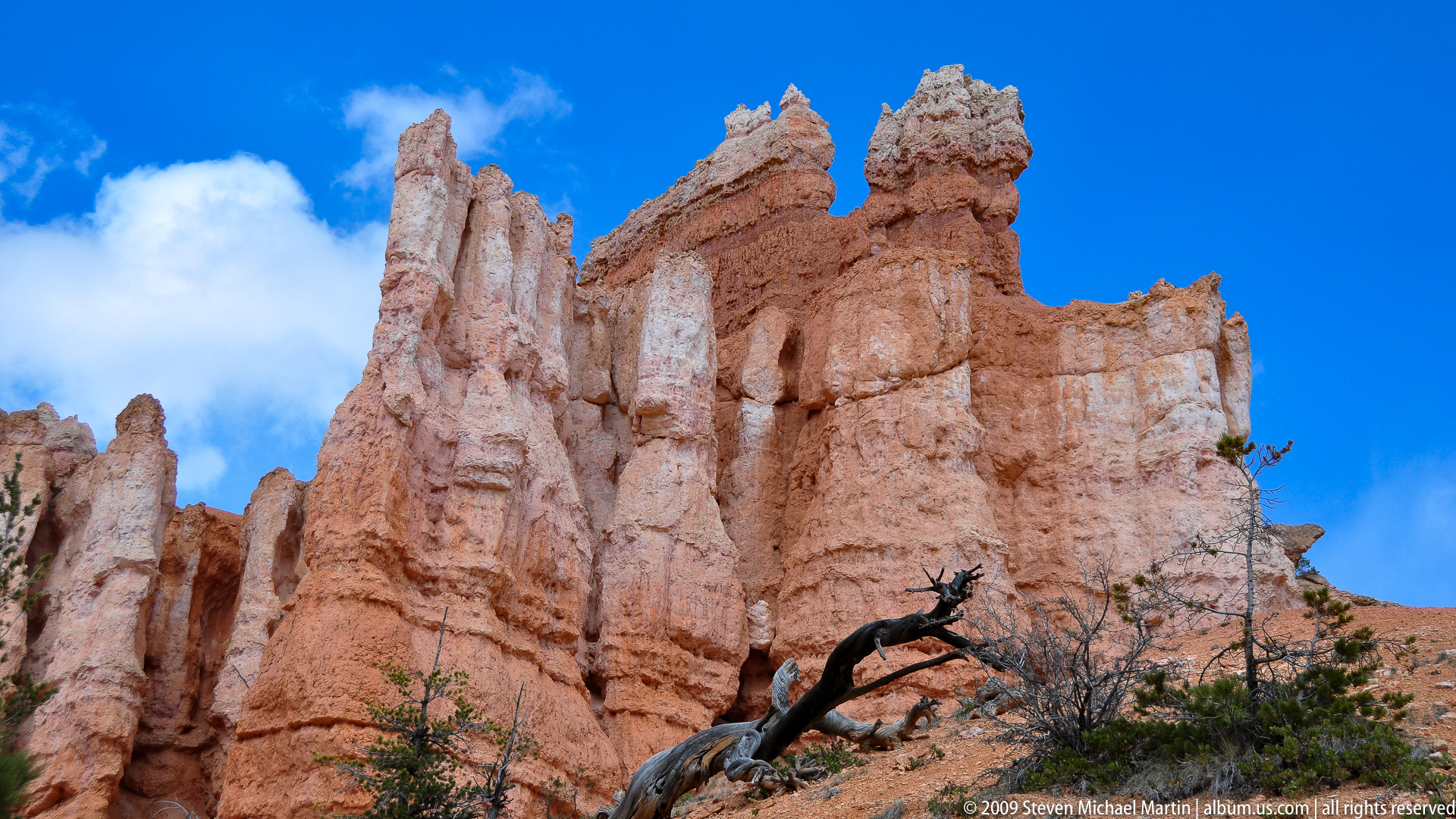
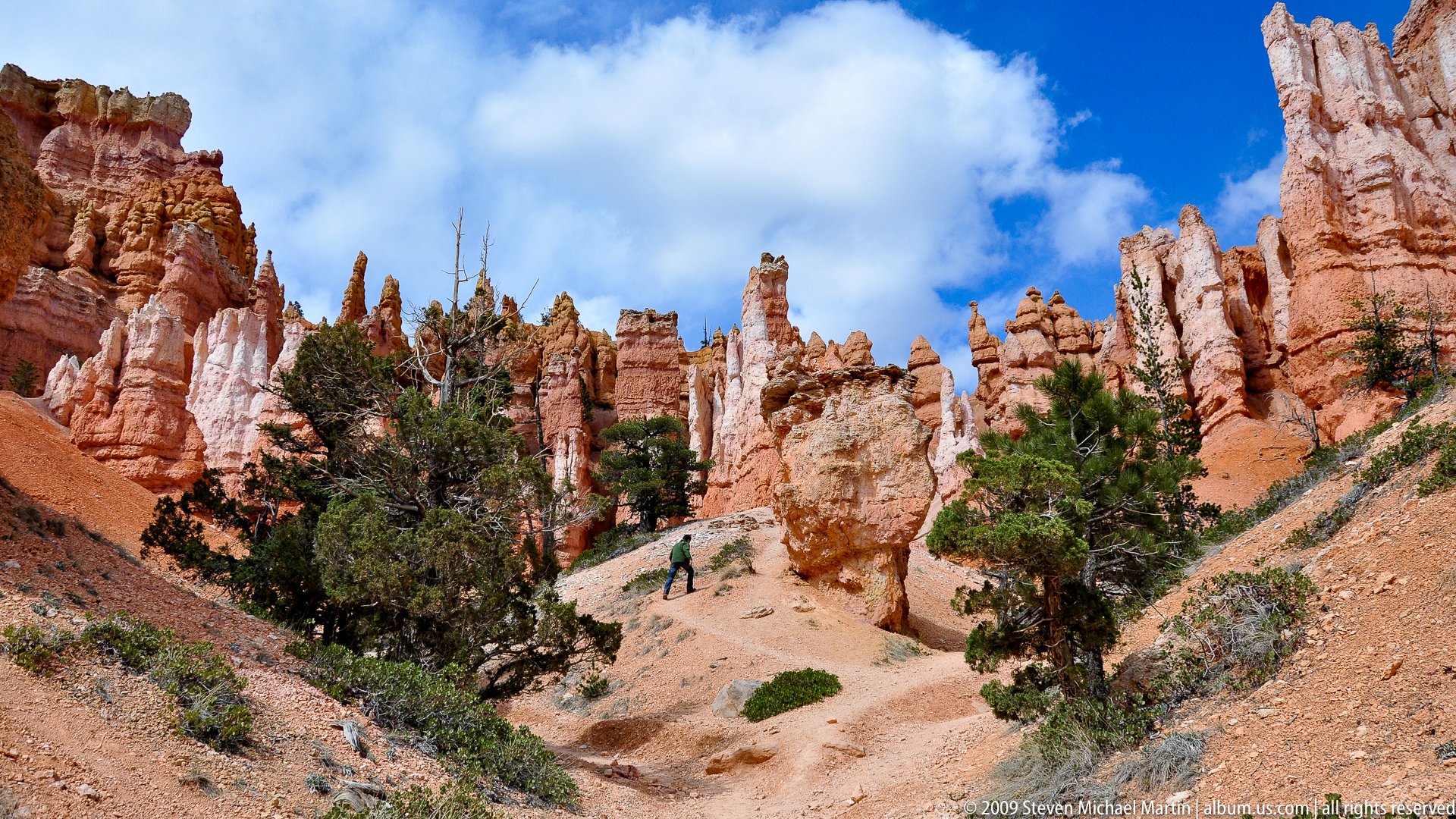
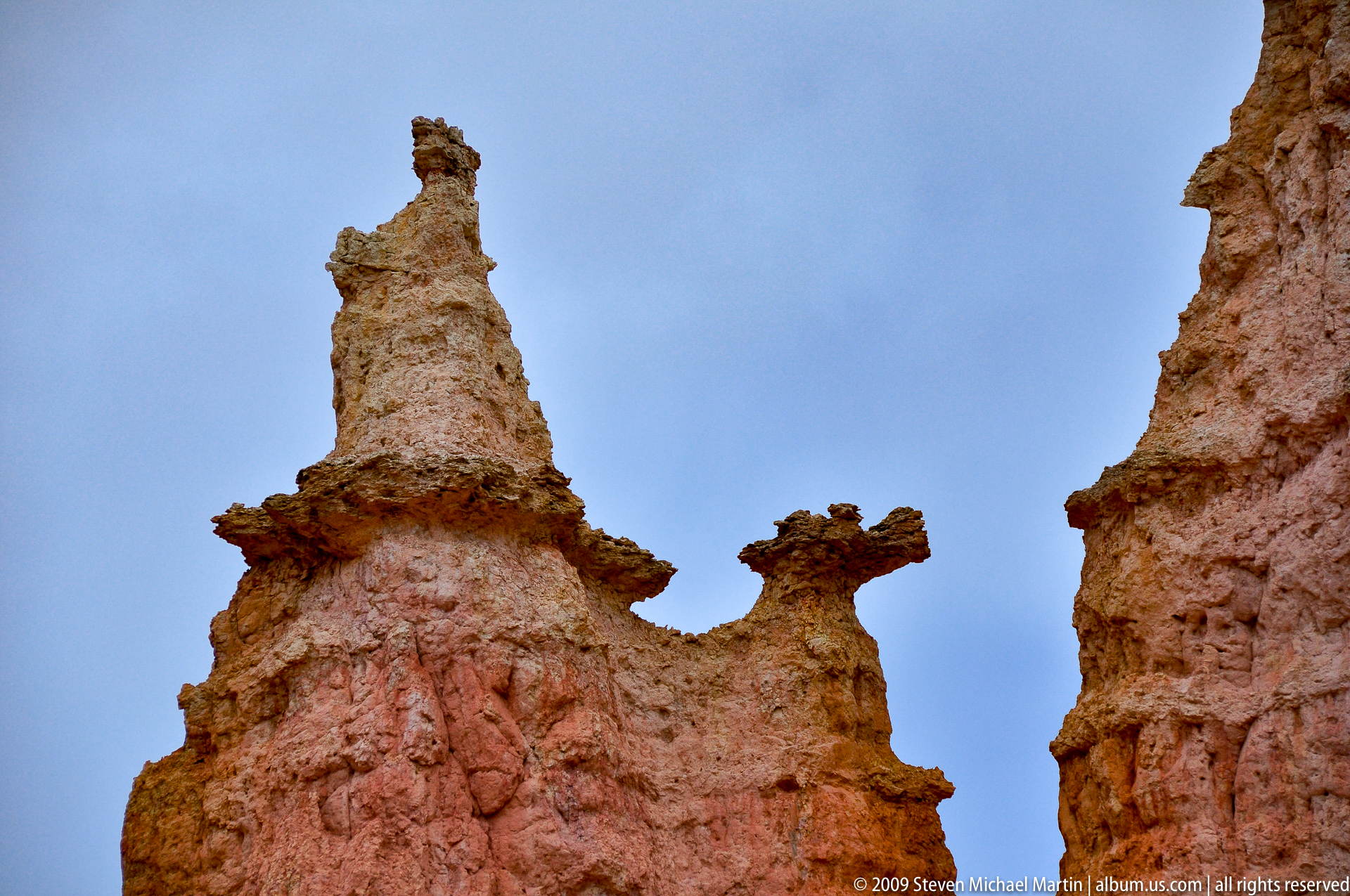
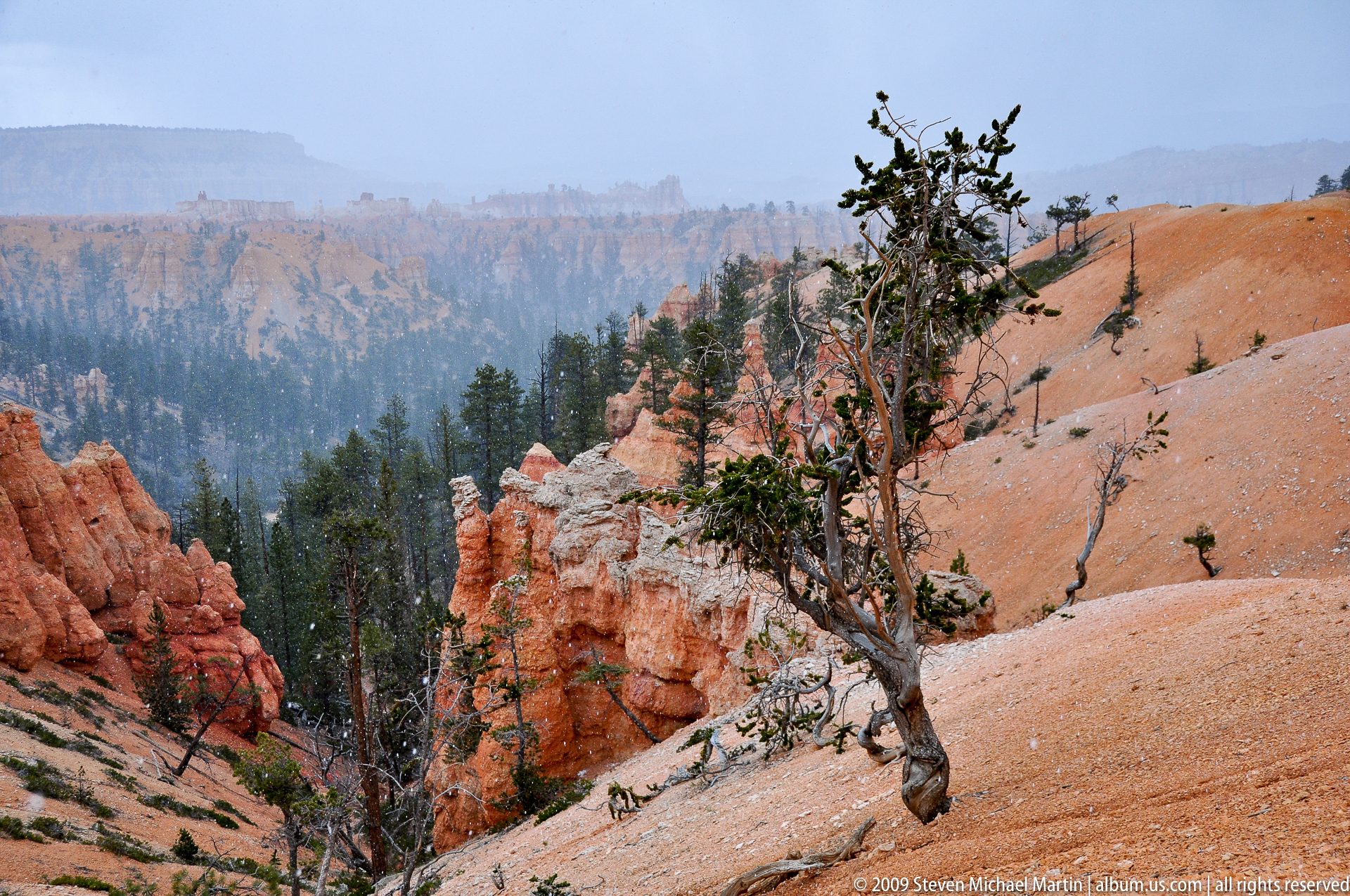
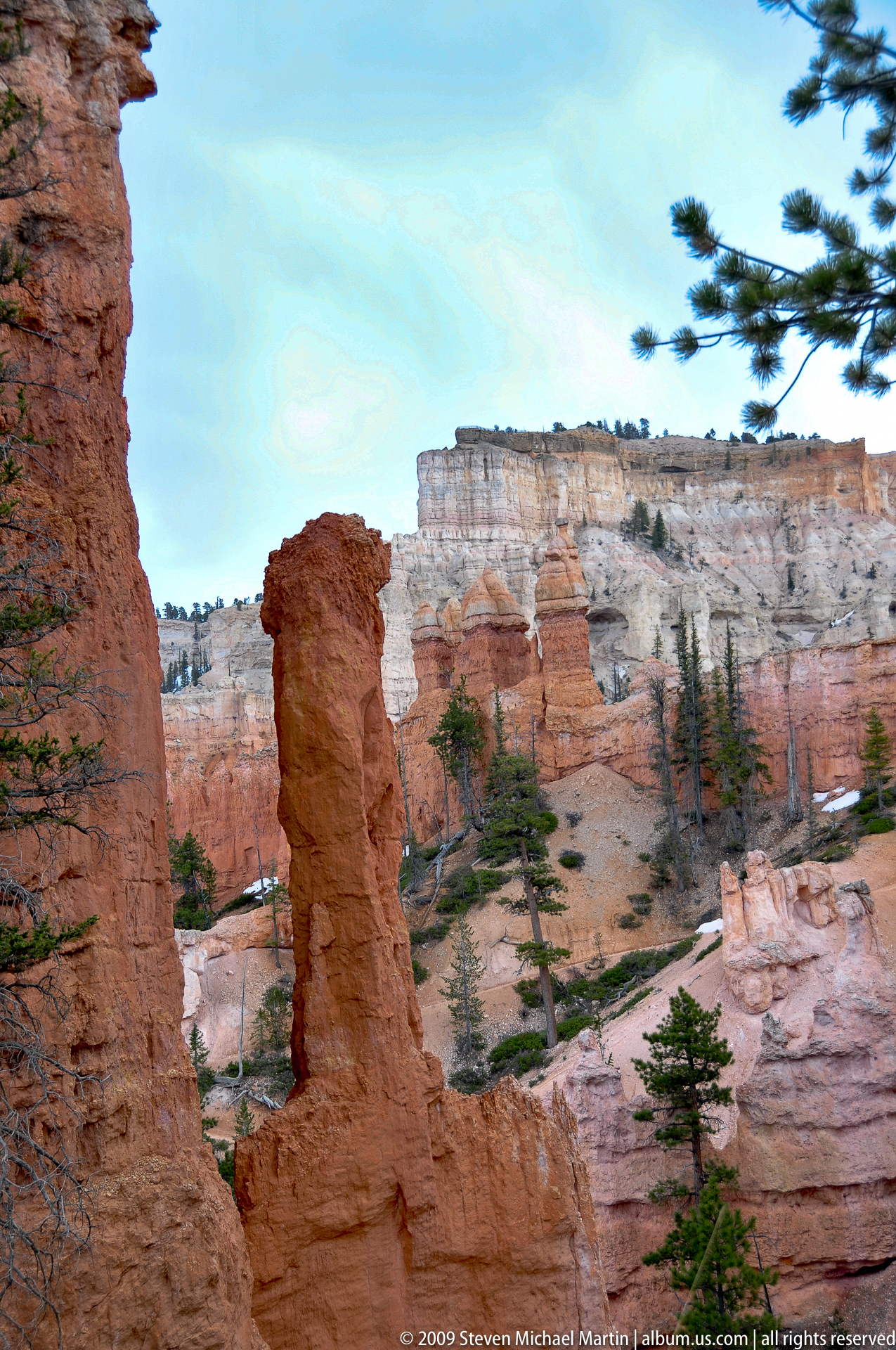
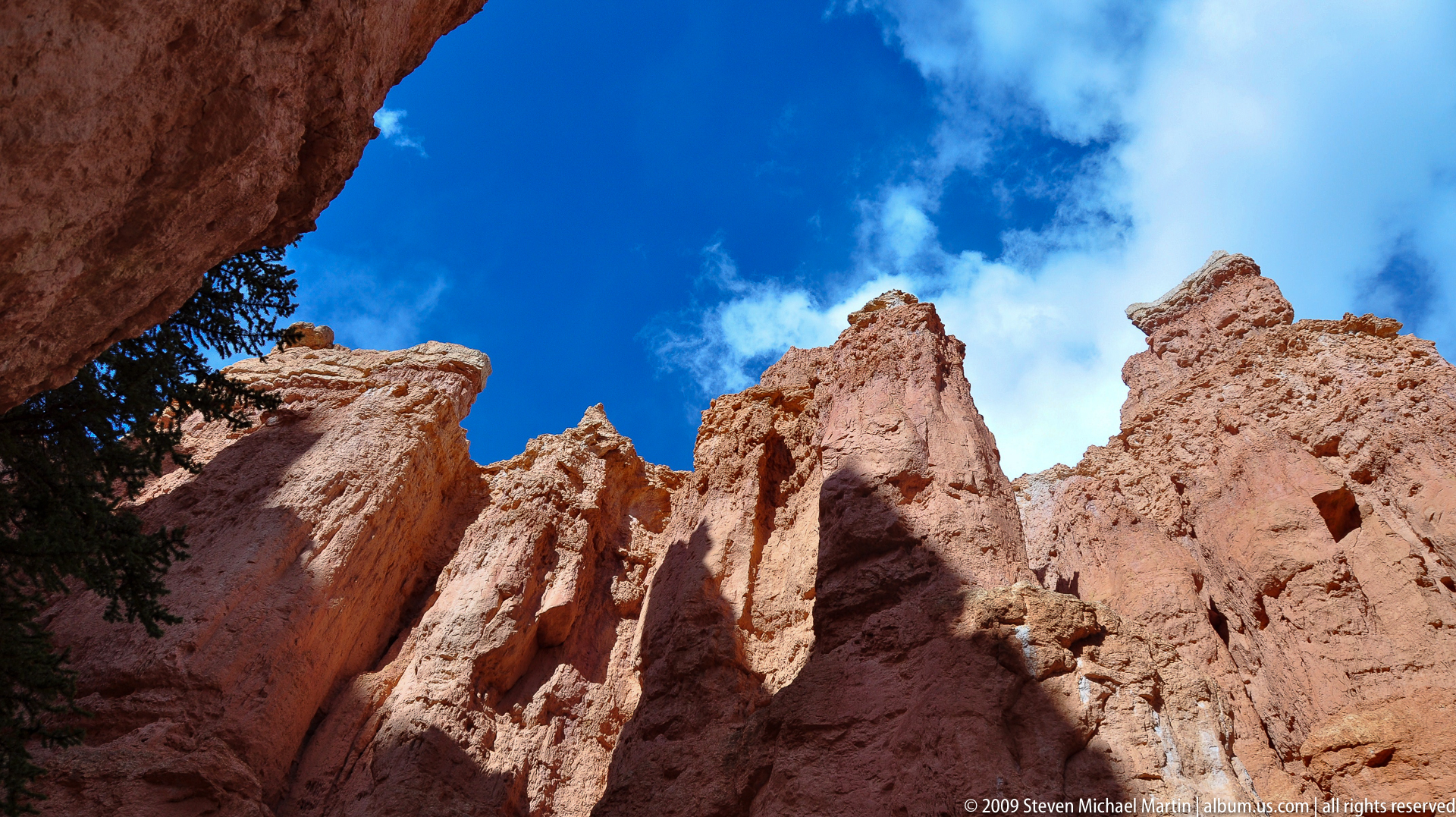
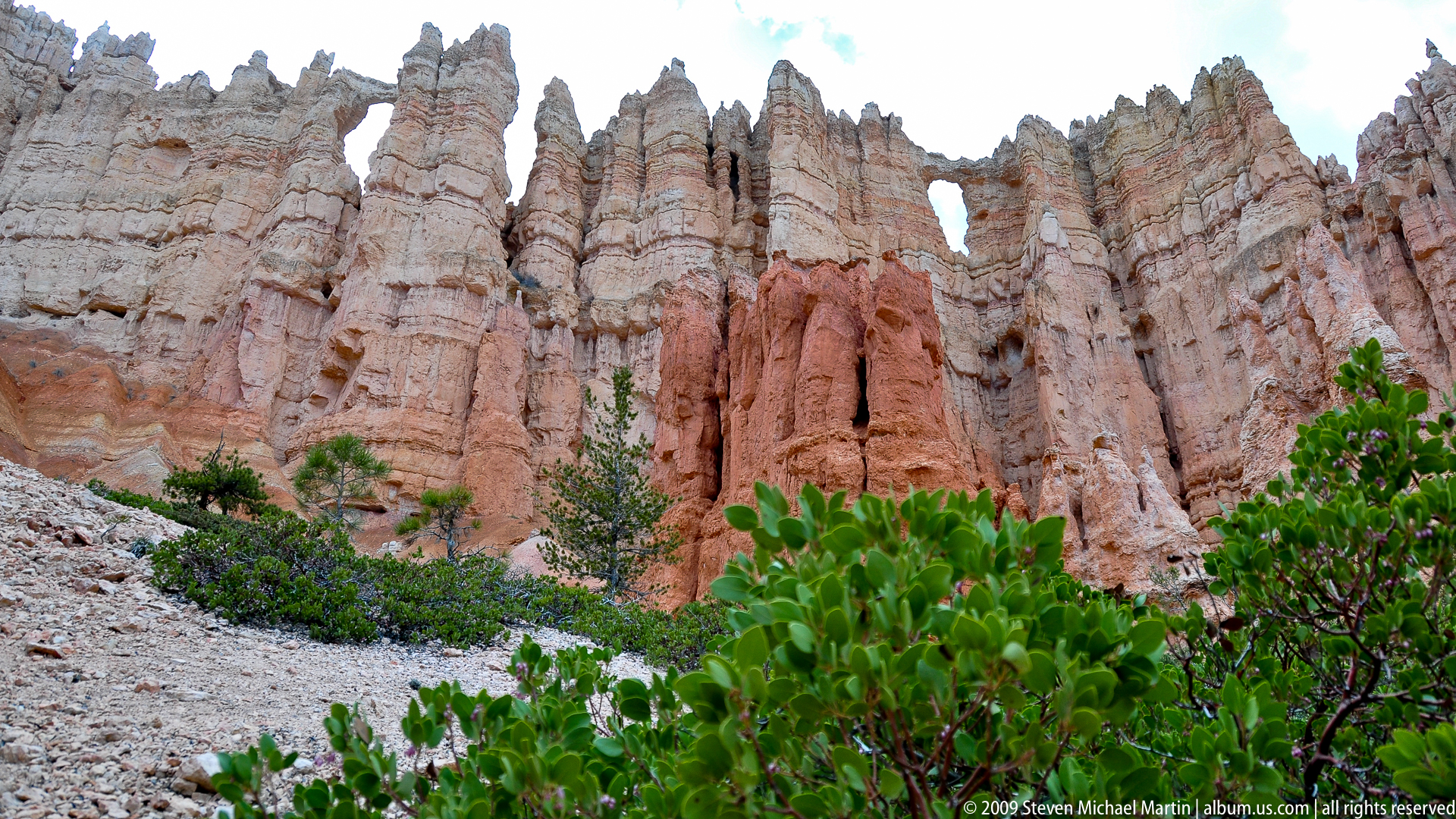
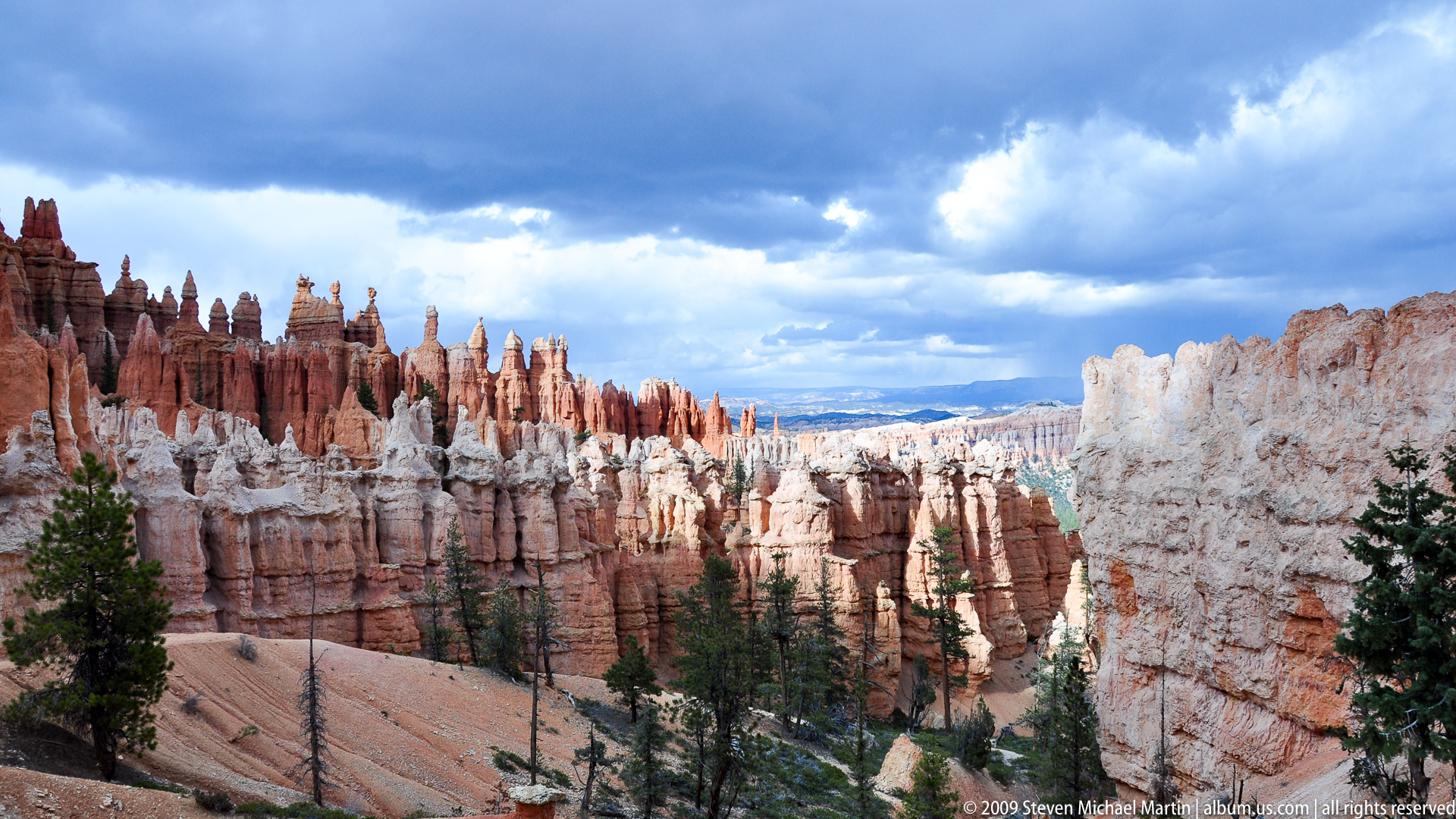
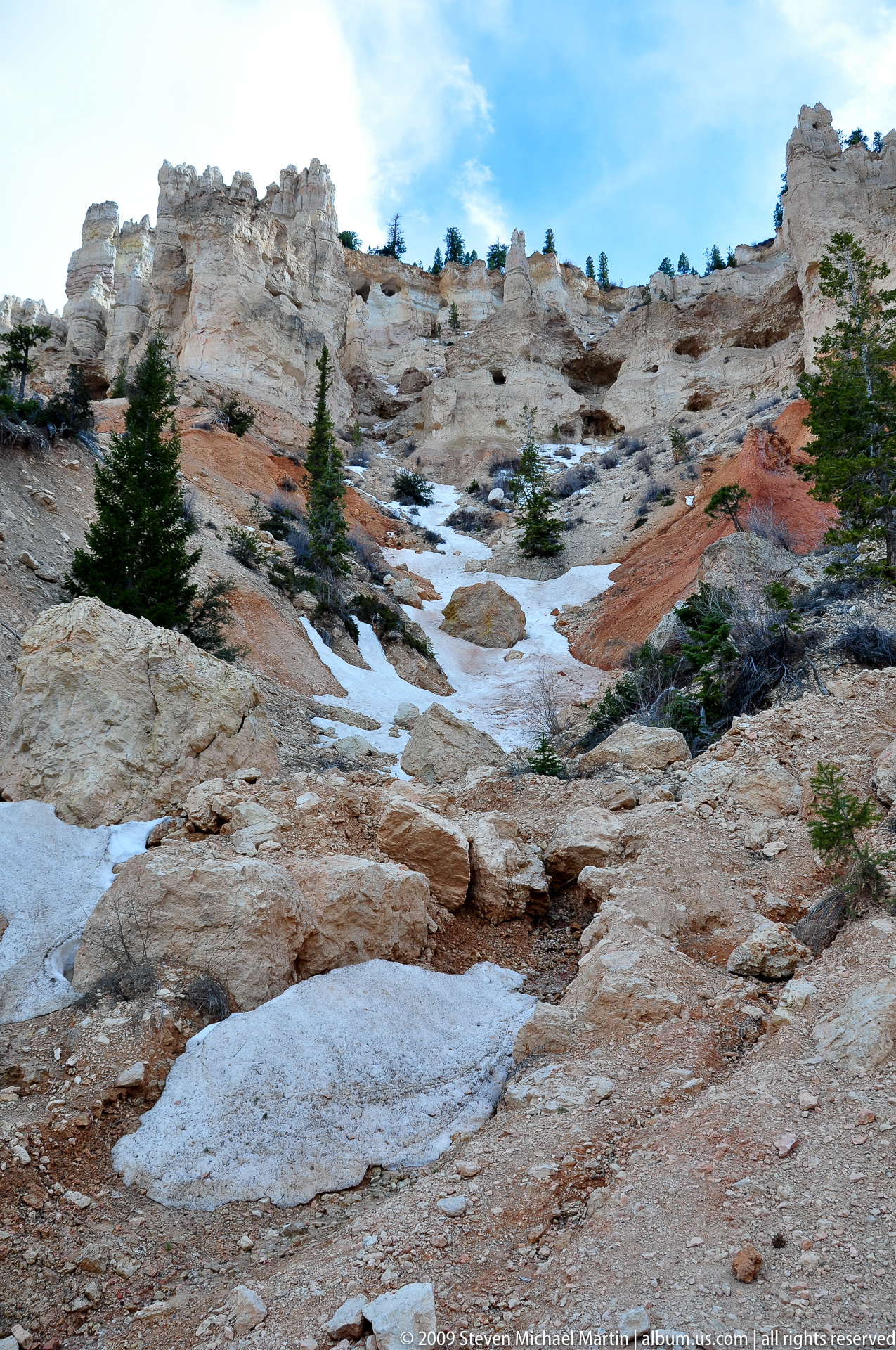
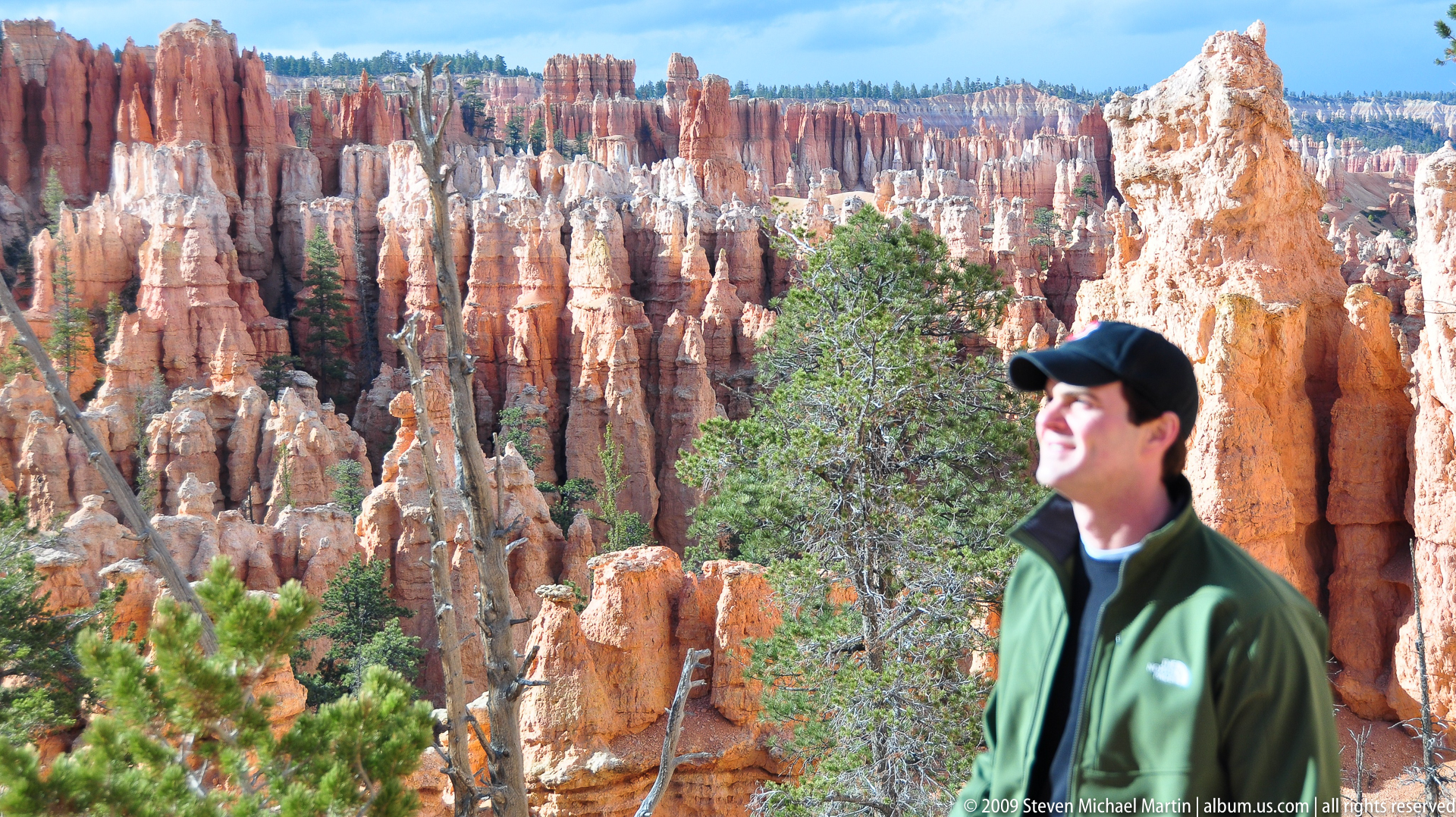
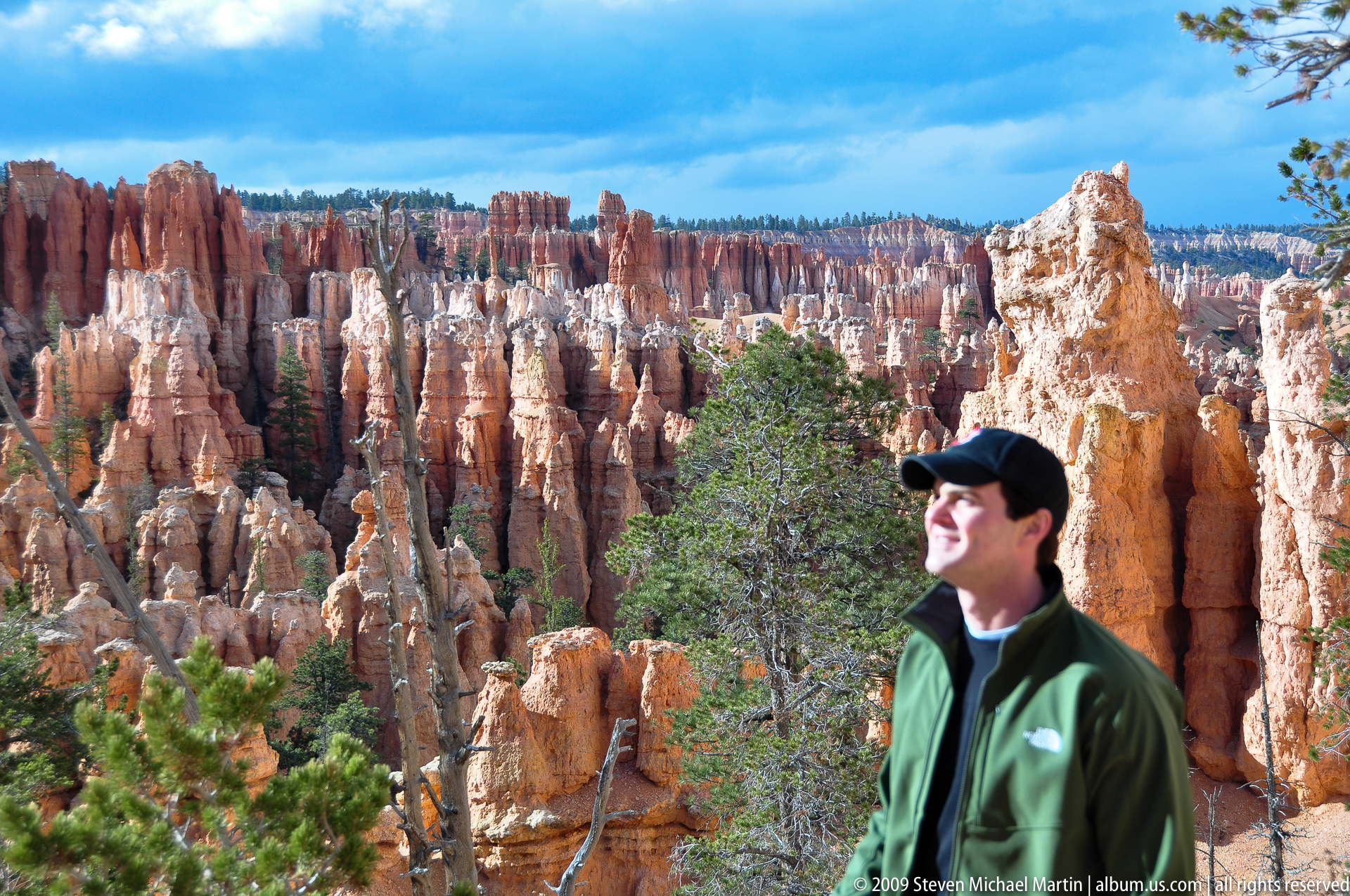
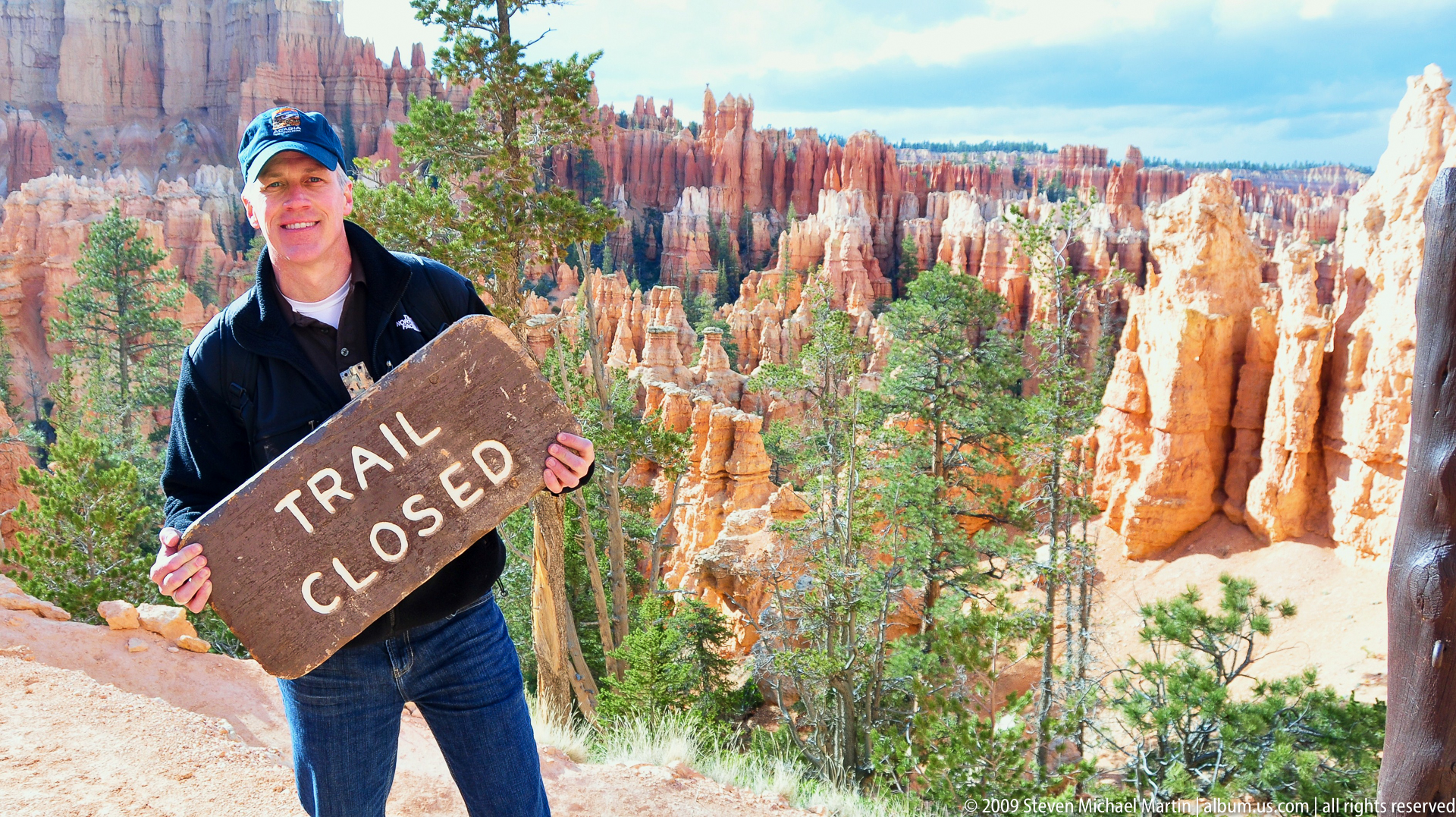
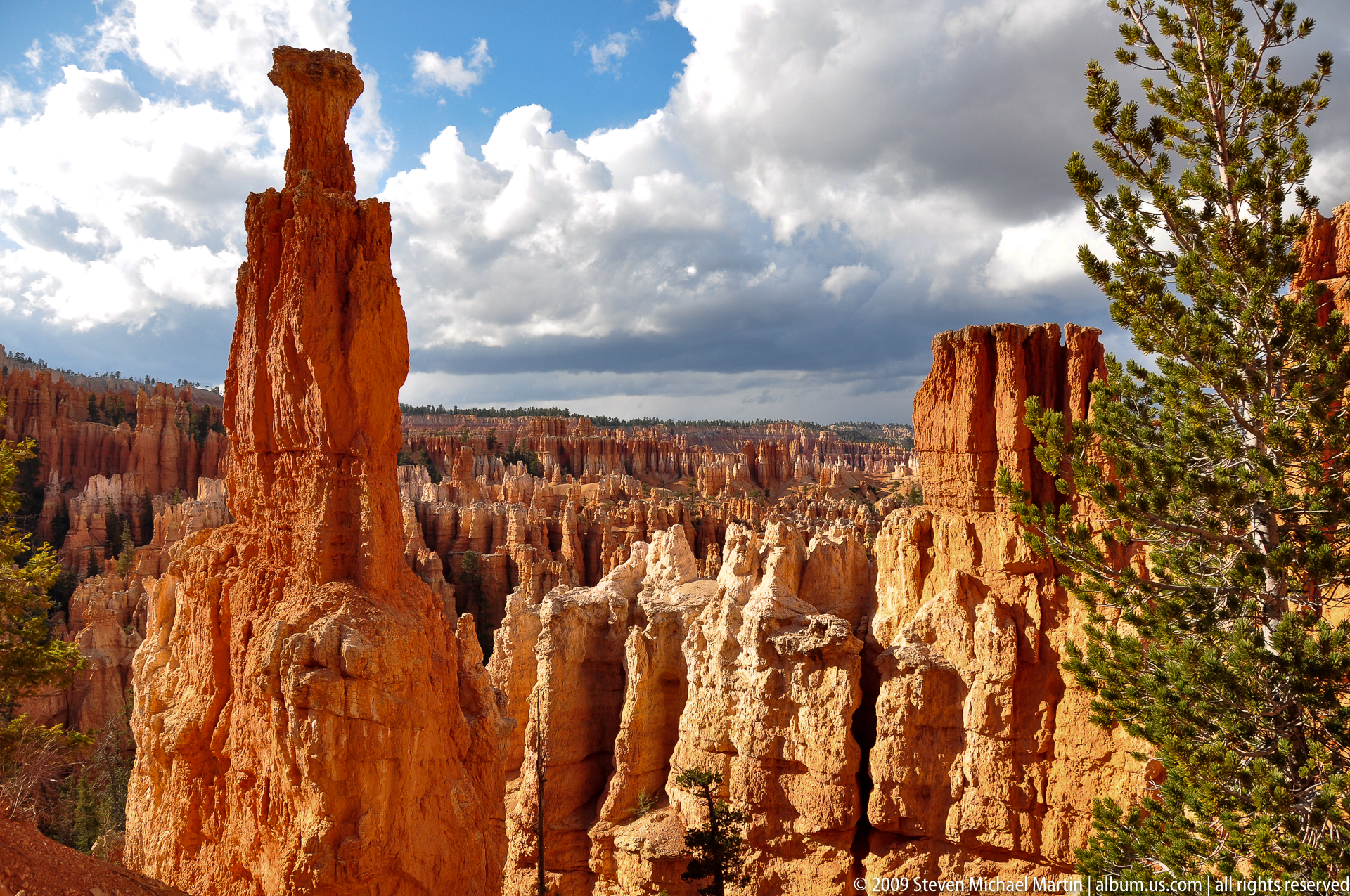
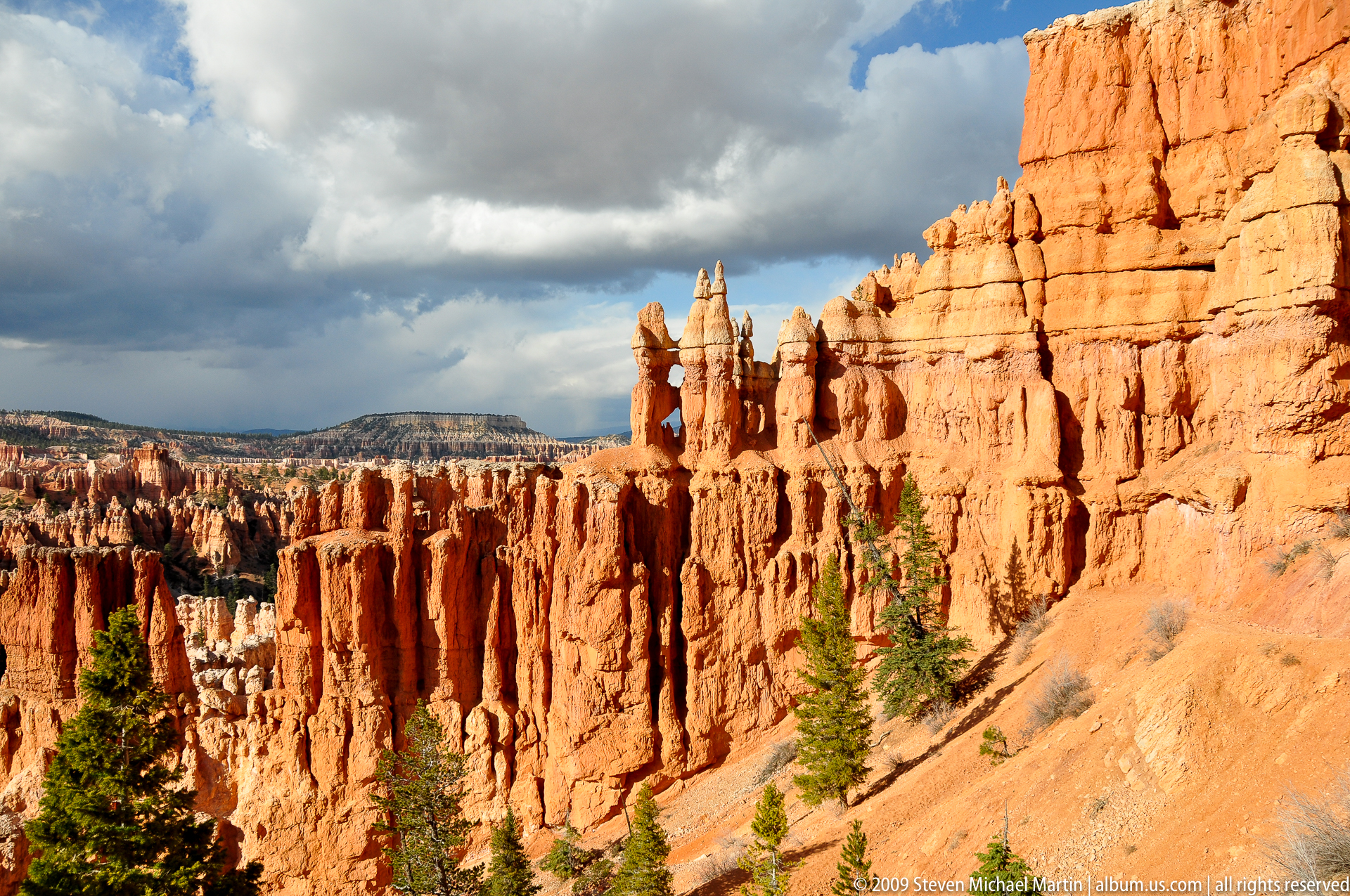
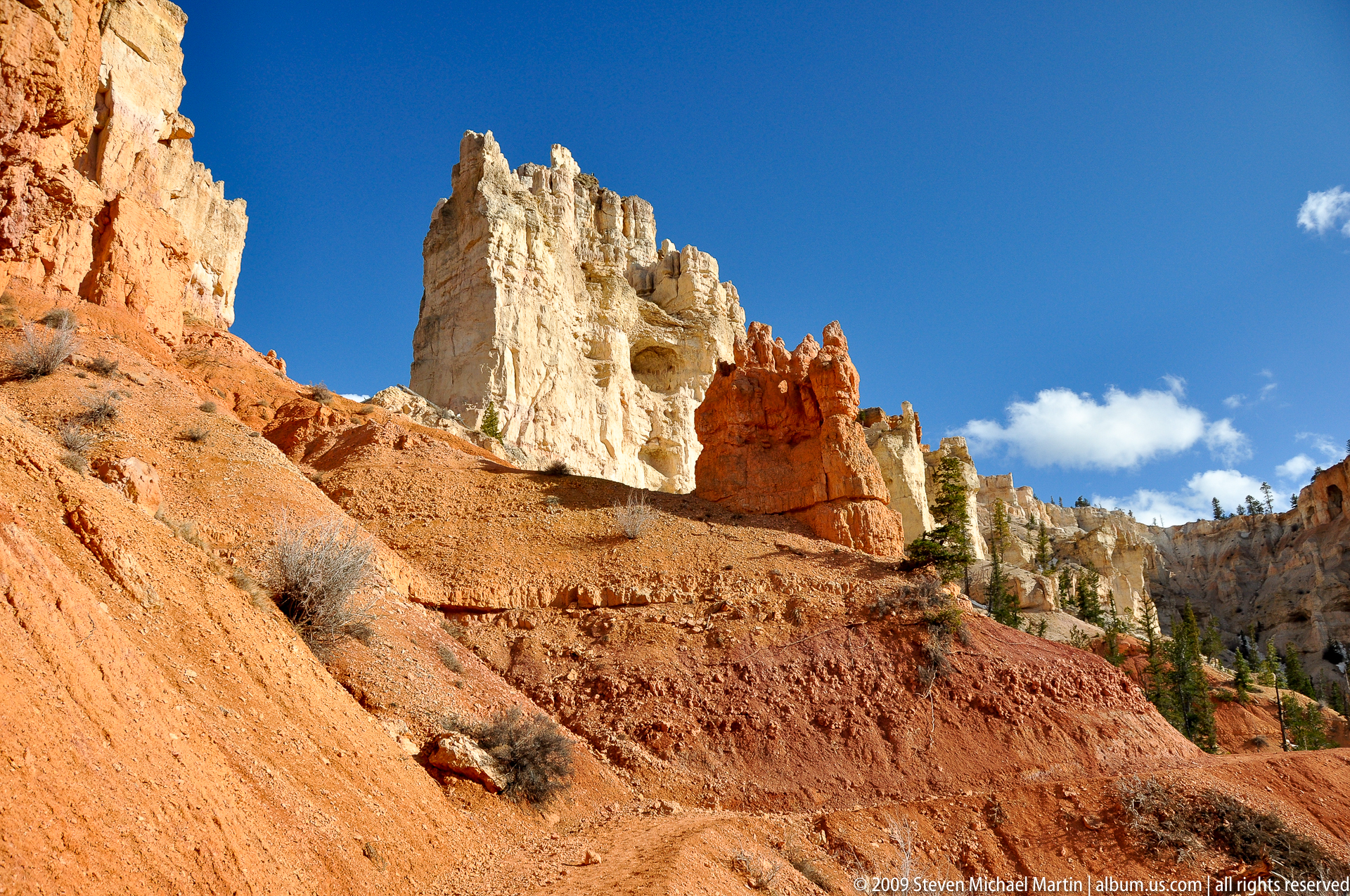
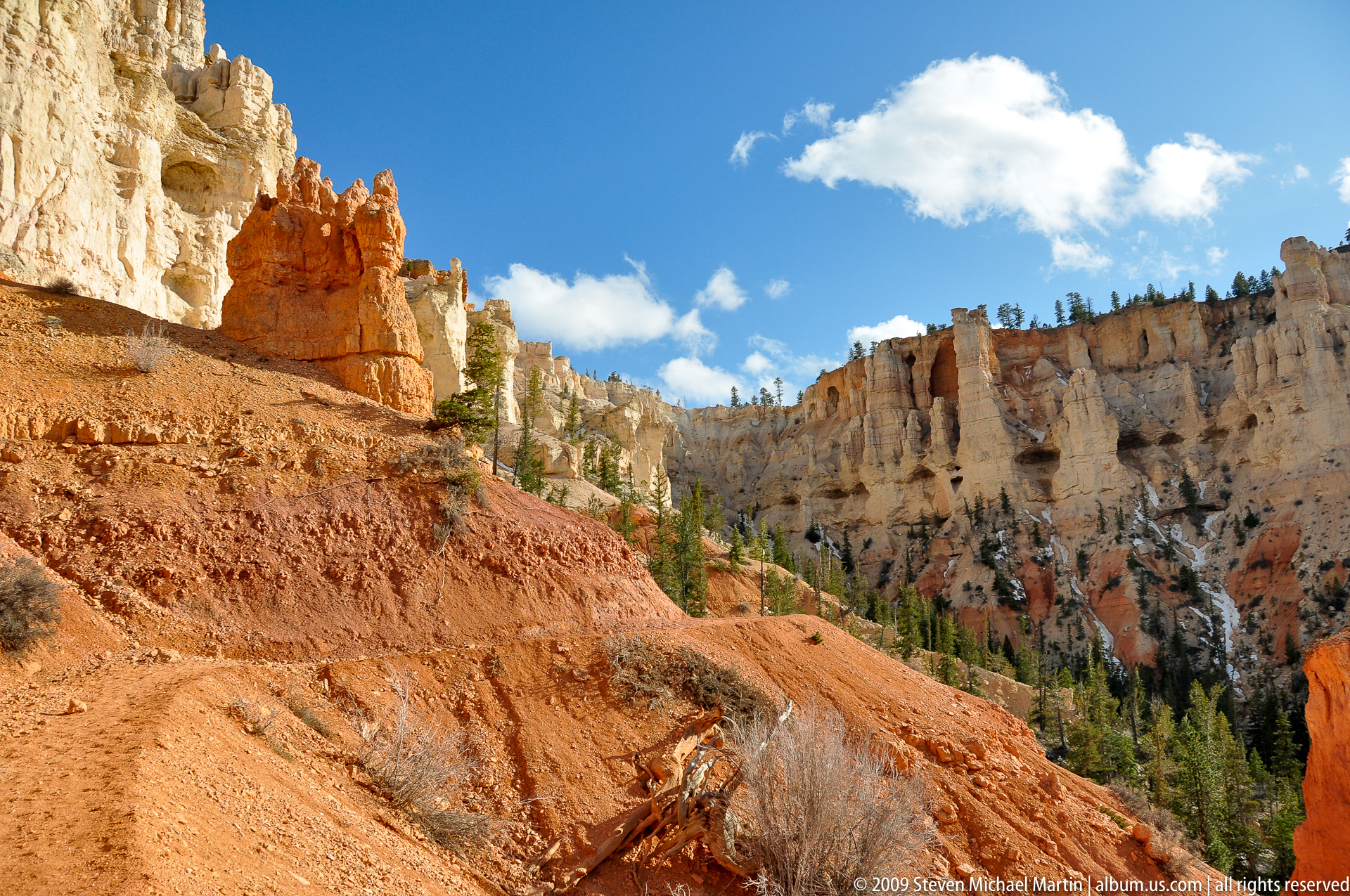
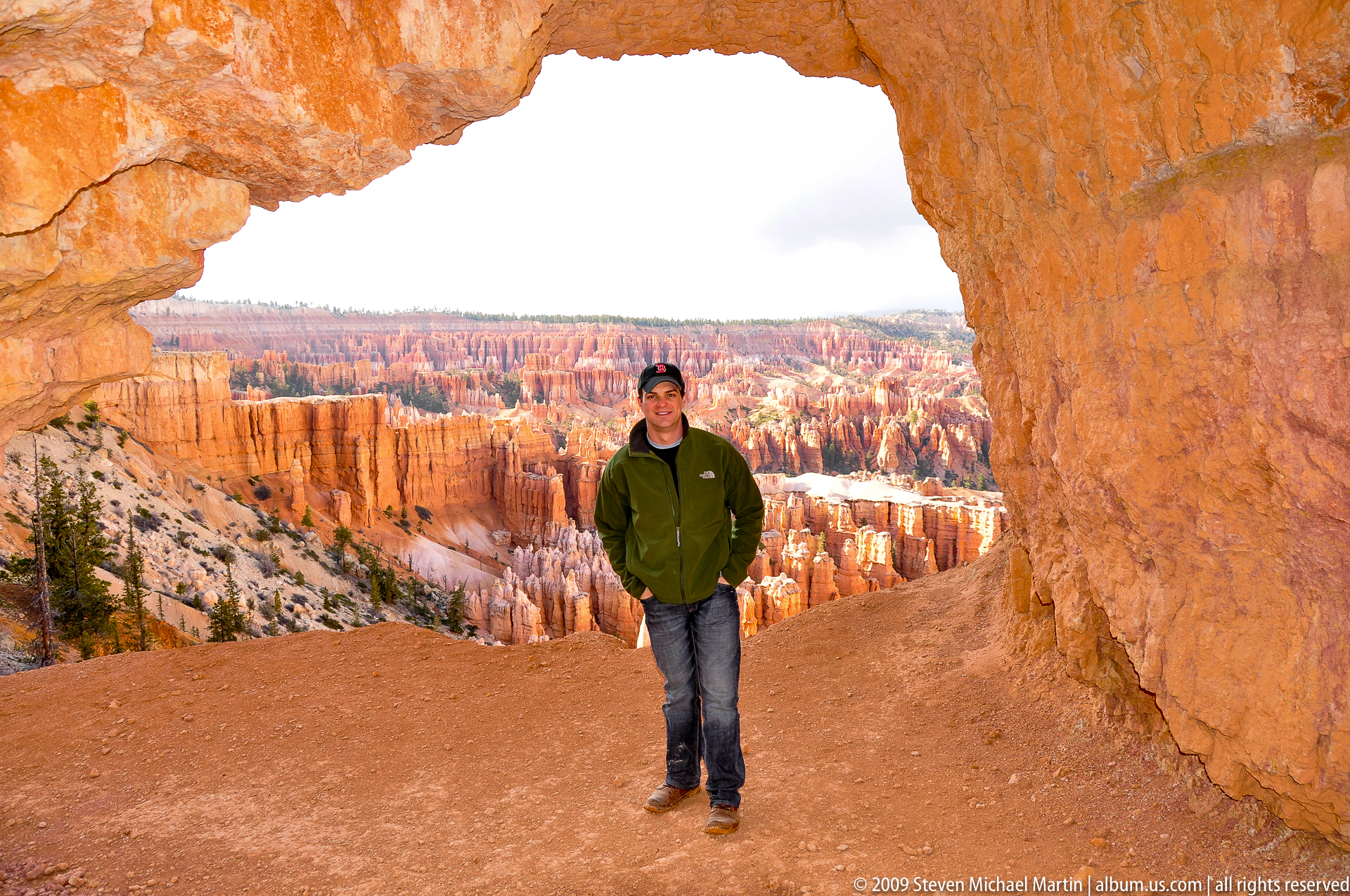
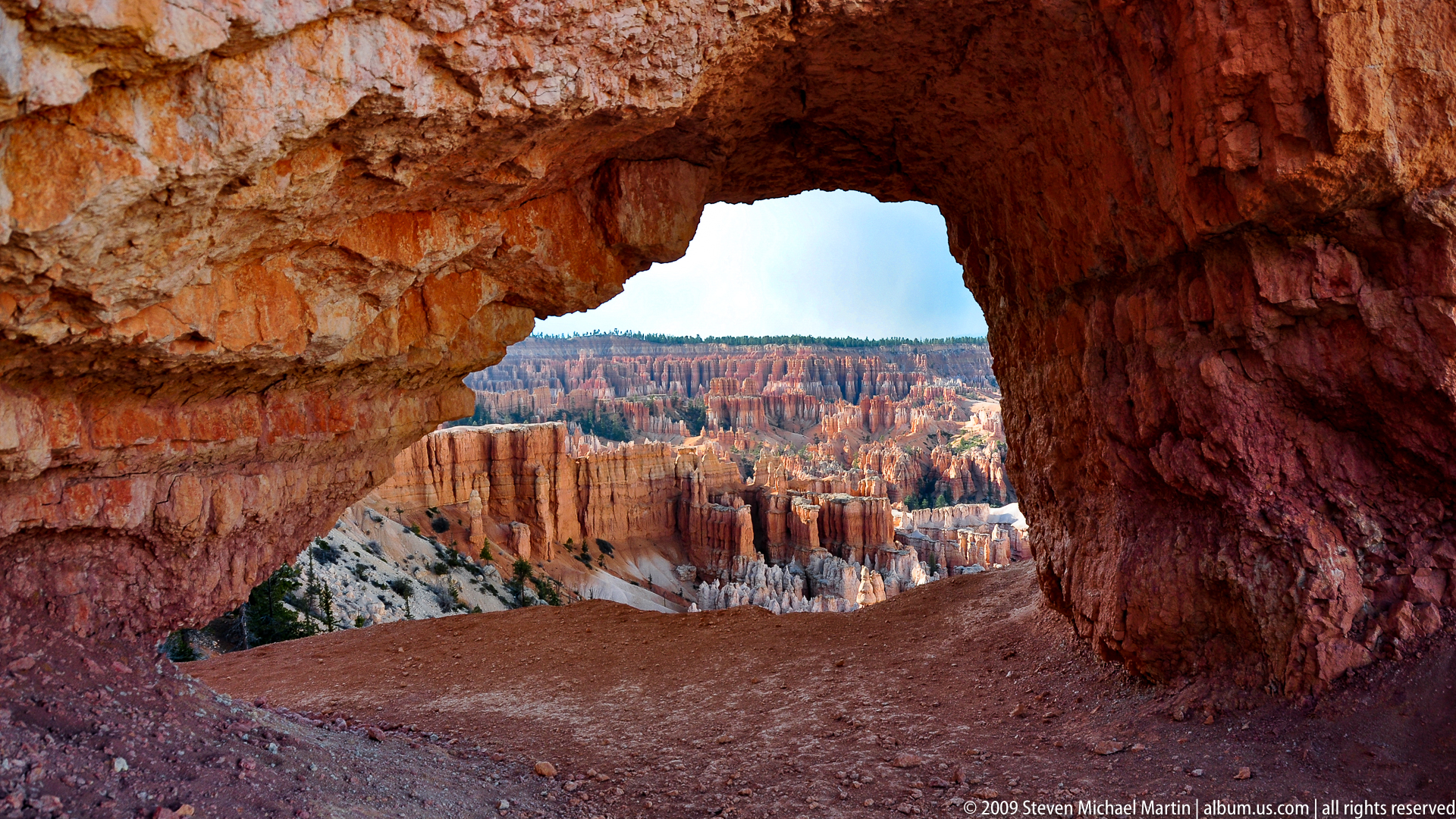
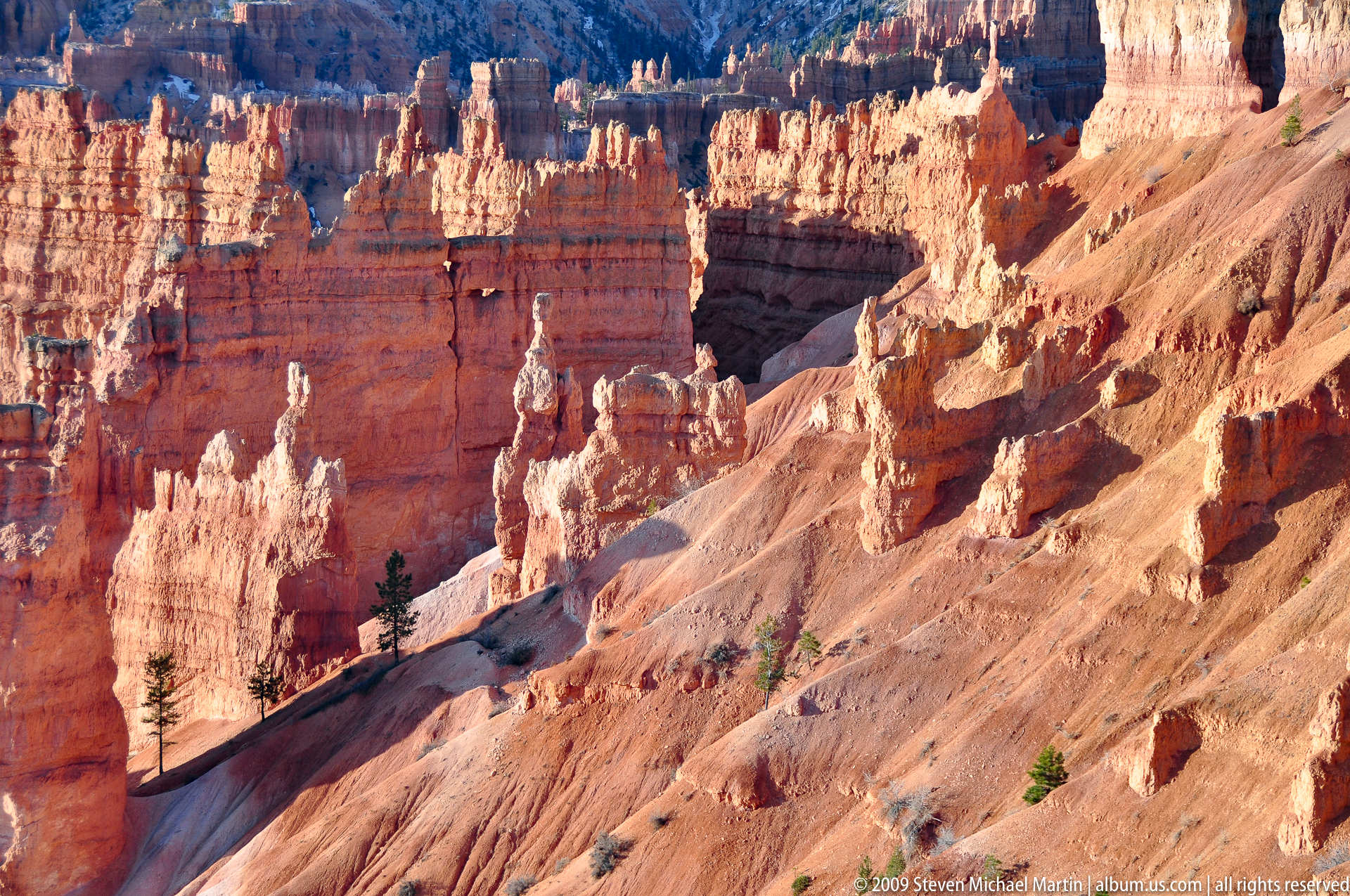
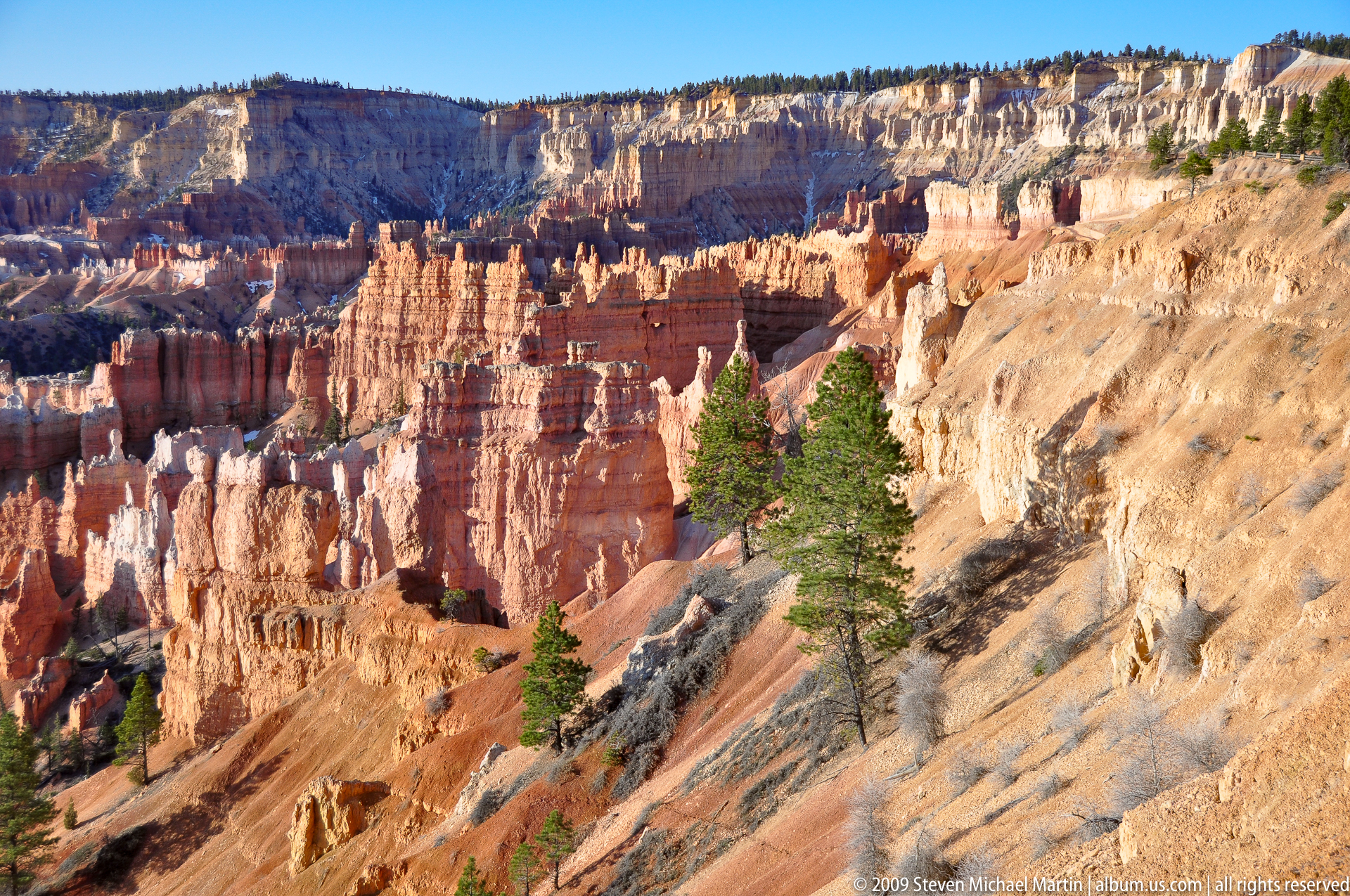
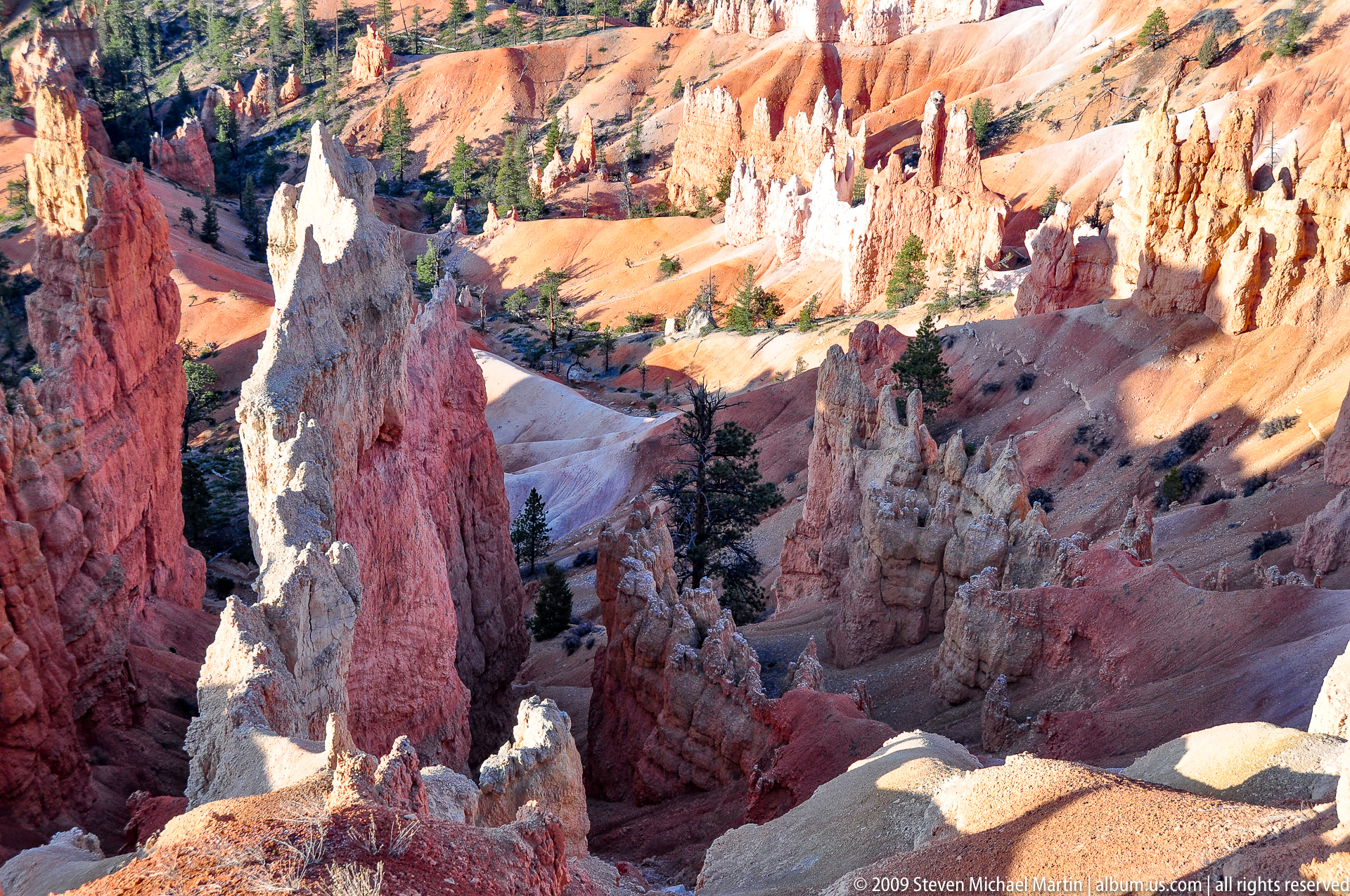
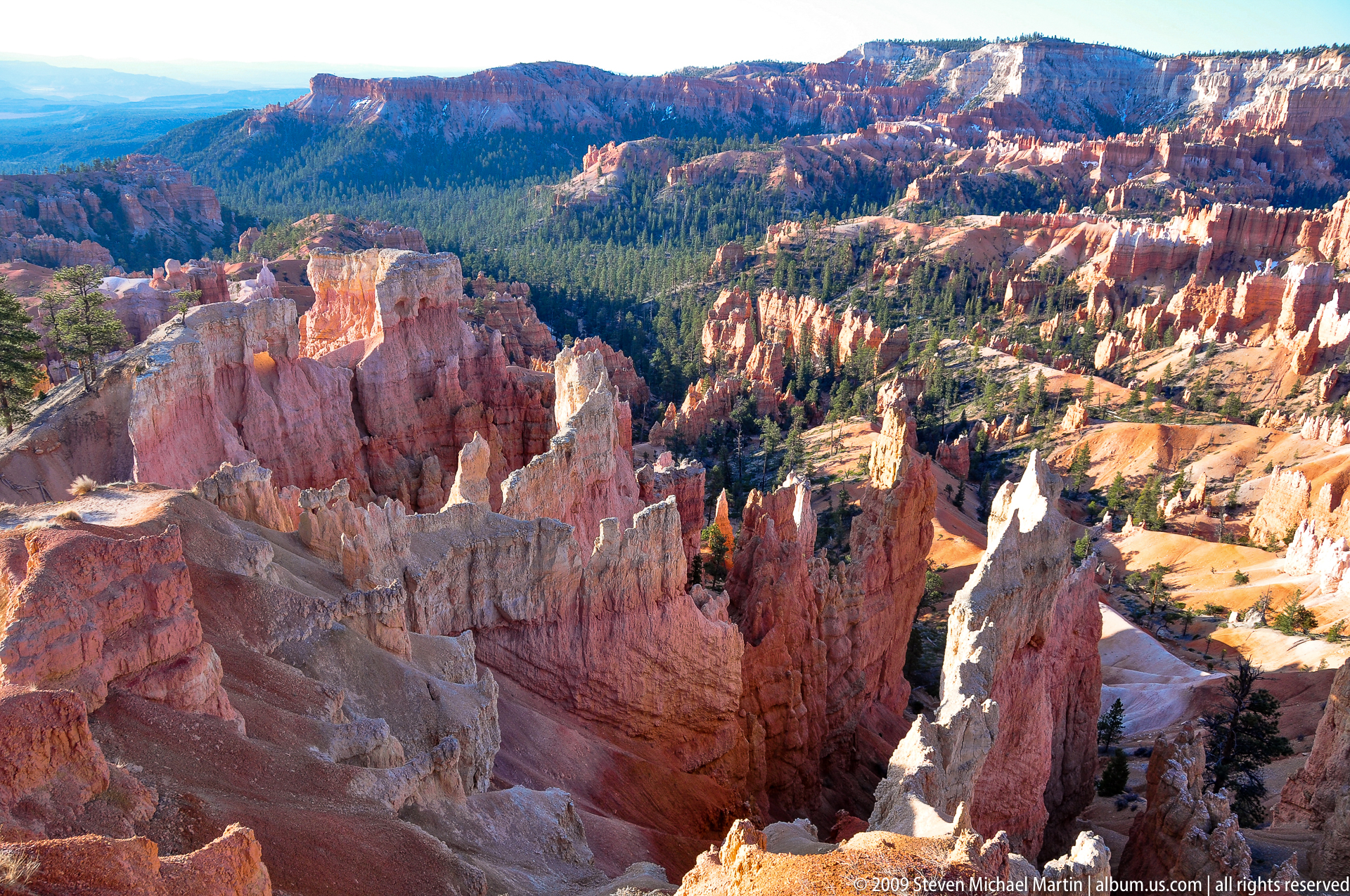
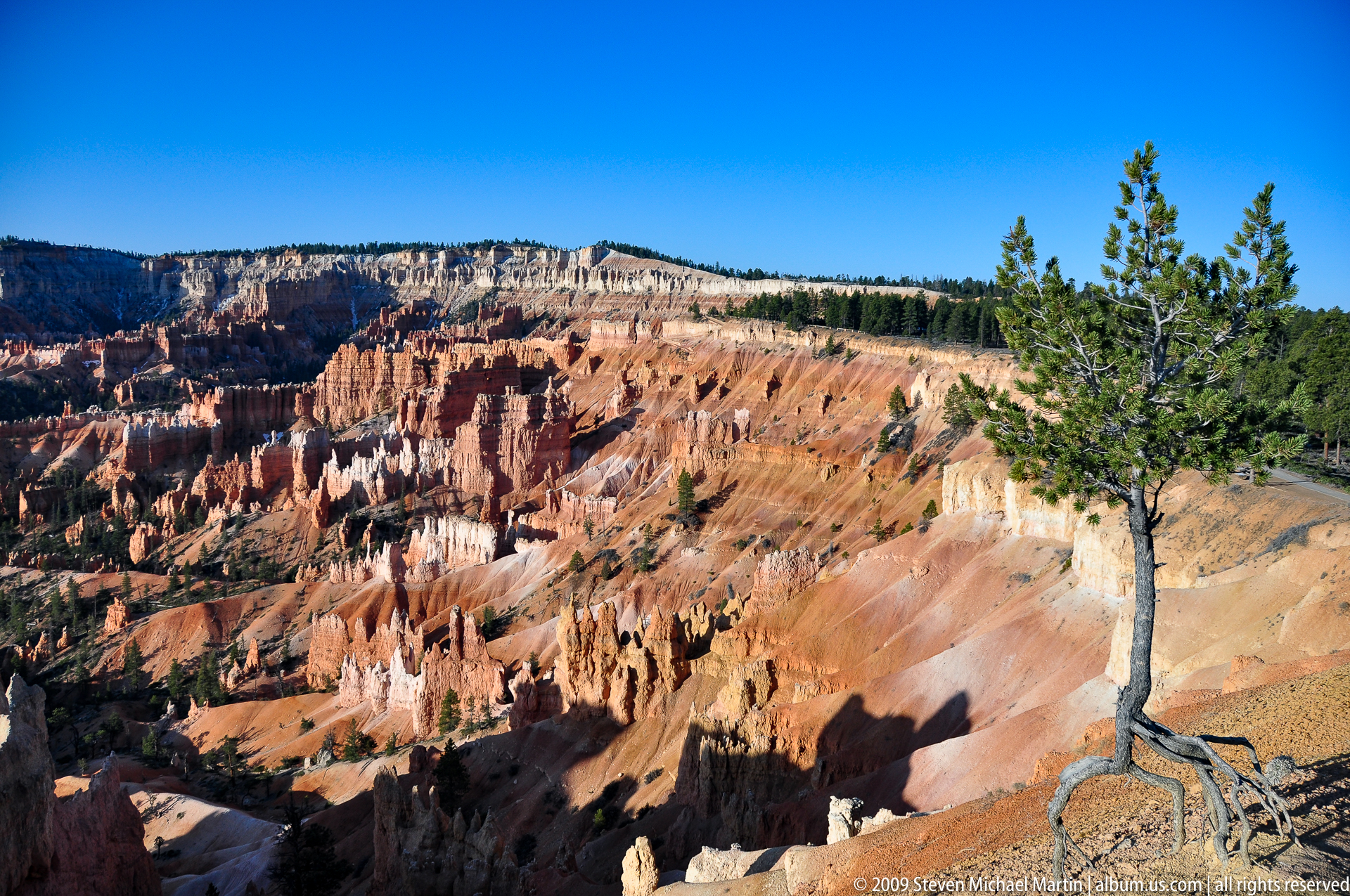
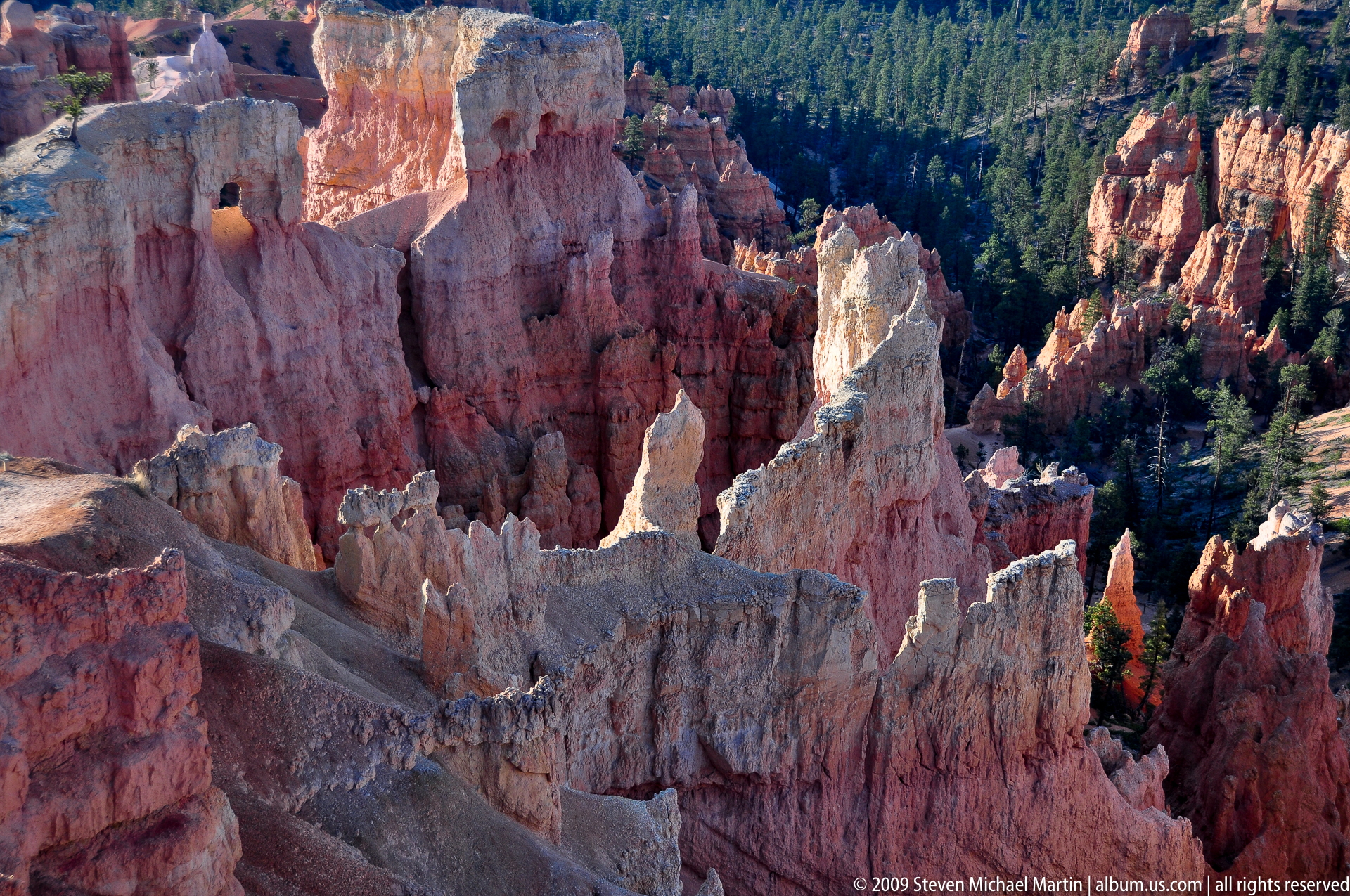
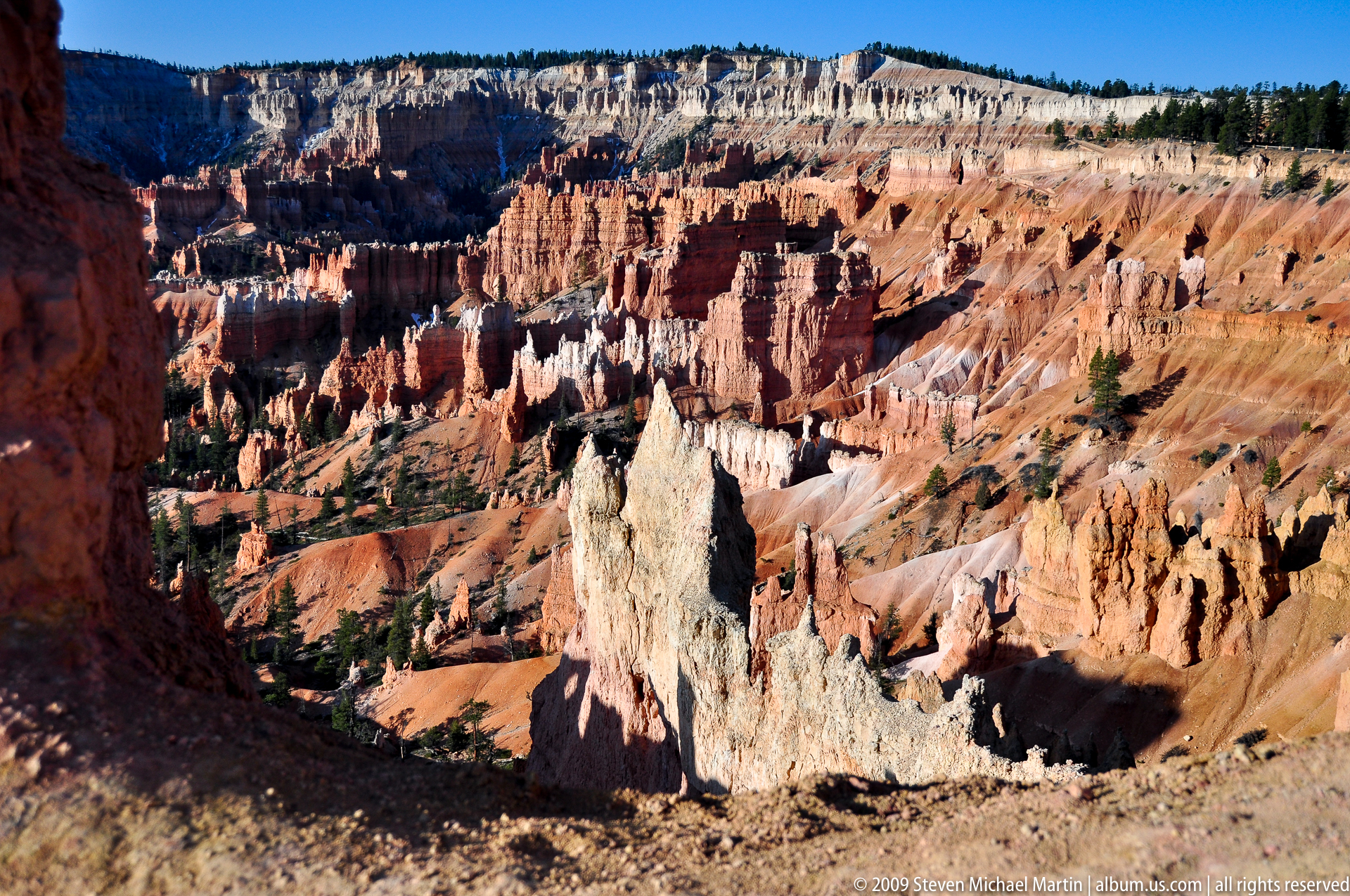
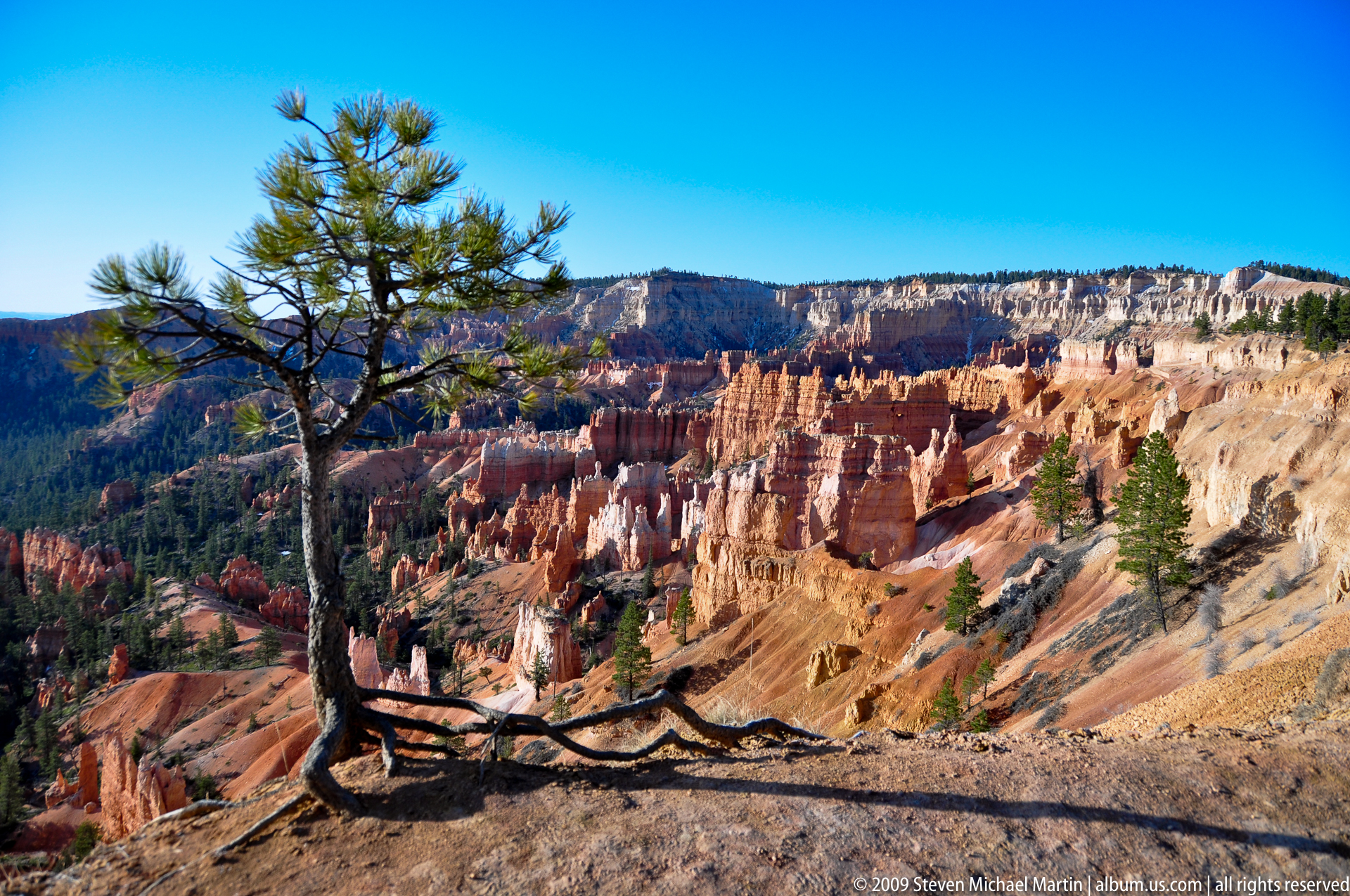
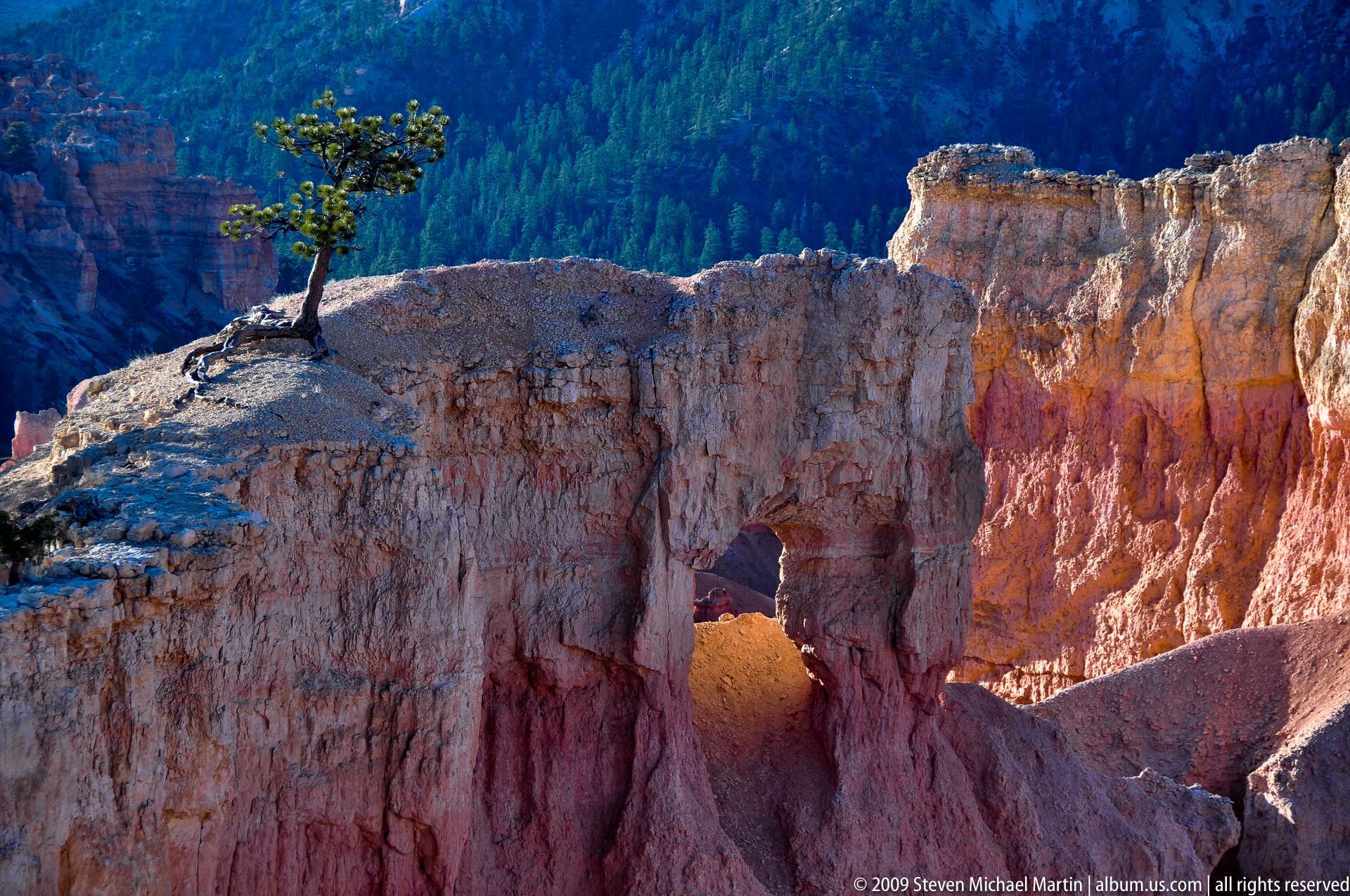
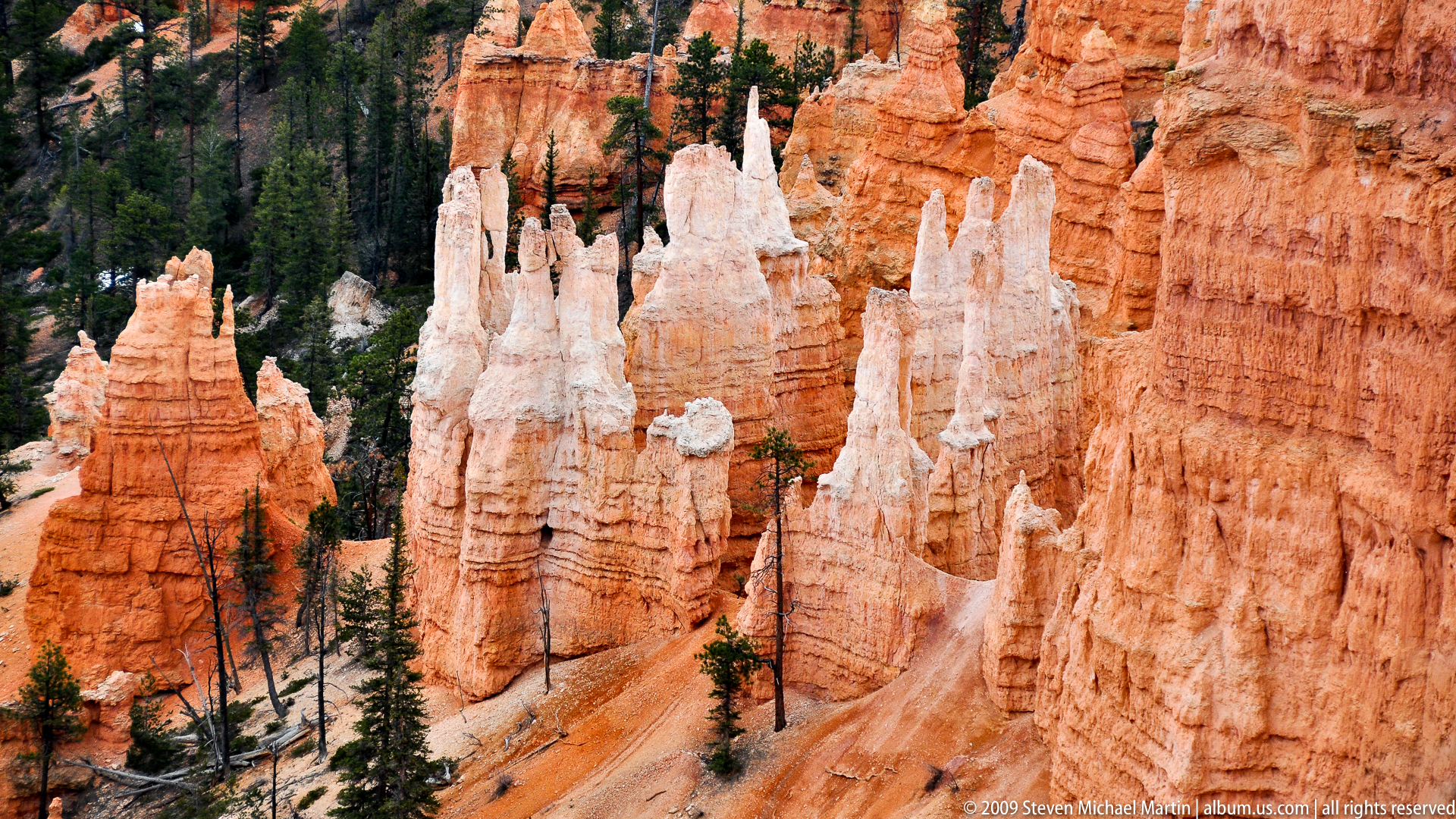
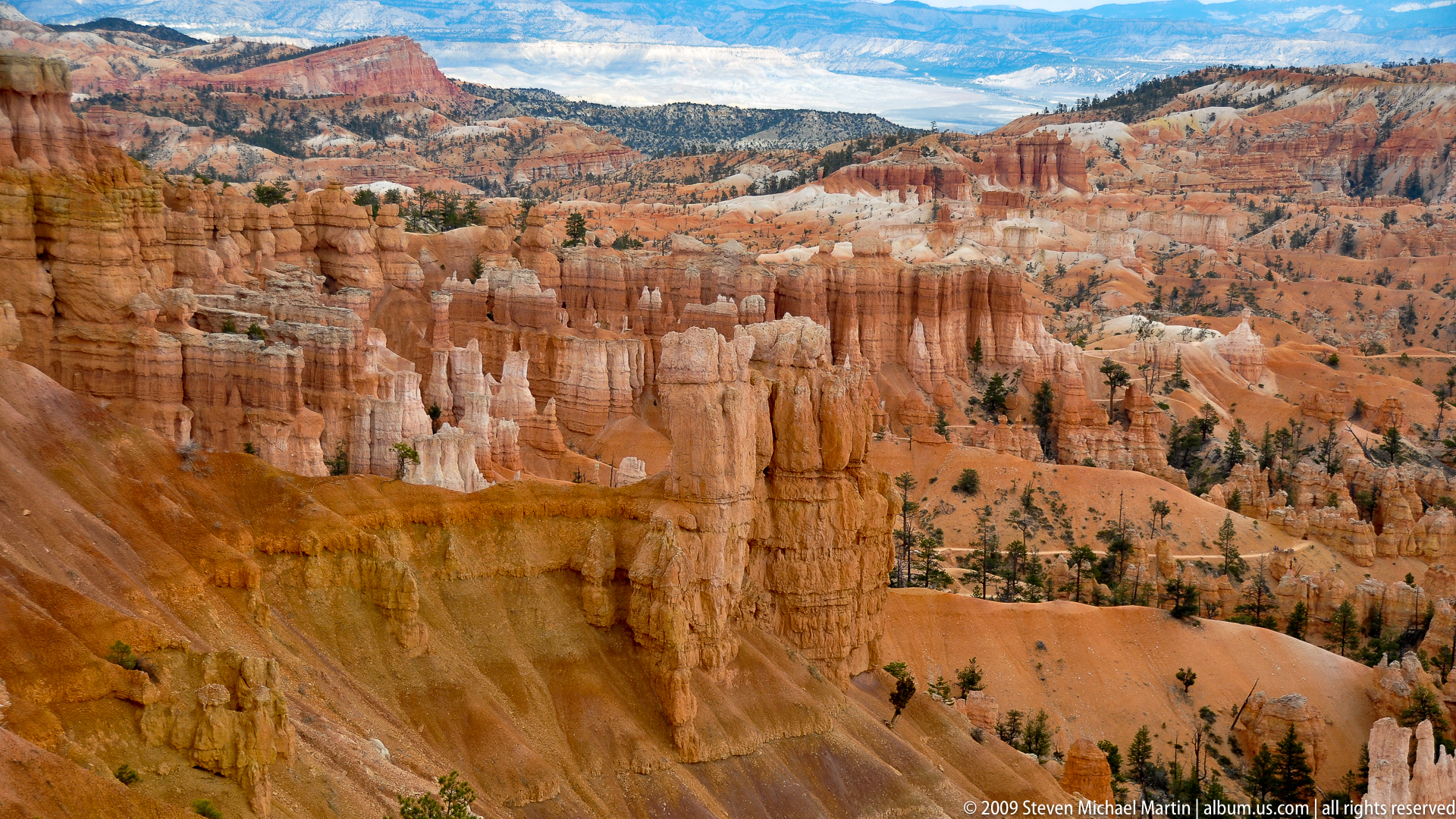
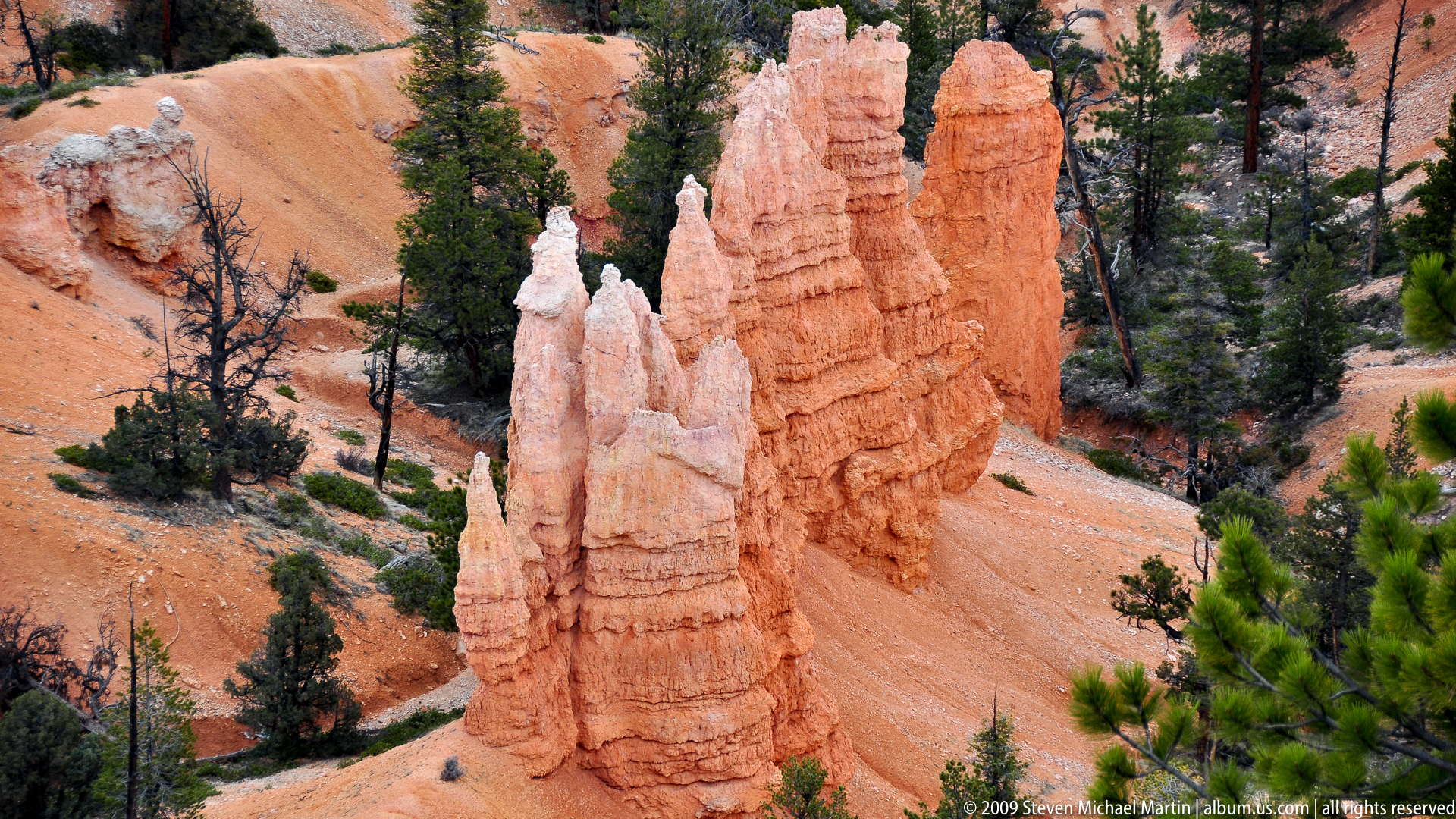
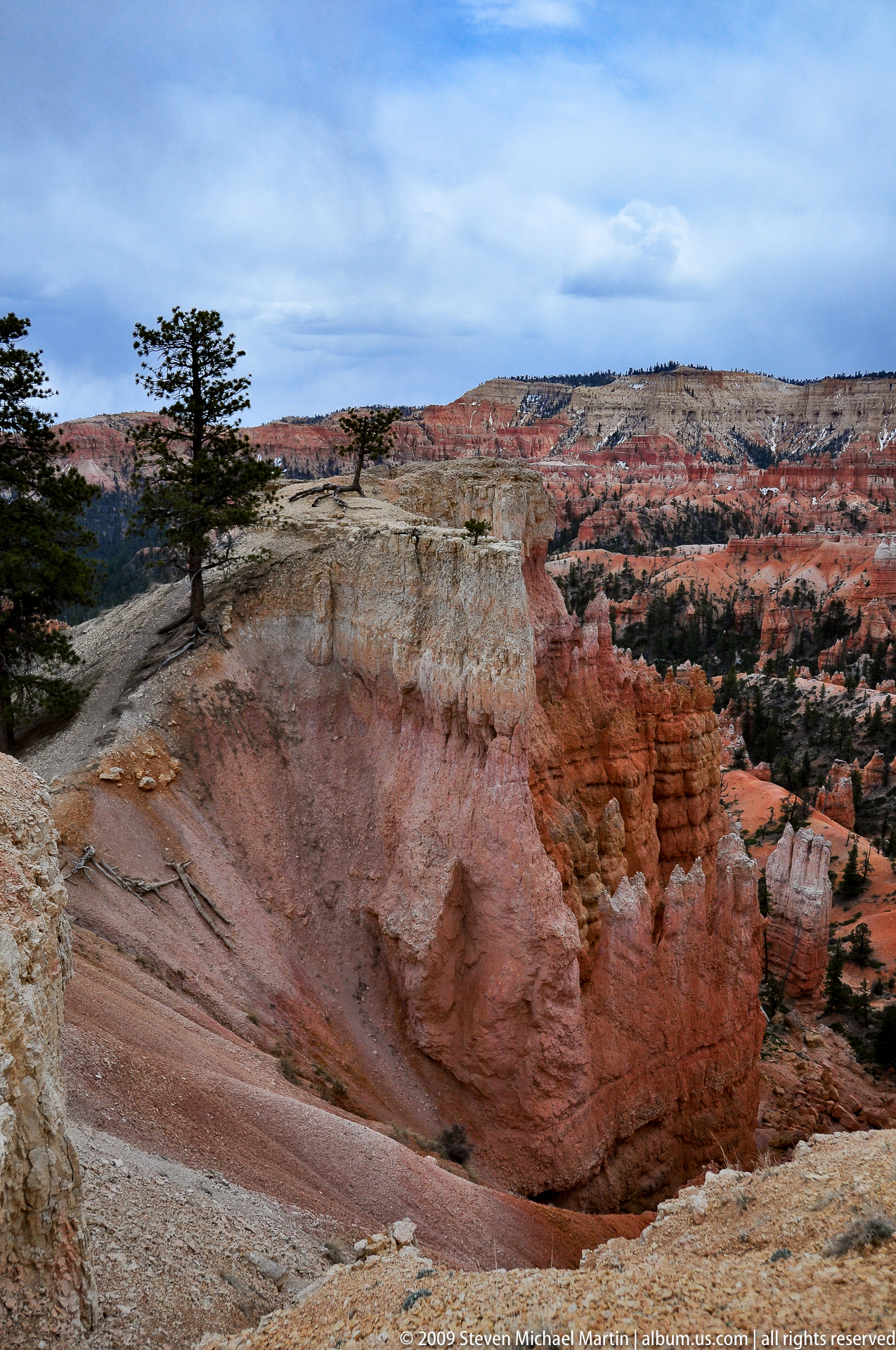
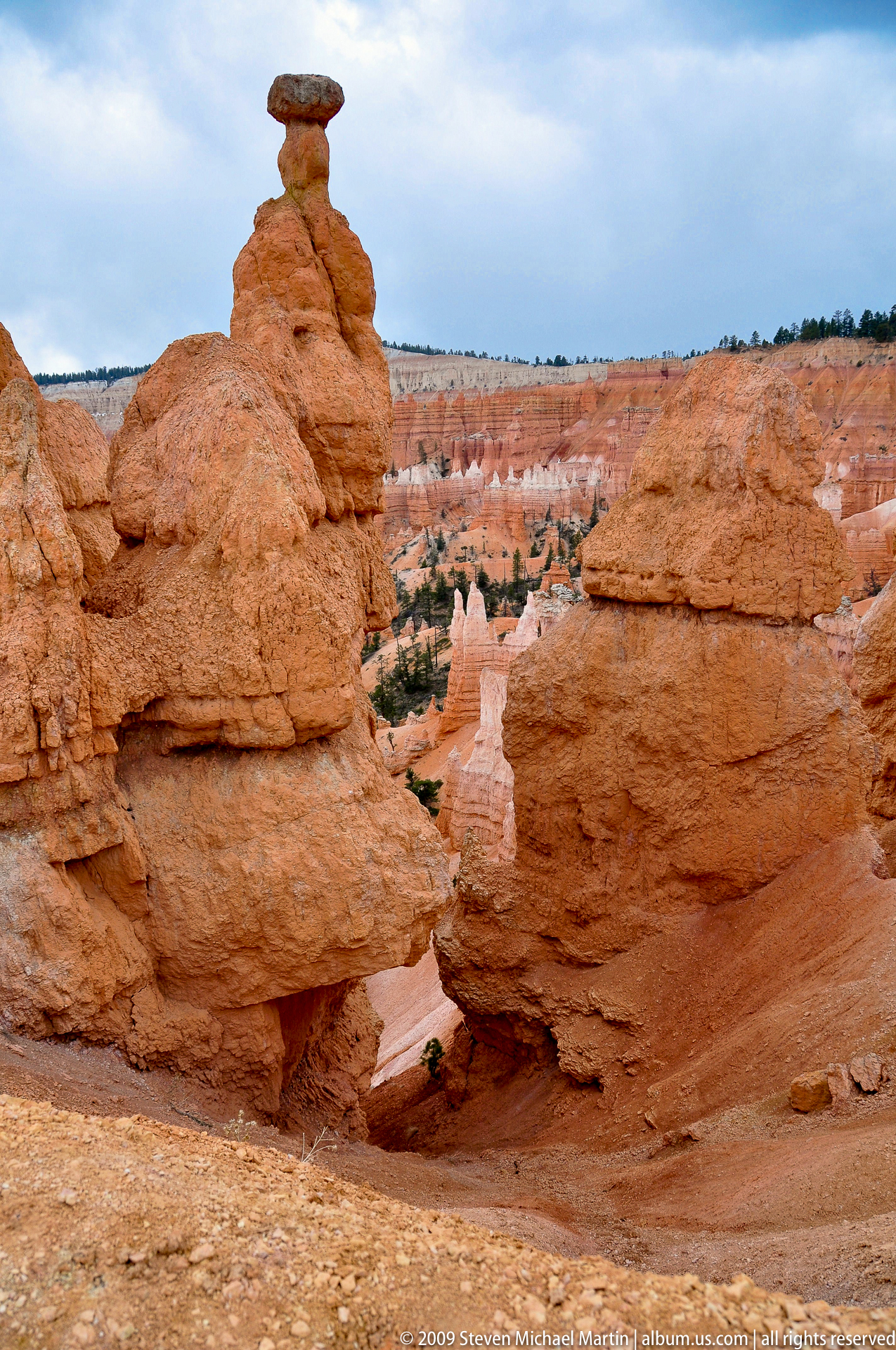
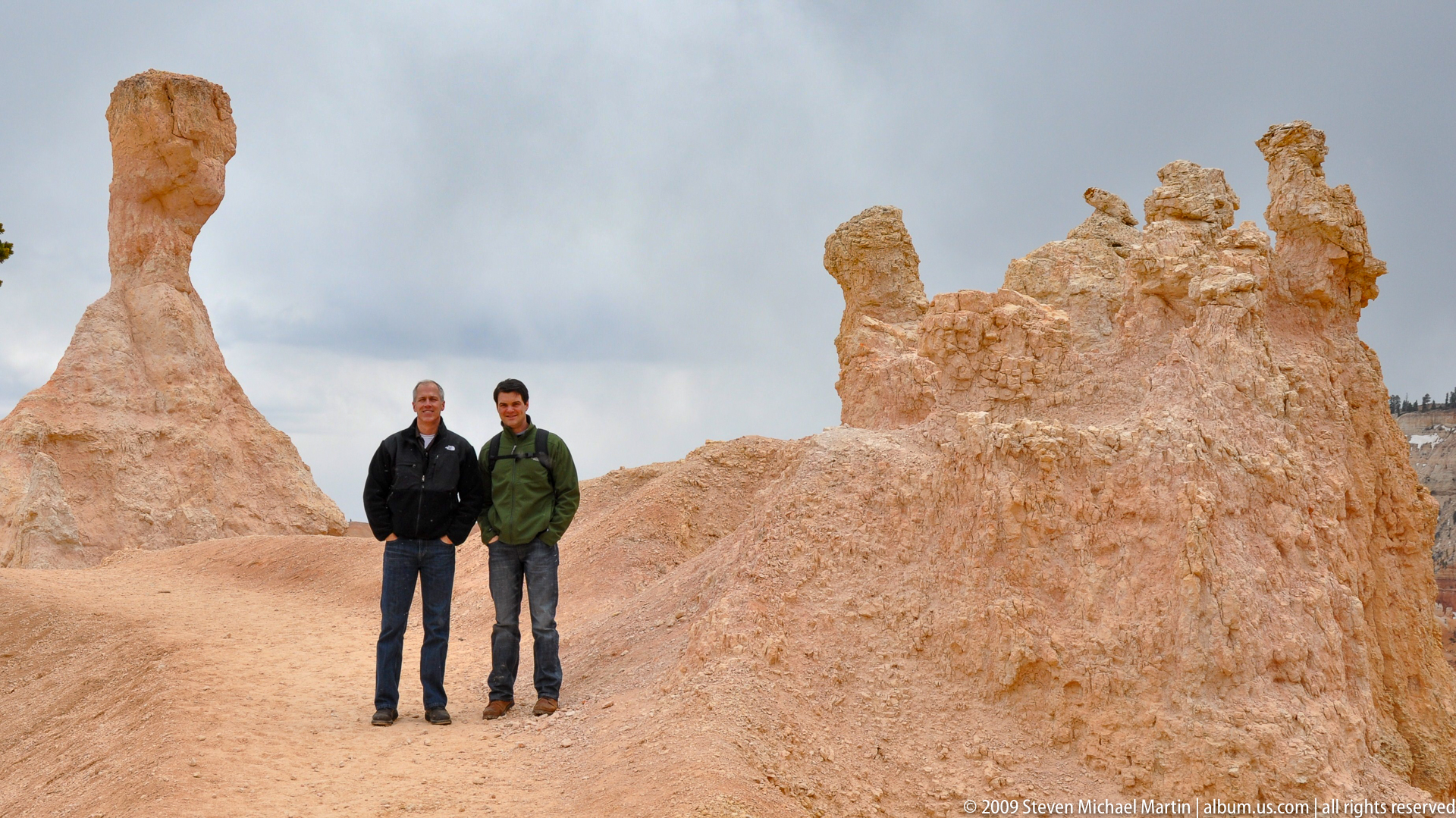
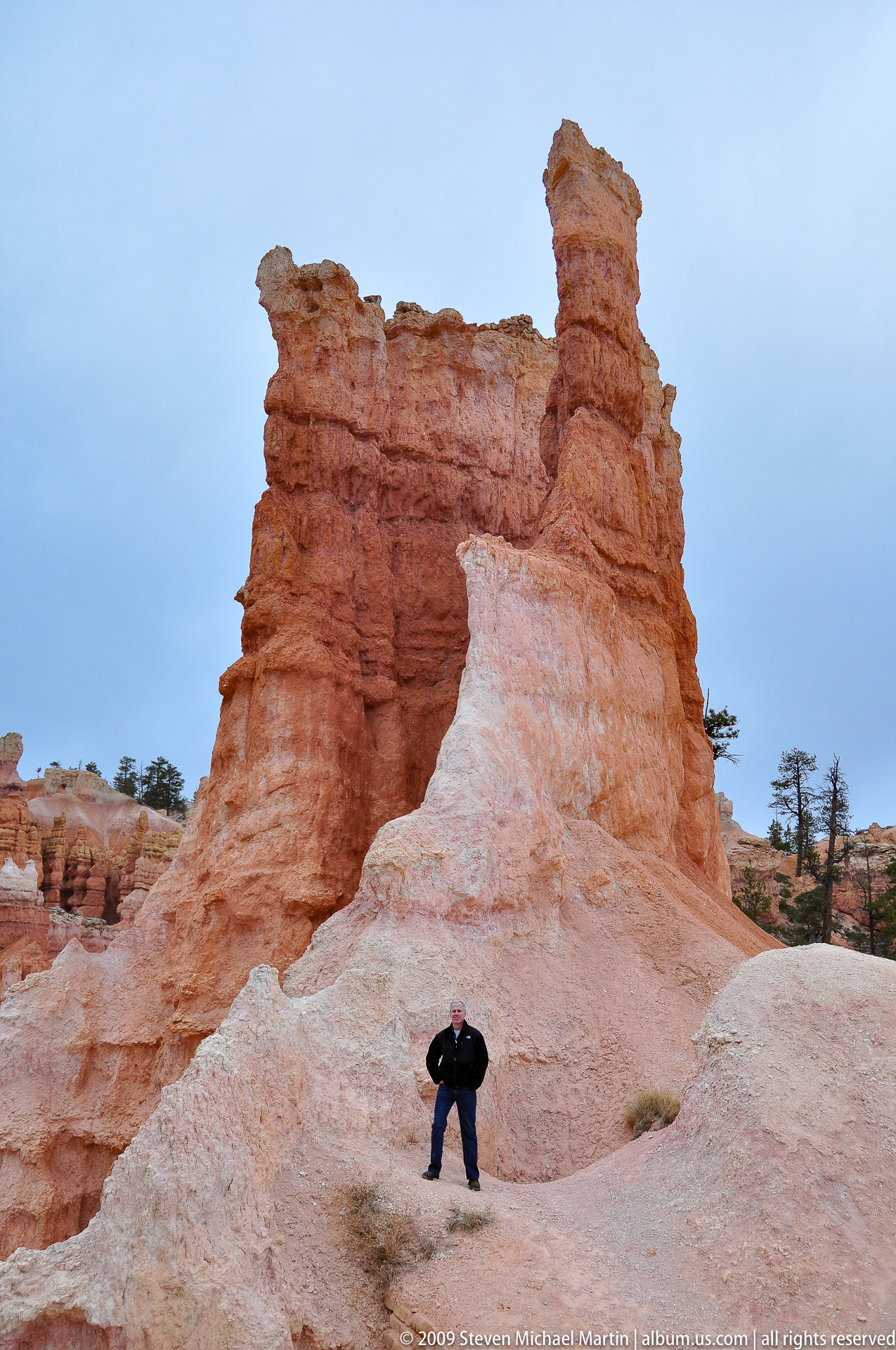
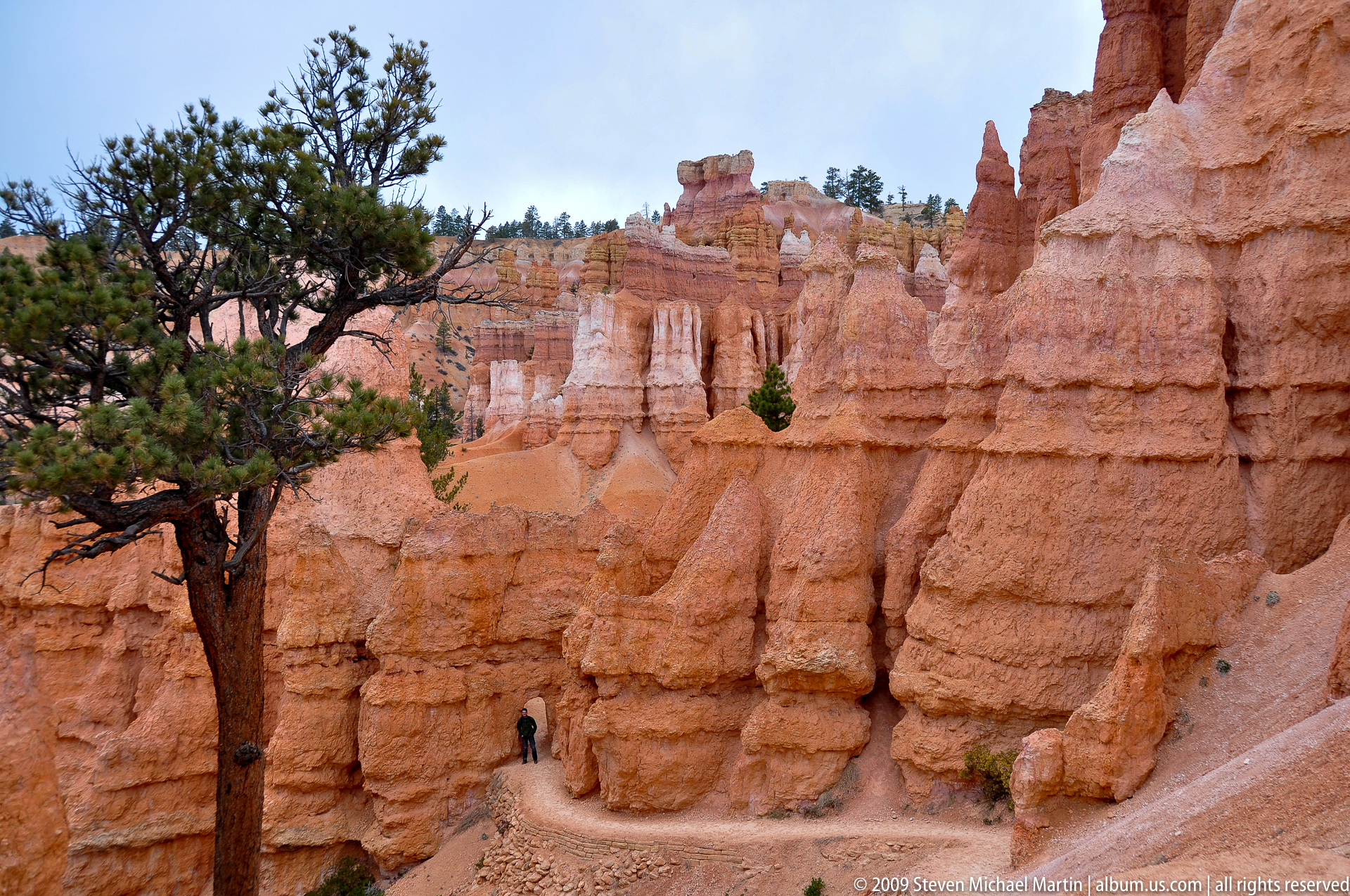
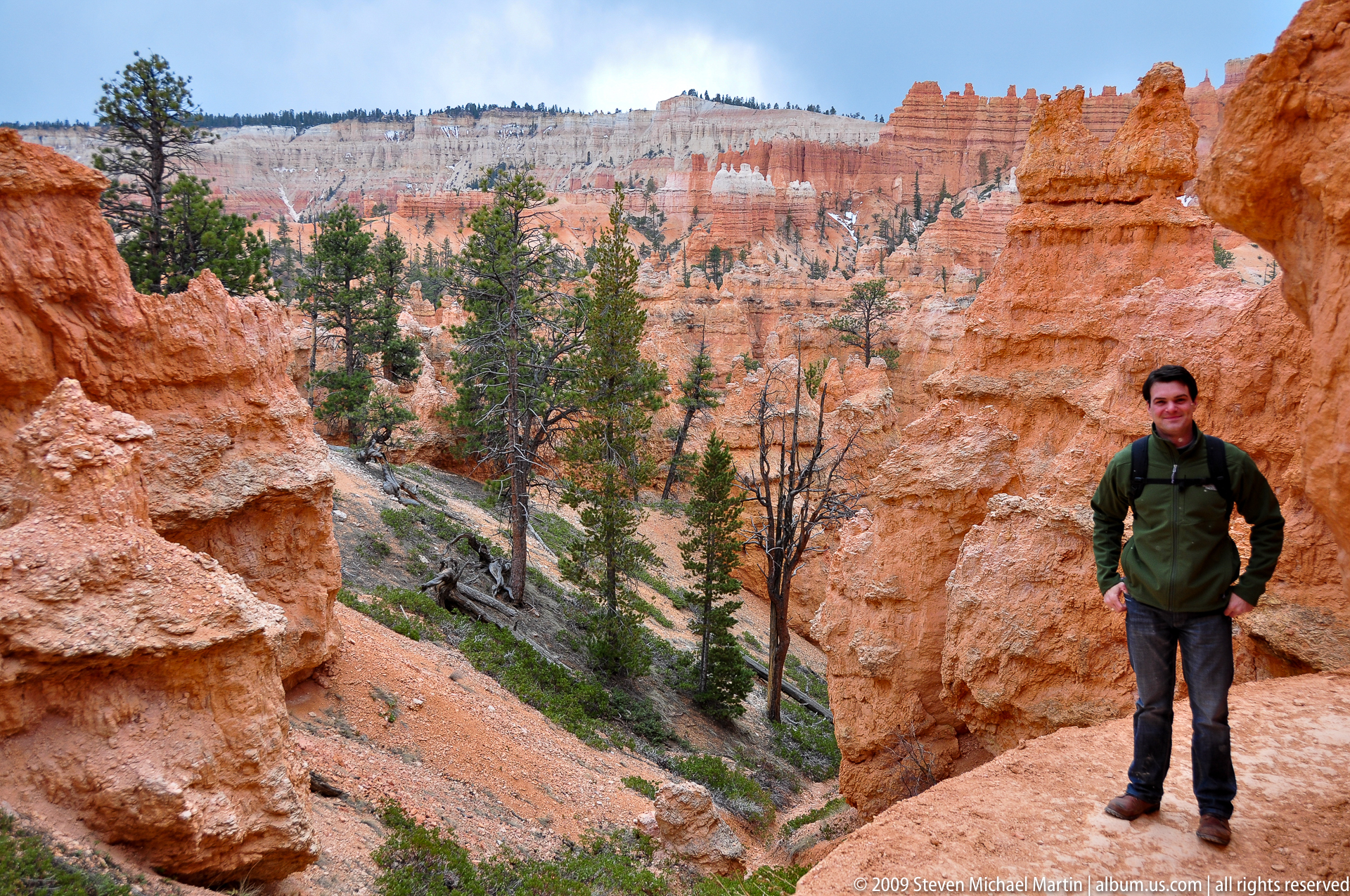
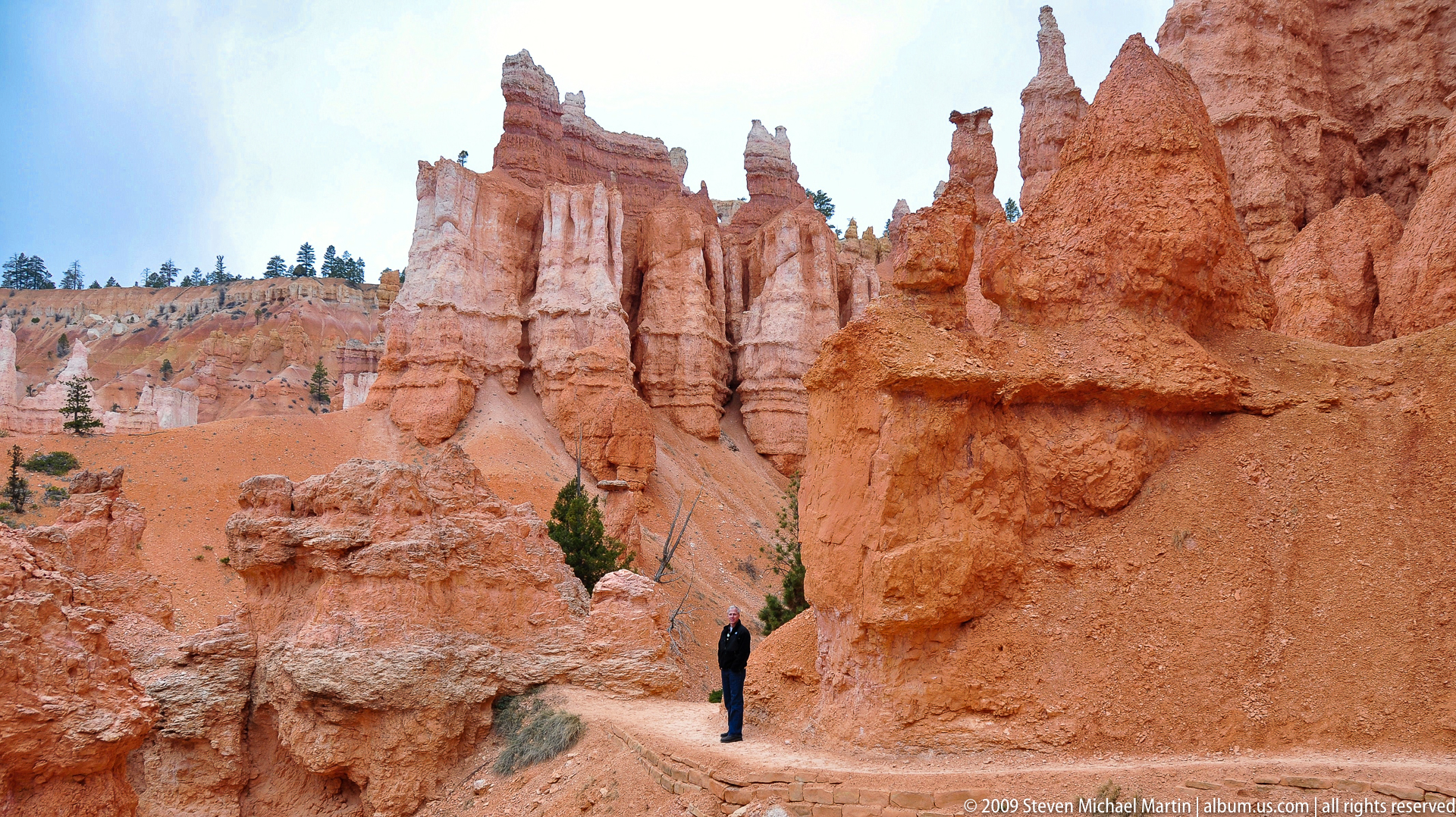
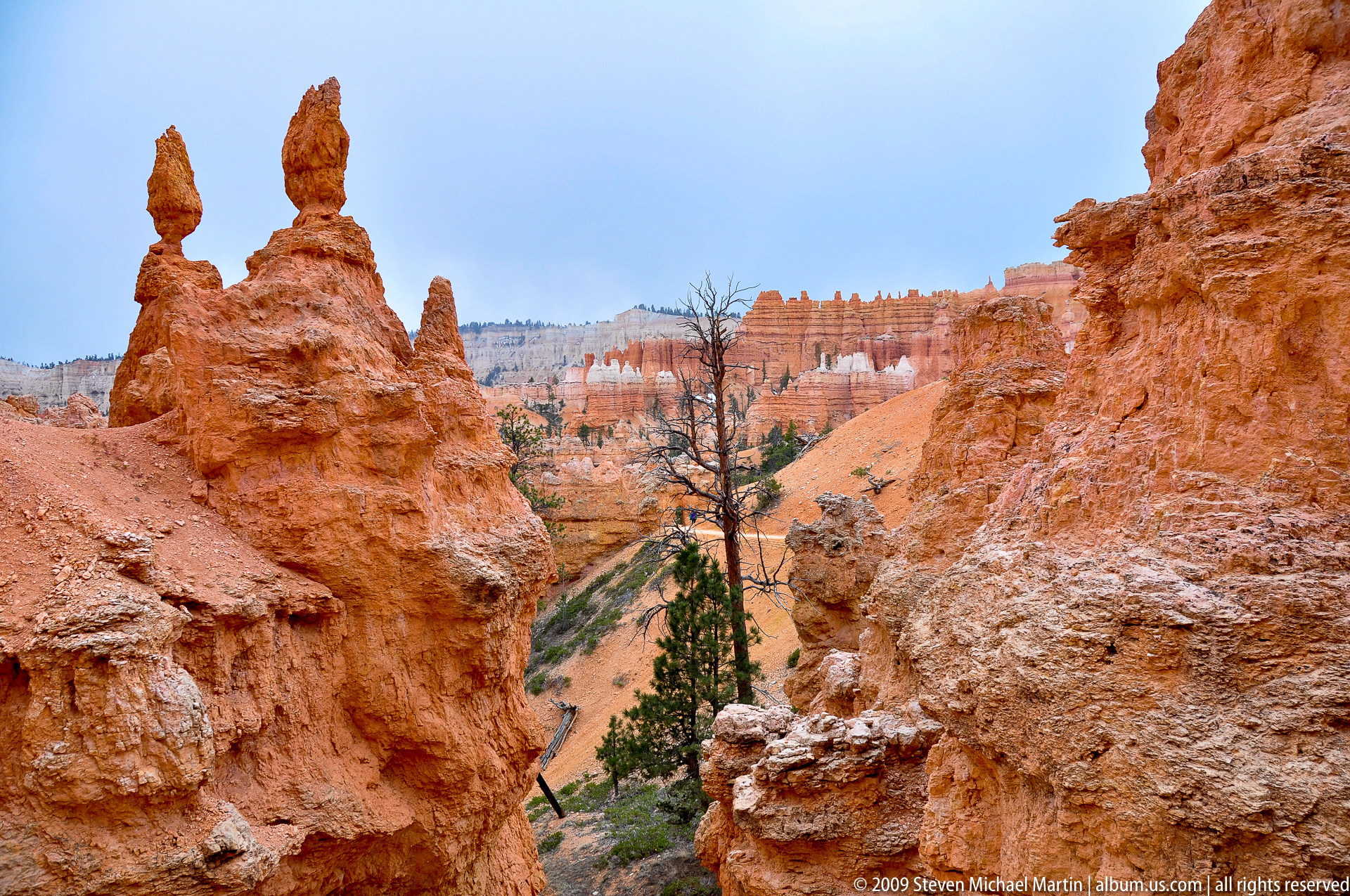
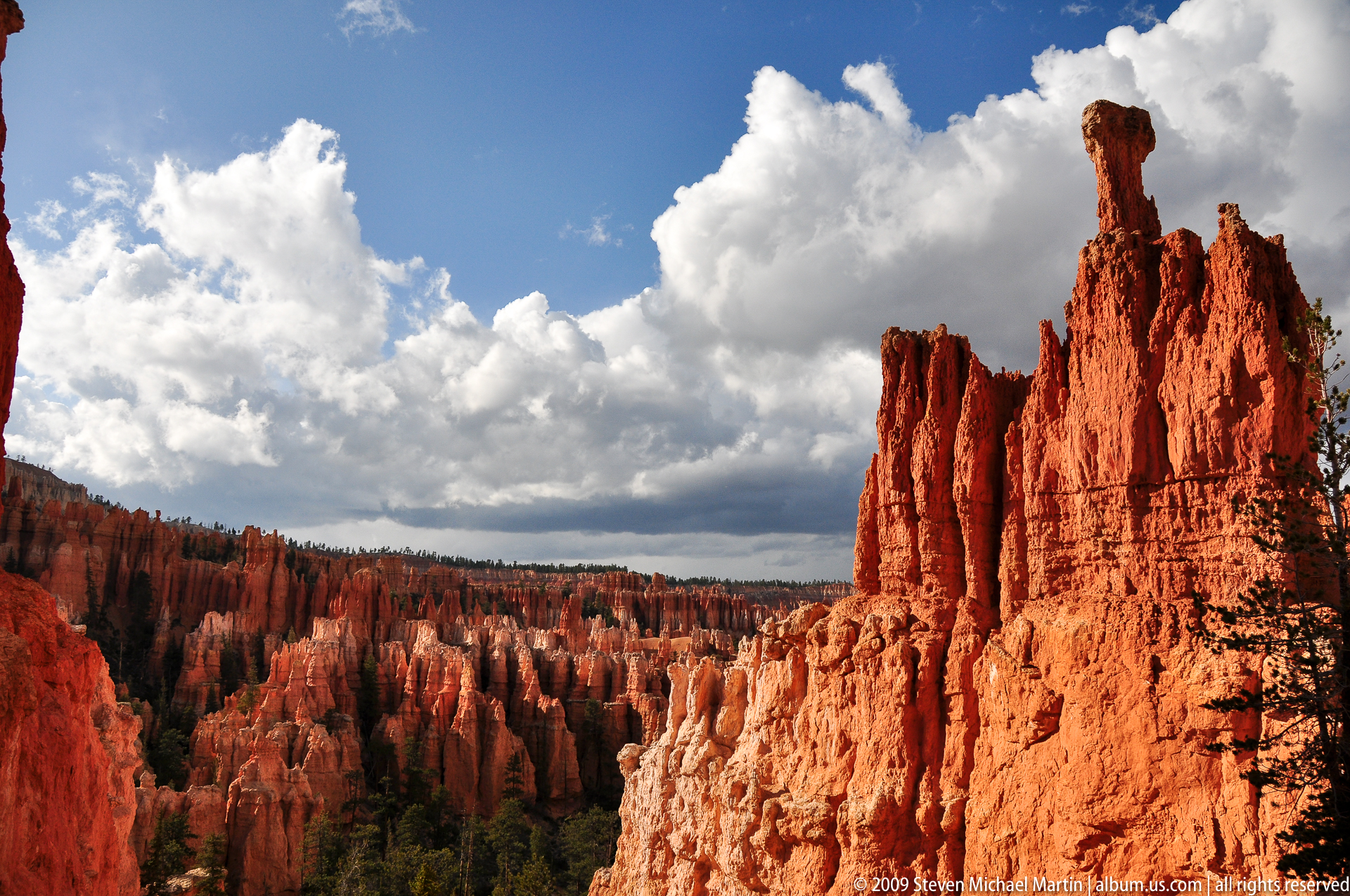
Bryce Canyon contains amphitheaters filled with hoodoos formed through frost weathering and erosion of limestone and sedimentary rock. Seasonal temperature fluctuations allow water to freeze within fractures in the rock, gradually widening cracks and separating rock columns from surrounding material. The resulting formations create dense clusters of spires rising from the canyon floor.
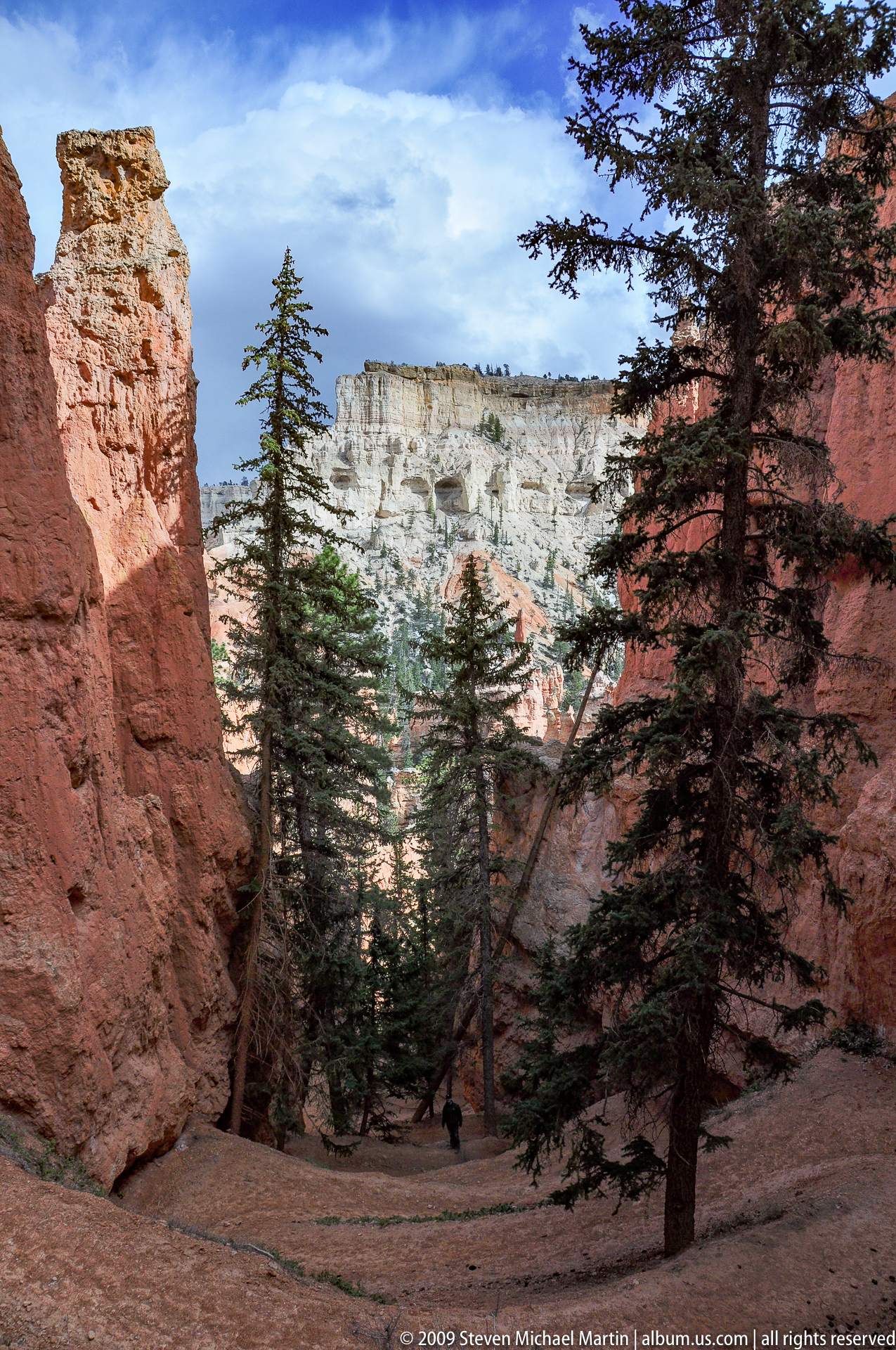
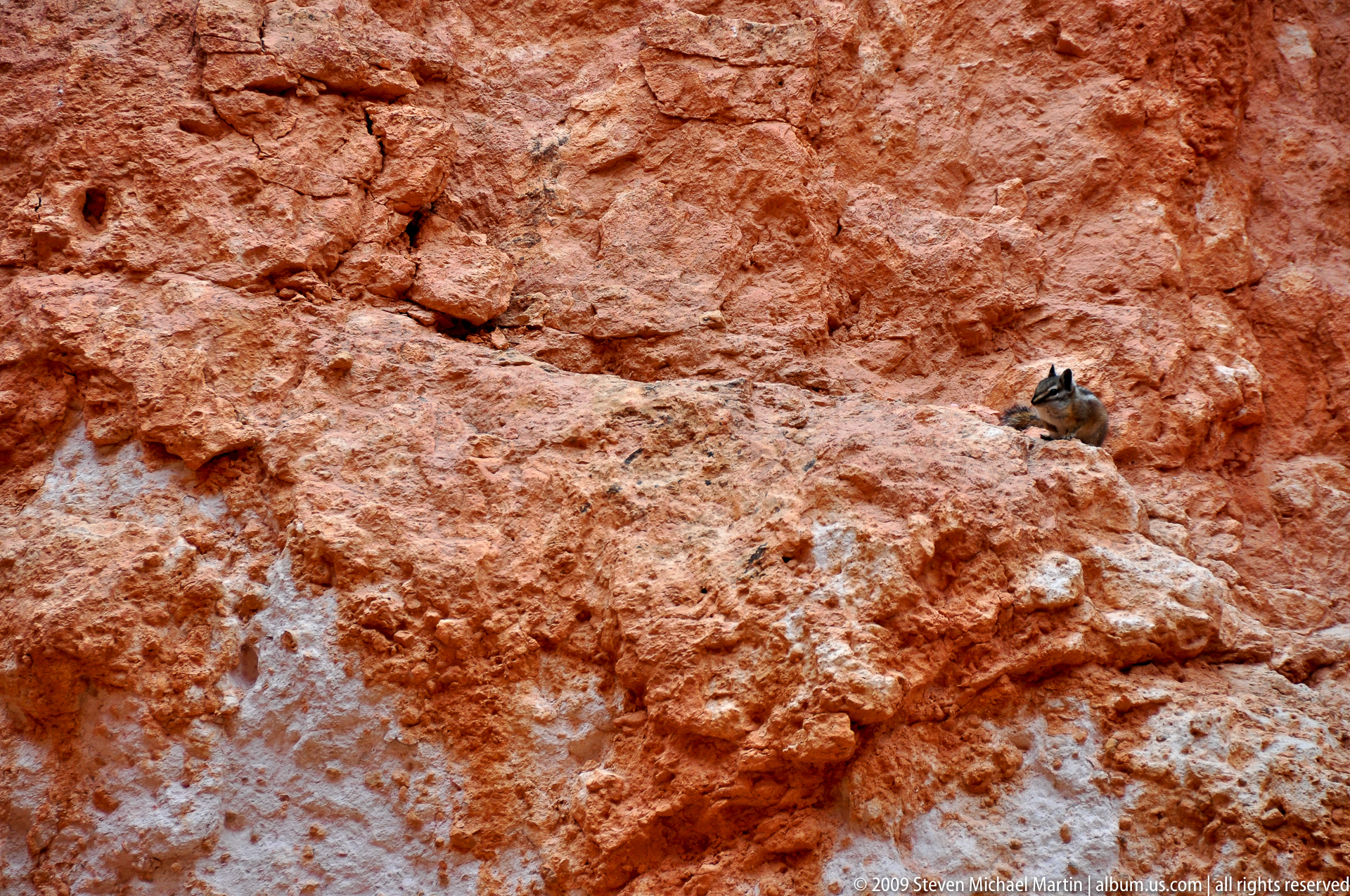
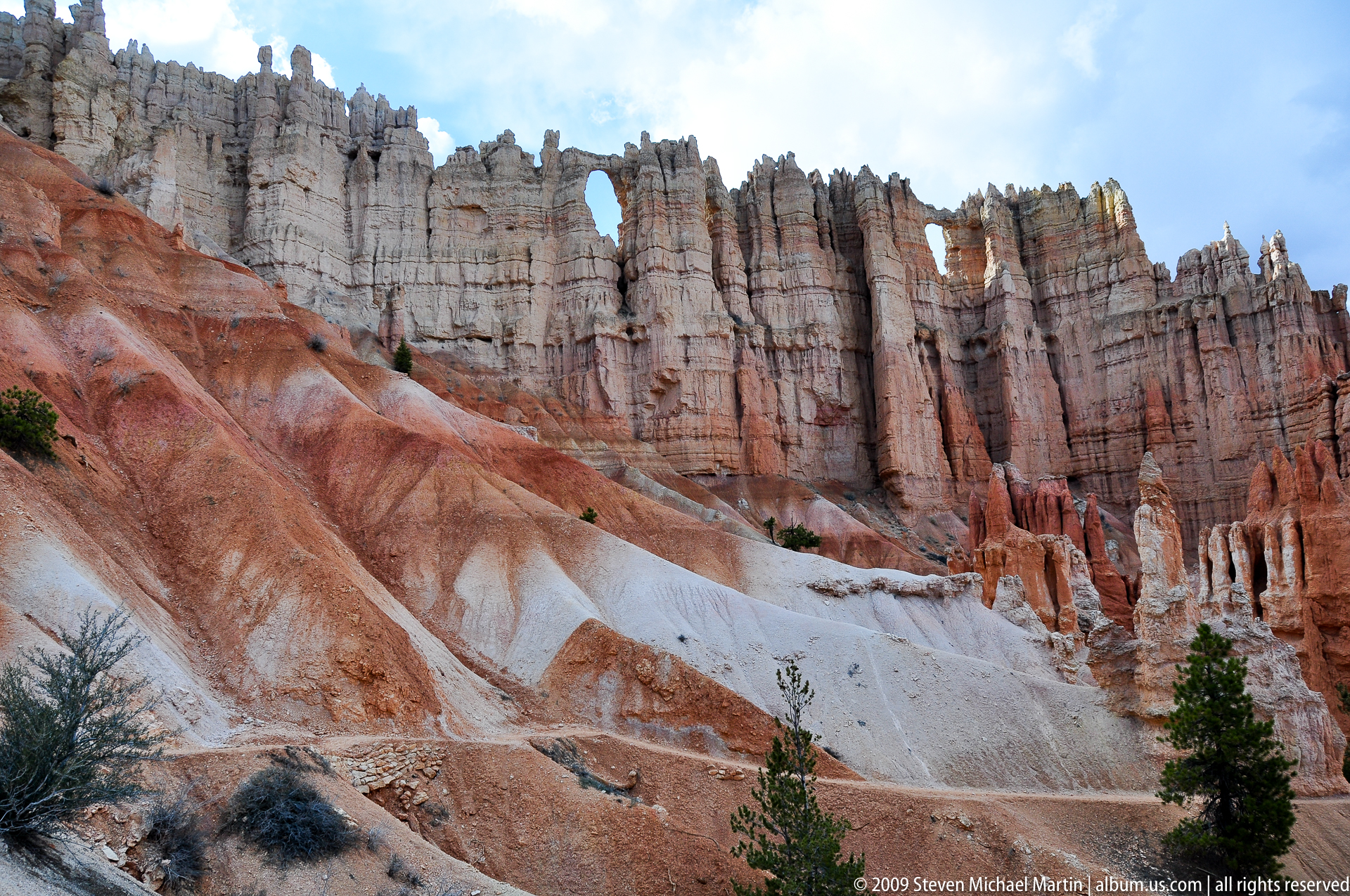
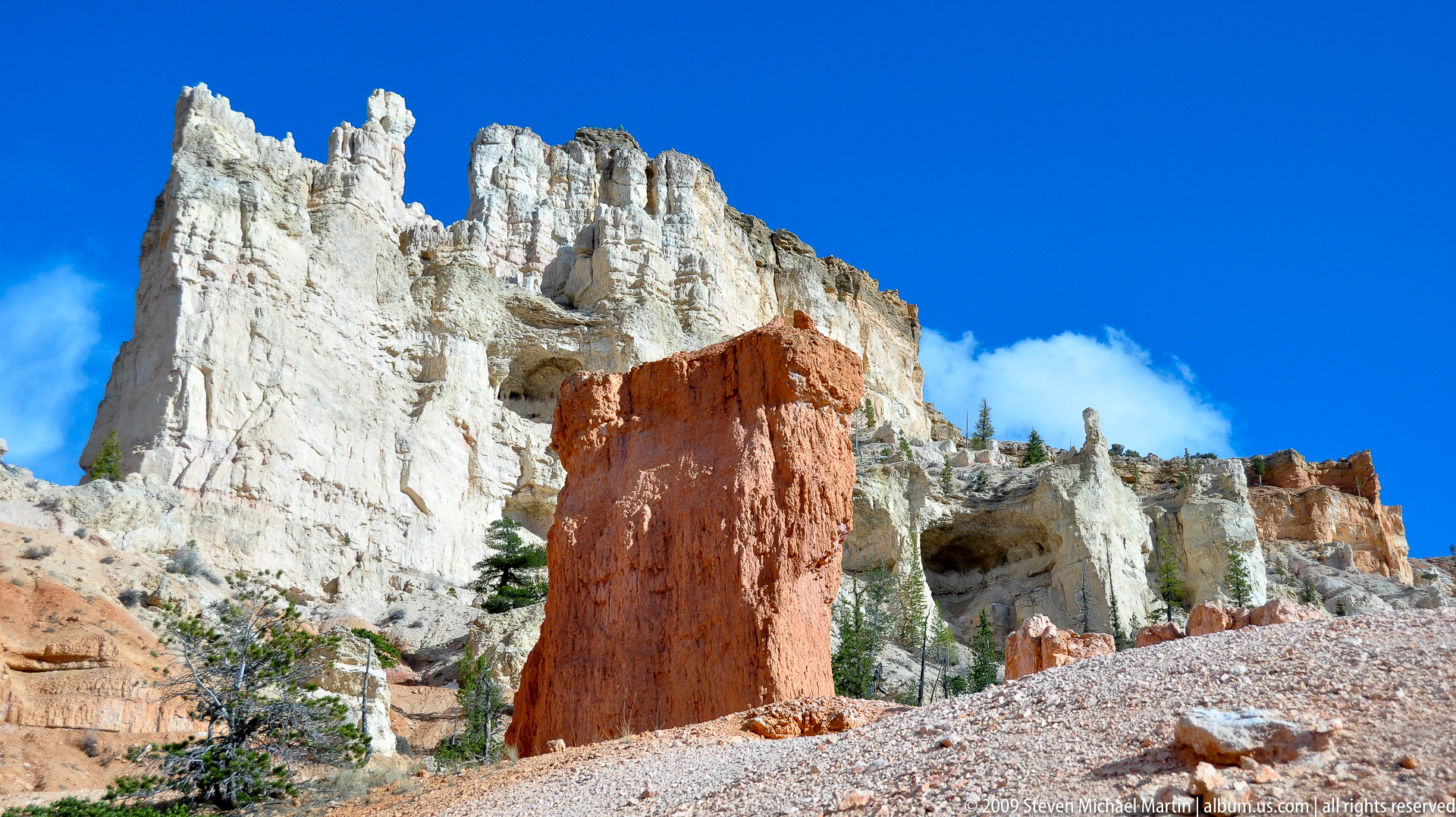
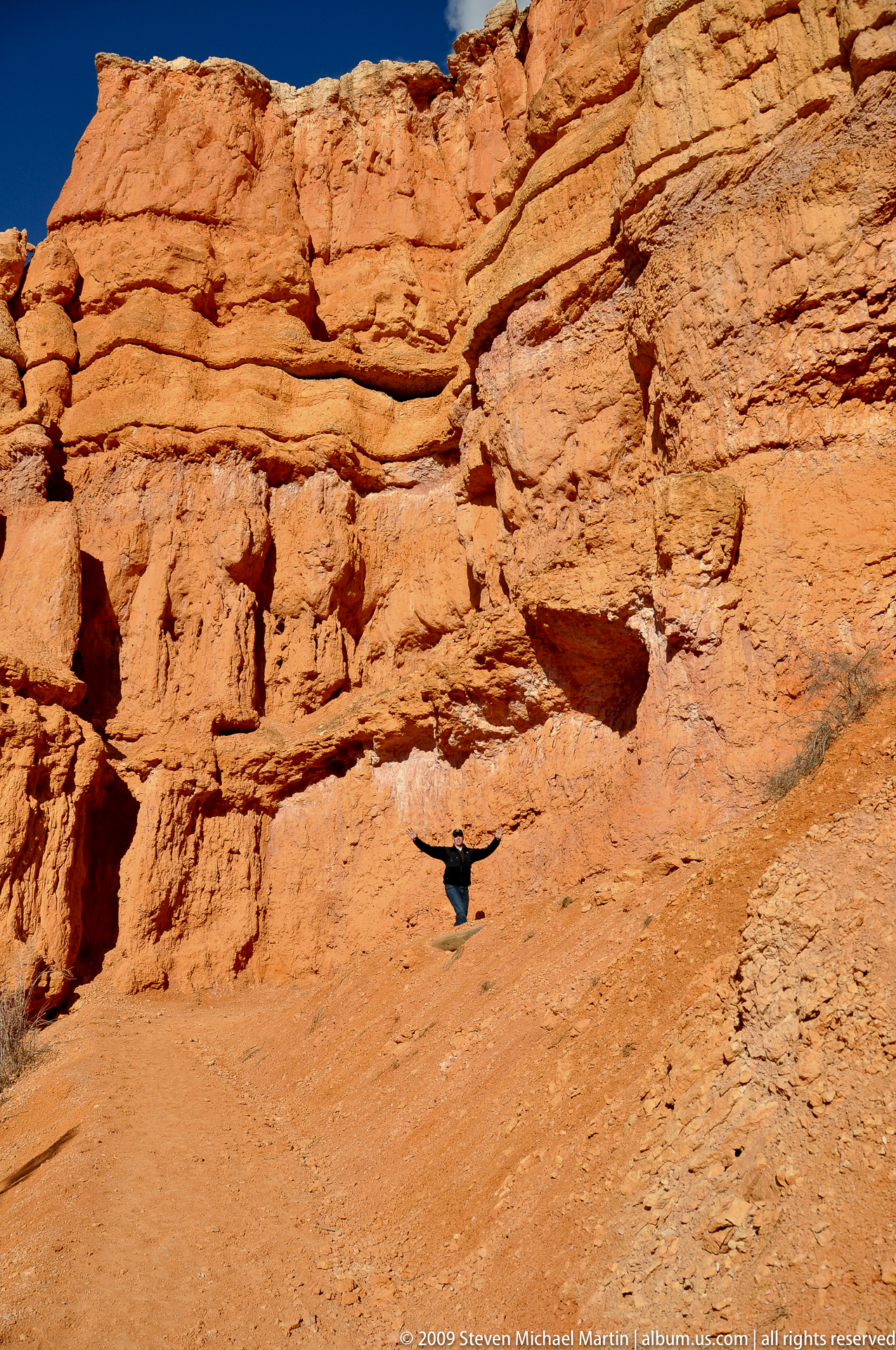
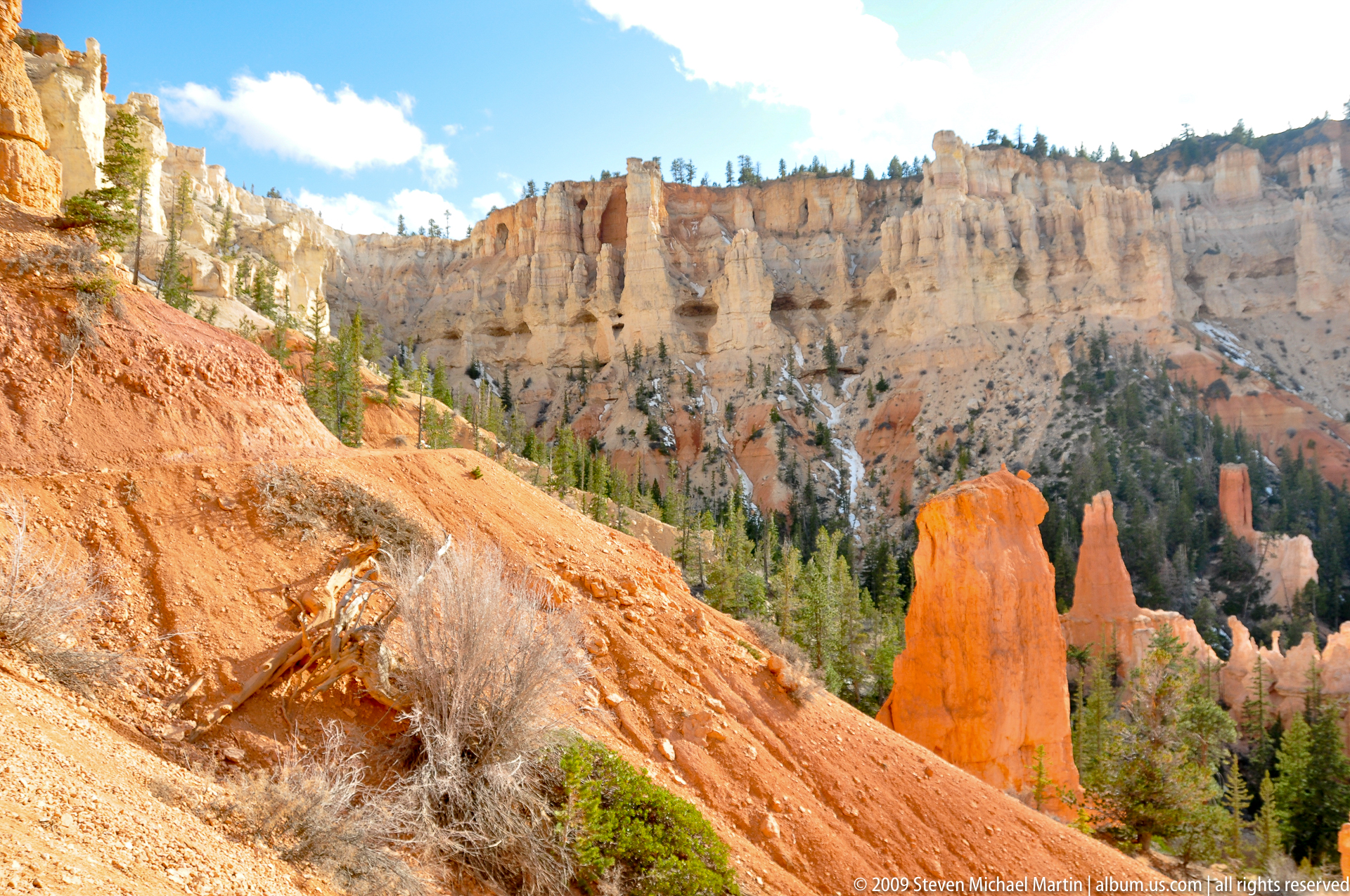
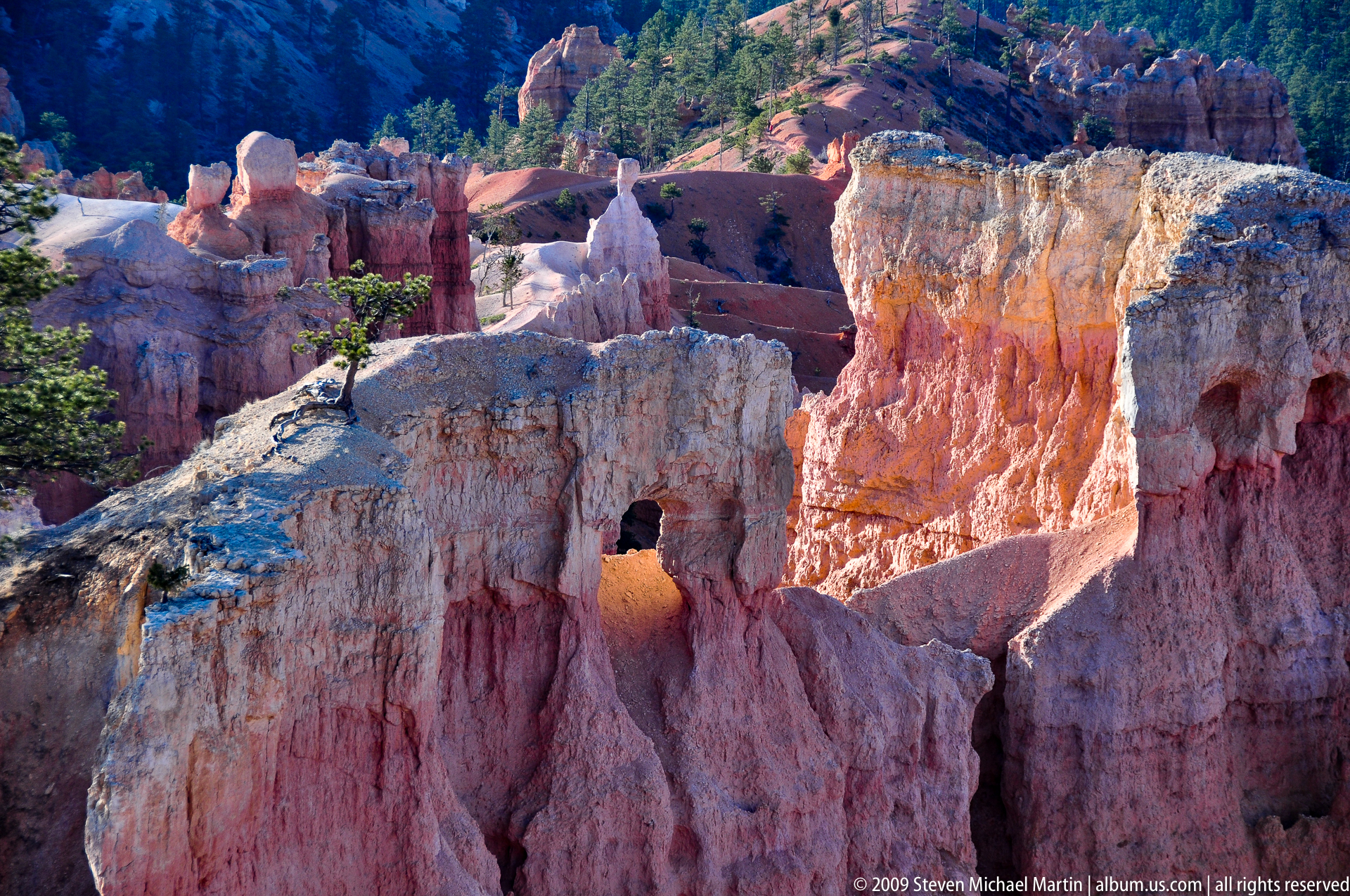
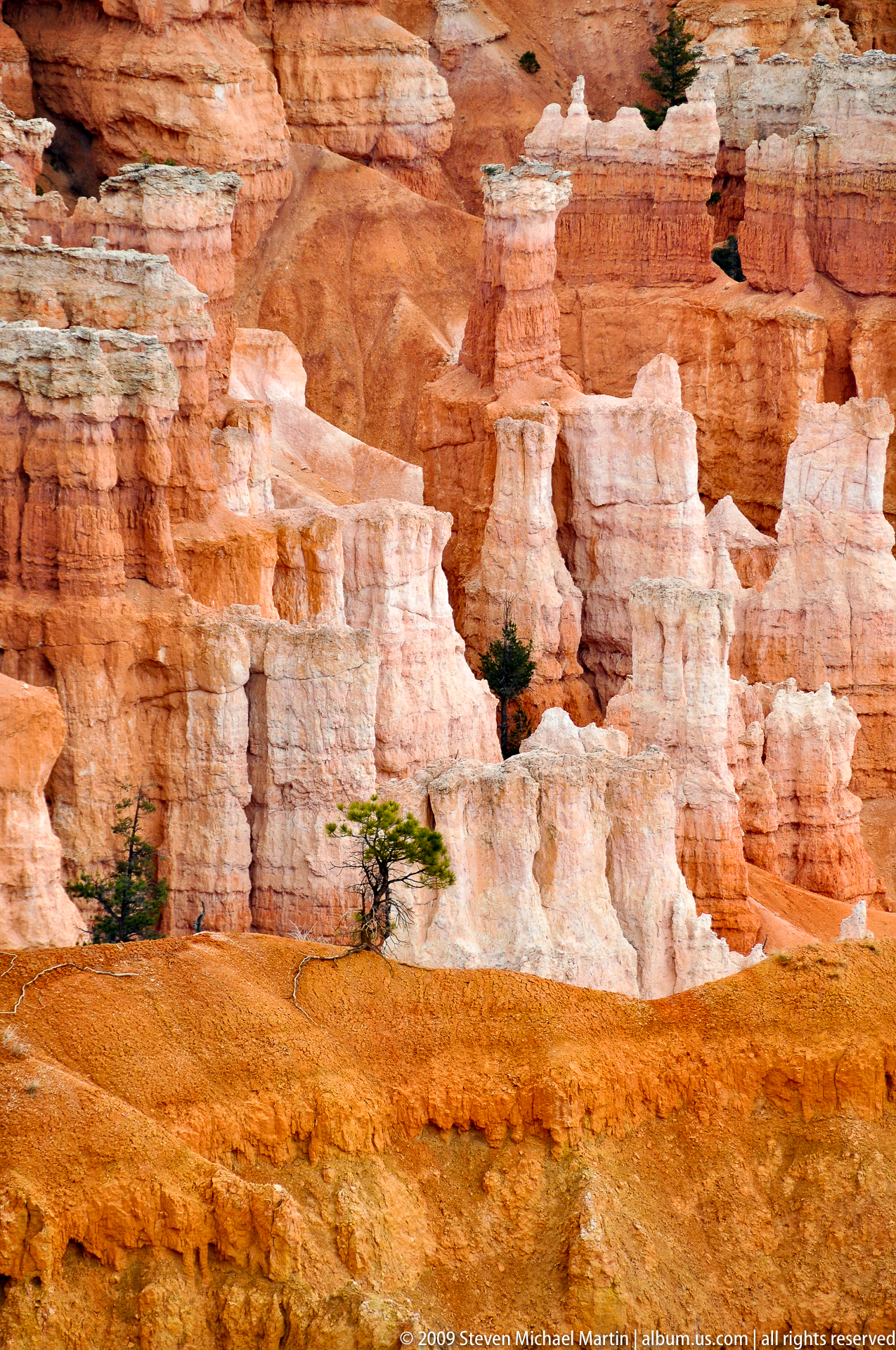
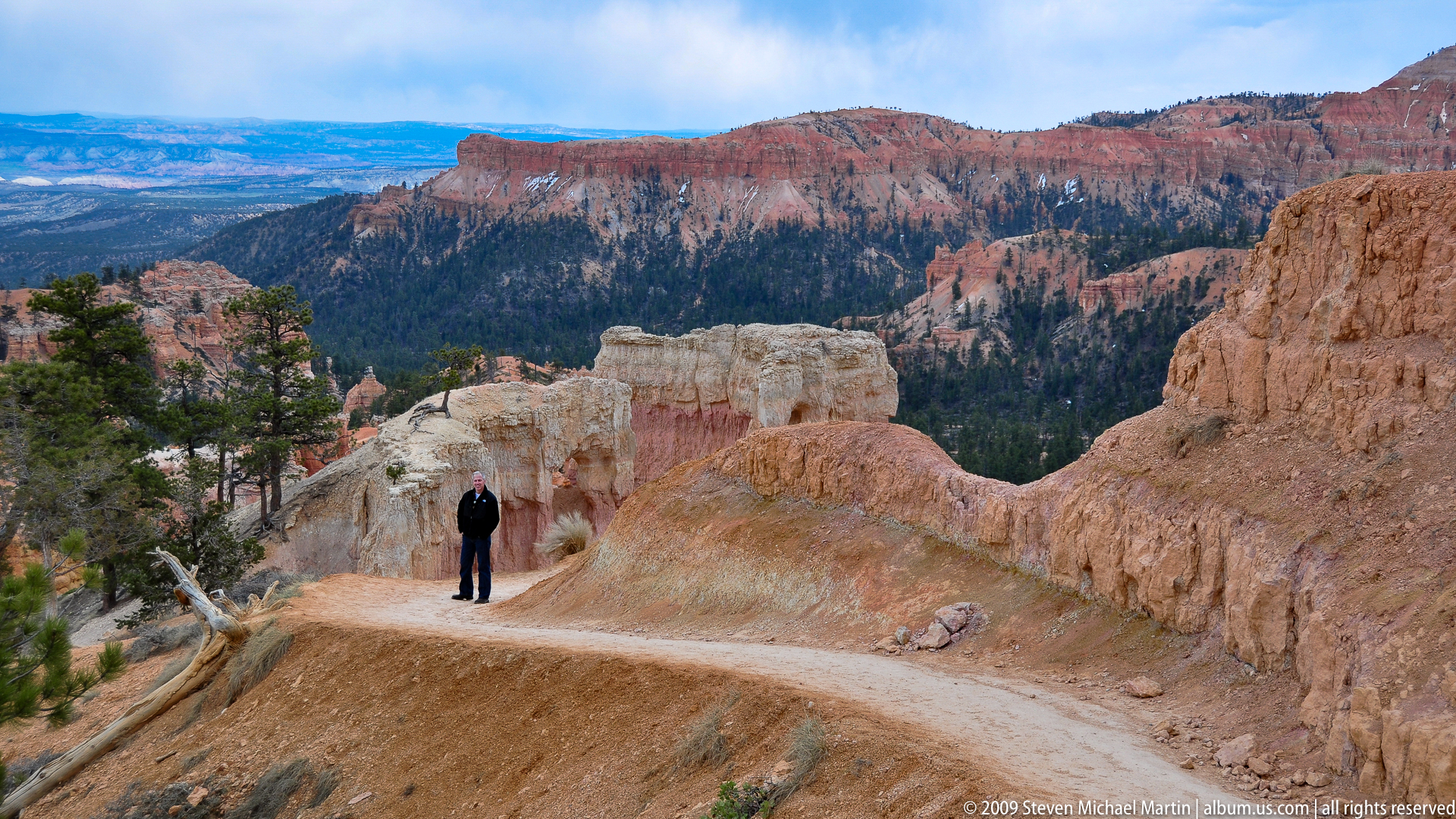
Differences in rock composition influence the rate of erosion, producing variations in color and shape across the hoodoo formations. Iron and manganese minerals contribute to red, orange, and white color patterns visible within the canyon walls. The Navajo Loop trail provides close views of the rock formations and illustrates how erosion shapes intricate geological structures.
Today, Bryce Canyon demonstrates how weathering processes produce distinctive rock formations in high desert environments. The hoodoos illustrate how climate influences the rate and pattern of erosion across sedimentary rock landscapes.






















National Park Field Guide
Bryce Canyon National Park preserves hoodoo formations created through frost weathering and erosion of sedimentary rock layers. Water freezing within rock fractures gradually separates columns from surrounding material, forming tall spires across amphitheater landscapes. The park illustrates how climate influences erosion patterns in high elevation desert environments.
🧭 Key Features
- Hoodoo rock formations created by freeze-thaw weathering
- Amphitheaters carved into sedimentary rock layers
- Color variation caused by mineral composition
- High elevation desert climate influencing erosion
- Layered geological formations across canyon walls
🌄 Landscape Highlights
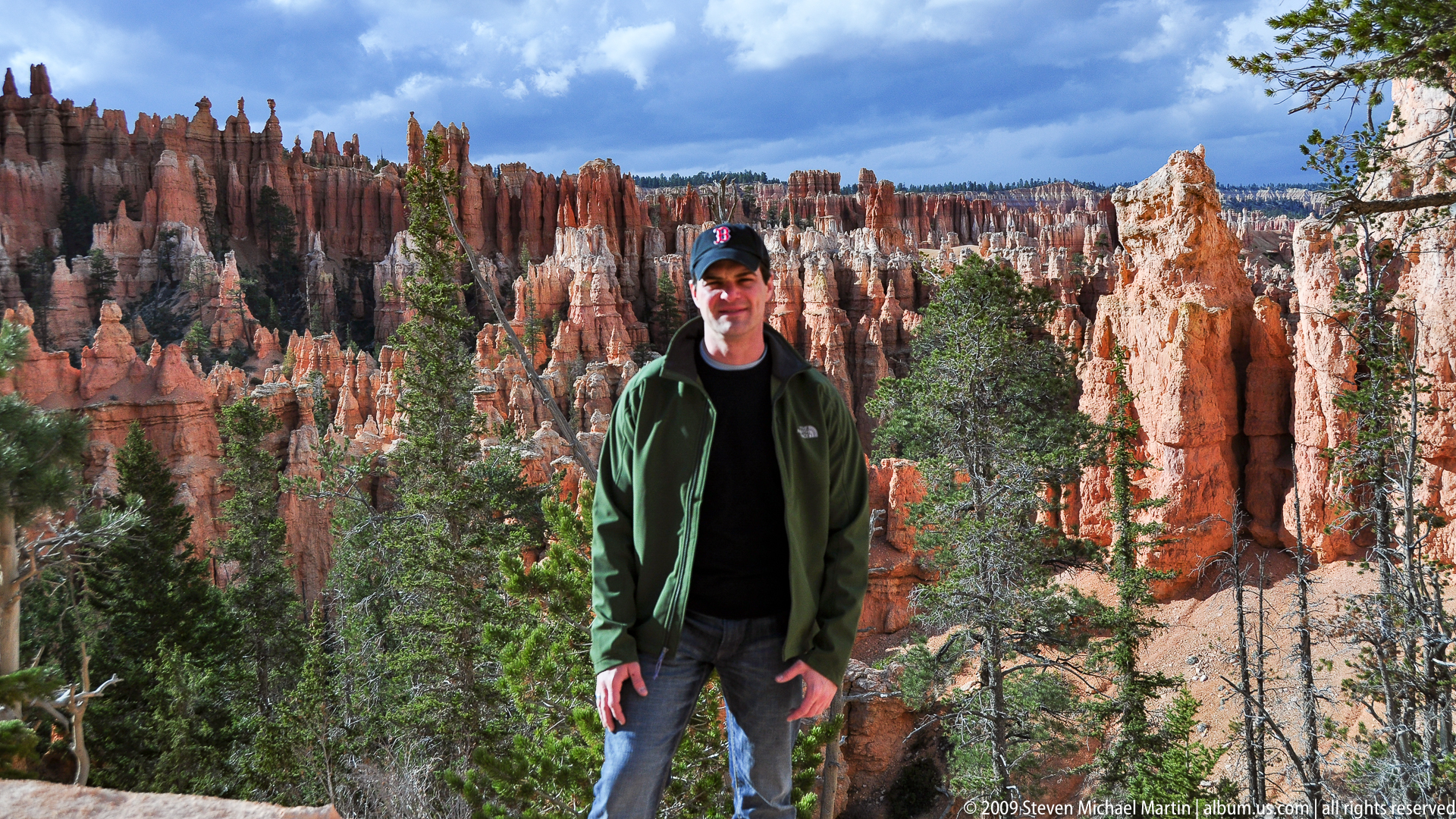
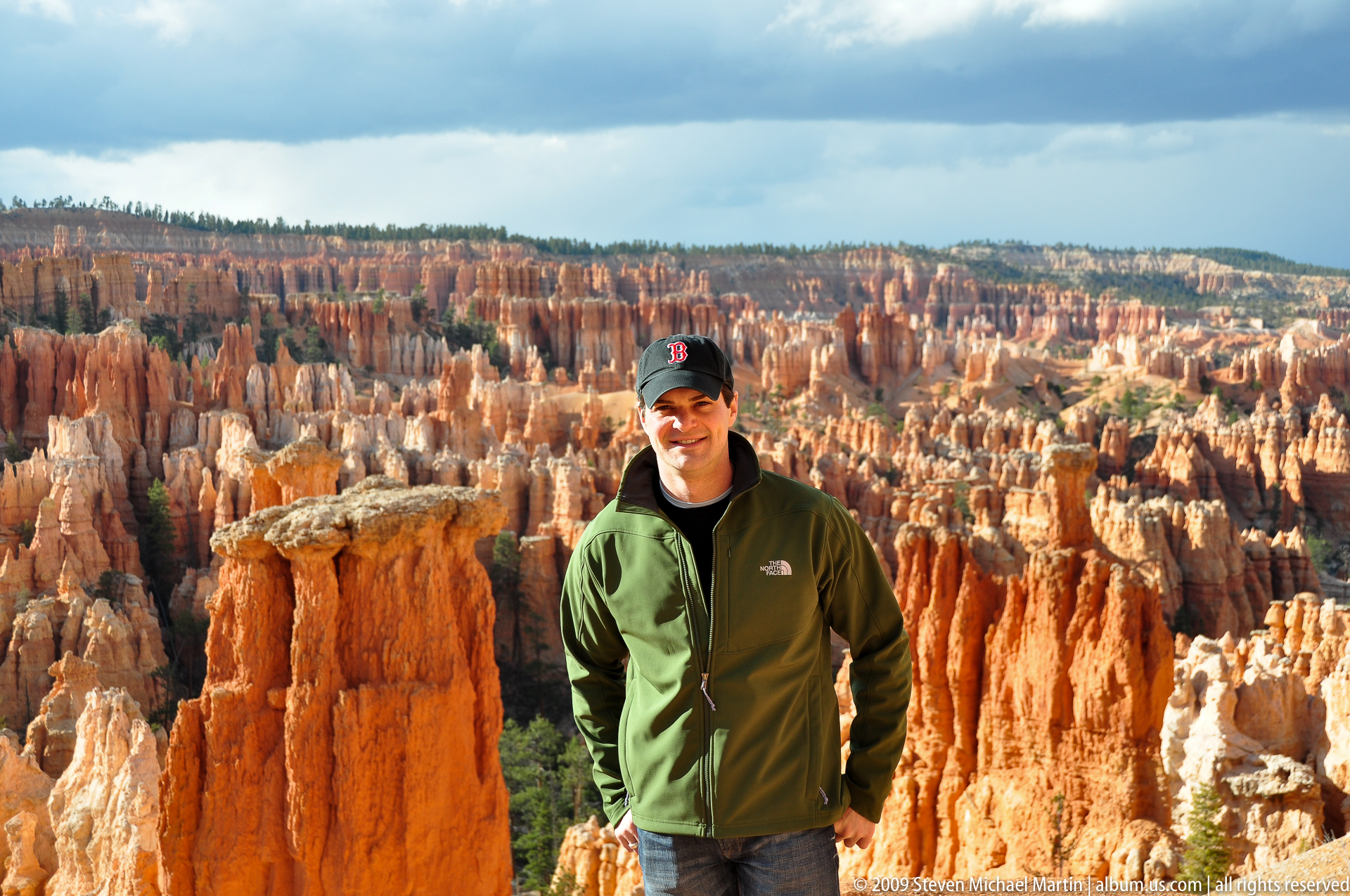
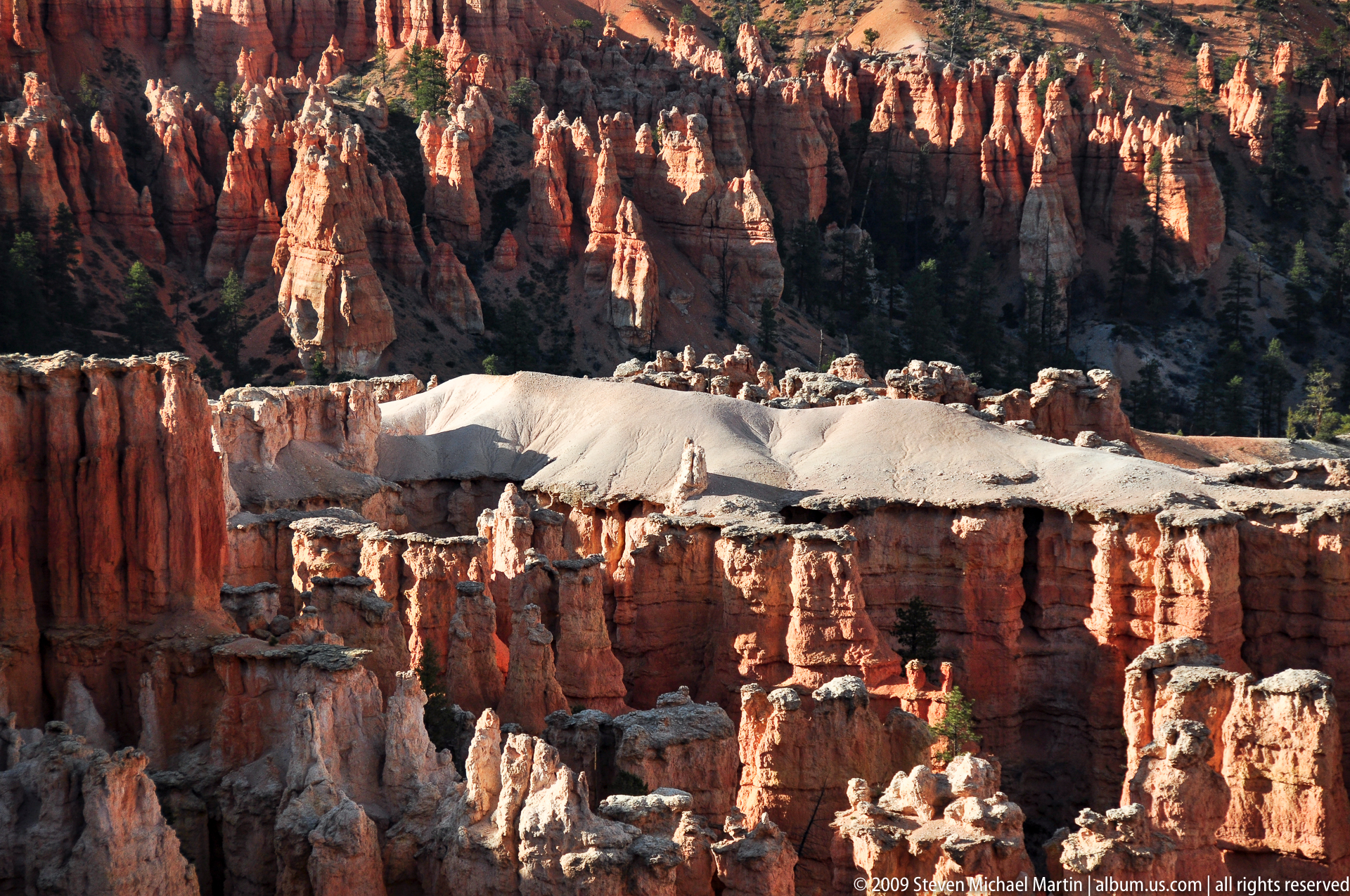
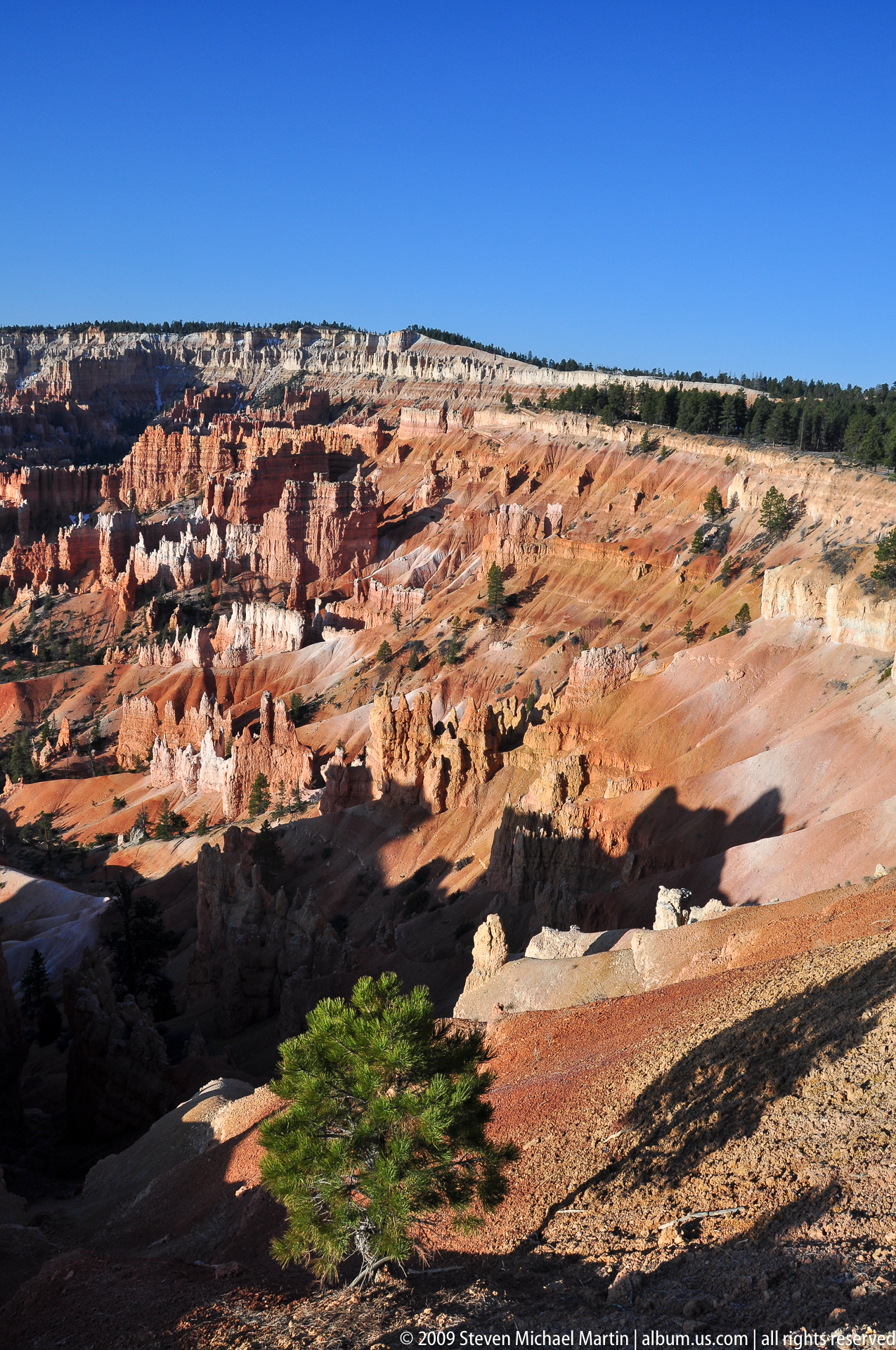
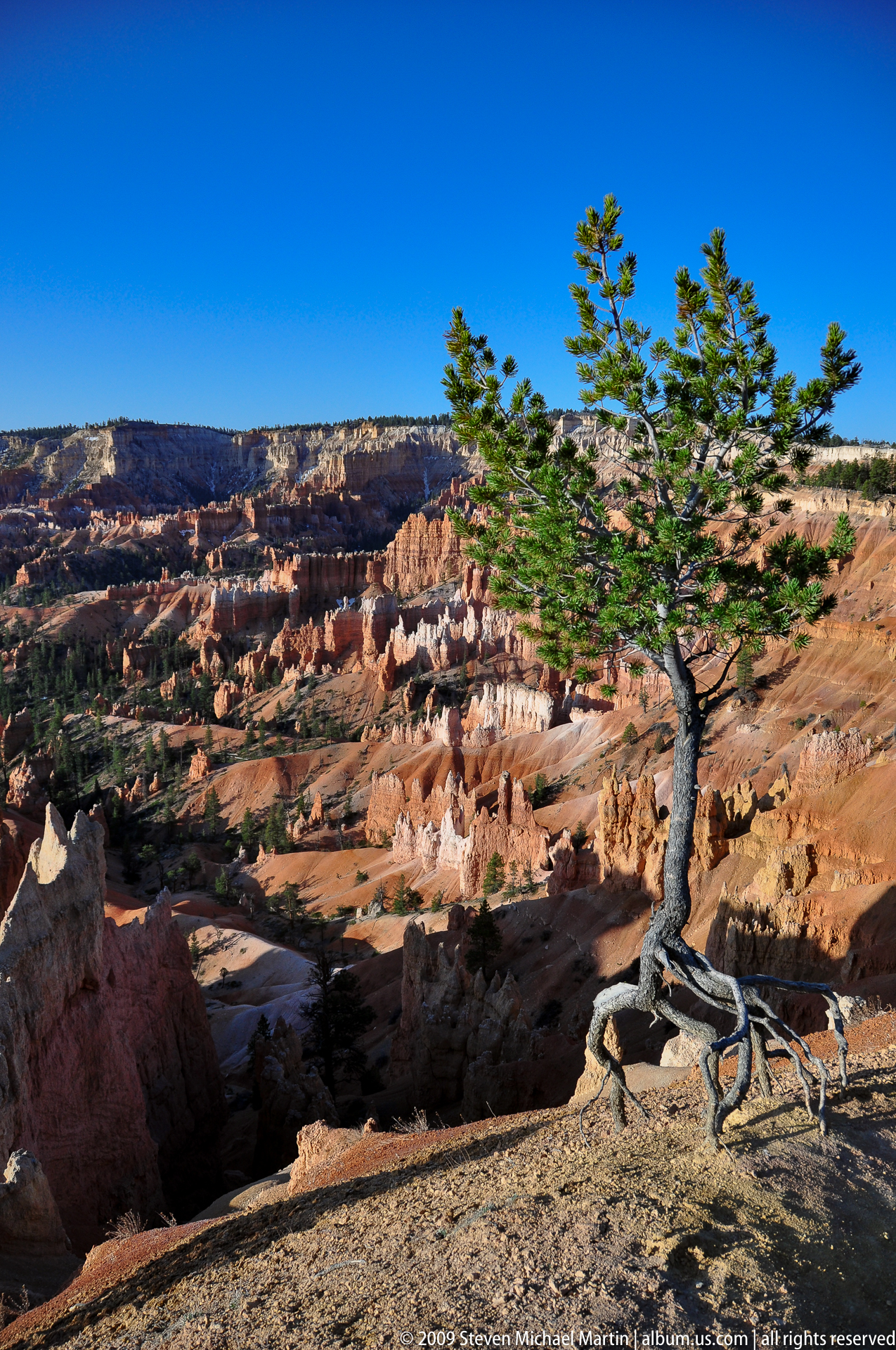
Clusters of hoodoos create visually complex patterns shaped by erosion. Color variations reflect differences in mineral composition and oxidation within sedimentary layers. Elevated viewpoints reveal amphitheater formations extending across the landscape.
🌎 Natural Systems
Water enters fractures in rock and freezes during colder temperatures, expanding and widening cracks. Over time, this process separates columns from surrounding material. Continued erosion gradually reshapes hoodoos and canyon walls across geological time.
📷 Photography Notes
- Early morning light enhances color contrast
- Elevated viewpoints reveal amphitheater structure
- Telephoto lenses emphasize hoodoo density
- Cloud shadows create visual texture
- Sunrise and sunset produce warm color tones
🌱 Conservation Context
Bryce Canyon preserves sedimentary rock formations shaped by climate-driven erosion. Protection of the landscape allows continued observation of geological processes influencing hoodoo development across high desert environments.