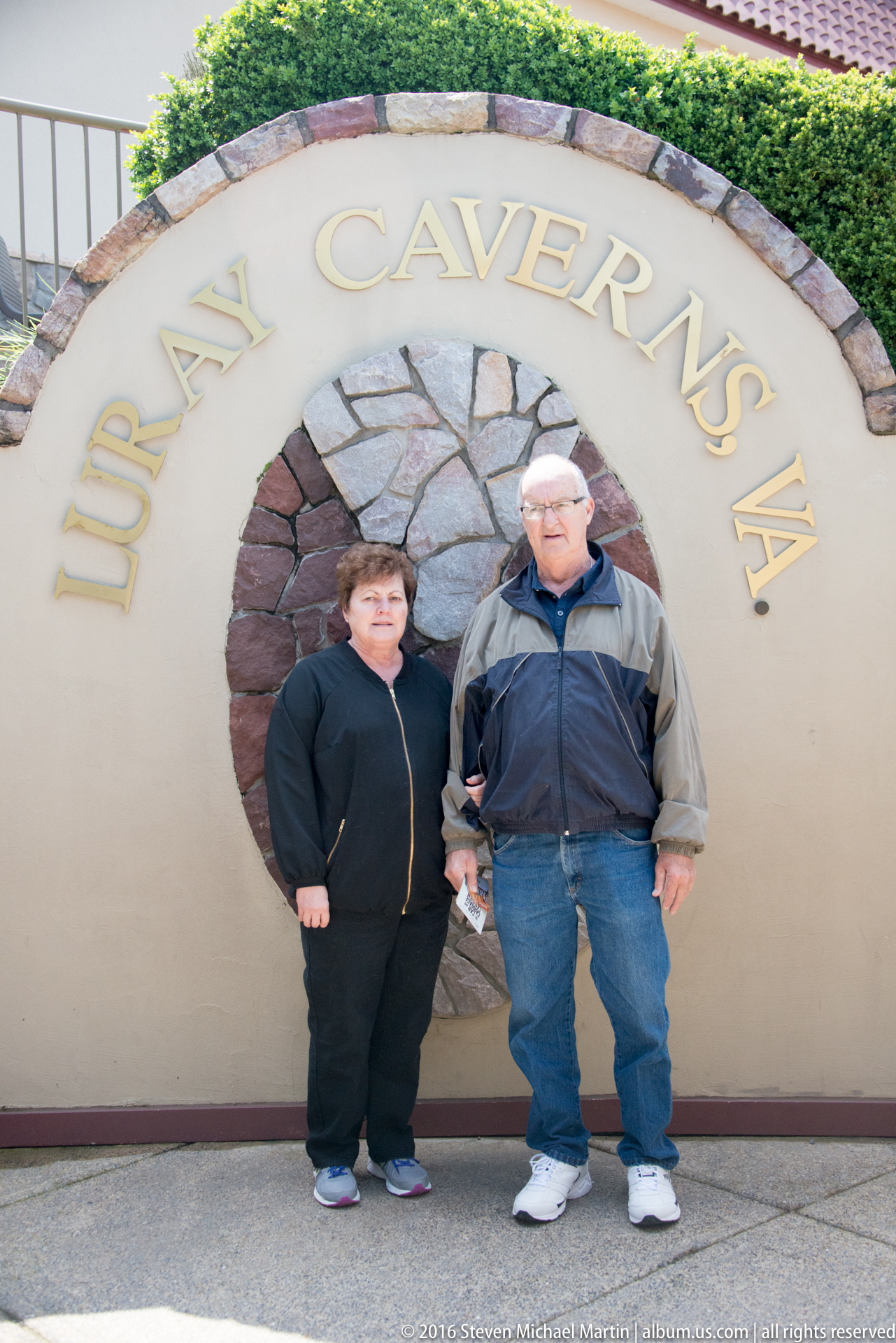
Luray Caverns
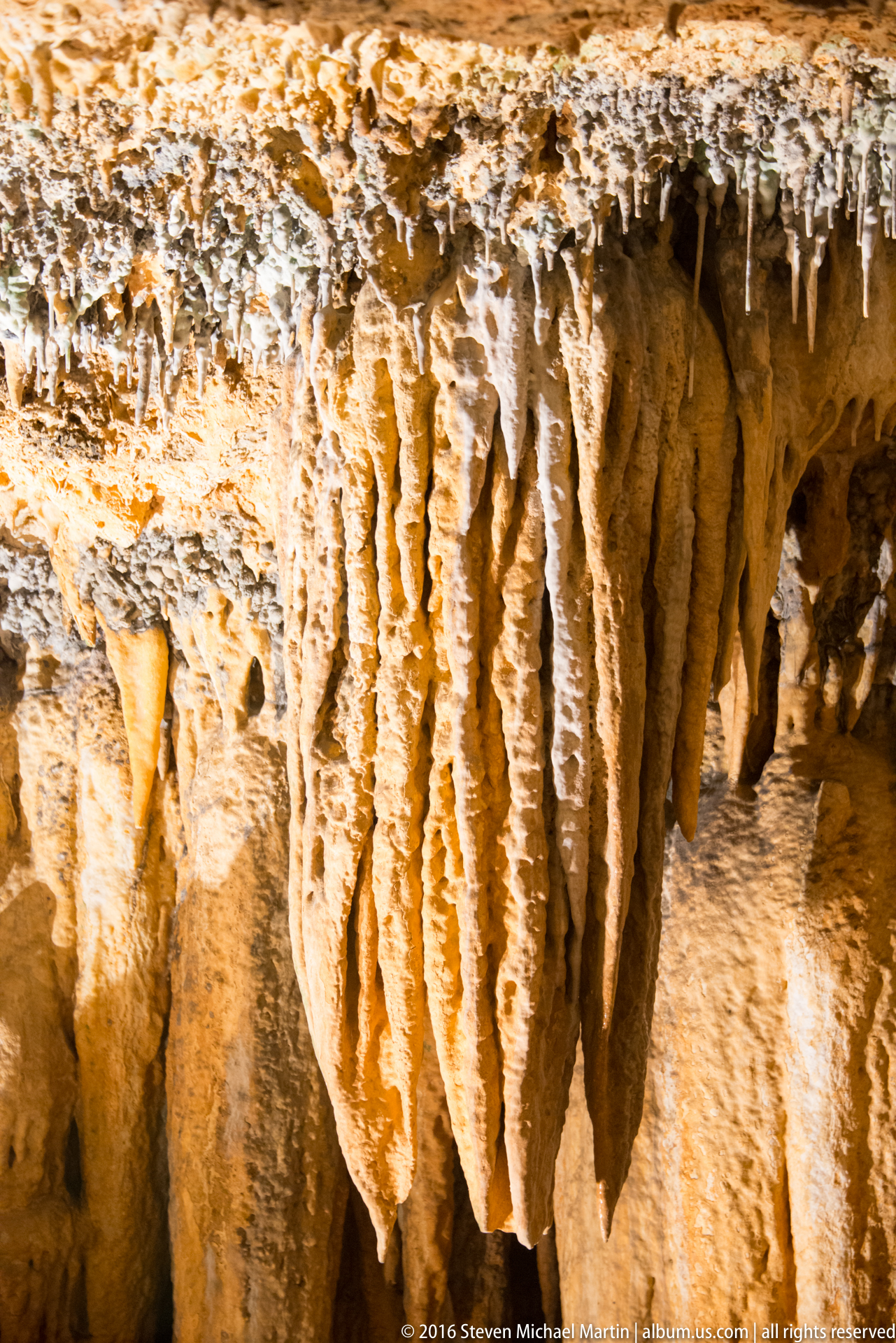
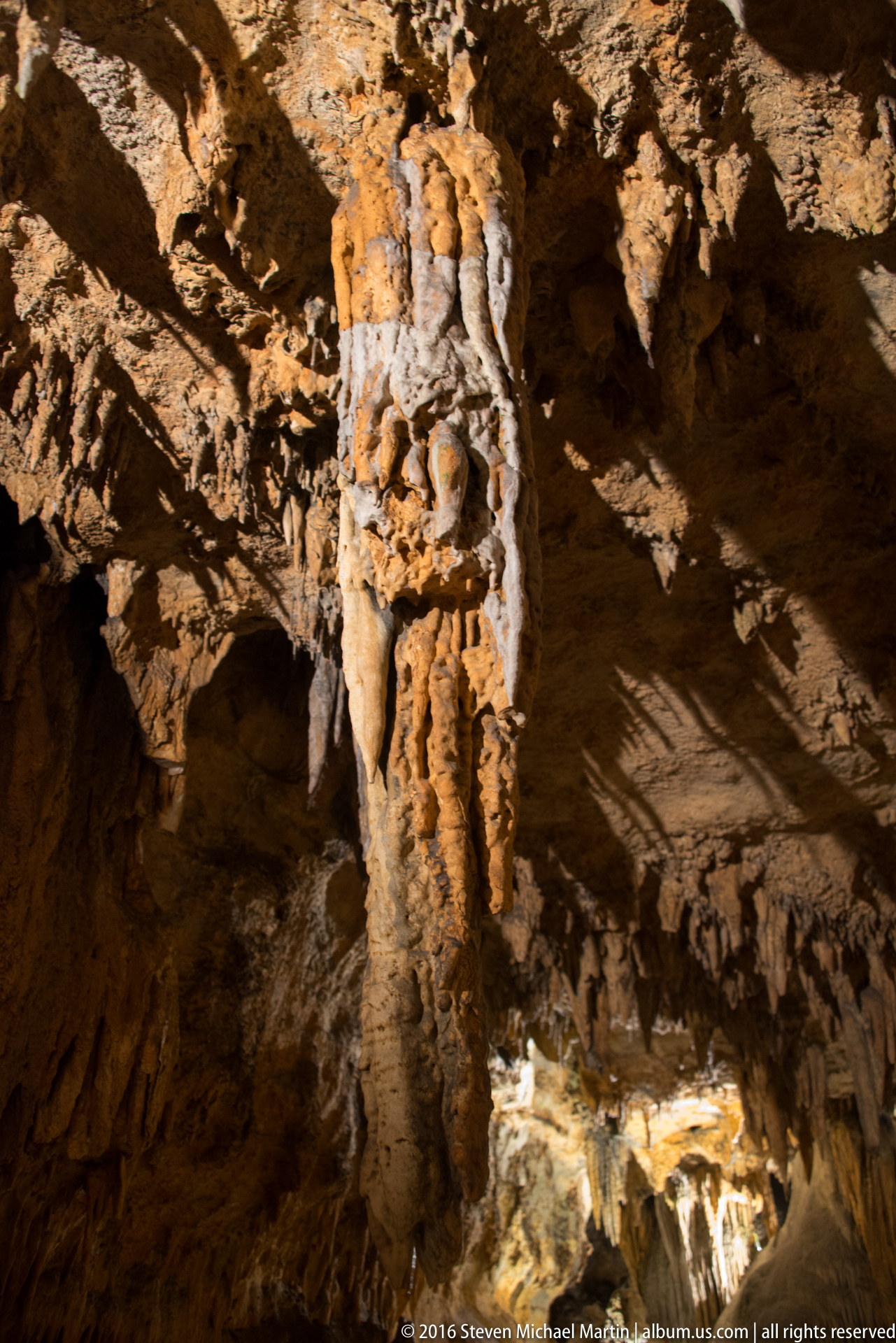
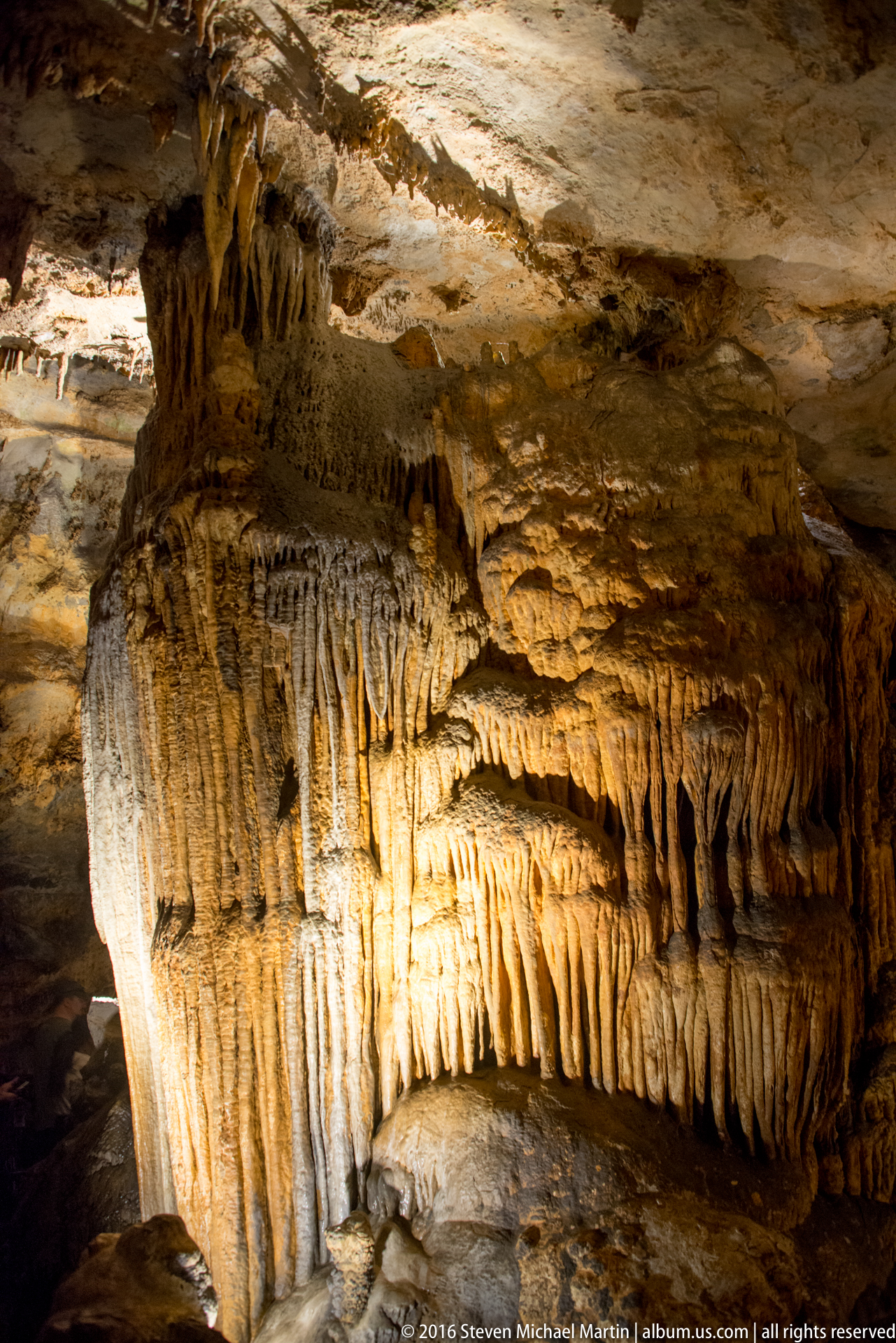
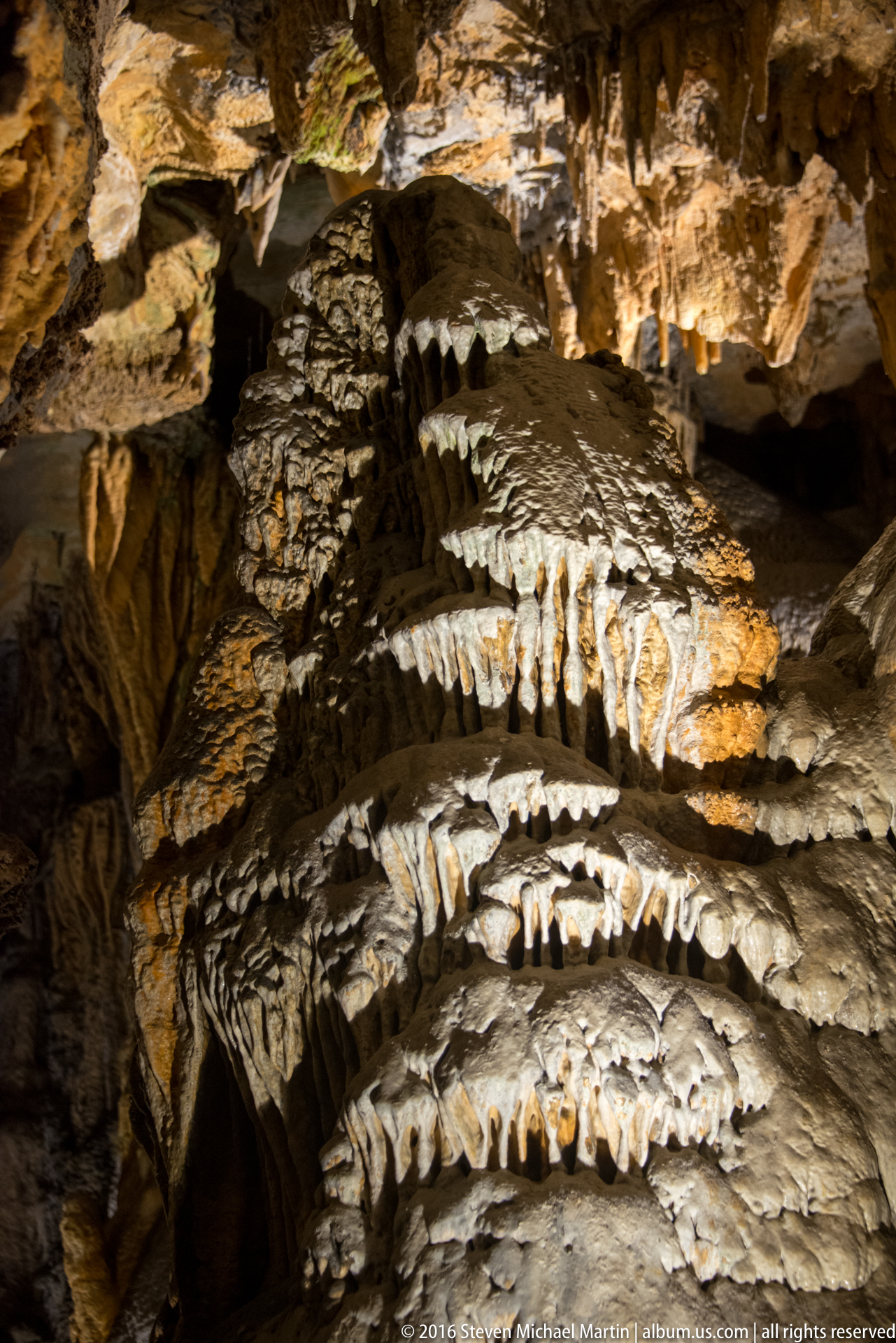
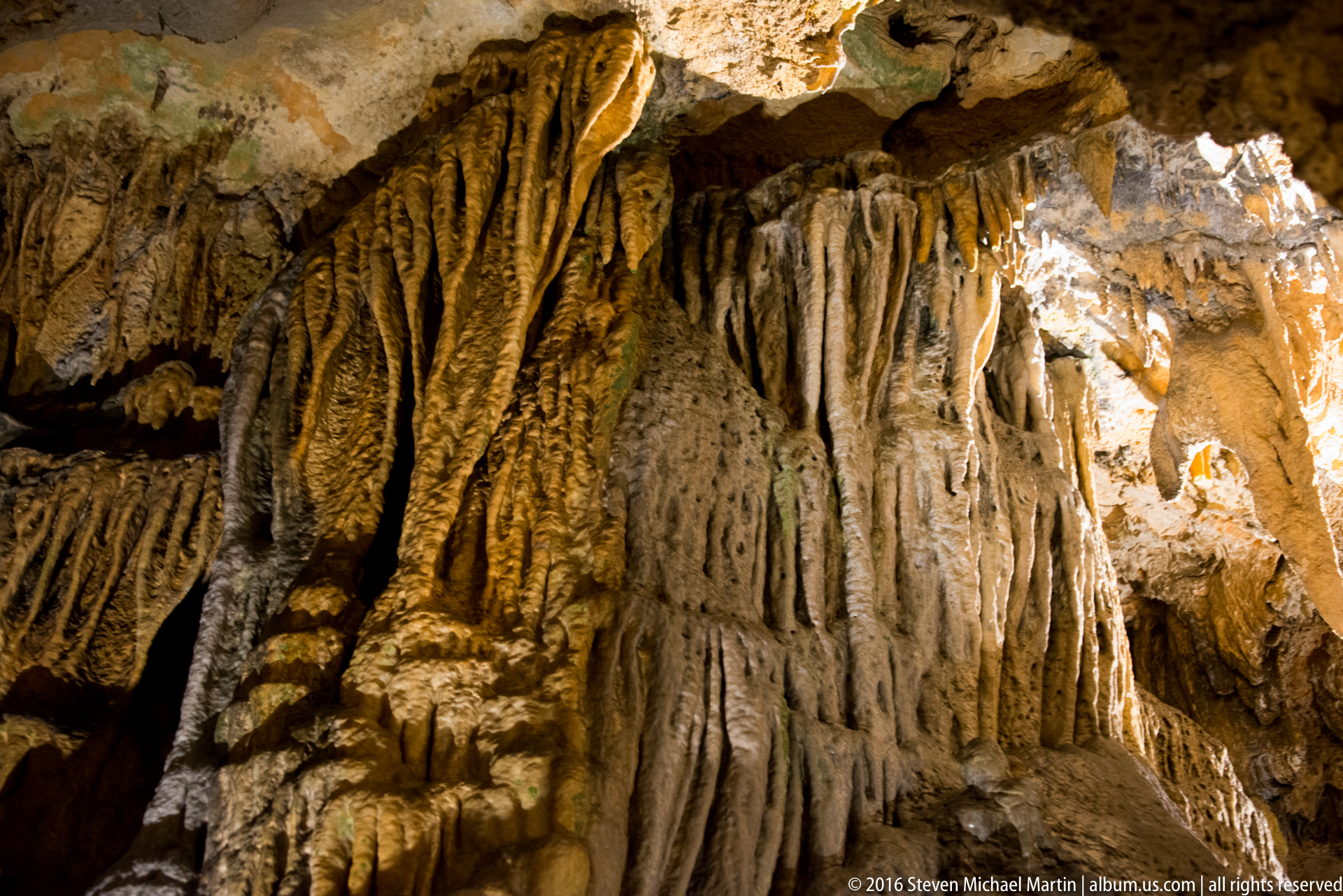
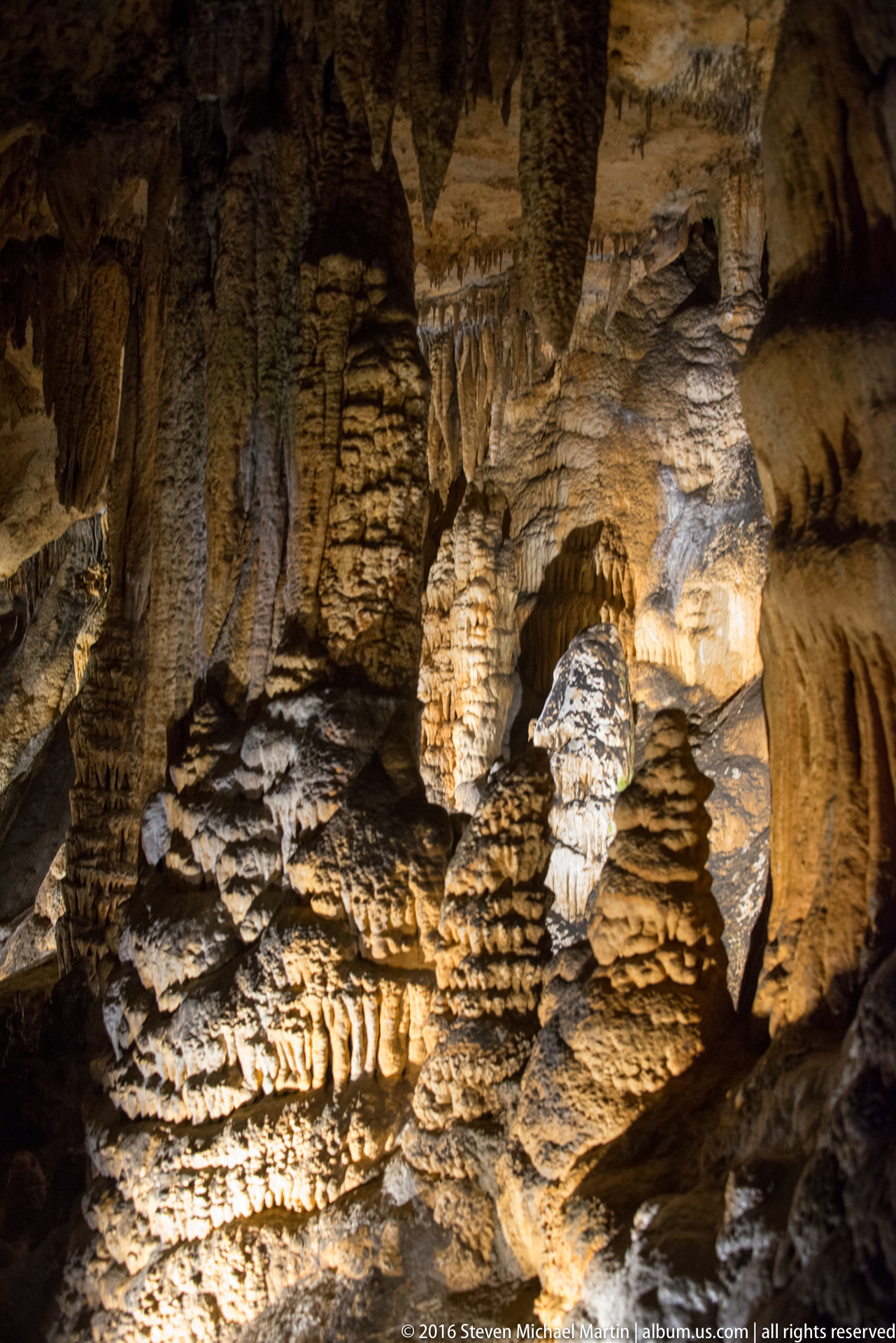
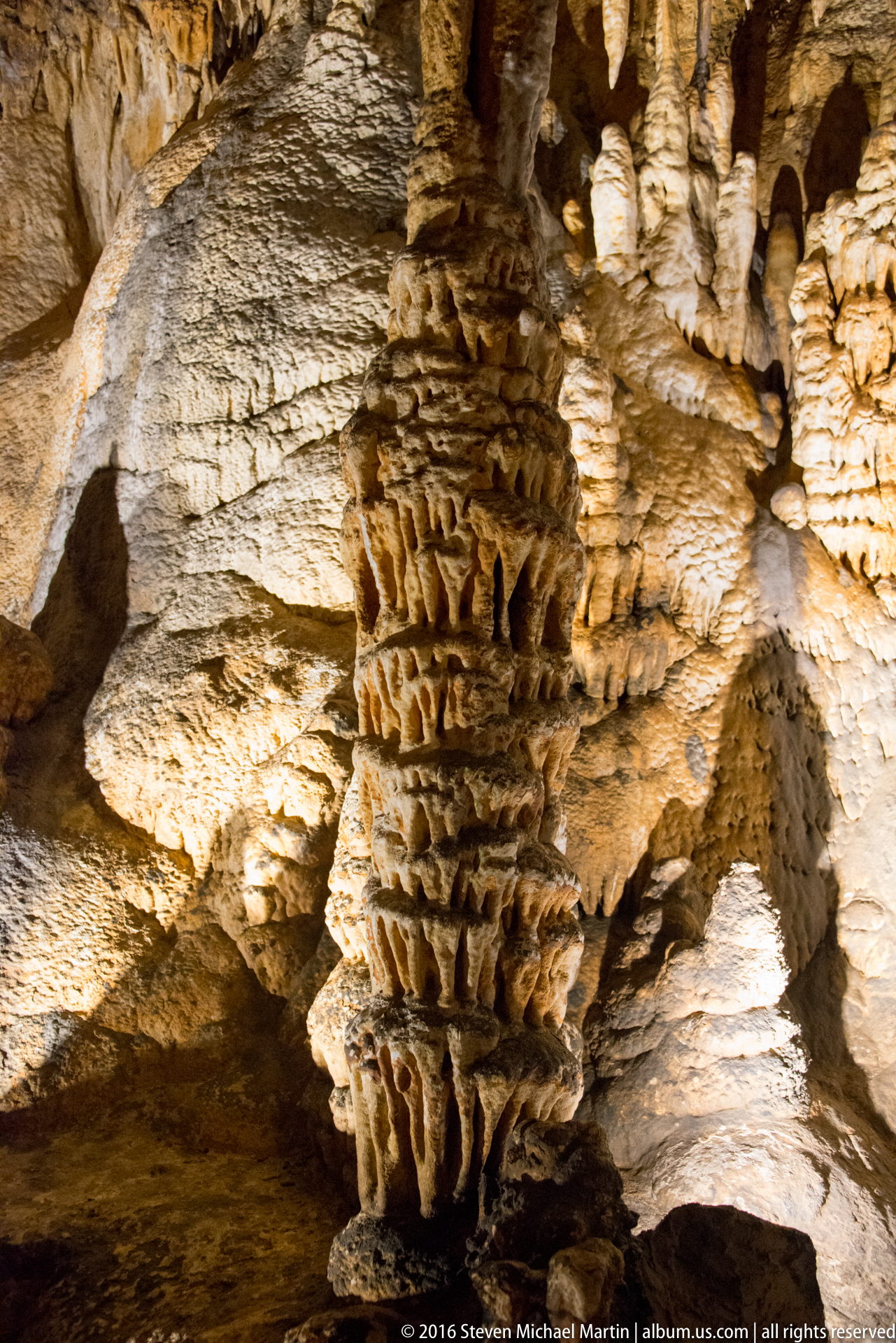
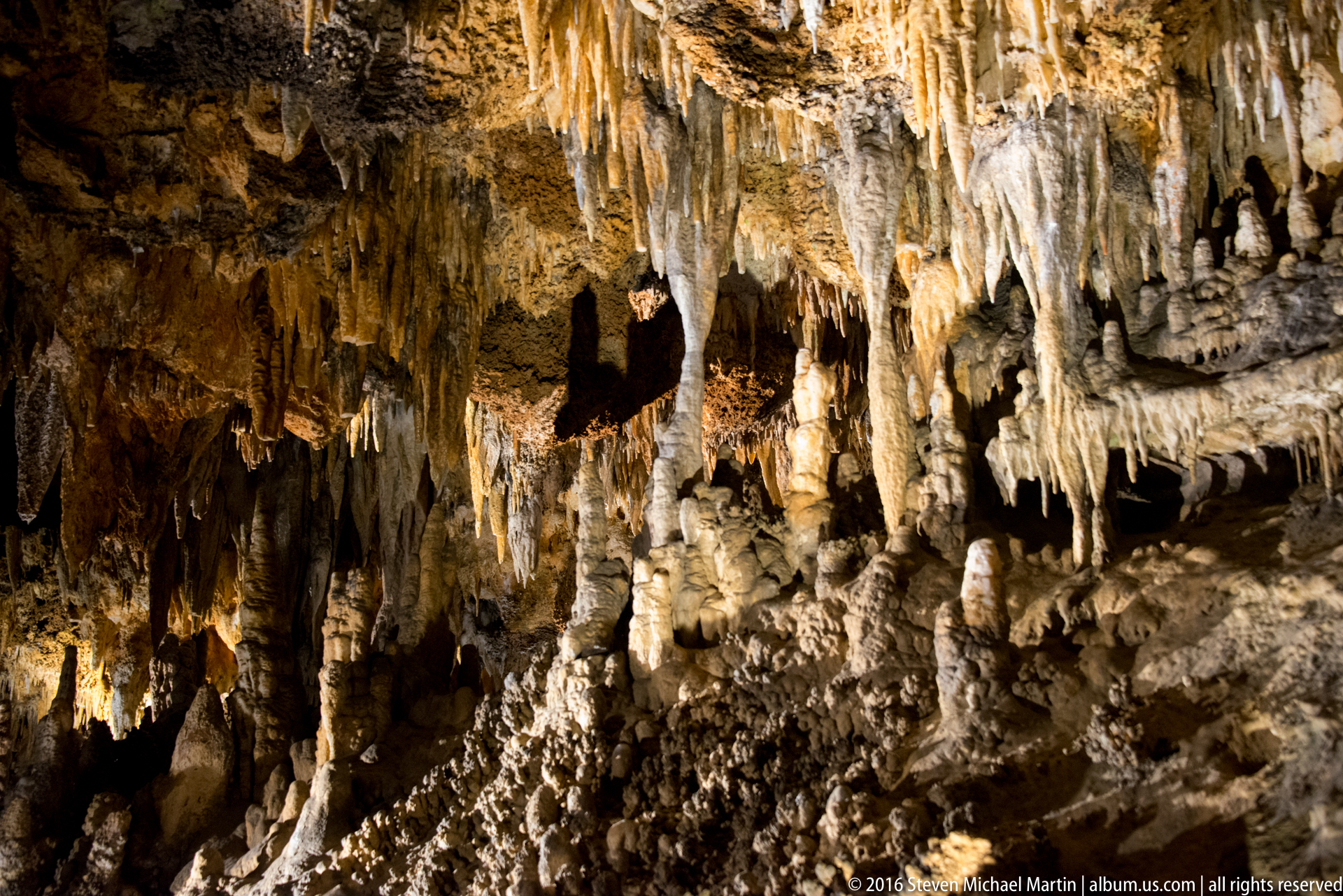
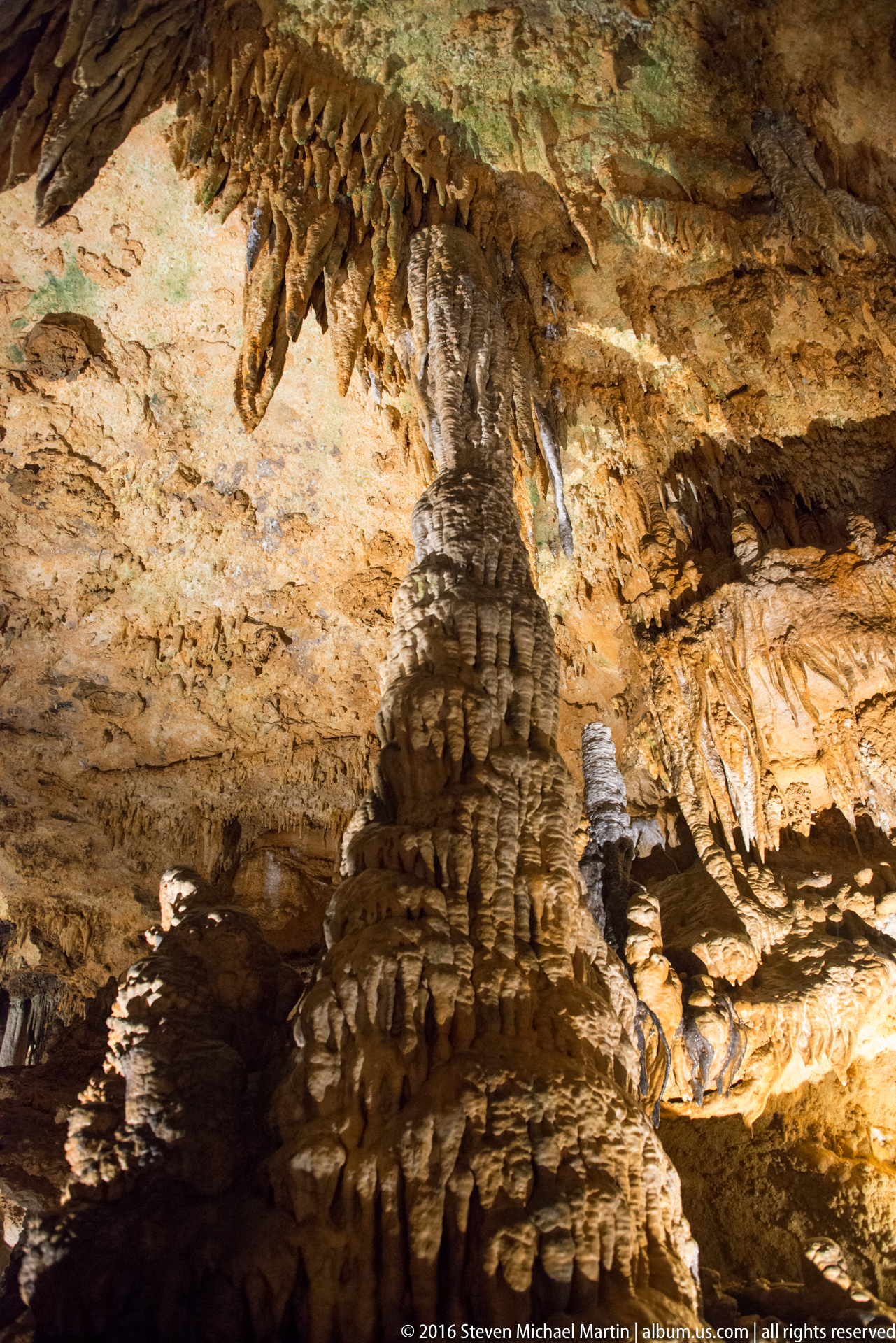
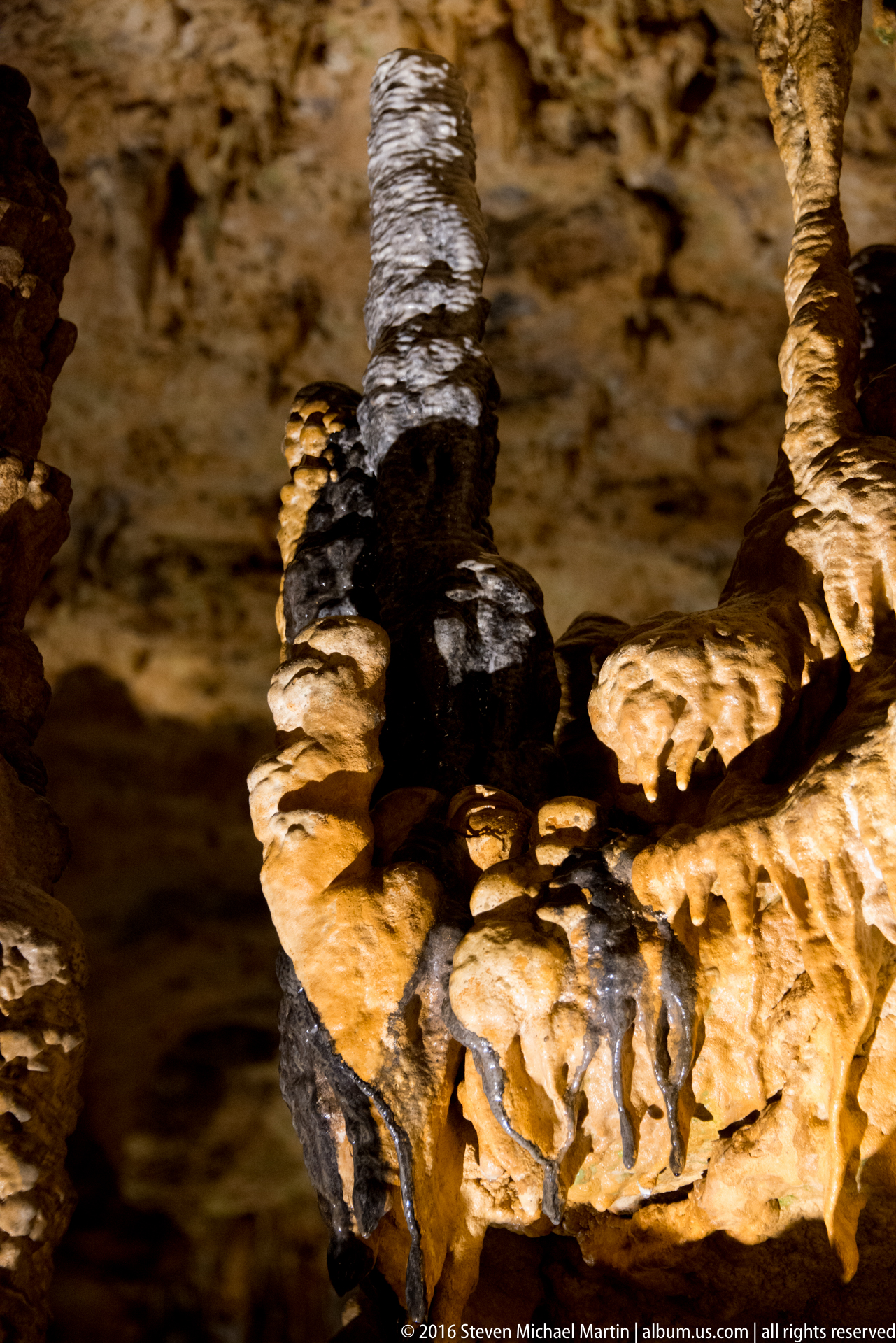
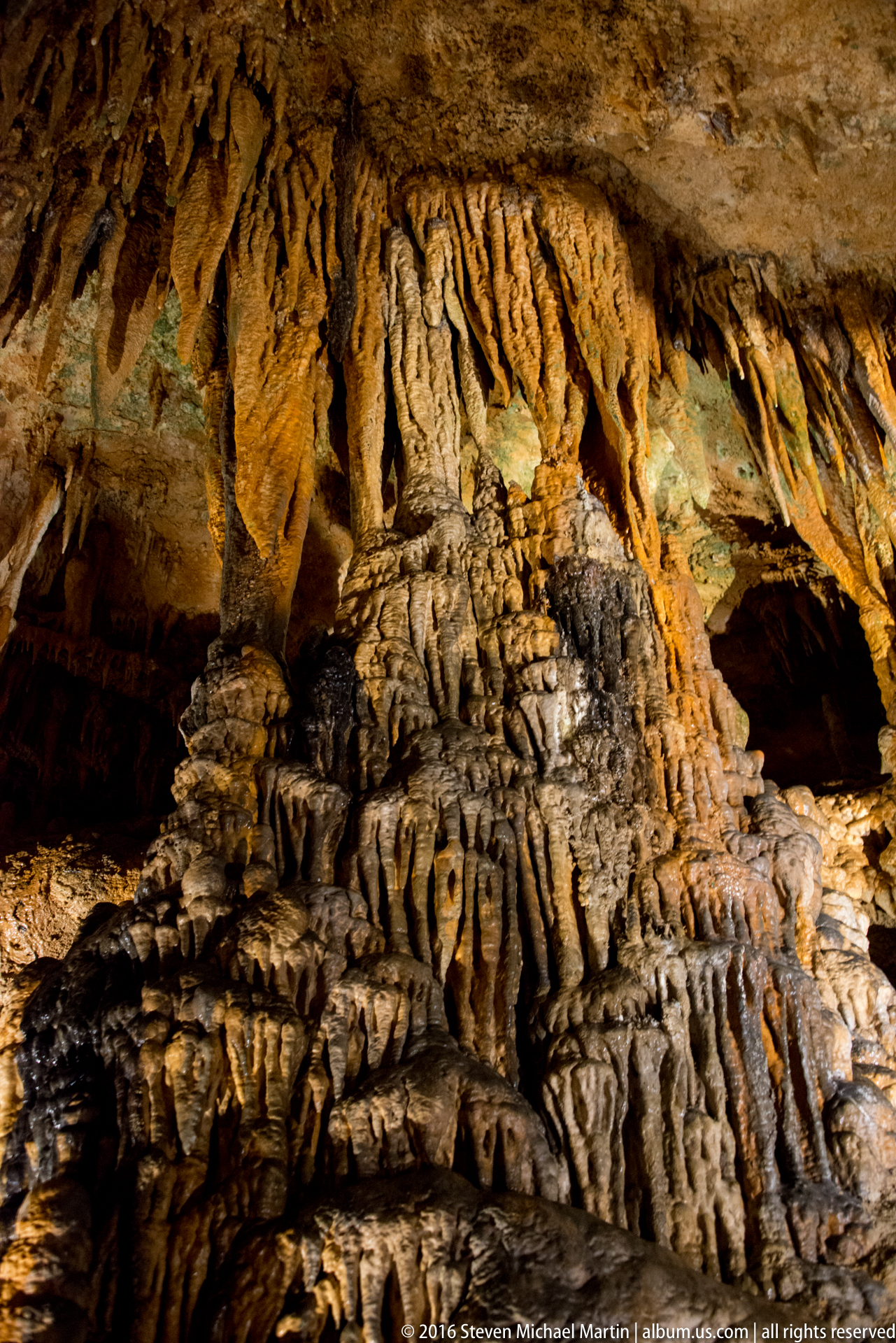
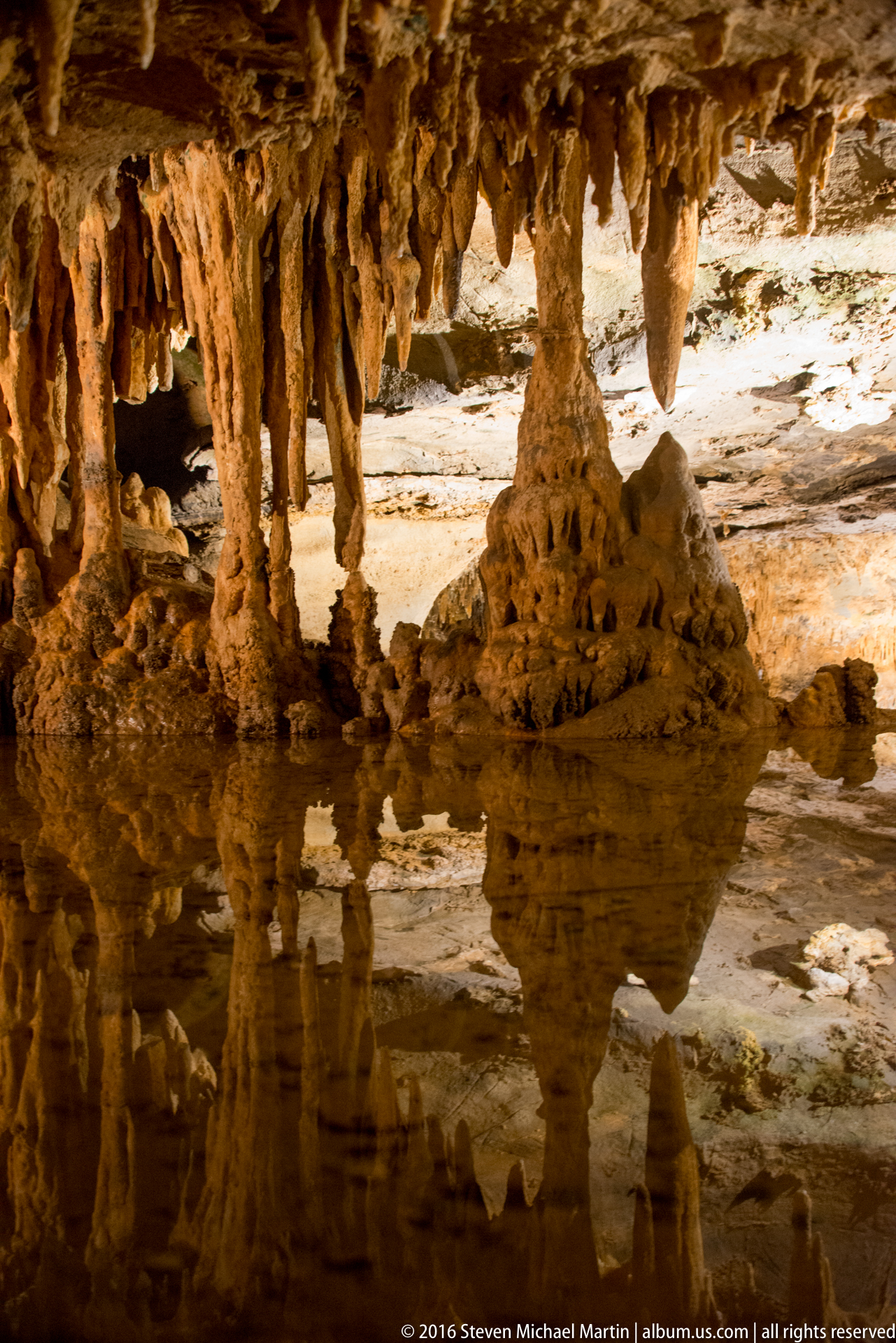
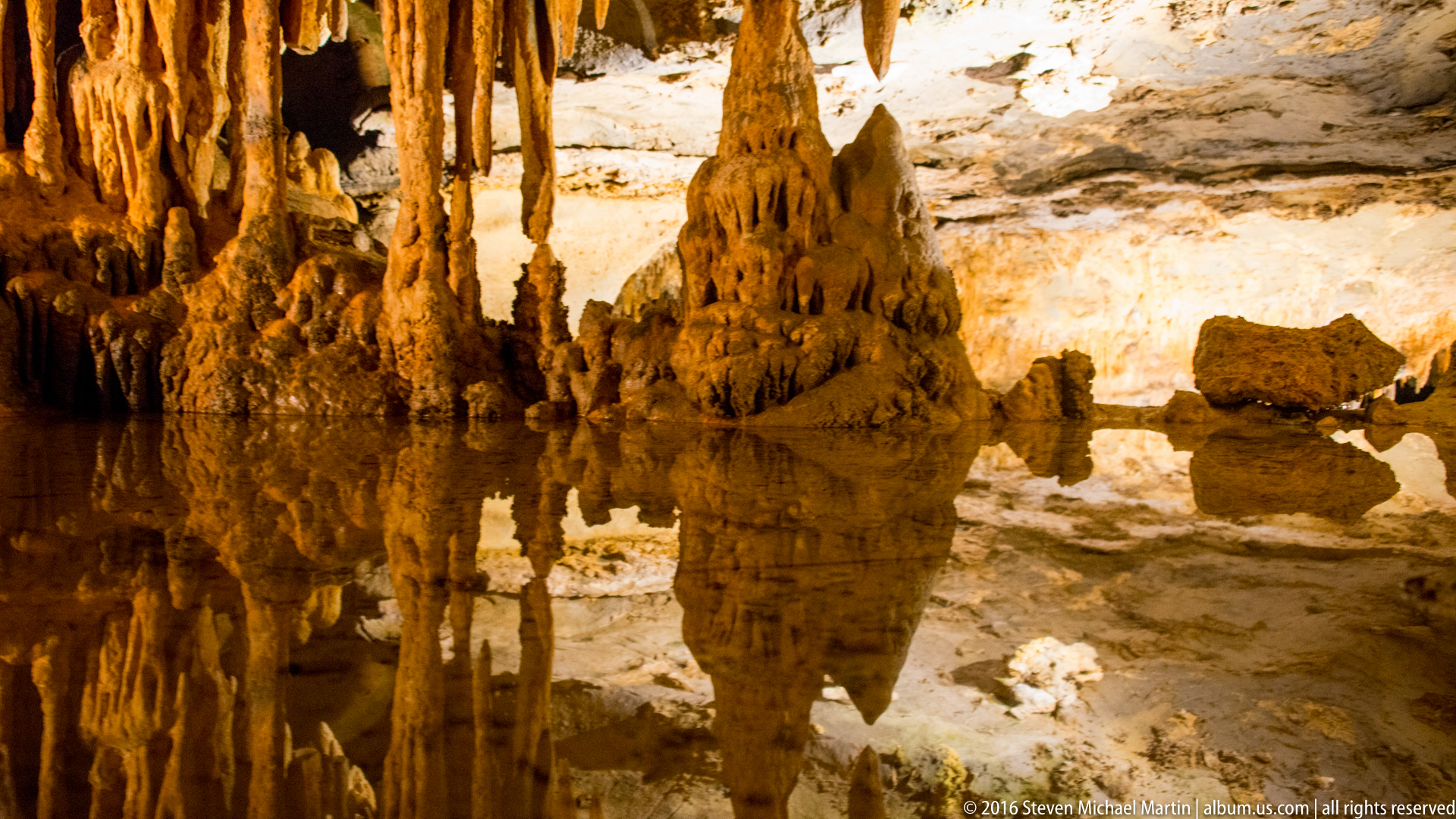
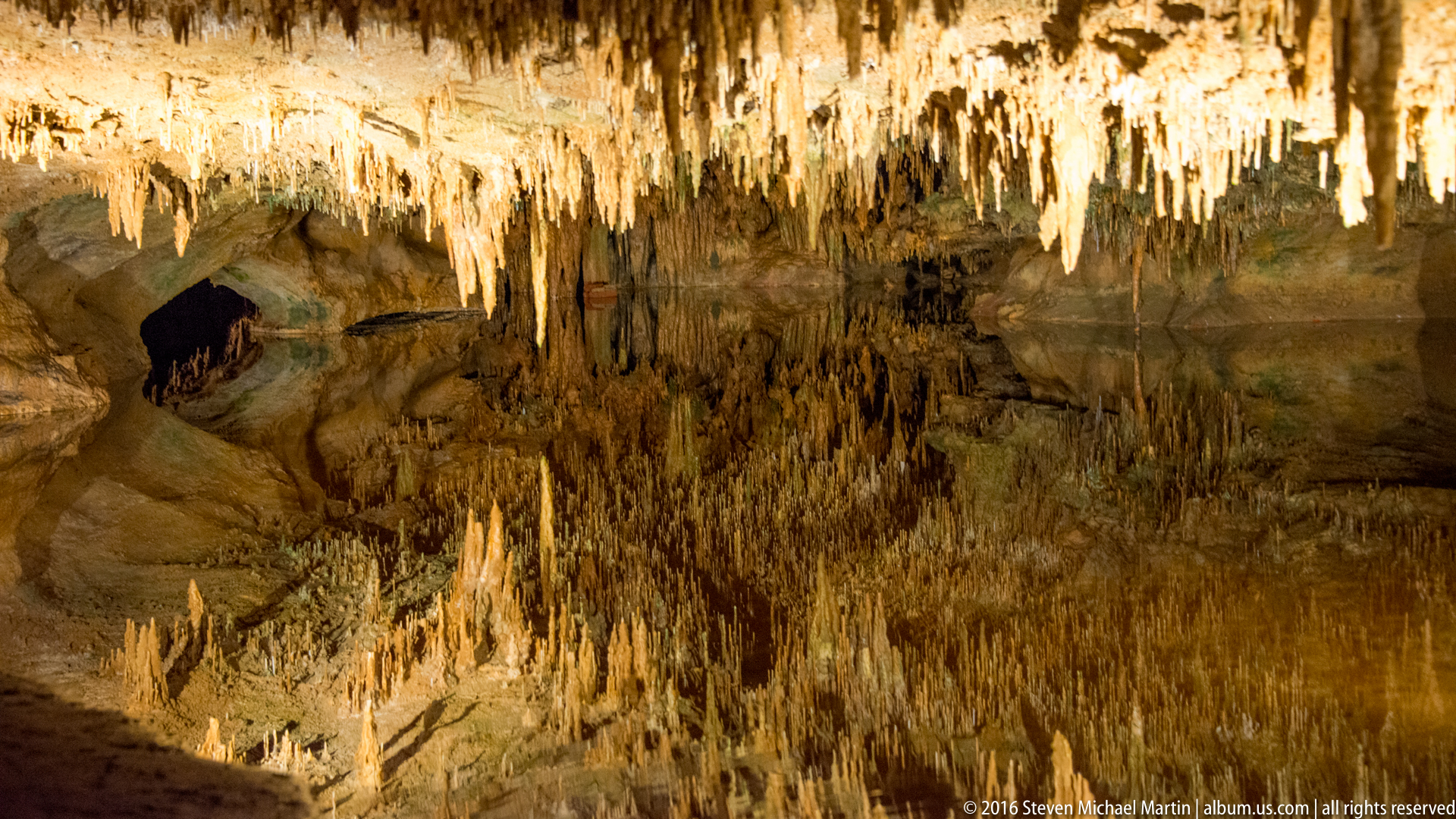
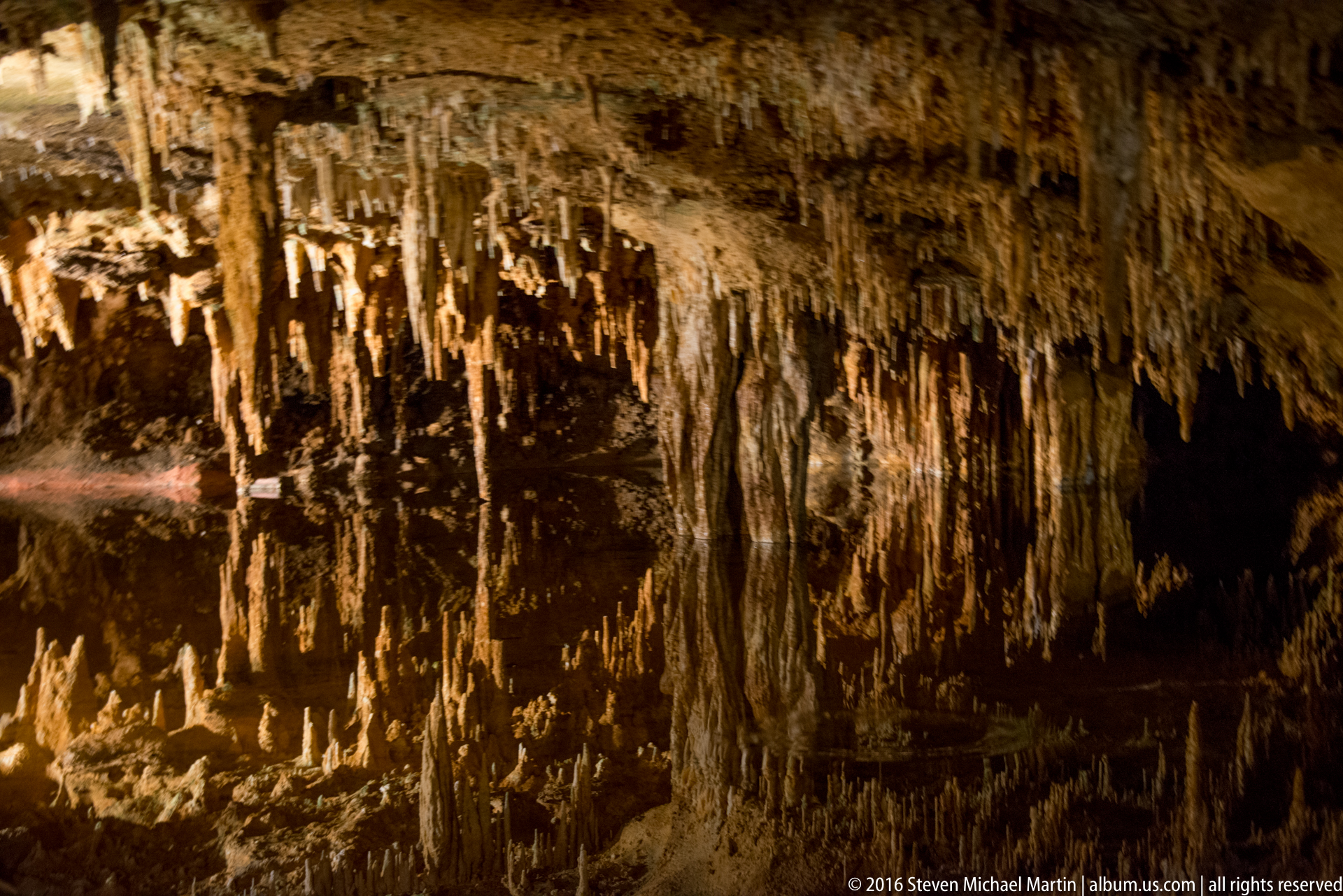
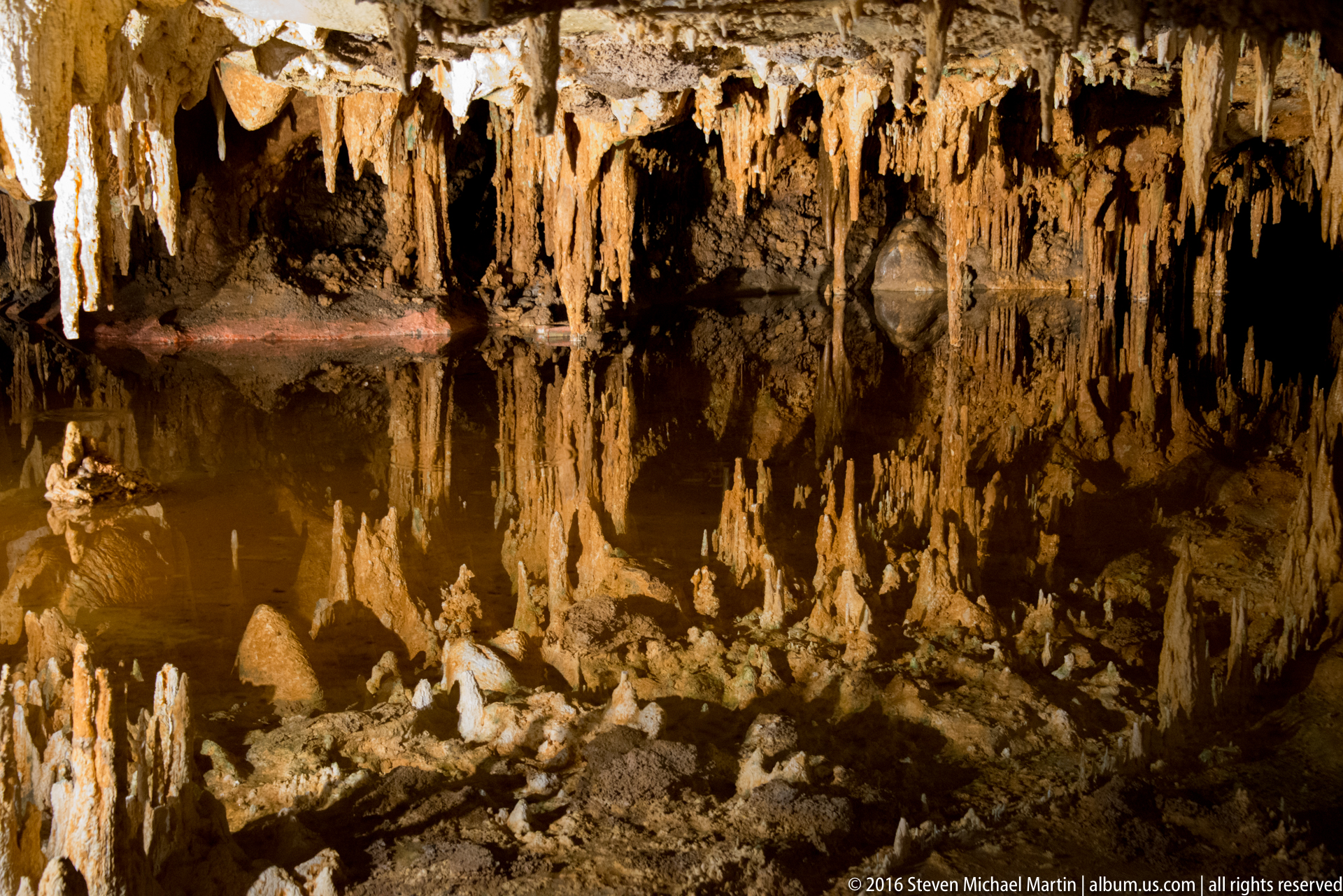
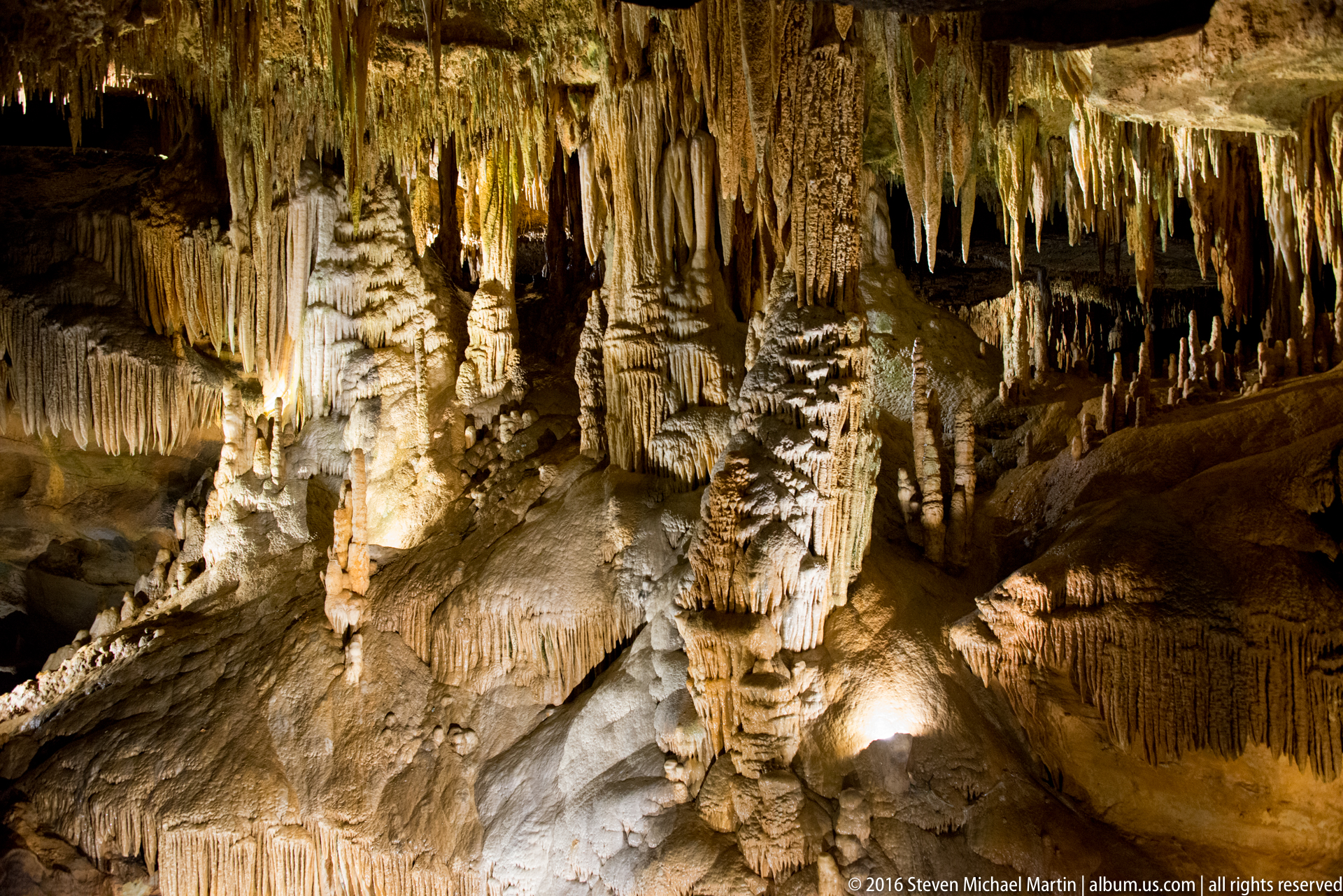
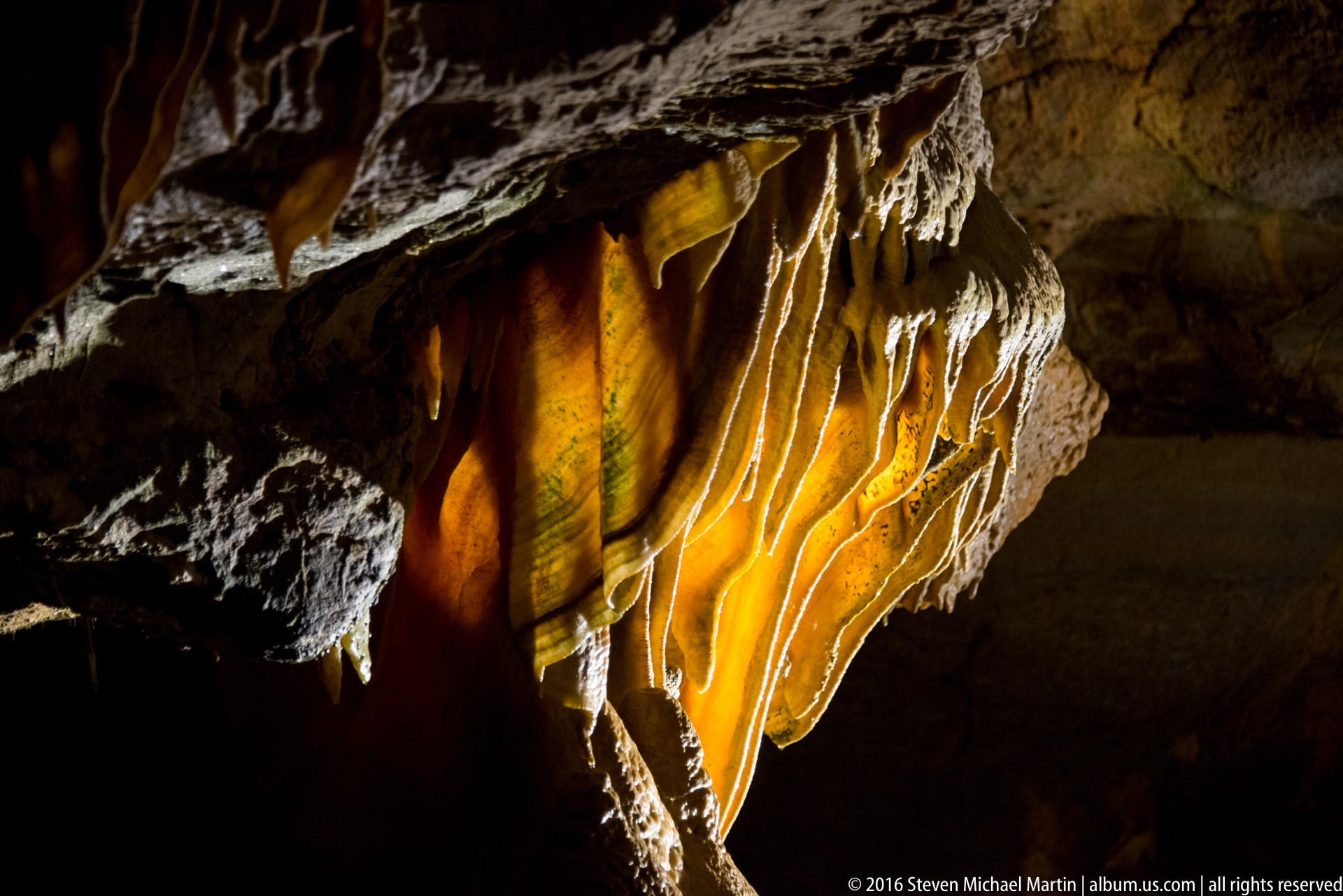
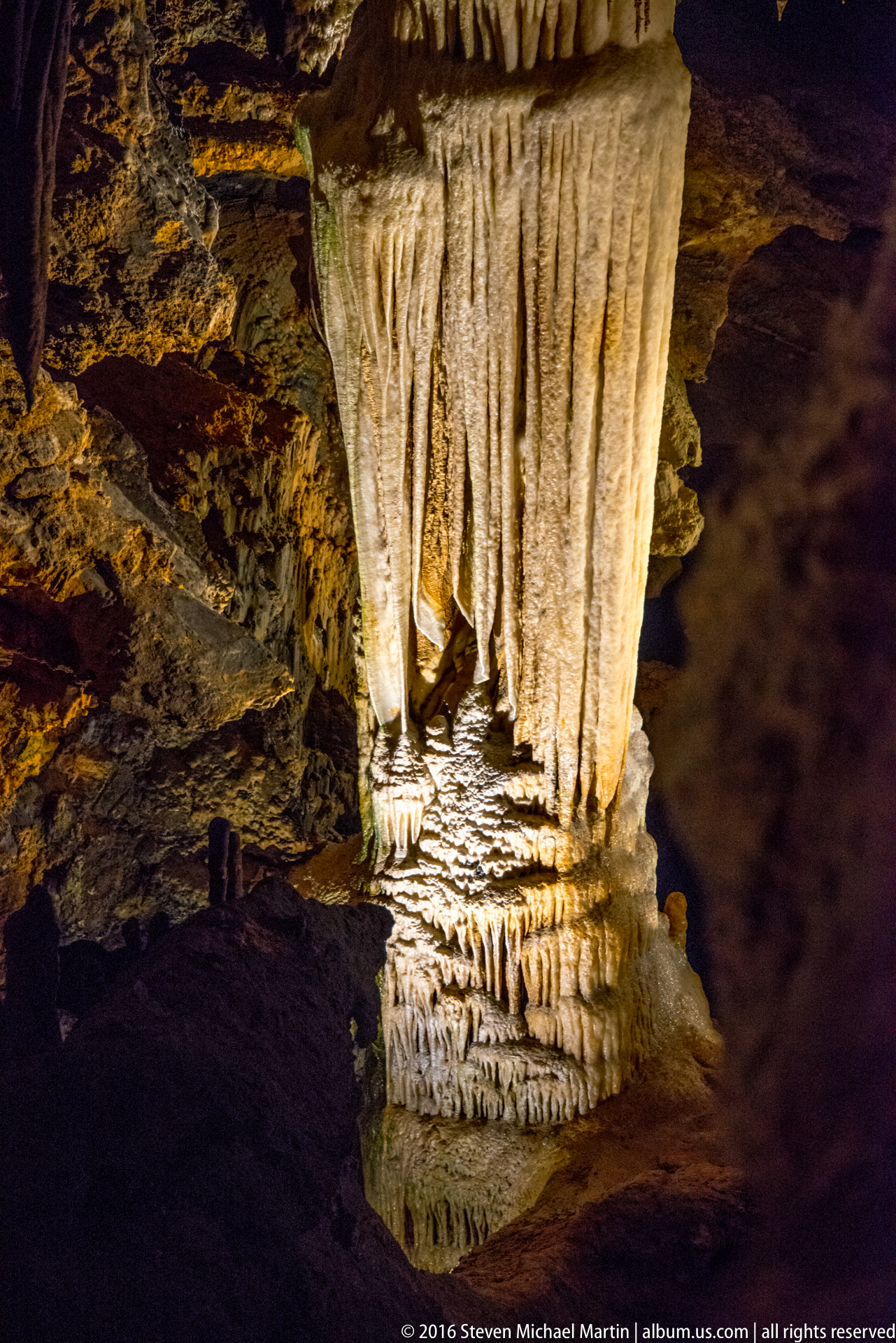
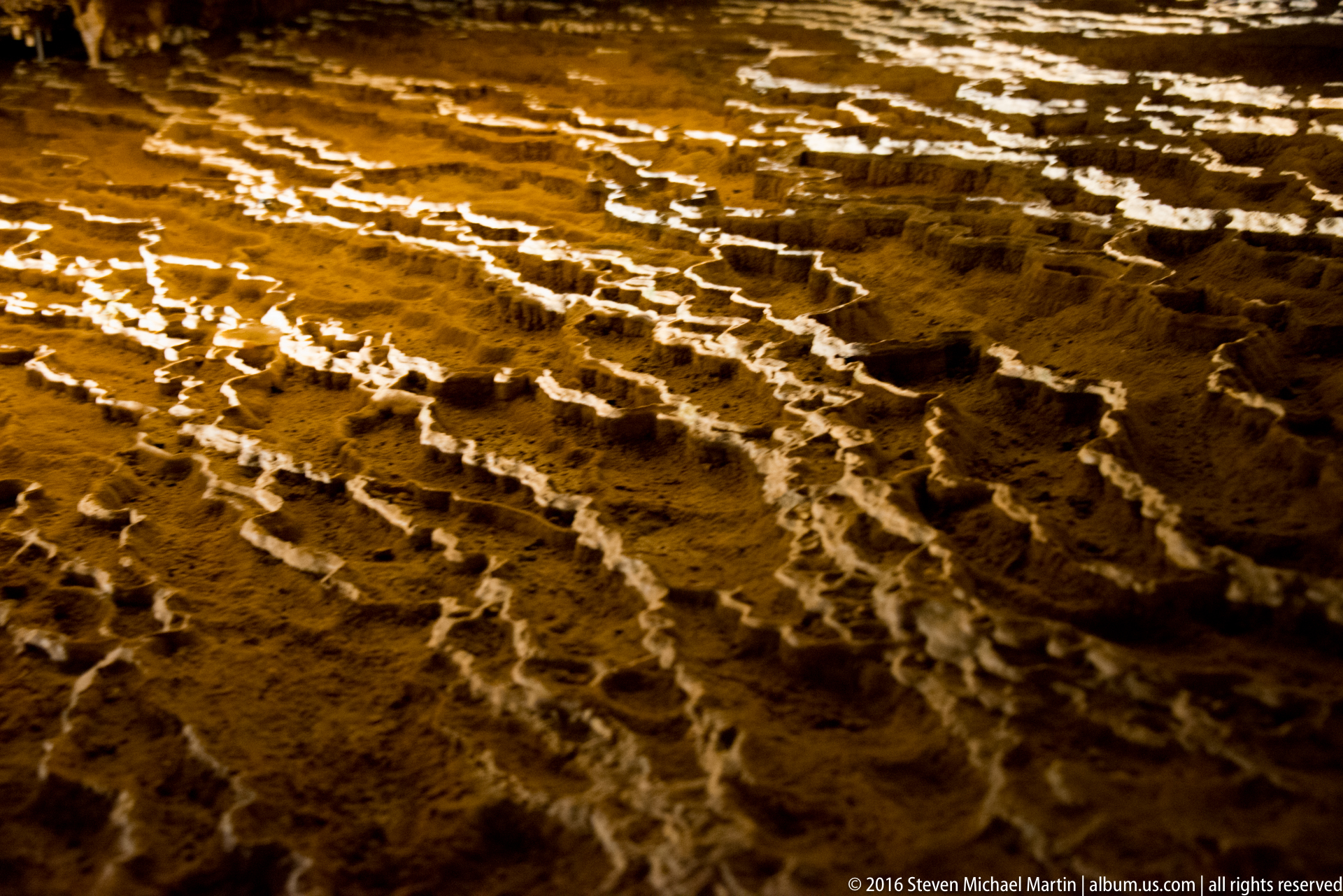
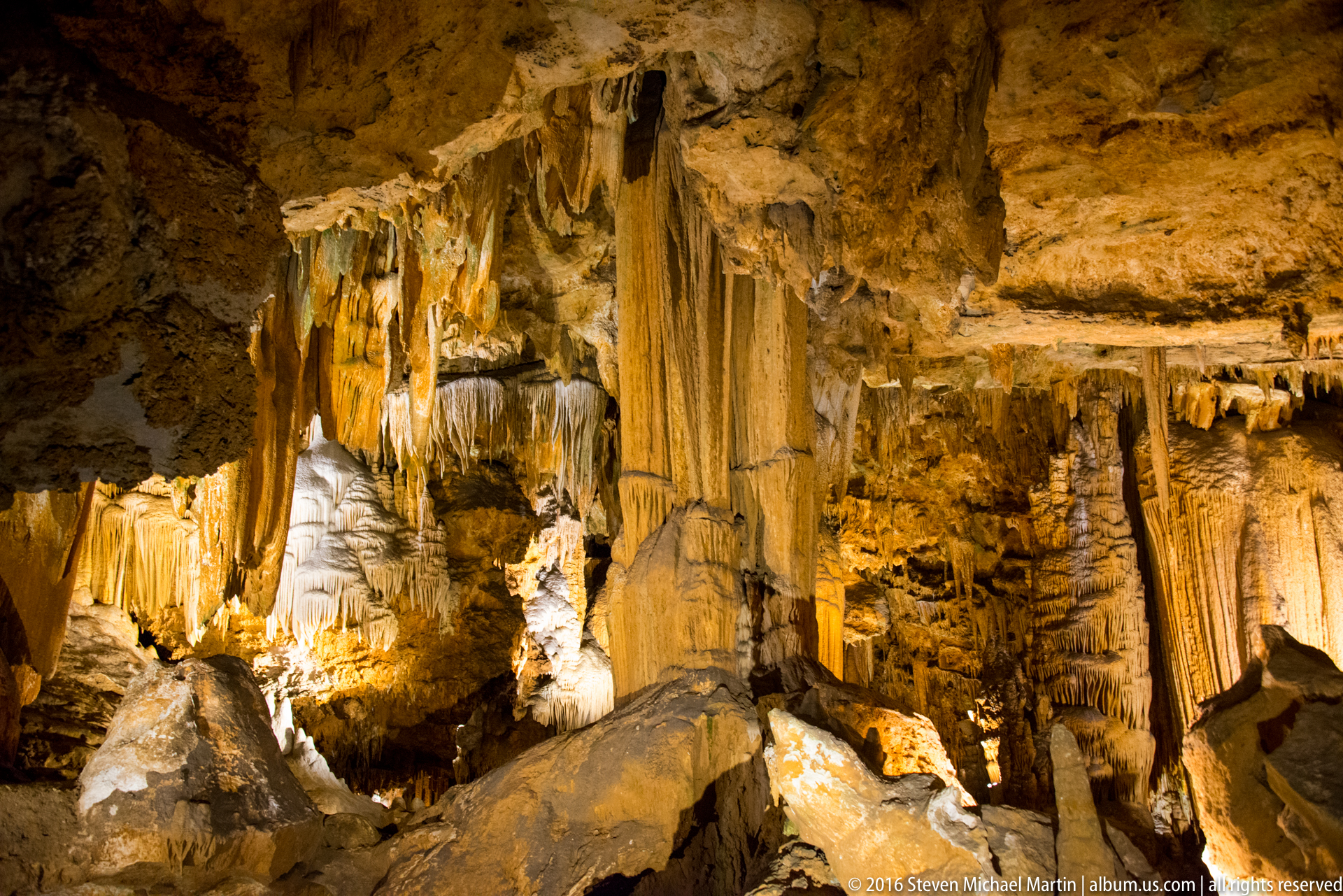
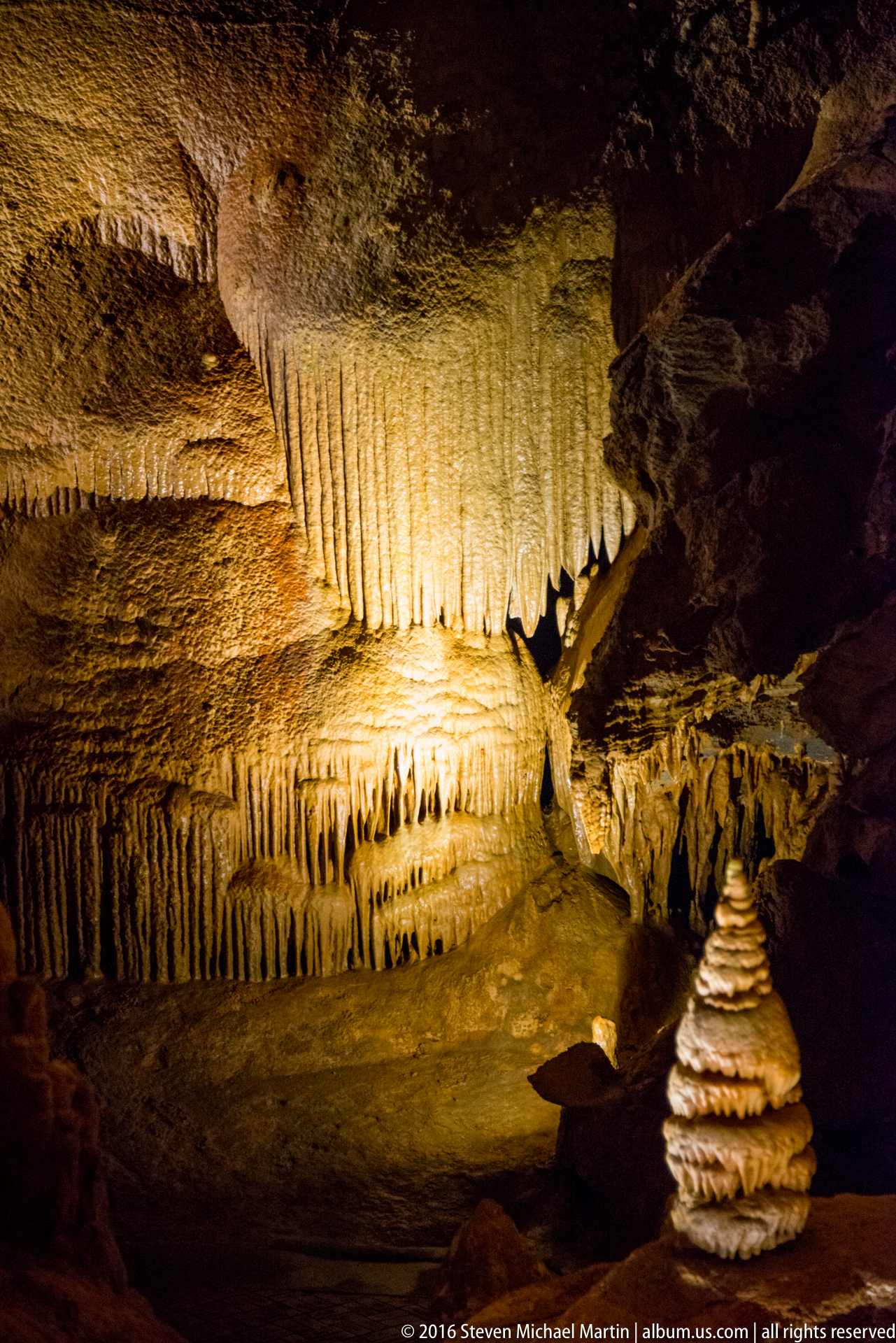
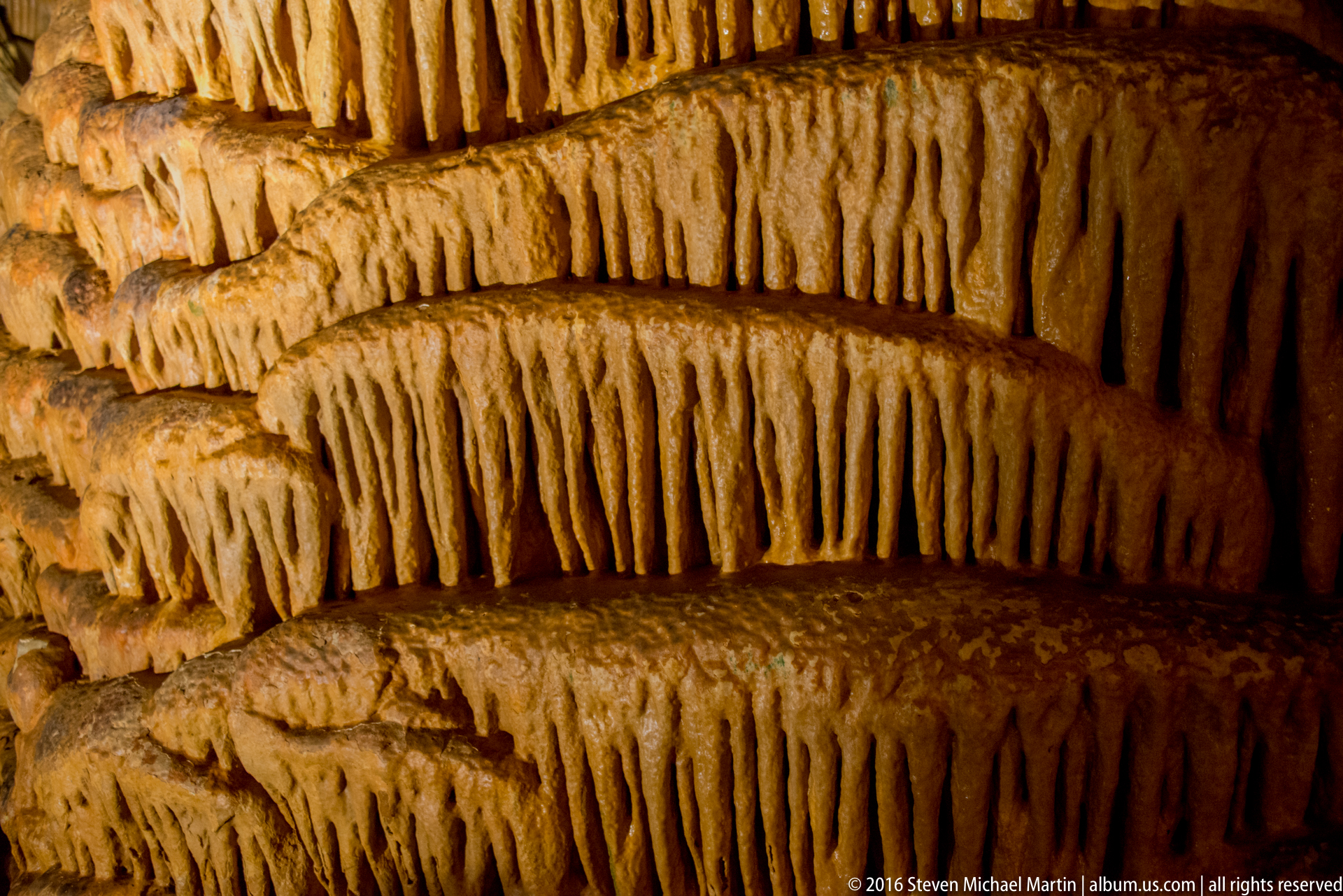
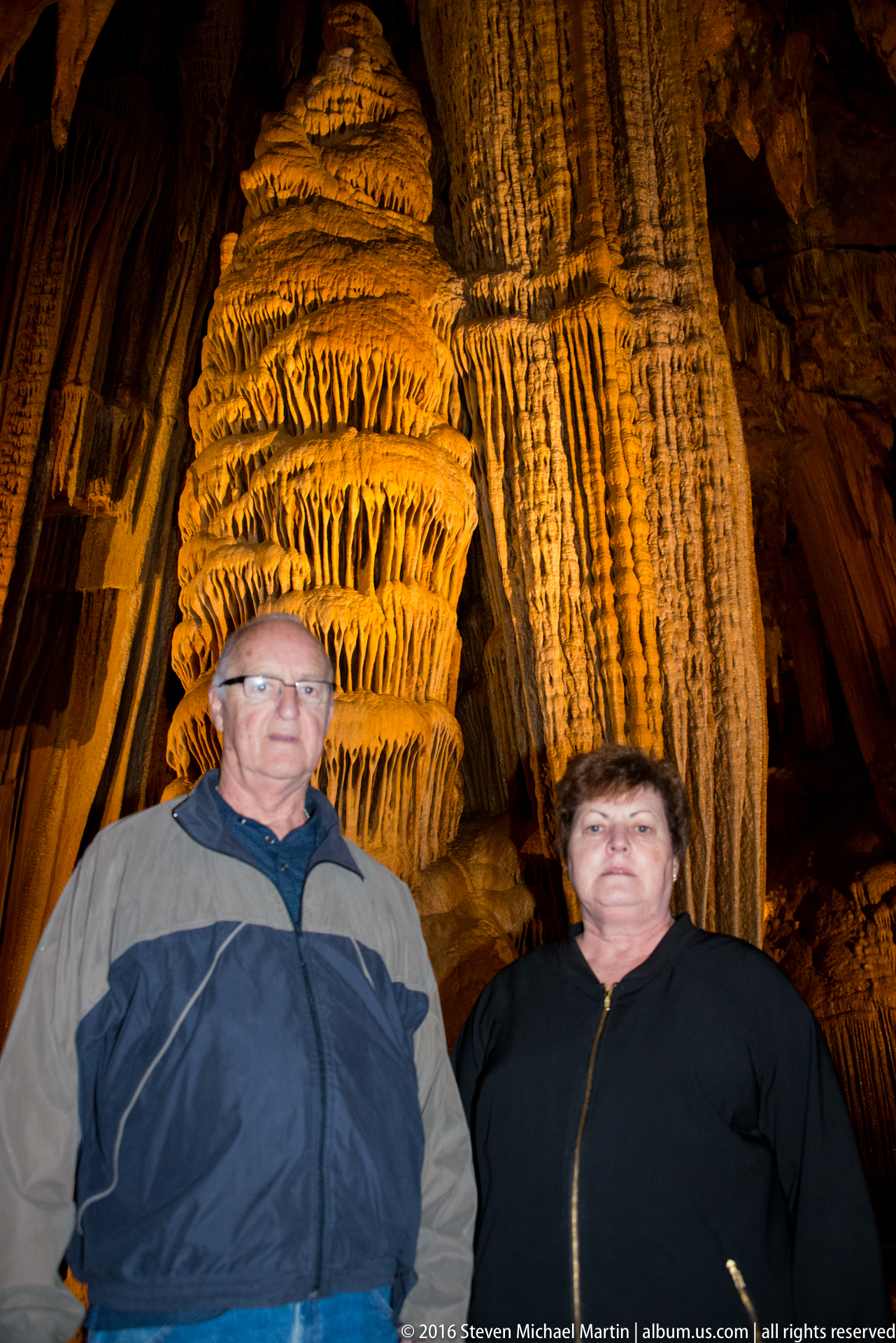
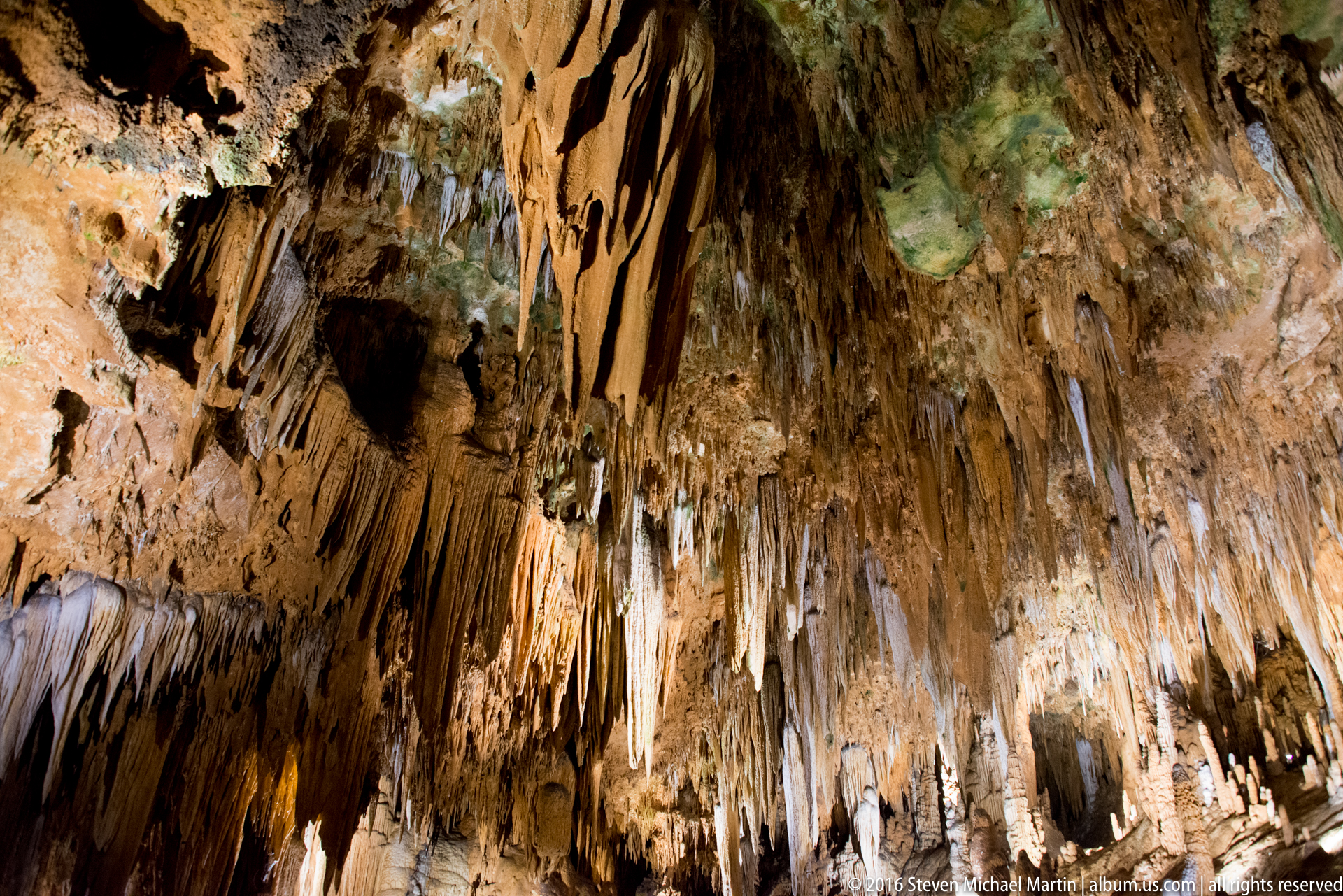
Luray Caverns preserves one of the most extensive cave systems in the eastern United States, formed through long geological processes within the limestone bedrock of the Shenandoah Valley. Over time, slightly acidic groundwater dissolved underlying rock and created a network of chambers, passages, and mineral formations beneath the valley floor. Stalactites, stalagmites, columns, and flowstone within the caverns illustrate the gradual deposition of calcite over thousands of years, revealing the slow interaction between water, rock, and time in a karst landscape.
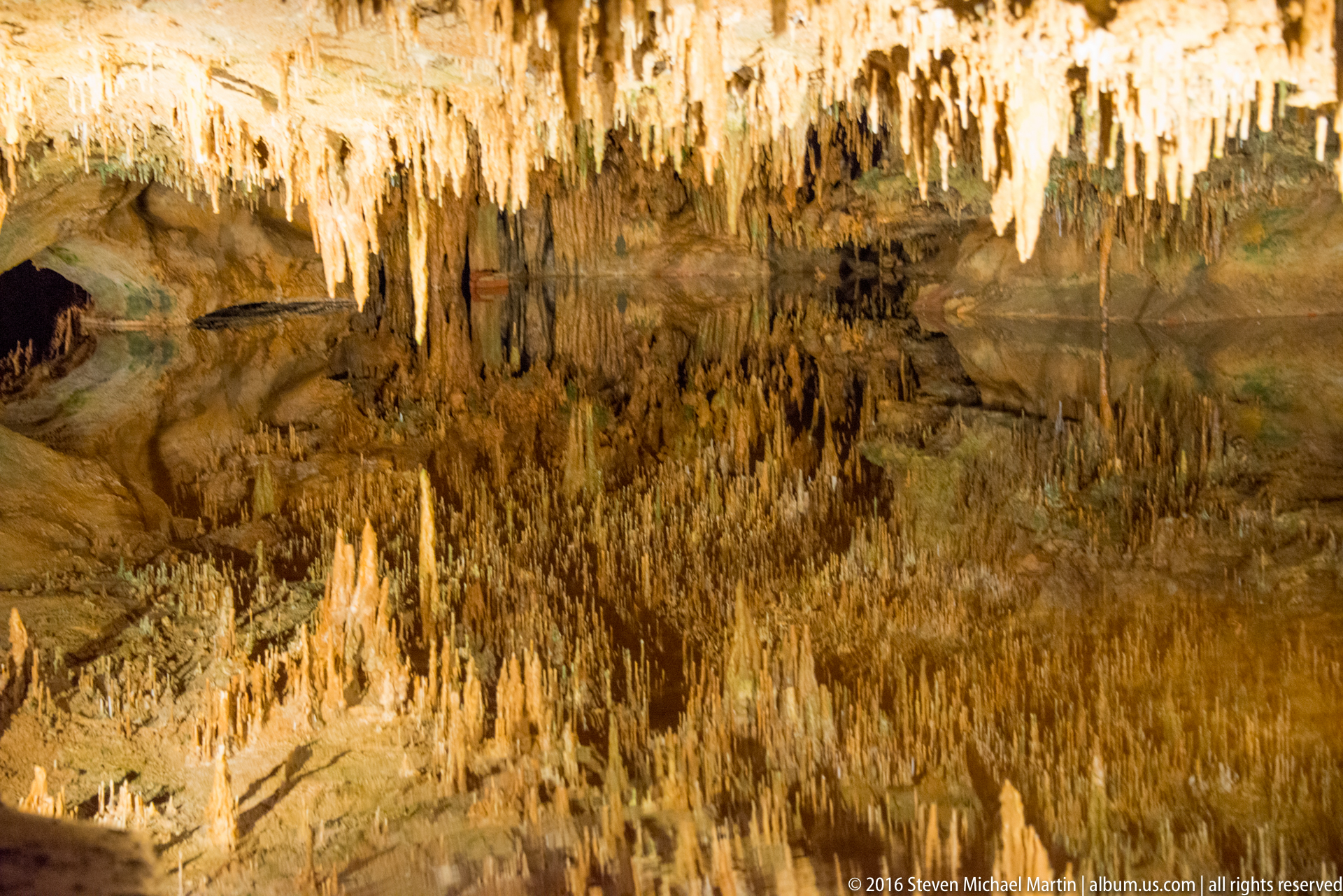
The caverns reflect the broader geological character of the valley, where soluble limestone has shaped both underground voids and surface drainage patterns. Interior chambers demonstrate the variety of forms that can emerge under stable subterranean conditions, including mirrored pools and suspended mineral features that emphasize the scale and complexity of the system. The cave environment contrasts sharply with the open agricultural and mountain landscapes above ground, offering a different perspective on the natural history of the region.
Luray Caverns contributes to understanding the geological development of the Shenandoah Valley and the importance of karst processes within the Appalachian region. The preserved cave system provides insight into subterranean environments that are often hidden from view but central to the shaping of surface landscapes. As a natural landmark, it illustrates the depth and diversity of Virginia’s geological history beyond the more visible ridges, forests, and valleys of the Blue Ridge and Shenandoah regions.