Bristol and Hartford Memories
The cities of Bristol and Hartford developed within the Connecticut River Valley, a region that became an important center of manufacturing during the nineteenth and early twentieth centuries. Hartford emerged as a hub of precision industry, including firearms, typewriters, and insurance enterprises, reflecting broader patterns of industrial growth in New England. Bristol became closely associated with clockmaking, where advances in interchangeable parts and mechanical production contributed to the expansion of American manufacturing systems that influenced the Industrial Revolution.
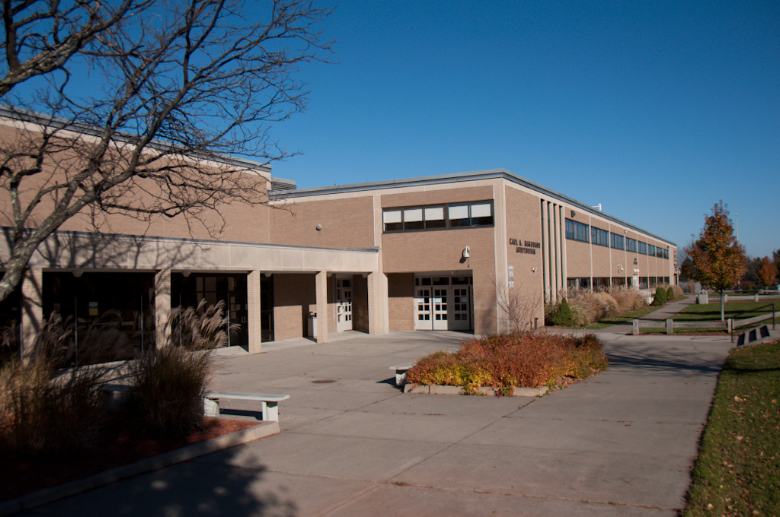
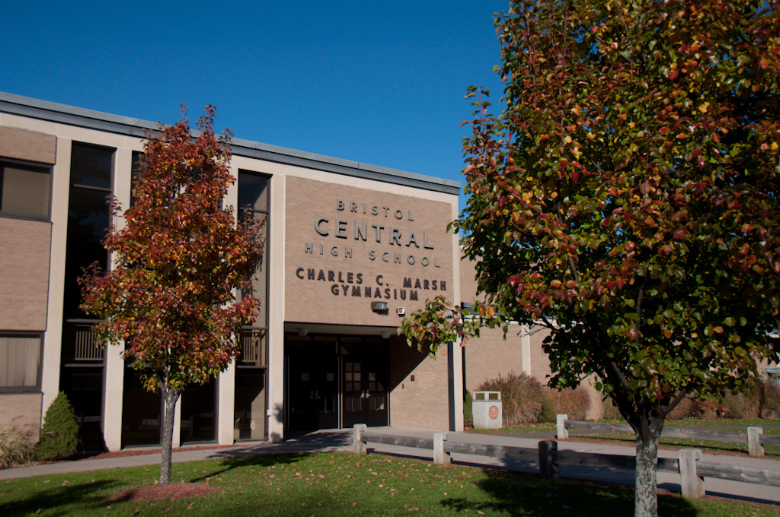
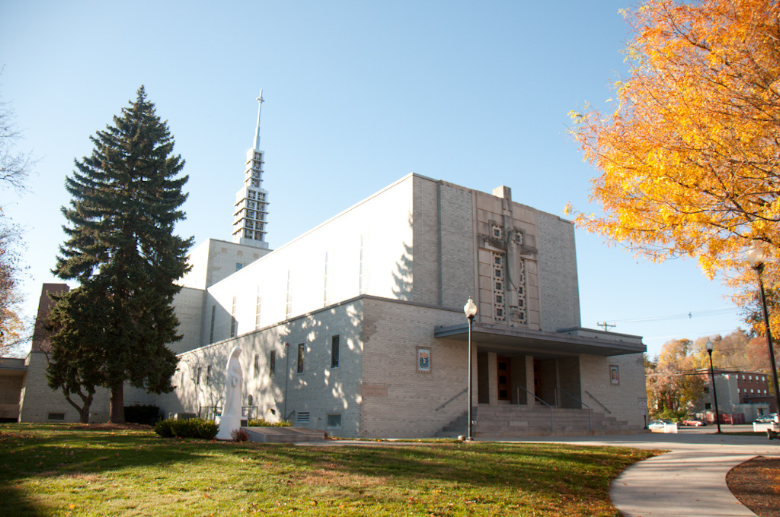
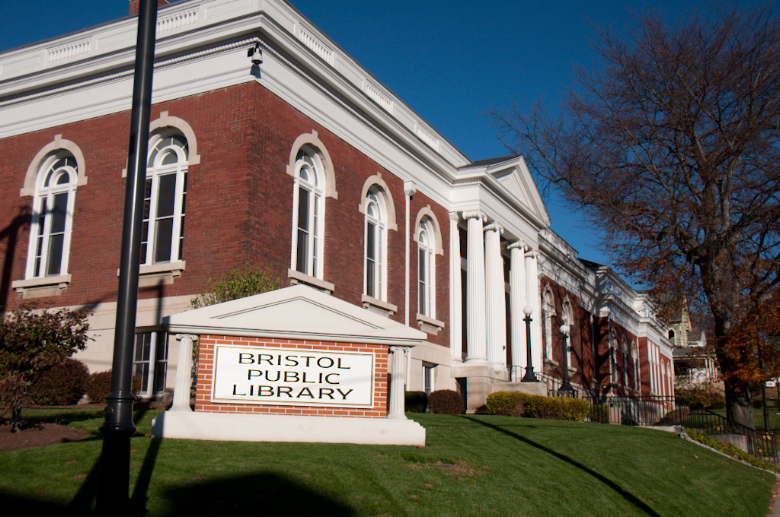
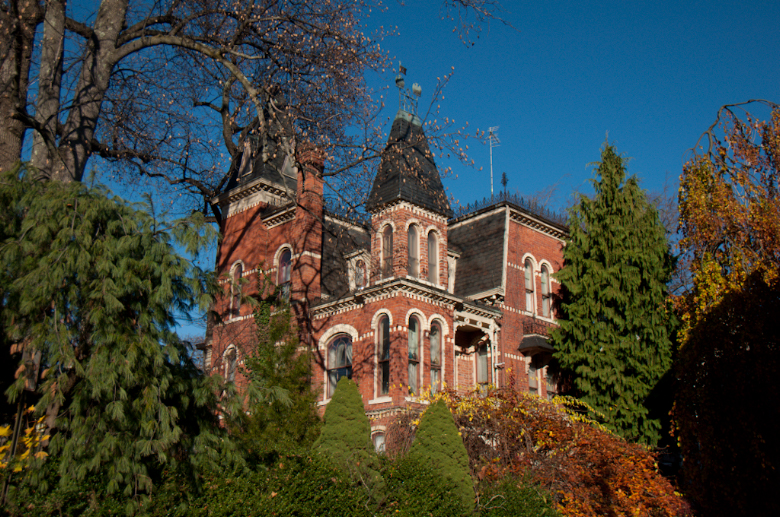
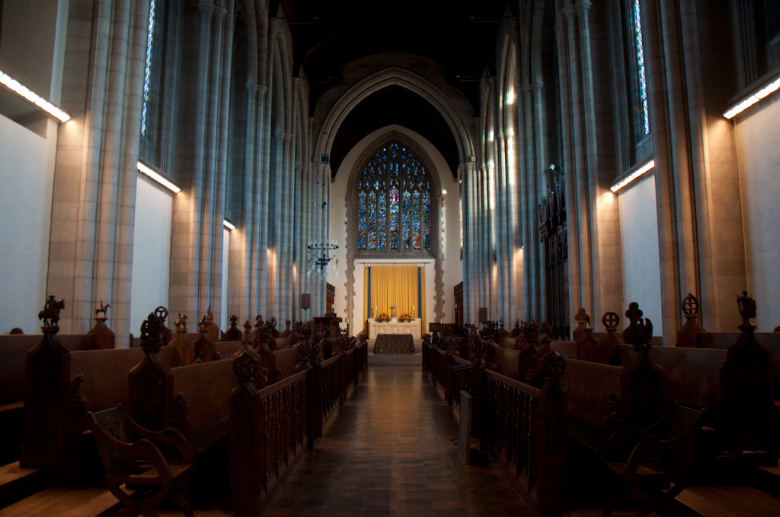
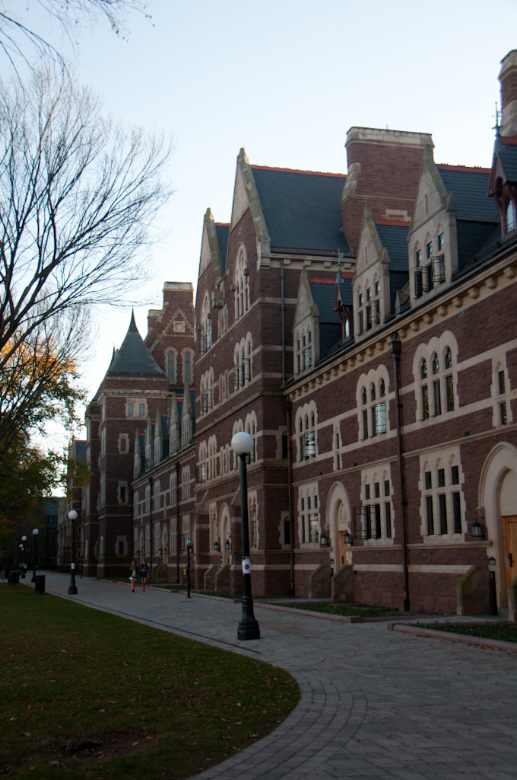
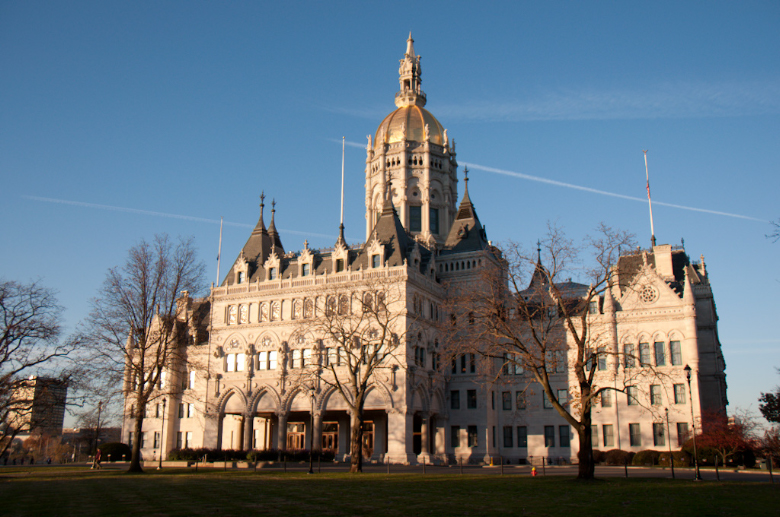
Urban neighborhoods, civic architecture, and industrial heritage sites illustrate how innovation and entrepreneurship shaped the economic identity of central Connecticut. Hartford’s historic districts and cultural institutions reflect the city’s role as a center of literary, political, and manufacturing development, while Bristol’s industrial legacy demonstrates how specialized production communities contributed to national technological progress. Together these cities illustrate the relationship between transportation networks, skilled labor, and technological innovation in the northeastern United States.
Bristol and Hartford contribute to understanding how New England’s industrial towns evolved into centers of finance, education, and cultural activity while retaining connections to their manufacturing past. Their preserved streetscapes and institutions reflect the broader transformation of the Connecticut River Valley from early industrial corridor to modern metropolitan region. The landscape illustrates continuity between early mechanical innovation and later economic development across the northeastern United States.