New York City
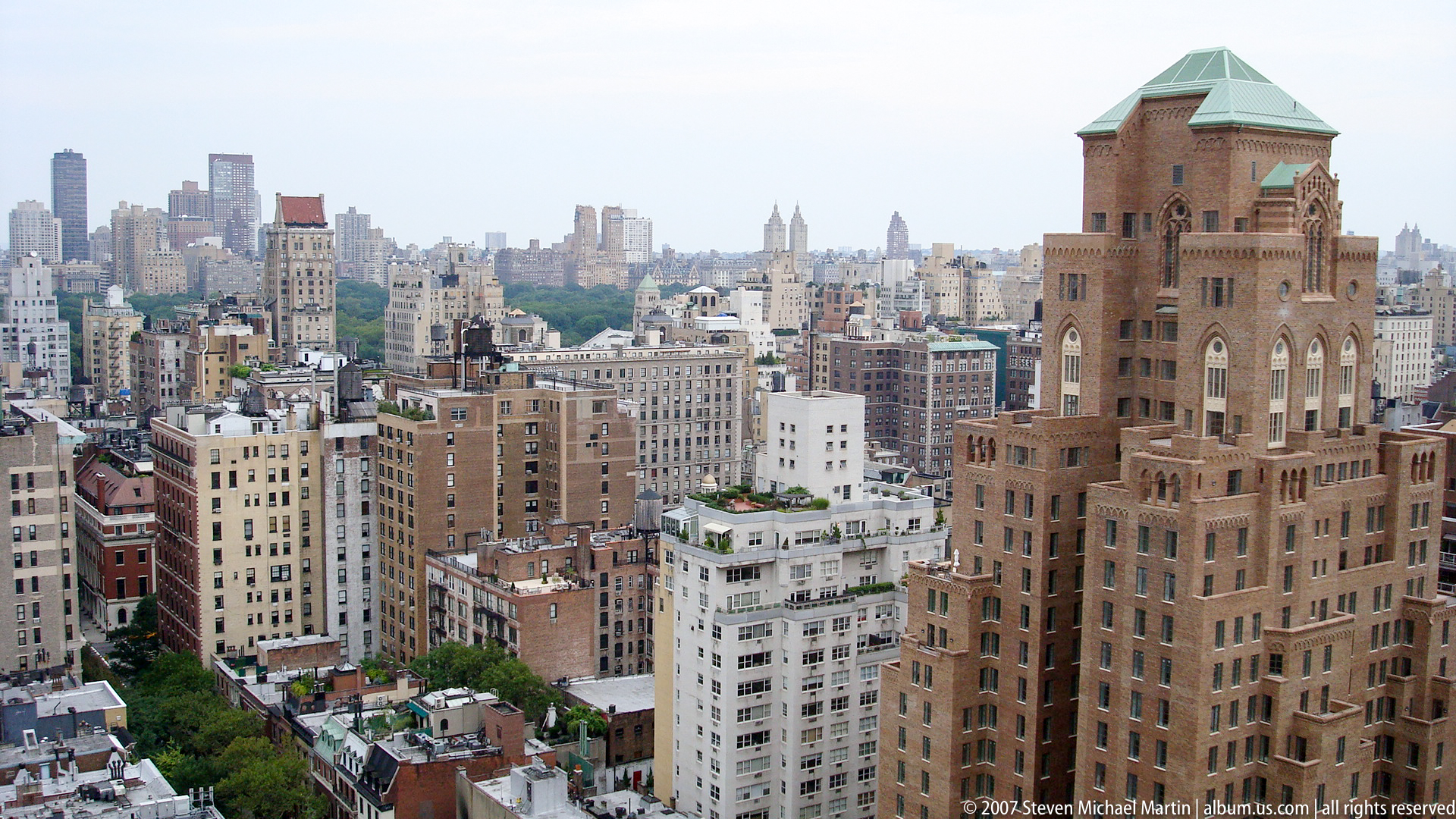
New York City developed as one of the most influential urban centers in the modern world, where global commerce, immigration, architecture, and cultural production have shaped the identity of the United States since the seventeenth century. Located at the natural harbor formed by the Hudson River and Atlantic Ocean, the city became a major point of exchange linking North America to Europe and beyond. Over time, Manhattan emerged as a concentration of financial institutions, theaters, museums, and public spaces that reflect the evolution of modern urban life. The city’s skyline and dense street grid illustrate the rapid vertical growth that characterized twentieth-century metropolitan development.
The sites represented in this portfolio illustrate several dimensions of New York’s civic and cultural landscape. Midtown Manhattan includes landmarks such as Times Square, a major entertainment district that developed in the early twentieth century as theaters and illuminated advertising transformed the intersection into an internationally recognized symbol of urban spectacle. Nearby Bryant Park, located behind the New York Public Library, reflects late twentieth-century urban revitalization efforts that reshaped public space into an accessible civic gathering place often described as Midtown’s “town square.” The Rainbow Room at Rockefeller Center represents another dimension of the city’s cultural history, occupying the 65th floor of 30 Rockefeller Plaza since 1934 and serving as a setting associated with architectural elegance, social gathering, and panoramic views of the Manhattan skyline. Personal events such as a colleague’s wedding illustrate how private celebrations intersect with public landmarks, reinforcing the role of the city as a setting for significant life moments.
New York City contributes to understanding how architecture, public space, and cultural institutions interact within one of the most densely developed urban environments in the world. The juxtaposition of historic parks, modern skyscrapers, theatrical districts, and ceremonial spaces demonstrates the layered evolution of the city across multiple generations. The resulting landscape reflects the continuing influence of immigration, commerce, and artistic production in shaping the identity of the United States’ largest metropolitan region.