Mount Rainier NP – Summit
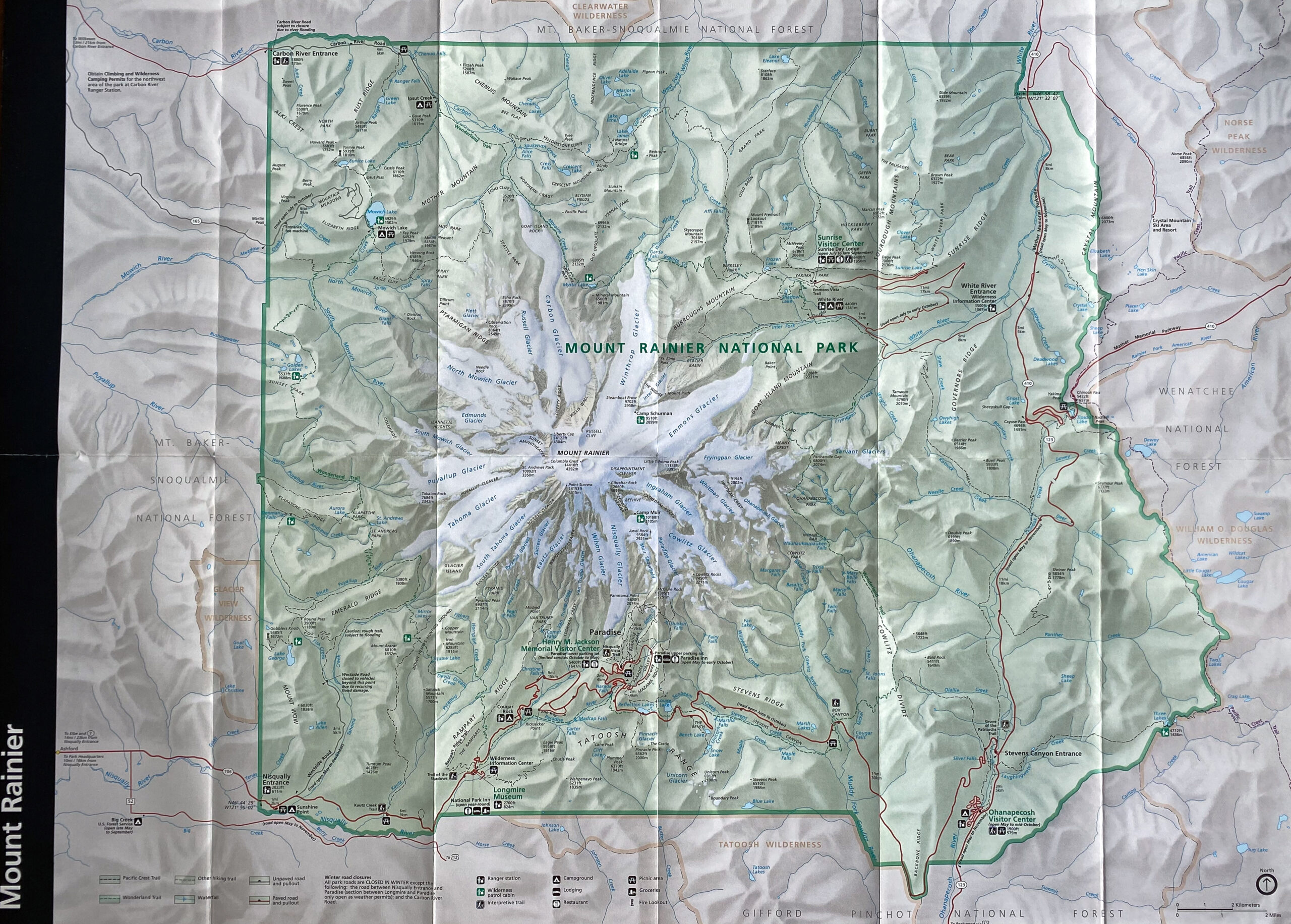
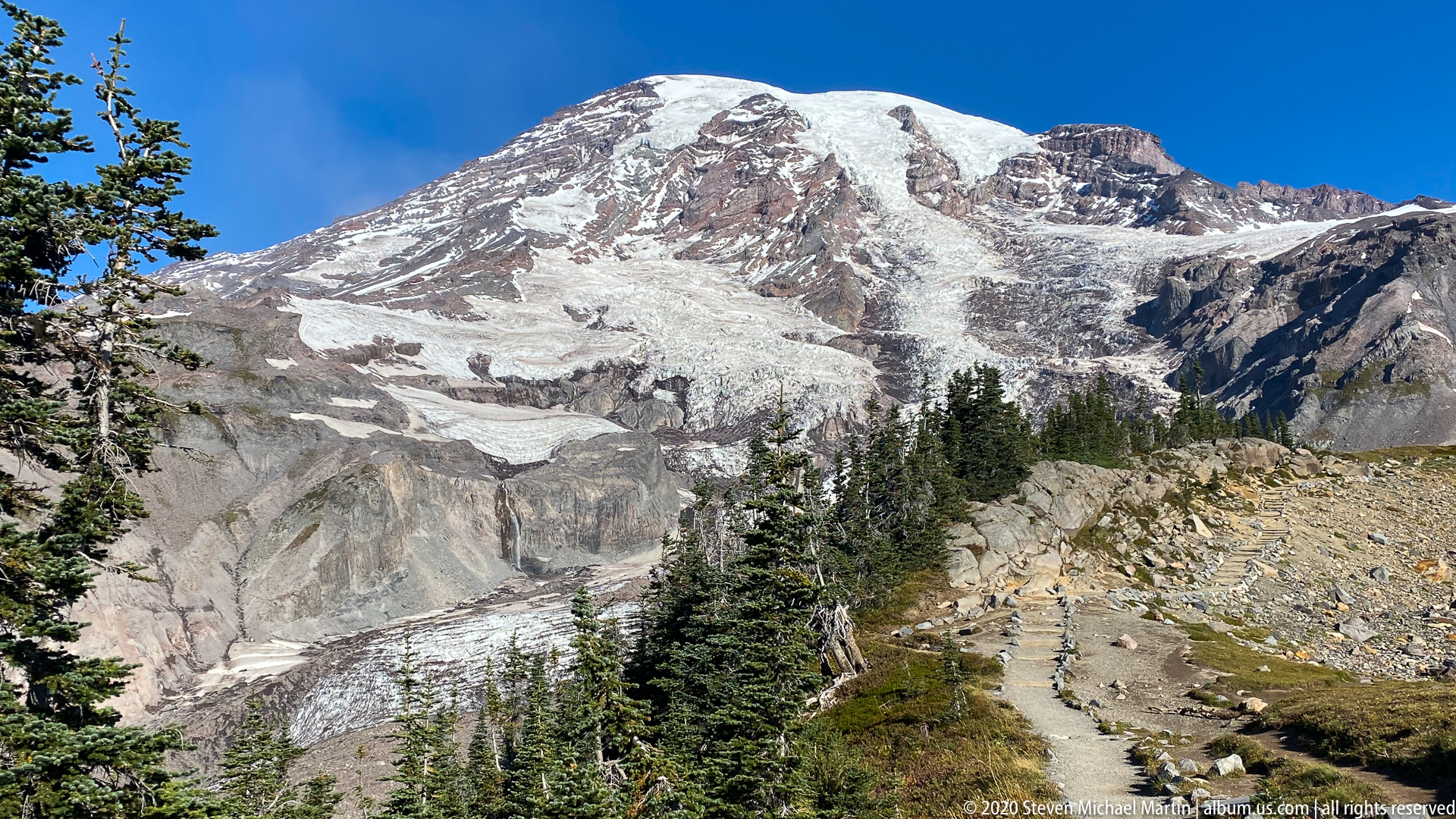
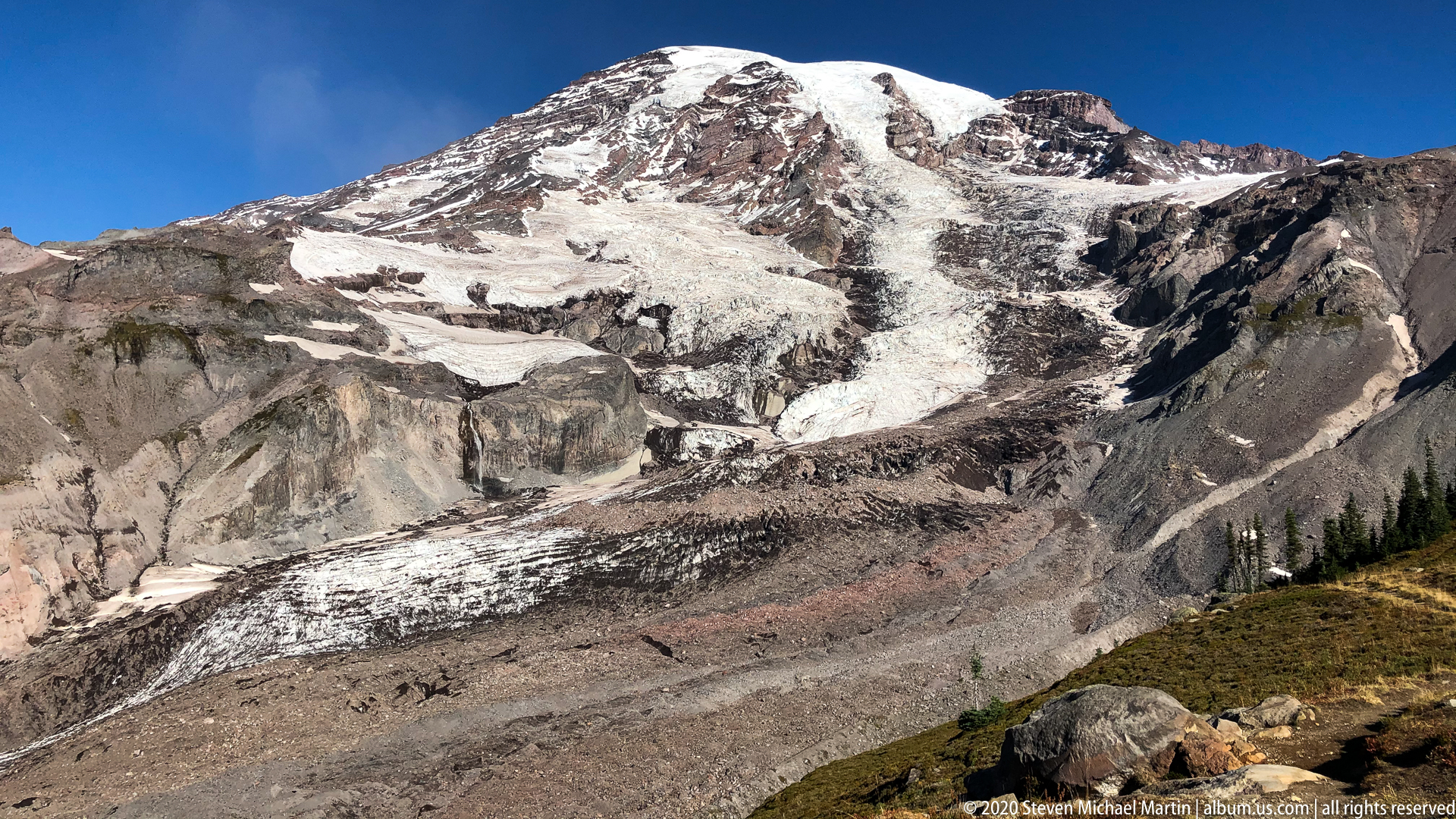
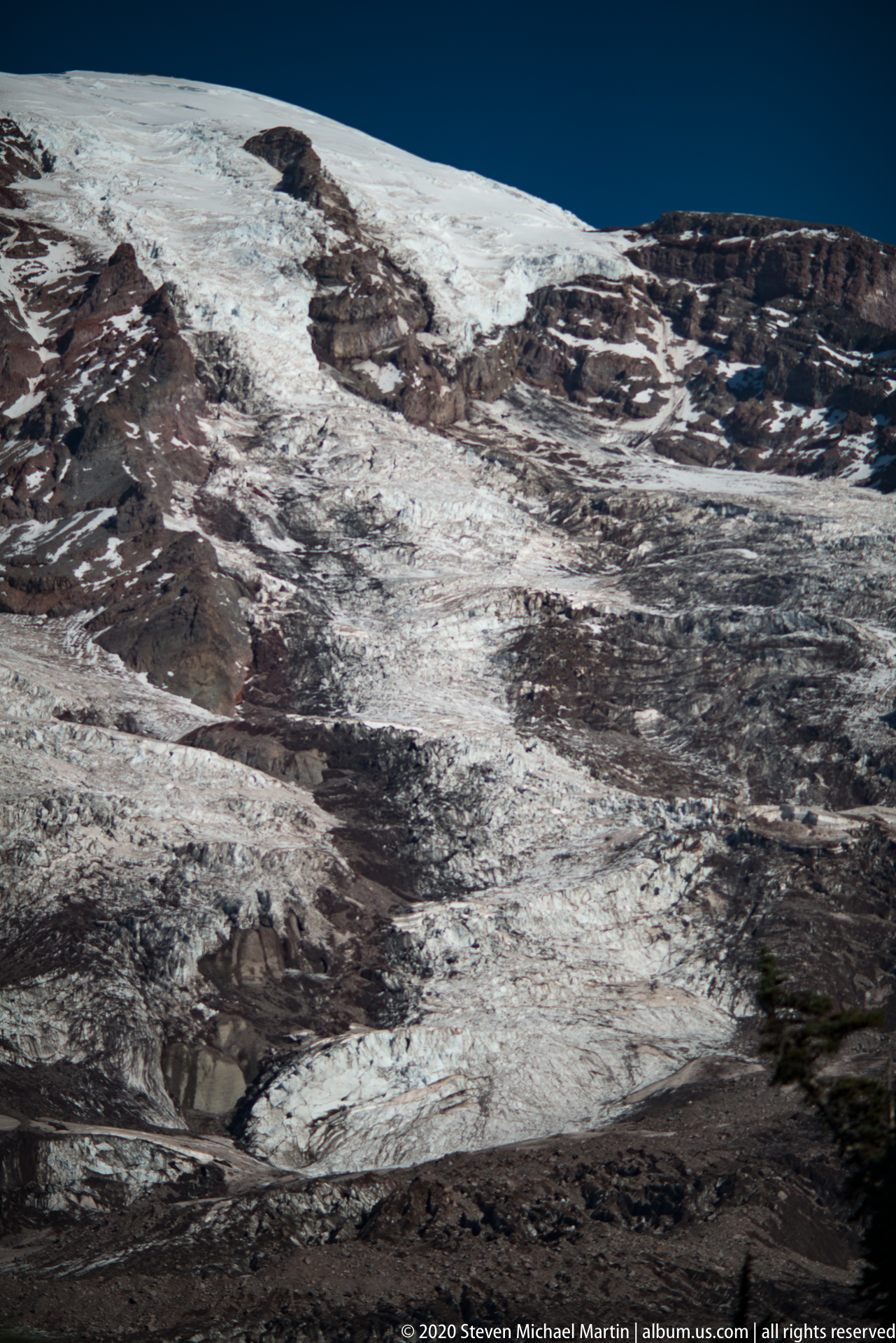
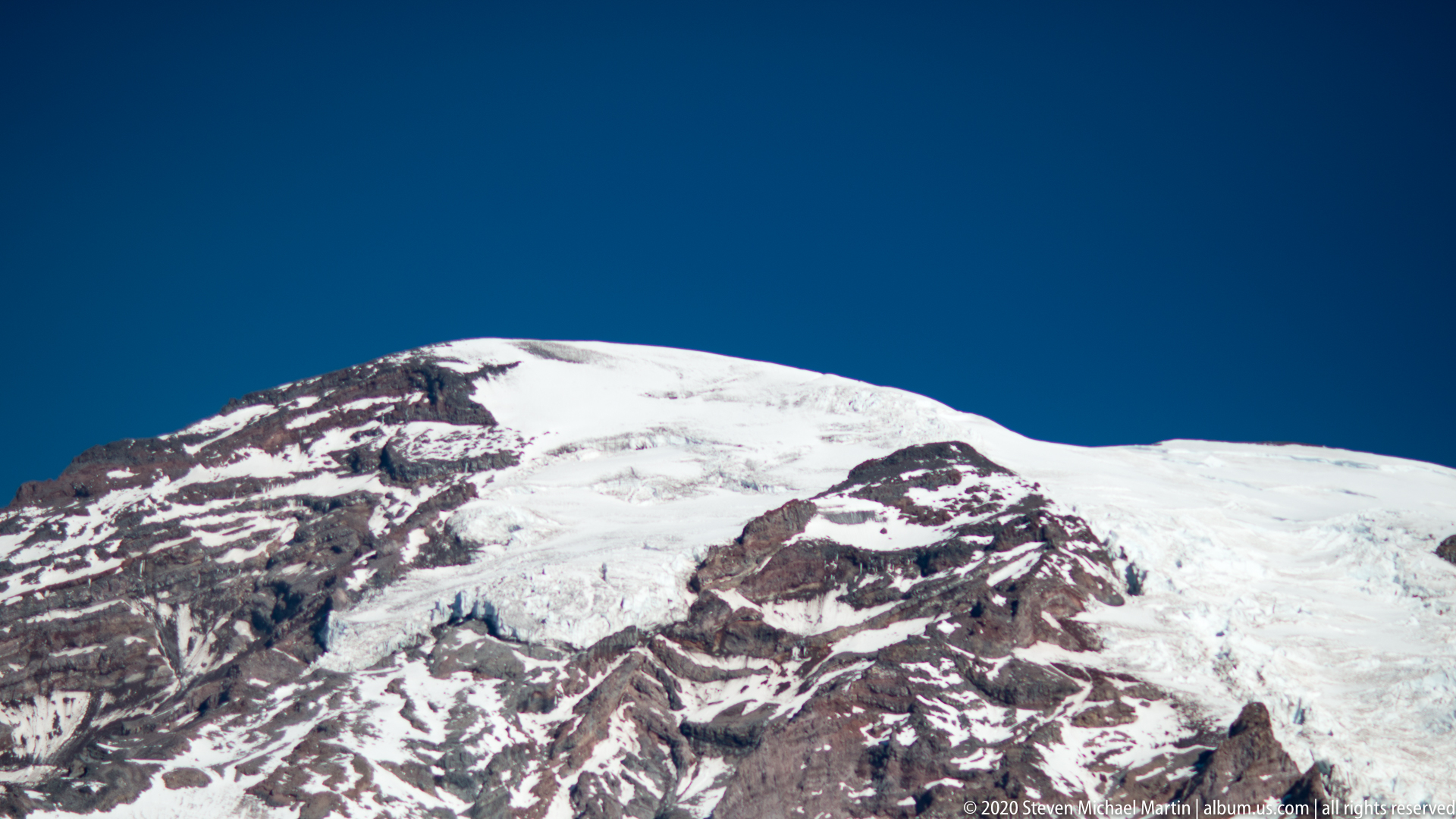
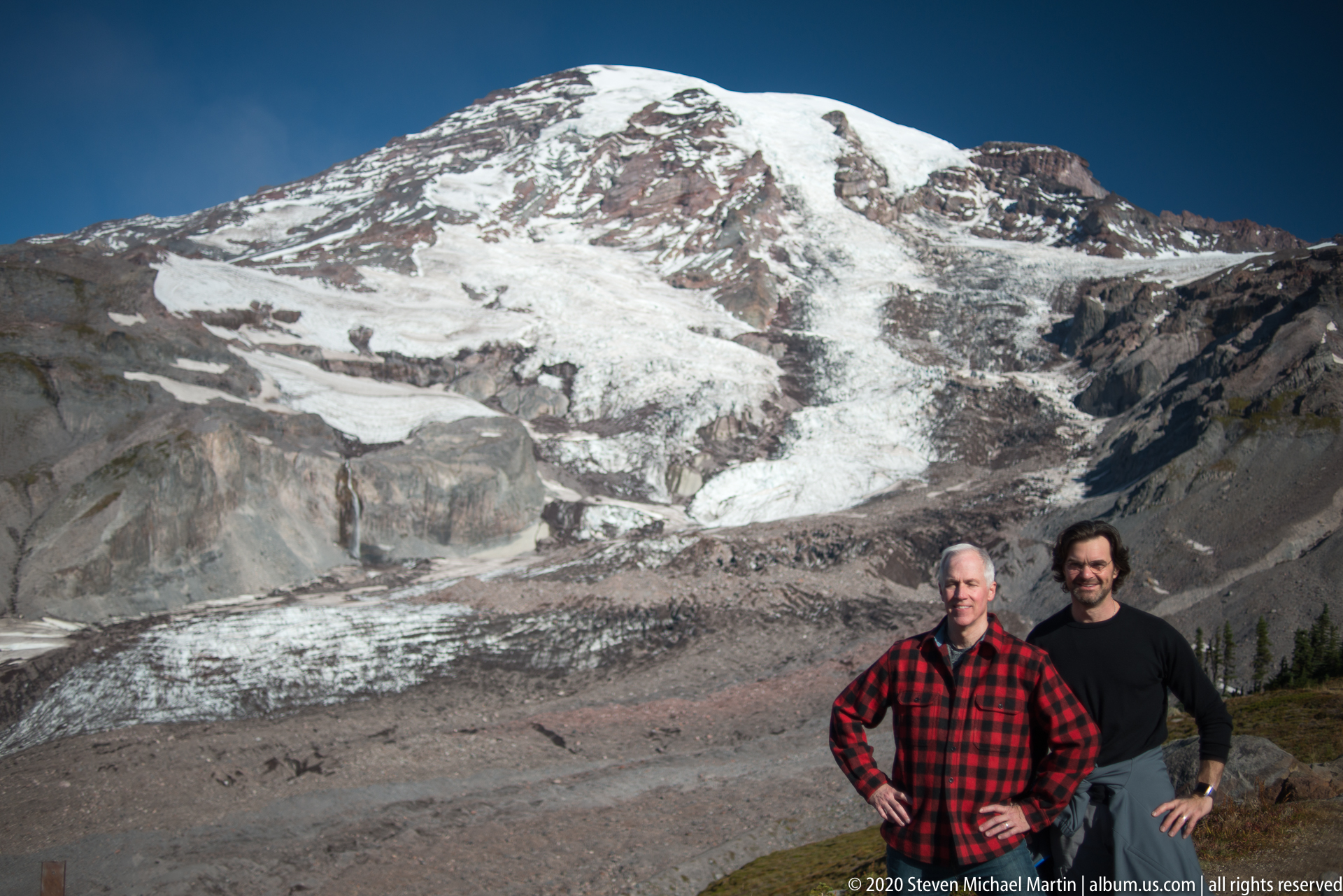
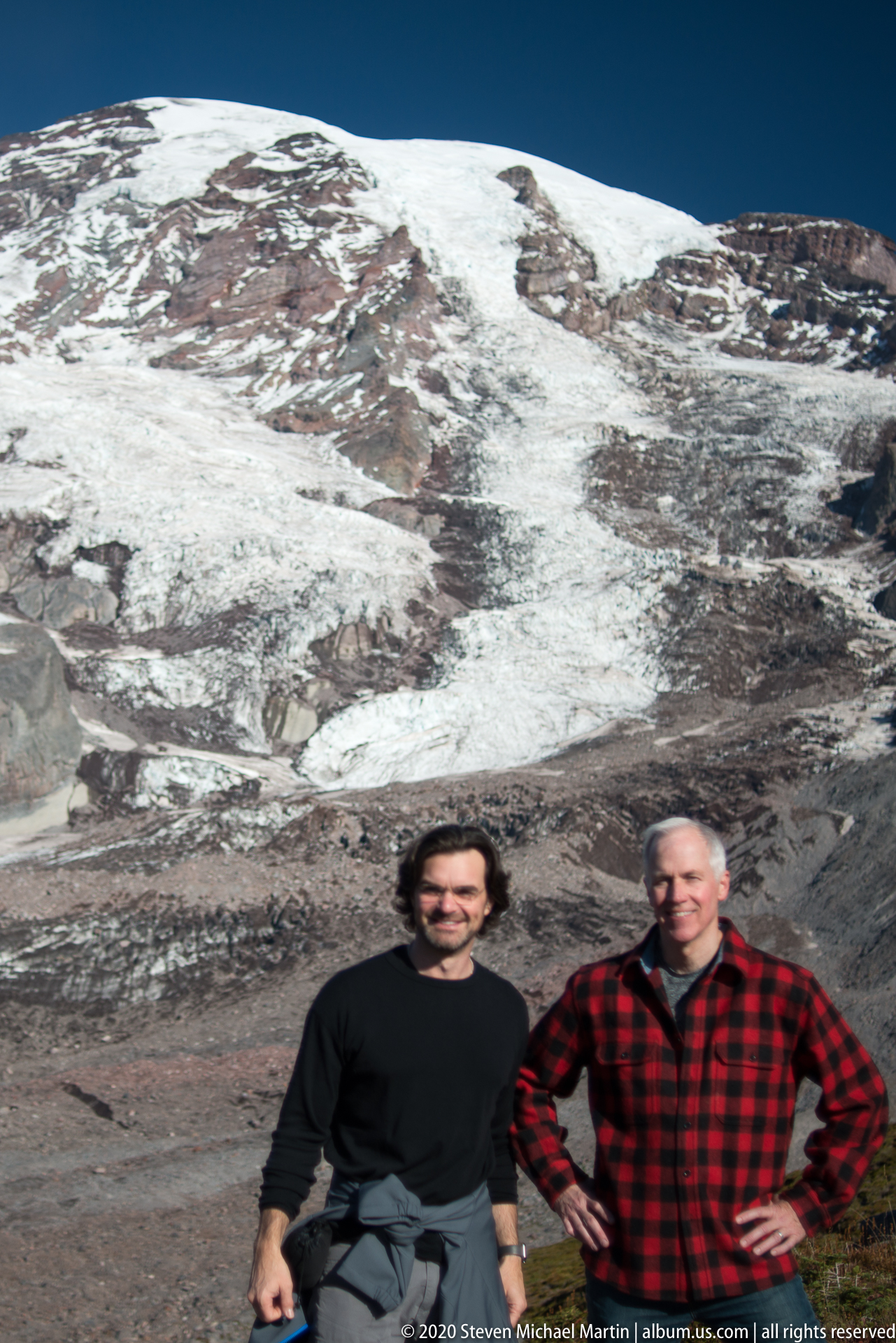
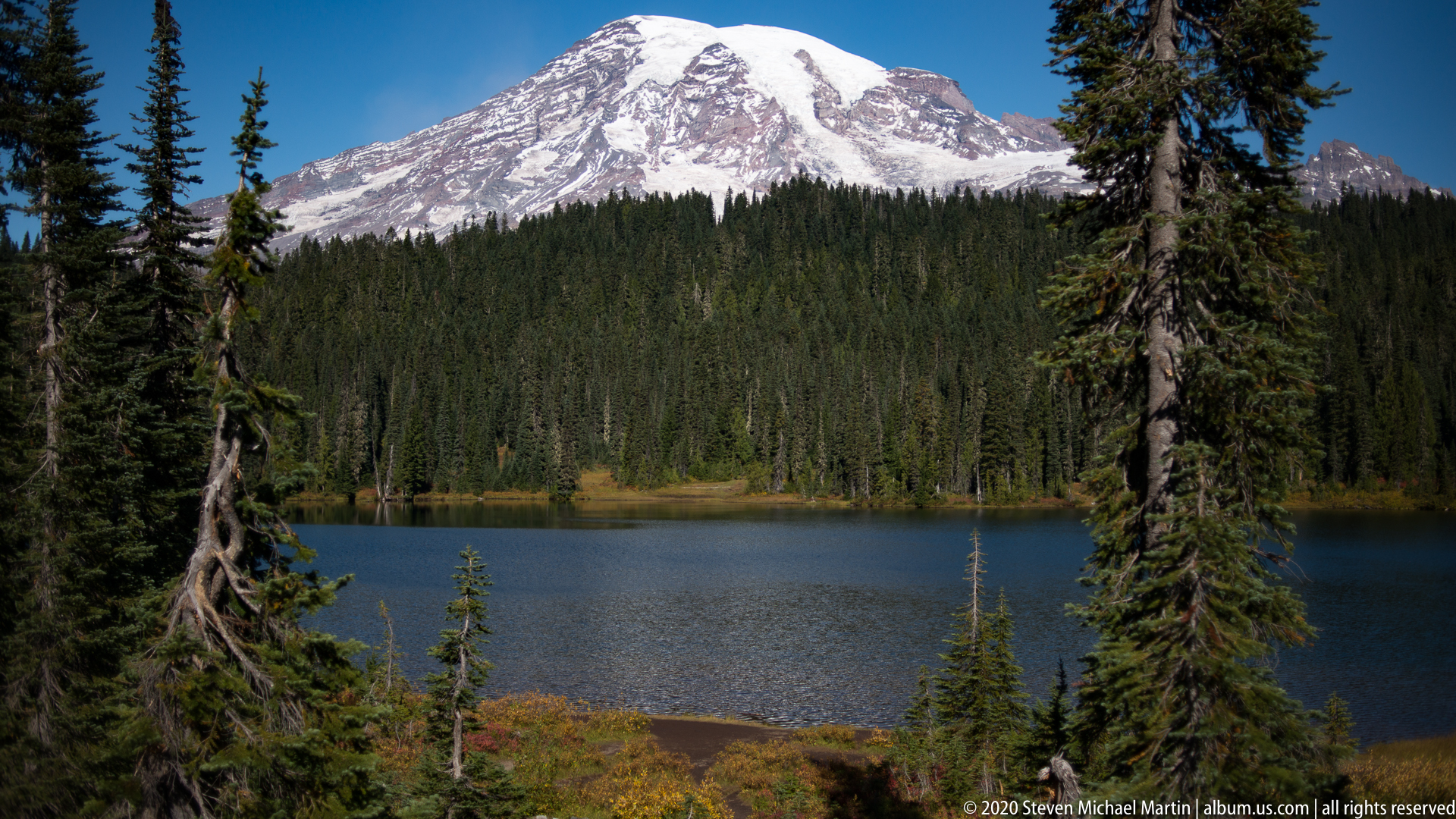
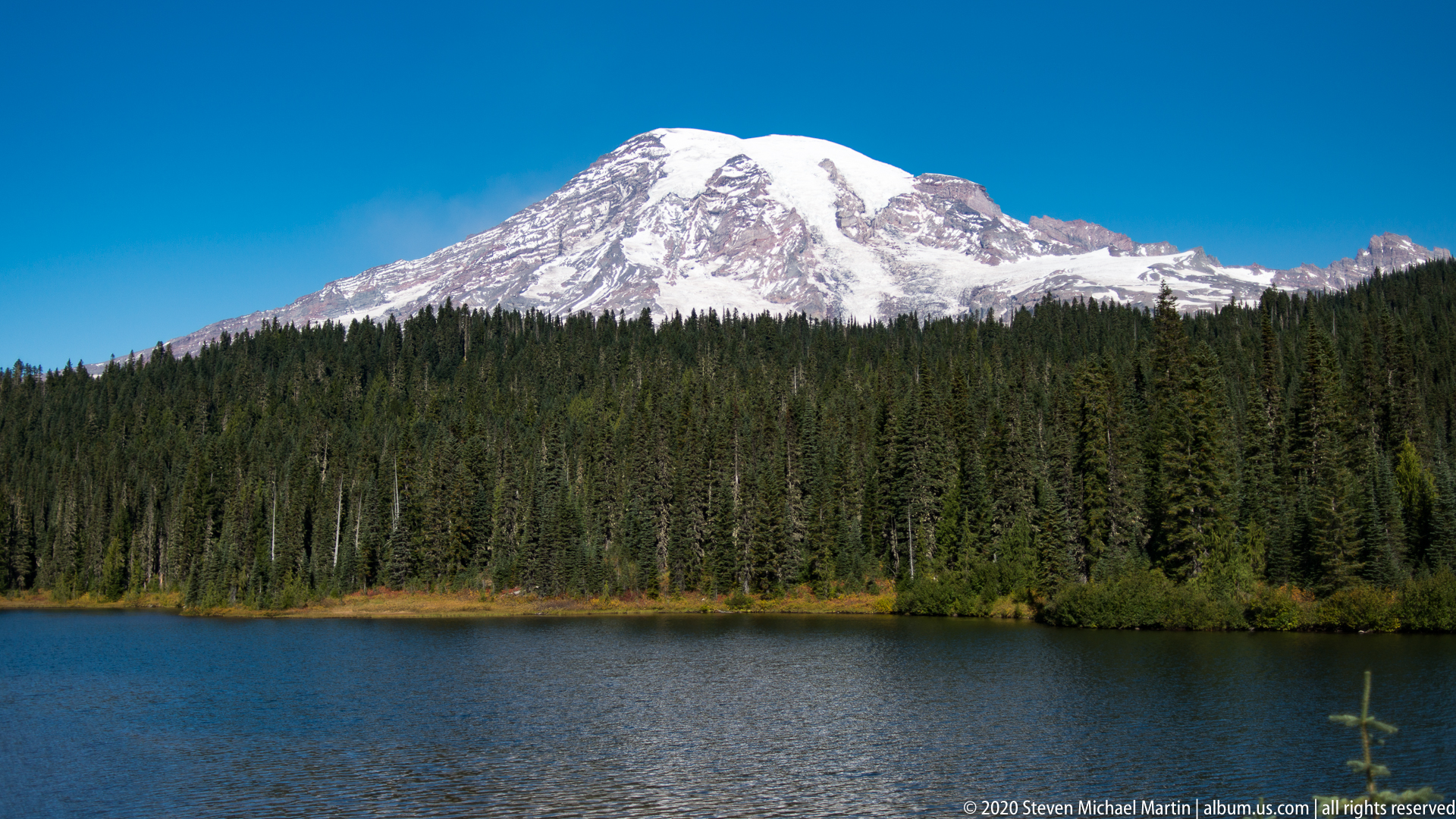
The summit of Mount Rainier forms one of the most prominent mountain profiles in the Pacific Northwest, rising dramatically above surrounding ridgelines and forested valleys. The snow-covered peak and extensive glacial system define the visual identity of the park and create a focal point visible from many locations throughout the region.
As a stratovolcano shaped by repeated geologic activity, the mountain’s form reflects both volcanic origins and ongoing glacial processes. Snowfields, ice flows, and sharply defined ridges contribute to a landscape that appears both powerful and distant, often partially veiled by changing cloud cover.
Visibility of the summit varies with weather conditions, sometimes revealing sharply defined detail and at other times presenting only partial glimpses of the peak. The shifting interaction between light, cloud, and snow creates a continually changing appearance that reinforces the mountain’s presence as the dominant geographic feature of the surrounding landscape.










🧭 Field Guide
Landscape Type: Glaciated stratovolcano
Primary Features: Snowfields, glaciers, volcanic peak
Best Time to View: Clear weather conditions
Conditions: Highly variable visibility depending on cloud cover
✨ Highlights
- Glaciated Summit – The heavily glaciated peak defines the visual identity of Mount Rainier.
- Volcanic Form – Classic stratovolcano profile rising prominently above surrounding landscape.
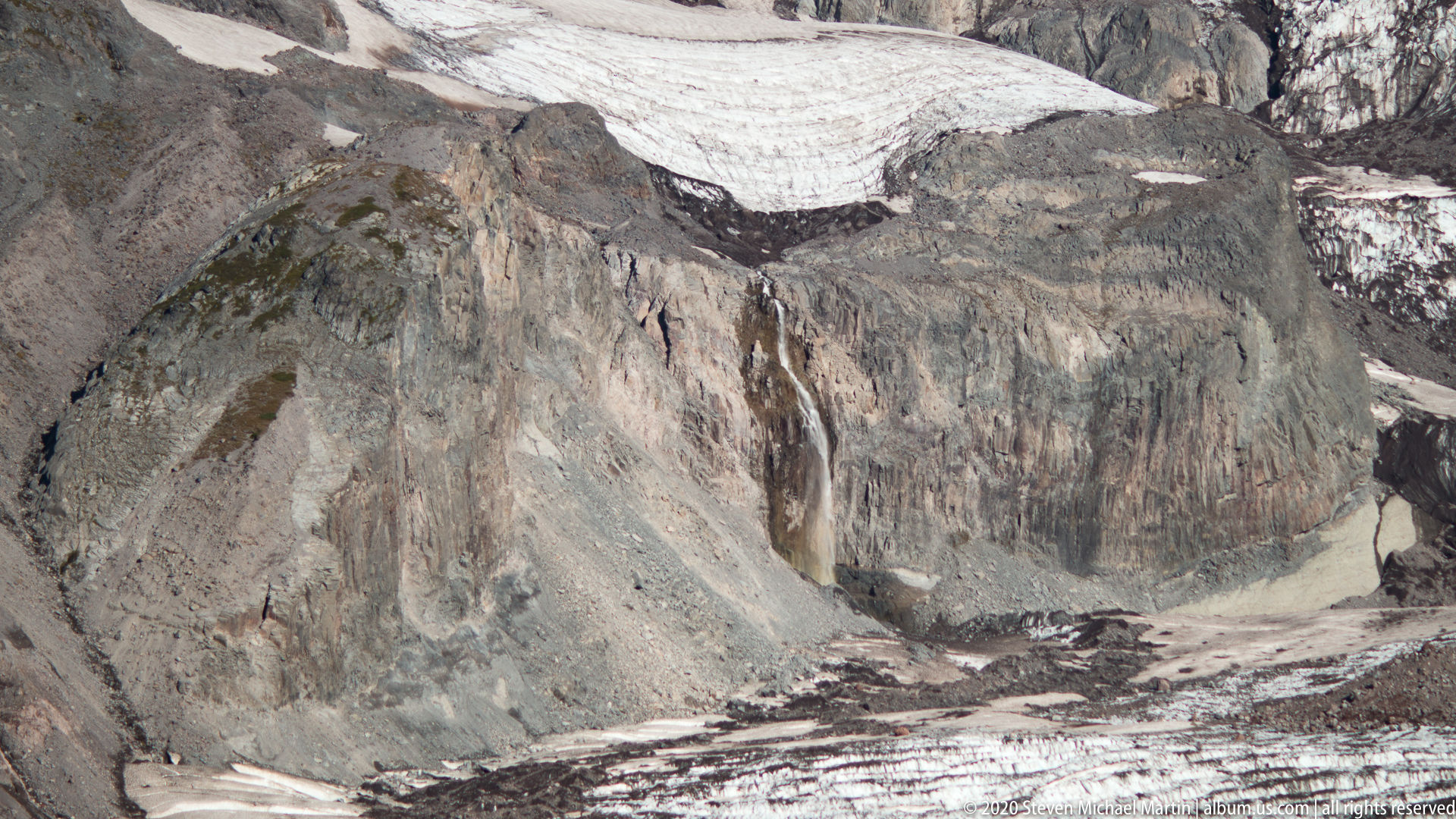
- Snow and Ice Fields – Extensive glacial coverage visible even during summer months.
- Regional Dominance – Mountain visible from great distances across the Pacific Northwest.
- Changing Visibility – Cloud layers frequently alter the perceived scale of the summit.
🔎 Notable Encounters
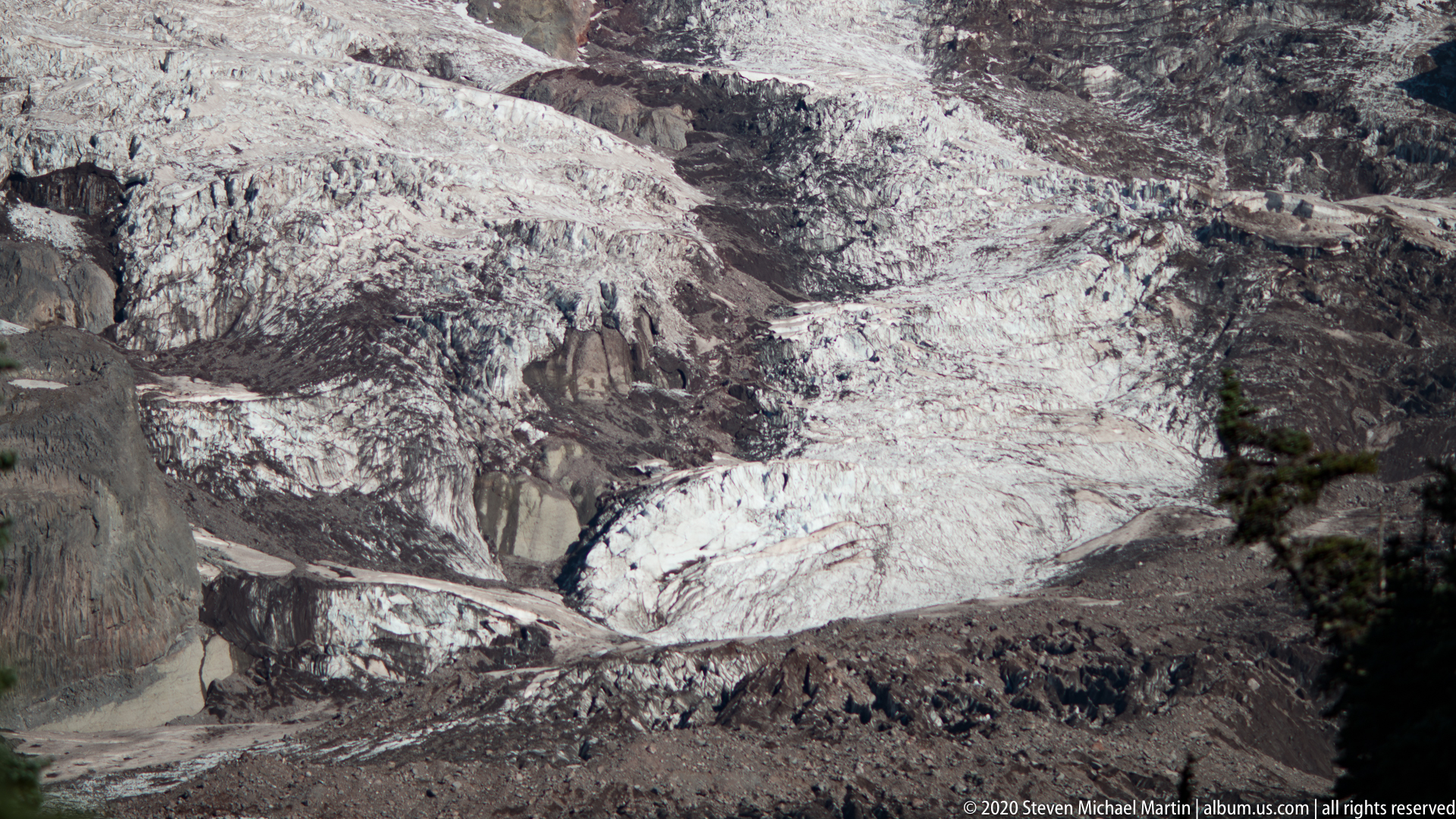
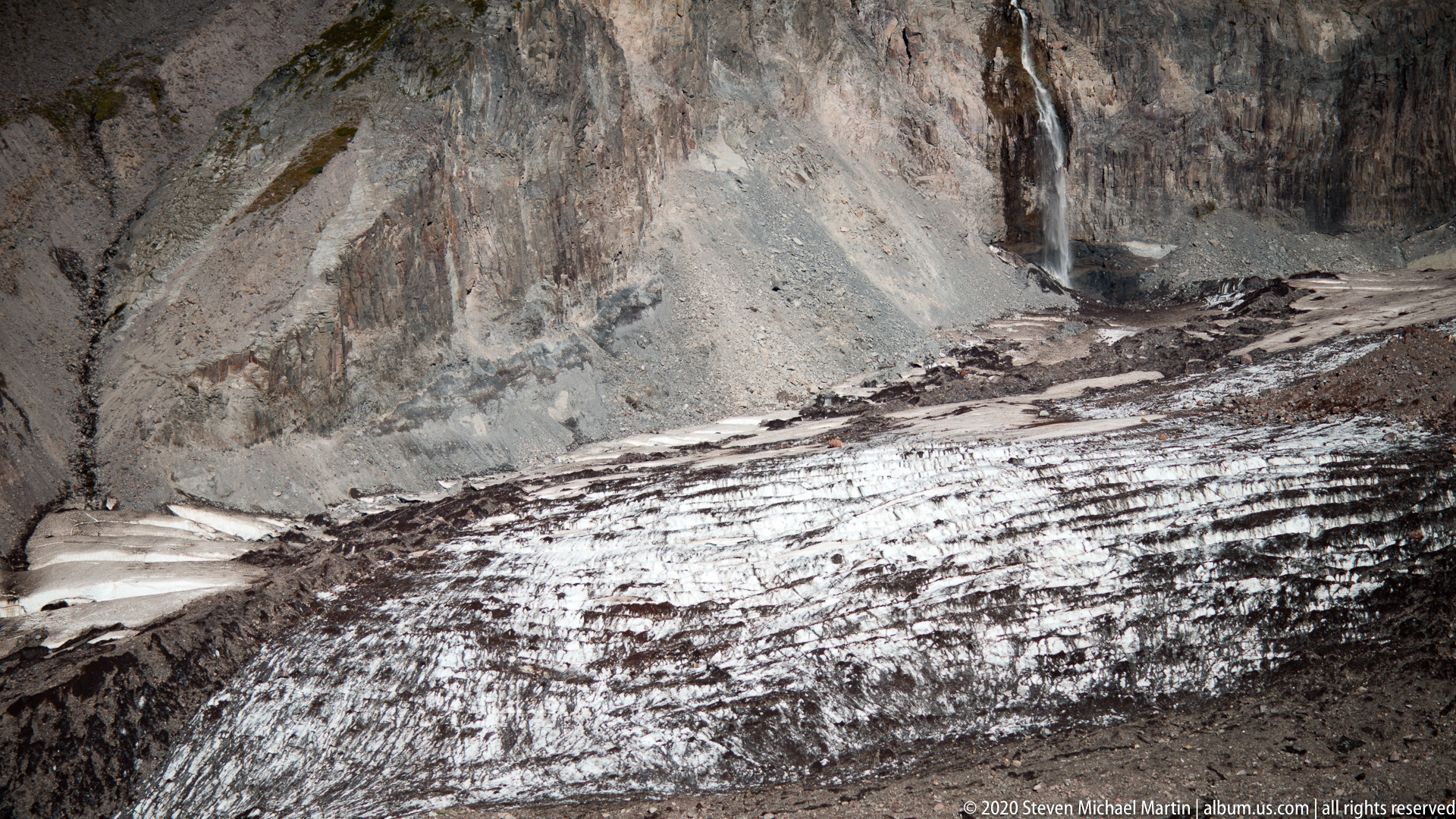
- Glacial Texture – Subtle surface variations visible across ice fields.
- Cloud Interaction – Clouds partially obscuring the summit create atmospheric depth.
- Snowfield Contrast – Bright snow highlights the mountain’s shape and structure.
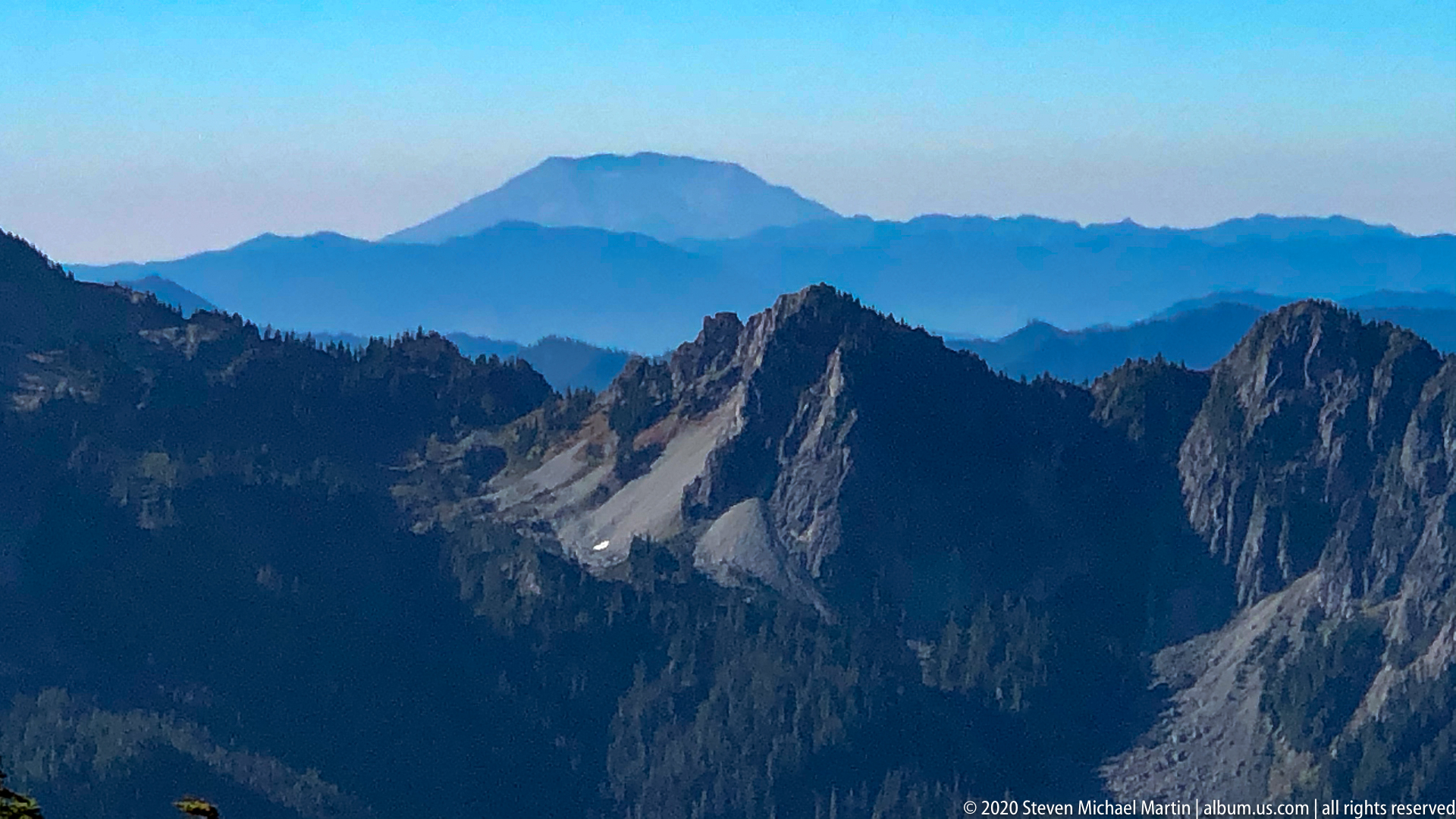
- Layered Mountain Silhouette – Distant ridgelines emphasize the peak’s prominence.
📷 Photography Notes
- Clear weather significantly improves summit visibility.
- Long focal lengths can isolate glacial features.
- Cloud breaks often create brief windows of optimal clarity.
- Contrast between snow and sky can change rapidly.
- Framing with foreground ridges can enhance scale.
- Even partial visibility can create dramatic compositions.