Vanderbilt Mansion National Historic Site
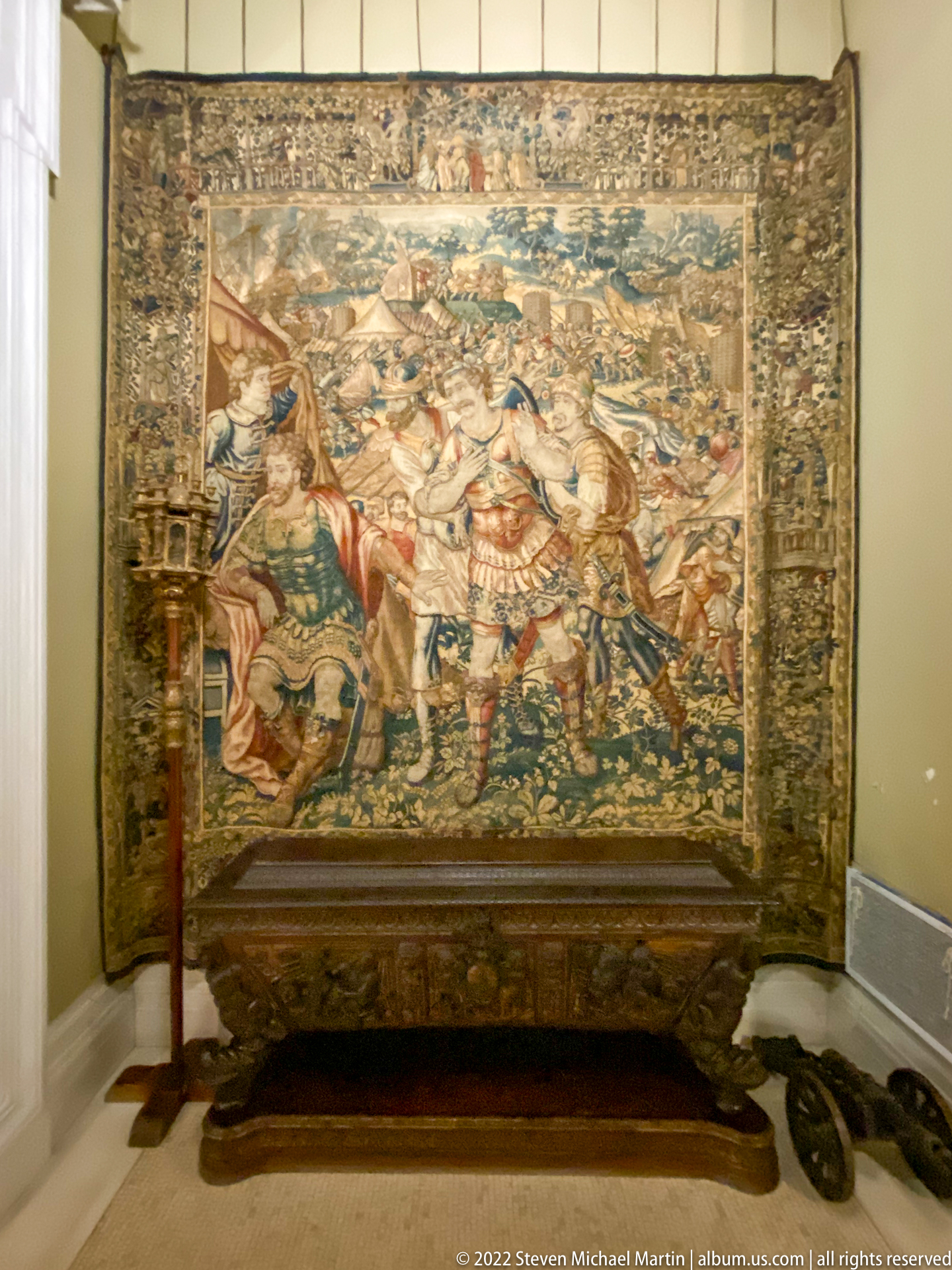
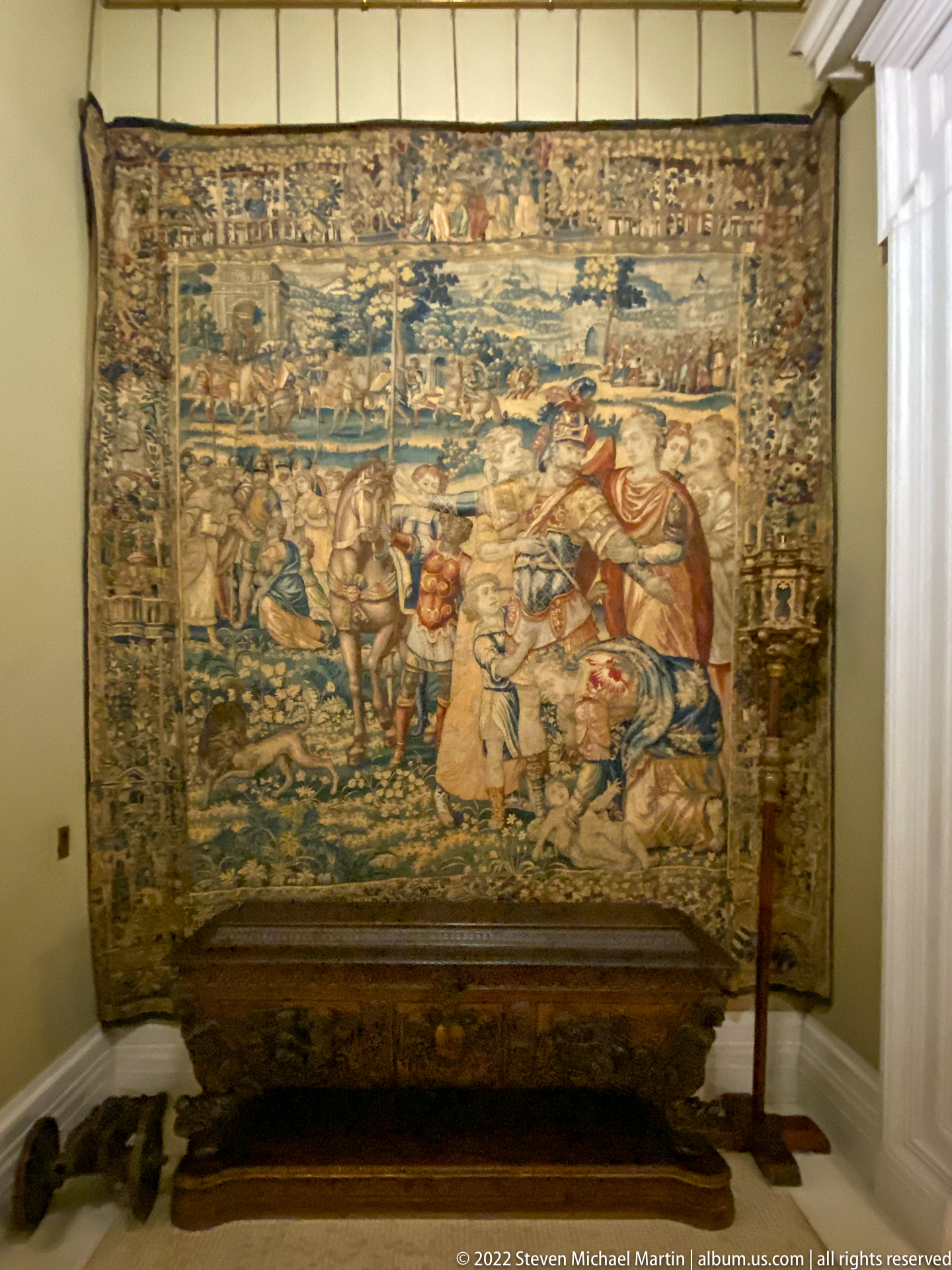
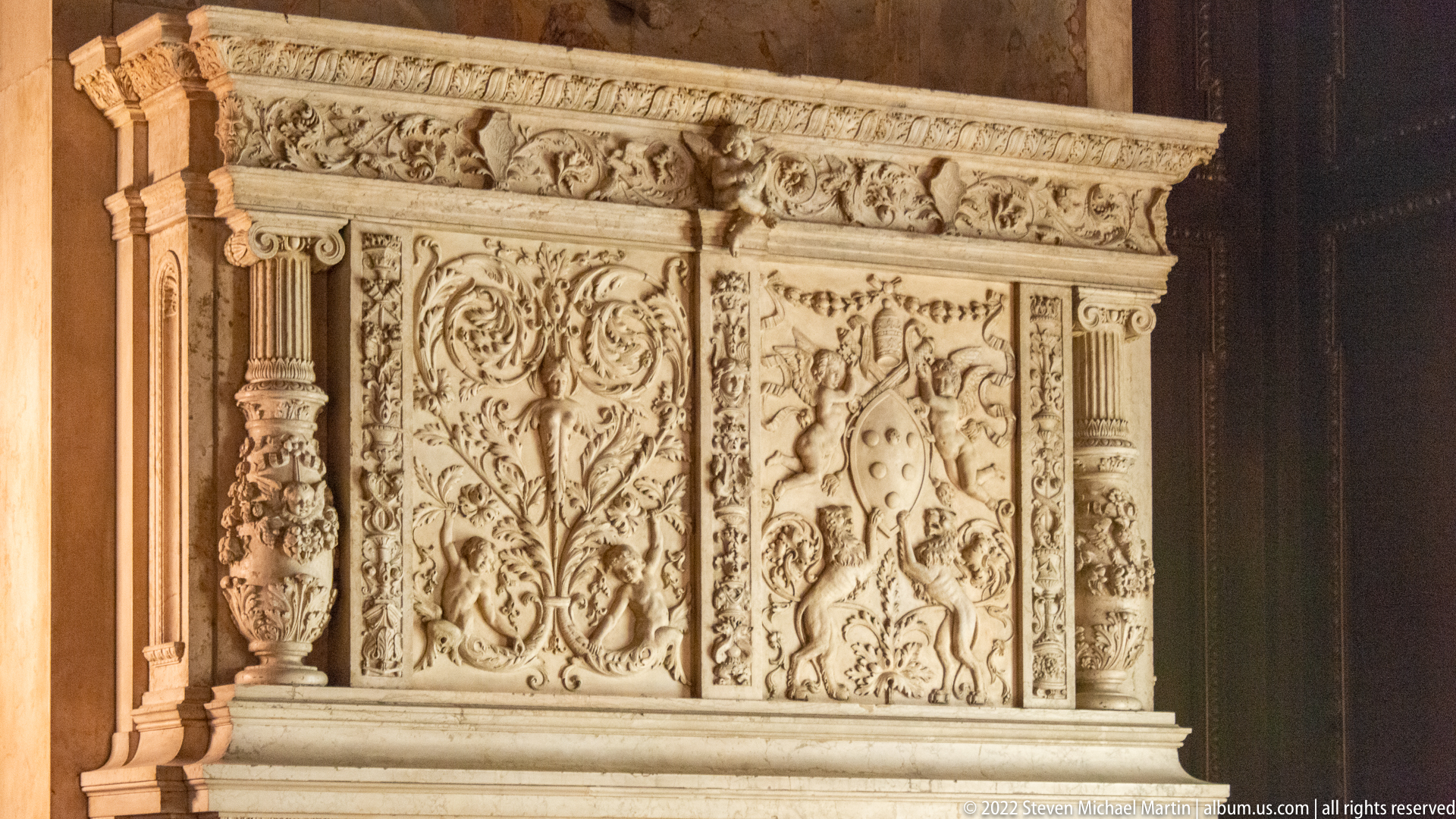
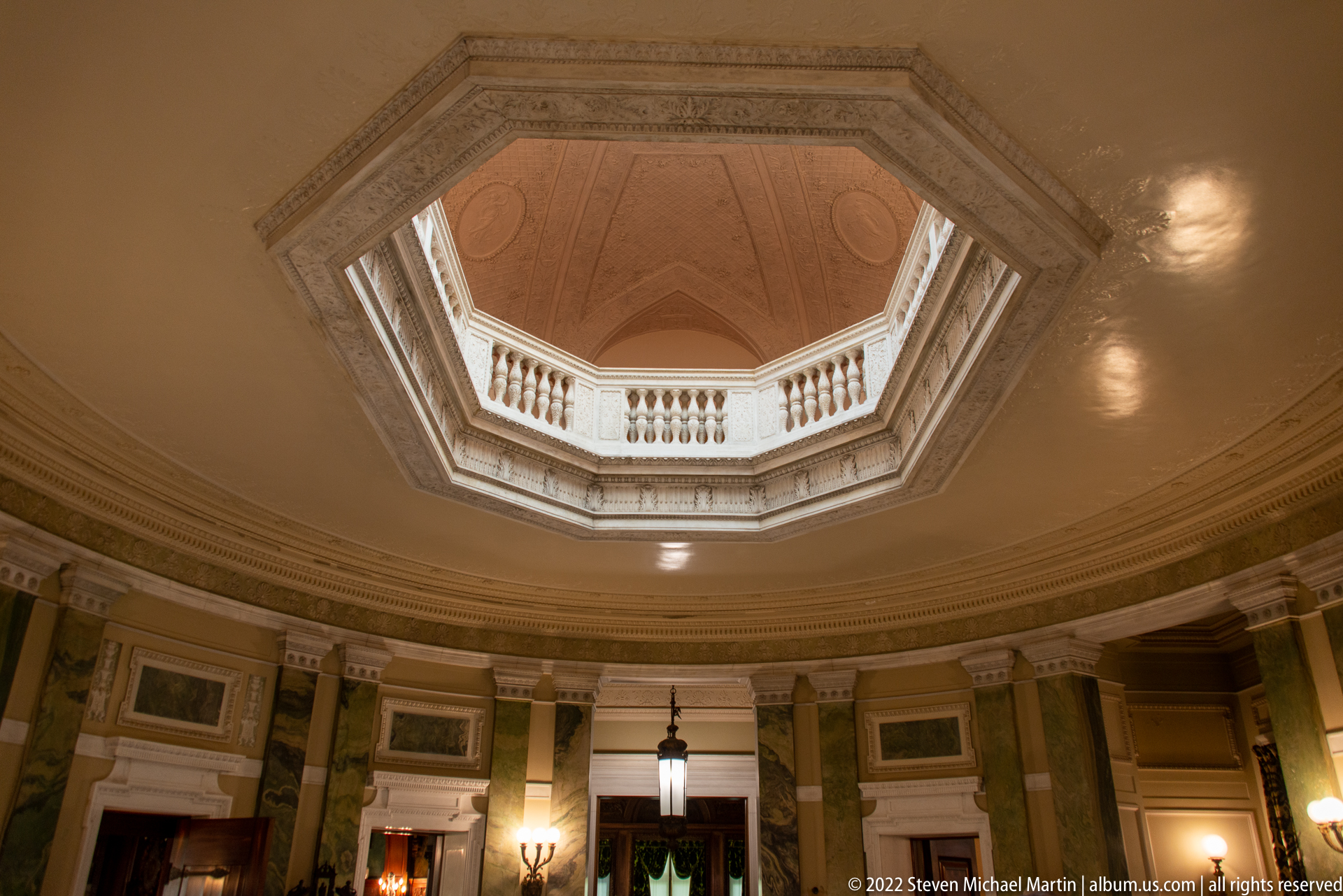
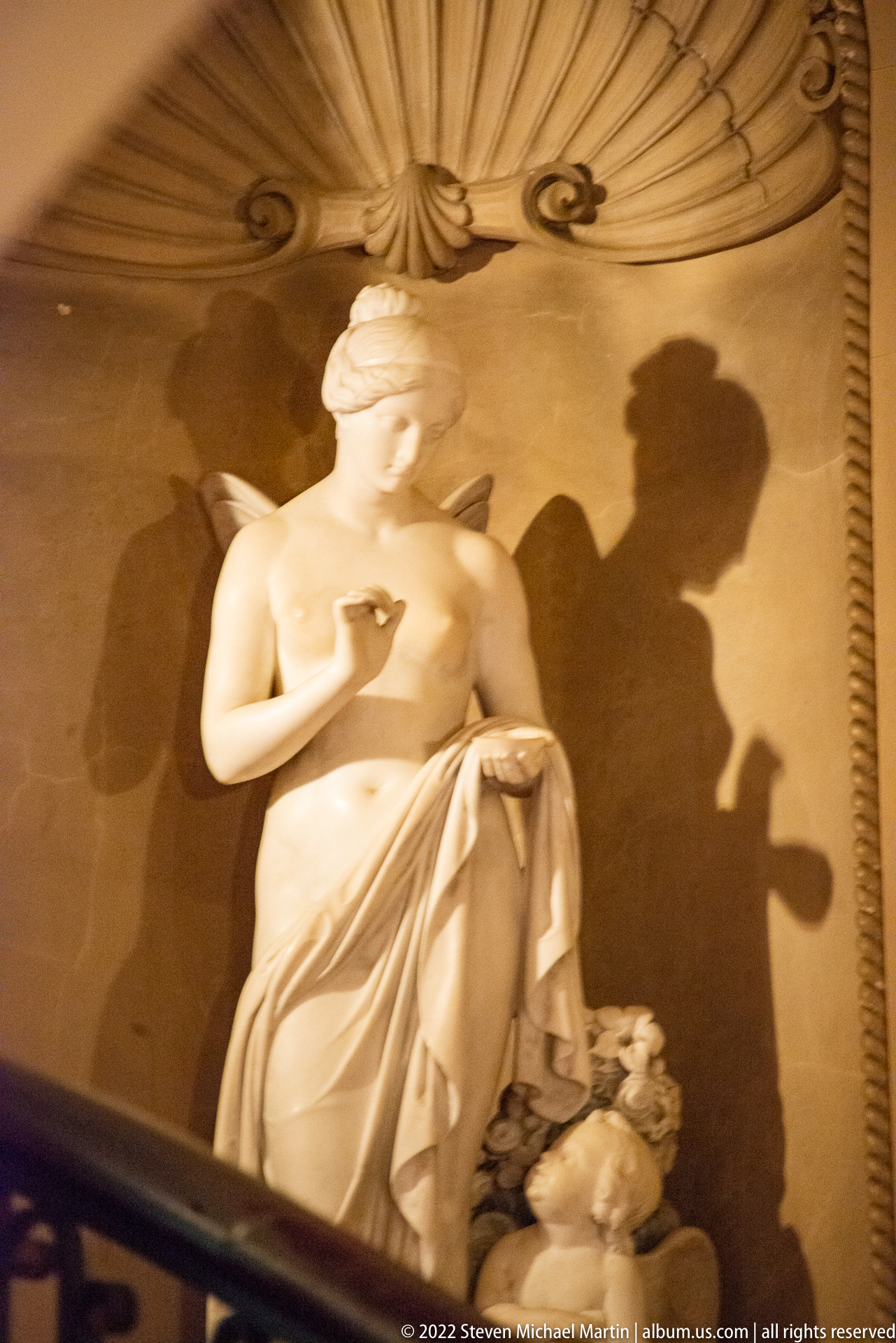
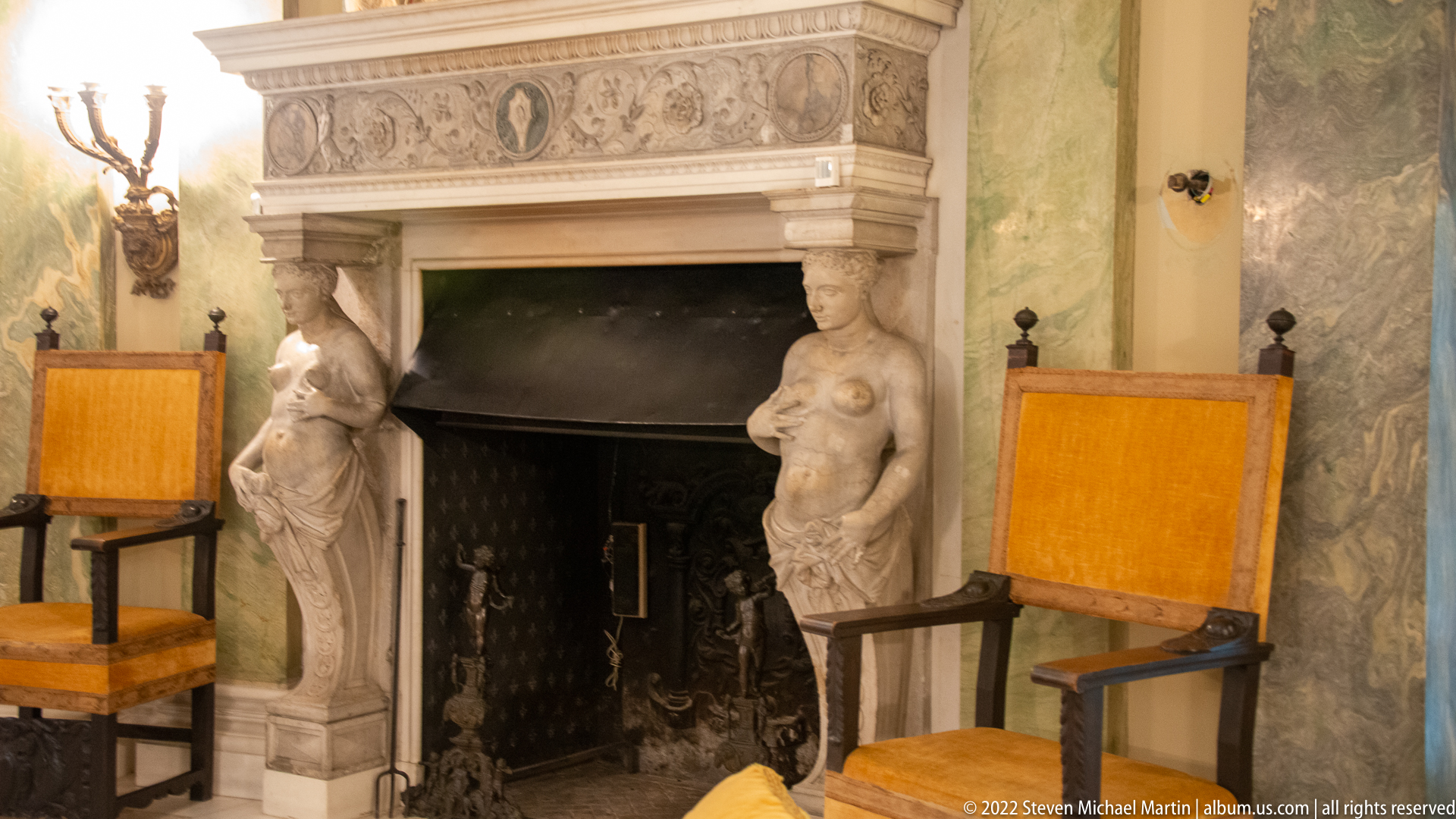
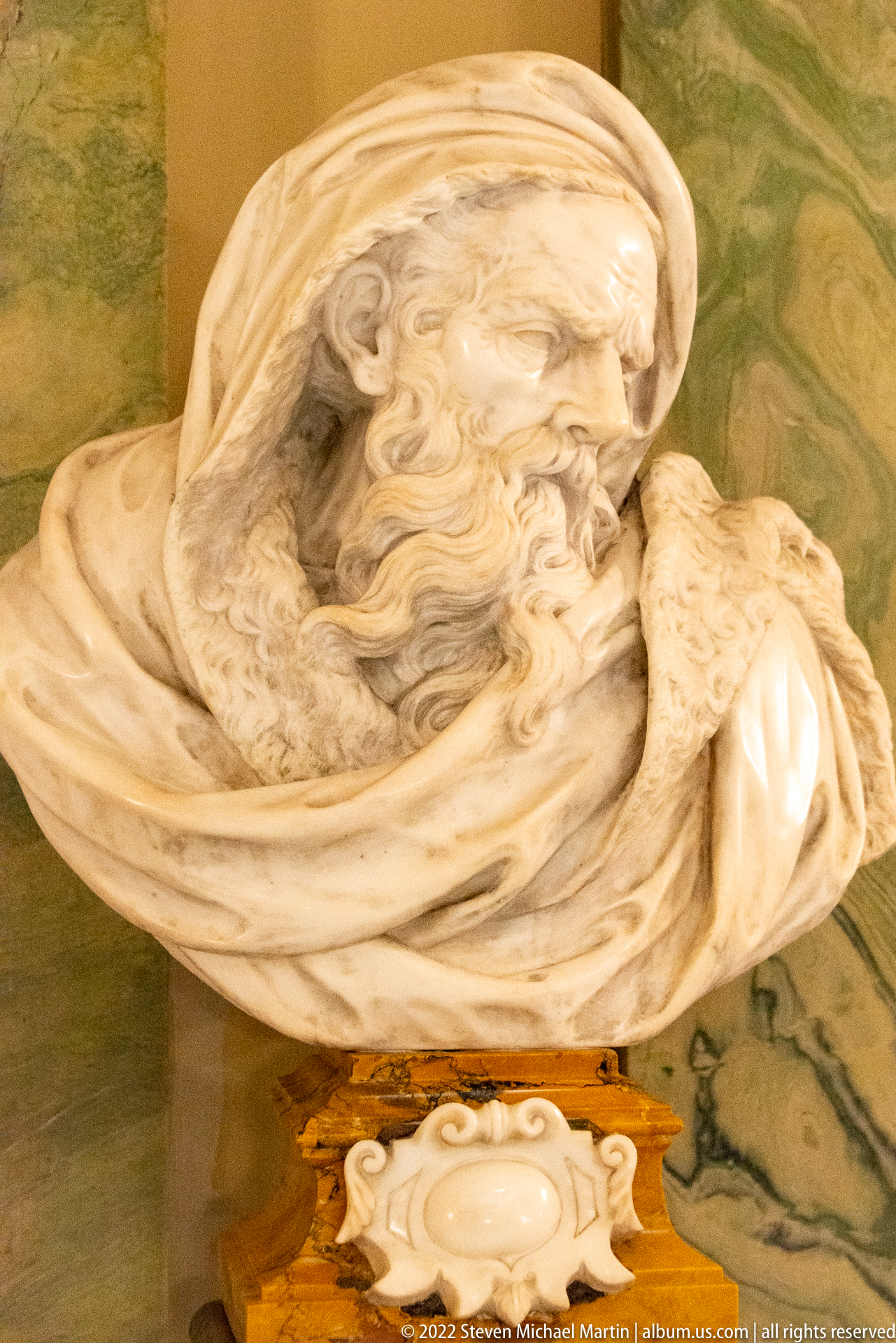
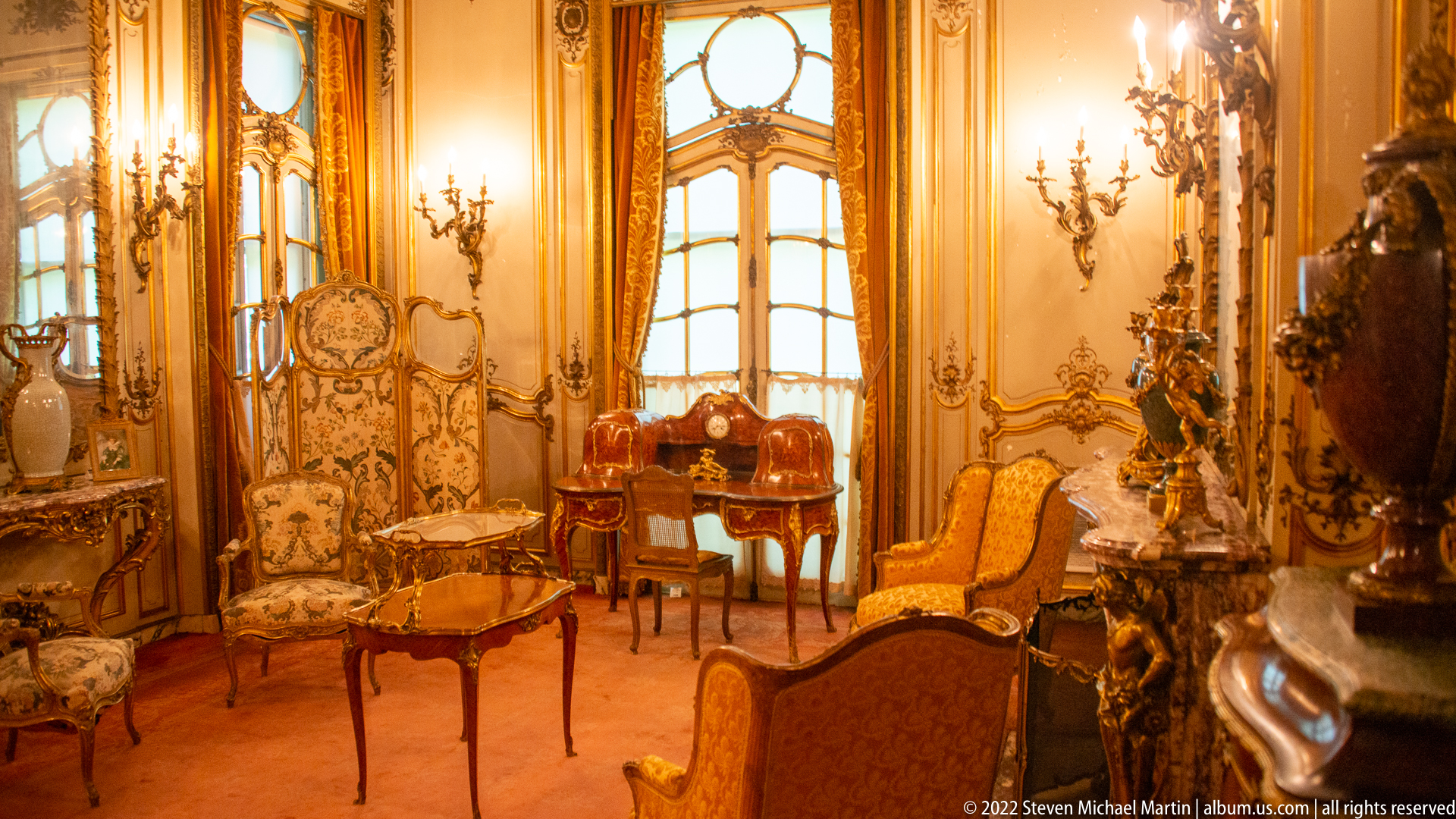
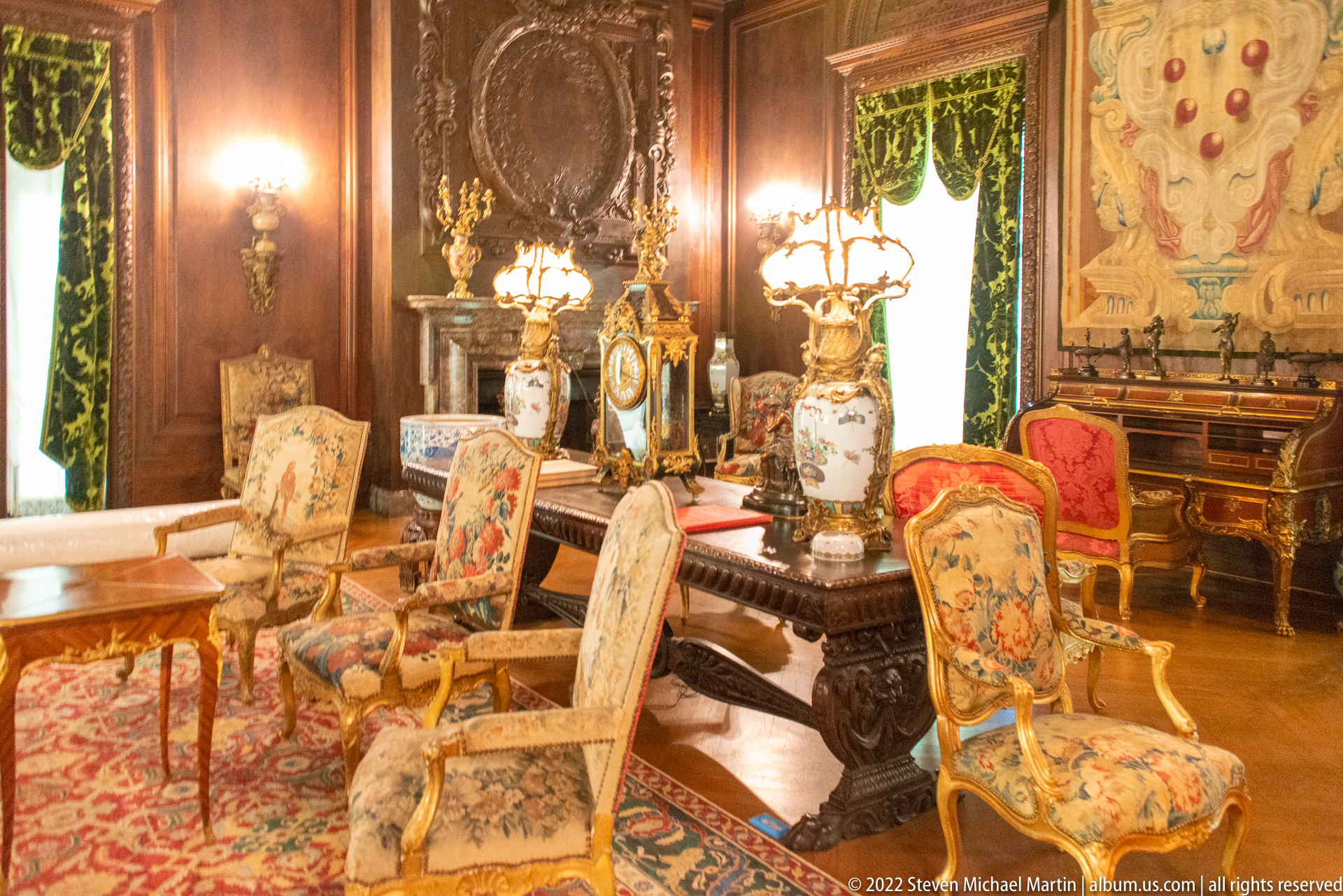
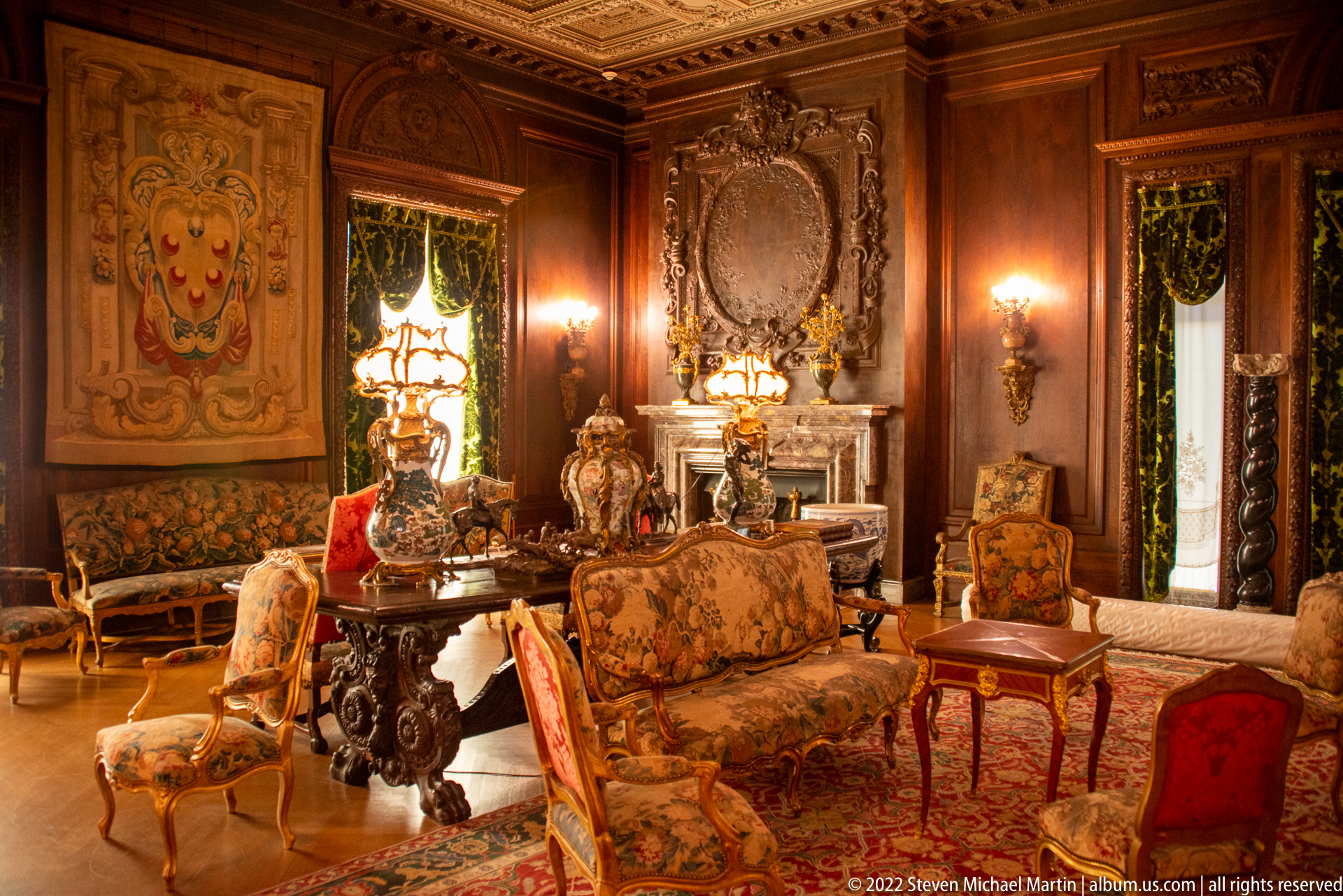
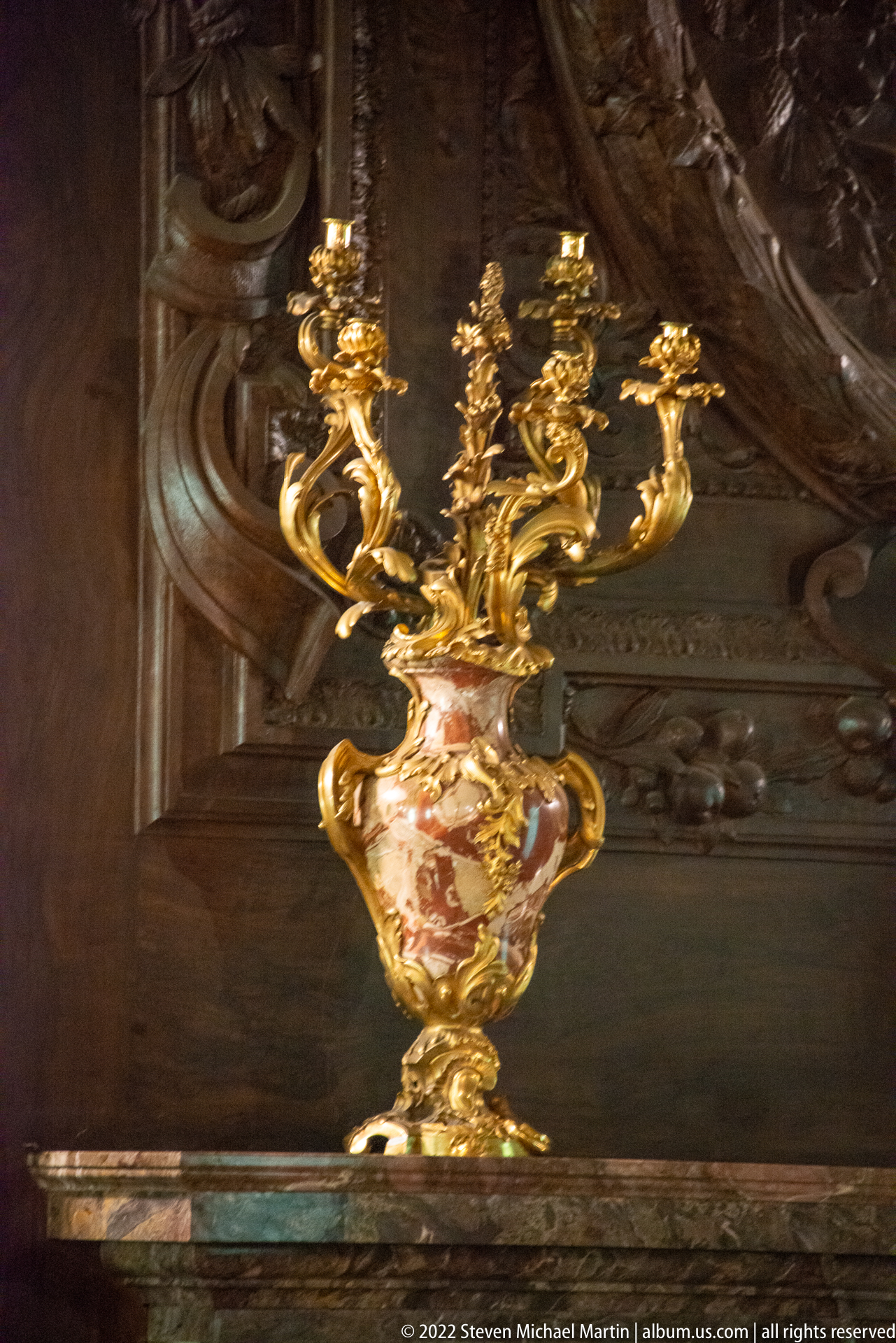
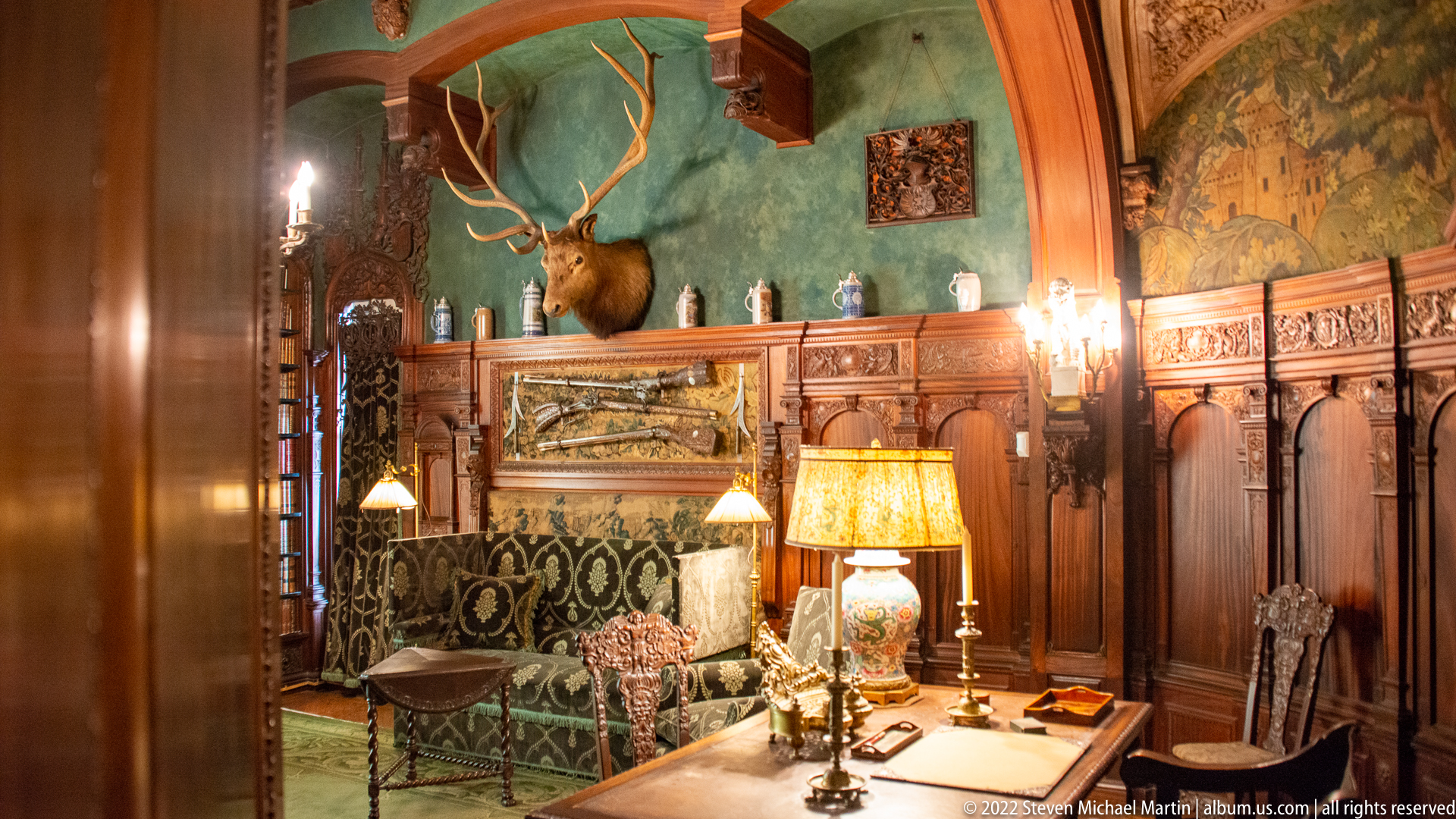
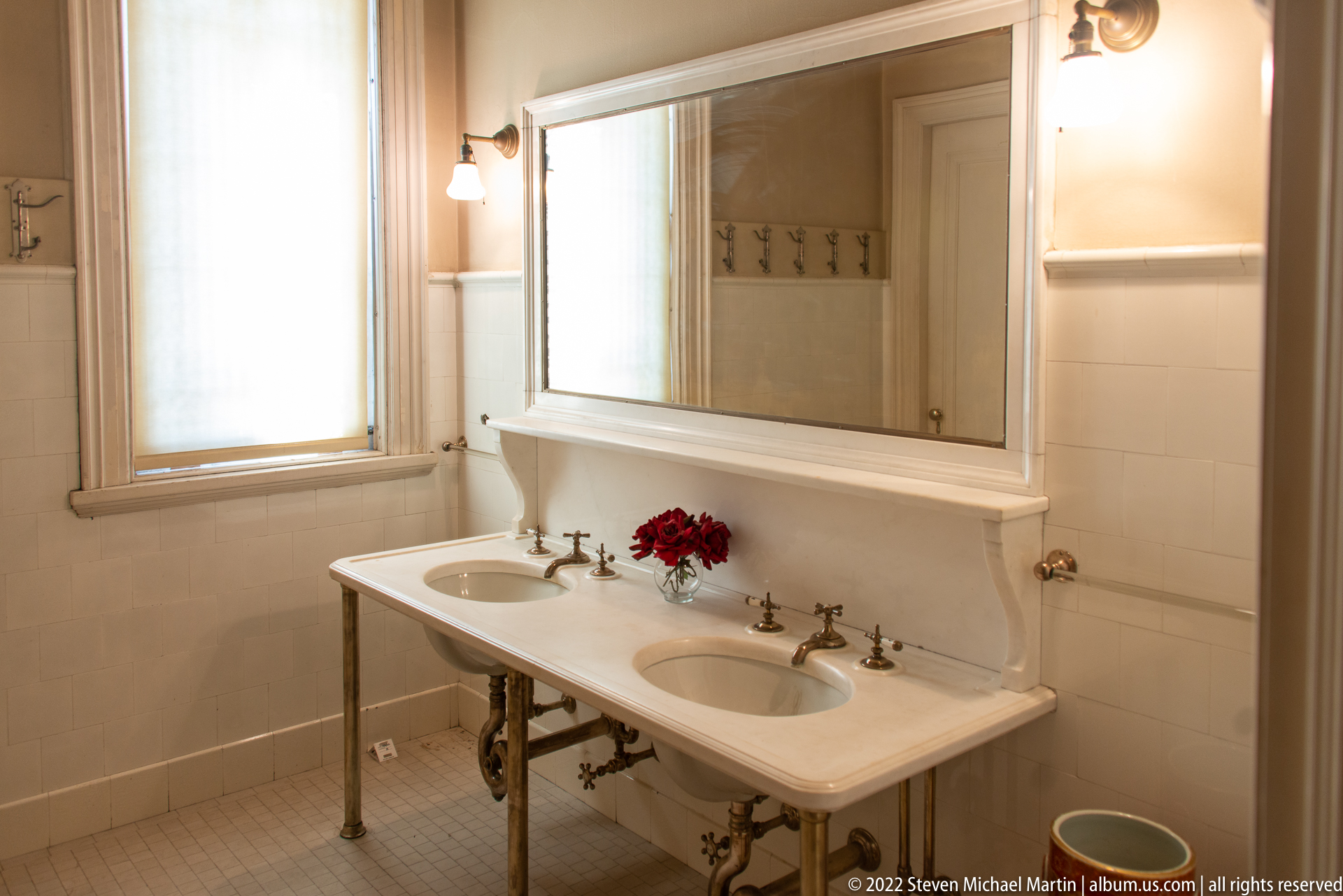
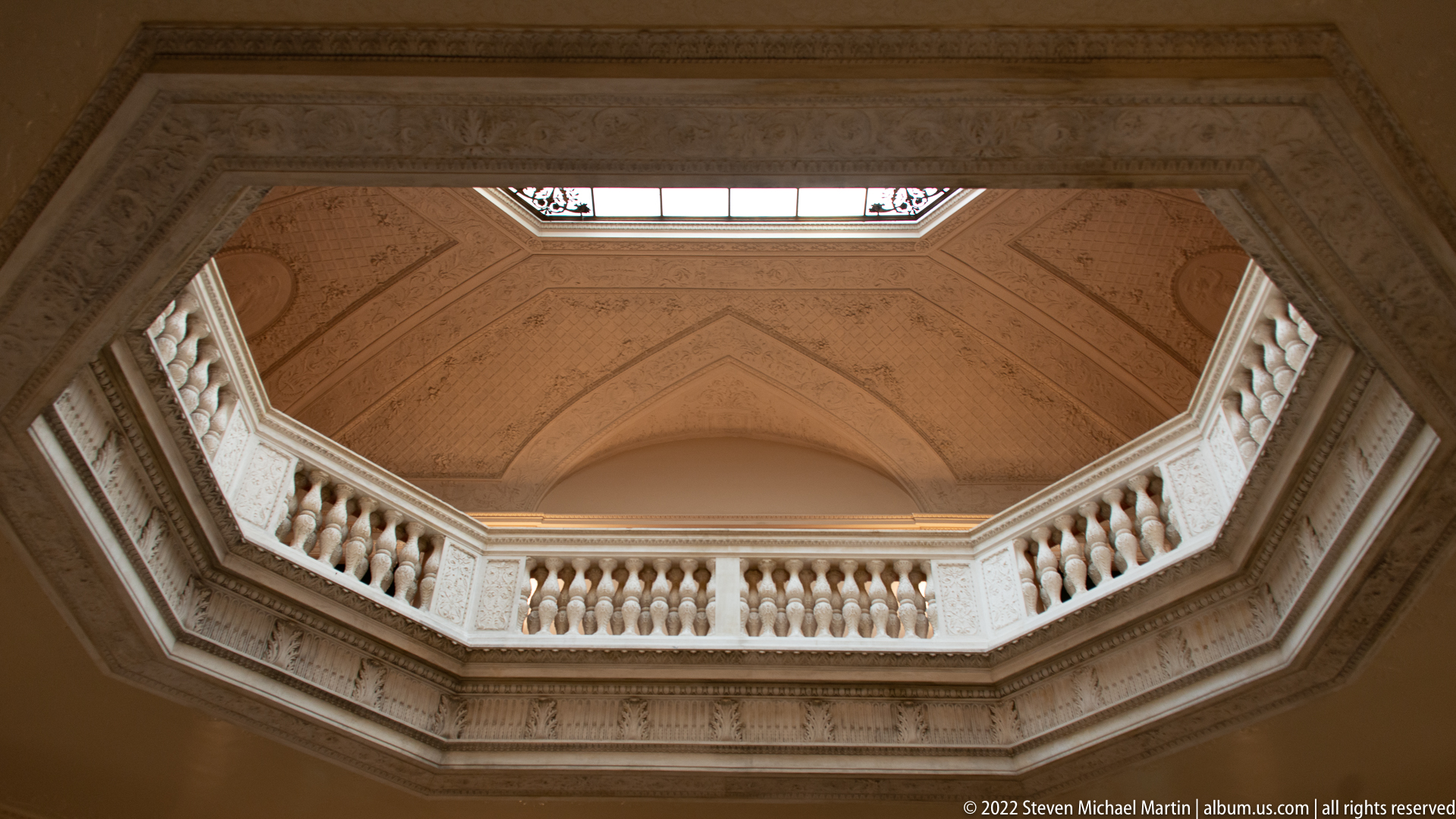
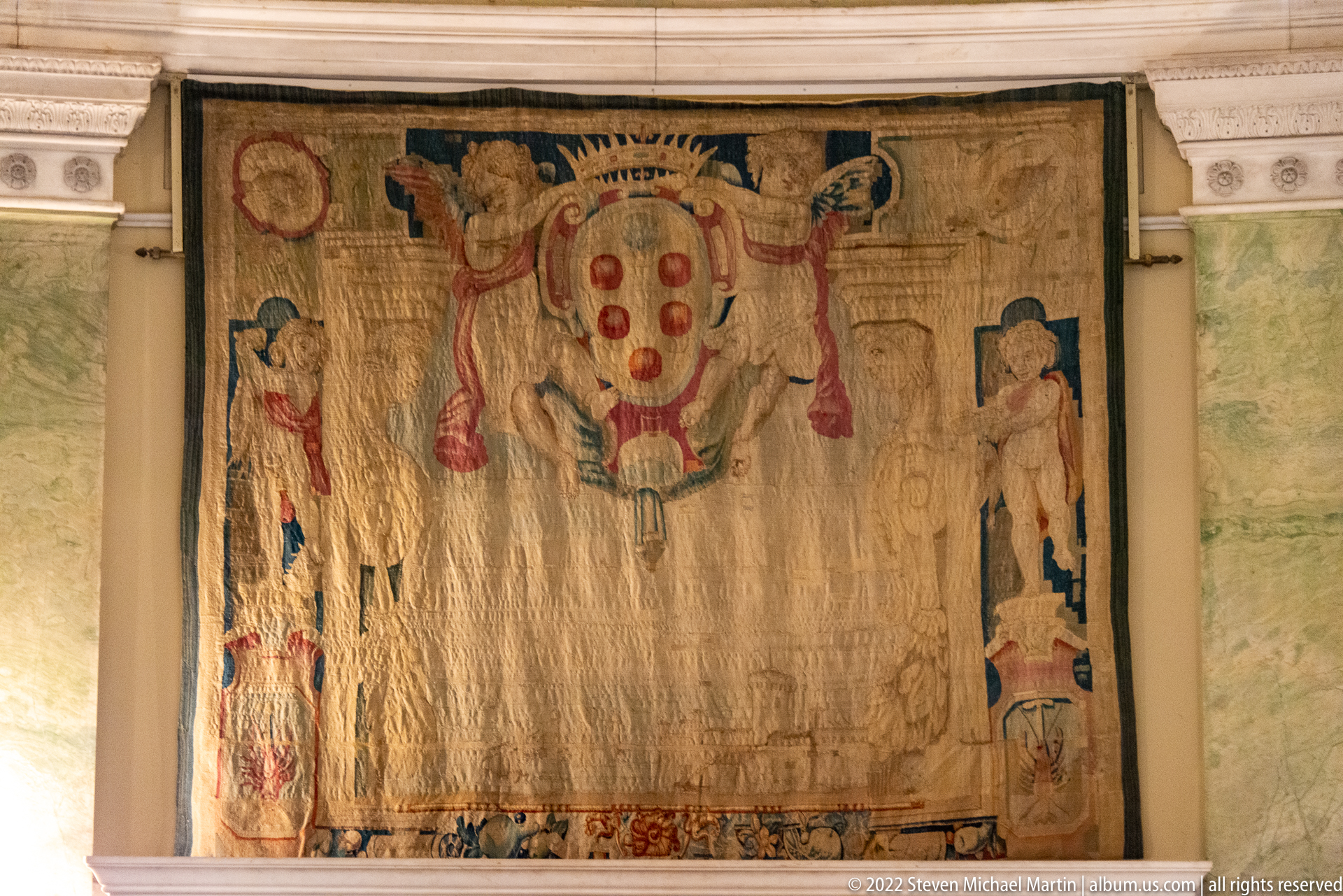
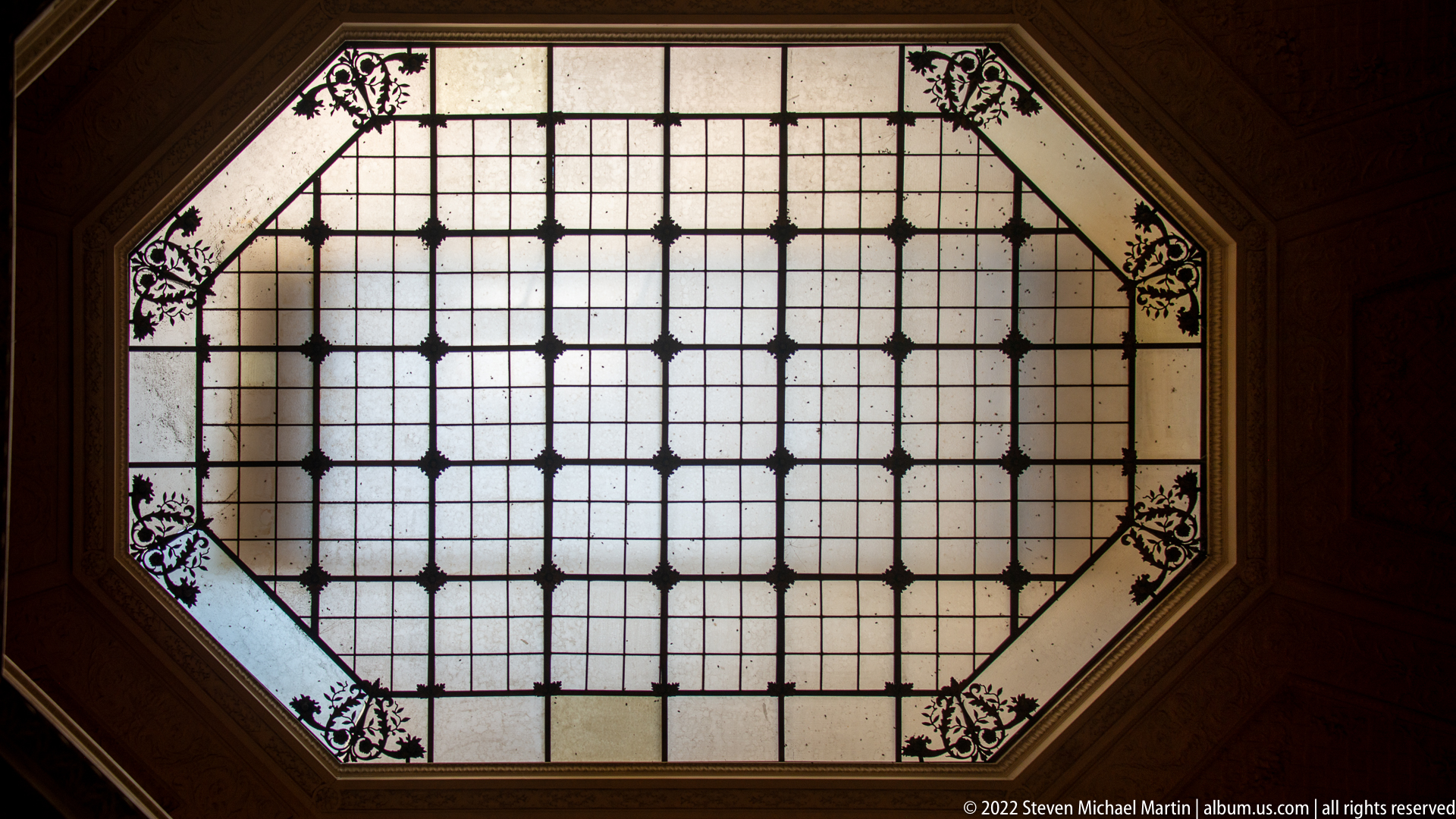
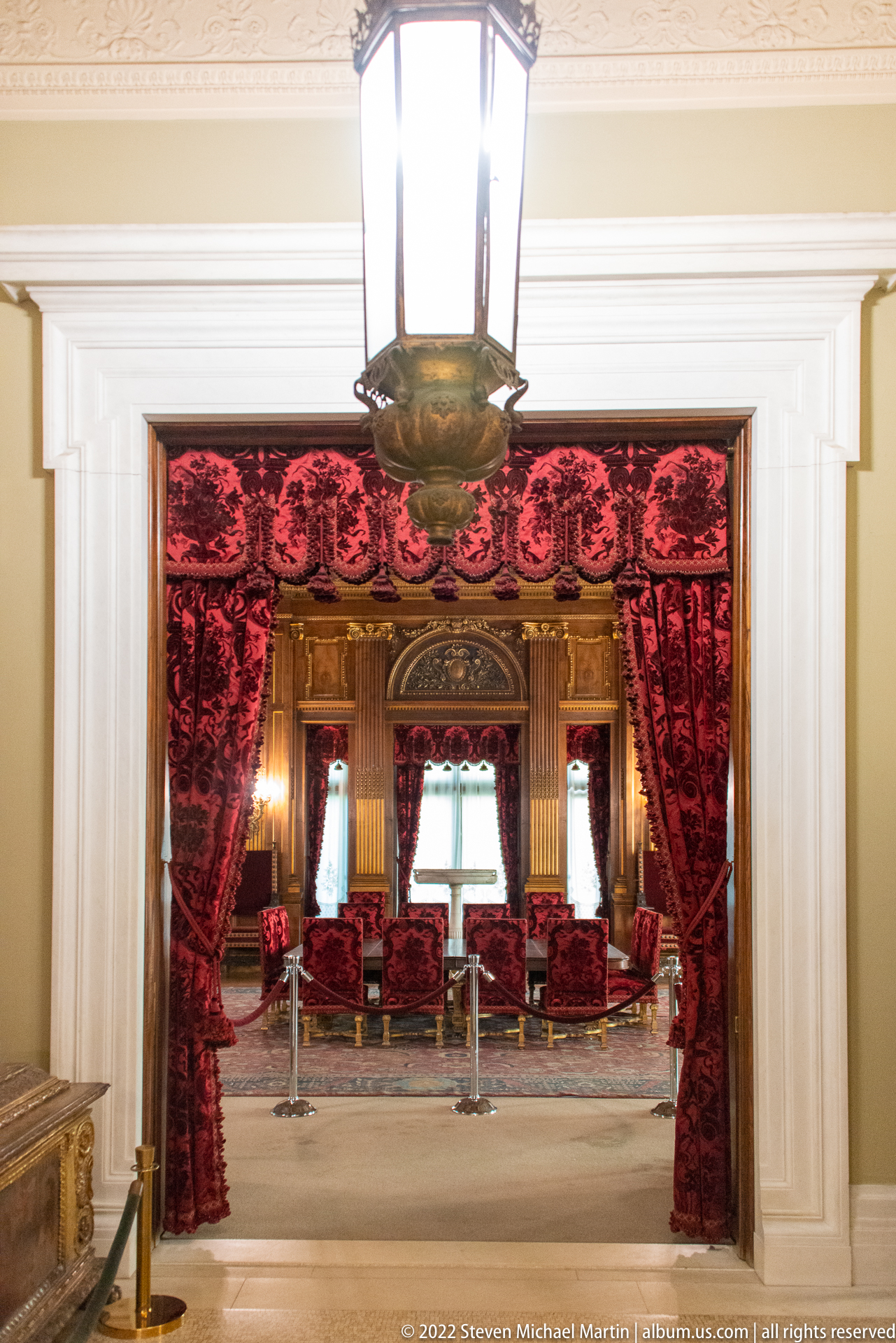
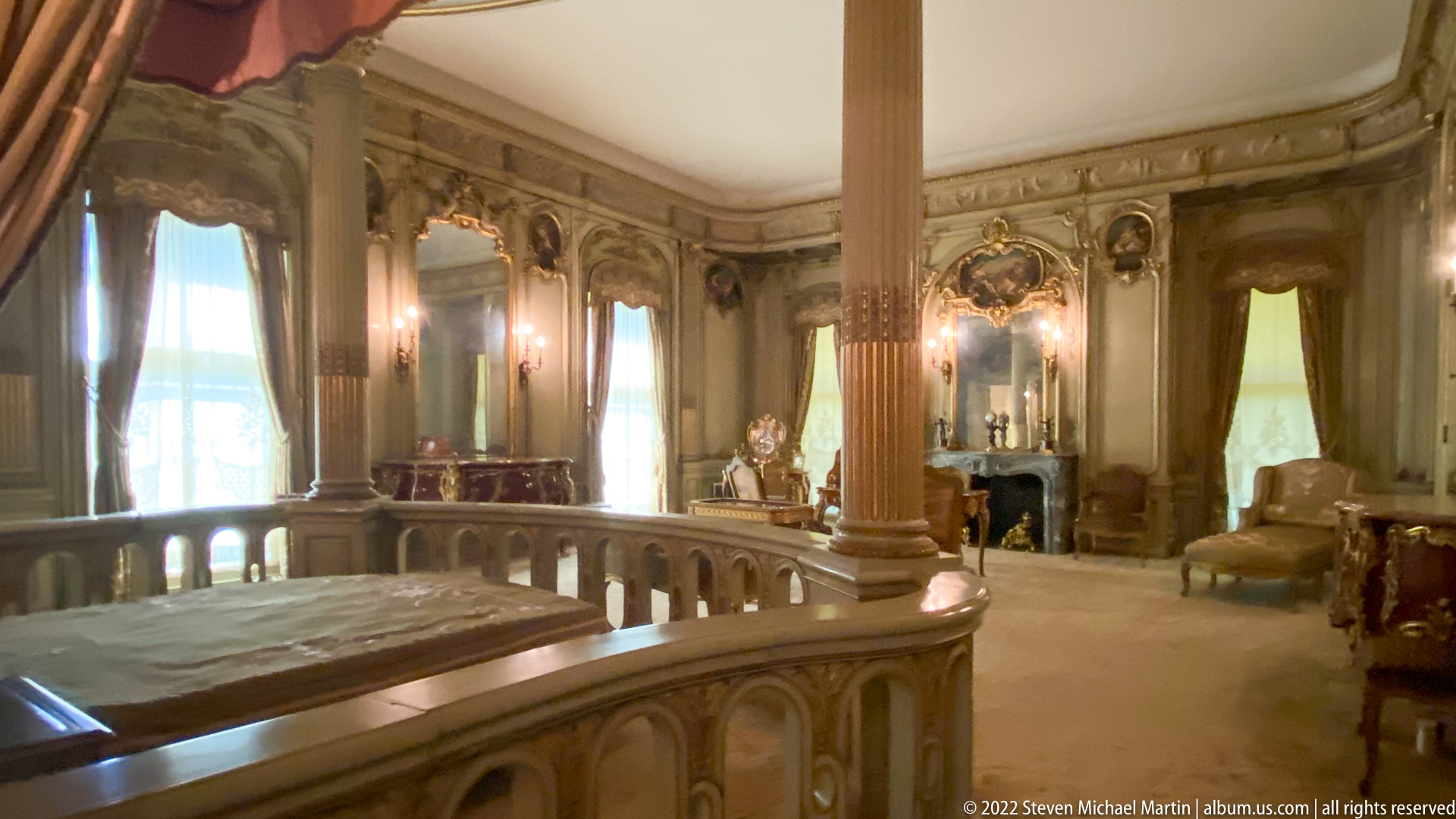
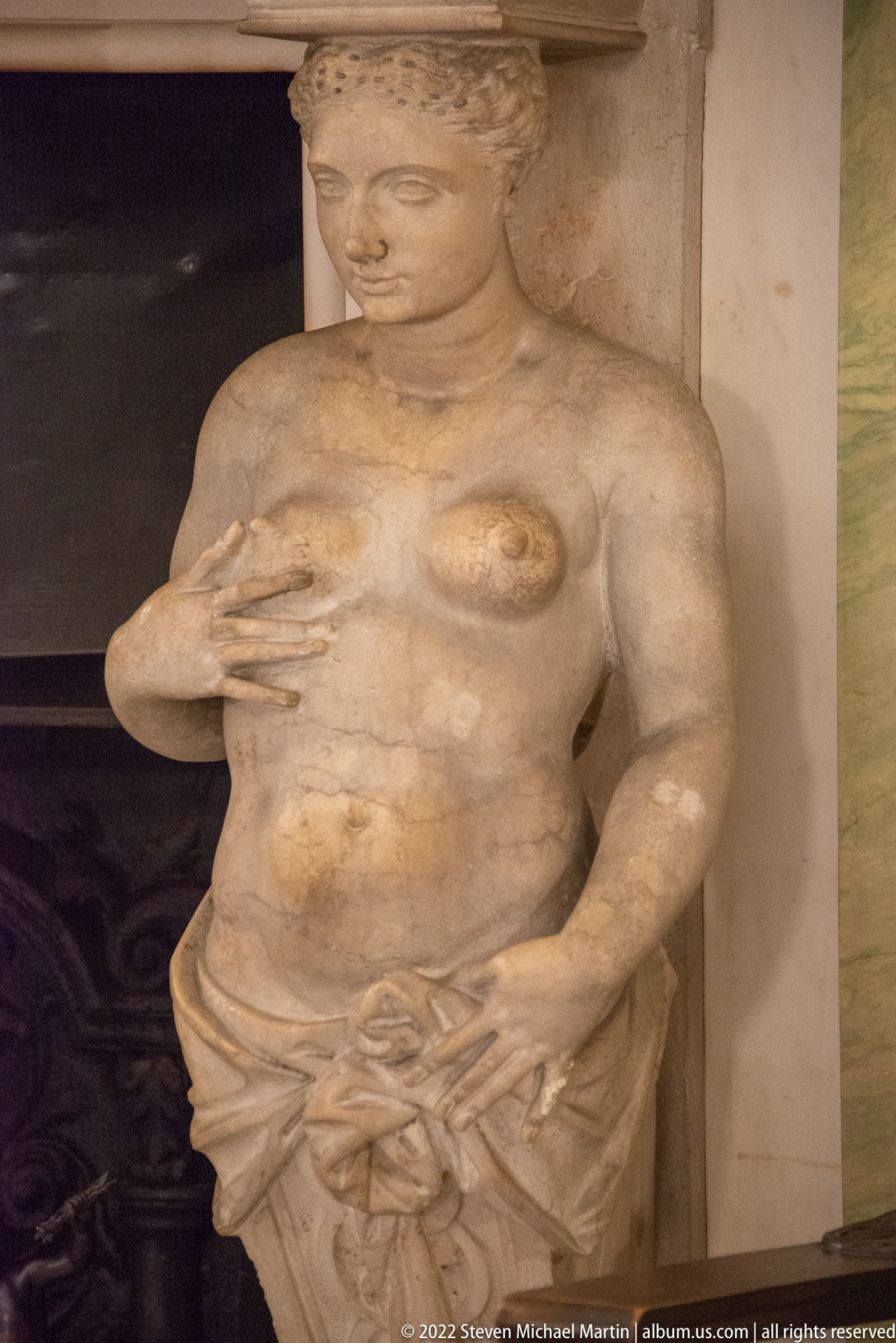
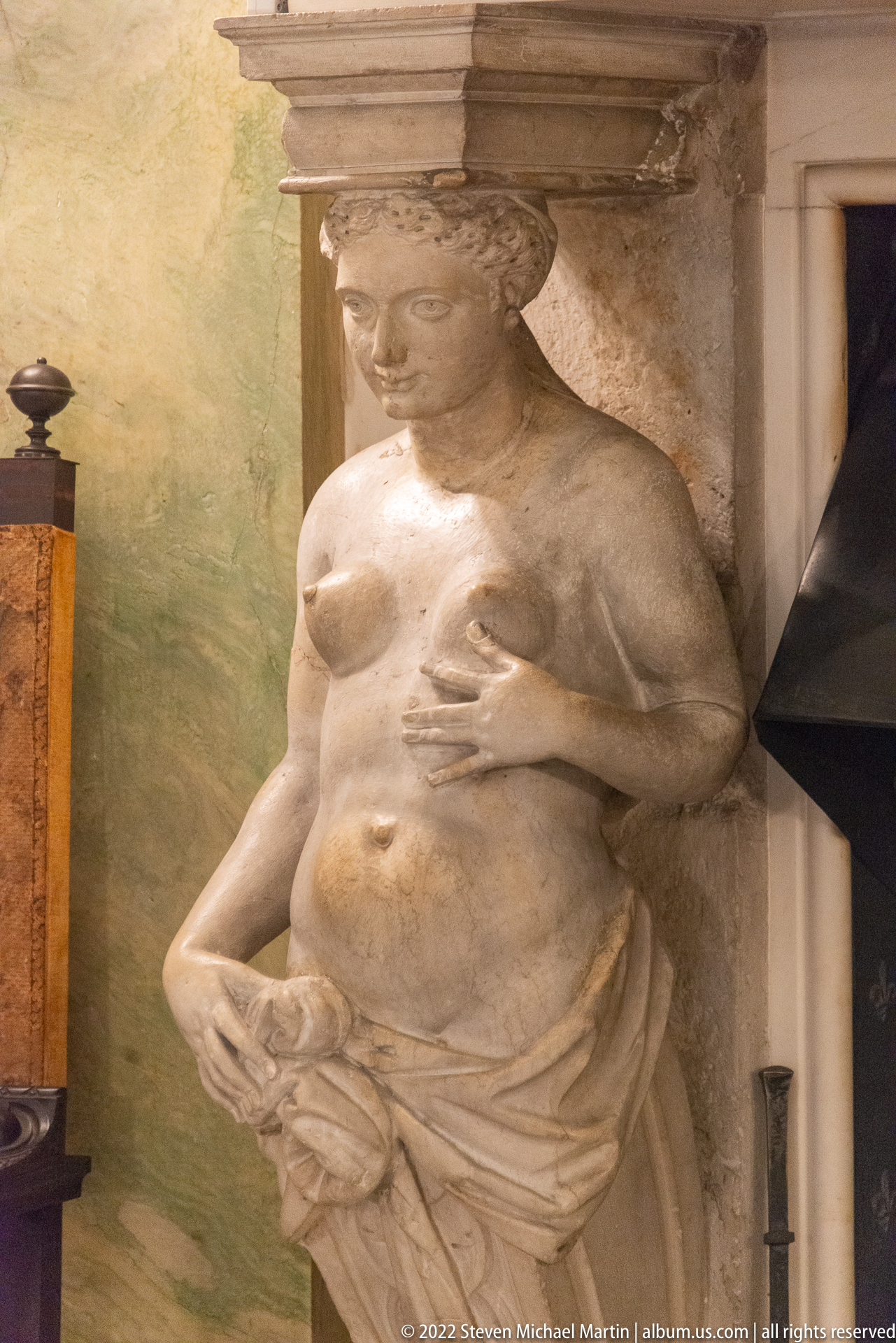
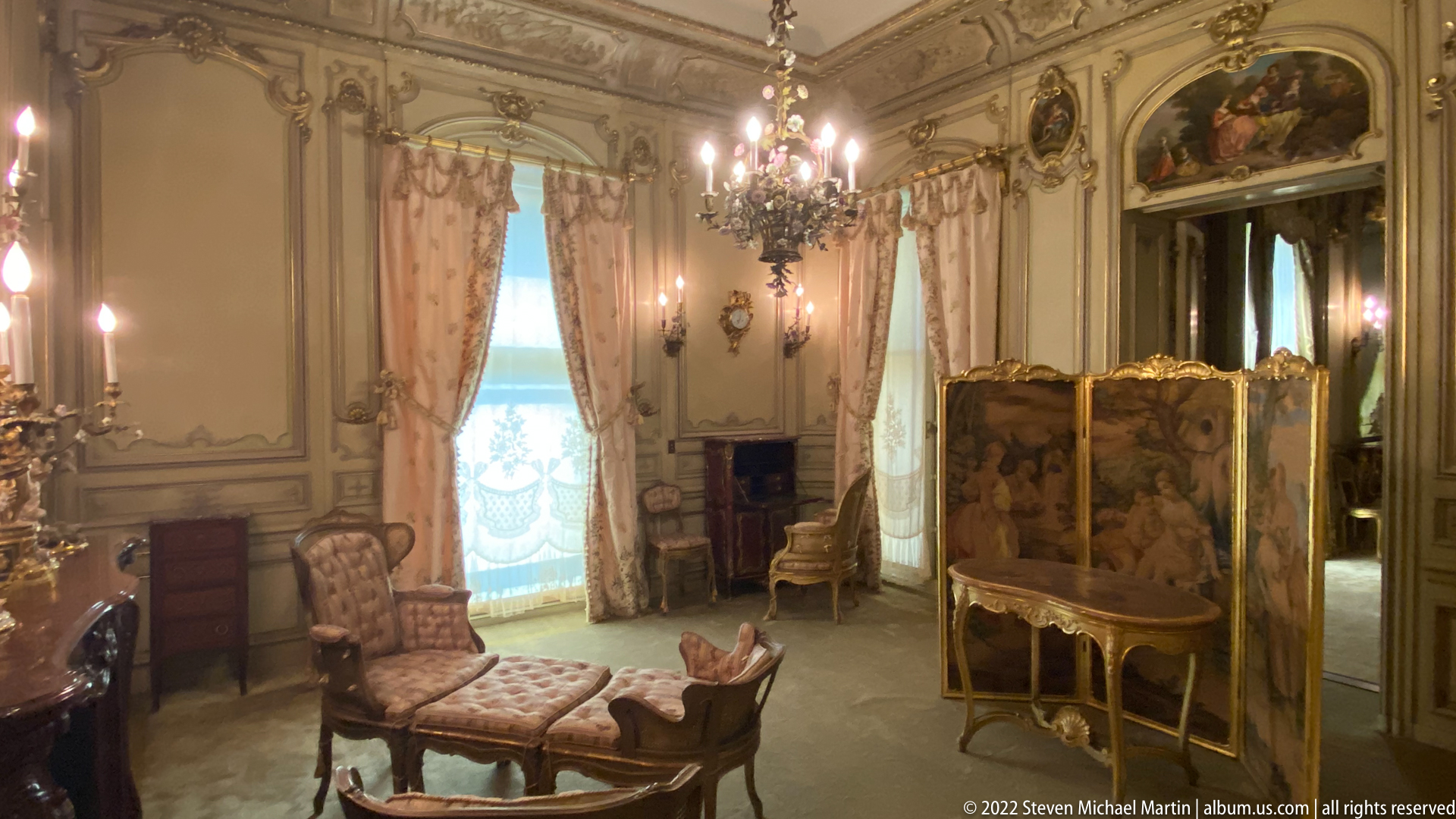
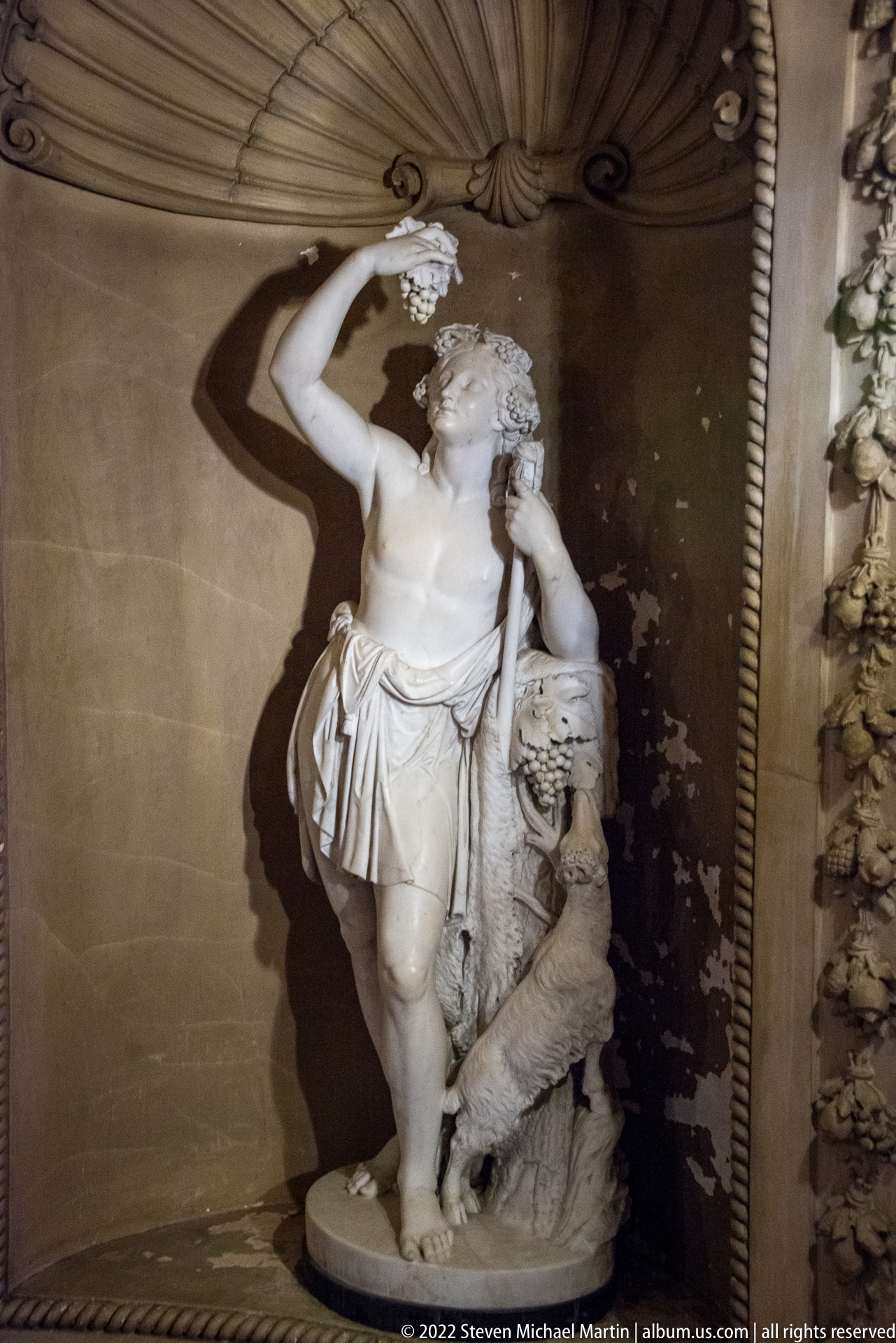
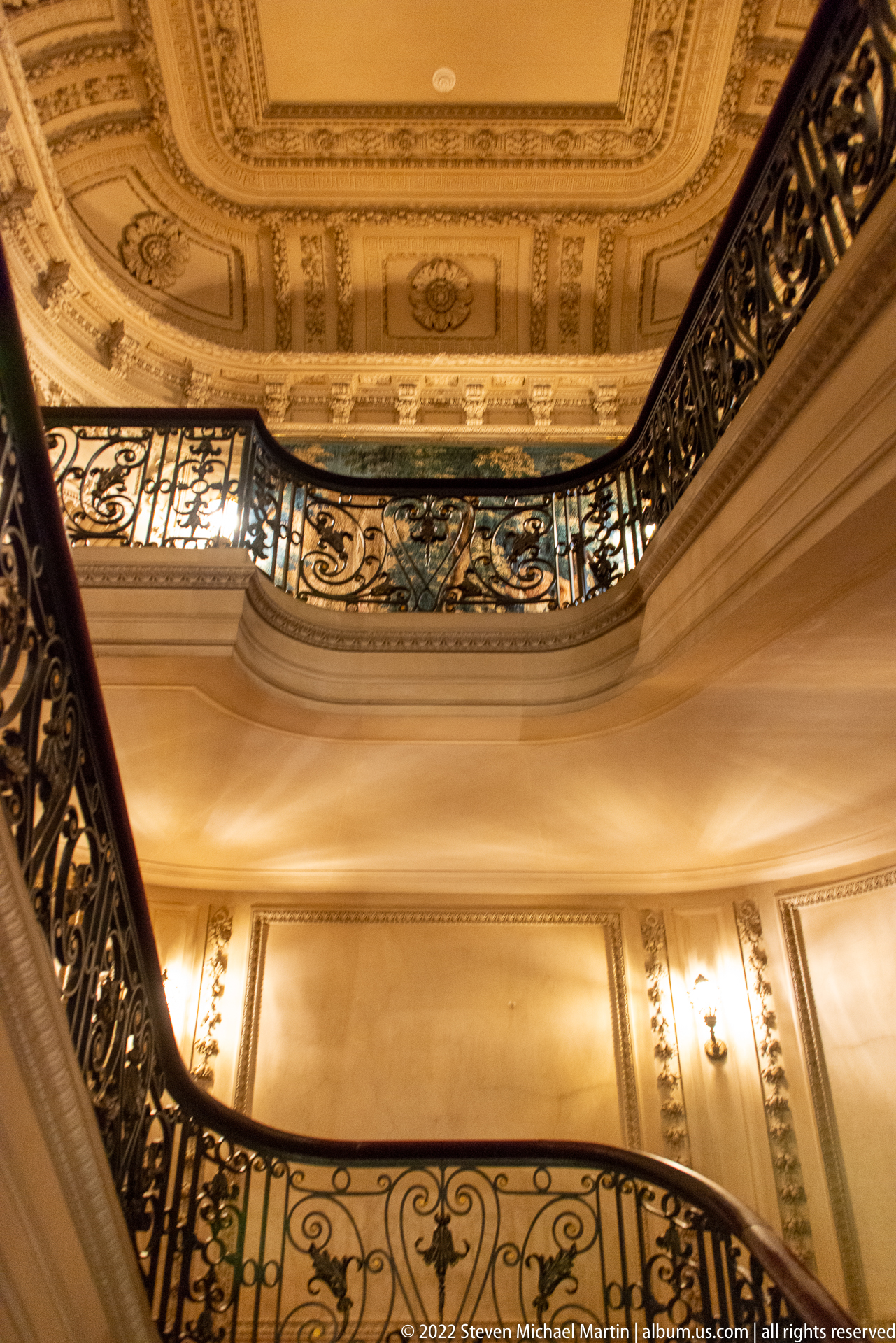
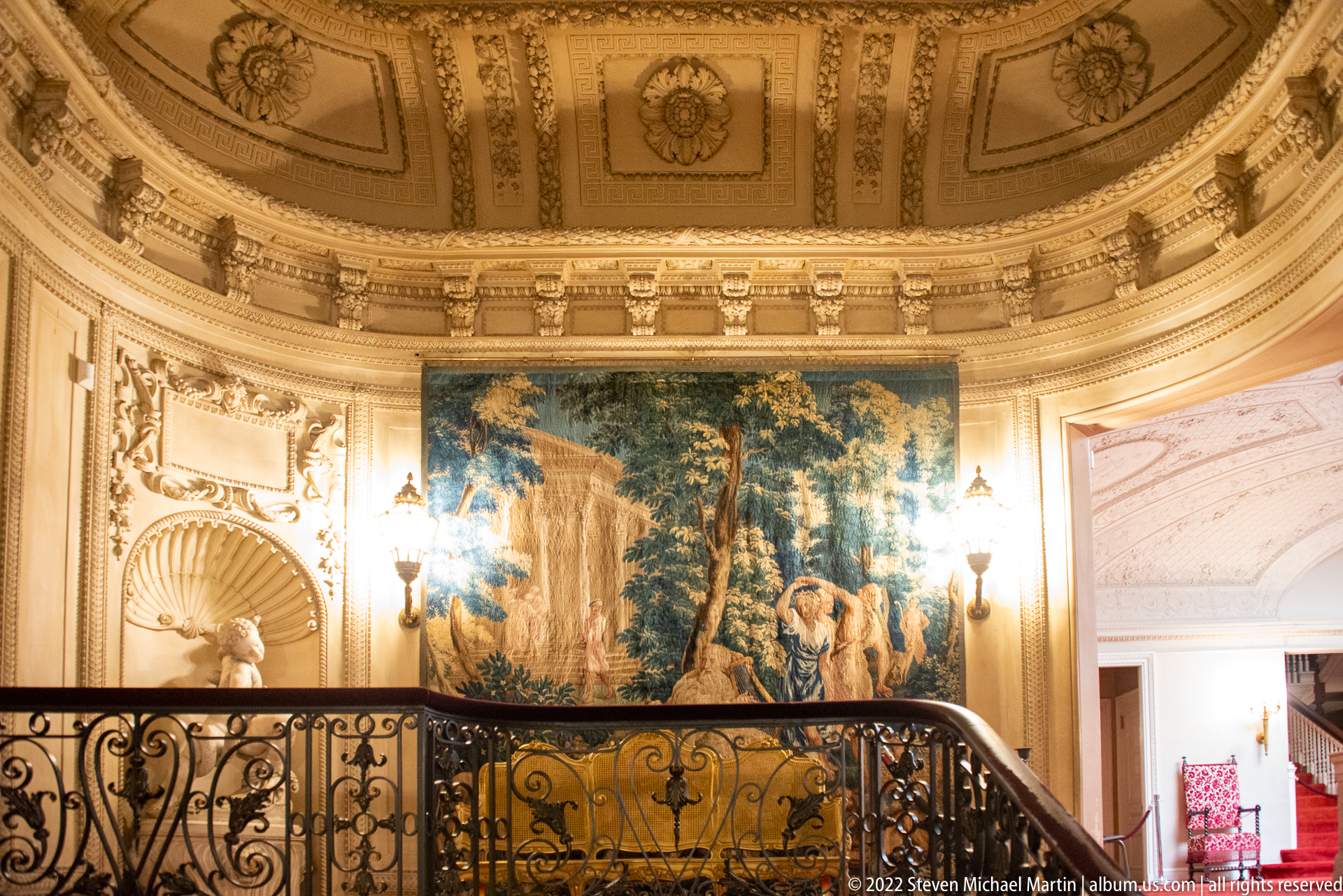
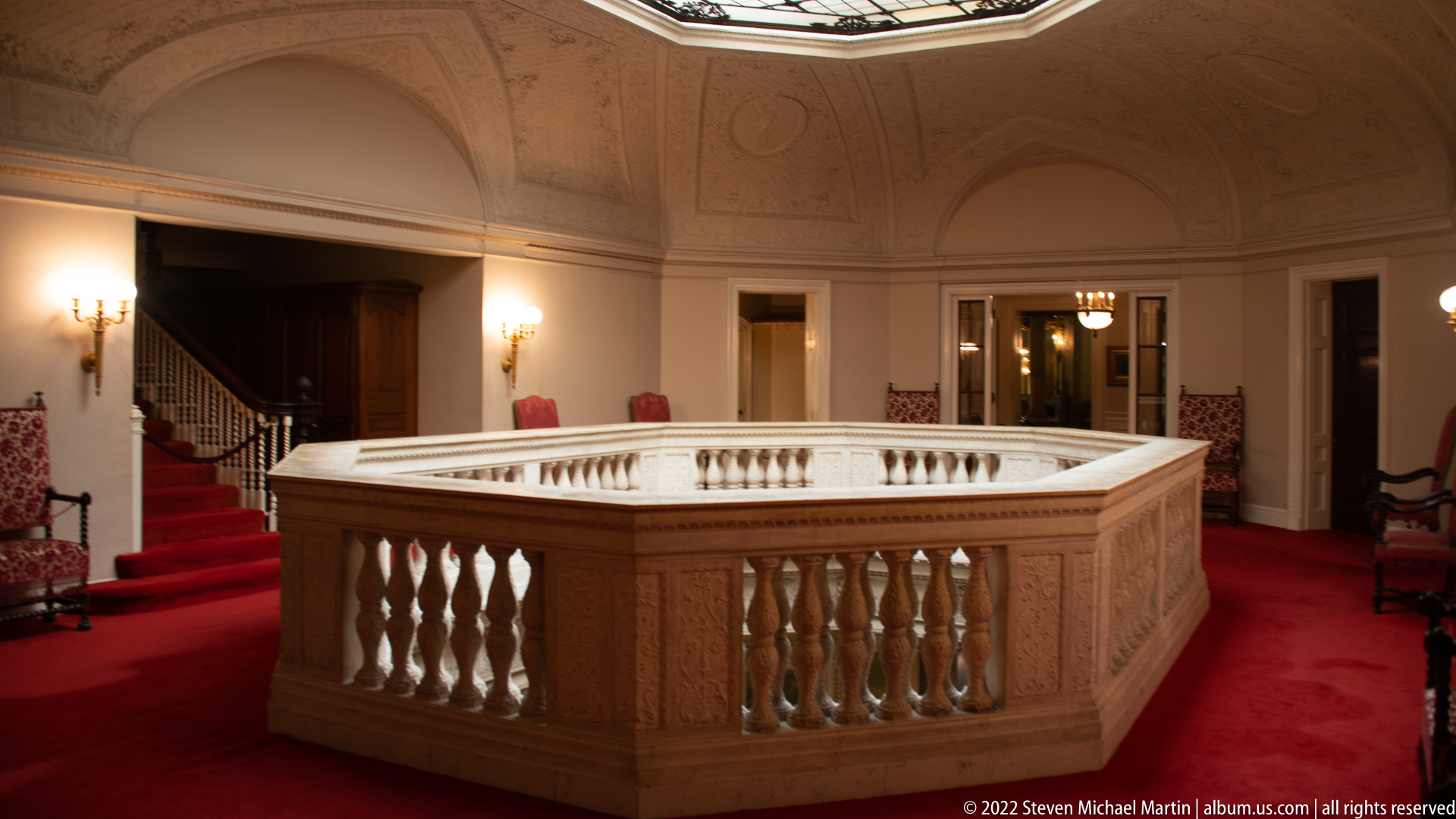
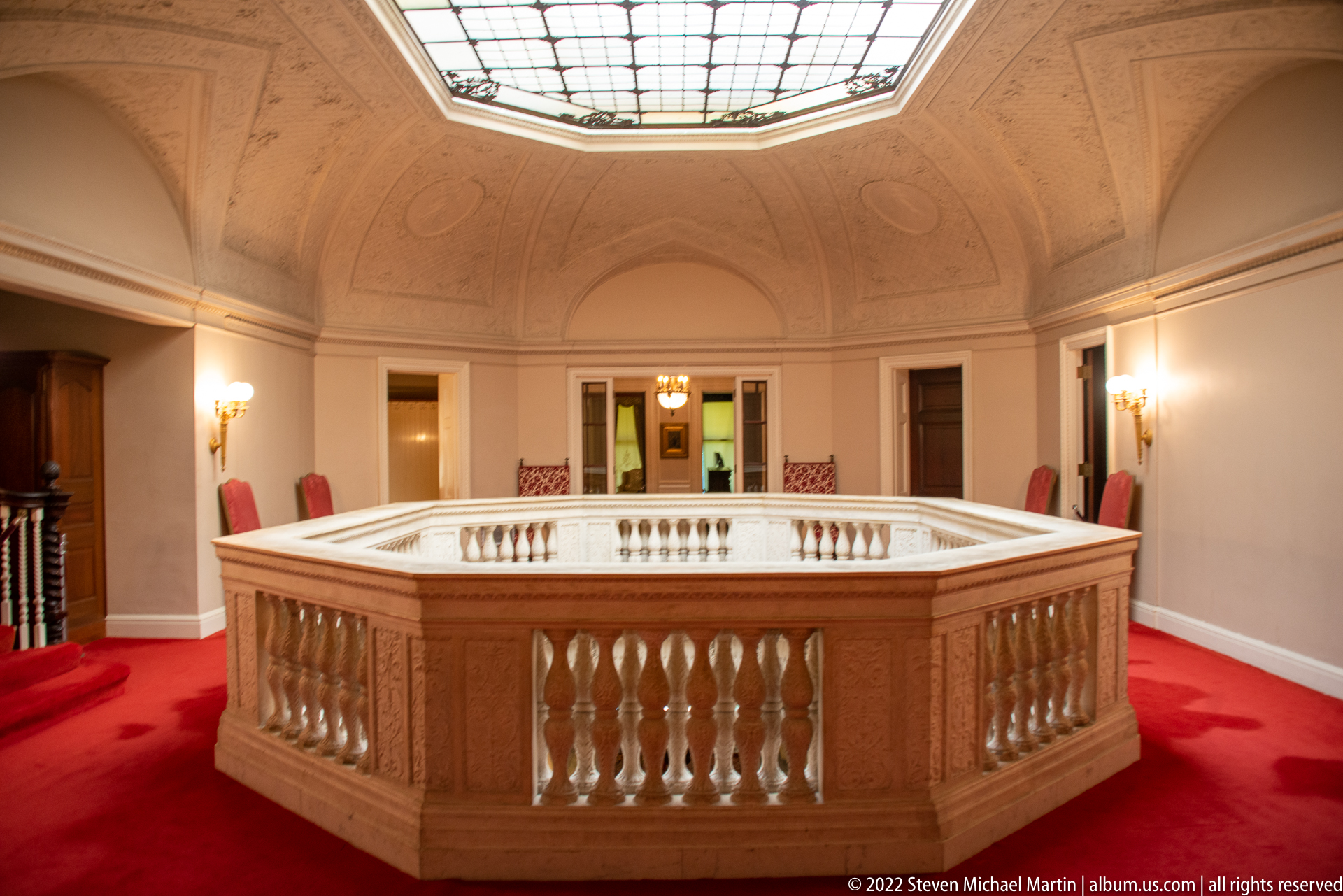
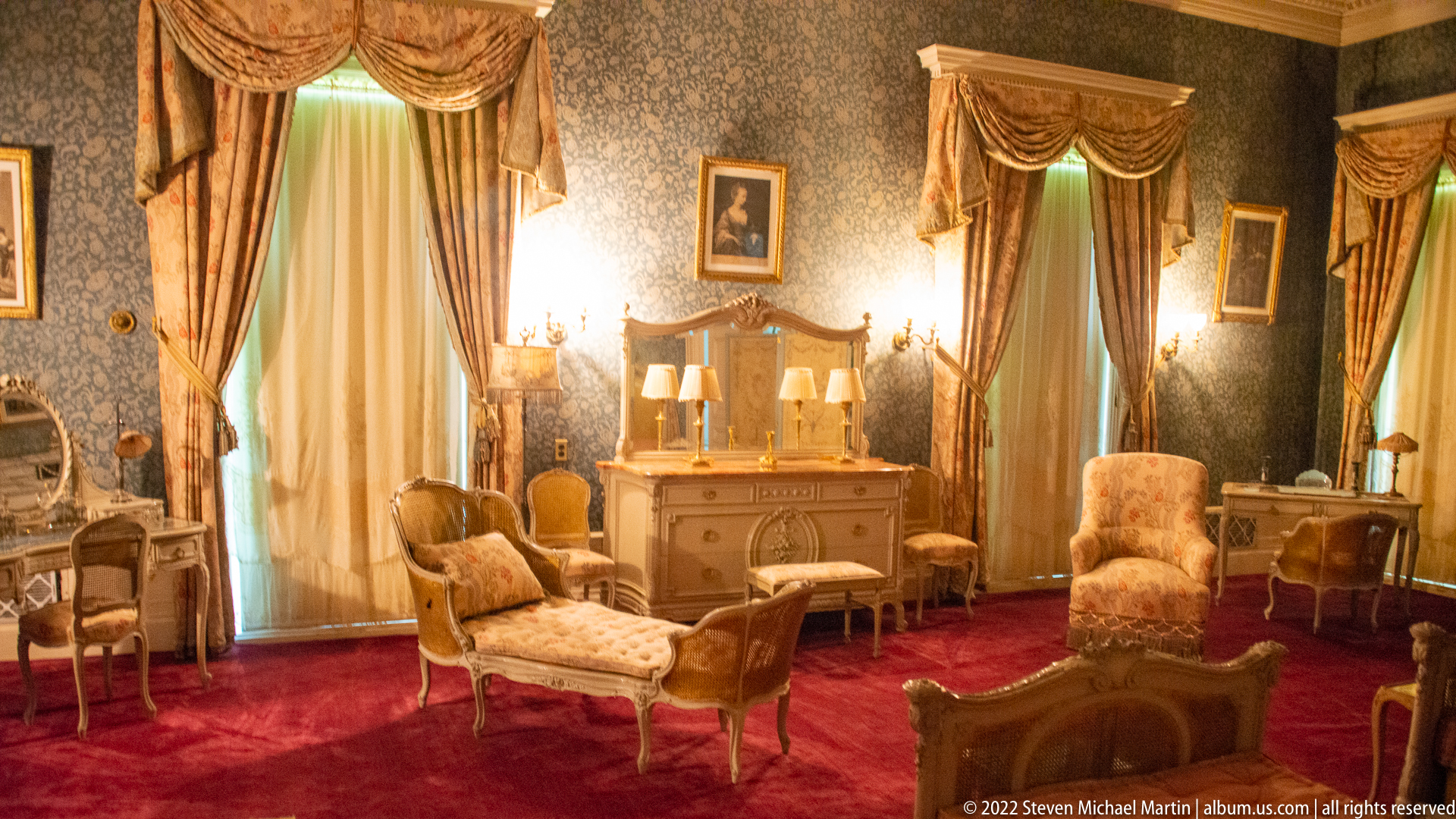
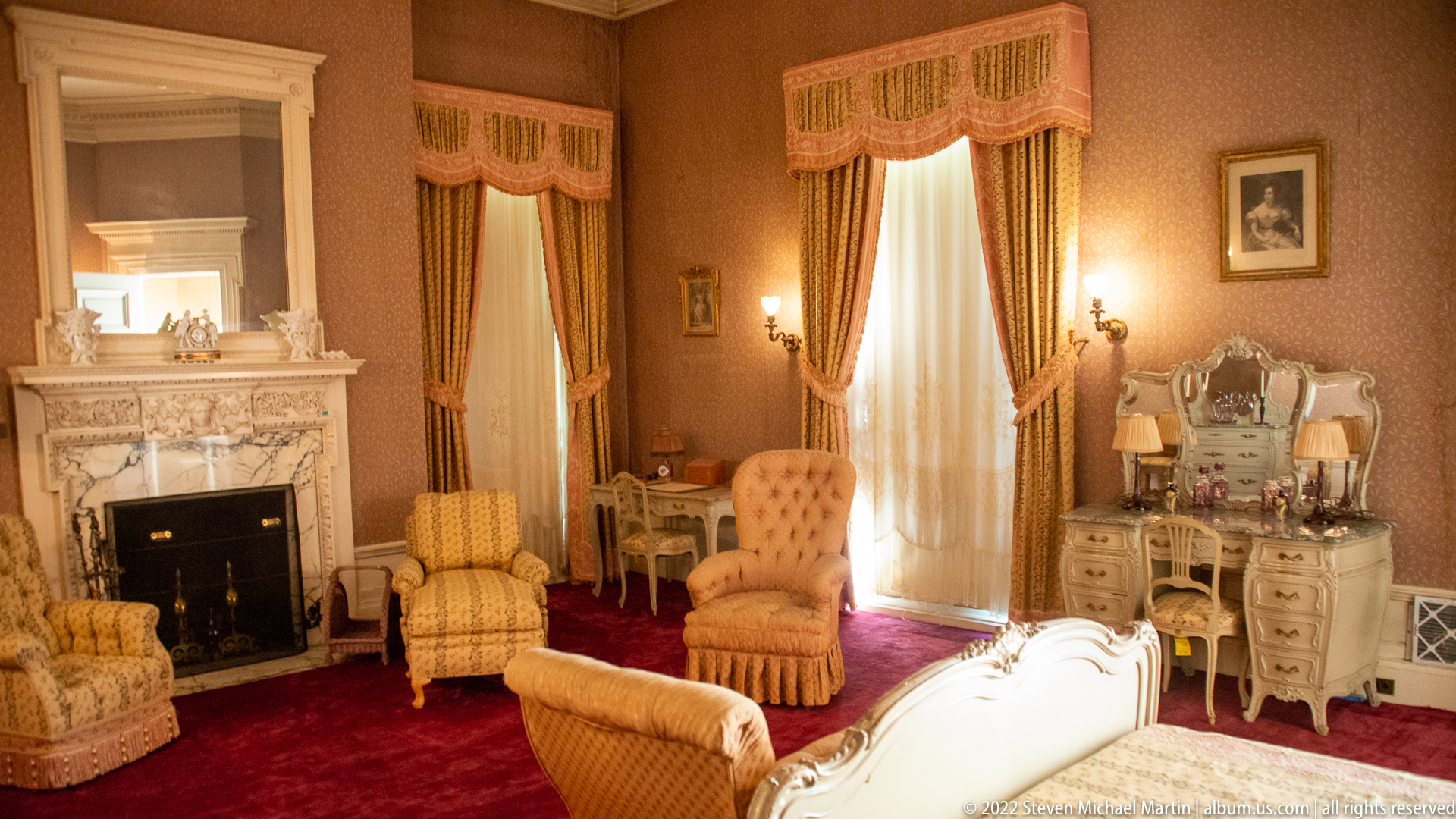
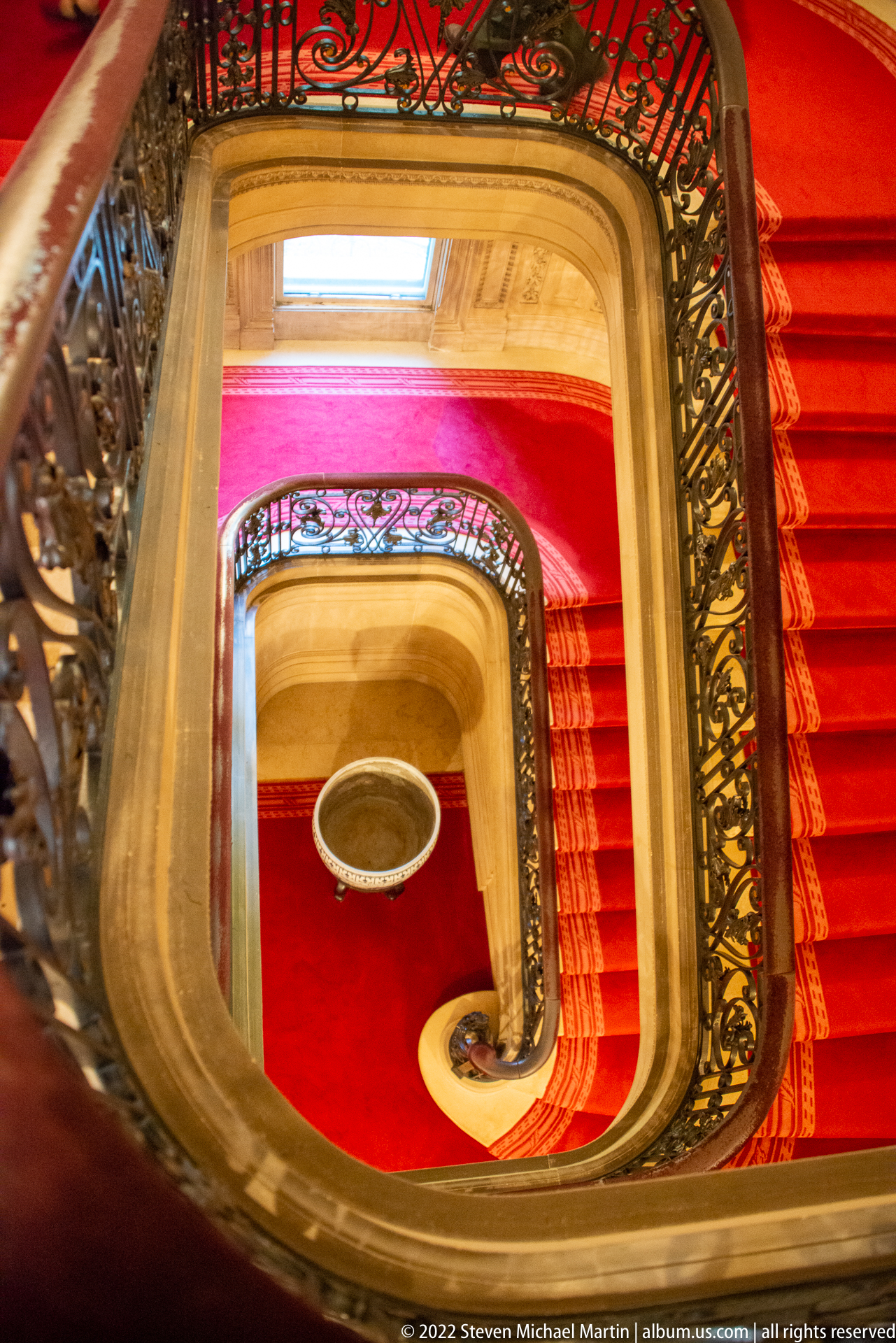
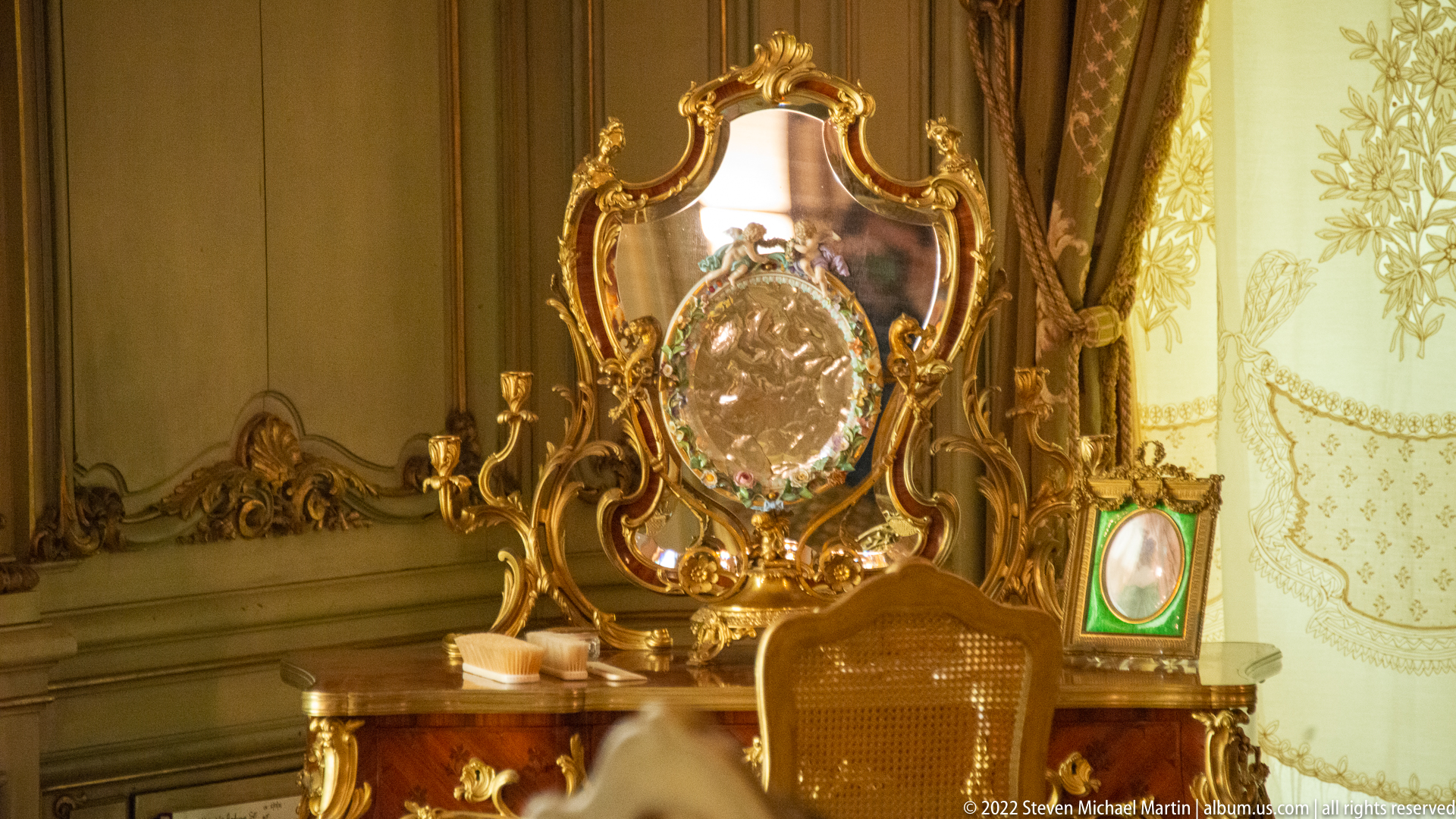
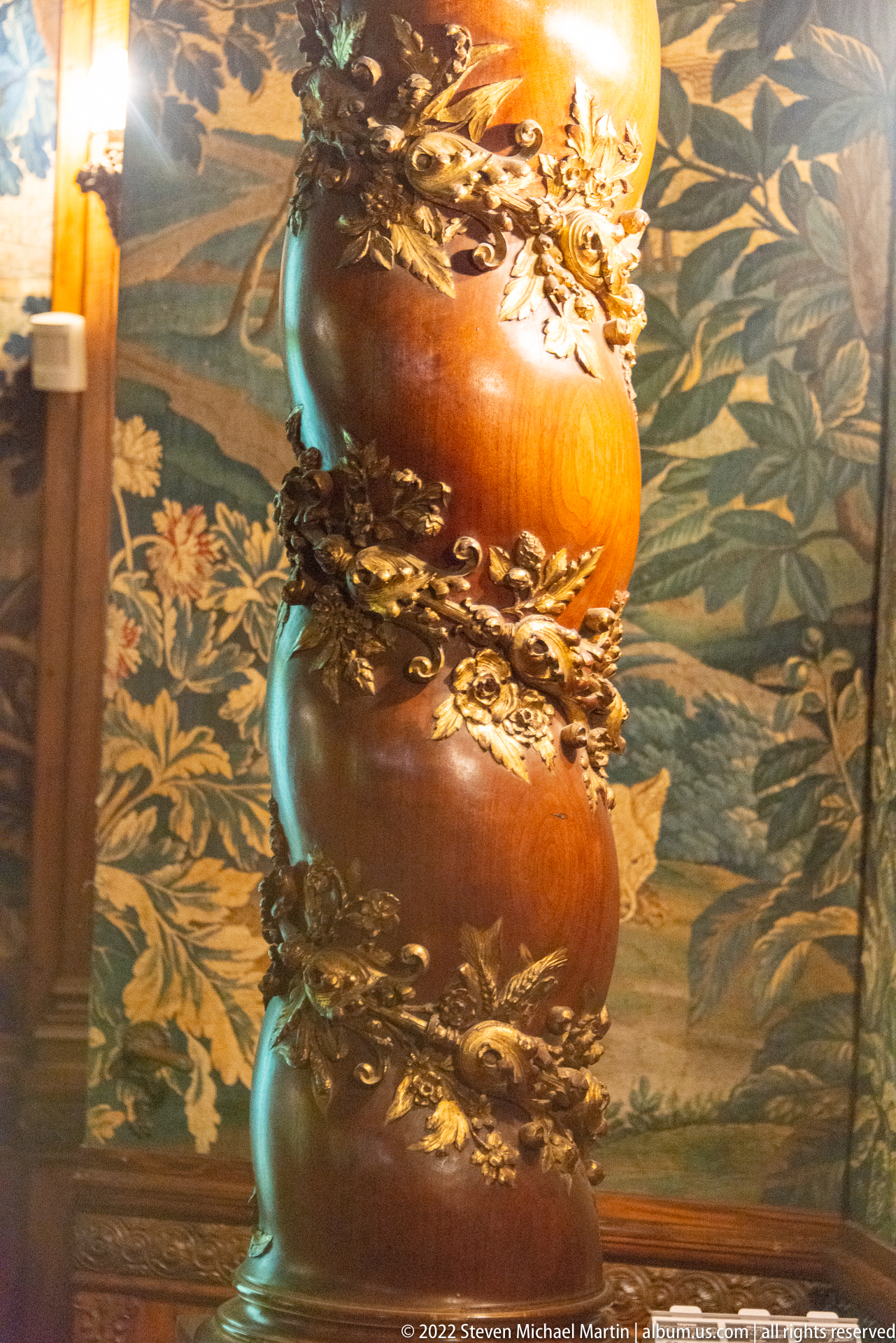
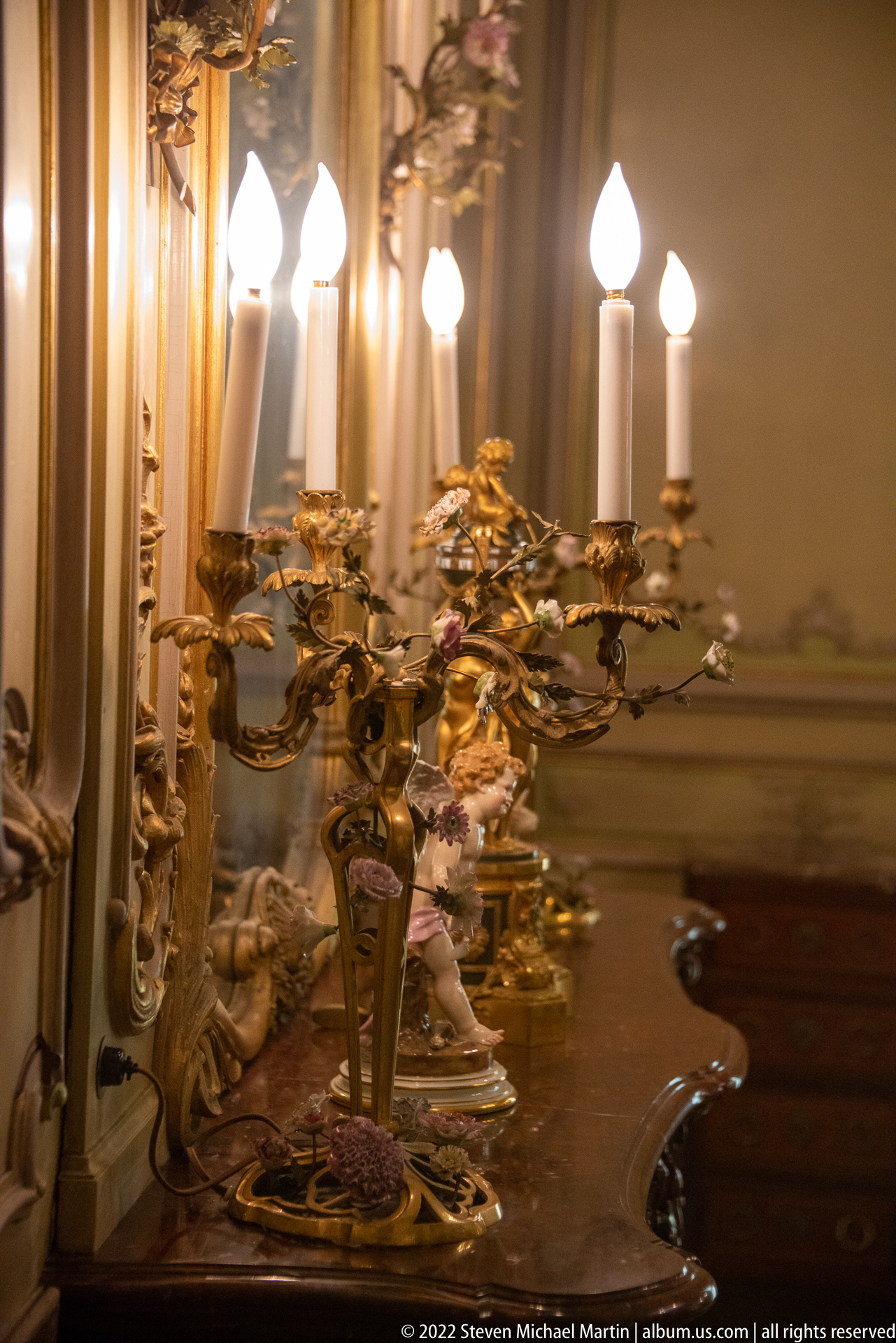
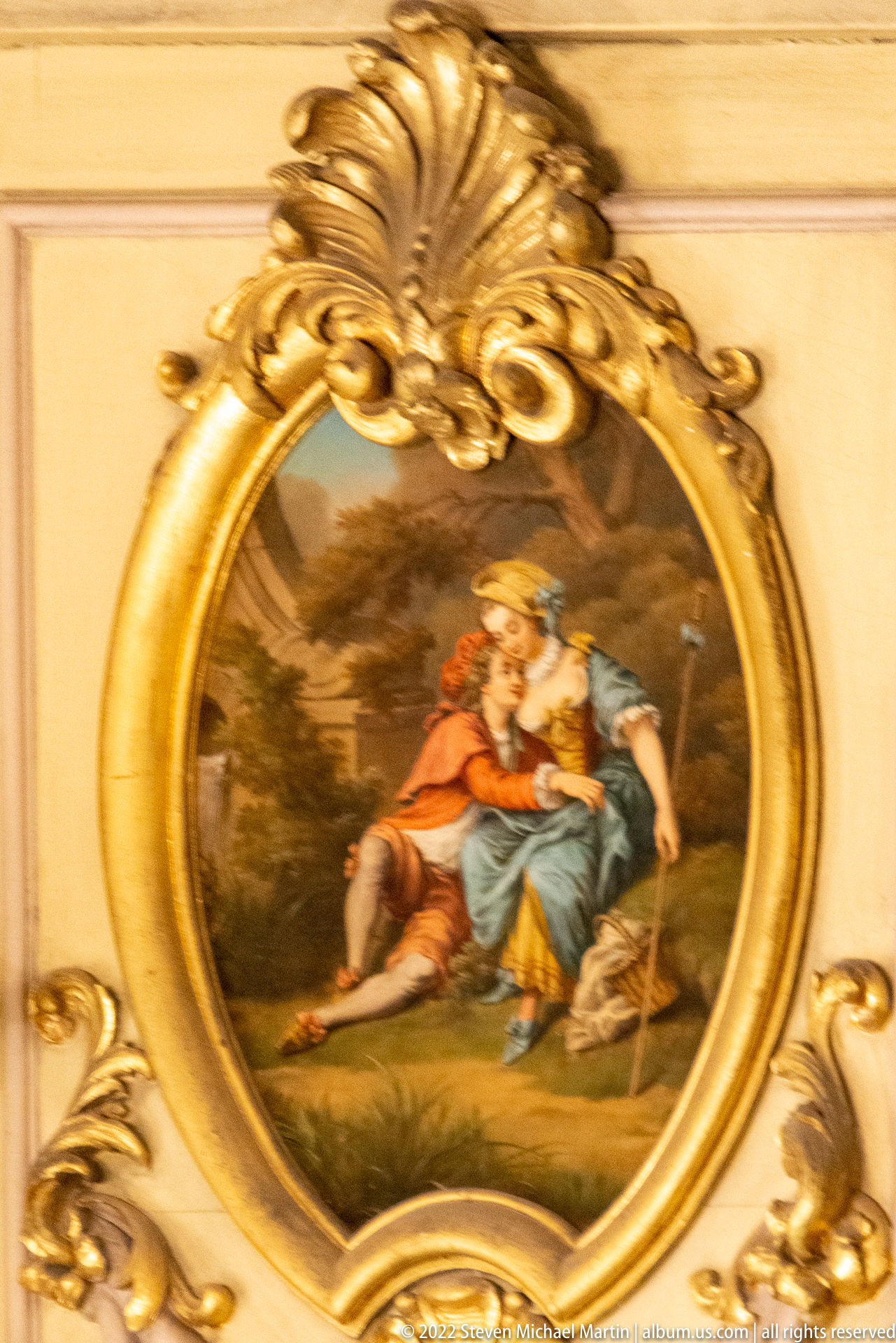
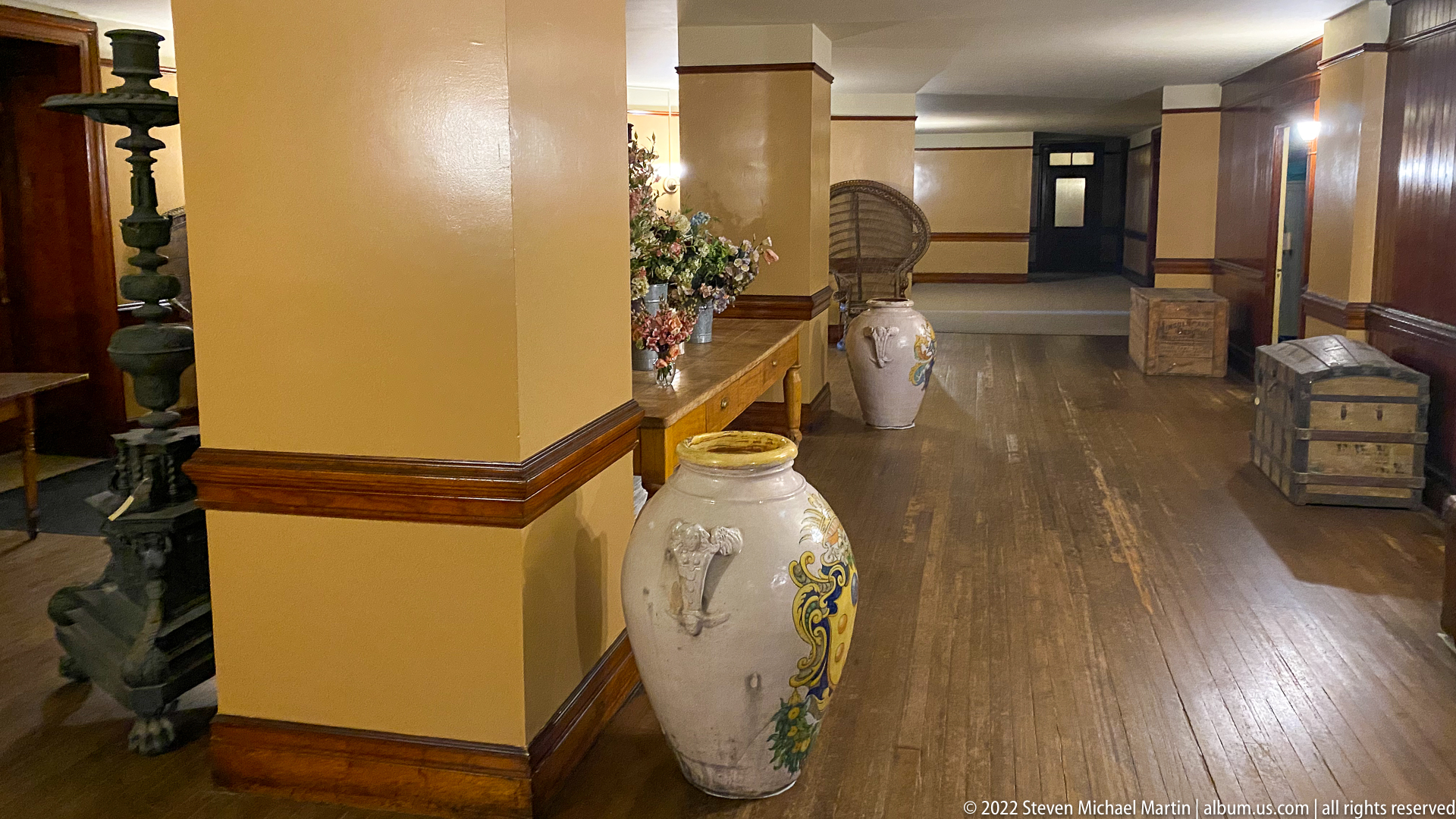
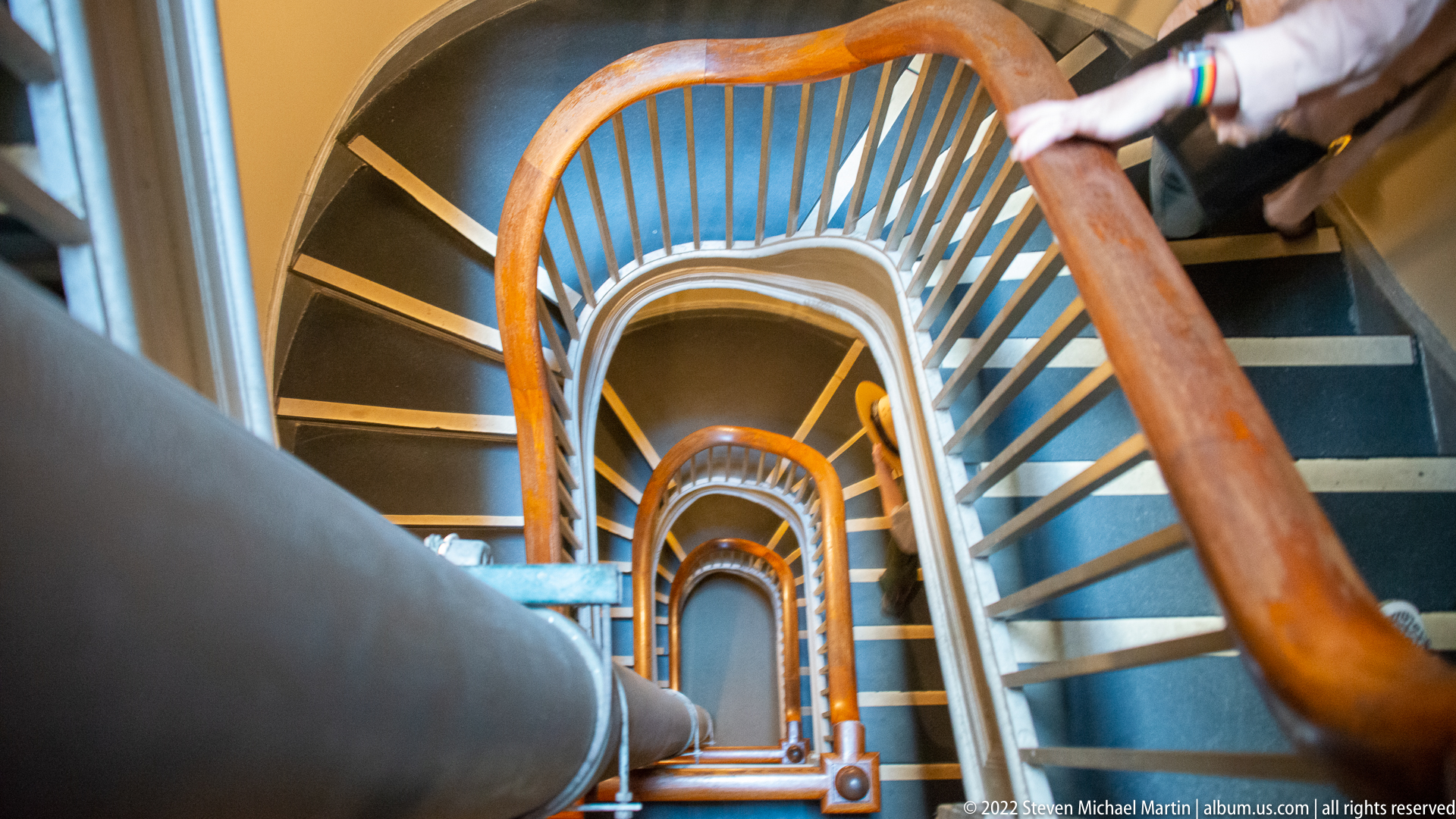
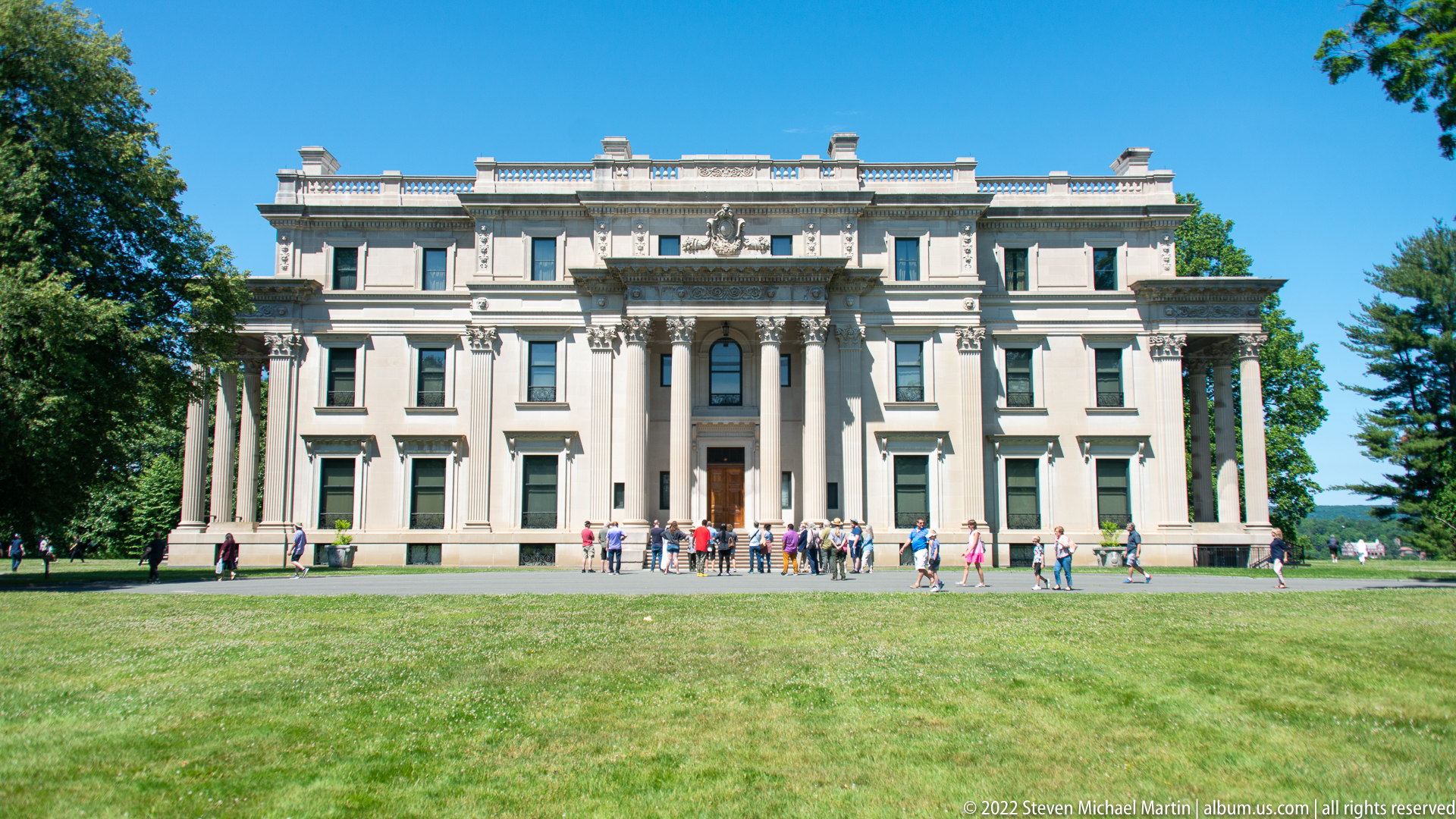
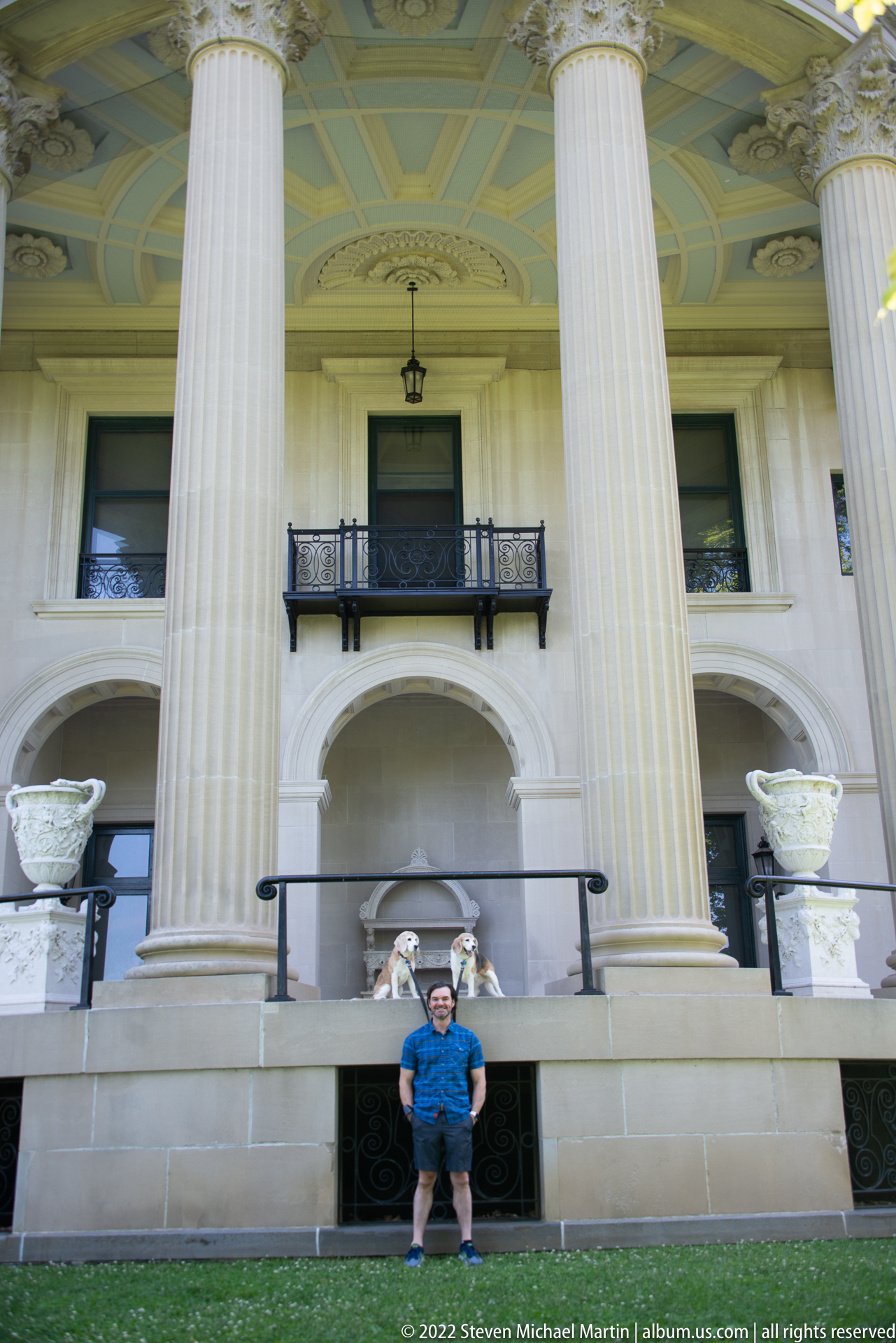
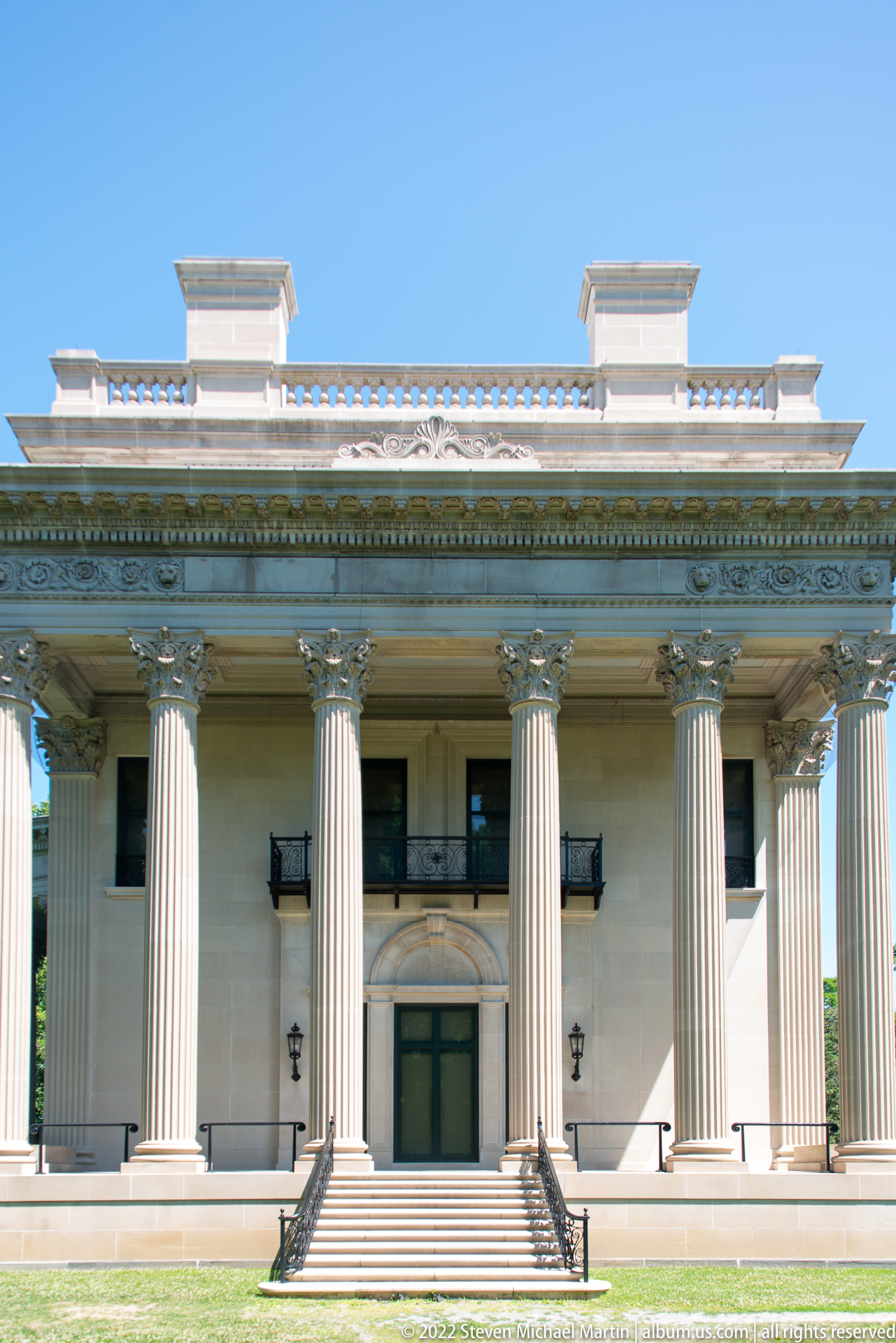
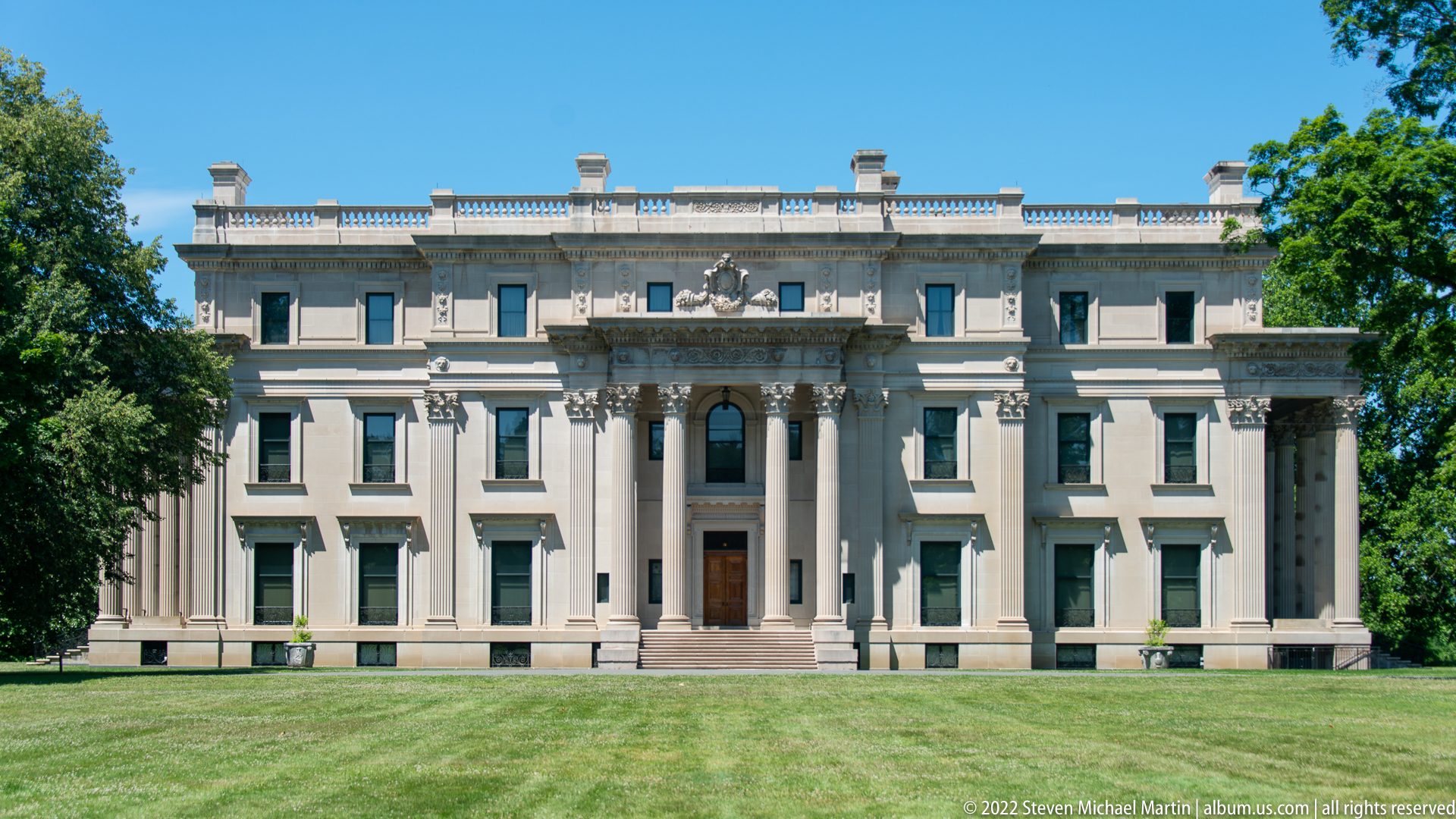
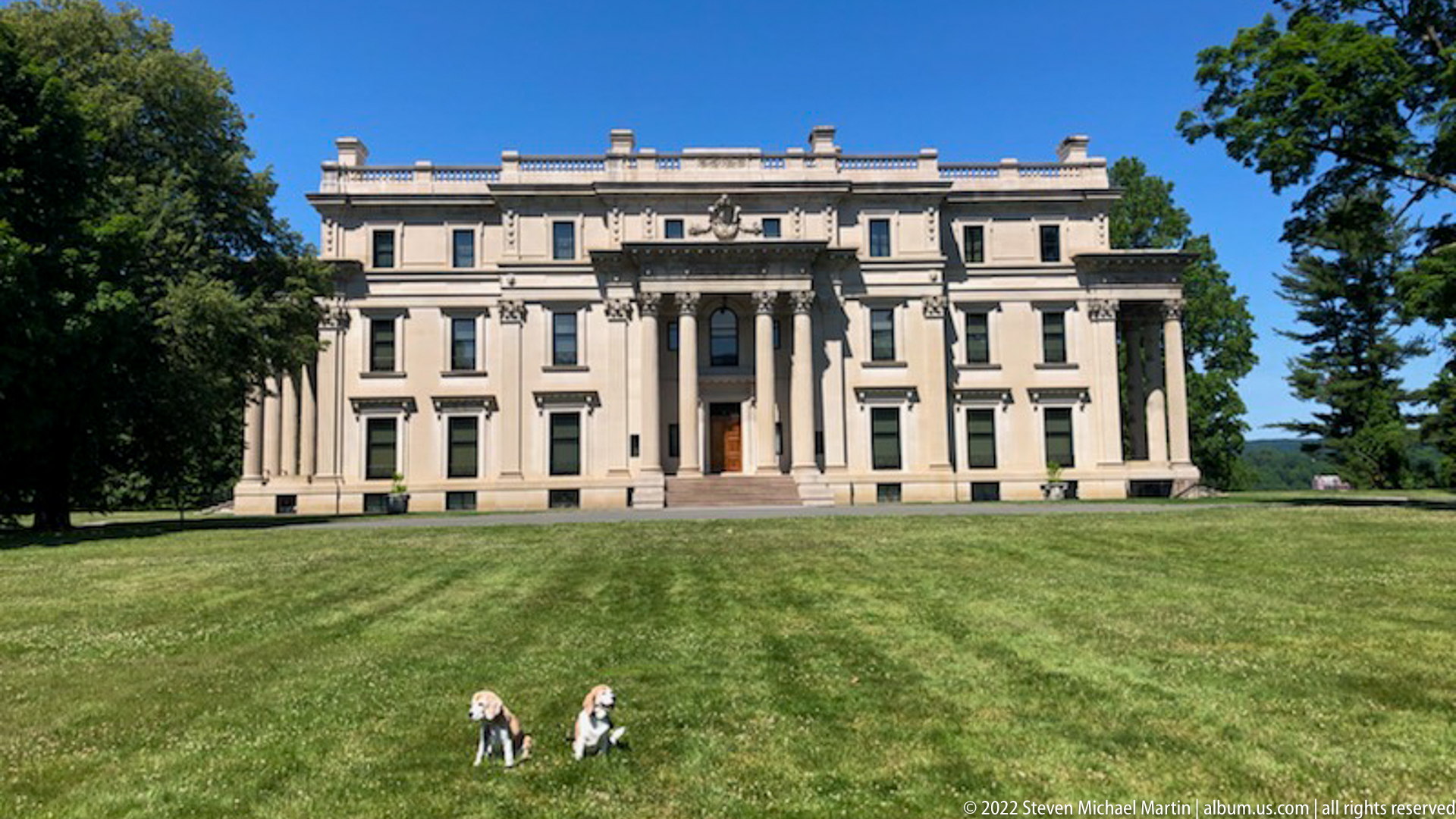
Vanderbilt Mansion National Historic Site preserves one of the most refined examples of Gilded Age architecture in the Hudson River Valley. Built between 1896 and 1899 for Frederick William Vanderbilt, grandson of railroad and shipping magnate Cornelius Vanderbilt, the estate reflects the concentration of wealth and cultural ambition associated with the American Renaissance. Designed by the prominent architectural firm McKim, Mead & White, the 54-room mansion combines Beaux-Arts design with interior decoration influenced by European artistic traditions.
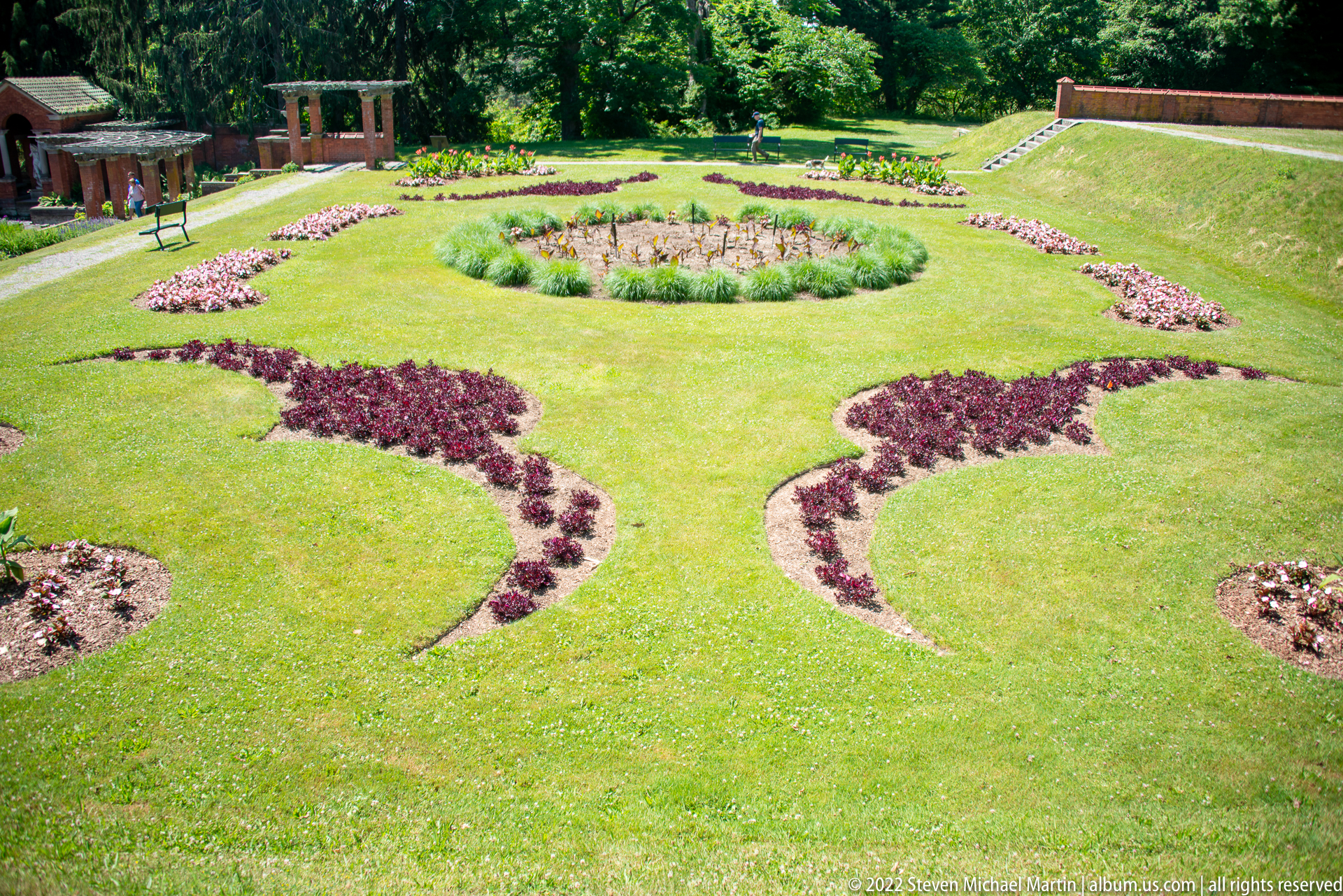
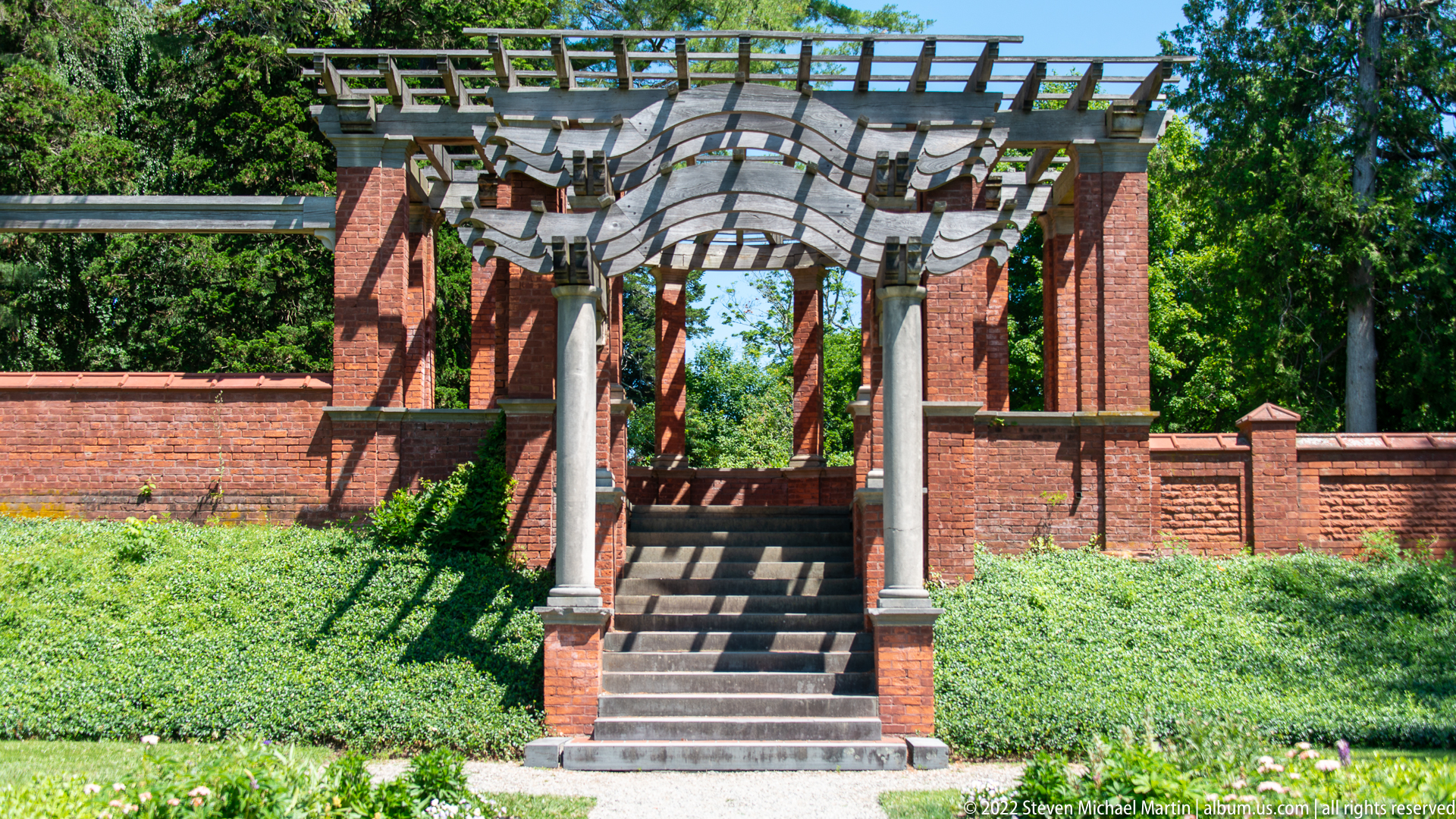
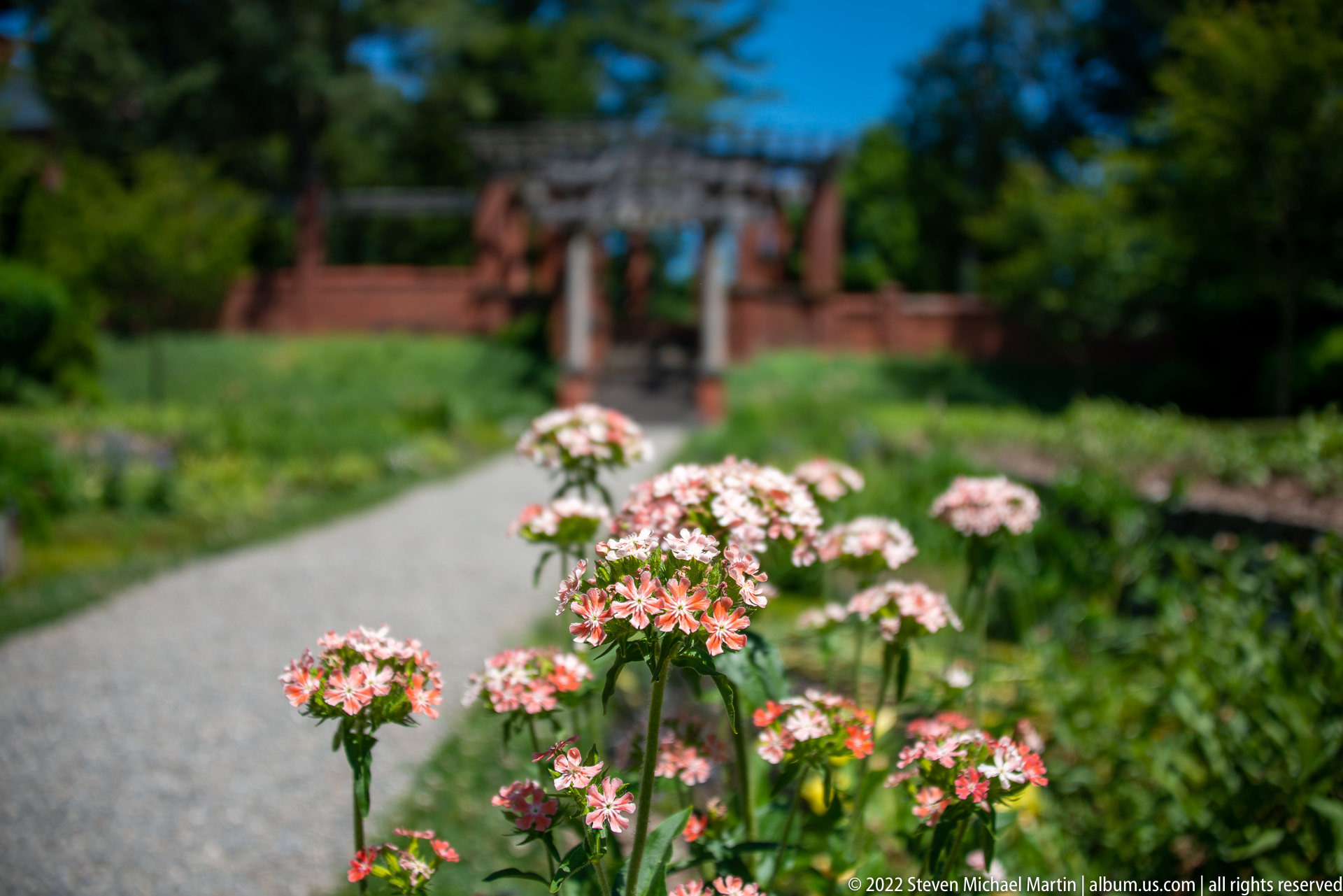
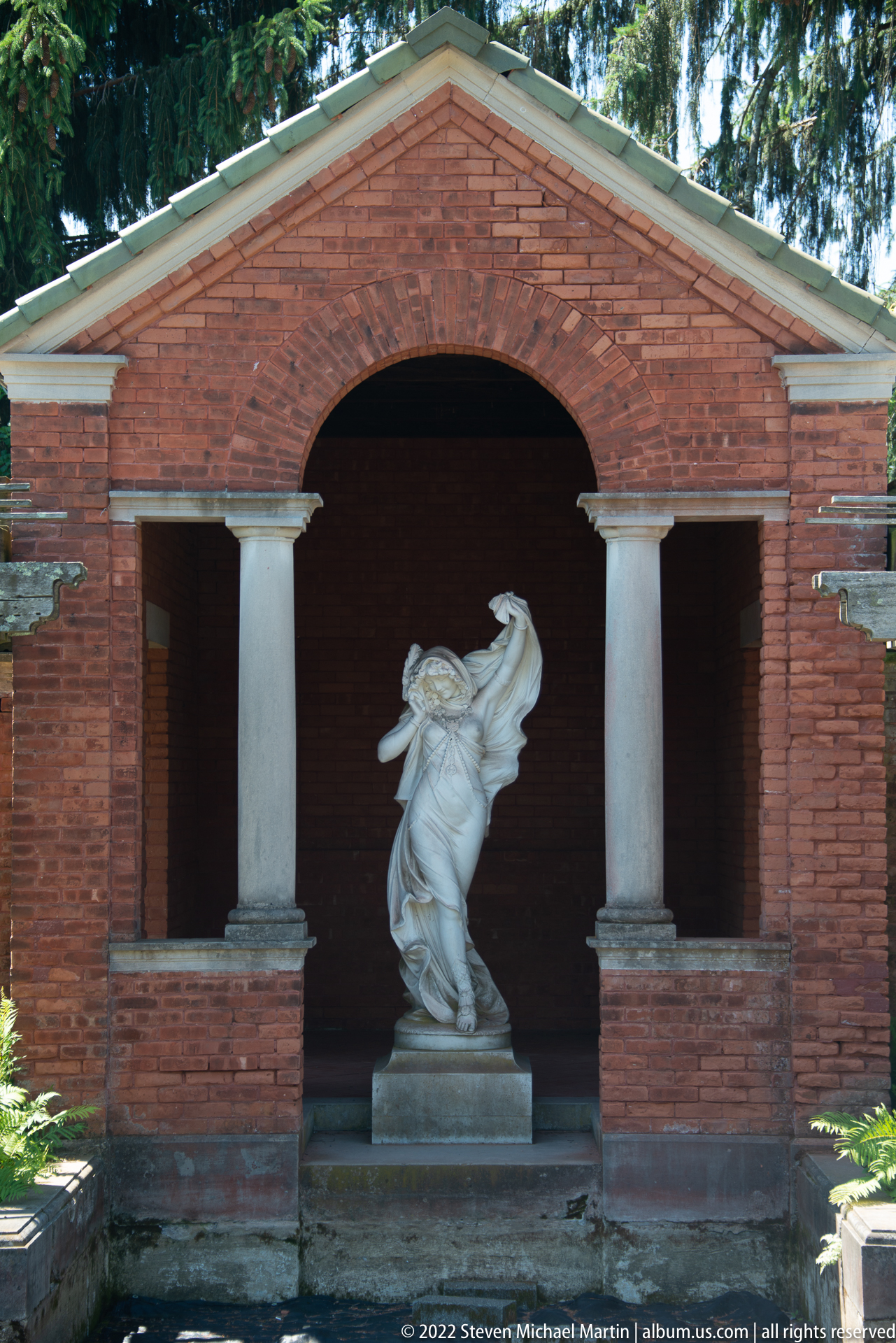
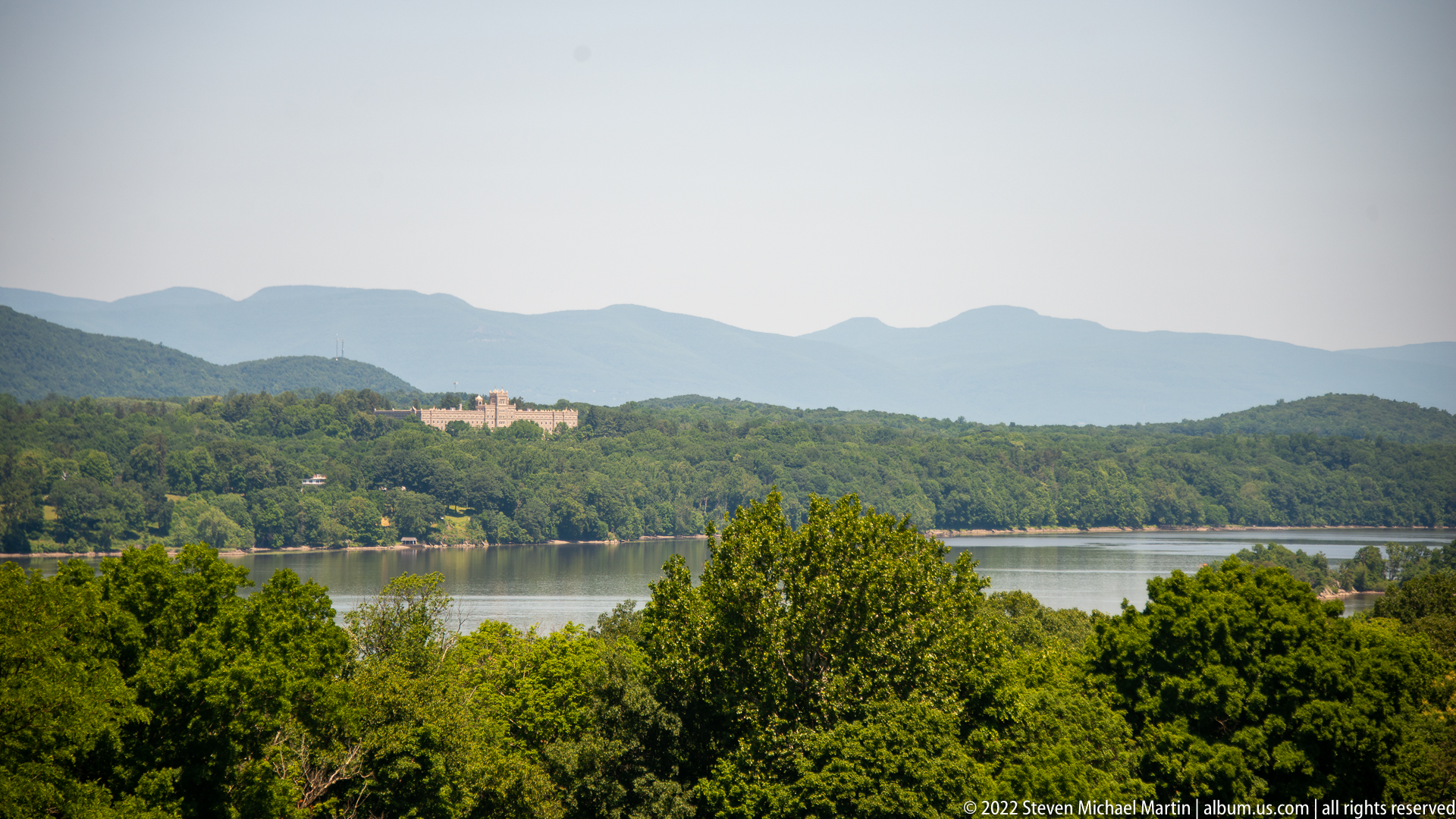
The estate occupies a bluff overlooking the Hudson River, where formal gardens, open lawns, and wooded areas create a carefully composed landscape characteristic of late nineteenth-century country estates. The property formed part of a network of Hudson River estates that reflected the influence of European design traditions adapted to American settings. The architectural composition demonstrates how wealthy families expressed cultural aspiration through architecture, landscape design, and collecting traditions.
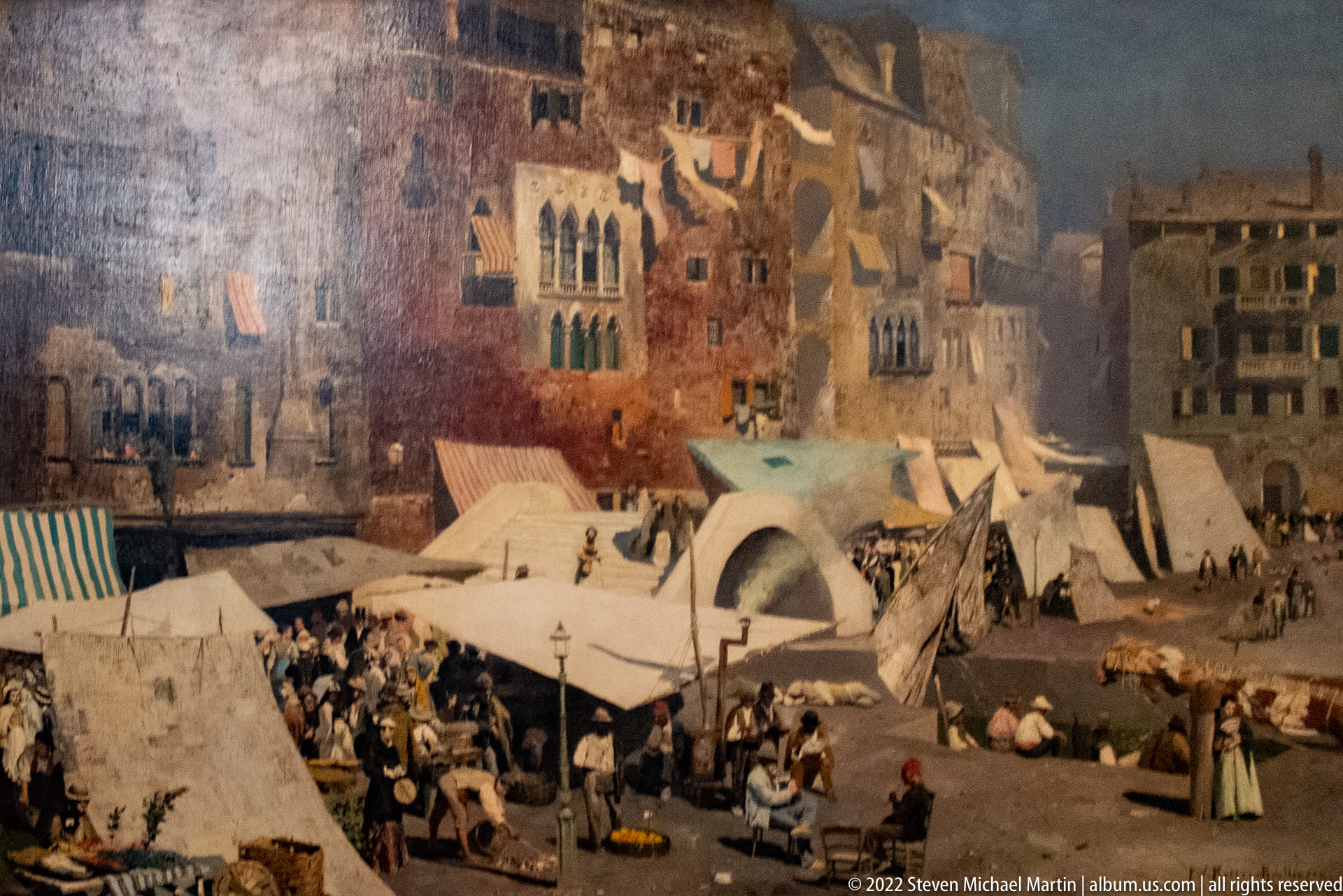
Vanderbilt Mansion contributes to understanding how industrial wealth shaped architectural patronage and cultural life in the United States during the late nineteenth century. The preserved estate reflects broader patterns of social change associated with industrialization and economic expansion. Its location within the Hudson River Valley connects the site to a larger regional tradition of landscape appreciation that influenced American art and design.