Lower East Side
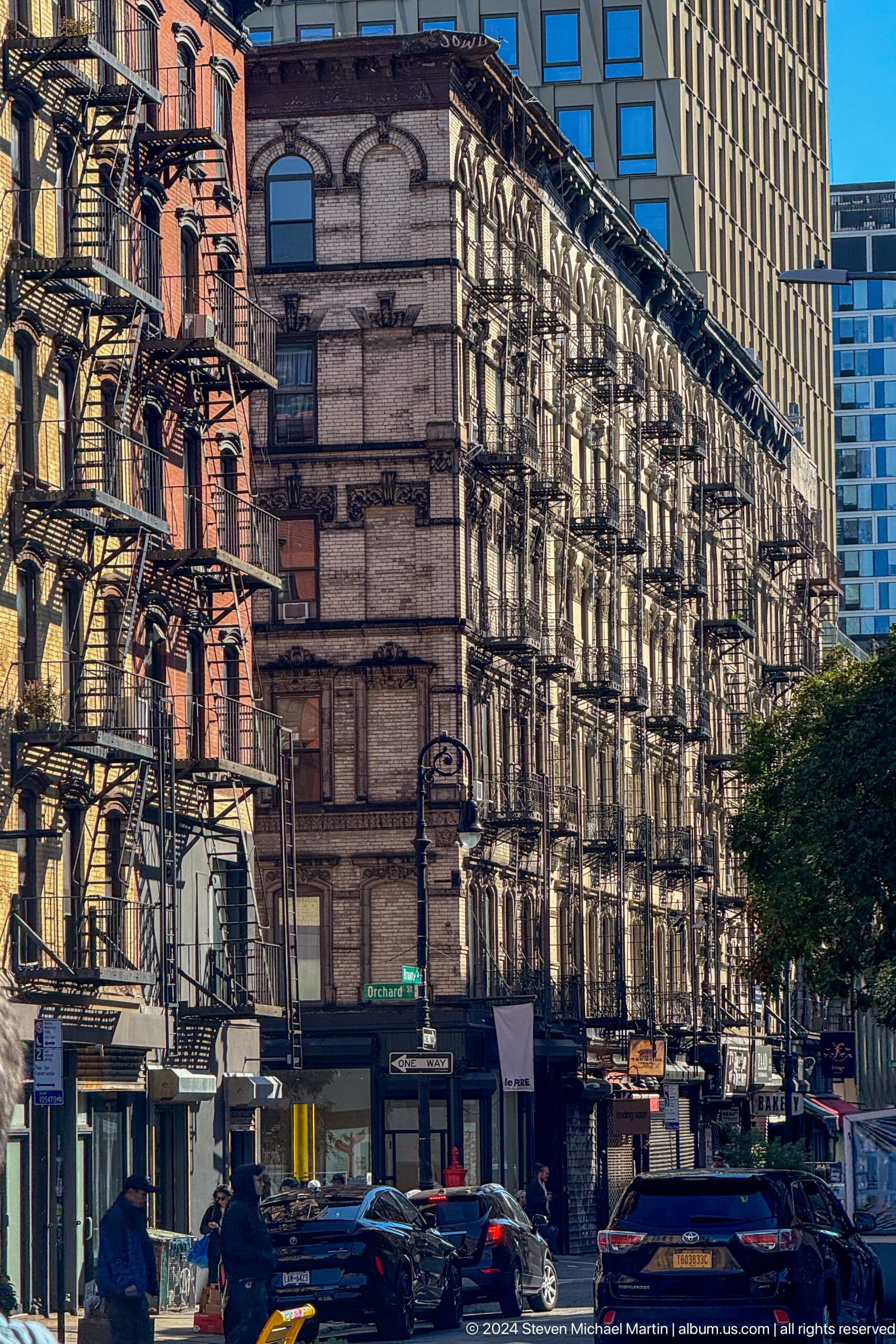
The Lower East Side developed as one of the most historically significant immigrant neighborhoods in the United States, where successive waves of newcomers shaped the social and cultural identity of New York City. During the nineteenth and early twentieth centuries, large numbers of immigrants from Europe, particularly from Germany, Ireland, Italy, and Eastern Europe, settled in the neighborhood’s densely built tenements. The area became associated with working-class life, small businesses, religious institutions, and cultural traditions that contributed to the broader development of American urban society.
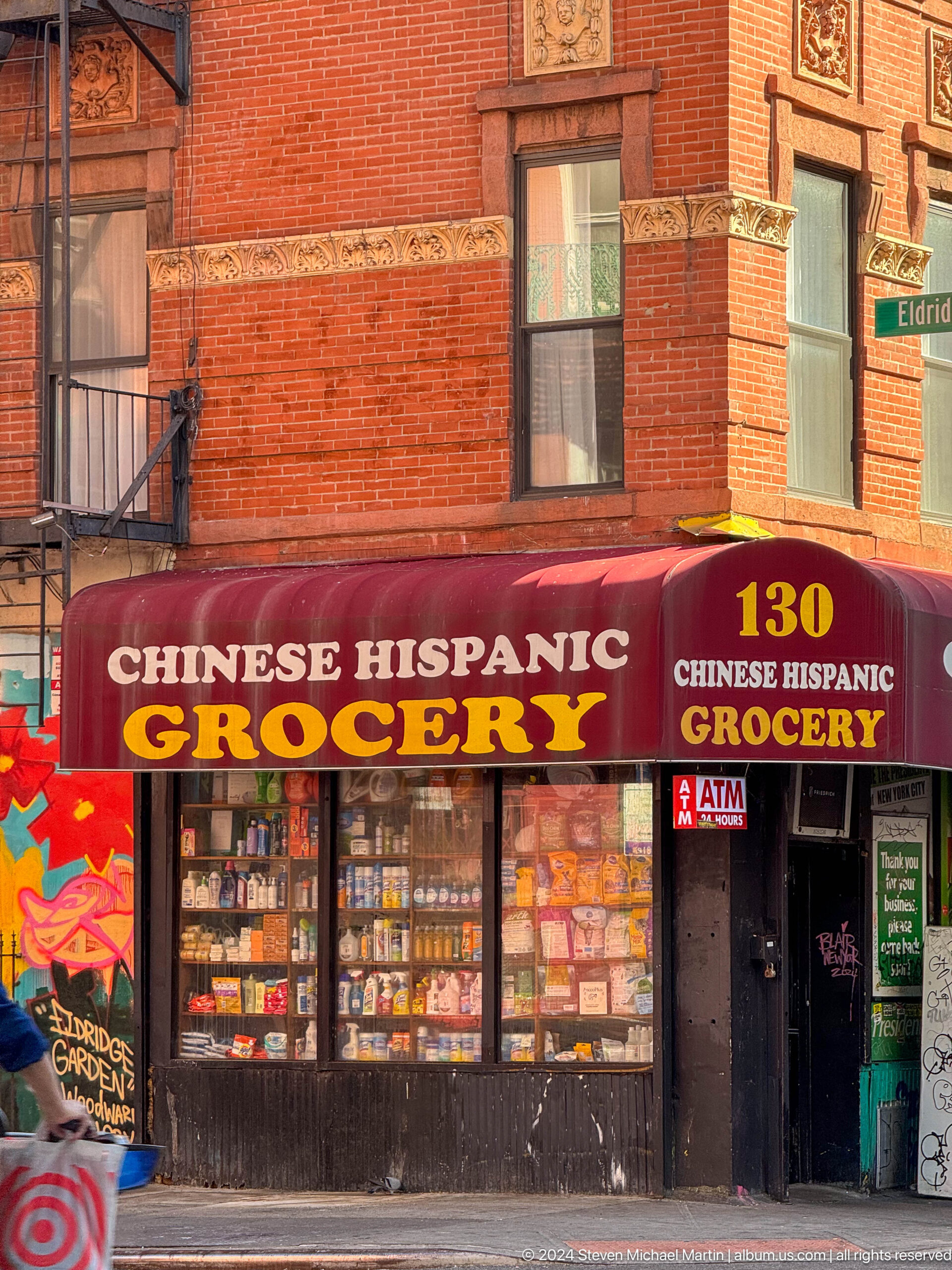
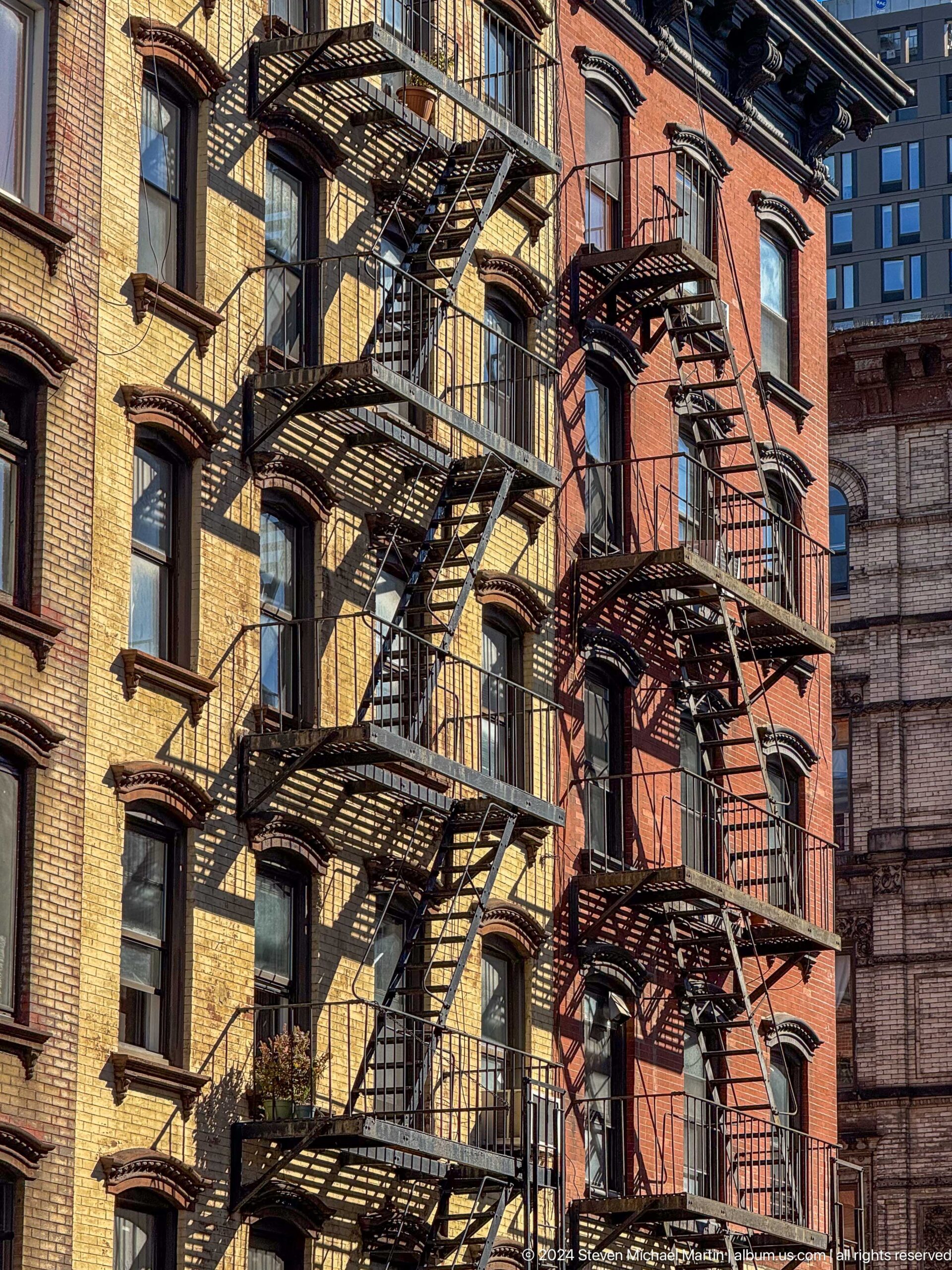
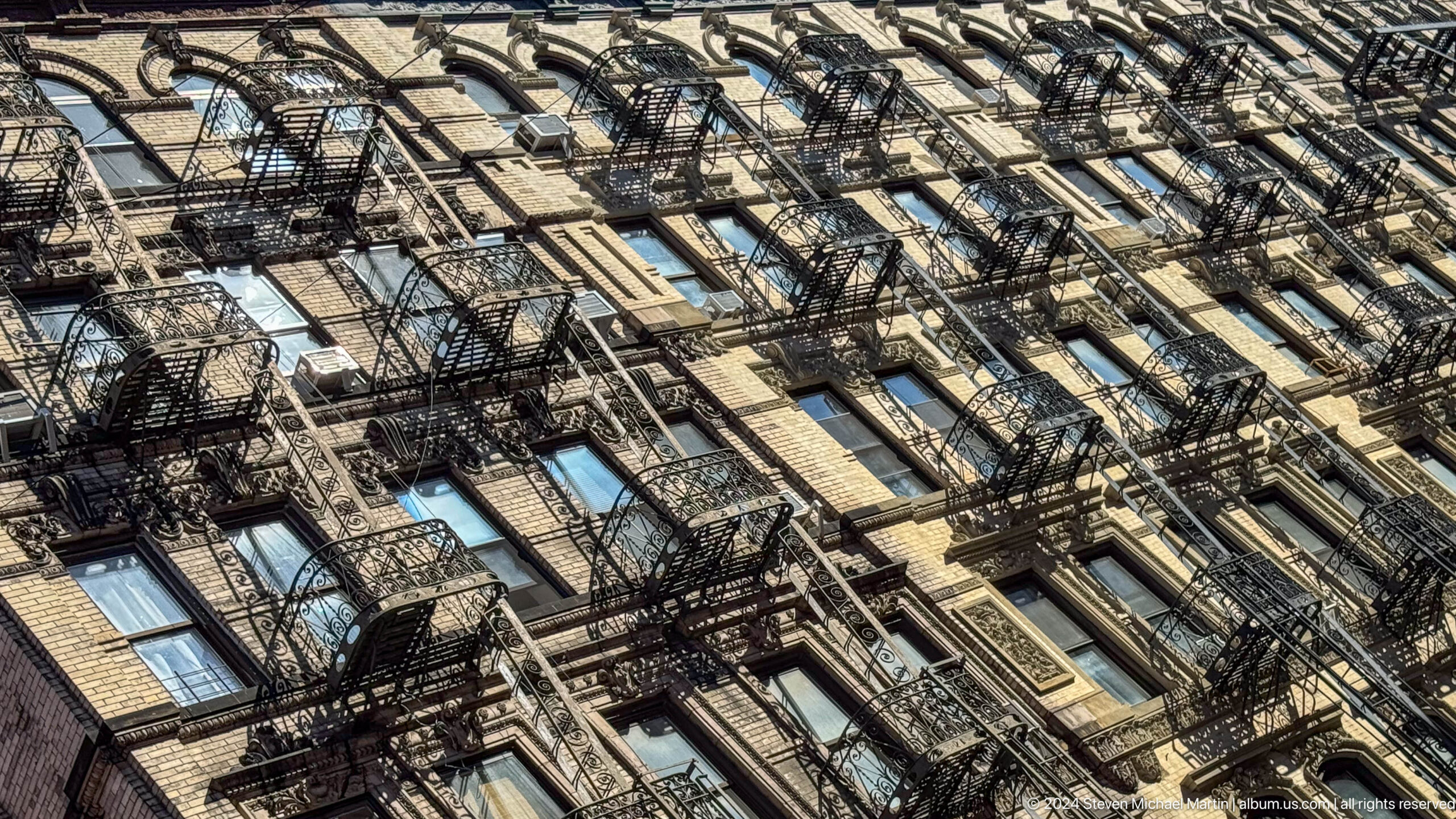
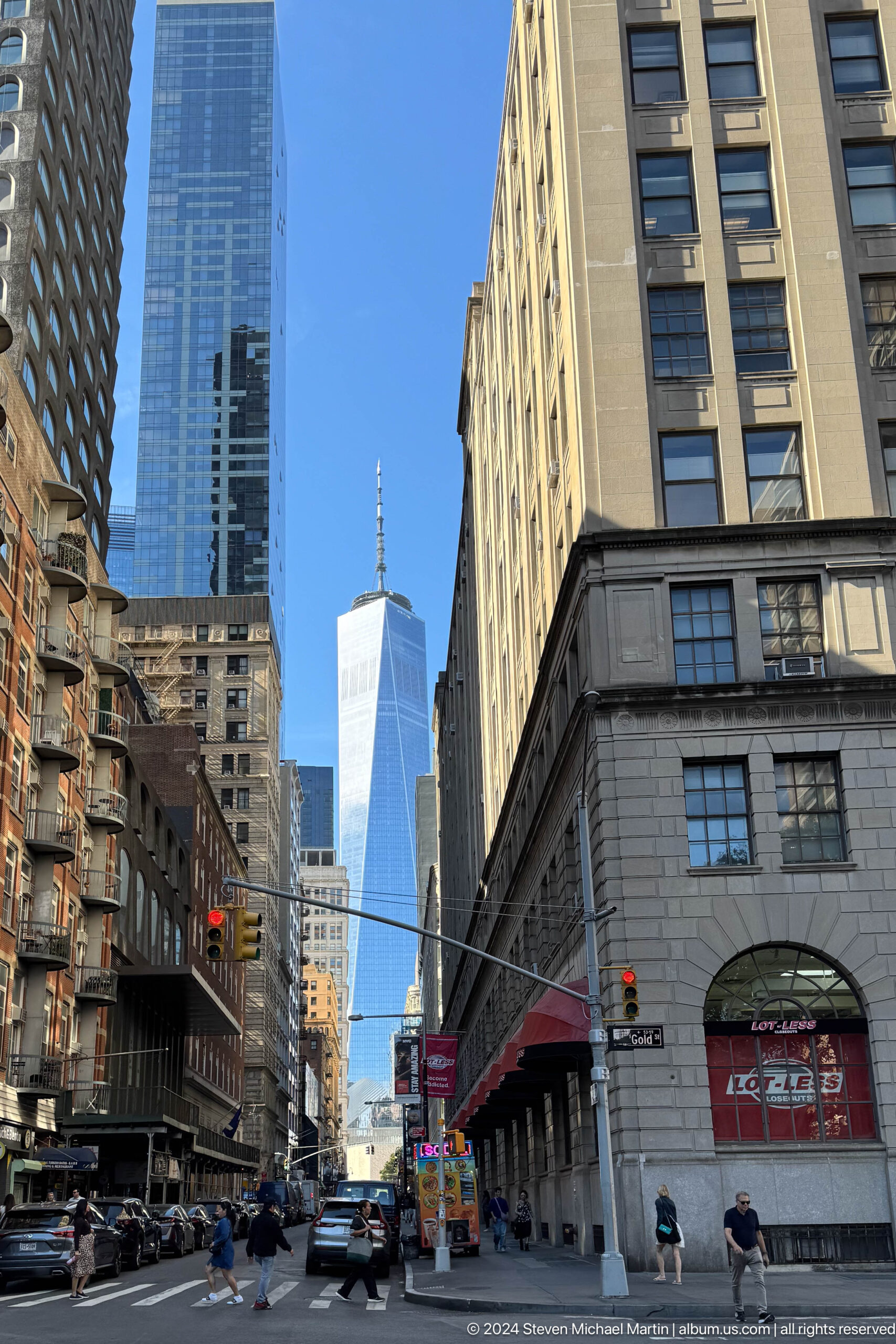
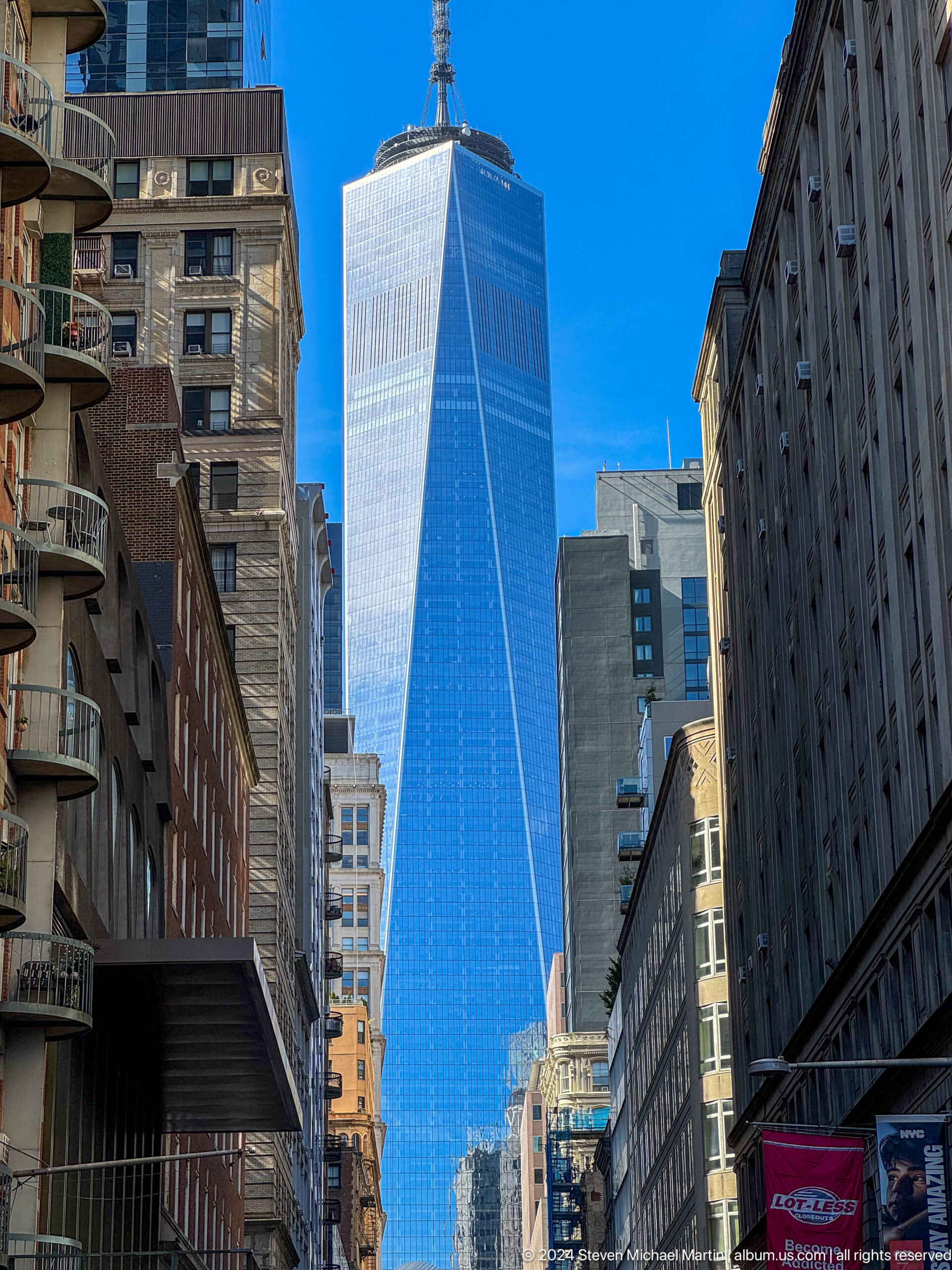
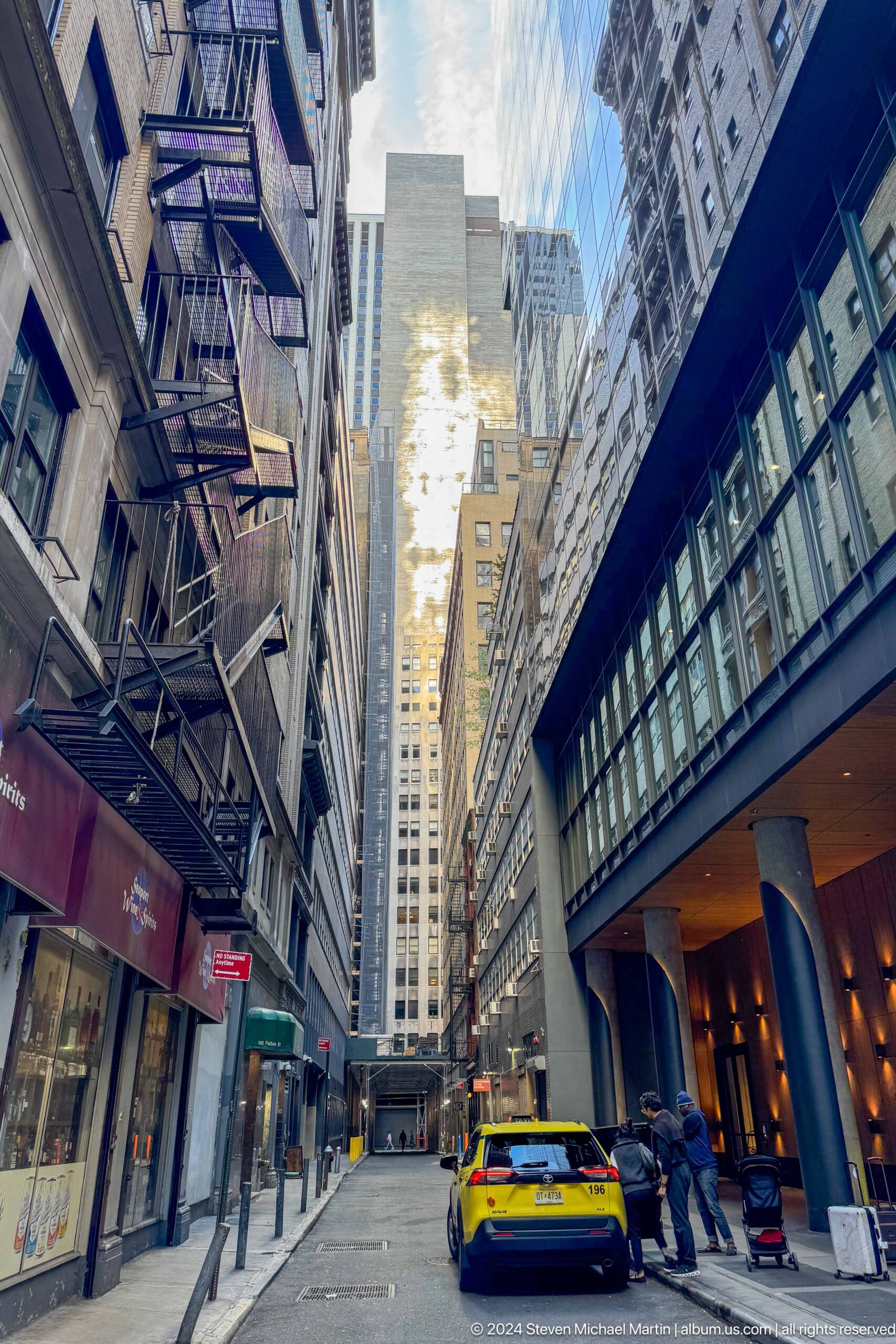
The street grid, historic tenement buildings, and commercial corridors illustrate patterns of adaptation within limited urban space, reflecting both the challenges and opportunities associated with rapid population growth. Markets, synagogues, churches, and social organizations developed to support communities adjusting to new economic and cultural environments. Over time, the Lower East Side evolved through cycles of demographic change, artistic activity, and urban redevelopment, becoming associated with both preservation and transformation within Manhattan.
The Lower East Side contributes to understanding how immigration influenced the cultural and economic development of the United States. The neighborhood’s historic fabric reflects the experiences of communities whose traditions shaped American urban life. Its continued evolution illustrates the interaction between cultural continuity and changing patterns of development in New York City.