Whitney Museum of American Art
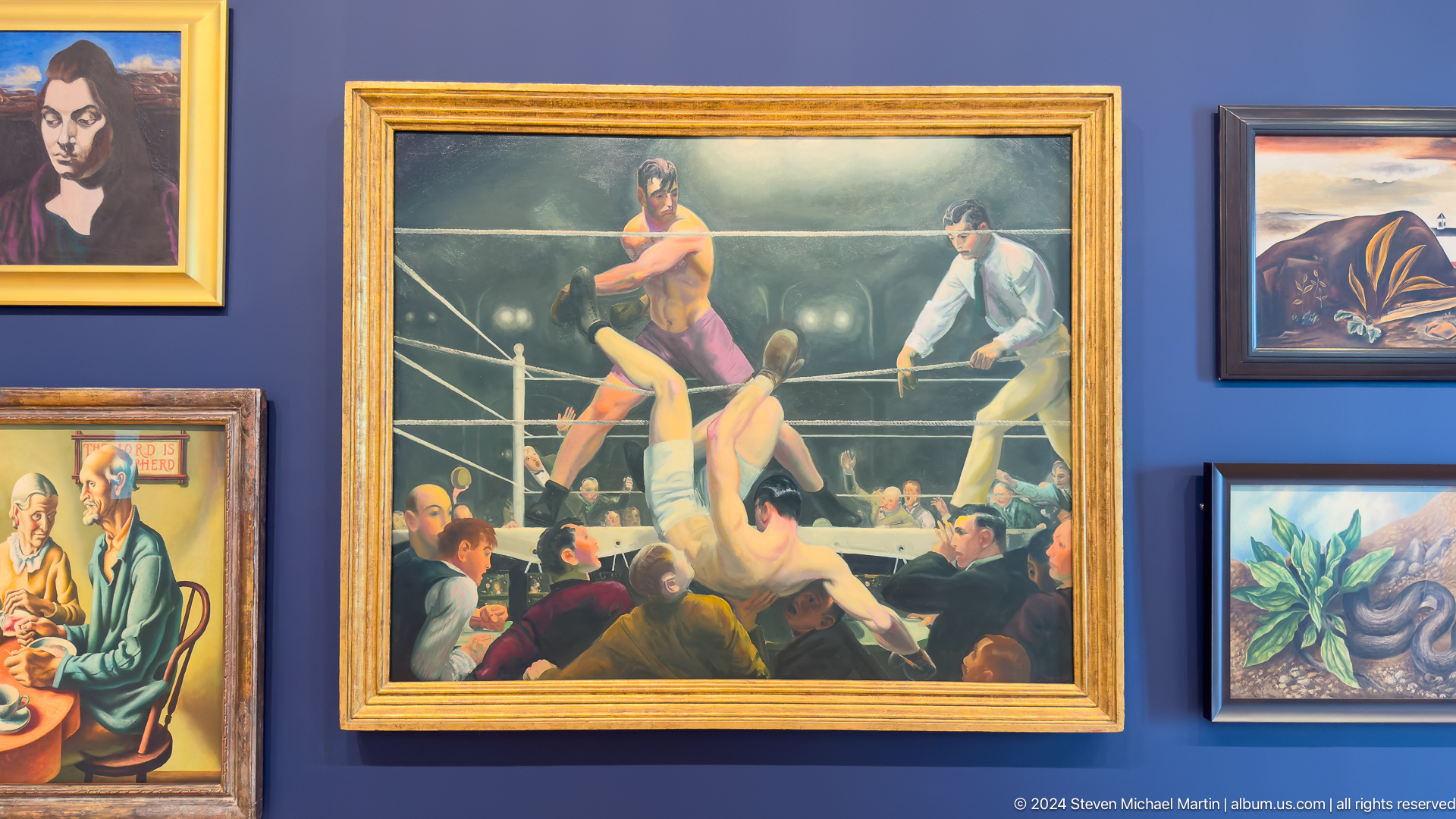
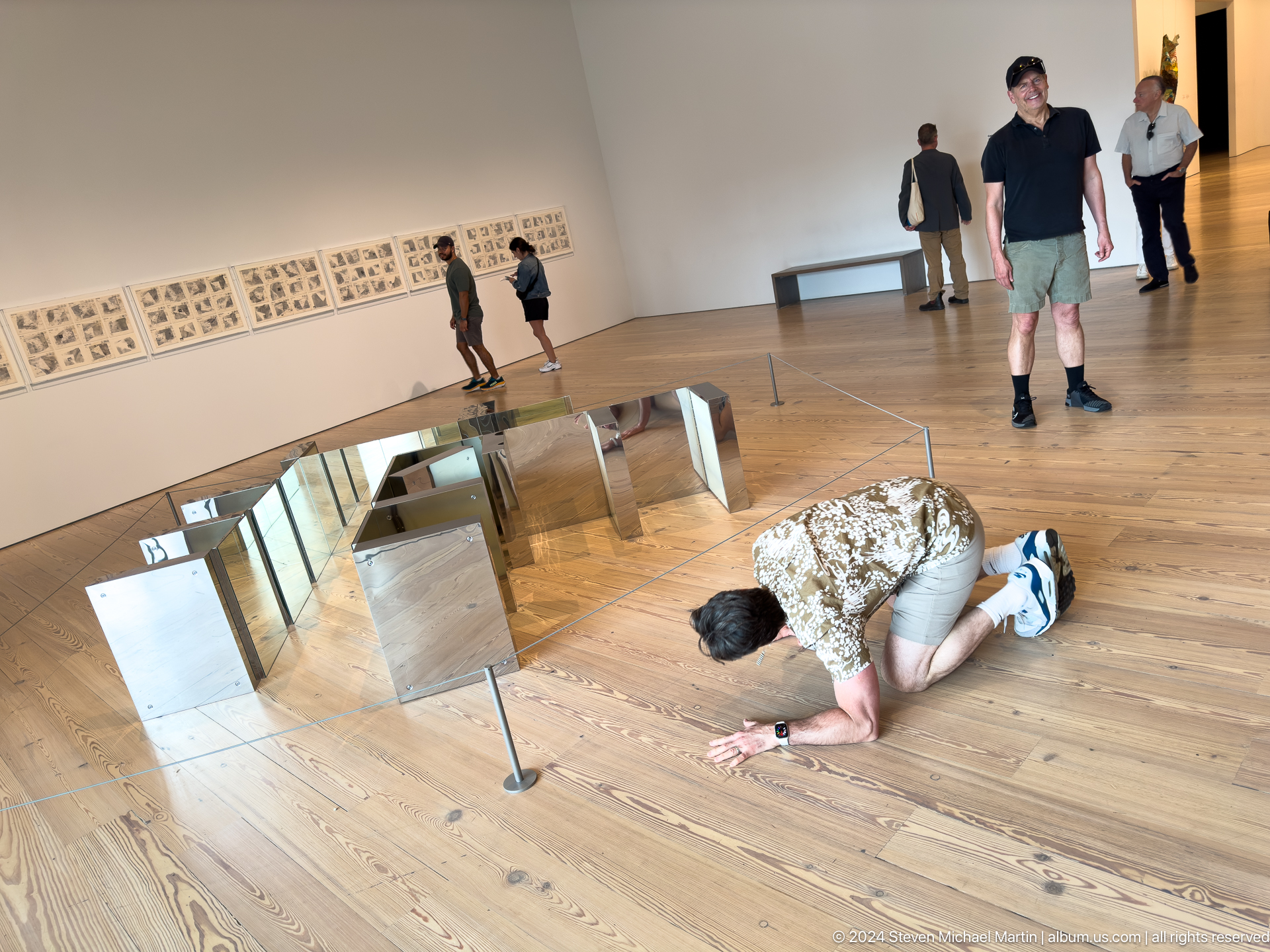
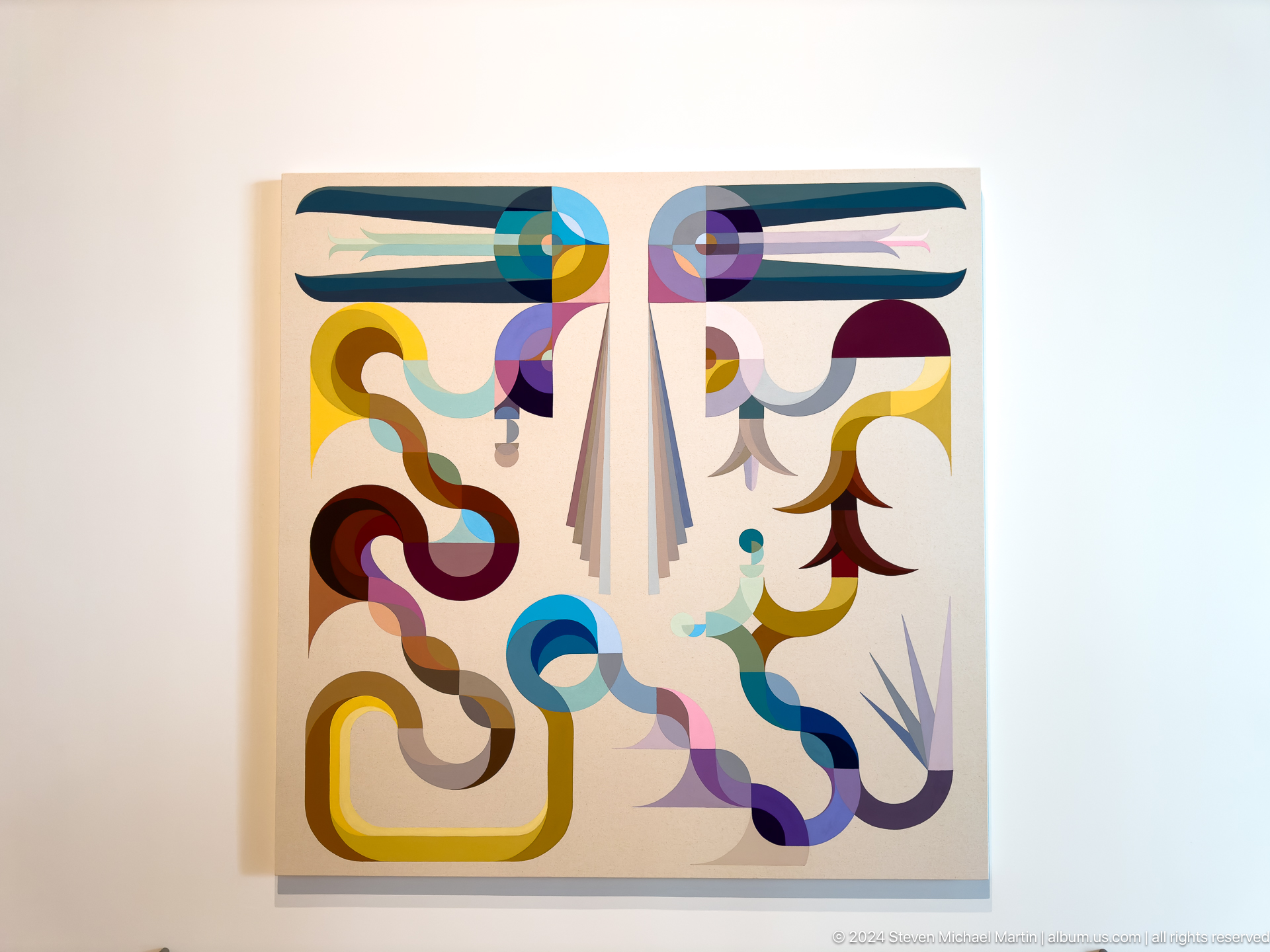
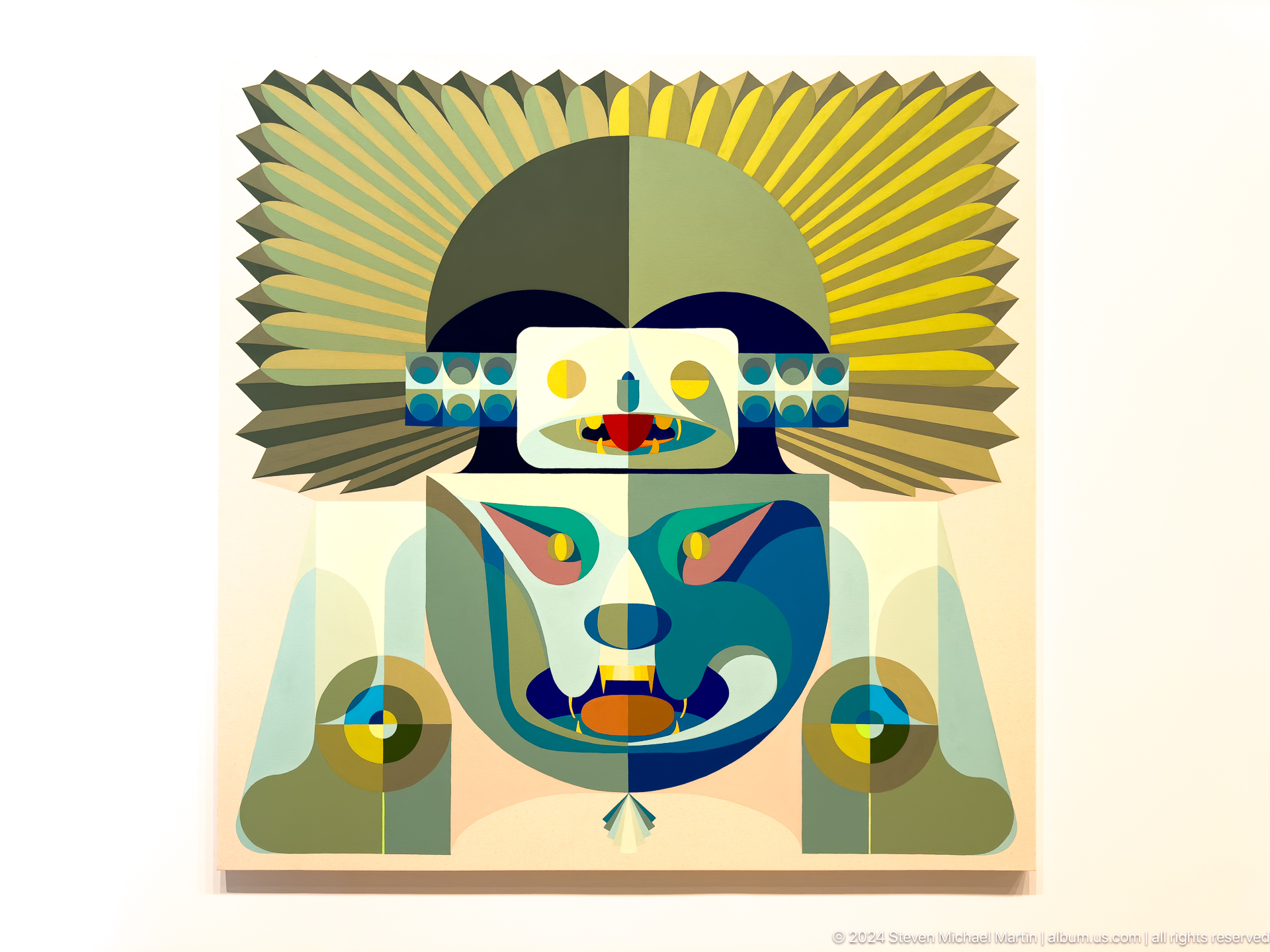
The Whitney Museum of American Art reflects the development of modern and contemporary artistic expression in the United States, with a particular emphasis on living artists and evolving cultural perspectives. Founded in 1930 by Gertrude Vanderbilt Whitney, the institution was established to promote American artists whose work often received less attention in traditional museums focused primarily on European traditions. The museum’s collection now includes more than 25,000 works spanning the late nineteenth century to the present, illustrating changing approaches to painting, sculpture, photography, film, and new media.
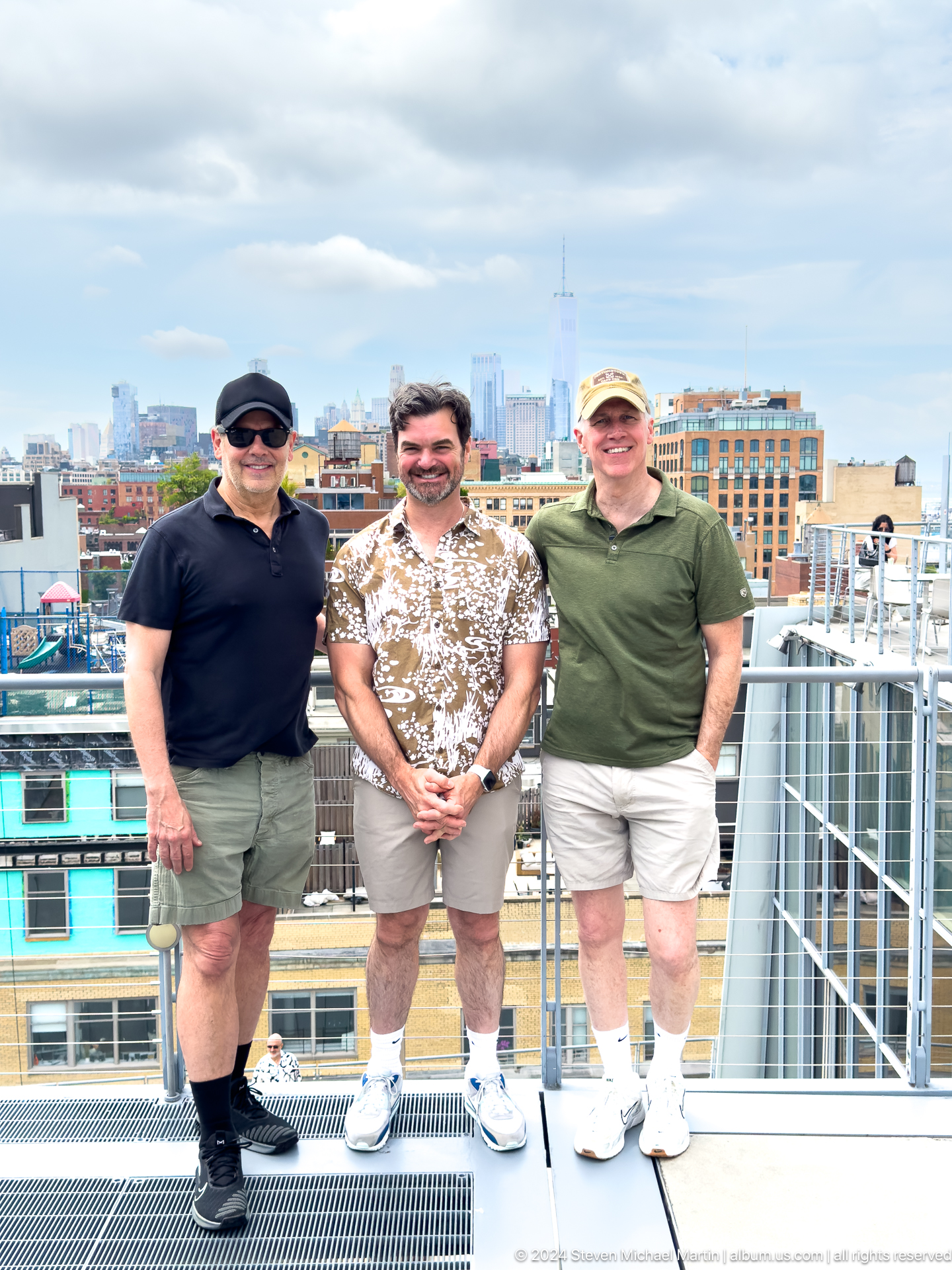
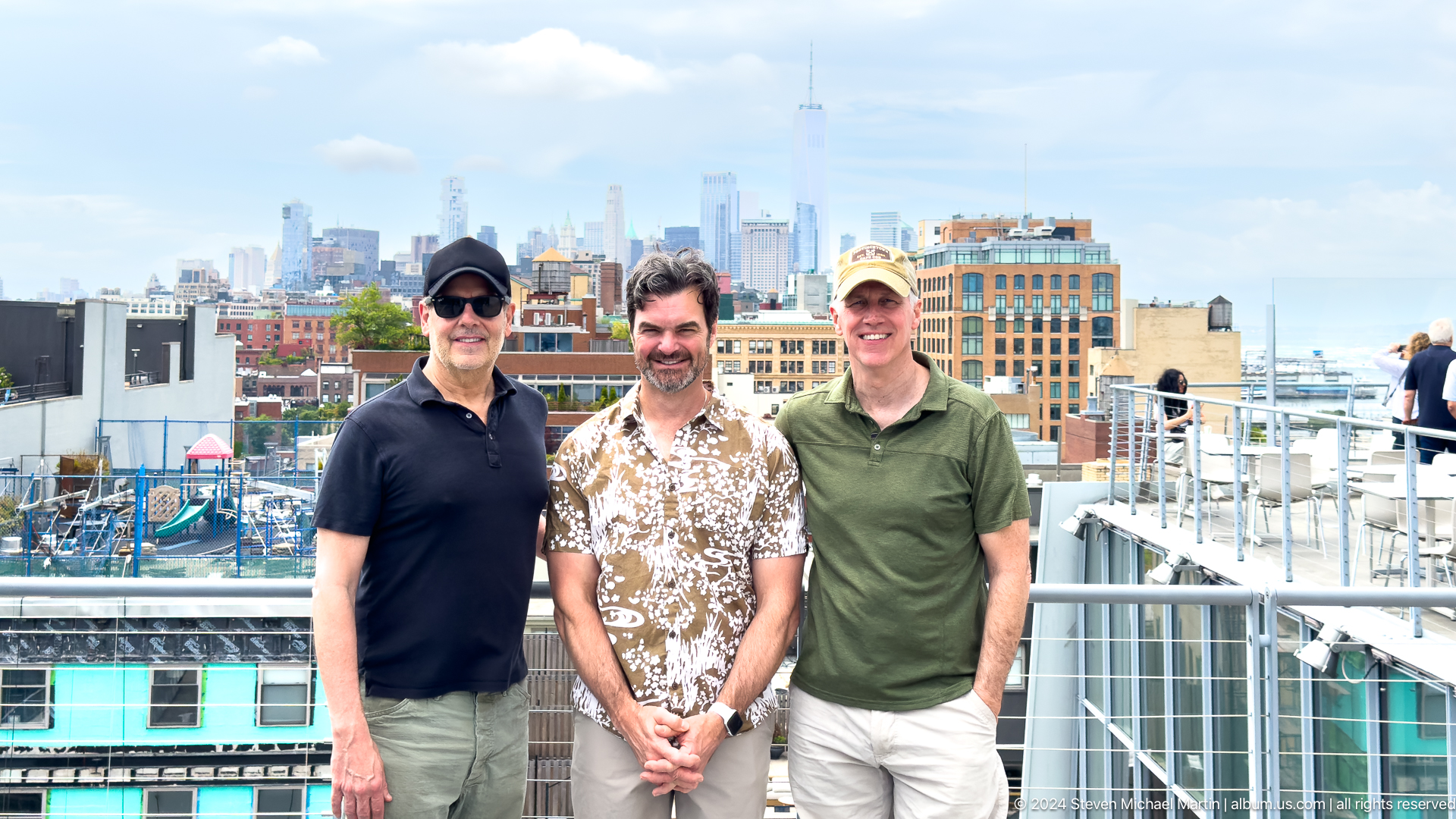
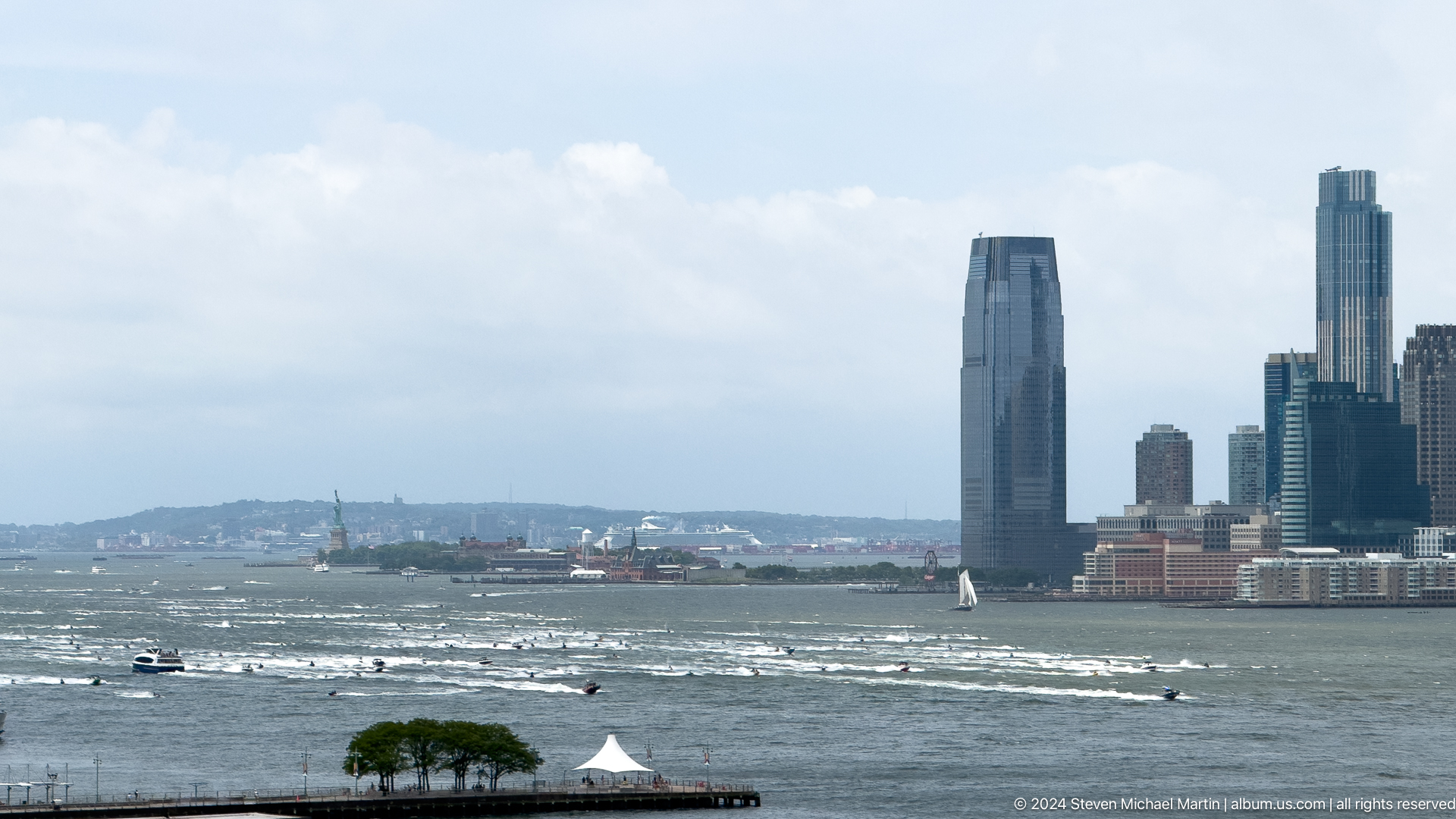
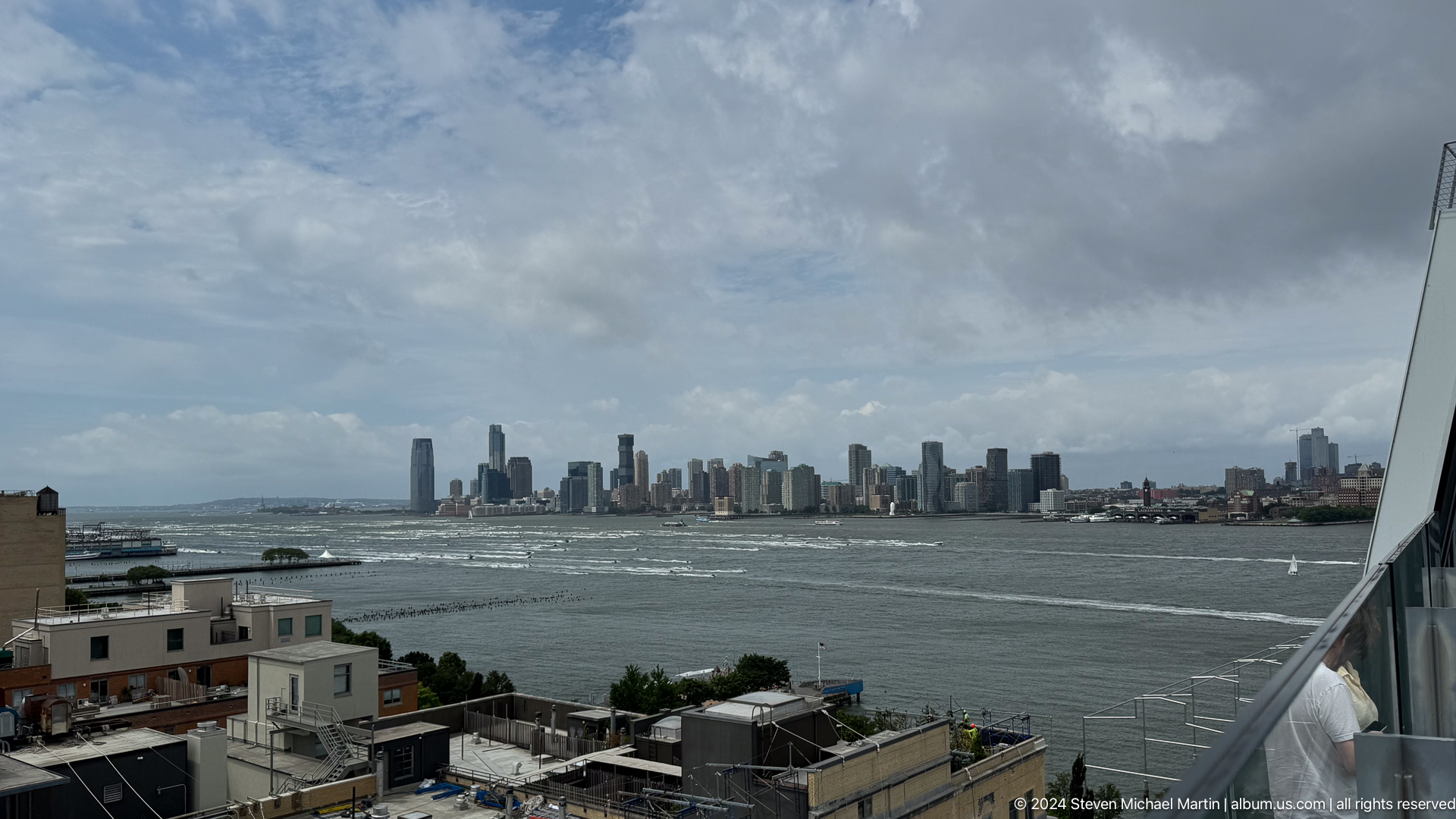
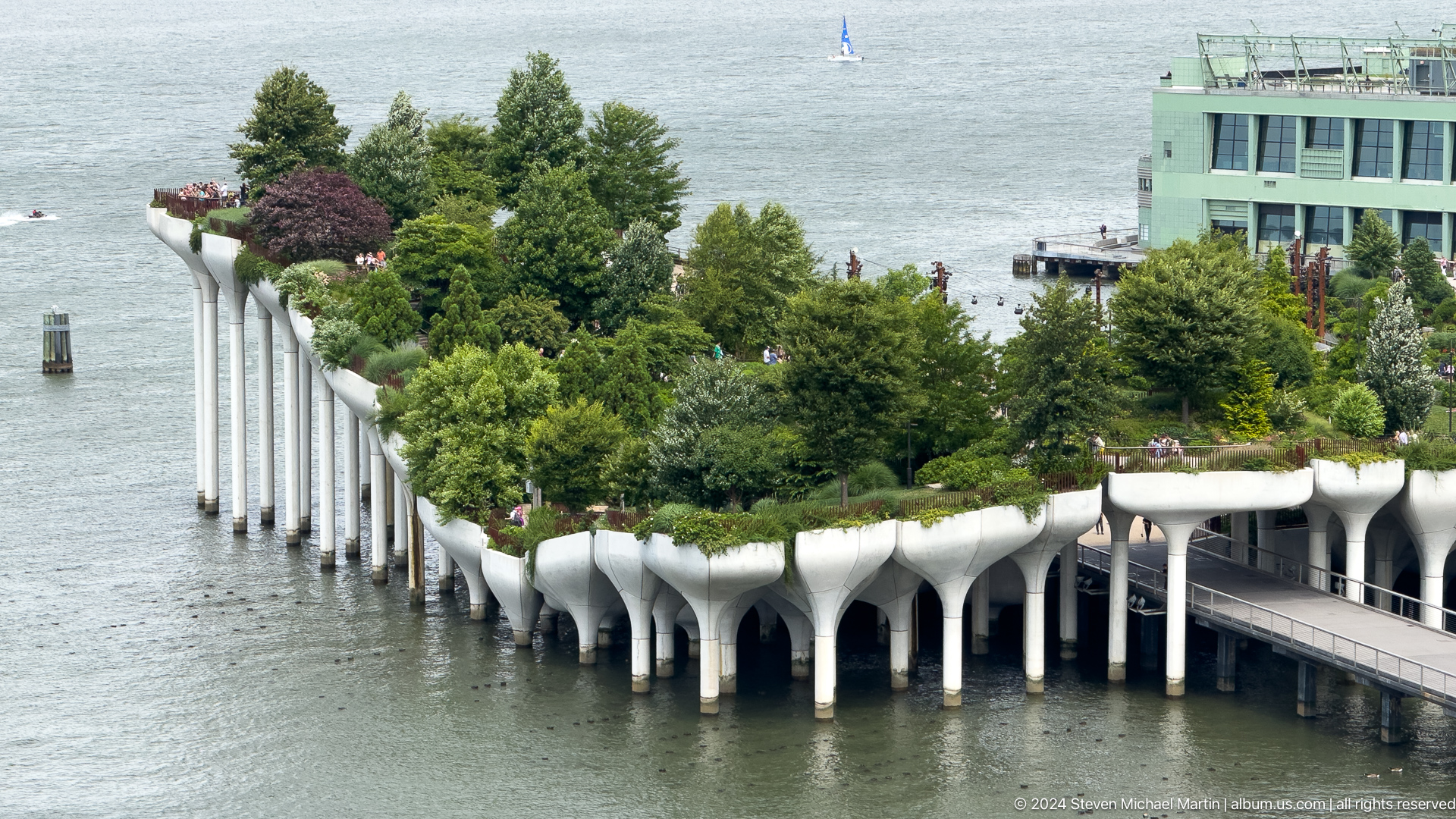
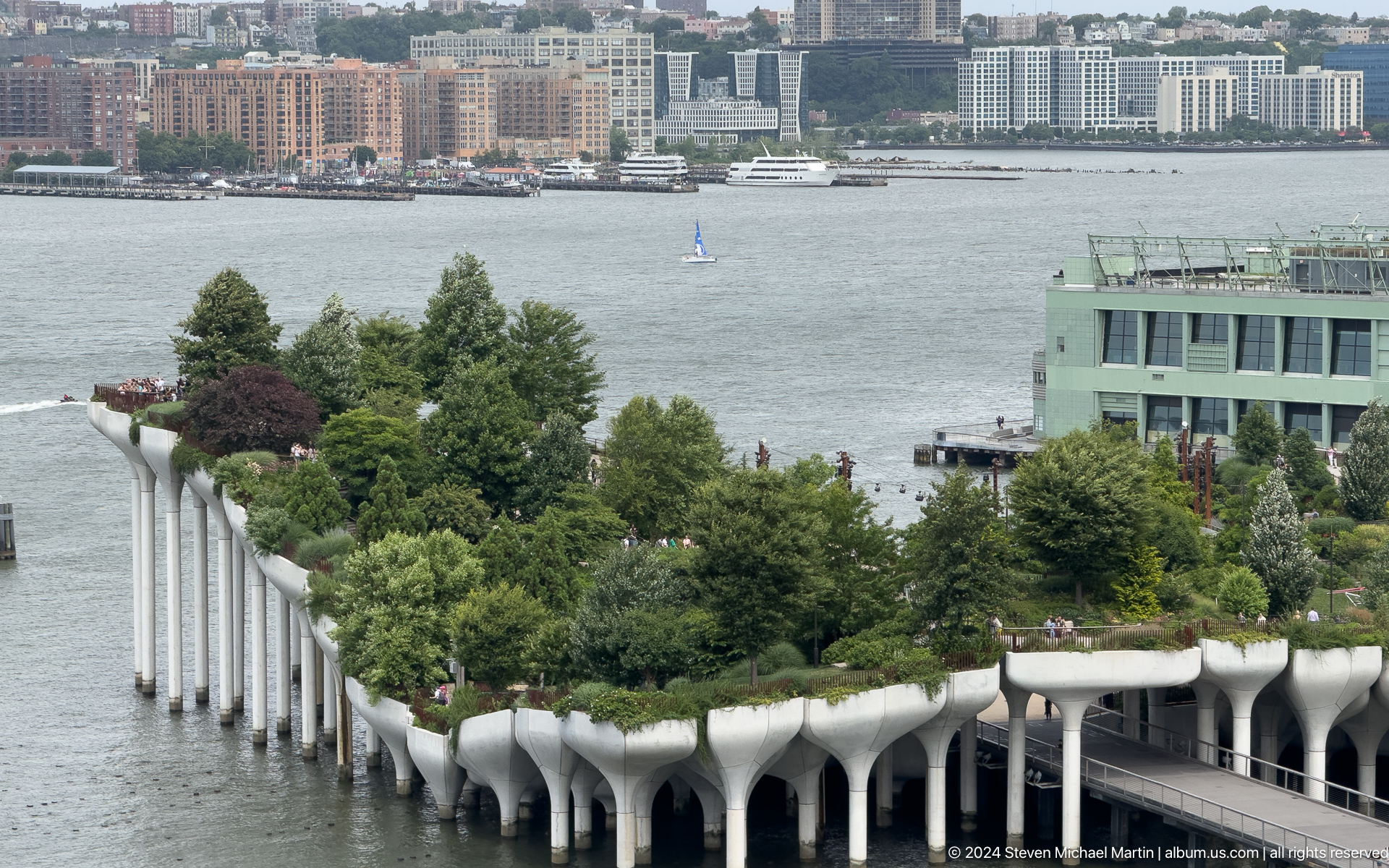
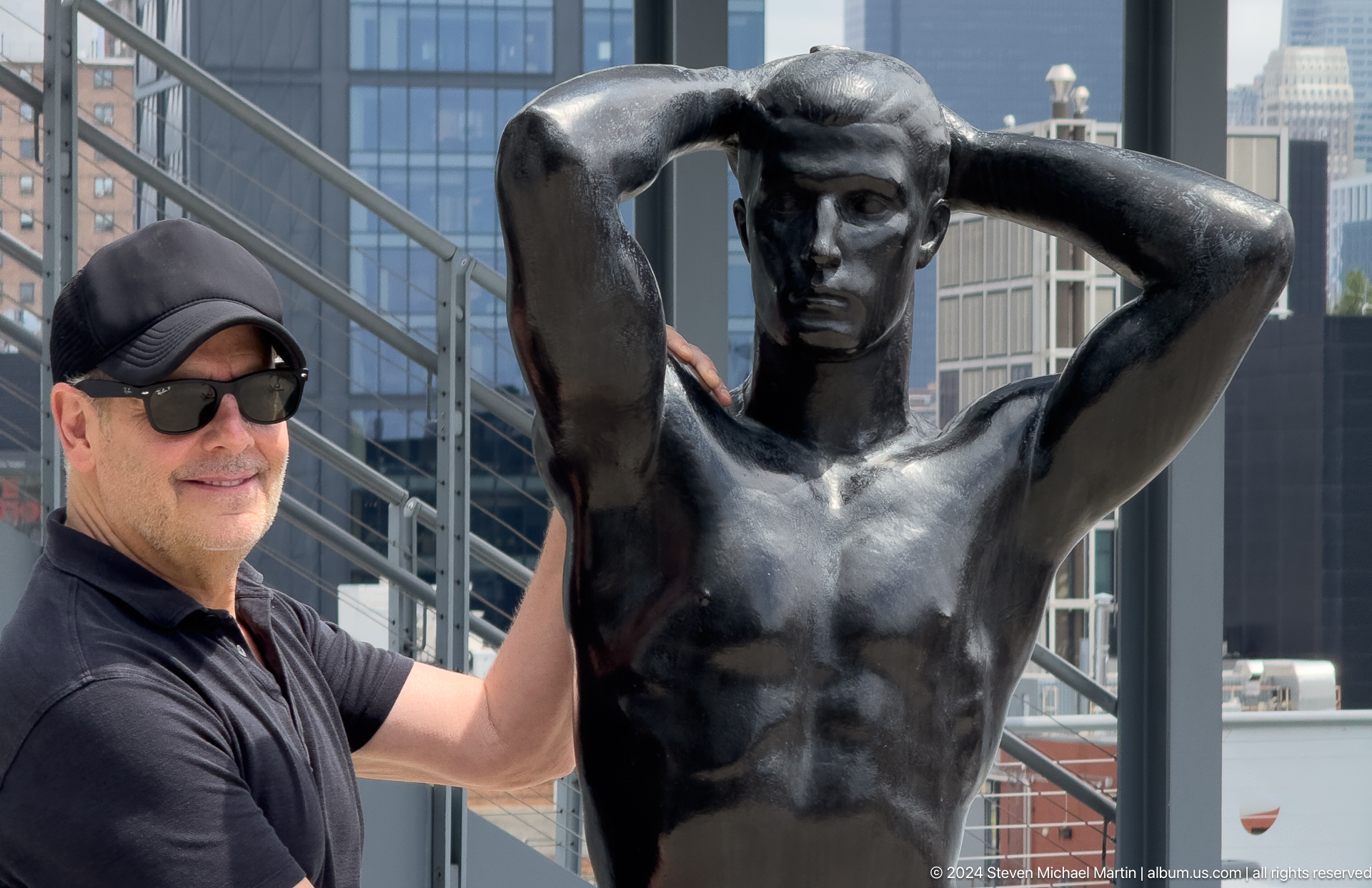
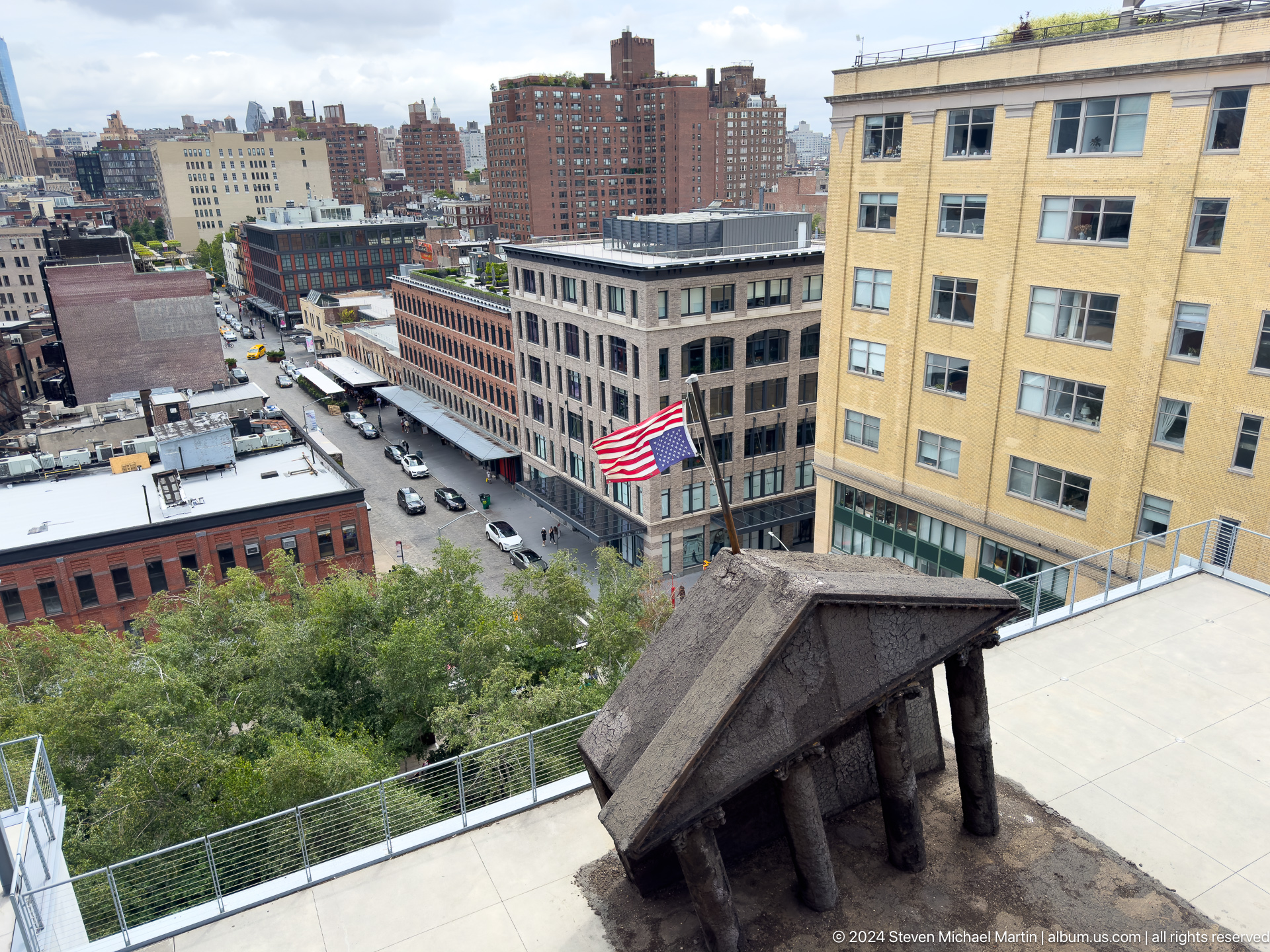
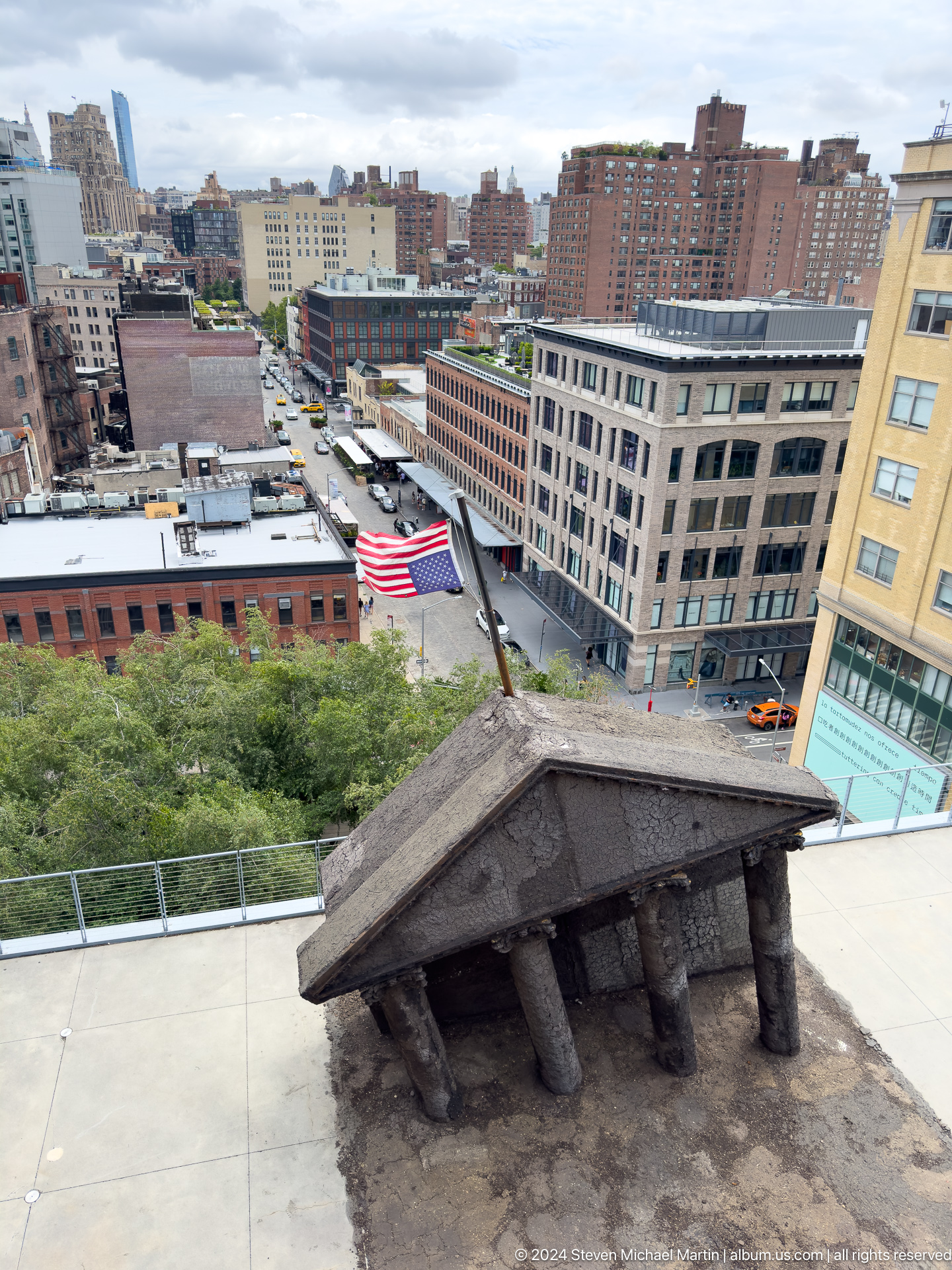
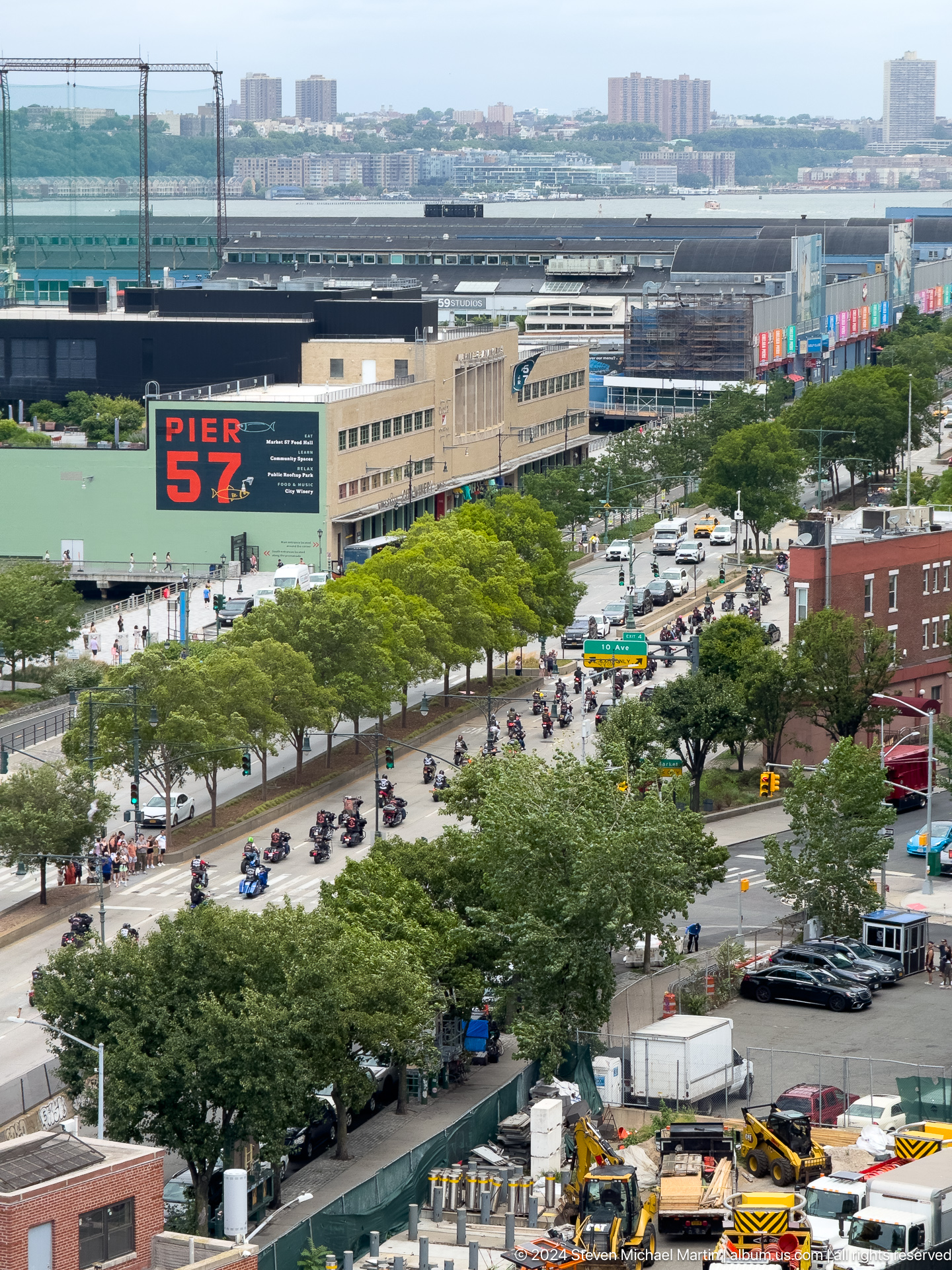
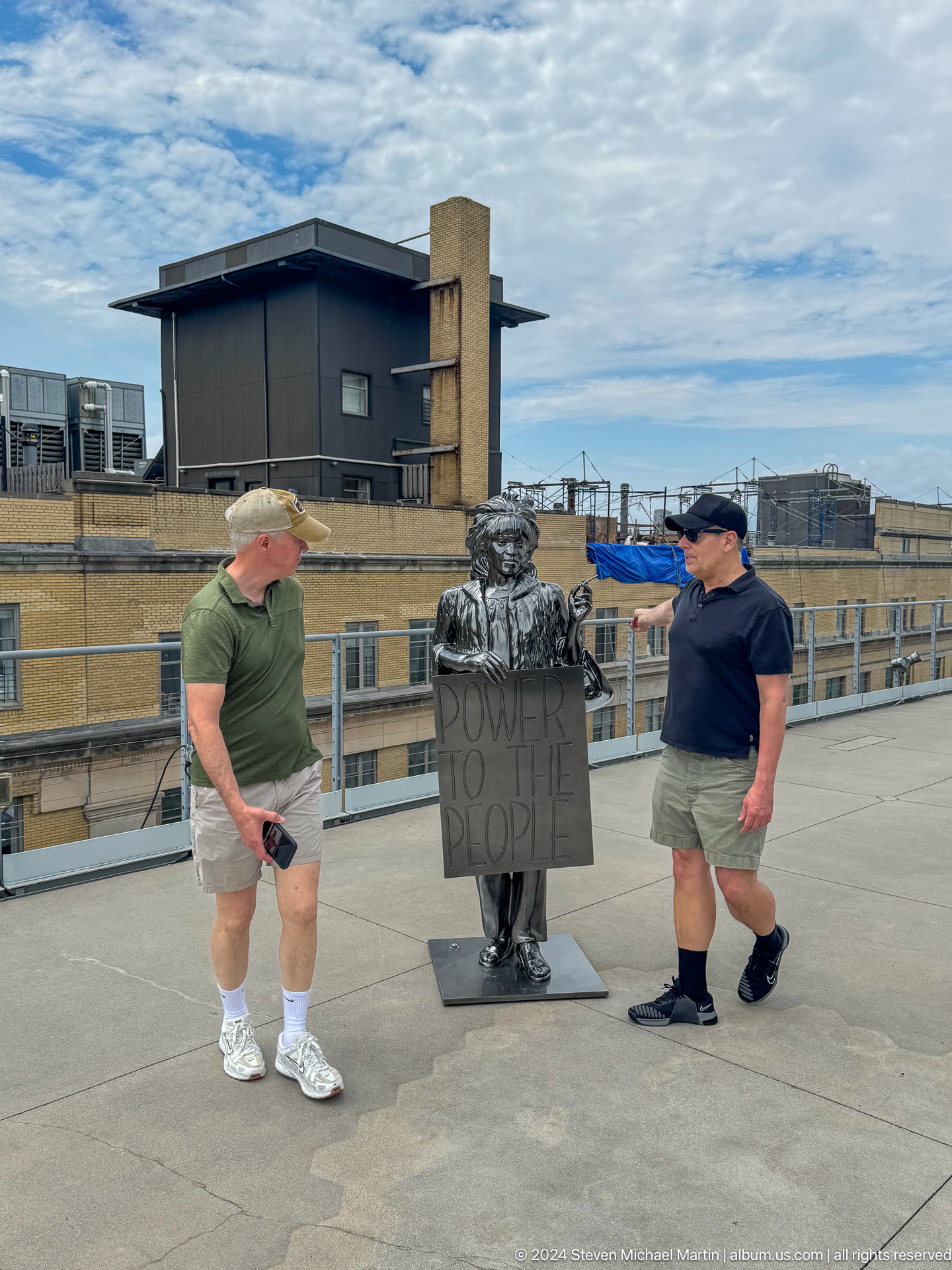
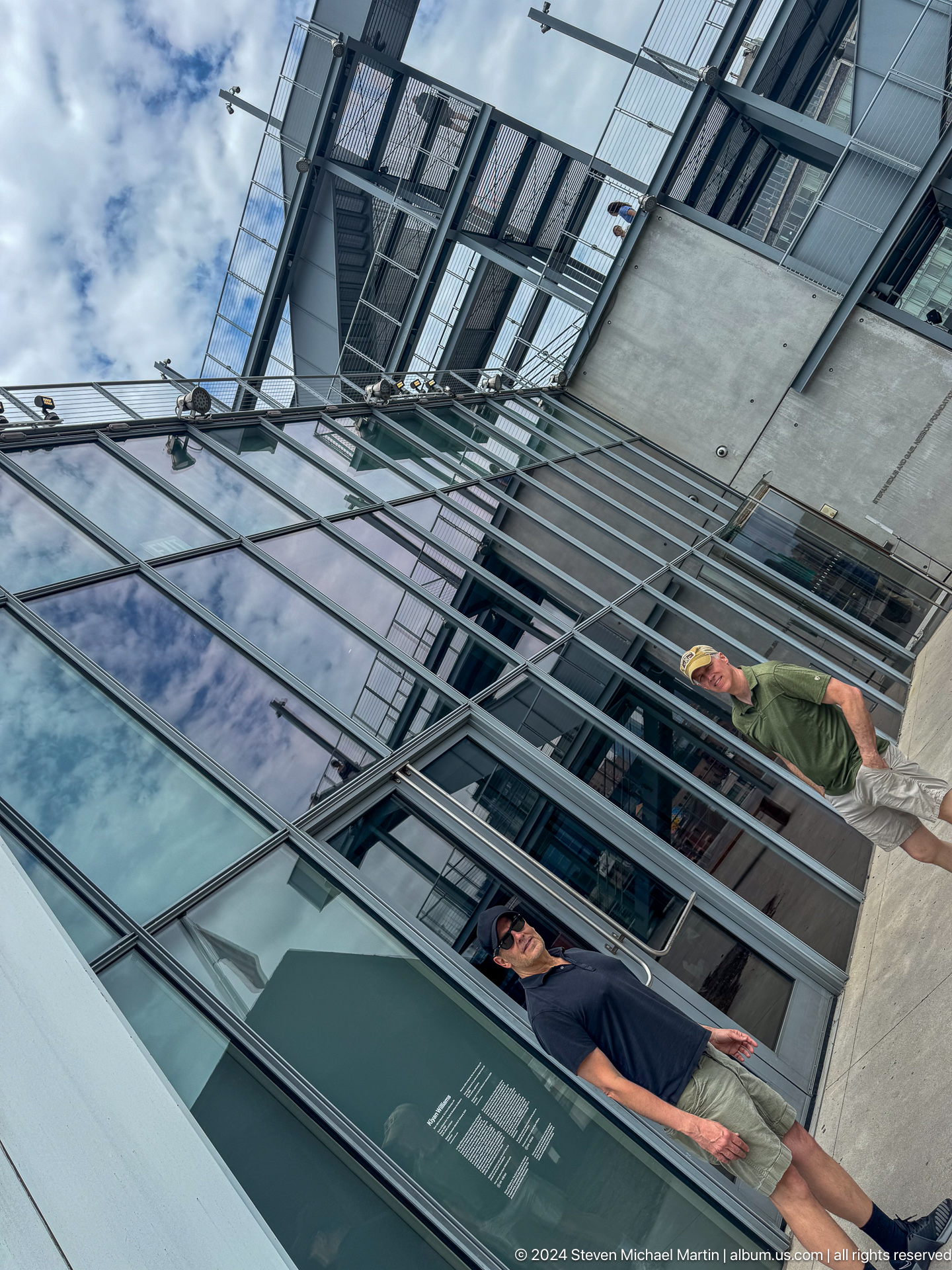
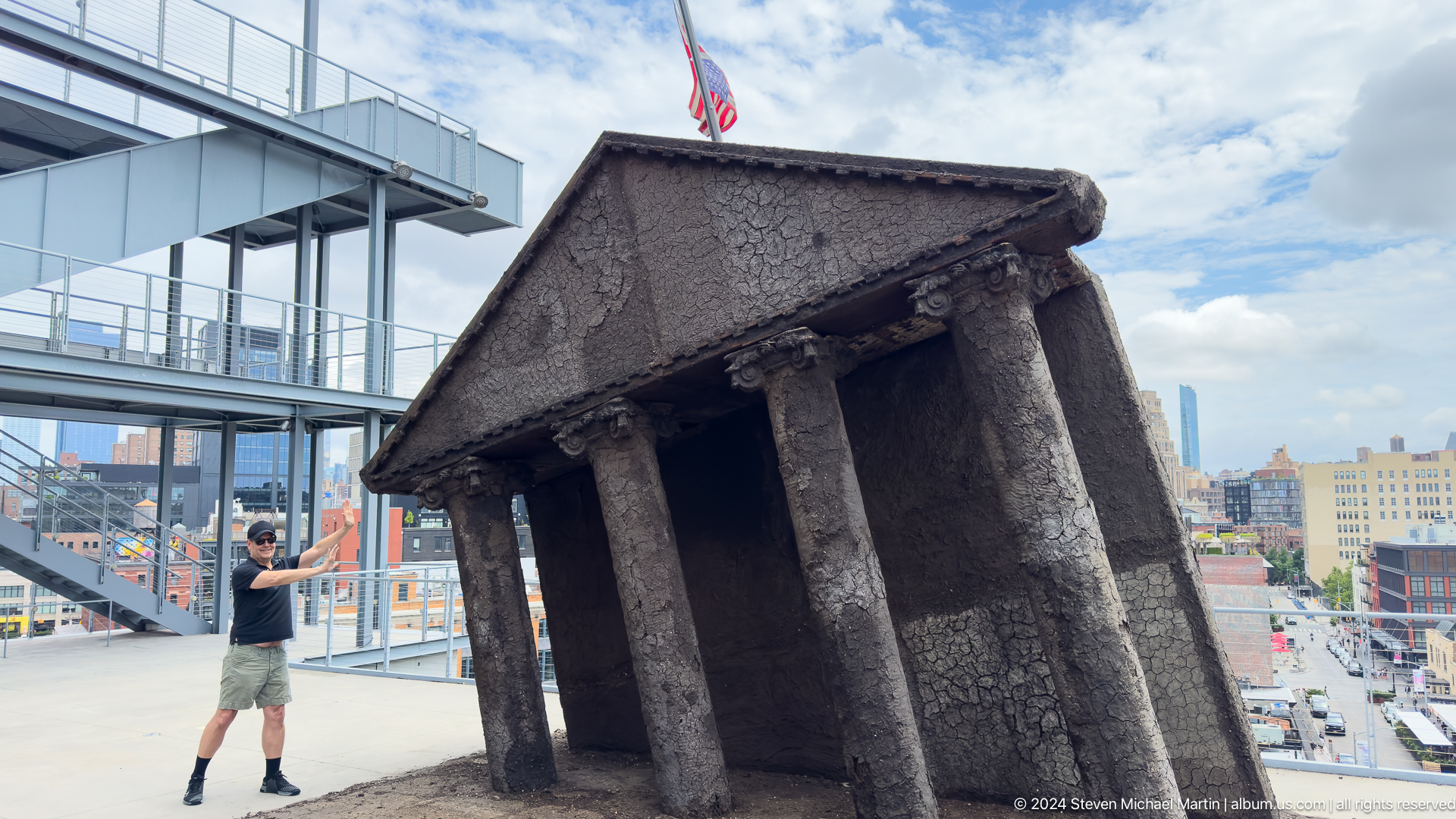
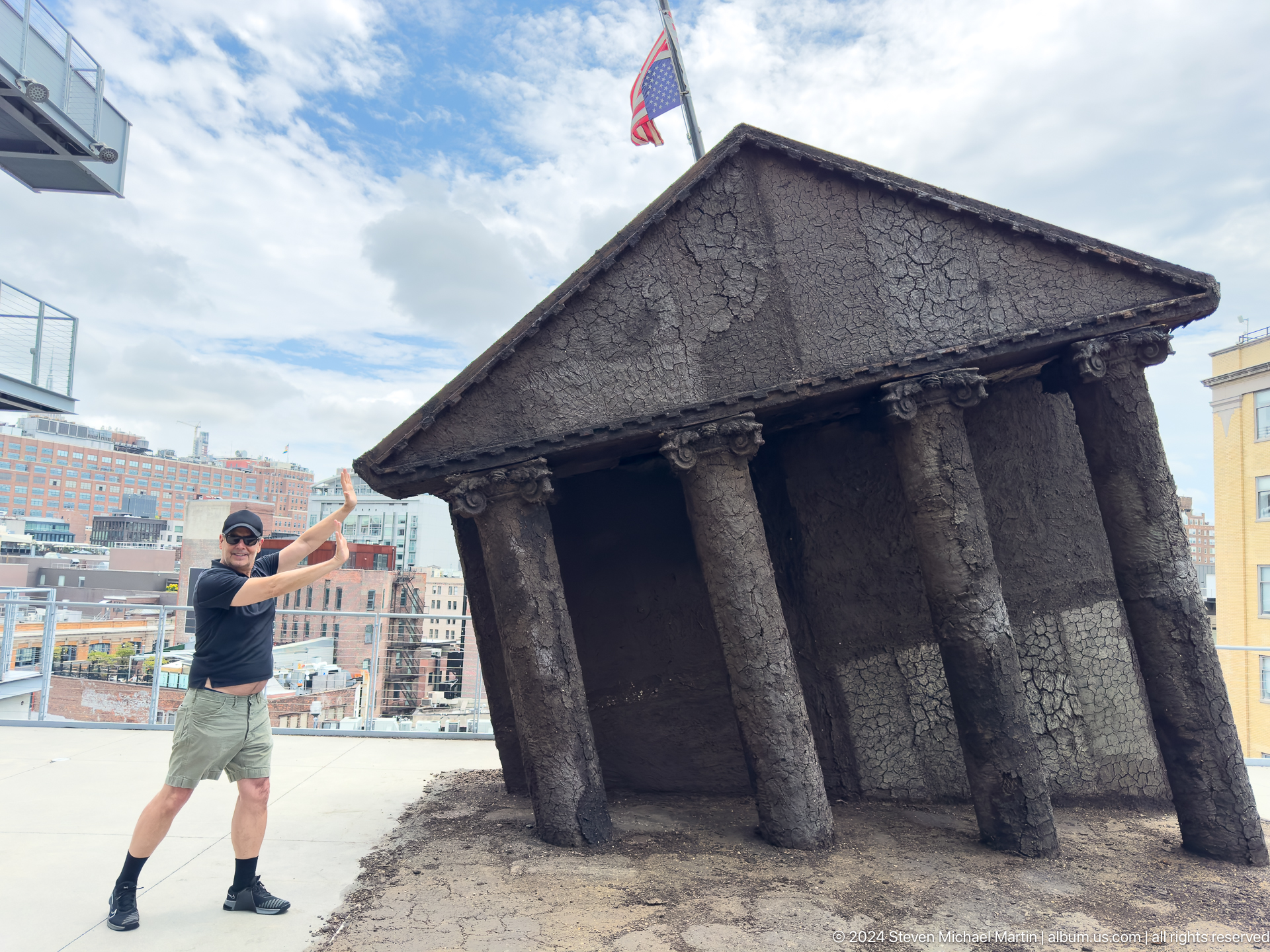
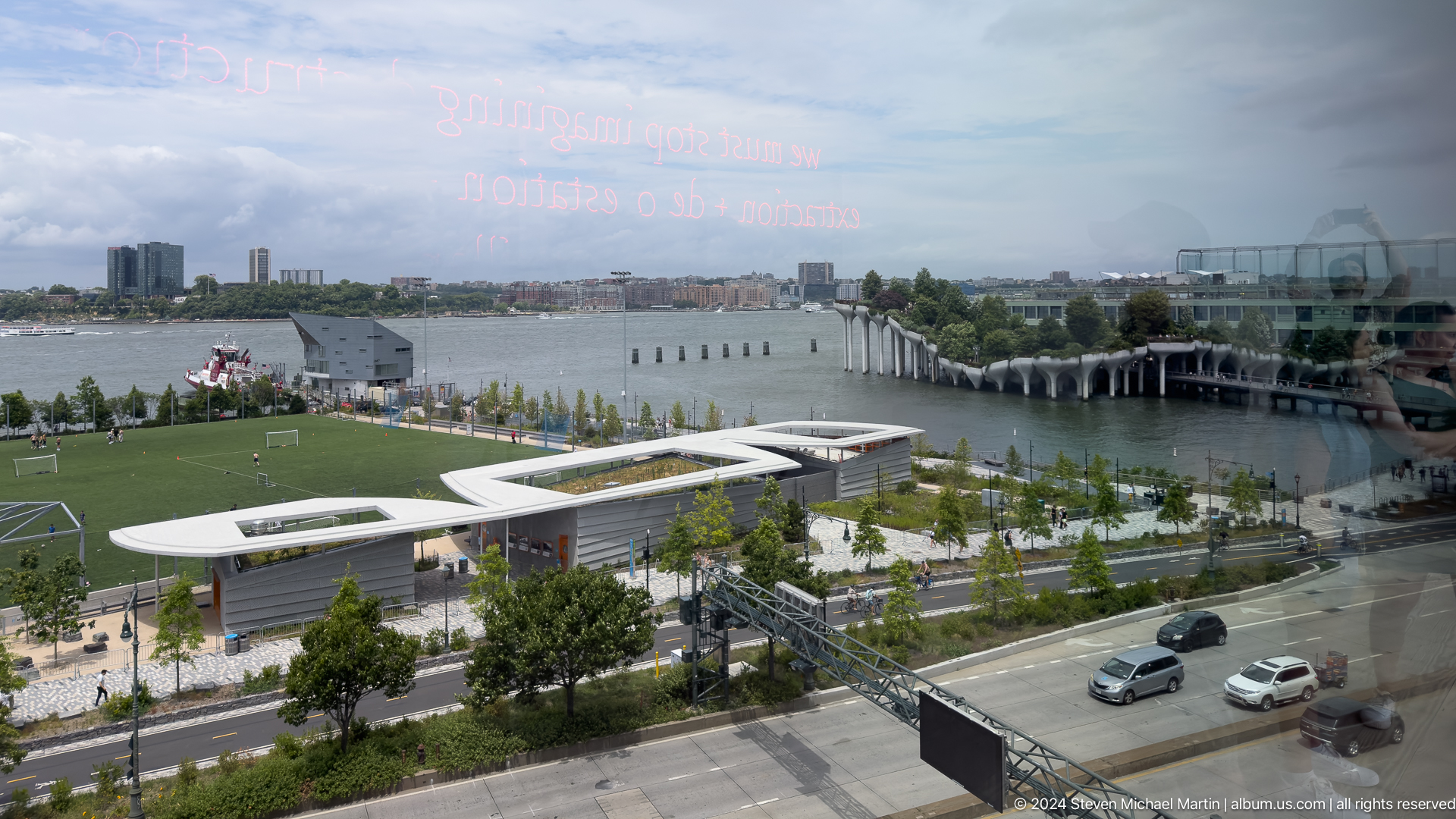
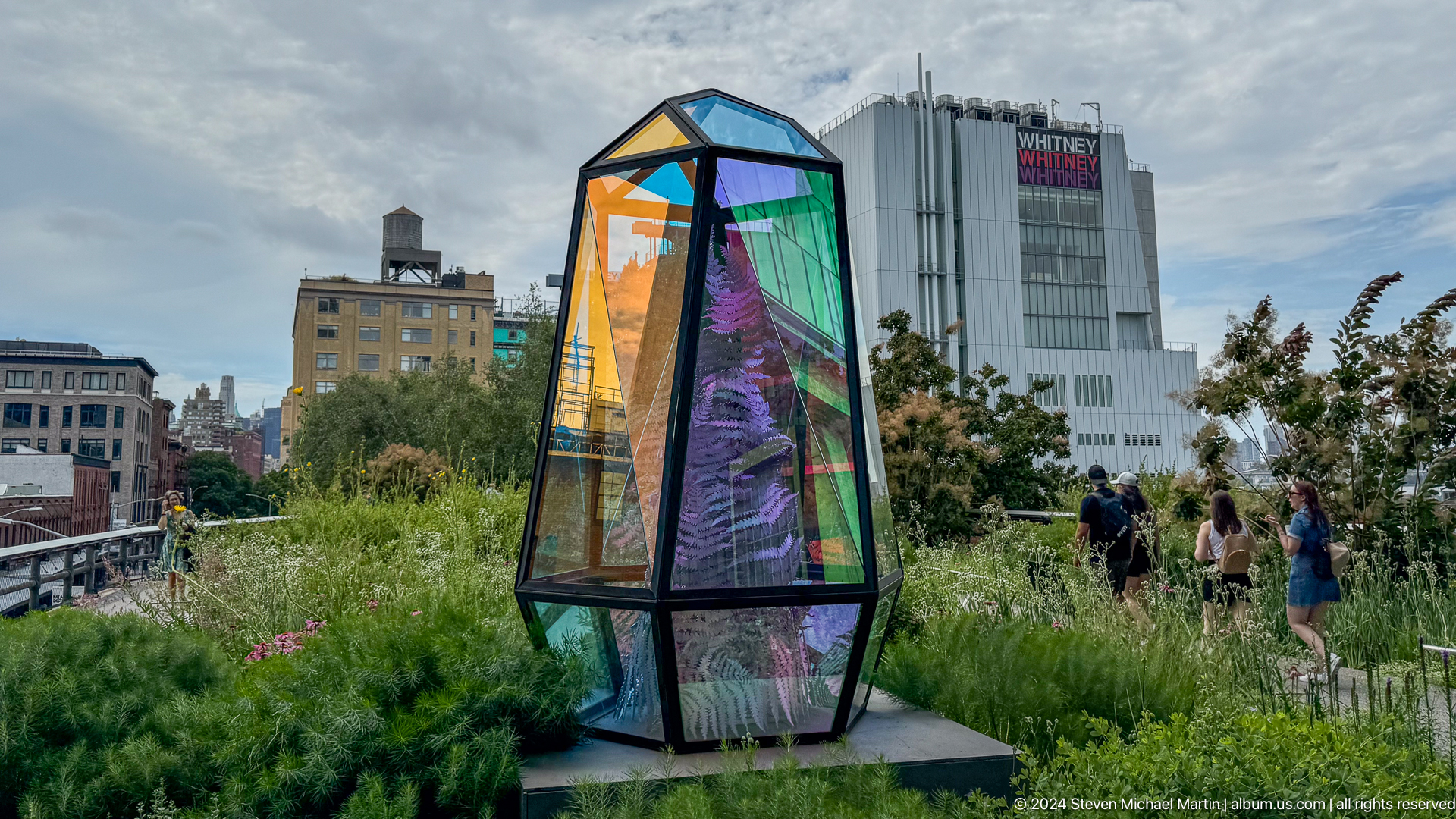
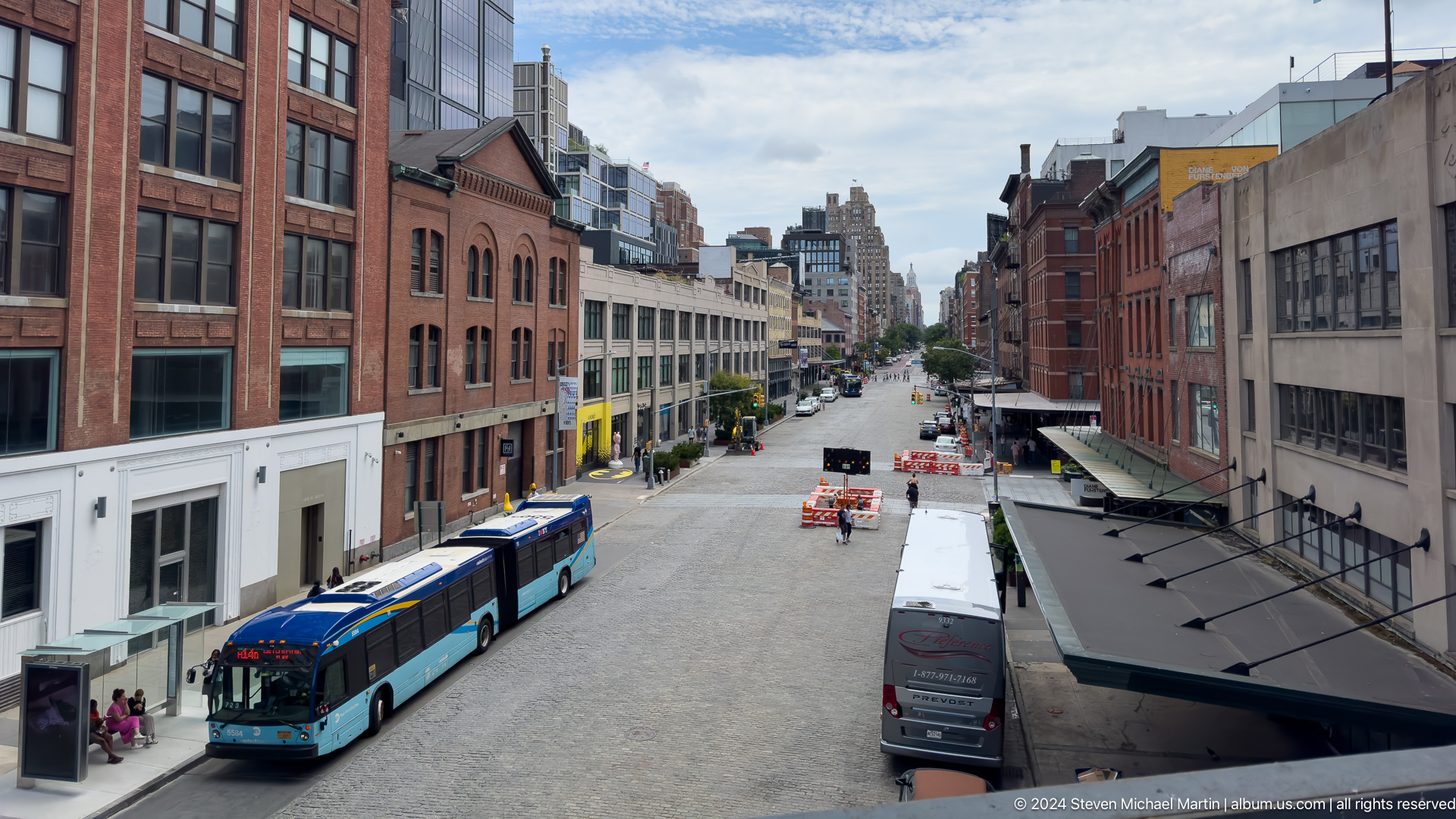
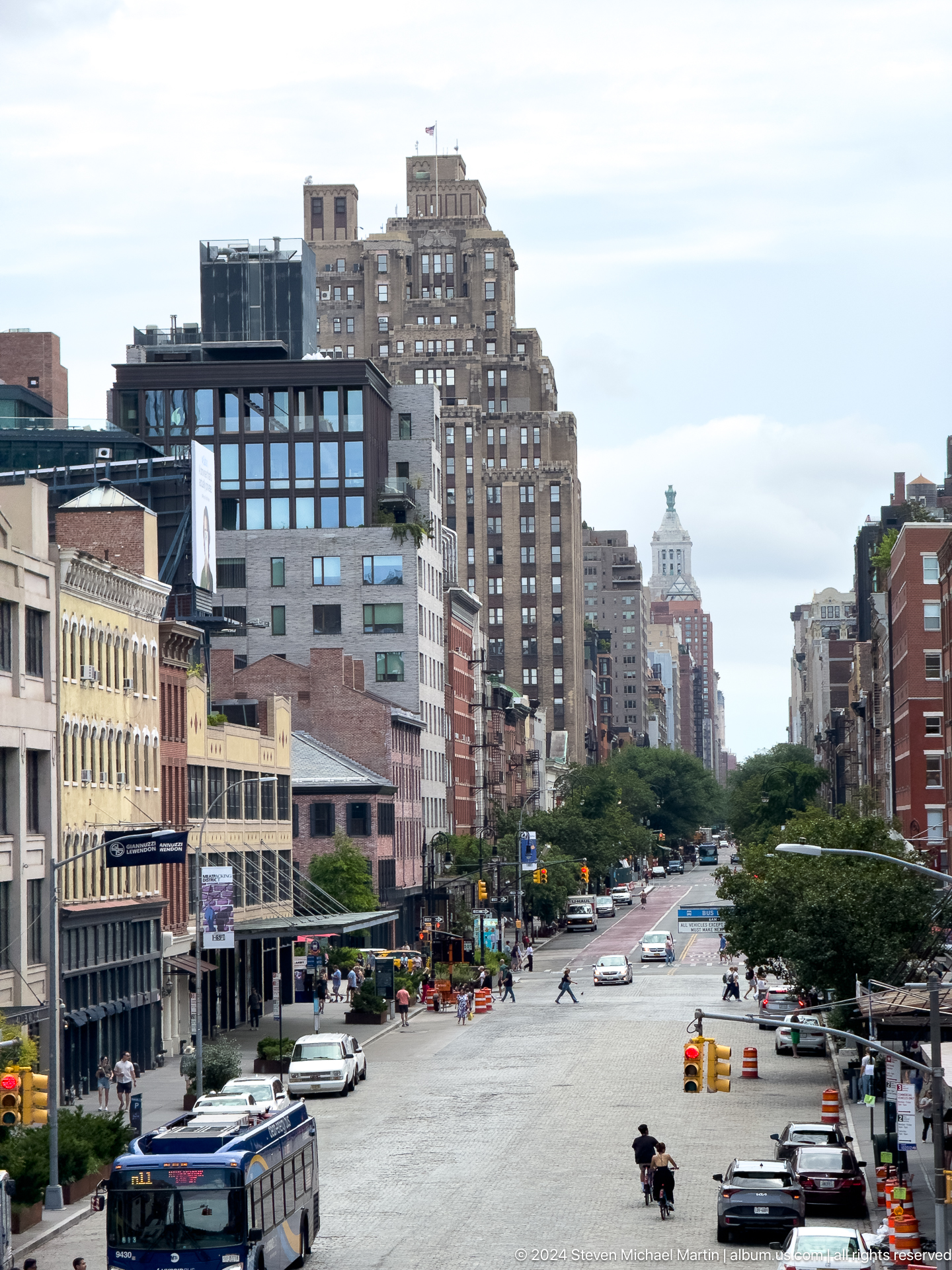
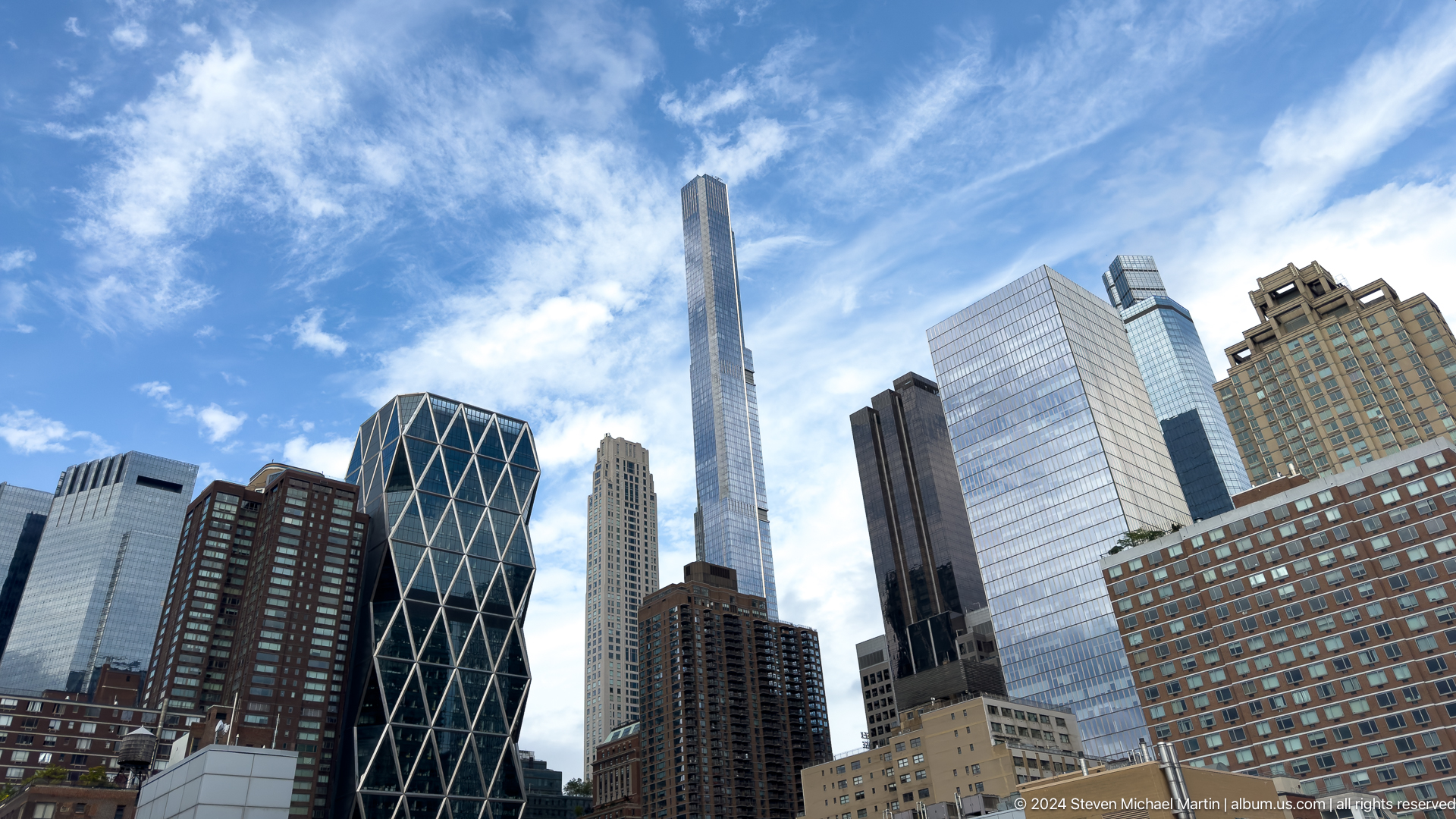
The current building, opened in 2015 in Manhattan’s Meatpacking District and designed by architect Renzo Piano, integrates galleries, terraces, and public space within a former industrial neighborhood that has become an important center of contemporary art. Positioned near the High Line and the Hudson River, the structure reflects the adaptive reuse of urban districts once associated with manufacturing and trade. The expanded gallery spaces allow broader presentation of modern American artistic movements while maintaining visual connections between interior exhibition areas and the surrounding cityscape. }
The Whitney contributes to understanding how museums shape public interpretation of contemporary artistic production within changing urban environments. Its location within a revitalized industrial district illustrates the relationship between cultural institutions and urban transformation. The museum remains a central venue for interpreting developments in American art and the evolving dialogue between artists and society.