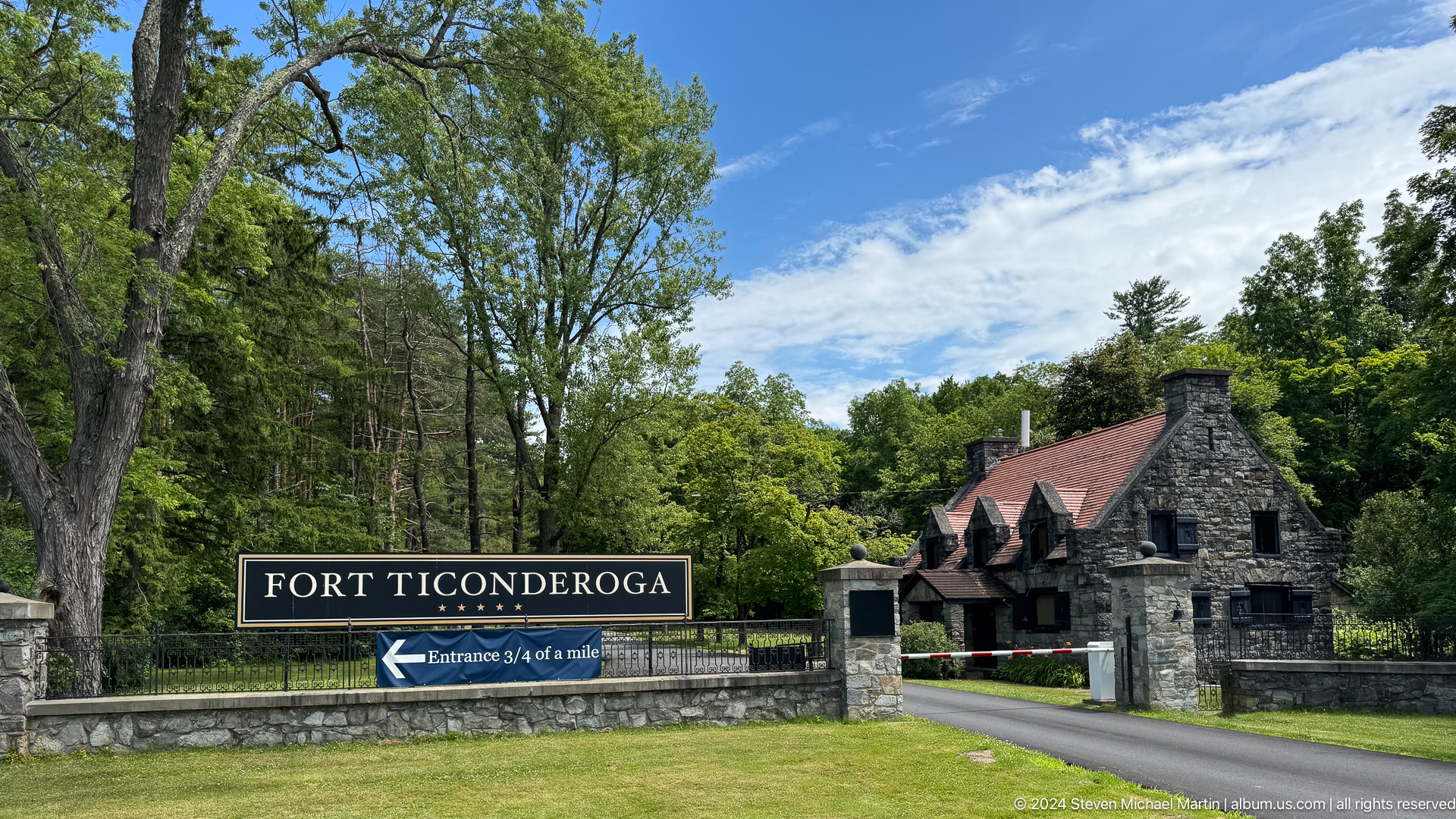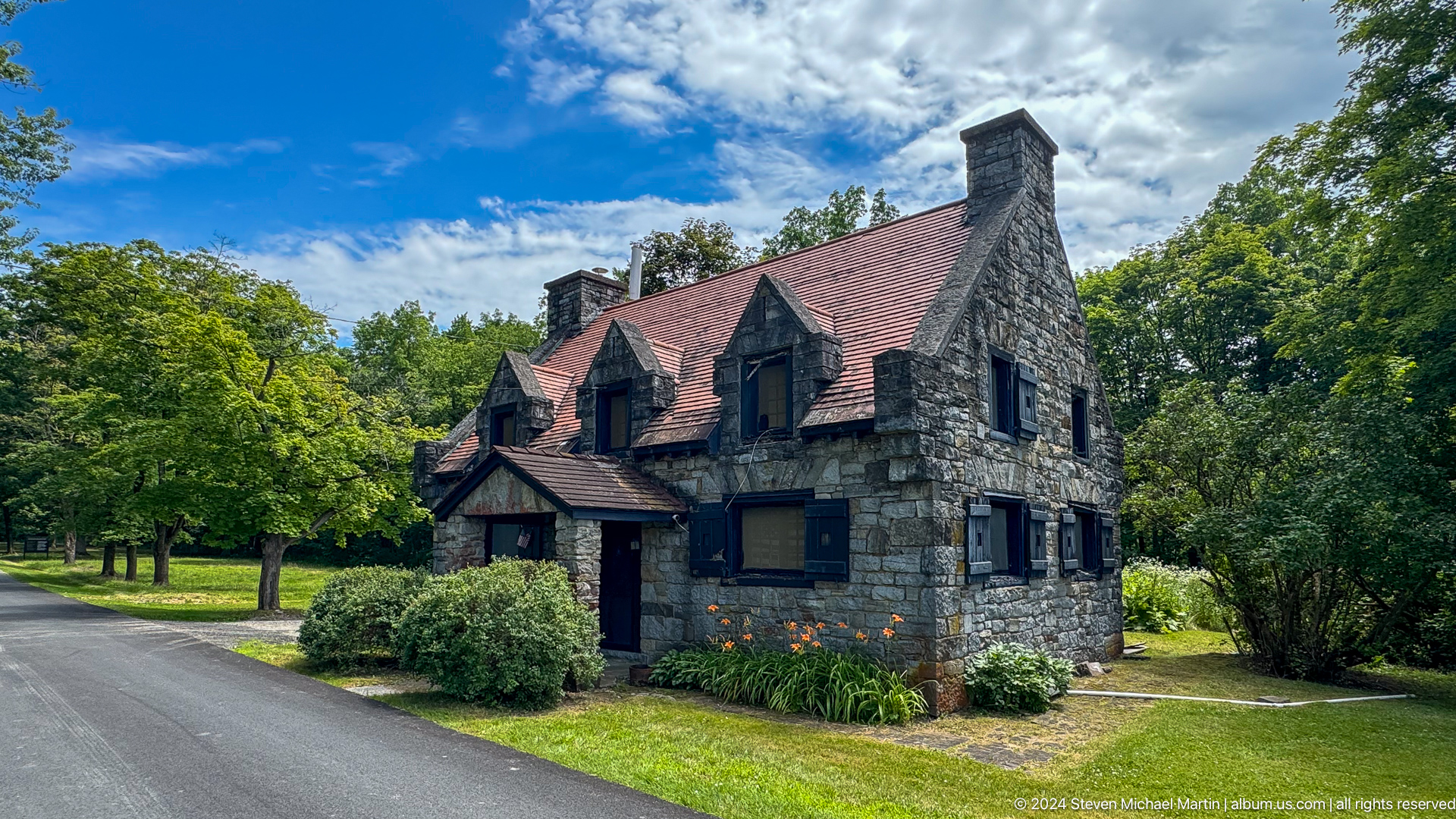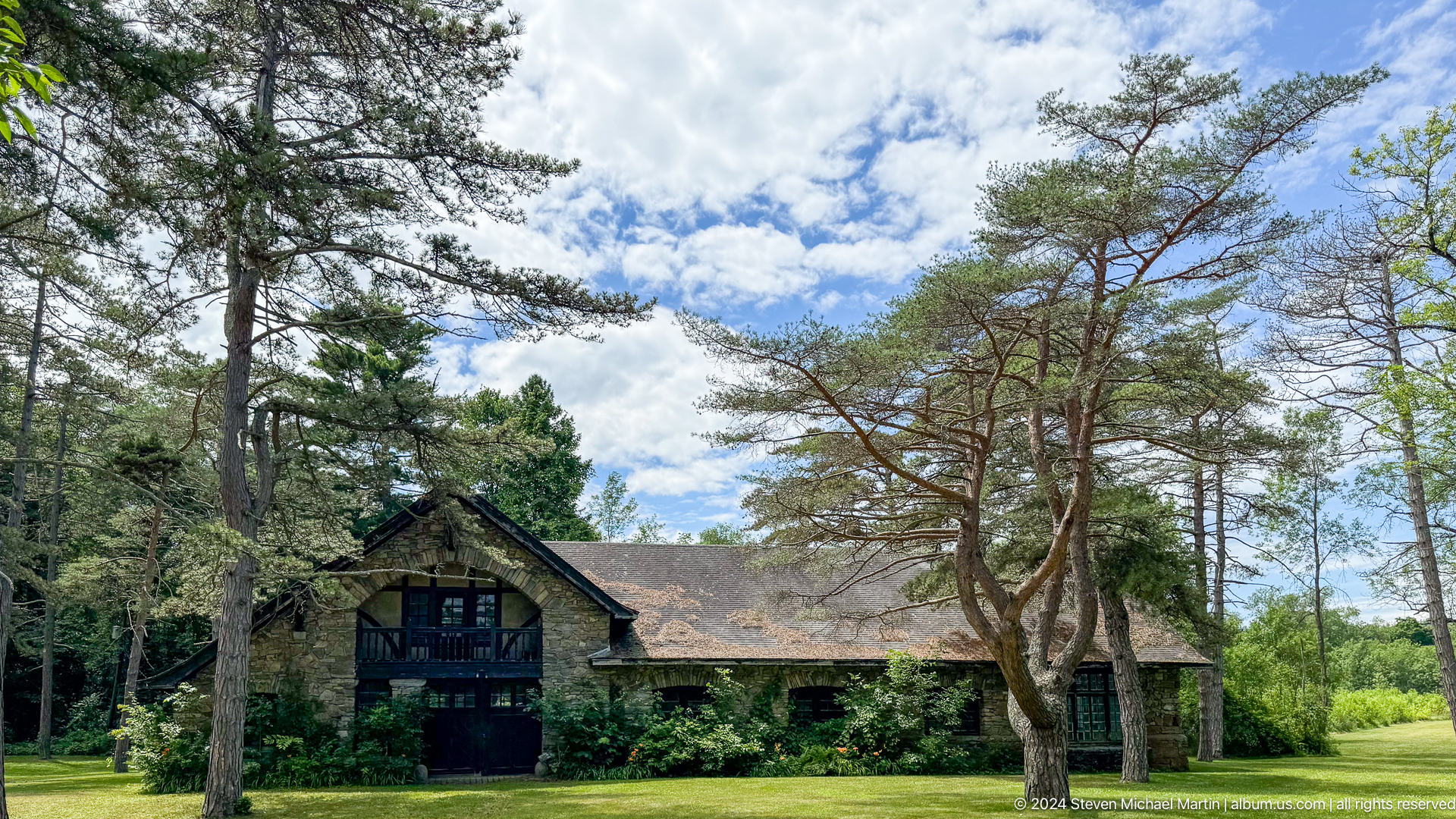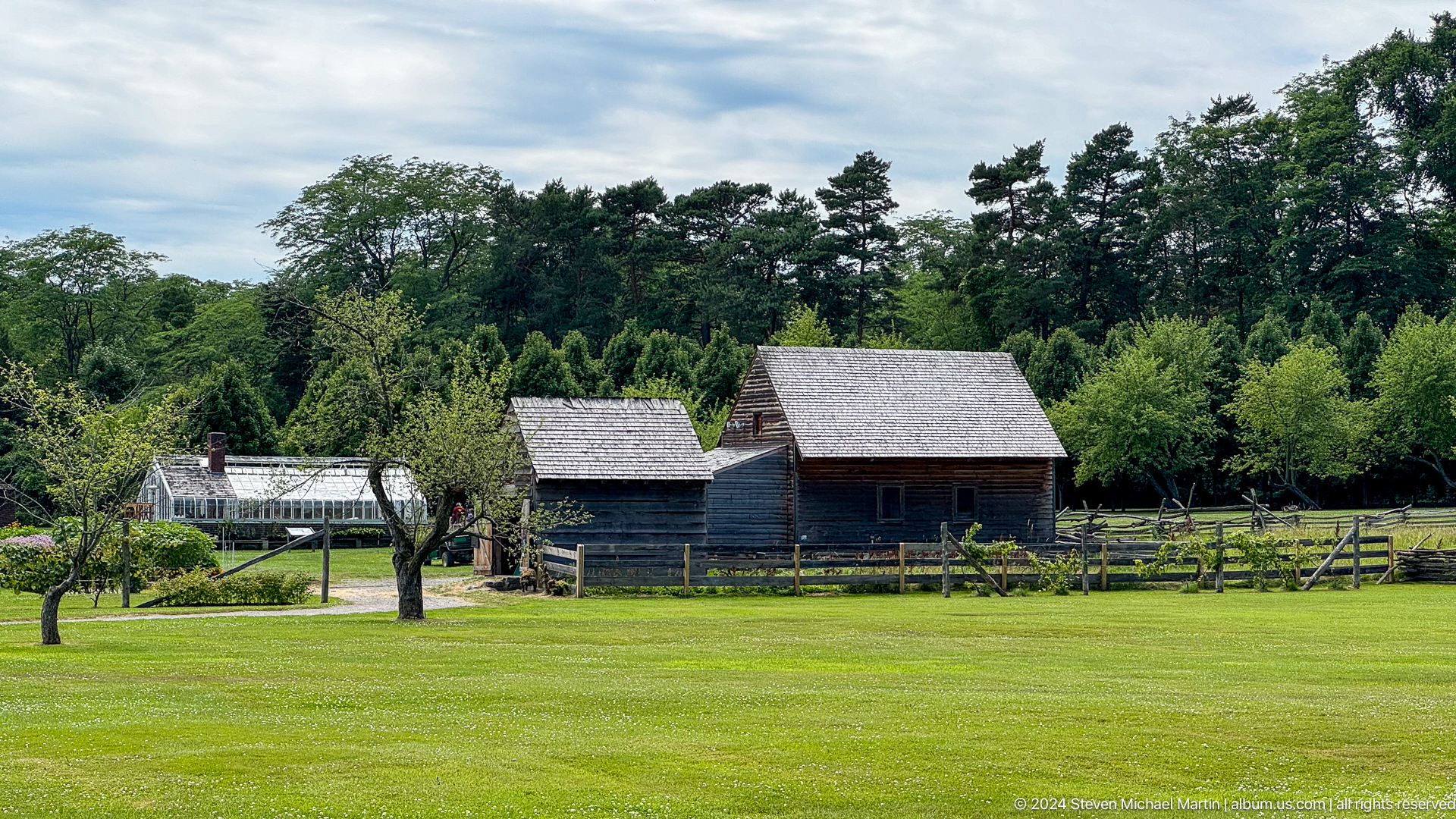
Fort Ticonderoga
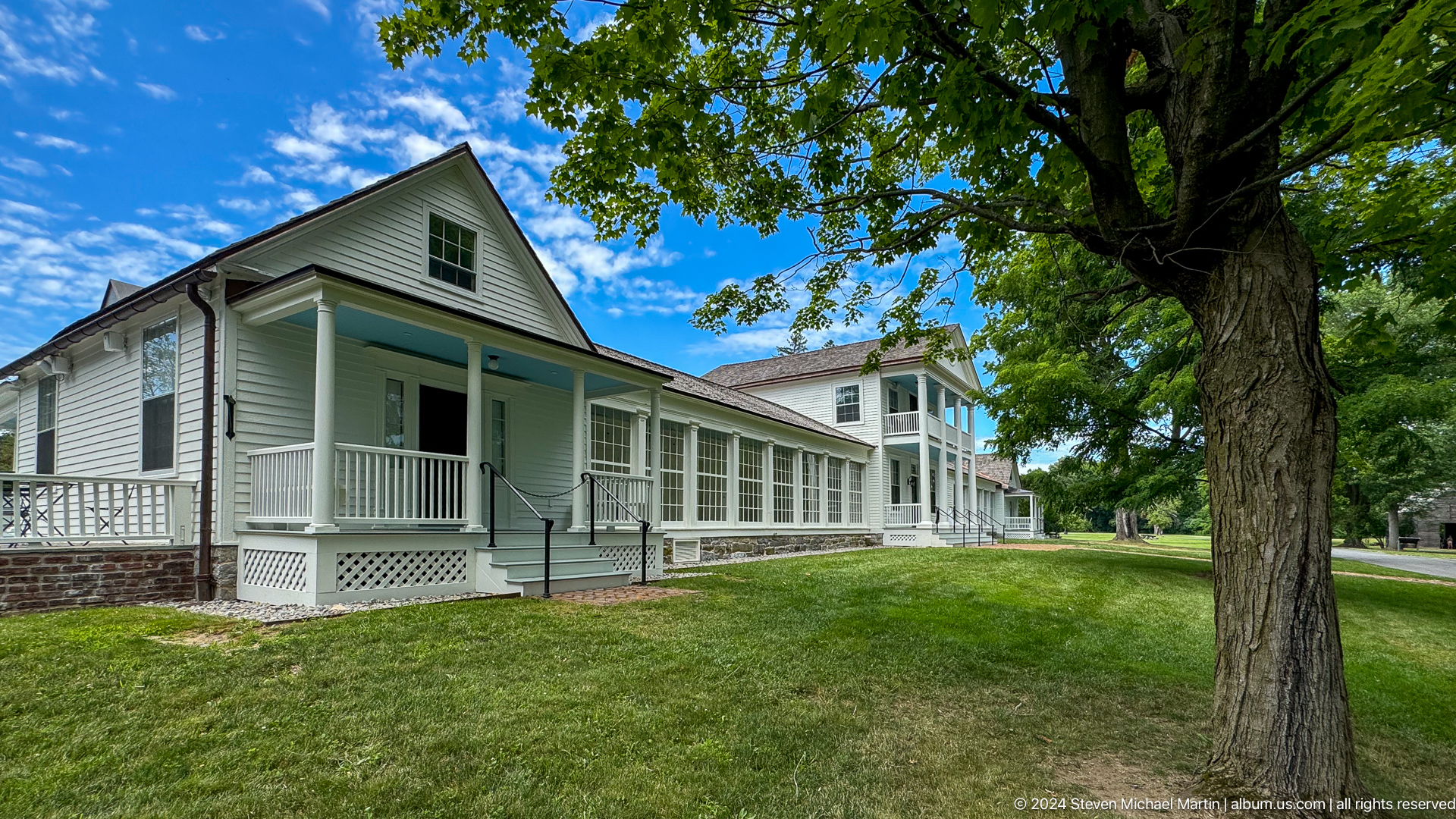
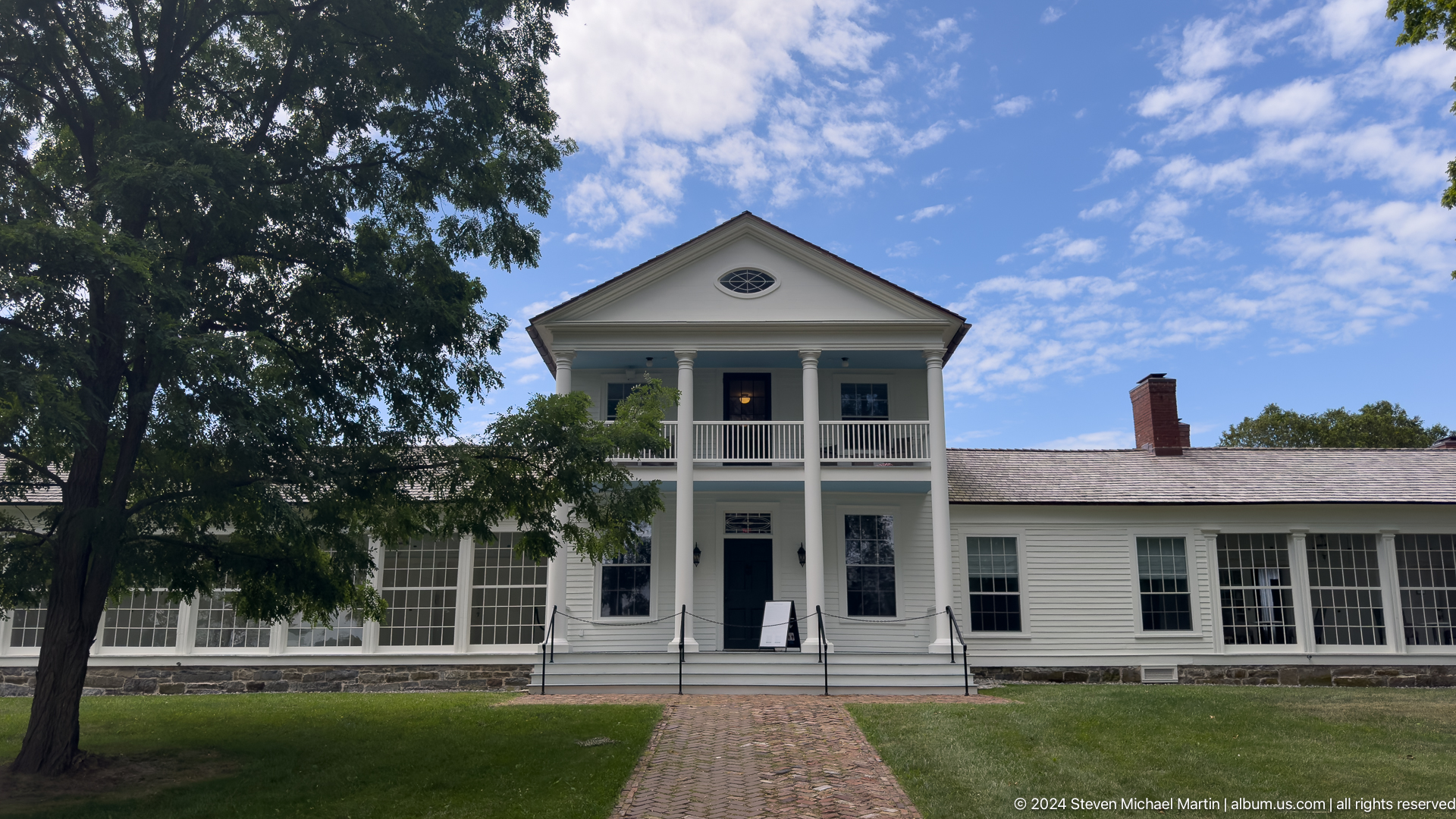
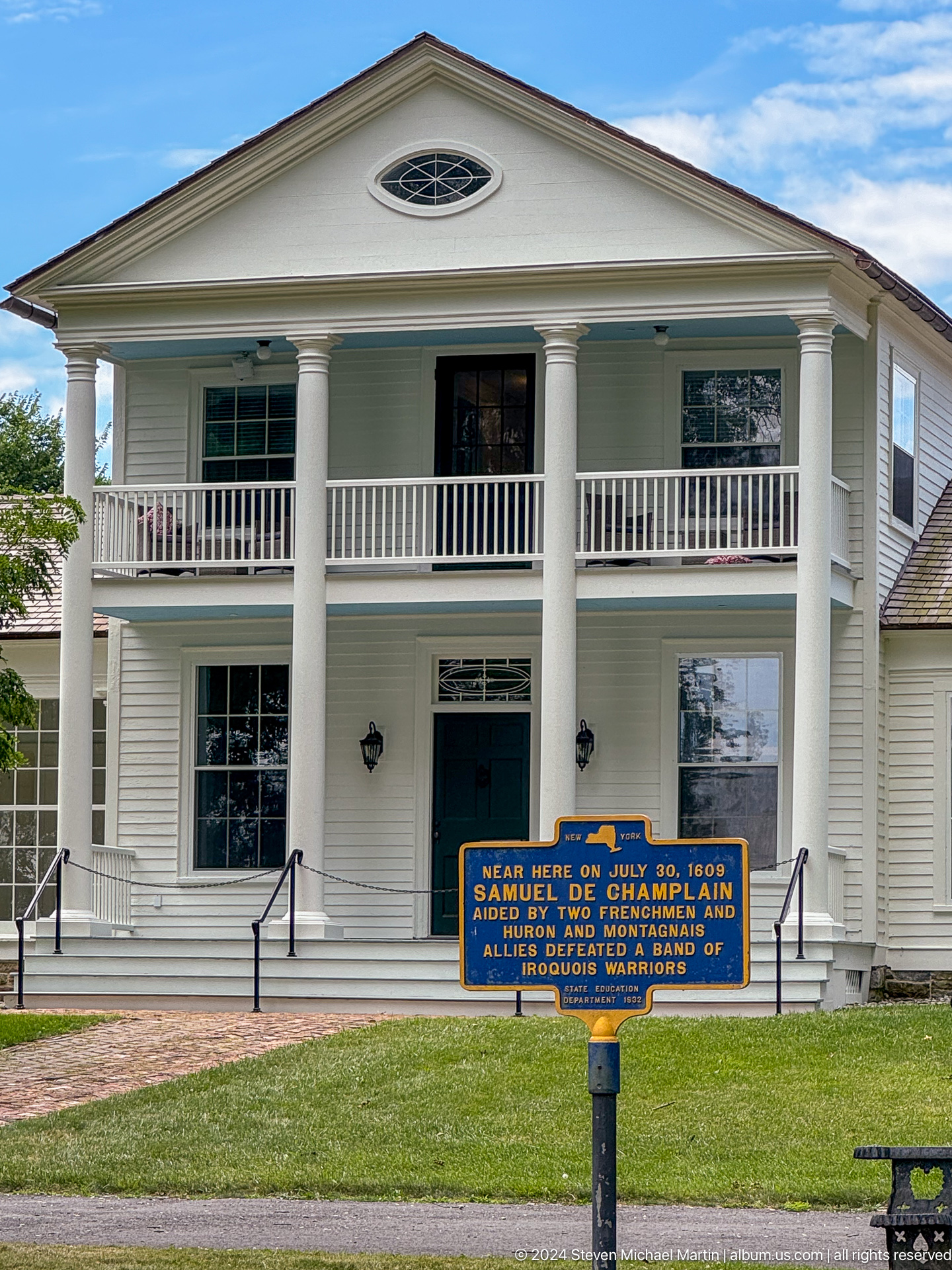
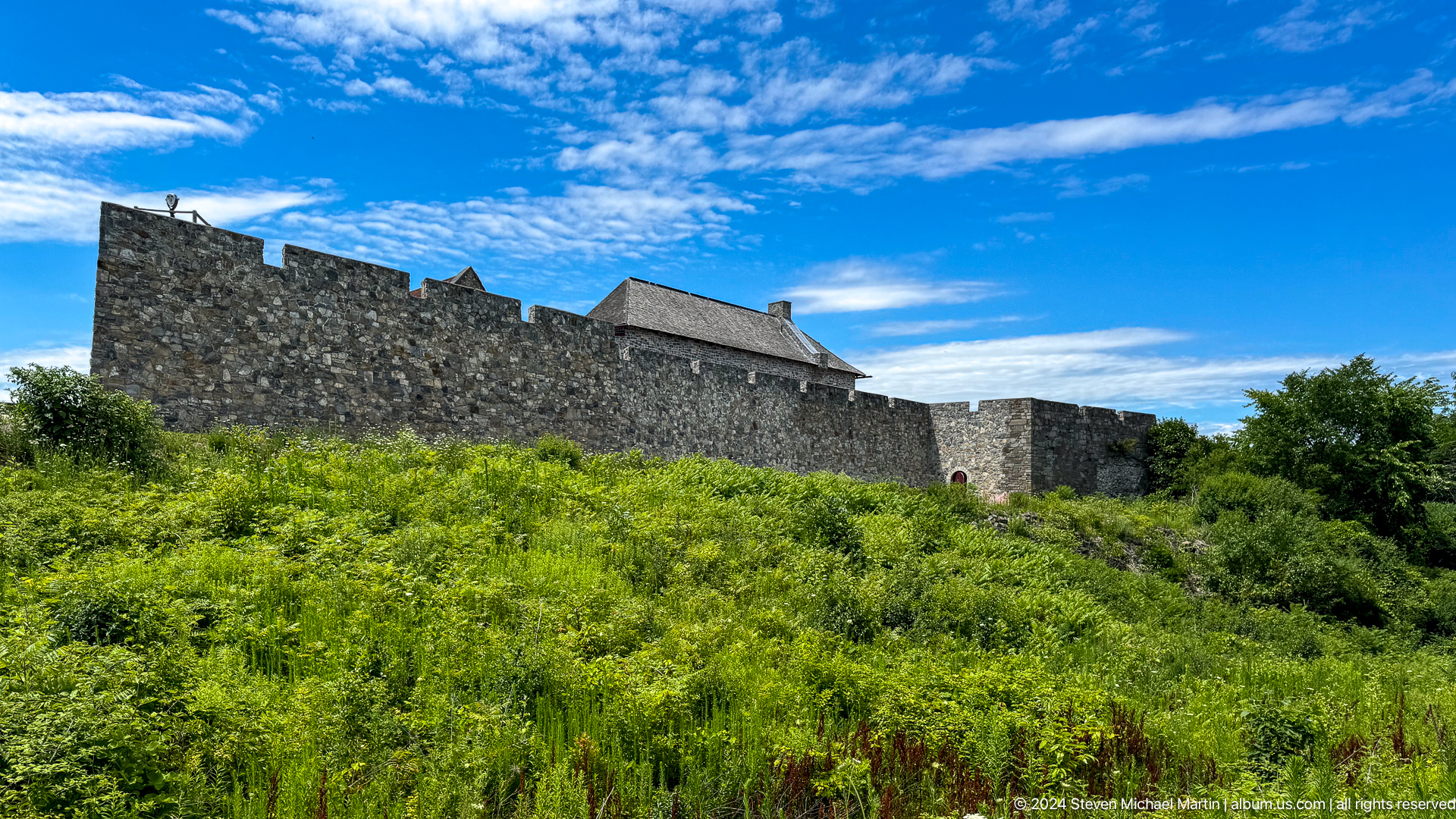
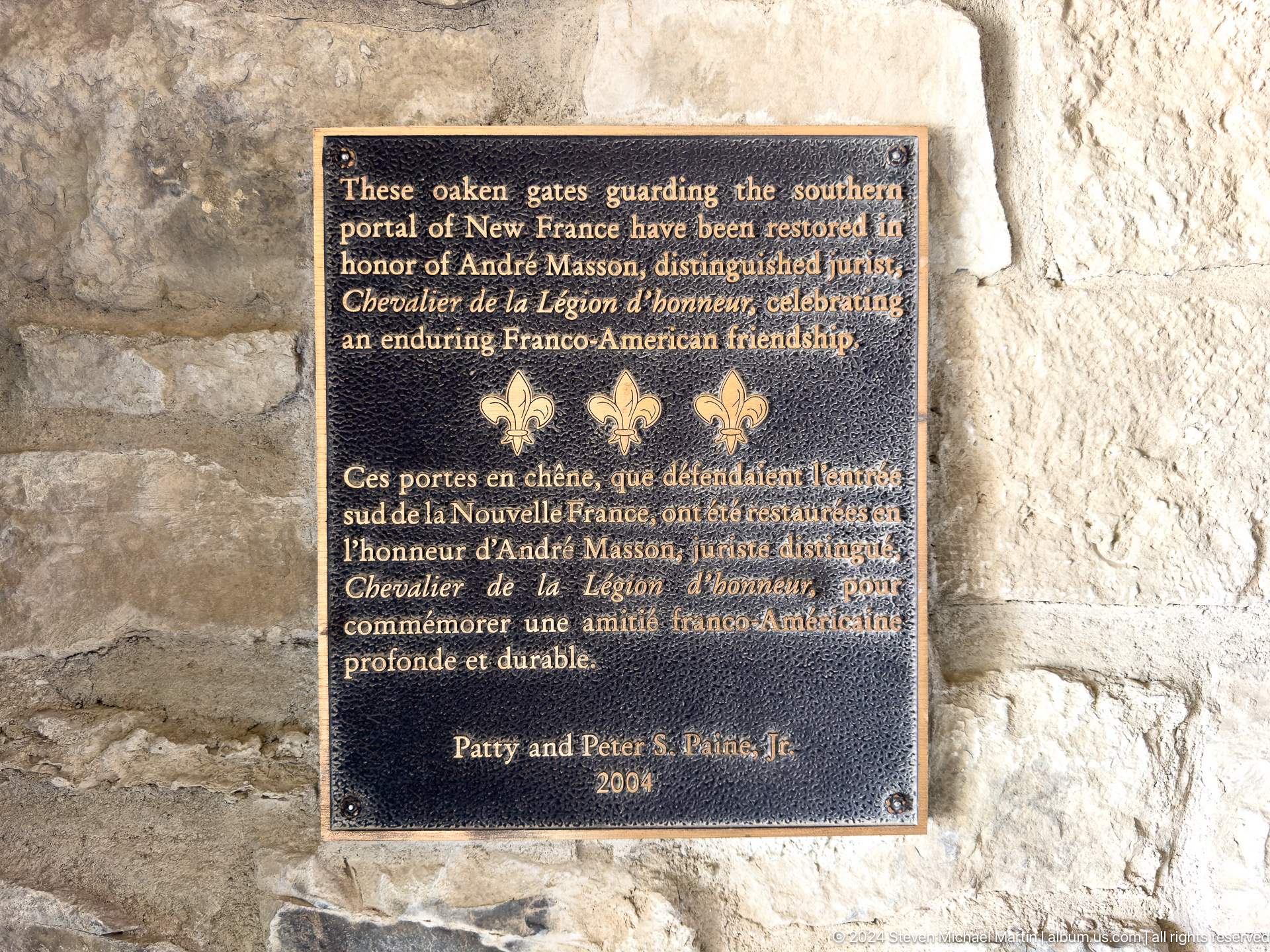
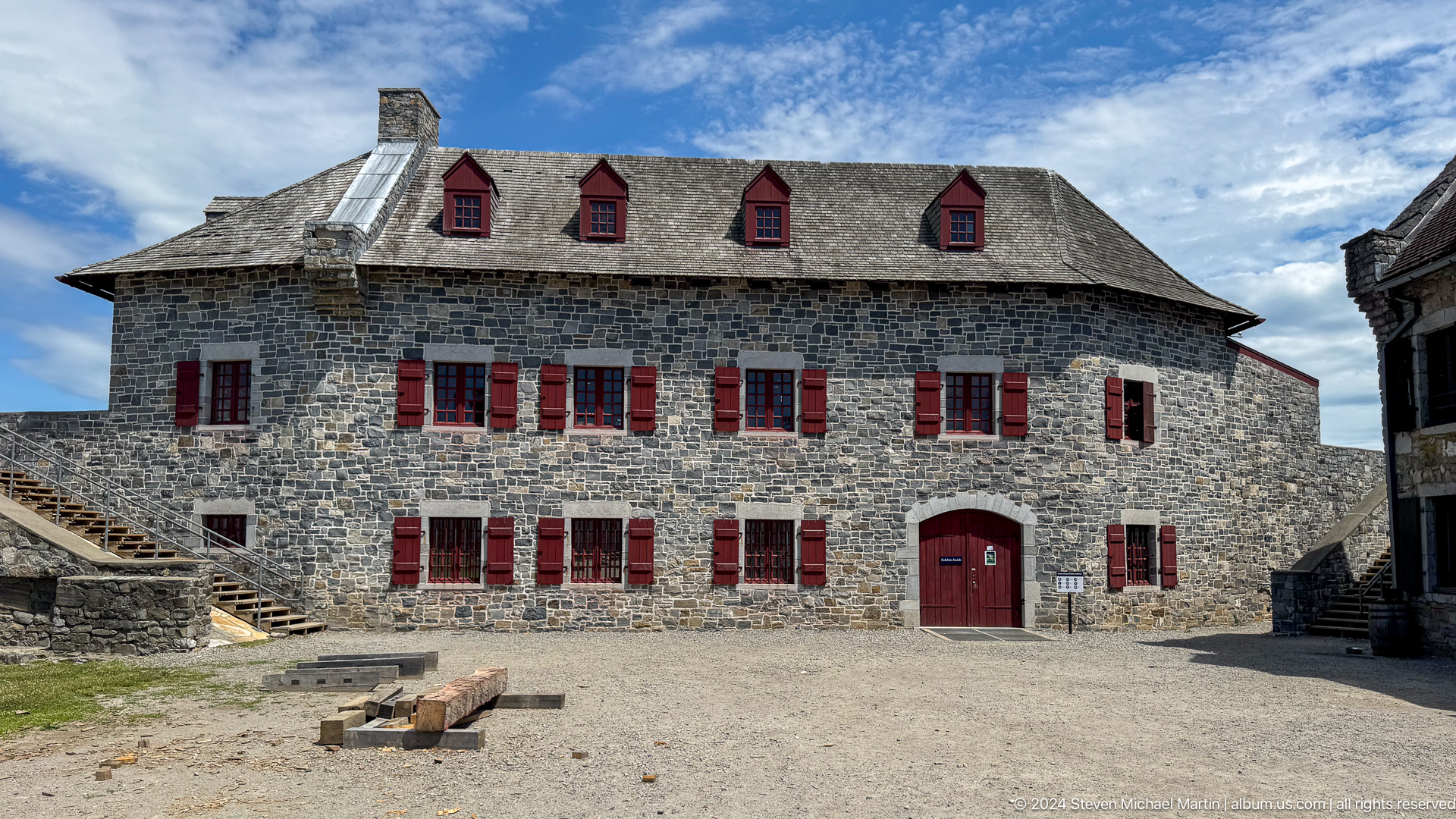
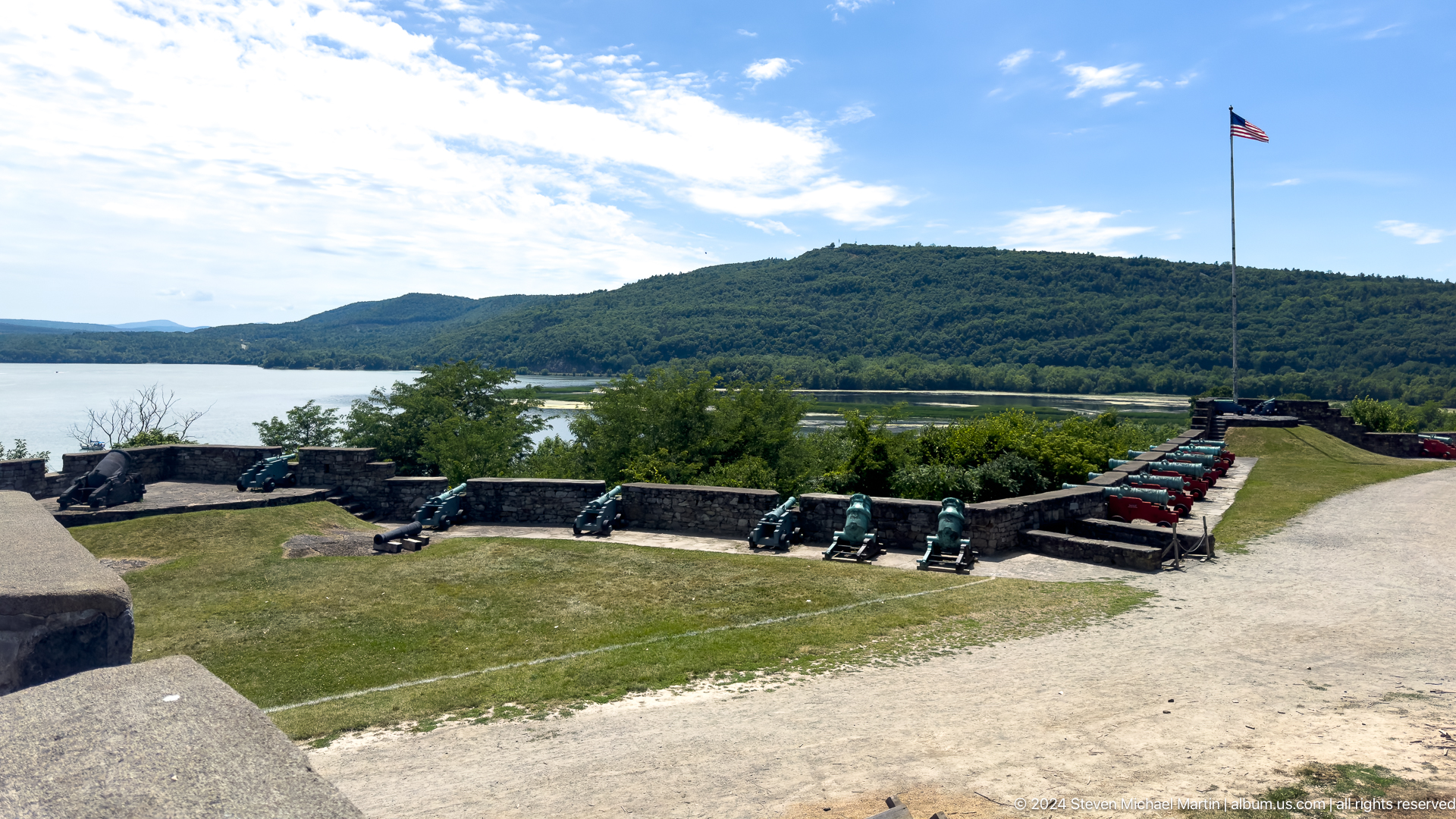
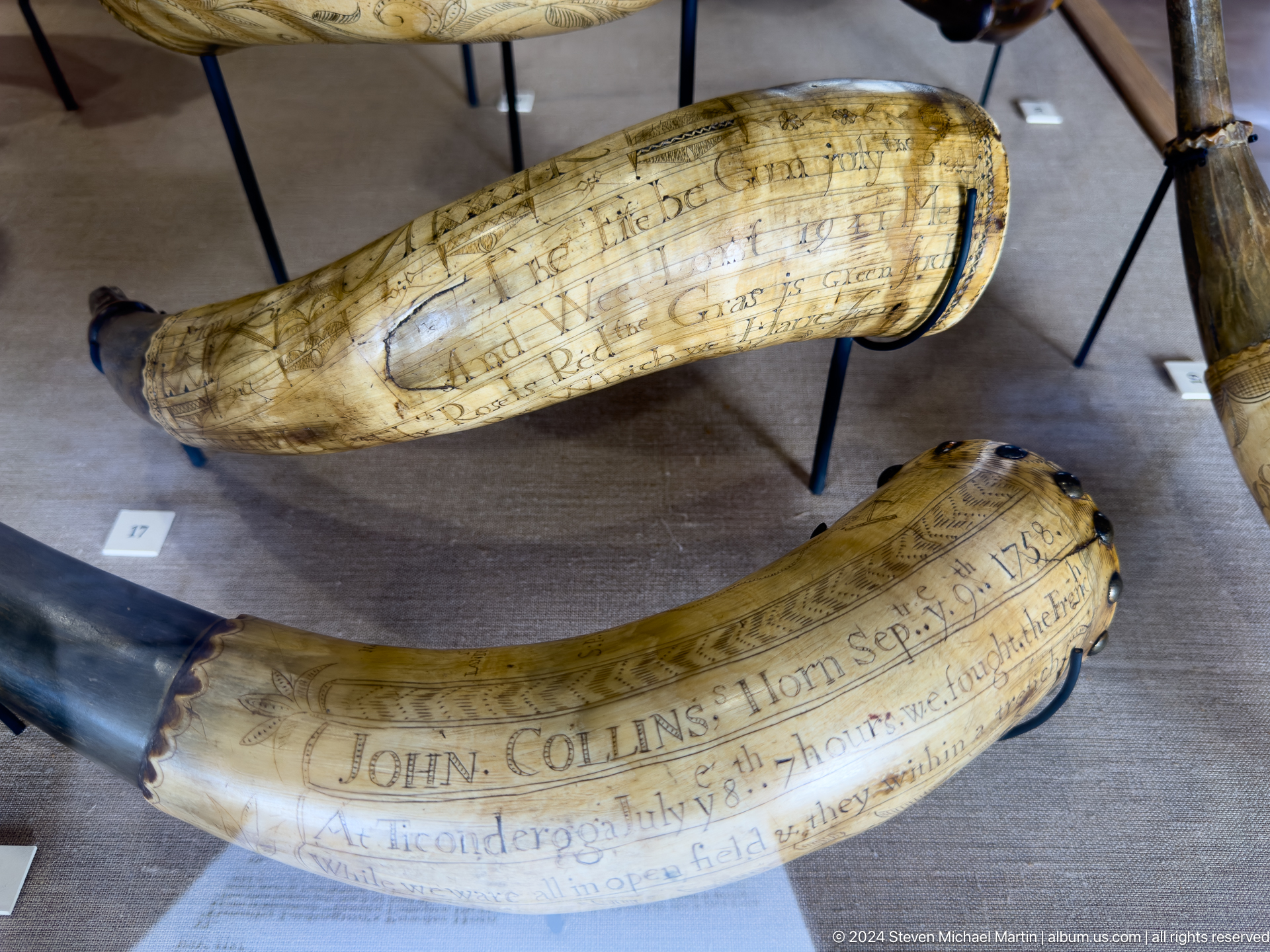
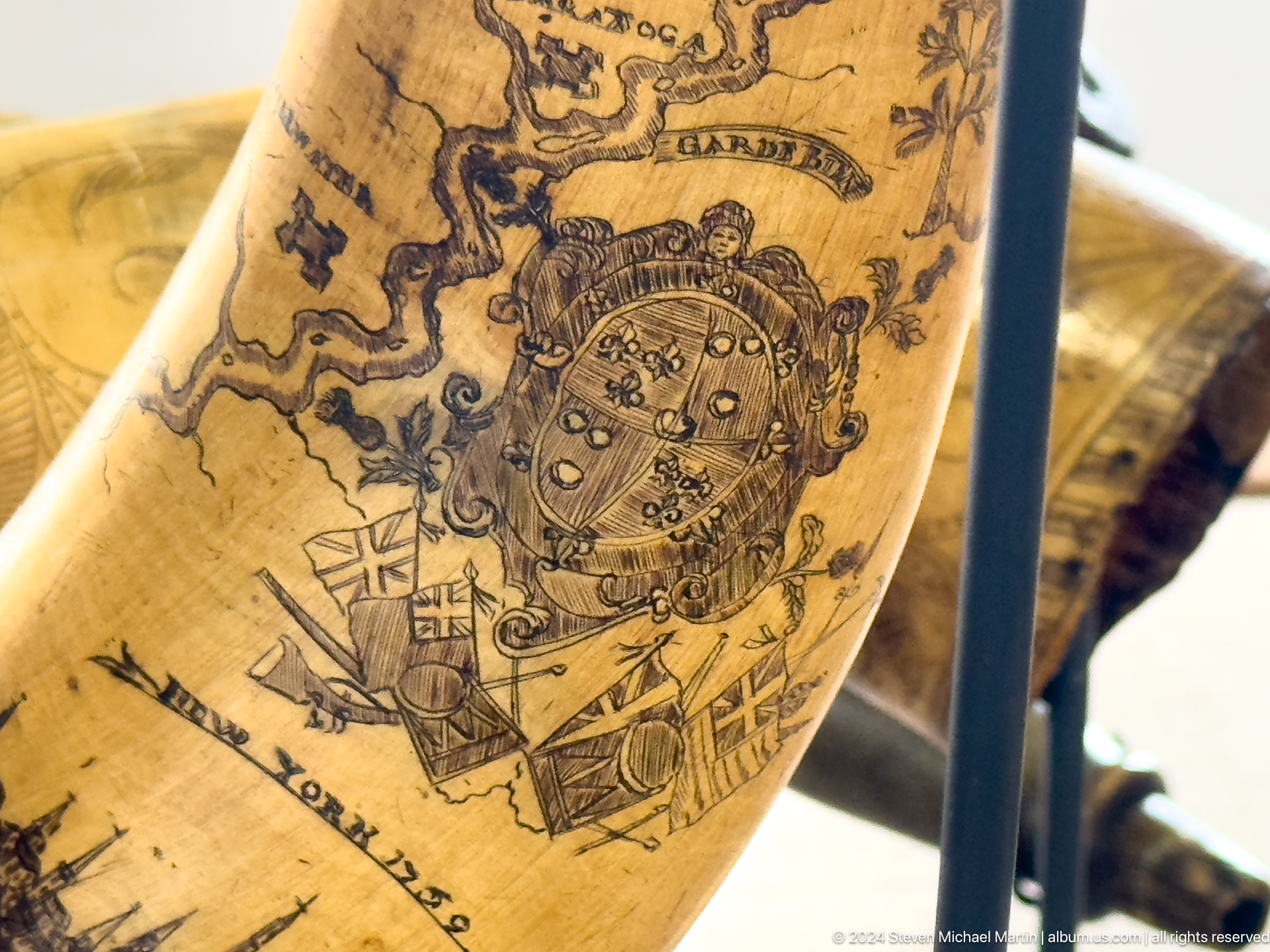
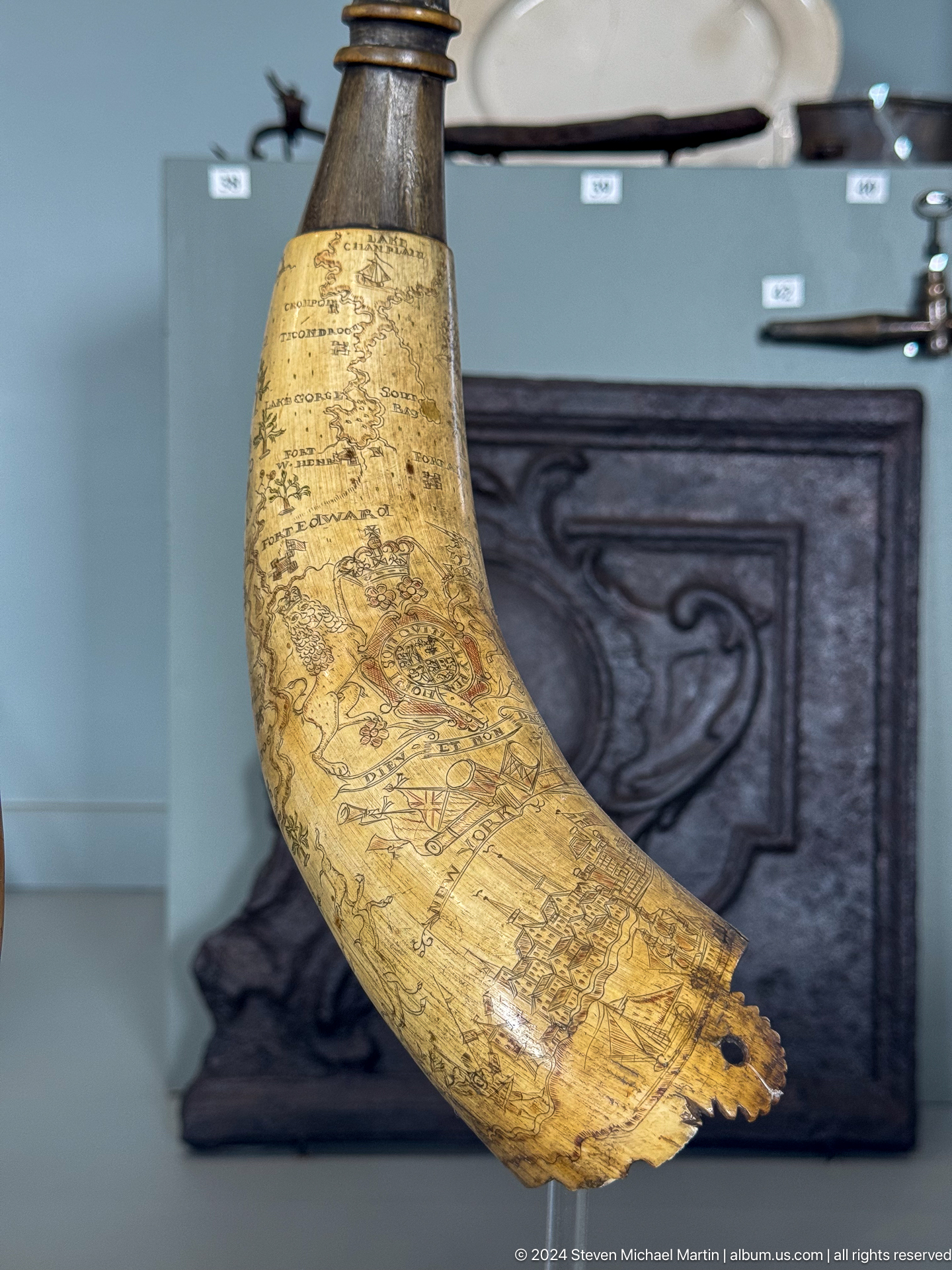
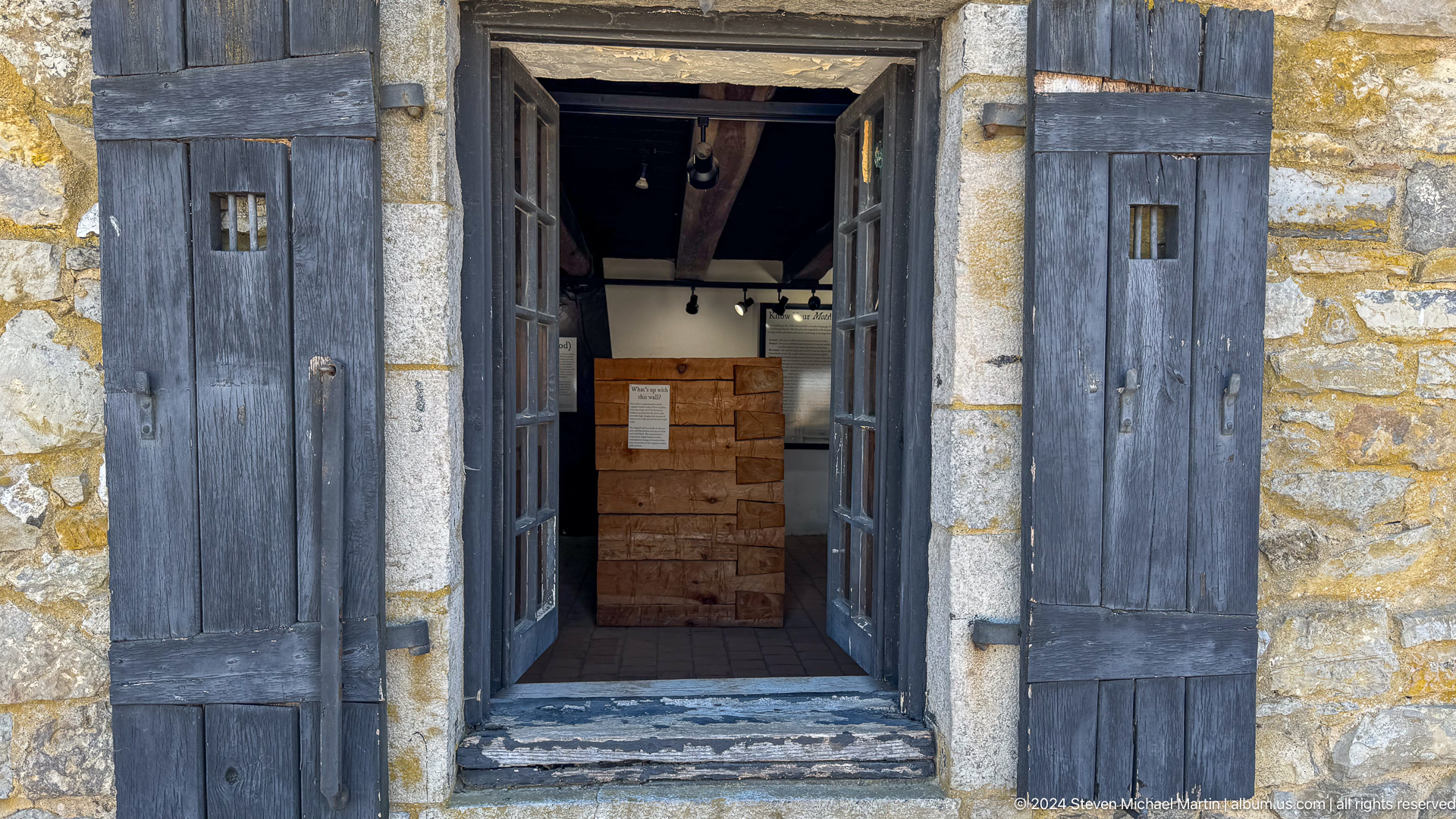
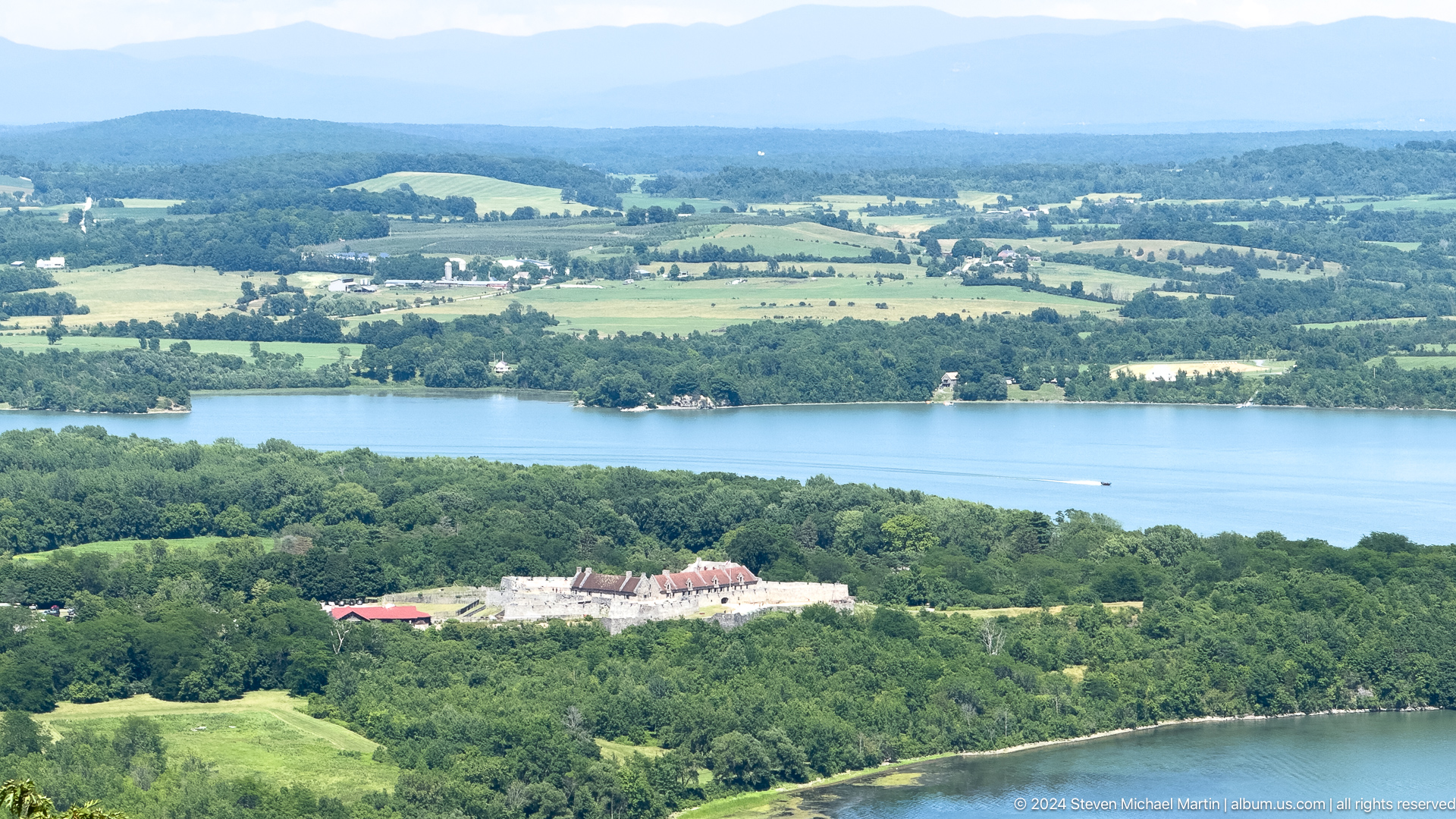
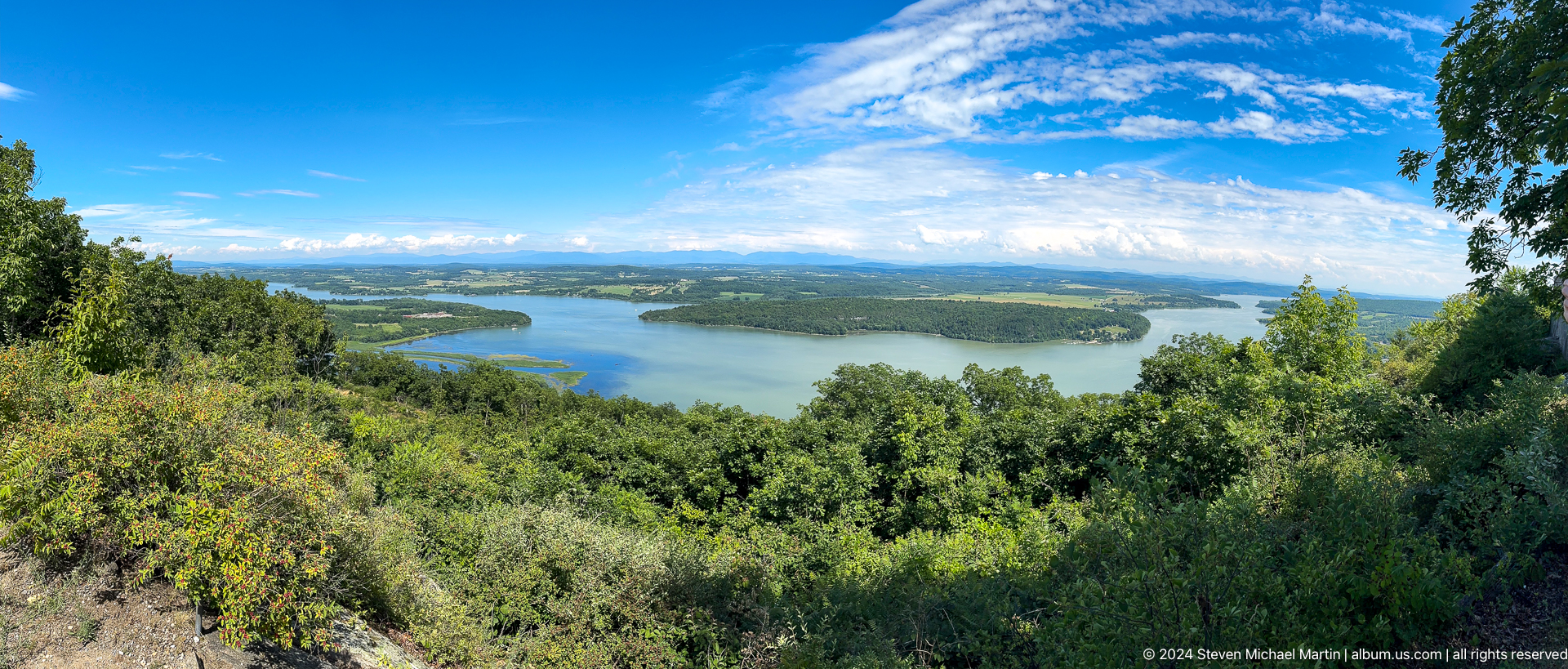
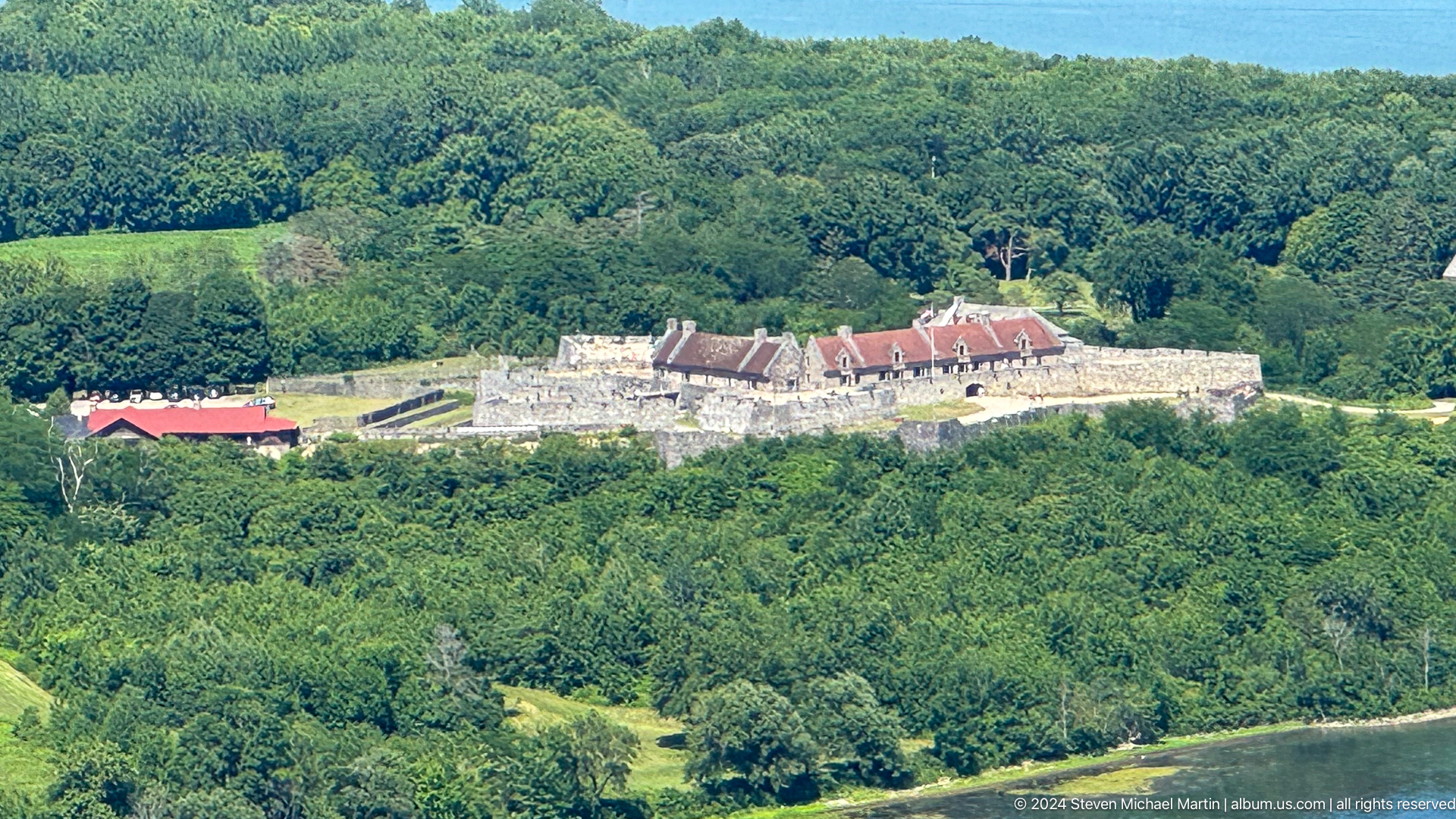
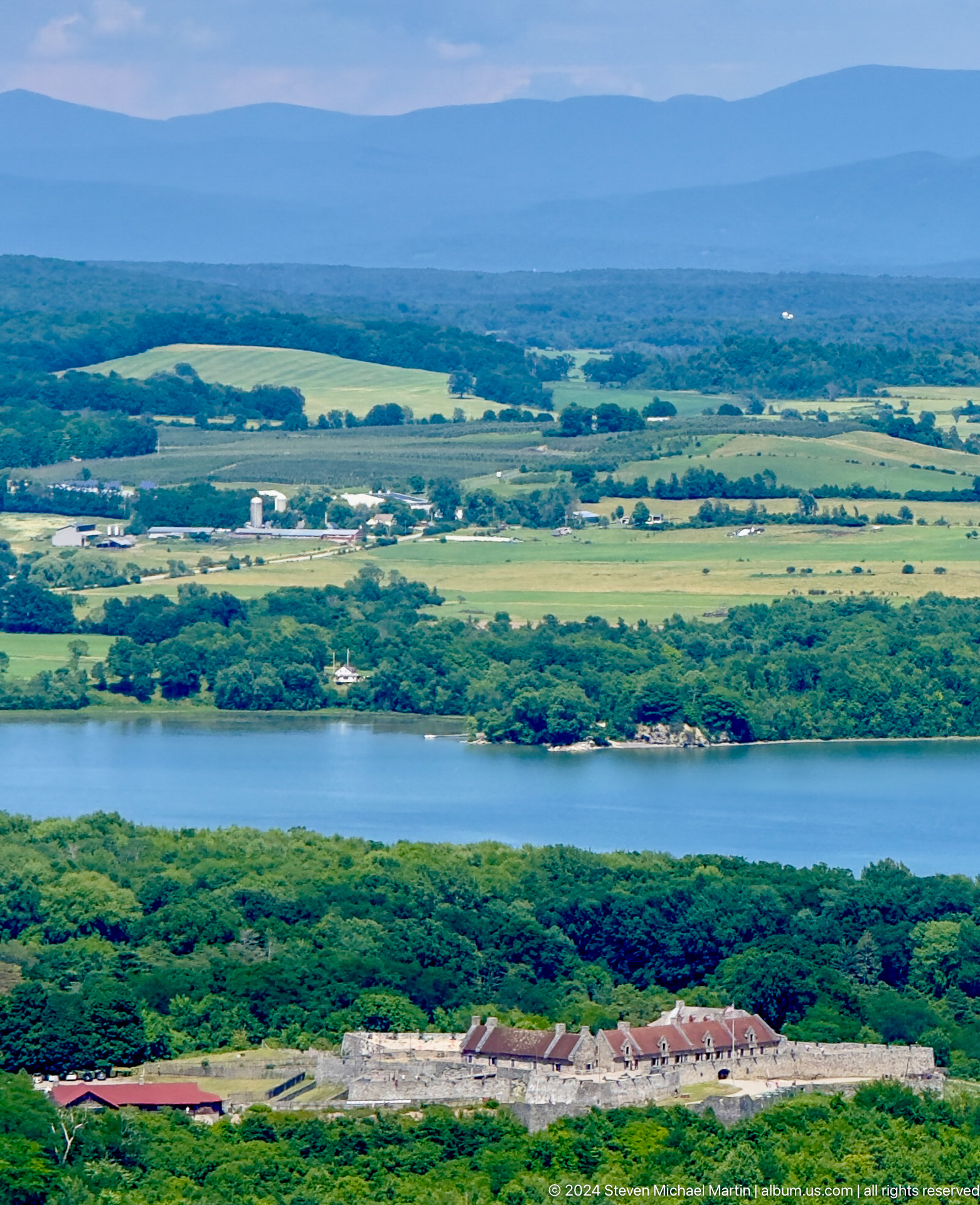
Fort Ticonderoga occupies a strategic location between Lake Champlain and Lake George, where waterways provided a natural transportation corridor linking the Hudson River Valley with Canada. Constructed by the French between 1755 and 1757 as Fort Carillon, the fort became one of the most contested military positions in North America during the French and Indian War and the American Revolutionary War. Its location at a narrow portage between major lakes allowed control of movement between the St. Lawrence River and the Hudson River, making the site critical to competing European empires and later to the emerging United States.
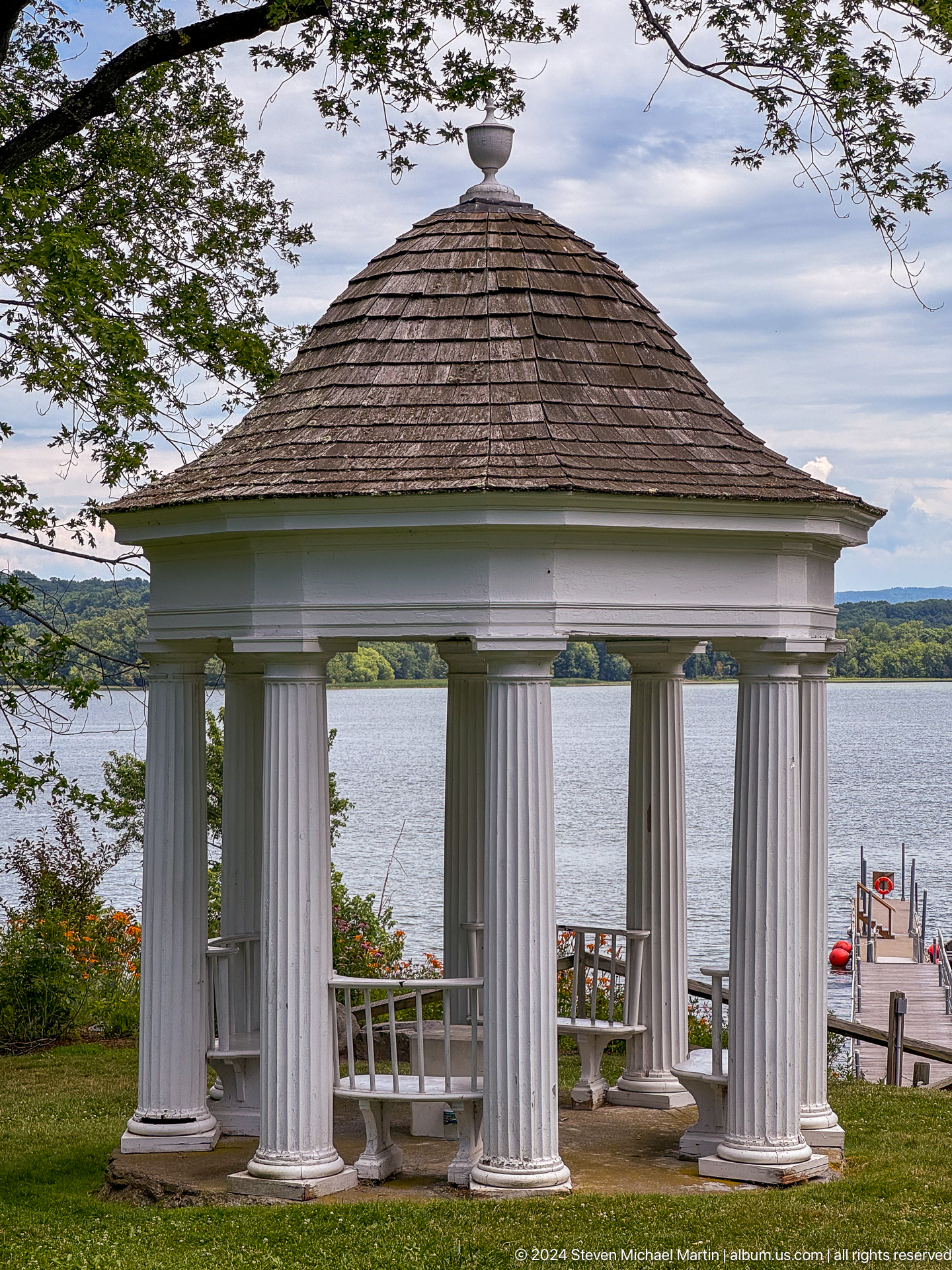
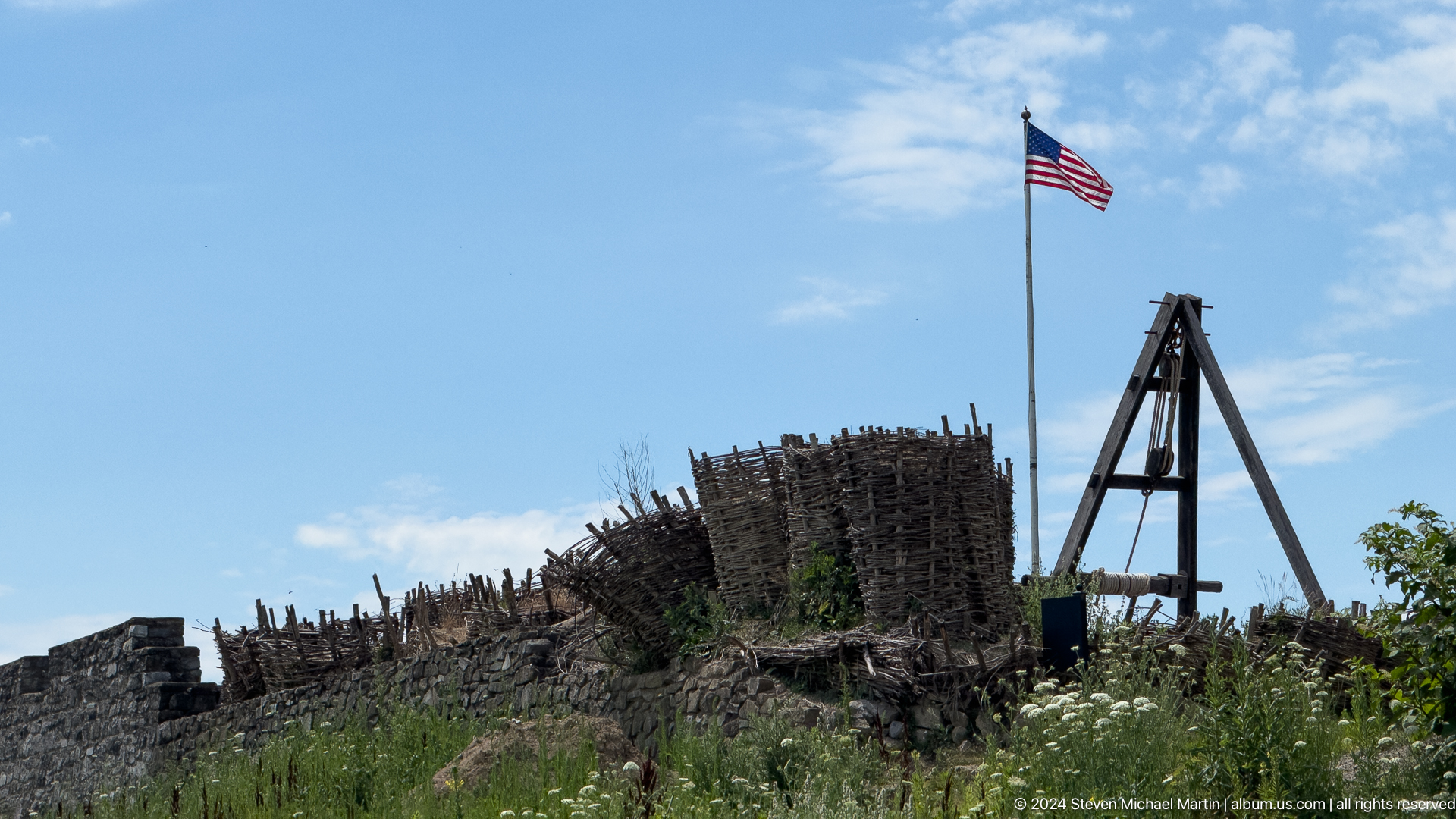
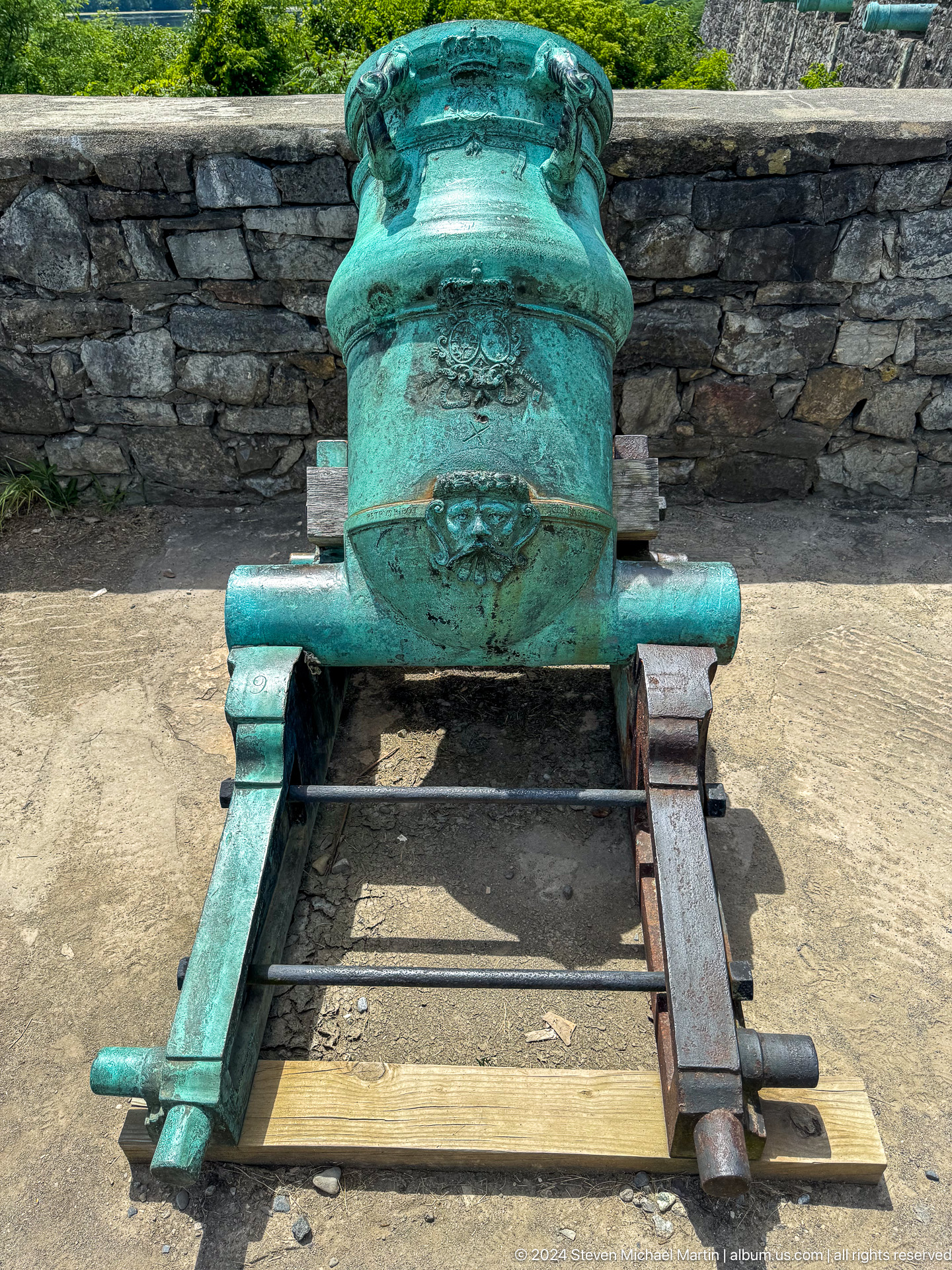
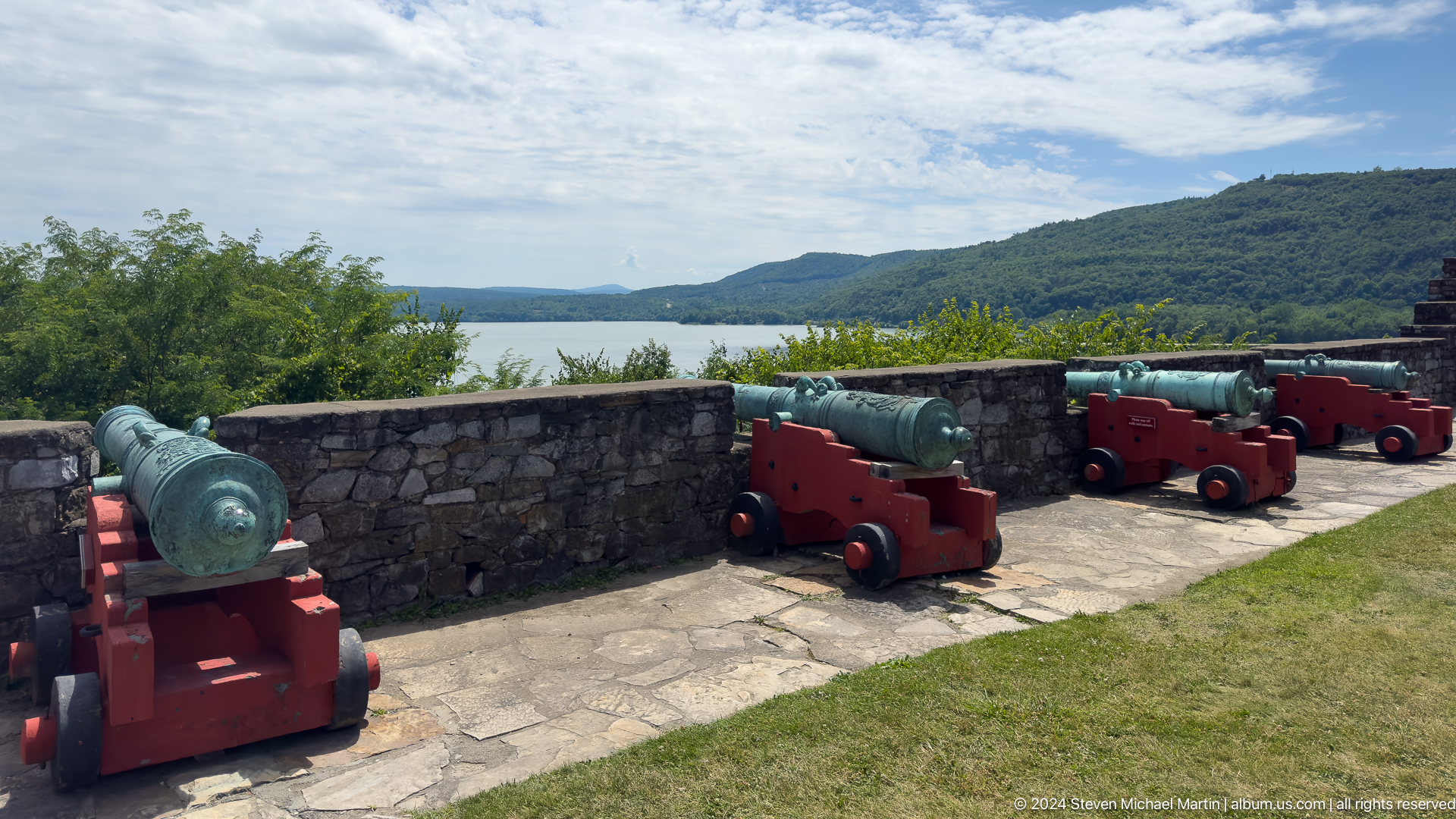
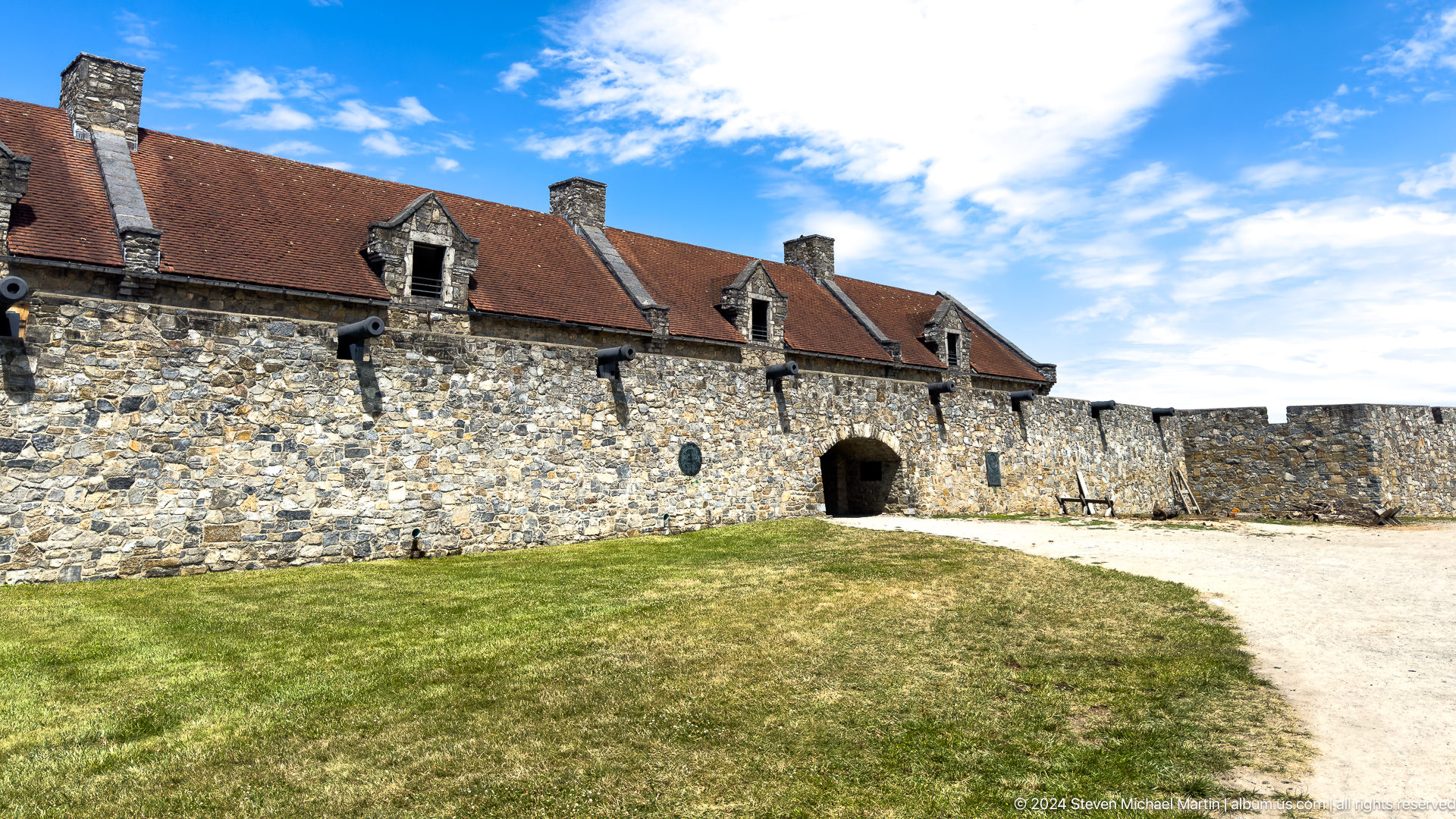
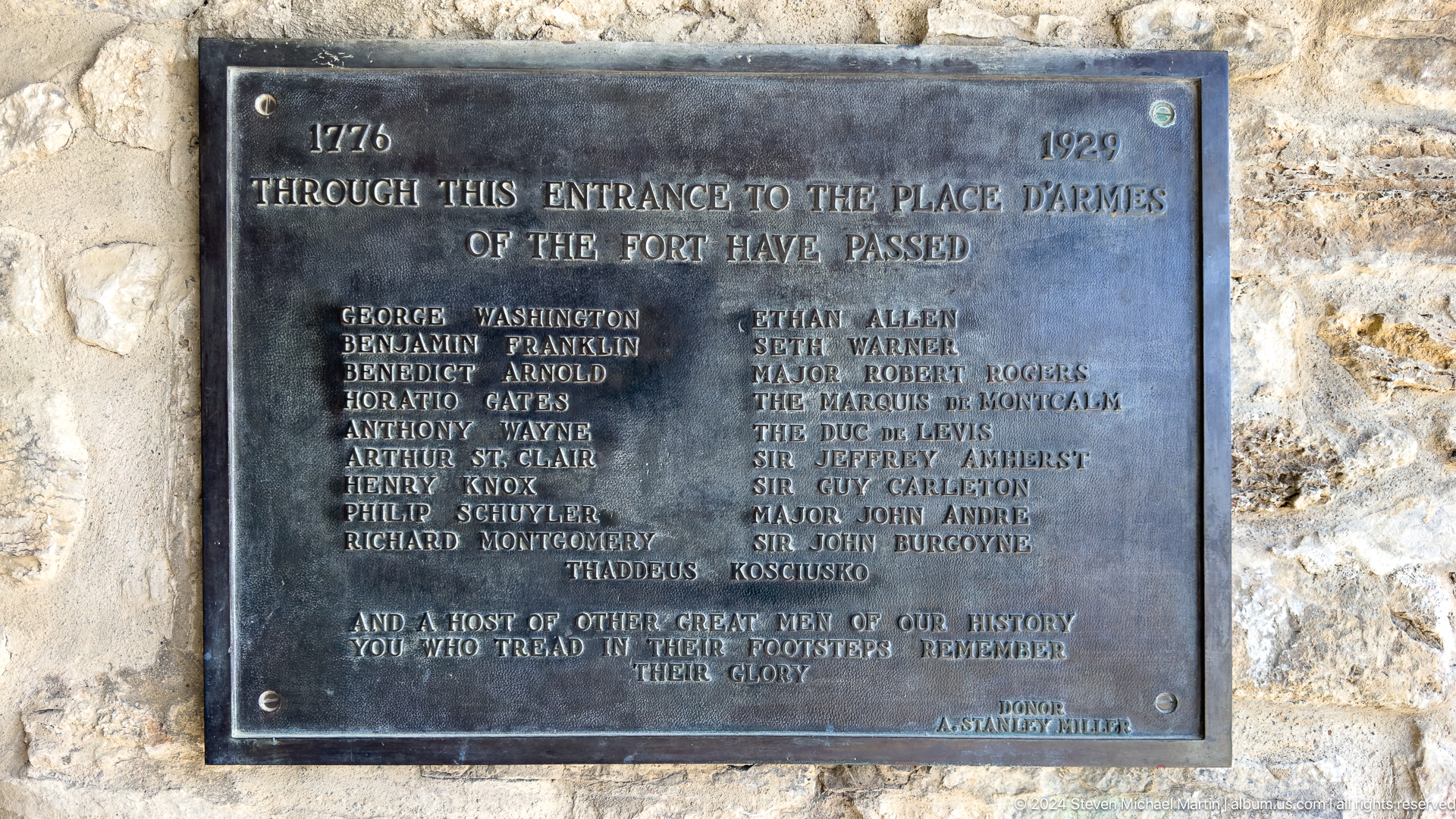
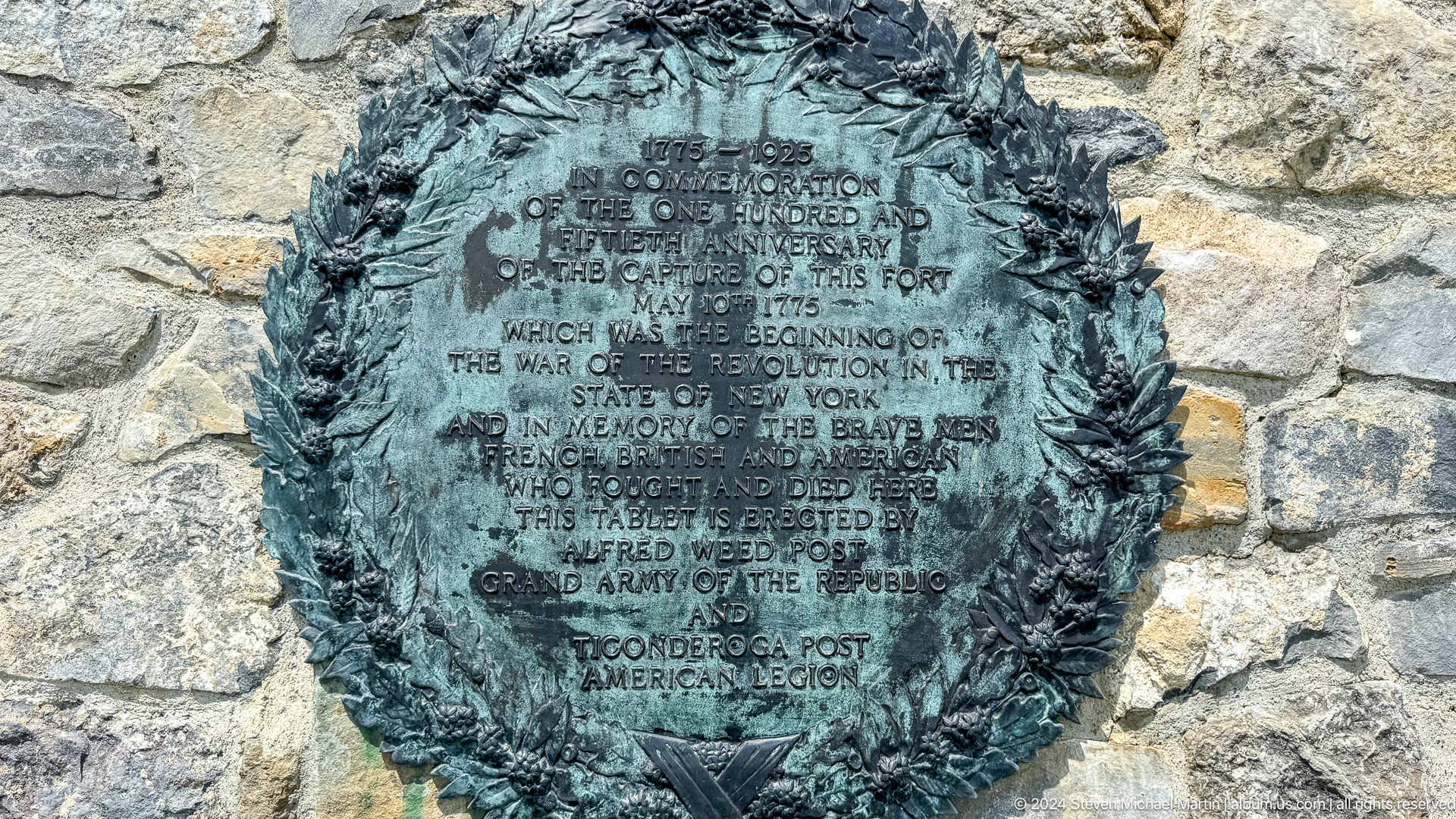
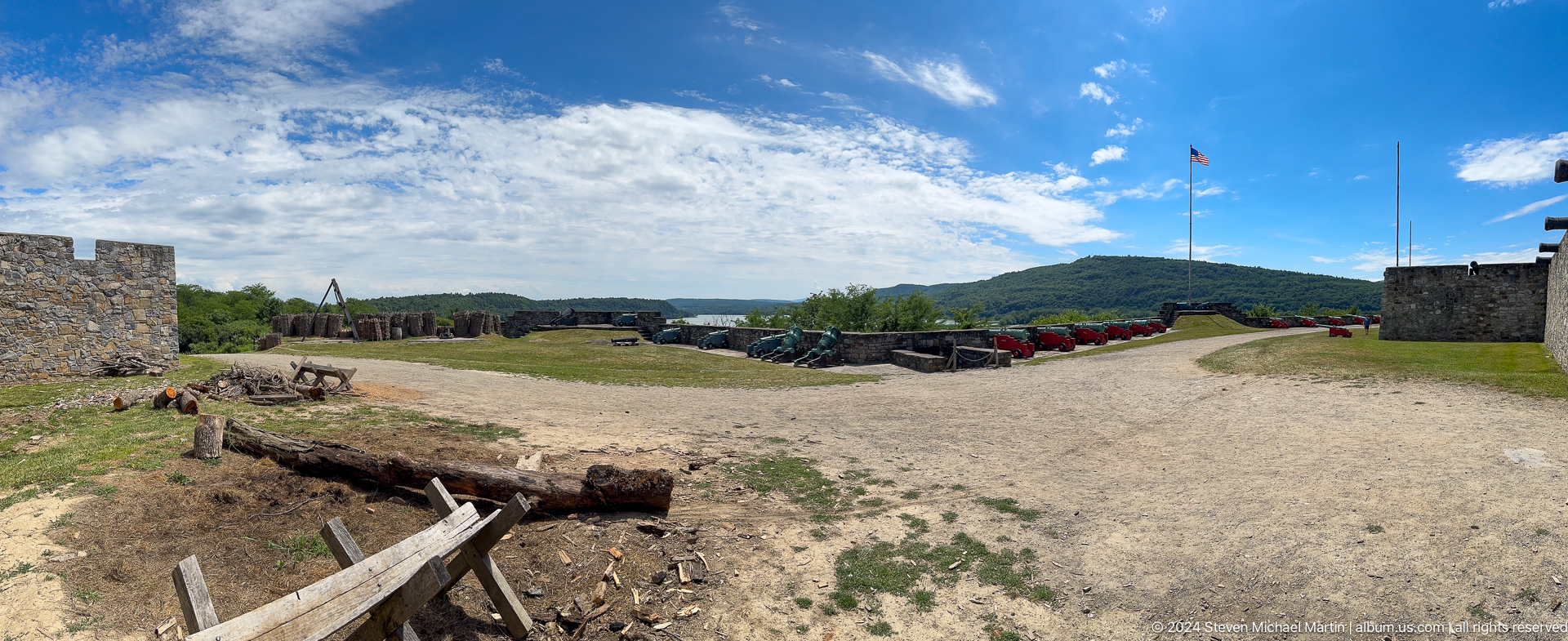
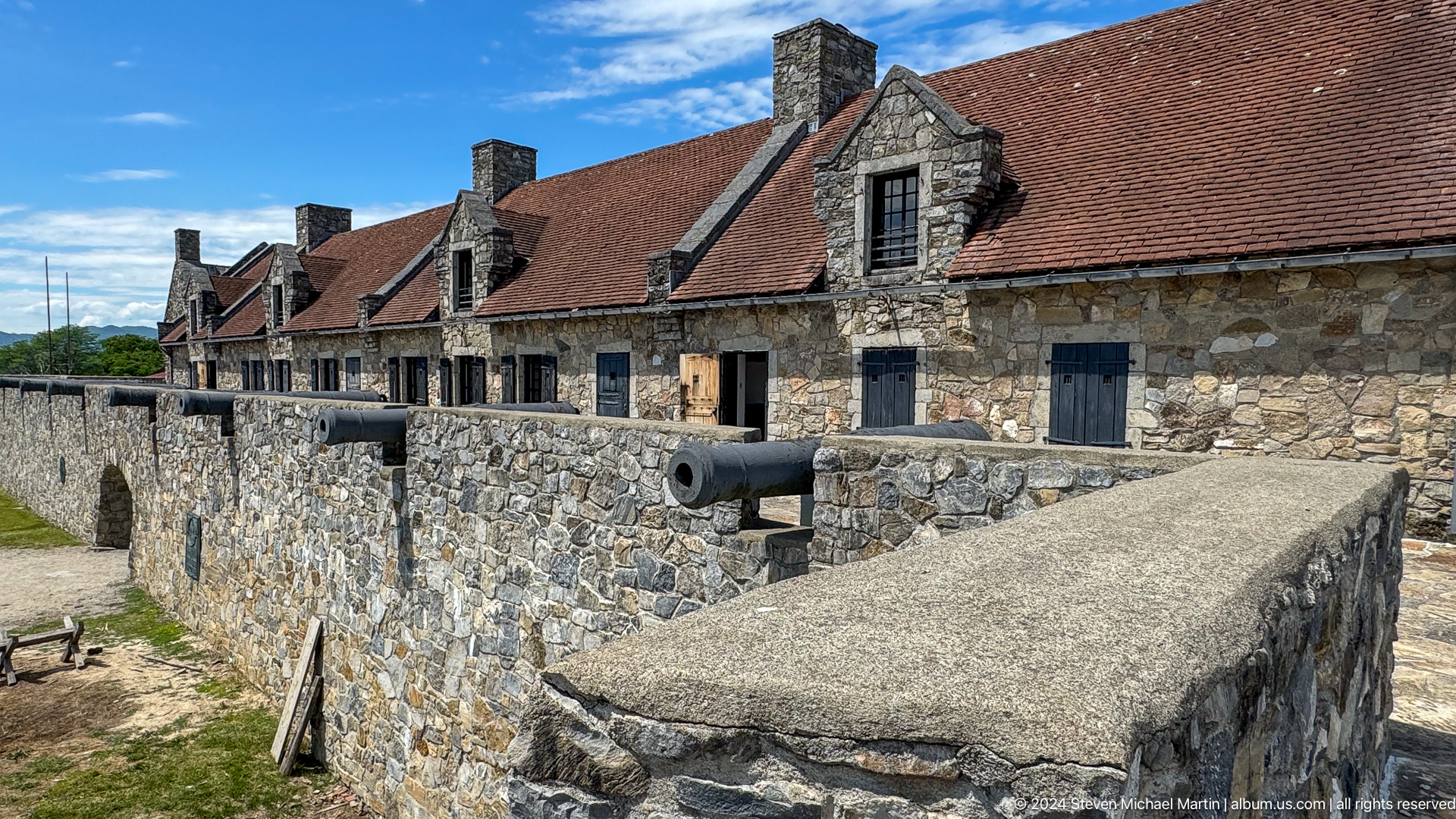
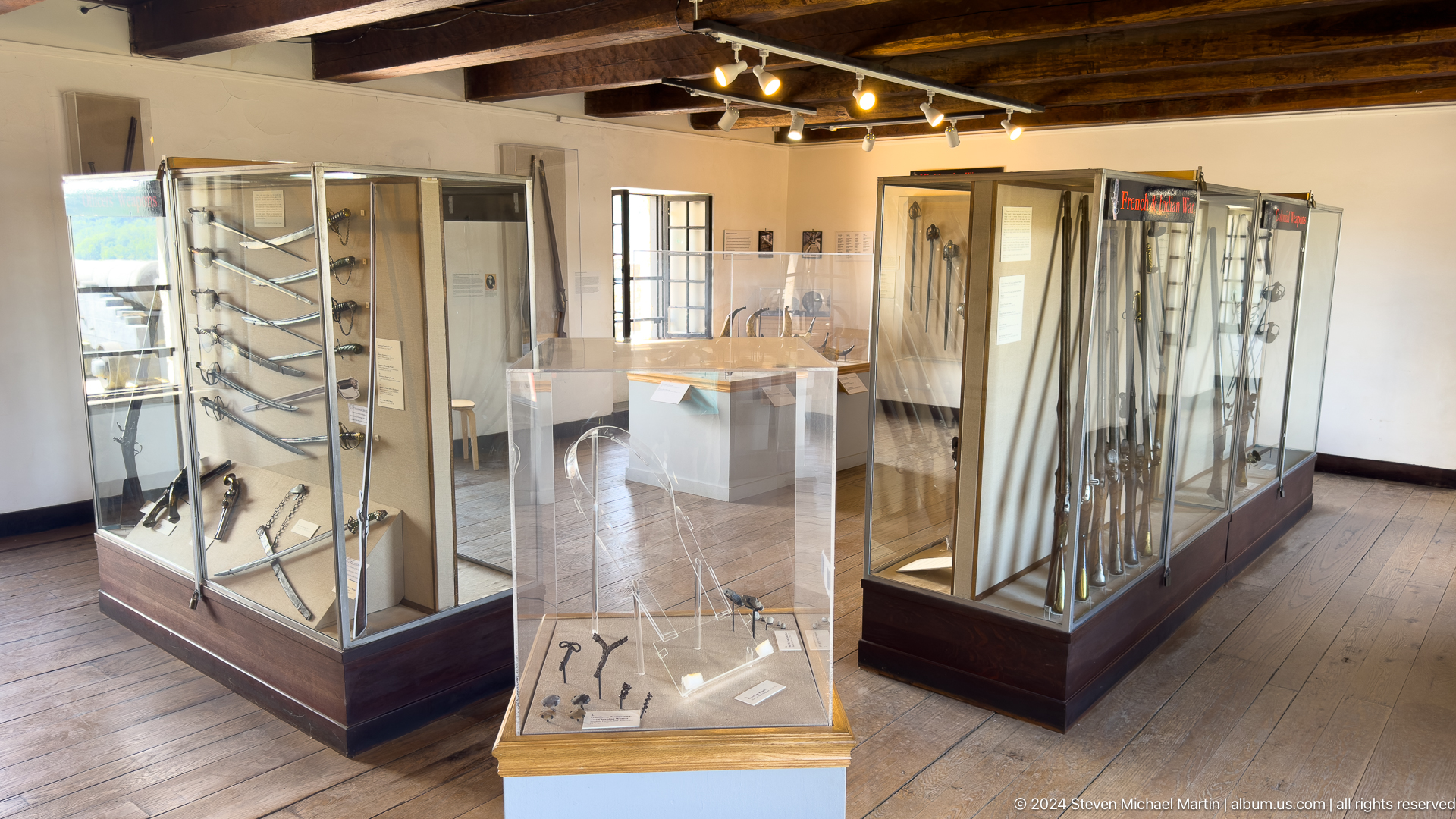
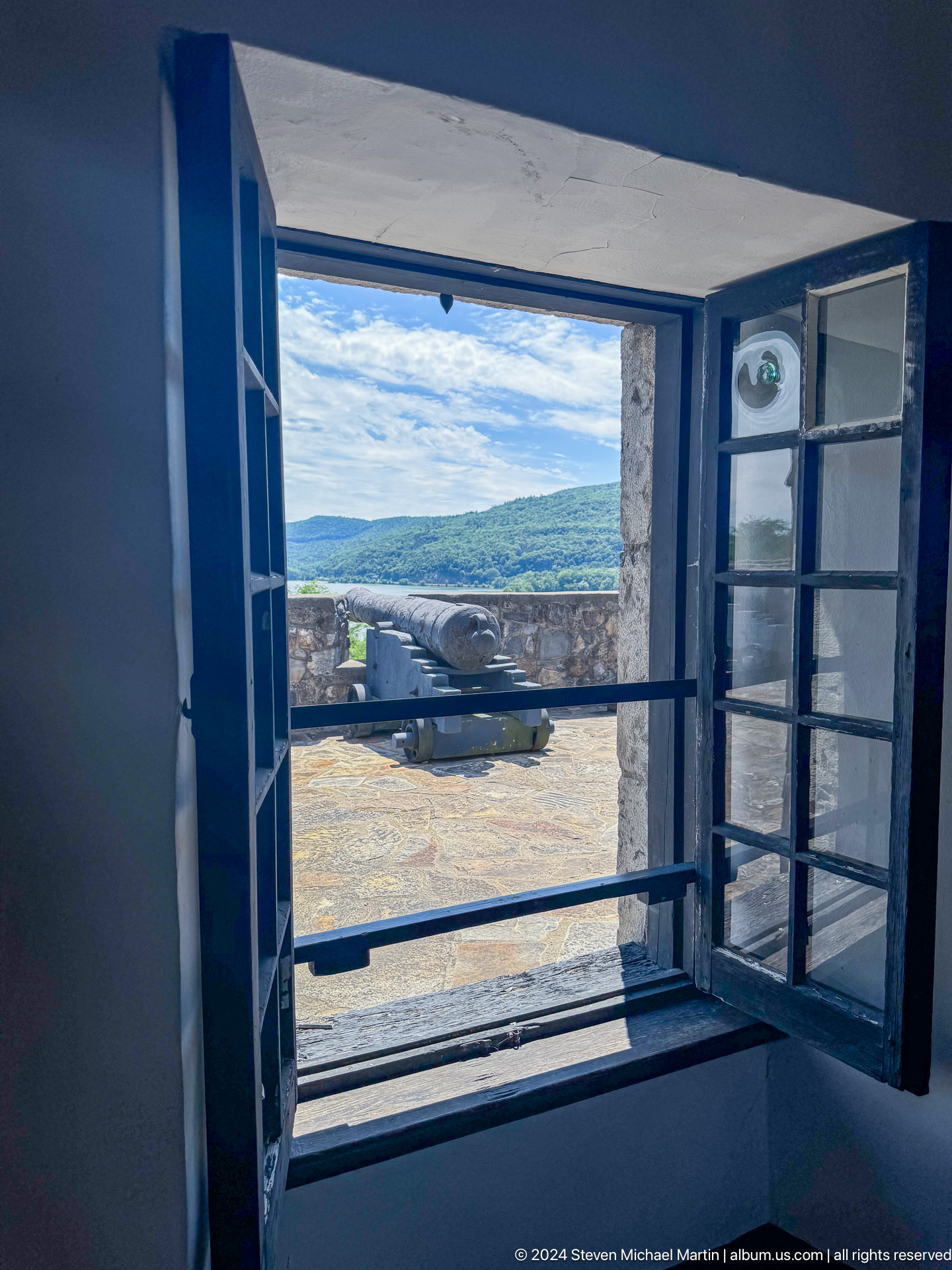
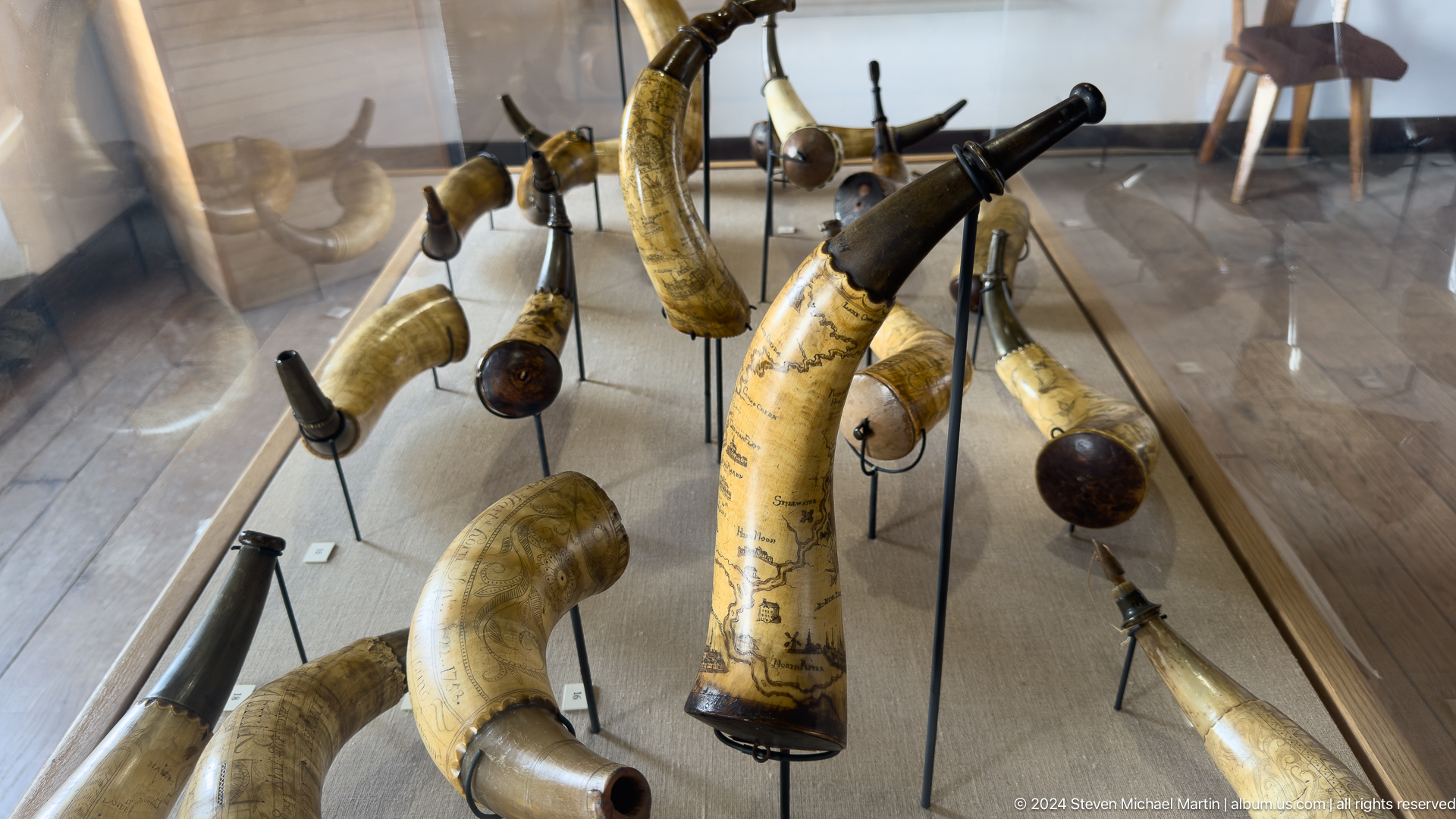
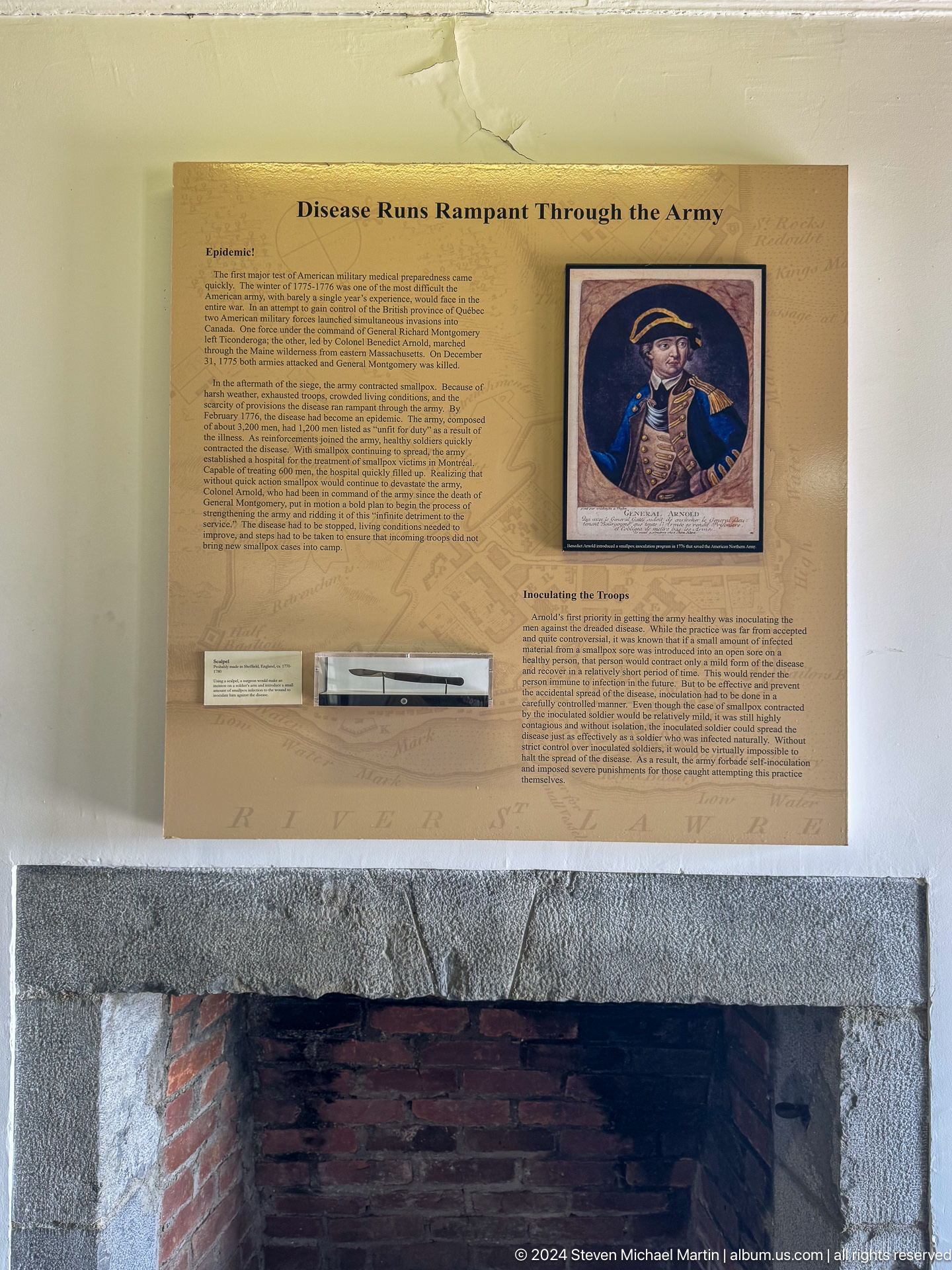
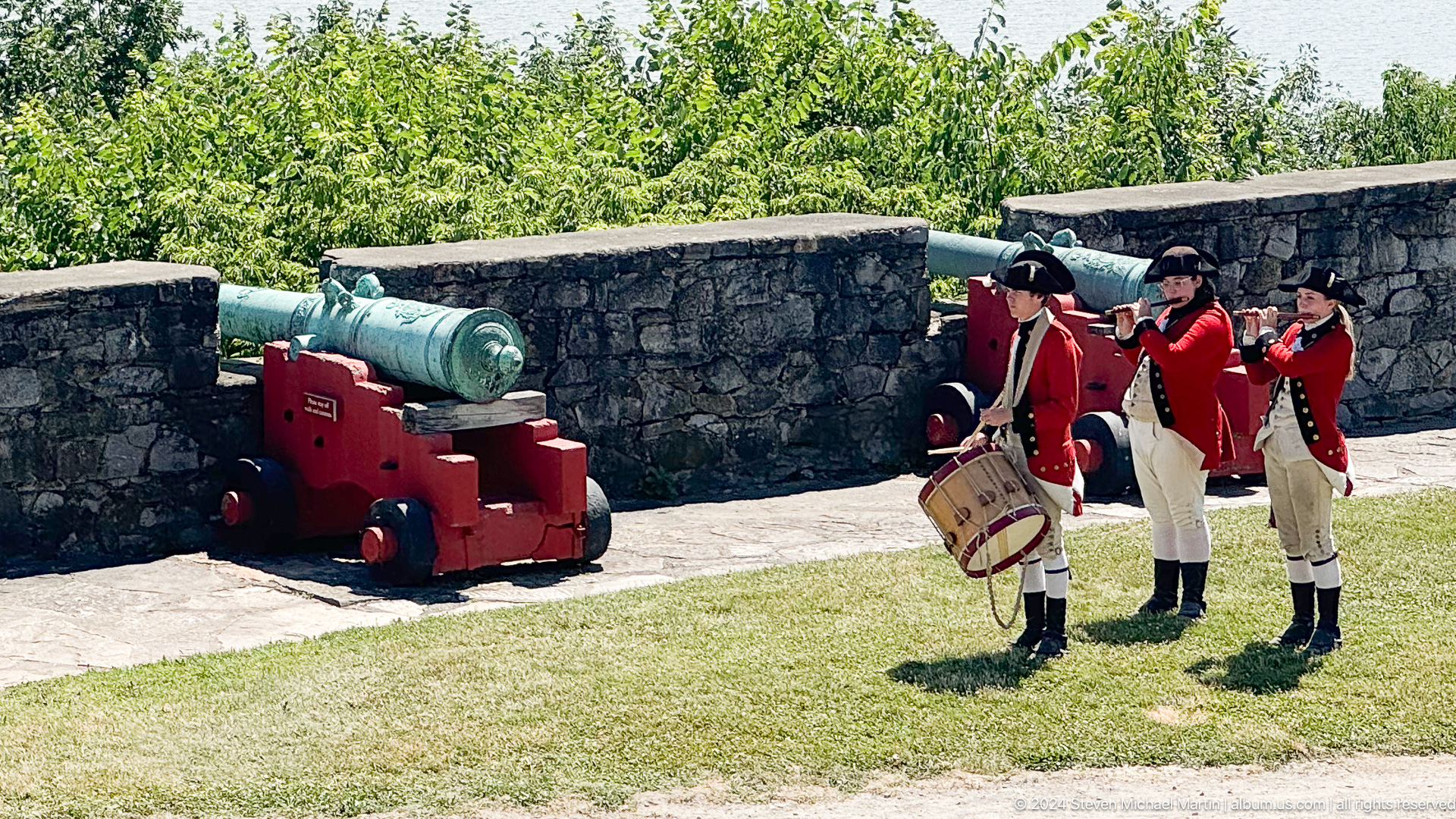
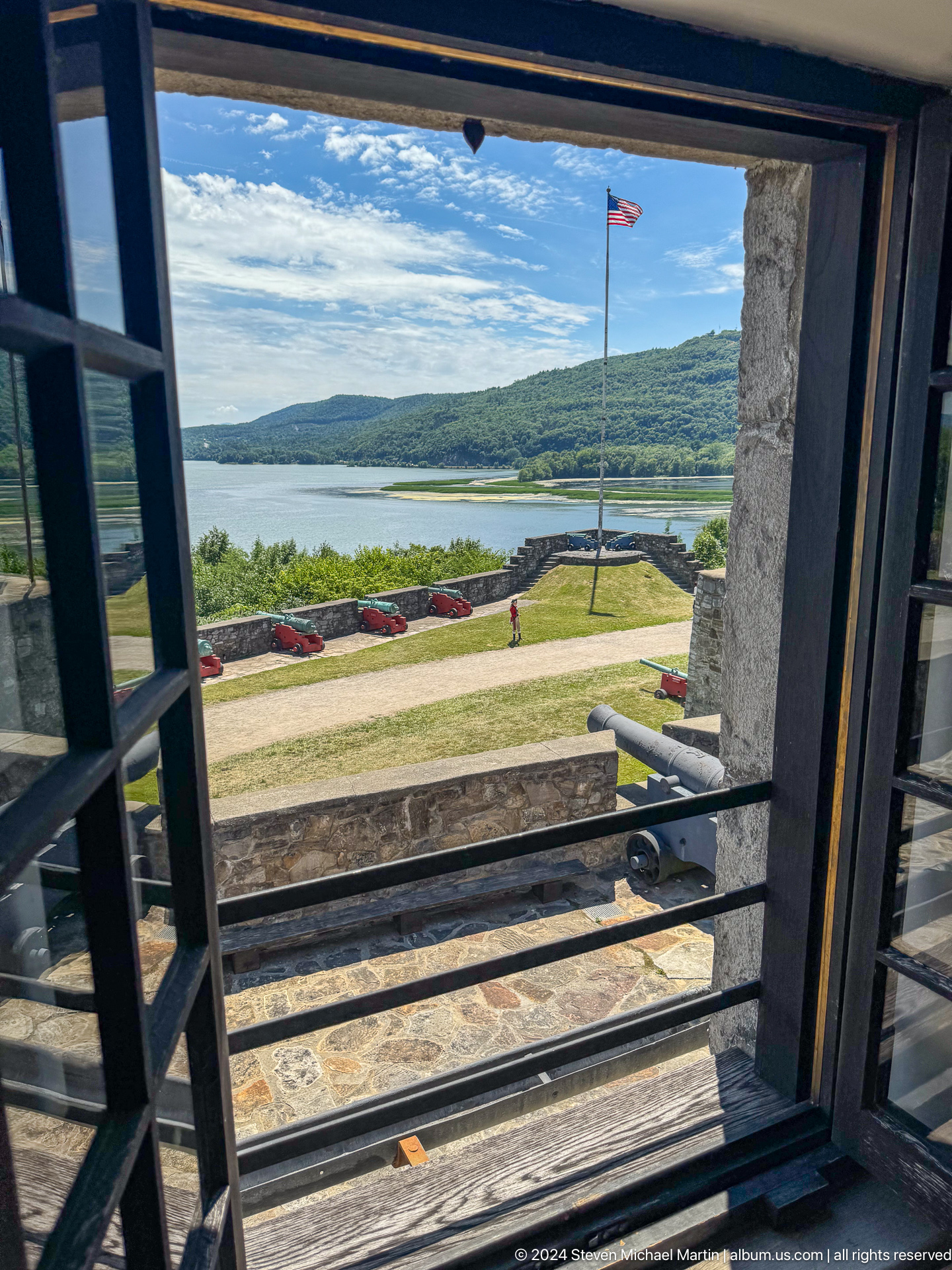
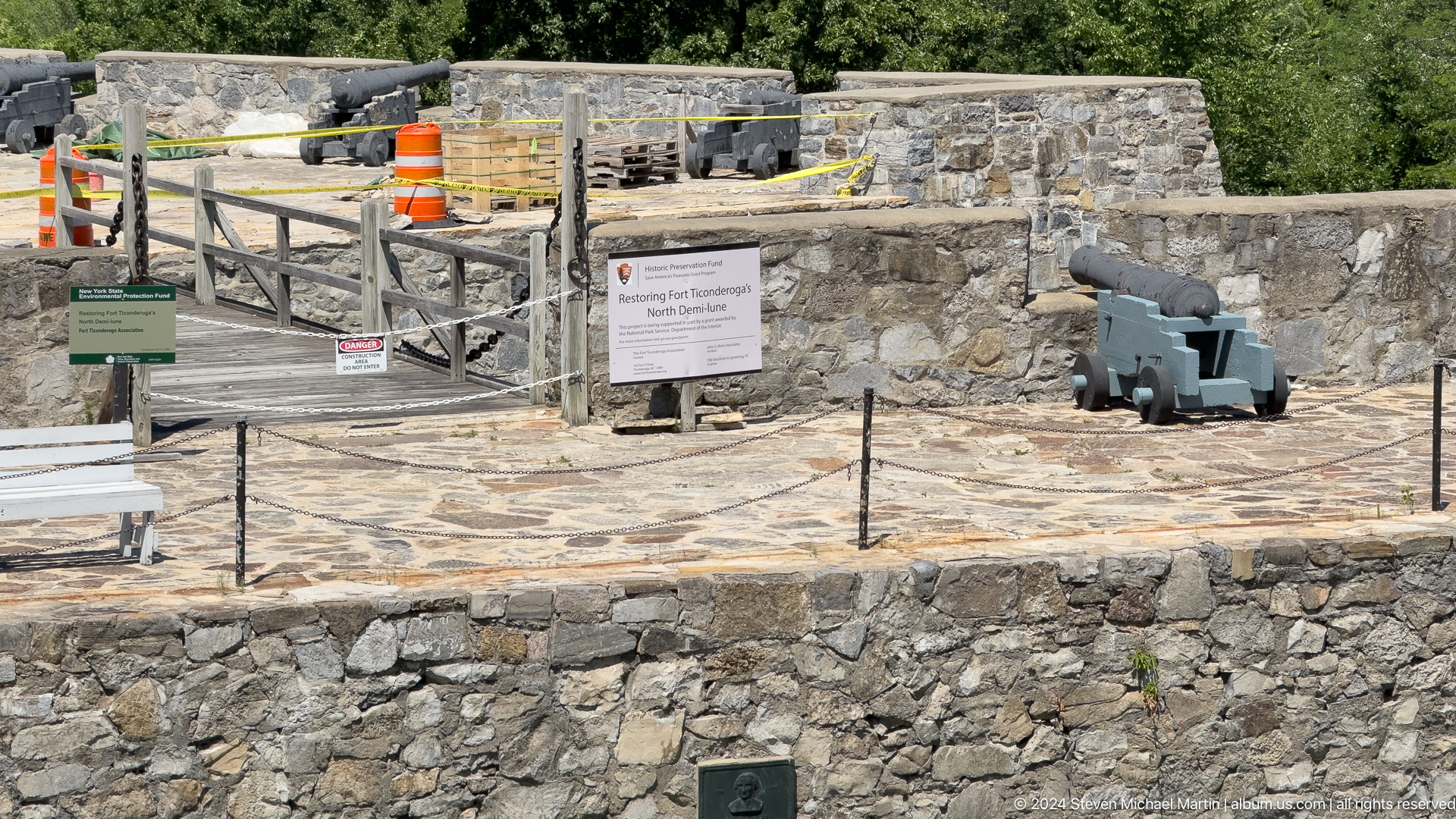
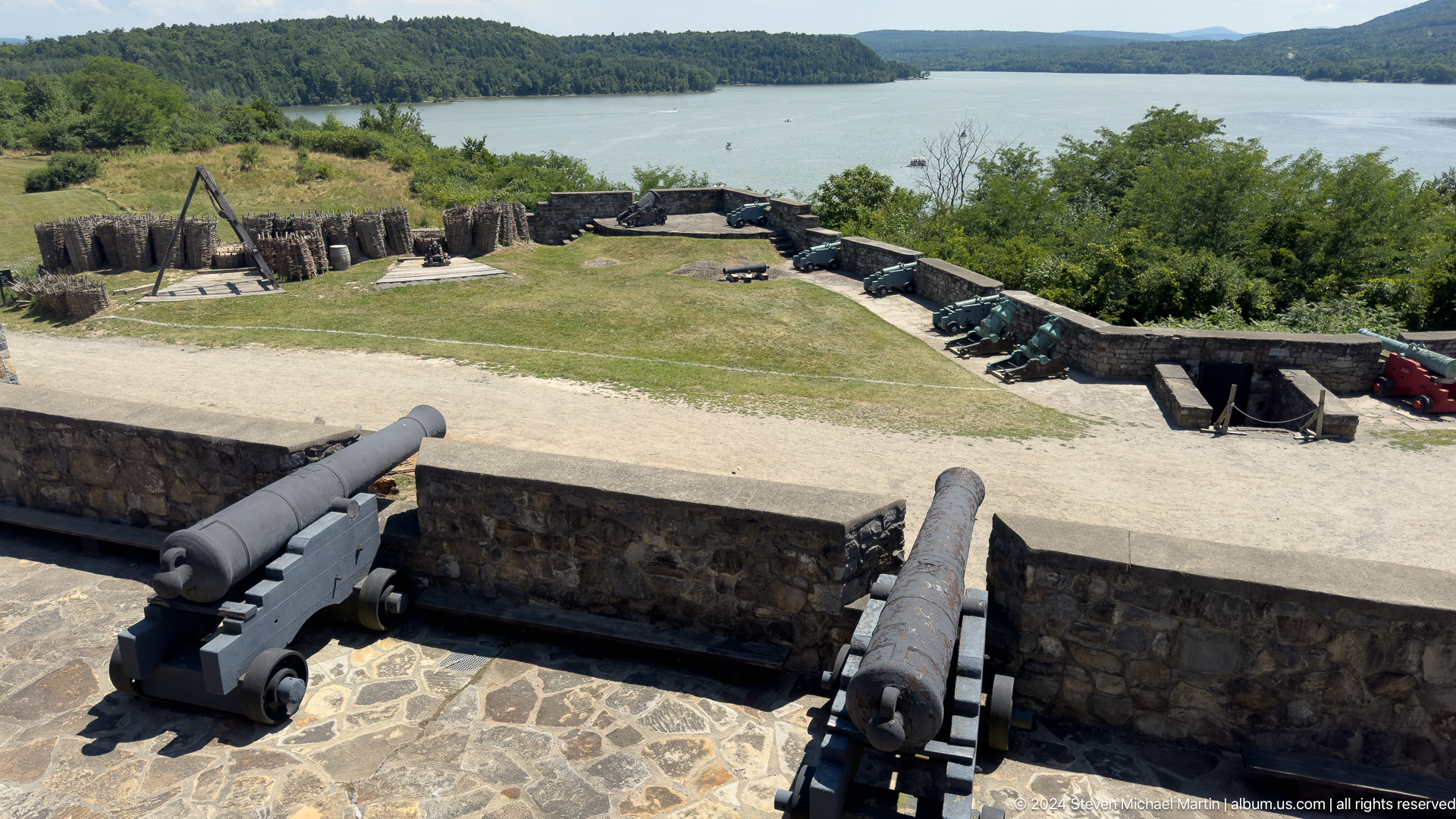
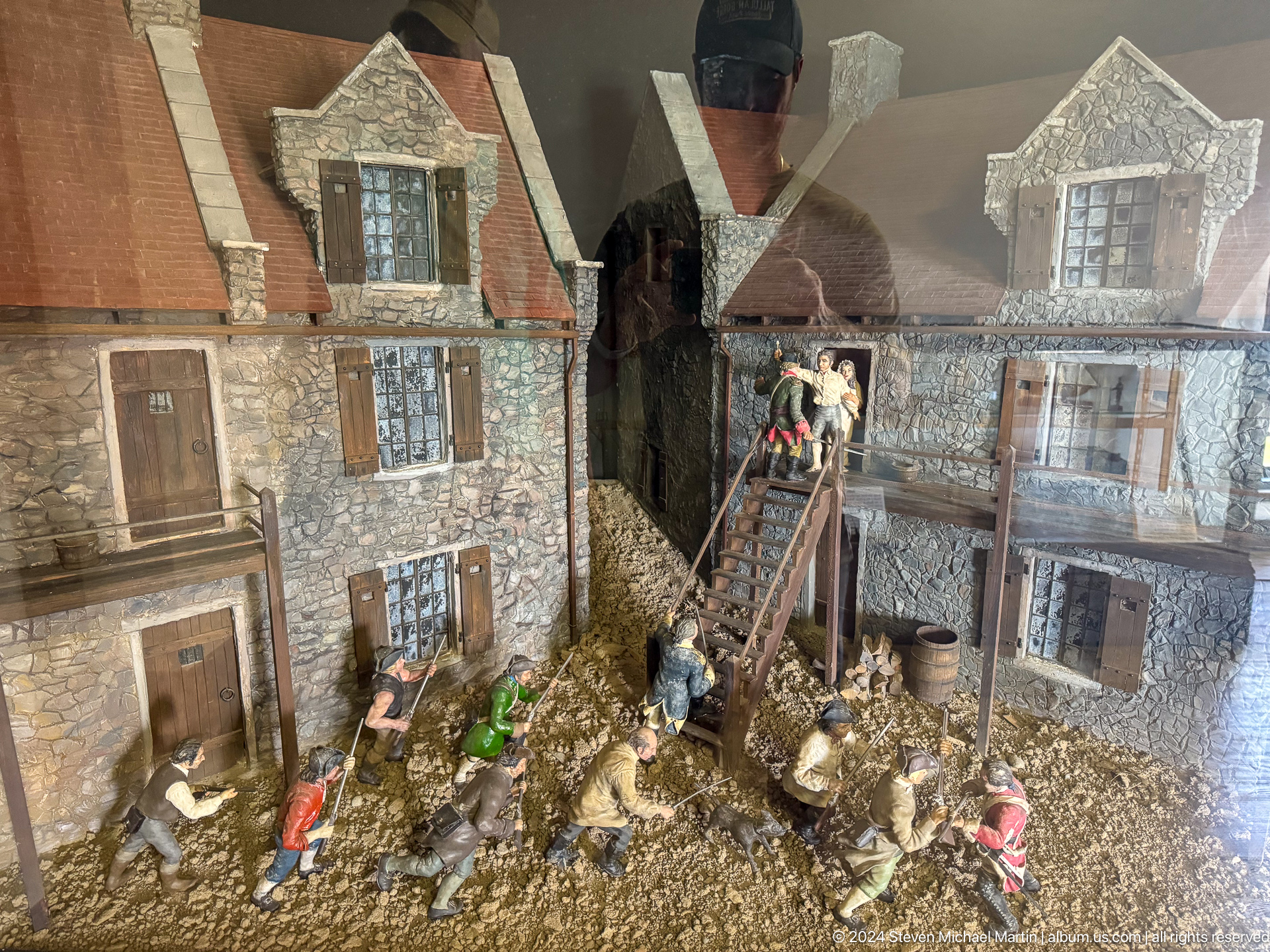
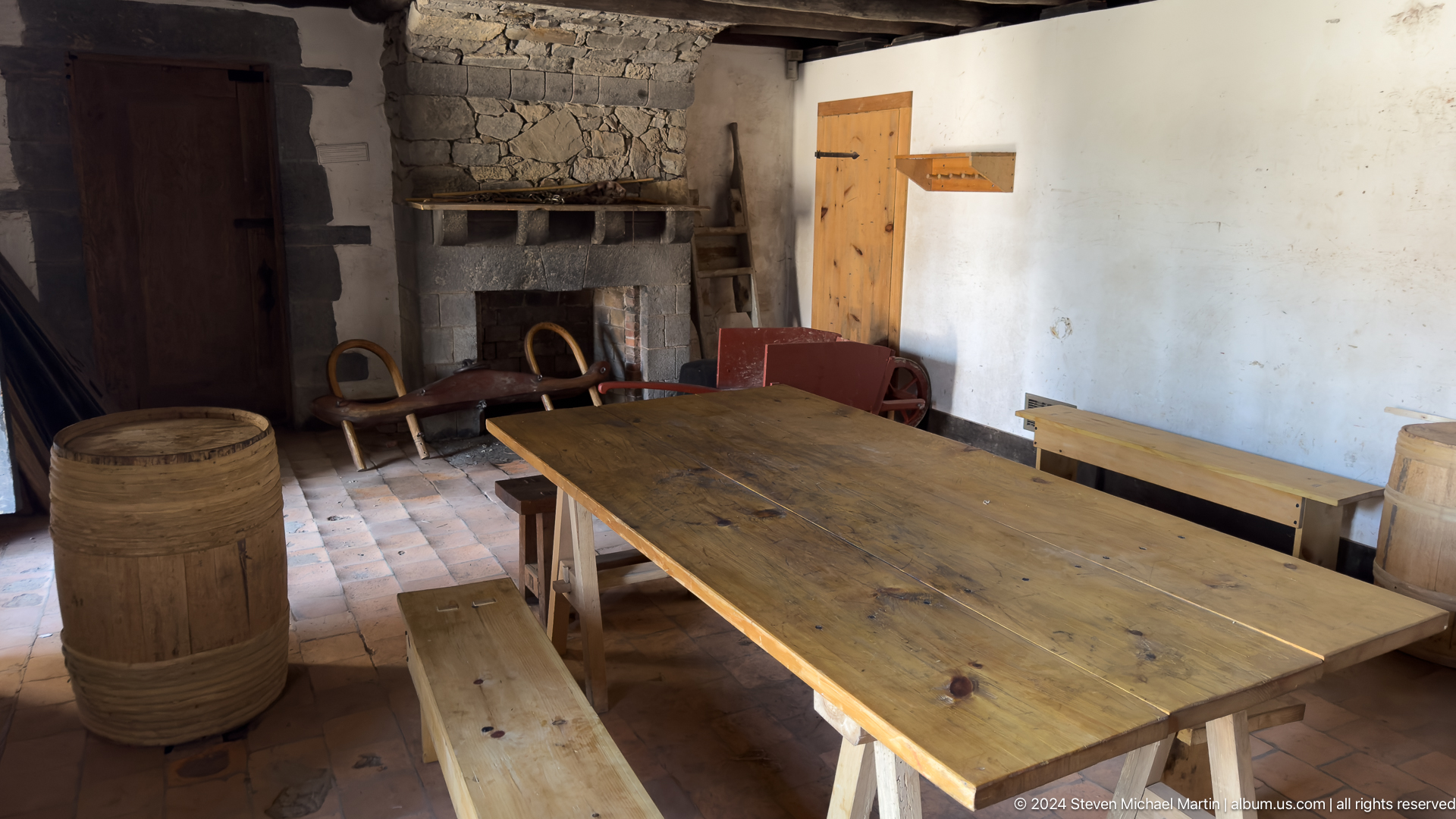
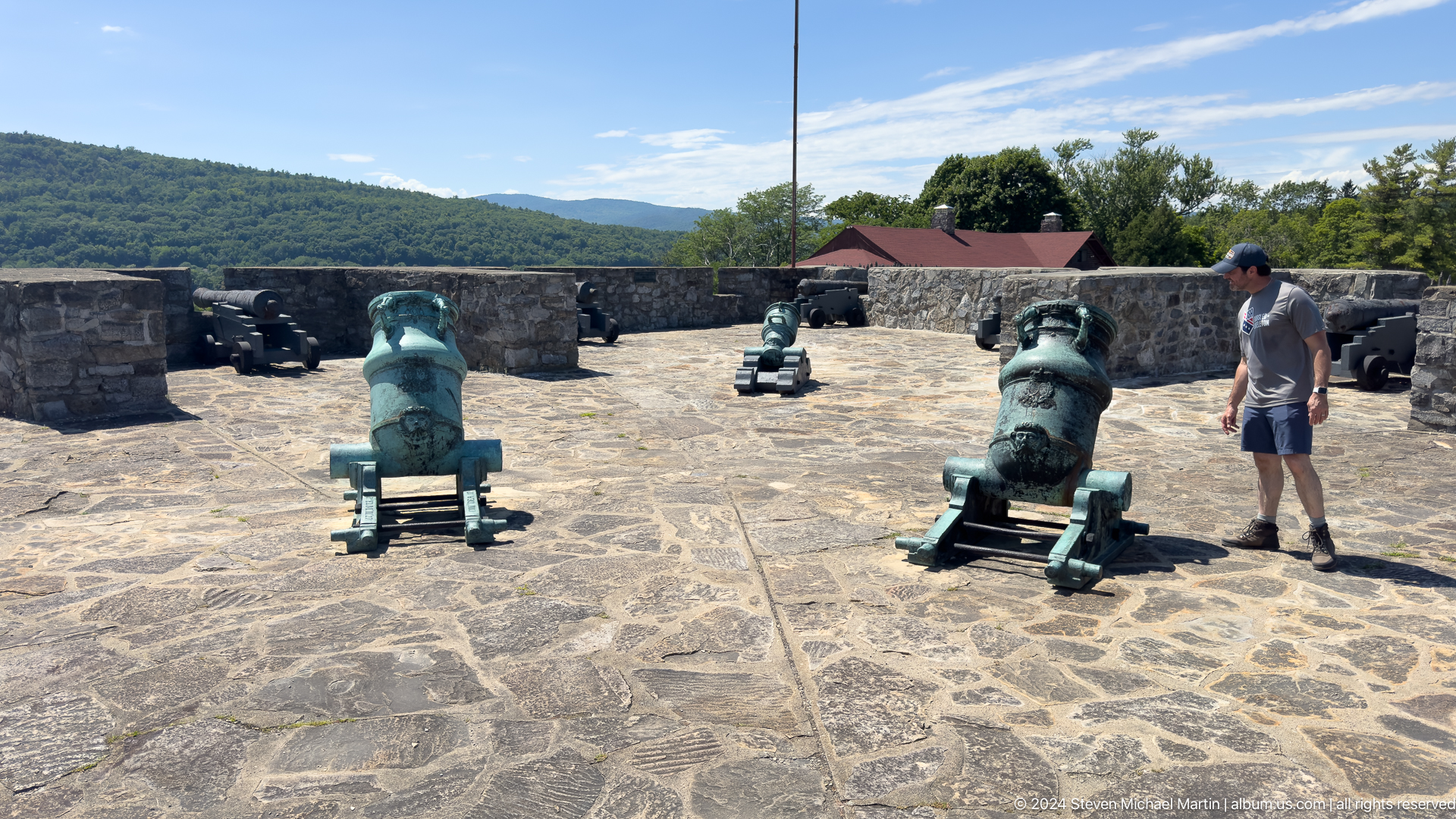
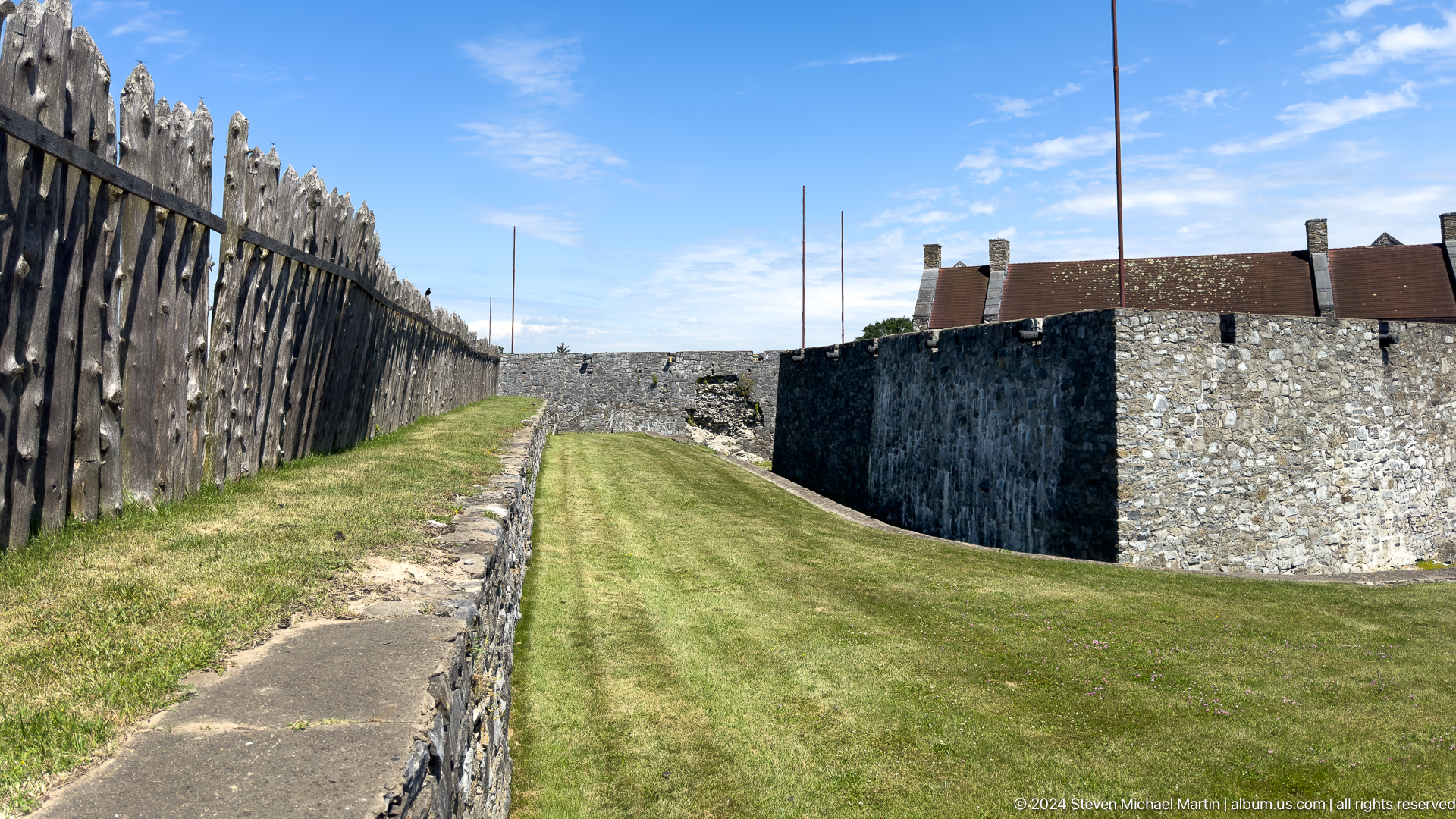
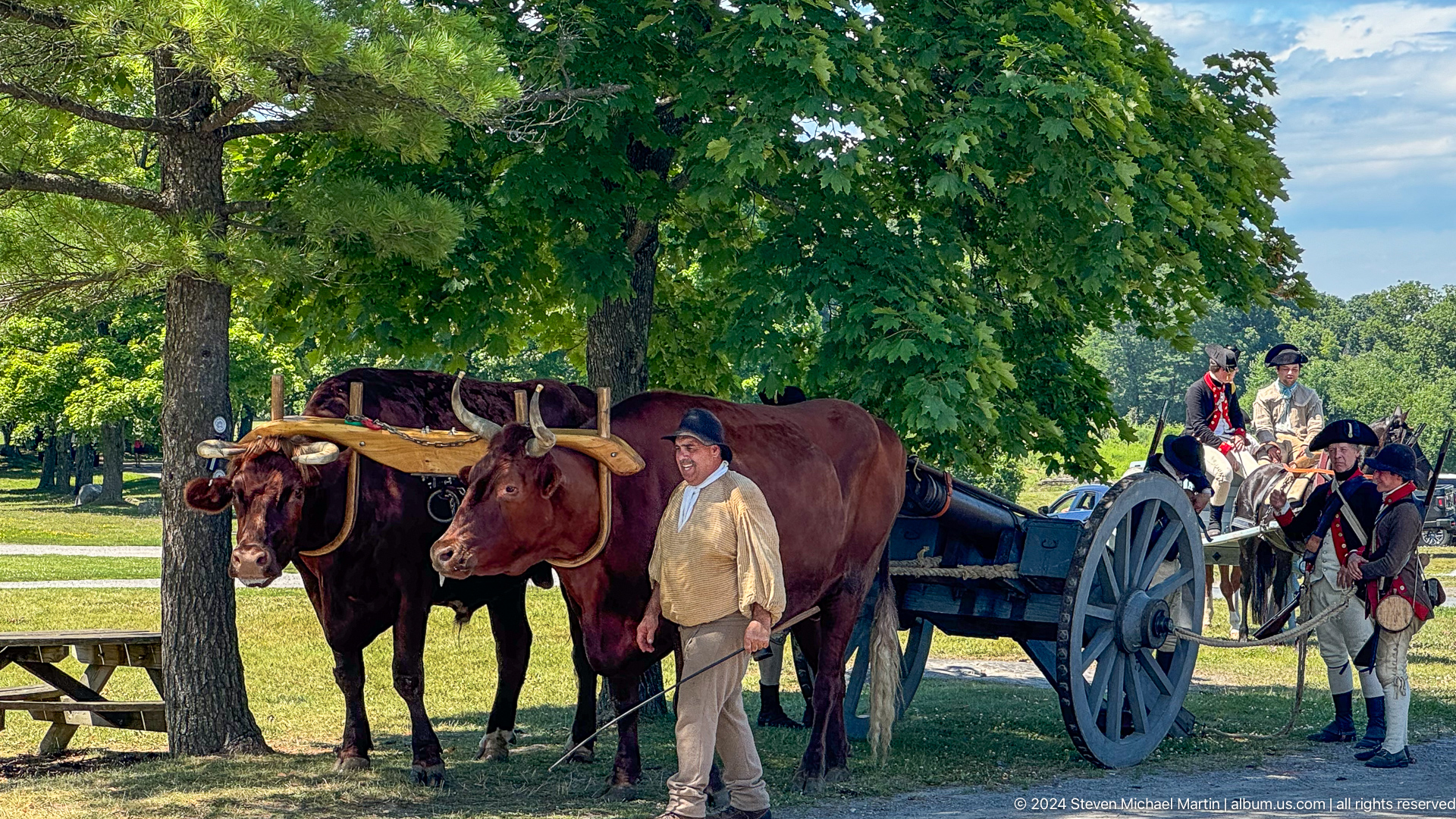
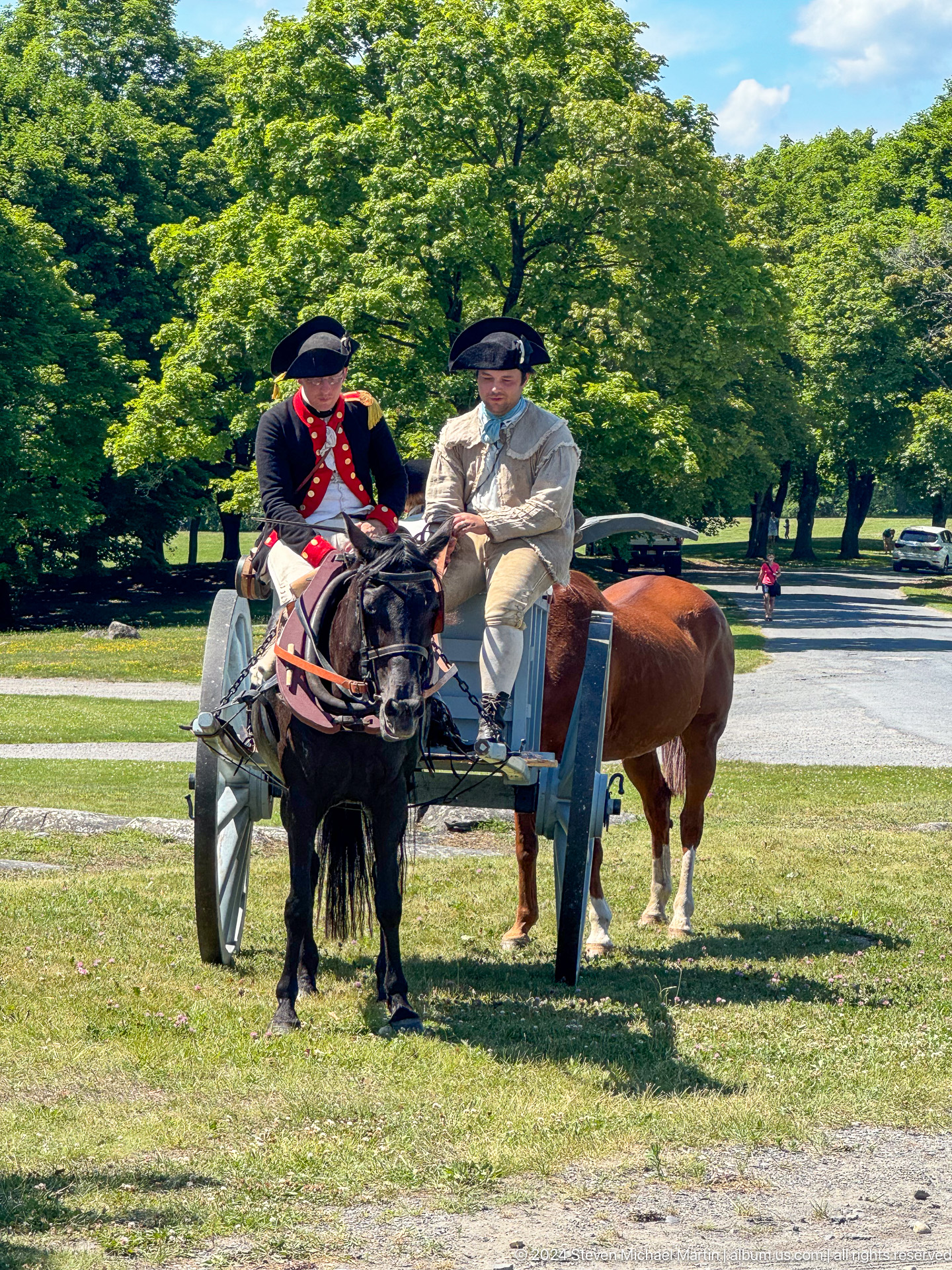
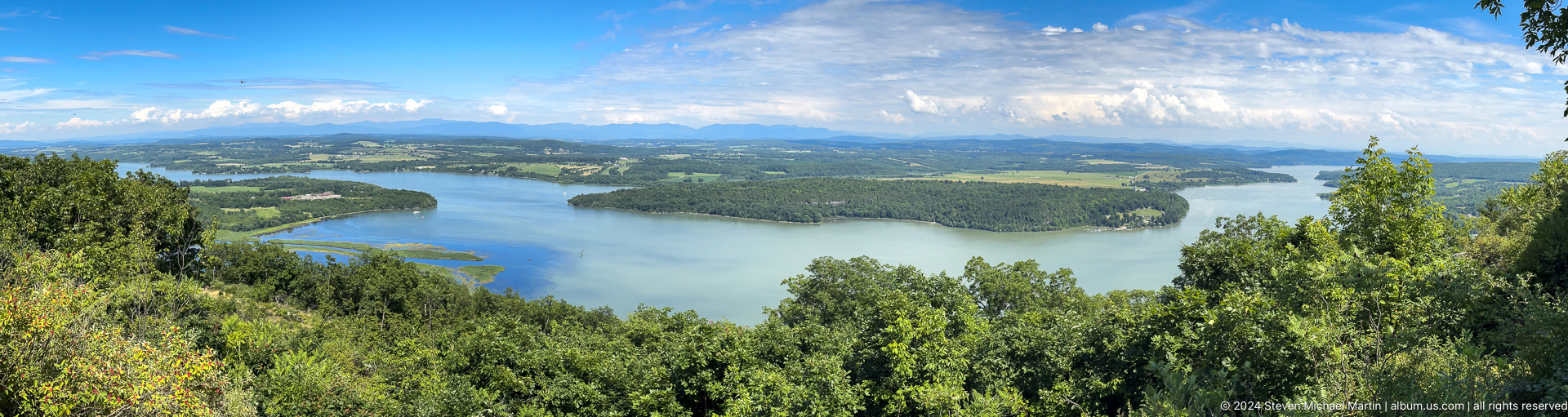
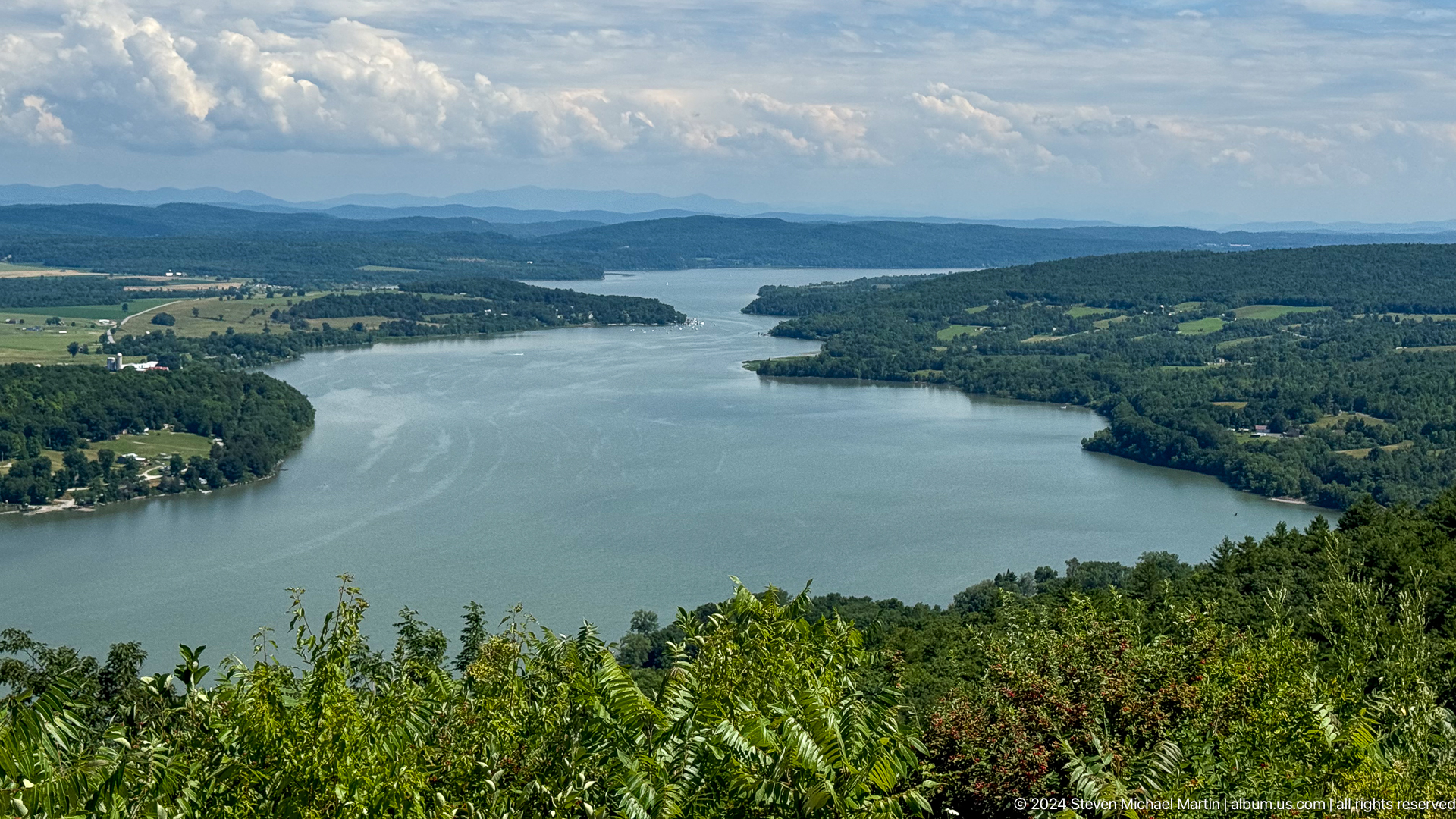
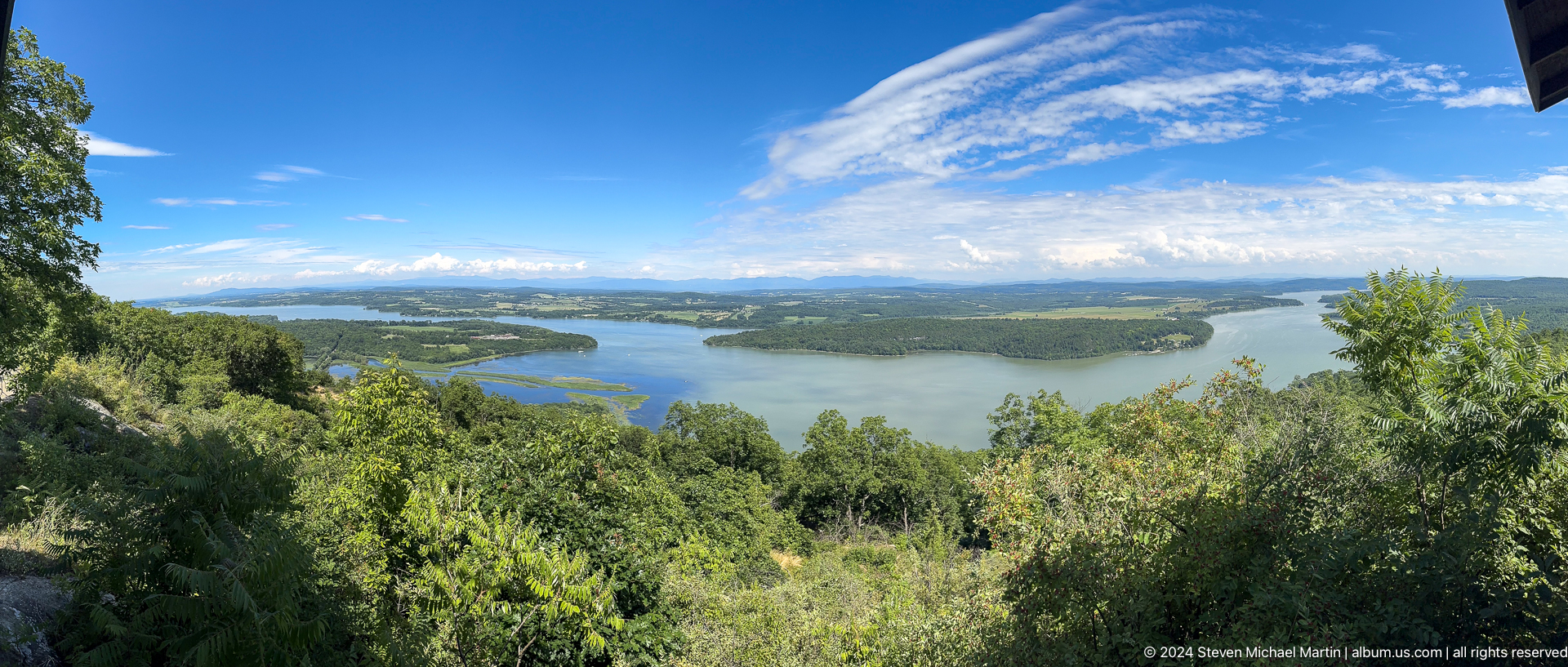
The fort gained particular significance in May 1775, when Ethan Allen and Benedict Arnold led American forces in a surprise capture of the British garrison, securing artillery that later helped force British evacuation of Boston. The surrounding landscape of forested ridges and waterways illustrates the geographic factors that shaped military strategy during the eighteenth century. Today the restored fort interprets early American military history through preserved fortifications, collections, and landscape features associated with the conflicts that determined control of the region.
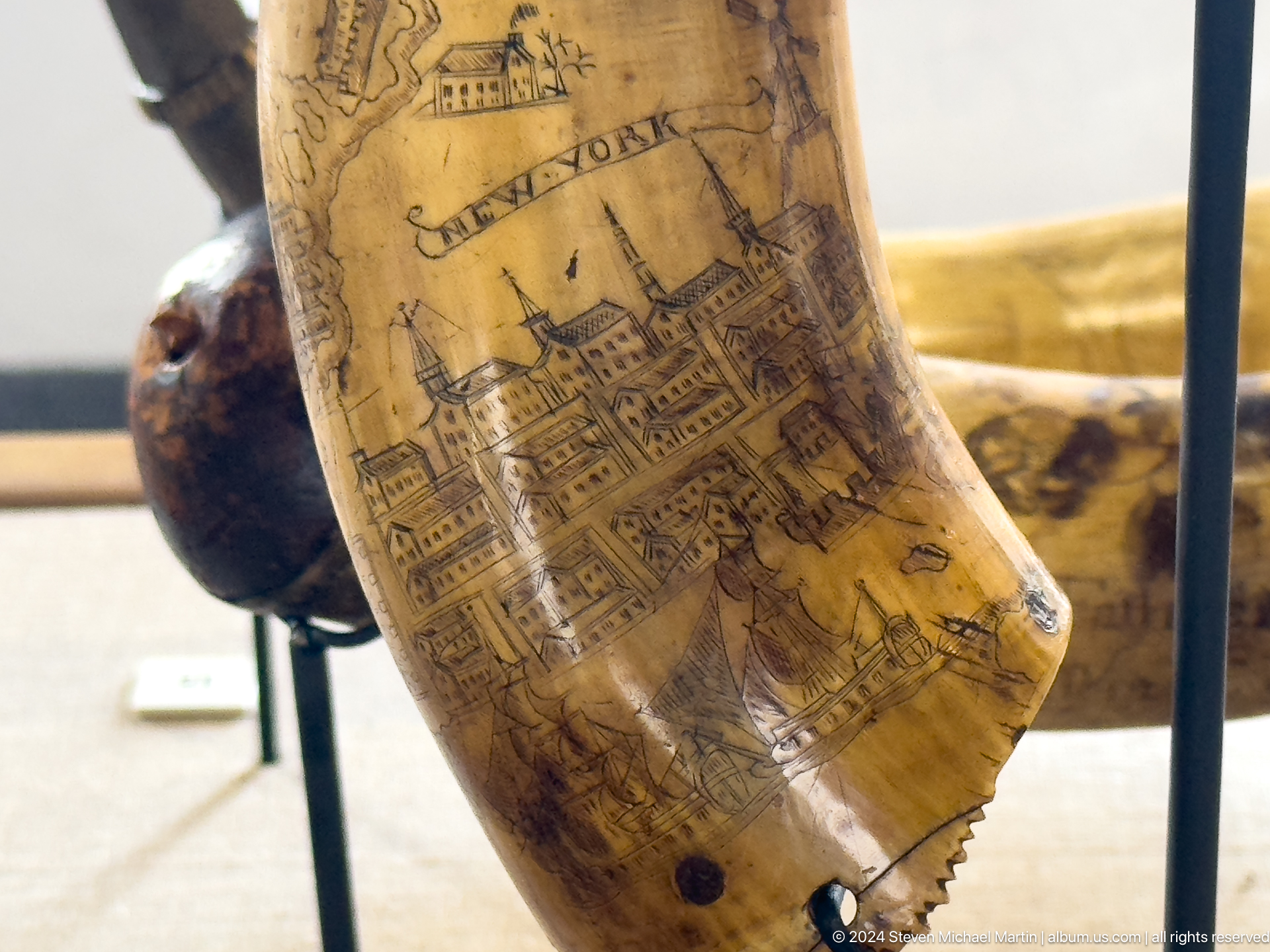
Fort Ticonderoga contributes to understanding how geography influenced the outcome of colonial conflict and the American Revolution. The preserved site illustrates the importance of inland waterways as strategic routes through otherwise difficult terrain. Its location within the Adirondack region connects military history with the broader environmental landscape of northern New York.