Grand Canyon National Park
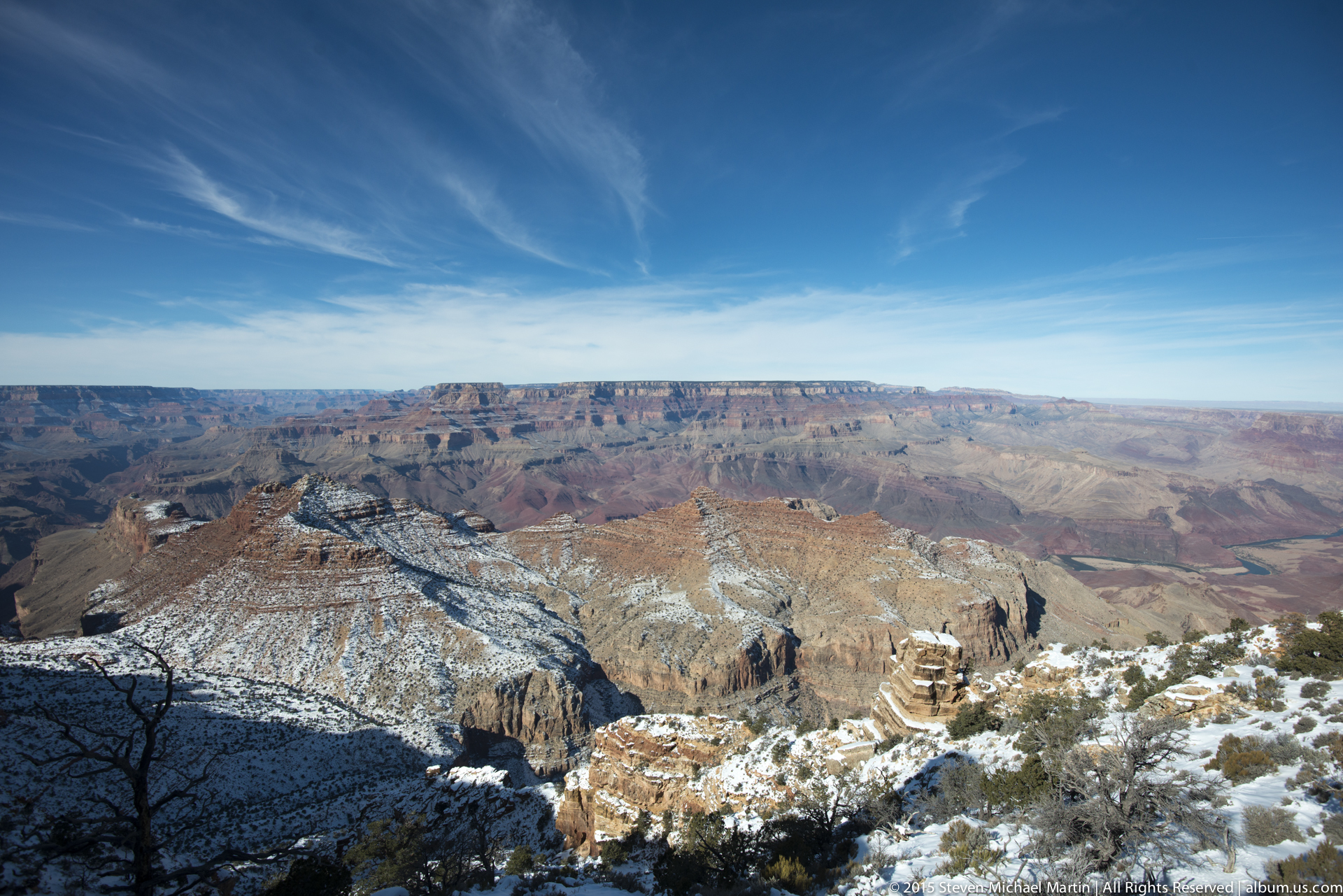
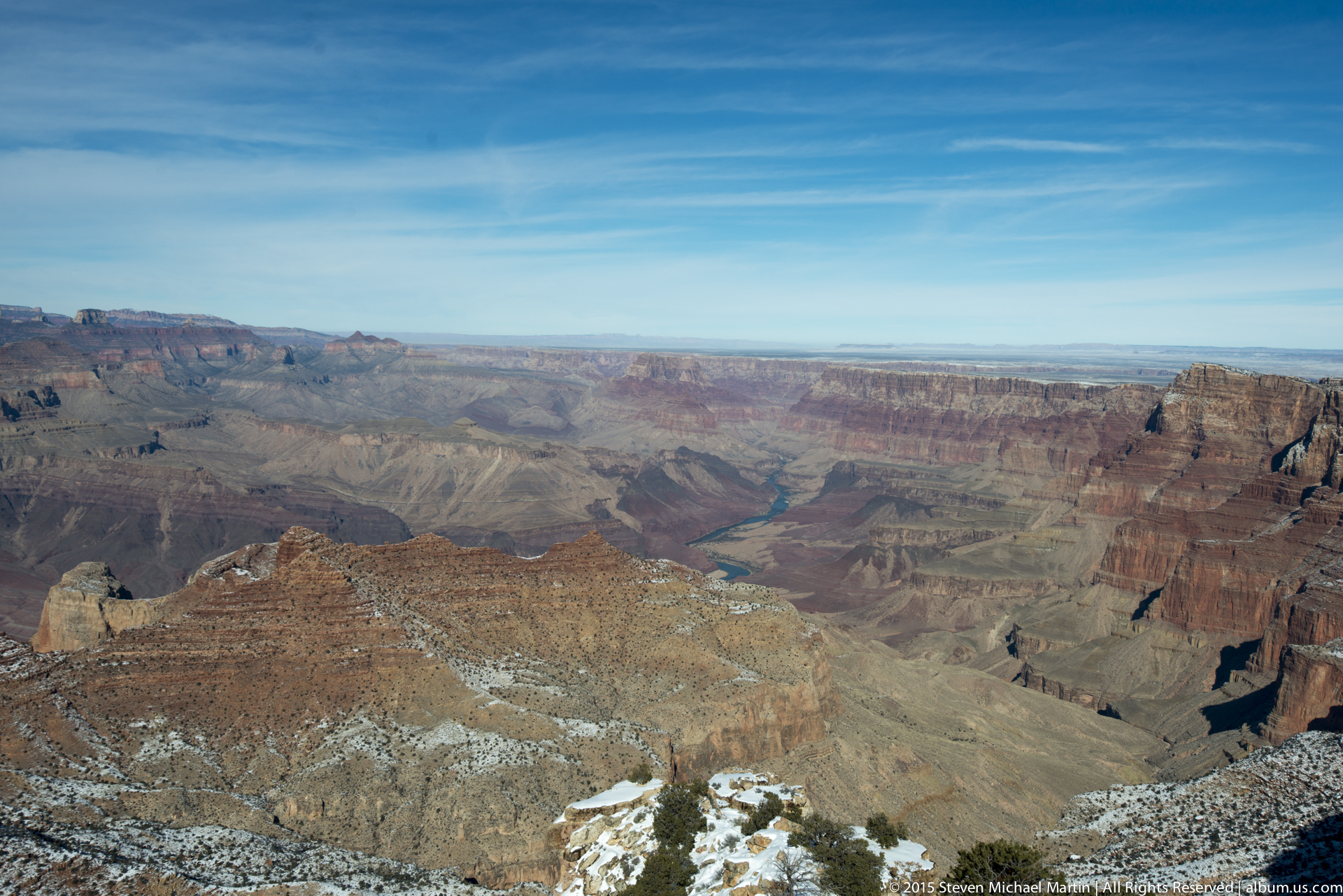
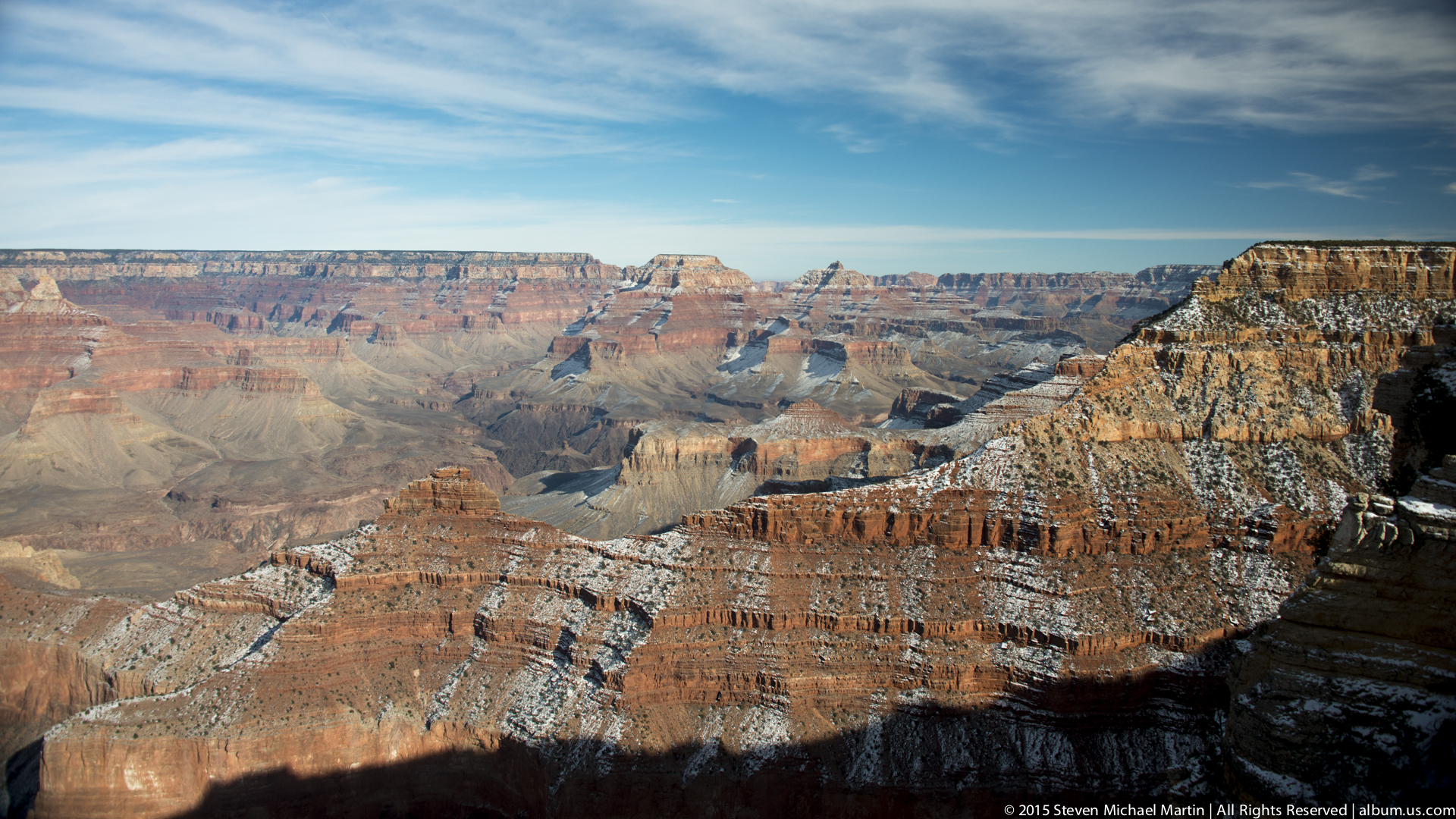
Grand Canyon National Park preserves one of the most extensive canyon systems in the world, carved by the Colorado River through layered sedimentary rock exposed by uplift of the Colorado Plateau. Over millions of years, flowing water eroded rock layers, revealing geological formations that record environmental conditions extending far into the past. The canyon illustrates how erosion can expose rock strata representing hundreds of millions of years of geological history.
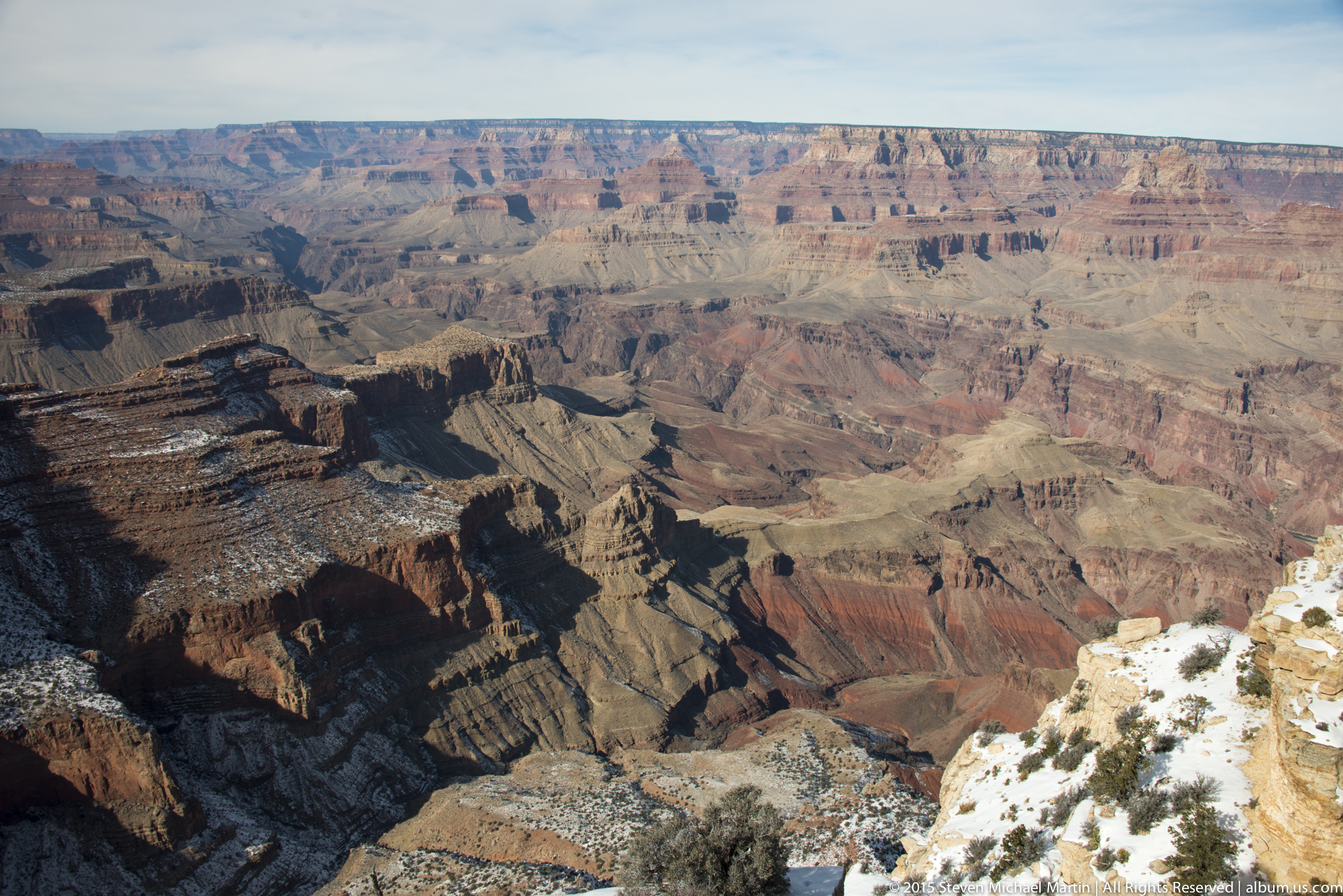
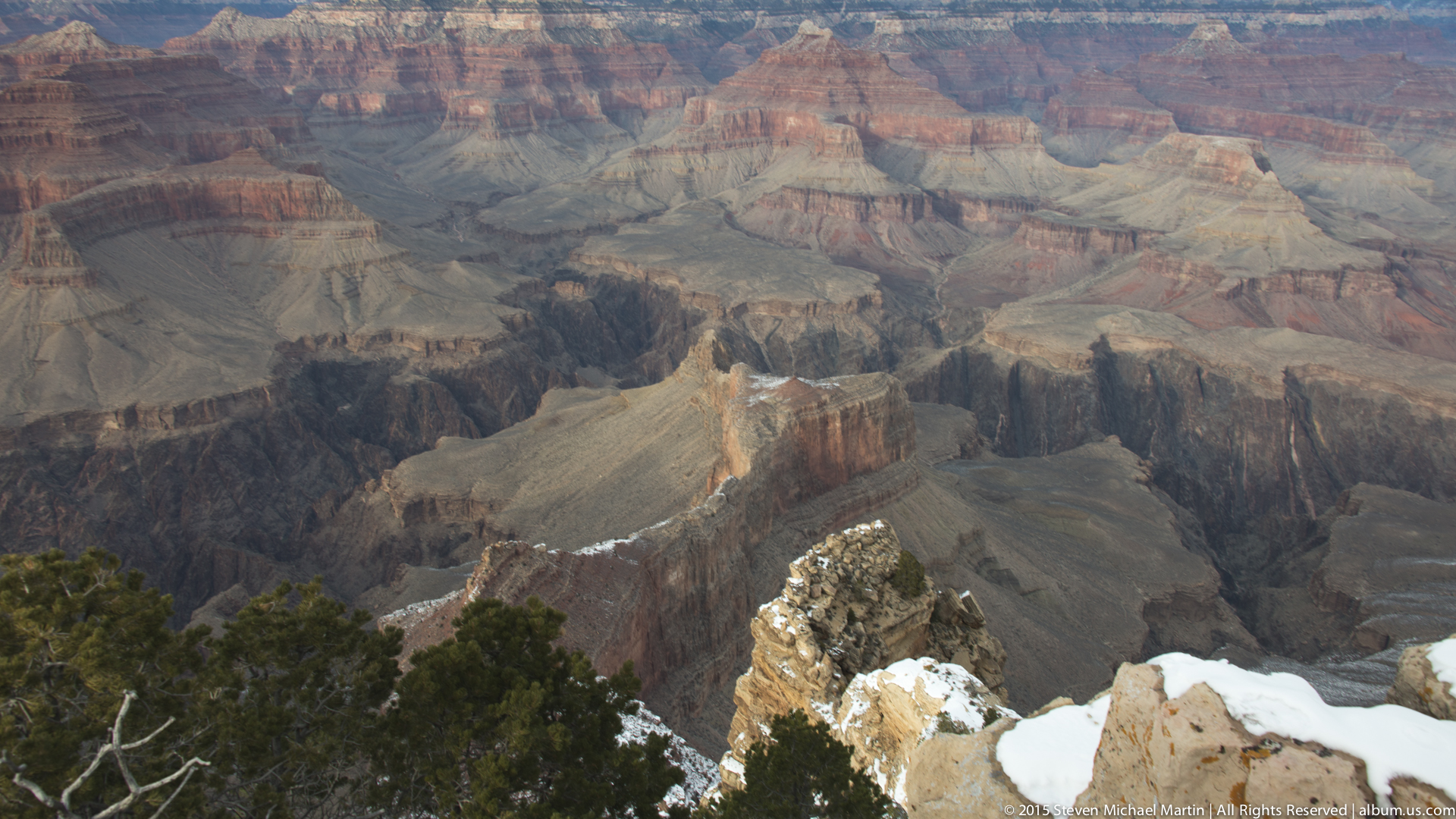
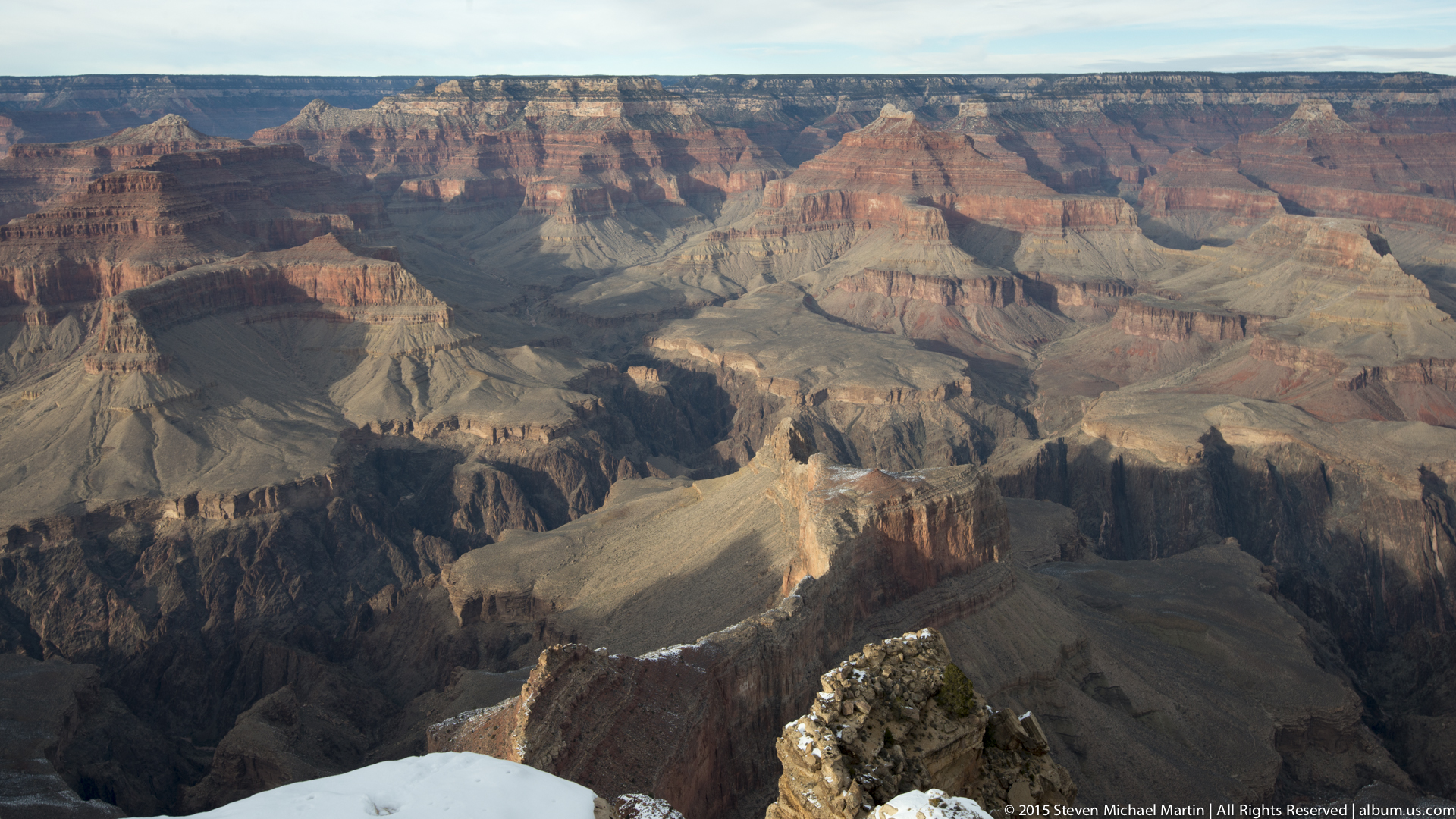
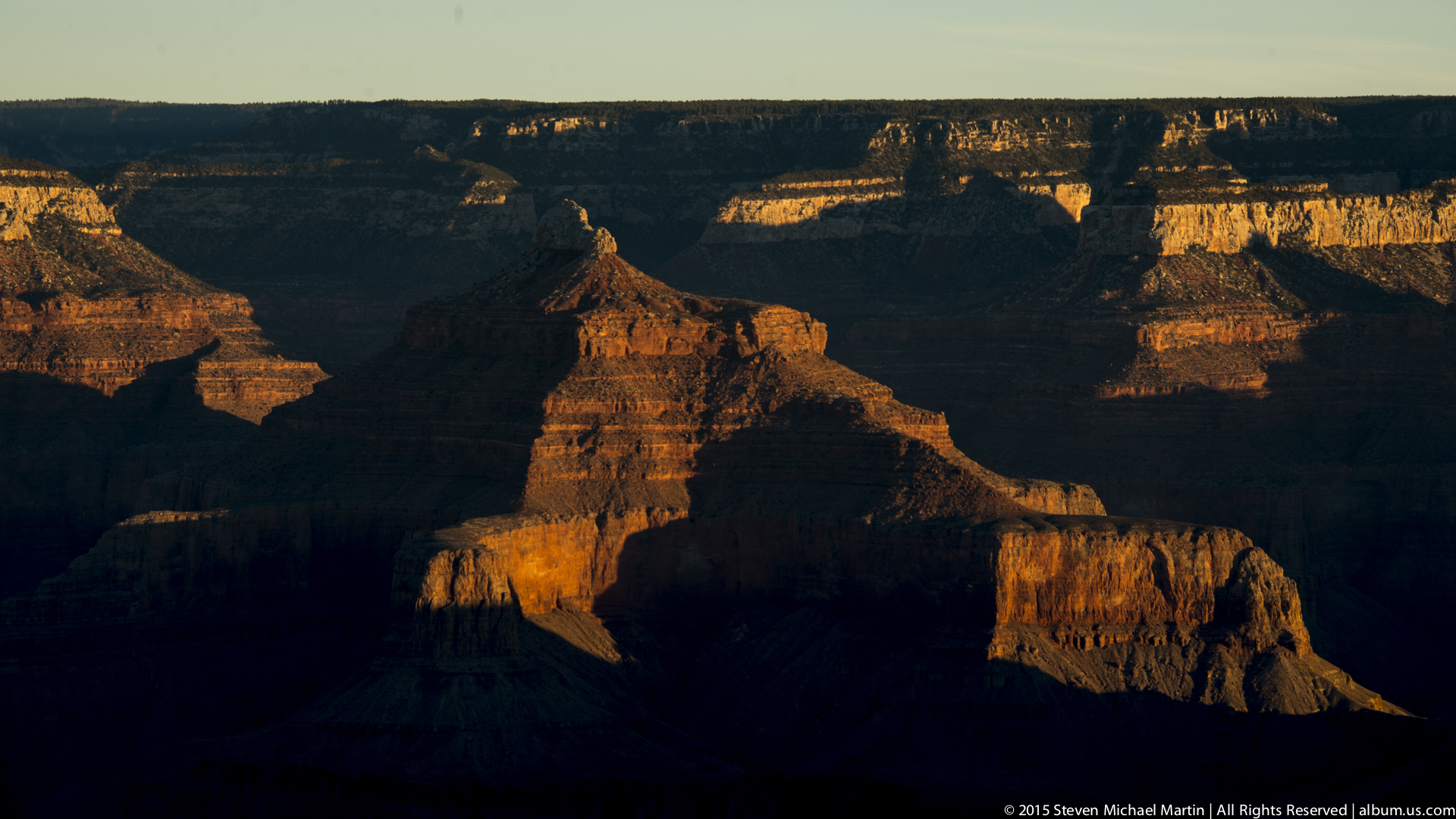
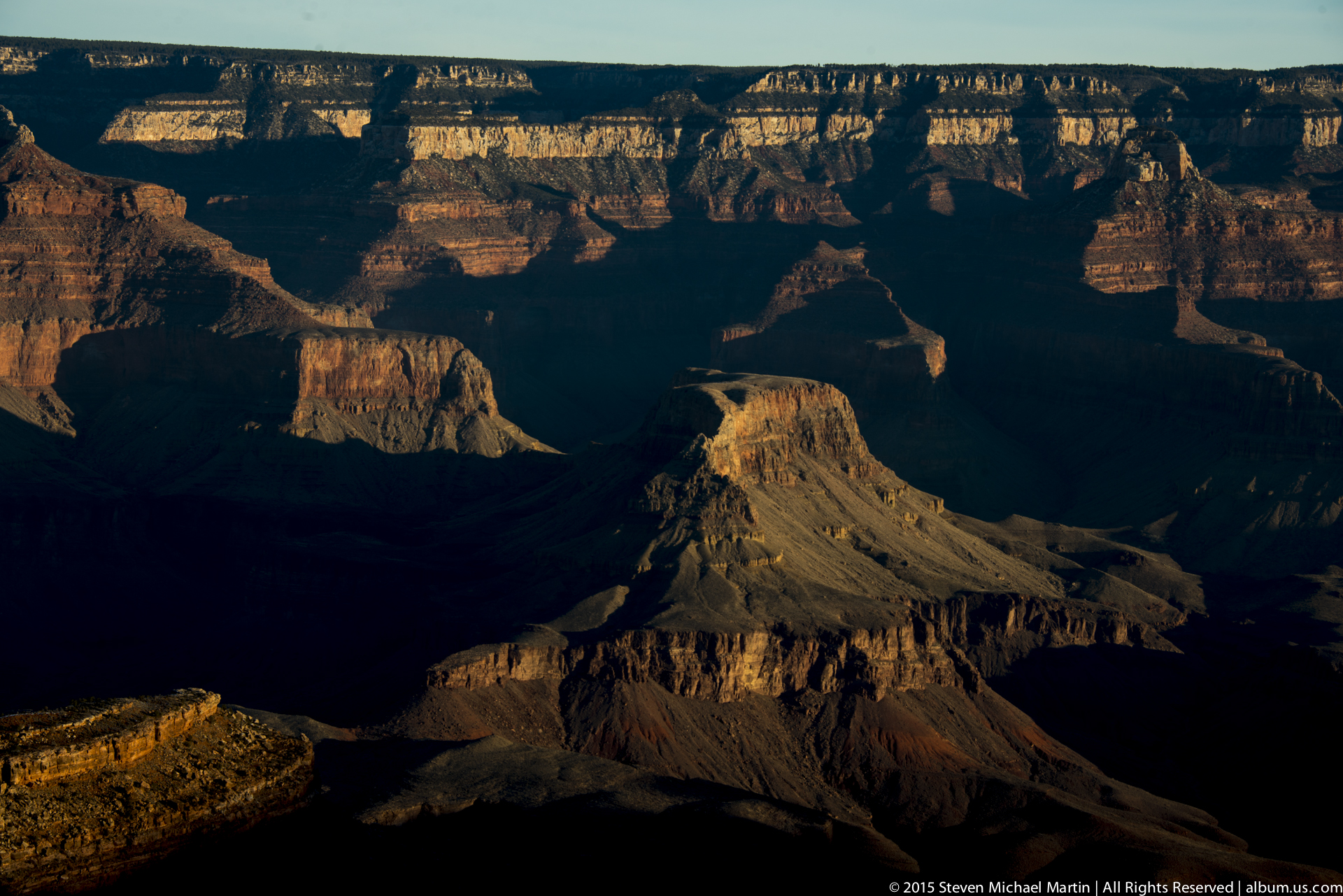
Differences in rock hardness influence the formation of cliffs, slopes, and terraces visible along canyon walls. Variations in color reflect mineral composition within sedimentary layers. The canyon demonstrates how river systems shape landscape structure across long geological time periods.
Today, Grand Canyon illustrates how uplift and erosion interact to create large-scale landforms. The exposed rock layers provide insight into geological processes that shaped the Colorado Plateau and influenced the development of desert ecosystems.
















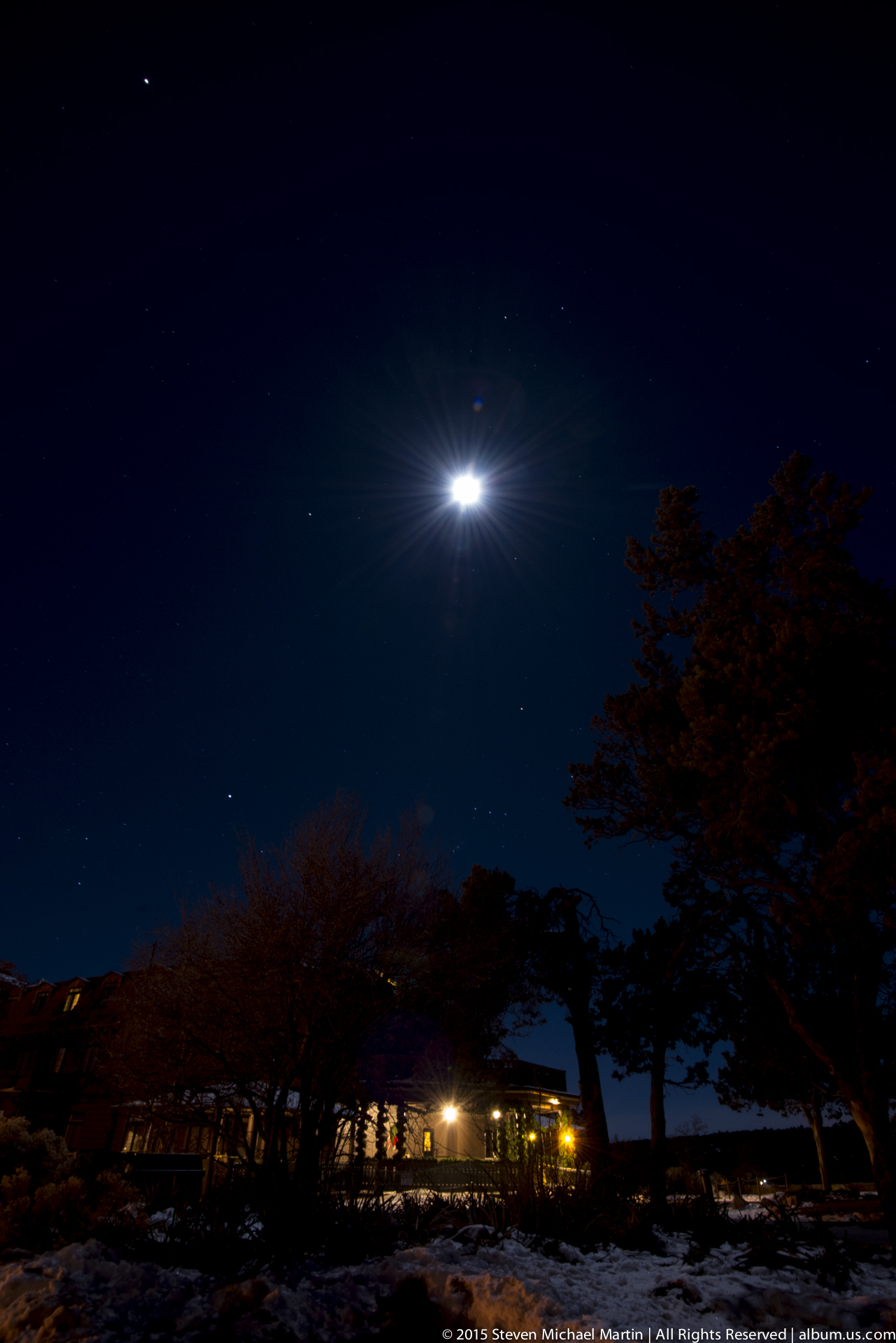




National Park Field Guide
Grand Canyon National Park protects canyon landscapes formed through erosion by the Colorado River across uplifted sedimentary rock layers. The canyon exposes geological strata representing environmental change over hundreds of millions of years. The park illustrates the interaction between tectonic uplift and river erosion across the Colorado Plateau.
🧭 Key Features
- Colorado River carving deep canyon system
- Layered sedimentary rock revealing geological history
- Cliffs and terraces shaped by differential erosion
- Colorado Plateau uplift influencing landscape formation
- Extensive canyon network showing long-term erosion
🌄 Landscape Highlights
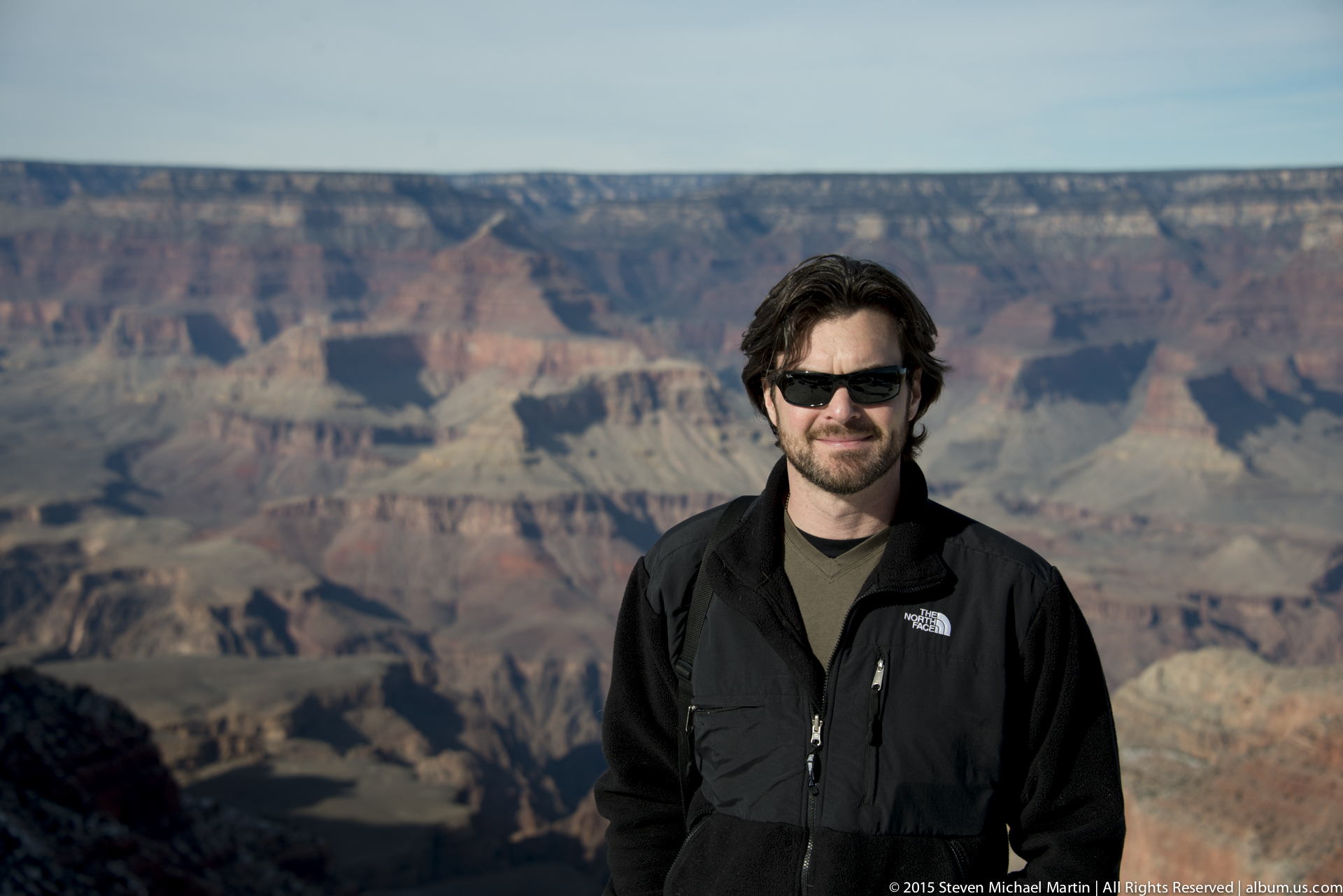
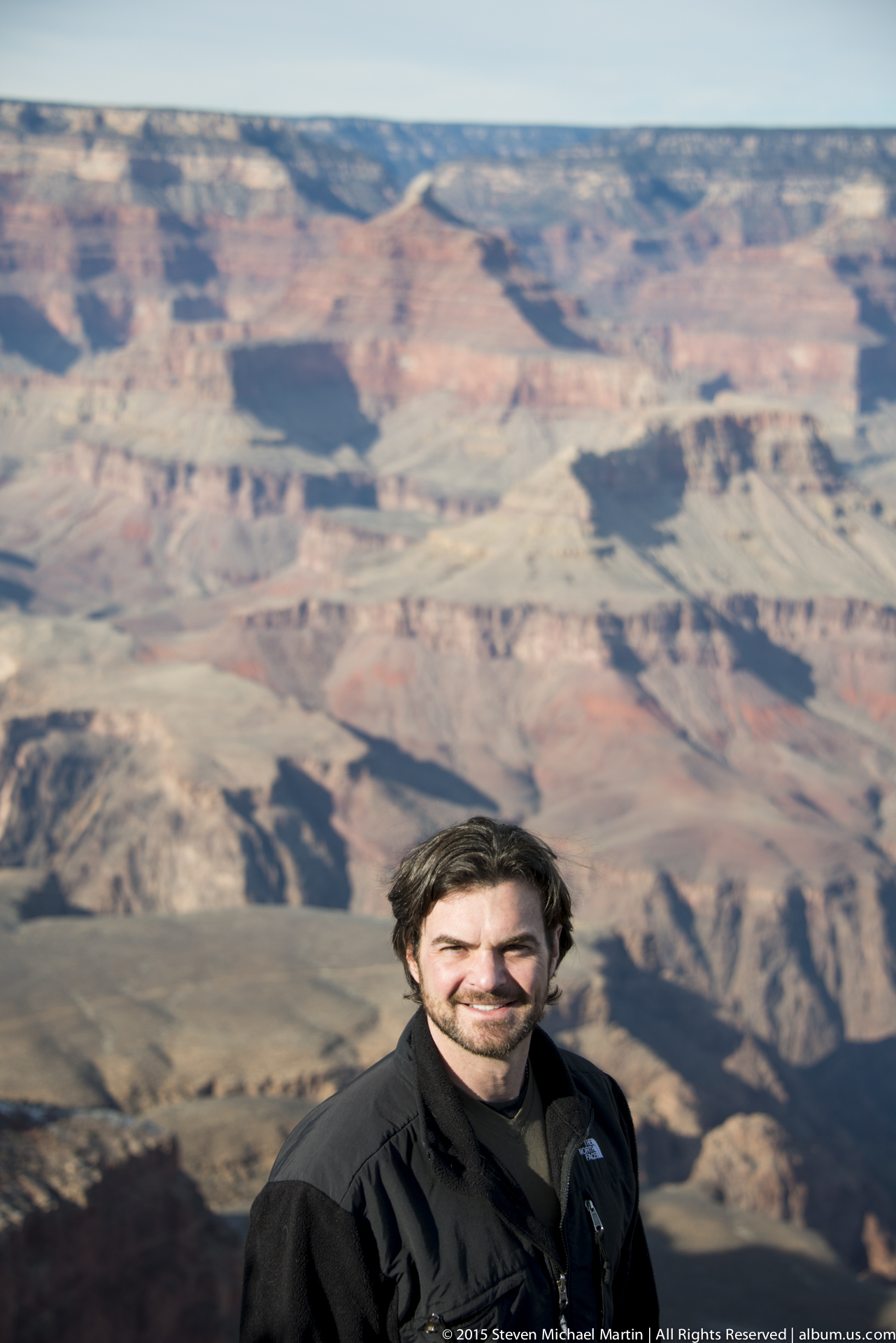
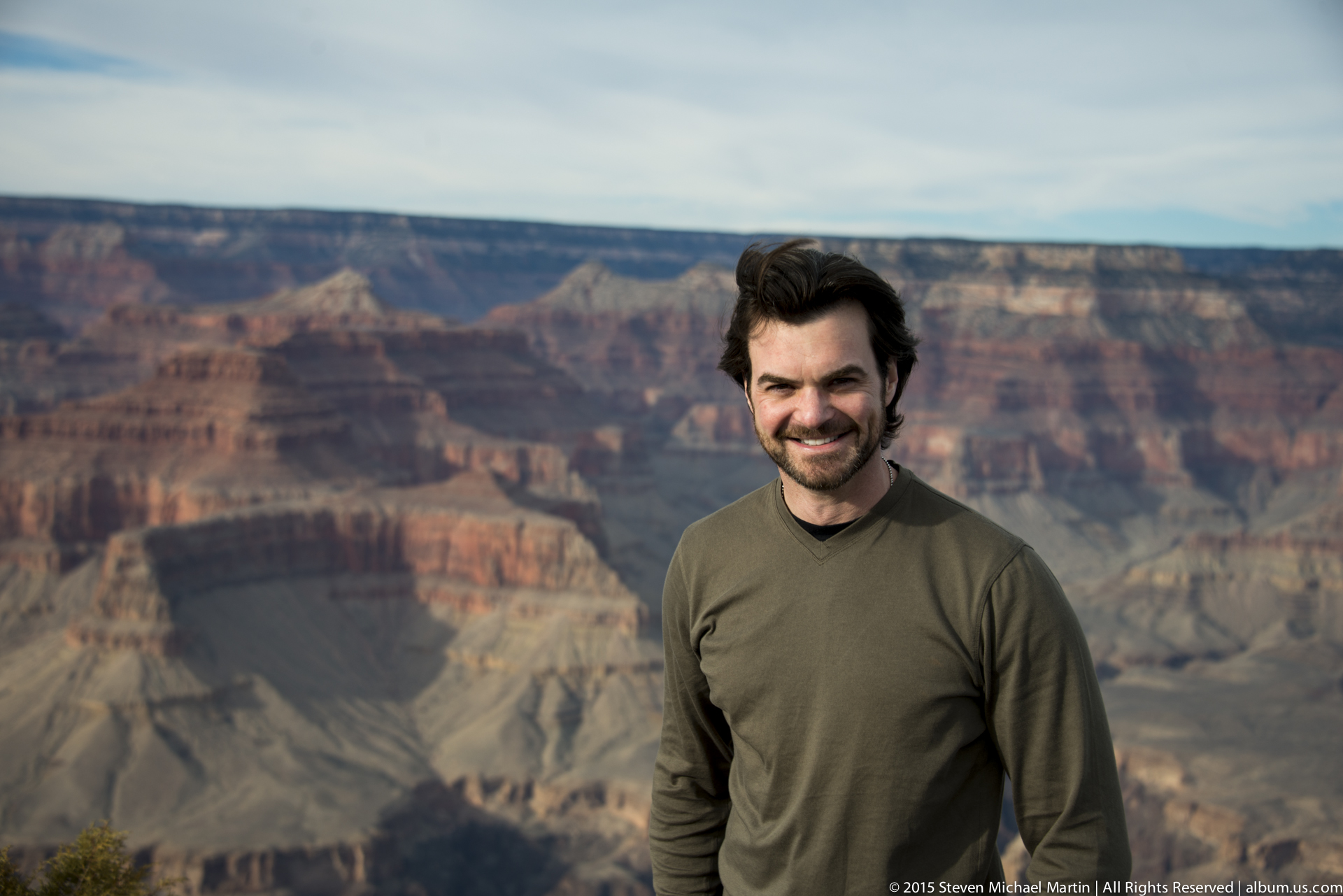
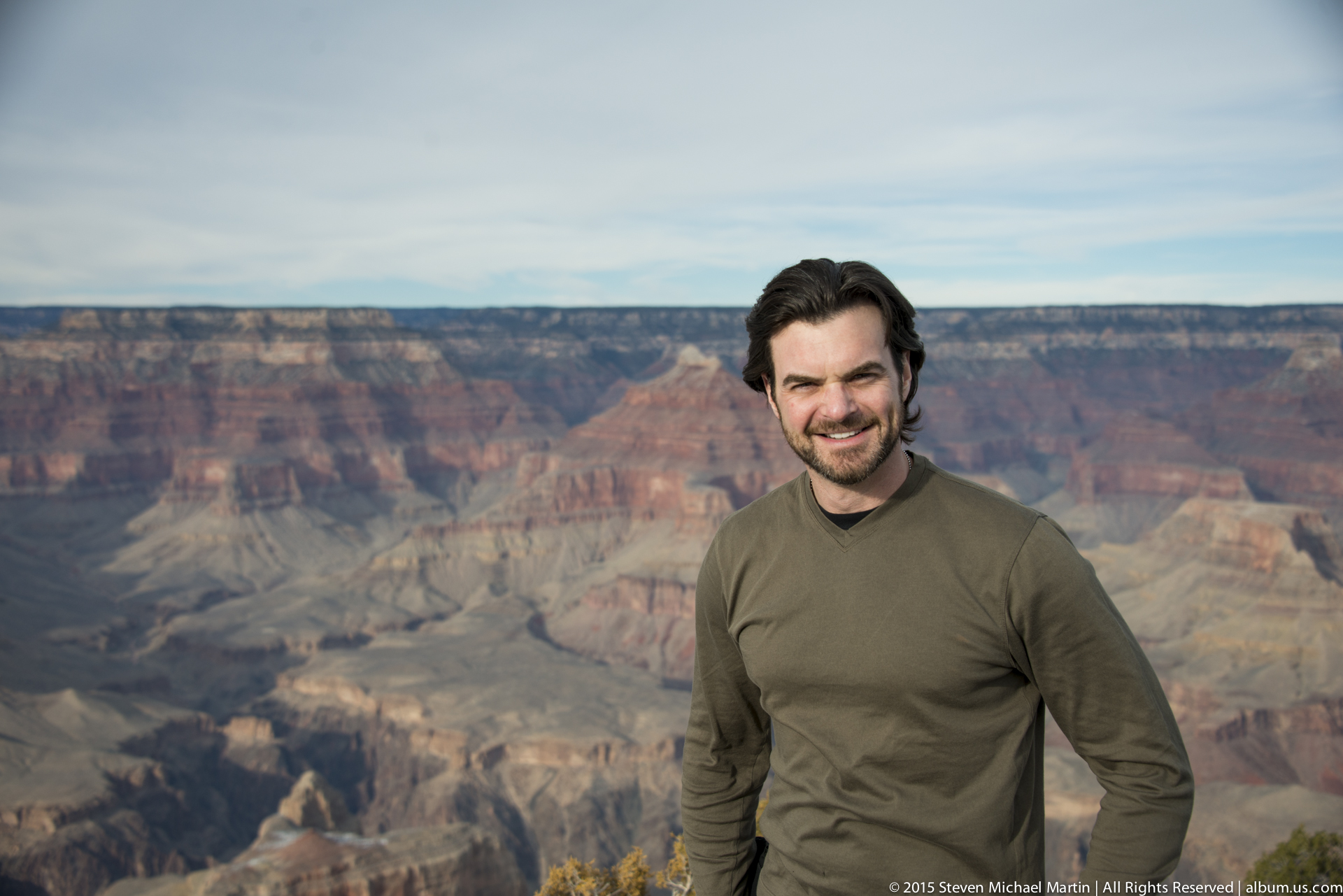
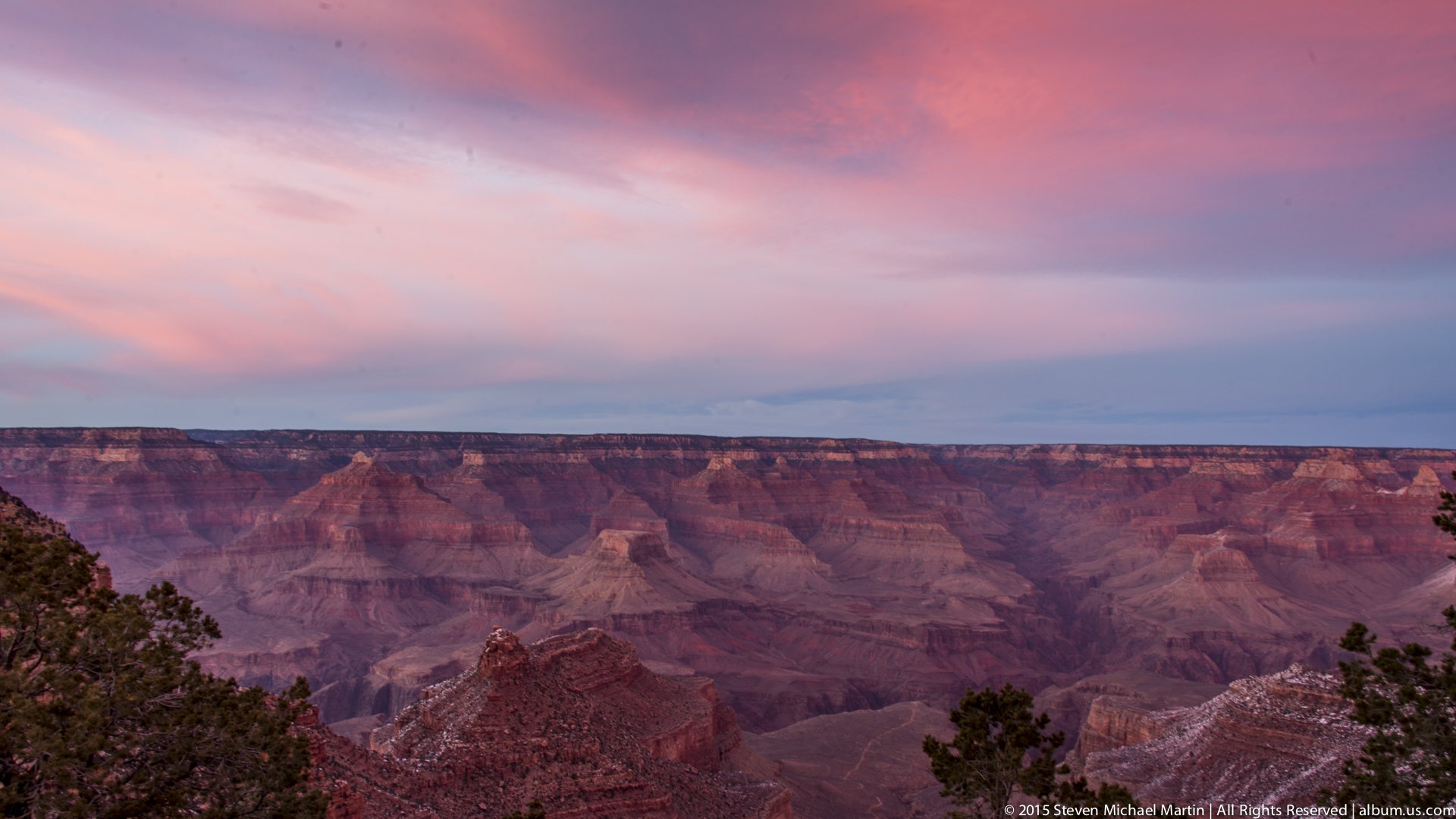
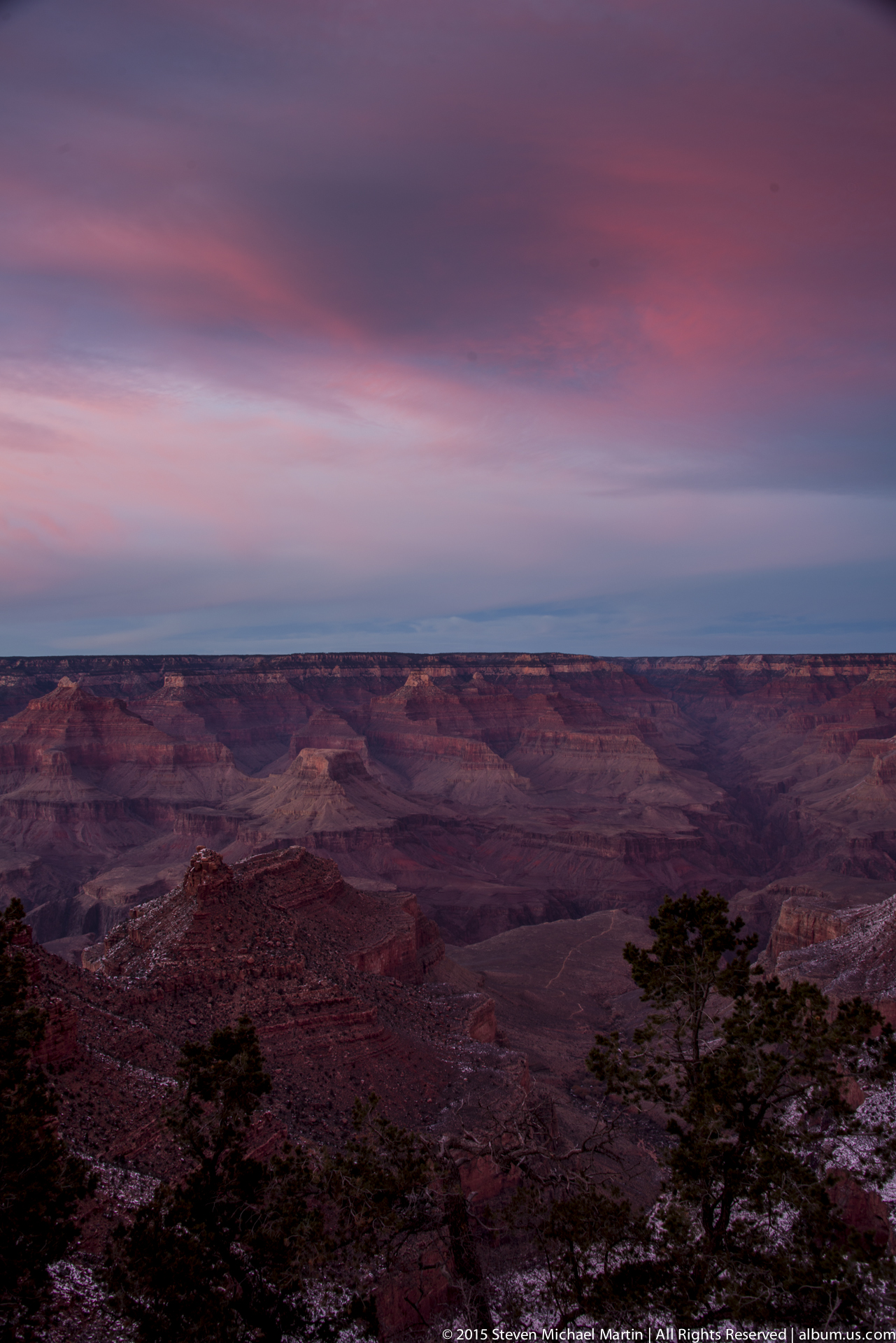
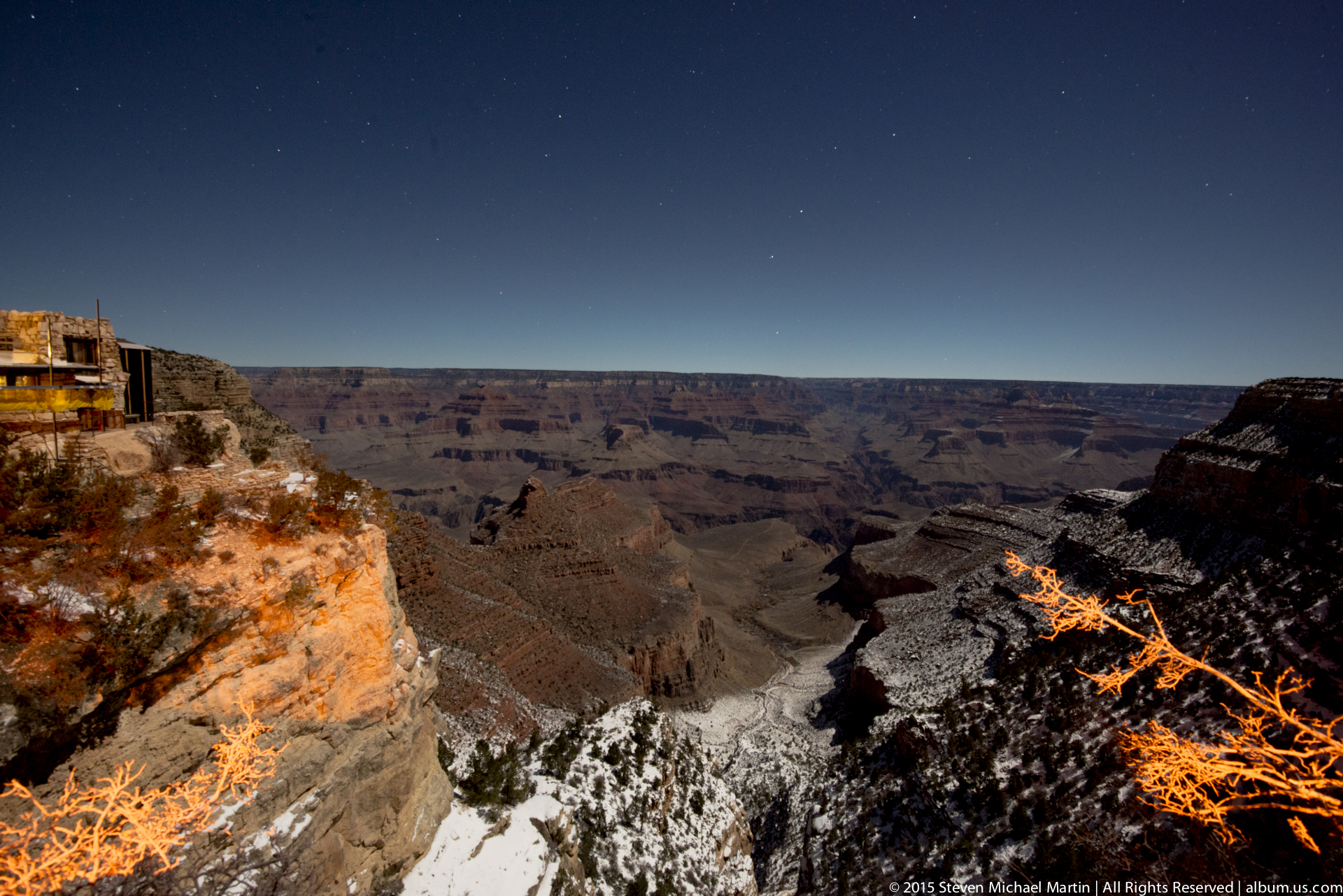
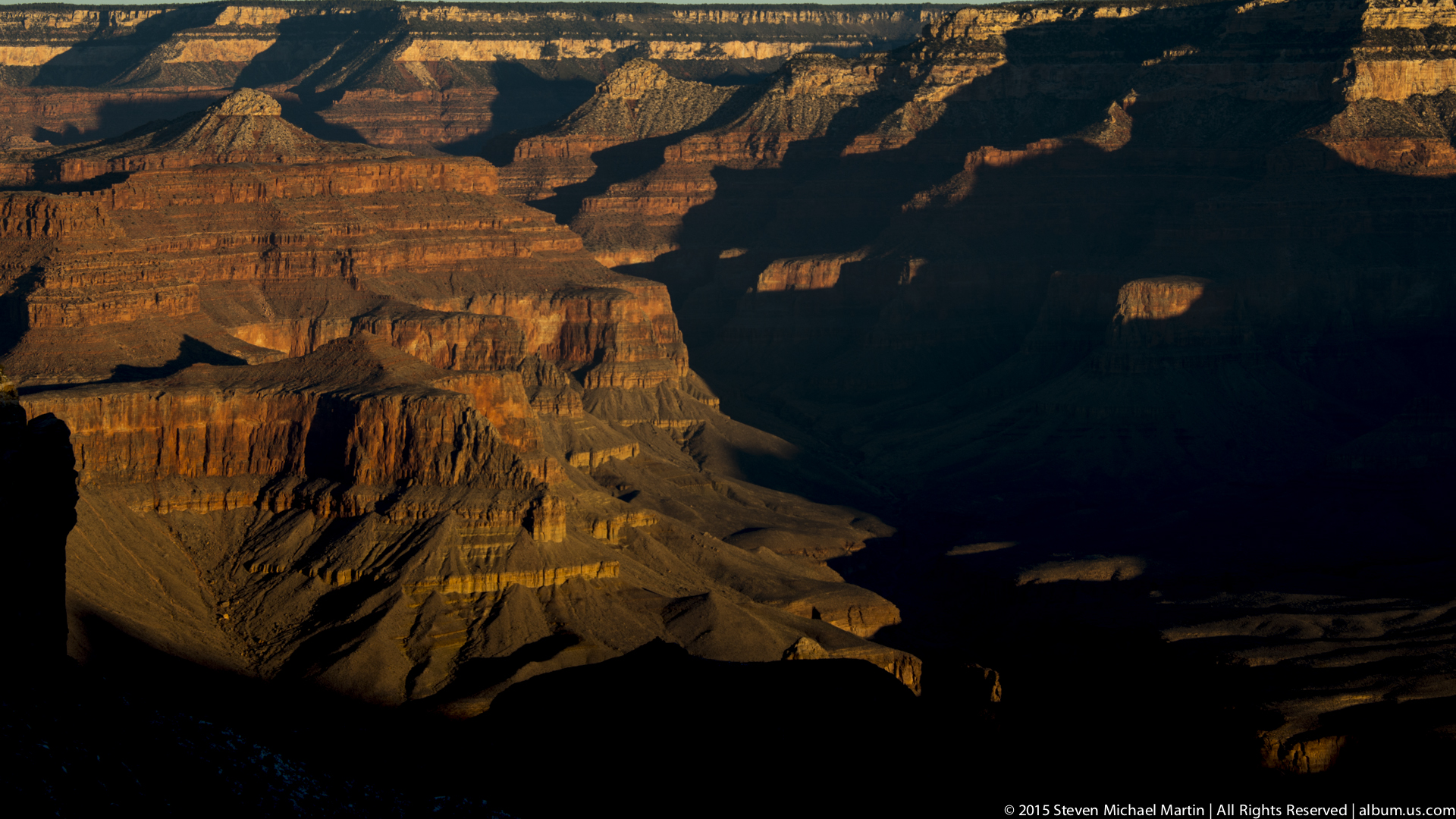
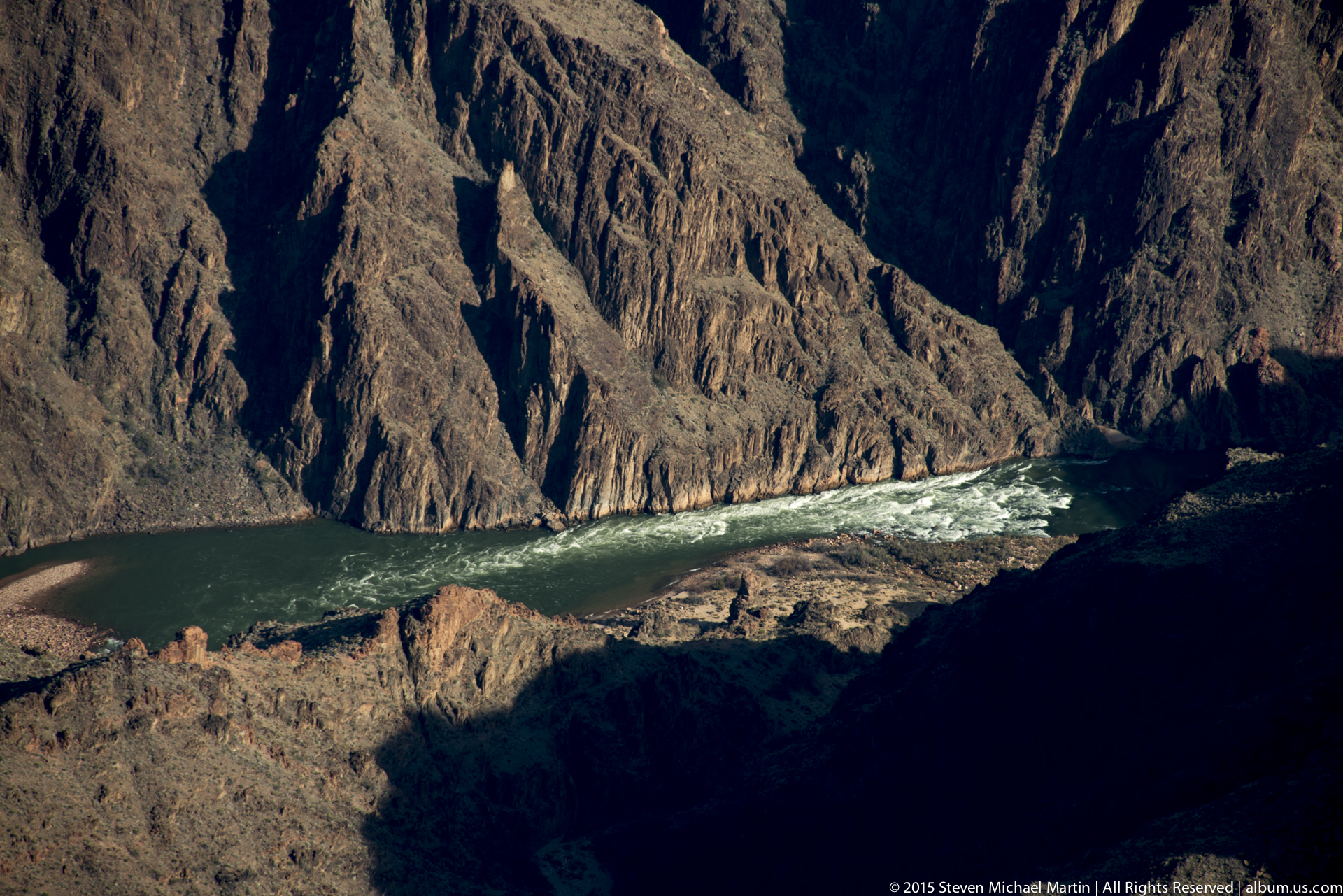
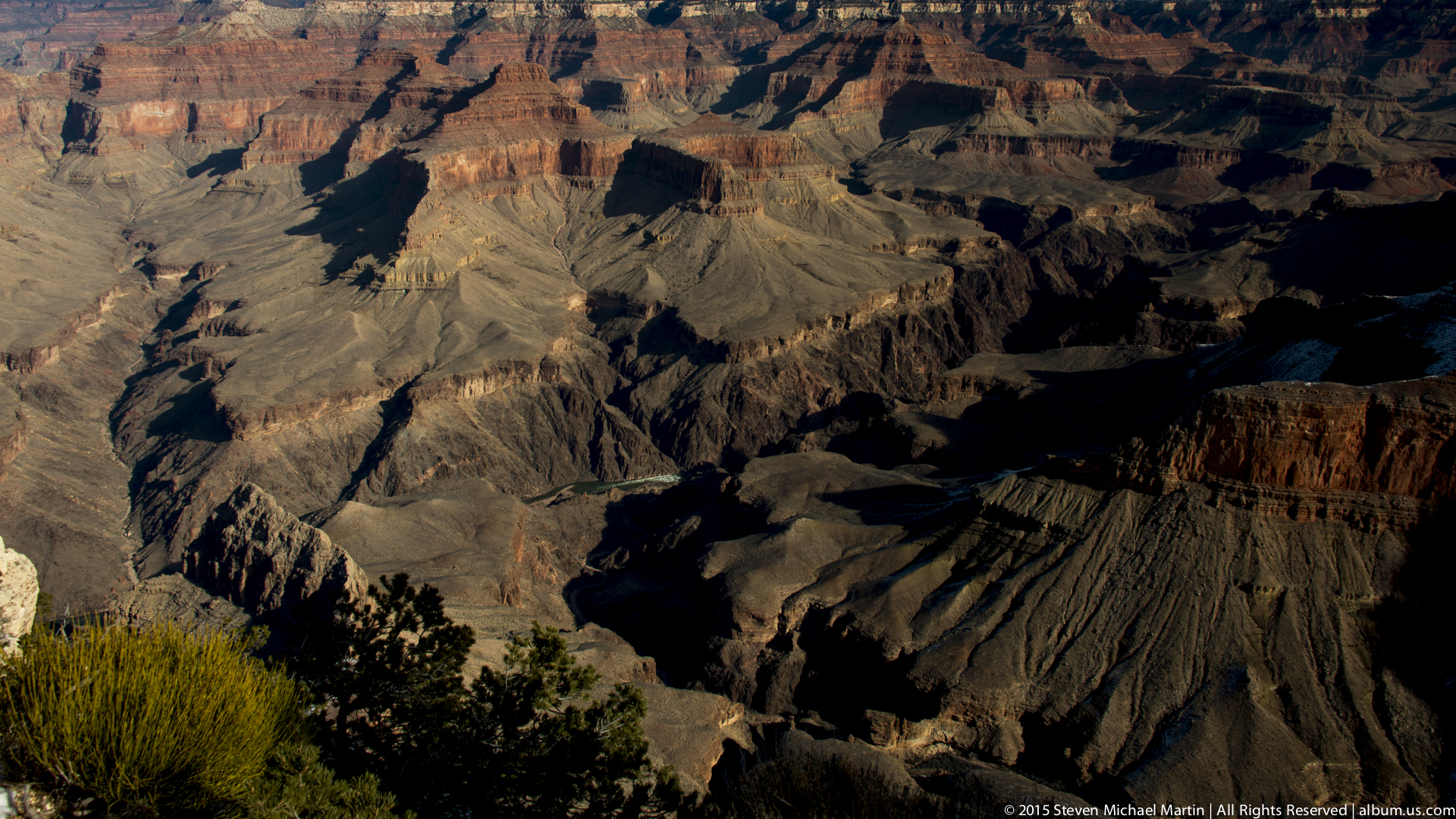
Rock layers display variations in color and composition representing different geological periods. Elevated viewpoints reveal the depth and scale of canyon formations. River channels illustrate ongoing erosion shaping canyon structure.
🌎 Natural Systems
Tectonic uplift raised sedimentary rock layers that were gradually eroded by the Colorado River. Differences in rock resistance influenced cliff formation and slope development. The canyon illustrates interaction between geological forces and hydrological processes.
📷 Photography Notes
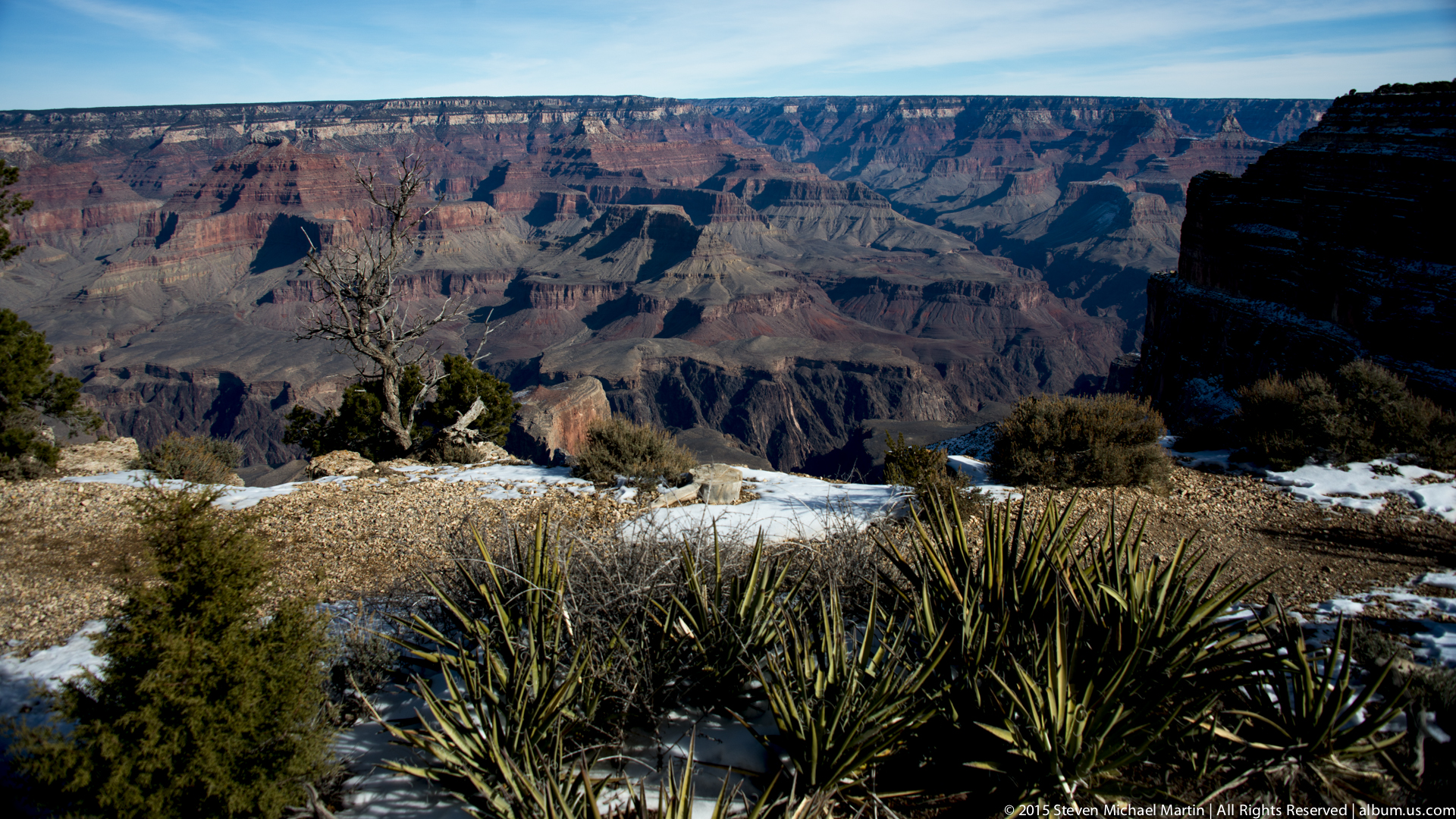
- Wide compositions emphasize canyon scale
- Morning and evening light enhance color contrast
- Layered rock creates visual depth
- Foreground vegetation adds perspective
- Atmospheric haze increases sense of distance
- Changing light produces shifting shadow patterns
🌱 Conservation Context
Grand Canyon preserves geological formations shaped by long-term erosion. Protection of the landscape allows continued observation of processes influencing canyon development and desert ecosystems.