Boston Blizzard
Boston’s coastal location exposes the city to powerful winter storms that form when cold continental air masses interact with moisture from the Atlantic Ocean. Nor’easters, a common type of winter storm in New England, can produce heavy snowfall, strong winds, and coastal flooding as low-pressure systems intensify offshore. These storms have influenced patterns of urban adaptation including infrastructure design, snow management practices, and architectural construction suited to cold climates.
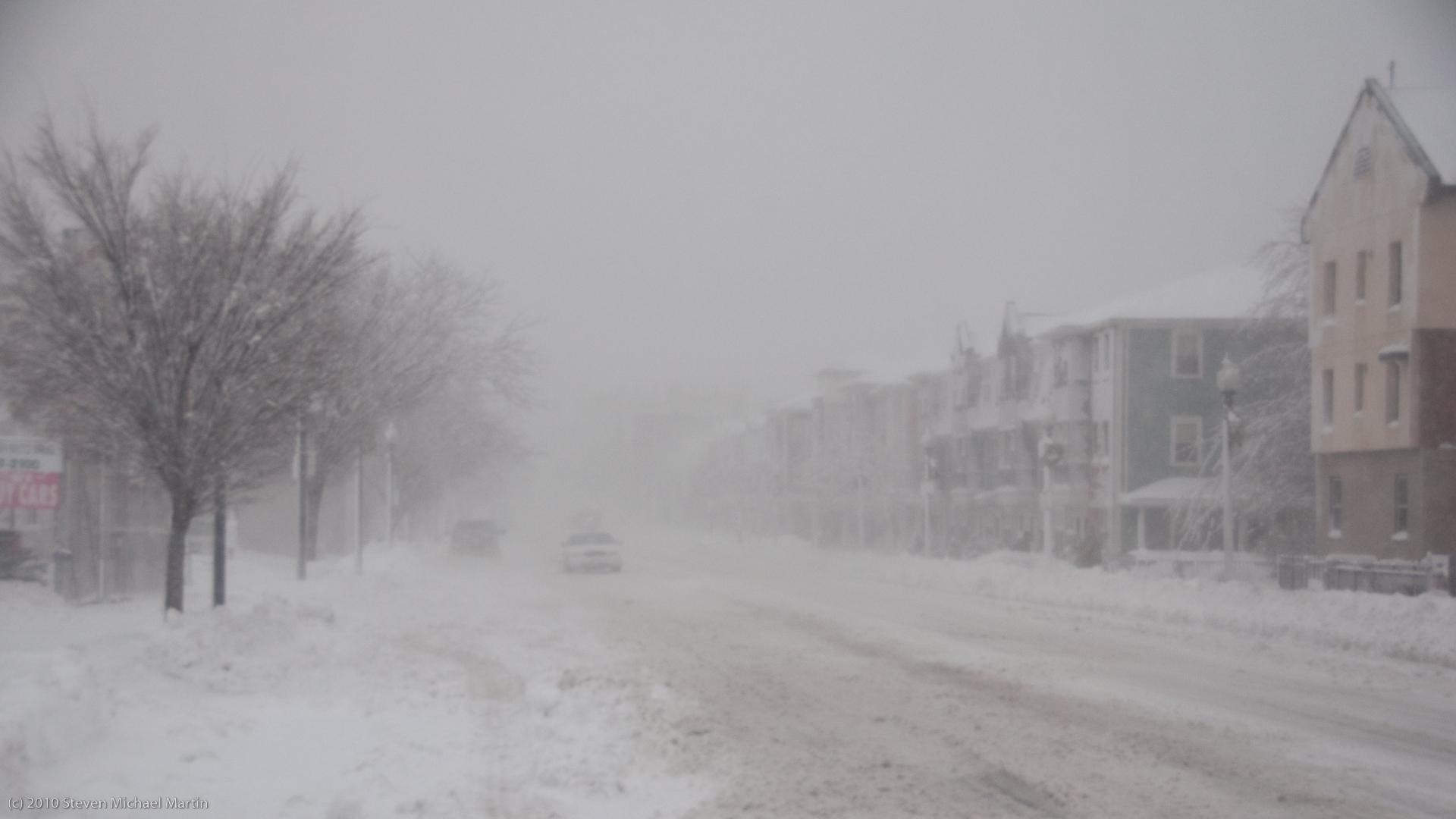
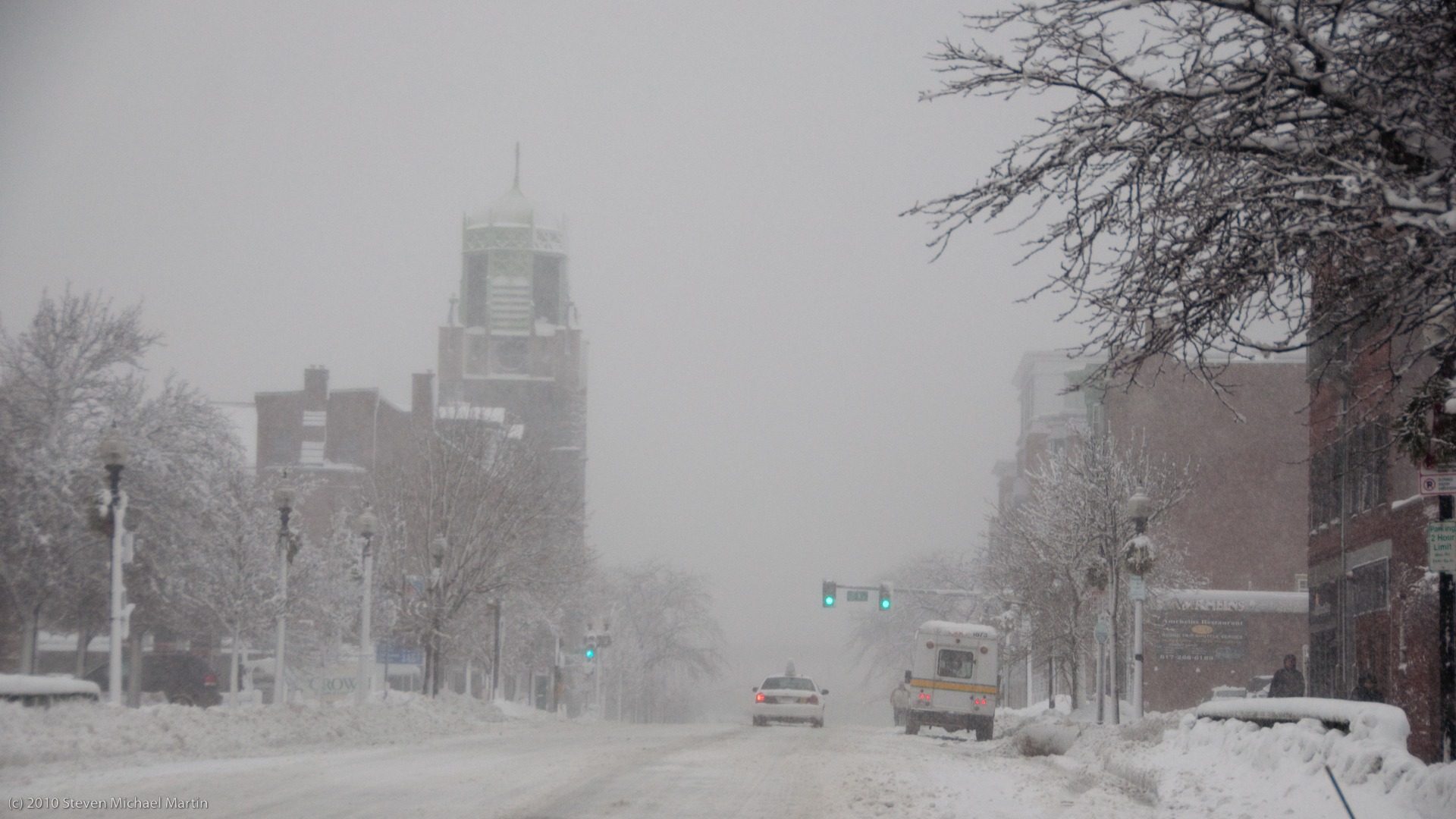
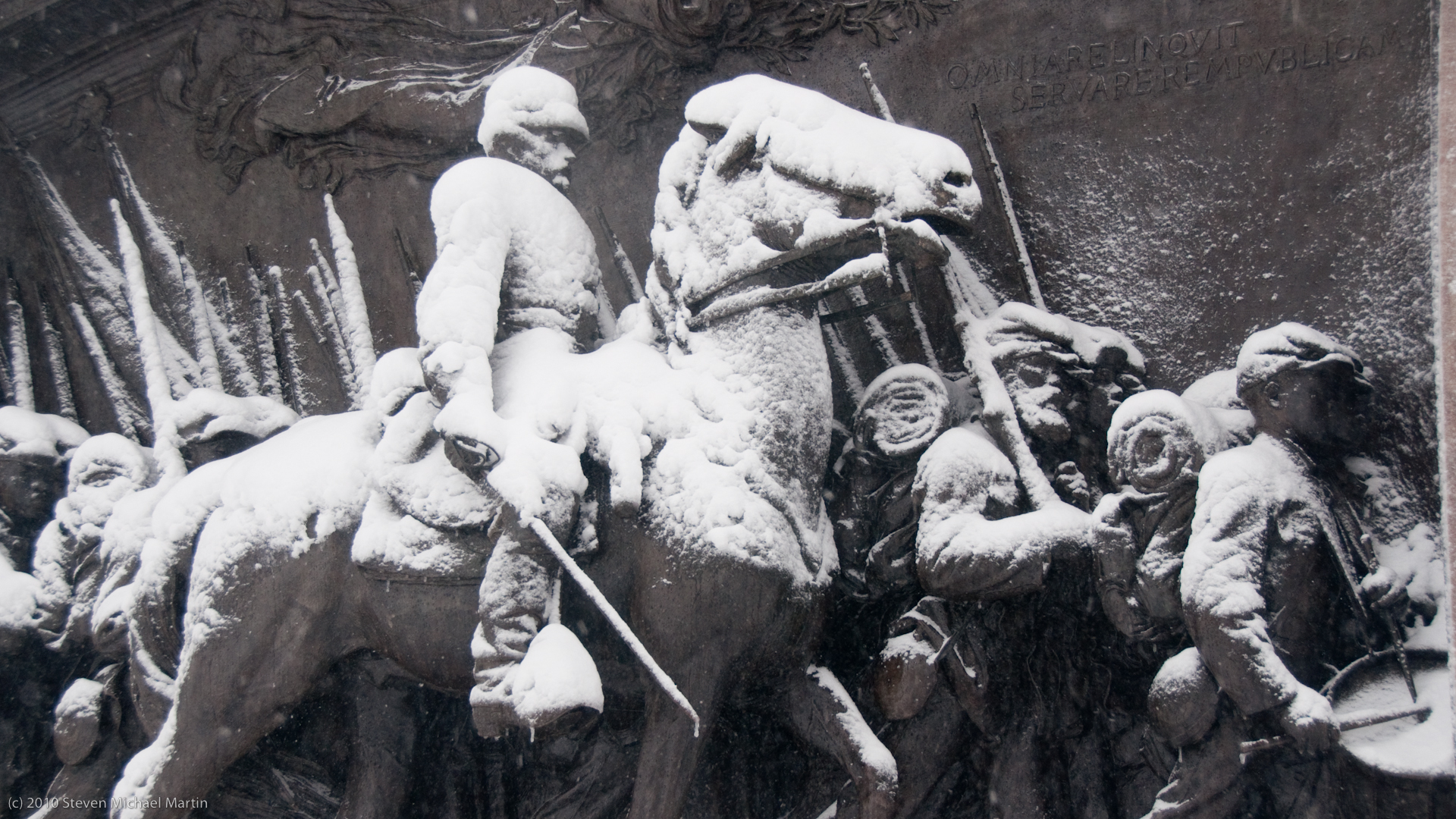
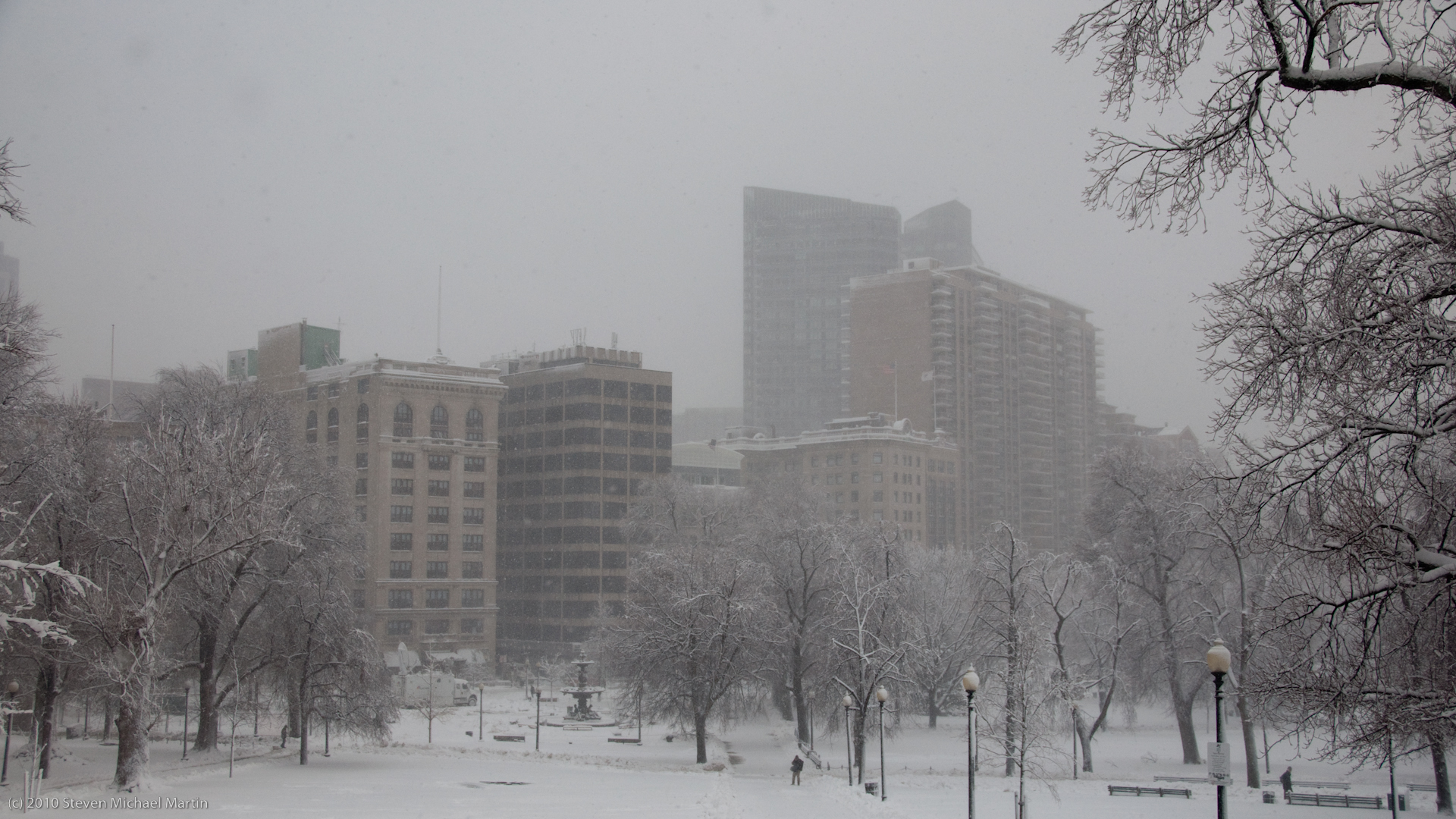
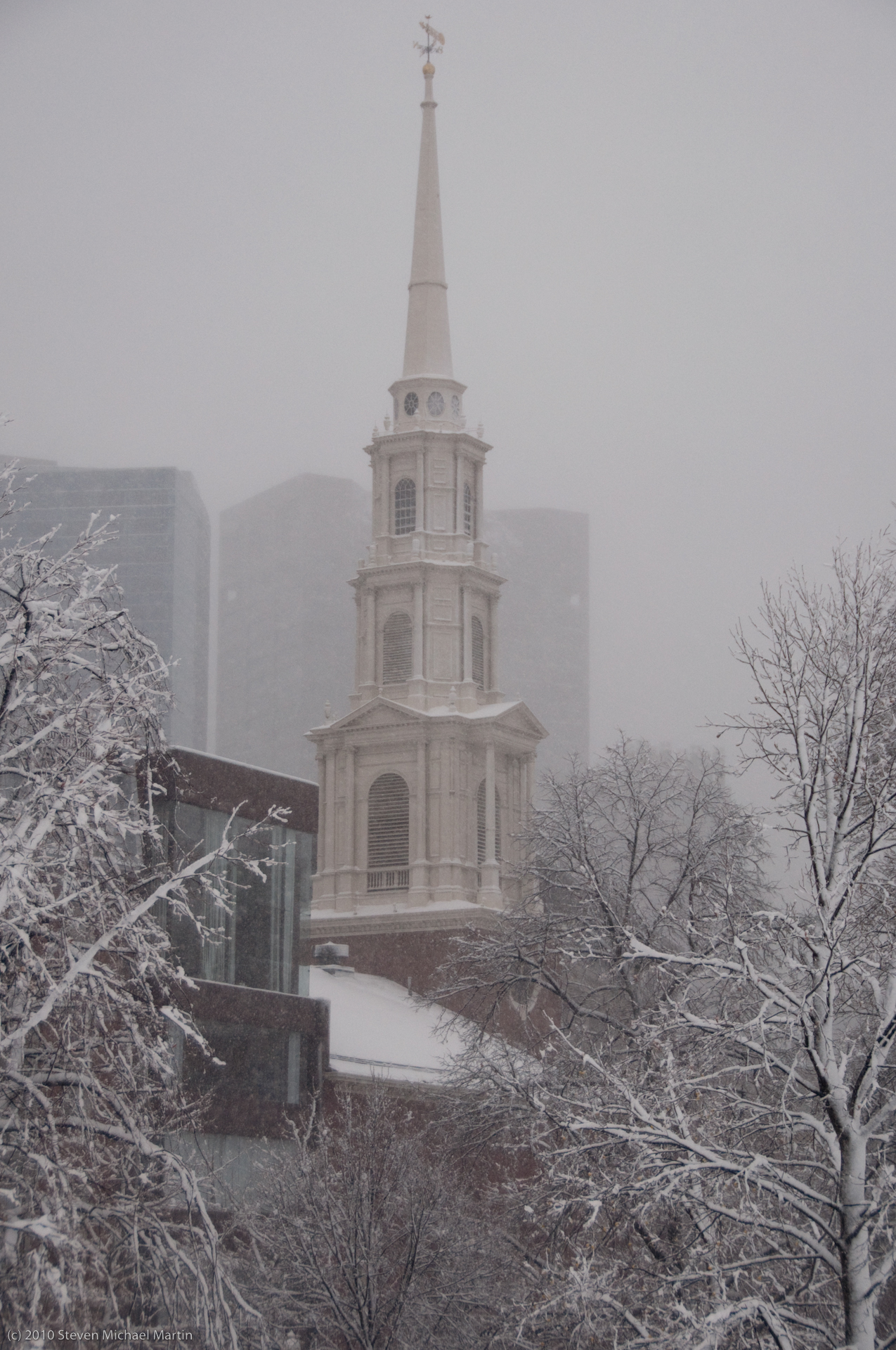
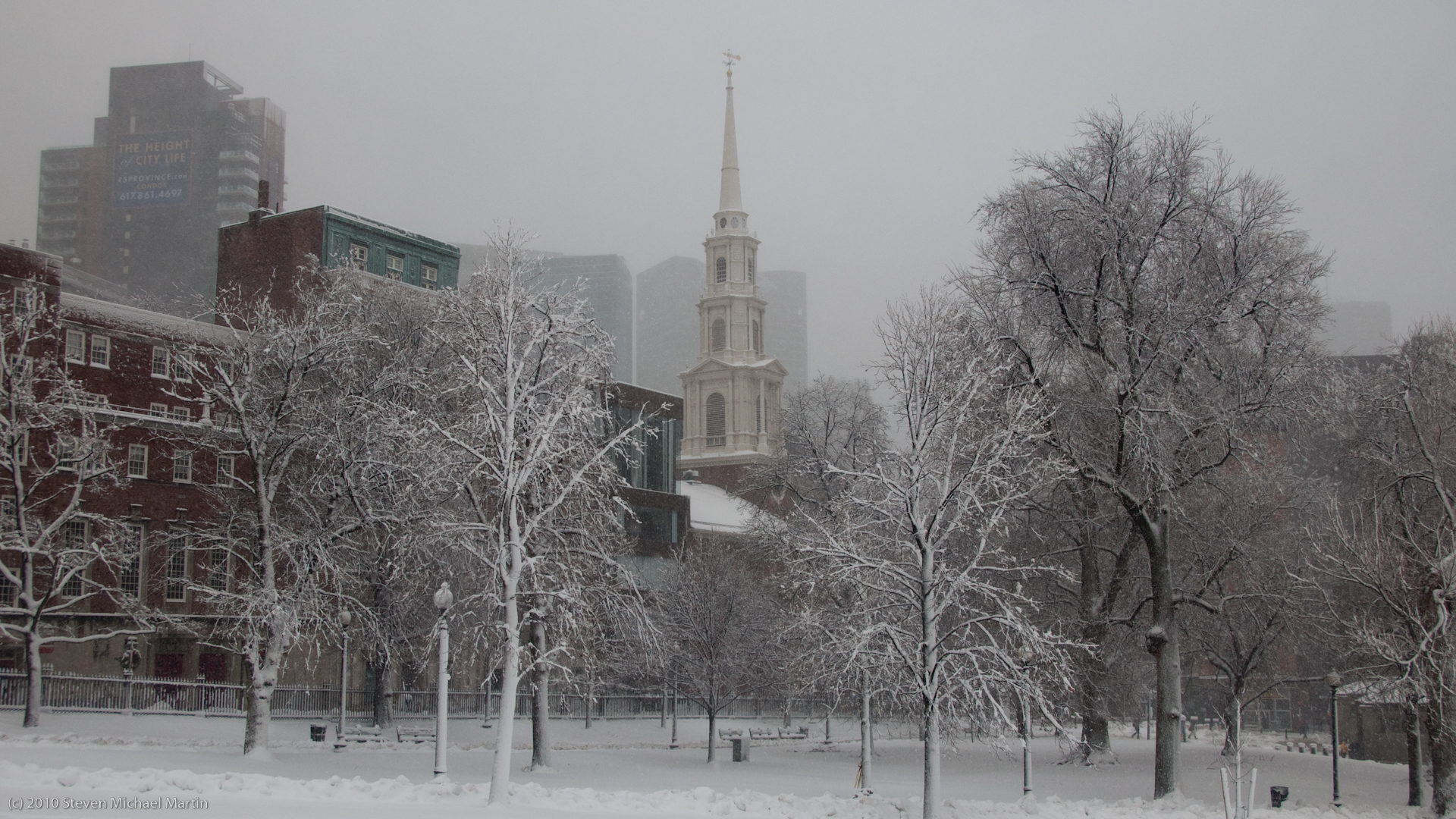
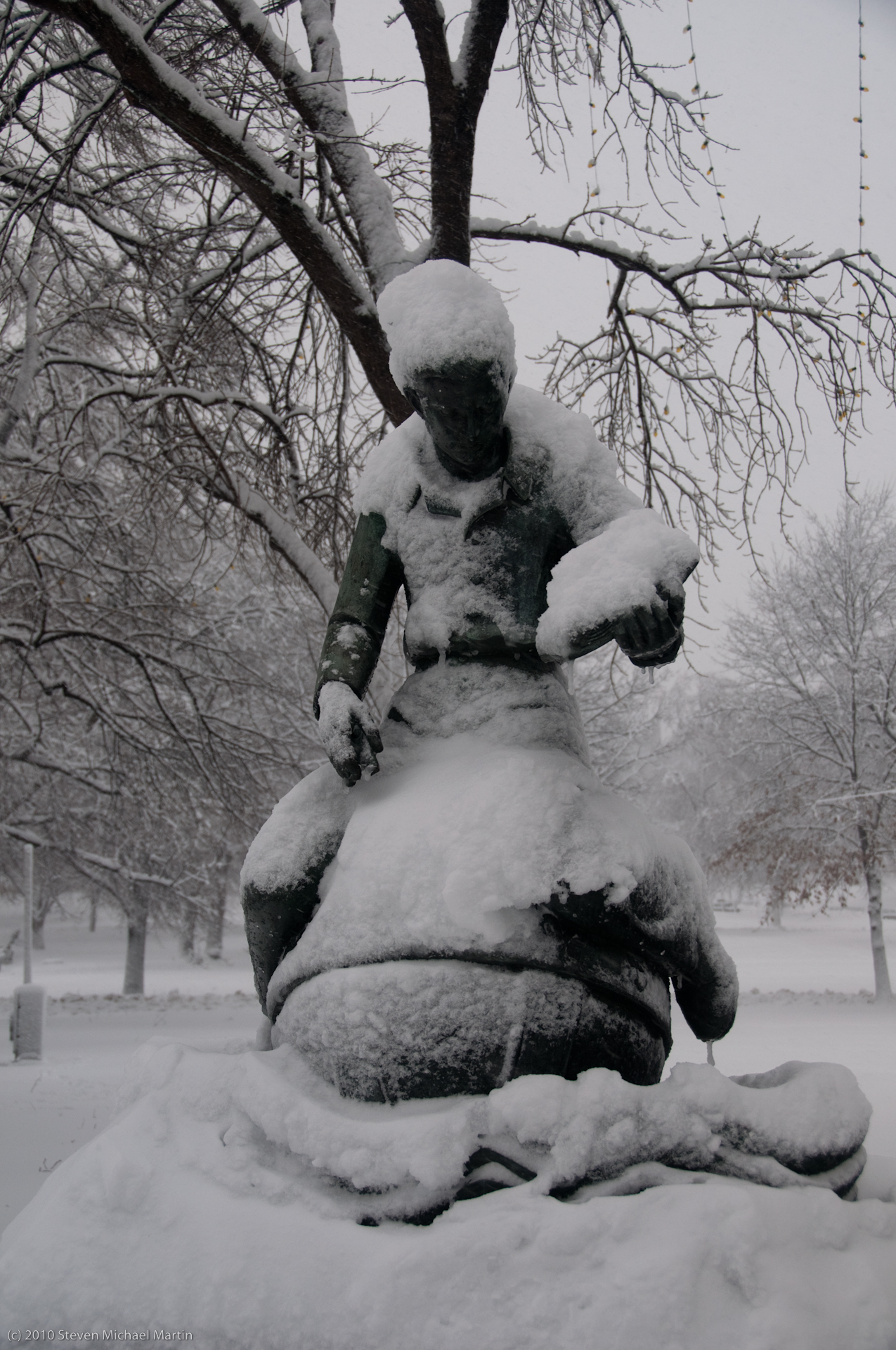
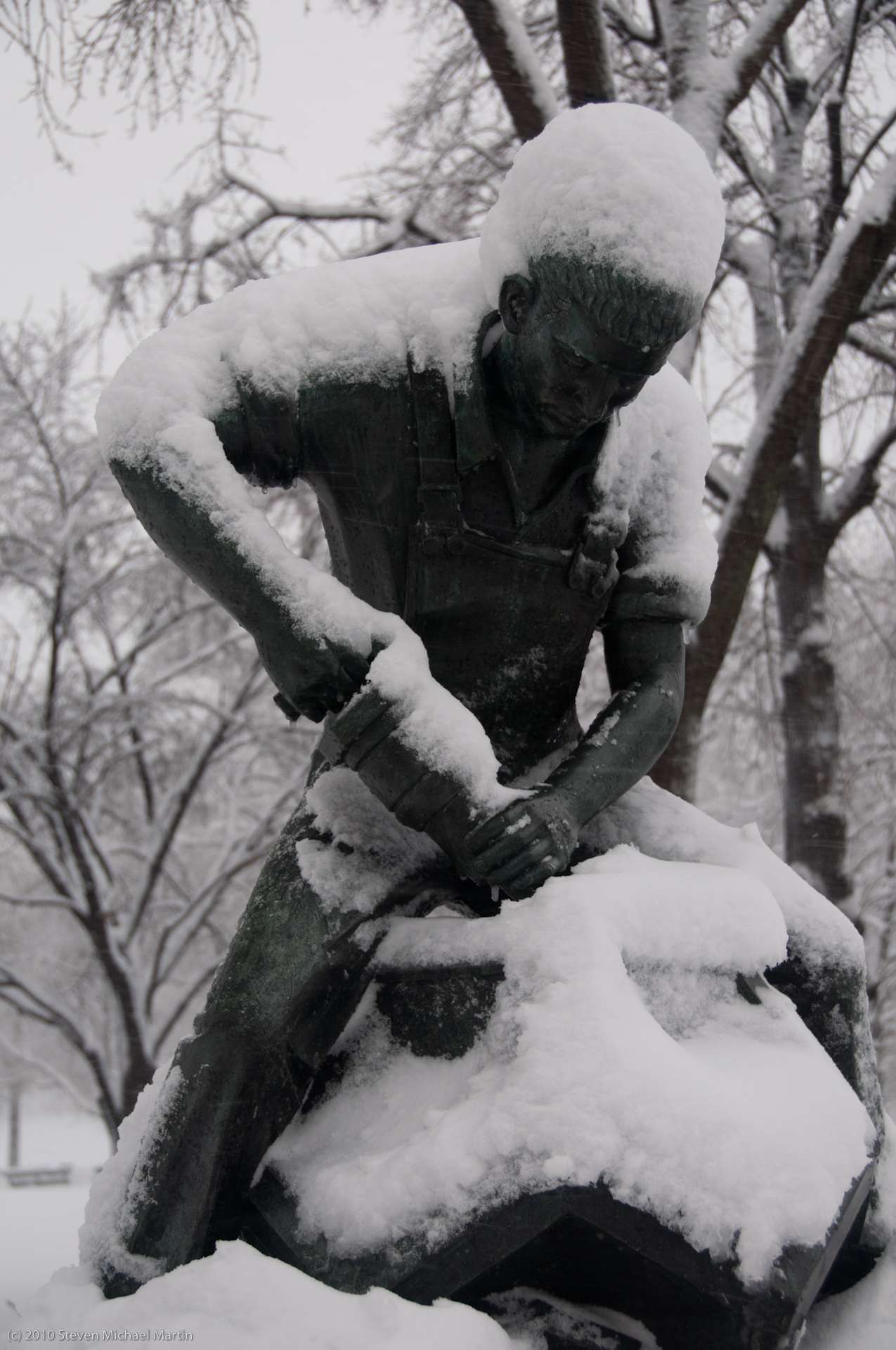
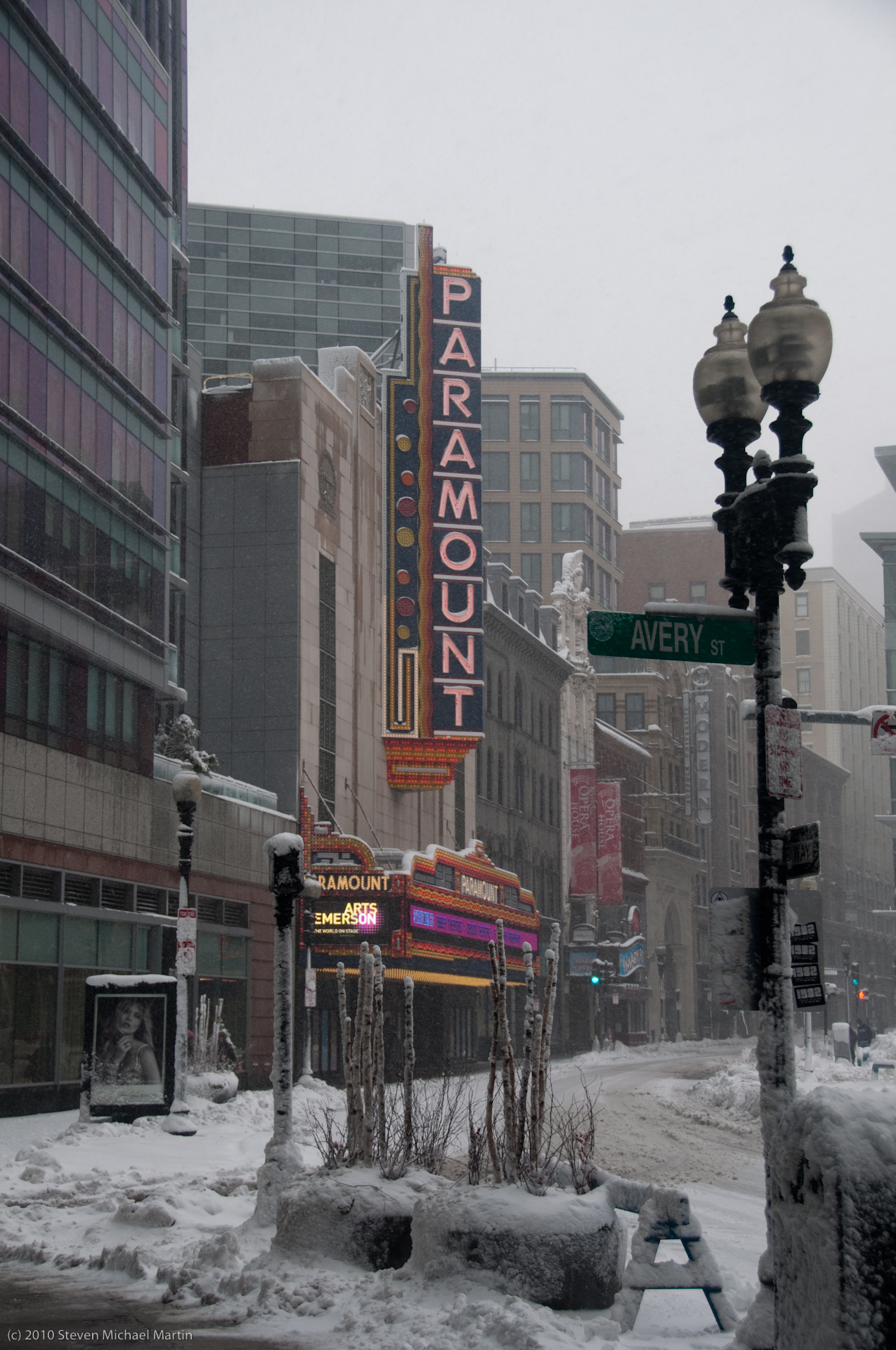
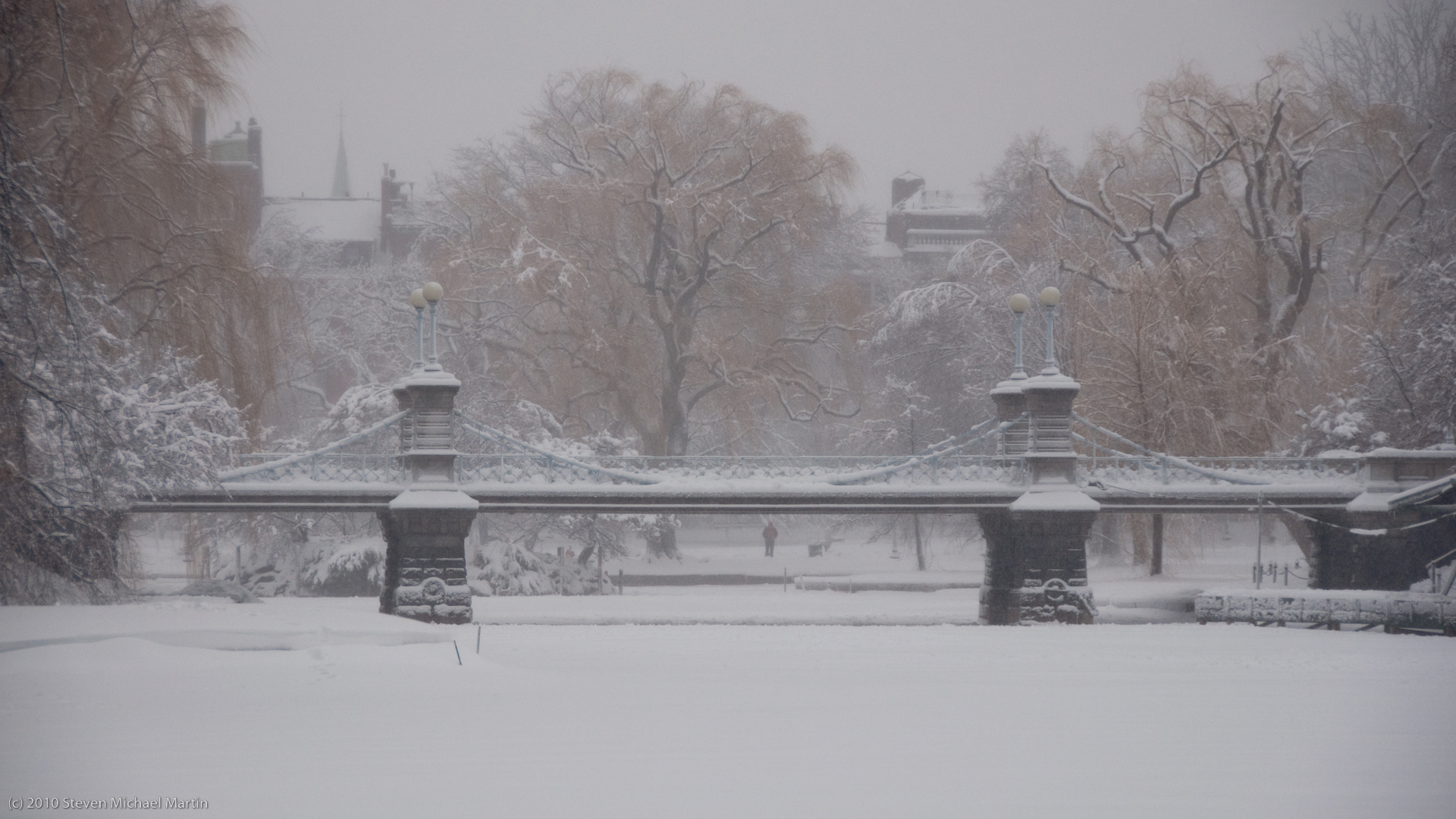
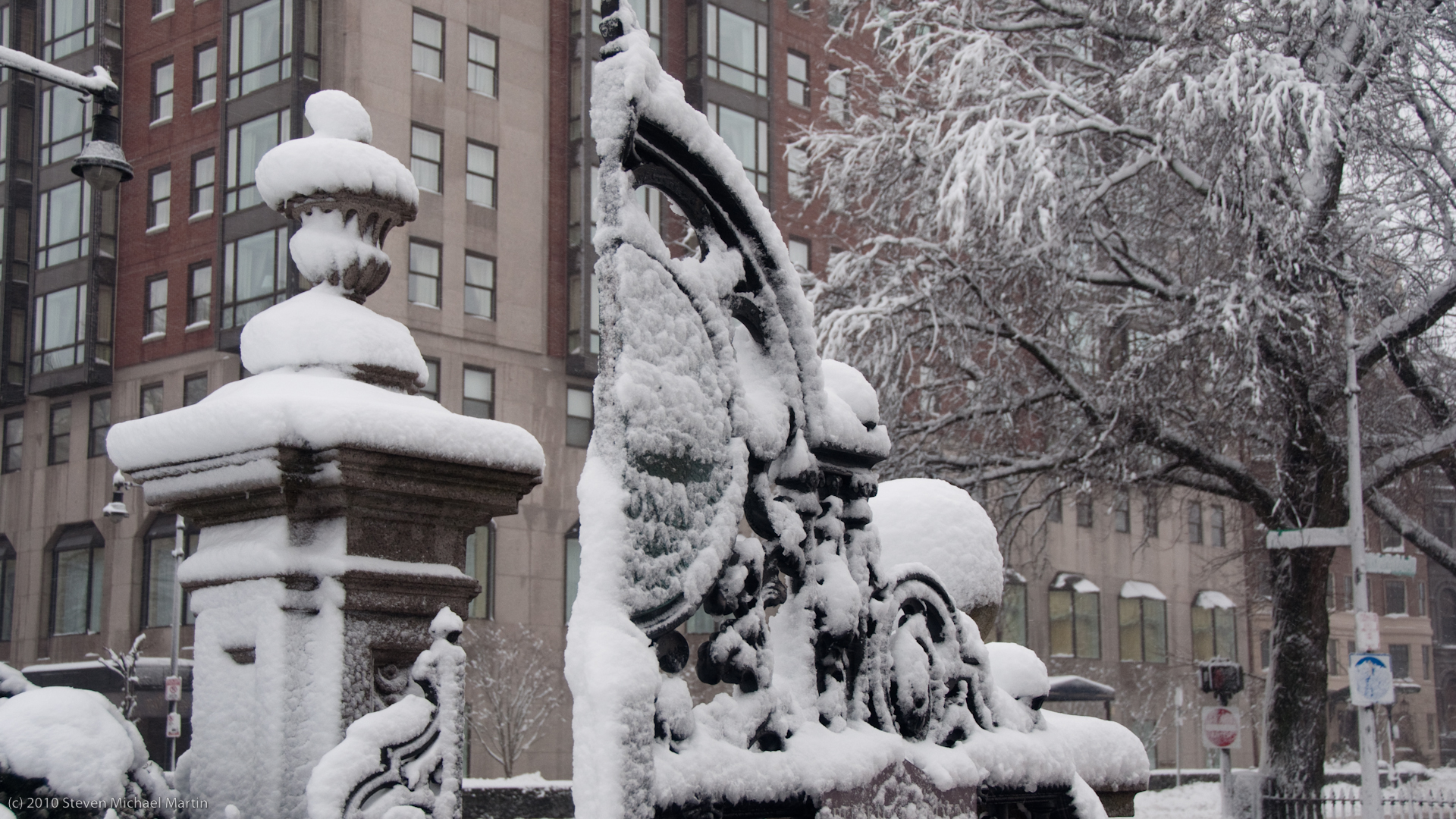
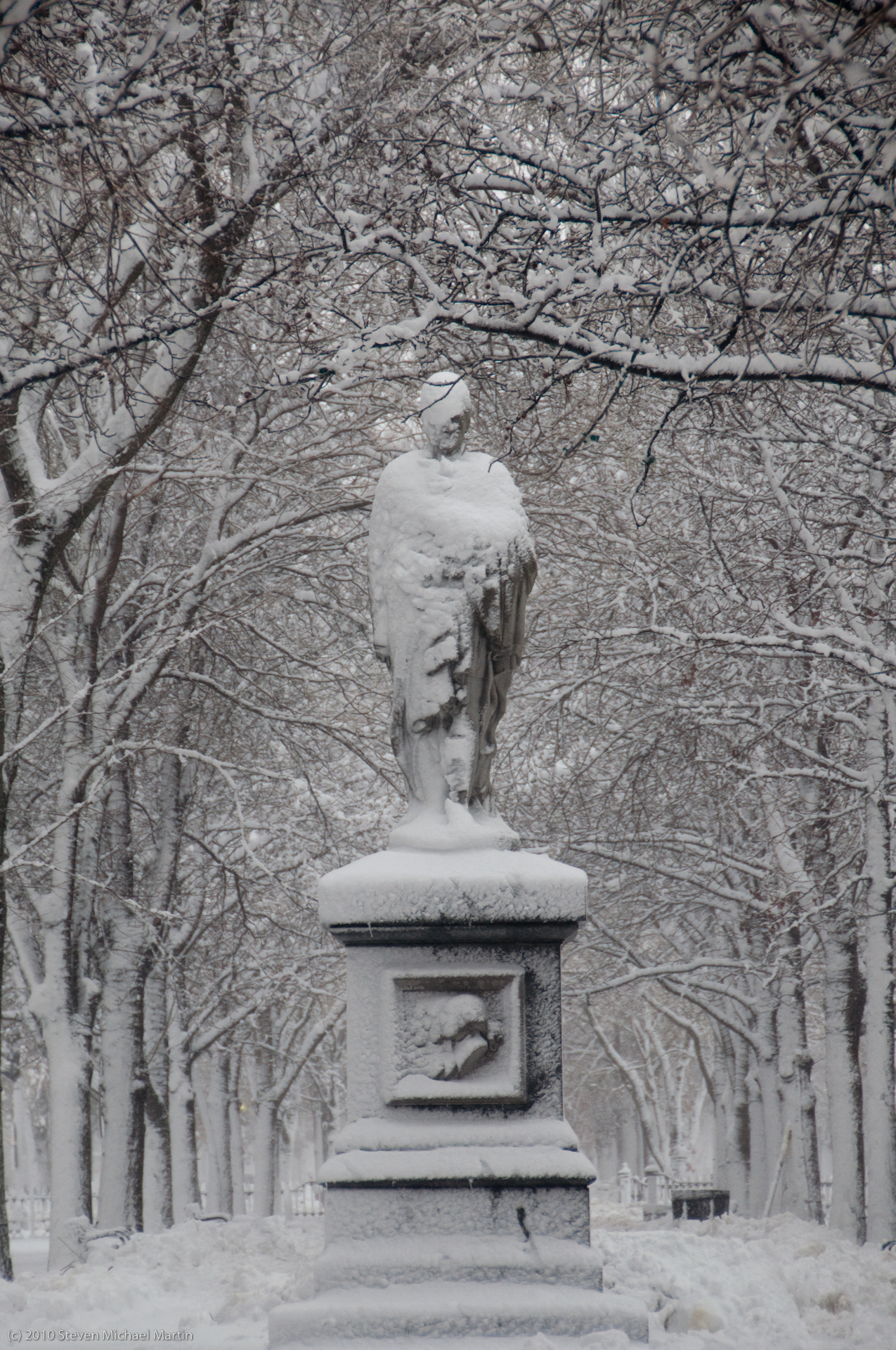
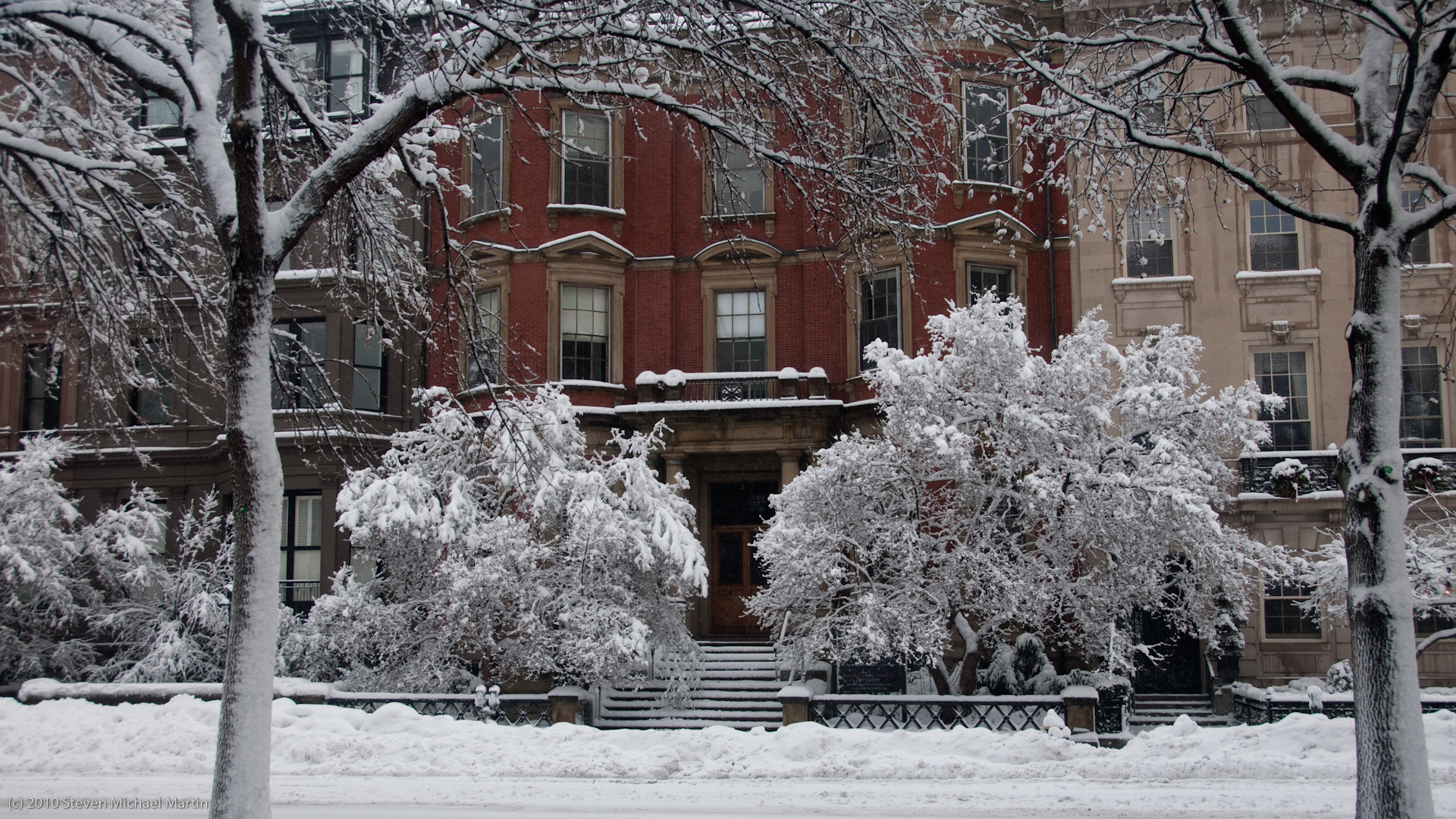
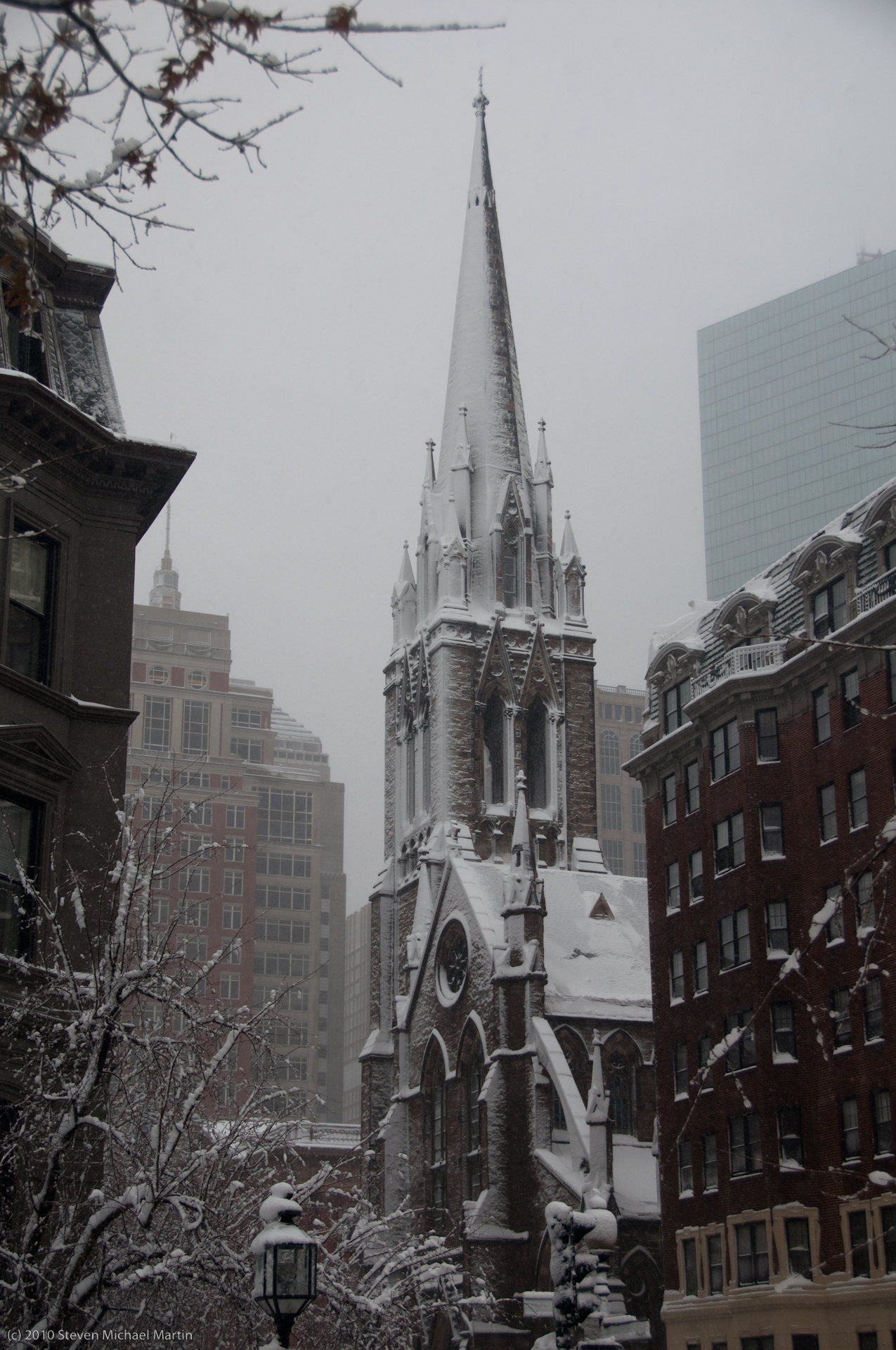
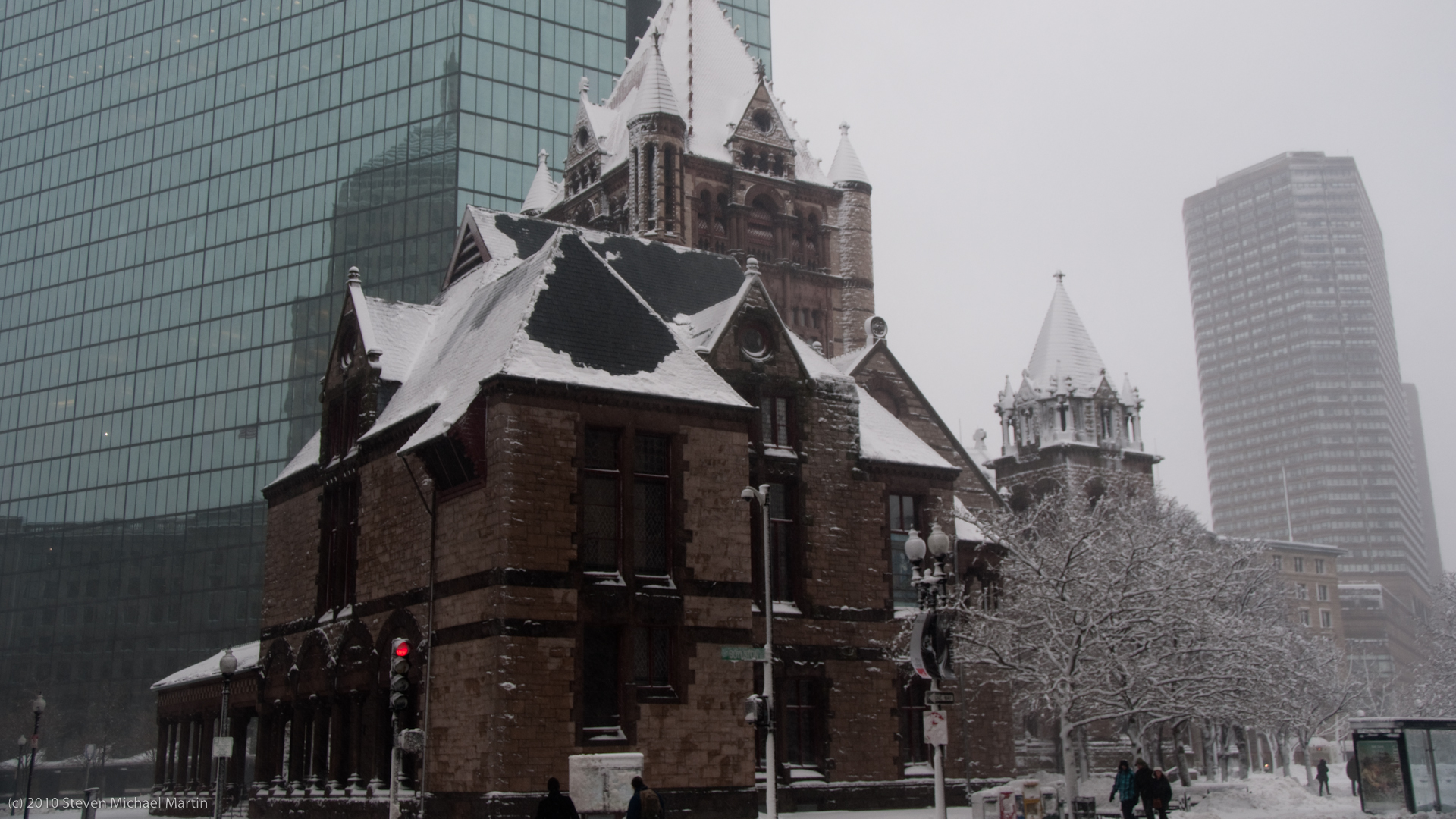
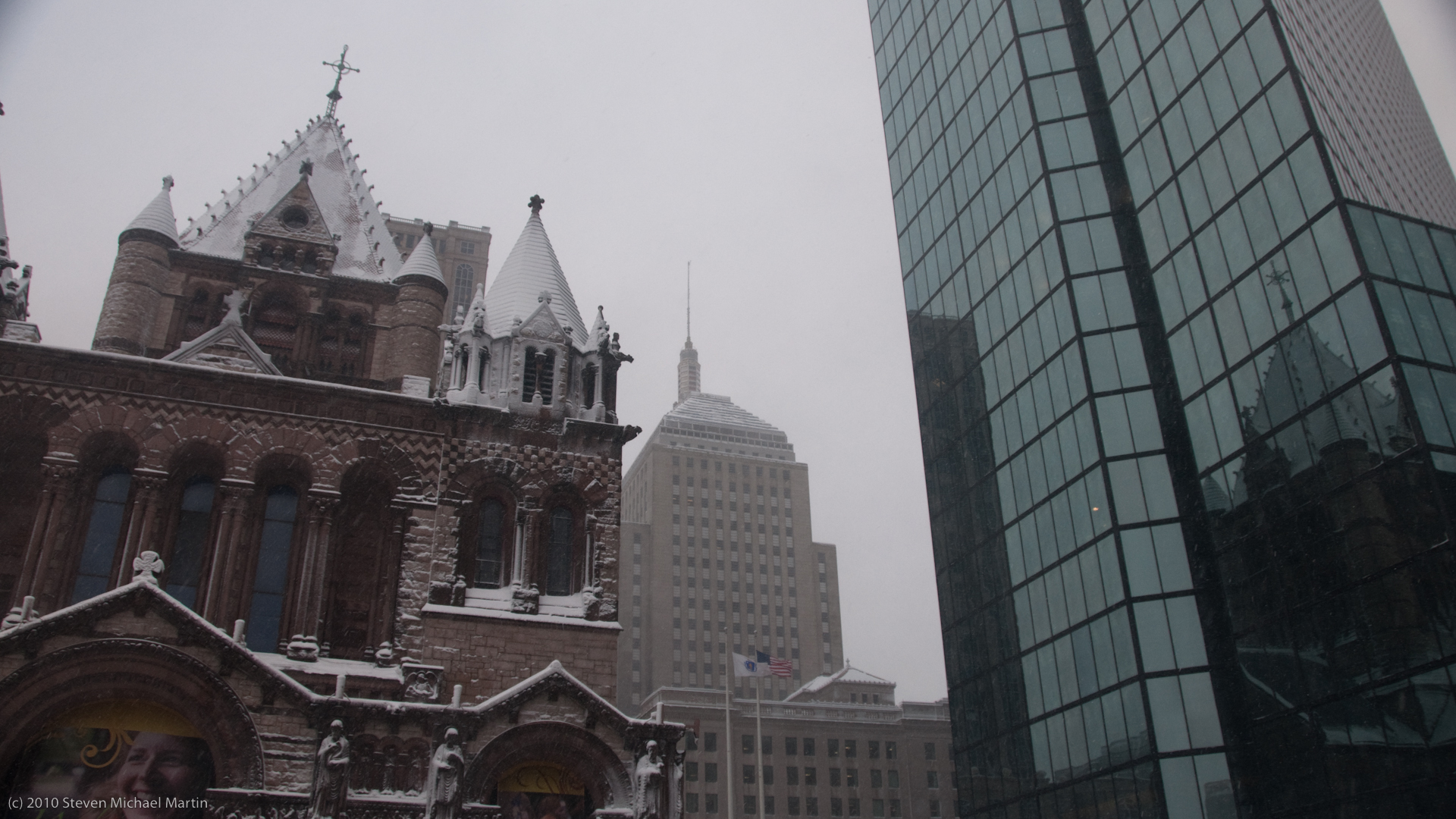
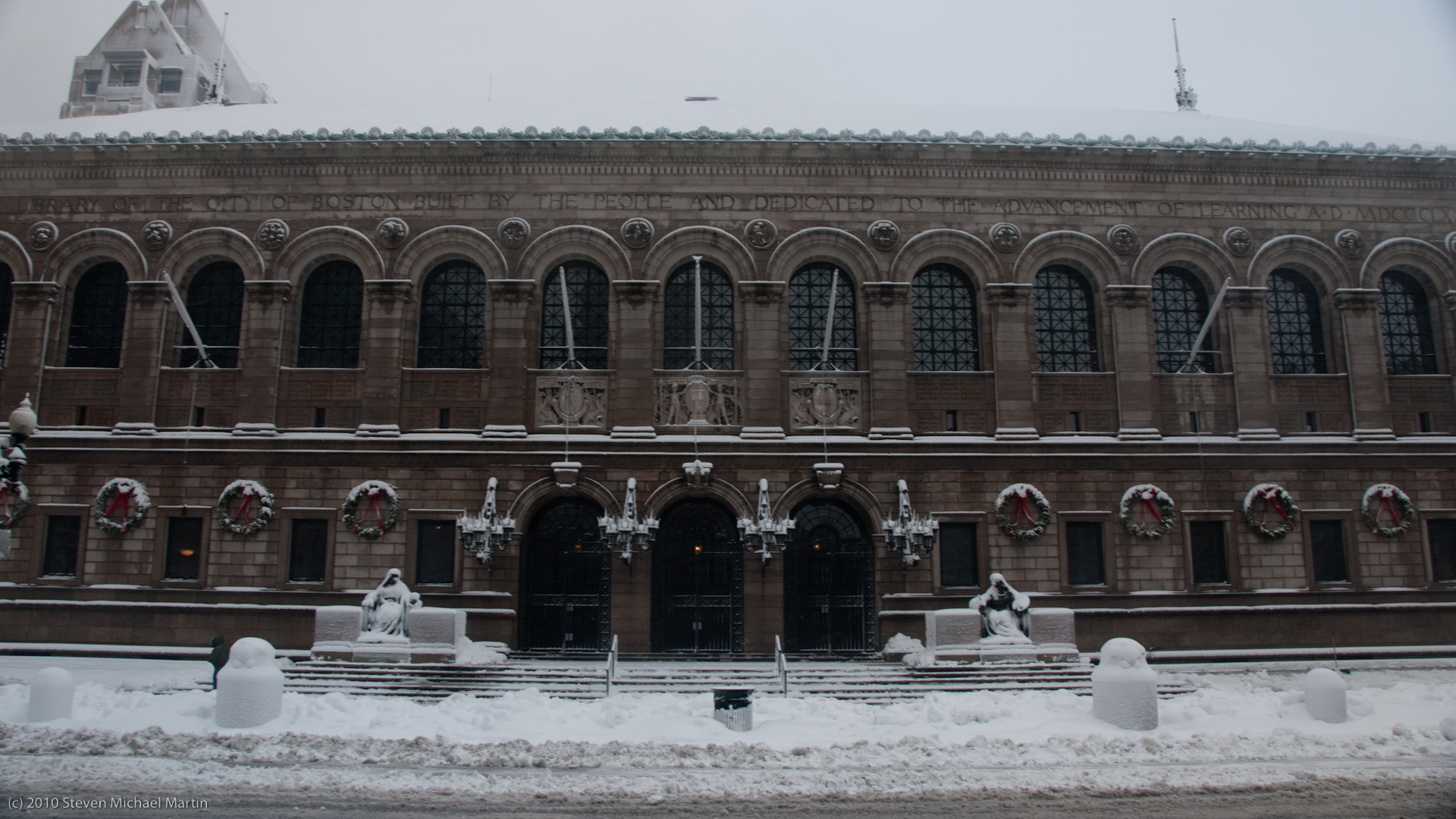
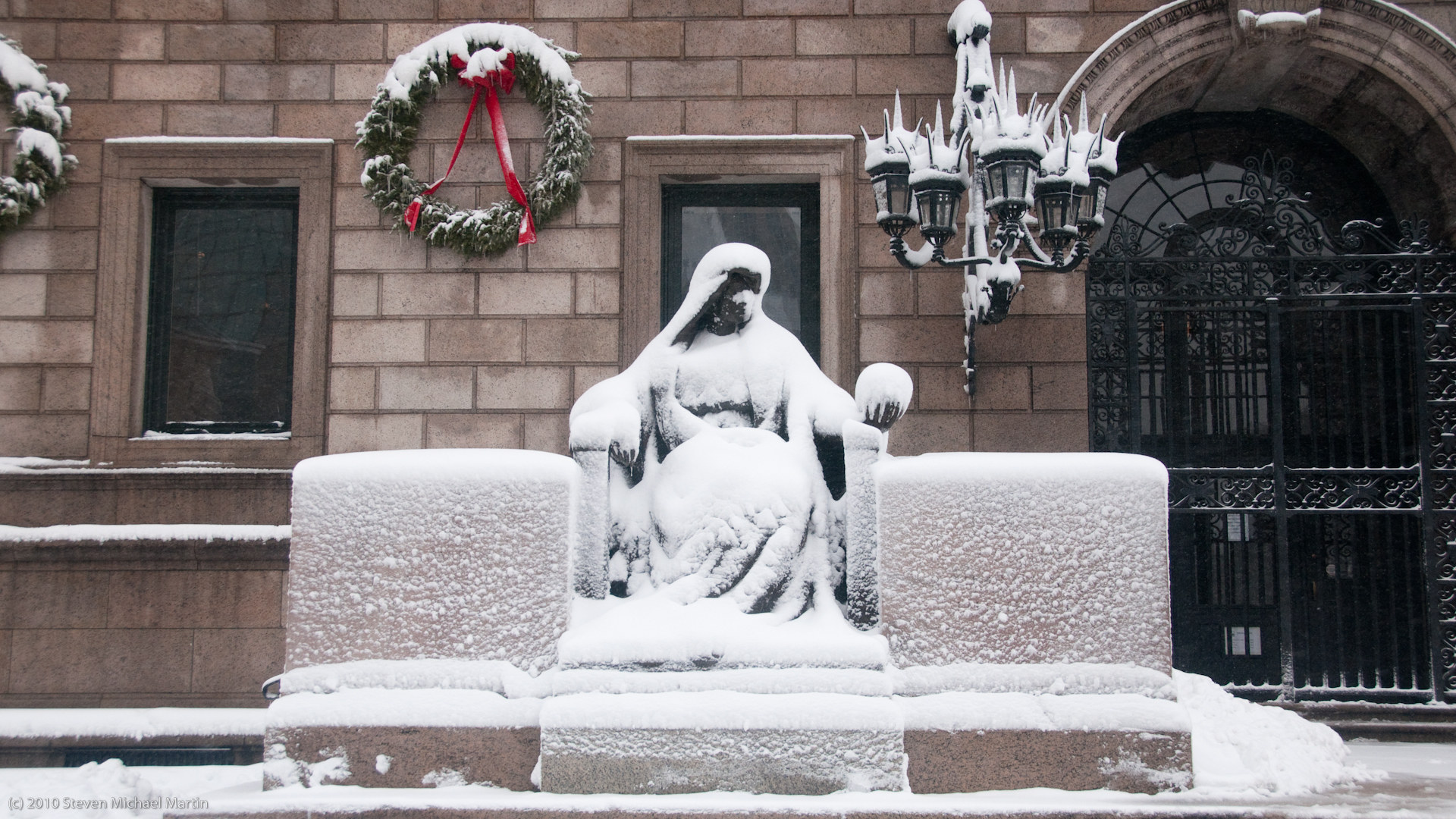
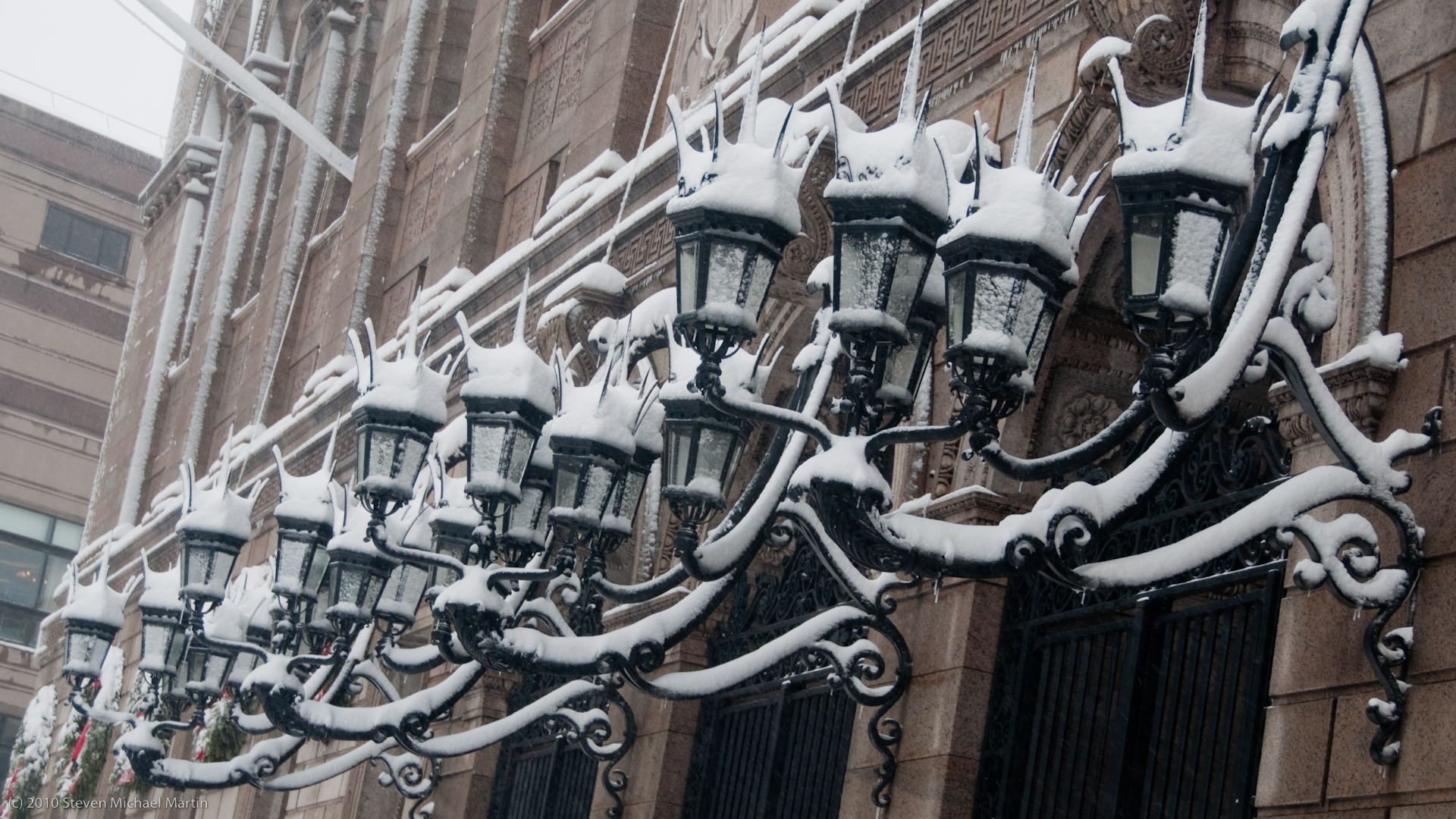
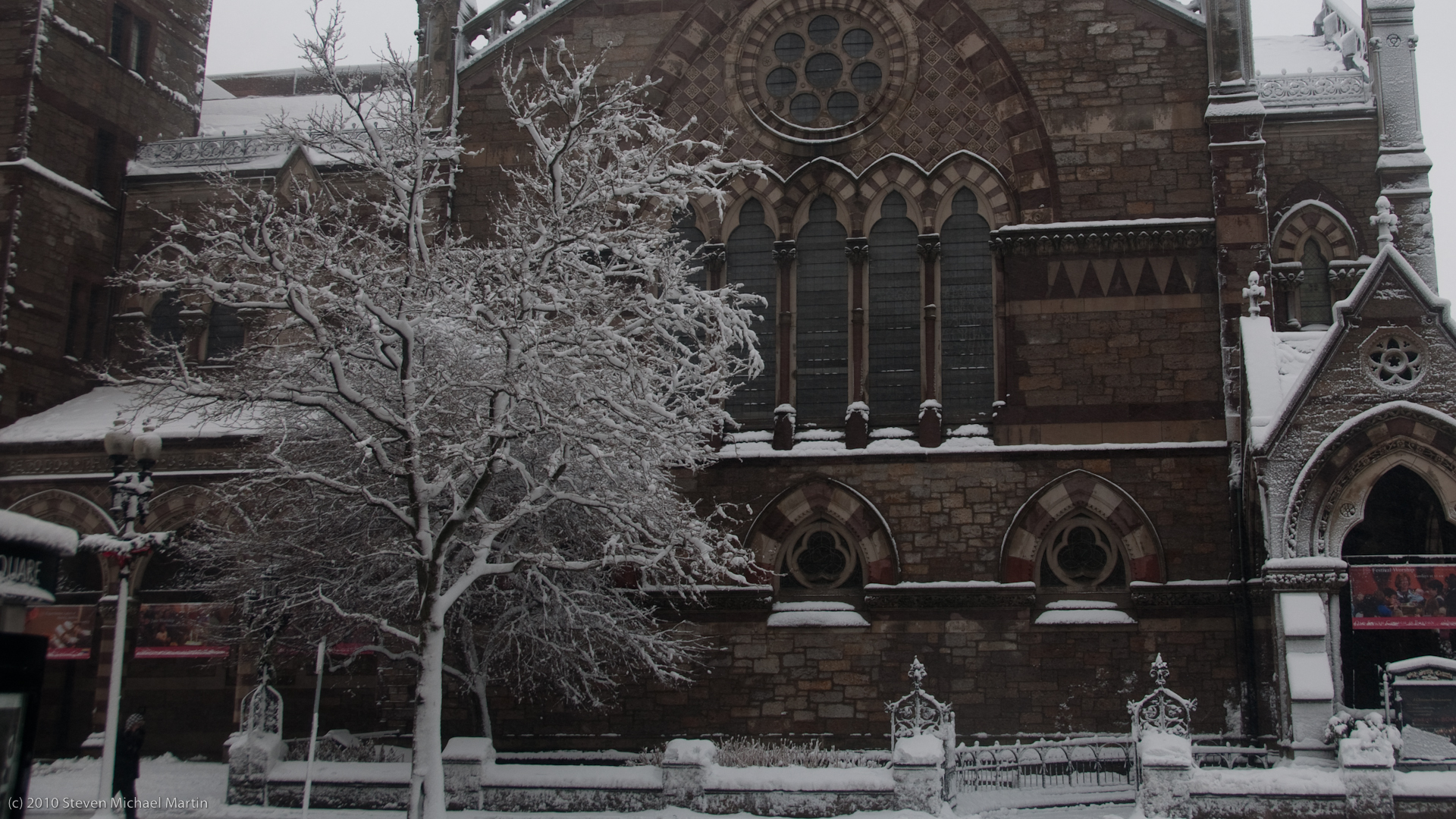
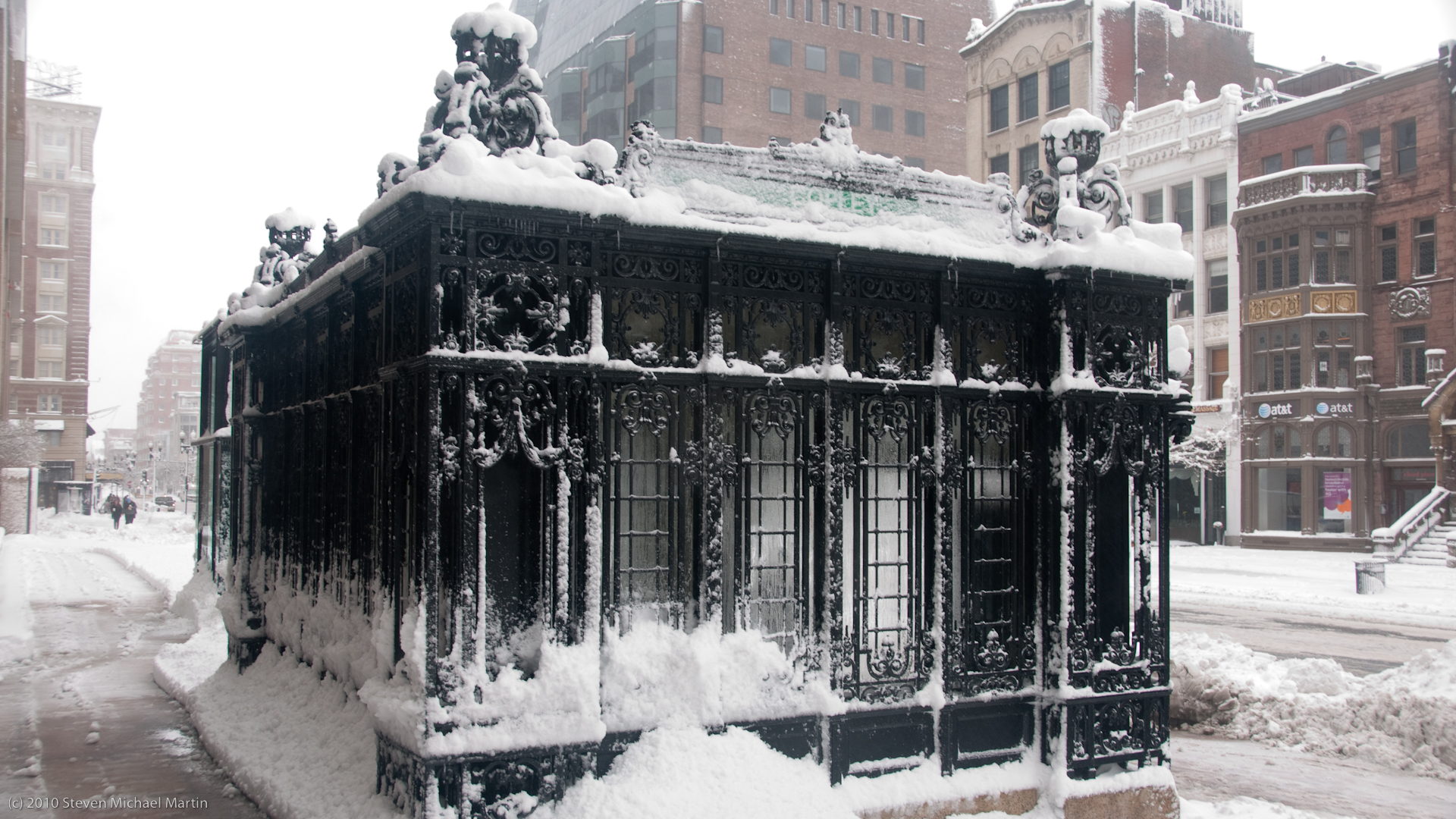
Blizzard conditions often transform the city’s streets and public spaces, temporarily reducing transportation activity and highlighting the relationship between natural forces and urban environment. Historic neighborhoods built along narrow colonial street patterns illustrate how earlier urban design continues to shape contemporary responses to severe weather events. Snow accumulation across parks, waterfronts, and civic buildings demonstrates the continuing influence of regional climate on daily life in Boston.
Boston blizzards contribute to understanding how coastal weather patterns shape seasonal experience in the northeastern United States. The interaction between ocean temperature, atmospheric circulation, and urban landscape illustrates the environmental context of New England’s winter climate. Severe storms provide insight into the resilience of historic cities located along the Atlantic coast.