Blizzard in Historic Winchester
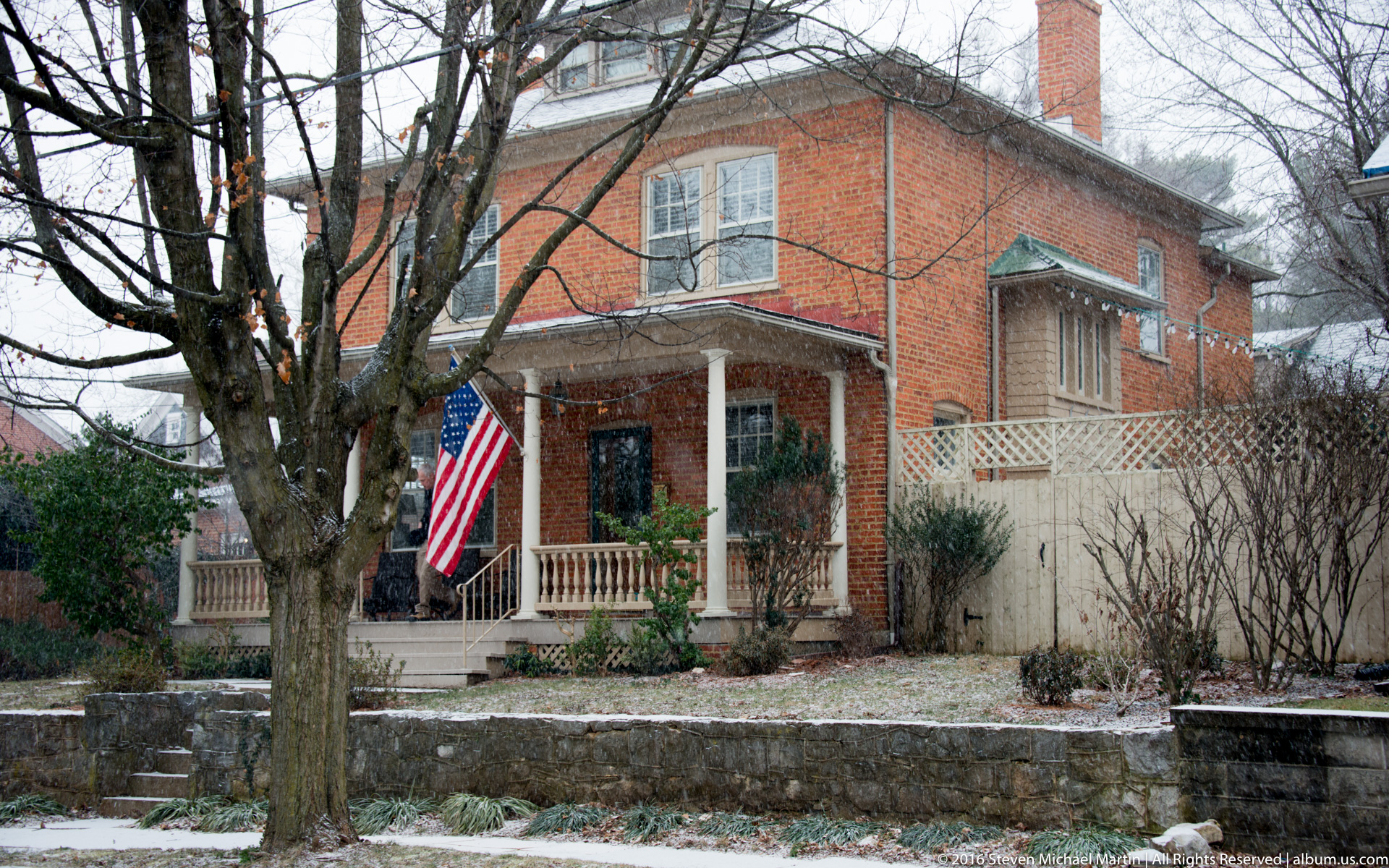
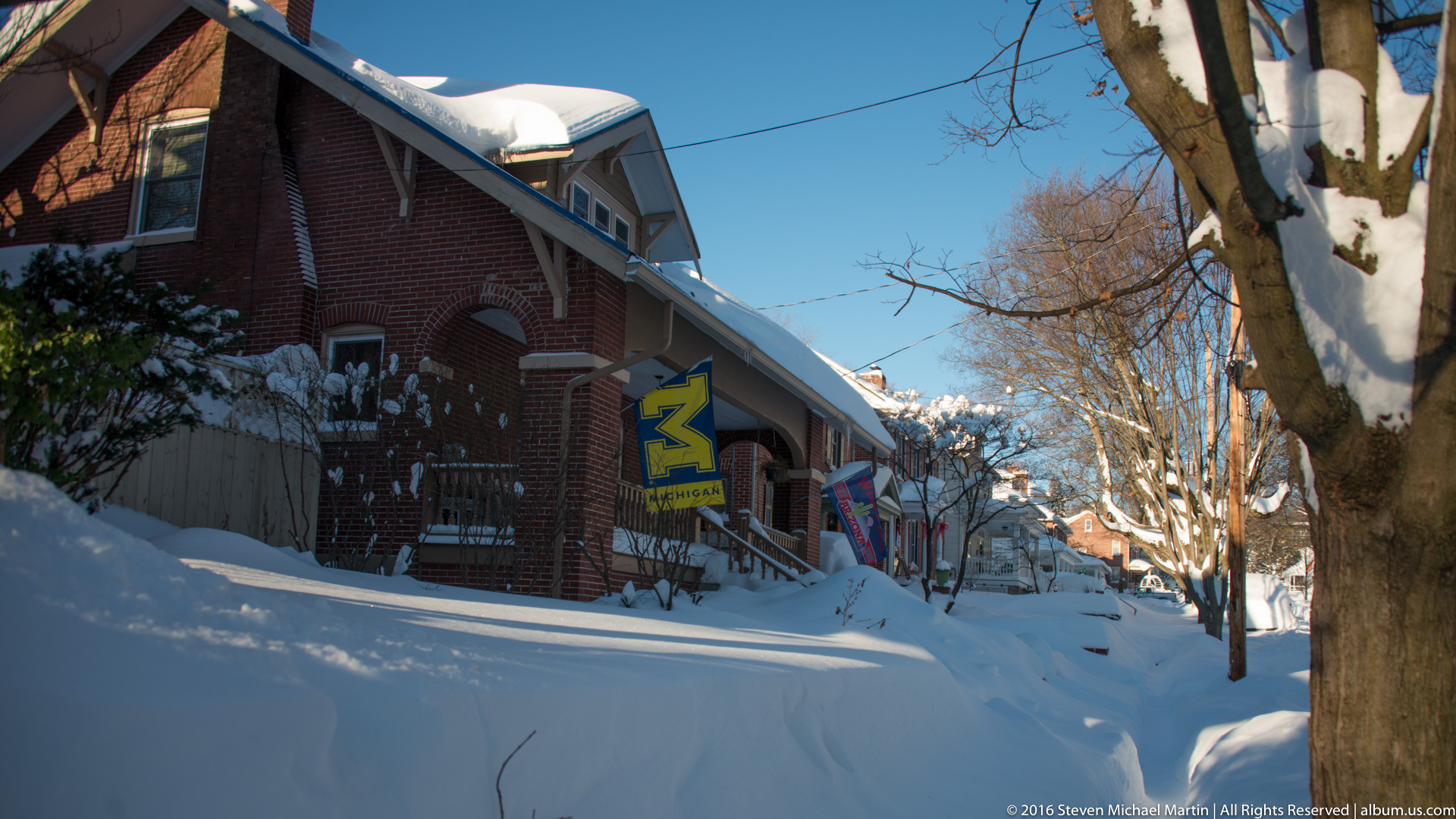
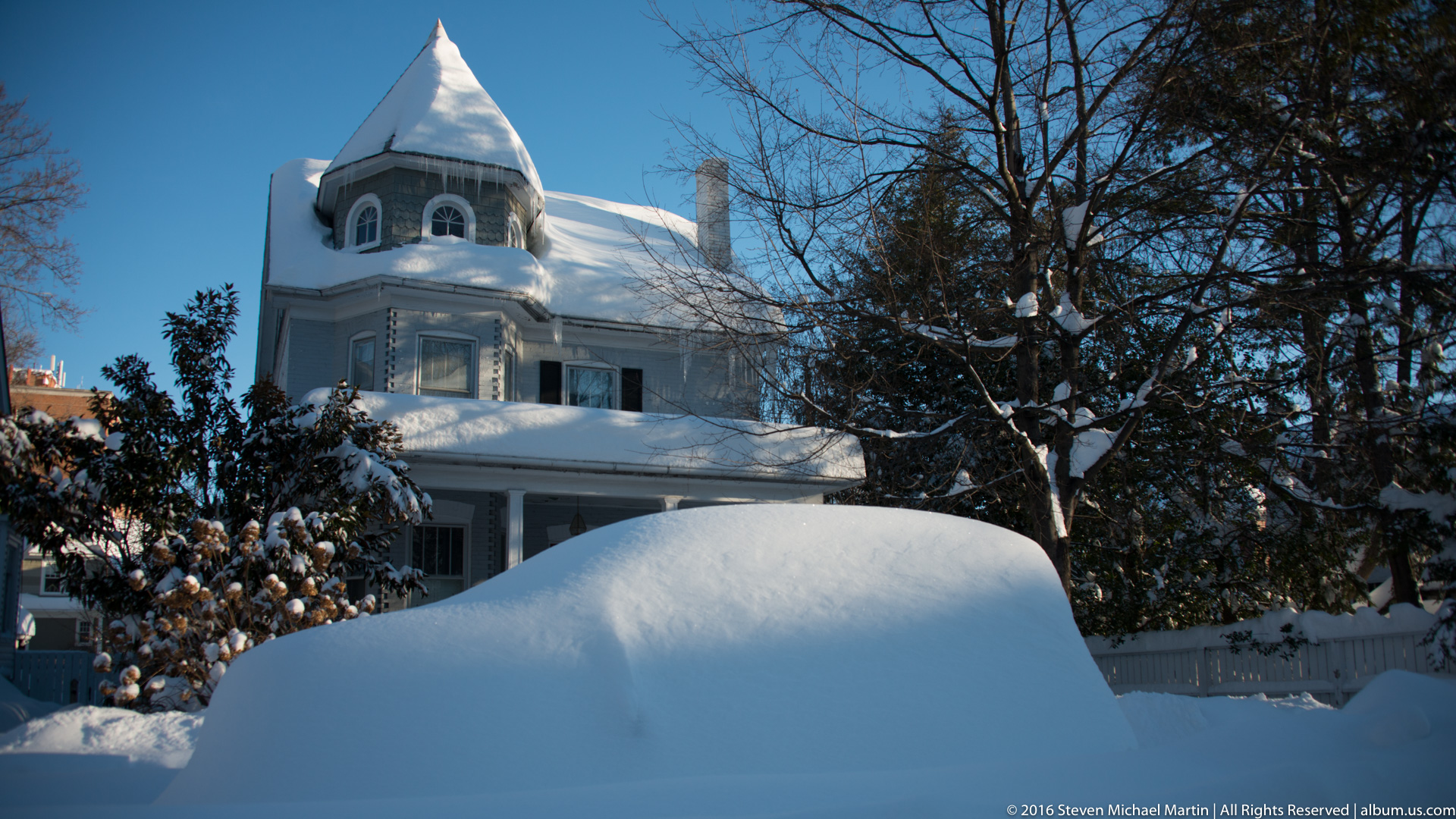
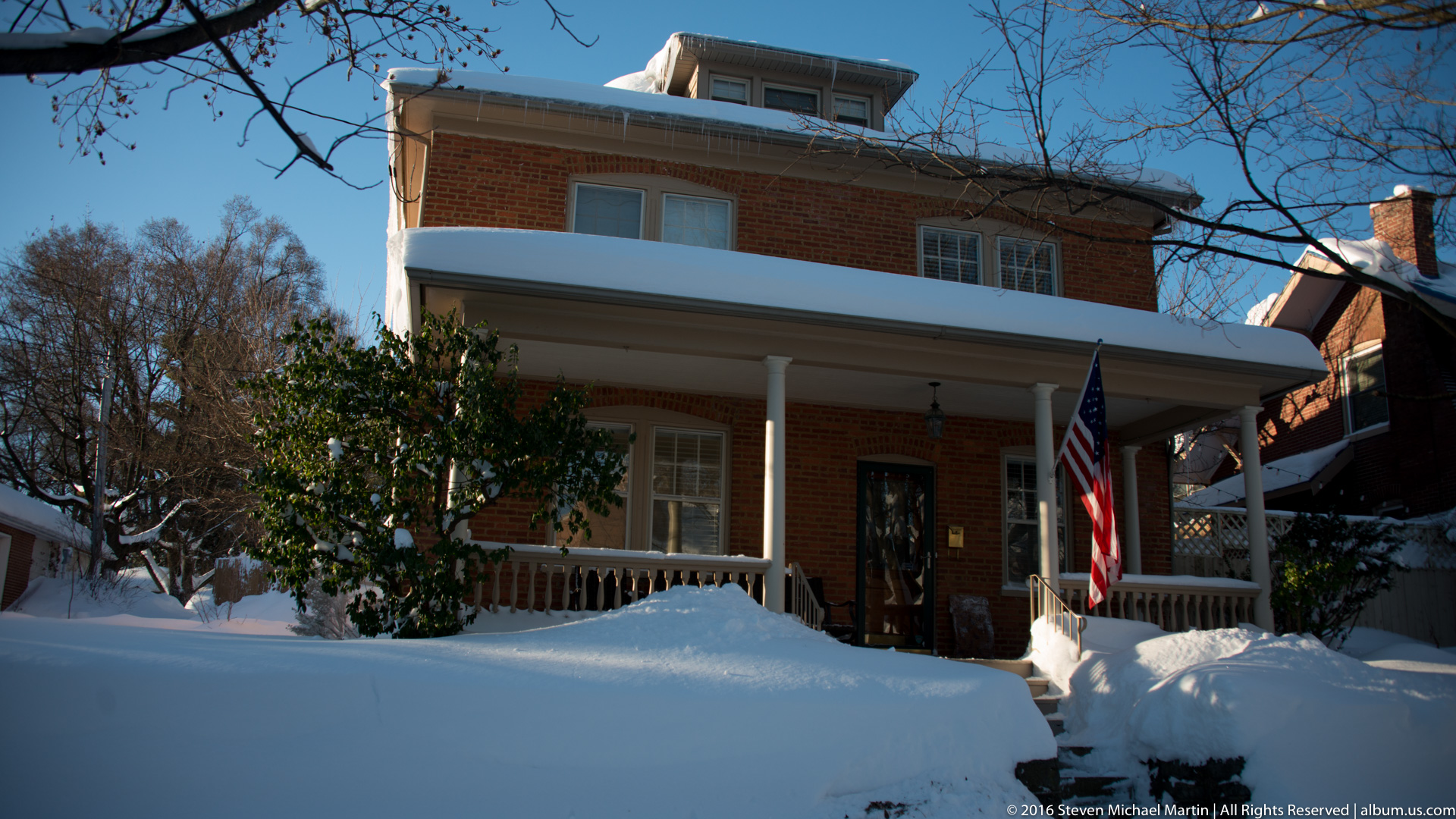
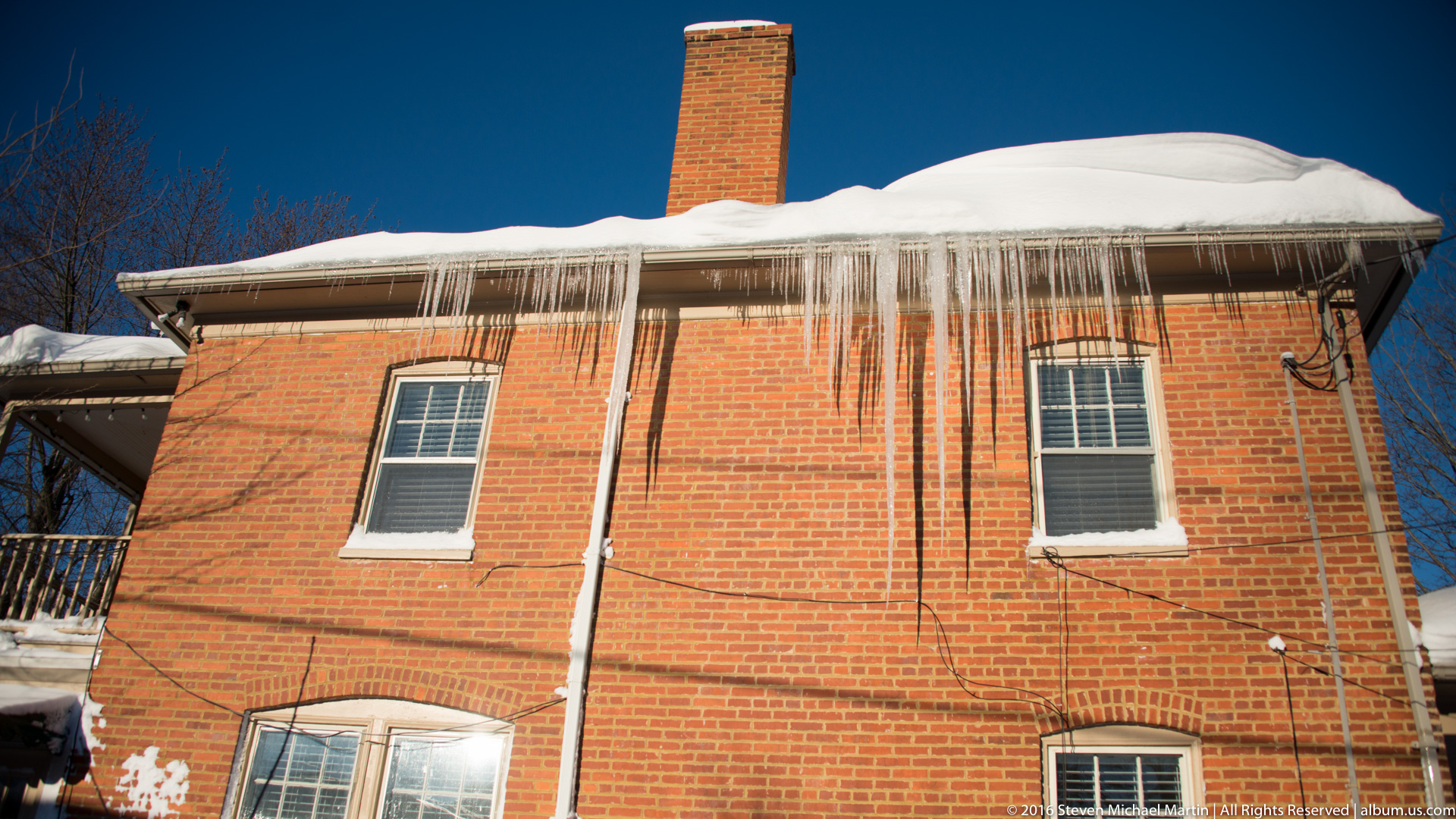
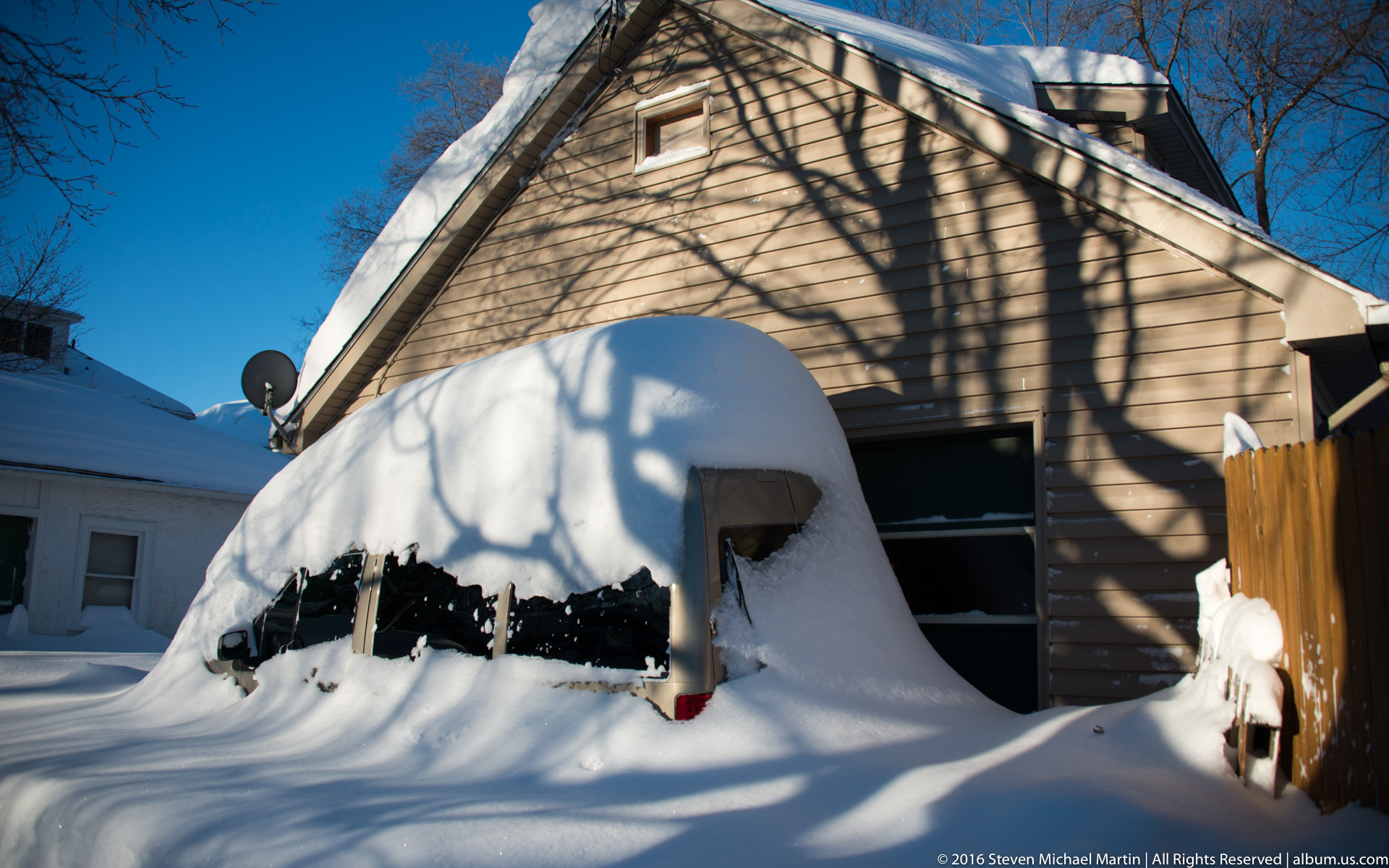
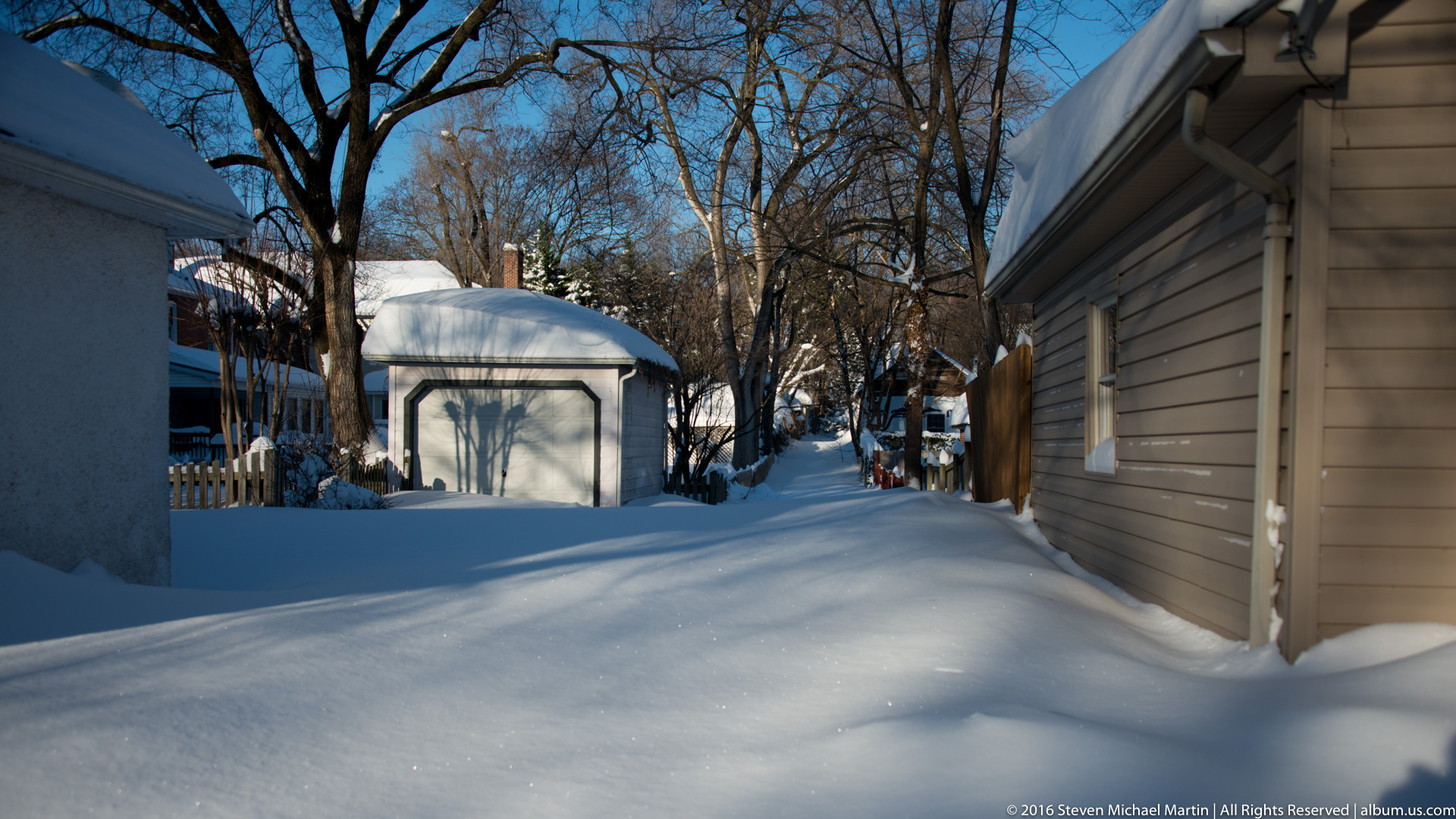
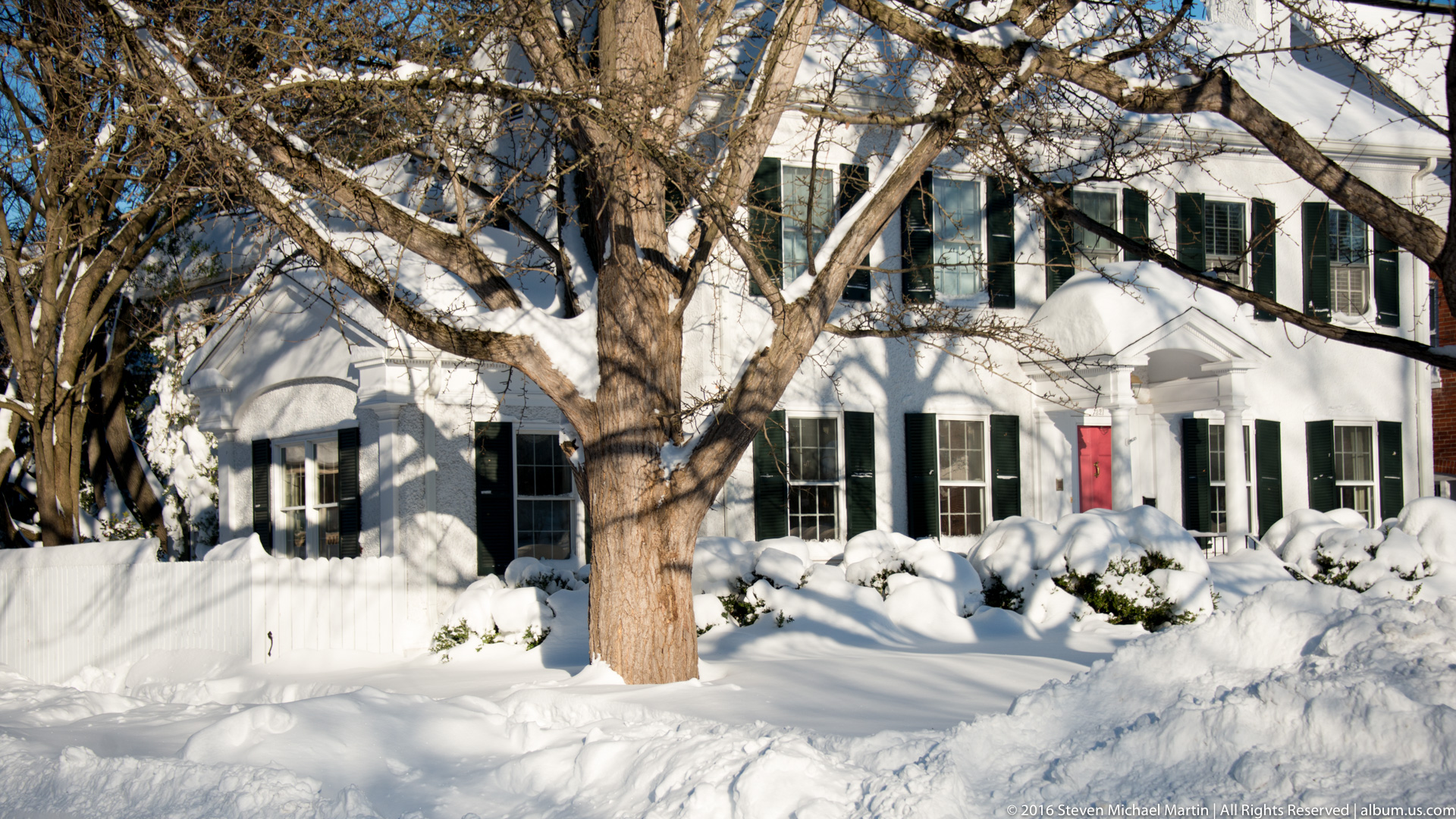
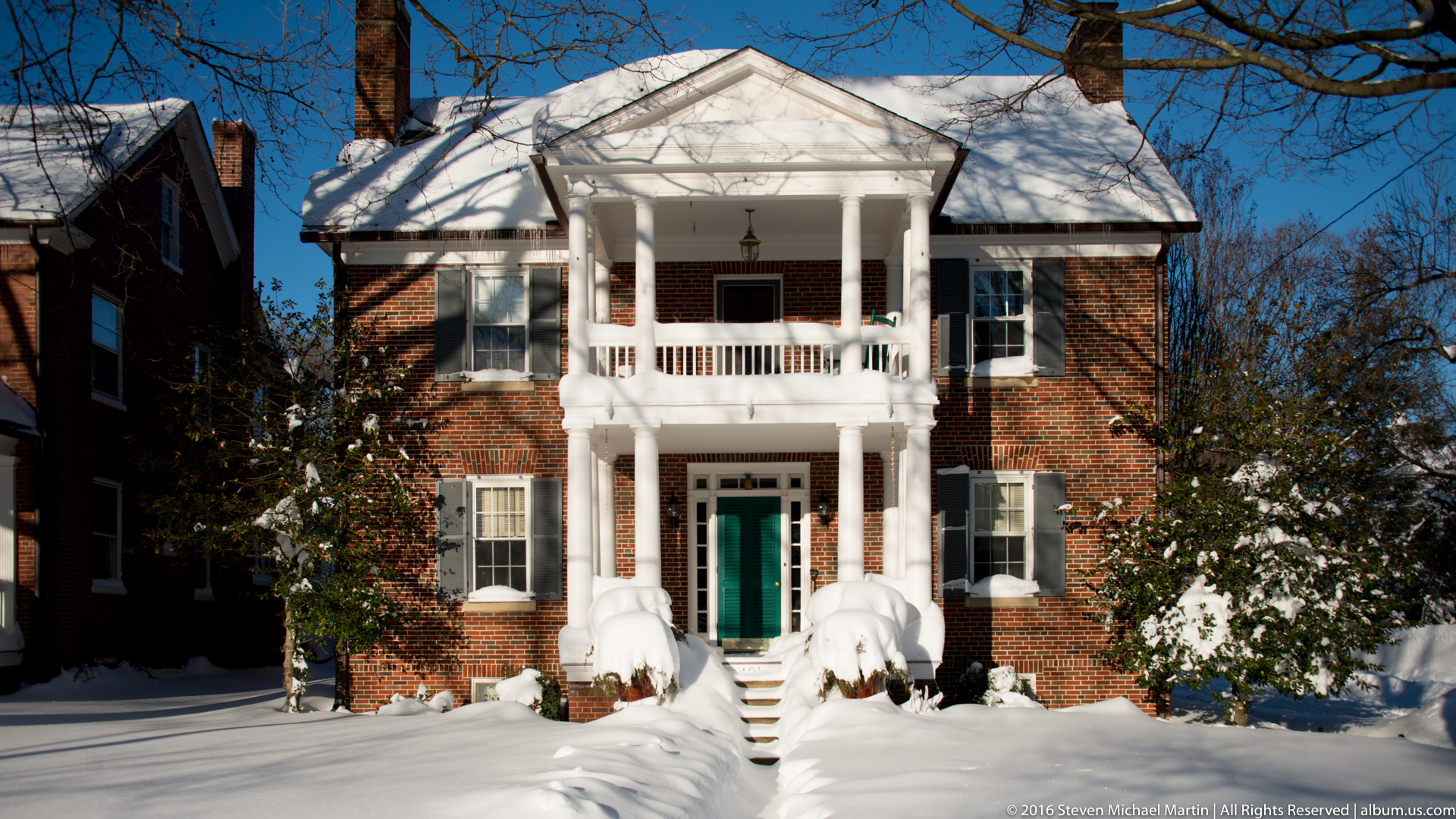
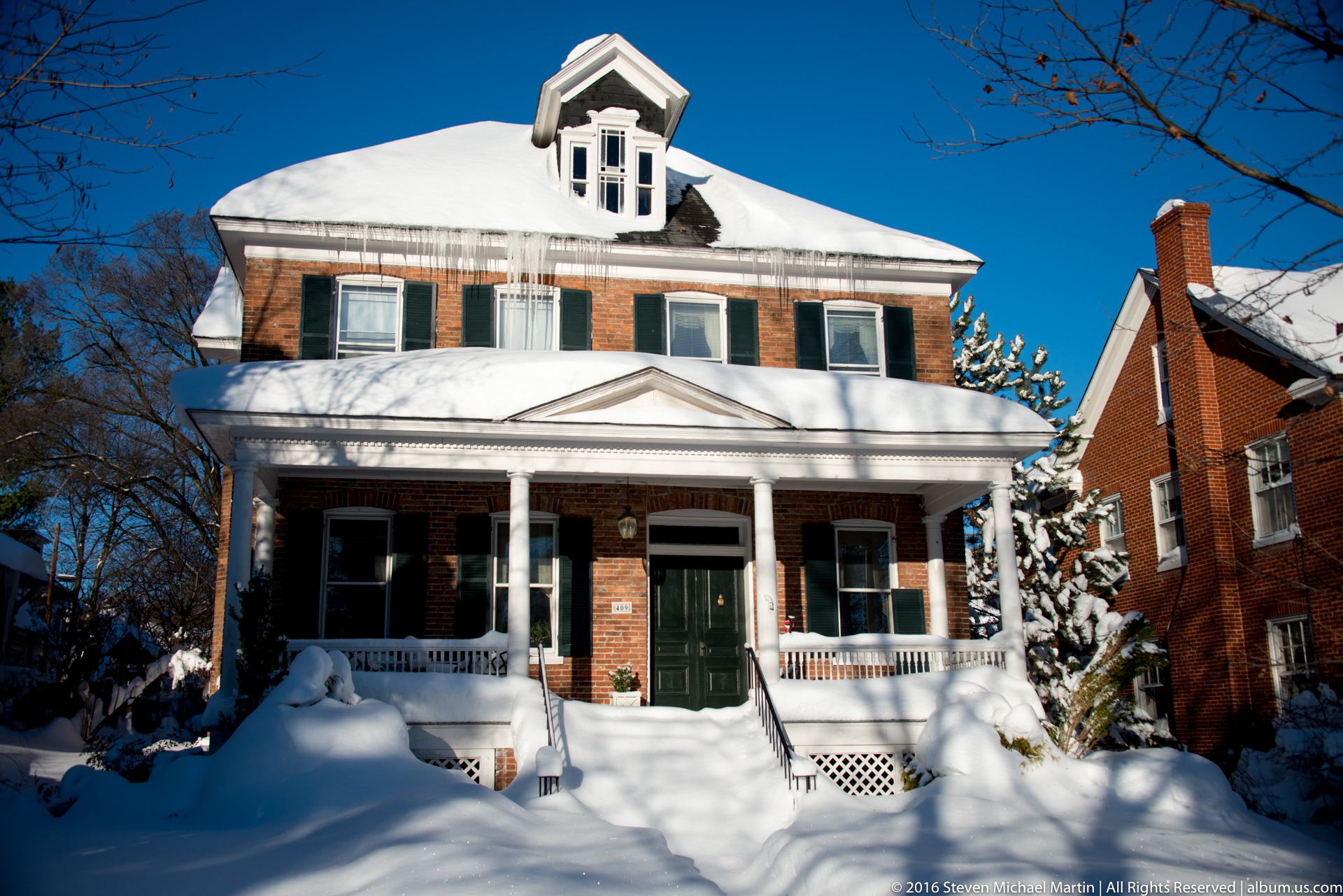
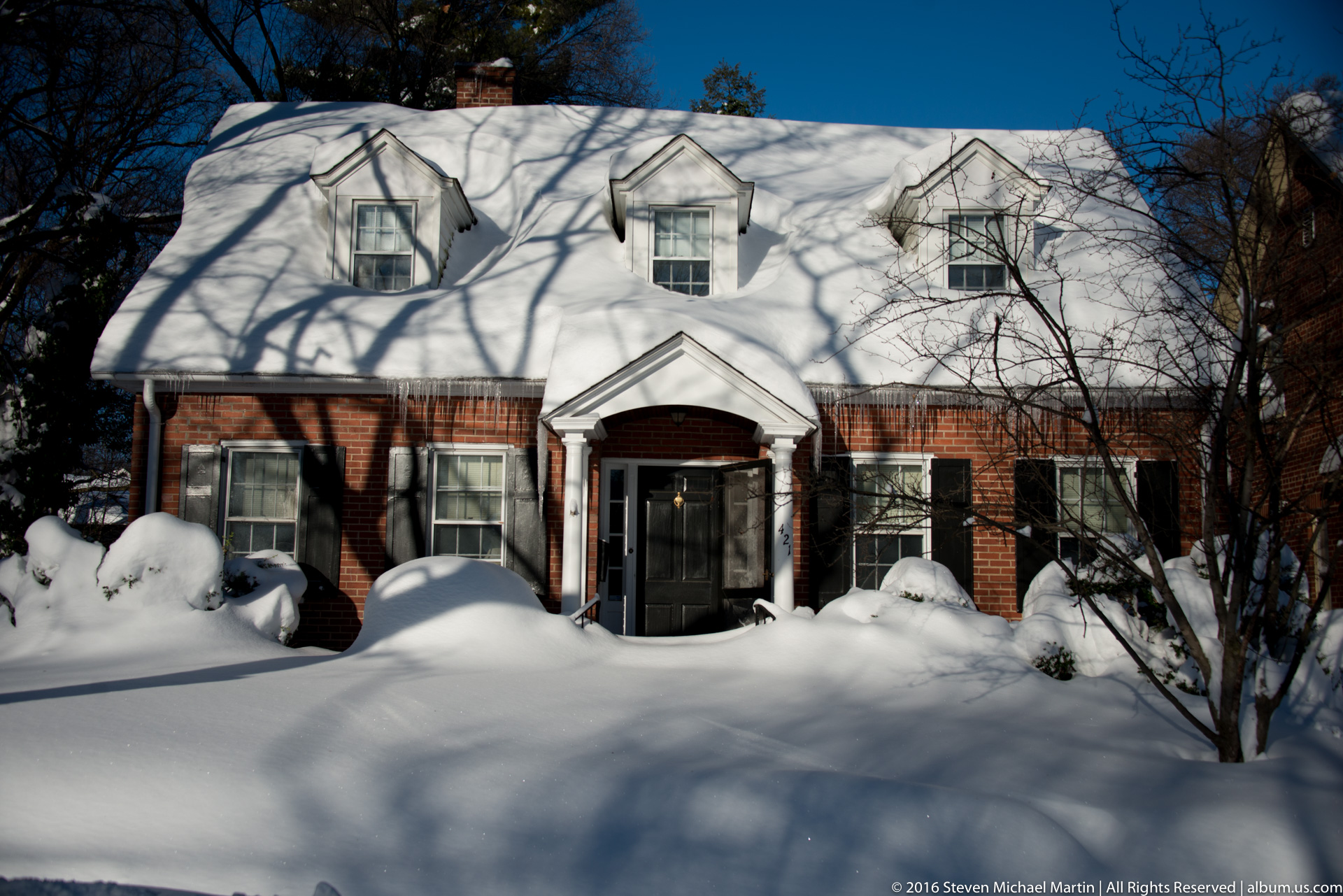
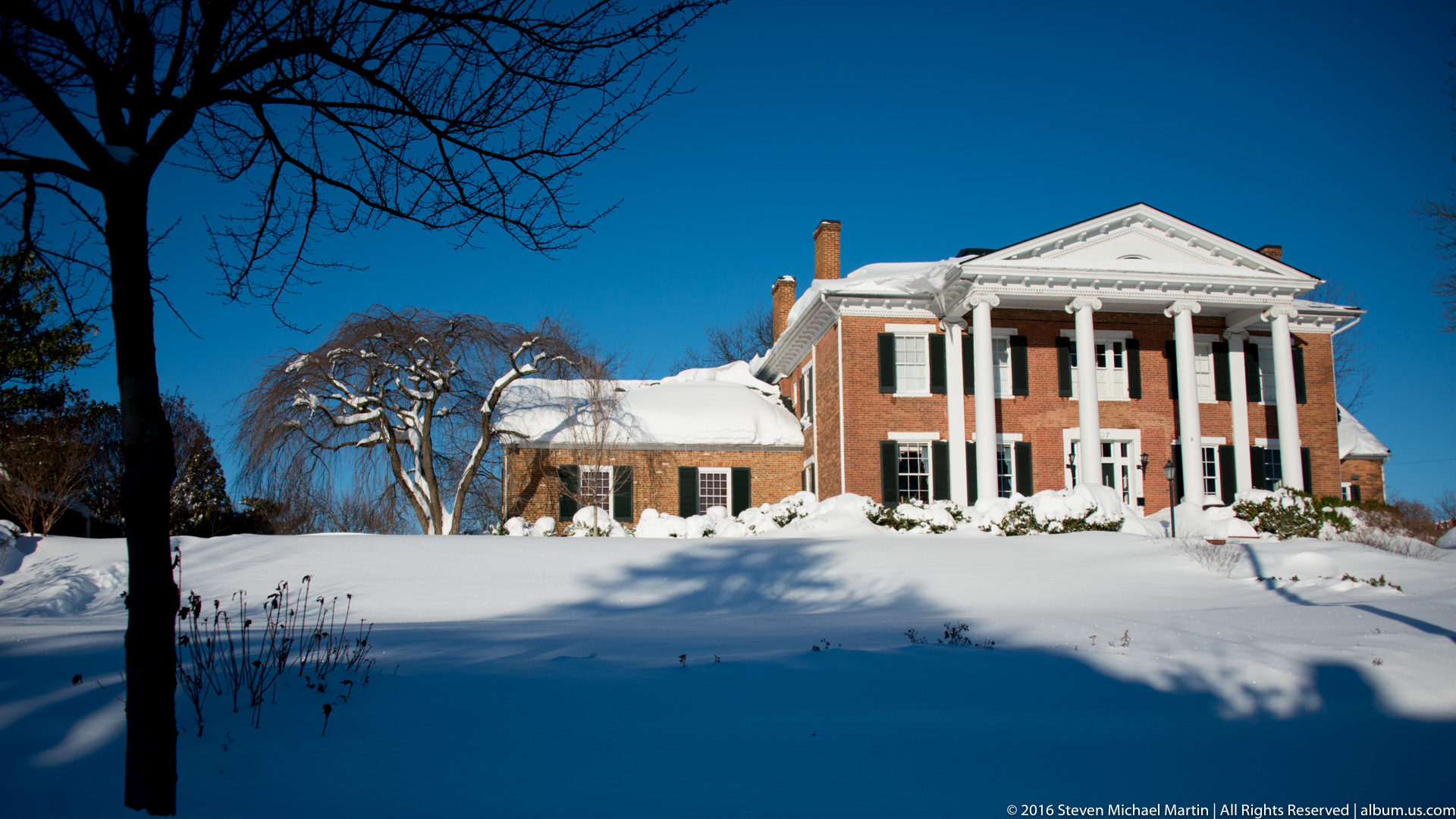
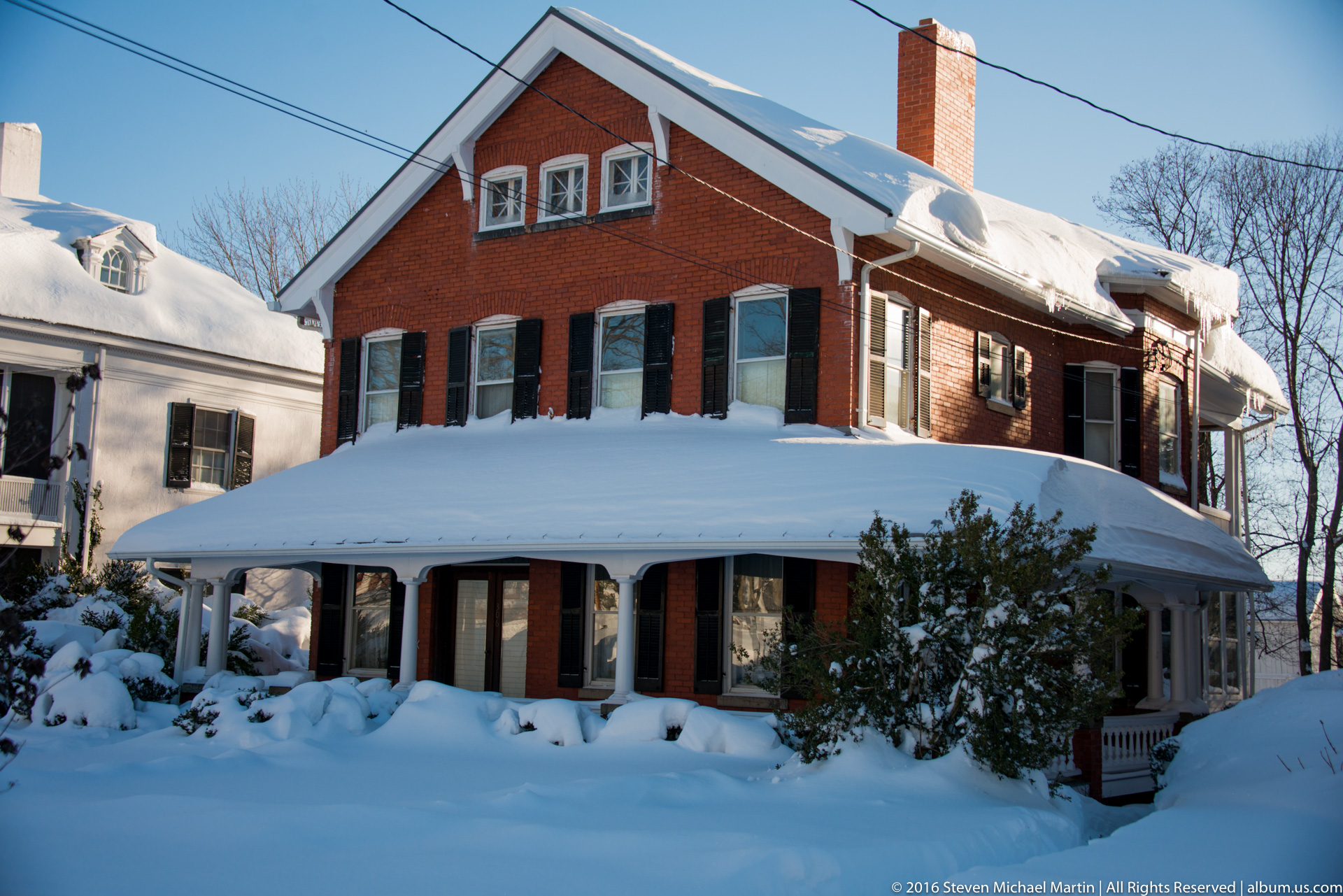
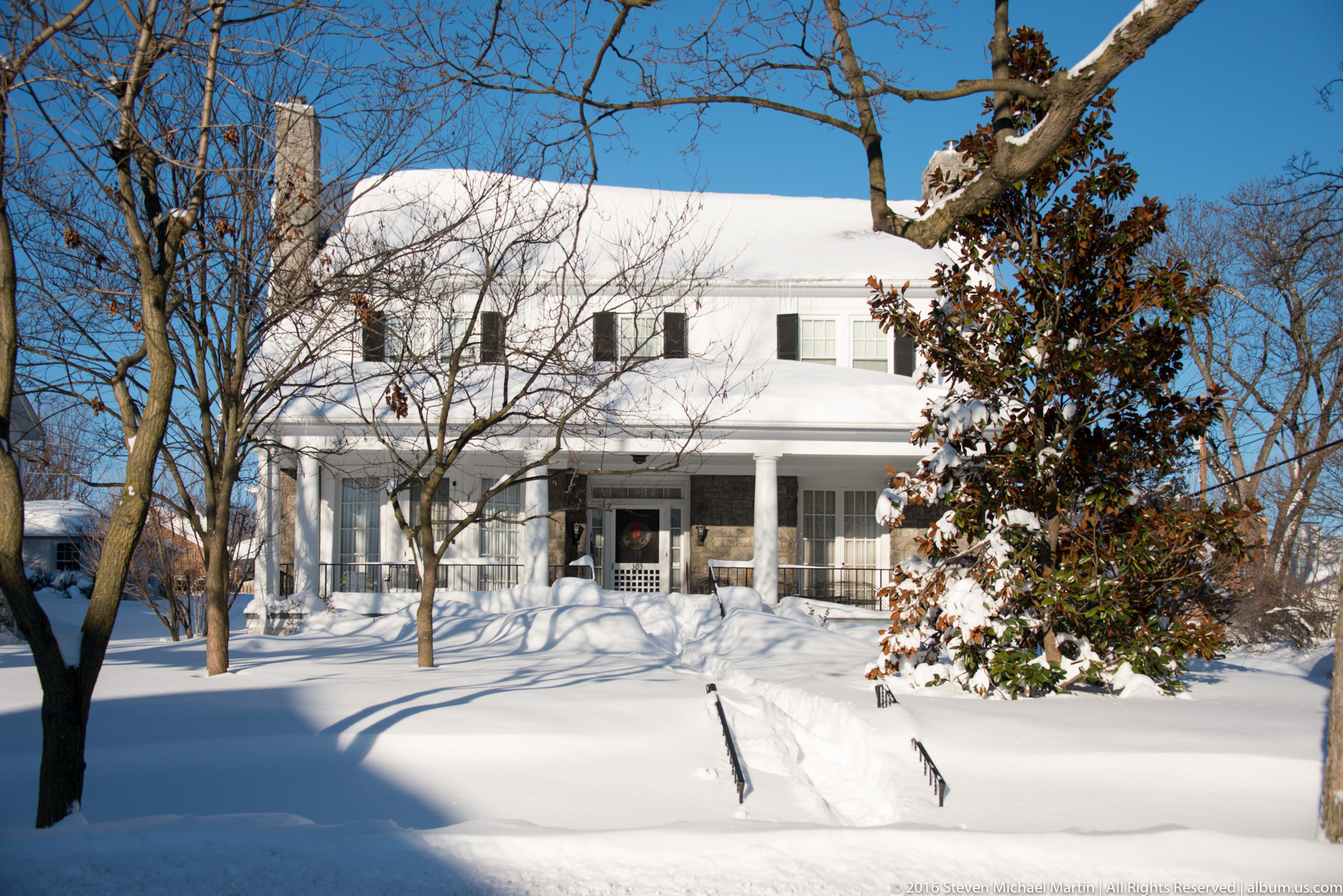
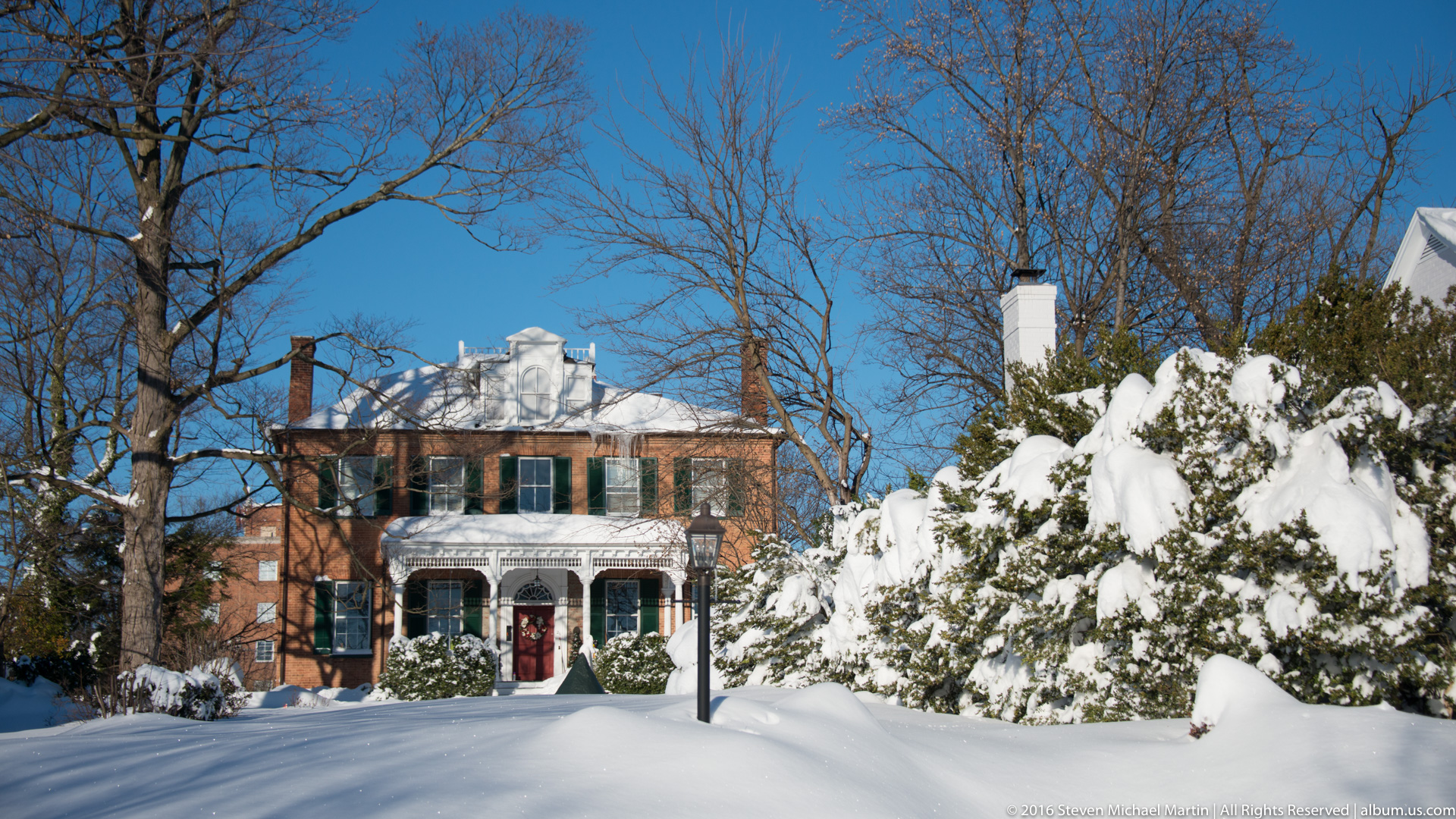
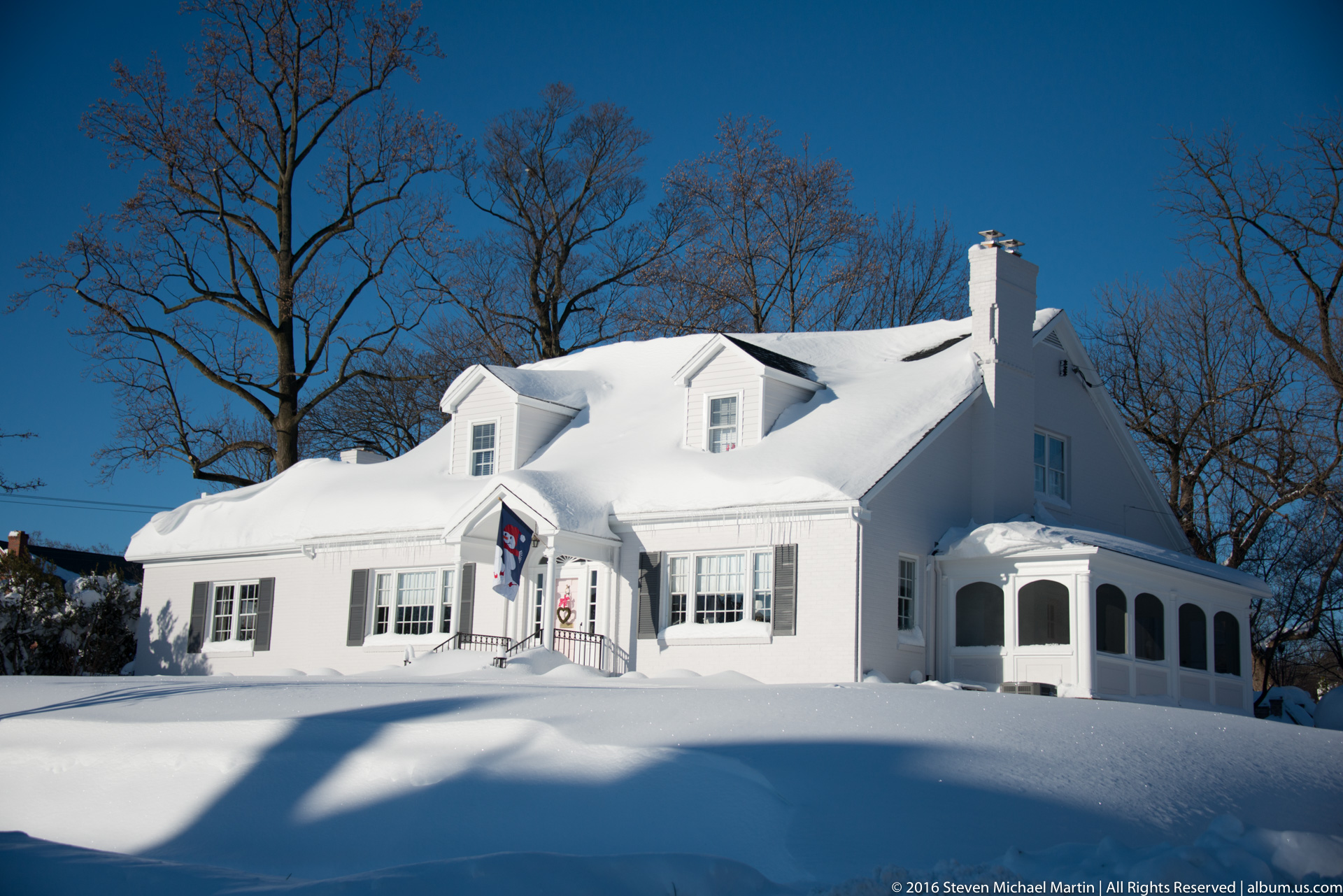
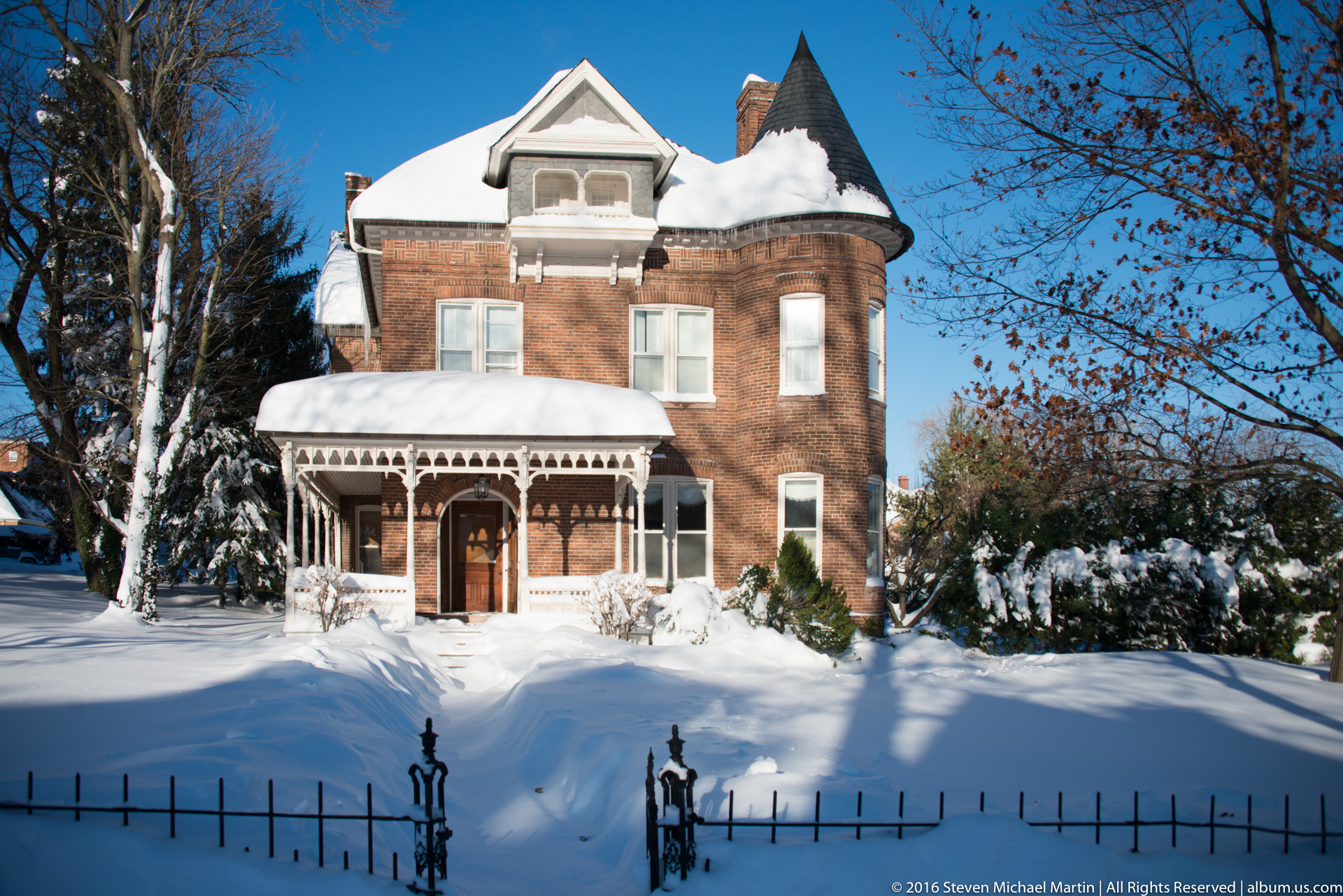
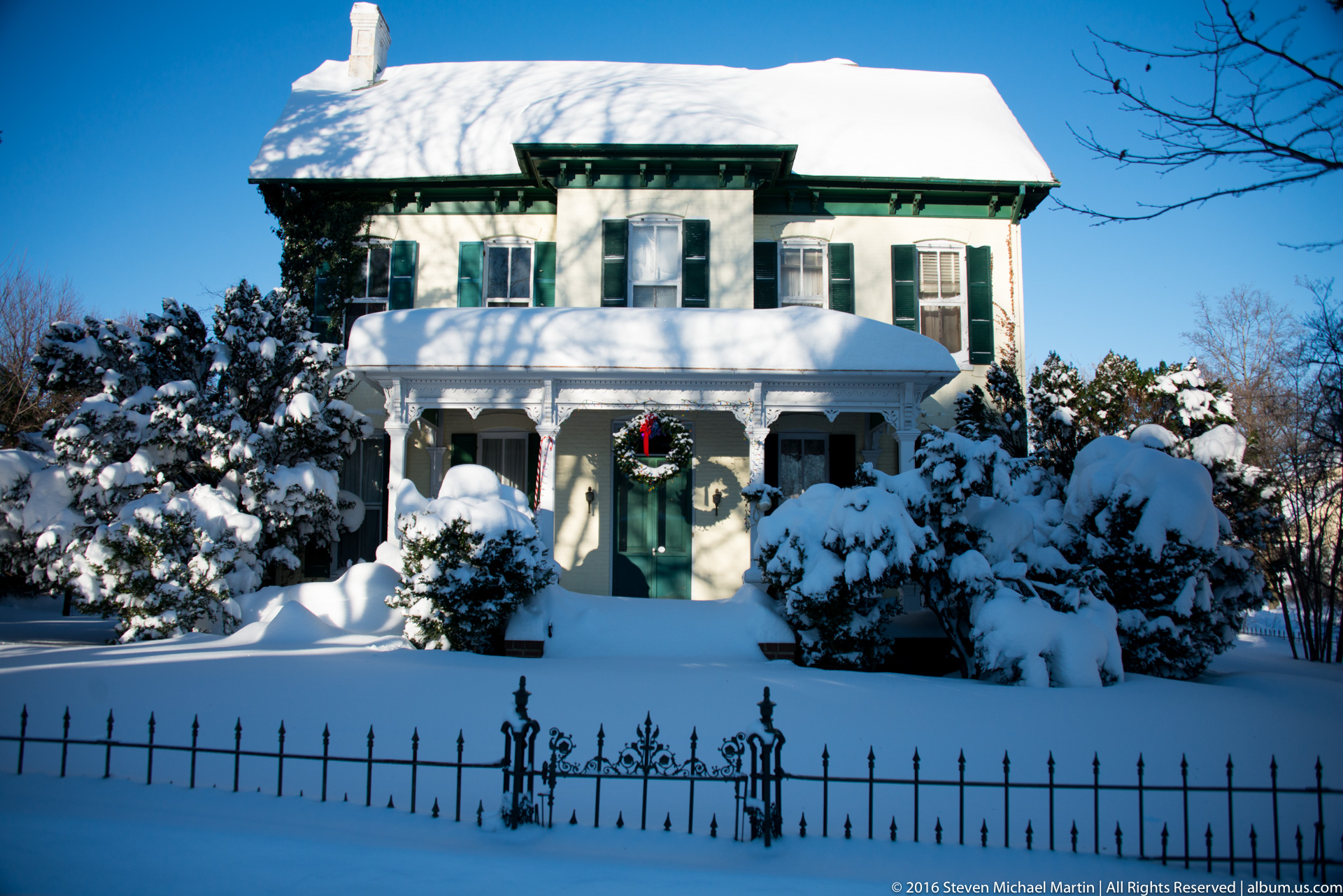
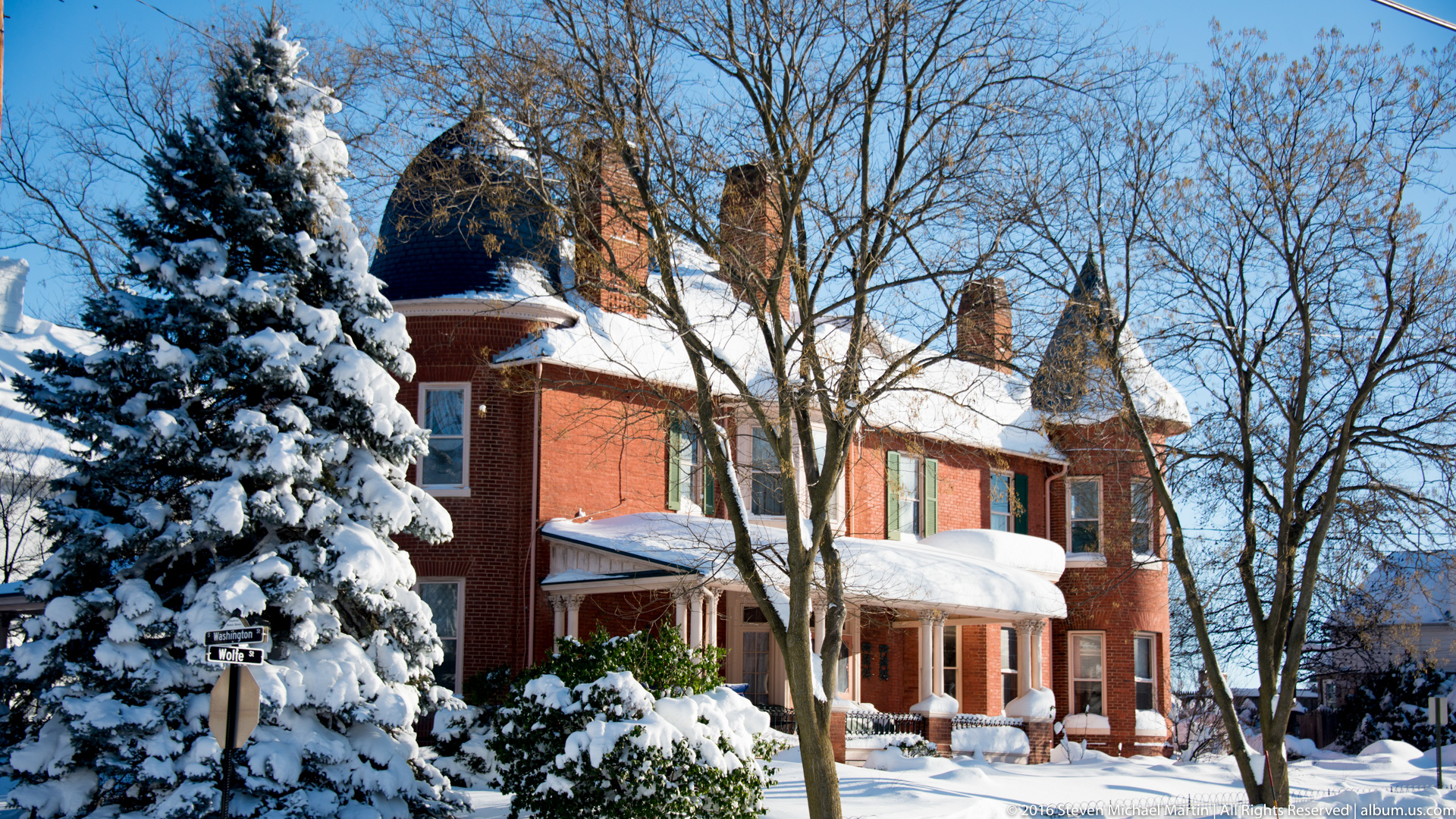
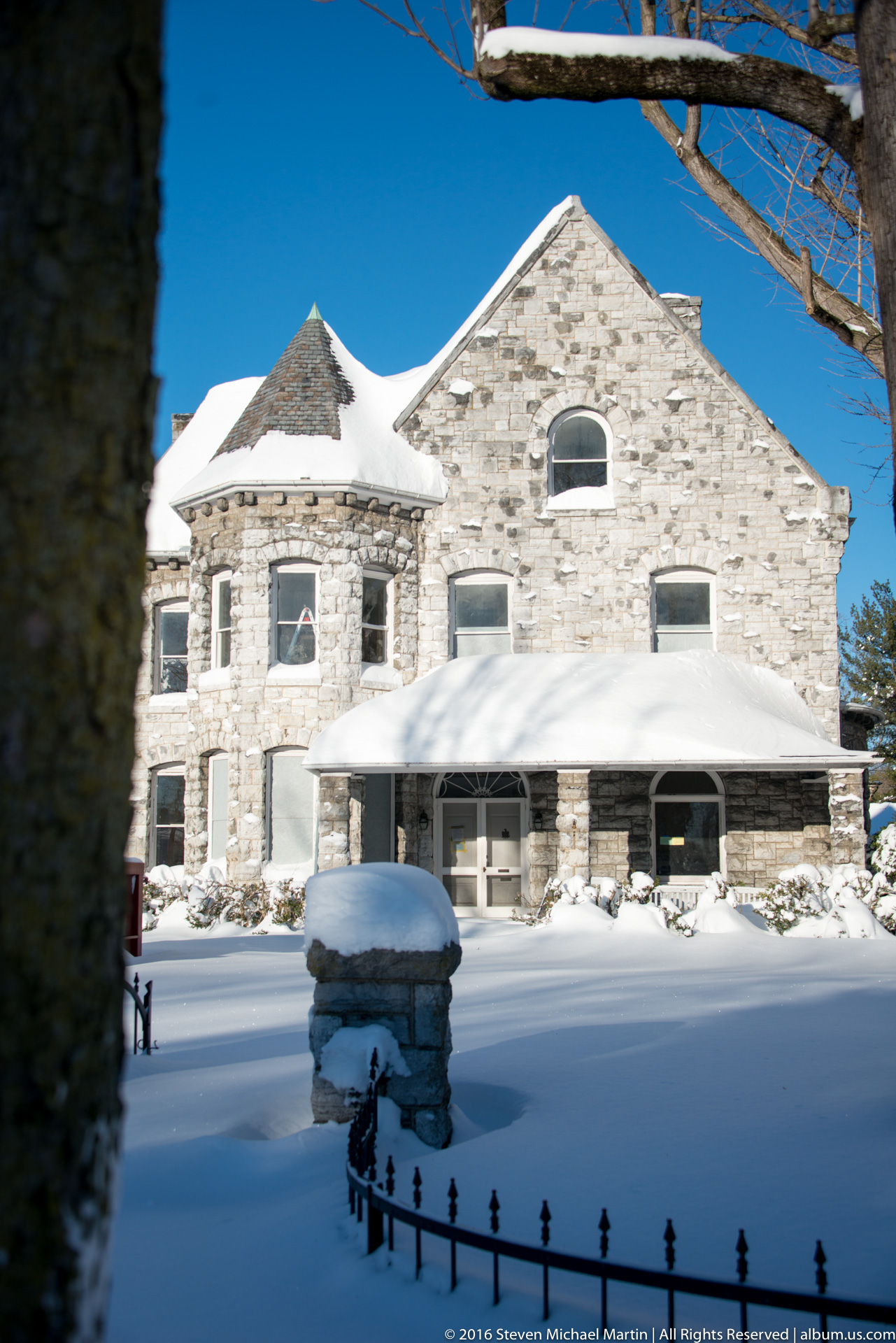
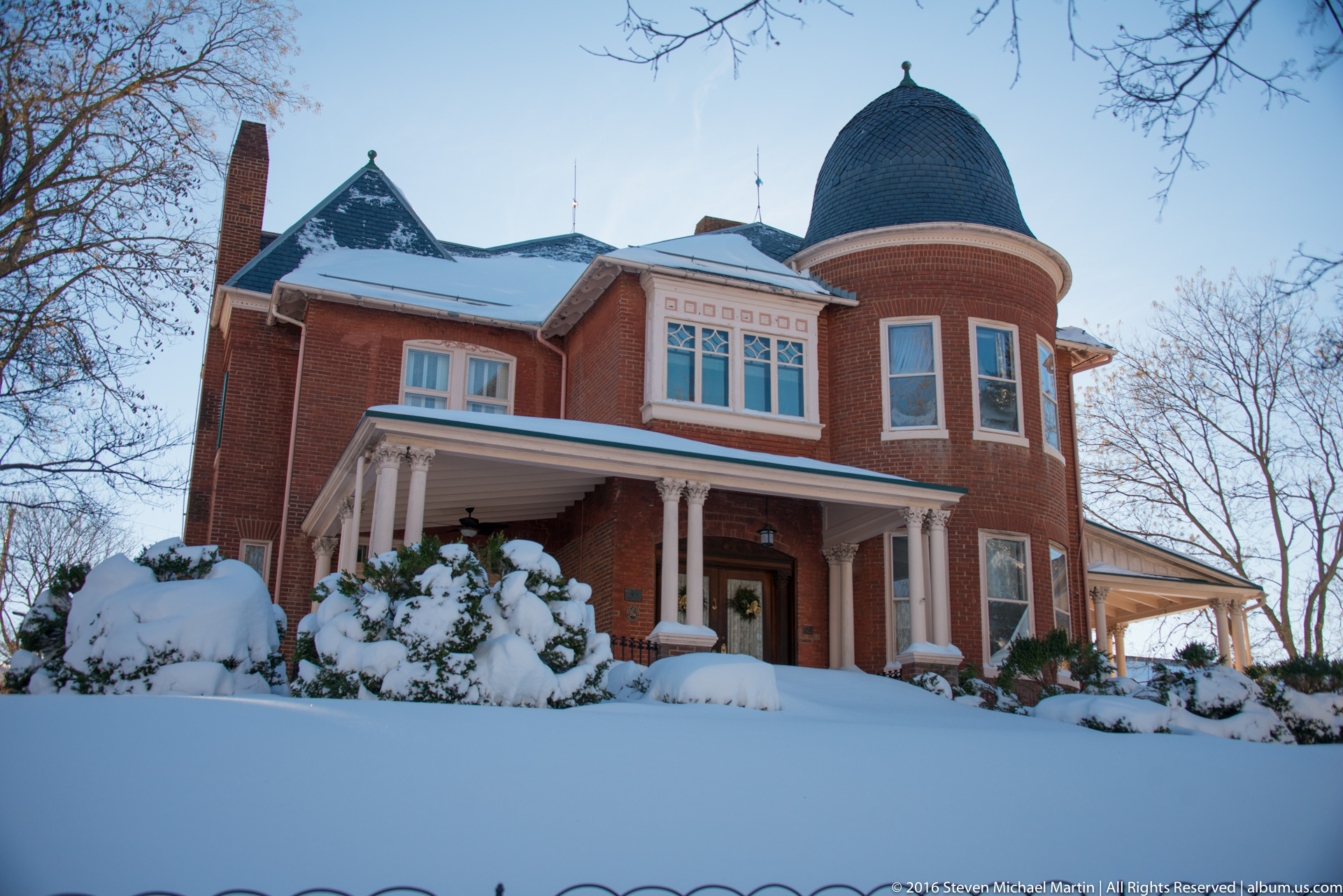
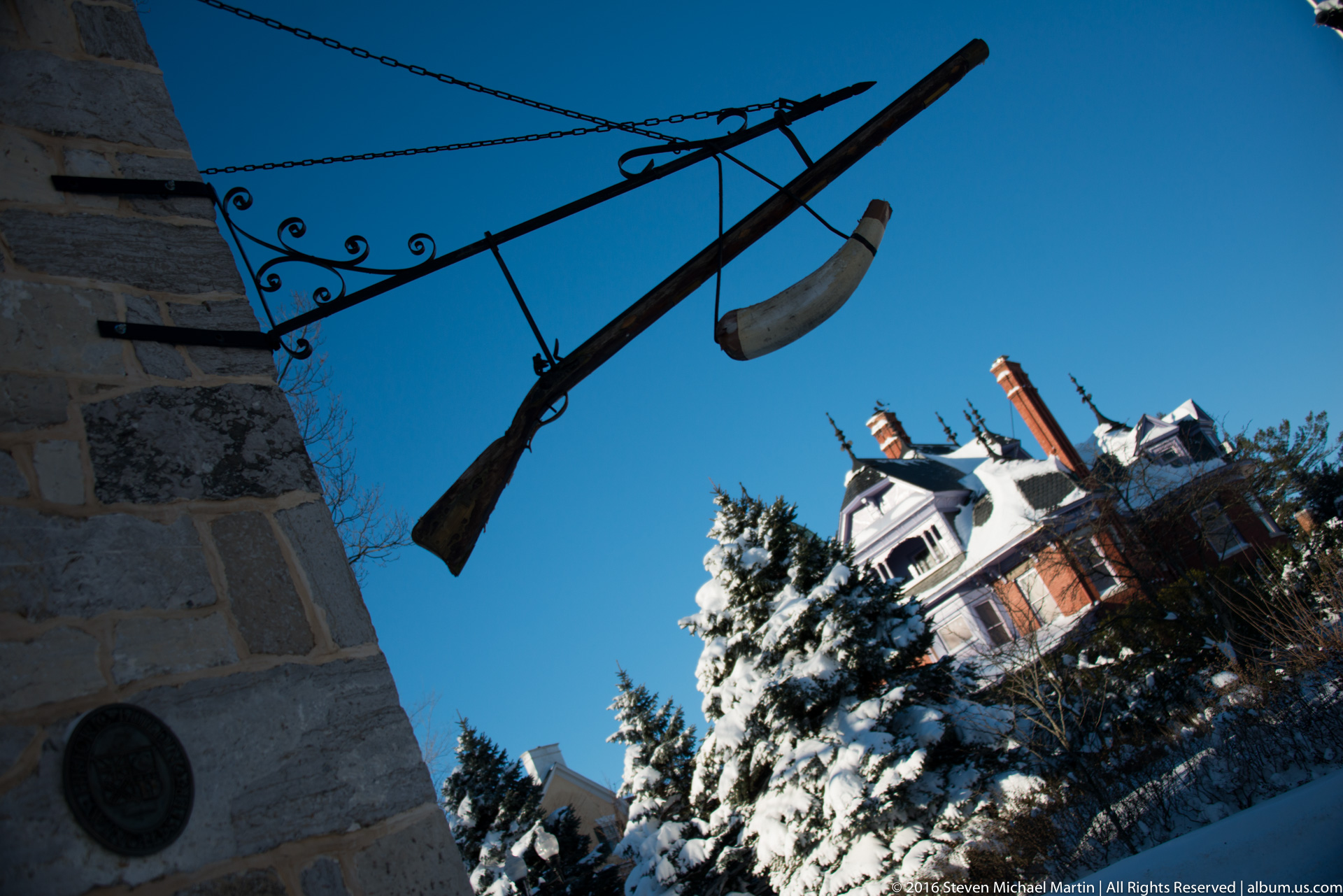
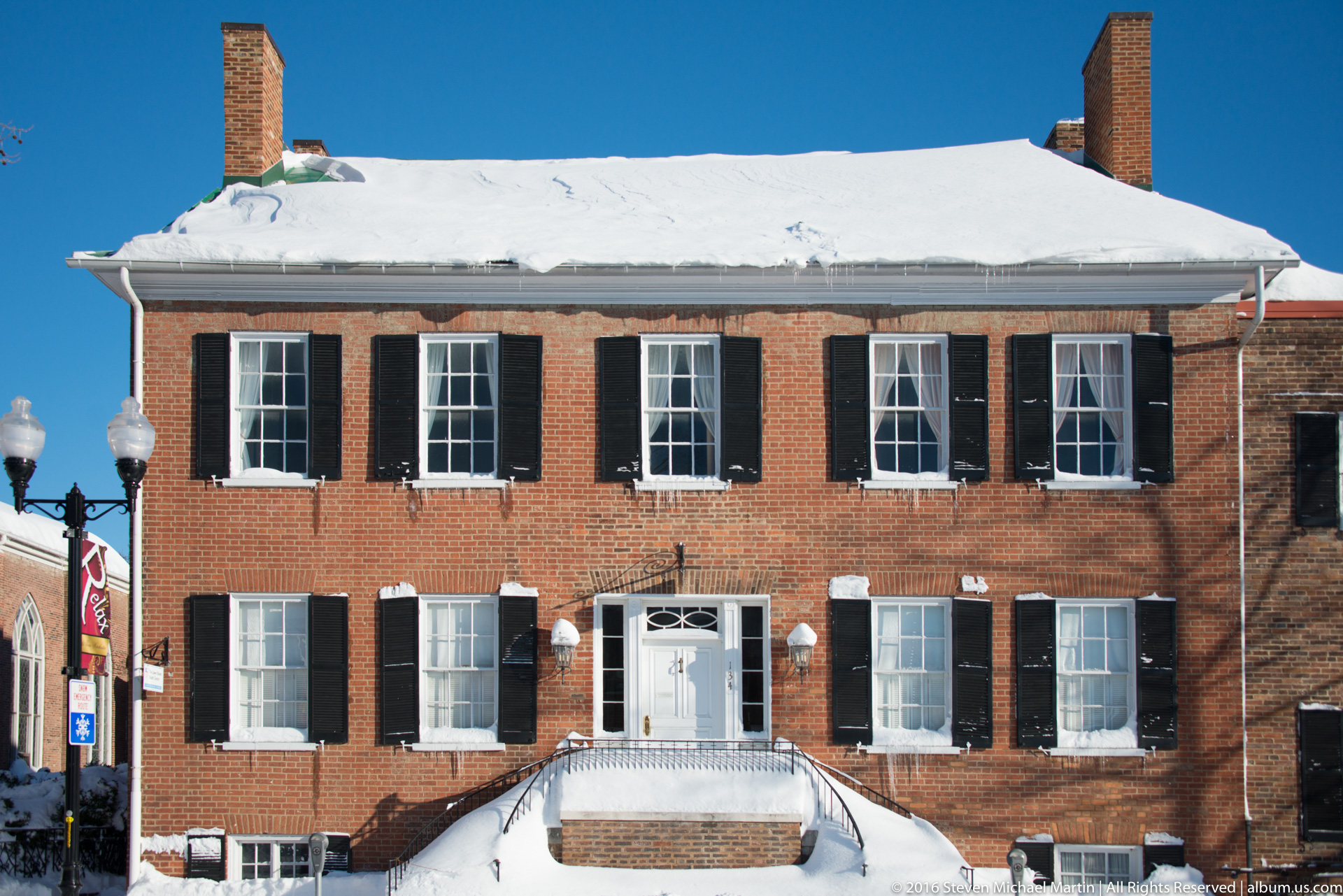
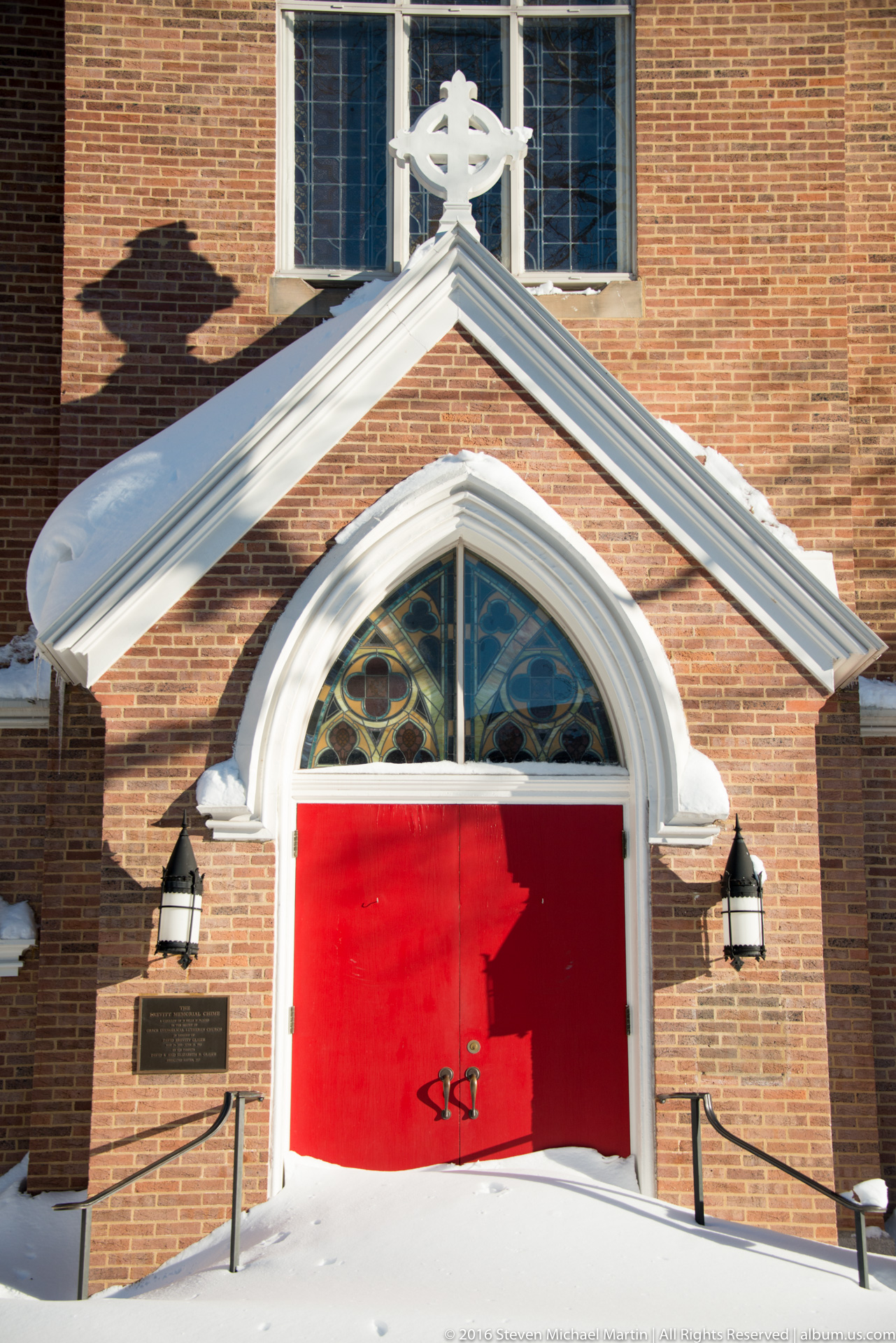
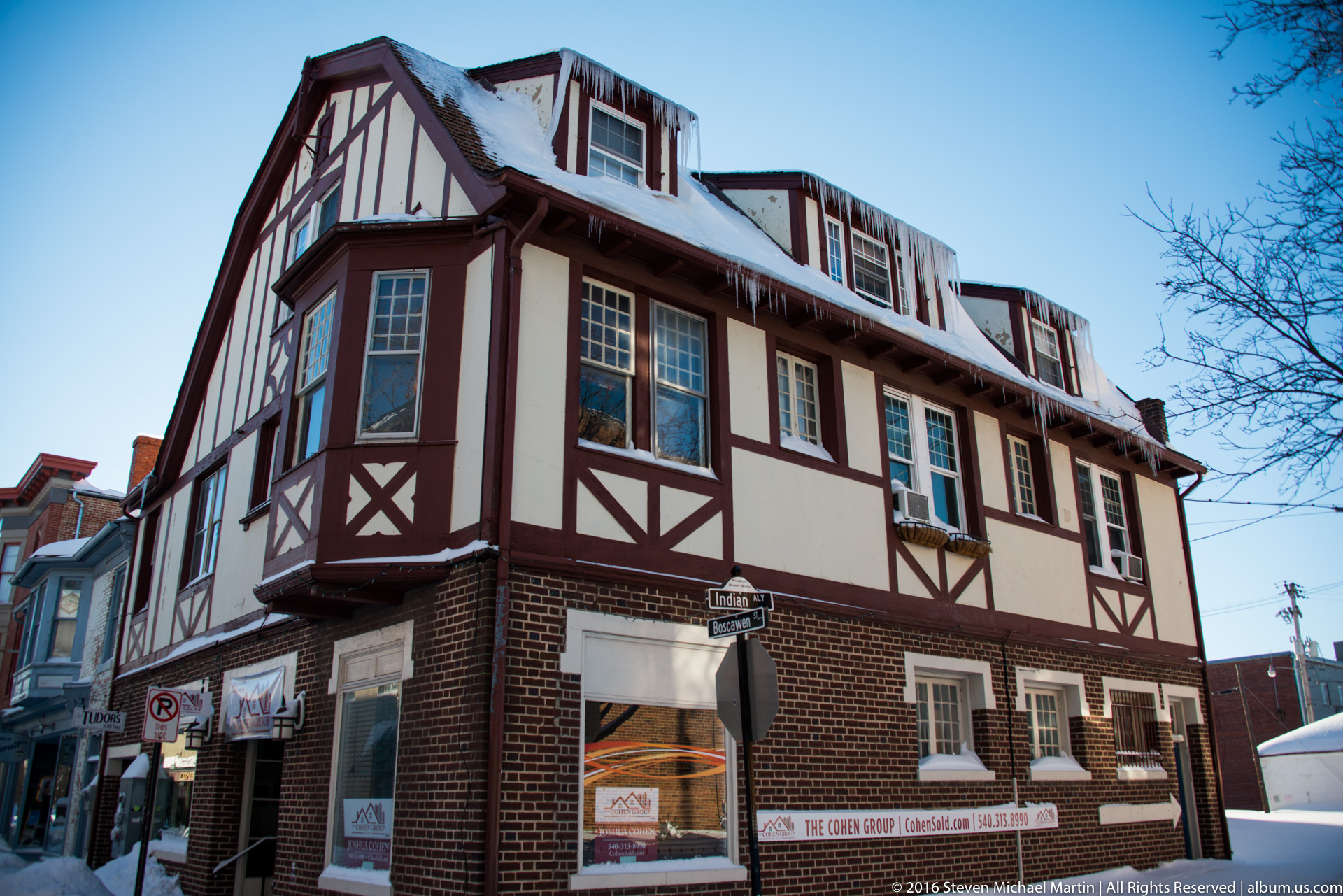
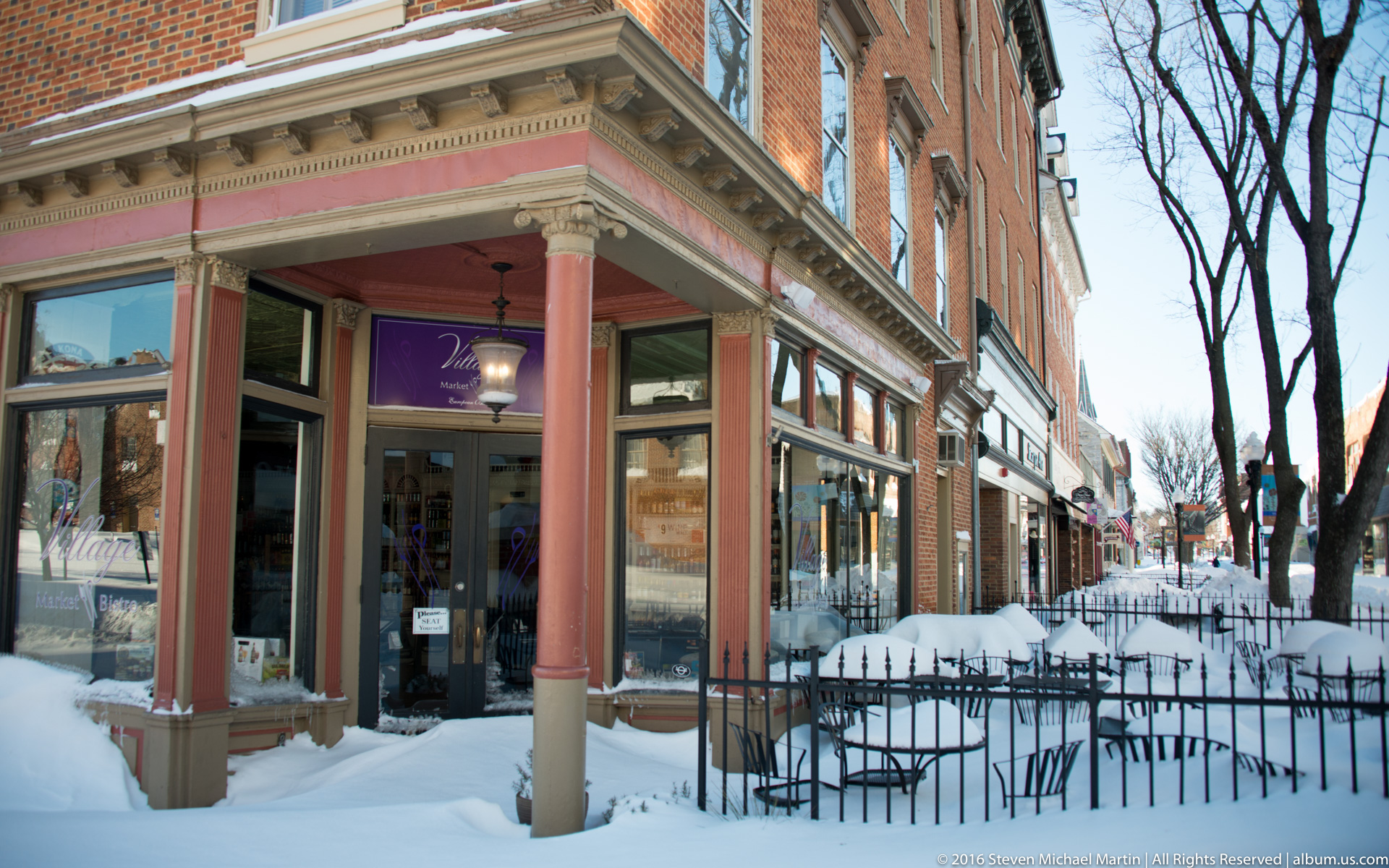
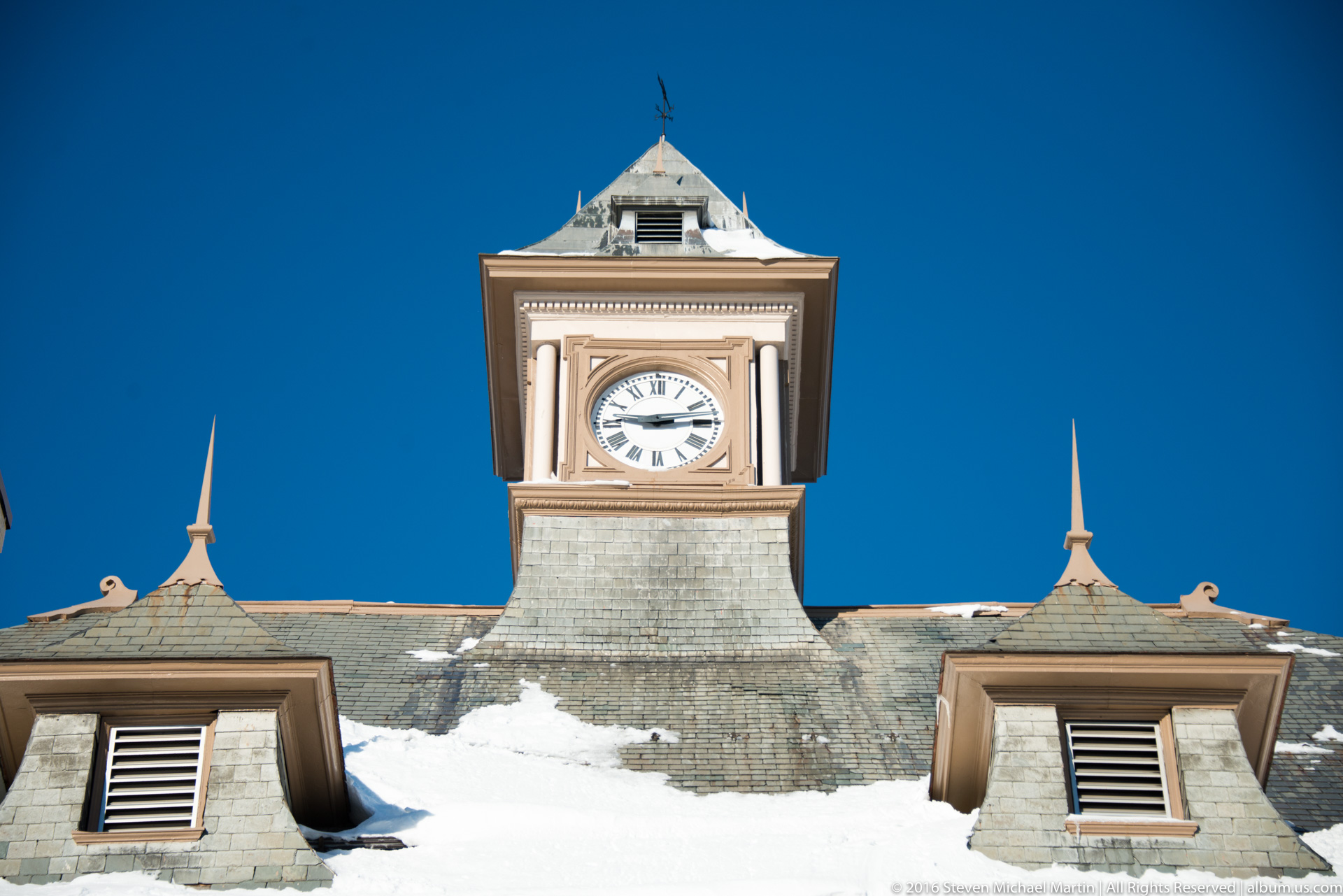
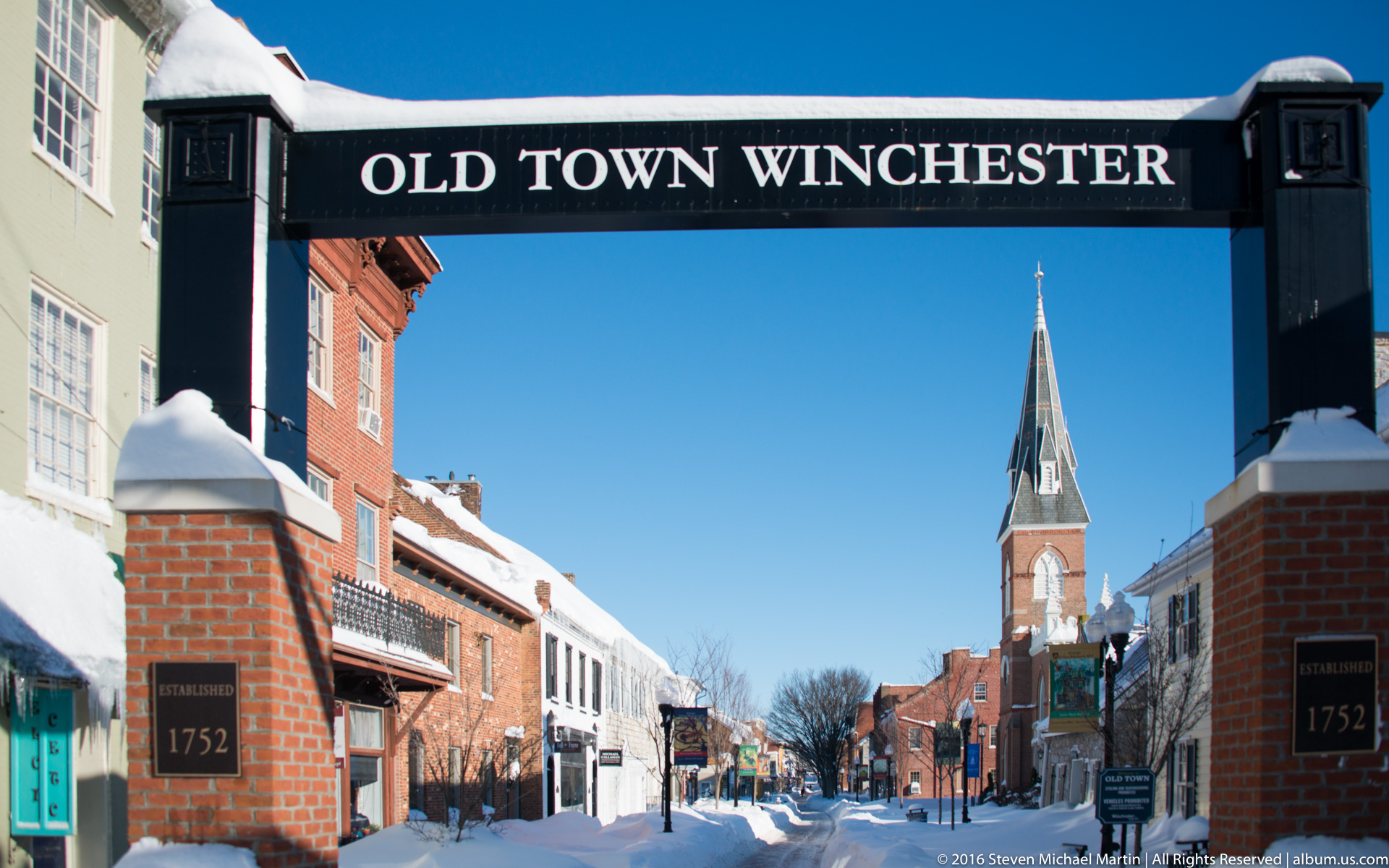
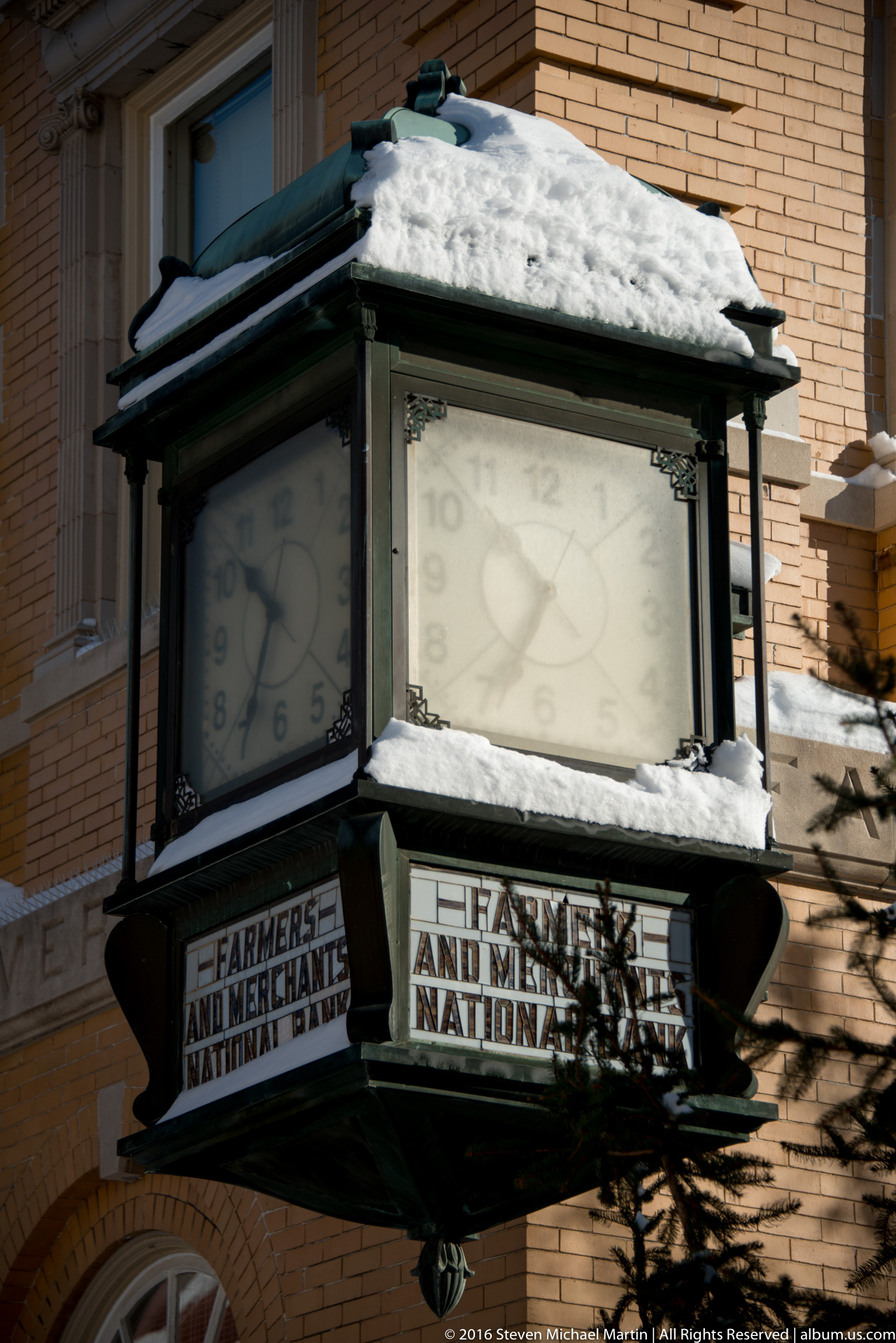
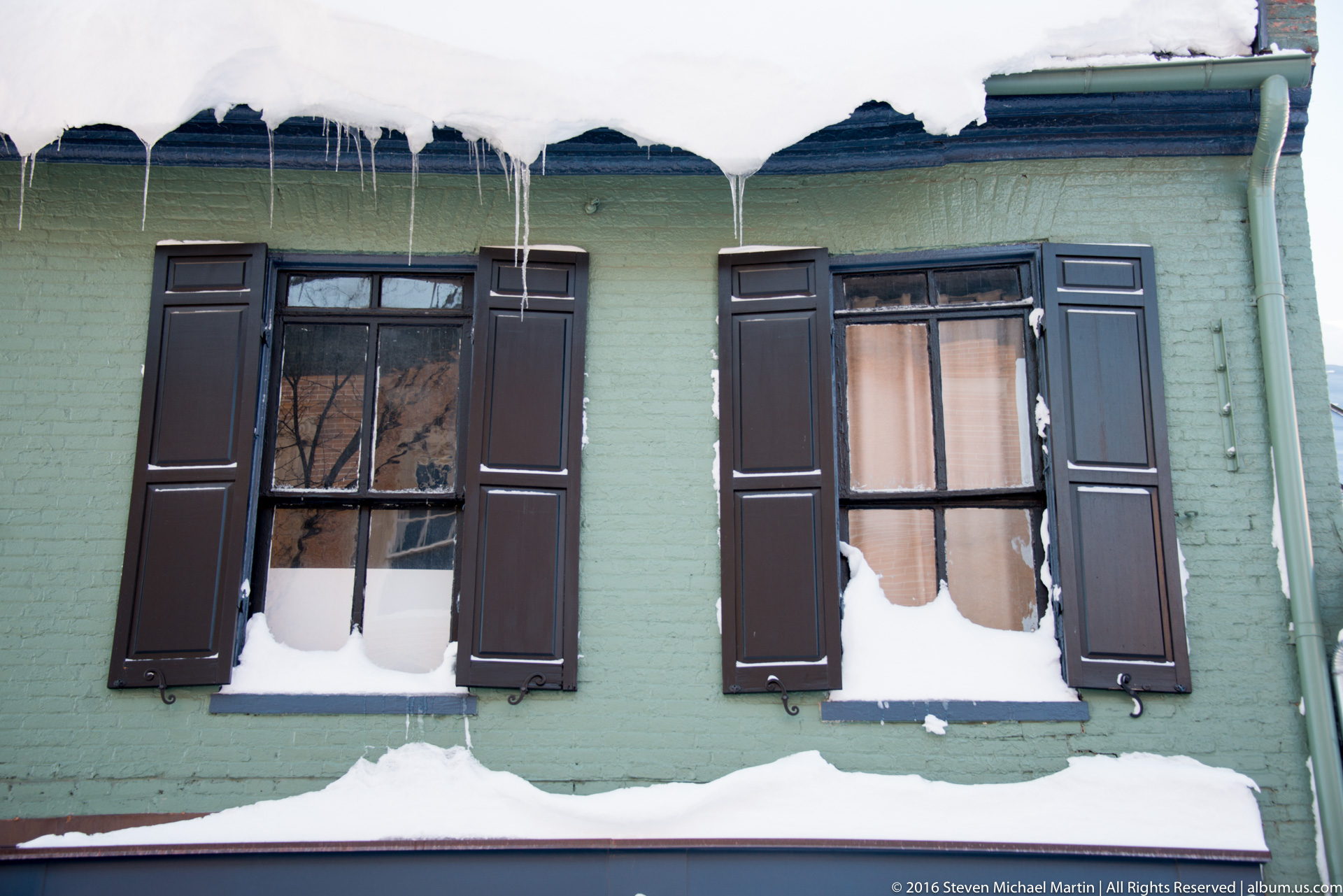
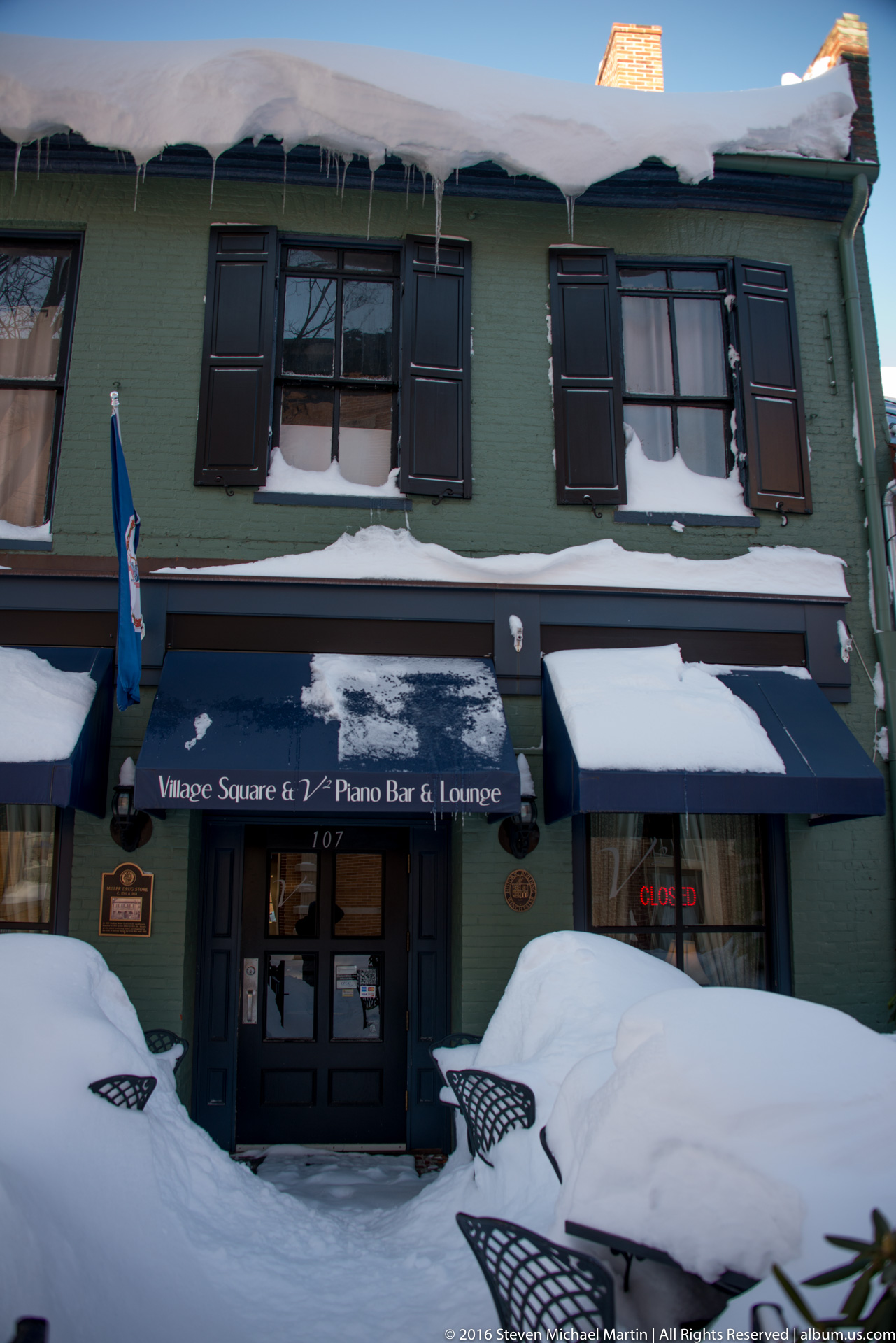
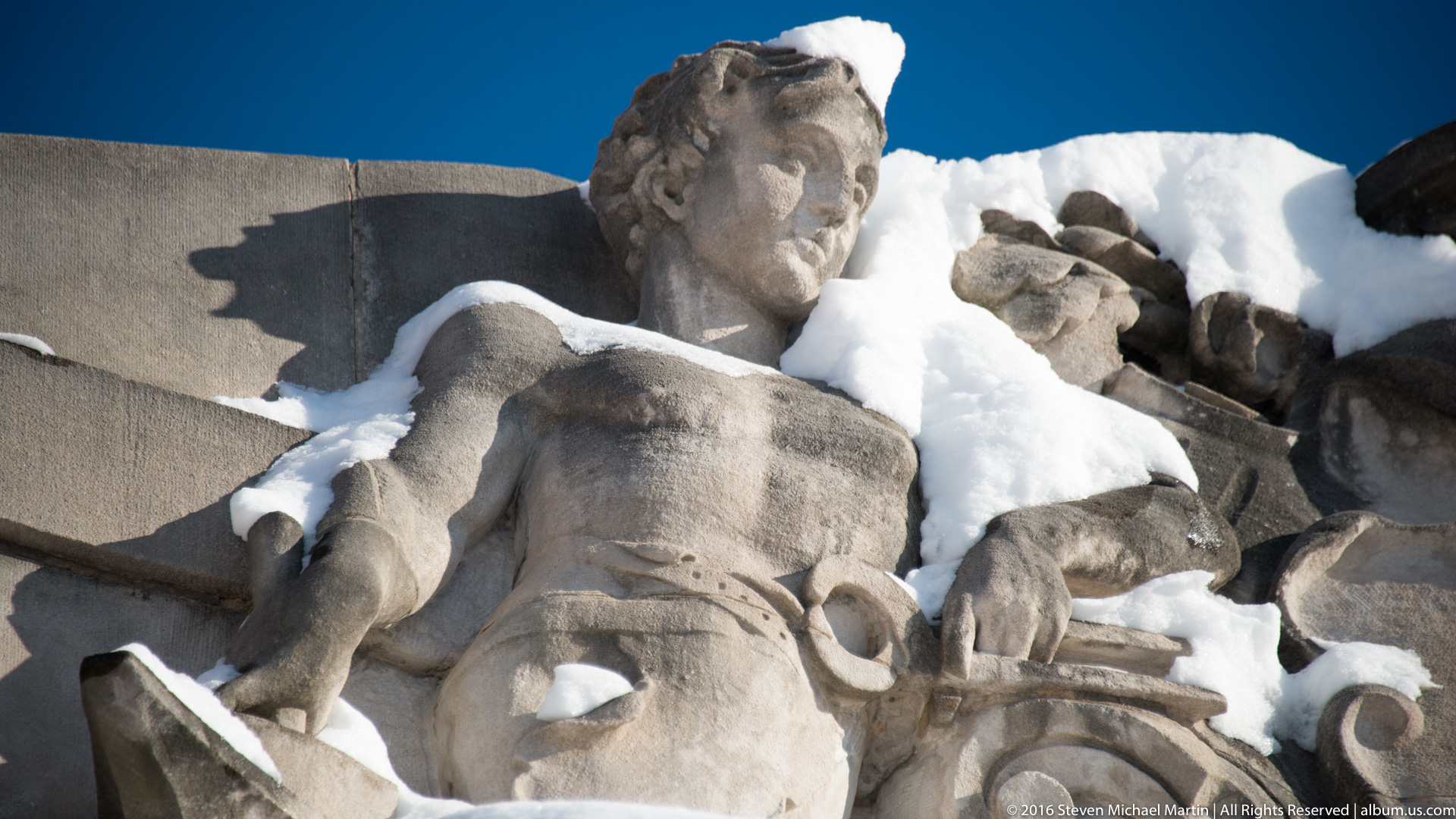
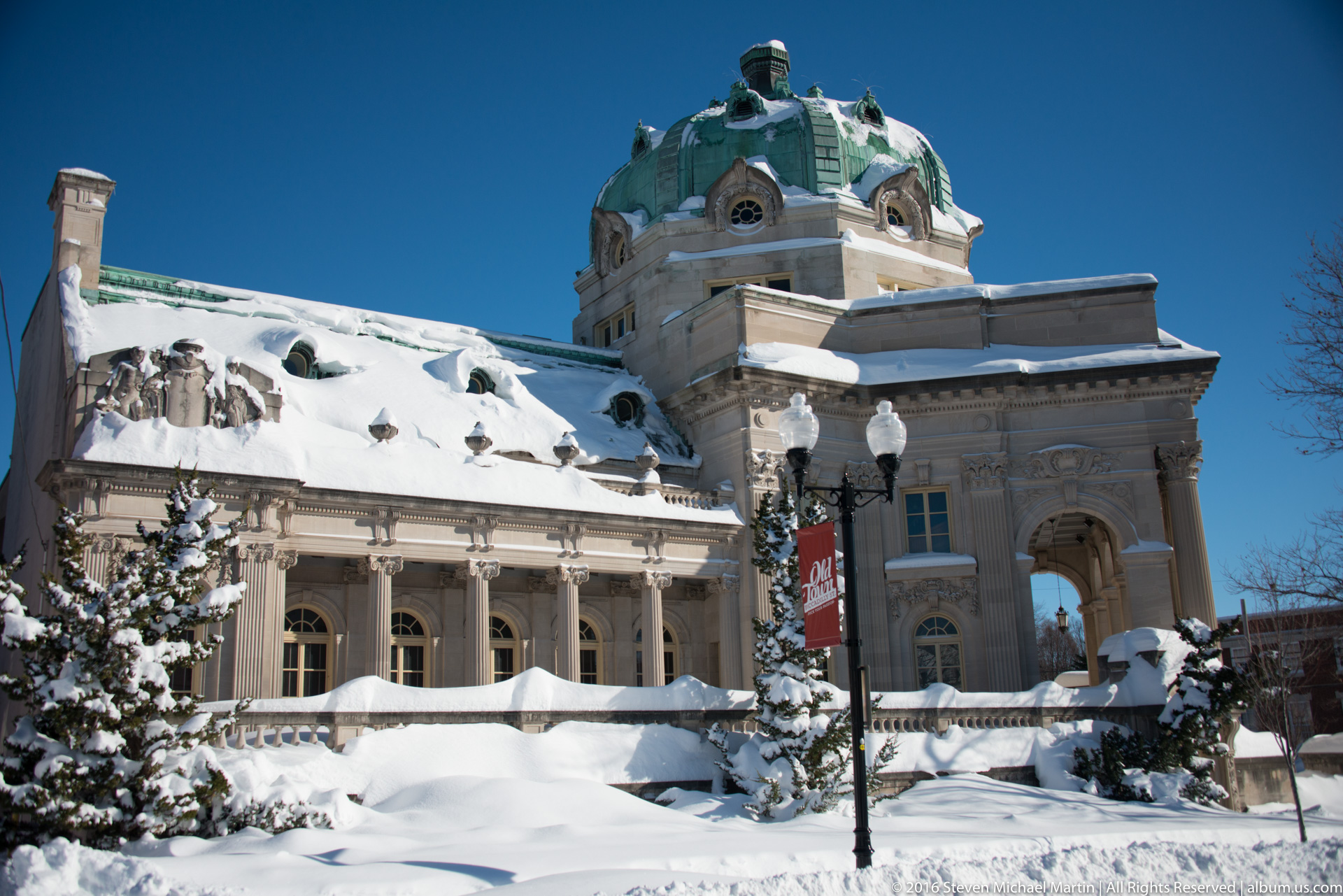
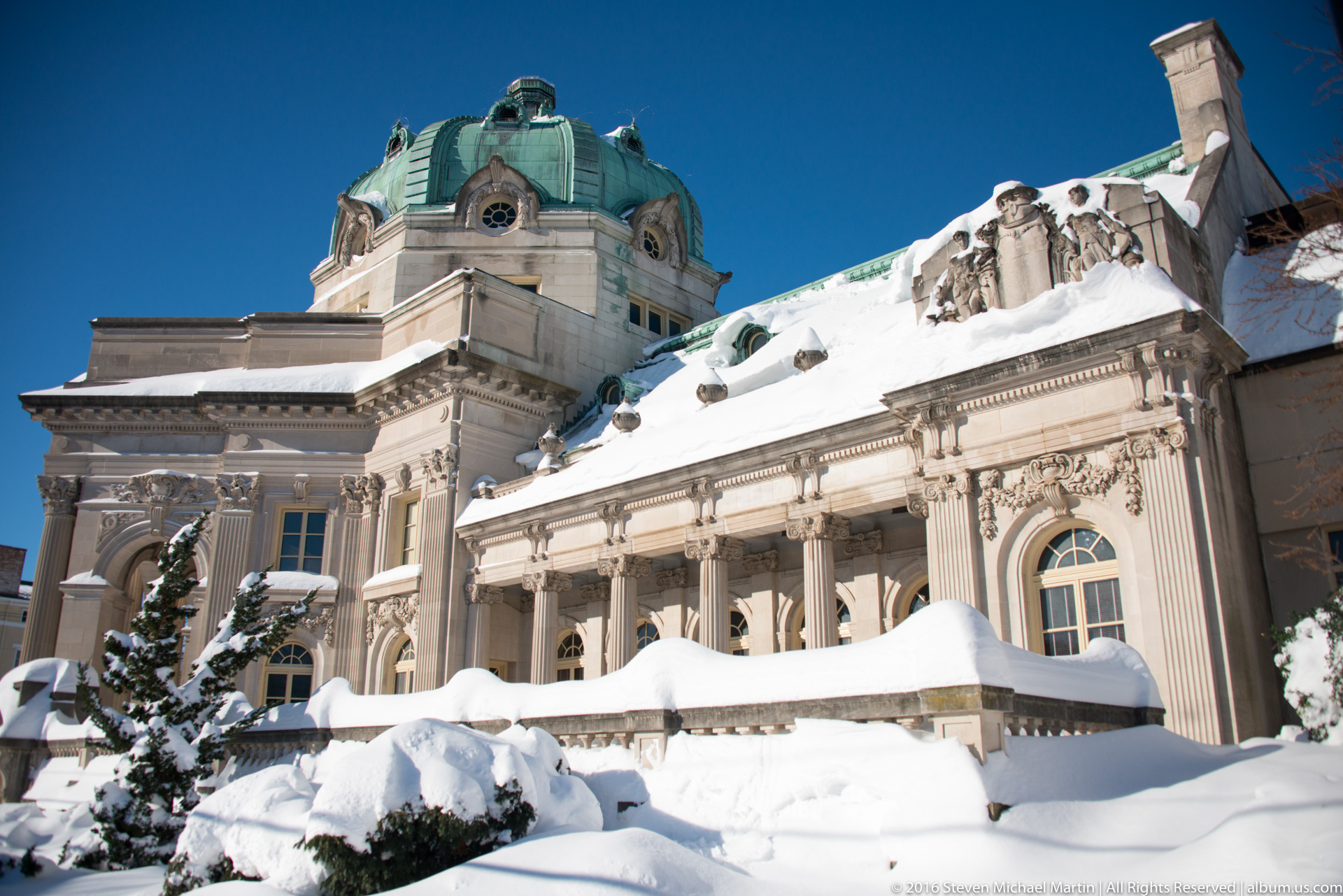
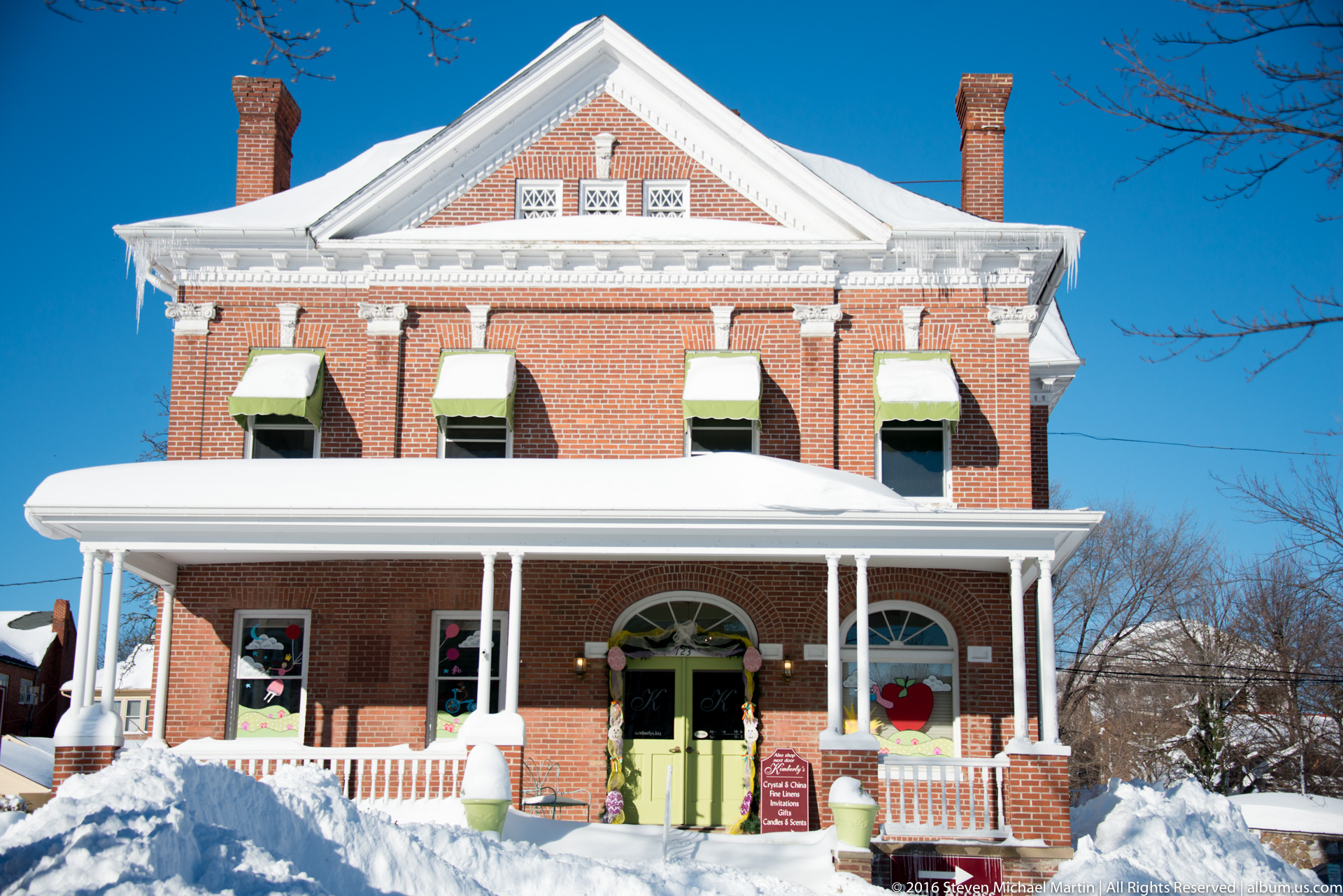
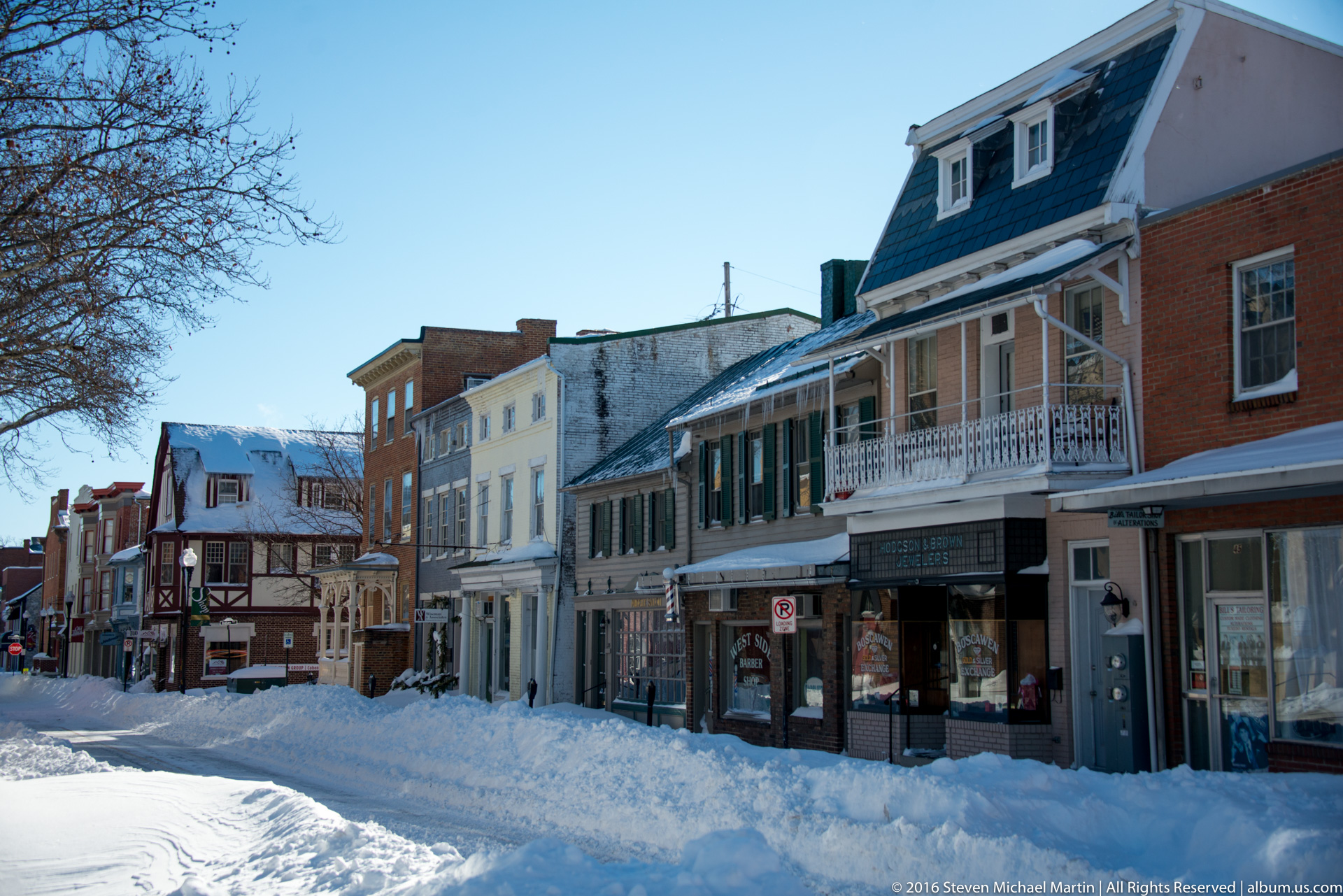
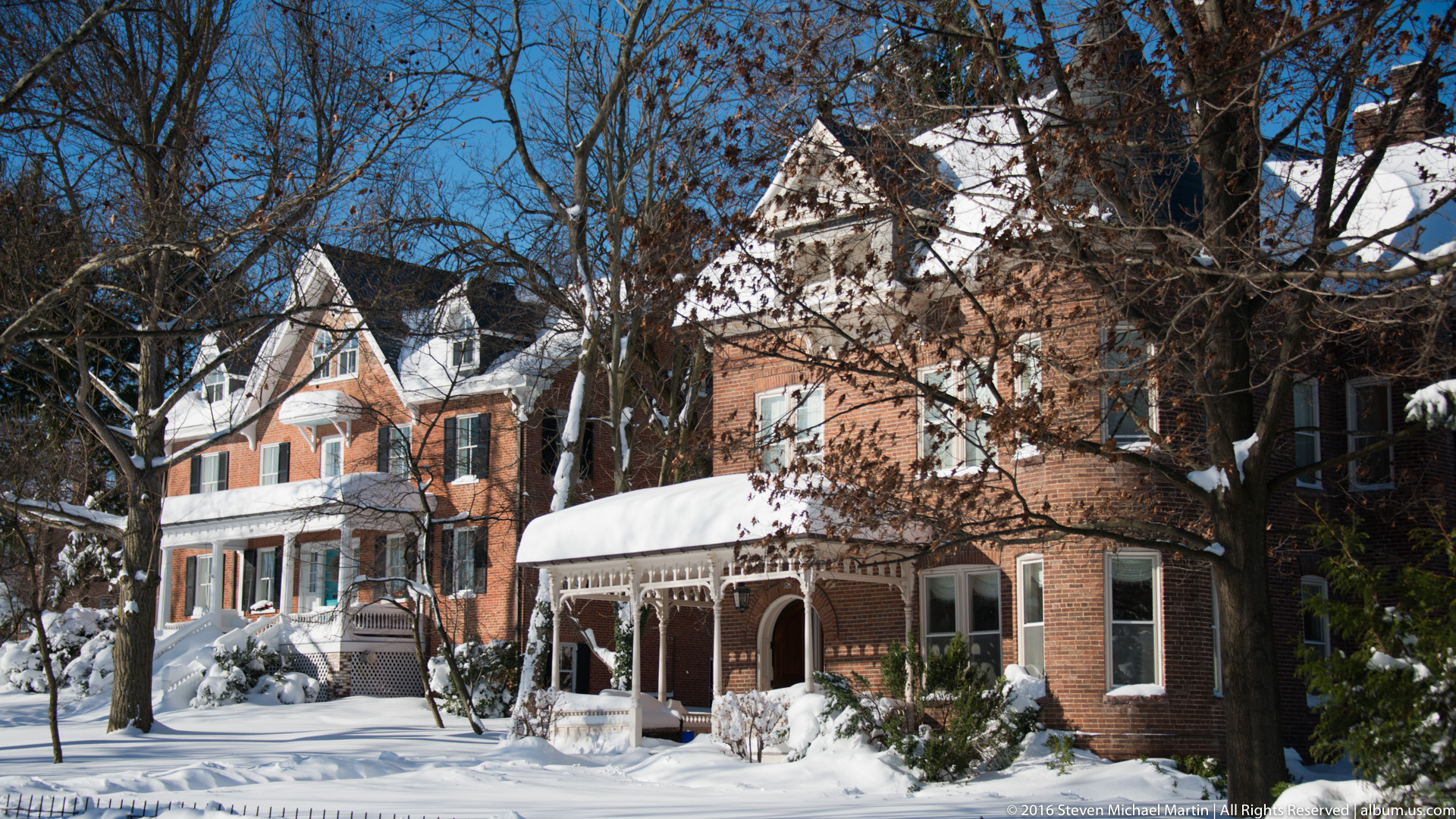
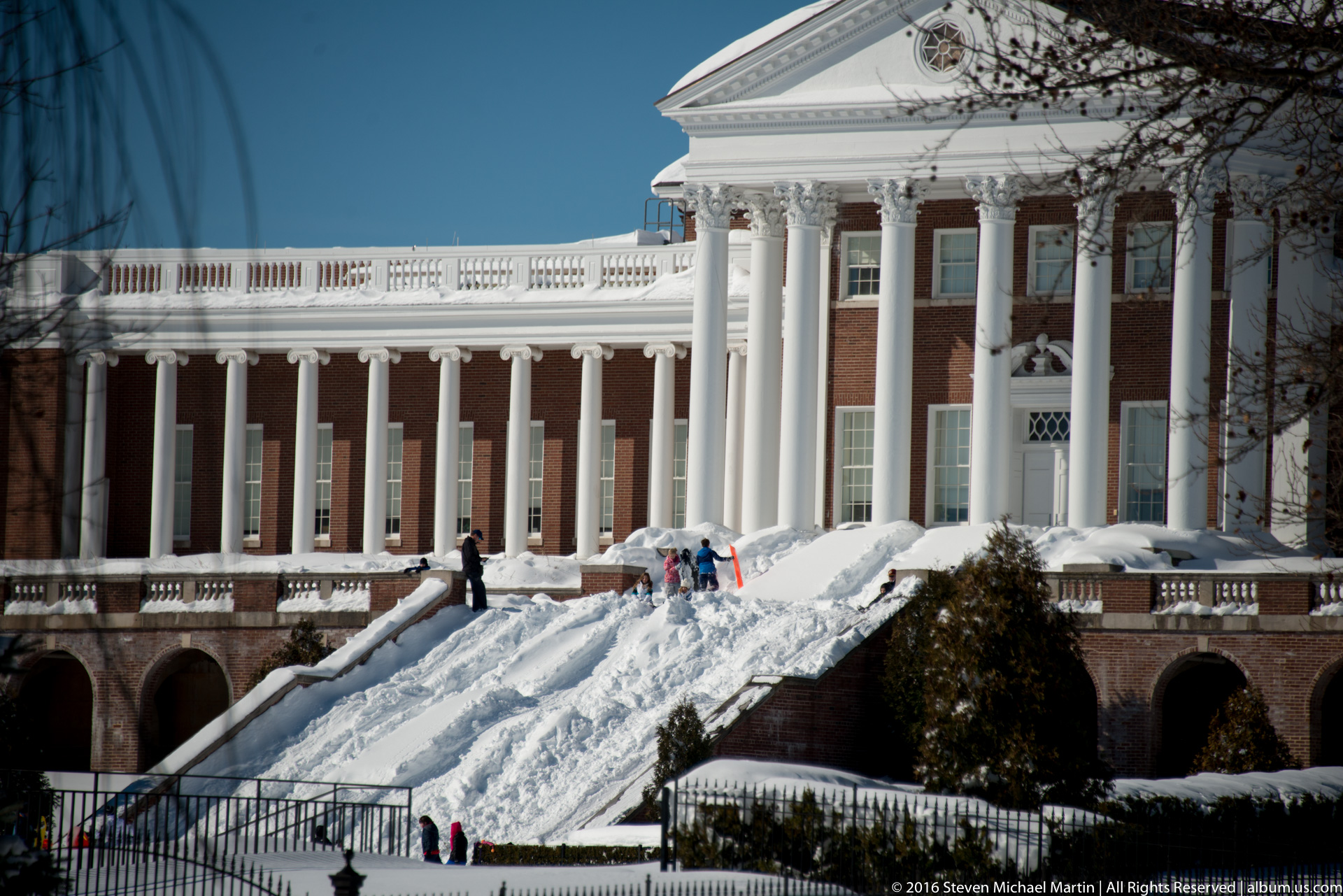
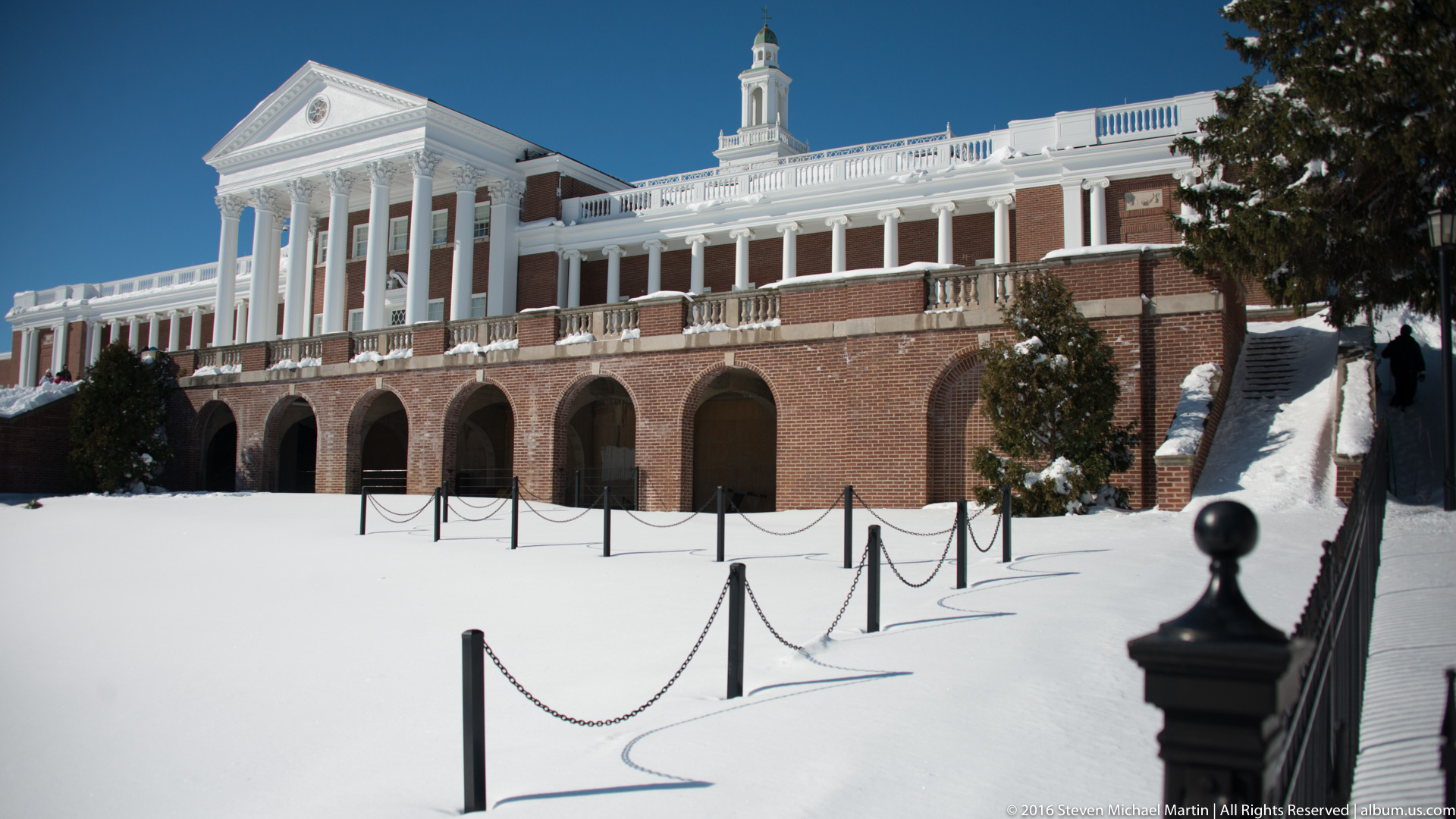
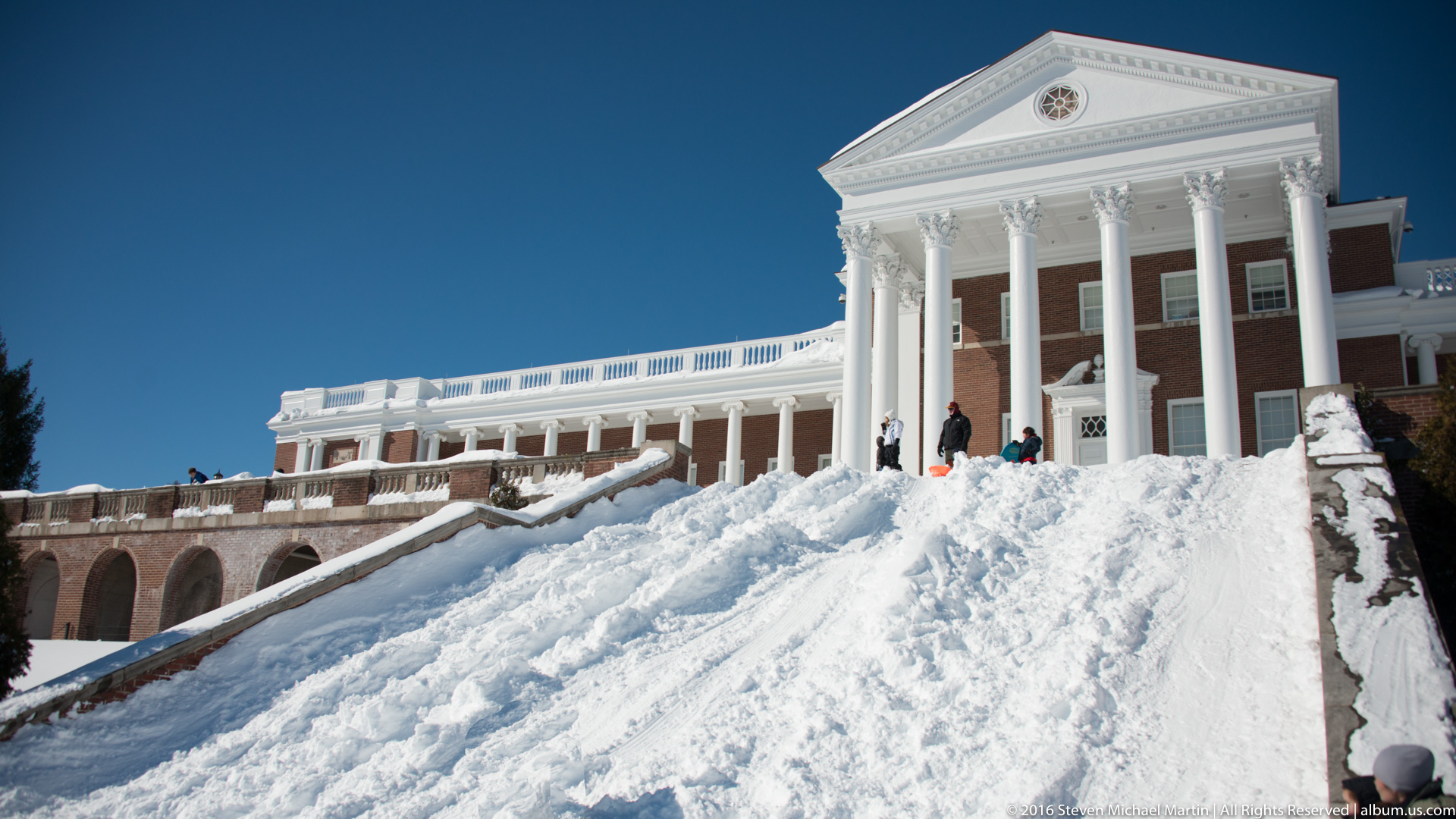
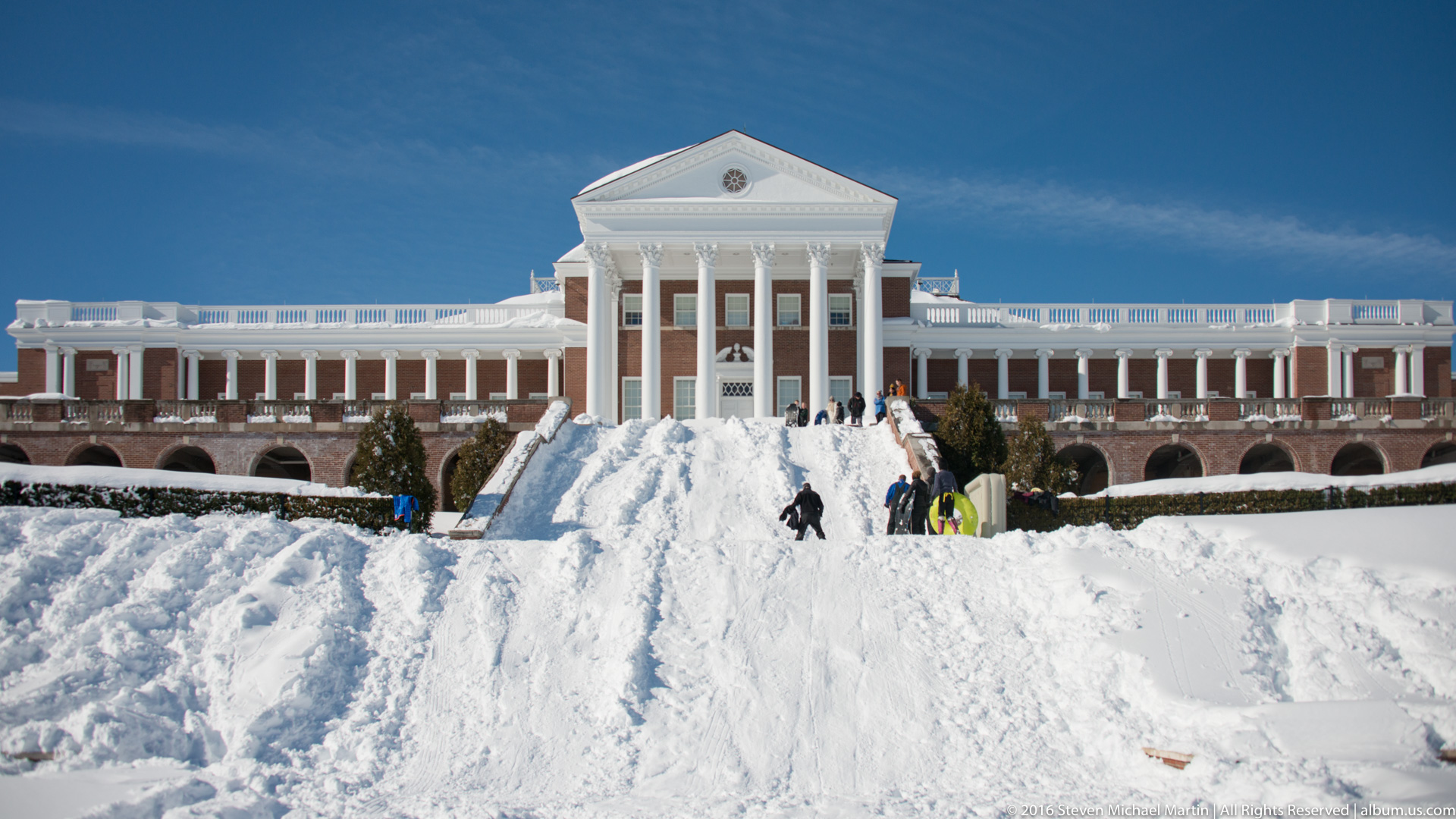
Winter storms periodically reshape the landscape of the Shenandoah Valley, covering historic streets and buildings with snow that emphasizes the underlying form and structure of the built environment. Snow accumulation highlights rooflines, church towers, and brick façades characteristic of eighteenth- and nineteenth-century architecture, revealing the spatial organization of the historic town. Seasonal weather patterns in the mid-Atlantic region reflect the interaction between continental air masses and Atlantic moisture, producing snowfall events that periodically transform the visual character of the landscape.
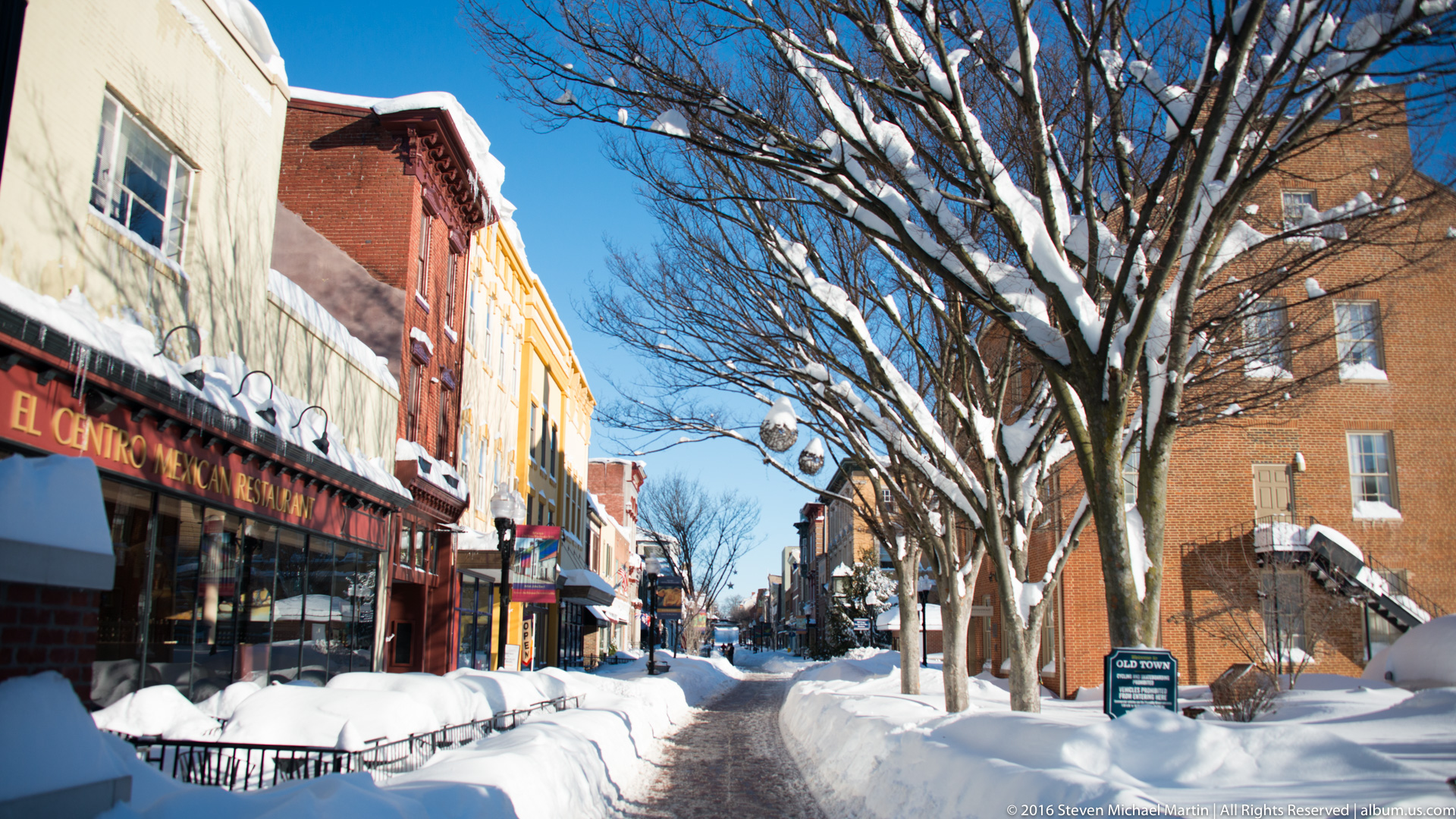
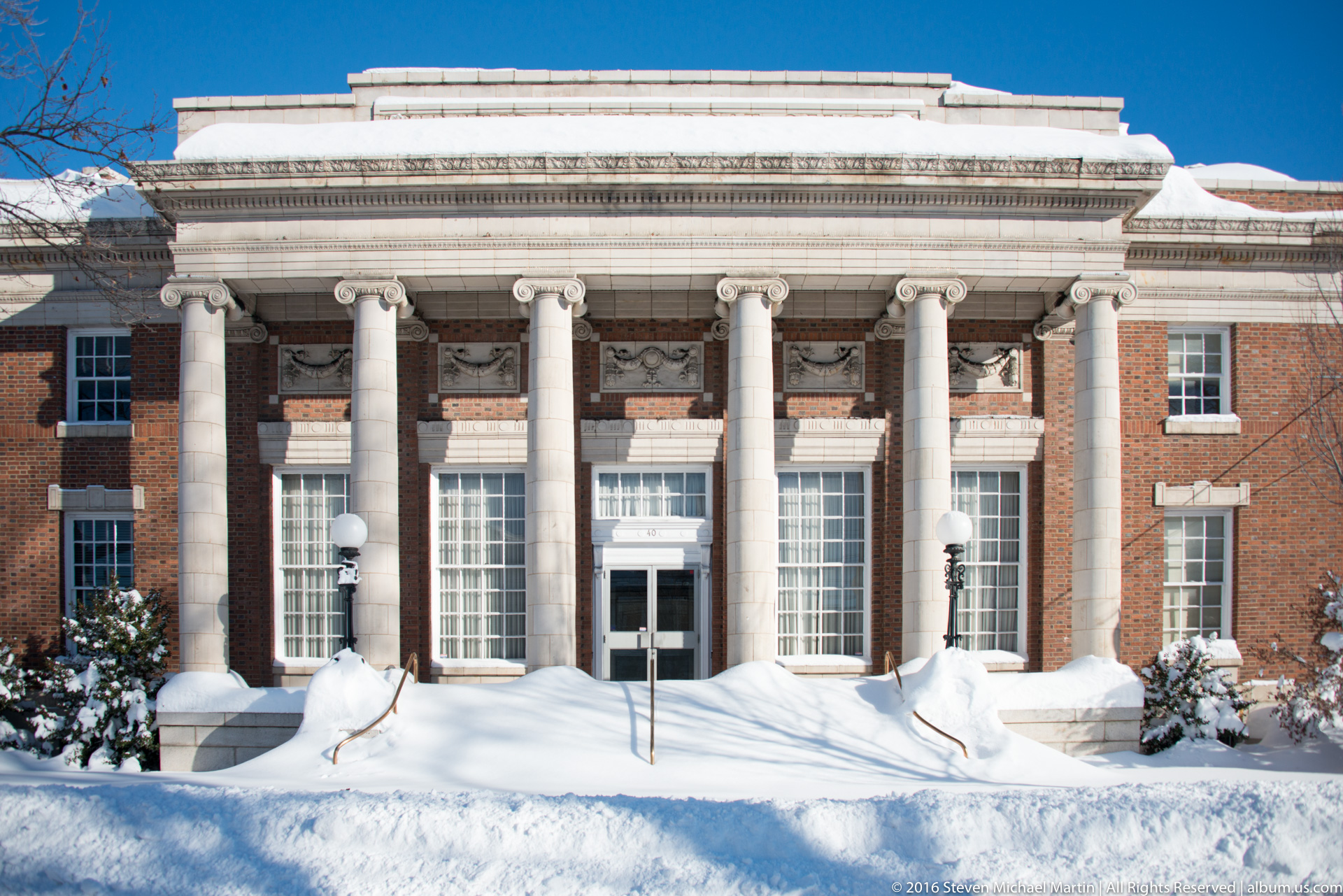
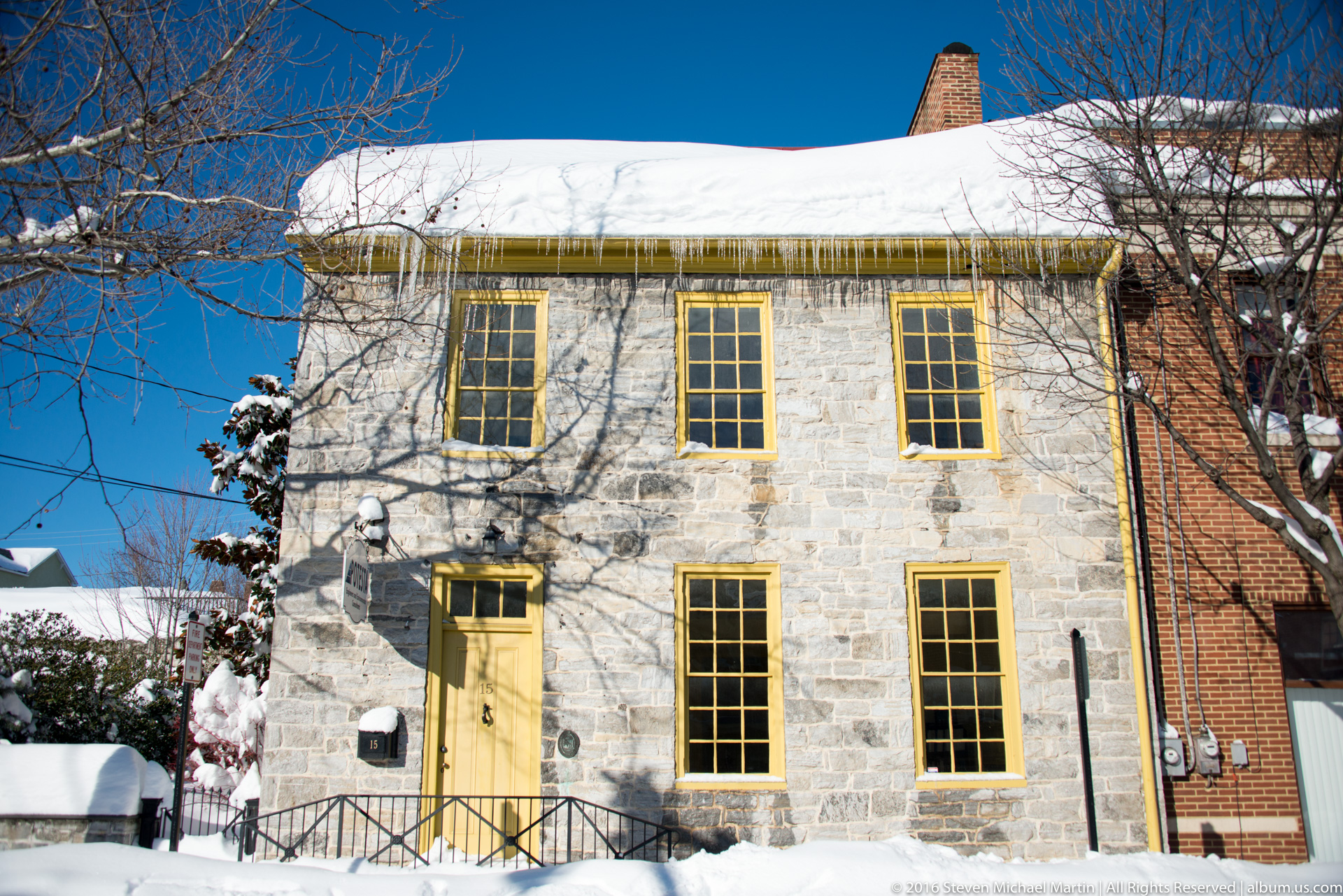
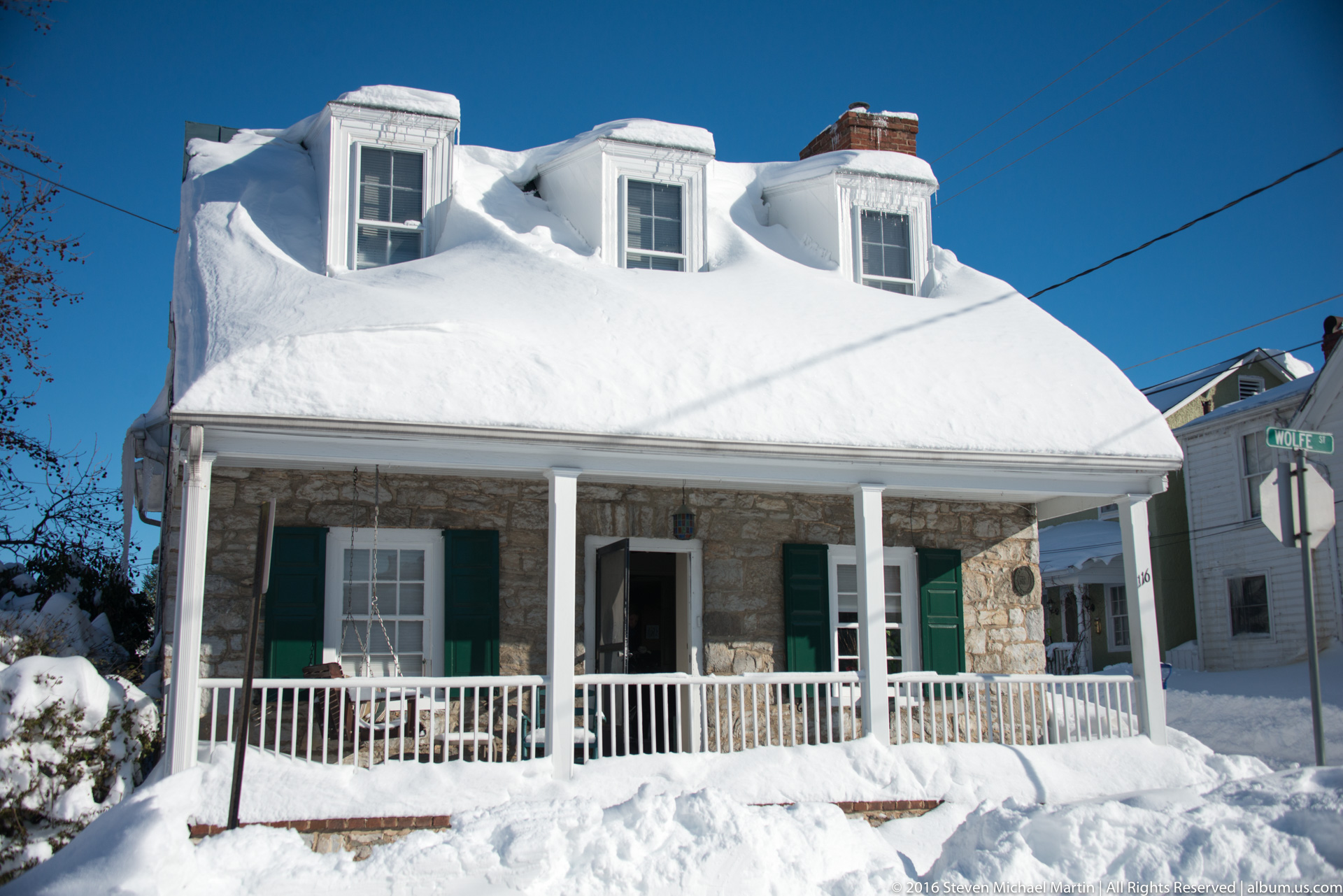
Winchester’s historic district preserves architectural patterns associated with early American settlement, where compact street layouts and masonry construction respond to both environmental conditions and available materials. Snow-covered streets emphasize the geometry of the town’s urban plan, illustrating continuity between past and present patterns of development. Winter weather also demonstrates how seasonal climate conditions influence daily life within historic communities.
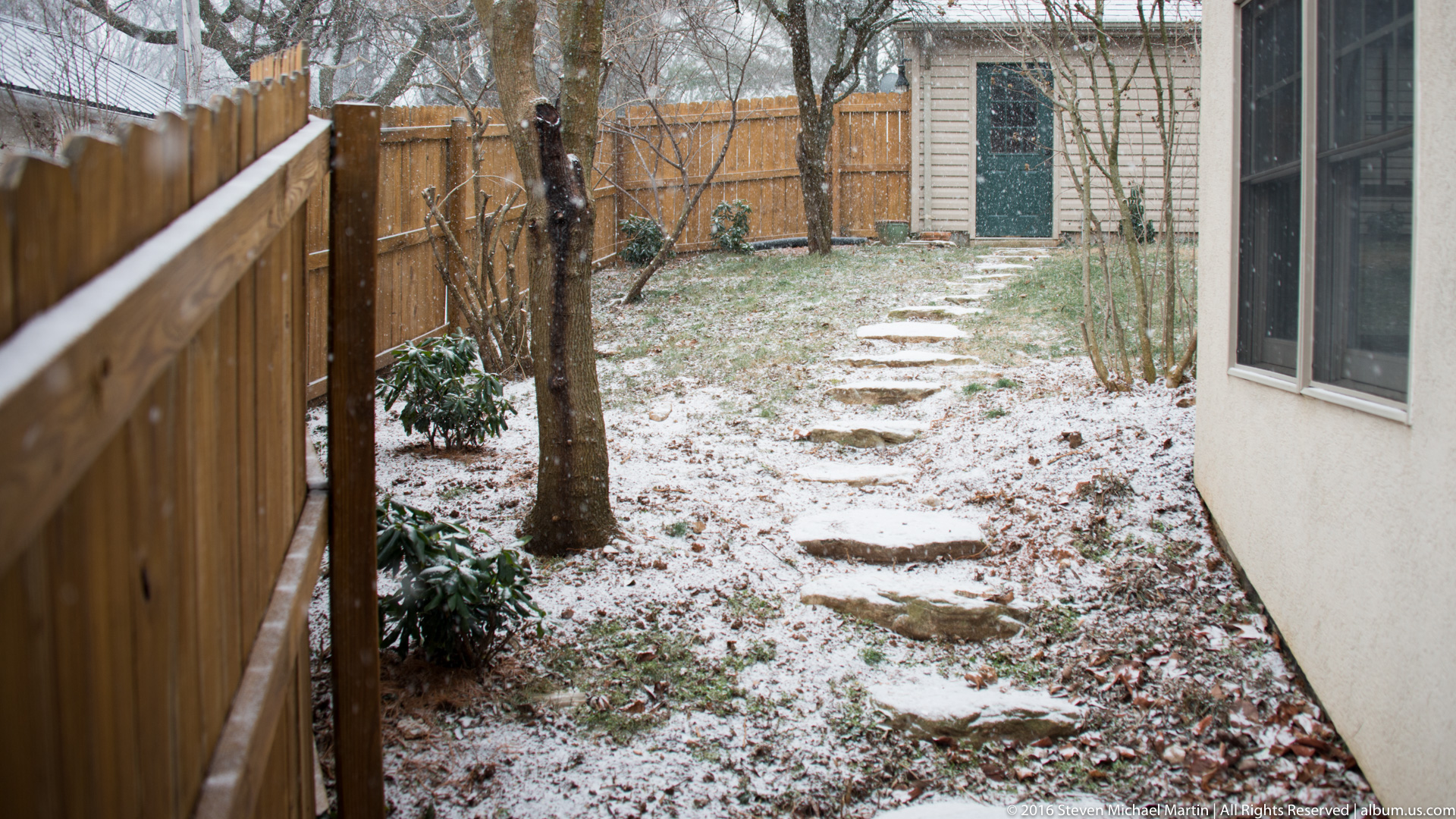
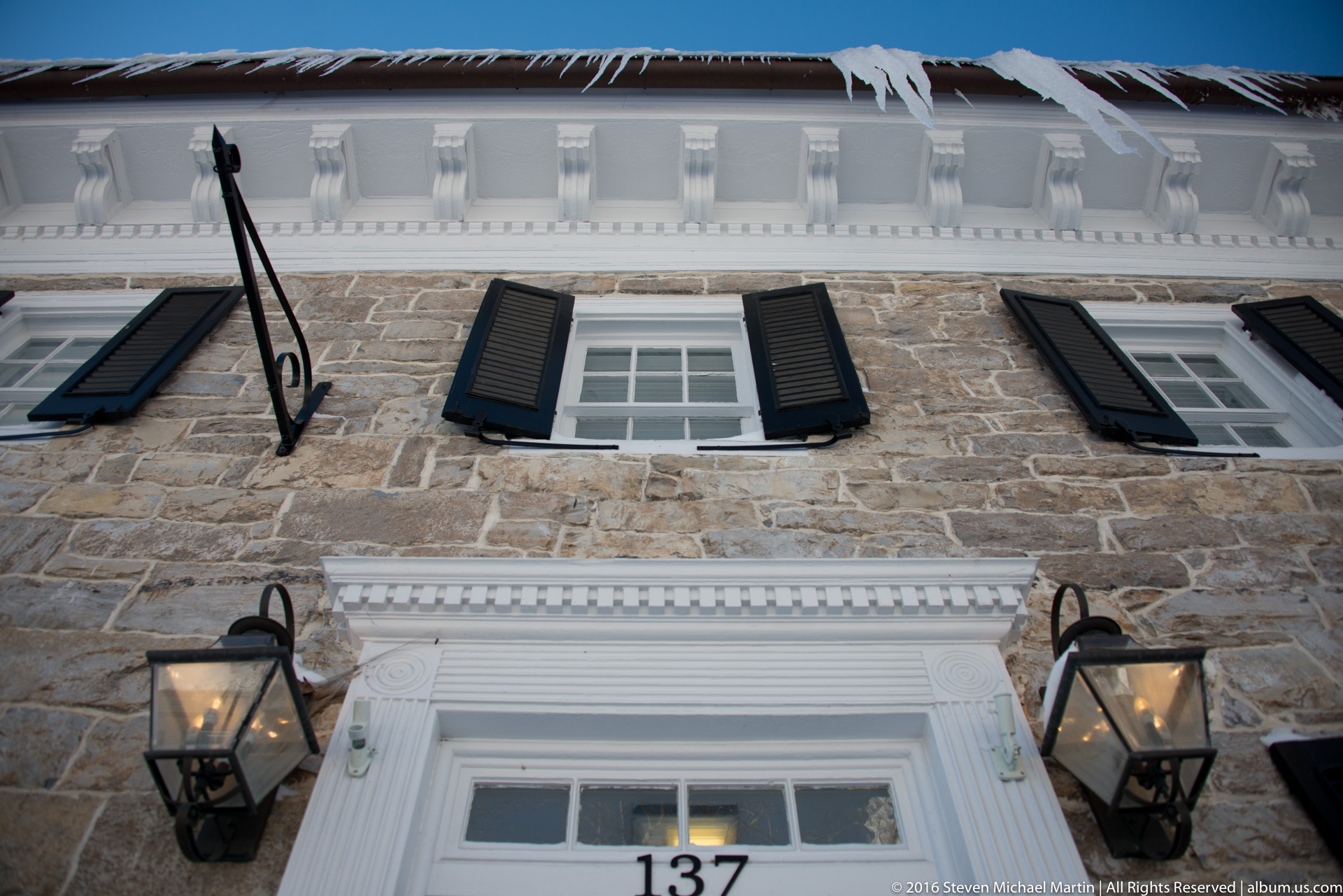
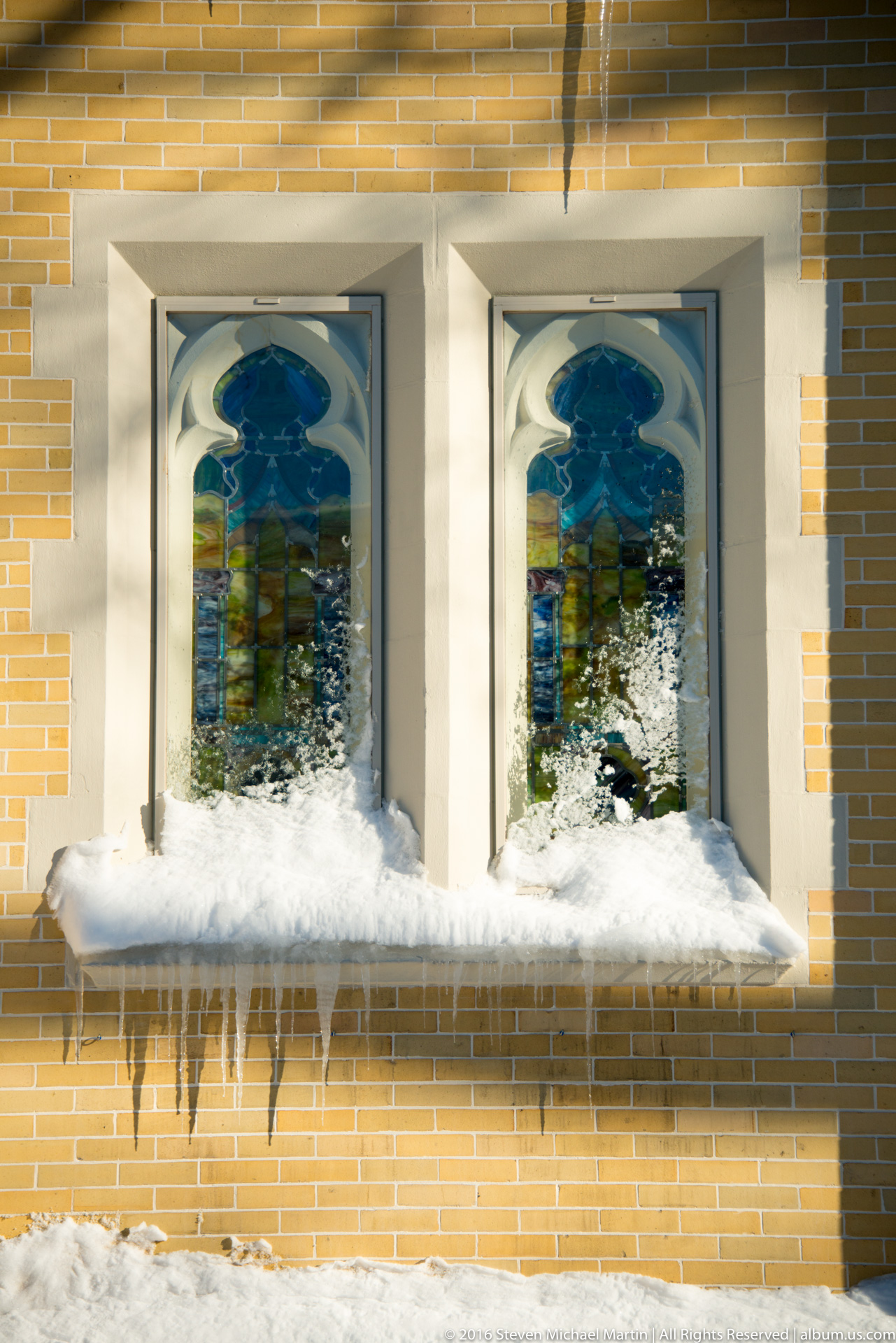
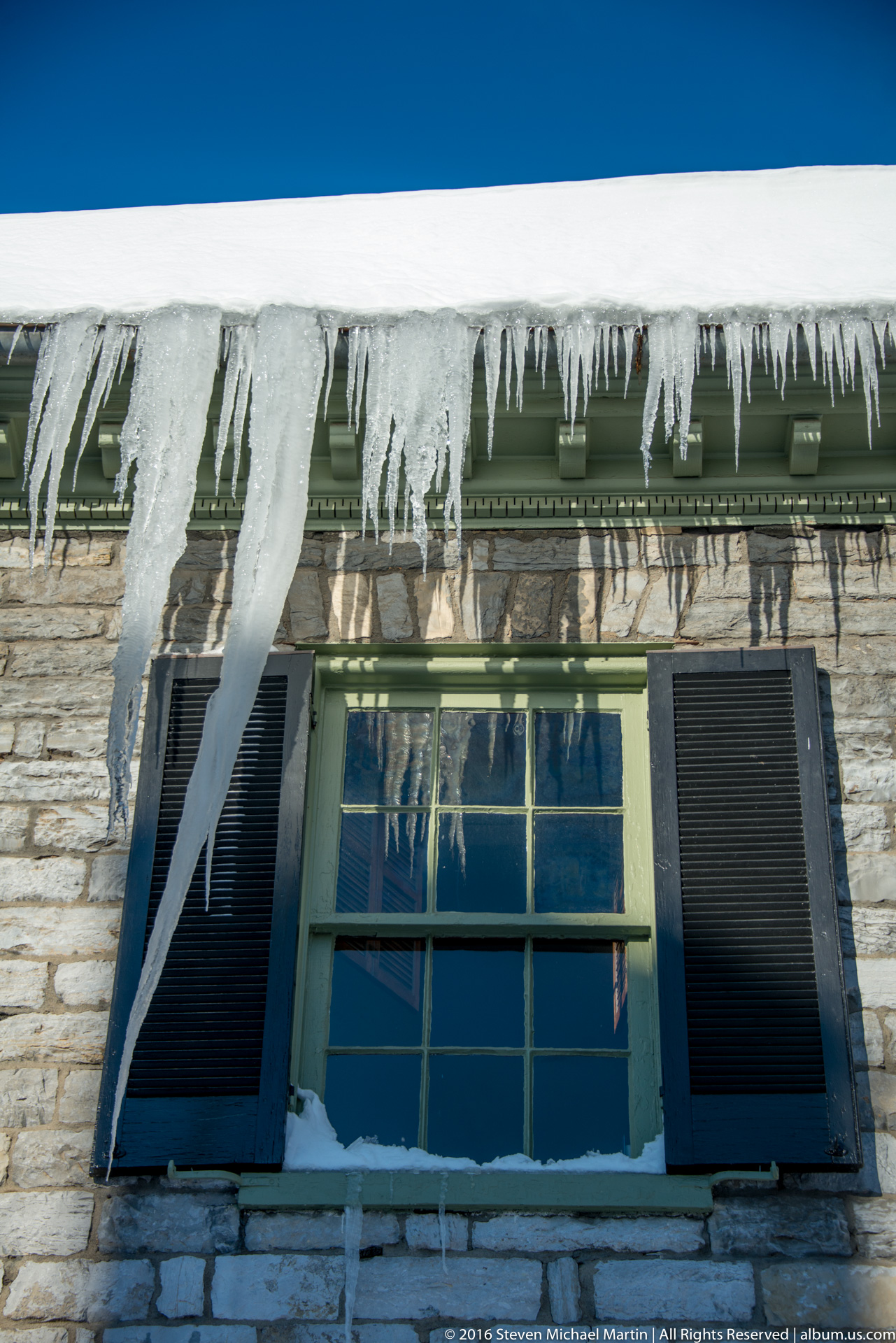
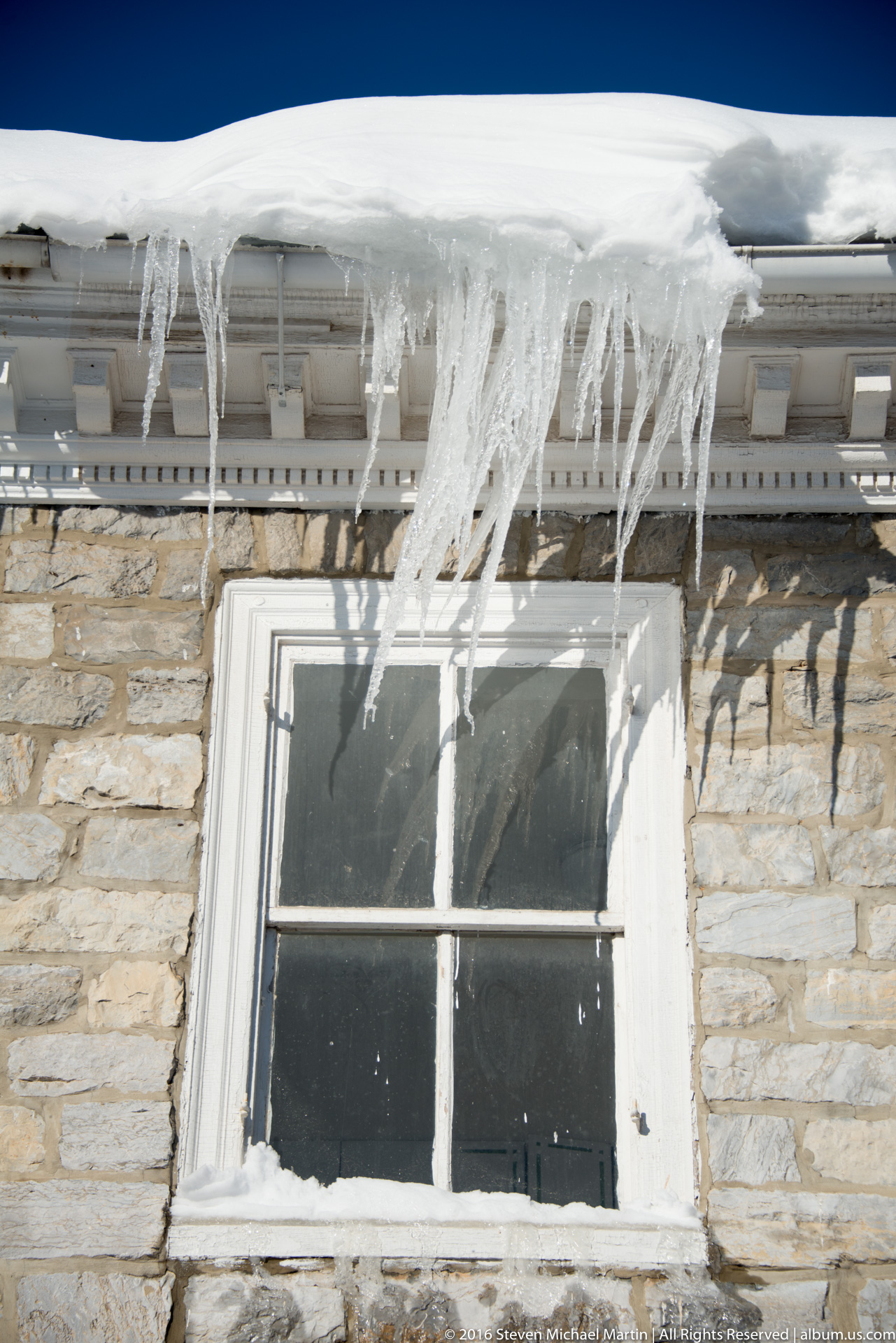
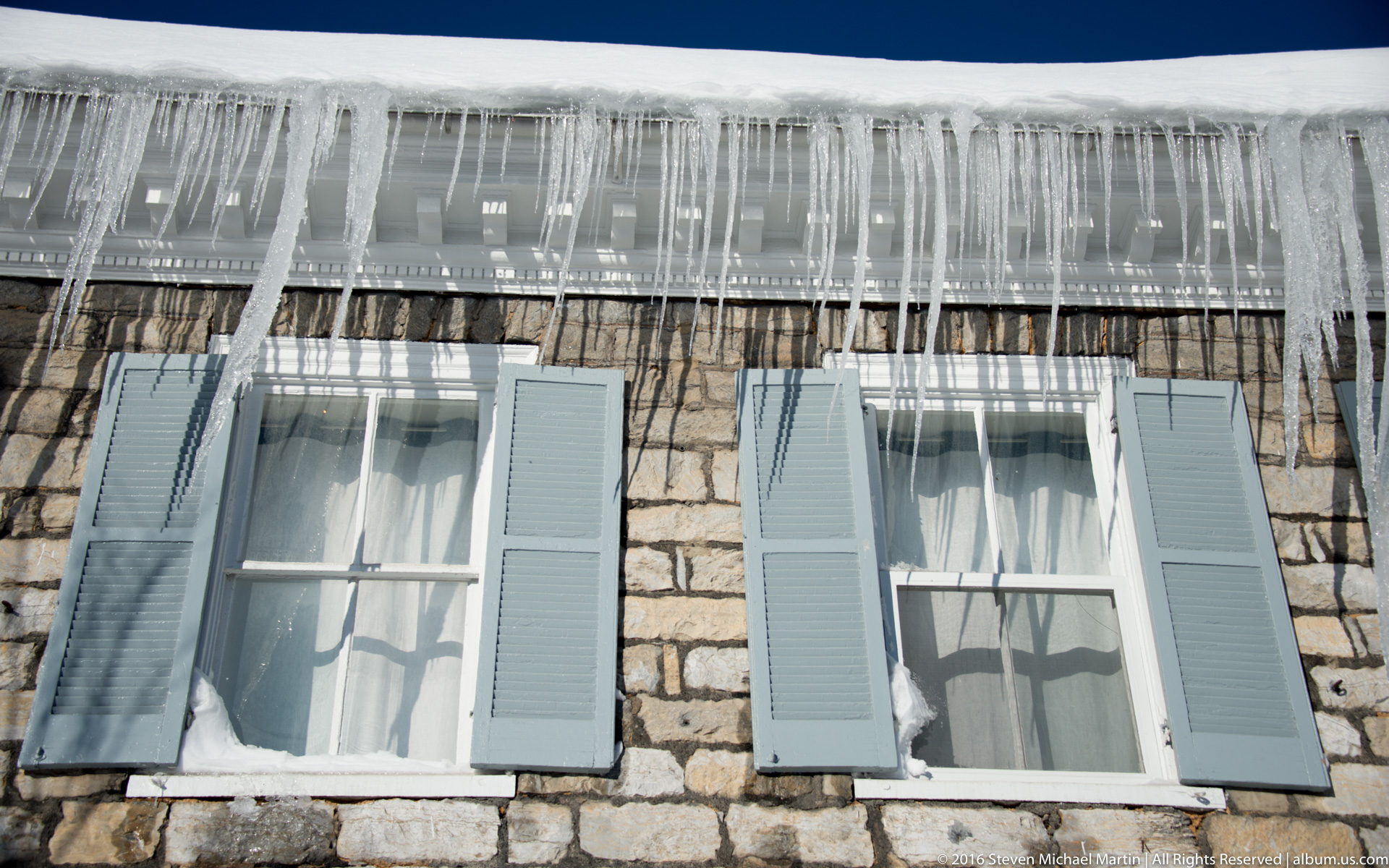
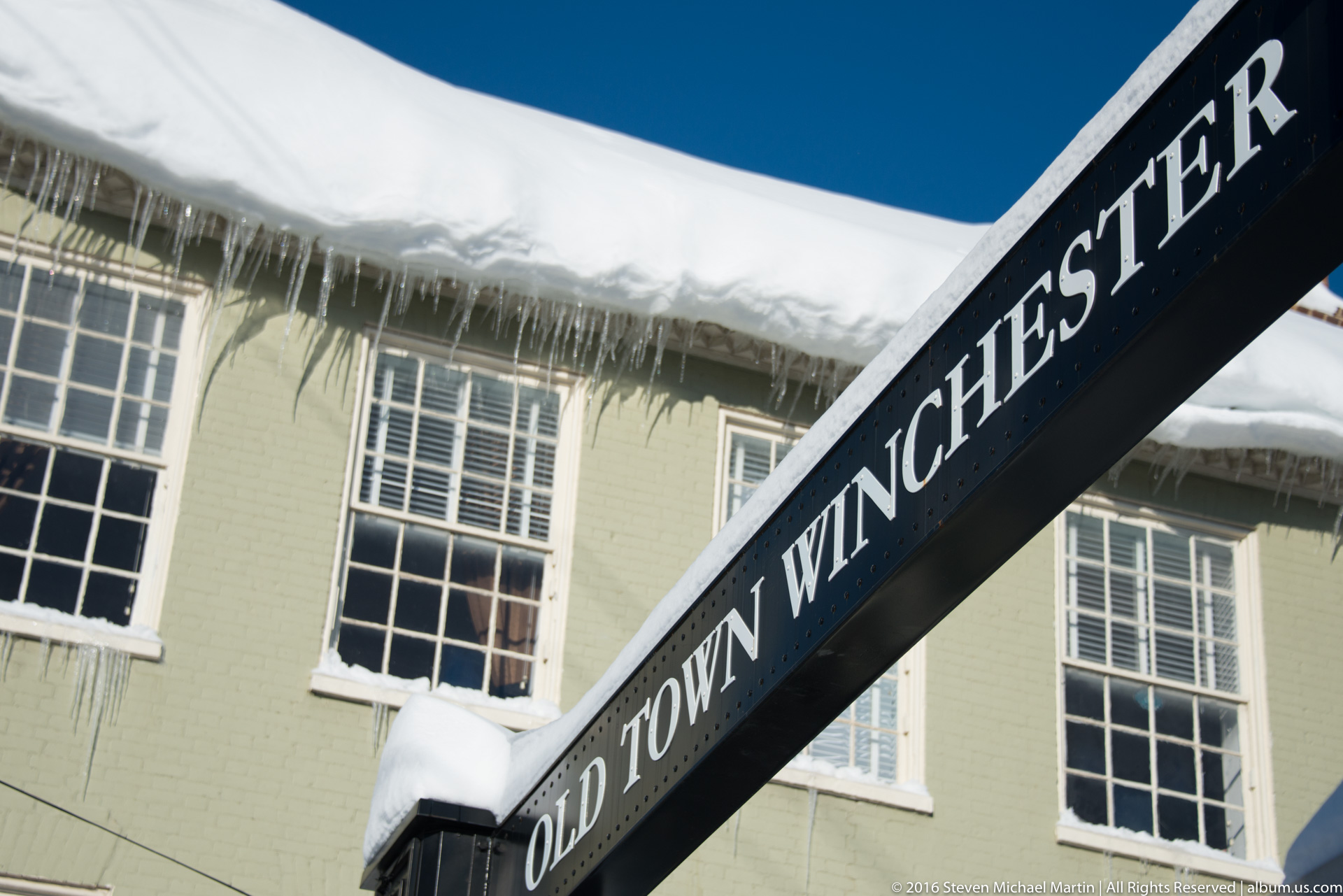
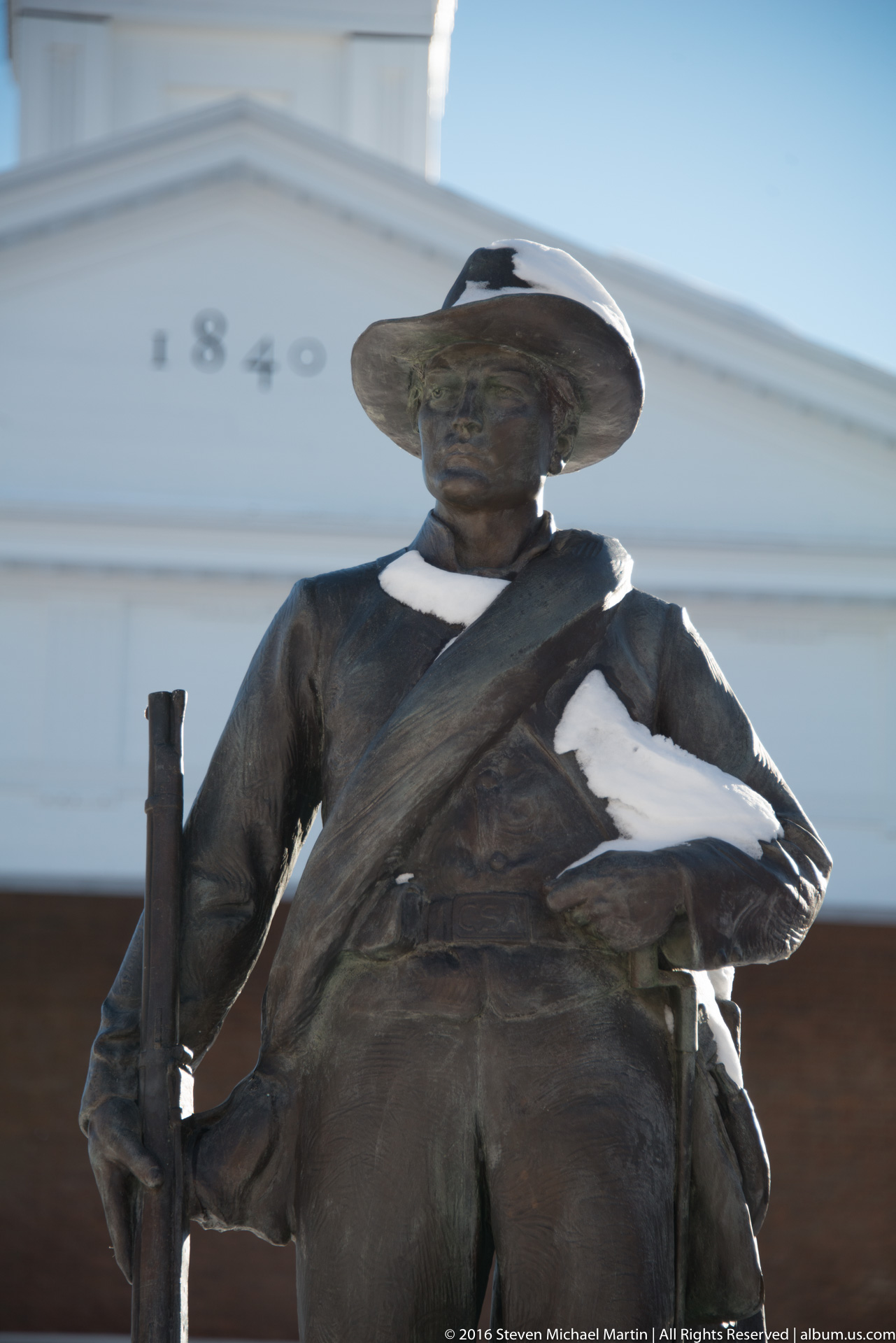
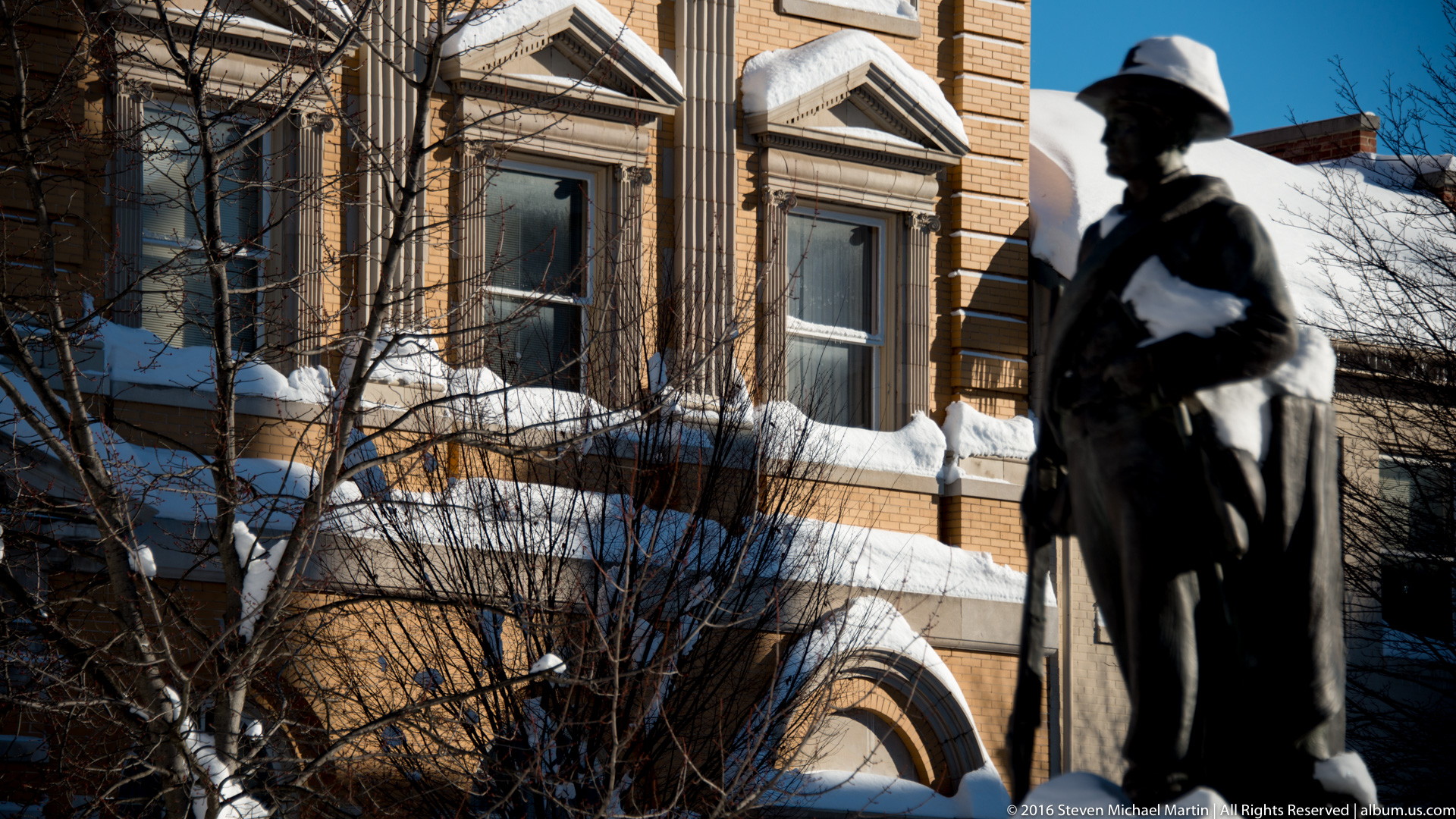
Scenes of snowfall within historic settings contribute to understanding how environmental conditions interact with preserved cultural landscapes. The contrast between snow and masonry surfaces reveals architectural detail while reinforcing the seasonal rhythms that shape life in the Shenandoah Valley. Winter weather events provide an opportunity to observe historic environments in changing atmospheric conditions, illustrating the enduring relationship between climate and built form.