National Air and Space Museum
The National Air and Space Museum documents the development of aviation and space exploration, fields that transformed scientific understanding, transportation, and global communication during the twentieth century. Established as part of the Smithsonian Institution, the museum preserves one of the world’s most significant collections of aircraft, spacecraft, and related technological artifacts illustrating the evolution of powered flight and the expansion of human activity beyond the Earth’s atmosphere.
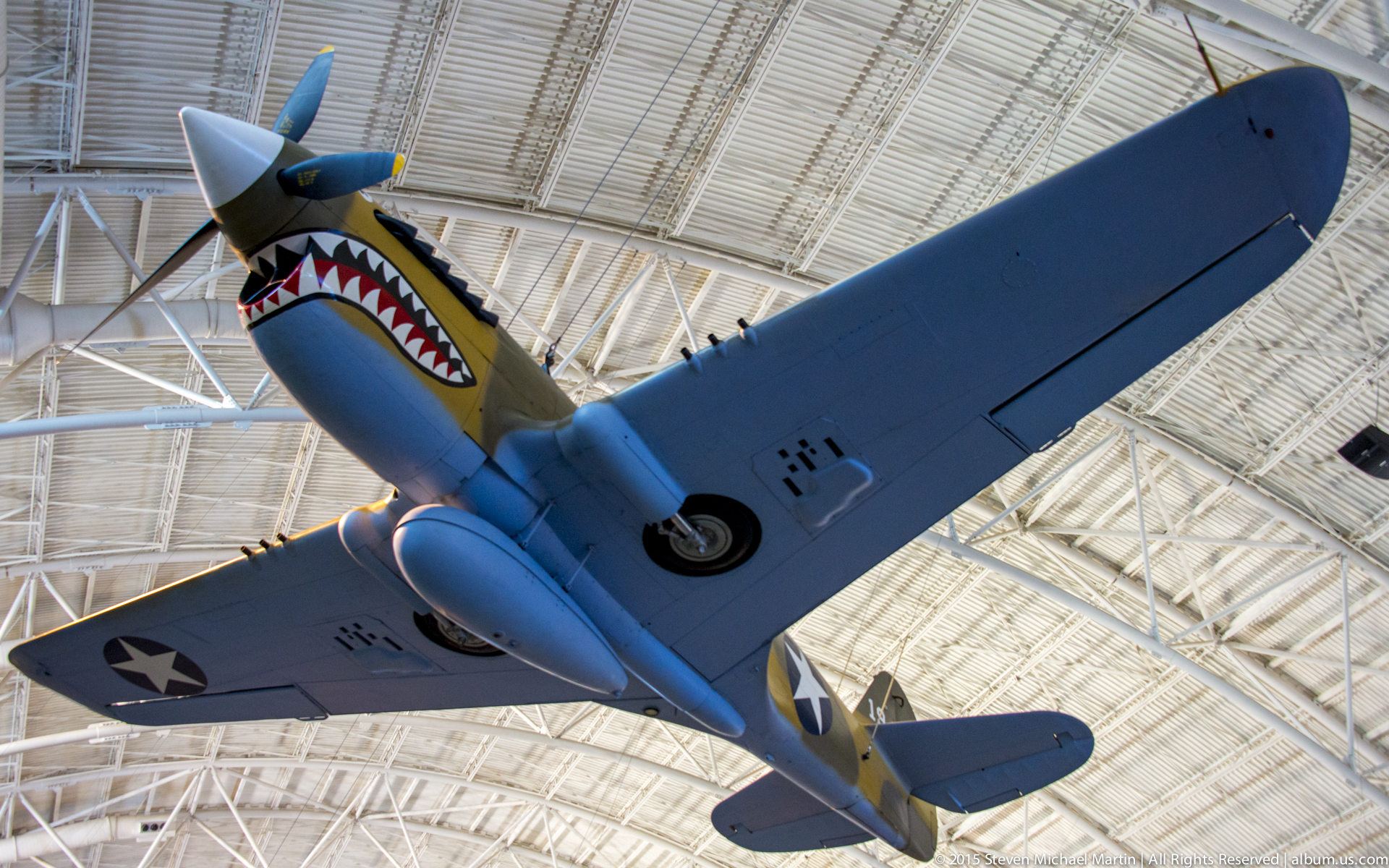
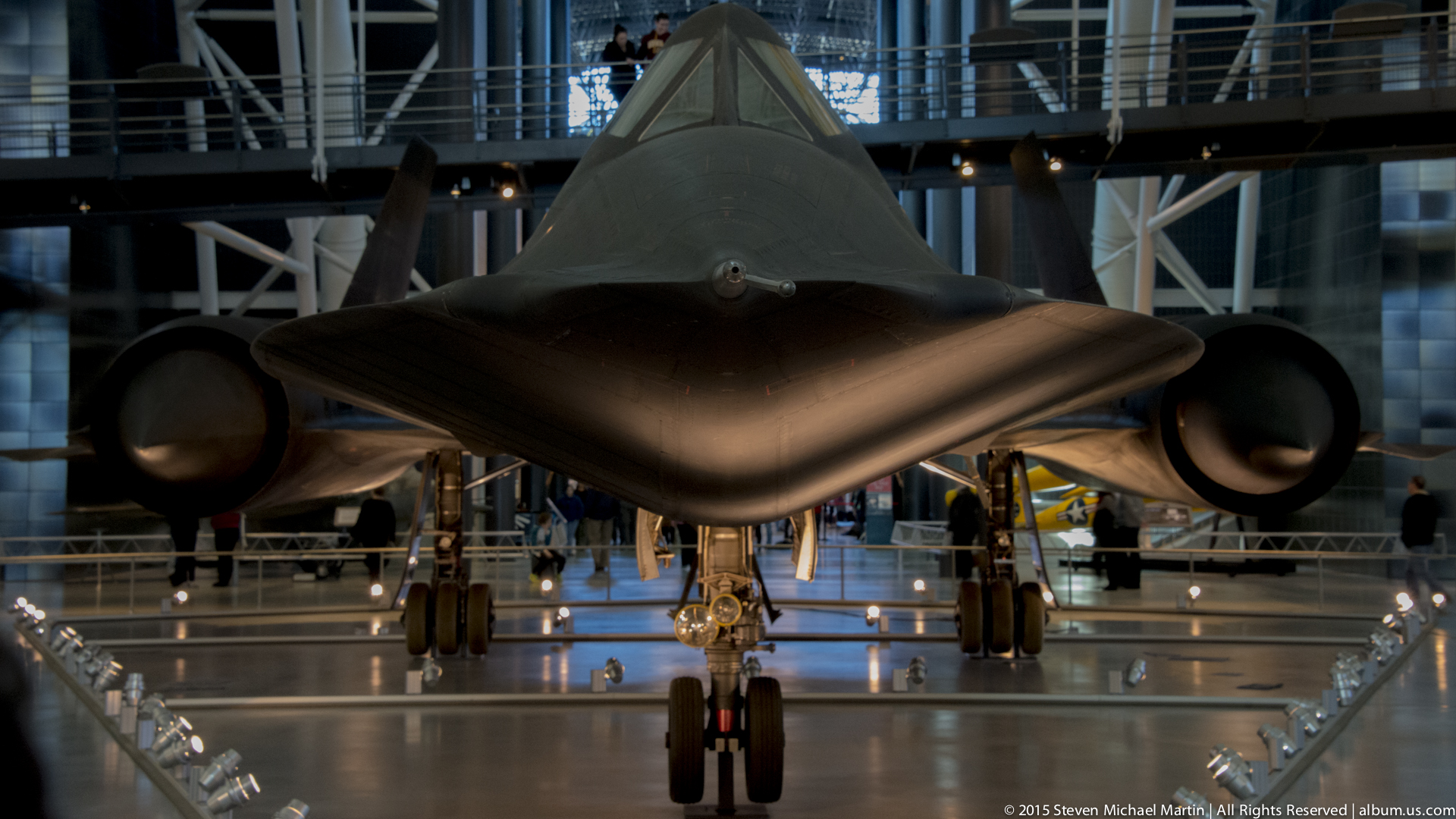
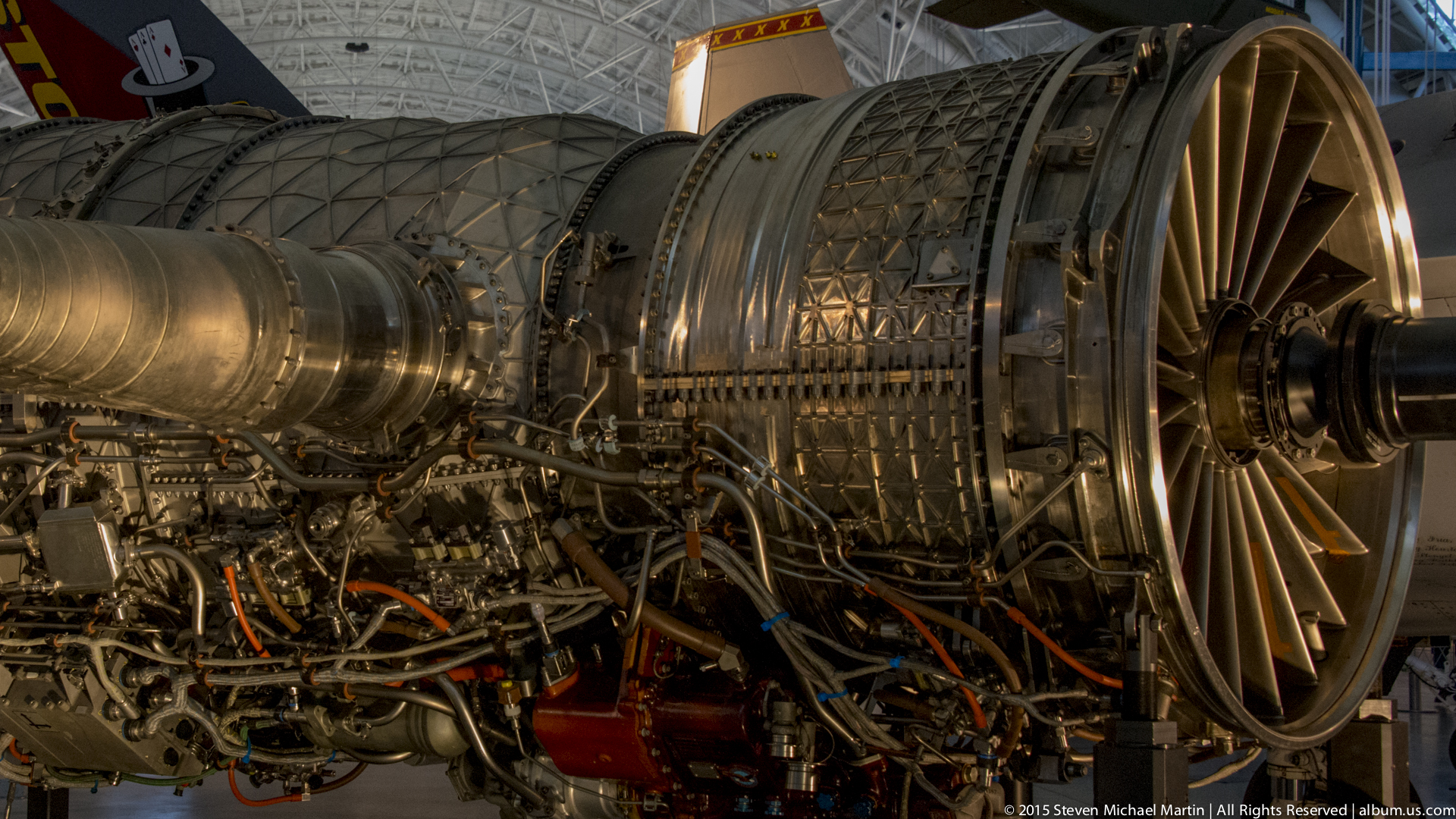
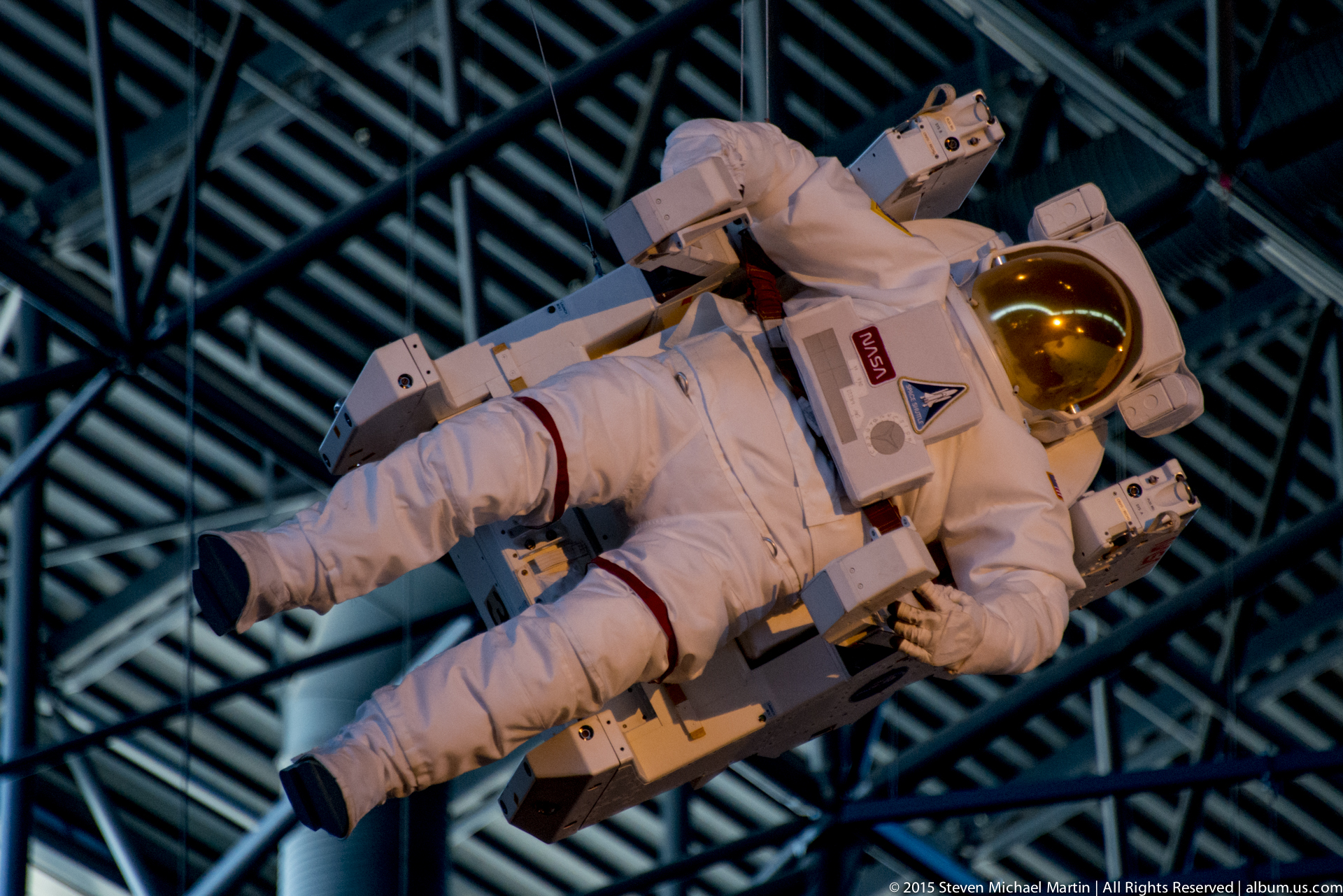
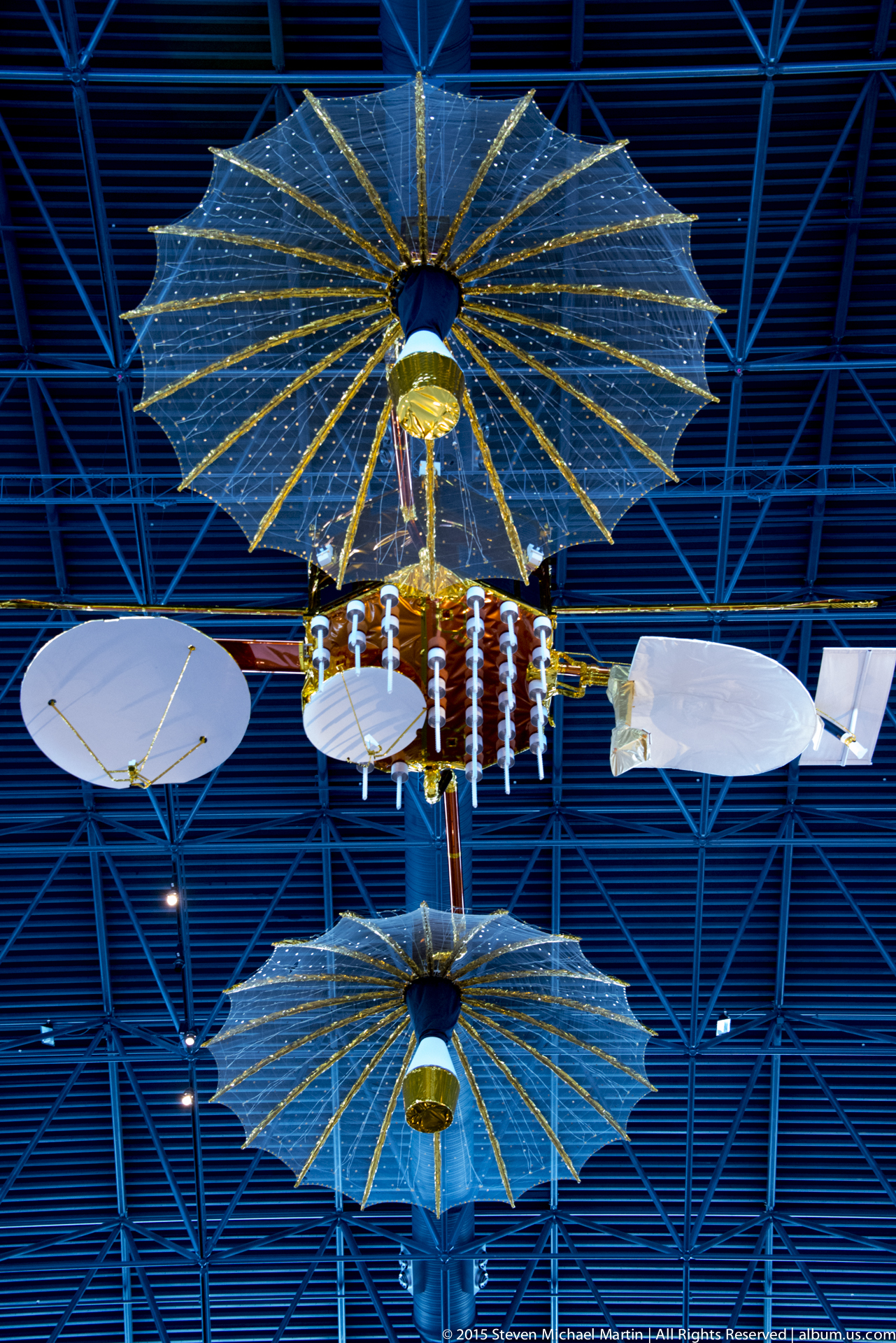
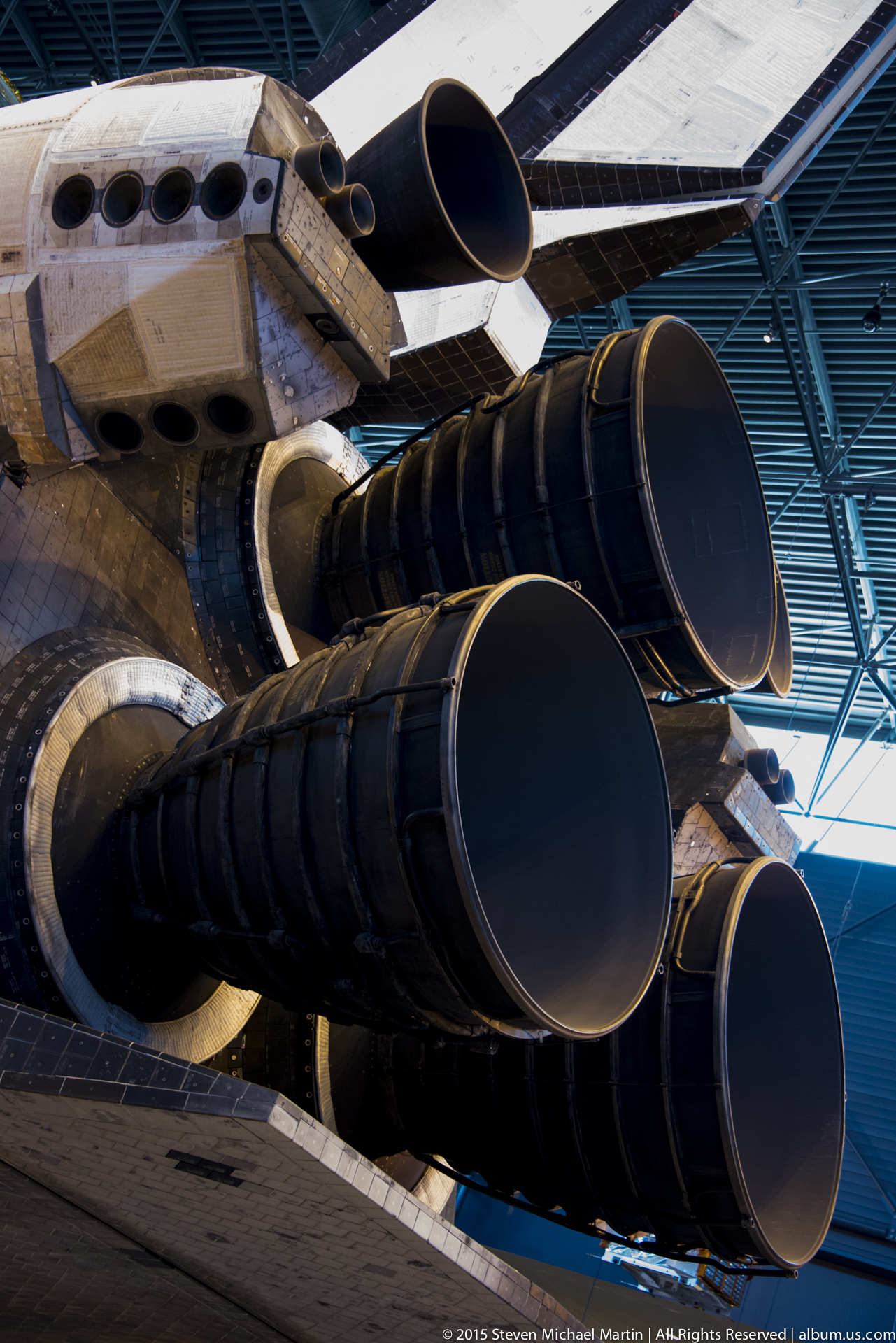
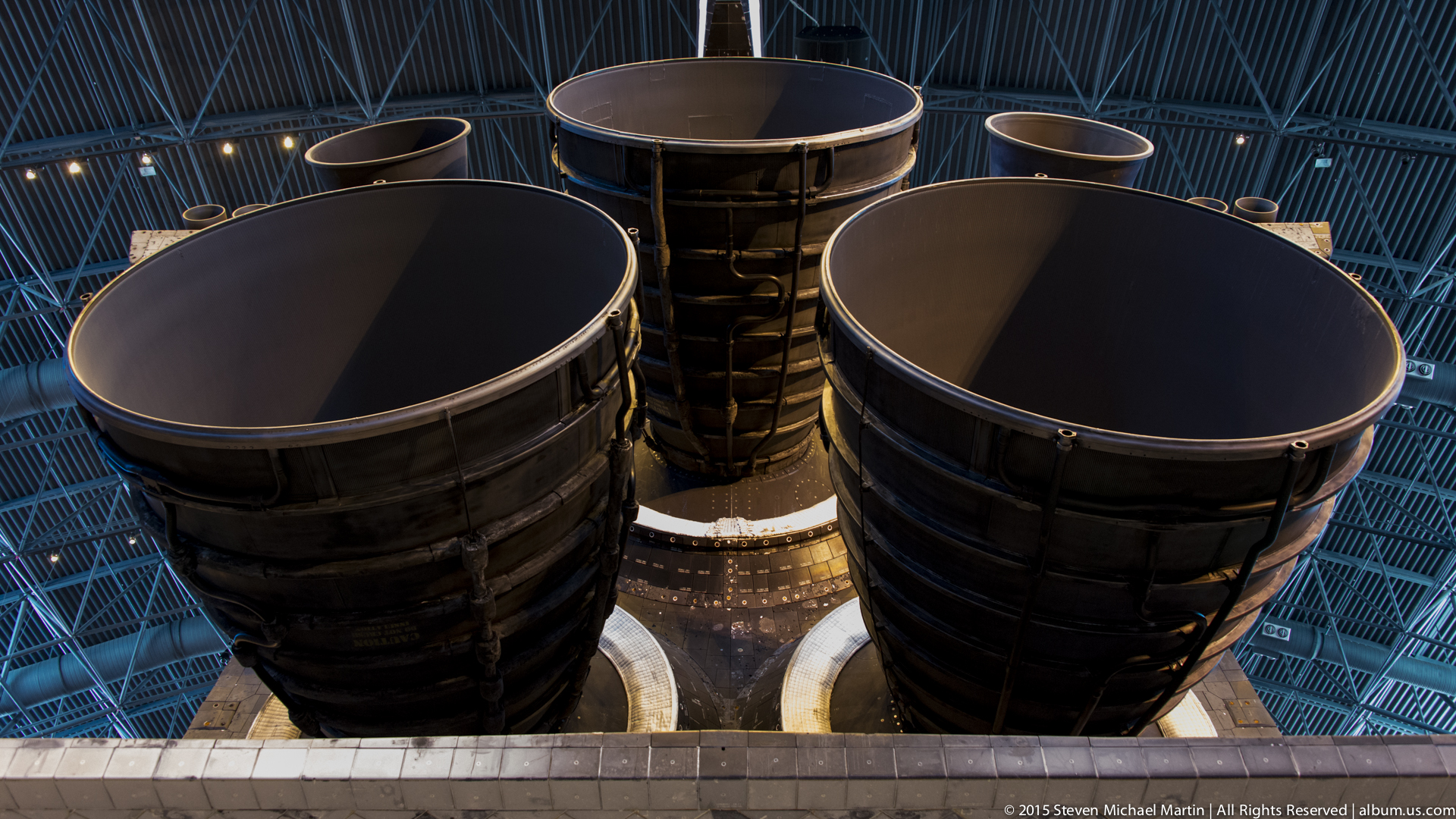
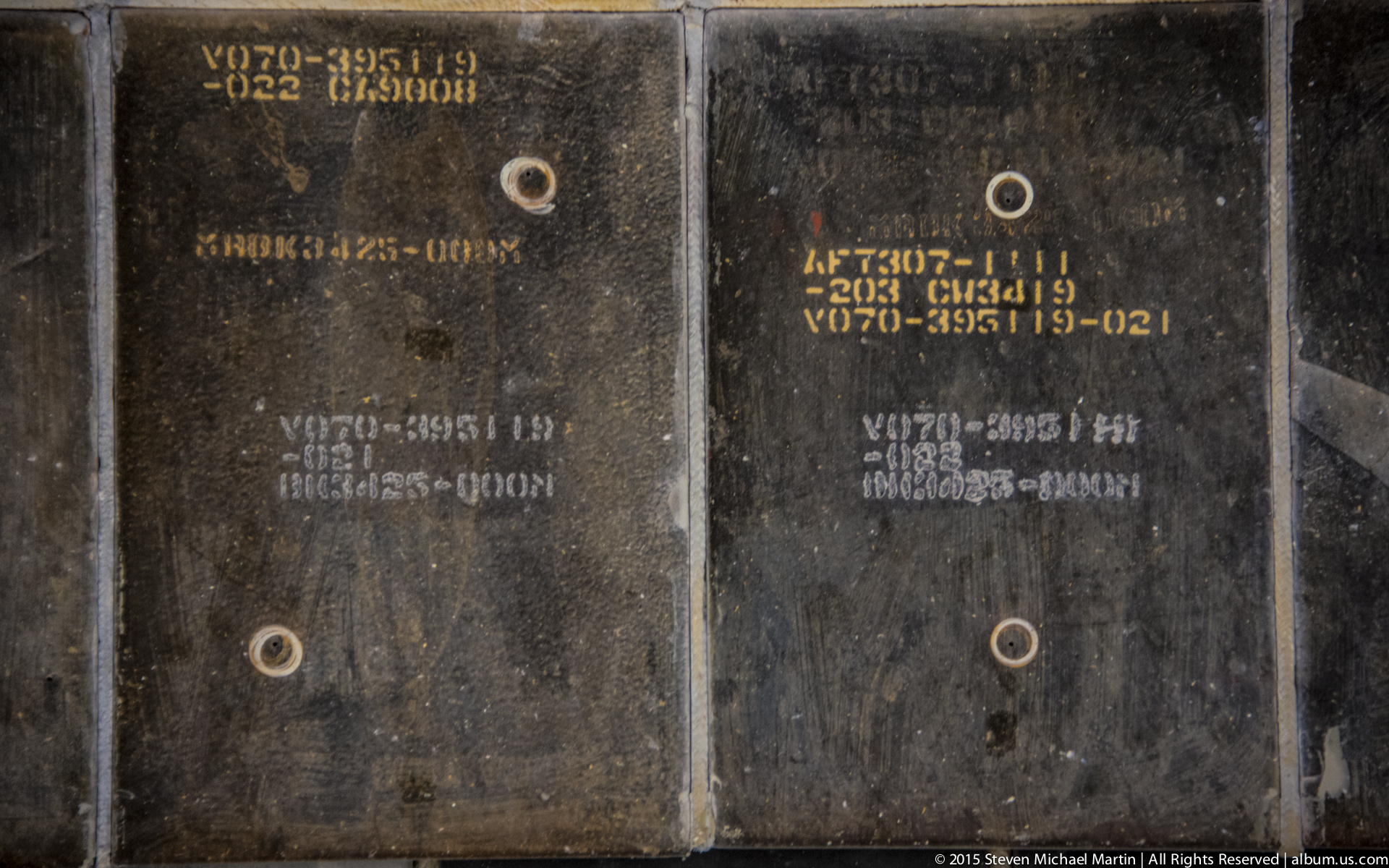
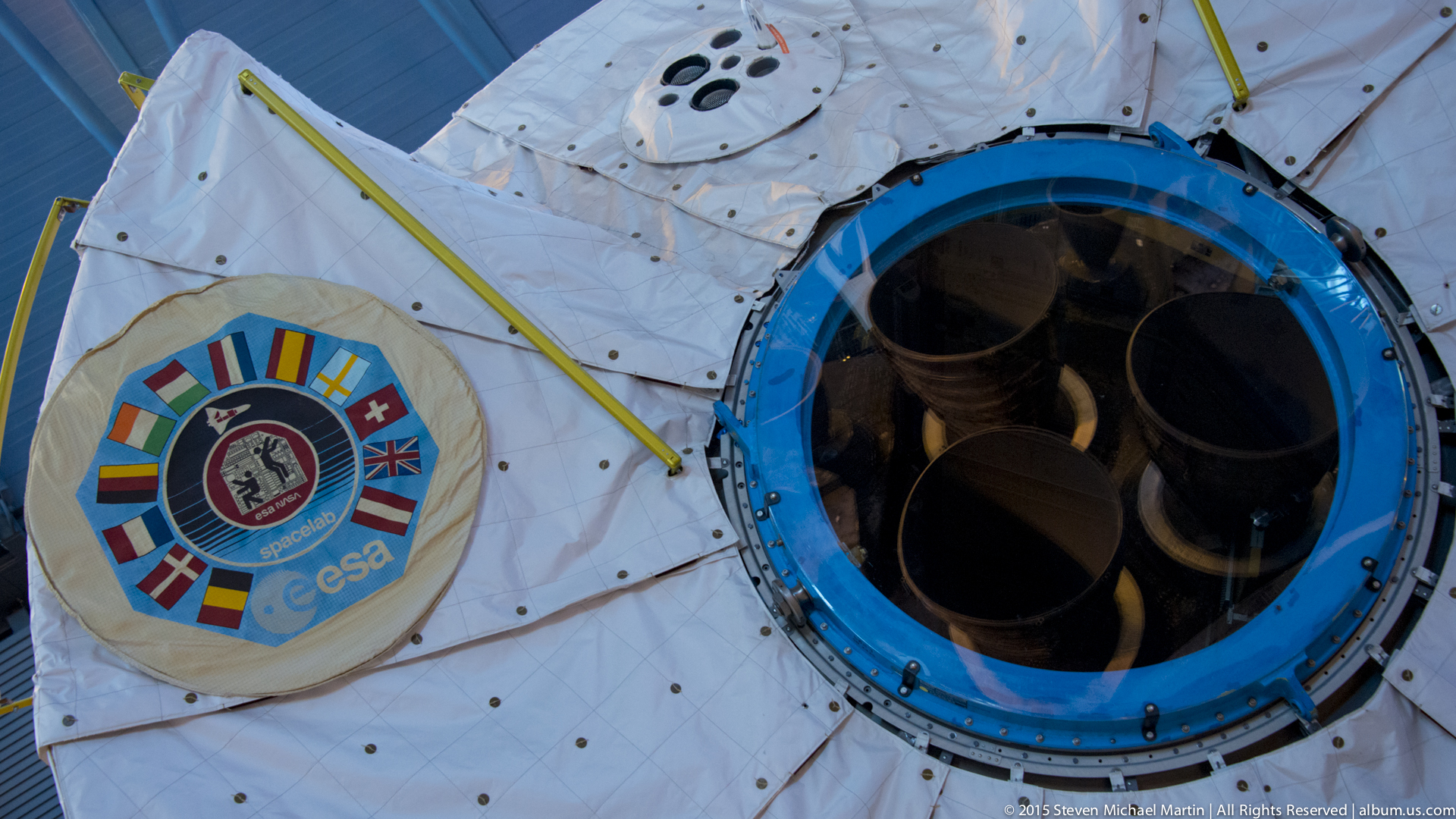
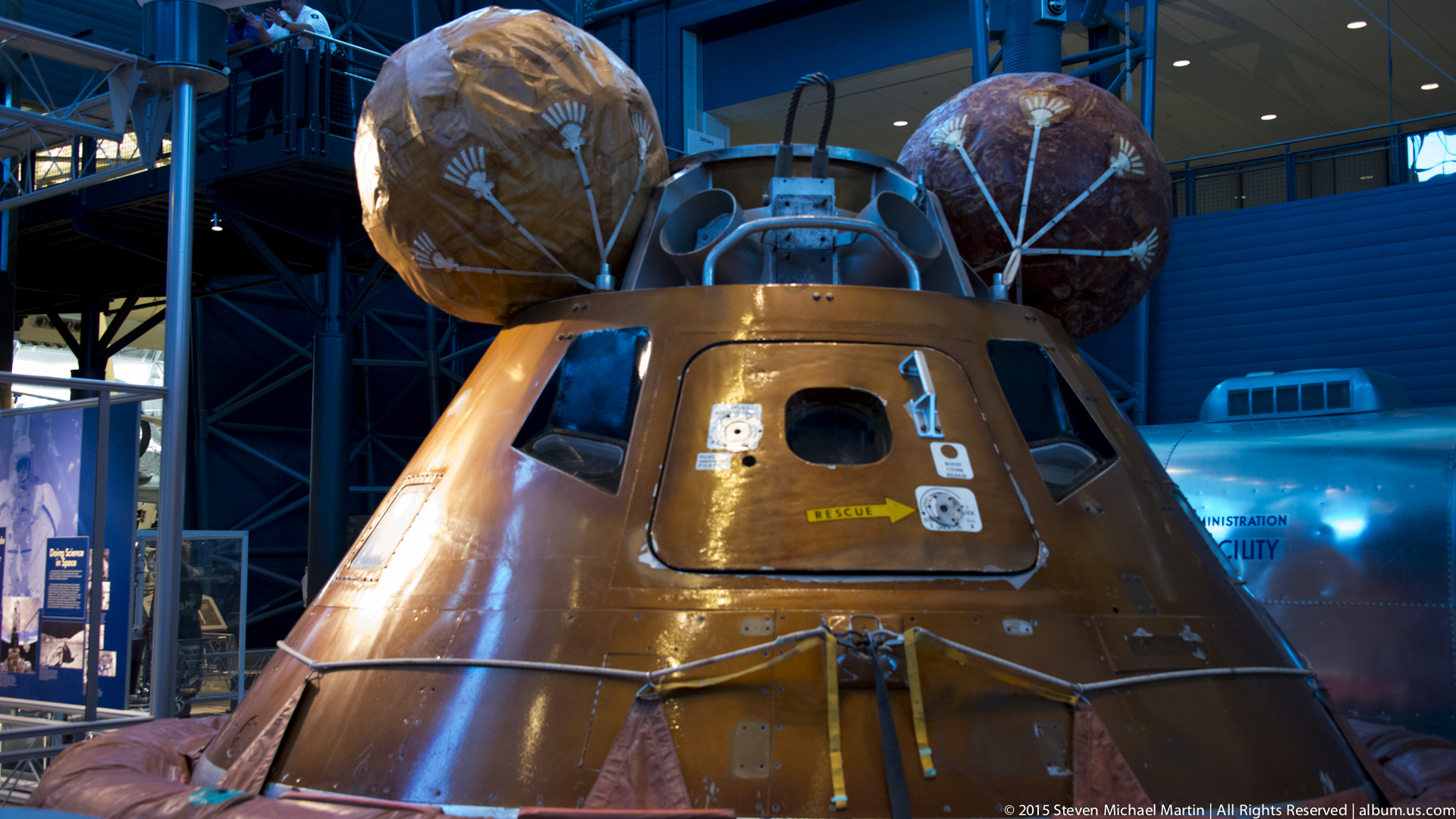
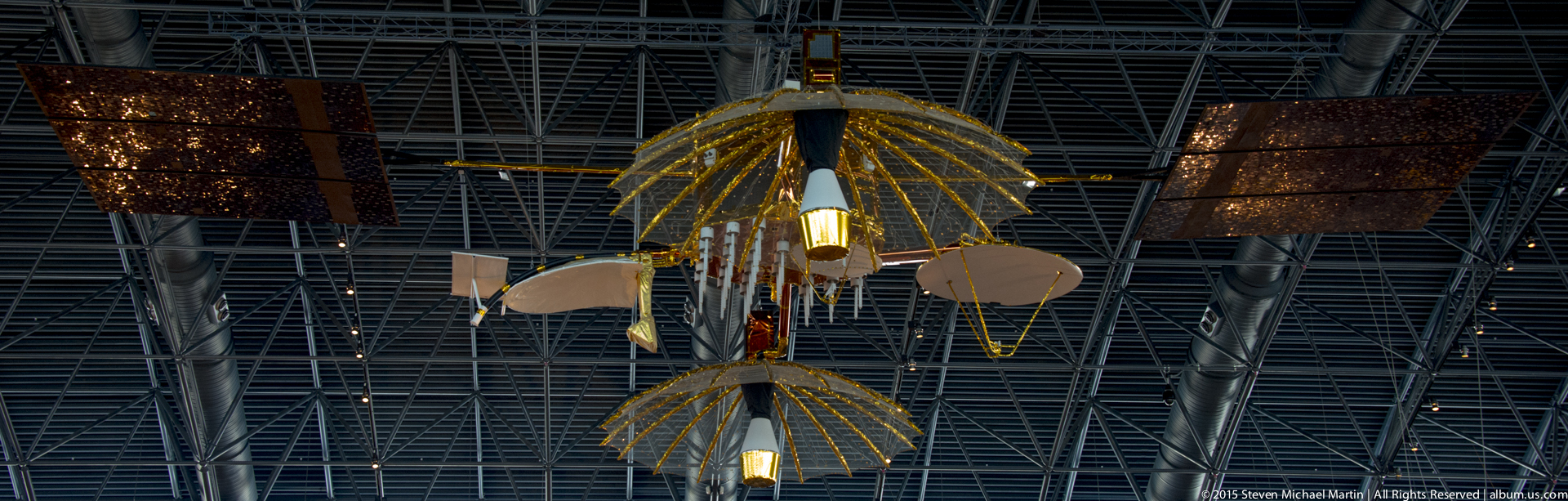
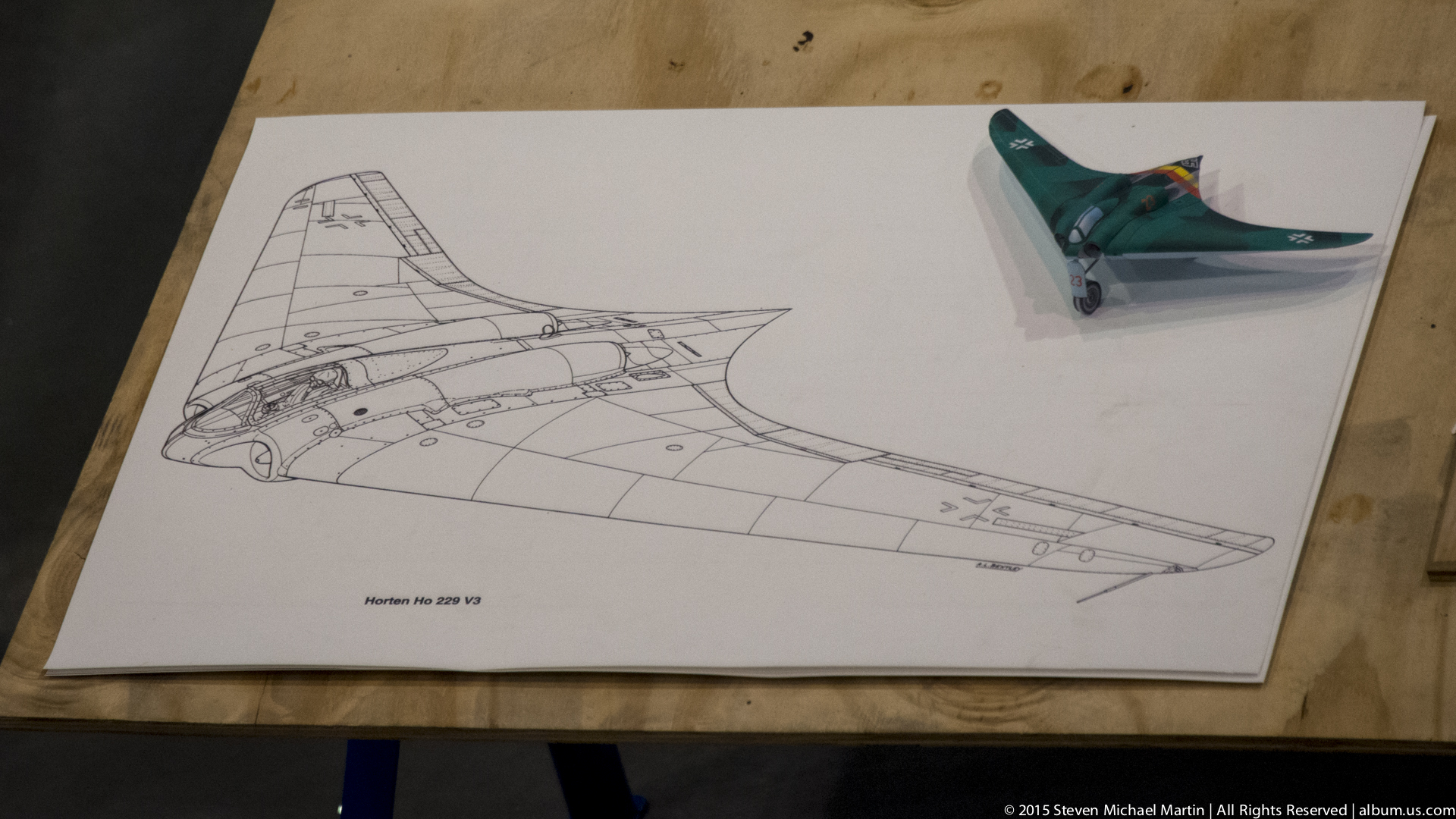
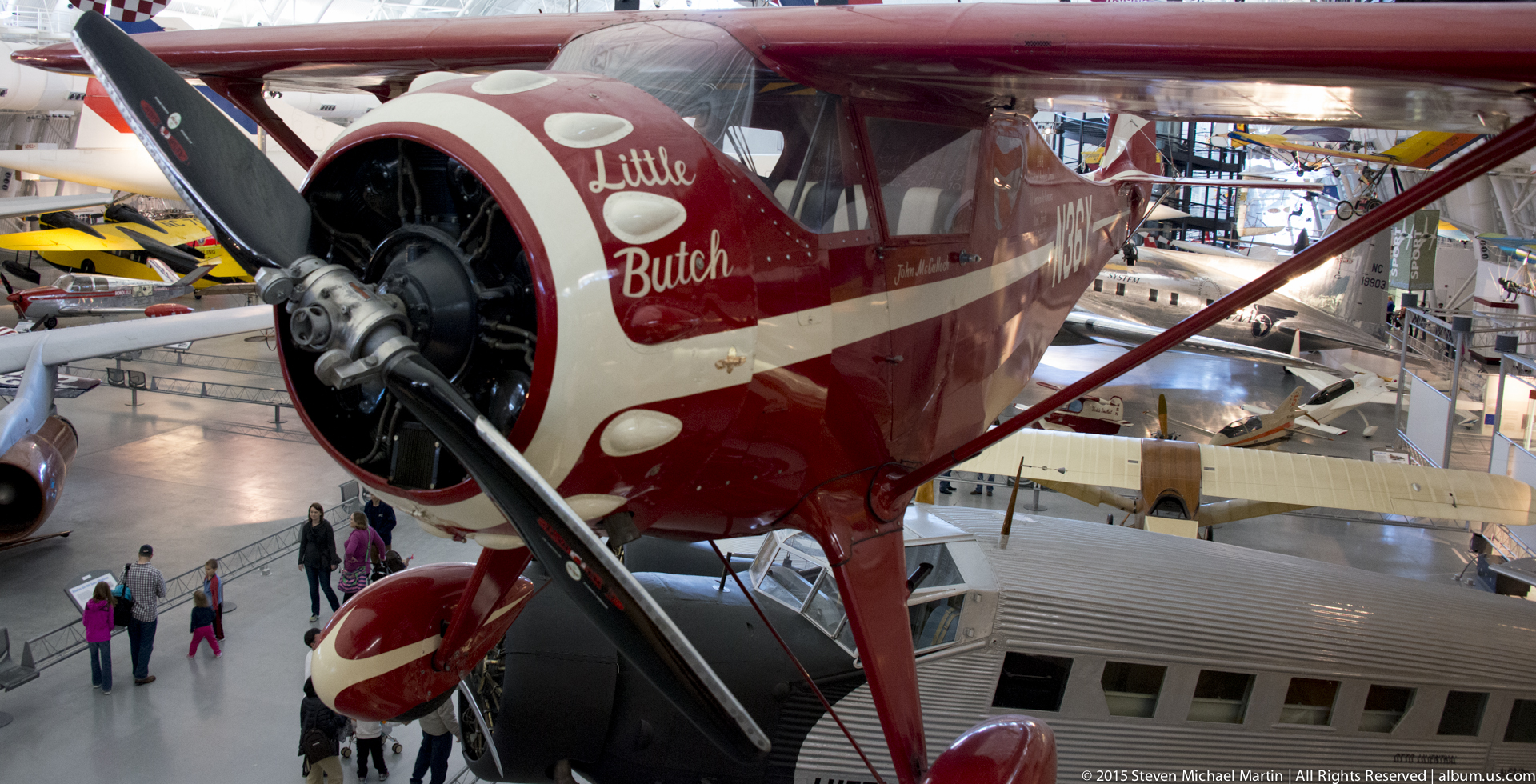
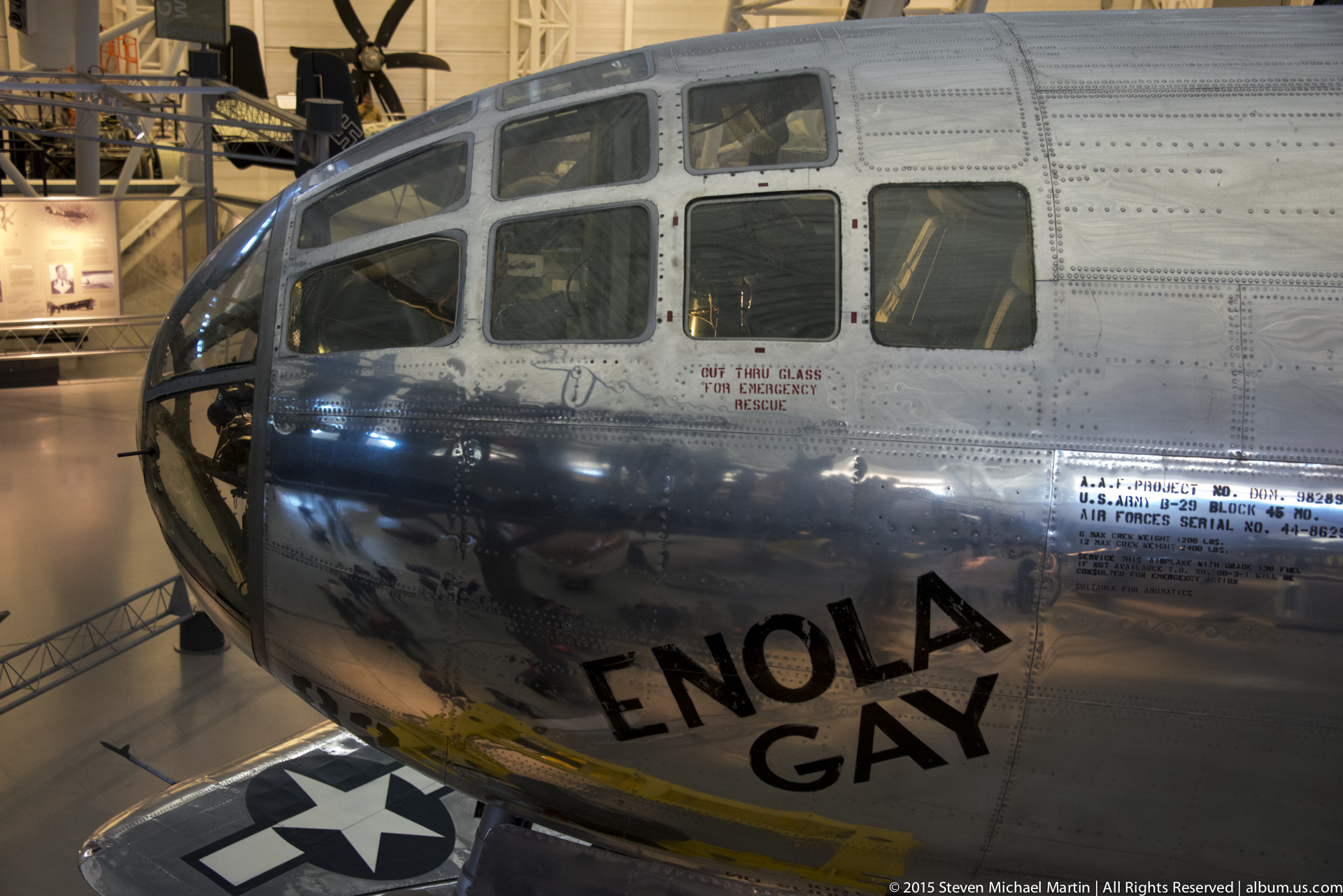
Exhibits trace the progression from early experimental flight to modern space missions, demonstrating how advances in engineering, materials science, and physics made sustained air travel and orbital exploration possible. Historic objects such as early aircraft, rocket components, and mission capsules provide insight into the scientific and technological challenges faced by engineers and researchers working at the forefront of innovation. The museum’s collections also illustrate the relationship between government research programs, private industry, and academic institutions in advancing aeronautics and astronautics.
The museum contributes to understanding how technological innovation reshaped global mobility, communication, and scientific knowledge. The preserved artifacts illustrate the progression of experimentation and engineering that enabled flight within Earth’s atmosphere and exploration beyond it. As part of the Smithsonian network, the museum reflects the continuing importance of scientific education and historical preservation in interpreting the technological development of the modern world.