Richmond
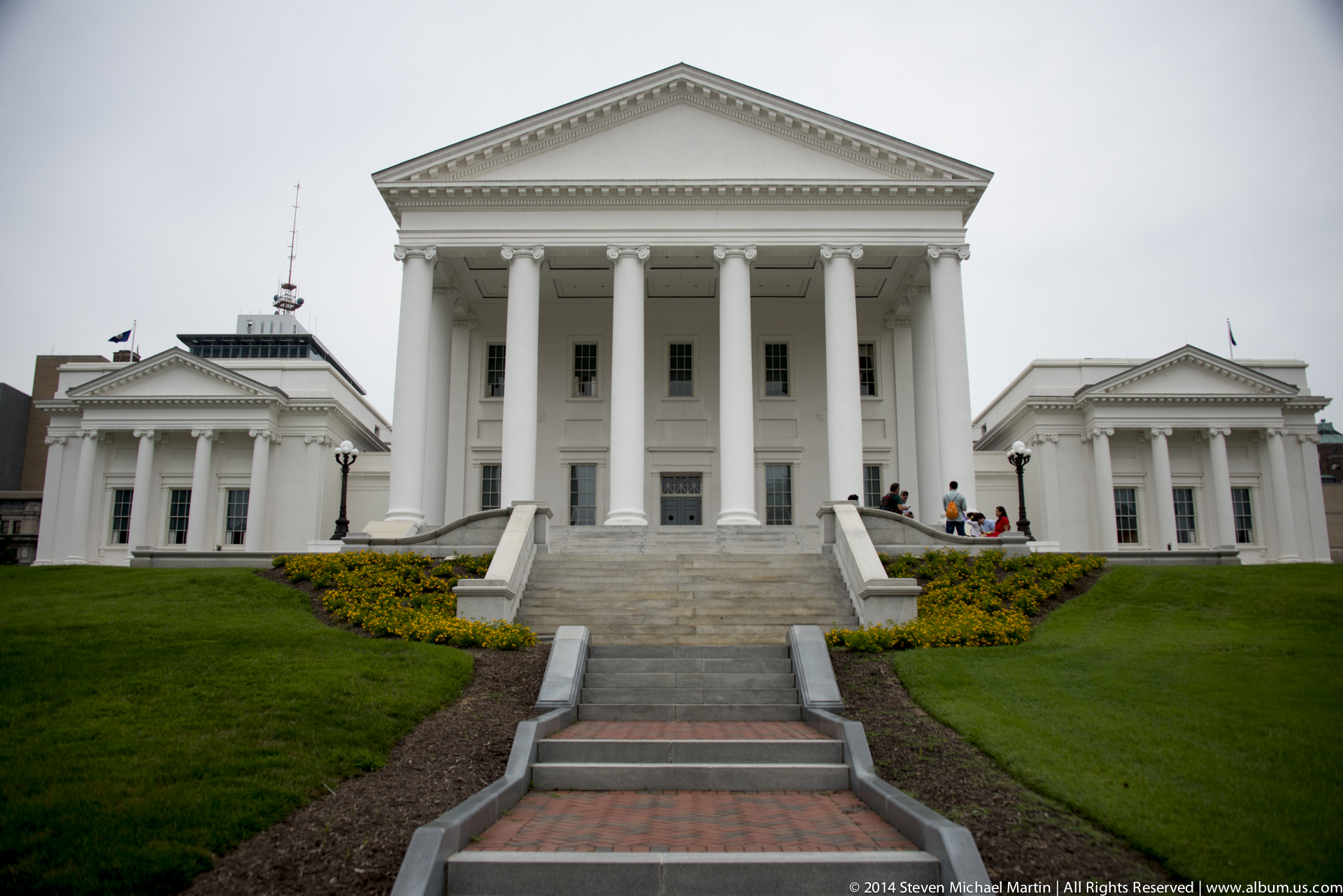
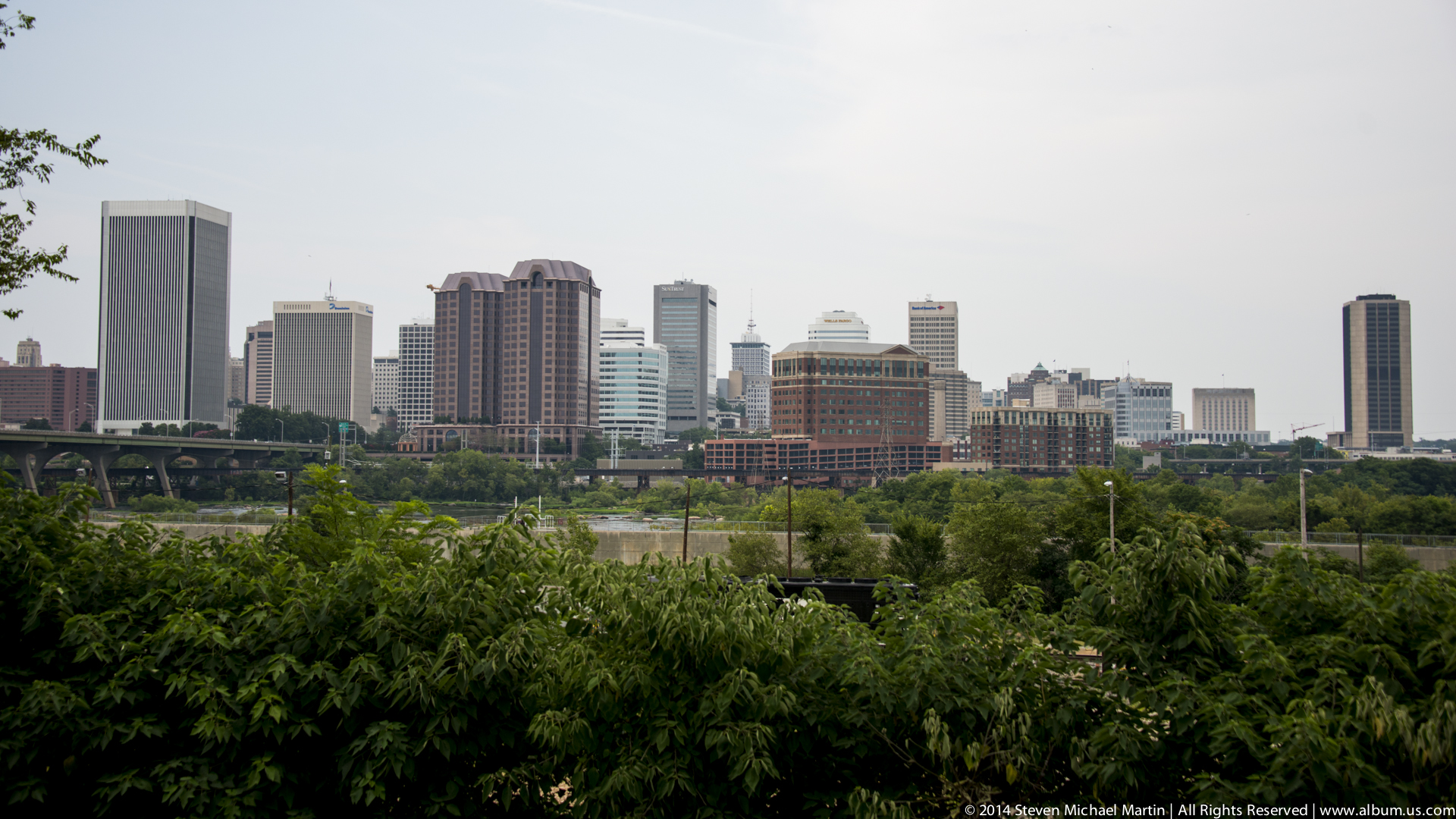
Richmond occupies a prominent position along the falls of the James River, where the transition from Tidewater to Piedmont created both a natural transportation break and an important center of commerce, industry, and political authority. Founded in the eighteenth century and later designated the capital of Virginia, the city developed at a strategic point where river navigation, agricultural exchange, and overland routes converged. Its geography helped shape Richmond’s growth as both a commercial center and a political capital, linking the interior of Virginia with the wider Atlantic world.
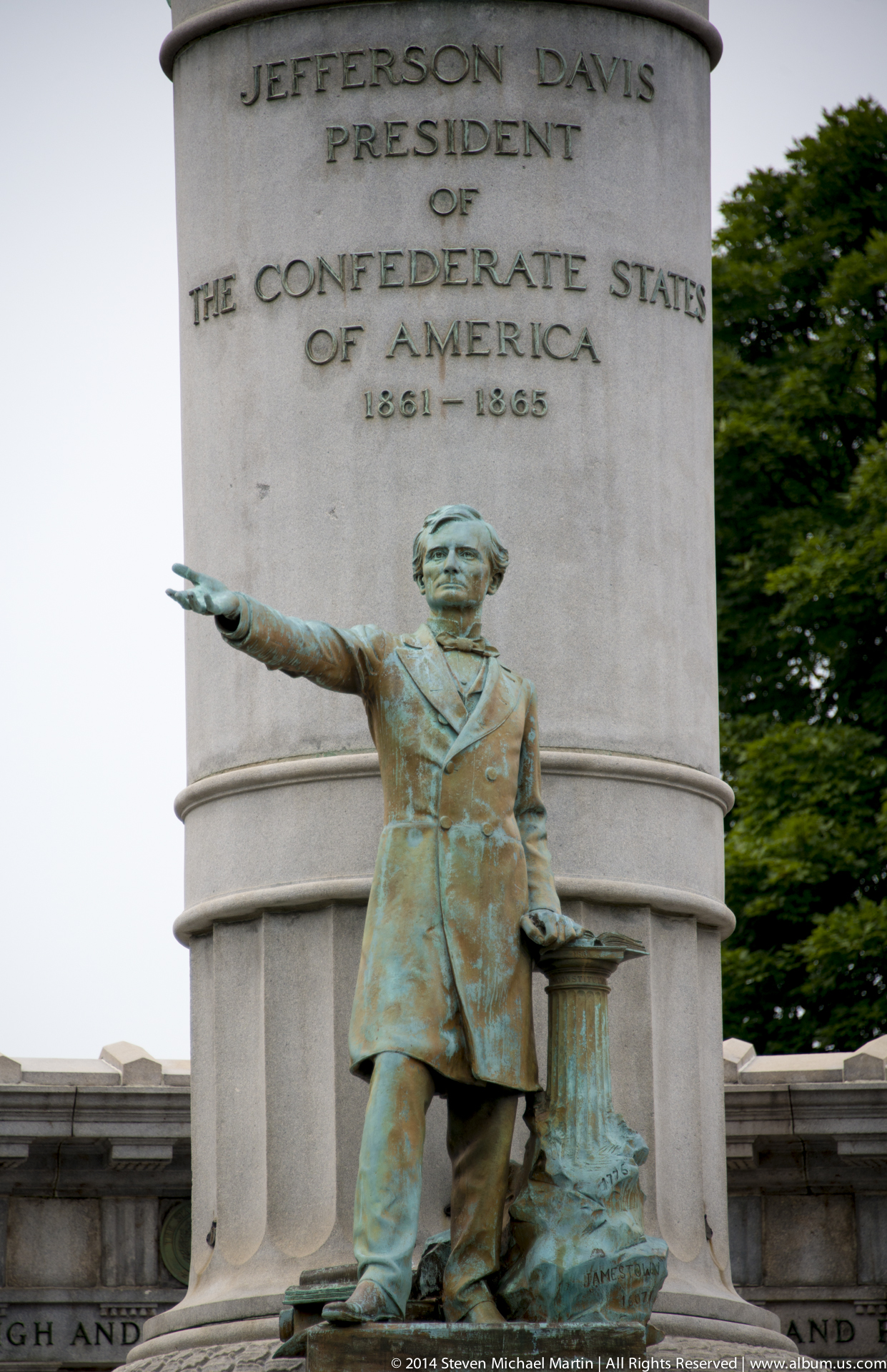
During the nineteenth century, Richmond expanded as an industrial city with ironworks, tobacco processing, and transportation infrastructure that strengthened its regional influence. The city later assumed national significance as the capital of the Confederacy during the Civil War, making it a focal point of military strategy, government administration, and wartime production. Layers of architectural development within the city reflect these changing roles, from early civic and residential structures to industrial landscapes and later urban growth shaped by modern transportation and commercial activity.
Richmond contributes to understanding the political and economic history of Virginia across multiple periods of American development. Its location, industrial base, and wartime role placed it at the center of major national events, while its urban fabric preserves evidence of both continuity and change within the modern South. The city remains an important setting for interpreting the relationship between geography, governance, and historical memory in the mid-Atlantic region.