The Homestead Resort
The Homestead Resort developed in the Allegheny Mountains of western Virginia around a series of natural hot springs that have attracted visitors for centuries. The mineral springs were known to Indigenous communities long before European settlement, and by the late eighteenth century the area had become a destination associated with health, leisure, and retreat from urban environments. The resort traces its origins to the mid-1700s, when early structures were built near the springs, establishing one of the longest continuously operating resort traditions in the United States.
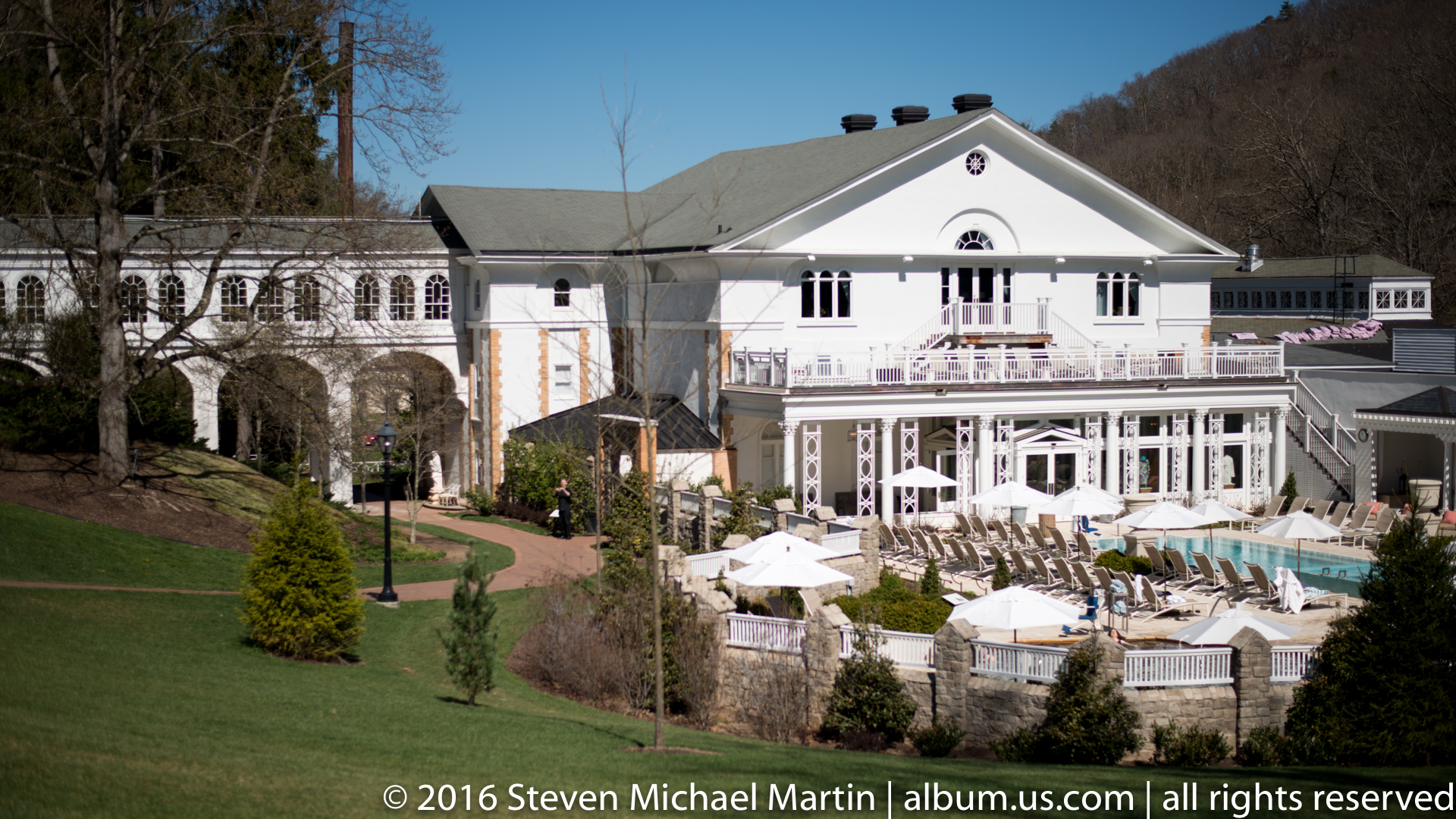
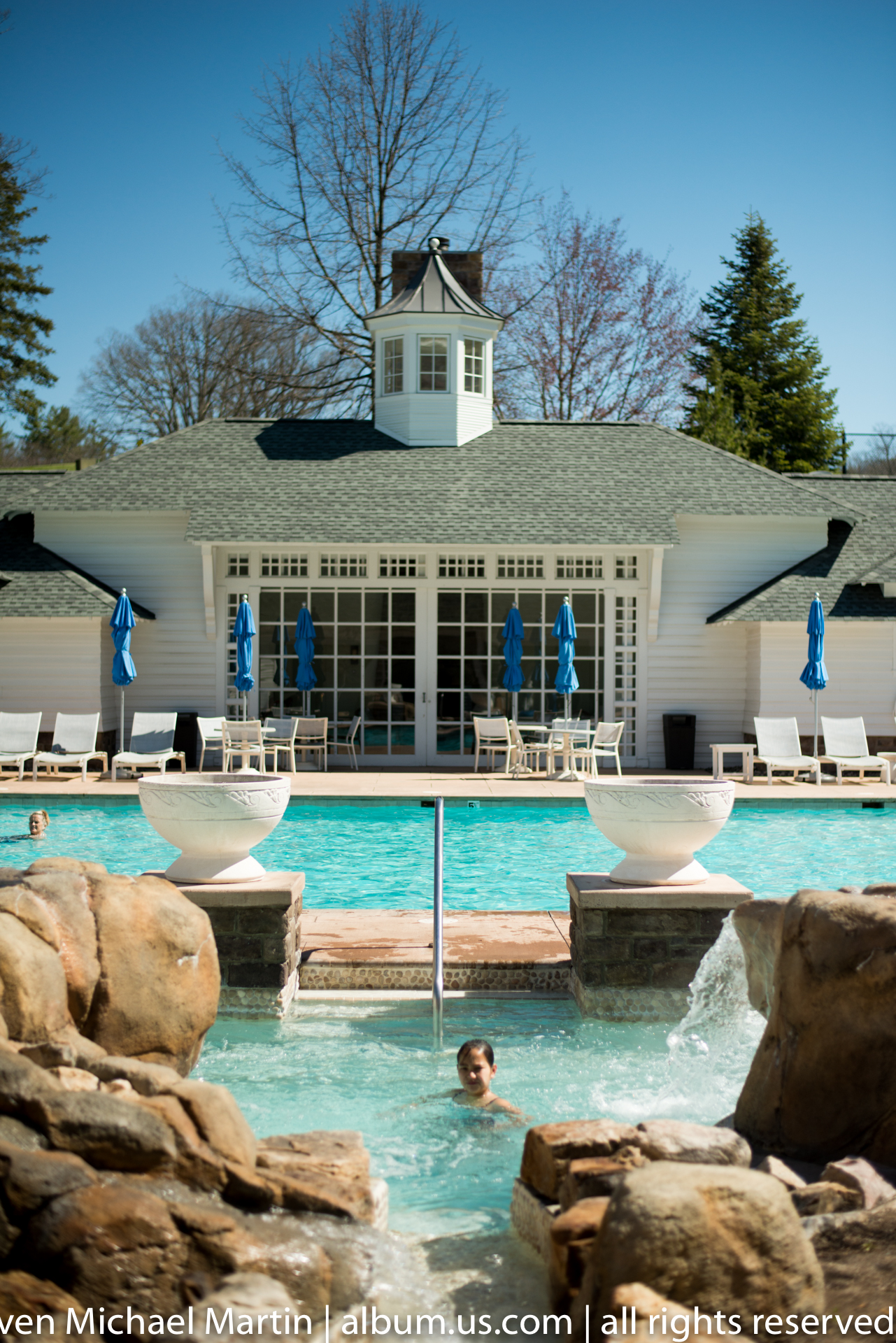
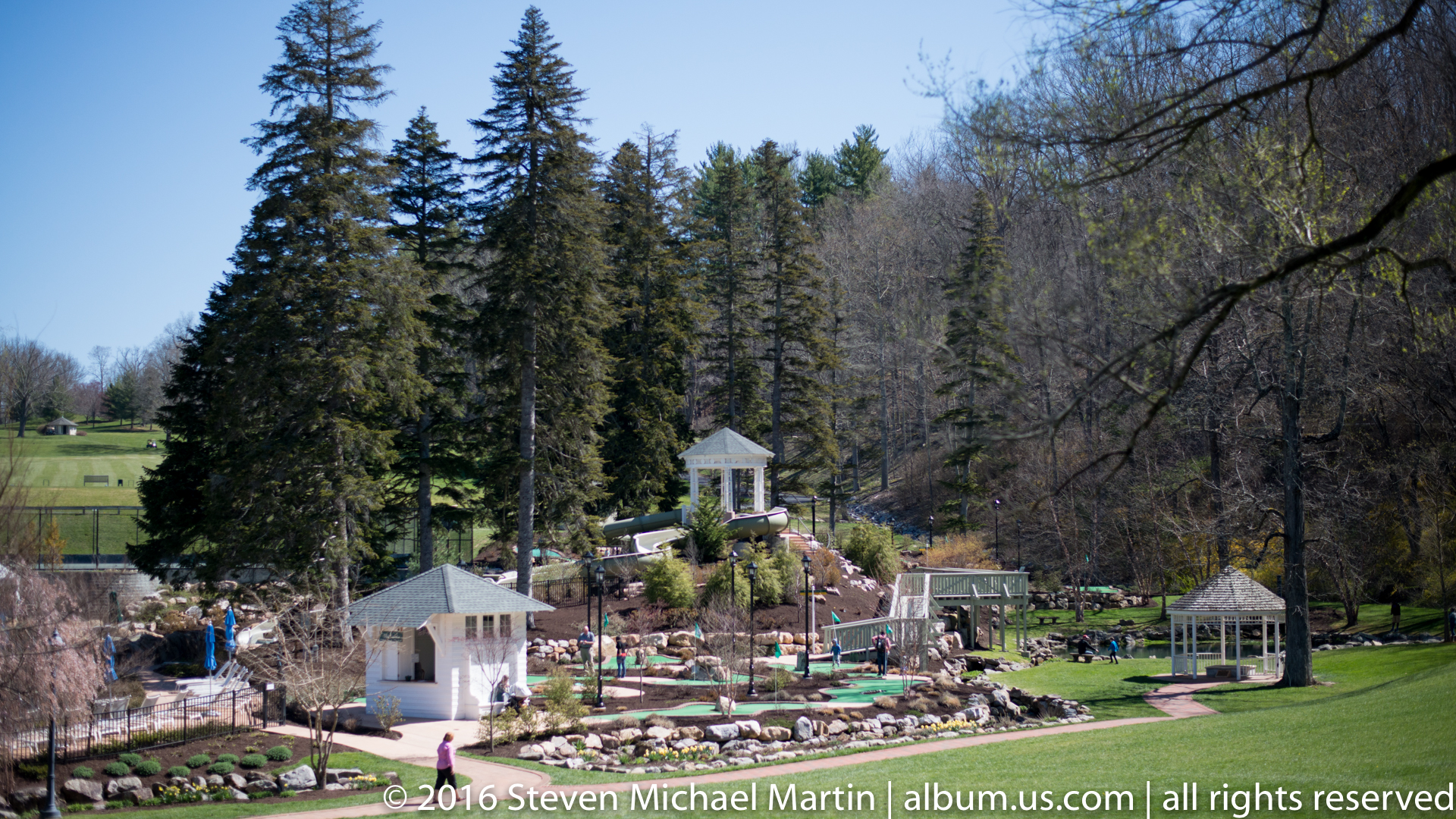
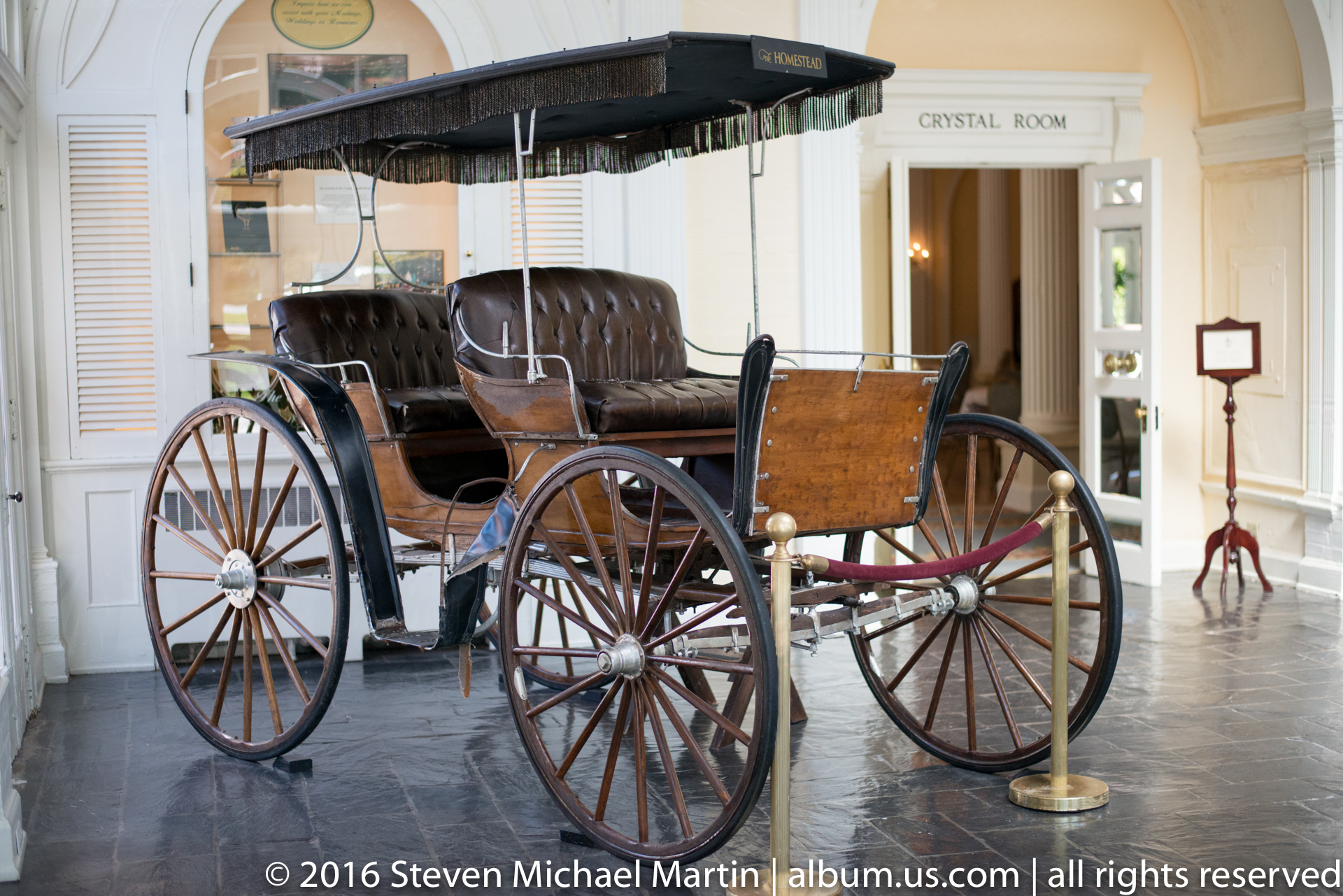
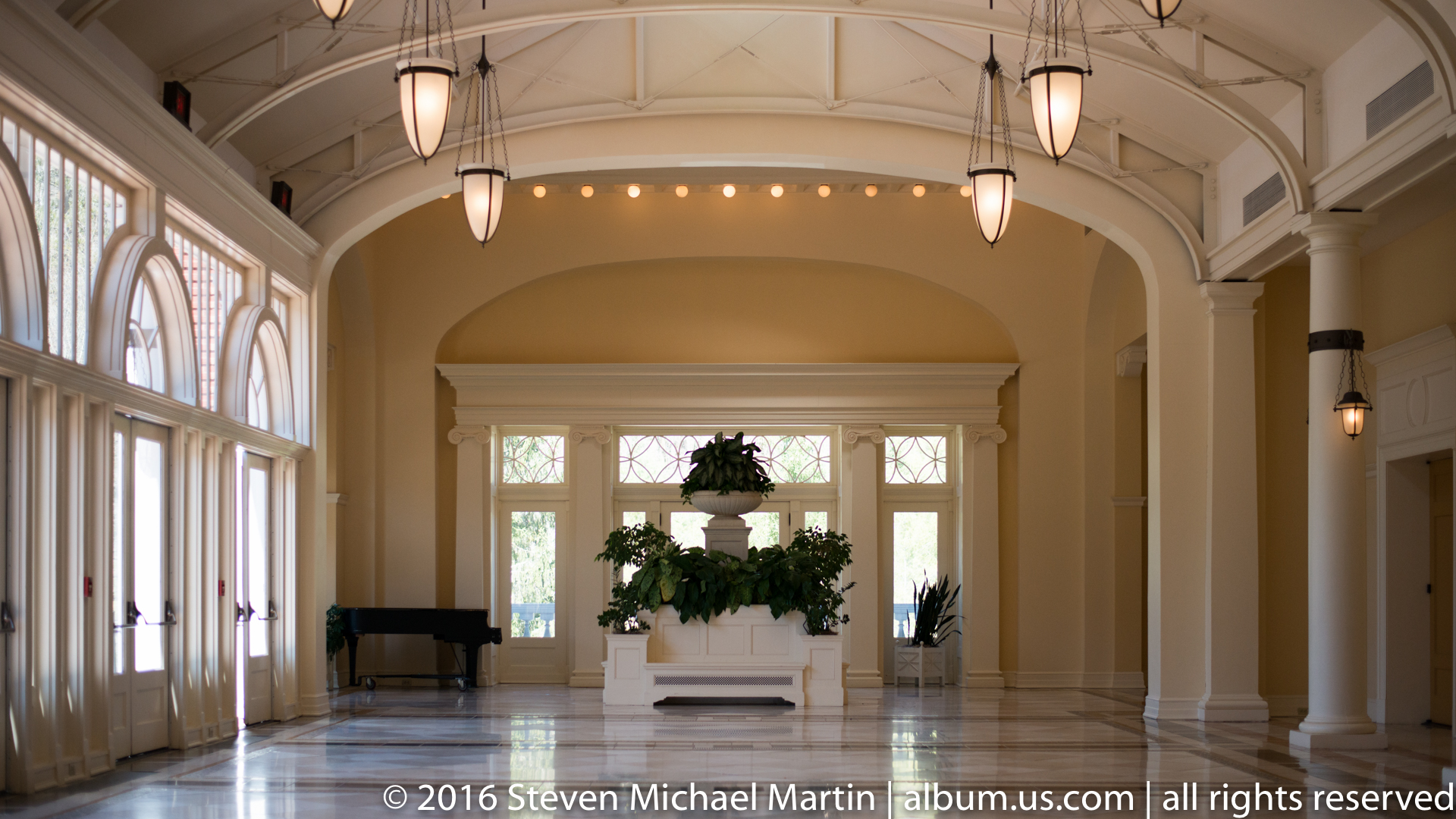
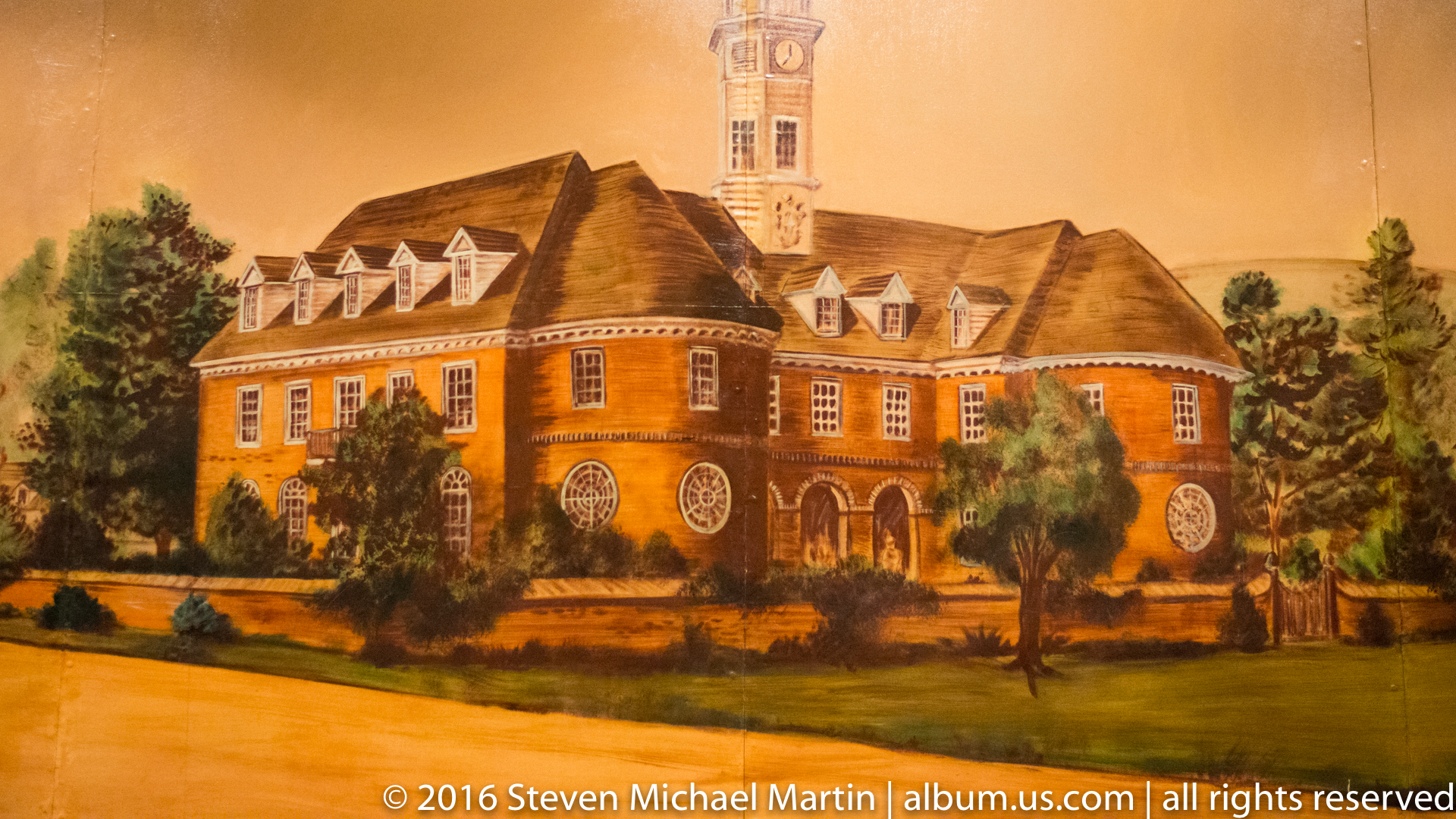
Throughout the nineteenth and early twentieth centuries, the resort expanded as transportation improvements made the Allegheny Mountains more accessible to travelers. Architectural additions in Colonial Revival and related styles reflect evolving design traditions associated with grand resort hotels, while the surrounding mountain landscape provided opportunities for recreation including bathing, hiking, and seasonal activities. The springs themselves remained central to the resort’s identity, illustrating the long-standing association between mineral waters and restorative travel traditions.
The Homestead contributes to understanding how natural landscapes influenced patterns of tourism and recreation in the Appalachian region. The combination of geothermal springs, mountain scenery, and historic architecture reflects broader nineteenth-century interest in health resorts and environmental retreat. The preserved complex demonstrates how leisure landscapes developed alongside transportation infrastructure and evolving cultural attitudes toward nature and well-being.