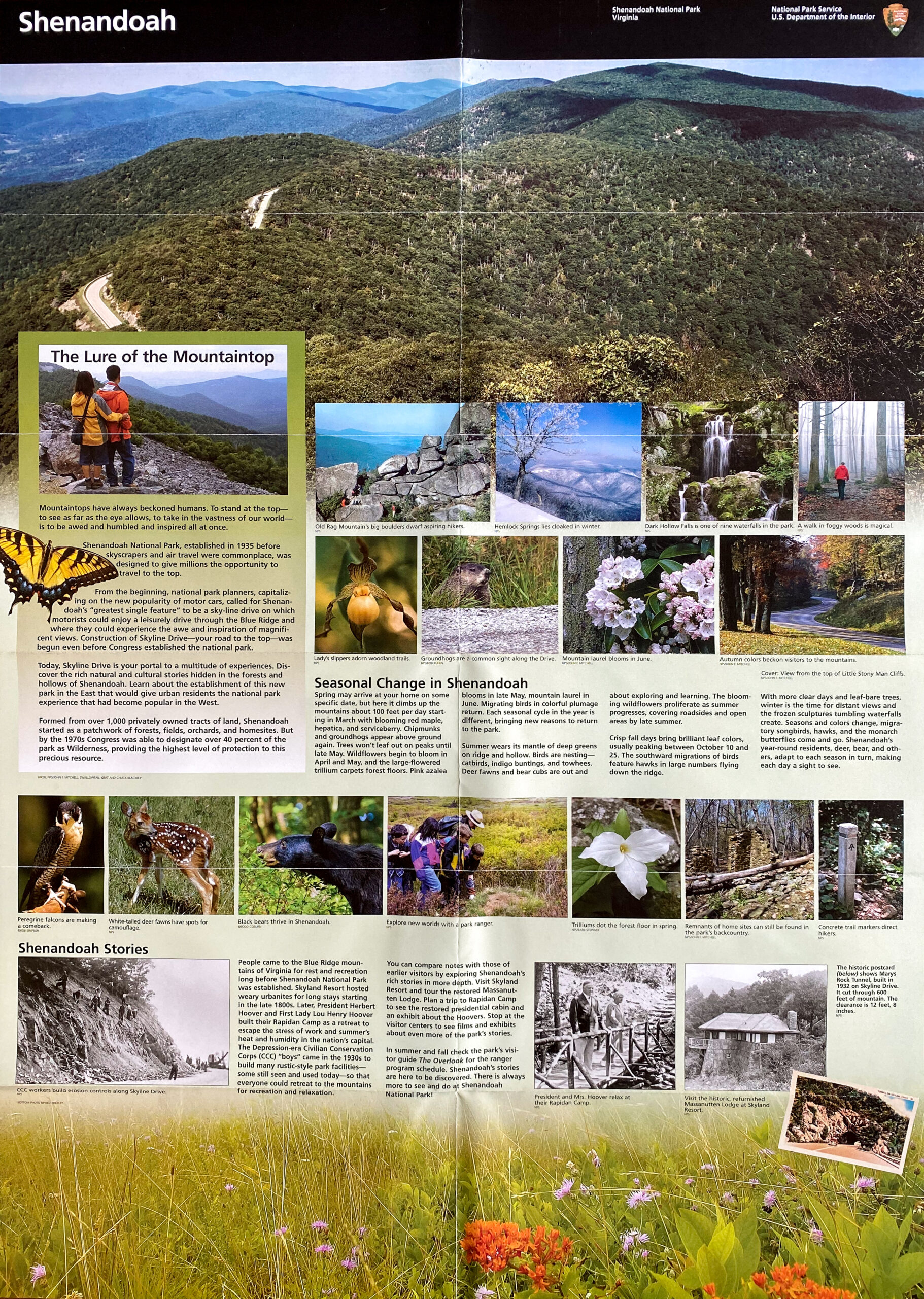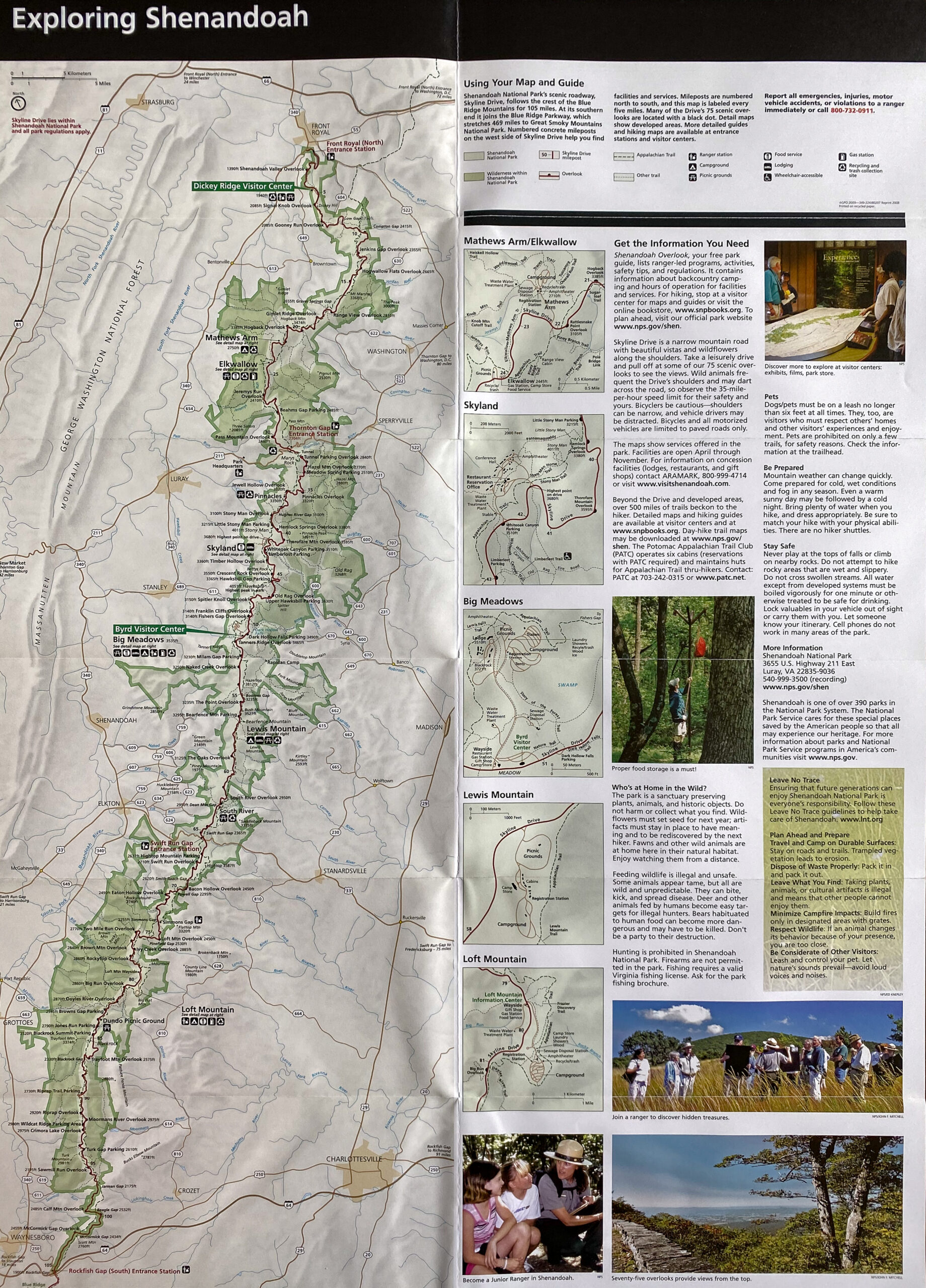
Shenandoah National Park Fall Colors
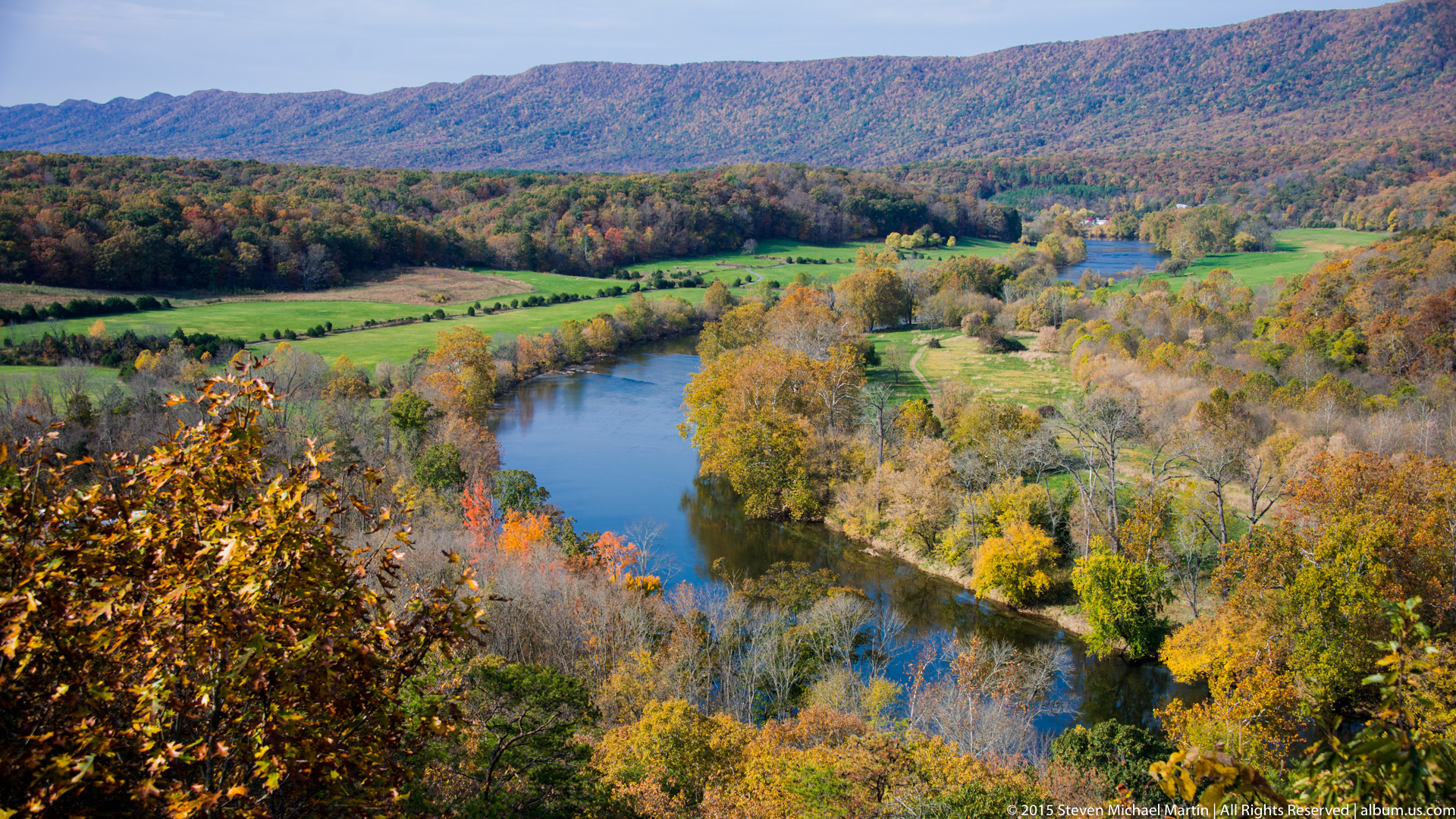
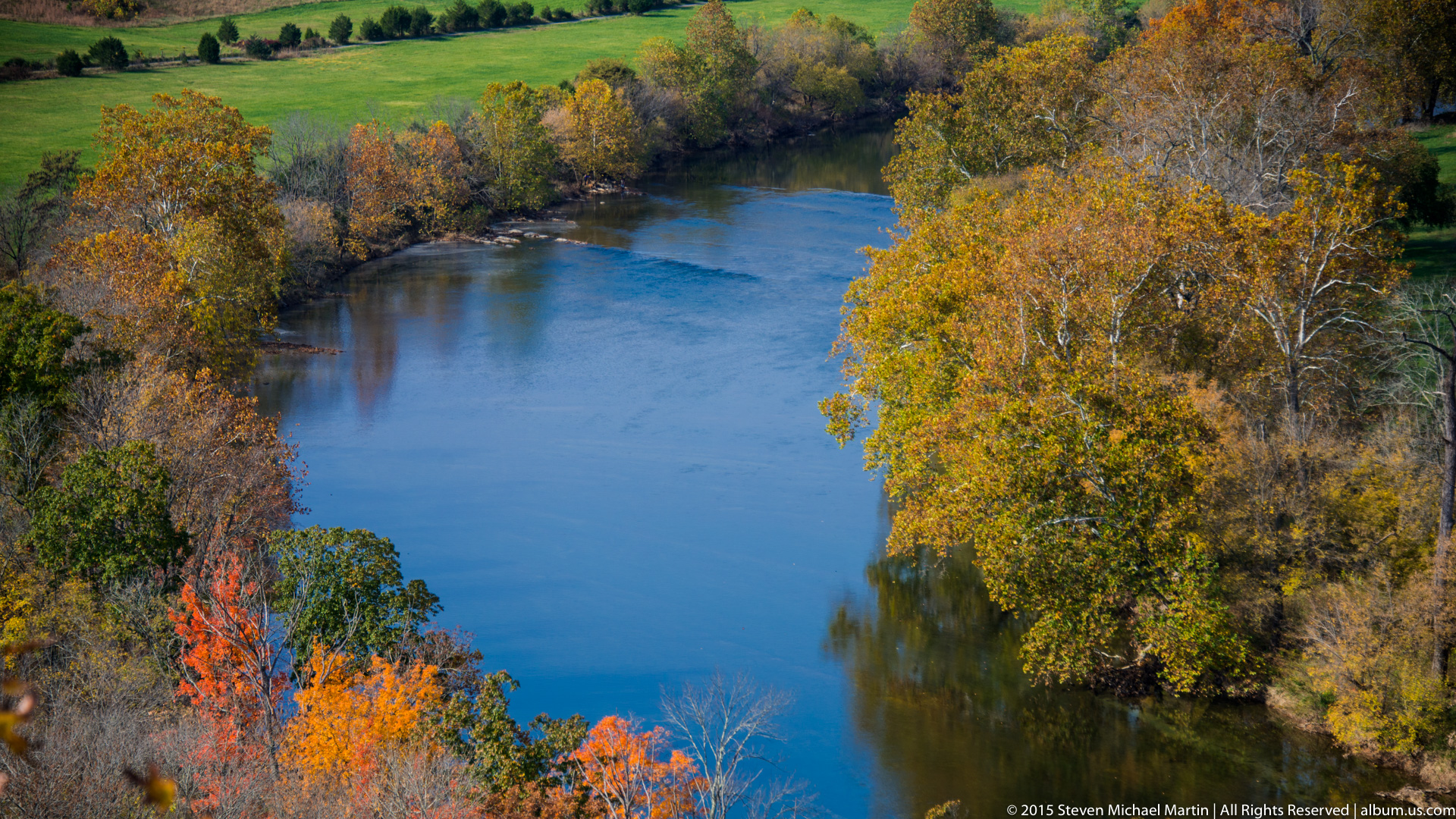
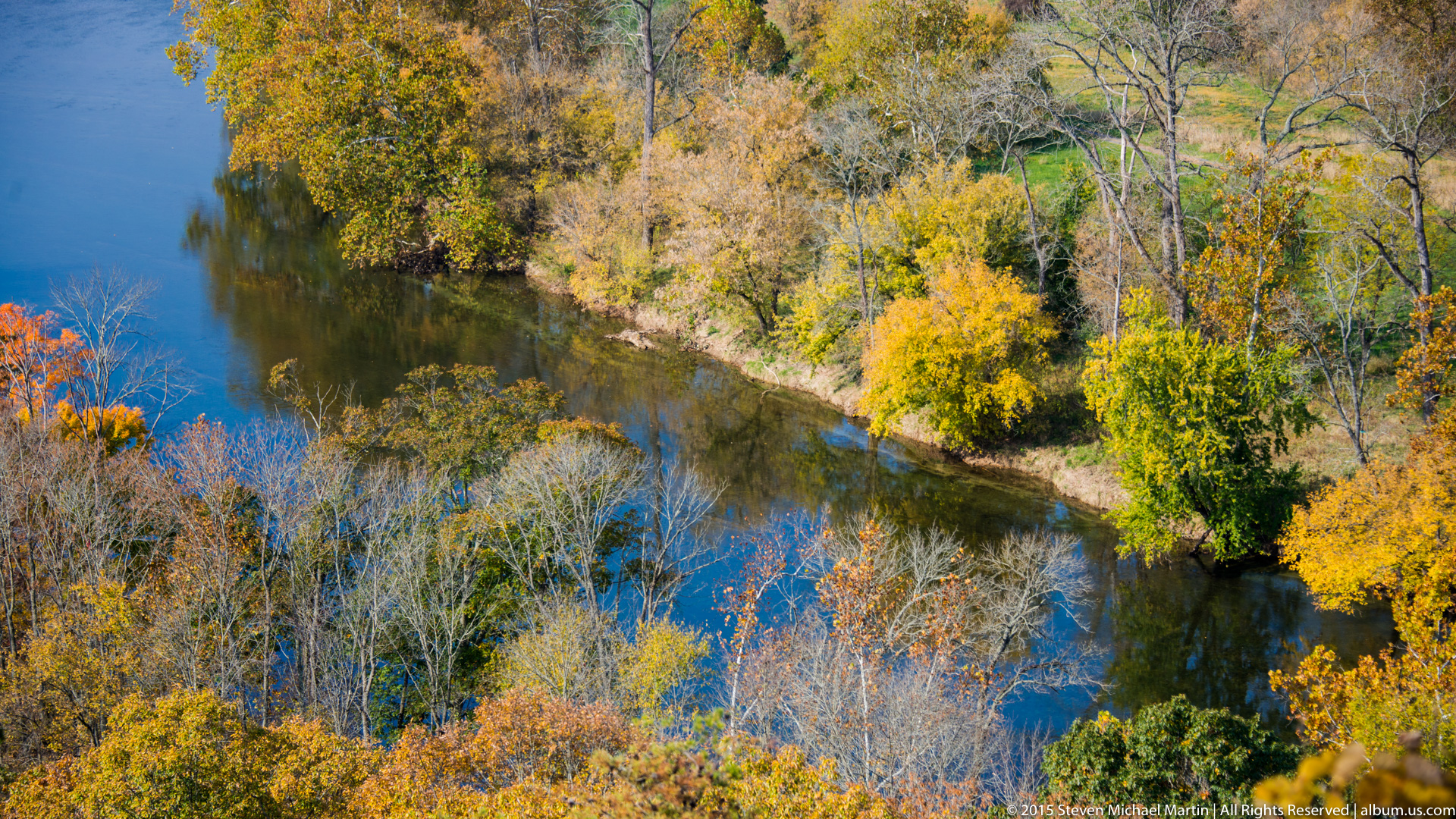
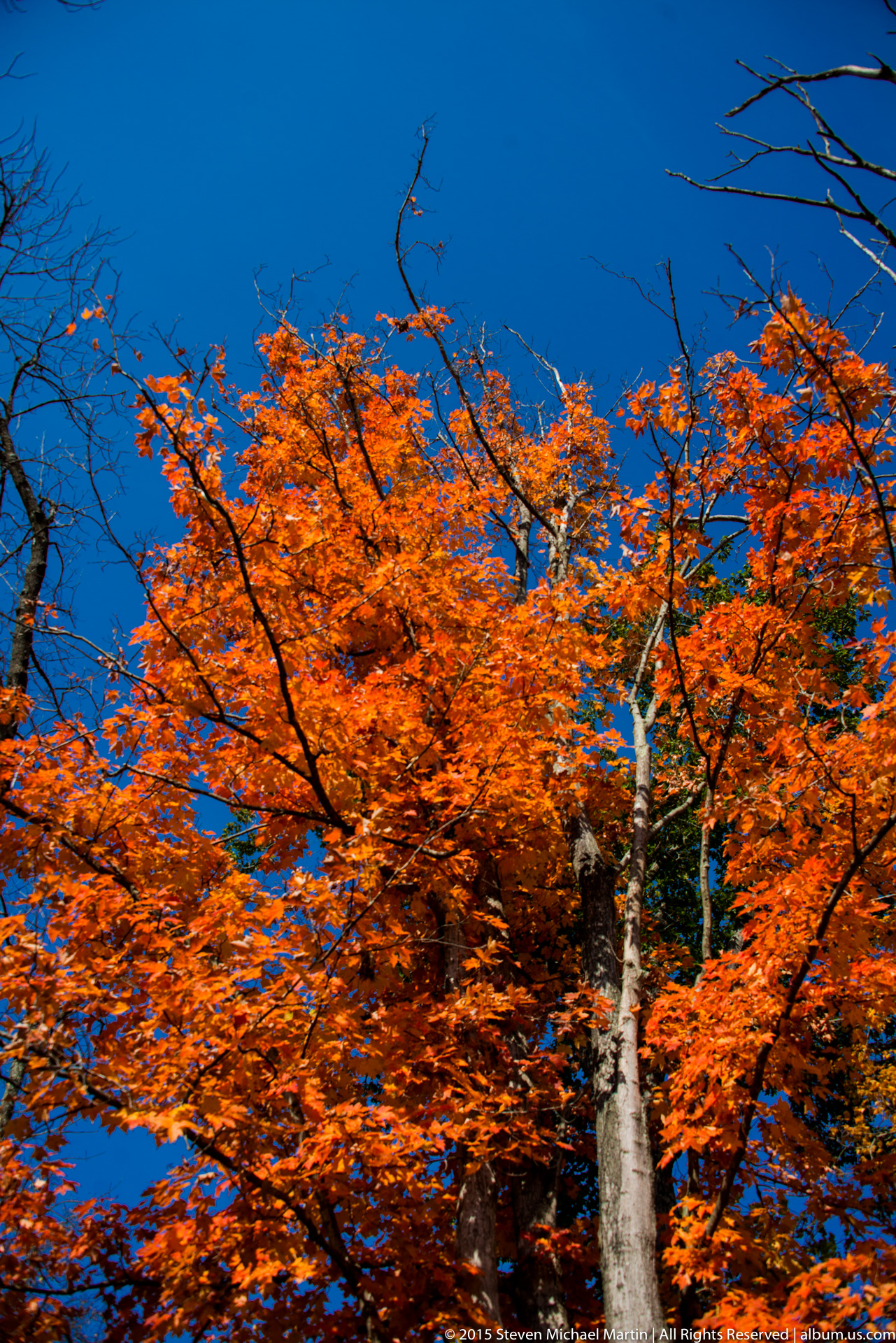
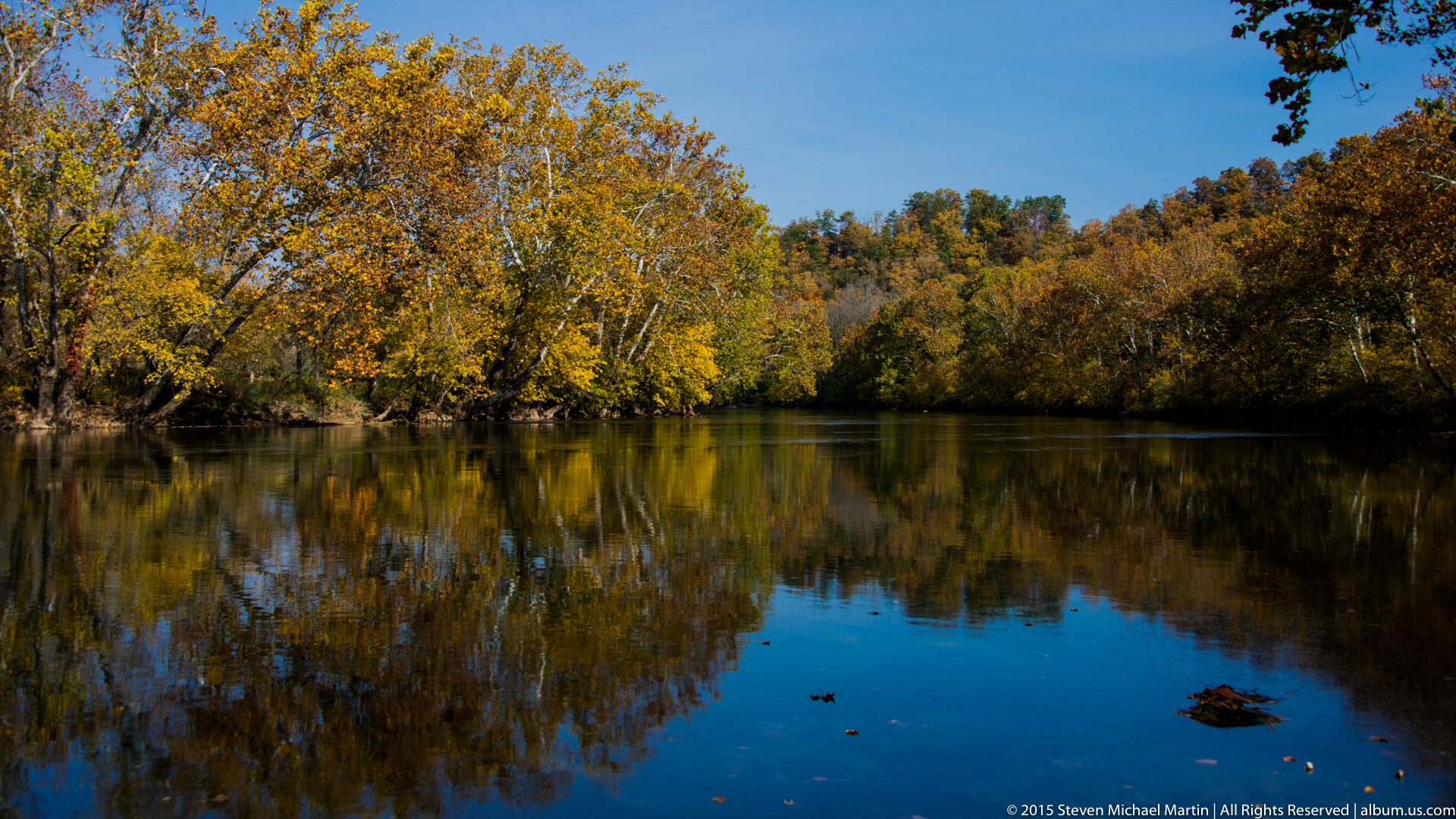
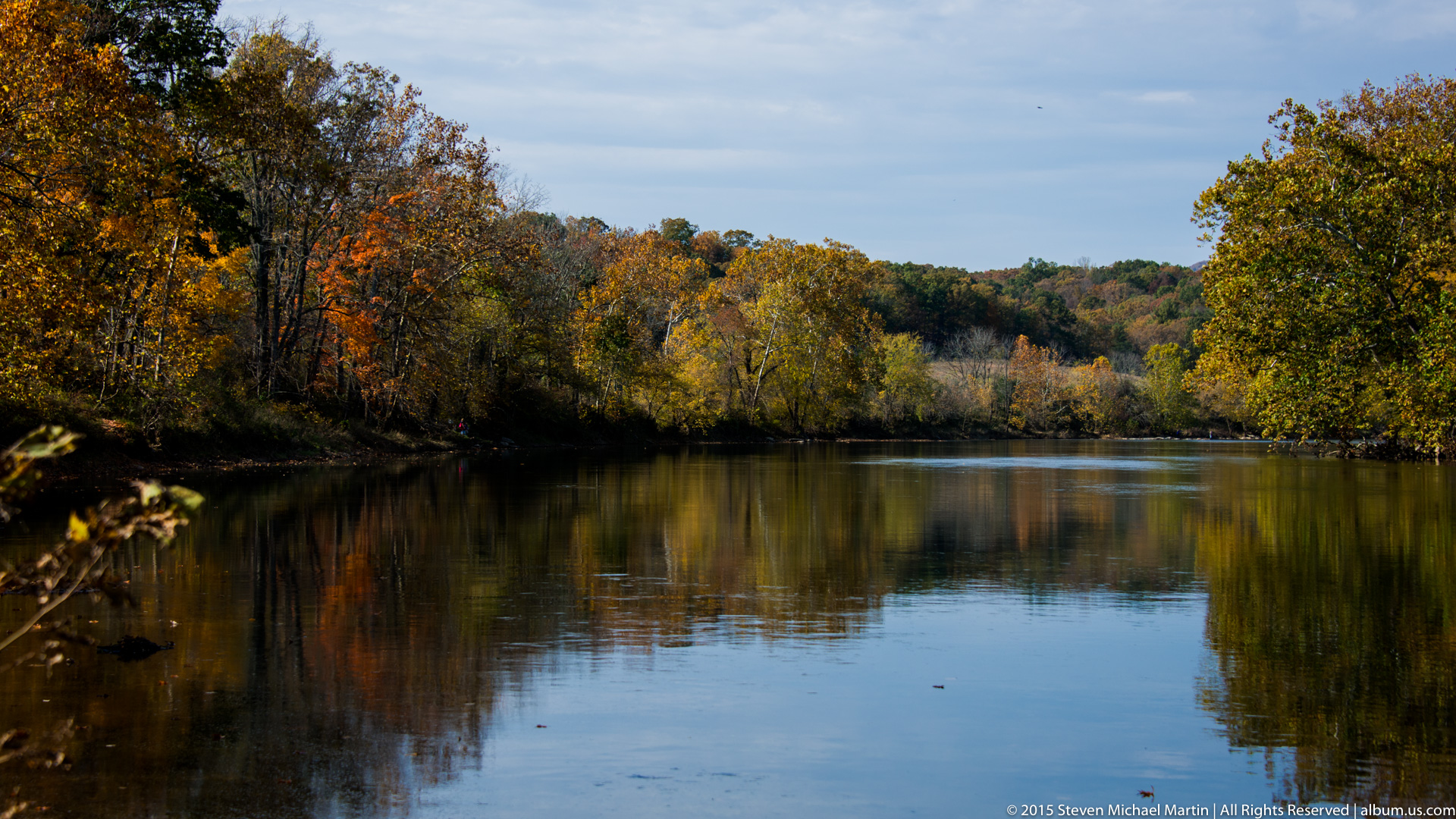
Autumn in Shenandoah National Park reveals the seasonal transformation of the Blue Ridge Mountains as deciduous forests shift from summer greens to a mosaic of red, orange, and gold. Variations in elevation across the park create a staggered progression of color, with higher ridgelines changing earlier and lower valleys reaching peak color later in the season. This gradual transition reflects the ecological diversity of Appalachian hardwood forests, where oak, maple, hickory, and tulip poplar respond to shortening daylight and cooler temperatures. Peak foliage typically occurs in October, although the exact timing varies depending on weather patterns and elevation. /p>
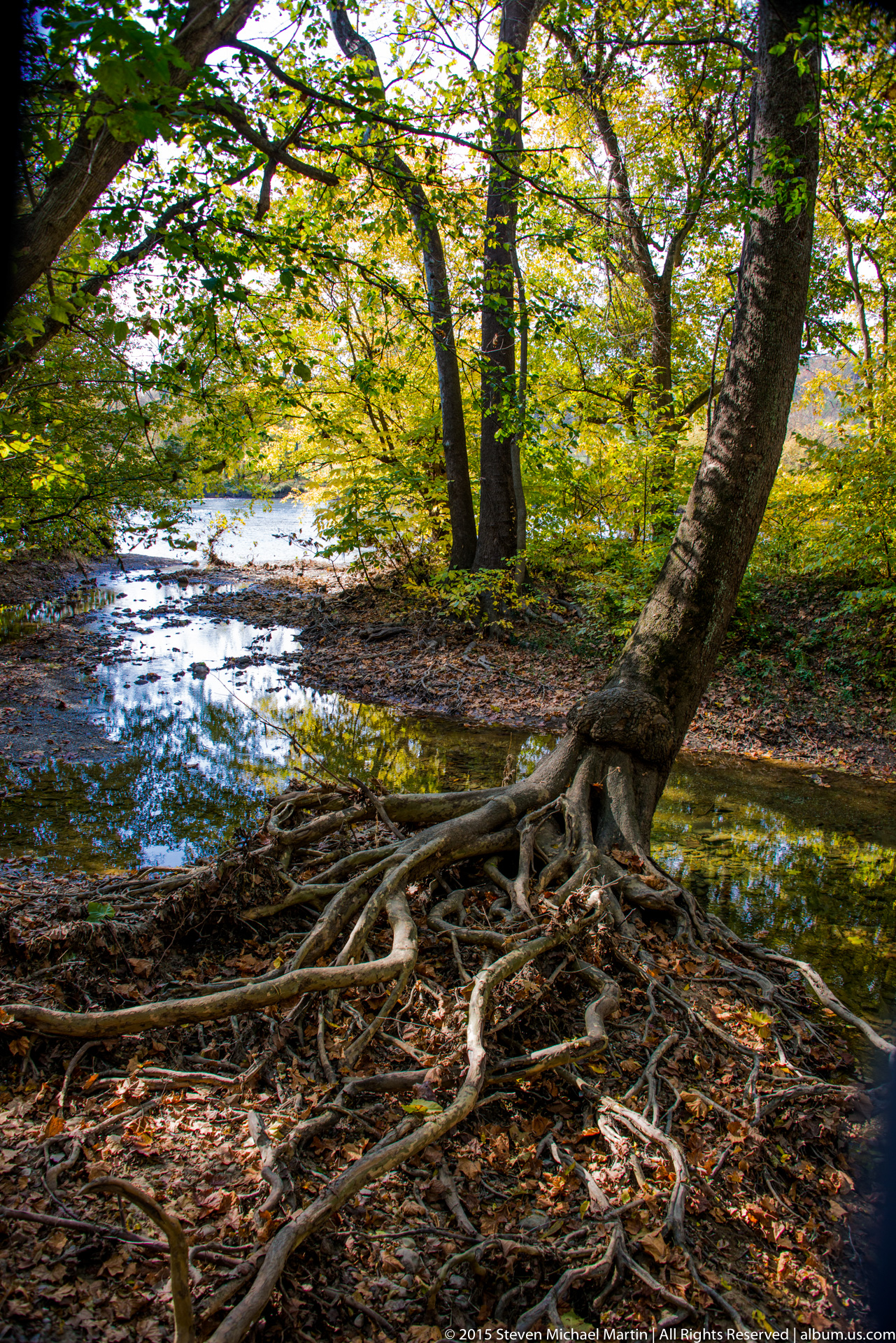
Overlooks along Skyline Drive provide wide views across the Shenandoah Valley and Piedmont, allowing observation of the layered structure of the Appalachian landscape. The changing colors emphasize the underlying topography, revealing ridgelines and drainage systems shaped by long-term geological processes. Trails leading through forest interiors illustrate how seasonal cycles influence plant communities and wildlife habitats, demonstrating the interconnected relationship between climate, elevation, and ecological adaptation.
The fall season contributes to understanding how temperate forests evolve throughout the year, reinforcing the importance of protected landscapes within the eastern United States. The progression of autumn color highlights both biodiversity and long-term environmental continuity within the Blue Ridge region. Shenandoah’s seasonal changes illustrate how natural cycles shape visual character and ecological balance across one of the country’s most accessible mountain environments.






Shenandoah National Park
📍 Overview
Shenandoah National Park preserves a long, narrow section of the Blue Ridge Mountains where forested ridgelines, waterfalls, and valleys reflect the geological history of the Appalachian mountain system. Established in 1935, the park protects more than 200,000 acres of eastern wilderness within close proximity to Washington, DC, making it one of the most accessible large natural landscapes in the eastern United States.
🧭 Quick Facts
- Location: Virginia
- Established: 1935
- Size: approx. 200,000 acres
- Mountain range: Blue Ridge Mountains (Appalachians)
- Main road: Skyline Drive (105 miles)
🌄 Landscape & Natural Features
- Blue Ridge mountain ridgelines
- Shenandoah Valley to the west
- Piedmont foothills to the east
- Waterfalls, stream valleys, and forest hollows
- Appalachian Trail passes through the park
🪨 Geology
- Ancient Appalachian rock formations over one billion years old
- Evidence of long-term erosion shaping rounded mountain forms
- Ridge-and-valley topography characteristic of eastern North America
- Quartzite, basalt, and granite formations
🦌 Wildlife
- White-tailed deer
- Black bear
- Red fox
- Wild turkey
- Shenandoah salamander (rare endemic species)
📷 Photography Notes
- Overlooks provide layered mountain compositions
- Morning fog often fills valley floors
- Changing weather produces varied lighting conditions
- Blue Ridge haze creates atmospheric perspective
- Late afternoon light emphasizes ridge contours