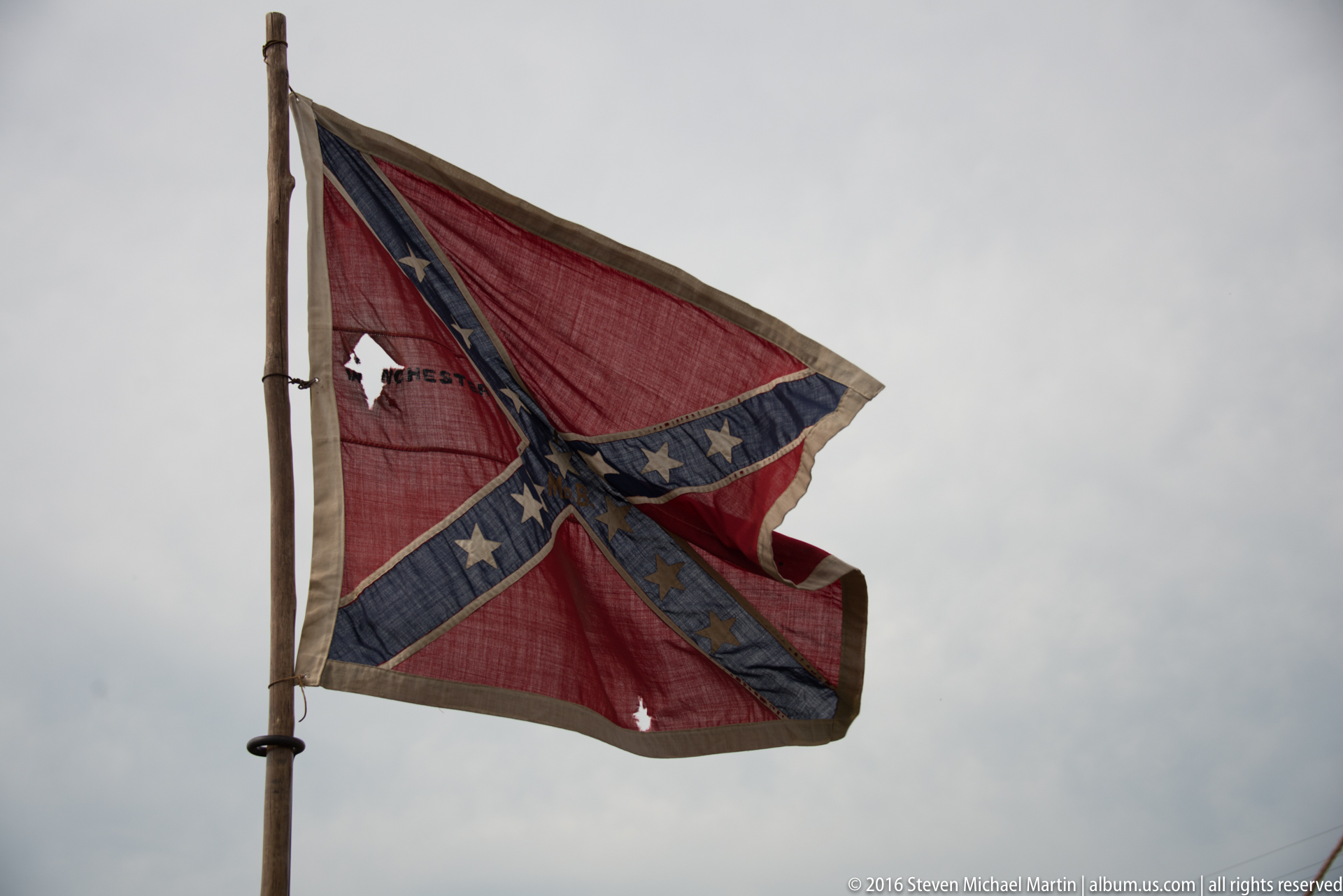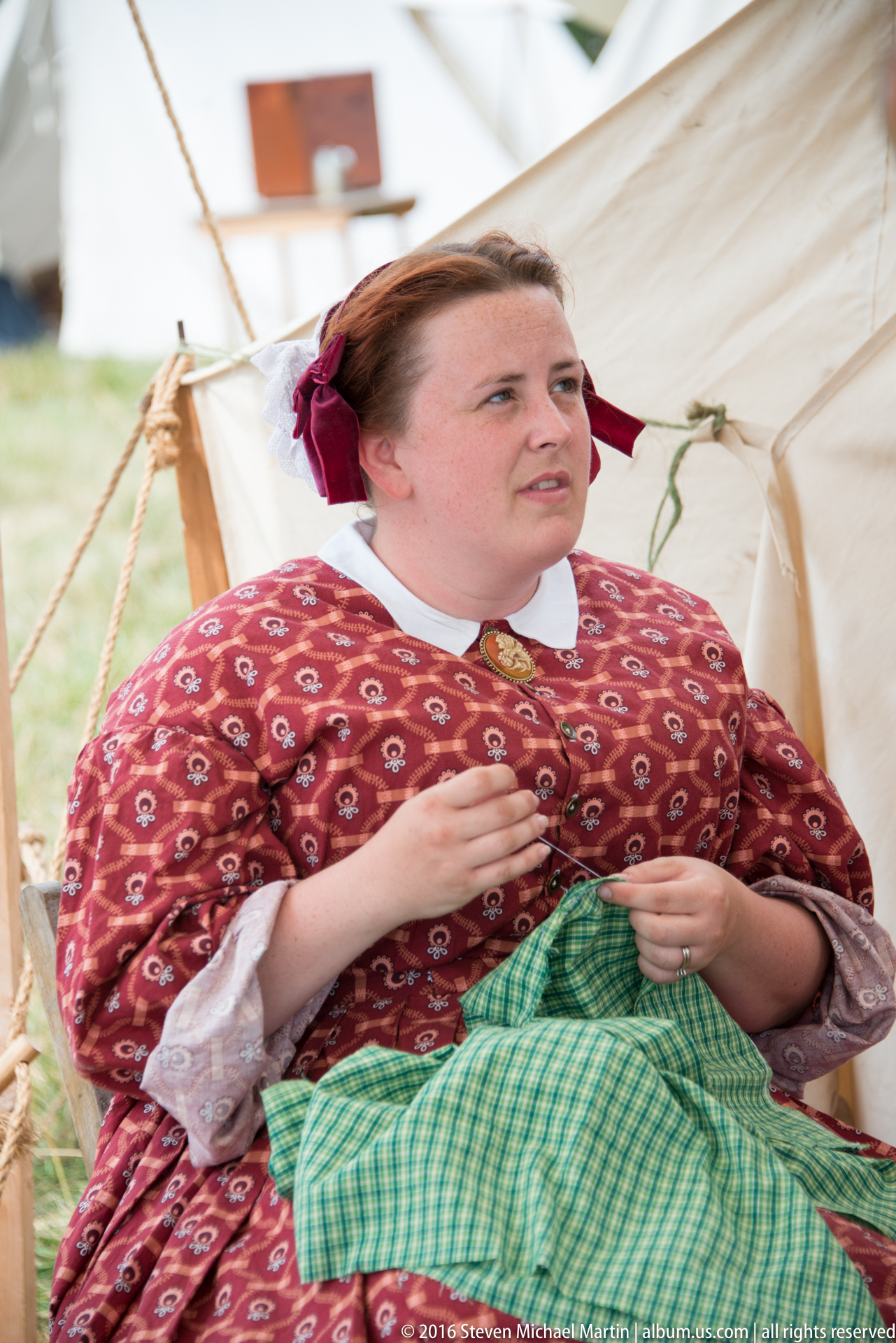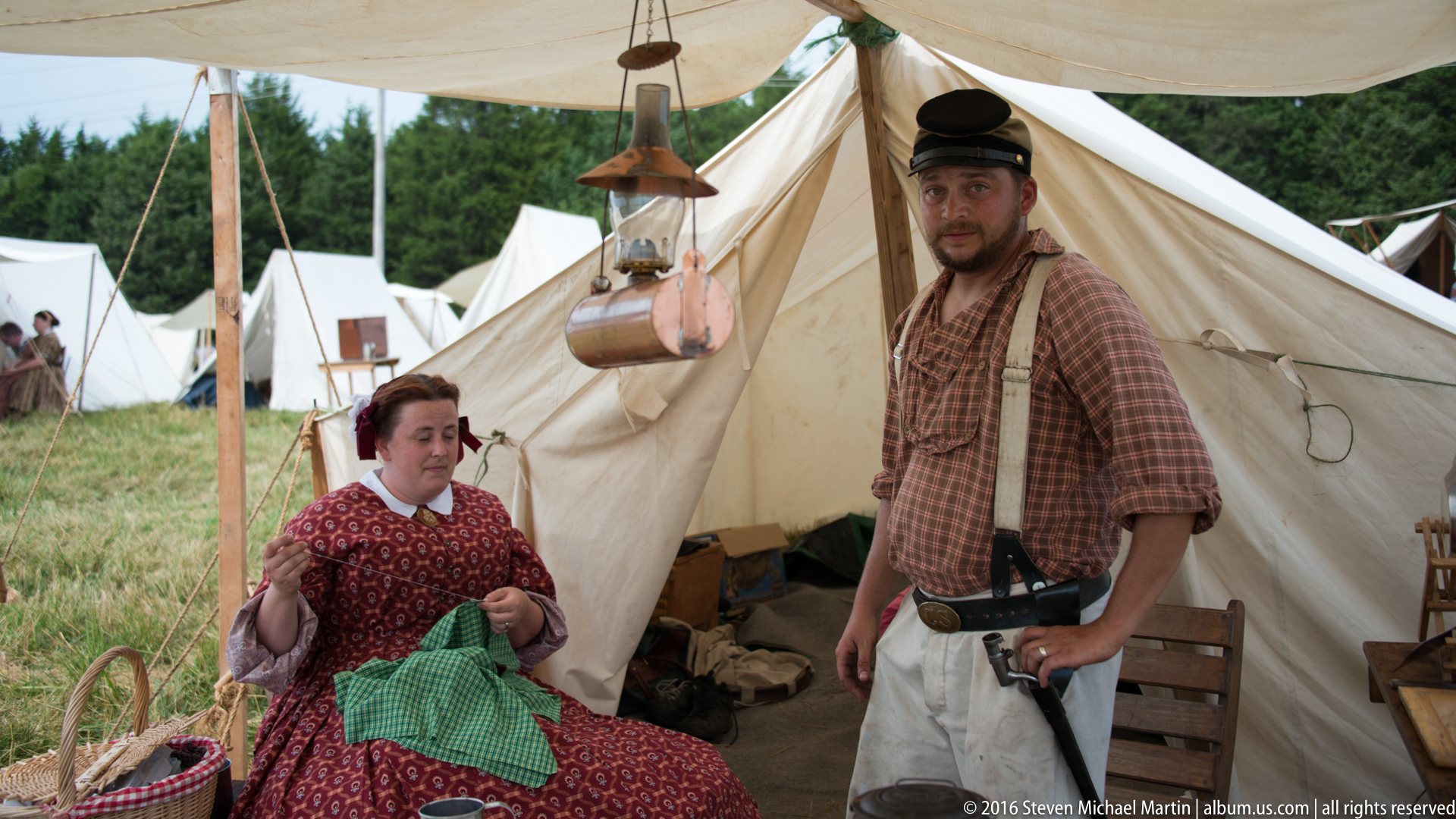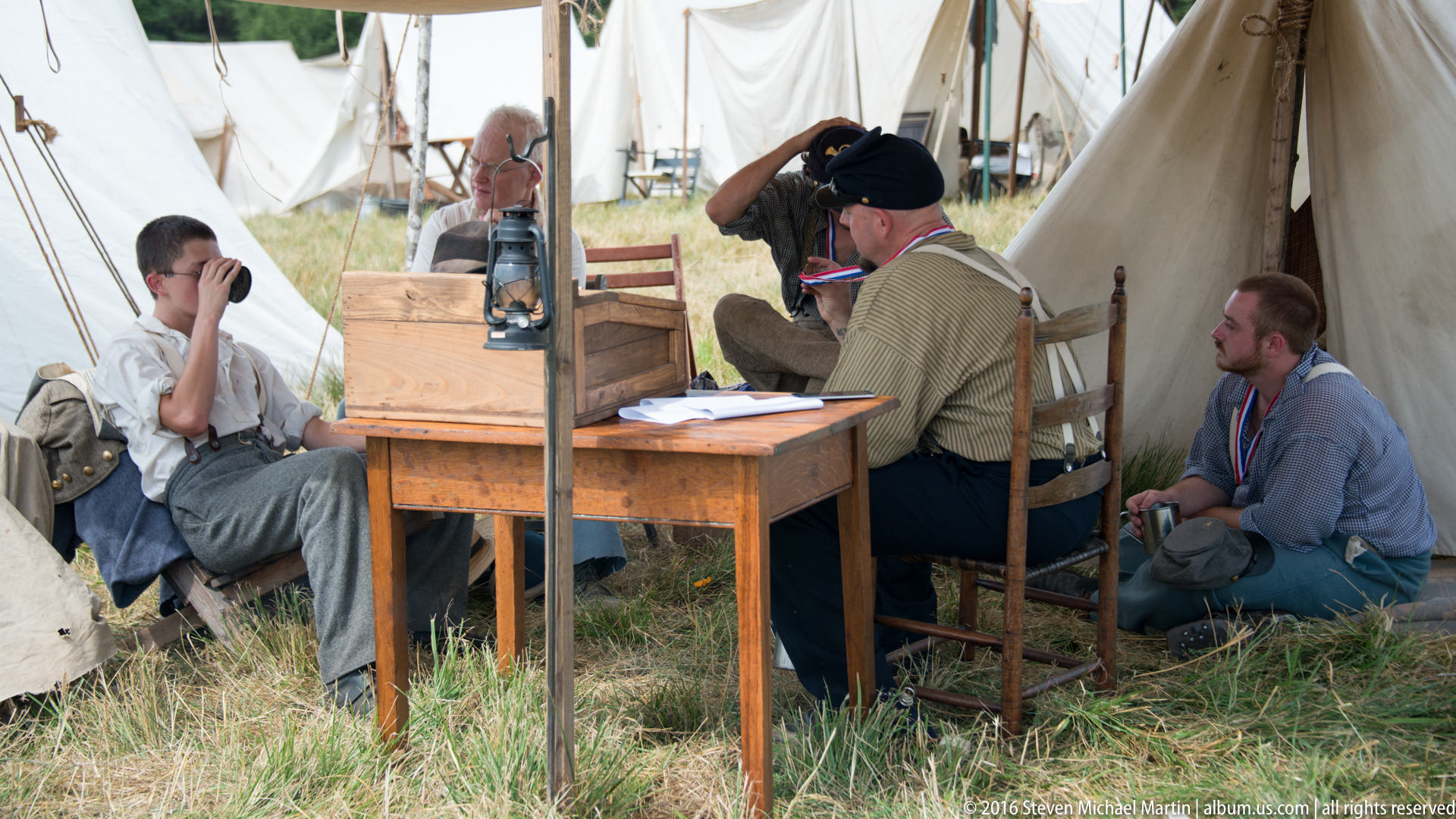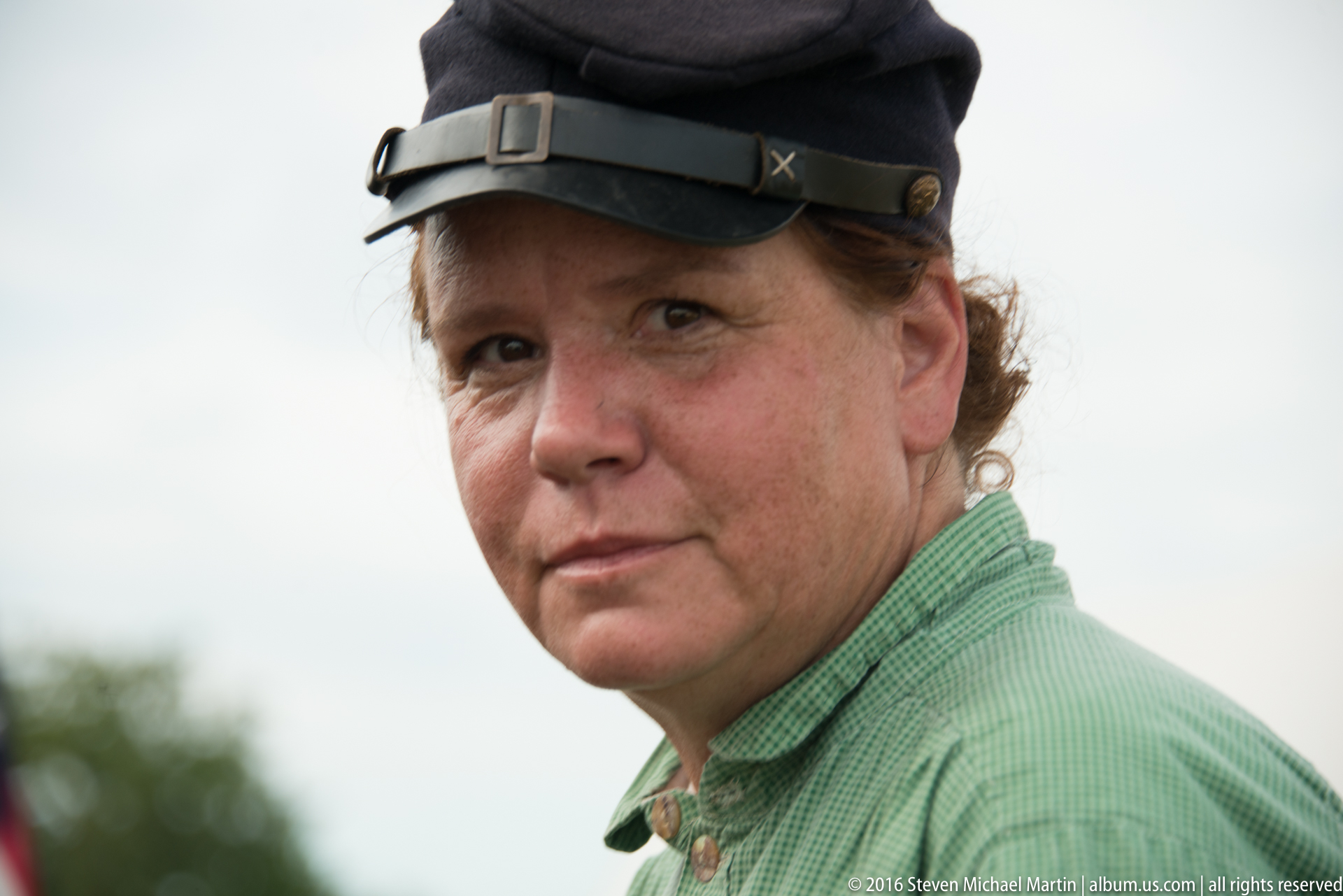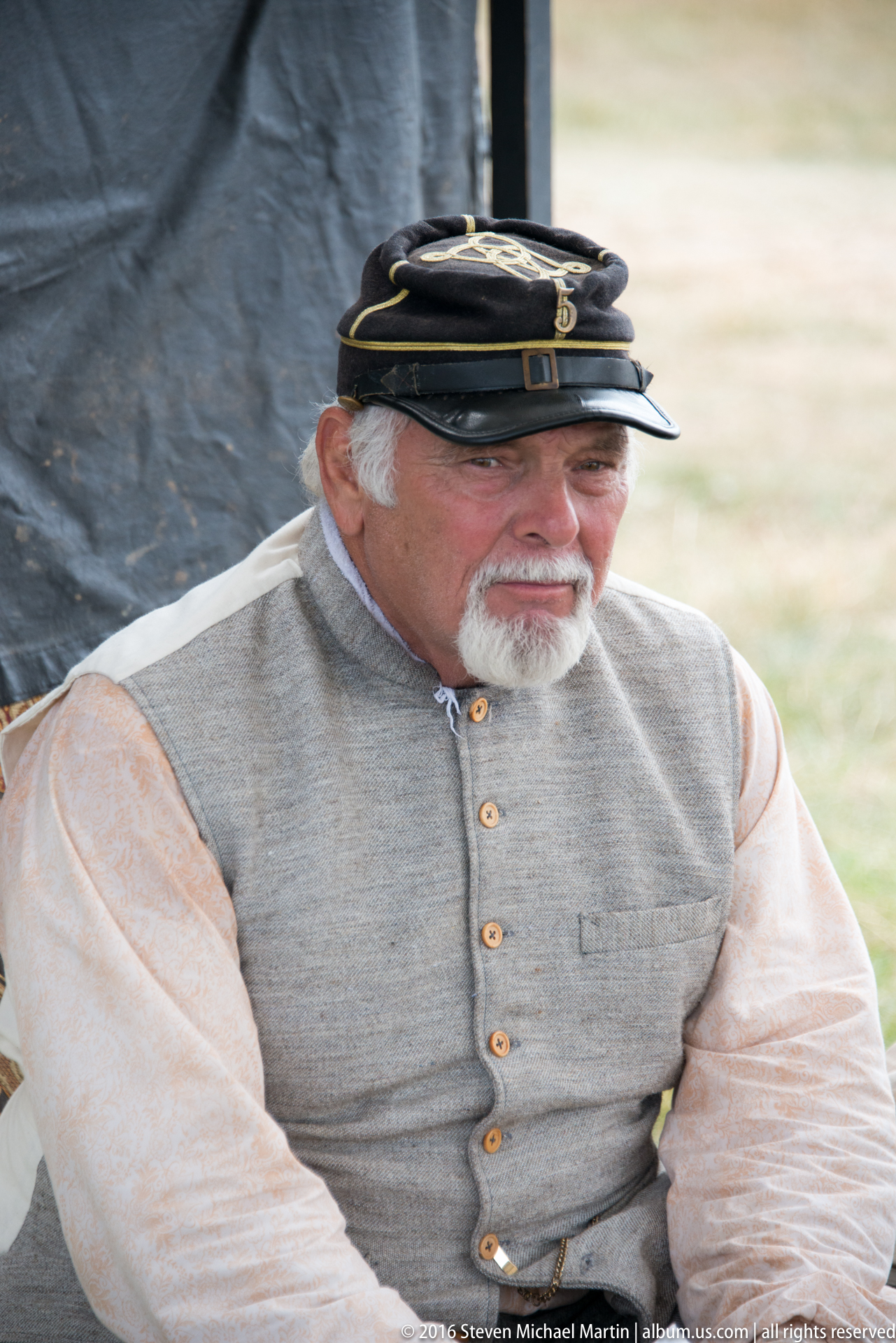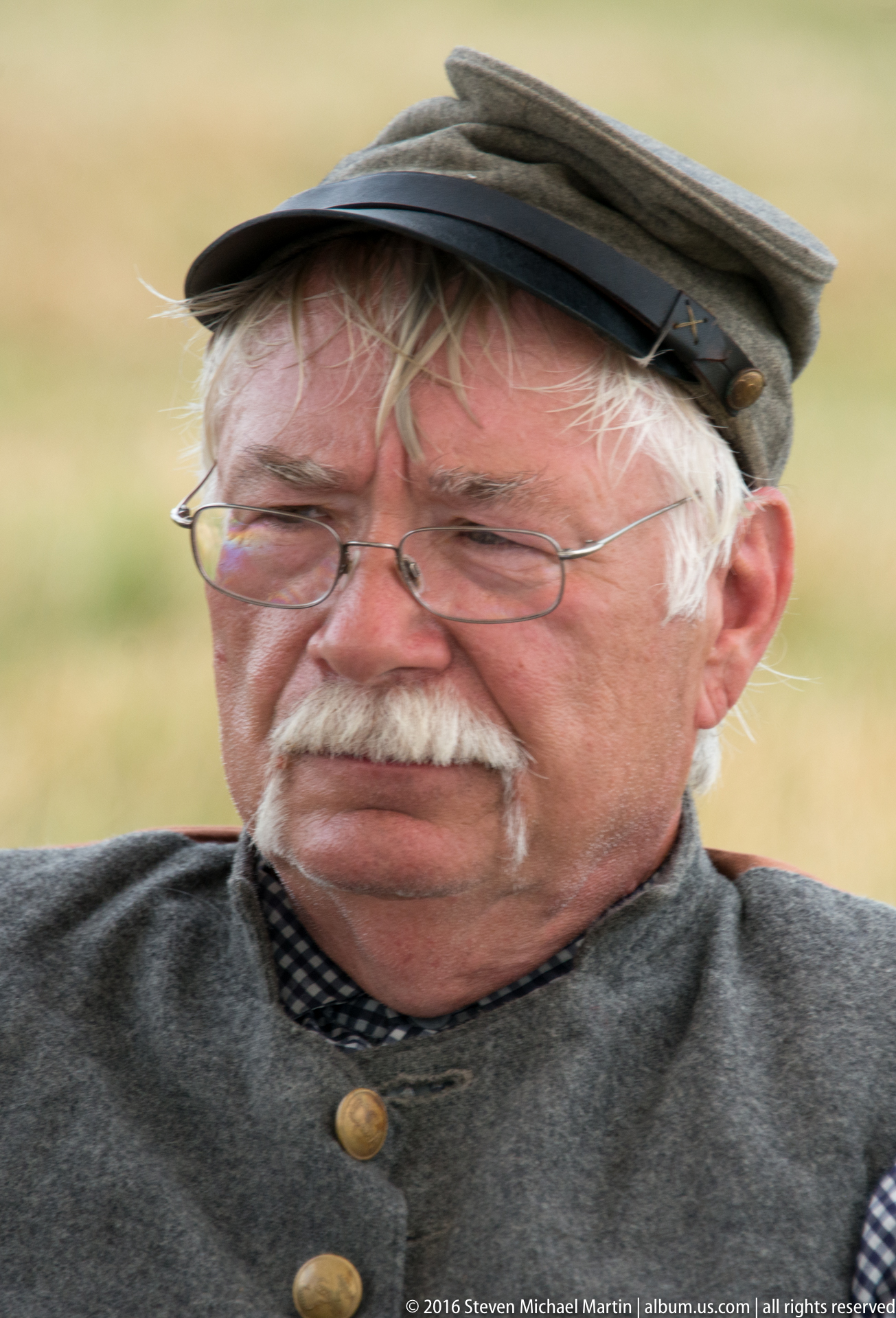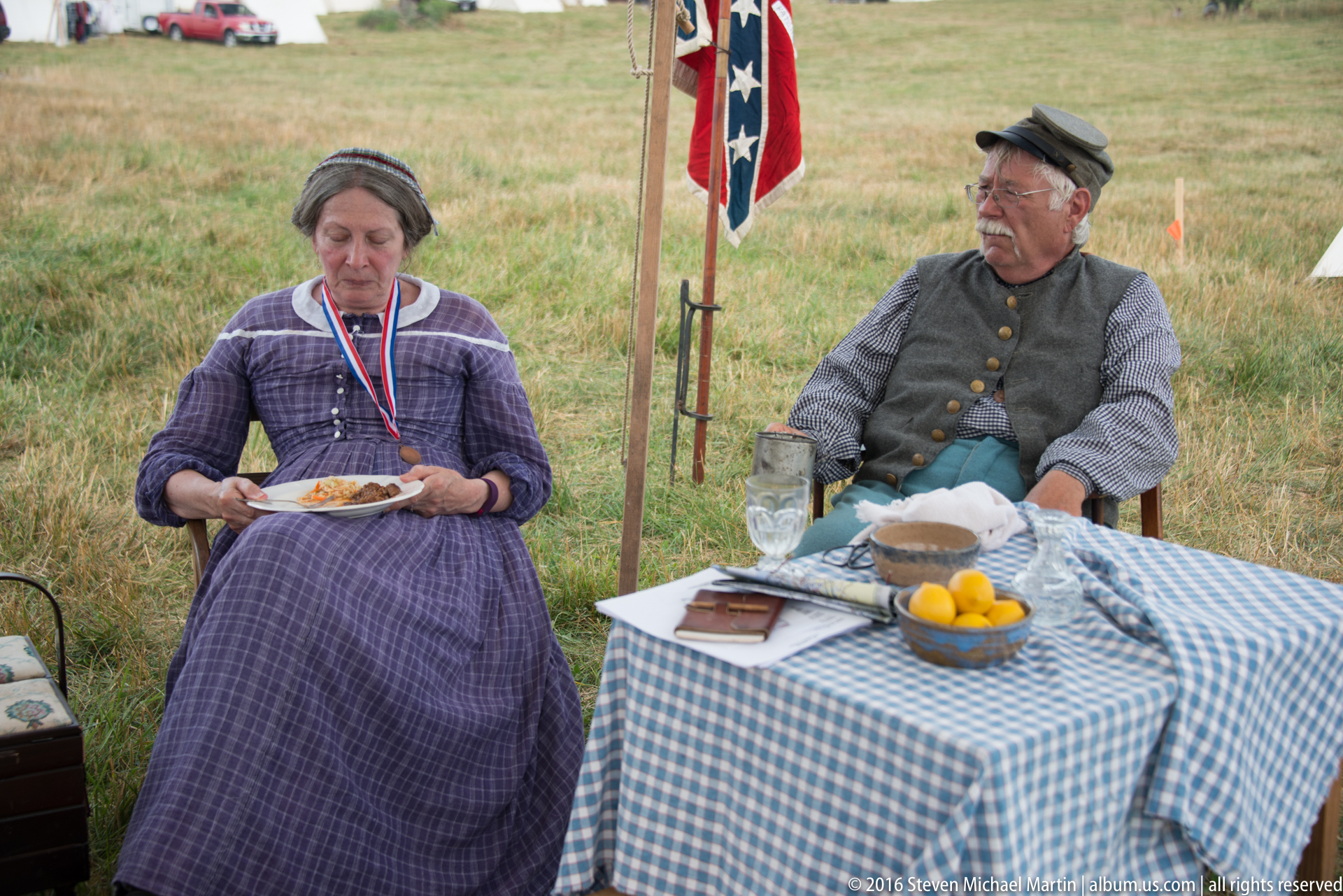
Battle of Bull Run Reenactment — Confederate Encampment
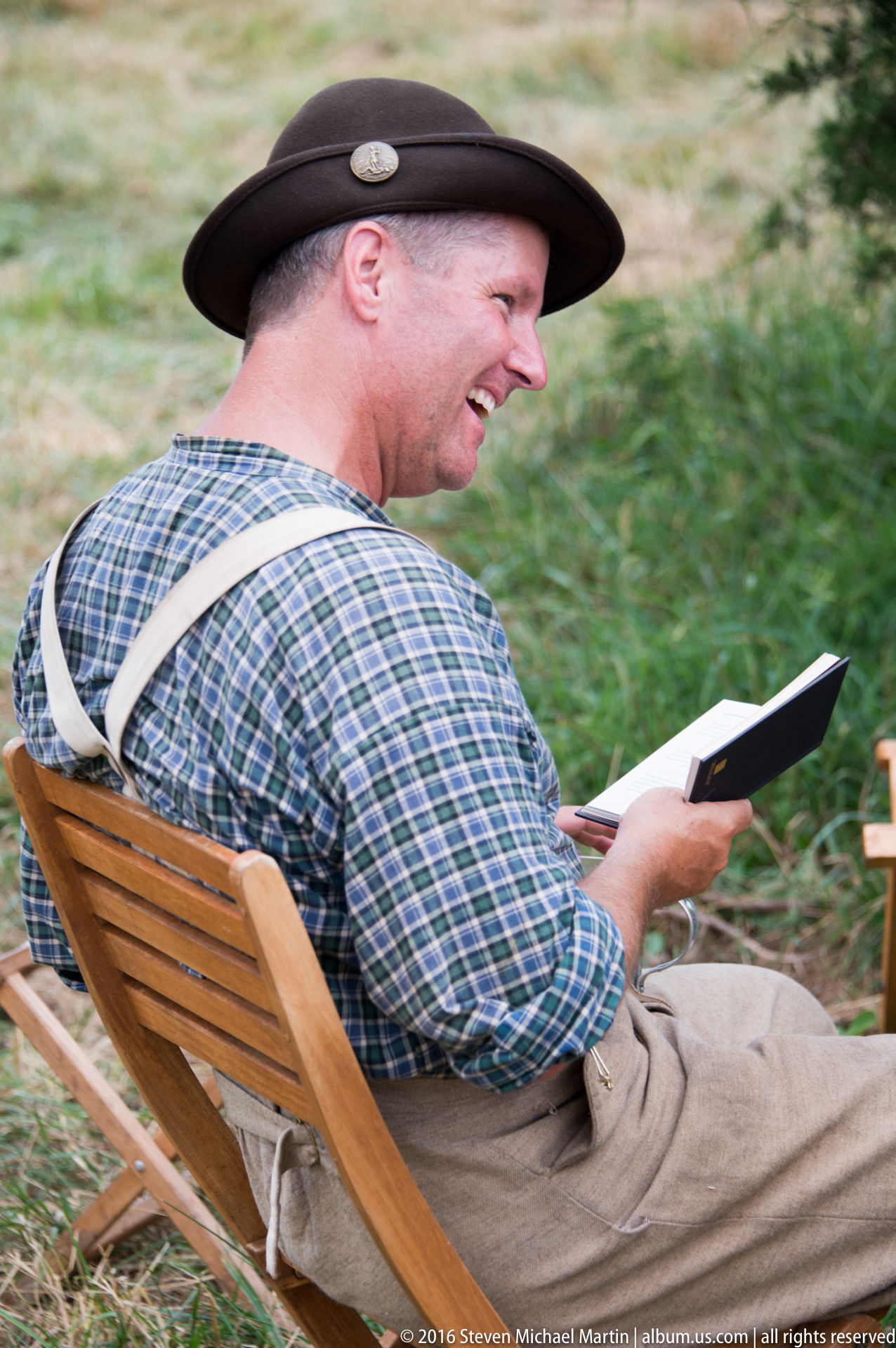
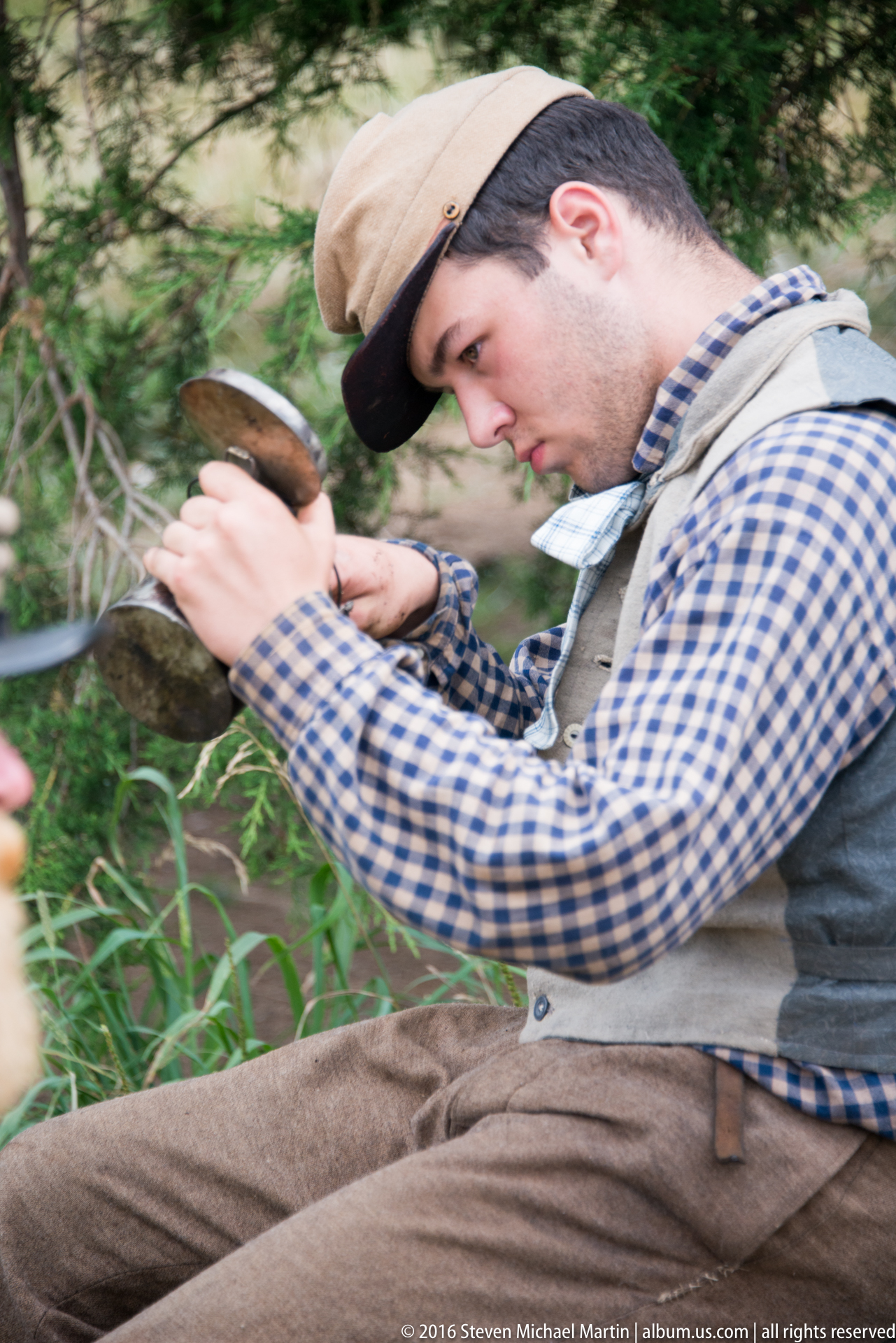
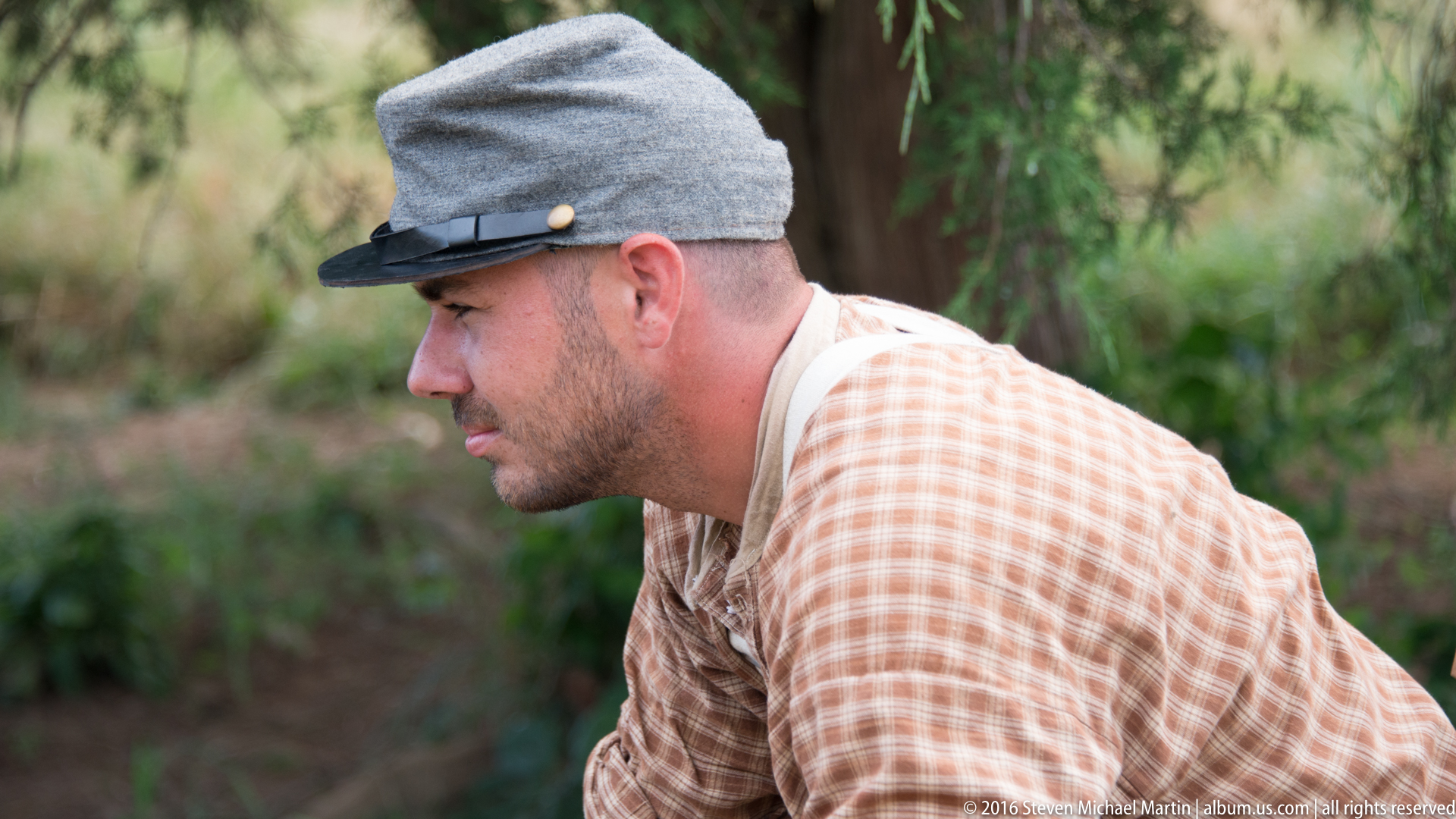
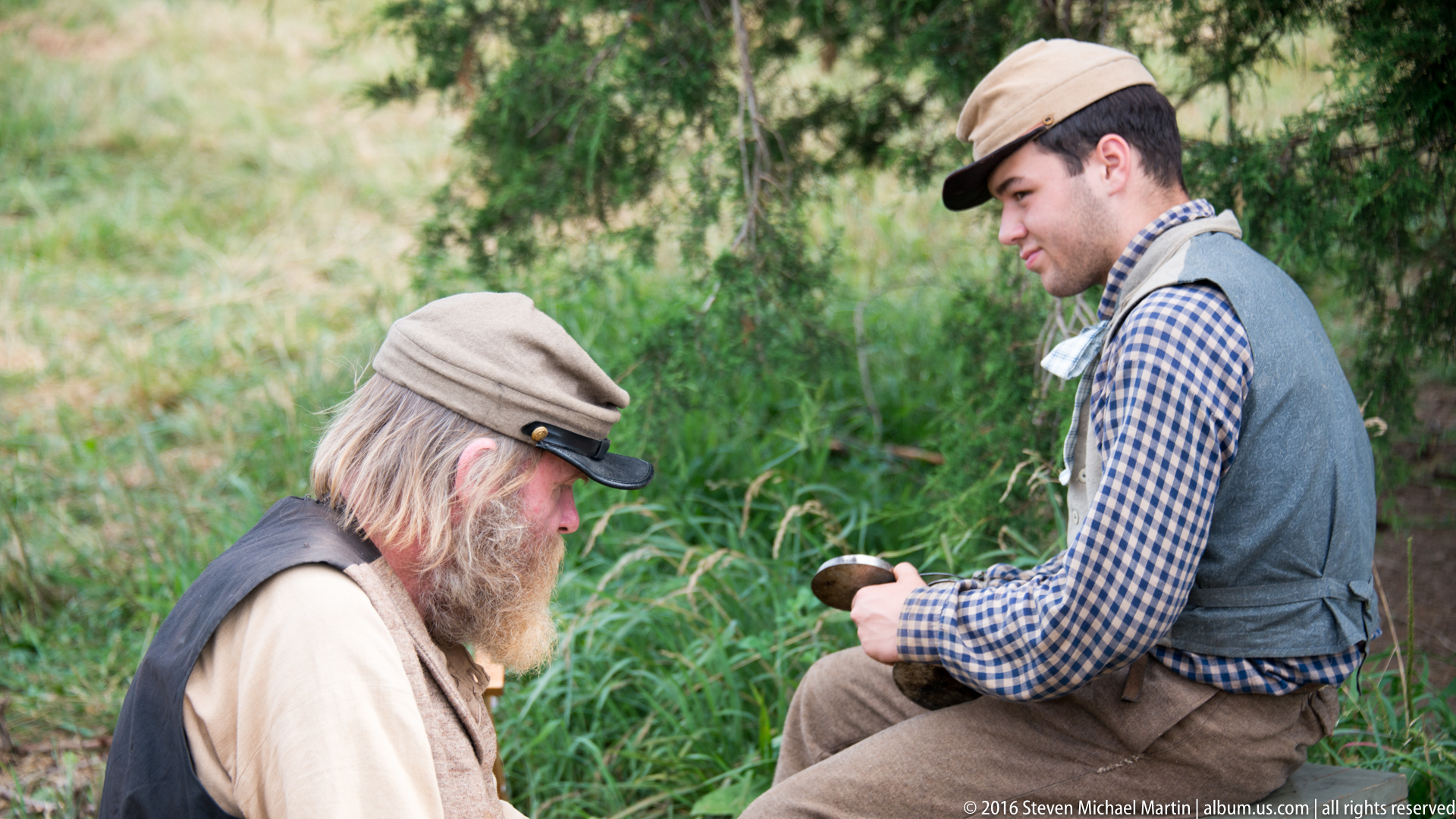
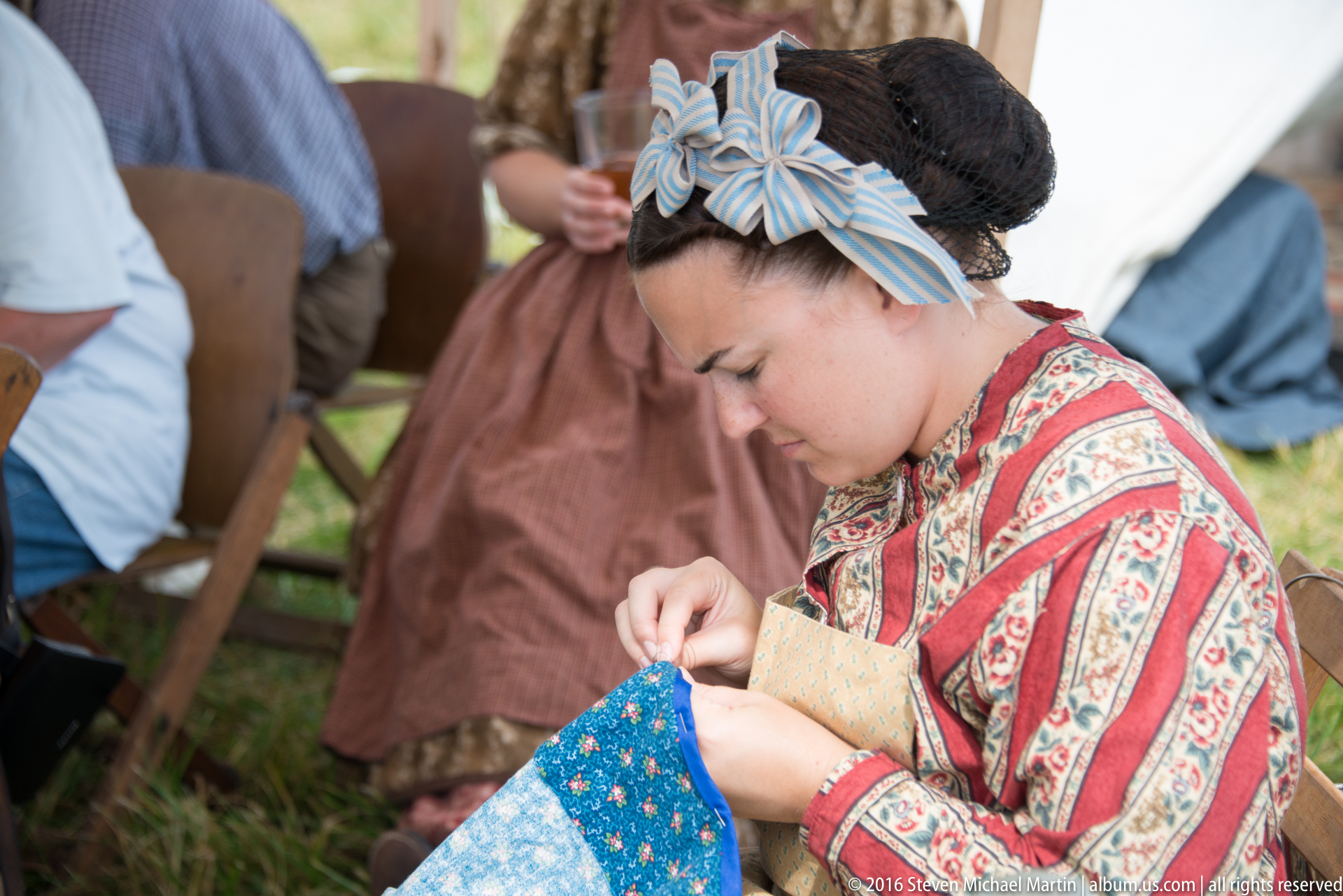
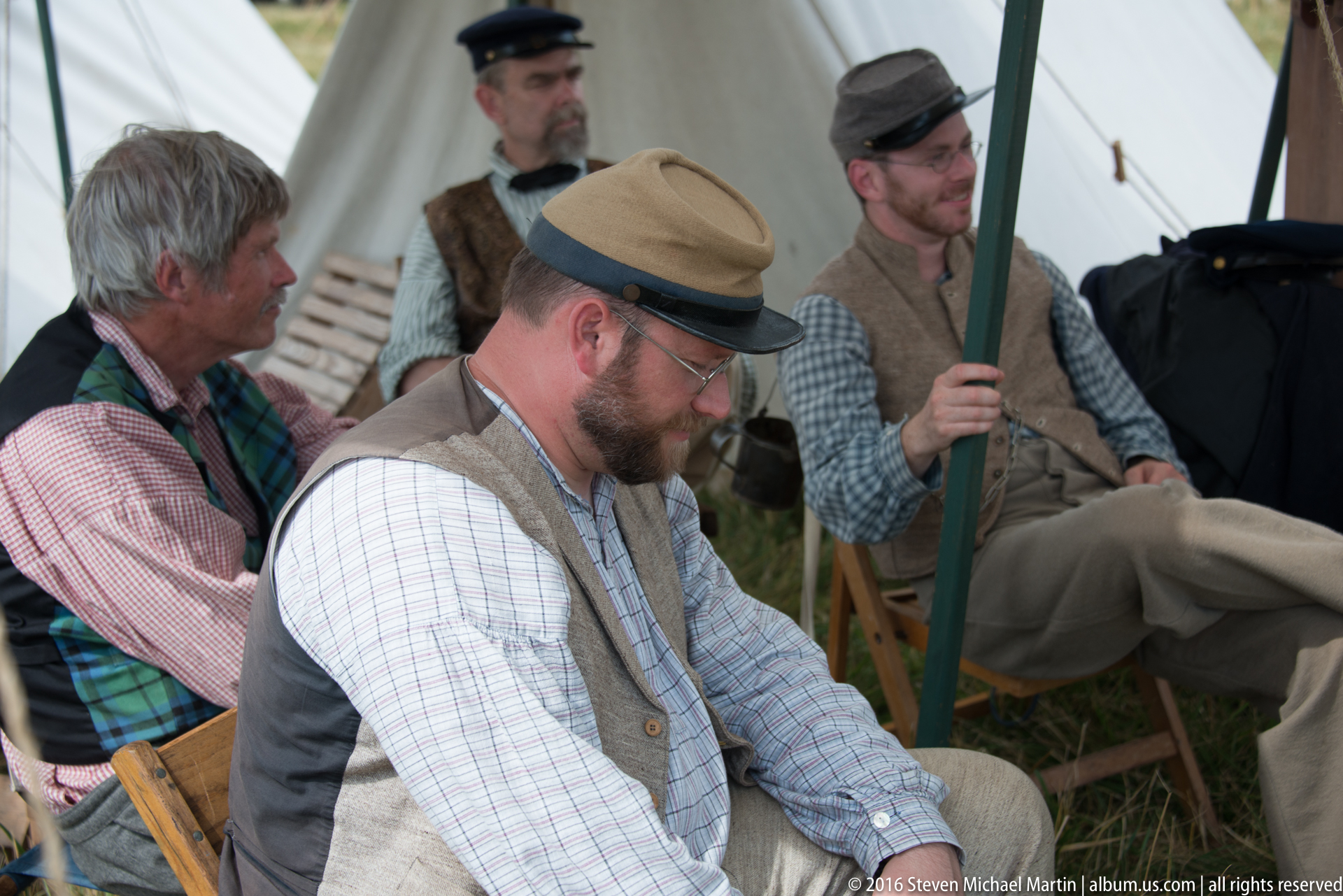
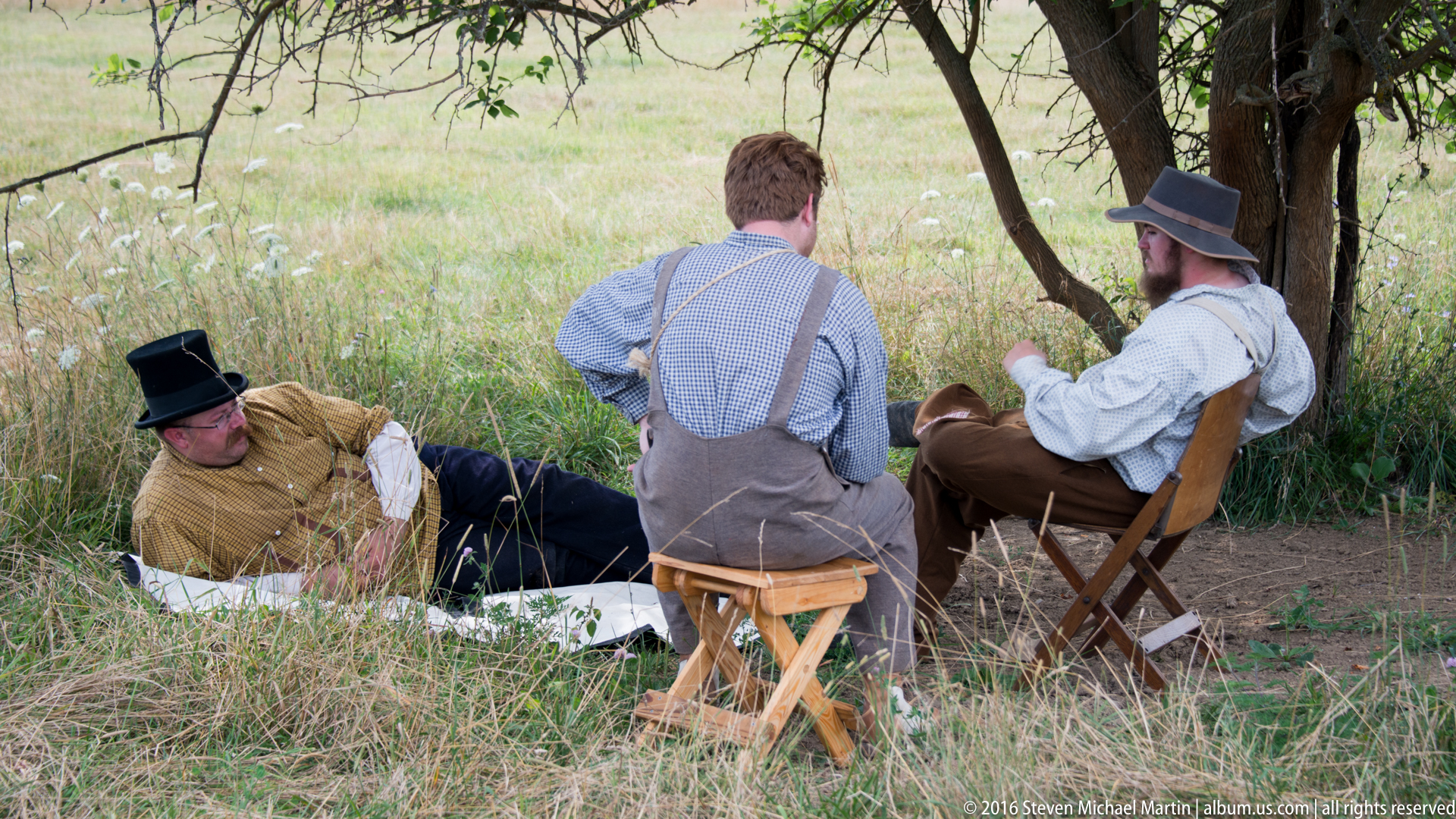
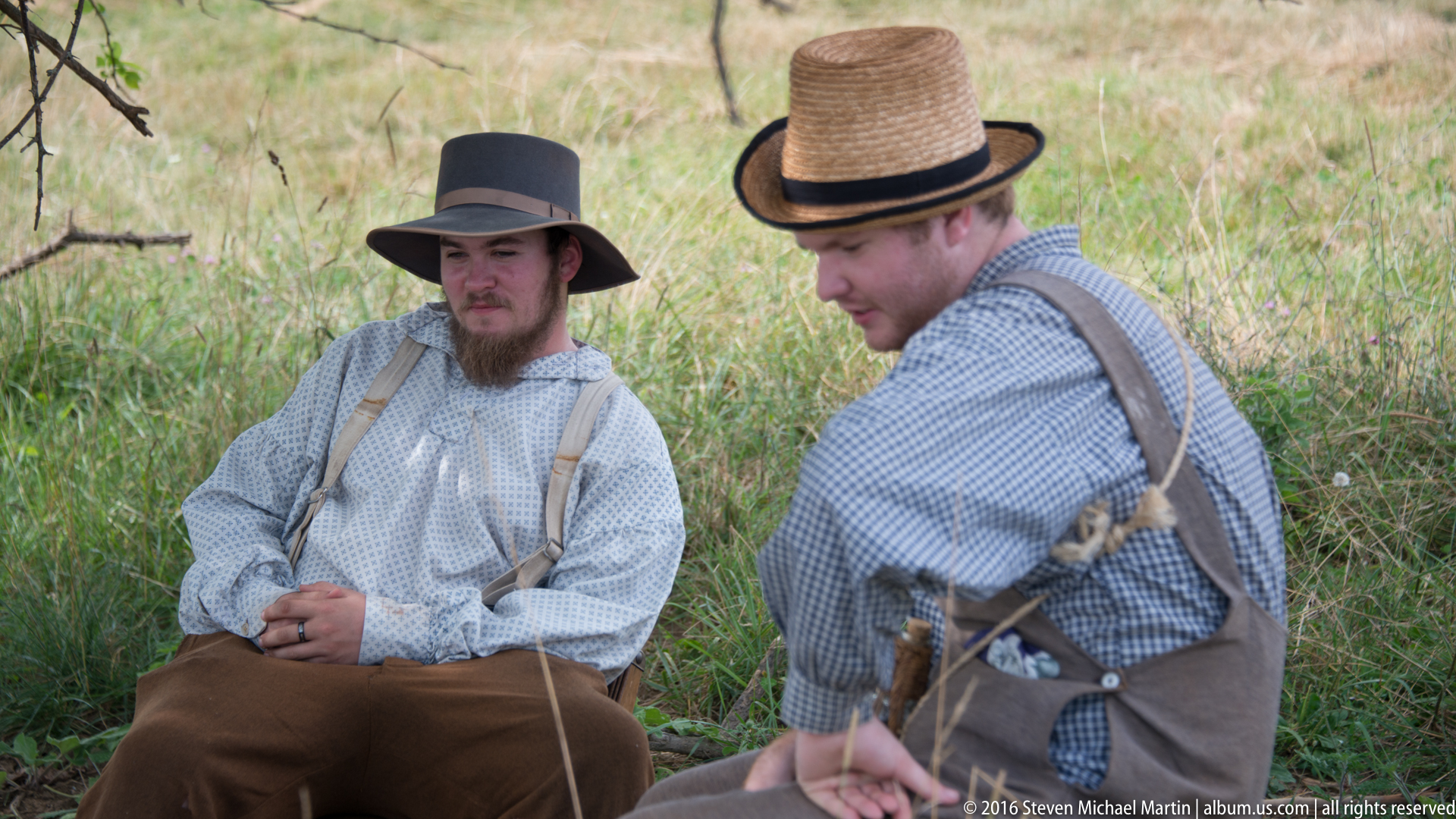
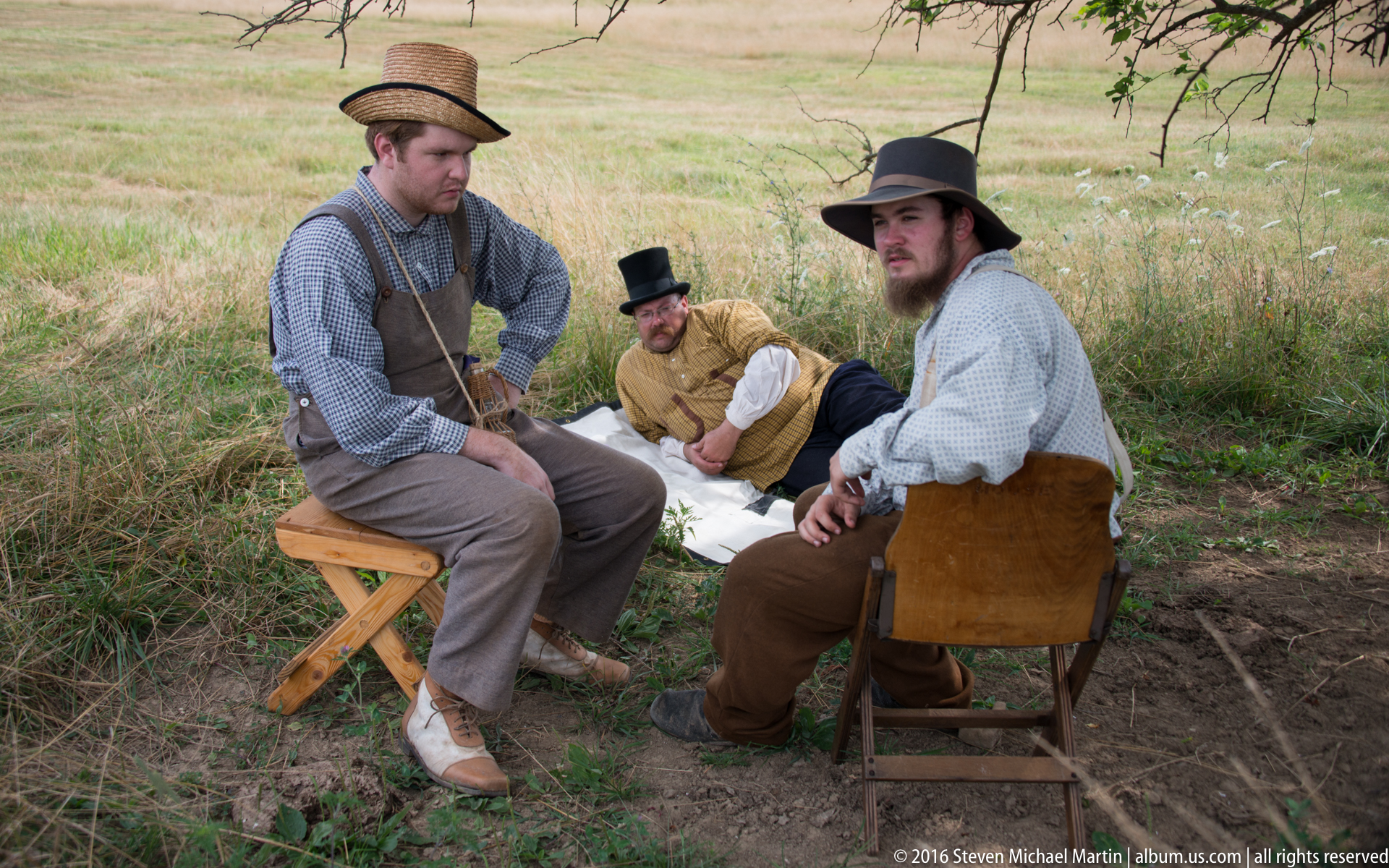
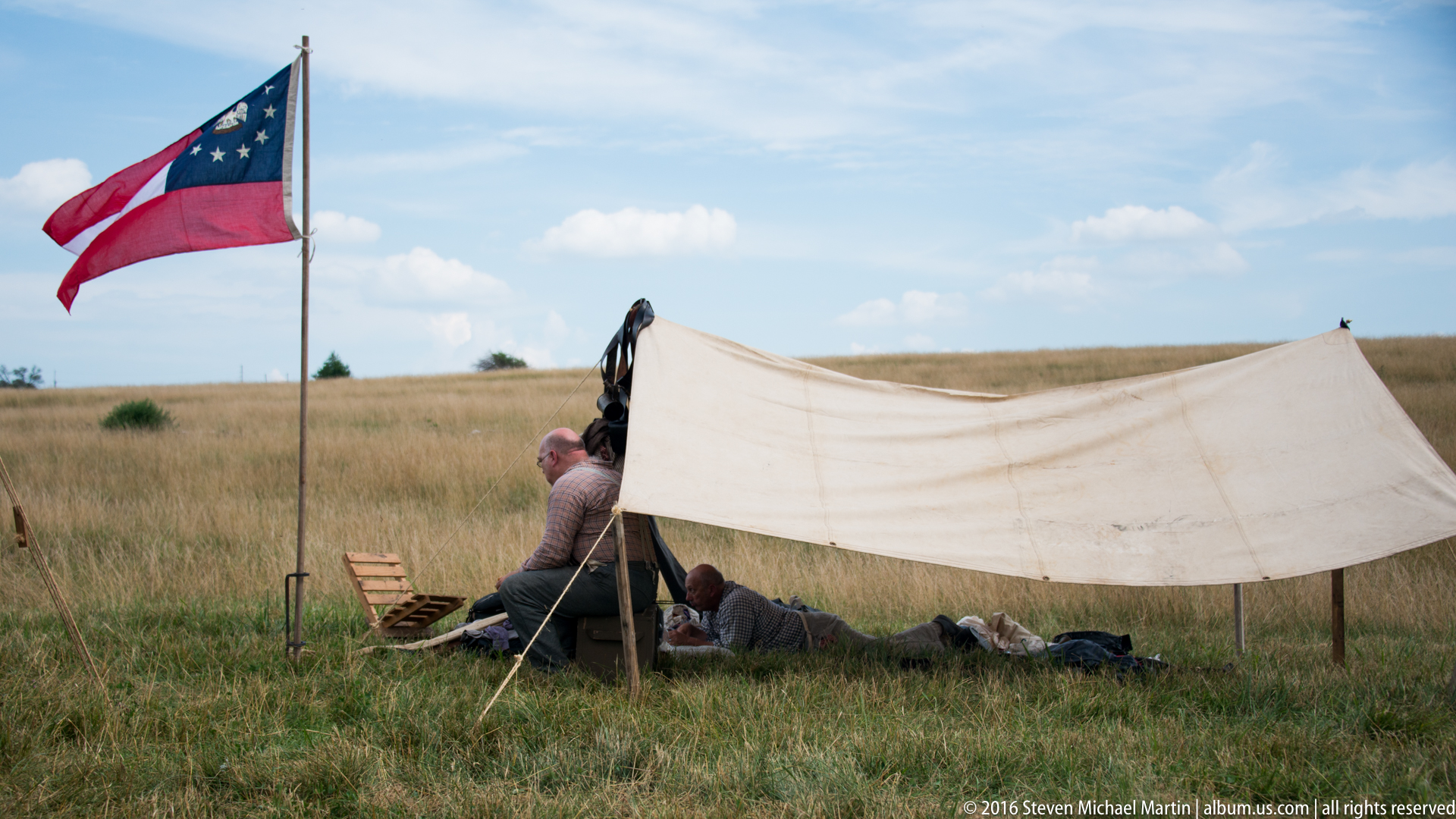
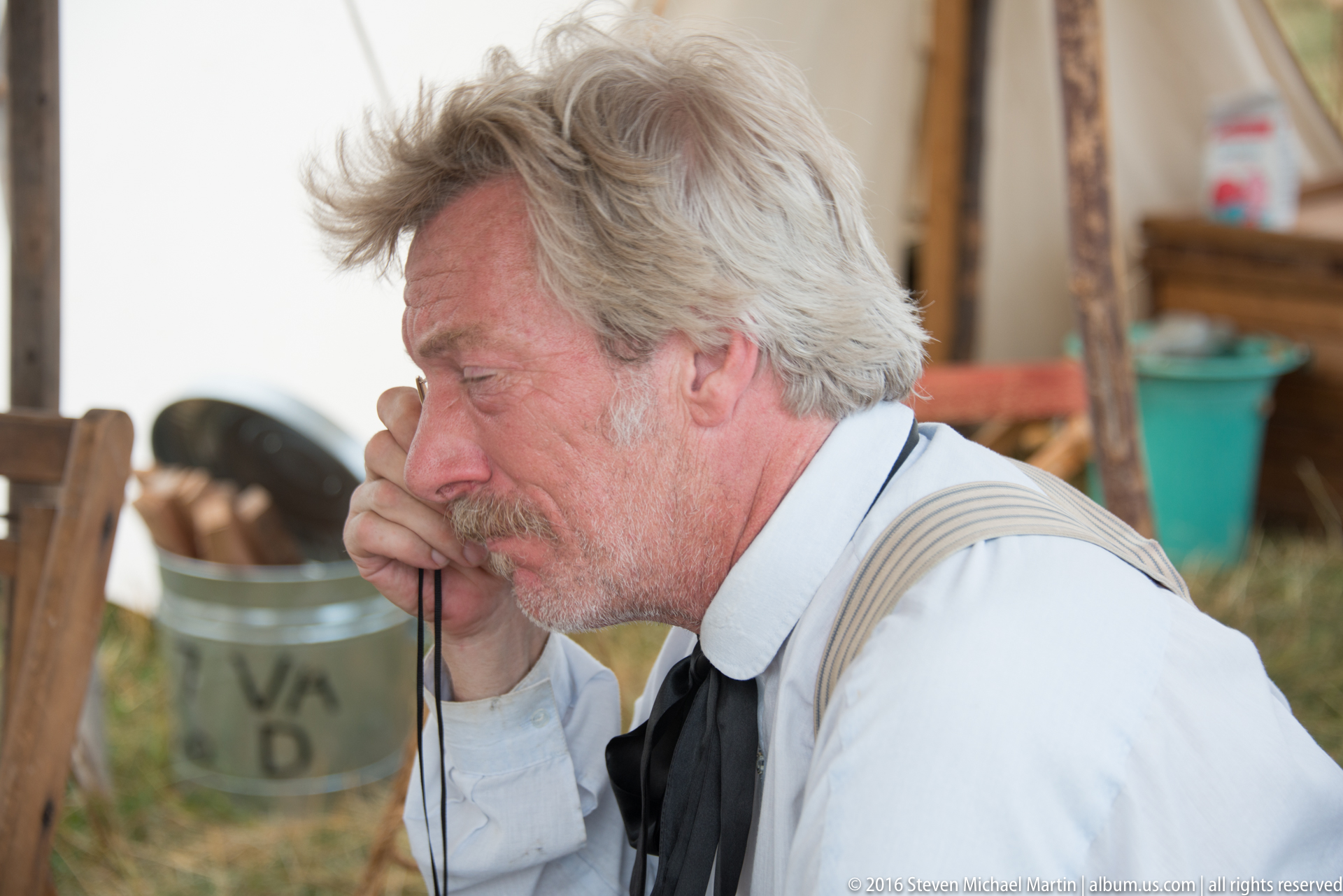
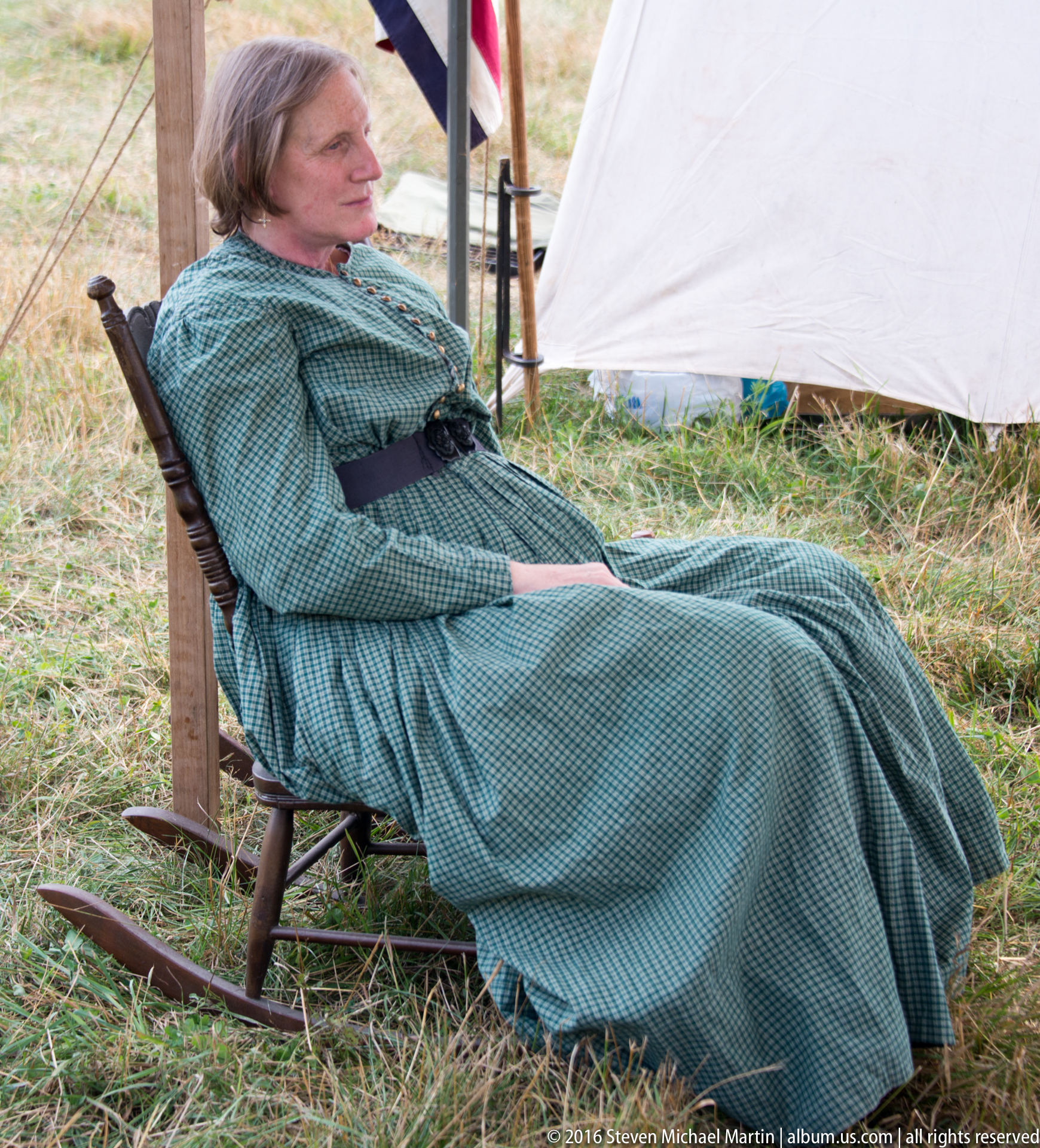
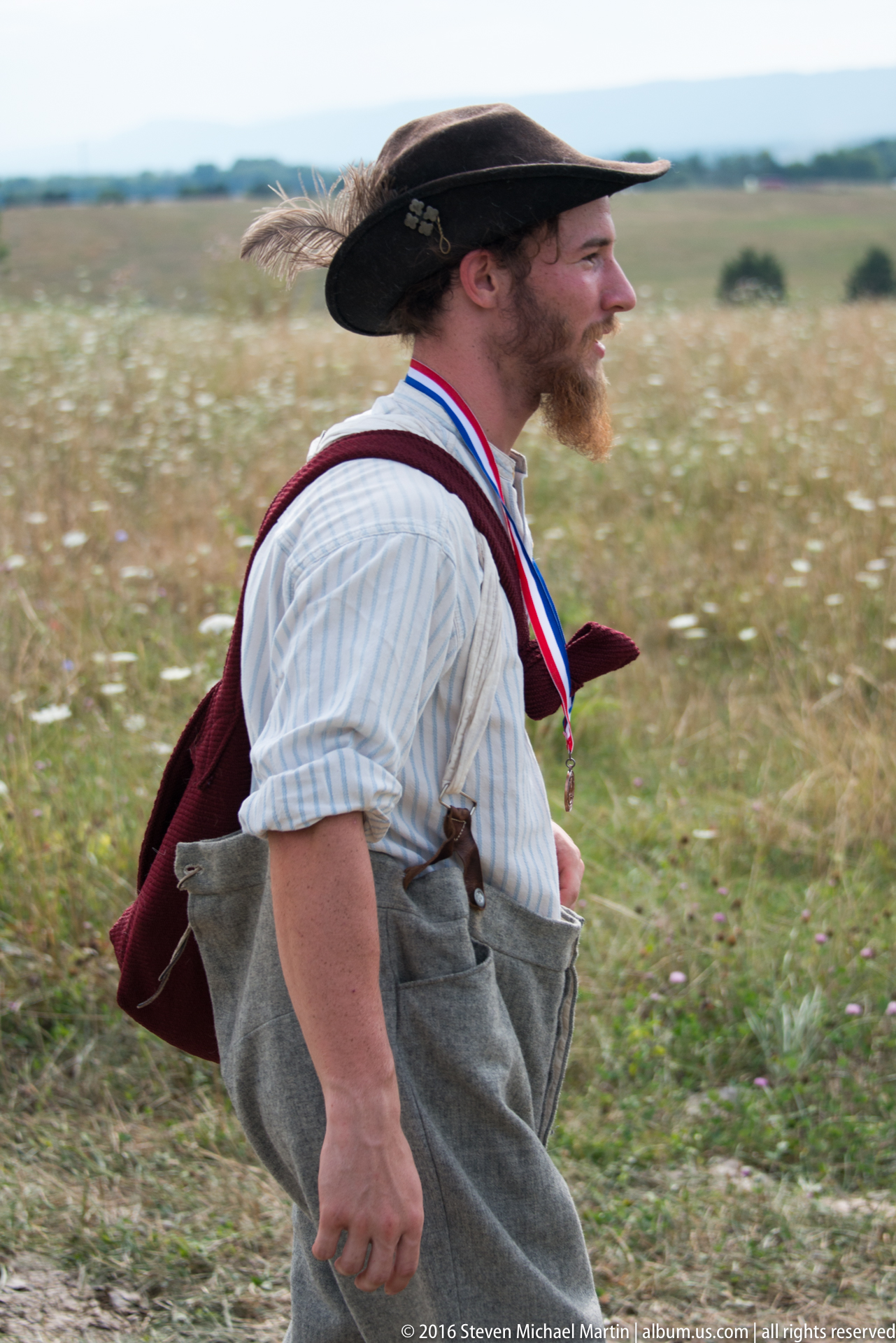
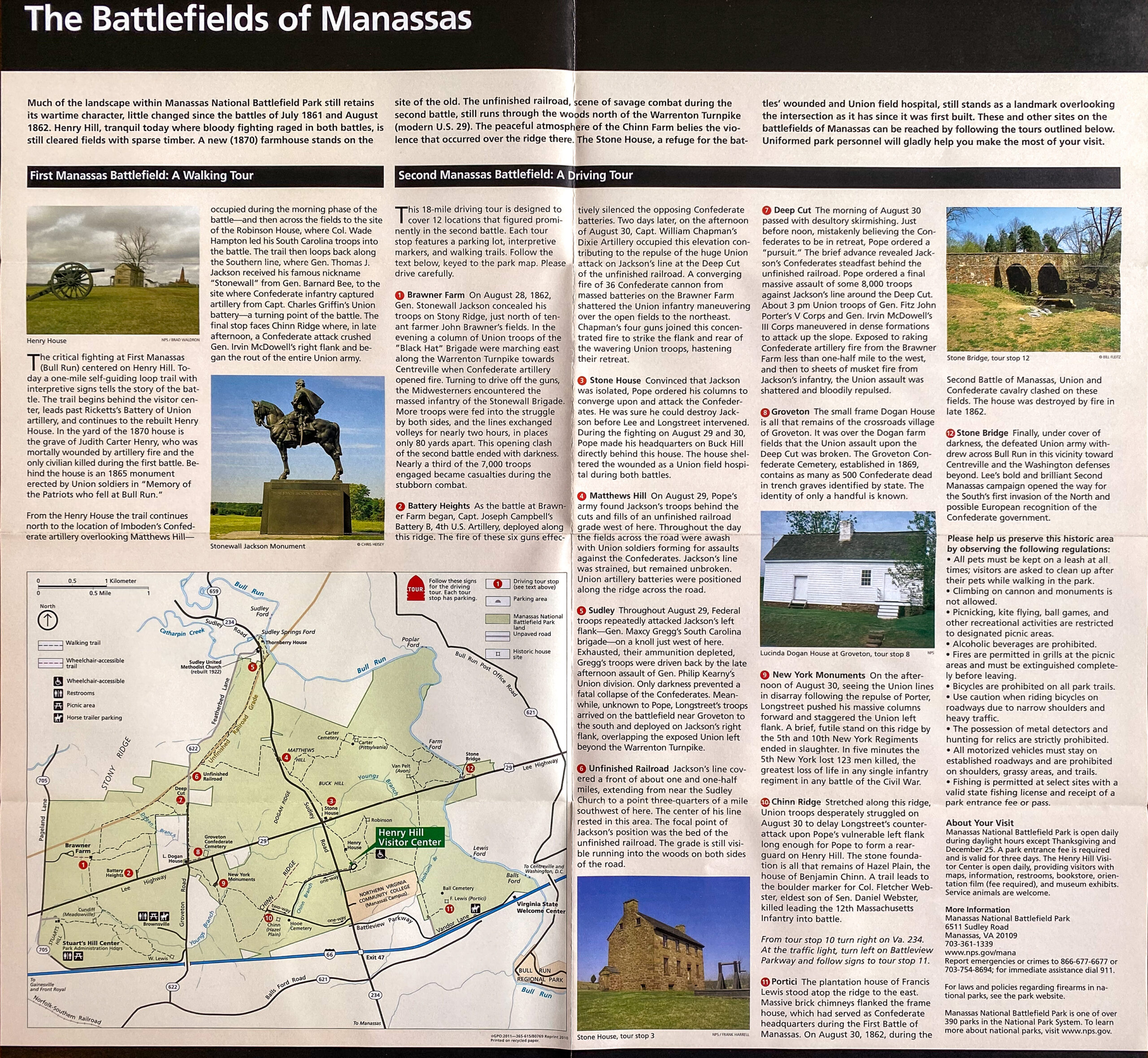
Reenactments of Confederate encampments illustrate the organization of military life during the Civil War, when volunteer soldiers formed temporary communities structured around discipline, supply, and readiness for combat. The Confederate army that fought at the First Battle of Bull Run in July 1861 consisted largely of newly assembled units drawn from southern states, many of whom had limited formal military training. Encampments served as centers of preparation where soldiers organized equipment, received instruction, and maintained communication with commanding officers.
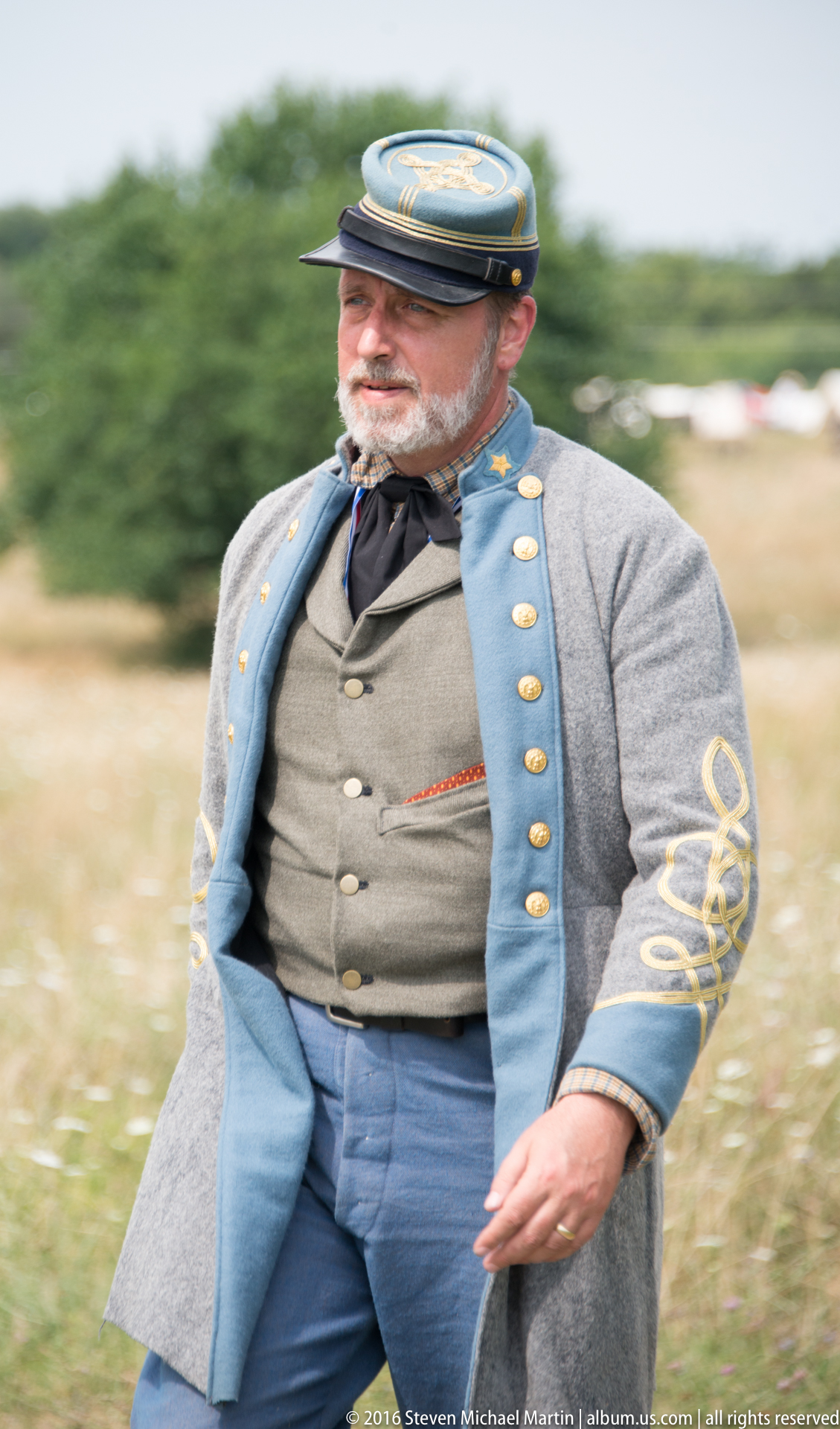
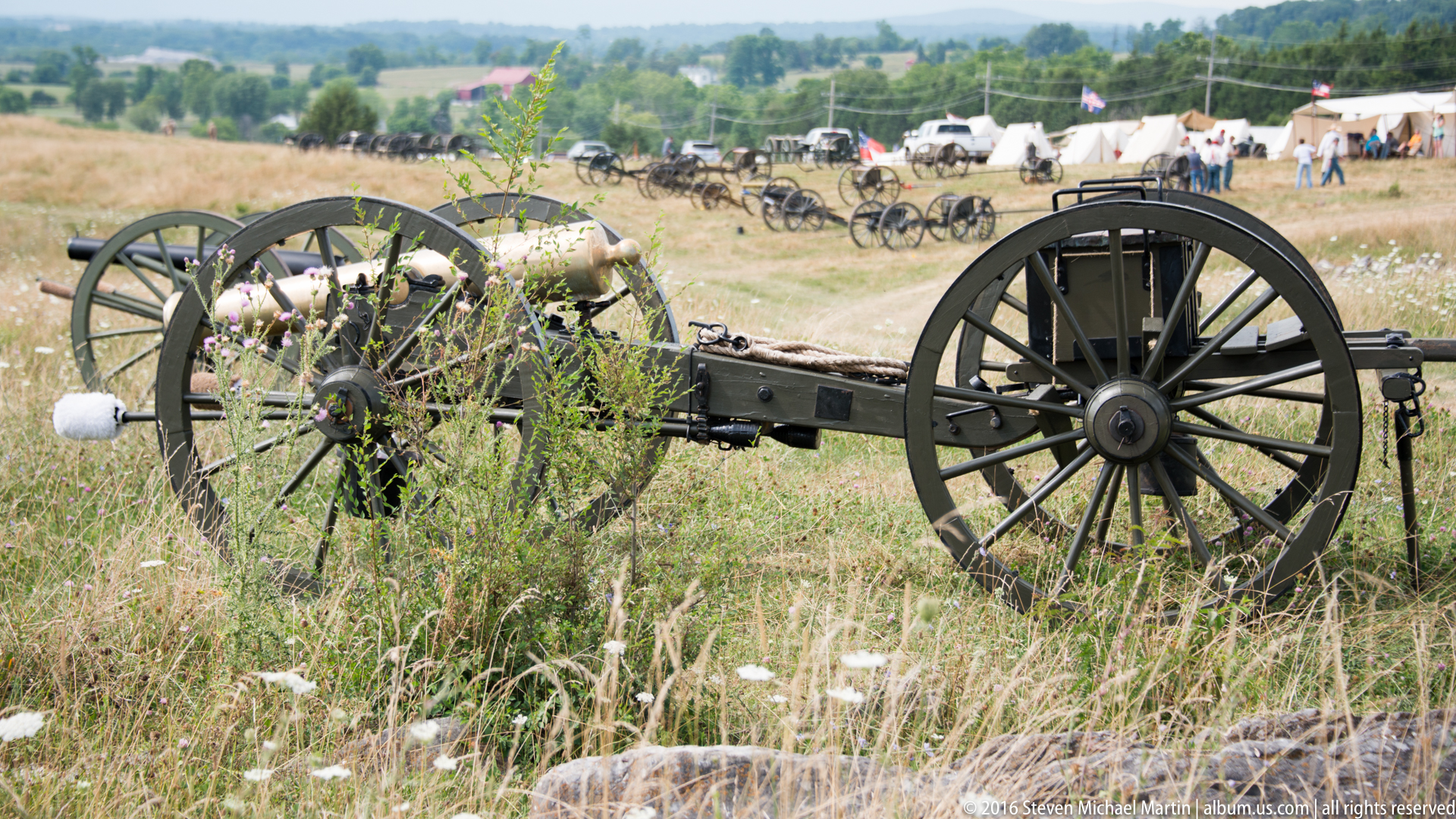
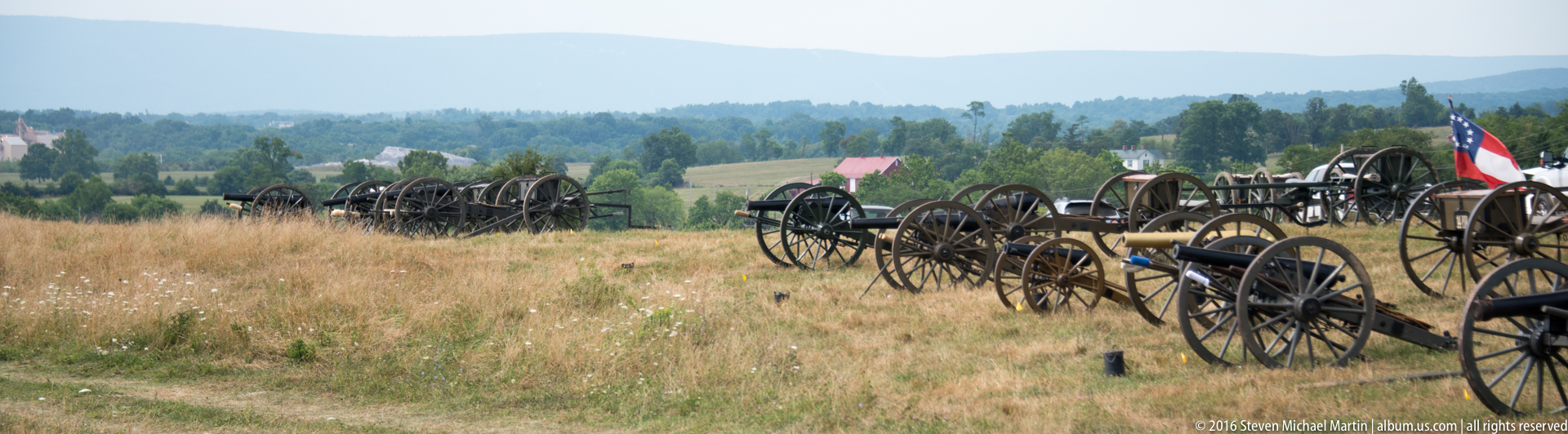
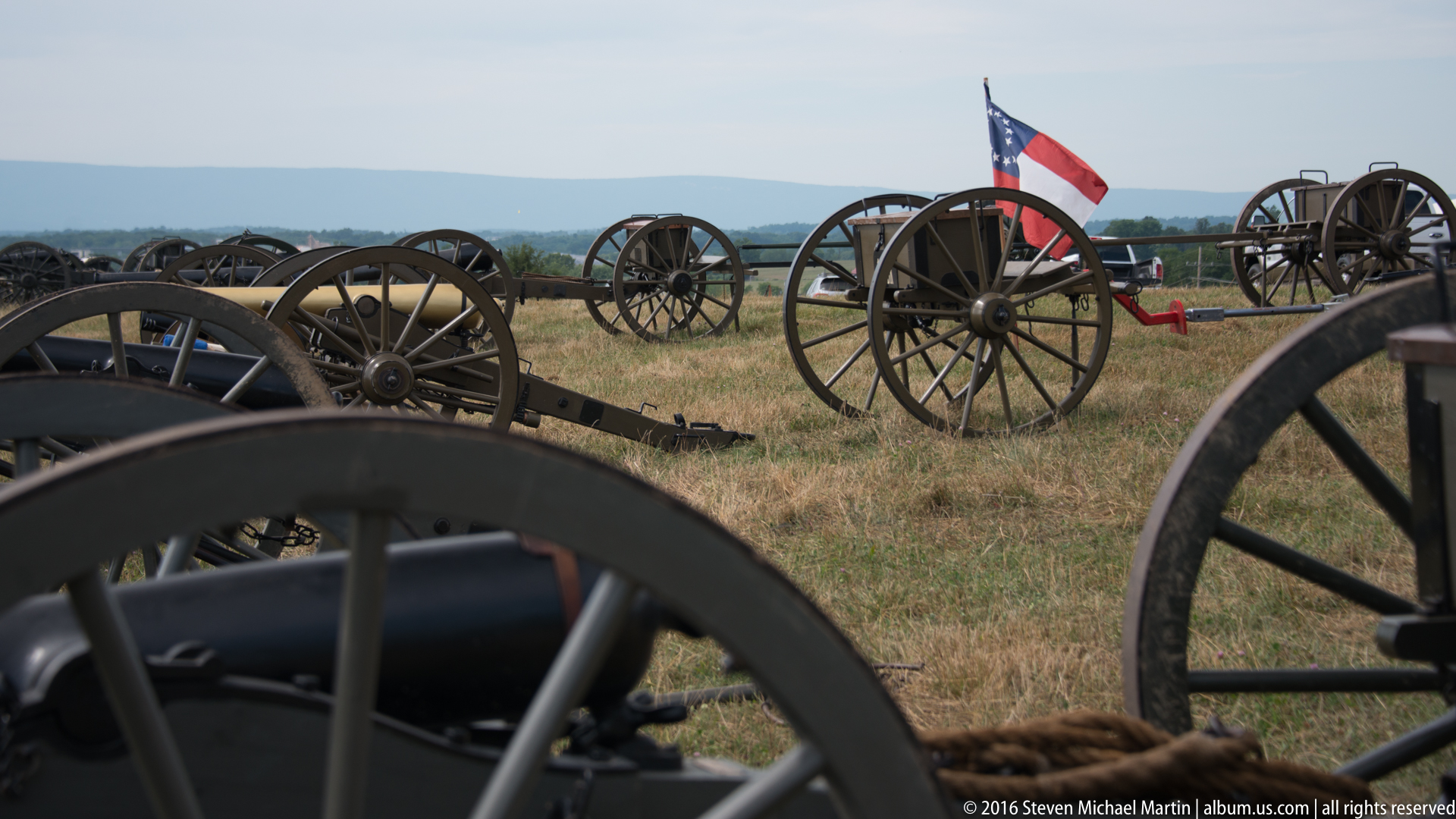
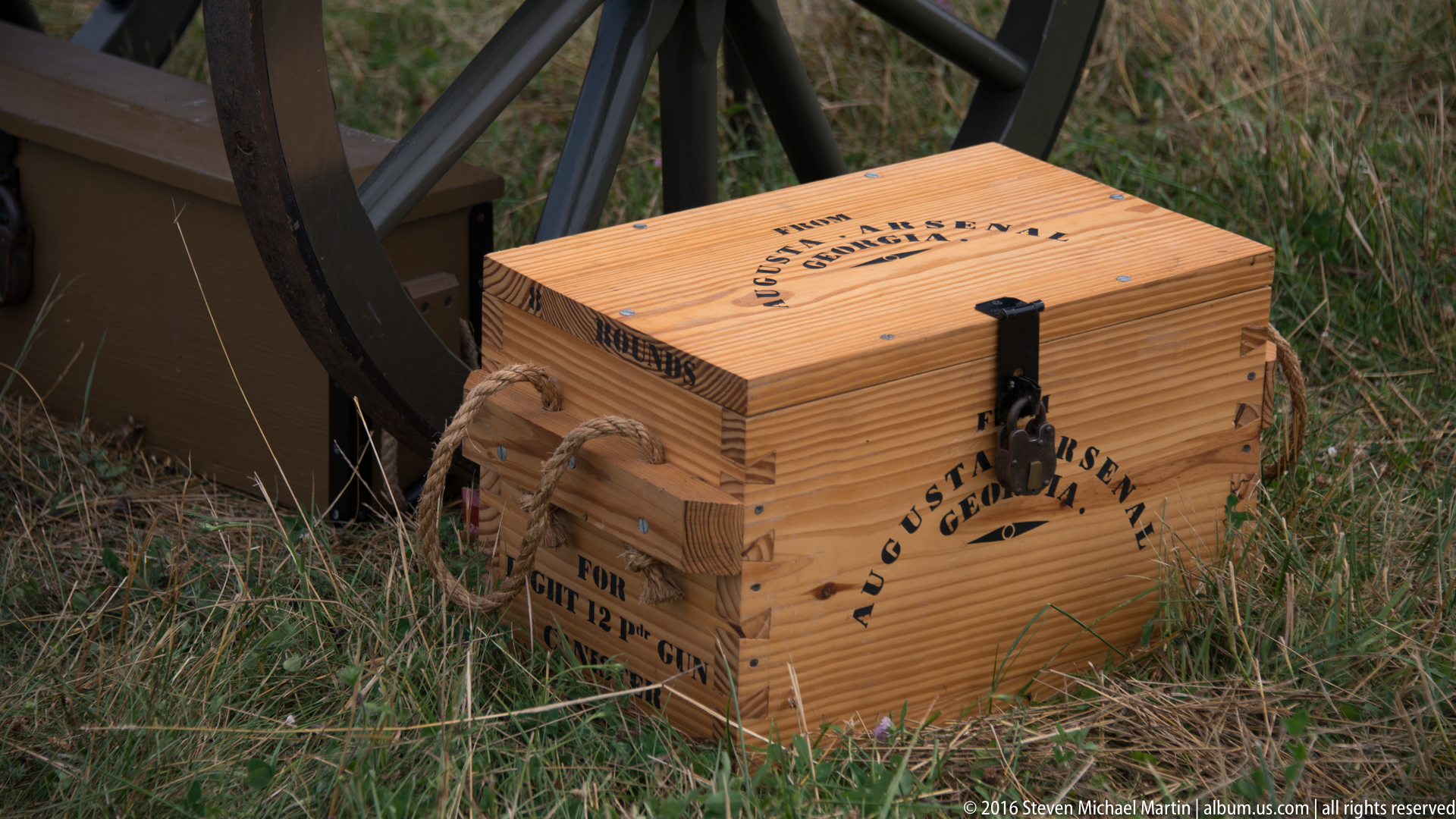
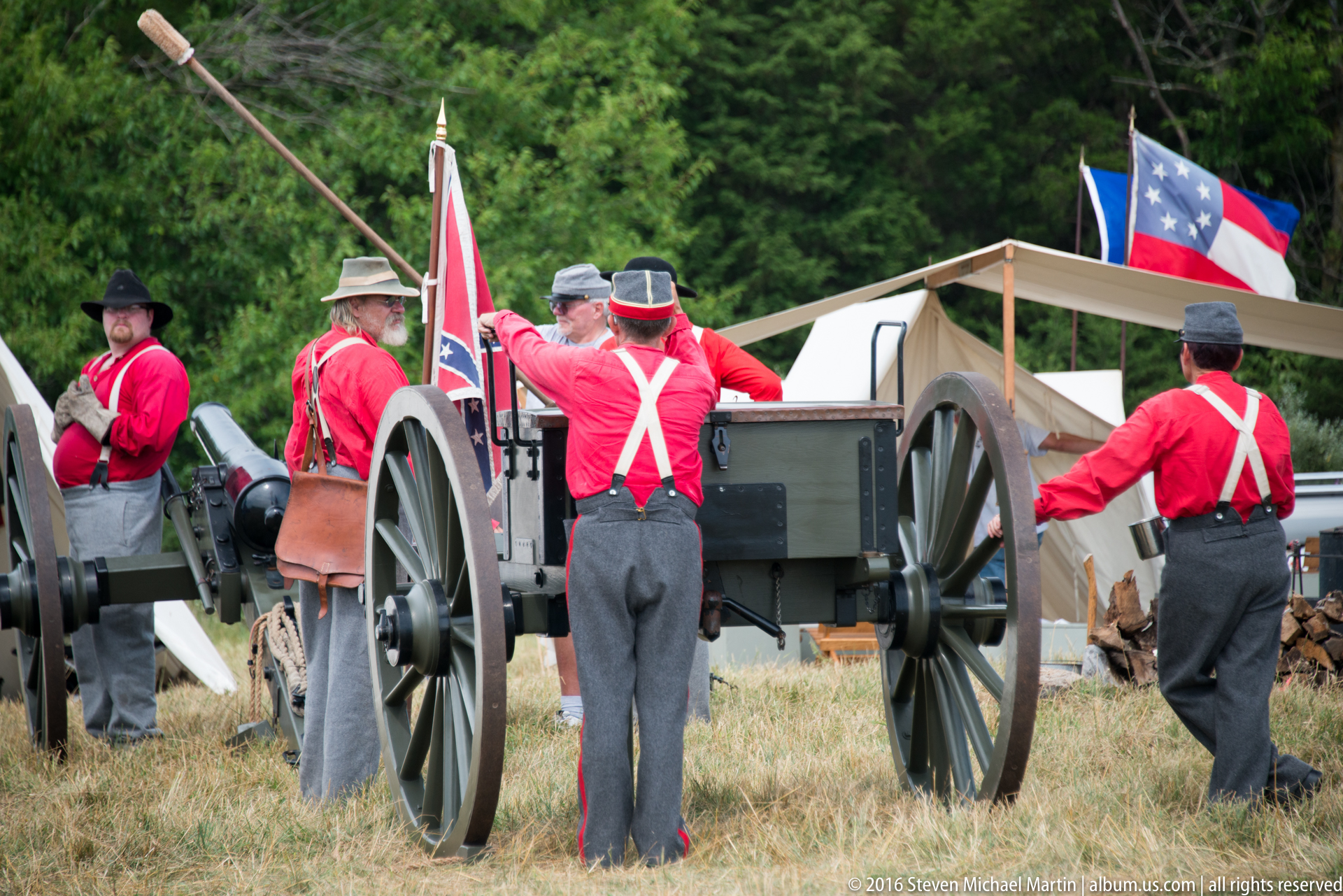
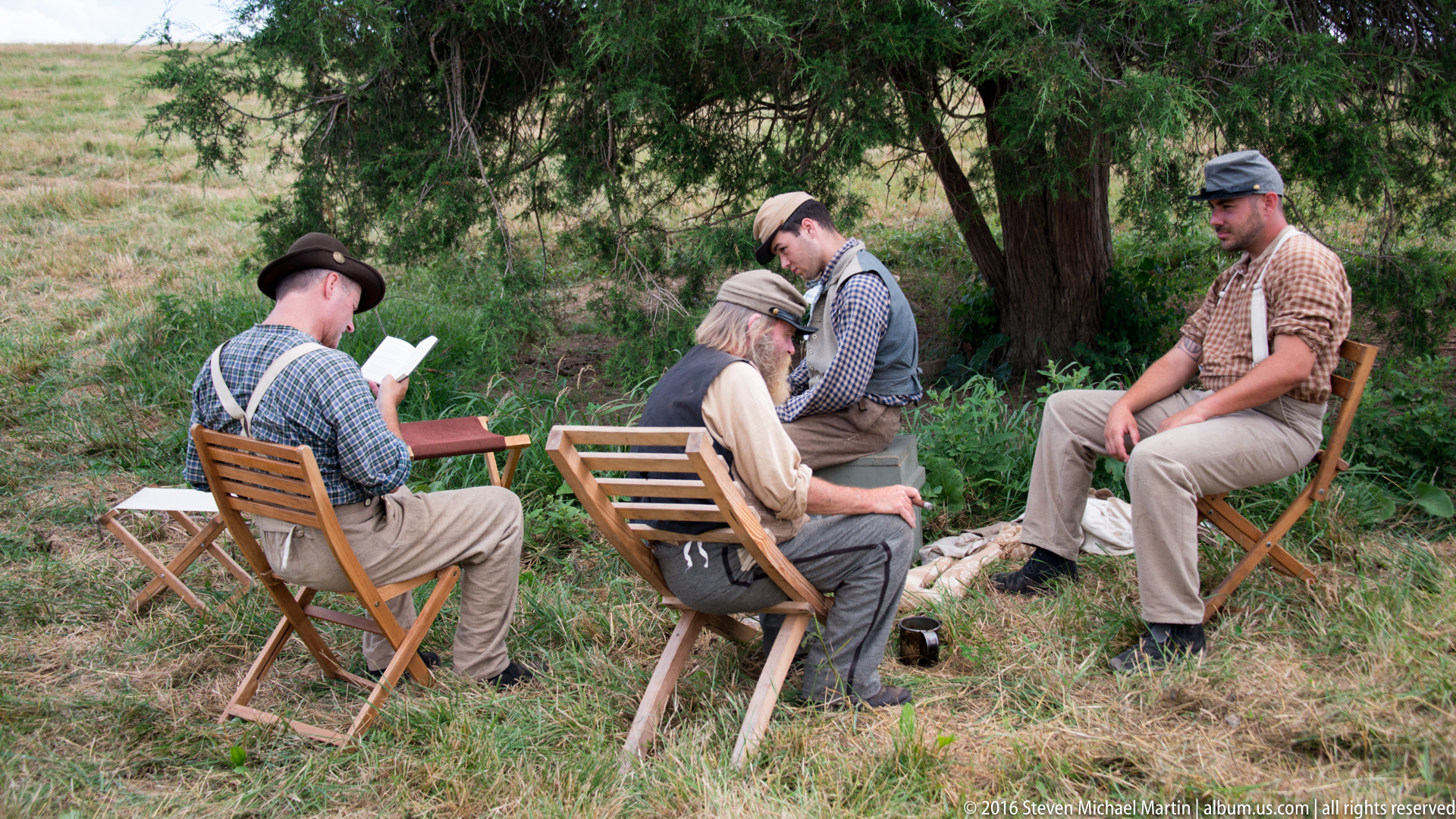
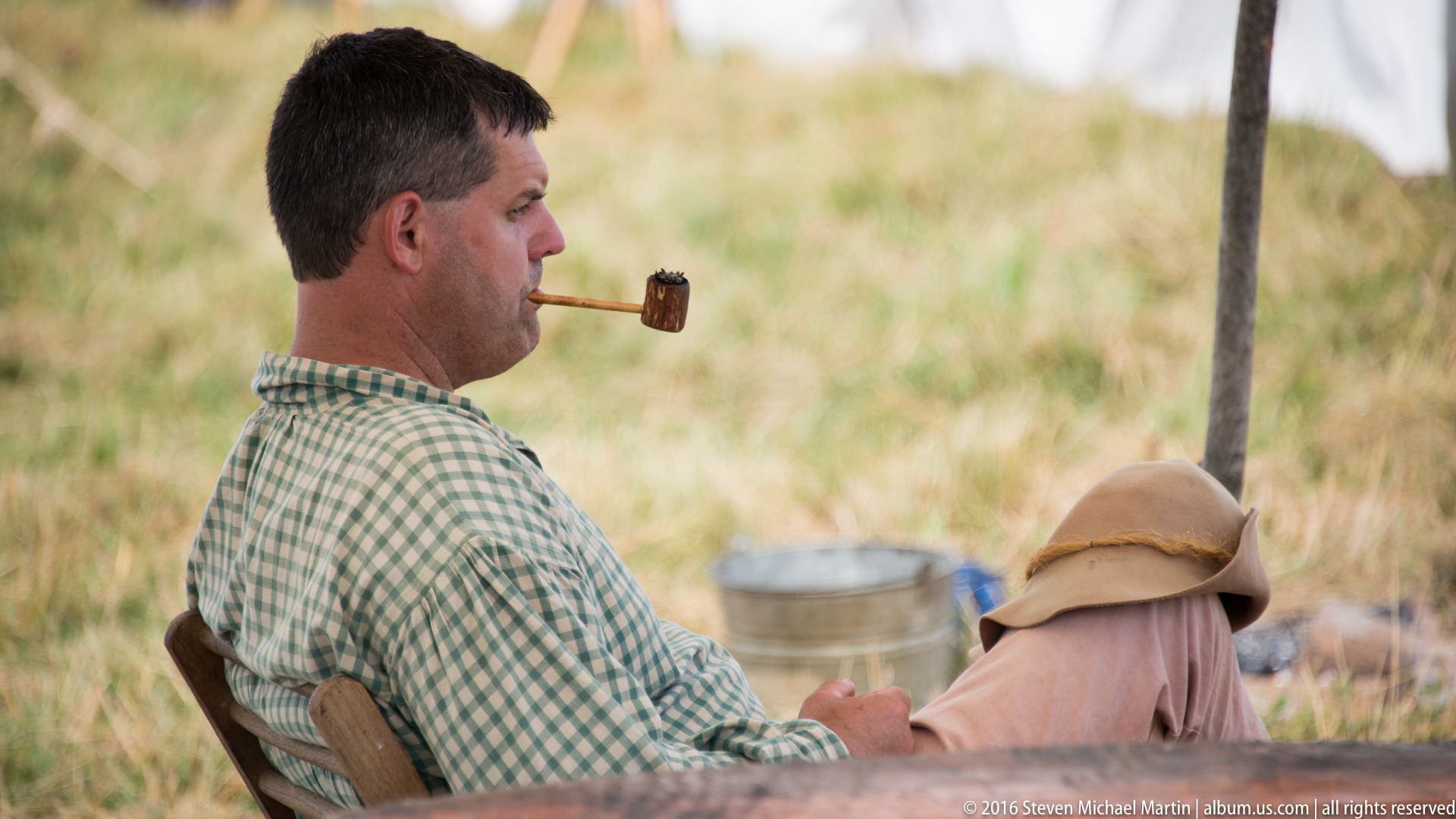
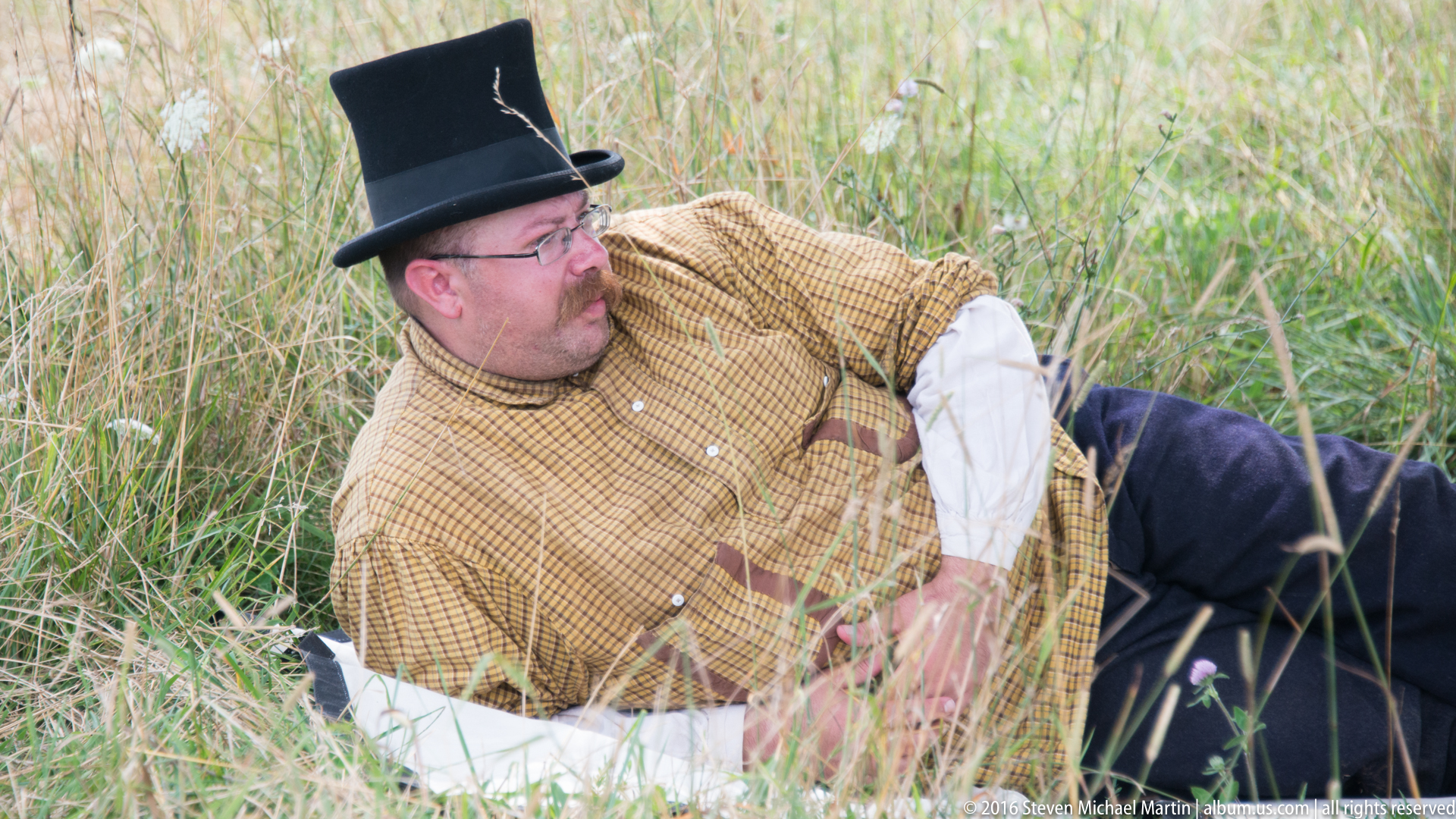
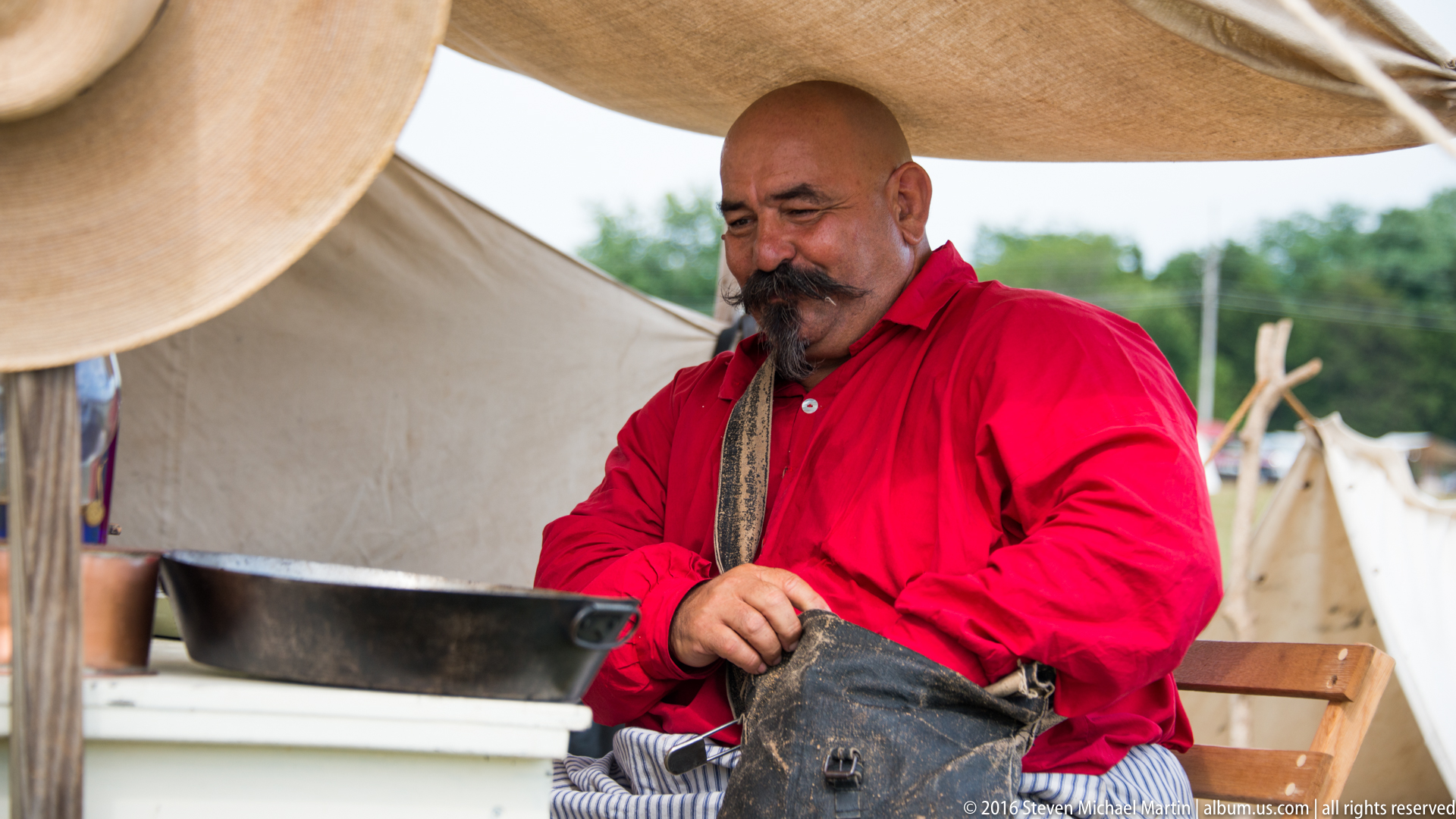
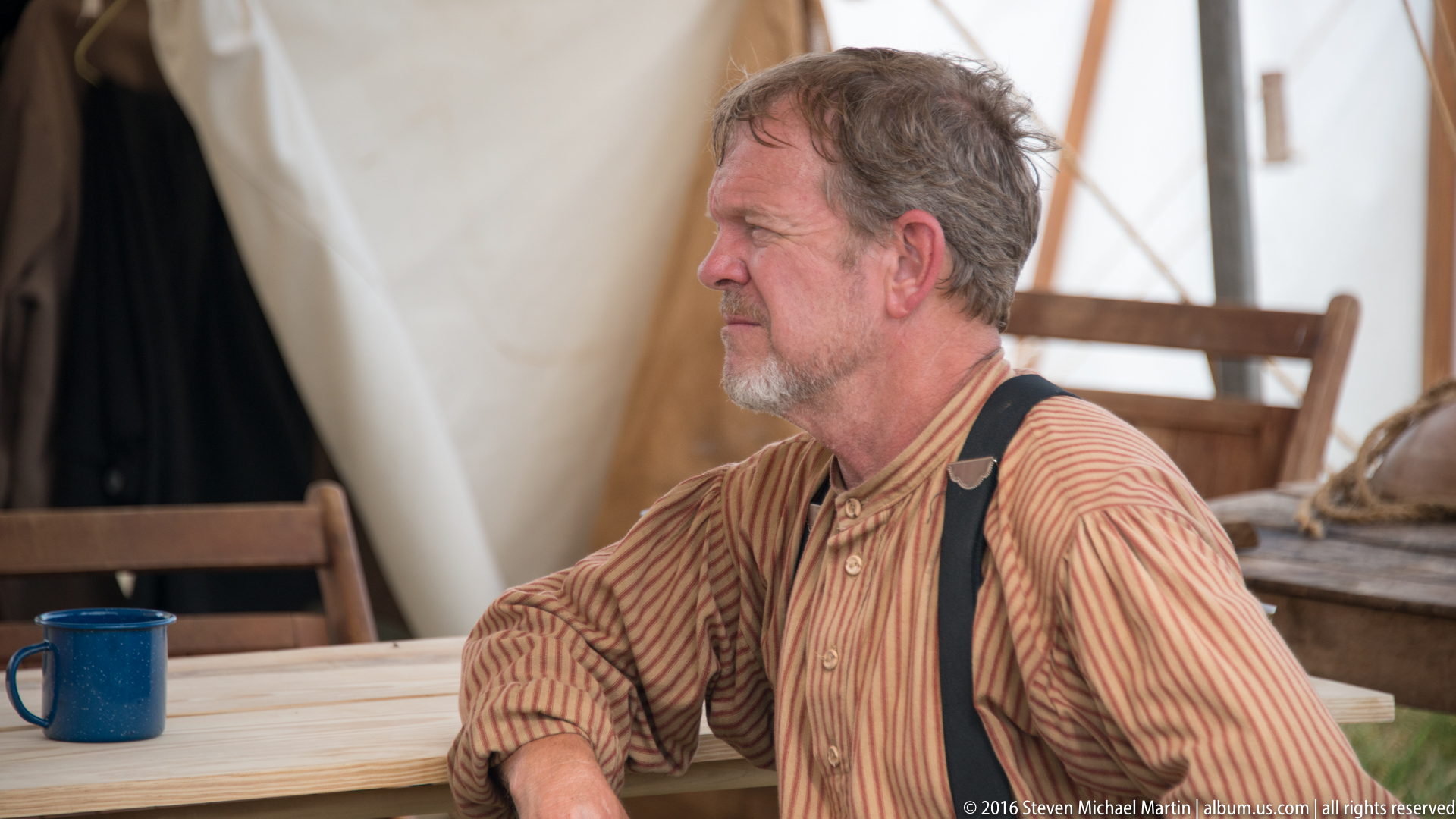
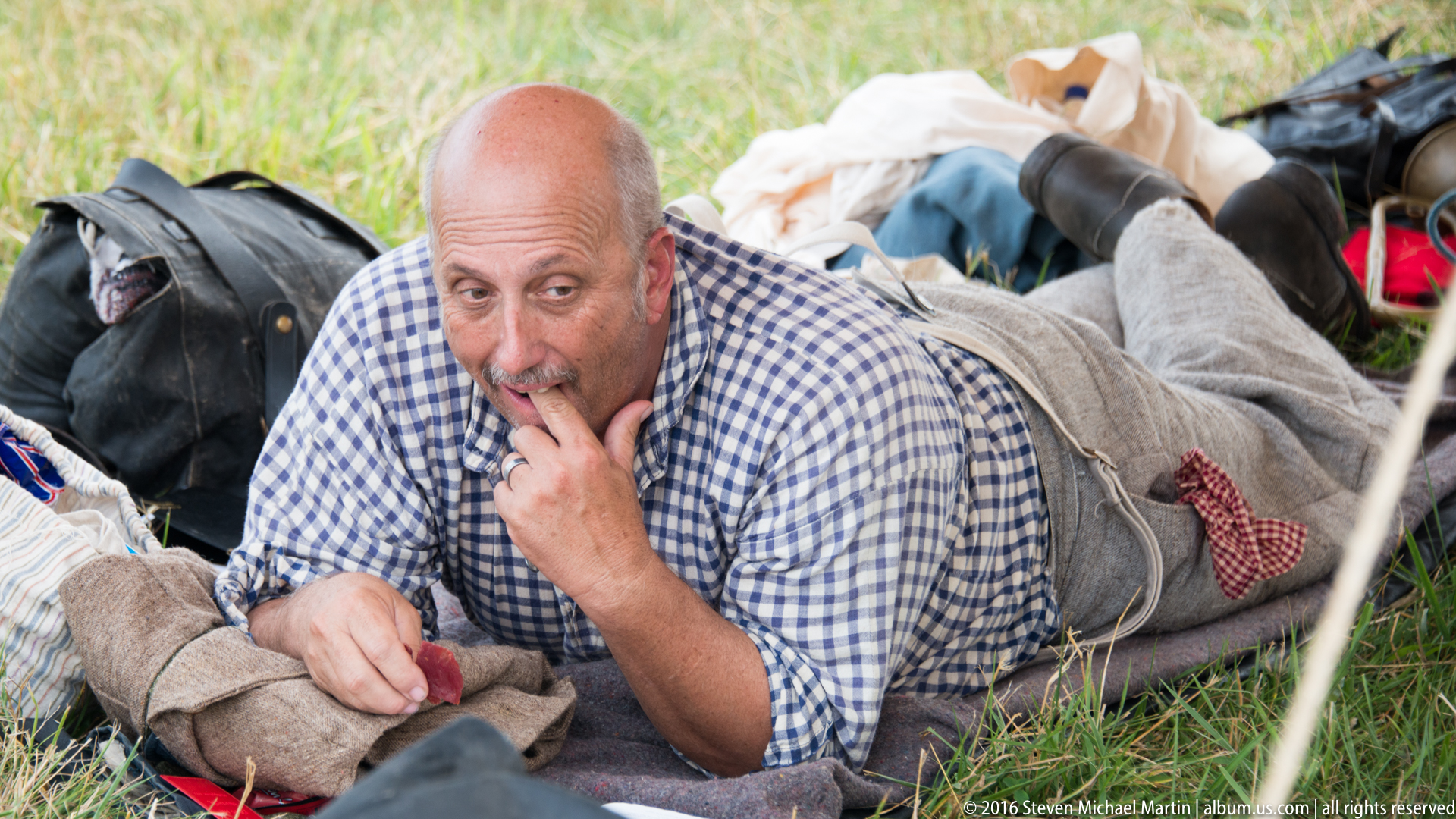
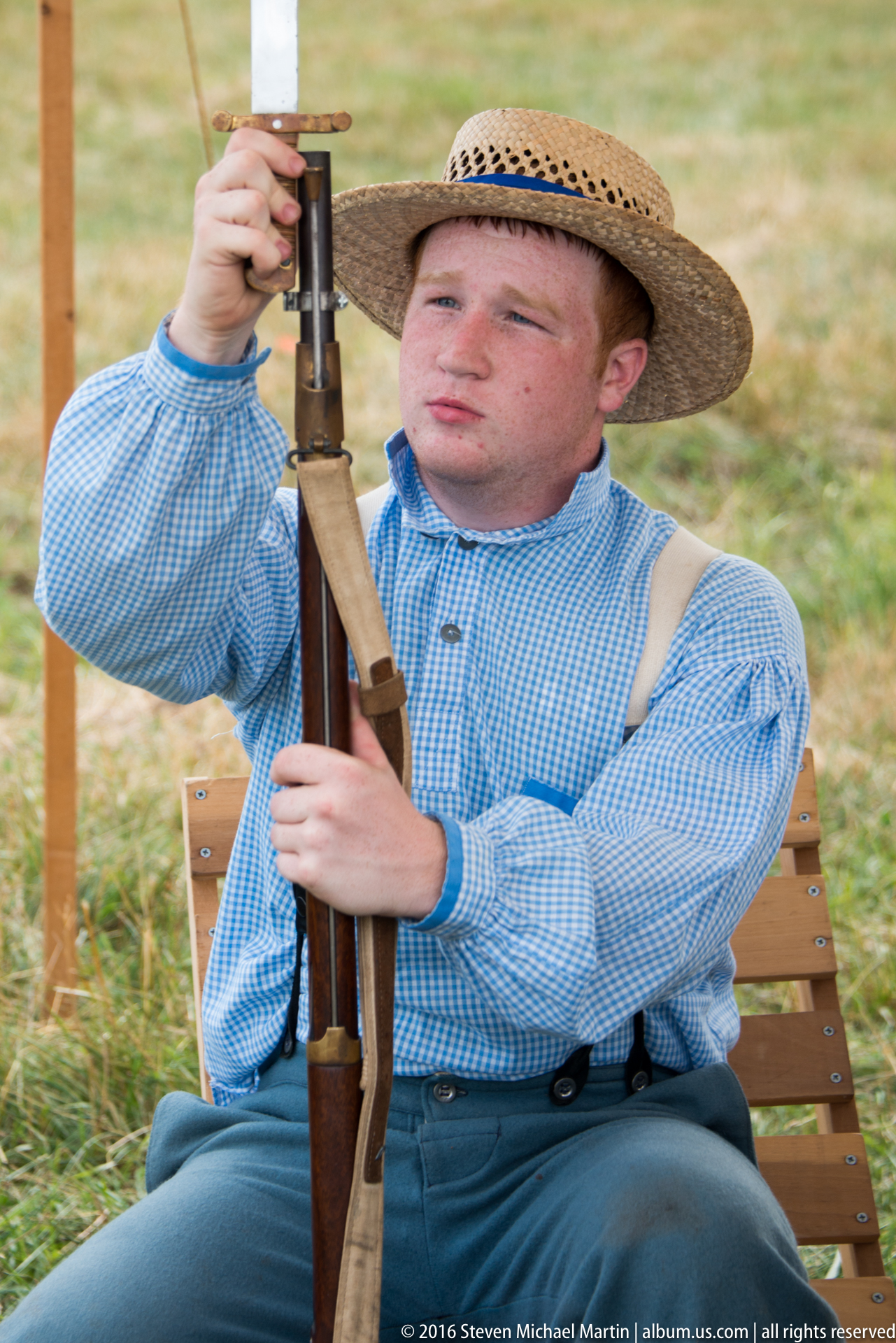
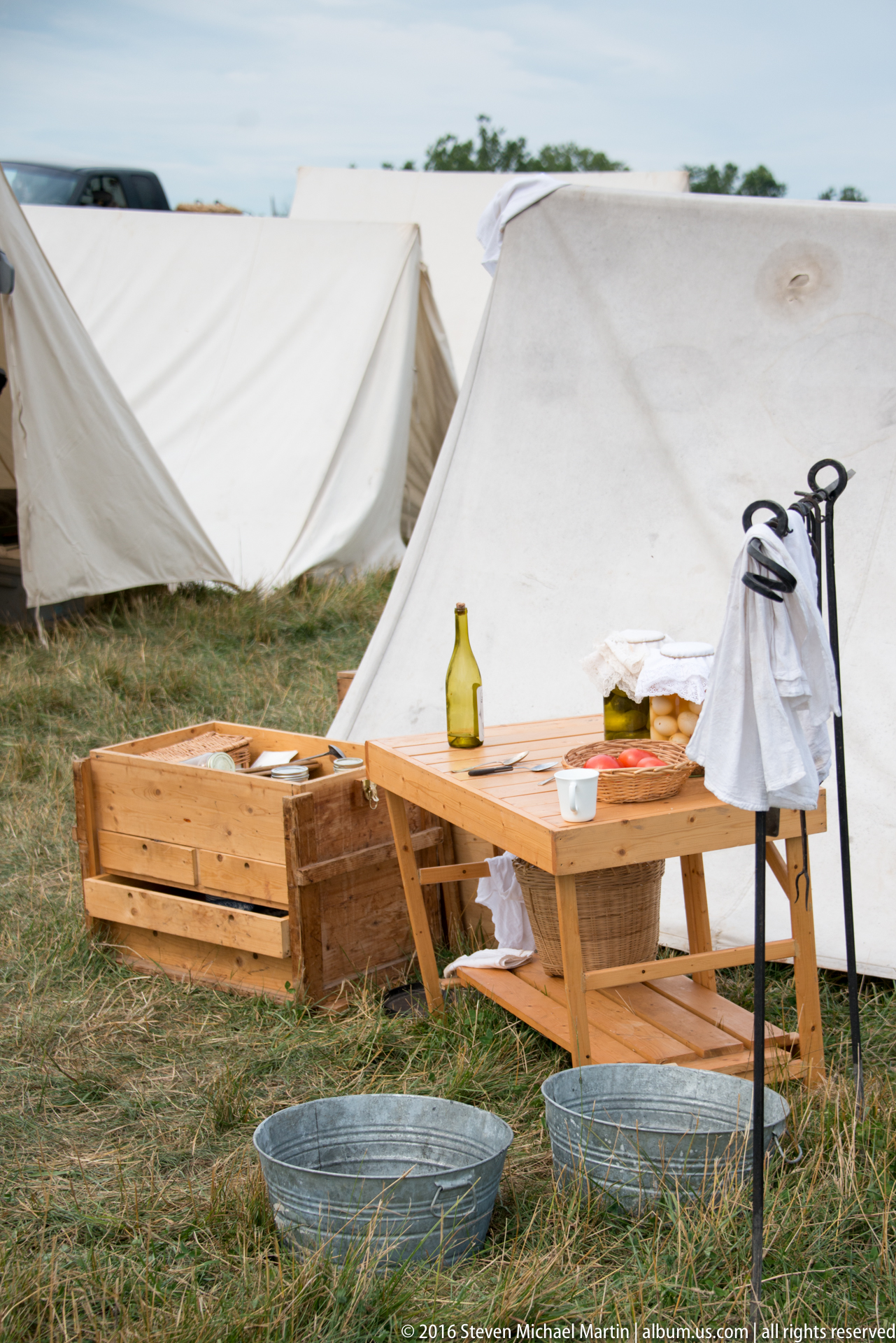
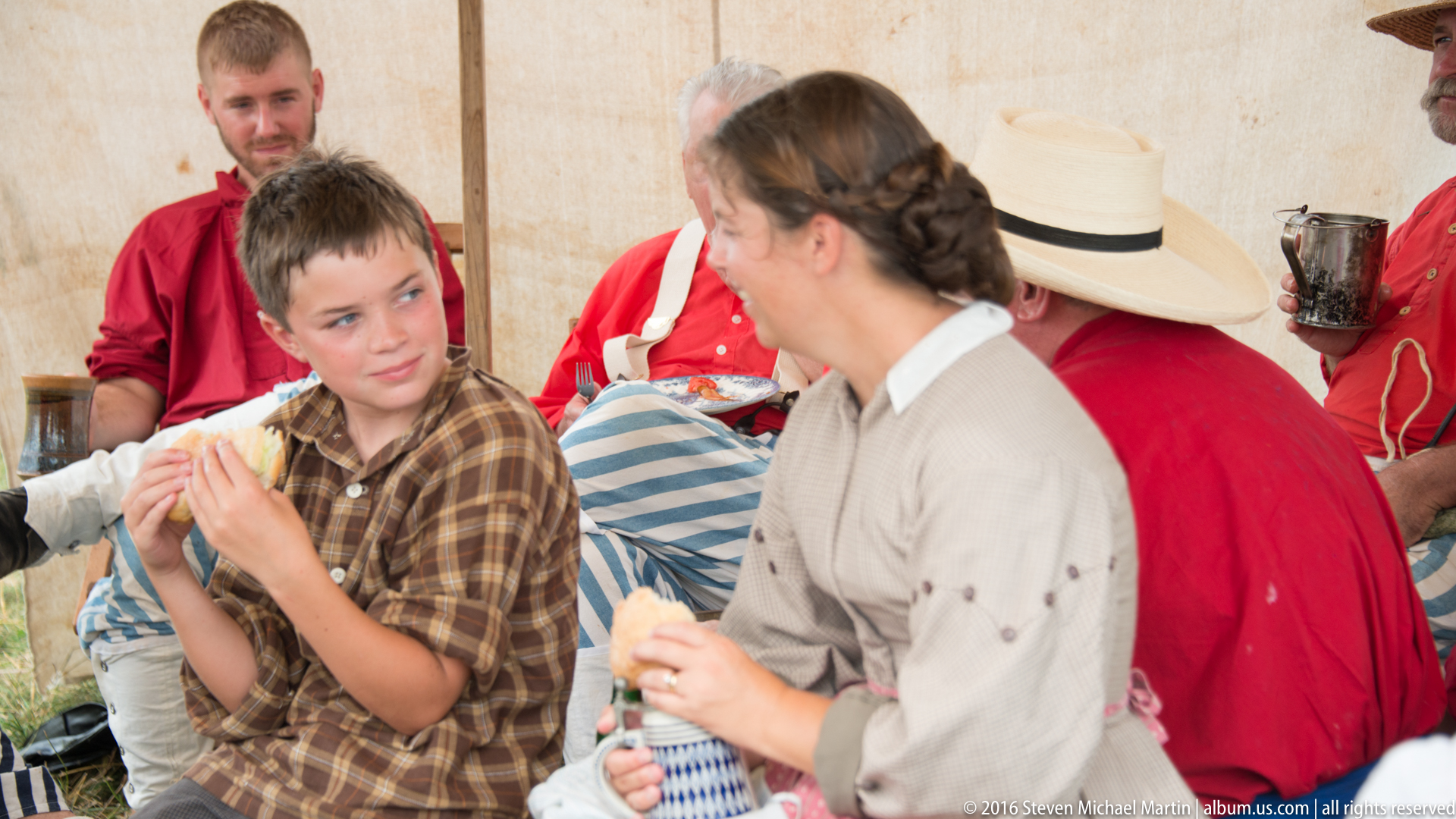
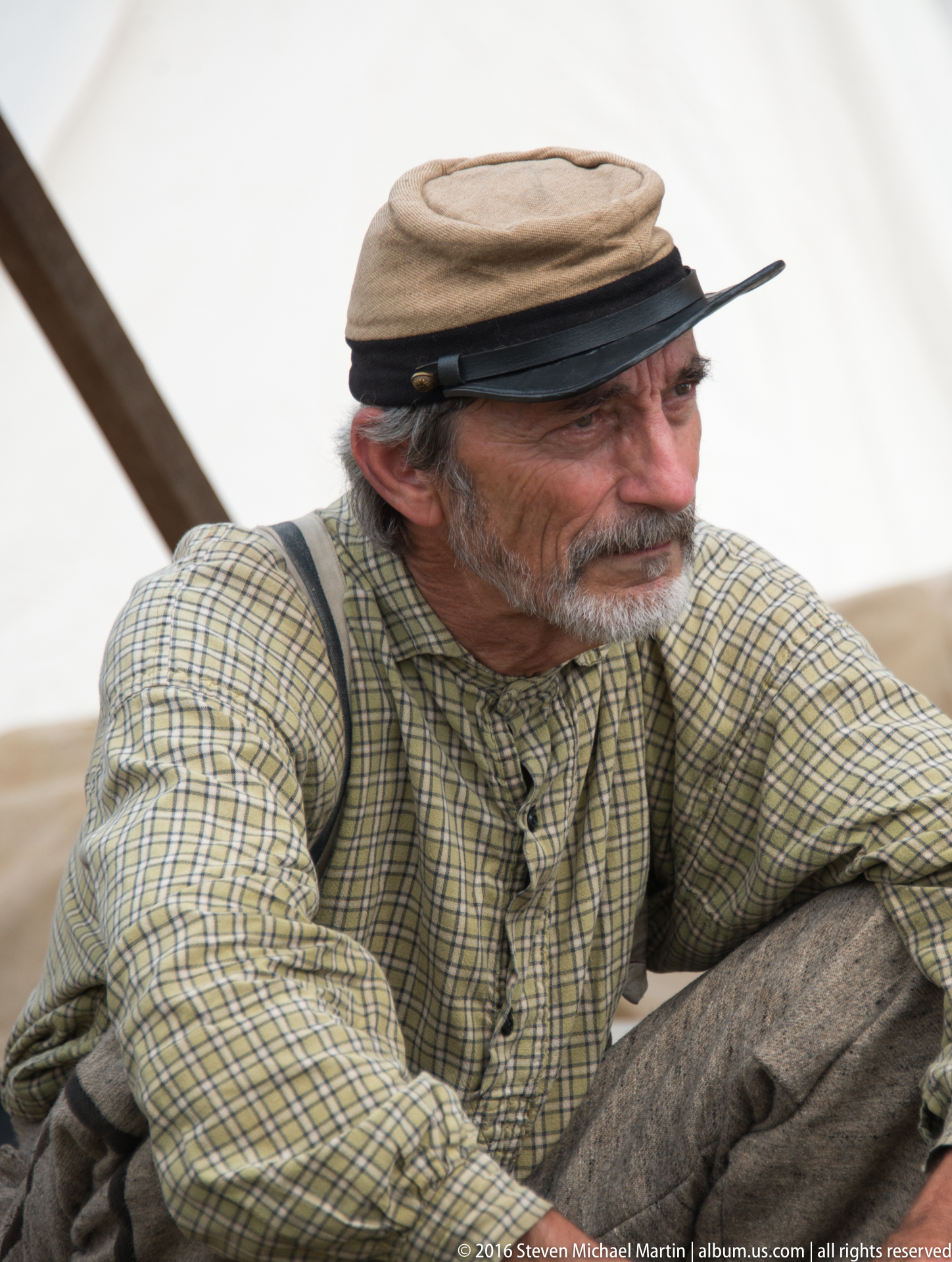
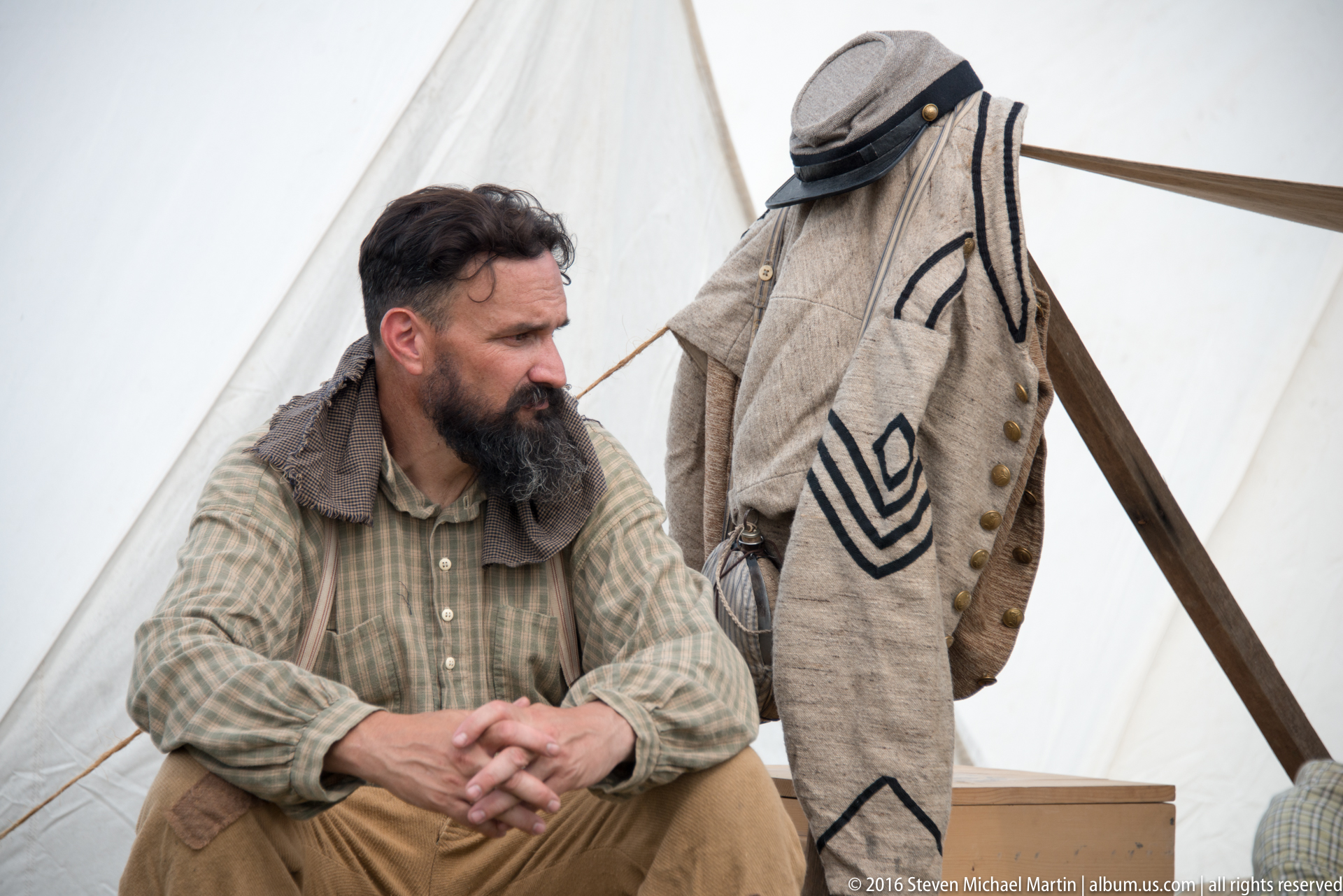
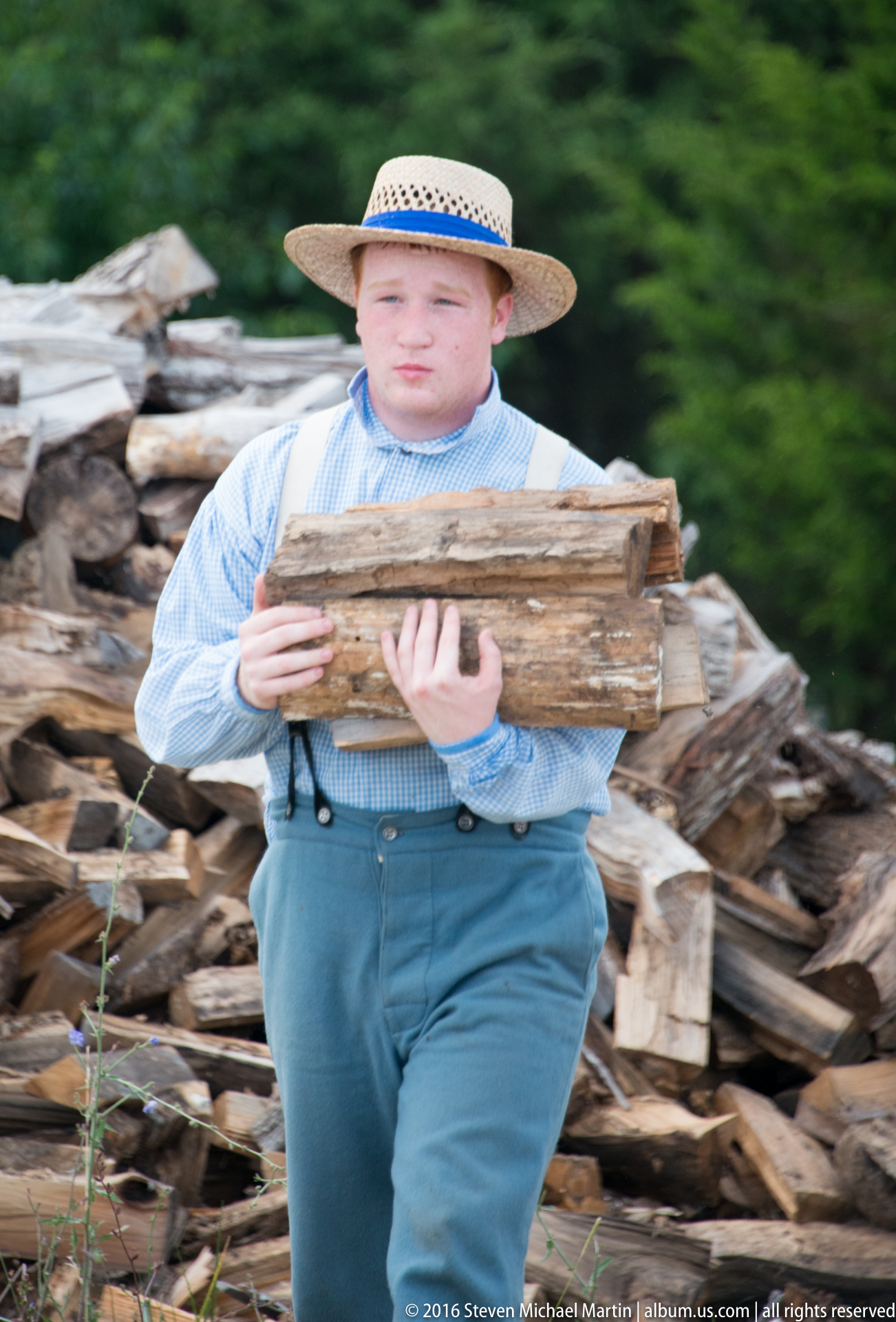
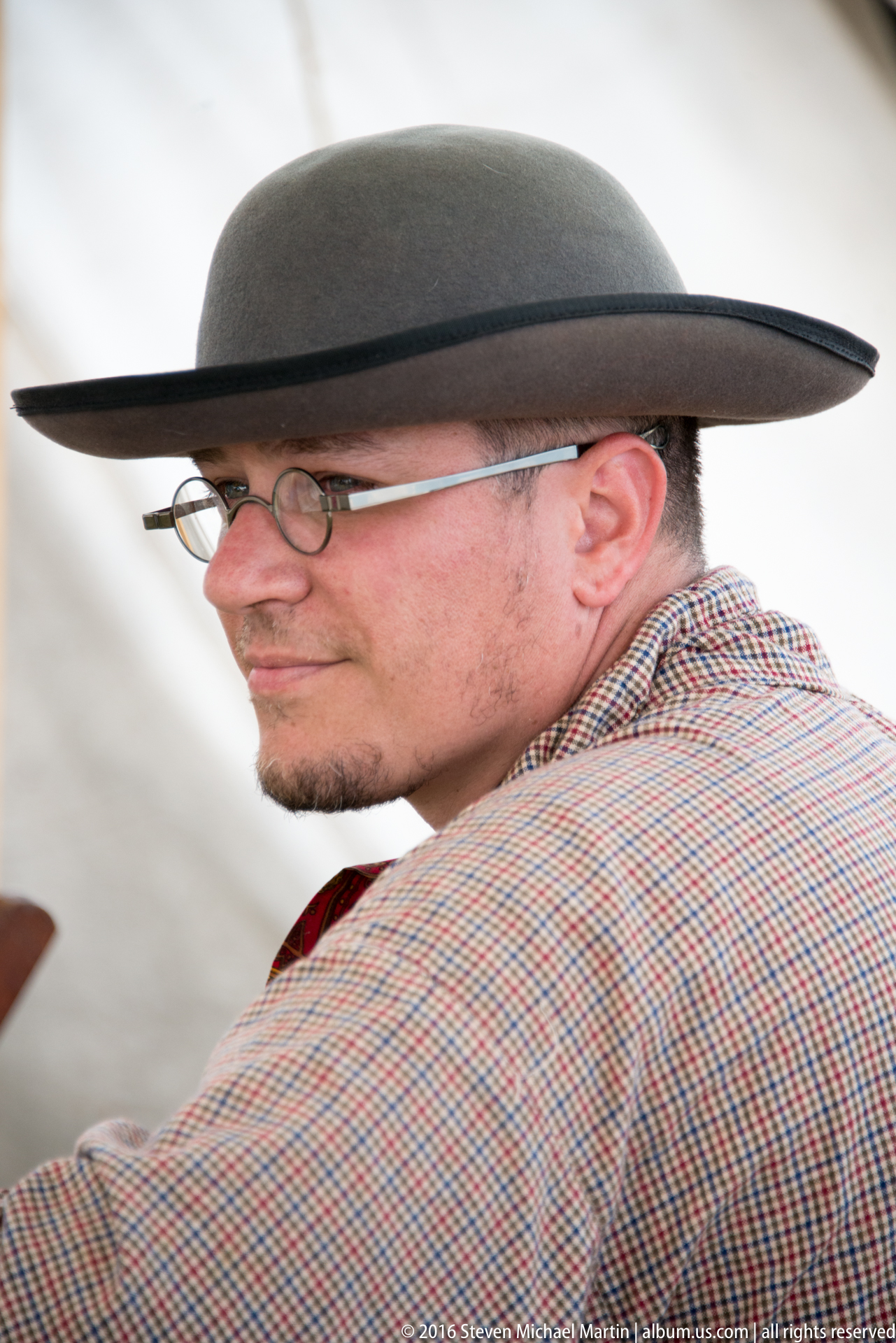
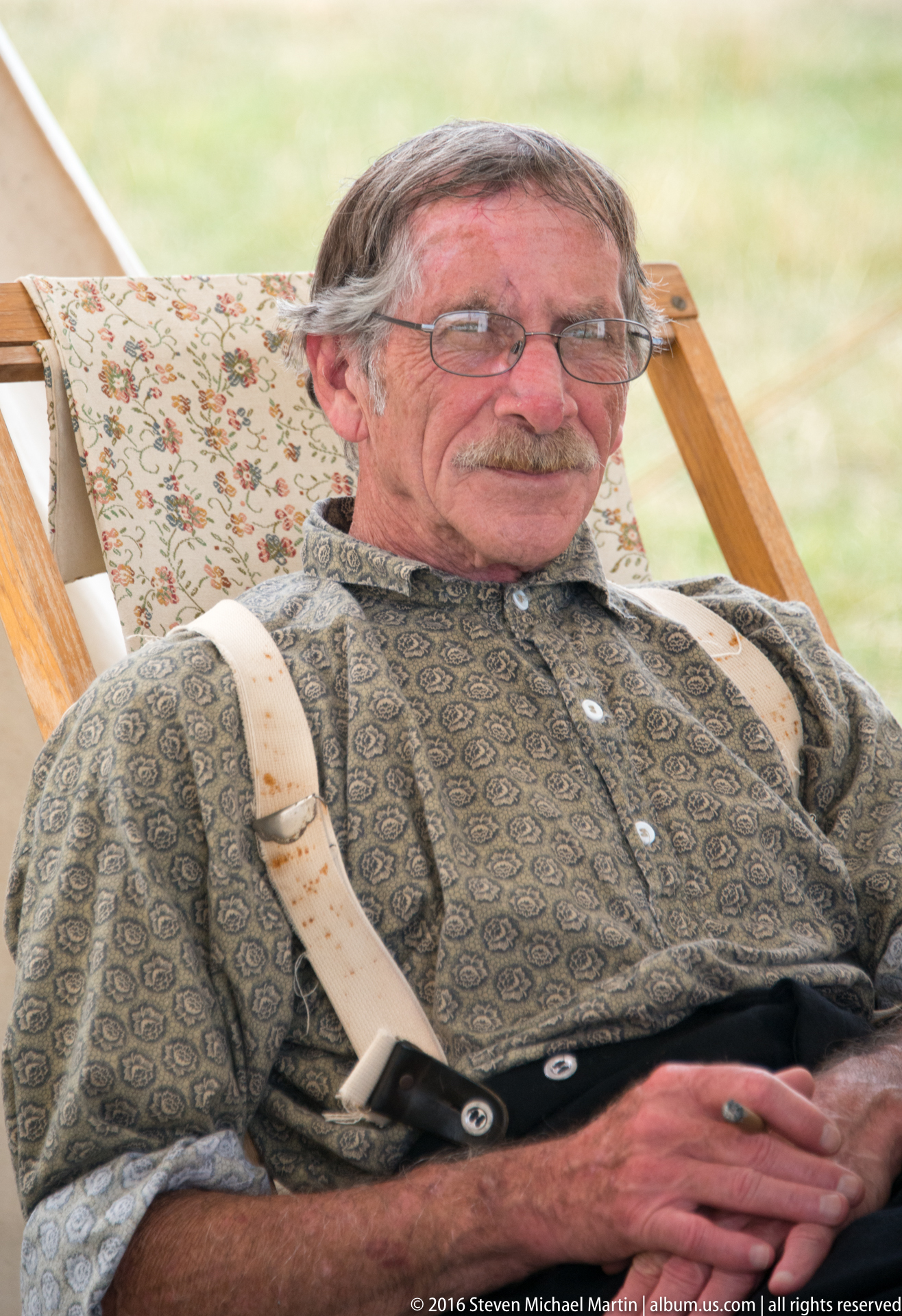
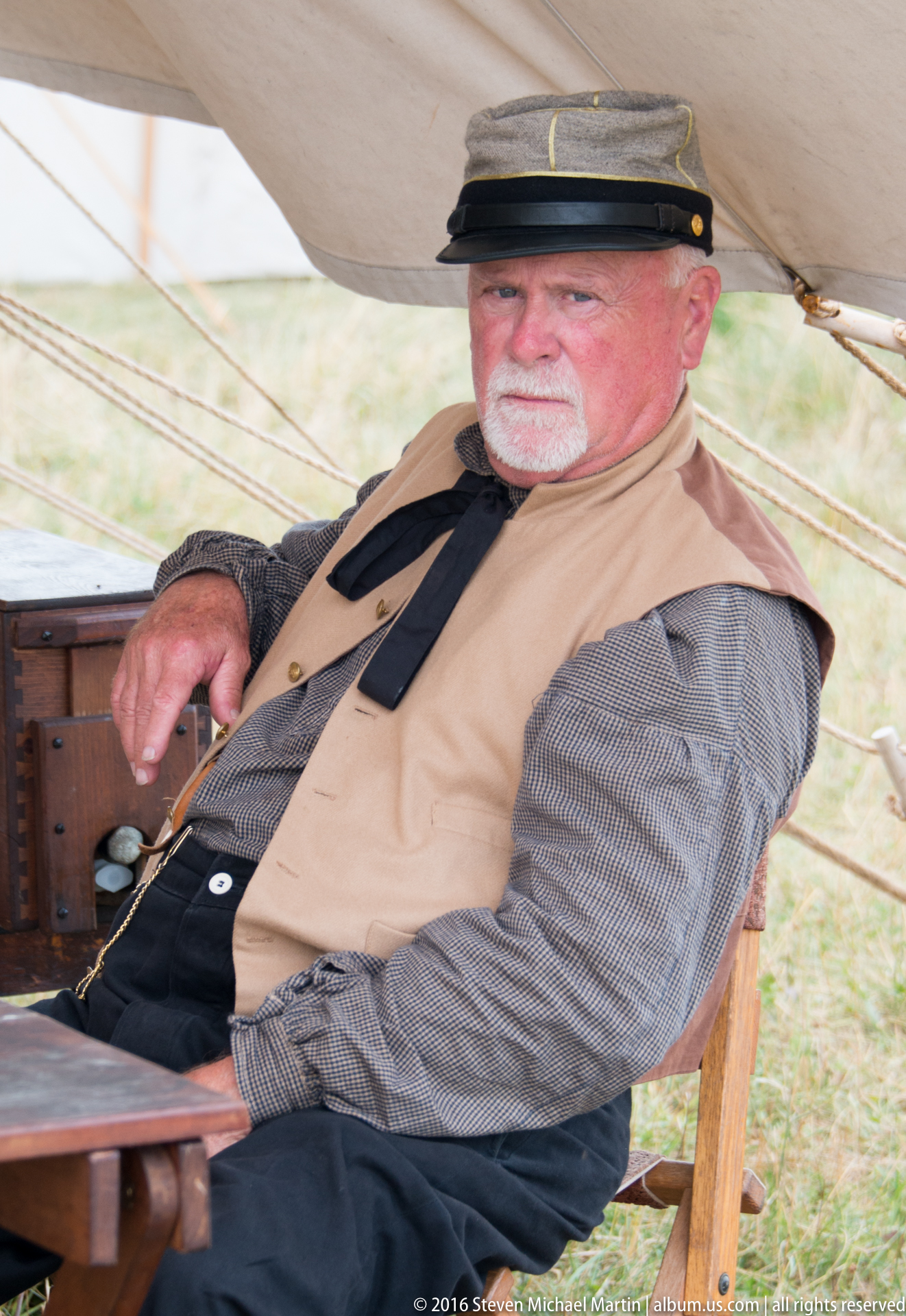
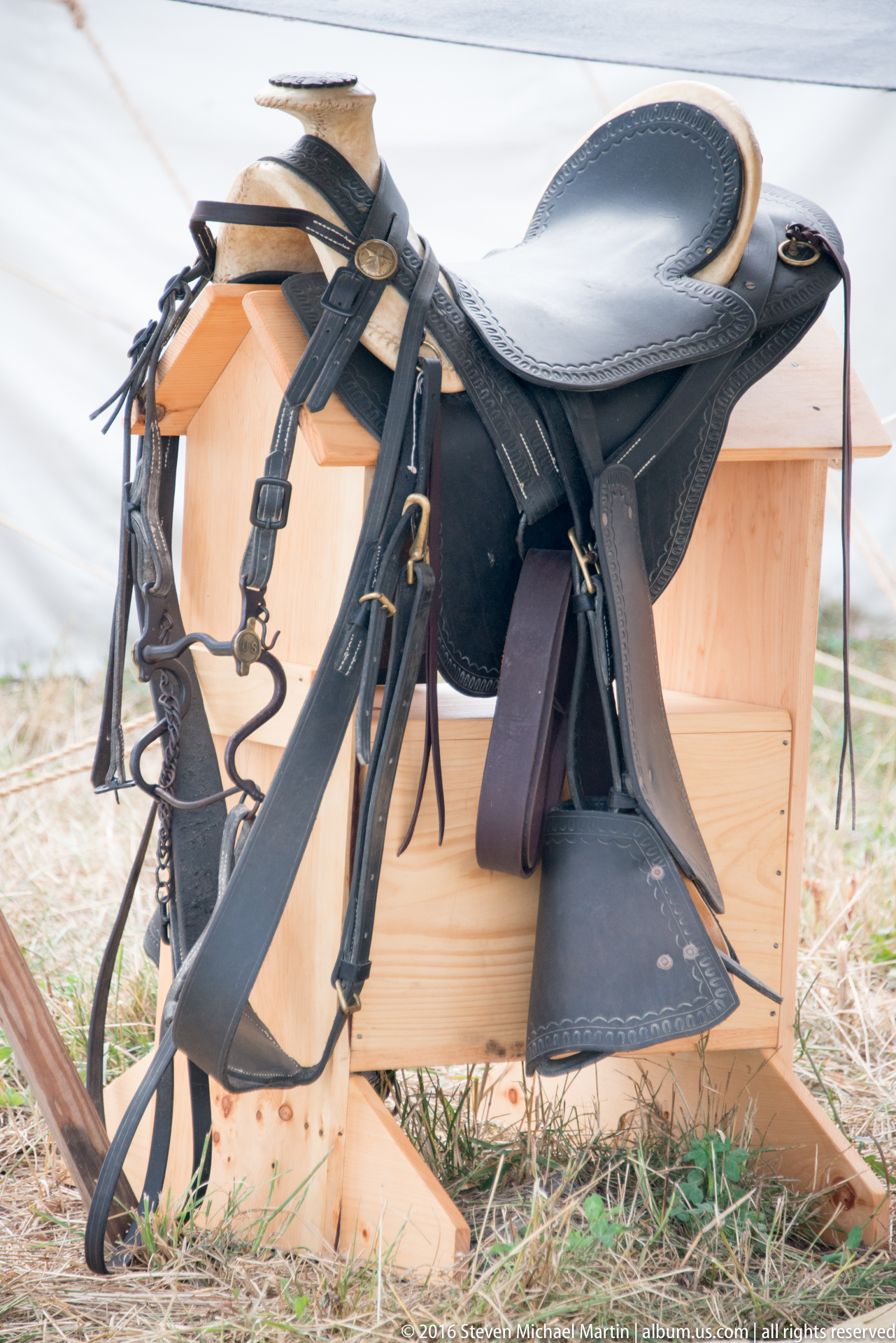
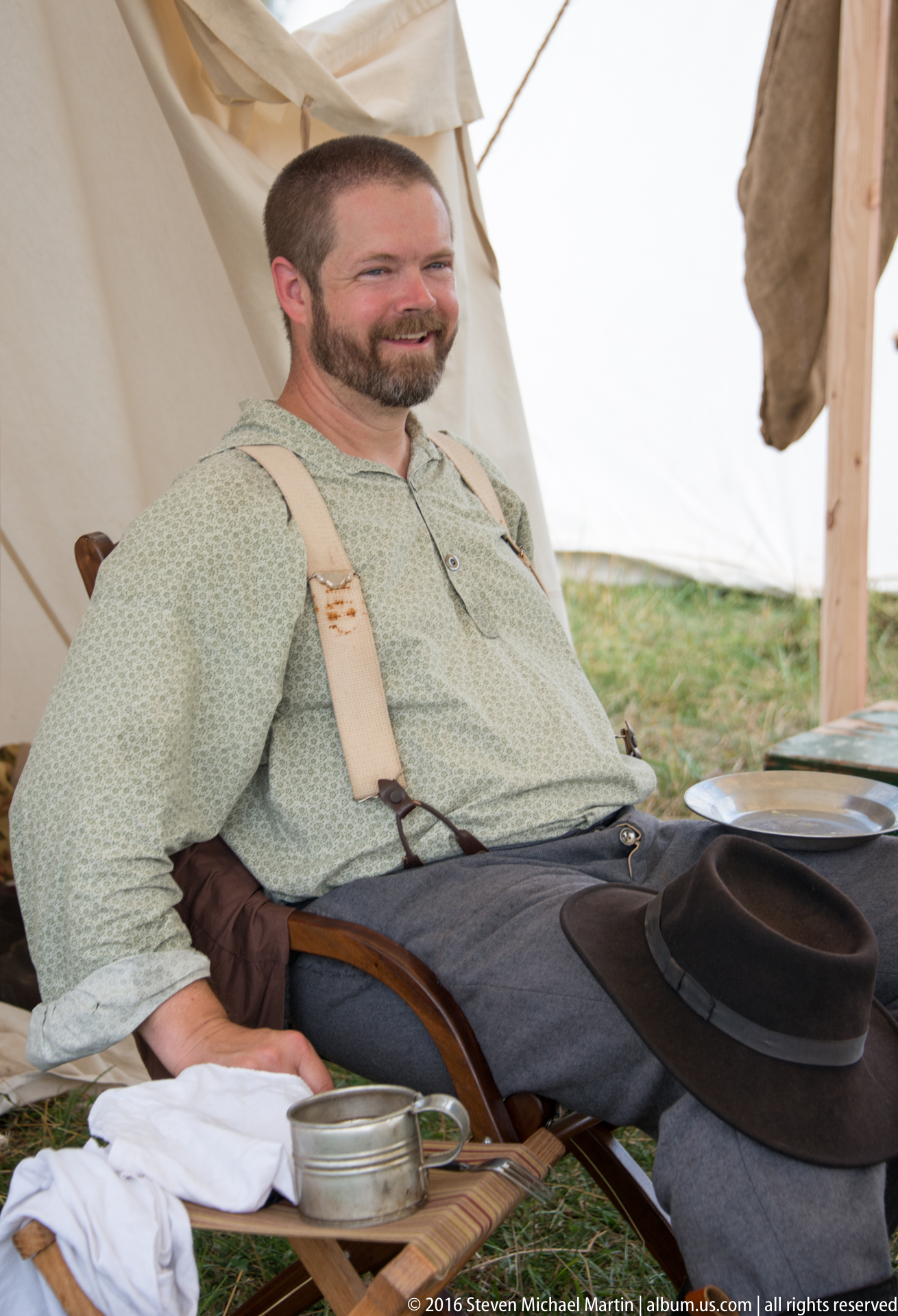
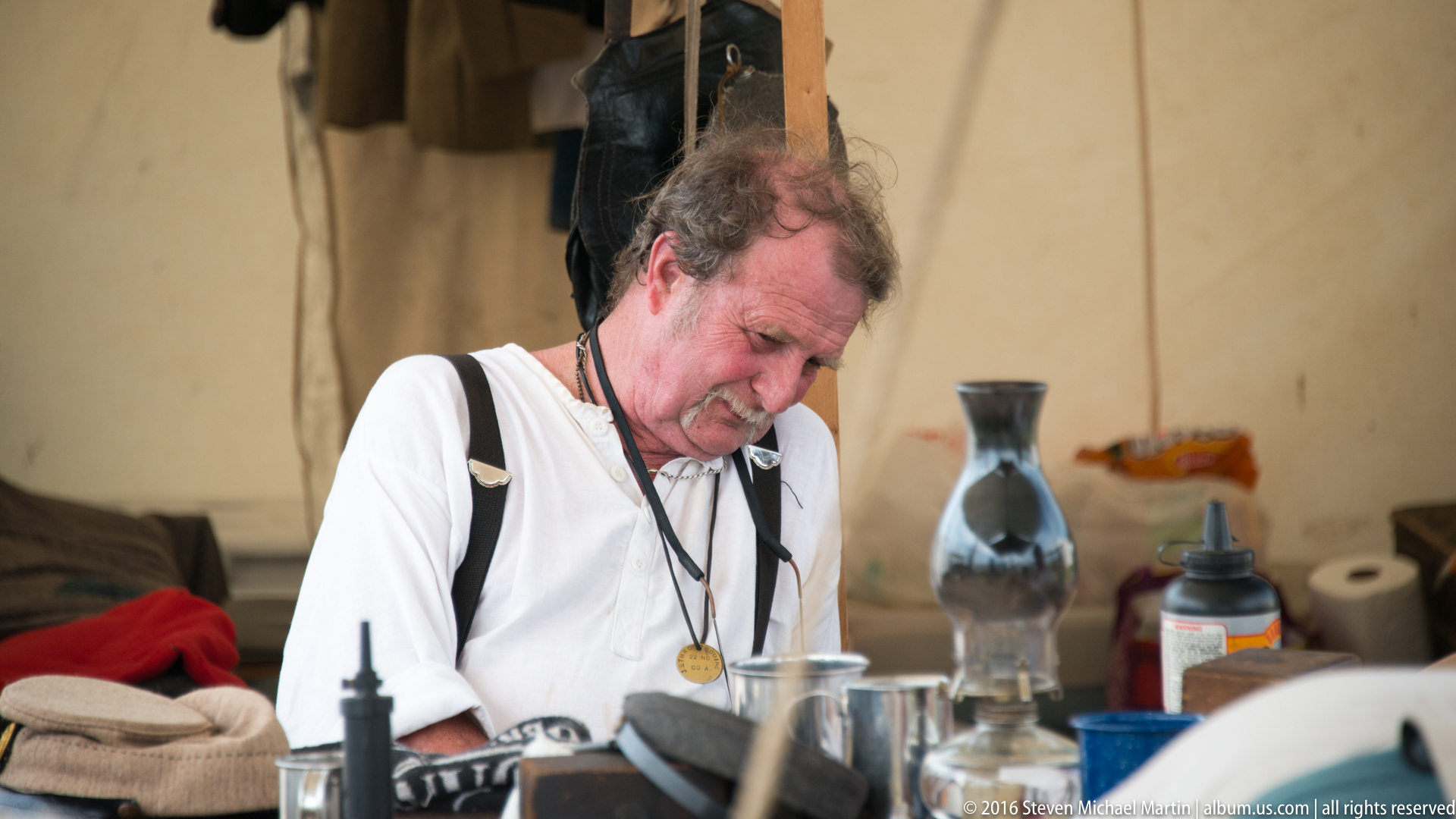
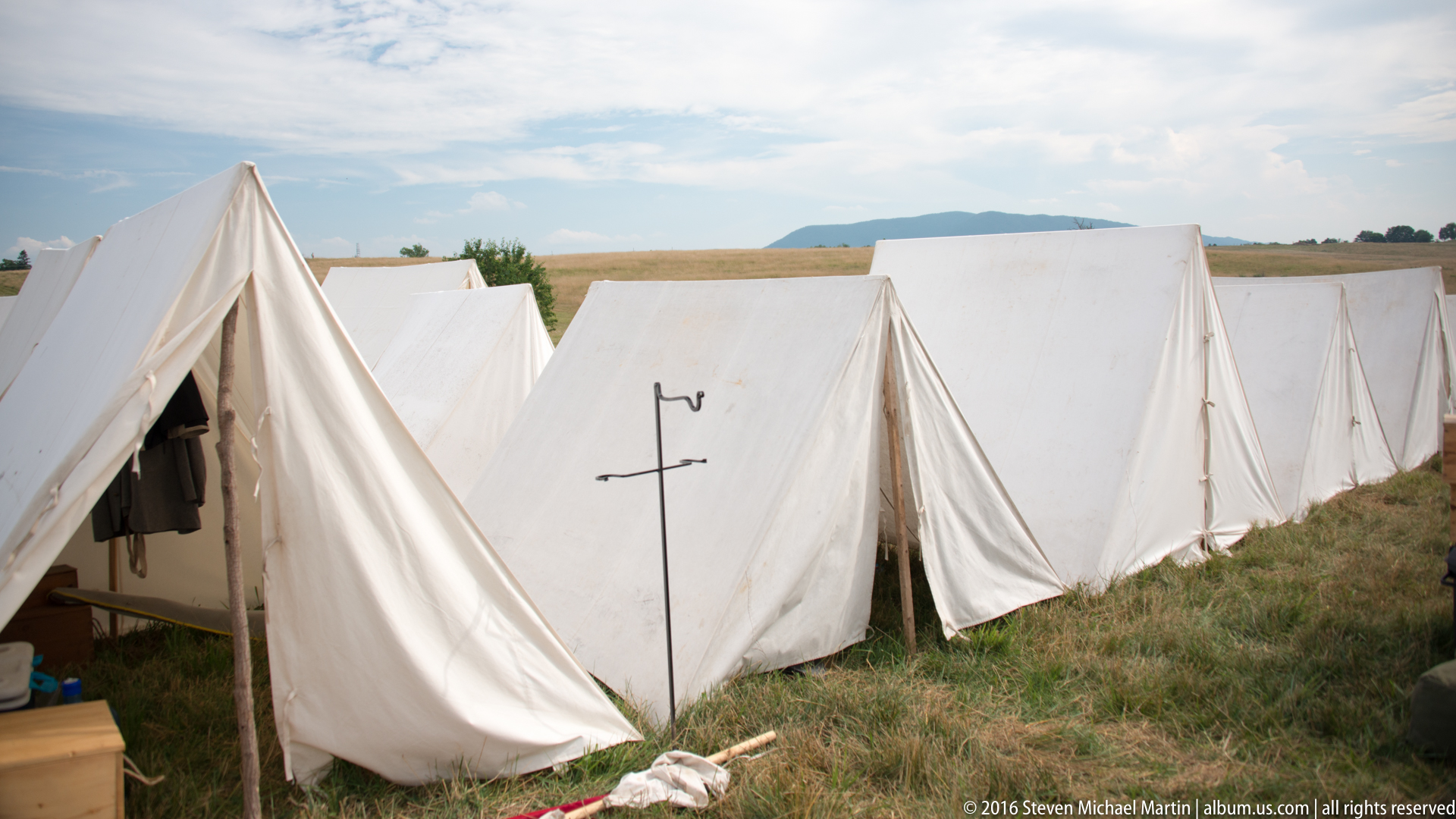
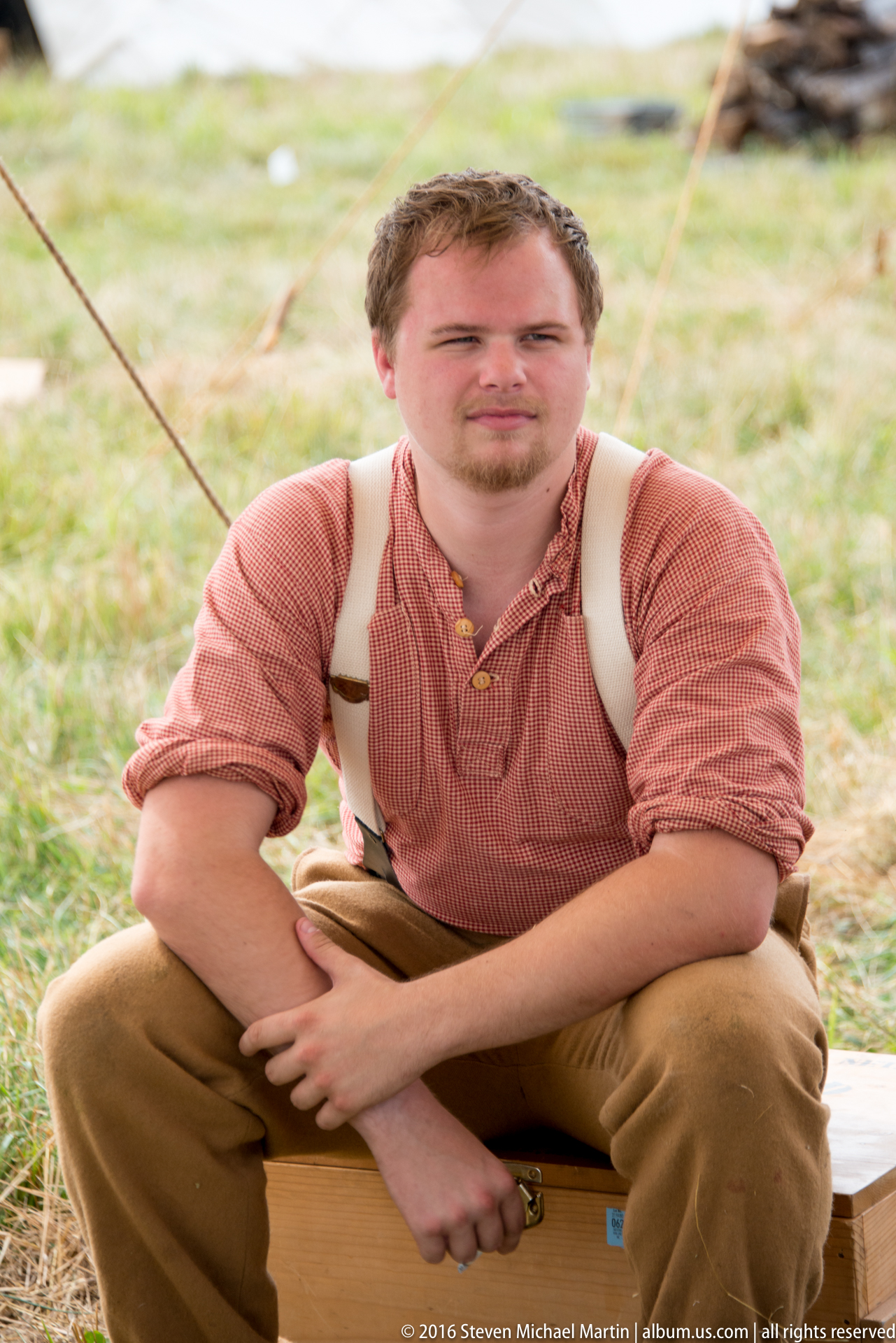
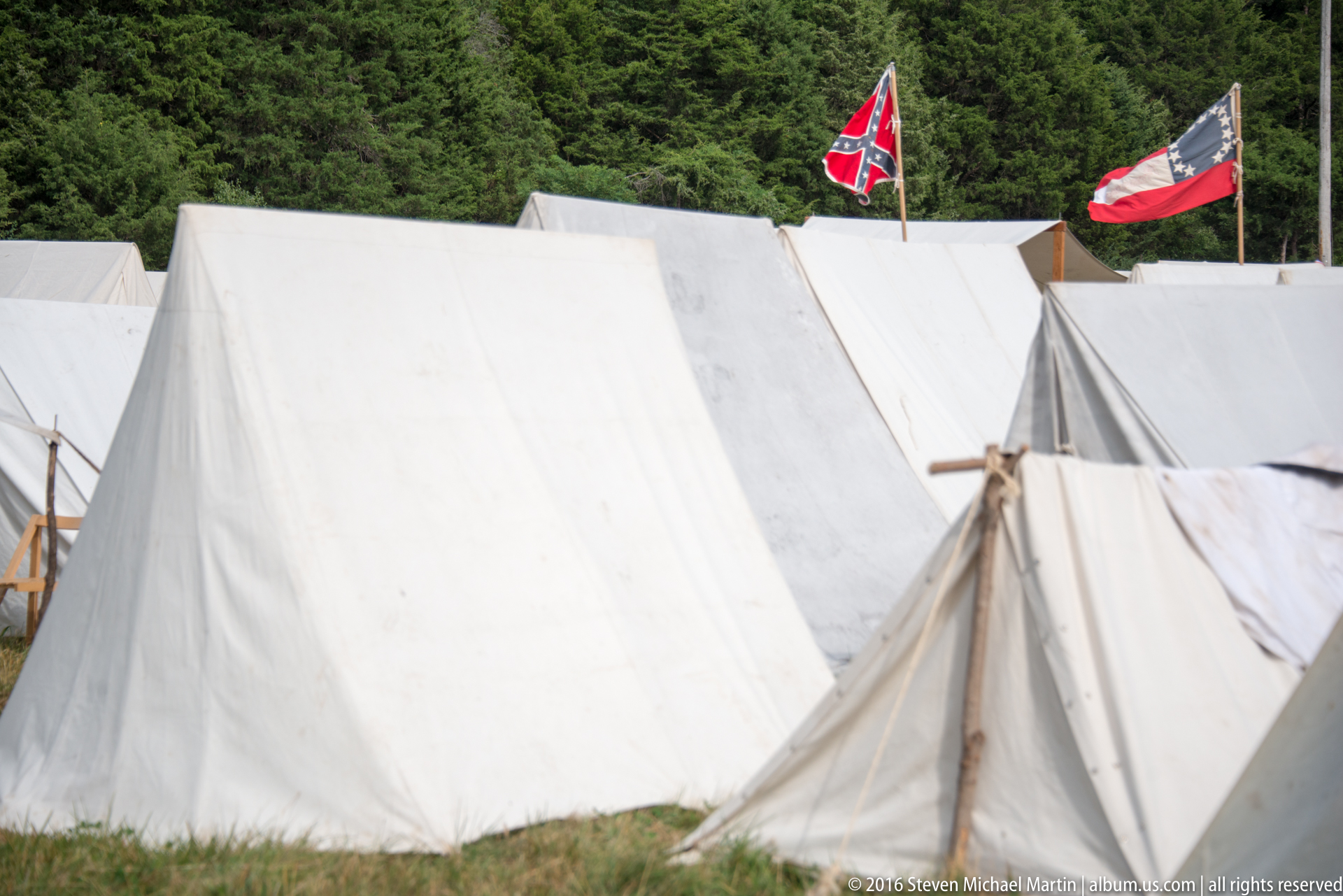
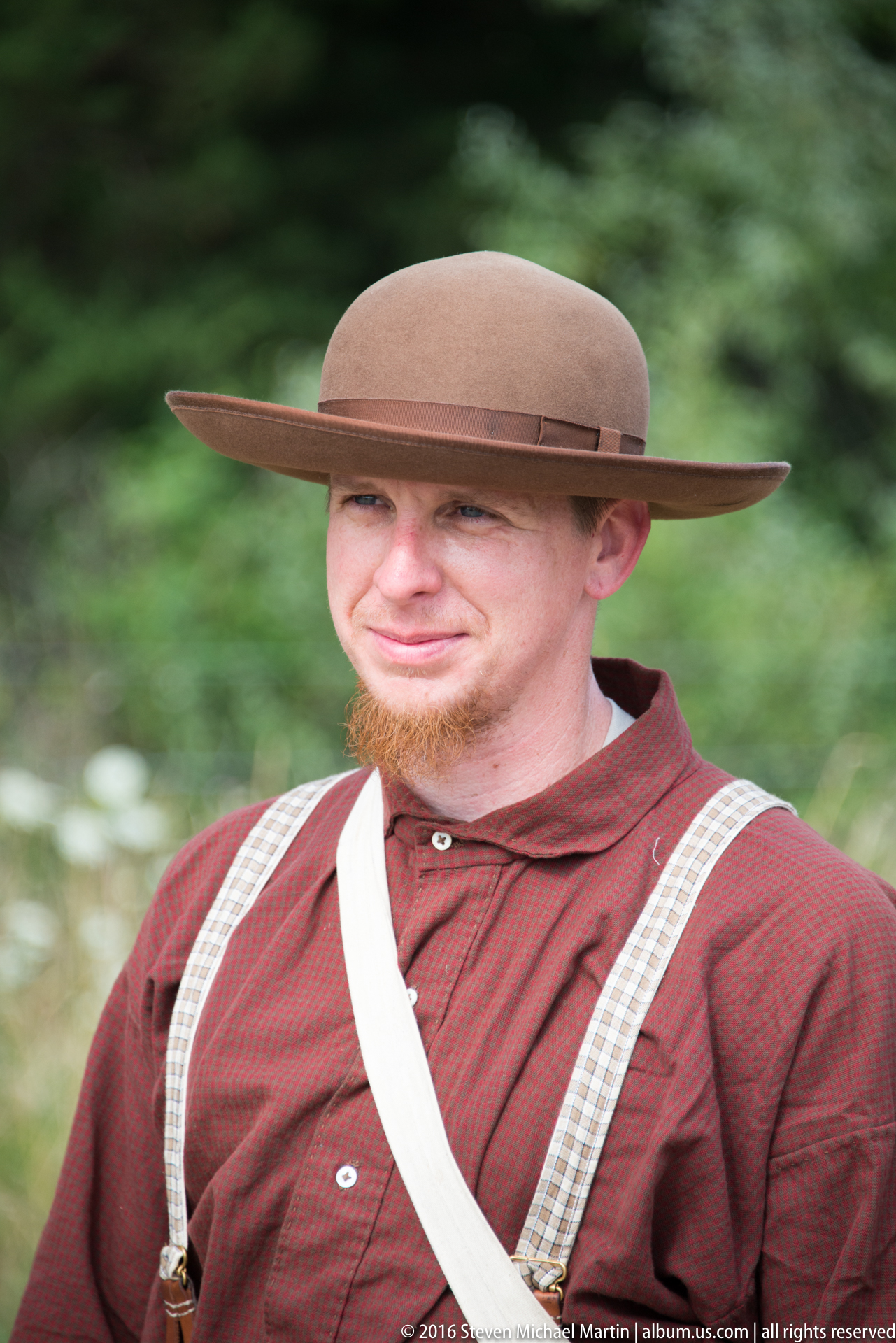
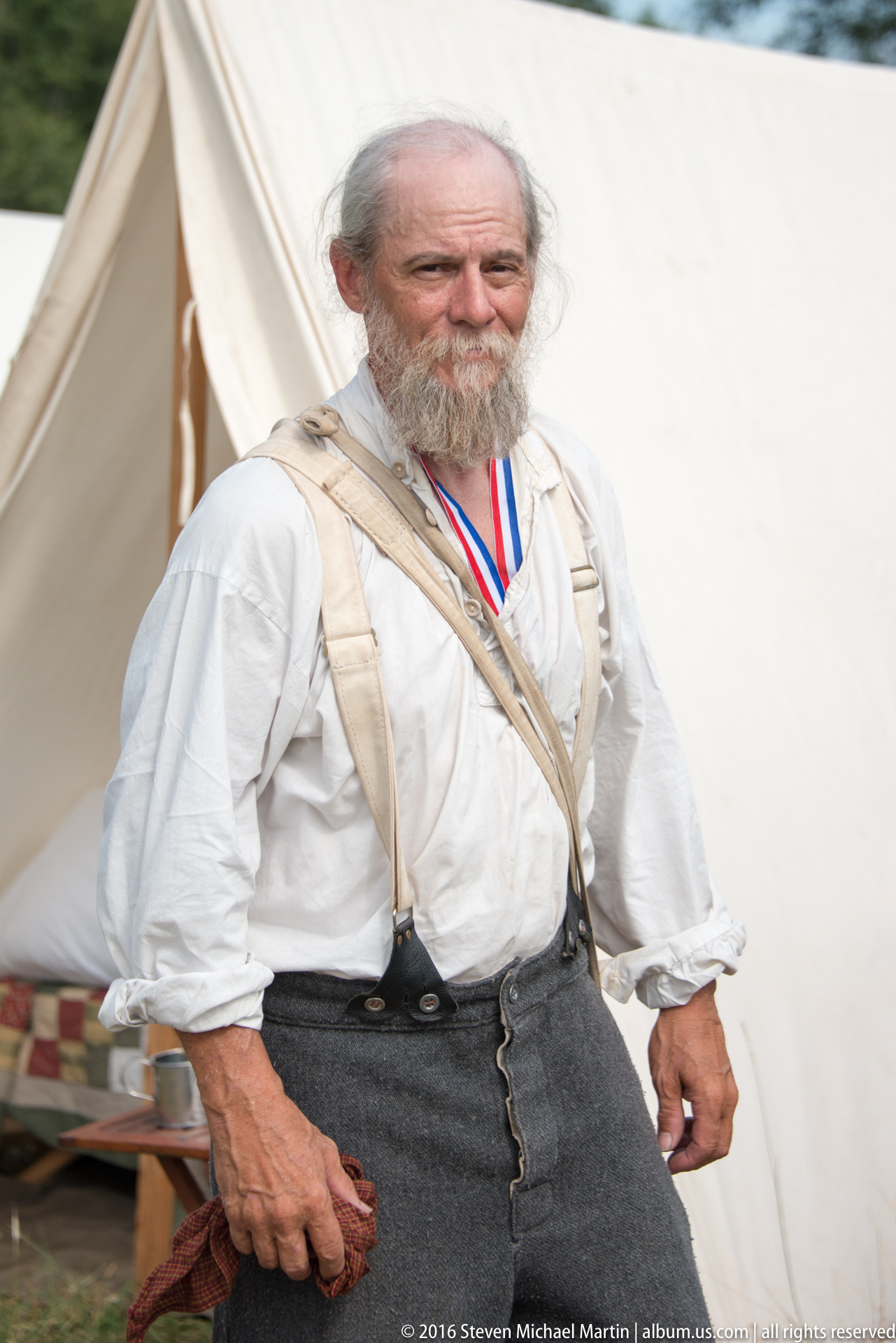
The layout of tents, cooking areas, and equipment displays reflects historical records of how military camps were arranged in order to balance efficiency, sanitation, and defense. Uniforms, tools, and personal items illustrate the range of materials carried by soldiers during early campaigns of the Civil War. Interpretive presentations within reenacted camps demonstrate how military identity was reinforced through drill, hierarchy, and shared routines associated with camp life.
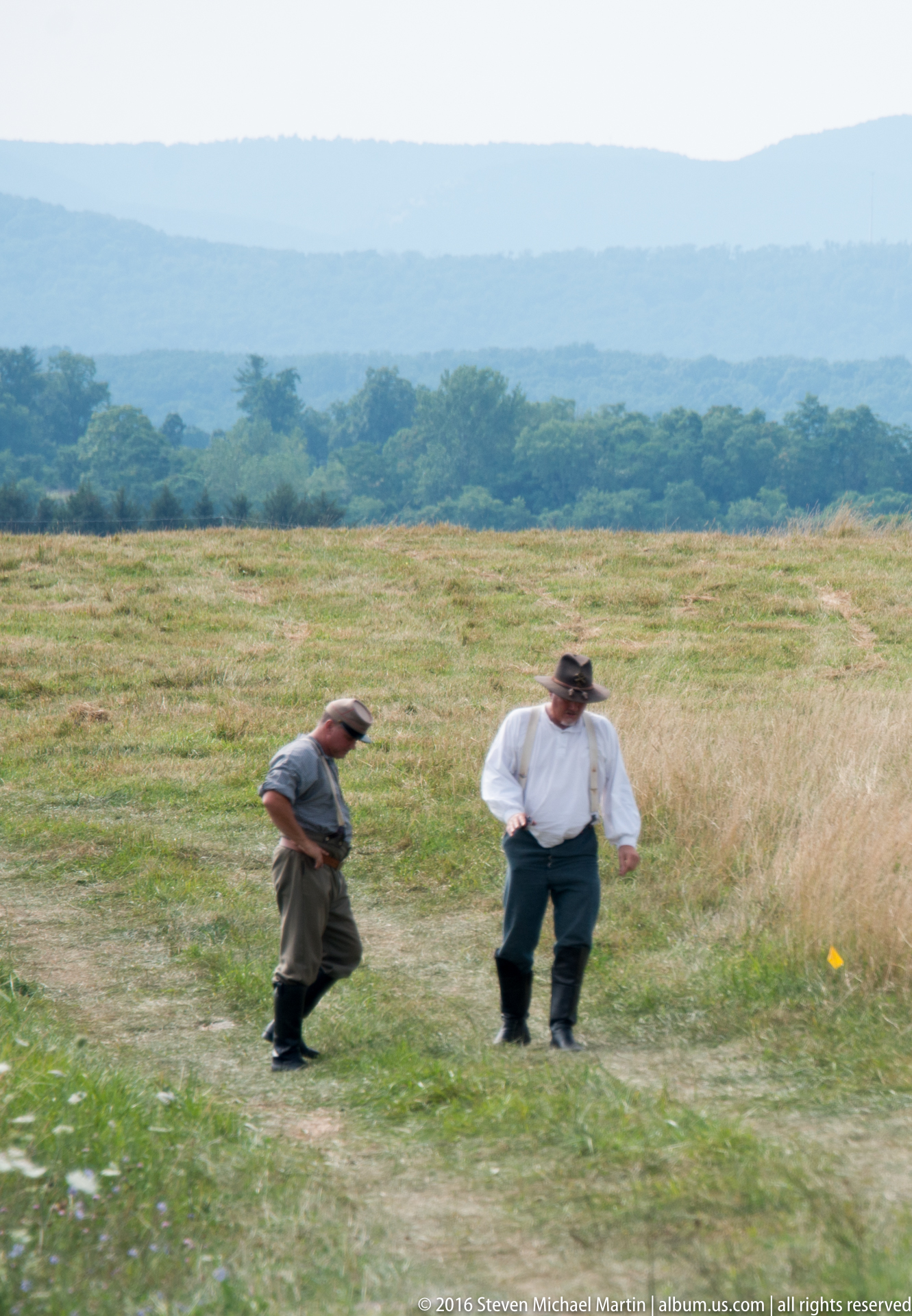
Confederate encampment reenactments contribute to understanding how military forces organized themselves within unfamiliar landscapes during a period of national conflict. These representations illustrate the conditions faced by volunteer armies at the outset of the war, when preparation, supply, and leadership influenced battlefield outcomes. The recreated environment helps interpret the broader structure of Civil War military life beyond the moment of engagement.