Savannah
Savannah developed along the Savannah River near the Atlantic coast, where navigable waterways supported trade networks linking the southeastern interior to global maritime routes. Established in the eighteenth century, the city’s location allowed access to both coastal shipping lanes and inland agricultural regions, contributing to its role within early colonial and early national economic systems. The surrounding coastal plain environment reflects long patterns of settlement shaped by river access and proximity to the Atlantic Ocean.
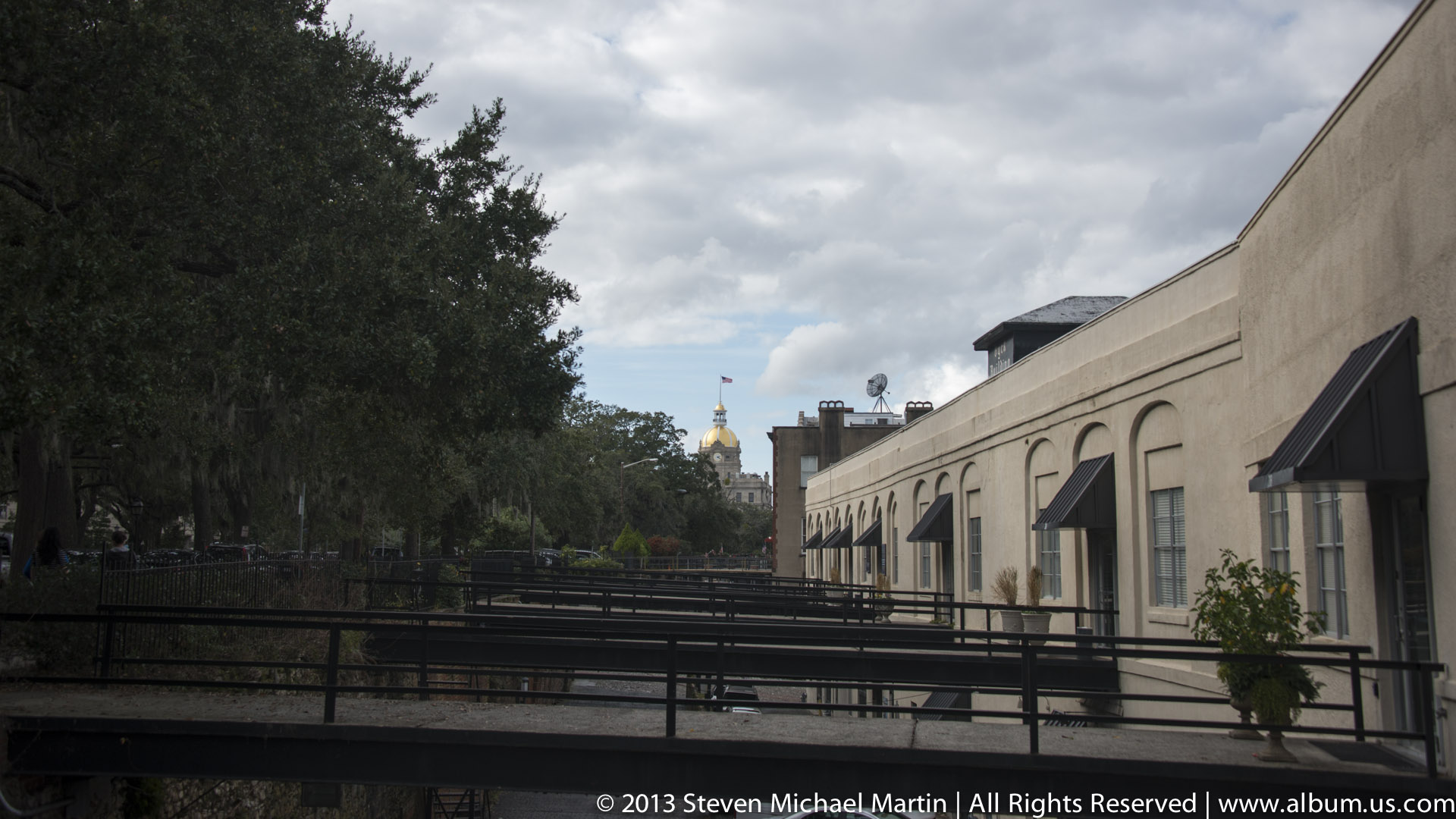
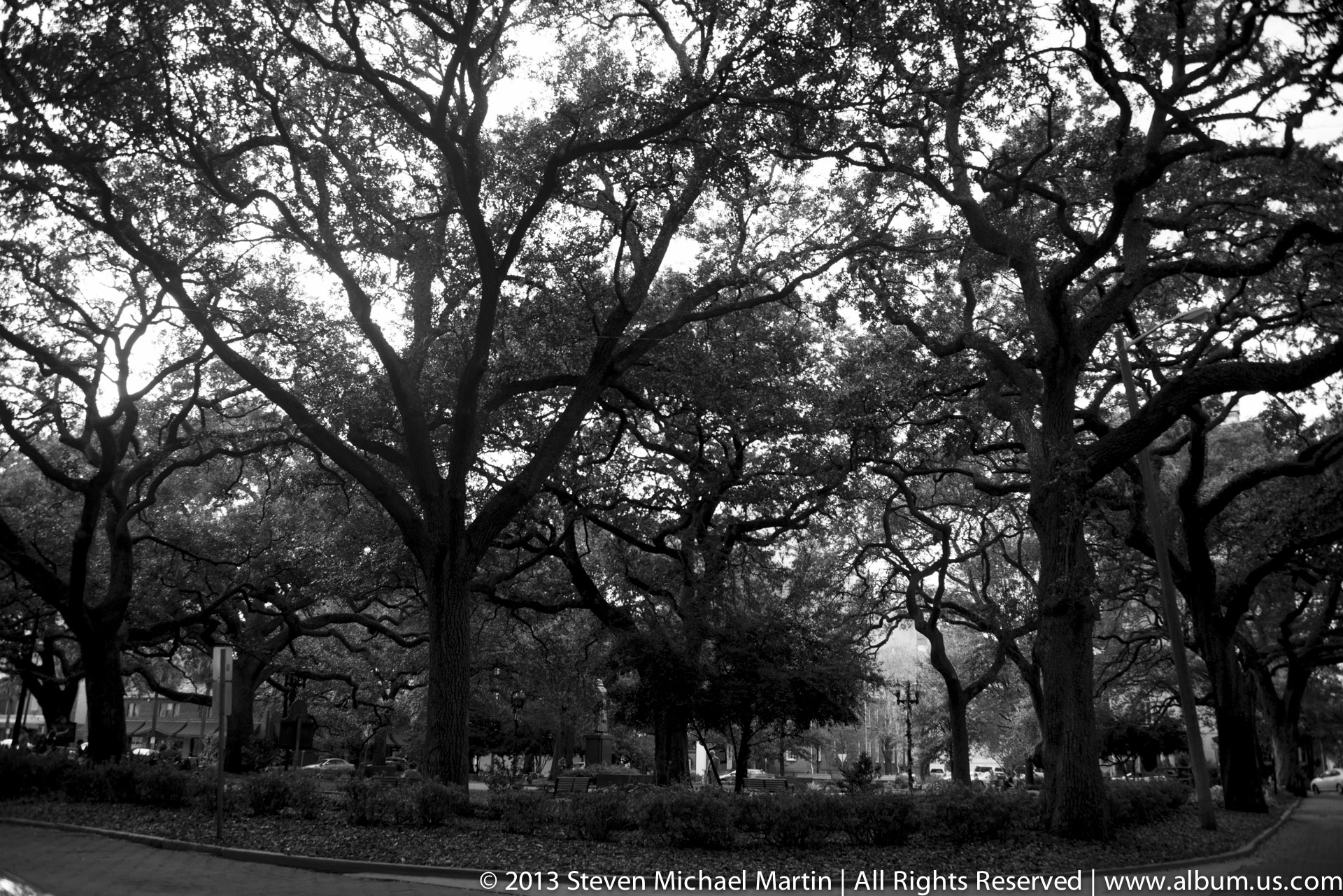
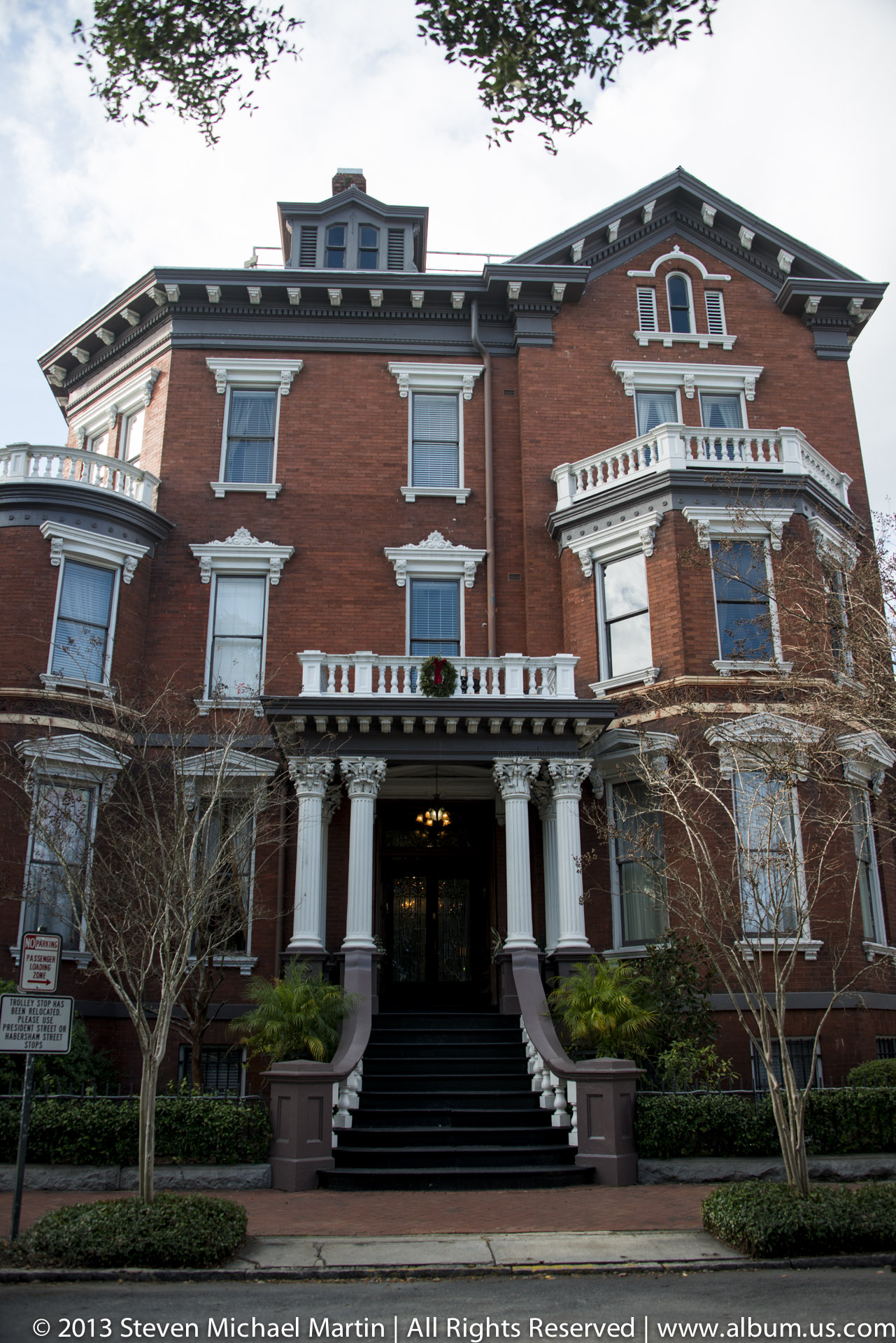
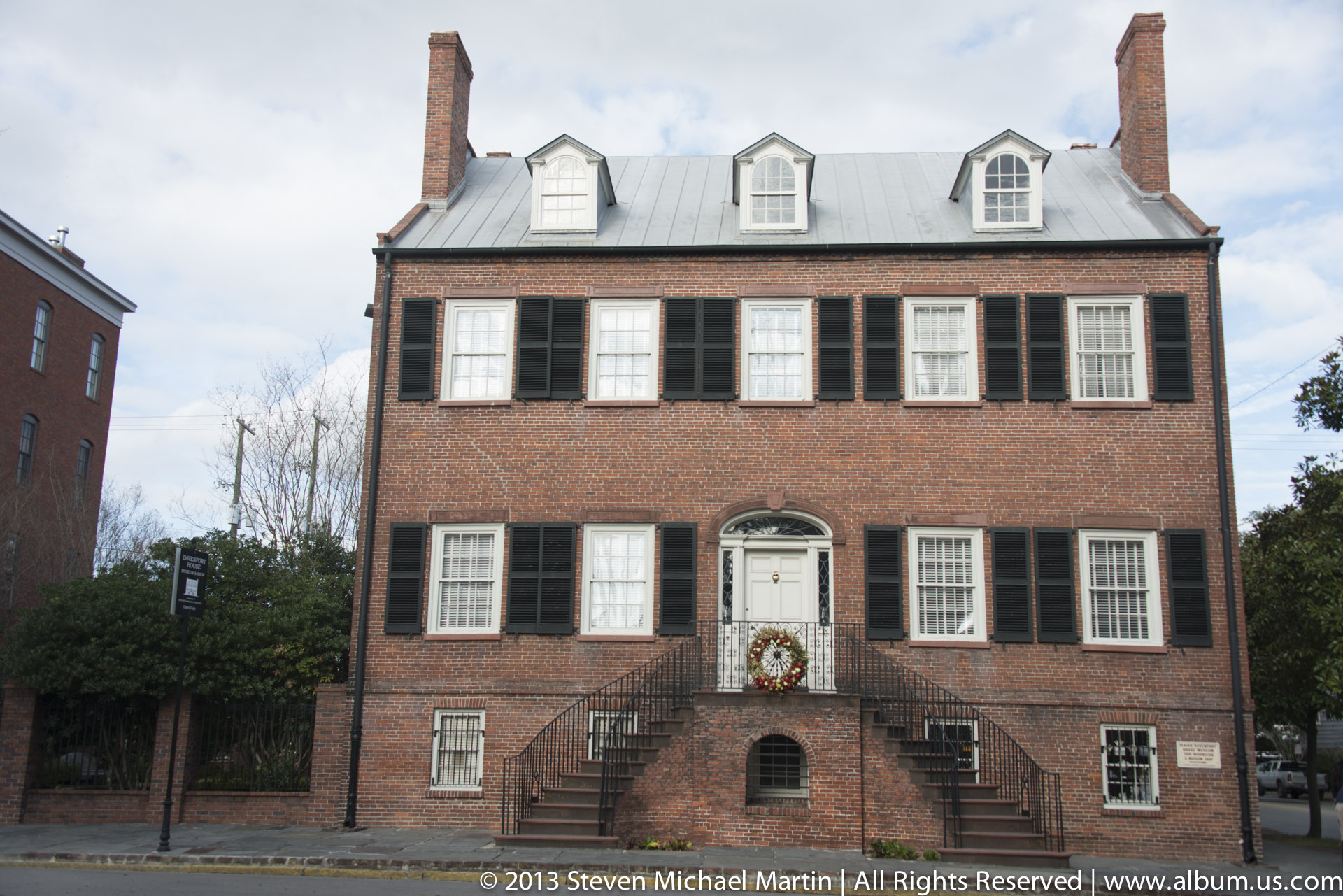
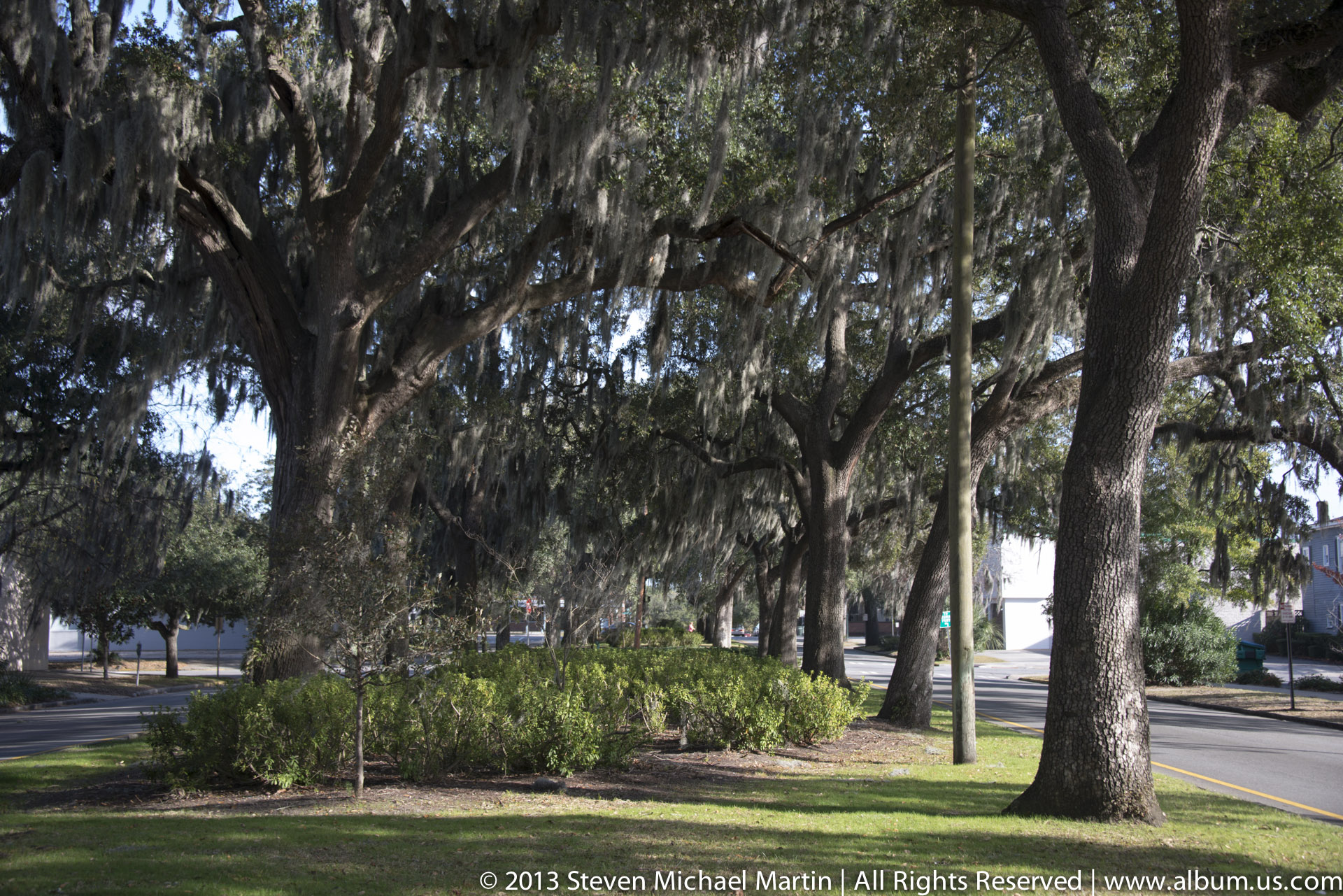
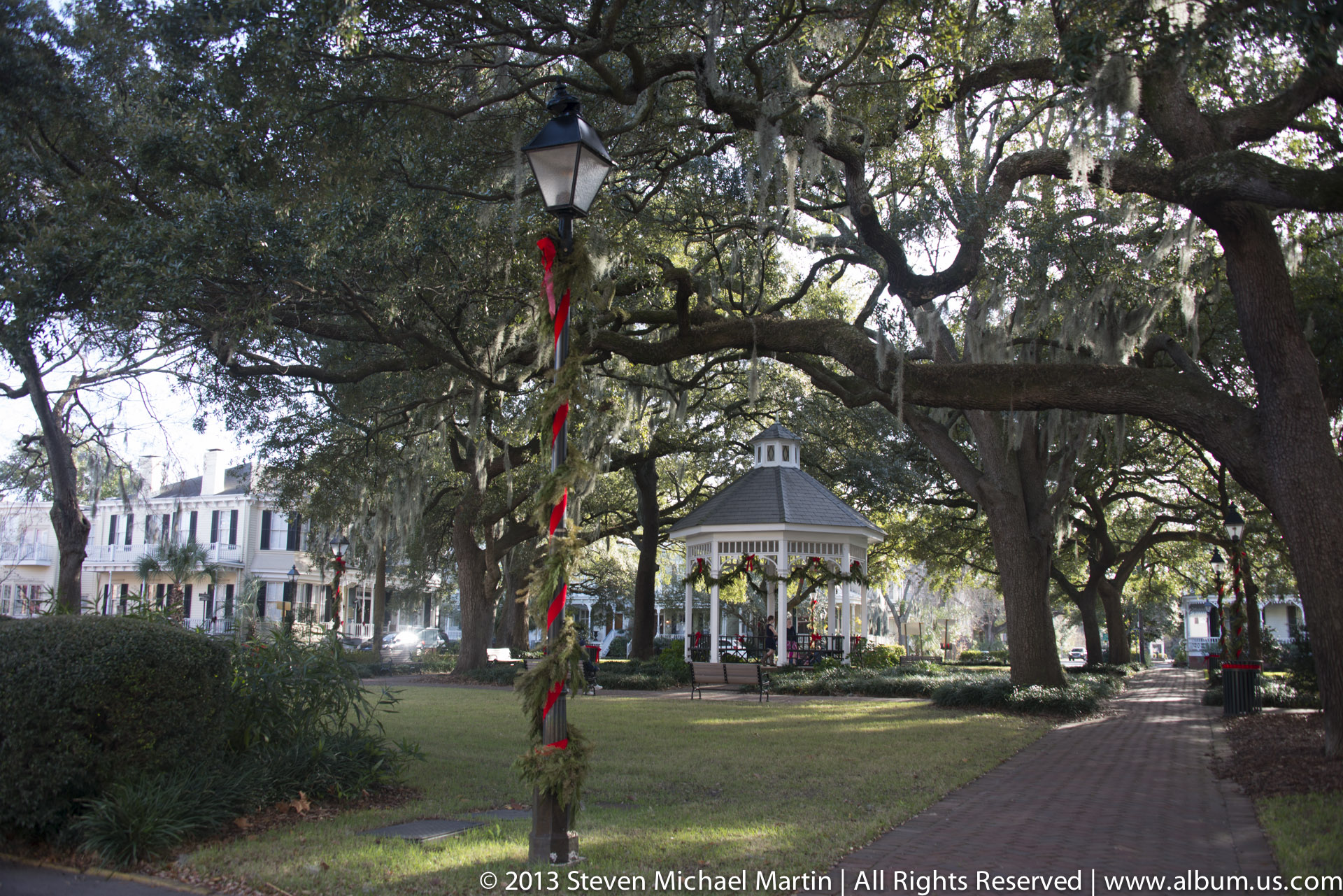
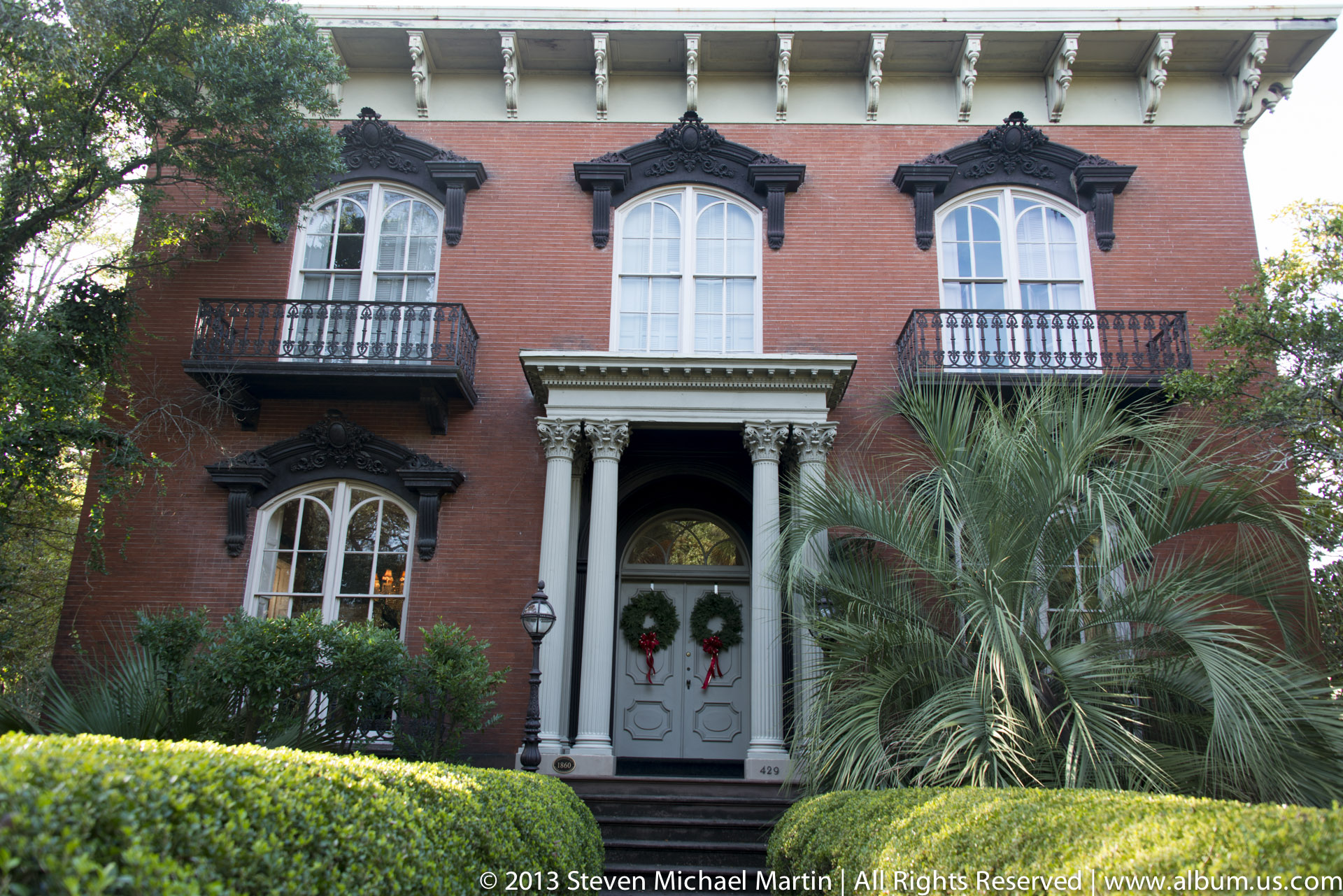
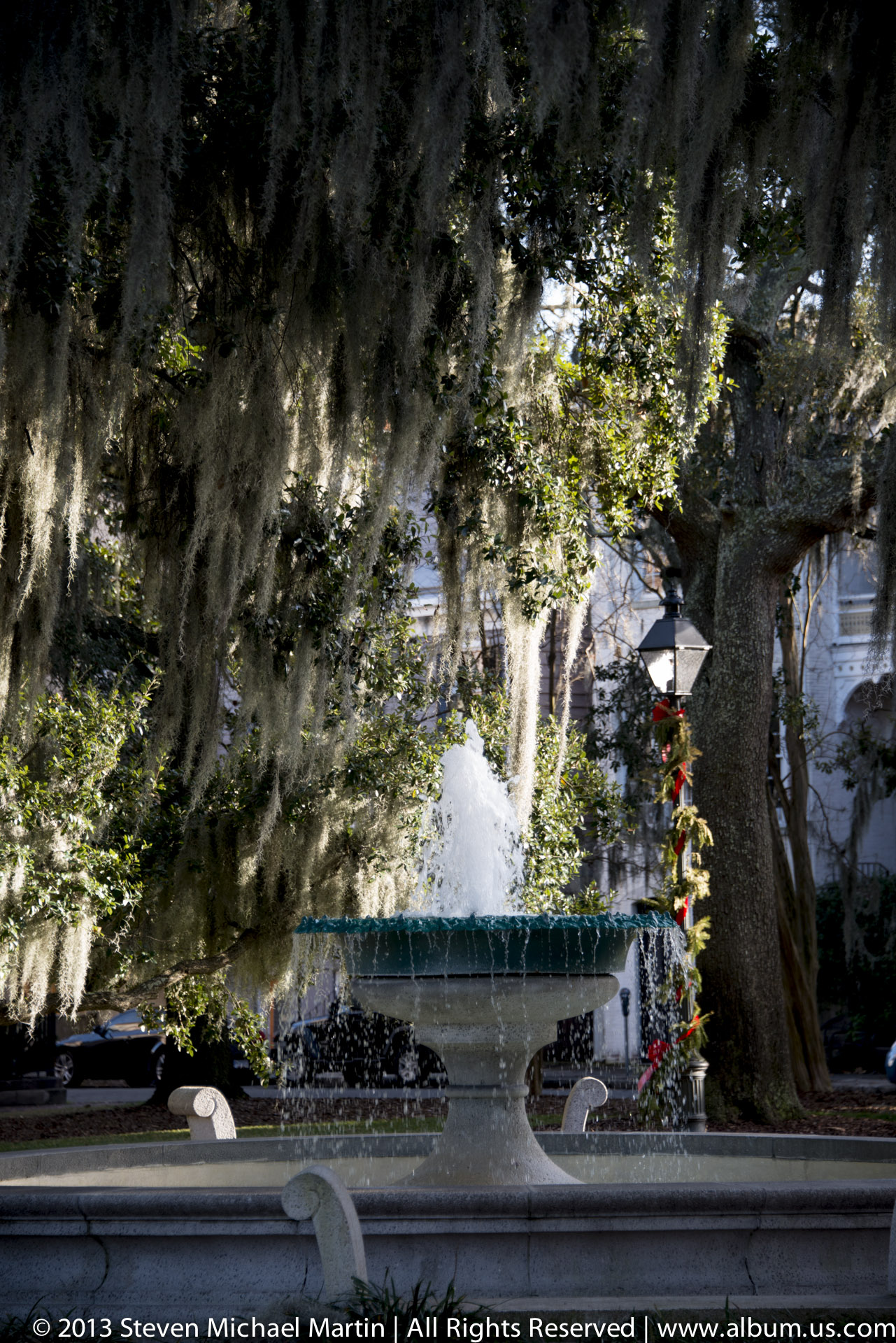
The historic urban plan of Savannah is notable for its network of public squares integrated into a grid of streets, creating a distinctive spatial arrangement that influenced later urban design. Preserved architecture and landscaped squares illustrate changing styles across successive periods of development, reflecting cultural influences connected to trade, migration, and regional economic growth. The relationship between built environment and coastal geography remains central to understanding the city’s historical development.
Today, Savannah’s preserved districts illustrate the continuity of urban form across multiple historical periods. The city’s layout, architectural character, and riverfront setting reflect the importance of maritime geography in shaping settlement patterns across the southeastern United States.