Cumberland Gap Cave
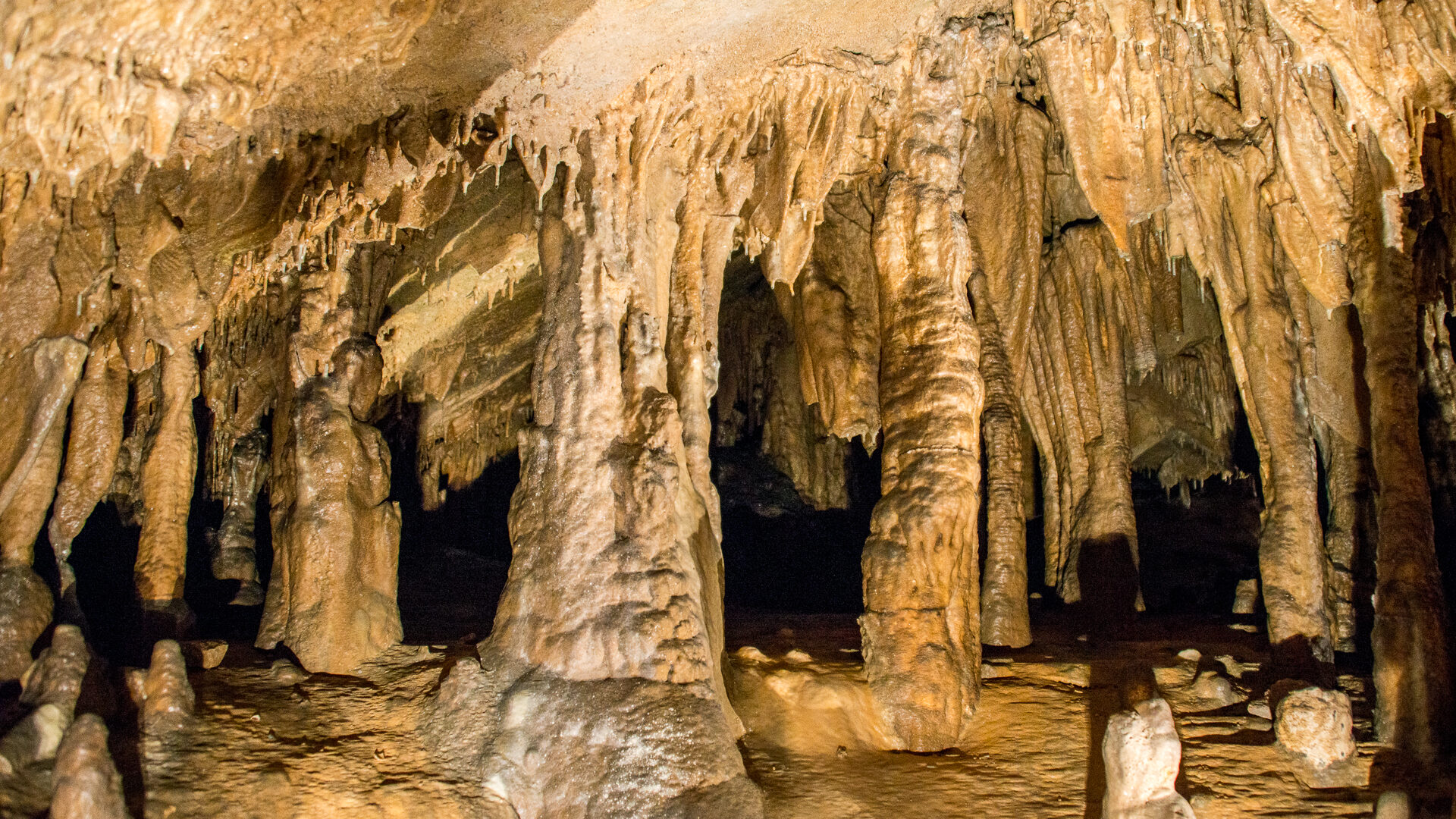
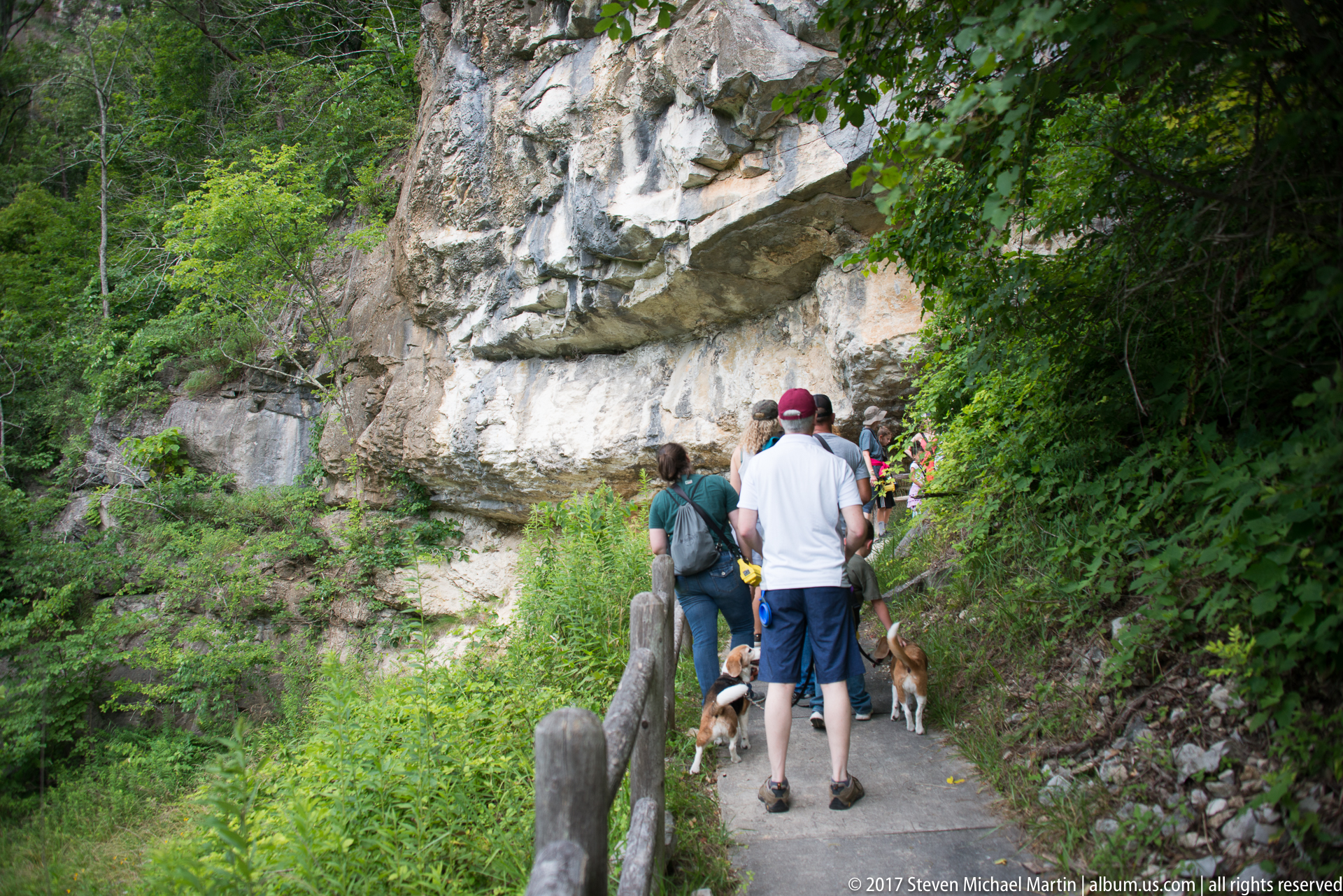
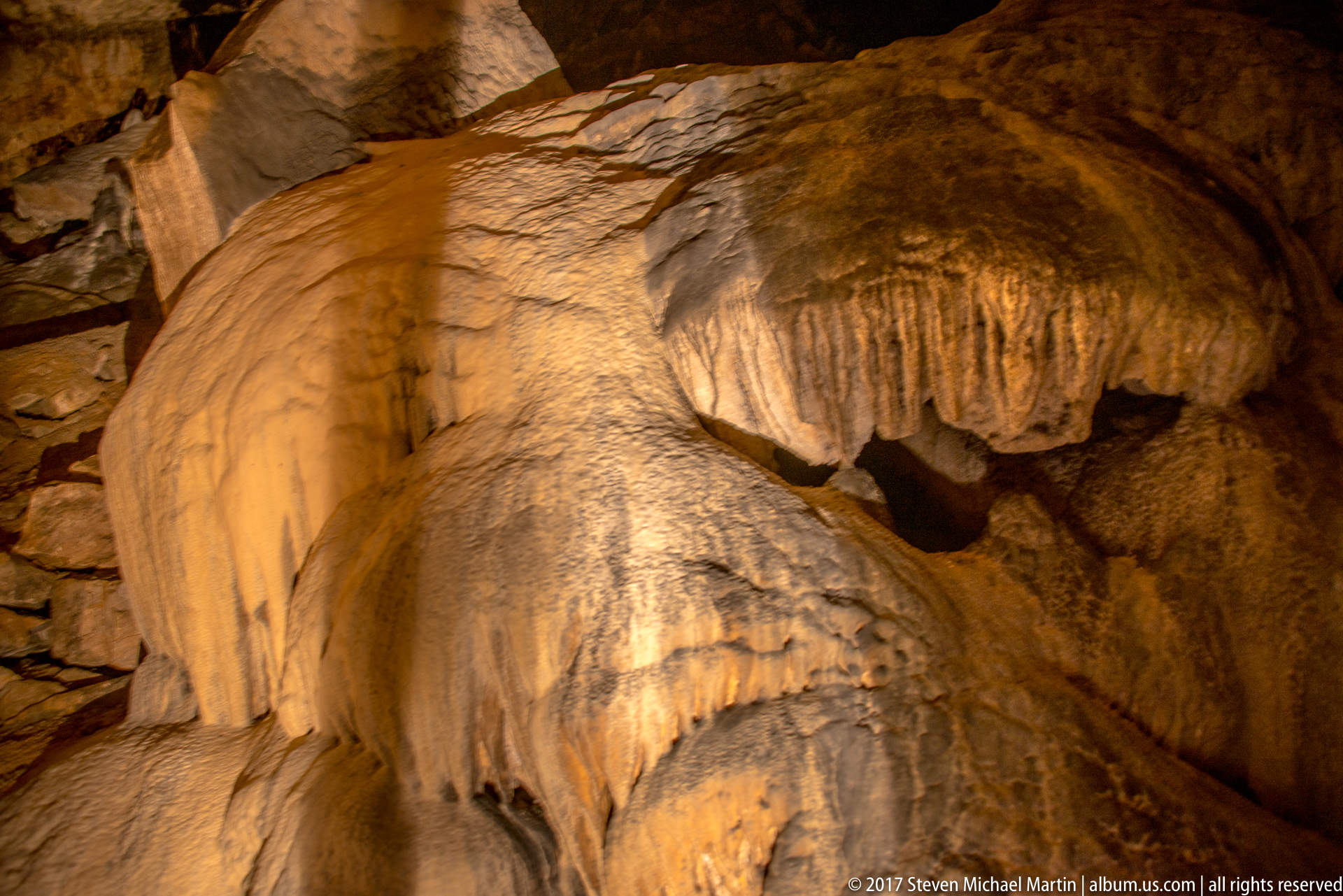
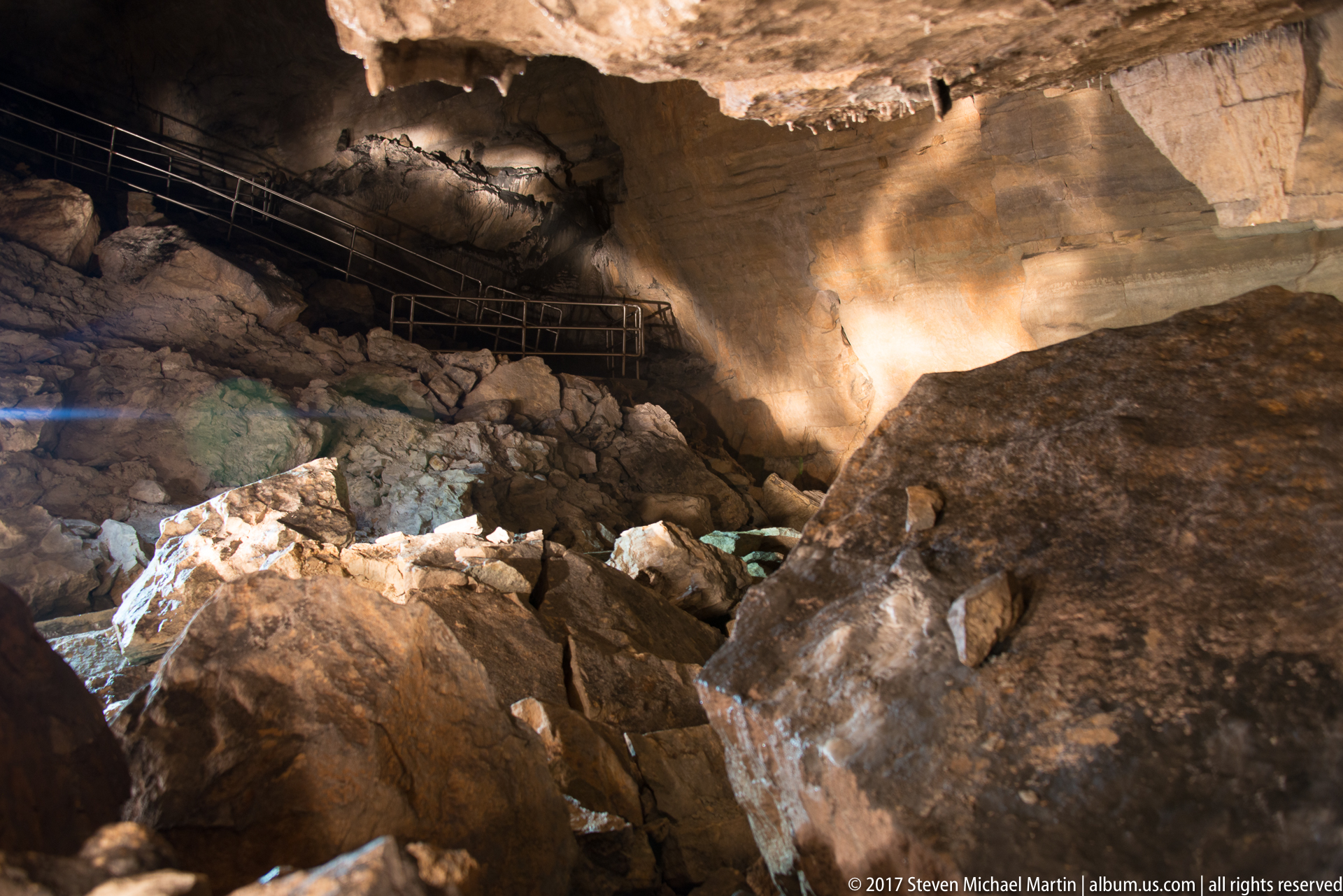
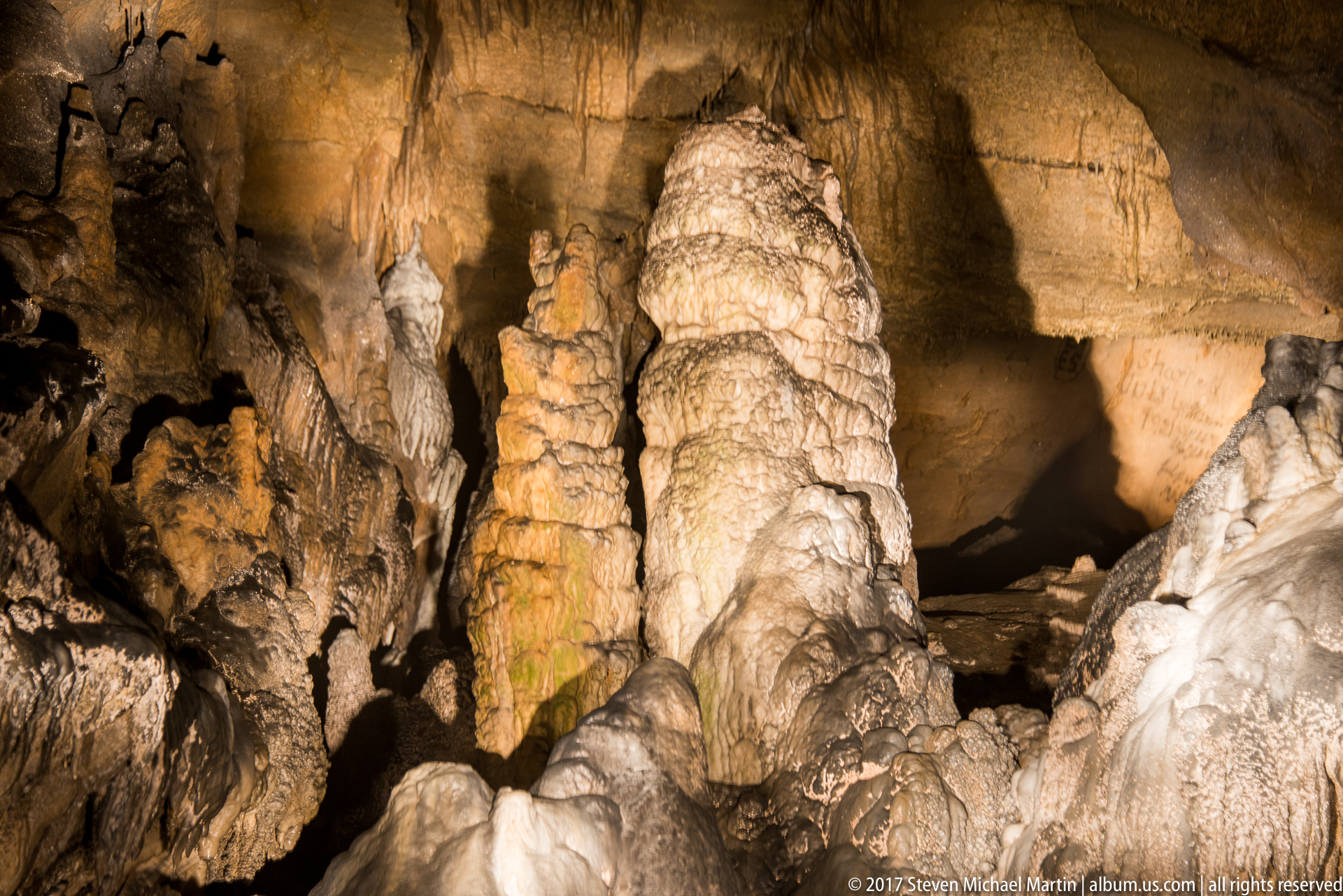
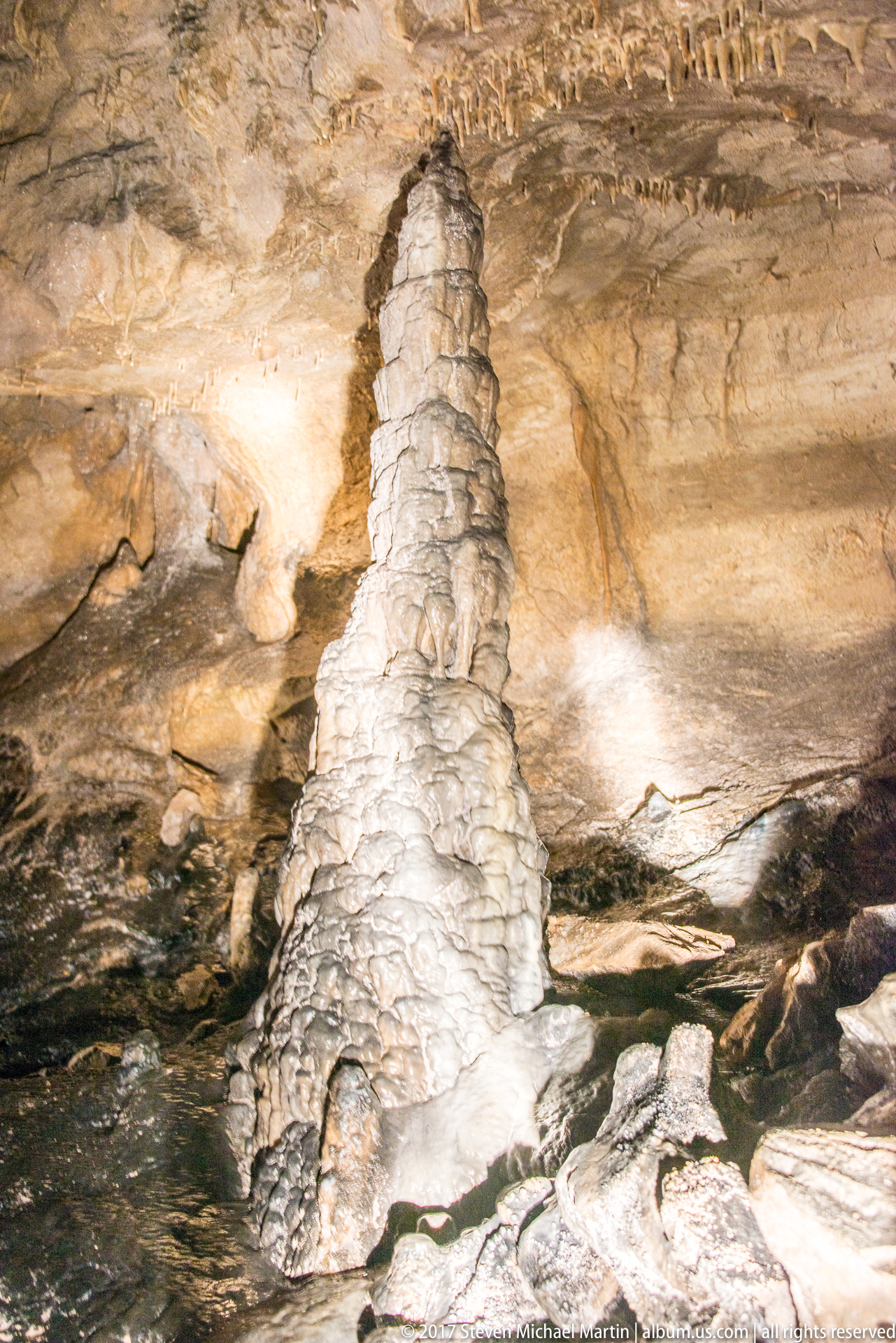
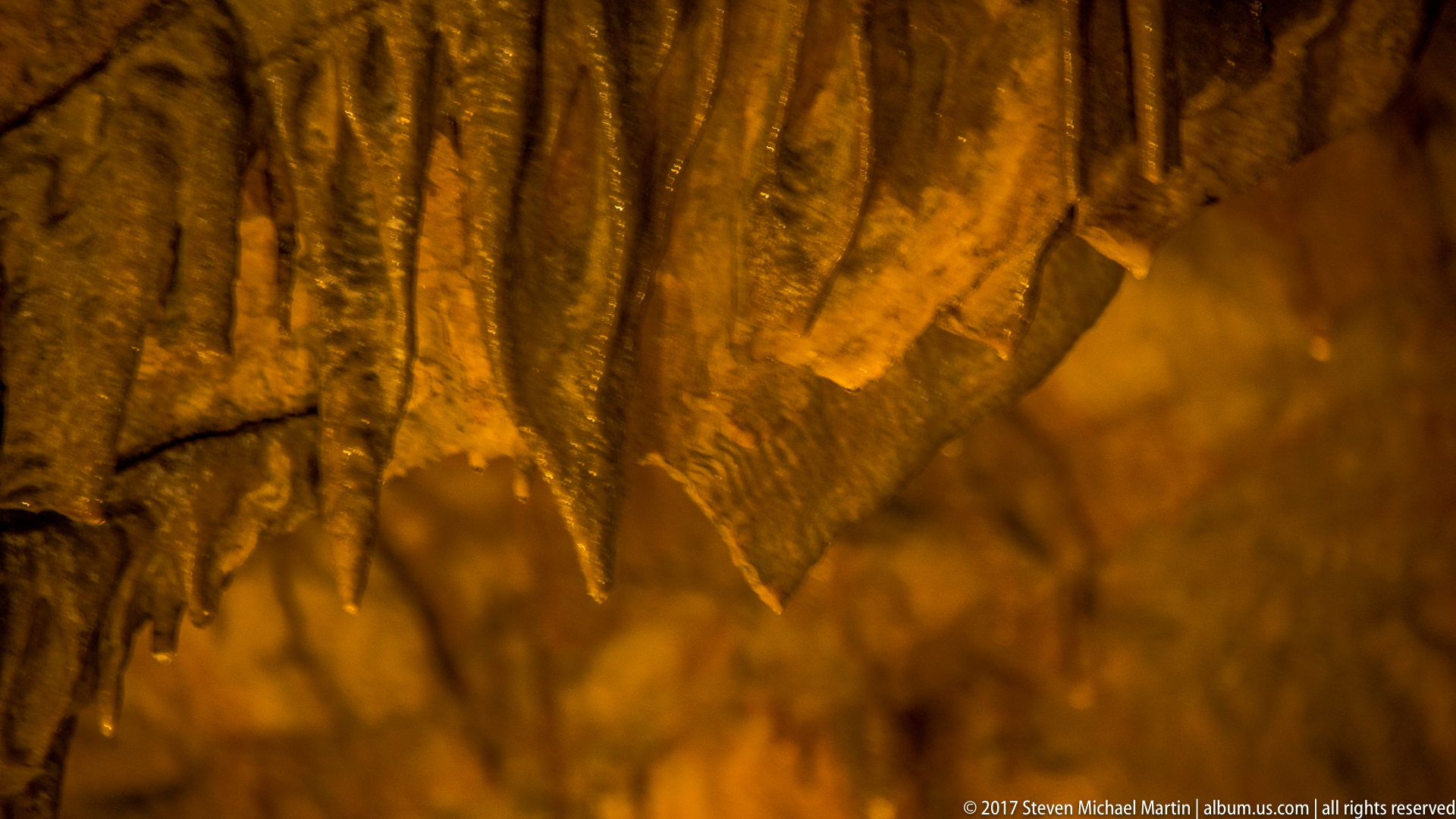
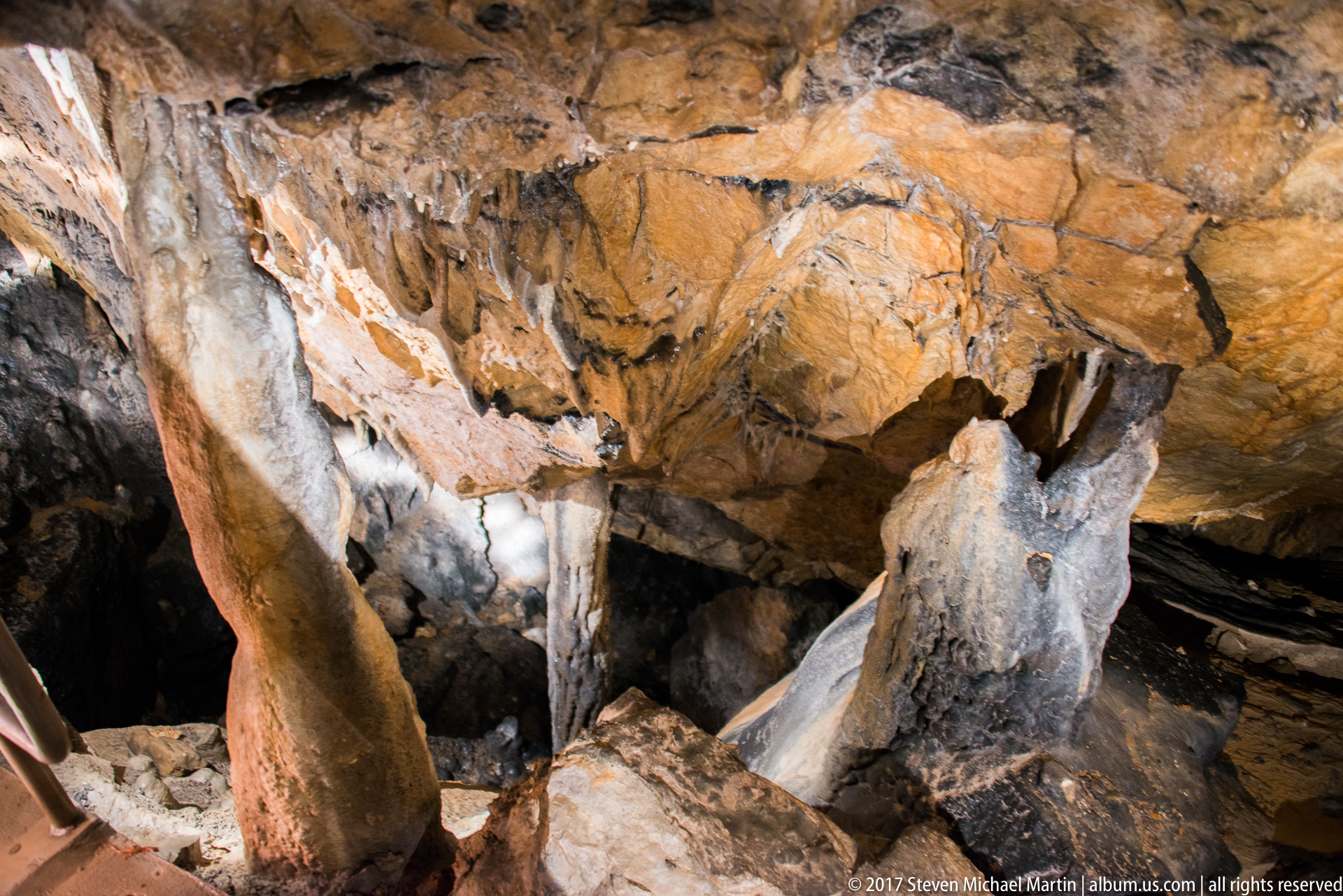
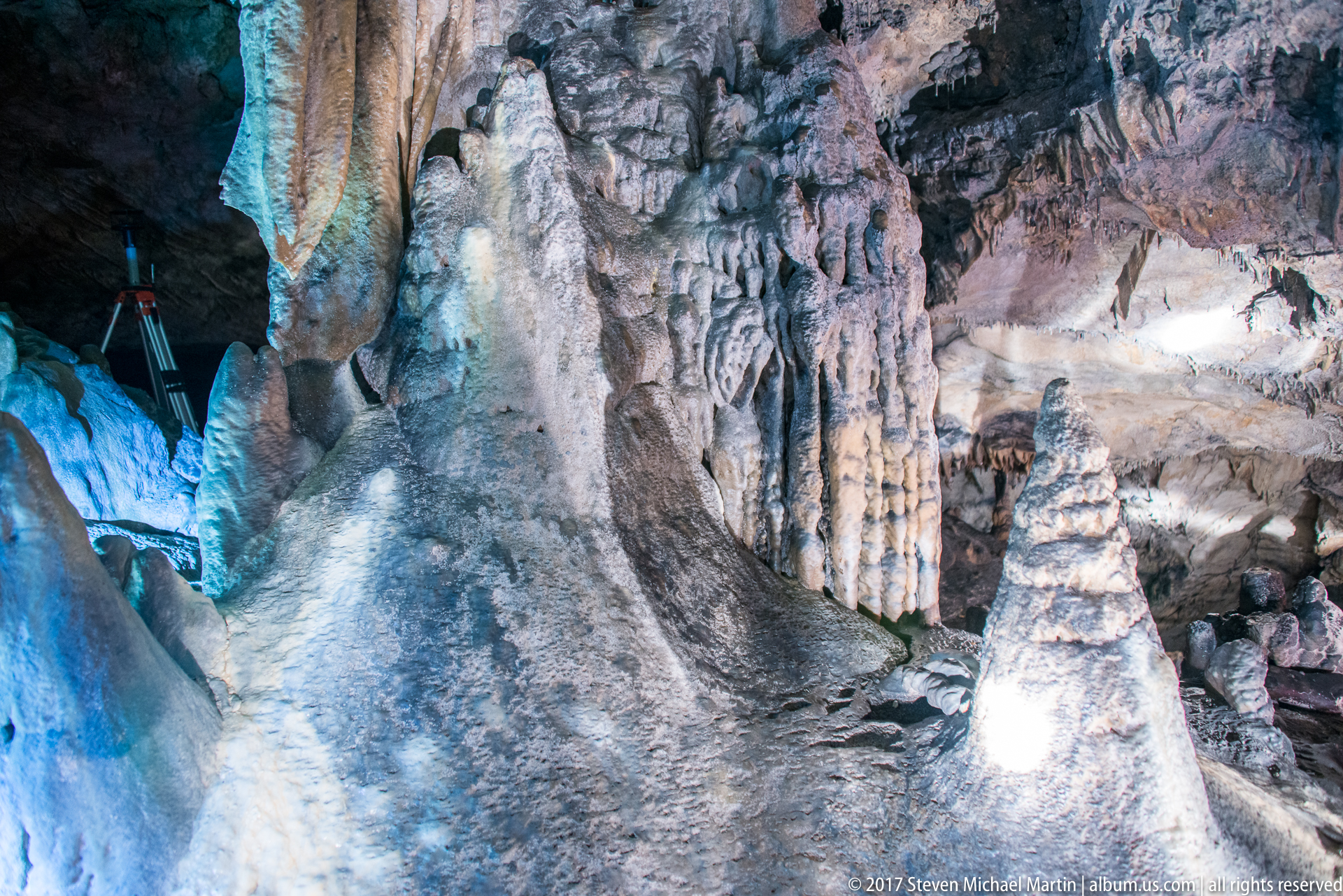
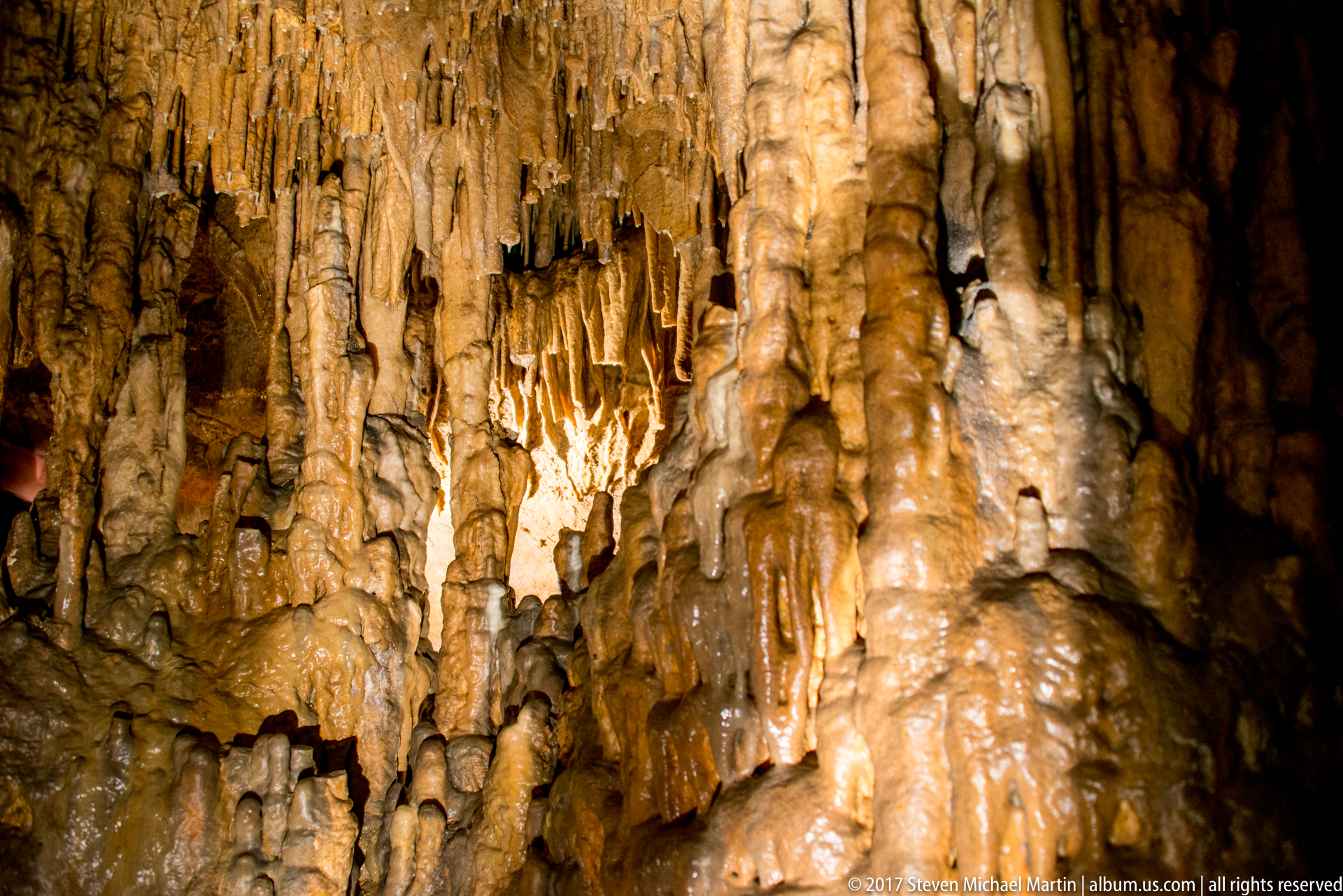
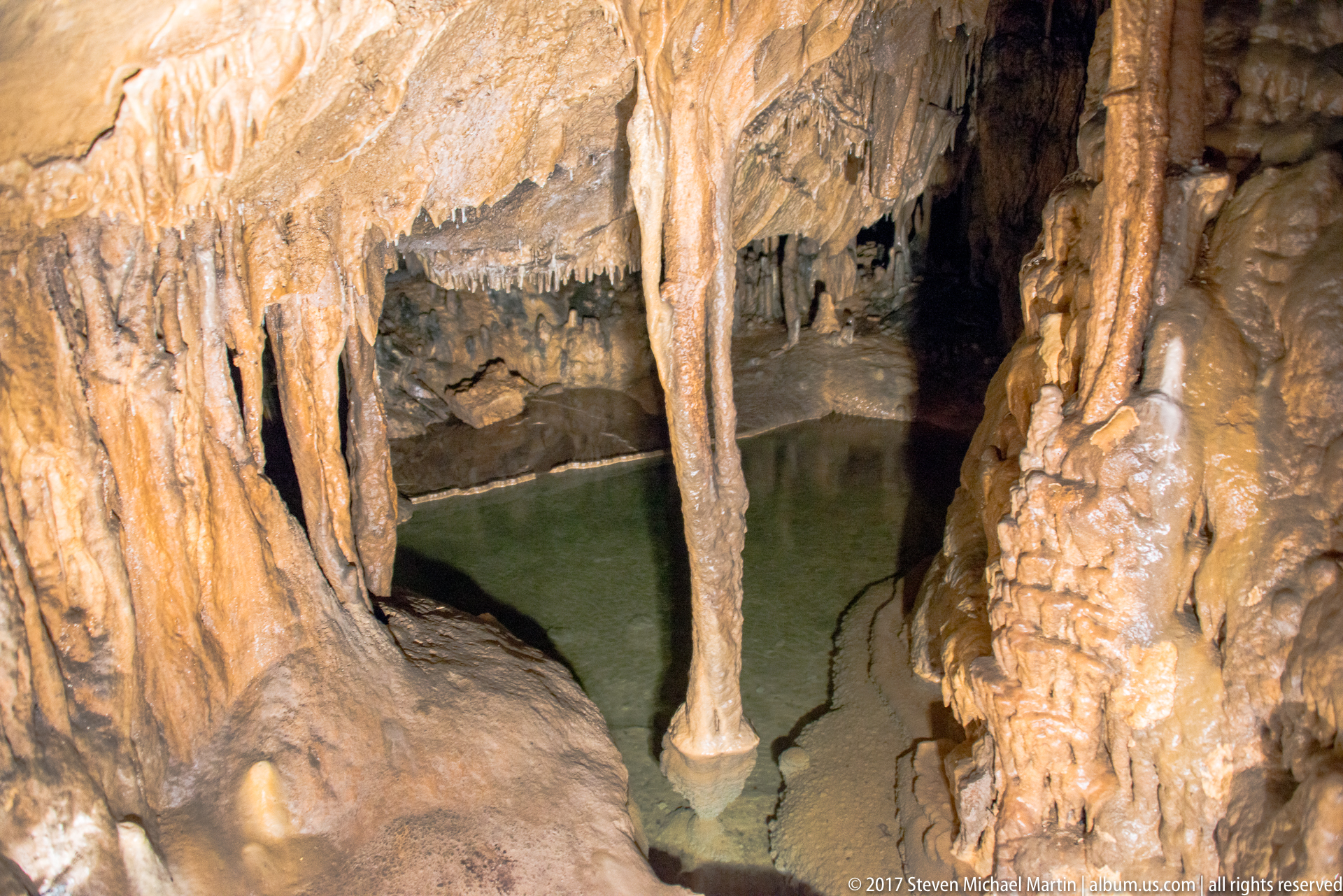
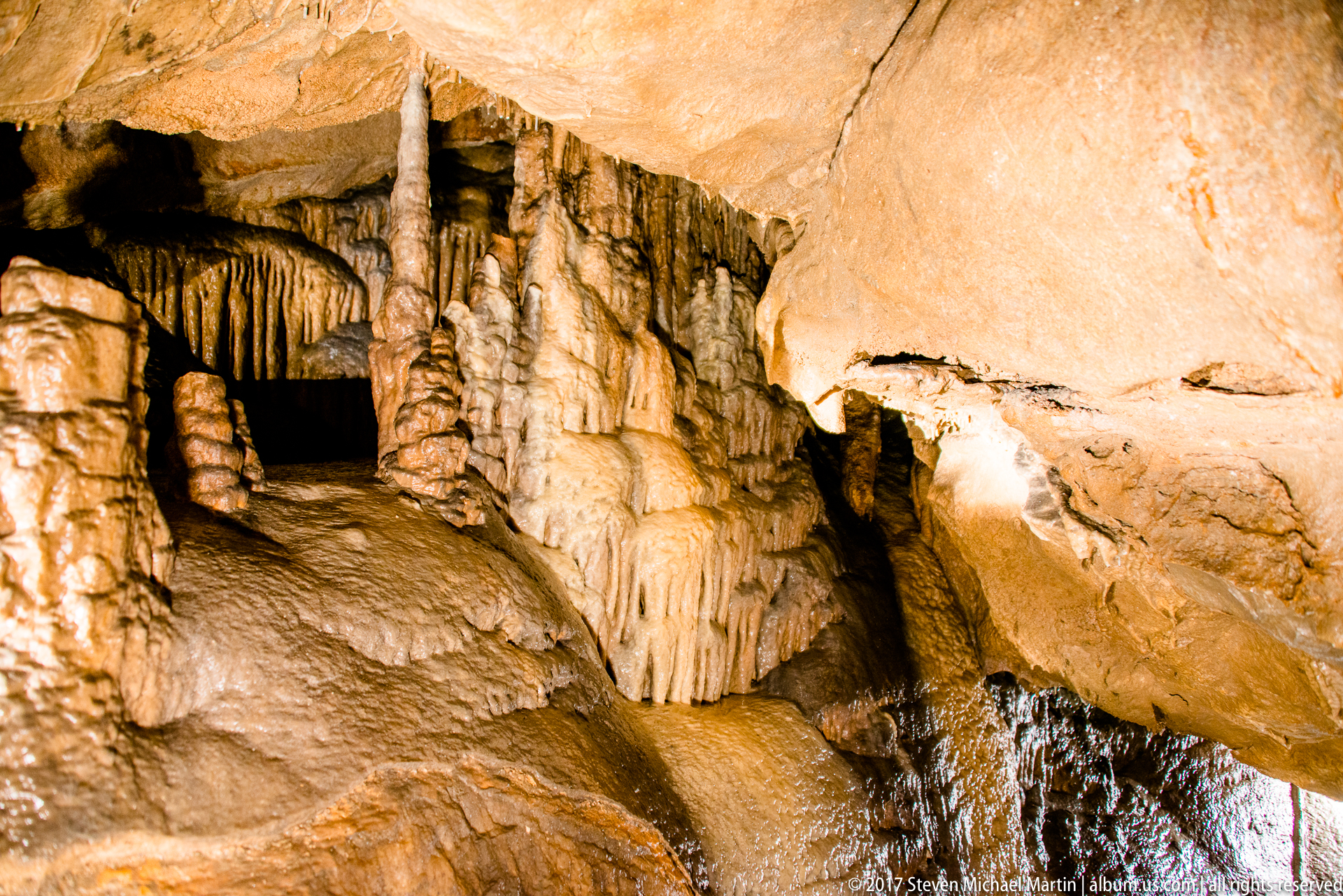
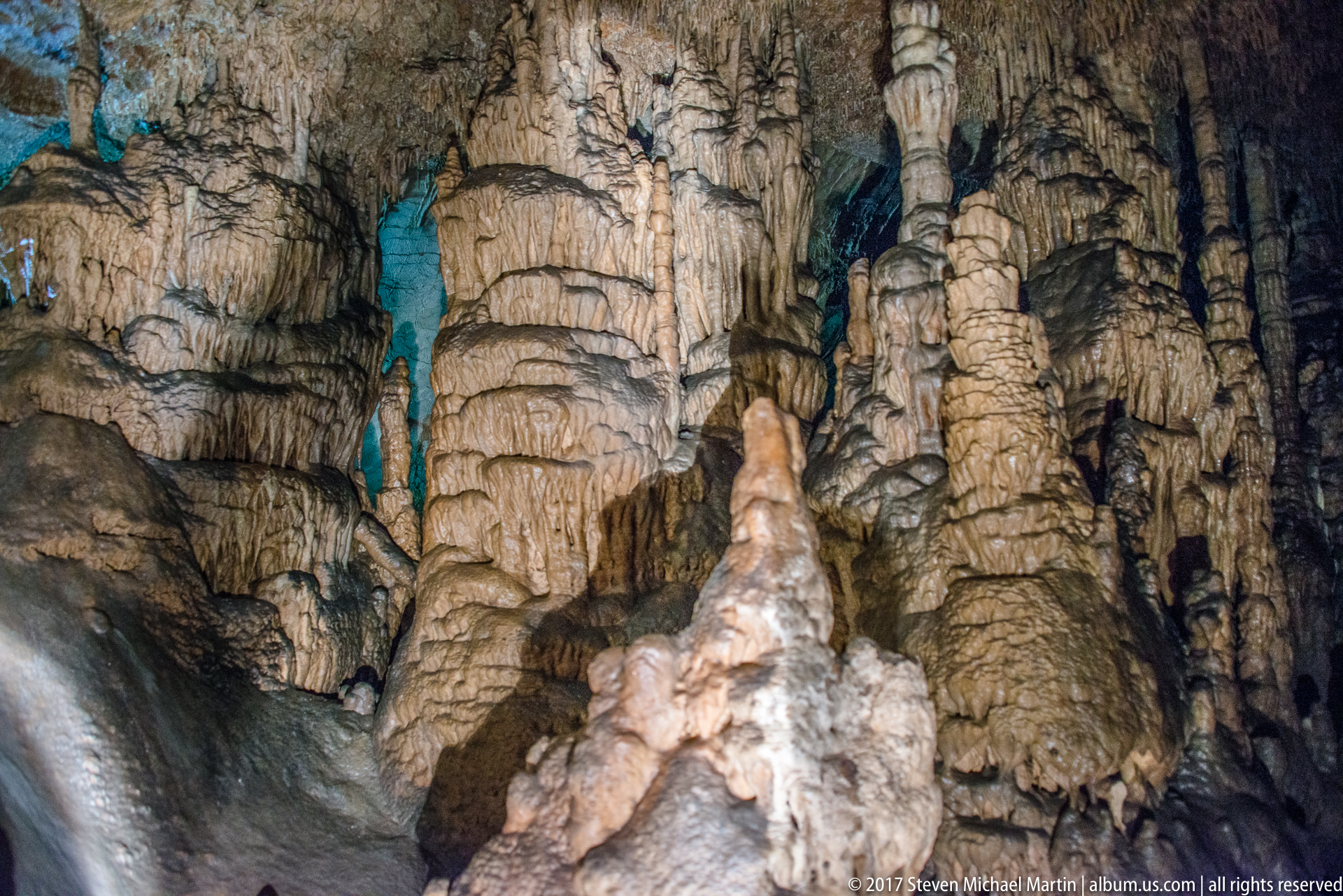
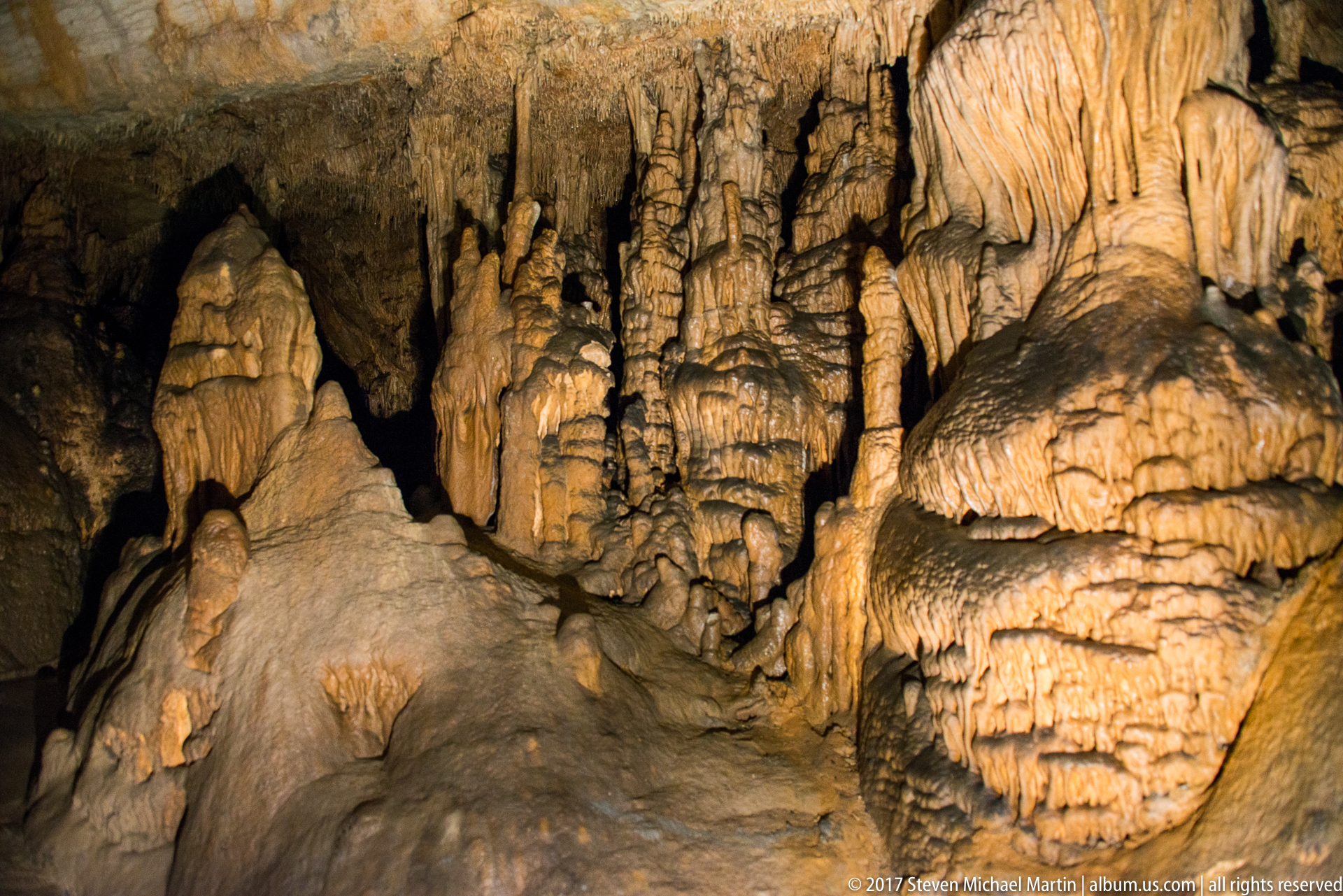
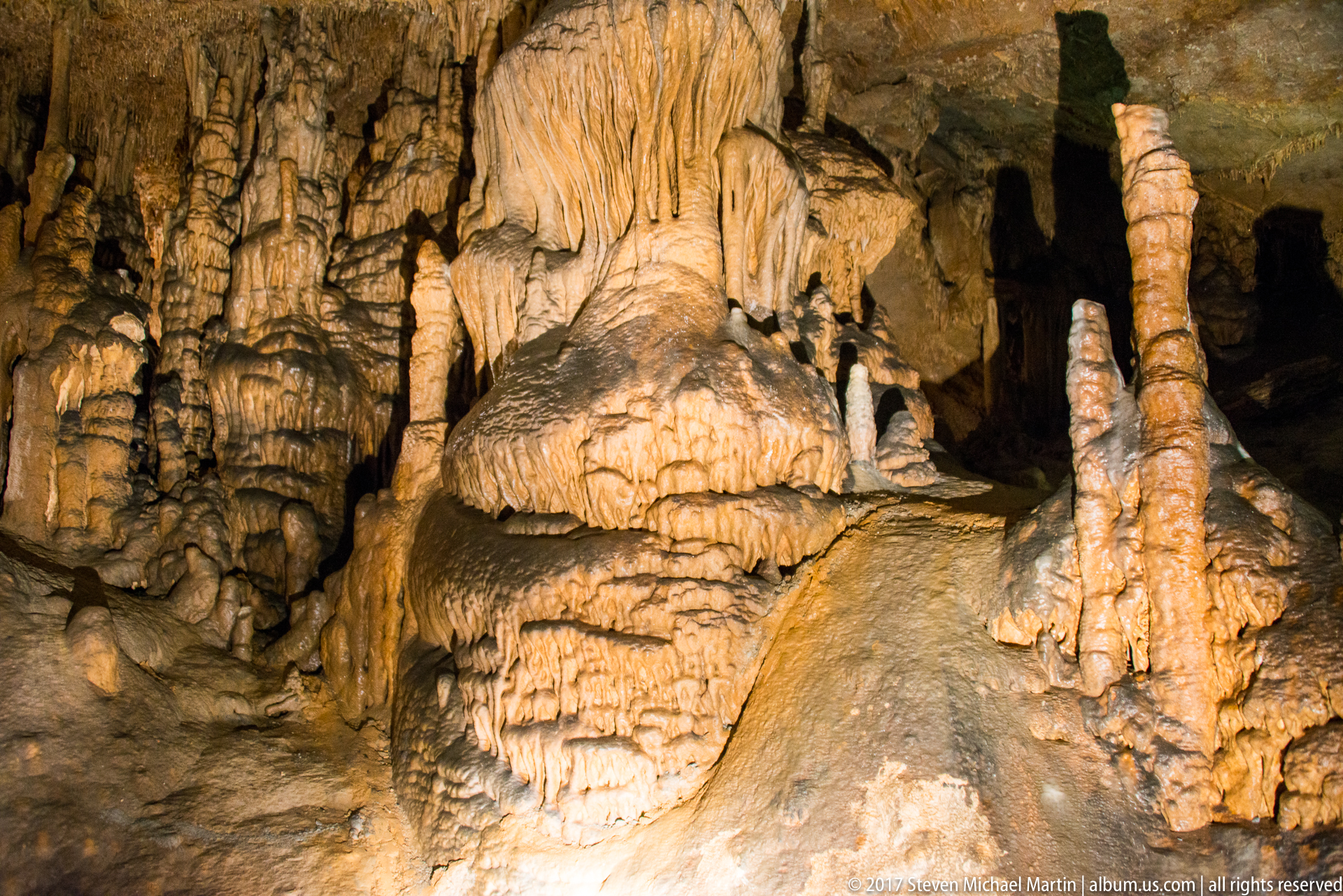
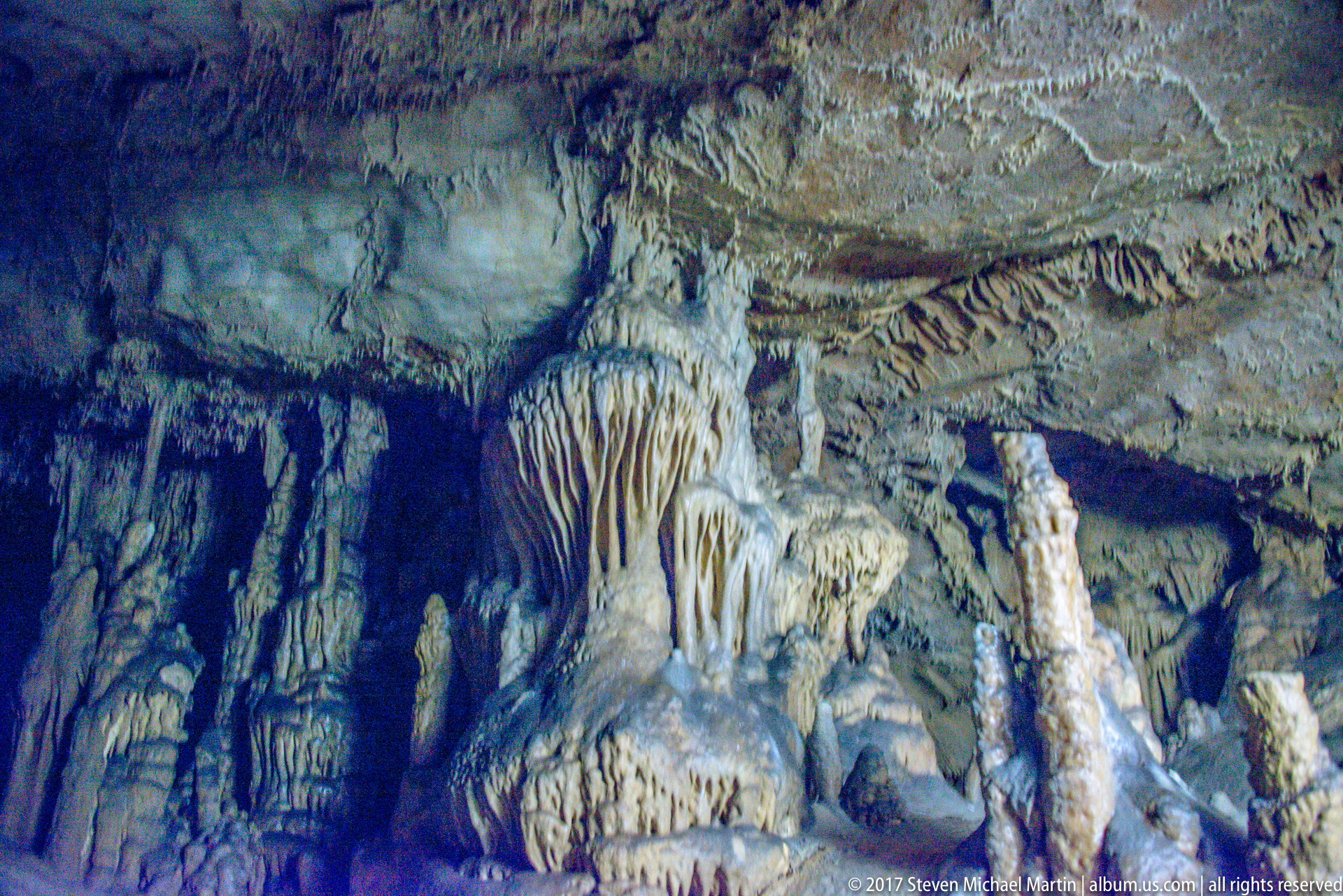
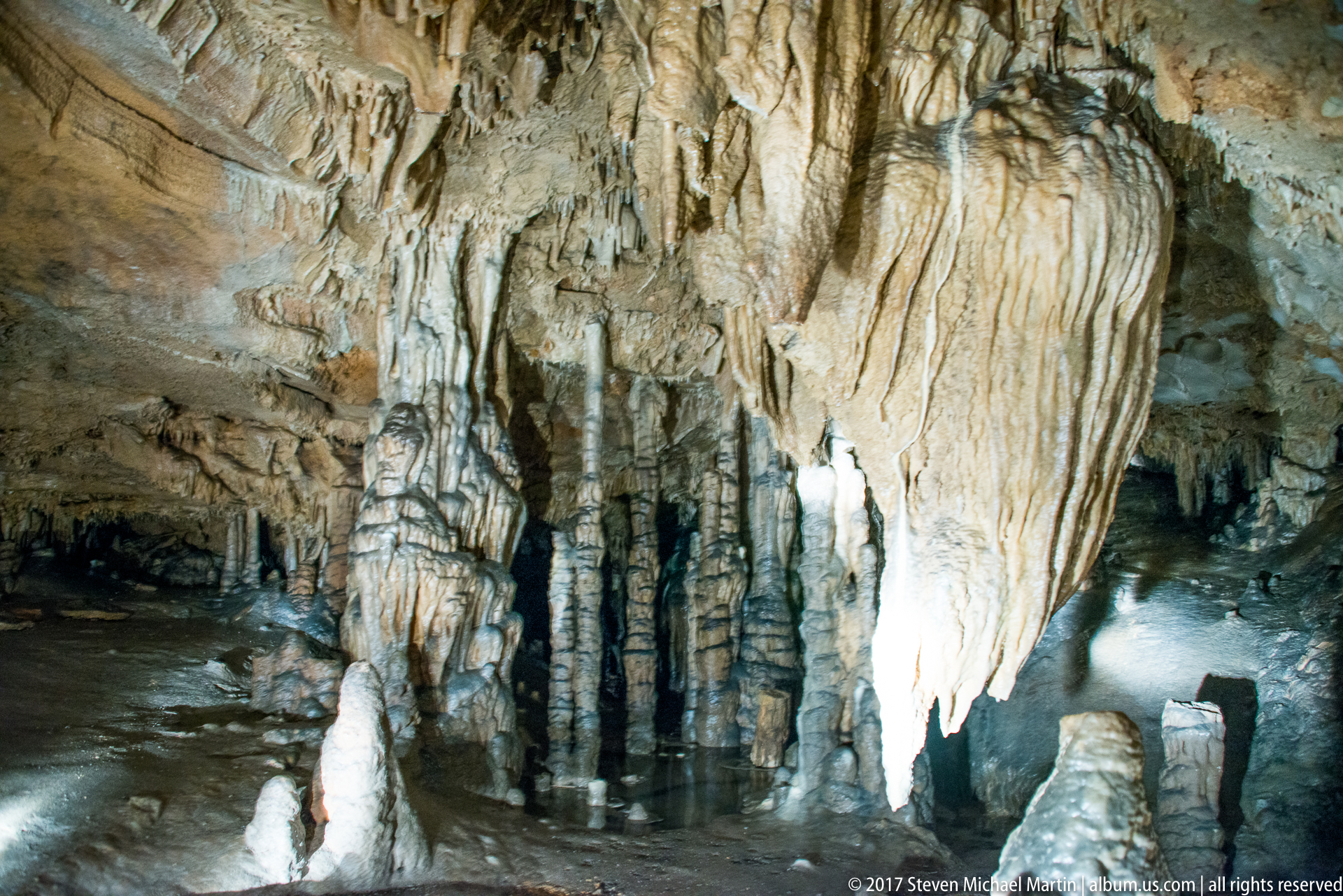
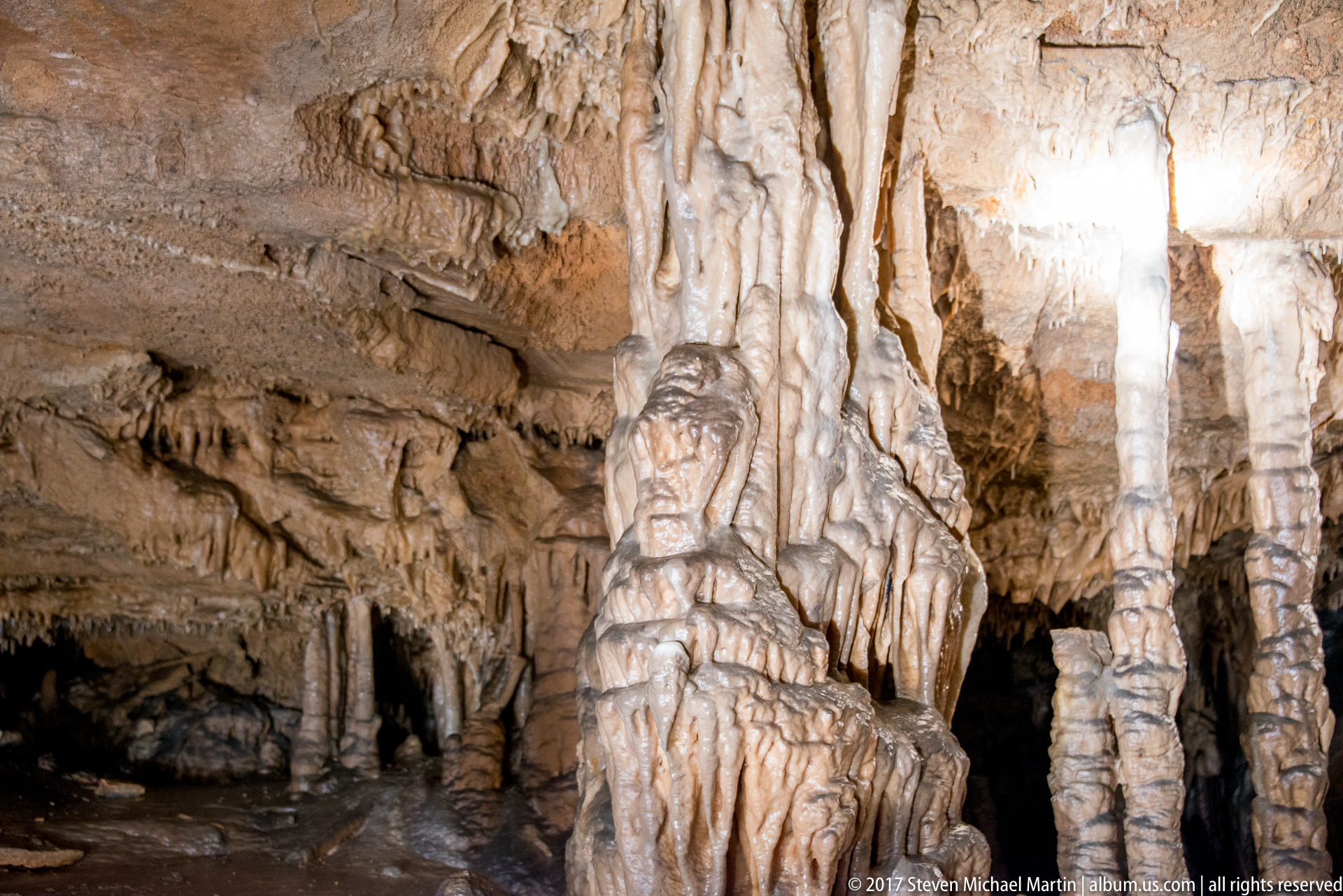
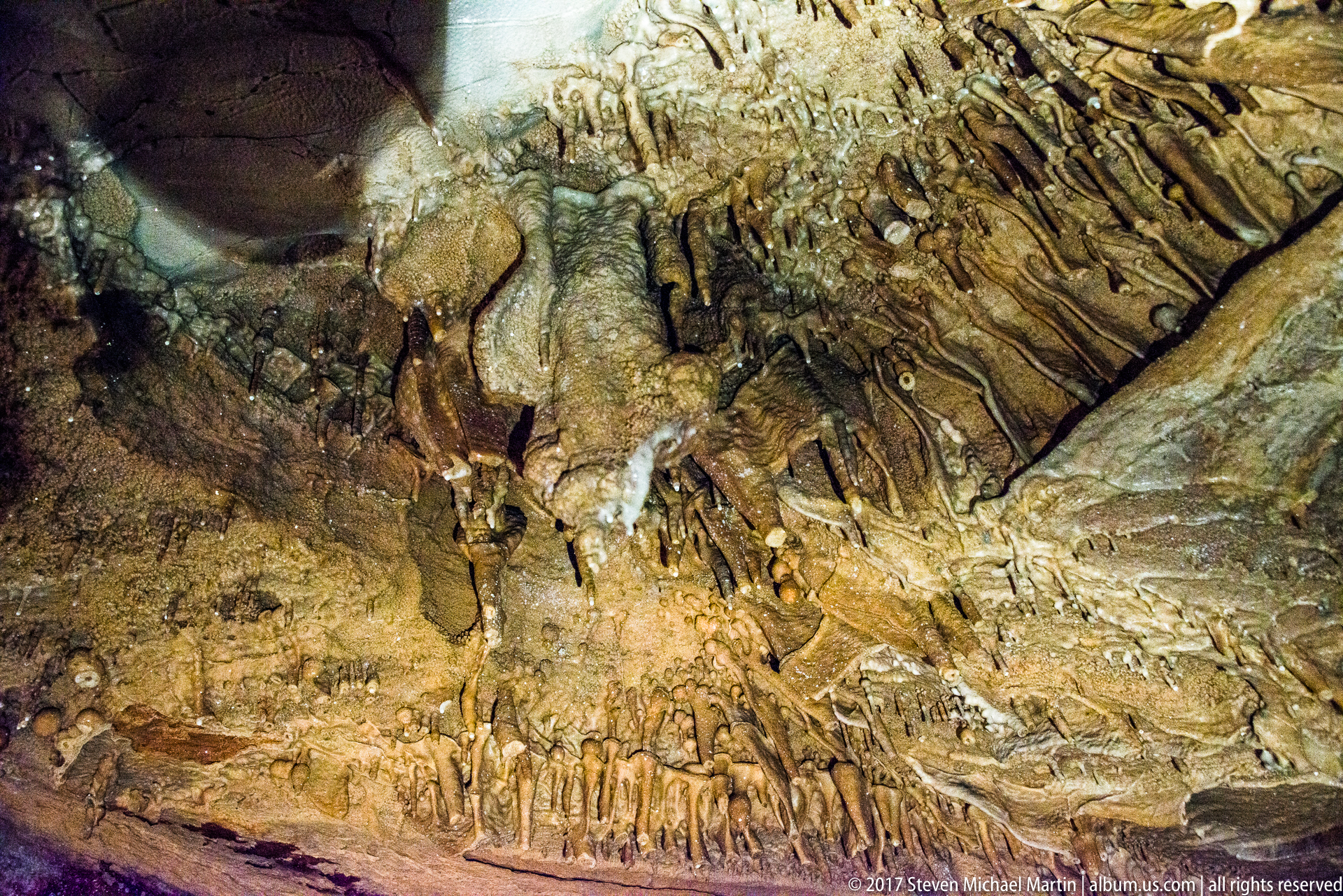
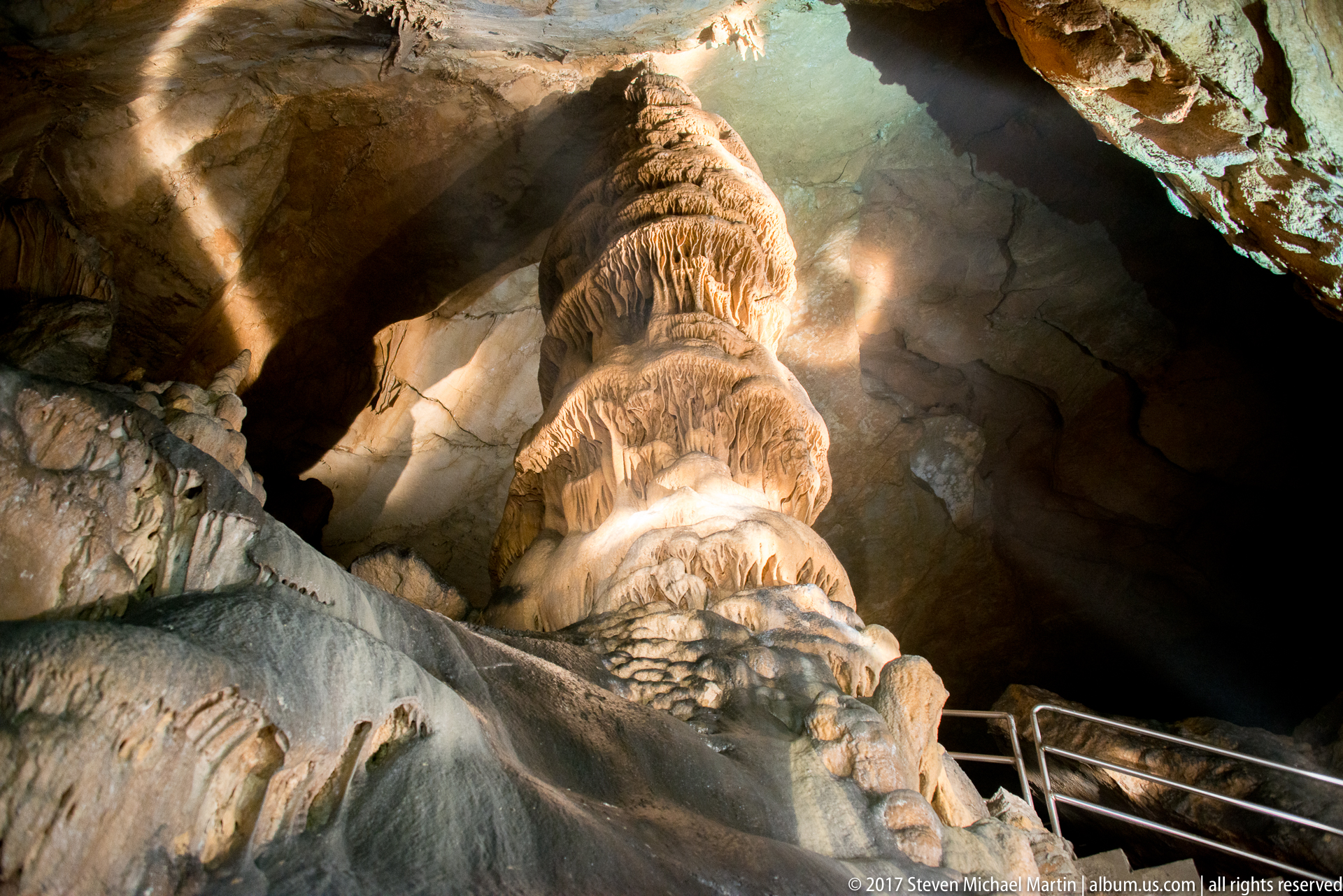
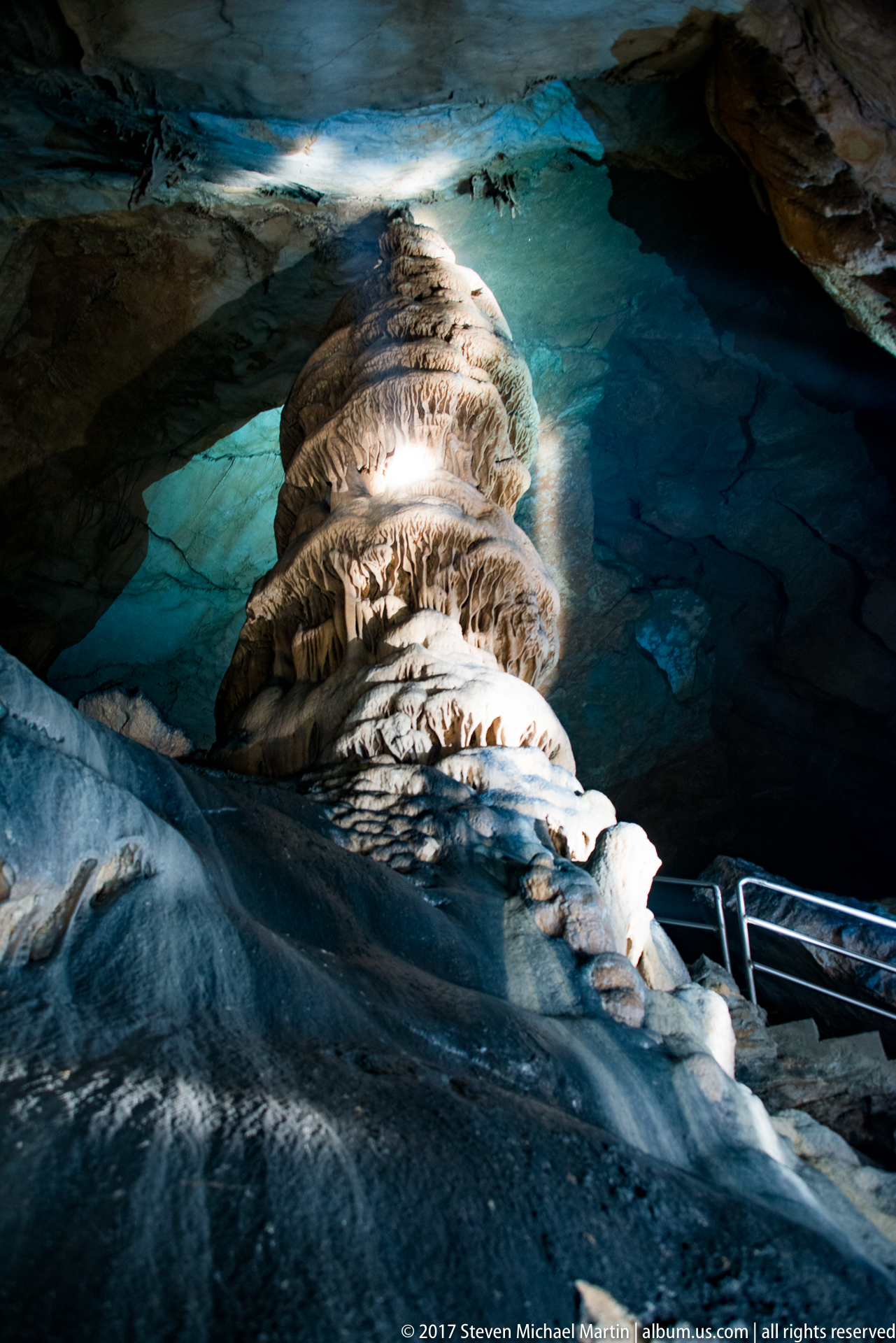
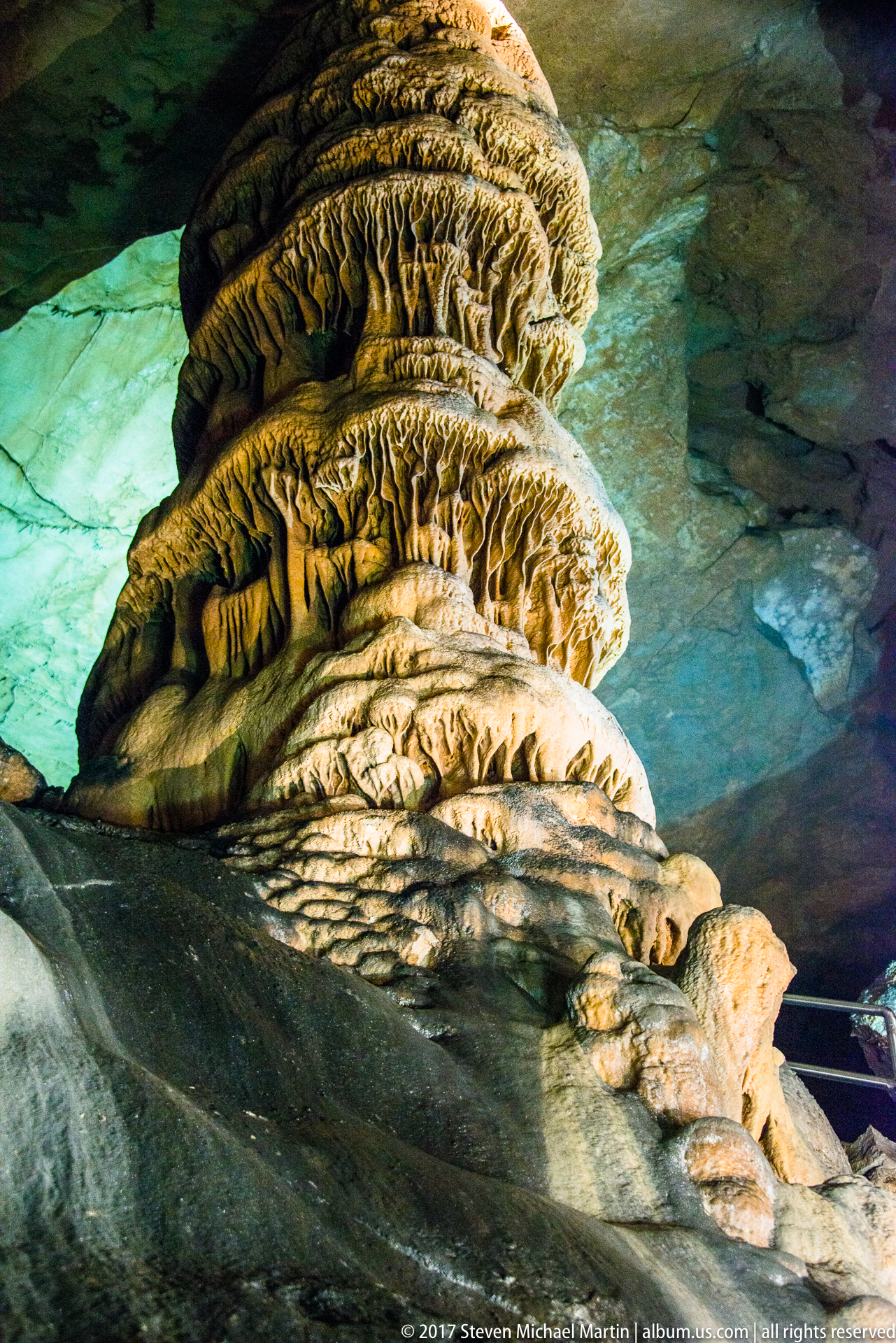
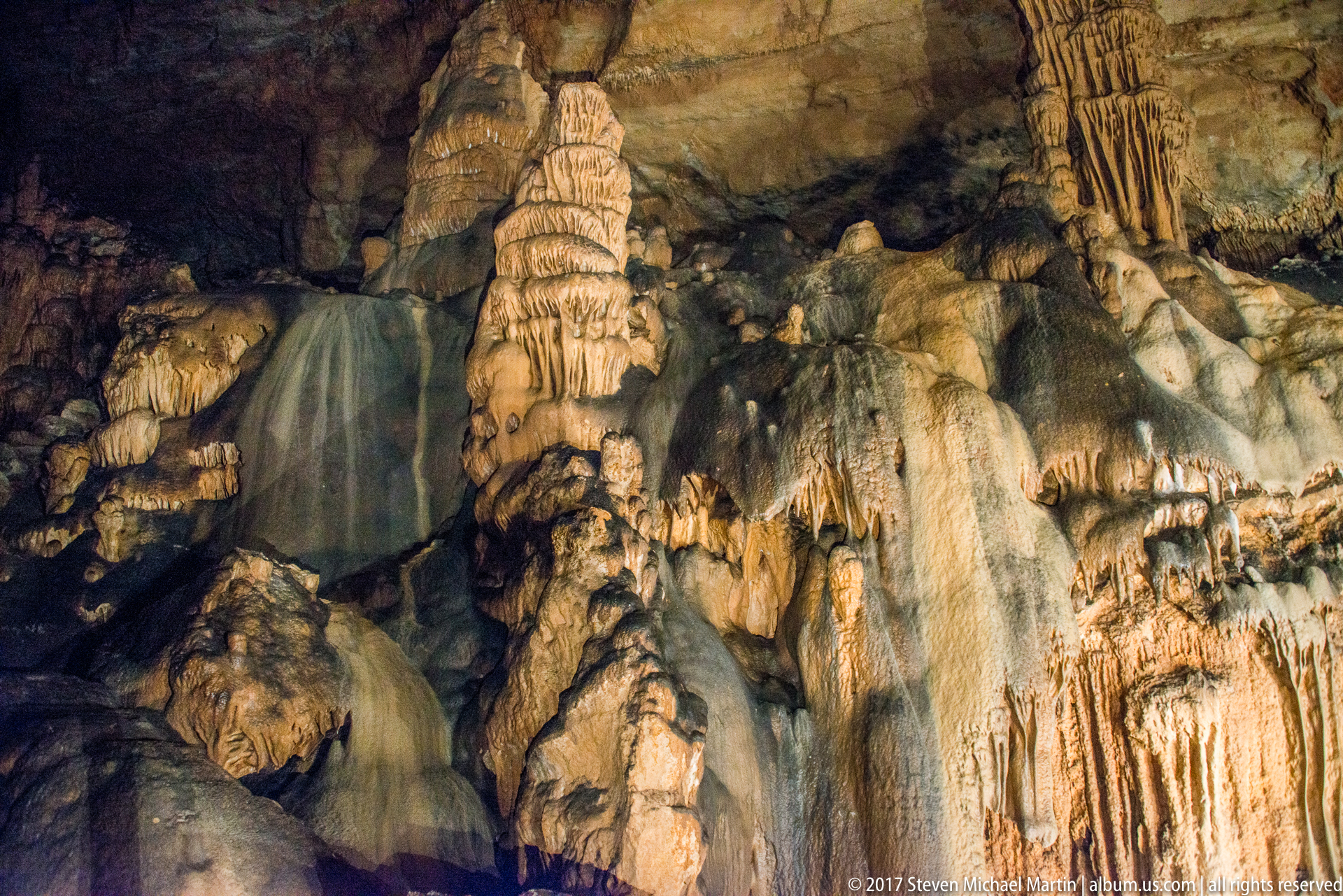
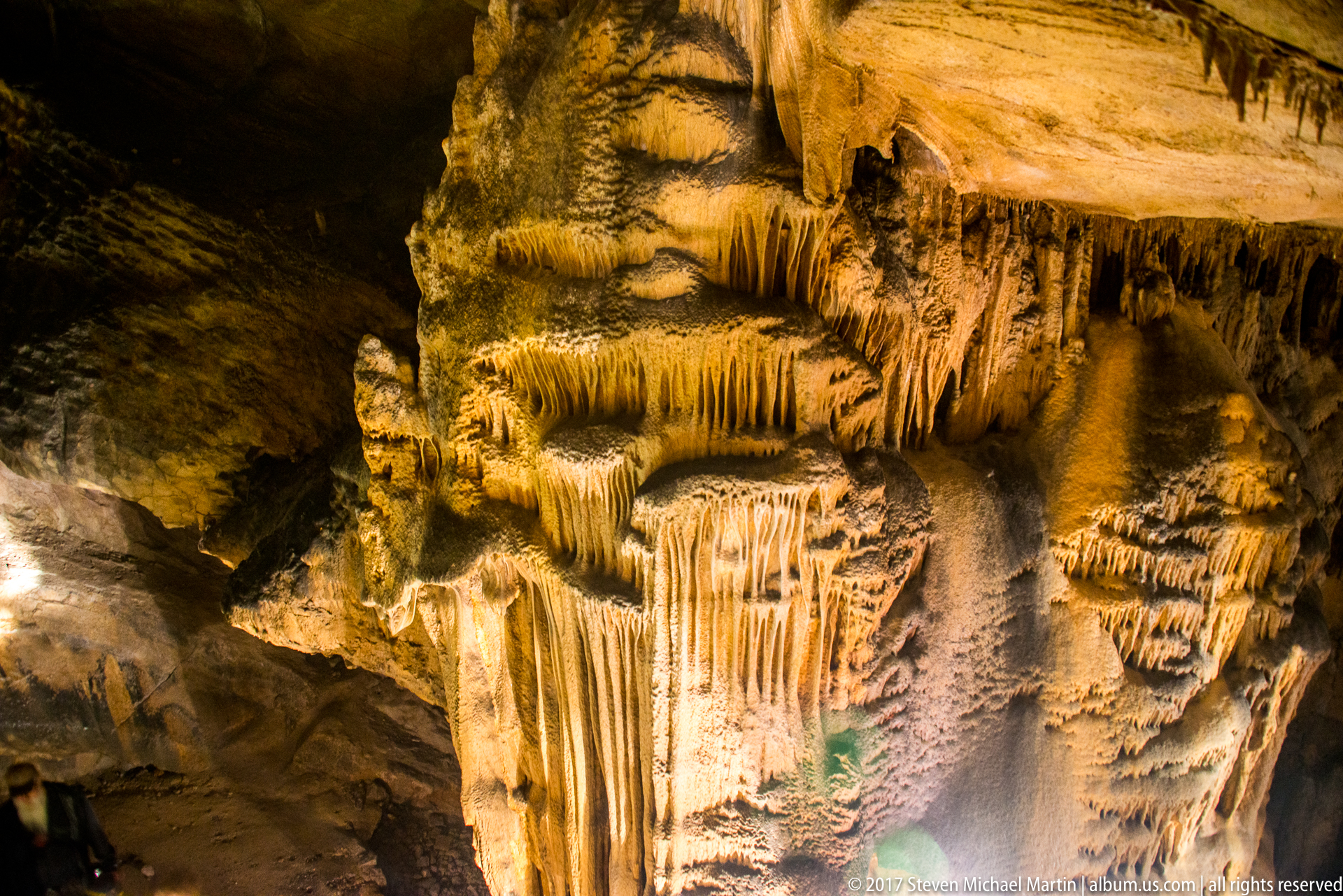
Cumberland Gap Cave developed through the gradual dissolution of limestone bedrock by slightly acidic groundwater. Over long periods of time, water expanded fractures in the rock, forming underground passages and chambers. These karst processes created cave systems commonly found throughout the Appalachian region.
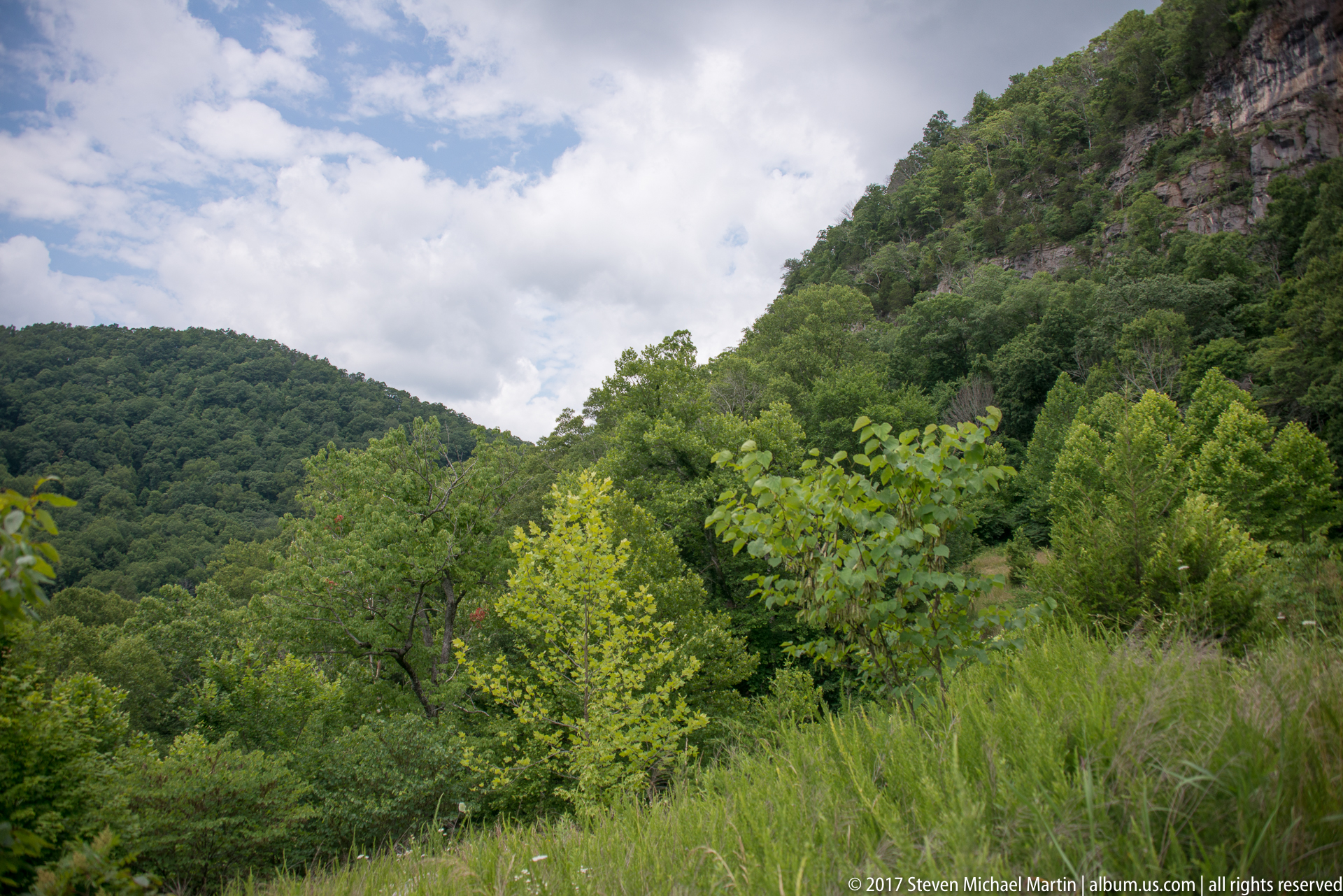
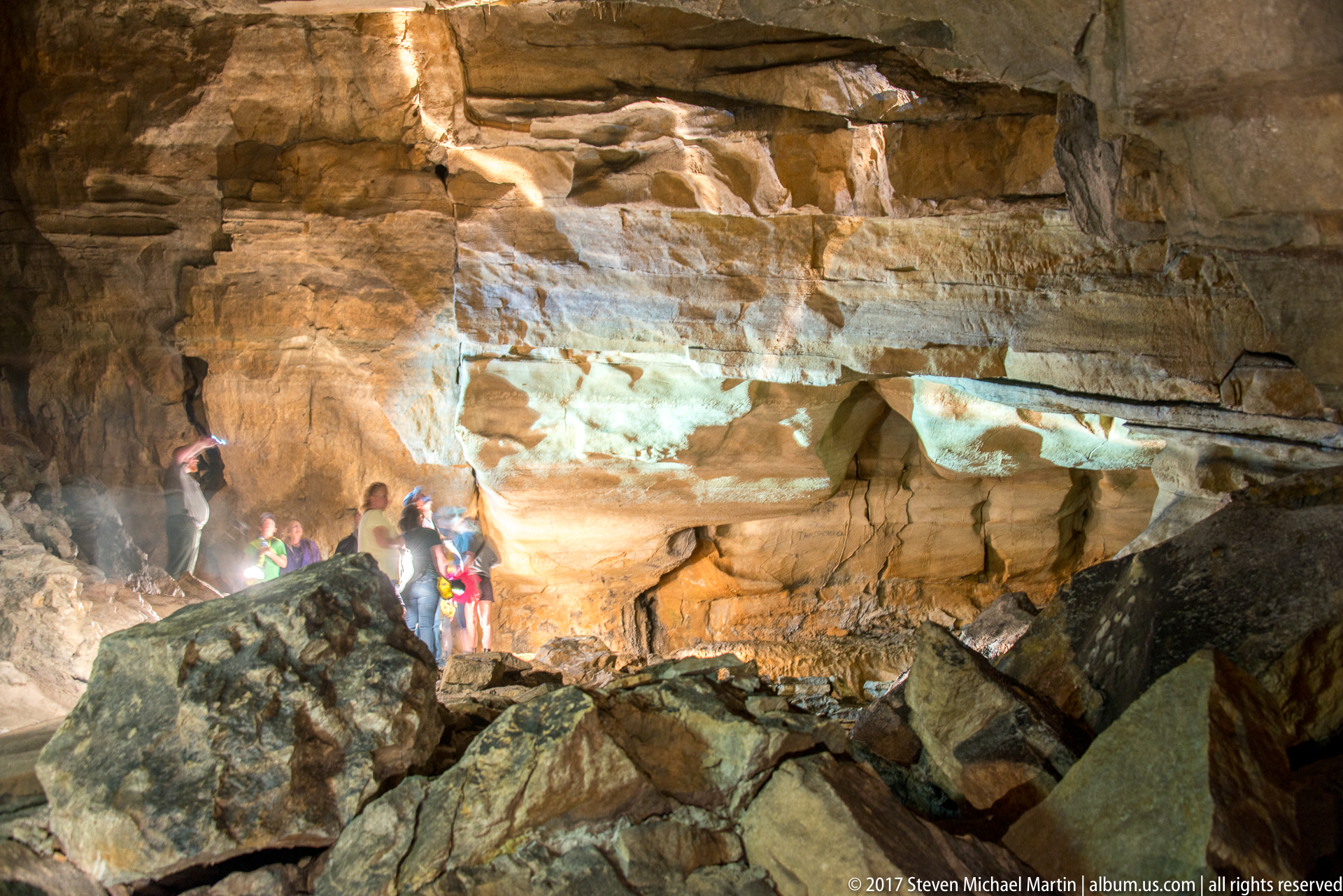
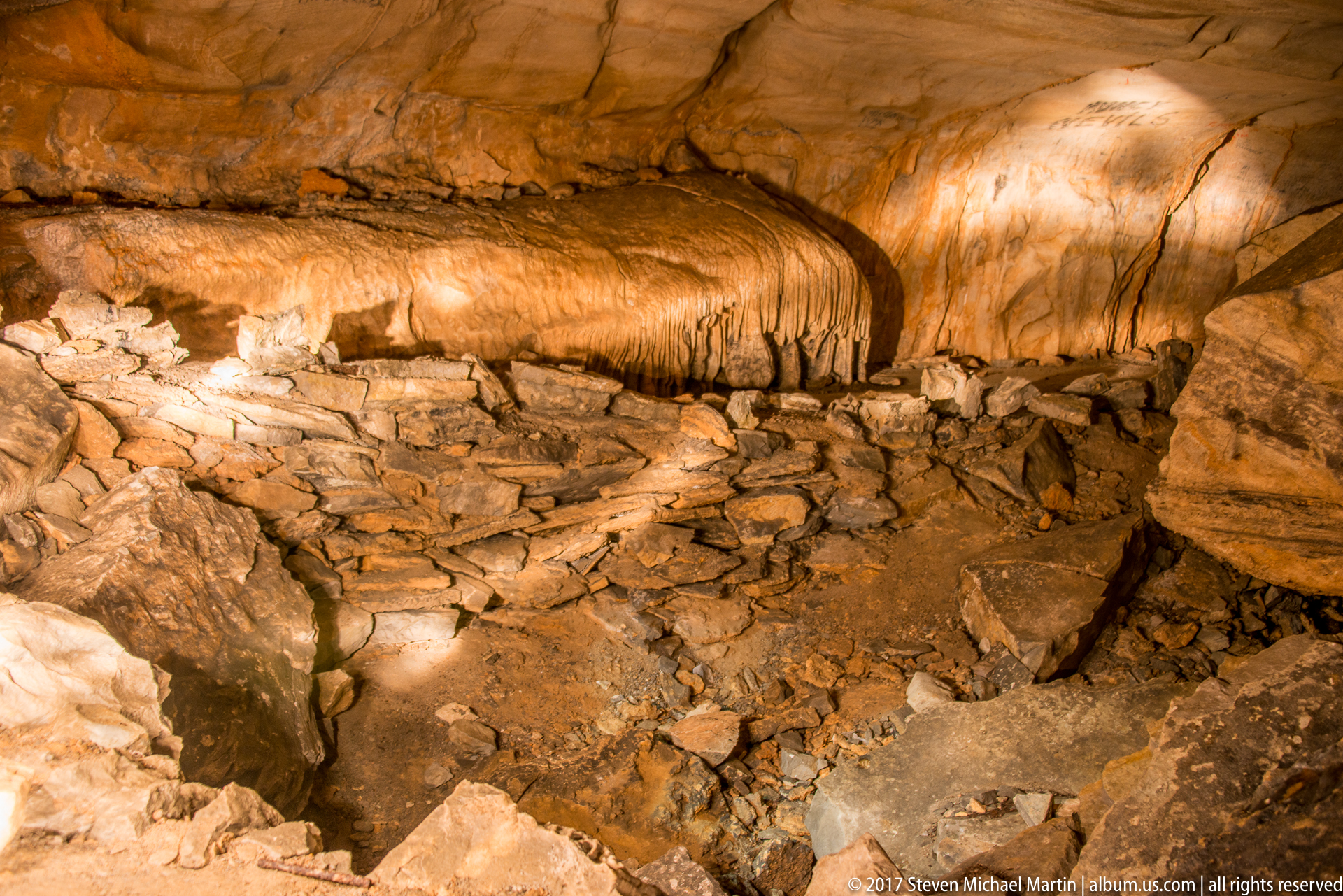
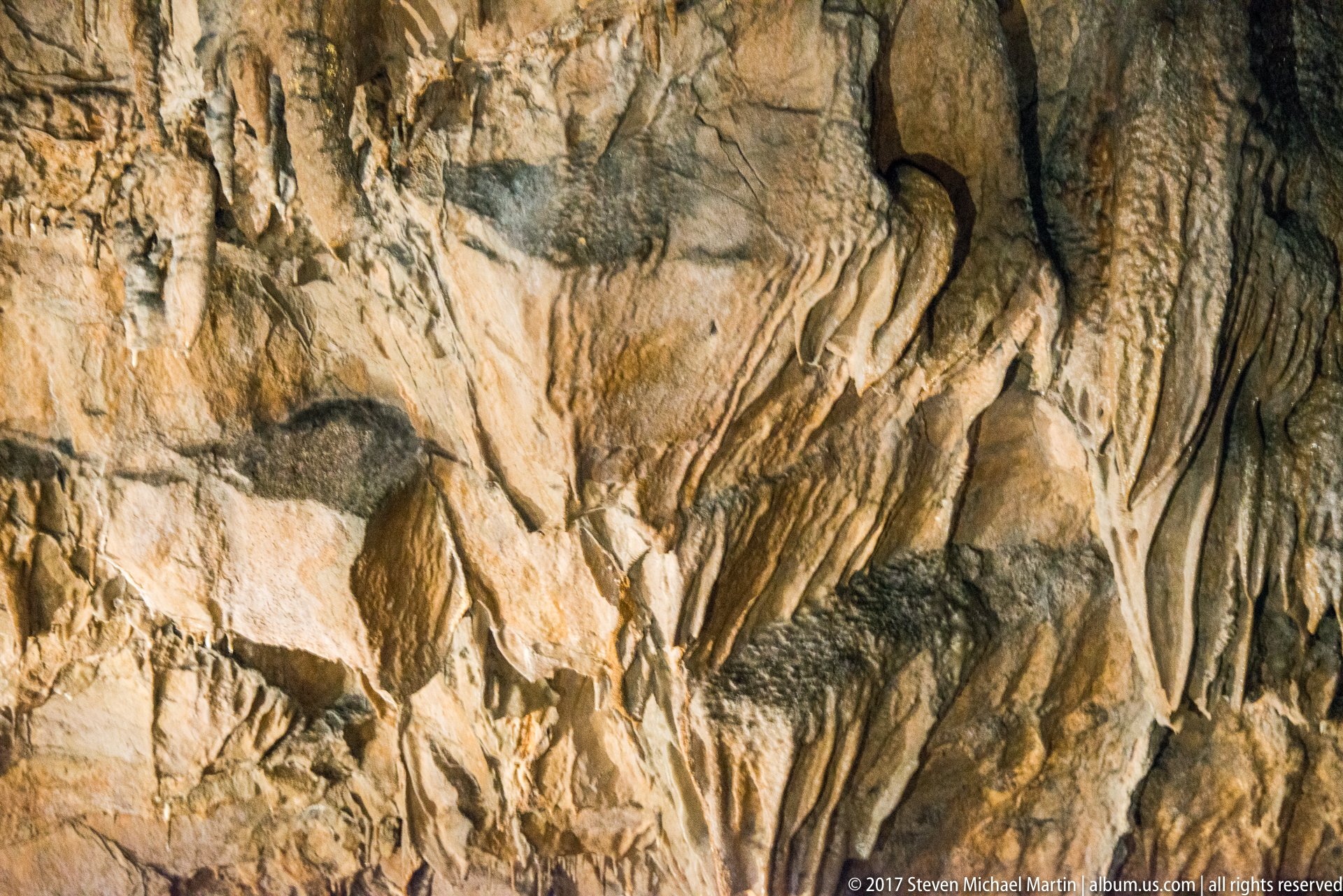
Cave environments provide insight into geological conditions that shaped mountain landscapes. Limestone formations reflect sedimentary processes that occurred millions of years ago when the region was covered by shallow seas. Underground drainage patterns illustrate how water influences terrain development below the surface.
Today, Cumberland Gap Cave demonstrates how groundwater erosion contributes to the formation of underground geological features. The cave illustrates how karst landscapes are shaped through the interaction between water chemistry and rock composition.