Daniel Boone Trail

Beartown State Park

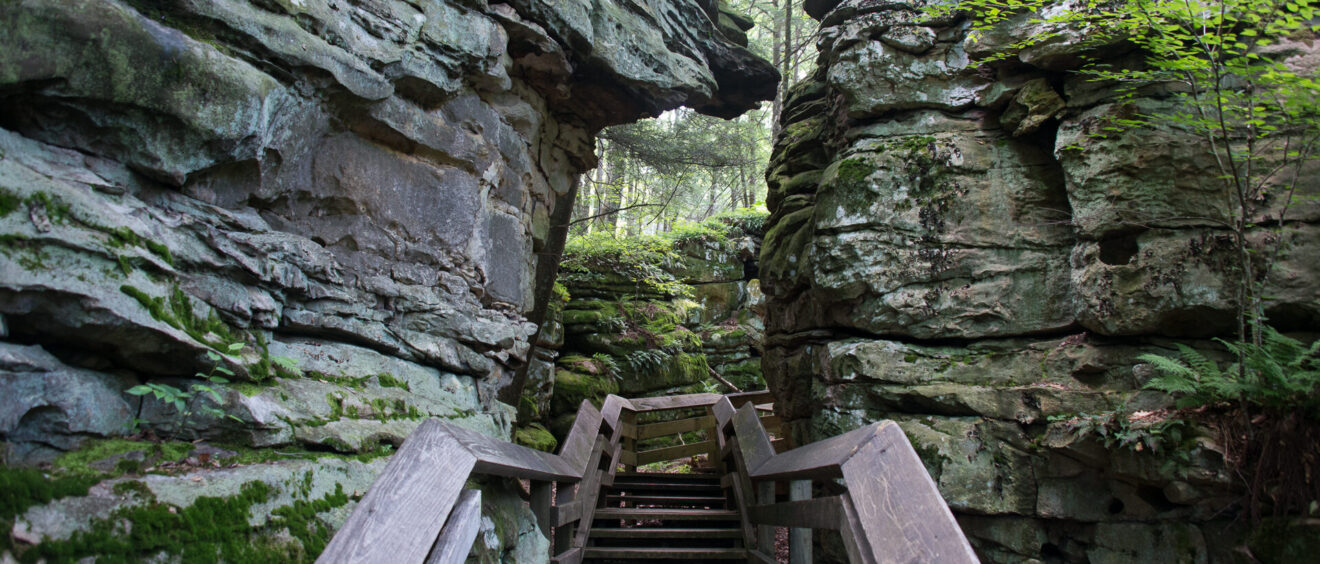
Beartown State Park Beartown State Park preserves a collection of unusual sandstone formations shaped by weathering and erosion over long periods of time. The rock surfaces contain fractures that gradually widened as water and ice expanded small cracks within the stone. Over time, these processes created narrow passageways, overhangs, and large boulders arranged in maze-like […]
Explore Portfolio

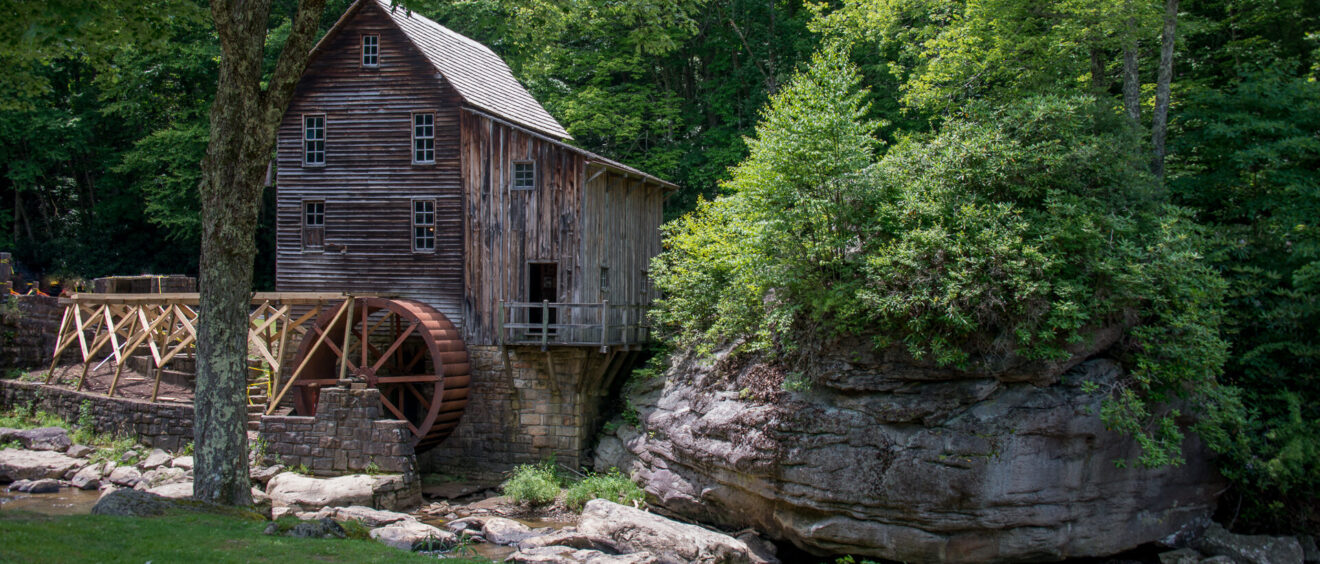
New River Gorge NP – Glade Creek Grist Mill

Glade Creek Grist Mill Glade Creek Grist Mill represents a reconstruction of traditional water-powered milling technology used in Appalachian communities. Flowing water turned mill wheels that powered grinding stones used to process grain into flour and meal. Mills served as important community gathering points within rural regions where agriculture formed the basis of local economies. […]

Explore Portfolio

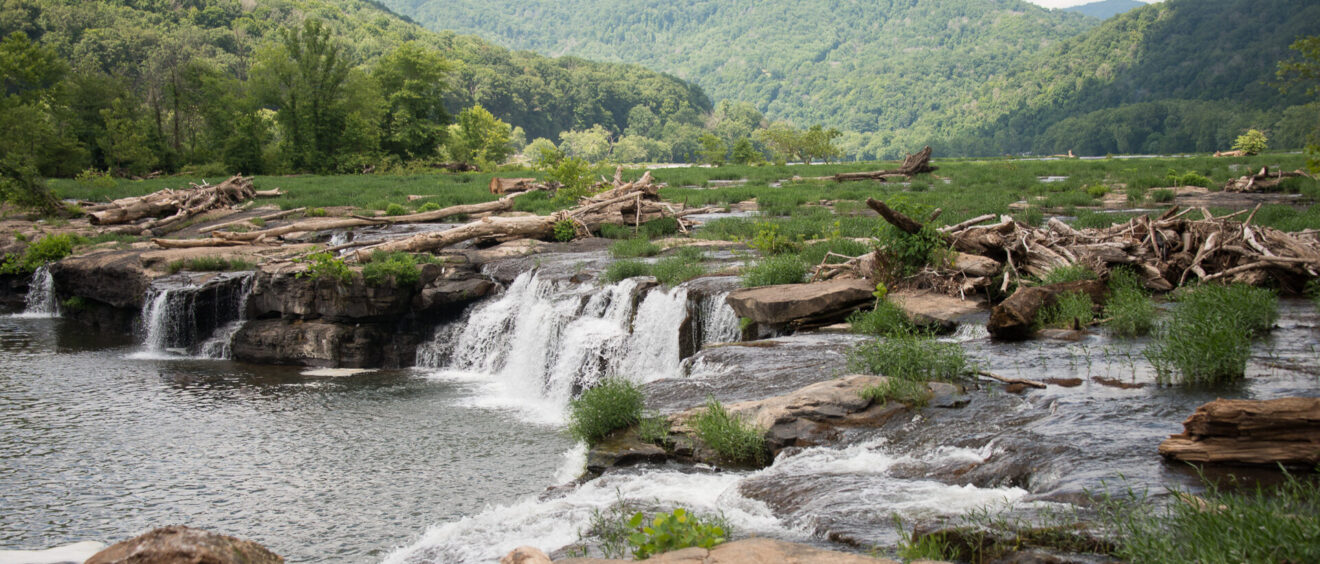
New River Gorge NP – Sandstone Falls

Sandstone Falls Sandstone Falls forms where the New River flows across resistant sandstone layers that create a series of cascades and channels. Variations in rock hardness influence the shape and flow of water across the riverbed, producing broad falls rather than a single vertical drop. The waterfall demonstrates how geological structure affects river behavior. The […]

Explore Portfolio

New River Gorge NP – Bridge

New River Gorge Bridge The New River Gorge Bridge spans the deep canyon carved by the New River, connecting ridgelines that were historically separated by steep terrain. The bridge demonstrates modern engineering solutions designed to overcome geographic barriers that once limited transportation across the Appalachian Mountains. Its arch design allows a long span without intermediate […]

Explore Portfolio

New River Gorge NP – Nuttalburg Coal Mine

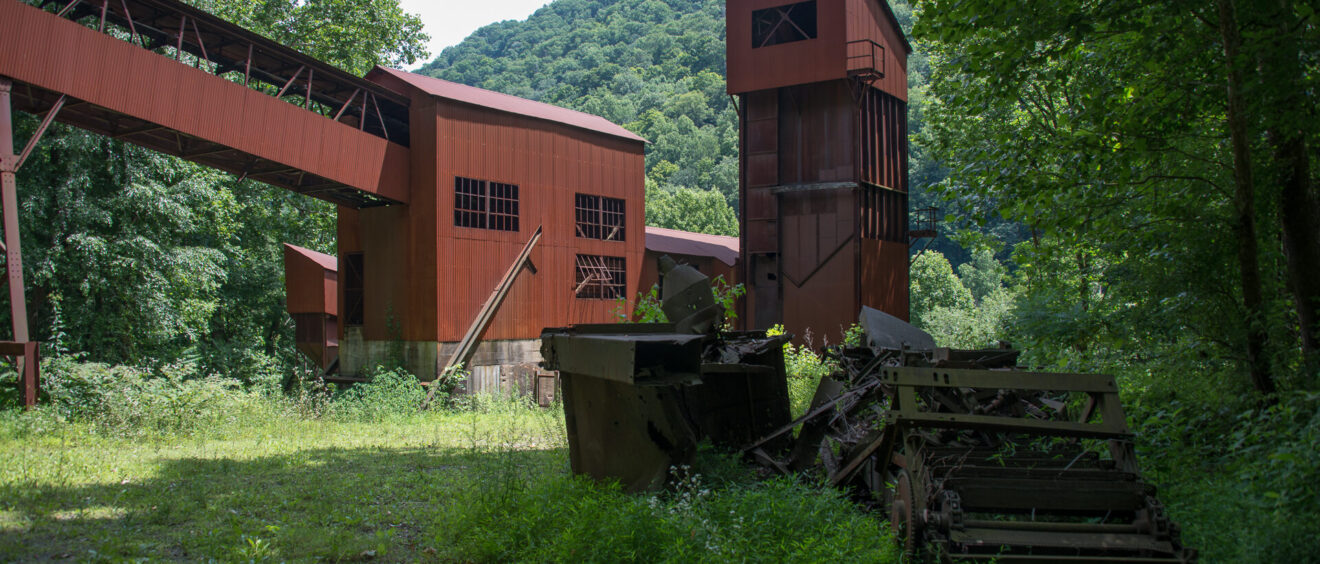
New River Gorge – Nuttallburg Coal Mine Nuttallburg preserves structures associated with coal mining operations that developed along the New River during the late nineteenth and early twentieth centuries. The steep gorge terrain influenced the placement of mining infrastructure, including tipples, conveyor systems, and rail connections used to transport coal from mountainous seams to markets […]

Explore Portfolio

Natural Tunnel State Park

Natural Tunnel State Park Natural Tunnel State Park preserves a large naturally formed tunnel carved through limestone rock by flowing water. Over thousands of years, a stream gradually eroded the bedrock, enlarging fractures and forming a passage through the mountain ridge. The tunnel illustrates how erosion can produce large-scale geological features that alter landscape structure. […]

Explore Portfolio

Natural Tunnel State Park – Anderson Blockhouse

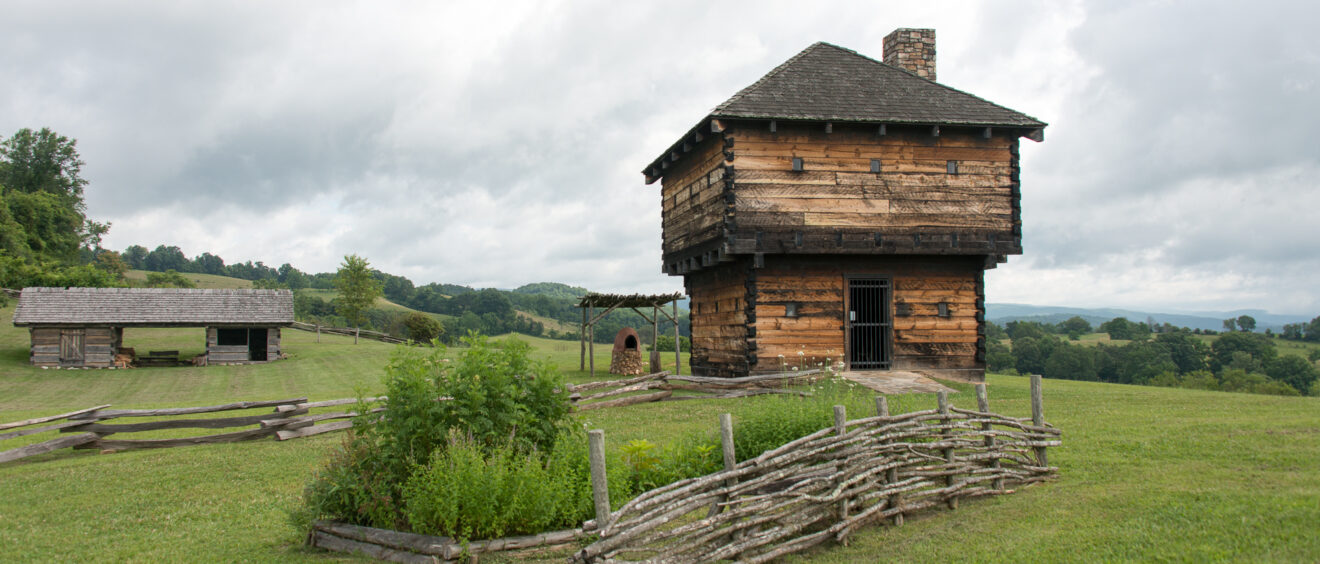
Natural Tunnel State Park Natural Tunnel State Park preserves a large naturally formed tunnel carved through limestone rock by flowing water. Over thousands of years, a stream gradually eroded the bedrock, enlarging fractures and forming a passage through the mountain ridge. The tunnel illustrates how erosion can produce large-scale geological features that alter landscape structure. […]

Explore Portfolio

Cumberland Gap NHS – Gap Cave

Cumberland Gap Cave Cumberland Gap Cave developed through the gradual dissolution of limestone bedrock by slightly acidic groundwater. Over long periods of time, water expanded fractures in the rock, forming underground passages and chambers. These karst processes created cave systems commonly found throughout the Appalachian region. Cave environments provide insight into geological conditions that shaped […]

Explore Portfolio

Cumberland Gap NHP

Cumberland Gap National Historical Park Cumberland Gap National Historical Park preserves a natural mountain pass through the Appalachian Mountains that served as a critical corridor for migration into the interior of North America. The gap formed through geological processes that created a lower elevation passage between ridges, allowing movement through otherwise difficult terrain. For centuries, […]

Explore Portfolio