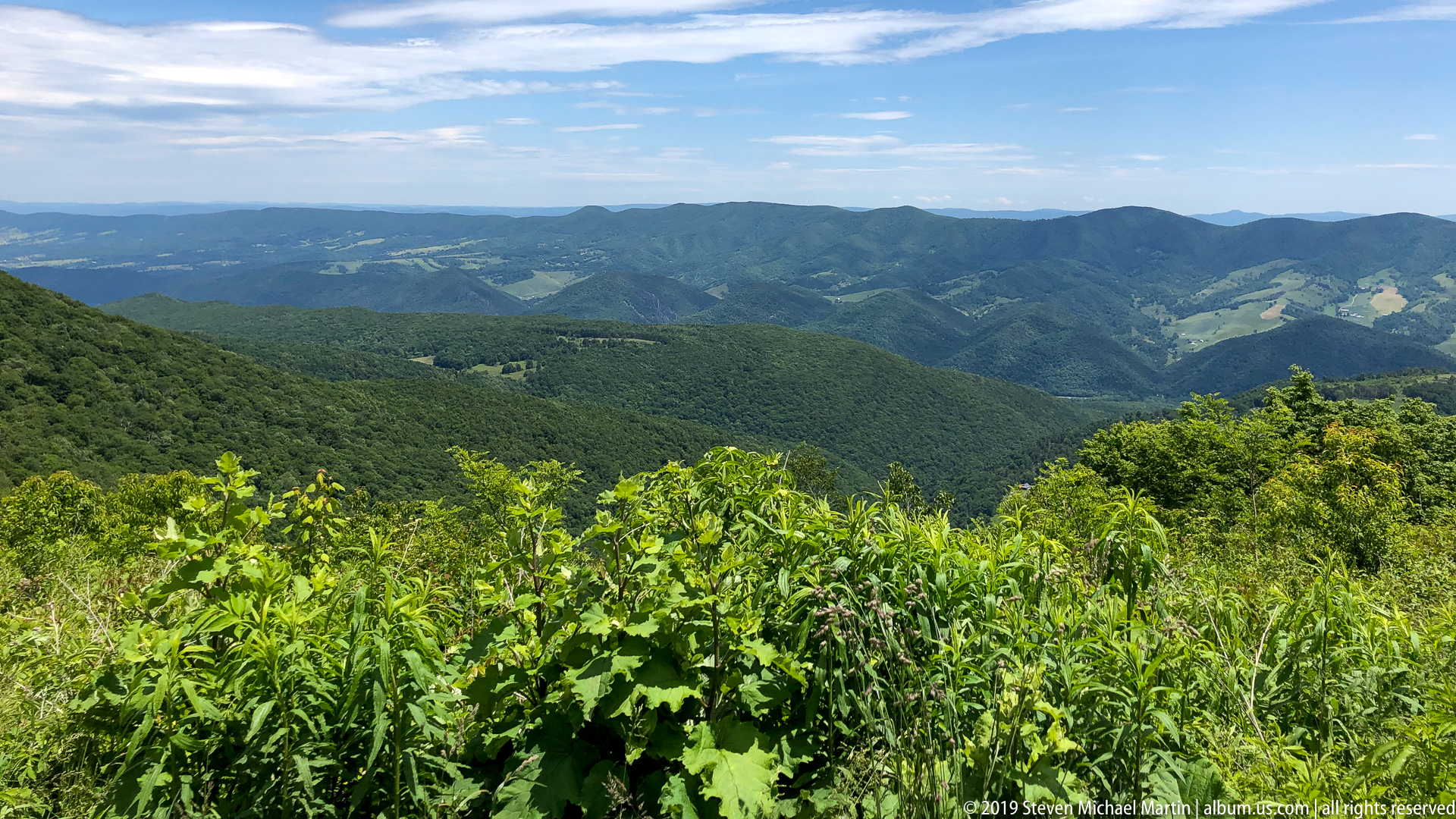
Spruce Knob Spruce Knob forms the highest point in West Virginia, rising above the surrounding Allegheny Mountains within the Monongahela National Forest. The summit reaches an elevation of over 4,800 feet, reflecting the geological processes that shaped the Appalachian Plateau through uplift and erosion over millions of years. The high elevation supports ecosystems influenced by […]
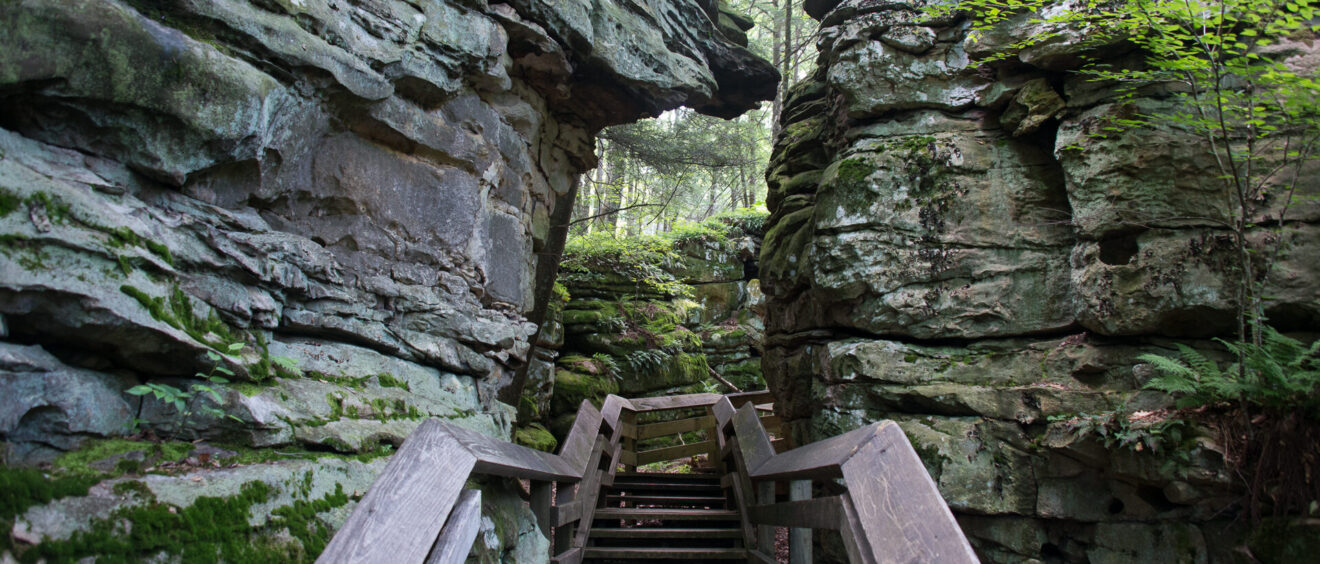
Beartown State Park Beartown State Park preserves a collection of unusual sandstone formations shaped by weathering and erosion over long periods of time. The rock surfaces contain fractures that gradually widened as water and ice expanded small cracks within the stone. Over time, these processes created narrow passageways, overhangs, and large boulders arranged in maze-like […]
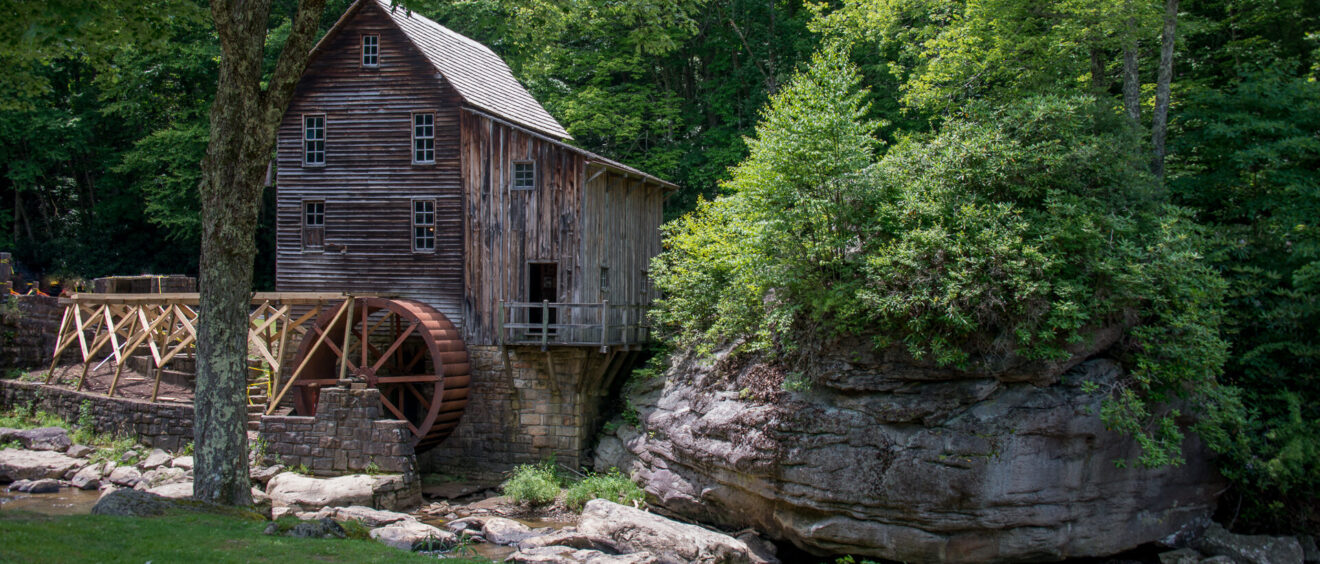
Glade Creek Grist Mill Glade Creek Grist Mill represents a reconstruction of traditional water-powered milling technology used in Appalachian communities. Flowing water turned mill wheels that powered grinding stones used to process grain into flour and meal. Mills served as important community gathering points within rural regions where agriculture formed the basis of local economies. […]
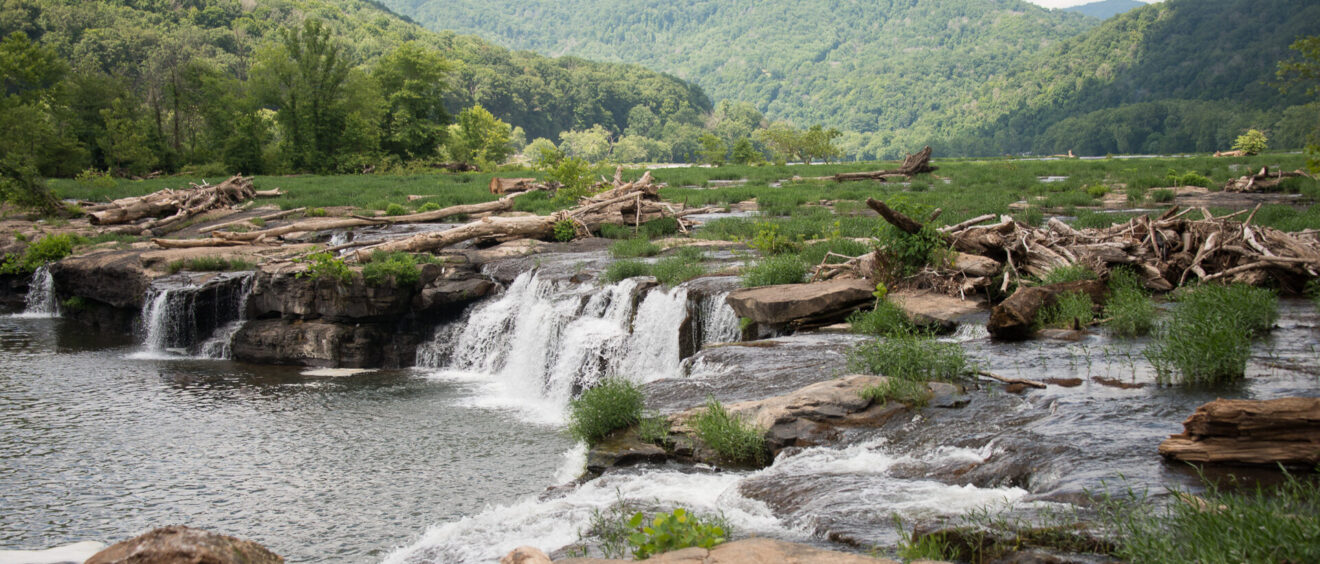
Sandstone Falls Sandstone Falls forms where the New River flows across resistant sandstone layers that create a series of cascades and channels. Variations in rock hardness influence the shape and flow of water across the riverbed, producing broad falls rather than a single vertical drop. The waterfall demonstrates how geological structure affects river behavior. The […]
New River Gorge Bridge The New River Gorge Bridge spans the deep canyon carved by the New River, connecting ridgelines that were historically separated by steep terrain. The bridge demonstrates modern engineering solutions designed to overcome geographic barriers that once limited transportation across the Appalachian Mountains. Its arch design allows a long span without intermediate […]
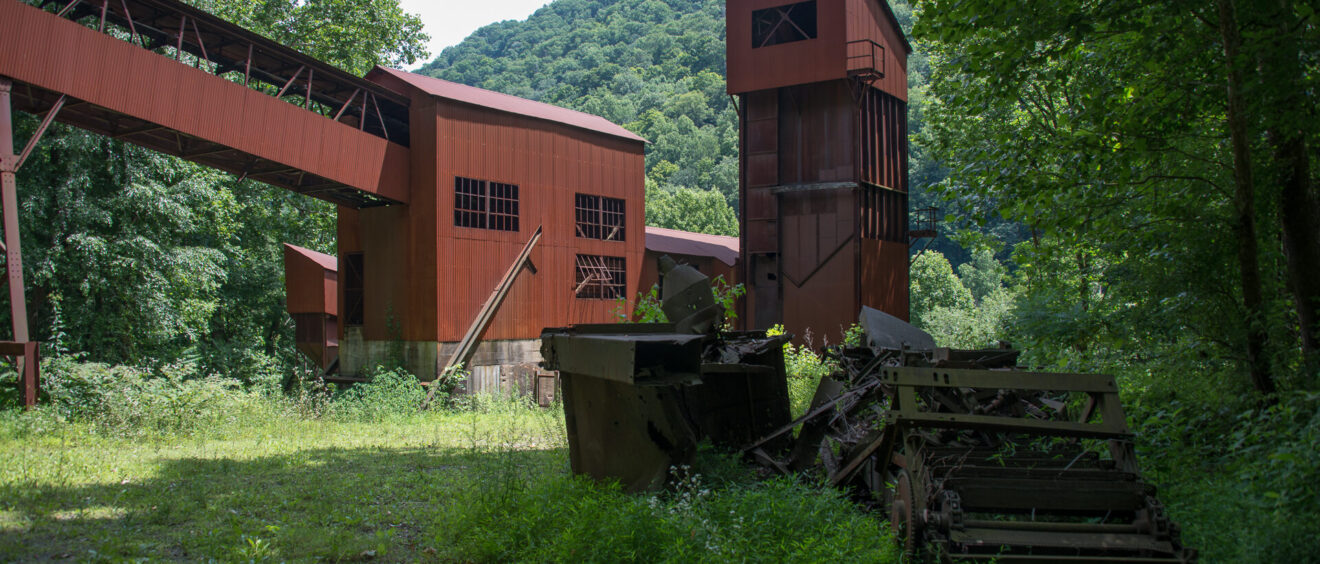
New River Gorge – Nuttallburg Coal Mine Nuttallburg preserves structures associated with coal mining operations that developed along the New River during the late nineteenth and early twentieth centuries. The steep gorge terrain influenced the placement of mining infrastructure, including tipples, conveyor systems, and rail connections used to transport coal from mountainous seams to markets […]
Cumberland Gap National Historical Park Cumberland Gap National Historical Park preserves a natural mountain pass through the Appalachian Mountains that served as a critical corridor for migration into the interior of North America. The gap formed through geological processes that created a lower elevation passage between ridges, allowing movement through otherwise difficult terrain. For centuries, […]
Harpers Ferry National Historical Park Harpers Ferry National Historical Park preserves the historic town and surrounding landscape at the confluence of the Potomac and Shenandoah Rivers, where transportation routes, industry, and political conflict intersected during the eighteenth and nineteenth centuries. The site developed as an important manufacturing center when the federal government established an armory […]
The Greenbrier The Greenbrier developed around natural mineral springs in the Allegheny Mountains, where visitors have traveled since the eighteenth century to experience the perceived therapeutic qualities of sulphur water. The resort landscape reflects longstanding traditions of health tourism in which natural springs influenced patterns of travel and settlement in mountainous regions. Early development of […]
Seneca Rocks Seneca Rocks rises dramatically above the surrounding valley as a ridge of erosion-resistant quartzite that forms one of the most distinctive geological landmarks in the Appalachian Mountains. The rock formation reaches nearly nine hundred feet above the surrounding landscape, reflecting the folding and uplift that shaped the Allegheny Mountains during the formation of […]