The Greenbrier
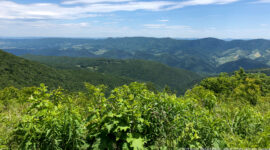
The Greenbrier developed around natural mineral springs in the Allegheny Mountains, where visitors have traveled since the eighteenth century to experience the perceived therapeutic qualities of sulphur water. The resort landscape reflects longstanding traditions of health tourism in which natural springs influenced patterns of travel and settlement in mountainous regions. Early development of the resort established the area as a destination associated with leisure, recreation, and retreat from coastal climates.
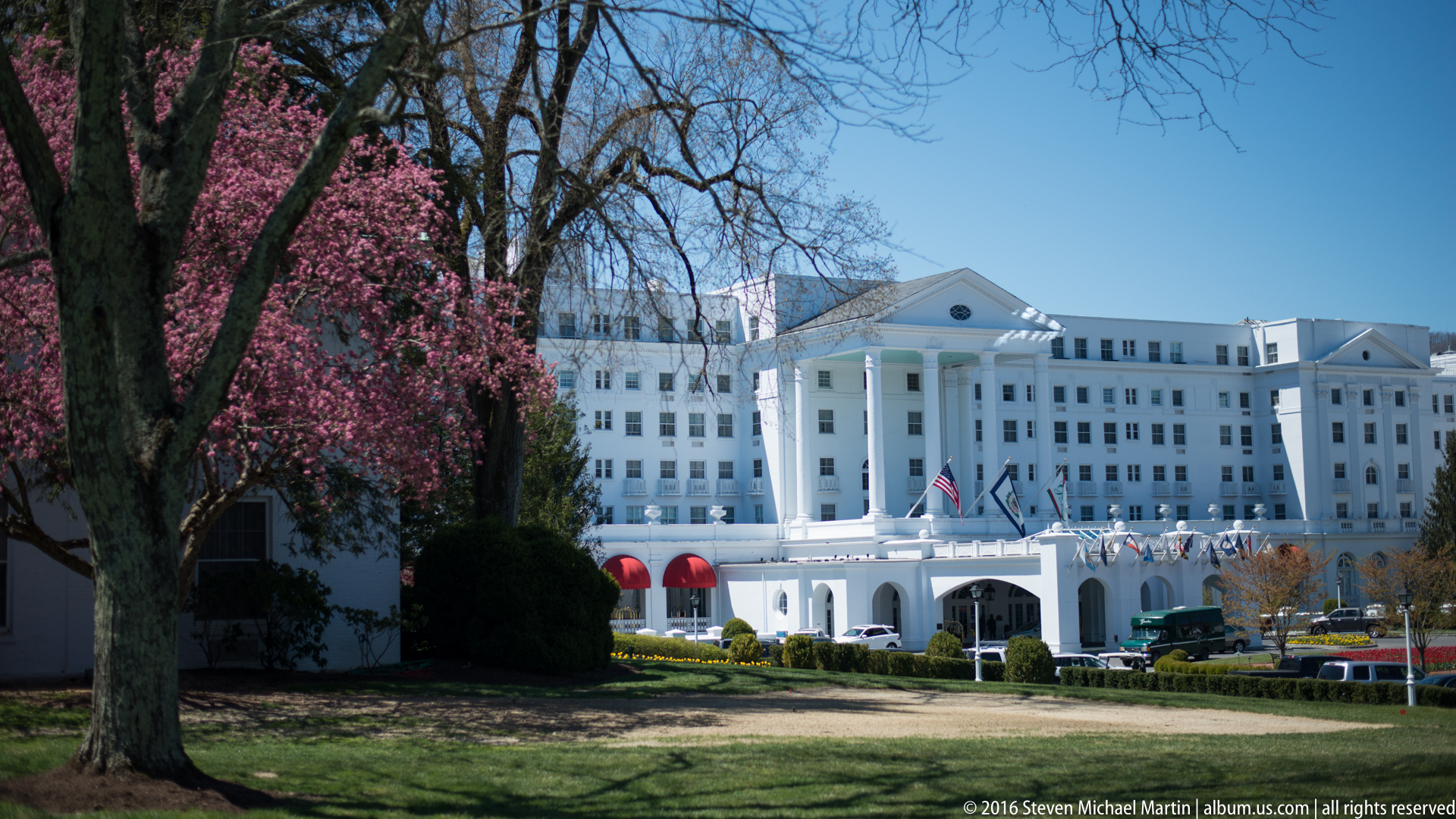
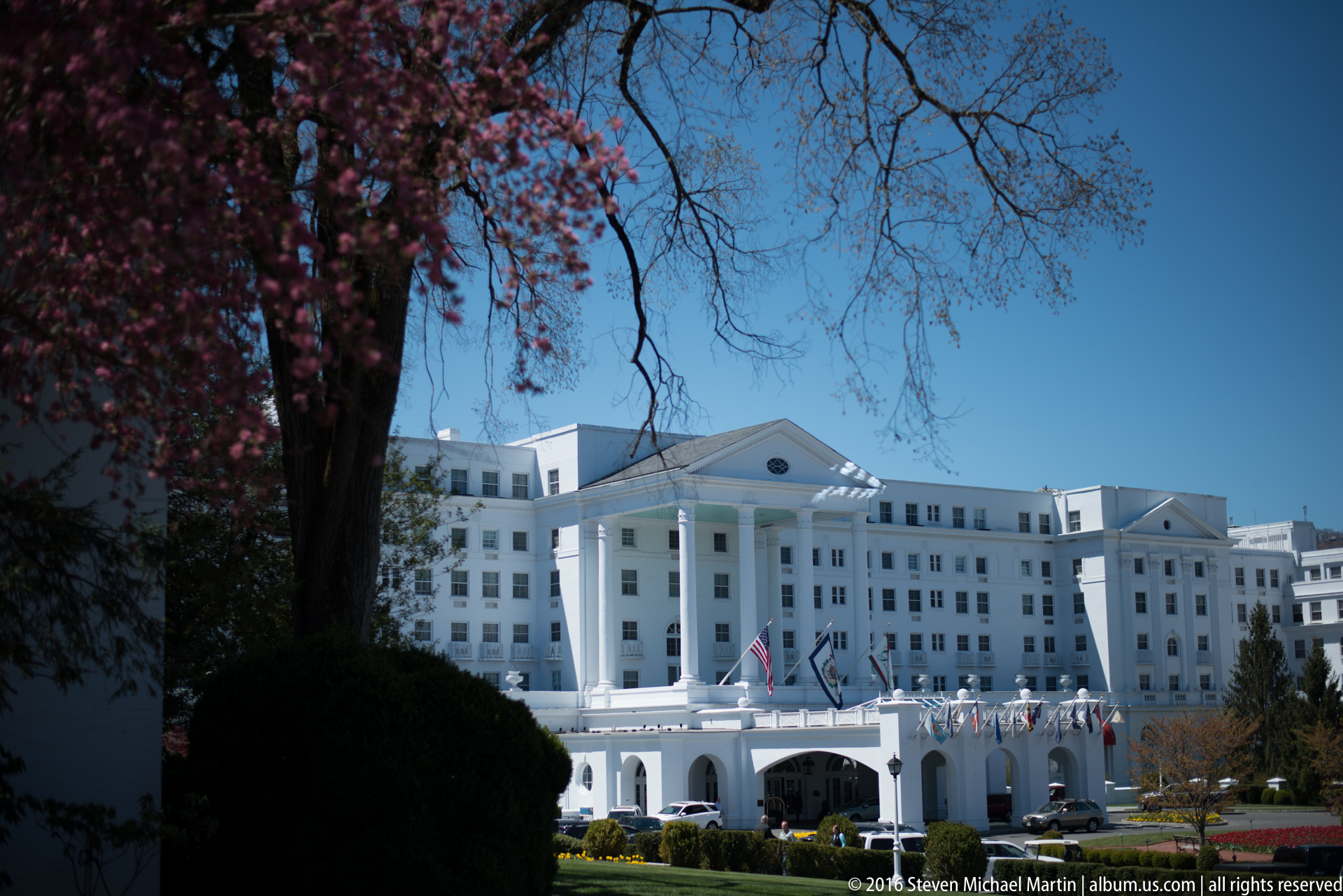
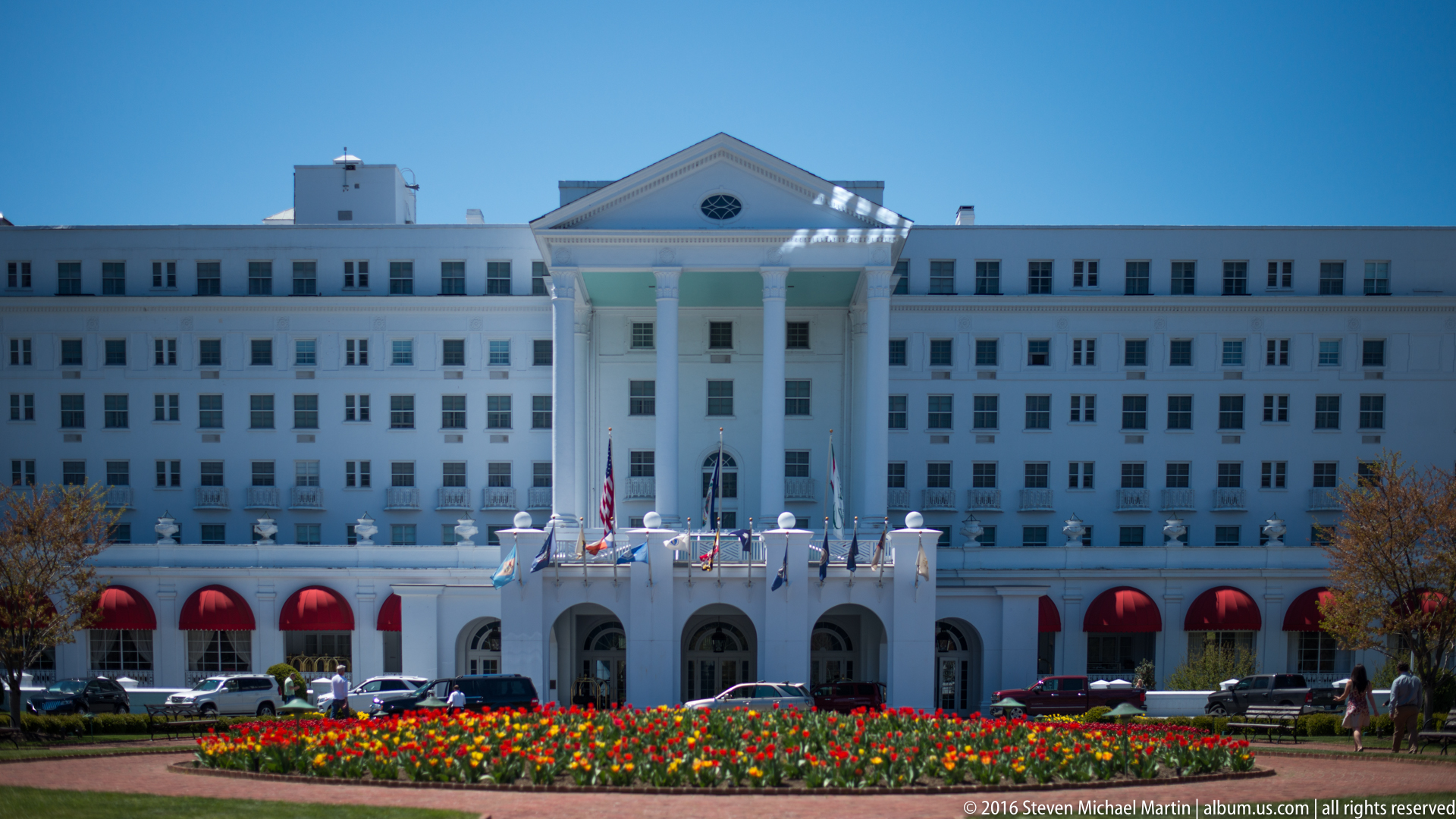
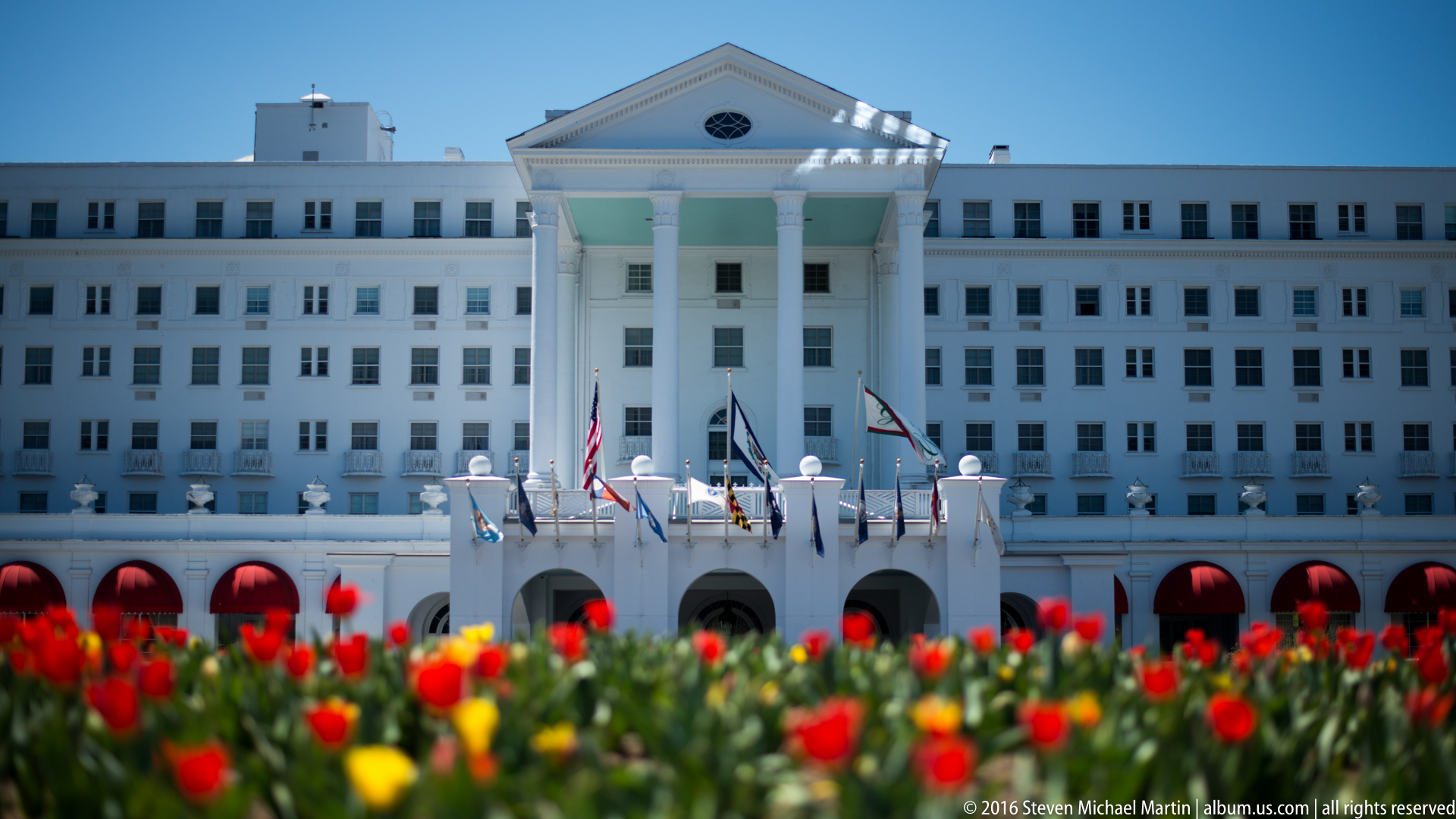
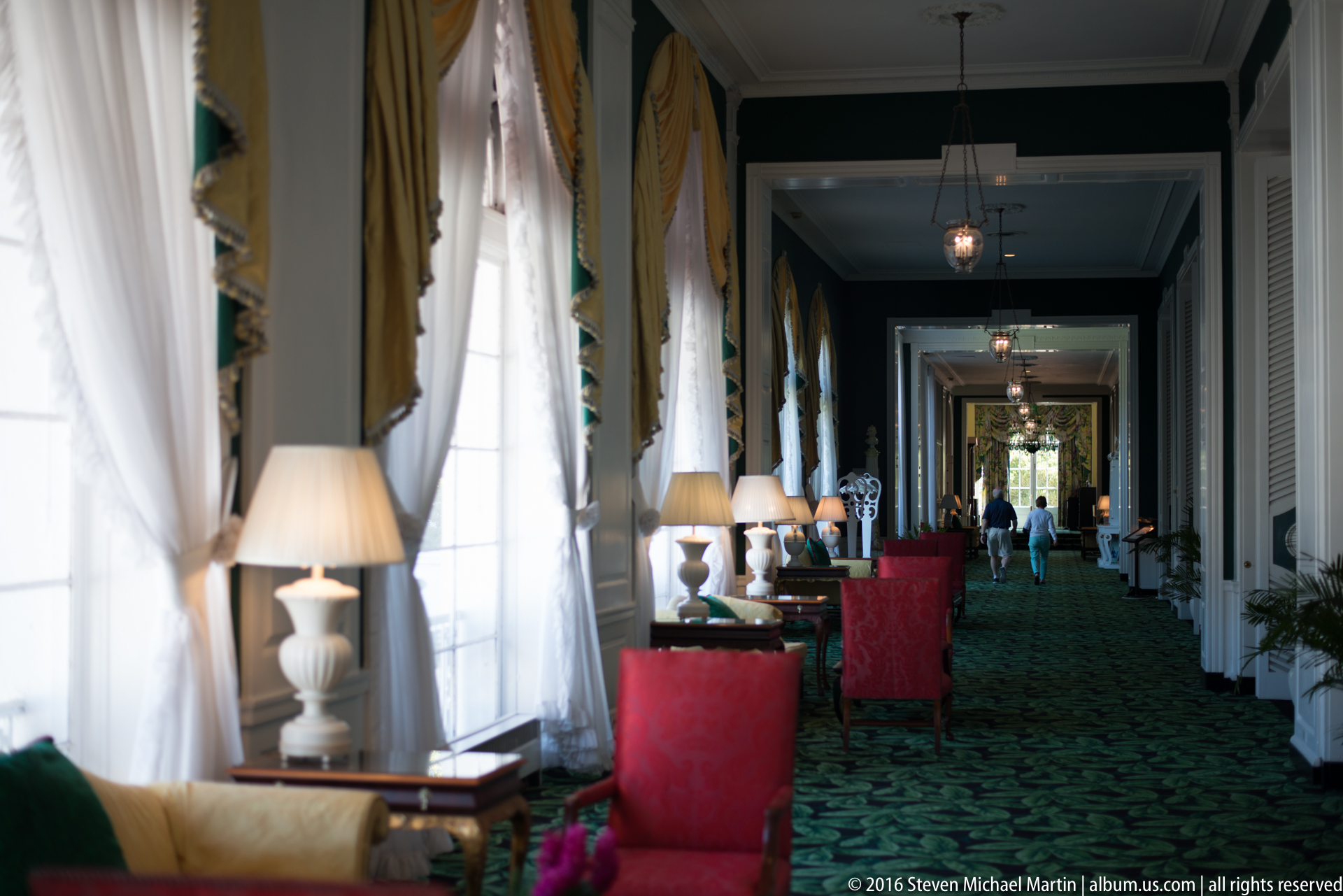
During the nineteenth and early twentieth centuries, expansion of railroad access allowed the resort to grow into one of the most prominent mountain retreats in the eastern United States. The large hotel complex and surrounding landscape illustrate architectural and recreational traditions associated with grand resort development. The site later served military purposes during wartime and was adapted for multiple governmental functions, demonstrating the changing role of large institutional properties over time.
The Greenbrier contributes to understanding how natural features such as mineral springs influenced the development of tourism and recreation in the Appalachian region. The resort reflects the relationship between landscape, transportation, and cultural traditions associated with leisure travel. Its preserved setting illustrates continuity between eighteenth-century spa culture and later forms of resort development in the United States.