Charleston
Charleston’s historic churches and preserved urban landscape reflect the longstanding importance of religious institutions in the cultural development of coastal cities in the southeastern United States. Established during the colonial period, Charleston became known for its concentration of church architecture representing Anglican, Catholic, Huguenot, and other religious traditions connected to European settlement patterns.
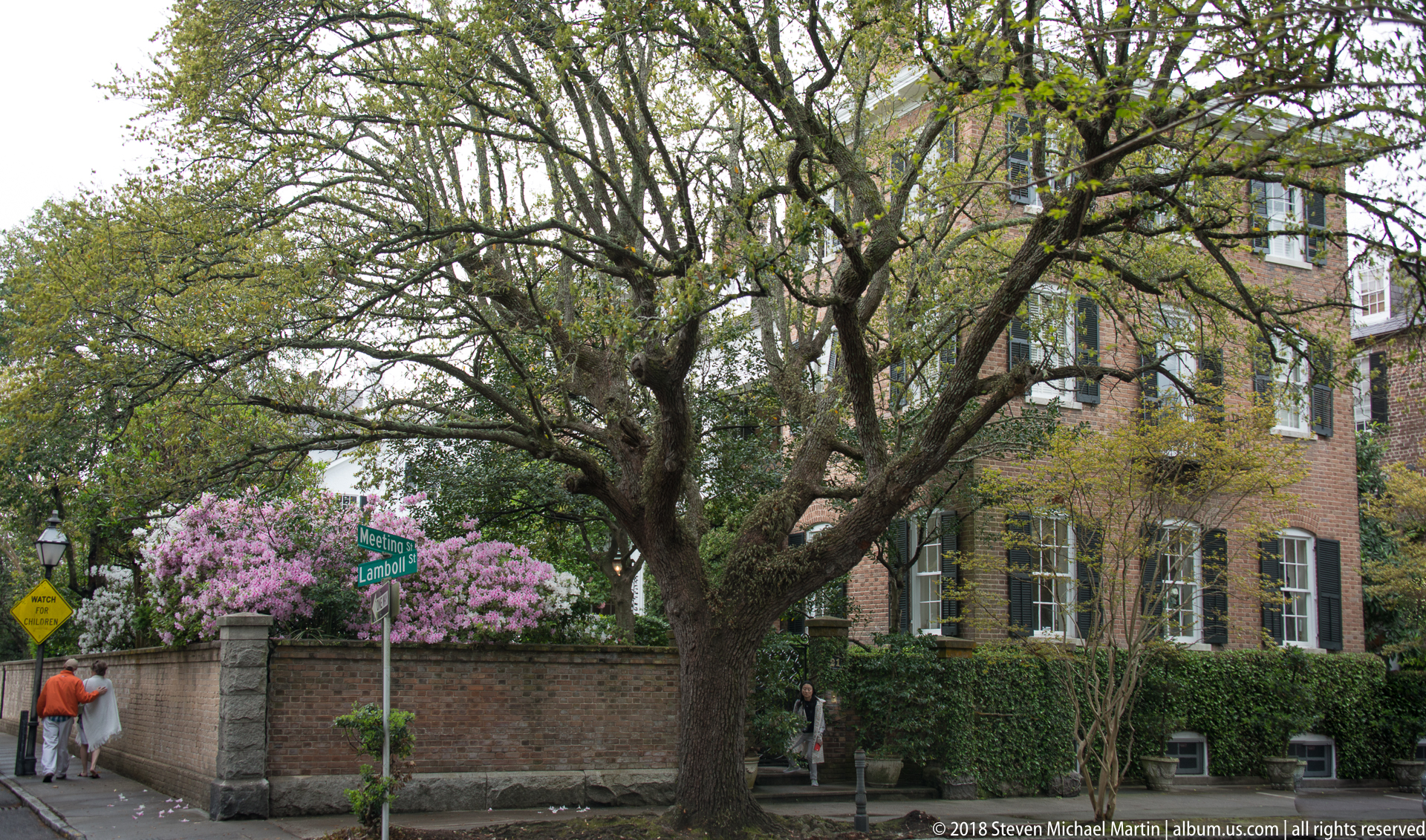
Observances associated with Good Friday highlight the continuing role of historic religious buildings as centers of community activity and cultural continuity. Church steeples, historic streets, and public spaces illustrate the relationship between architectural heritage and civic traditions within the Charleston peninsula.
The preservation of historic religious structures contributes to the city’s identity as one of the most architecturally intact urban environments in the American Southeast. Seasonal observances provide additional perspective on the ongoing use of historic spaces within contemporary cultural life.