Charleston
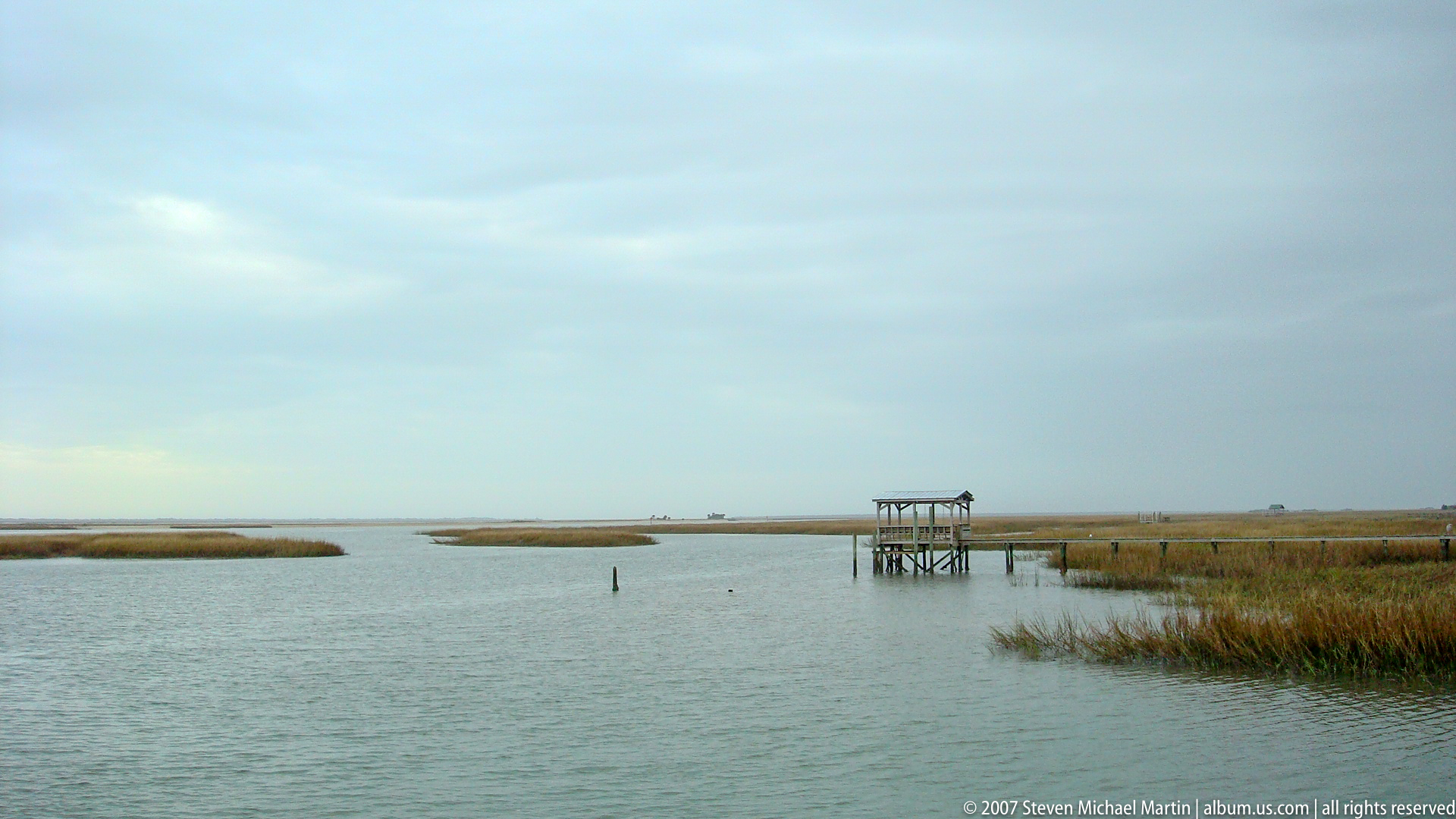
Charleston is located along the Atlantic coastal plain of South Carolina at the confluence of the Ashley and Cooper Rivers, where access to a protected natural harbor supported early colonial settlement and maritime trade. Founded in 1670, the city became an important port connecting agricultural production from the southeastern interior with Atlantic trade networks. Its geographic position contributed to the development of distinctive architectural traditions adapted to coastal climate conditions.
The historic district preserves a concentration of eighteenth- and nineteenth-century buildings reflecting influences from English, French, and Caribbean architectural traditions. Urban planning patterns, churches, and waterfront areas illustrate the economic importance of maritime trade during the colonial and early national periods. Charleston’s preserved streetscapes demonstrate continuity between early settlement patterns and modern historic preservation efforts.
Viewed within the broader context of the American Southeast, Charleston illustrates the relationship between coastal geography, trade, and architectural development. The city’s historic environment reflects cultural influences shaped by transatlantic exchange and regional adaptation to coastal conditions.