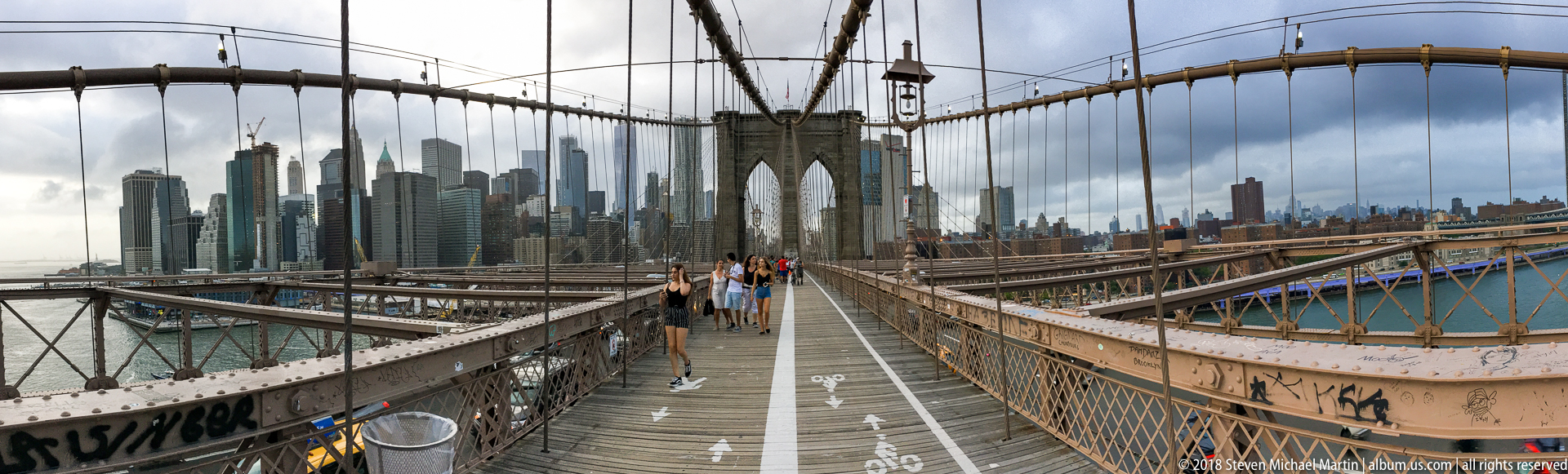
Brooklyn Bridge
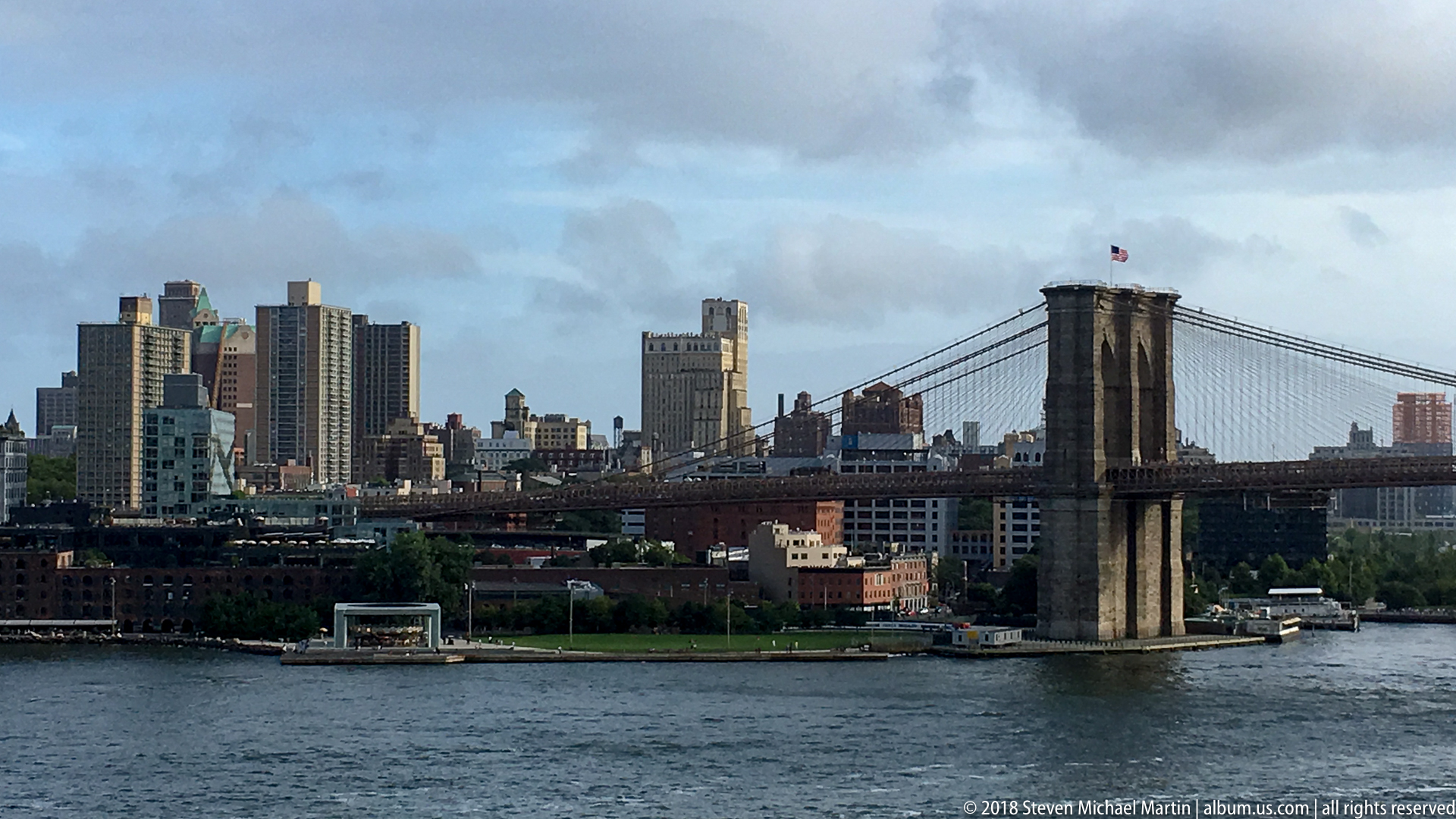
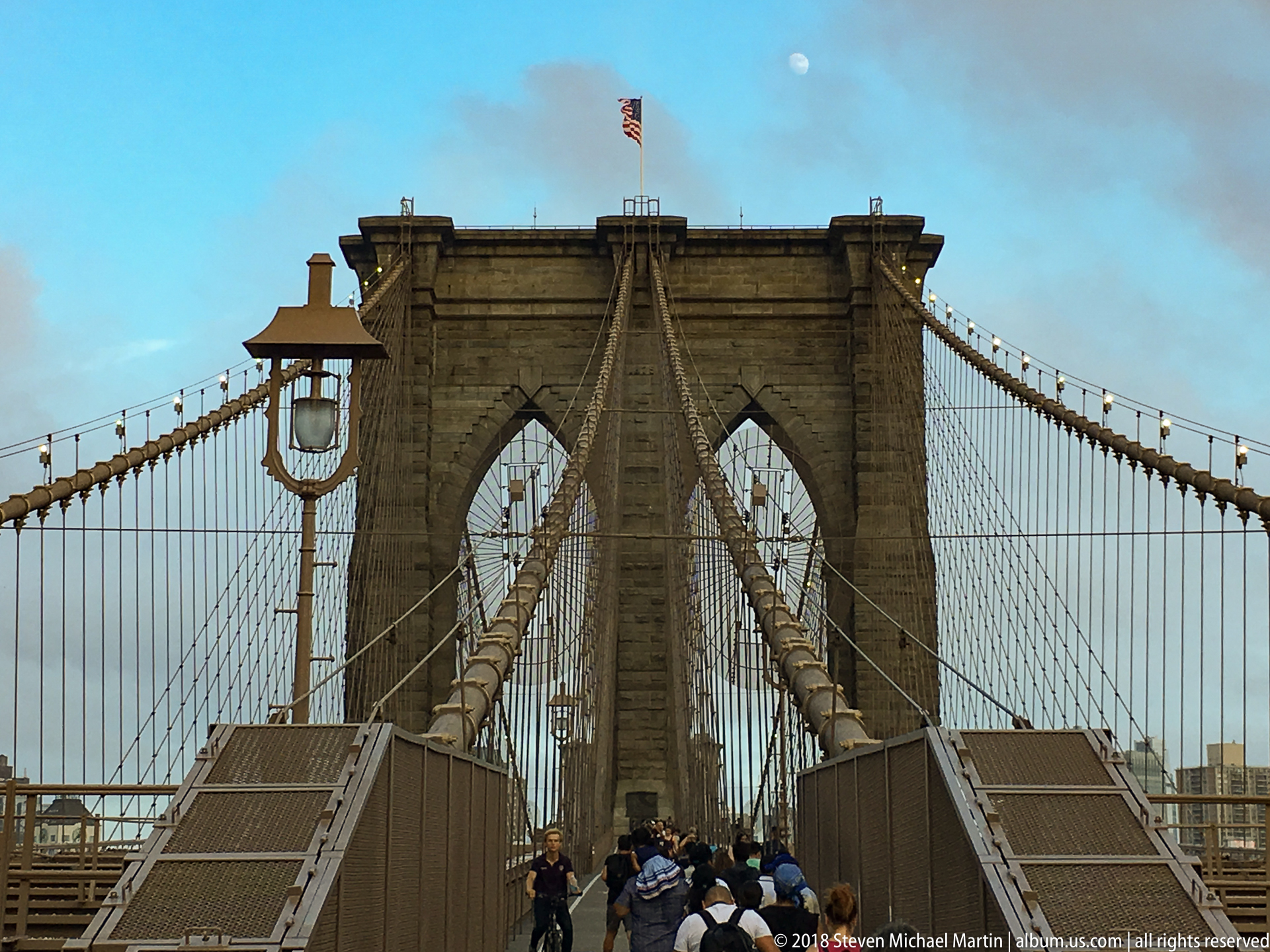
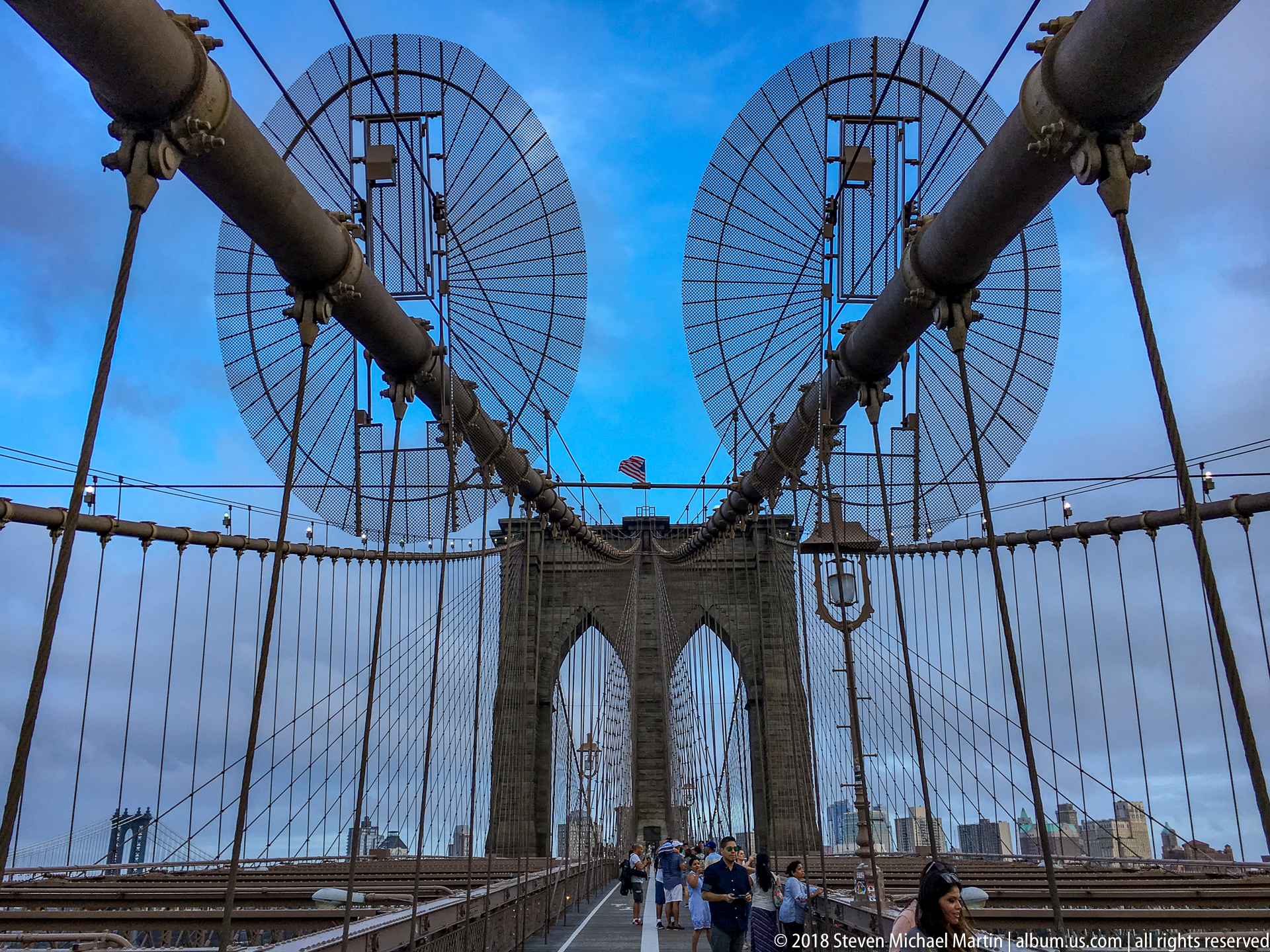
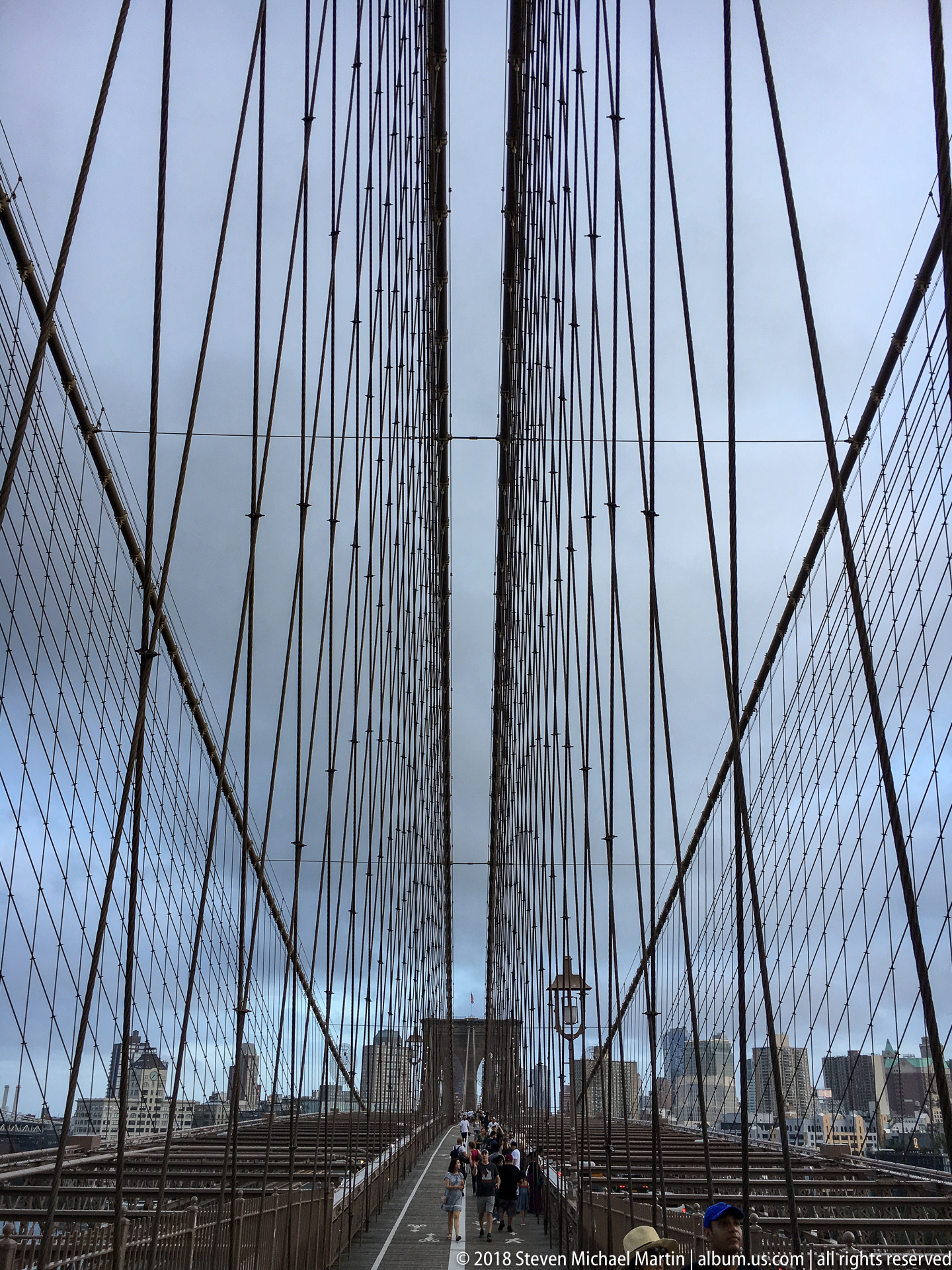
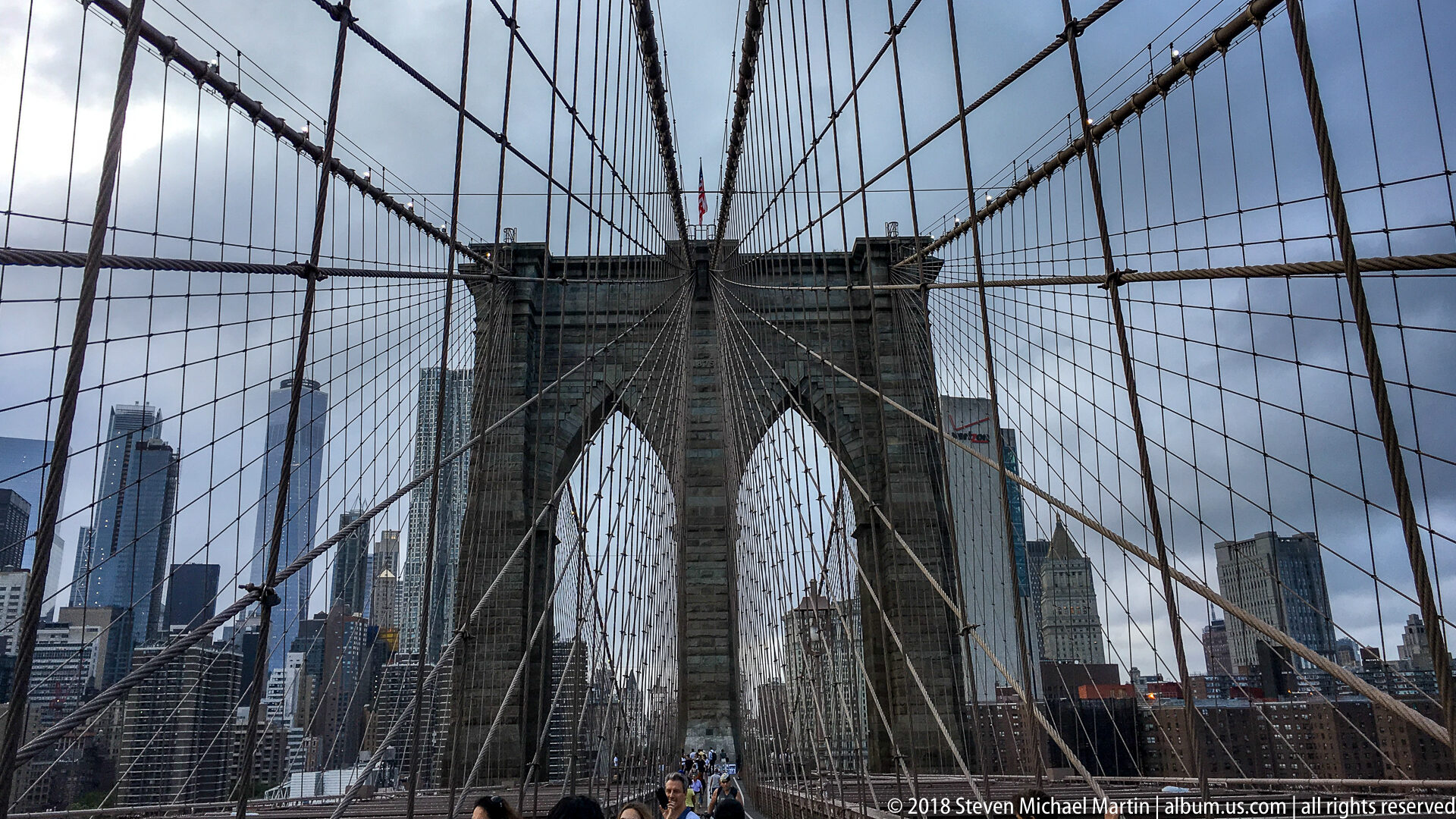
The Brooklyn Bridge, completed in 1883, represents one of the most significant engineering achievements of the nineteenth century and symbolized the growing economic and civic importance of New York City during the industrial era. Designed by John A. Roebling and completed by his son Washington Roebling, the bridge connected Manhattan and Brooklyn across the East River, facilitating commercial exchange and urban expansion. Its Gothic-inspired stone towers and steel suspension cables illustrate the transition from traditional masonry construction to modern engineering techniques.
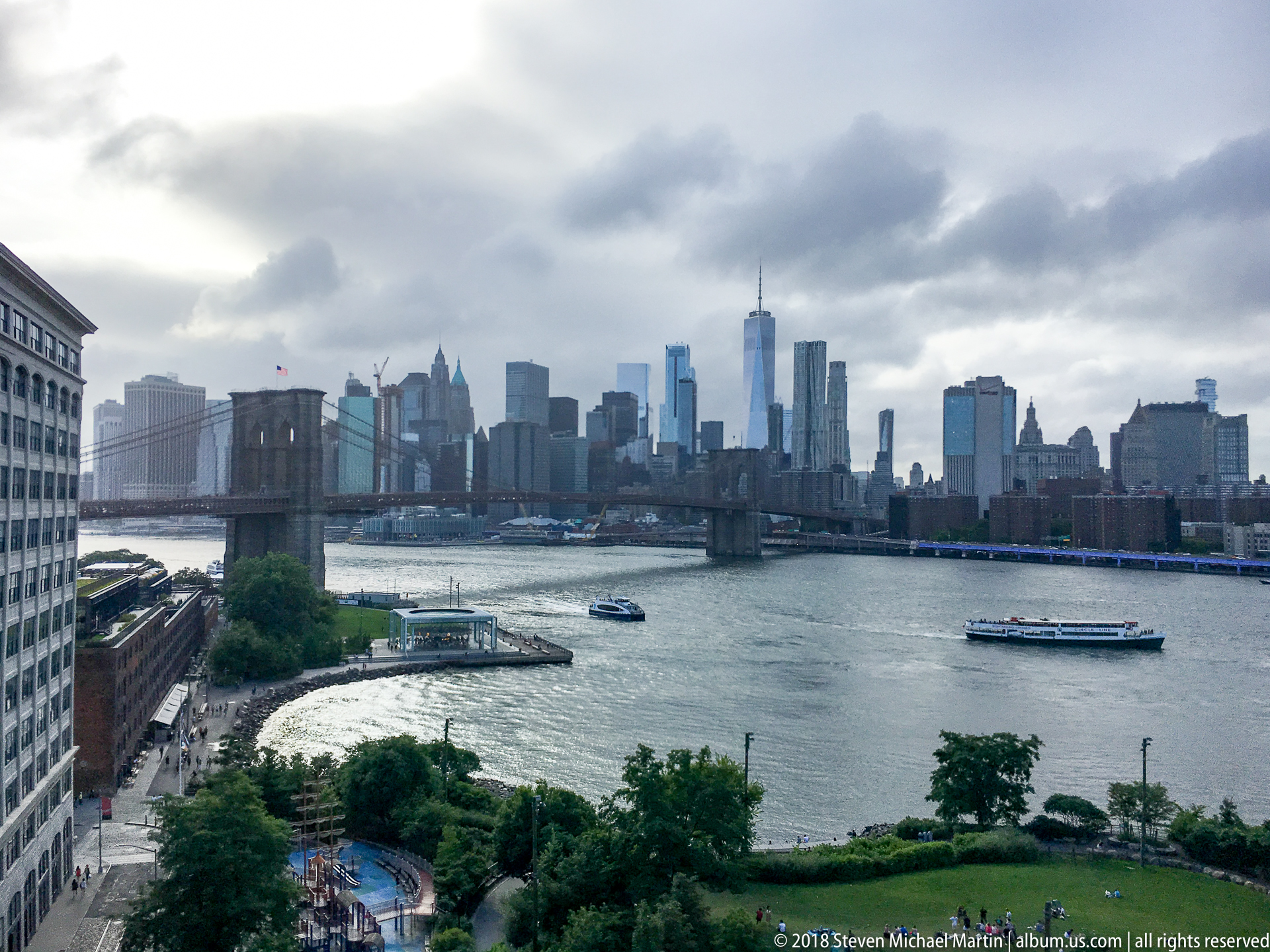
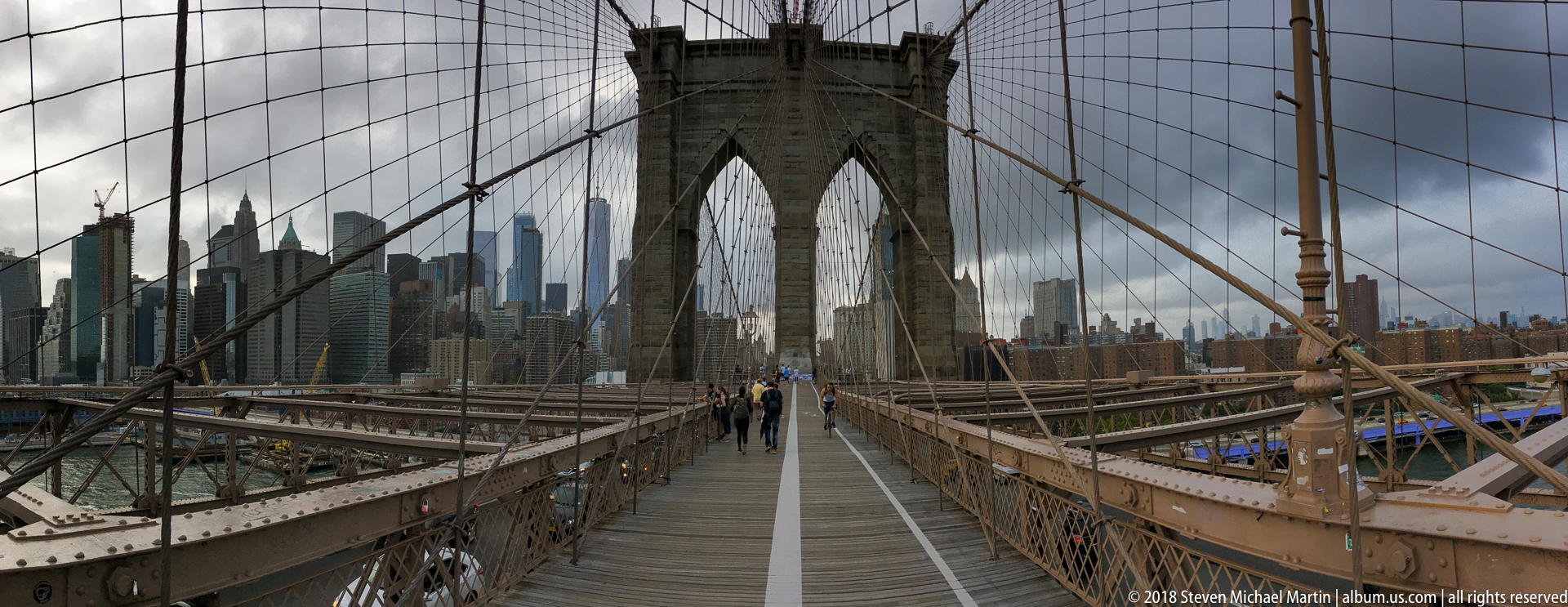
The bridge’s elevated pedestrian promenade offers views of Lower Manhattan, the harbor, and the skyline that reflect the city’s transformation into a global center of finance and trade. The crossing links neighborhoods shaped by immigration, industrial development, and evolving architectural forms. As one of the earliest large-scale suspension bridges, it demonstrated the feasibility of new structural technologies that influenced bridge design worldwide.
The Brooklyn Bridge contributes to understanding how infrastructure shaped the growth of modern cities. By physically connecting boroughs separated by water, the bridge reinforced New York’s emergence as a unified metropolitan center. Its enduring presence illustrates the relationship between engineering innovation and urban identity in the United States.