Okefenokee National Wildlife Refuge
Okefenokee National Wildlife Refuge preserves one of the largest intact freshwater wetland ecosystems in North America, located along the Georgia–Florida border within a broad, shallow basin formed over thousands of years. The swamp contains peat deposits, cypress forests, open prairies, and slow-moving waterways that create a distinctive landscape shaped by water levels, fire cycles, and organic accumulation. The name Okefenokee is often translated as “land of the trembling earth,” referring to the floating peat soils that characterize the environment.
The refuge protects extensive habitats supporting reptiles, birds, amphibians, and mammals adapted to wetland conditions. Cypress domes, blackwater channels, and open marsh areas create varied ecological zones supporting diverse wildlife populations. The Suwannee River originates within the swamp, illustrating the role of wetland hydrology in shaping regional river systems across the southeastern United States.
Today, the Okefenokee landscape illustrates long-term relationships between climate, hydrology, and ecosystem development within the southeastern coastal plain. The preserved swamp environment provides insight into ecological processes that have shaped wetland systems across the southeastern United States for thousands of years.
















Okefenokee Safari Field Guide
🌎 Habitat
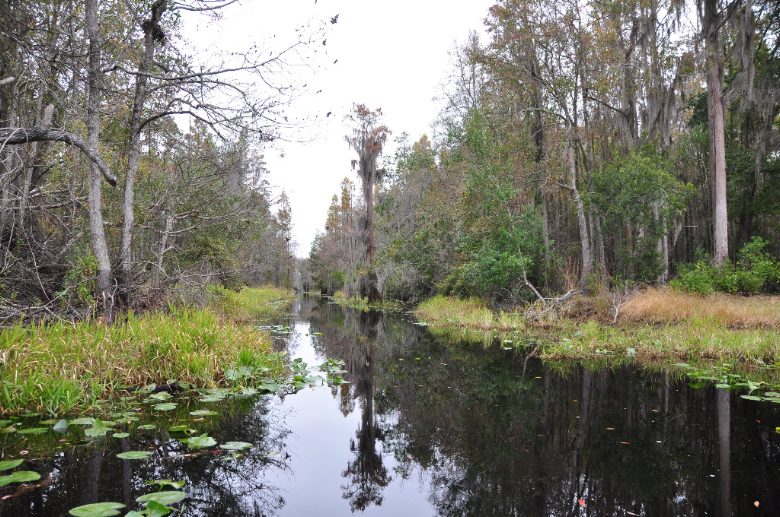
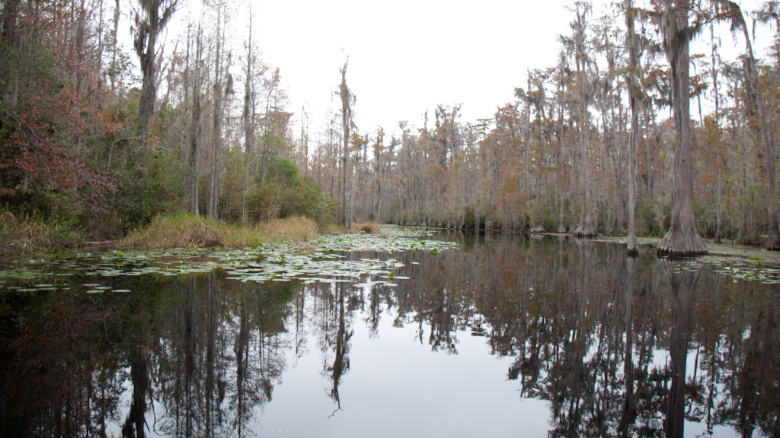
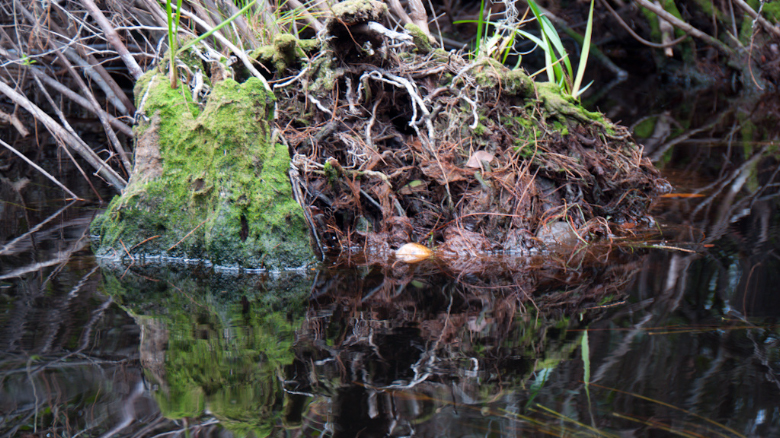
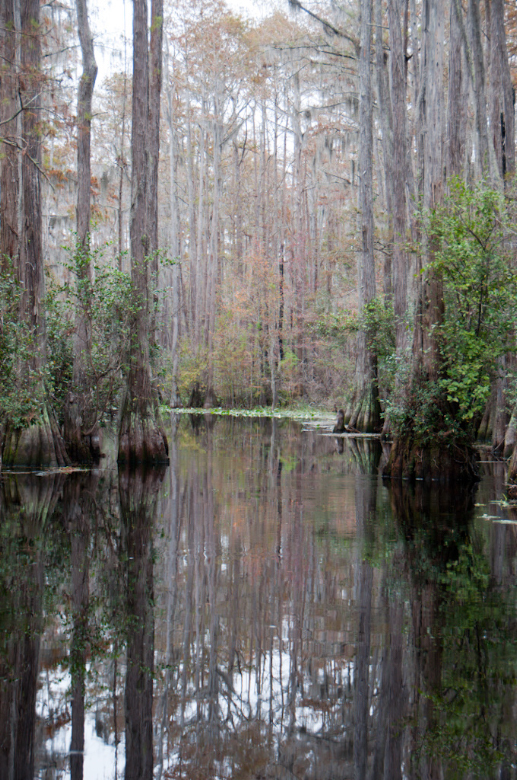
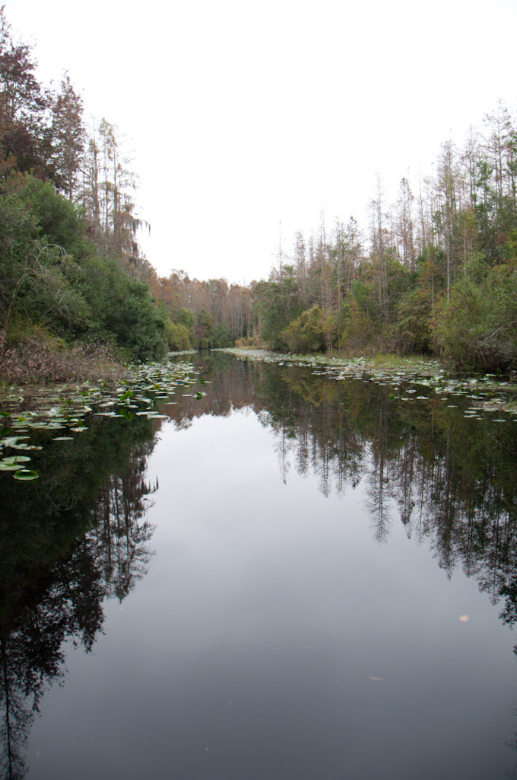
The Okefenokee Swamp is one of the largest intact freshwater wetland ecosystems in North America, located along the Georgia–Florida border. The landscape is characterized by slow-moving blackwater channels, cypress forests, floating peat beds, and open marsh areas shaped by long-term hydrological processes. Seasonal water levels, fire cycles, and organic accumulation influence habitat structure, creating diverse environments supporting reptiles, birds, amphibians, and aquatic species.
🐊 American Alligator
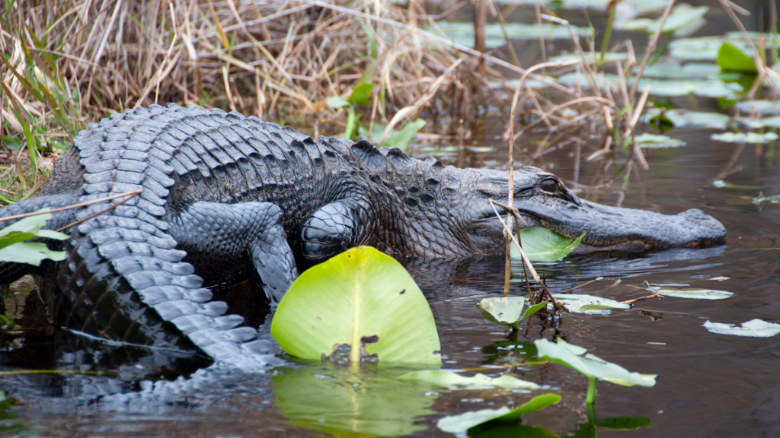
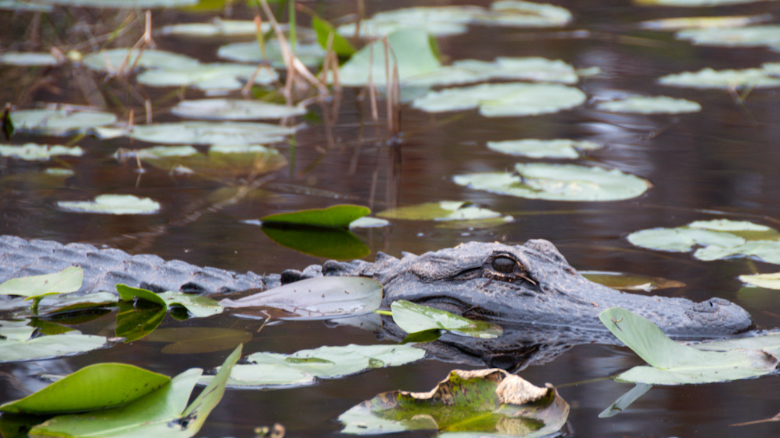
The American alligator is the dominant reptile species within the Okefenokee ecosystem and plays an important ecological role in shaping wetland habitats. Alligators often remain partially submerged along marsh edges or float quietly through narrow channels, using camouflage and stillness to conserve energy. Their presence contributes to the creation of “gator holes,” depressions that retain water during dry periods and support other wildlife.
🪶 Wading Birds
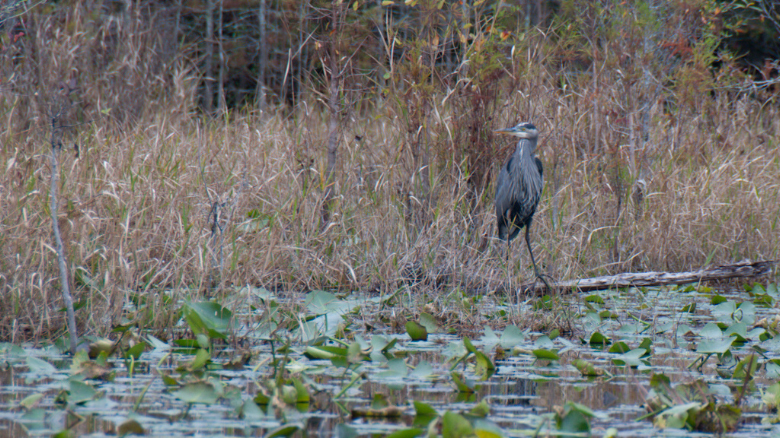
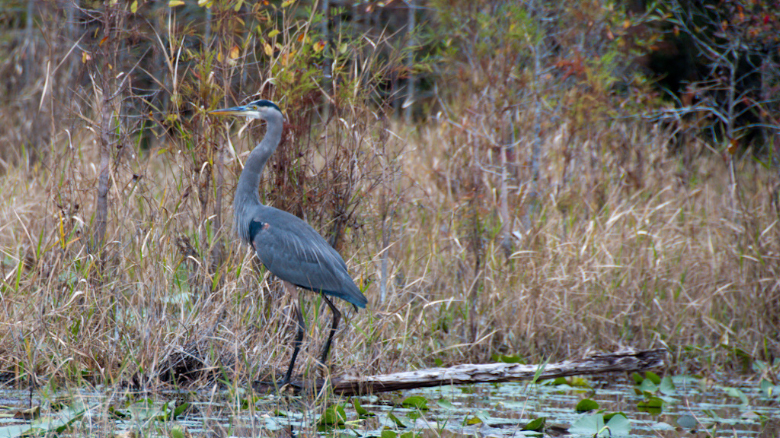
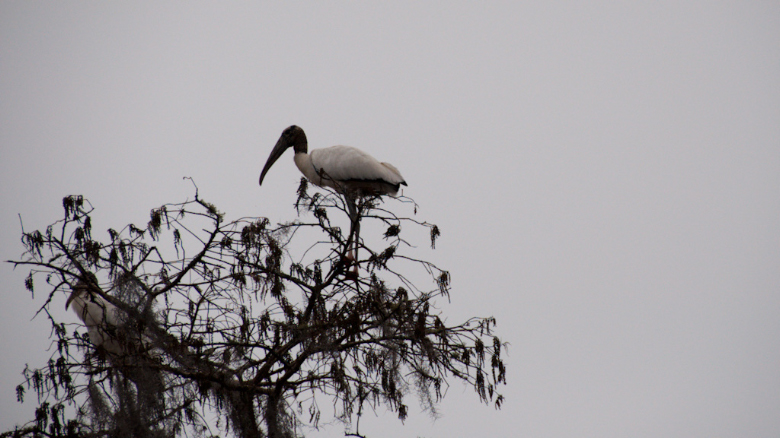
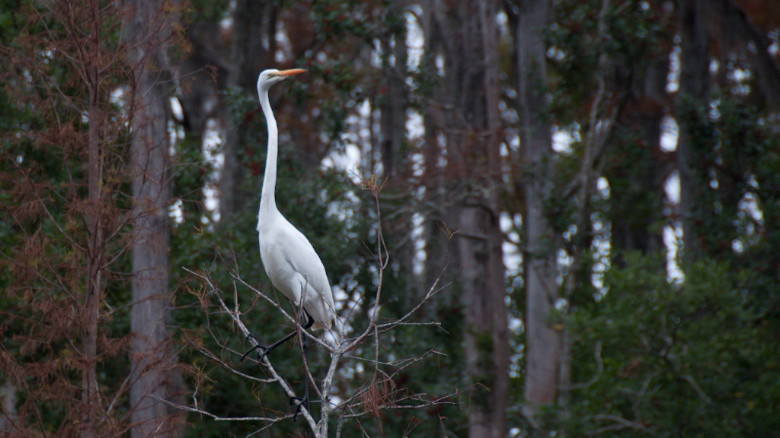
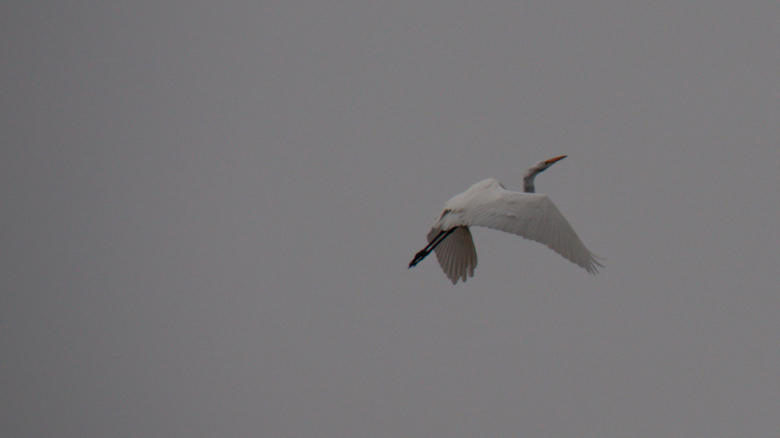
Wading birds are frequently observed along shallow marsh margins where water levels allow access to fish, amphibians, and aquatic insects. Species commonly encountered include Great Blue Herons, Great Egrets, and ibises, often seen standing motionless in wetland vegetation or flying above the cypress canopy. These birds rely on shallow water habitats for feeding and nesting.
🐢 Turtles
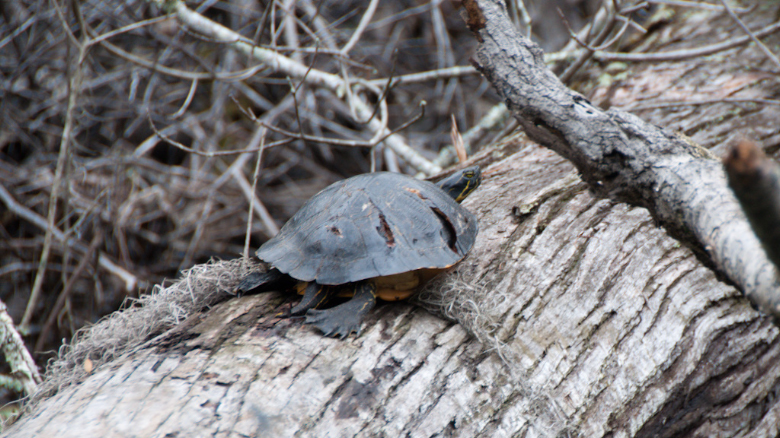
Freshwater turtles inhabit slow-moving waterways and frequently bask on fallen logs or partially submerged branches. Their behavior reflects the importance of sun exposure for thermoregulation within aquatic environments. Turtles are often seen along quiet channels where vegetation provides shelter from predators.
🕷 Wetland Invertebrates
Spiders and other invertebrates play an important role in wetland ecosystems, contributing to food webs supporting birds, amphibians, and reptiles. Orb-weaver spiders are commonly observed suspended between vegetation, illustrating the diversity of smaller species inhabiting swamp environments.
🌿 Plant Communities
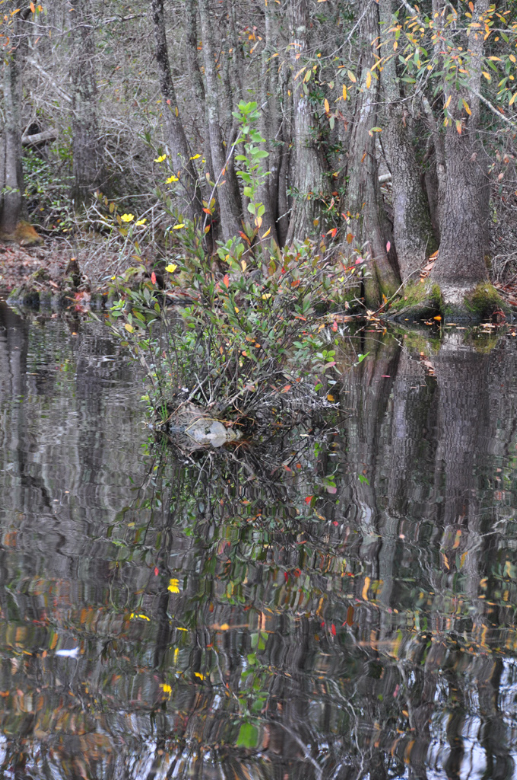
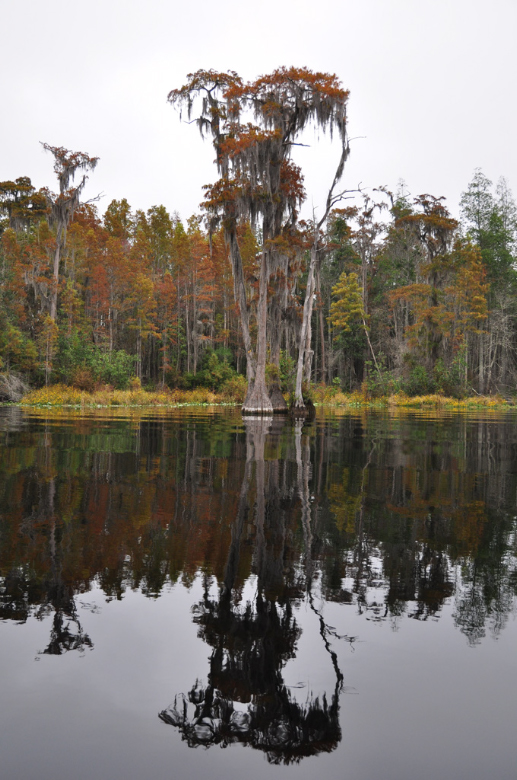
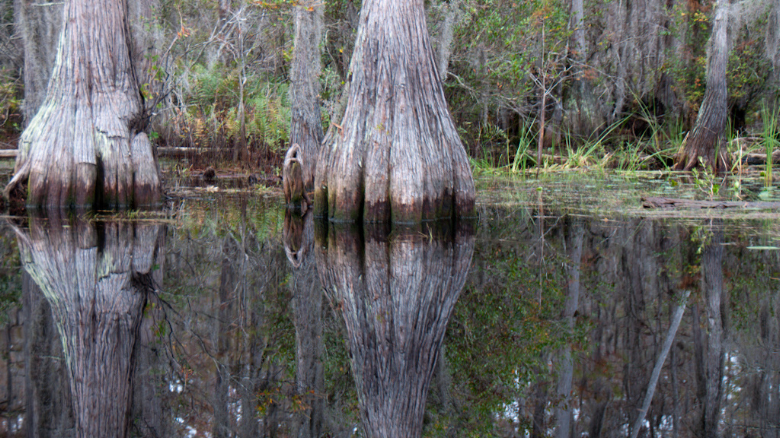
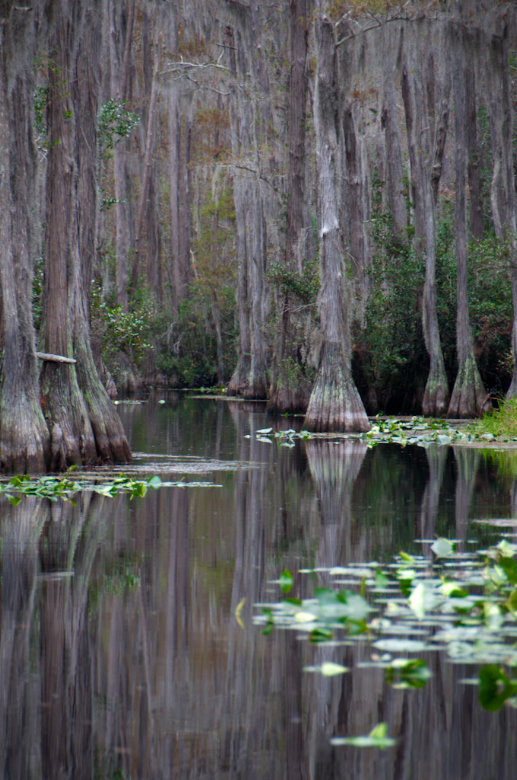
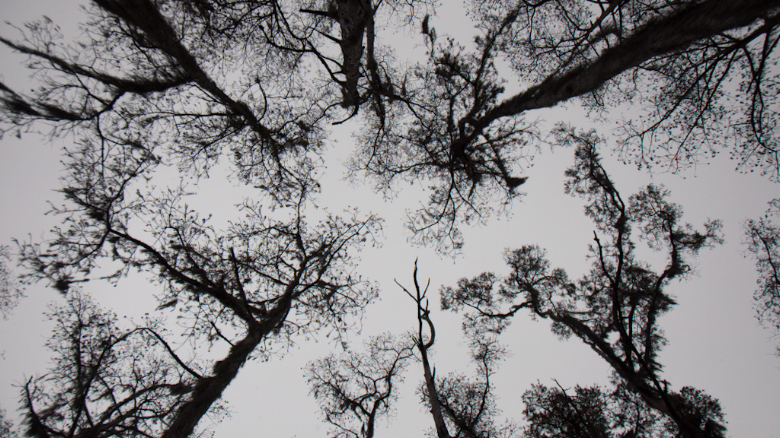
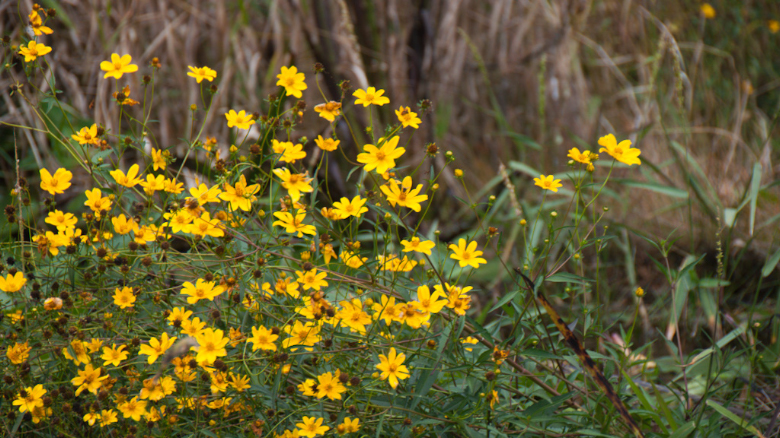
Cypress trees, aquatic grasses, and floating vegetation such as lily pads define the visual character of the Okefenokee landscape. Spanish moss draped across branches reflects humid conditions typical of southeastern wetlands. Seasonal wildflowers and marsh plants contribute to biodiversity and habitat structure.
⭐ Highlights
- American alligators observed resting and swimming within blackwater channels
- Great Blue Herons and Great Egrets along marsh edges
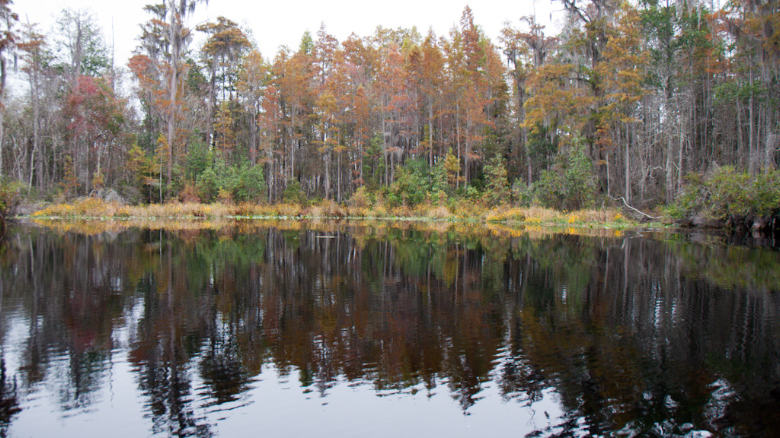
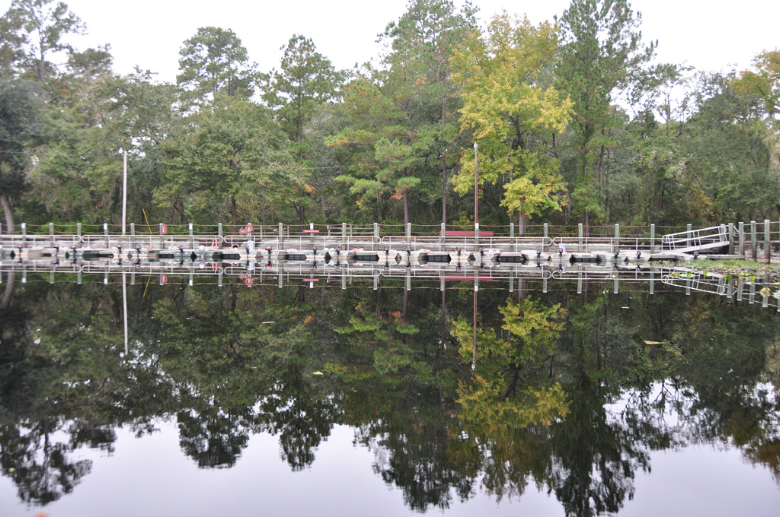
- Reflections of cypress forests in tannin-stained water
- Floating vegetation and lily pad formations
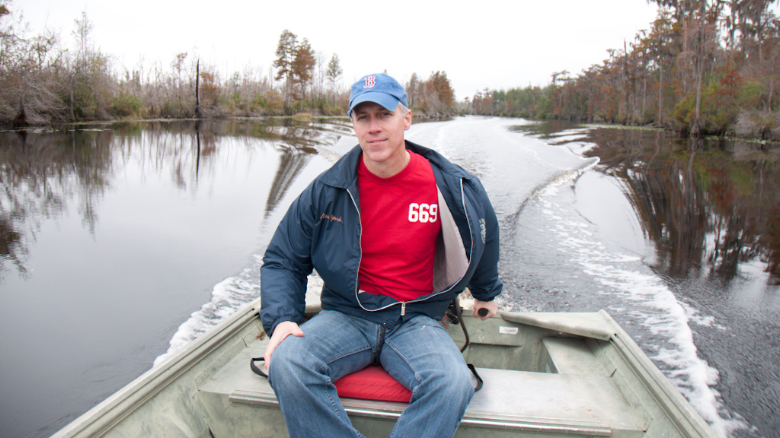
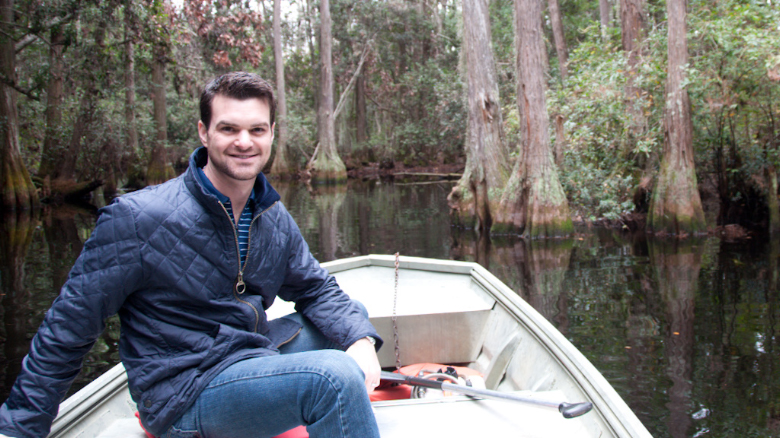
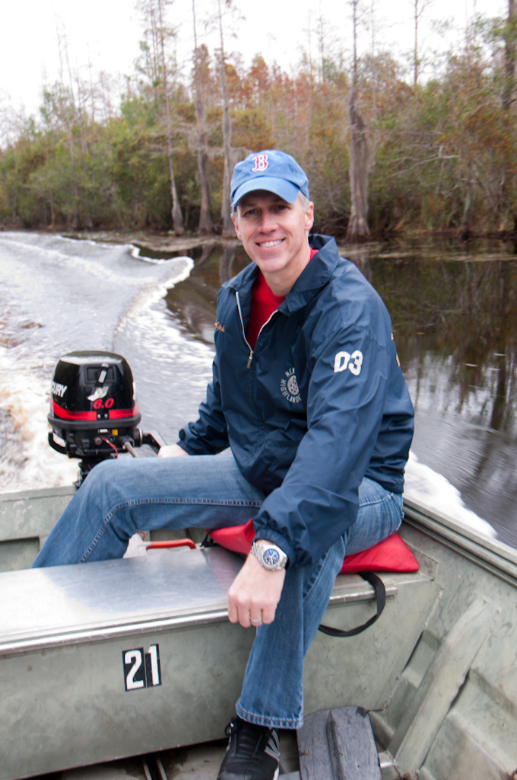
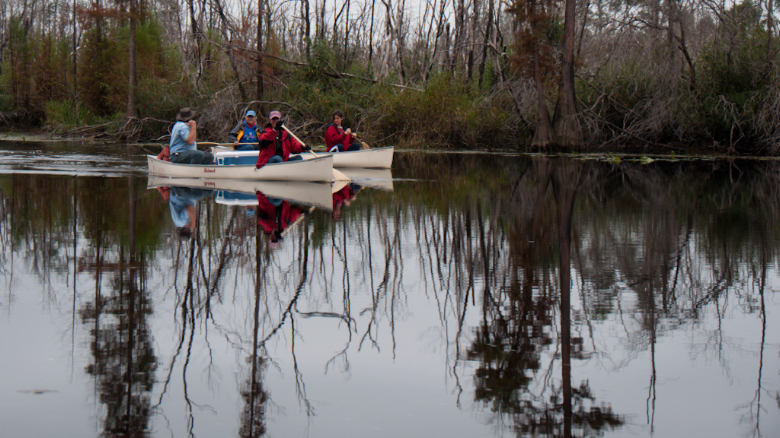
- Quiet boat travel through narrow wetland corridors
🦌 Notable Wildlife Encounters
- Alligators partially submerged along vegetated banks
- Great Blue Herons standing motionless in shallow water
- Great Egrets flying above cypress canopy
- Freshwater turtles resting on fallen logs
- White-tailed deer near forest edge habitats
📷 Photography Notes
- Dark tannin-stained water creates strong reflections
- Overcast conditions reduce glare on water surfaces
- Telephoto lenses help isolate wildlife within dense vegetation
- Early morning often provides calmer water surfaces
- Still compositions emphasize symmetry in reflections
- Subtle color palette reflects muted tones of wetland environment
📚 Summary
The Okefenokee Swamp illustrates the ecological complexity of southeastern freshwater wetlands shaped by water flow, vegetation patterns, and seasonal environmental change. Its preserved habitats support diverse wildlife species adapted to slow-moving blackwater environments and demonstrate the importance of wetlands within regional ecosystems of the southeastern United States.