First State National Historical Park
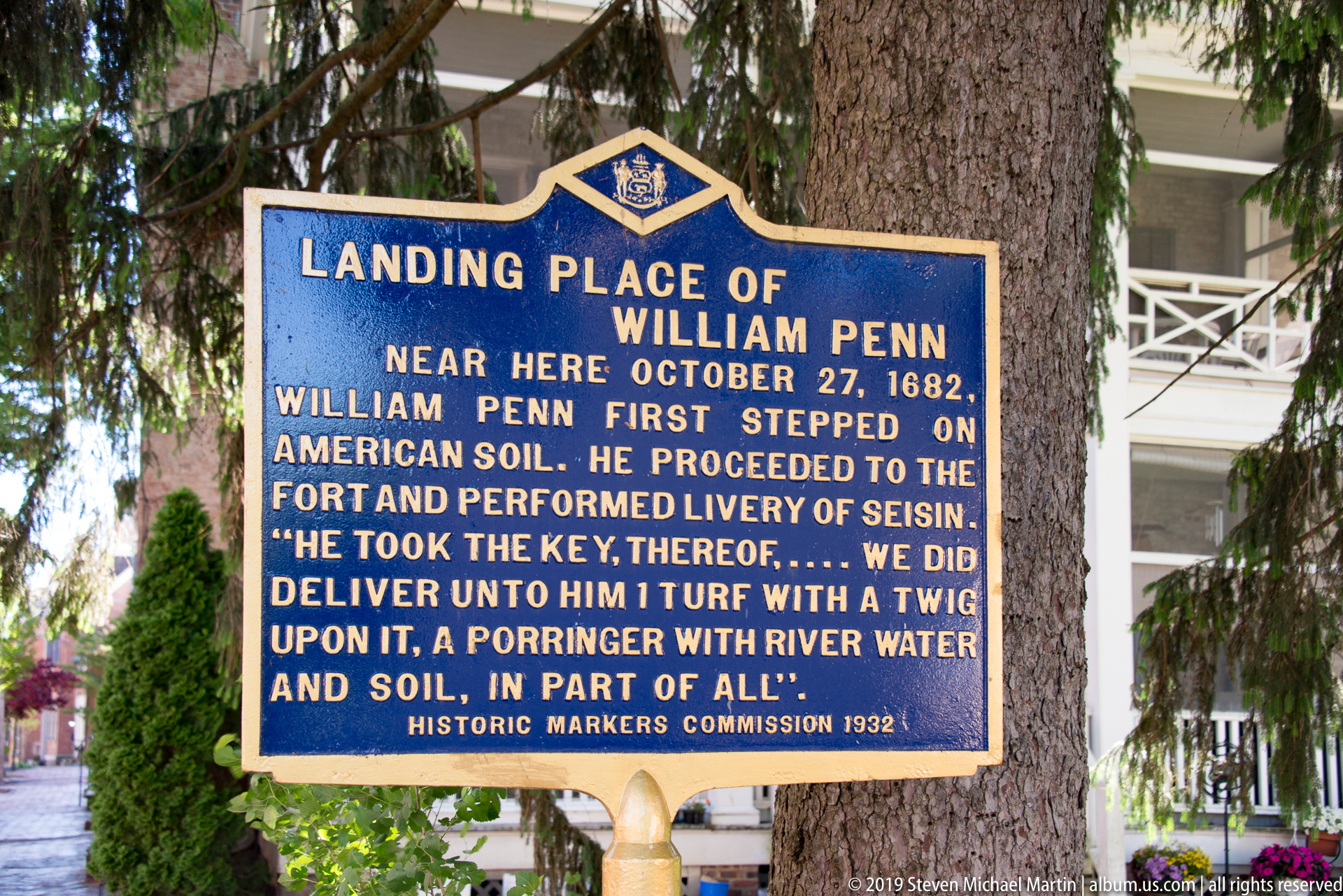
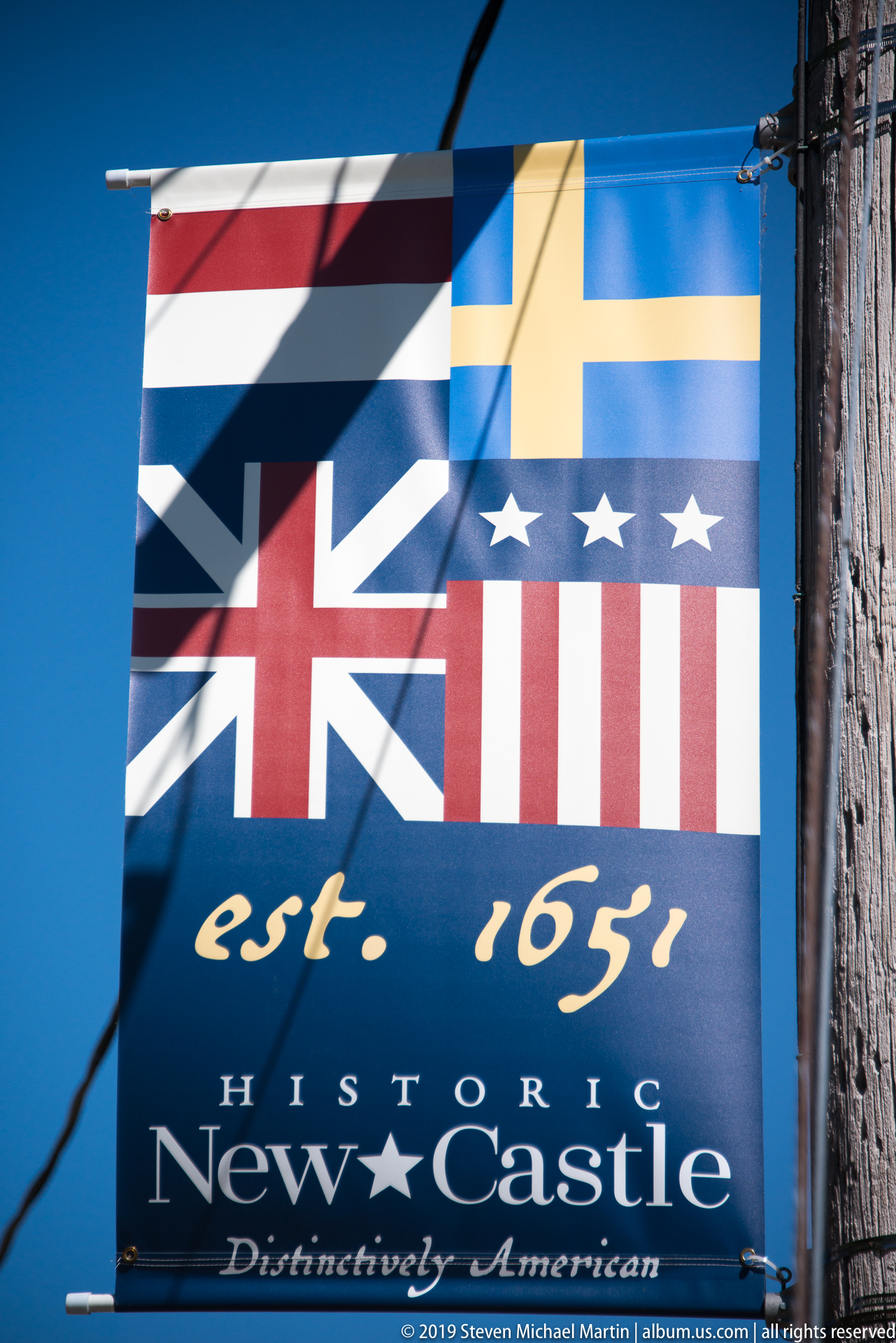
First State National Historical Park preserves landscapes associated with early European settlement, colonial governance, and the political developments that led to the formation of the United States. Located primarily in Delaware with portions extending into Pennsylvania, the park reflects the strategic importance of the Delaware Valley as a corridor for trade, migration, and cultural exchange. Beginning in the seventeenth century, Swedish, Dutch, and English settlers established competing colonies along the Delaware River, shaping patterns of land use and political organization that influenced the development of representative government in North America.
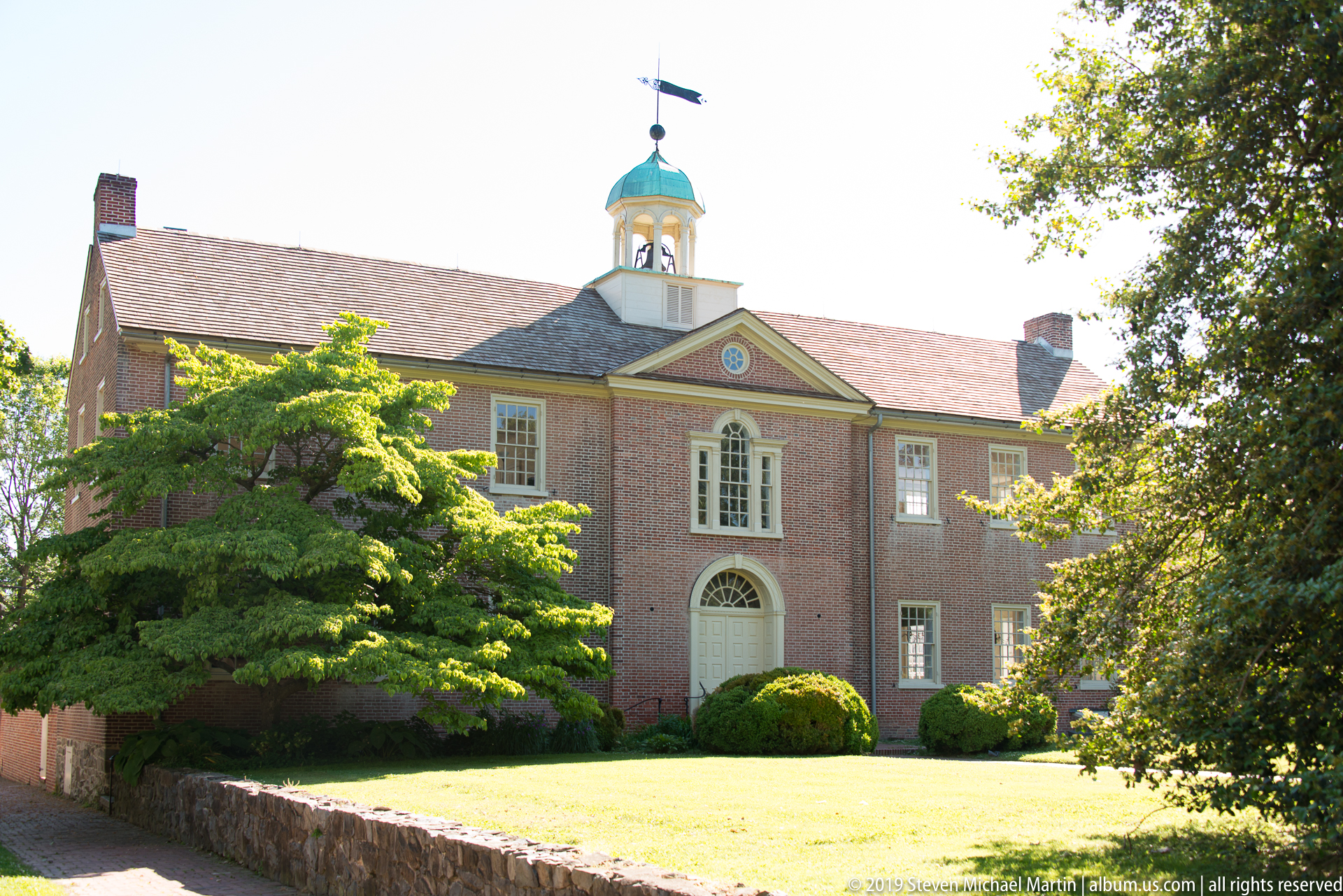
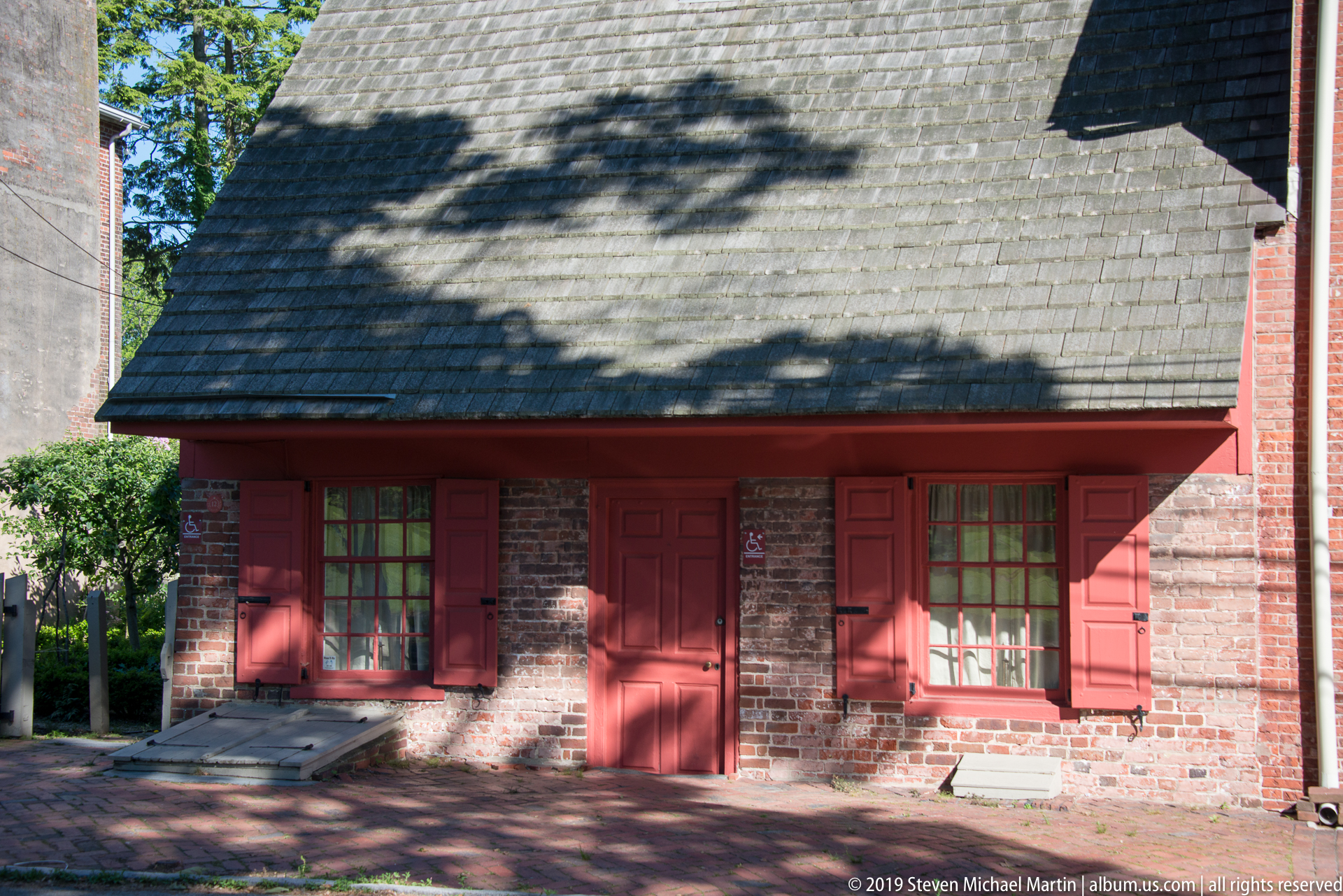
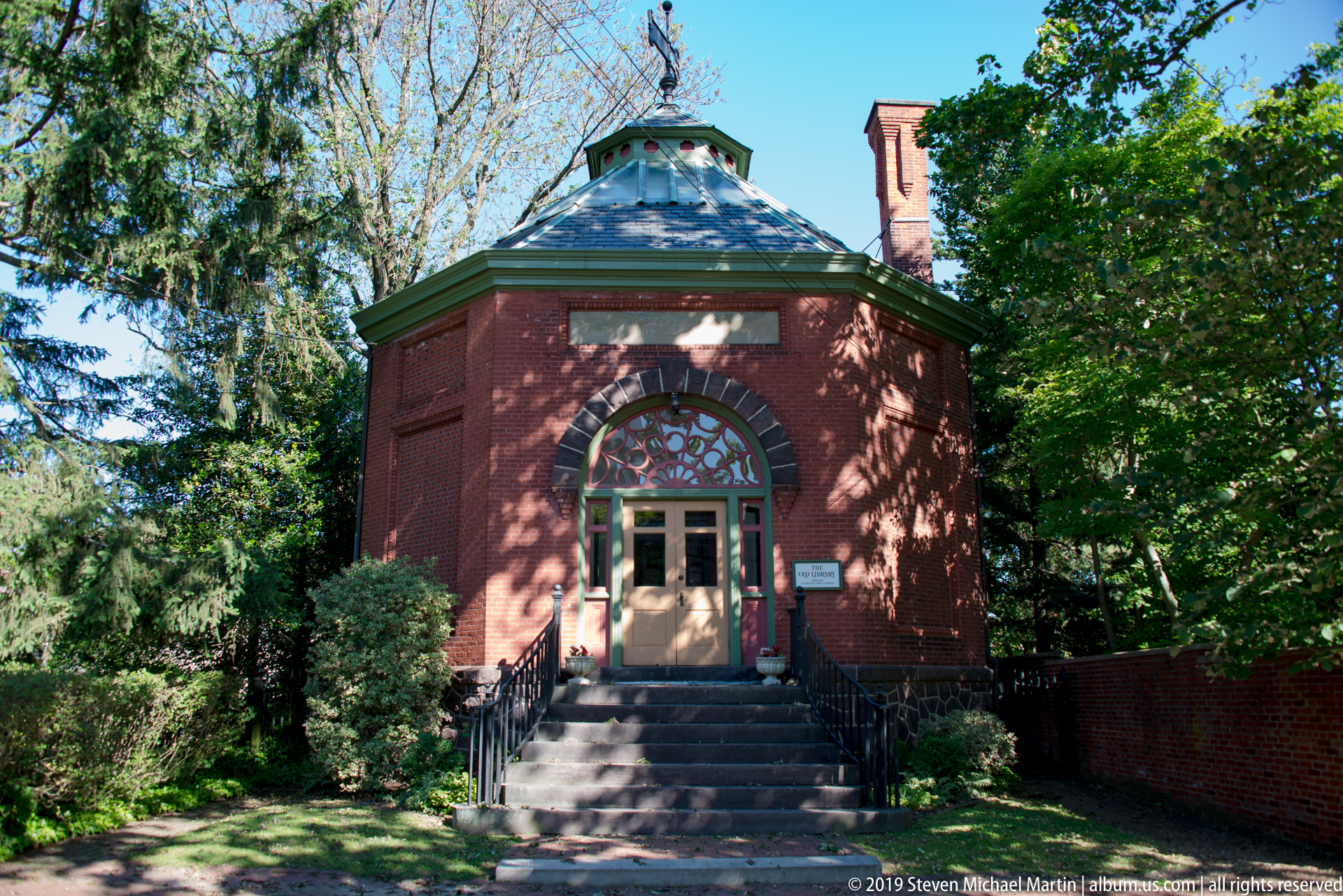
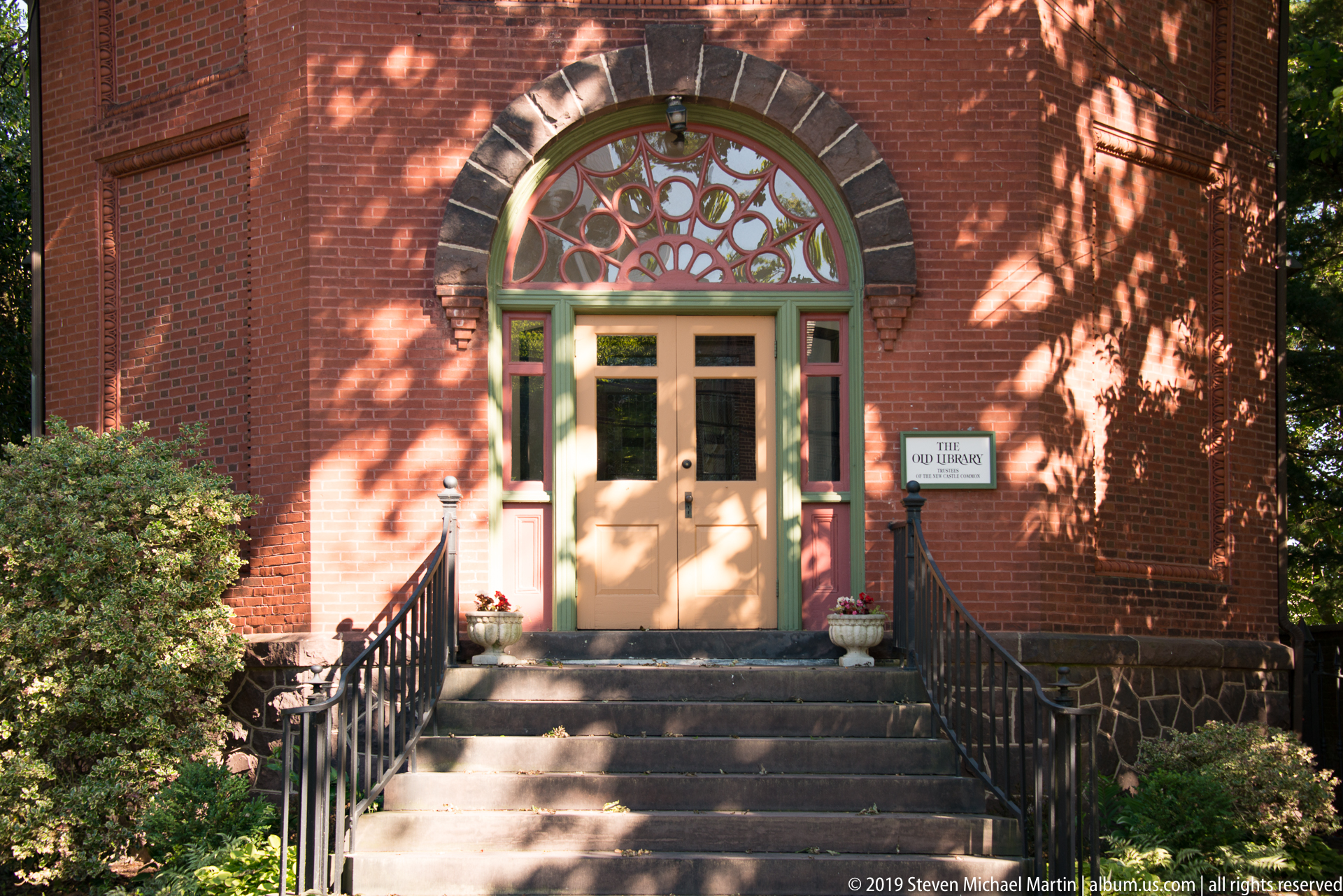
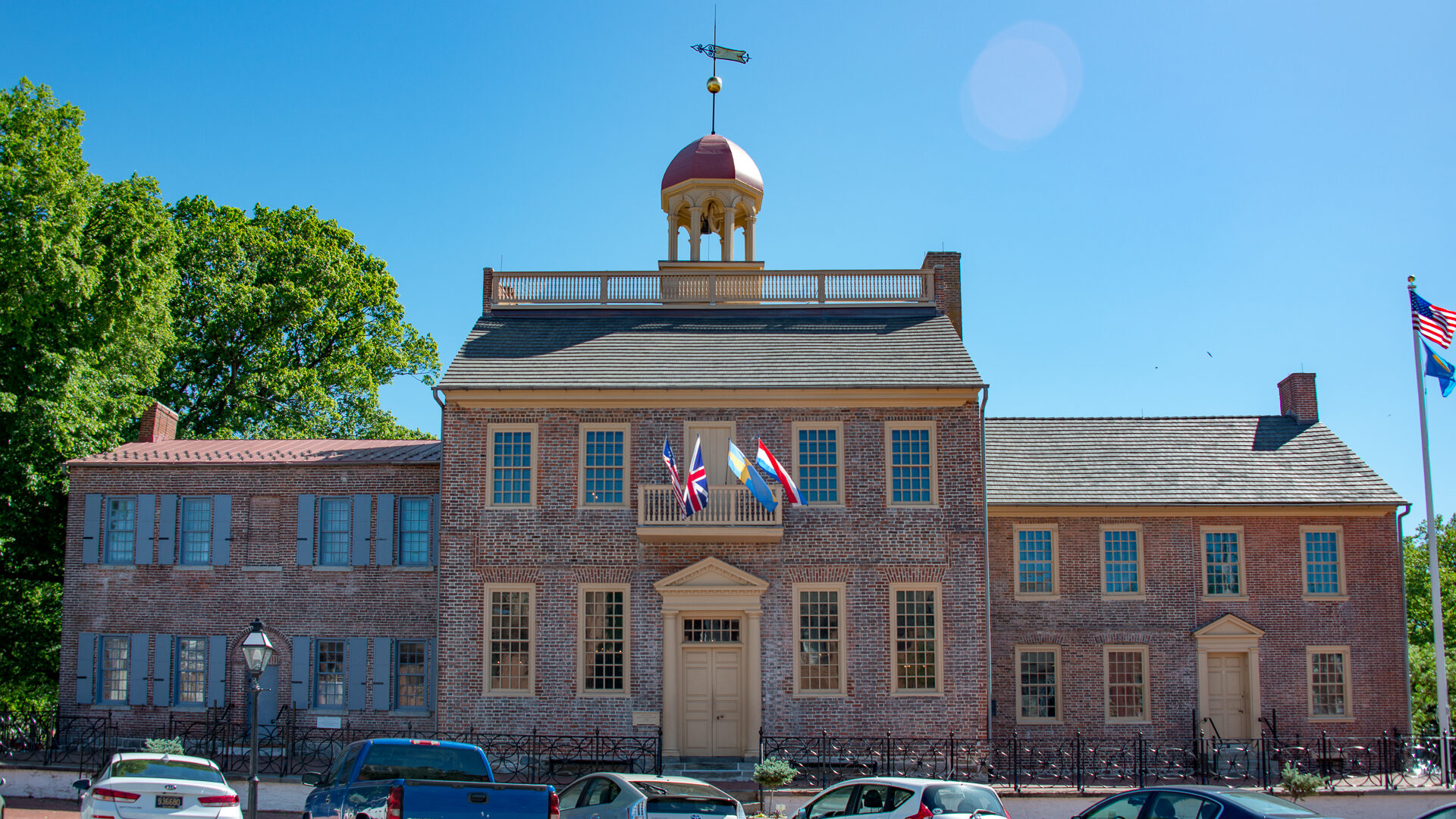
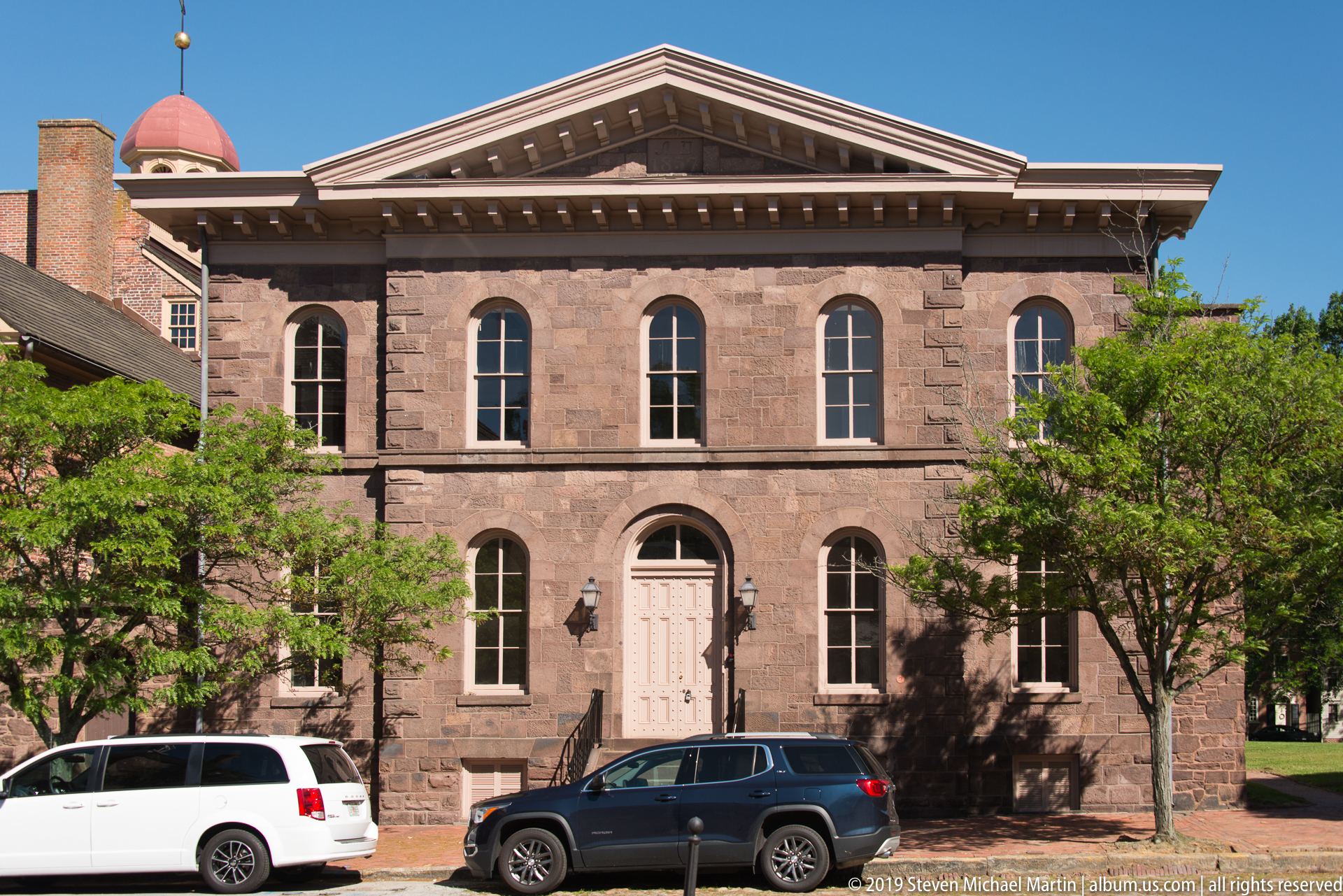
The park encompasses multiple historic sites including Fort Christina, the New Castle Court House, Dover Green, and the John Dickinson Plantation, each illustrating stages in the evolution of colonial society and early national identity. The New Castle Court House served as a meeting place where Delaware’s assembly voted for independence in 1776, while Dover Green was the location where Delaware became the first state to ratify the United States Constitution in 1787. These locations demonstrate the role of the Delaware Valley in shaping constitutional governance and legal traditions that influenced the emerging nation.
First State National Historical Park contributes to understanding the political and cultural transitions that connected early European settlement to the founding of the United States. The preserved landscapes illustrate the interaction between colonial competition, religious diversity, and the pursuit of representative government within the mid-Atlantic region. As the nation’s first state to ratify the Constitution, Delaware provides insight into the institutional development of the United States and the enduring influence of early colonial communities on American political identity.







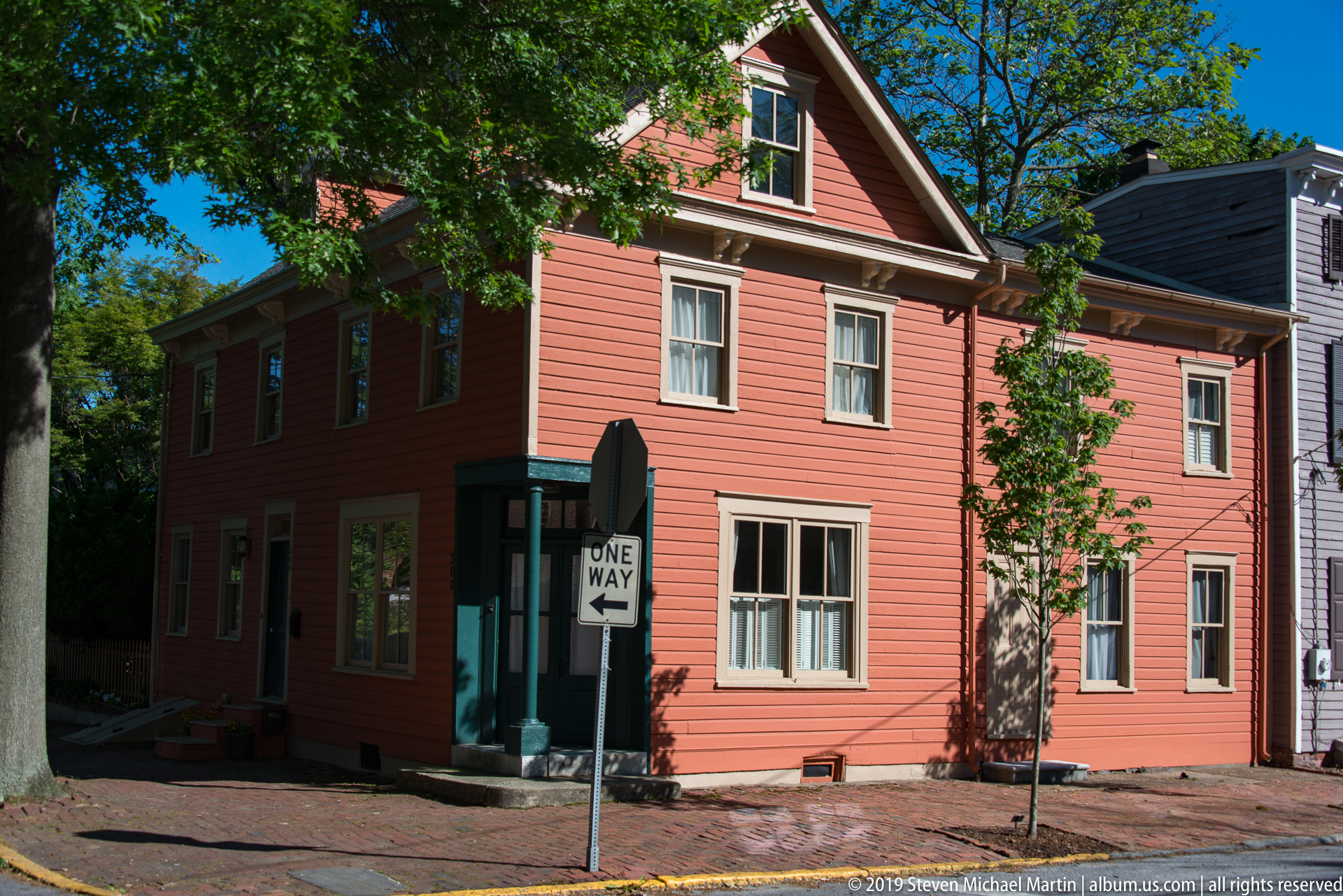


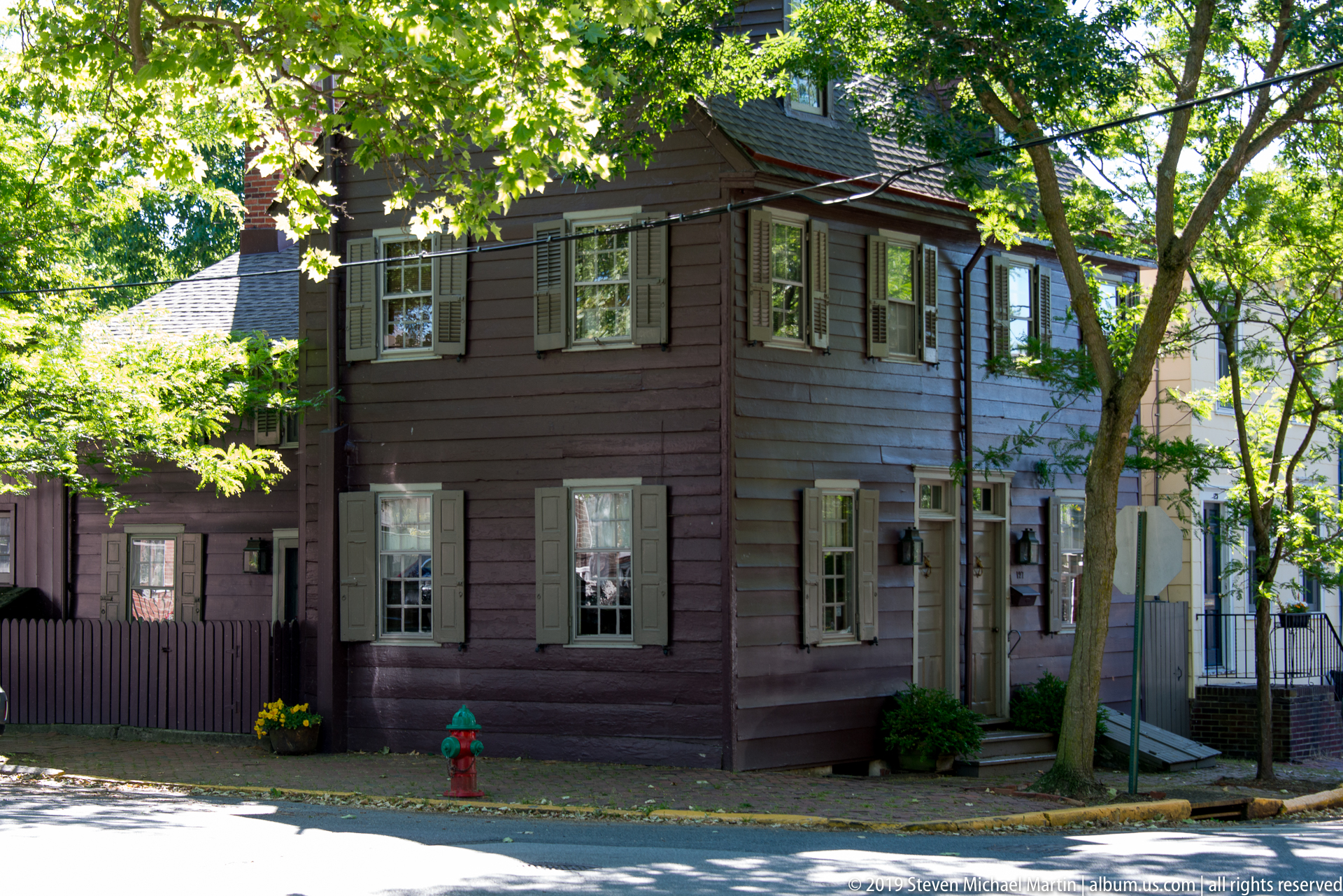

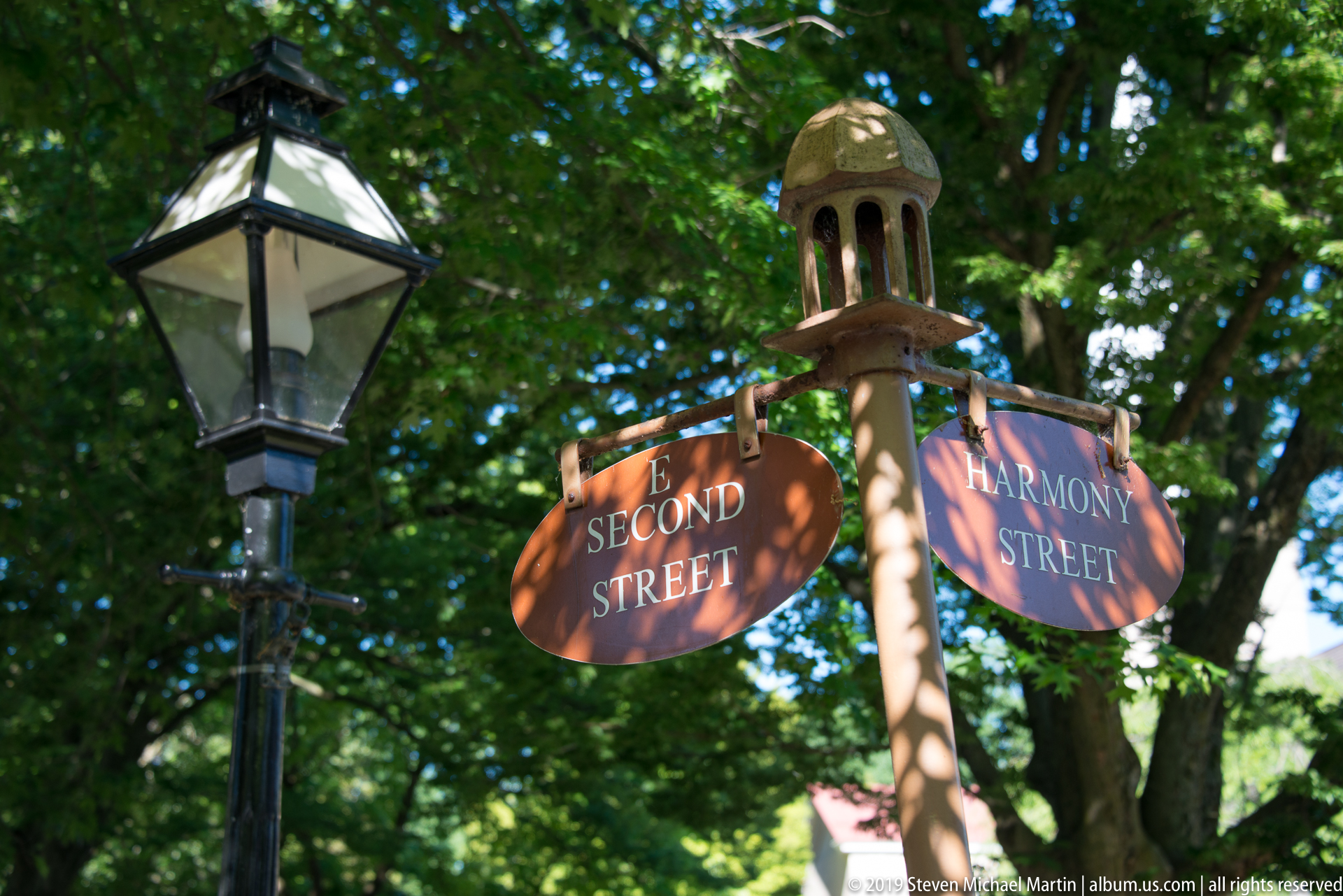

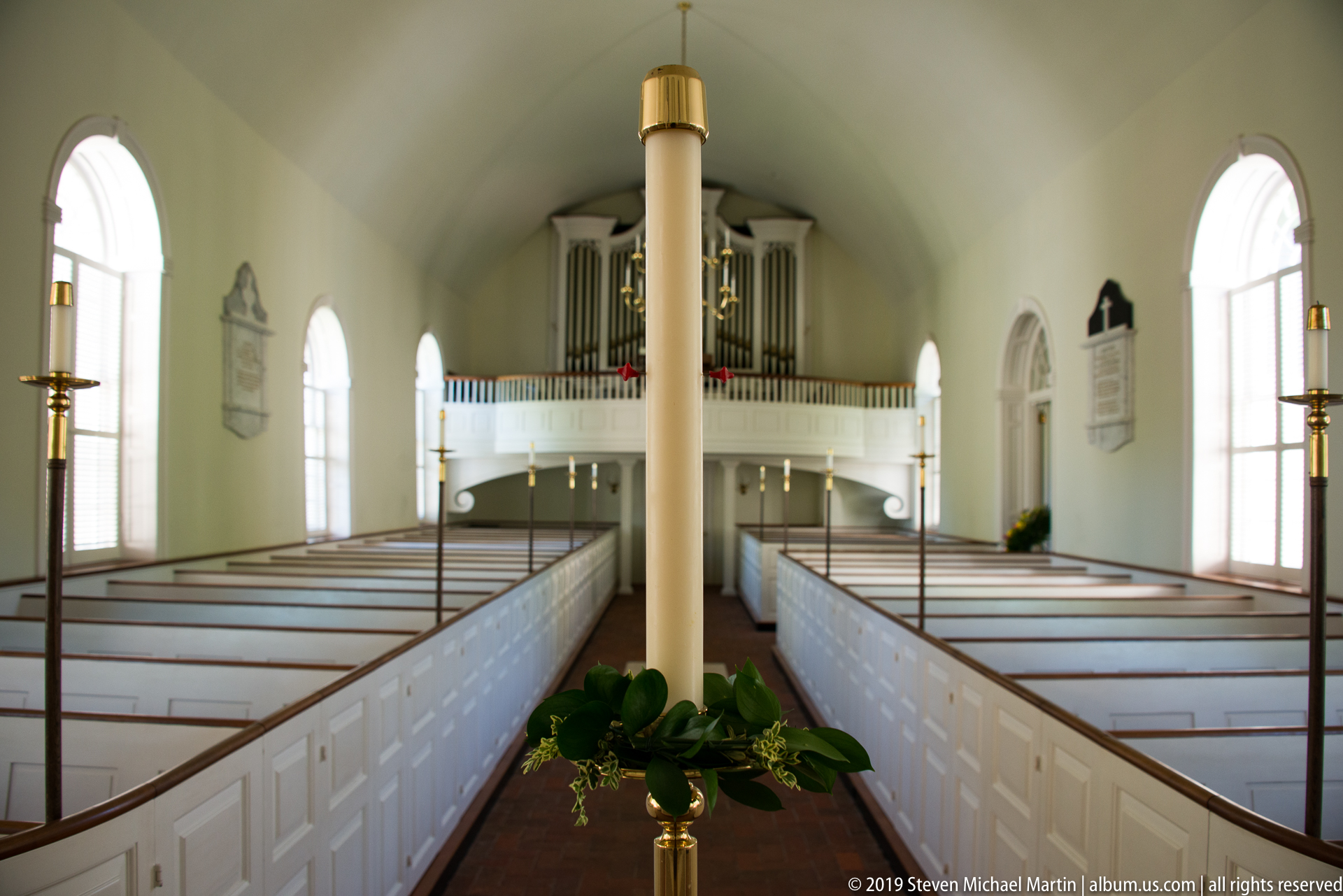

















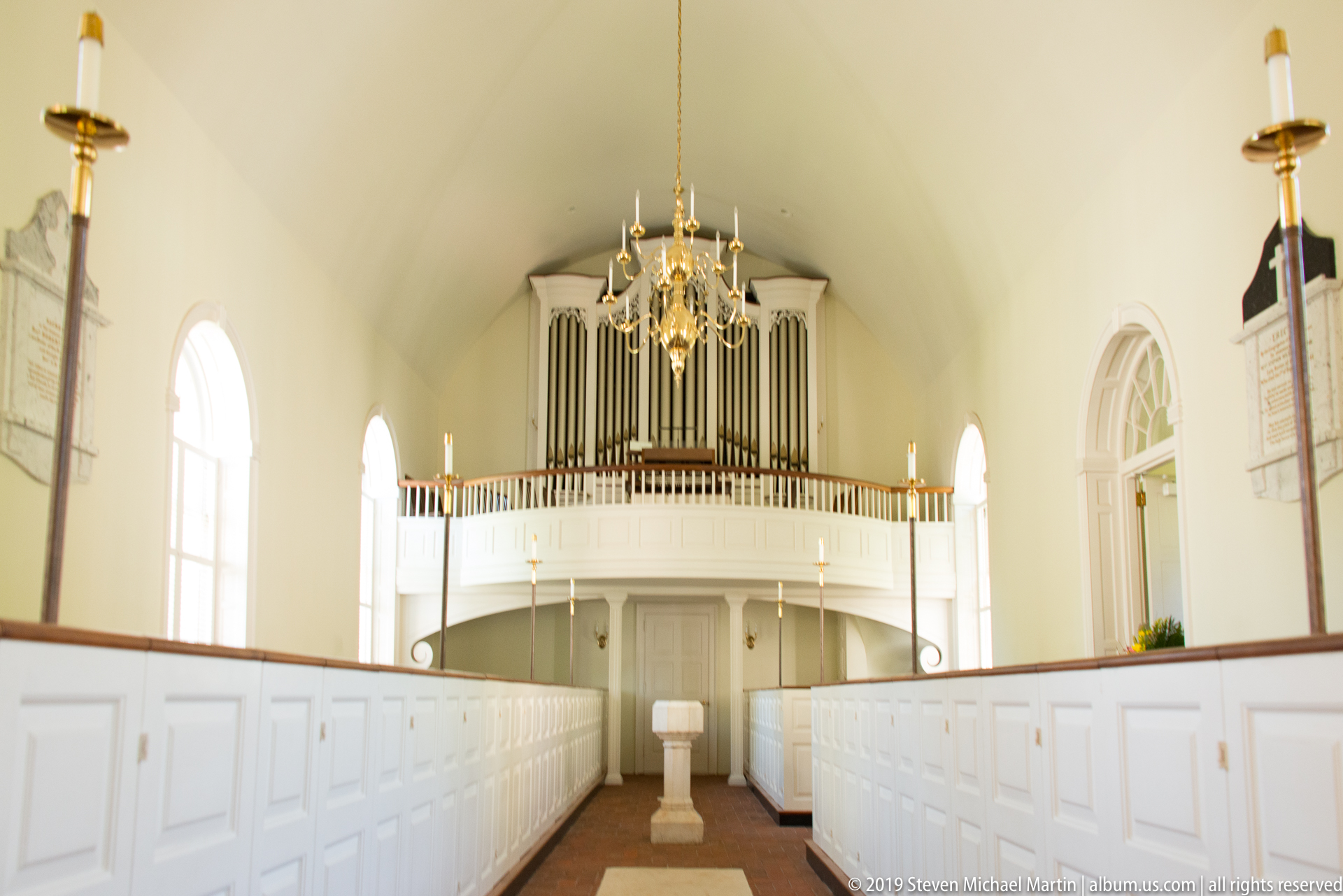





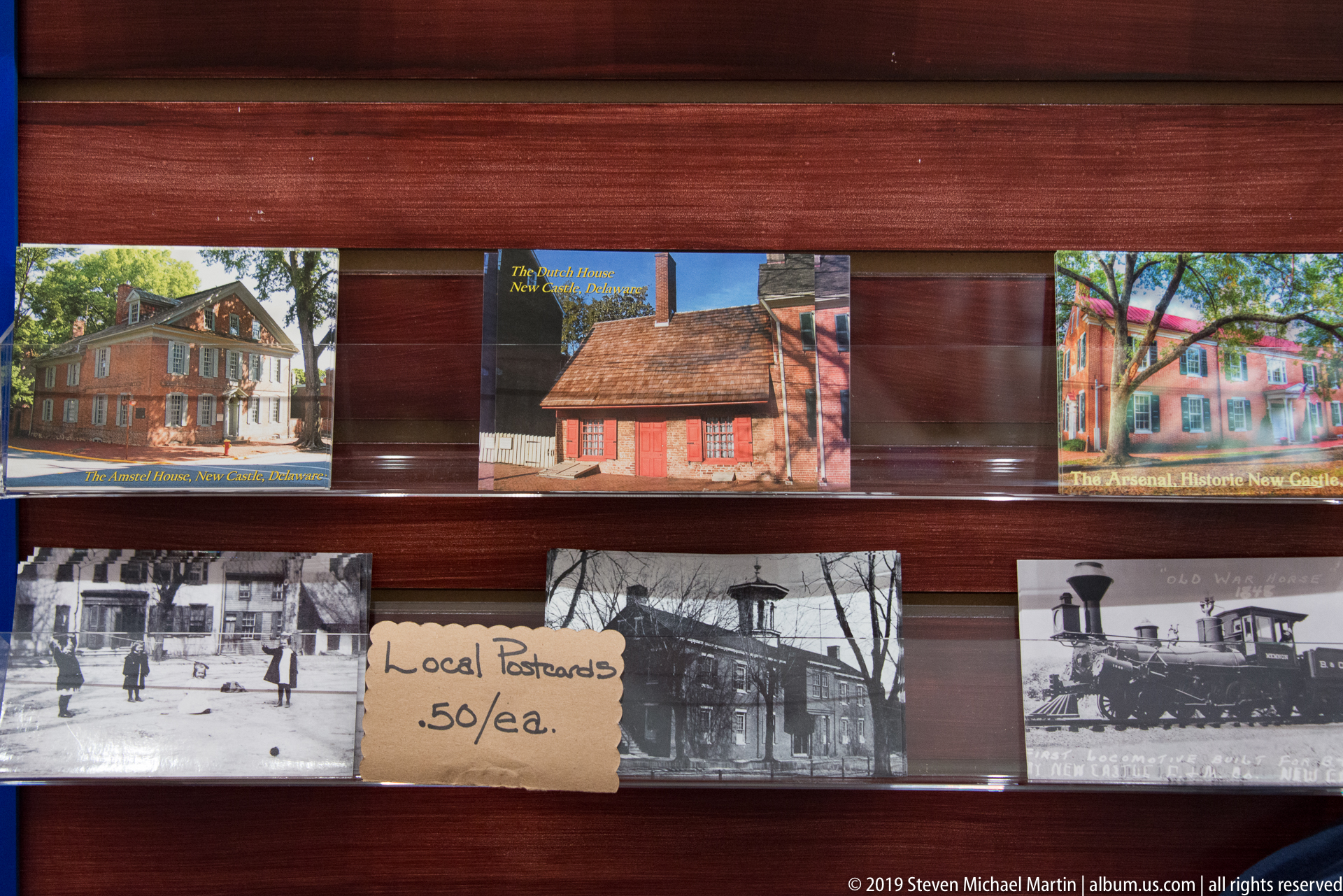


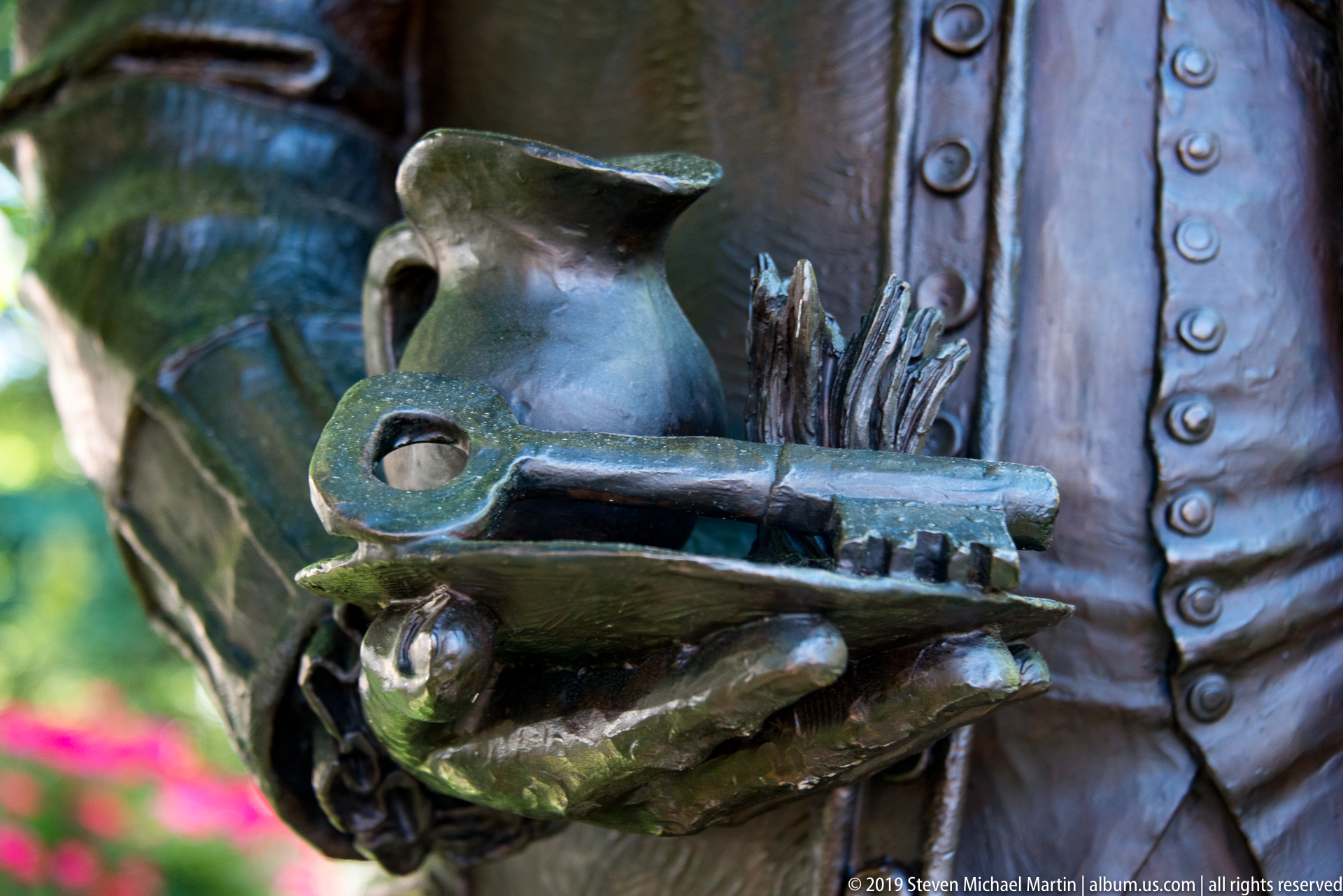




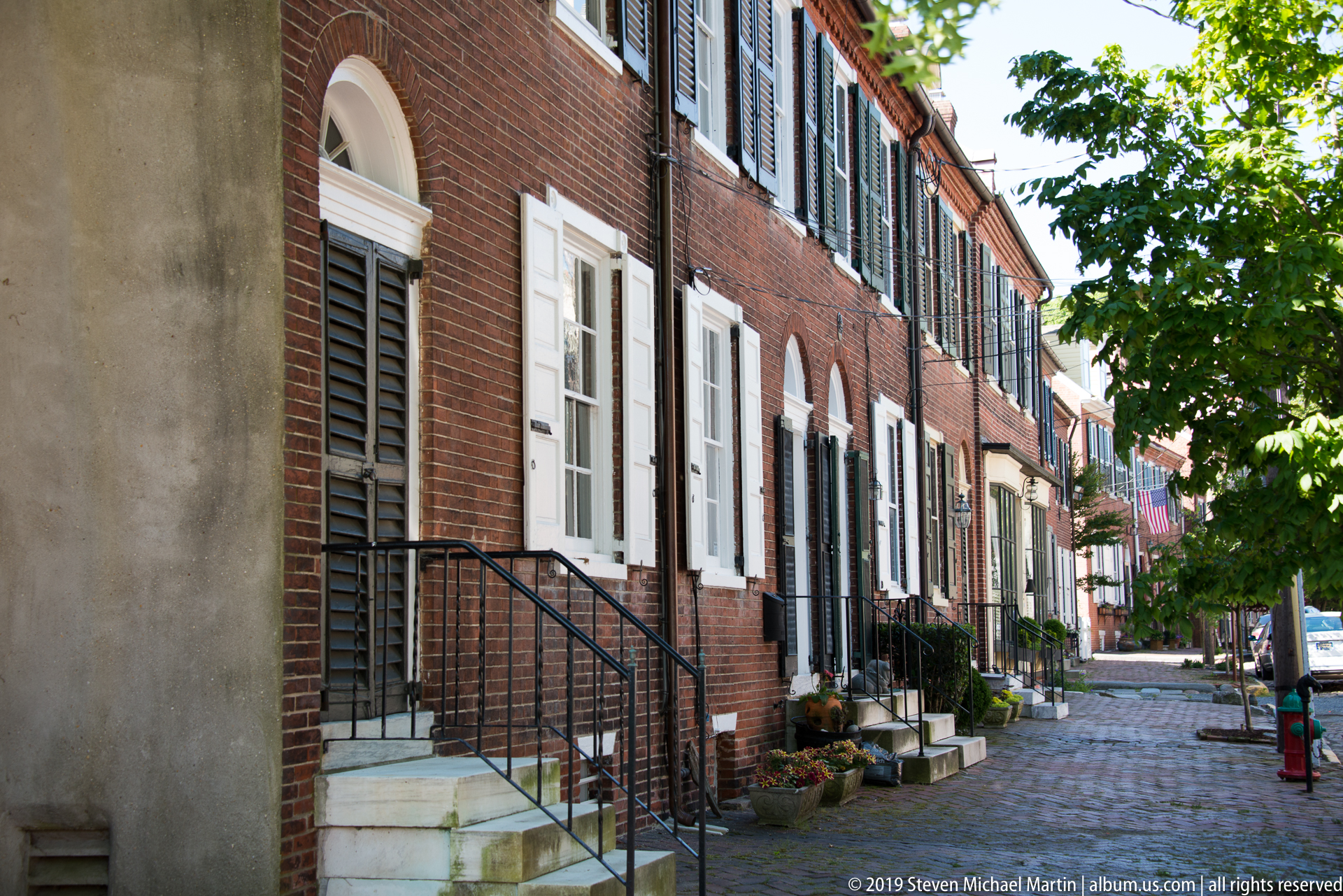


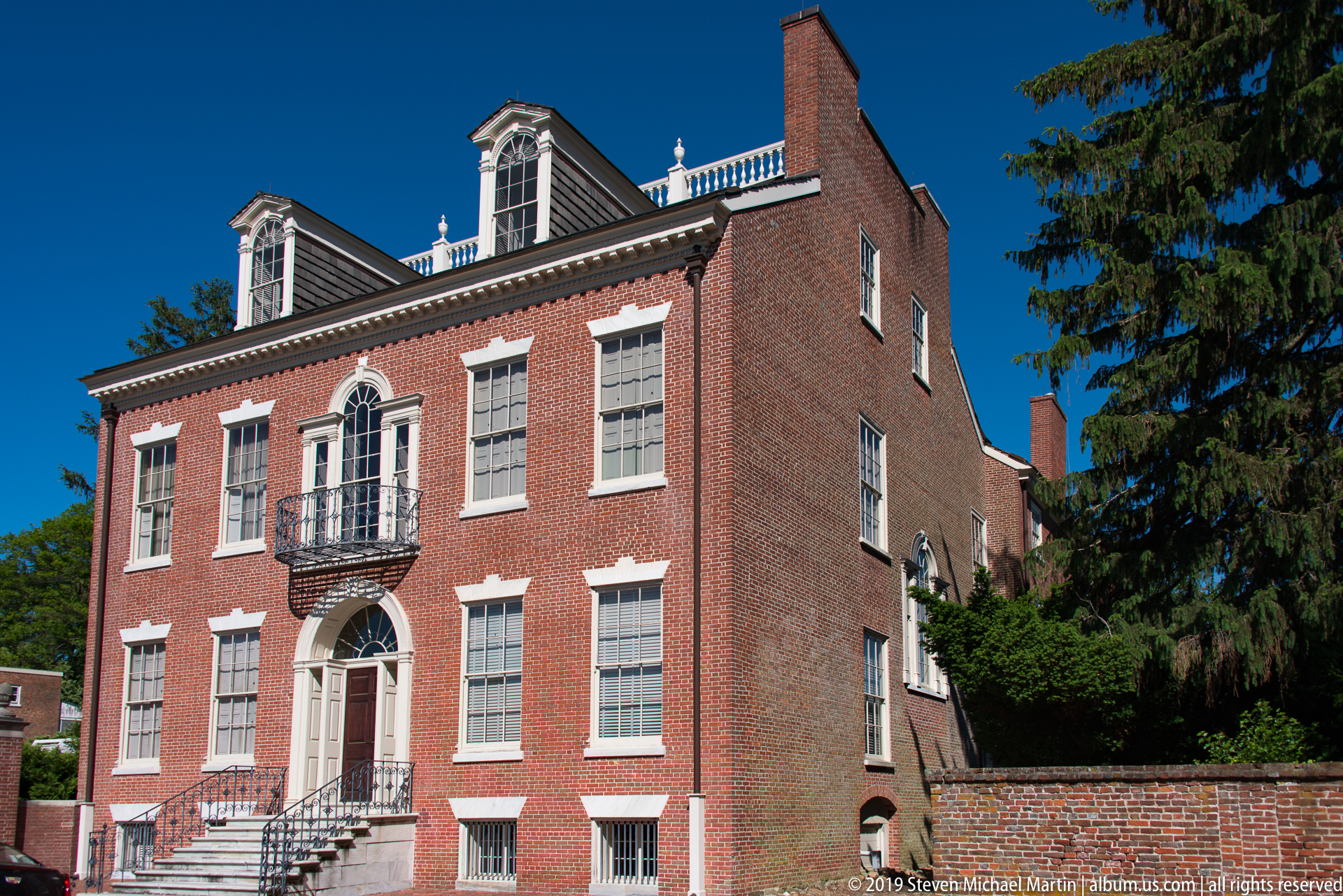

📍 Field Guide
- Location: Delaware and southeastern Pennsylvania
- Designation: National Historical Park
- Established: 2013
- Primary Themes: Colonial settlement, representative government, constitutional history
- Colonial Influences: Swedish, Dutch, English settlement
- Associated Sites: New Castle Court House, Dover Green, John Dickinson Plantation, Fort Christina
- Historical Periods: 17th century colonial era through early United States
- Geographic Context: Delaware River Valley and mid-Atlantic coastal plain
- Significance: Delaware as first state to ratify the U.S. Constitution (1787)
⭐ Highlights
- New Castle Court House where Delaware voted for independence from Britain and Pennsylvania
- Dover Green associated with ratification of the United States Constitution
- Fort Christina reflecting early Swedish settlement in North America
- John Dickinson Plantation illustrating agricultural and political history
- Historic landscapes connected to early colonial governance
🏛️ Notable Features
- Colonial-era civic buildings reflecting early legal institutions
- Sites associated with development of representative government
- Architectural traditions influenced by northern European settlement
- Cultural landscape shaped by early agricultural practices
- Locations illustrating political transition from colony to state
📷 Photography Notes
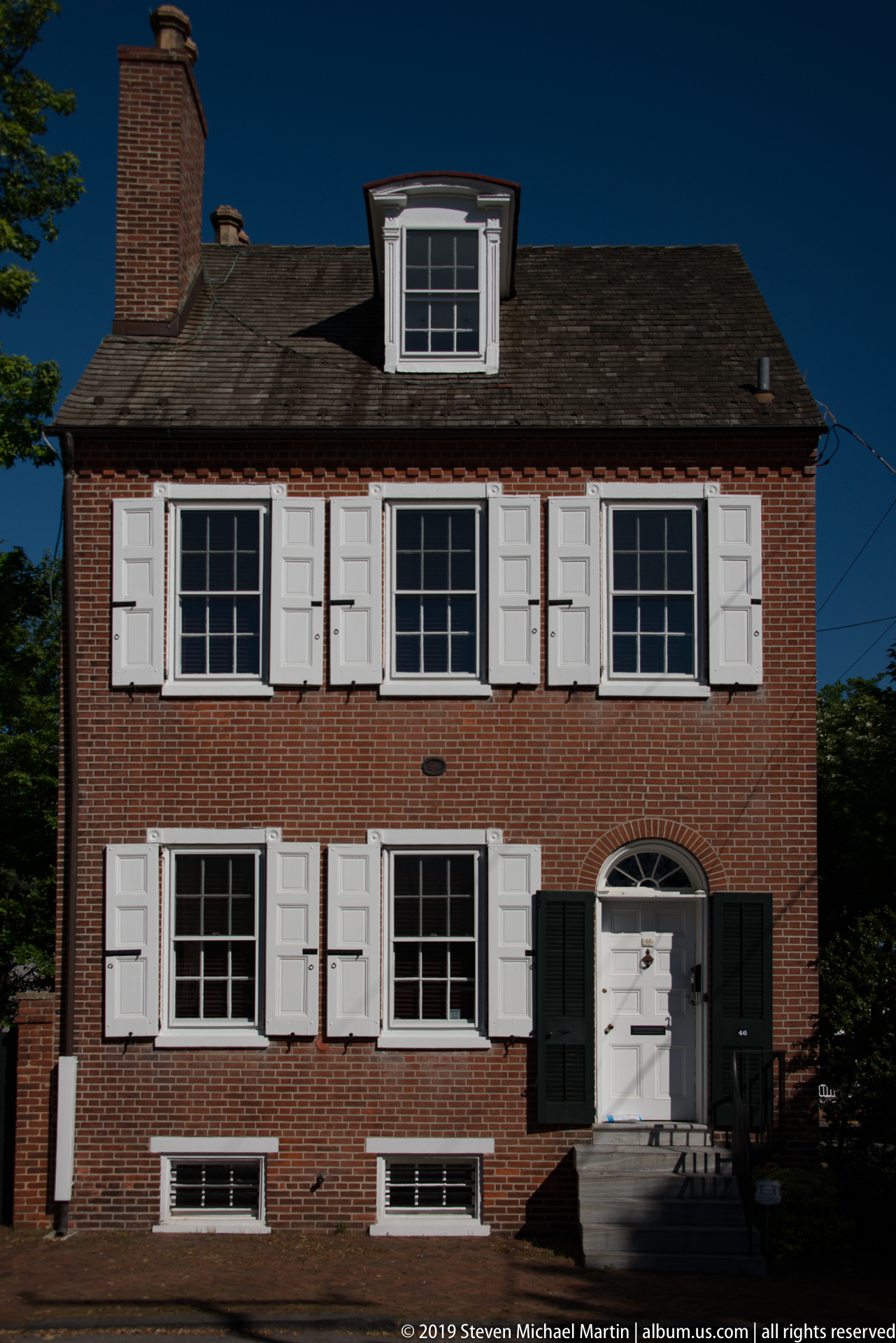
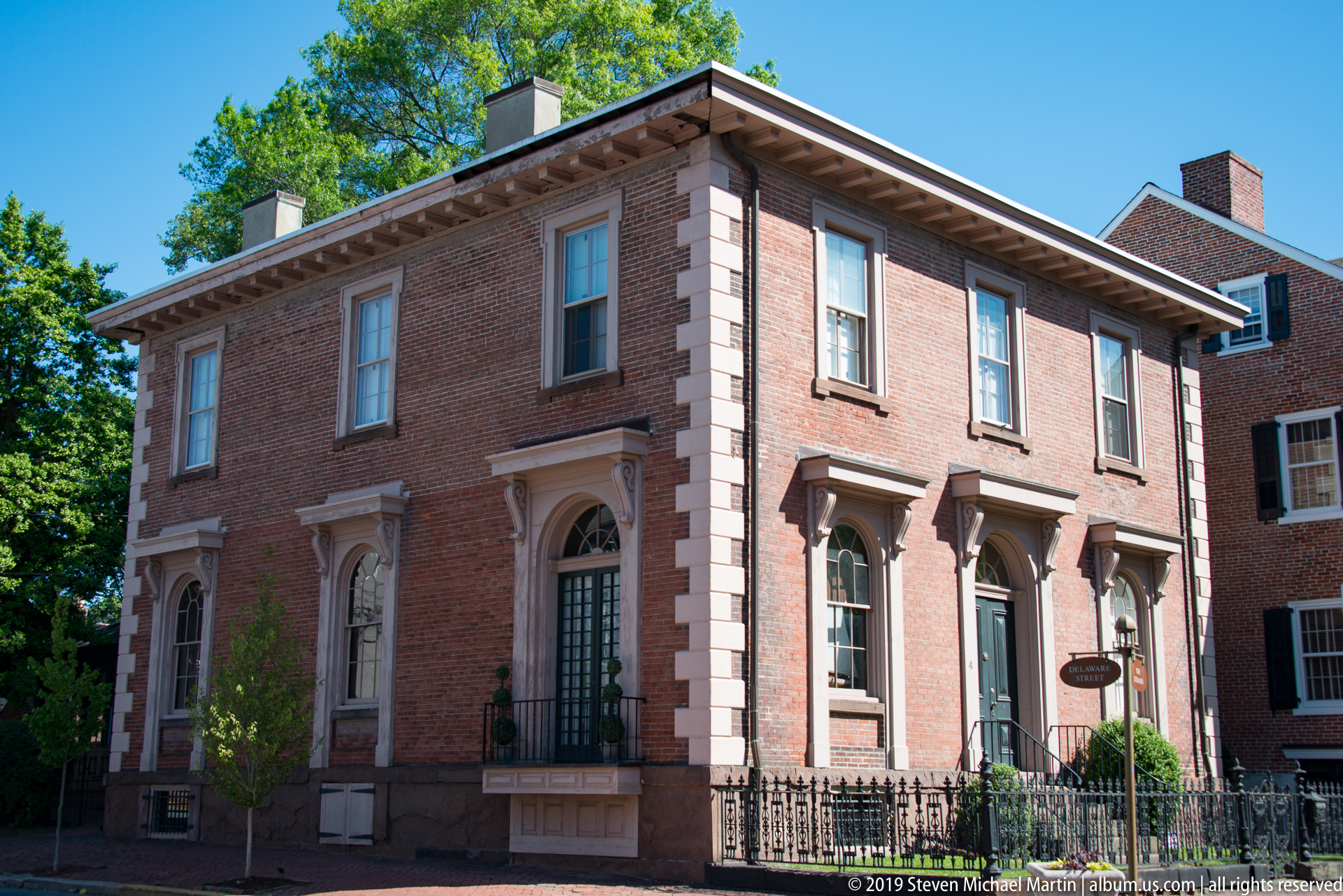
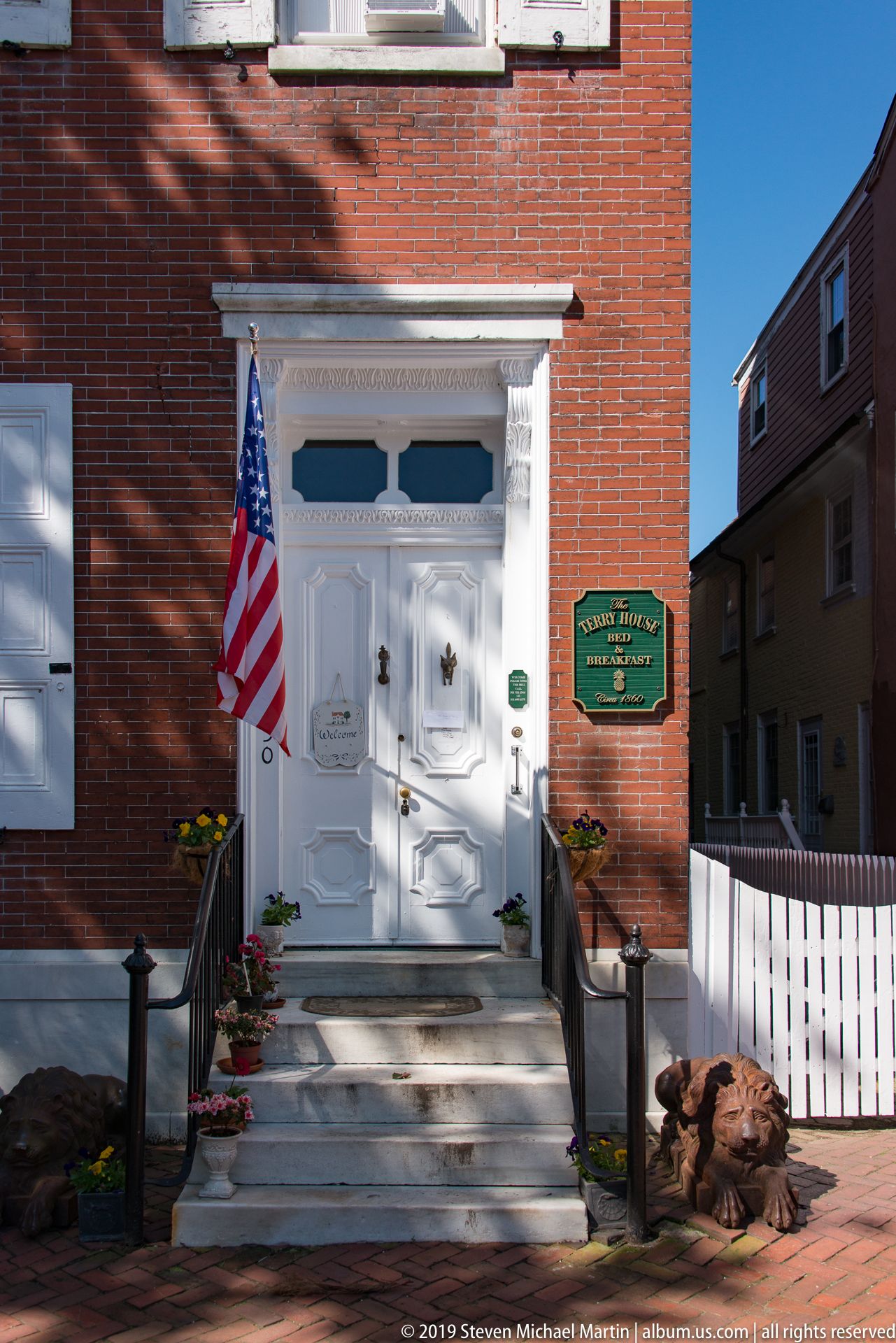
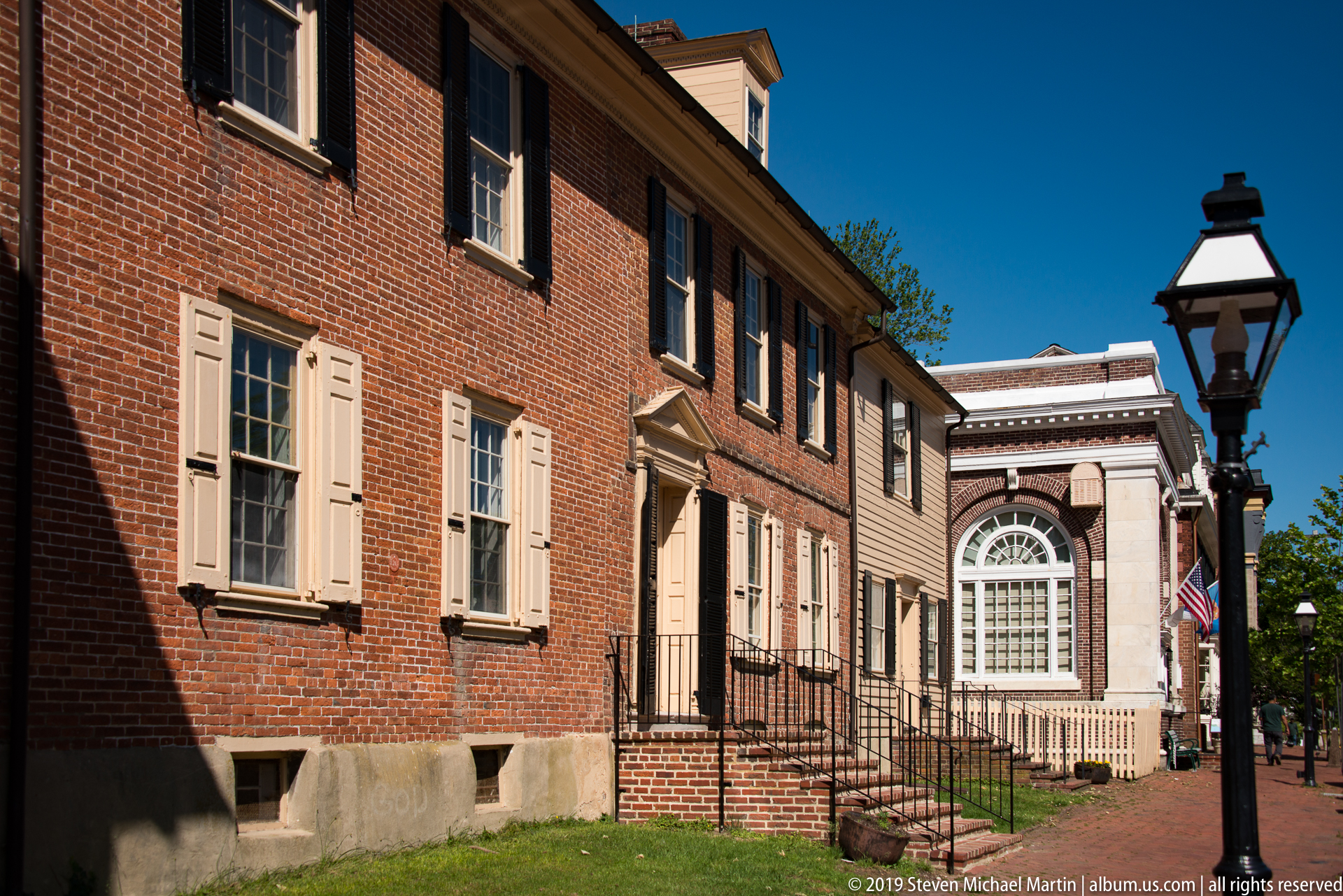
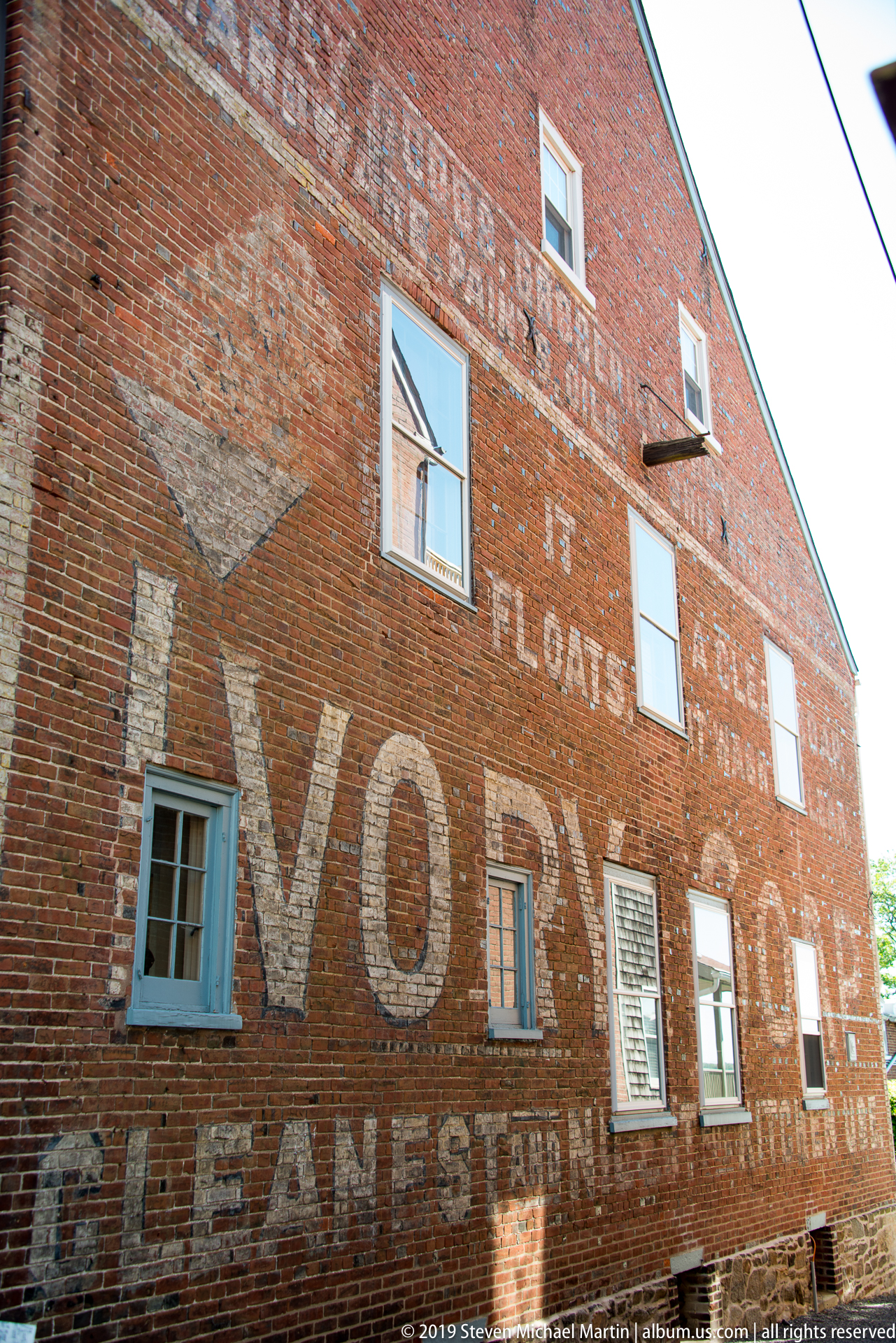
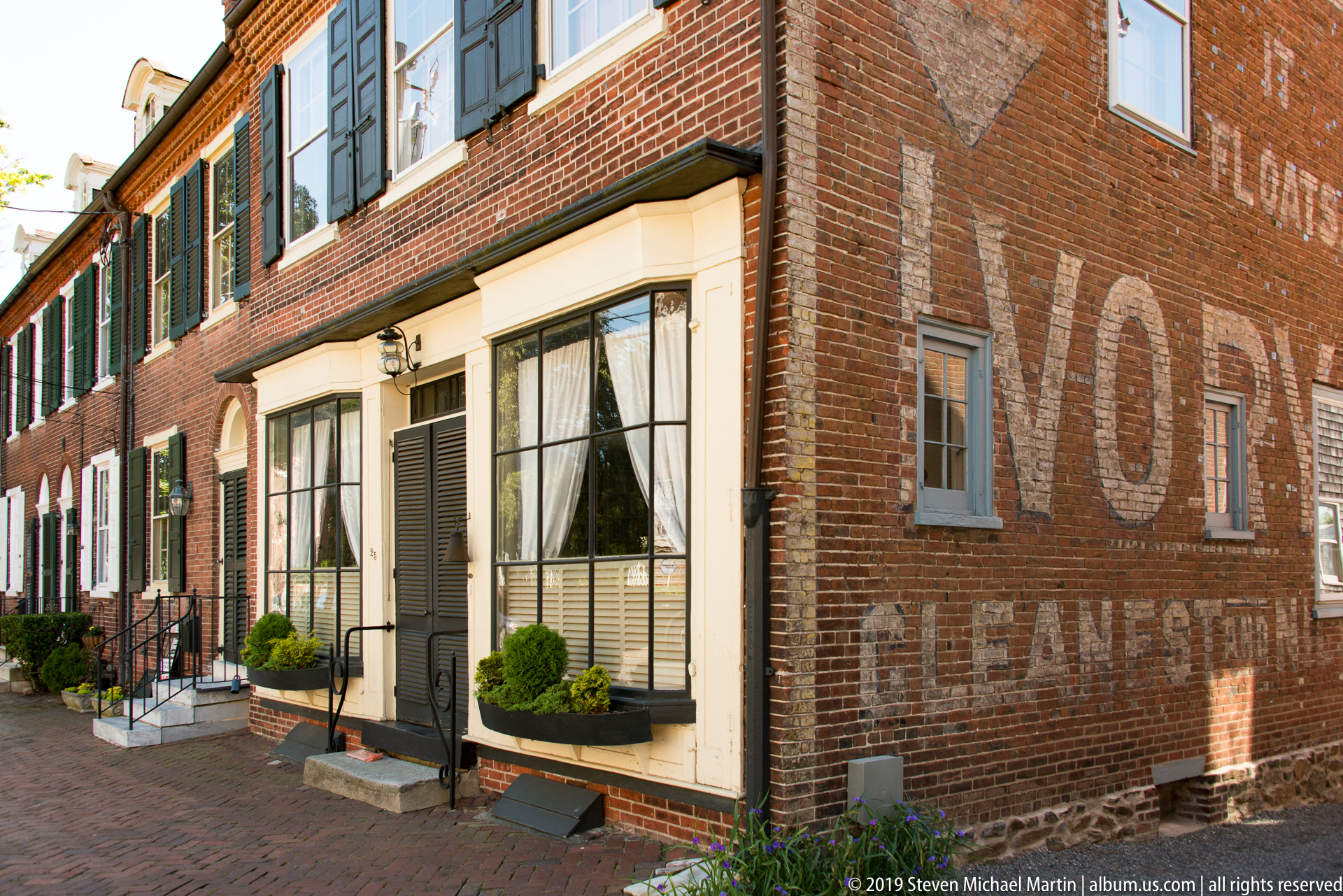
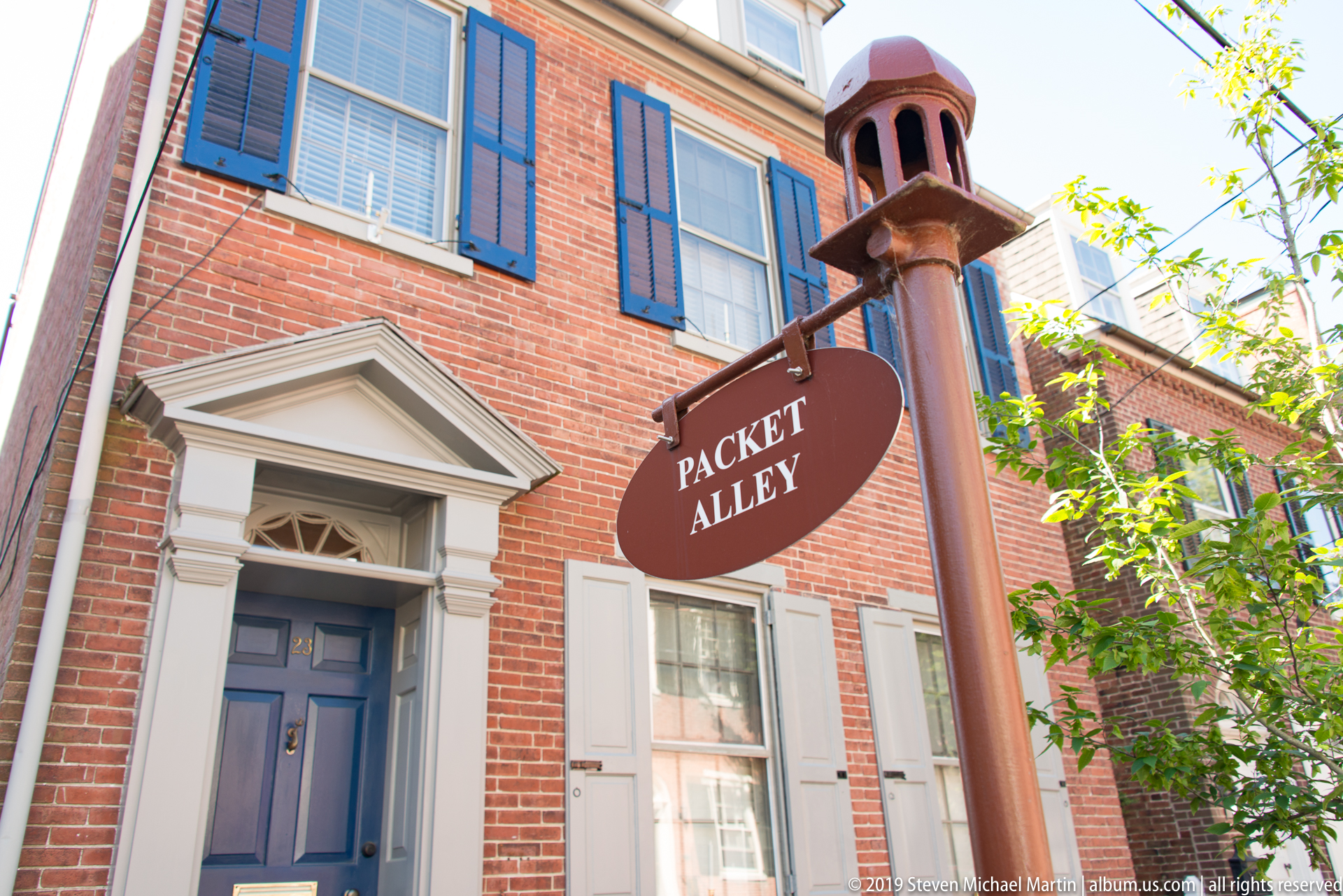
- Historic brick structures photograph well in directional morning light
- Architectural details benefit from moderate contrast conditions
- Wide compositions help show relationship between civic buildings and landscape
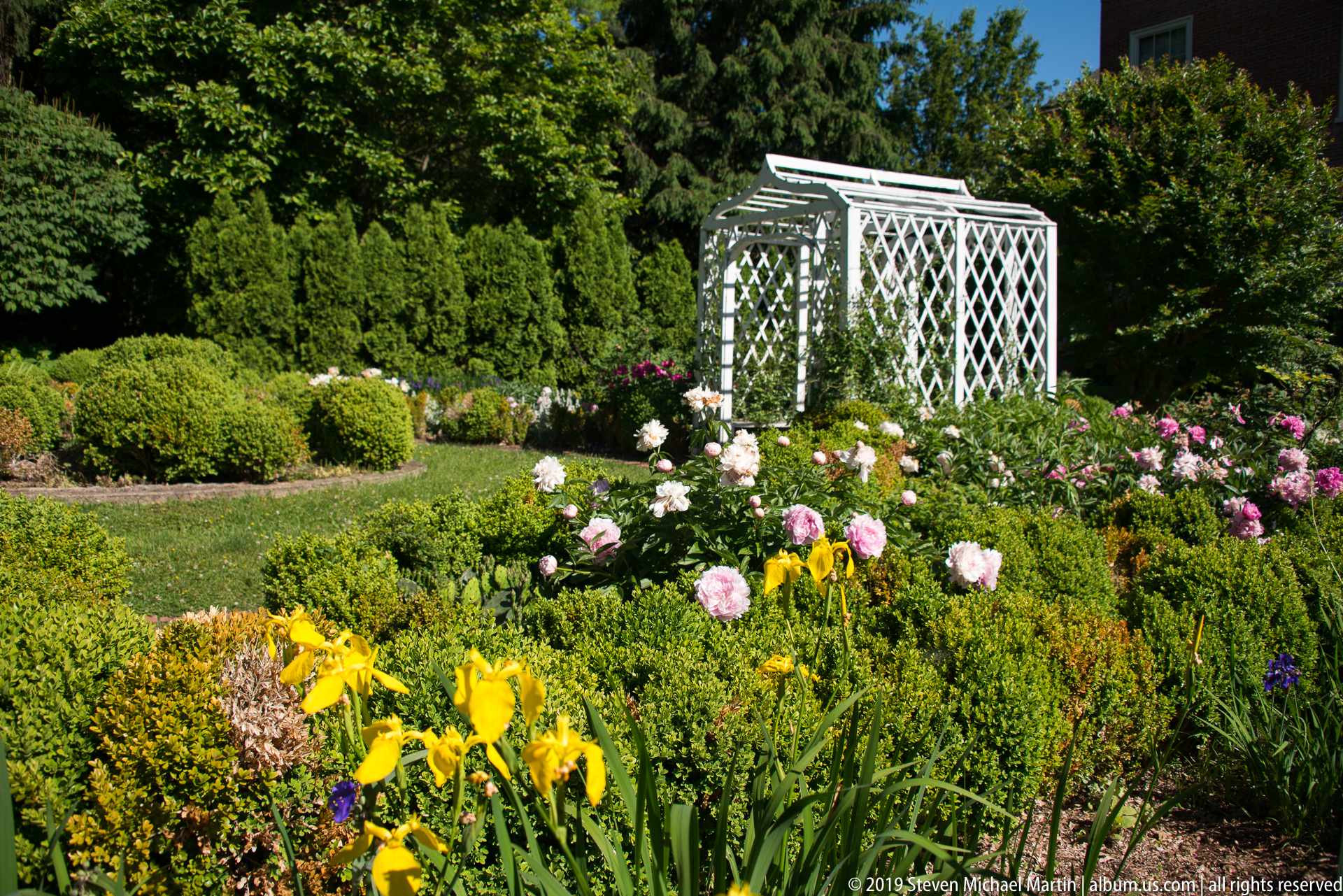
- Seasonal foliage can enhance historic setting
- Soft overcast light preserves detail in masonry textures
- Contextual views help convey spatial organization of colonial towns