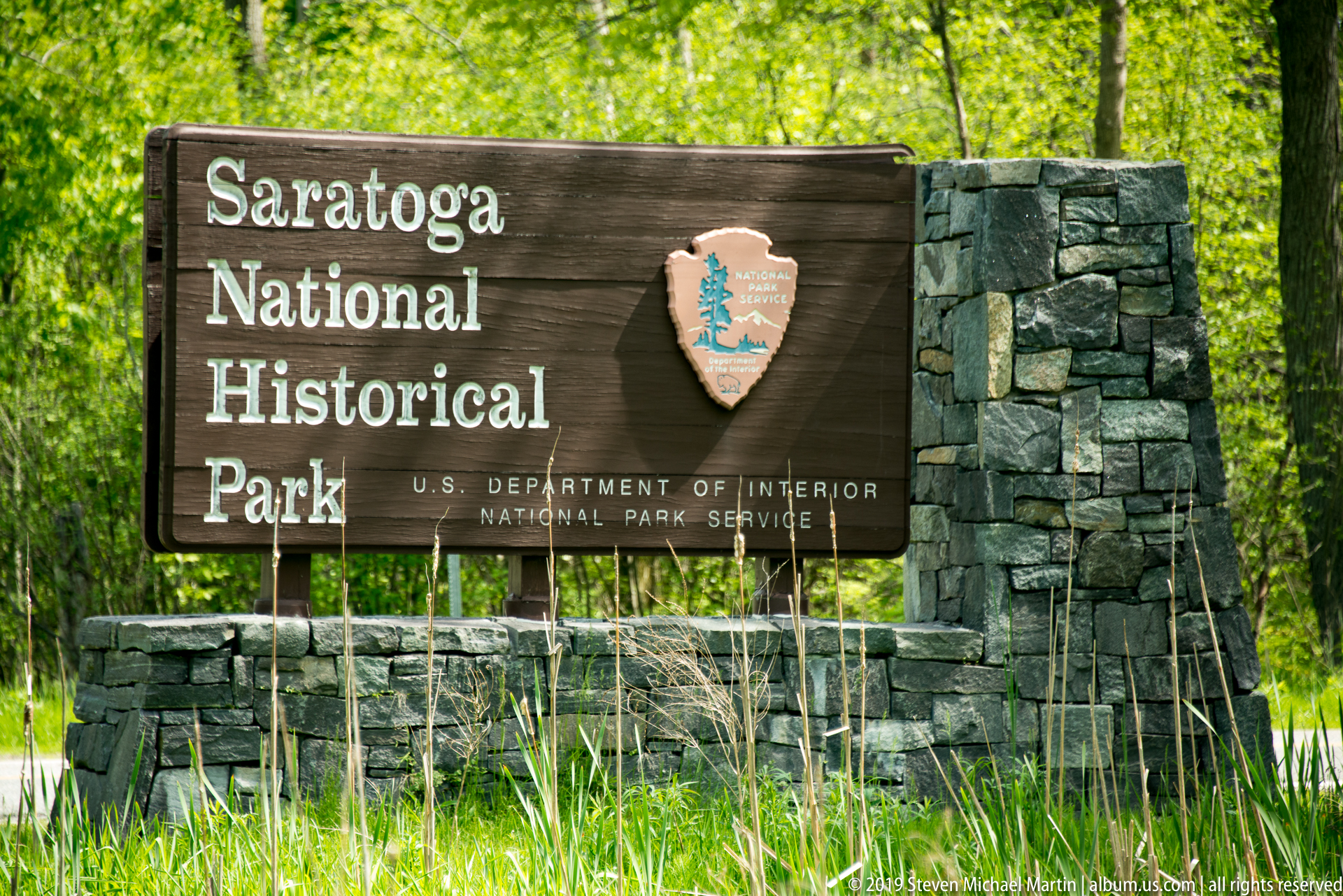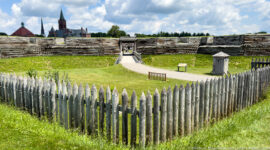
Saratoga National Historical Park
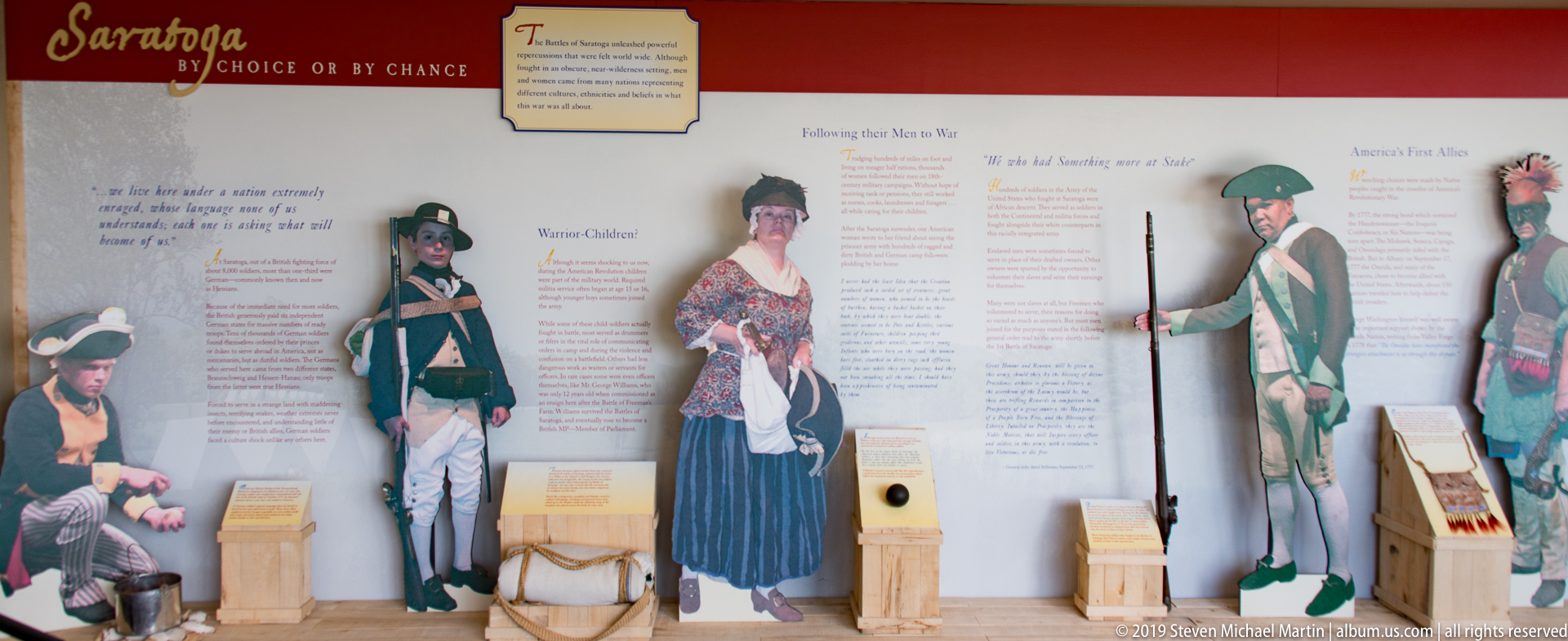
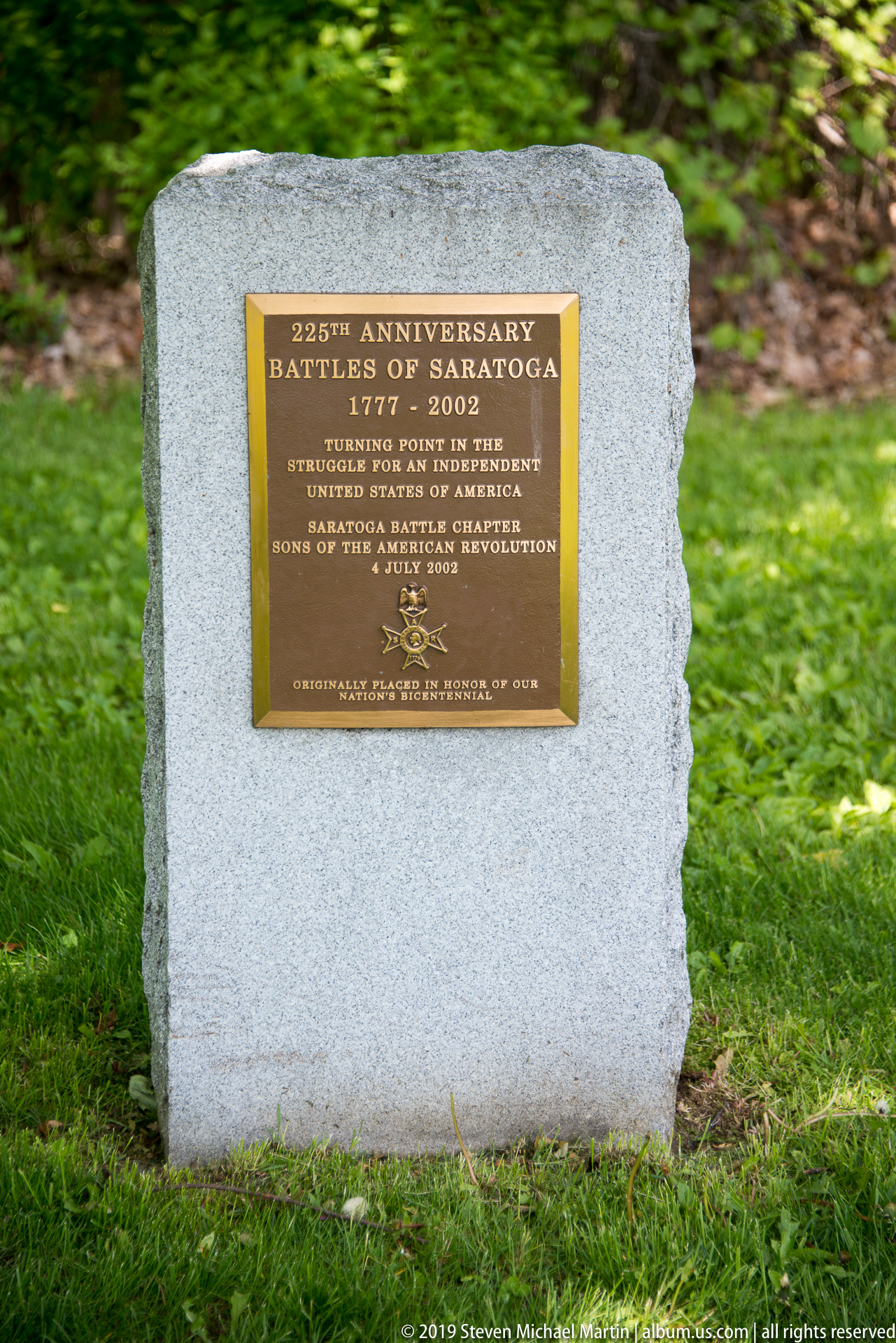
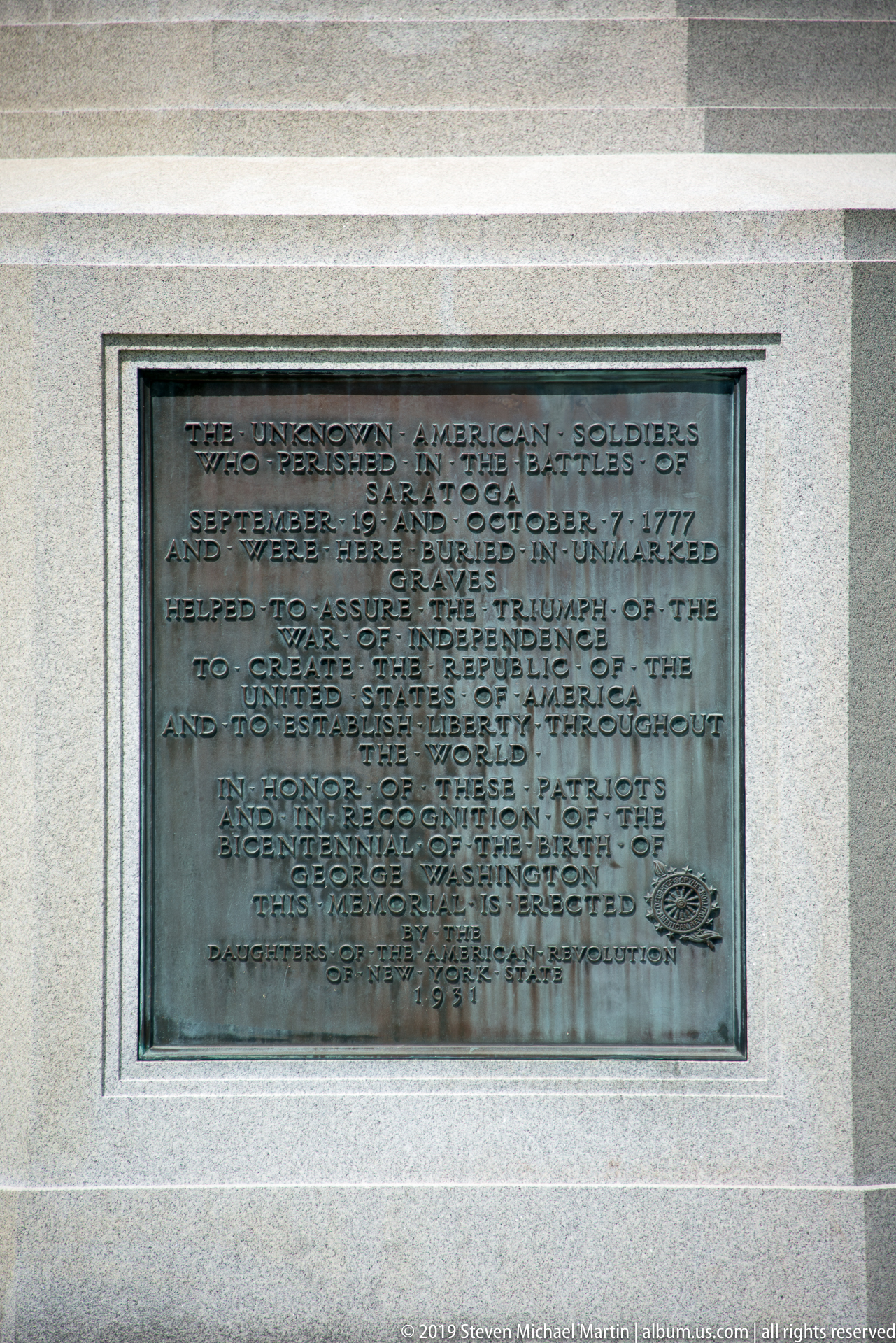
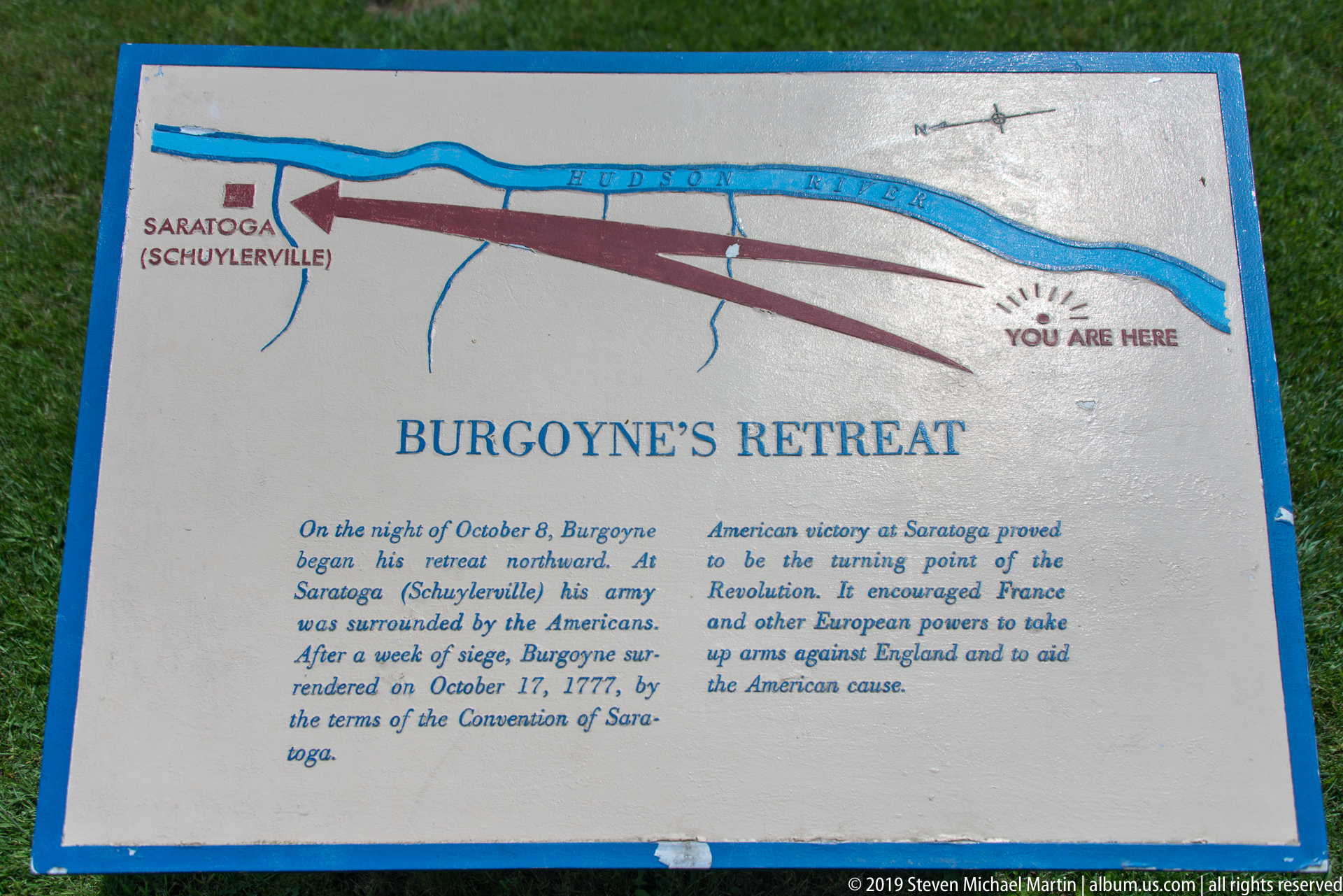
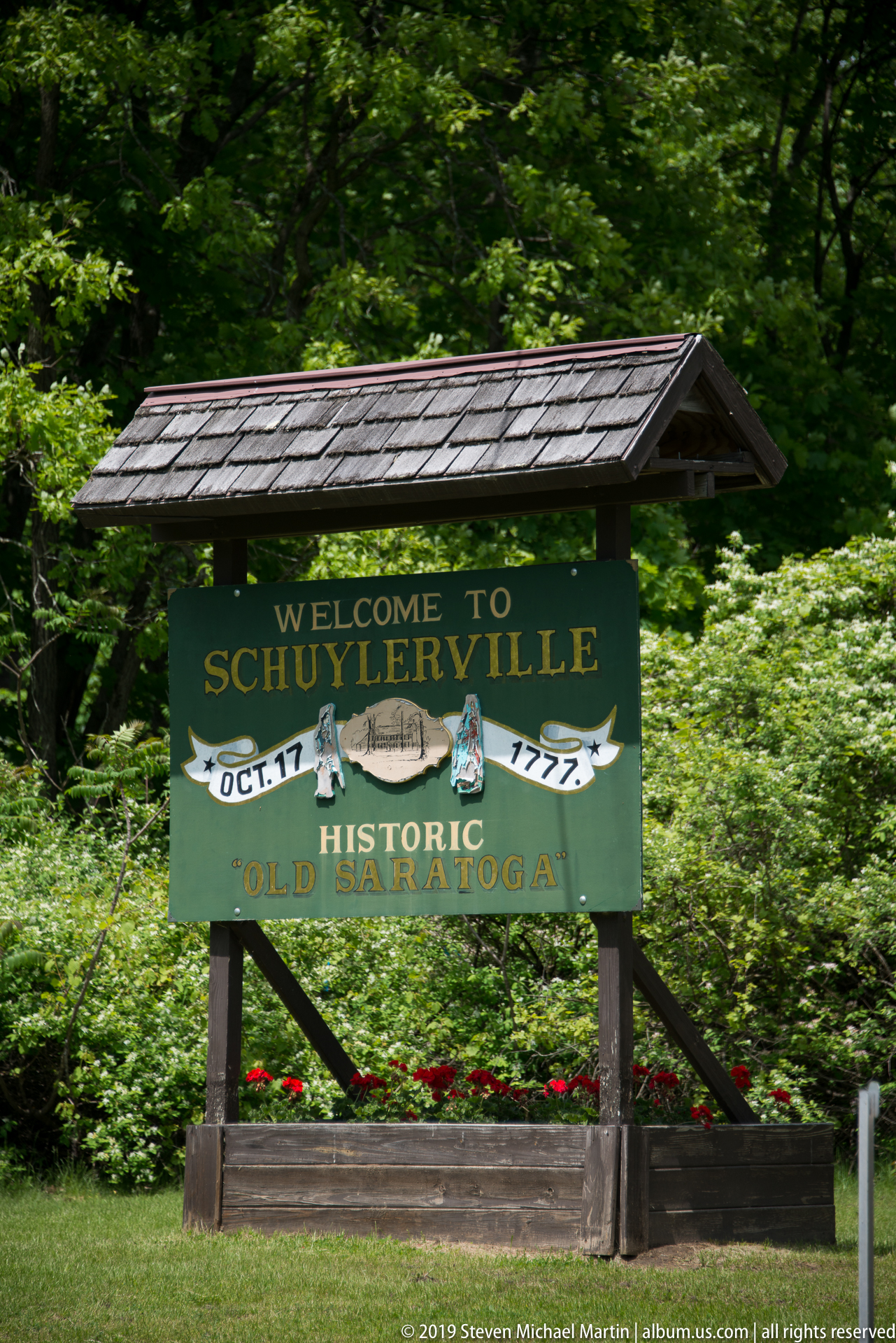
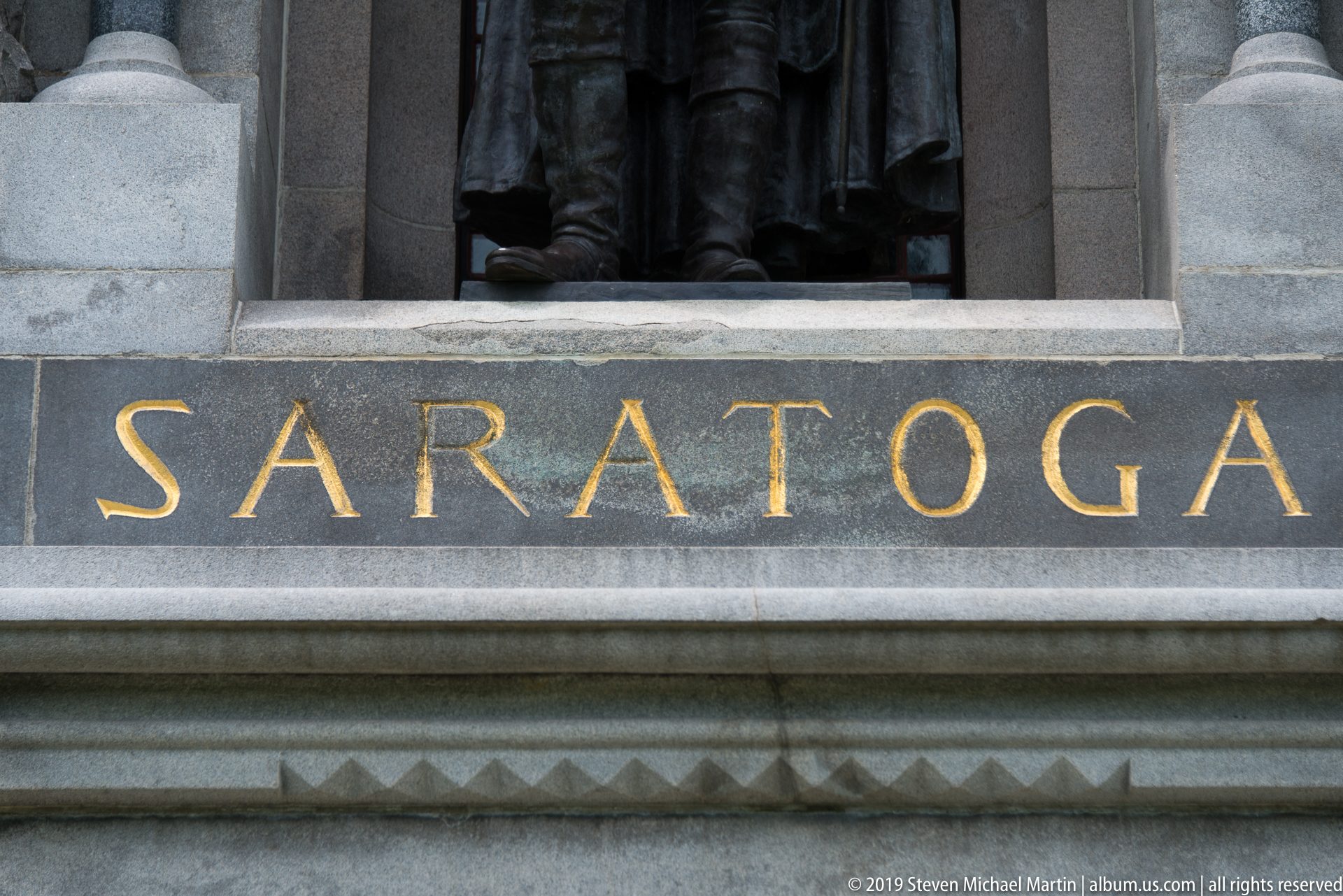
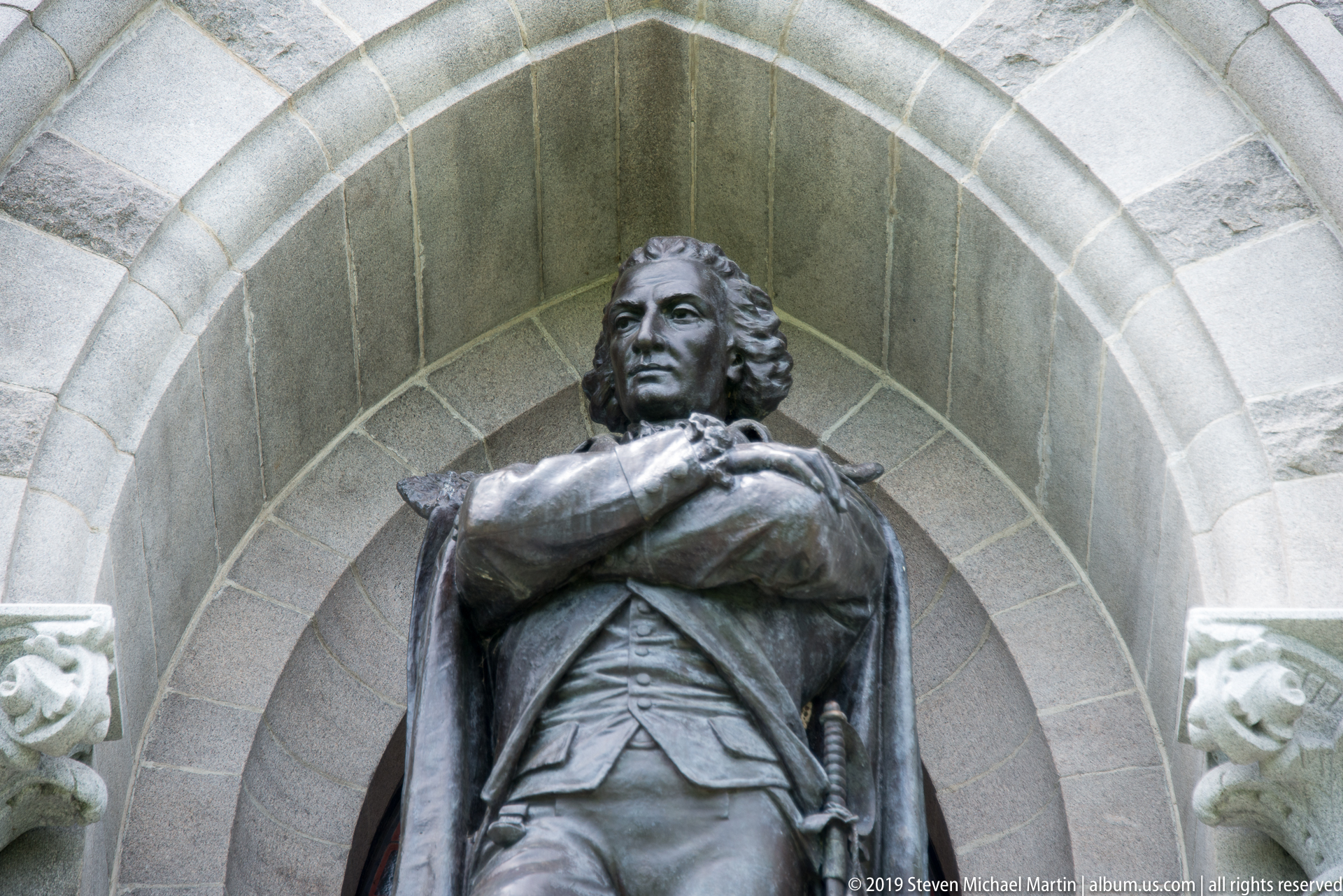
Saratoga National Historical Park preserves the site of the Battles of Saratoga, one of the most consequential turning points of the American Revolutionary War. In the autumn of 1777, American forces defeated and compelled the surrender of British General John Burgoyne’s army, a victory that demonstrated the viability of the revolutionary cause and helped persuade France to formally support the American colonies. This international alliance significantly altered the balance of power in the conflict and contributed to the eventual success of American independence.
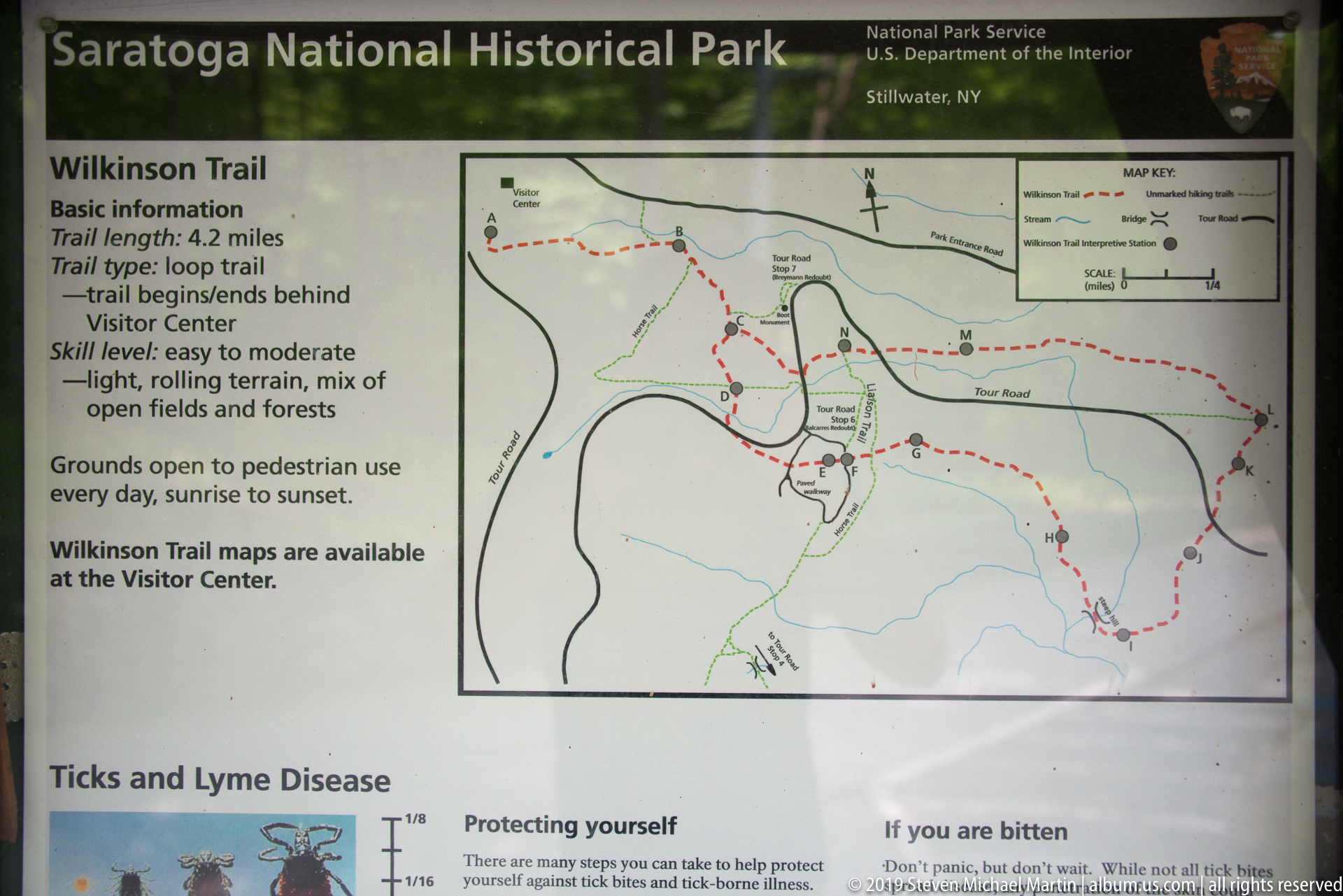
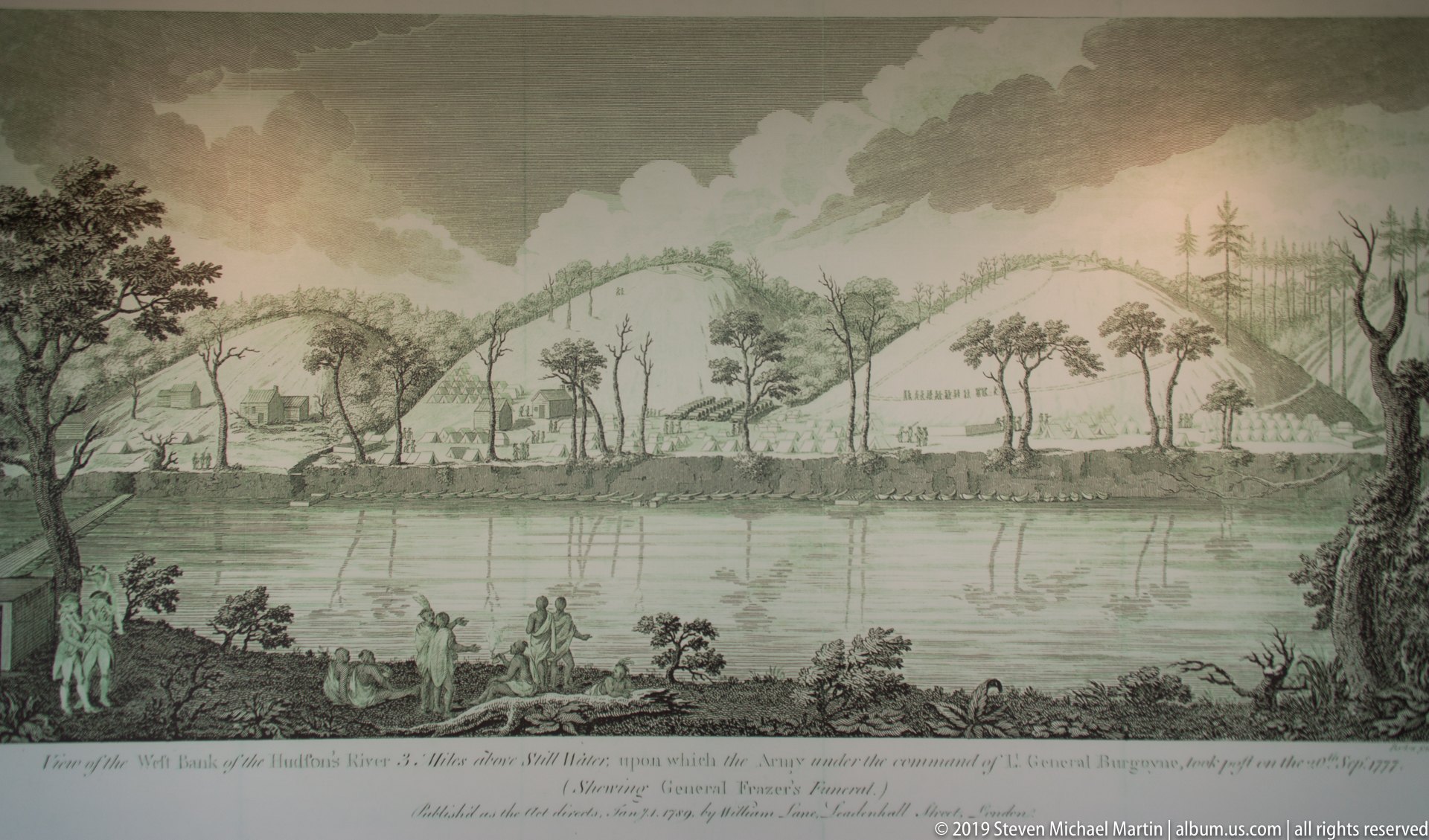
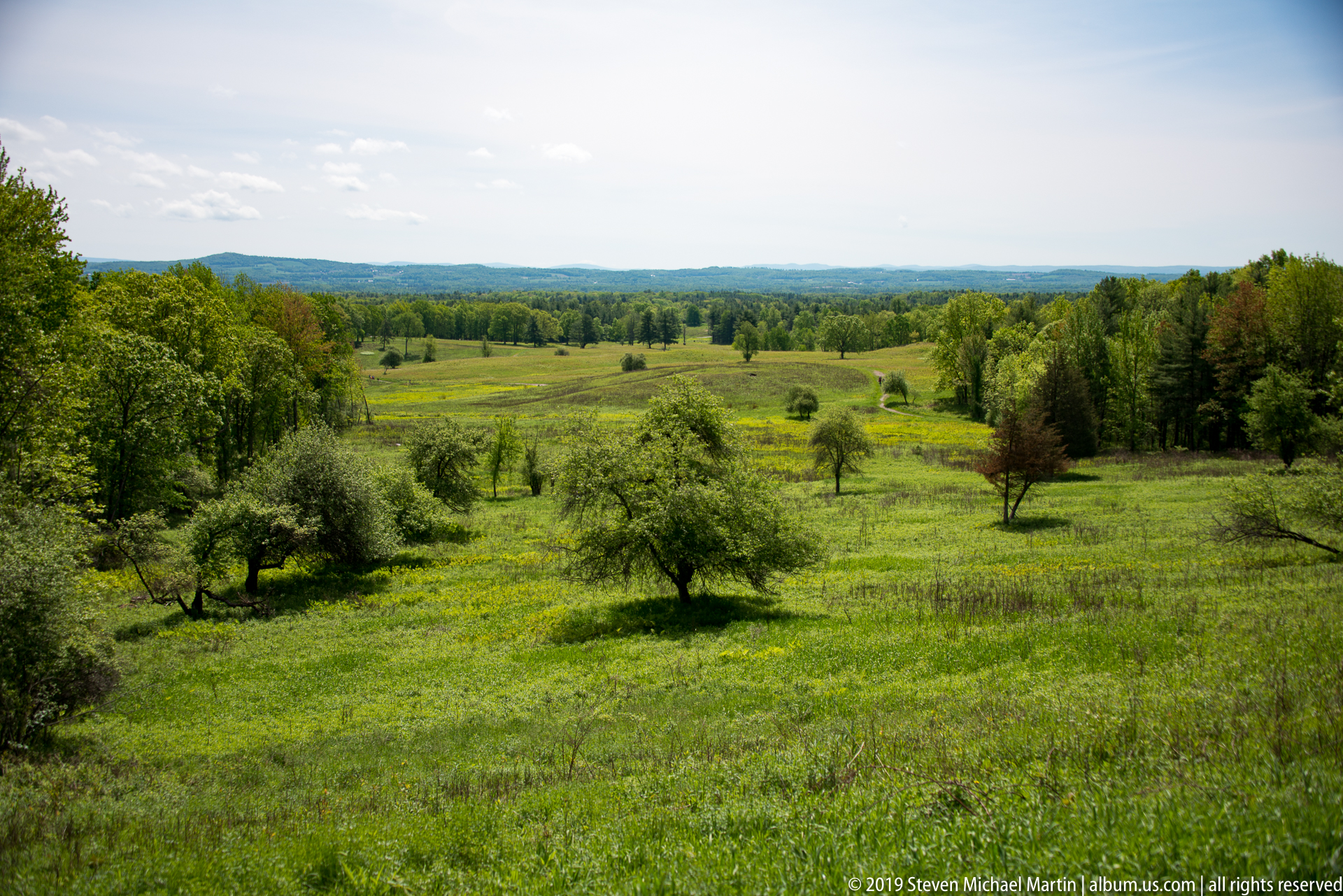
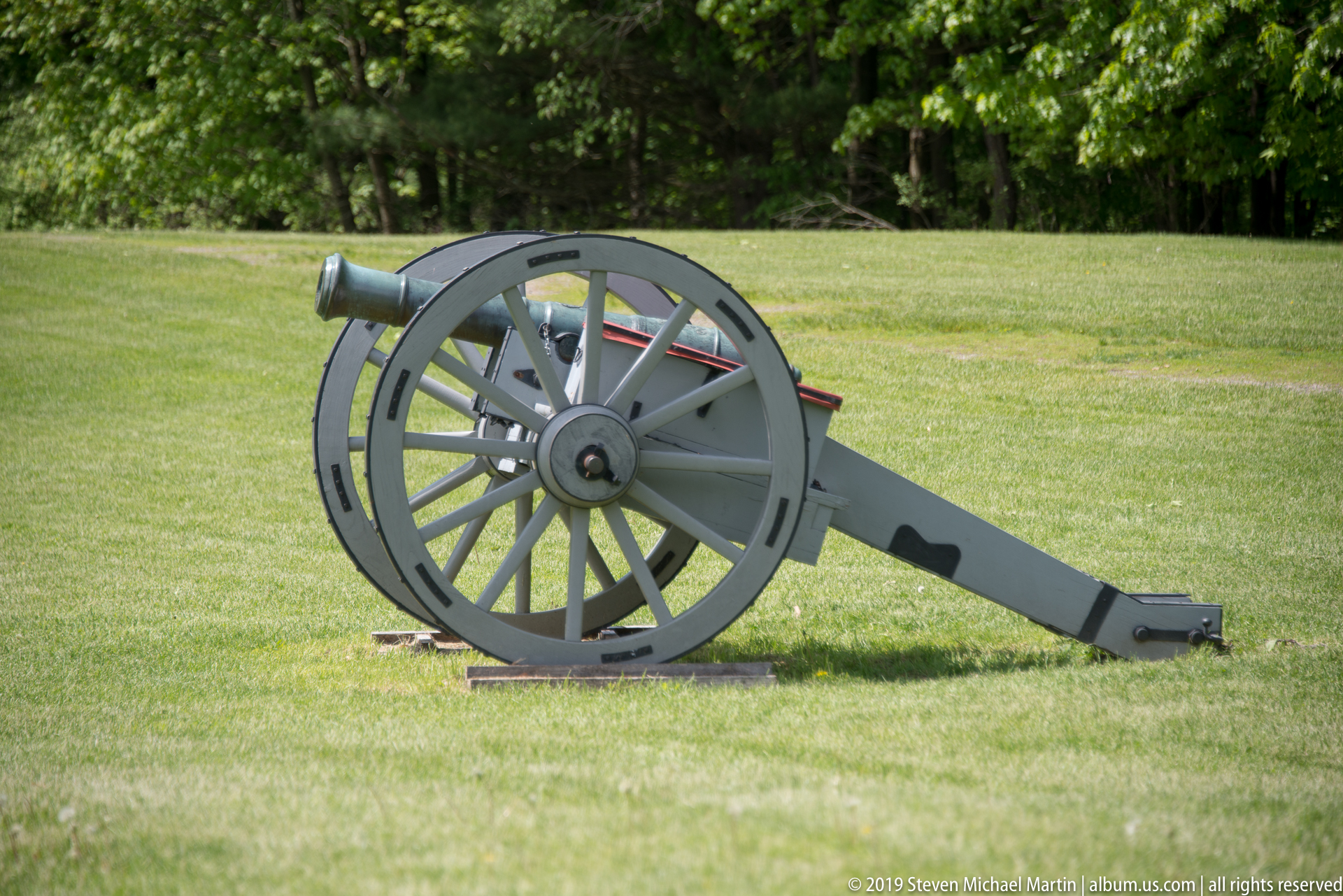
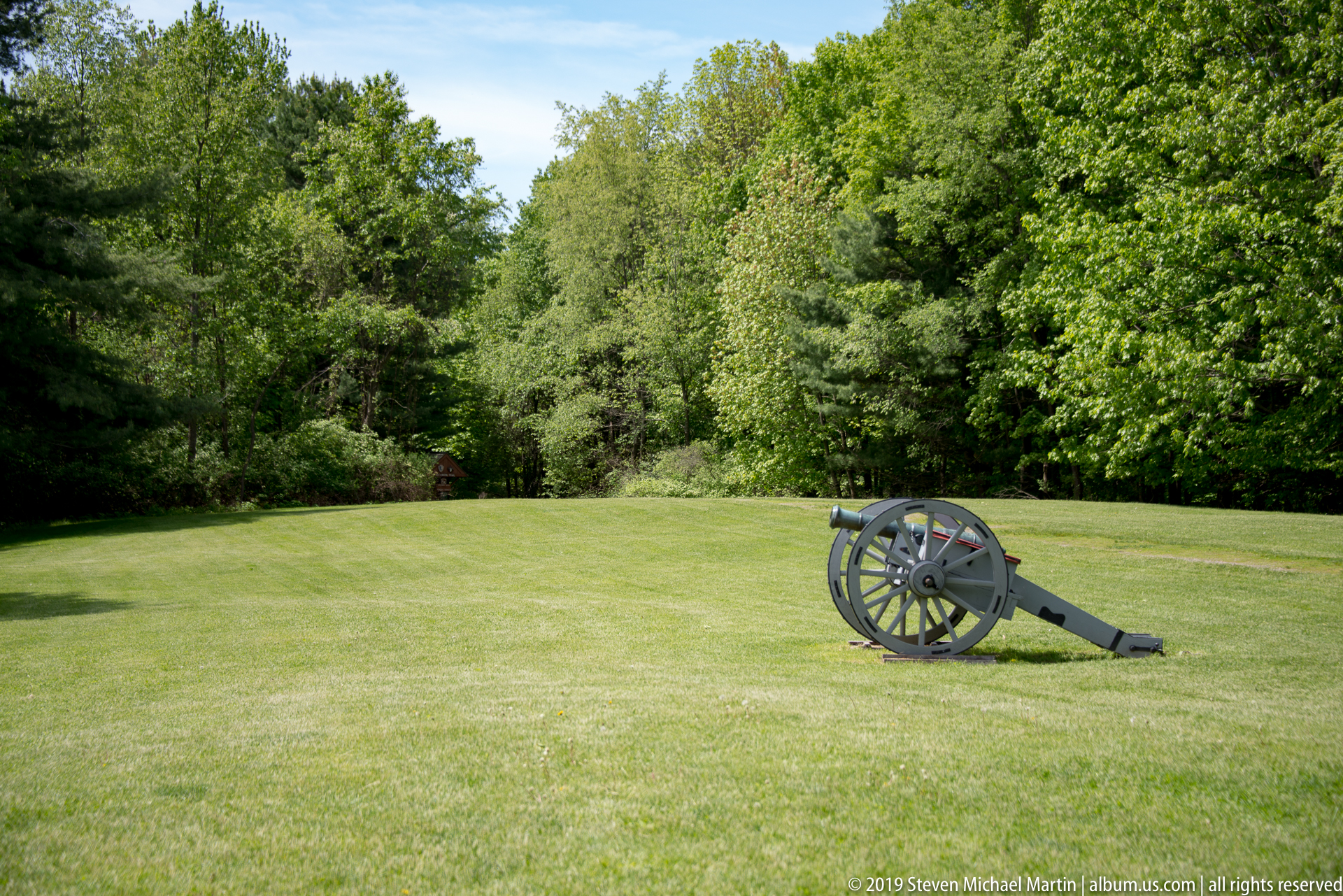
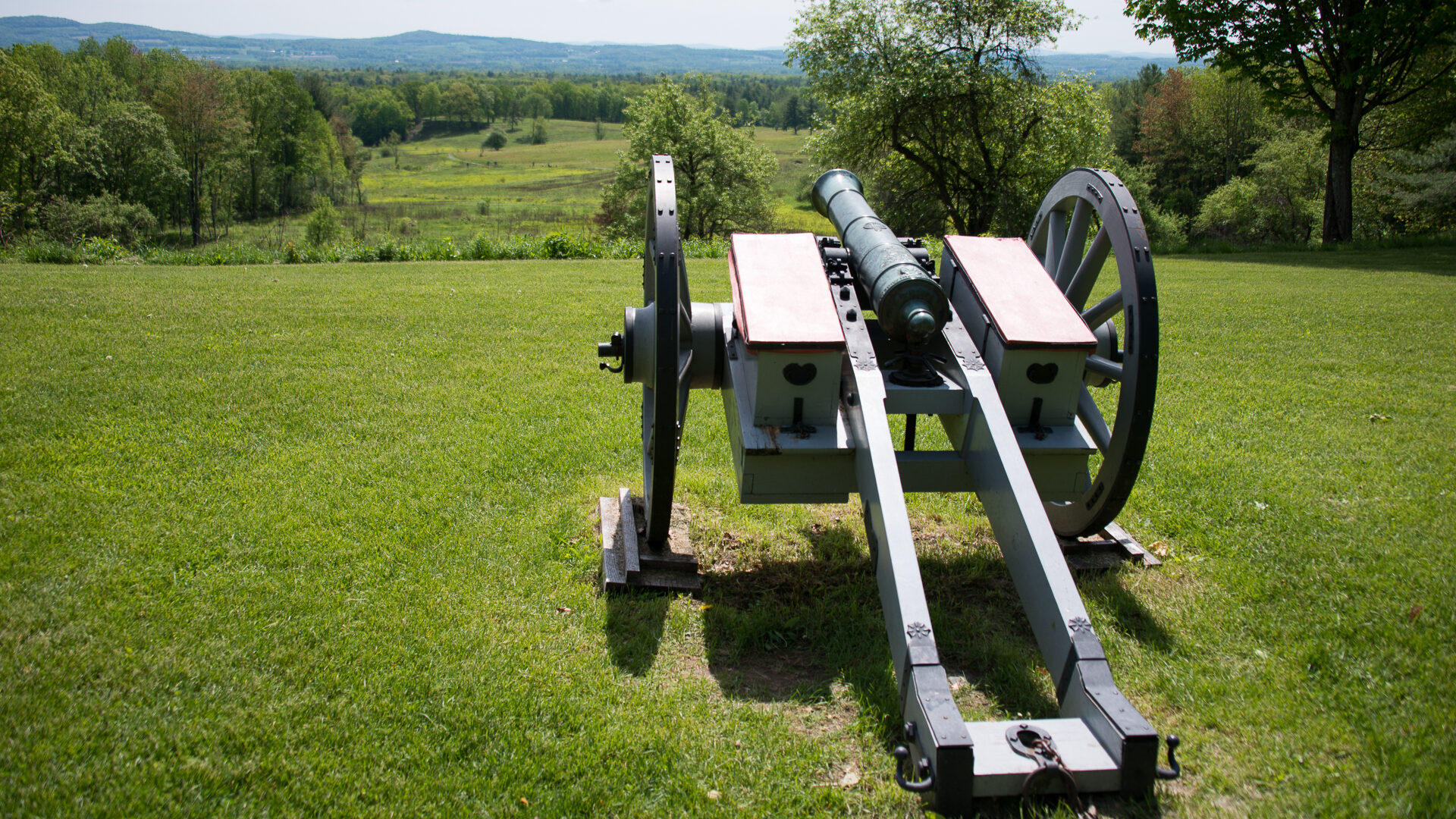
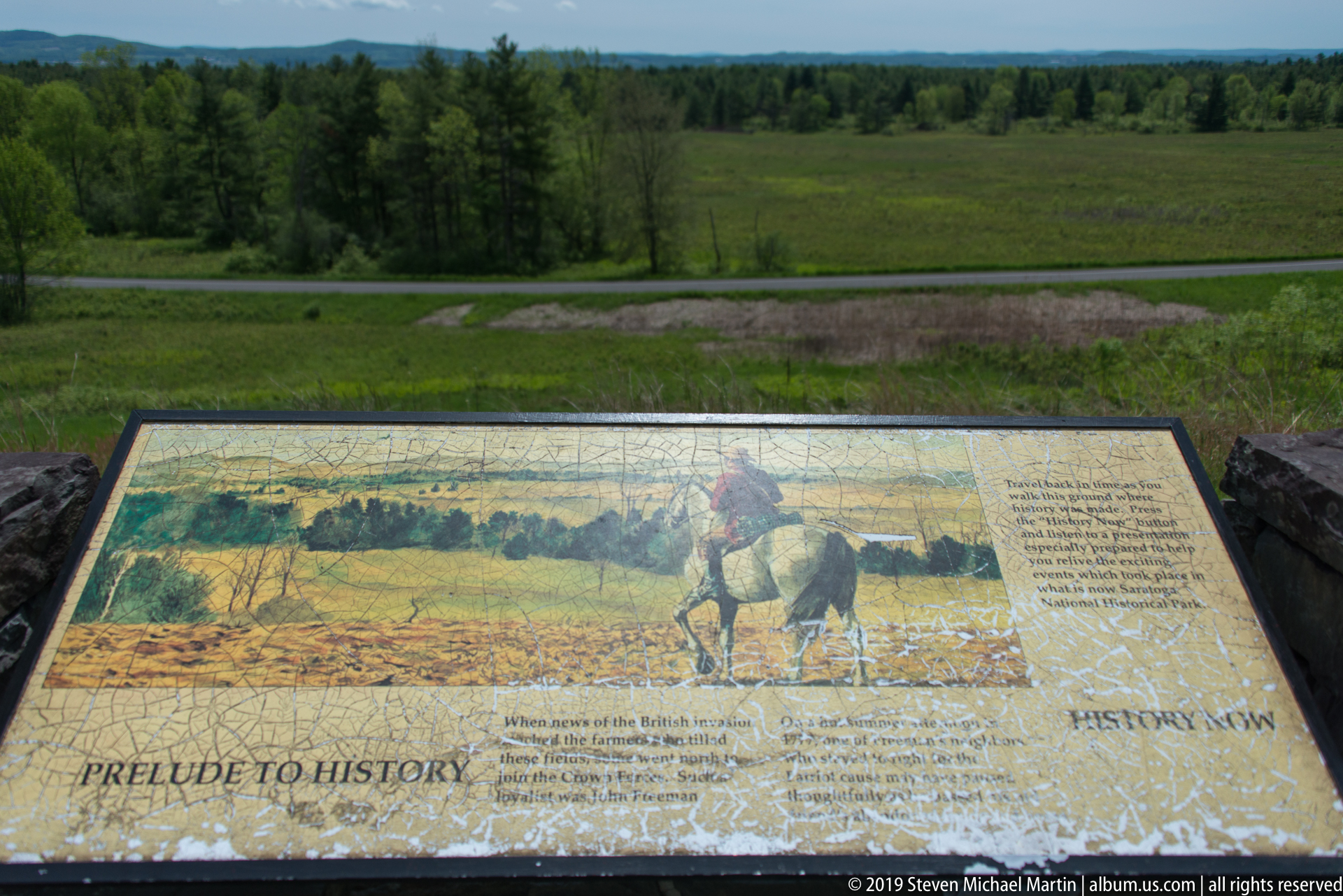
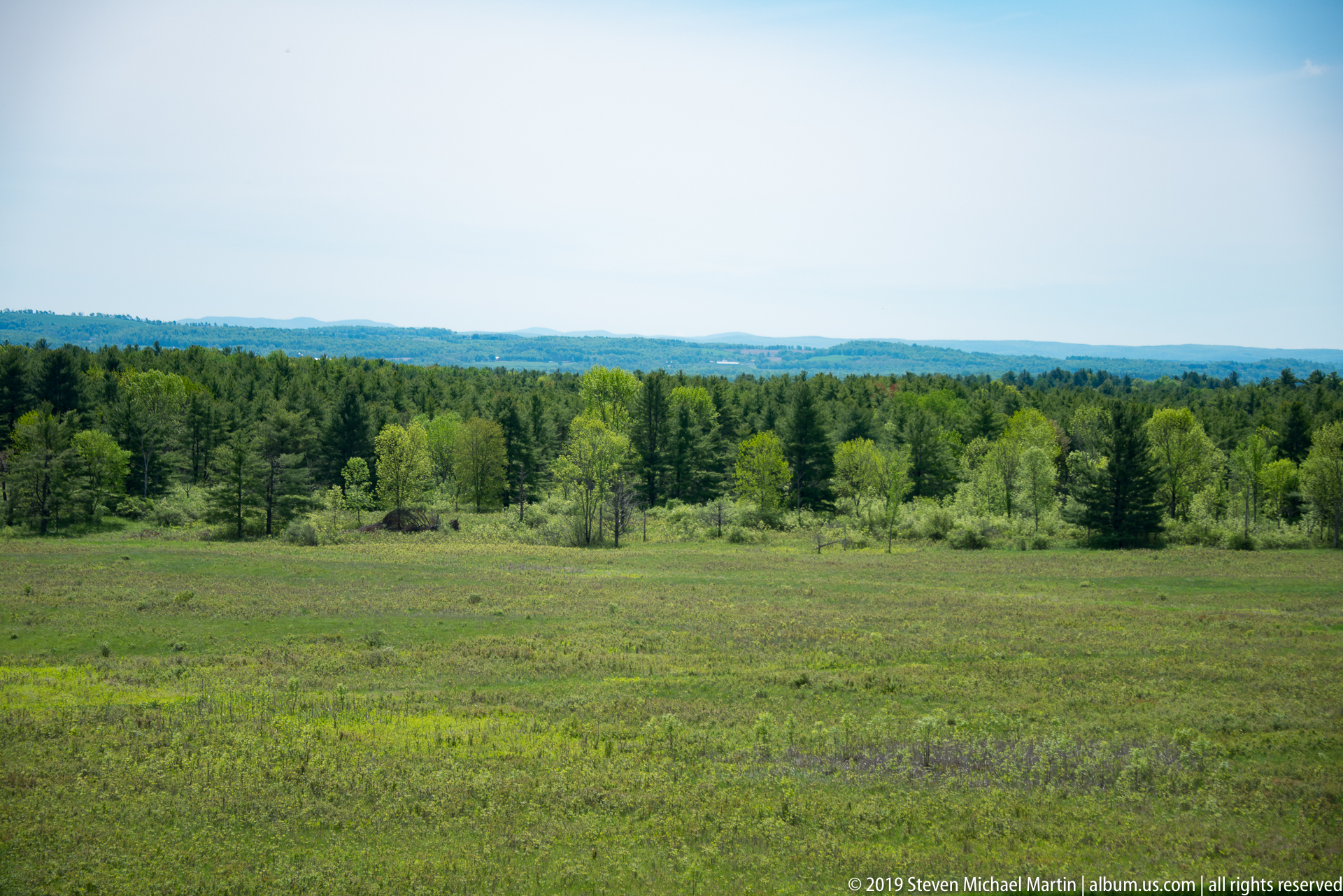
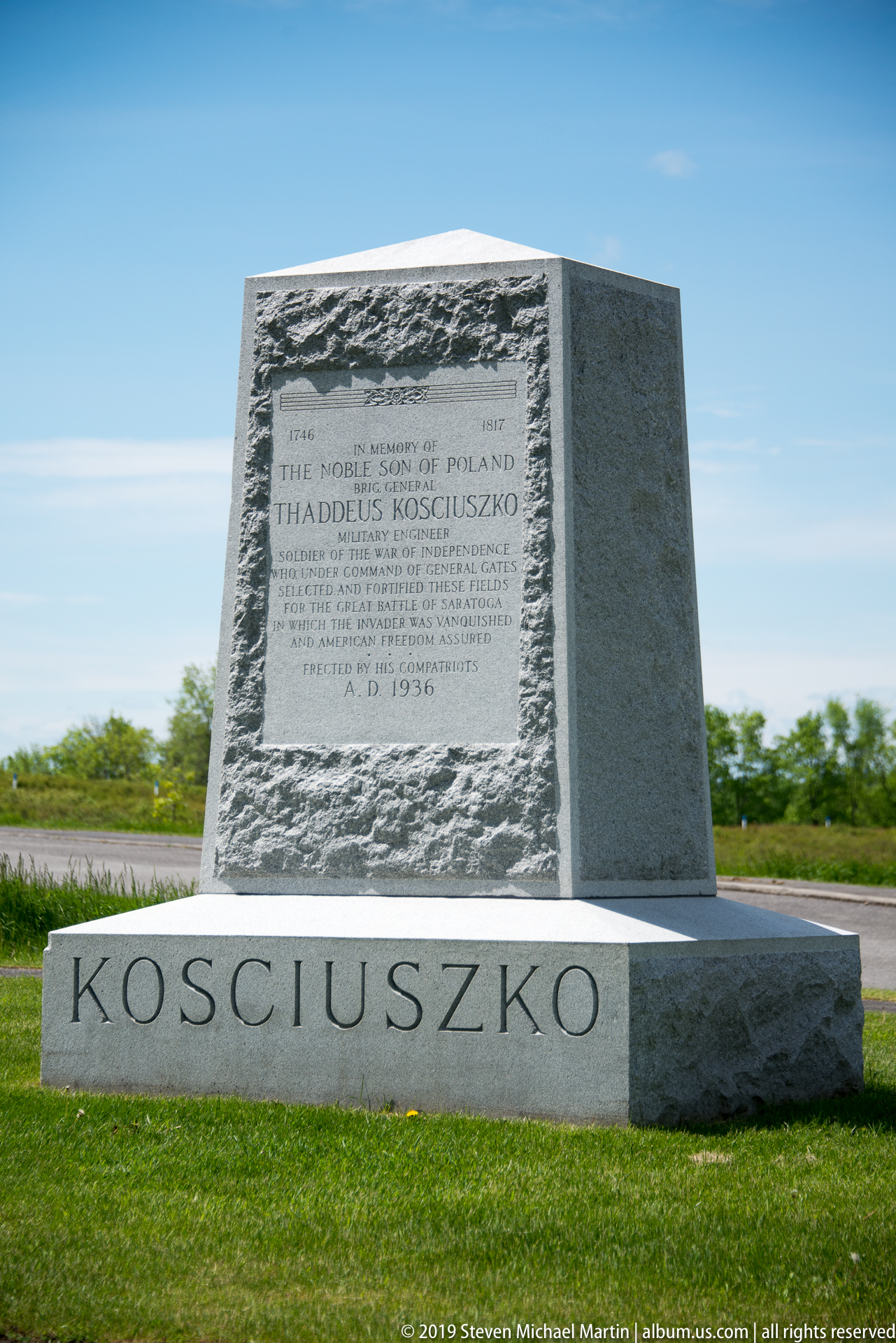
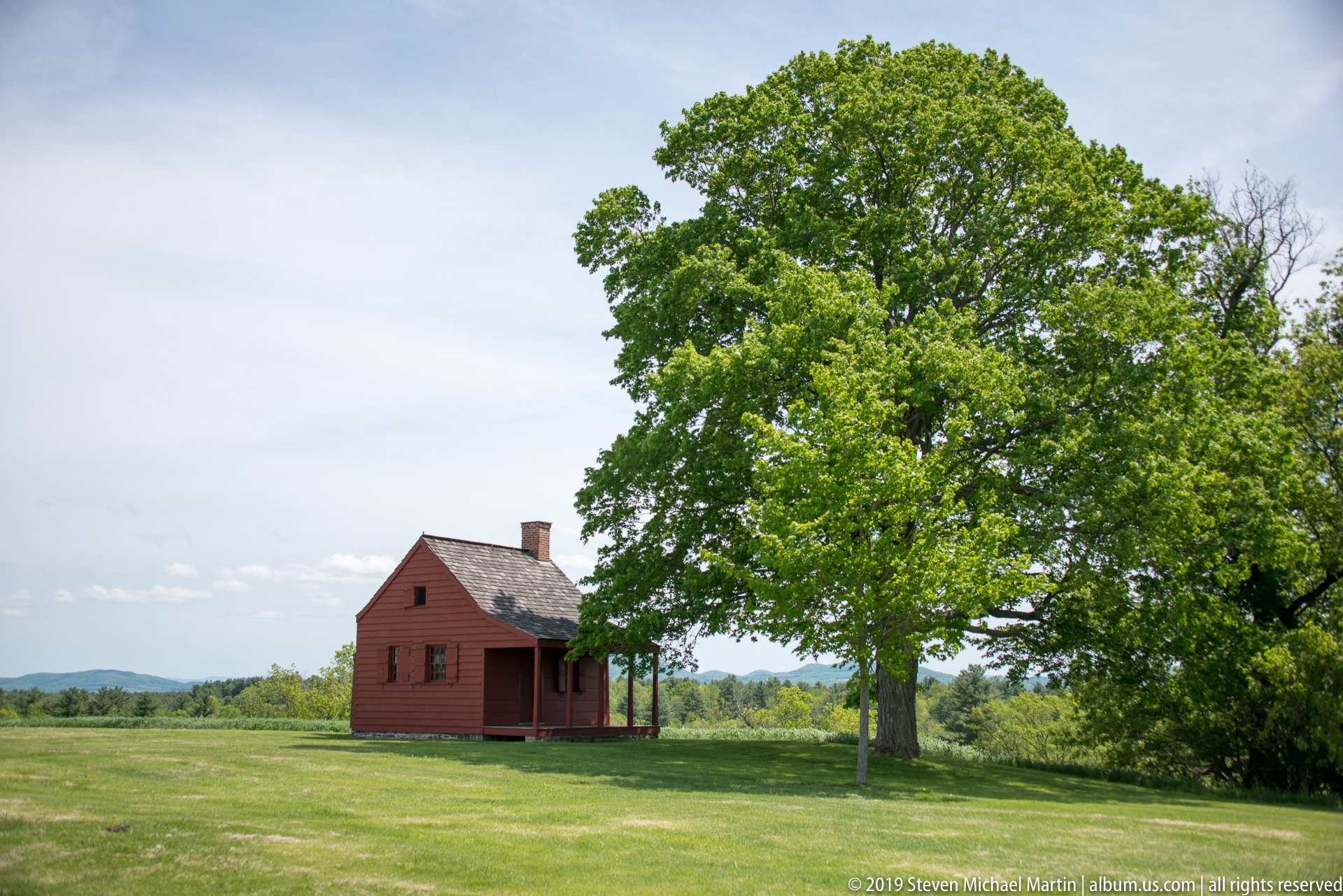
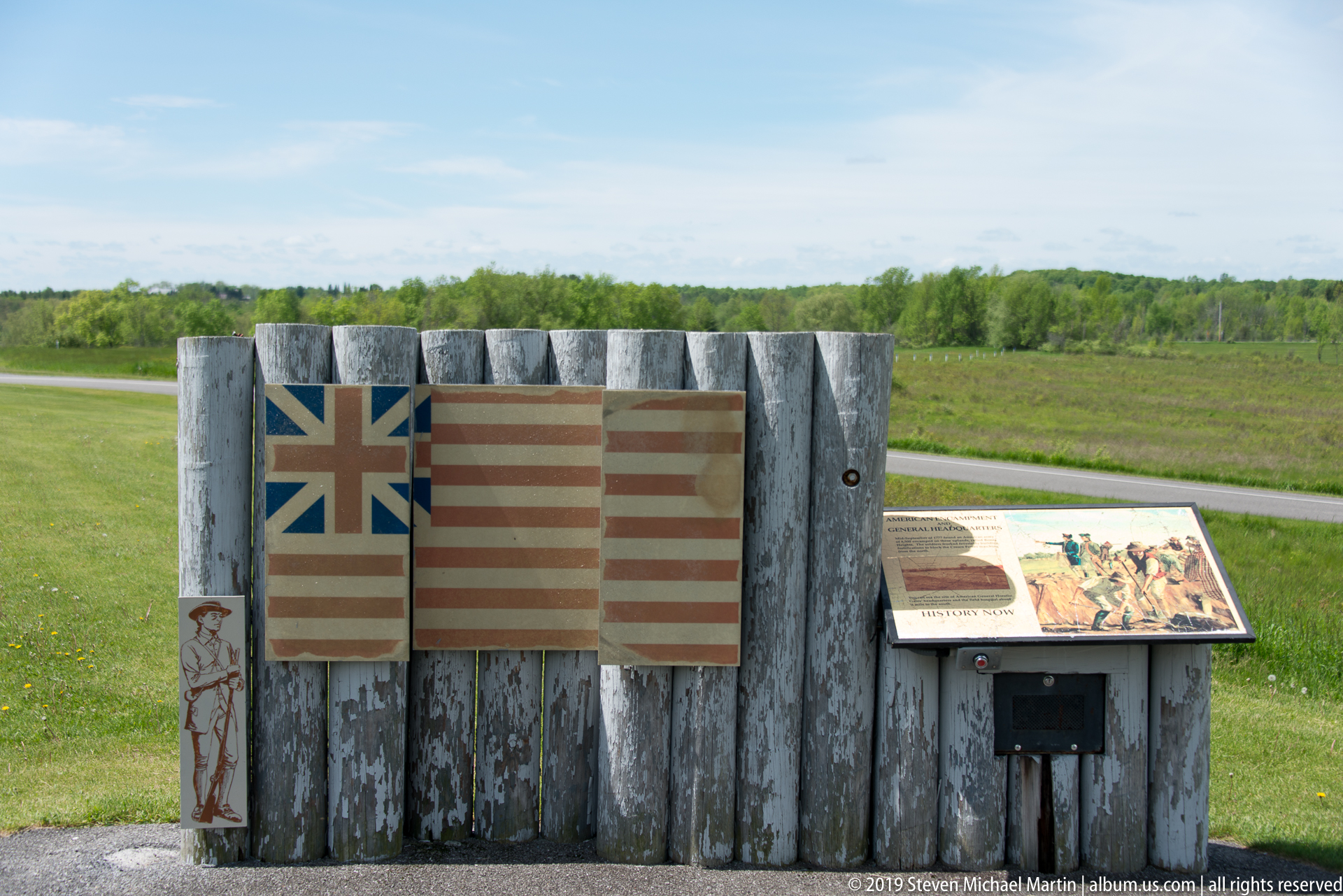
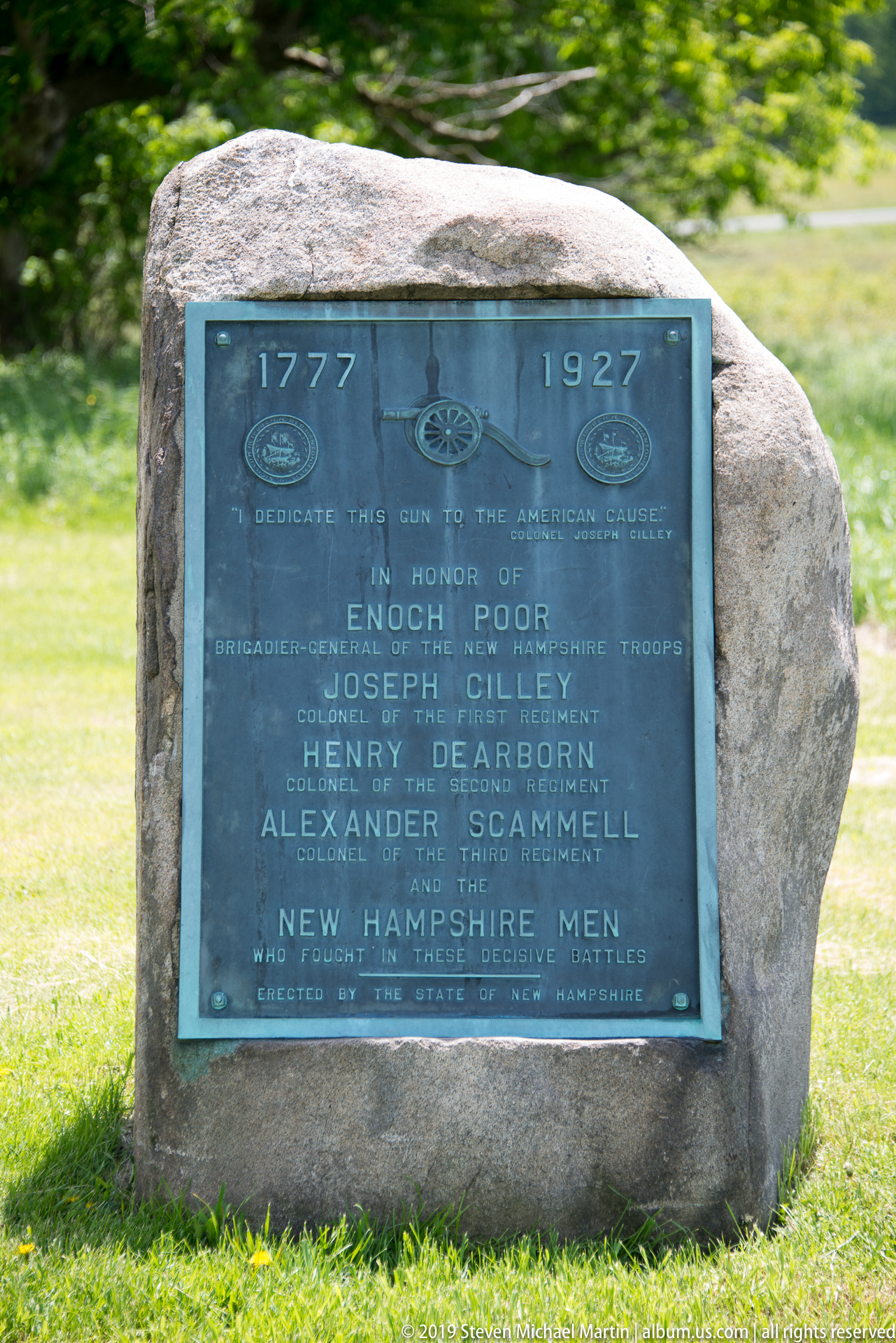
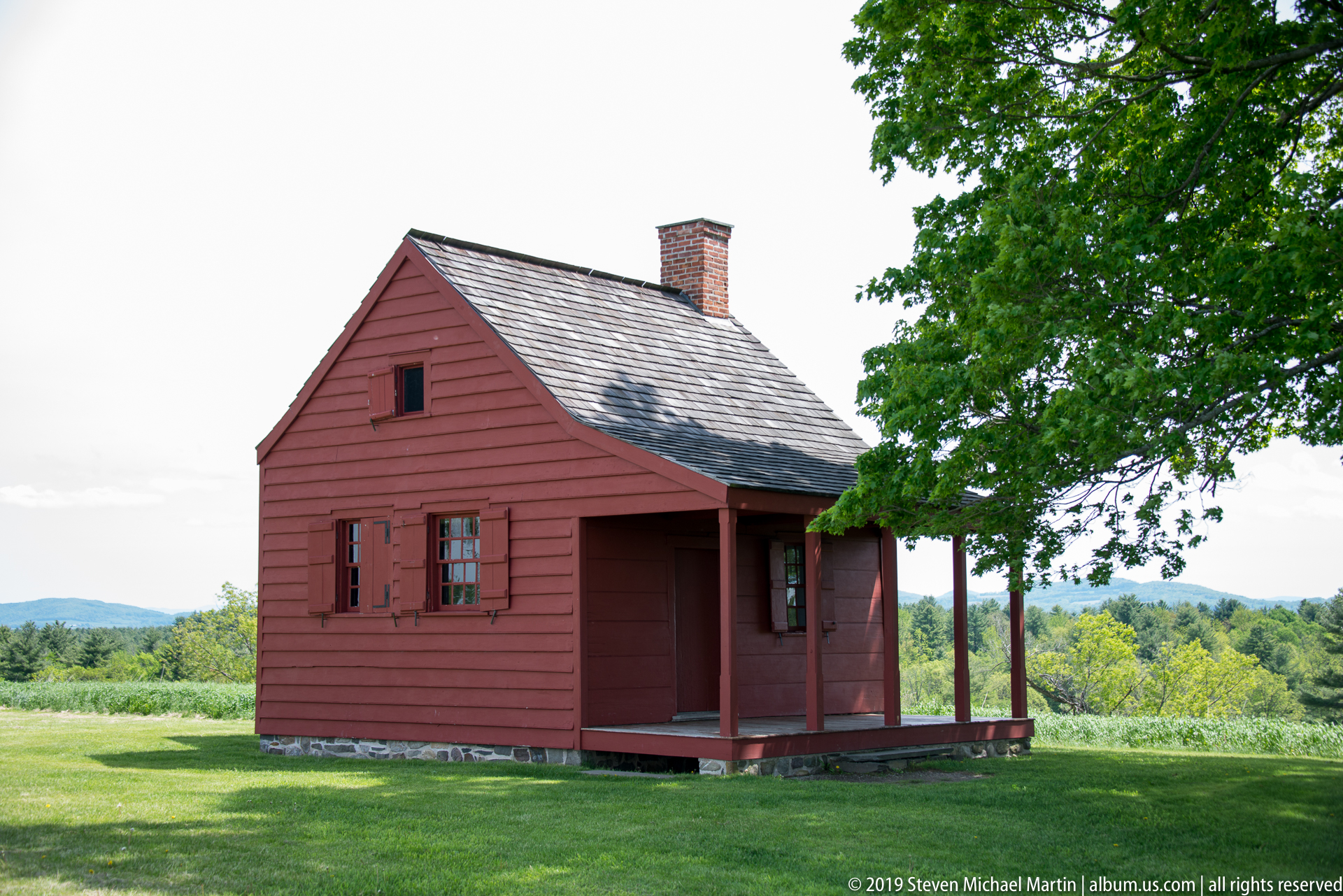
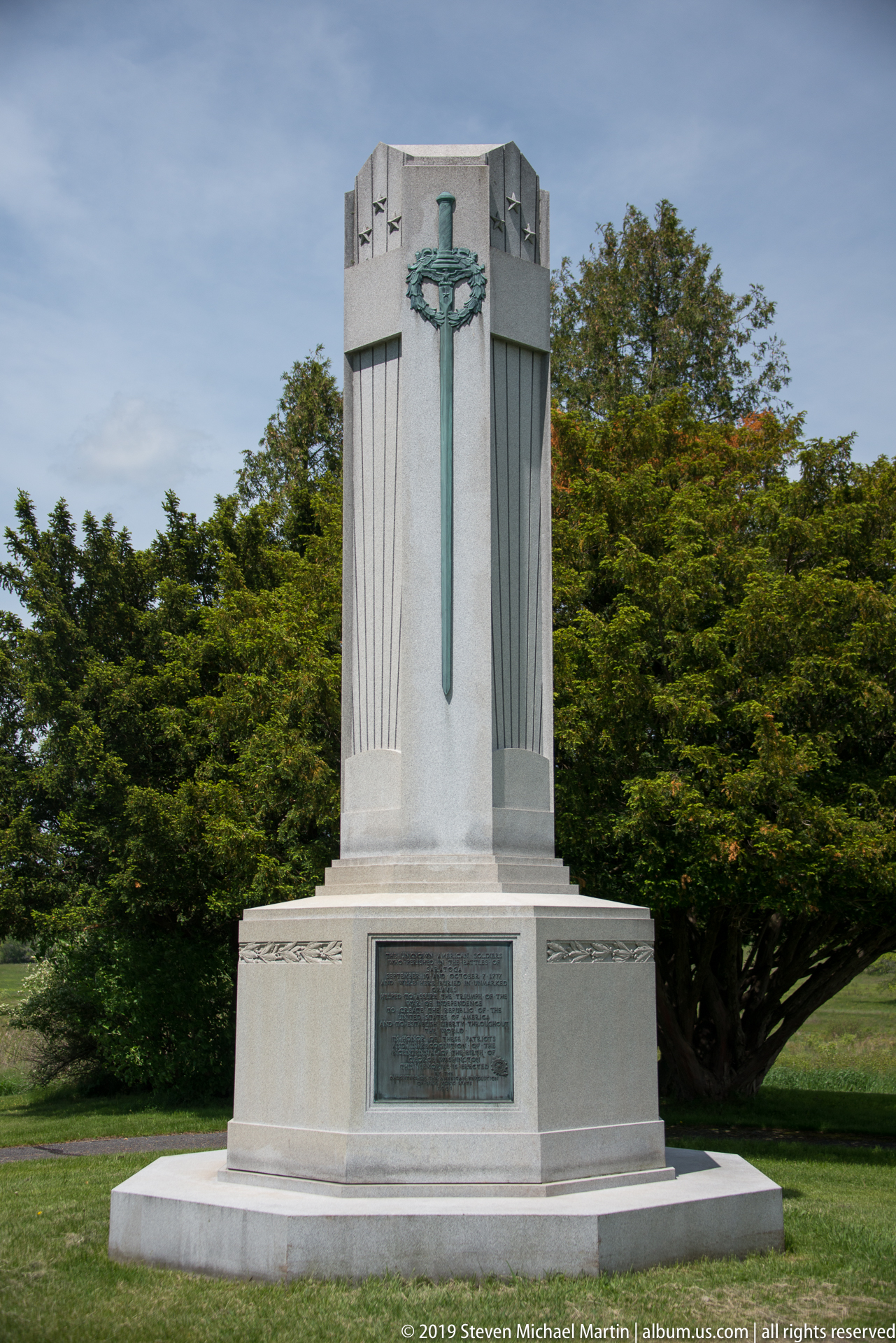
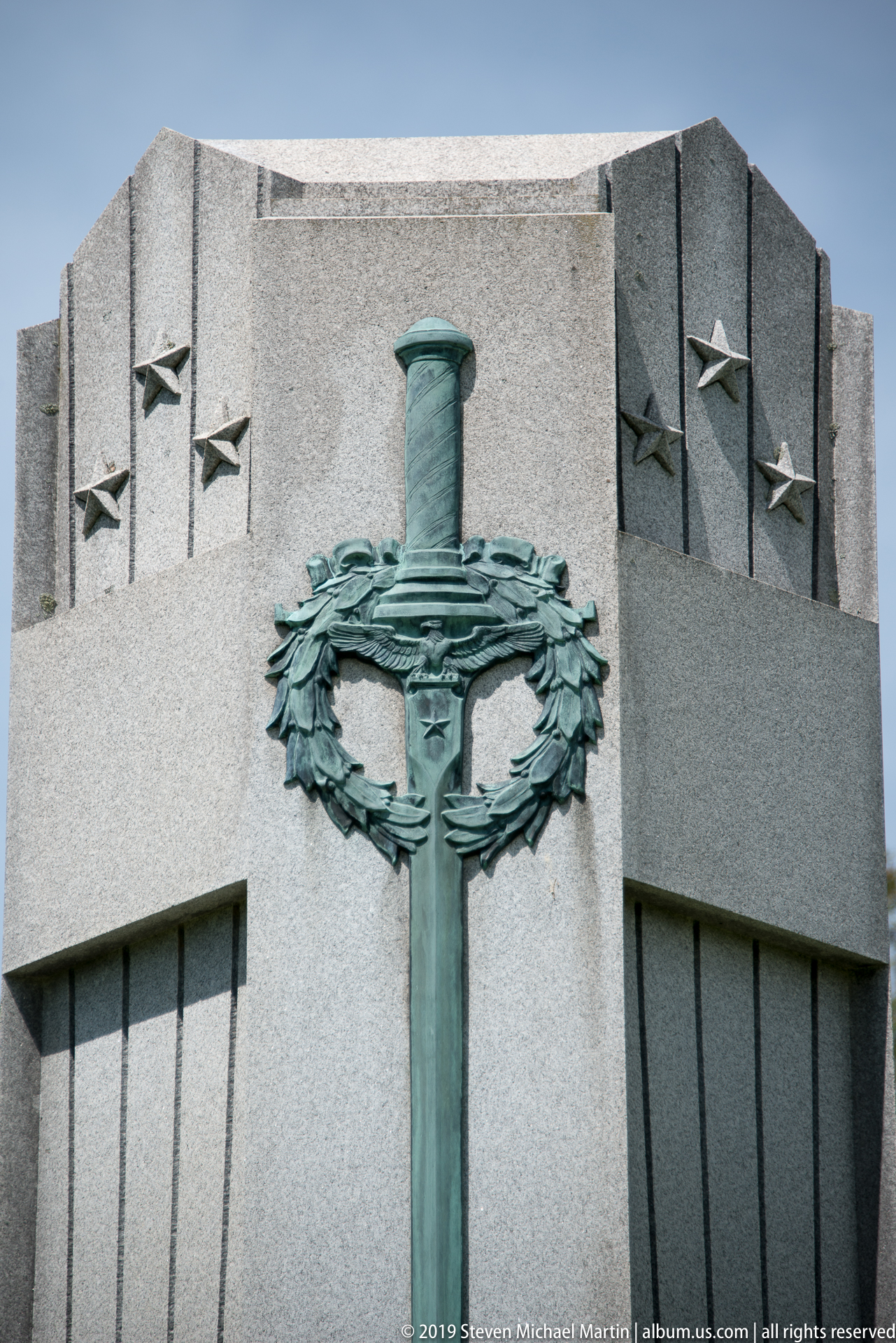
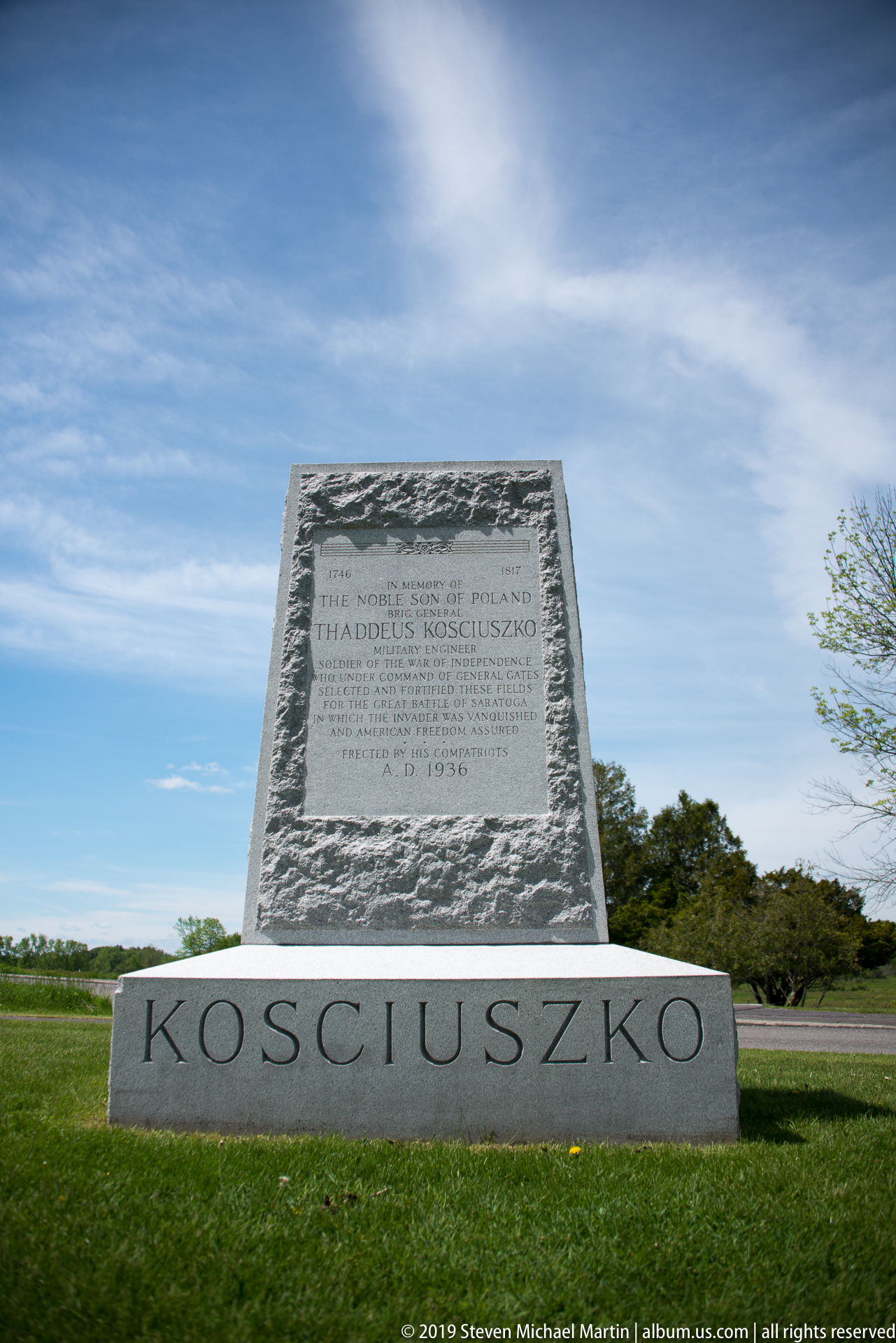
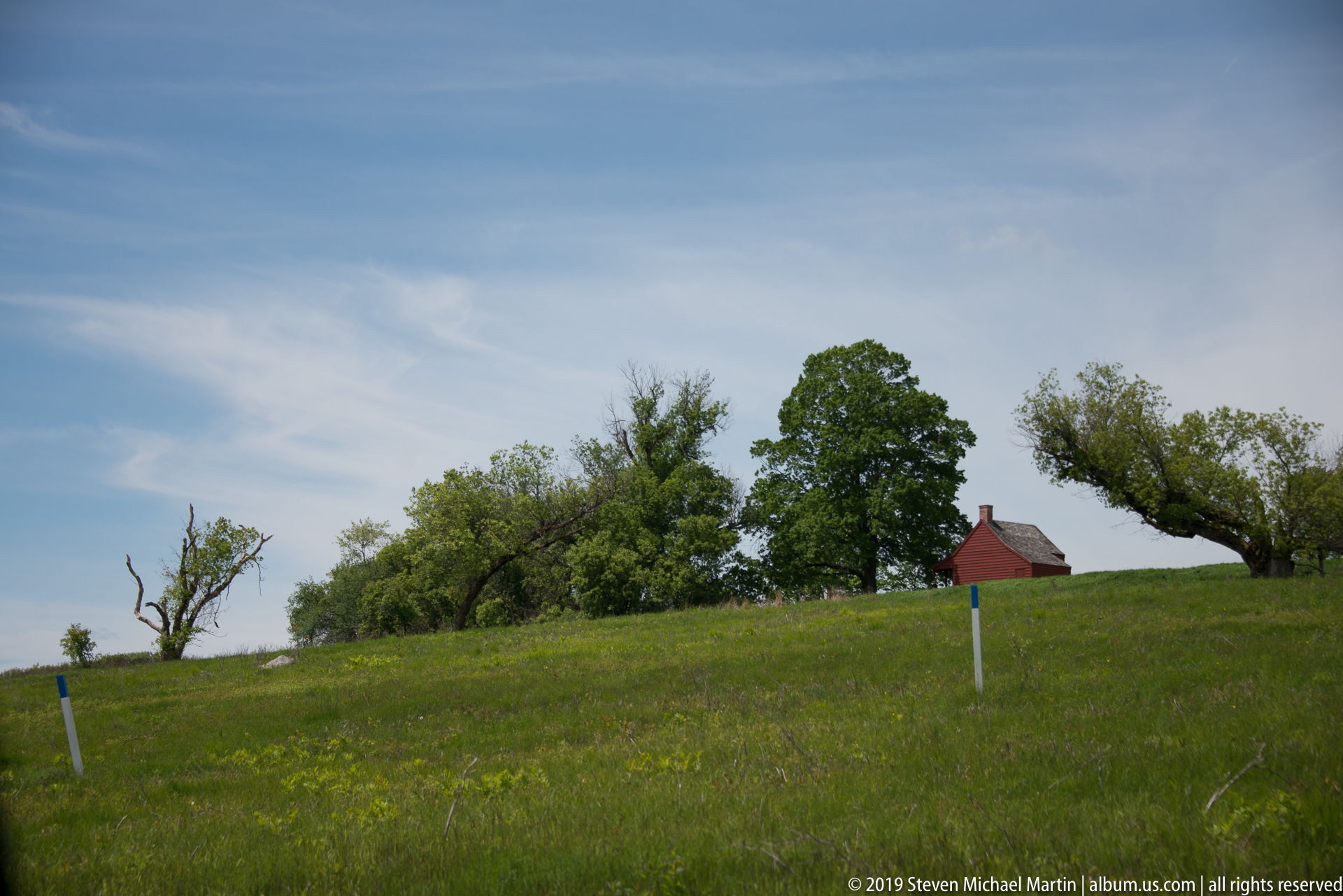
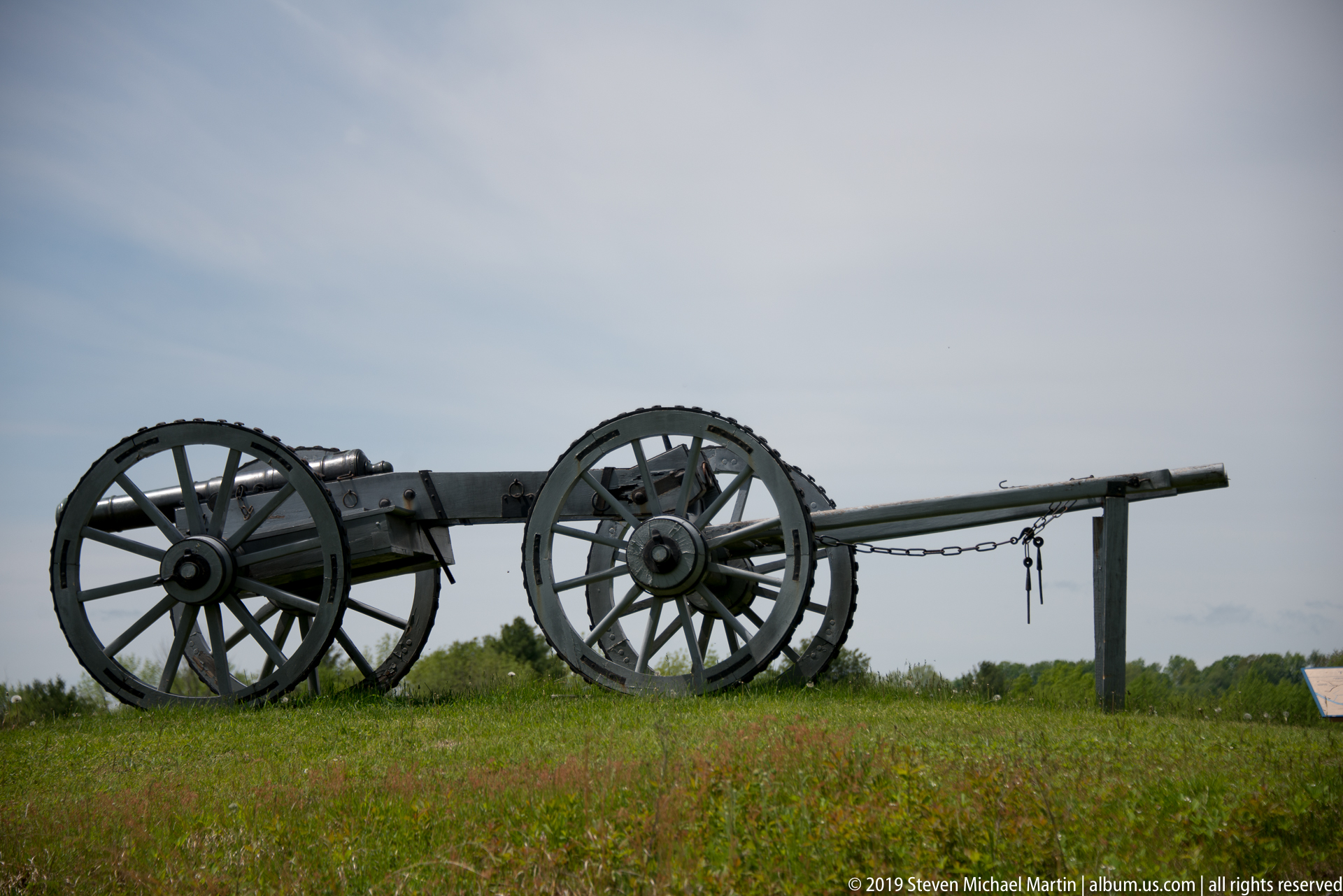
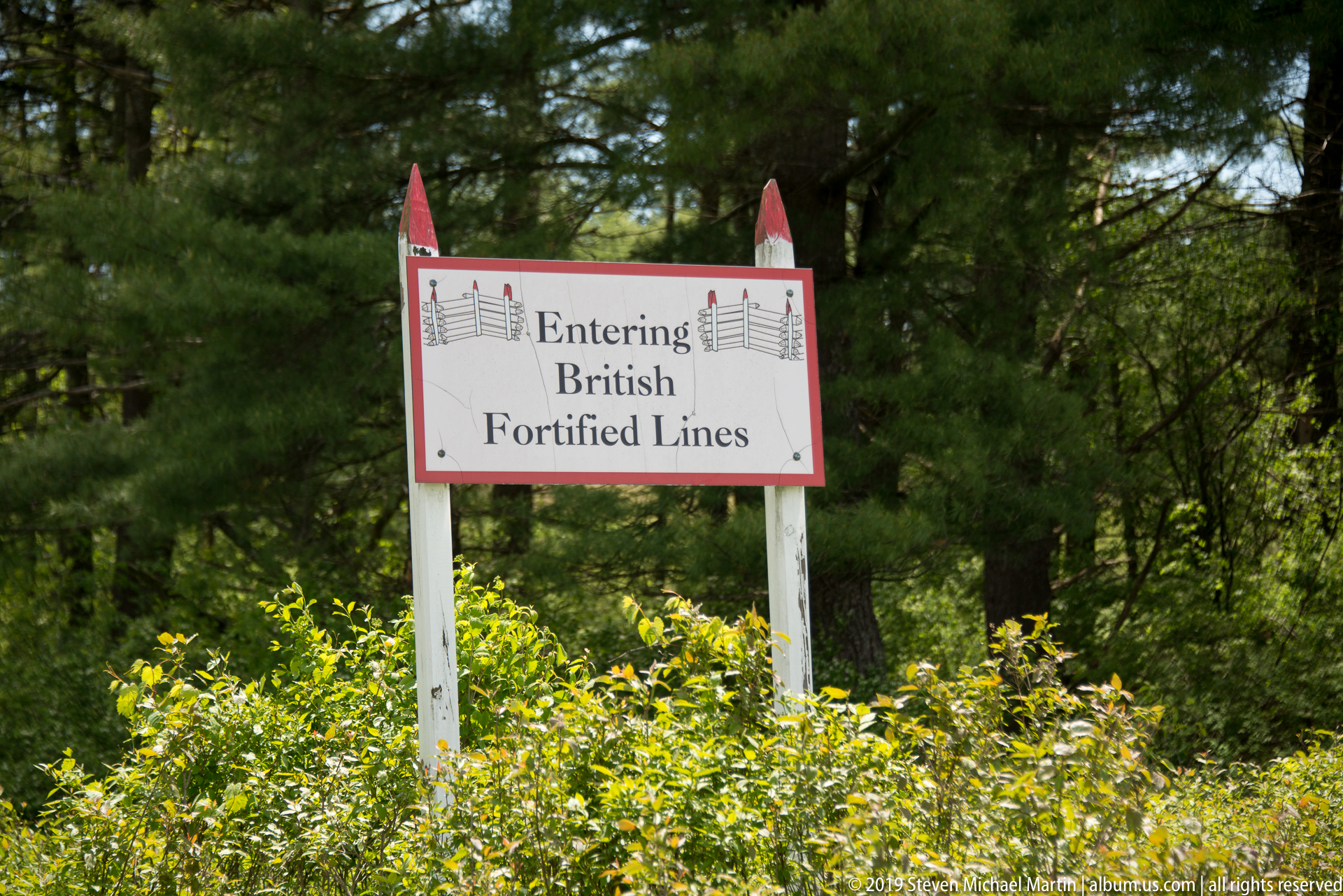
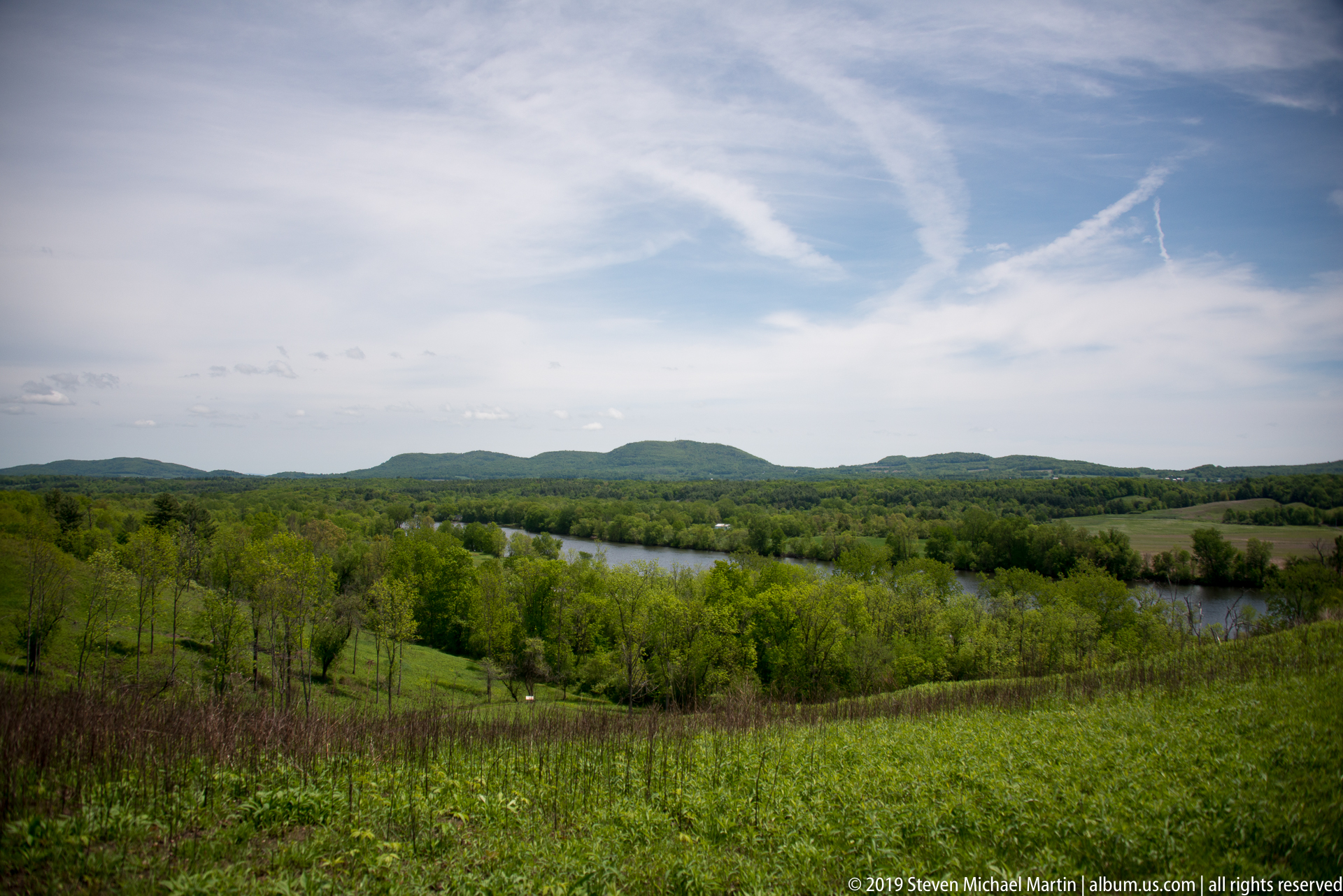
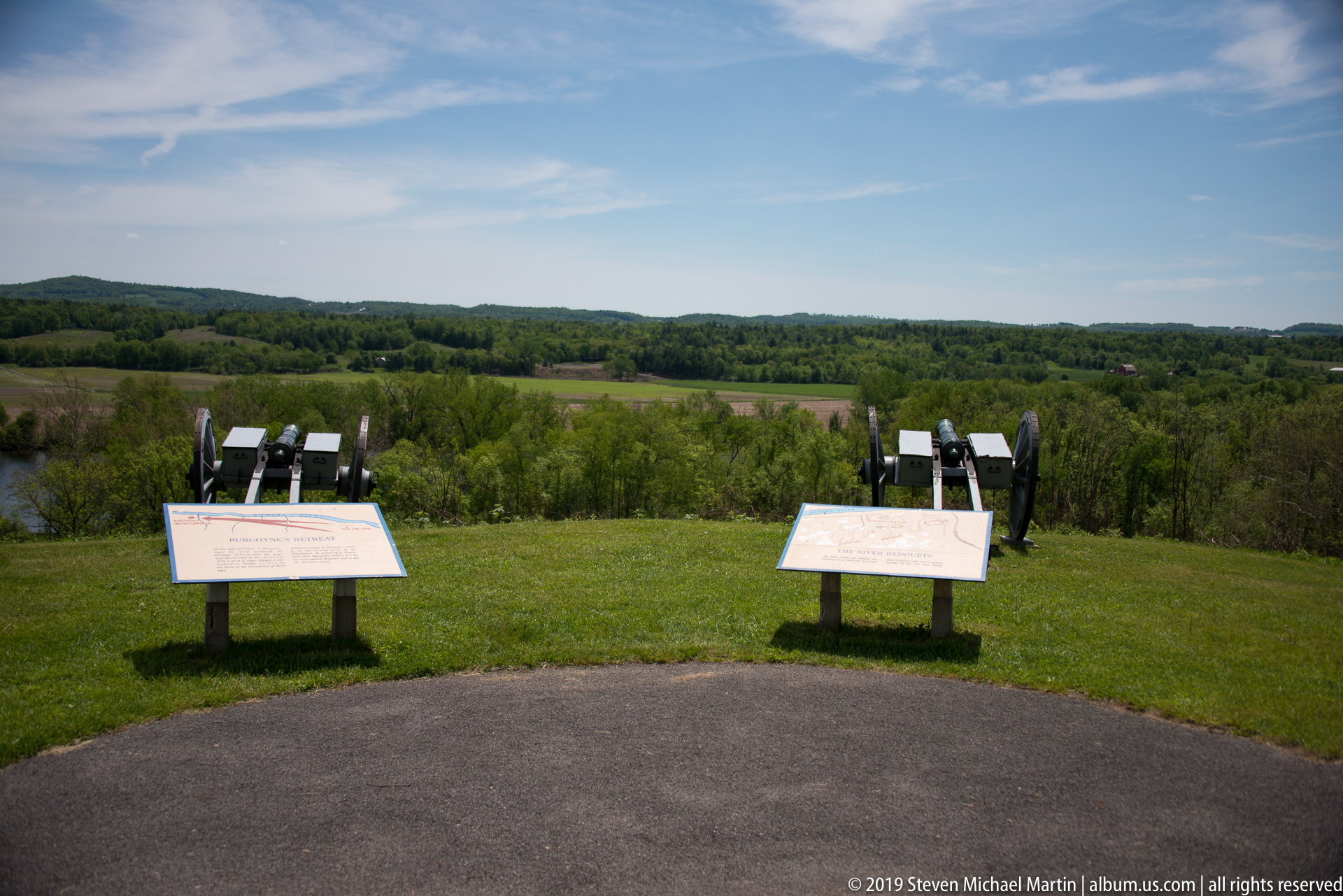
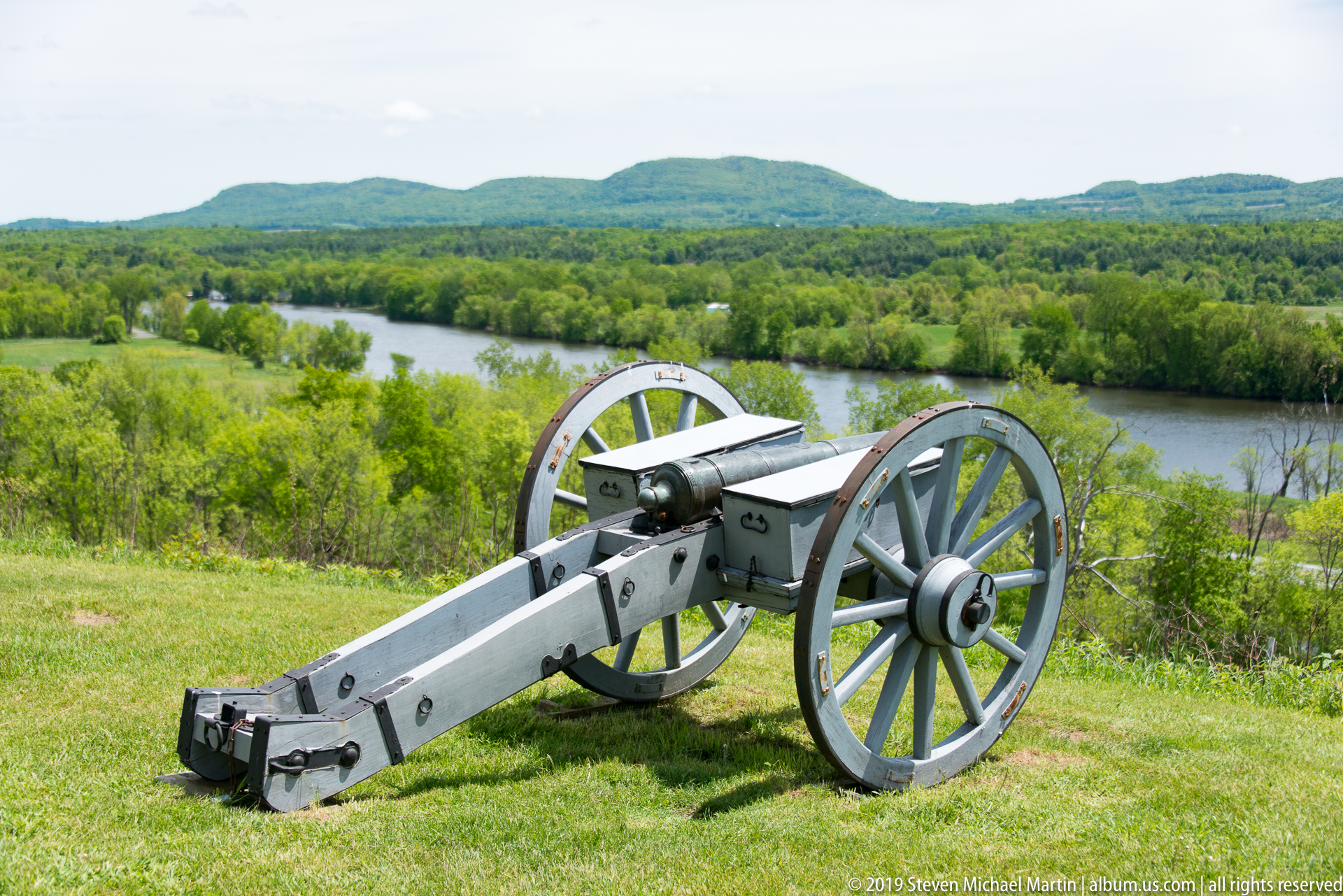
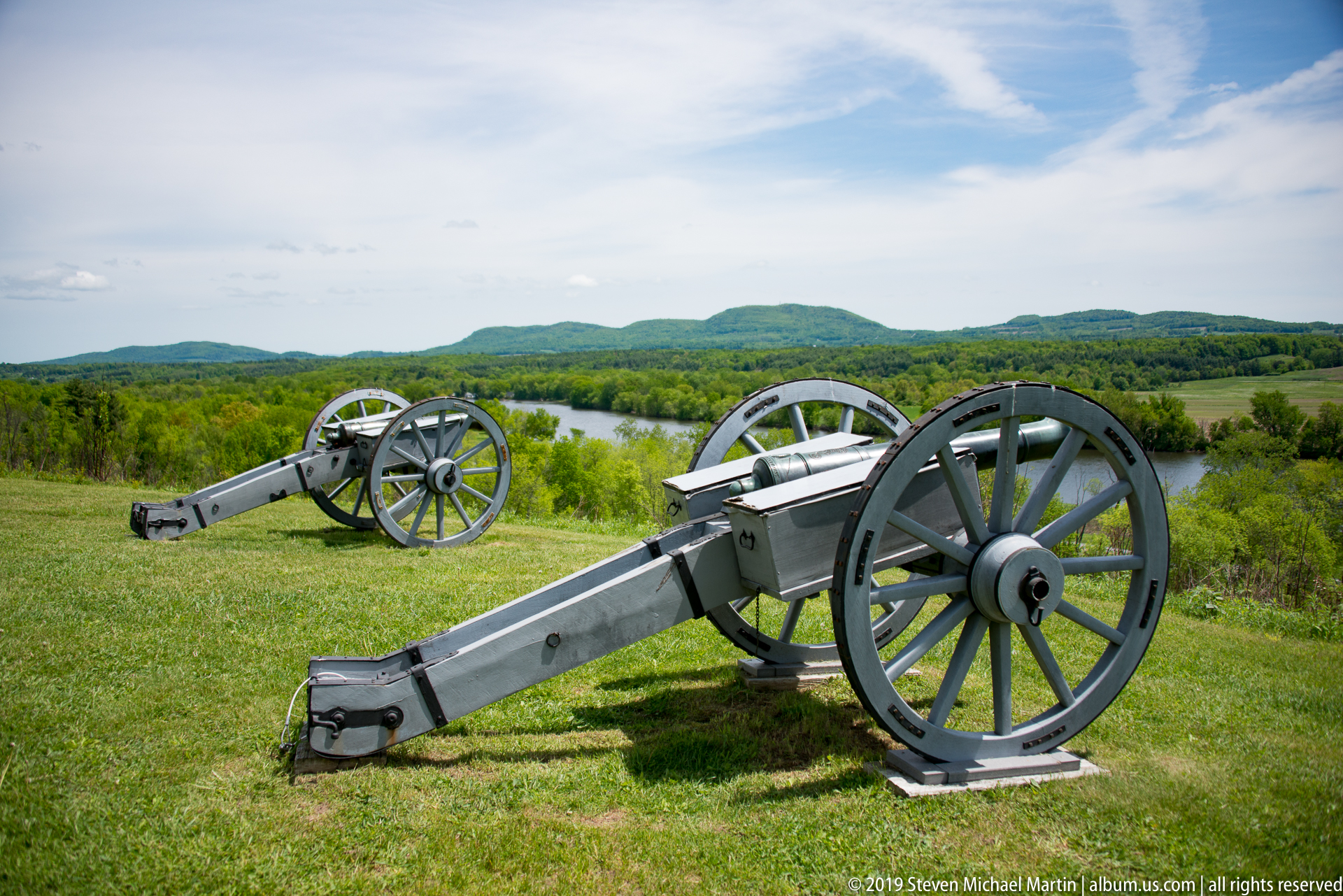
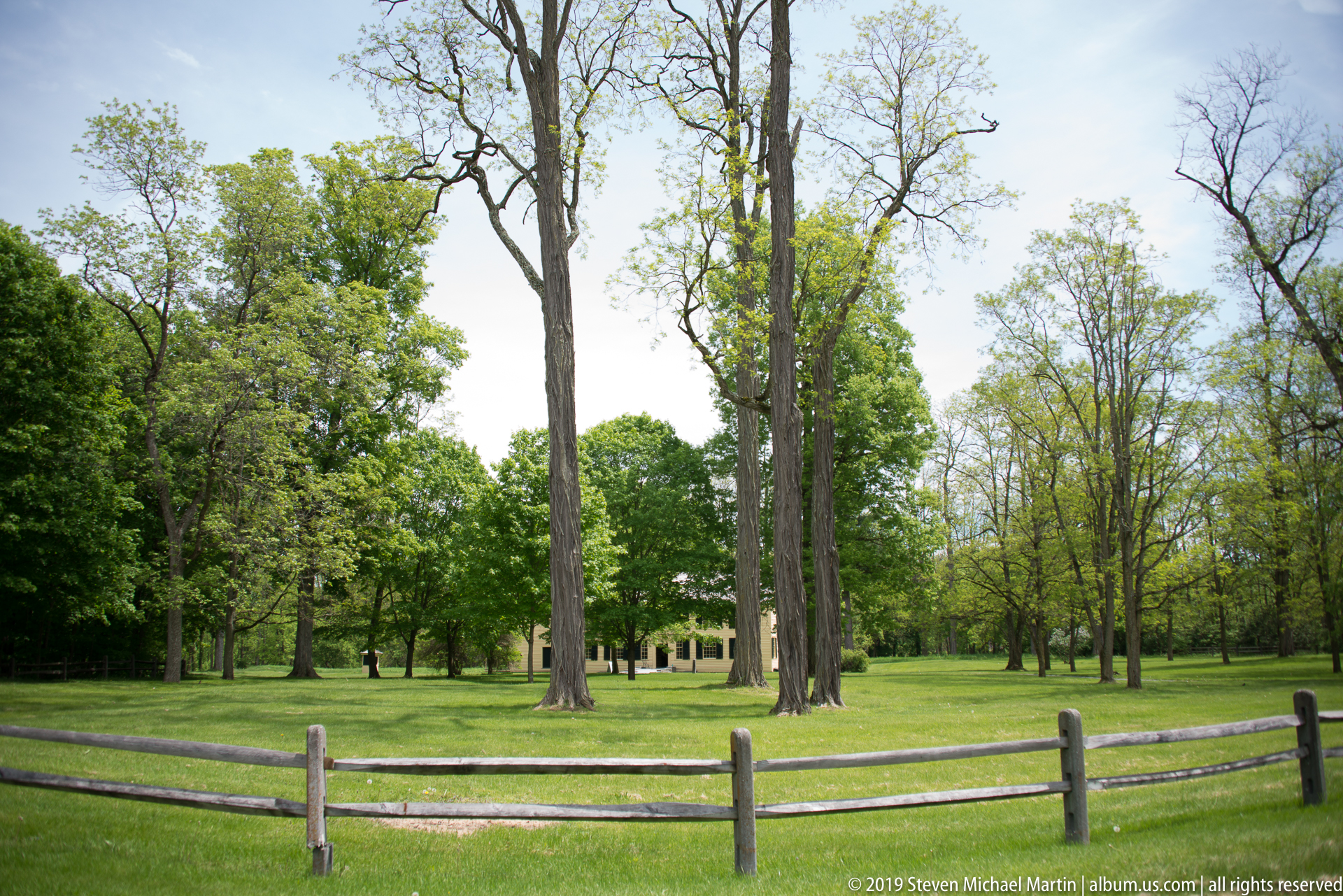
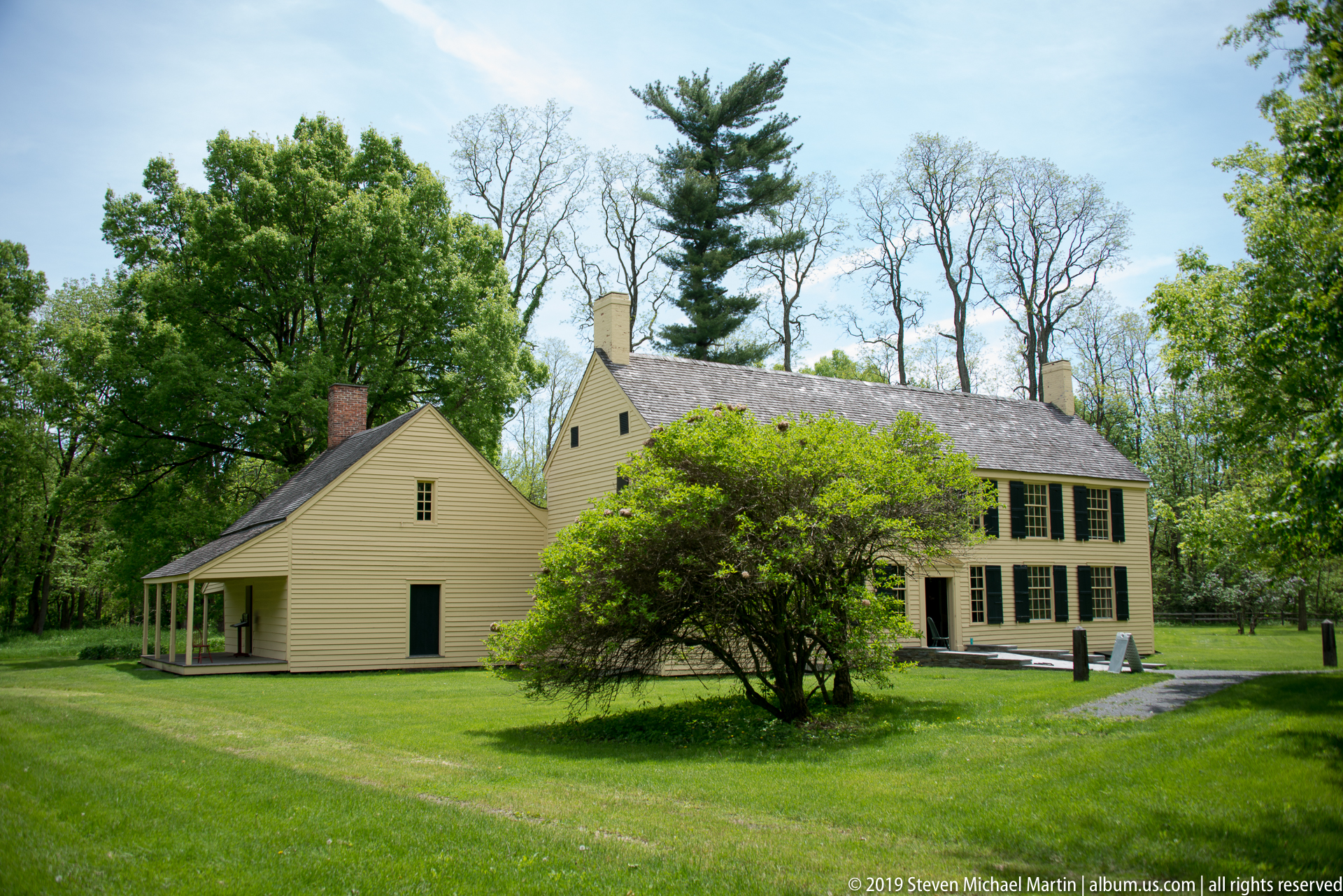
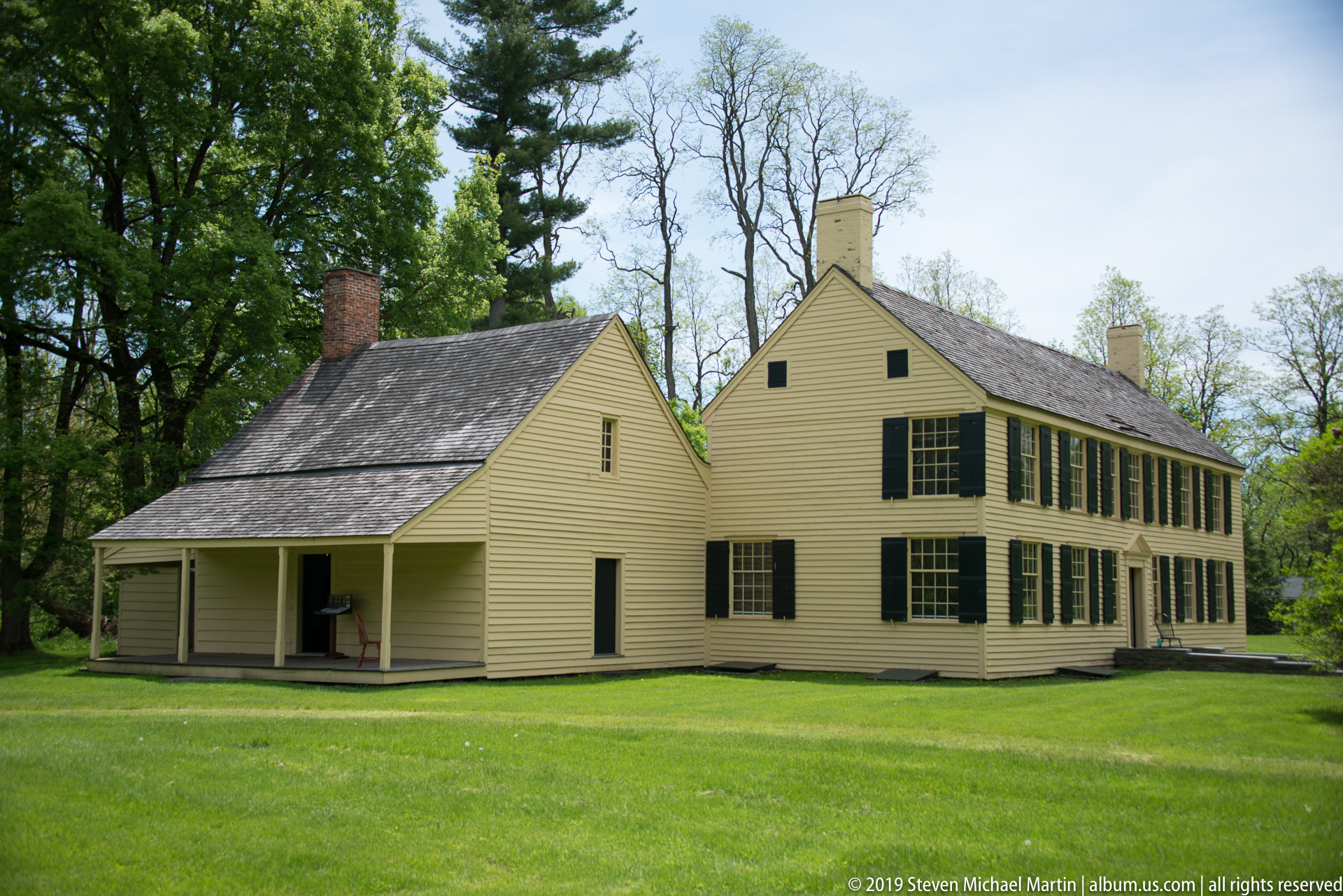
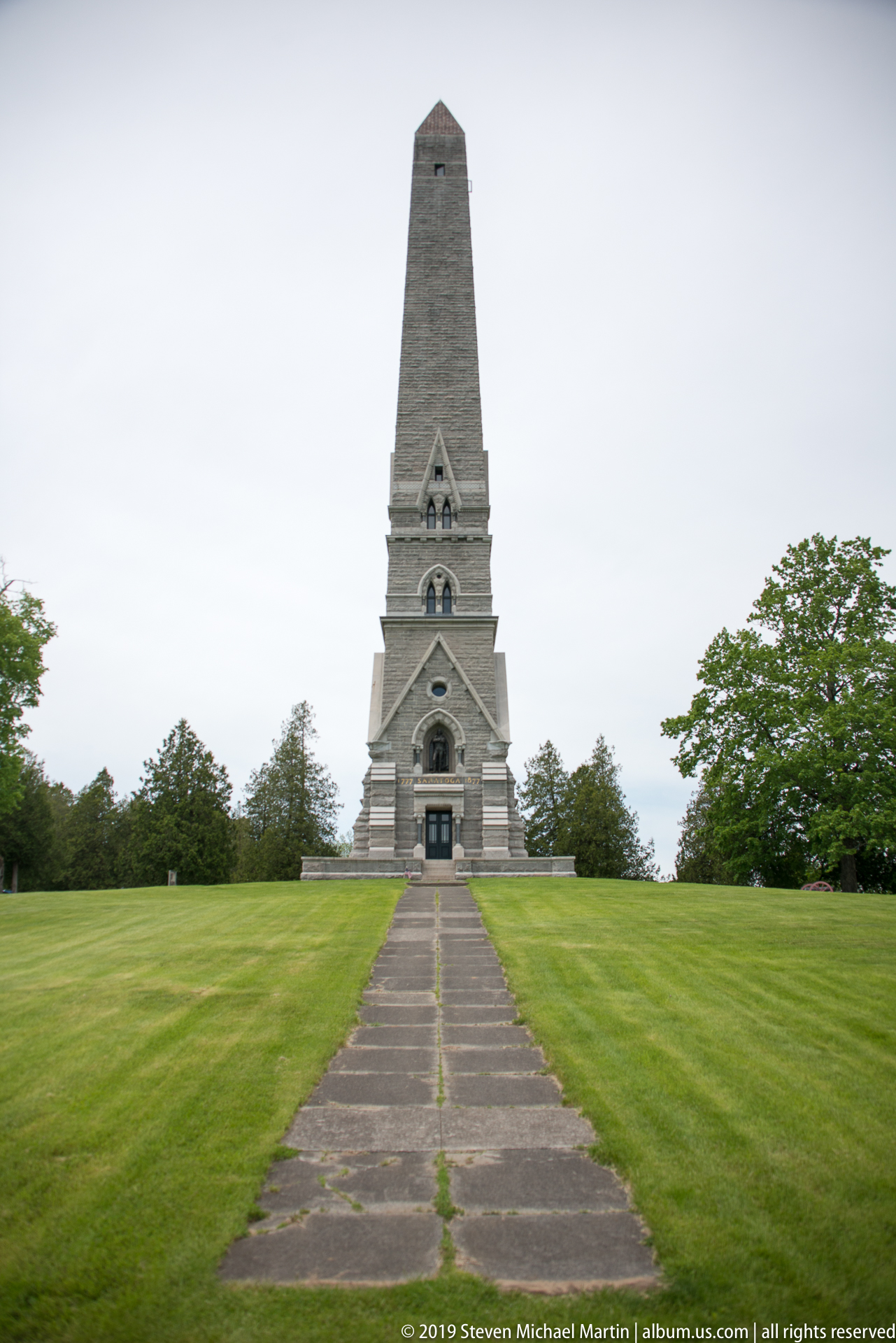
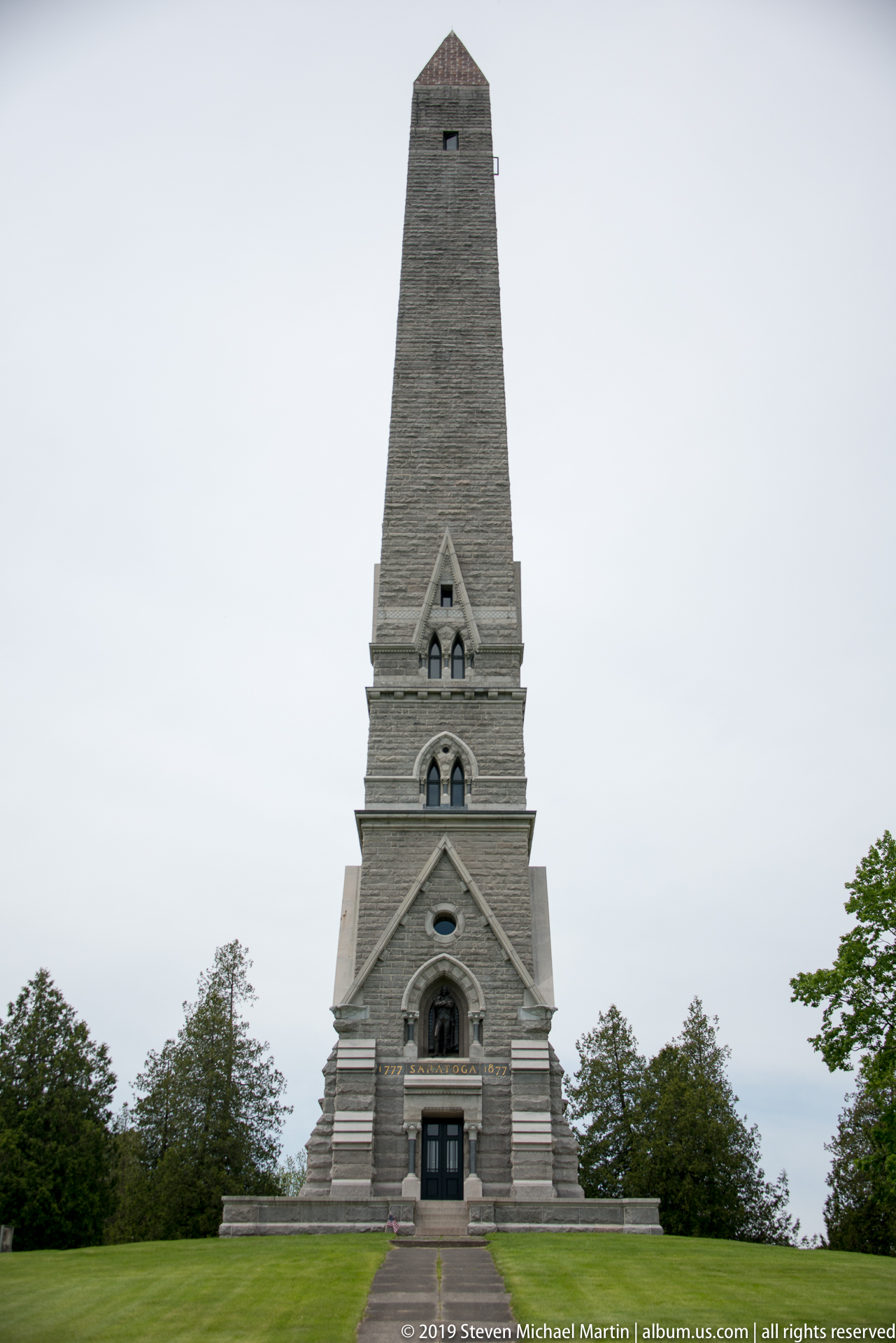
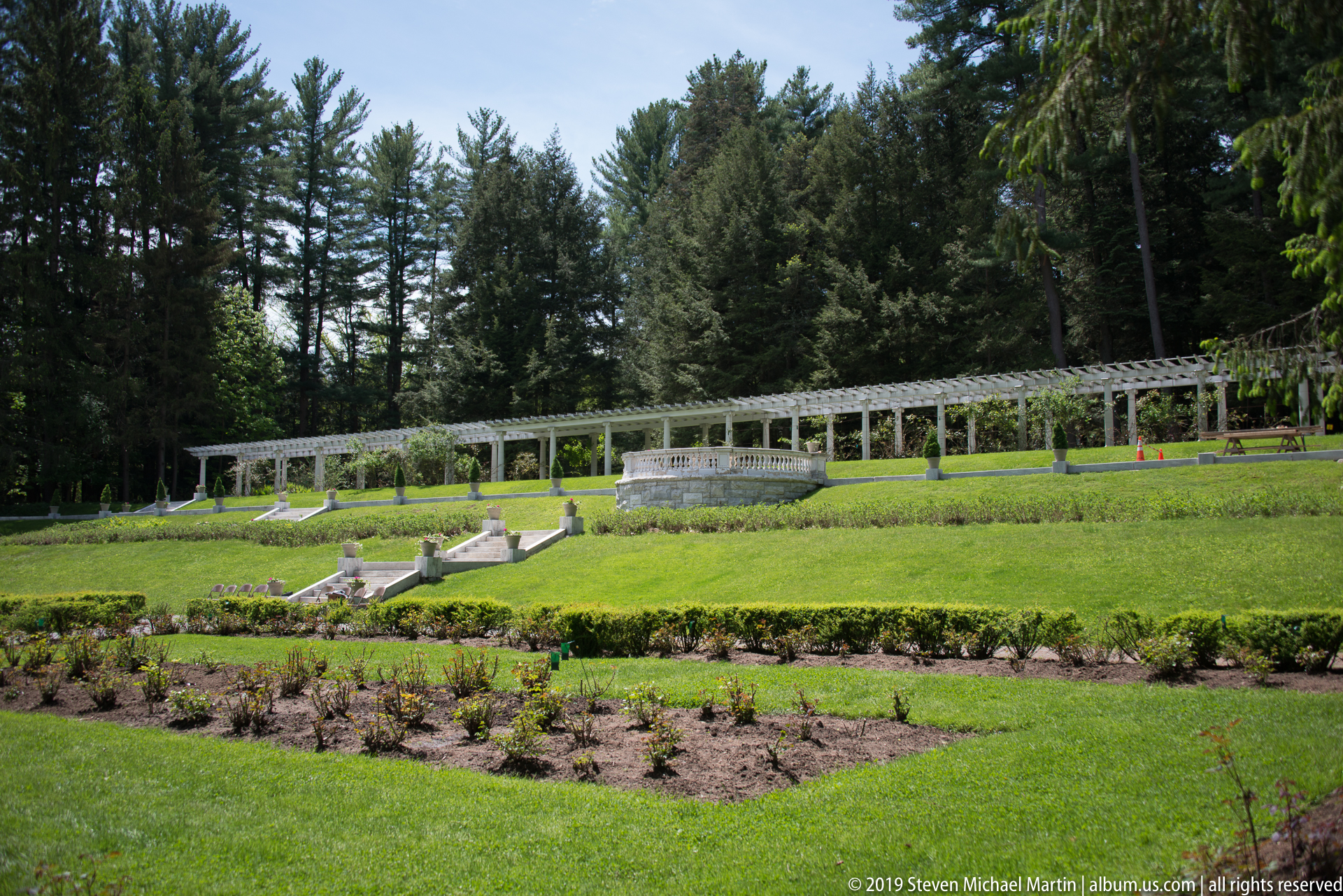
The battlefield landscape near the Hudson River illustrates the strategic importance of transportation corridors and river valleys during eighteenth-century warfare. Rolling terrain, open fields, and defensive positions shaped the movement of troops and the outcome of engagements that unfolded over several weeks. Preserved structures, monuments, and interpretive landscapes help convey the scale of the military campaign and the geographic context in which the conflict took place.
Saratoga contributes to understanding how geography influenced the course of the American Revolution and the emergence of the United States as an independent nation. The site reflects the broader historical relationship between landscape, military strategy, and political transformation. Its preservation provides insight into the international consequences of a decisive moment in early American history.