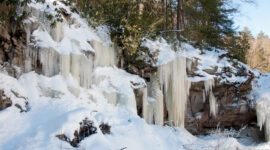
Spruce Knob
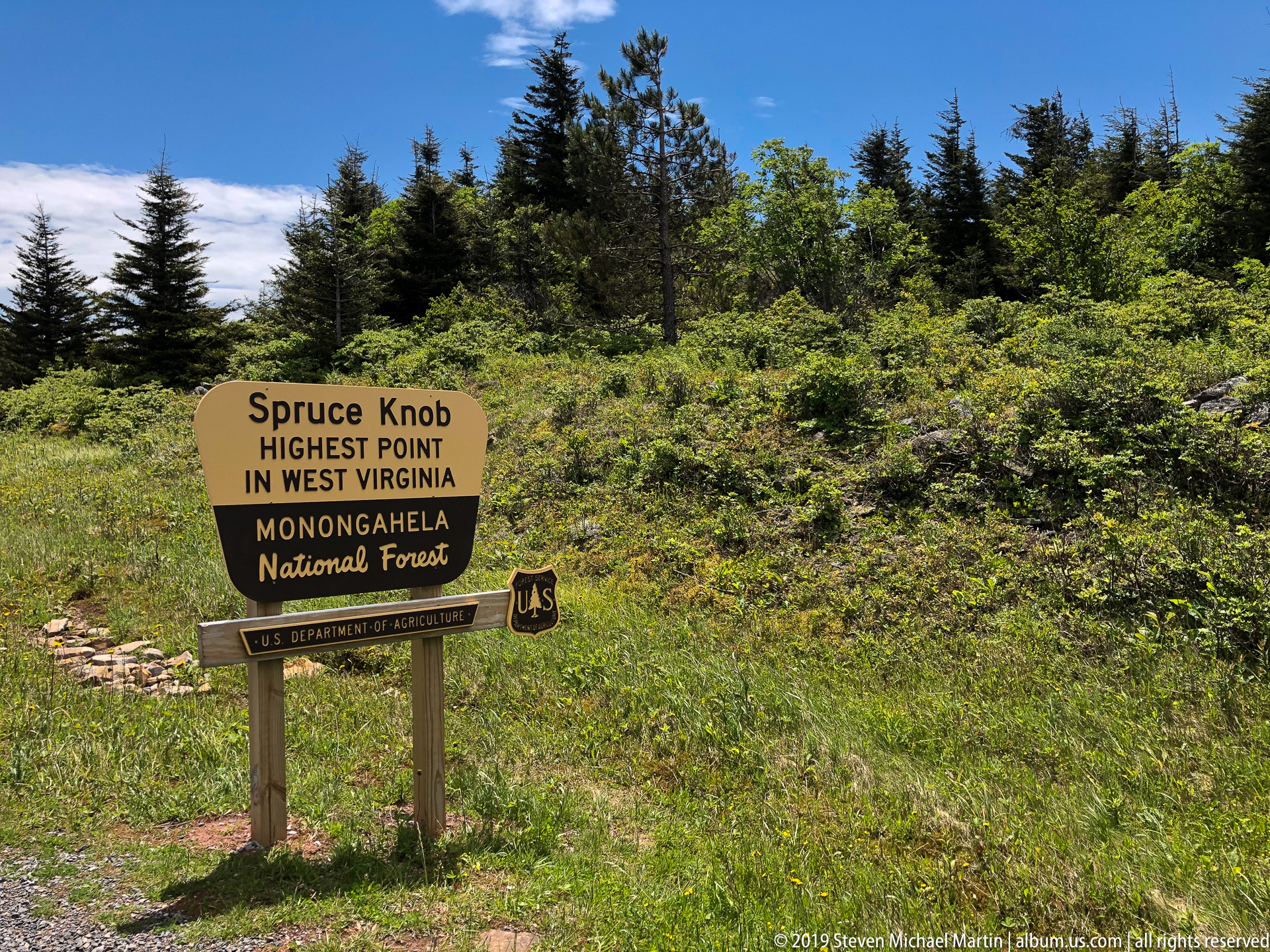
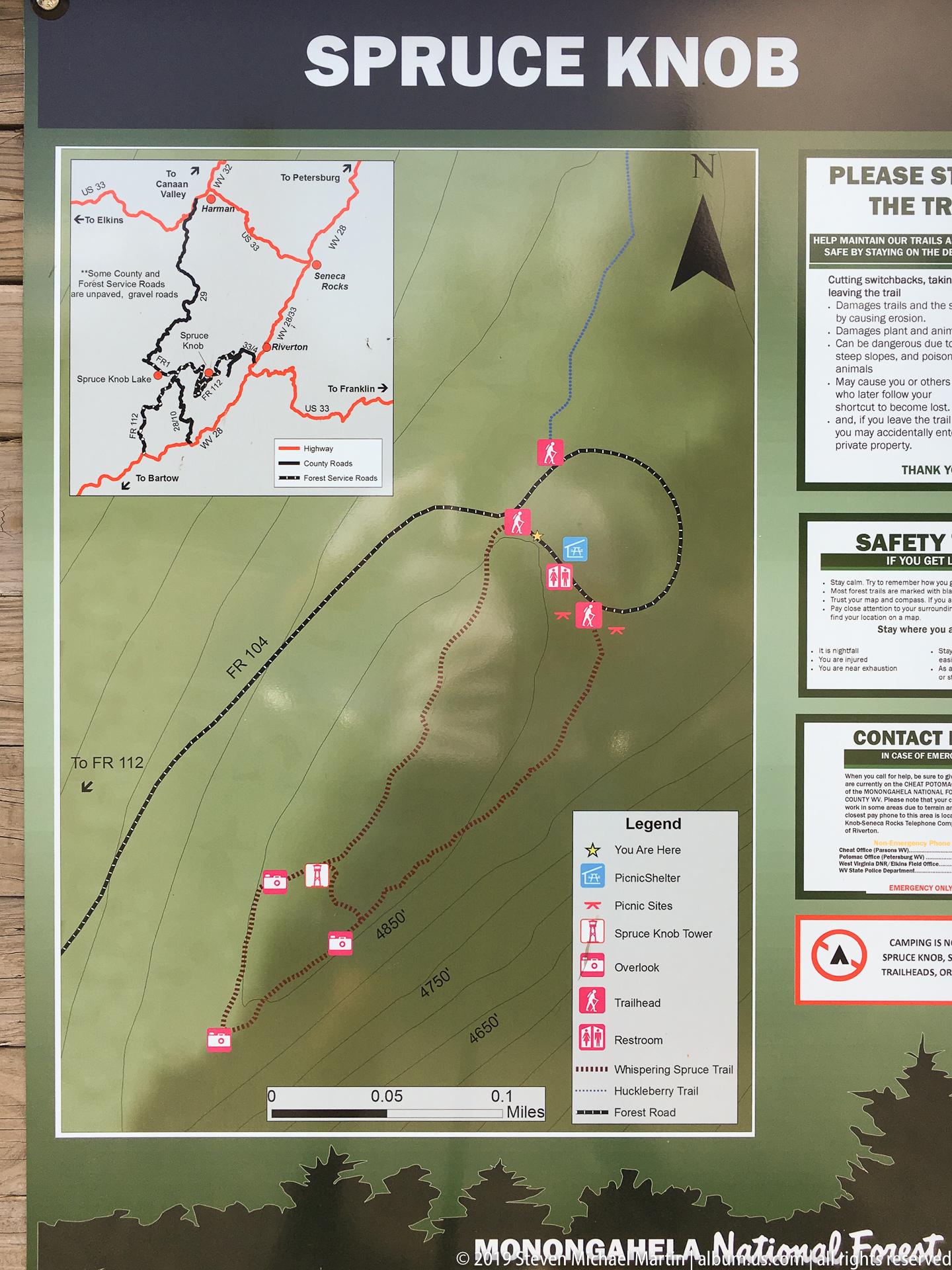
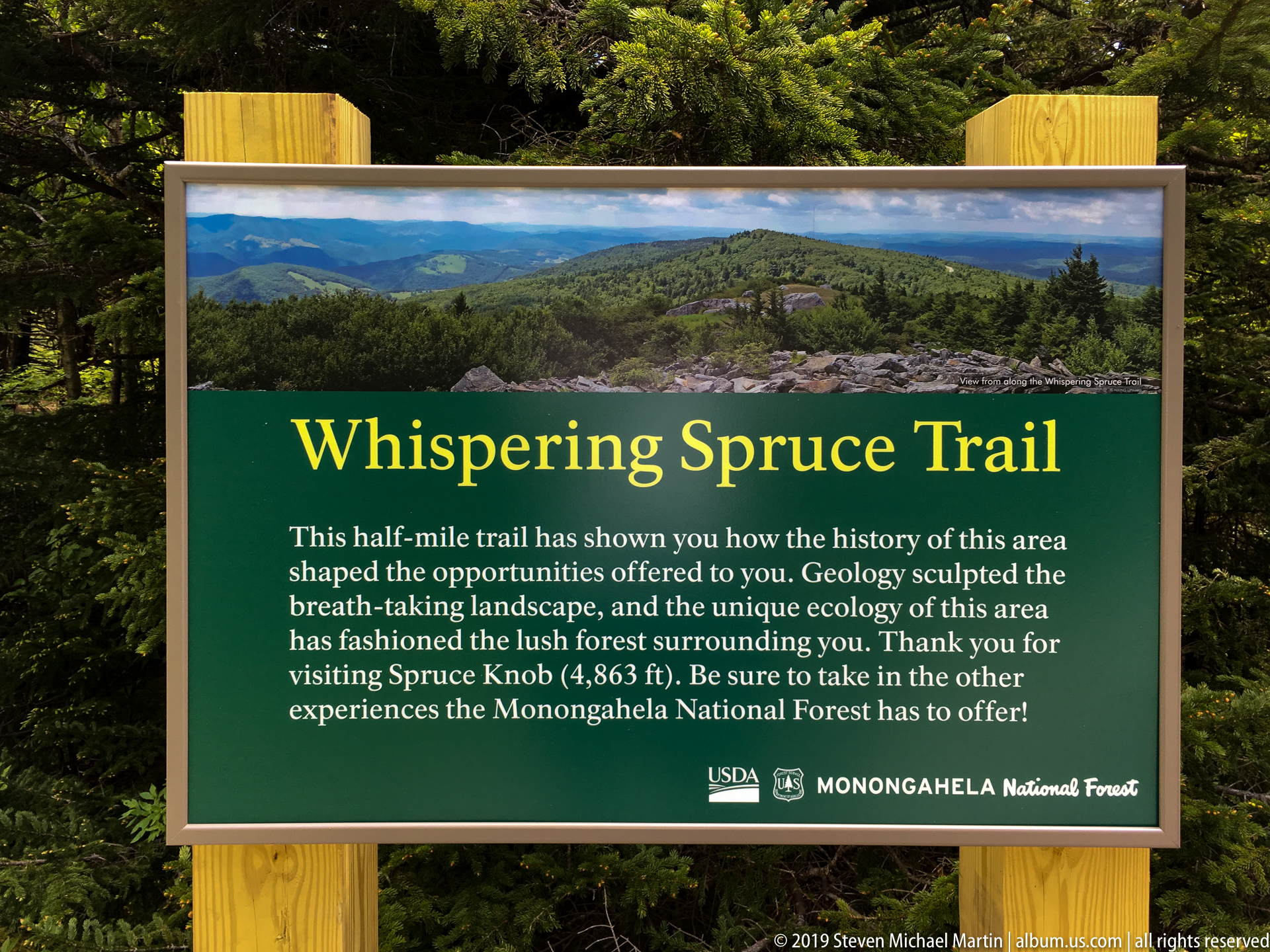
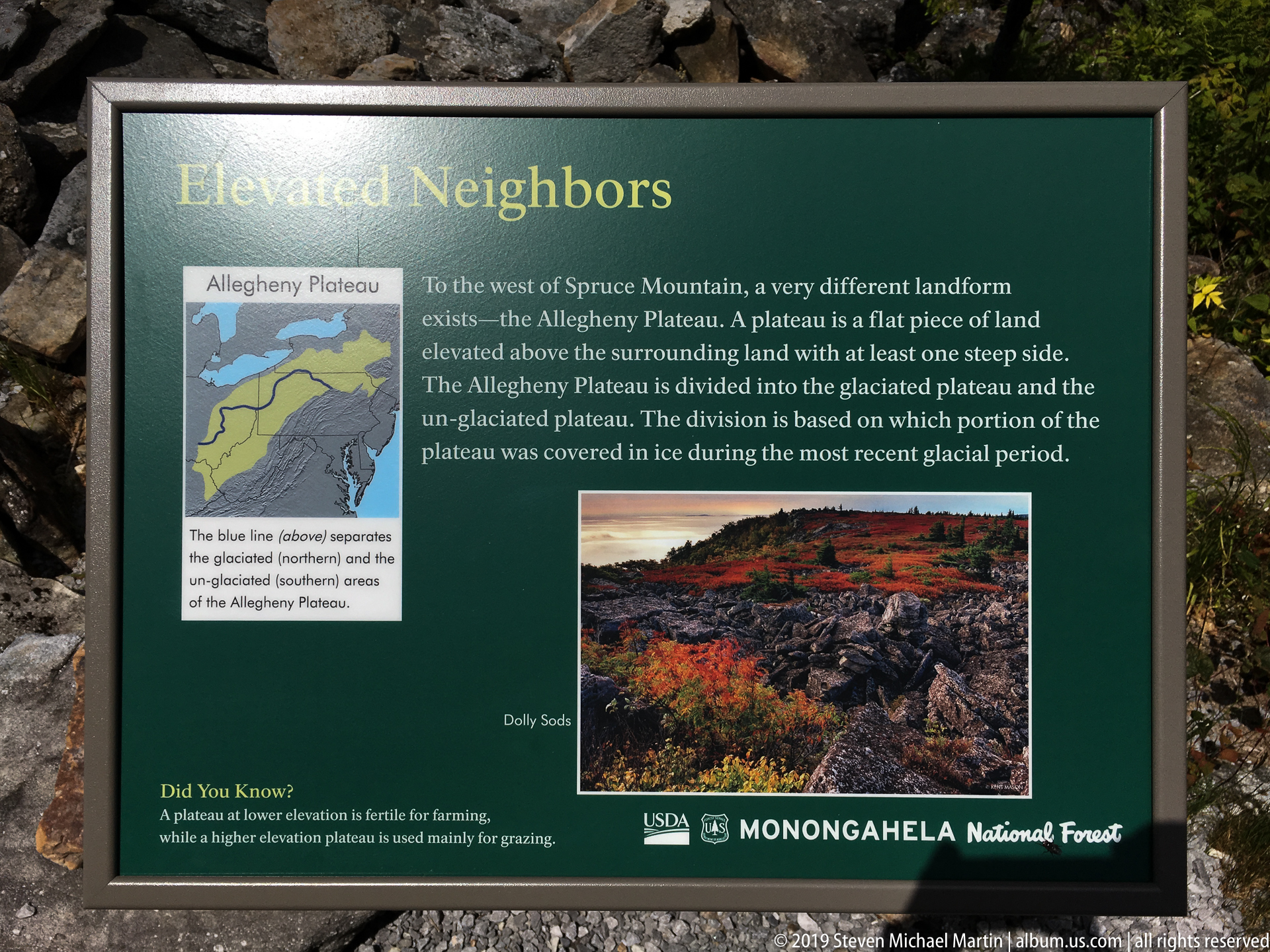
Spruce Knob forms the highest point in West Virginia, rising above the surrounding Allegheny Mountains within the Monongahela National Forest. The summit reaches an elevation of over 4,800 feet, reflecting the geological processes that shaped the Appalachian Plateau through uplift and erosion over millions of years. The high elevation supports ecosystems influenced by cooler temperatures and increased precipitation relative to surrounding valleys.
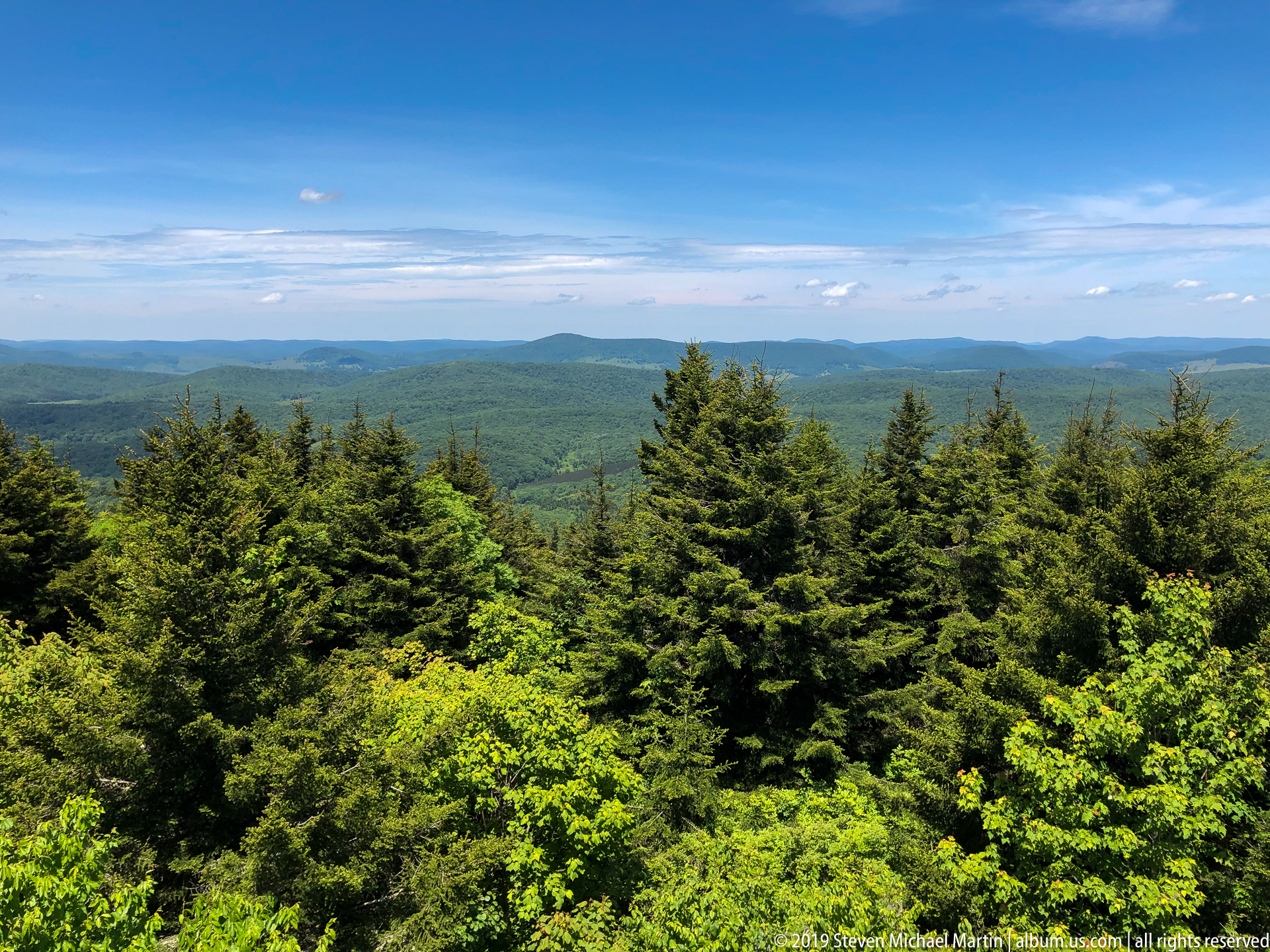
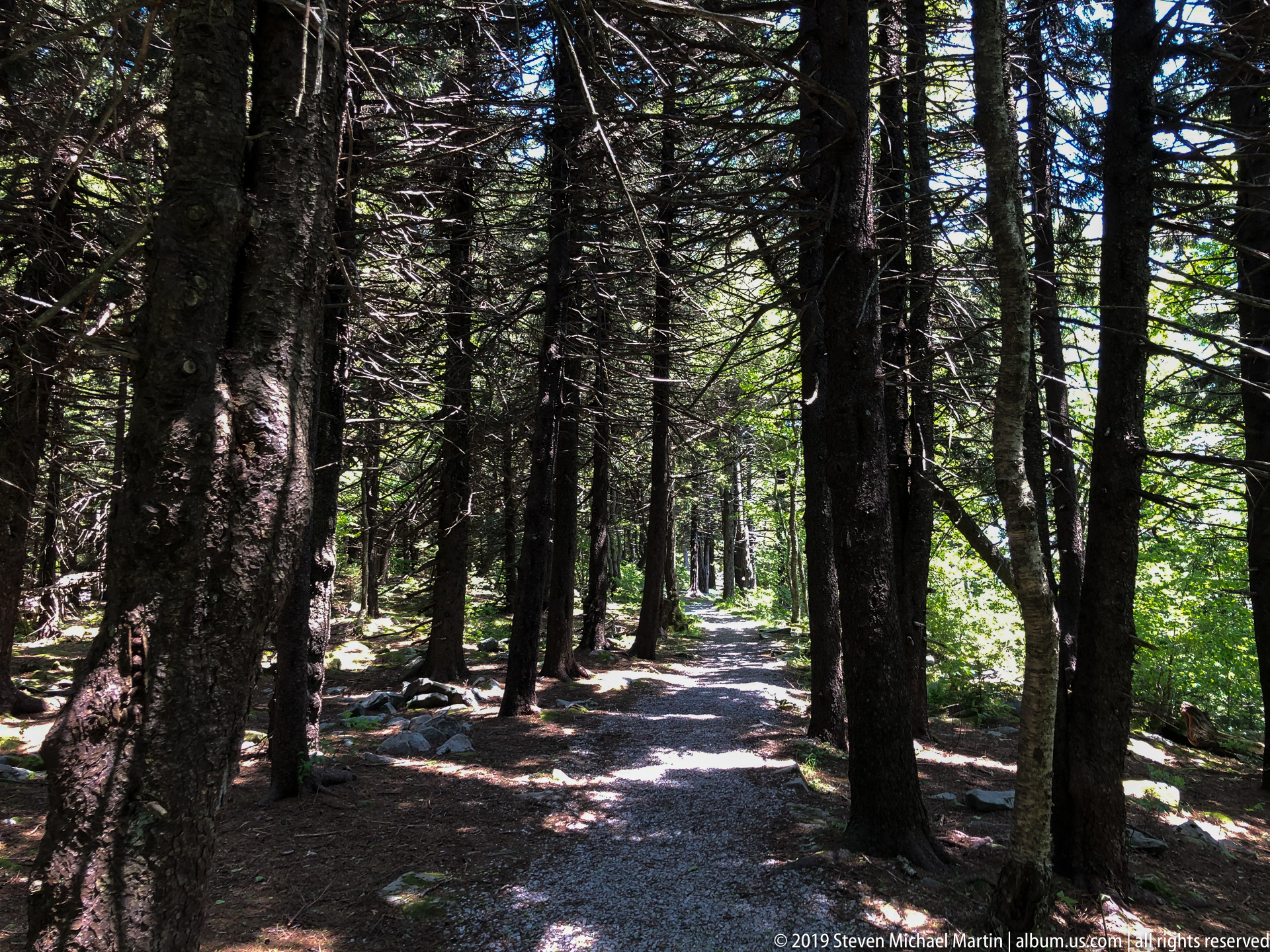
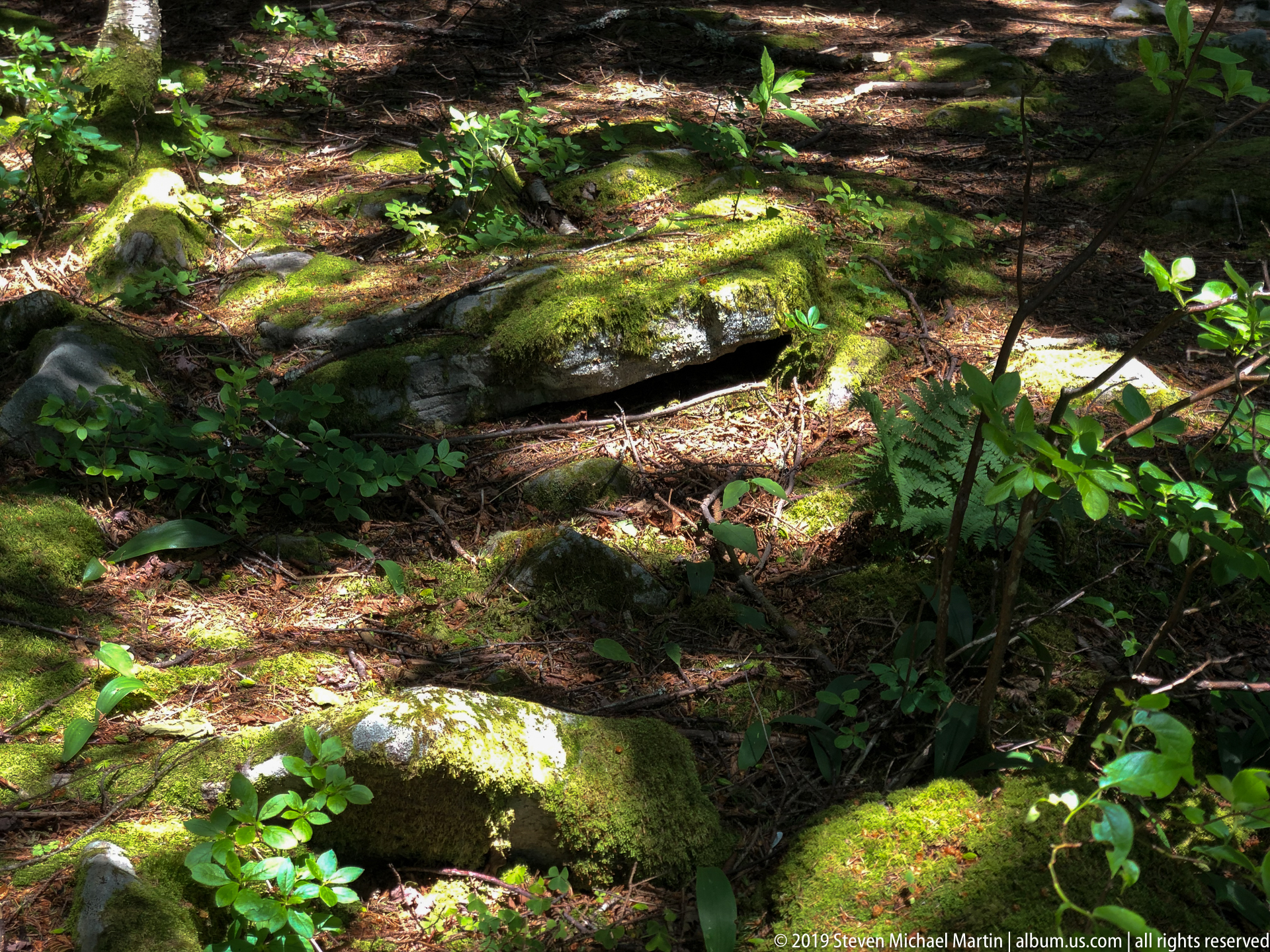
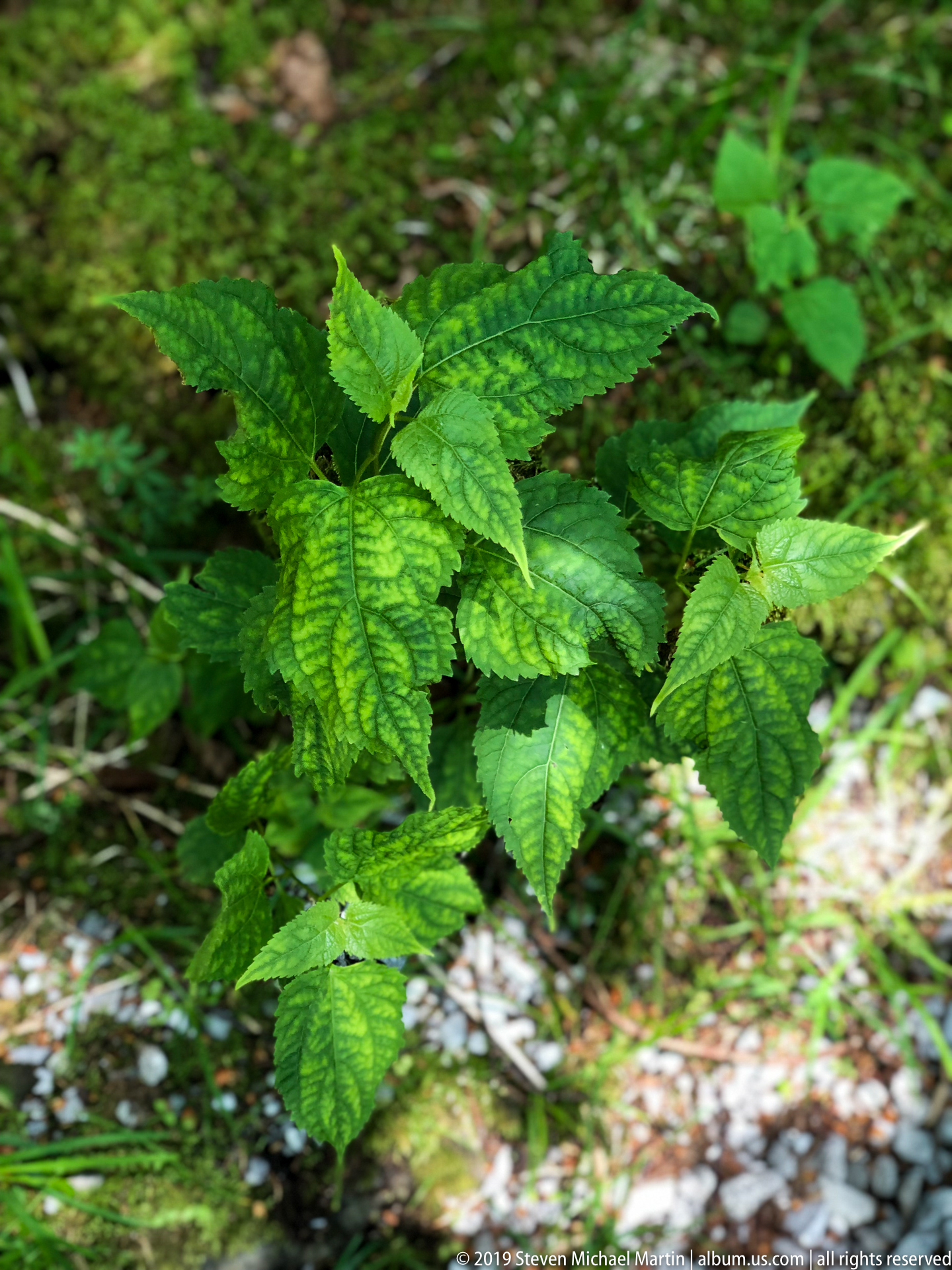
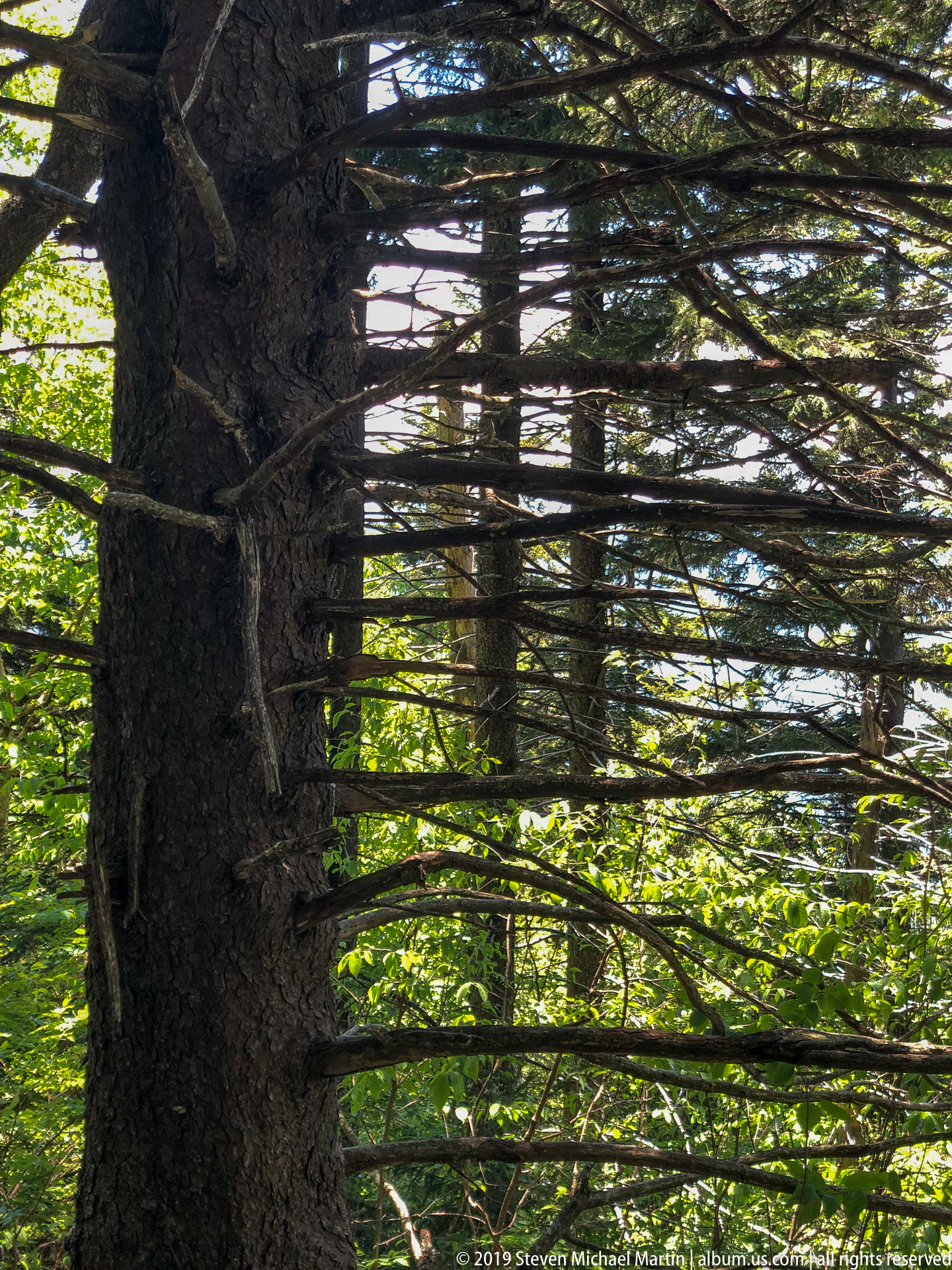
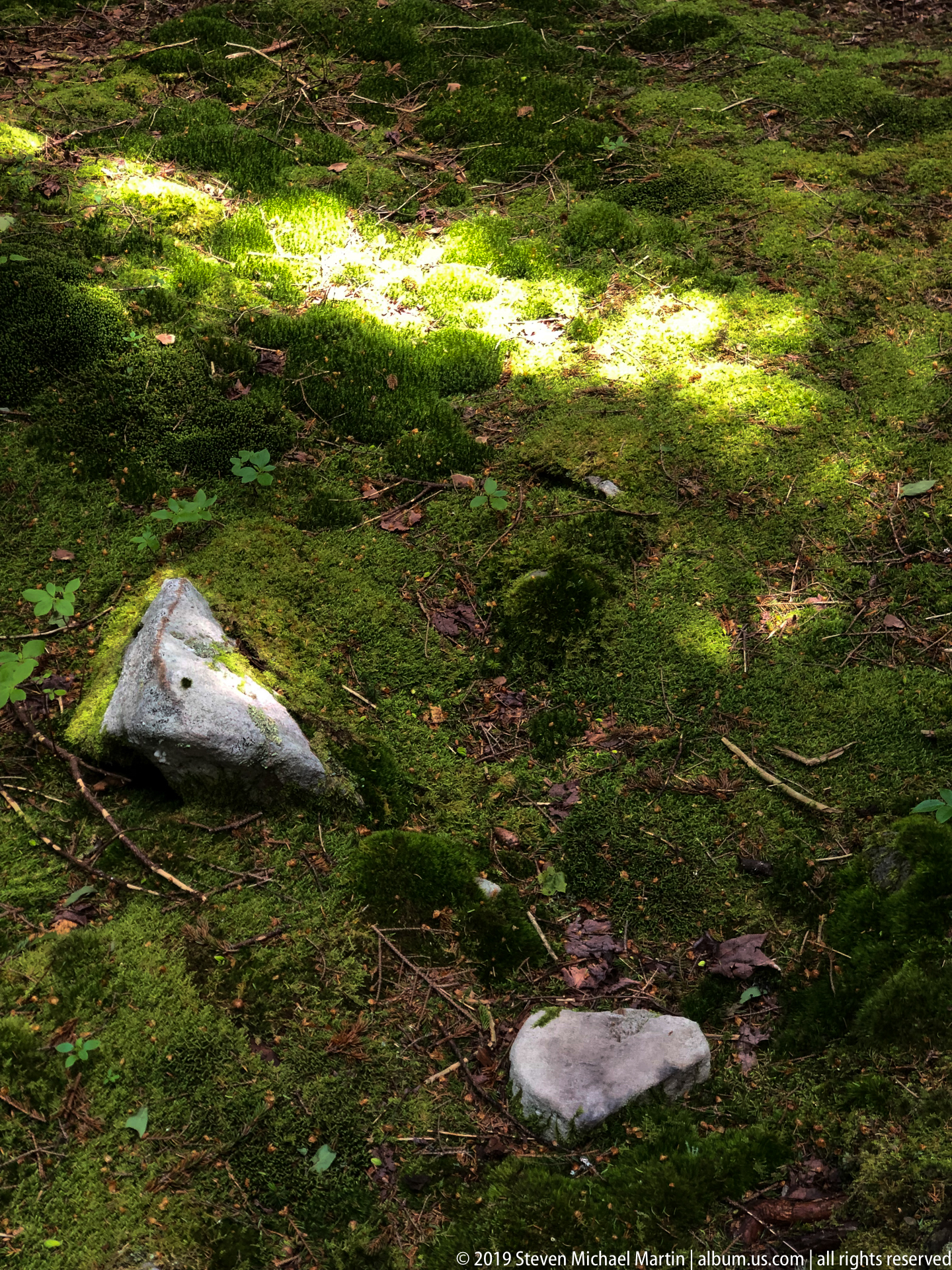
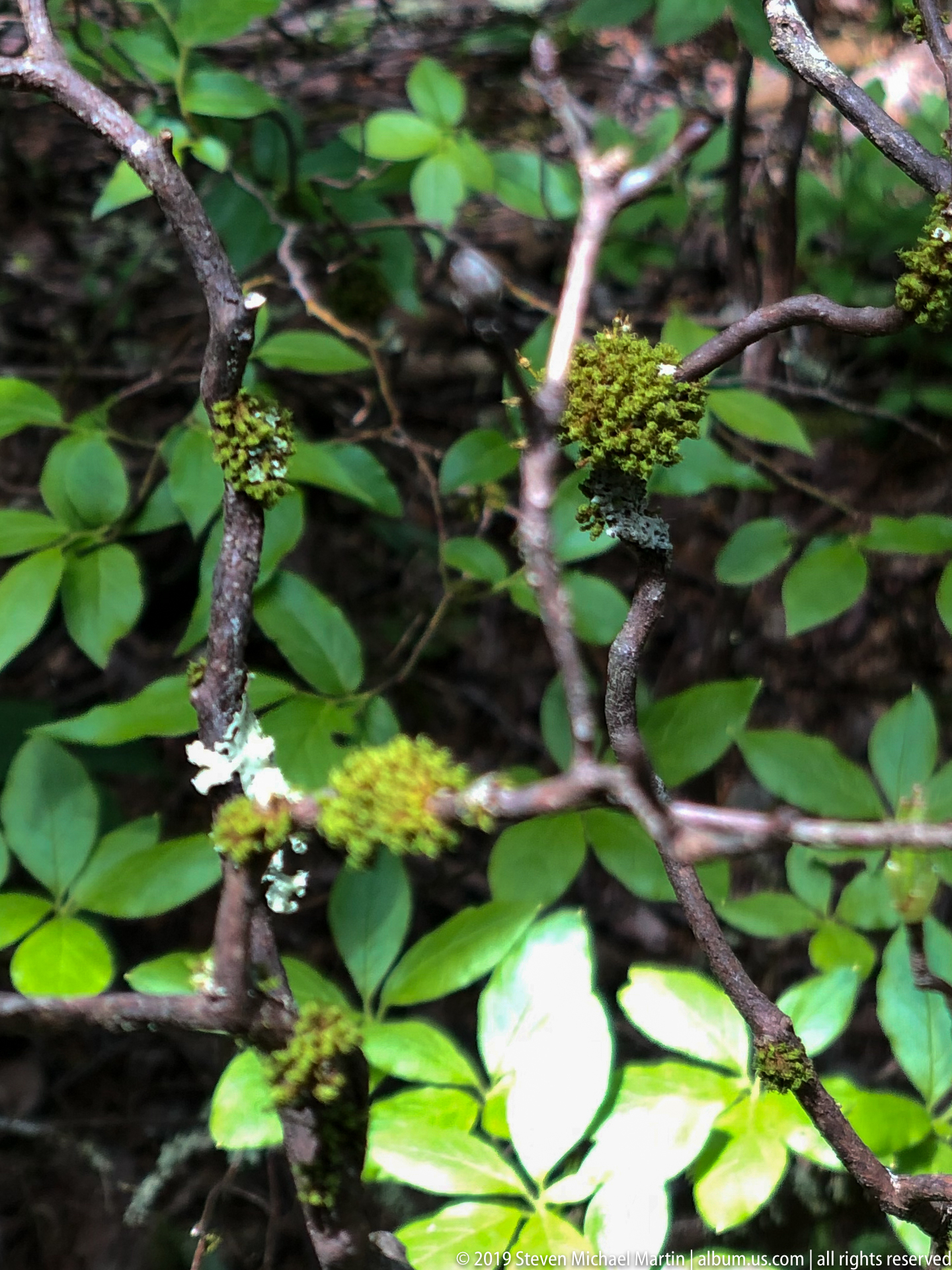
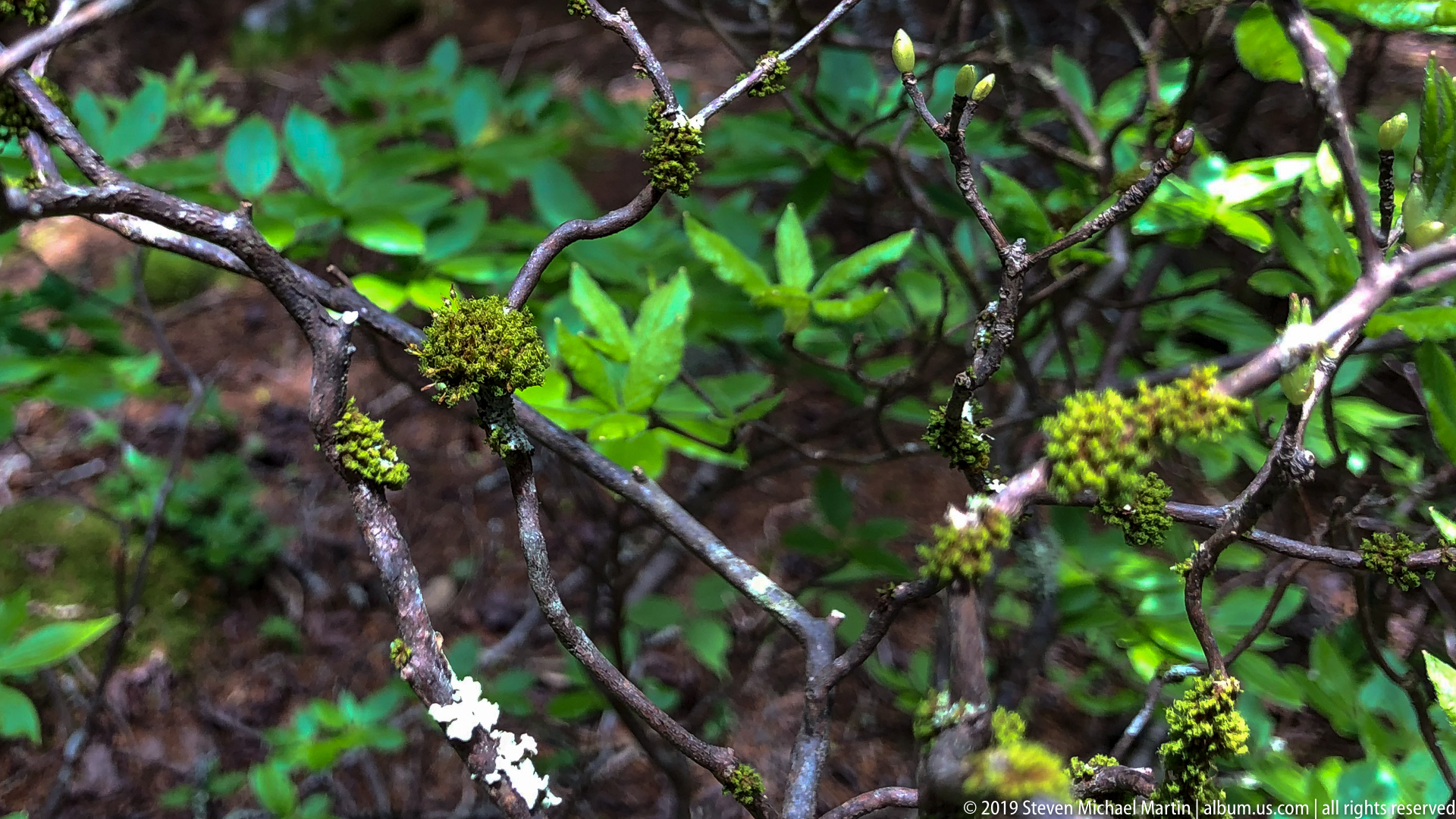
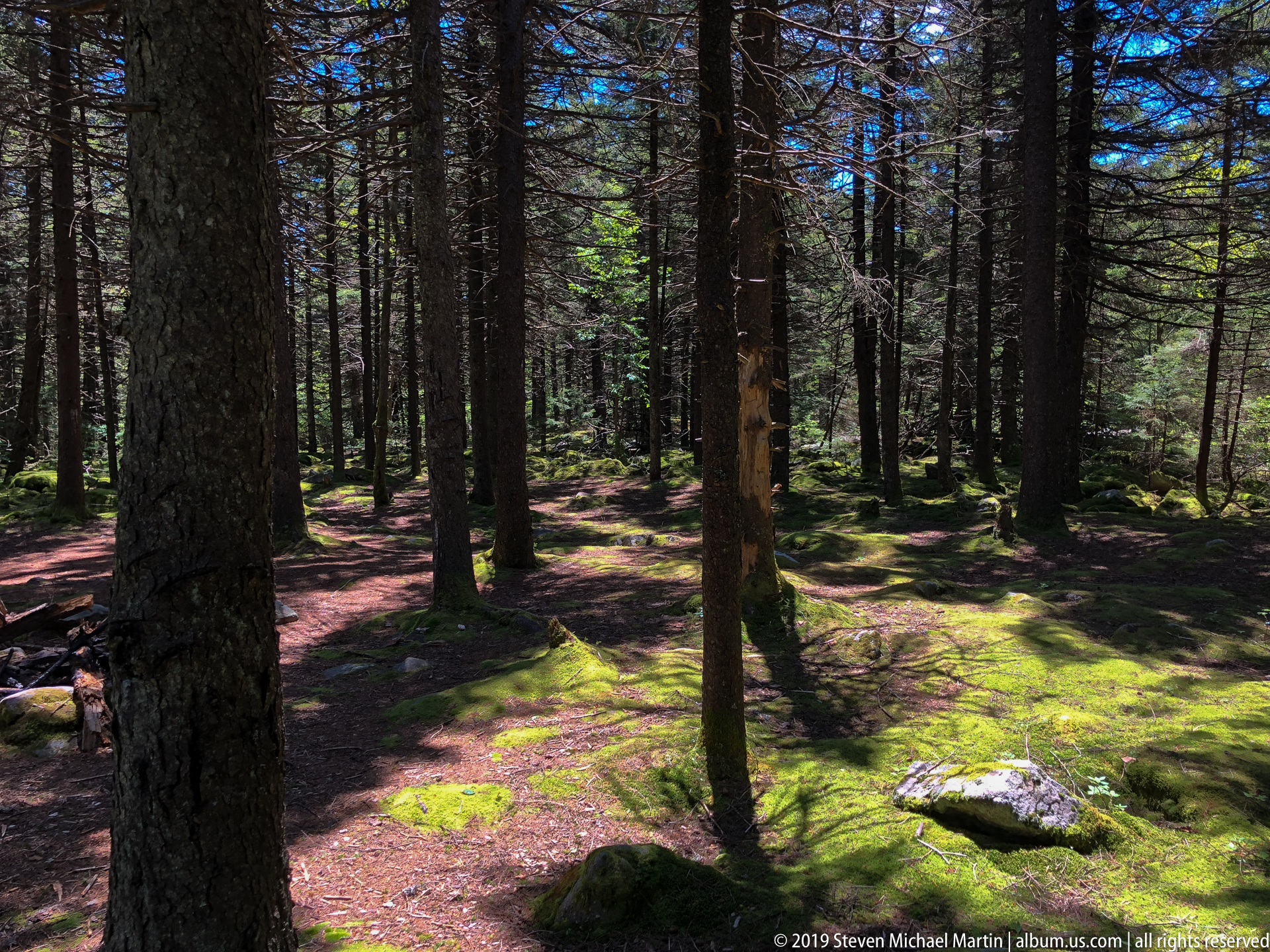
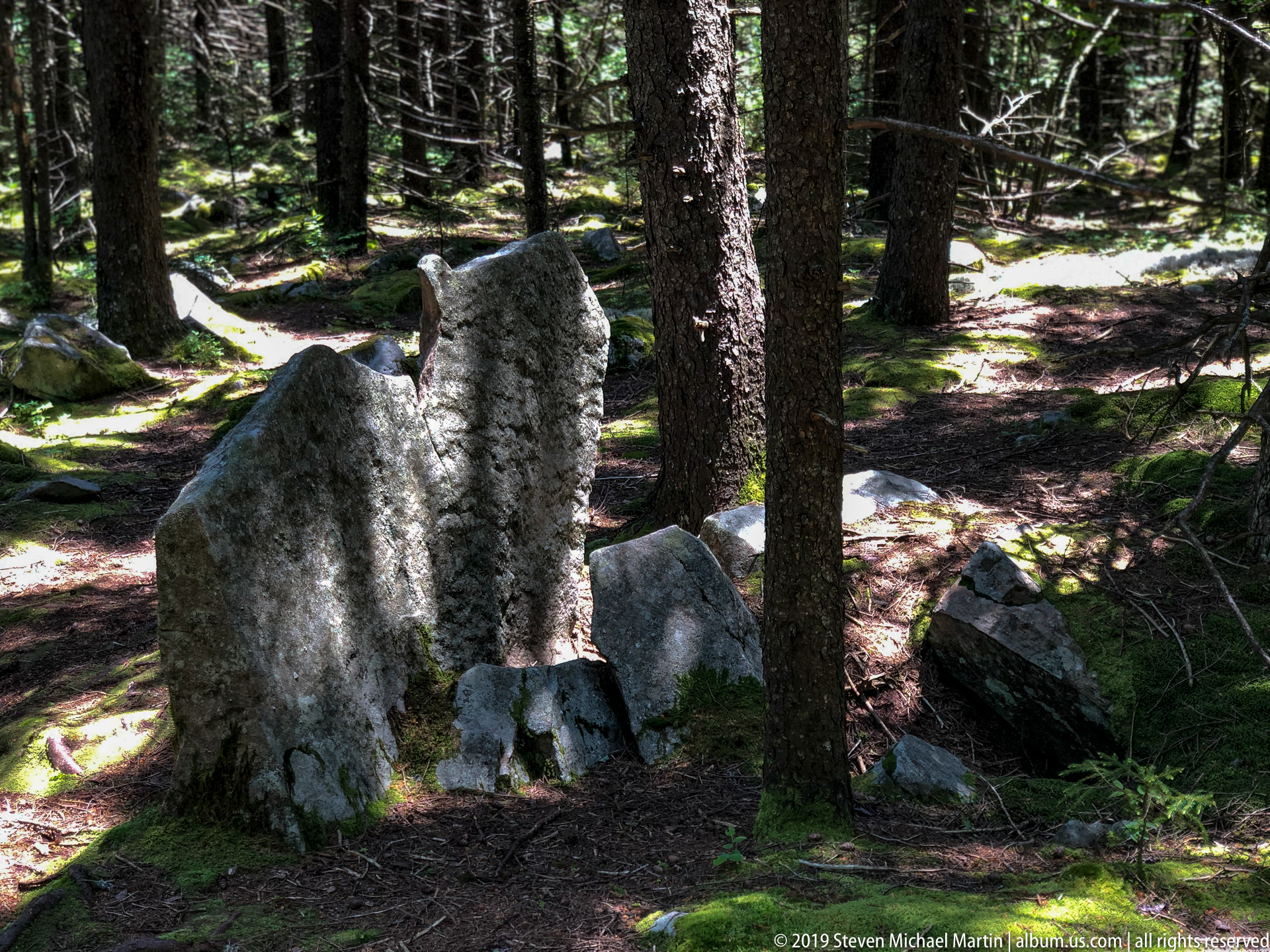
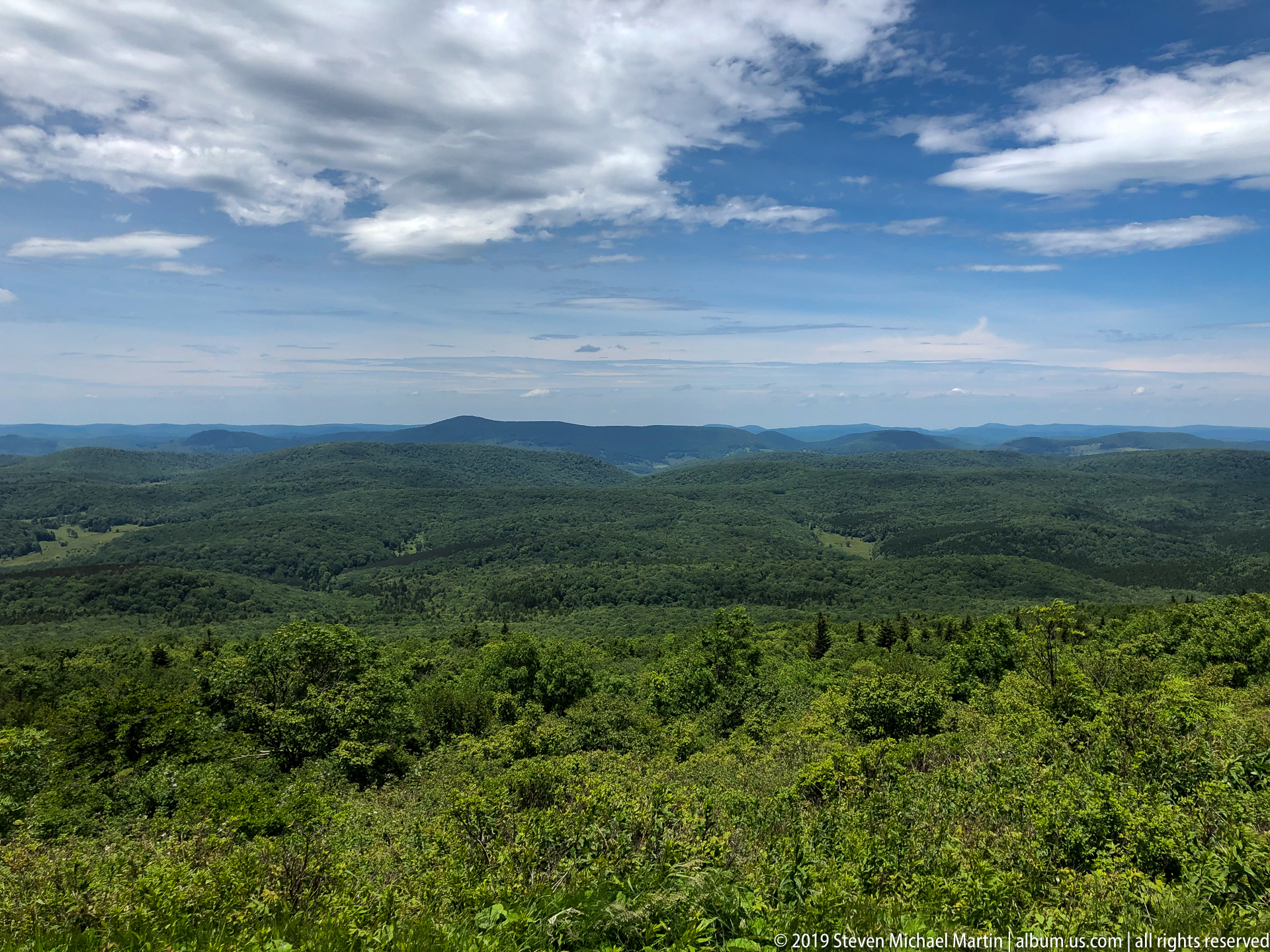
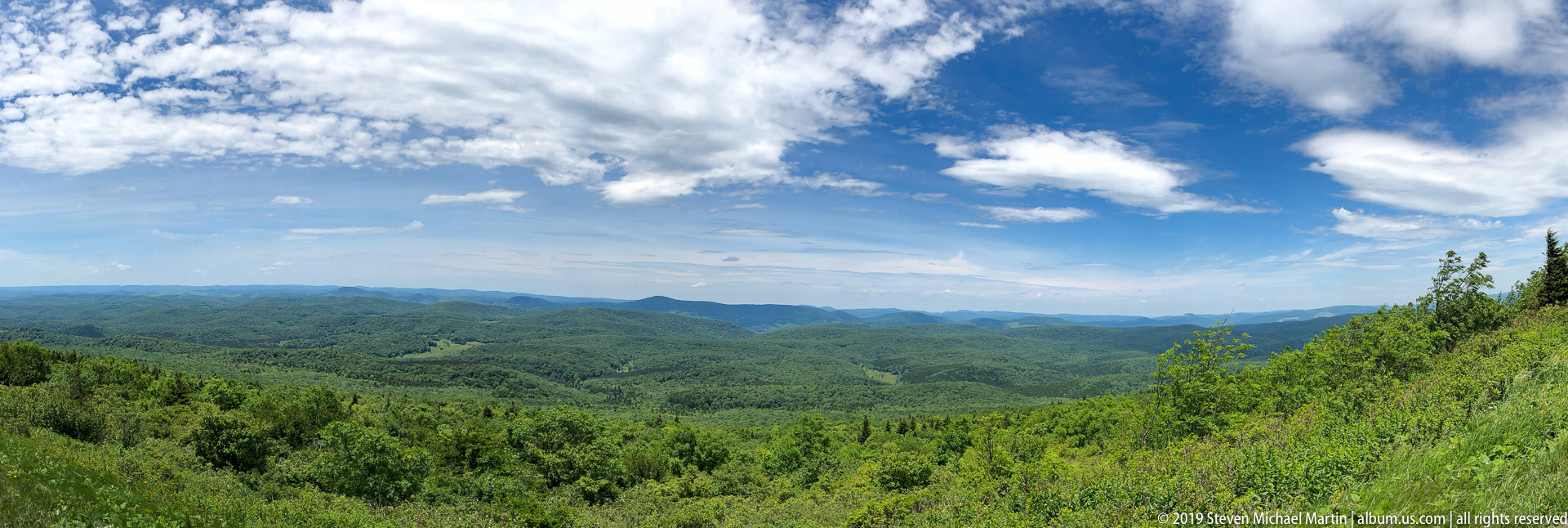
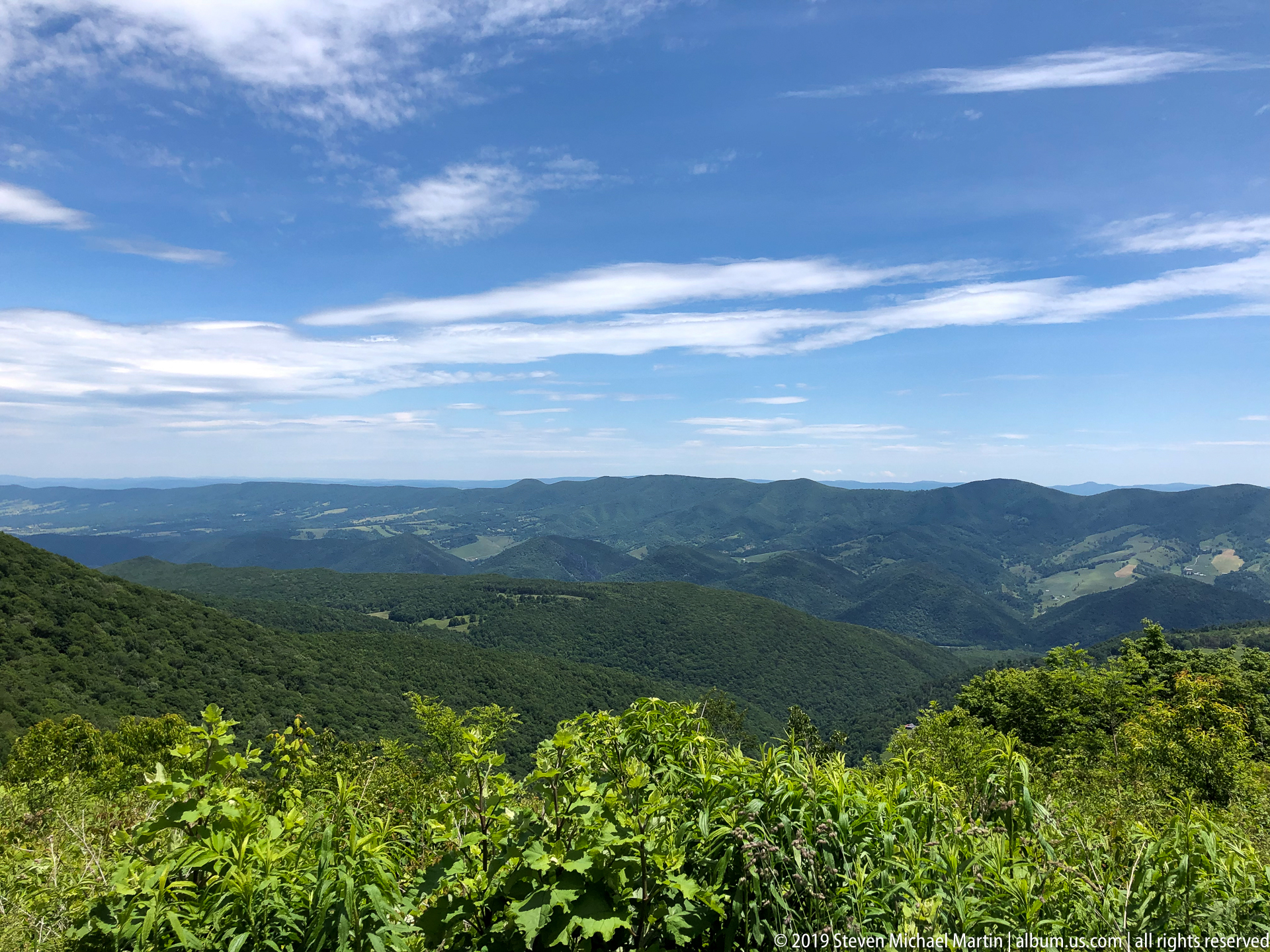
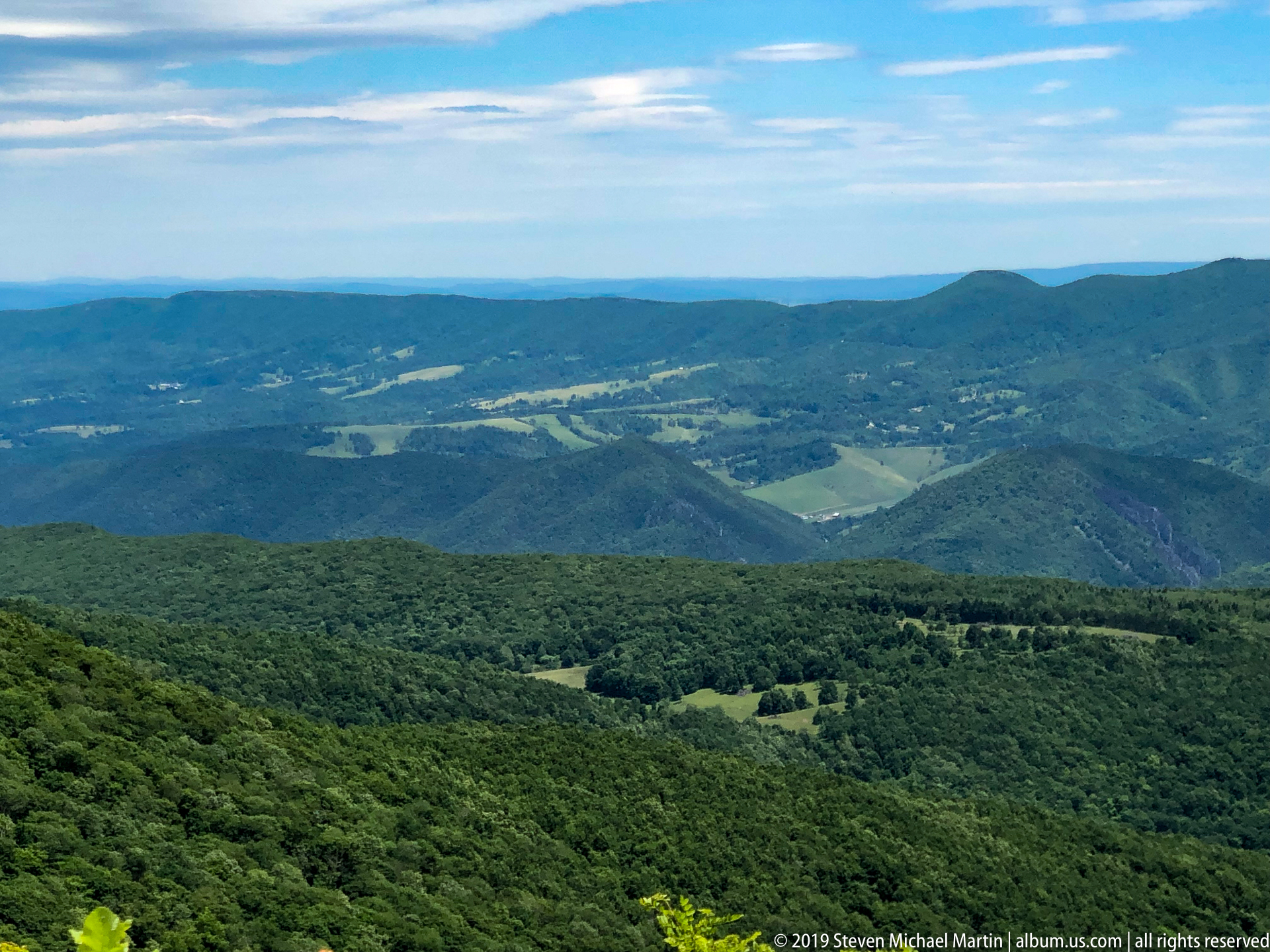
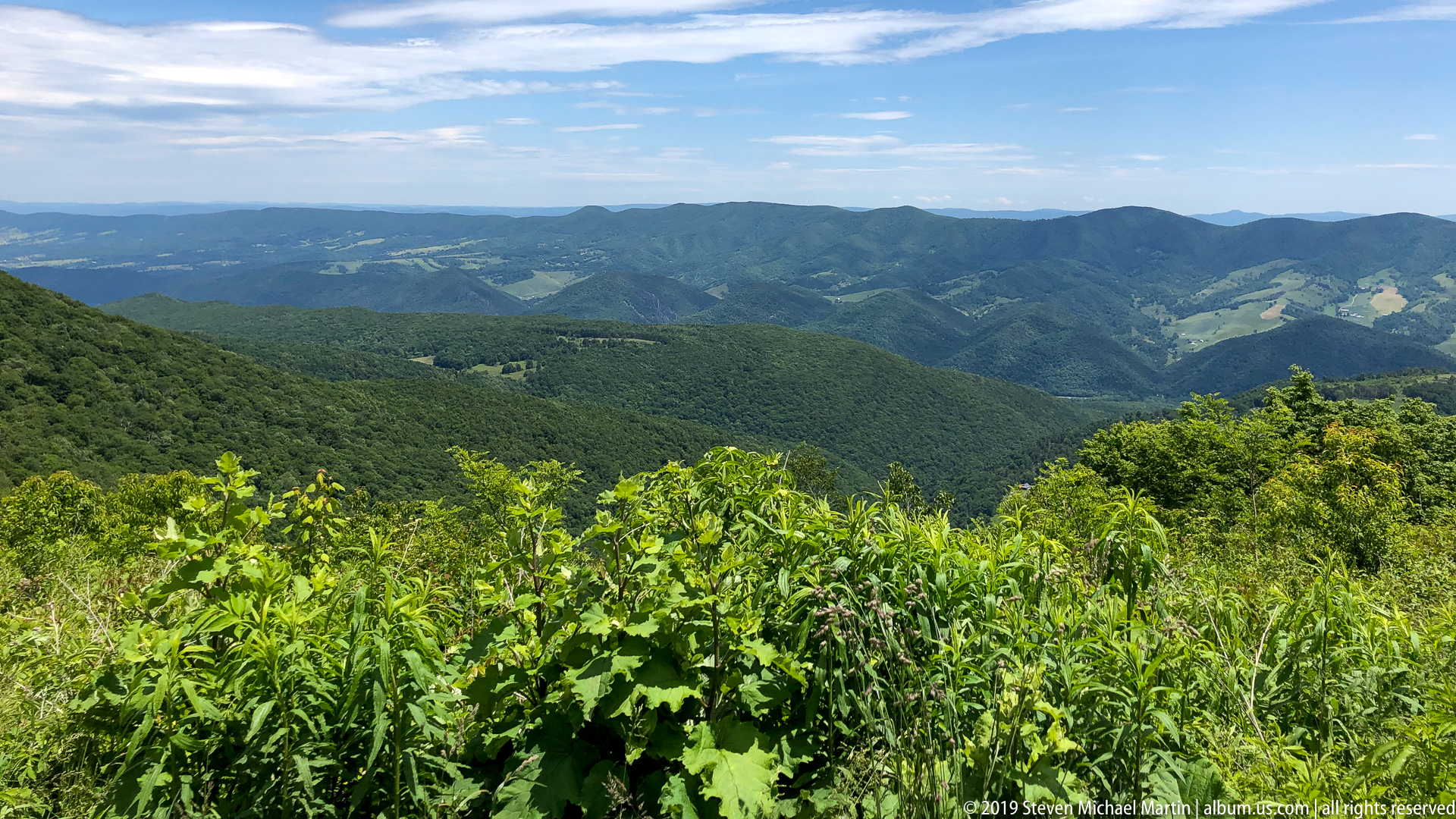
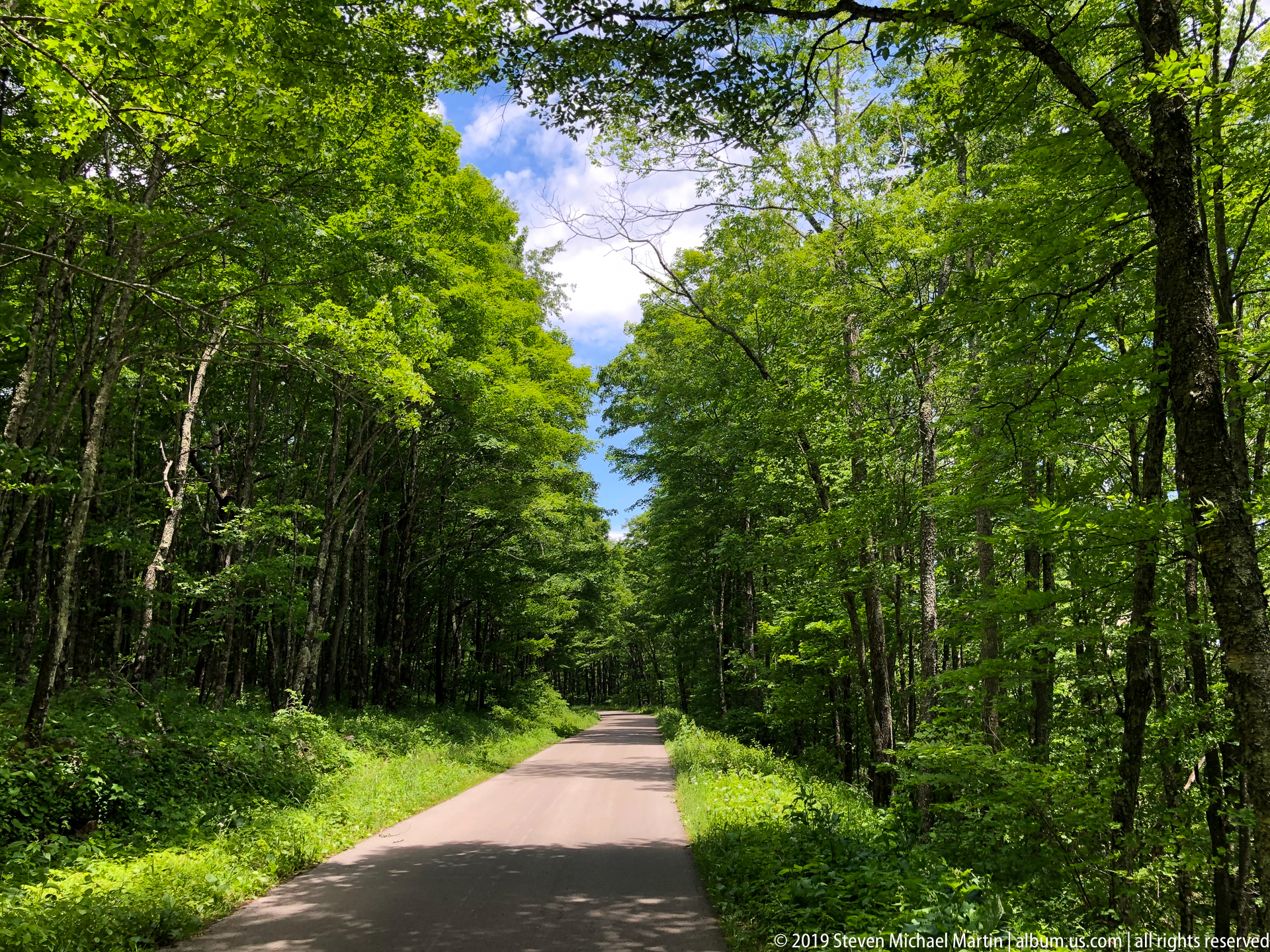
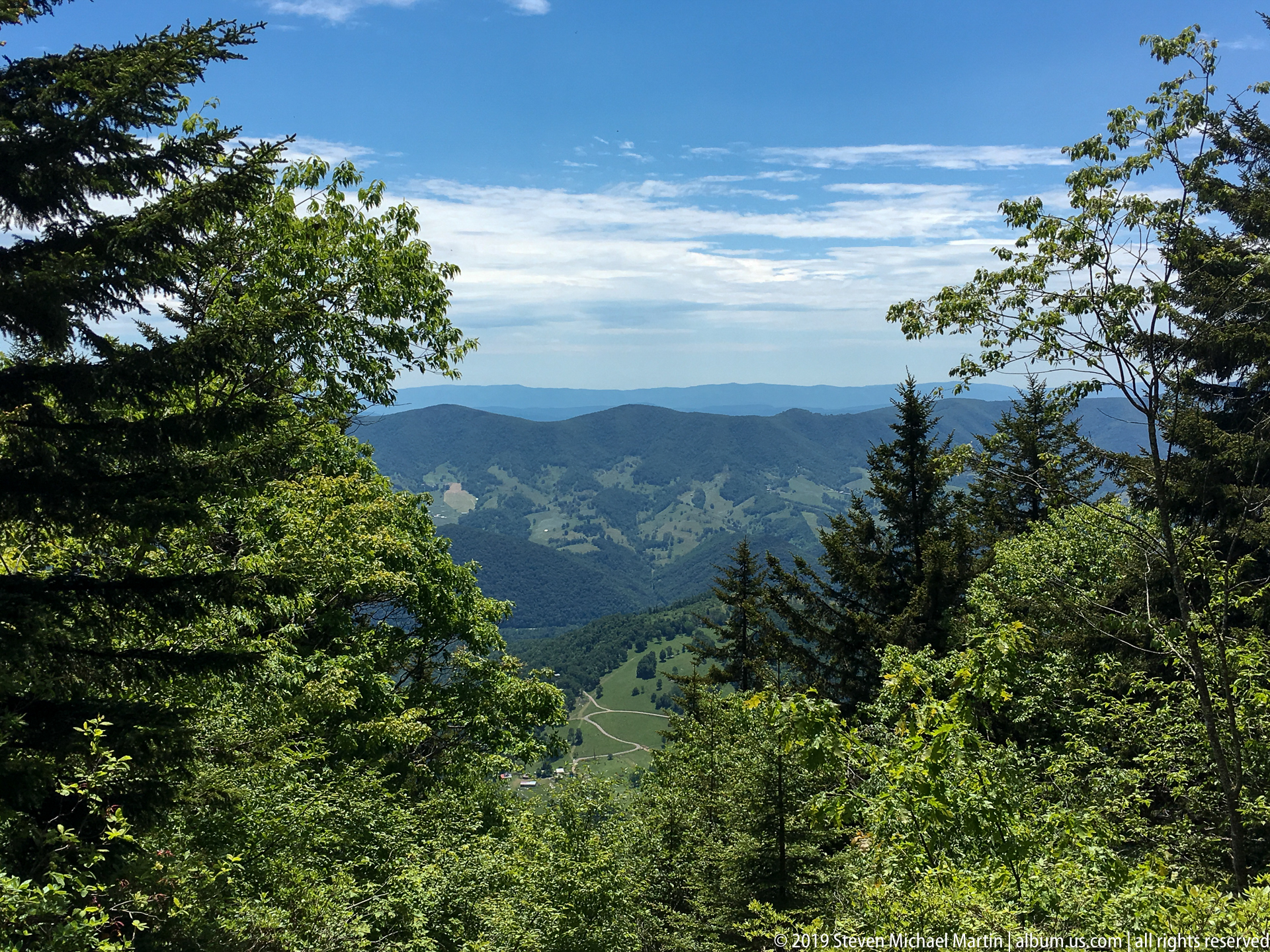
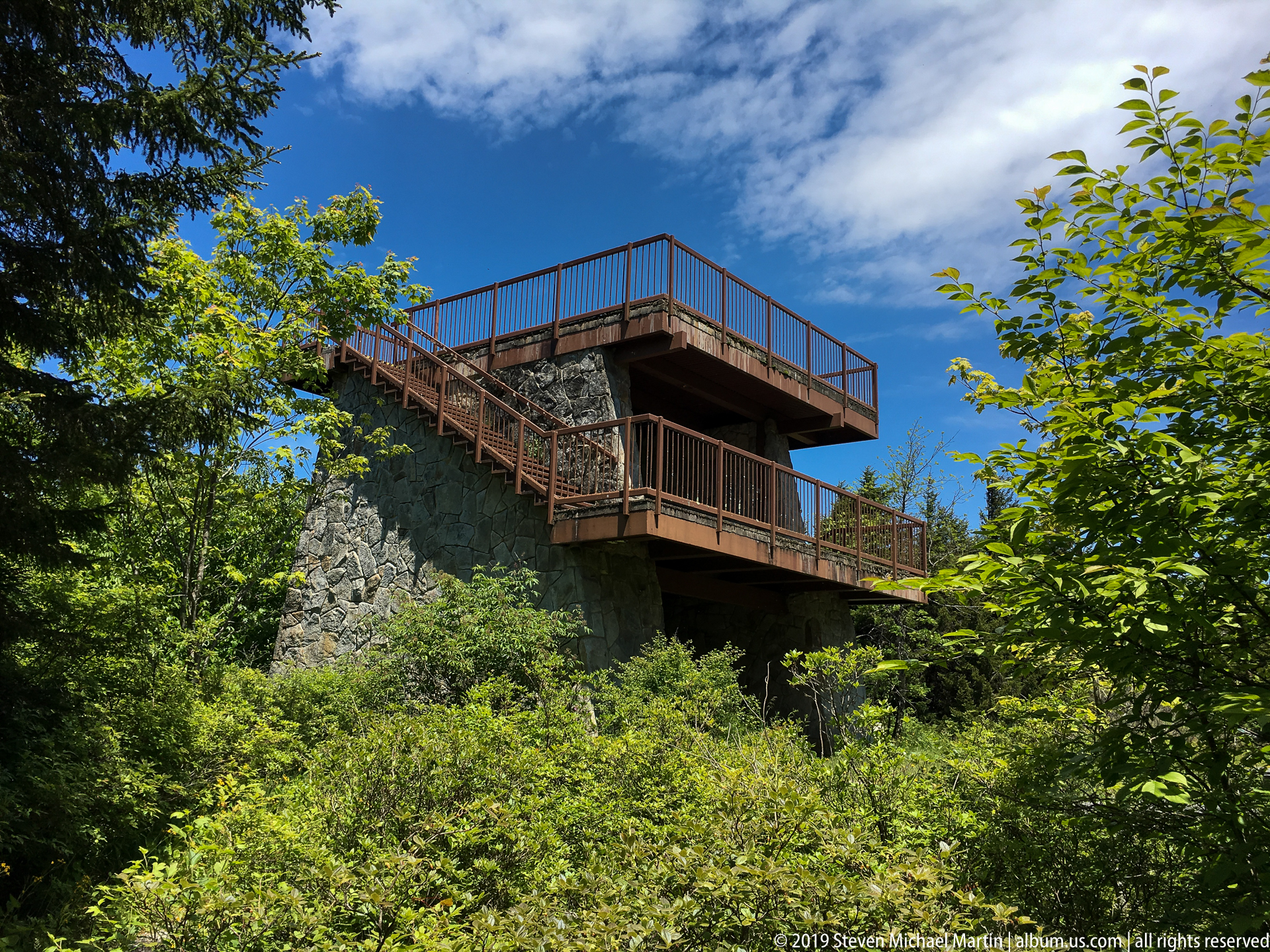
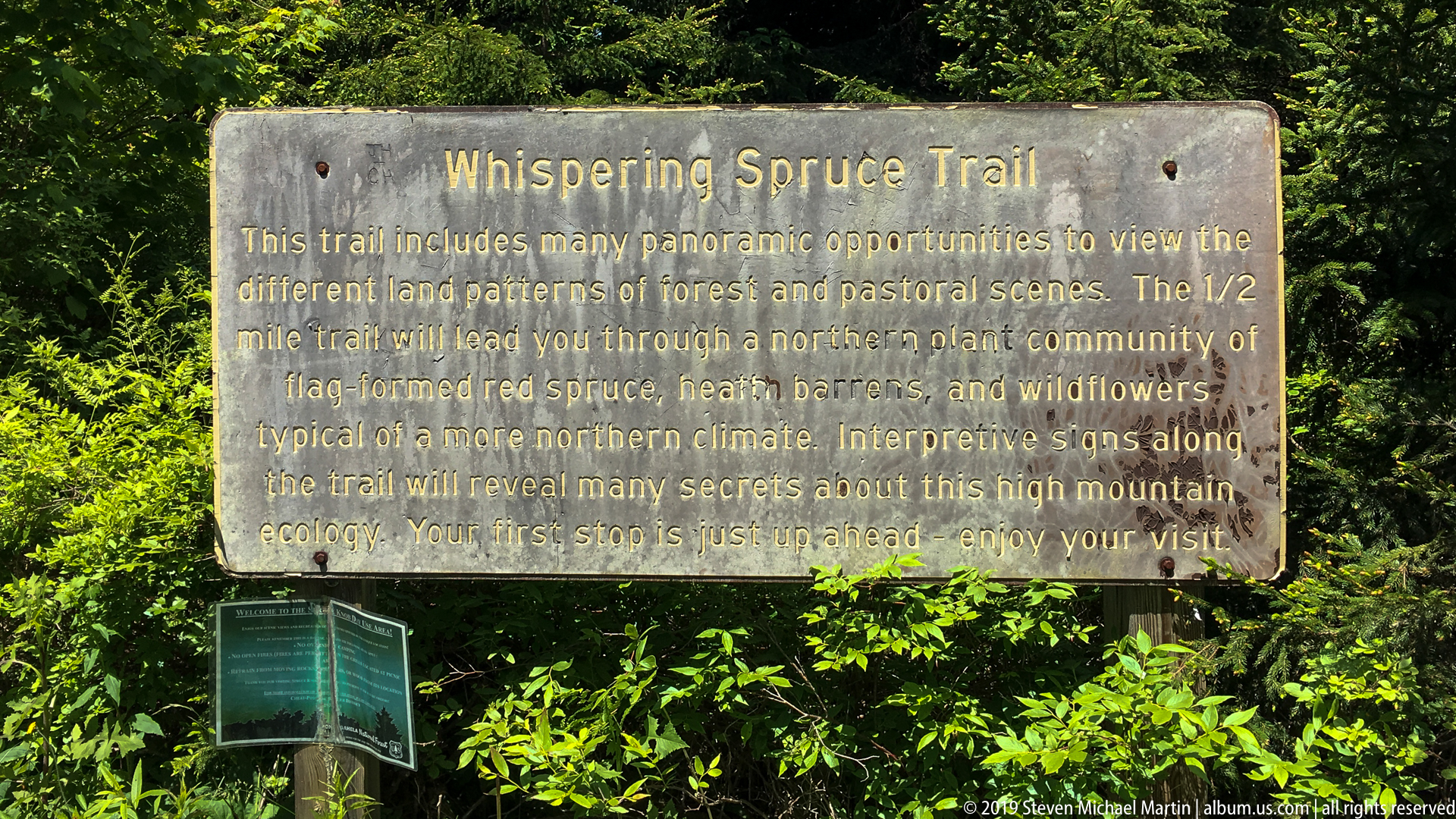
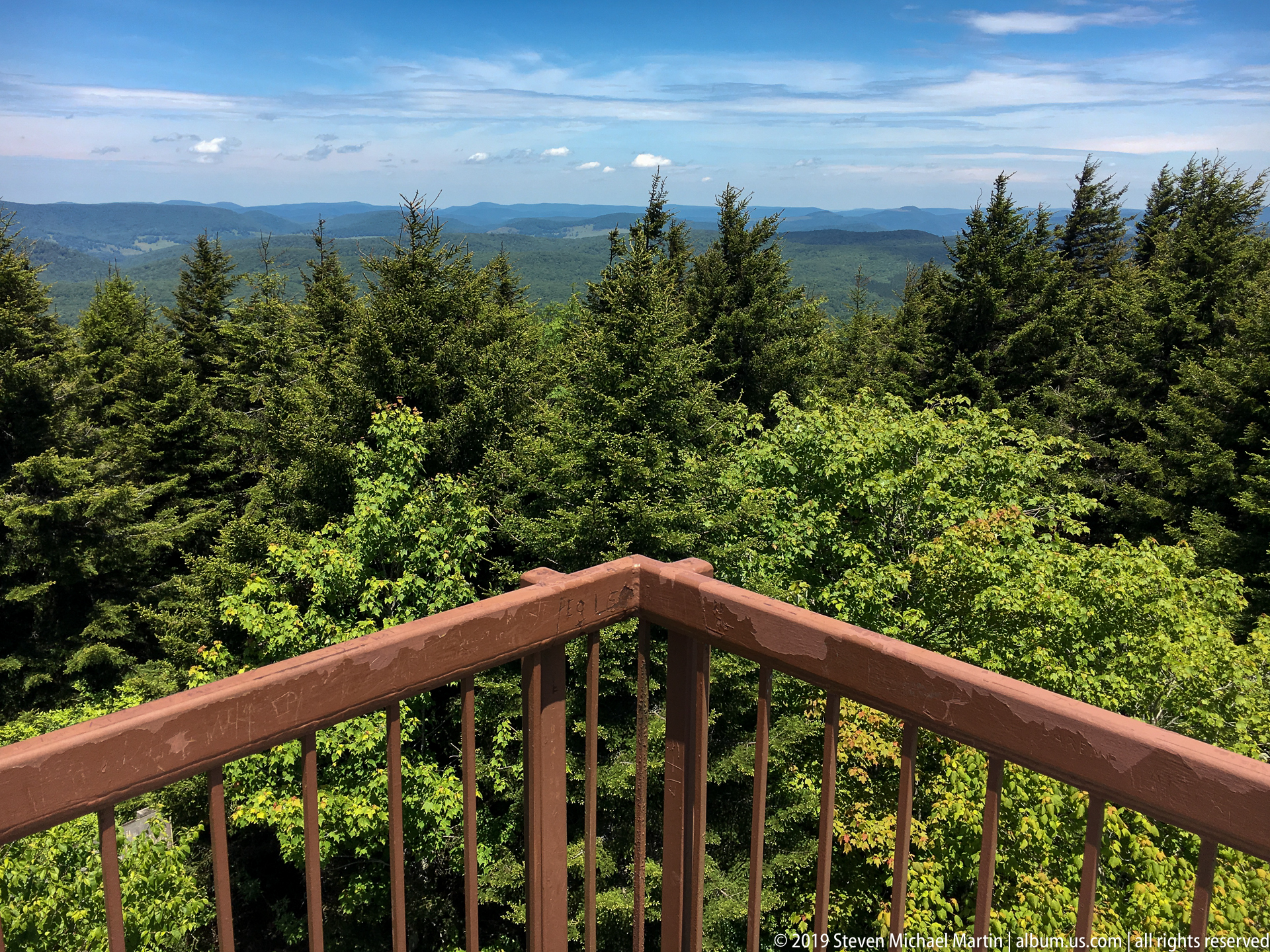
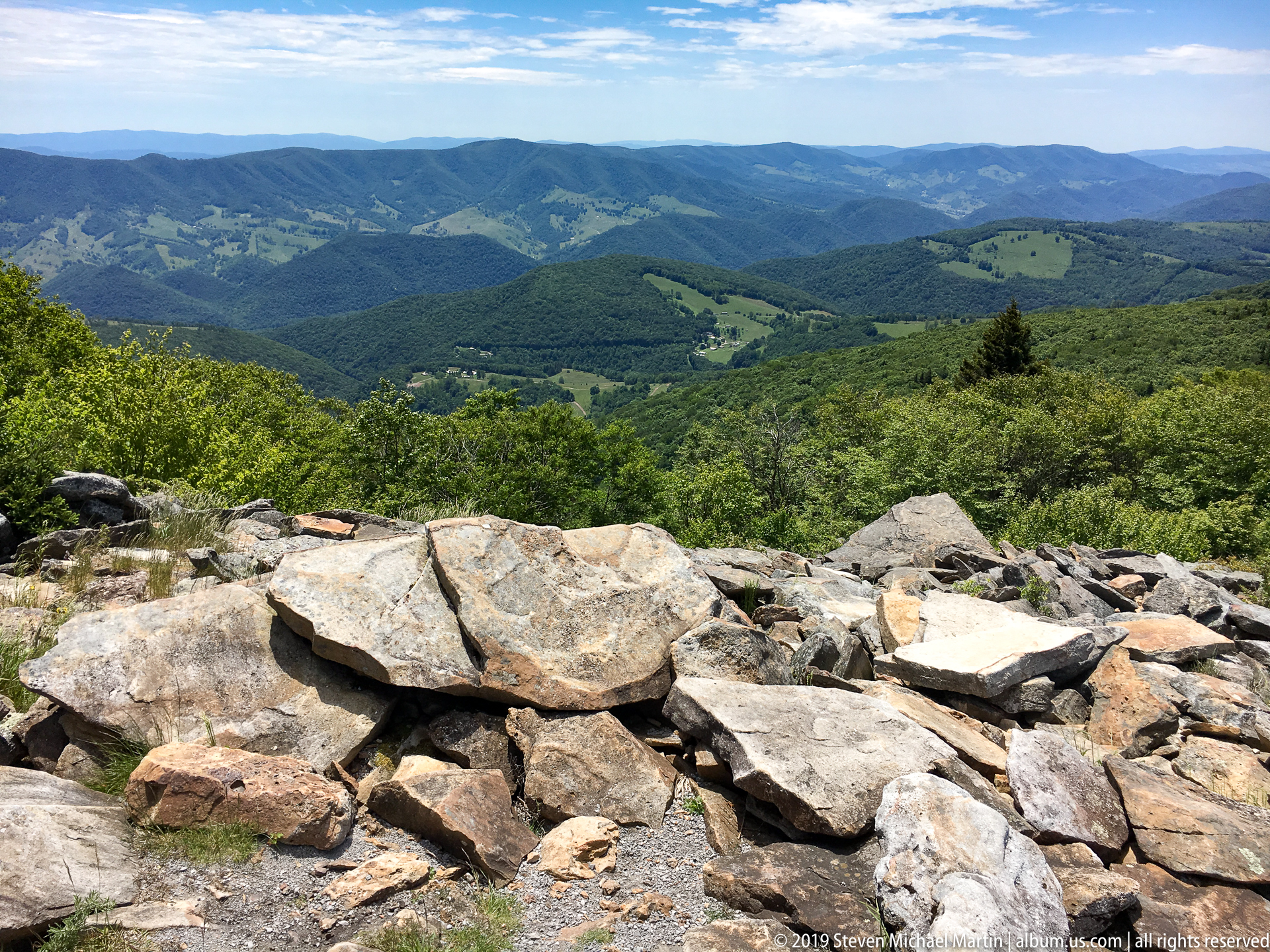
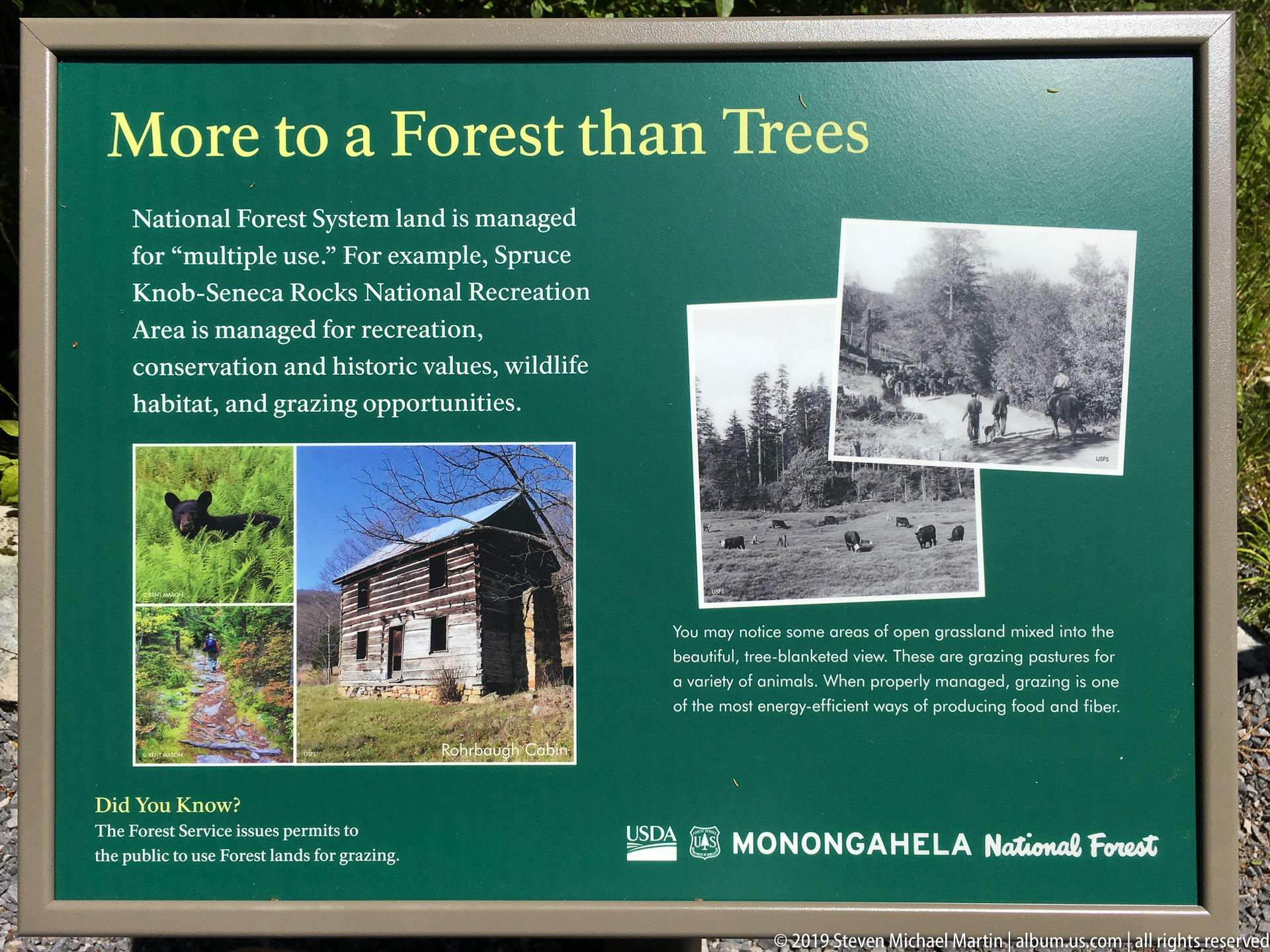
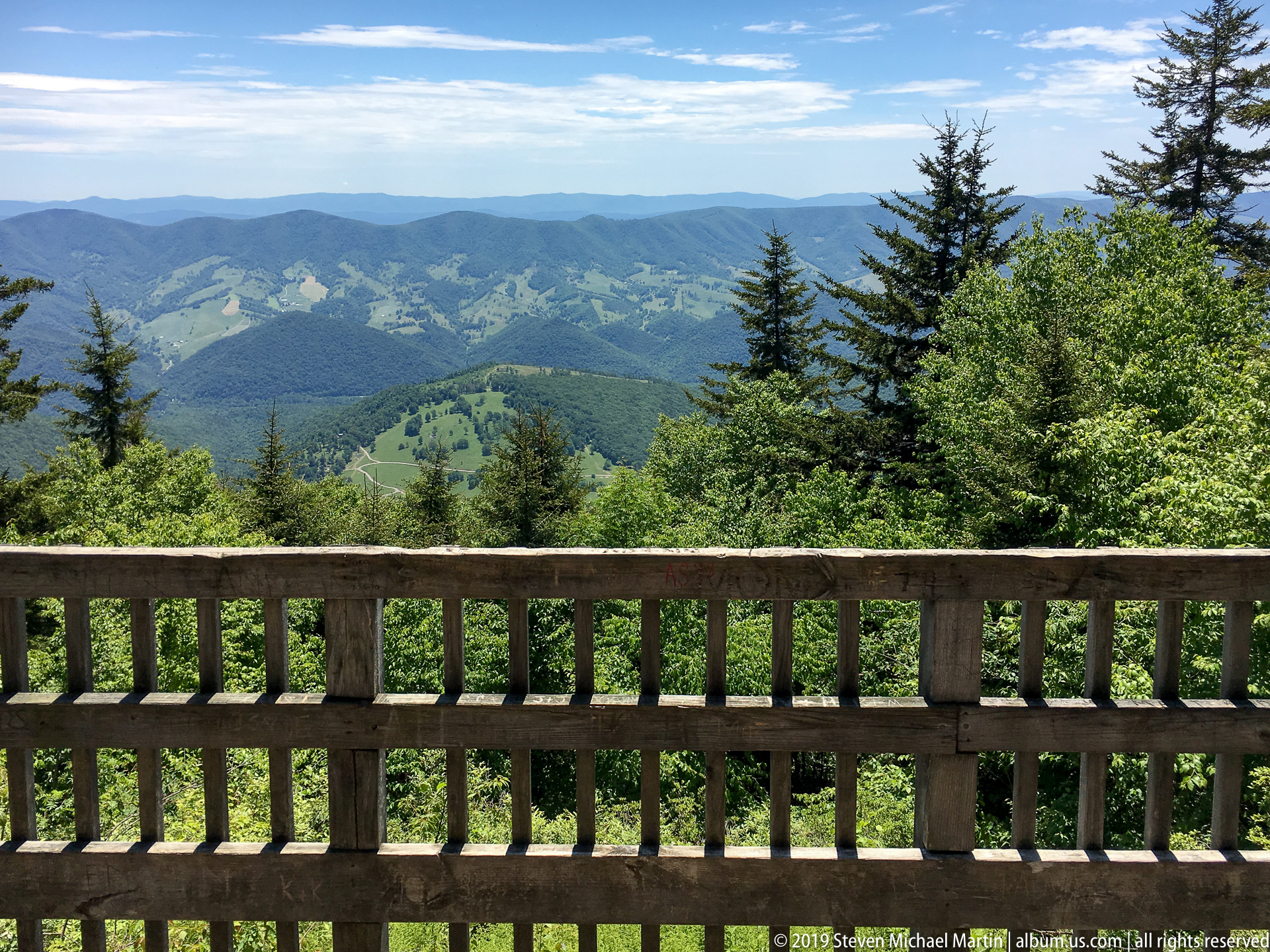
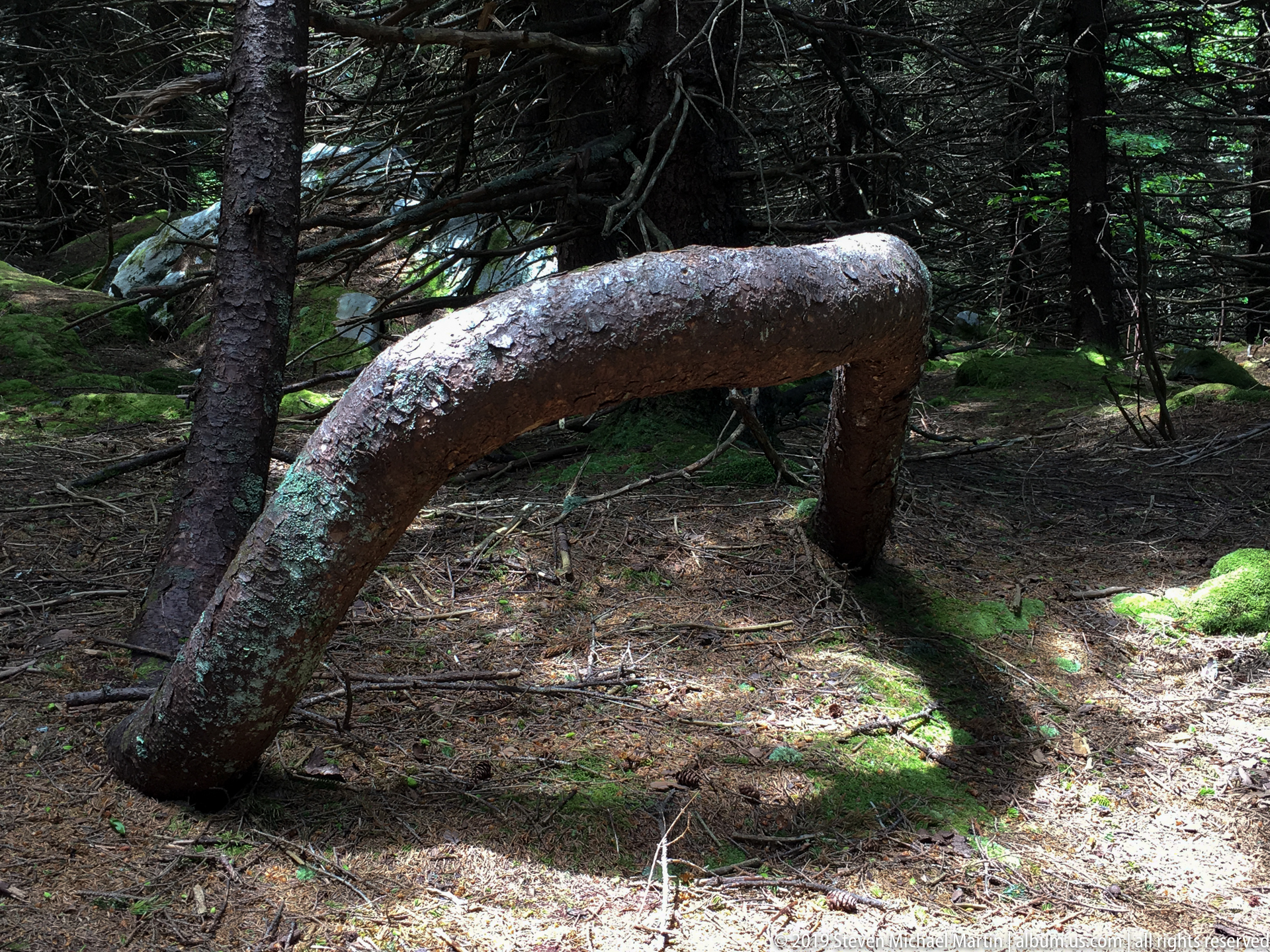
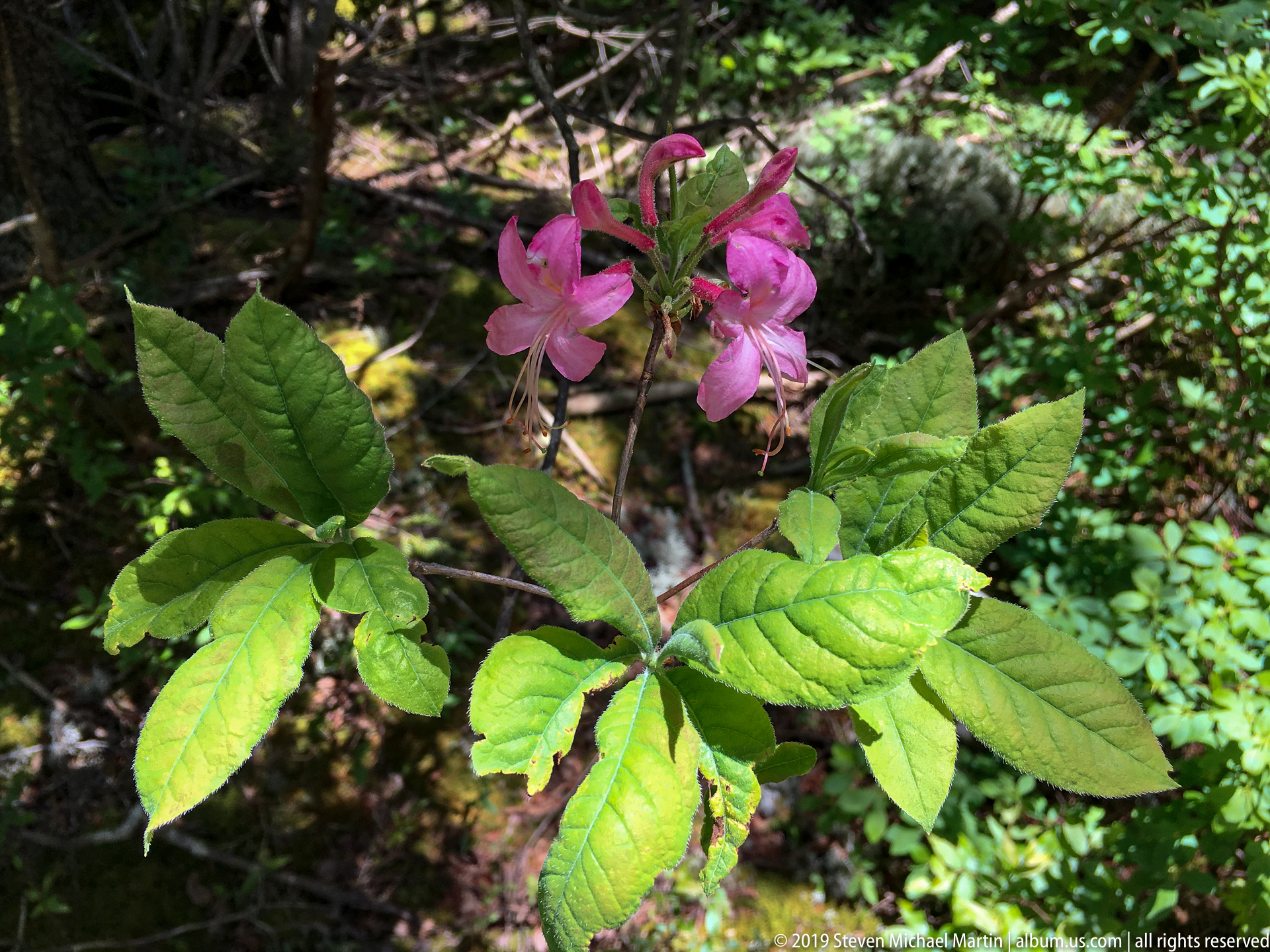
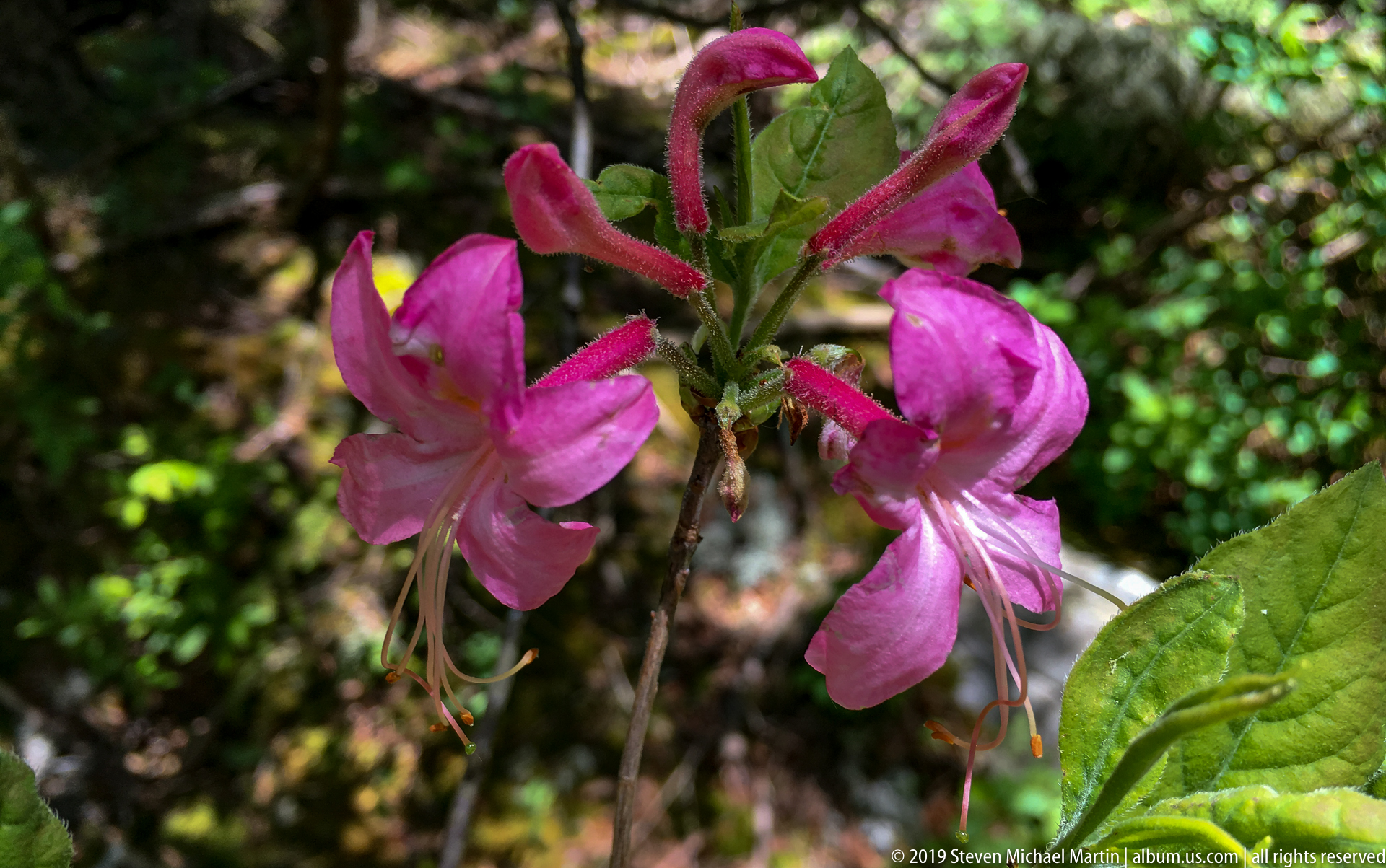
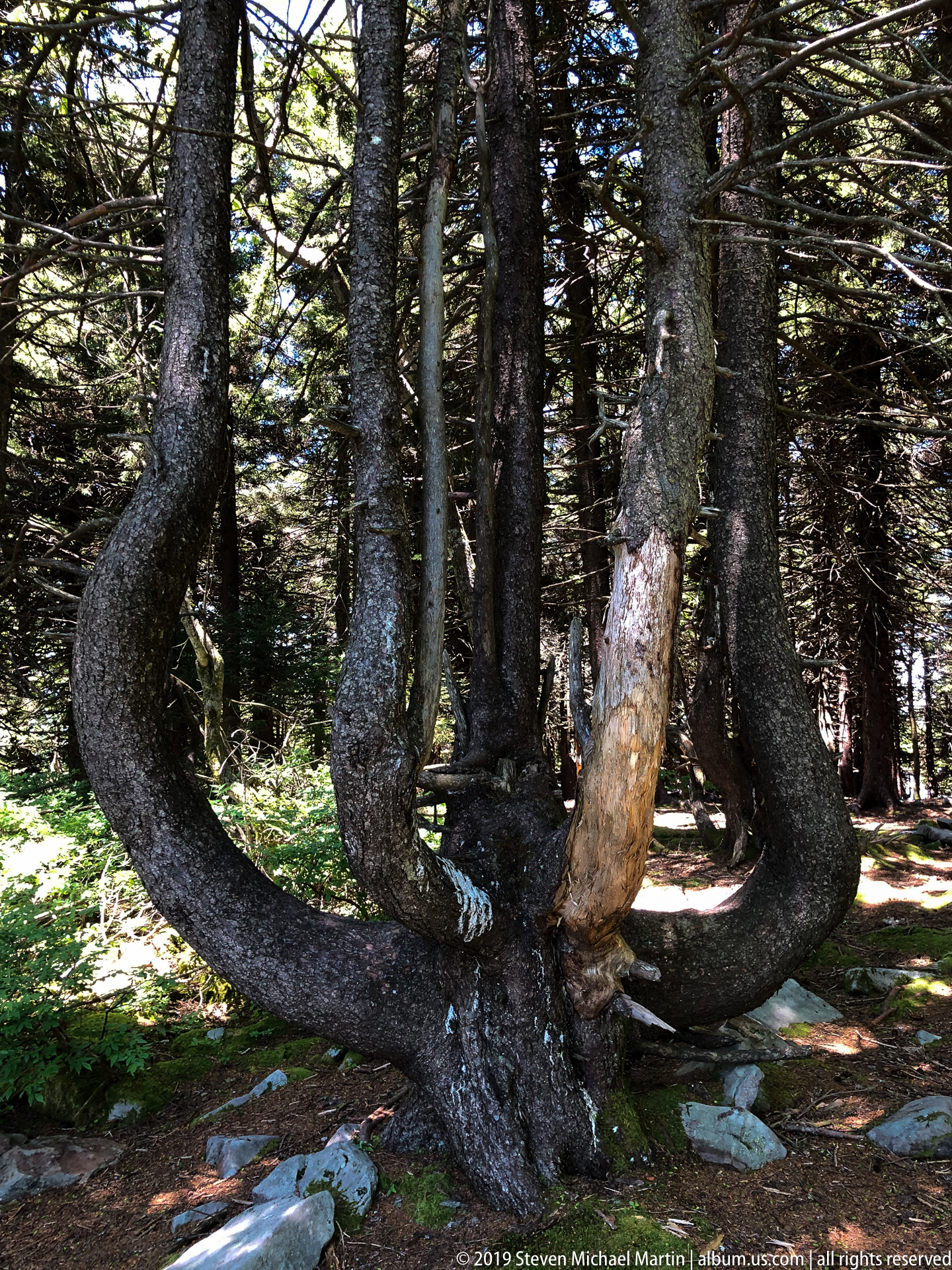
The mountain is part of the Spruce Knob–Seneca Rocks National Recreation Area, where forested ridges and open summits illustrate the relationship between elevation and vegetation patterns in the central Appalachian region. Red spruce forests and high-elevation plant communities provide habitat for species adapted to cooler climatic conditions. The summit provides wide views across the surrounding mountains, revealing the layered structure of the Allegheny landscape.
Spruce Knob contributes to understanding how elevation influences ecological diversity within the Appalachian Mountains. The summit environment demonstrates the connection between climate, vegetation, and topography at higher elevations. The protected landscape illustrates the environmental variation present within the mountainous regions of the eastern United States.
See also Seneca Rocks.