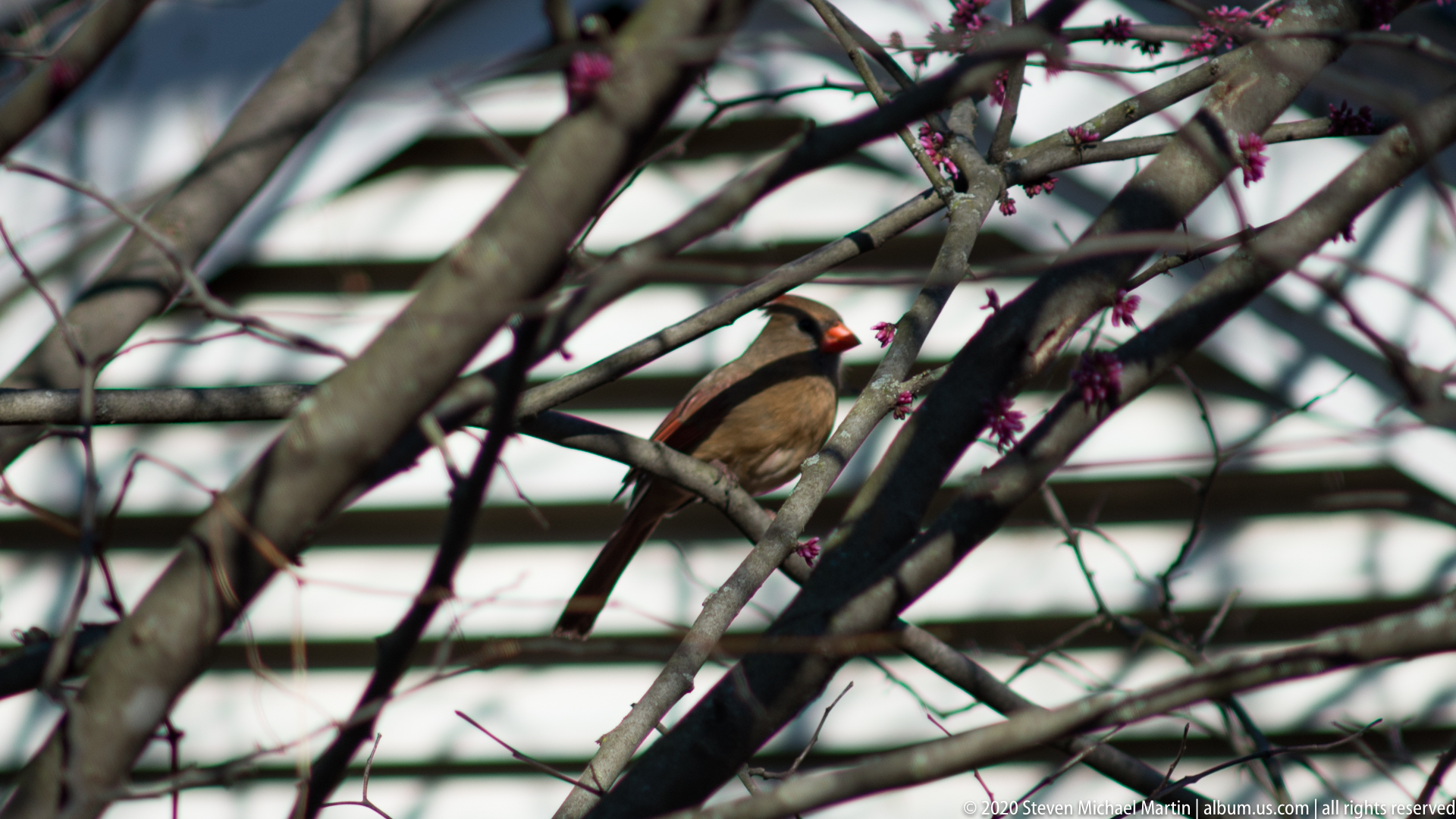
Spring Birds
Spring migration brings increased bird activity to the Shenandoah Valley as species return from southern wintering grounds to breed in temperate forest and meadow habitats. The combination of open agricultural land, riparian corridors, and forest edges creates favorable conditions for both resident and migratory birds. Seasonal movement patterns reflect long-established migratory routes that follow the Appalachian mountain chain, linking ecosystems across eastern North America.
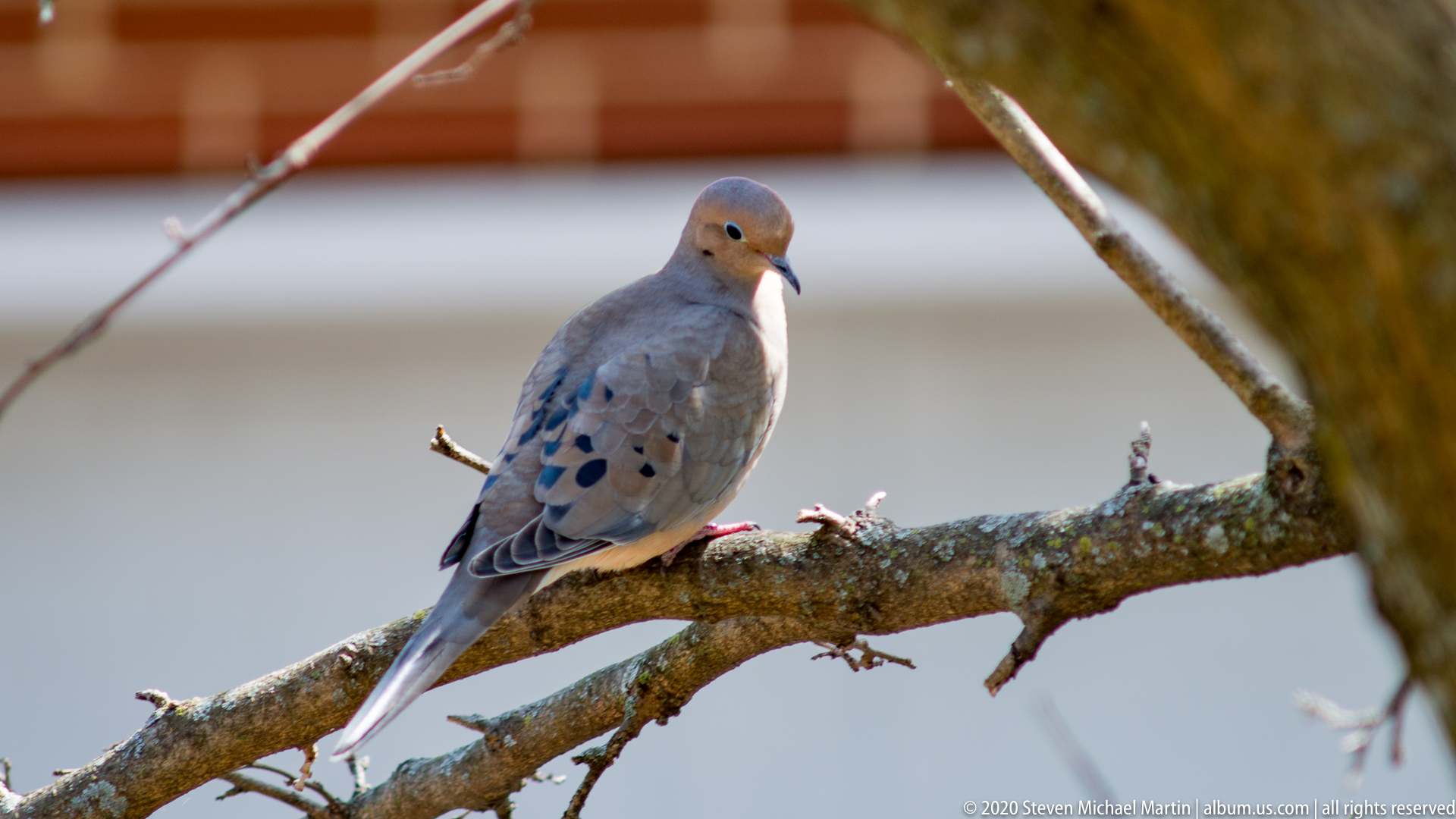
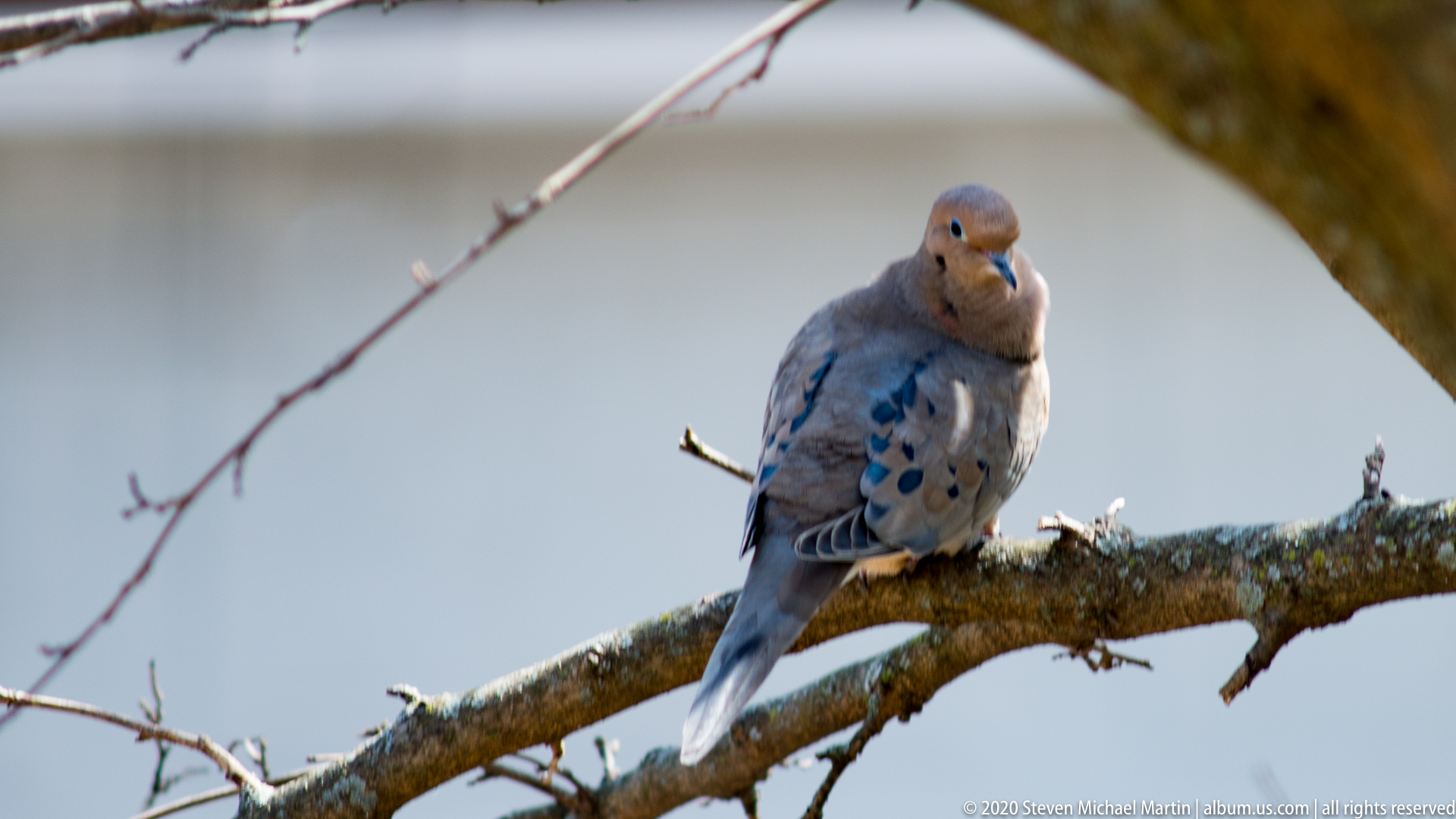
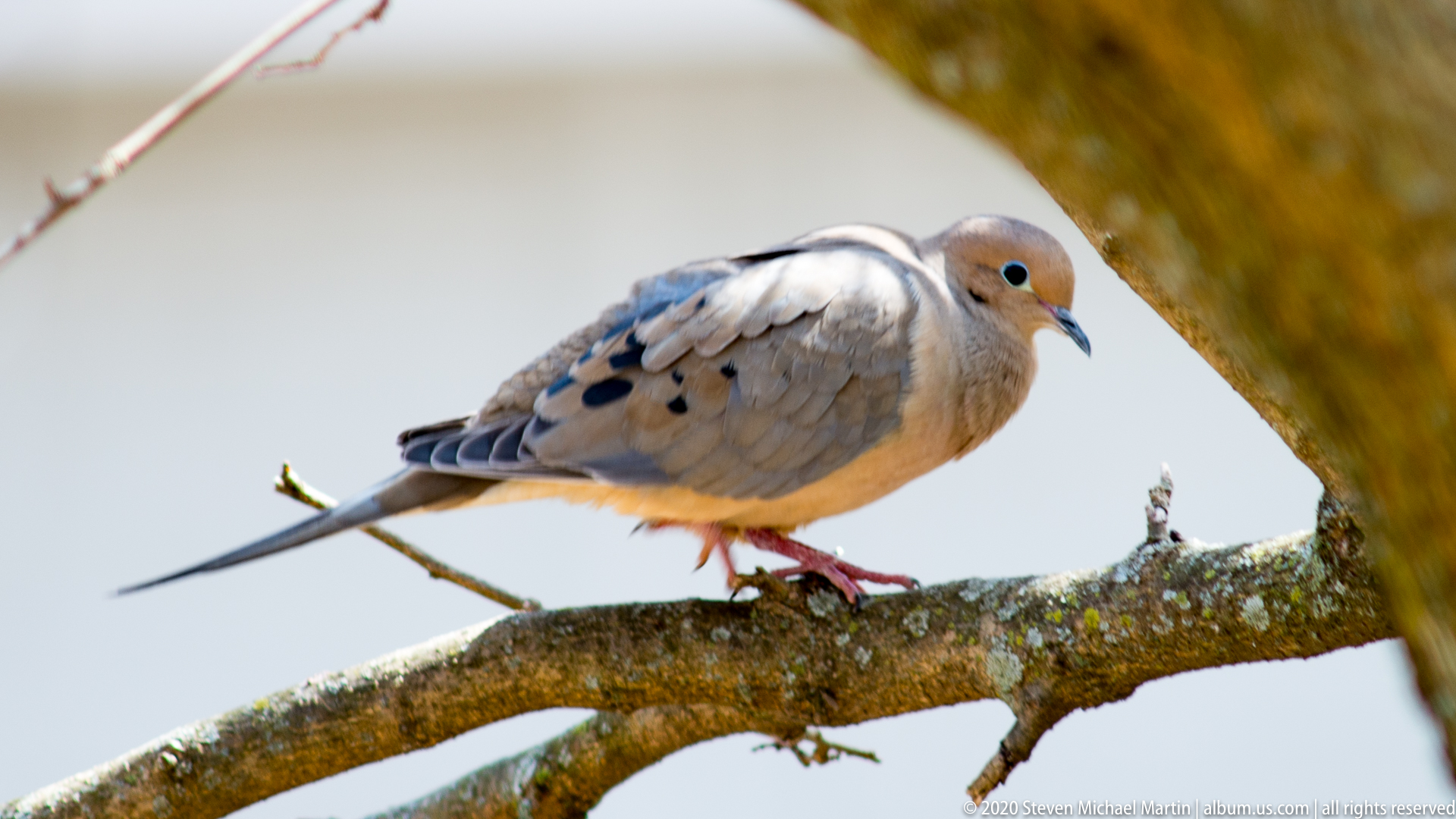
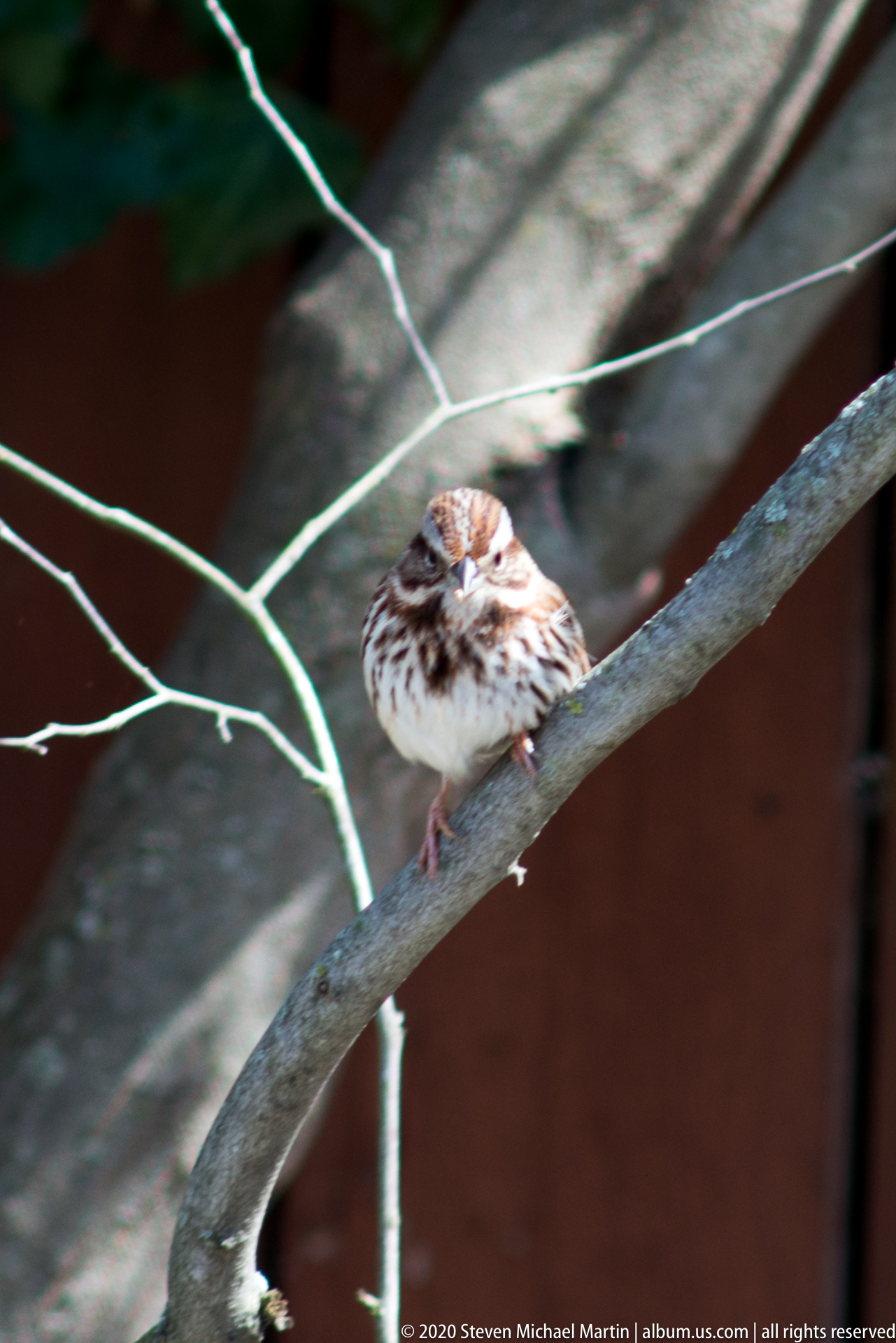
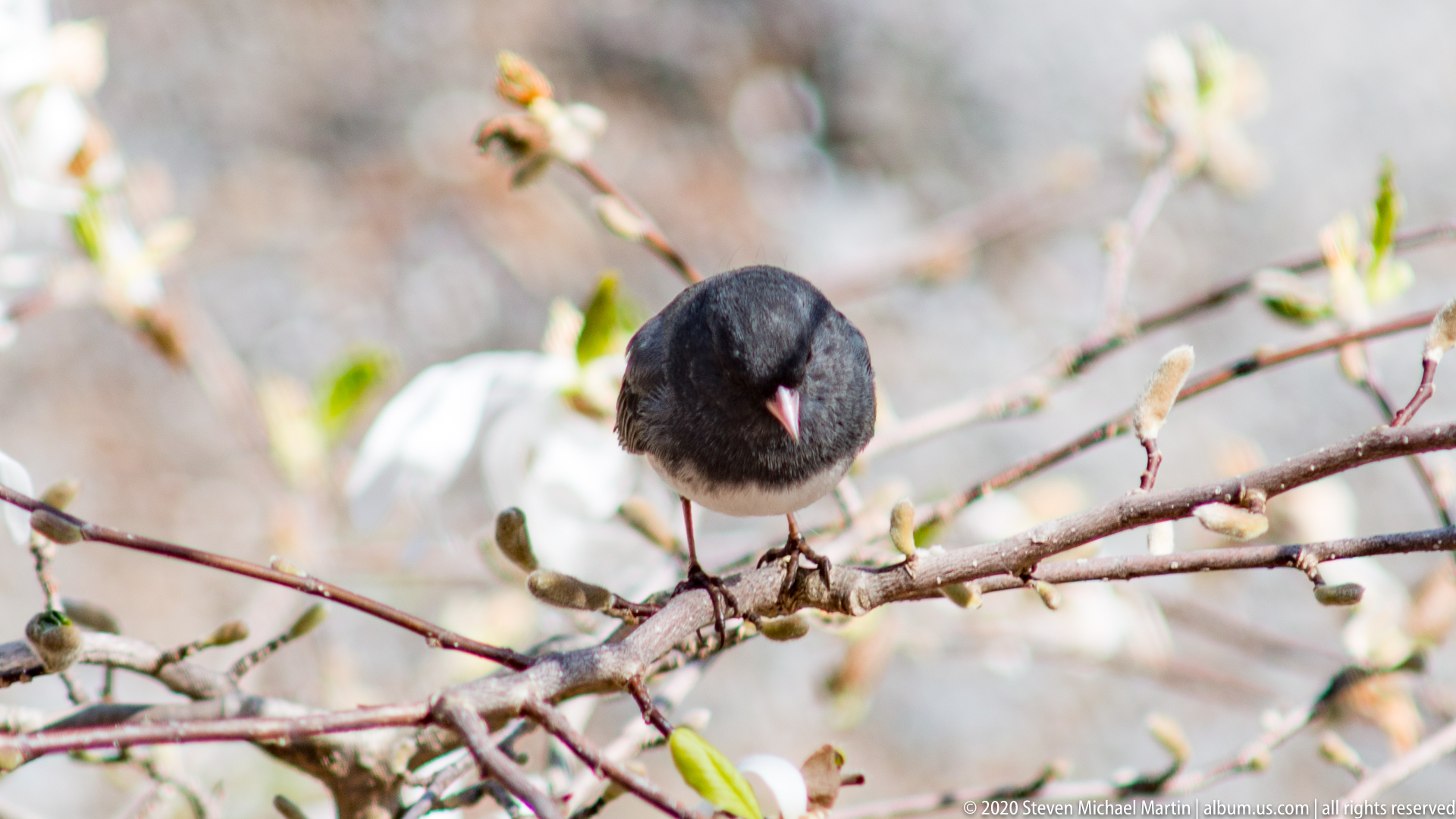
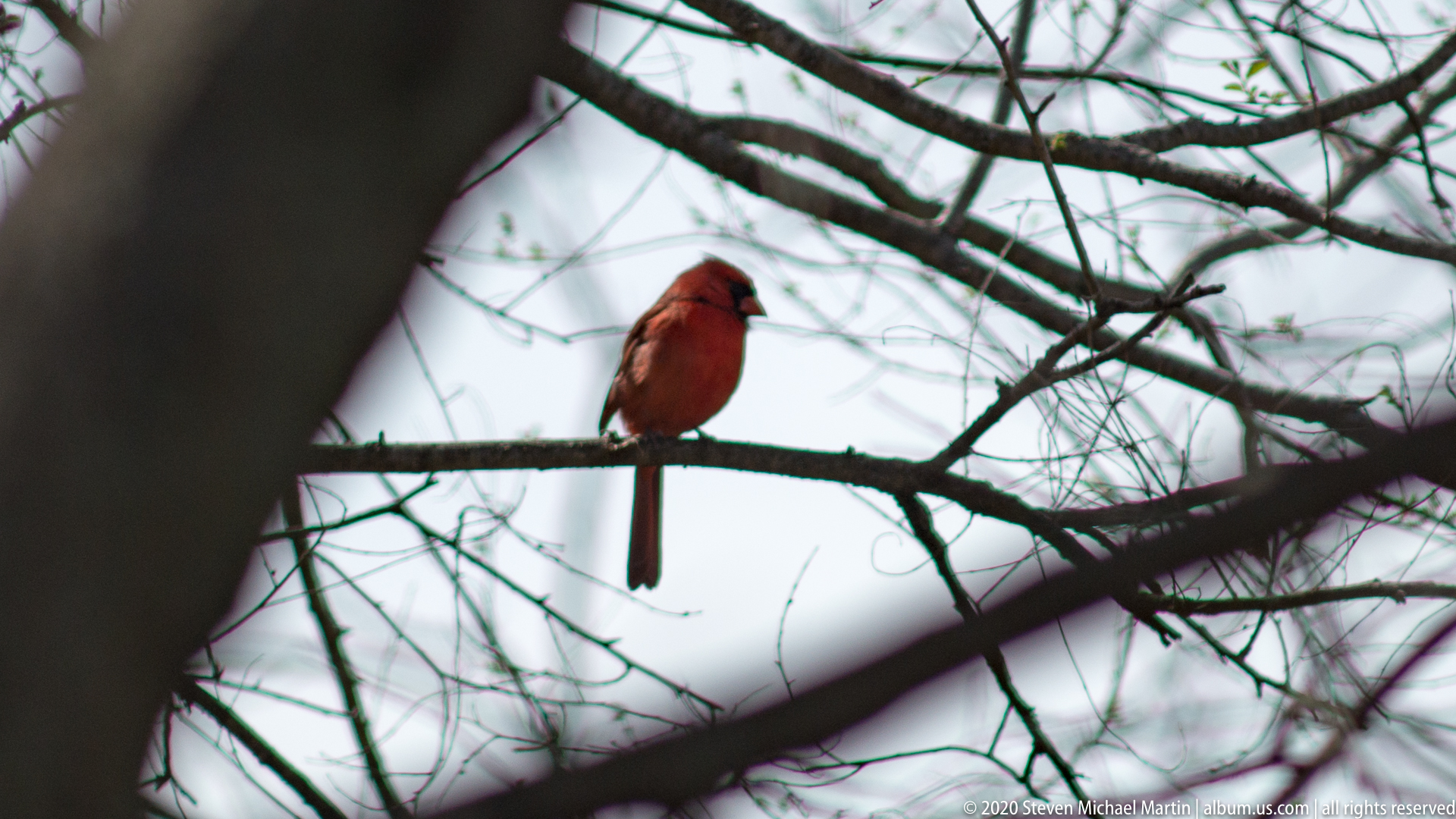
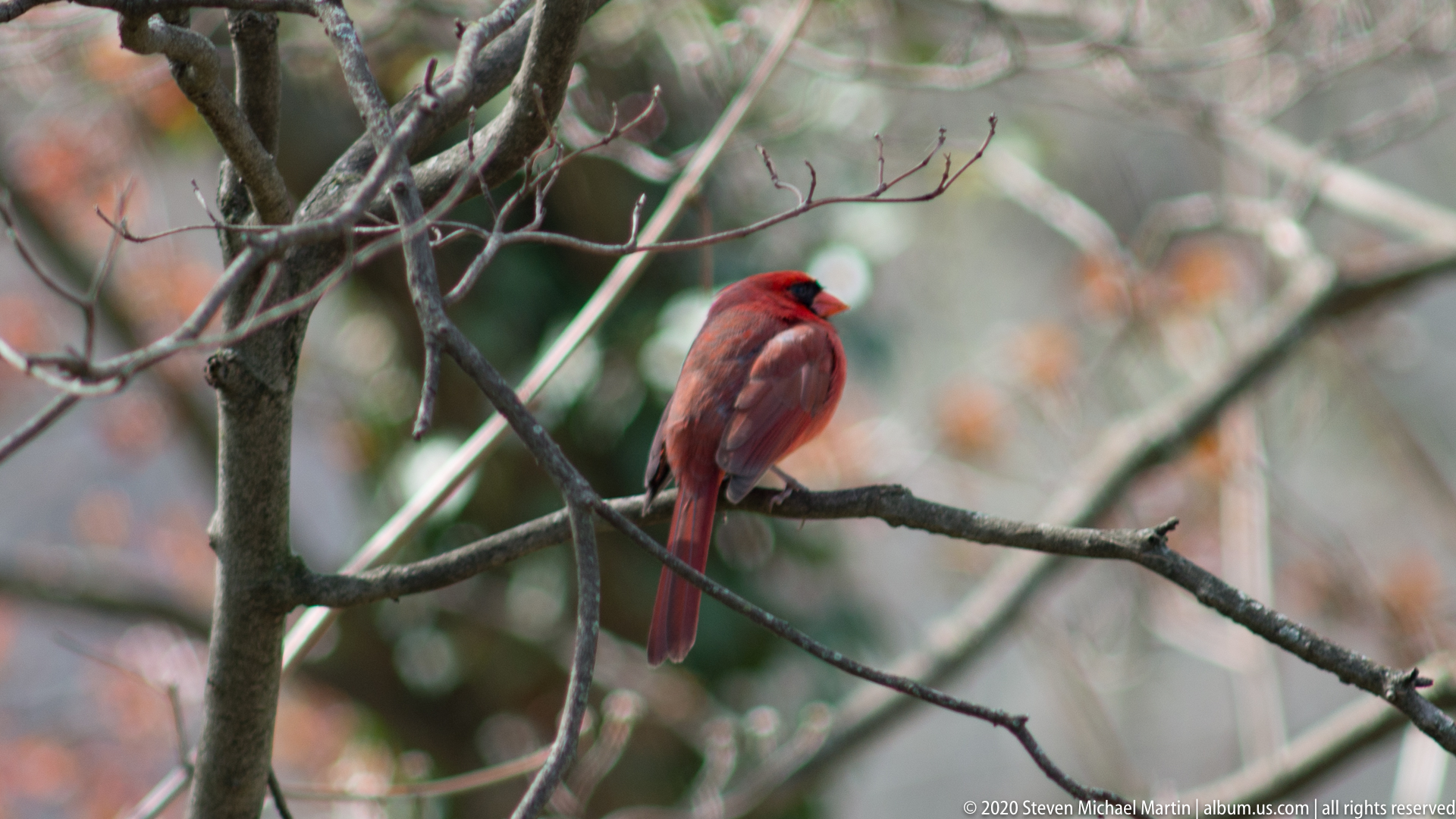
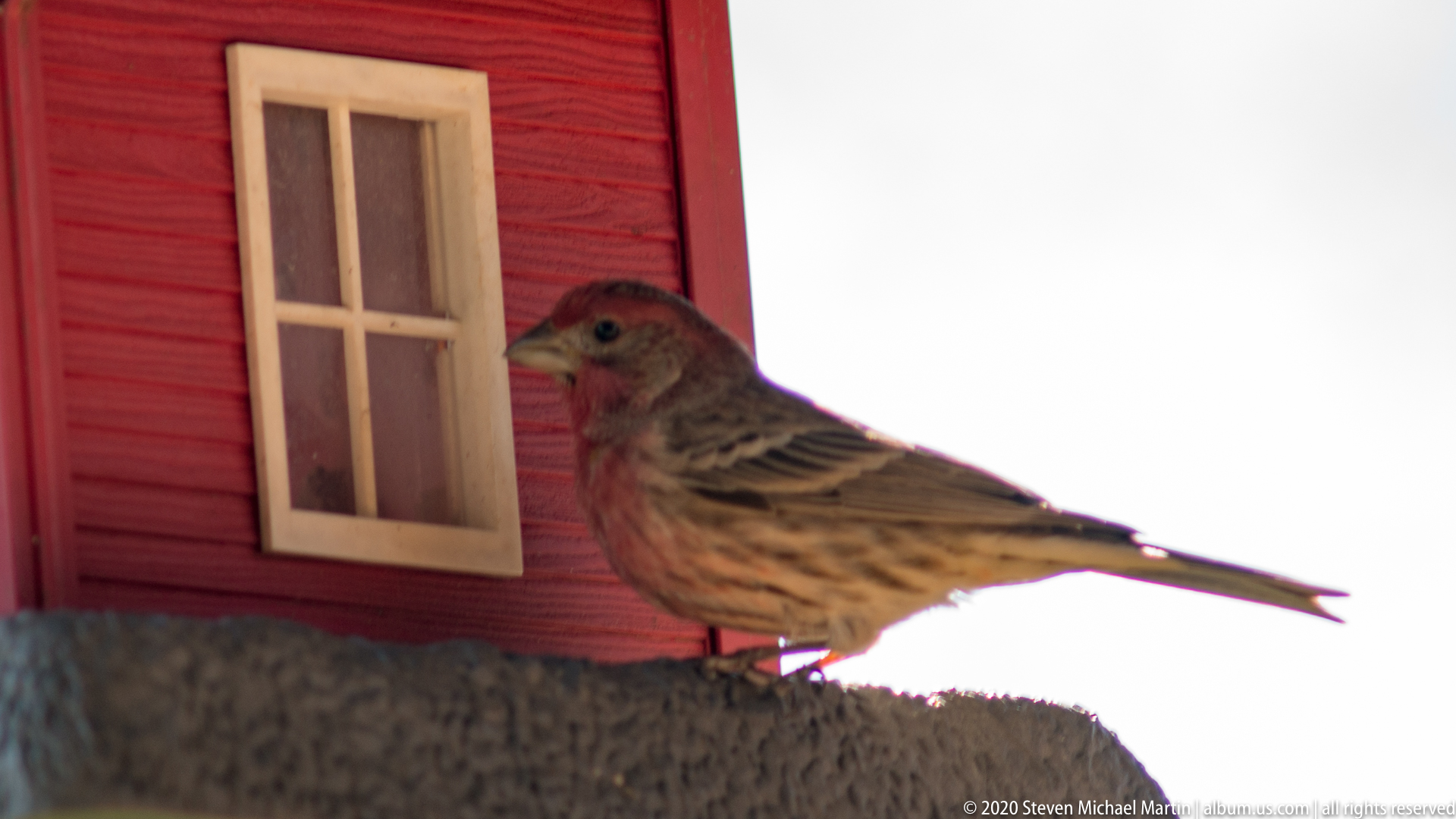
Bird species commonly observed in spring include hawks, woodpeckers, sparrows, and warblers that depend upon woodland and meadow environments for nesting and feeding. The emergence of insects and new vegetation provides essential food resources that support breeding activity and territorial behavior. Observing bird populations during migration illustrates the ecological significance of preserved landscapes within the broader network of habitats required for species survival.
Spring bird activity contributes to understanding the relationship between seasonal change and wildlife behavior in the mid-Atlantic region. The return of migratory species demonstrates the importance of habitat continuity across large geographic areas. Bird populations serve as indicators of environmental health, reflecting the condition of forests, wetlands, and agricultural landscapes throughout the Shenandoah Valley.