Colonial Williamsburg
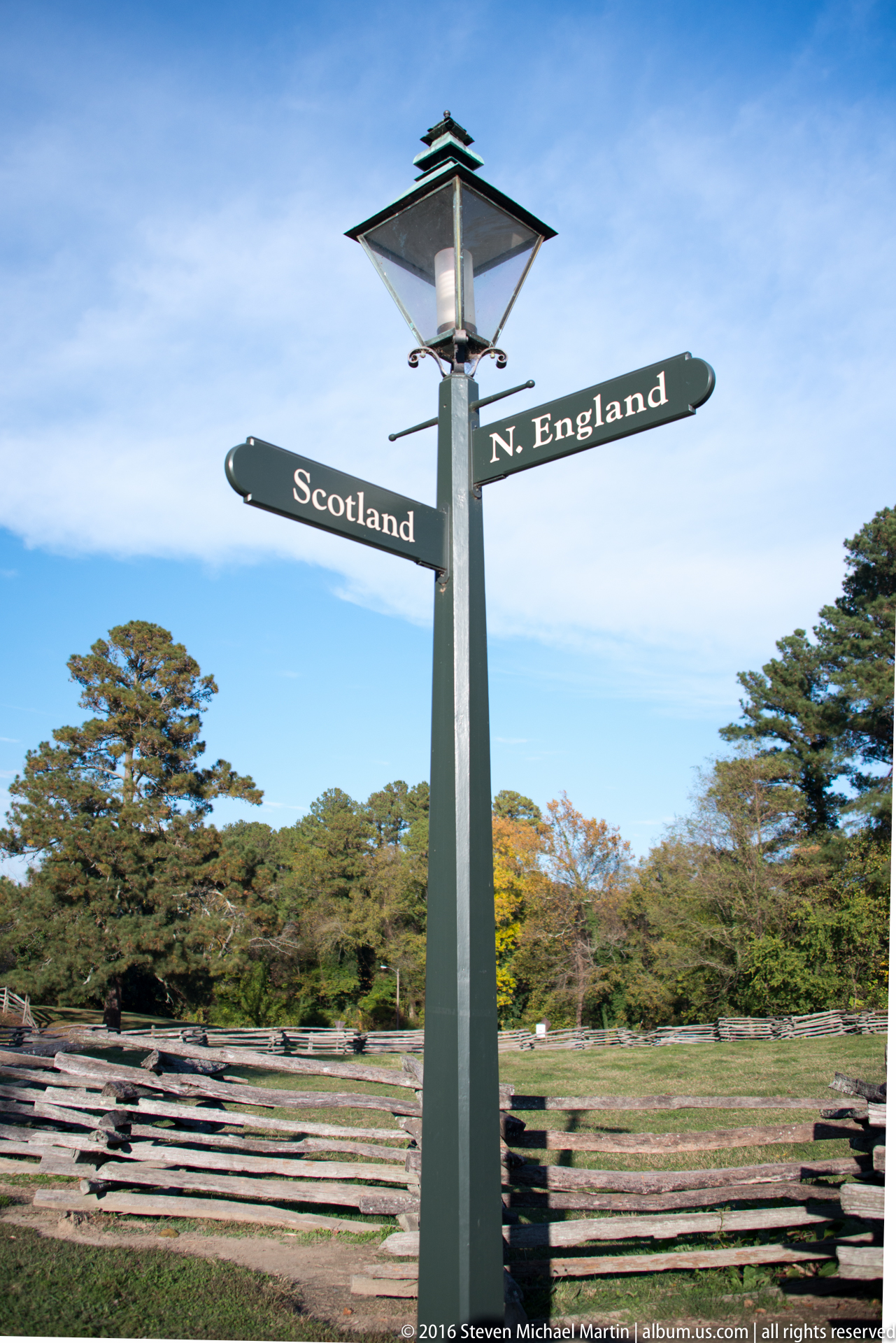
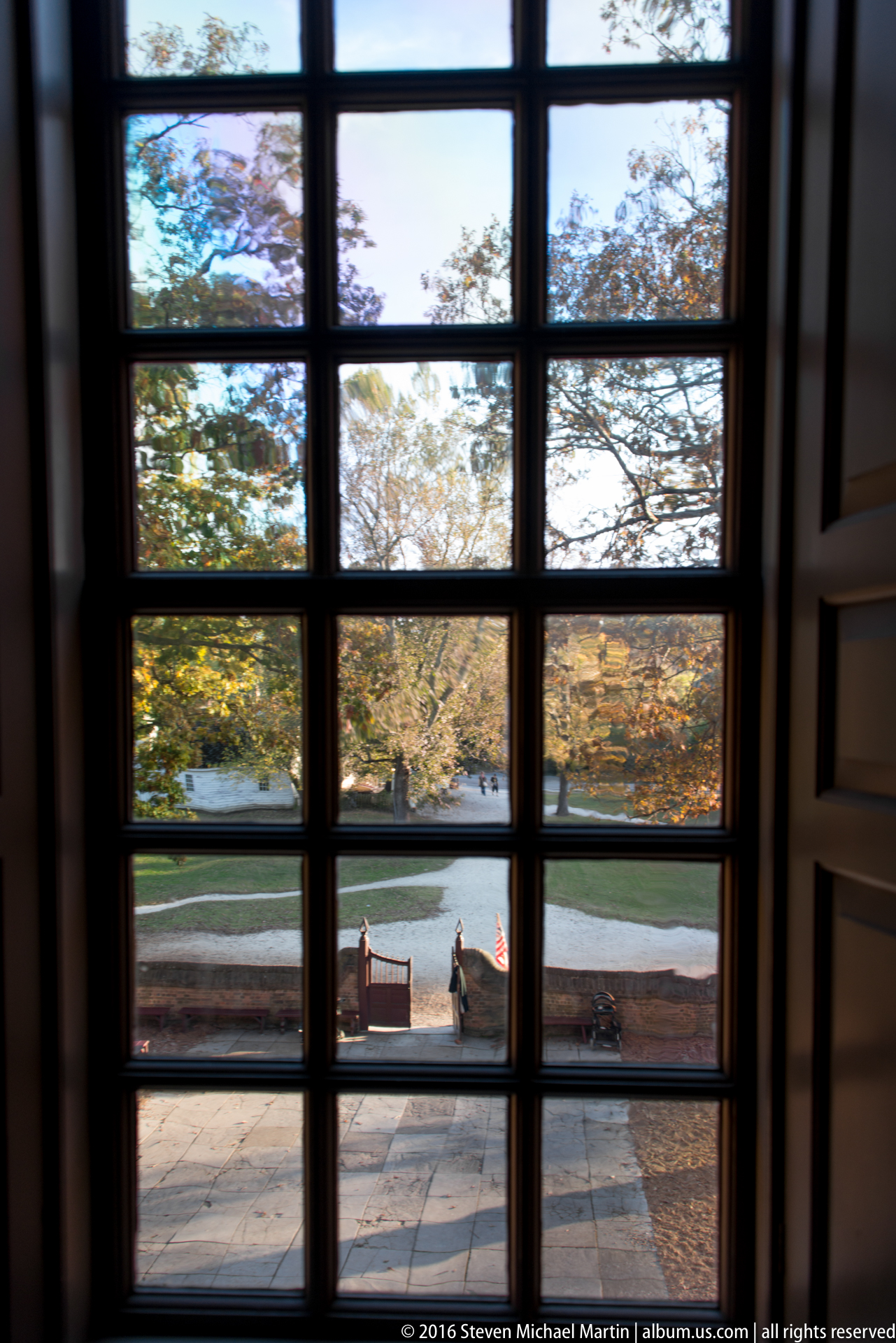
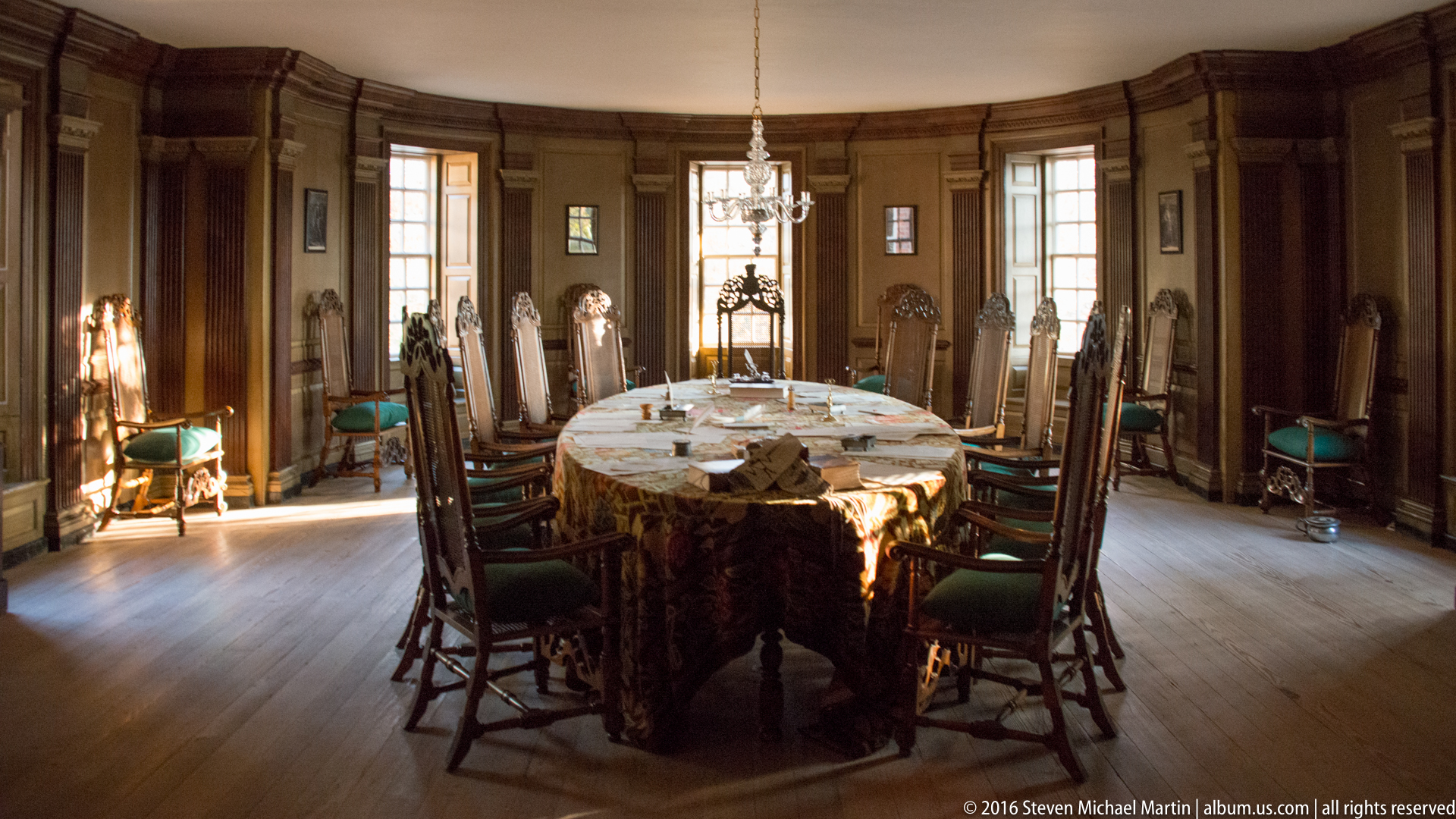
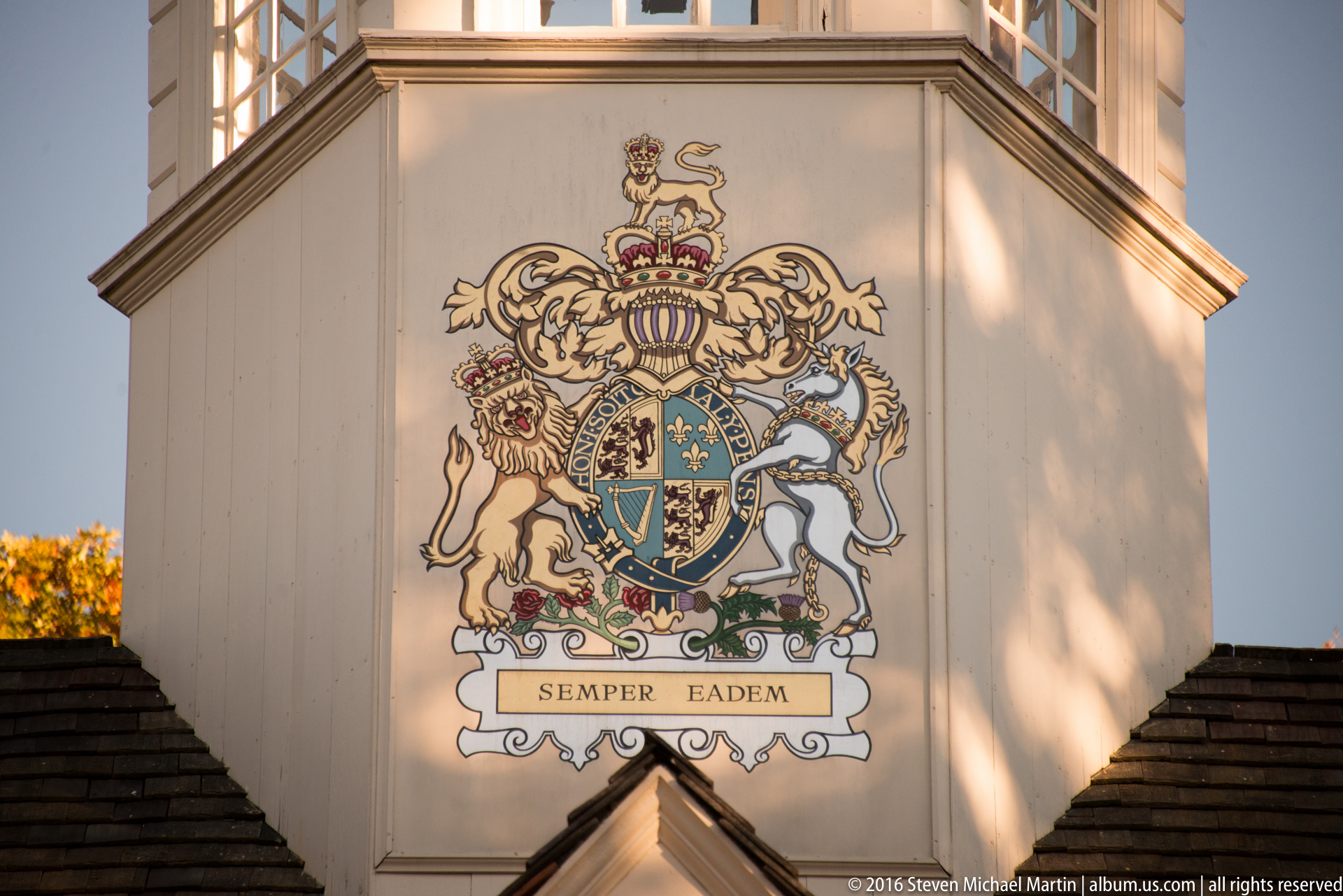
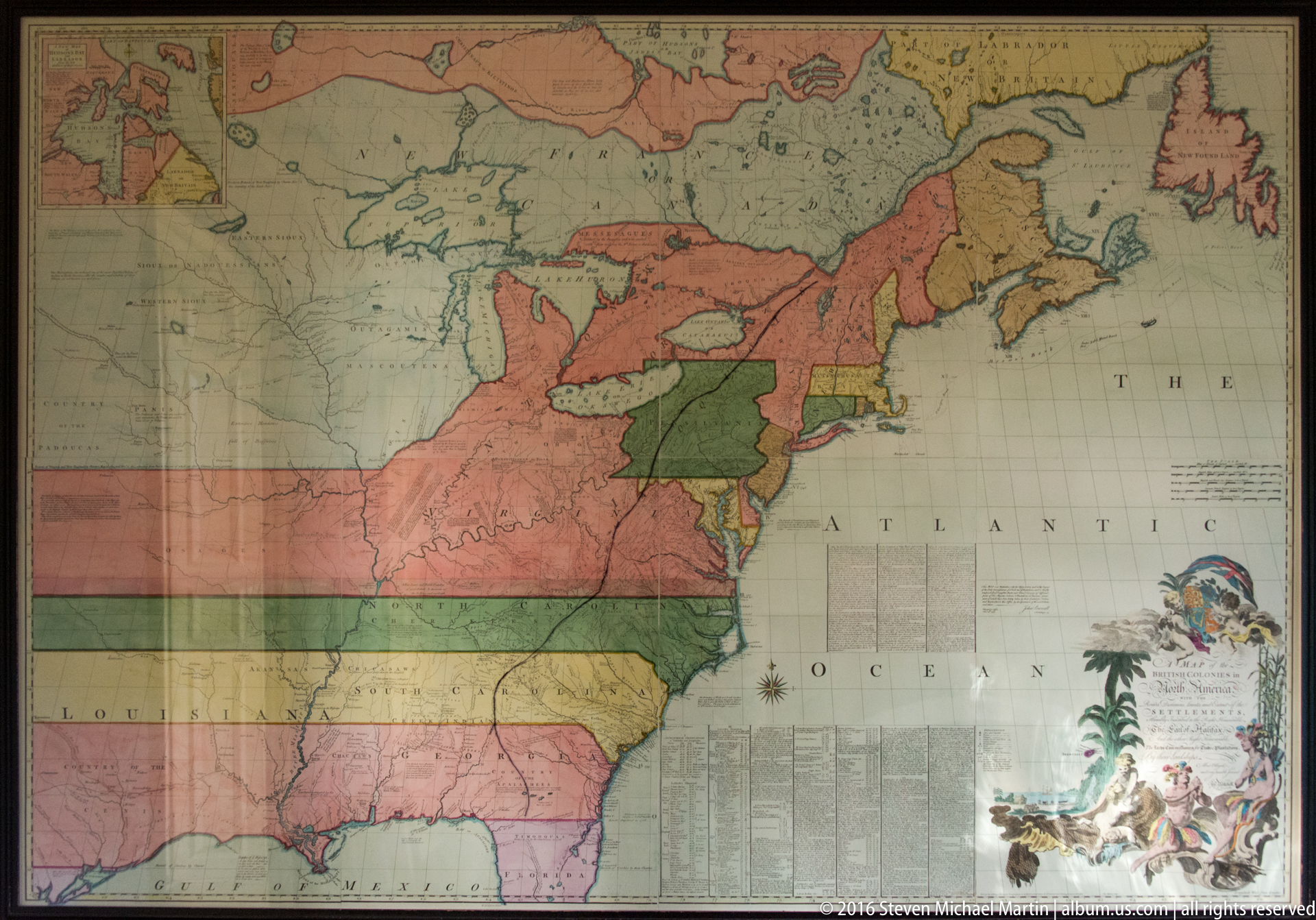
Colonial Williamsburg preserves the historic capital of eighteenth-century Virginia, where political, educational, and cultural institutions contributed to the development of ideas that shaped the American Revolution. Established as the colonial capital in 1699, Williamsburg became an intellectual center where leaders including Thomas Jefferson, Patrick Henry, and George Washington participated in debates concerning governance, representation, and independence. The restored town reflects urban planning traditions of the colonial period, with streets, public buildings, and institutional structures arranged according to eighteenth-century design principles.
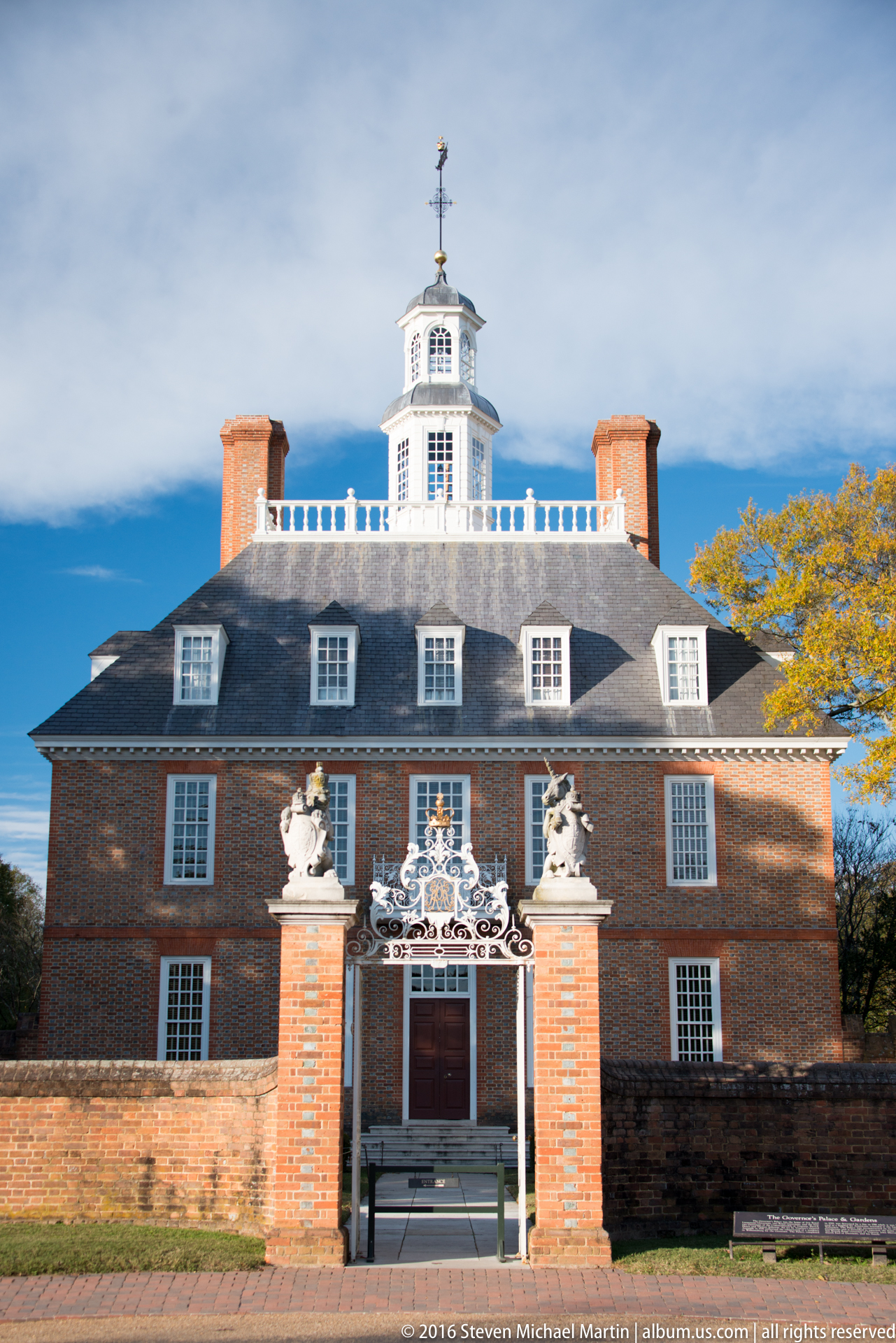
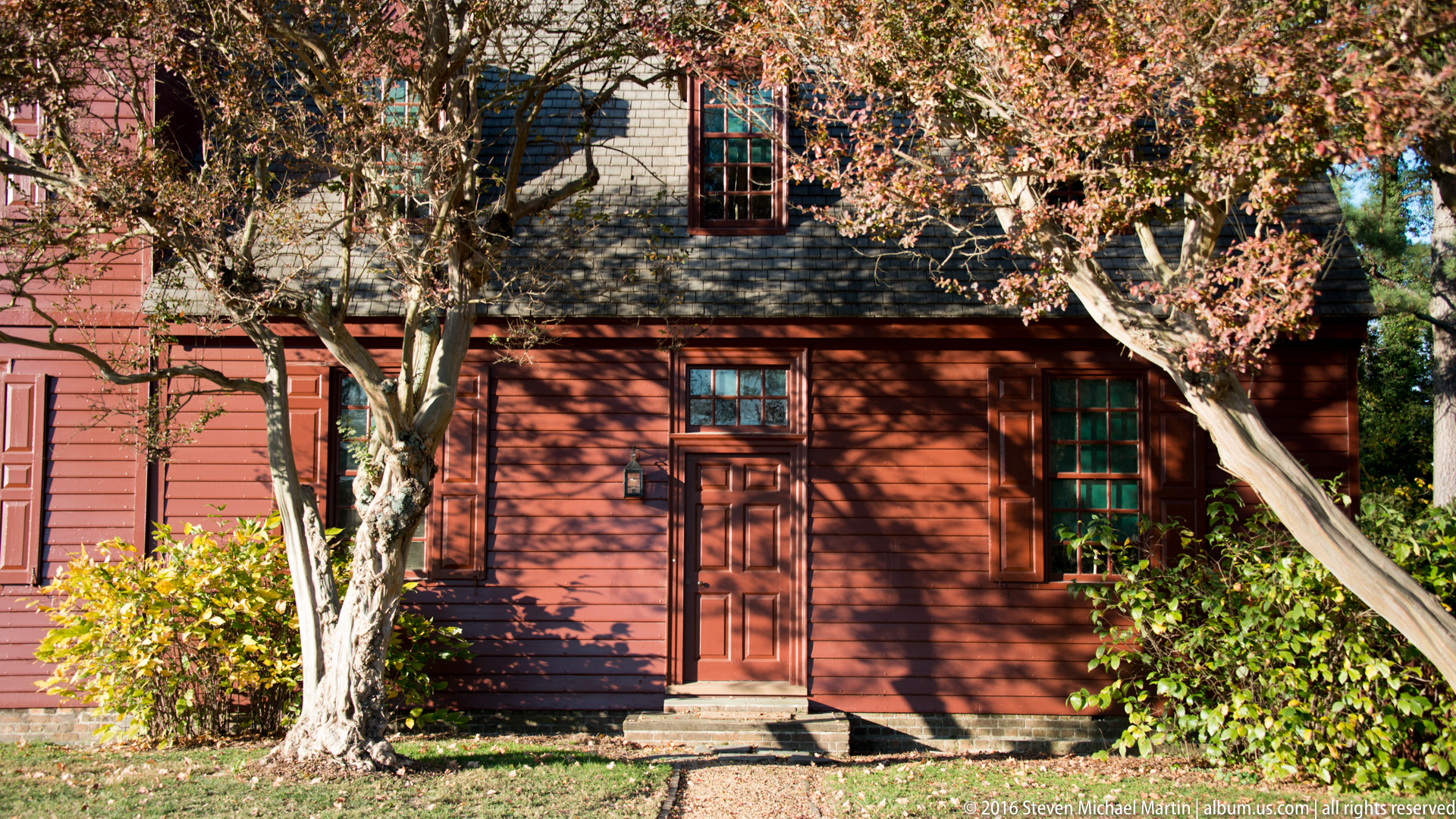
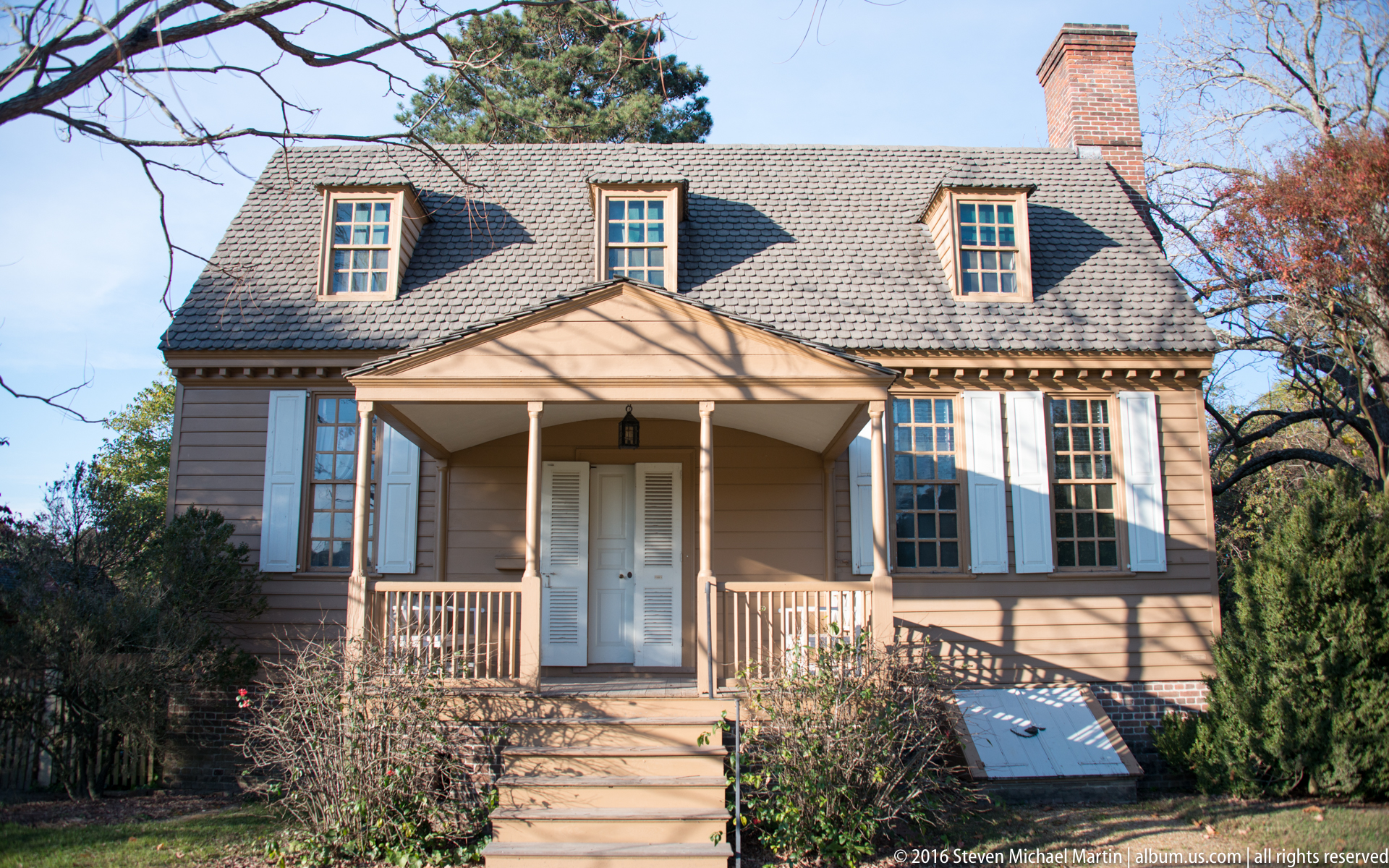
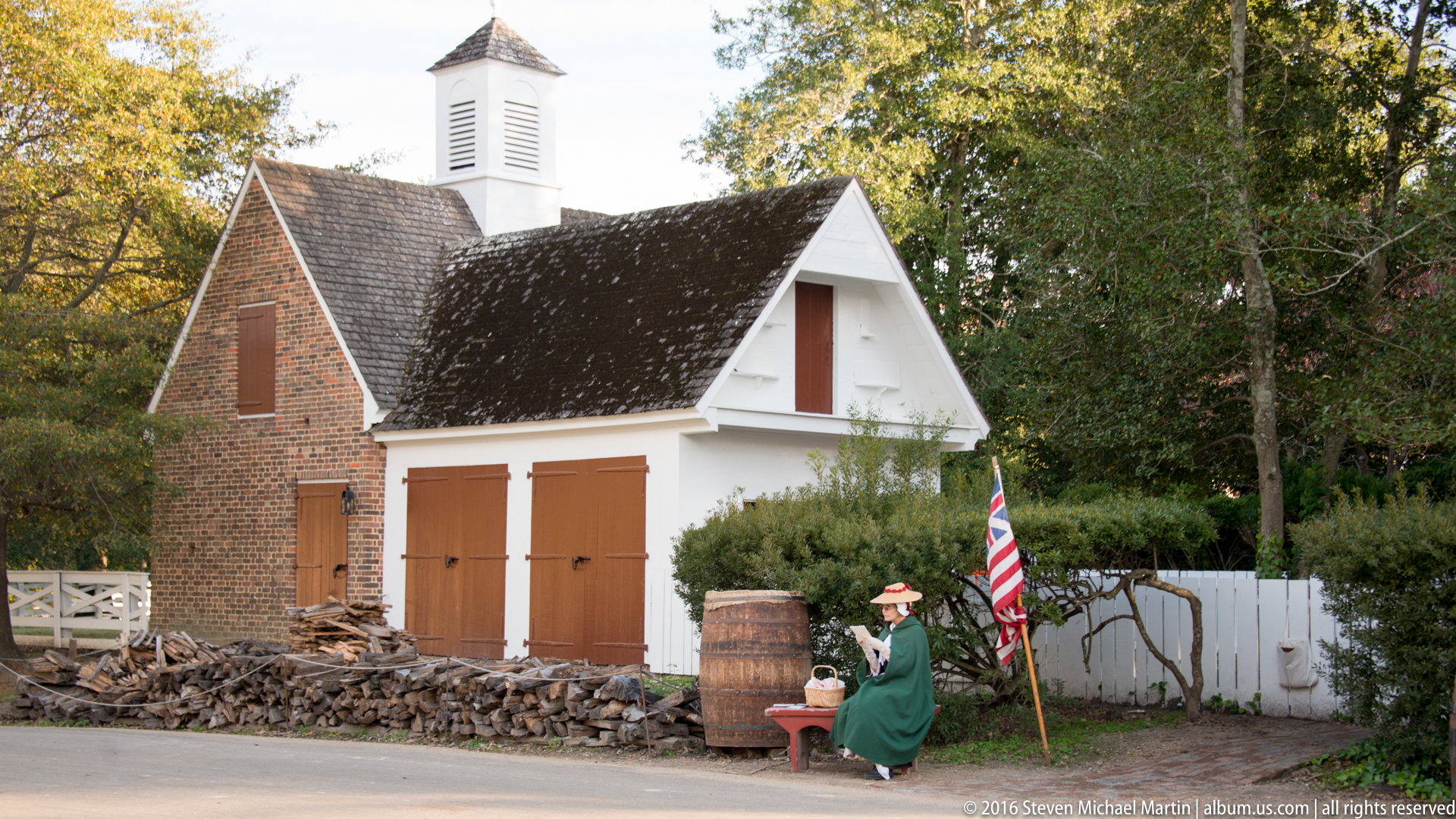
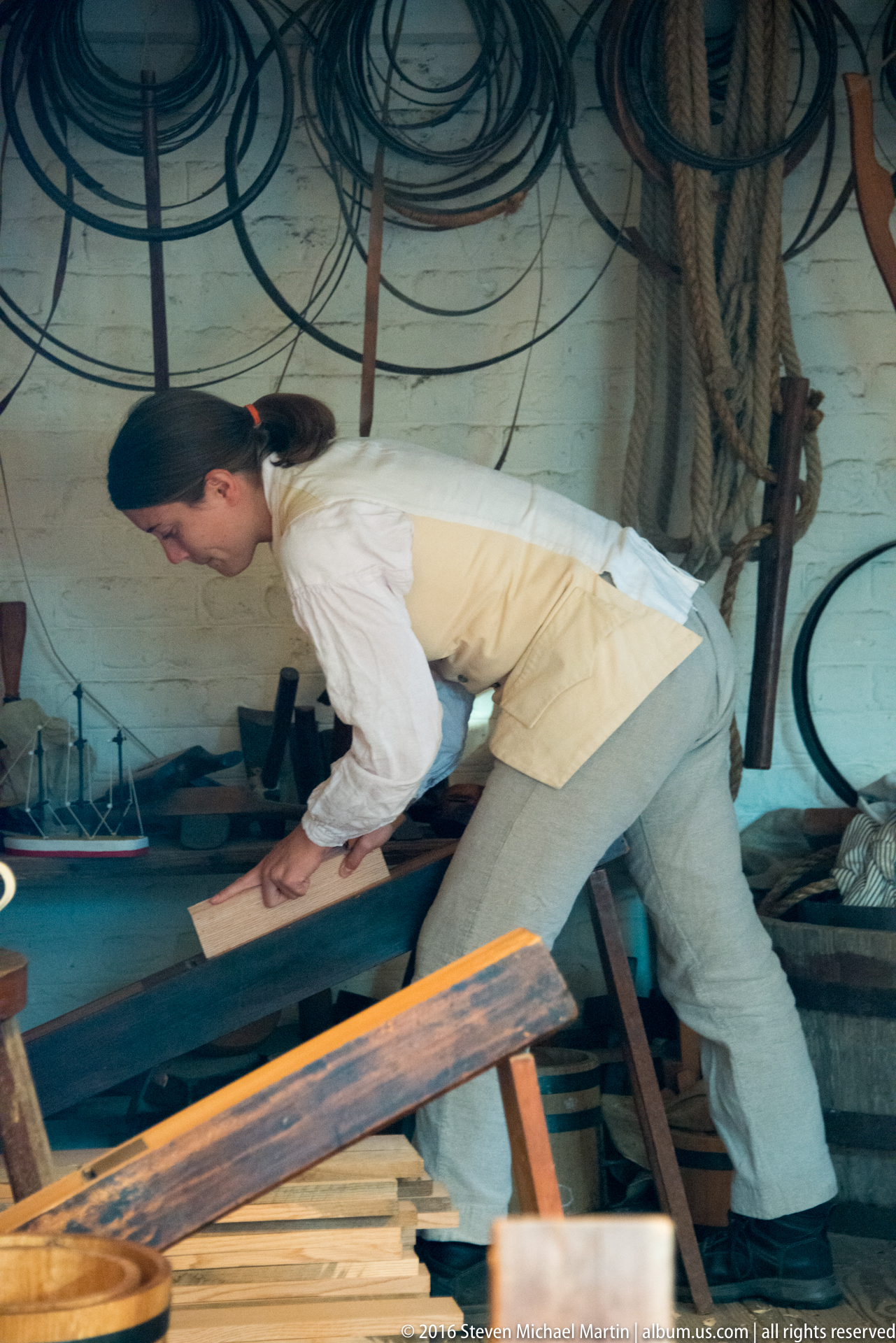
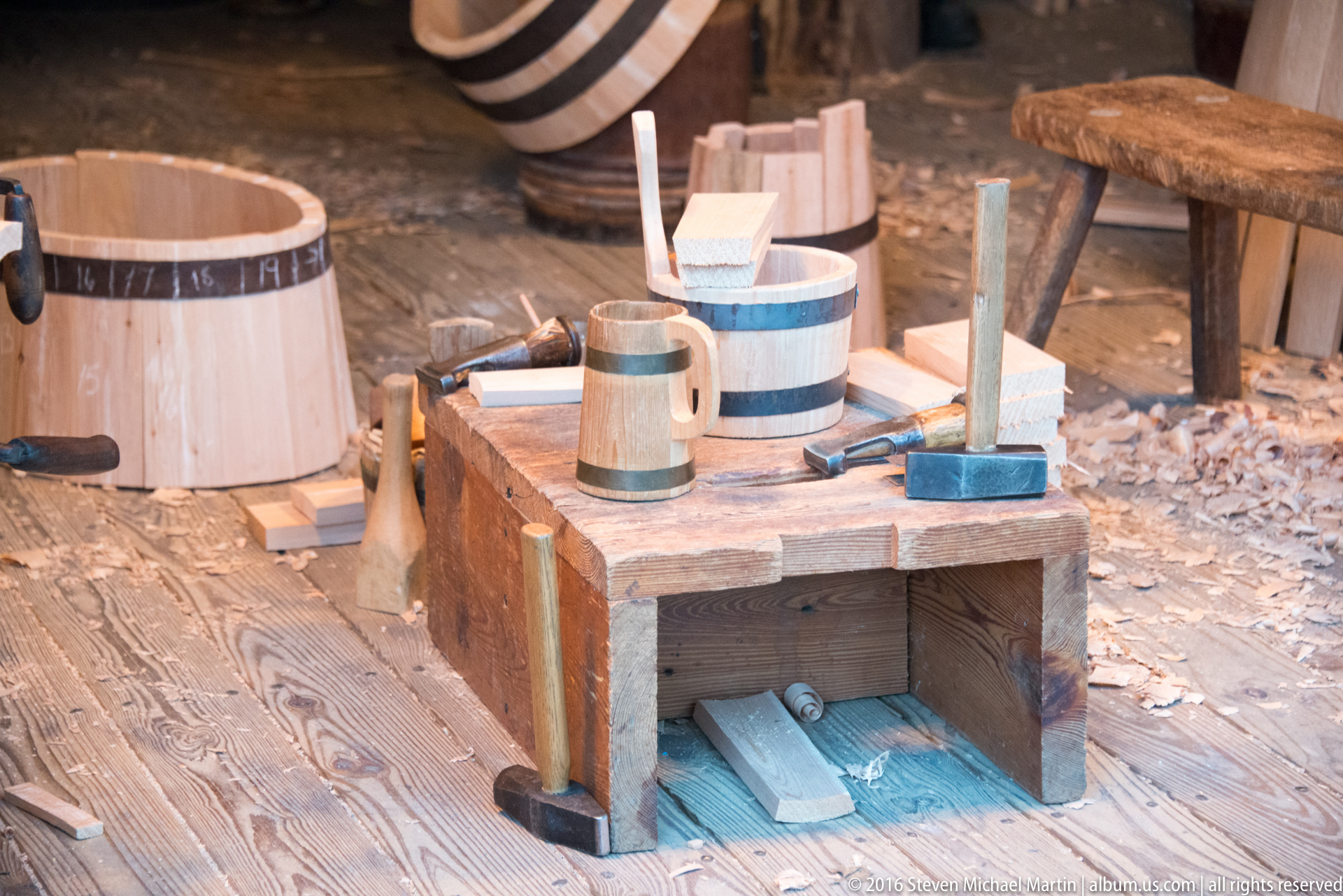
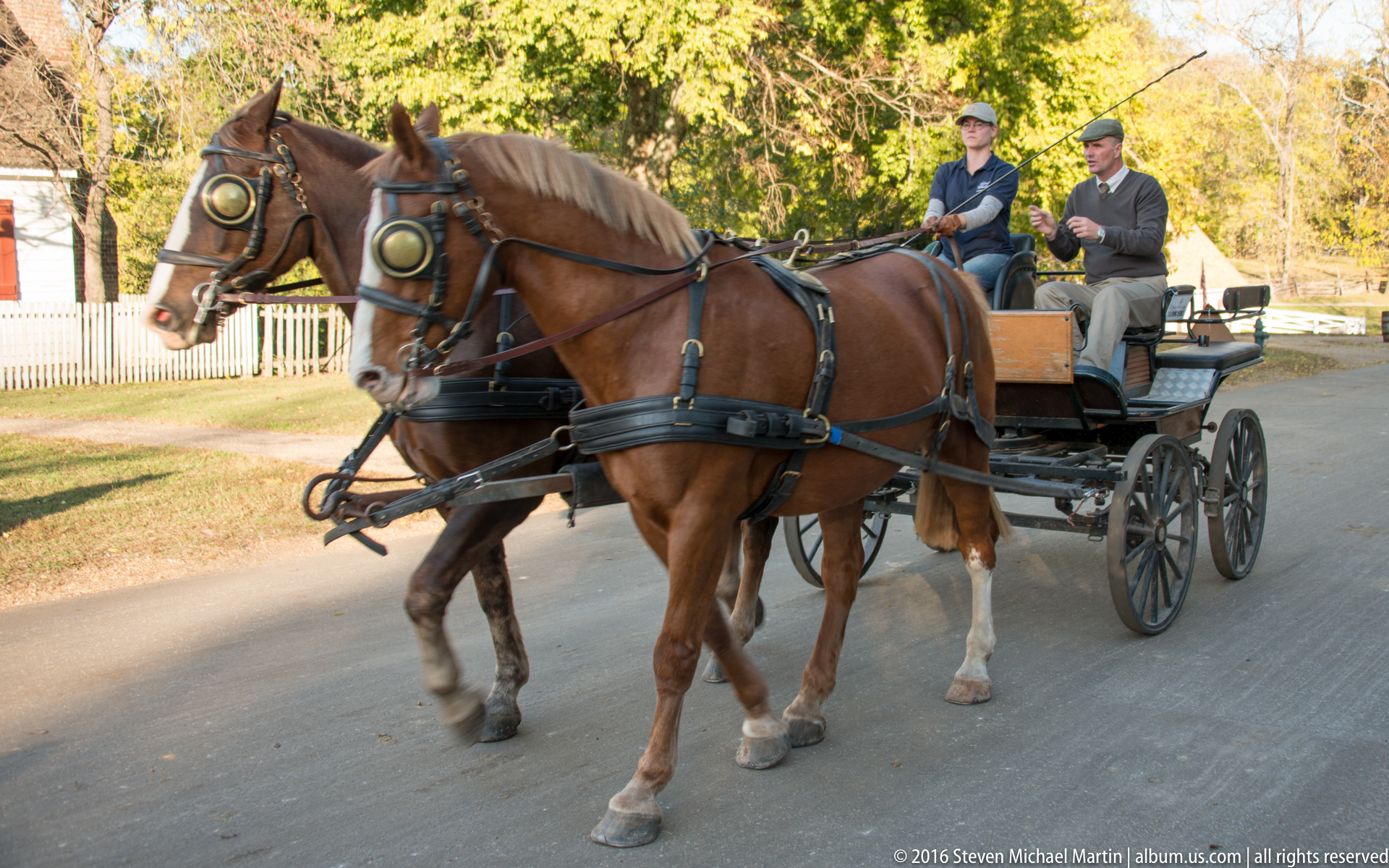
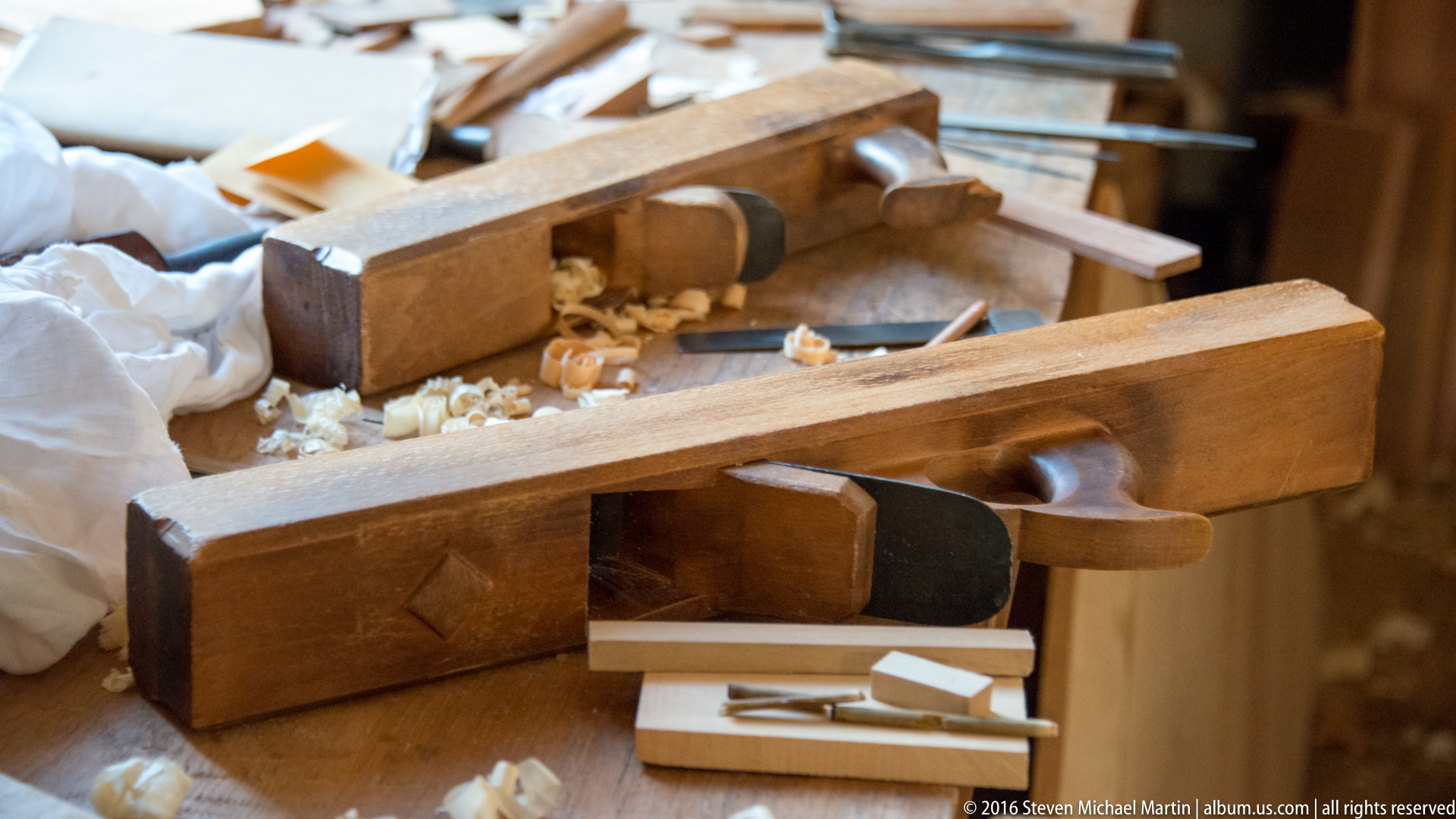
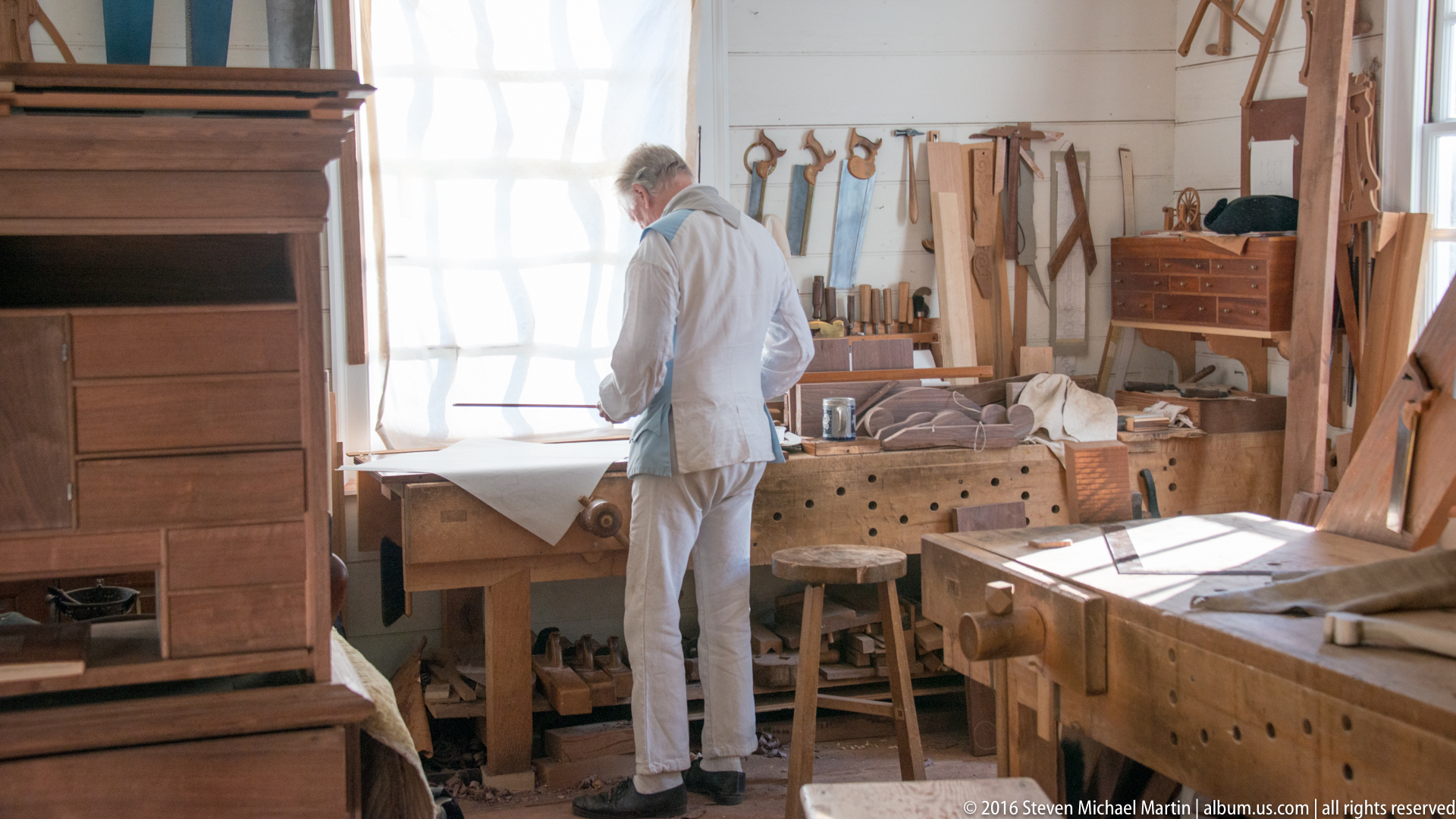
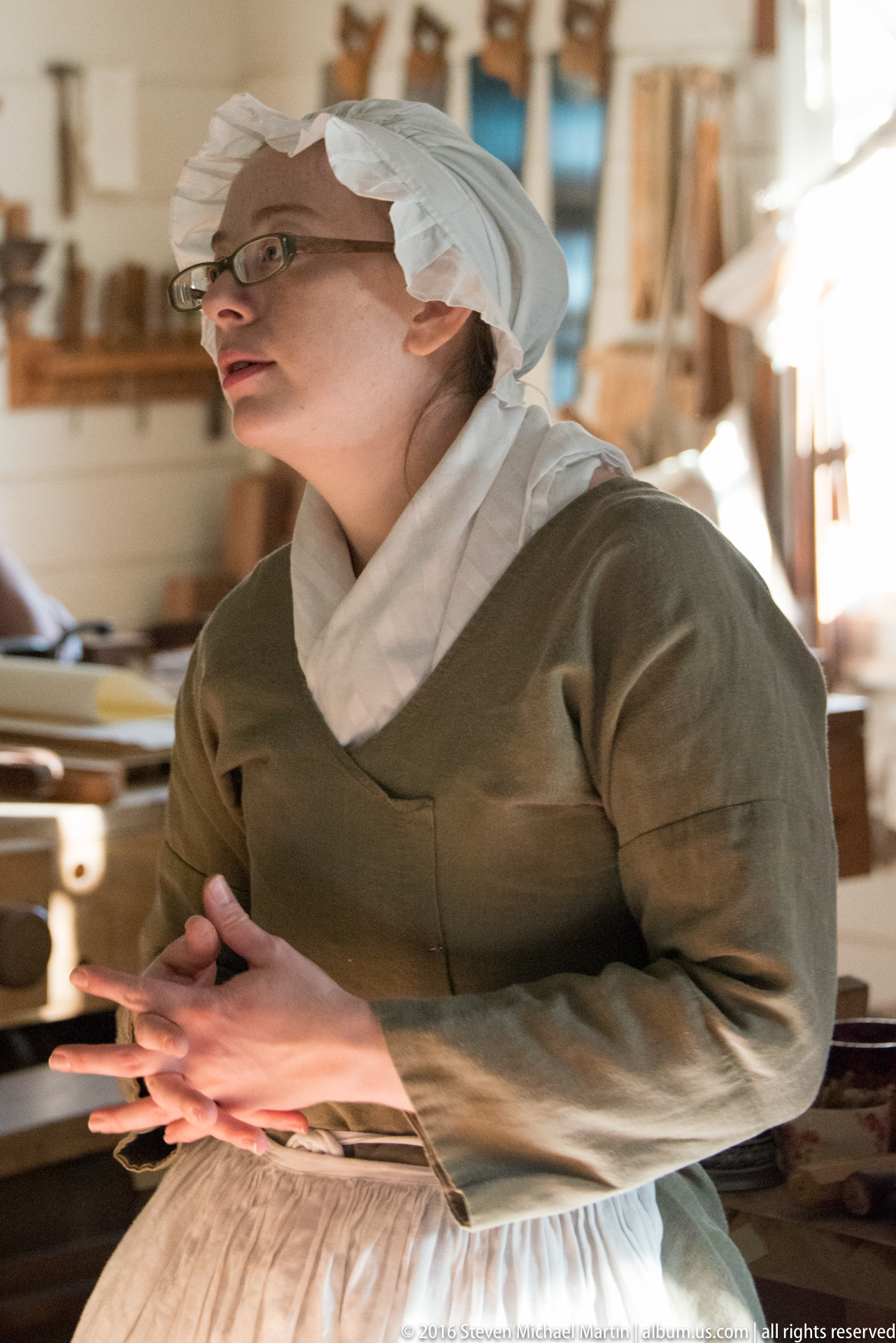
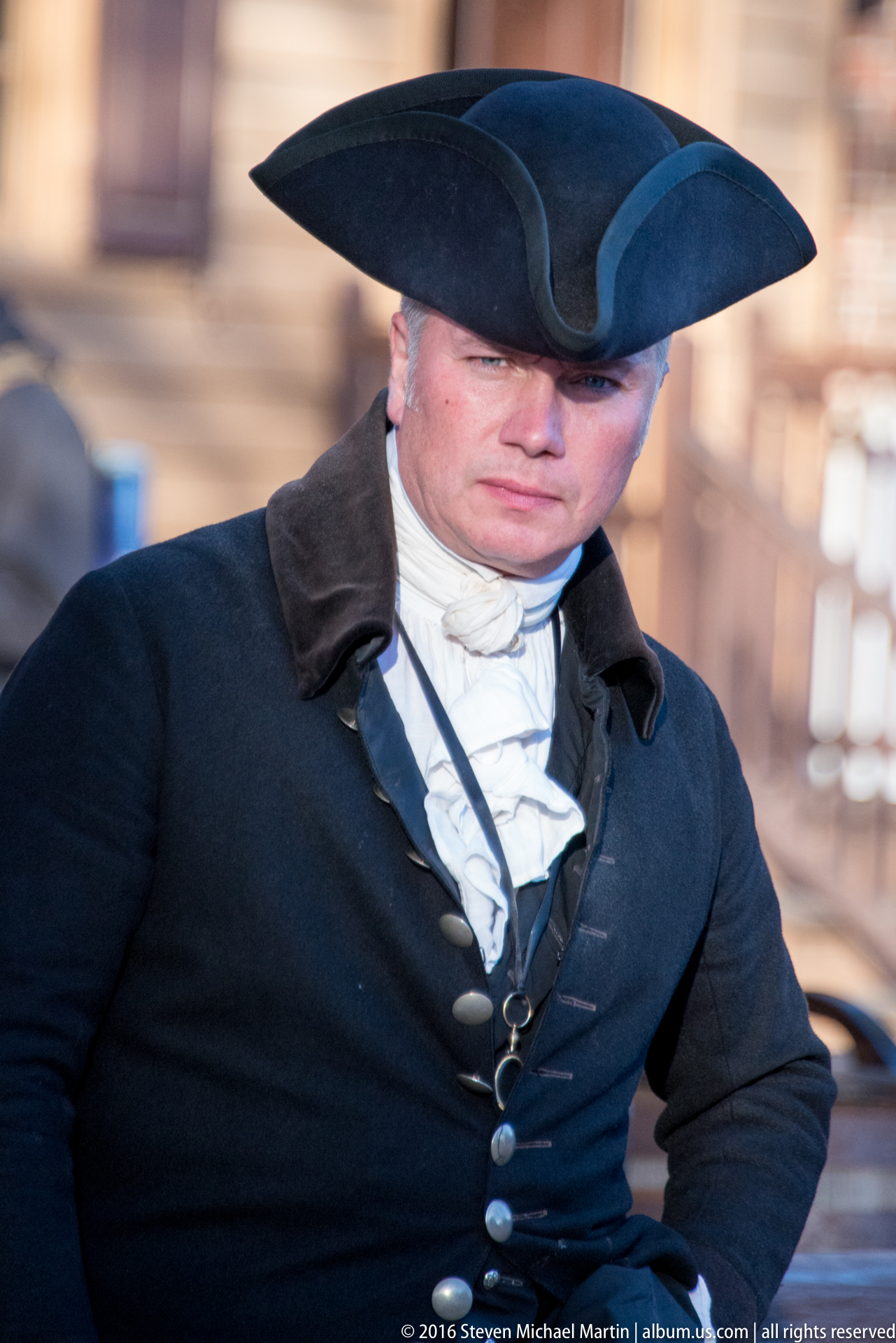
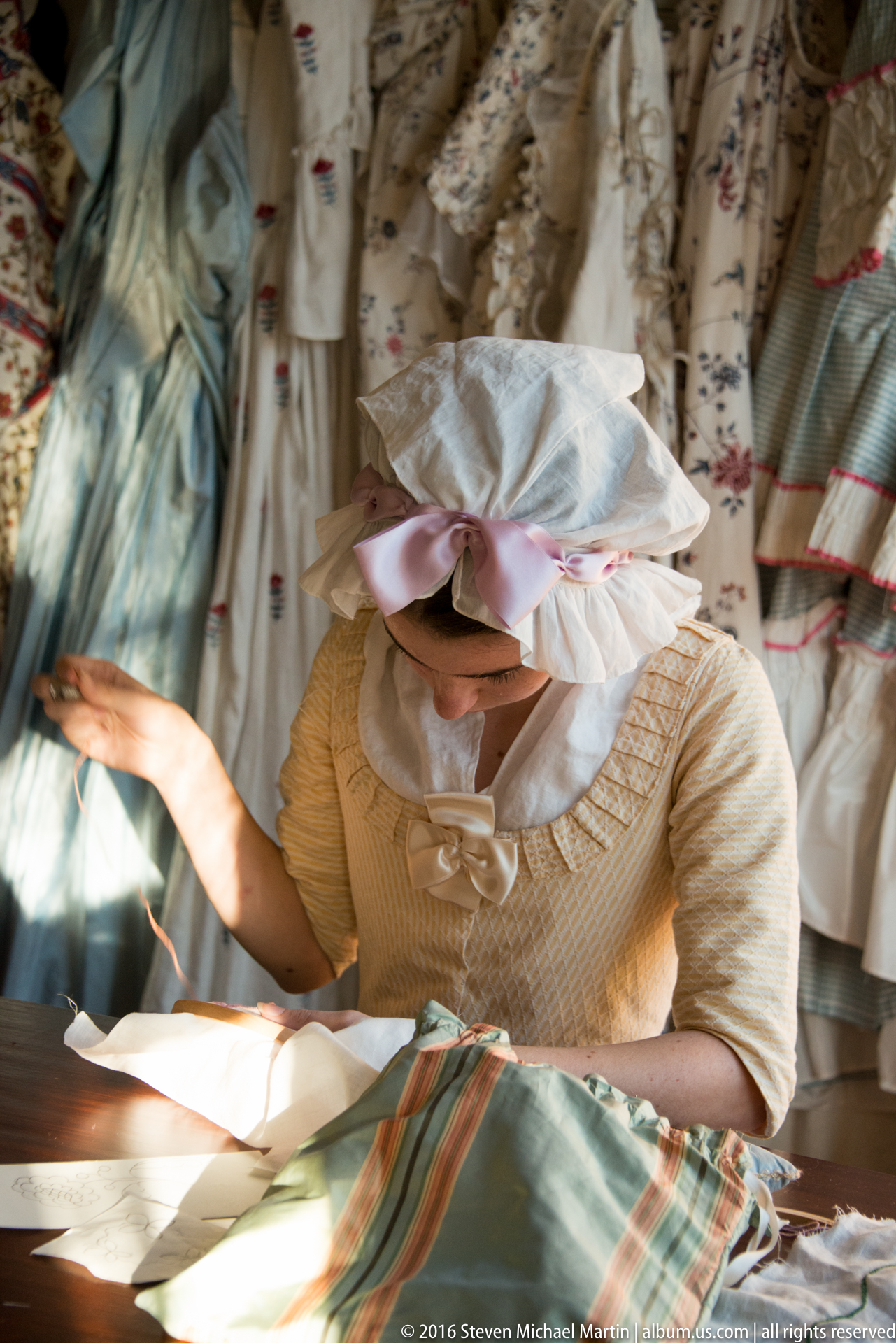
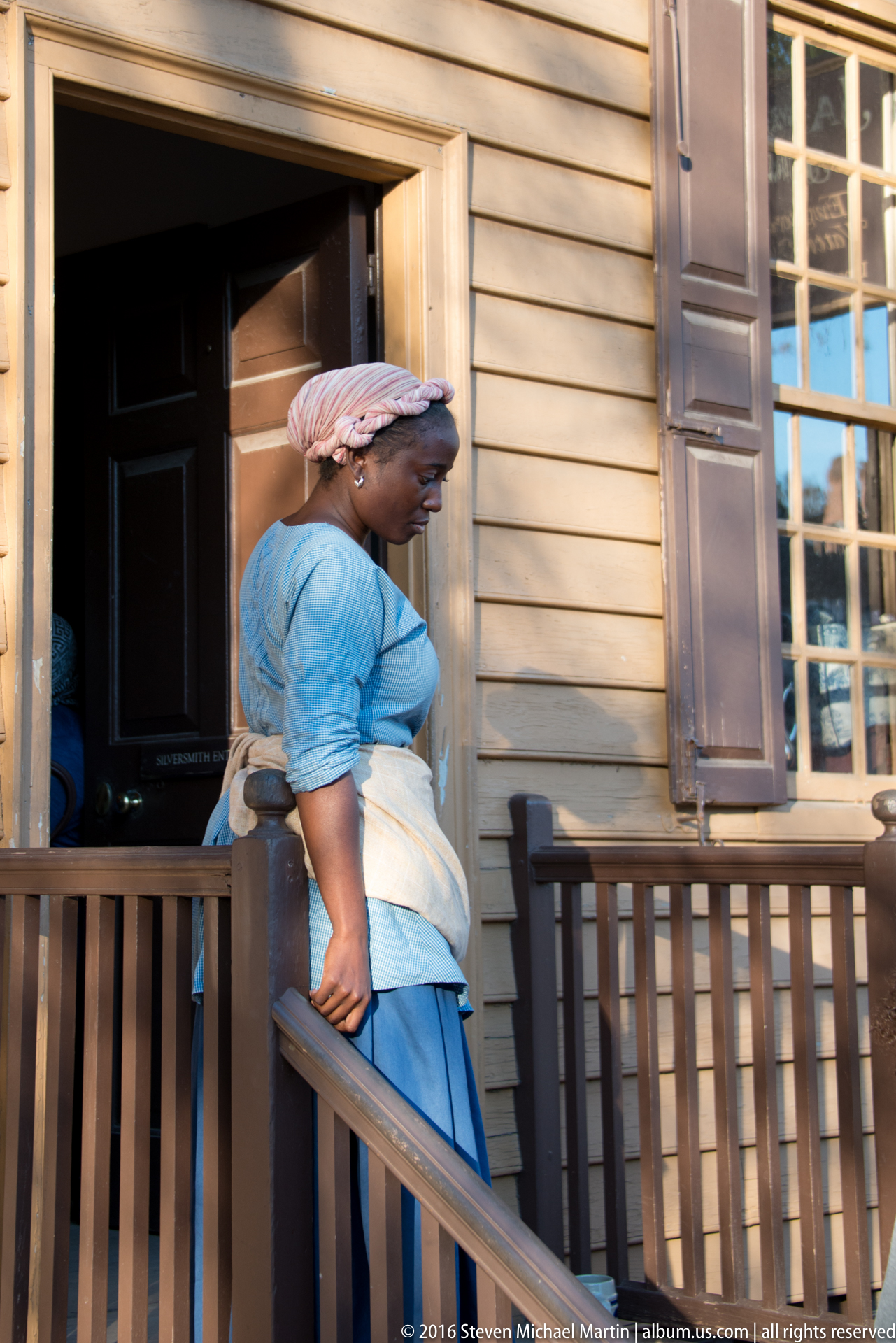
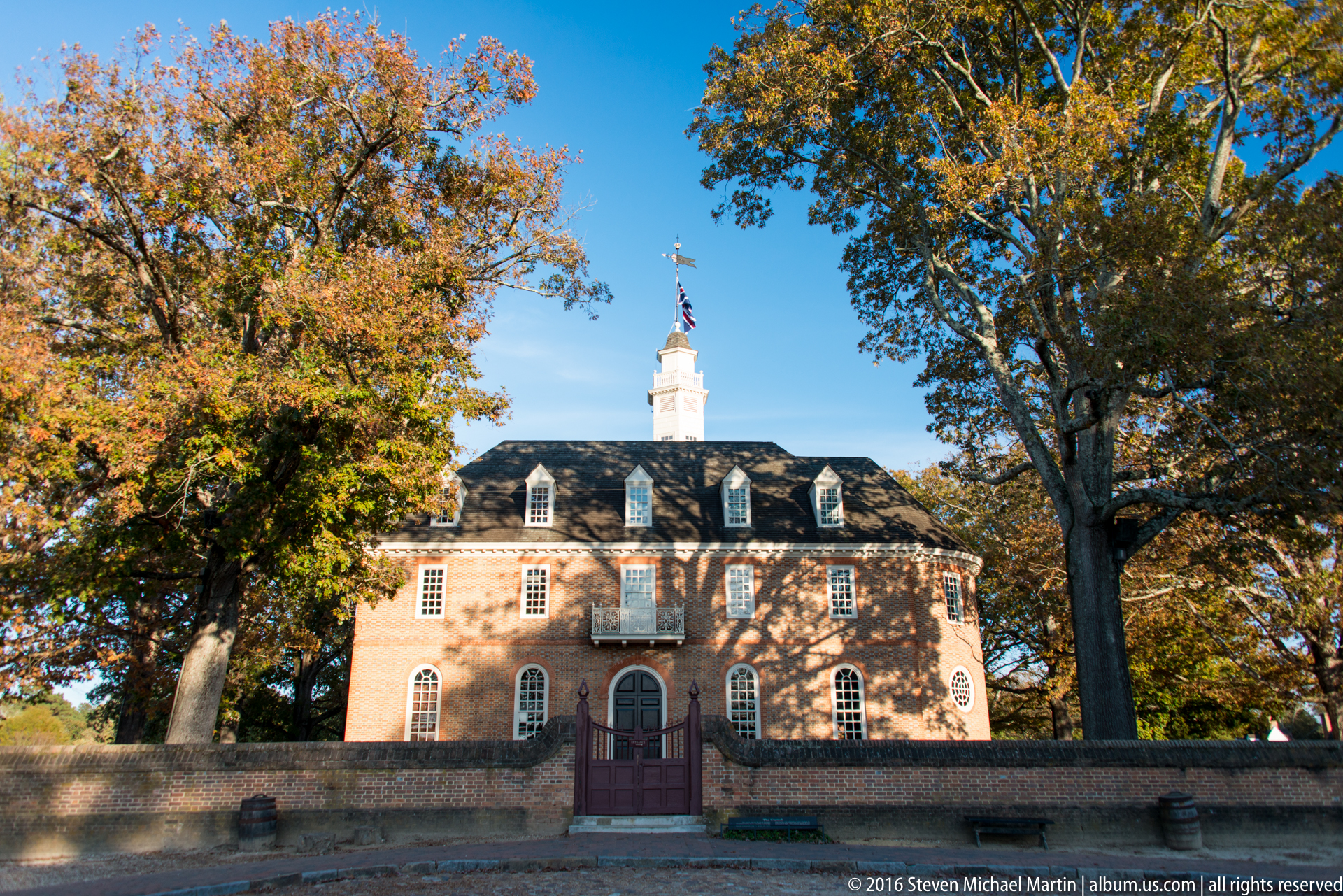
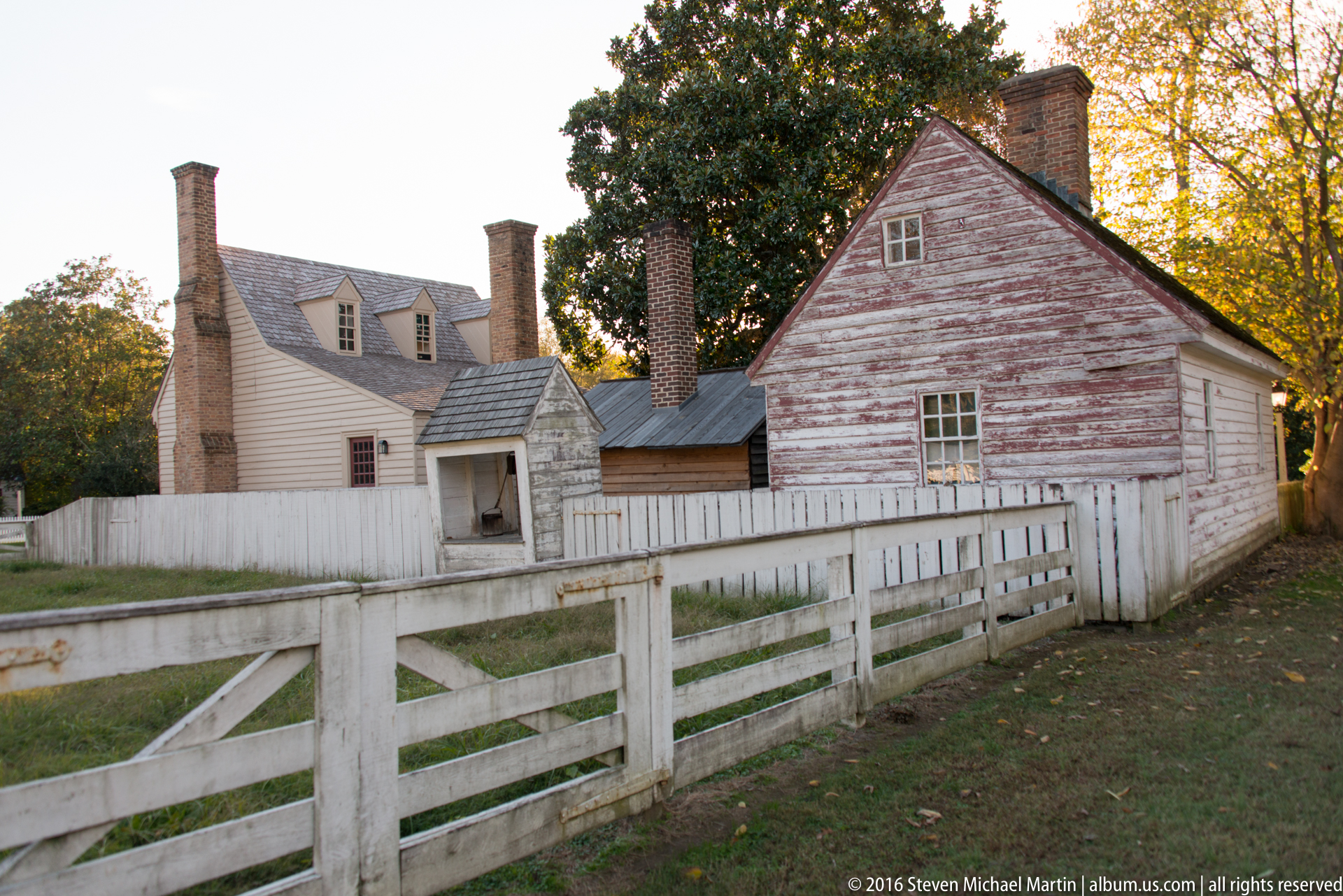
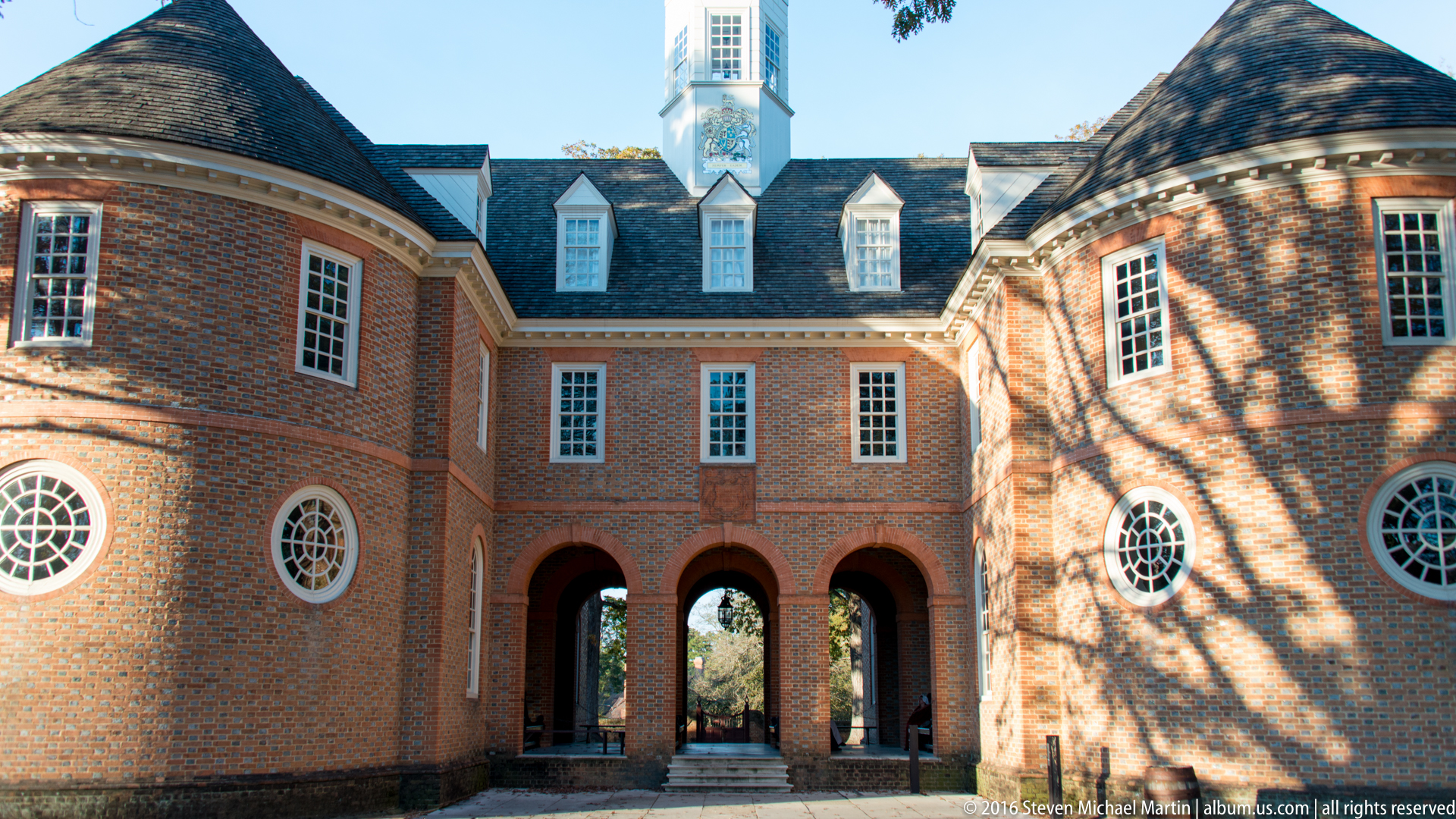
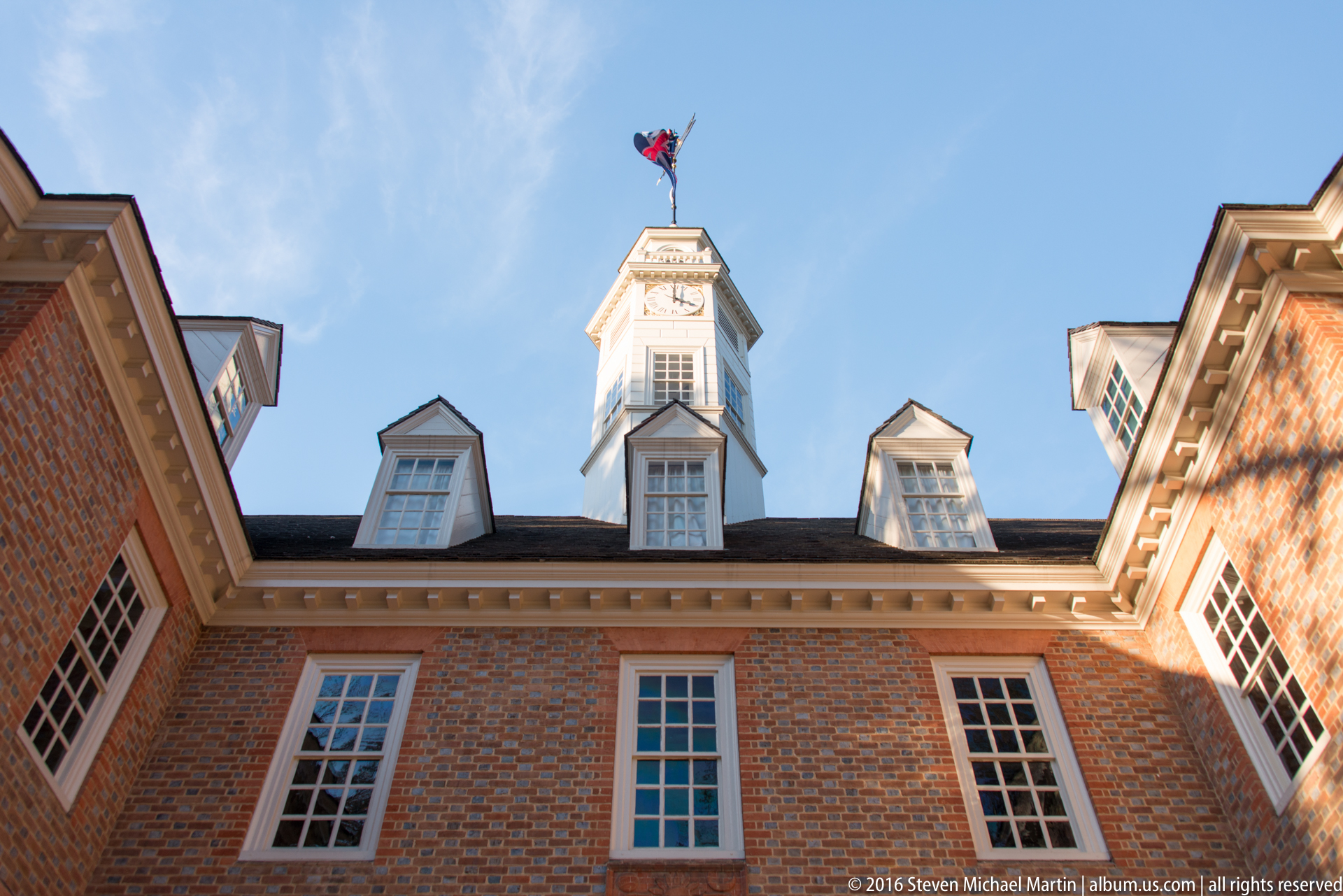
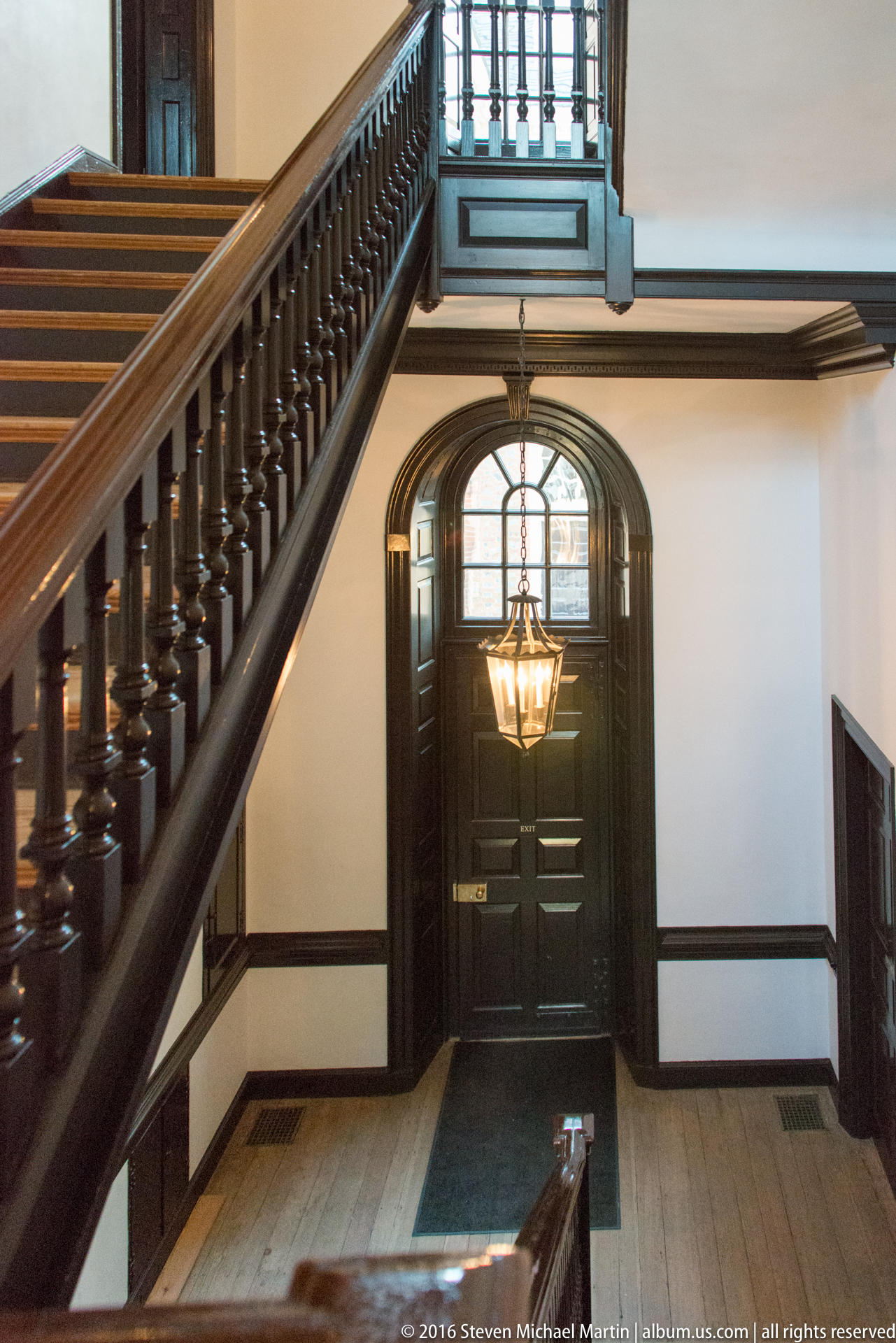
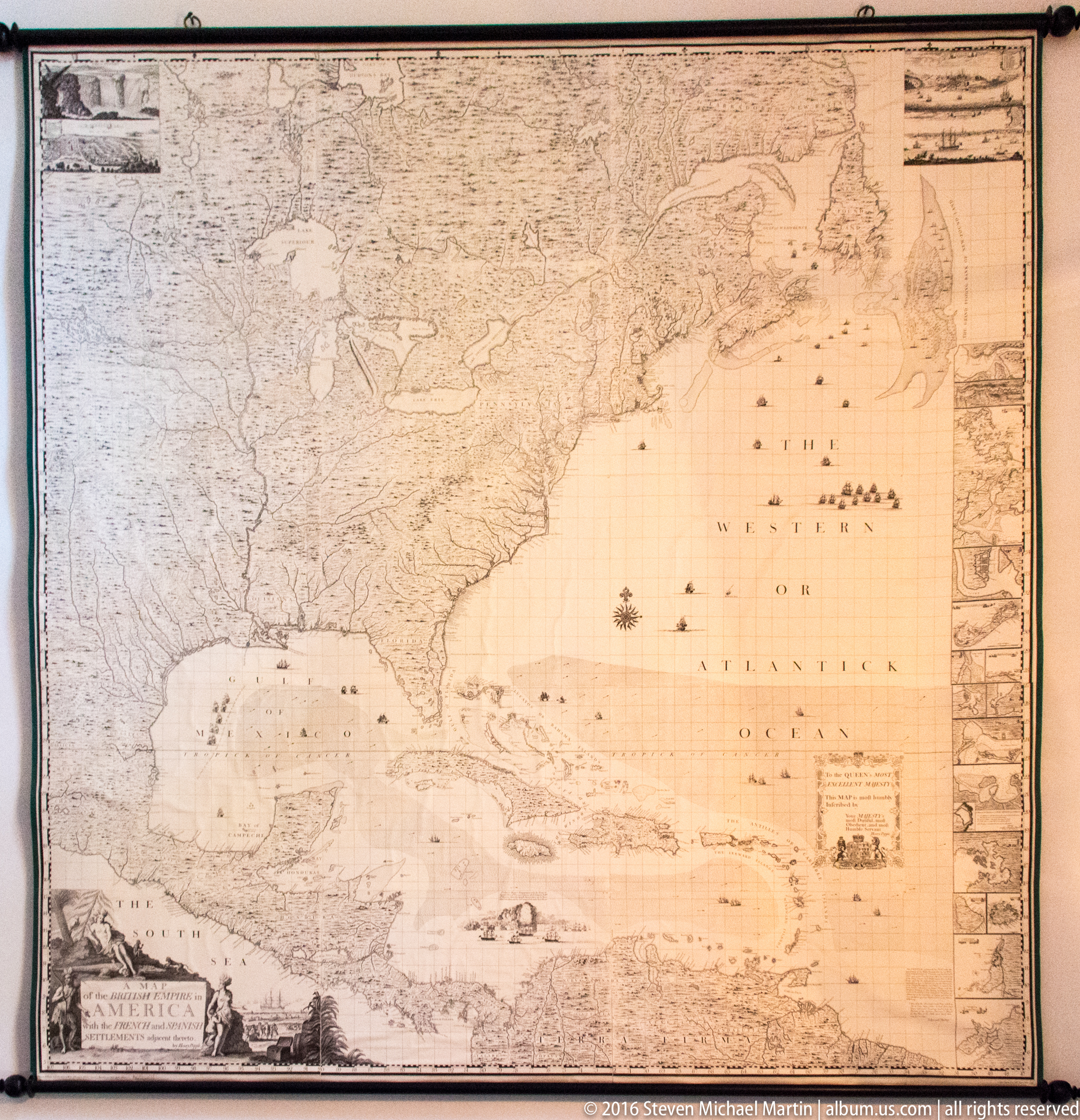
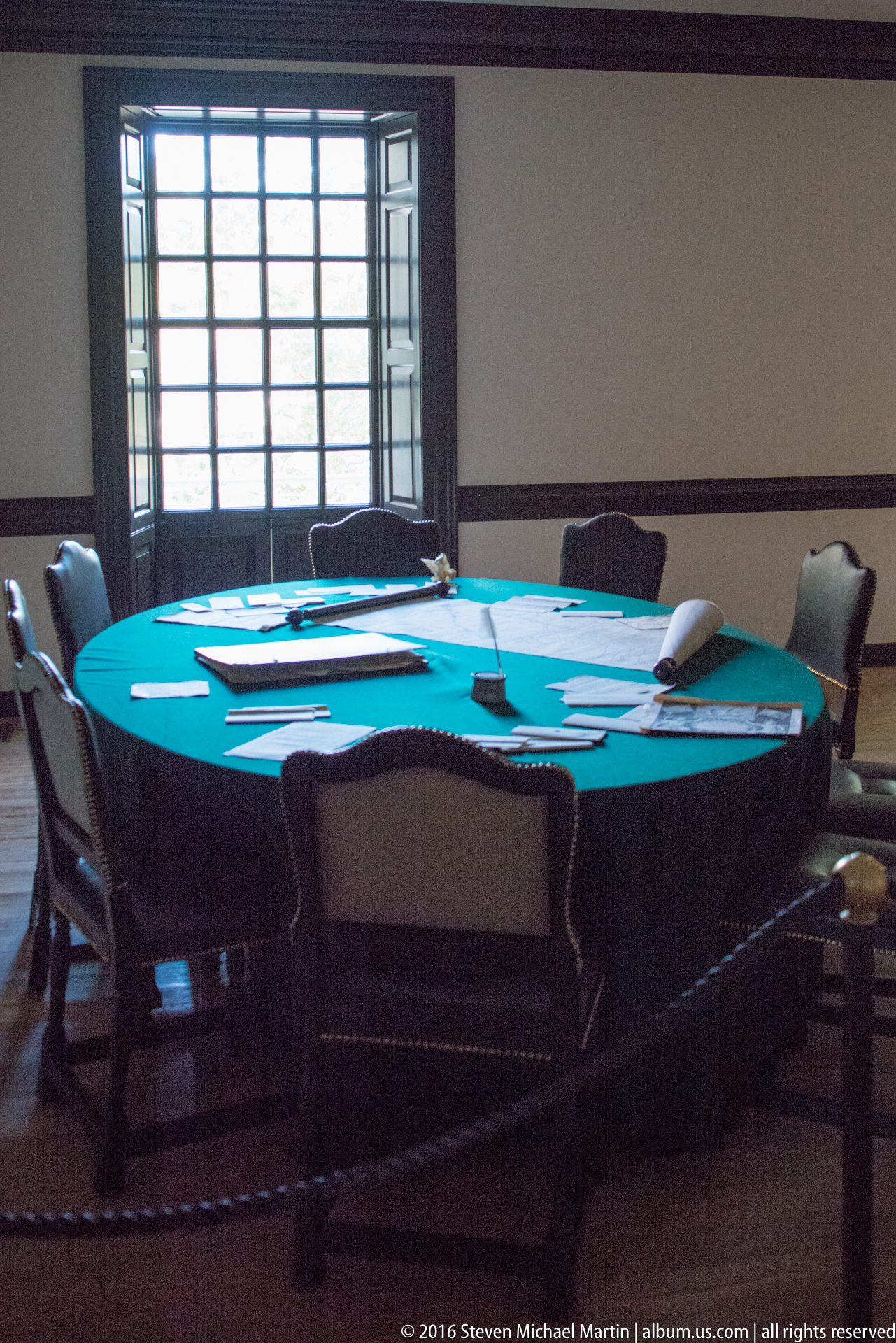
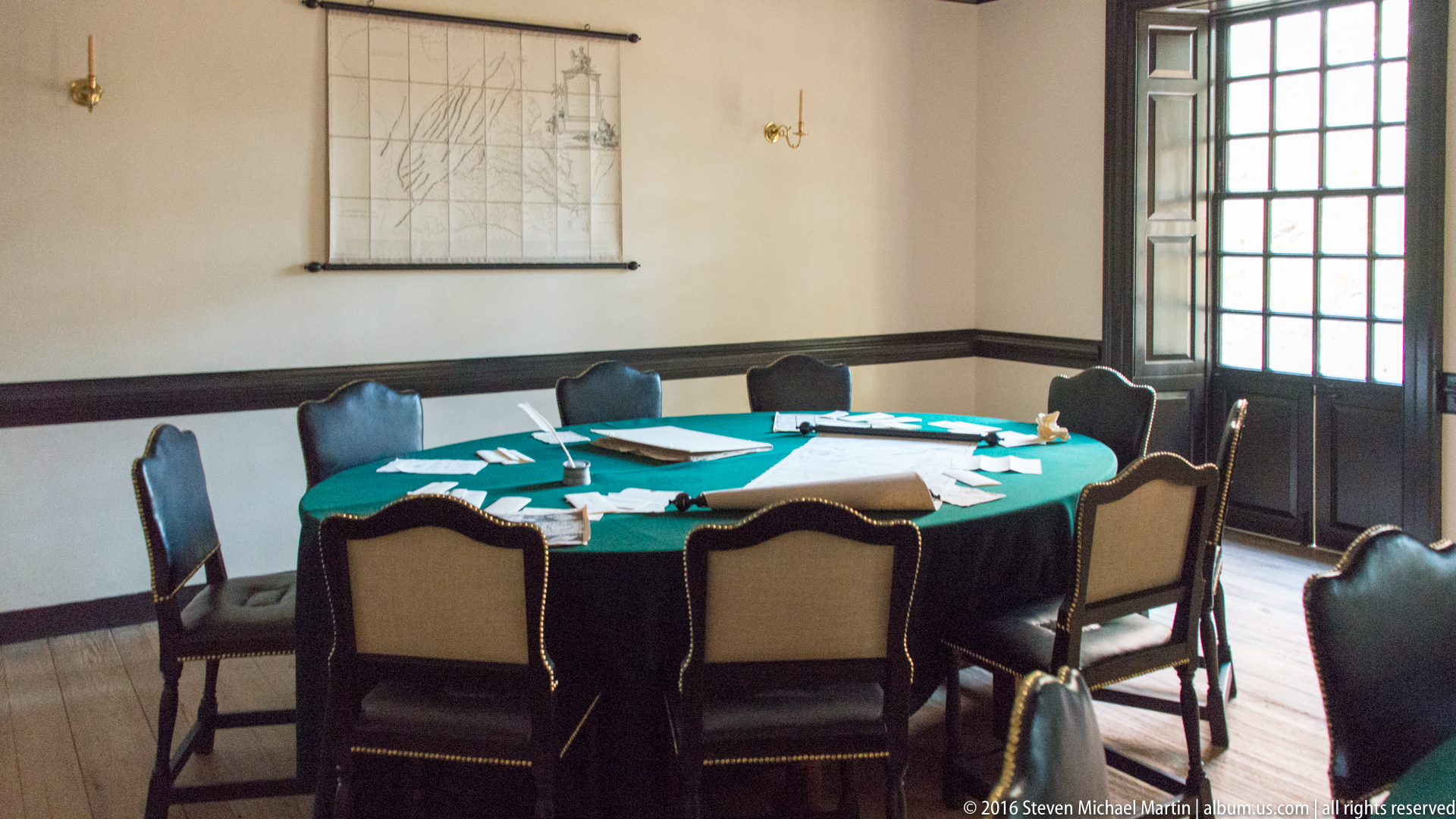
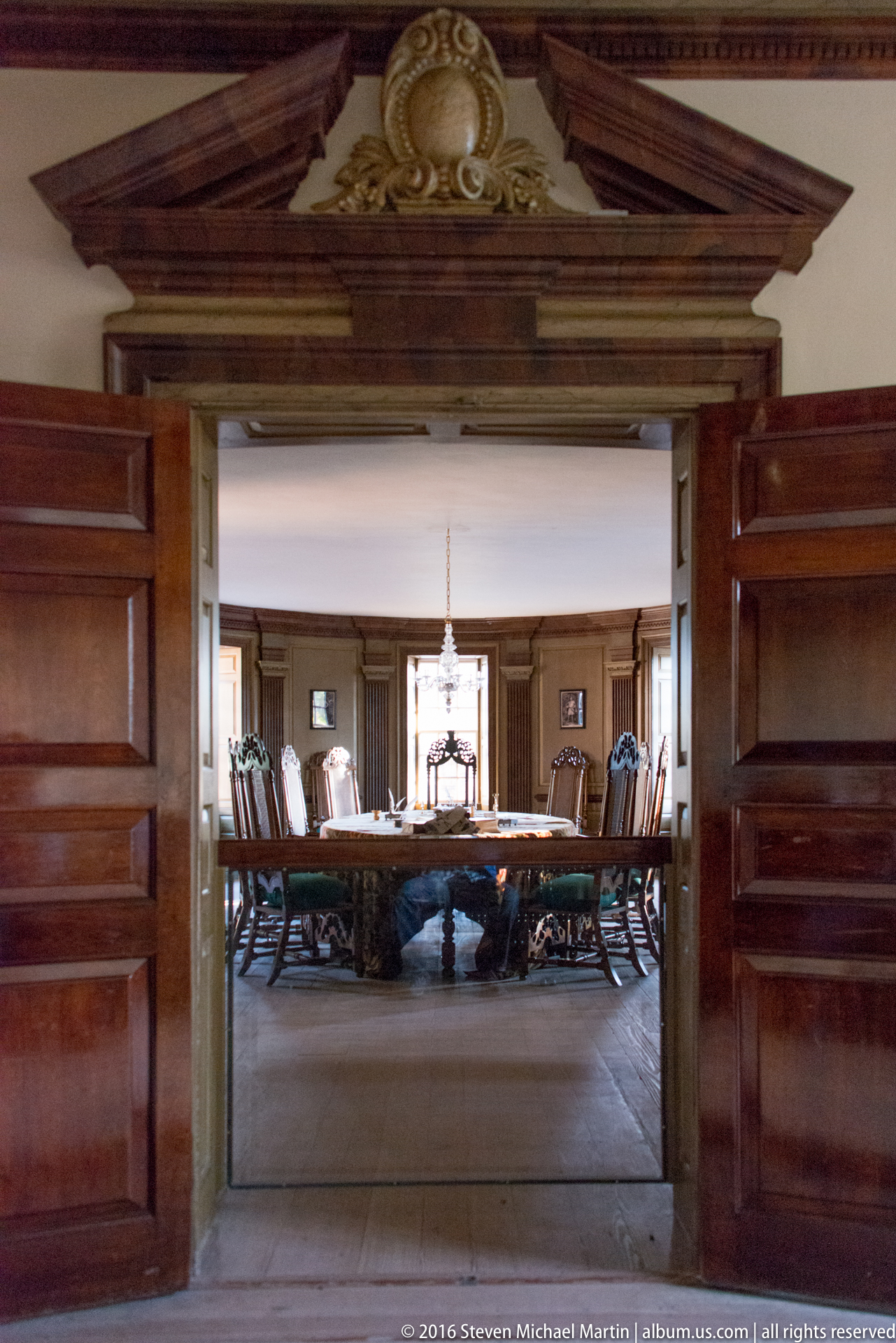
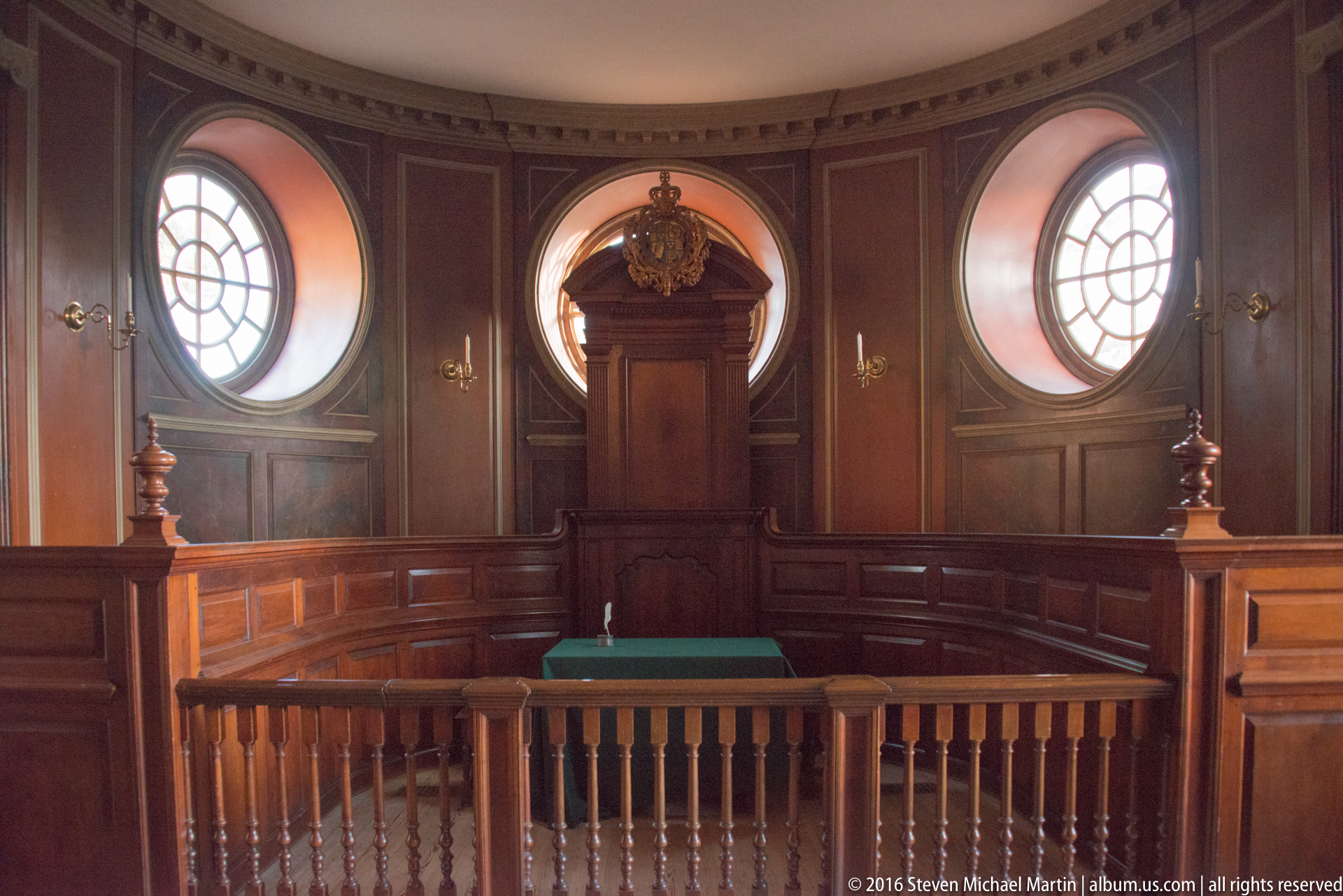
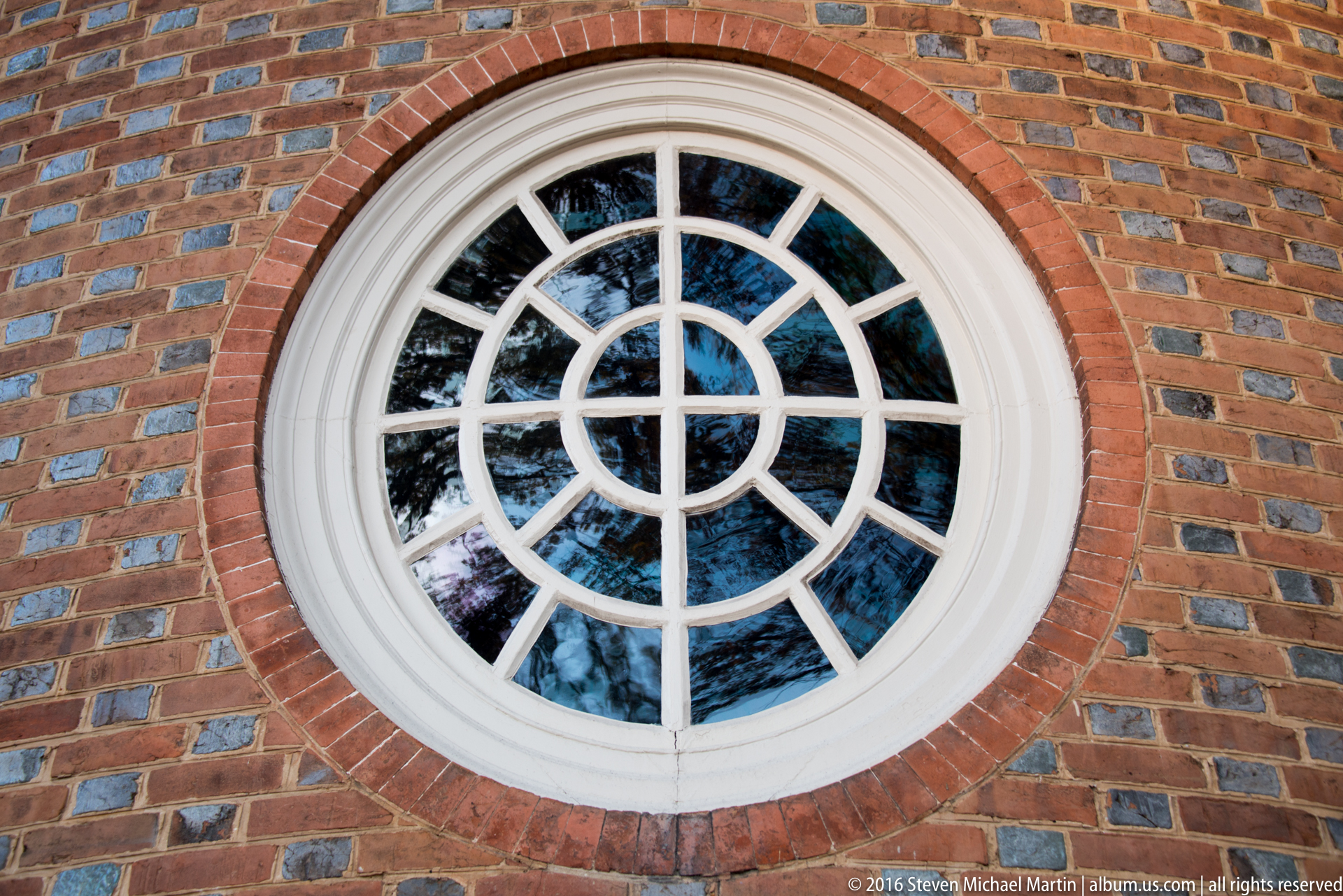
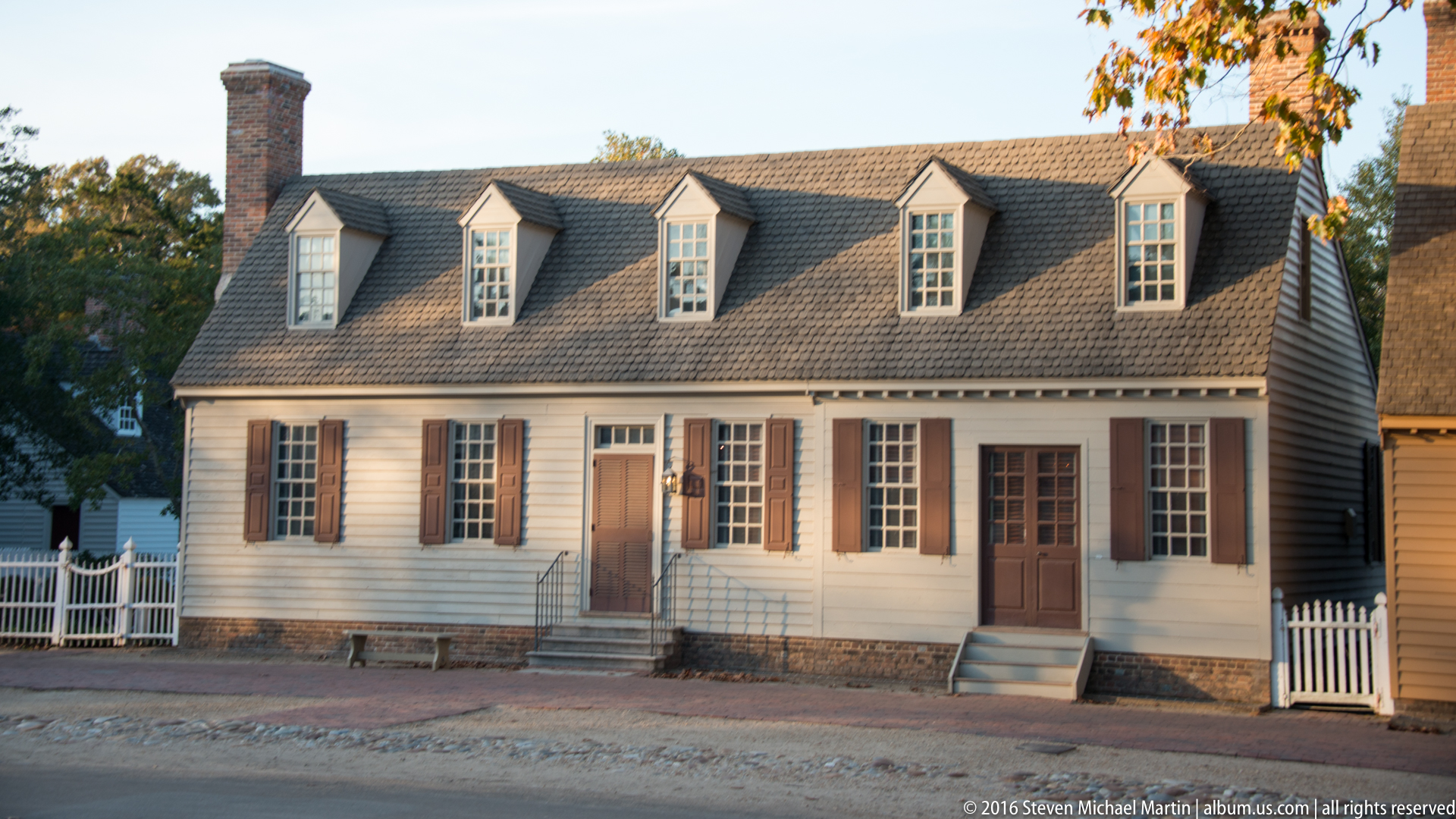
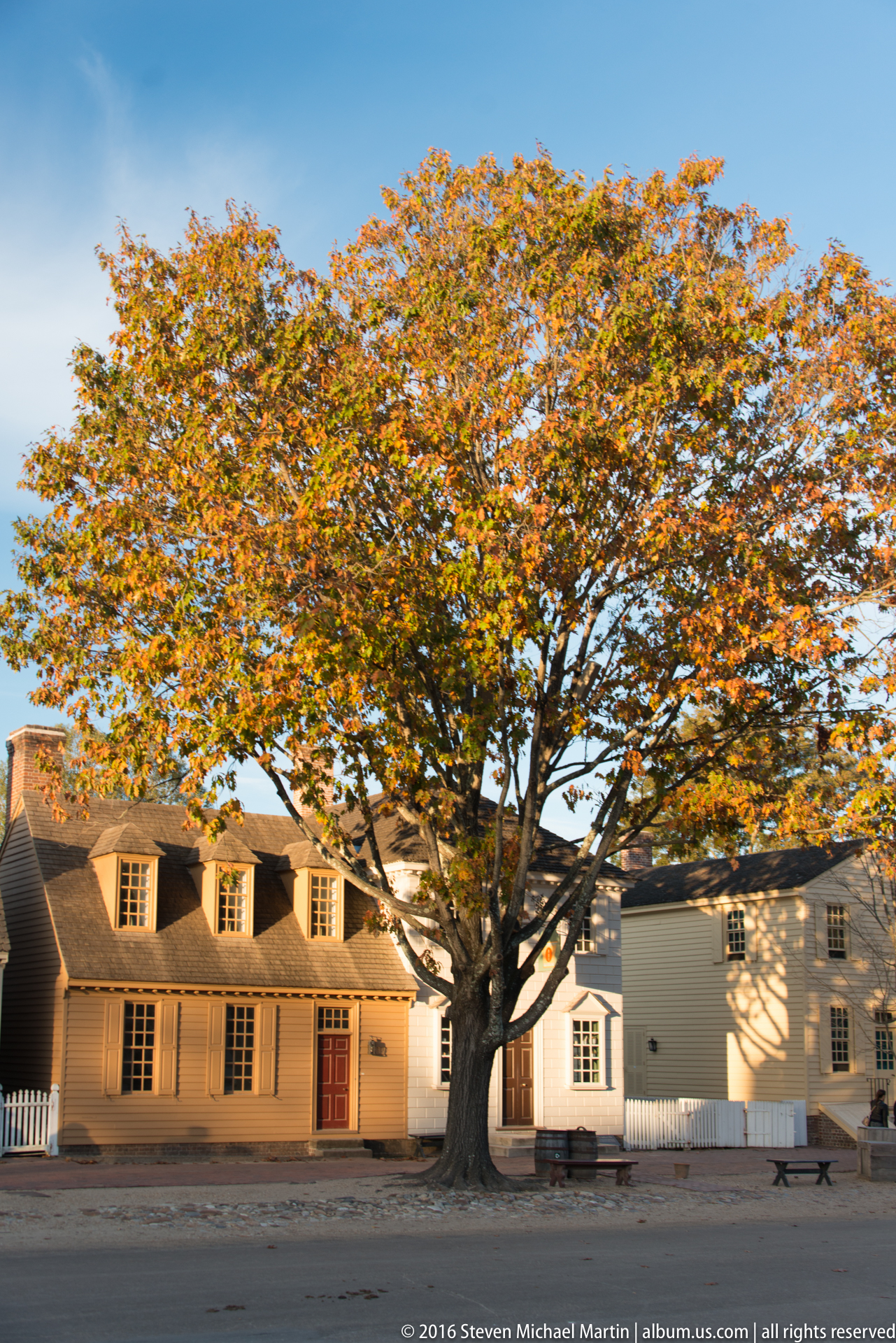
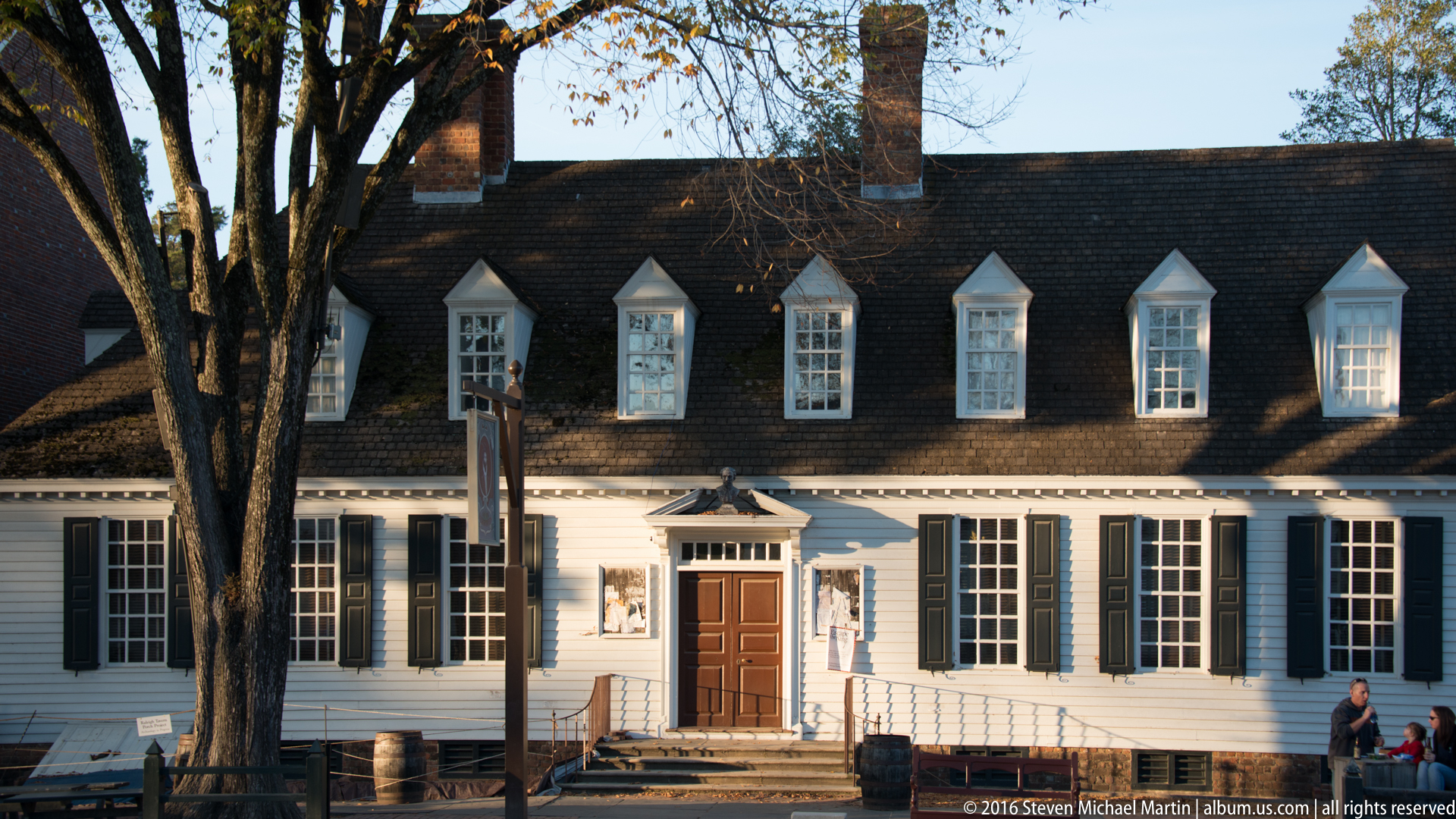
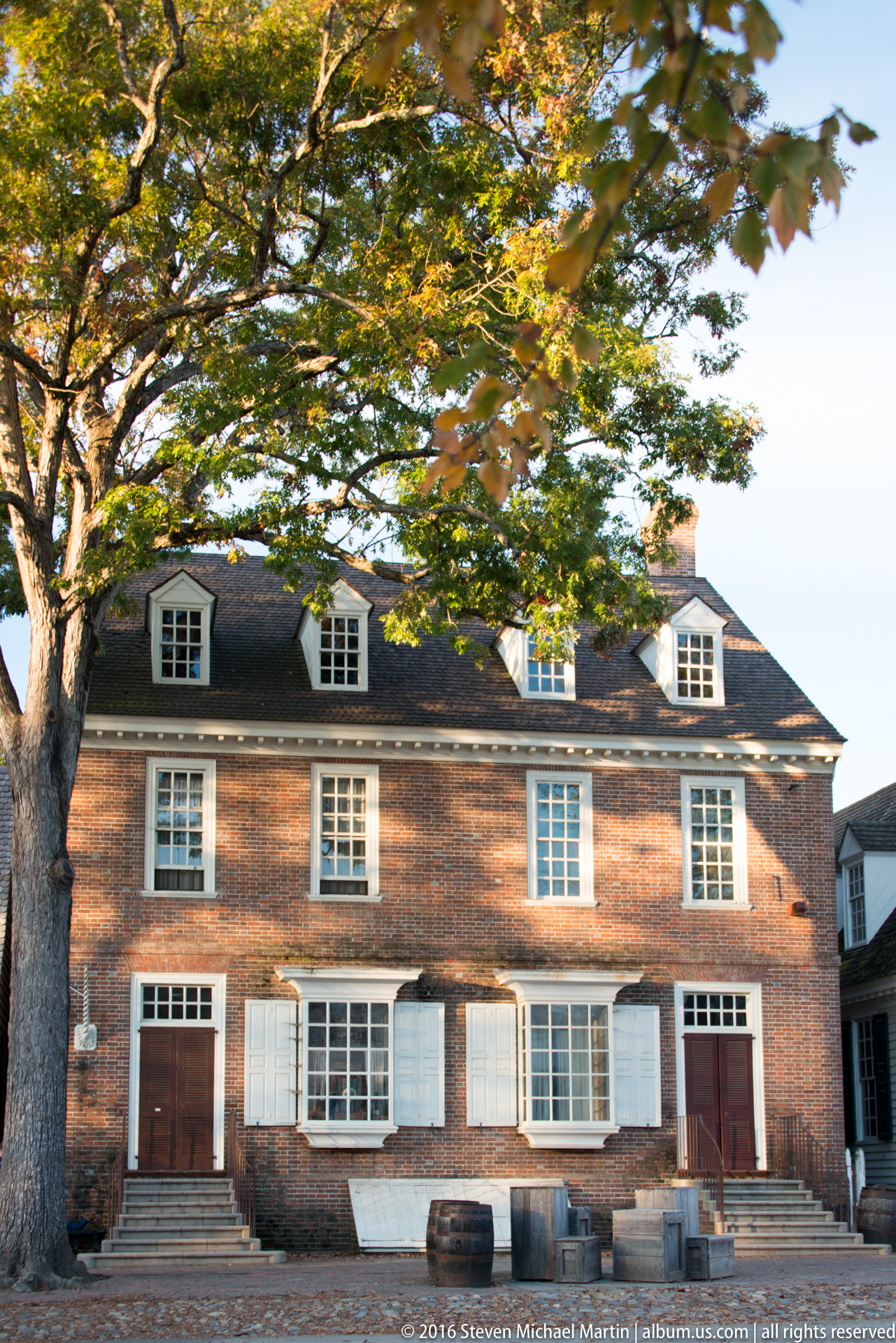
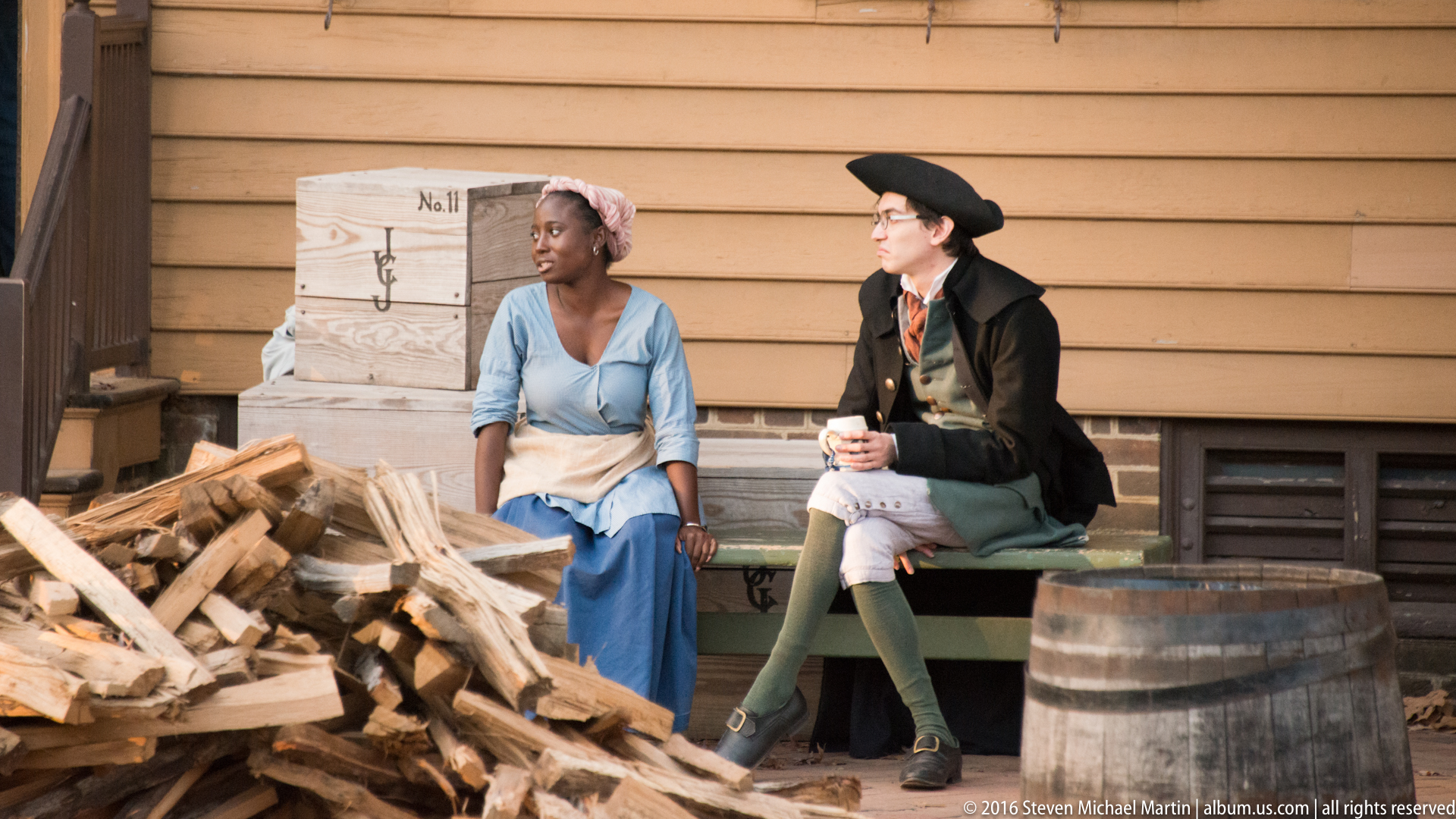
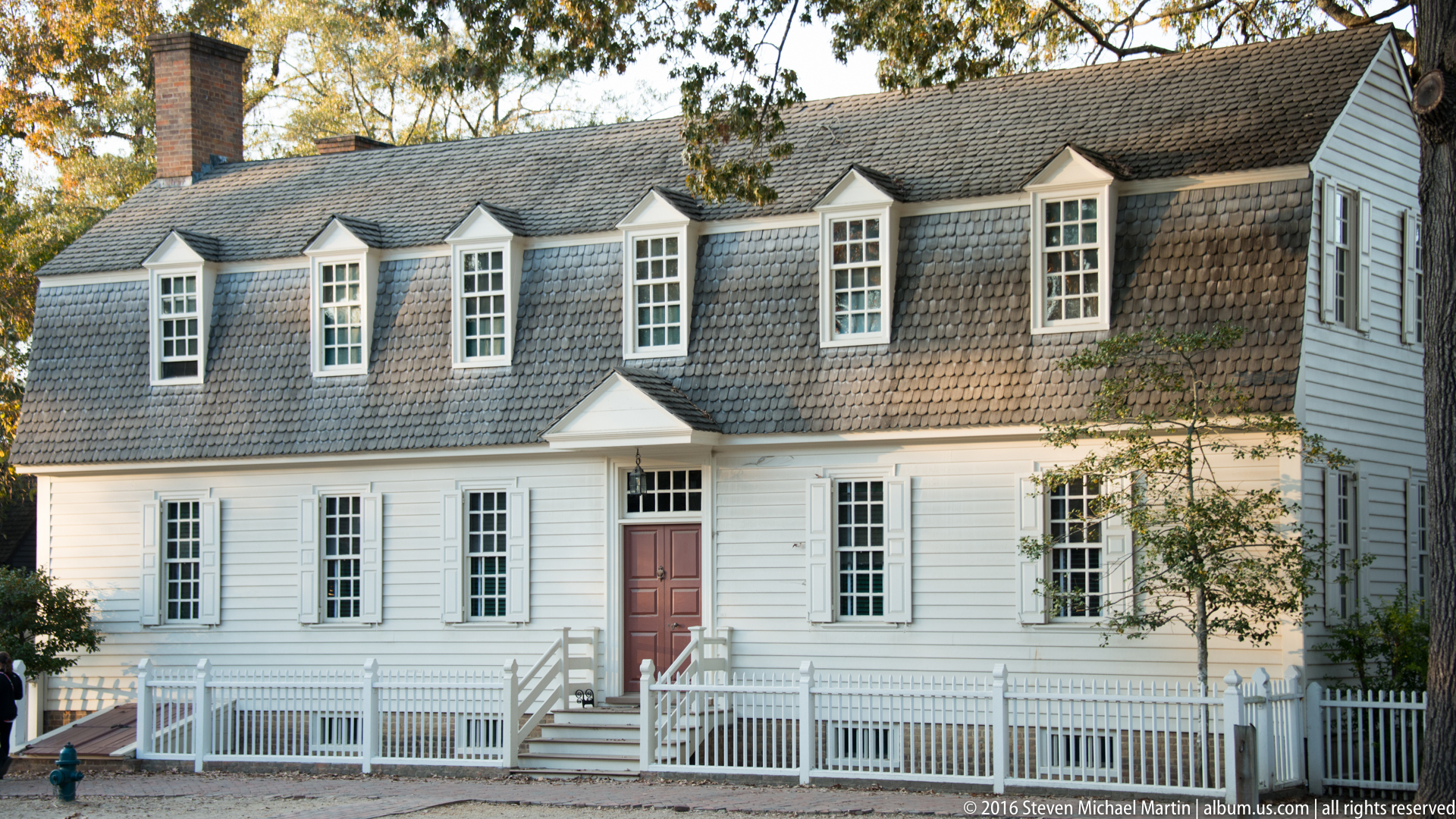
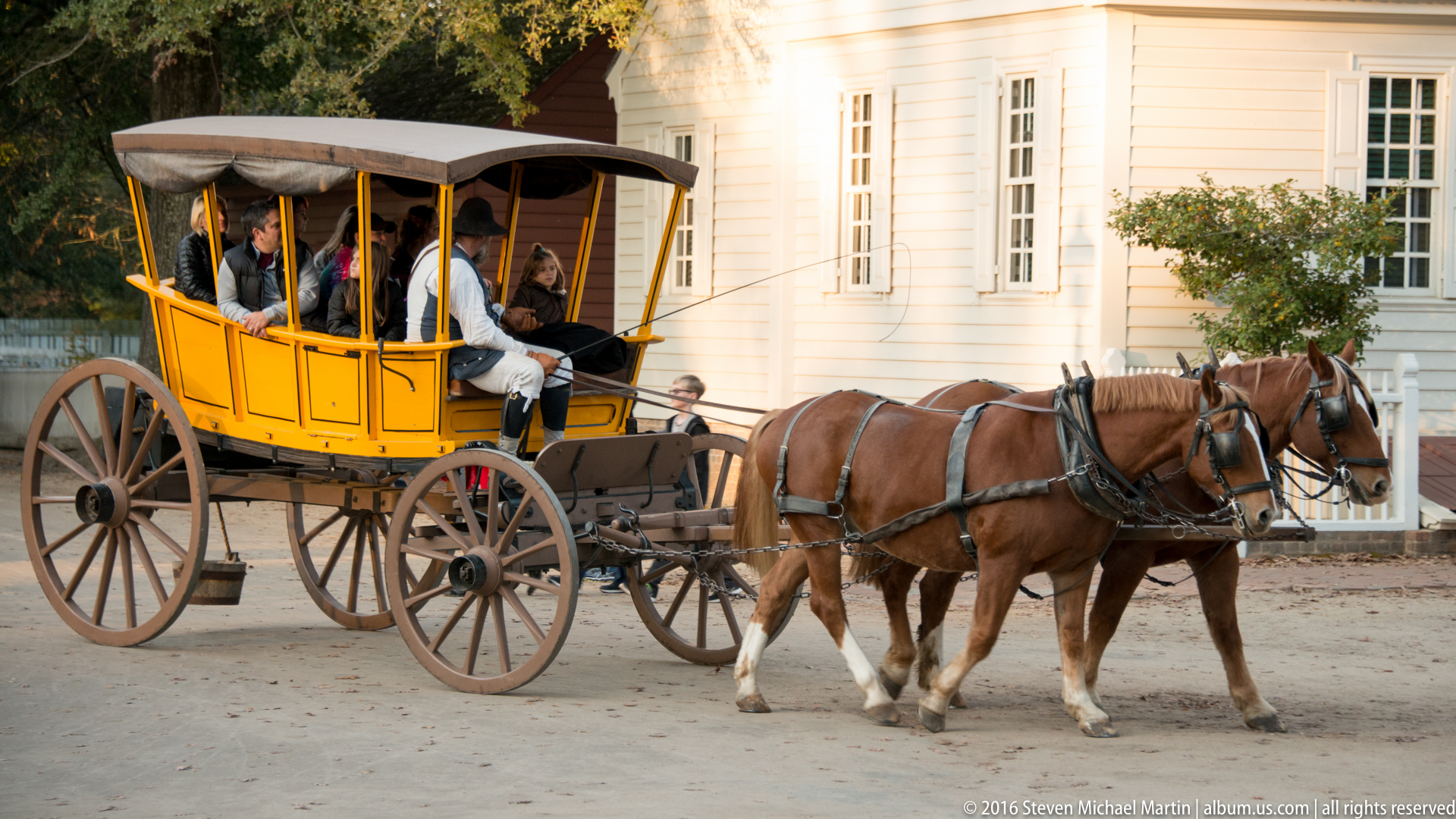
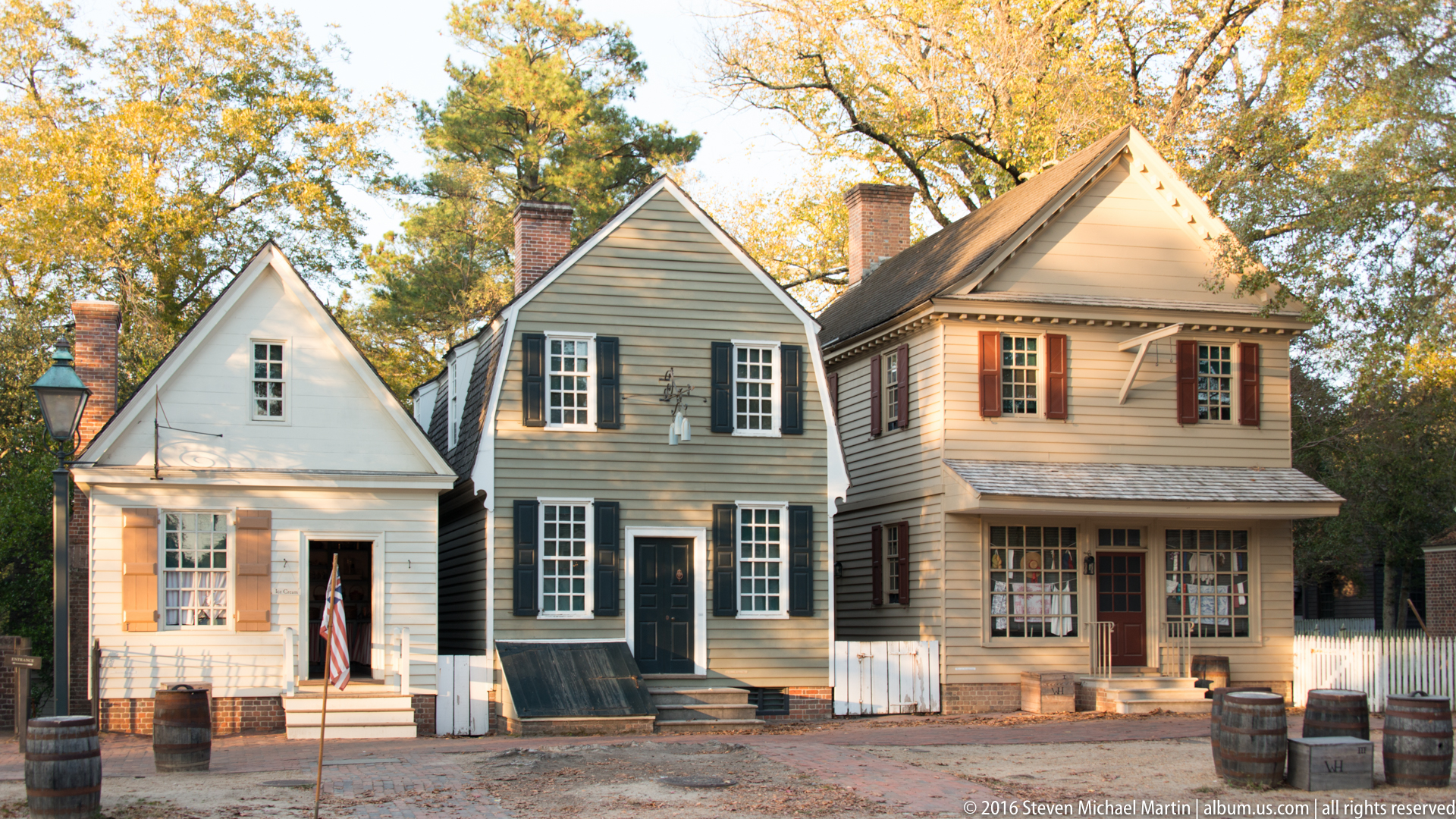
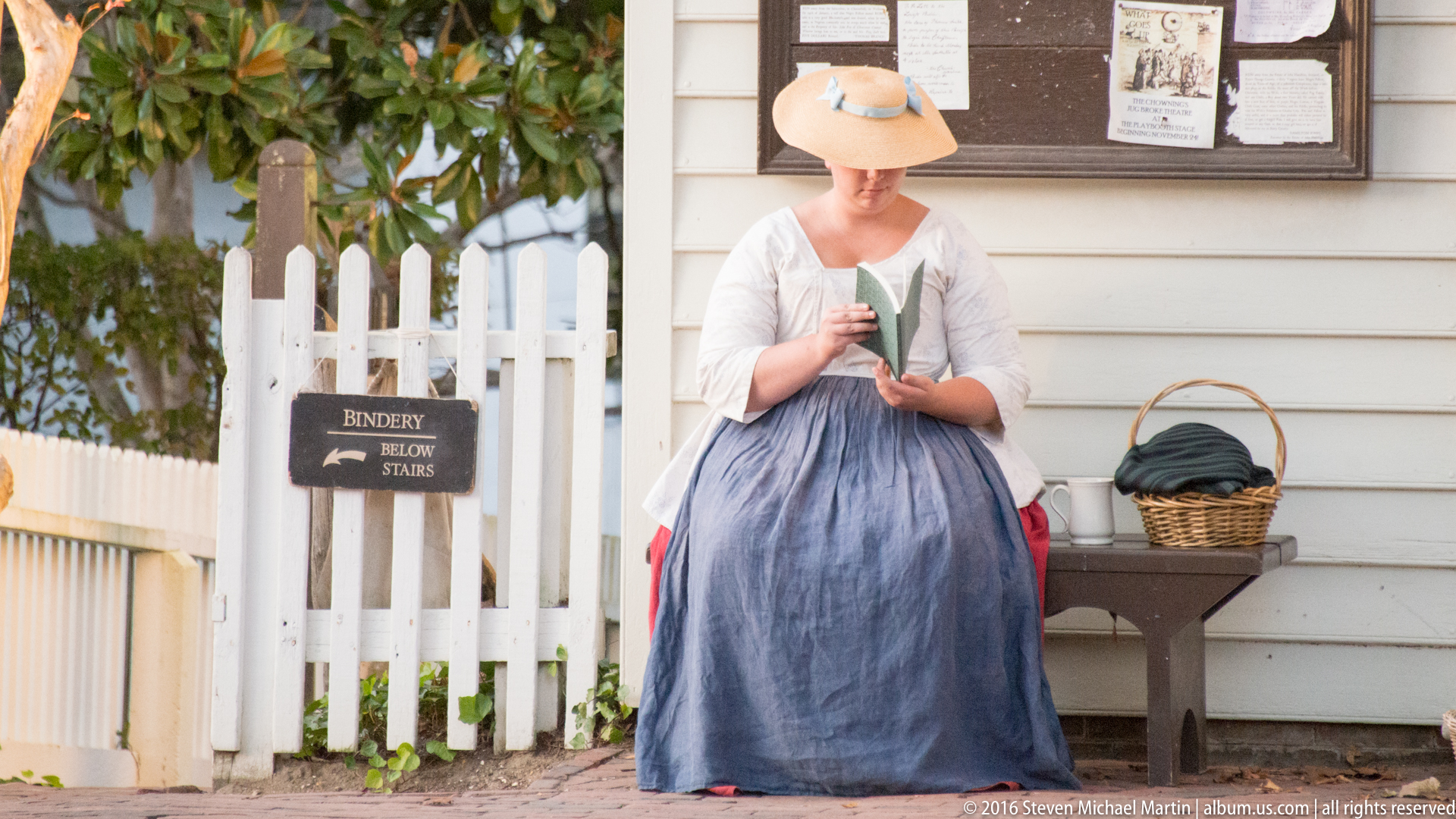
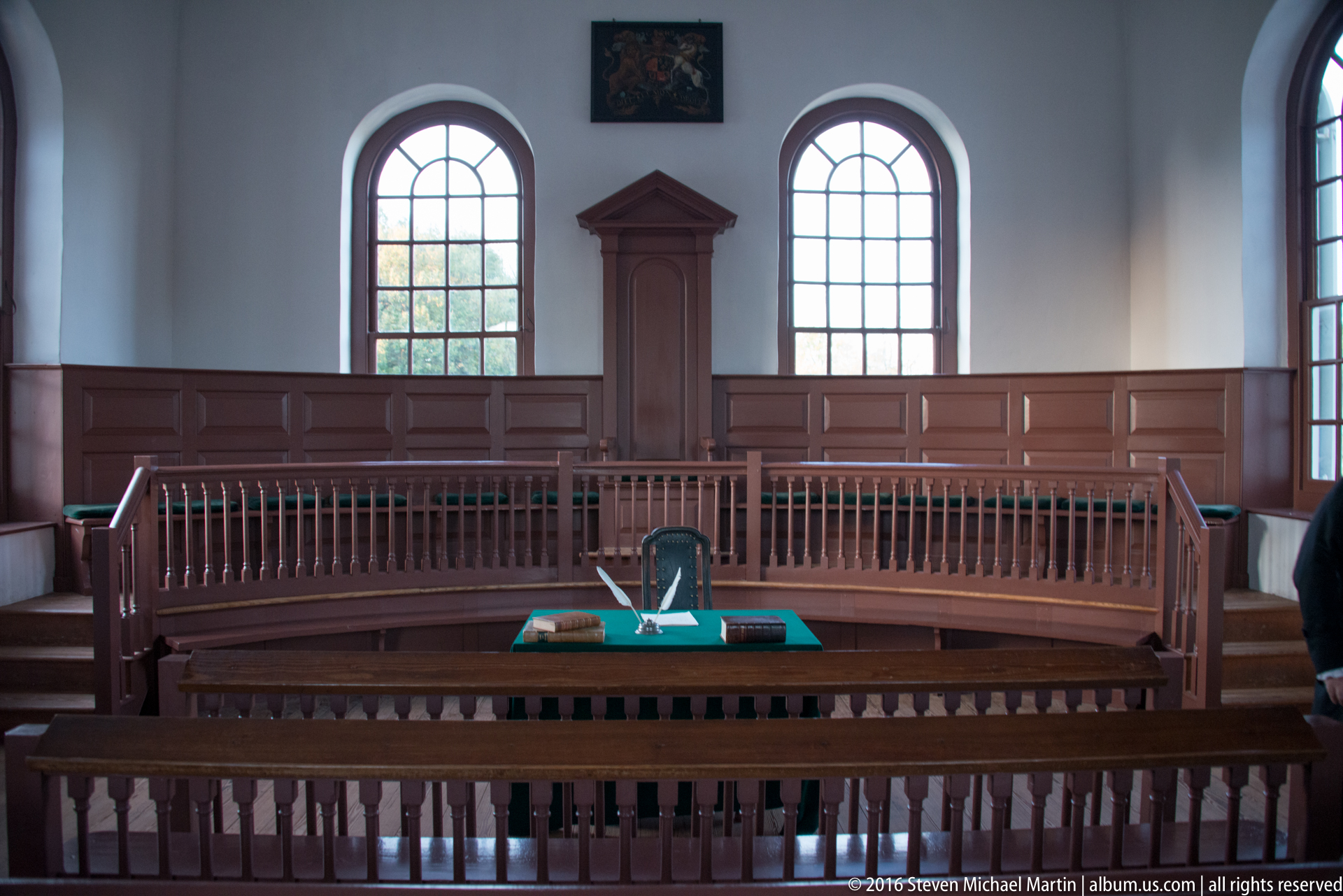
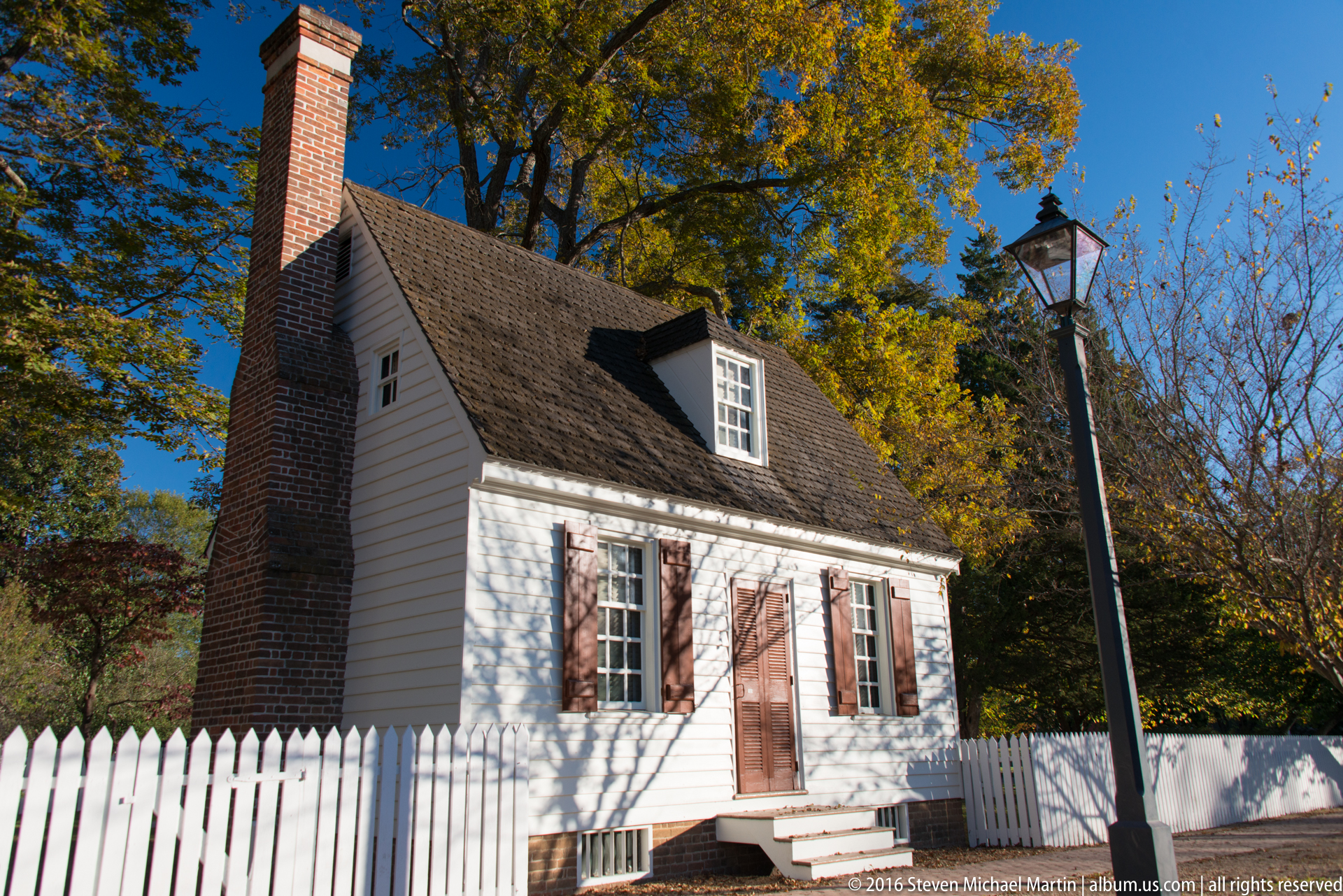
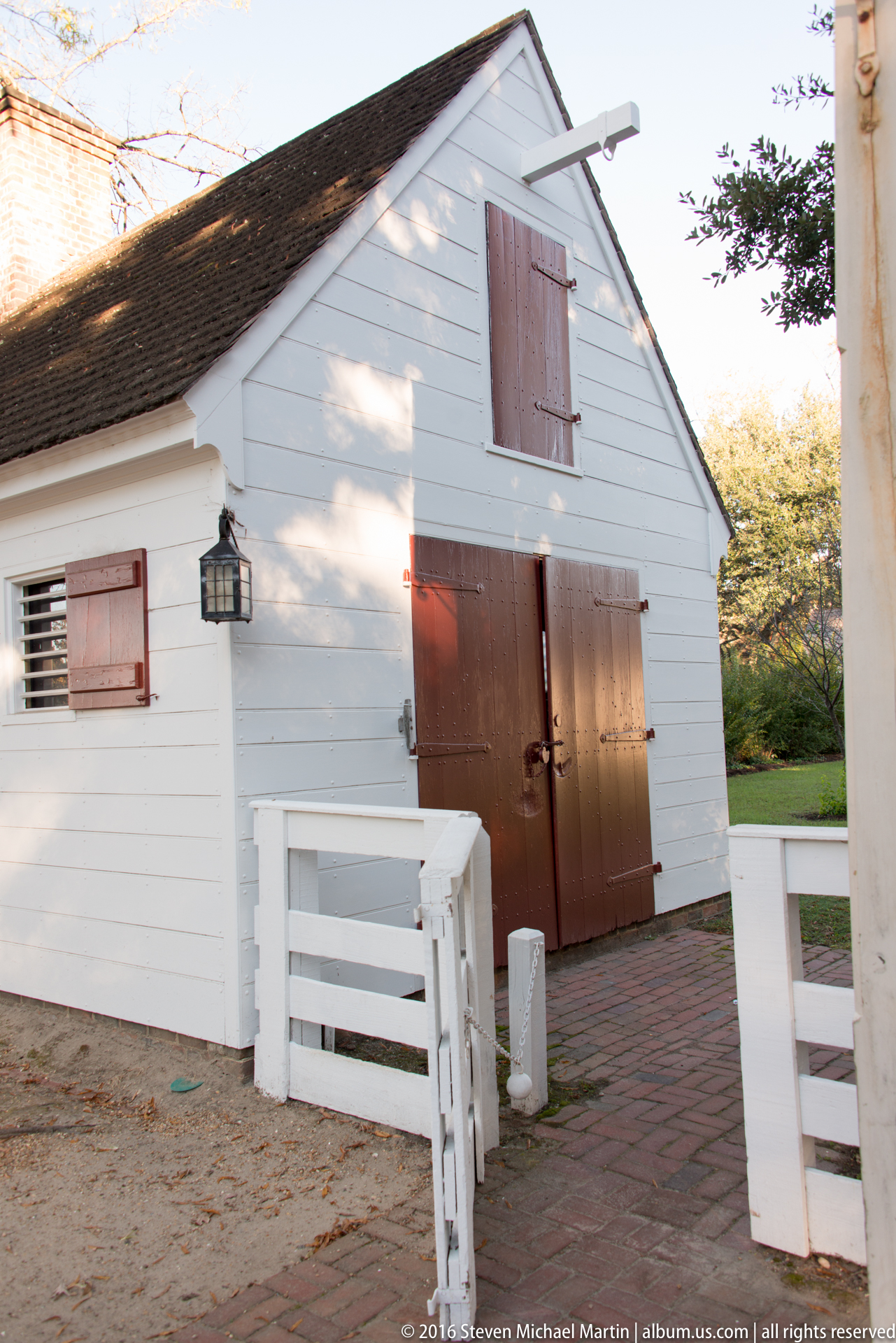
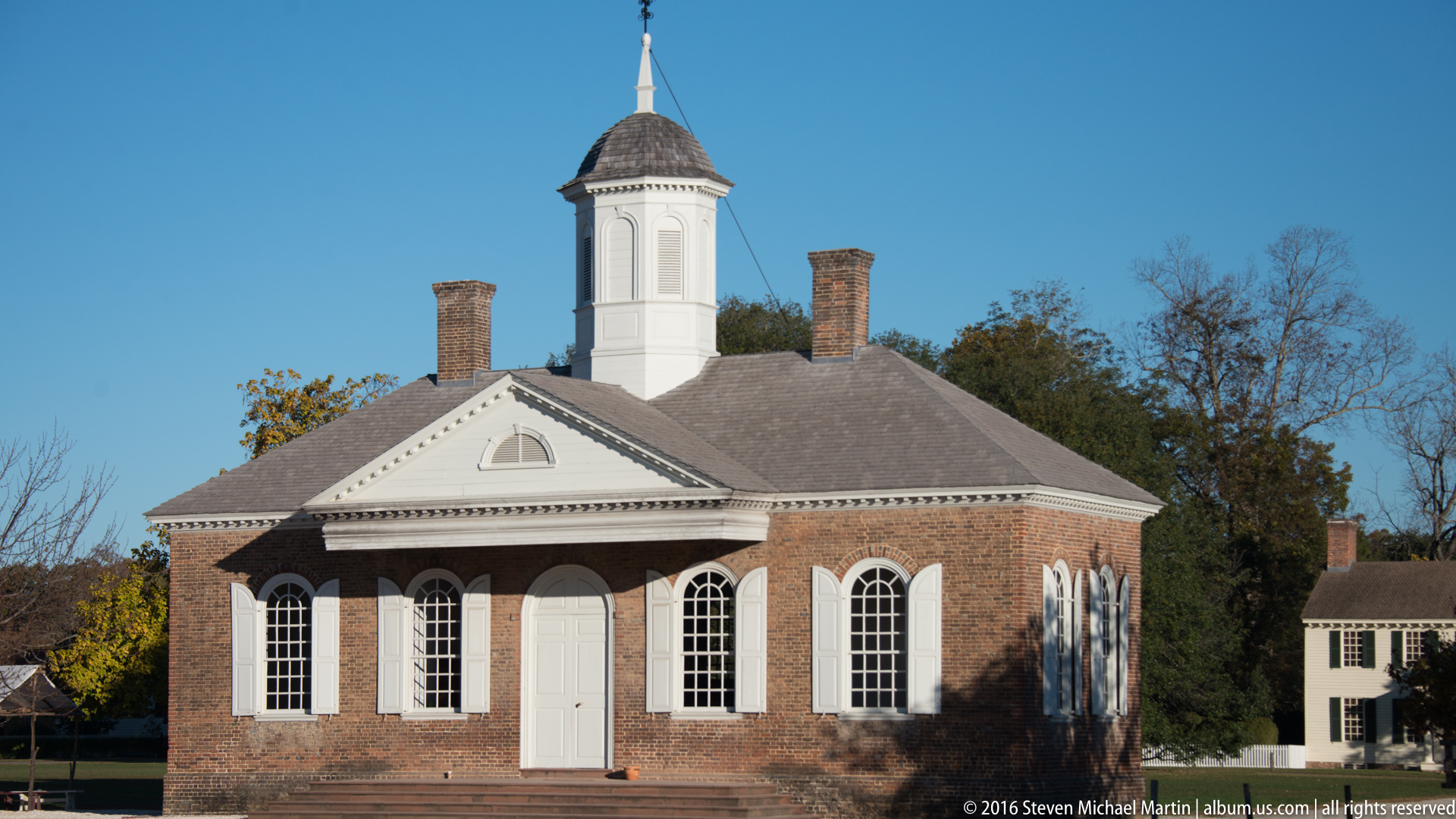
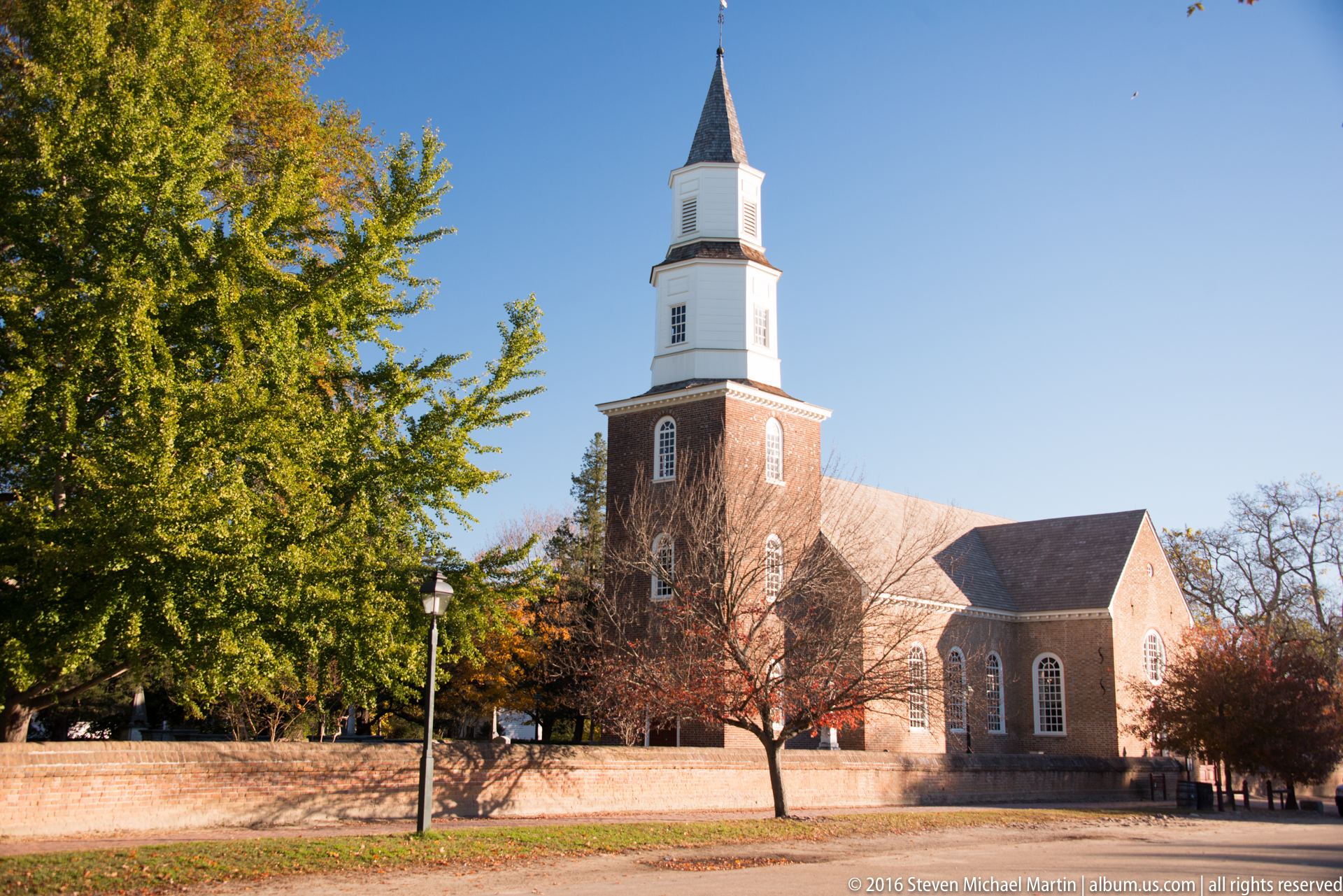
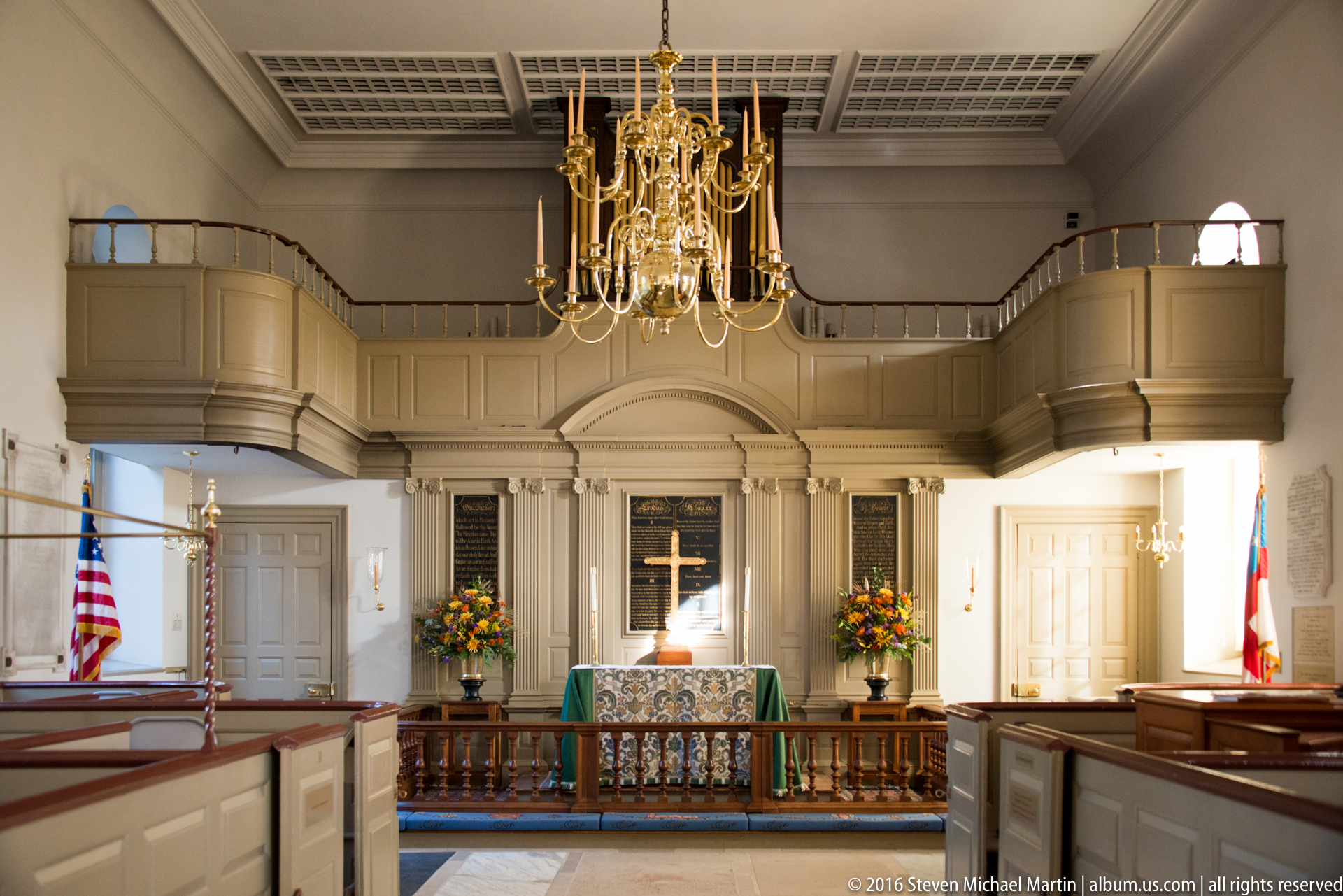
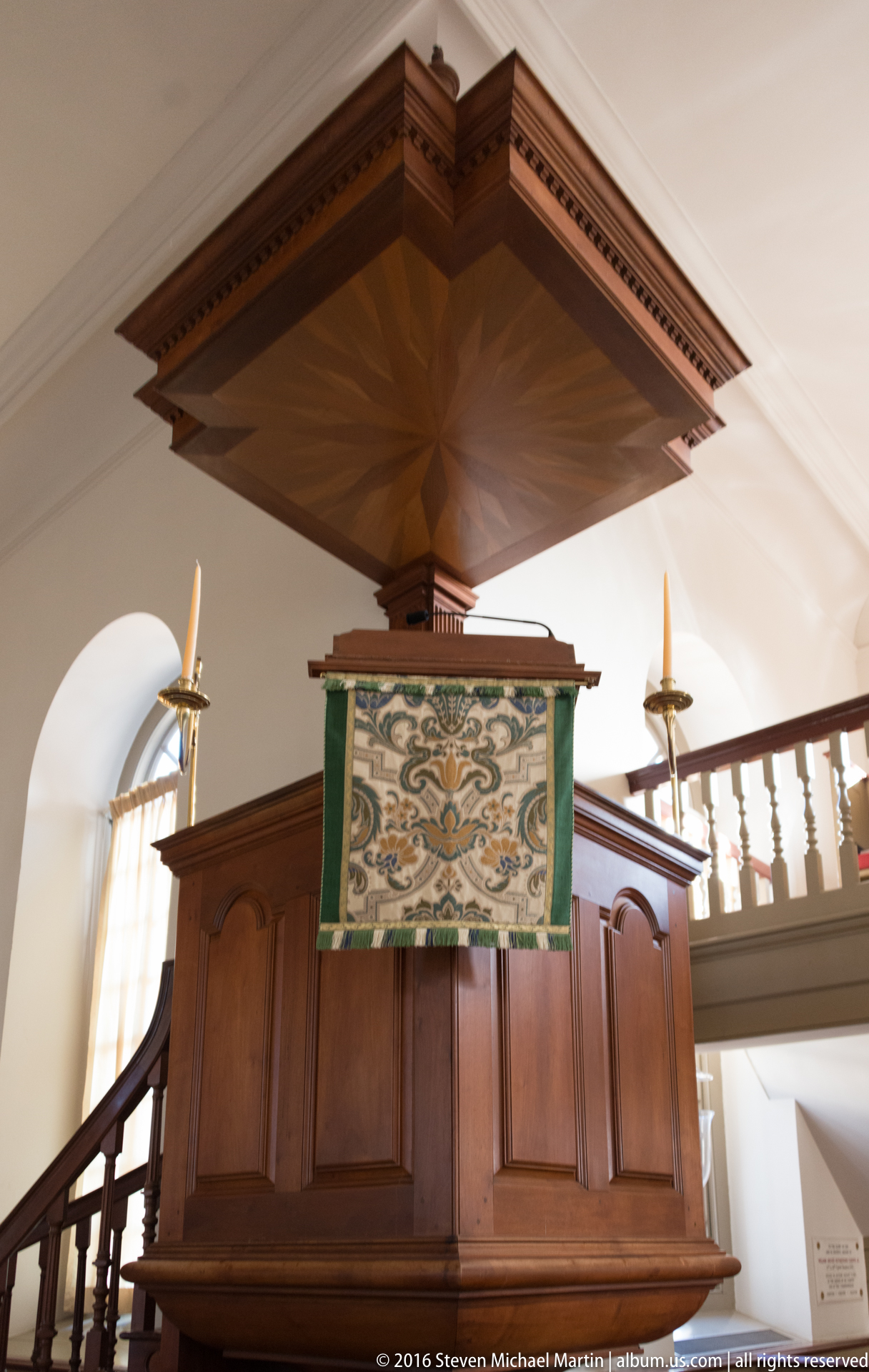
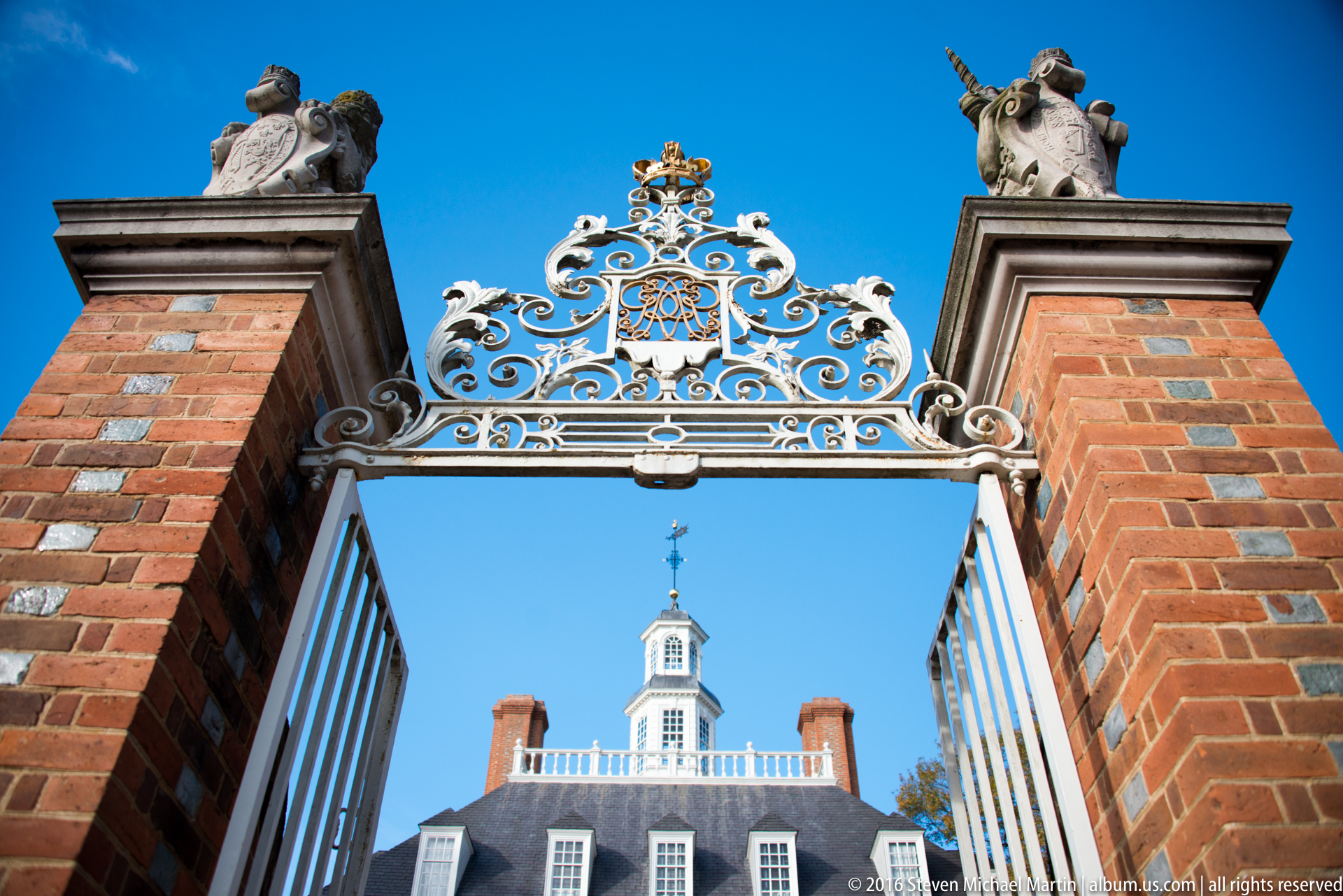
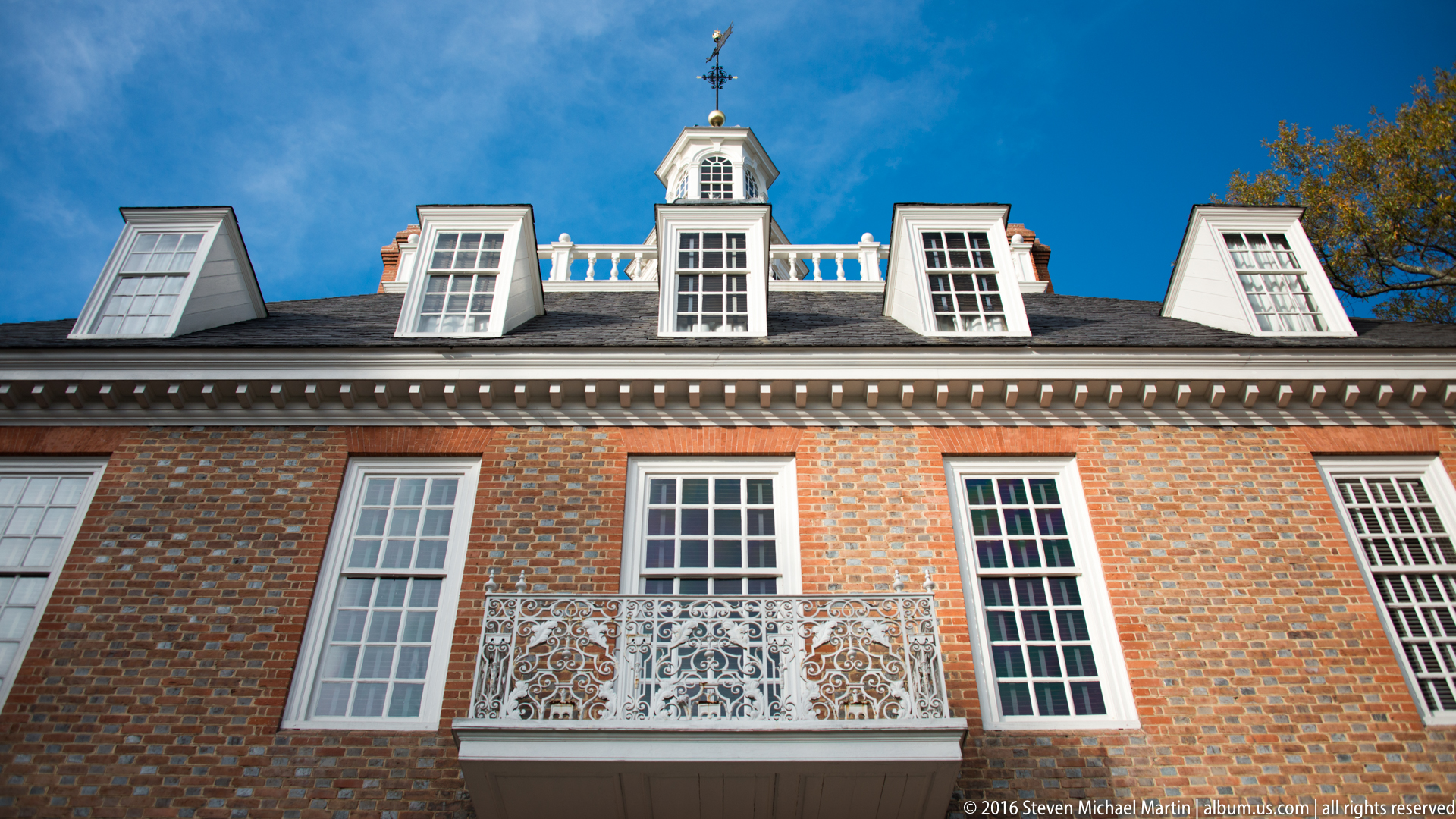
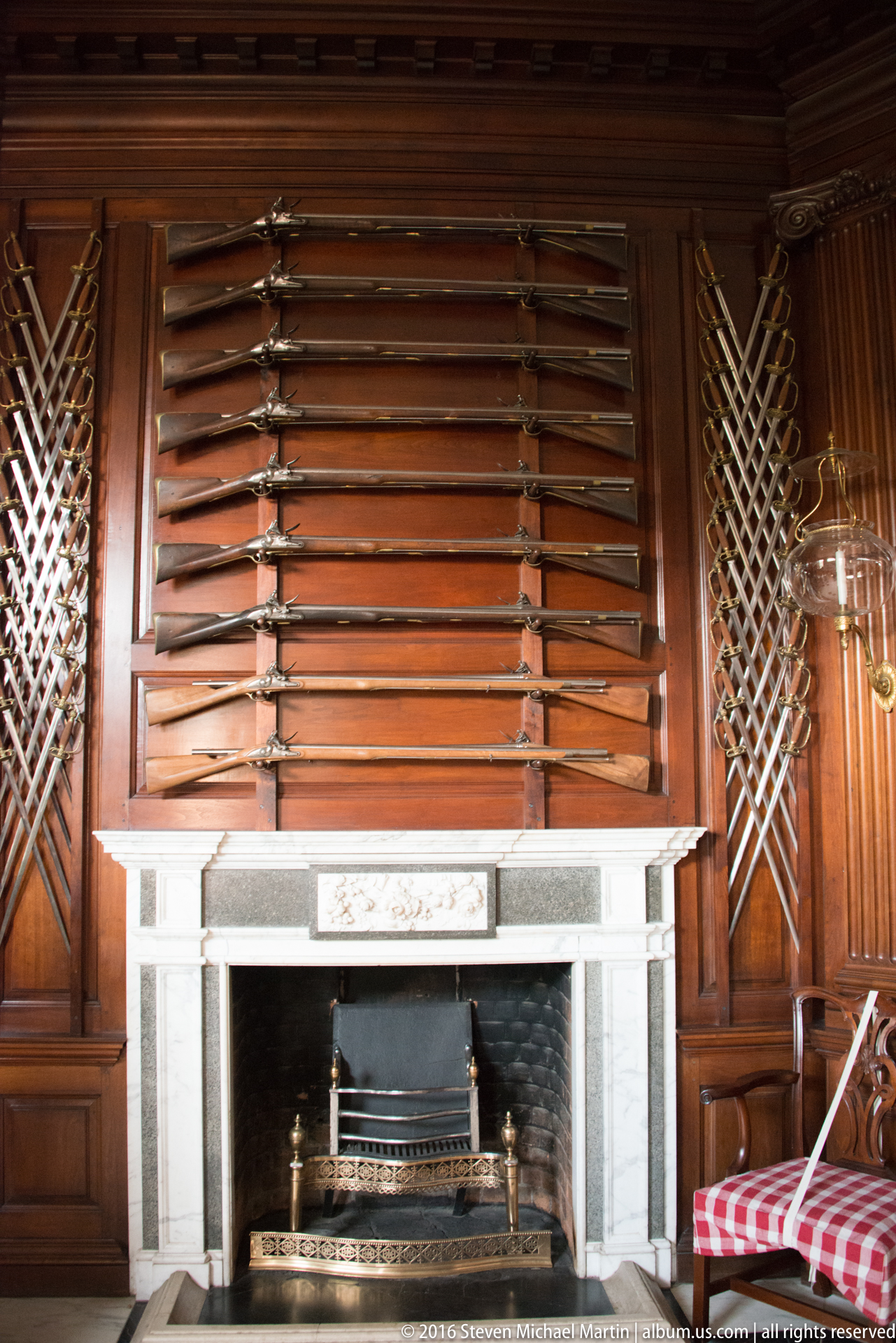
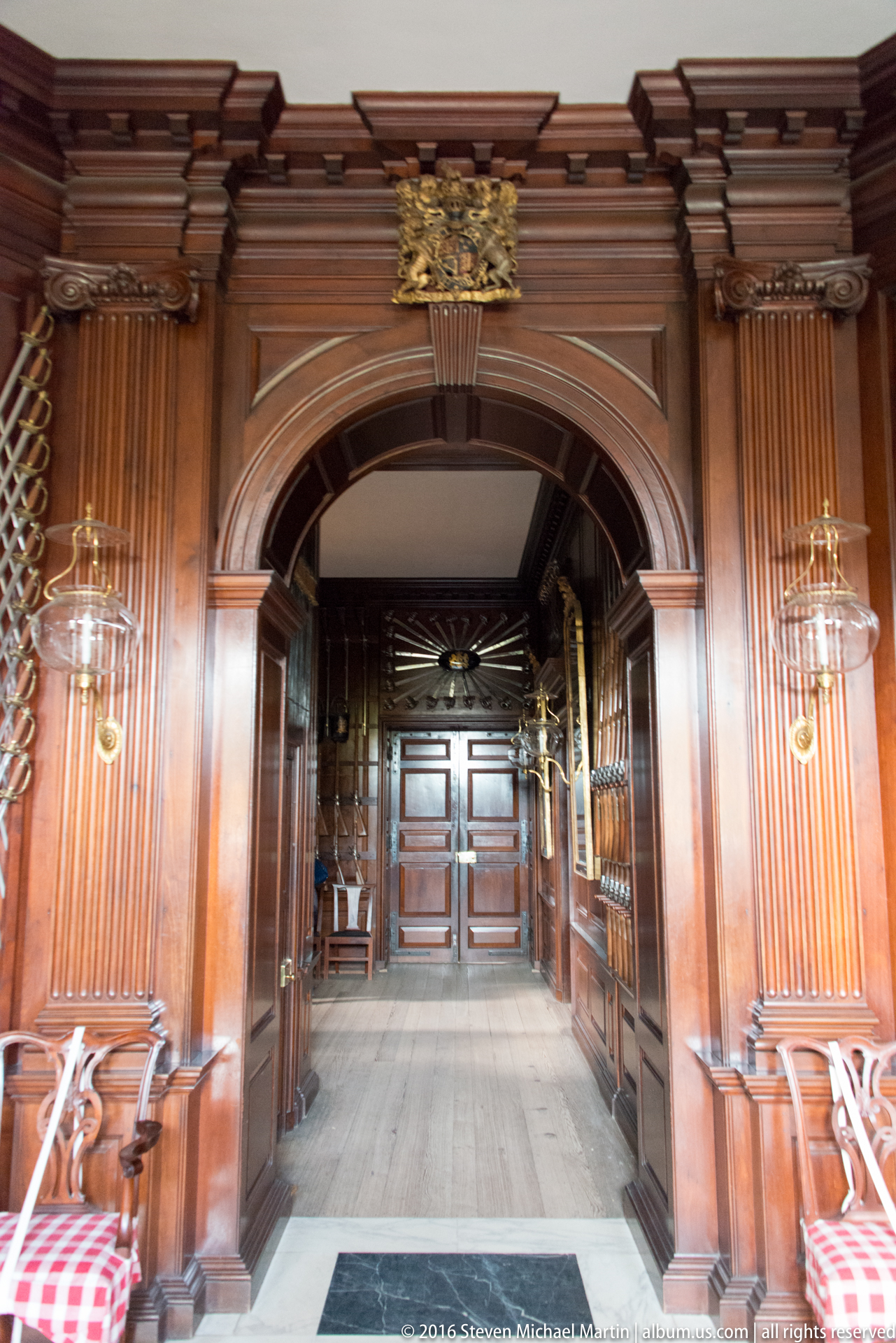
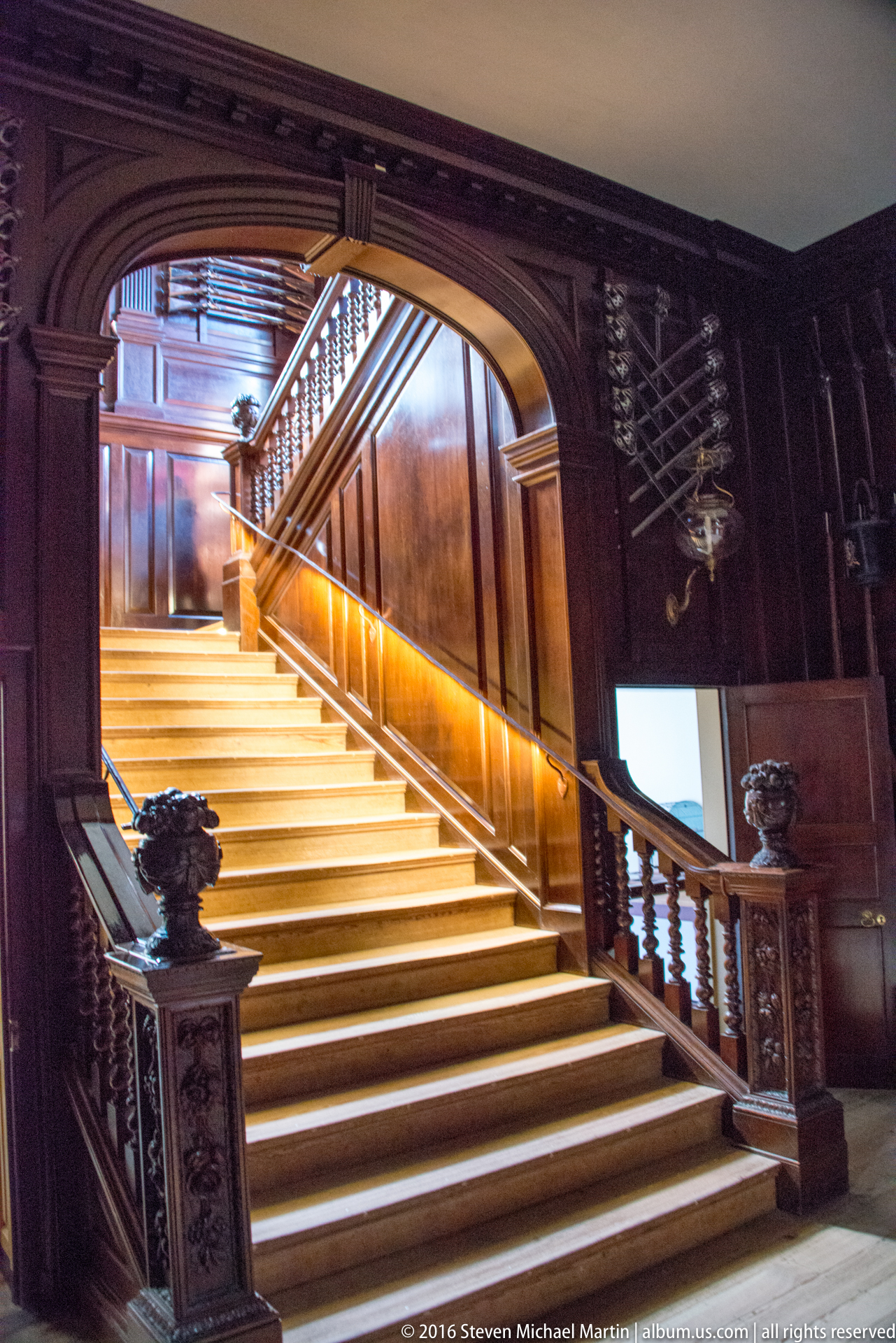
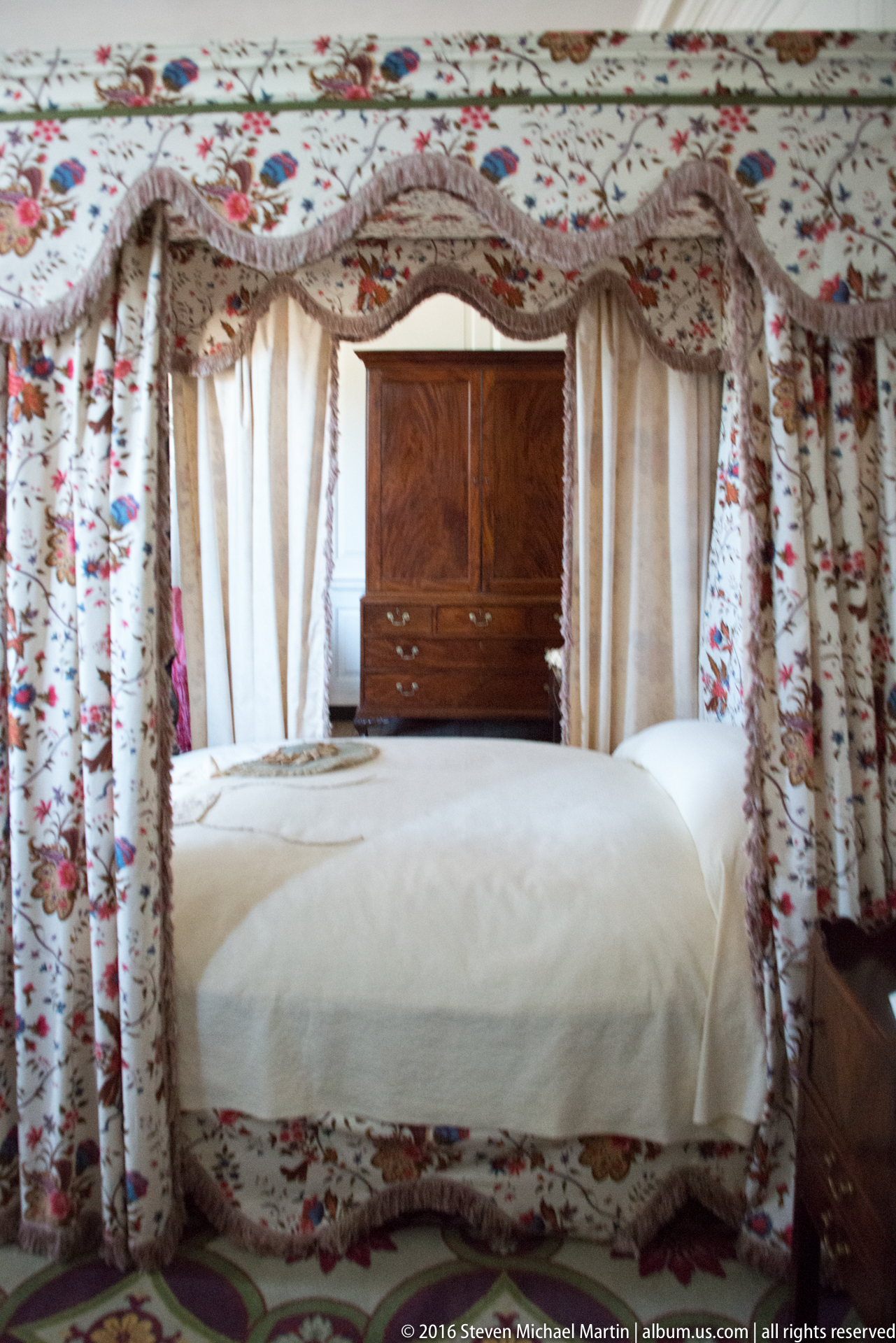
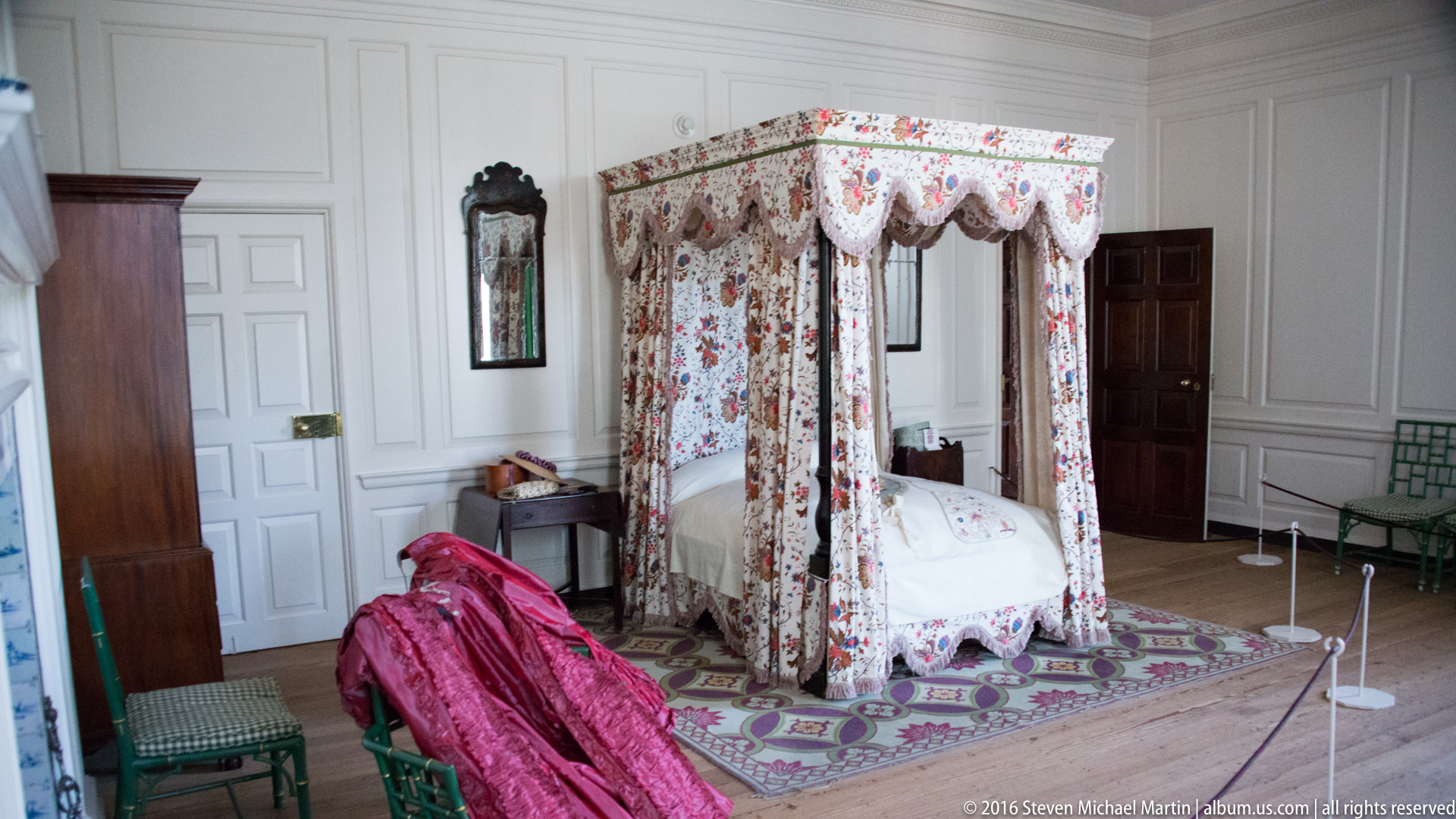
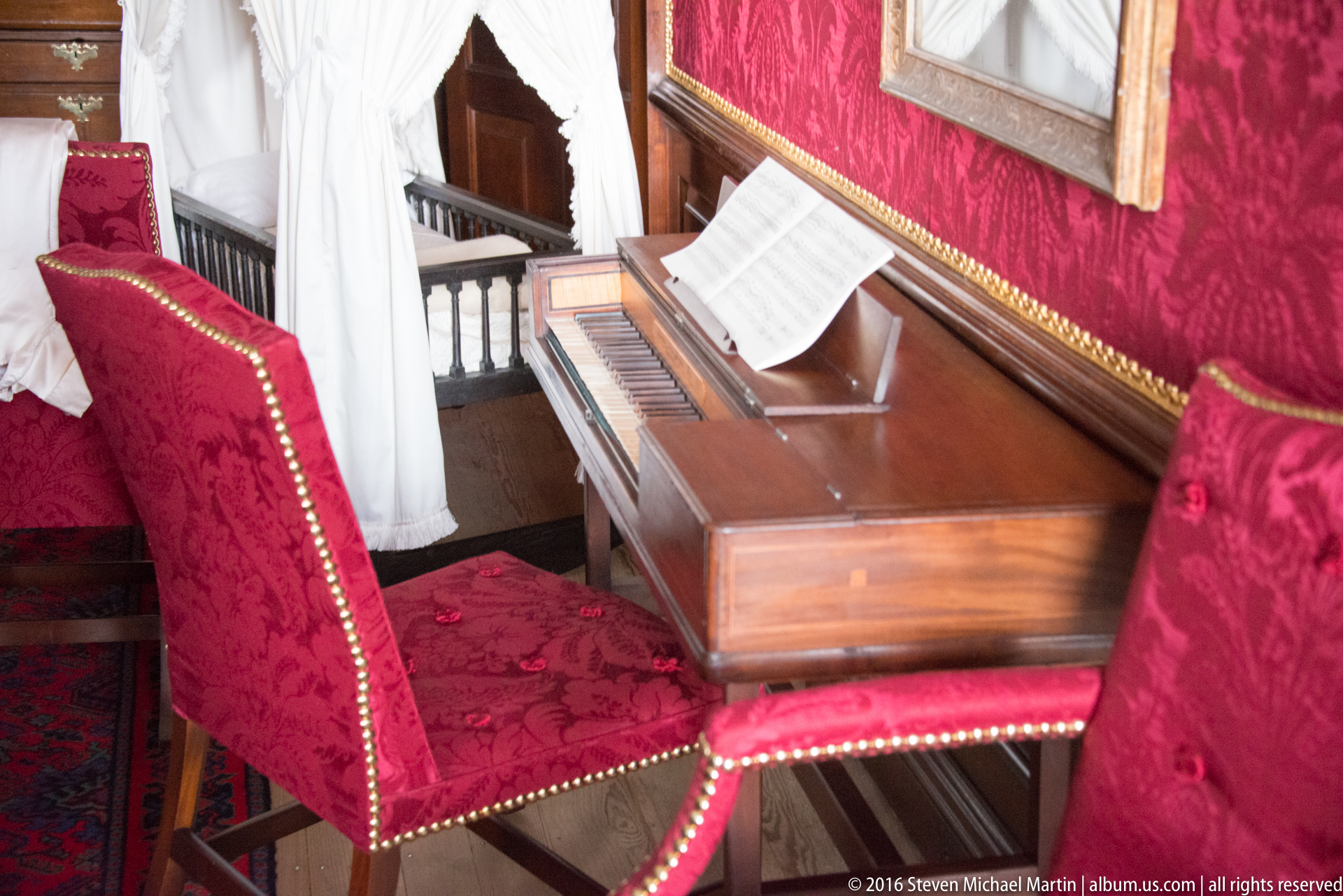
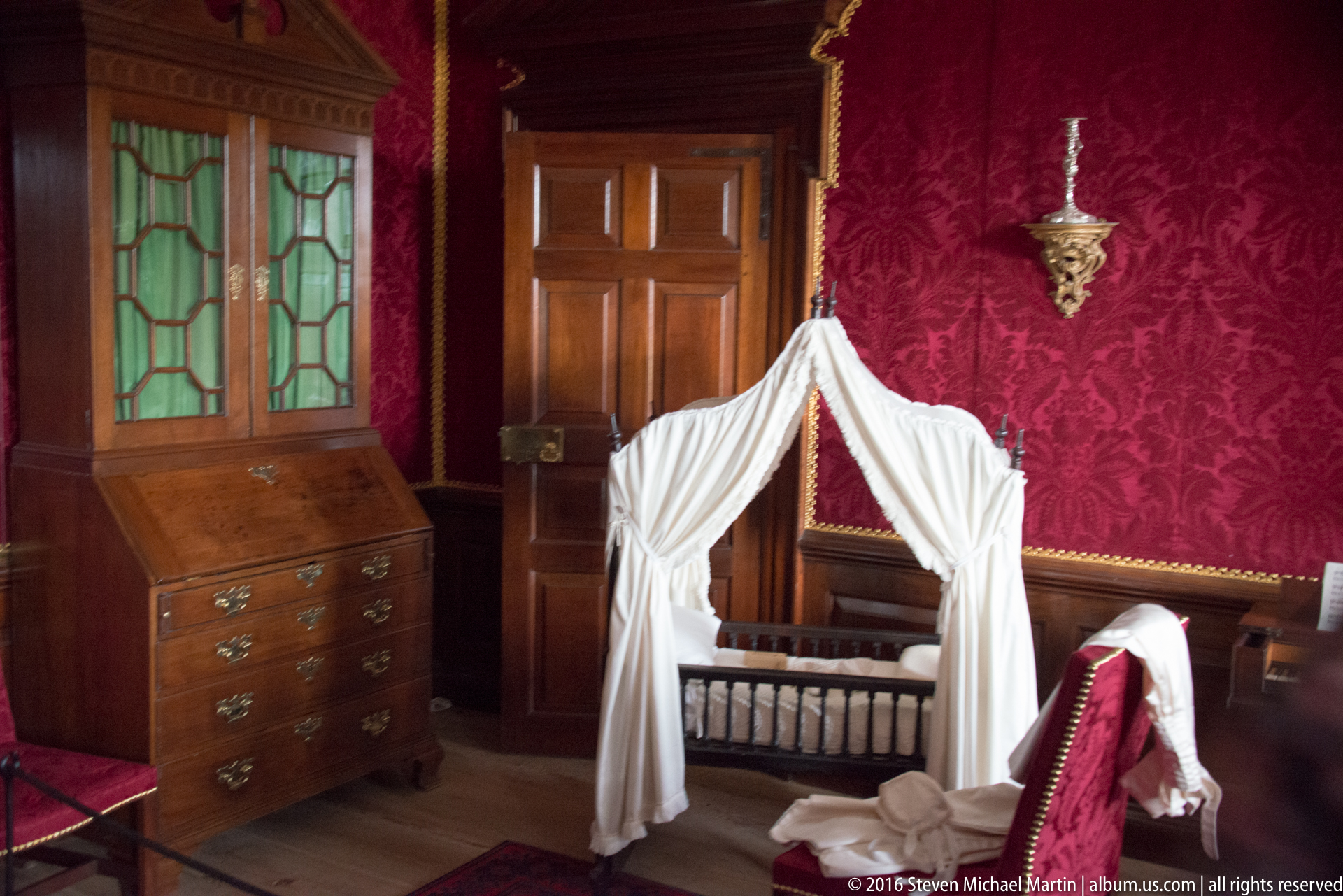
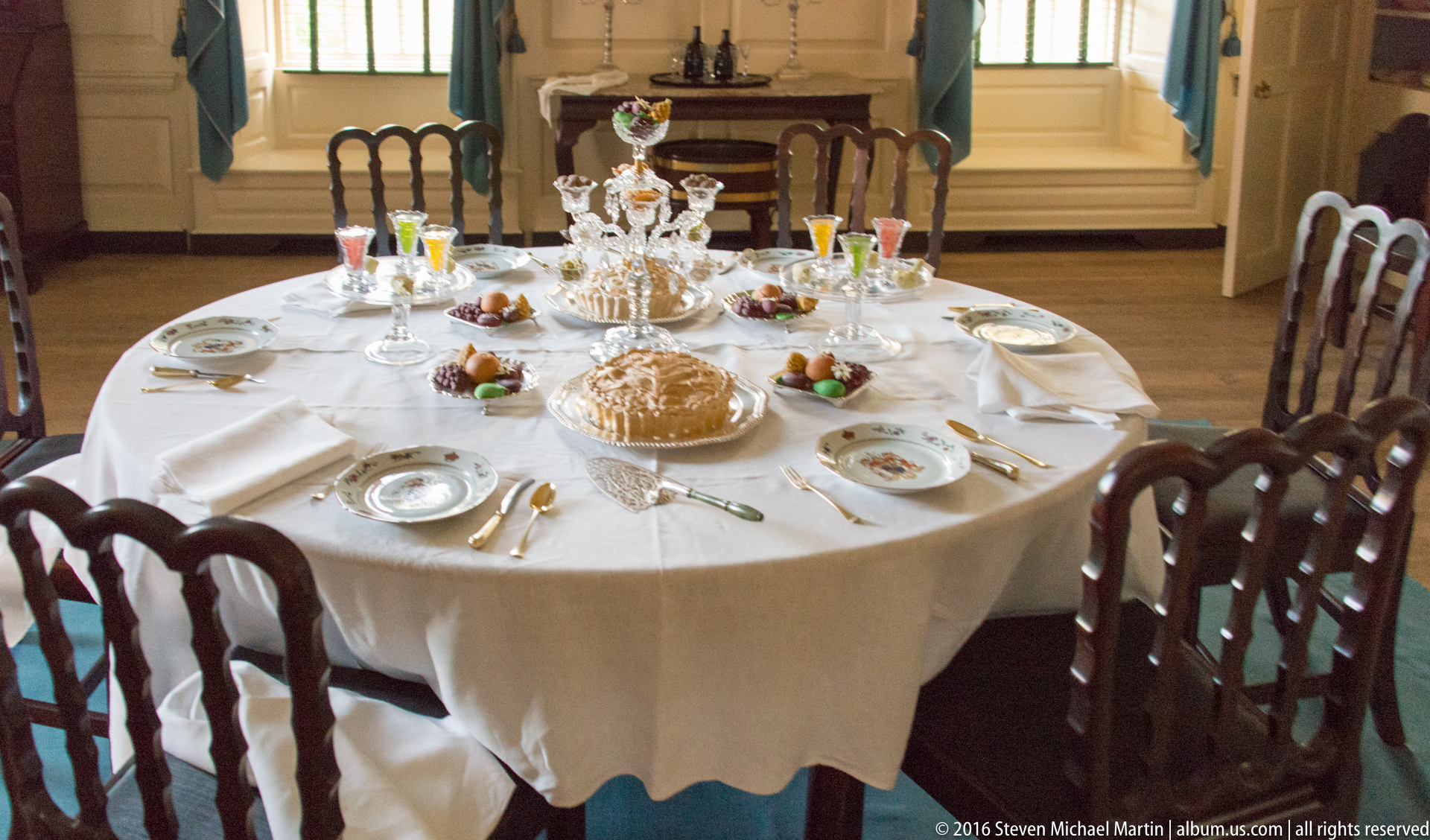
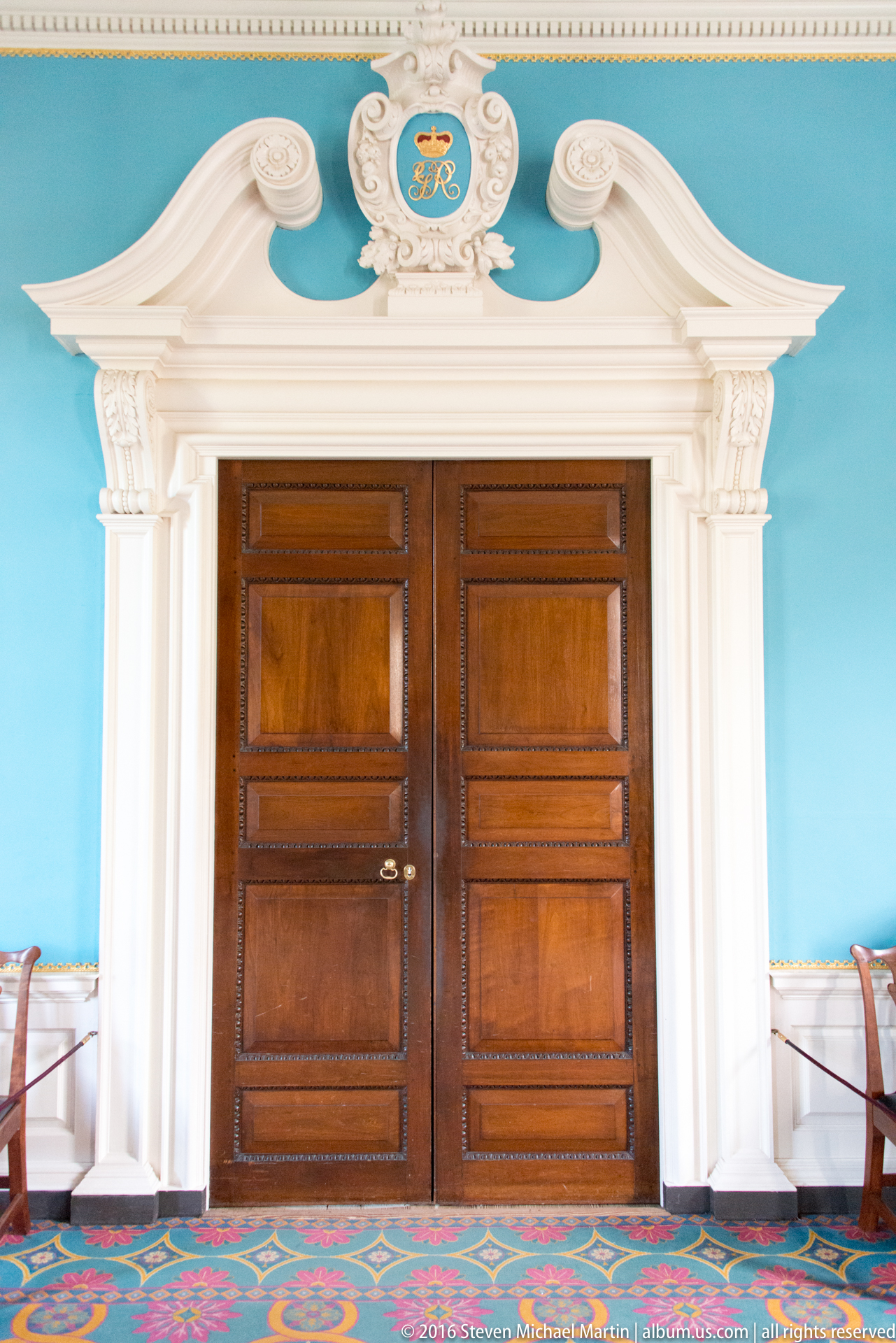
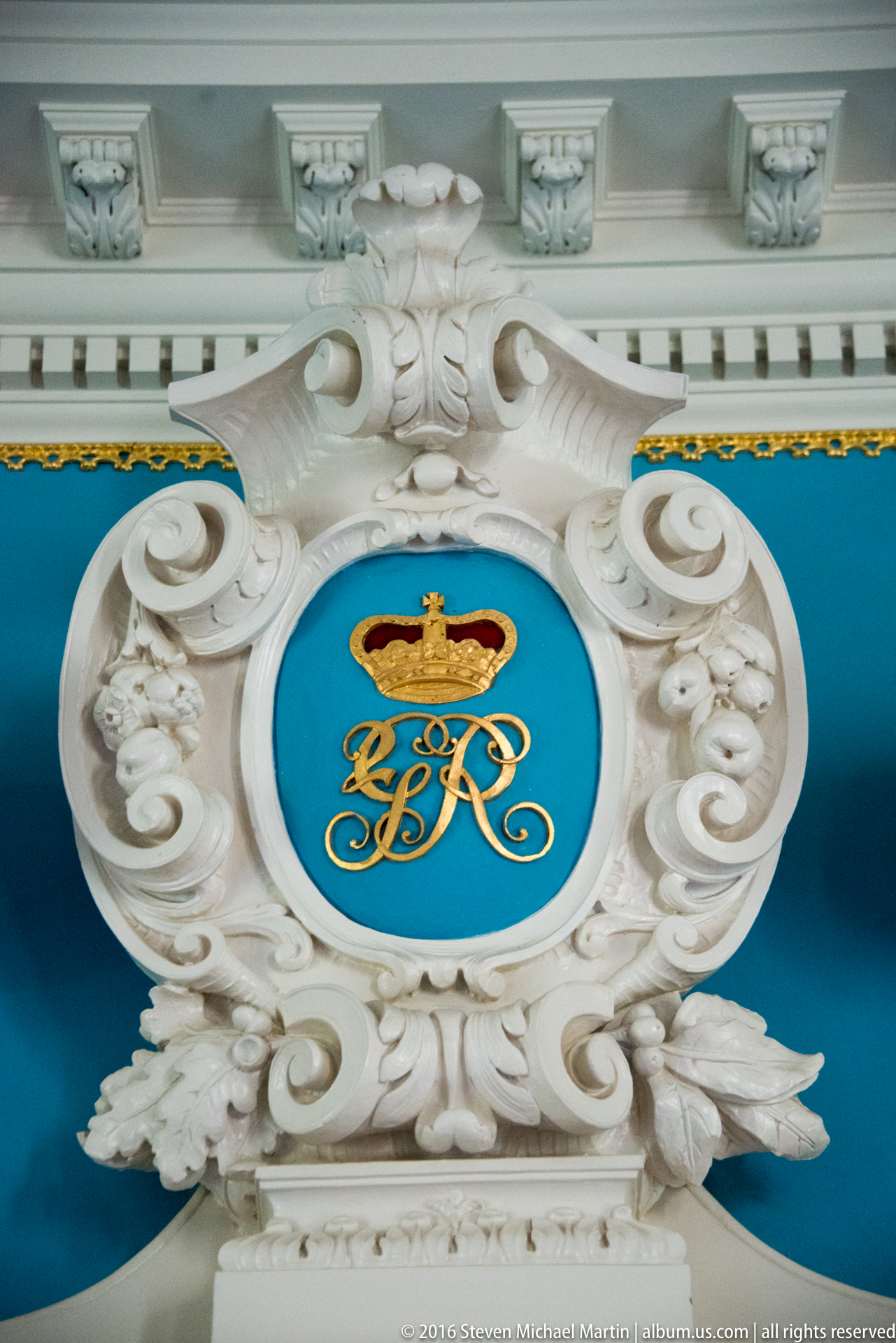
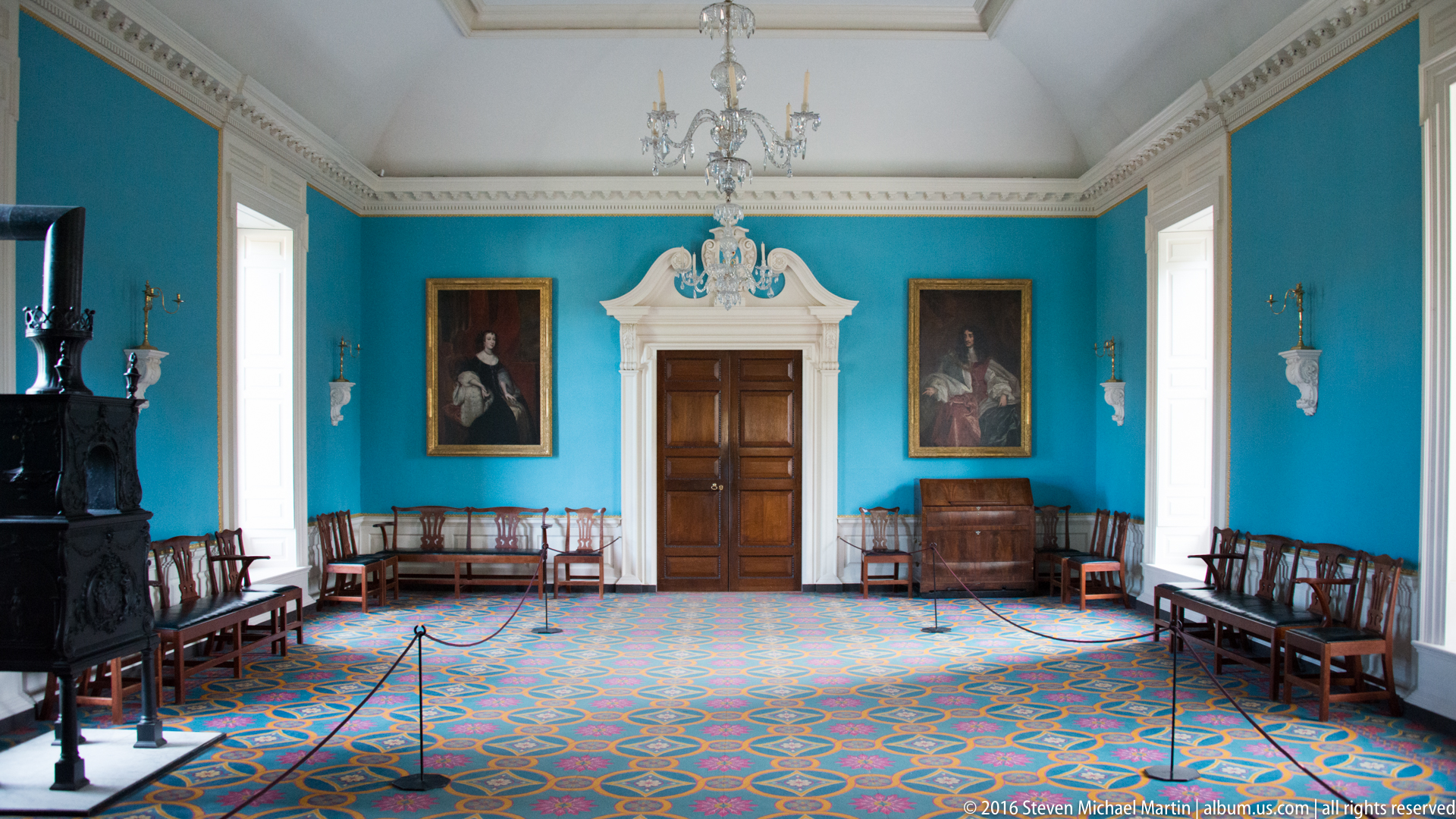
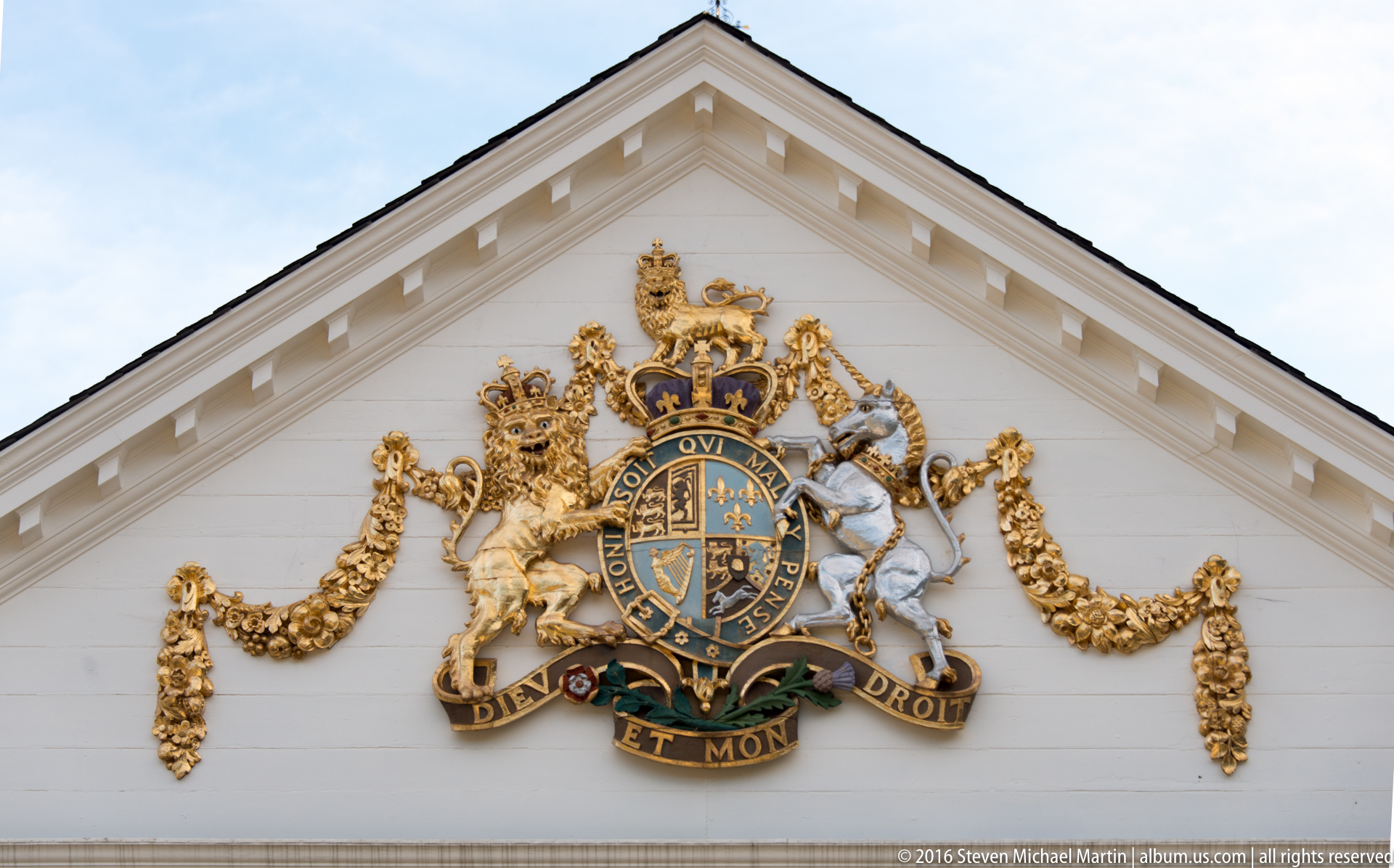
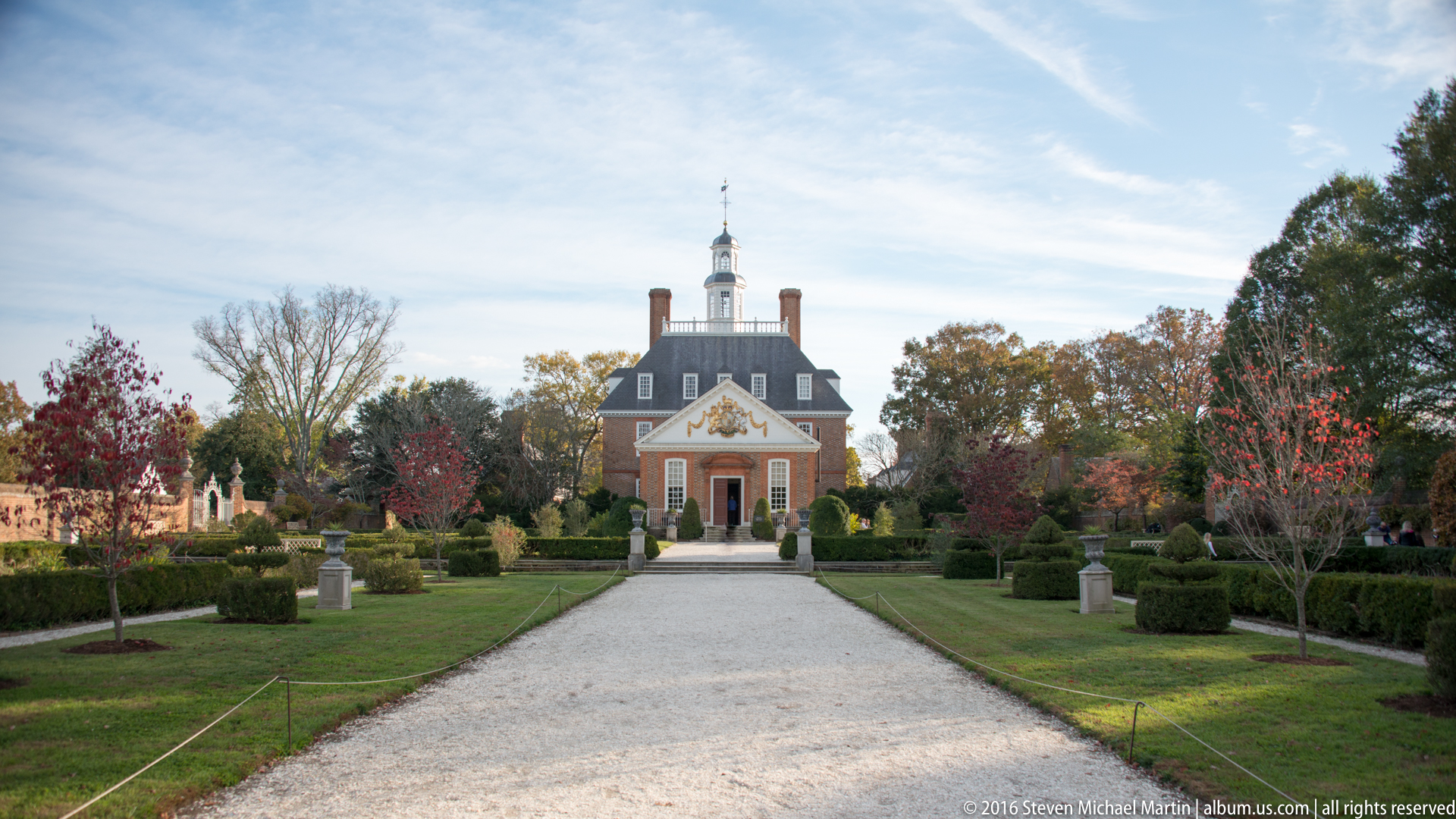
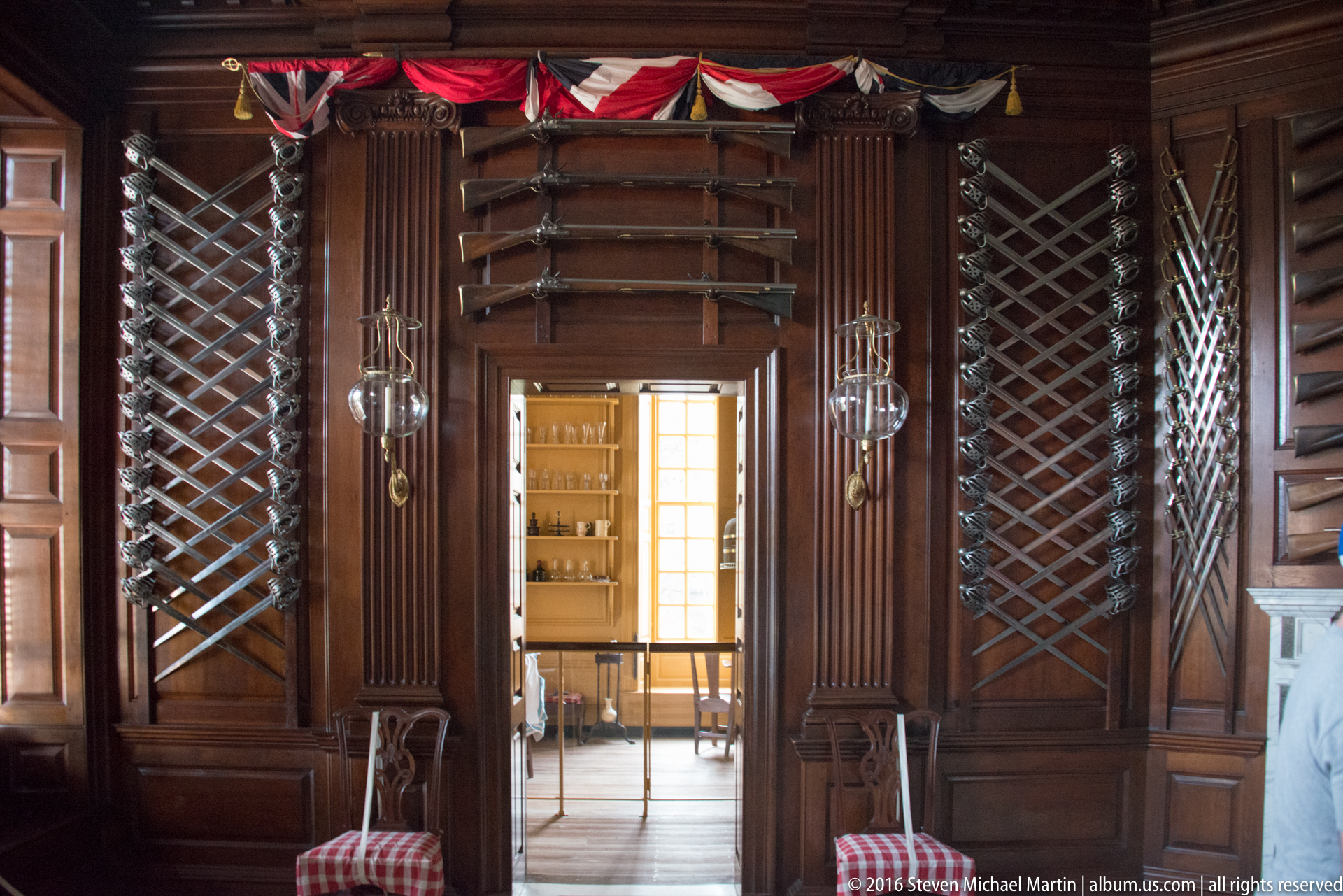
The restored historic district functions as a living museum where architecture, craft traditions, and public interpretation illustrate daily life in early America. Buildings such as the Capitol, Governor’s Palace, and Bruton Parish Church demonstrate the relationship between political authority, religious practice, and civic identity within the colonial period. Williamsburg forms part of Virginia’s Historic Triangle together with Jamestown and Yorktown, linking early settlement, revolutionary conflict, and national independence within a single geographic region.
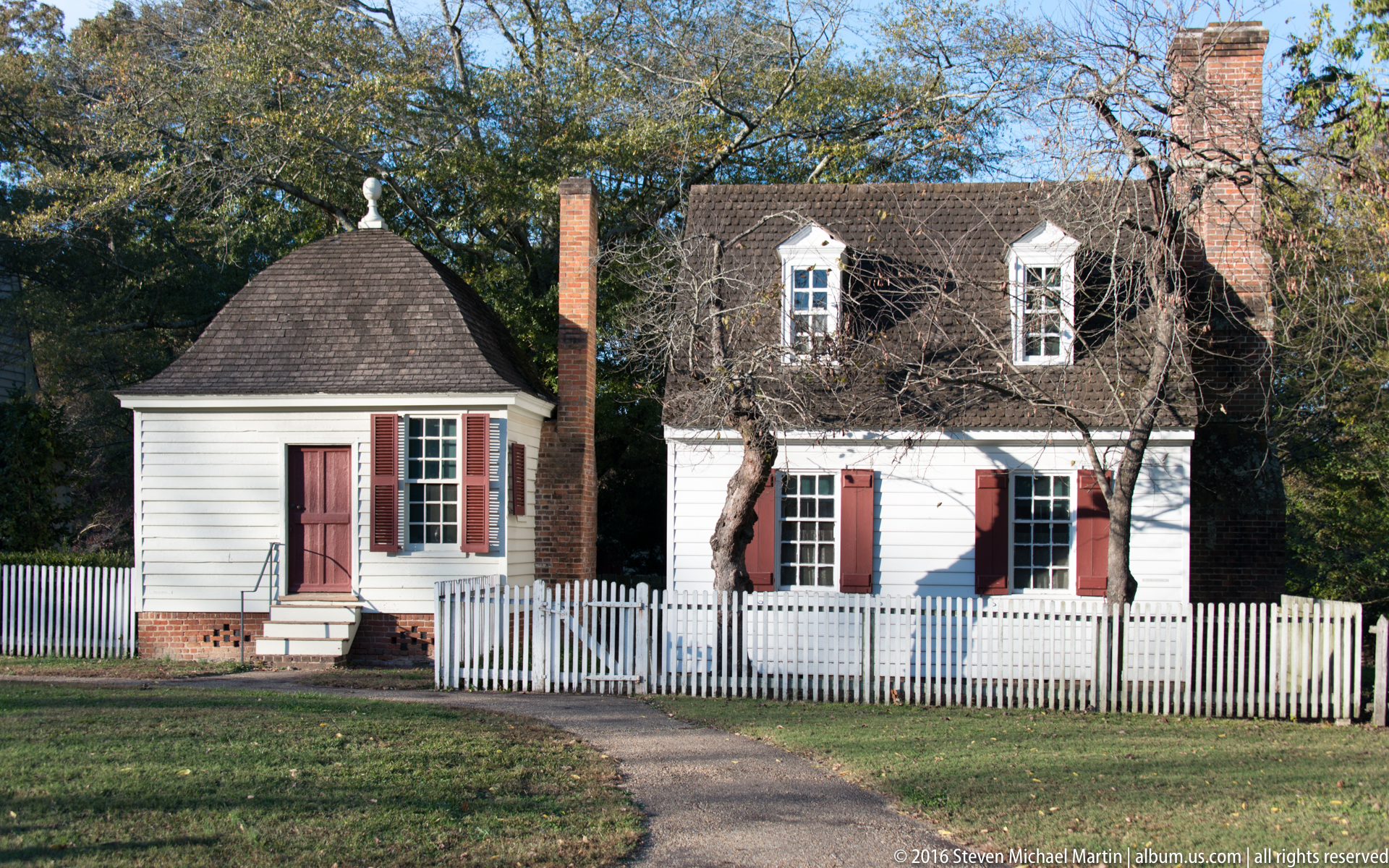
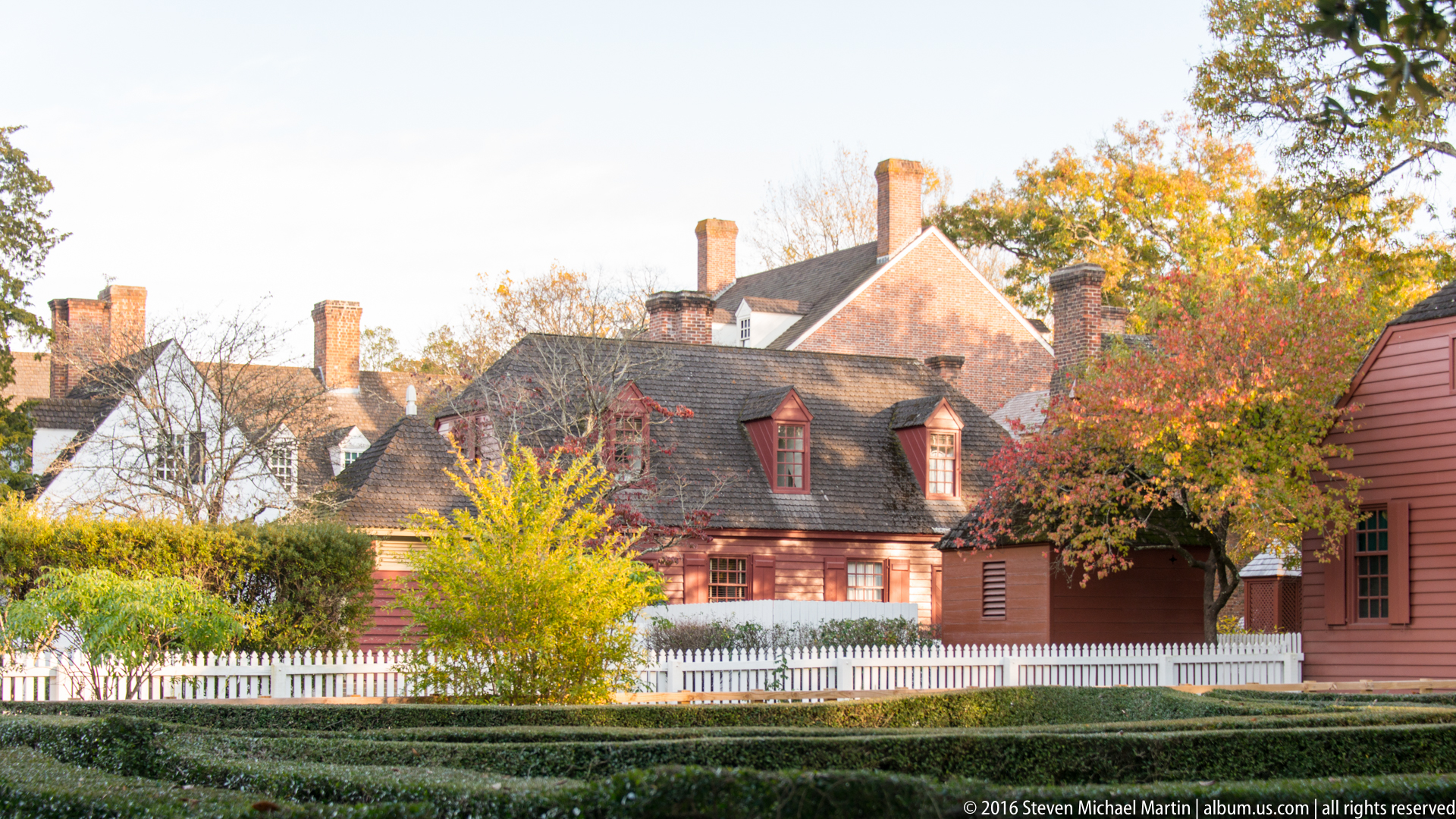
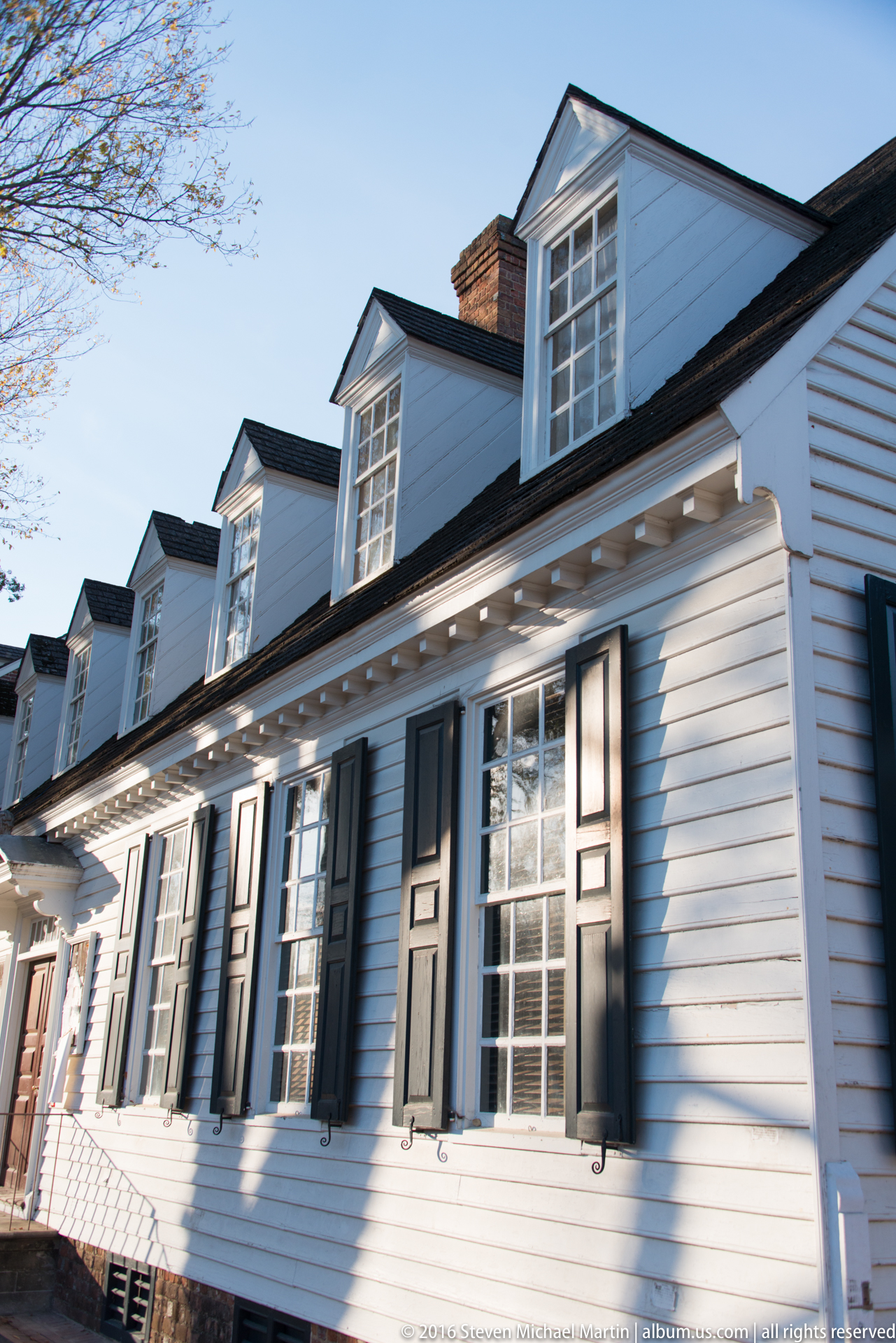
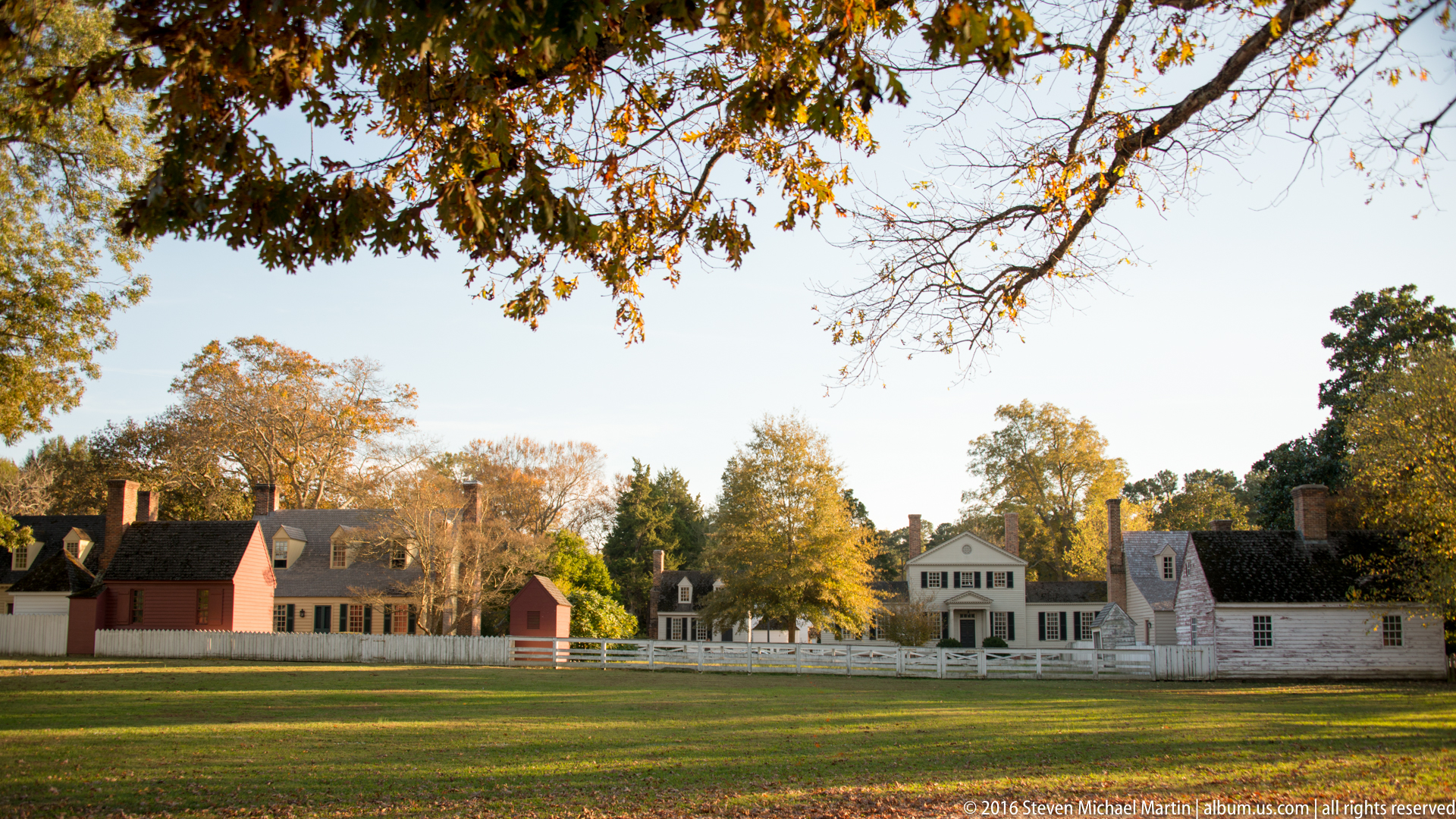
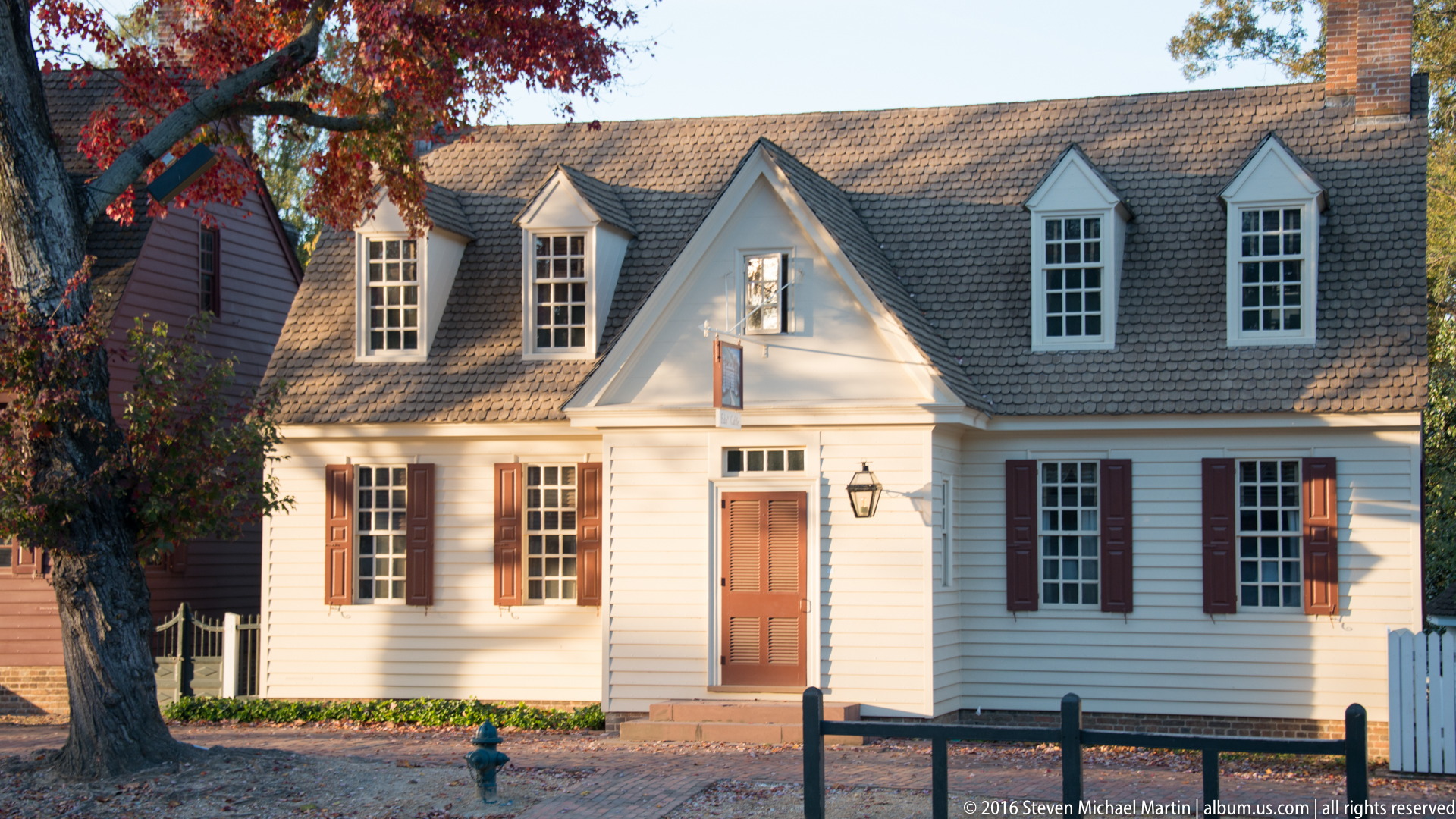
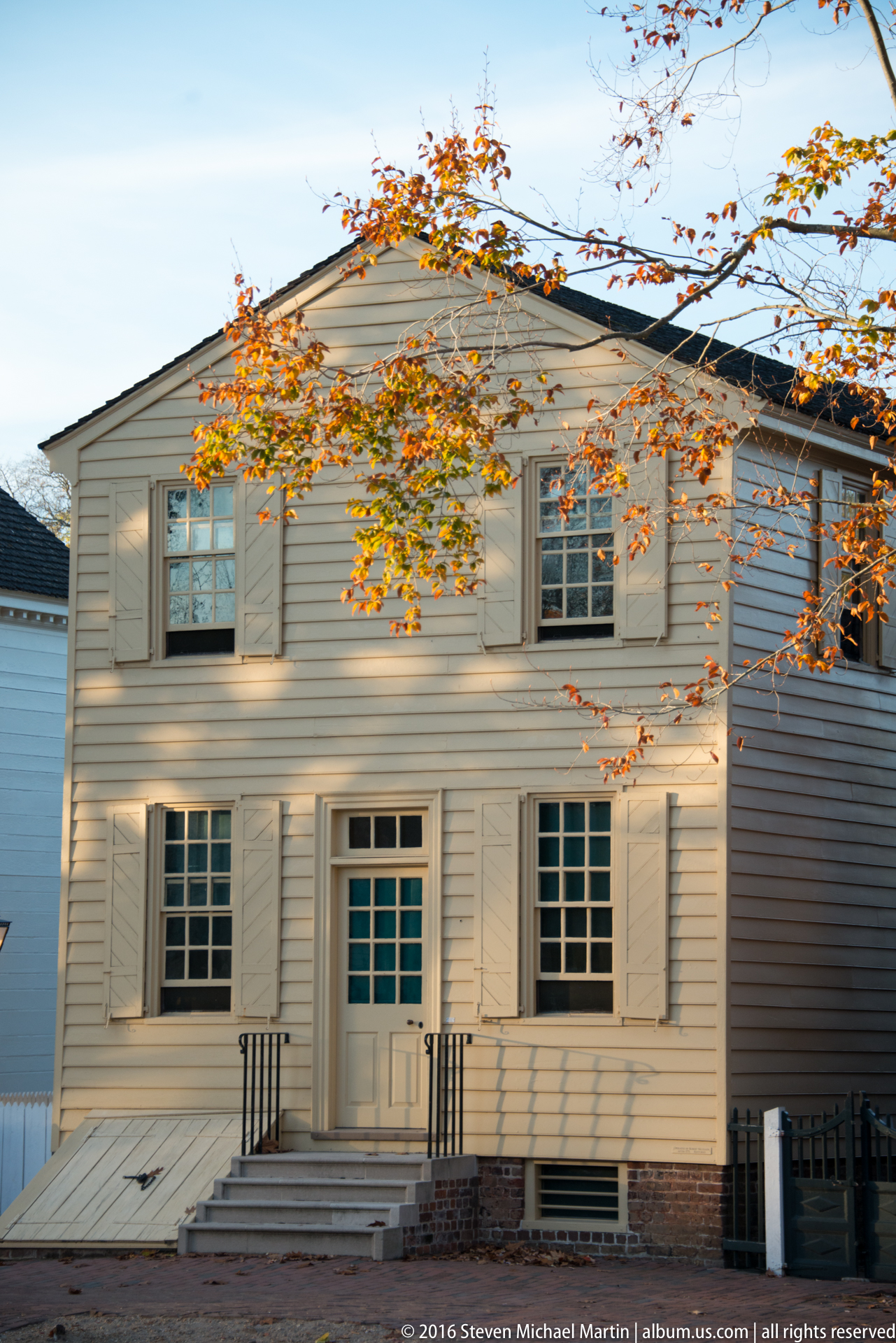
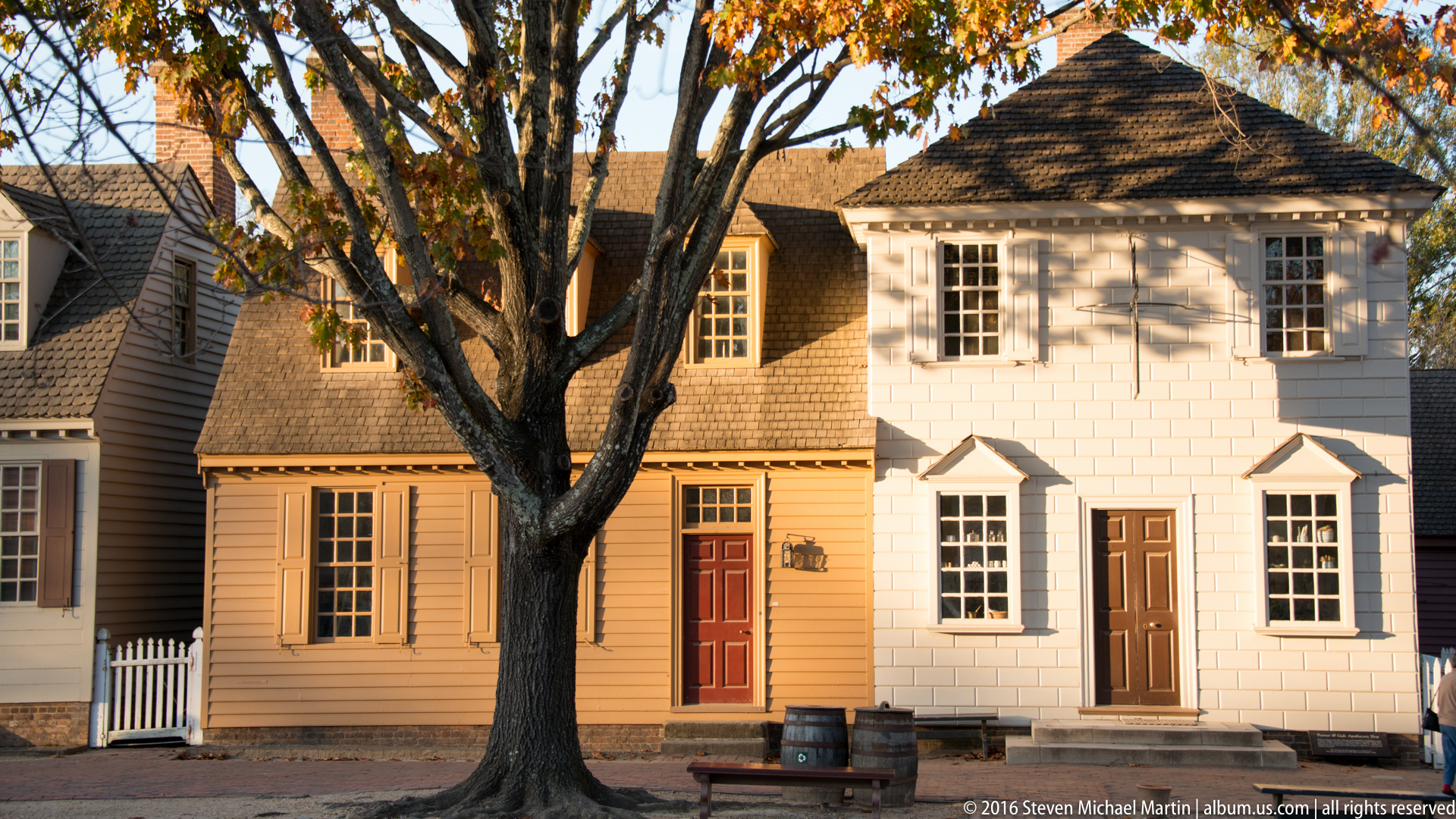
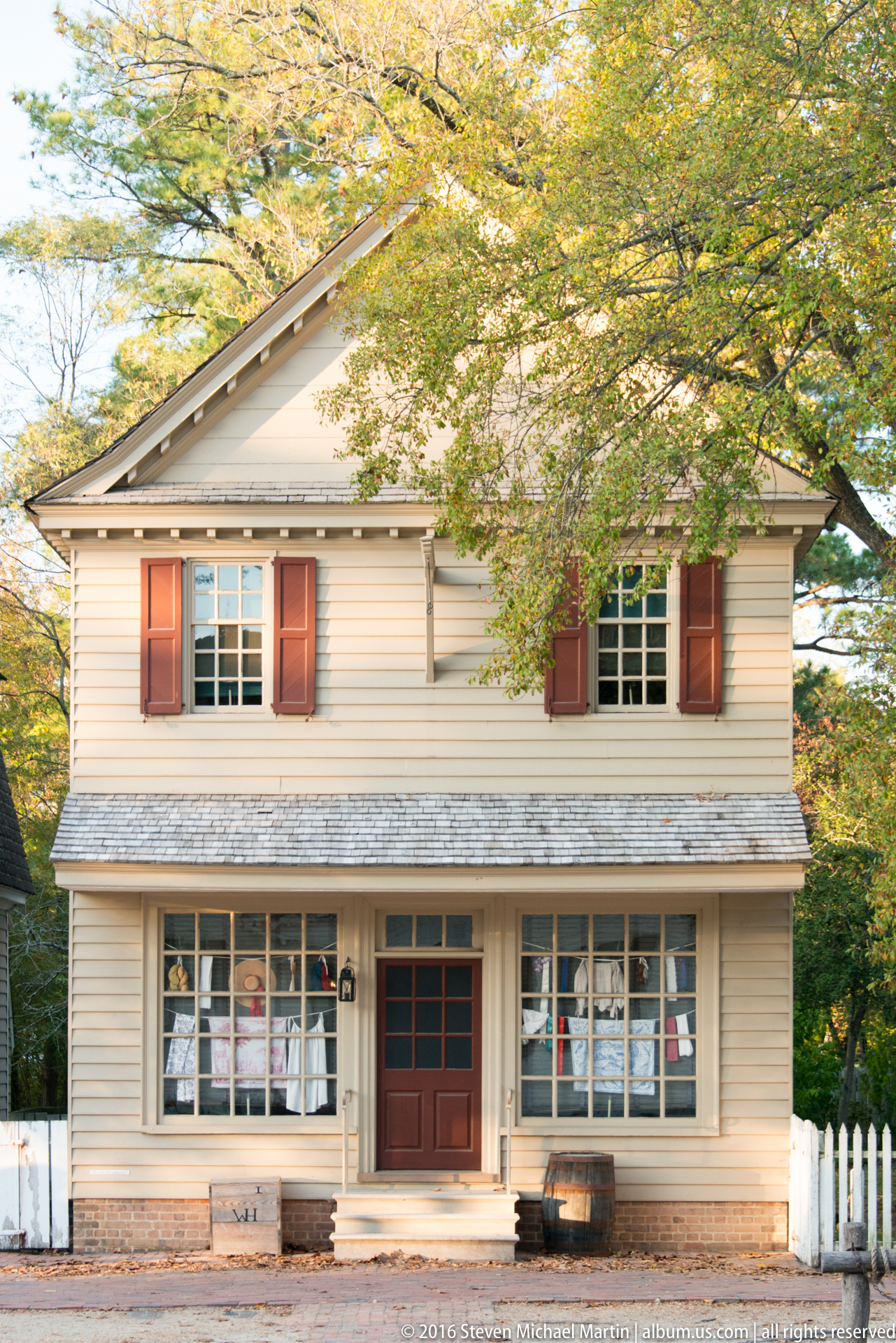
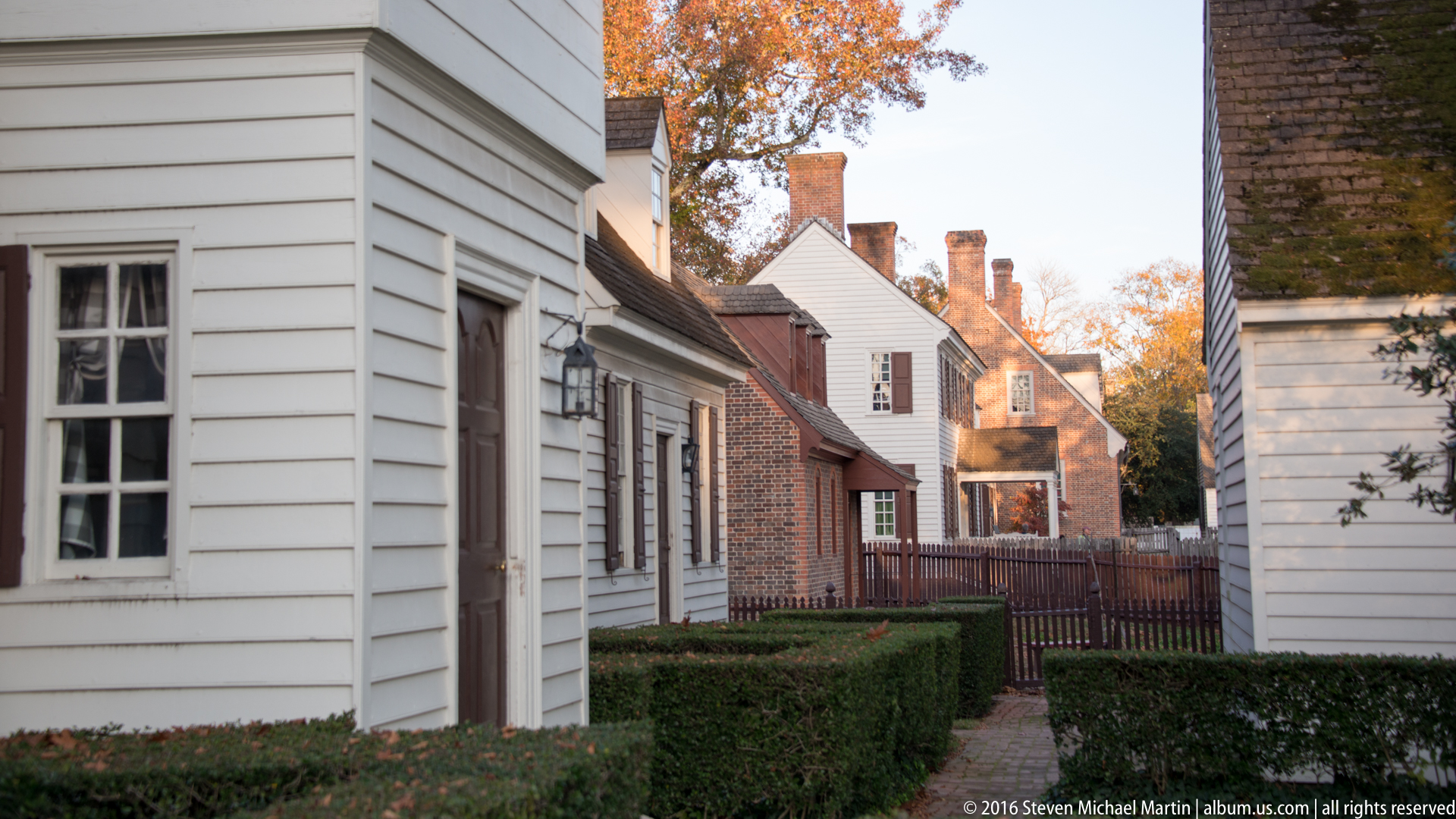
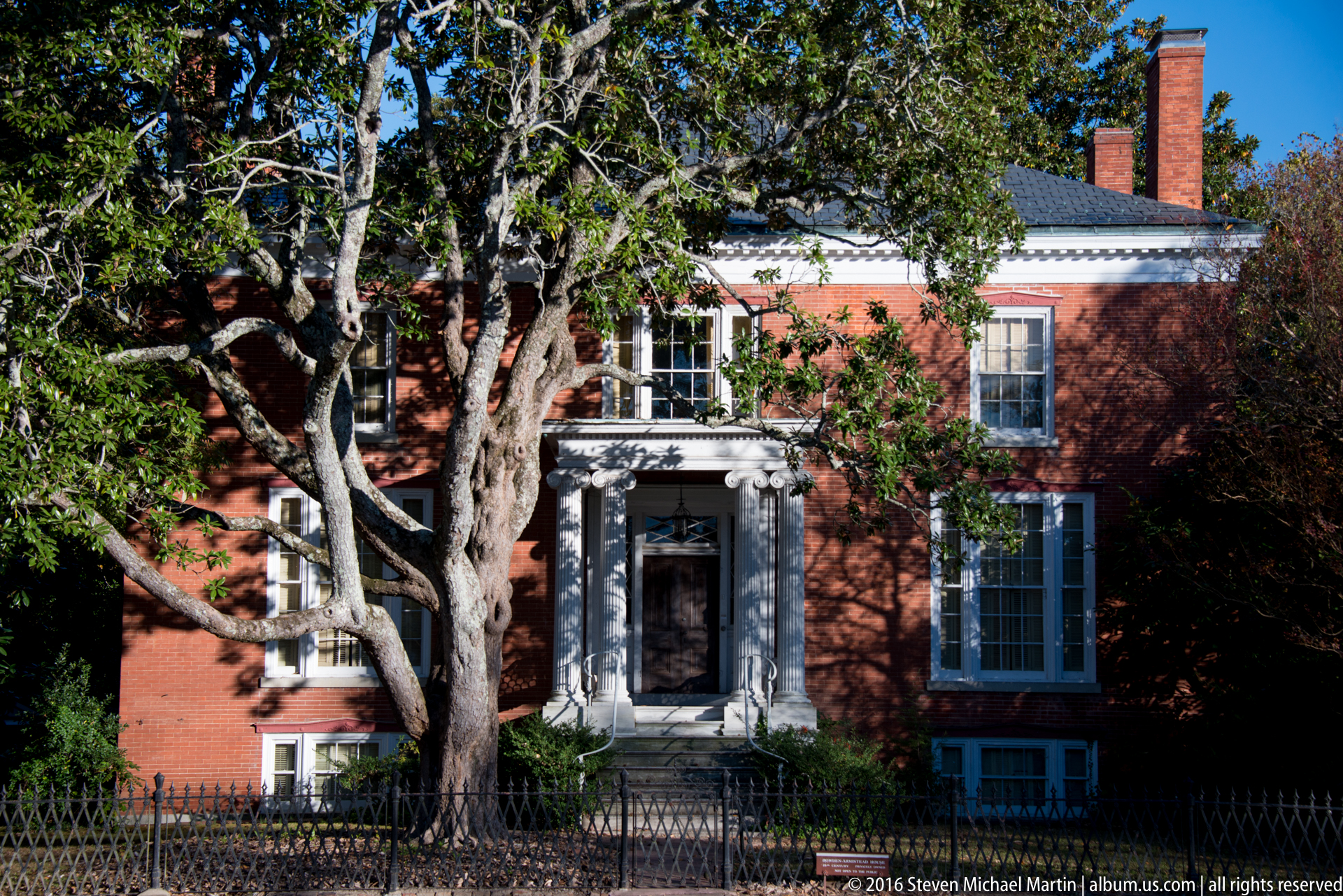
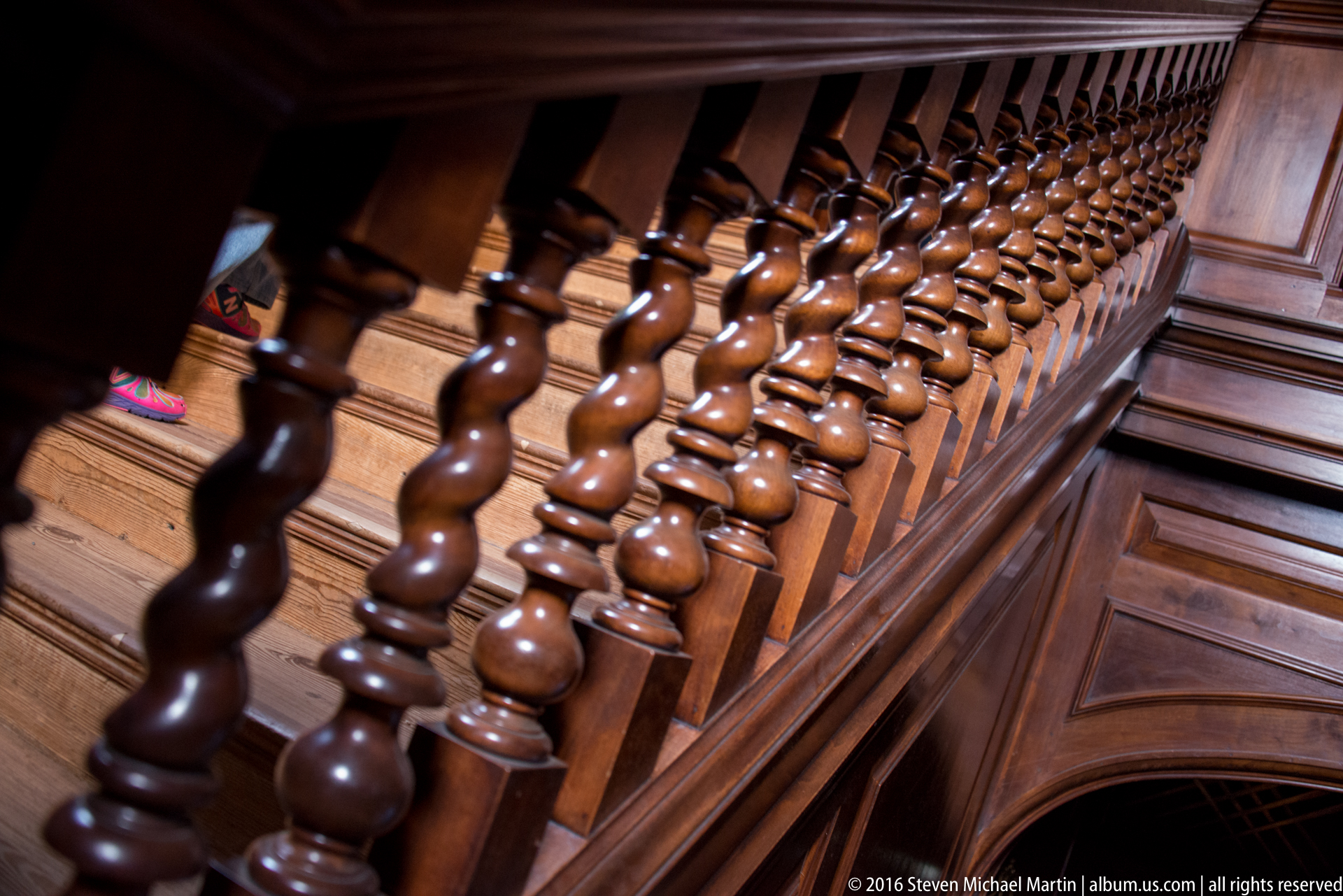
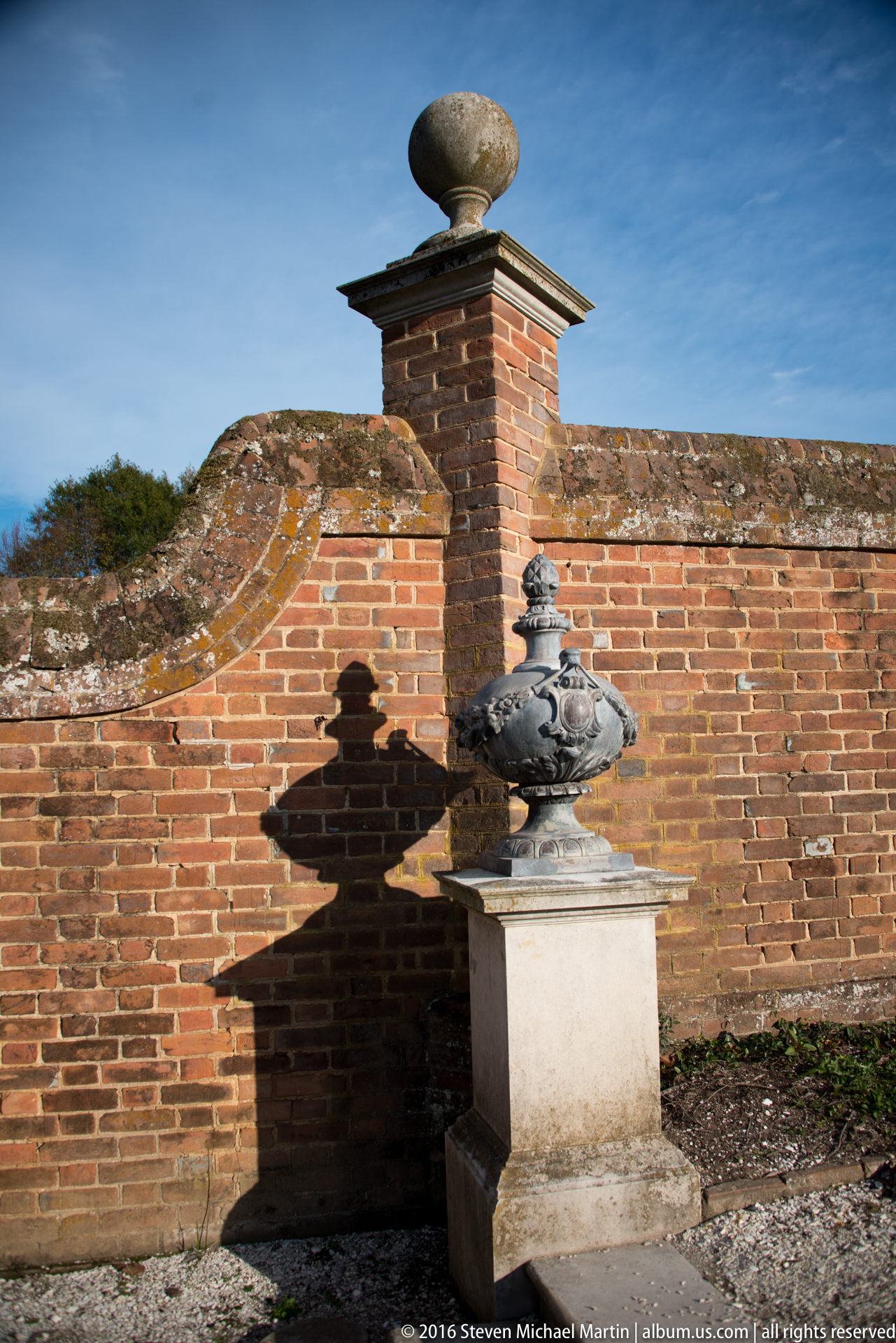
Colonial Williamsburg contributes to understanding how urban planning and architecture expressed political and cultural values in the eighteenth century. The preserved landscape illustrates how institutions of governance and education developed alongside residential and commercial structures within a colonial capital. As one of the most extensive historic restorations in the United States, Williamsburg provides insight into the physical setting in which early American political identity evolved.