Mount Rainier NP – Carbon River
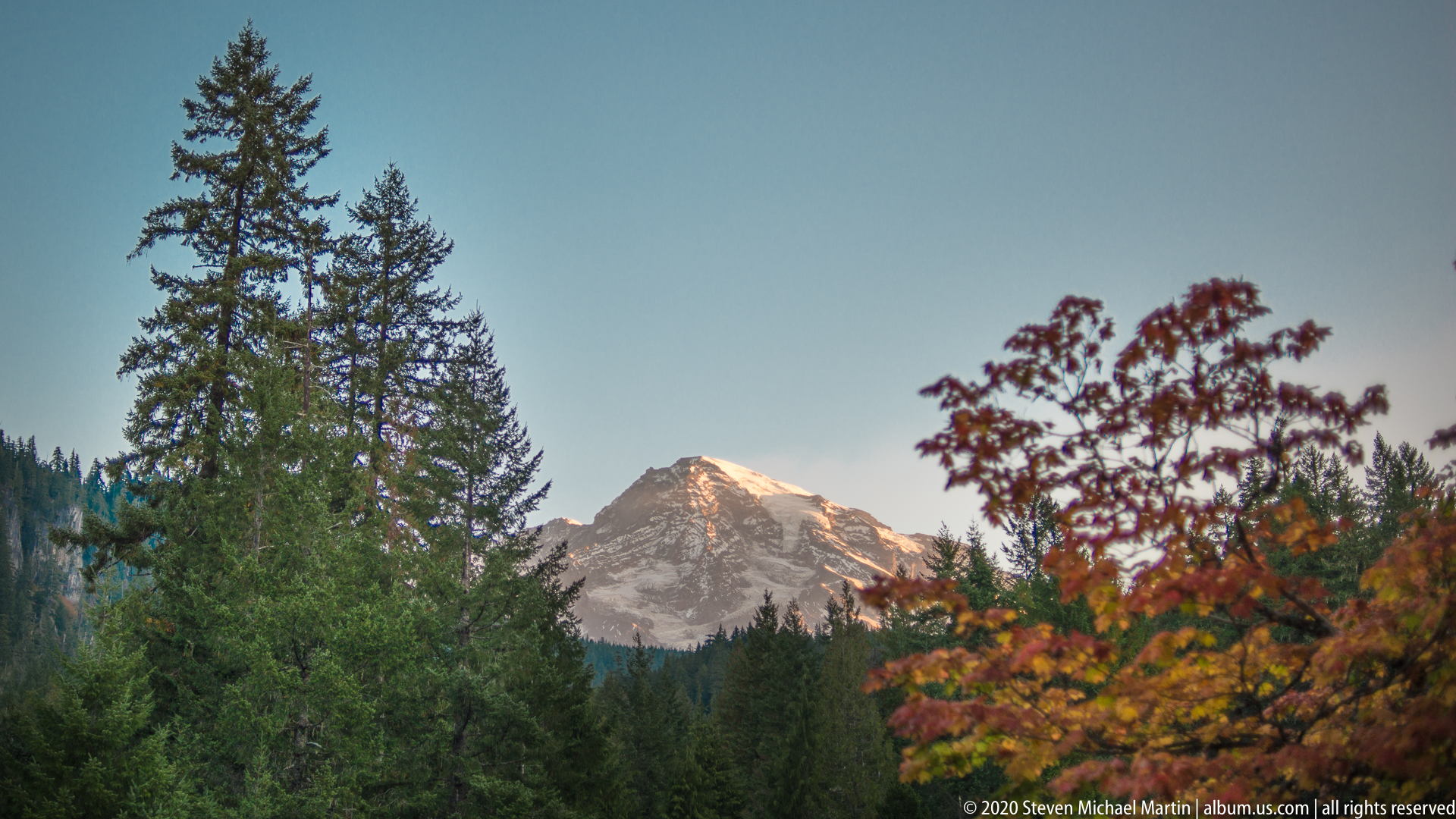
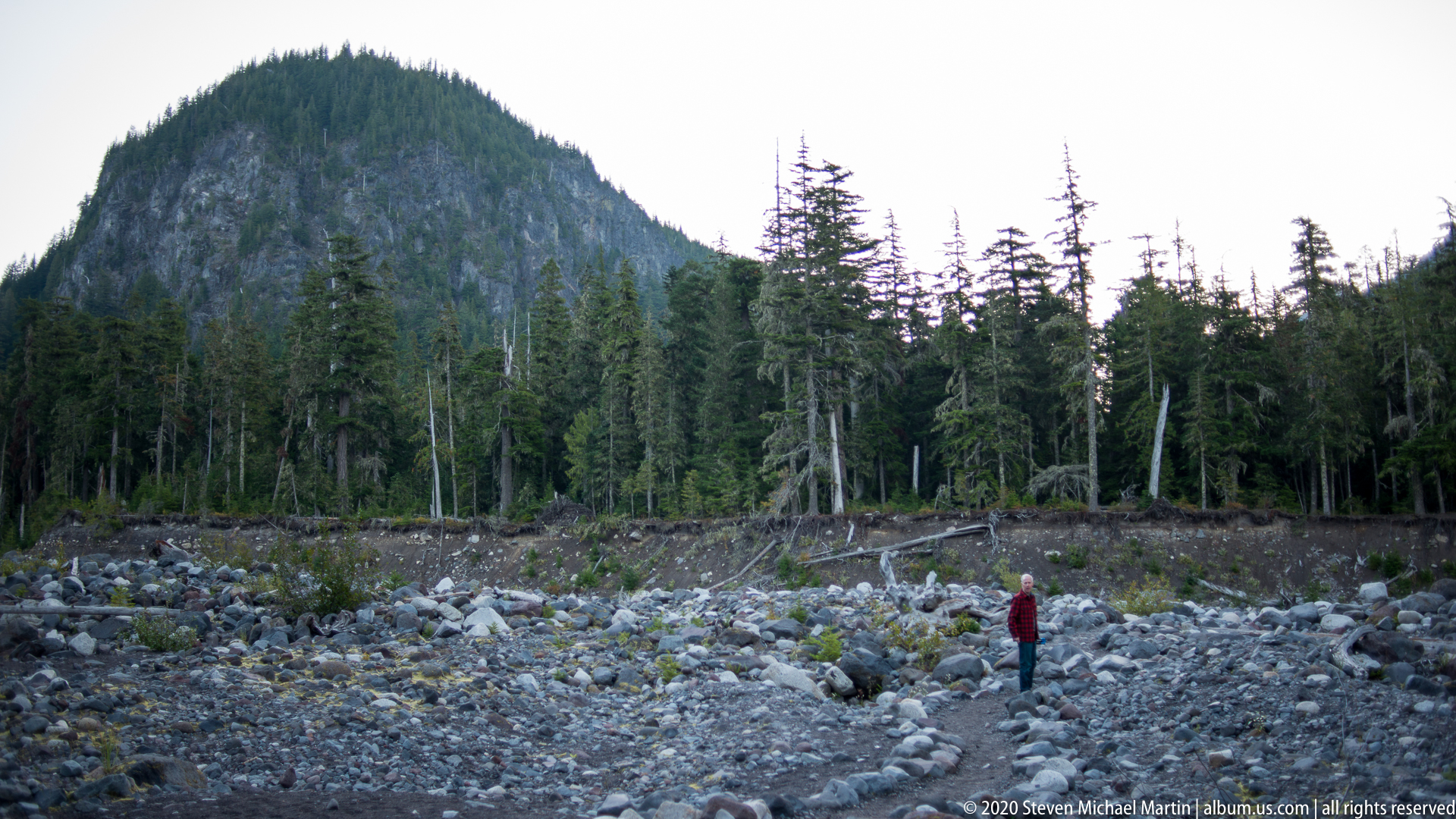
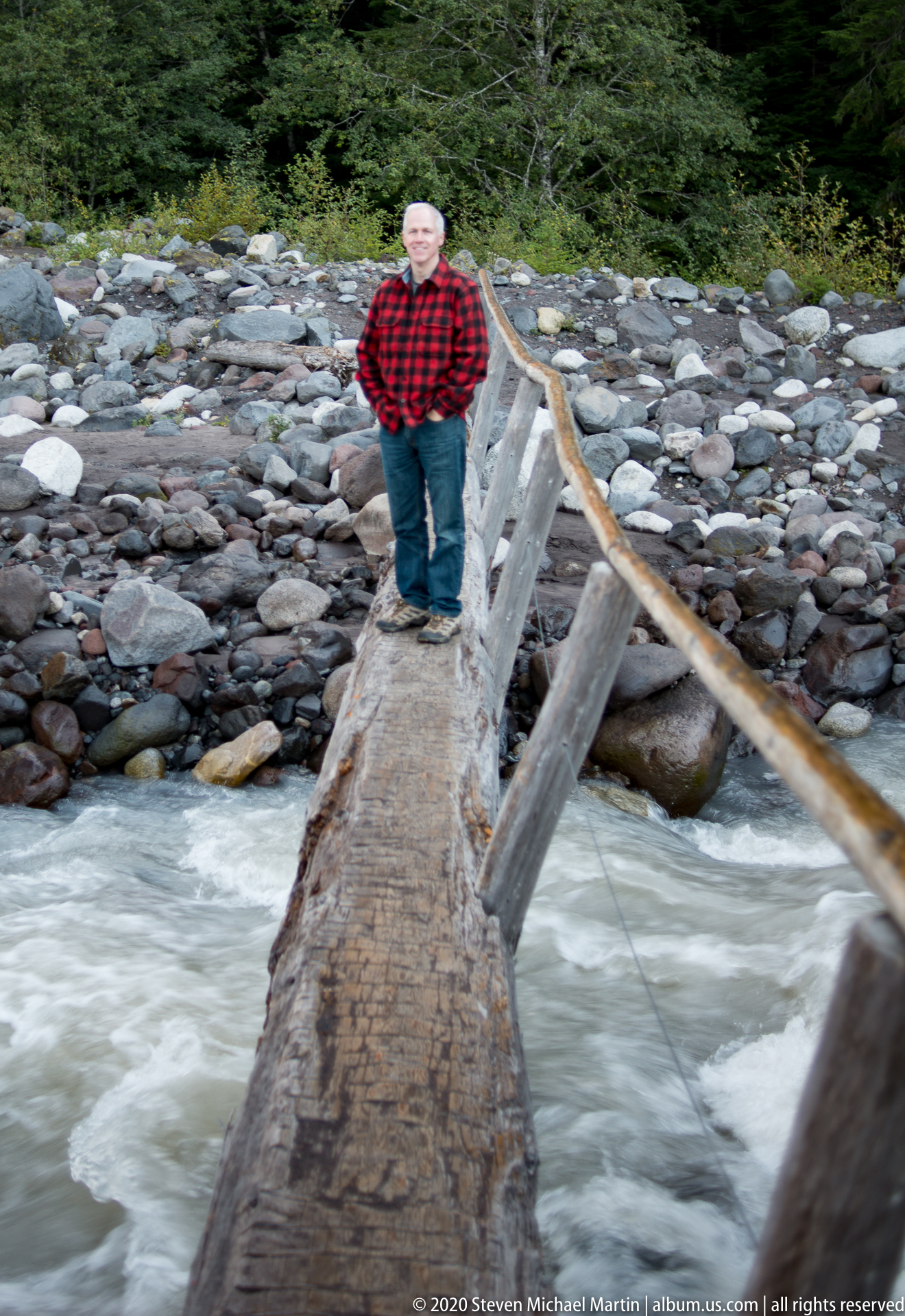
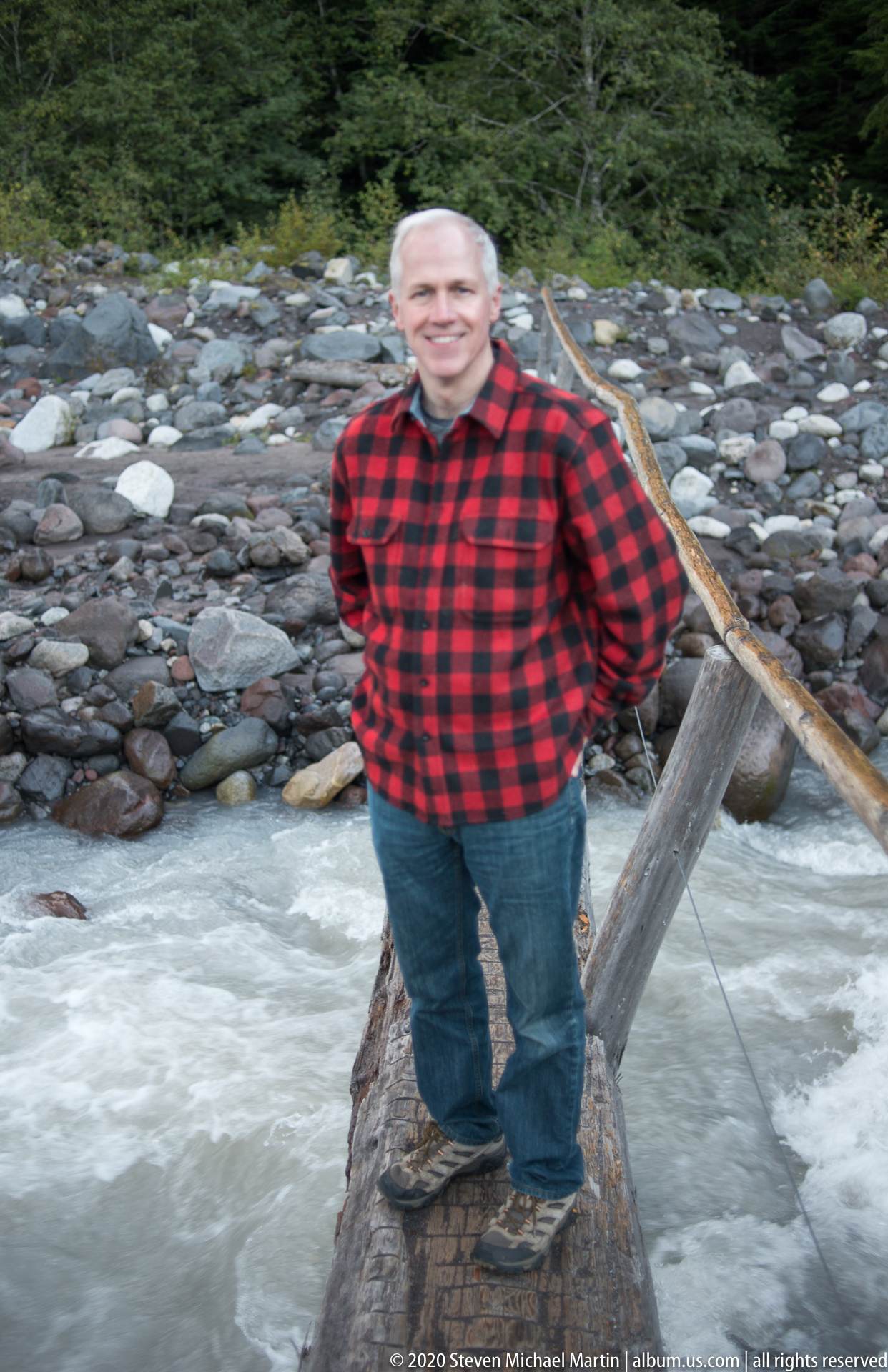
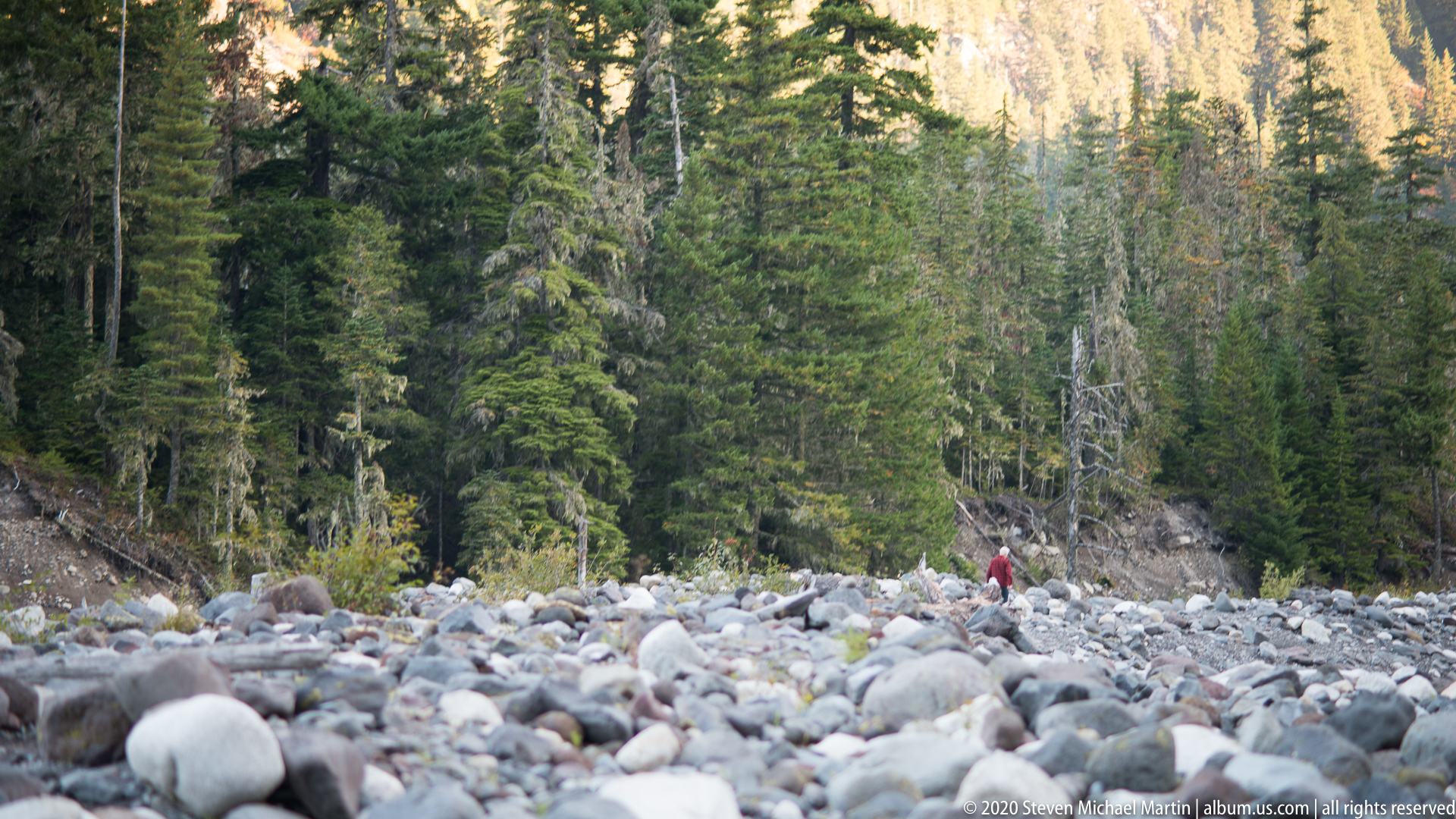
The Carbon River area of Mount Rainier National Park offers a quieter perspective on the park’s landscape, where dense forest, moss-covered trees, and the steady presence of the river create a distinctly temperate rainforest atmosphere. The environment feels lush and enclosed, with filtered light and layered vegetation defining the character of the valley.
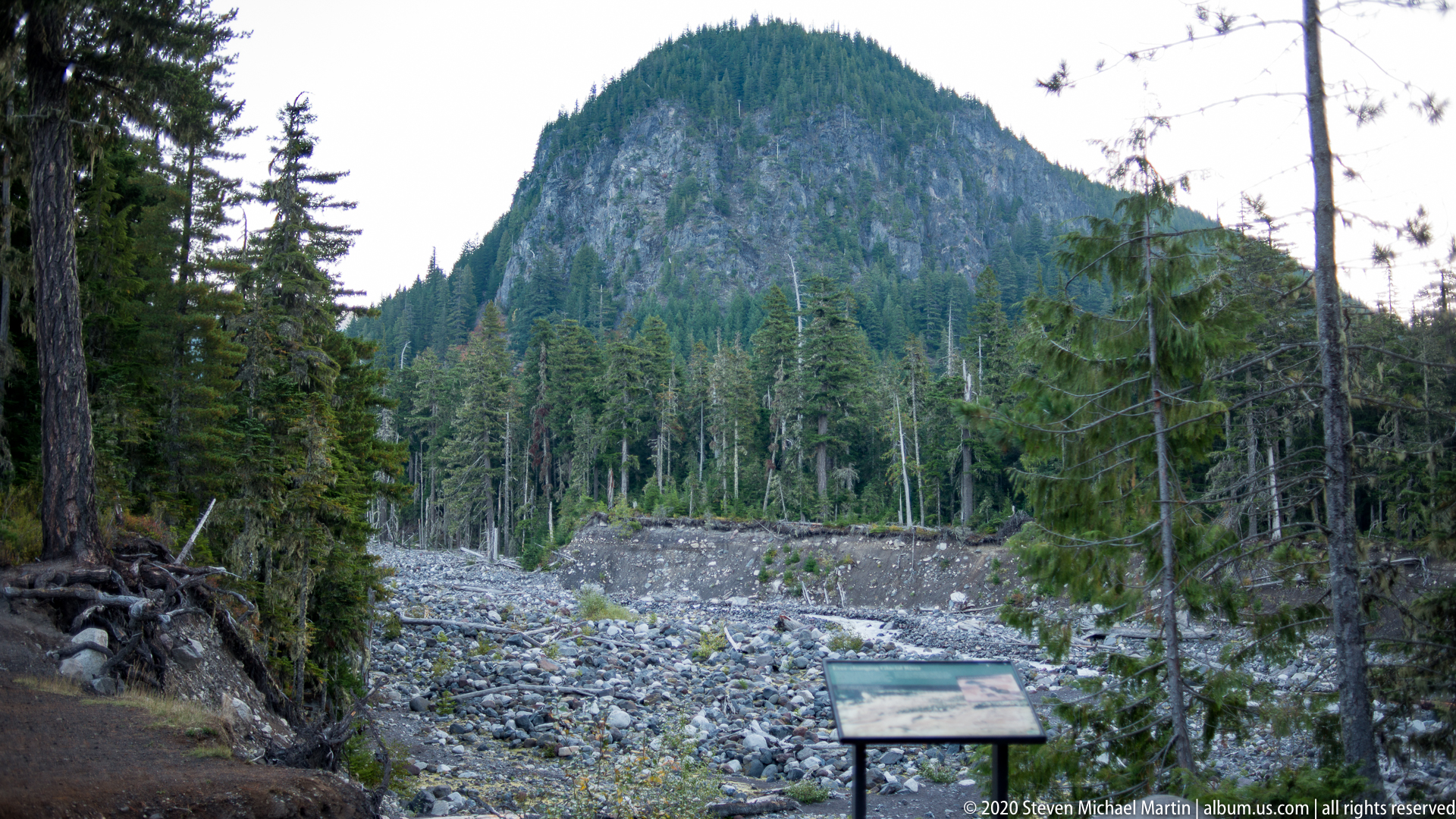
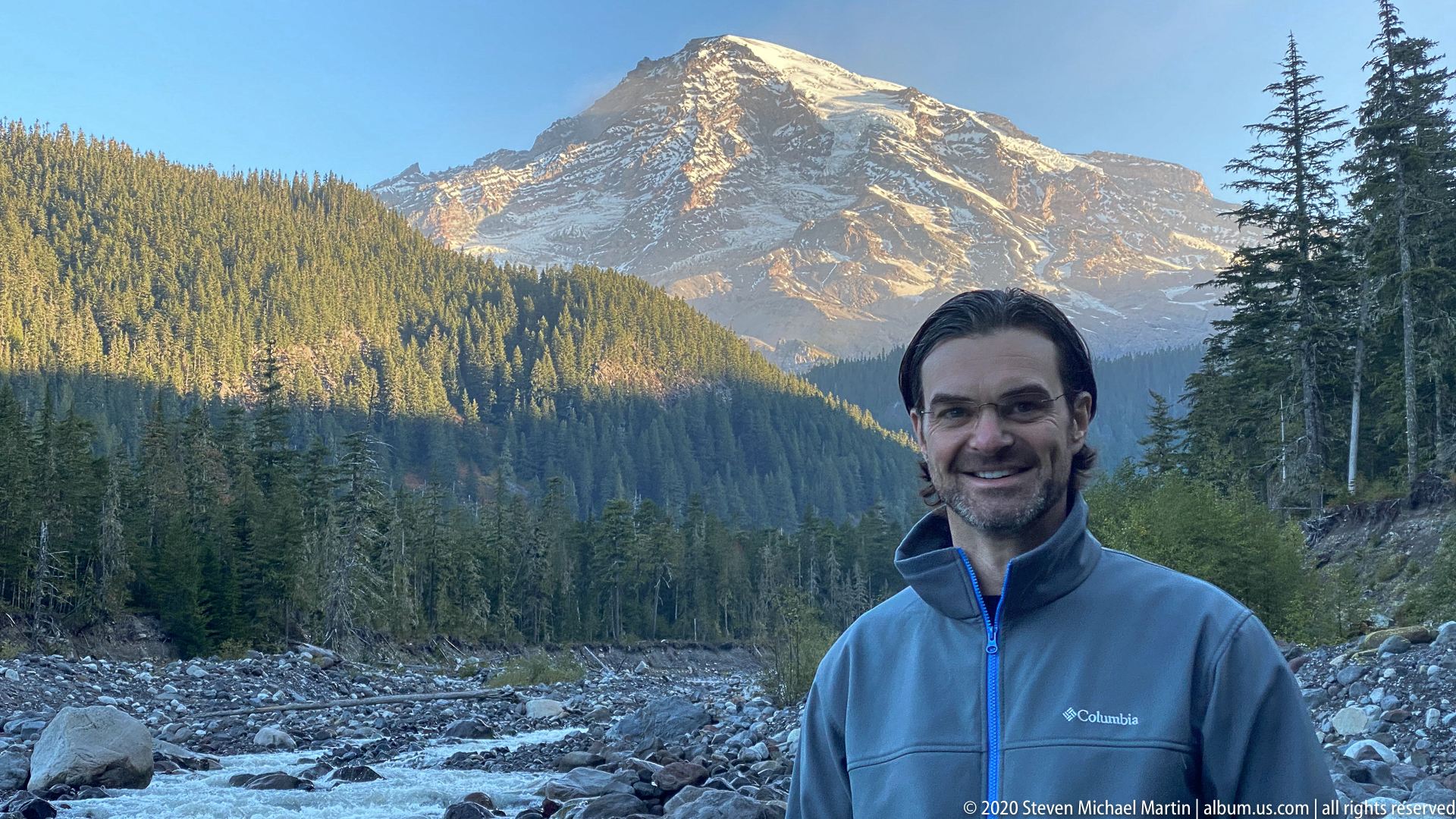
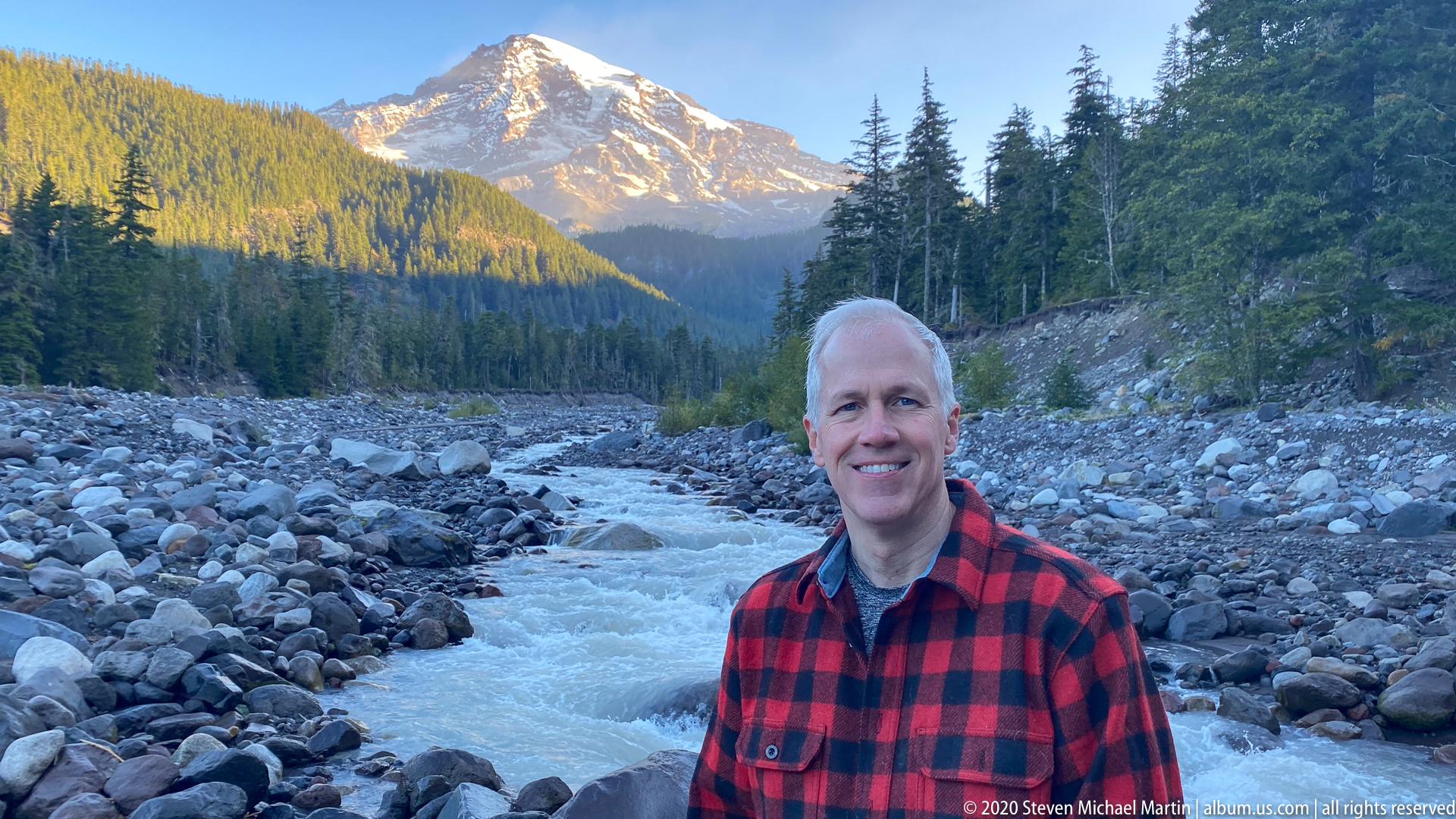
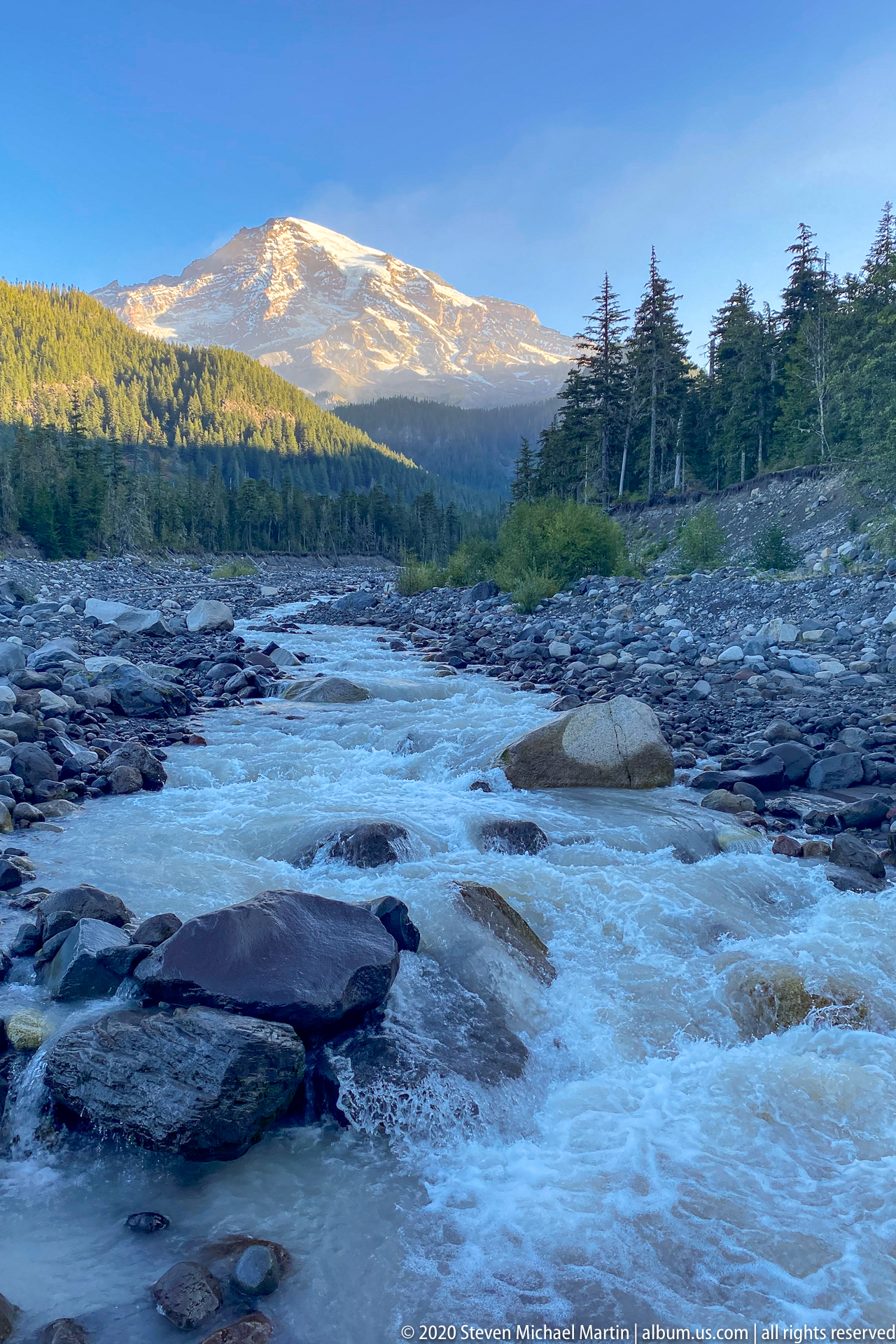
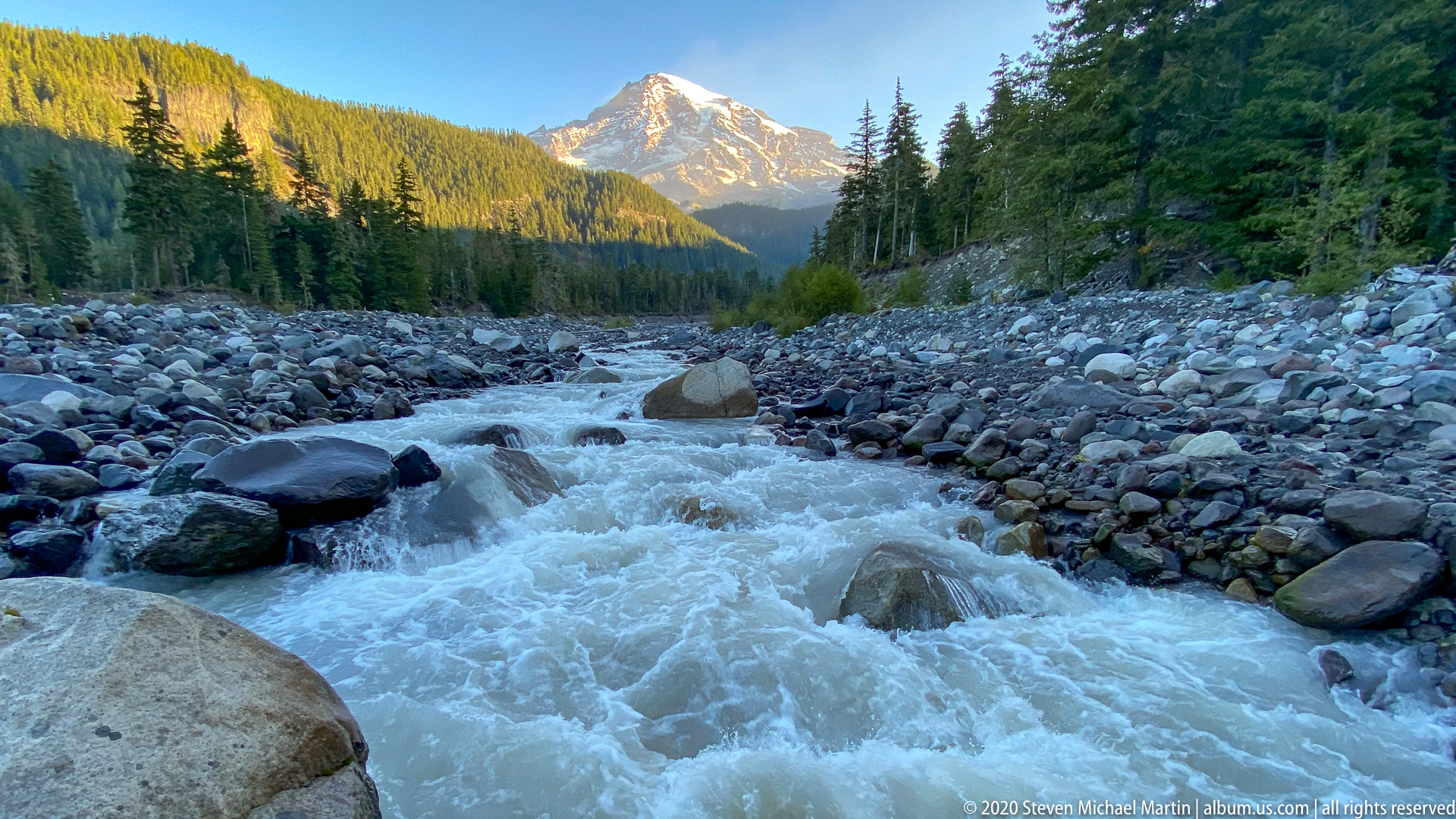
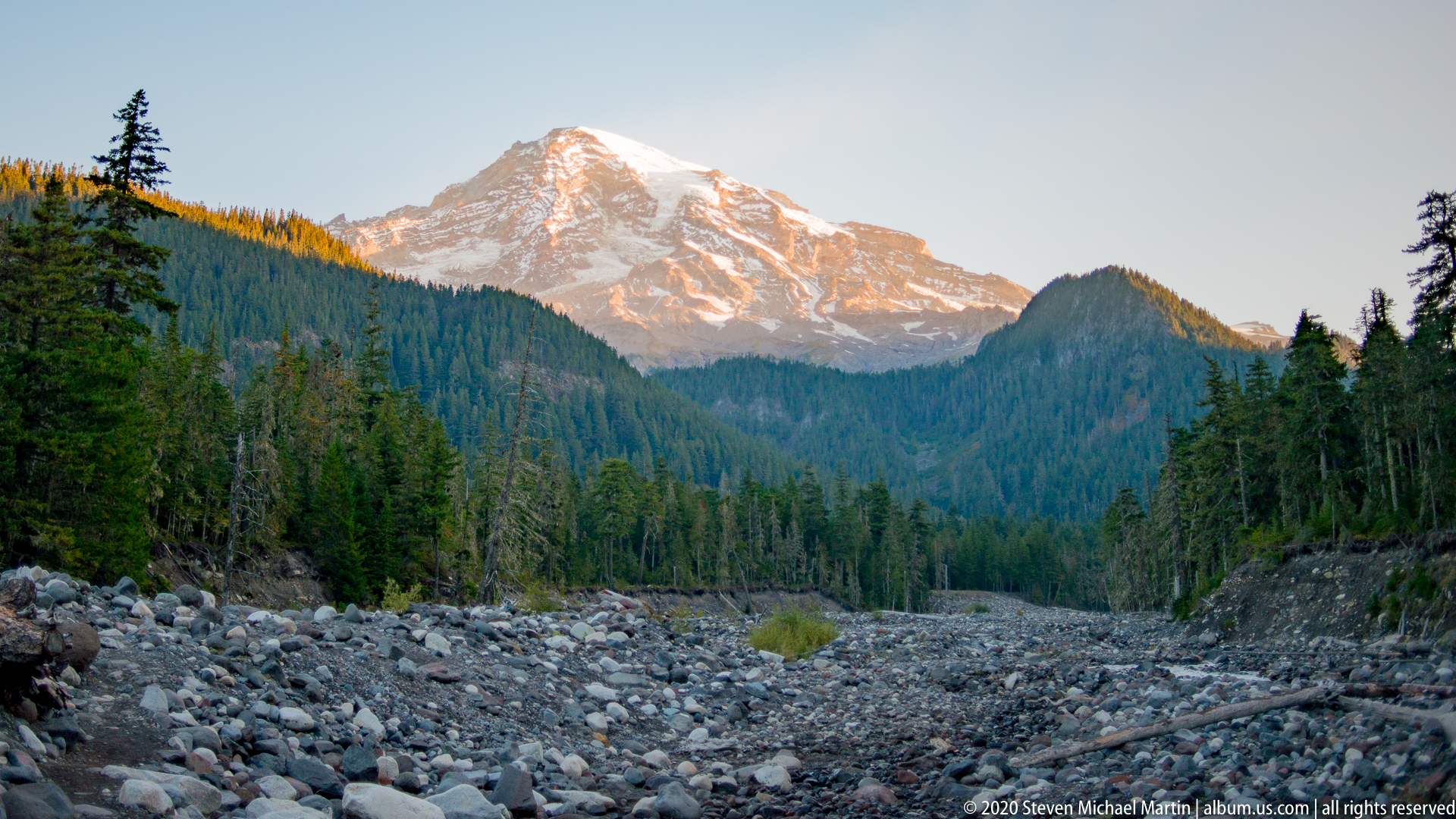
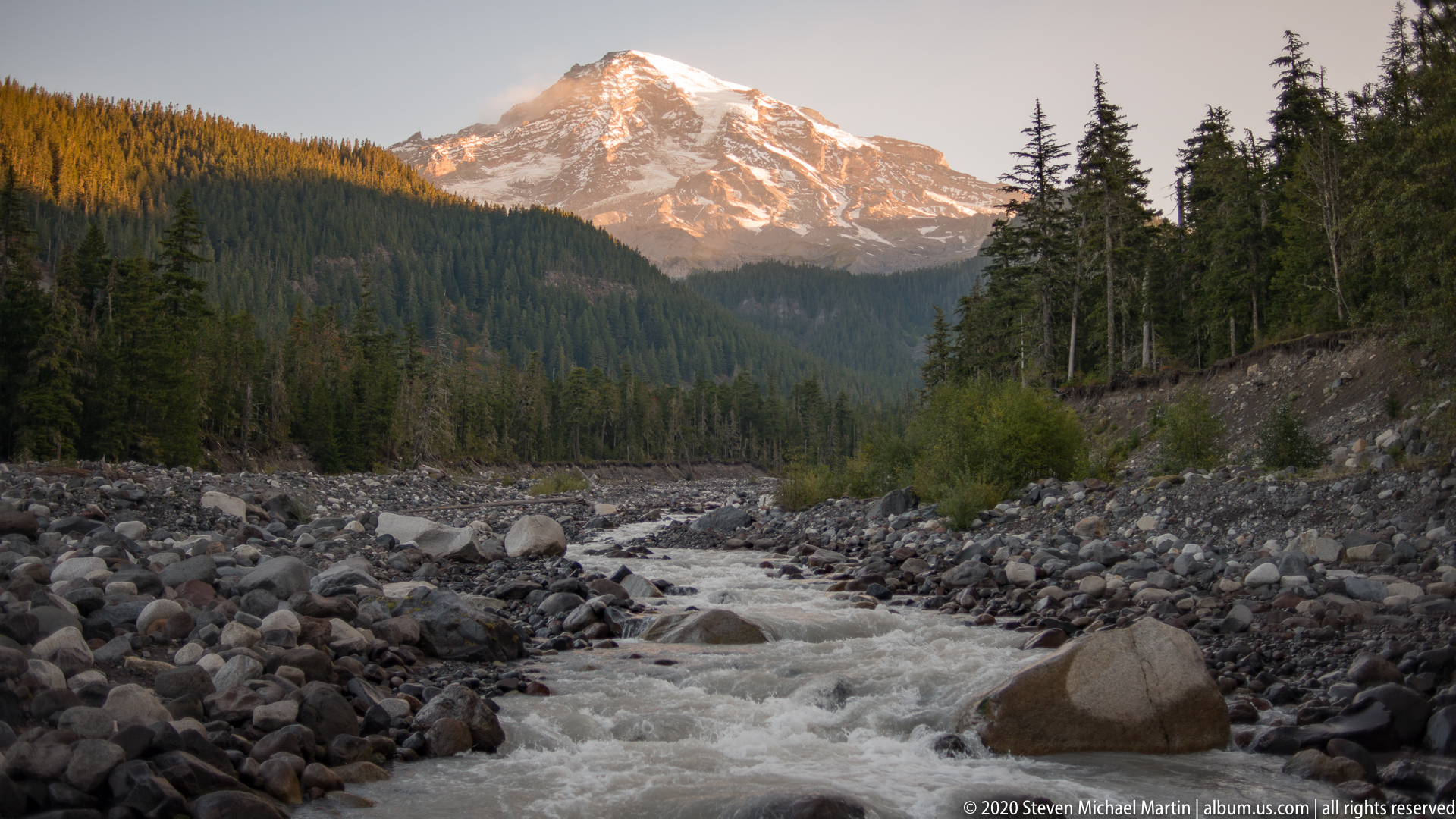
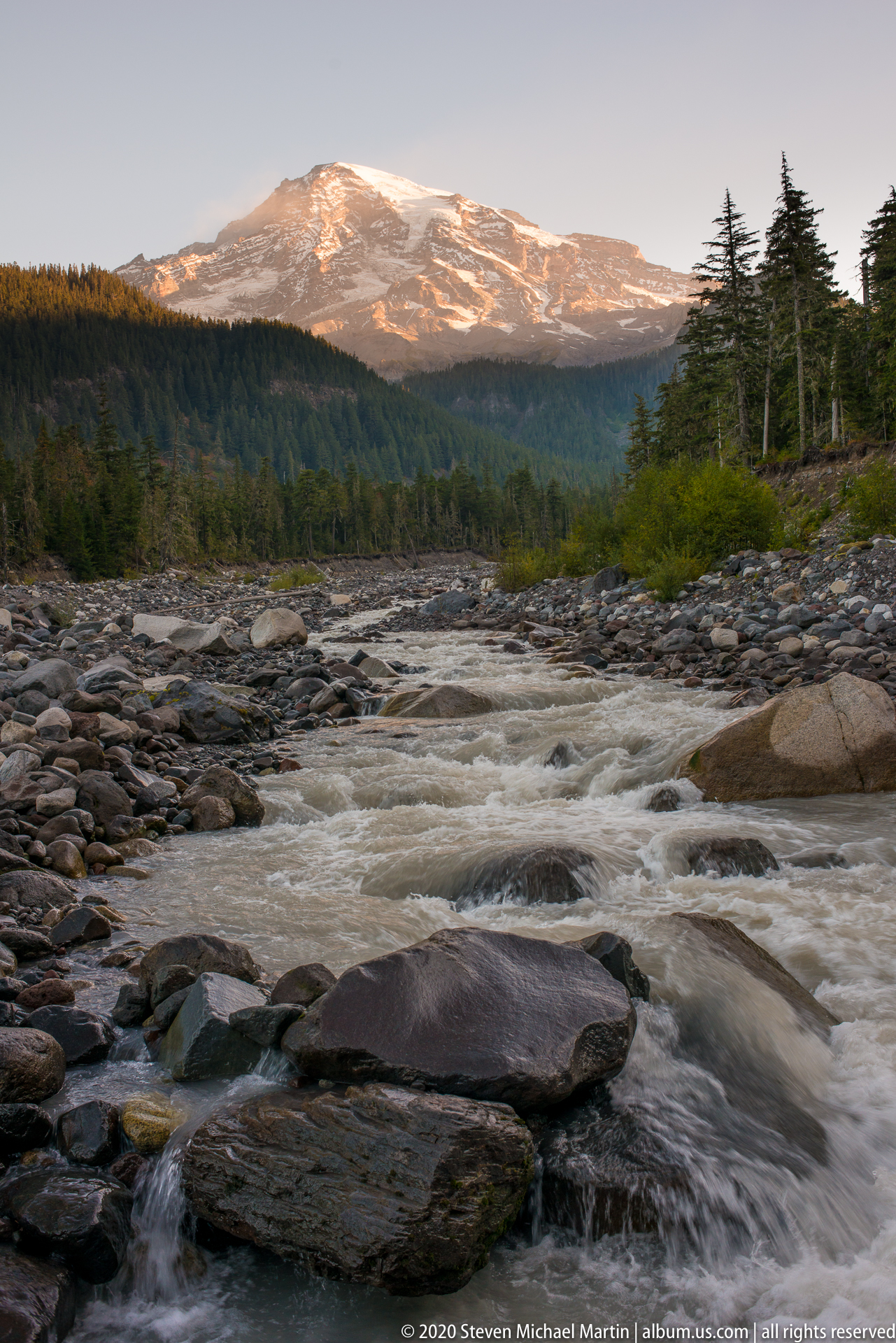
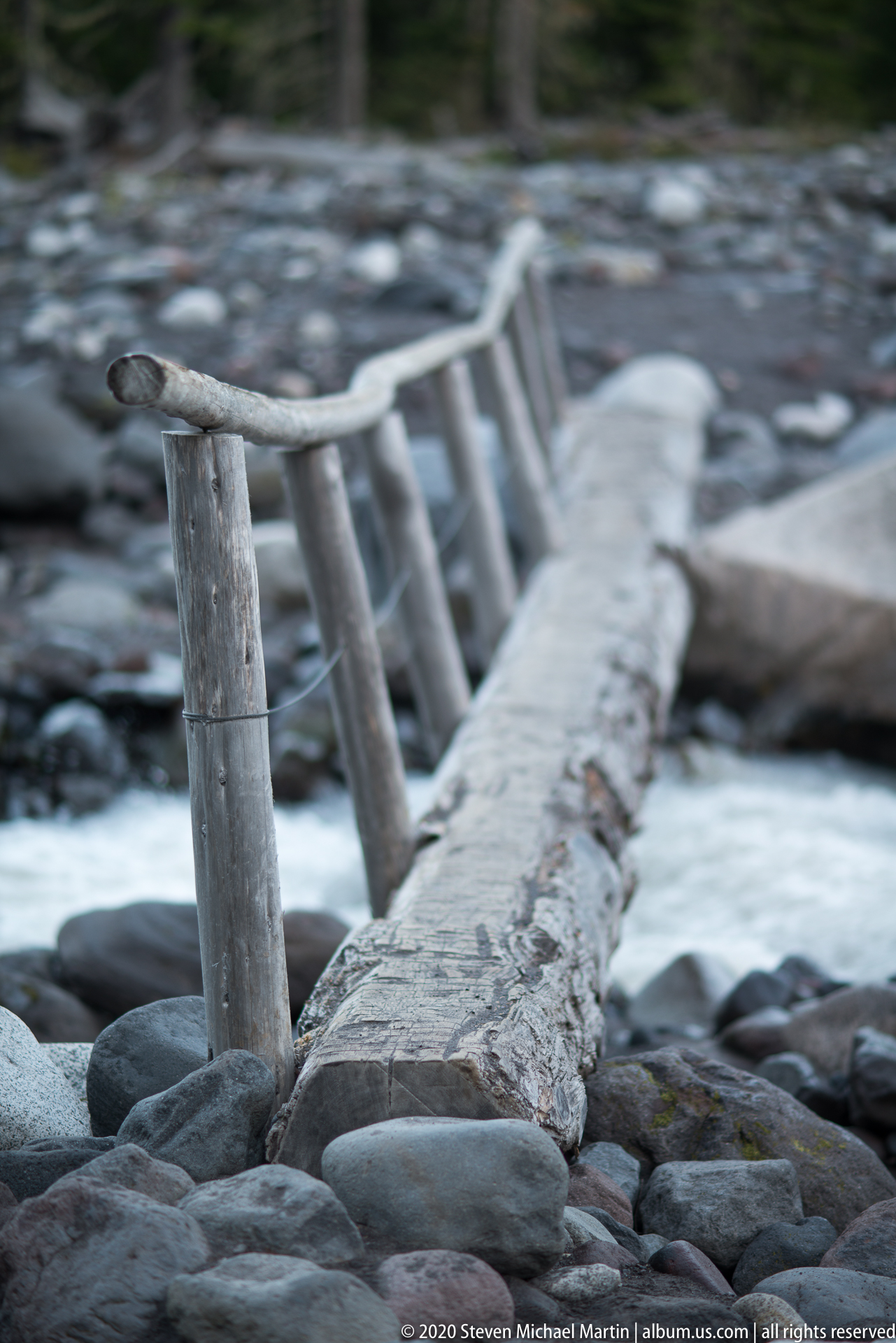
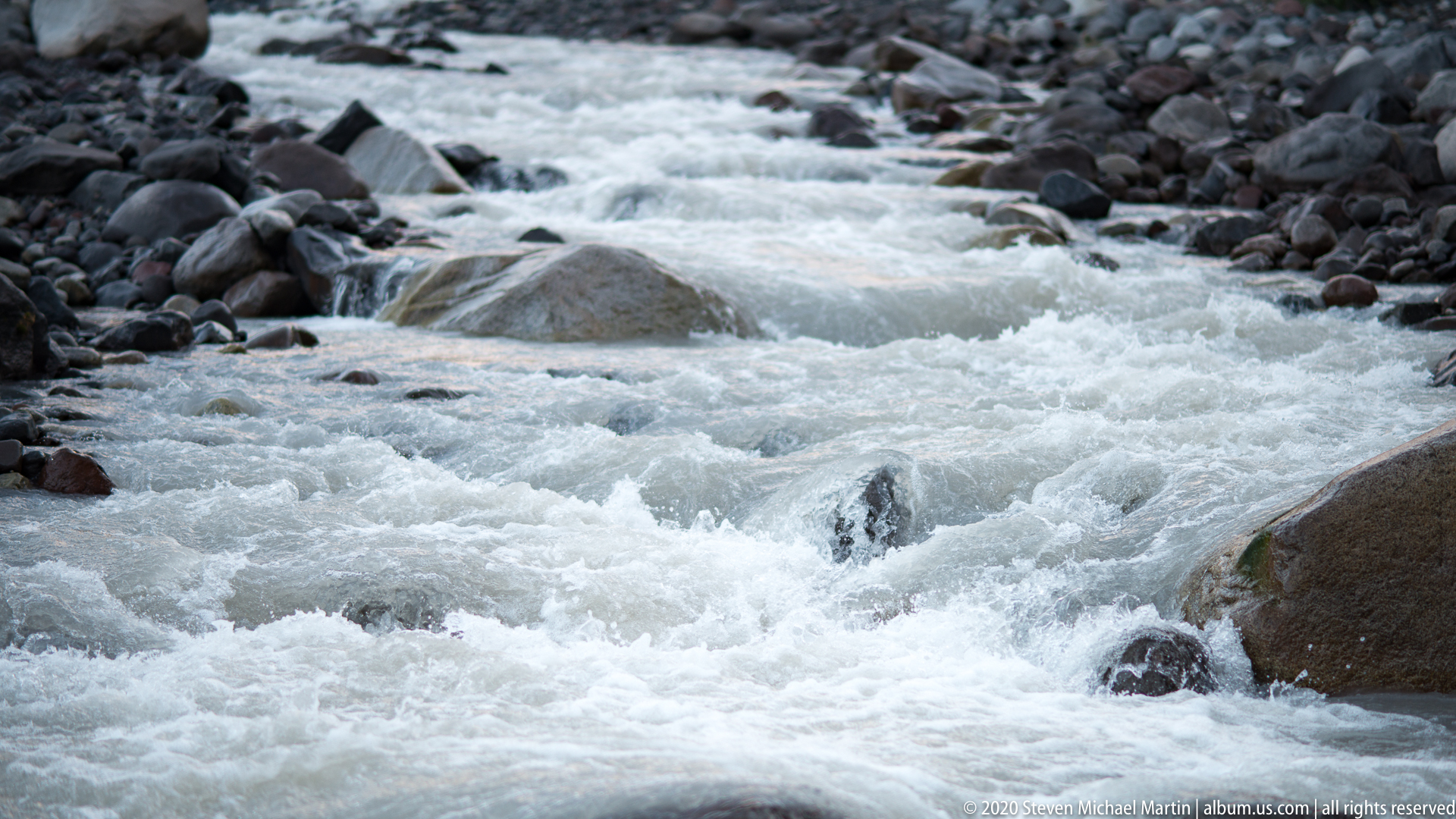
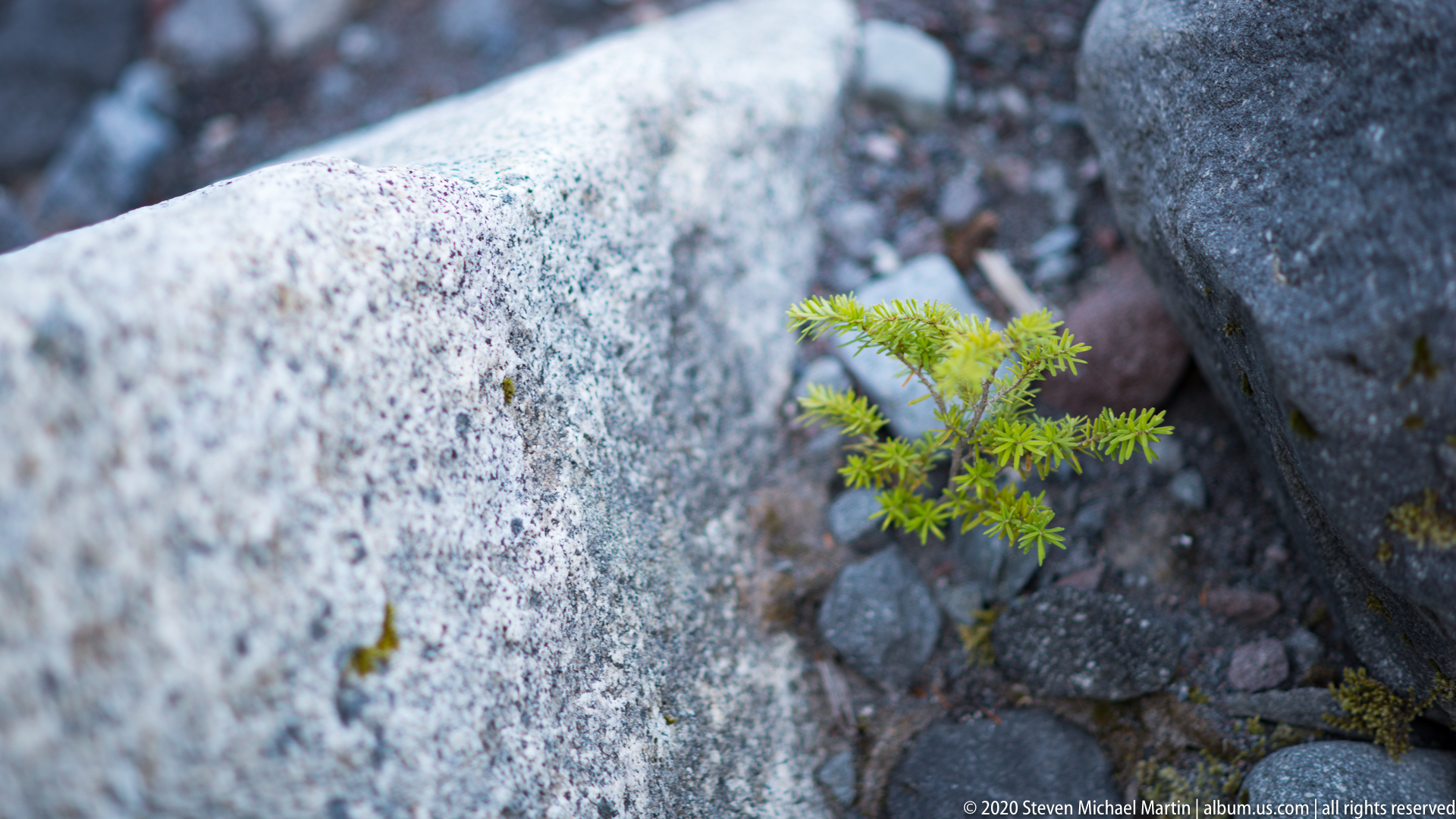
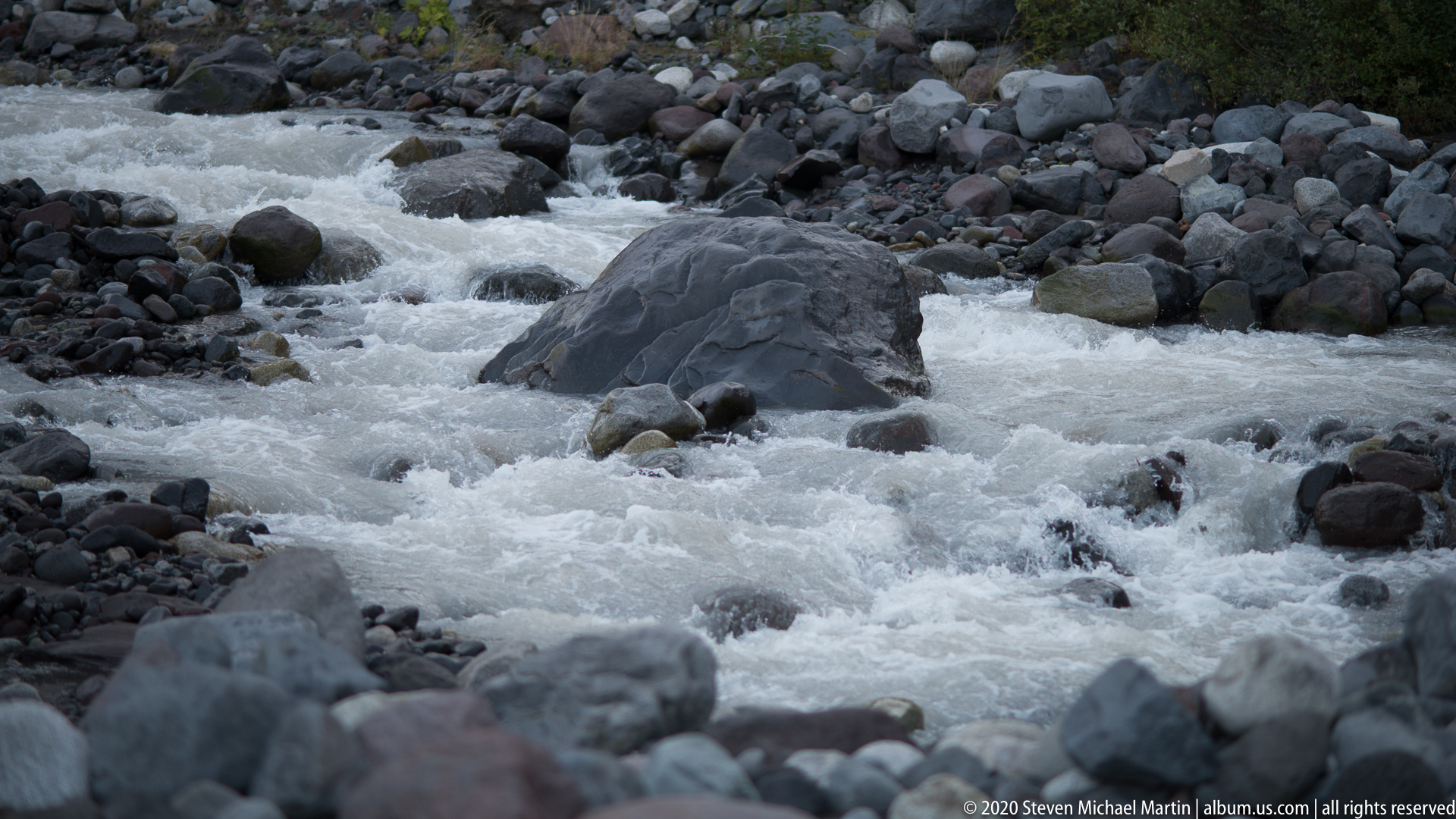
The Carbon River itself winds through the forested corridor, shaped by glacial processes originating high on the slopes of Mount Rainier. The combination of river movement, rich plant life, and muted natural sounds contributes to a setting that feels calm and immersive.
Compared to more heavily visited areas of the park, the Carbon River region provides a more intimate experience of the Pacific Northwest ecosystem. The landscape emphasizes texture and depth rather than distant viewpoints, highlighting the diverse environments that exist within Mount Rainier National Park.





🧭 Field Guide
Landscape Type: Temperate rainforest
Primary Features: Moss-covered forest, river corridor, dense vegetation
Best Time to Visit: Late spring through early fall
Conditions: Shaded forest environment with filtered light
✨ Highlights
- Temperate Rainforest Environment – Dense vegetation and moss-covered trees create a layered forest landscape.
- Carbon River Corridor – River shaped by glacial processes originating on Mount Rainier.
- Lush Ground Cover – Ferns and low vegetation contribute to the rich texture of the forest floor.
- Filtered Forest Light – Soft lighting conditions enhance depth and atmosphere.
- Quieter Area of the Park – Fewer visitors create a more immersive natural experience.
🔎 Notable Encounters
- Moss-Draped Trees – Thick moss growth illustrates the high-moisture environment typical of the region.
- River Movement – Subtle sound and motion contribute to the calm atmosphere.
- Layered Vegetation – Multiple levels of plant life create visual complexity.
- Forest Depth – Overlapping tree trunks and branches emphasize the density of the landscape.
📷 Photography Notes
- Soft light reduces contrast and helps capture subtle green tones.
- Look for compositions that include foreground moss for depth.
- Overcast conditions often improve color saturation.
- Vertical compositions can emphasize height of trees.
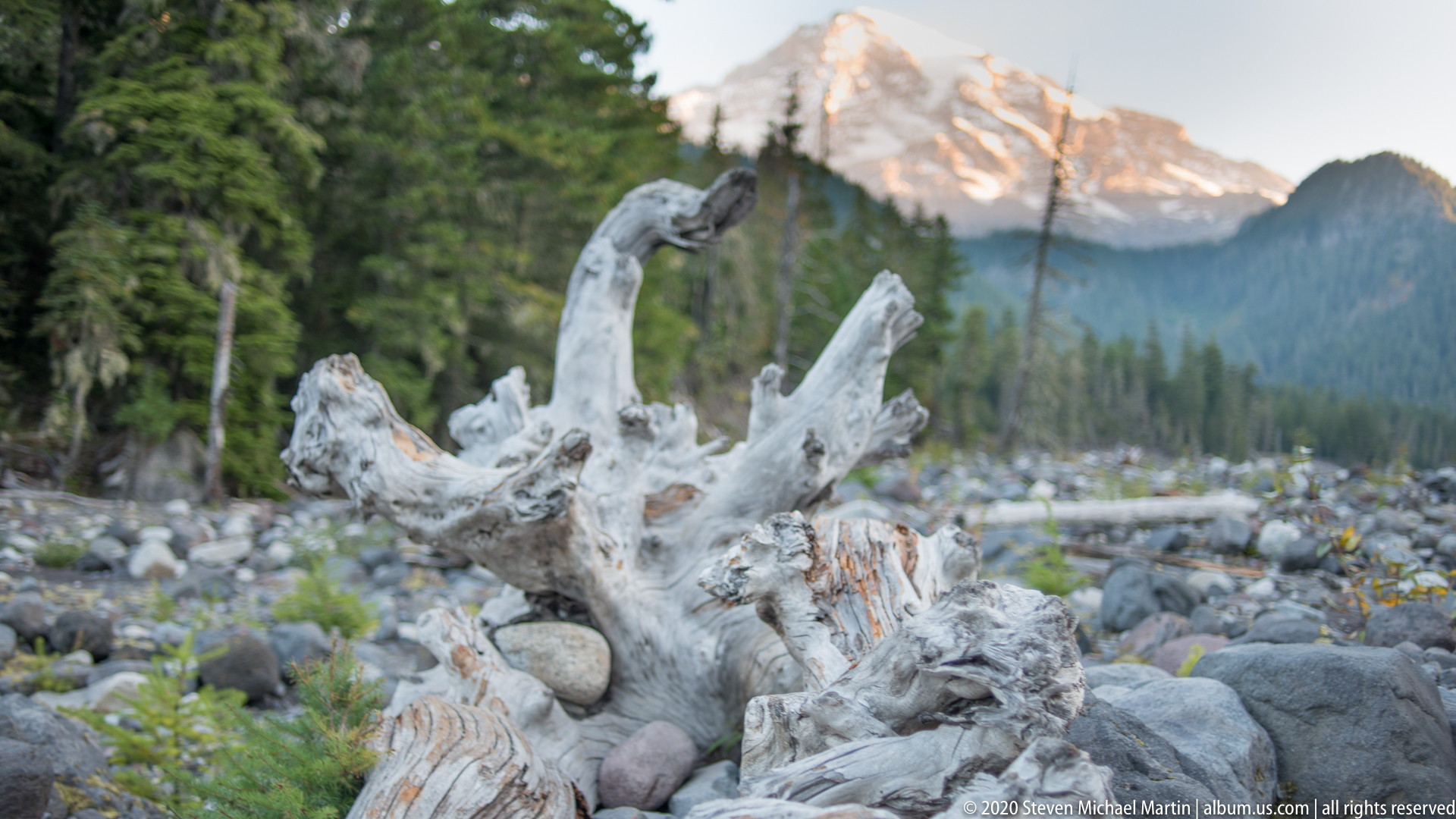
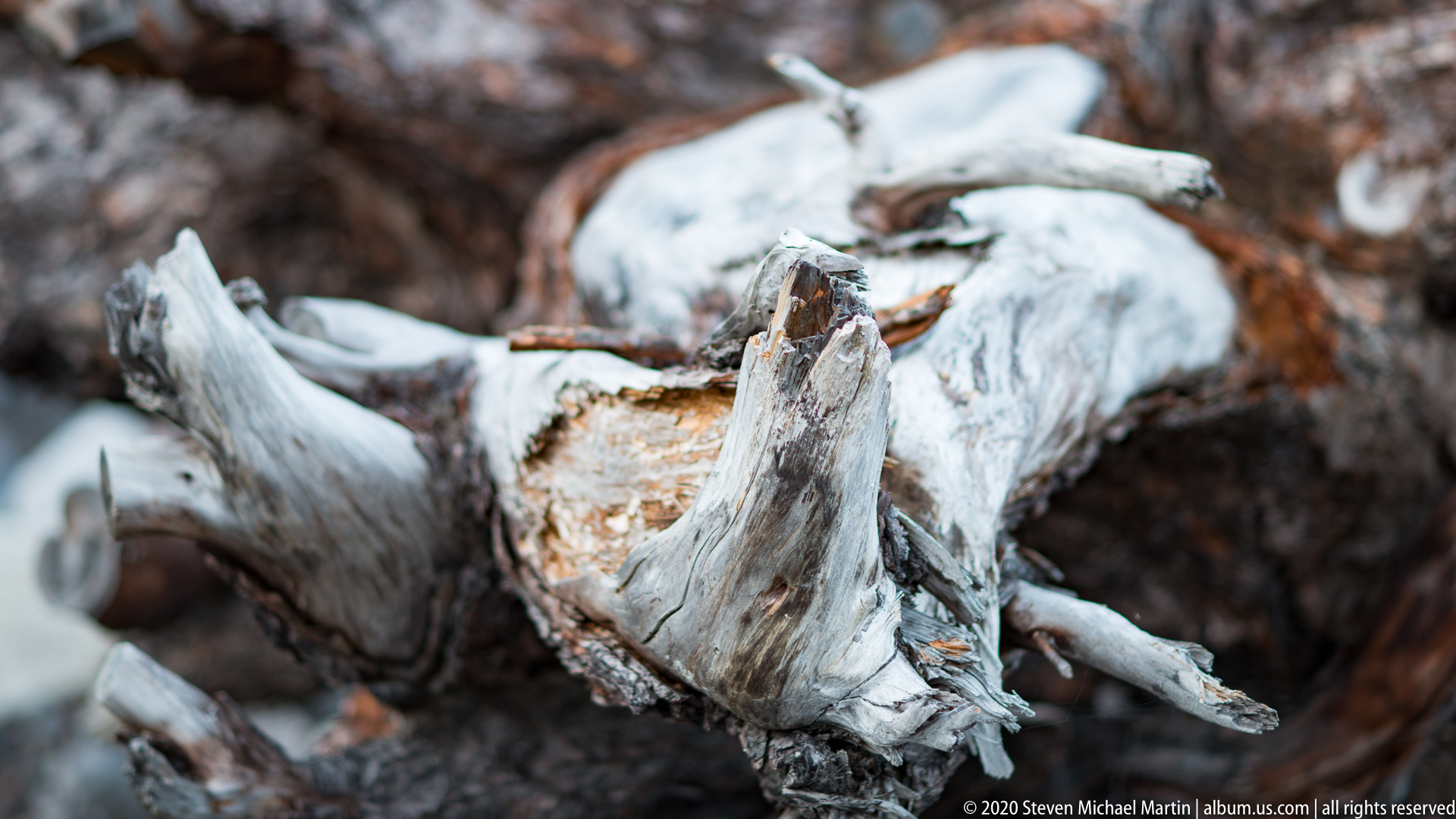
- Textures in bark and moss create strong close-range subjects.
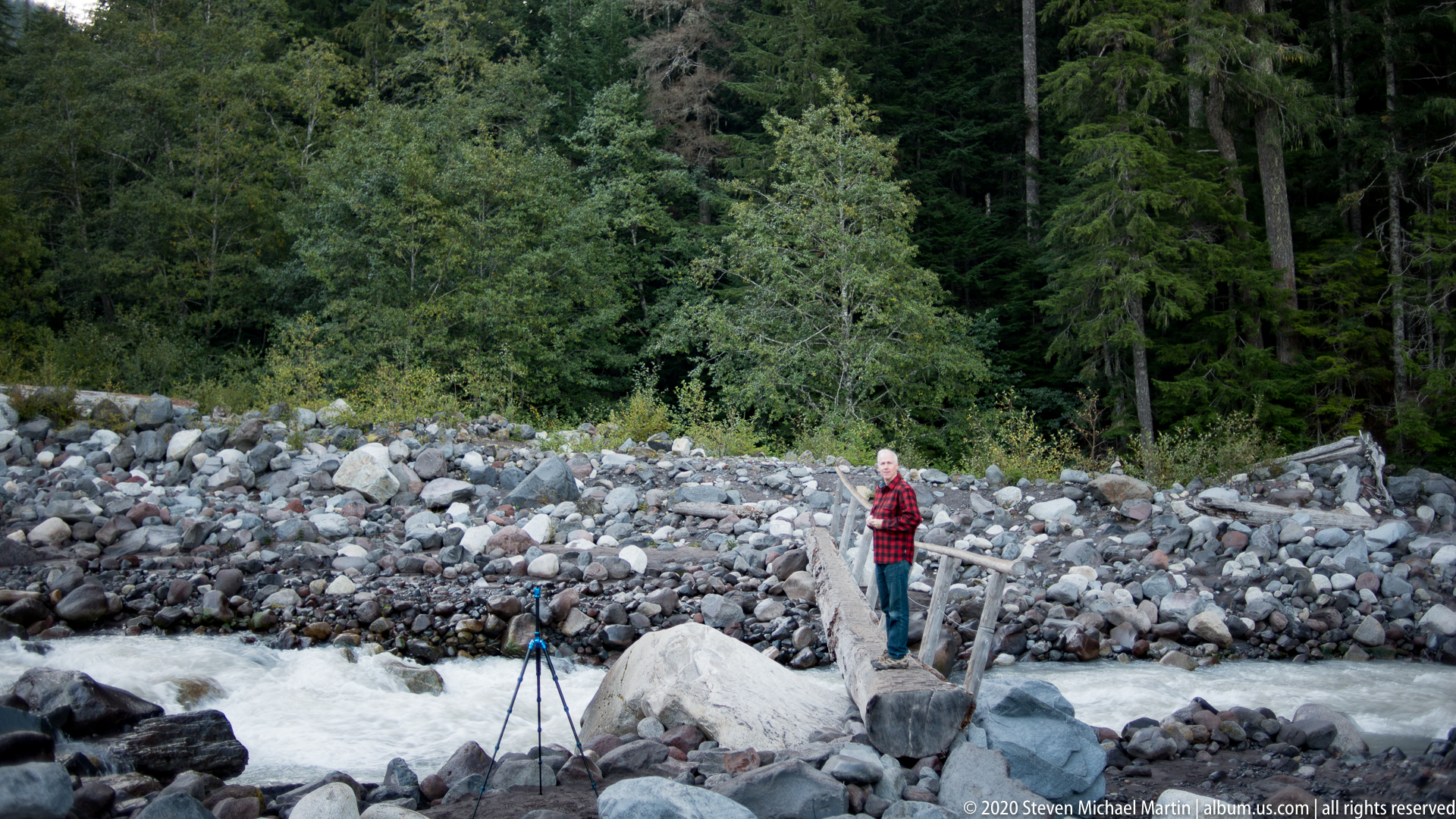
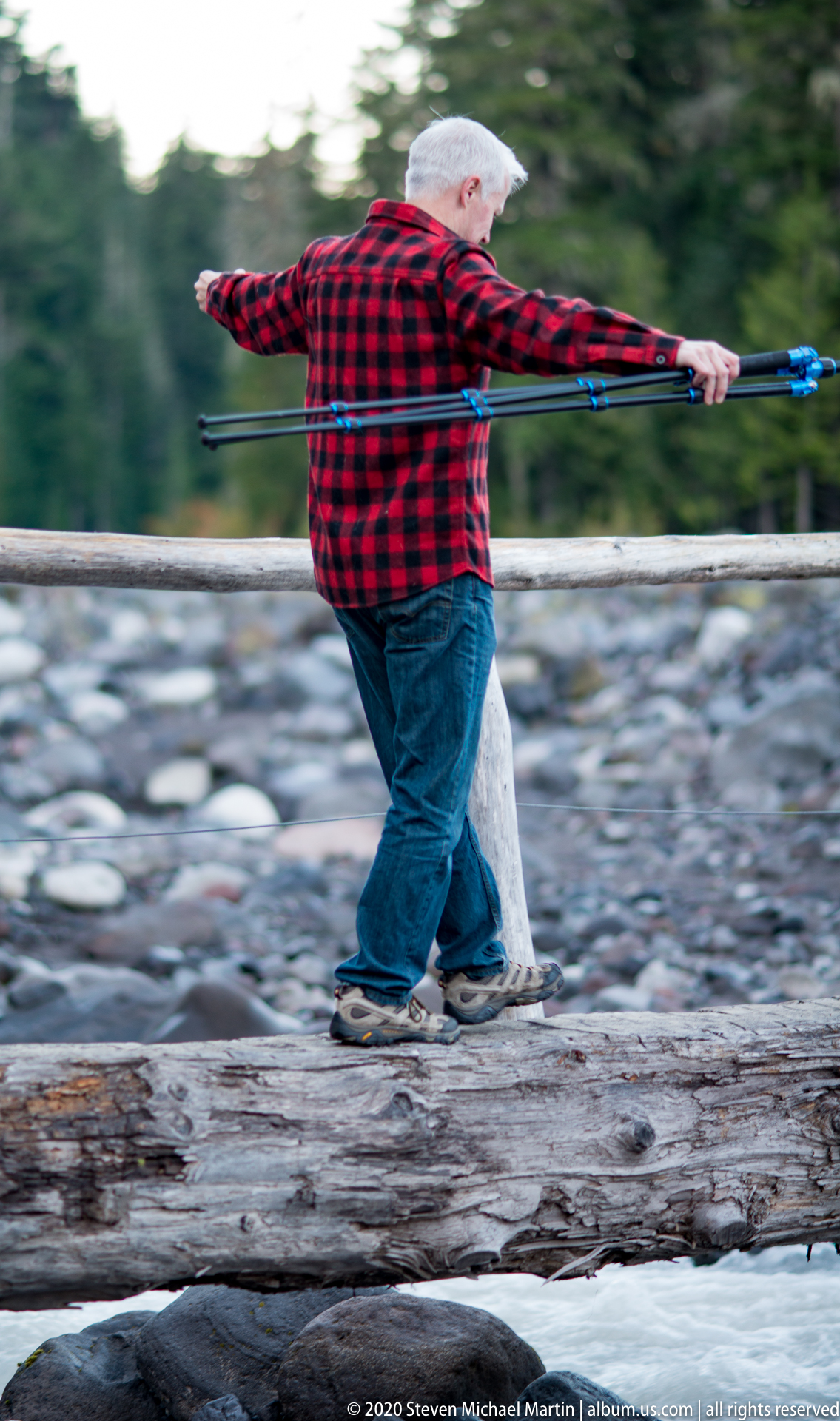
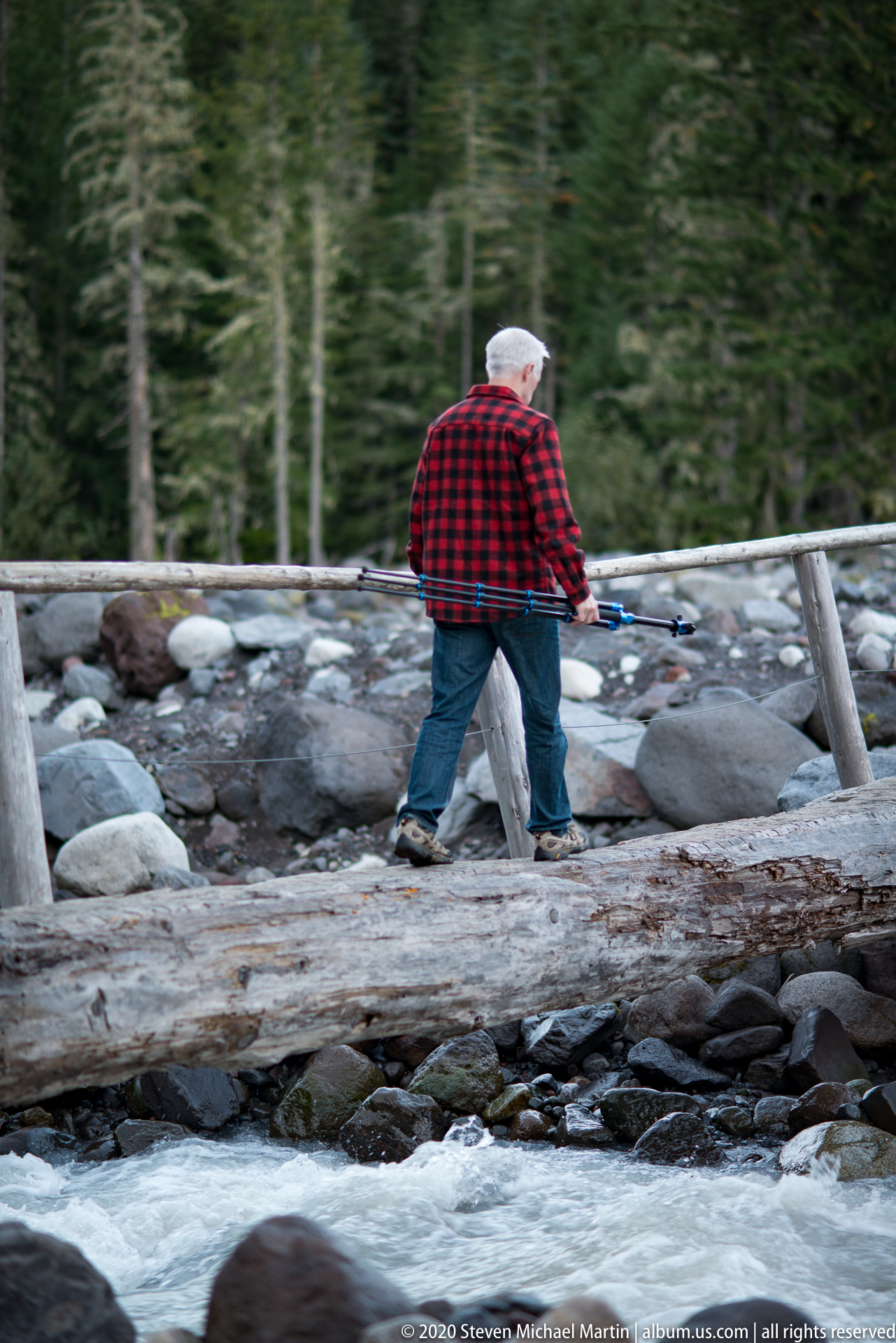
- Tripod use may help in low-light forest conditions.