San Juan Island NHP
San Juan Island National Historical Park preserves landscapes associated with the peaceful resolution of the Pig War boundary dispute between the United States and Great Britain. Open fields, coastal bluffs, and distant water views create a setting that feels both historically significant and visually understated.
The park includes English Camp and American Camp, where preserved structures and surrounding terrain illustrate the international presence that once occupied this island landscape. The combination of shoreline scenery and open grassland contributes to a setting that reflects both strategic geography and quiet natural beauty.
Wide views across Haro Strait and the surrounding islands reinforce the sense of distance that influenced the historical events commemorated here. The landscape’s simplicity allows the historical context to emerge gradually, supported by the calm atmosphere characteristic of the San Juan Islands.
San Juan Island NHP – Wildlife
The coastal environments of San Juan Island National Historical Park provide opportunities to observe wildlife within a landscape shaped by shoreline processes and island ecosystems. Open water, rocky coastline, and grassy uplands create varied habitats that support both marine and terrestrial species.
Wildlife viewing often depends on changing tidal conditions and seasonal patterns, with coastal vantage points offering perspectives across channels frequented by marine mammals and seabirds. The interaction between ocean currents and island geography contributes to a dynamic environment influenced by daily shifts in weather and light.
The combination of quiet shoreline settings and expansive water views emphasizes the ecological diversity of the San Juan Islands. Wildlife encounters often occur within broader scenic compositions, where the surrounding landscape plays an important role in shaping the overall experience of the park.
🦭 Notable Wildlife Encounters
- Sea Lion Colonies – Groups of sea lions resting closely together on exposed coastal rocks provided extended opportunities to observe social behavior and interaction within the marine environment.
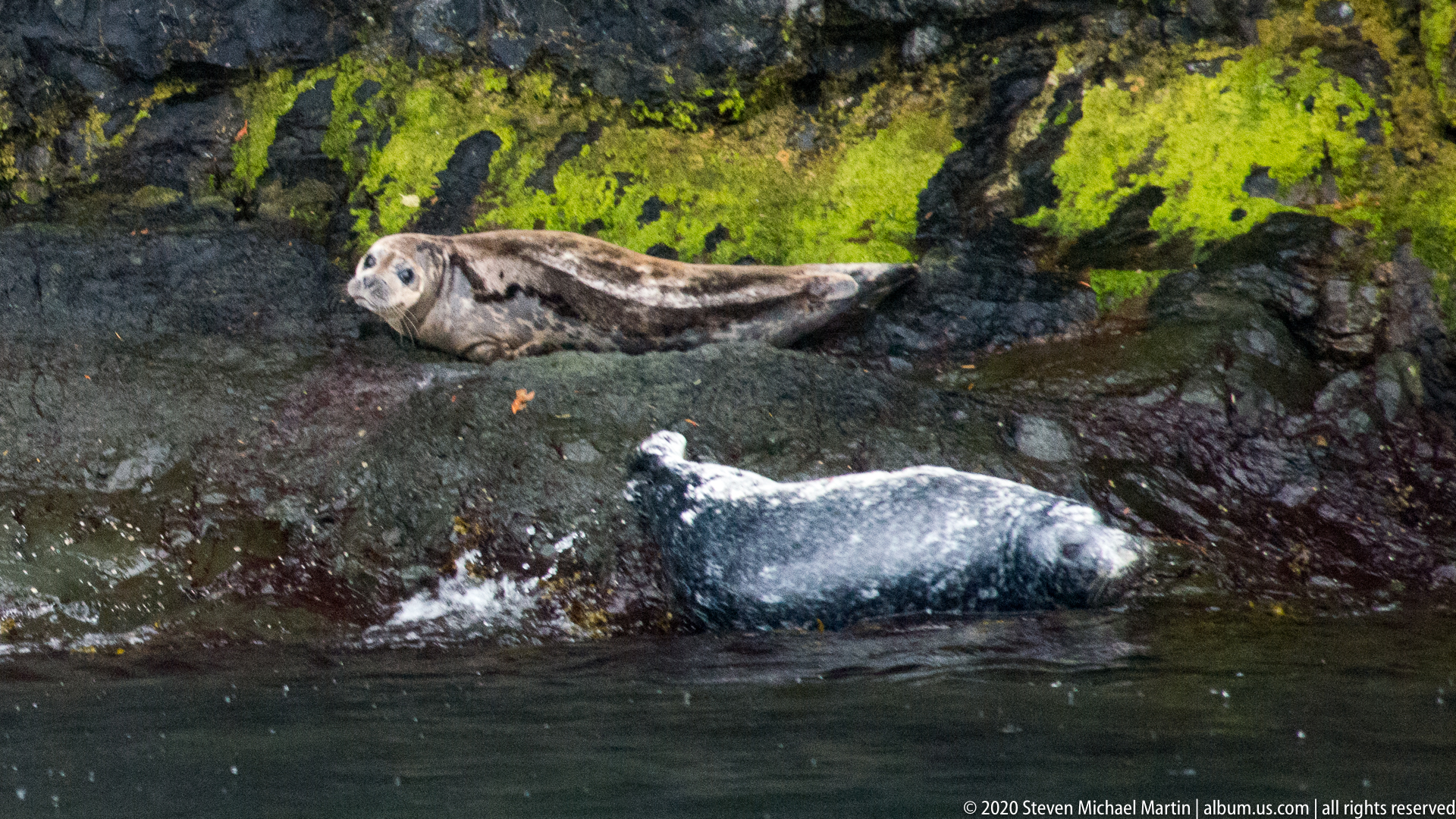
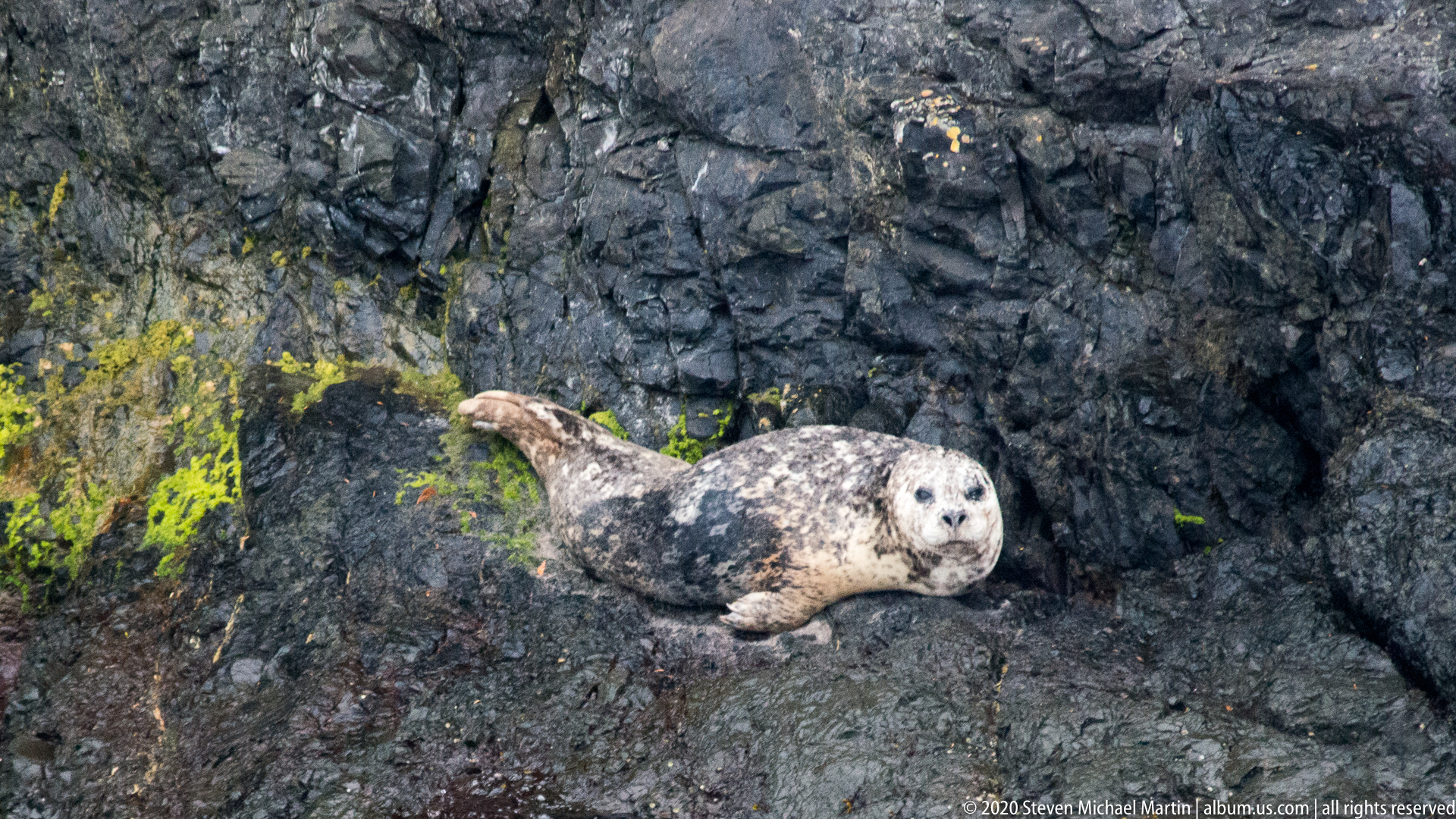
- Harbor Seals Along Shoreline – Individual harbor seals were observed resting on protected rock surfaces and occasionally entering the water, illustrating the importance of sheltered coastal habitat.
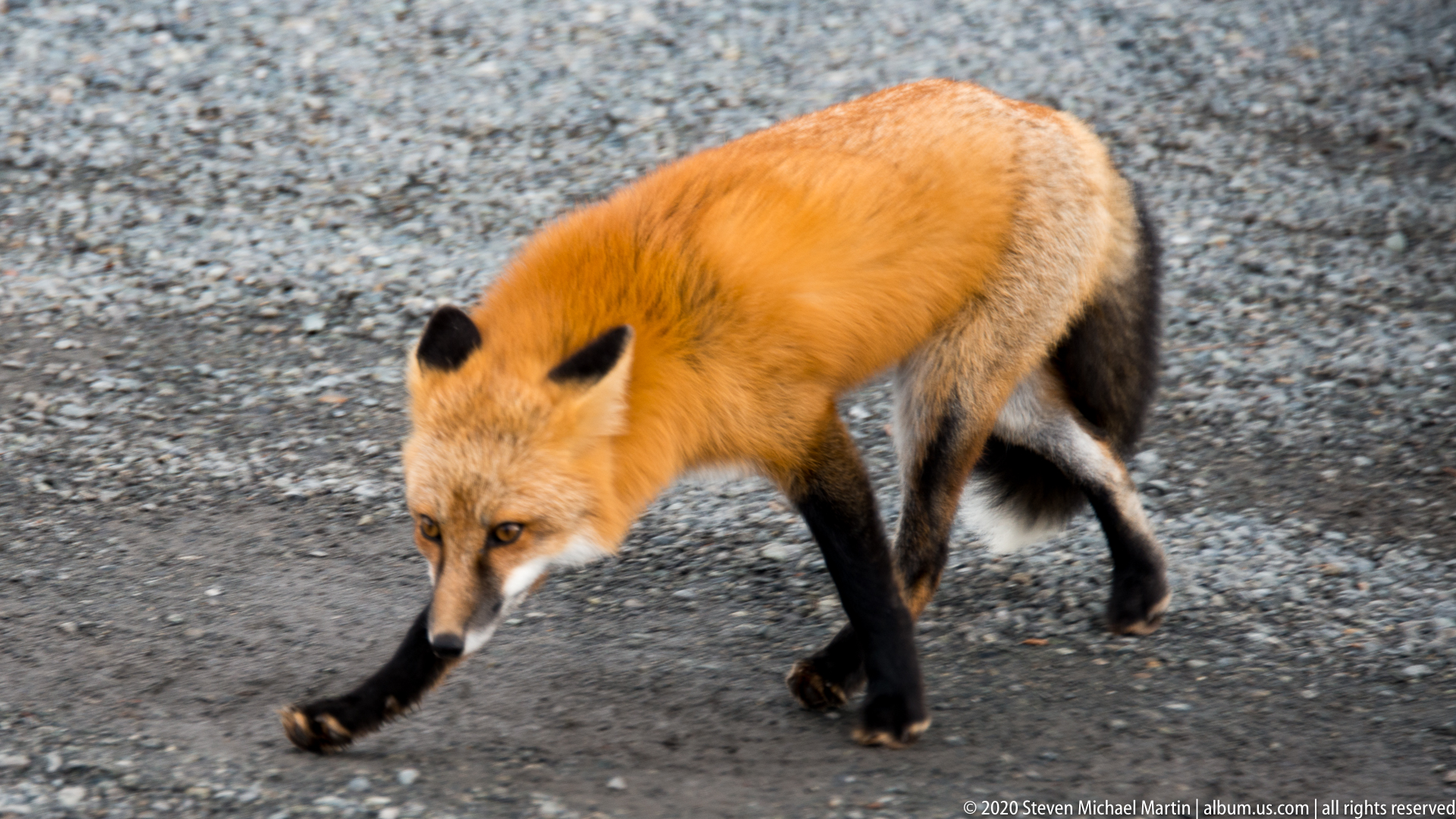
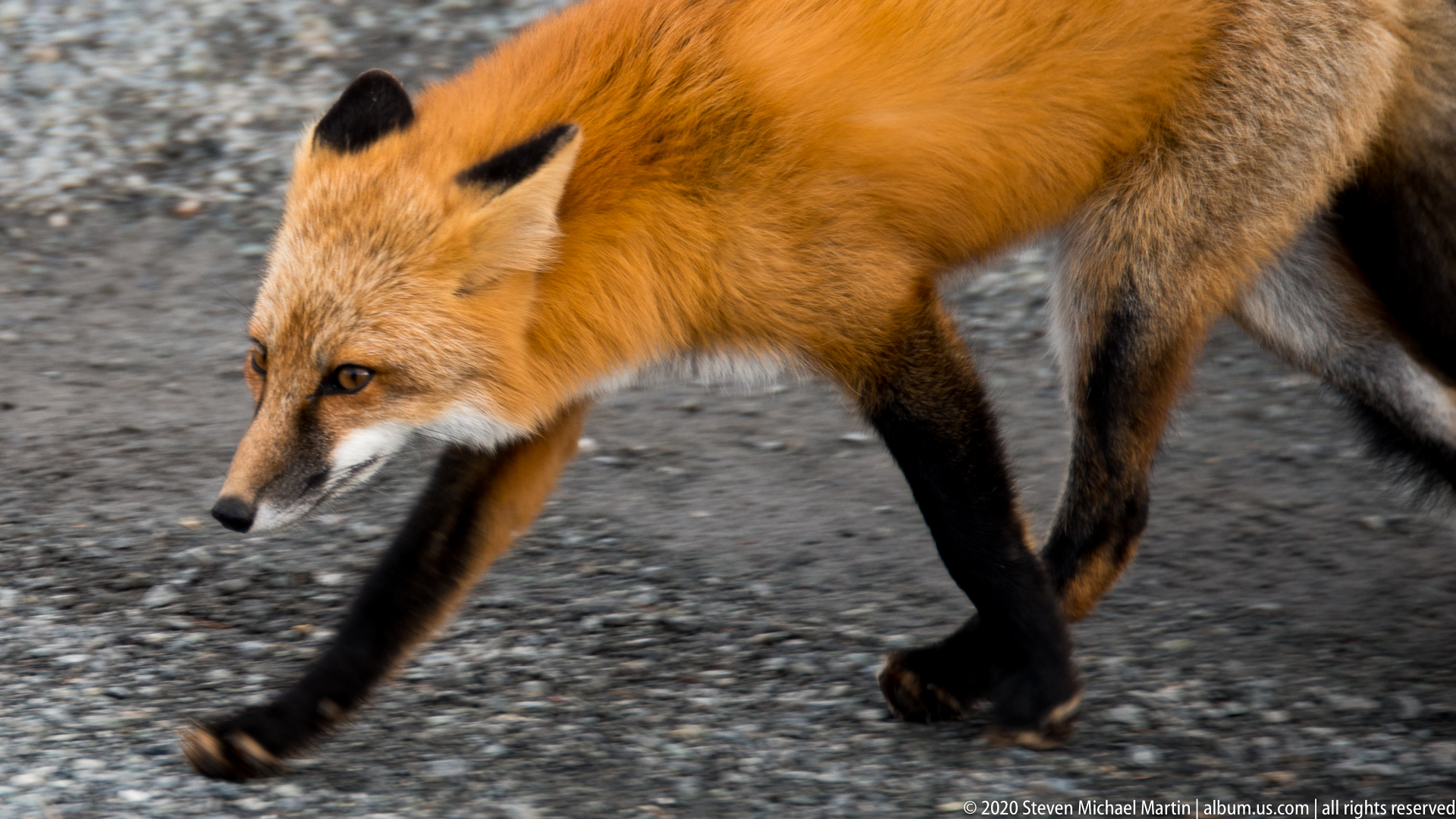
- Red Fox Movement – A red fox moved quietly along coastal terrain, demonstrating the adaptability of terrestrial wildlife within island ecosystems.
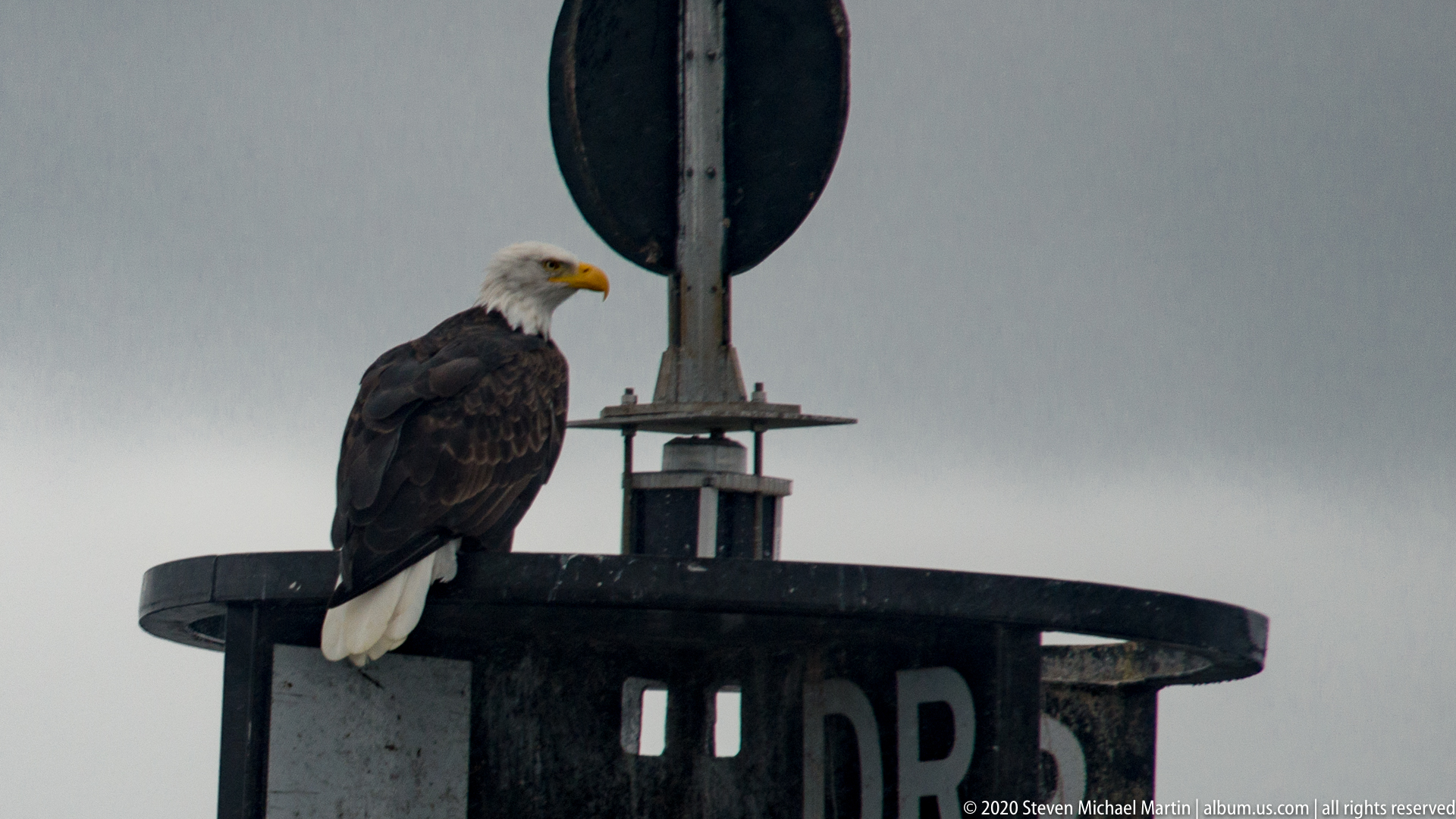
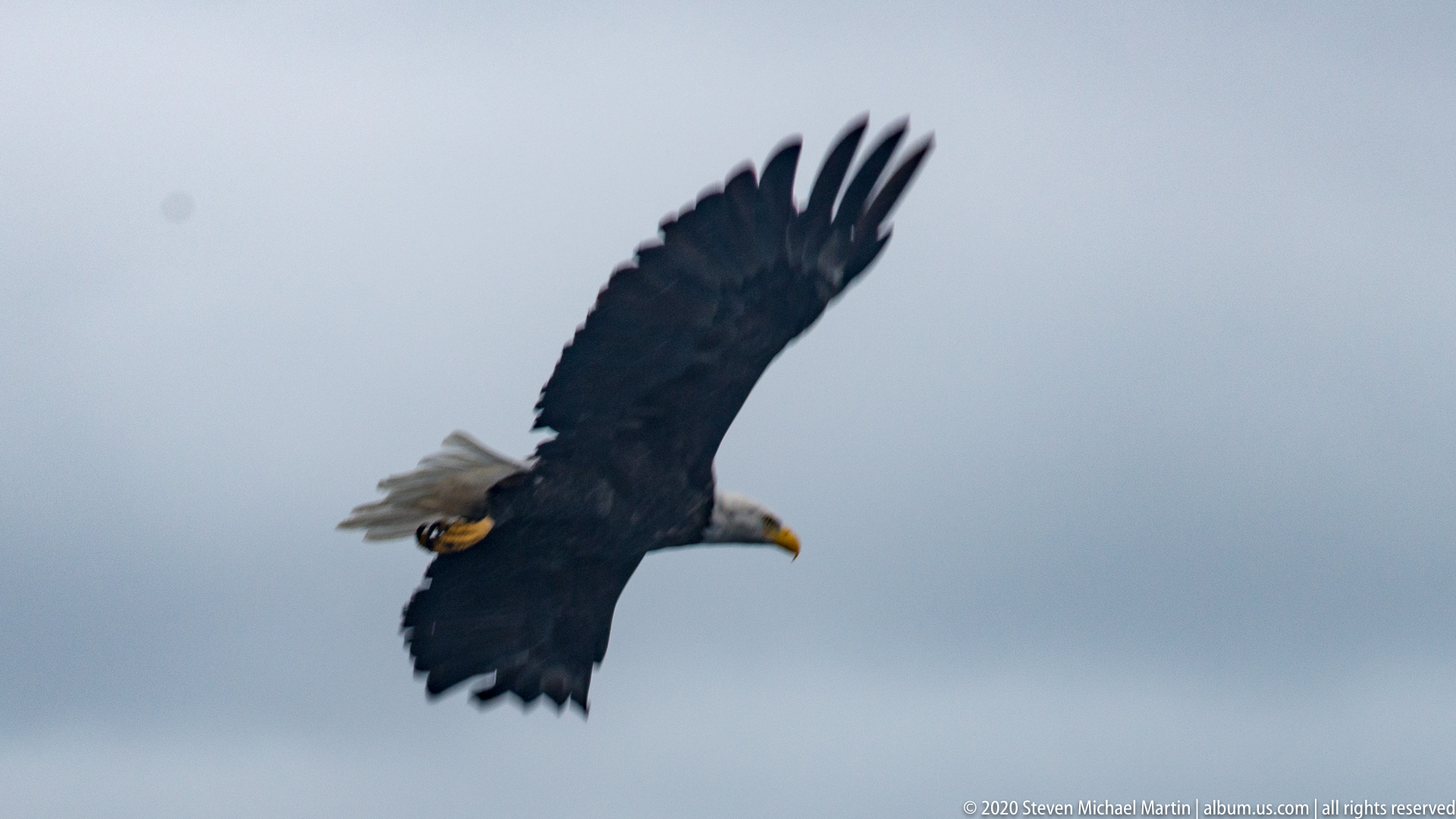
- Bald Eagles Perched and in Flight – Several bald eagles were seen perched on navigational markers and tree branches, as well as soaring above shoreline waters.
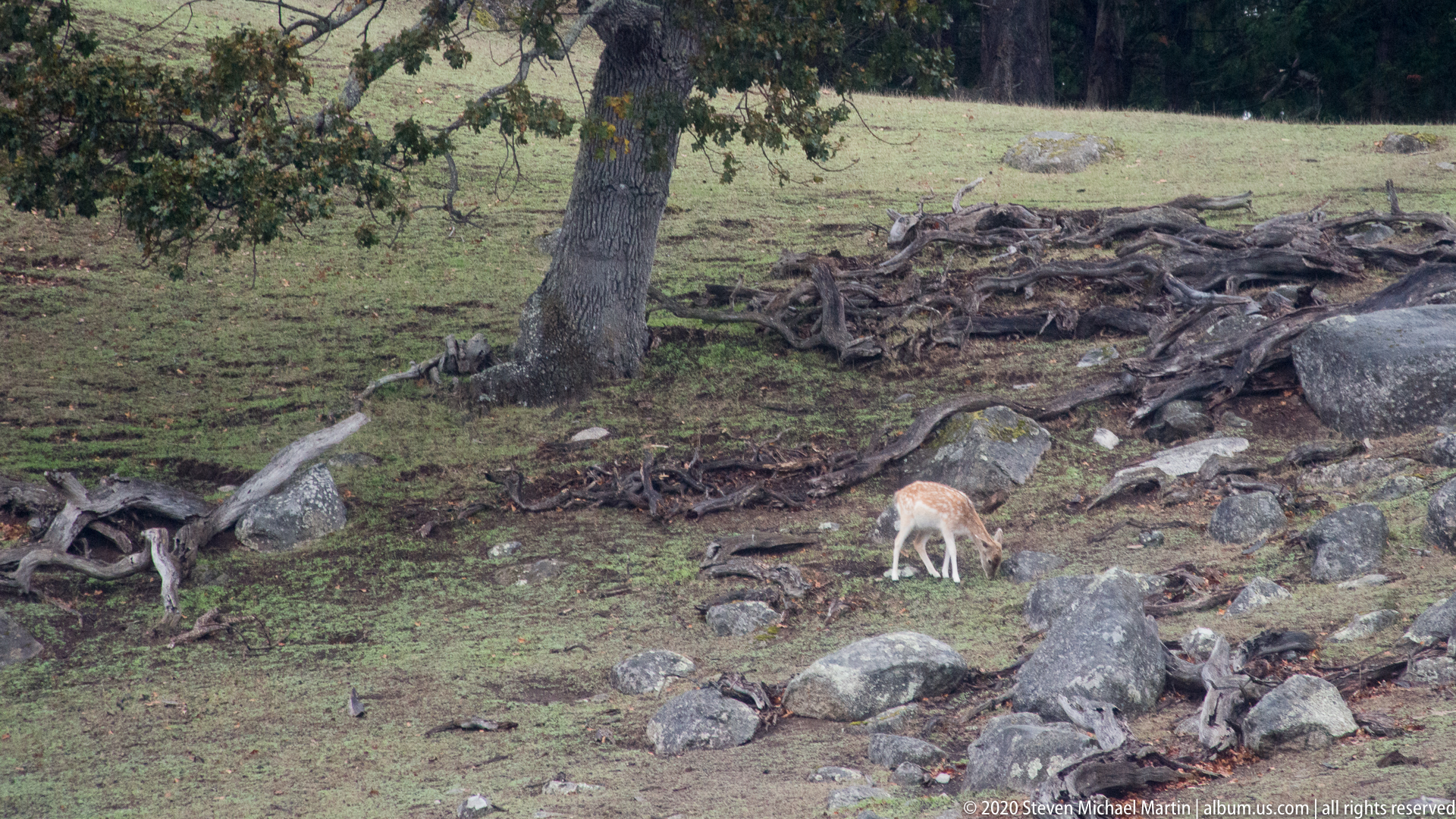
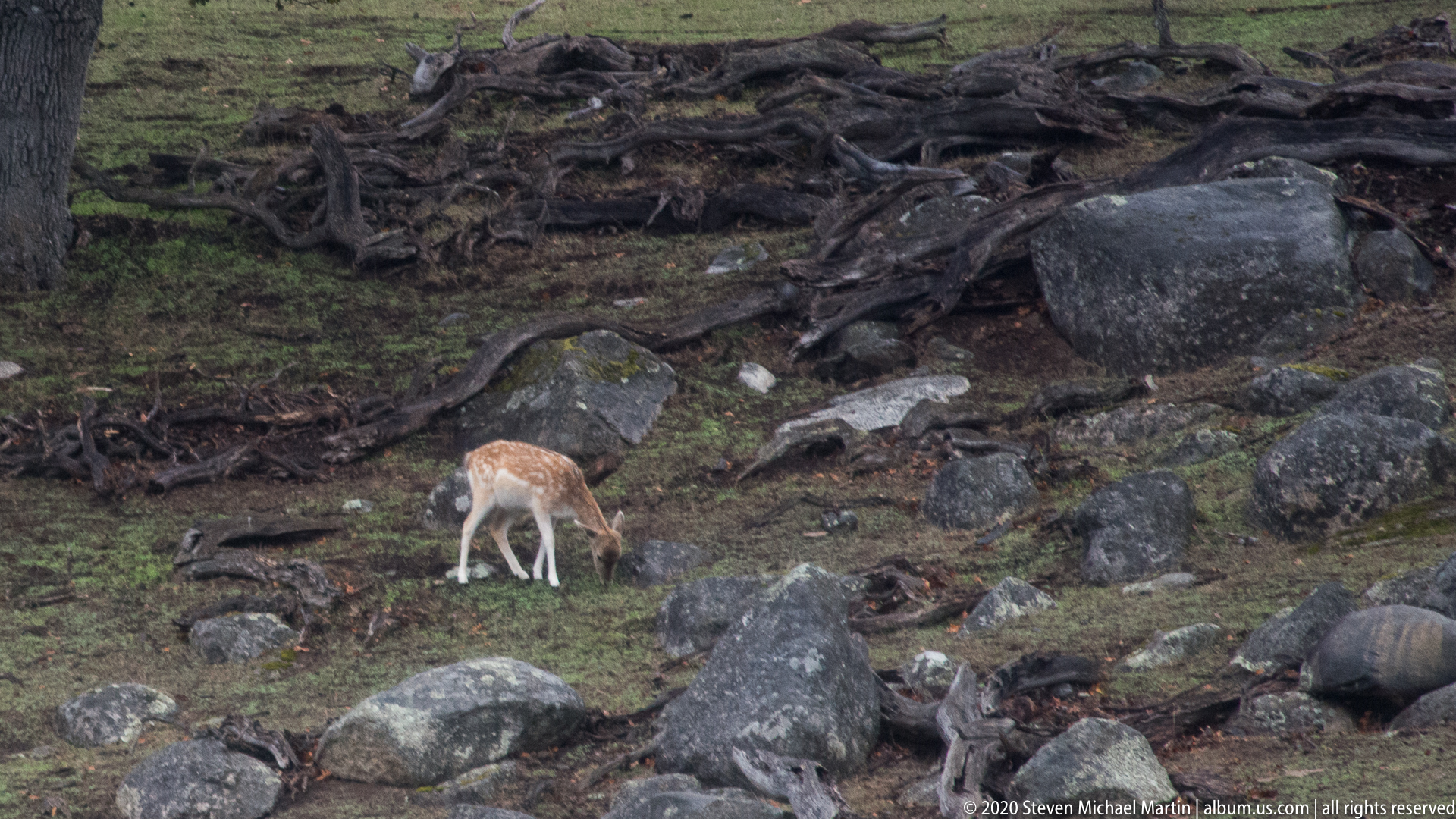
- Black-tailed Deer Foraging – Deer grazed among rocky coastal slopes and forest edges, often appearing in small groups near the water’s edge.
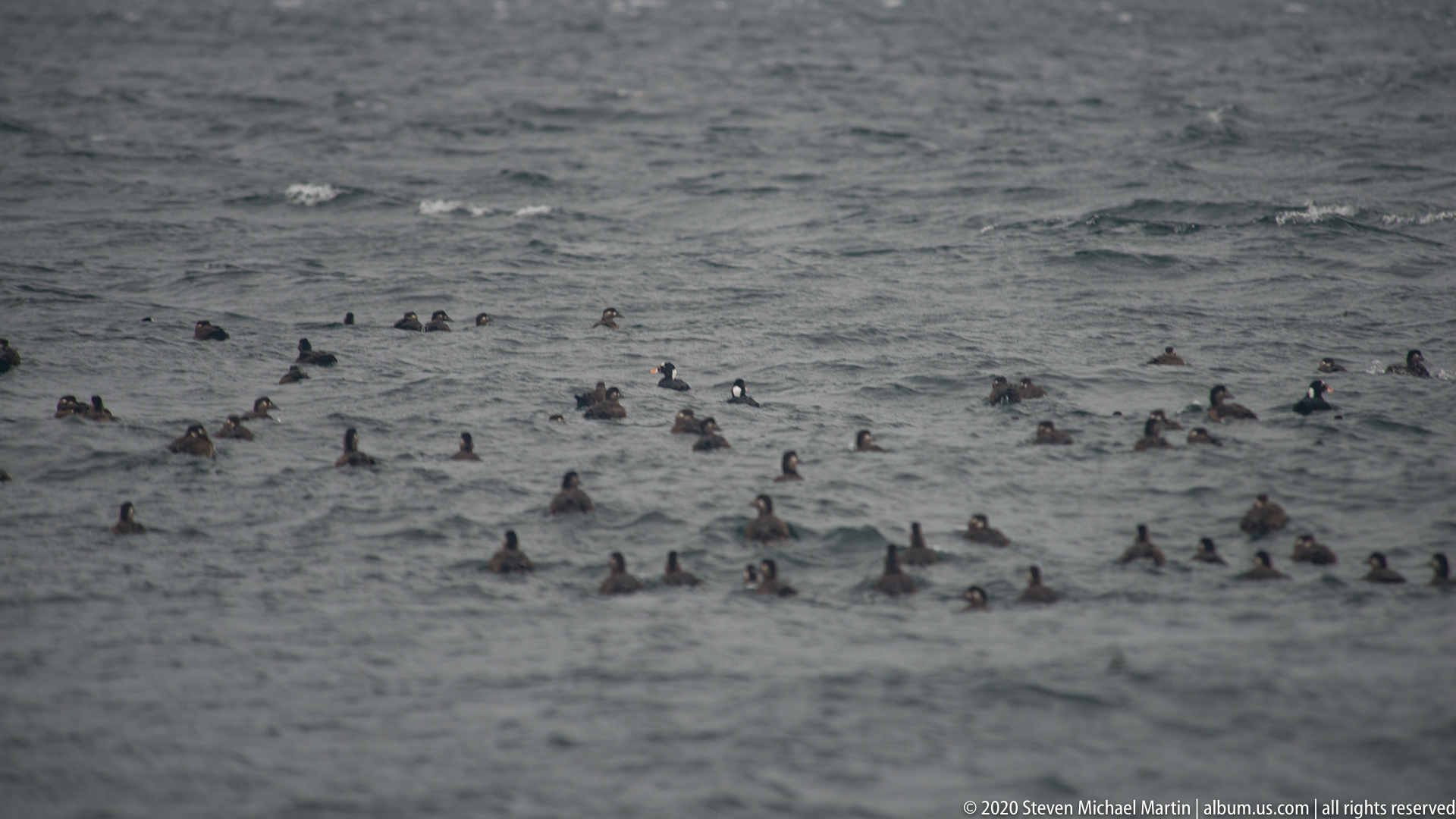
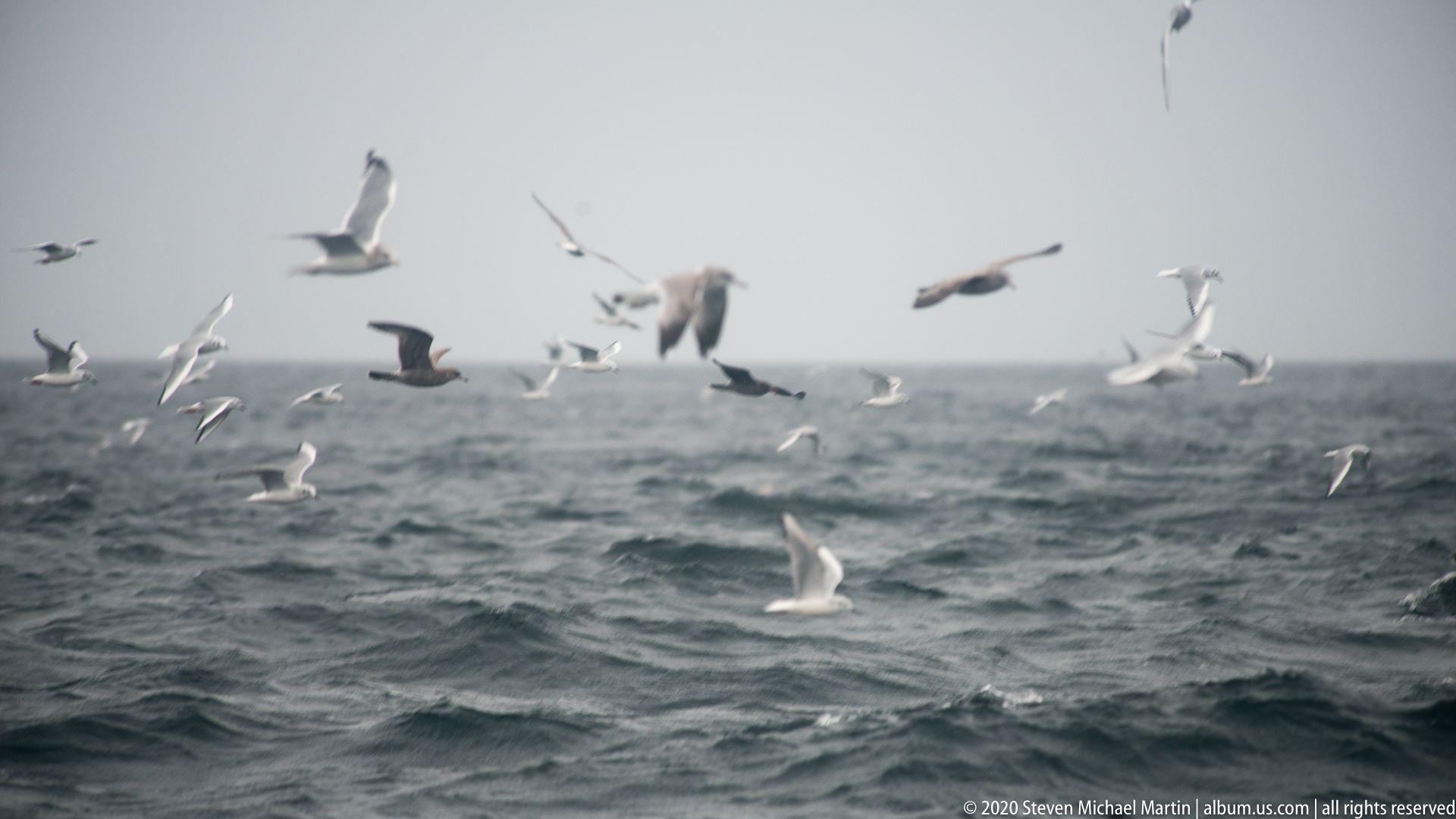
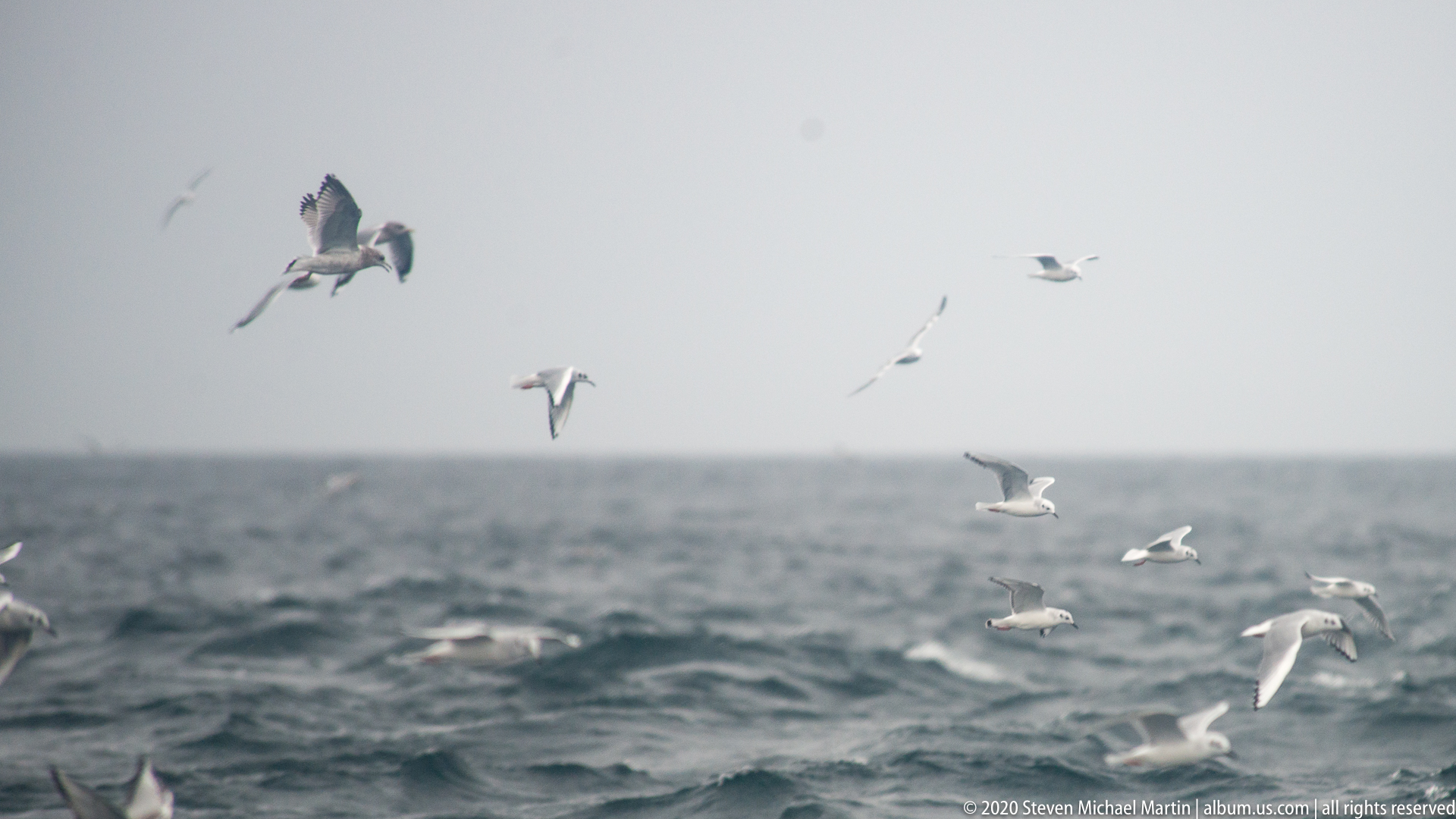
- Seabirds Gathering Offshore – Groups of marine birds rested and moved together across open water, contributing to the dynamic character of the coastal environment.
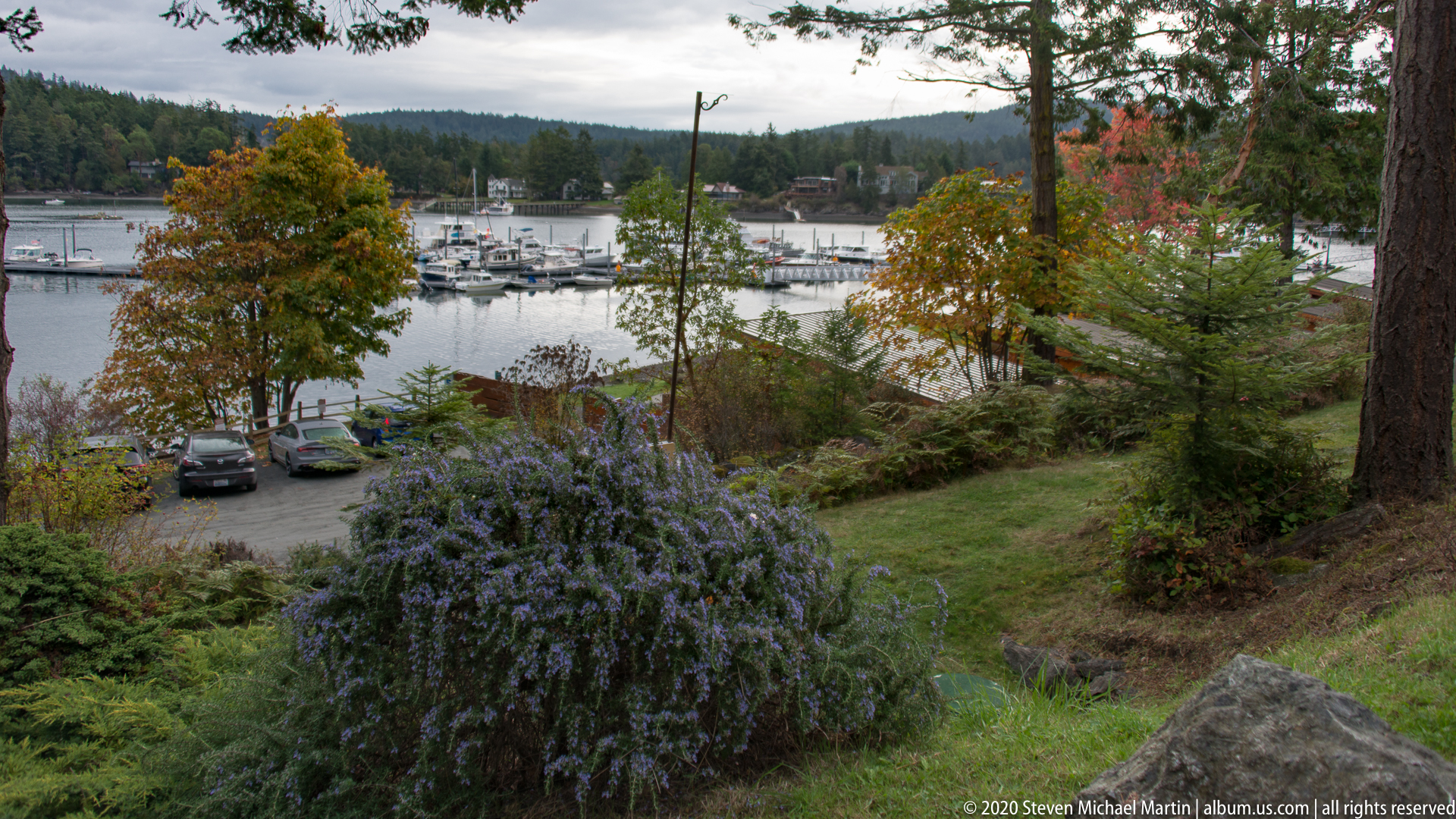
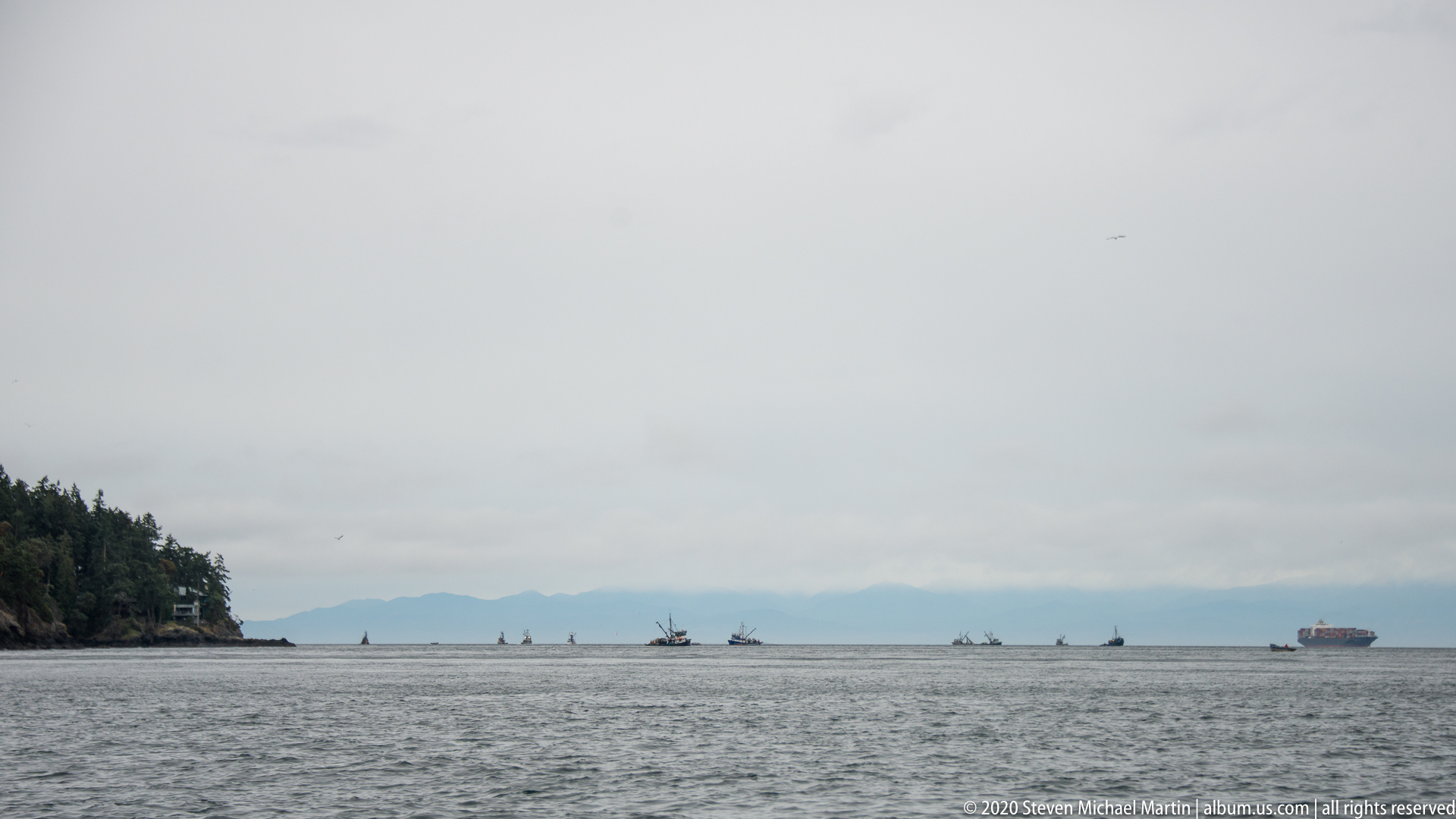
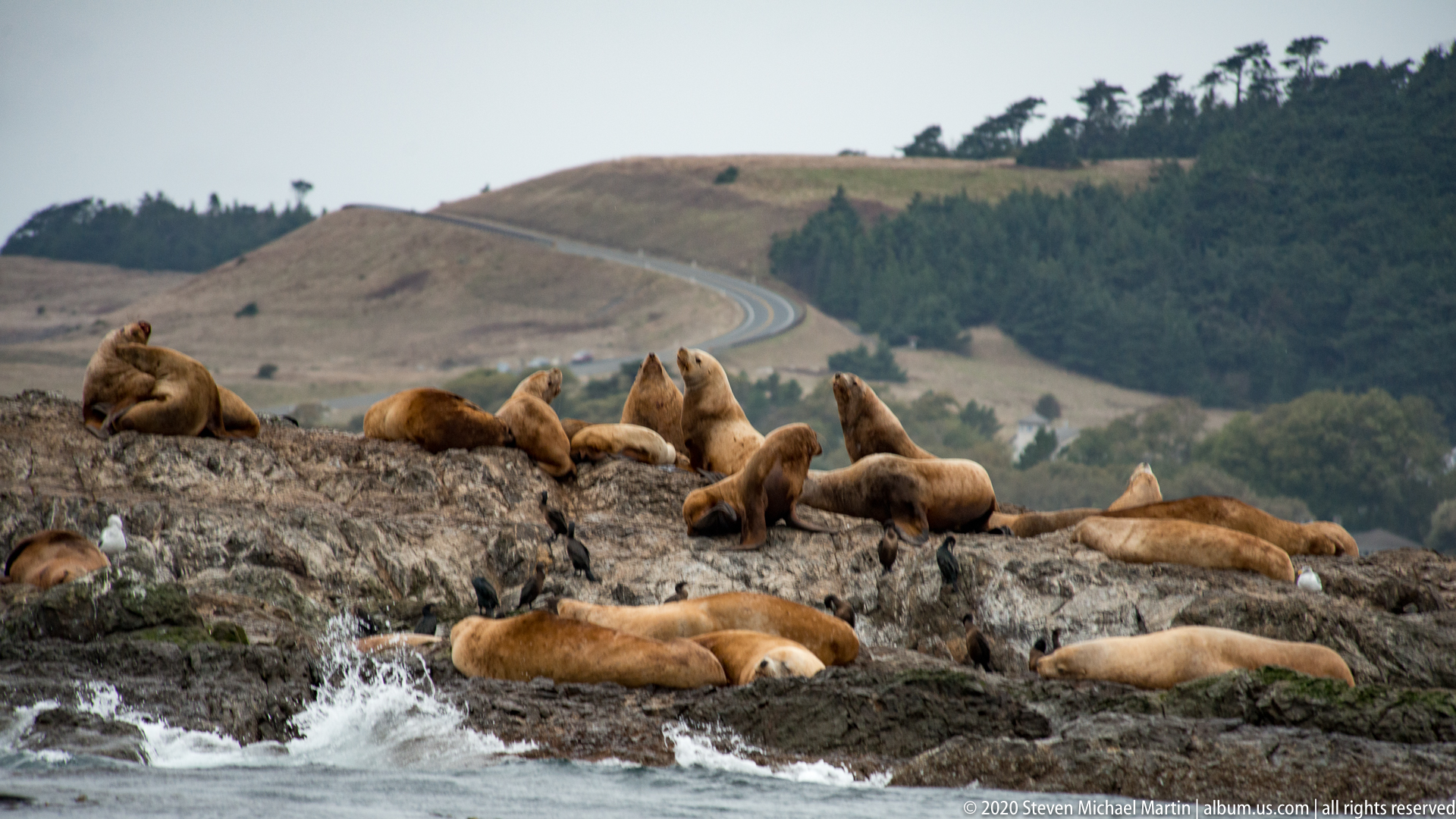

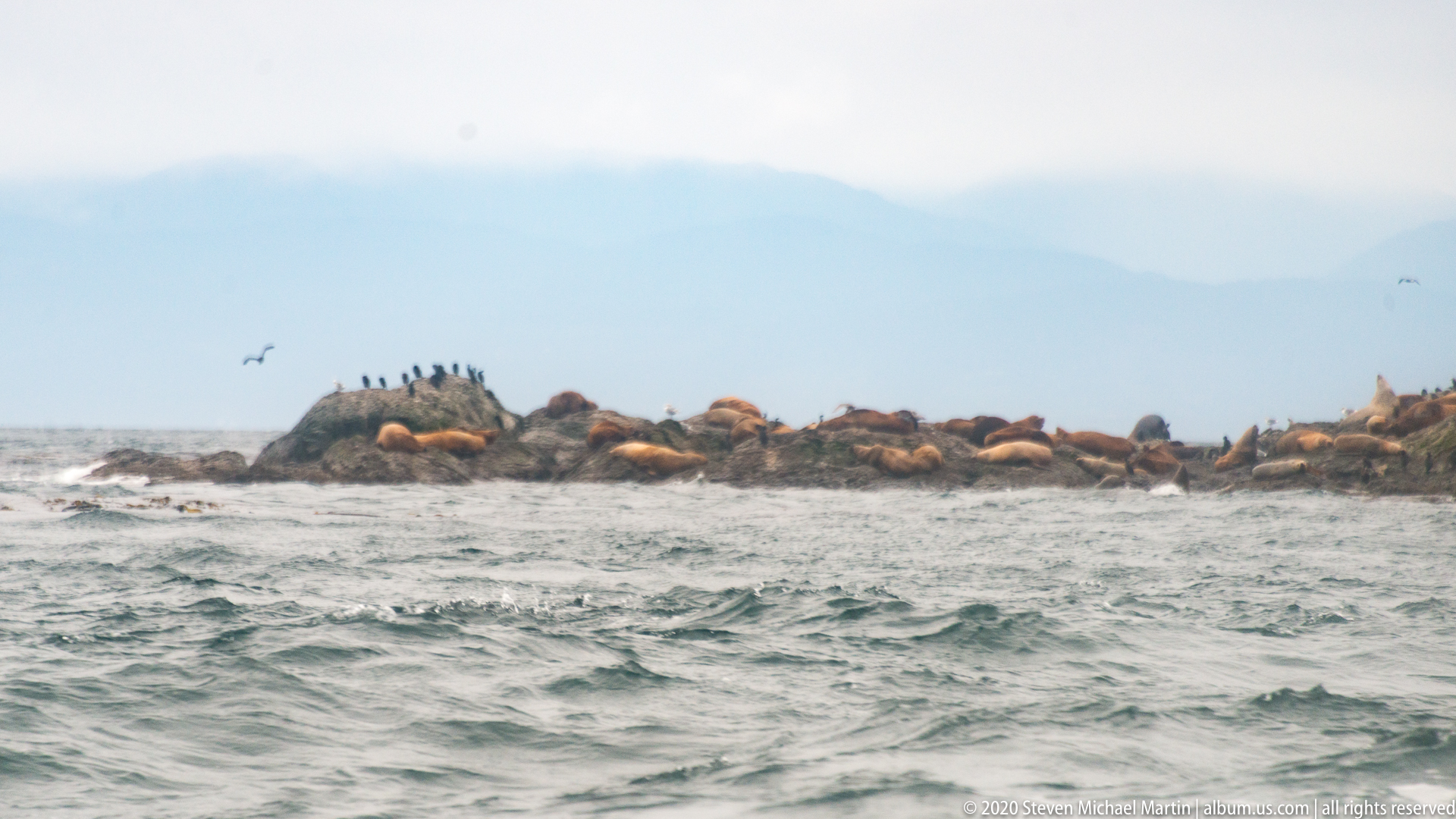
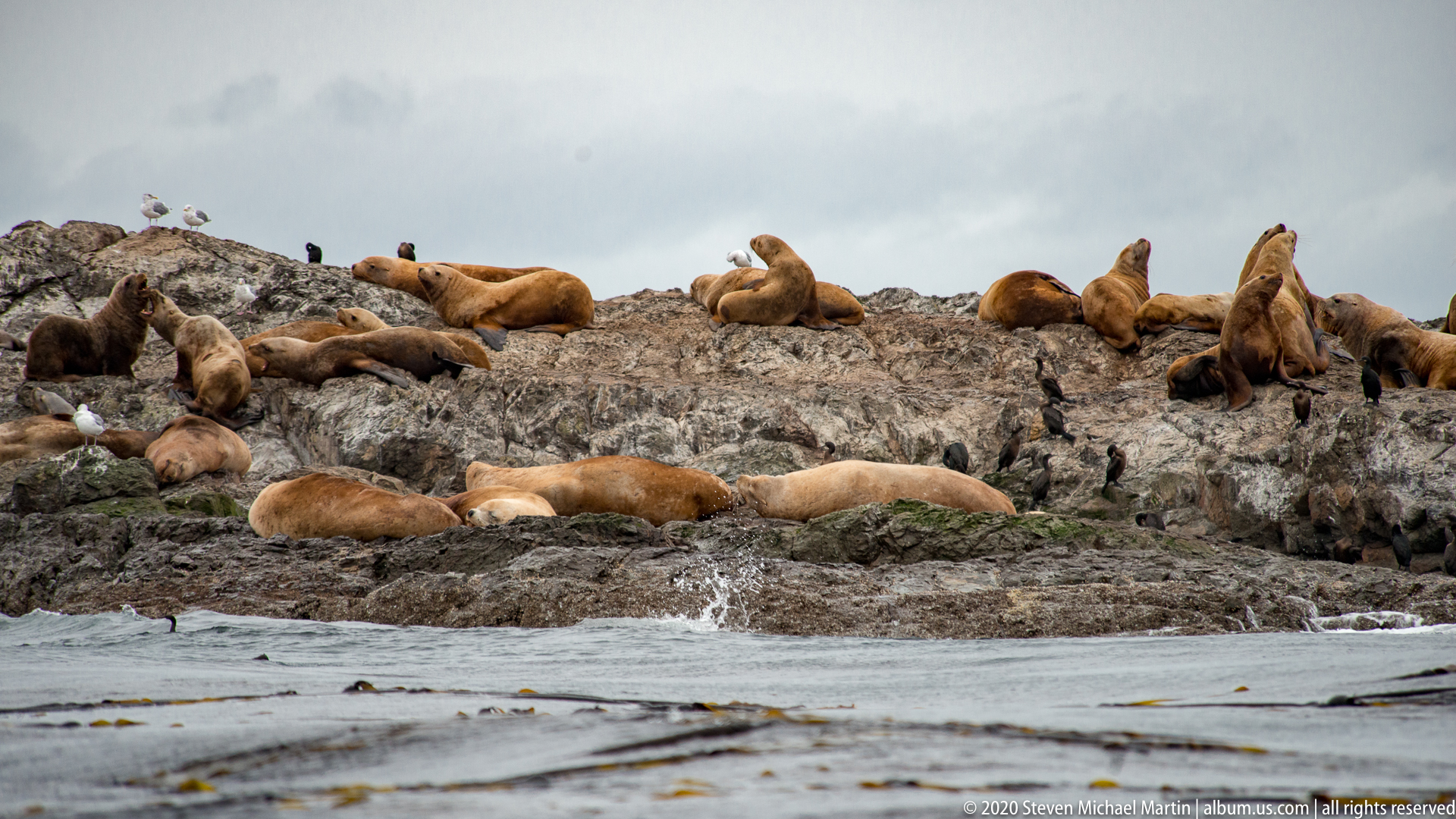
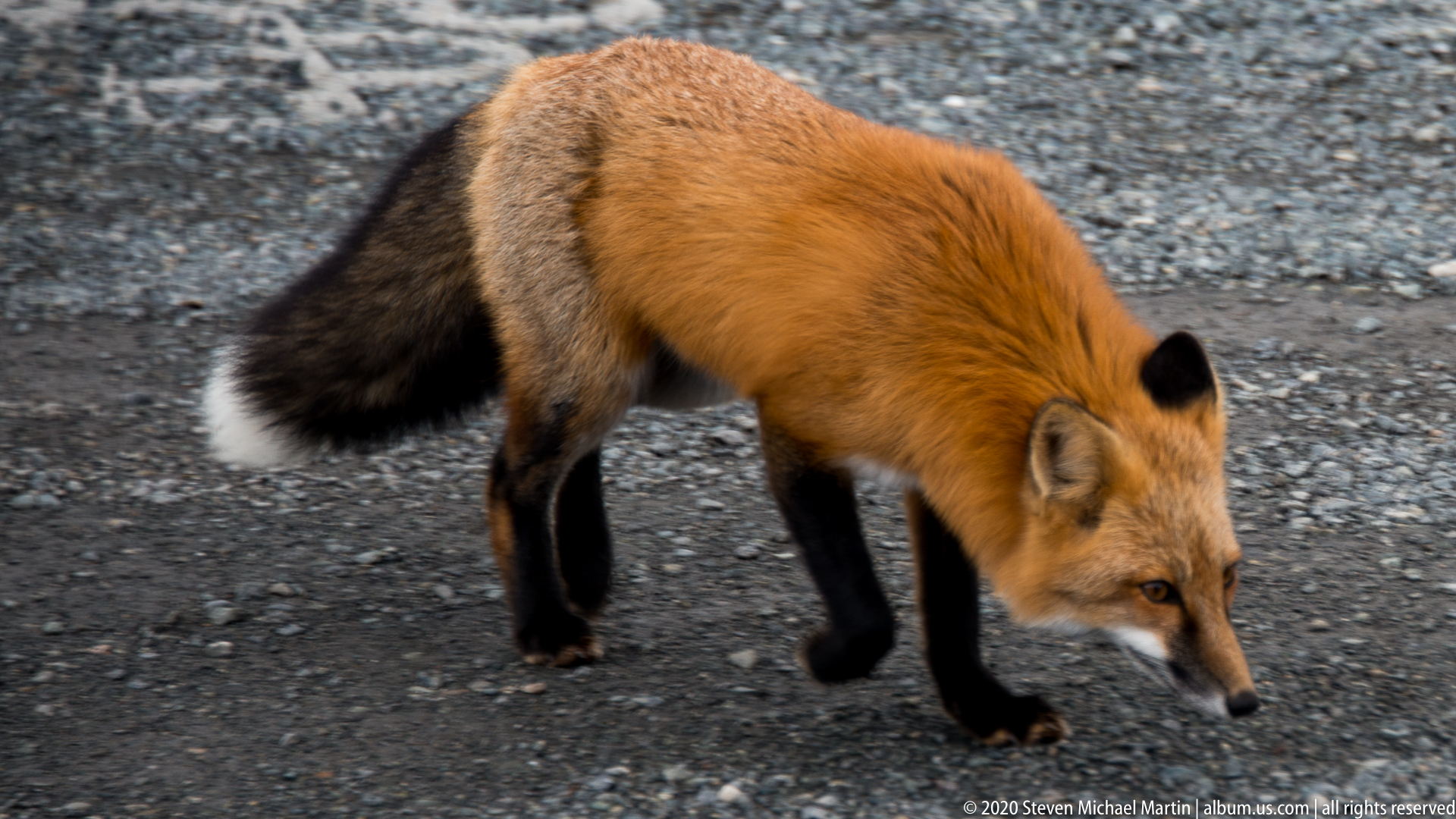



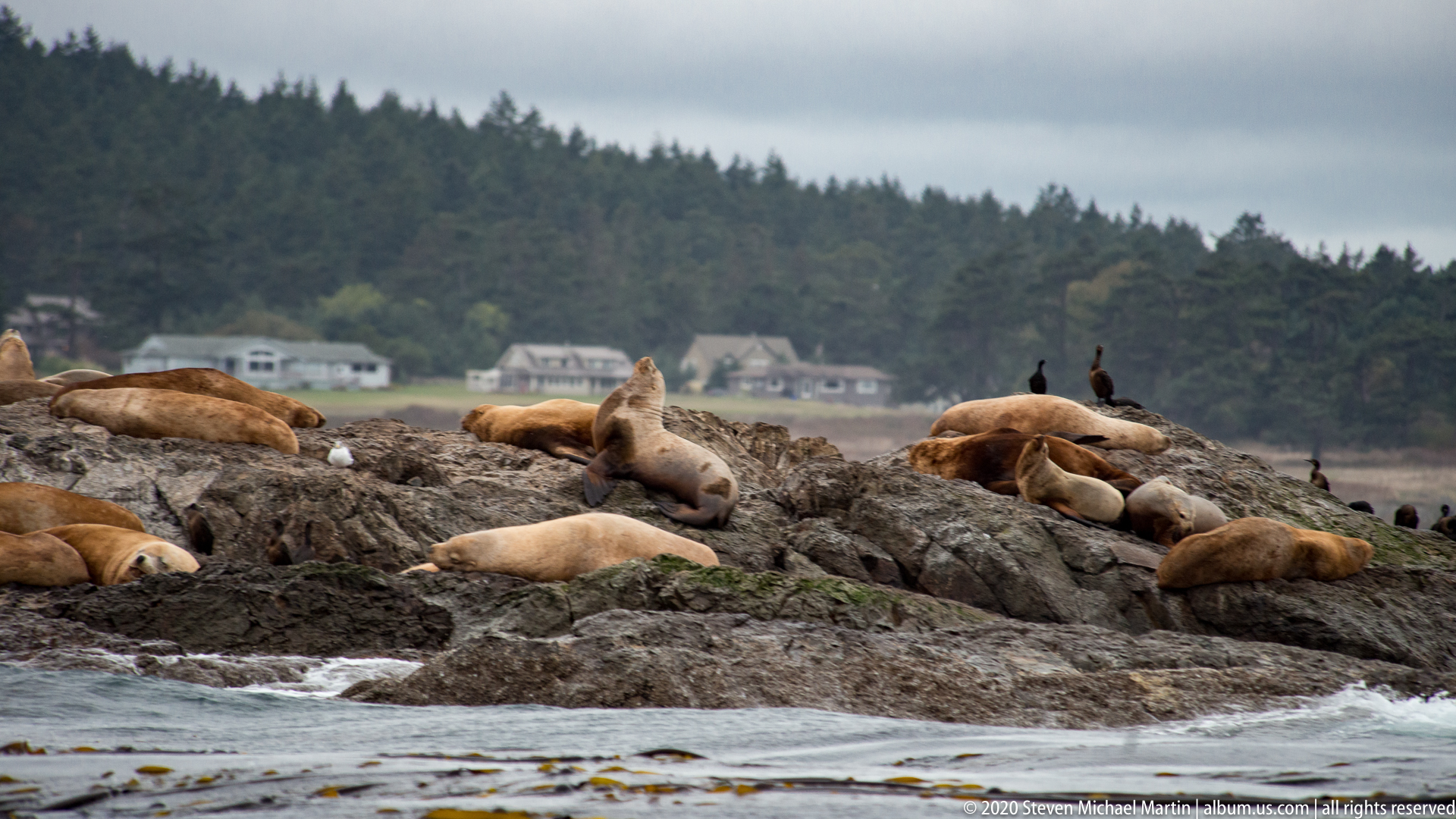
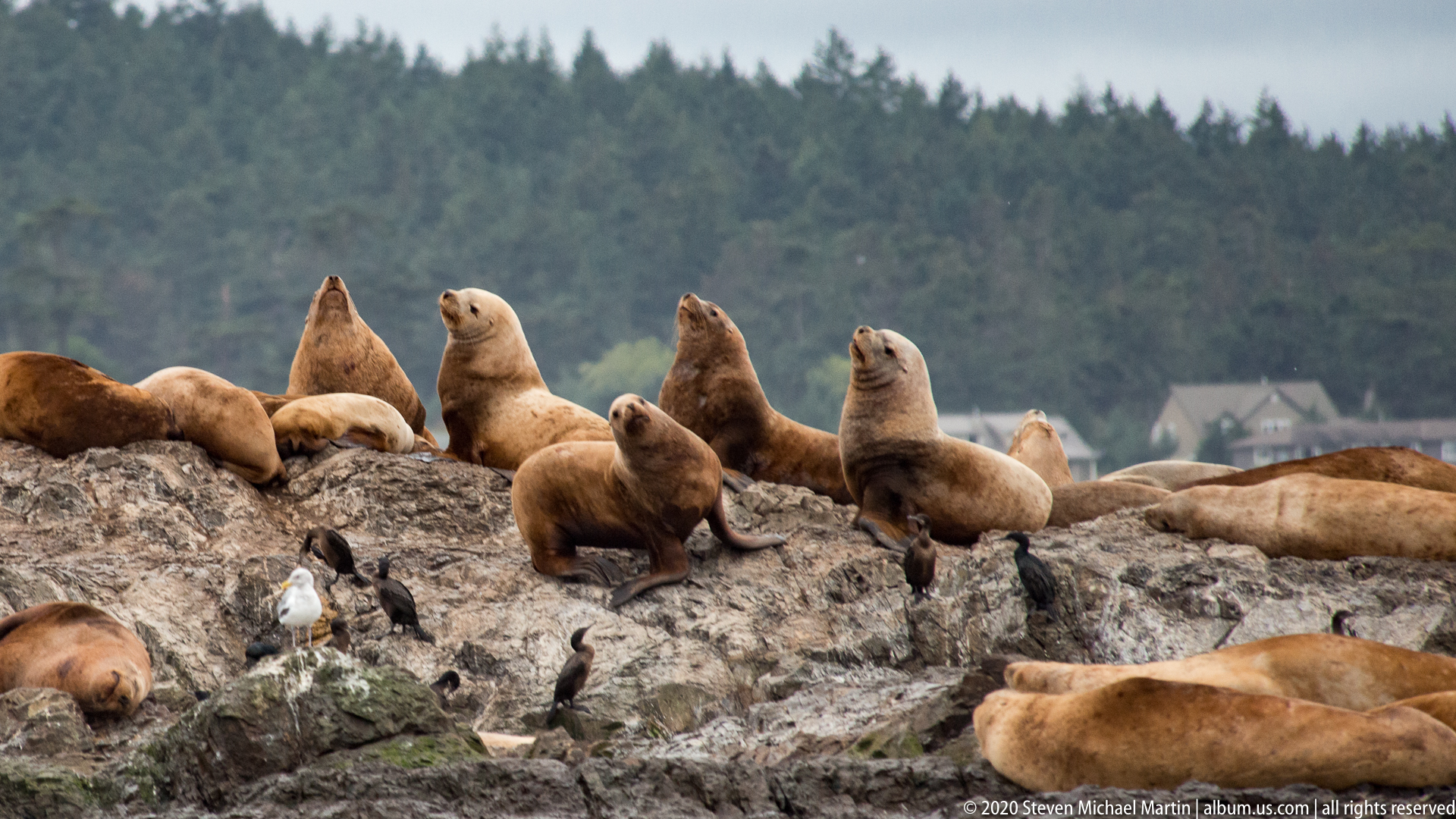
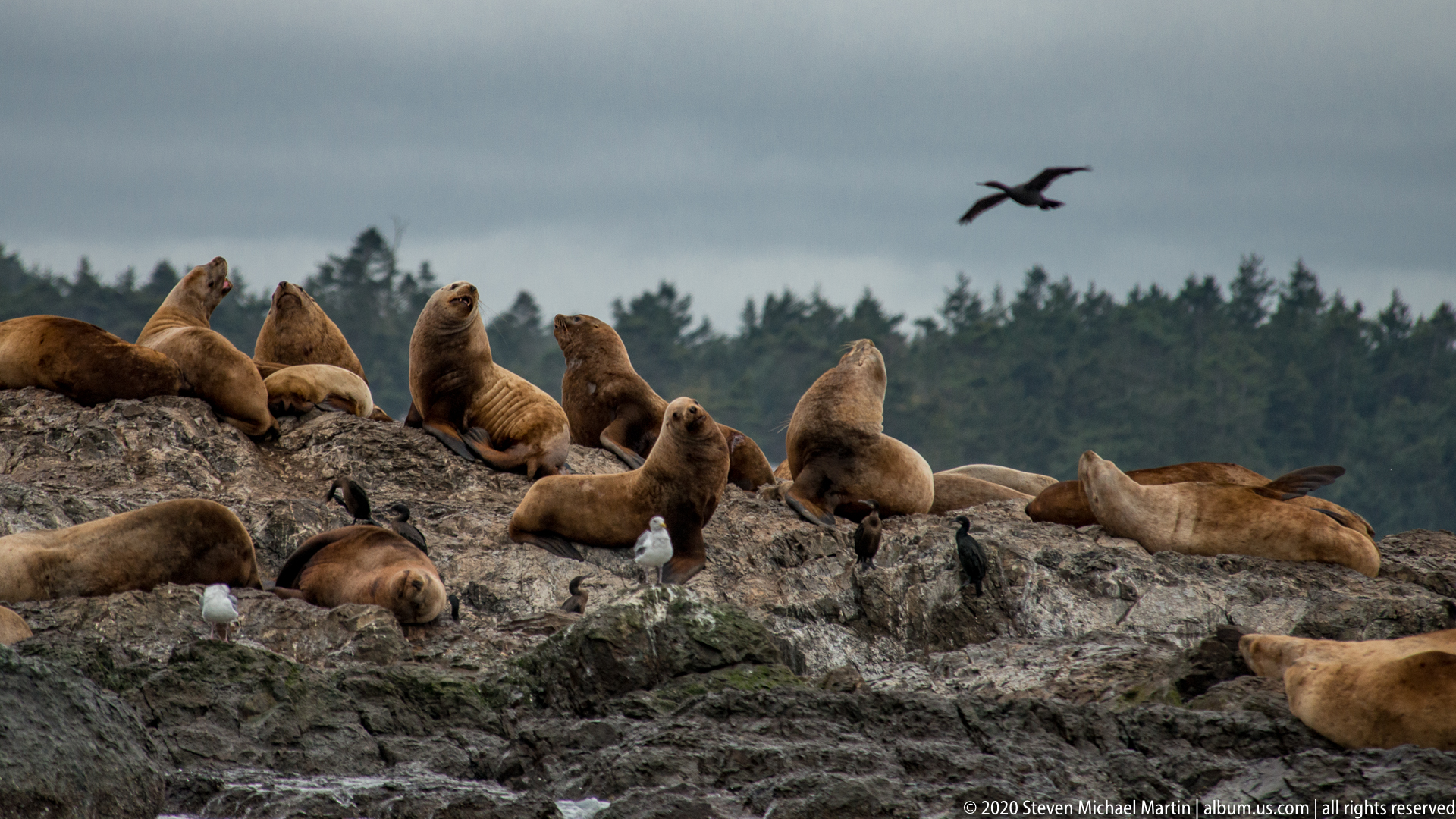
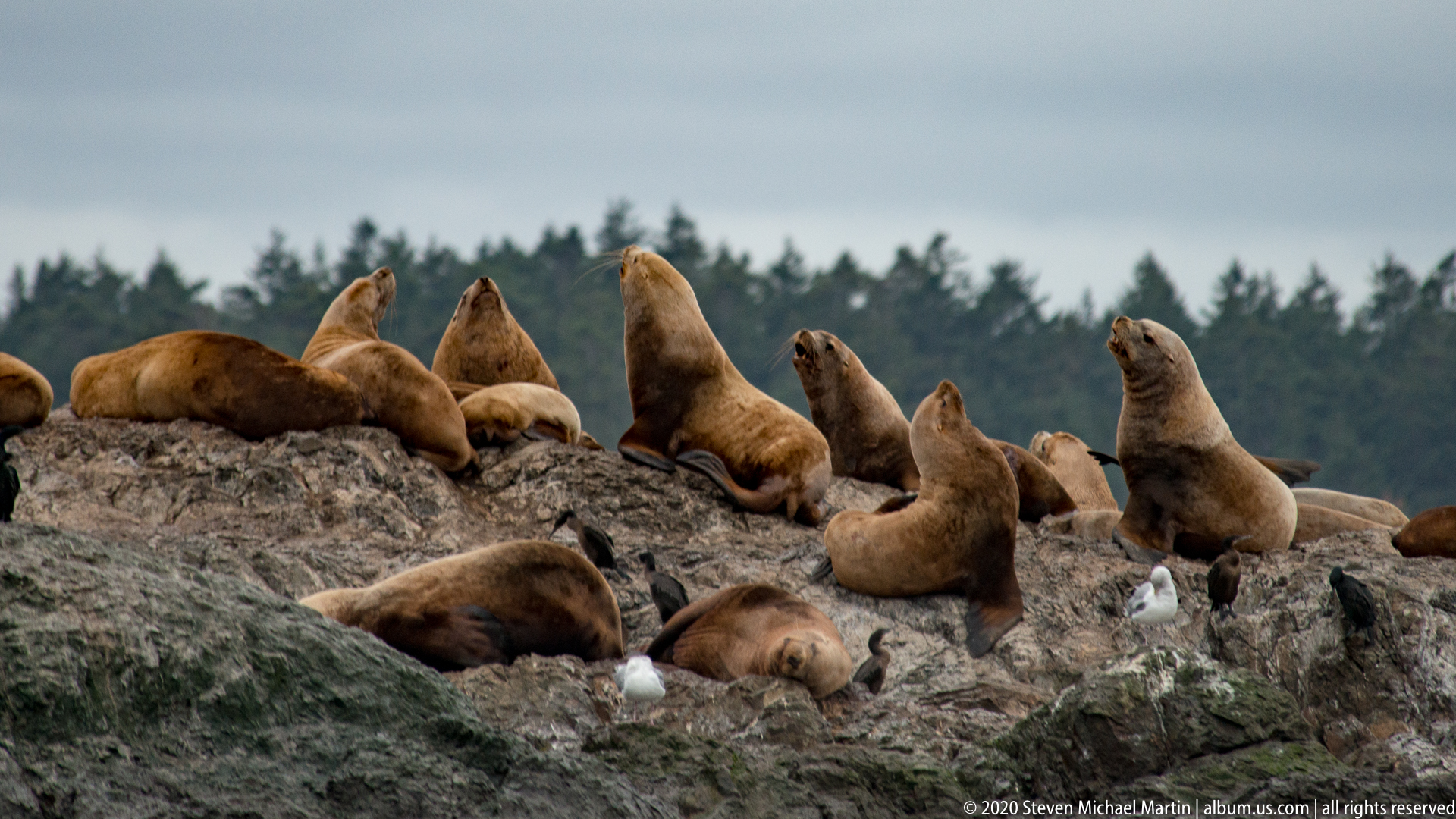
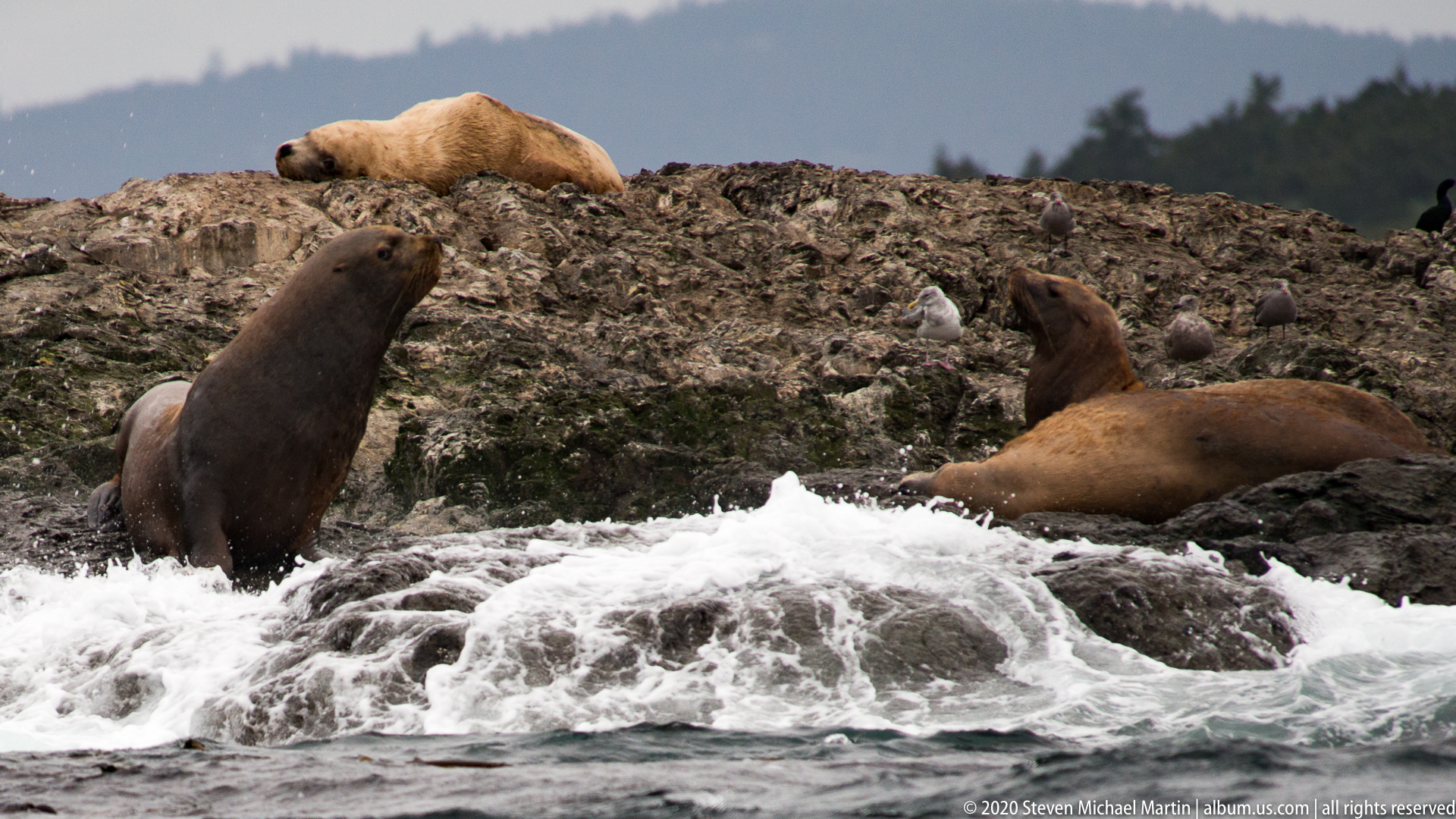
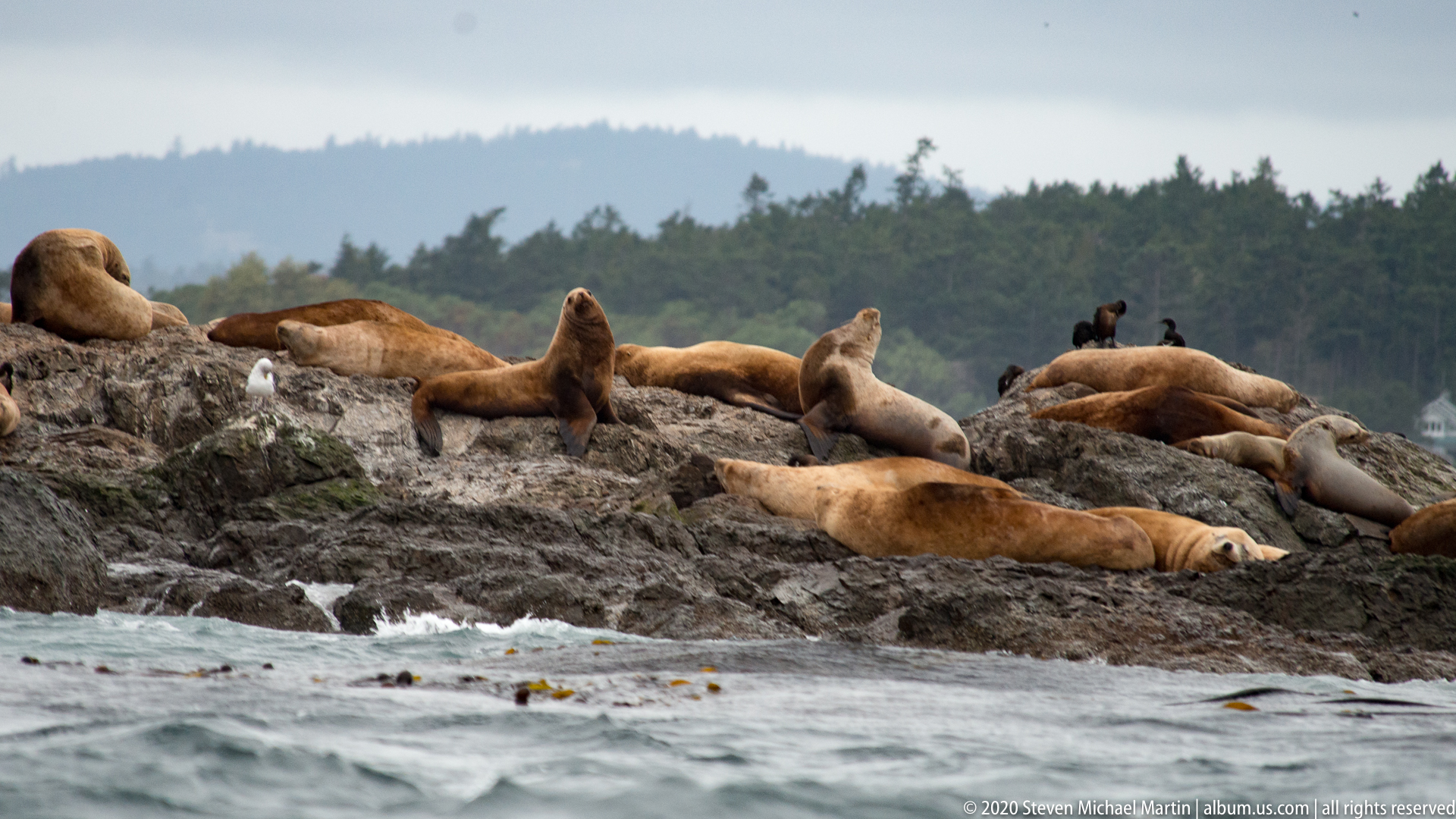
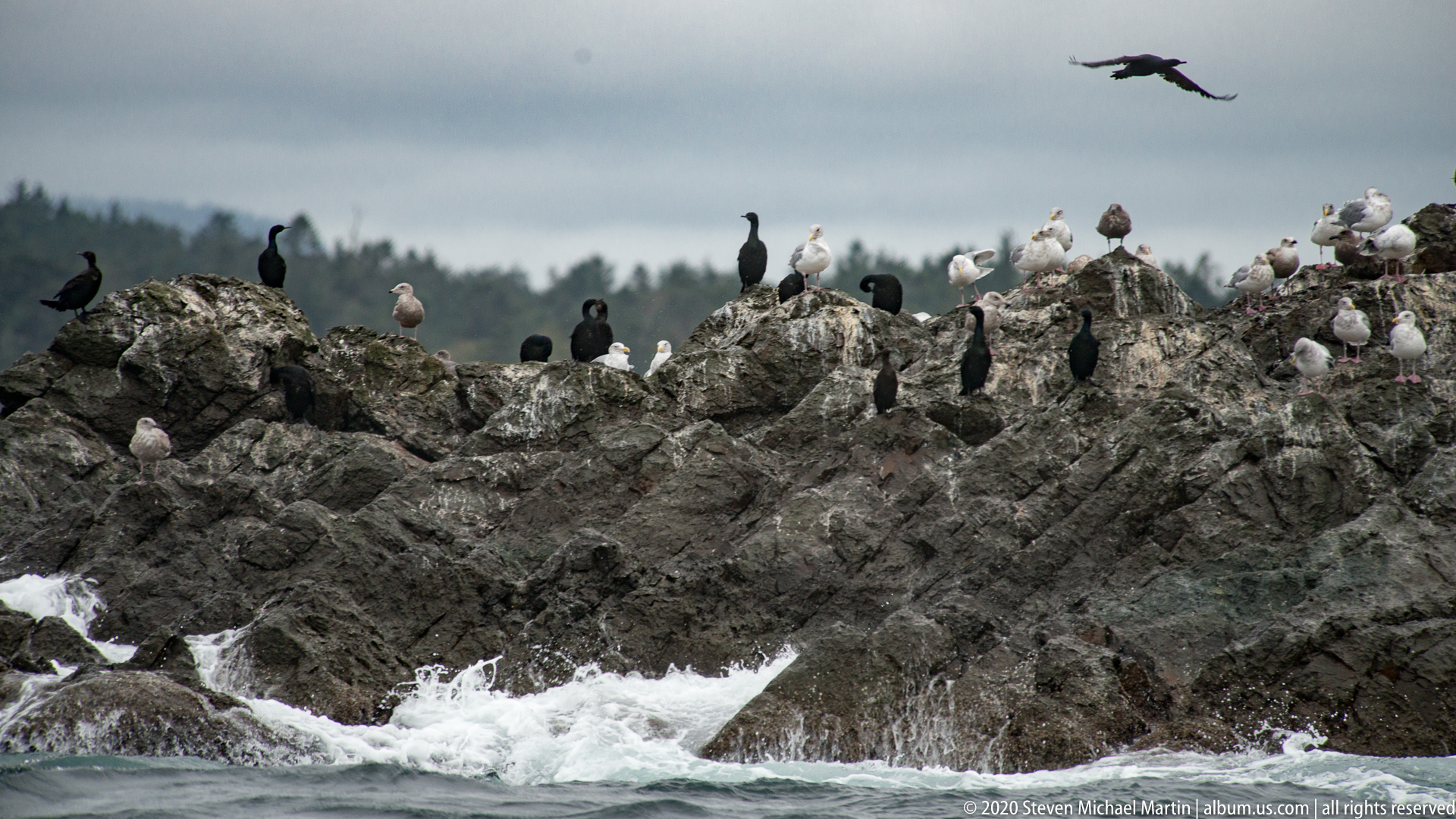
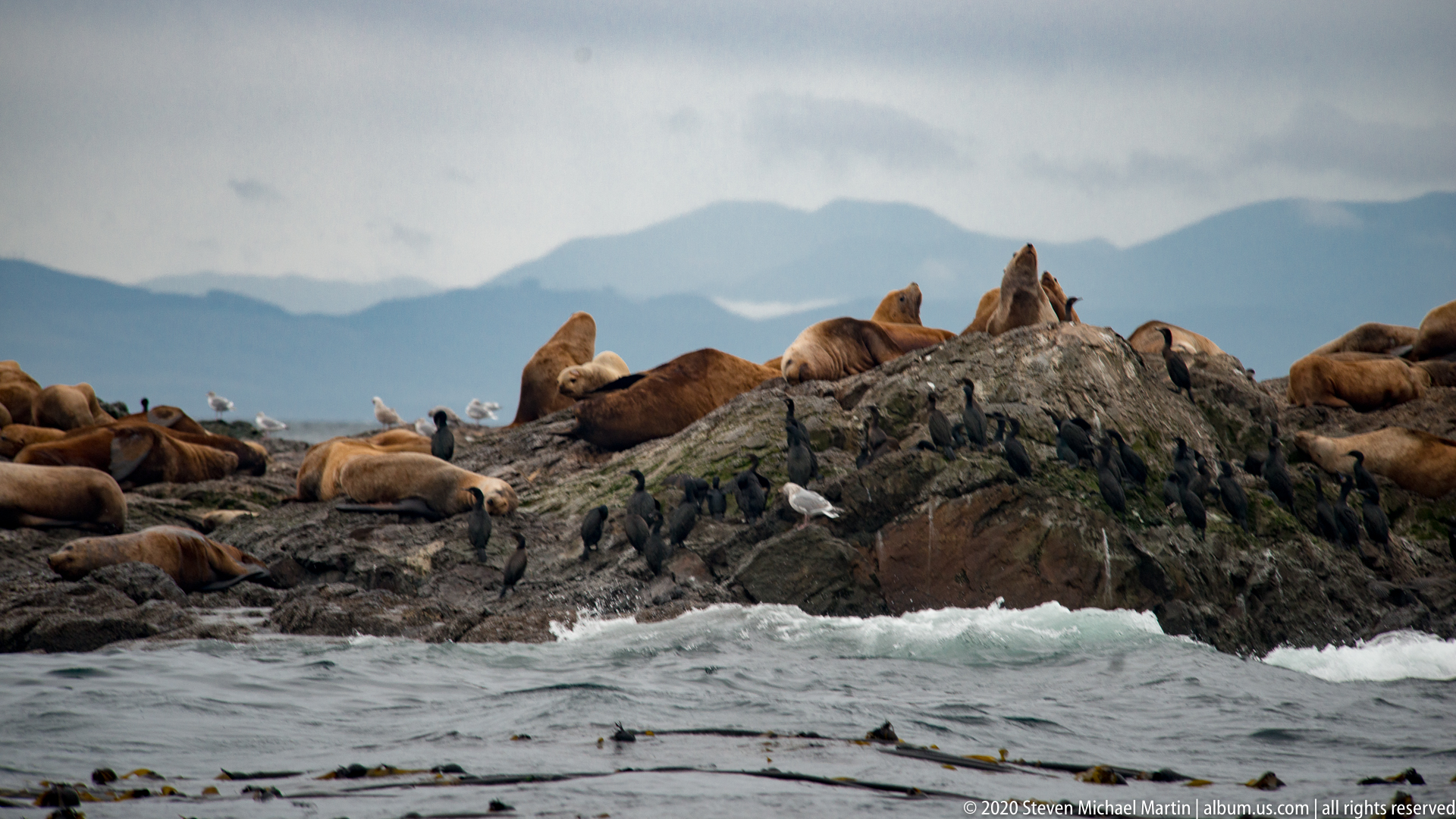
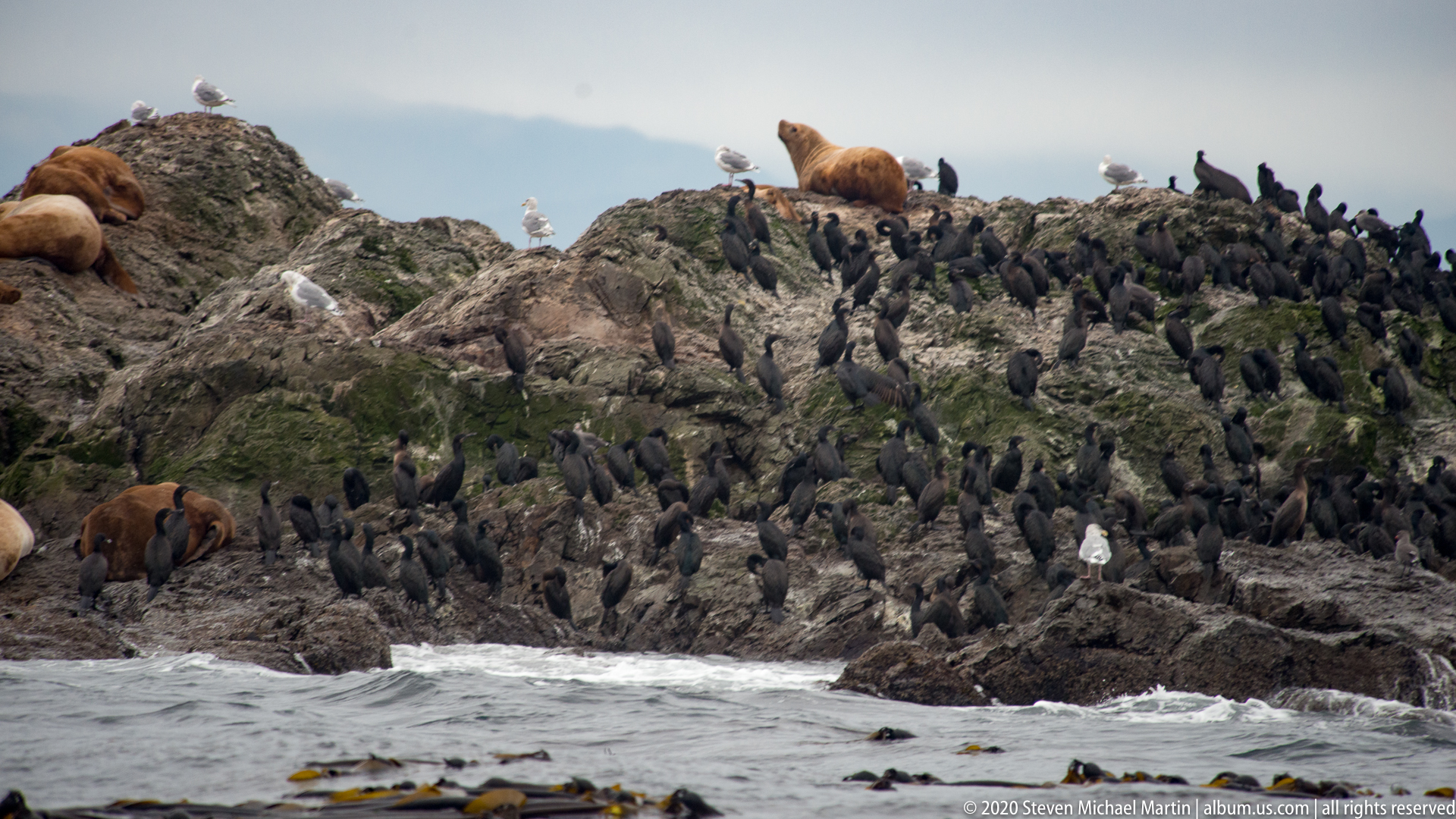
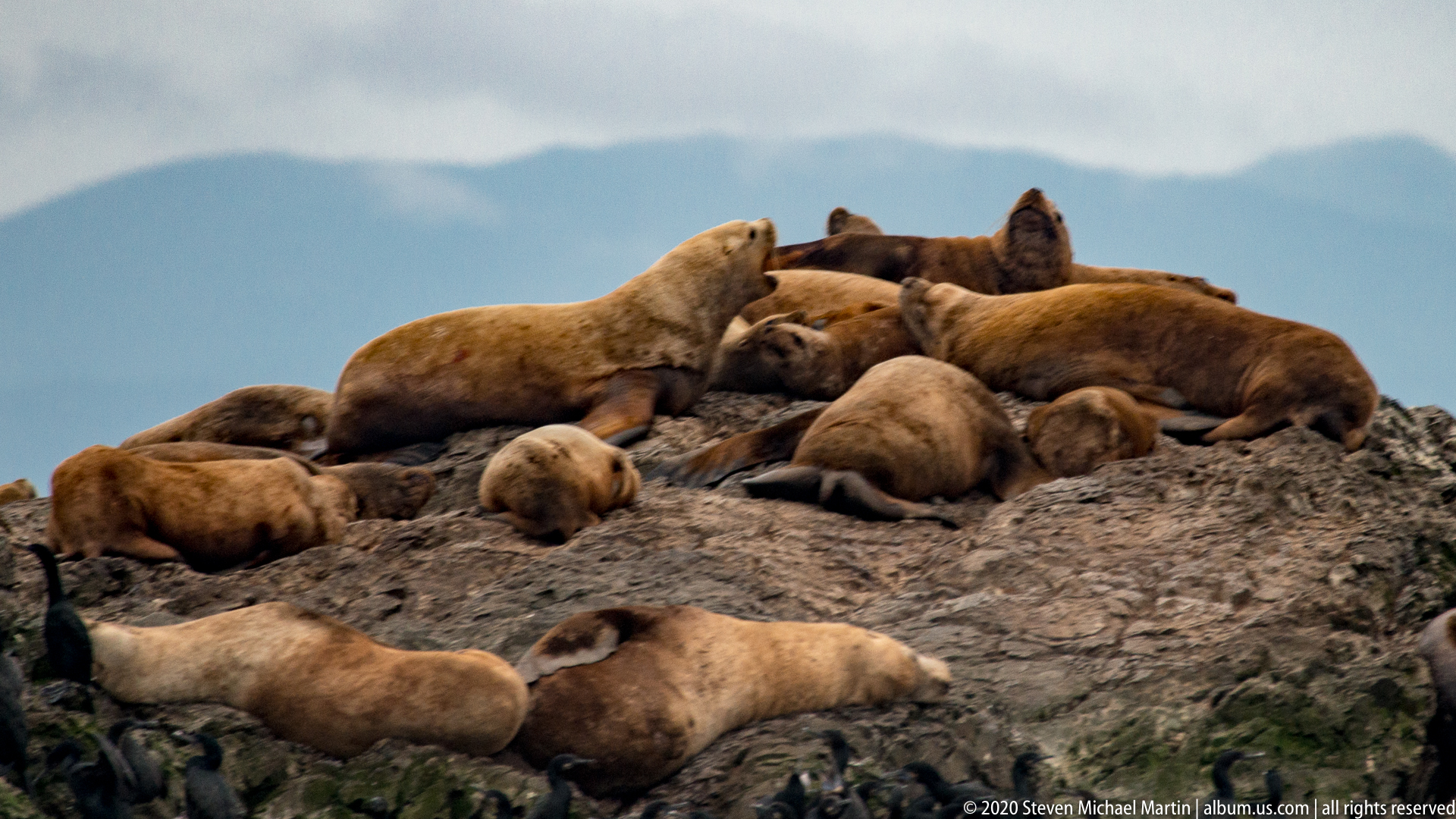
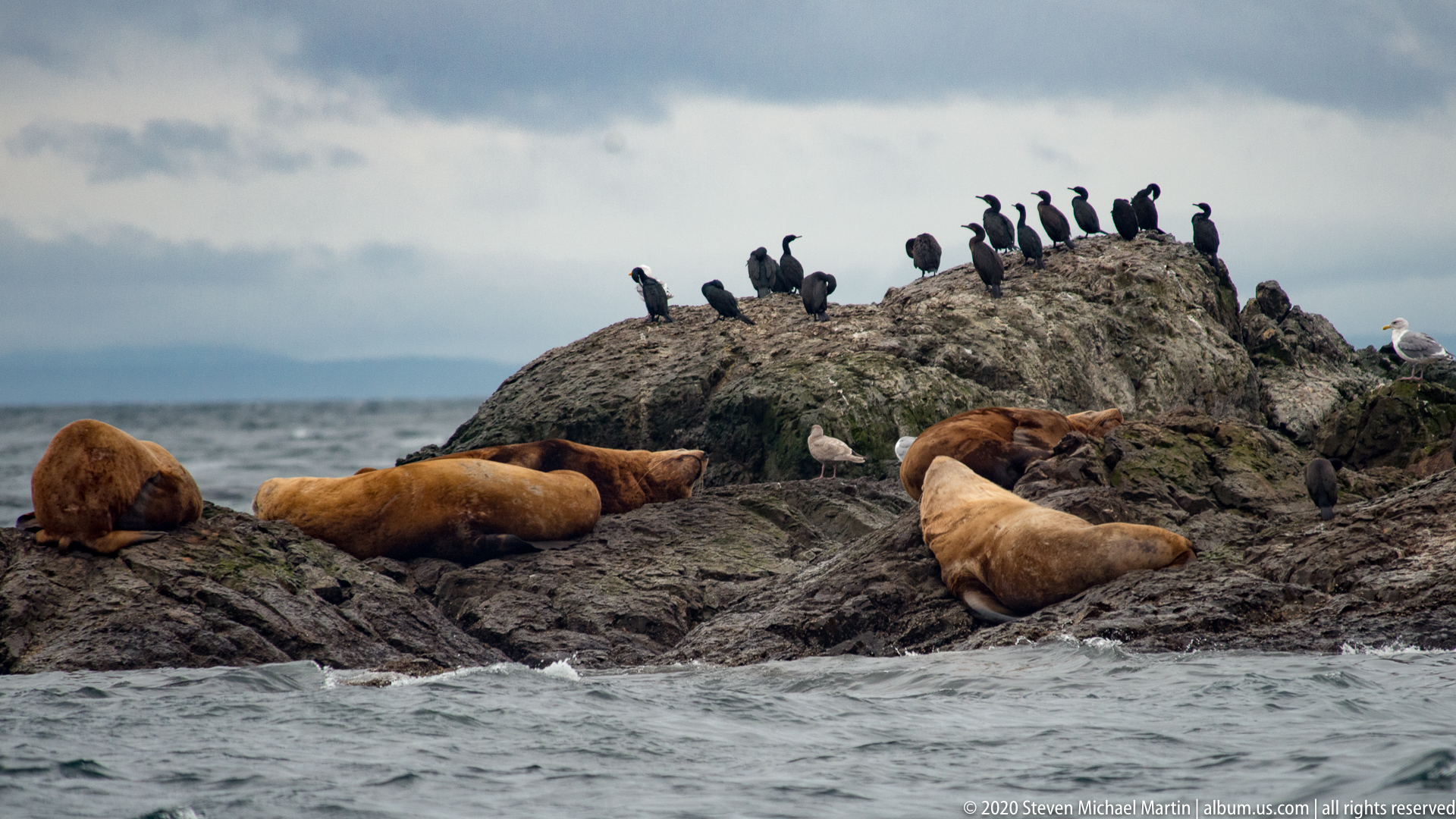
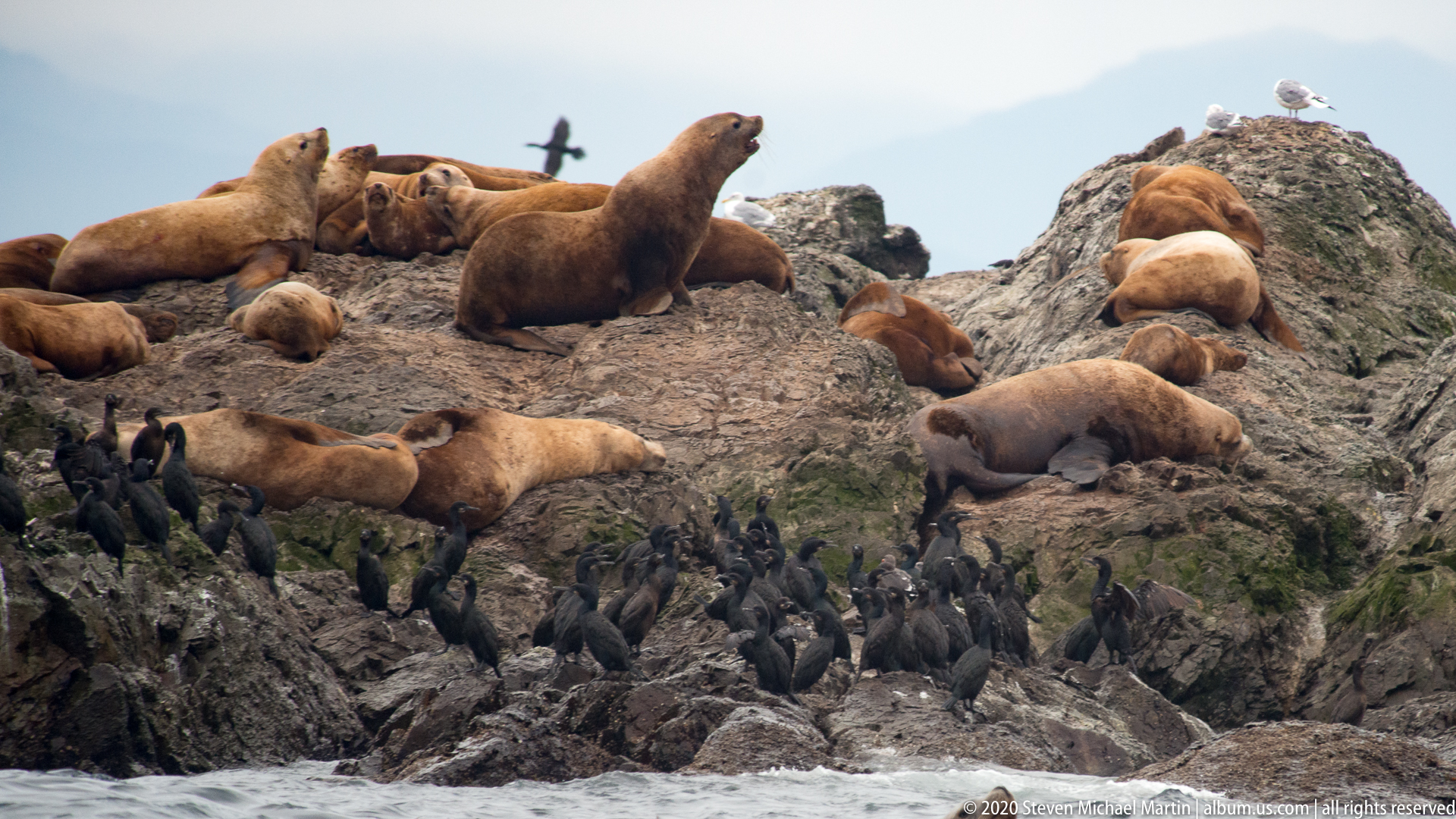
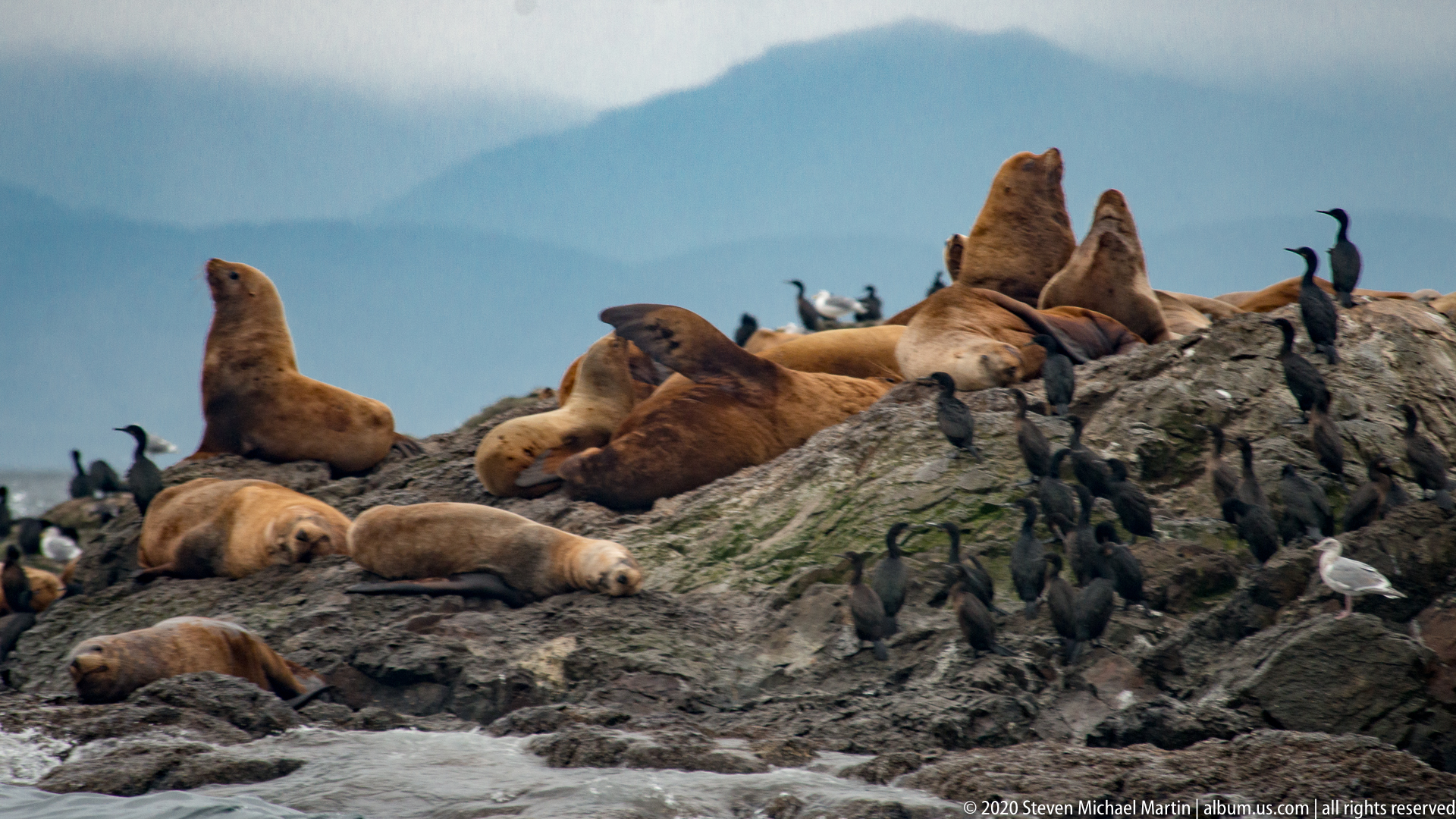
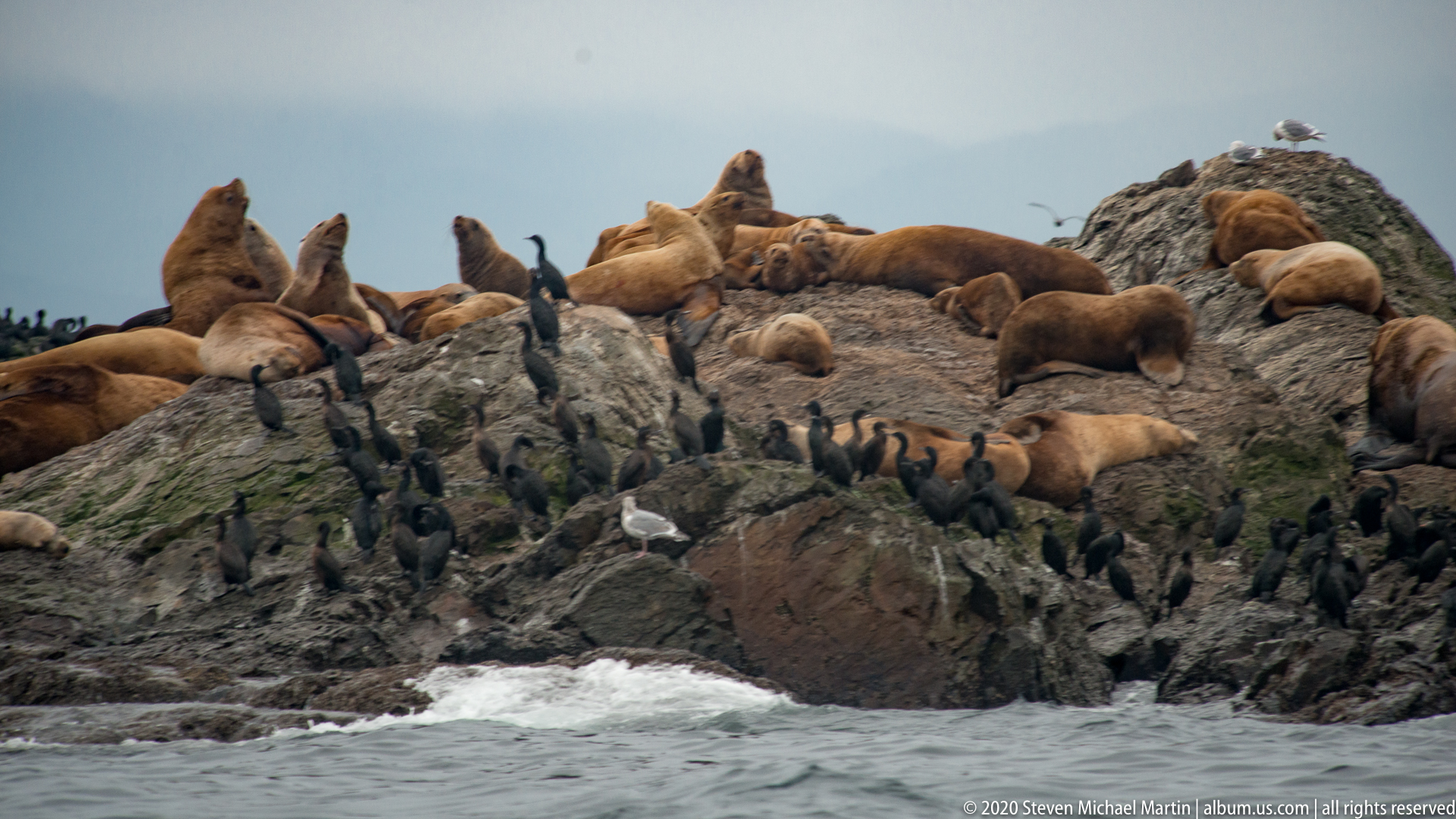
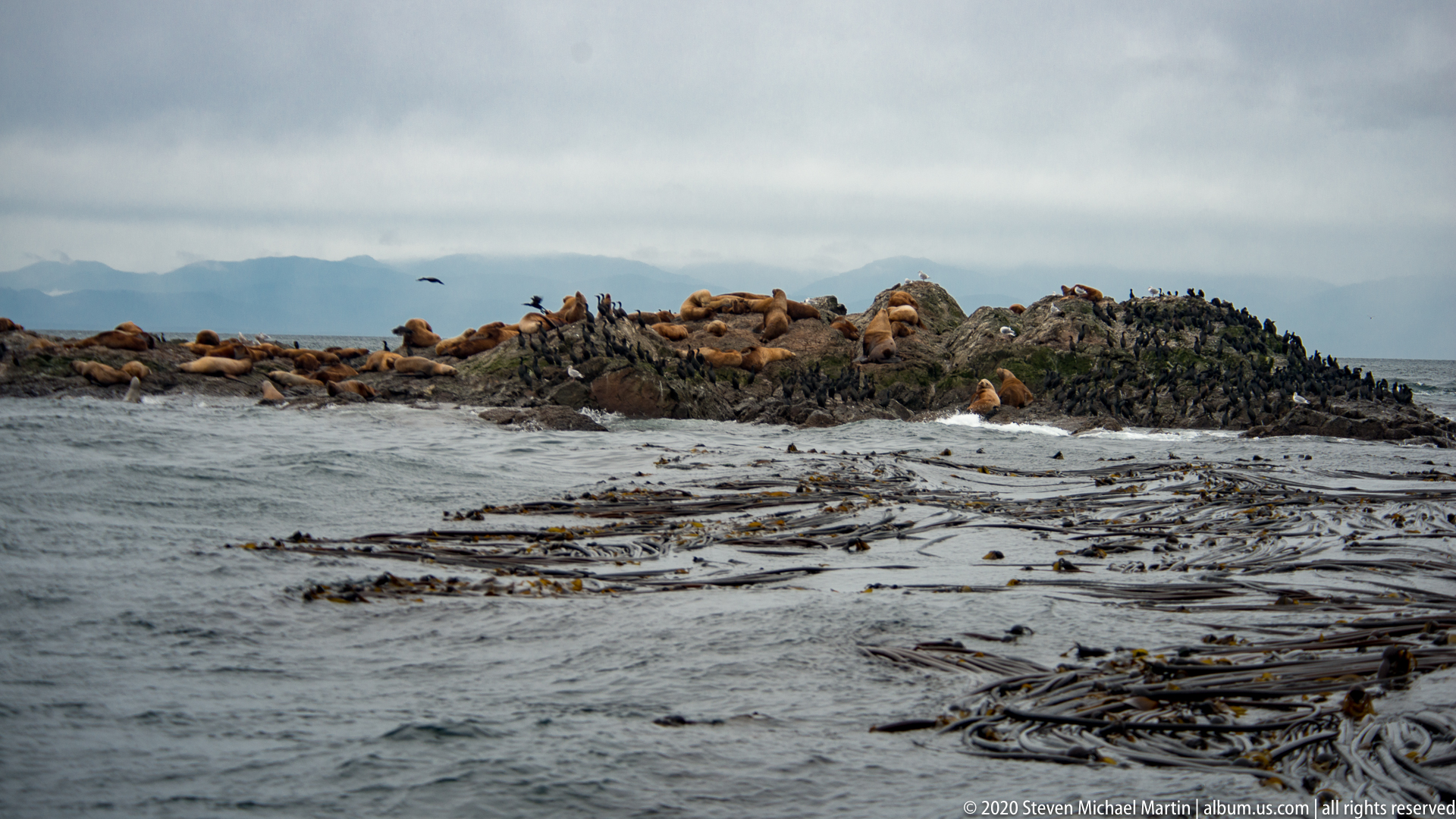
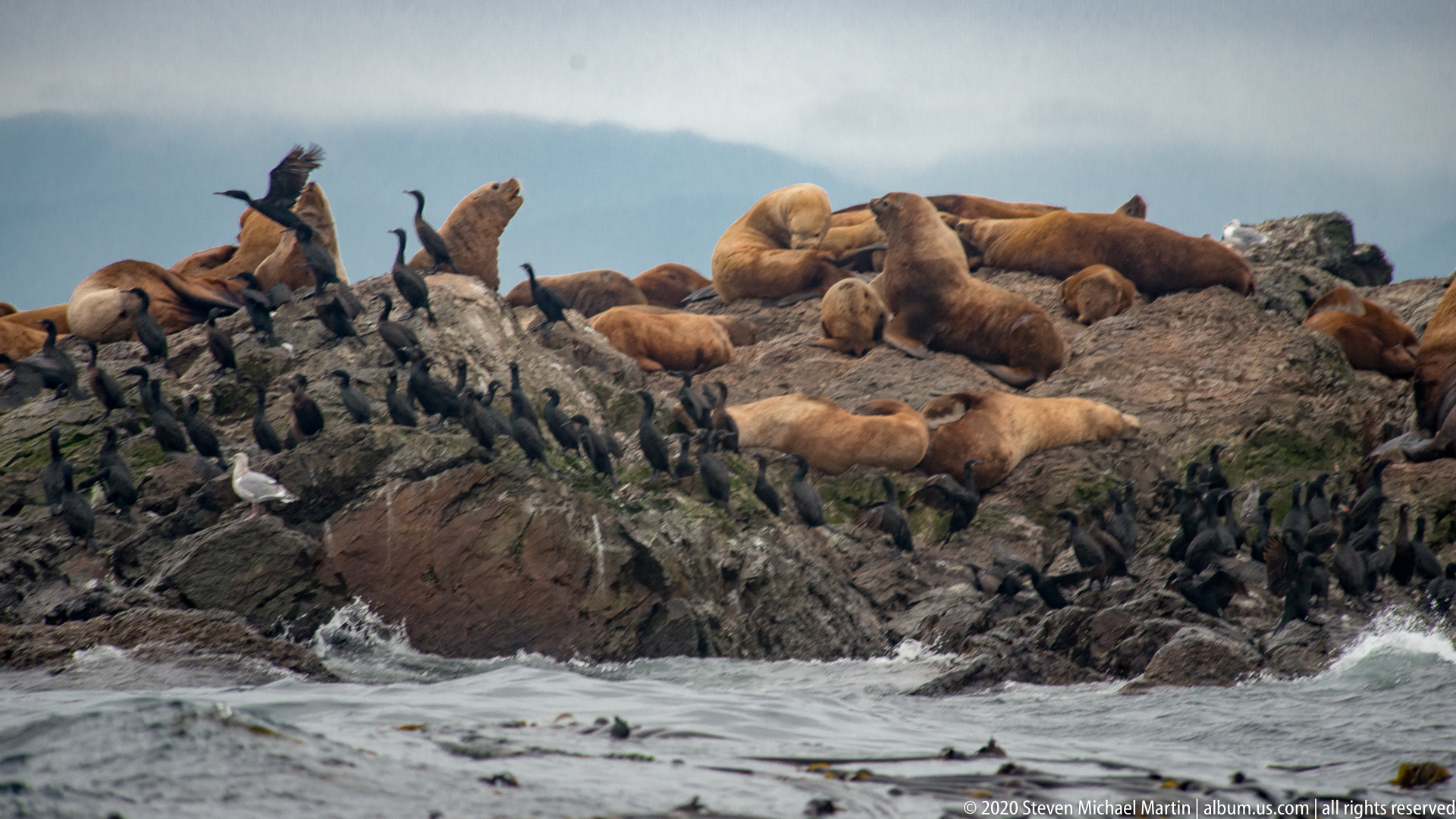

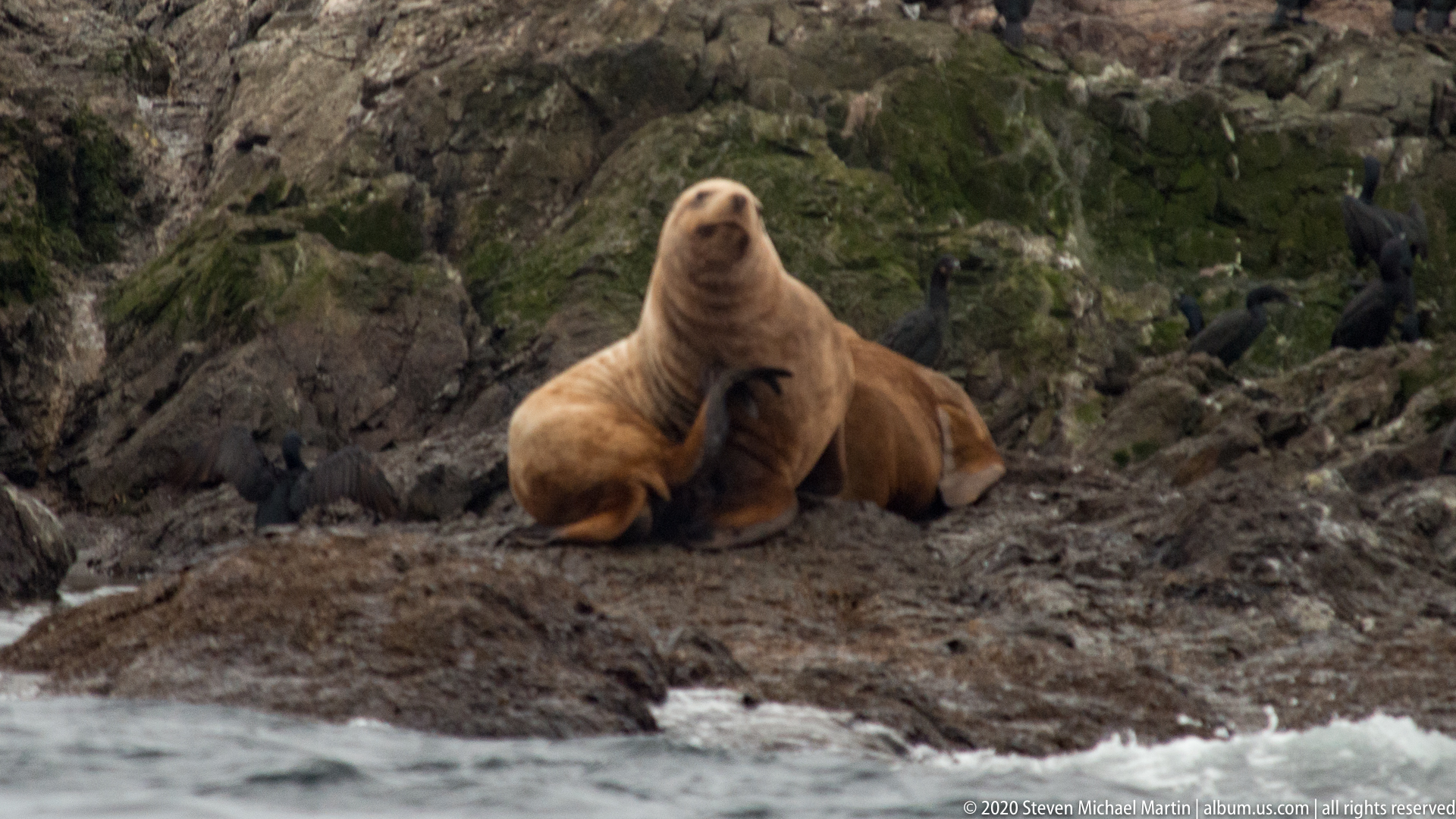

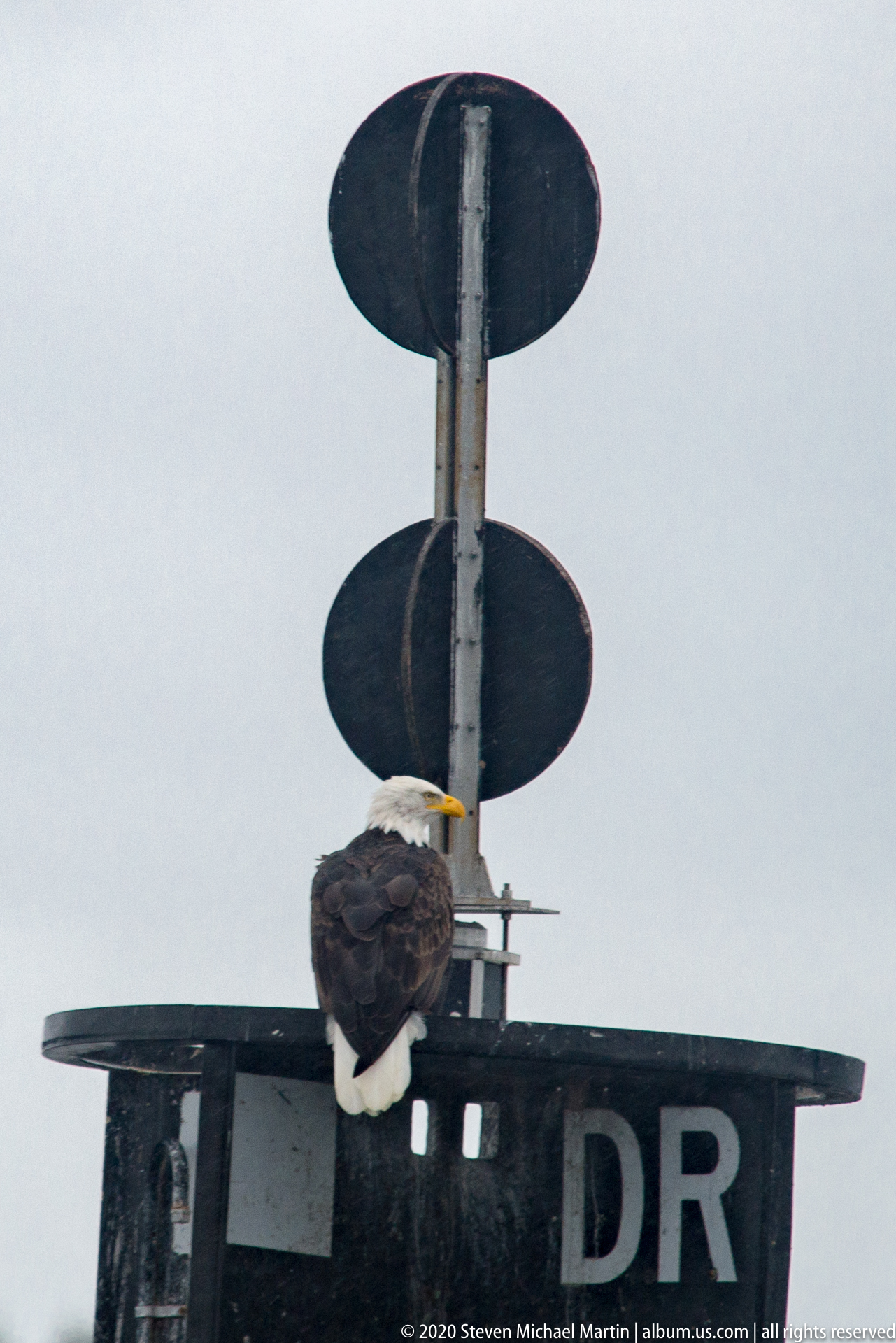
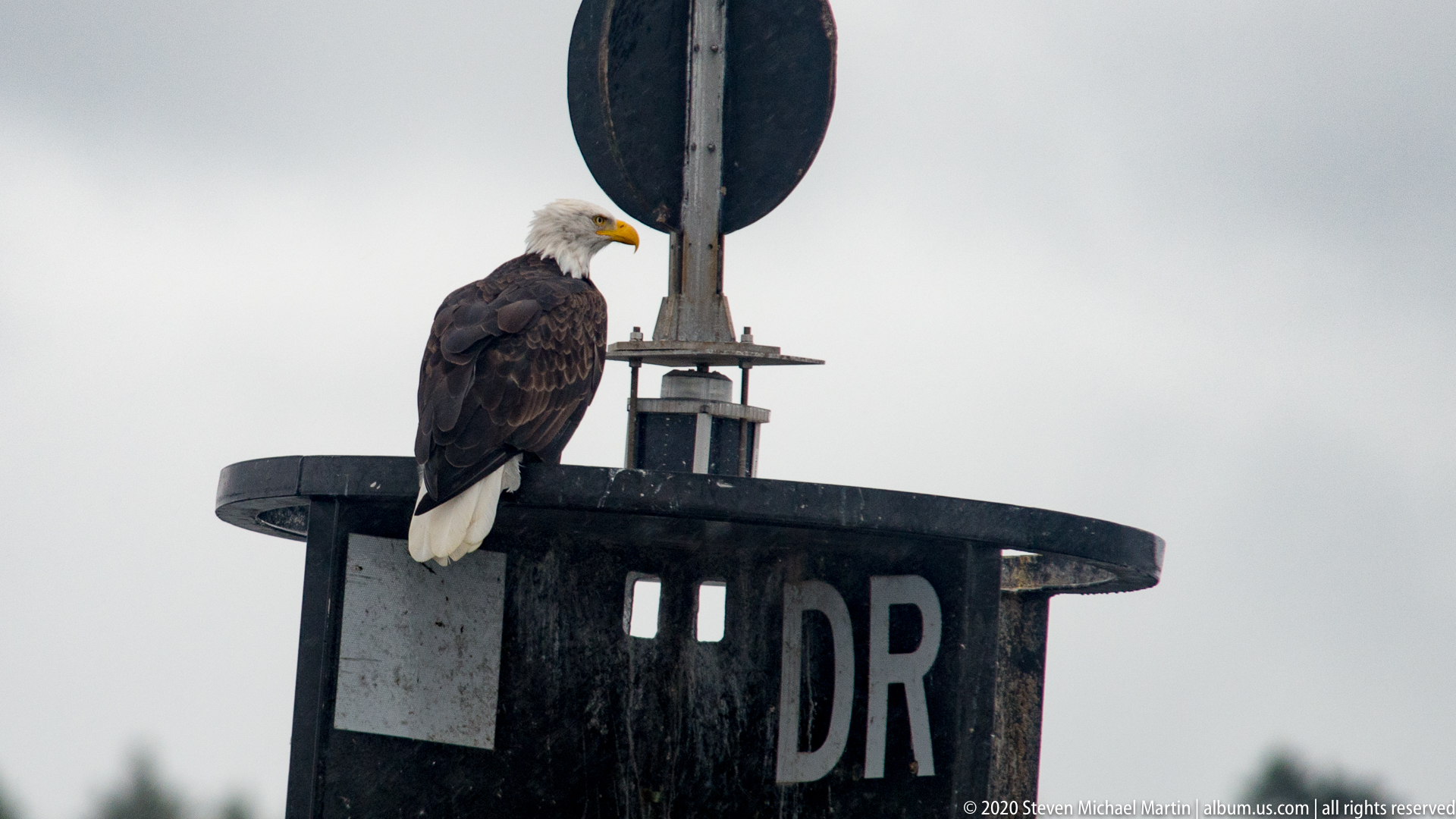
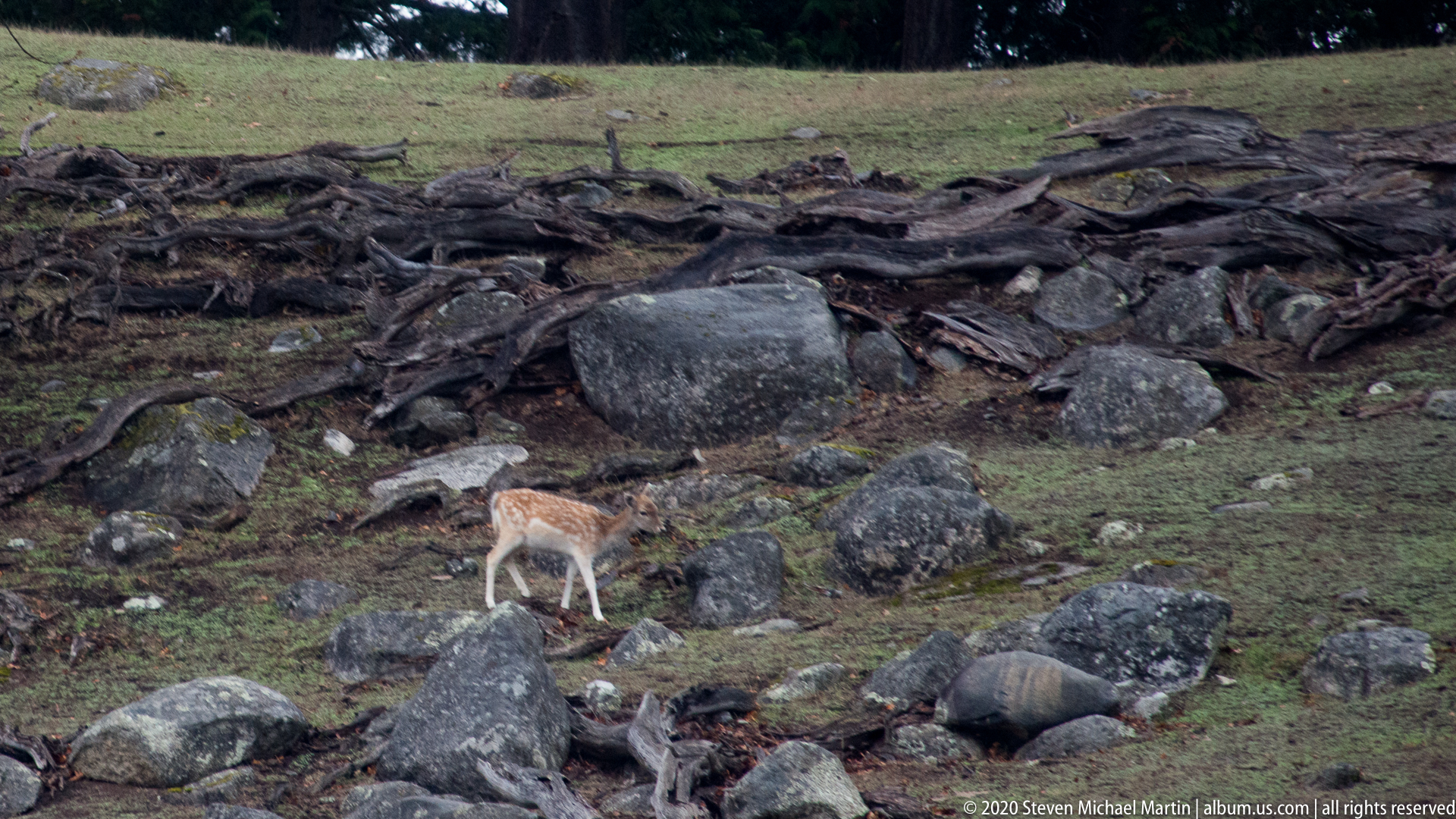

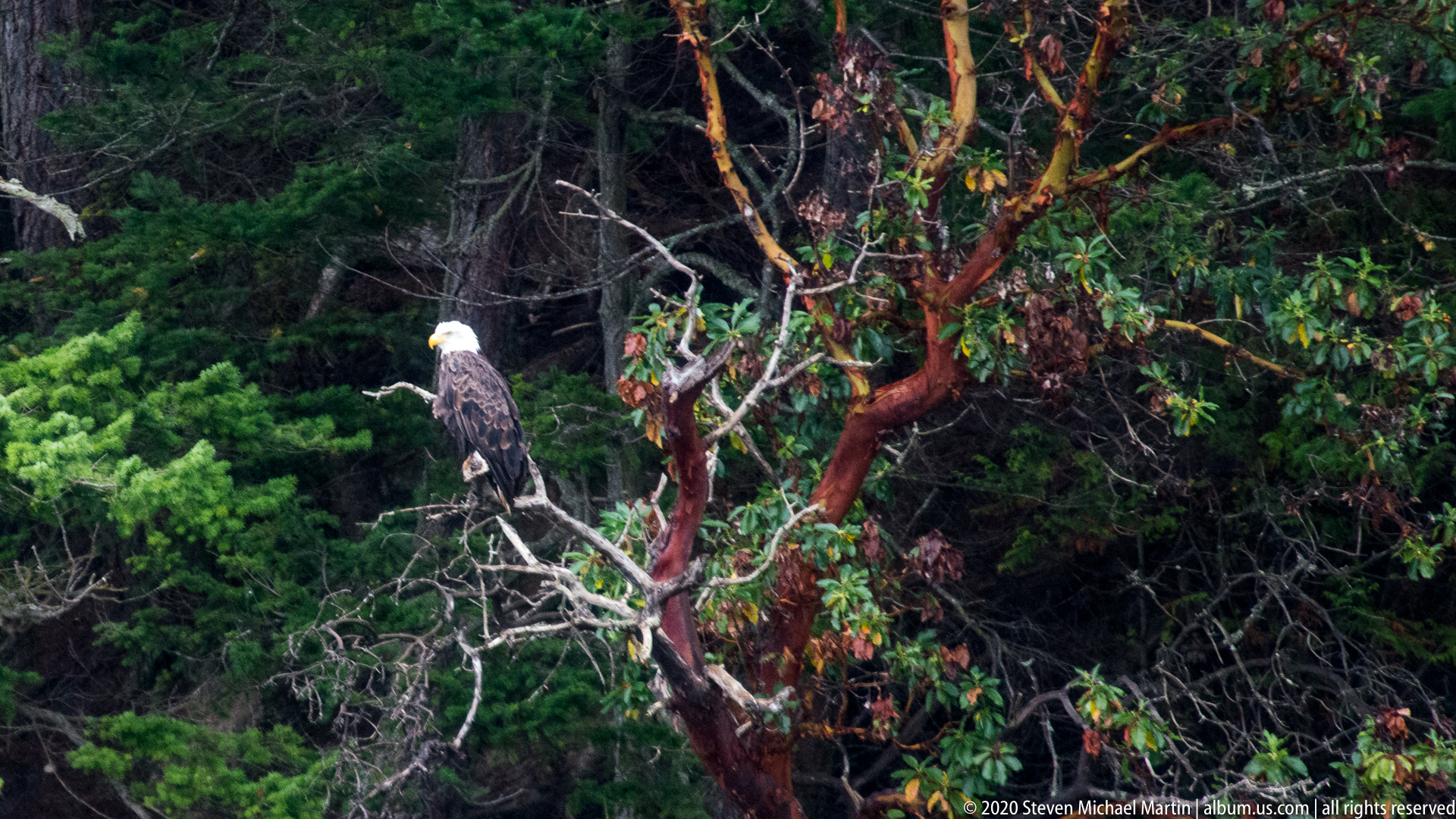
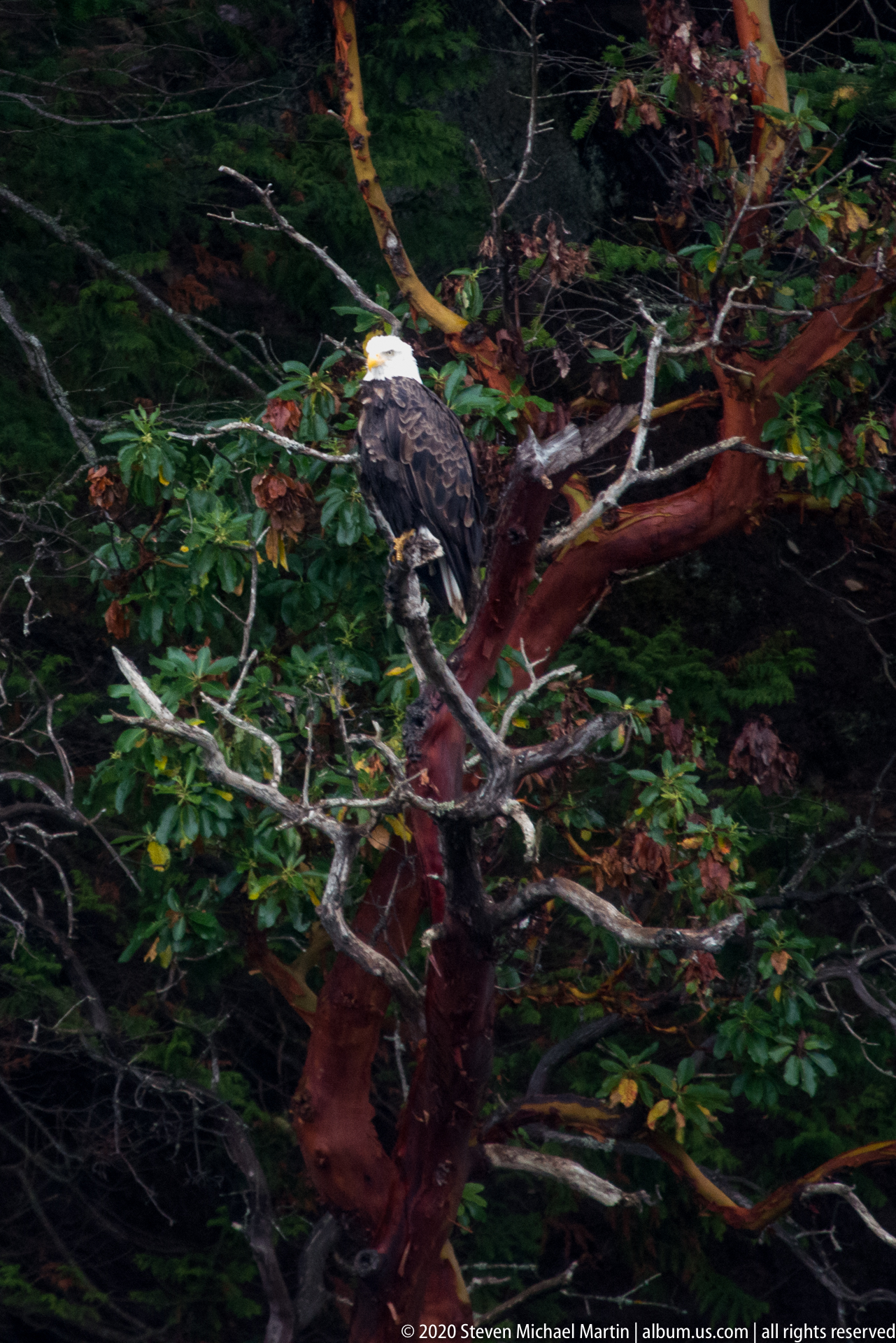
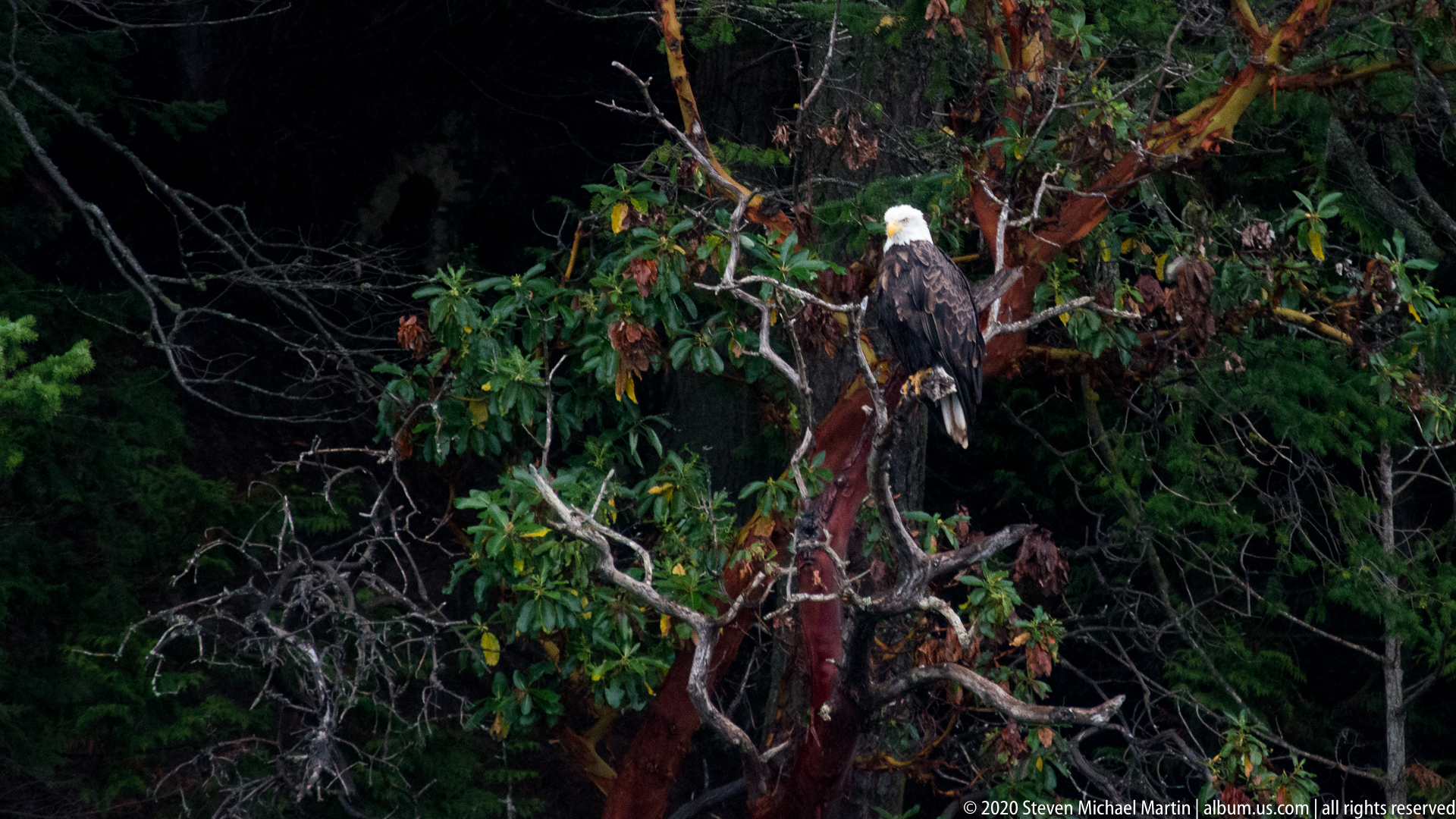
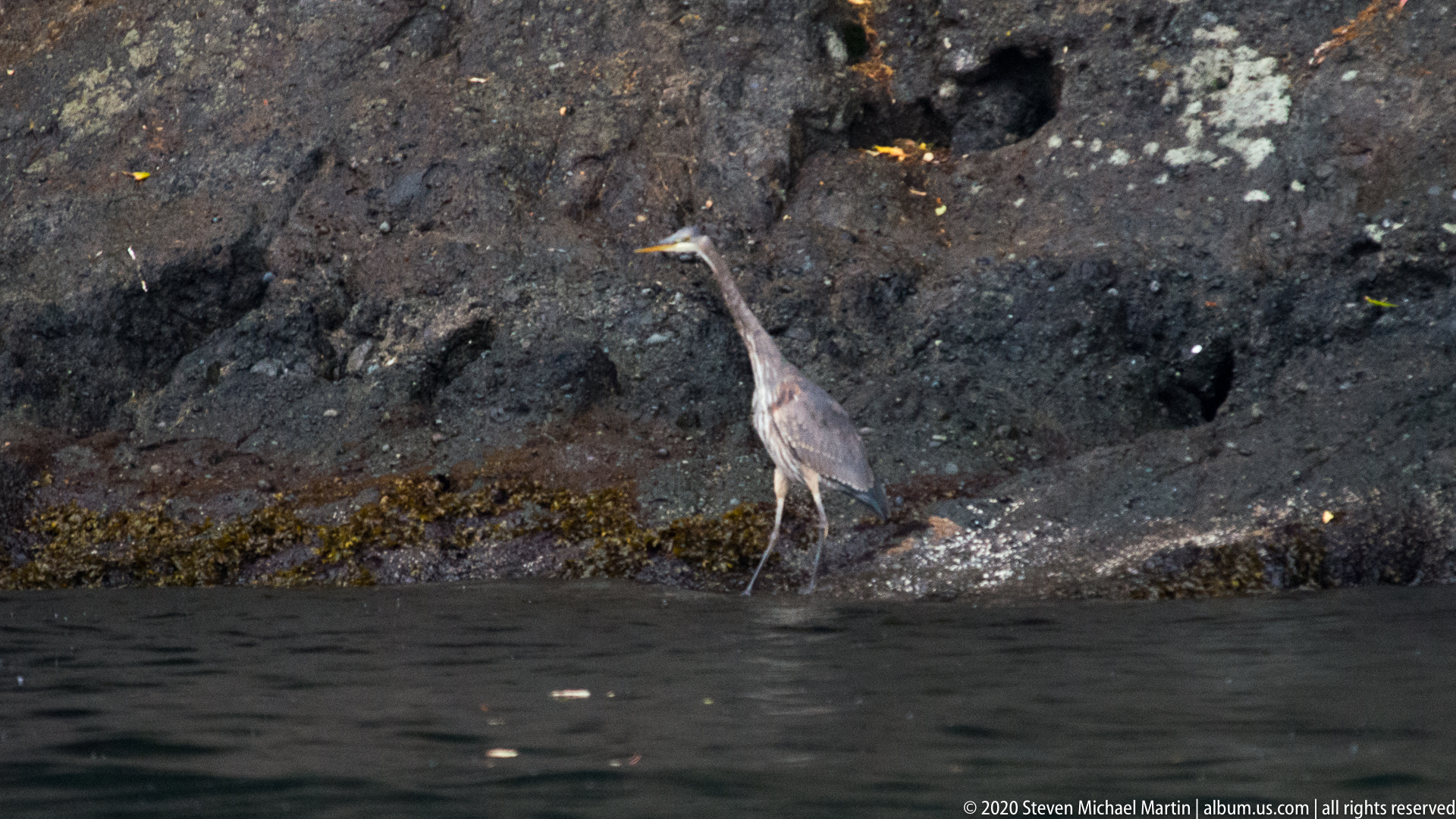

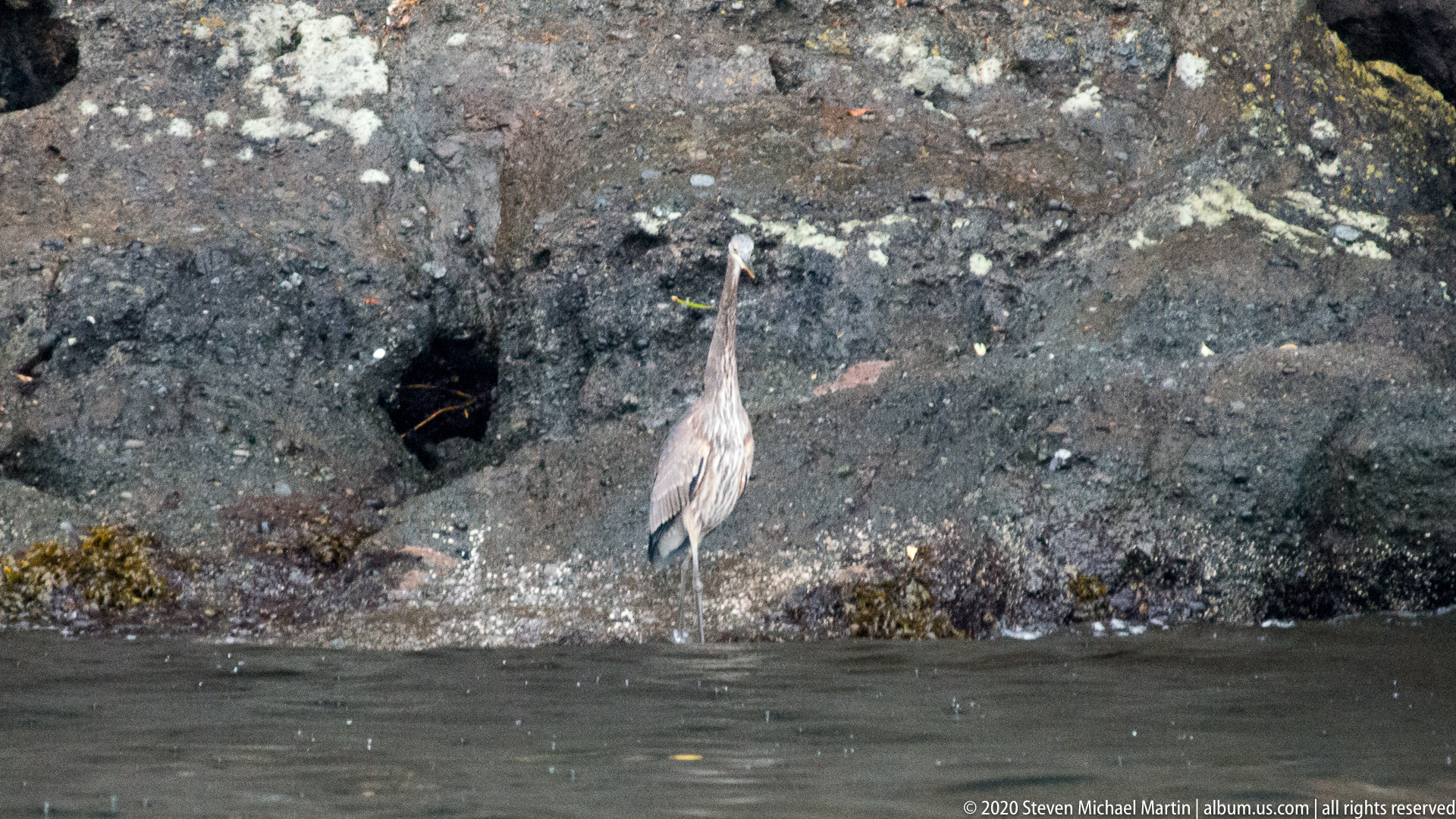
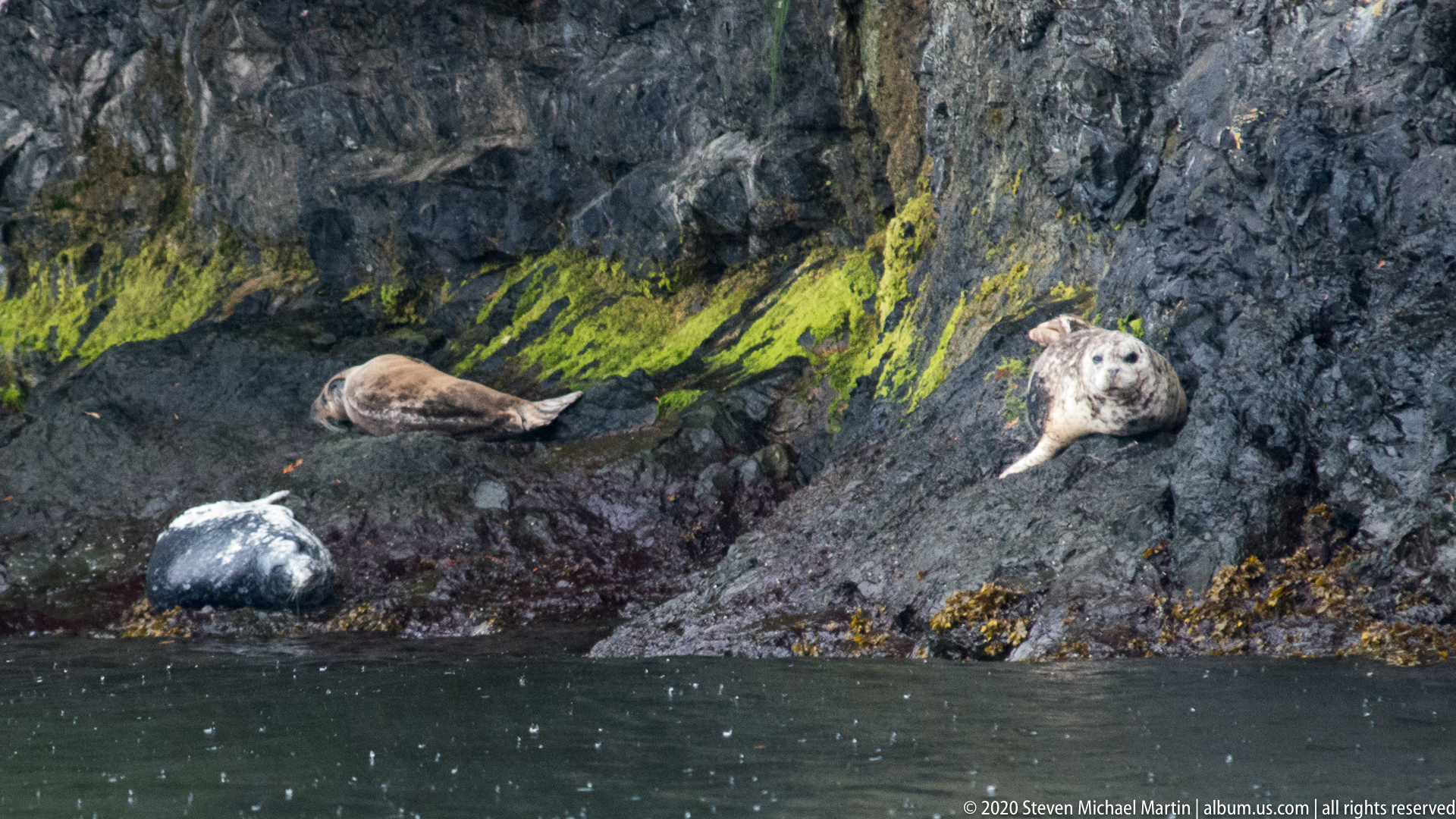
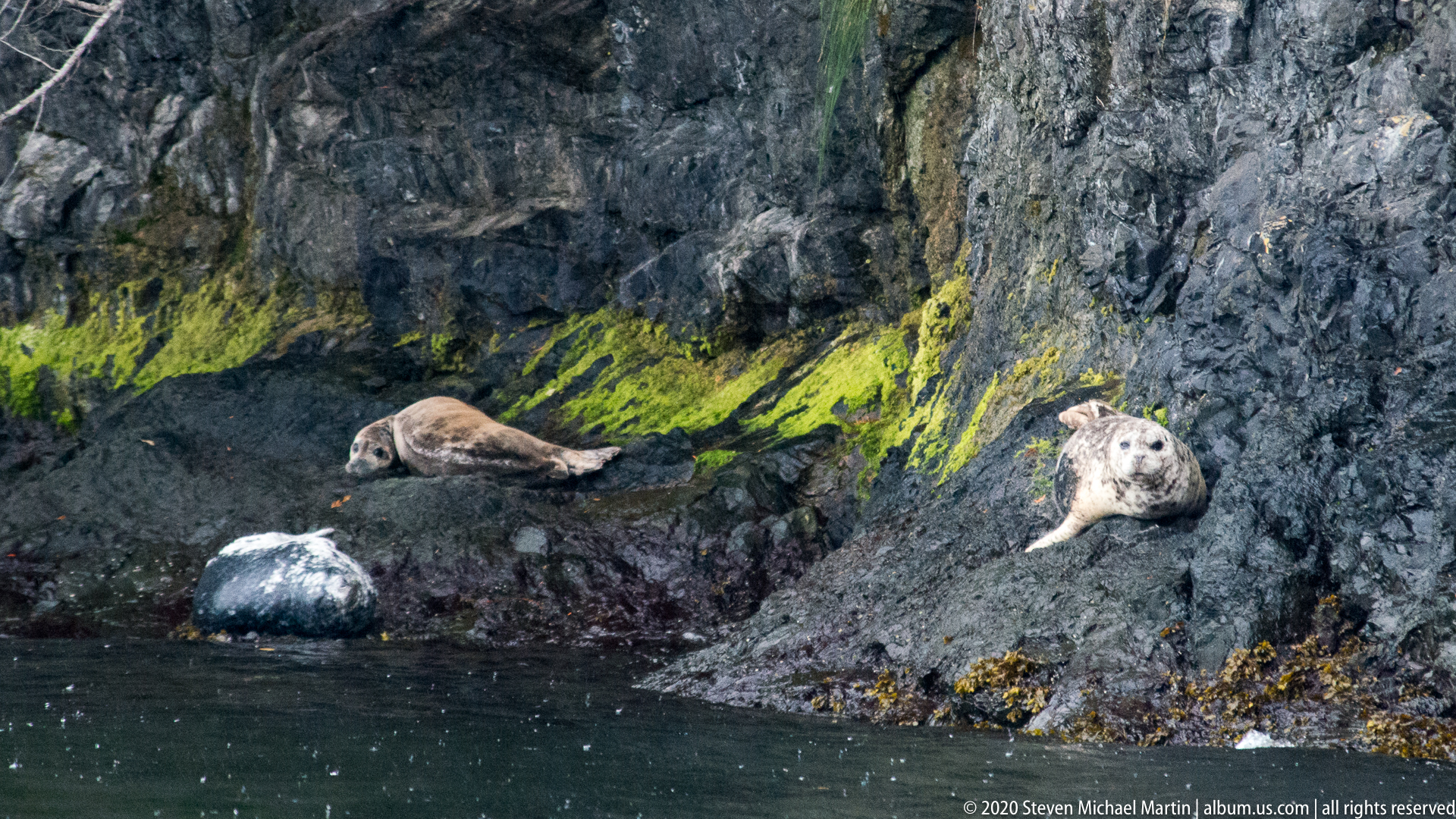
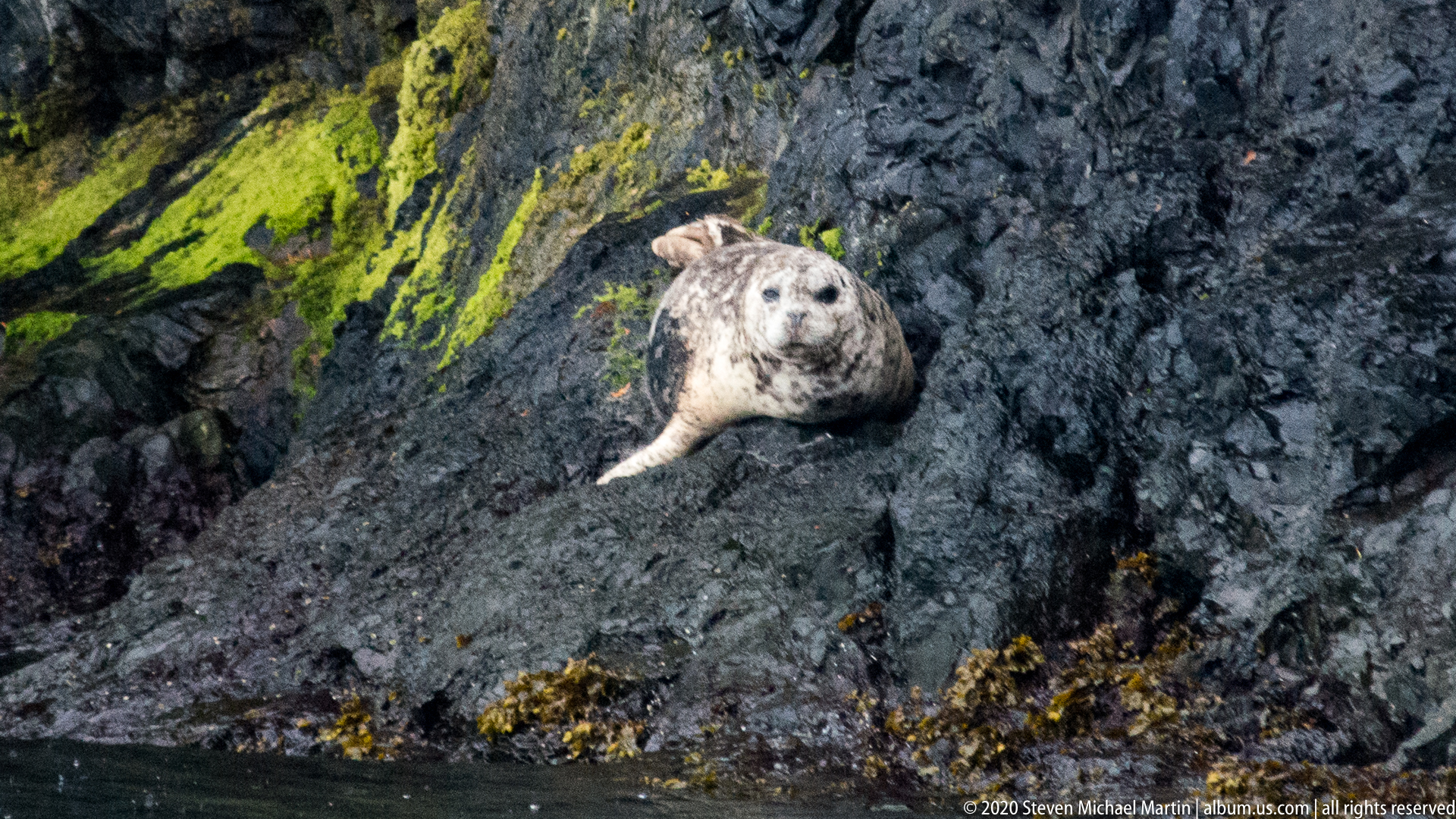
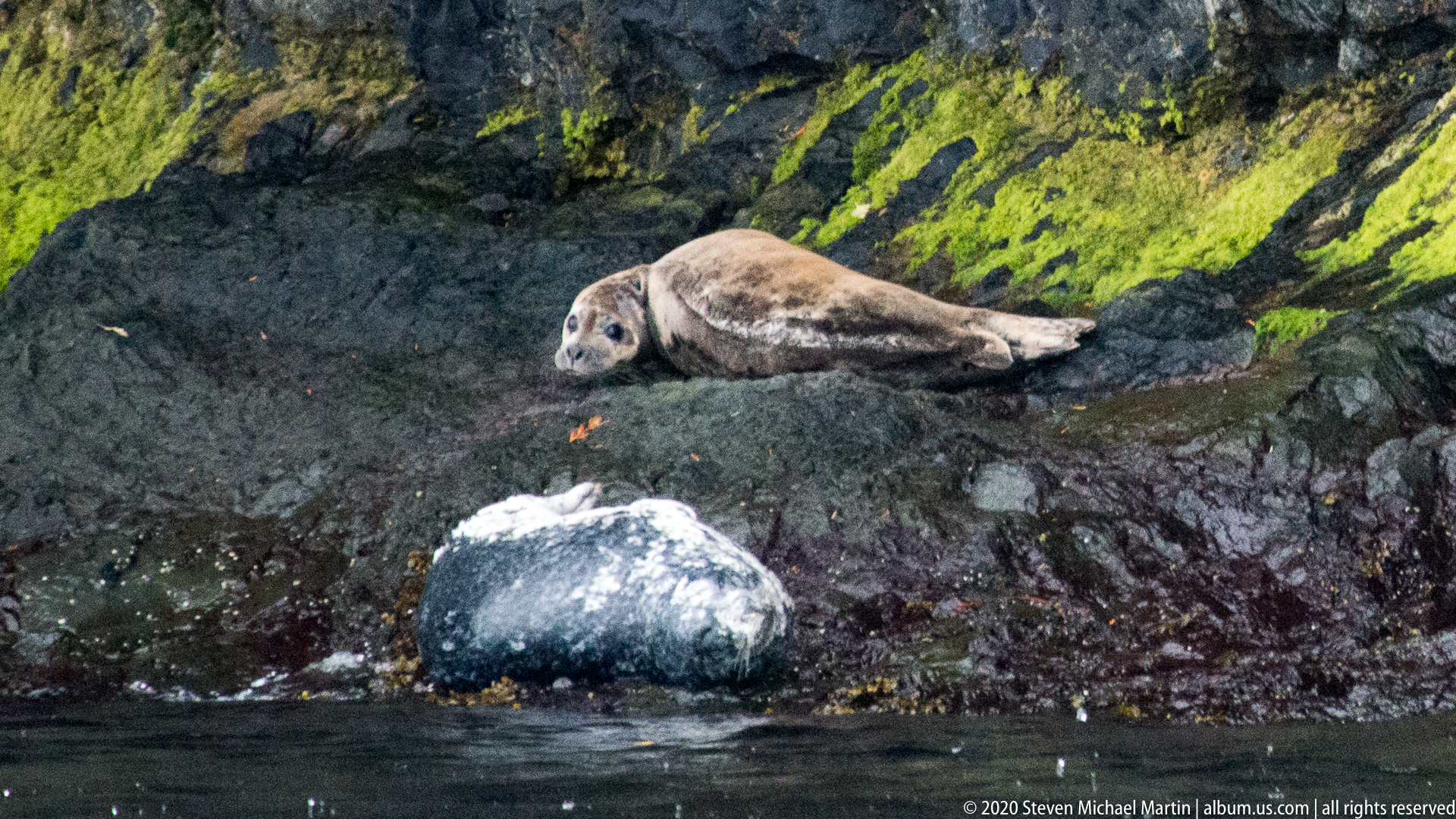
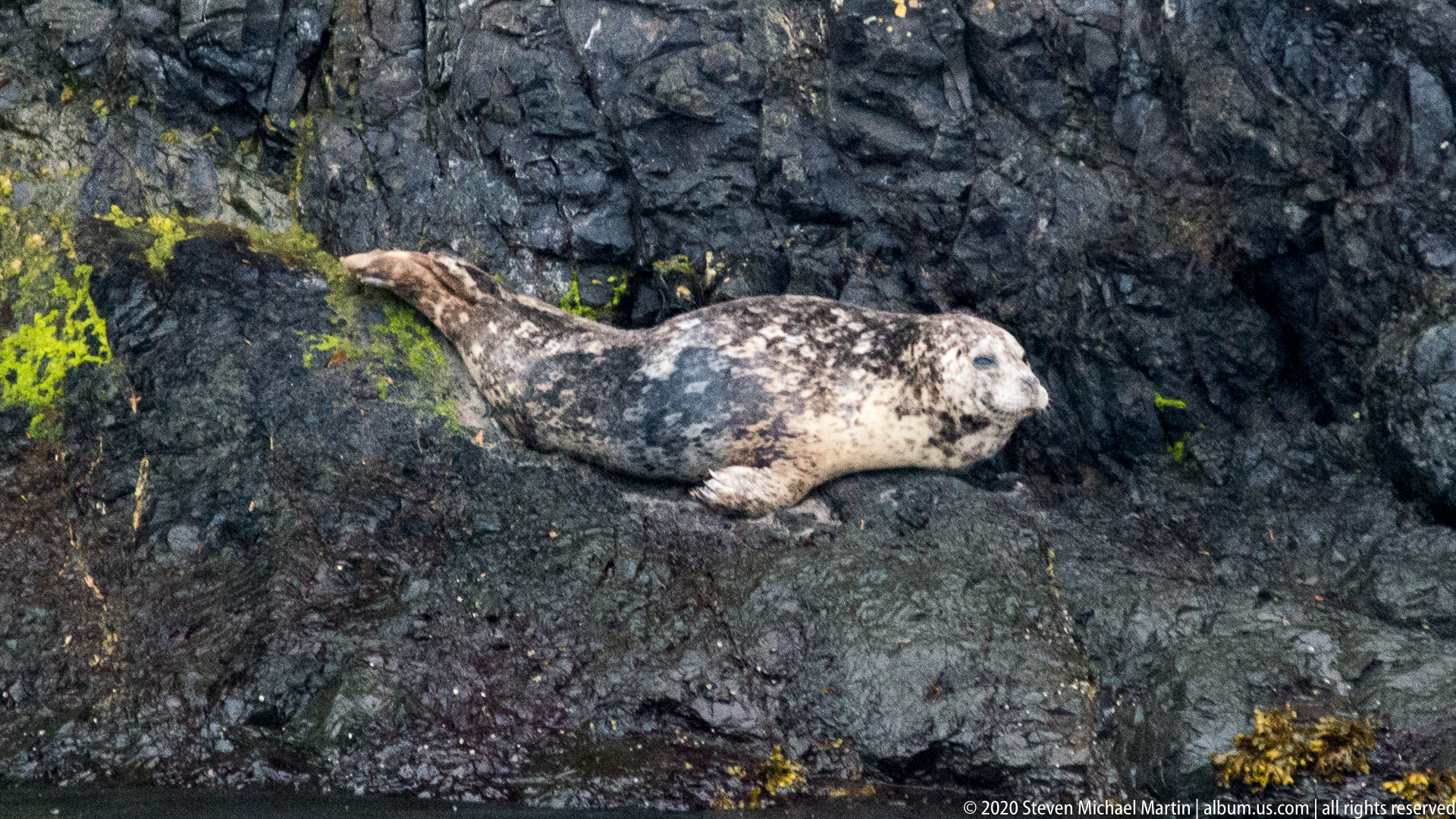
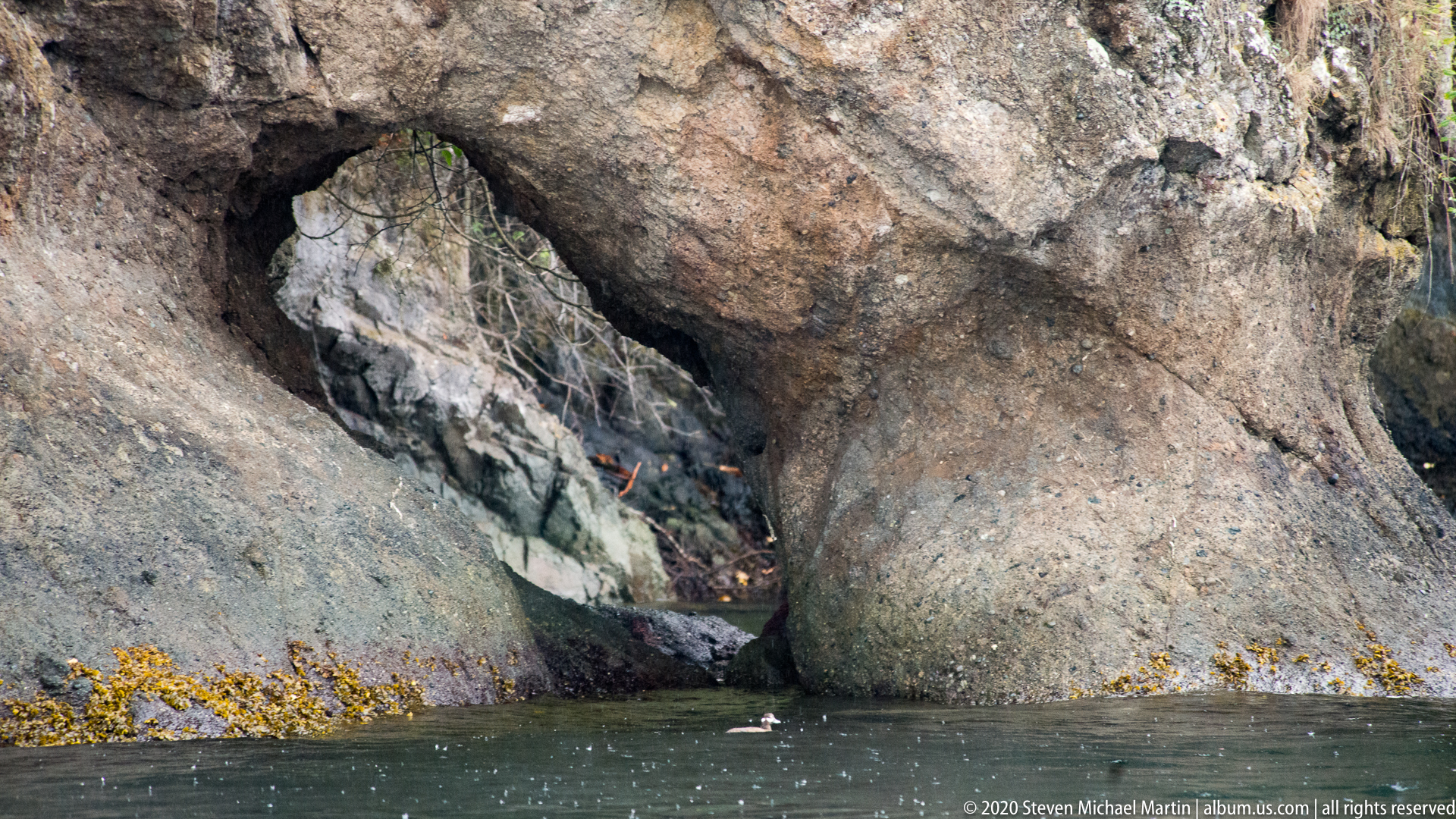
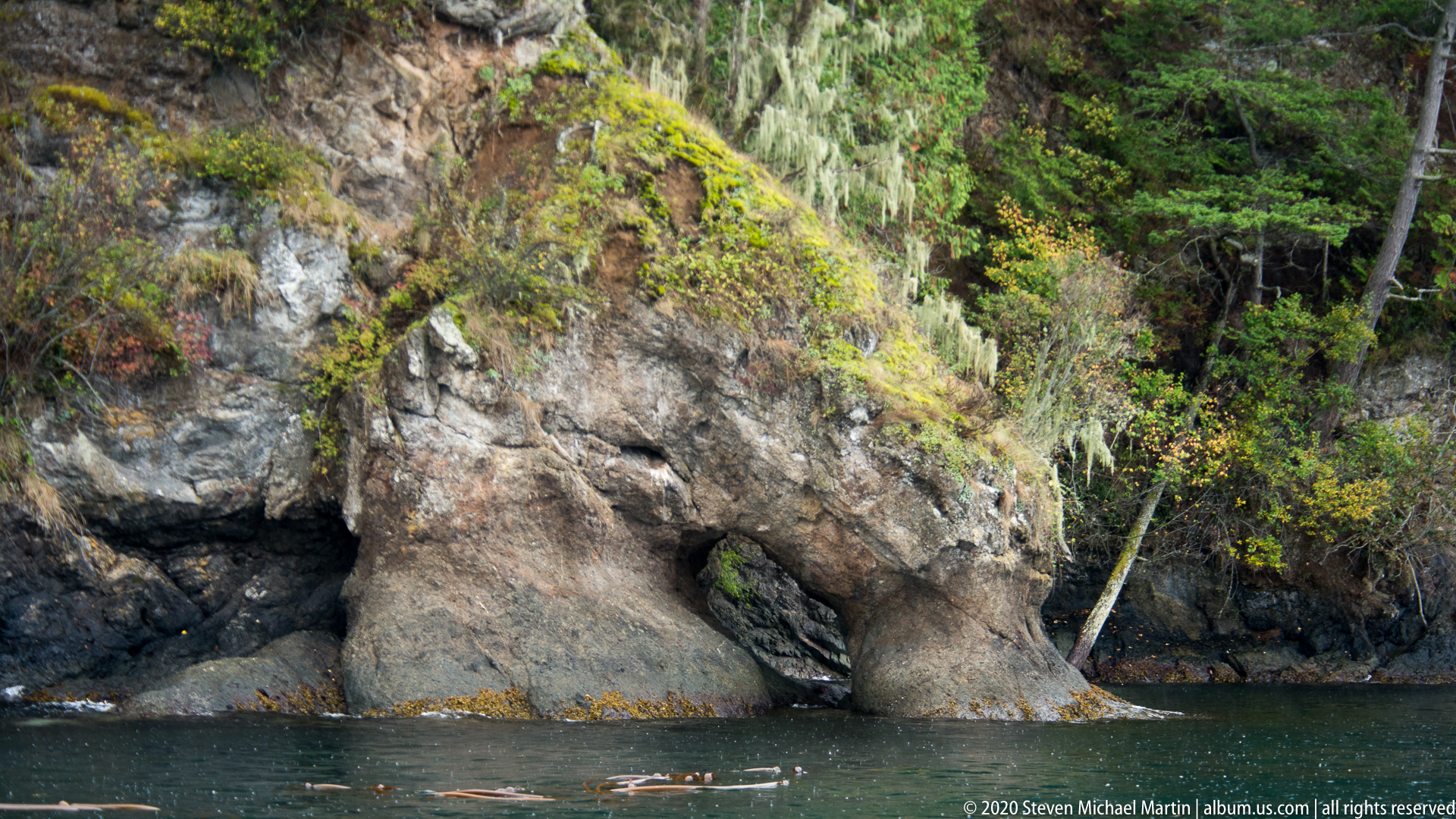
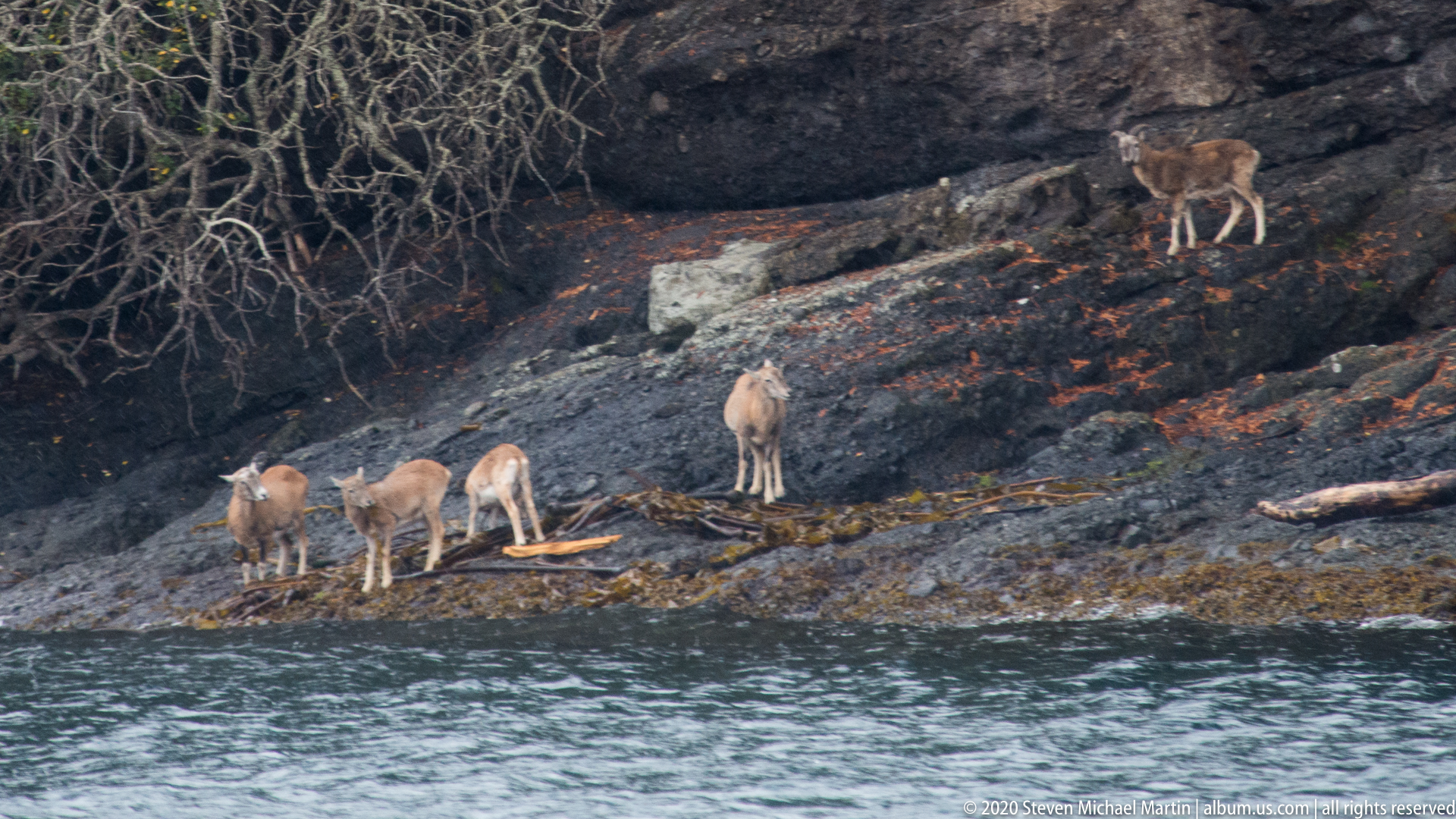
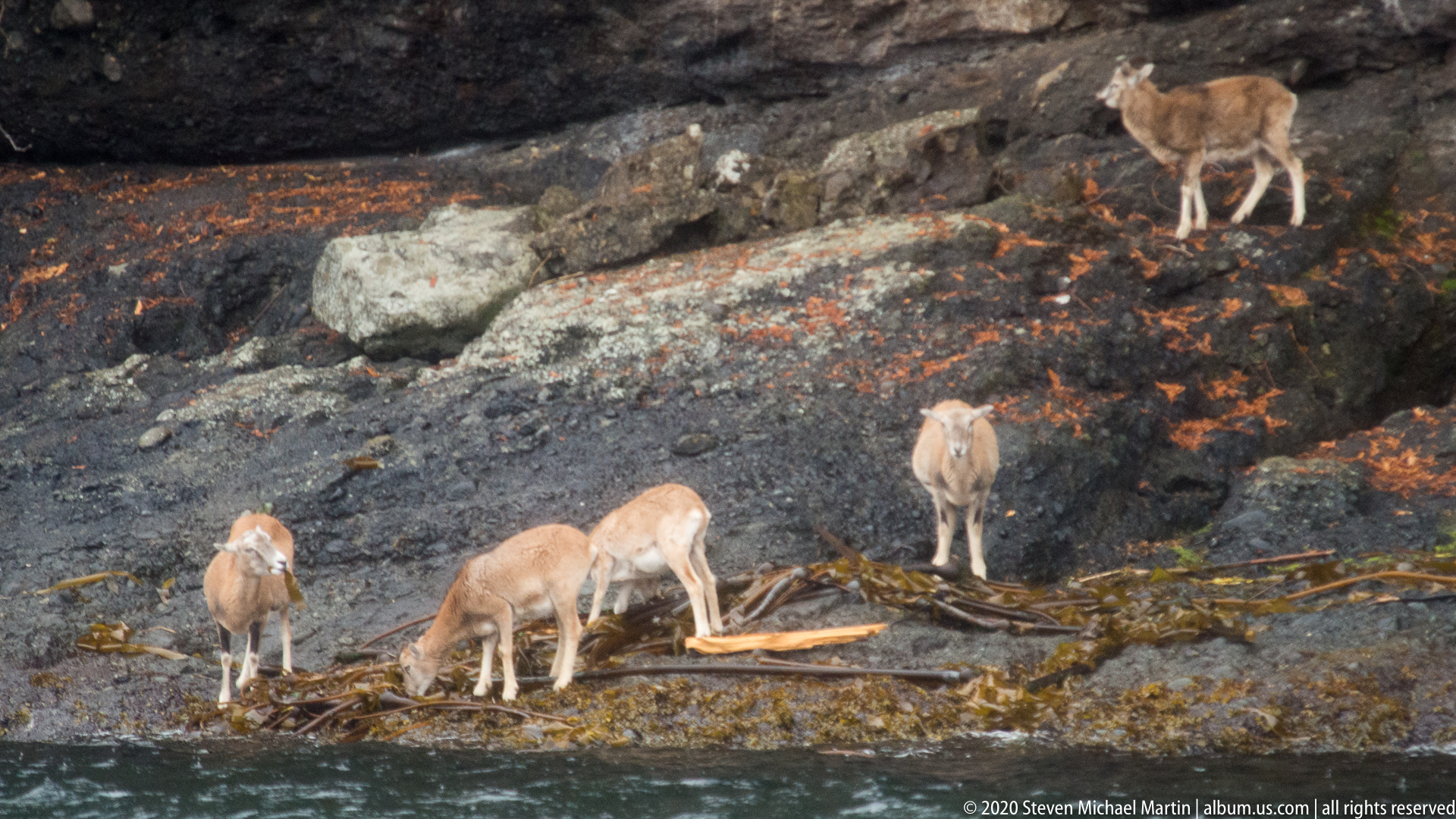
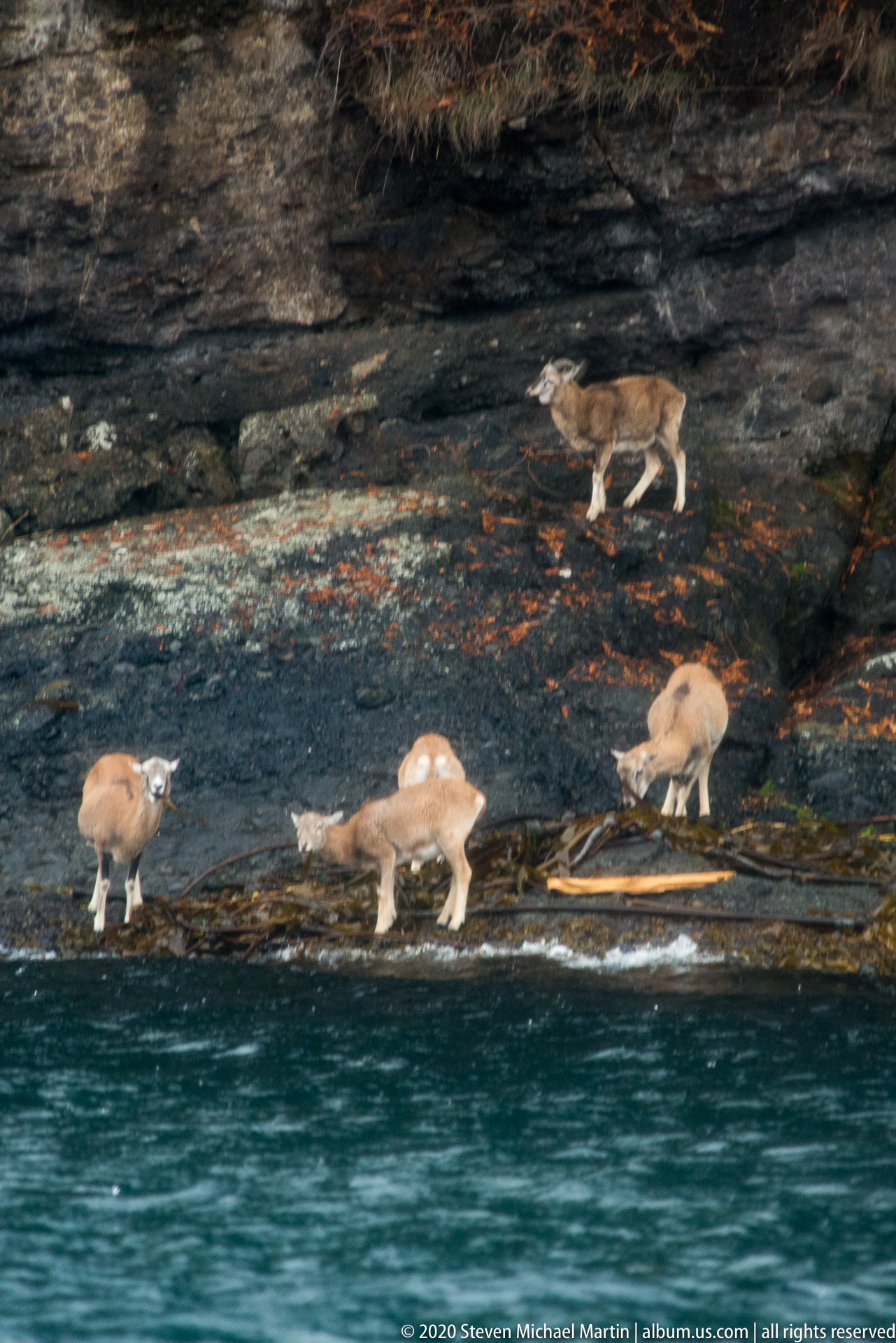
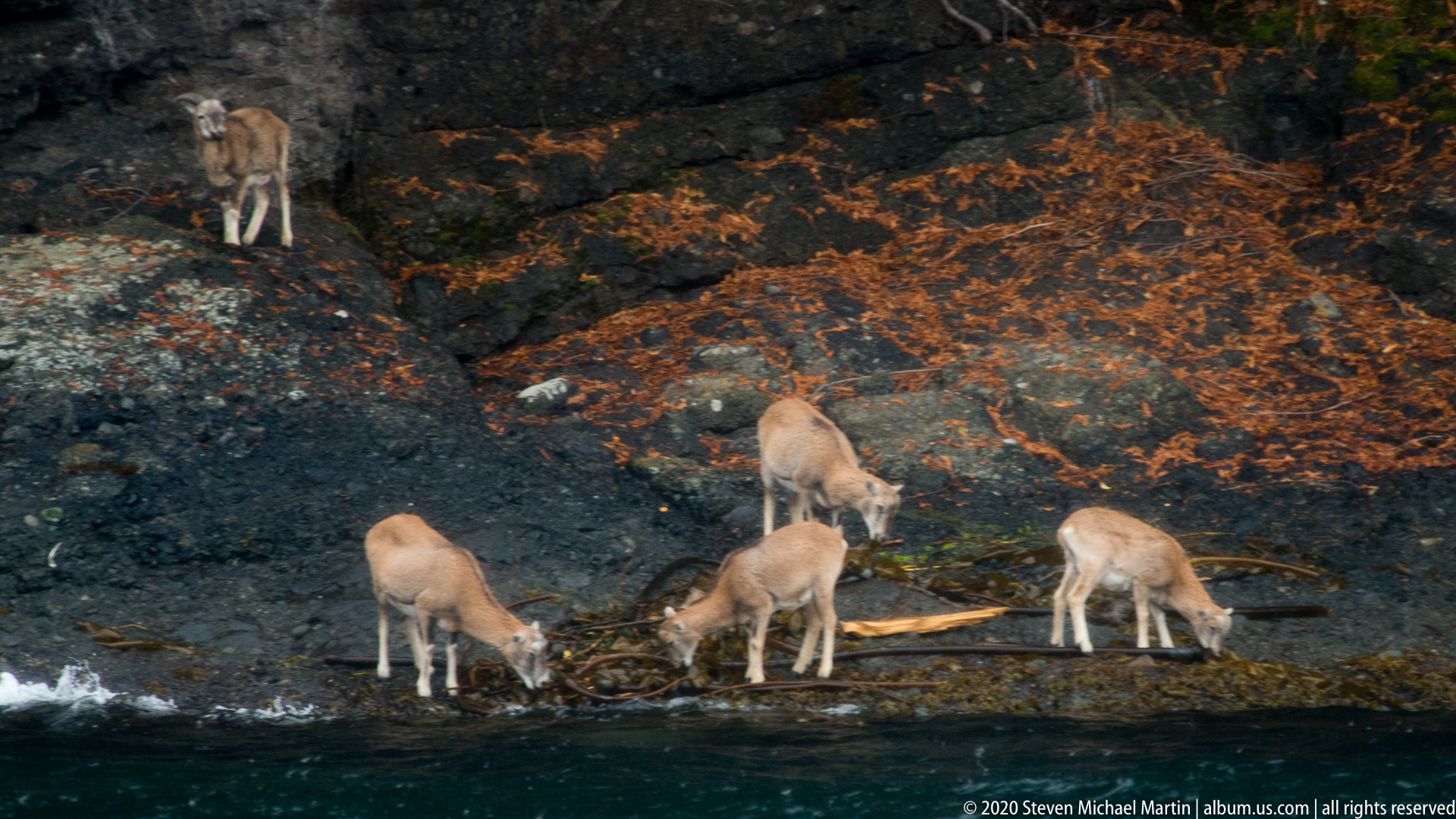
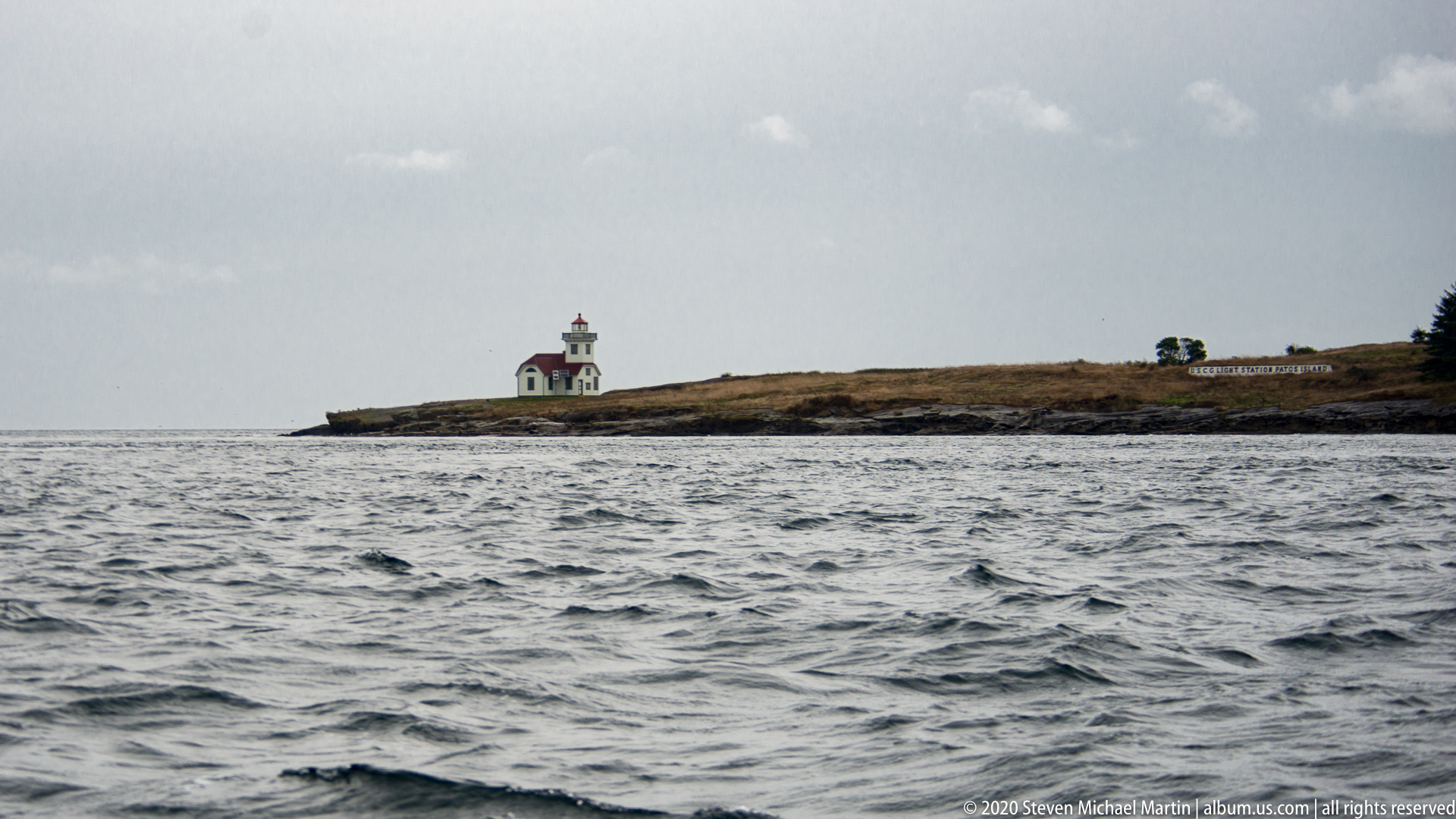
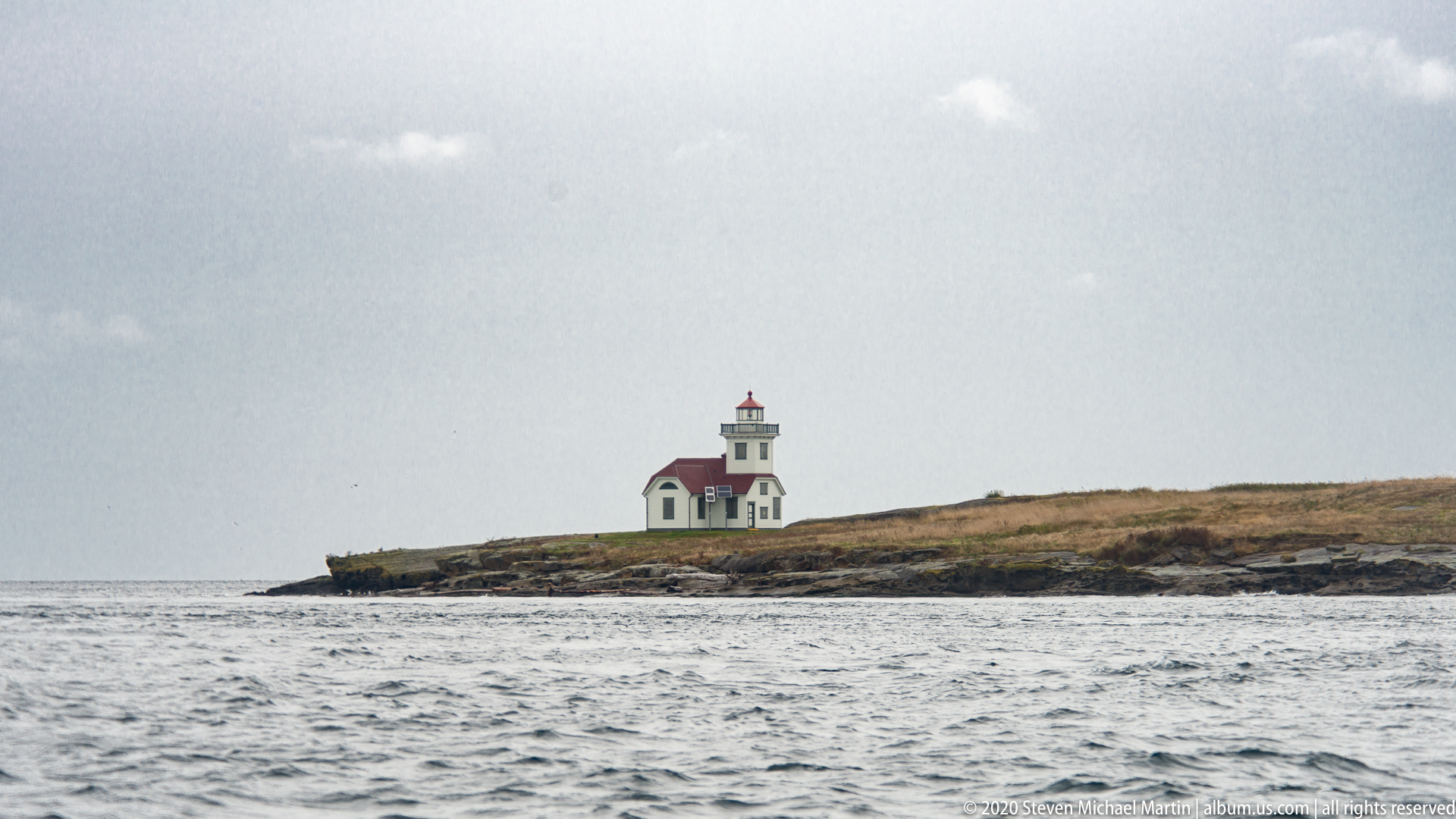
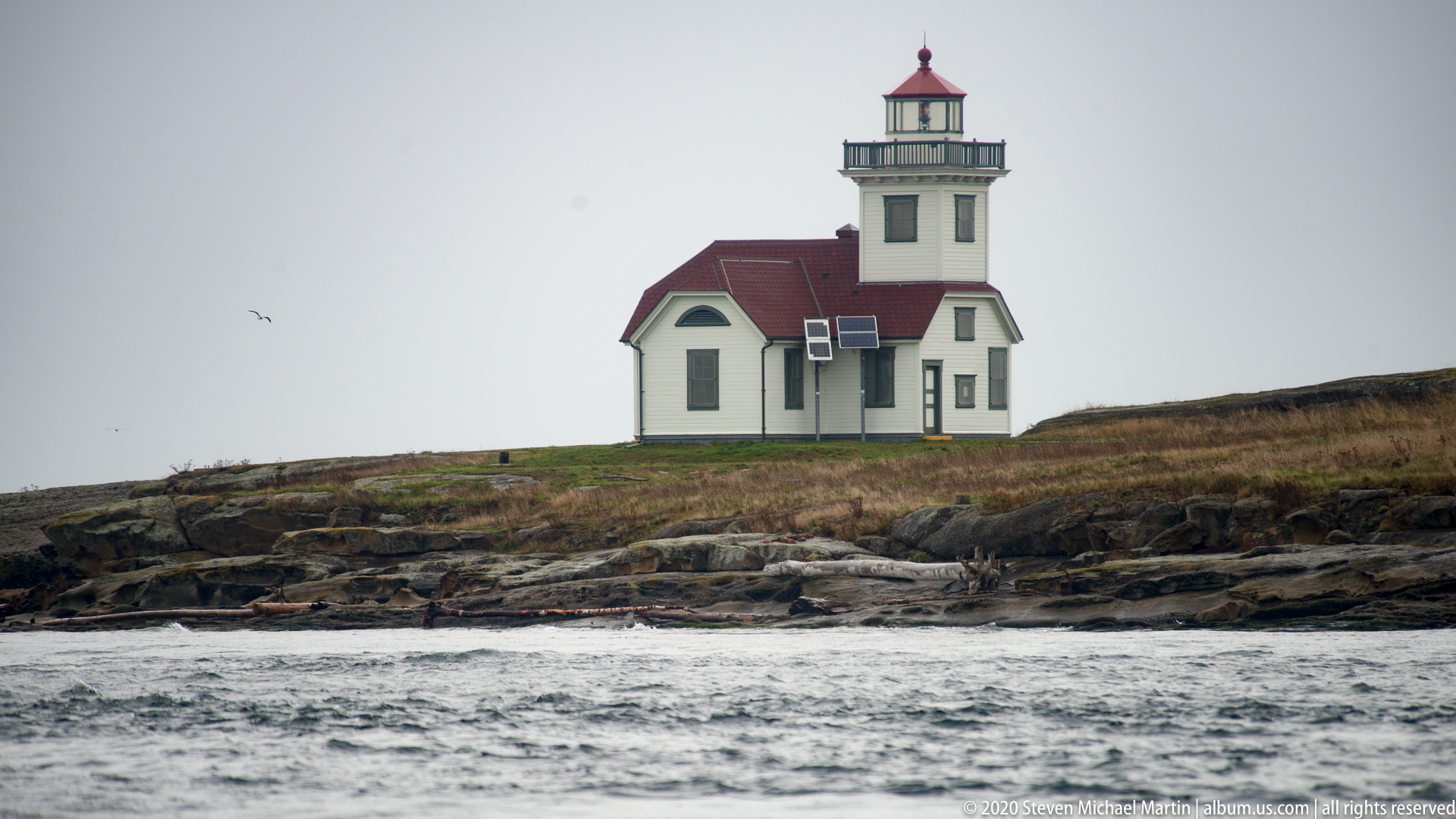
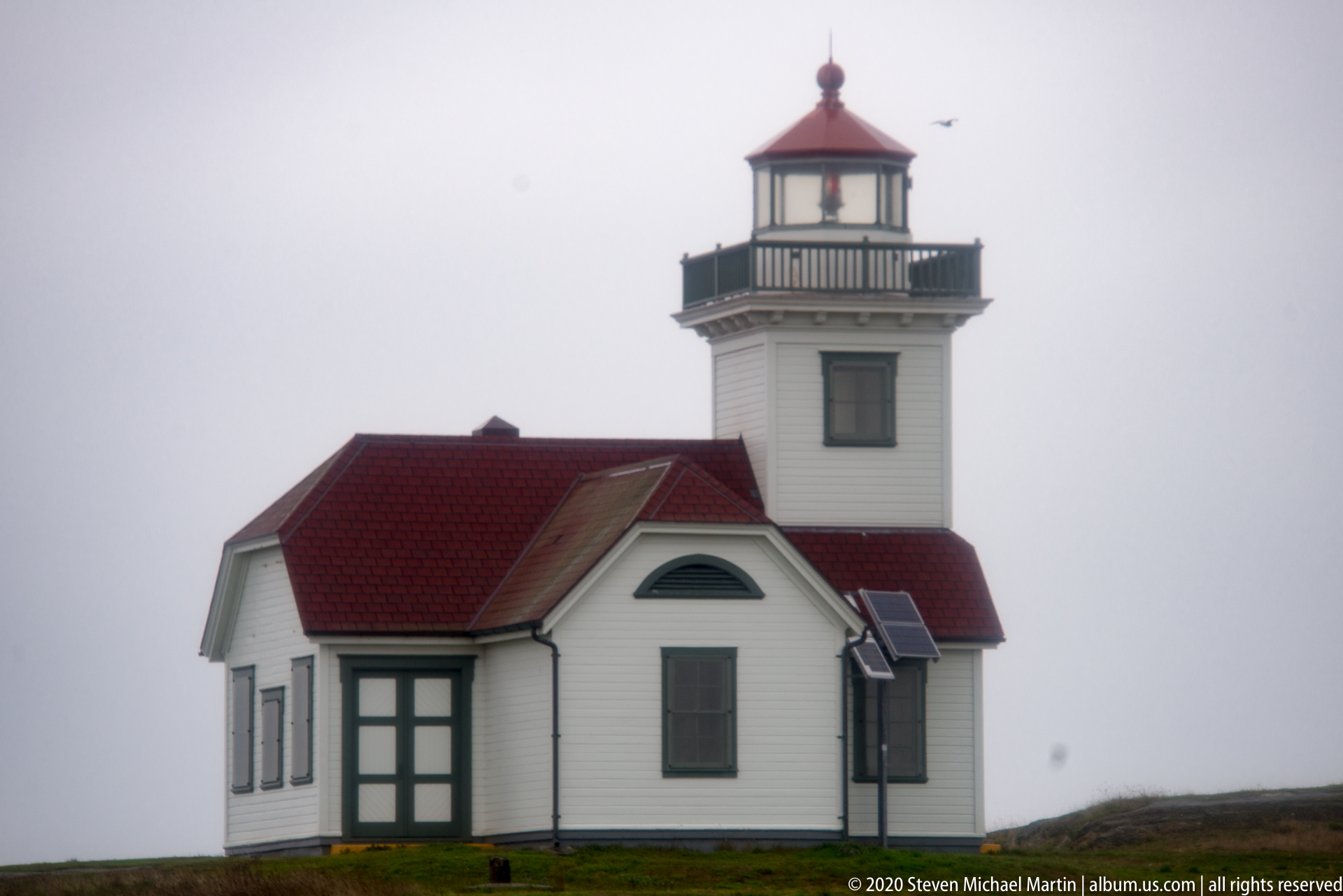
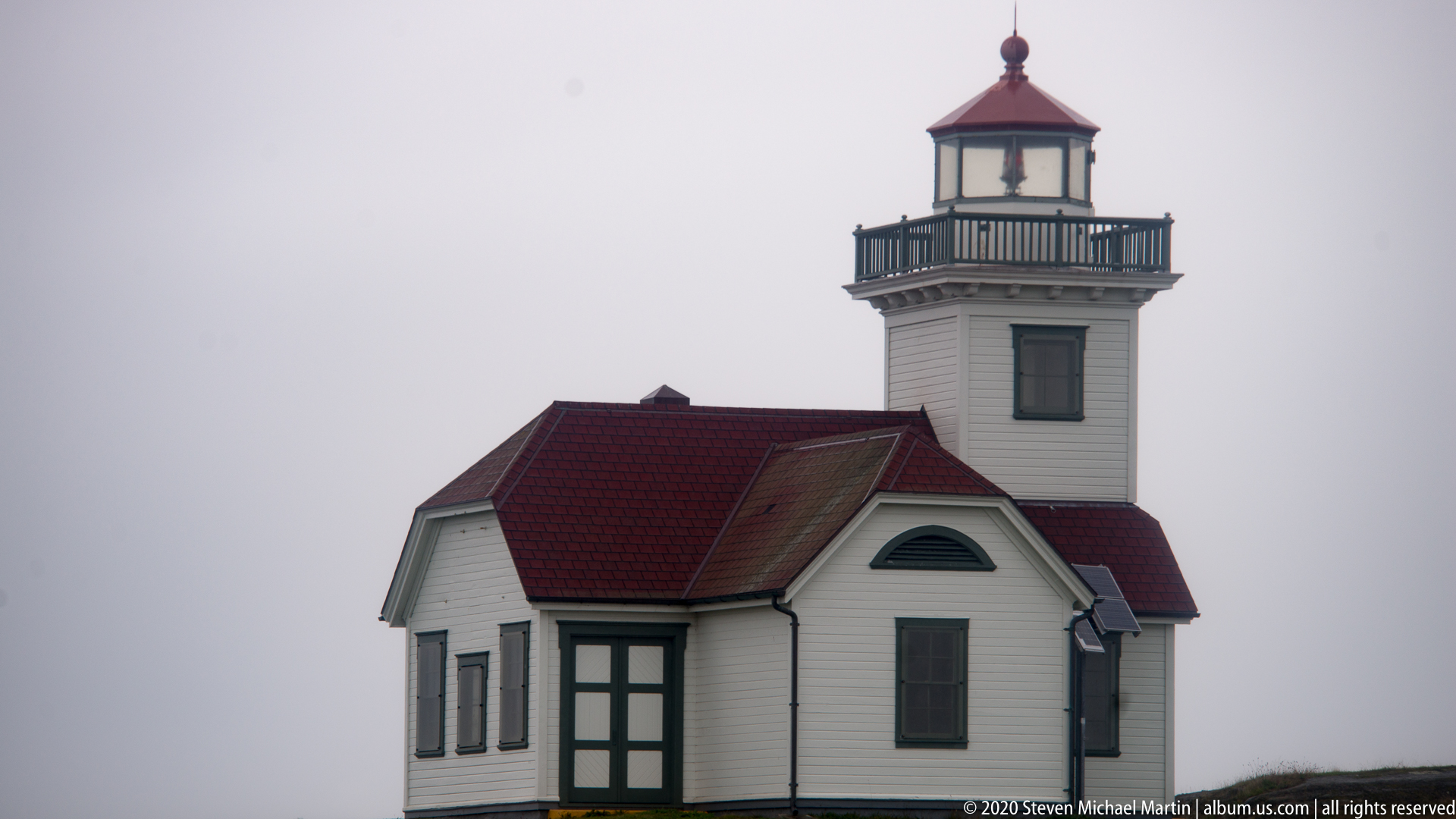



The coastal environments of San Juan Island National Historical Park support a diverse range of wildlife shaped by the interaction of ocean, shoreline, and forest habitat. Rocky outcrops, protected coves, and open water create favorable conditions for marine mammals, birds, and terrestrial species, offering frequent opportunities to observe wildlife within a distinctly Pacific Northwest island setting.
🧭 Field Guide
Landscape Type: Coastal island ecosystem
Primary Features: Rocky shoreline, marine wildlife, coastal forest
Best Time to Visit: Late spring through early fall for consistent wildlife activity
Conditions: Variable coastal weather with changing light and wind conditions
✨ Highlights
- Marine Mammal Habitat – Rocky shoreline provides resting areas for sea lions and harbor seals.
- Island Wildlife Diversity – Combination of marine and terrestrial species within a compact geographic area.
- Coastal Viewing Areas – Open shoreline allows observation of wildlife across both land and water.
- Bald Eagle Presence – Frequent sightings of eagles perched along coastal trees and navigation structures.
- Dynamic Shoreline Environment – Tides and weather influence wildlife movement and visibility.
- Pacific Northwest Island Setting – Coastal forest and exposed rock formations create layered natural scenery.
🔎 Notable Wildlife Encounters
- Sea Lion Colonies – Groups of sea lions resting closely together on exposed coastal rocks allowed extended observation of social behavior.
- Harbor Seals Along Shoreline – Individual seals observed resting on protected rock surfaces and occasionally entering the water.
- Red Fox Movement – A red fox traveled quietly across coastal terrain, illustrating adaptability within island ecosystems.
- Bald Eagles Perched and in Flight – Eagles observed both perched and soaring above shoreline waters.
- Black-tailed Deer Foraging – Deer grazed along rocky slopes and forest edges near the shoreline.
- Seabirds Gathering Offshore – Marine birds resting and moving across open water contributed to the dynamic coastal environment.
📷 Photography Notes
- Wildlife often appears along rocky shoreline edges and exposed outcrops.
- Overcast conditions can help reduce contrast in coastal lighting.
- Longer focal lengths help capture wildlife without disturbance.
- Changing tides influence animal positioning along the shore.
- Look for compositions combining wildlife with surrounding coastal landscape.
- Patience often improves opportunities for behavioral observation.