George Rogers Clark National Historical Park
George Rogers Clark National Historical Park commemorates the achievements of George Rogers Clark and the strategic campaign that secured the Northwest Territory for the United States during the Revolutionary War. Located in Vincennes, Indiana, the site marks the location where Clark successfully captured British-held Fort Sackville in 1779, strengthening American claims to the region.
The memorial structure reflects classical architectural influences and symbolizes the importance of Clark’s campaign in shaping early national boundaries. The campaign contributed to the eventual expansion of the United States into territories north of the Ohio River, influencing the political and geographic development of the young nation. The site highlights the strategic importance of frontier military operations during the Revolutionary War.
Visitors encounter a monumental memorial surrounded by landscaped grounds that provide a contemplative setting for understanding the historical significance of the campaign. Interpretive exhibits explain the broader context of the Revolutionary War in the western frontier and emphasize the lasting impact of Clark’s leadership.
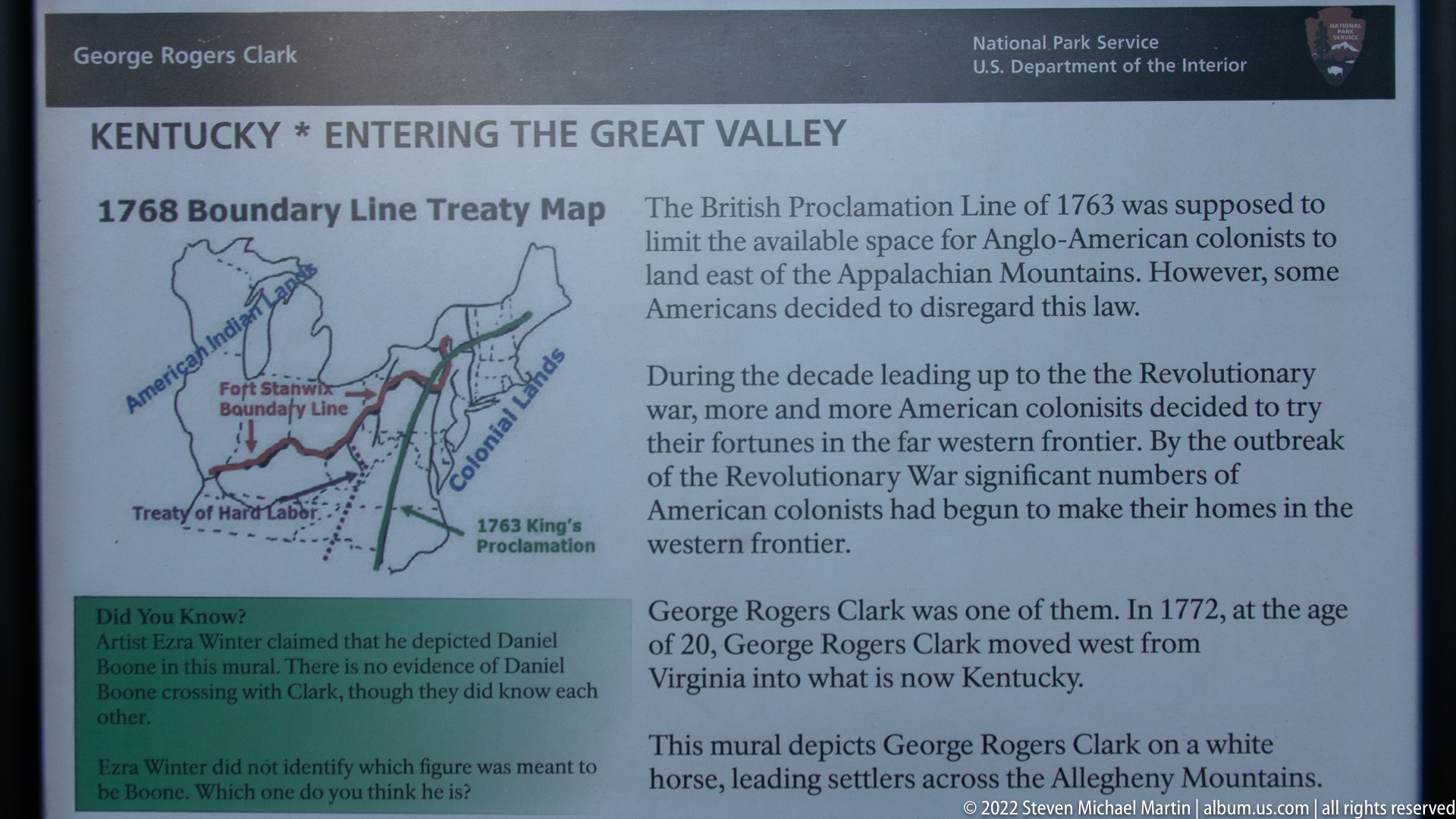
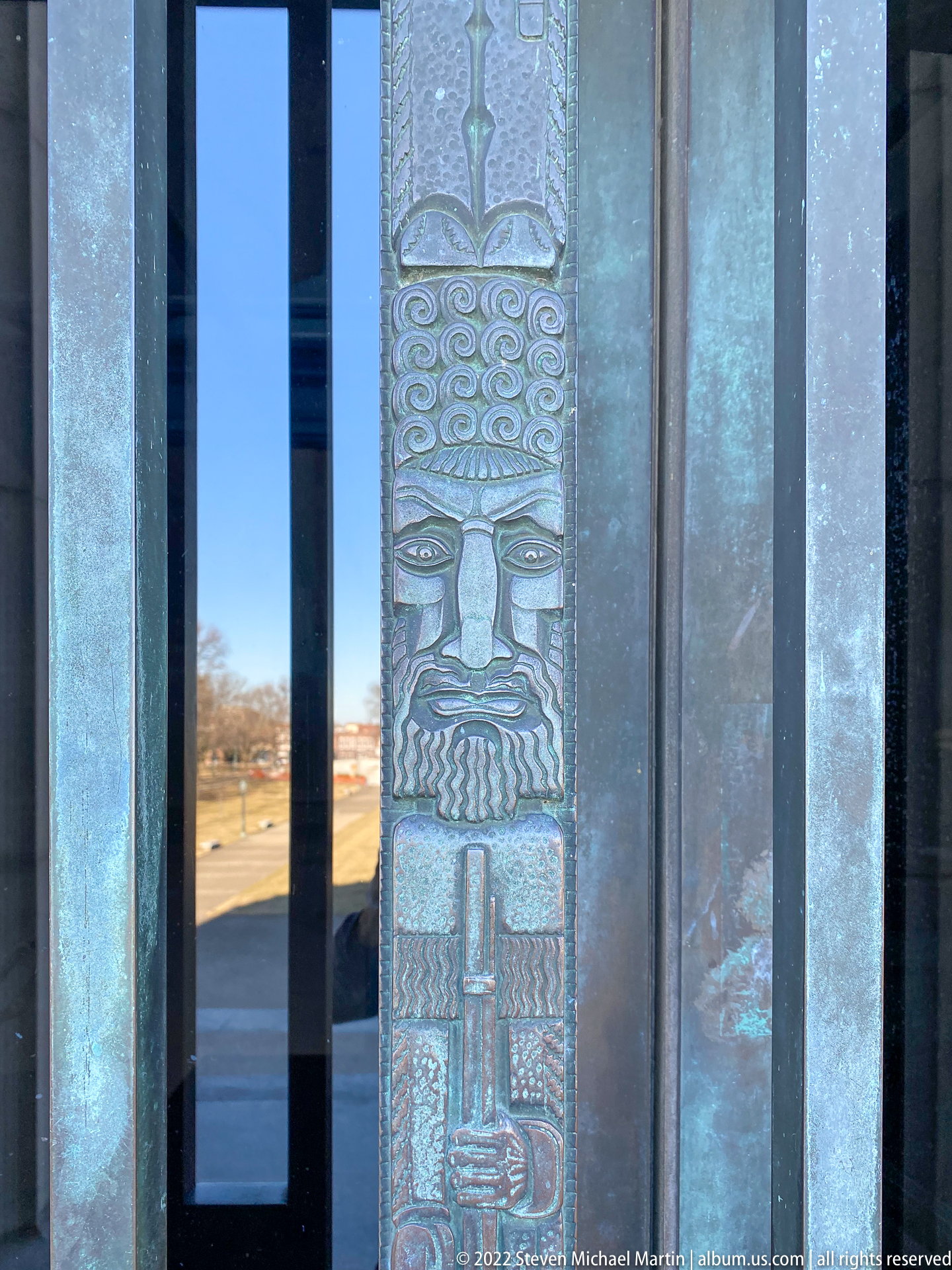
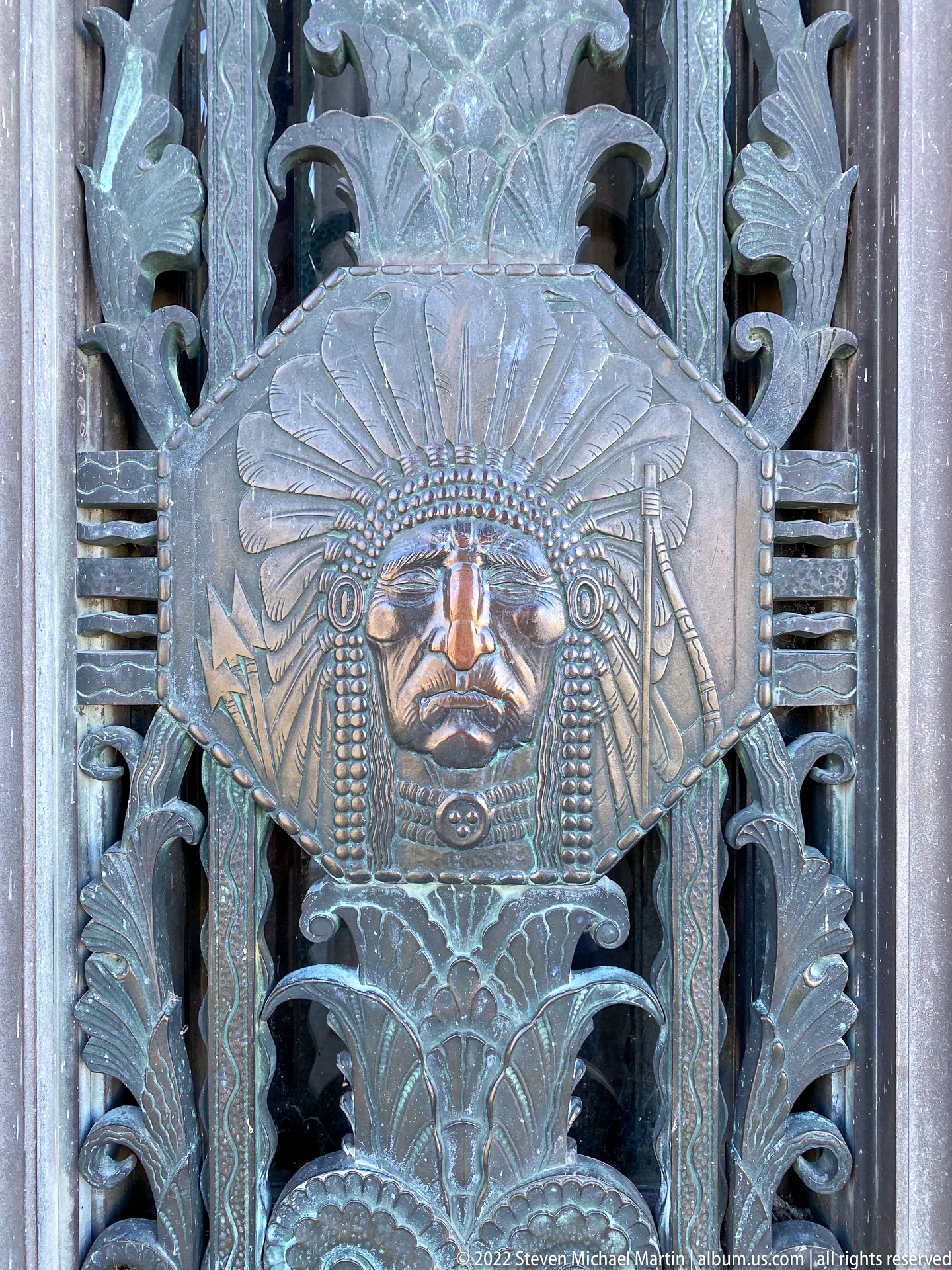
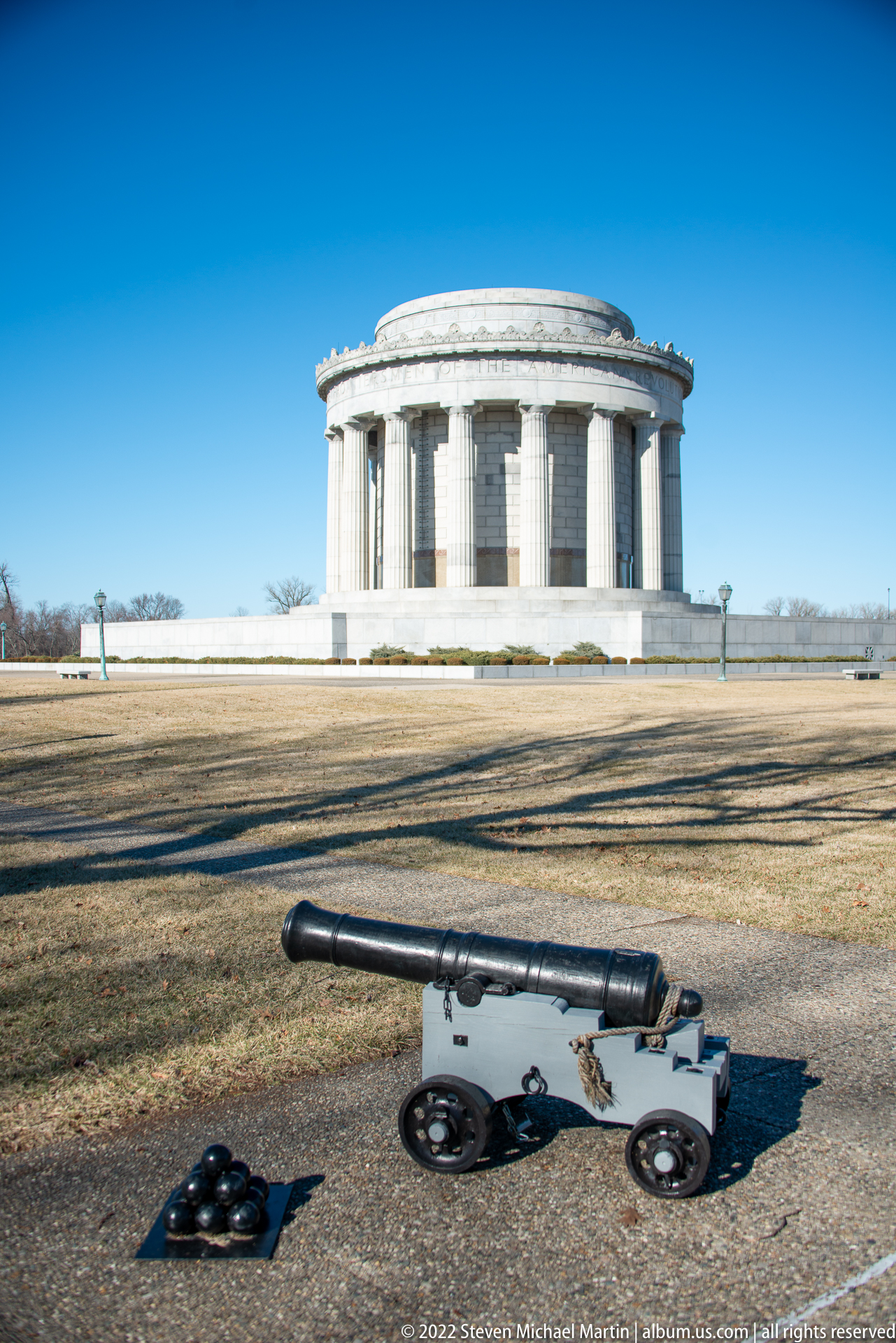
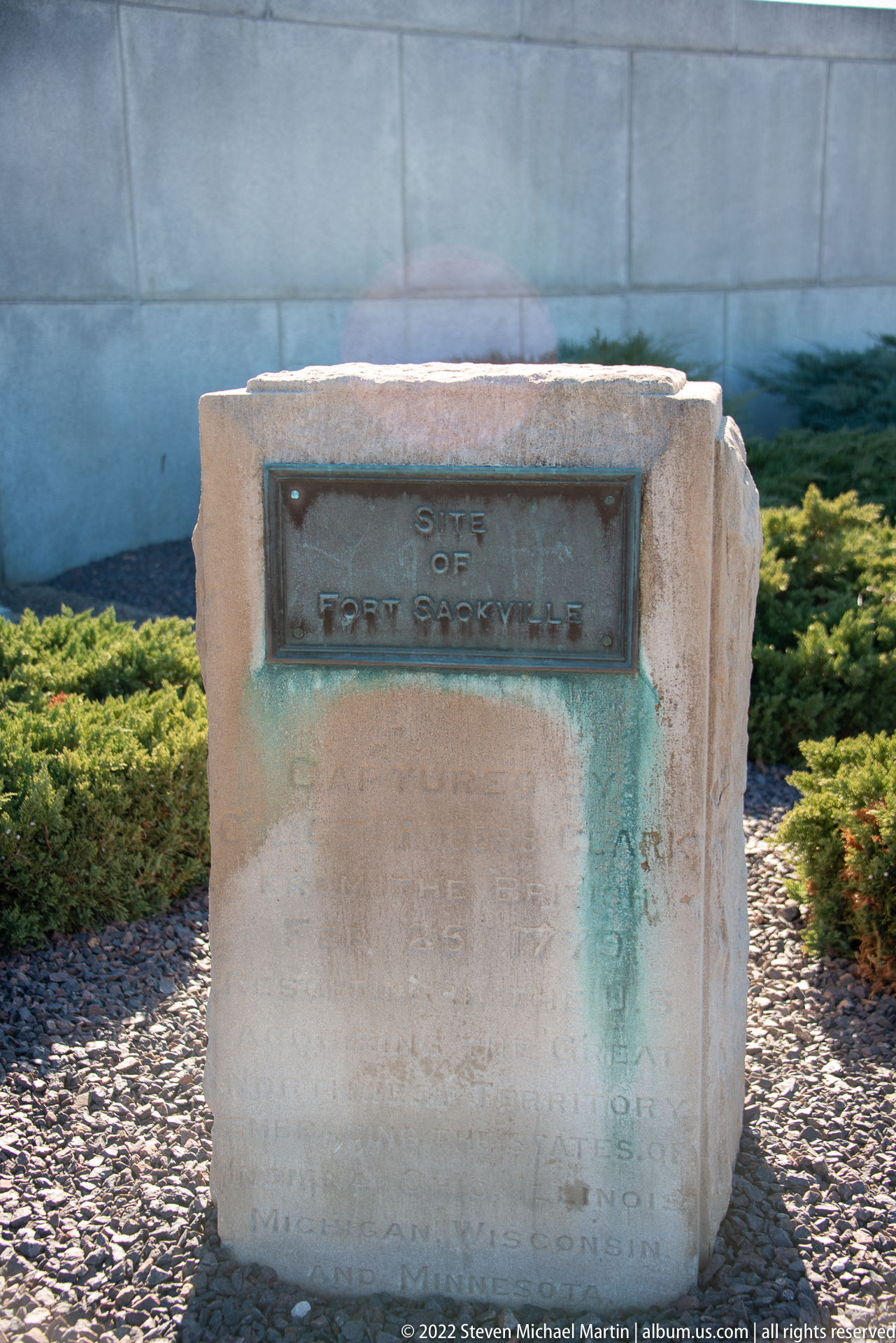
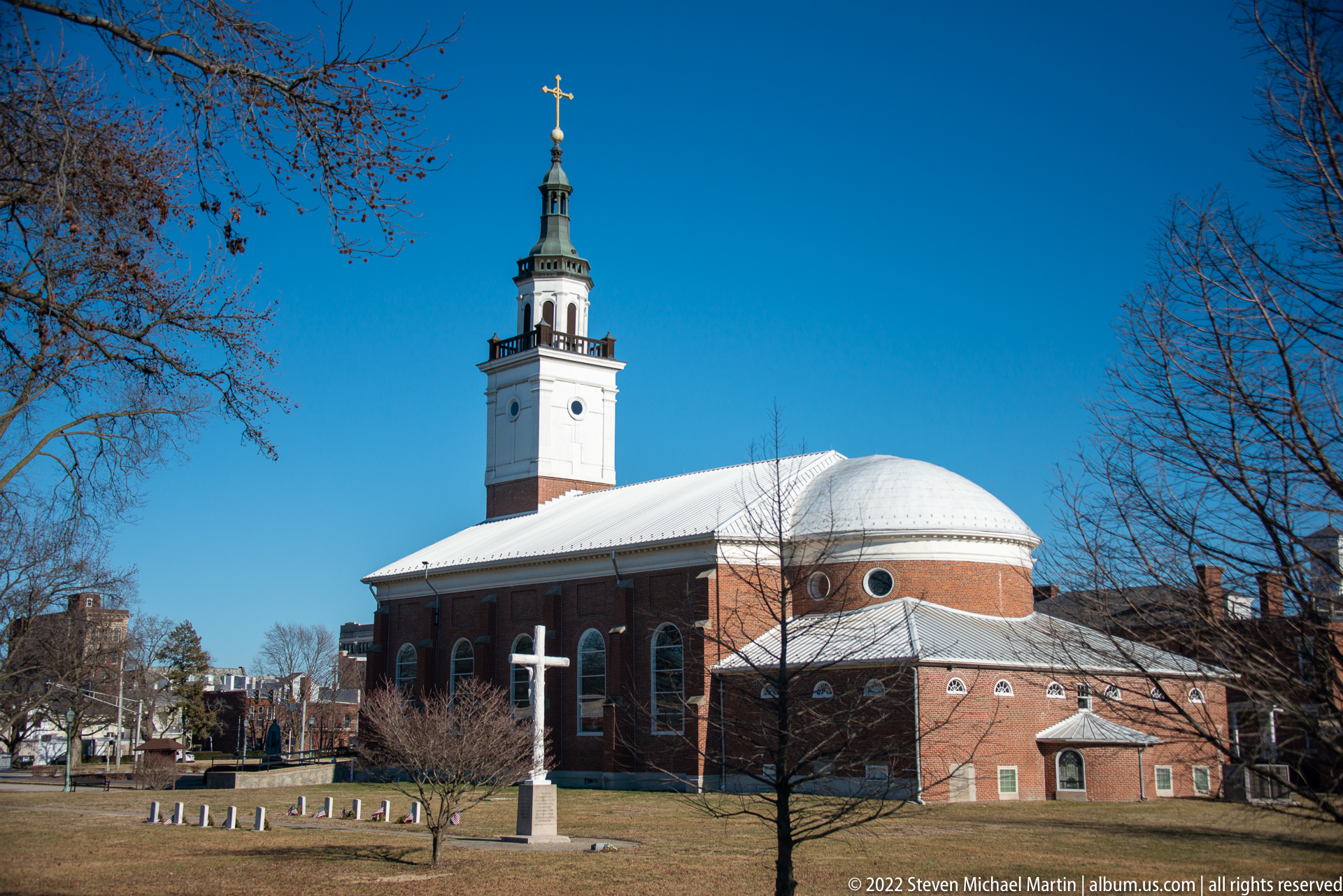
A broad flight of stone steps rises symmetrically toward the memorial’s dark central doorway, framed by fluted columns and a curved inscription band. The frontal, centered composition stresses the formal approach and the building’s circular plan. Cool daylight across the stone gives the façade a subdued tone, while bare trees mark the edges of the grounds. A broad flight of stone steps rises symmetrically toward the memorial’s dark central doorway, framed by fluted columns and a curved inscription band. The frontal, centered composition stresses the formal approach and the building’s circular plan. Cool daylight across the stone gives the façade a subdued tone, while bare trees mark the edges of the grounds. A National Park Service panel headed “1768 Boundary Line Treaty Map” combines a small map with text about the boundary separating colonial settlement from lands west of the Appalachians. Colored lines and labels distinguish the treaty boundary and other claims, while a painted portrait of a mounted figure appears in an inset. The close view foregrounds the map and its explanatory text. A National Park Service panel headed “1768 Boundary Line Treaty Map” combines a small map with text about the boundary separating colonial settlement from lands west of the Appalachians. Colored lines and labels distinguish the treaty boundary and other claims, while a painted portrait of a mounted figure appears in an inset. The close view foregrounds the map and its explanatory text. Broad stone steps rise toward the memorial’s columned entrance, with a large inscription panel set at the right. The panel identifies the site of Fort Sackville and describes its capture by George Rogers Clark and his companions in February 1779. The angled view connects the monument’s approach with the event it commemorates. Broad stone steps rise toward the memorial’s columned entrance, with a large inscription panel set at the right. The panel identifies the site of Fort Sackville and describes its capture by George Rogers Clark and his companions in February 1779. The angled view connects the monument’s approach with the event it commemorates. A carved eagle spreads its wings across a pale stone panel above the memorial entrance. The bird’s body and feathers are simplified into broad, symmetrical forms framed by deep stone moldings. The tight upward view isolates this sculptural element from the doorway and surrounding façade, showing the carved emblem as a threshold detail. A carved eagle spreads its wings across a pale stone panel above the memorial entrance. The bird’s body and feathers are simplified into broad, symmetrical forms framed by deep stone moldings. The tight upward view isolates this sculptural element from the doorway and surrounding façade, showing the carved emblem as a threshold detail. A bronze figure identified by the setting as George Rogers Clark stands on a marble pedestal at the center of the memorial rotunda. He wears a cloak and period-style clothing, with hands gathered around a sword hilt; a large historical mural spans the wall behind him. The centered composition links the statue to the painted scenes surrounding the chamber. A bronze figure identified by the setting as George Rogers Clark stands on a marble pedestal at the center of the memorial rotunda. He wears a cloak and period-style clothing, with hands gathered around a sword hilt; a large historical mural spans the wall behind him. The centered composition links the statue to the painted scenes surrounding the chamber. An interpretive panel titled “Clark Receives His Commission” presents George Rogers Clark’s portrait beside an image of Virginia governor Patrick Henry. Dense text describes Clark’s appointment and preparations for the western campaign, while a “Did You Know?” box adds smaller contextual details. The close, straight-on view keeps the framed historical display legible as the principal subject. An interpretive panel titled “Clark Receives His Commission” presents George Rogers Clark’s portrait beside an image of Virginia governor Patrick Henry. Dense text describes Clark’s appointment and preparations for the western campaign, while a “Did You Know?” box adds smaller contextual details. The close, straight-on view keeps the framed historical display legible as the principal subject. A National Park Service panel titled “Fort Sackville • Britain Yields Possession” features a painted portrait labeled John Jay beside dense historical text and a “Did You Know?” box. The arrangement links a named portrait to the account of the fort’s surrender and the broader political consequences described on the panel. This close view makes the title and portrait the clearest visual anchors. A National Park Service panel titled “Fort Sackville • Britain Yields Possession” features a painted portrait labeled John Jay beside dense historical text and a “Did You Know?” box. The arrangement links a named portrait to the account of the fort’s surrender and the broader political consequences described on the panel. This close view makes the title and portrait the clearest visual anchors. A close bronze panel depicts a large fish with scales, fins, and an open mouth, enclosed by a circular border of ornamental metalwork. Green oxidation and highlights across the raised surface reveal the relief’s depth. The crop isolates this aquatic motif from the larger decorative program surrounding it. A close bronze panel depicts a large fish with scales, fins, and an open mouth, enclosed by a circular border of ornamental metalwork. Green oxidation and highlights across the raised surface reveal the relief’s depth. The crop isolates this aquatic motif from the larger decorative program surrounding it. A panel titled “Cahokia • Peace or War with the Indians” describes George Rogers Clark’s 1778 council with Native American tribes. Text columns explain the decision offered to the tribes, while a small portrait and green “Did You Know?” box sit at right. The page records the council as an episode of diplomacy during the Revolutionary War, rather than a battlefield scene. A panel titled “Cahokia • Peace or War with the Indians” describes George Rogers Clark’s 1778 council with Native American tribes. Text columns explain the decision offered to the tribes, while a small portrait and green “Did You Know?” box sit at right. The page records the council as an episode of diplomacy during the Revolutionary War, rather than a battlefield scene. A bronze relief shows a four-legged animal in profile, its body surrounded by textured forms and a raised decorative border. The tight crop emphasizes the sculpted back, legs, and foliage-like detail, but the animal’s species is not clear enough to name. Oxidized green tones and worn highlights mark the relief’s surface. A bronze relief shows a four-legged animal in profile, its body surrounded by textured forms and a raised decorative border. The tight crop emphasizes the sculpted back, legs, and foliage-like detail, but the animal’s species is not clear enough to name. Oxidized green tones and worn highlights mark the relief’s surface. A curved limestone façade and evenly spaced fluted columns define the George Rogers Clark Memorial’s circular exterior. The low viewpoint looks slightly upward, emphasizing the projecting entablature and carved inscription against a clear blue sky. This oblique approach reveals the building’s wraparound form and masonry surface more fully than a straight-on elevation. A curved limestone façade and evenly spaced fluted columns define the George Rogers Clark Memorial’s circular exterior. The low viewpoint looks slightly upward, emphasizing the projecting entablature and carved inscription against a clear blue sky. This oblique approach reveals the building’s wraparound form and masonry surface more fully than a straight-on elevation. The memorial’s pale stone colonnade fills the frame, with broad cylindrical columns dividing the wall into bays beneath a band of carved lettering. Bright midday sun sharpens the column shadows and reveals the block joints in the masonry. The tighter crop isolates the classical architectural rhythm, leaving the surrounding grounds outside the composition. The memorial’s pale stone colonnade fills the frame, with broad cylindrical columns dividing the wall into bays beneath a band of carved lettering. Bright midday sun sharpens the column shadows and reveals the block joints in the masonry. The tighter crop isolates the classical architectural rhythm, leaving the surrounding grounds outside the composition. From below, the bronze figure rises into the lower foreground while the rotunda’s broad glass oculus spreads overhead. Carved lettering curves around the interior frieze behind the statue, reinforcing the circular geometry of the room. The steep angle connects the commemorated figure to the architecture surrounding it, unlike the preceding ceiling-only view. From below, the bronze figure rises into the lower foreground while the rotunda’s broad glass oculus spreads overhead. Carved lettering curves around the interior frieze behind the statue, reinforcing the circular geometry of the room. The steep angle connects the commemorated figure to the architecture surrounding it, unlike the preceding ceiling-only view. A bronze standing figure occupies the center of the circular rotunda, beneath a glazed oculus and between large painted historical scenes. The upward, wide-angle view links sculpture, mural cycle, and domed architecture in one vertical composition. Together these elements turn the interior into a commemorative space focused on the Revolutionary-era figure honored by the memorial. A bronze standing figure occupies the center of the circular rotunda, beneath a glazed oculus and between large painted historical scenes. The upward, wide-angle view links sculpture, mural cycle, and domed architecture in one vertical composition. Together these elements turn the interior into a commemorative space focused on the Revolutionary-era figure honored by the memorial. A circular floor medallion surrounds the foot of a dark stone pedestal, combining a bronze wreath with raised lettering in the pale stone border. The visible inscription reads in part, “IF A COUNTRY IS NOT WORTH PROTECTING…” The close downward view shifts attention from the statue to the memorial’s engraved statement and decorative floor treatment. A circular floor medallion surrounds the foot of a dark stone pedestal, combining a bronze wreath with raised lettering in the pale stone border. The visible inscription reads in part, “IF A COUNTRY IS NOT WORTH PROTECTING…” The close downward view shifts attention from the statue to the memorial’s engraved statement and decorative floor treatment. Concentric stone rings lead toward a circular glazed oculus with a dark radial metal framework. Seen directly from below, the symmetrical dome becomes an architectural study in geometry and natural light, with no figure or mural in the frame. The warm stone and bright glass contrast across the layered ceiling of the memorial rotunda. Concentric stone rings lead toward a circular glazed oculus with a dark radial metal framework. Seen directly from below, the symmetrical dome becomes an architectural study in geometry and natural light, with no figure or mural in the frame. The warm stone and bright glass contrast across the layered ceiling of the memorial rotunda. The rotunda’s domed ceiling and painted wall panels surround a small bronze figure at the base of the composition. Concentric stone courses draw the eye toward the central oculus, while the murals form a continuous historical setting around the room. This wider view shows how the memorial coordinates architecture and imagery to create a unified interior. The rotunda’s domed ceiling and painted wall panels surround a small bronze figure at the base of the composition. Concentric stone courses draw the eye toward the central oculus, while the murals form a continuous historical setting around the room. This wider view shows how the memorial coordinates architecture and imagery to create a unified interior. A bronze figure in an eighteenth-century uniform stands with hands clasped on a veined marble pedestal. Large painted scenes flank the statue, and a circular inscription runs around the floor at its base. The direct, eye-level view makes the sculpted clothing and formal stance legible while showing the memorial’s painted setting behind him. A bronze figure in an eighteenth-century uniform stands with hands clasped on a veined marble pedestal. Large painted scenes flank the statue, and a circular inscription runs around the floor at its base. The direct, eye-level view makes the sculpted clothing and formal stance legible while showing the memorial’s painted setting behind him. A central portrait medallion is surrounded by symmetrical leafy forms and horizontal bands in a dark patinated metal panel. The figure’s facial features and elaborate head covering are presented in low relief, but the thumbnail does not establish the person’s identity or the panel’s exact subject. This detail records the memorial’s ornamental metalwork without assigning an unsupported name. A central portrait medallion is surrounded by symmetrical leafy forms and horizontal bands in a dark patinated metal panel. The figure’s facial features and elaborate head covering are presented in low relief, but the thumbnail does not establish the person’s identity or the panel’s exact subject. This detail records the memorial’s ornamental metalwork without assigning an unsupported name. A narrow patinated panel displays a stylized face above rows of geometric shapes, set between reflective metal surfaces and glass. The tight vertical composition reveals incised lines and repeated patterns, while the sunny grounds beyond appear through the glazing. The image reads as a decorative architectural detail; its iconography cannot be securely identified at this scale. A narrow patinated panel displays a stylized face above rows of geometric shapes, set between reflective metal surfaces and glass. The tight vertical composition reveals incised lines and repeated patterns, while the sunny grounds beyond appear through the glazing. The image reads as a decorative architectural detail; its iconography cannot be securely identified at this scale. A raised face with an elaborate feathered or radiating headdress fills the center of a dark metal relief, surrounded by foliage and patterned borders. The tighter crop reveals more facial detail than the preceding view, but provides no inscription or contextual label identifying the figure. The cautious description preserves the visible form without assigning a person or cultural identity. A raised face with an elaborate feathered or radiating headdress fills the center of a dark metal relief, surrounded by foliage and patterned borders. The tighter crop reveals more facial detail than the preceding view, but provides no inscription or contextual label identifying the figure. The cautious description preserves the visible form without assigning a person or cultural identity. A dark cannon rests on a low carriage in the foreground, with a cluster of round cannonballs beside it. The circular limestone memorial stands across the lawn in the distance under a clear sky. The composition pairs a military object with the commemorative building, linking the site’s Revolutionary-era interpretation to its present-day landscape. A dark cannon rests on a low carriage in the foreground, with a cluster of round cannonballs beside it. The circular limestone memorial stands across the lawn in the distance under a clear sky. The composition pairs a military object with the commemorative building, linking the site’s Revolutionary-era interpretation to its present-day landscape. A squat stone marker stands in a bed of gravel bordered by clipped shrubs, with the memorial’s pale wall behind it. A dark rectangular plaque is mounted on its front, but the inscription is too indistinct at this scale to read reliably. The close view isolates a minor landscape feature whose exact dedication remains uncertain. A squat stone marker stands in a bed of gravel bordered by clipped shrubs, with the memorial’s pale wall behind it. A dark rectangular plaque is mounted on its front, but the inscription is too indistinct at this scale to read reliably. The close view isolates a minor landscape feature whose exact dedication remains uncertain. The memorial’s curved stone frieze arcs across the upper frame, with the words “THE AMERICAN REVOLUTION” clearly carved above fluted columns. Sunlight catches the lettering and the projecting cornice, while the deep blue sky provides a plain backdrop. This close architectural detail foregrounds the commemorative language rather than the monument’s overall form. The memorial’s curved stone frieze arcs across the upper frame, with the words “THE AMERICAN REVOLUTION” clearly carved above fluted columns. Sunlight catches the lettering and the projecting cornice, while the deep blue sky provides a plain backdrop. This close architectural detail foregrounds the commemorative language rather than the monument’s overall form. A roofed information kiosk holds maps, notices, and park materials behind glazed panels. A sign below points left with the words “Begin Visit at Visitor Center,” while a bench and waste bin sit nearby on the lawn. The practical orientation point contrasts with the formal monument views and shows how visitors are directed through the site. A roofed information kiosk holds maps, notices, and park materials behind glazed panels. A sign below points left with the words “Begin Visit at Visitor Center,” while a bench and waste bin sit nearby on the lawn. The practical orientation point contrasts with the formal monument views and shows how visitors are directed through the site. An interpretive panel combines a plan of a rectangular fort with historical text and a small illustrated figure in British uniform. Readable passages refer to Fort Sackville, Lieutenant Governor Henry Hamilton, and George Rogers Clark’s 1779 action. The layout presents the conflict through a site diagram and explanatory narrative rather than through a displayed artifact. An interpretive panel combines a plan of a rectangular fort with historical text and a small illustrated figure in British uniform. Readable passages refer to Fort Sackville, Lieutenant Governor Henry Hamilton, and George Rogers Clark’s 1779 action. The layout presents the conflict through a site diagram and explanatory narrative rather than through a displayed artifact. The circular limestone memorial stands alone across a broad, dormant lawn, its columned upper story and low base clearly visible against an uninterrupted blue sky. Leafless trees and a low boundary mark the horizon. This distant, nearly level view gives the building room to read as a freestanding landmark within its open landscaped setting. The circular limestone memorial stands alone across a broad, dormant lawn, its columned upper story and low base clearly visible against an uninterrupted blue sky. Leafless trees and a low boundary mark the horizon. This distant, nearly level view gives the building room to read as a freestanding landmark within its open landscaped setting. The memorial’s upper drum and projecting cornice fill the frame, revealing carved ornament above a curved band of large lettering. The inscription includes the phrase “PIONEERS OF THE AMERICAN REVOLUTION,” though part of the line is cropped by the close angle. Bright sunlight brings out the texture of the pale masonry and the depth of the carved forms. The memorial’s upper drum and projecting cornice fill the frame, revealing carved ornament above a curved band of large lettering. The inscription includes the phrase “PIONEERS OF THE AMERICAN REVOLUTION,” though part of the line is cropped by the close angle. Bright sunlight brings out the texture of the pale masonry and the depth of the carved forms. Large carved letters spelling “FRONTIERSMEN” cross the memorial’s curved stone band above two column capitals. The underside of the cornice reveals recessed rectangular coffers and carved edge ornament. By looking upward from close range, the photograph makes the relationship between commemorative text and supporting classical elements its central subject. Large carved letters spelling “FRONTIERSMEN” cross the memorial’s curved stone band above two column capitals. The underside of the cornice reveals recessed rectangular coffers and carved edge ornament. By looking upward from close range, the photograph makes the relationship between commemorative text and supporting classical elements its central subject. A stone-clad seated figure rests beside the river, backed by a pale arched bridge crossing the water. The sculpted man wears a brimmed cap and heavy coat, with one arm set against a low support. The proof sheet does not establish the statue’s identity, so the view is best described through its posture and riverside setting. A stone-clad seated figure rests beside the river, backed by a pale arched bridge crossing the water. The sculpted man wears a brimmed cap and heavy coat, with one arm set against a low support. The proof sheet does not establish the statue’s identity, so the view is best described through its posture and riverside setting. Tall columns rise toward the memorial’s curved roofline, where the name “GEORGE ROGERS CLARK” is carved across the stone band. Seen from just below the base, the upward view magnifies the building’s height and exposes the shallow relief of the lettering. The open sky isolates the monument from its surrounding landscape. Tall columns rise toward the memorial’s curved roofline, where the name “GEORGE ROGERS CLARK” is carved across the stone band. Seen from just below the base, the upward view magnifies the building’s height and exposes the shallow relief of the lettering. The open sky isolates the monument from its surrounding landscape. The memorial’s broad base carries a large engraved account of the capture of Fort Sackville, naming George Rogers Clark and his companions and giving the date February 25, 1779. Above the text, the curved colonnade and frieze remain visible. This low exterior angle joins the memorial’s architectural mass to its specific commemorative narrative. The memorial’s broad base carries a large engraved account of the capture of Fort Sackville, naming George Rogers Clark and his companions and giving the date February 25, 1779. Above the text, the curved colonnade and frieze remain visible. This low exterior angle joins the memorial’s architectural mass to its specific commemorative narrative. A tall multi-pane window reflects the rotunda’s circular dome and bright sky, framed by dark decorative metal grilles and pale carved stone. Seen from immediately below, the rectangular glazing narrows in perspective beneath the deep entrance canopy. The reflection visually connects the exterior opening with the domed interior. A tall multi-pane window reflects the rotunda’s circular dome and bright sky, framed by dark decorative metal grilles and pale carved stone. Seen from immediately below, the rectangular glazing narrows in perspective beneath the deep entrance canopy. The reflection visually connects the exterior opening with the domed interior. An exhibit panel recounts Henry Hamilton’s arrival at Vincennes in December 1778 and his efforts to strengthen Fort Sackville. A small plan below the text maps the fort’s interior buildings and perimeter, connecting the written account to the physical layout visitors encounter in the accompanying model. Hamilton’s portrait appears in a circular inset at upper right. An exhibit panel recounts Henry Hamilton’s arrival at Vincennes in December 1778 and his efforts to strengthen Fort Sackville. A small plan below the text maps the fort’s interior buildings and perimeter, connecting the written account to the physical layout visitors encounter in the accompanying model. Hamilton’s portrait appears in a circular inset at upper right. The memorial’s window fills the frame, its dark grid reflecting a circular pattern and blue sky while narrow ornamental metal panels border the glass. The close crop reveals repeated intersections in the glazing and fine leaf-like decoration around its edge. Reflections blur the boundary between the exterior façade and the rotunda visible within. The memorial’s window fills the frame, its dark grid reflecting a circular pattern and blue sky while narrow ornamental metal panels border the glass. The close crop reveals repeated intersections in the glazing and fine leaf-like decoration around its edge. Reflections blur the boundary between the exterior façade and the rotunda visible within. A display titled “Building a Legacy” presents text, archival photographs, and construction views related to the memorial. The images show the circular structure at different stages, while the panel’s narrative references the building campaign and dedication. The straight-on view records the exhibit’s combination of documentary images and explanatory text rather than the monument itself. A display titled “Building a Legacy” presents text, archival photographs, and construction views related to the memorial. The images show the circular structure at different stages, while the panel’s narrative references the building campaign and dedication. The straight-on view records the exhibit’s combination of documentary images and explanatory text rather than the monument itself. A museum panel headed “The Memorial” combines a quotation, explanatory text, a large painted historical scene, and a small inset image. A silhouetted visitor appears in front of the mural, providing scale and showing the display in use. The exhibit connects the memorial’s design and interpretation to the story represented in its rotunda imagery. A museum panel headed “The Memorial” combines a quotation, explanatory text, a large painted historical scene, and a small inset image. A silhouetted visitor appears in front of the mural, providing scale and showing the display in use. The exhibit connects the memorial’s design and interpretation to the story represented in its rotunda imagery. A broad blue map panel marks waterways and routes across a regional landscape, accompanied by smaller historical illustrations along the bottom and adjacent display cases. The large geographic graphic organizes the gallery wall and suggests a campaign or travel route, although the title and labels are partly cropped in the proof sheet. The photograph documents the exhibit’s spatial overview. A broad blue map panel marks waterways and routes across a regional landscape, accompanied by smaller historical illustrations along the bottom and adjacent display cases. The large geographic graphic organizes the gallery wall and suggests a campaign or travel route, although the title and labels are partly cropped in the proof sheet. The photograph documents the exhibit’s spatial overview. A tabletop model reconstructs Fort Sackville as a compact timber enclosure, with corner blockhouses, interior buildings and a central open yard. Small figures and paths suggest the fort’s arrangement at ground level, while the surrounding display case and interpretive wall place the reconstruction inside the George Rogers Clark National Historical Park visitor experience. A tabletop model reconstructs Fort Sackville as a compact timber enclosure, with corner blockhouses, interior buildings and a central open yard. Small figures and paths suggest the fort’s arrangement at ground level, while the surrounding display case and interpretive wall place the reconstruction inside the George Rogers Clark National Historical Park visitor experience. A group of costumed mannequins occupies a semicircular room designed as a historical fort interior. Figures in varied frontier and military clothing stand around barrels, a hearth-like setting and a small animal hide, while a British redcoat faces the group from the right. The wider view reveals how the exhibit stages several people and objects together rather than presenting a single portrait. A group of costumed mannequins occupies a semicircular room designed as a historical fort interior. Figures in varied frontier and military clothing stand around barrels, a hearth-like setting and a small animal hide, while a British redcoat faces the group from the right. The wider view reveals how the exhibit stages several people and objects together rather than presenting a single portrait. Several diagrams compare changing plans for Fort Sackville, accompanied by explanatory text and a British flag illustration. The panel focuses on the fort’s evolving form and defensive arrangement rather than a single finished reconstruction; its parchment-toned design and map graphics make the changing outlines the central visual evidence. Several diagrams compare changing plans for Fort Sackville, accompanied by explanatory text and a British flag illustration. The panel focuses on the fort’s evolving form and defensive arrangement rather than a single finished reconstruction; its parchment-toned design and map graphics make the changing outlines the central visual evidence. A life-size male mannequin stands before a black-and-white woodland backdrop, wearing a pale fringed shirt, patterned neck cloth and leather cross-body straps. He holds a long firearm vertically, while a broad belt and small pouch complete the displayed outfit. The close framing draws attention to the clothing and equipment rather than a named historical identity. A life-size male mannequin stands before a black-and-white woodland backdrop, wearing a pale fringed shirt, patterned neck cloth and leather cross-body straps. He holds a long firearm vertically, while a broad belt and small pouch complete the displayed outfit. The close framing draws attention to the clothing and equipment rather than a named historical identity. A standing mannequin wears a vivid red knitted cap, a pale wool coat edged with blue bands, a dark vest and a striped sash. One hand holds a small object near the waist while the other rests open, presenting the ensemble against a printed woodland backdrop. The image emphasizes layered cold-weather clothing and contrasting woven textiles. A standing mannequin wears a vivid red knitted cap, a pale wool coat edged with blue bands, a dark vest and a striped sash. One hand holds a small object near the waist while the other rests open, presenting the ensemble against a printed woodland backdrop. The image emphasizes layered cold-weather clothing and contrasting woven textiles. A seated mannequin with a bright red-painted face wears a pale patterned shirt, cross-body bandolier and broad metal chest ornament while holding a long firearm. Another weapon rises behind the figure, and a woodland mural fills the background. The display presents a stylized historical character; the photograph supports description of costume and pose, not a specific individual or identity. A seated mannequin with a bright red-painted face wears a pale patterned shirt, cross-body bandolier and broad metal chest ornament while holding a long firearm. Another weapon rises behind the figure, and a woodland mural fills the background. The display presents a stylized historical character; the photograph supports description of costume and pose, not a specific individual or identity. A British soldier mannequin fills the frame in a red coat with dark cuffs, pale cross-belts and a broad black tricorne hat edged in light trim. He leans forward while holding a musket, with a metal canteen and pale bedroll visible at his side. The close view isolates the uniform’s color, equipment and active pose within the fort exhibit. A British soldier mannequin fills the frame in a red coat with dark cuffs, pale cross-belts and a broad black tricorne hat edged in light trim. He leans forward while holding a musket, with a metal canteen and pale bedroll visible at his side. The close view isolates the uniform’s color, equipment and active pose within the fort exhibit. A parchment-style exhibit panel titled “The British are Coming” pairs a regional route map with text about the British movement toward Vincennes. Colored lines trace waterways and routes across the surrounding territory, giving the display a geographic focus. The map and heading dominate the composition, while the smaller paragraphs provide the historical narrative. A parchment-style exhibit panel titled “The British are Coming” pairs a regional route map with text about the British movement toward Vincennes. Colored lines trace waterways and routes across the surrounding territory, giving the display a geographic focus. The map and heading dominate the composition, while the smaller paragraphs provide the historical narrative. A triangular red-and-green striped flag sits above a framed interpretive panel identifying it as the “Flag of Mystery: The George Rogers Clark Flag.” The panel includes smaller flag illustrations, text columns and a blue information box; a reader-choice award plaque hangs beside it. The brick wall and adjacent vertical flag give the display a clear museum-gallery setting. A triangular red-and-green striped flag sits above a framed interpretive panel identifying it as the “Flag of Mystery: The George Rogers Clark Flag.” The panel includes smaller flag illustrations, text columns and a blue information box; a reader-choice award plaque hangs beside it. The brick wall and adjacent vertical flag give the display a clear museum-gallery setting. A close view of the memorial’s dark bronze entrance shows raised Roman lettering across a curved horizontal band, with small sculptural figures above it and tall glazed doors below. The low viewpoint emphasizes the inscription’s scale against the monumental doorway and catches weathered green patina on the metal. The framing isolates architectural detail from the building’s full exterior. A close view of the memorial’s dark bronze entrance shows raised Roman lettering across a curved horizontal band, with small sculptural figures above it and tall glazed doors below. The low viewpoint emphasizes the inscription’s scale against the monumental doorway and catches weathered green patina on the metal. The framing isolates architectural detail from the building’s full exterior. A broad mural panel labeled “Vincennes” depicts armed men among felled trees and damaged structures, with a British flag rising above the scene. The painted figures, timber debris and smoky landscape create a crowded battle composition. Its gold-toned border and adjoining mural sections show that the scene forms part of a larger decorative cycle inside the memorial. A broad mural panel labeled “Vincennes” depicts armed men among felled trees and damaged structures, with a British flag rising above the scene. The painted figures, timber debris and smoky landscape create a crowded battle composition. Its gold-toned border and adjoining mural sections show that the scene forms part of a larger decorative cycle inside the memorial. A mural labeled “Fort Sackville” shows a mixed group gathered outside a tall timber palisade and gate. Men in military coats and frontier clothing face one another in the foreground, while the fort wall anchors the scene behind them. The painted gathering centers on an encounter at the fort, distinct from the battle scenes in neighboring panels. A mural labeled “Fort Sackville” shows a mixed group gathered outside a tall timber palisade and gate. Men in military coats and frontier clothing face one another in the foreground, while the fort wall anchors the scene behind them. The painted gathering centers on an encounter at the fort, distinct from the battle scenes in neighboring panels. A vertically framed mural labeled “Marietta” shows a crowd gathered beneath trees, with uniformed figures, an American flag and a settlement clearing. The scene combines military presence with a large assembly of civilians and Indigenous figures. The broad tree canopy and crowd create a busy outdoor composition within the memorial’s continuous mural cycle. A vertically framed mural labeled “Marietta” shows a crowd gathered beneath trees, with uniformed figures, an American flag and a settlement clearing. The scene combines military presence with a large assembly of civilians and Indigenous figures. The broad tree canopy and crowd create a busy outdoor composition within the memorial’s continuous mural cycle. A mural labeled “St. Louis” depicts a dense crowd with raised flags, including a prominent American flag and blue and red banners. Uniformed and civilian figures fill the foreground beneath trees, creating a celebratory public gathering. The close crop emphasizes the overlapping flags and people rather than the full architectural setting of the mural cycle. A mural labeled “St. Louis” depicts a dense crowd with raised flags, including a prominent American flag and blue and red banners. Uniformed and civilian figures fill the foreground beneath trees, creating a celebratory public gathering. The close crop emphasizes the overlapping flags and people rather than the full architectural setting of the mural cycle. In a mural labeled “Cahokia: Peace,” a central standing figure gestures toward a gathering of people beneath spreading trees. Men in varied clothing face one another around the speaker, while a small settlement and open landscape recede behind them. The composition focuses on an assembly and exchange rather than a military clash. In a mural labeled “Cahokia: Peace,” a central standing figure gestures toward a gathering of people beneath spreading trees. Men in varied clothing face one another around the speaker, while a small settlement and open landscape recede behind them. The composition focuses on an assembly and exchange rather than a military clash. A mural labeled “The Wabash” depicts armed figures crowded among fallen trees and debris beside water. A long canoe crosses the foreground, while men with weapons struggle amid smoke and broken timber. The low, horizontal composition conveys a river battle through the boat and tangled shoreline, setting it apart from the civic gatherings in other panels. A mural labeled “The Wabash” depicts armed figures crowded among fallen trees and debris beside water. A long canoe crosses the foreground, while men with weapons struggle amid smoke and broken timber. The low, horizontal composition conveys a river battle through the boat and tangled shoreline, setting it apart from the civic gatherings in other panels. George Rogers Clark’s bronze statue stands in the foreground against the mural labeled “Fort Sackville,” where a group gathers at the timber fort. The frontal view shows the statue’s cloak, sword and polished surface while revealing how the sculpture occupies the center of the memorial’s painted historical cycle. The pairing of figure and mural gives the rotunda a layered narrative setting. George Rogers Clark’s bronze statue stands in the foreground against the mural labeled “Fort Sackville,” where a group gathers at the timber fort. The frontal view shows the statue’s cloak, sword and polished surface while revealing how the sculpture occupies the center of the memorial’s painted historical cycle. The pairing of figure and mural gives the rotunda a layered narrative setting. A National Park Service panel titled “The Wabash • Through Wilderness and Flood” describes the winter campaign toward Vincennes. A small battle image and green fact box accompany text about the journey through difficult terrain and flooded prairie. The composition gives the campaign a route-and-landscape emphasis, with the exhibit’s title and inset image clearly visible. A National Park Service panel titled “The Wabash • Through Wilderness and Flood” describes the winter campaign toward Vincennes. A small battle image and green fact box accompany text about the journey through difficult terrain and flooded prairie. The composition gives the campaign a route-and-landscape emphasis, with the exhibit’s title and inset image clearly visible. A wall-mounted panel headed “Vincennes • The British Barrier to the West” pairs a narrative about Clark’s arrival with a map of the town and surrounding waterways. Arrows trace movement toward Vincennes, and a “Did You Know?” box fills the lower right. The view shows the complete exhibit layout, including its dark frame and smaller map labels. A wall-mounted panel headed “Vincennes • The British Barrier to the West” pairs a narrative about Clark’s arrival with a map of the town and surrounding waterways. Arrows trace movement toward Vincennes, and a “Did You Know?” box fills the lower right. The view shows the complete exhibit layout, including its dark frame and smaller map labels. A National Park Service panel headed “Marietta • The Northwest a New Territory” explains the creation and governance of the Northwest Territory. A colored map inset identifies the territory, while several paragraphs describe the ordinance and later settlement. The photograph is a near-frontal view of the full framed display, making its map, title and text hierarchy visible together. A National Park Service panel headed “Marietta • The Northwest a New Territory” explains the creation and governance of the Northwest Territory. A colored map inset identifies the territory, while several paragraphs describe the ordinance and later settlement. The photograph is a near-frontal view of the full framed display, making its map, title and text hierarchy visible together. A National Park Service panel titled “St. Louis • The Way Opened to the Pacific” places portraits labeled William Clark and Meriwether Lewis beside text about the Louisiana Purchase and western exploration. A green fact box sits beneath the portraits. The display connects George Rogers Clark’s legacy to later westward expansion through its paired images and explanatory narrative. A National Park Service panel titled “St. Louis • The Way Opened to the Pacific” places portraits labeled William Clark and Meriwether Lewis beside text about the Louisiana Purchase and western exploration. A green fact box sits beneath the portraits. The display connects George Rogers Clark’s legacy to later westward expansion through its paired images and explanatory narrative. A circular inlaid medallion surrounds the base of a faceted marble pedestal inside the memorial. A laurel wreath encloses a central emblem, while a ring of large carved letters follows the pale stone floor. The cropped, downward view emphasizes the floor ornament’s radial design and its close relationship to the statue above. A circular inlaid medallion surrounds the base of a faceted marble pedestal inside the memorial. A laurel wreath encloses a central emblem, while a ring of large carved letters follows the pale stone floor. The cropped, downward view emphasizes the floor ornament’s radial design and its close relationship to the statue above. A narrow bronze grille set into a marble wall contains two long, intertwined dragon-like creatures with scaled bodies and curling tails. The shallow relief sits between horizontal bands of veined stone, and its dark metal contrasts with the pale marble surround. The tight framing isolates the ornamental panel from the memorial’s larger interior. A narrow bronze grille set into a marble wall contains two long, intertwined dragon-like creatures with scaled bodies and curling tails. The shallow relief sits between horizontal bands of veined stone, and its dark metal contrasts with the pale marble surround. The tight framing isolates the ornamental panel from the memorial’s larger interior. A pale stone relief shows a line of standing figures gathered around a central seated person, with one figure bending toward the group at right. Shallow carving and soft side light define coats, faces and drapery without deep shadows. The curved architectural surface and partial framing identify the scene as part of a larger memorial sculpture program. A pale stone relief shows a line of standing figures gathered around a central seated person, with one figure bending toward the group at right. Shallow carving and soft side light define coats, faces and drapery without deep shadows. The curved architectural surface and partial framing identify the scene as part of a larger memorial sculpture program. Looking upward, a circular central panel sits within a dark radial framework that divides the glazed ceiling into geometric segments. The silhouetted metal ribs form concentric rings and spoke-like lines around the pale center, creating a symmetrical pattern. The upward viewpoint isolates the dome’s geometry and the contrast between ironwork and daylight. Looking upward, a circular central panel sits within a dark radial framework that divides the glazed ceiling into geometric segments. The silhouetted metal ribs form concentric rings and spoke-like lines around the pale center, creating a symmetrical pattern. The upward viewpoint isolates the dome’s geometry and the contrast between ironwork and daylight. Four flags stand inside a stone memorial chamber beneath a carved architectural frieze. The United States flag appears at left, with three other banners arranged to its right; their colors and emblems are visible, but the exact identities of every flag are not clear from this view. Tall windows brighten the space behind them. Four flags stand inside a stone memorial chamber beneath a carved architectural frieze. The United States flag appears at left, with three other banners arranged to its right; their colors and emblems are visible, but the exact identities of every flag are not clear from this view. Tall windows brighten the space behind them. A bronze bust of George Rogers Clark fills the frame, showing him in a high-collared military coat with a composed, upward gaze. Soft focus separates the sculpture from the mottled stone background, drawing attention to the modeled face, lapels, and sculpted hair. The close portrait presents the Revolutionary War officer as a commemorated figure rather than a full monument scene. A bronze bust of George Rogers Clark fills the frame, showing him in a high-collared military coat with a composed, upward gaze. Soft focus separates the sculpture from the mottled stone background, drawing attention to the modeled face, lapels, and sculpted hair. The close portrait presents the Revolutionary War officer as a commemorated figure rather than a full monument scene. A circular bronze relief centers a stern bearded face beneath an elaborate headdress, framed by patterned borders and stylized foliage. The tight crop reveals the sculpted texture and blue-green patina of the metal. Although the face suggests a historical or allegorical figure, the relief’s identity and intended symbolism are not established by the visible details. A circular bronze relief centers a stern bearded face beneath an elaborate headdress, framed by patterned borders and stylized foliage. The tight crop reveals the sculpted texture and blue-green patina of the metal. Although the face suggests a historical or allegorical figure, the relief’s identity and intended symbolism are not established by the visible details. A raised bird with spread wings occupies a circular bronze panel, its body and feathers modeled in shallow relief. The surrounding border includes repeated geometric bands and curled forms, while a weathered blue-green patina softens the metal’s detail. This tight view isolates the bird motif without assigning it a species or symbolic role. A raised bird with spread wings occupies a circular bronze panel, its body and feathers modeled in shallow relief. The surrounding border includes repeated geometric bands and curled forms, while a weathered blue-green patina softens the metal’s detail. This tight view isolates the bird motif without assigning it a species or symbolic role. A broad-bodied animal with a lowered head fills the center of a bronze relief panel, its curved back and legs rendered in raised metal. Repeated borders and surrounding ornaments frame the figure, while pale oxidation catches the worn surface. The image supports an animal motif but does not provide enough detail for a confident species identification. A broad-bodied animal with a lowered head fills the center of a bronze relief panel, its curved back and legs rendered in raised metal. Repeated borders and surrounding ornaments frame the figure, while pale oxidation catches the worn surface. The image supports an animal motif but does not provide enough detail for a confident species identification. A shallow carved motif resembling a small animal or curled plant form appears in a polished pink-and-gray stone band. Its outline sits within a rectangular inset bordered by lighter trim, and the close perspective reveals the stone’s speckled grain. The subject is too stylized to identify more precisely from this crop. A shallow carved motif resembling a small animal or curled plant form appears in a polished pink-and-gray stone band. Its outline sits within a rectangular inset bordered by lighter trim, and the close perspective reveals the stone’s speckled grain. The subject is too stylized to identify more precisely from this crop. A visitor looks upward beneath a monumental stone arch, where a coffered ceiling and radiating ribs converge above the curved wall. The view from close to the base makes the interior geometry feel compressed and vertical, with blue sky visible through the open upper space. Repeated rectangular panels articulate the pale stone surfaces. A visitor looks upward beneath a monumental stone arch, where a coffered ceiling and radiating ribs converge above the curved wall. The view from close to the base makes the interior geometry feel compressed and vertical, with blue sky visible through the open upper space. Repeated rectangular panels articulate the pale stone surfaces. Pale stone columns and a curved wall rise around the viewer in a tight upward view of the memorial’s interior. Carved capitals, rectangular coffers, and converging edges create a layered pattern beneath the structure’s upper opening. The diagonal camera angle exposes the relationship between the vertical supports and the arching overhead forms. Pale stone columns and a curved wall rise around the viewer in a tight upward view of the memorial’s interior. Carved capitals, rectangular coffers, and converging edges create a layered pattern beneath the structure’s upper opening. The diagonal camera angle exposes the relationship between the vertical supports and the arching overhead forms. A red-brick church with a broad pale dome and tall square bell tower stands beyond an open lawn. Bare trees partly screen the lower façade, while the white cross in front and smaller crosses across the grounds indicate a religious setting. The building’s domed roof and multi-tiered tower define its silhouette against a clear blue sky. A red-brick church with a broad pale dome and tall square bell tower stands beyond an open lawn. Bare trees partly screen the lower façade, while the white cross in front and smaller crosses across the grounds indicate a religious setting. The building’s domed roof and multi-tiered tower define its silhouette against a clear blue sky. A carved stone crest crowns a pale architectural façade, with a central starburst rising above a horizontal band of small round bosses and a projecting cornice. Strong sunlight sharpens the ornament against a clear blue sky. This close crop records the upper decorative edge without showing enough of the building to establish its precise location. A carved stone crest crowns a pale architectural façade, with a central starburst rising above a horizontal band of small round bosses and a projecting cornice. Strong sunlight sharpens the ornament against a clear blue sky. This close crop records the upper decorative edge without showing enough of the building to establish its precise location. A tall obelisk rises beside a brick church with a pale dome and tiered tower, both viewed from a low, tilted angle. Metal fencing encloses the monument grounds, and an American flag enters at right. The framing links the freestanding shaft and church architecture while emphasizing their height against the clear sky. A tall obelisk rises beside a brick church with a pale dome and tiered tower, both viewed from a low, tilted angle. Metal fencing encloses the monument grounds, and an American flag enters at right. The framing links the freestanding shaft and church architecture while emphasizing their height against the clear sky.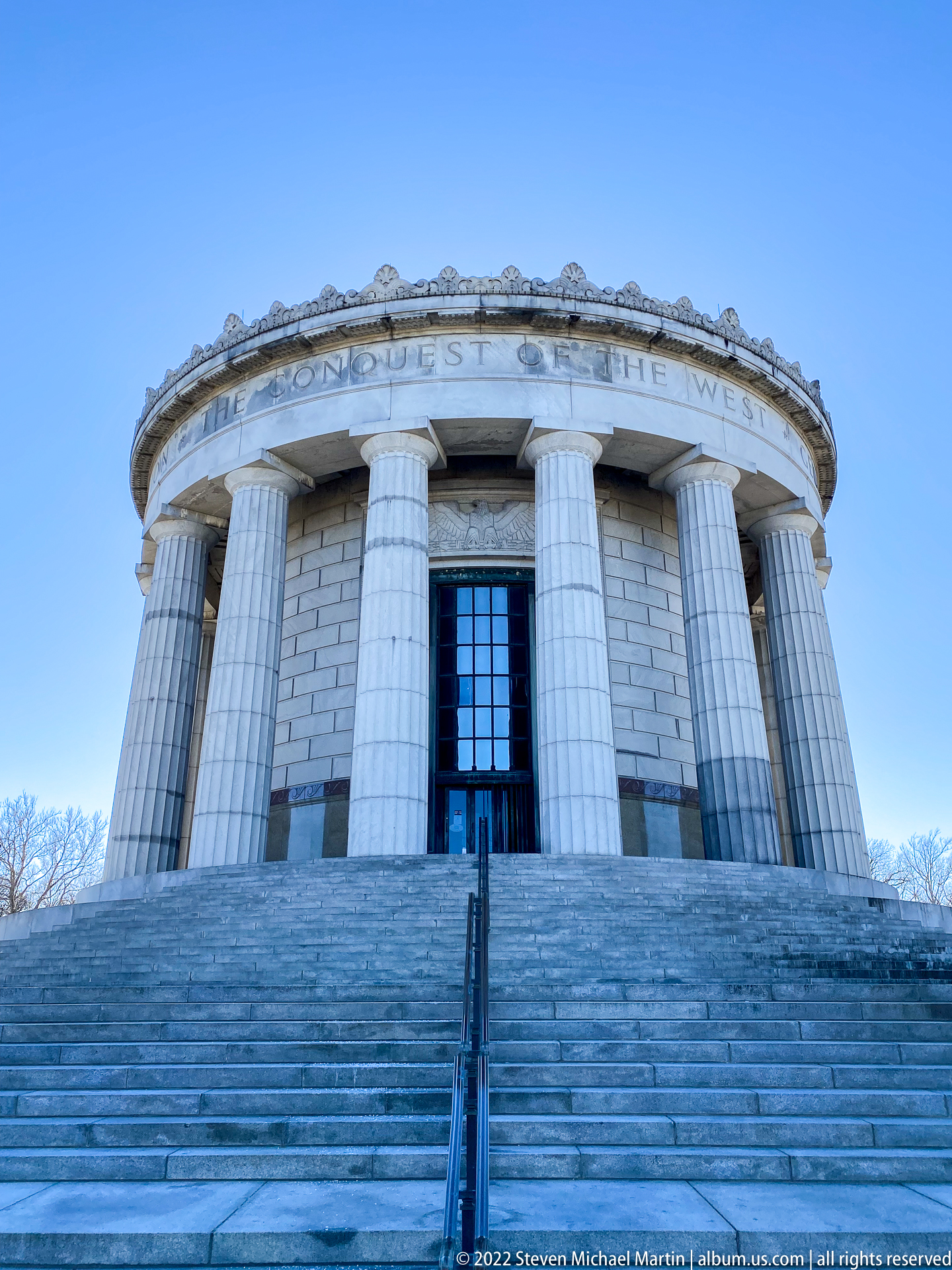
Caption
Caption
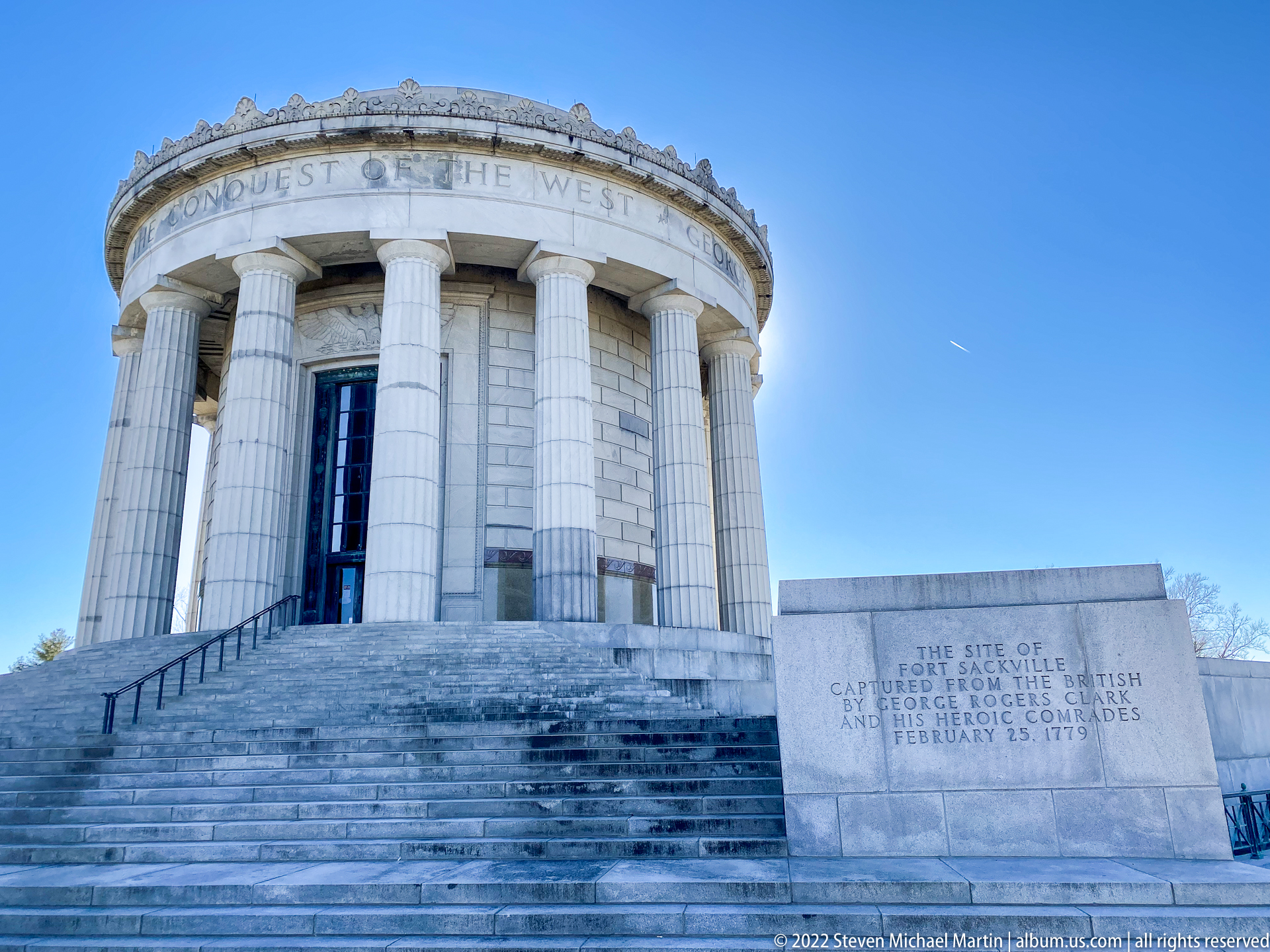
Caption
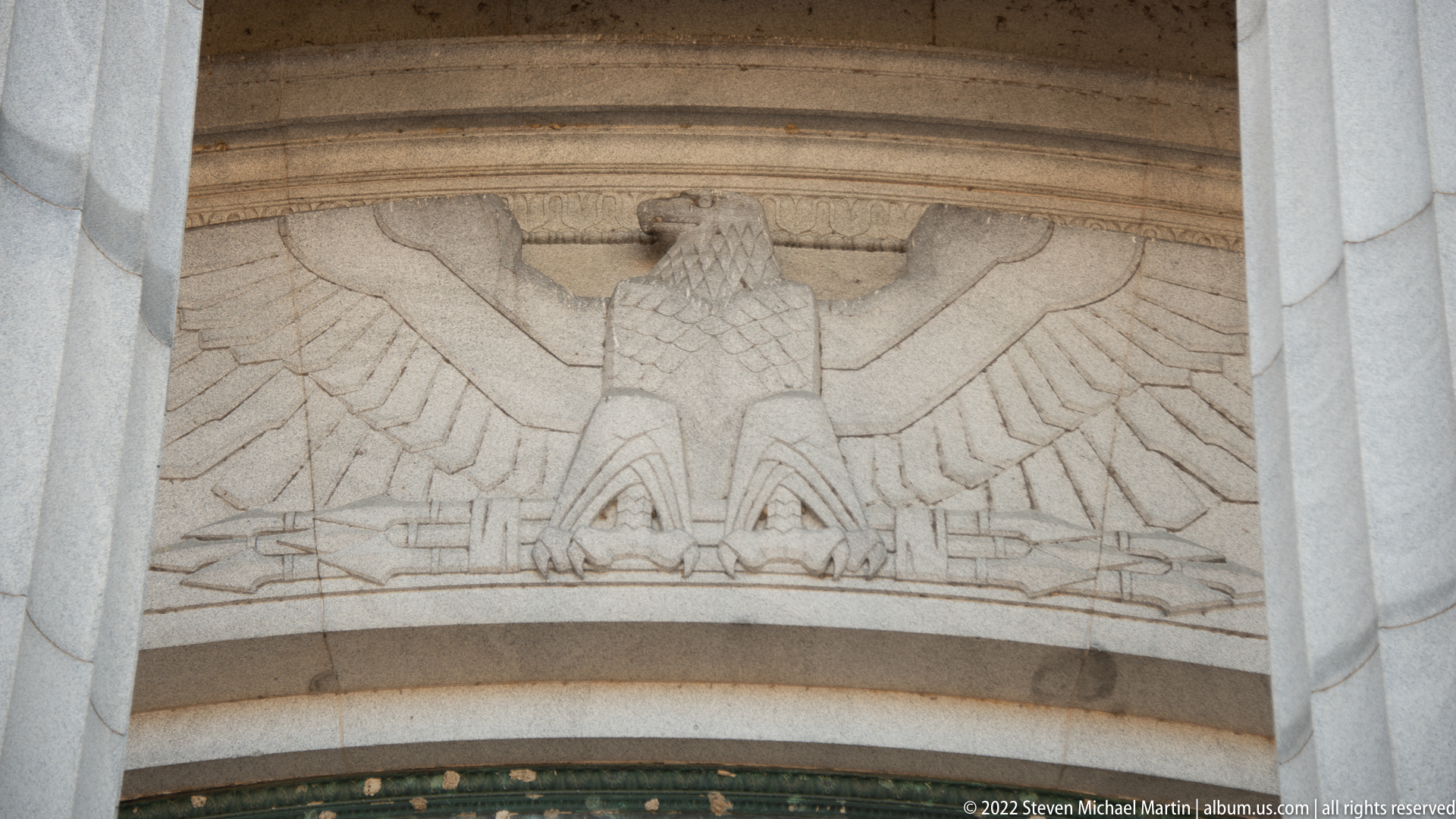
Caption
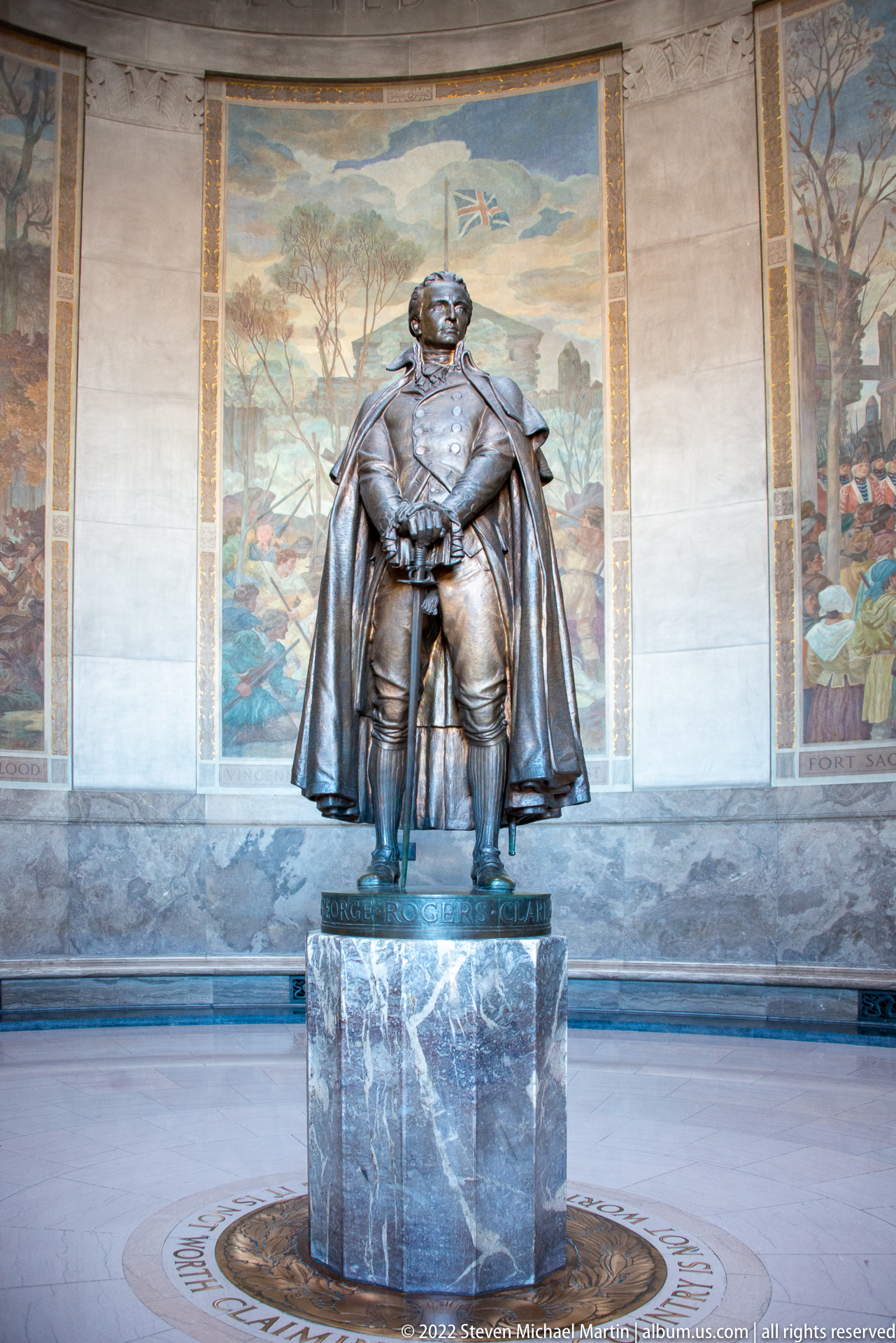
Caption
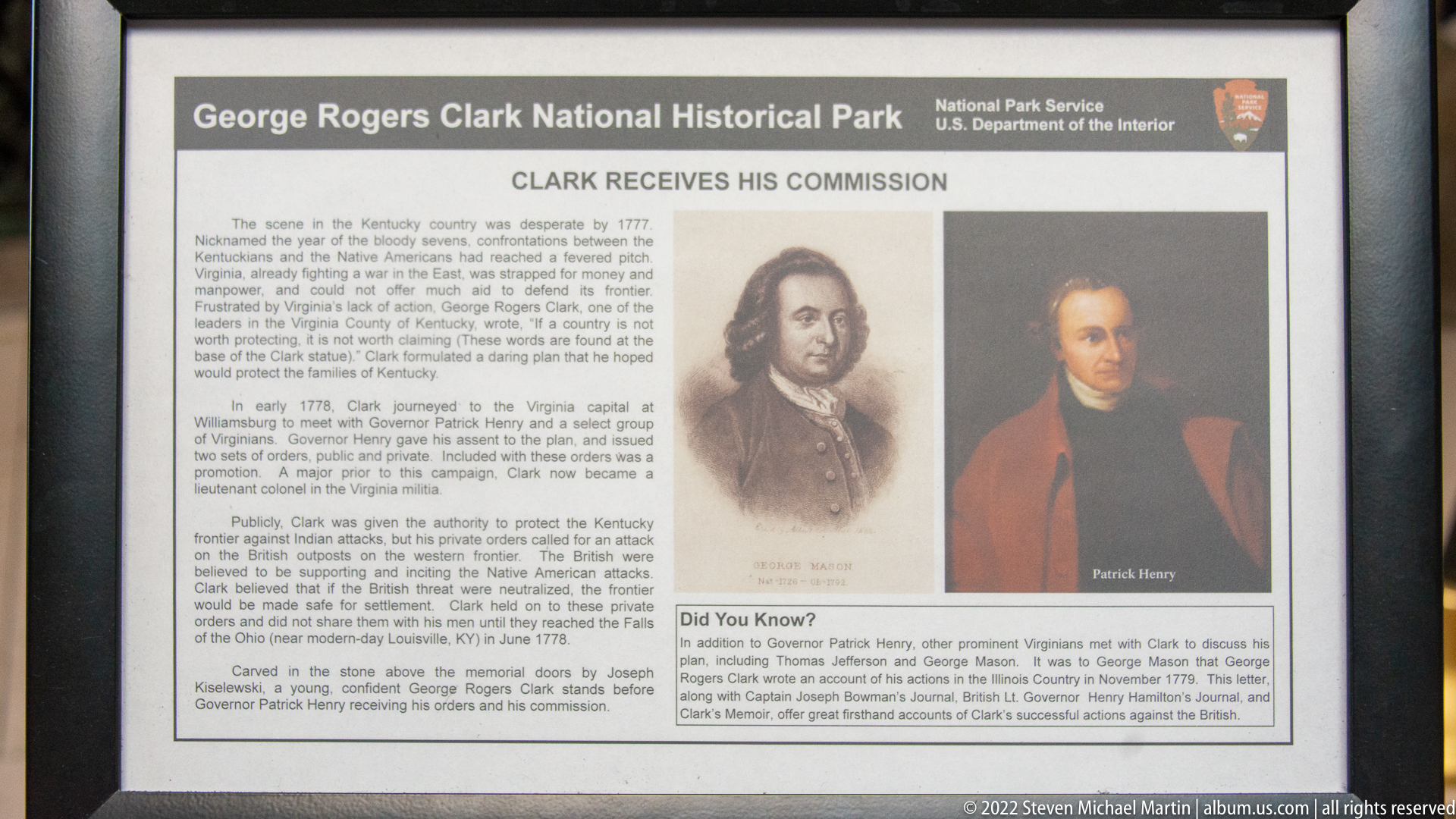
Caption
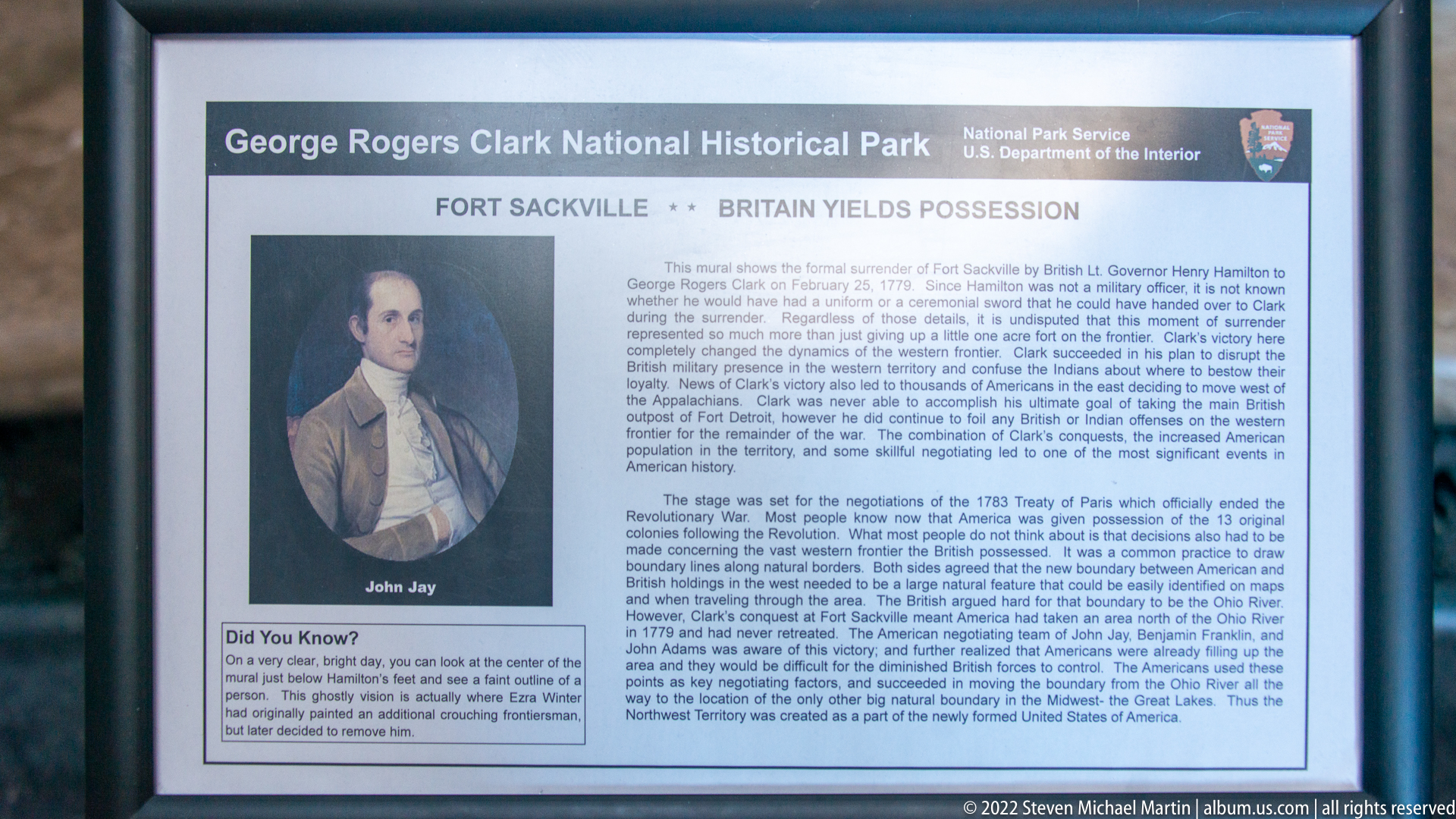
Caption

Caption
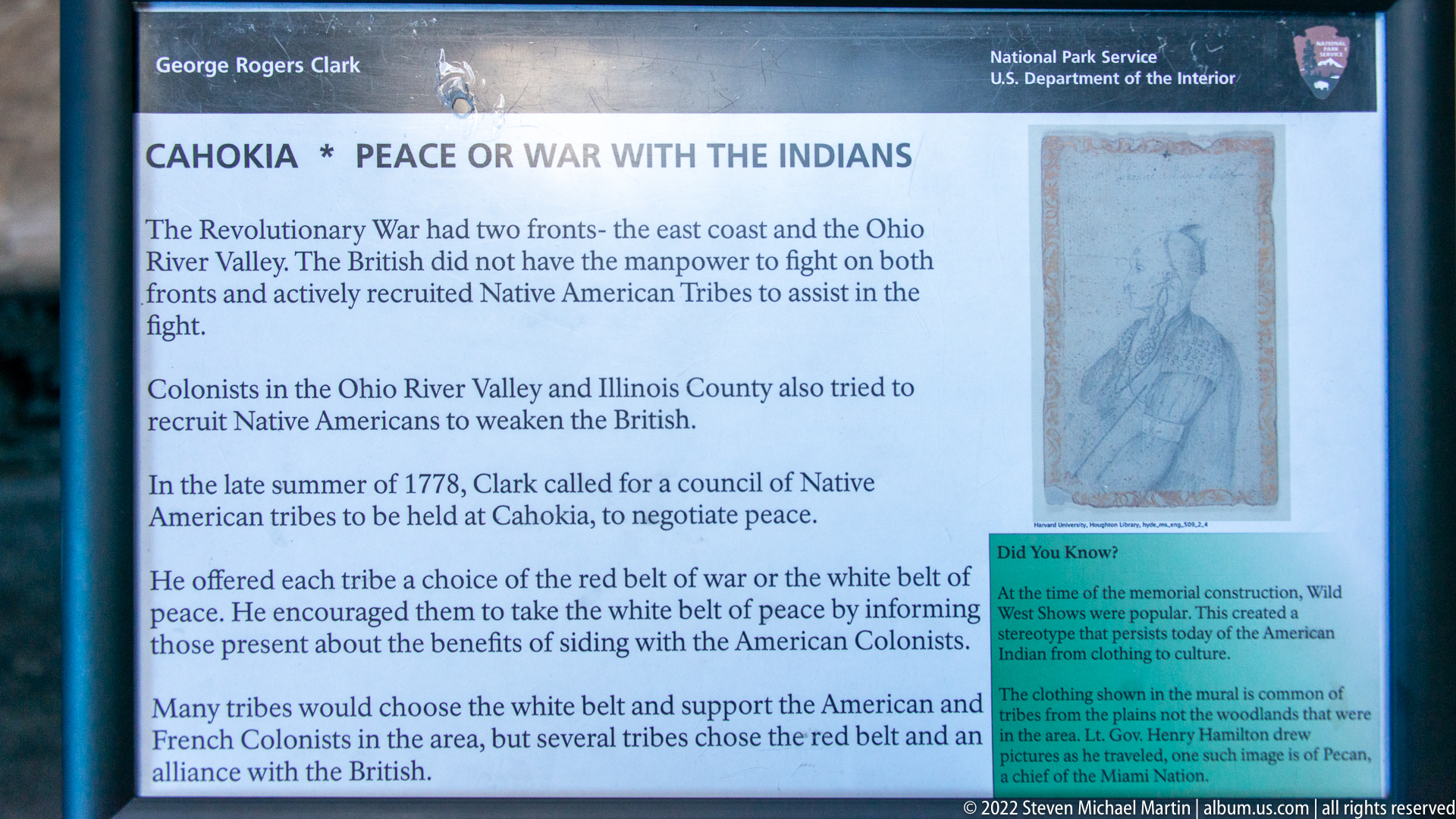
Caption
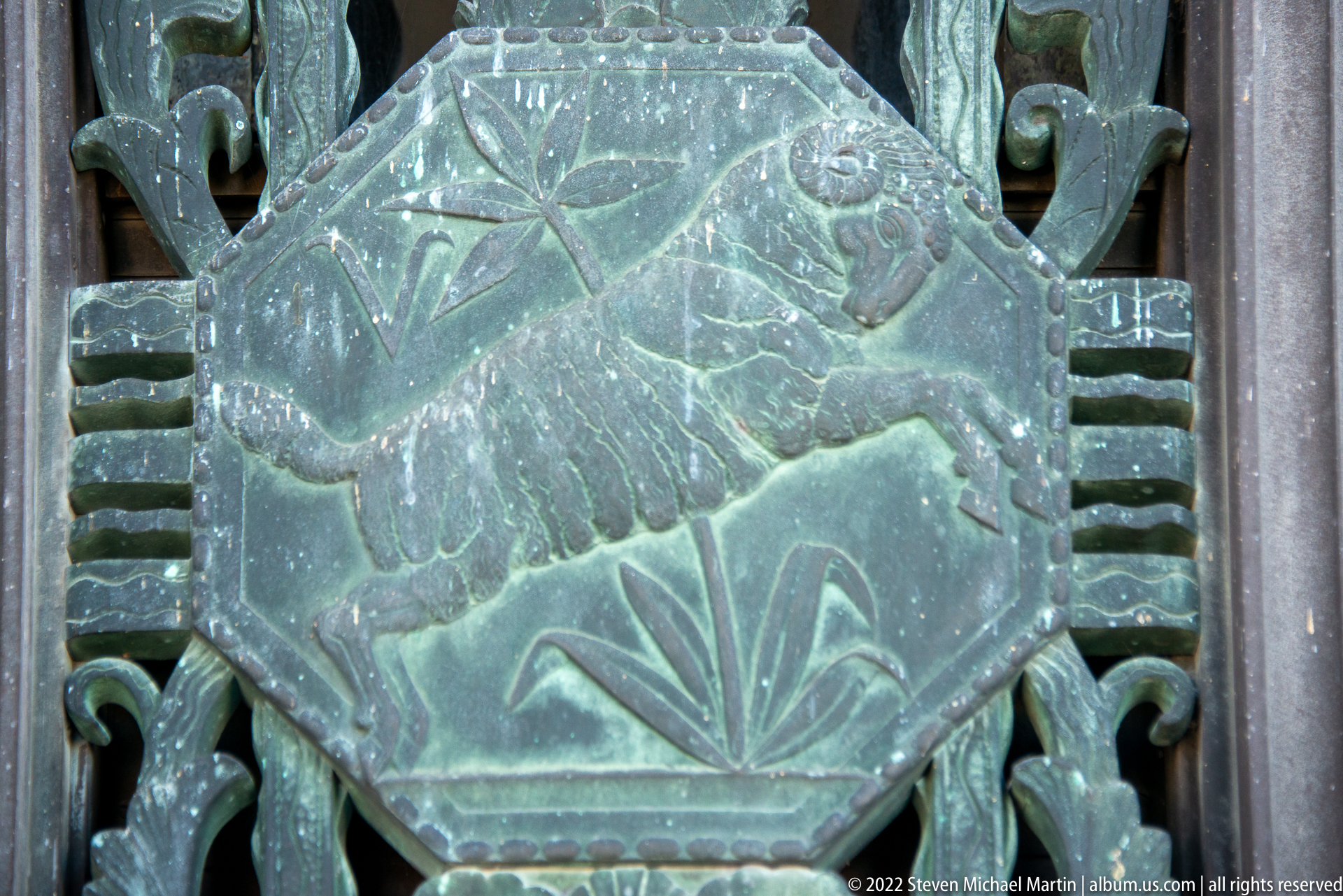
Caption
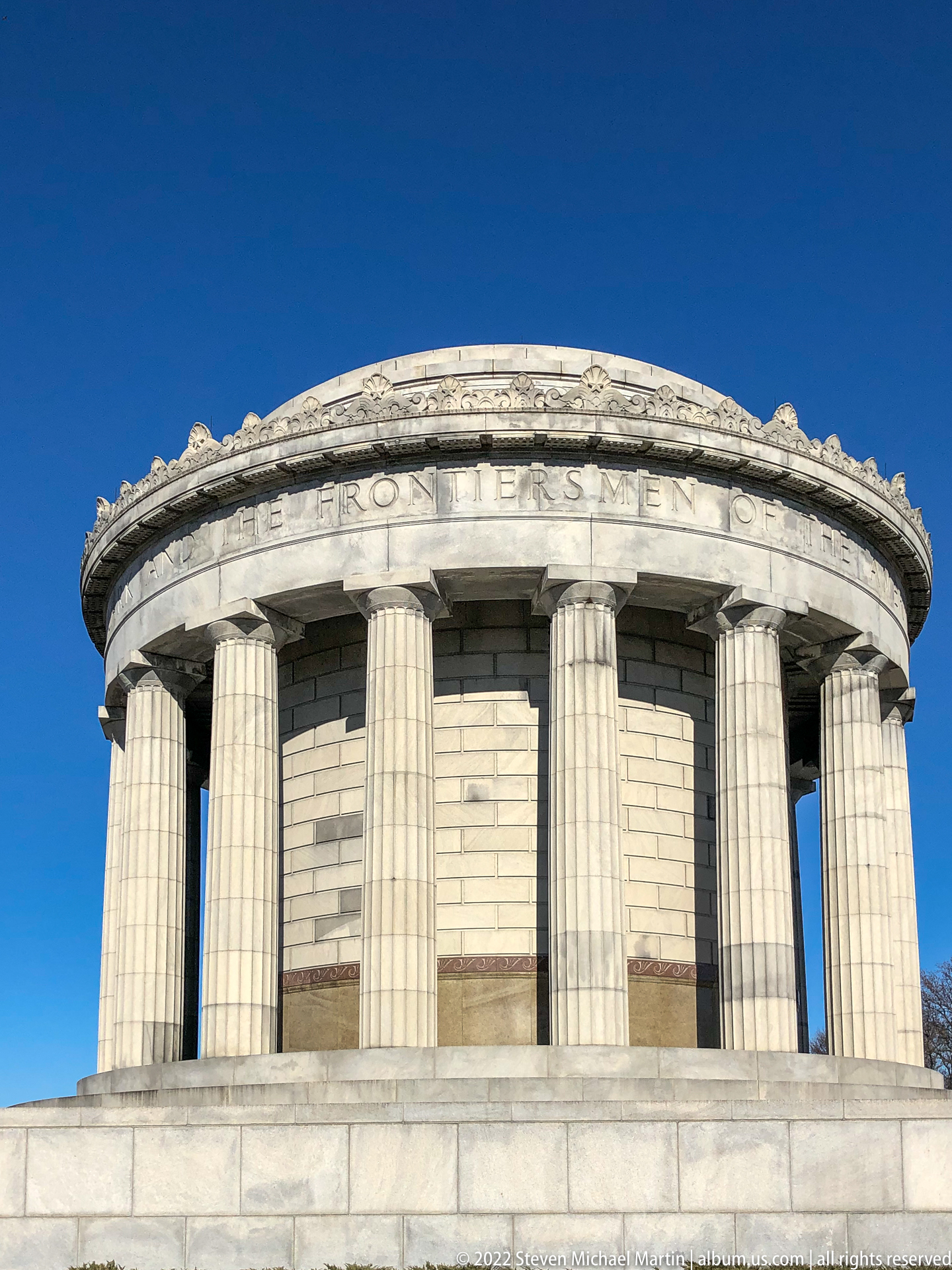
Caption
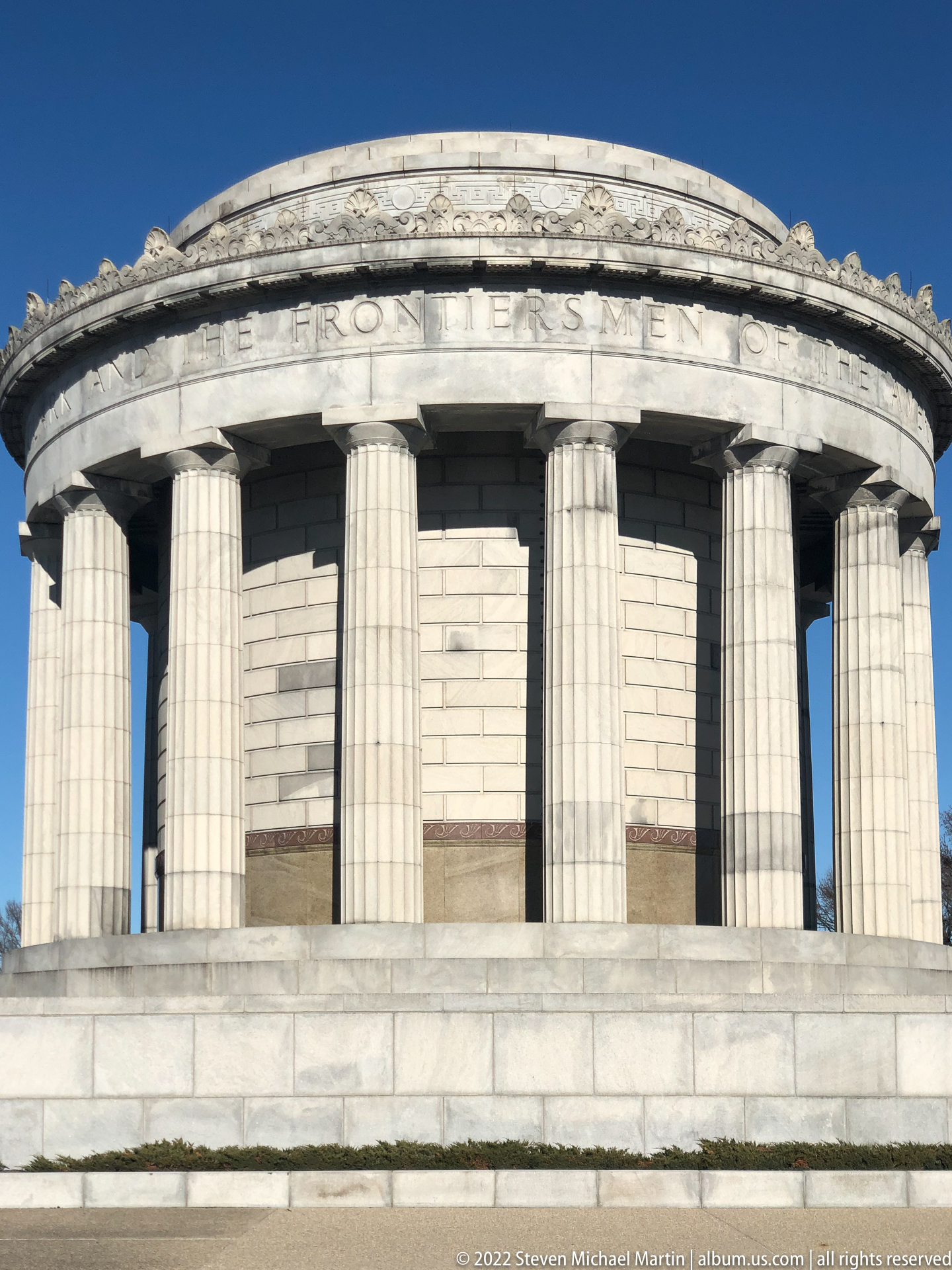
Caption
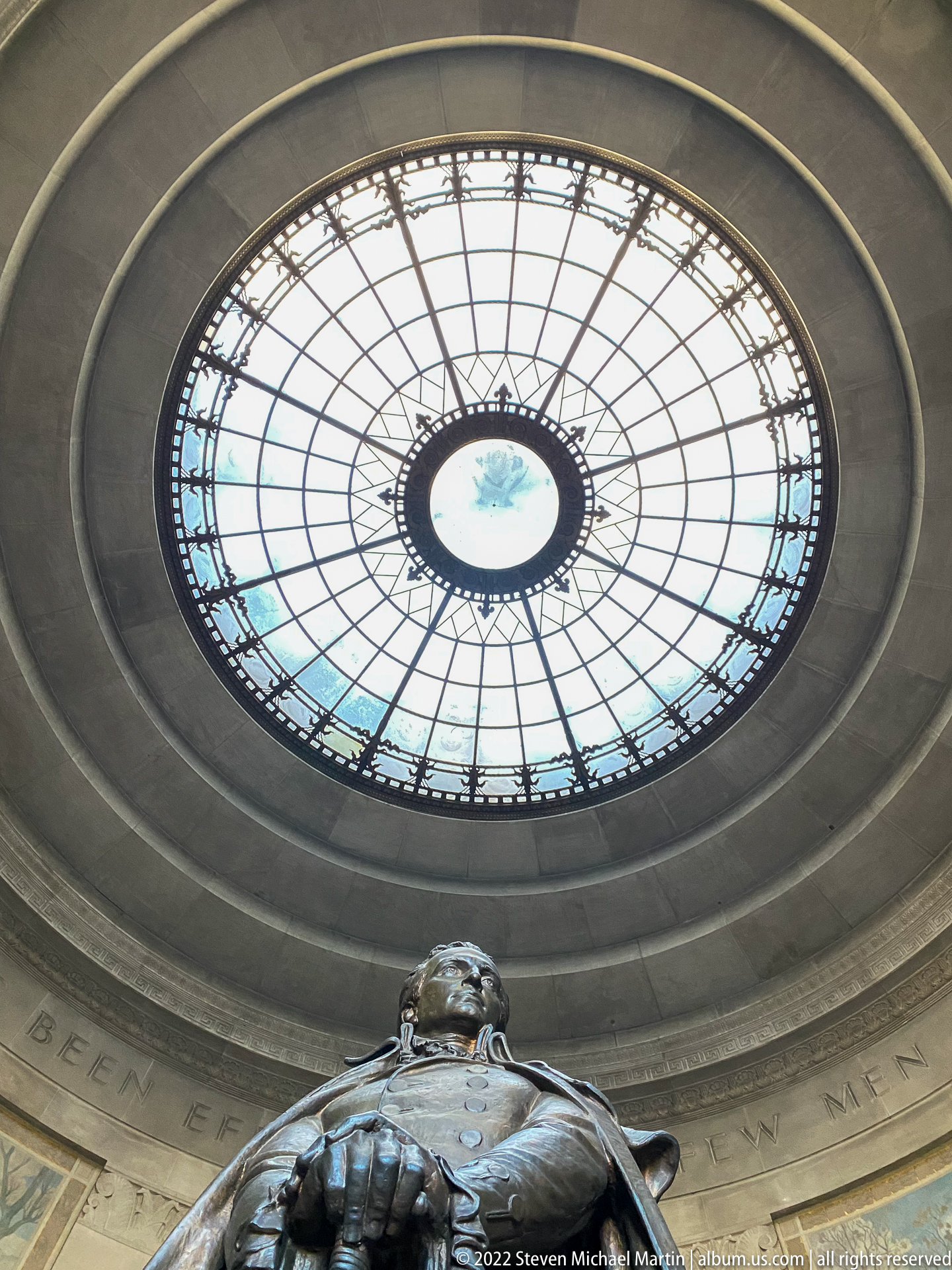
Caption
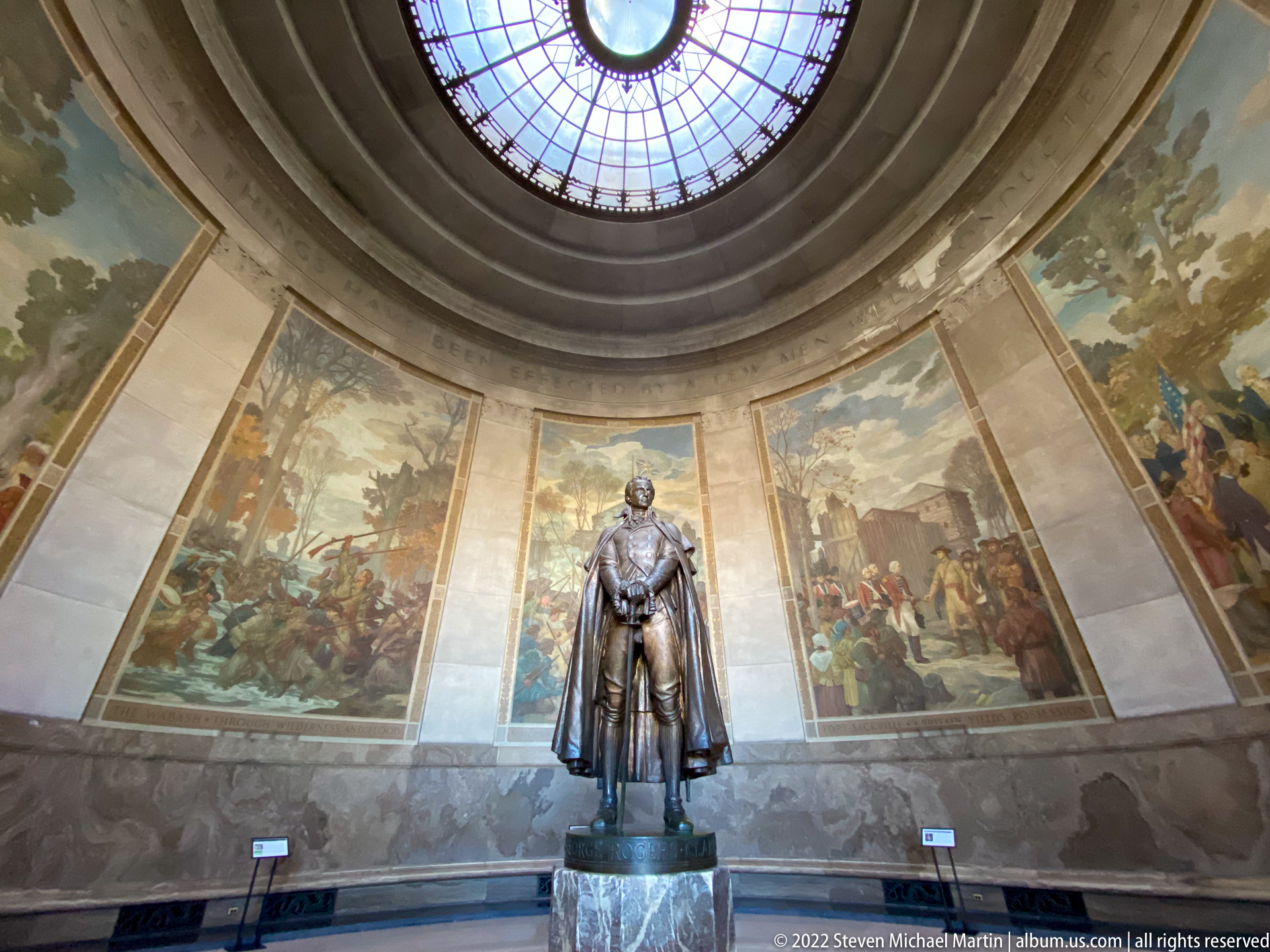
Caption
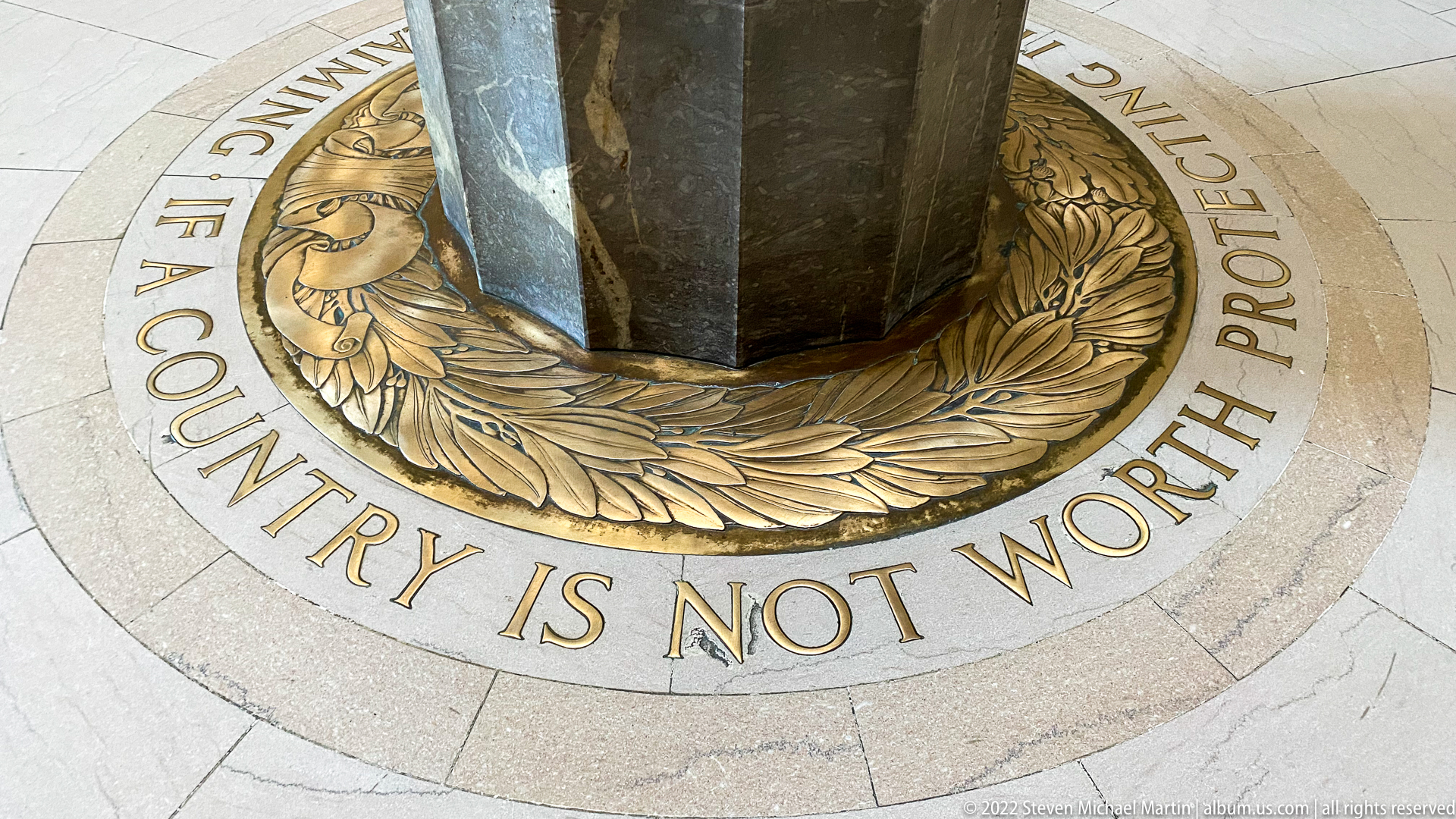
Caption
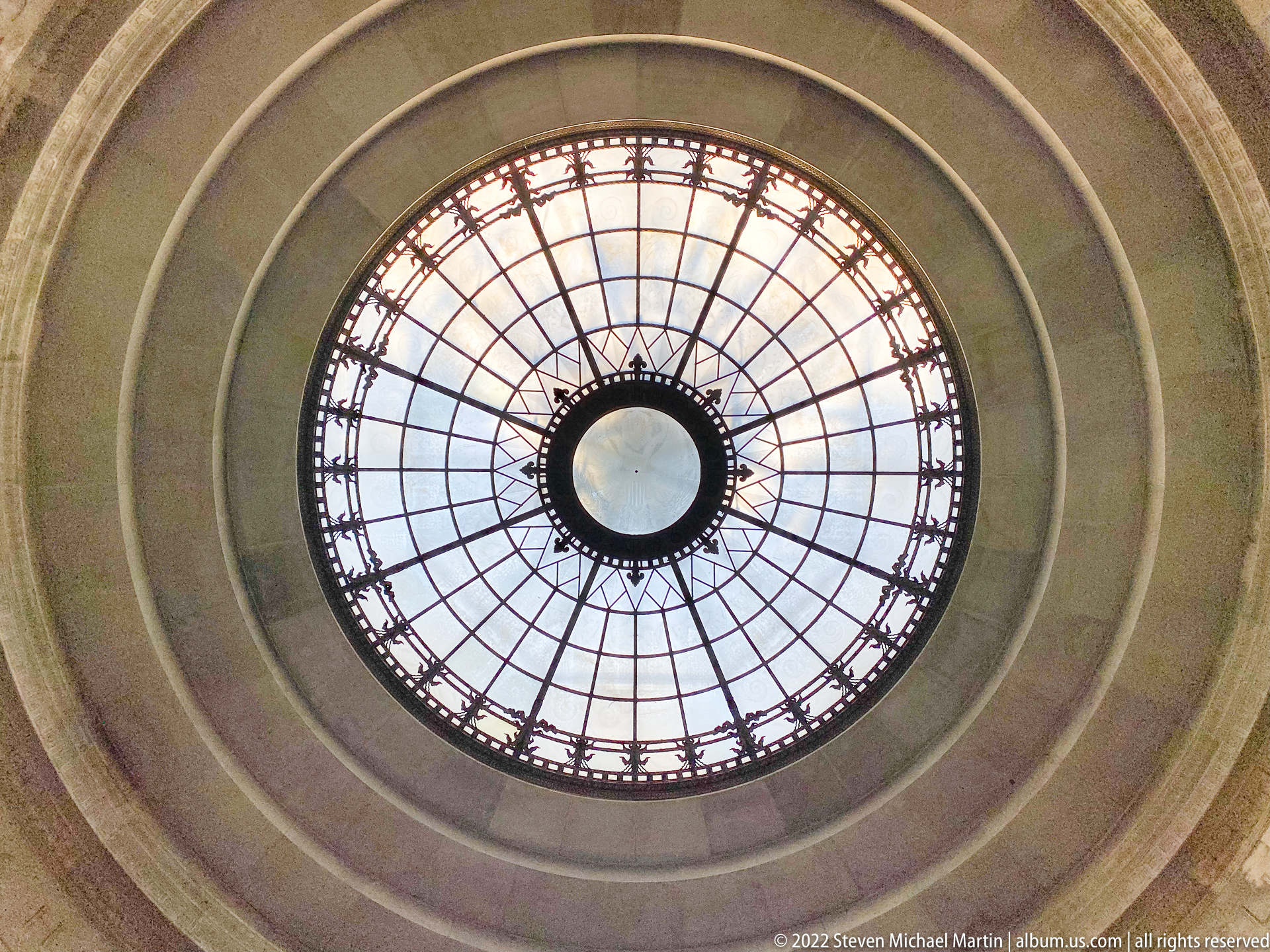
Caption
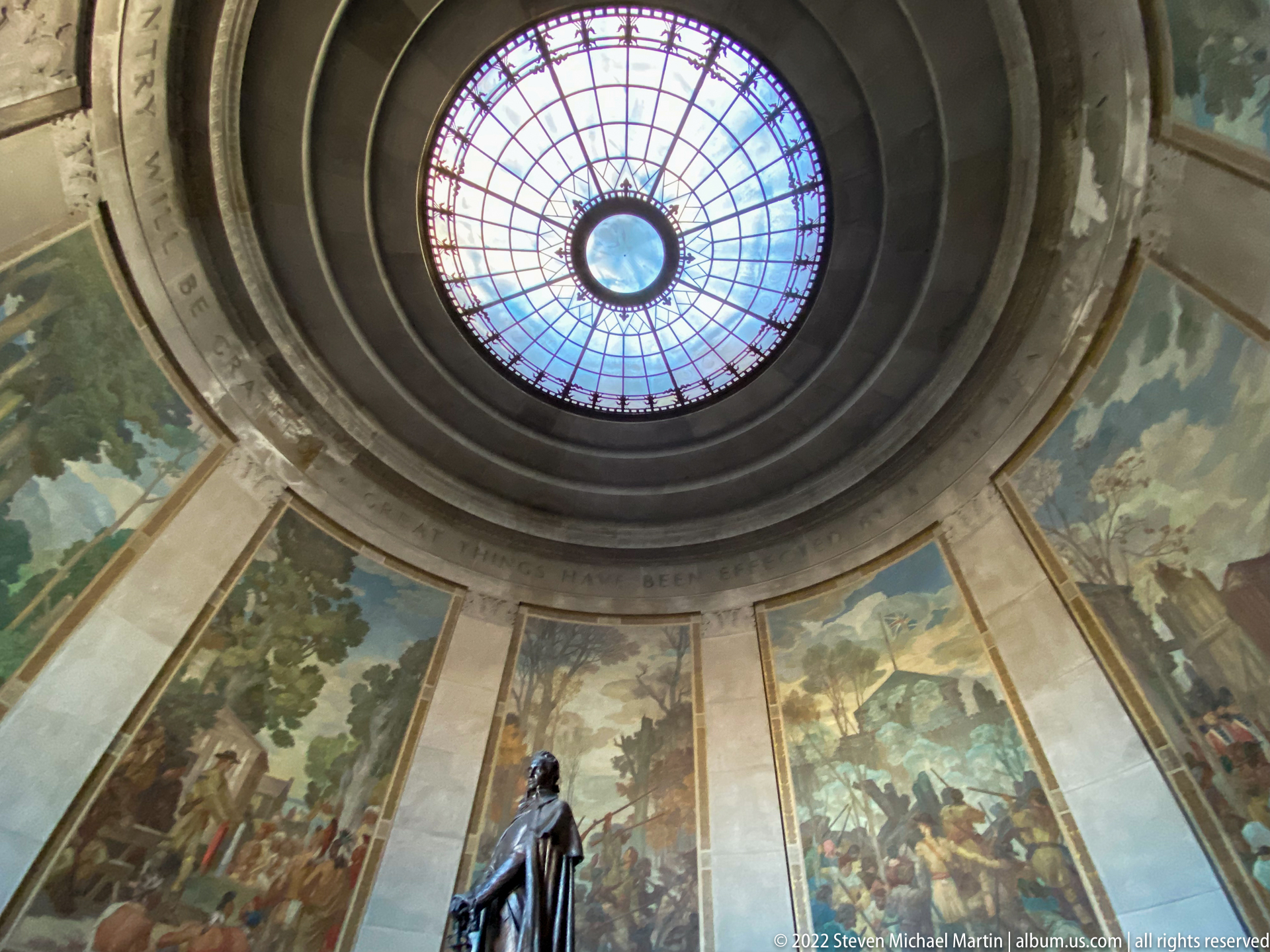
Caption
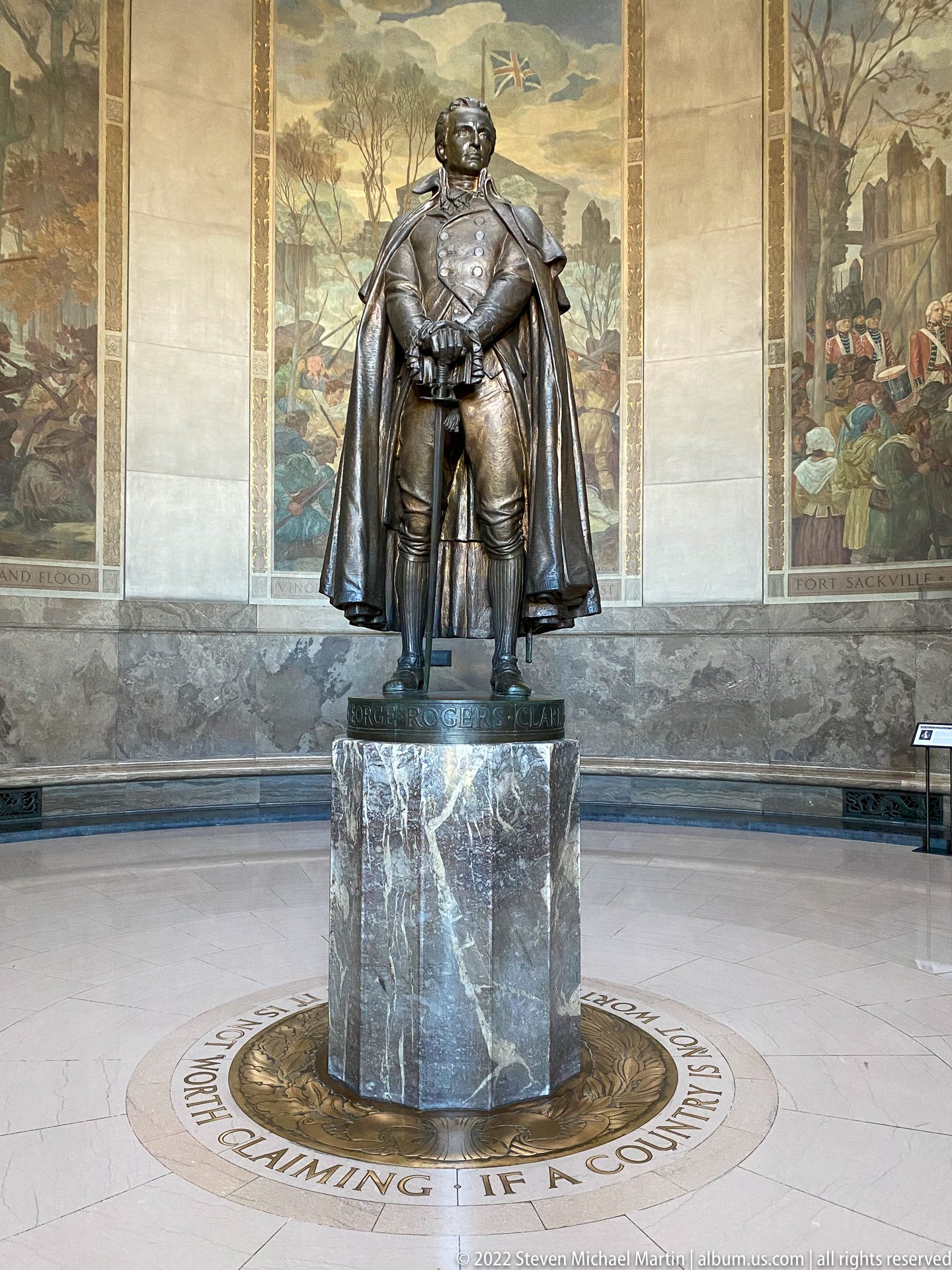
Caption
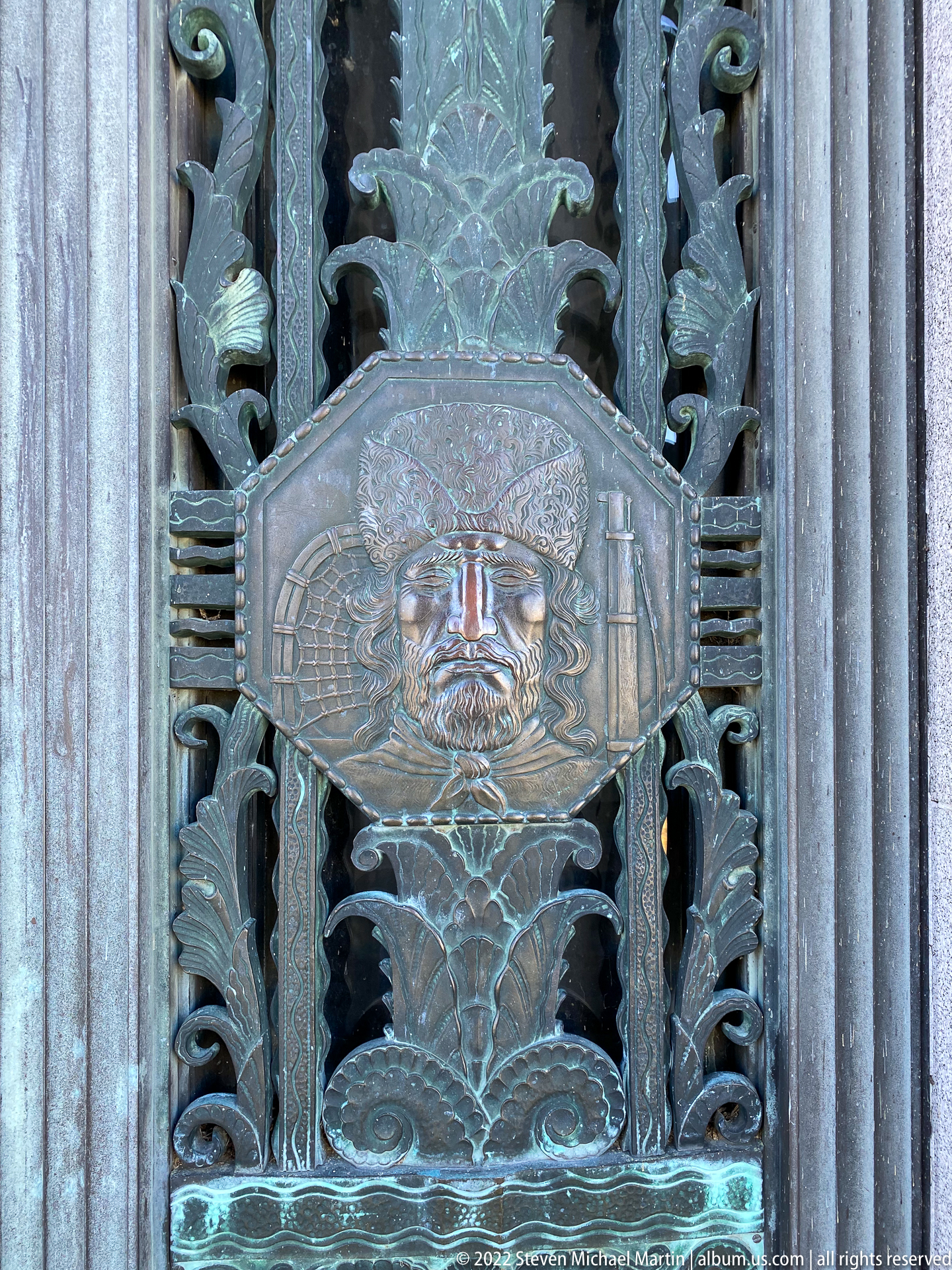
Caption
Caption
Caption
Caption
Caption
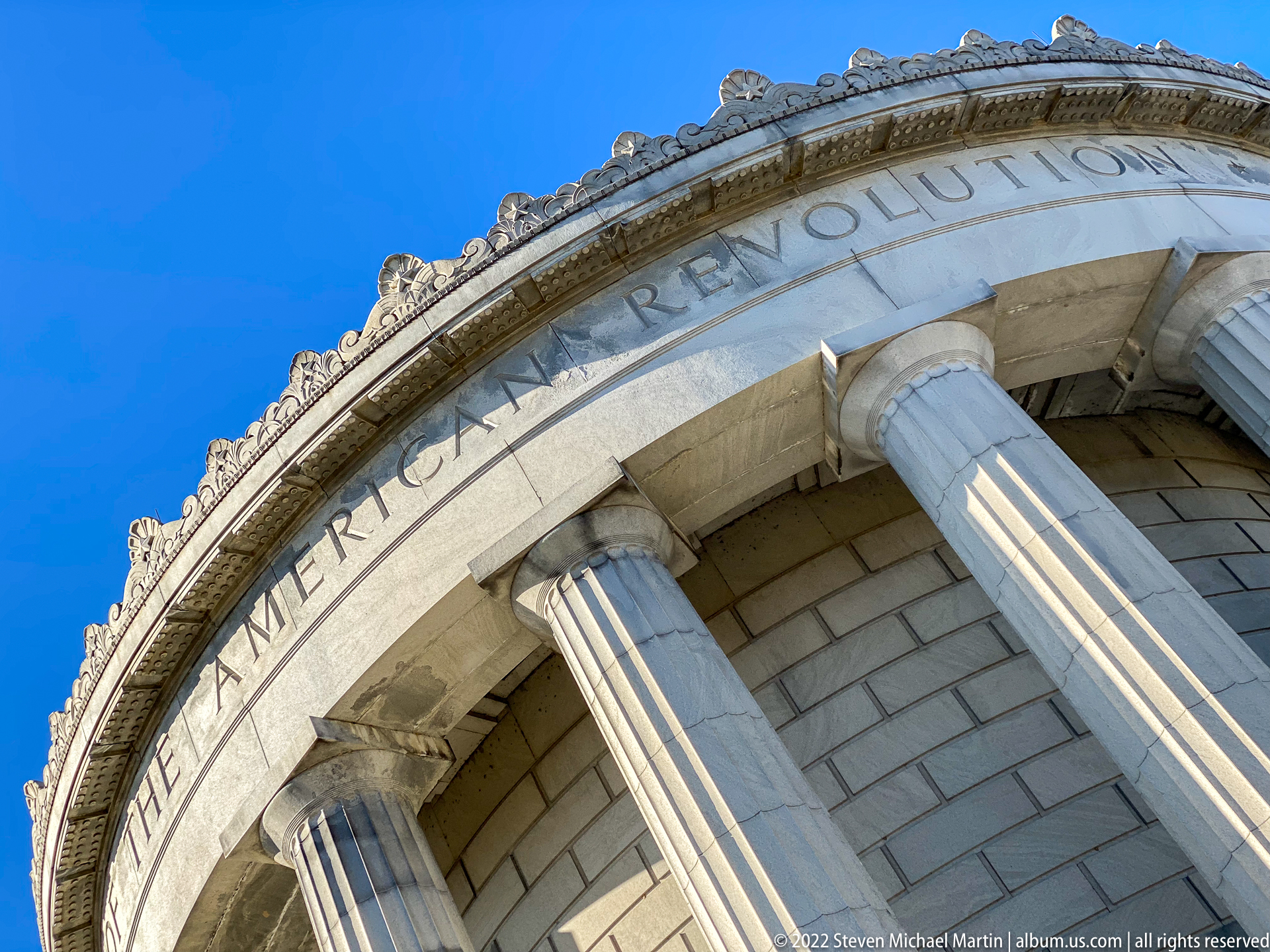
Caption
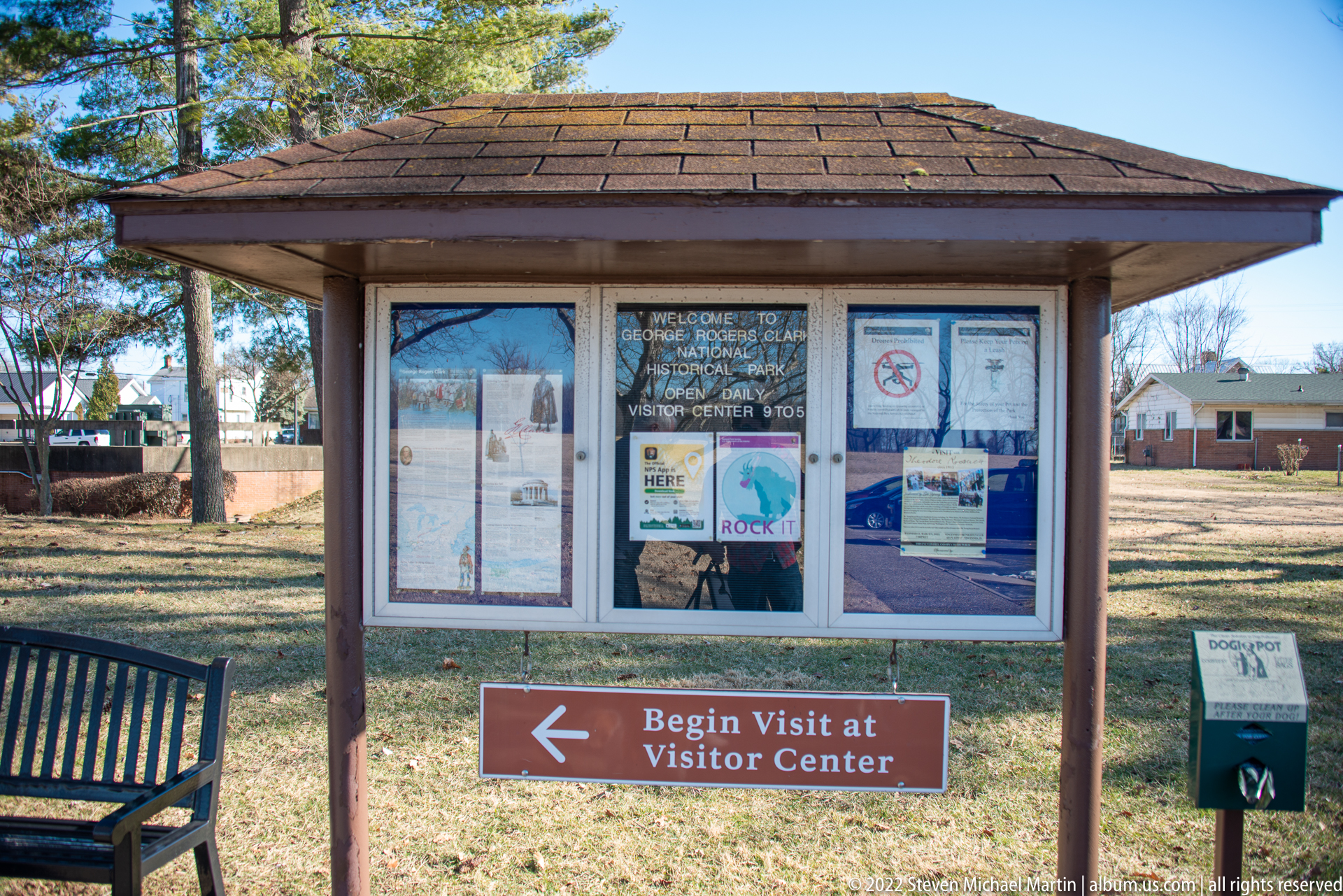
Caption
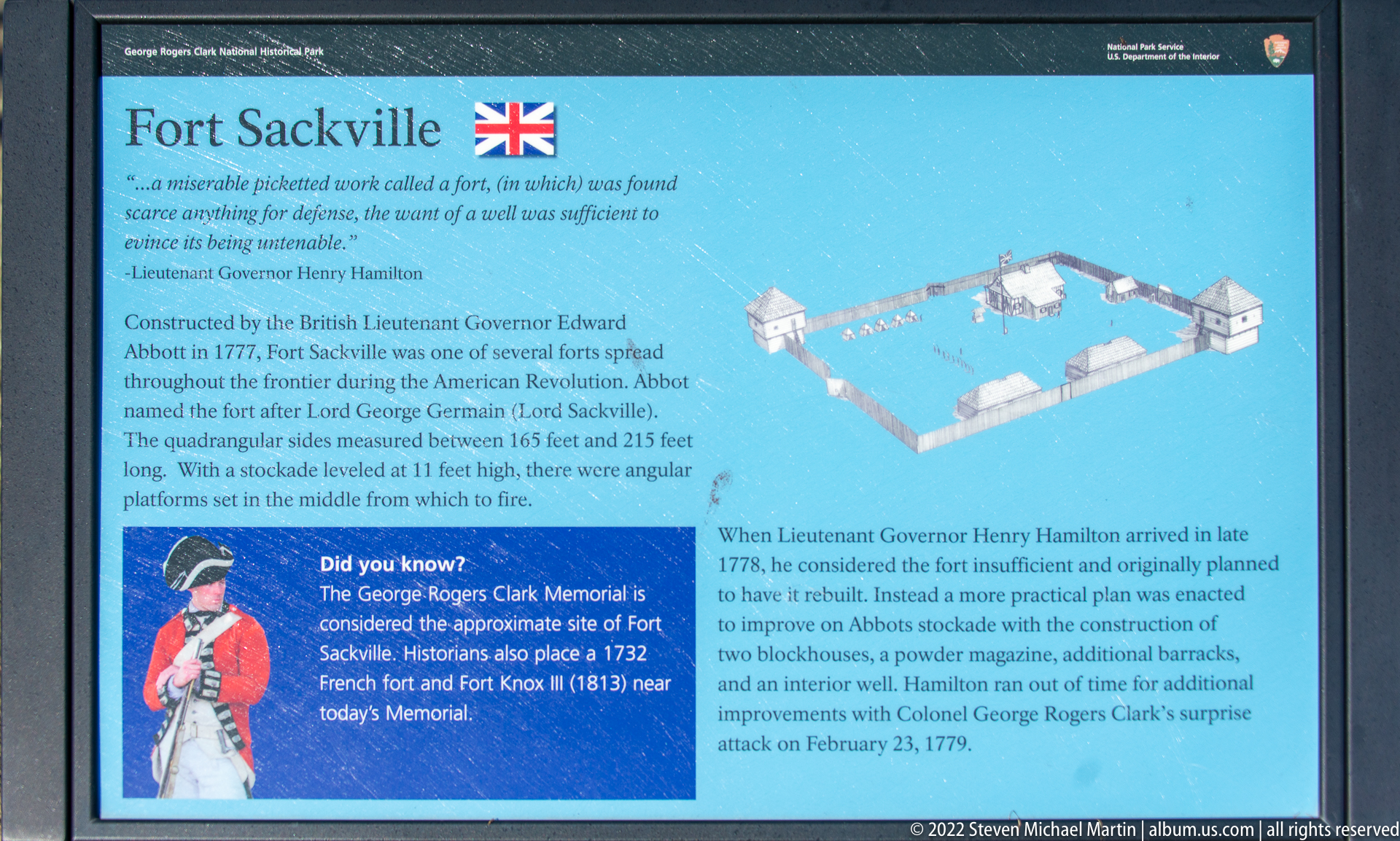
Caption
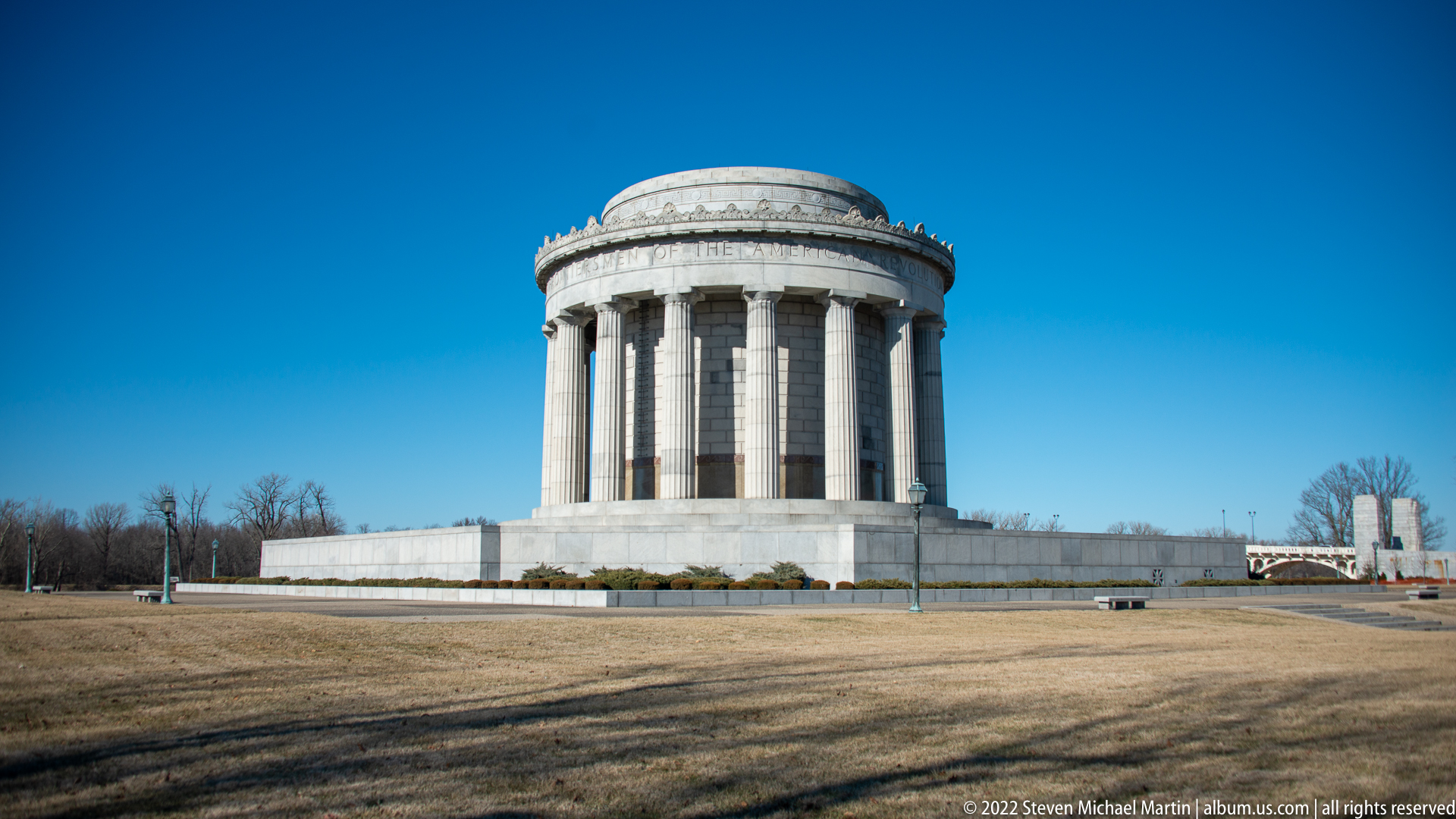
Caption
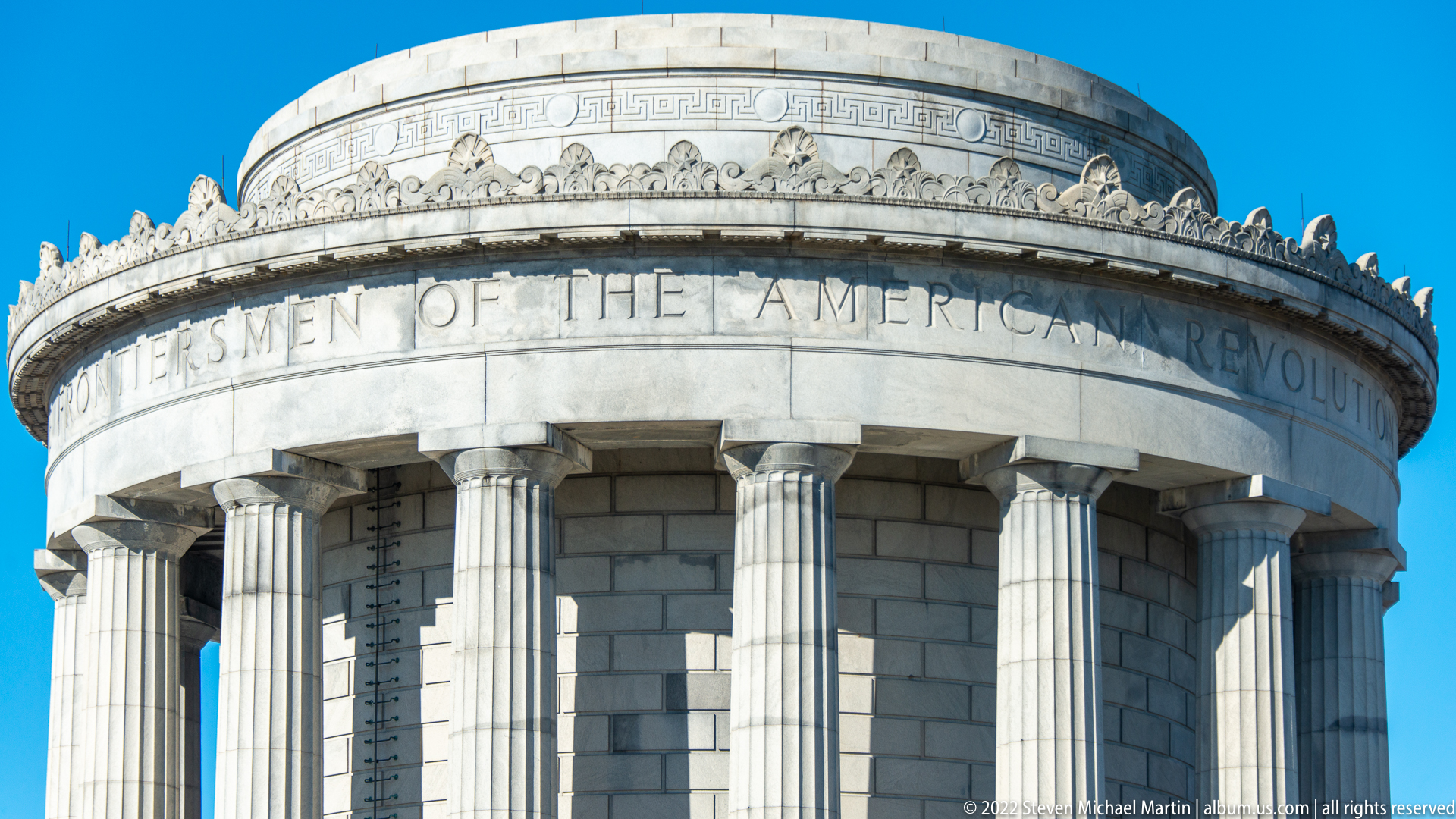
Caption

Caption
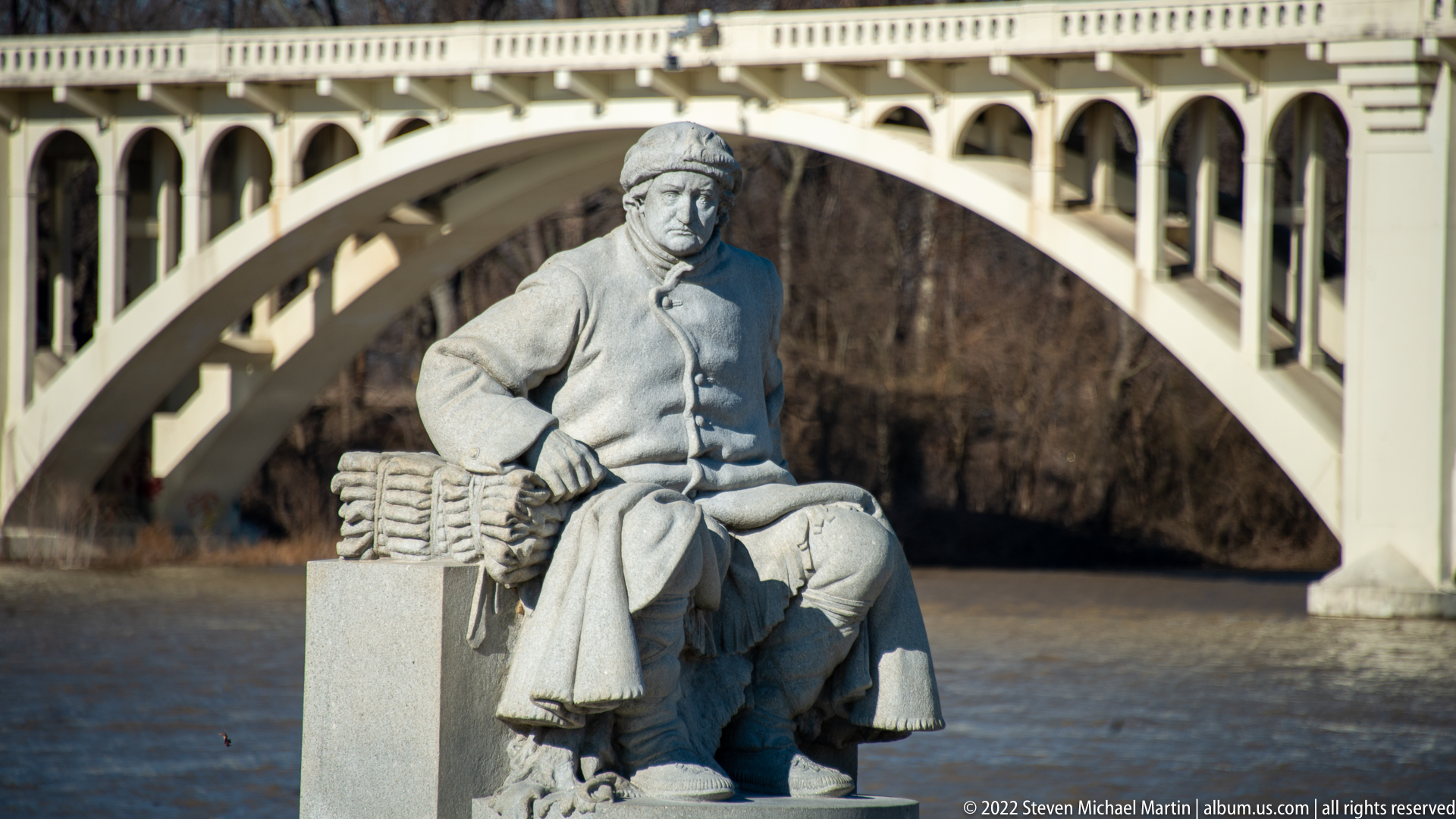
Caption
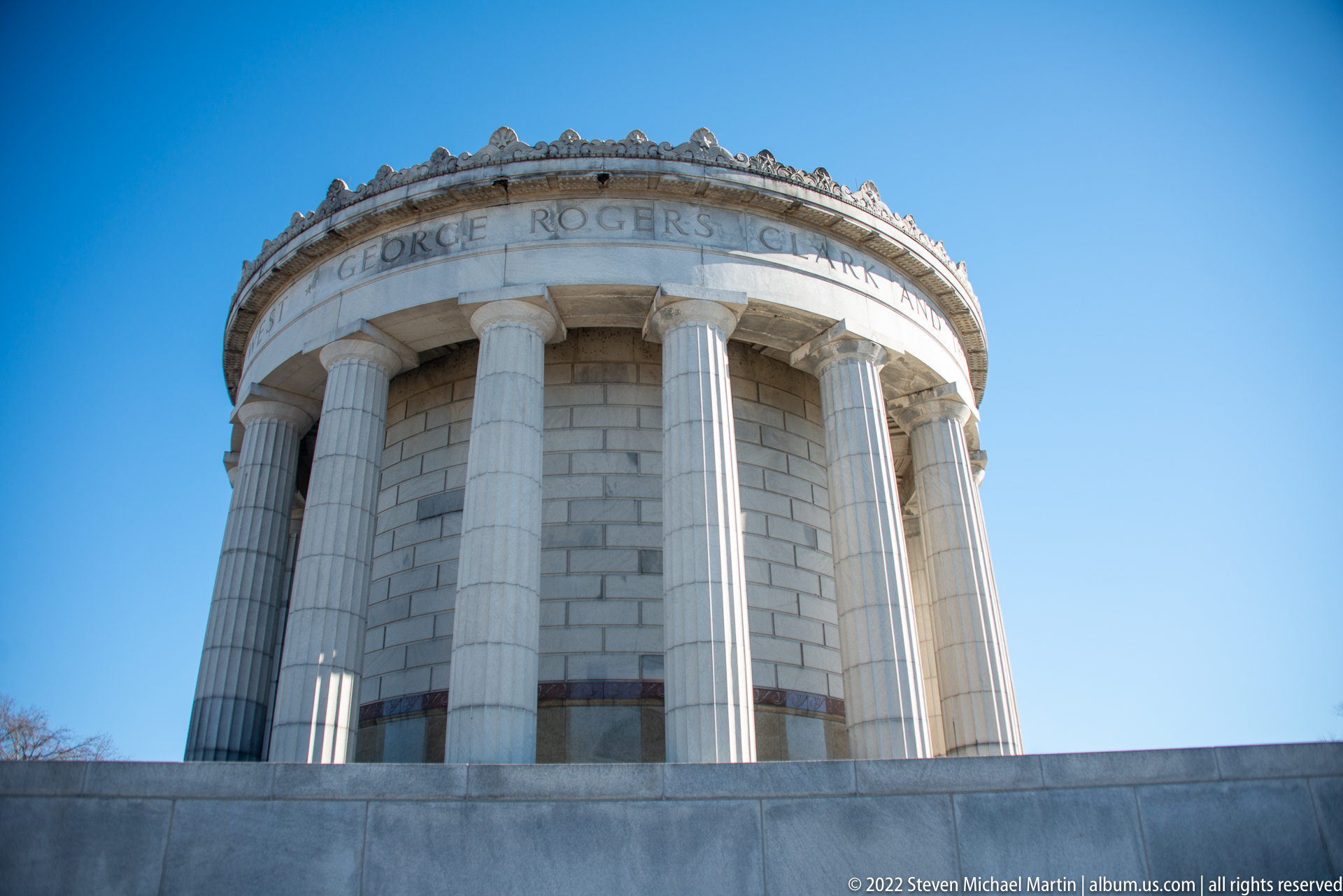
Caption
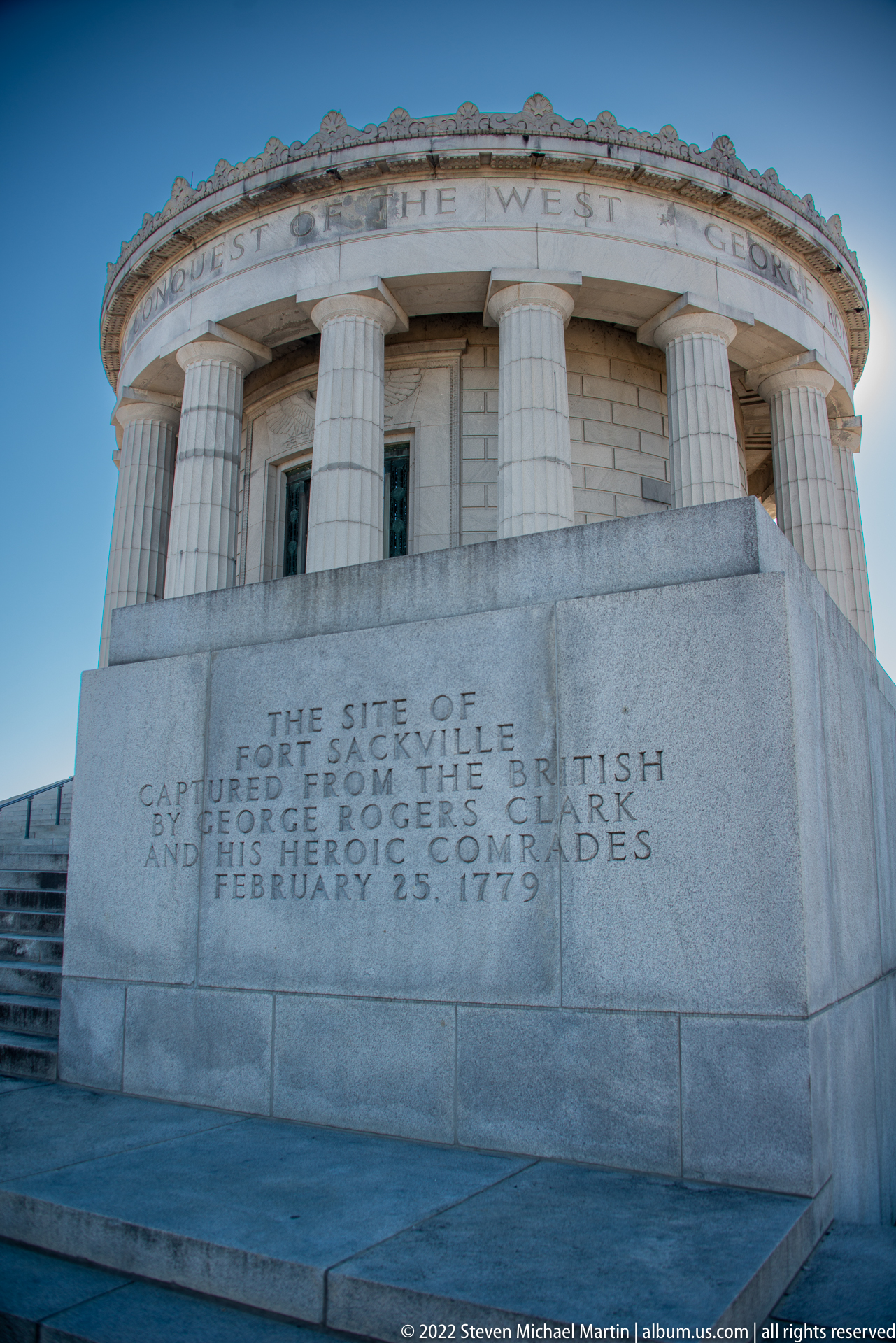
Caption
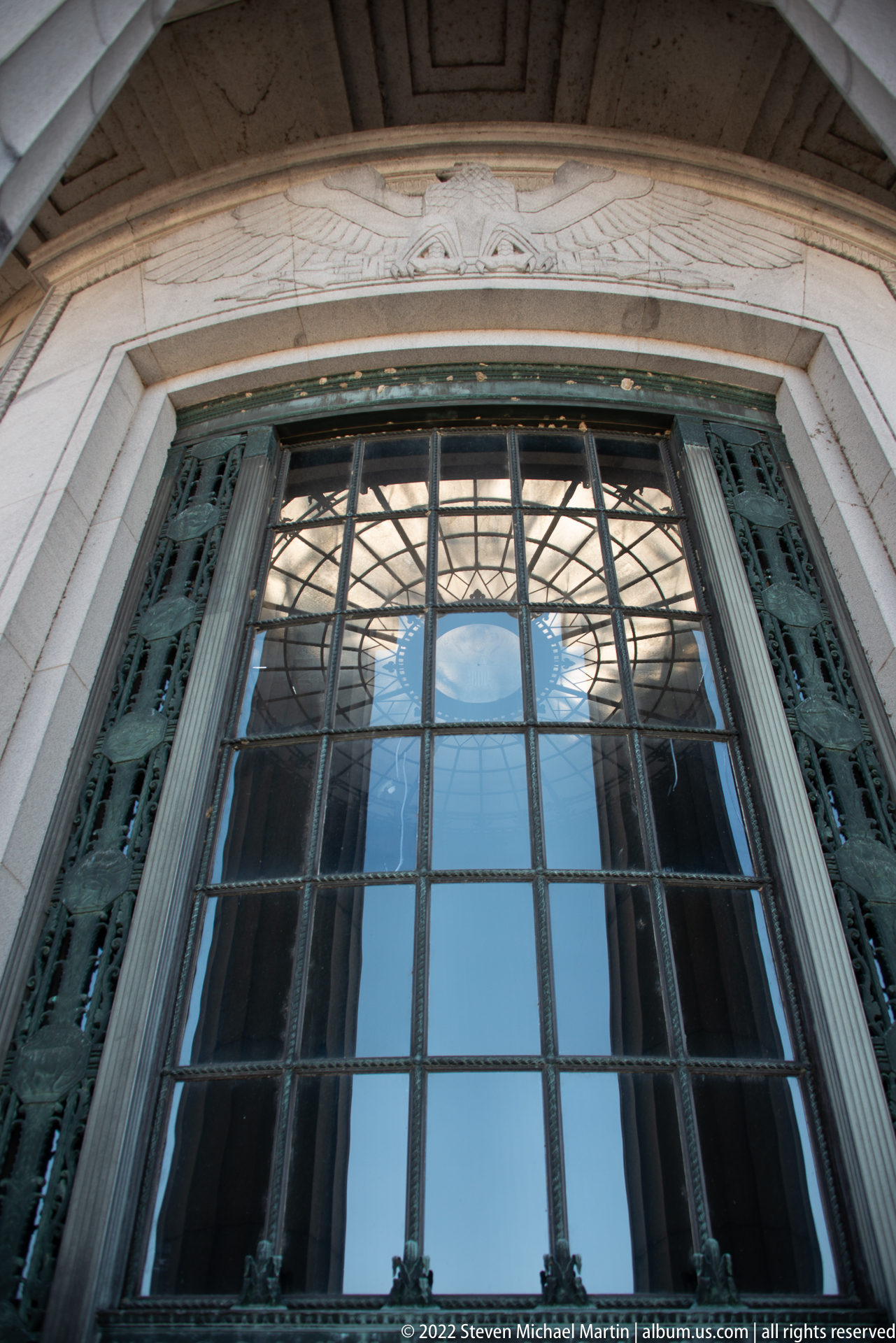
Caption
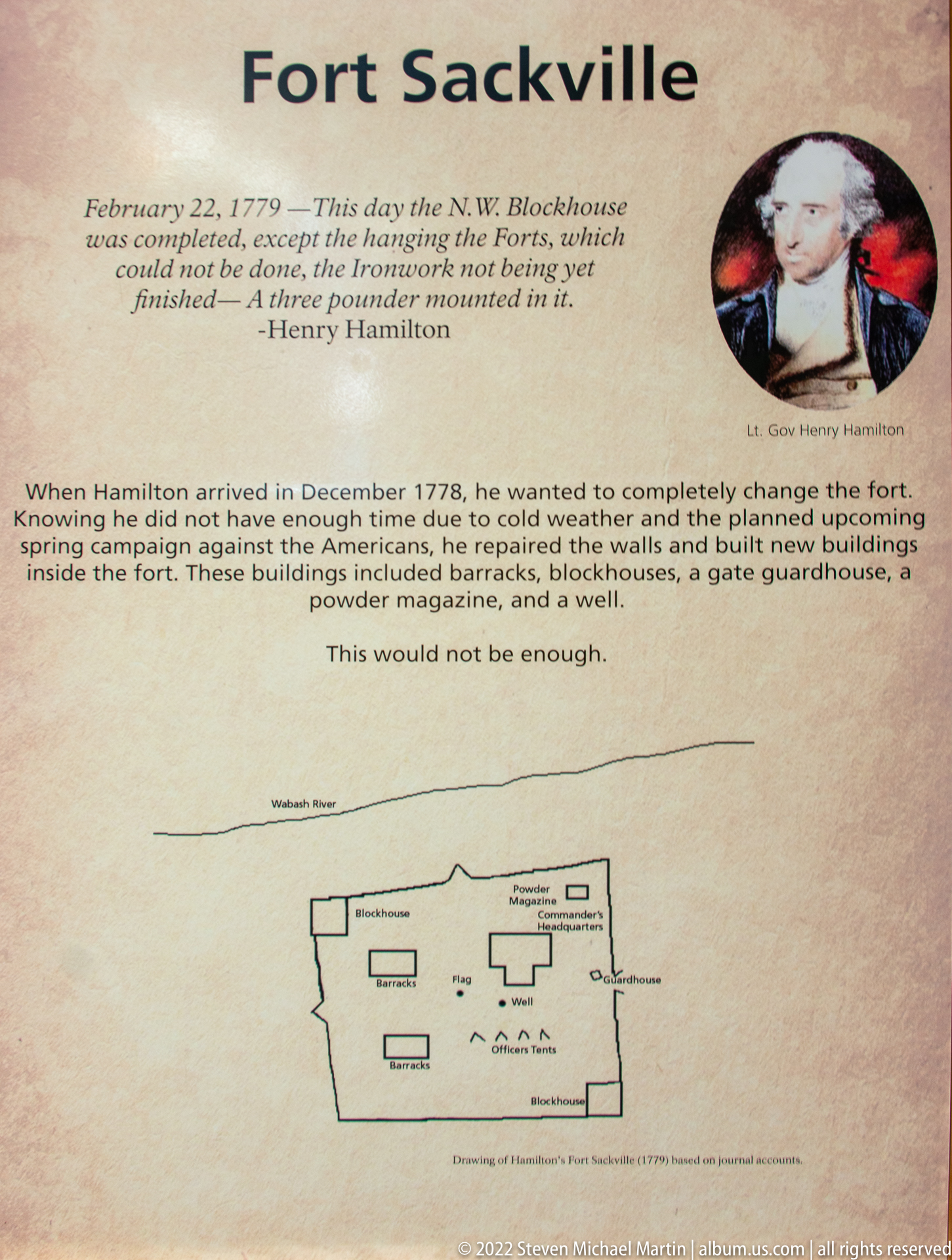
Caption
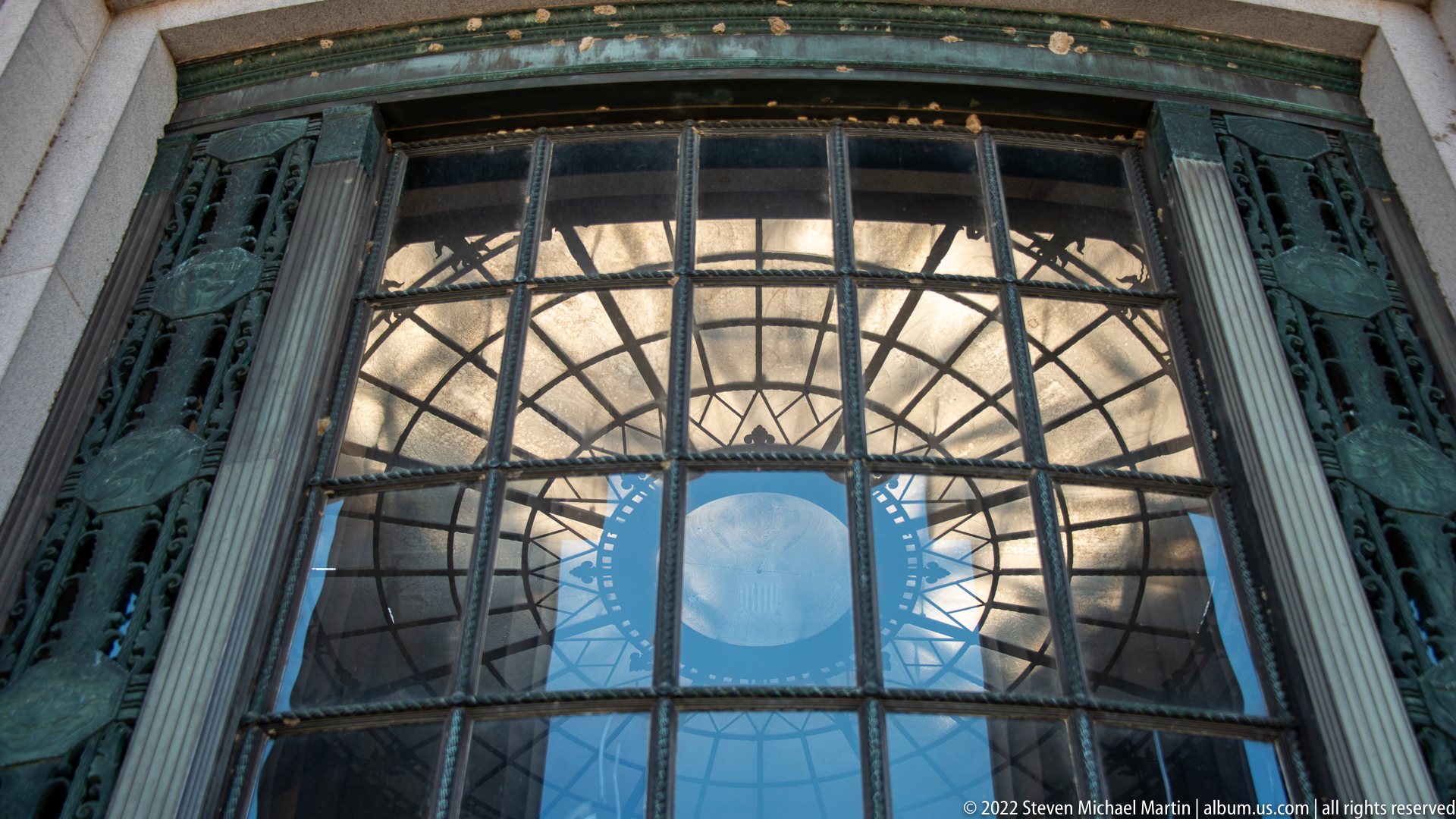
Caption
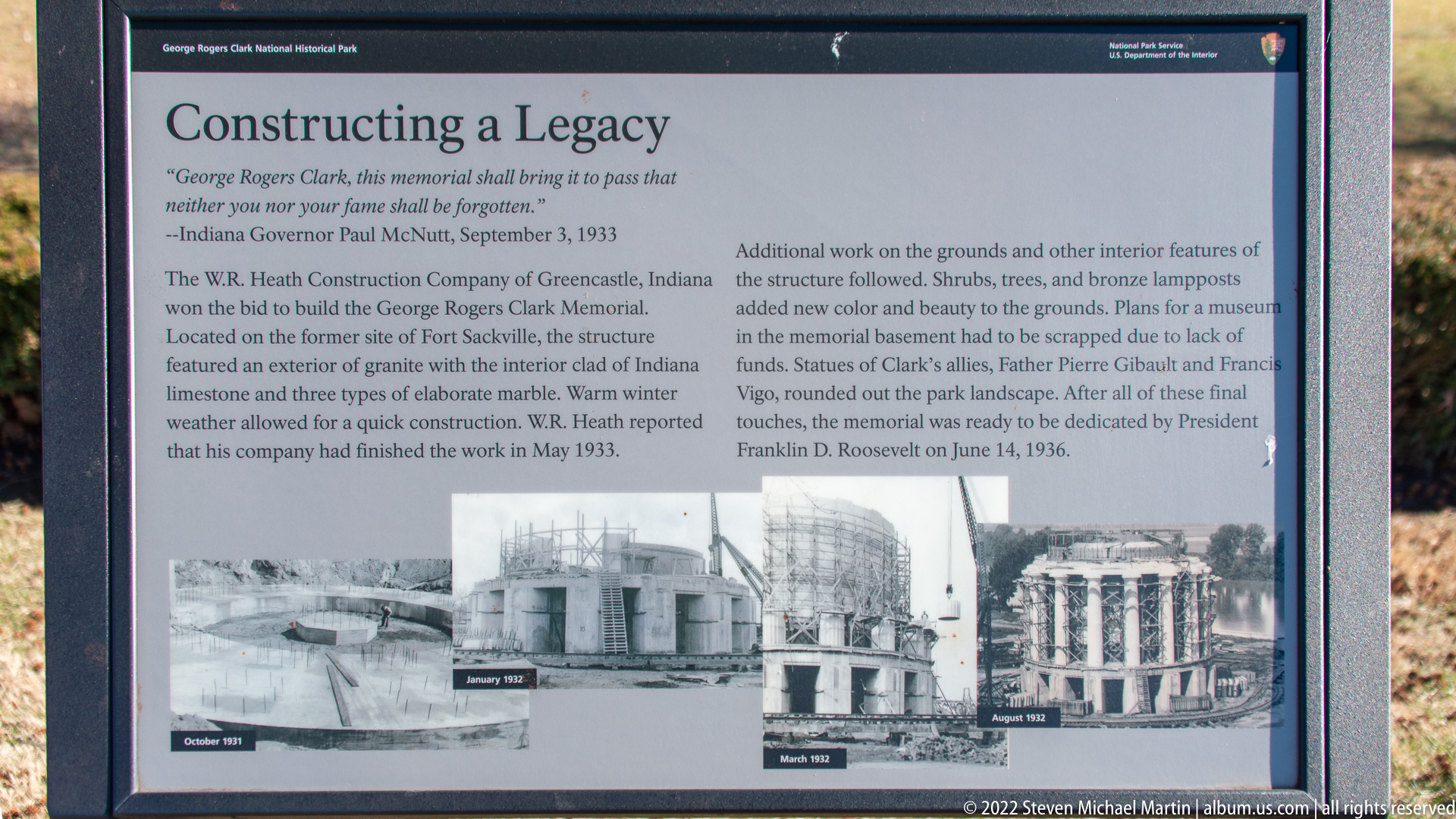
Caption

Caption
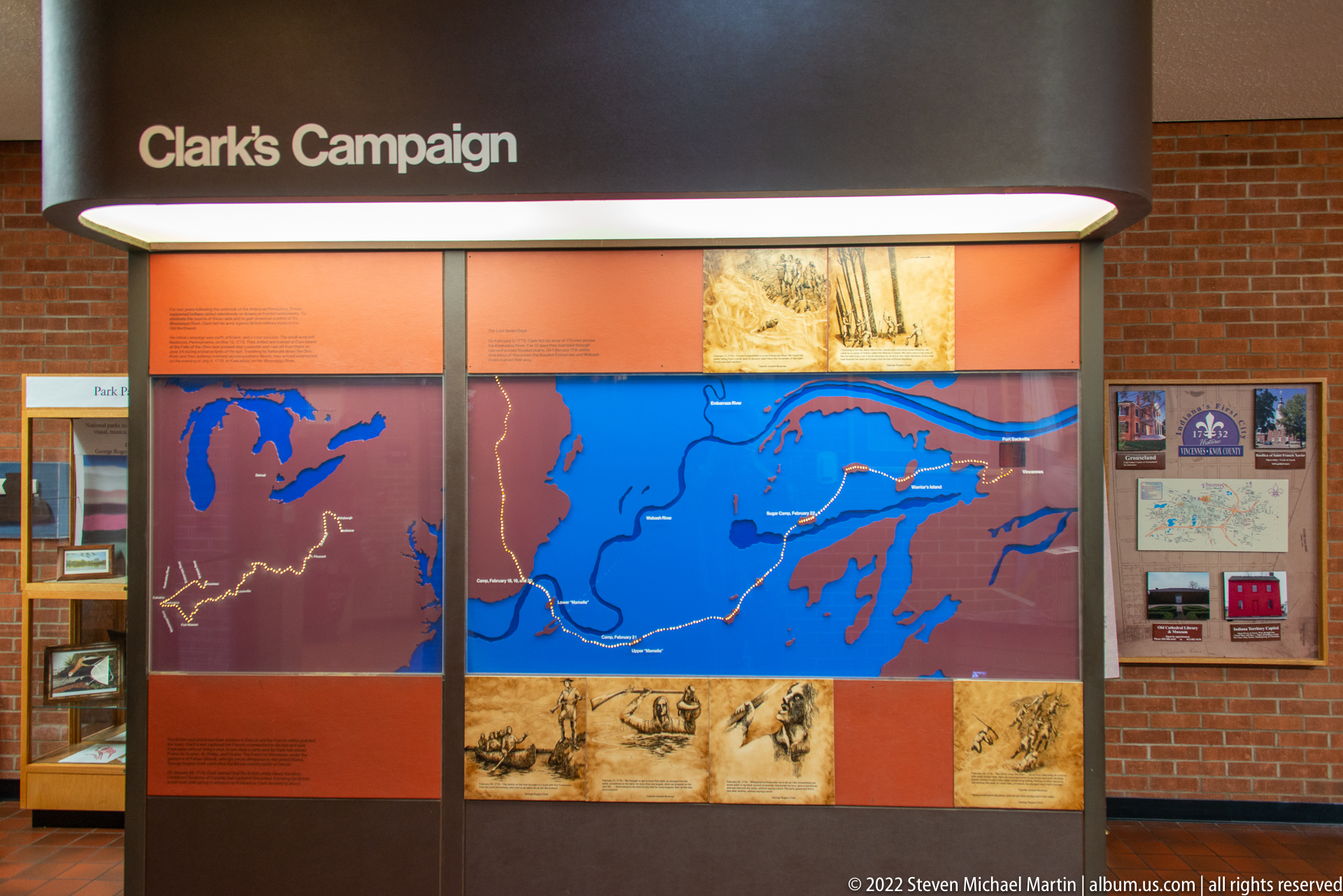
Caption
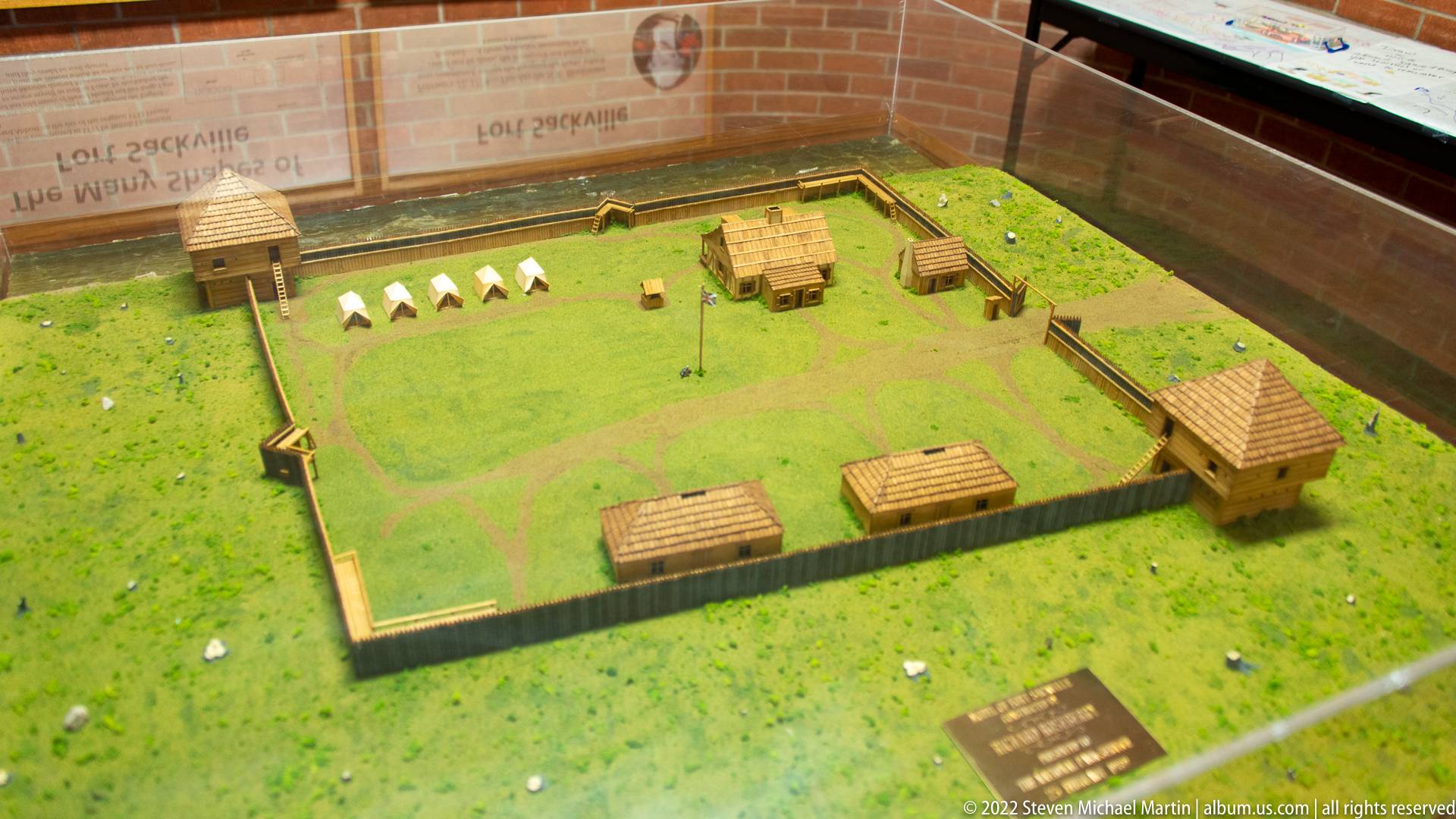
Caption
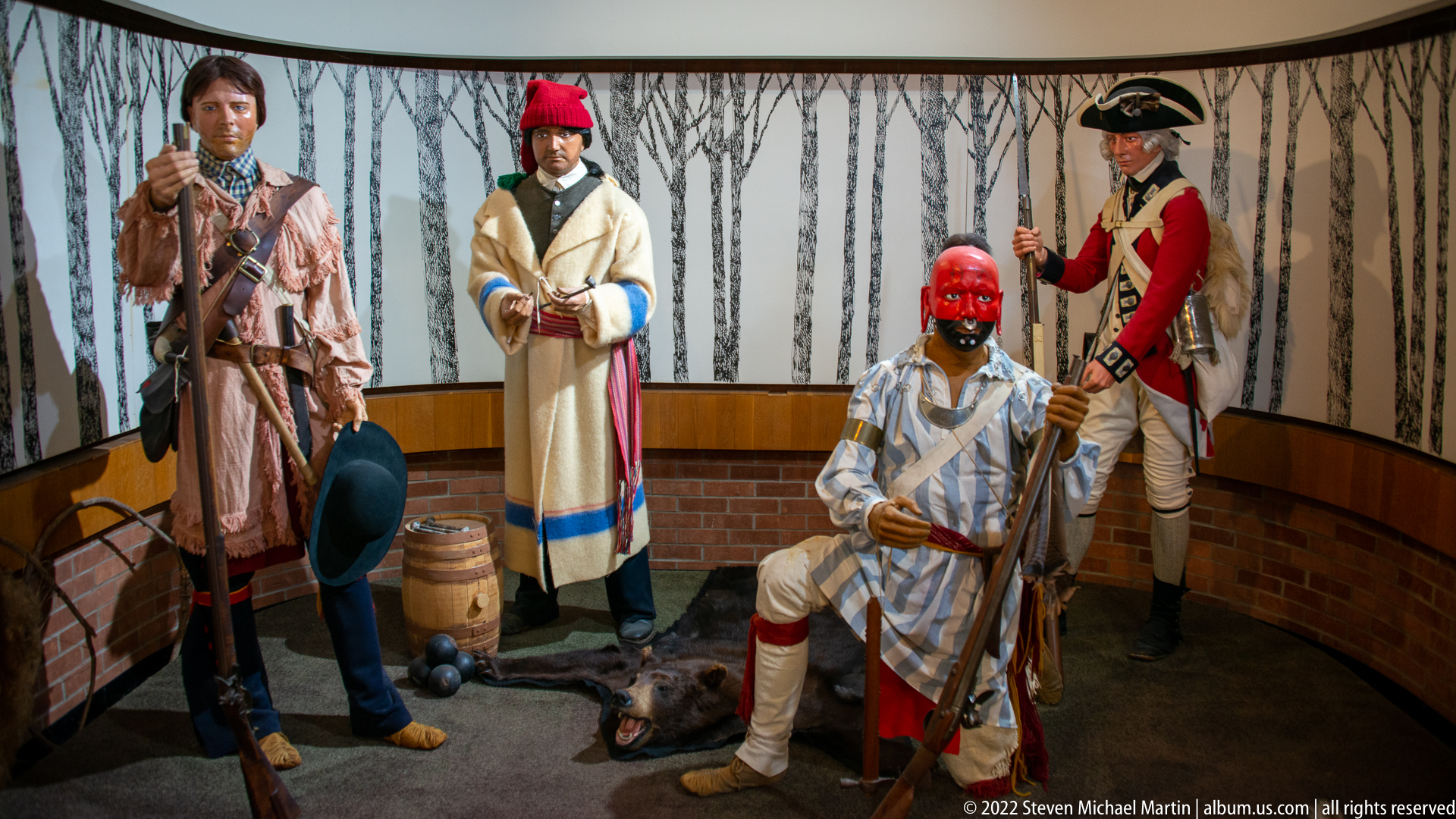
Caption
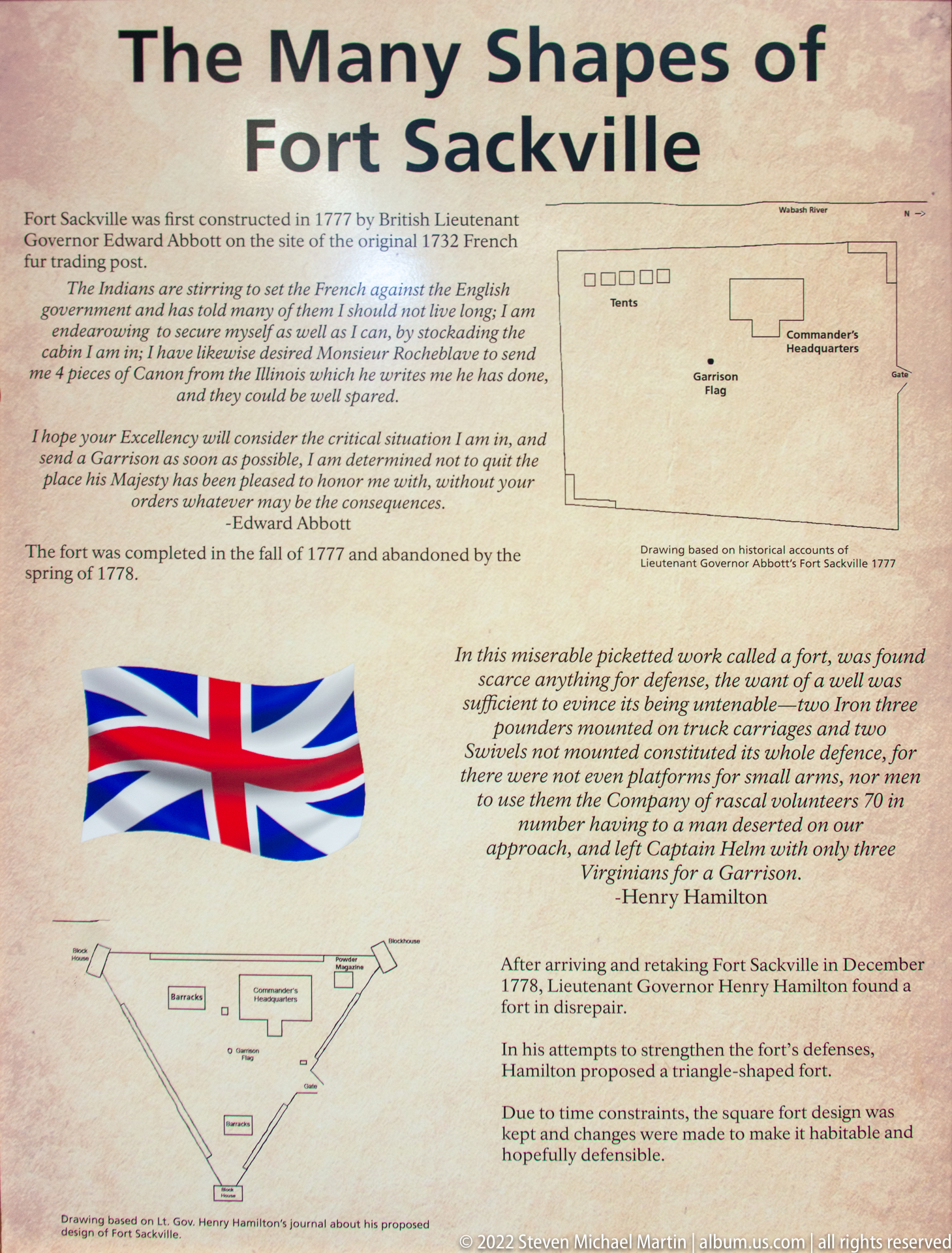
Caption
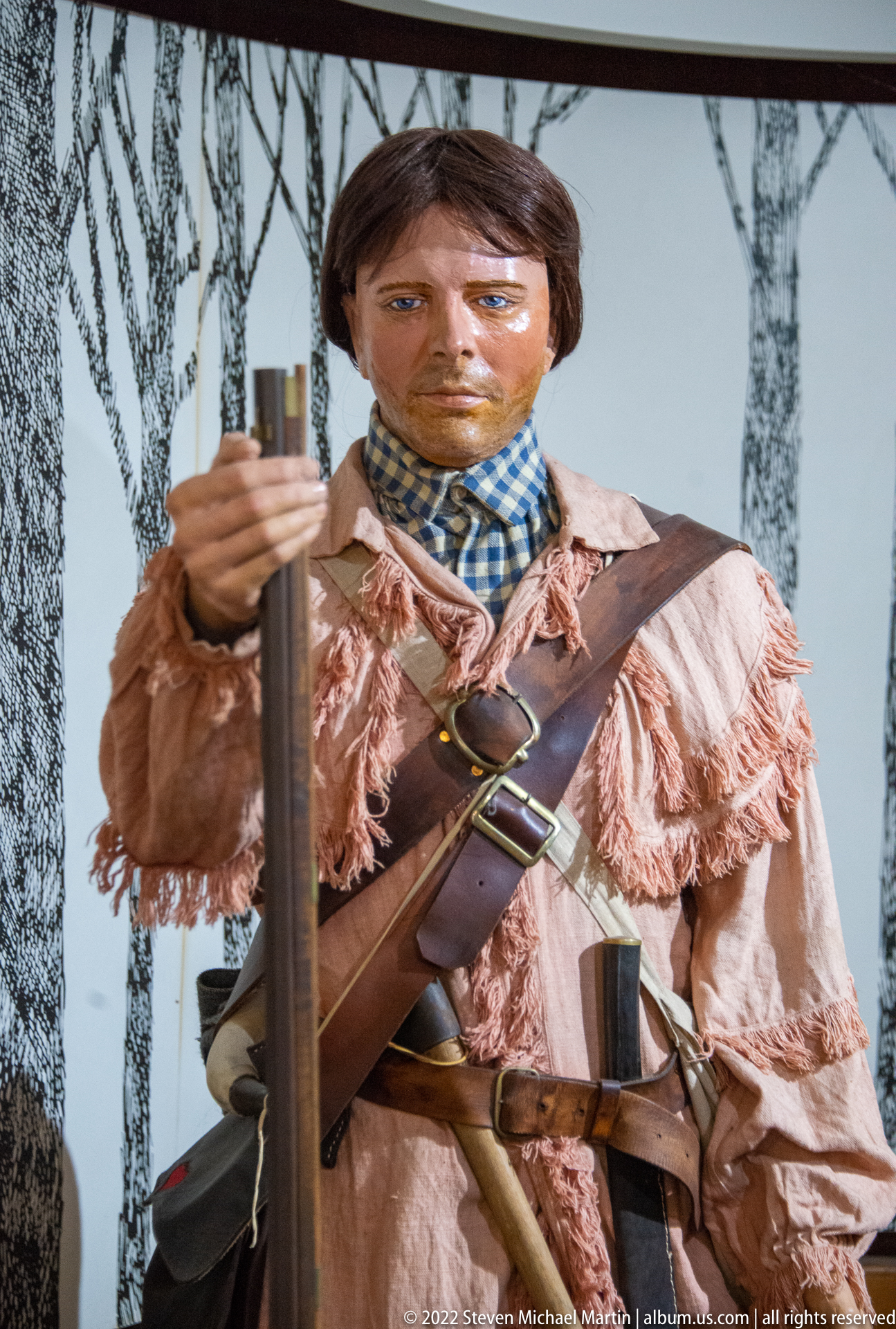
Caption
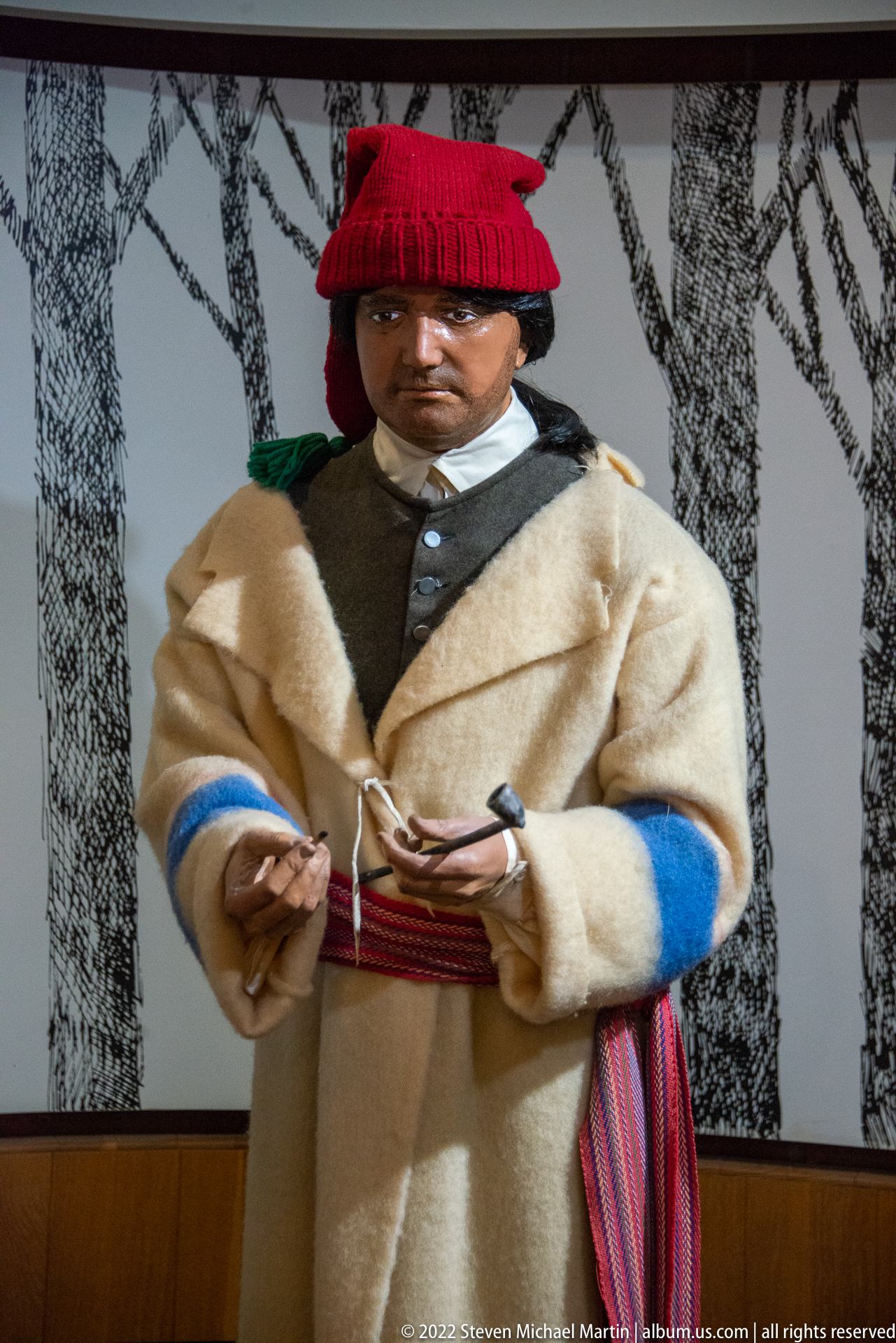
Caption
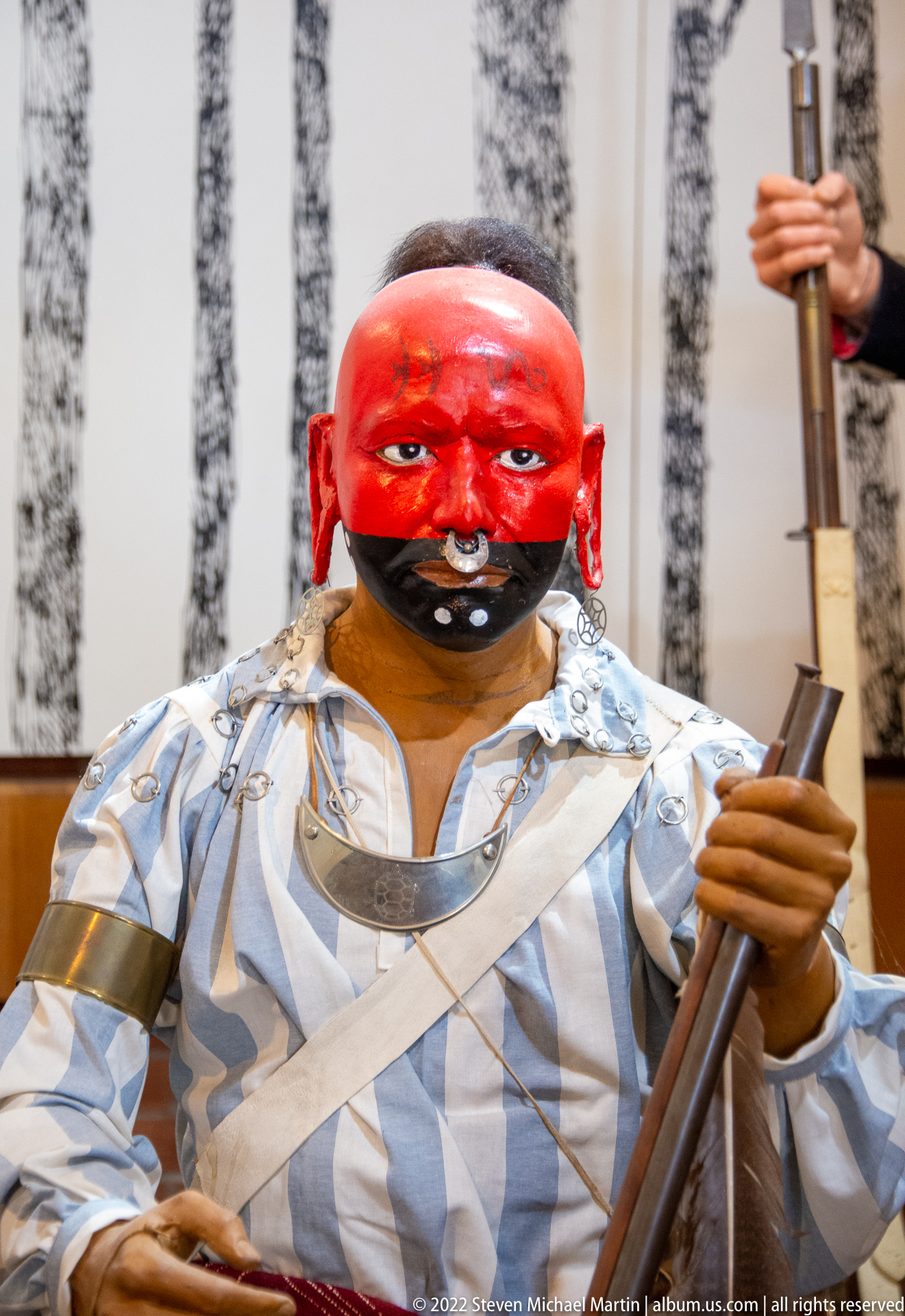
Caption
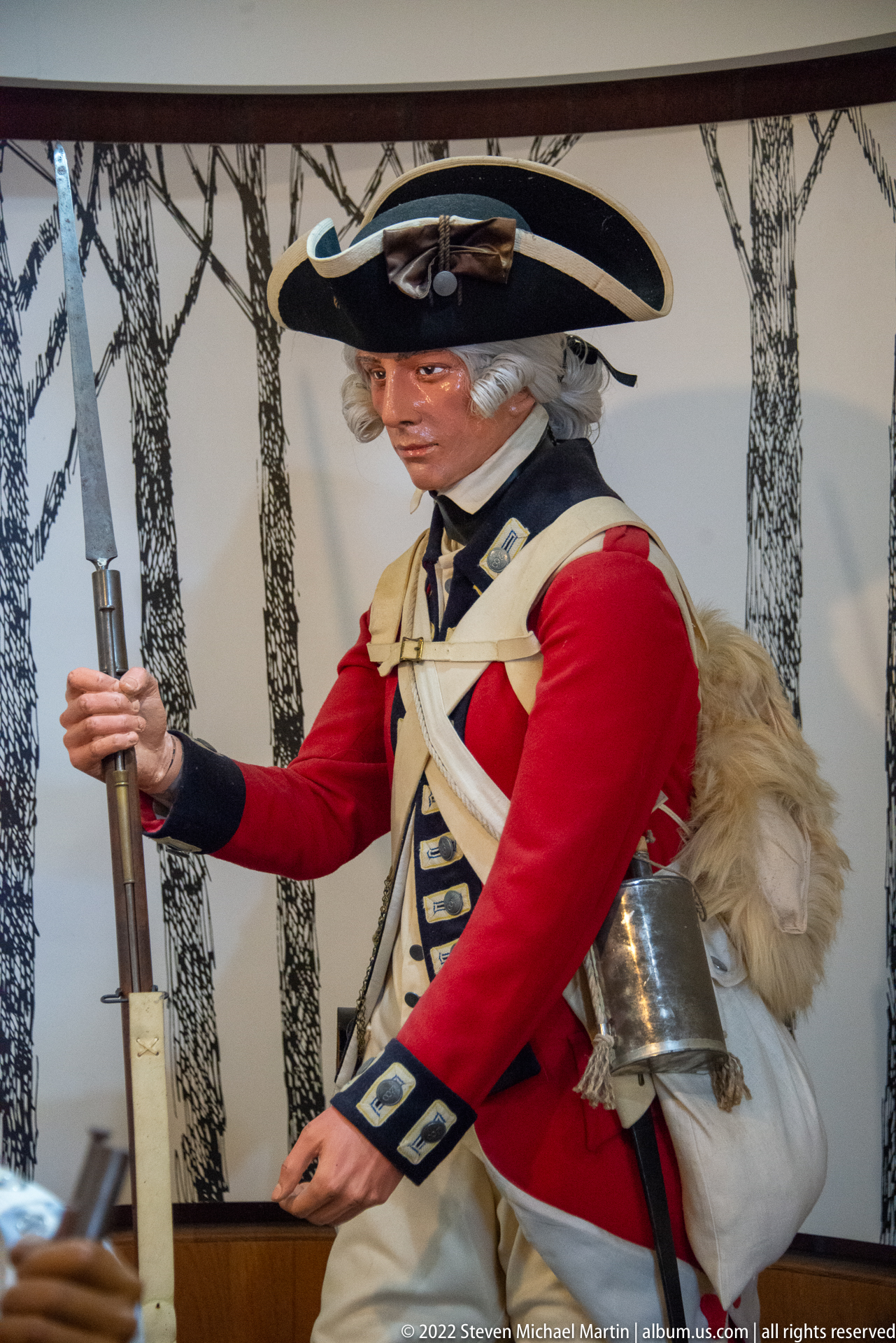
Caption

Caption
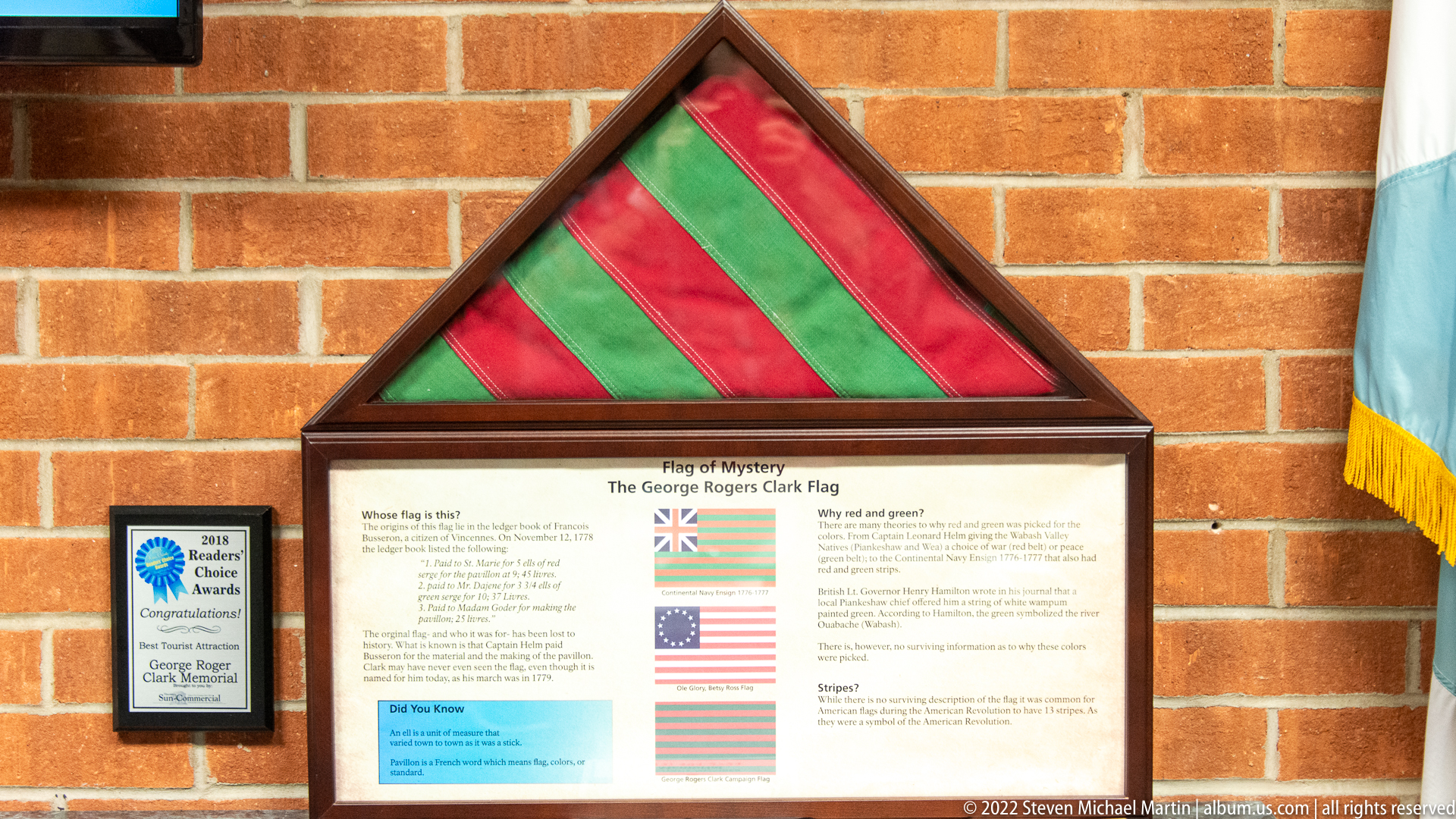
Caption
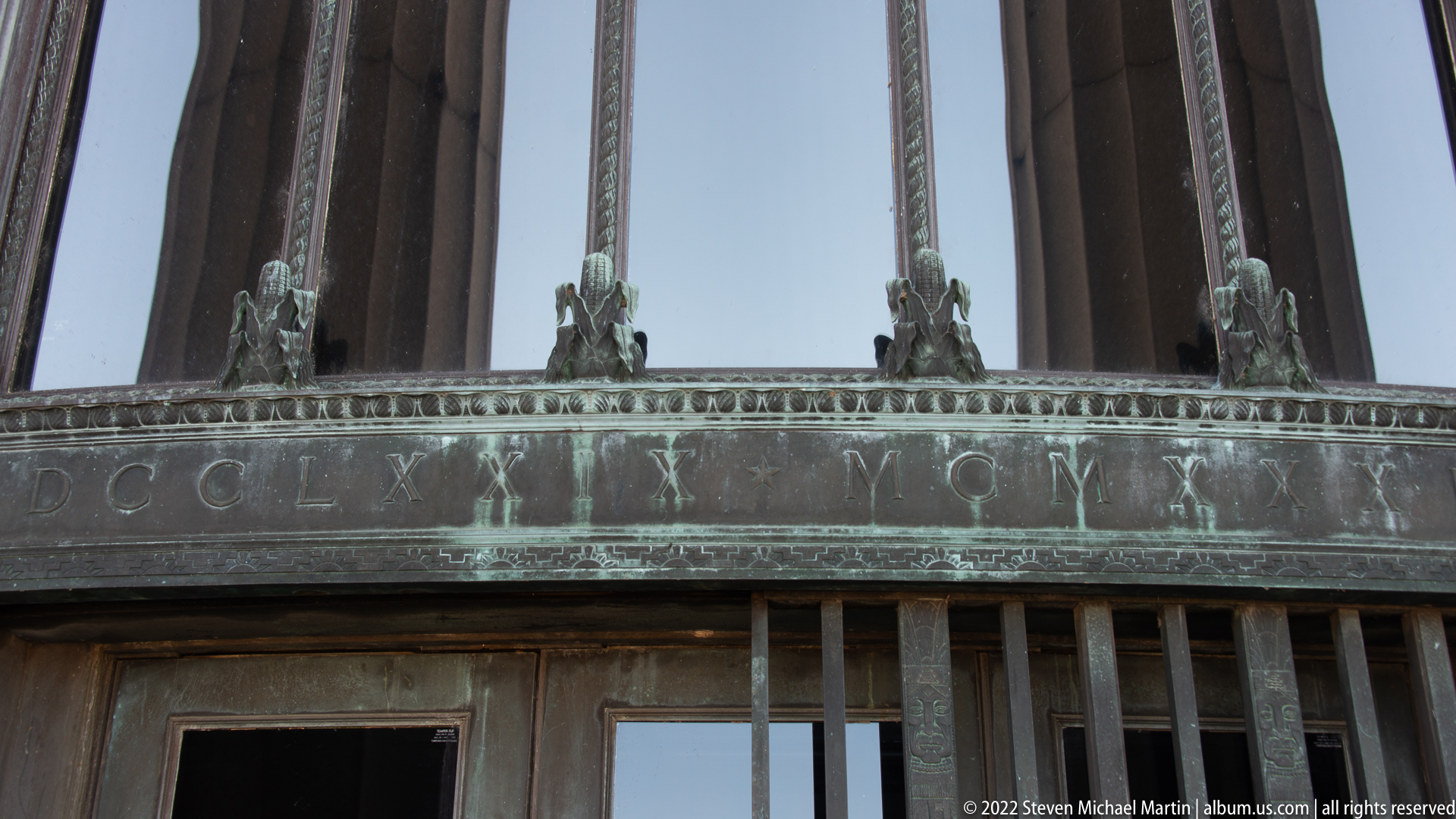
Caption

Caption
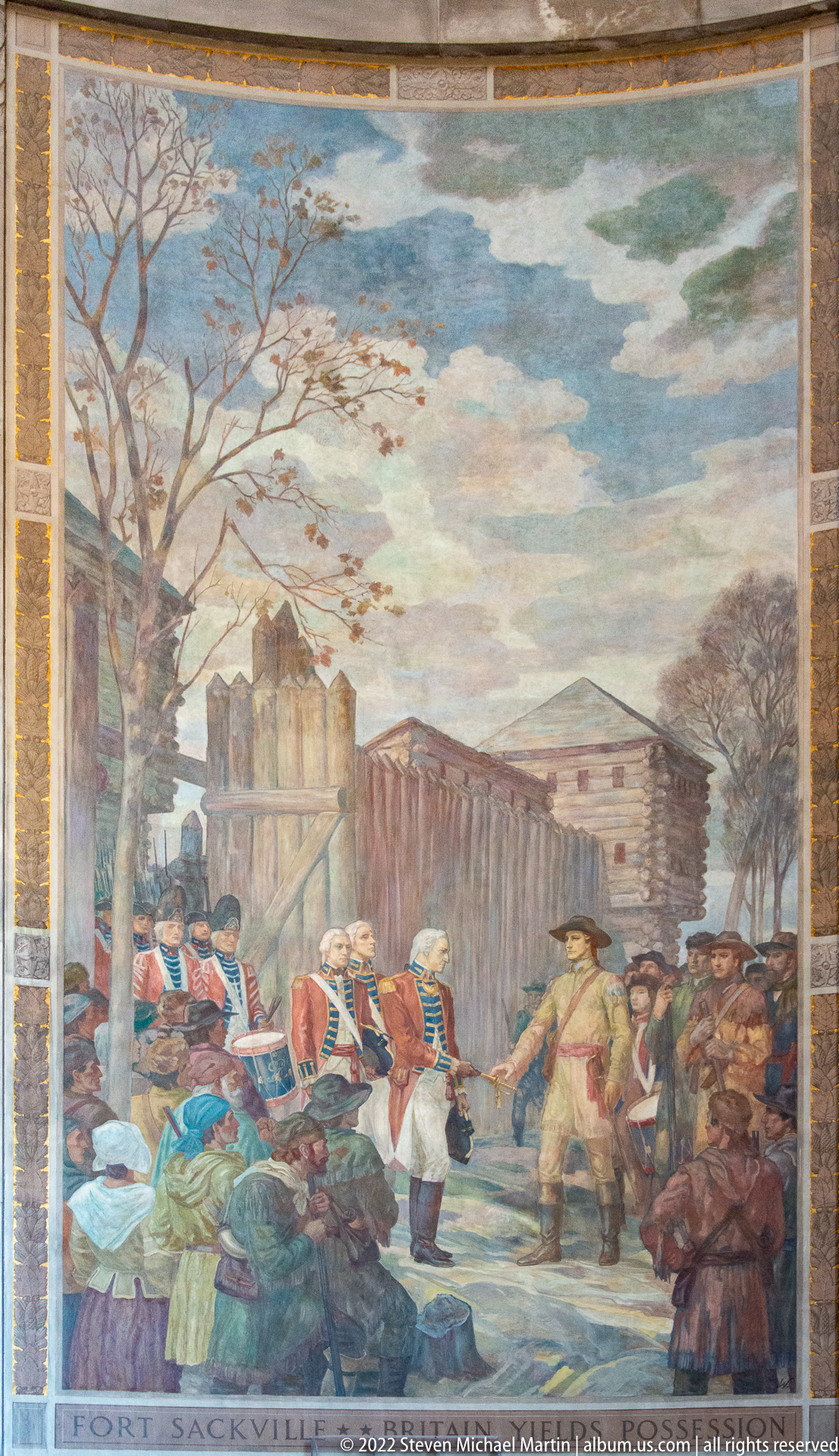
Caption
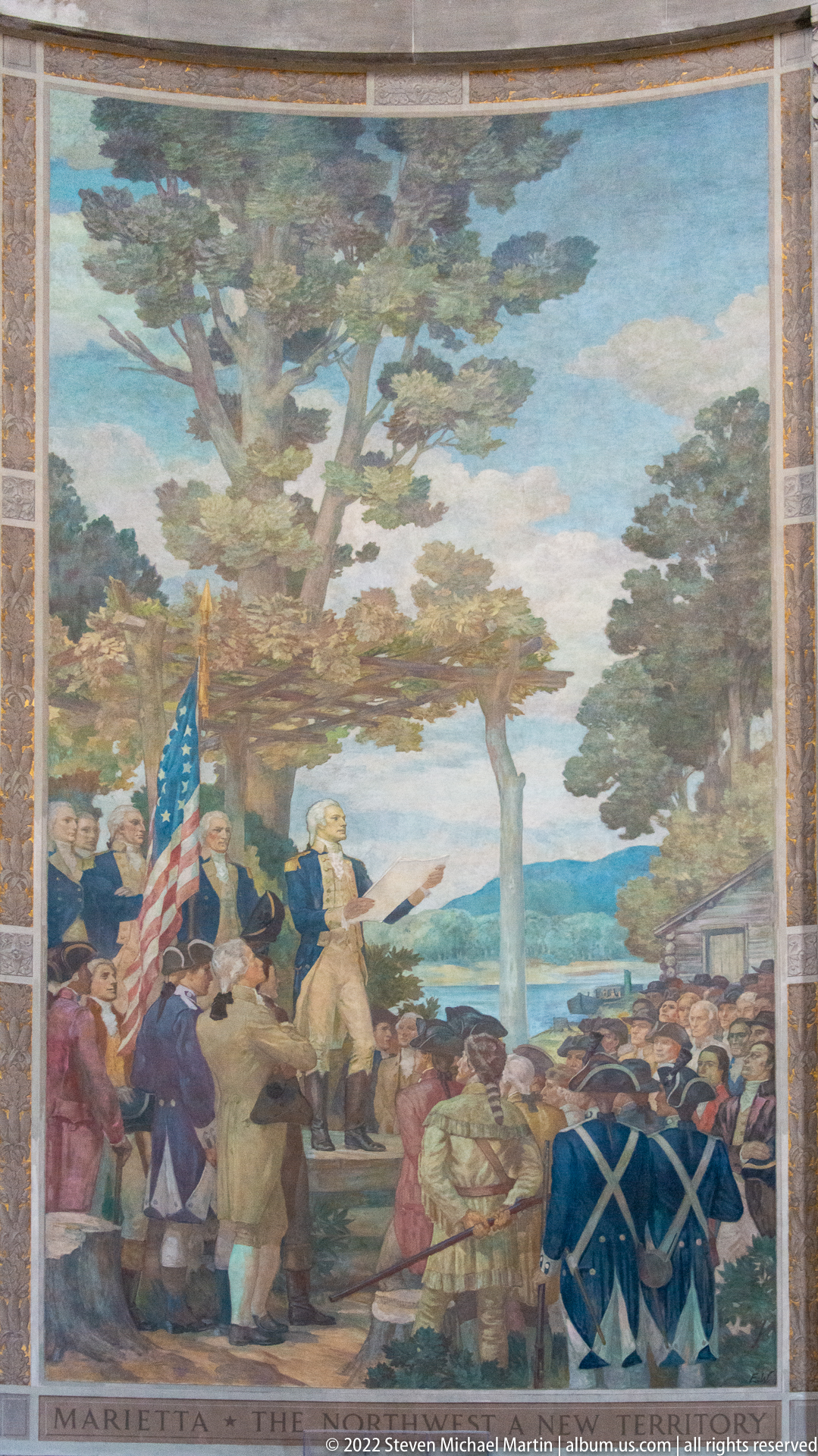
Caption
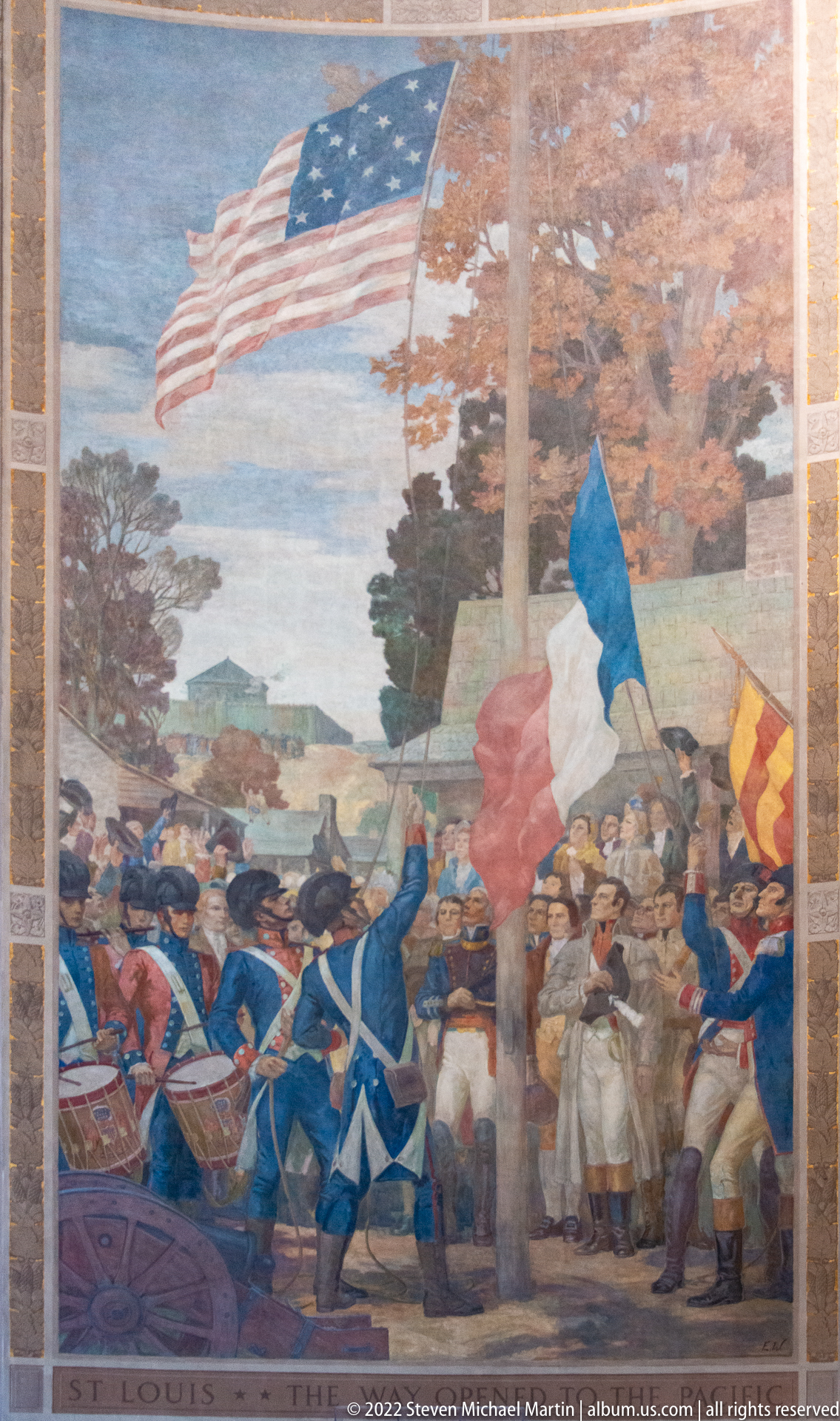
Caption
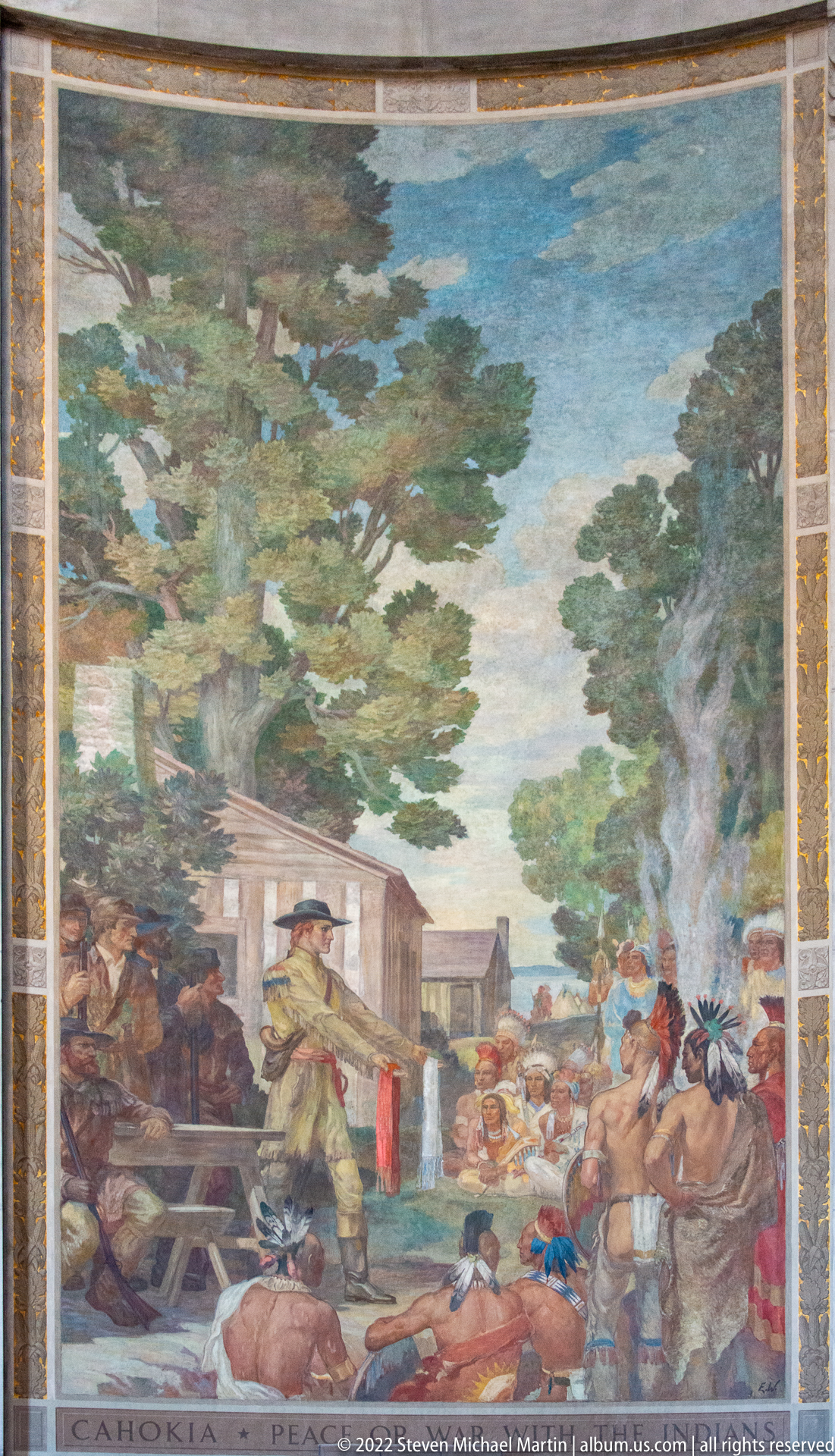
Caption
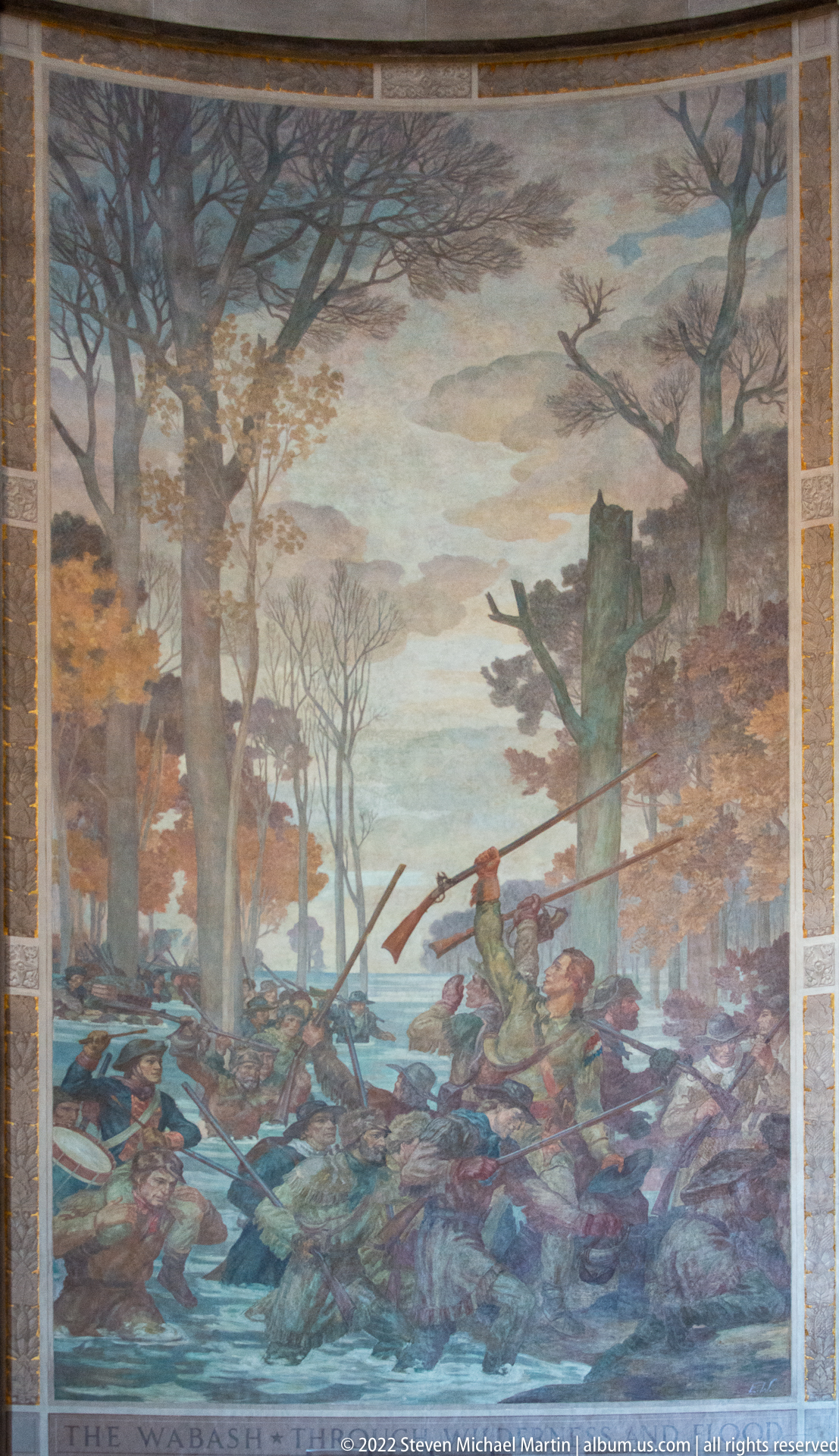
Caption
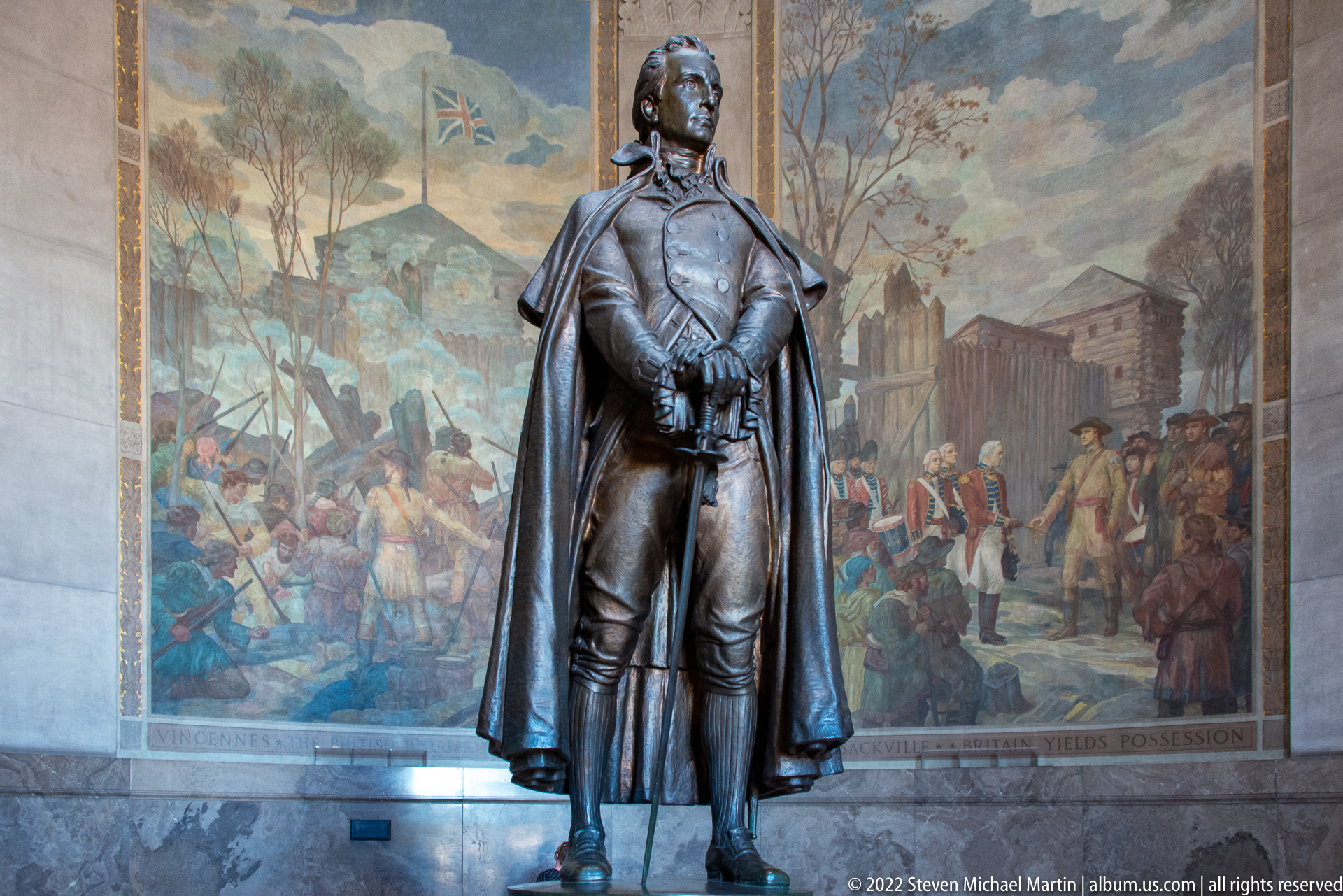
Caption
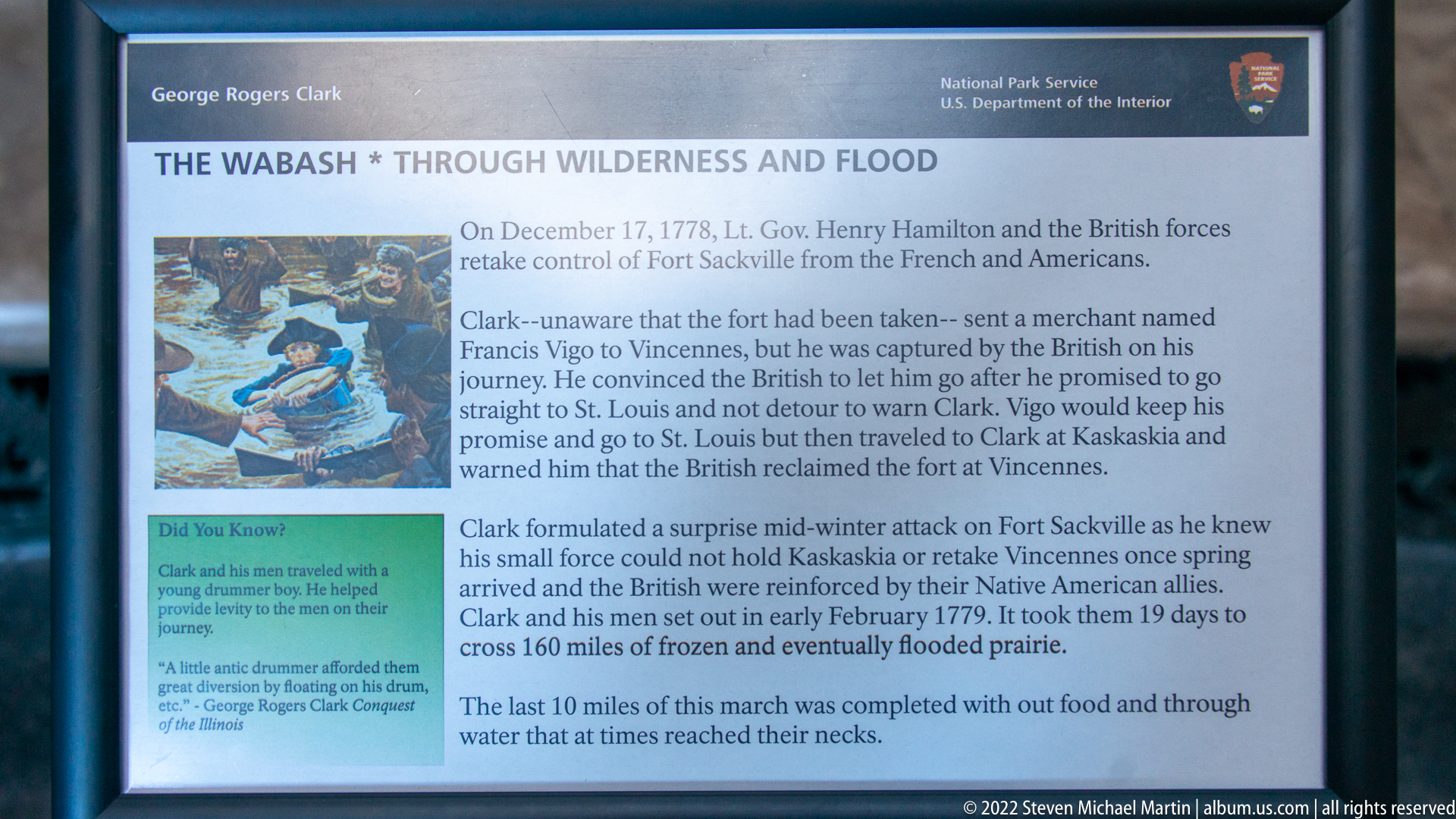
Caption

Caption
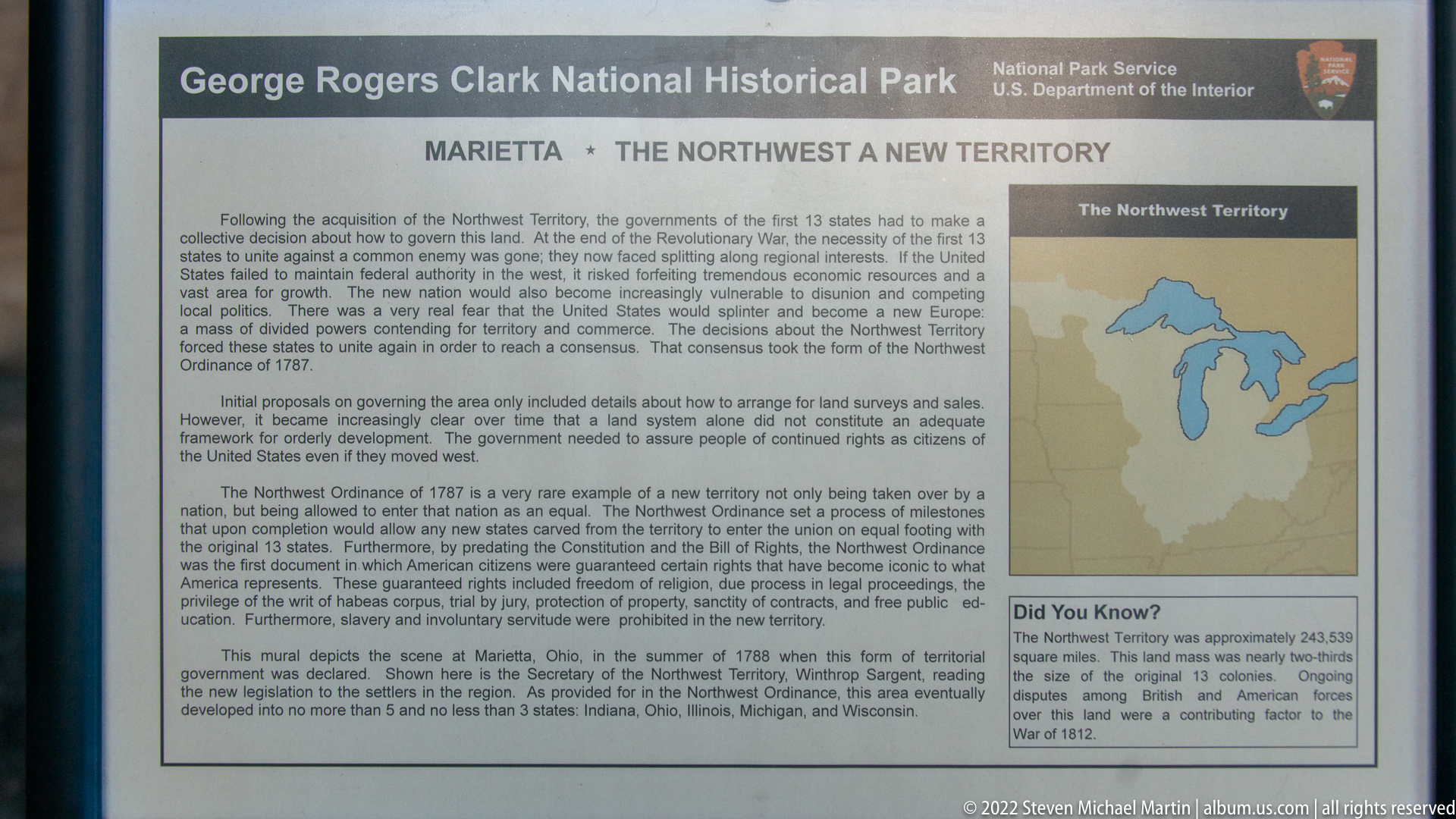
Caption
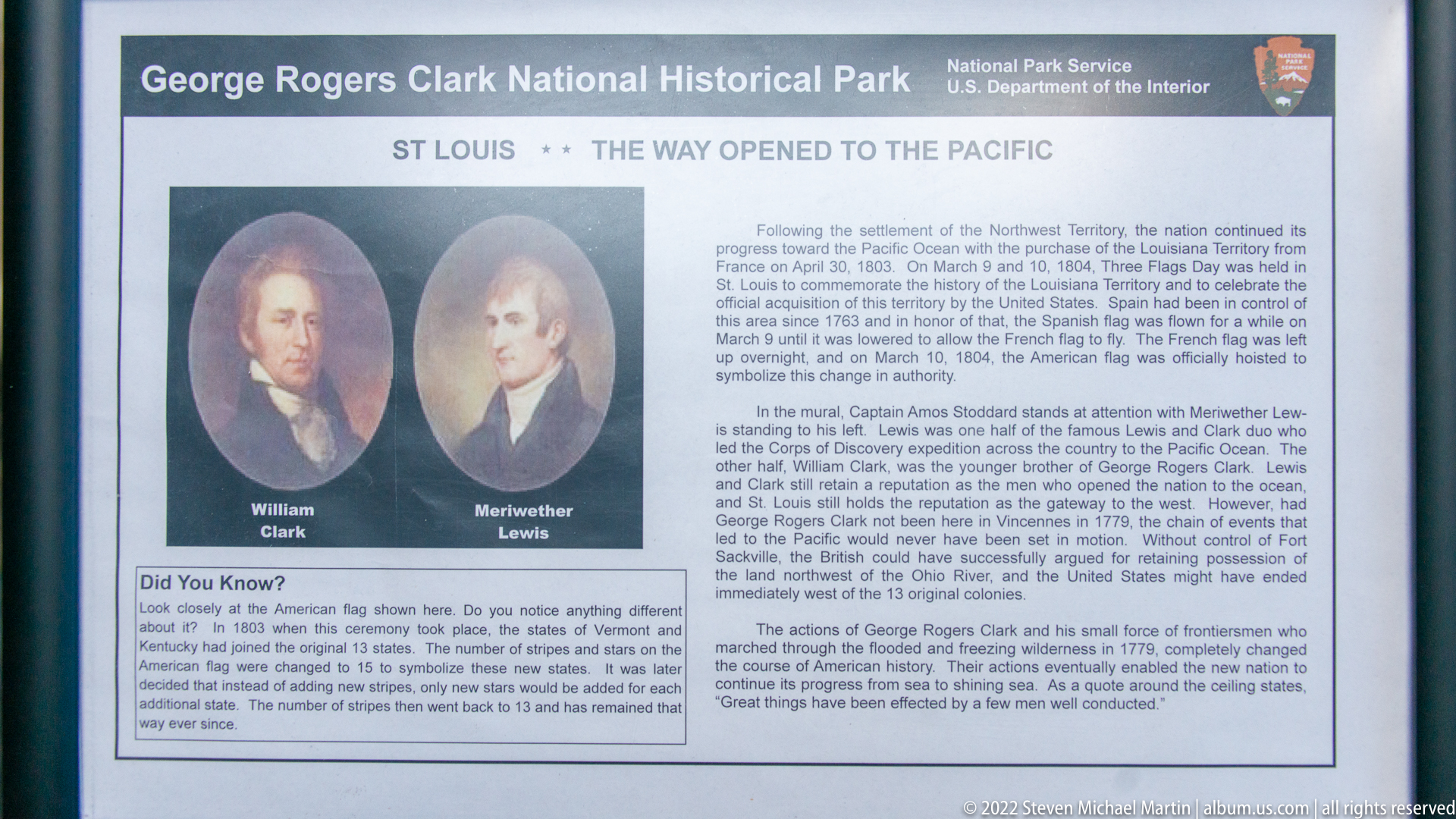
Caption
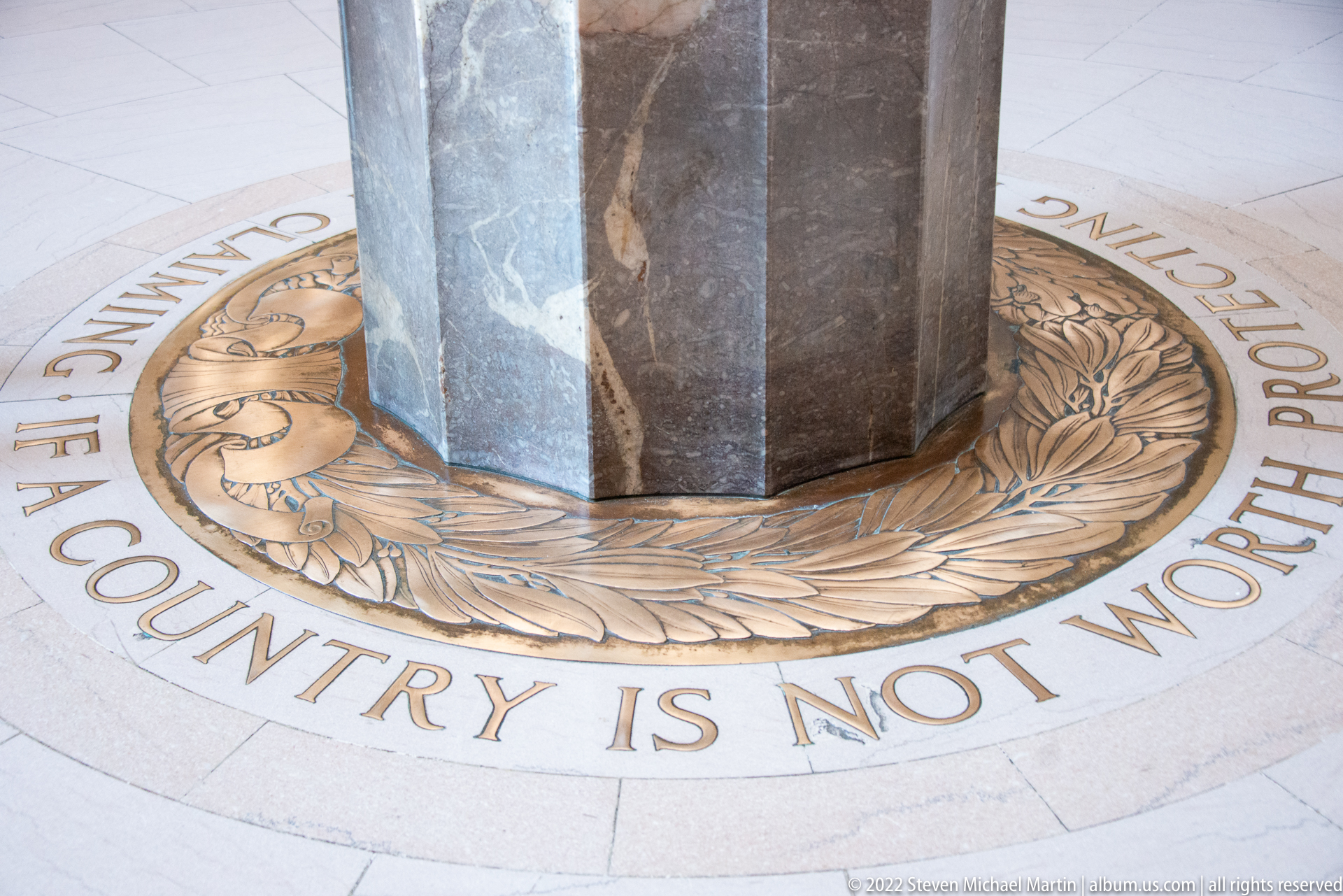
Caption
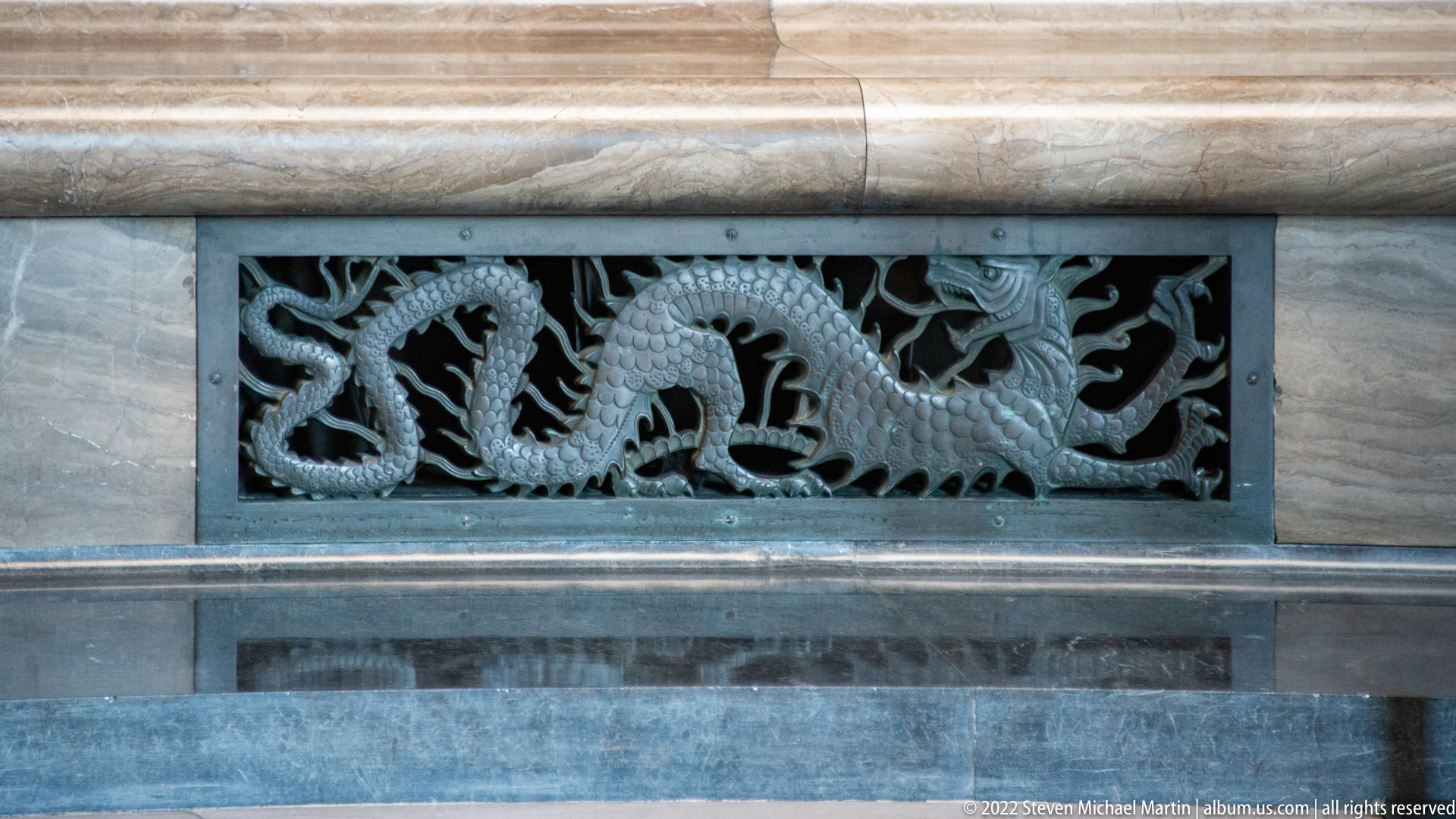
Caption

Caption
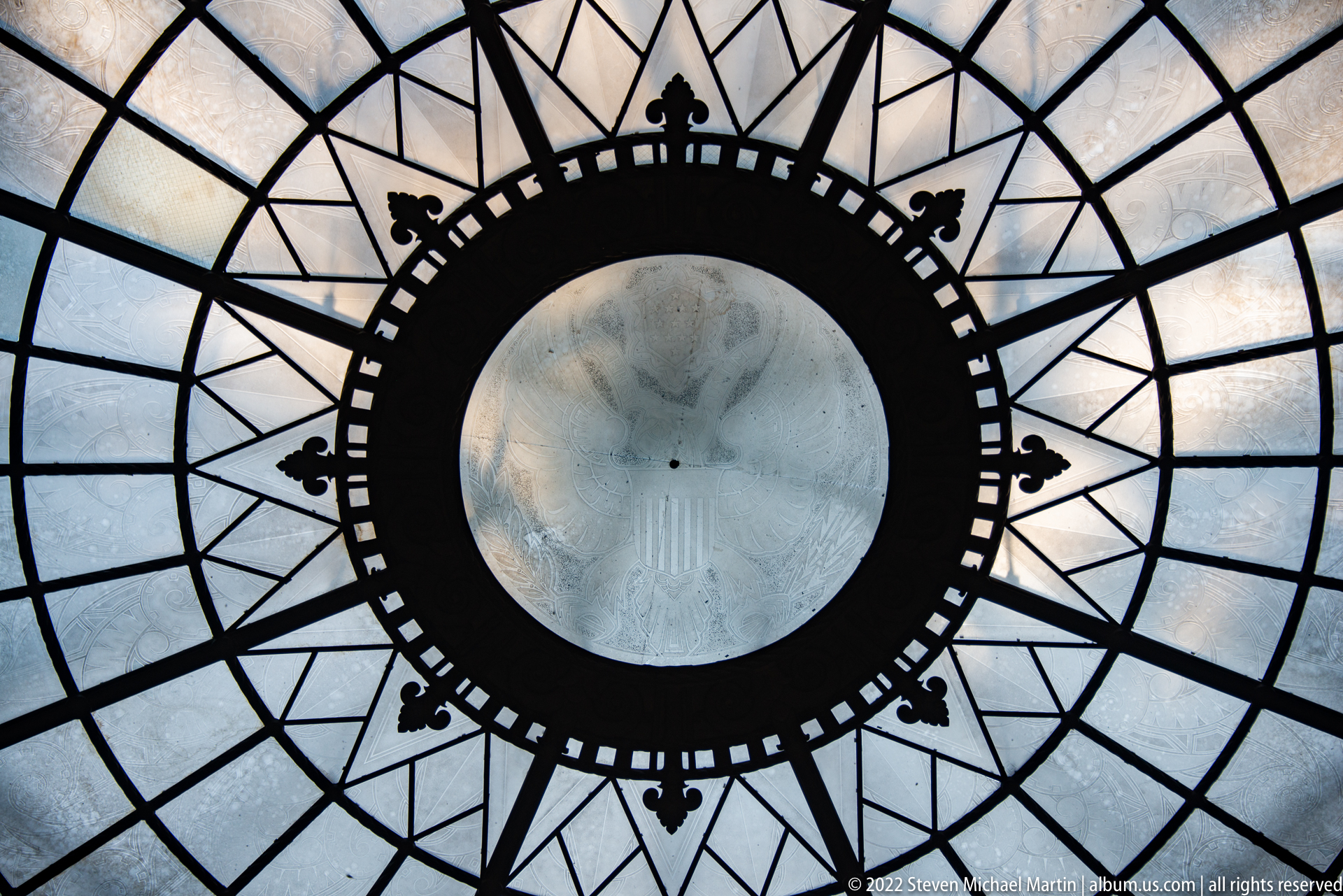
Caption

Caption
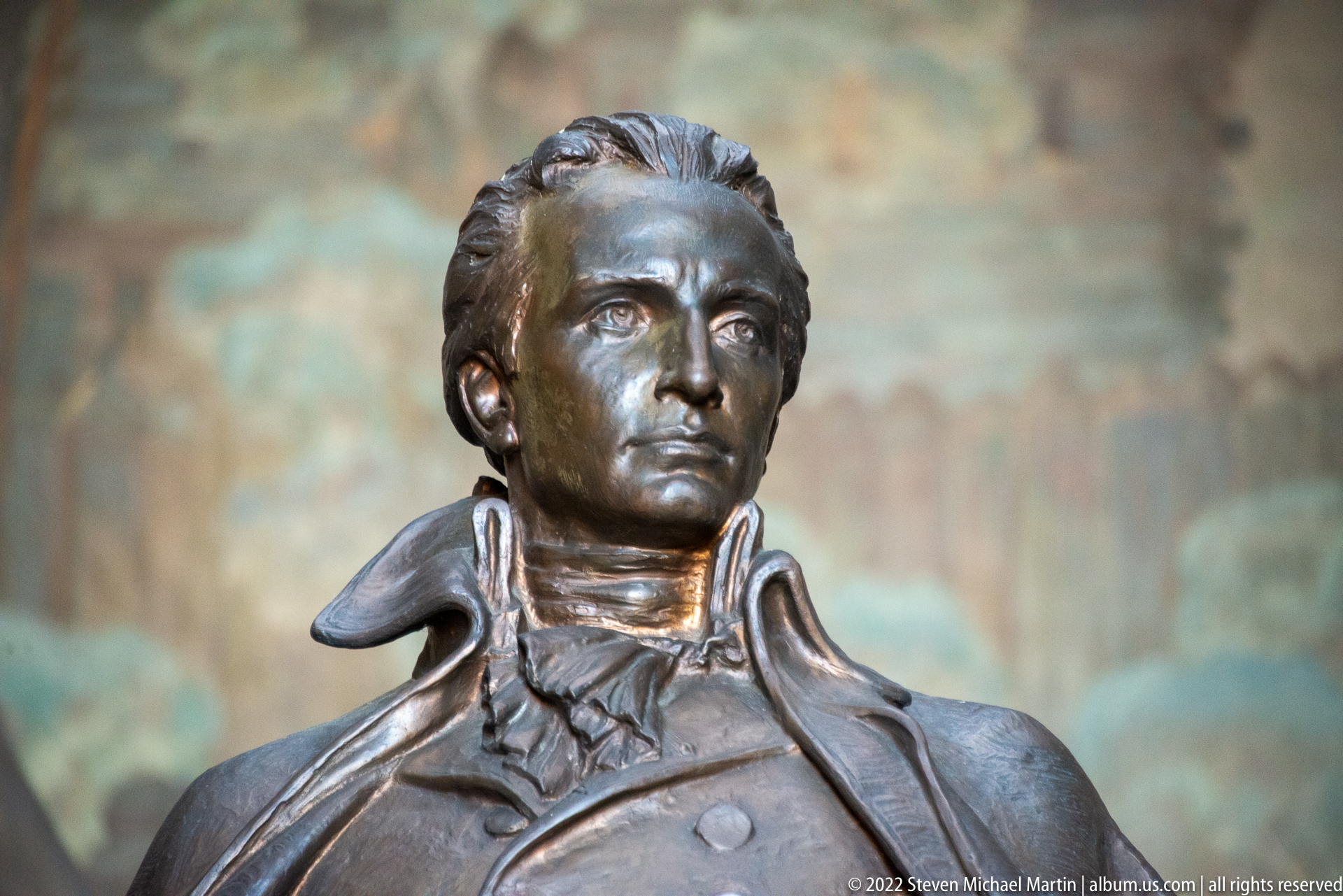
Caption
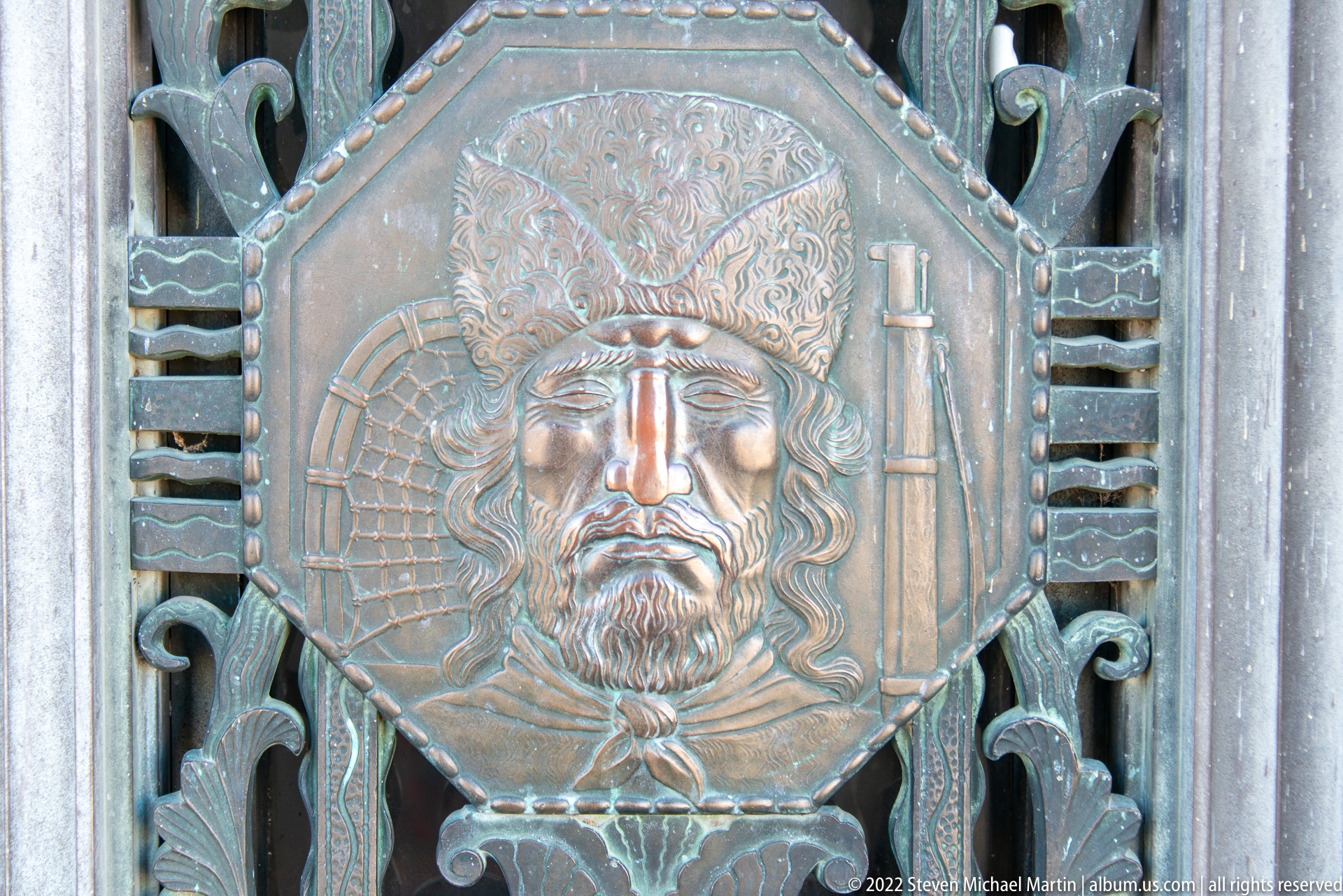
Caption
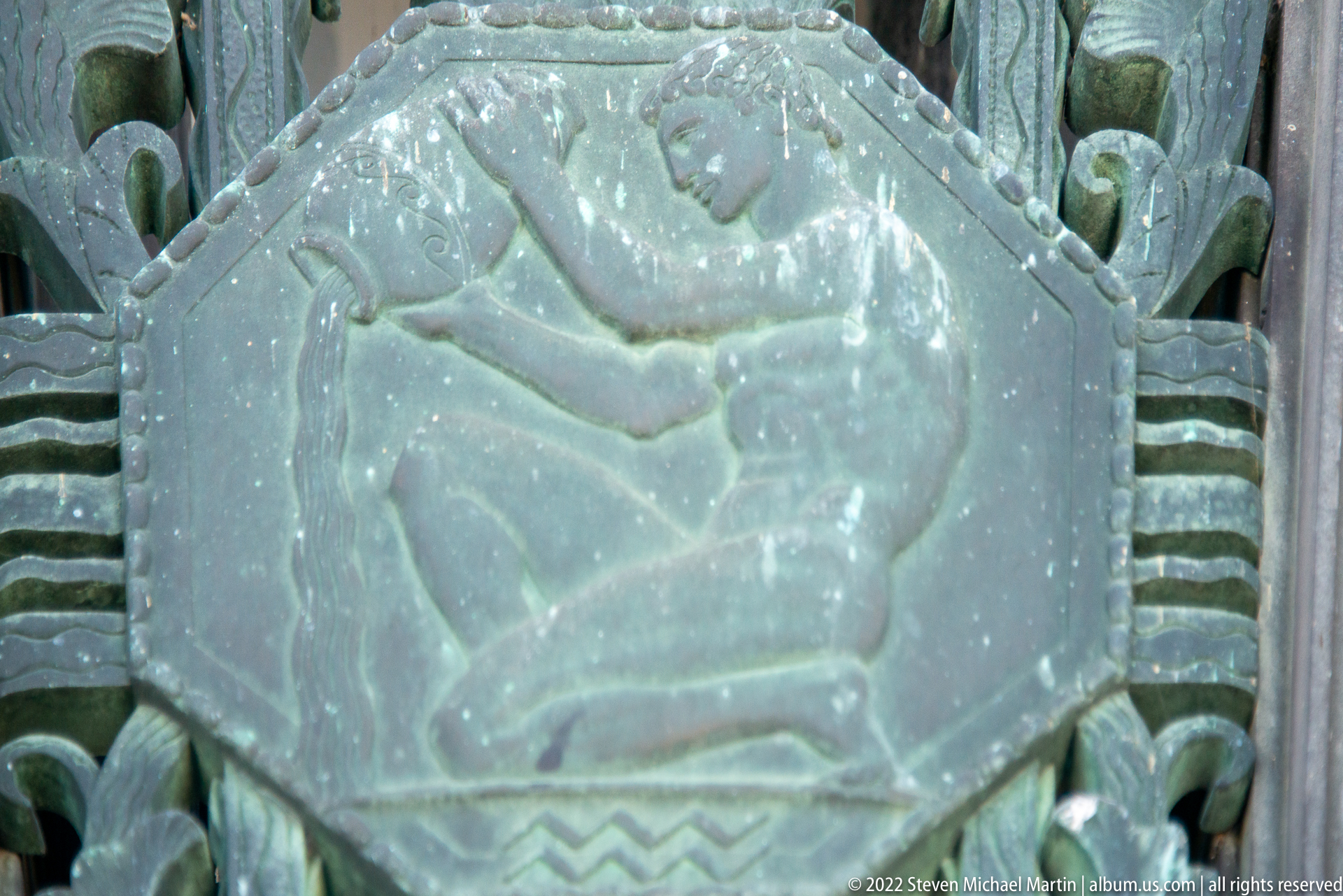
Caption
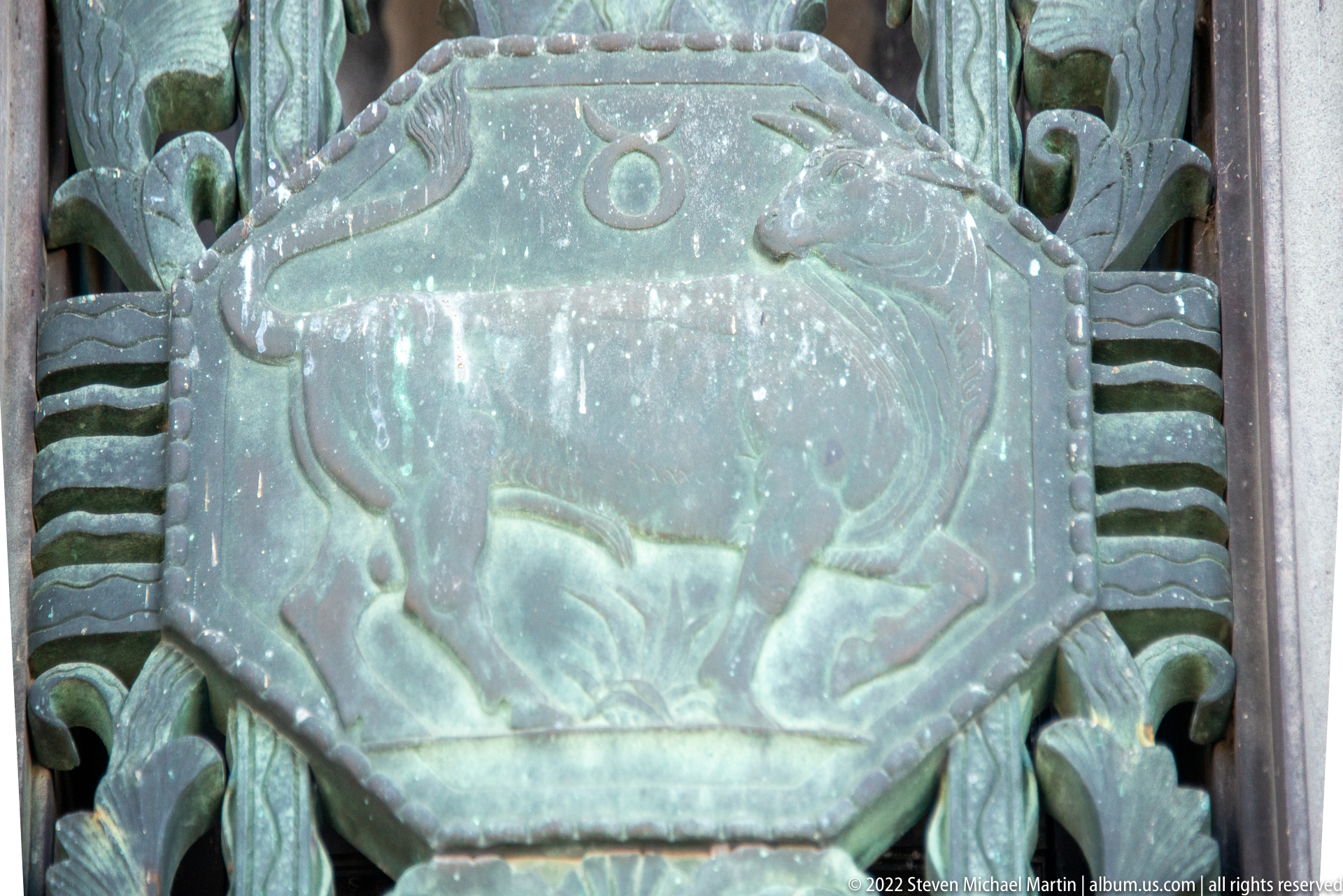
Caption
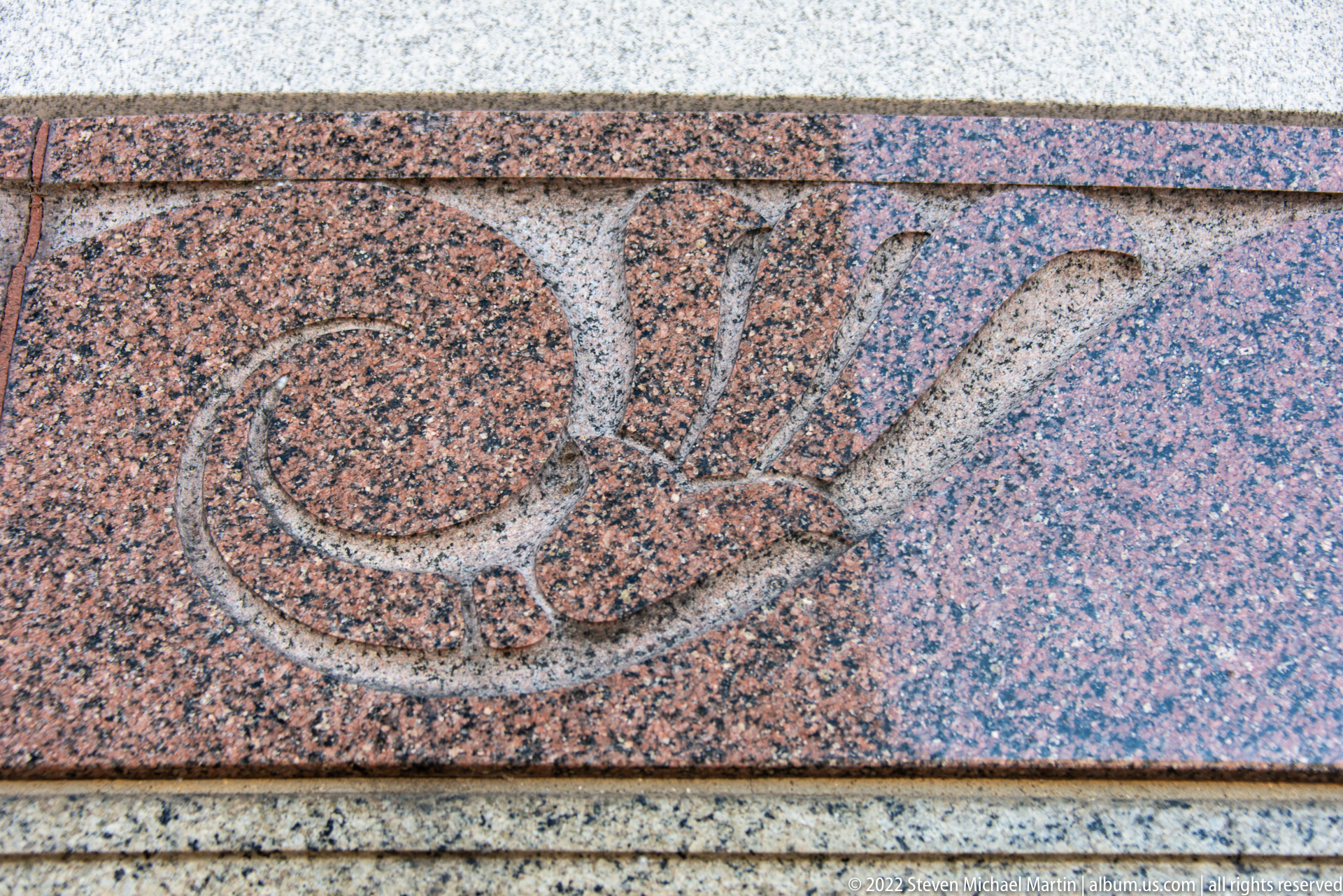
Caption
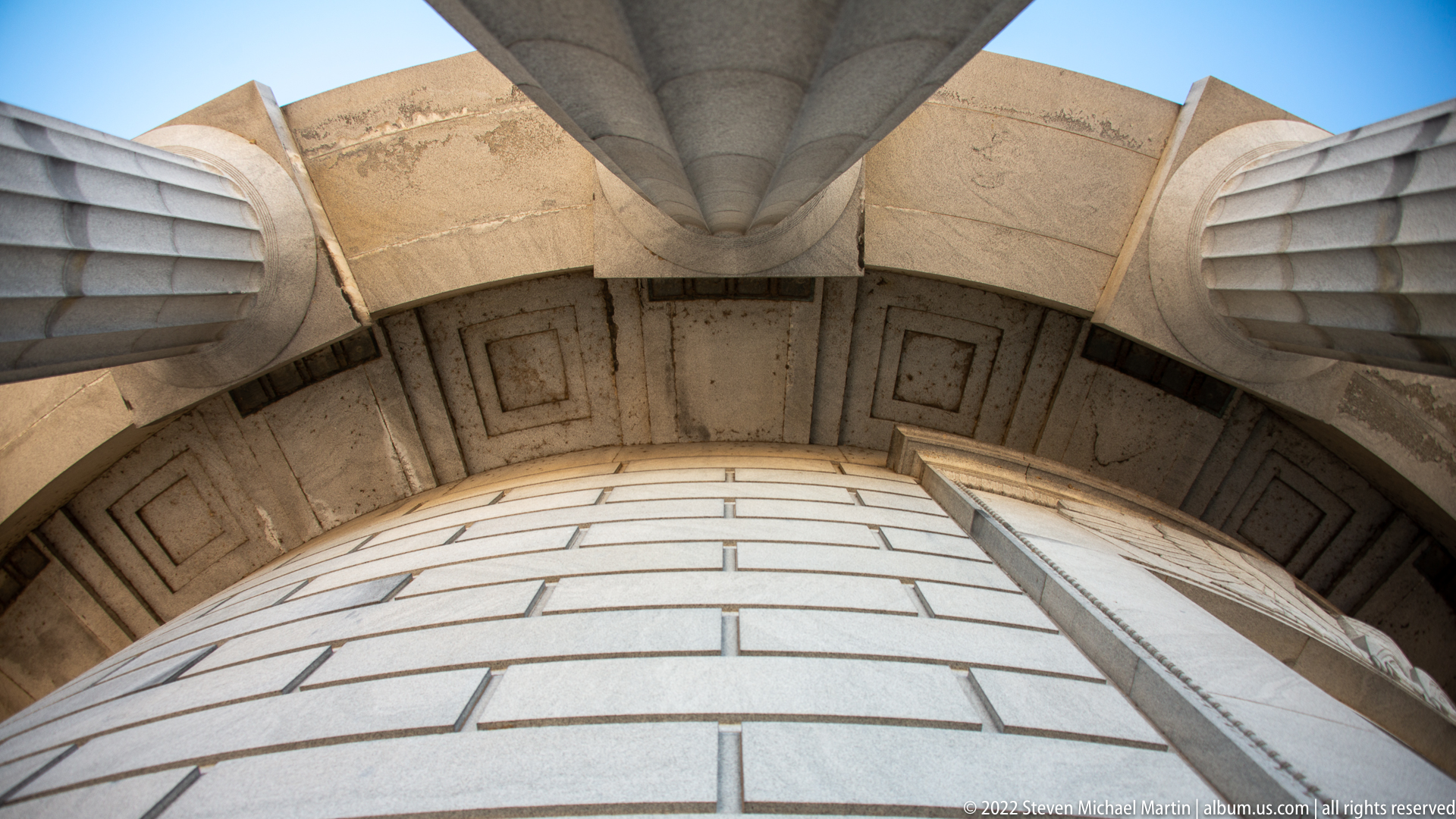
Caption

Caption
Caption

Caption

Caption

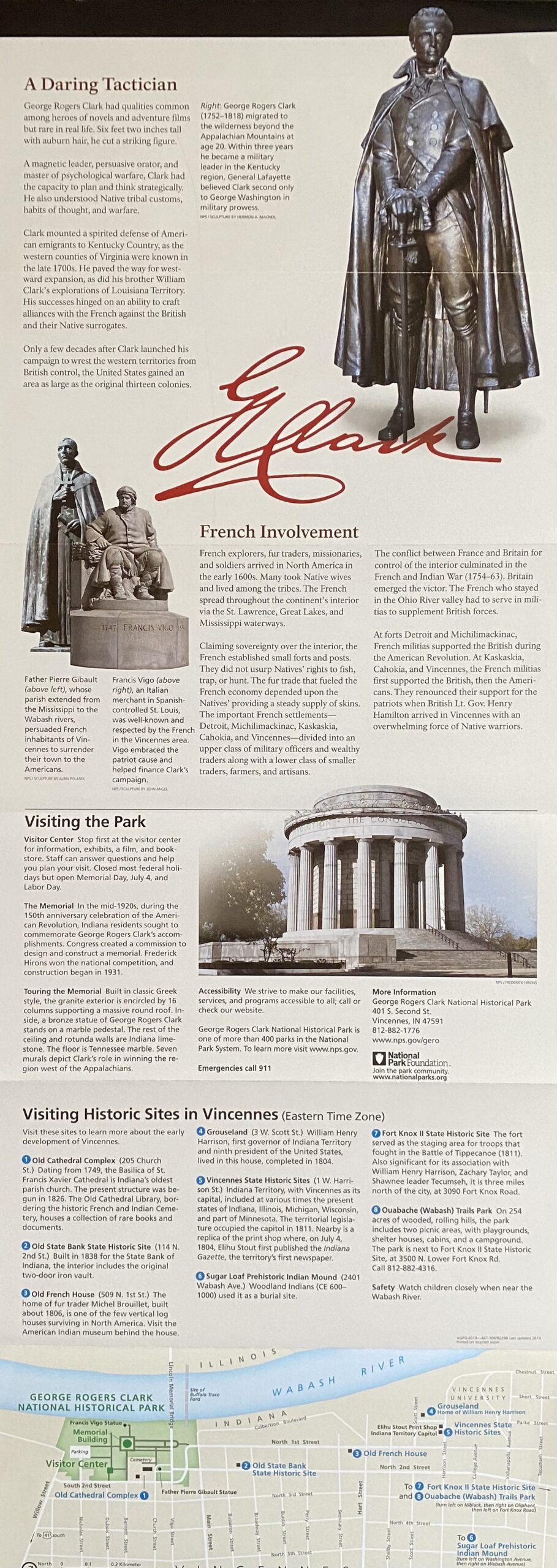
George Rogers Clark National Historical Park — Field Guide
National Historical Park Field Guide
📍 Overview
George Rogers Clark National Historical Park commemorates the Revolutionary War campaign that secured the Northwest Territory for the United States. George Rogers Clark’s capture of Fort Sackville in 1779 helped strengthen American negotiating power during the Treaty of Paris and influenced the geographic boundaries of the new nation. The memorial honors leadership and determination in a challenging frontier environment.
The memorial structure combines classical design with symbolic elements that reflect themes of perseverance and national identity. The site provides context for understanding the strategic importance of western campaigns during the Revolutionary War and the role of frontier settlements in shaping early American expansion.
⭐ Highlights
- Memorial honoring George Rogers Clark’s frontier campaign
- Connection to the Revolutionary War western theater
- Classically inspired memorial architecture
- Landscaped grounds along the Wabash River
- Interpretive exhibits explaining early territorial expansion
🔎 Key Features
- Monument commemorating capture of Fort Sackville
- Interpretive displays describing Revolutionary War strategy
- Symbolic architecture reflecting national identity
- Historic landscape associated with frontier settlement
- Context for understanding early U.S. territorial growth
📷 Photography Notes
- Symmetrical compositions work well with classical architecture
- Side lighting highlights texture in stone surfaces
- Wide framing helps capture the scale of the memorial
- Foreground elements can help add depth
- Seasonal foliage may complement the monument setting
- Look for angles that emphasize geometric balance