Mount Rushmore
Mount Rushmore National Memorial features monumental sculptures carved into granite rock within the Black Hills of South Dakota. The figures of four United States presidents were created between 1927 and 1941 using drilling and controlled blasting techniques. The site illustrates how natural rock formations have been incorporated into cultural expressions reflecting national identity and historical memory.
The Black Hills region has long held cultural significance for Indigenous communities, particularly the Lakota Sioux, for whom the landscape carries spiritual meaning. The granite formations of the region formed more than one billion years ago through geological uplift and erosion that exposed durable crystalline rock layers.
Today, Mount Rushmore represents the intersection of geology, national symbolism, and cultural interpretation. The surrounding forested landscape provides context for understanding how natural terrain has influenced both cultural traditions and artistic expression.
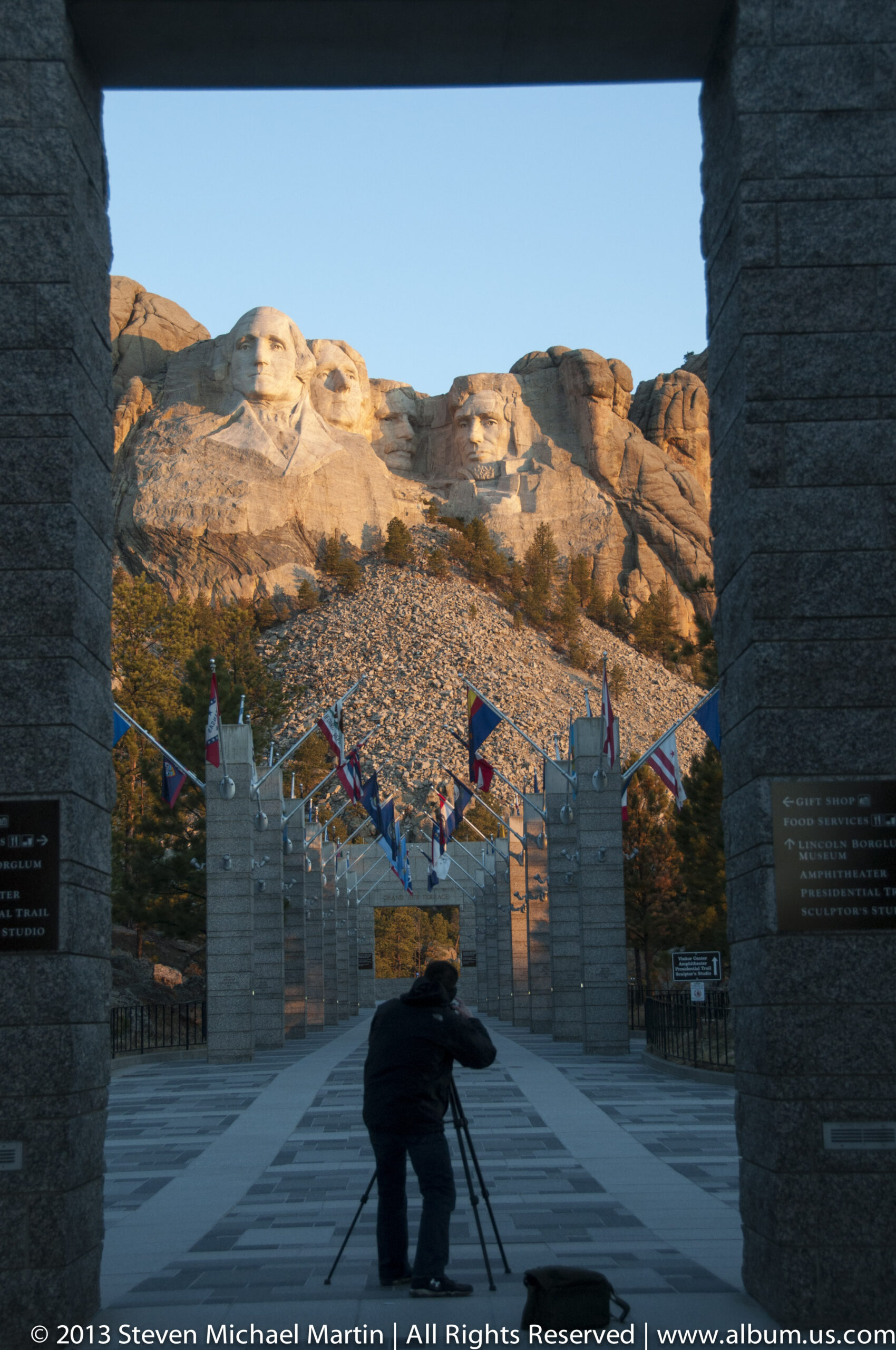
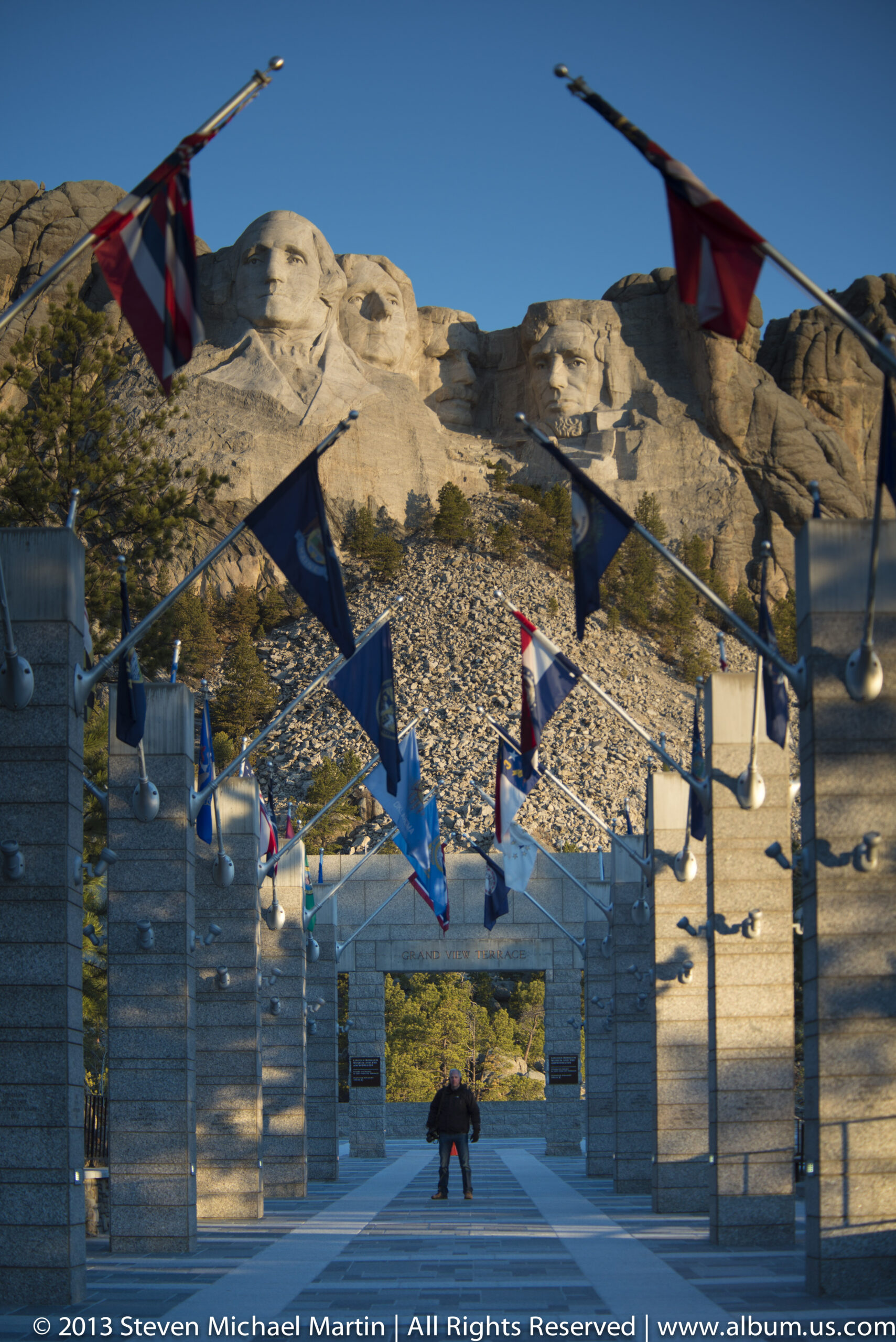
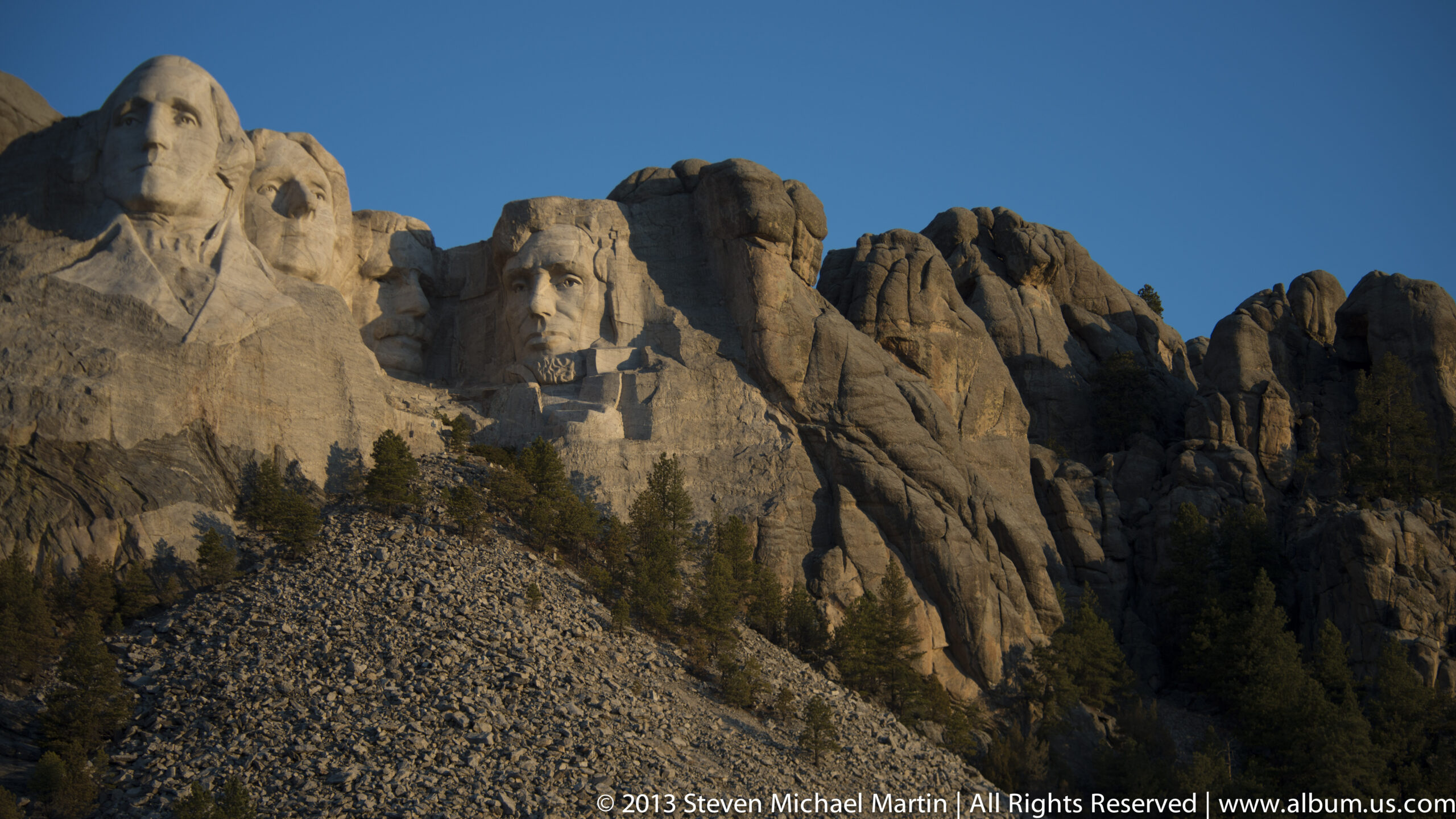
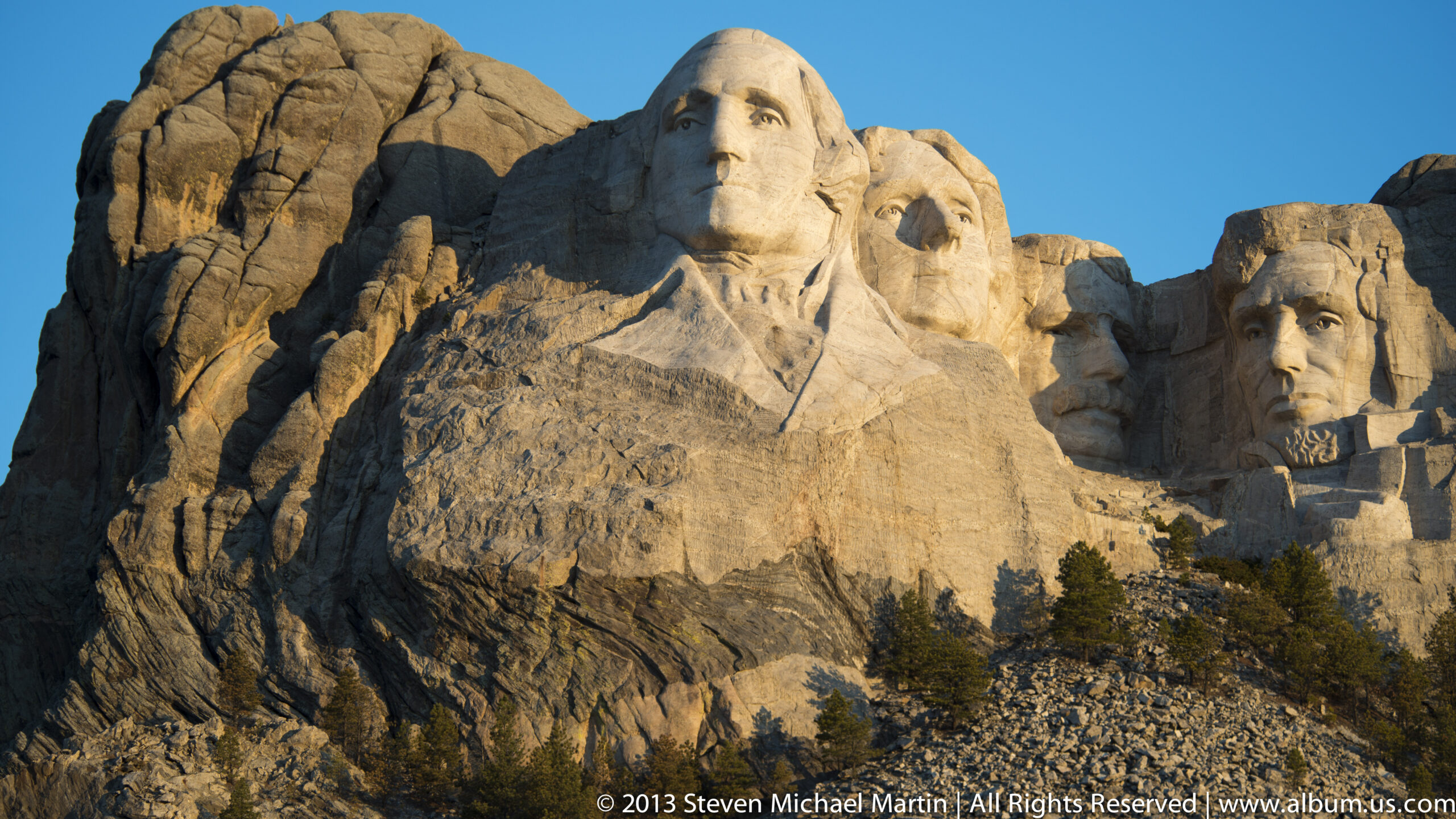
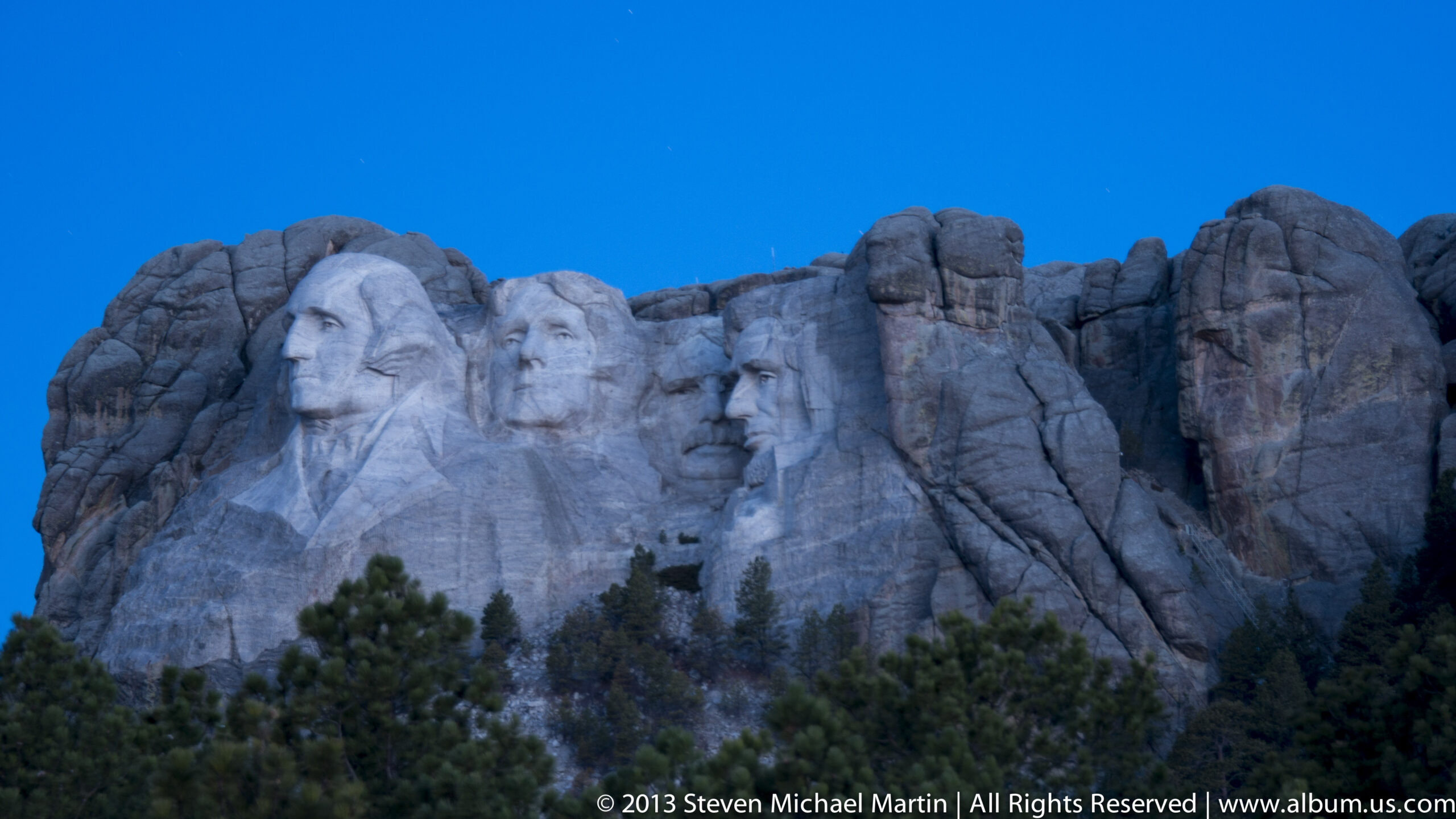
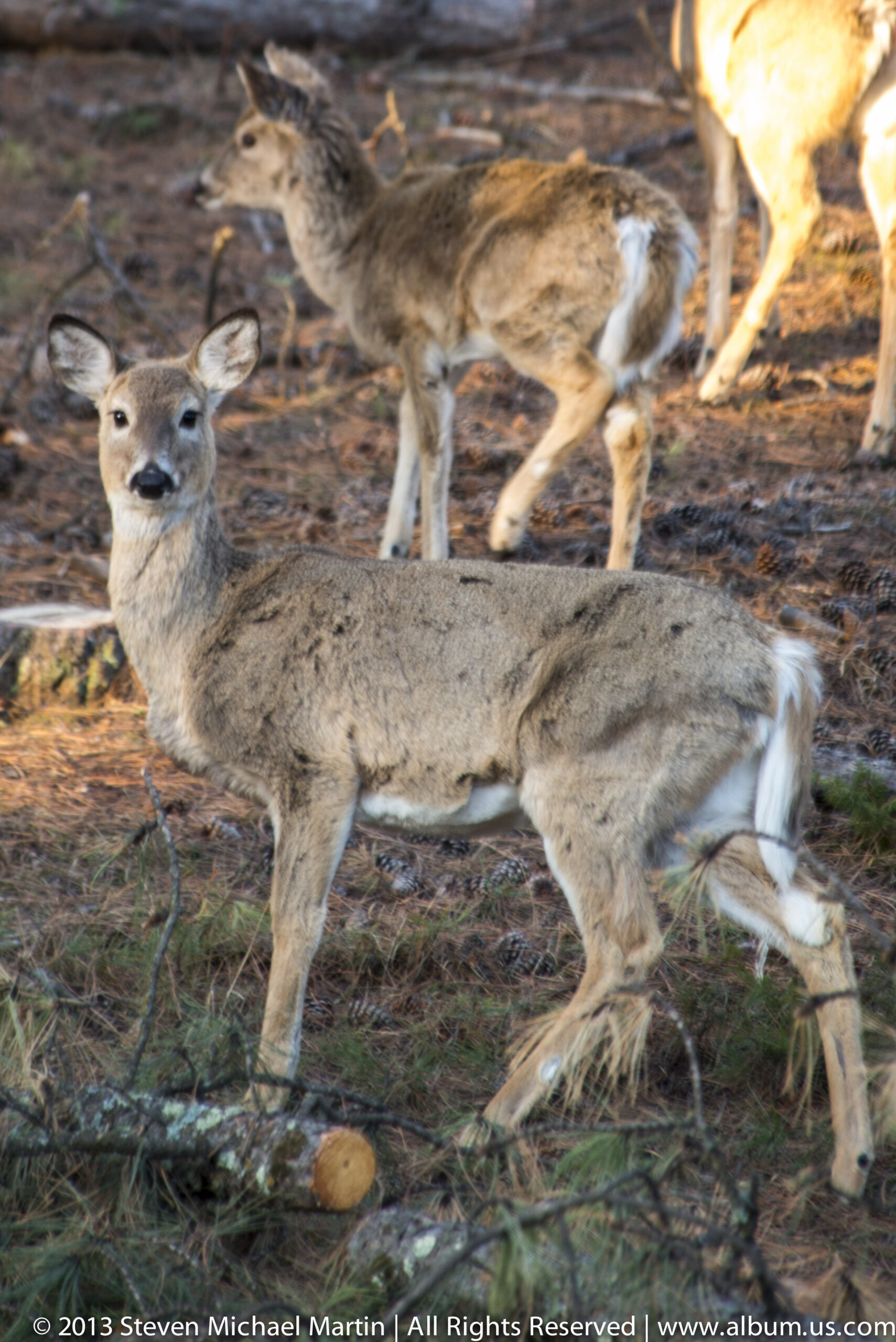
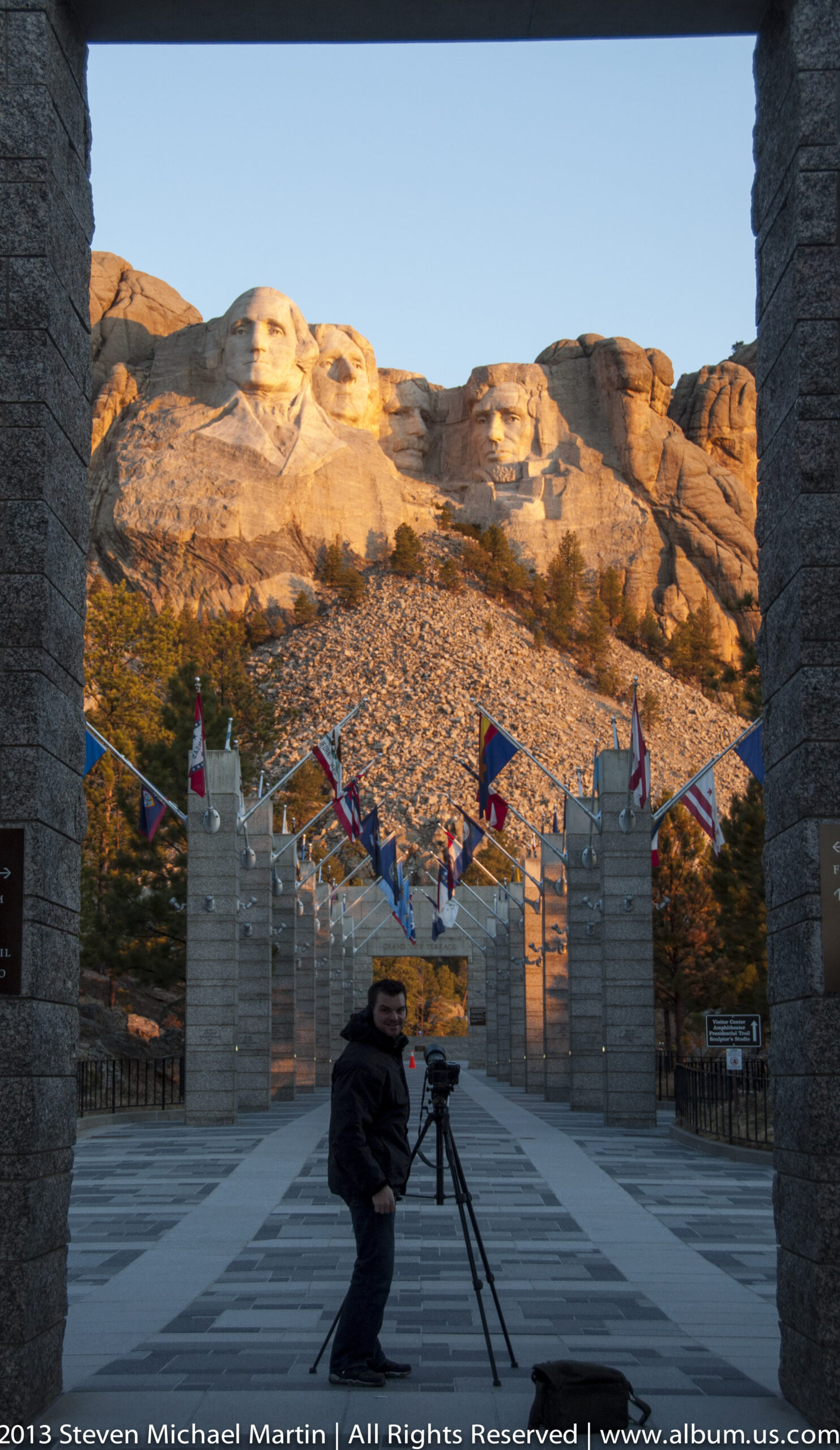
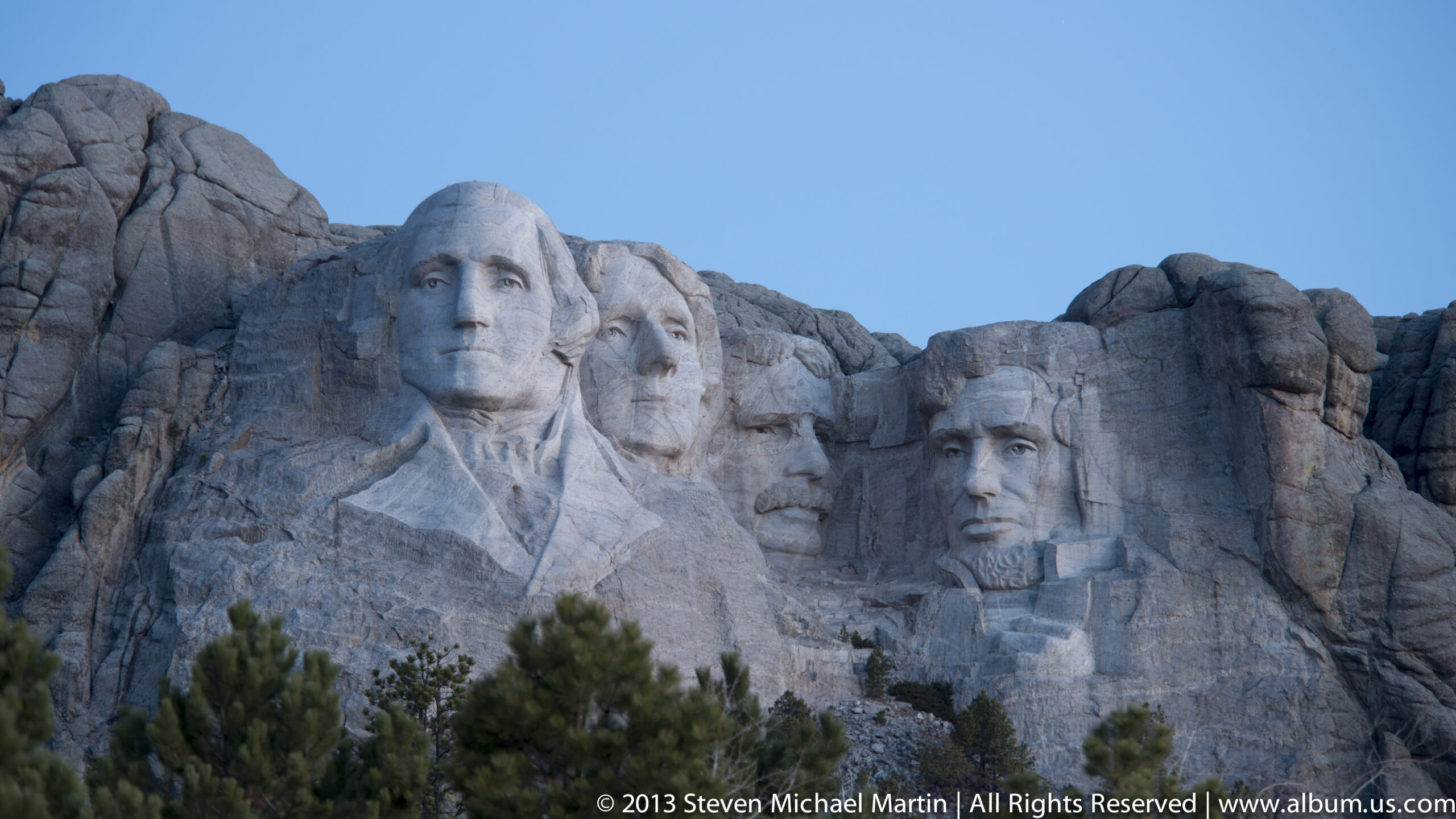
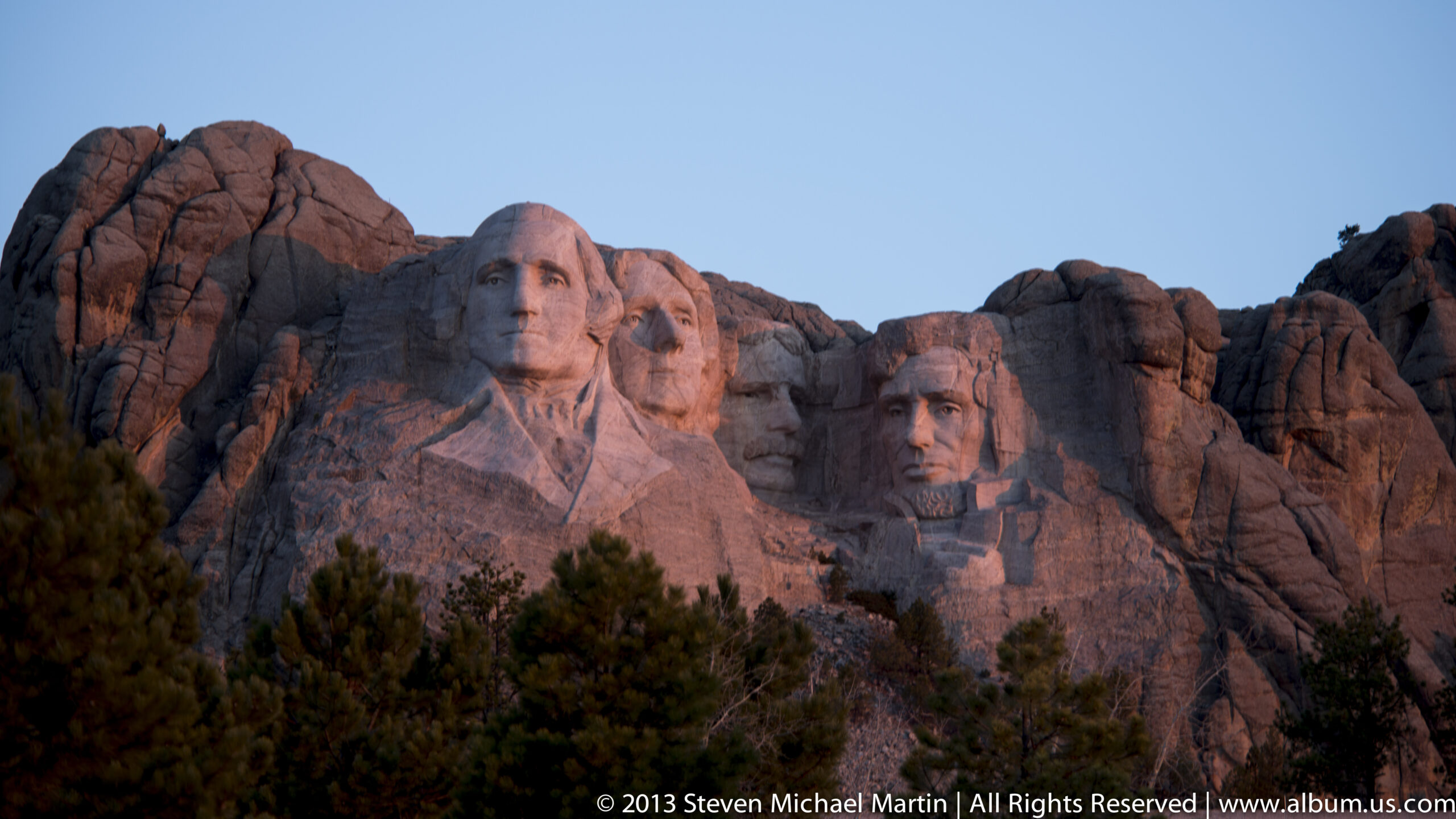
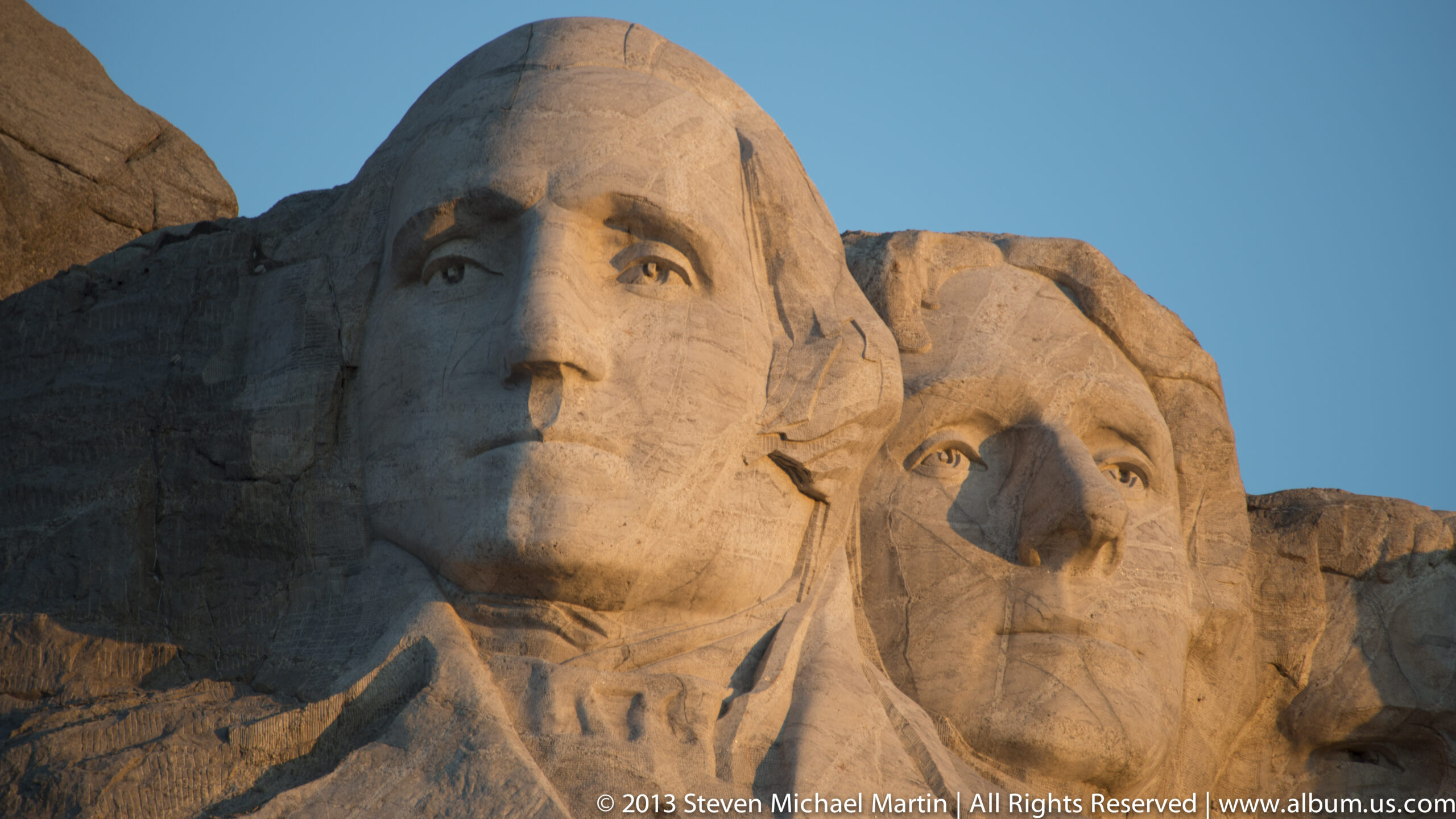
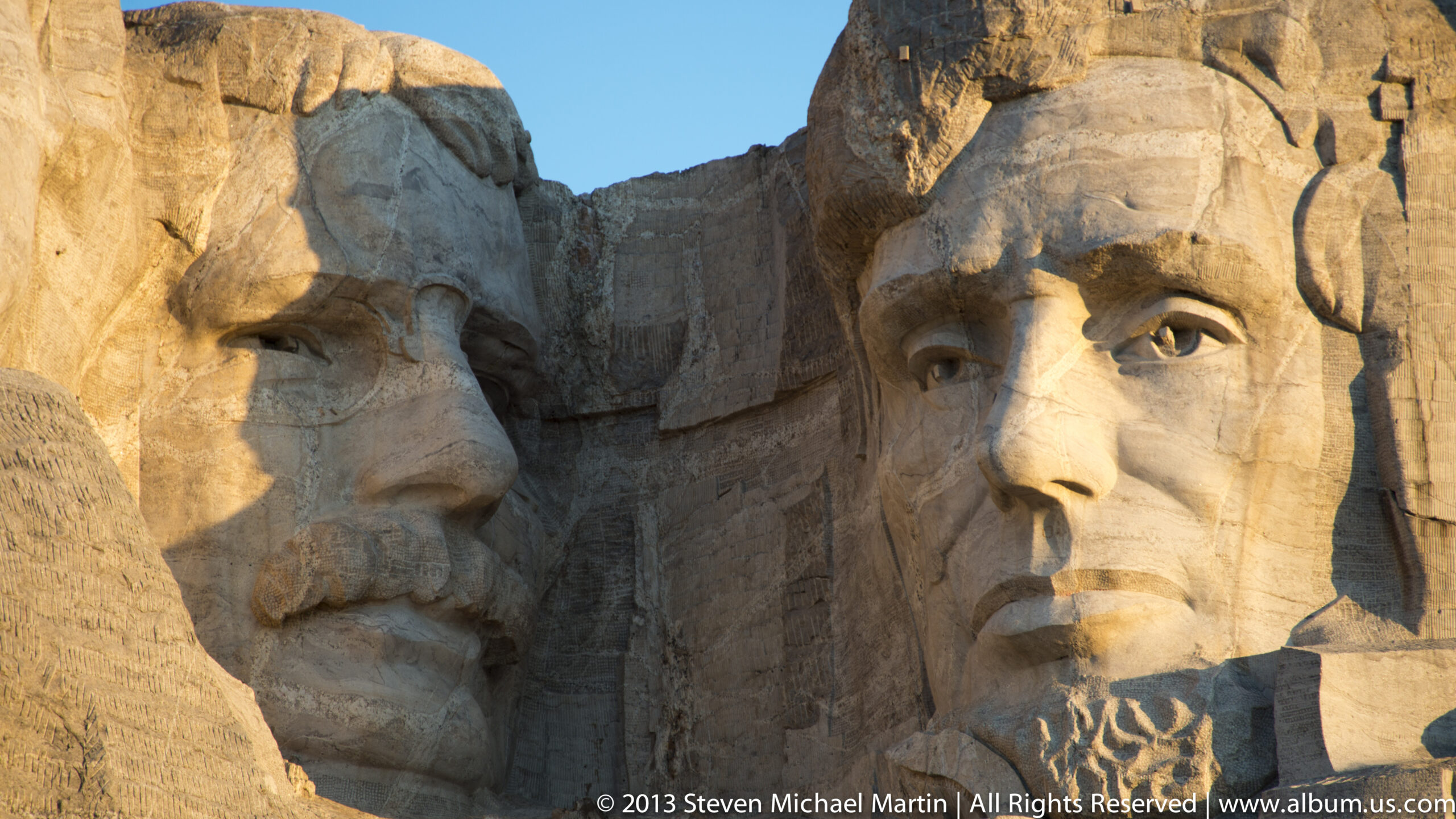
The visitor approach forms a central corridor of stone posts and colorful flags leading toward Mount Rushmore. The four presidential faces appear above the plaza in warm evening light, while trees frame the edges and the broad paved path remains in shadow. This wider view shows the ceremonial approach as a foreground counterpart to the sculpture. The visitor approach forms a central corridor of stone posts and colorful flags leading toward Mount Rushmore. The four presidential faces appear above the plaza in warm evening light, while trees frame the edges and the broad paved path remains in shadow. This wider view shows the ceremonial approach as a foreground counterpart to the sculpture. Seen through a dark stone opening, the sunlit presidential faces appear beyond the plaza at the end of a long paved approach. A photographer with a tripod stands in the foreground, facing the mountain. The deep shadow around the opening frames the brightly lit granite and gives the view a strong contrast between the enclosed passage and open sky. Seen through a dark stone opening, the sunlit presidential faces appear beyond the plaza at the end of a long paved approach. A photographer with a tripod stands in the foreground, facing the mountain. The deep shadow around the opening frames the brightly lit granite and gives the view a strong contrast between the enclosed passage and open sky. Mount Rushmore rises above a stone-lined entrance plaza strung with colorful national and state flags. A visitor stands in the shade at the center of the passage, while the carved presidential faces catch daylight above the granite ridge. This view connects the monumental sculpture to the formal visitor approach and emphasizes the change in scale from the gateway to the mountain. Mount Rushmore rises above a stone-lined entrance plaza strung with colorful national and state flags. A visitor stands in the shade at the center of the passage, while the carved presidential faces catch daylight above the granite ridge. This view connects the monumental sculpture to the formal visitor approach and emphasizes the change in scale from the gateway to the mountain. The full row of presidential portraits spans the upper granite face above a steep slope of broken rock. Trees cling to the margins of the talus, while the lower half of the frame shows the massive pile of stone beneath the carving. The wider composition emphasizes the monument’s scale and the rugged mountain surface surrounding the sculpture. The full row of presidential portraits spans the upper granite face above a steep slope of broken rock. Trees cling to the margins of the talus, while the lower half of the frame shows the massive pile of stone beneath the carving. The wider composition emphasizes the monument’s scale and the rugged mountain surface surrounding the sculpture. George Washington’s portrait occupies the foreground, with Abraham Lincoln’s face visible behind and to the right along the ridge. Golden light falls across the upper stone and leaves the lower carving in shadow, bringing out the sculpted collars and the uneven granite edge. The oblique angle shows how the portraits occupy separate planes in the mountain. George Washington’s portrait occupies the foreground, with Abraham Lincoln’s face visible behind and to the right along the ridge. Golden light falls across the upper stone and leaves the lower carving in shadow, bringing out the sculpted collars and the uneven granite edge. The oblique angle shows how the portraits occupy separate planes in the mountain. The four carved presidential heads emerge from the granite ridge above a line of dark evergreen trees. Cool blue evening light softens the stone and reduces the deep shadows across the faces, while the clear sky isolates the sculpture. The closer crop favors the carved portraits and rough surrounding rock over the visitor landscape below. The four carved presidential heads emerge from the granite ridge above a line of dark evergreen trees. Cool blue evening light softens the stone and reduces the deep shadows across the faces, while the clear sky isolates the sculpture. The closer crop favors the carved portraits and rough surrounding rock over the visitor landscape below. A deer stands broadside in the foreground, its large ears upright and pale rump visible among dry leaves and low woodland plants. A second deer is partly cropped behind it, with only its legs and body entering the upper edge. The image supports a cautious identification as a mule deer, while the close crop keeps attention on the foreground animal and its habitat. A deer stands broadside in the foreground, its large ears upright and pale rump visible among dry leaves and low woodland plants. A second deer is partly cropped behind it, with only its legs and body entering the upper edge. The image supports a cautious identification as a mule deer, while the close crop keeps attention on the foreground animal and its habitat. A visitor walks across the paved approach with a tripod while Mount Rushmore glows in warm light beyond the flag-lined stone gateway. The figure is slightly blurred by movement, unlike the camera equipment left standing near the center. The repeated flagpoles lead the eye from the public plaza toward the distant sculpture and its enclosing granite ridge. A visitor walks across the paved approach with a tripod while Mount Rushmore glows in warm light beyond the flag-lined stone gateway. The figure is slightly blurred by movement, unlike the camera equipment left standing near the center. The repeated flagpoles lead the eye from the public plaza toward the distant sculpture and its enclosing granite ridge. A close, cool-toned view places George Washington’s carved face prominently in the foreground, with portions of the other presidential portraits continuing along the granite ridge. The light is diffuse and the stone appears pale against the blue sky. Evergreen branches at the base provide scale and separate the lower rock from the sculpted faces. A close, cool-toned view places George Washington’s carved face prominently in the foreground, with portions of the other presidential portraits continuing along the granite ridge. The light is diffuse and the stone appears pale against the blue sky. Evergreen branches at the base provide scale and separate the lower rock from the sculpted faces. Warm low-angle light turns the granite orange across Mount Rushmore’s carved faces, while the surrounding rock falls into deep shadow. Washington’s broad forehead and nose stand out near the center, with the other portraits receding on either side. The darker, intimate framing contrasts with the cool blue-hour view on the same page. Warm low-angle light turns the granite orange across Mount Rushmore’s carved faces, while the surrounding rock falls into deep shadow. Washington’s broad forehead and nose stand out near the center, with the other portraits receding on either side. The darker, intimate framing contrasts with the cool blue-hour view on the same page. A close crop isolates George Washington’s face and the profile of Thomas Jefferson carved beside him. Strong side light illuminates Washington’s brow, cheek, and nose while leaving part of Jefferson in shadow. The tight composition makes the transition from one carved portrait to the next—and the rough granite between them—the main subject. A close crop isolates George Washington’s face and the profile of Thomas Jefferson carved beside him. Strong side light illuminates Washington’s brow, cheek, and nose while leaving part of Jefferson in shadow. The tight composition makes the transition from one carved portrait to the next—and the rough granite between them—the main subject. Thomas Jefferson’s profile and Theodore Roosevelt’s forward-facing portrait fill this close view, revealing the changes in relief and shadow across the rough granite. Low sunlight brightens their brows and cheeks while deepening the carved eye sockets and surrounding fissures. The cropped framing brings attention to the portraits’ sculpted surfaces rather than the monument as a whole. Thomas Jefferson’s profile and Theodore Roosevelt’s forward-facing portrait fill this close view, revealing the changes in relief and shadow across the rough granite. Low sunlight brightens their brows and cheeks while deepening the carved eye sockets and surrounding fissures. The cropped framing brings attention to the portraits’ sculpted surfaces rather than the monument as a whole. Several of Mount Rushmore’s presidential heads rise from the surrounding rock beneath an uninterrupted blue sky. The close viewpoint cuts off part of the sculpture and leaves broad stretches of rough granite around the faces. Warm light strikes the stone from the side, emphasizing the relief of brows, noses, and collars. Several of Mount Rushmore’s presidential heads rise from the surrounding rock beneath an uninterrupted blue sky. The close viewpoint cuts off part of the sculpture and leaves broad stretches of rough granite around the faces. Warm light strikes the stone from the side, emphasizing the relief of brows, noses, and collars. An open printed publication headed “Mount Rushmore” pairs a panoramic photograph of the sculpture with columns of visitor and historical information. A row of portraits below identifies the four presidents represented in the mountain, while archival images and small illustrations supplement the text. The page presents the monument through a combination of landscape photography, biography, and interpretive writing. An open printed publication headed “Mount Rushmore” pairs a panoramic photograph of the sculpture with columns of visitor and historical information. A row of portraits below identifies the four presidents represented in the mountain, while archival images and small illustrations supplement the text. The page presents the monument through a combination of landscape photography, biography, and interpretive writing. A printed interpretive spread titled “Creating Giants in the Black Hills” shows a large historic photograph of a carved face surrounded by construction equipment, workers, and explanatory text. Smaller images, diagrams, and a map fill the lower sections. The panel explains the making of the monument; its fine print is too small here for detailed quotation, so the caption focuses on the visible layout and subject. A printed interpretive spread titled “Creating Giants in the Black Hills” shows a large historic photograph of a carved face surrounded by construction equipment, workers, and explanatory text. Smaller images, diagrams, and a map fill the lower sections. The panel explains the making of the monument; its fine print is too small here for detailed quotation, so the caption focuses on the visible layout and subject.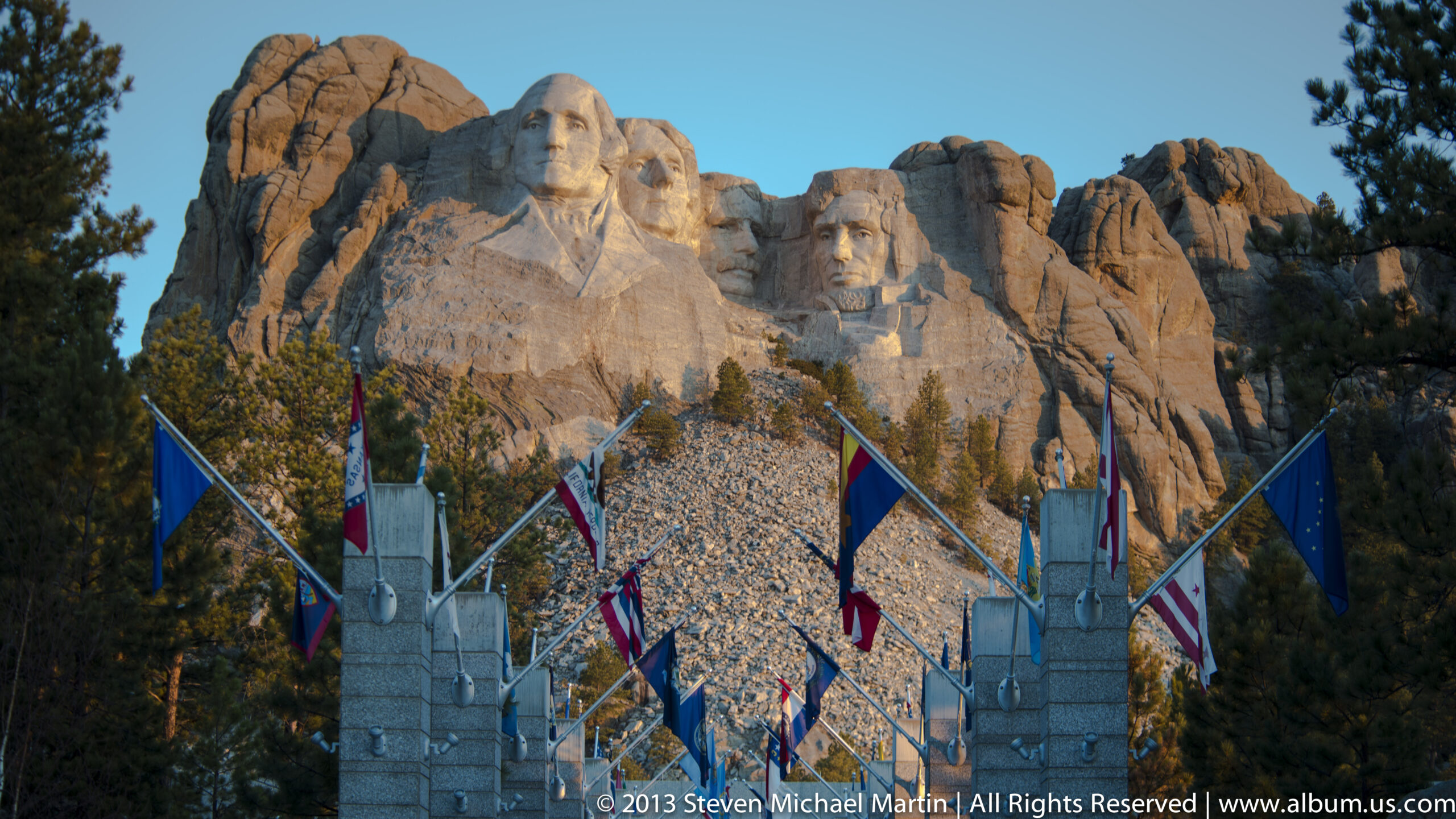
Caption
Caption
Caption
Caption
Caption
Caption
Caption
Caption
Caption
Caption
Caption
Caption

Caption

Caption

Caption