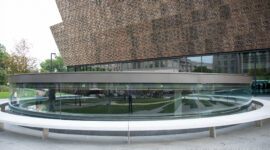
National Mall and Memorial Parks
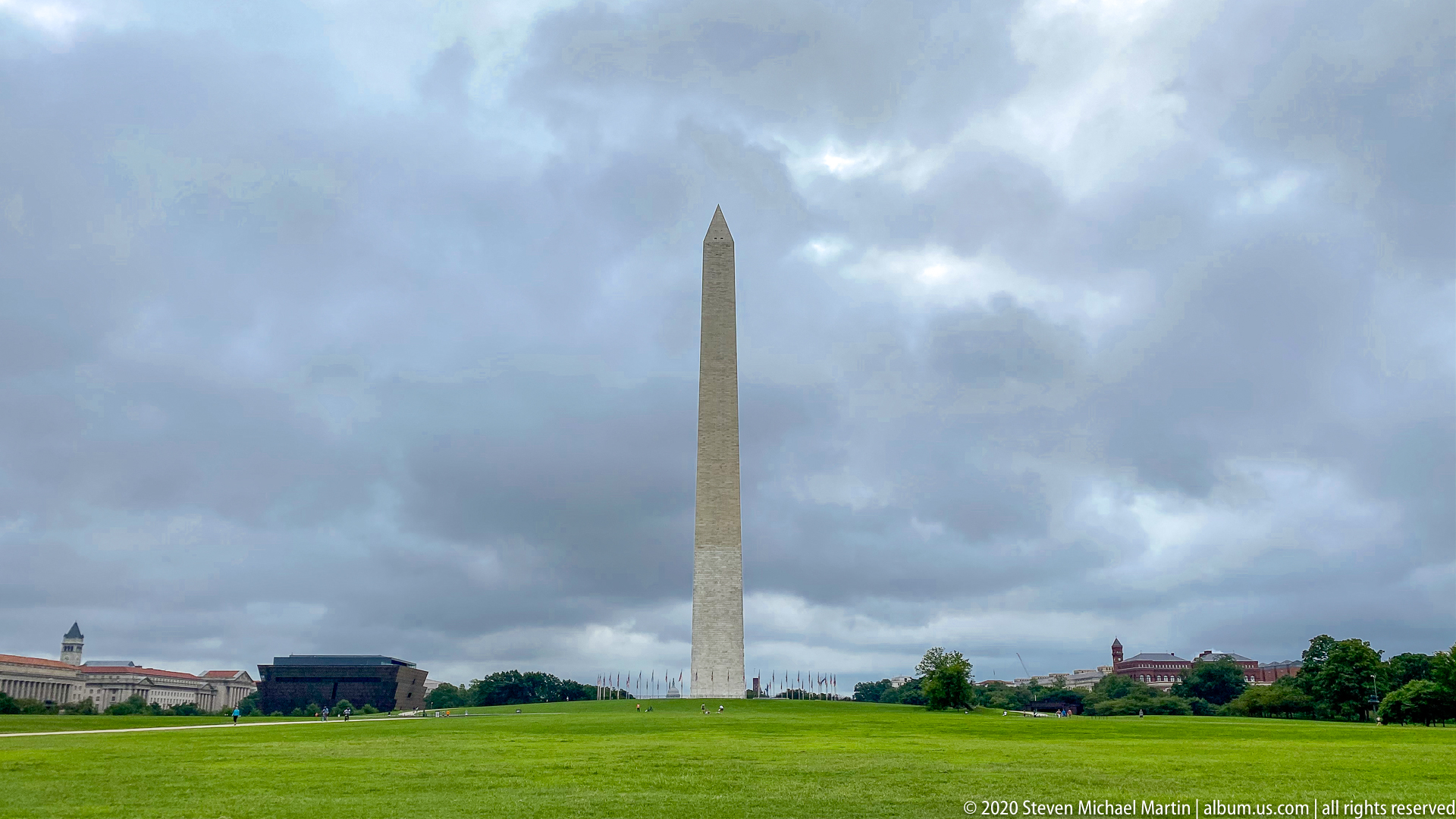
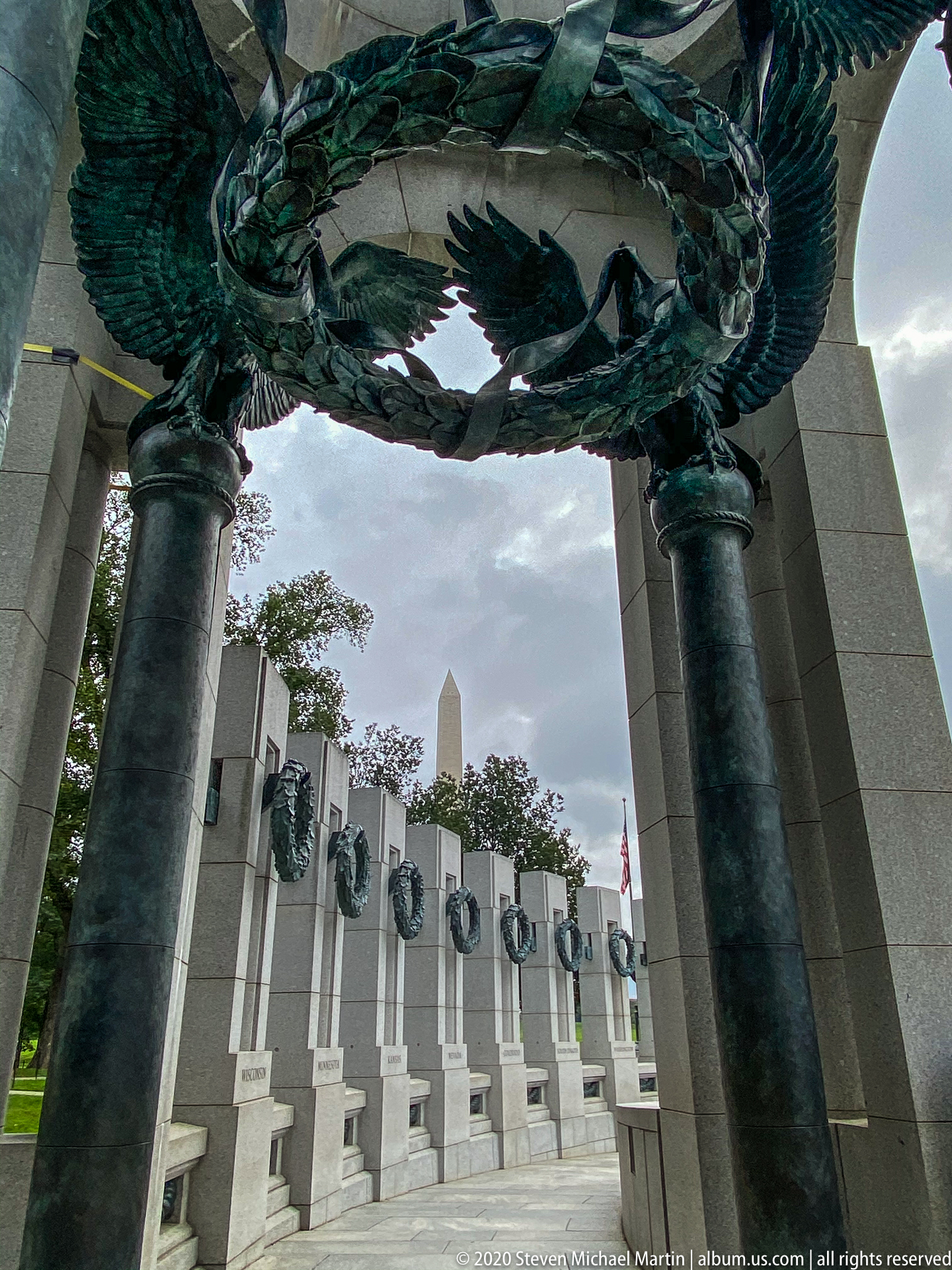
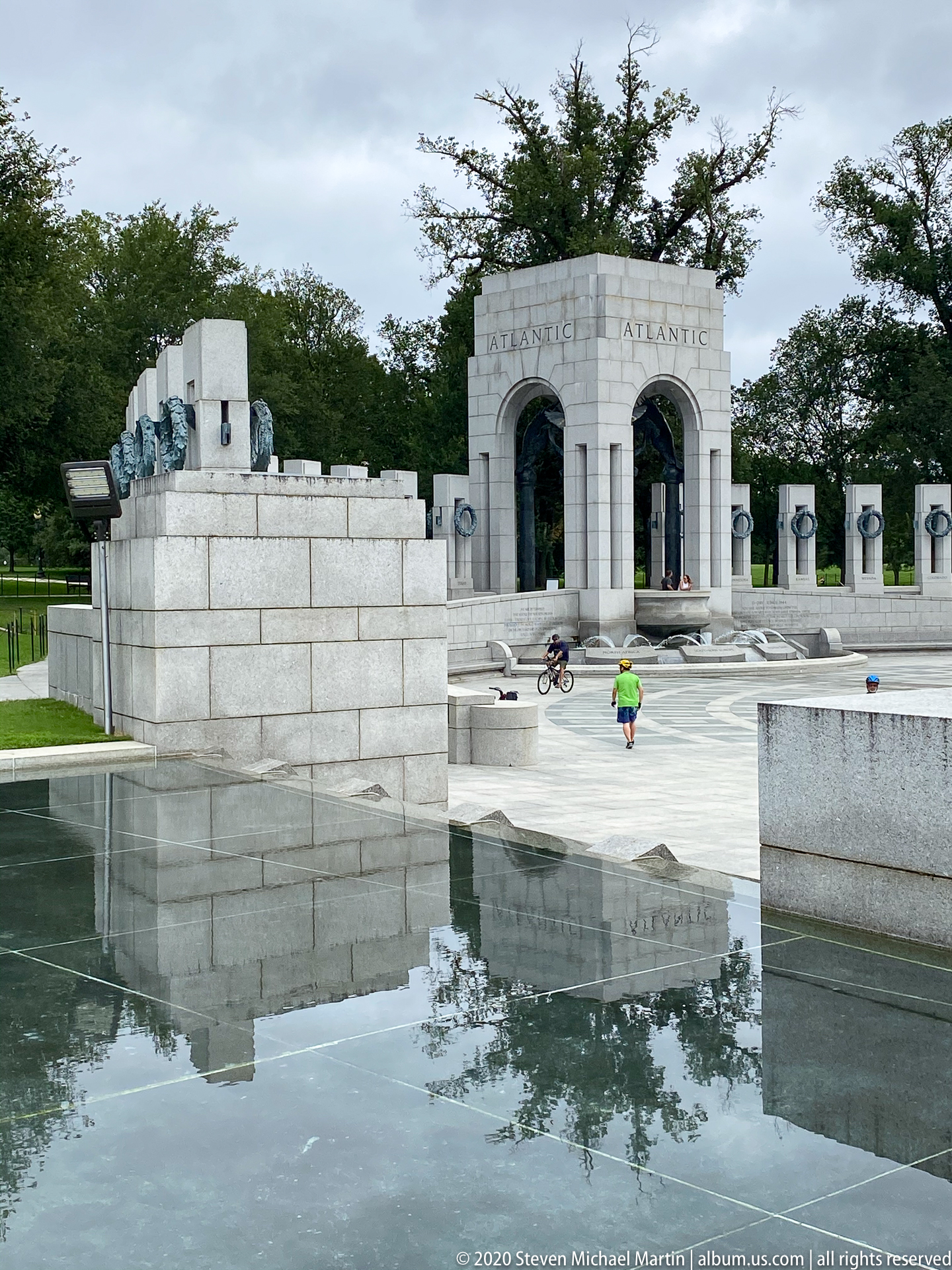
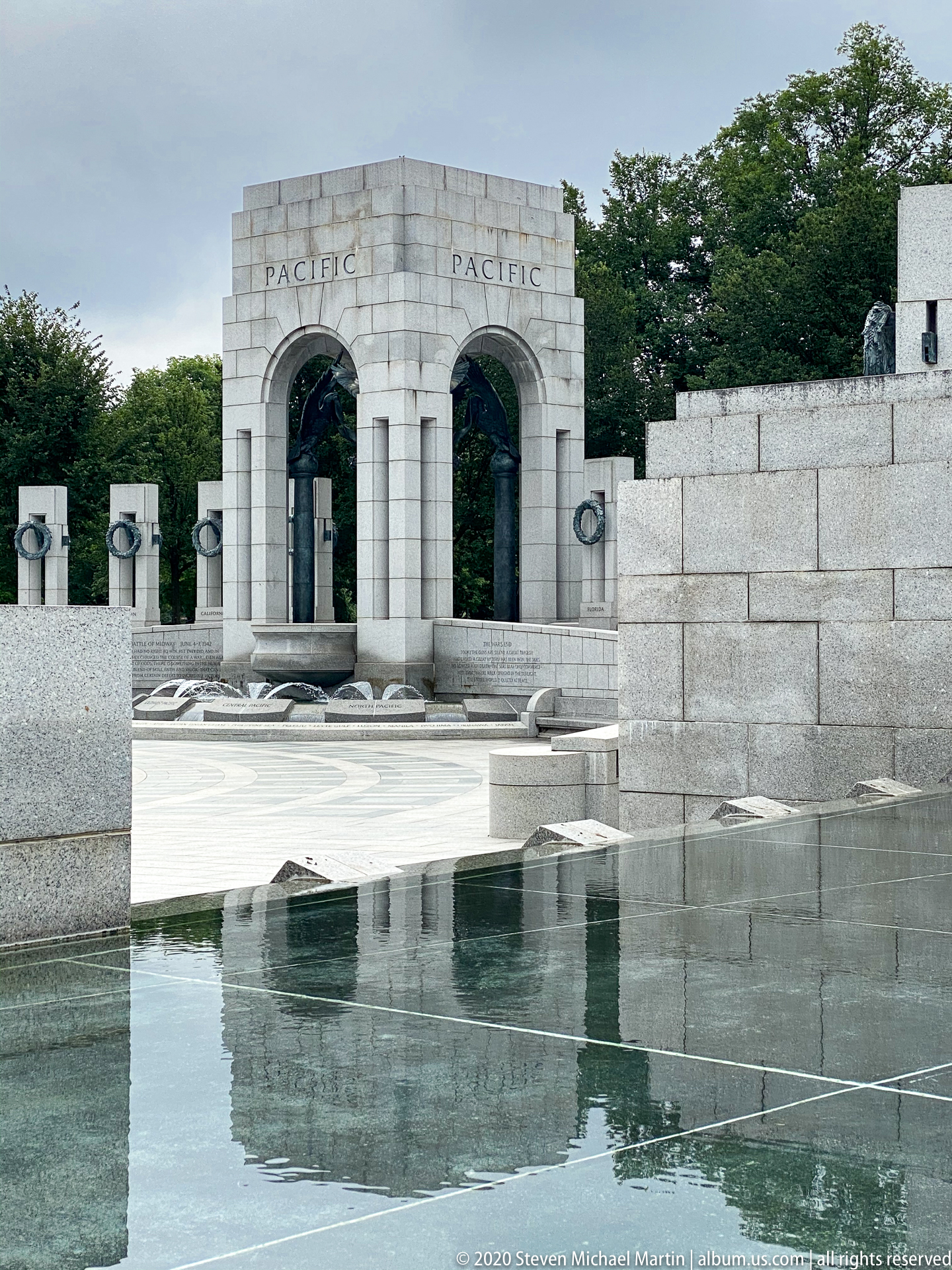
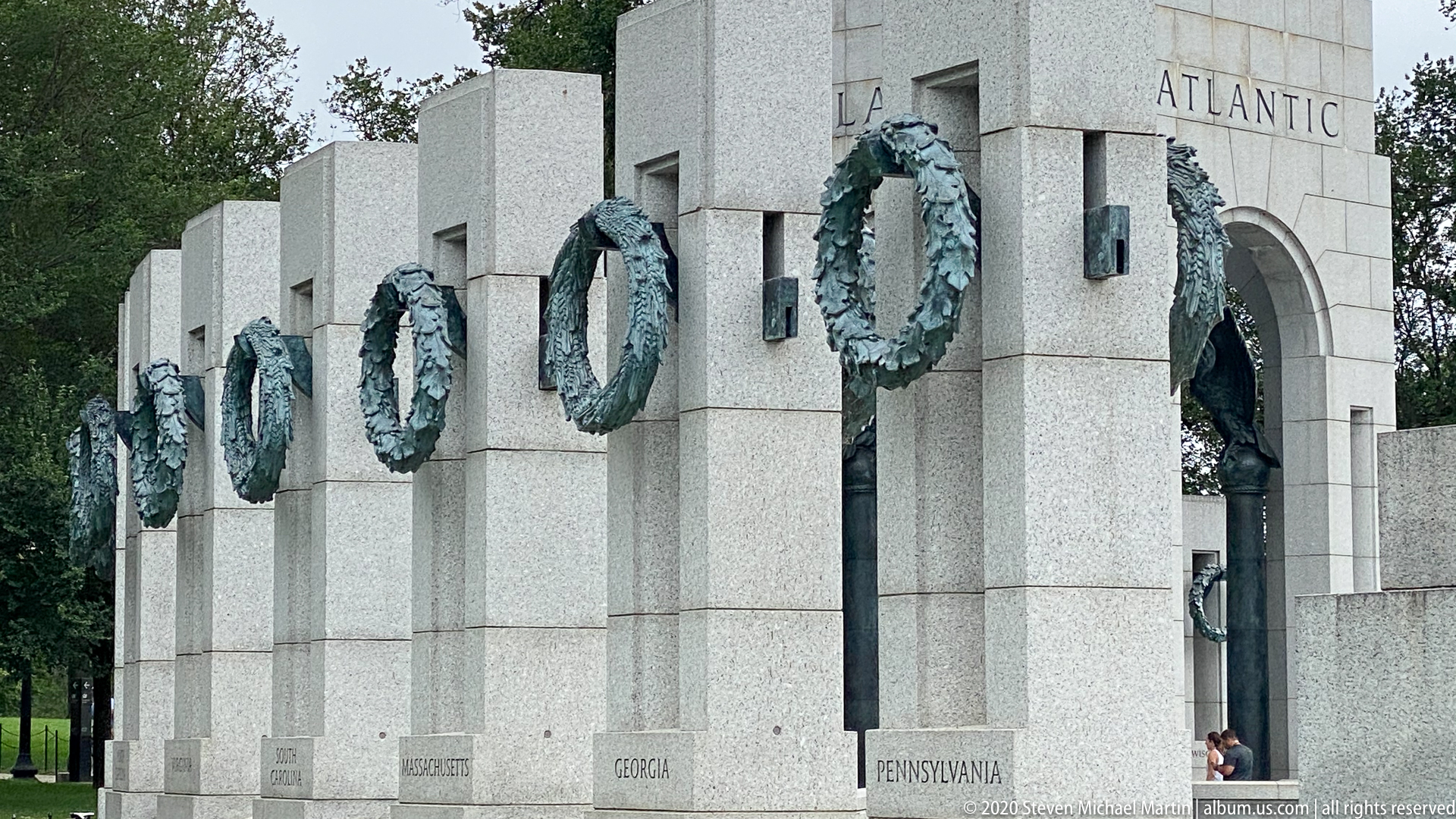
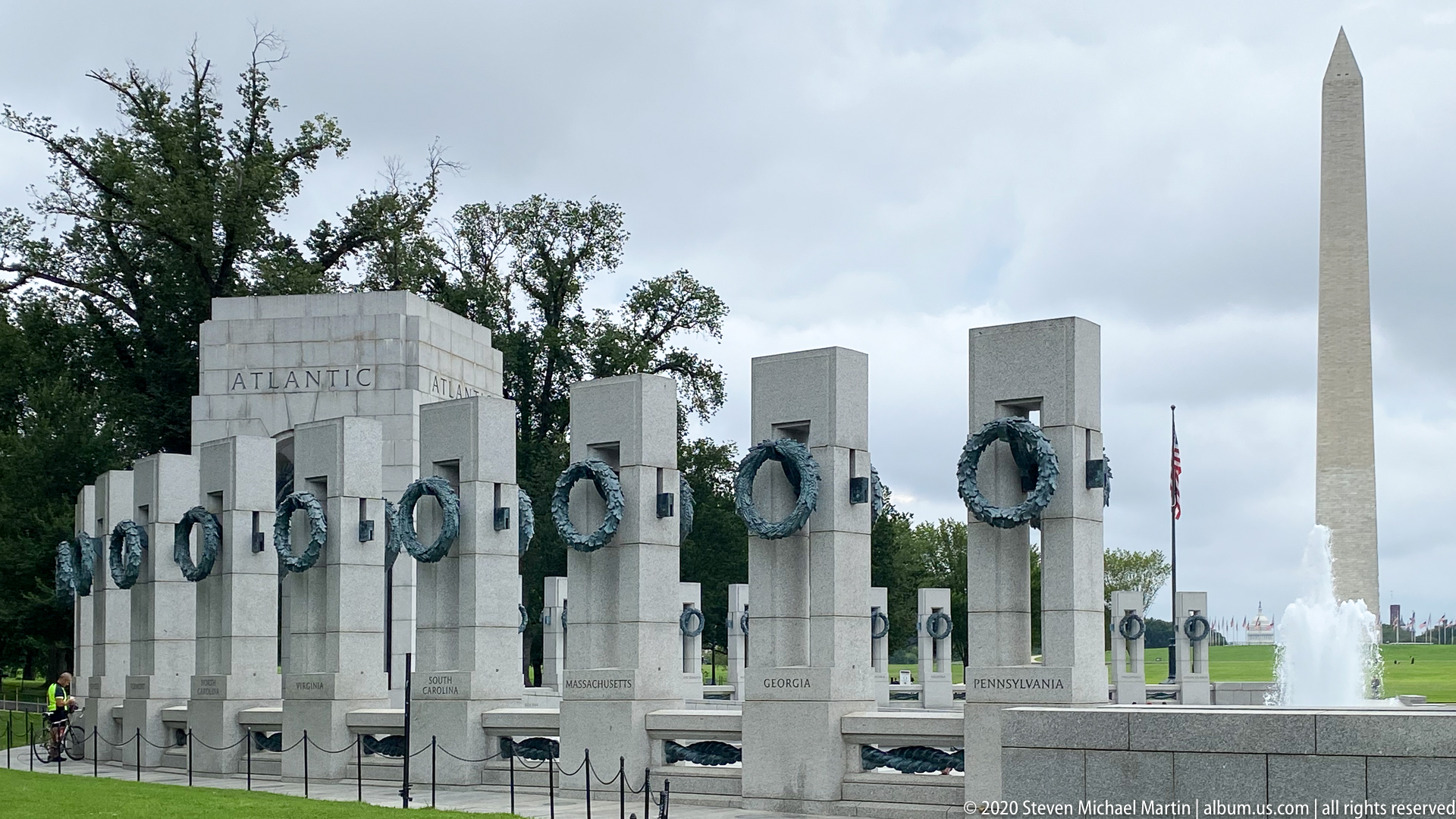
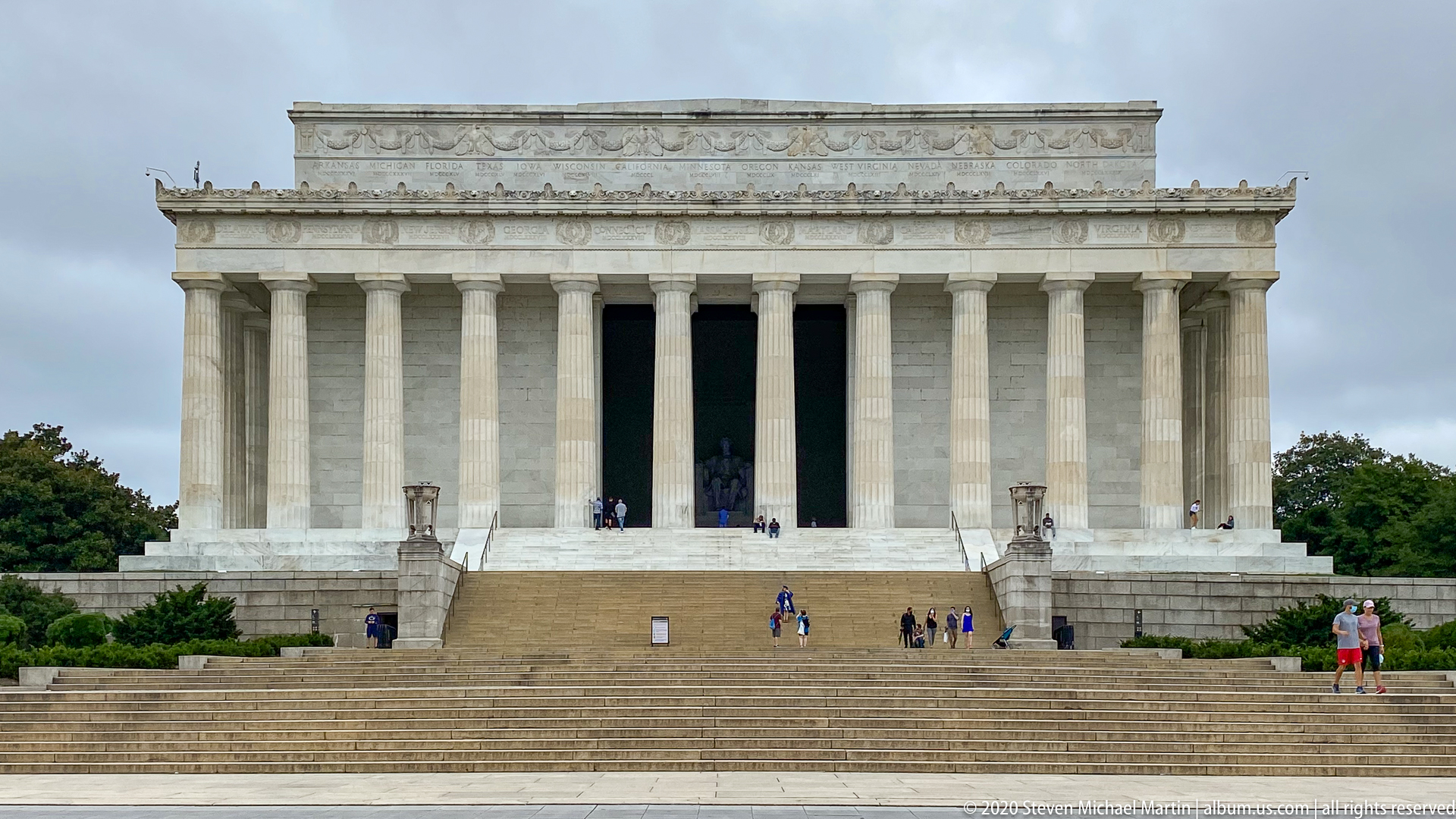
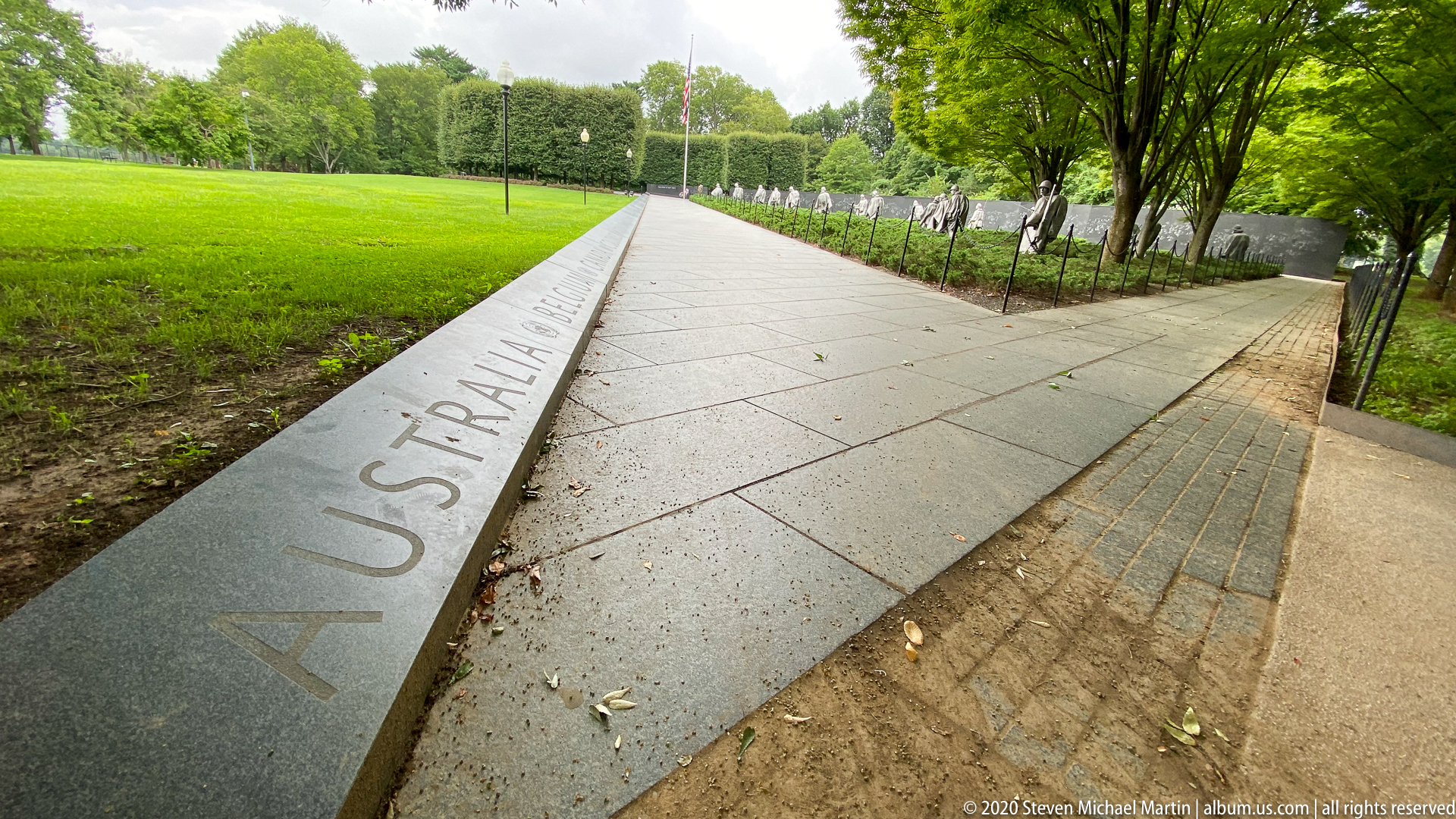
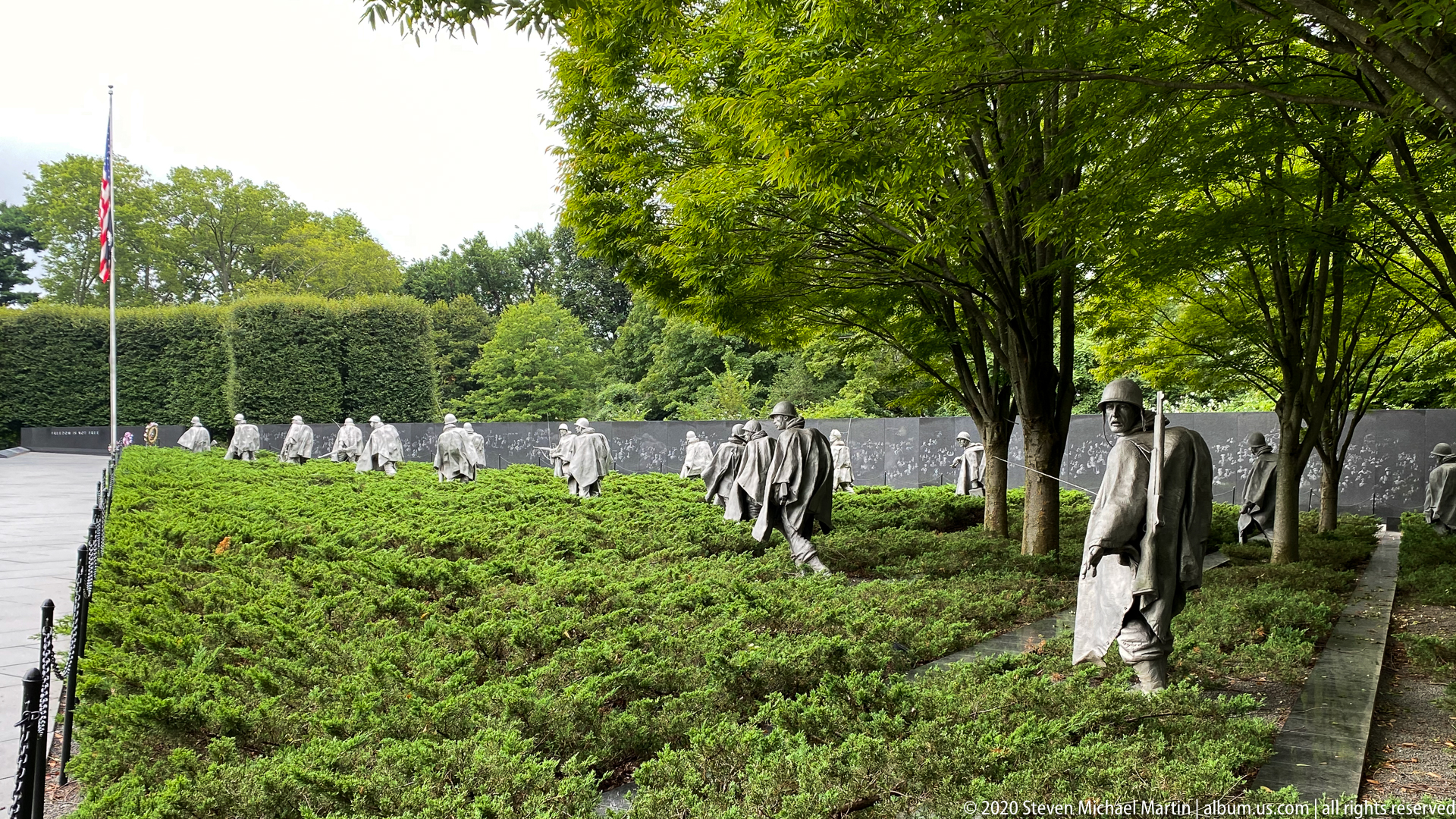
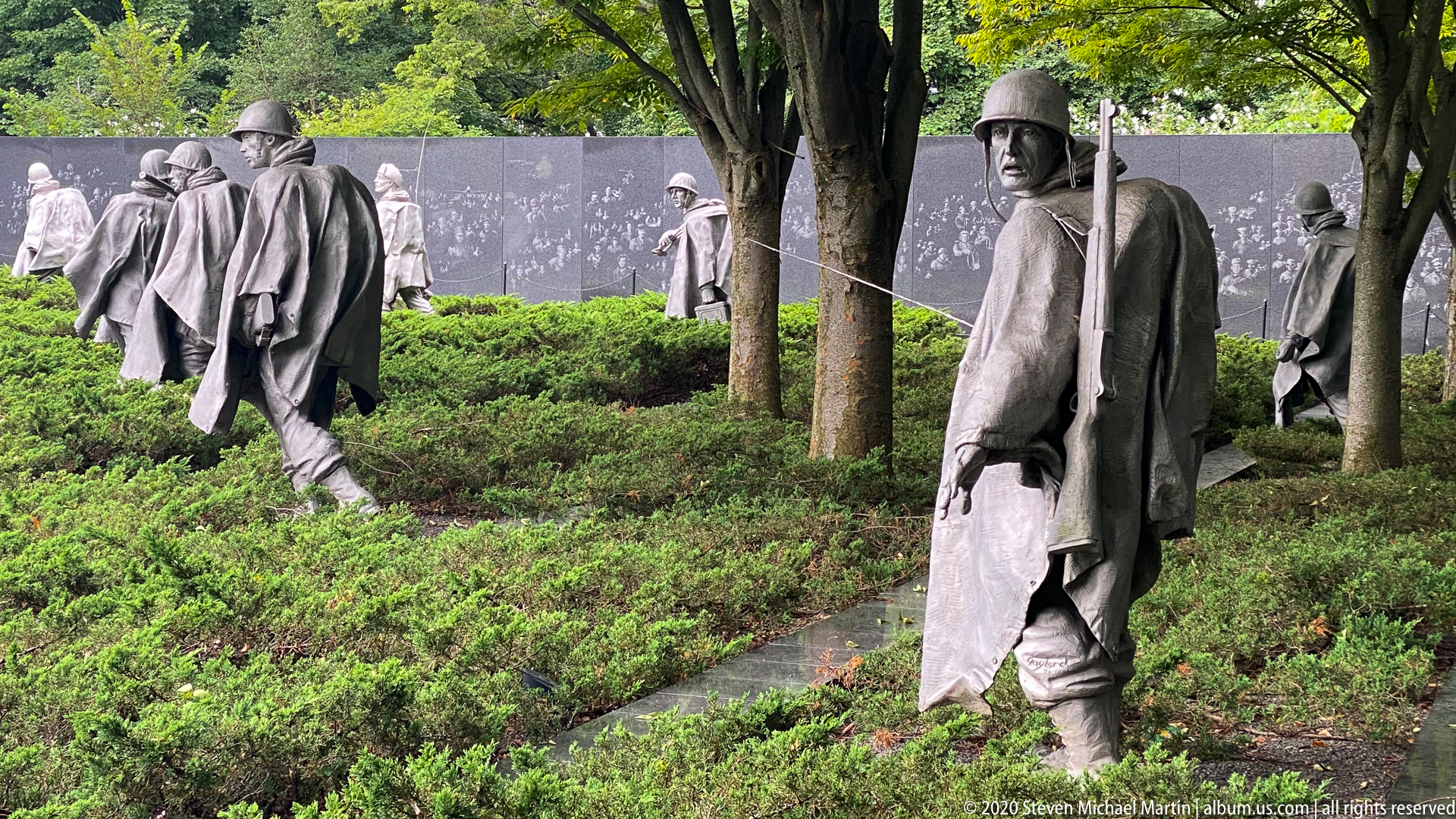
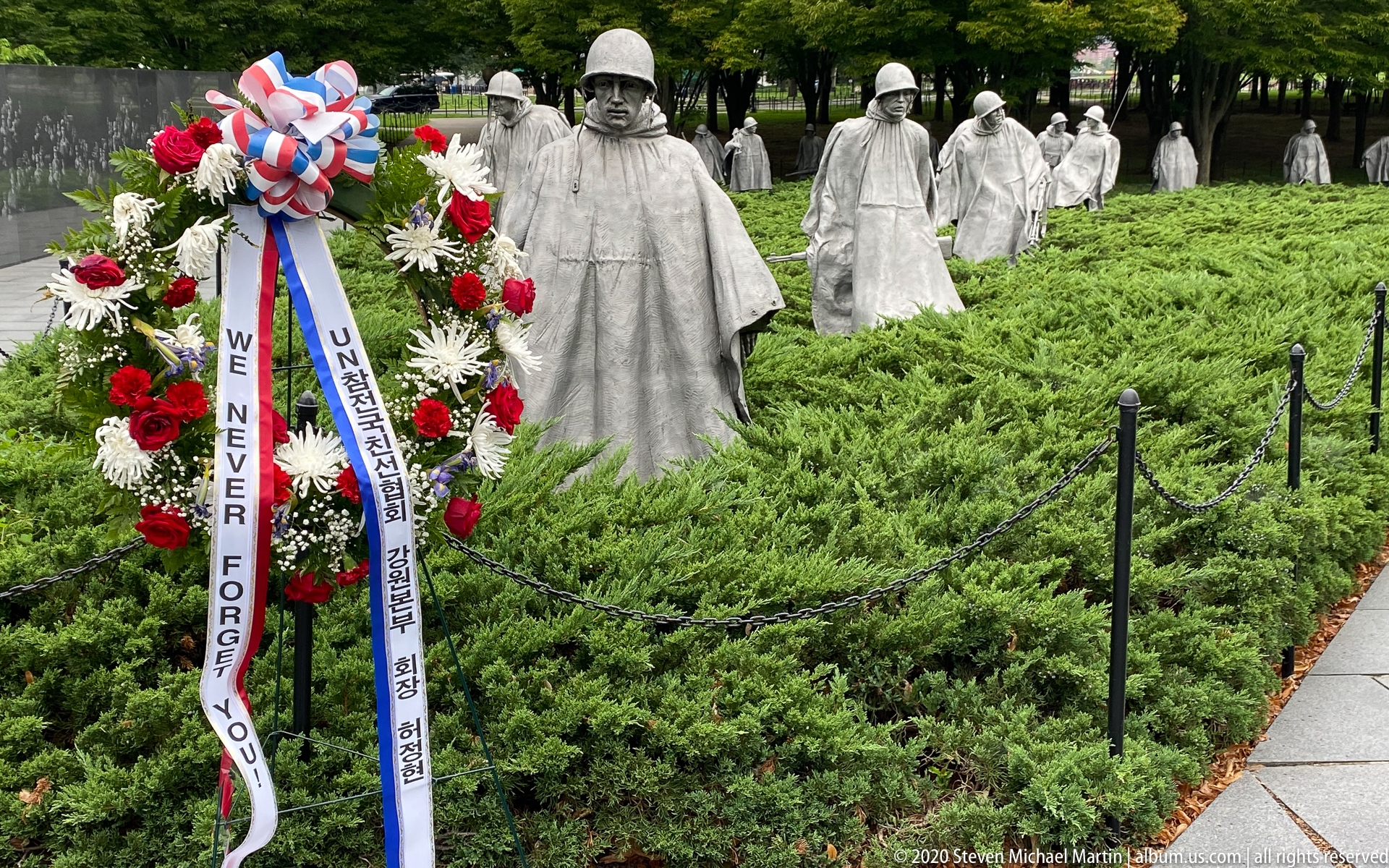
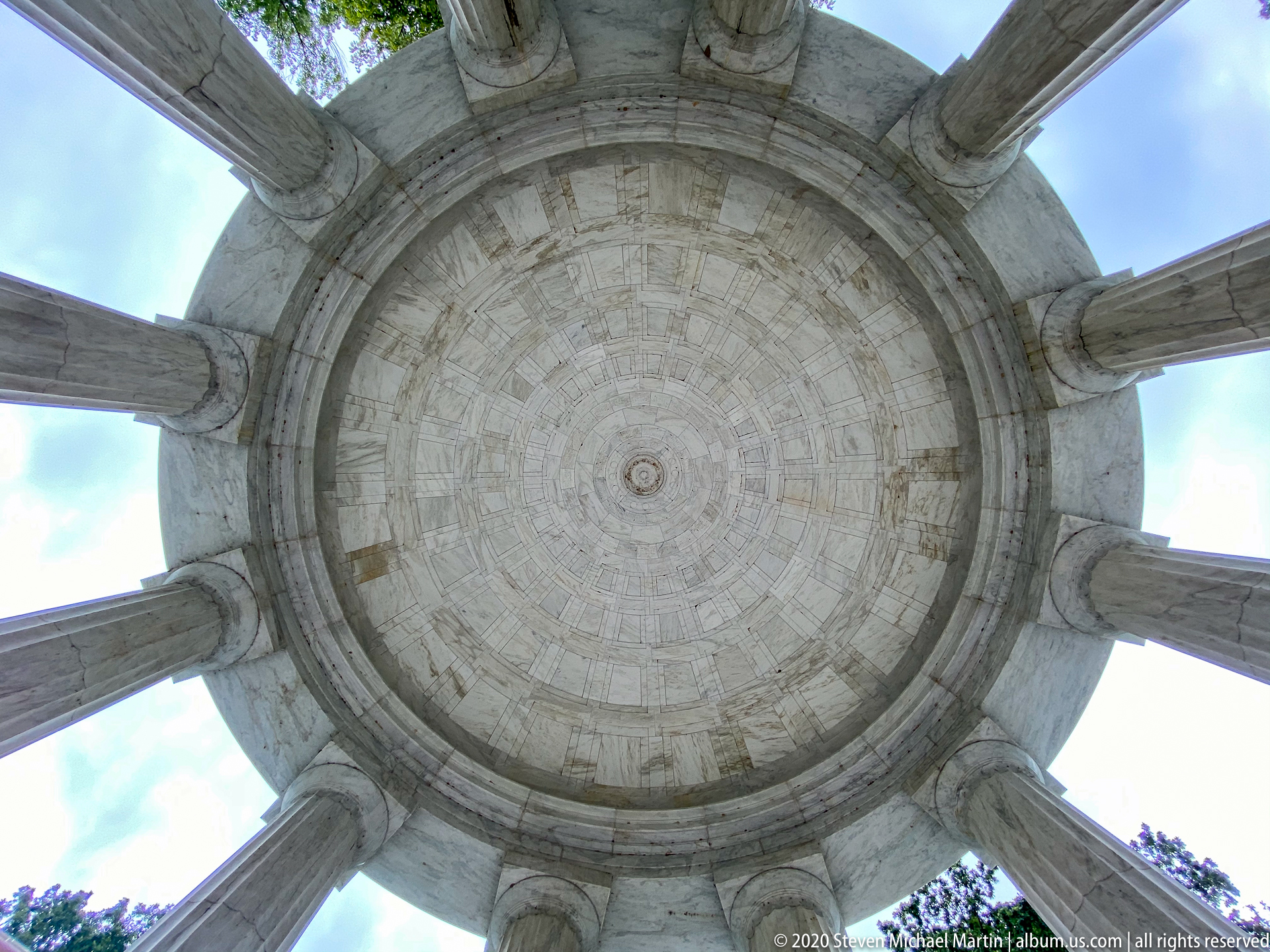
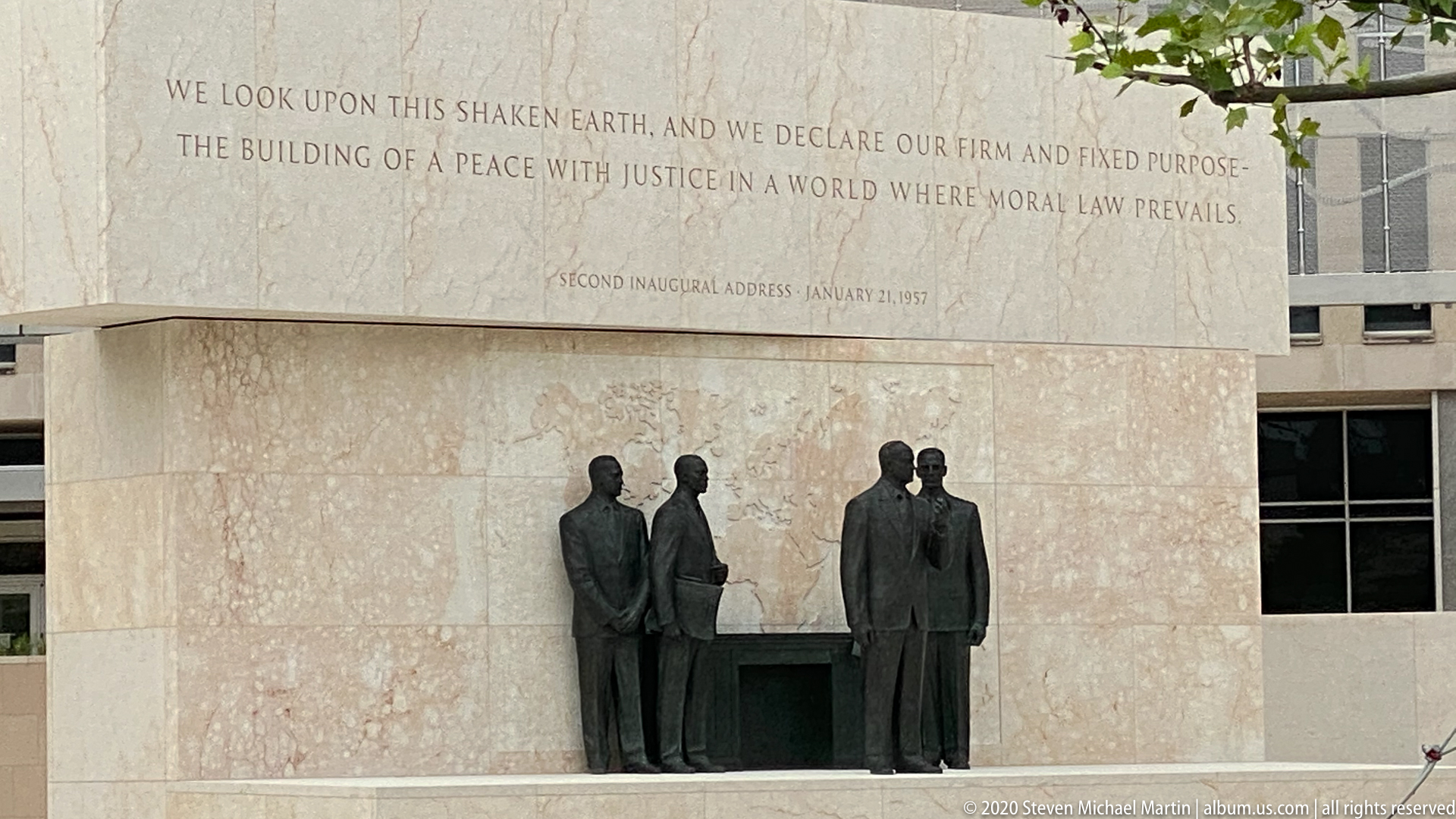
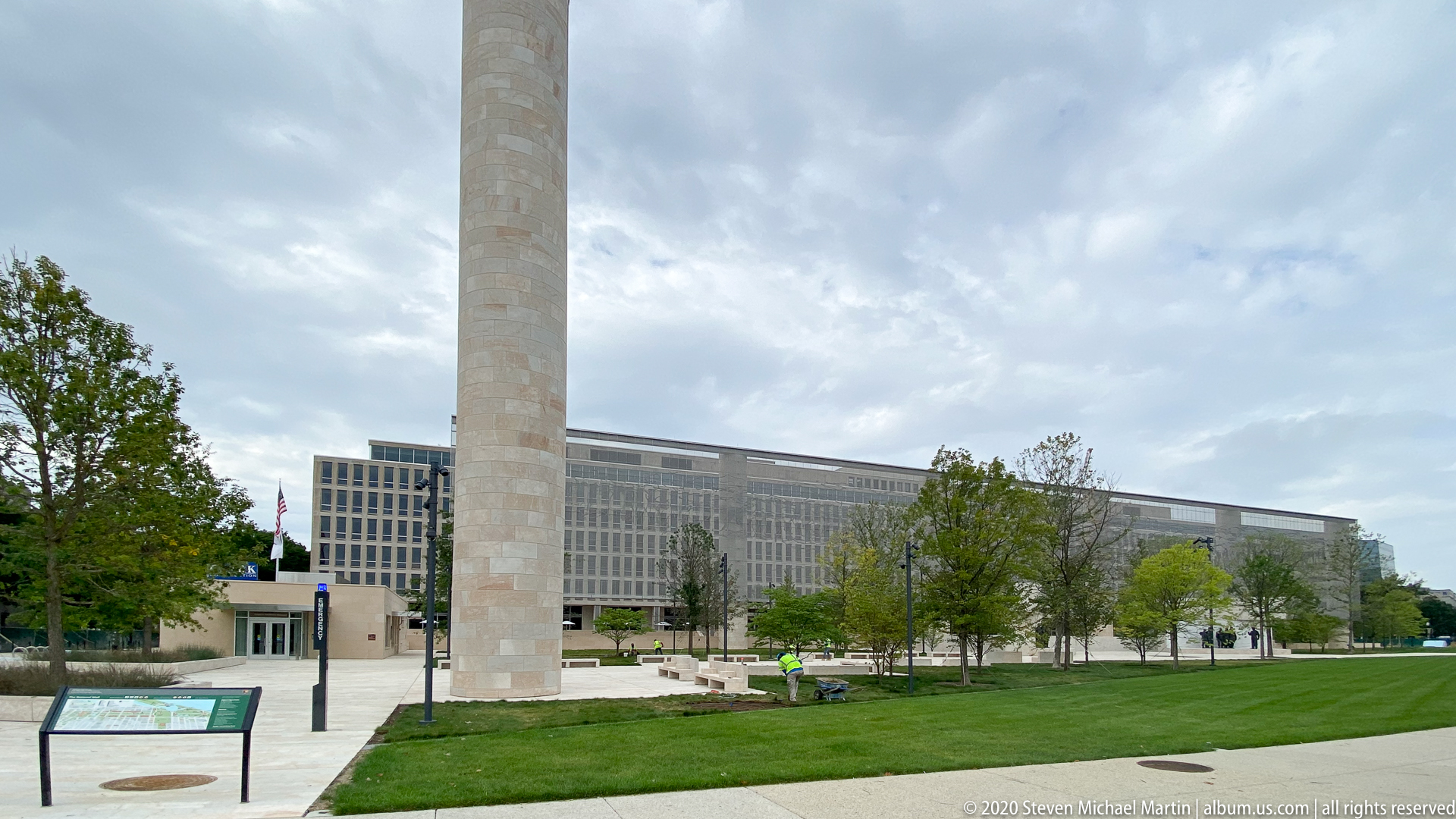
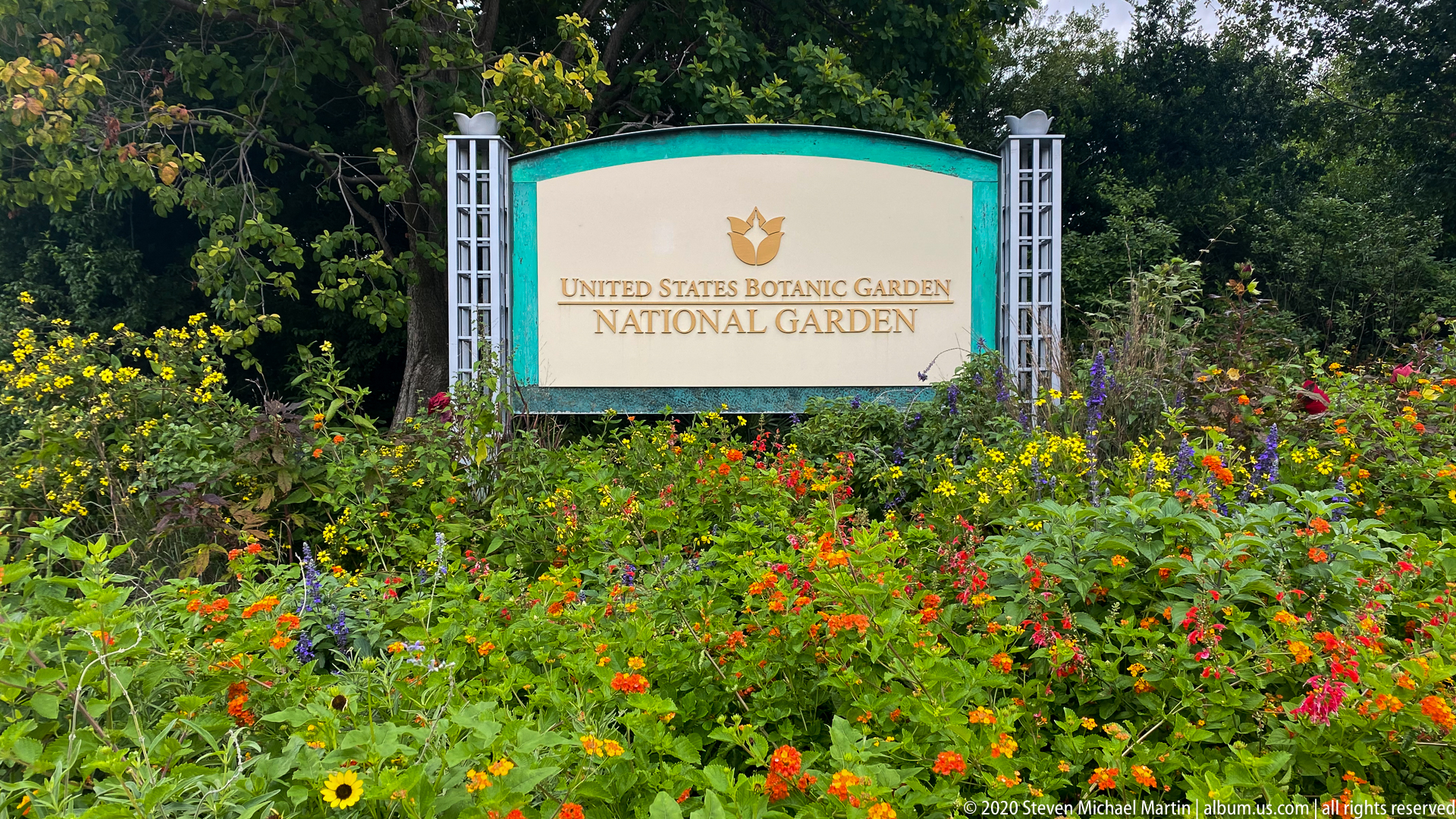
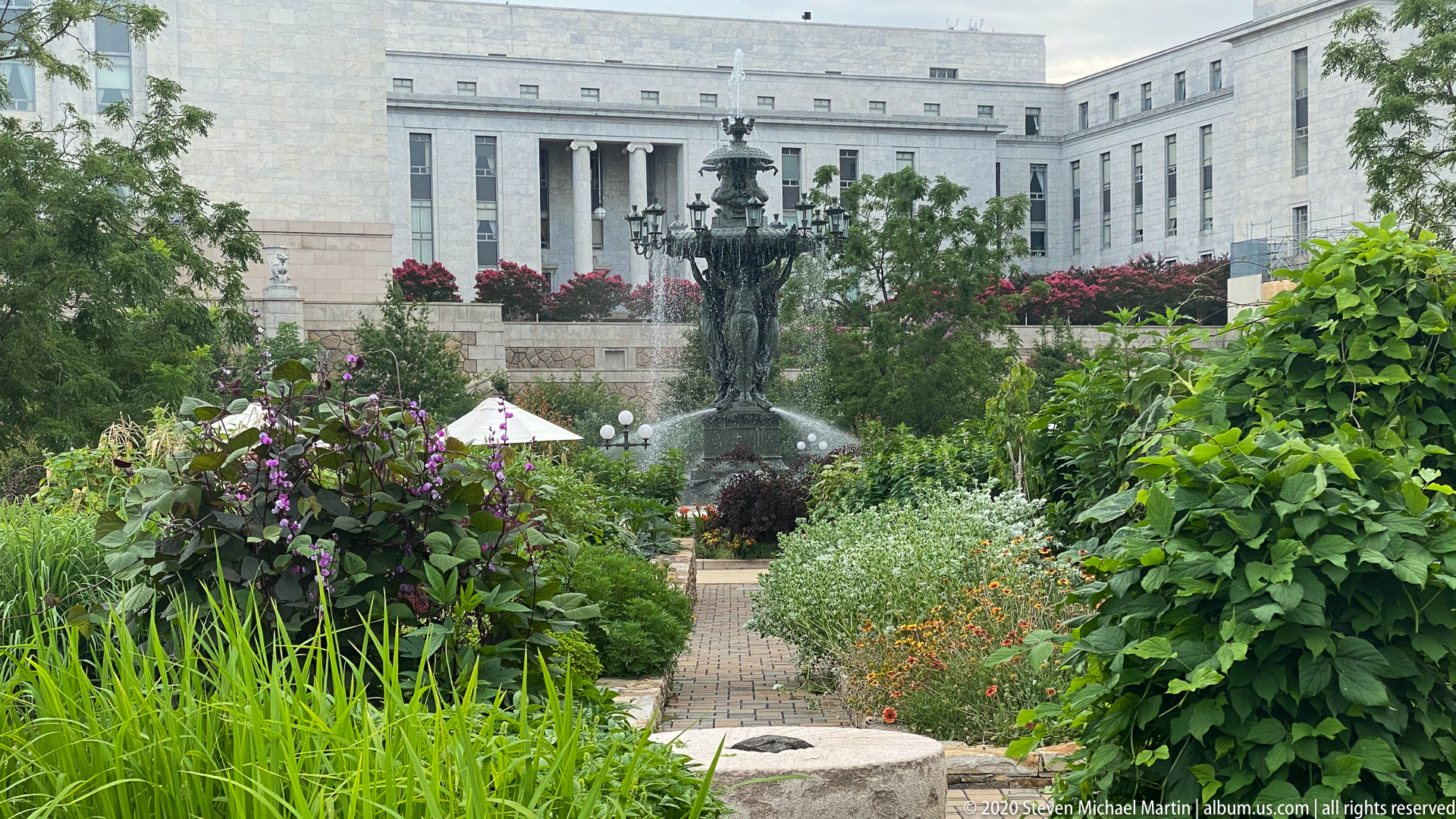
National Mall and Memorial Parks is an administrative unit of the National Park Service that preserves many of the most significant commemorative landscapes in Washington, DC. Established in 1965 as part of the National Park System, the park unit encompasses more than one thousand acres of historically significant public space, including memorials, monuments, ceremonial grounds, and landscaped parkland associated with the development of the federal capital. These sites reflect the evolution of national identity through architecture, sculpture, and designed landscape.
The National Mall itself forms the central axis of the capital, extending from the United States Capitol to the Potomac River and incorporating major memorials that interpret presidential leadership, military service, and the continuing expansion of civil rights. The park system includes numerous individual memorial sites, historic landscapes, and public gathering spaces that collectively function as a setting for national commemoration and civic participation. Often described as “America’s front yard,” the Mall provides a space where public events, demonstrations, and ceremonies occur within a landscape shaped by symbolic architecture and historical interpretation.
National Mall and Memorial Parks contributes to understanding how landscape design and public memory interact to express national ideals. The preserved open space illustrates the relationship between political history and the built environment, demonstrating how architecture, sculpture, and public space combine to form a unified civic landscape. As one of the most visited areas within the National Park System, the Mall continues to function as both a site of remembrance and a setting for ongoing public engagement with American history.