National Gallery of Art
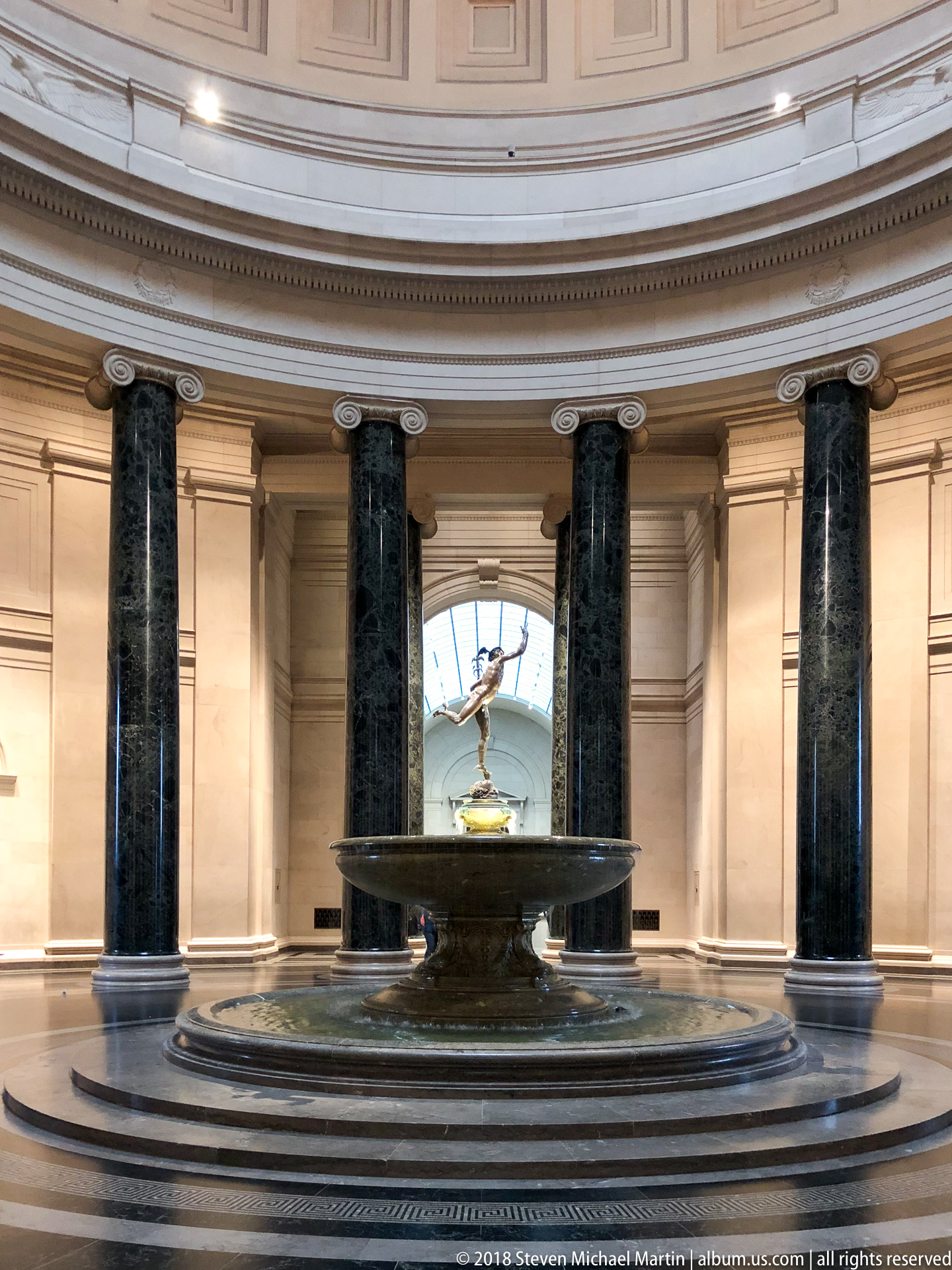
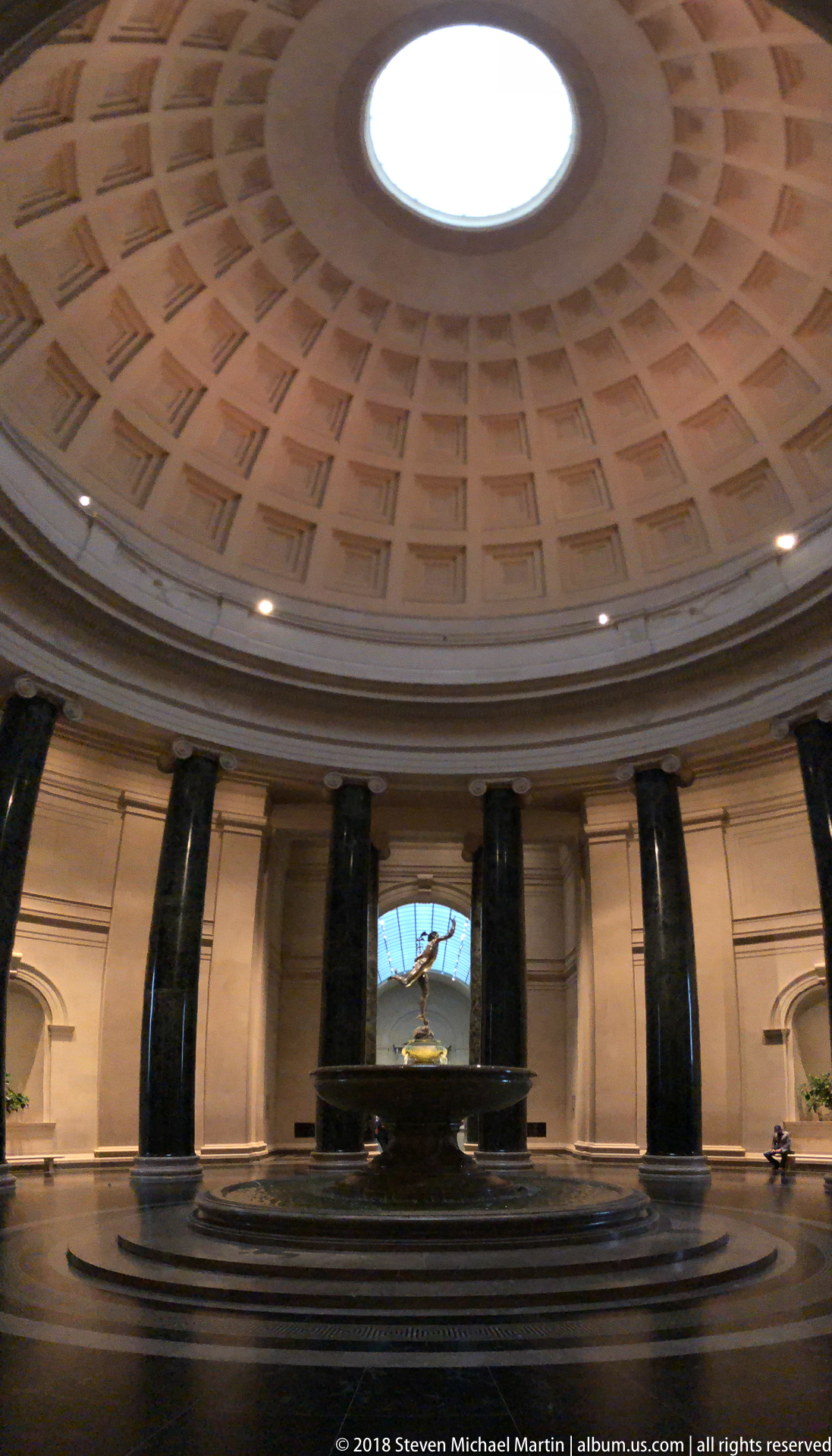
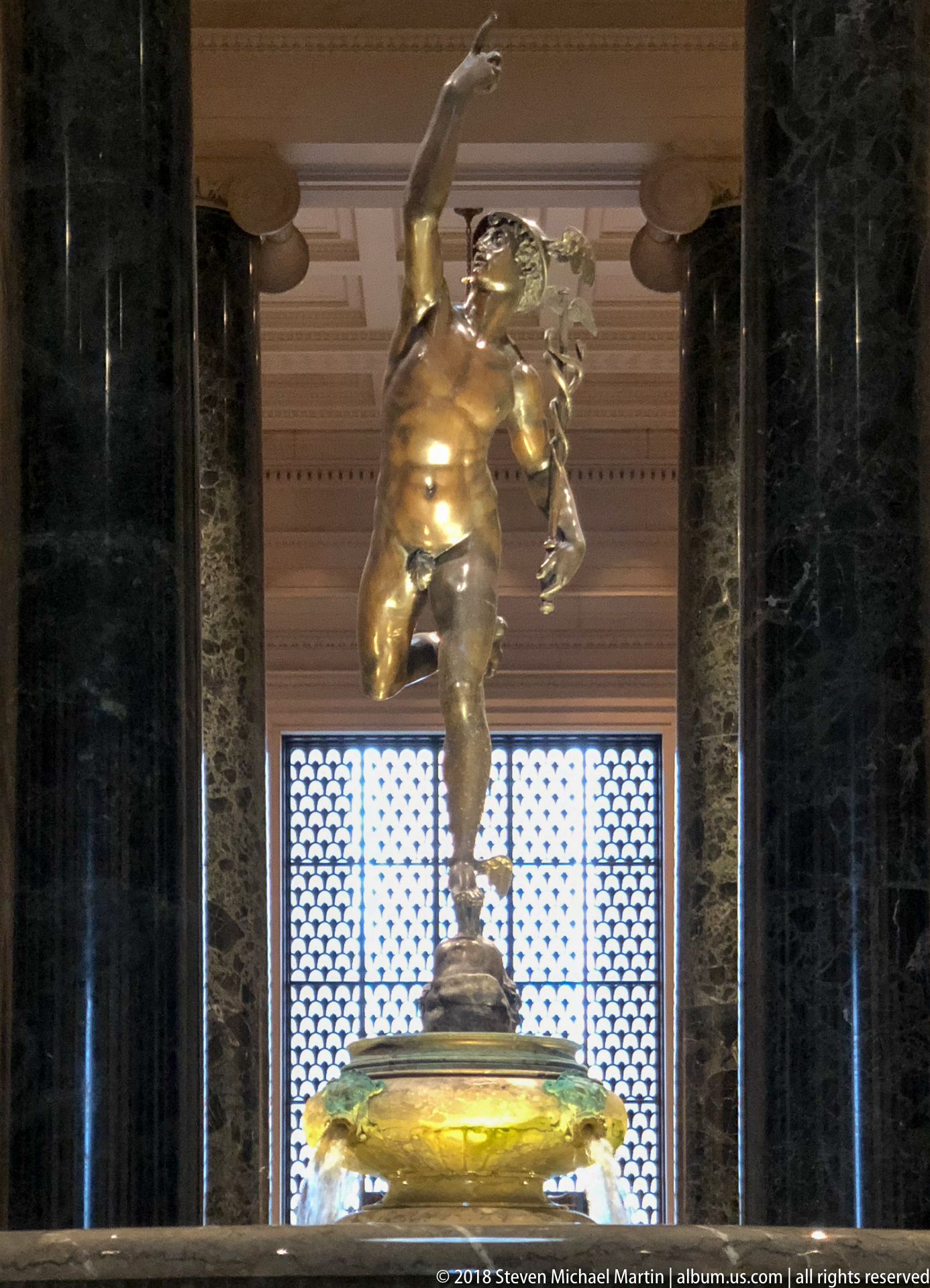
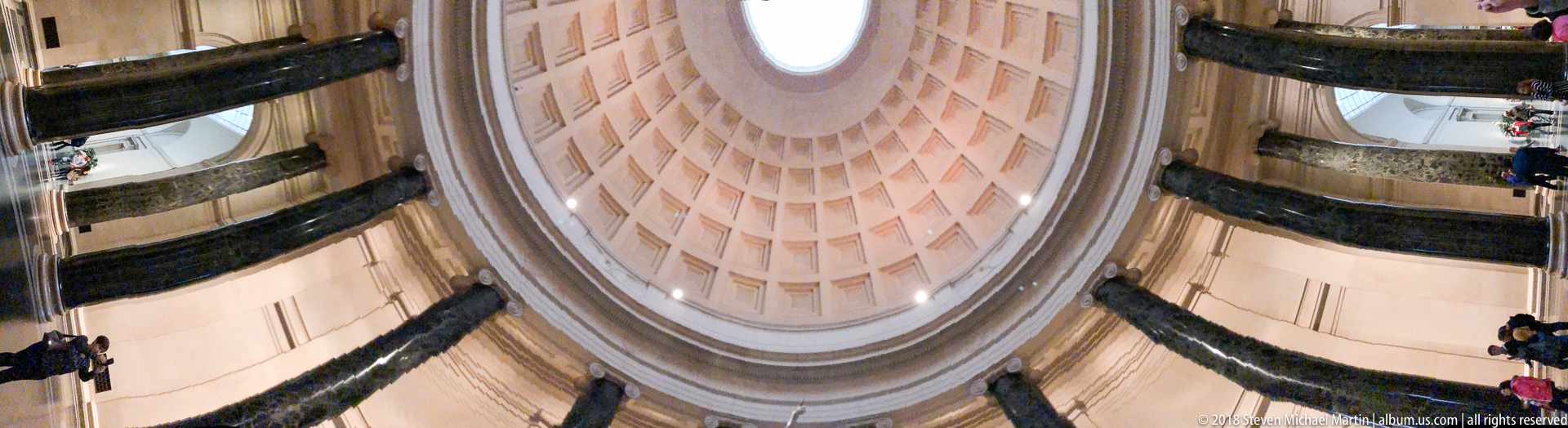
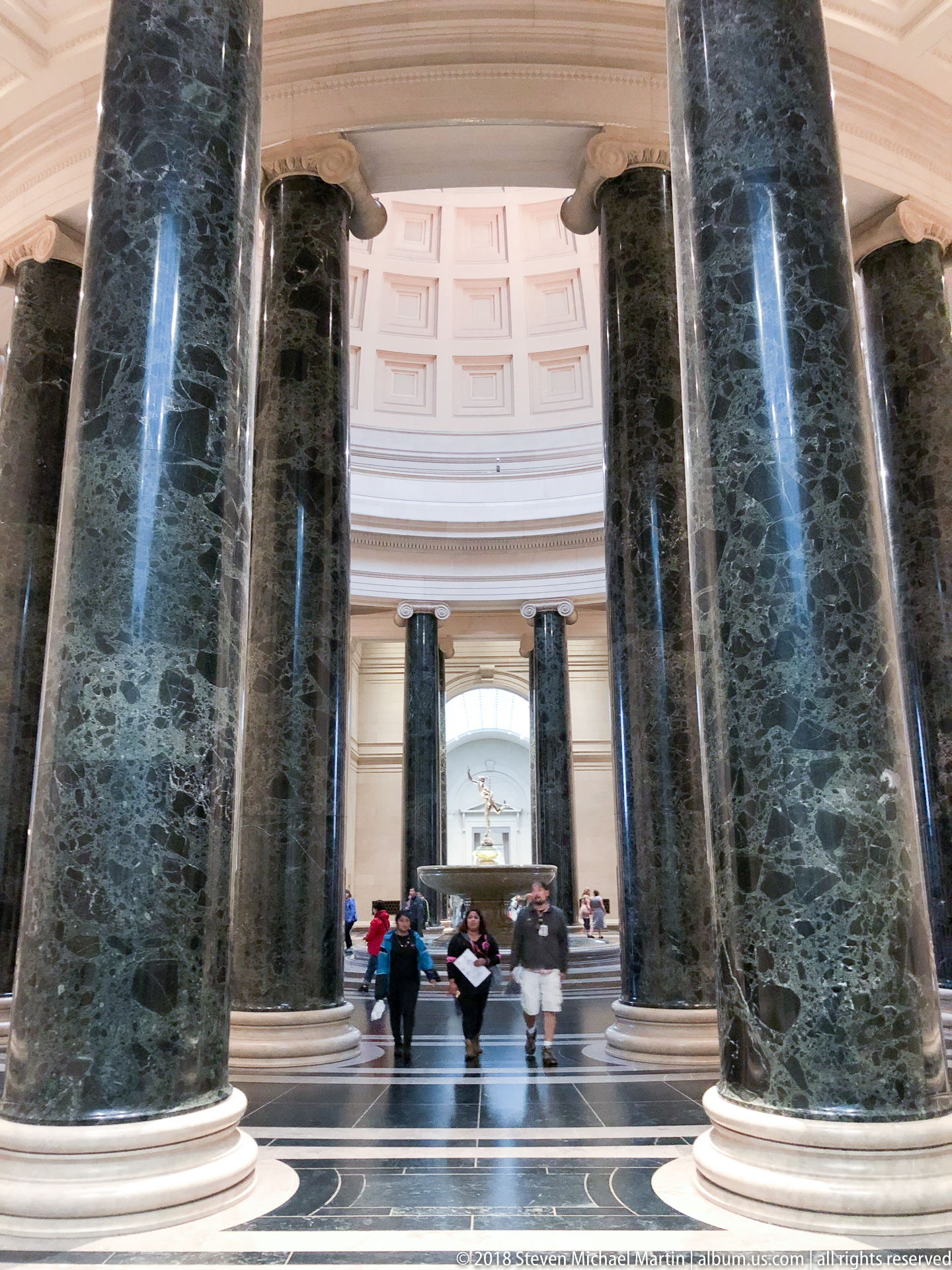
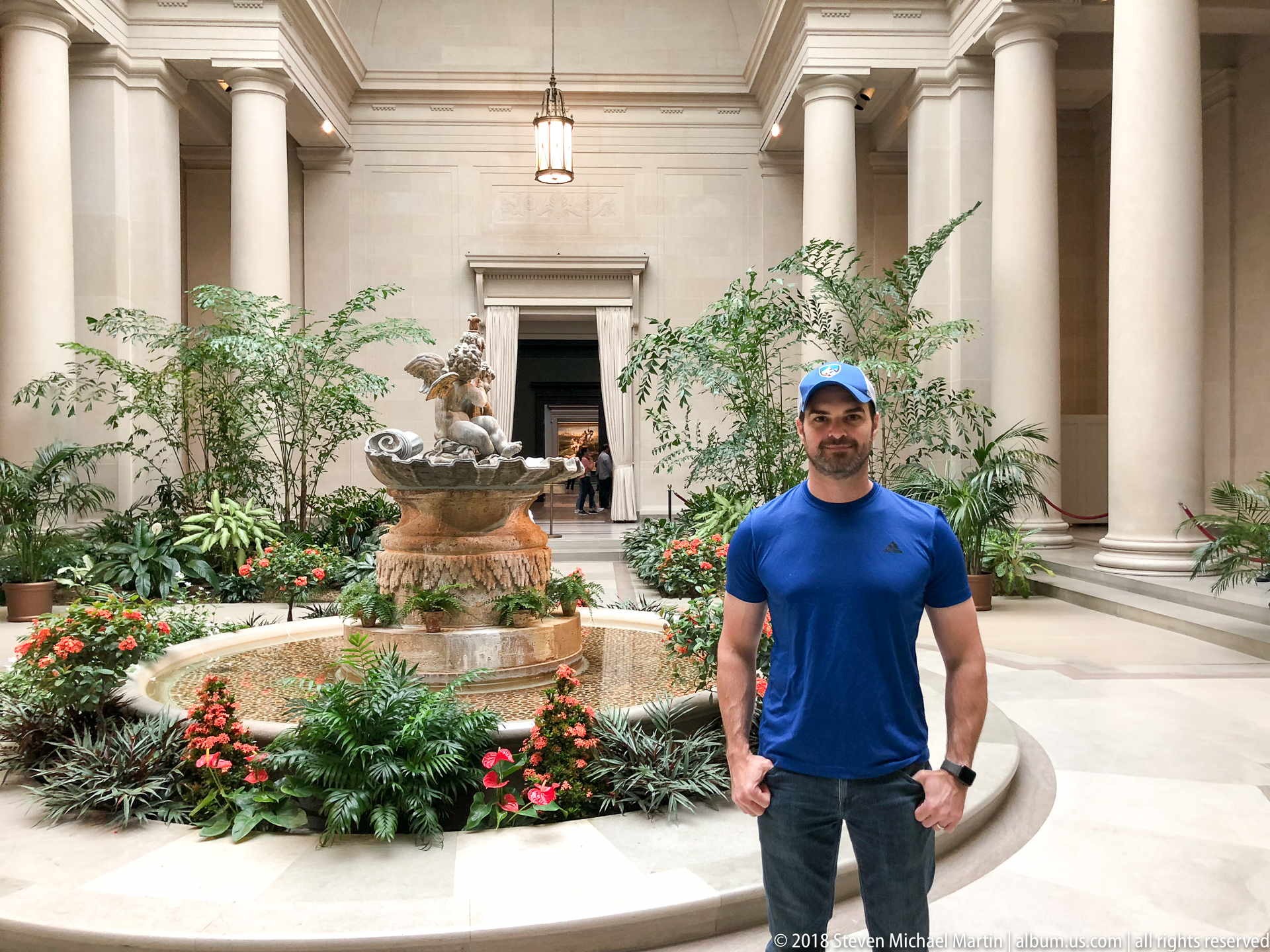
The National Gallery of Art forms one of the principal cultural institutions on the National Mall, preserving major works of European and American art within a neoclassical architectural setting designed to complement the monumental core of Washington, DC. The West Building, completed in 1941 and designed by architect John Russell Pope, reflects classical traditions inspired by ancient Roman architecture, including a central domed rotunda modeled on the Pantheon. The building’s marble exterior and symmetrical form reinforce the relationship between artistic heritage and civic identity within the planned landscape of the federal capital.
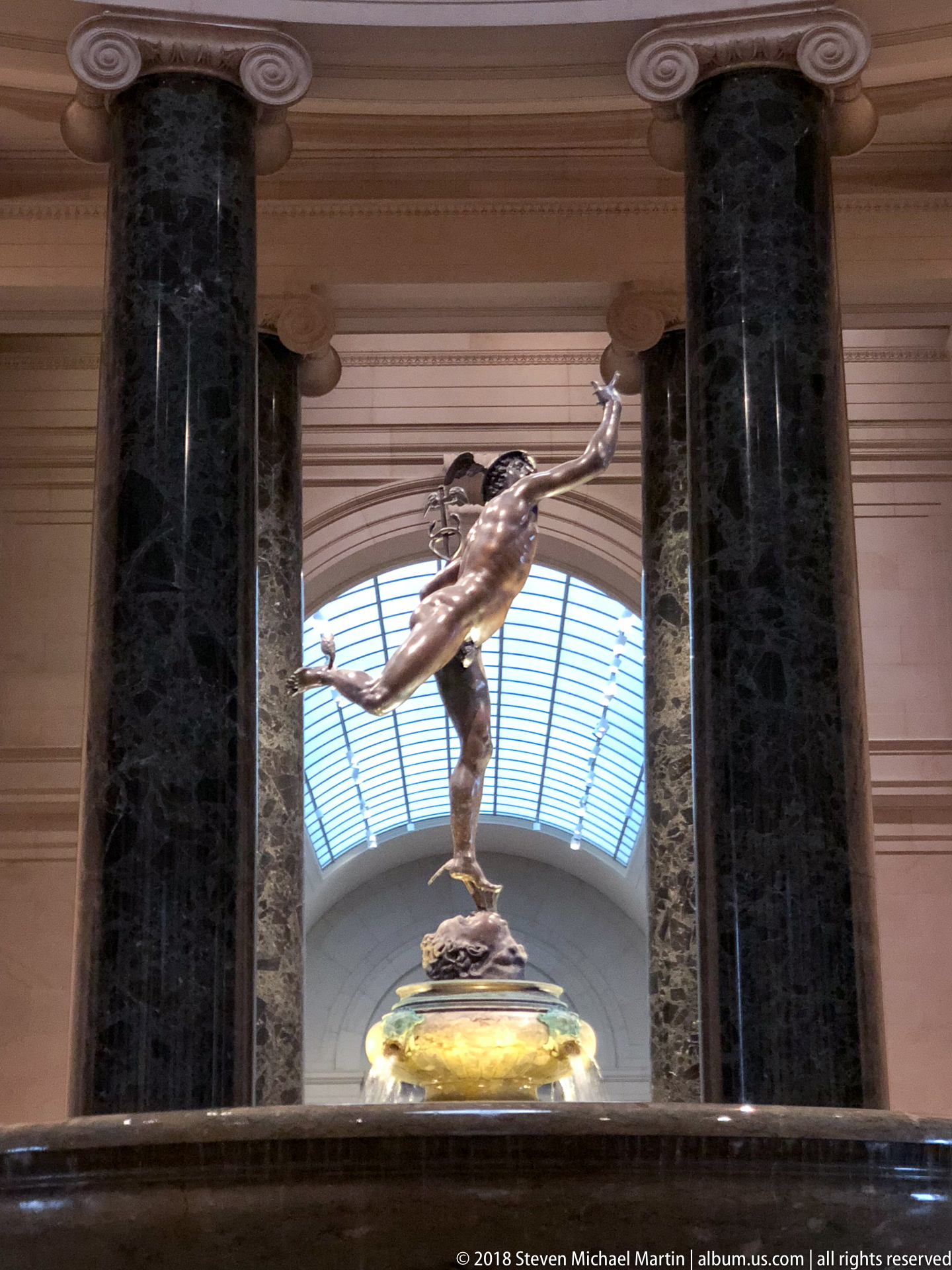
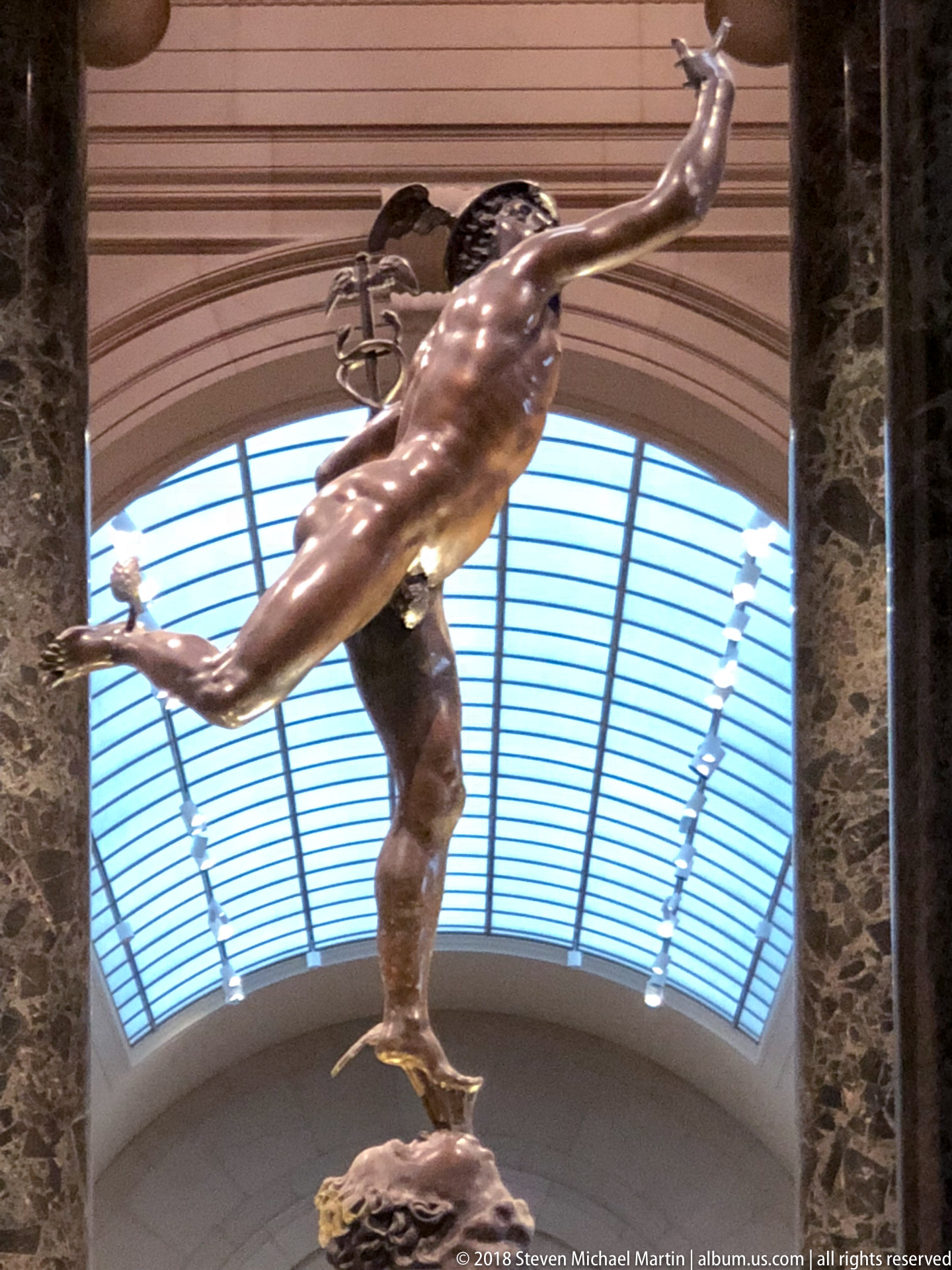
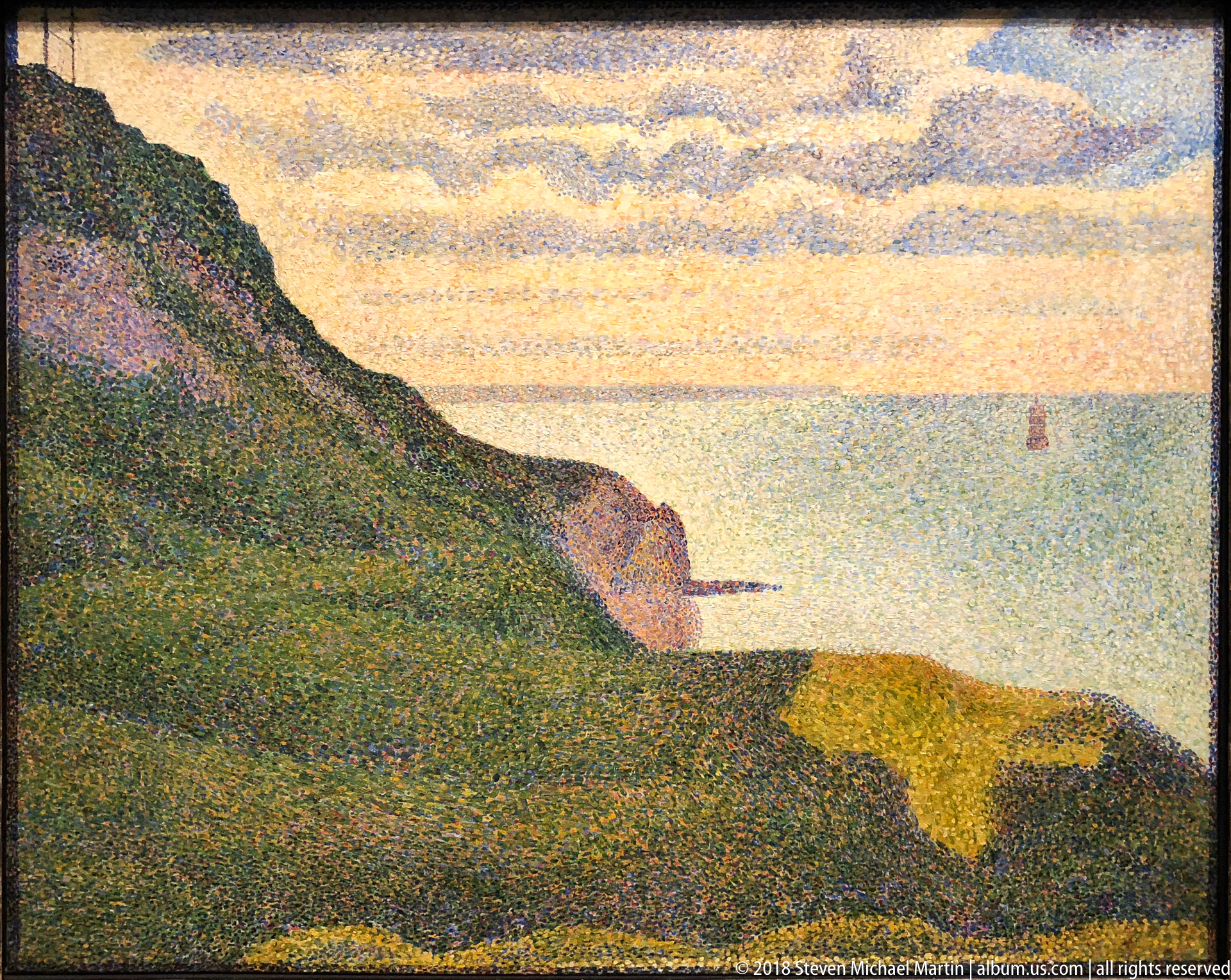
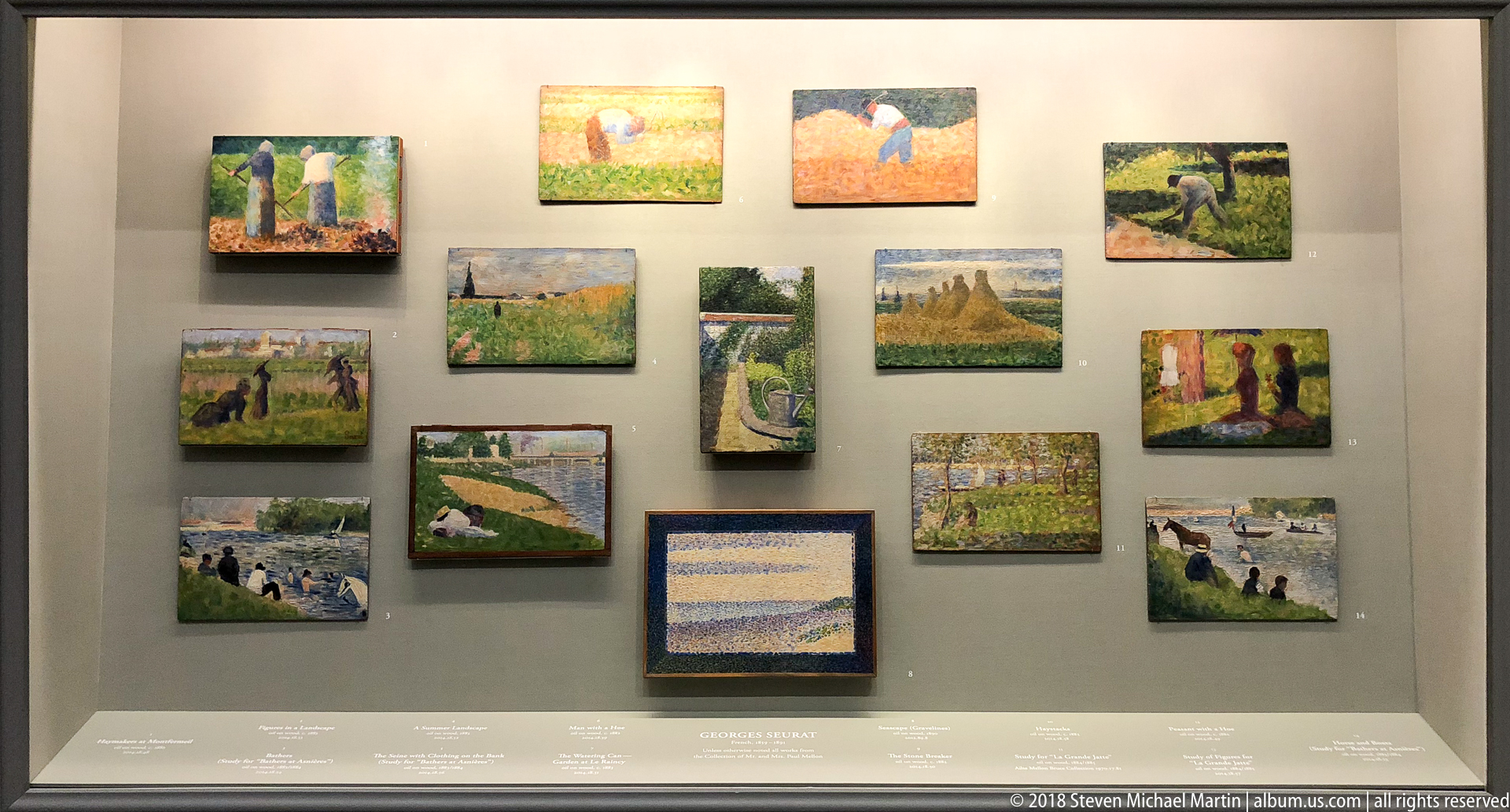
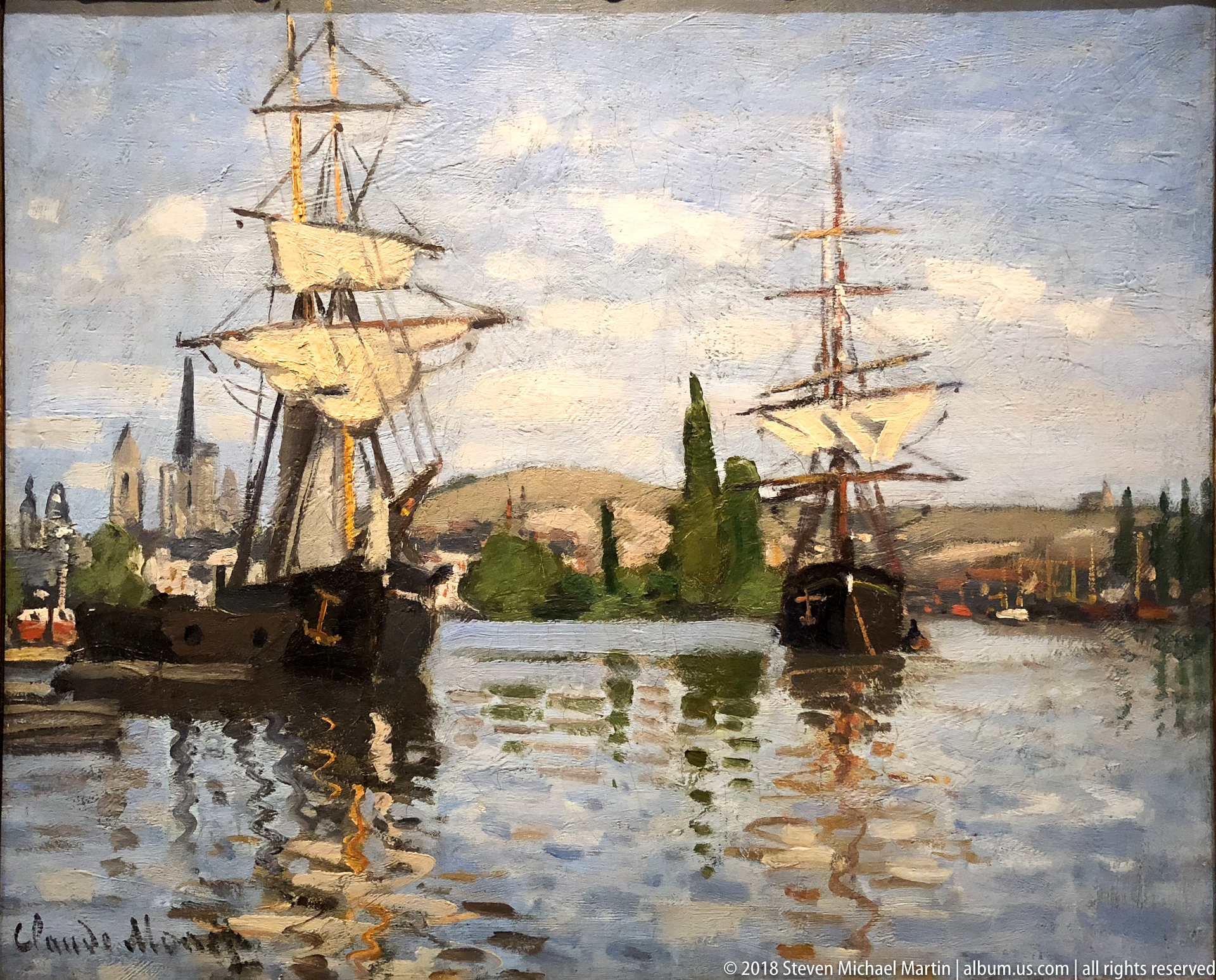
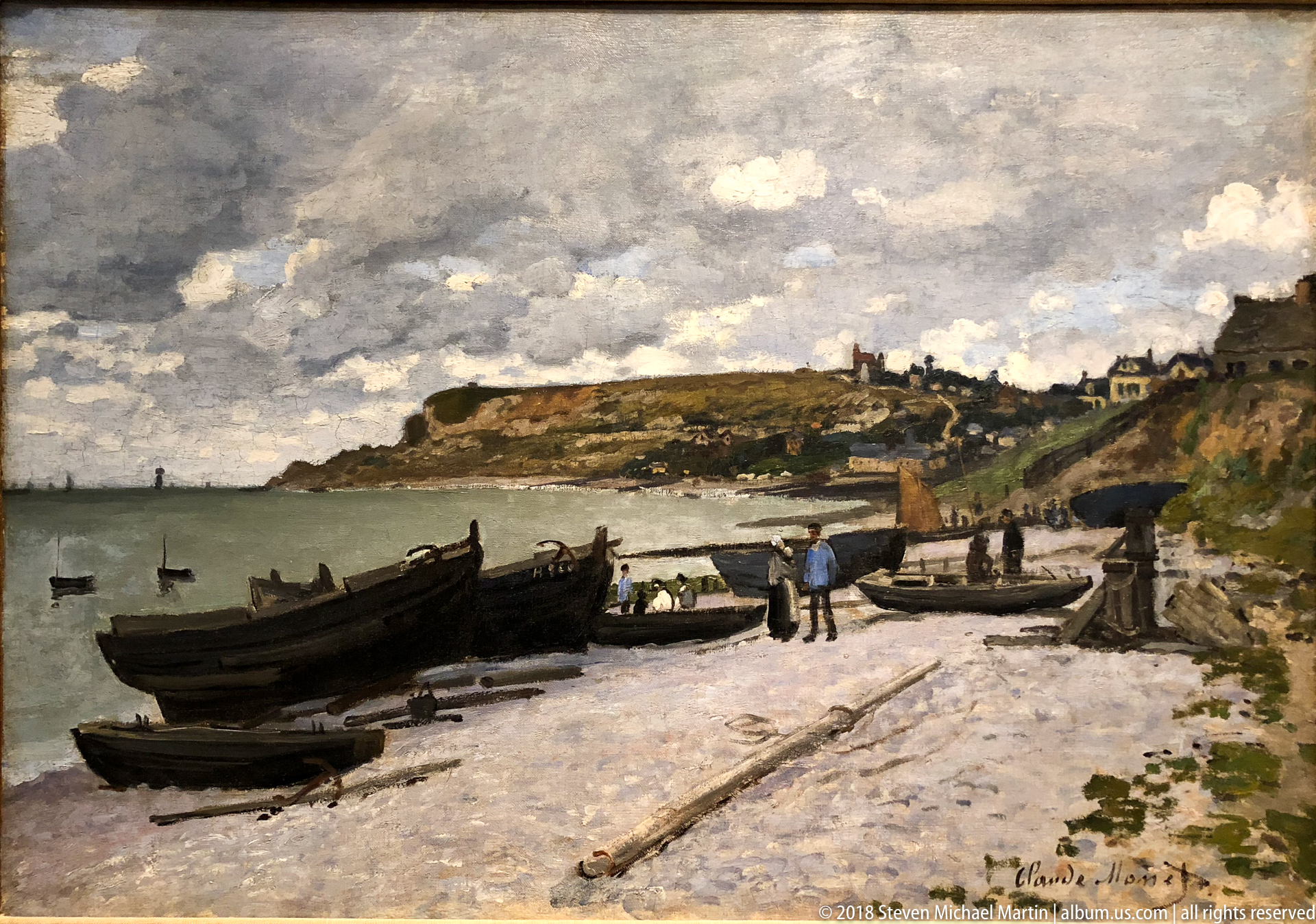
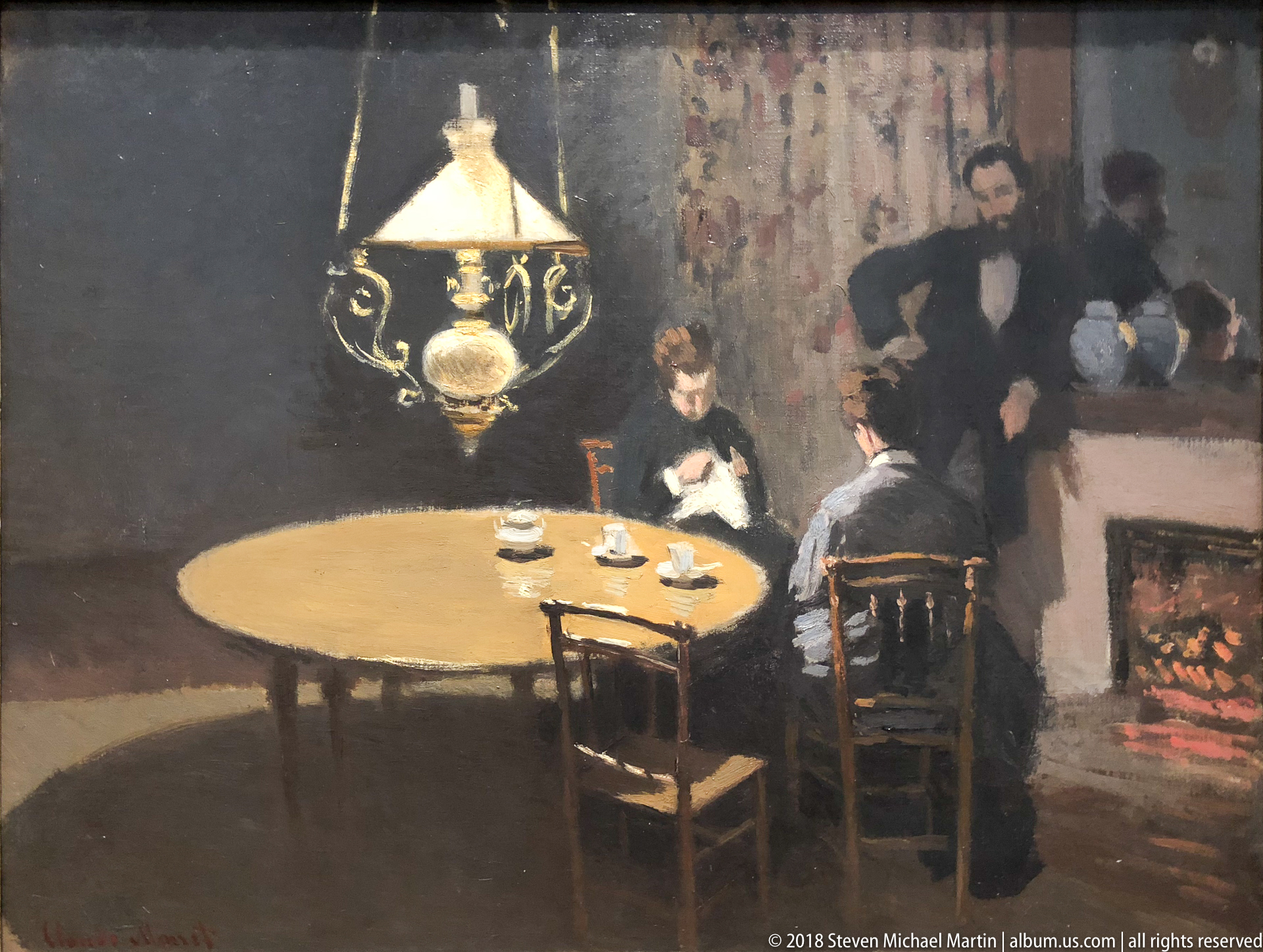
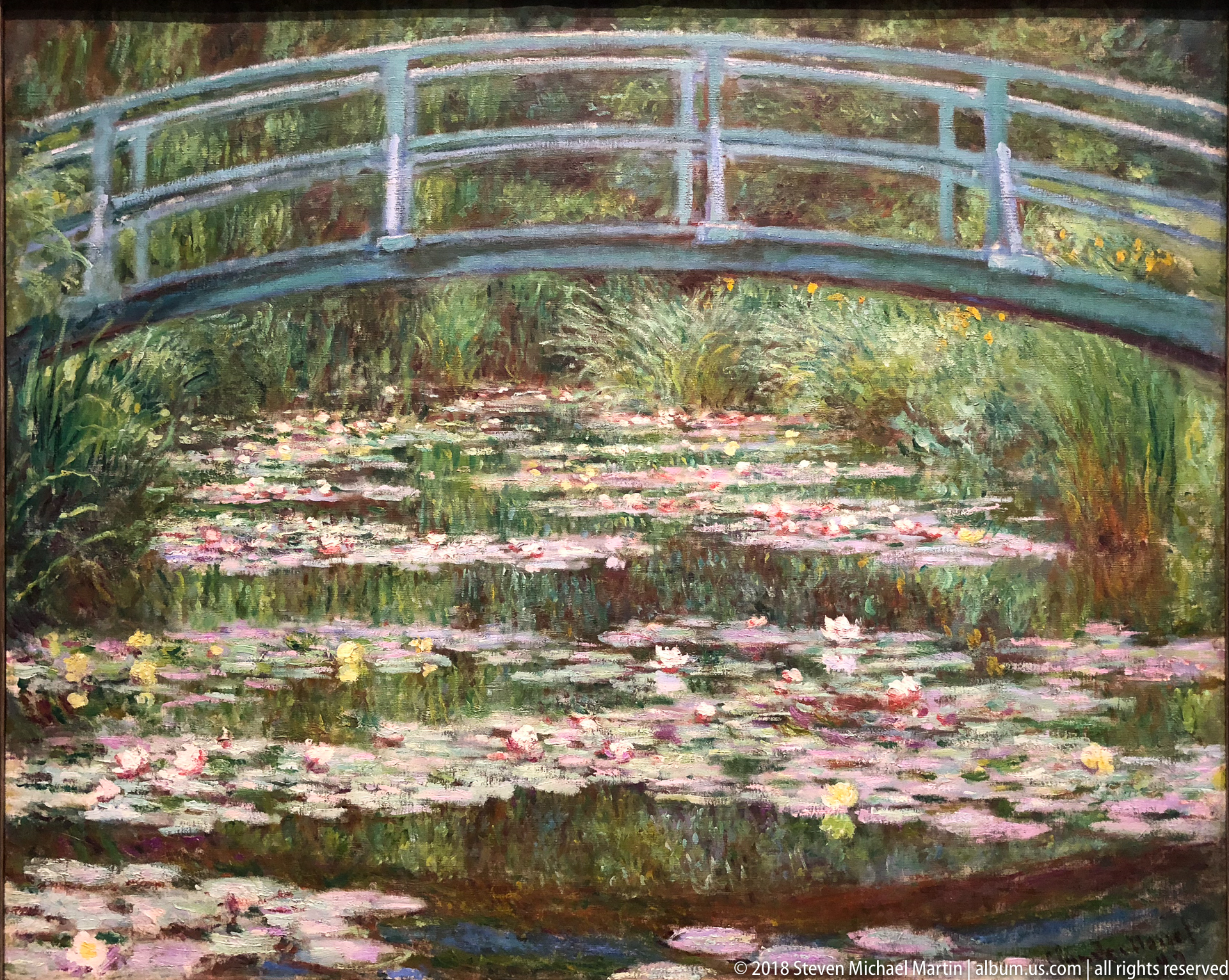
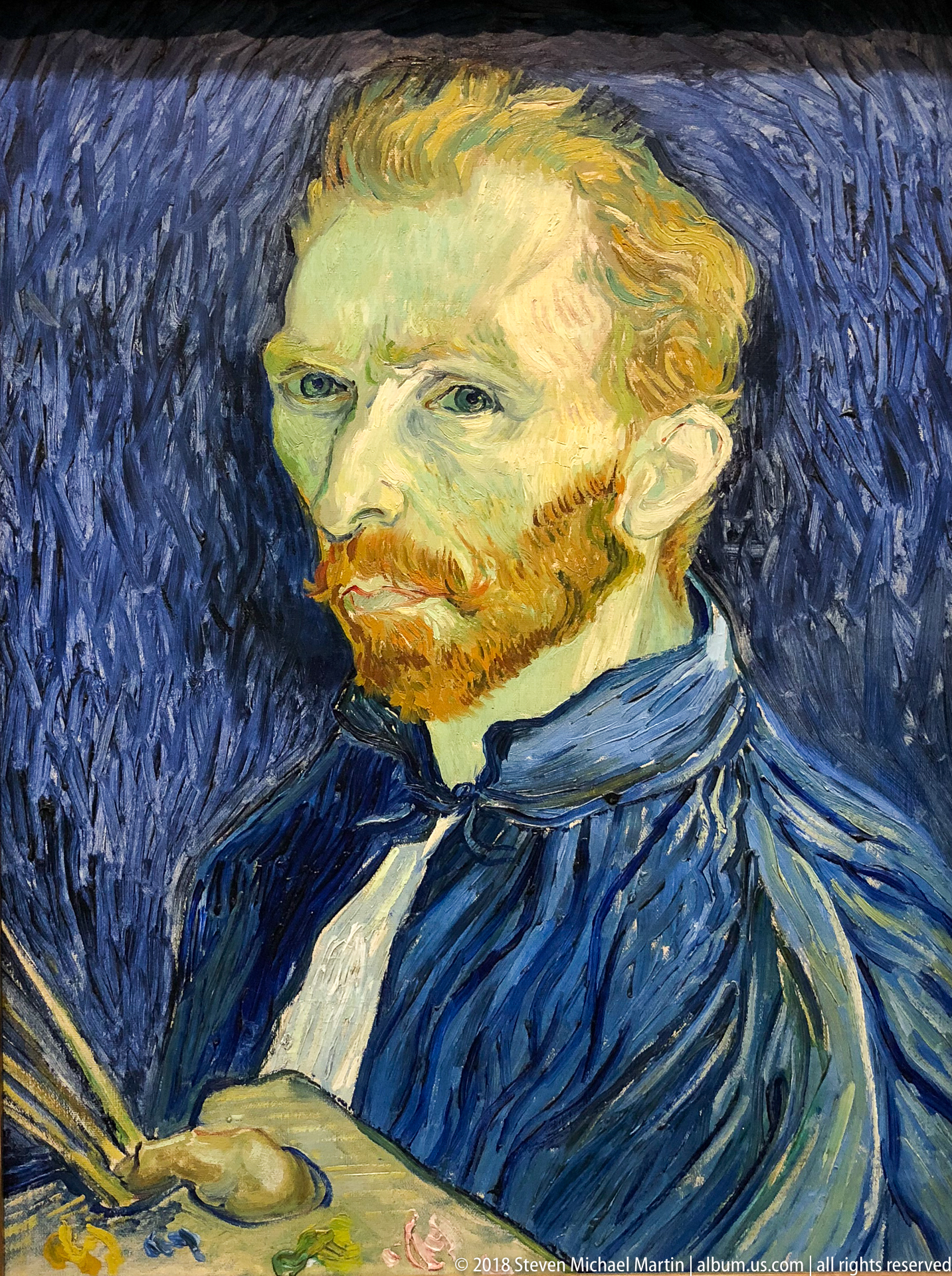
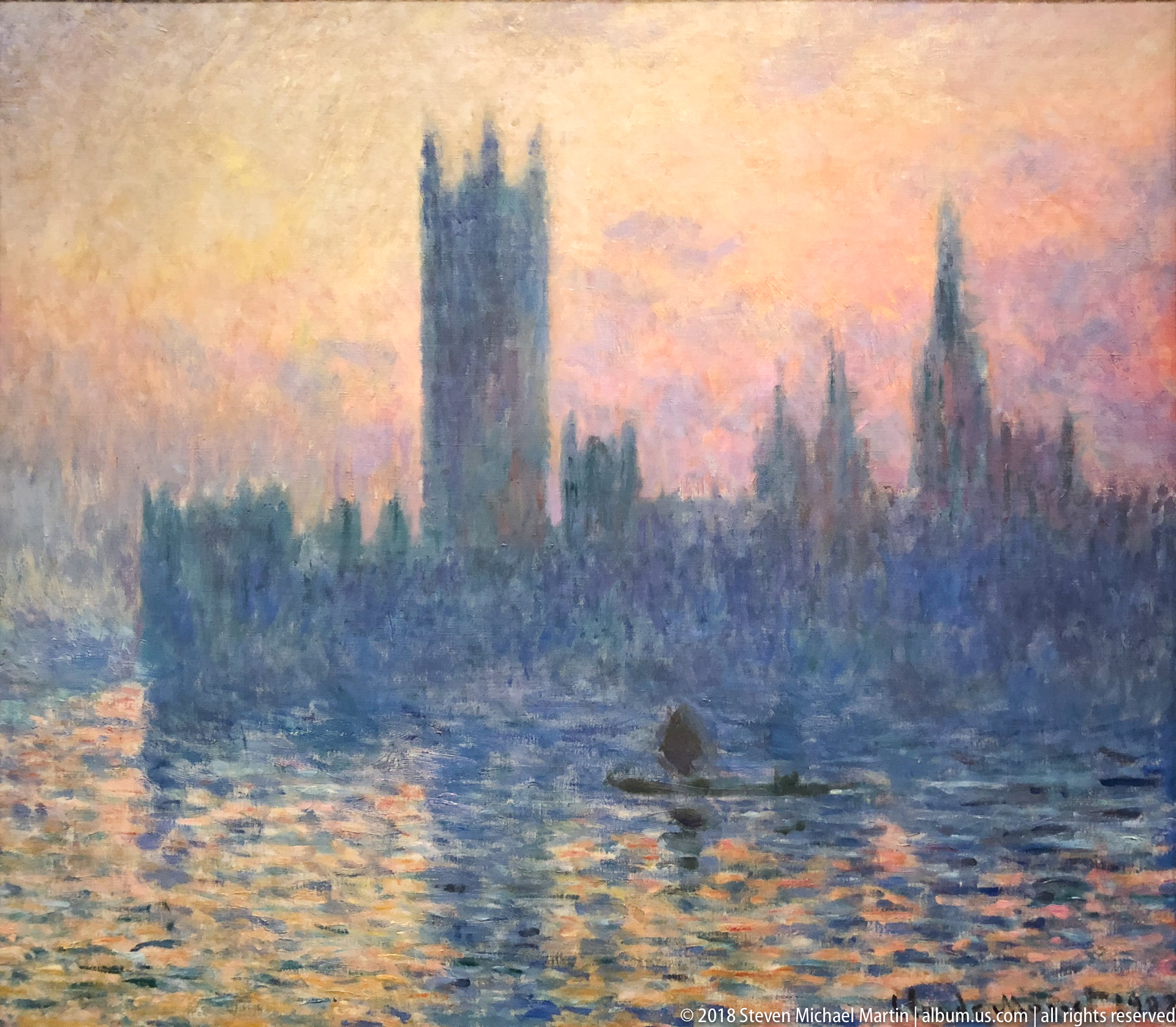
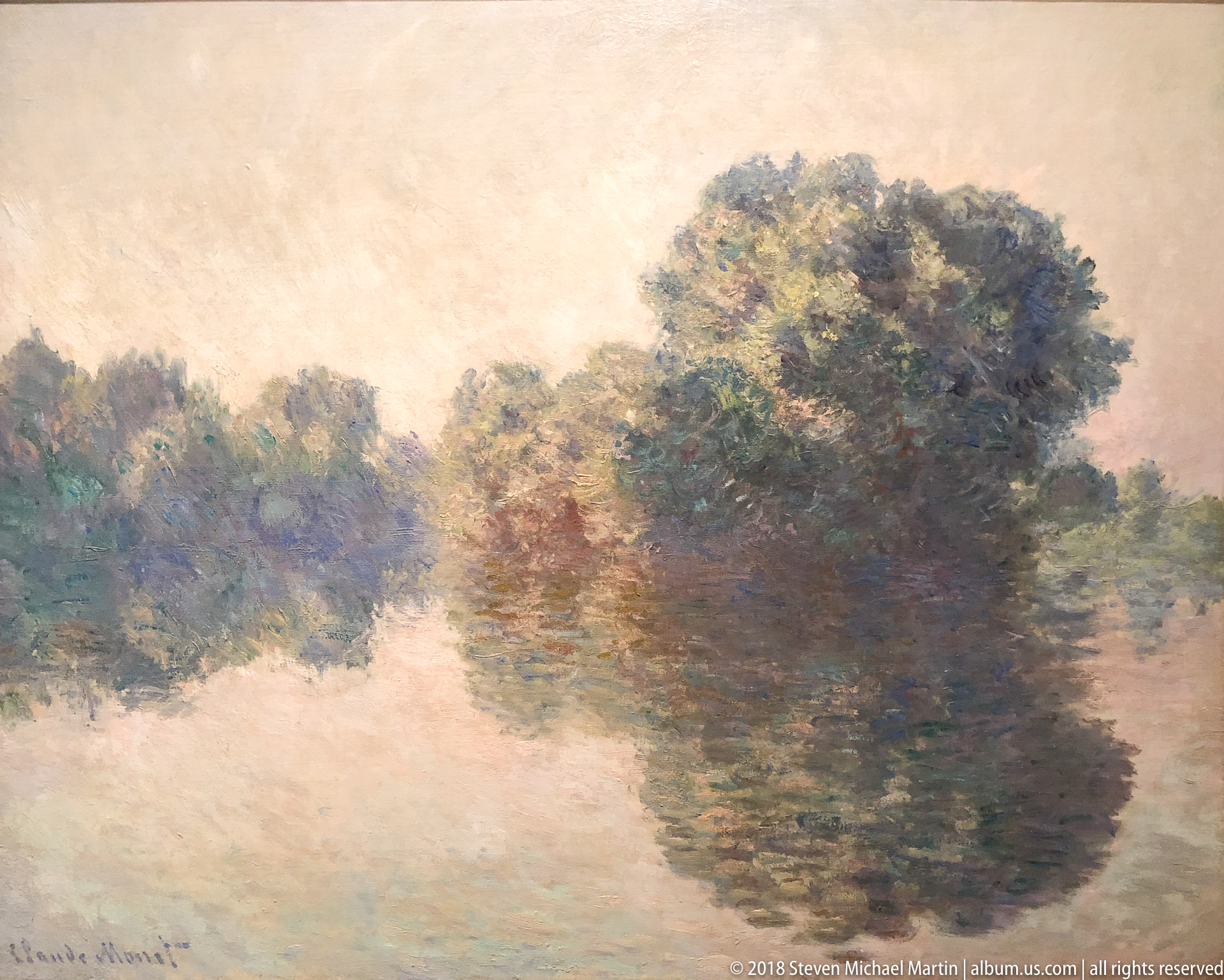
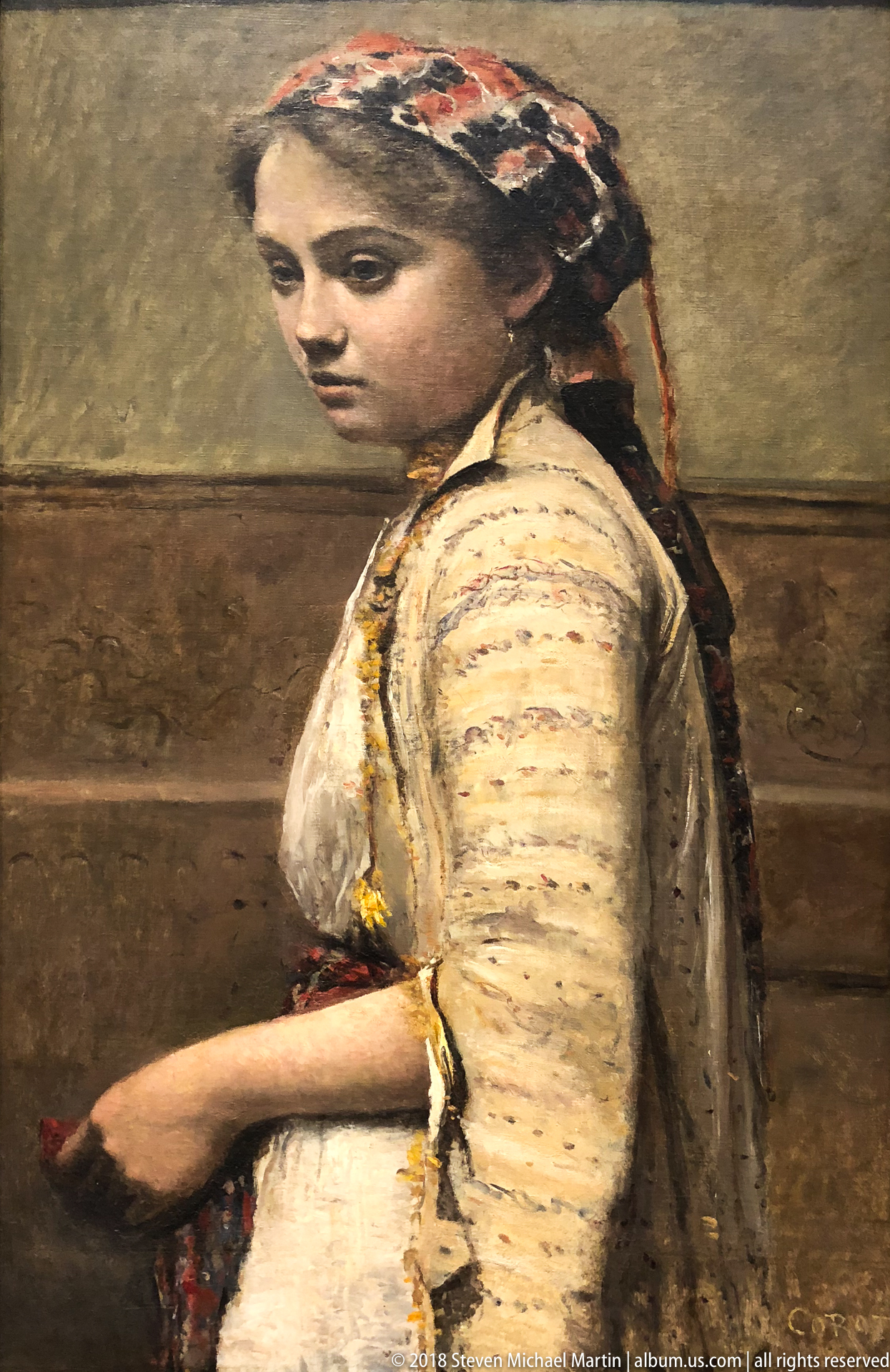
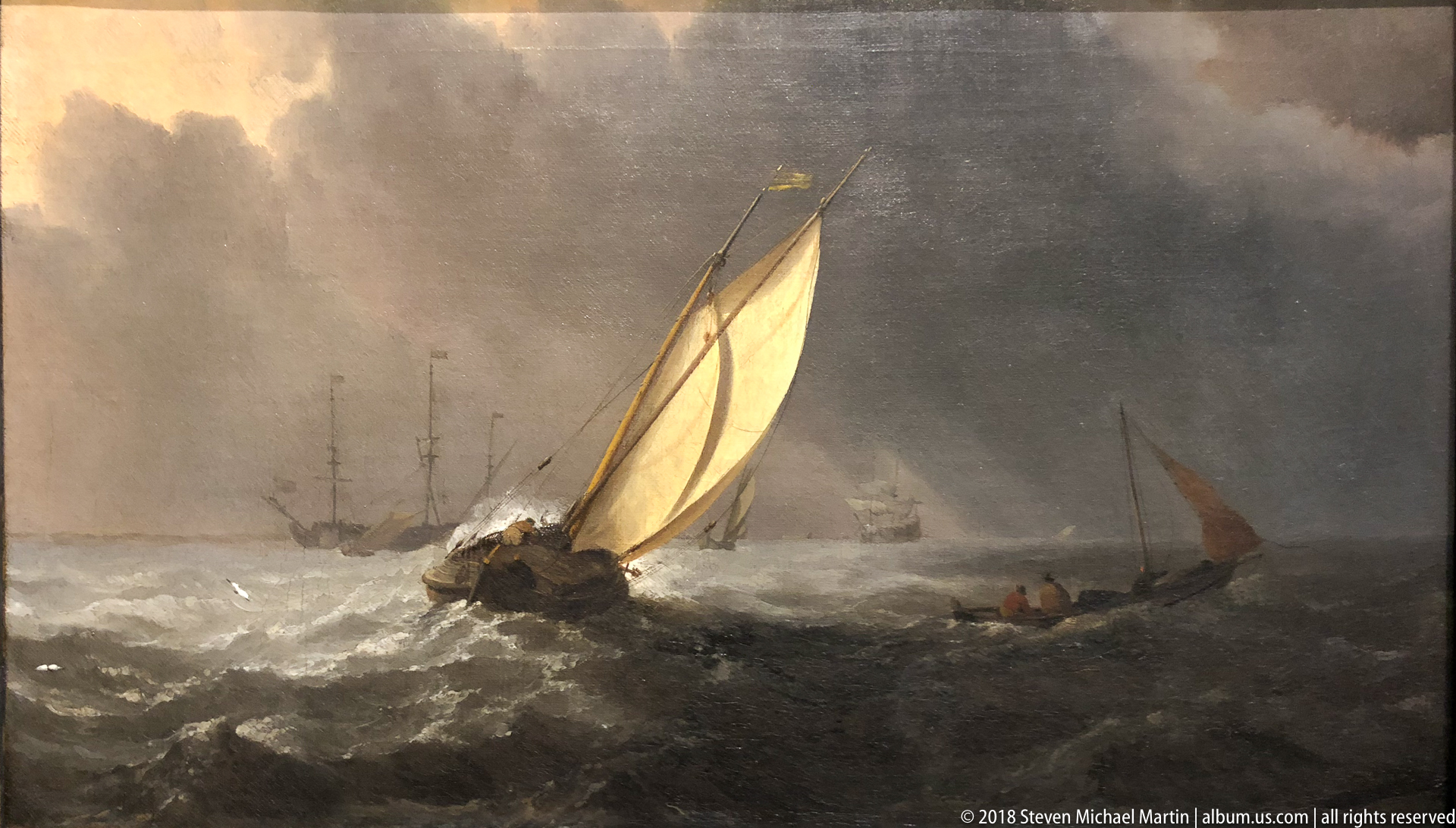
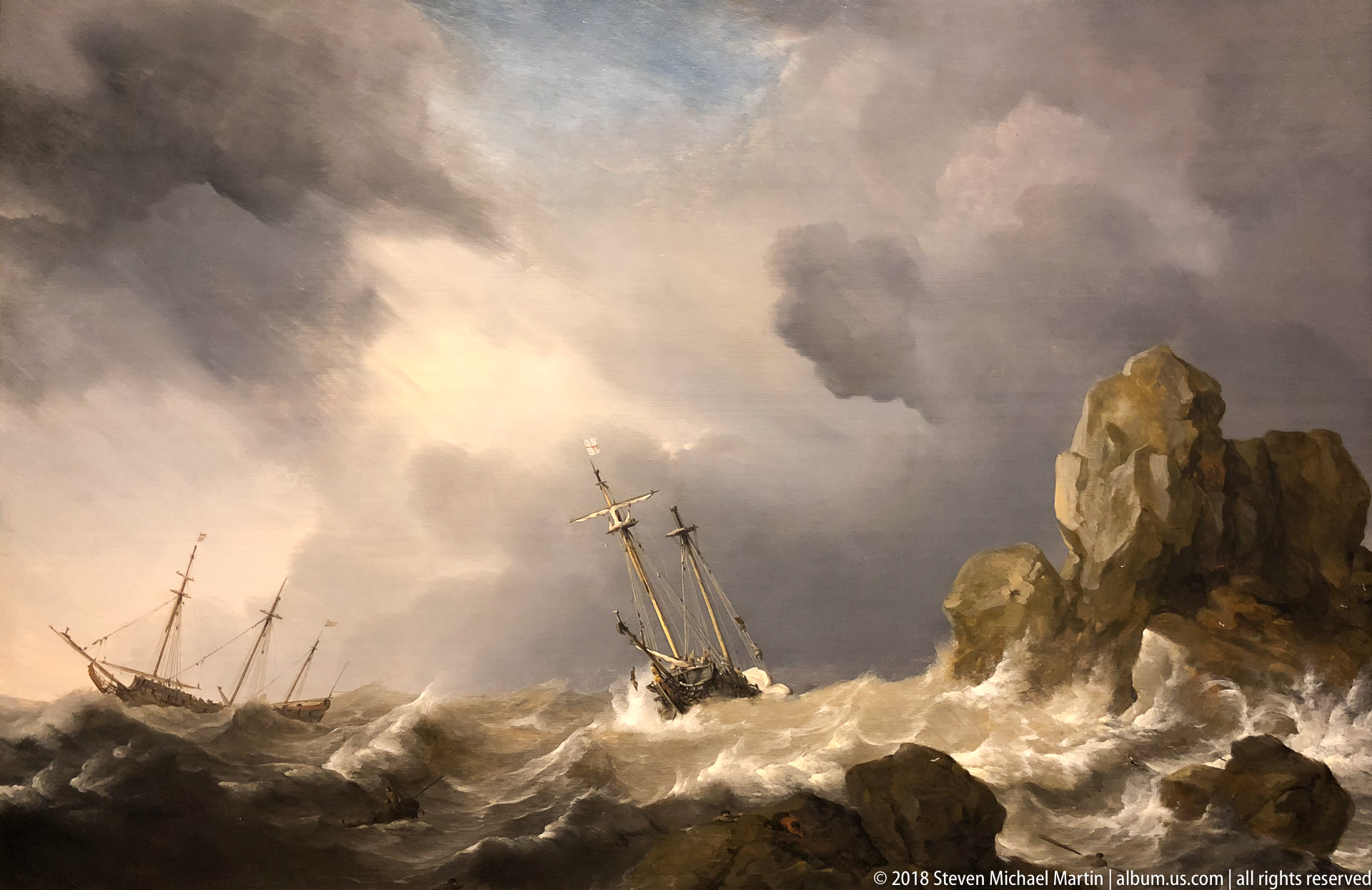
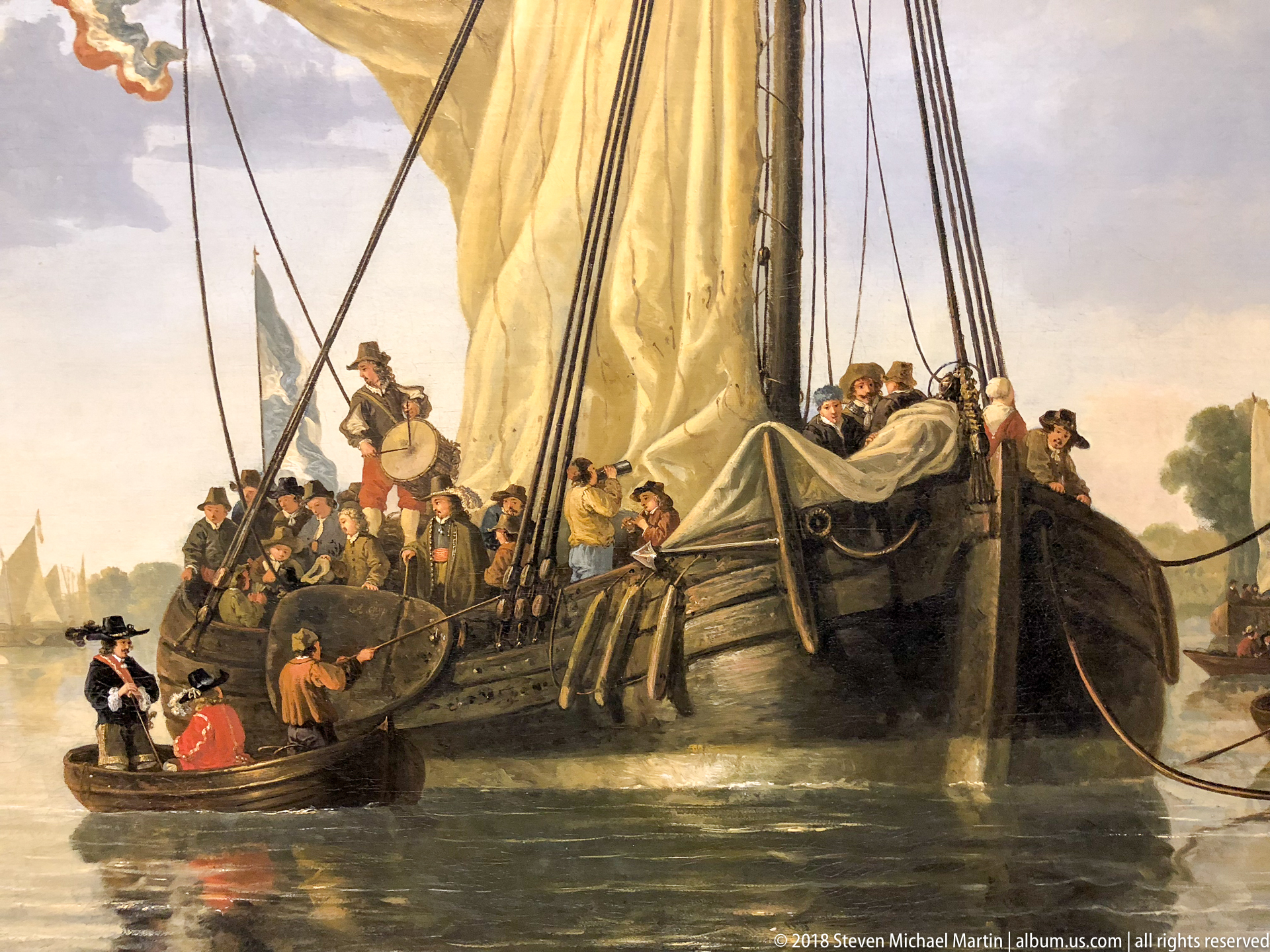
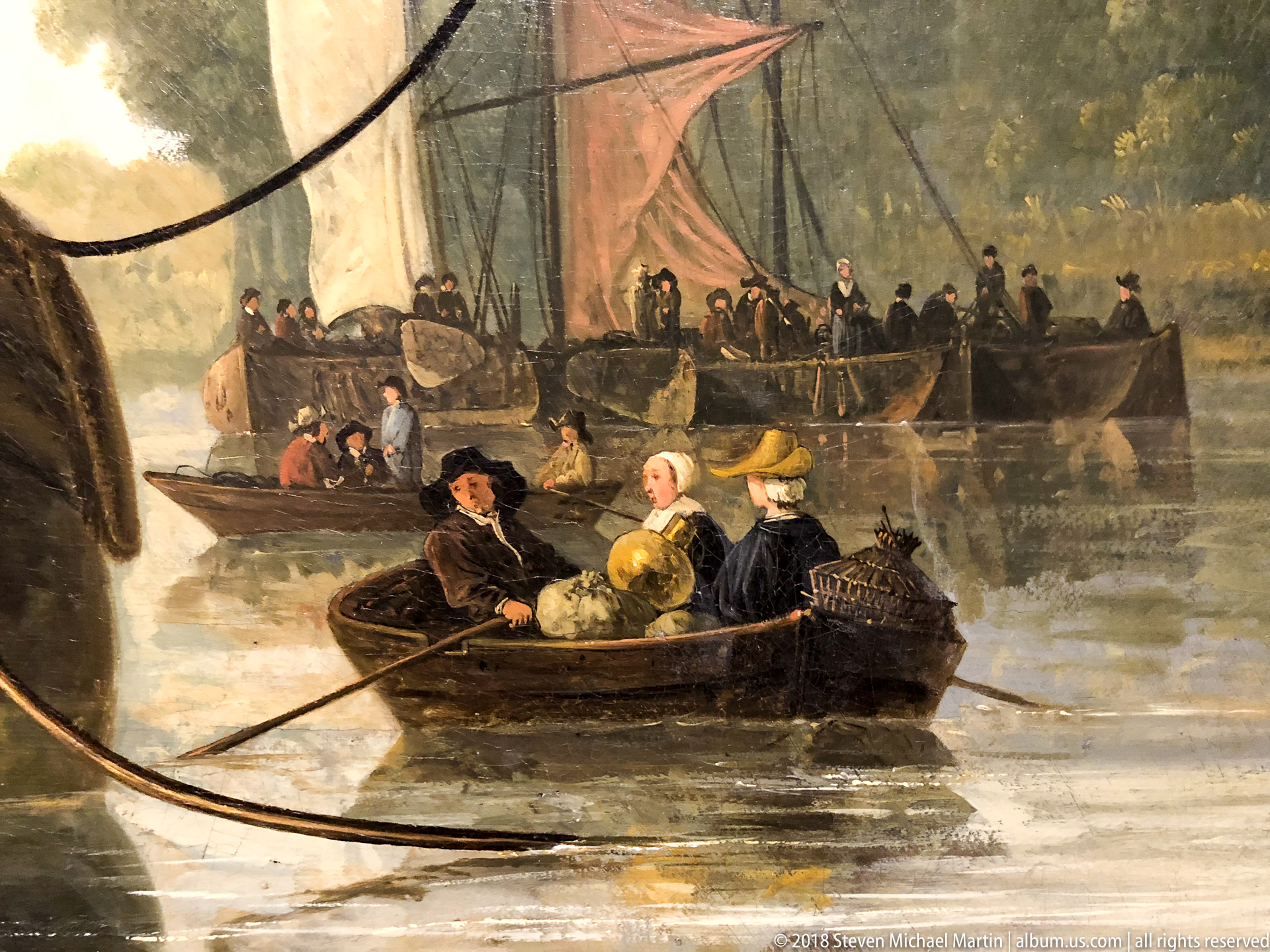
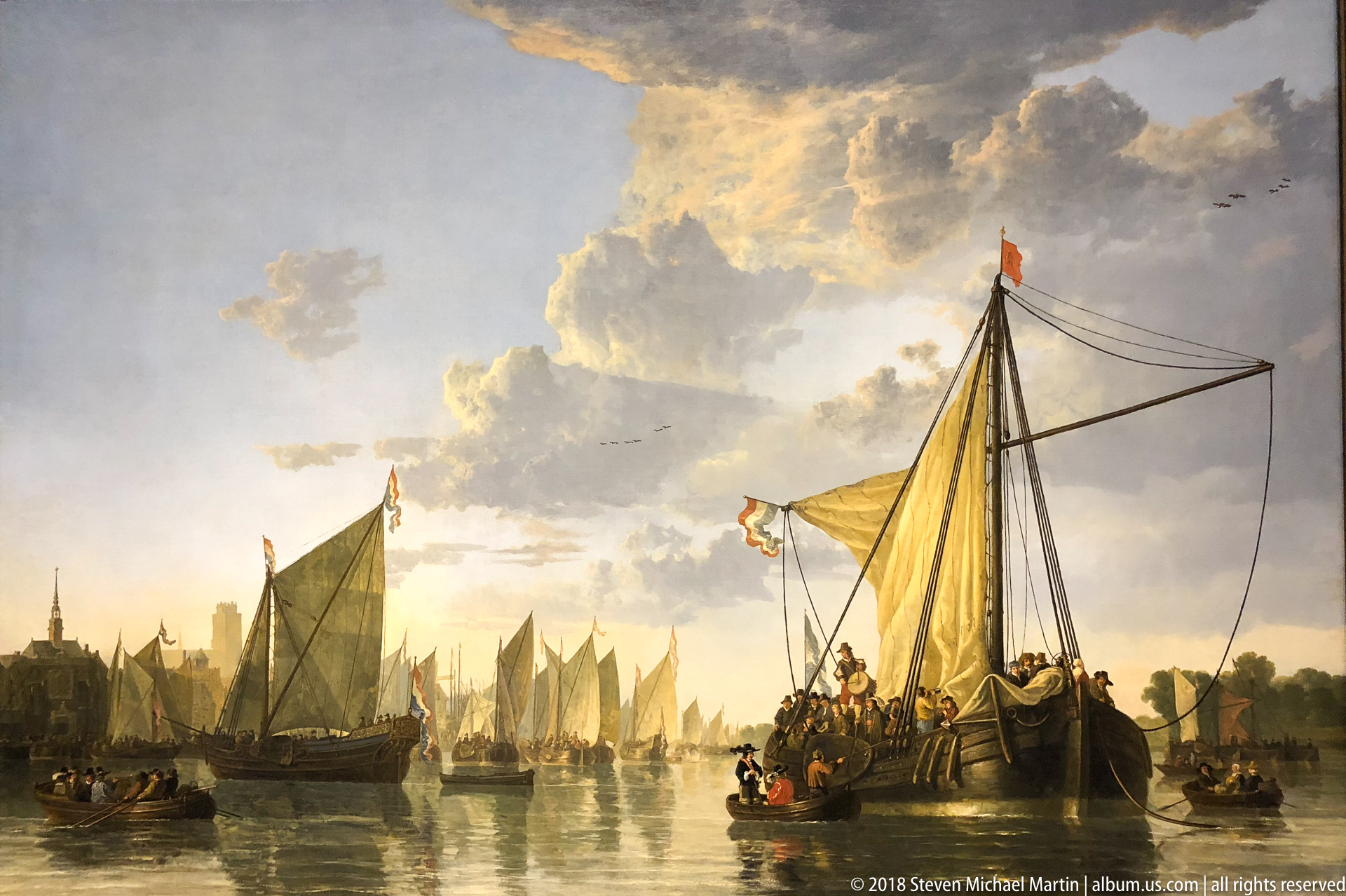
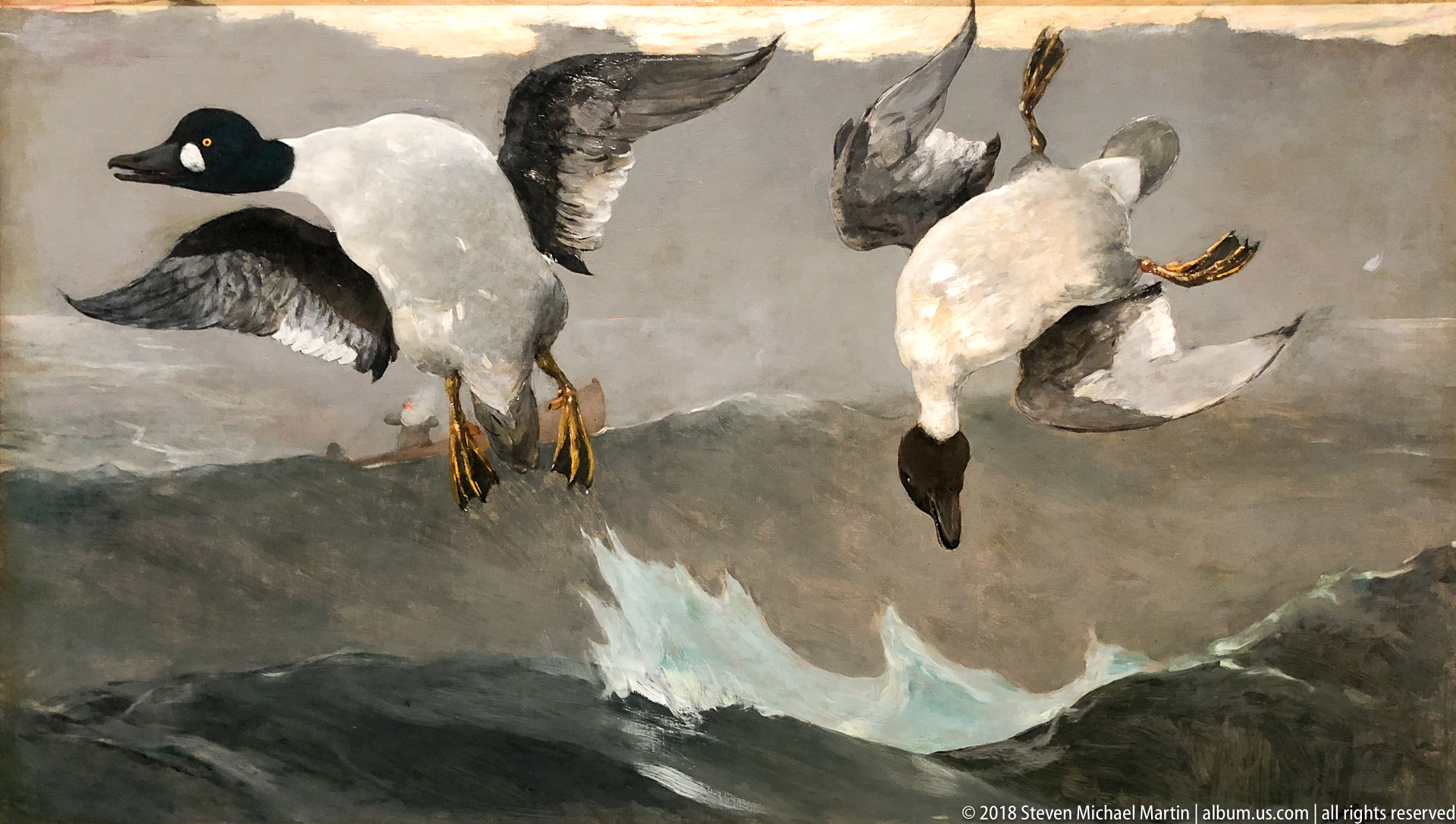
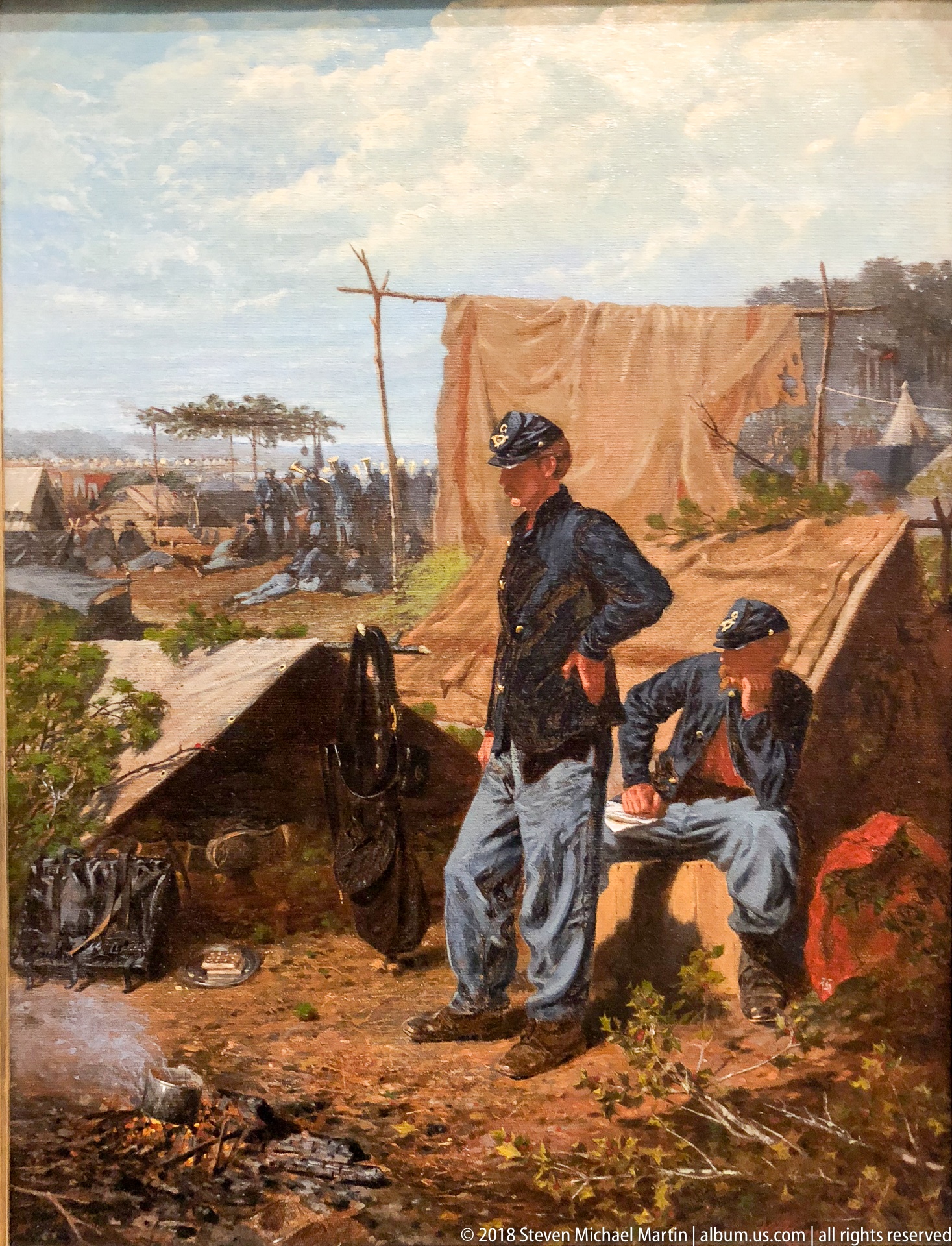
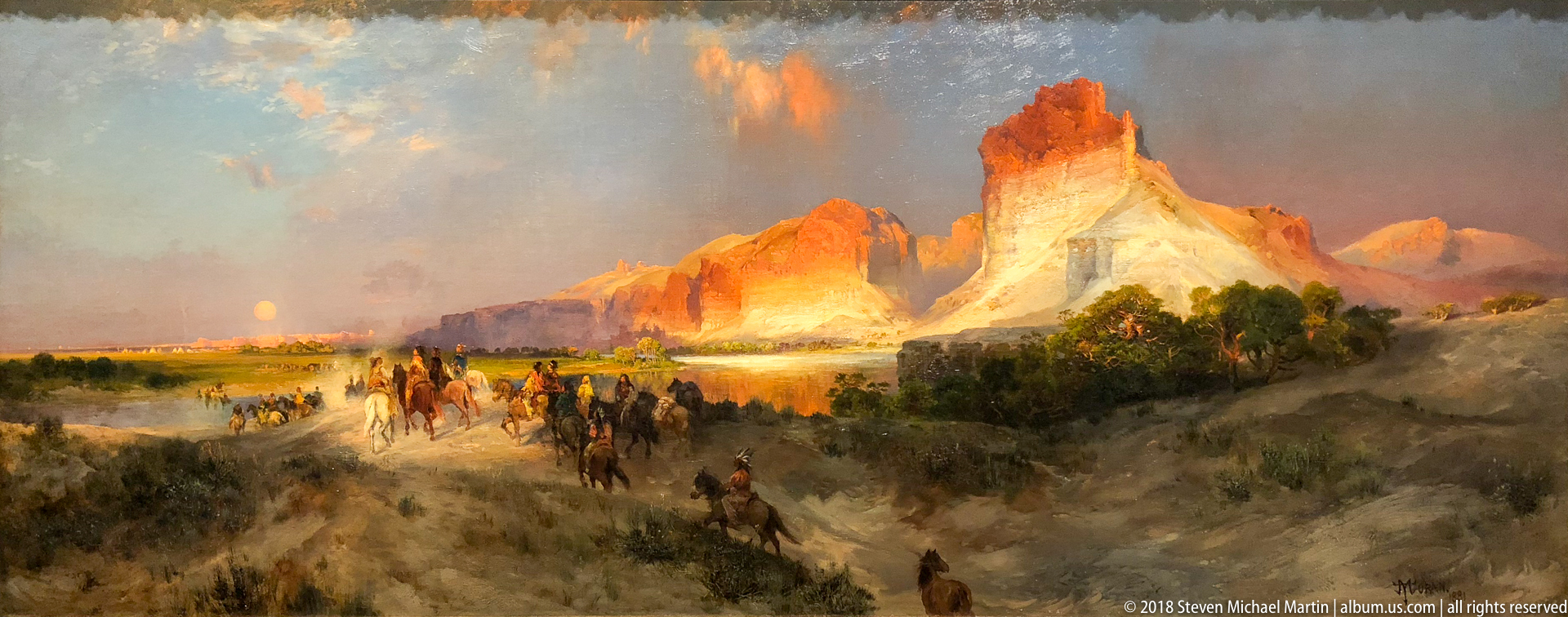
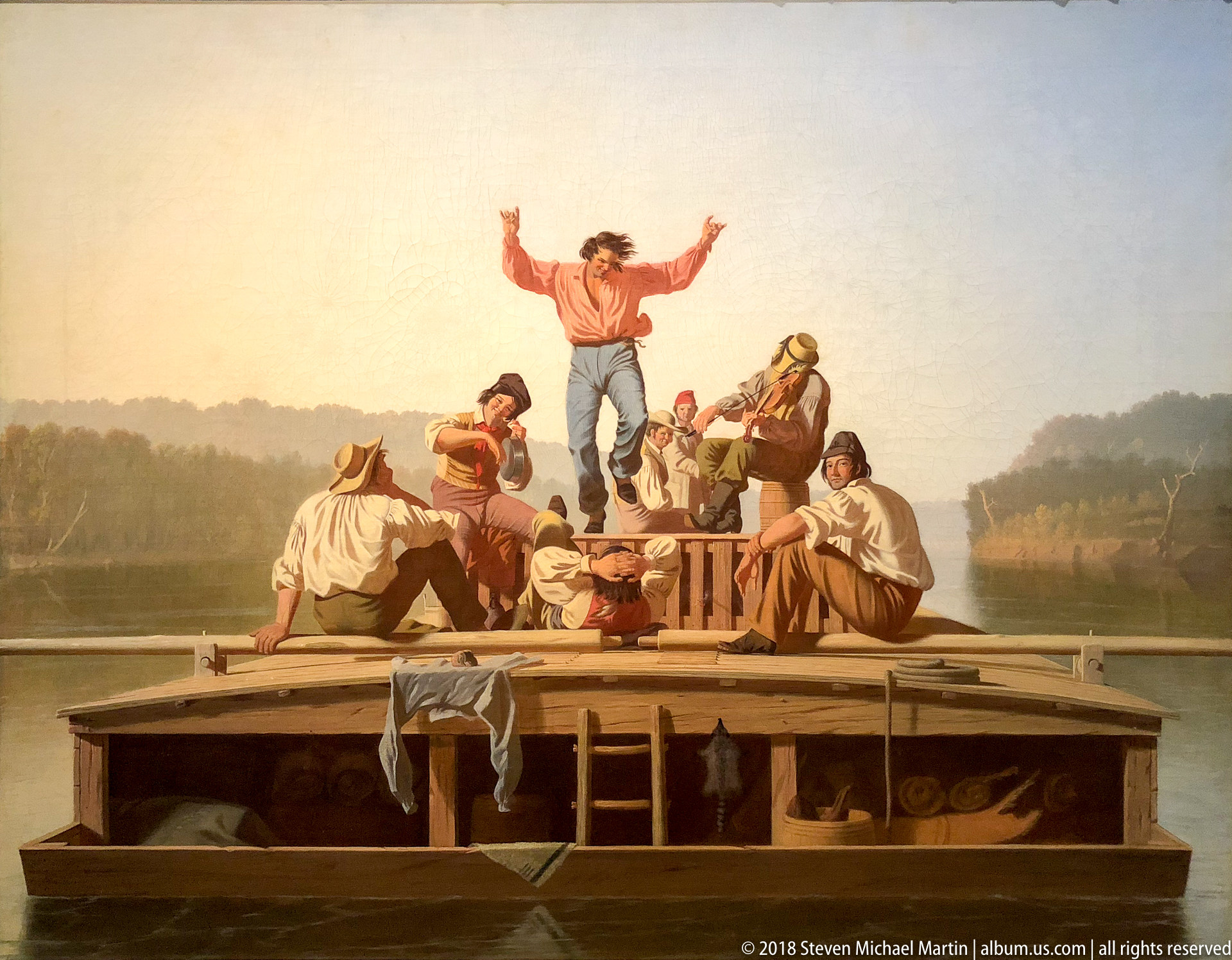
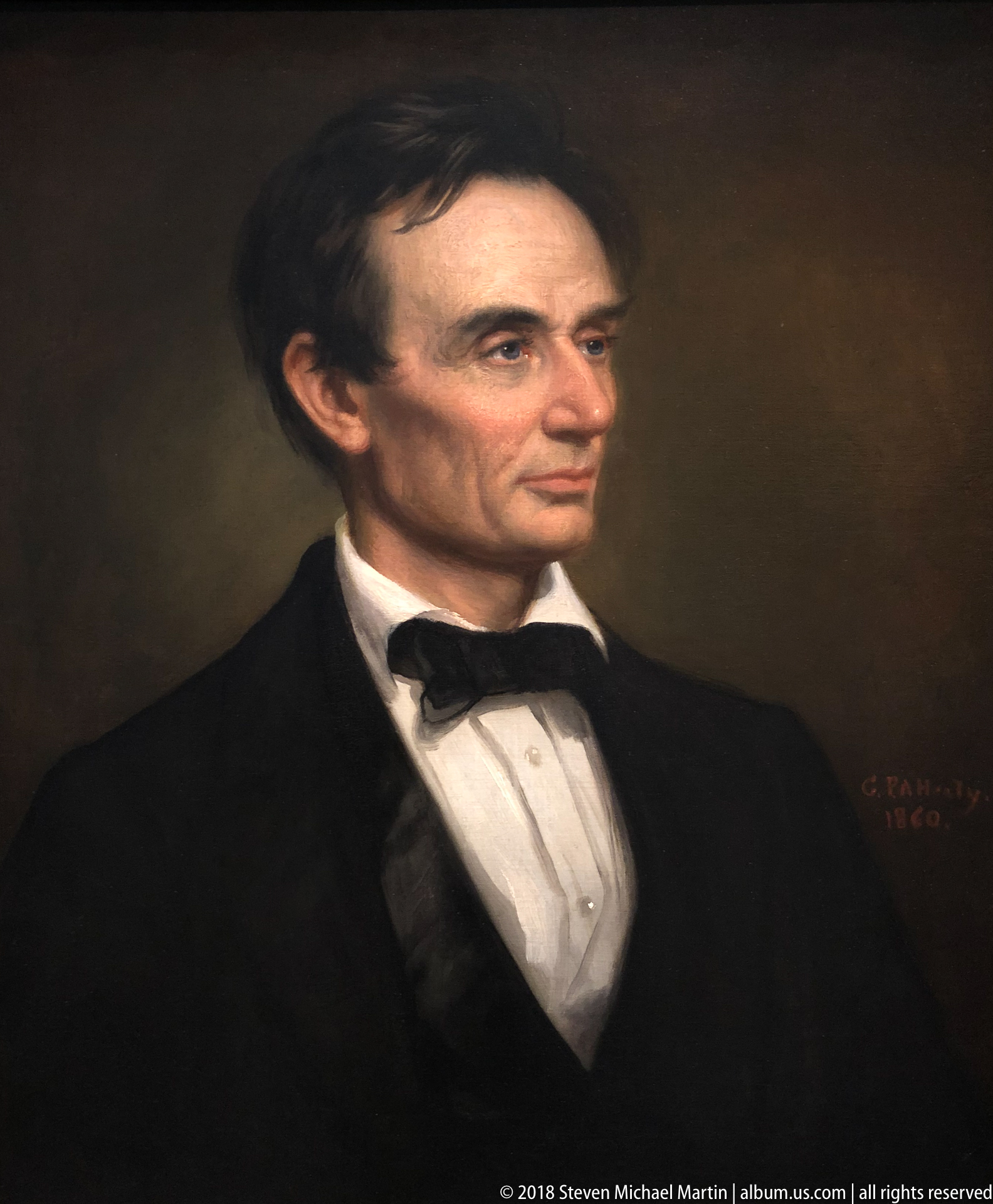
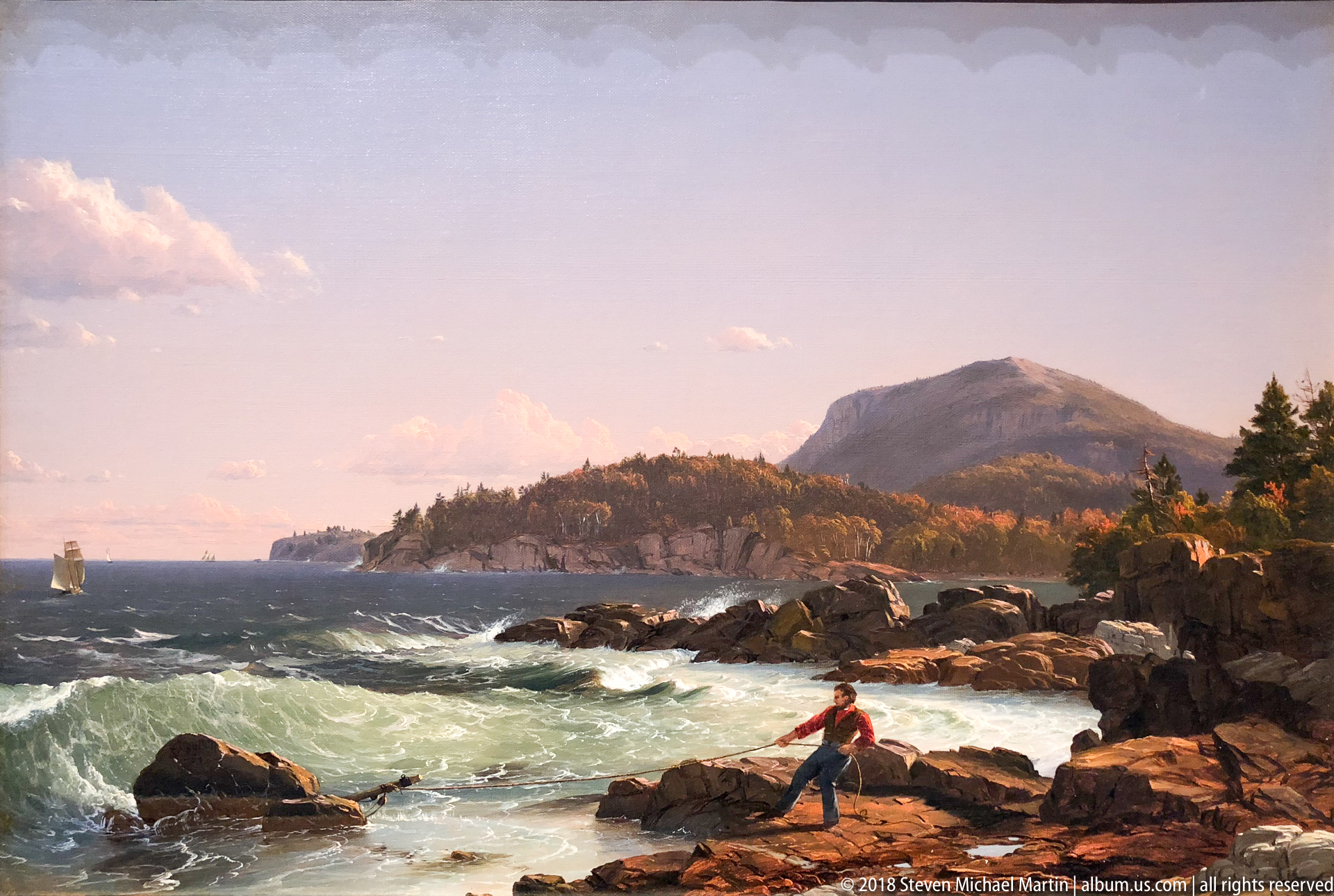
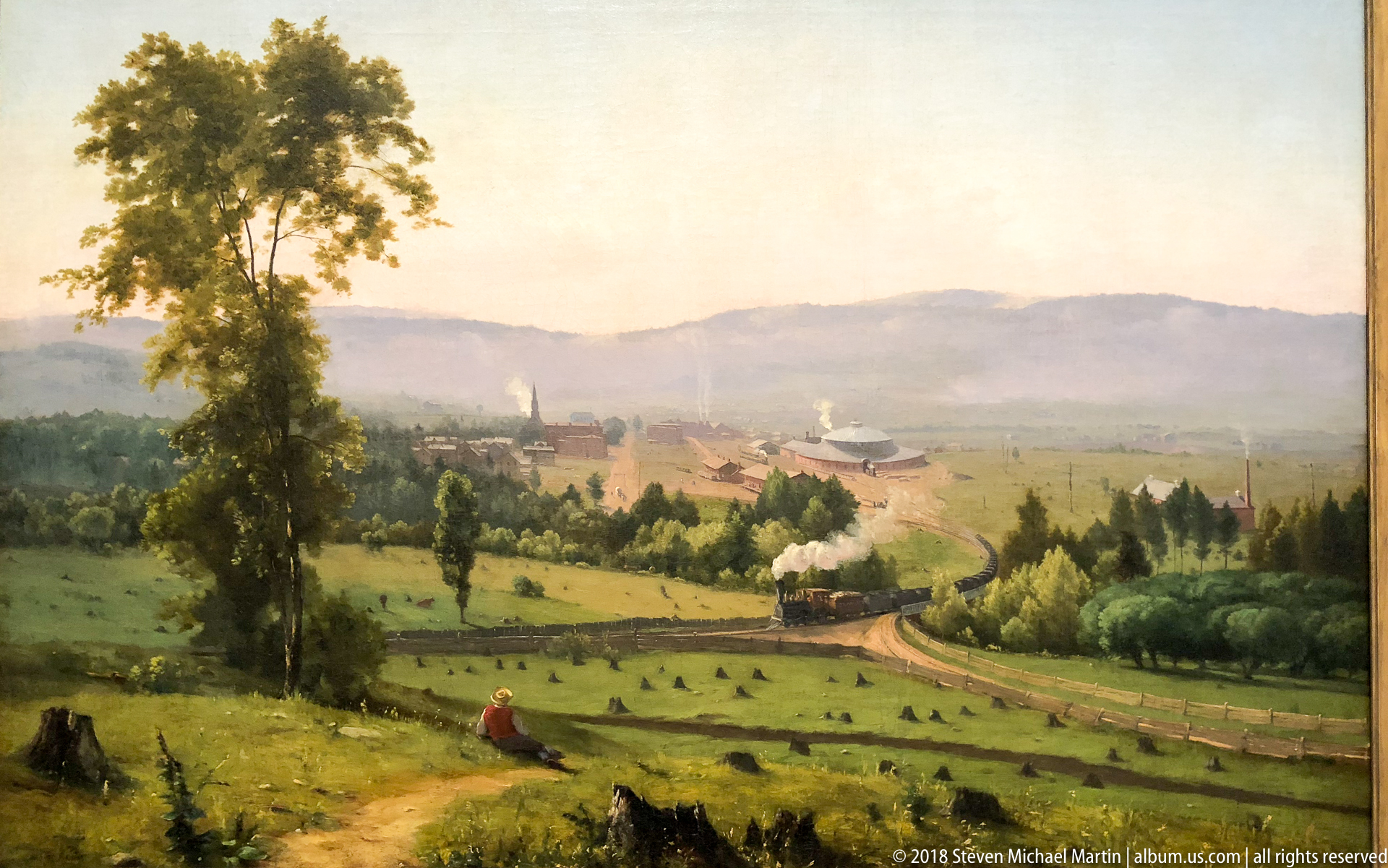
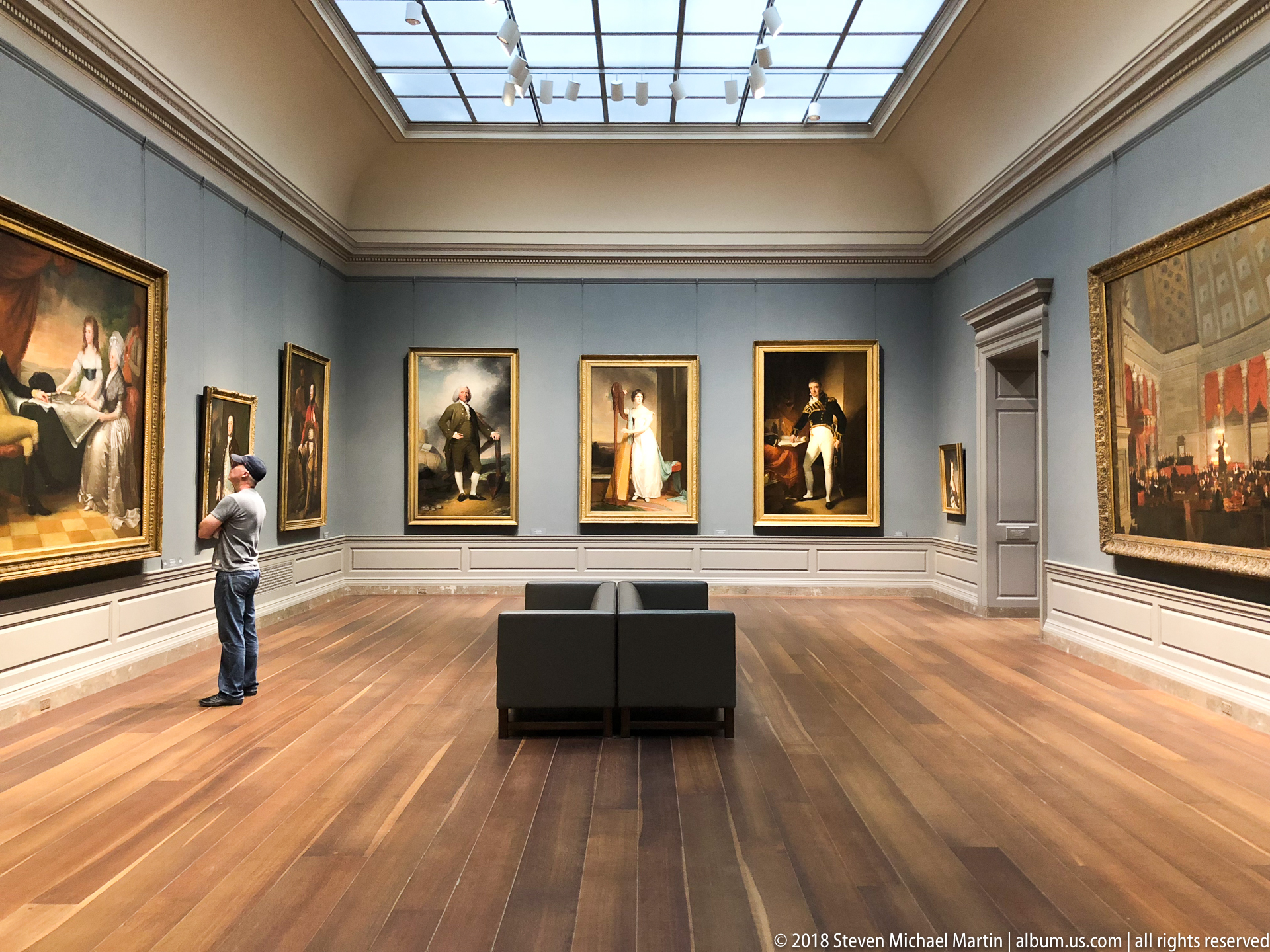
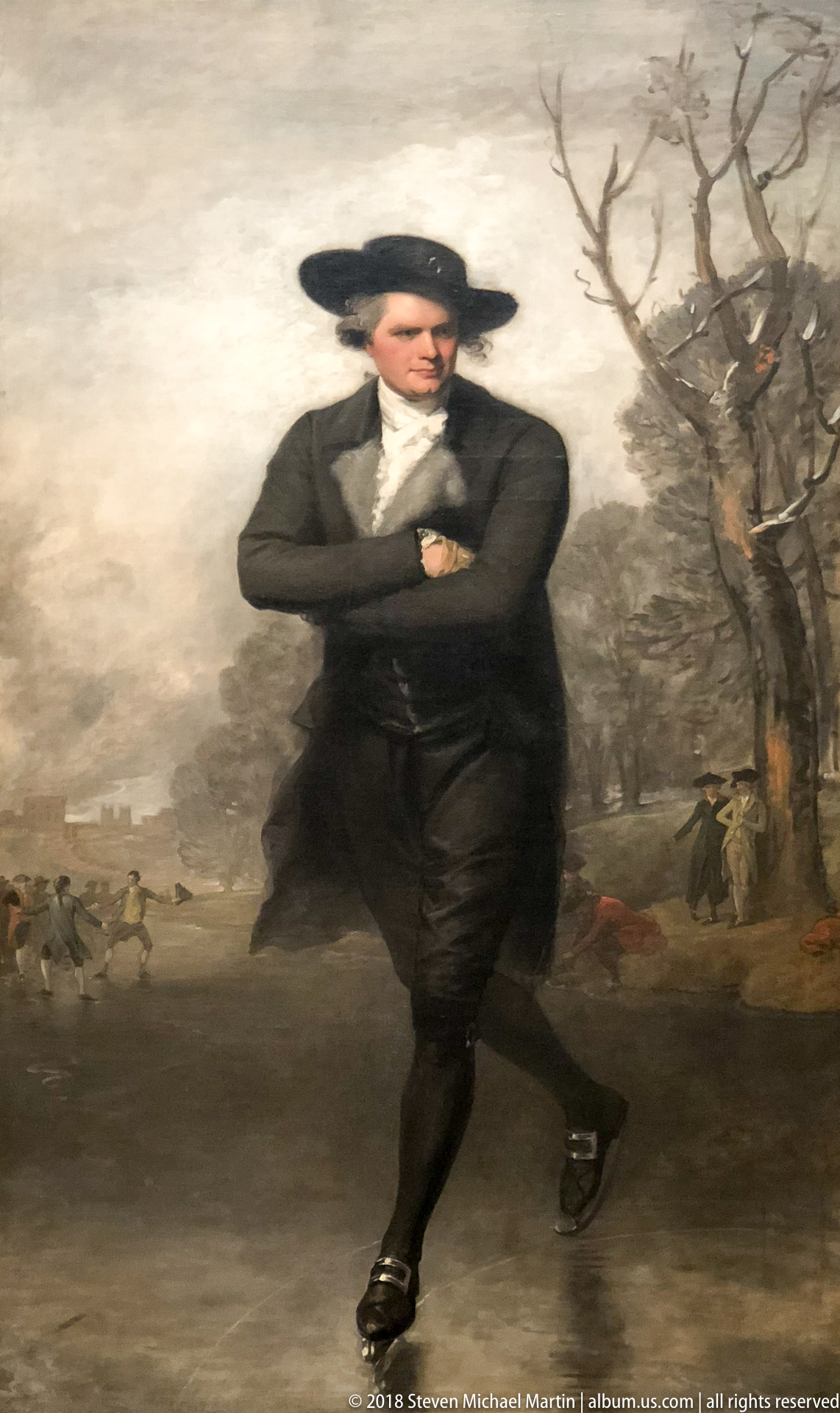
The museum’s collections span artistic traditions from the medieval period through the nineteenth century, including works by artists such as Leonardo da Vinci, Rembrandt, Vermeer, Monet, and Van Gogh. Skylit galleries and interior sculpture halls provide an architectural setting that emphasizes the visual qualities of painting, sculpture, and decorative arts. The National Gallery’s placement along the Mall reflects the integration of artistic institutions within the broader educational mission of the nation’s capital.
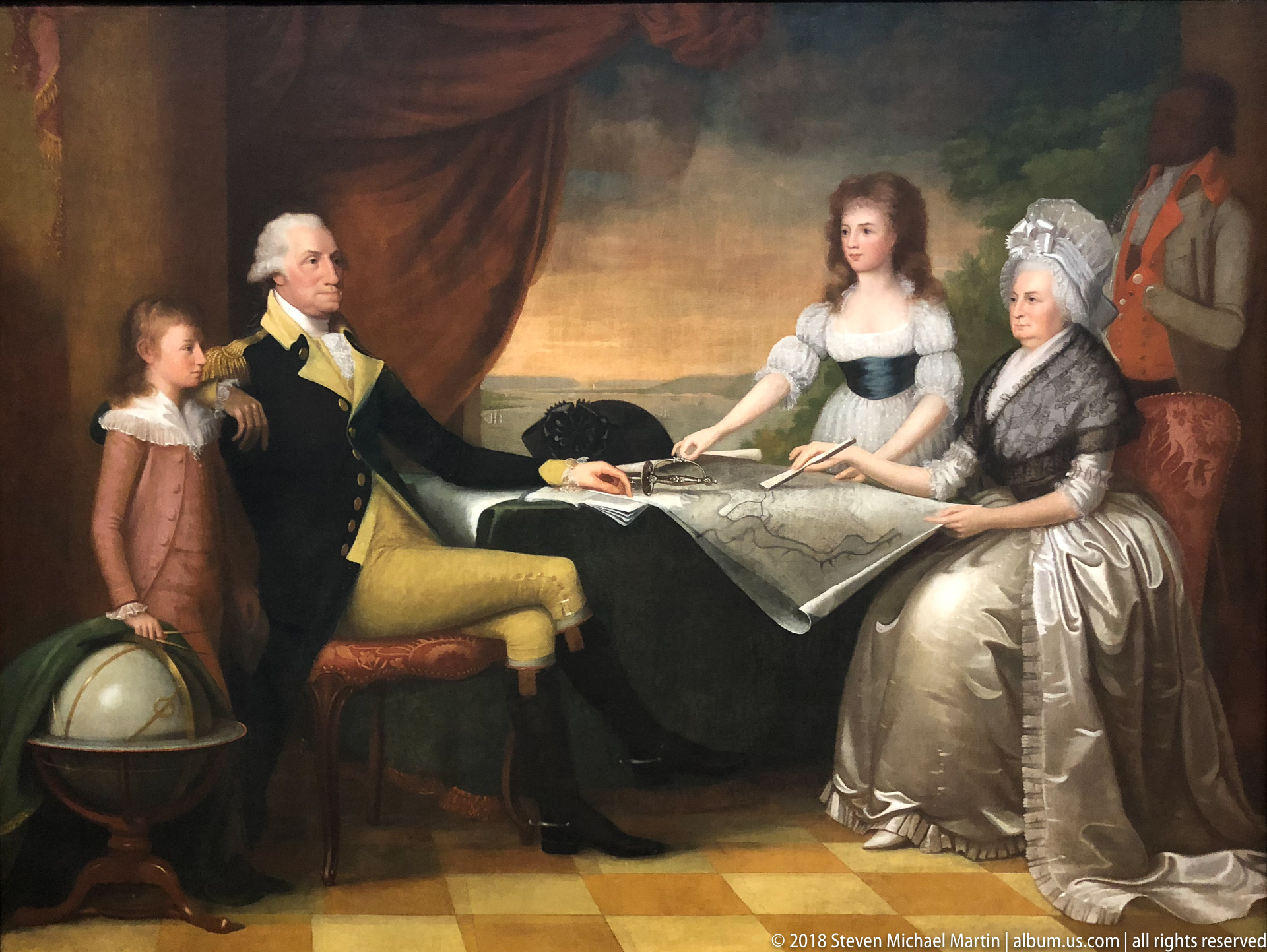
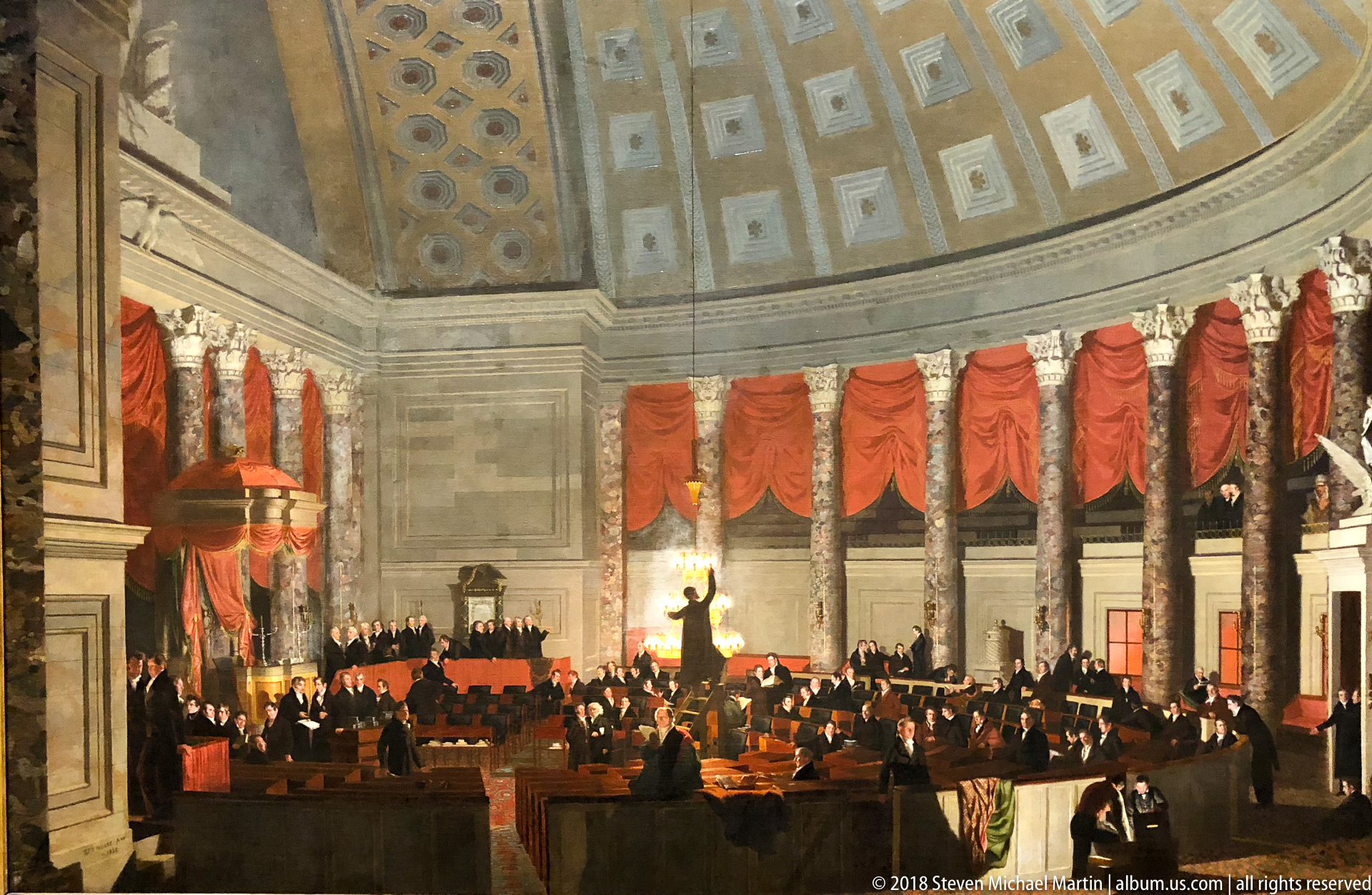
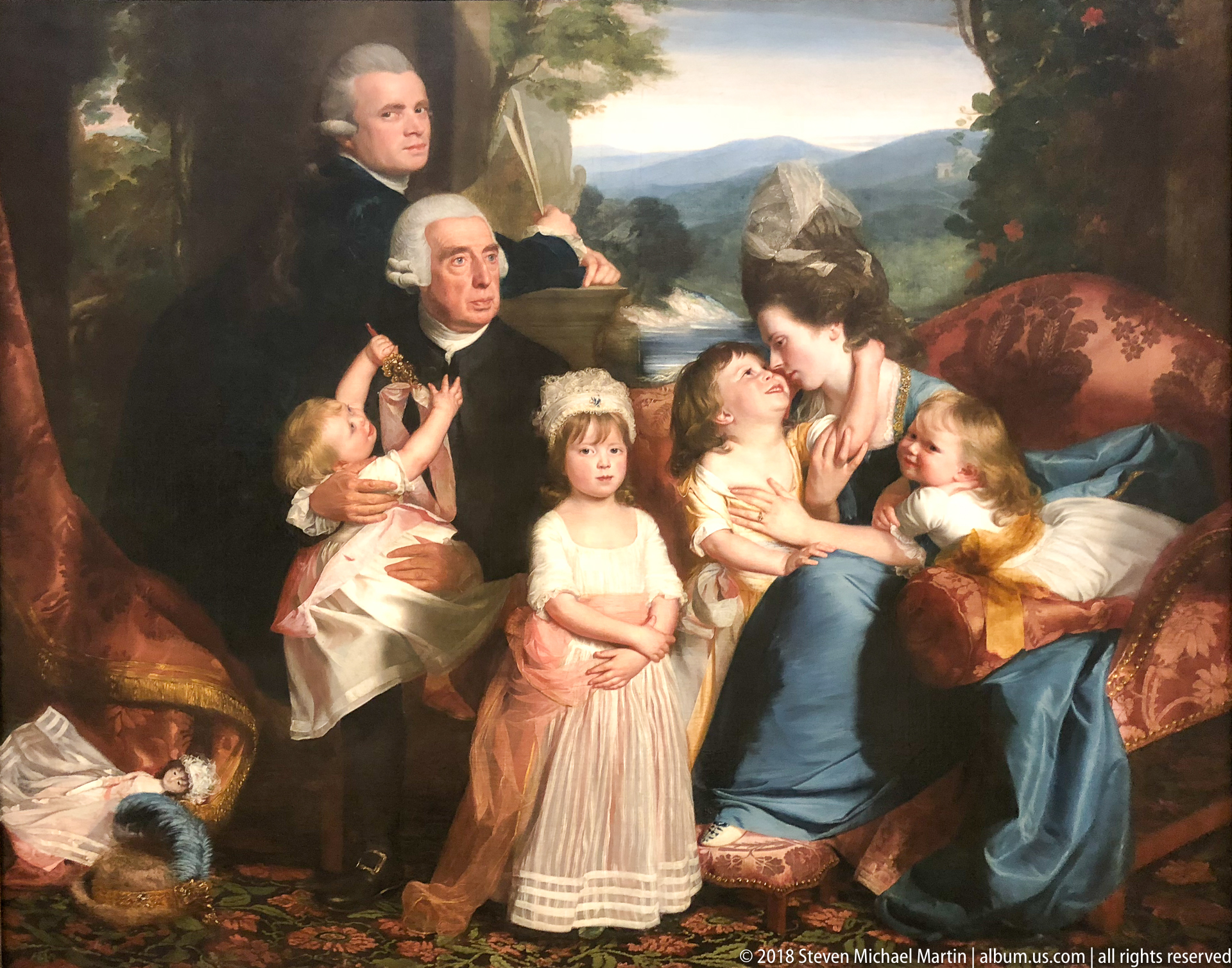
The National Gallery of Art contributes to understanding the development of artistic traditions across Europe and the United States, illustrating the role of cultural institutions in preserving visual heritage. Its presence within the monumental core demonstrates how artistic achievement forms part of the broader narrative of national identity. The museum reinforces the importance of public access to cultural resources within the symbolic landscape of Washington.