Washington, DC Spring Flowers
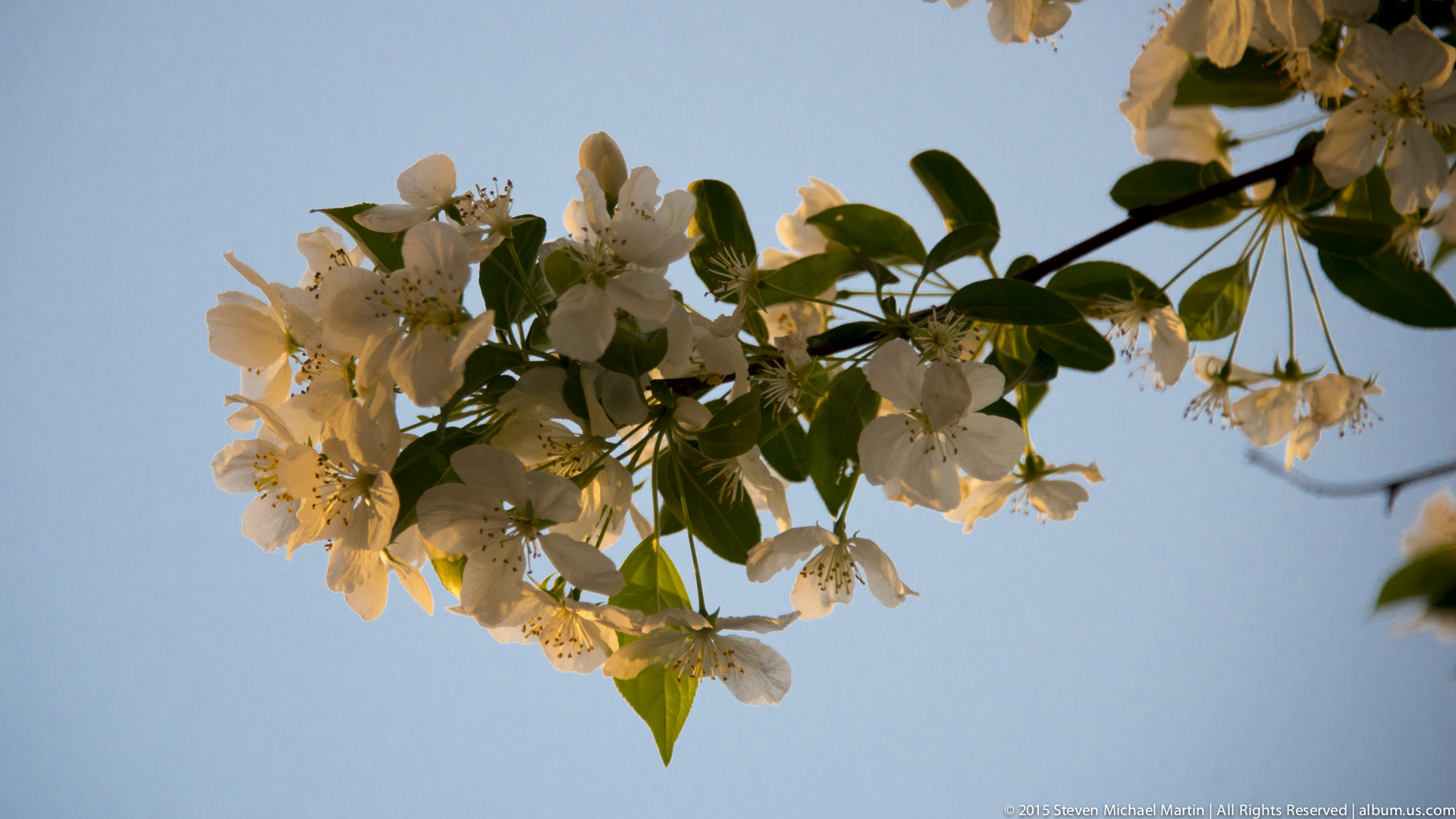
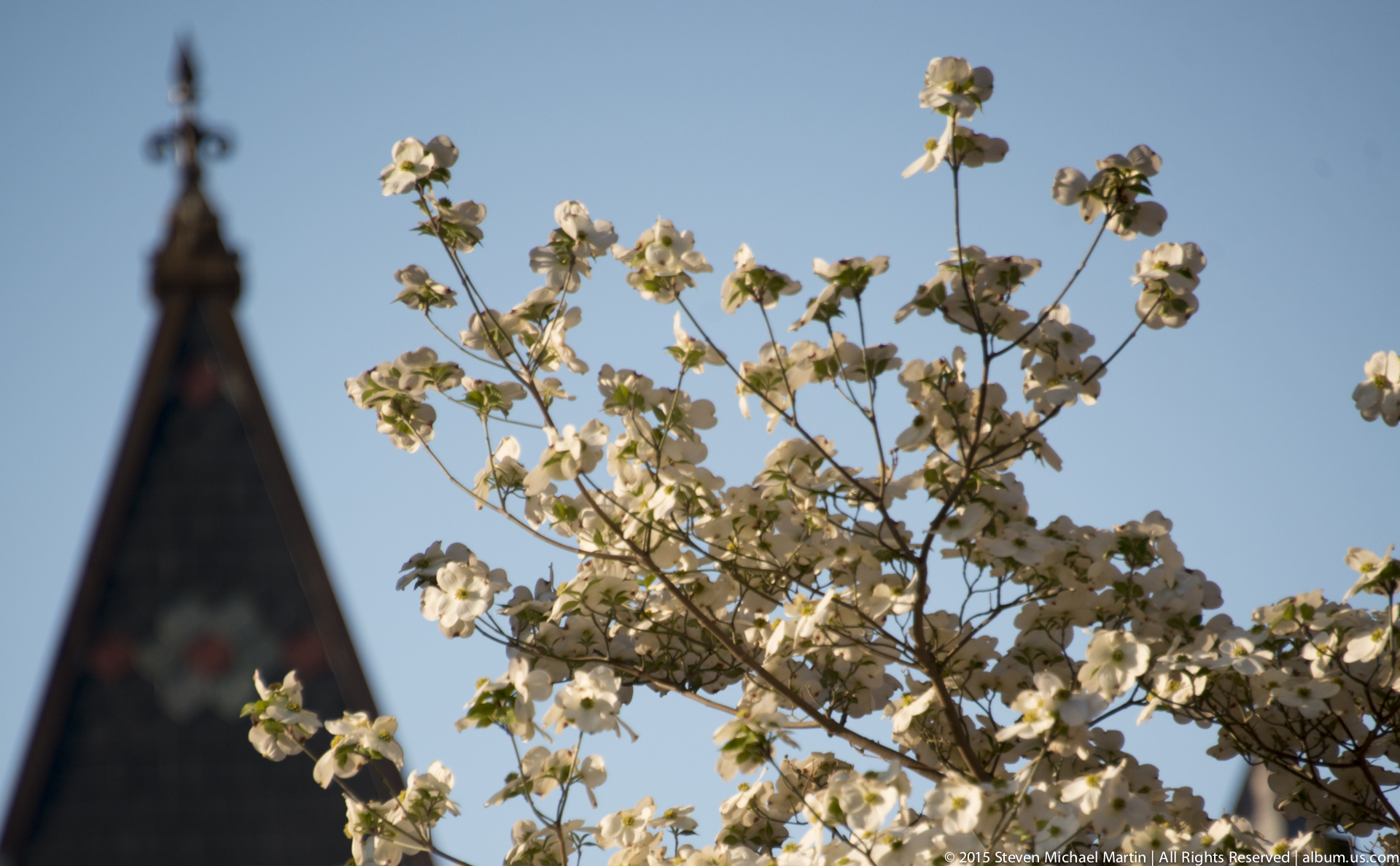
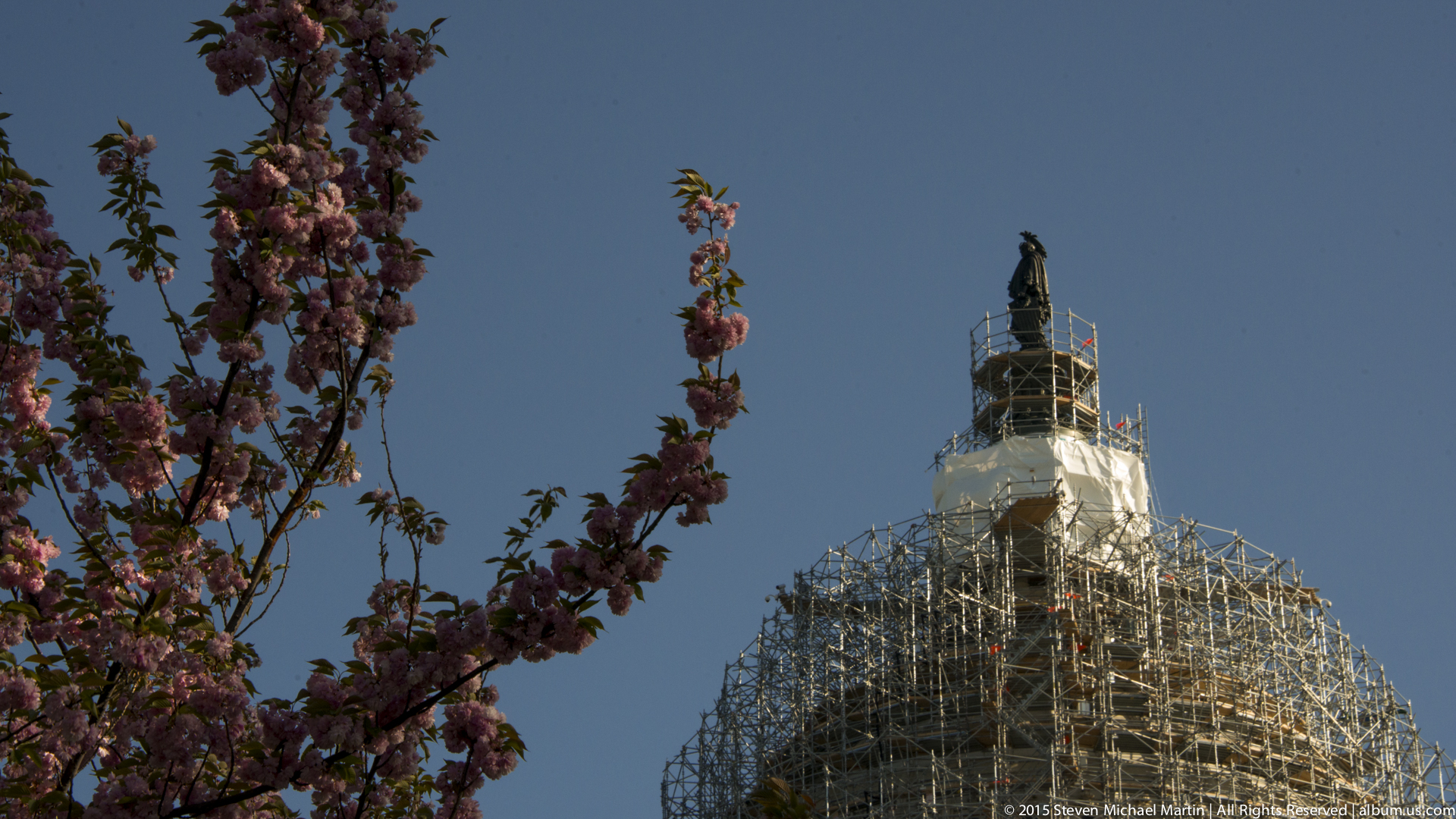
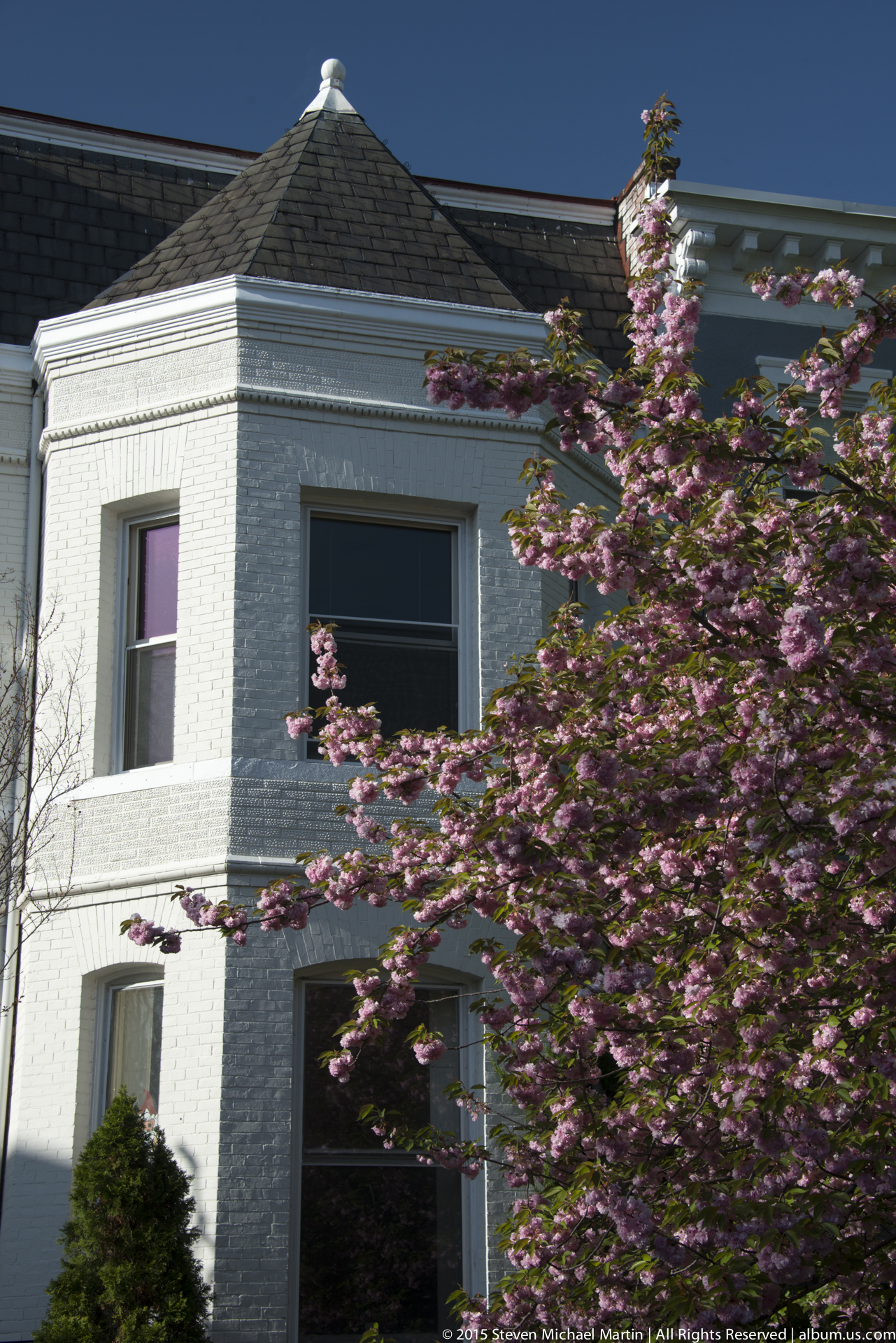
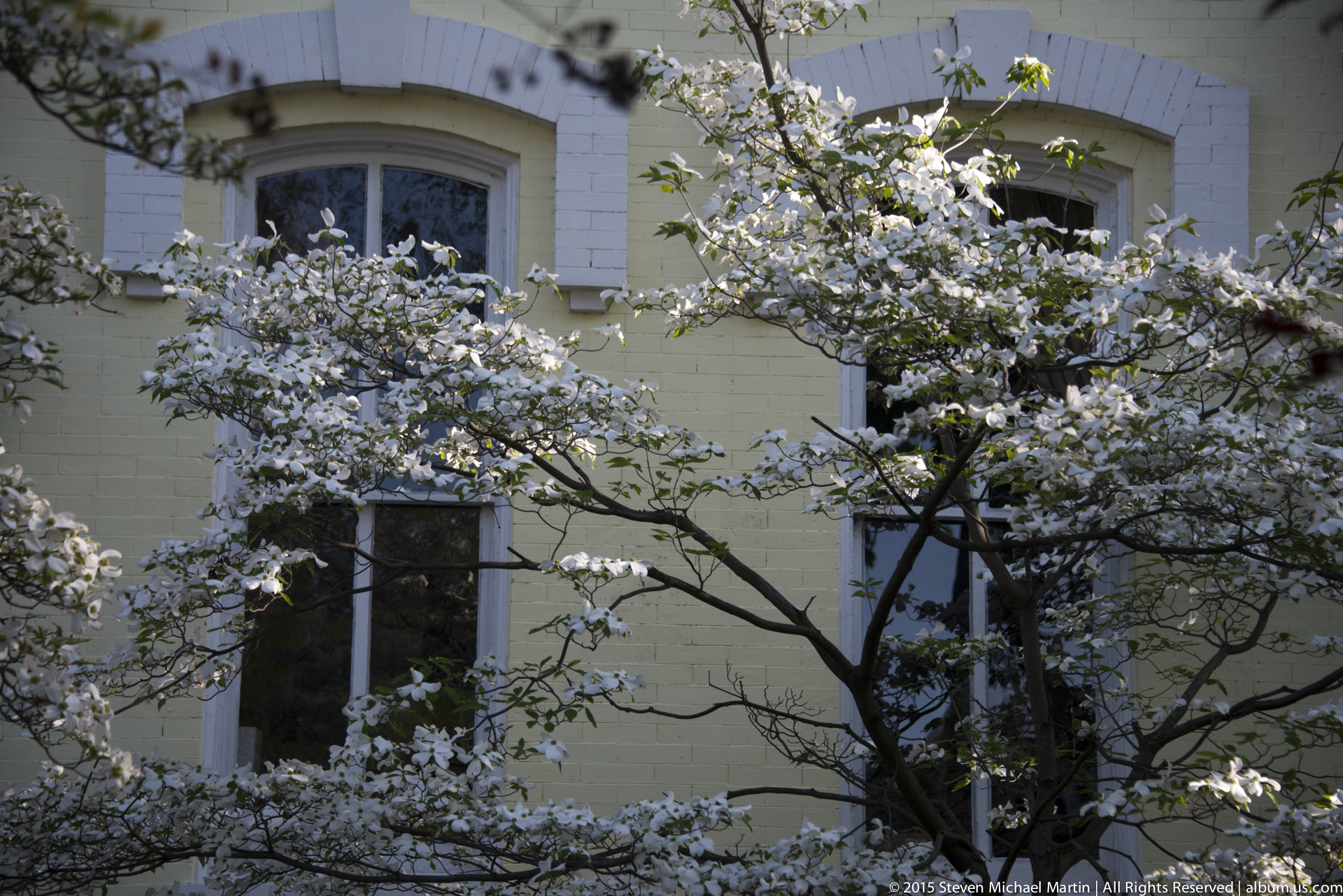
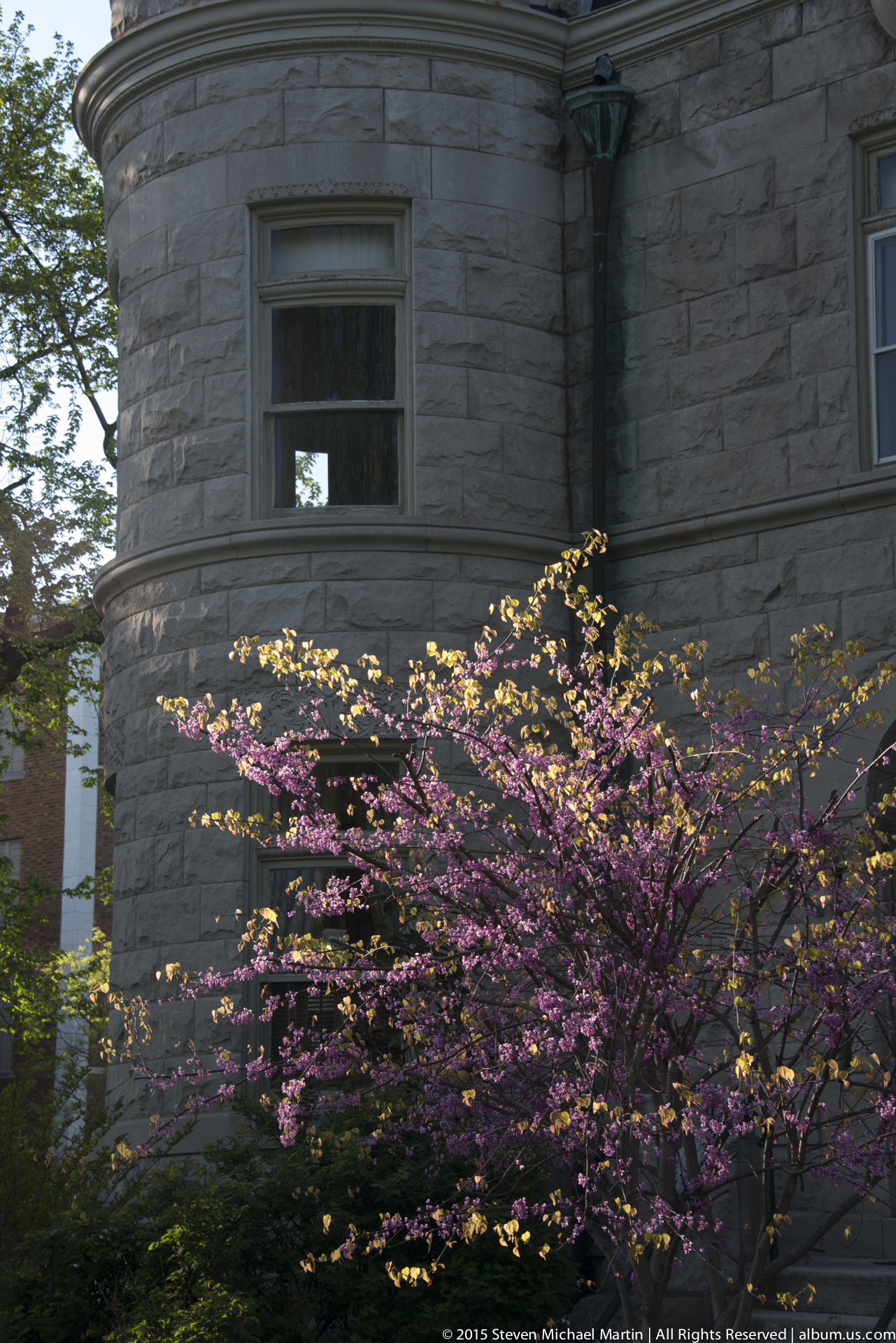
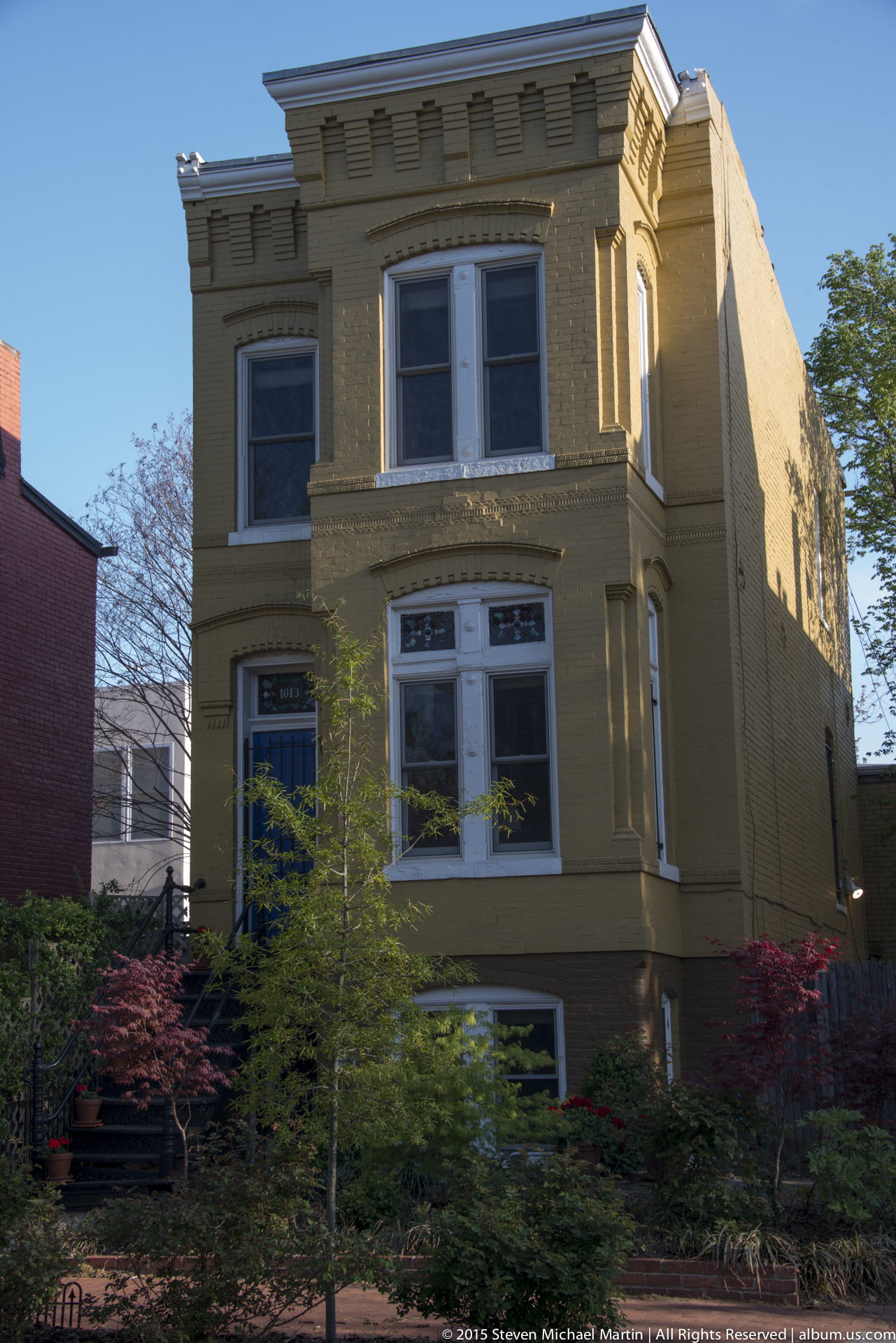
Spring in Washington, DC marks the transition from winter dormancy to one of the most visually distinctive seasonal landscapes in the United States. The city’s designed parklands, memorial settings, and formal gardens were intentionally planned to incorporate flowering trees and ornamental plantings that complement the neoclassical architecture of the federal capital. Early spring magnolias, followed by cherry blossoms, tulips, and dogwoods, create a sequence of seasonal color that reflects both horticultural planning and the mid-Atlantic climate’s cyclical rhythms. Peak bloom for the city’s well-known cherry trees typically occurs between late March and early April, although timing varies from year to year depending on temperature patterns.
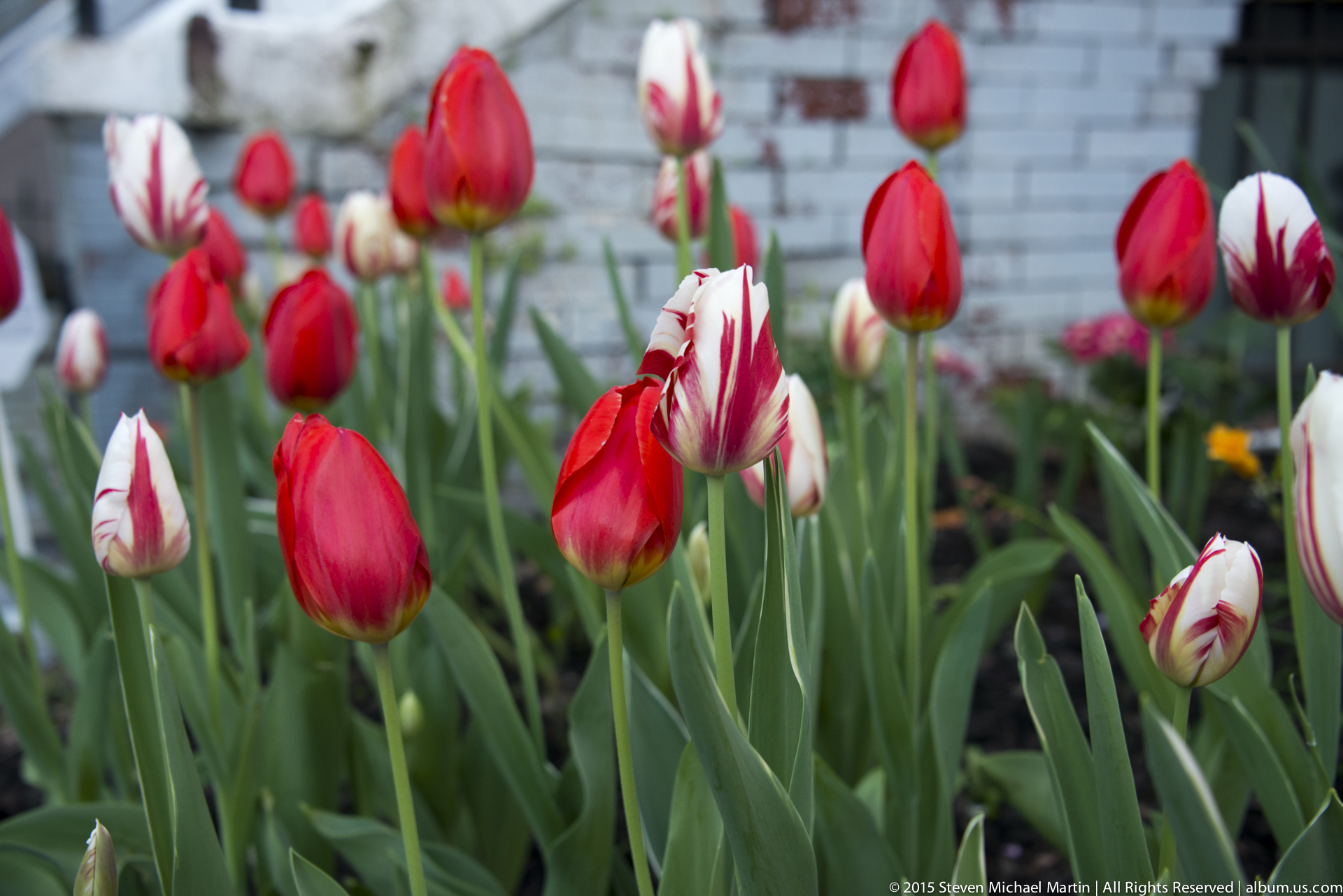
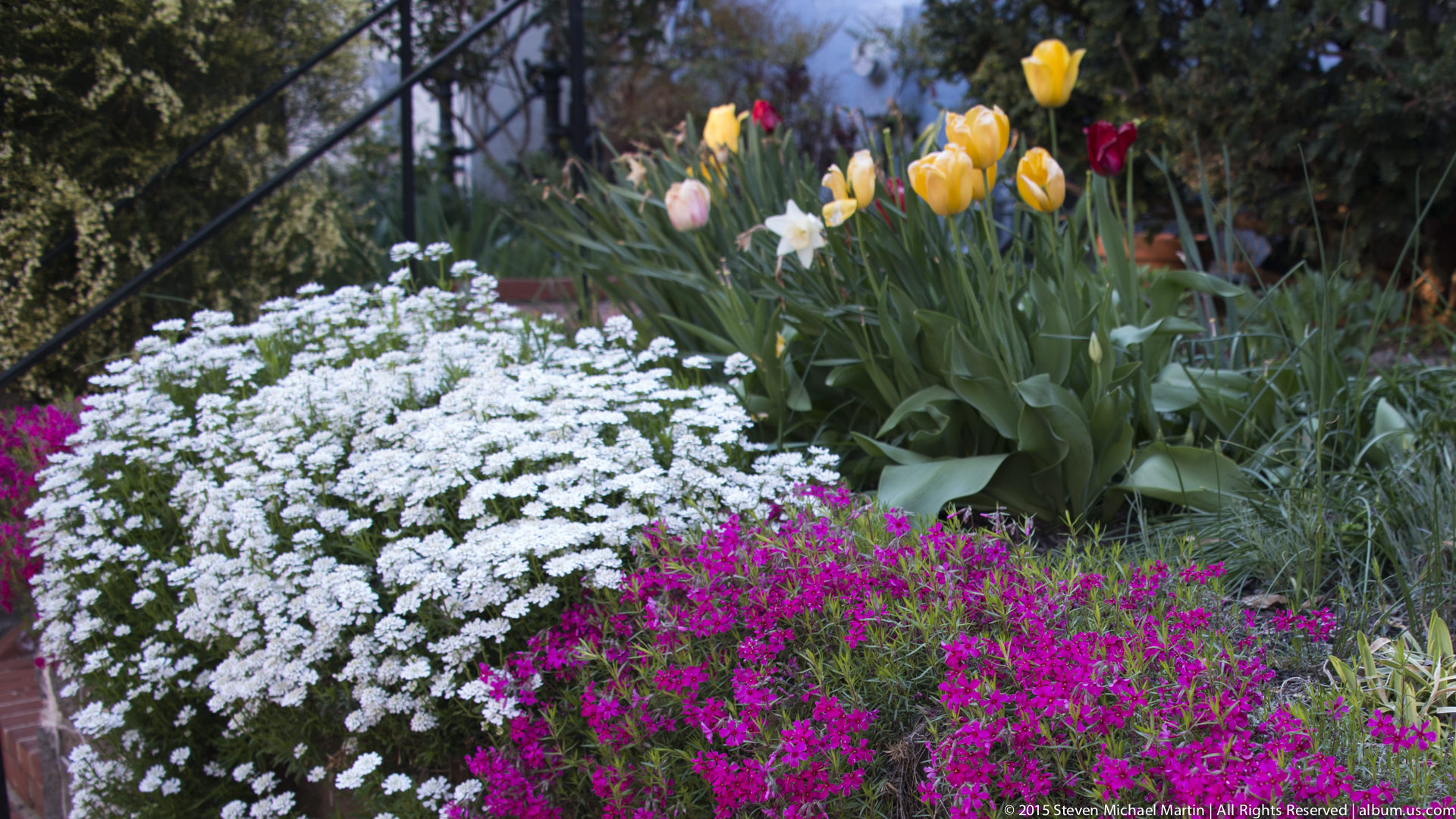
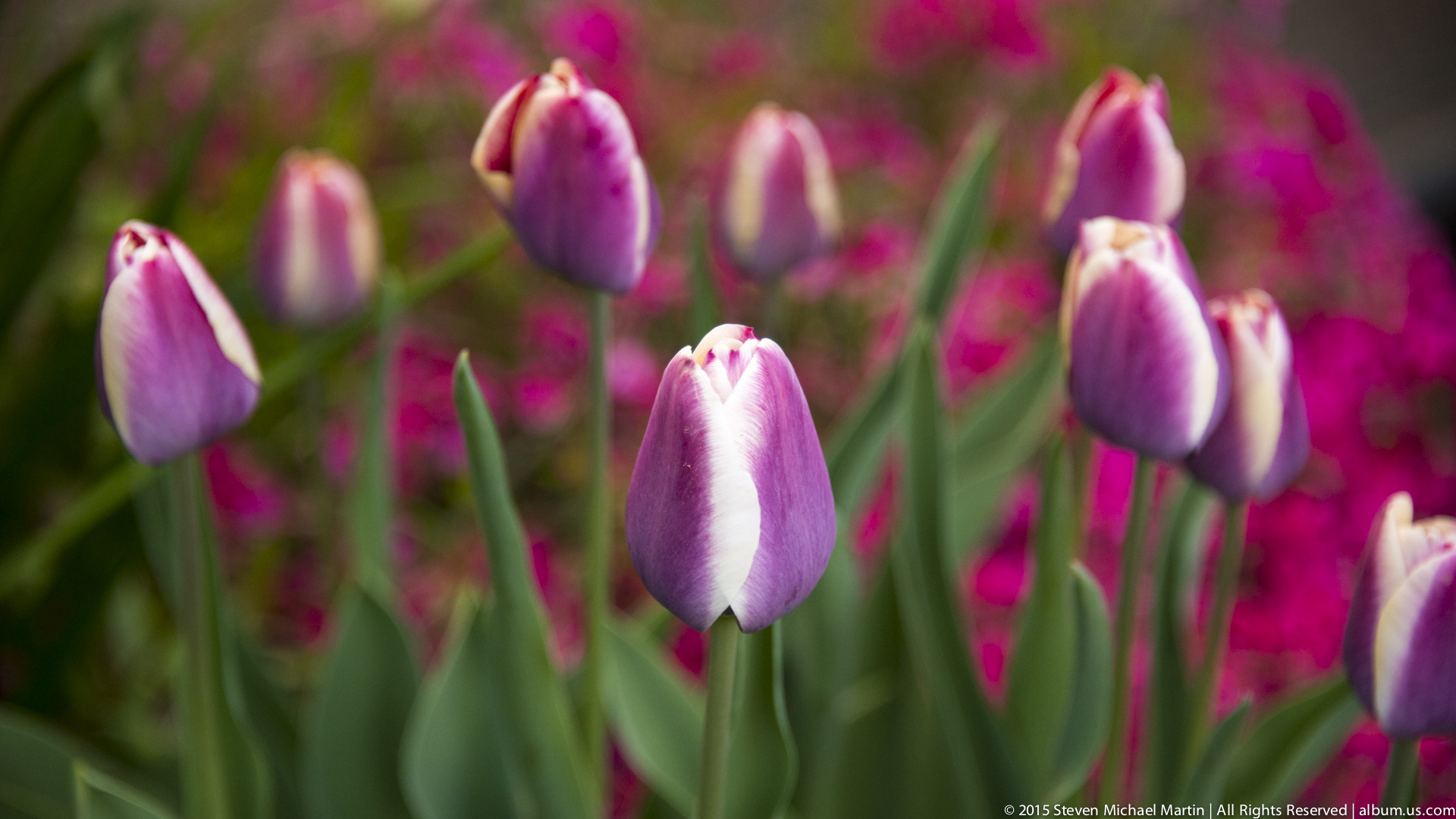
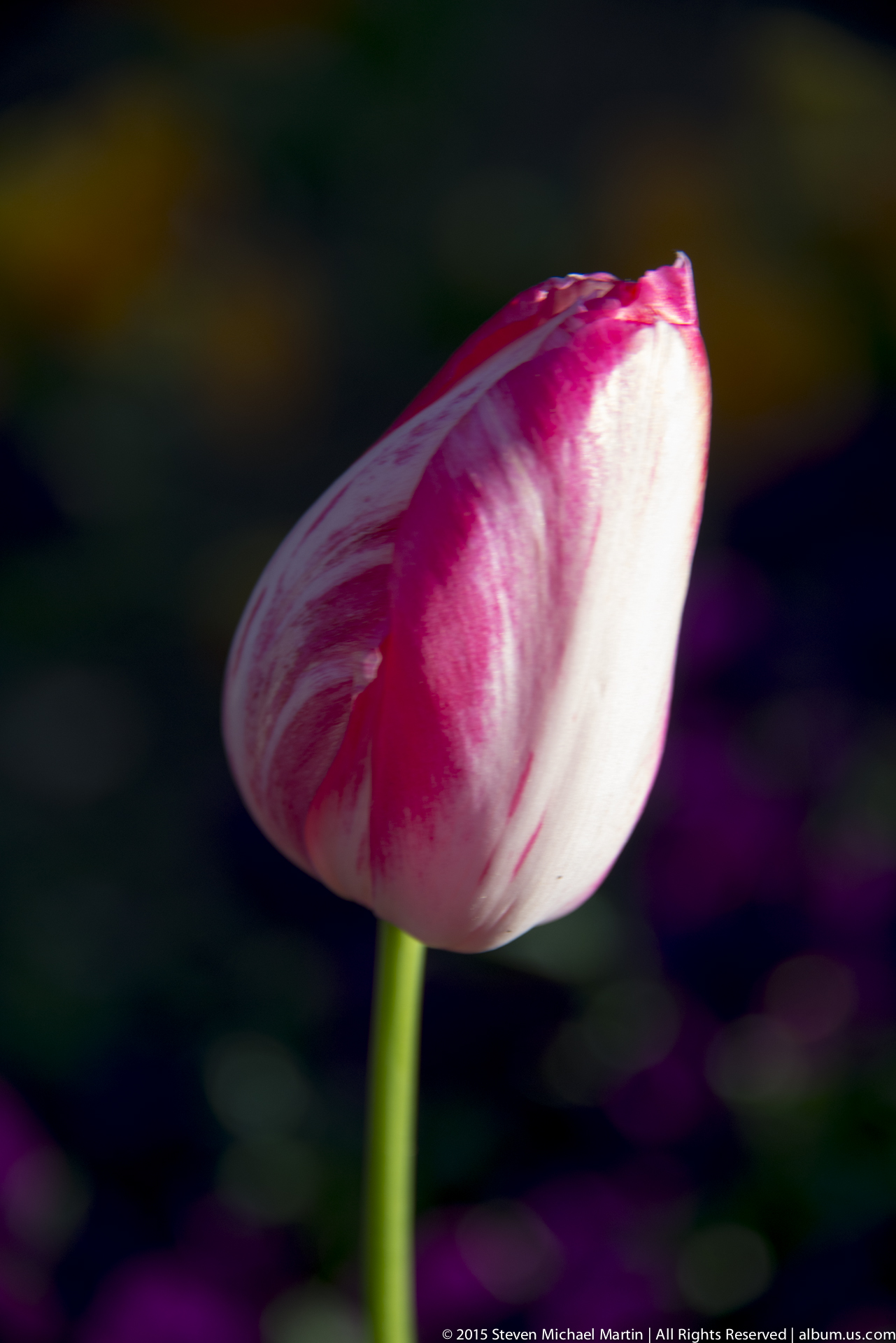
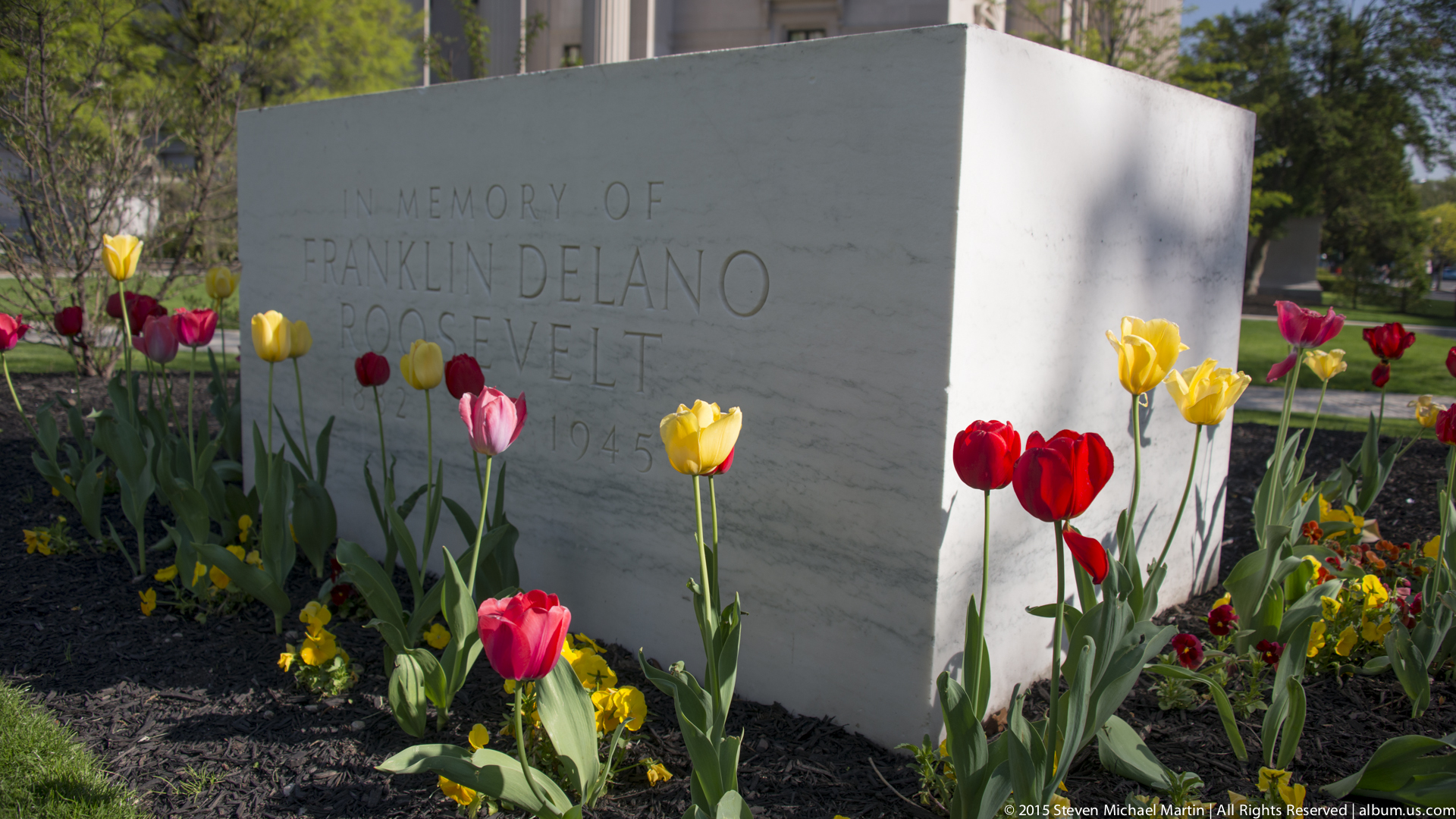
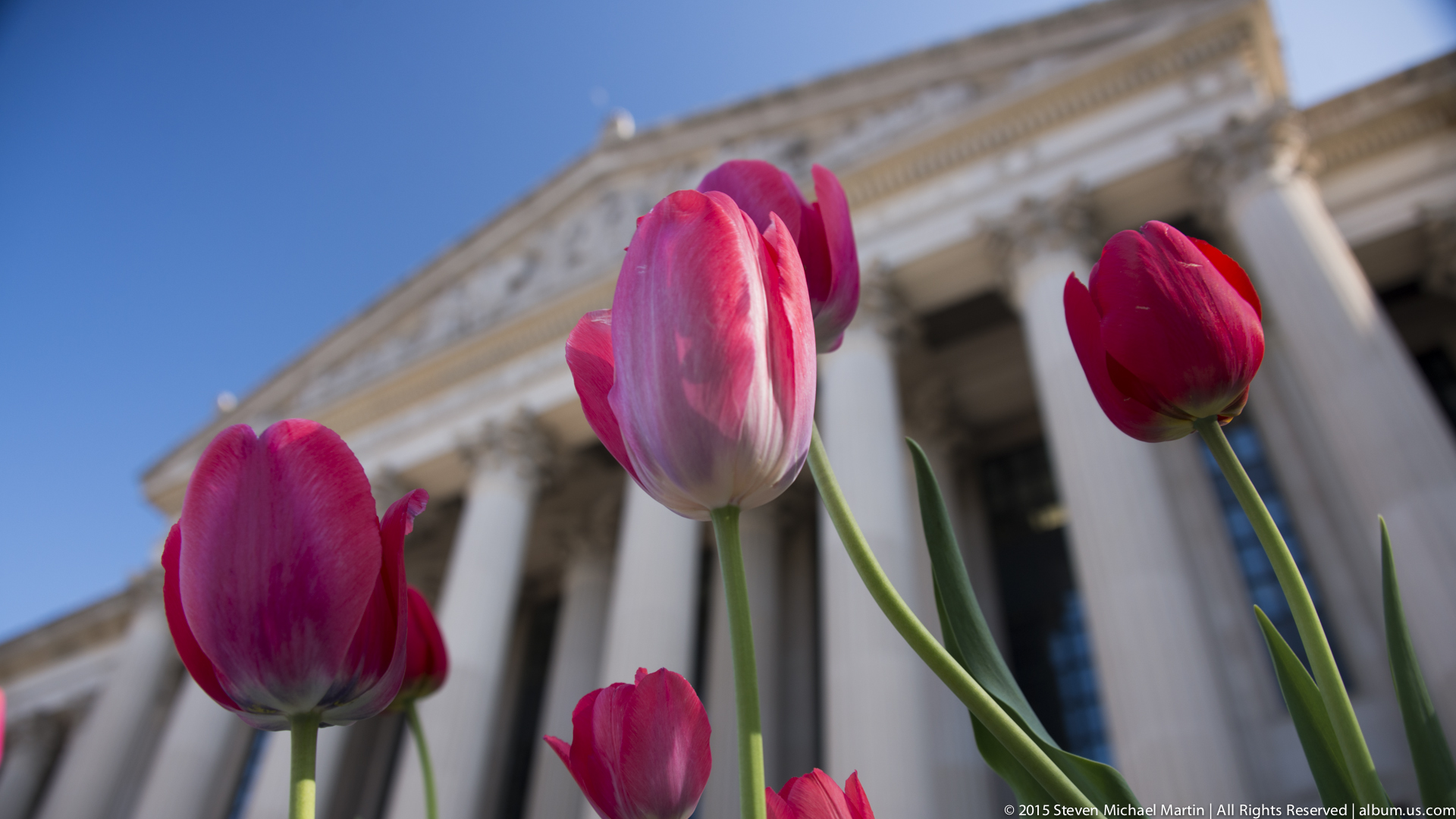
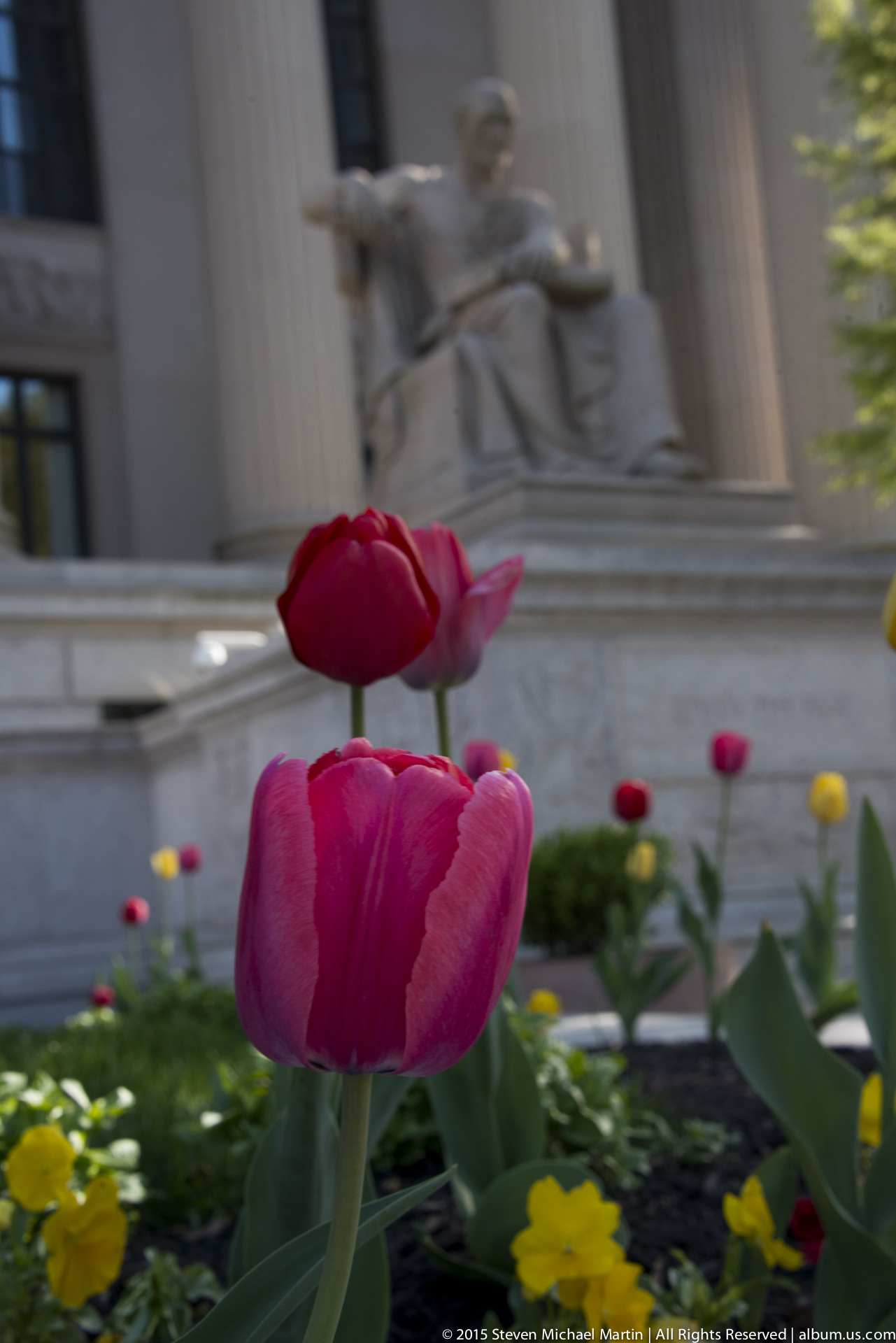
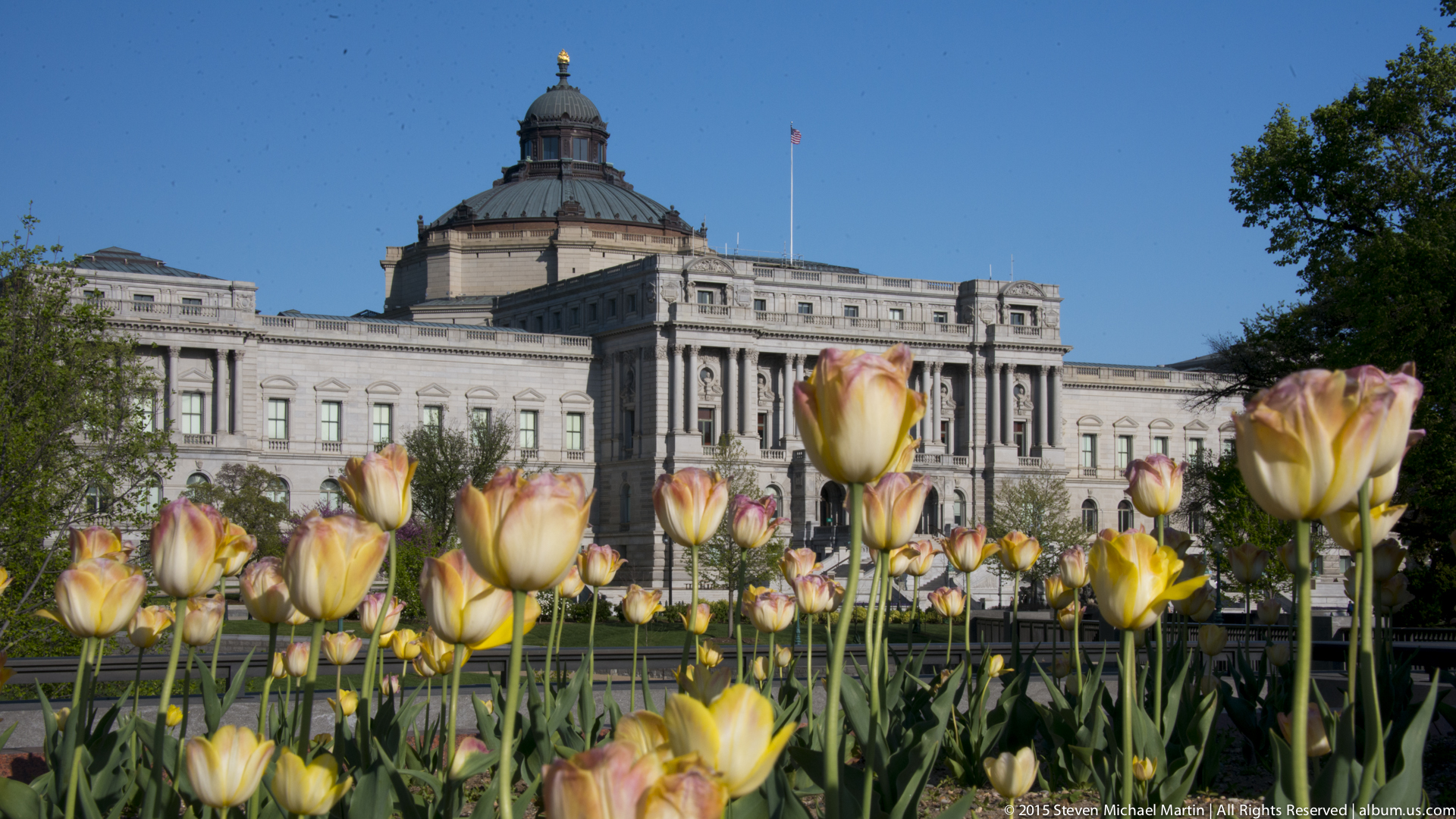
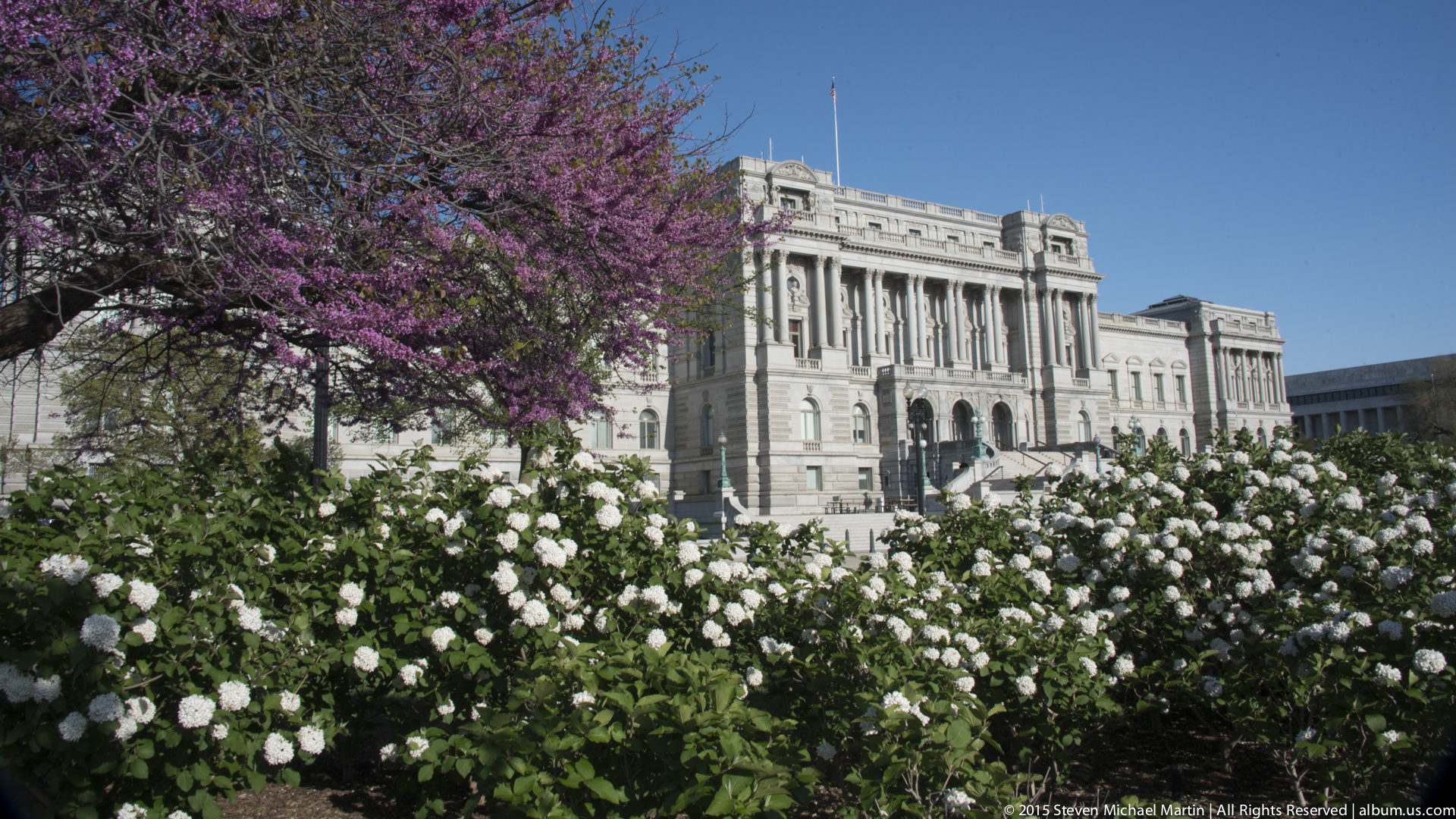
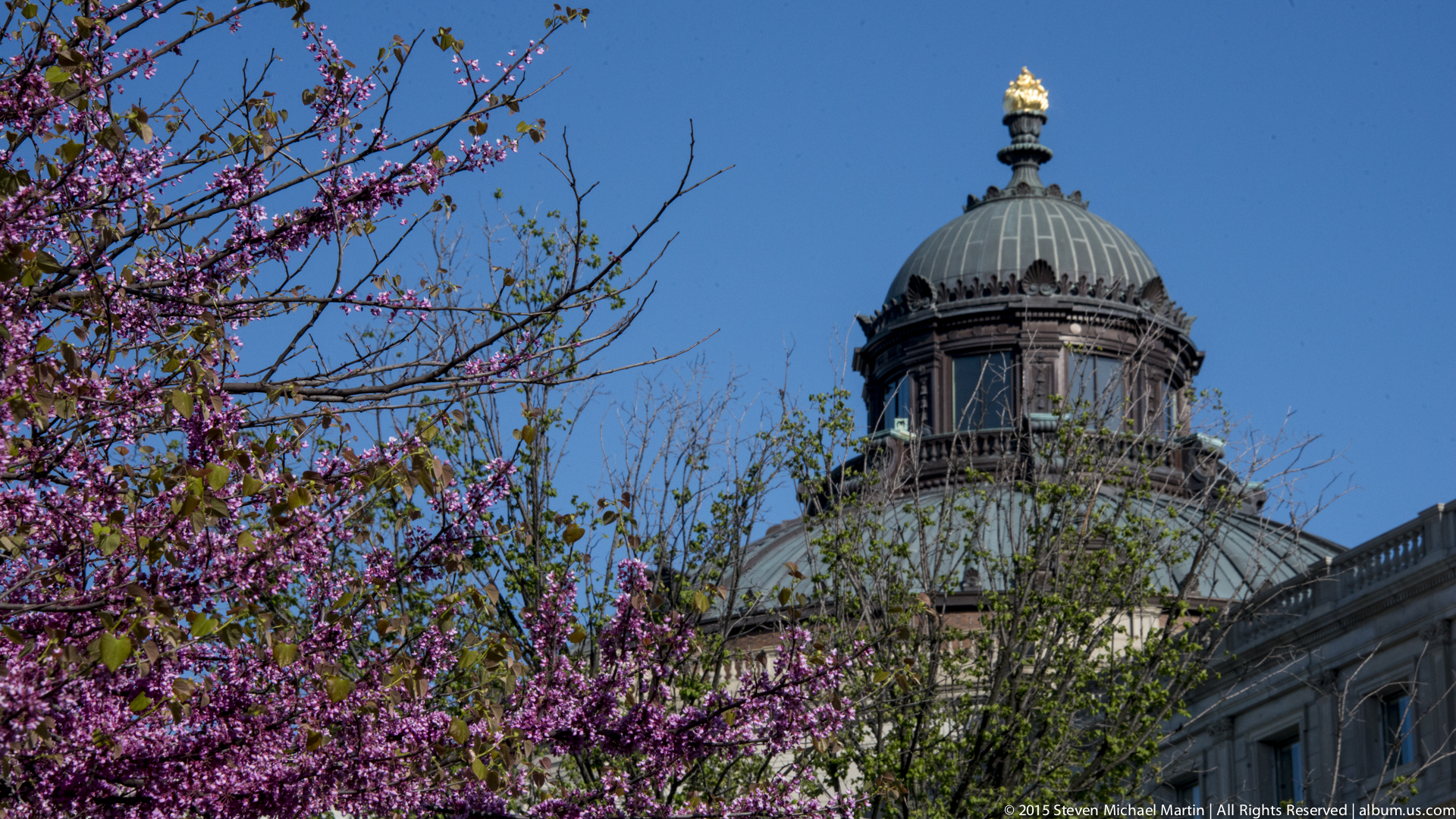
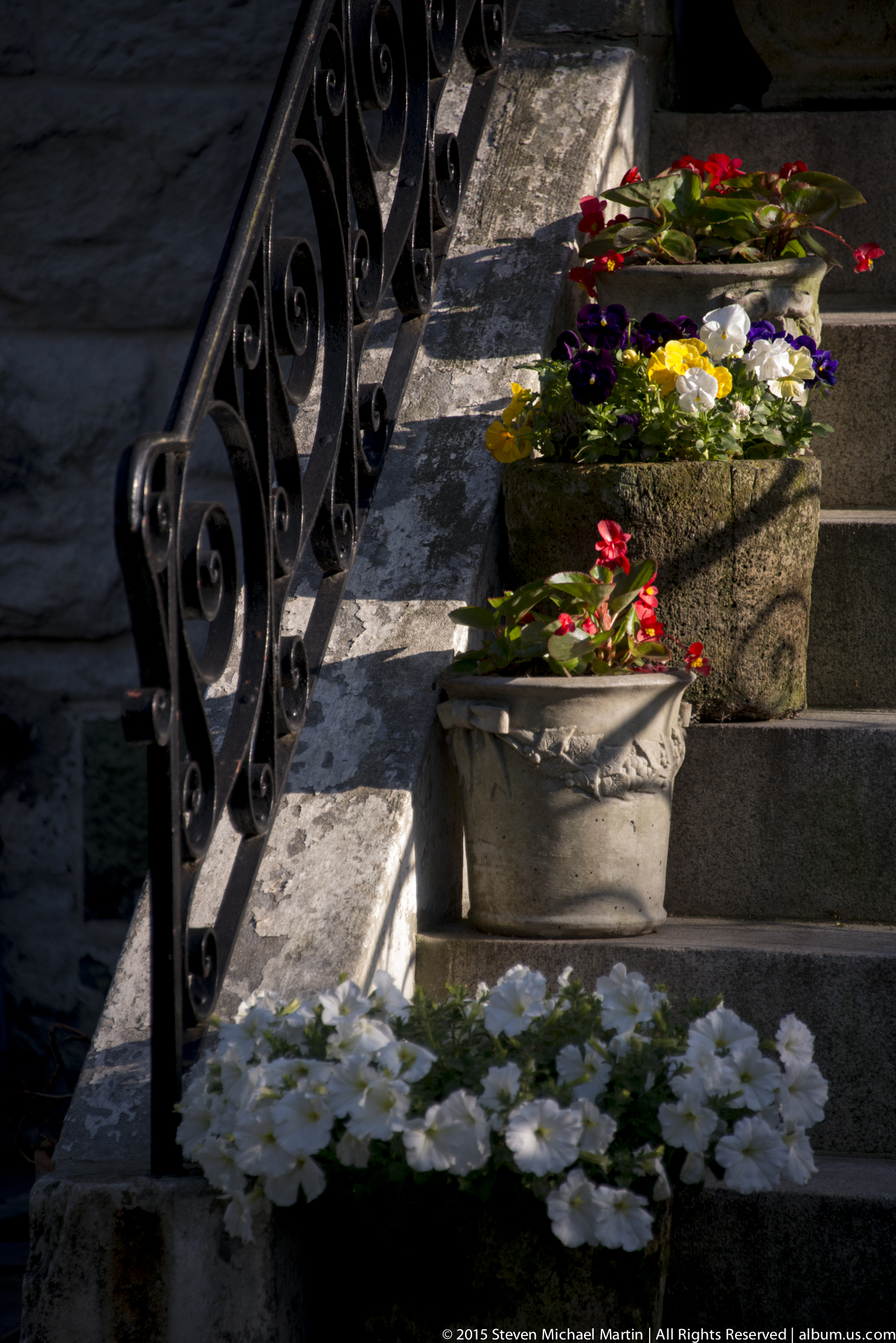
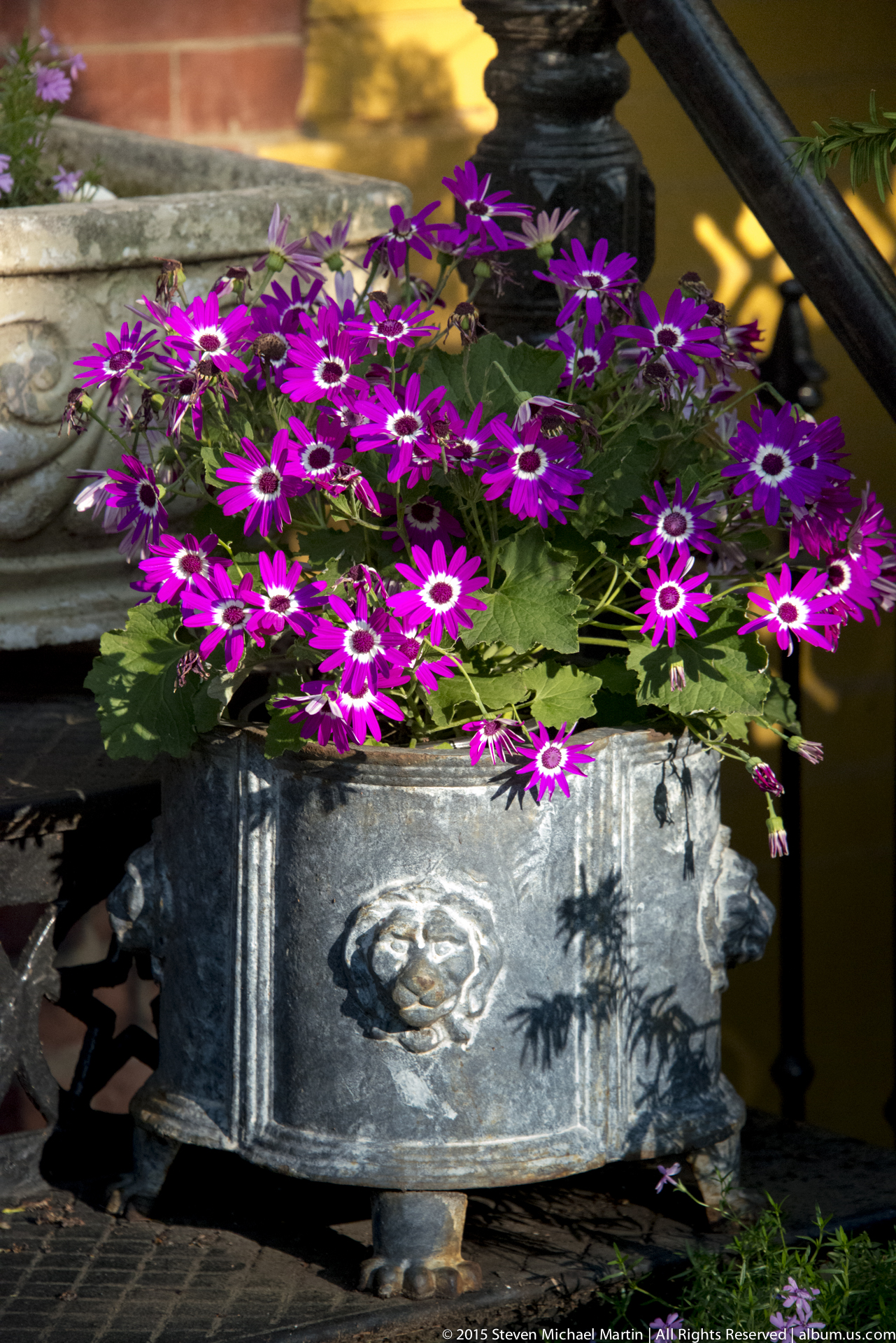
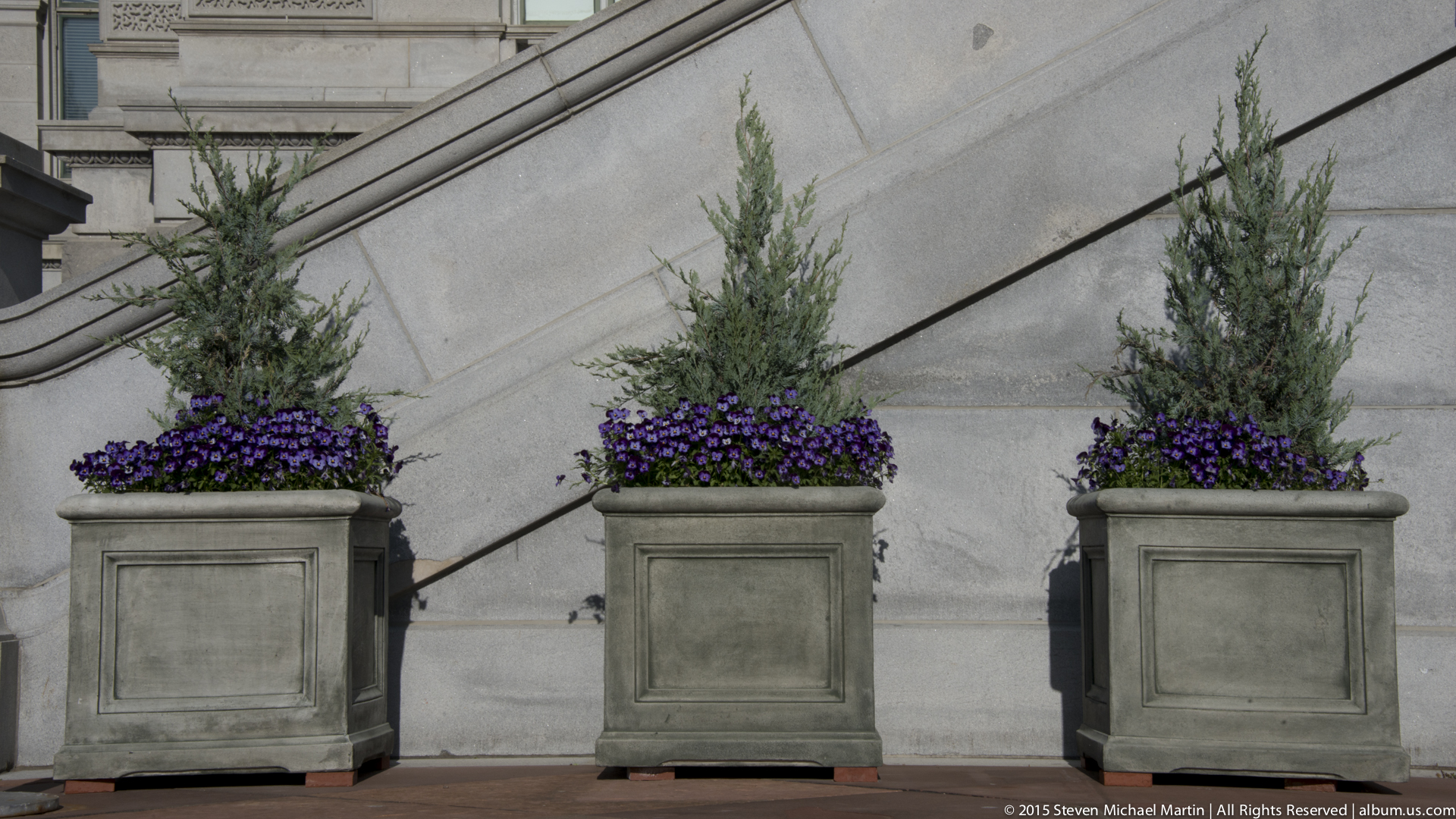
Floral displays appear throughout the monumental core, including plantings along the National Mall, the Tidal Basin, and the grounds surrounding major civic buildings. Tulip beds near the U.S. Capitol and Smithsonian museums extend the seasonal progression beyond the cherry blossom period, while magnolias and flowering ornamental trees provide additional layers of texture and color across public landscapes. Carefully designed horticultural arrangements demonstrate the integration of botanical planning with the symbolic urban design of Washington, where landscape architecture reinforces the visual coherence of the capital’s historic setting.
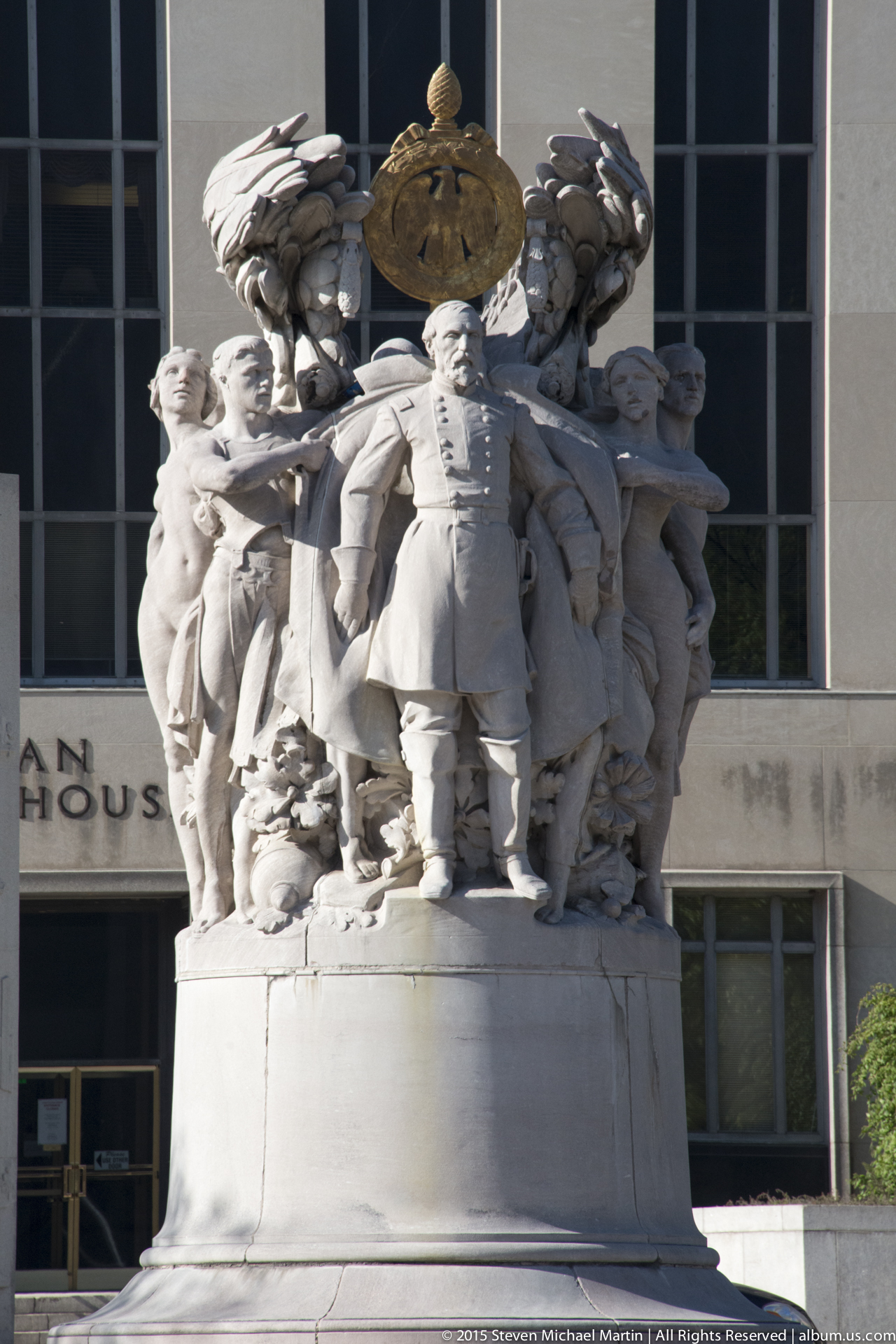
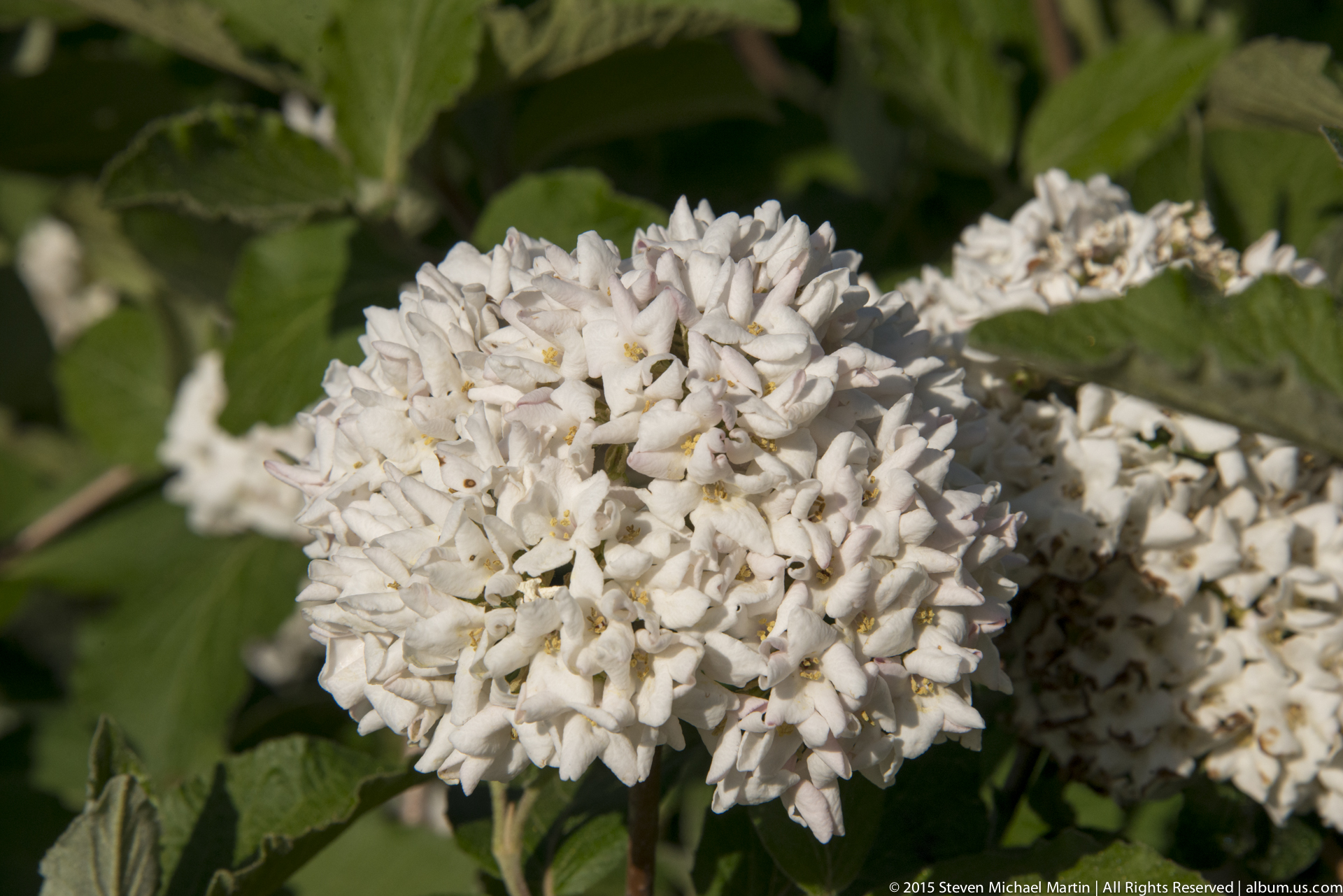
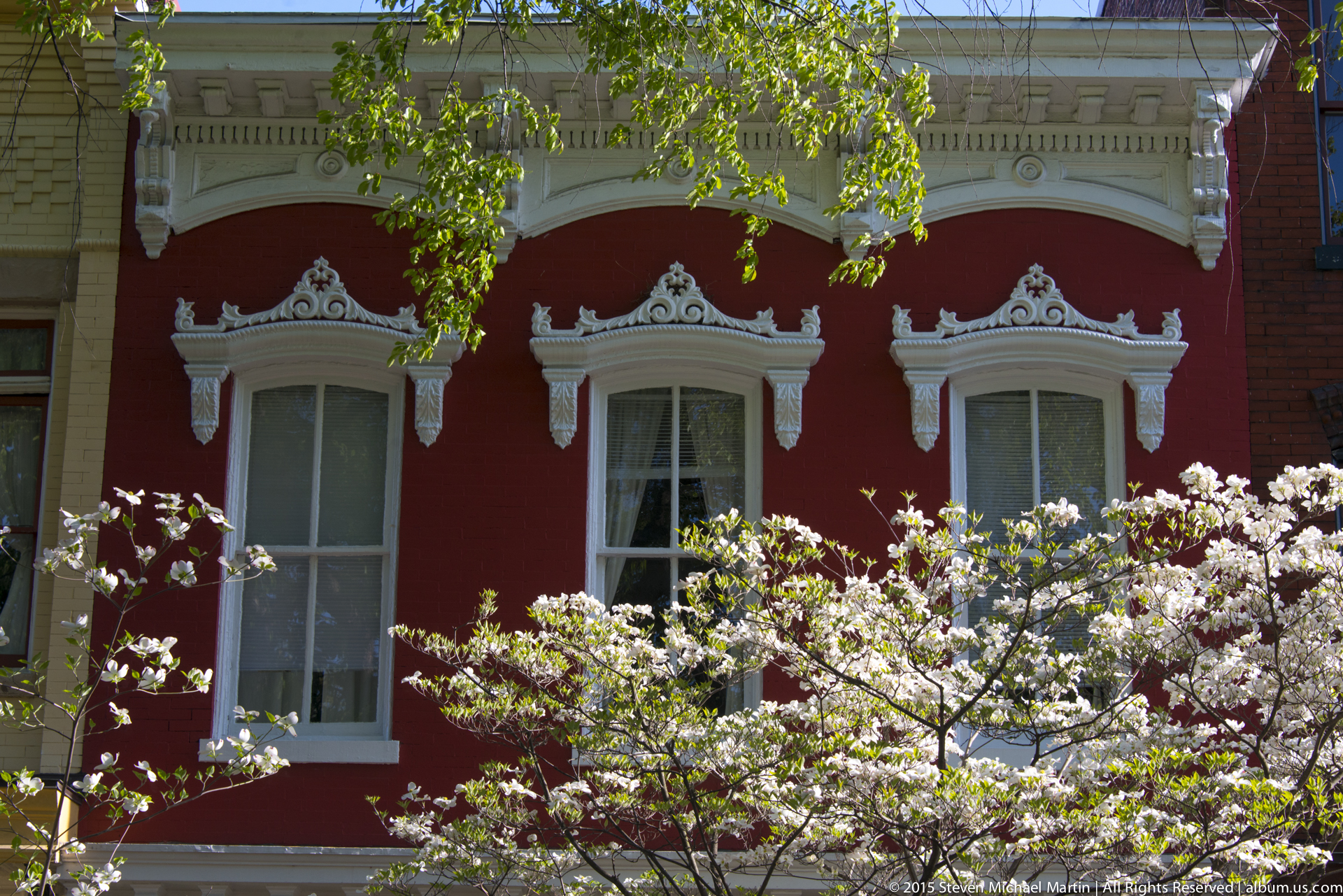
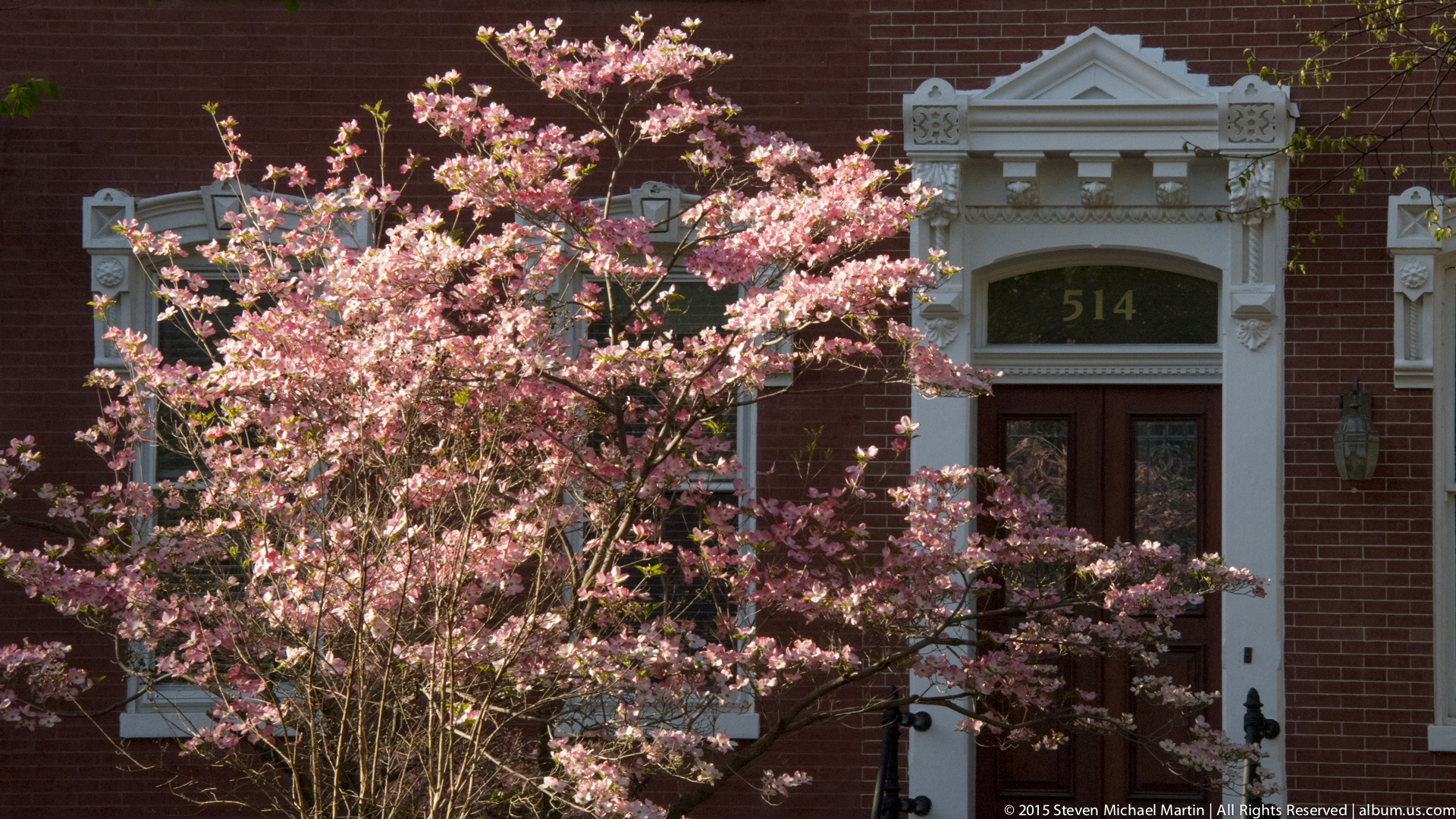
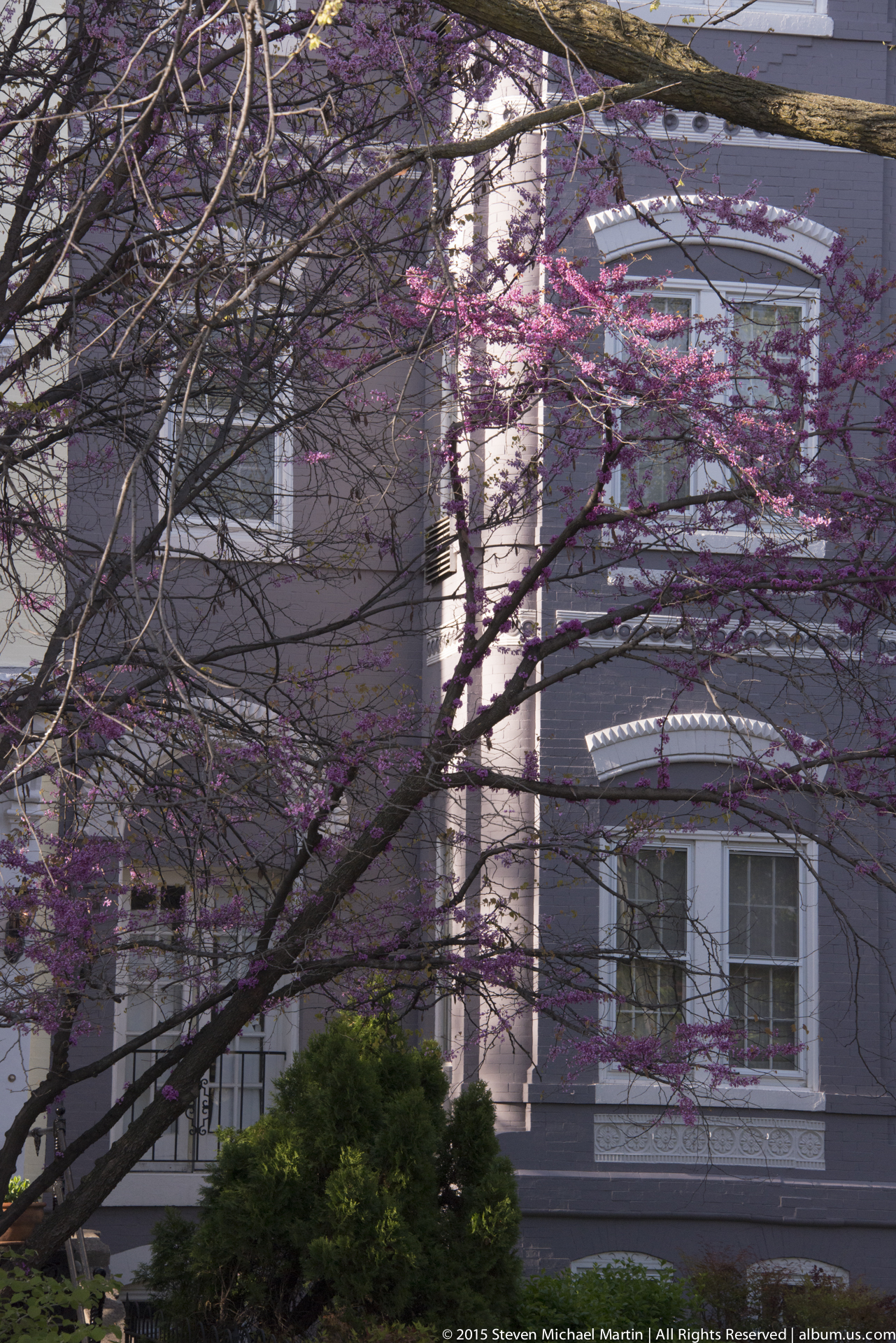
Seasonal flowering landscapes contribute to understanding how planned environments shape the experience of public space within the federal city. The progression of blooms illustrates the interaction between climate, horticulture, and civic design, reinforcing Washington’s identity as both a political capital and a carefully composed cultural landscape. Observing spring flowers across the city highlights the role of landscape architecture in framing monuments, museums, and public institutions within an evolving natural setting that changes with the seasons.