Washington, DC Cherry Blossoms
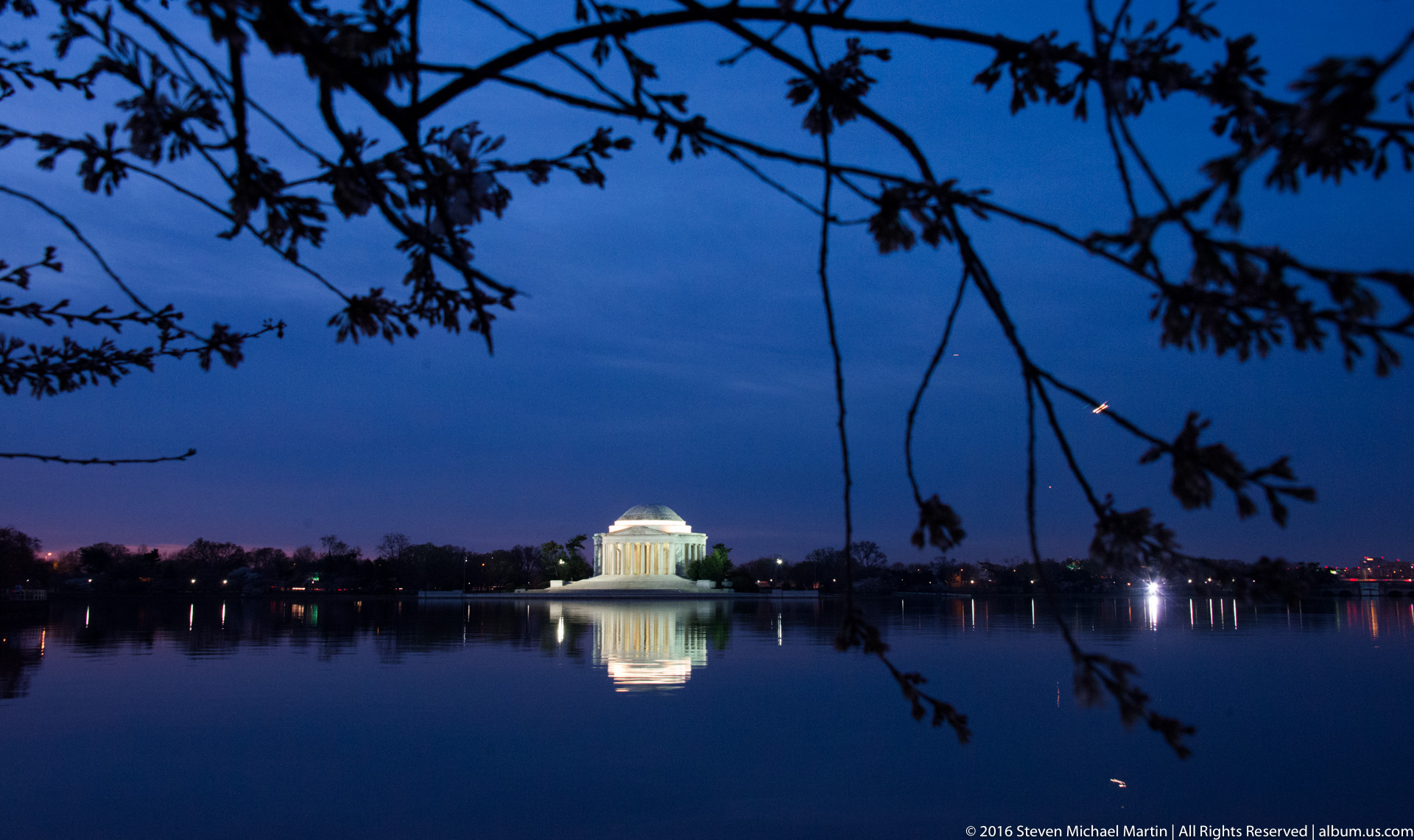
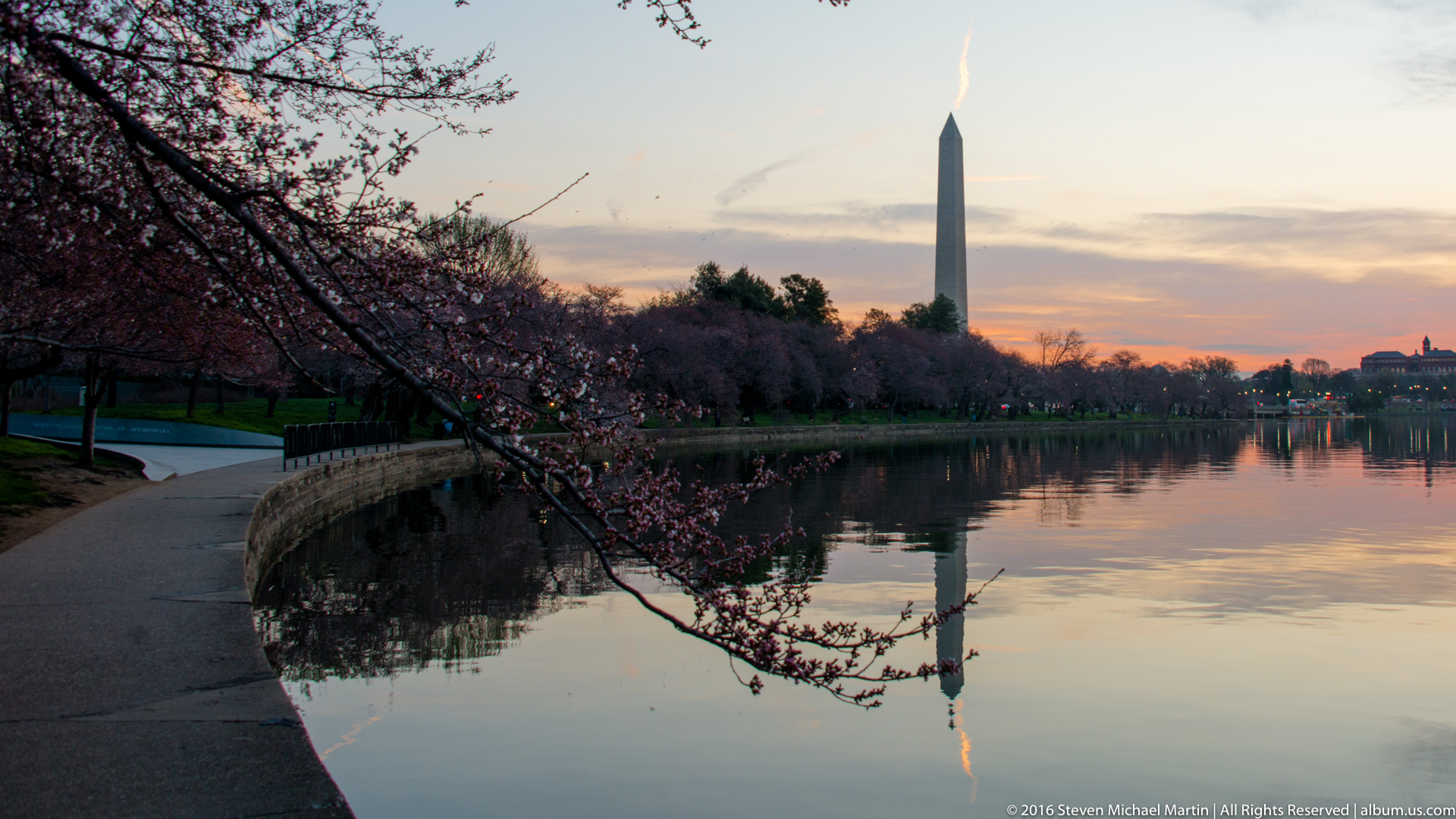
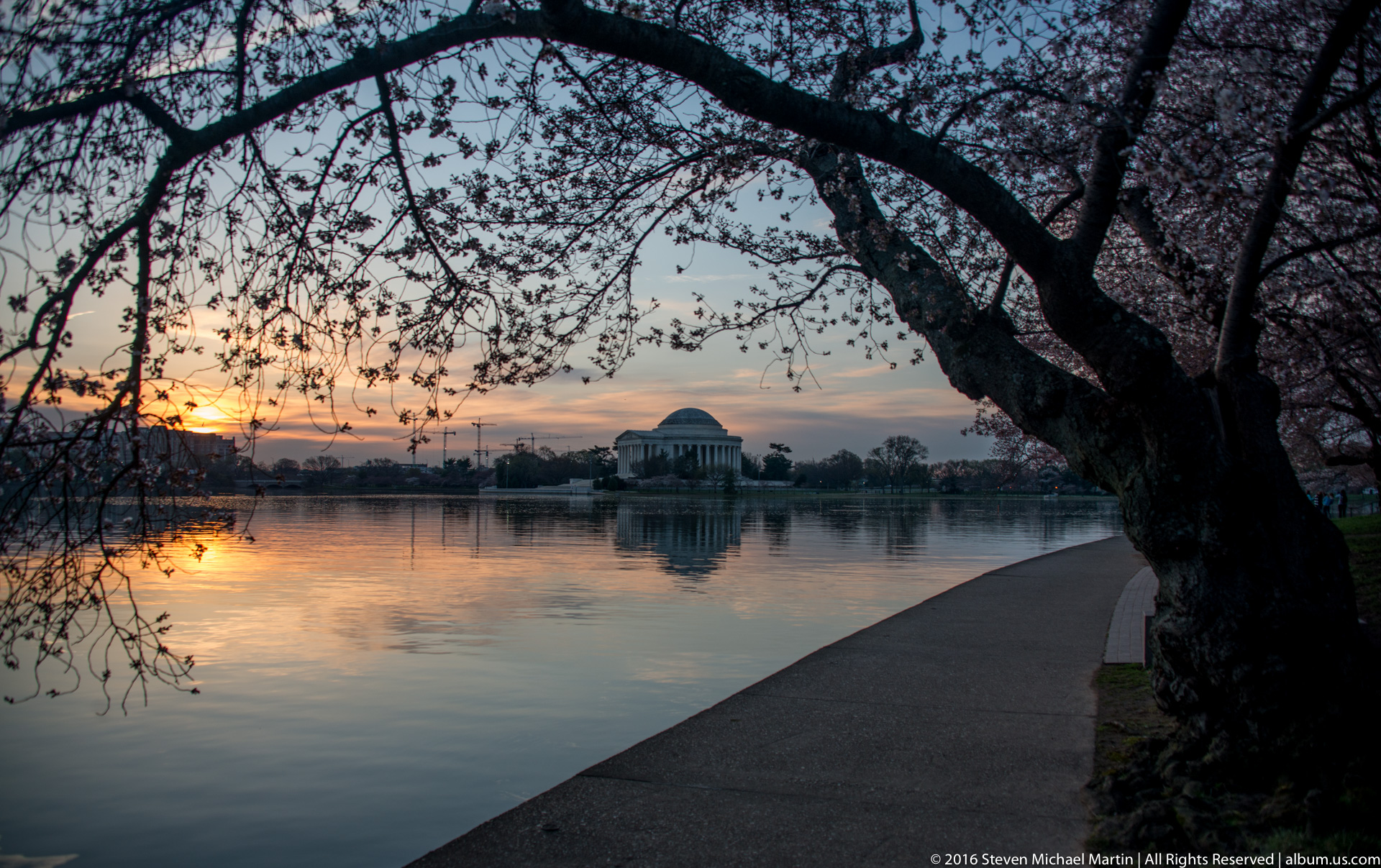
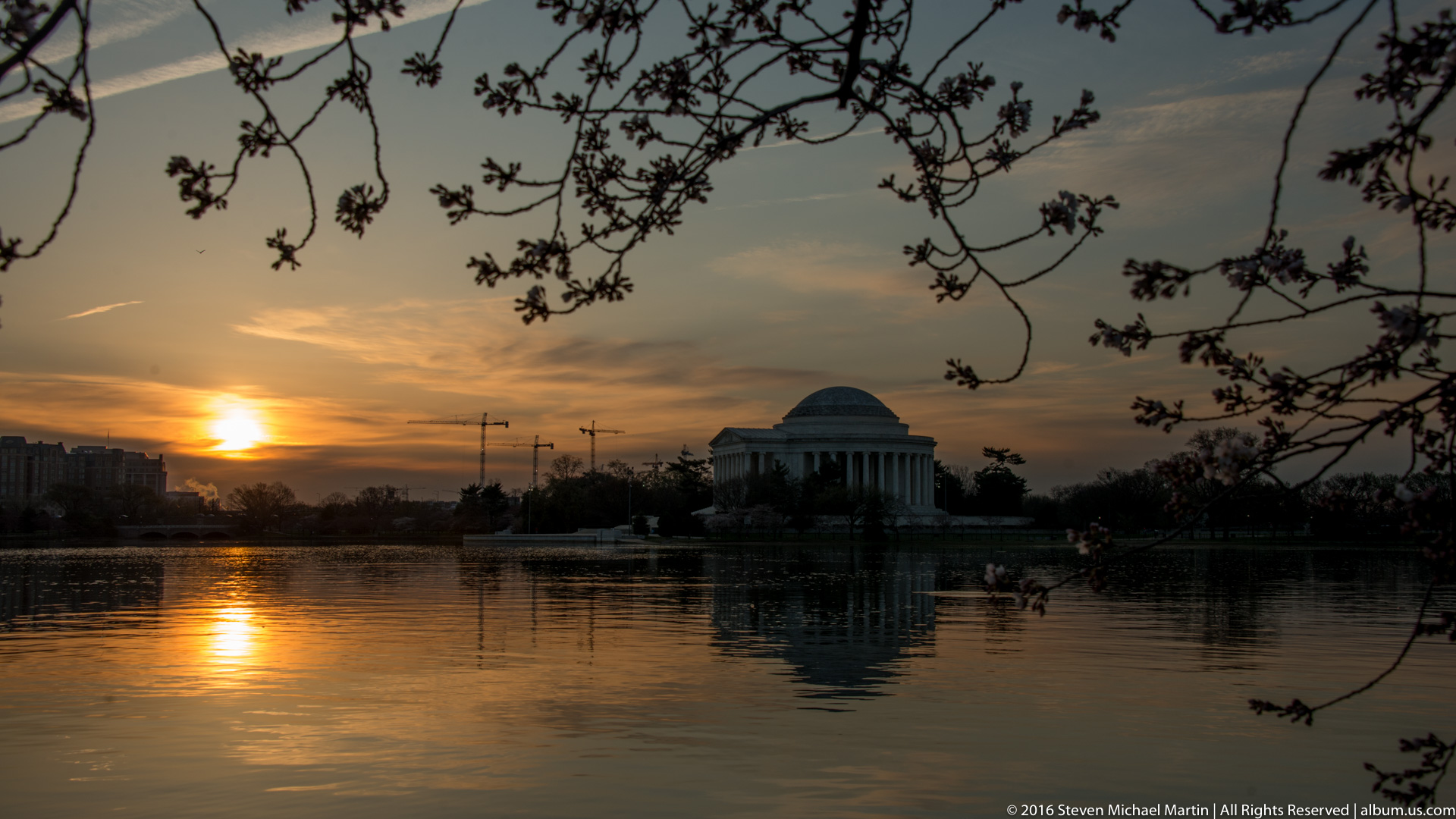
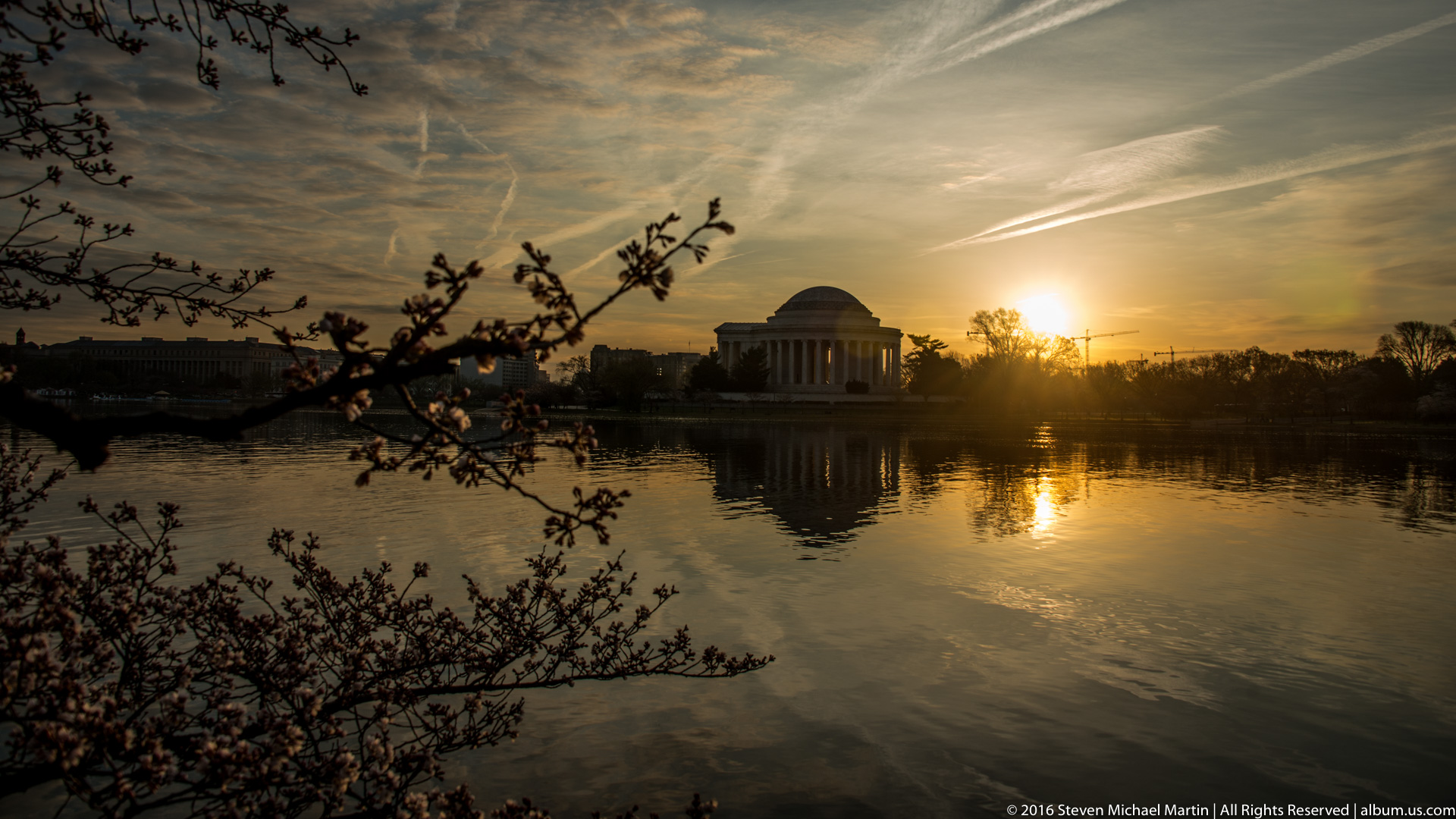
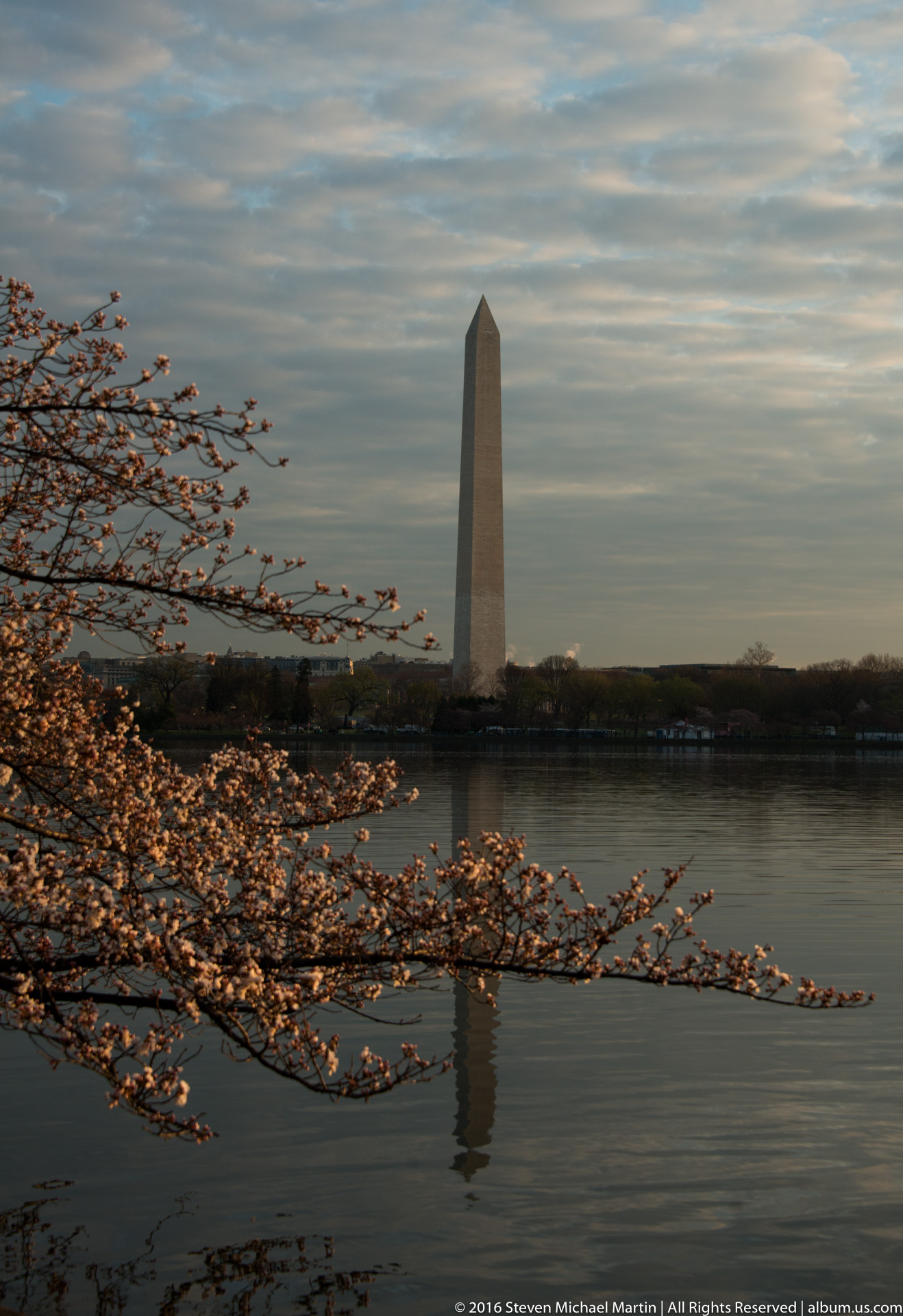
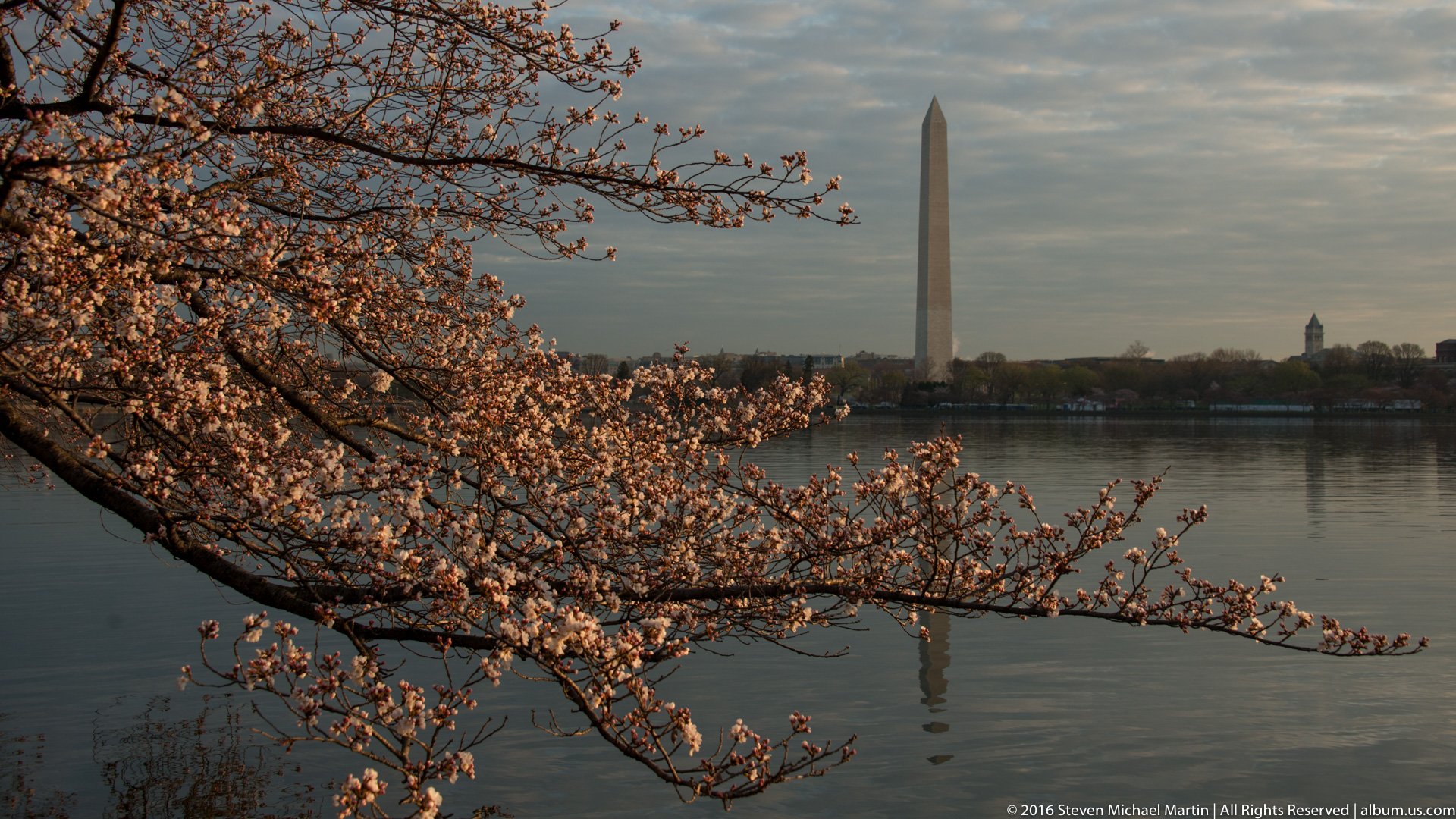
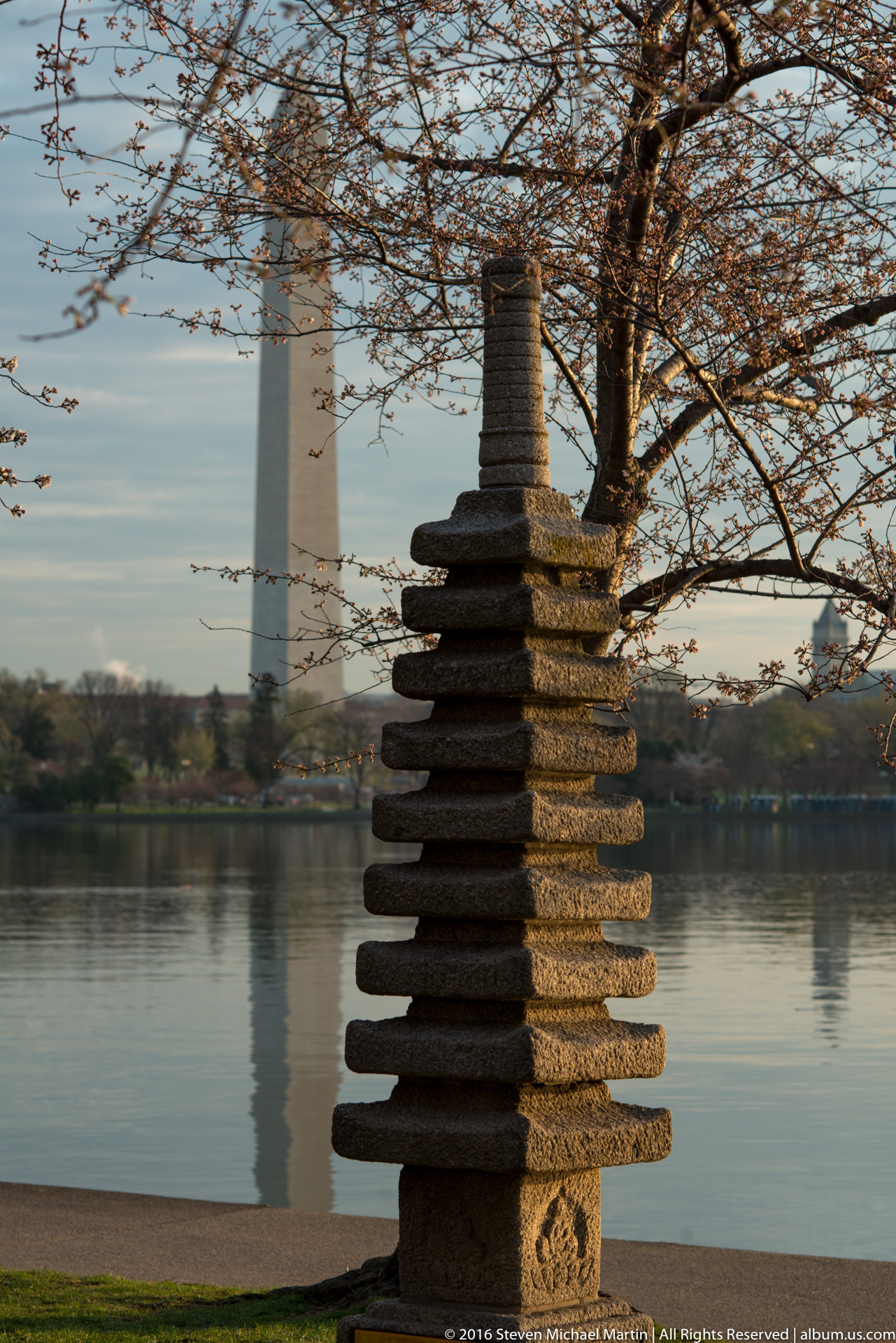
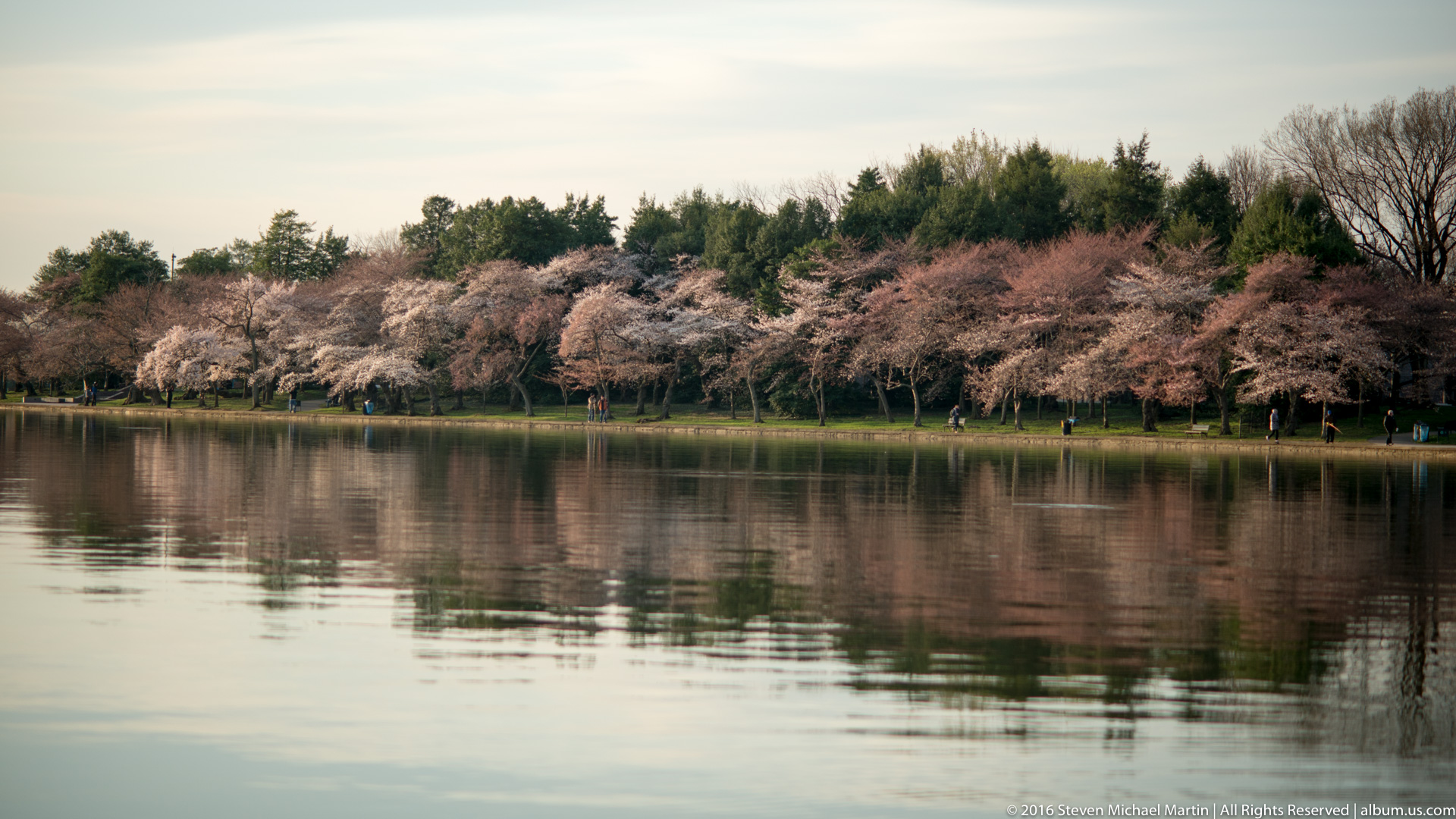
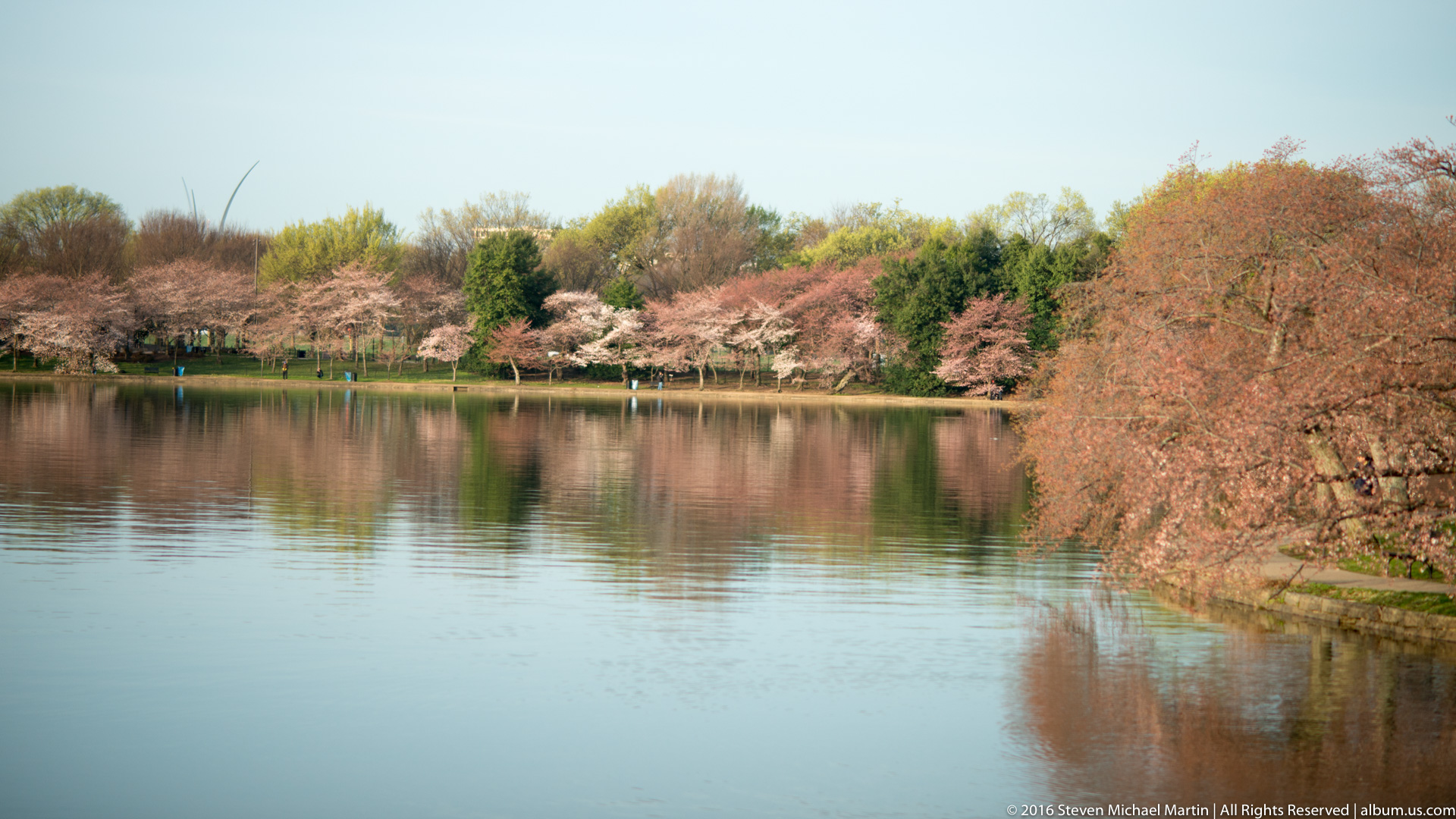
The flowering cherry trees of Washington, DC form one of the most recognizable seasonal landscapes in the United States, surrounding the Tidal Basin and extending throughout the monumental core of the federal city. The trees were presented in 1912 as a diplomatic gift from Japan, symbolizing cultural exchange and international friendship during a period of expanding global relationships. Their placement within the formal landscape of the National Mall reflects early twentieth-century efforts to integrate horticultural design with civic architecture, creating a setting in which seasonal change enhances the symbolic environment of the capital.
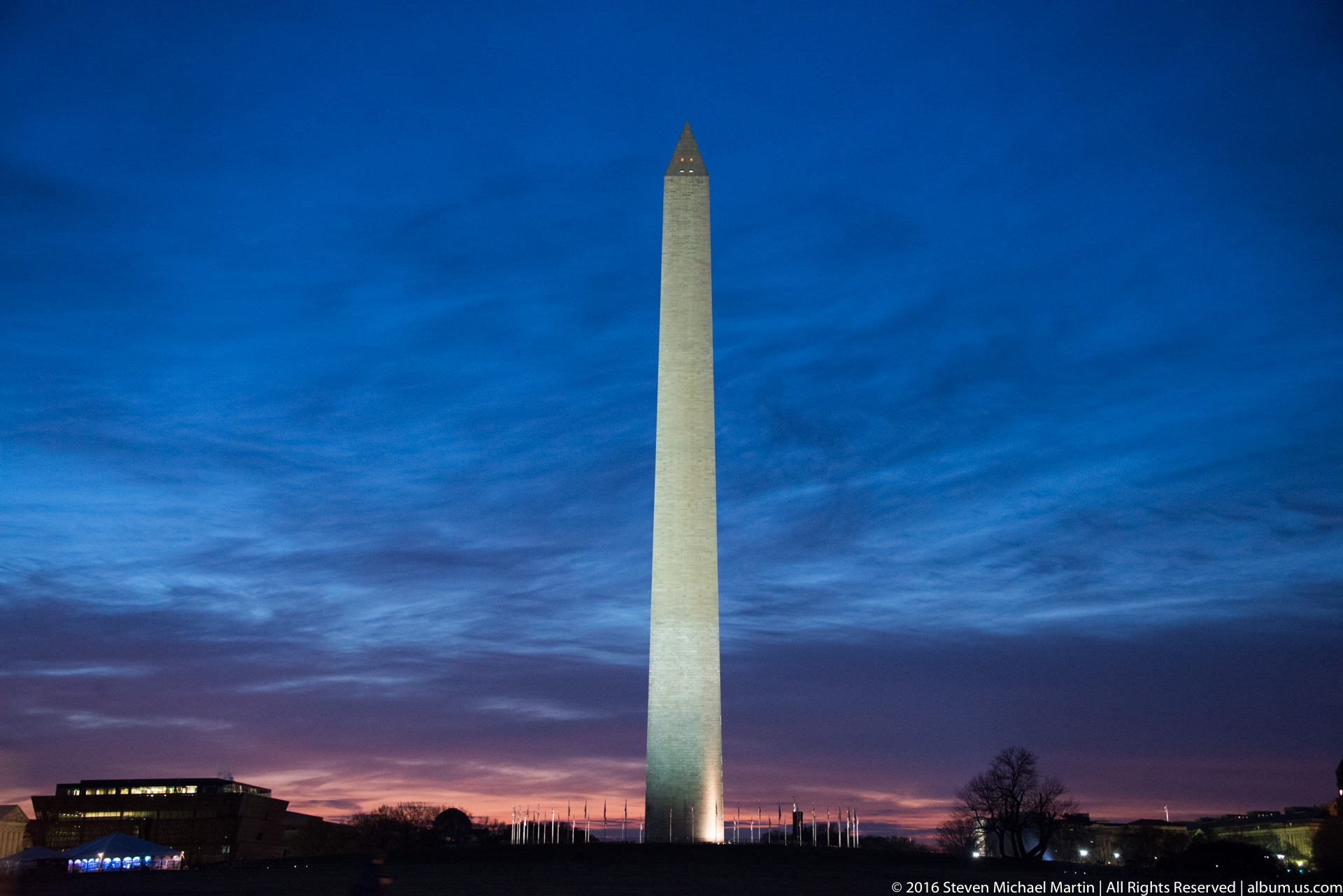
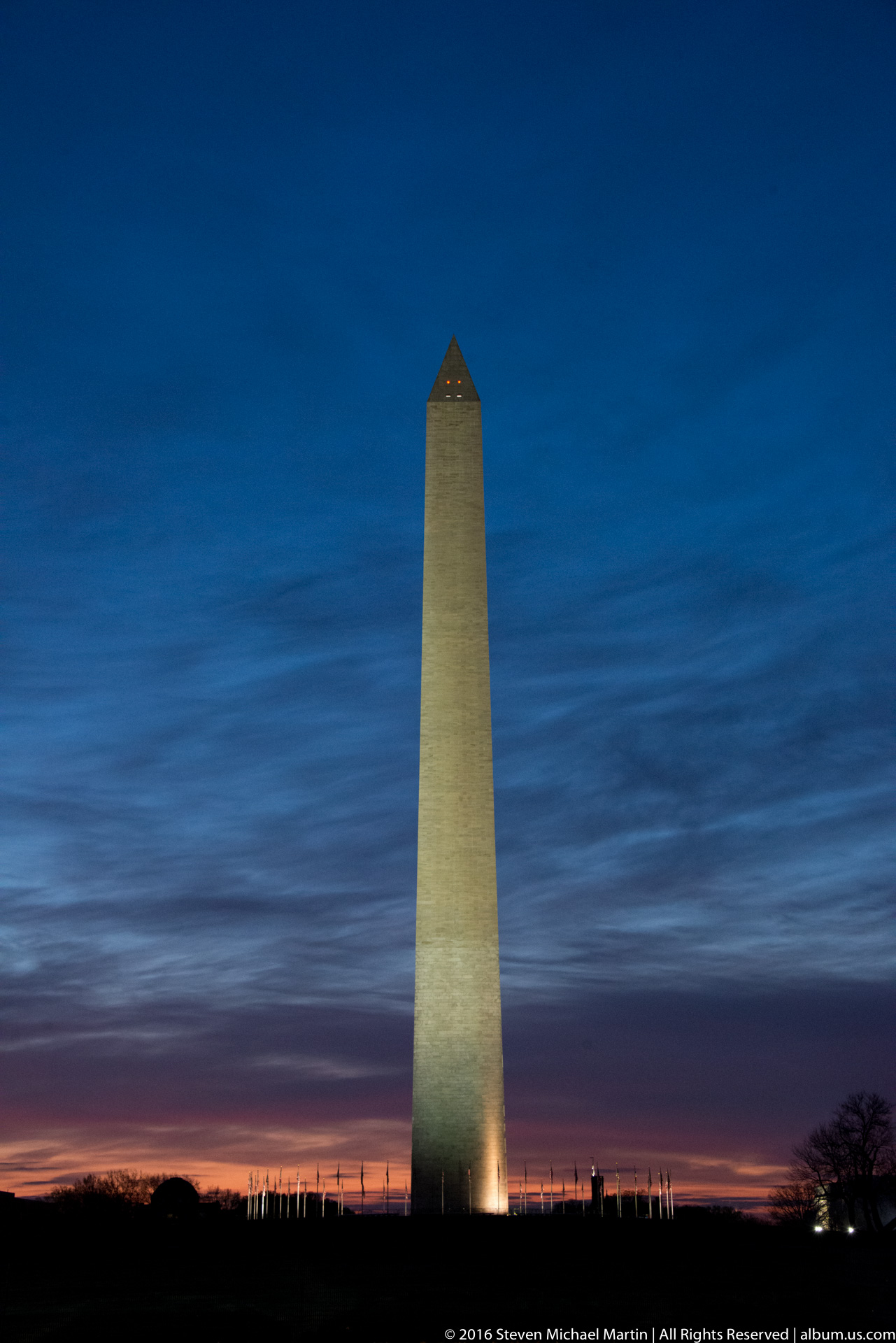
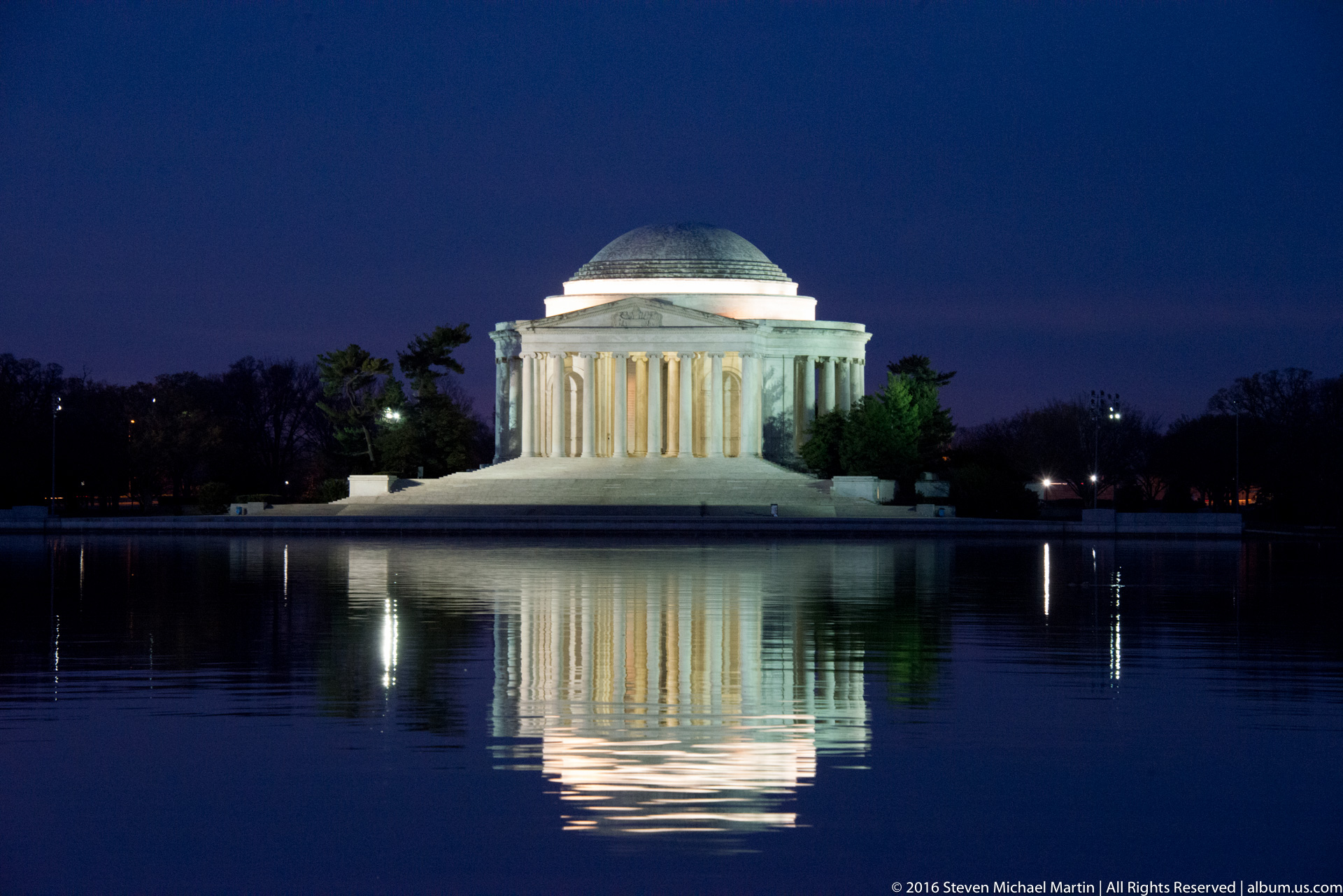
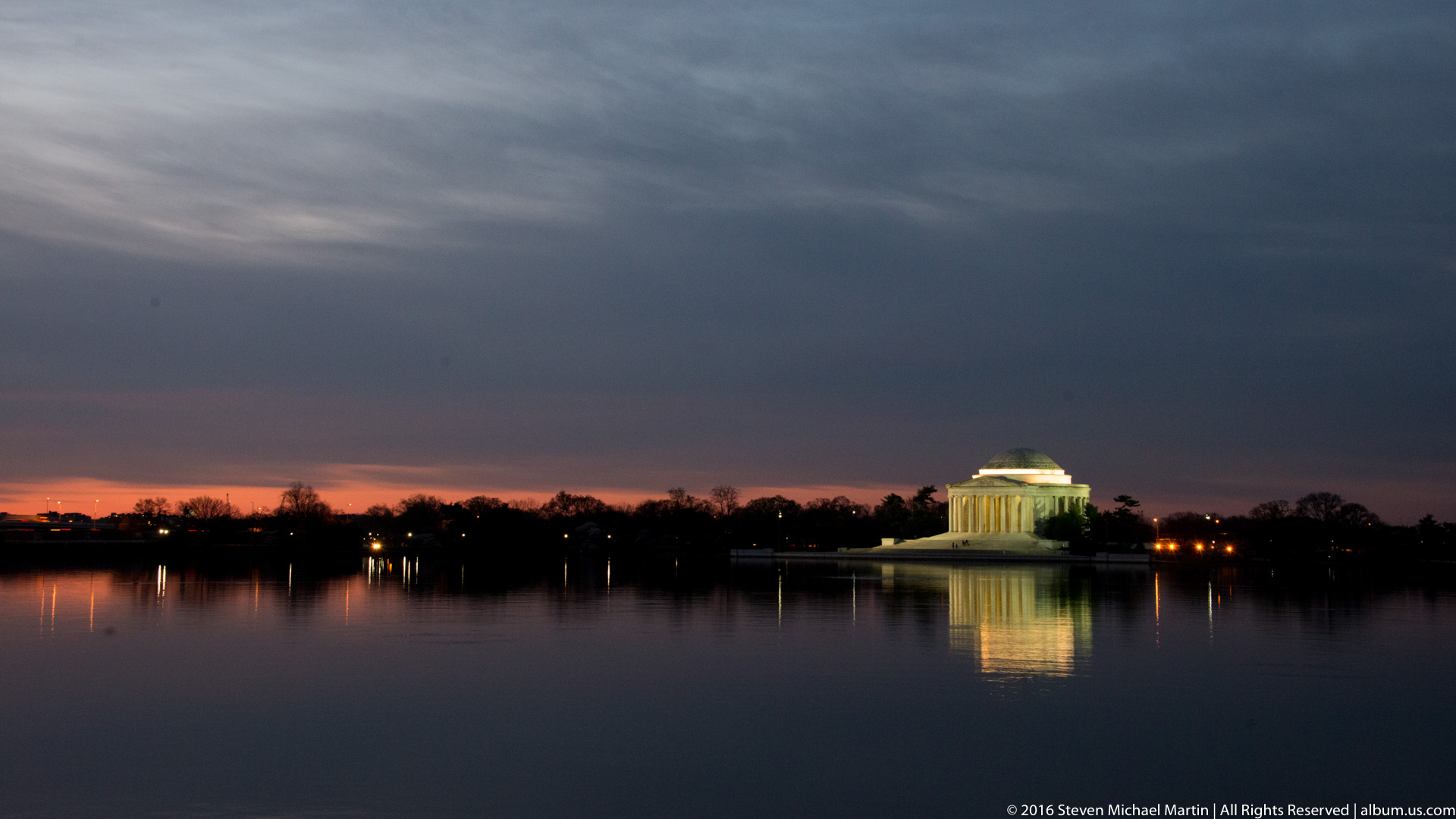
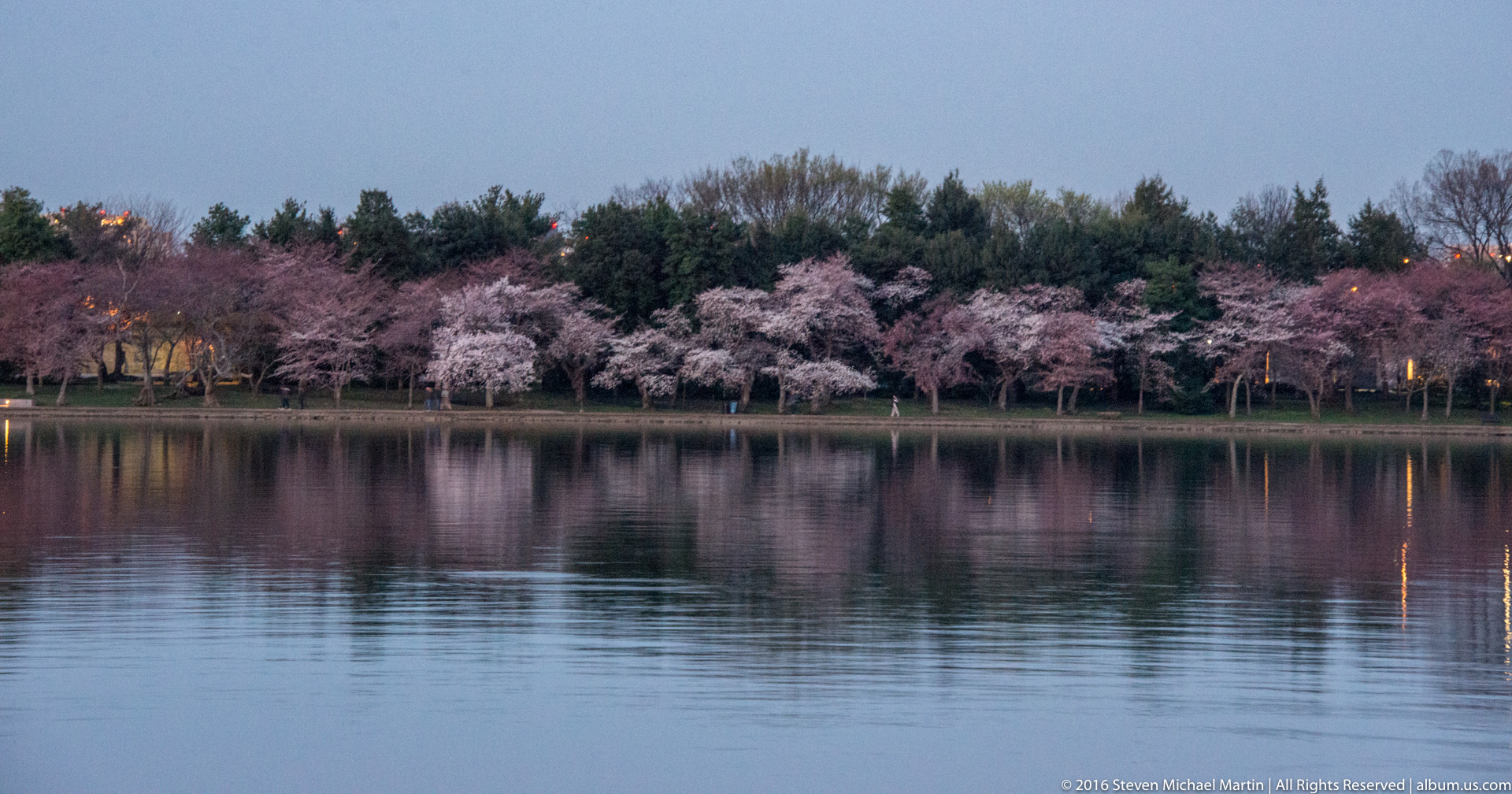
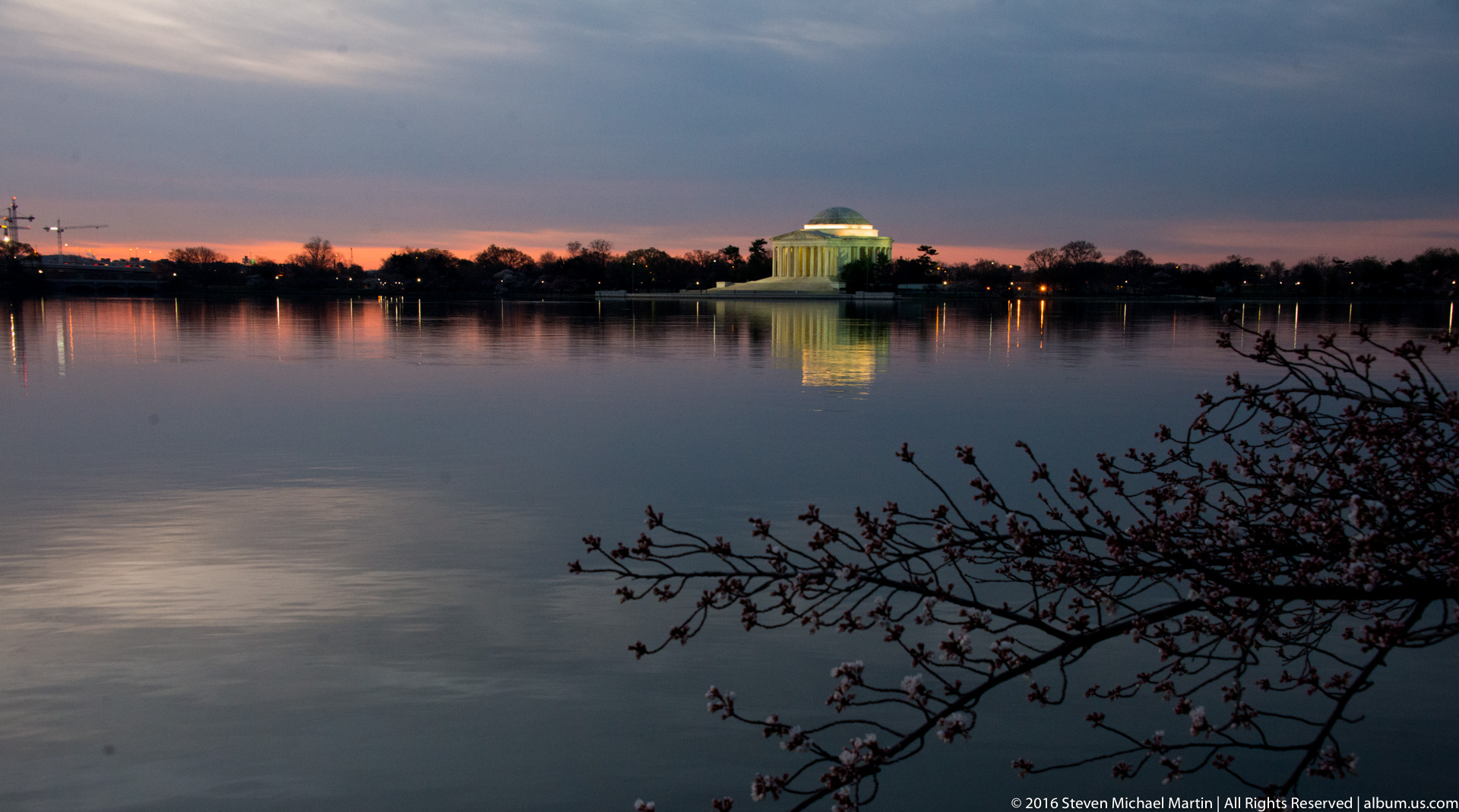
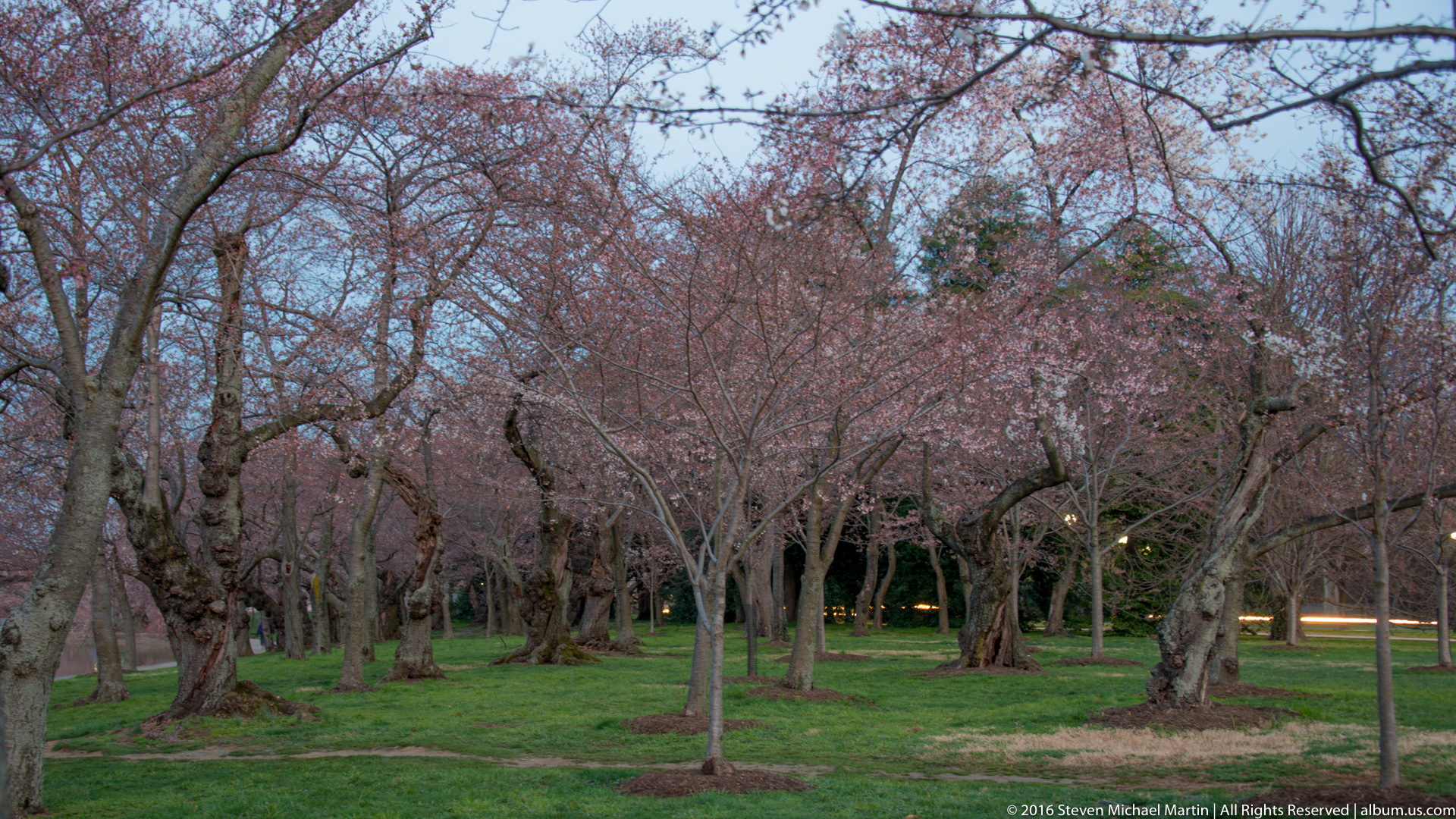
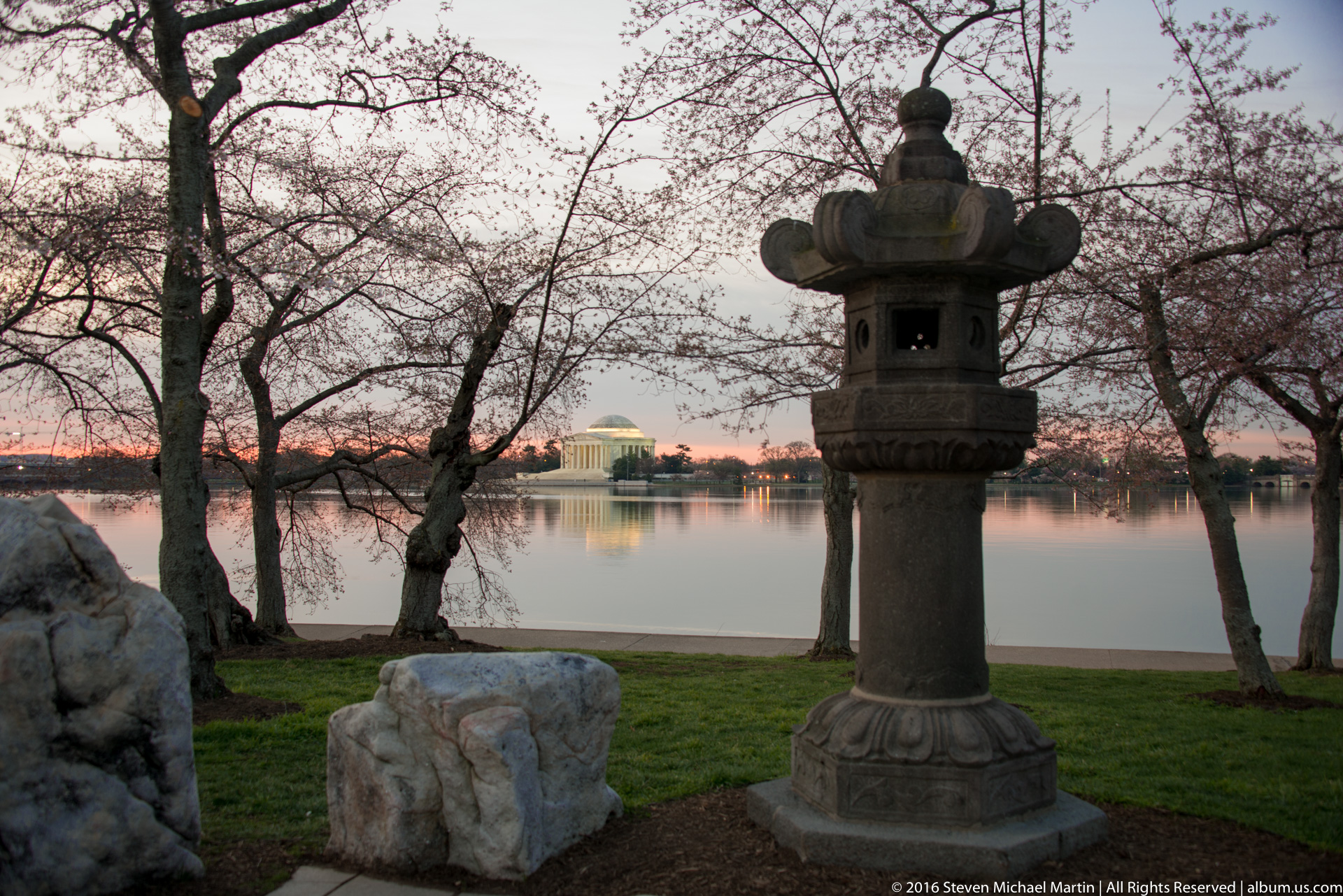
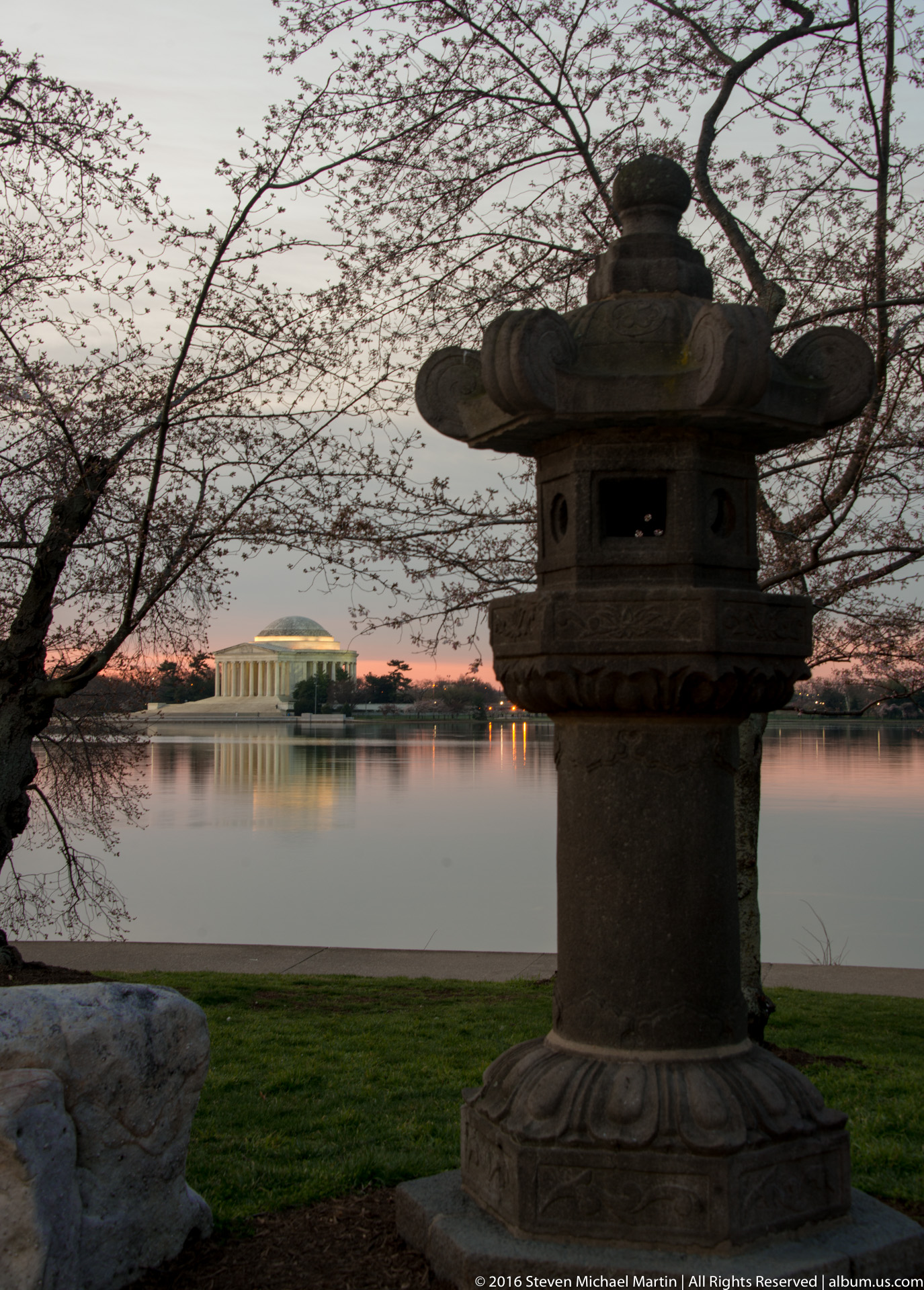
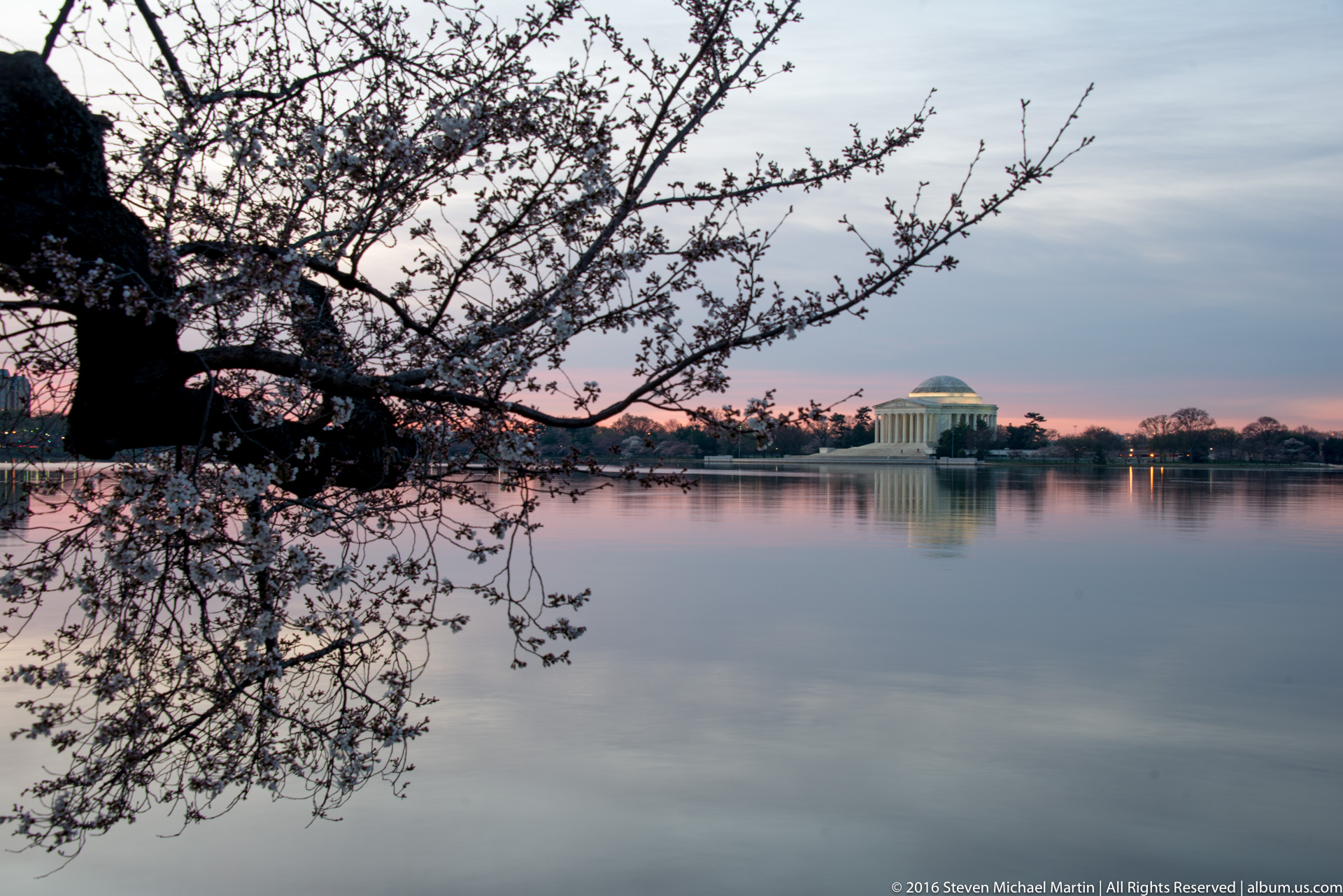
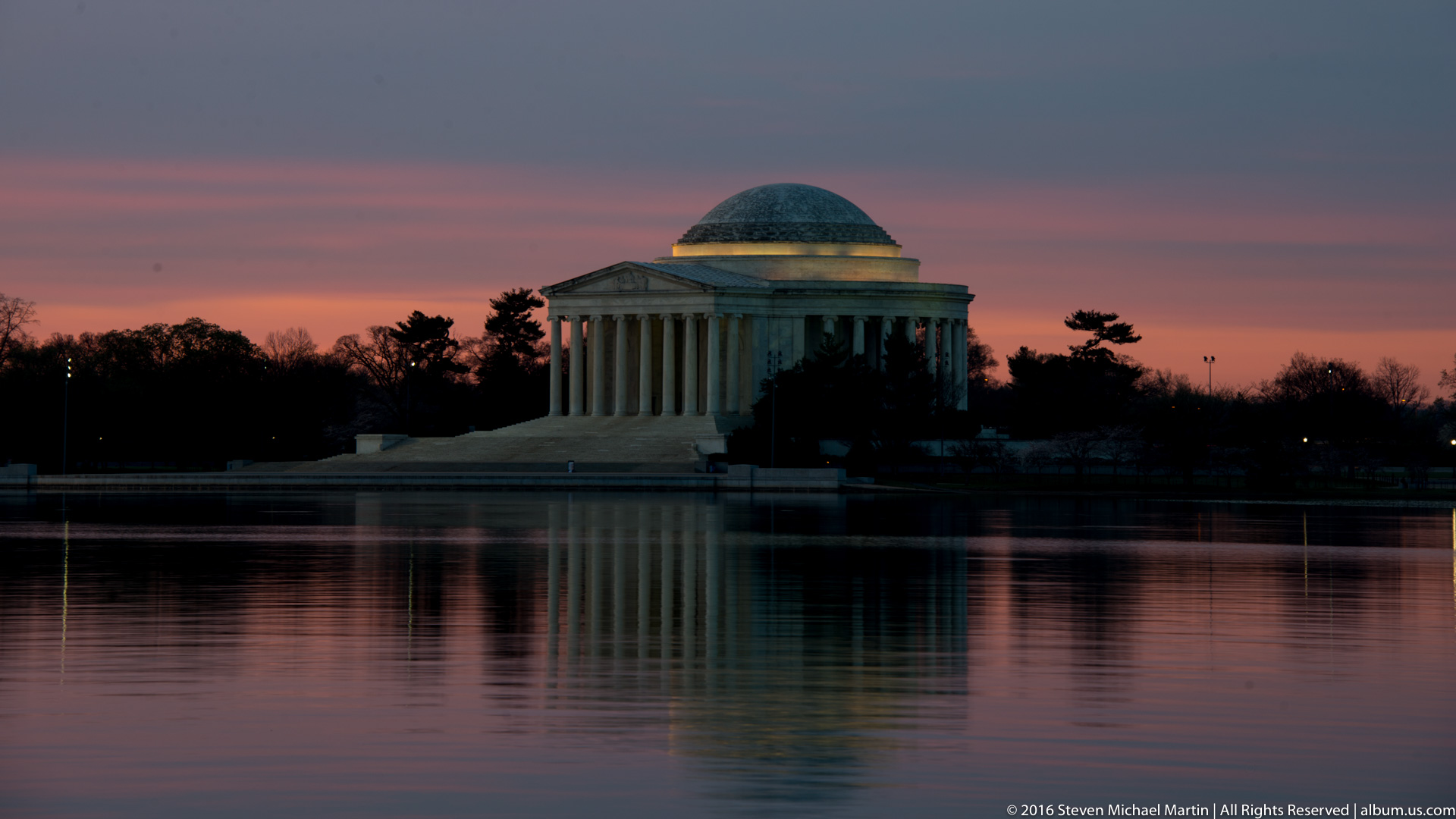
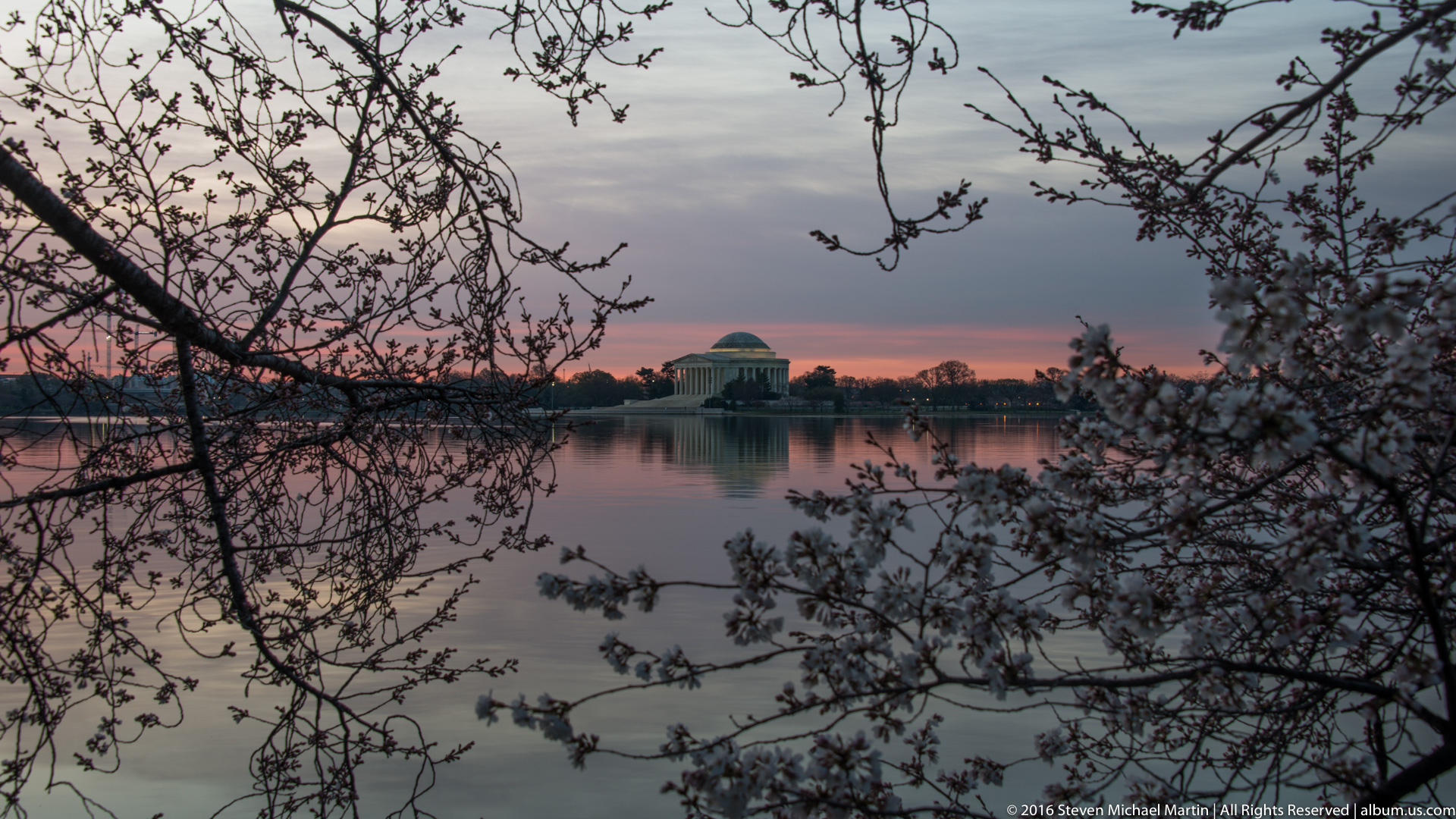
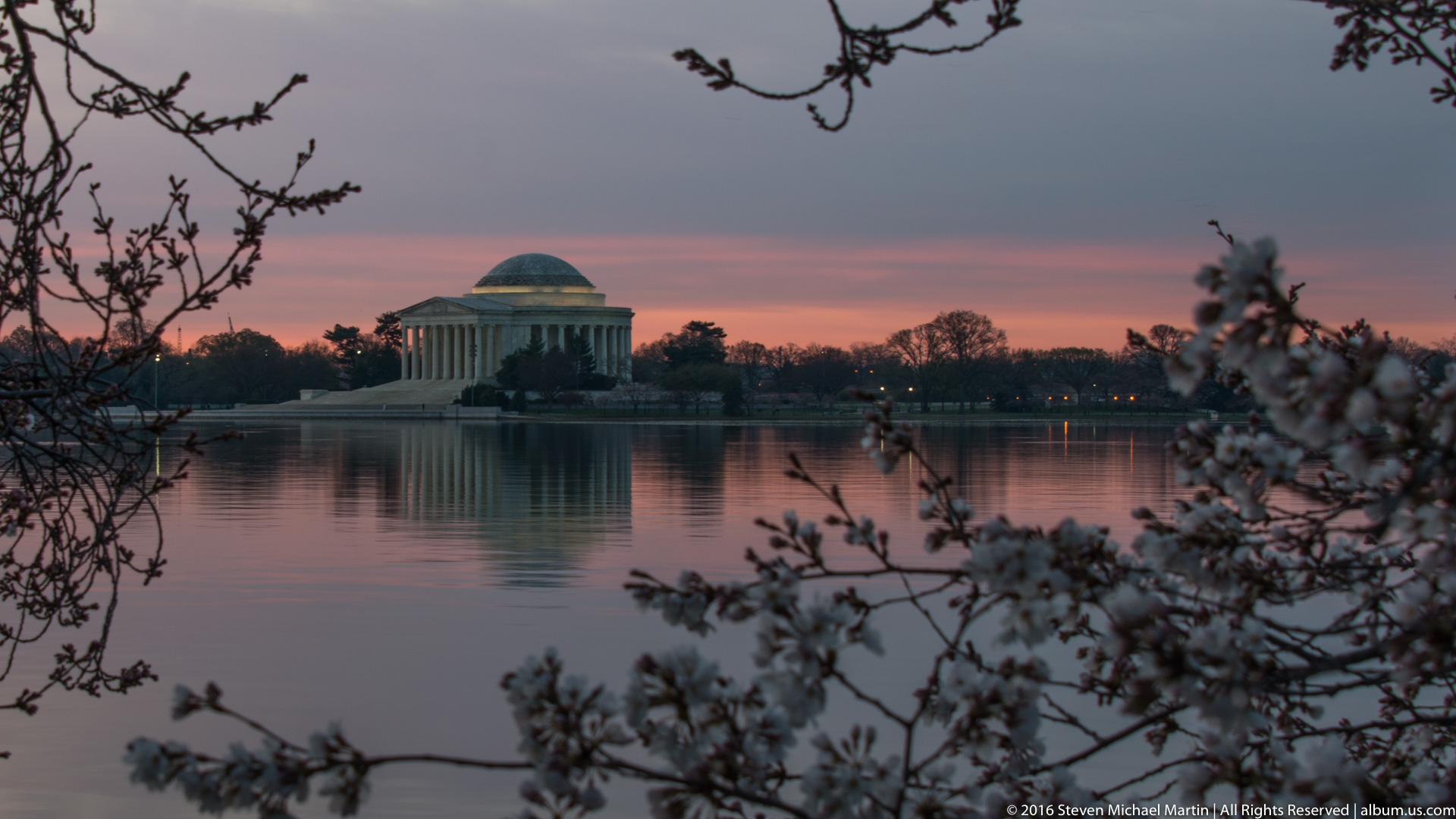
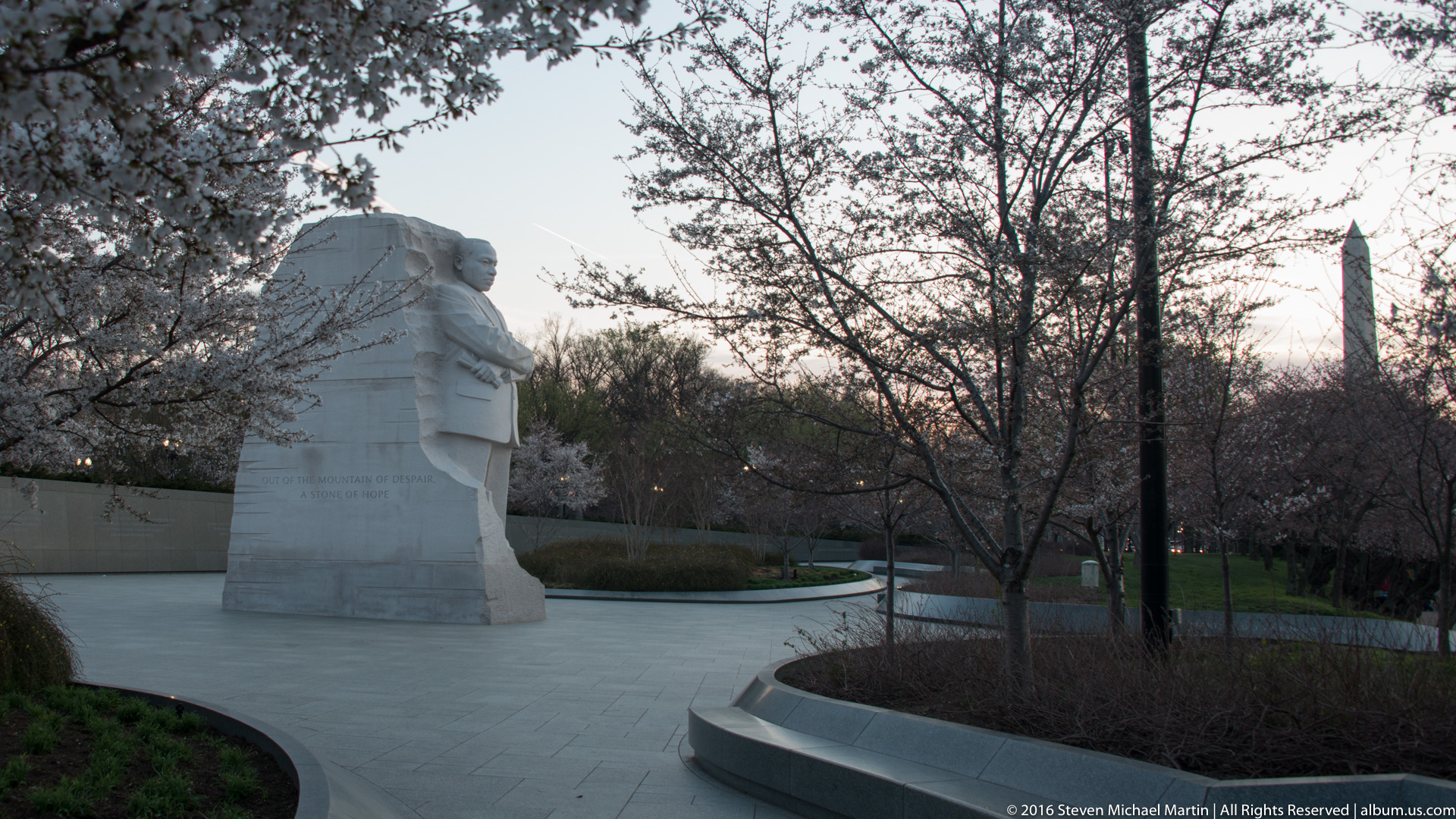
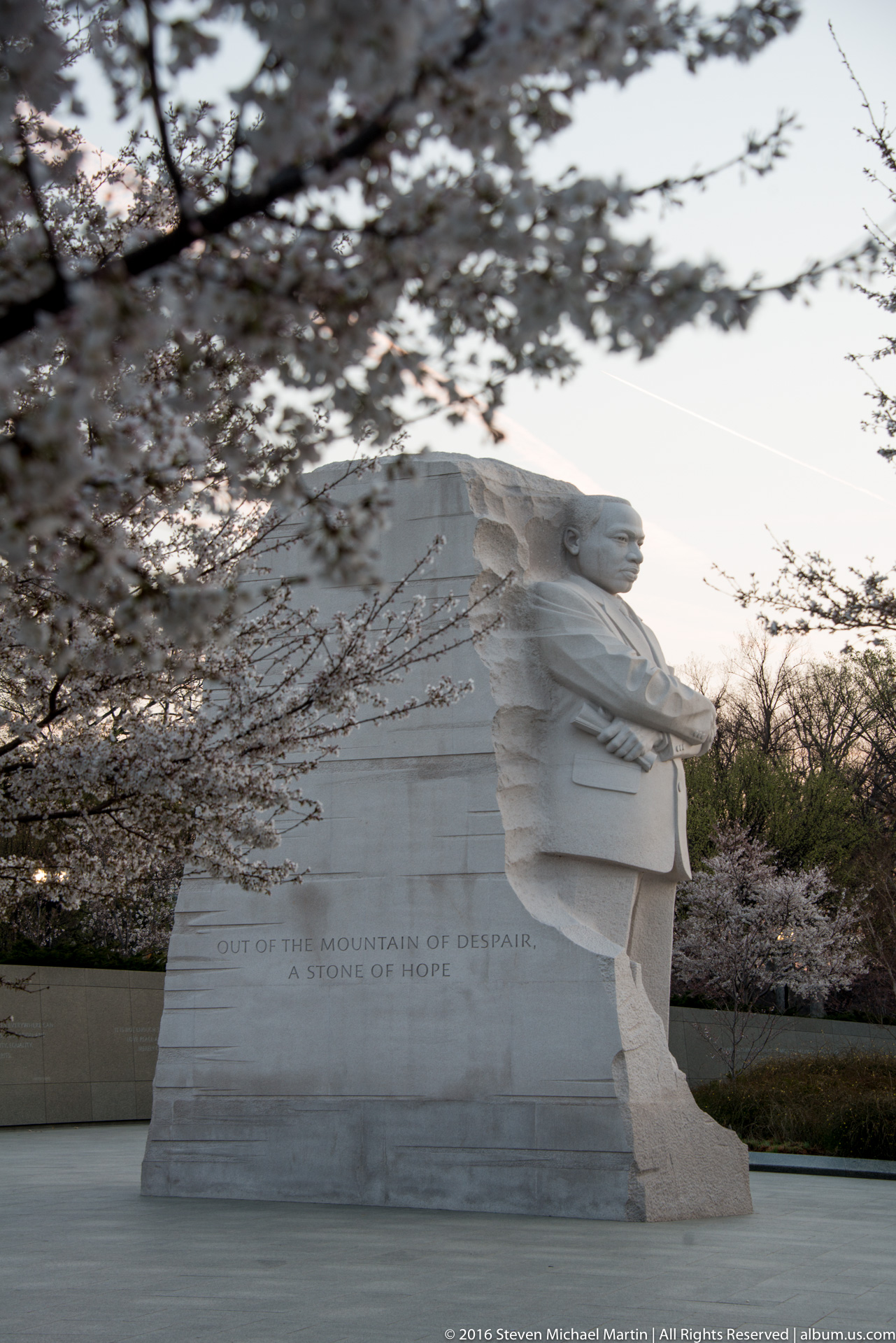
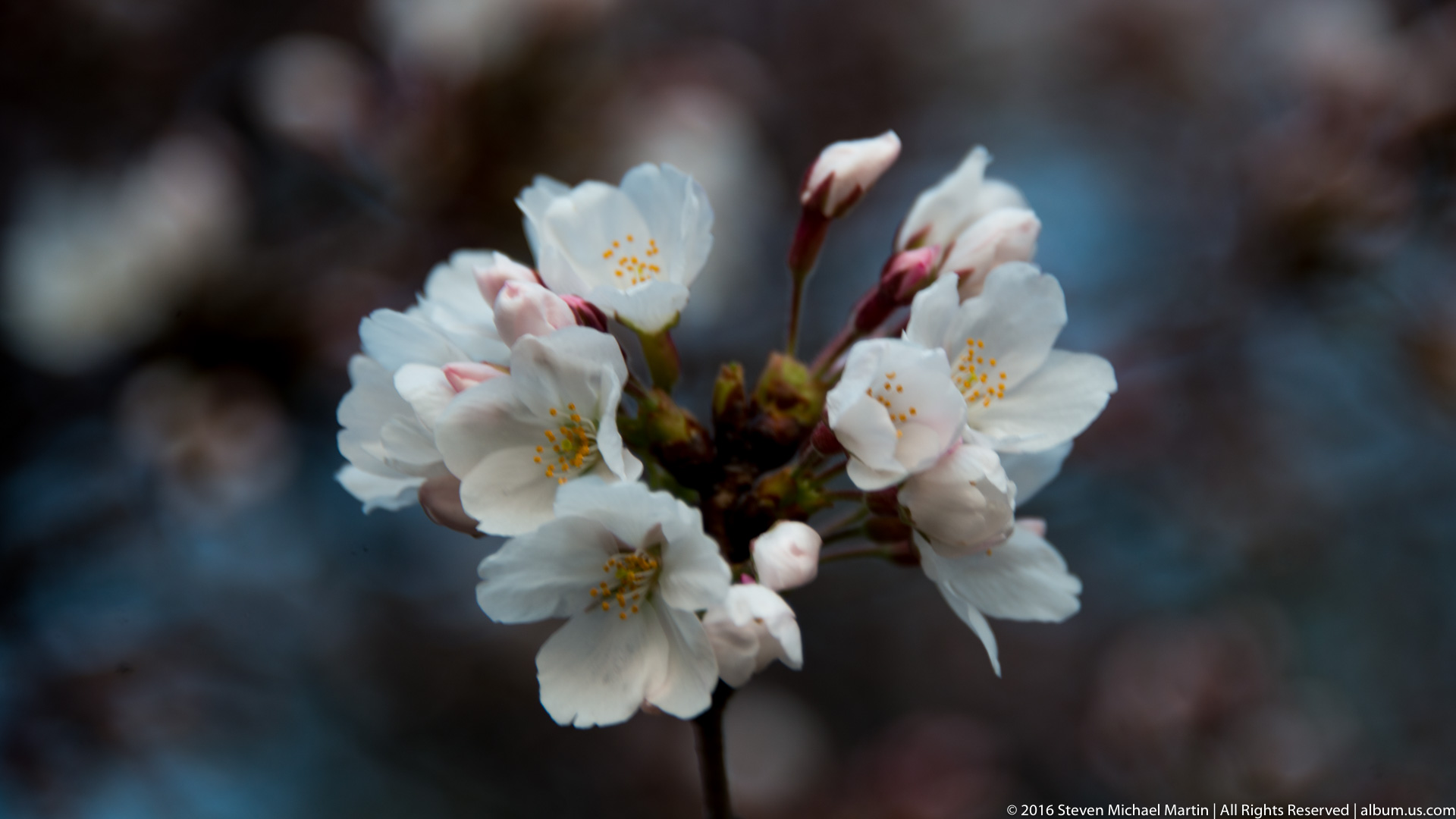
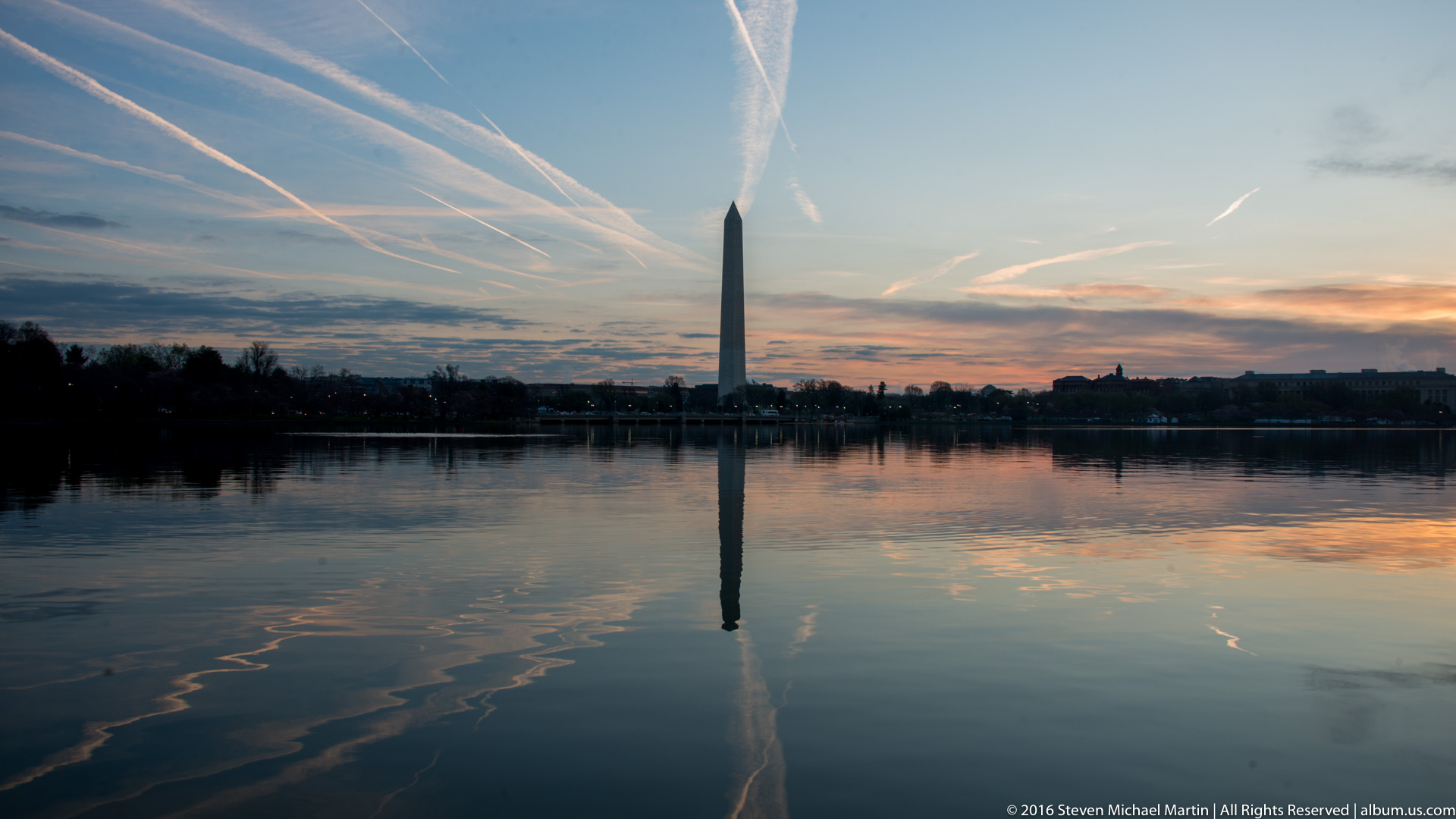
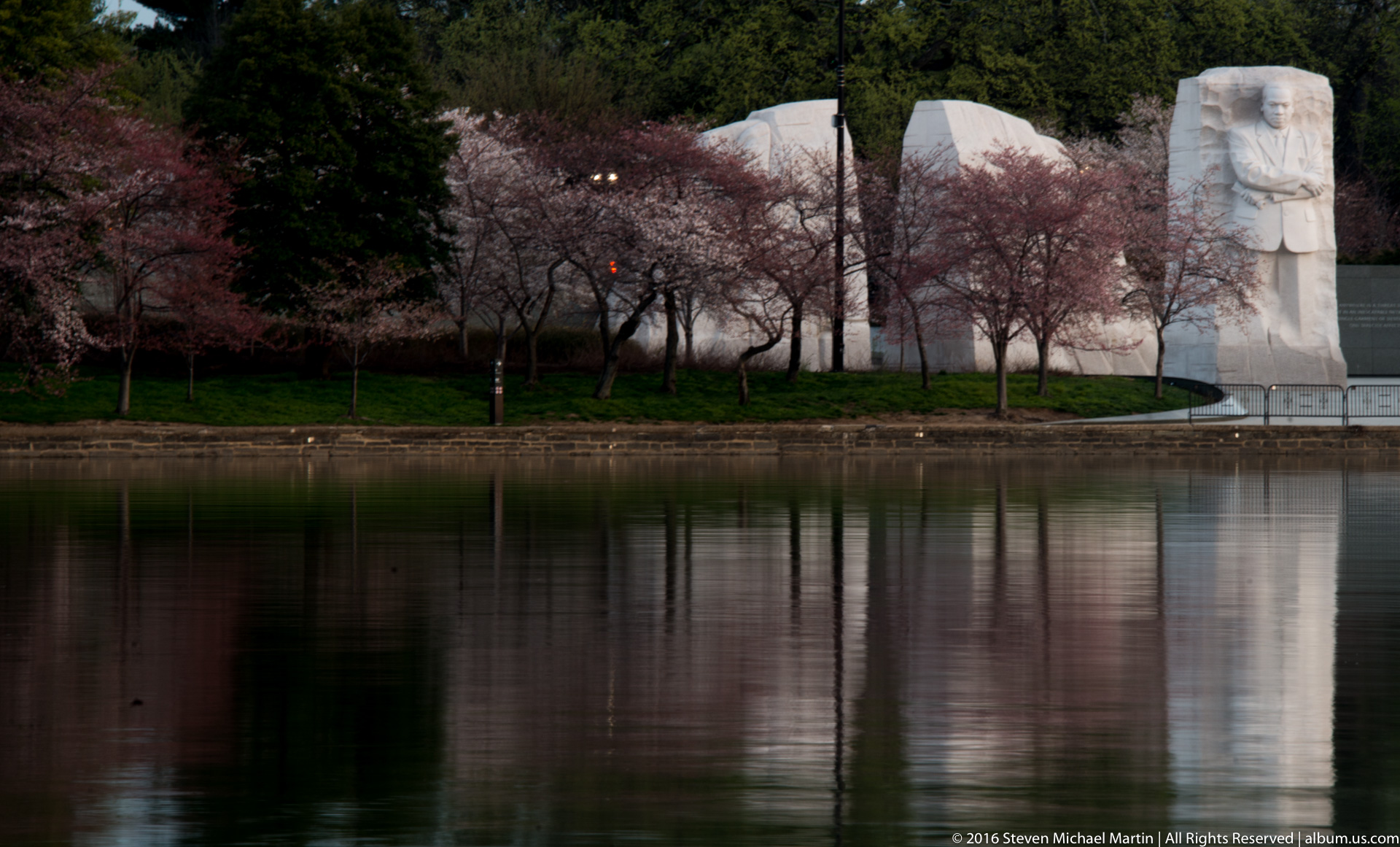
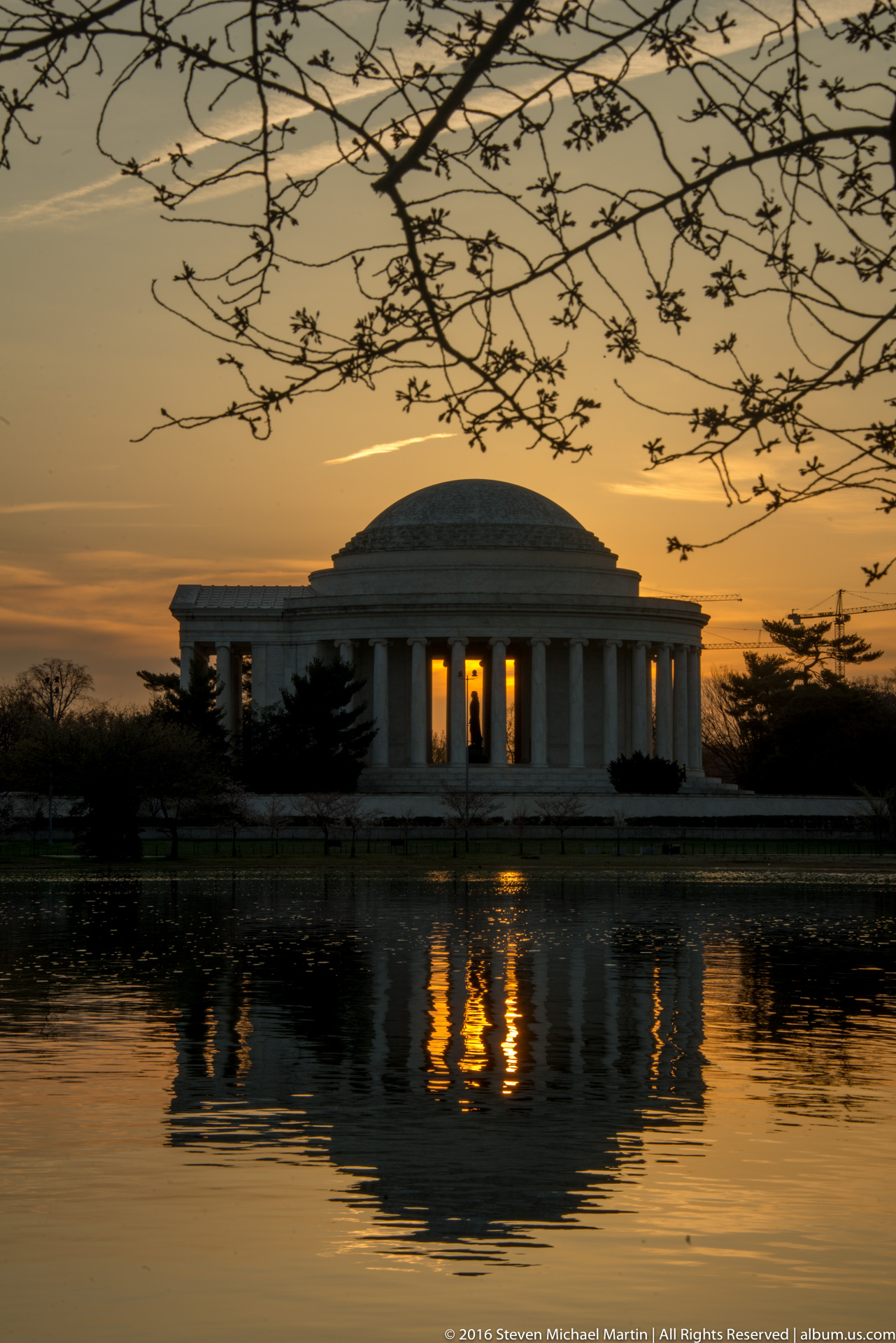
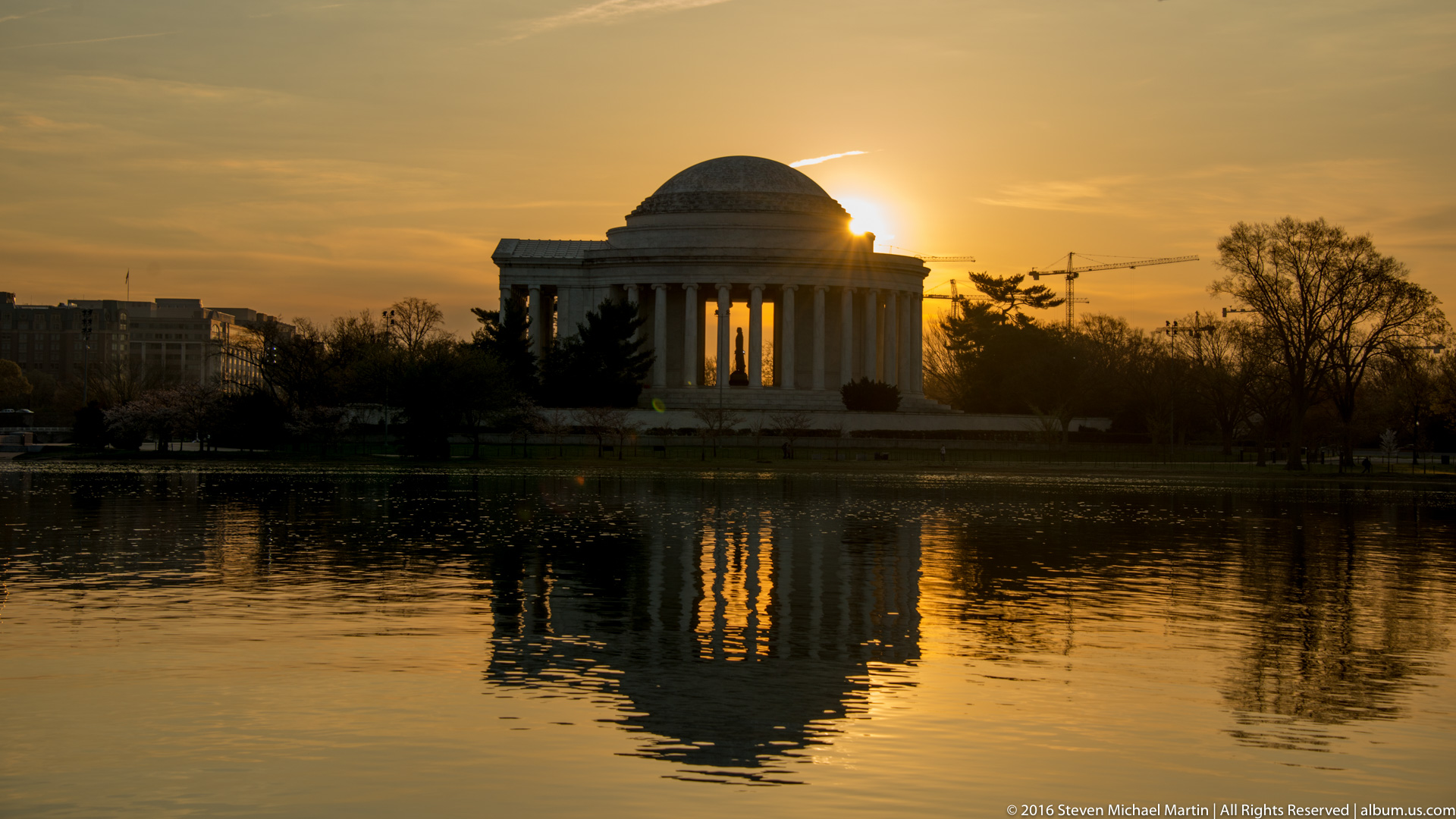
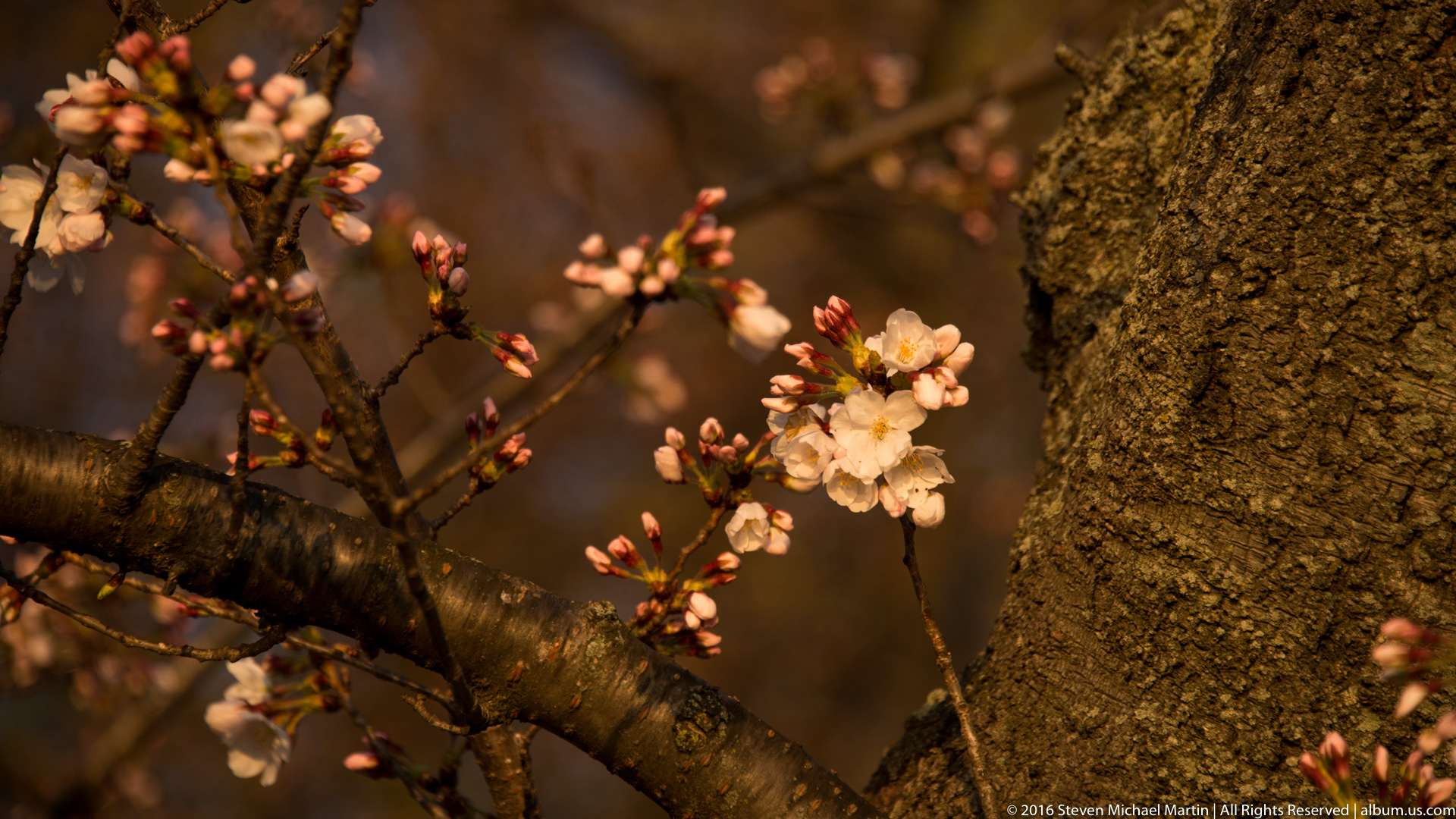
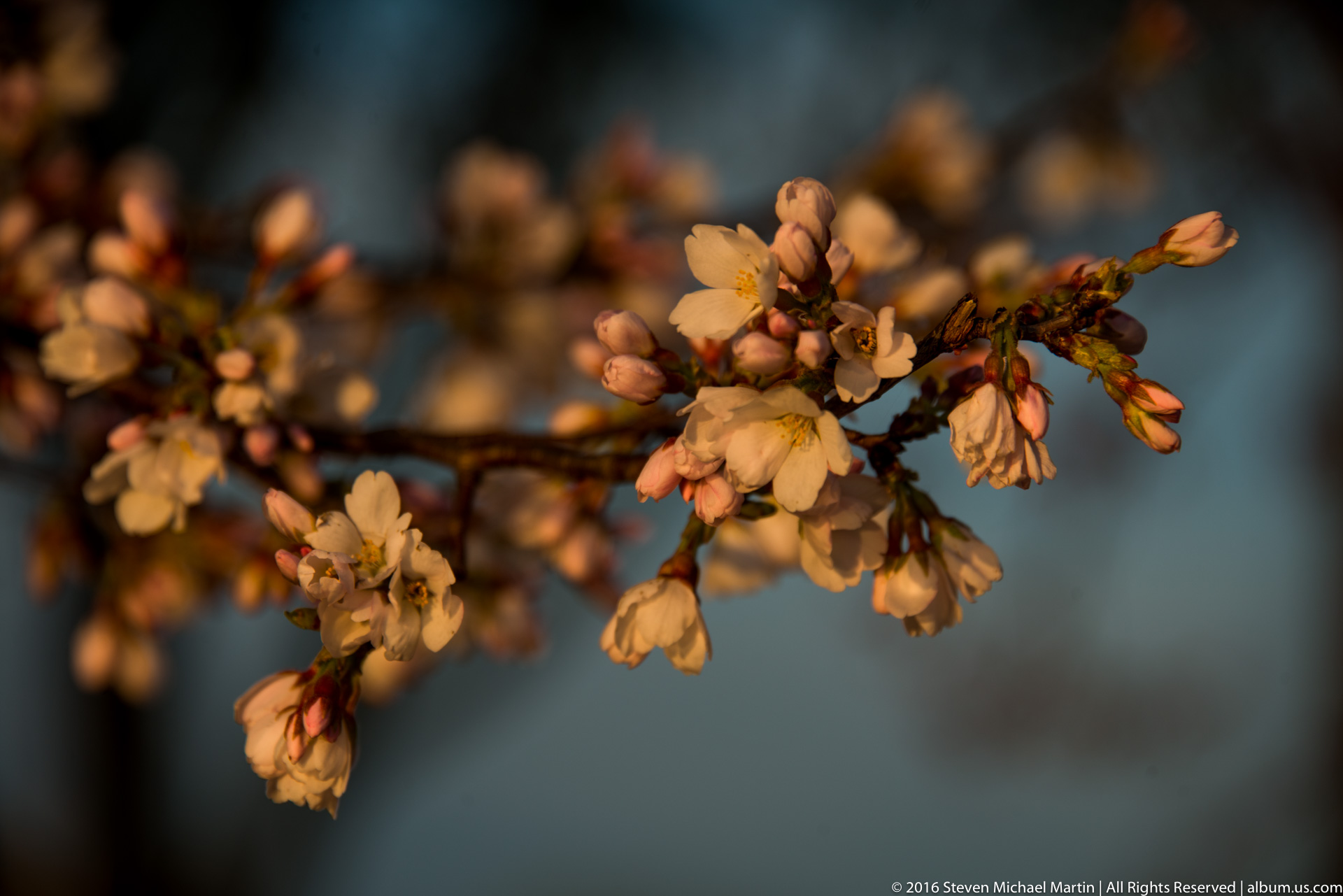
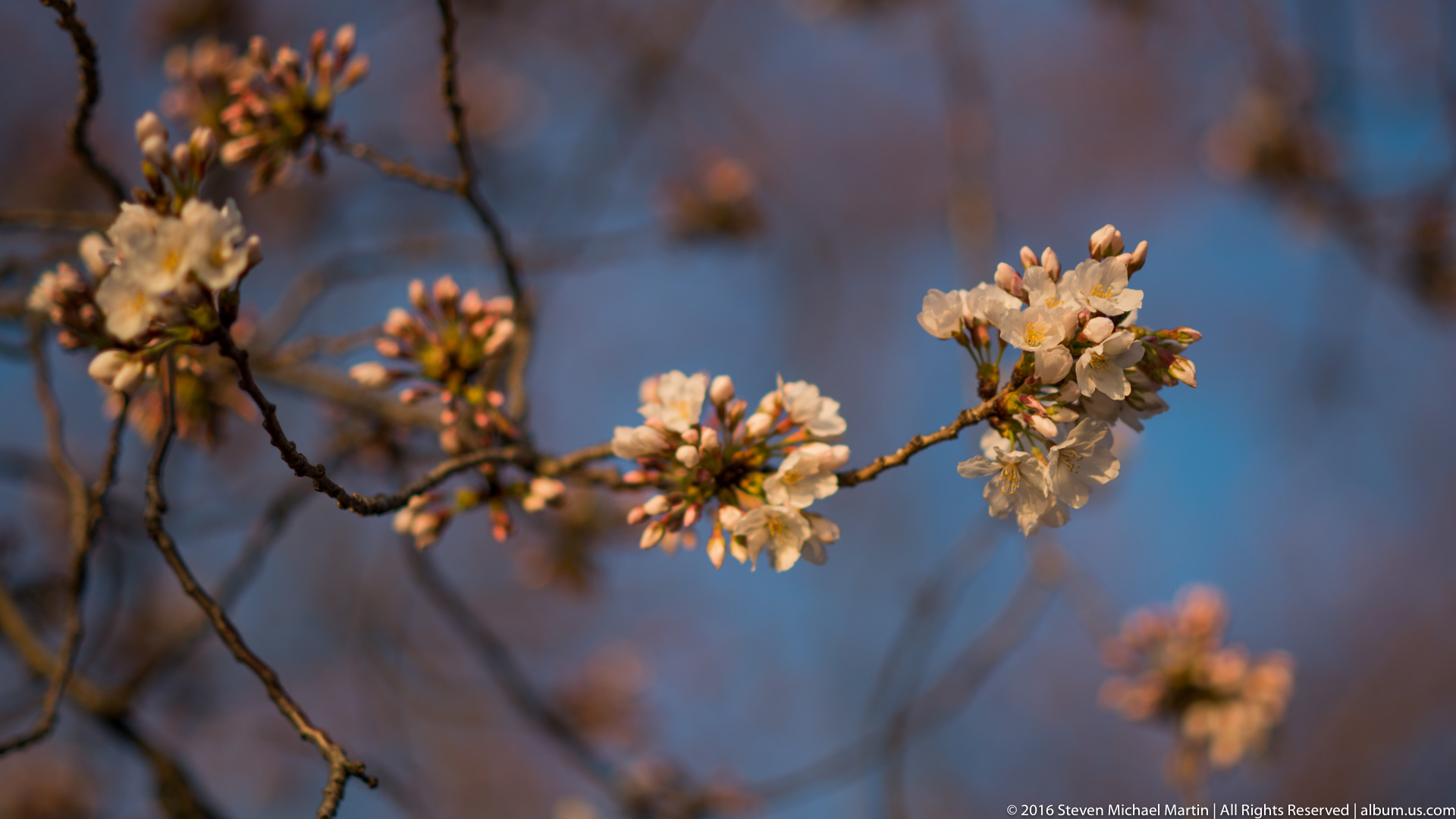
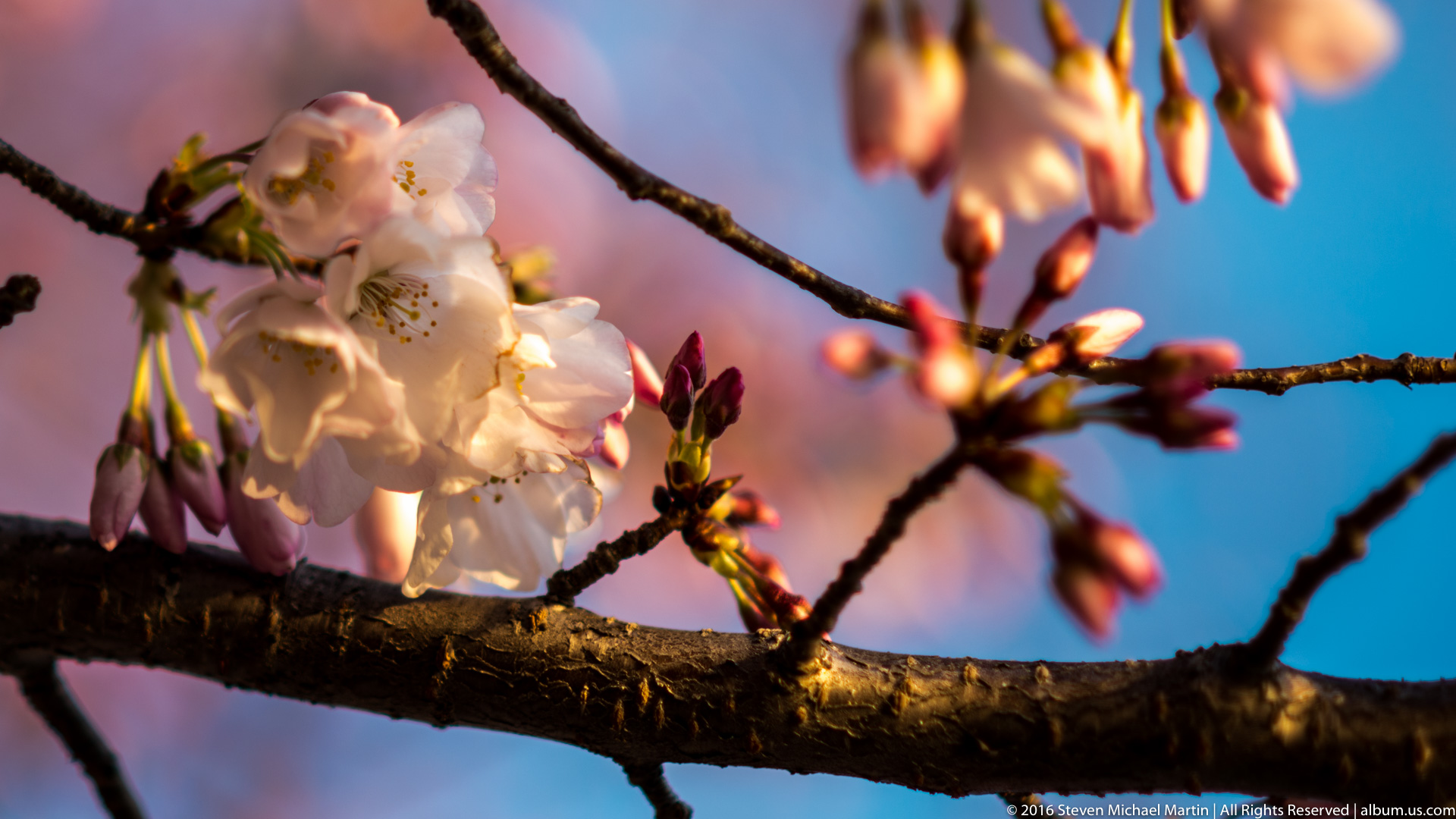
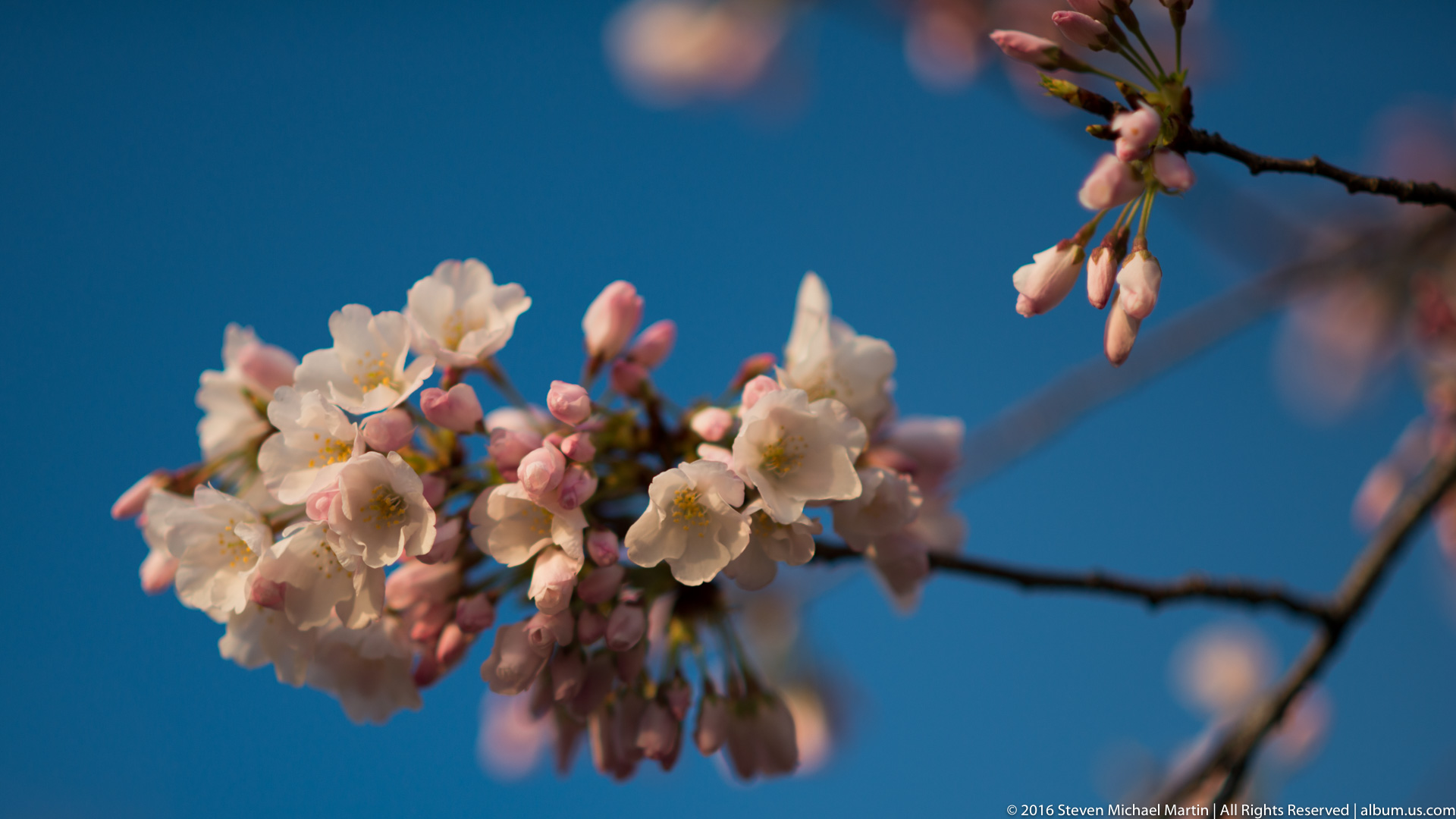
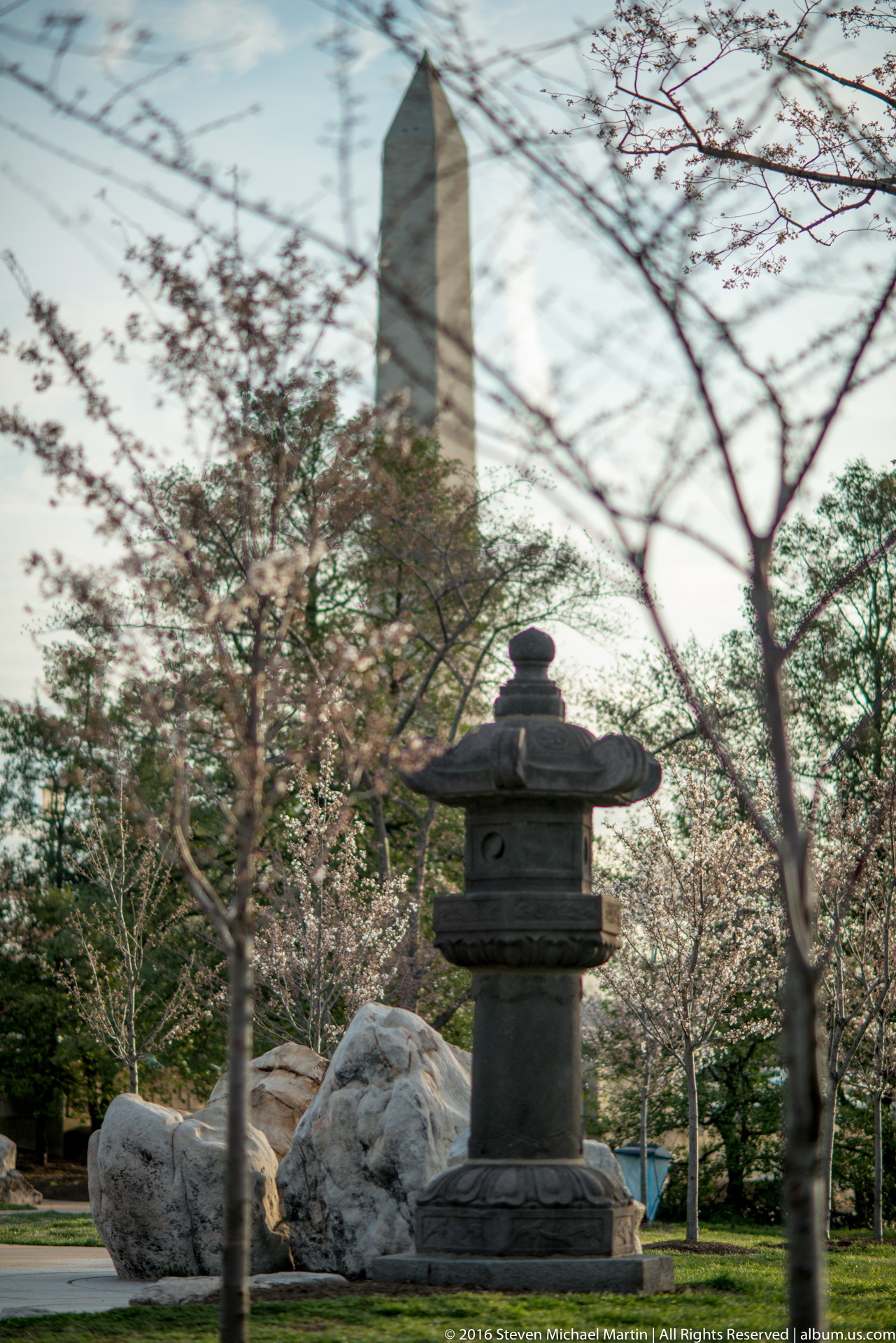
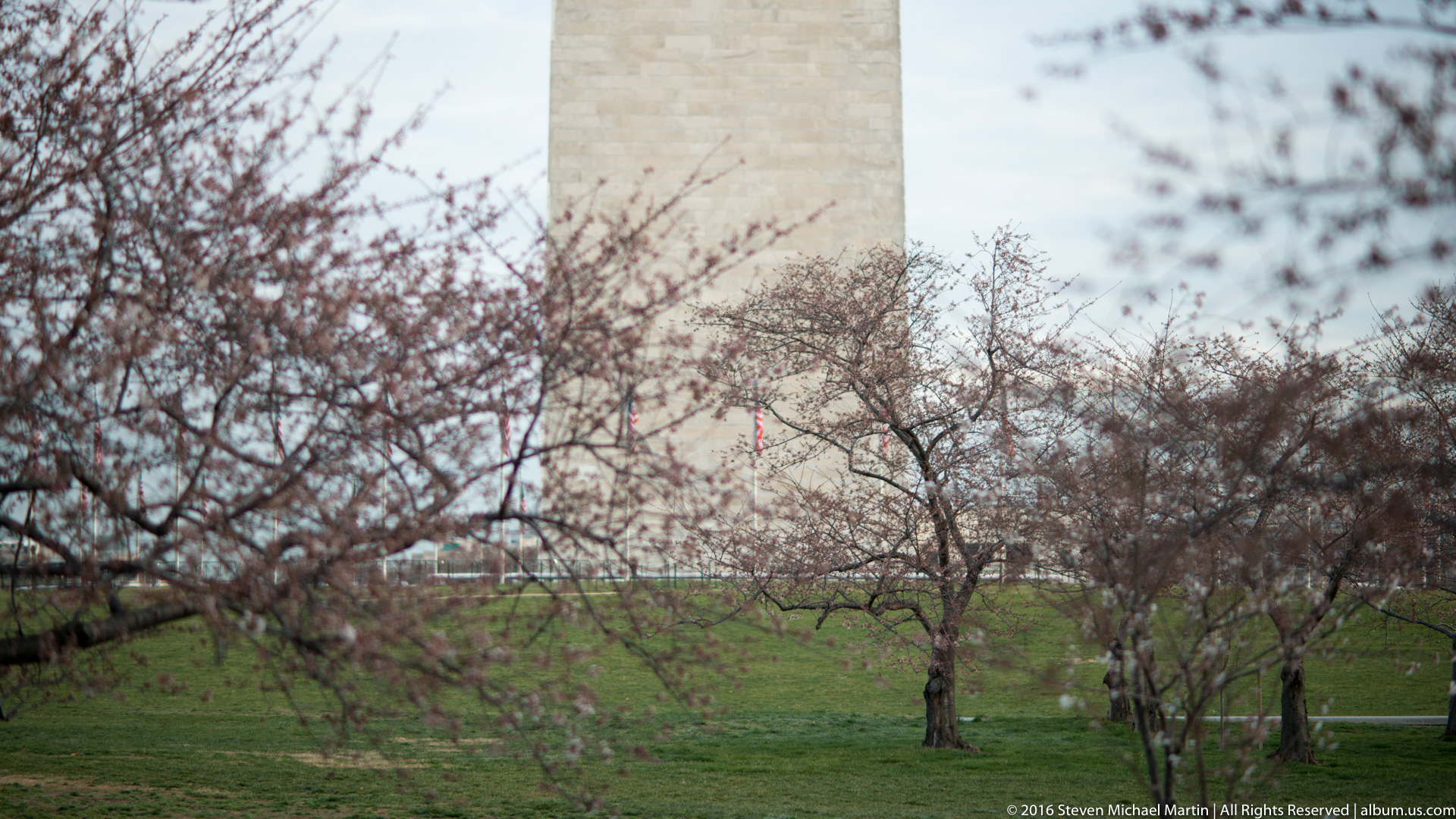
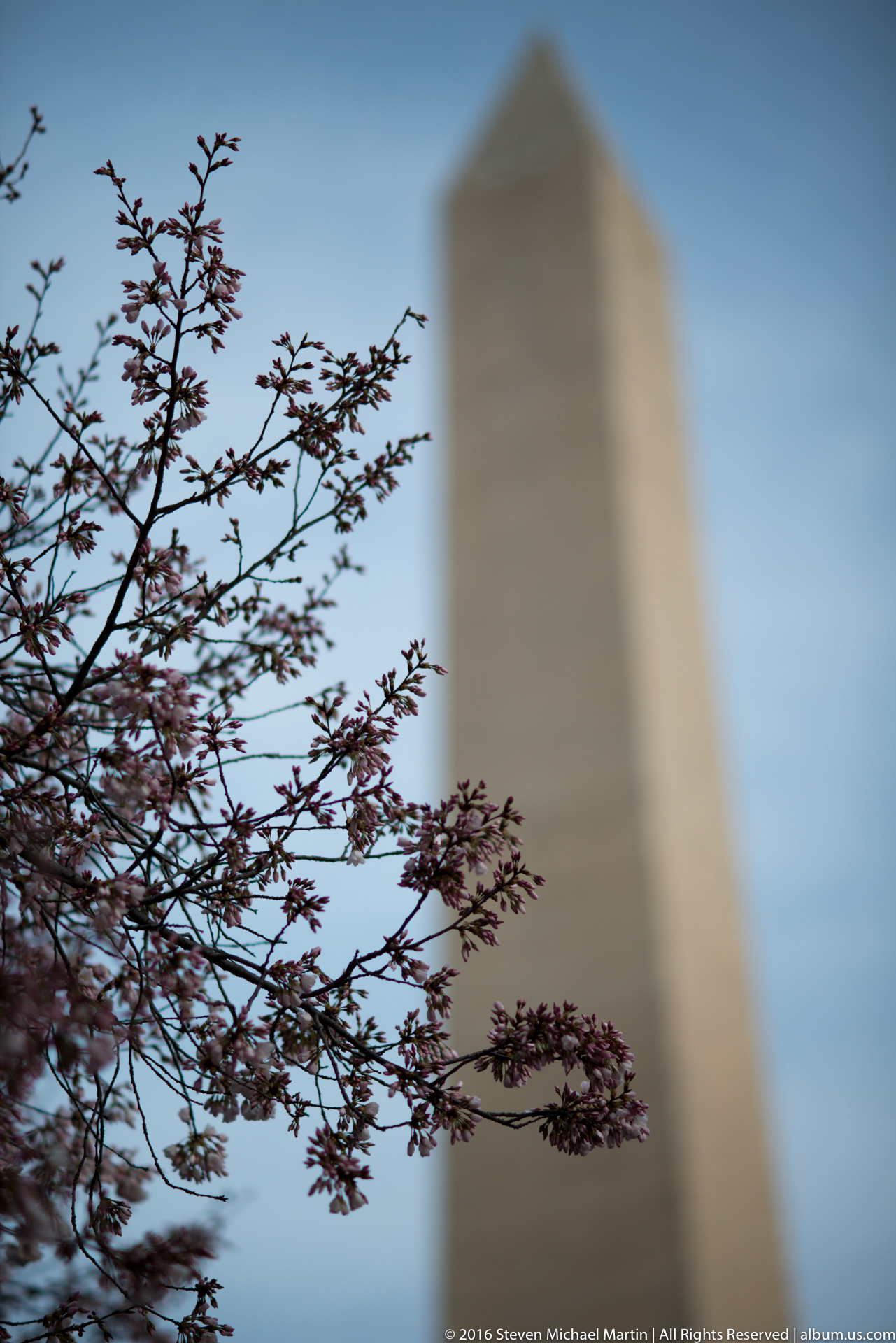
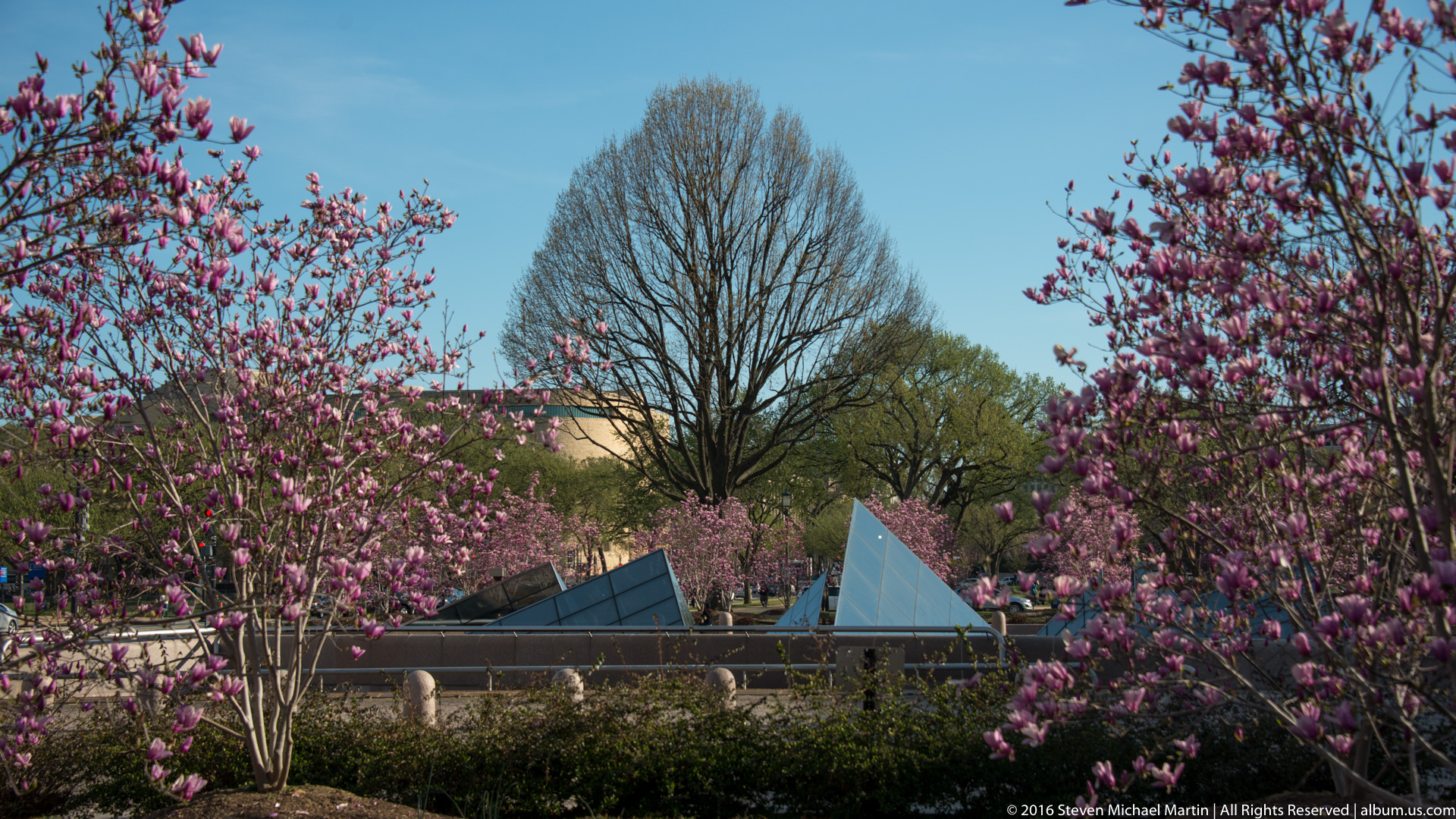
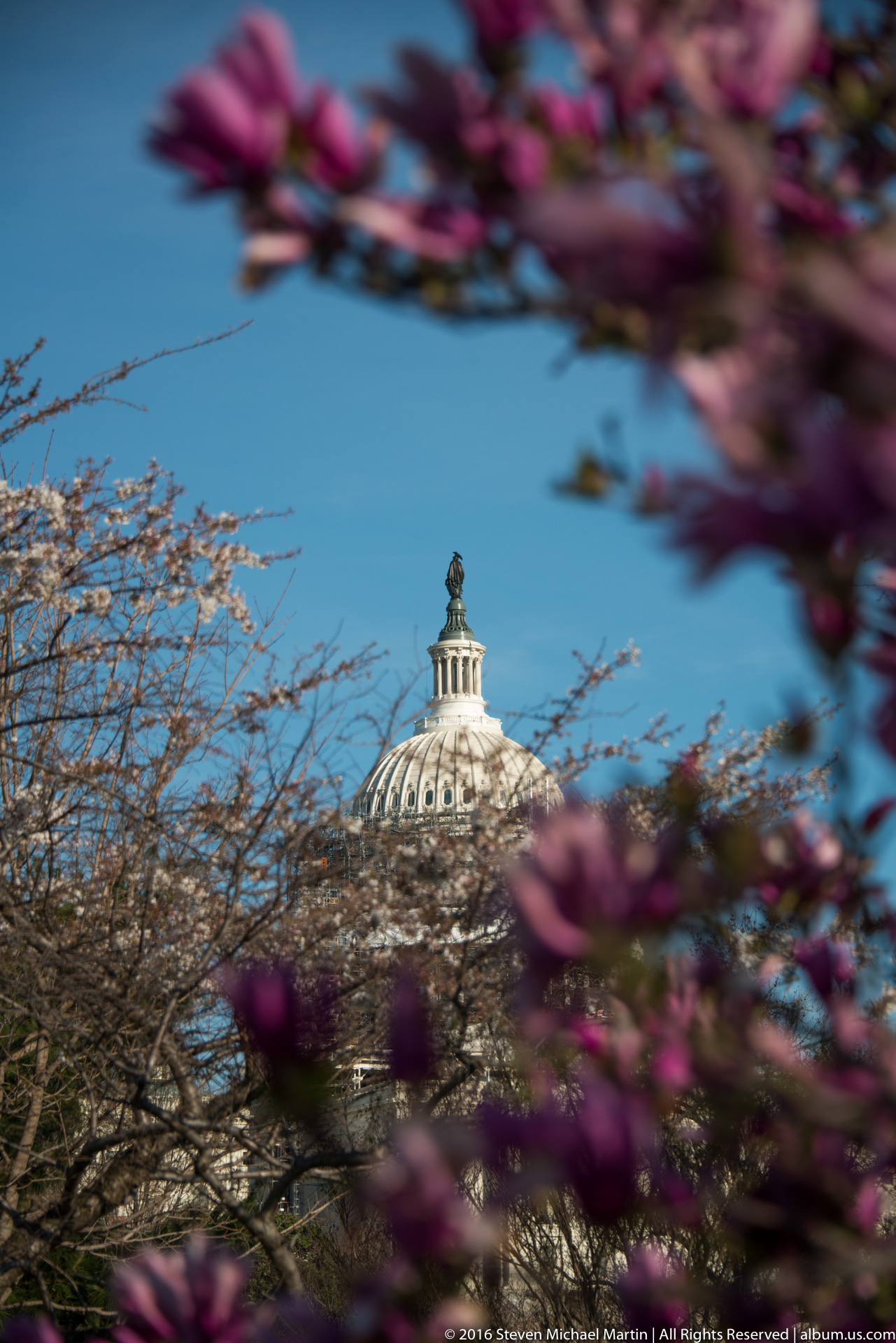
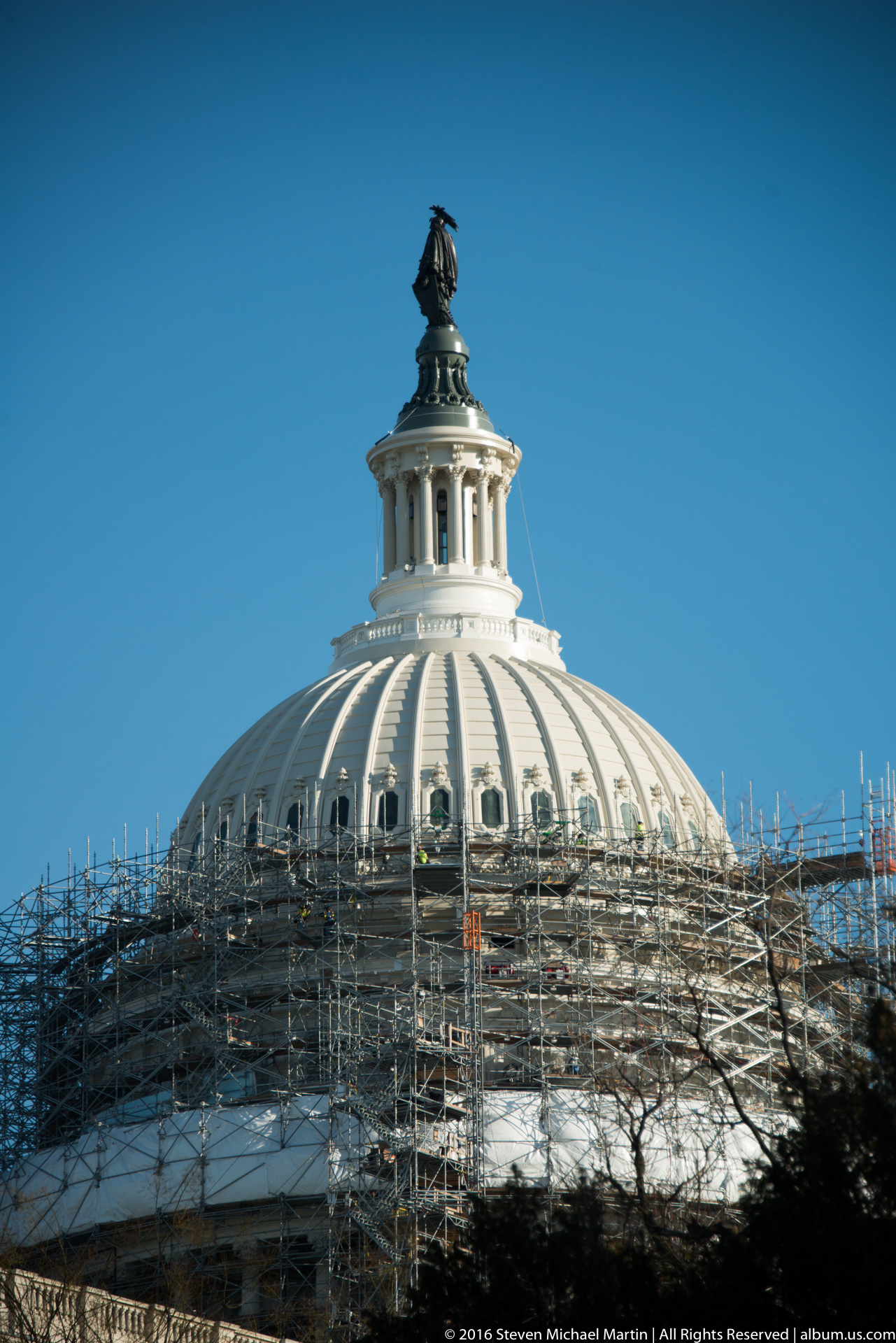
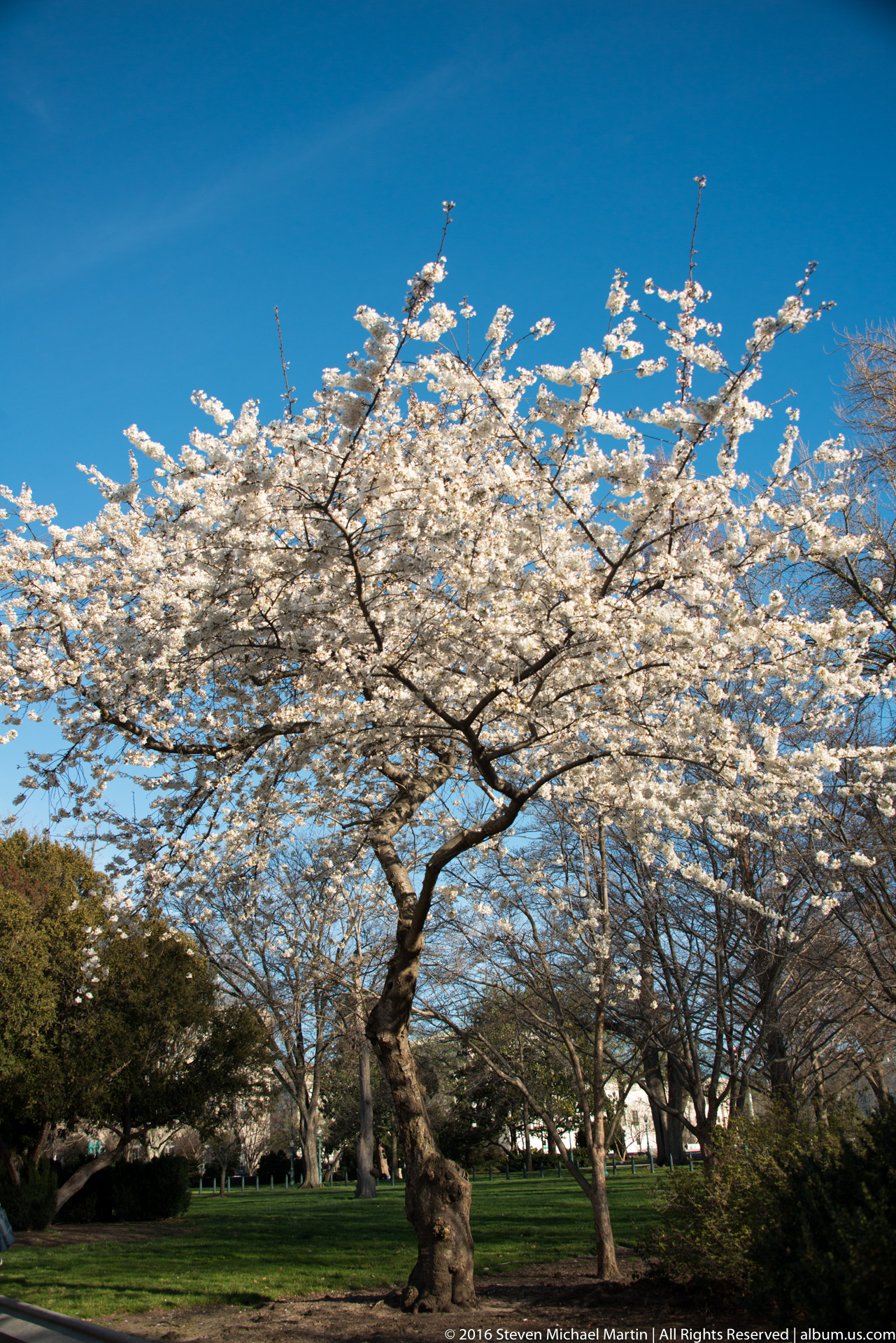
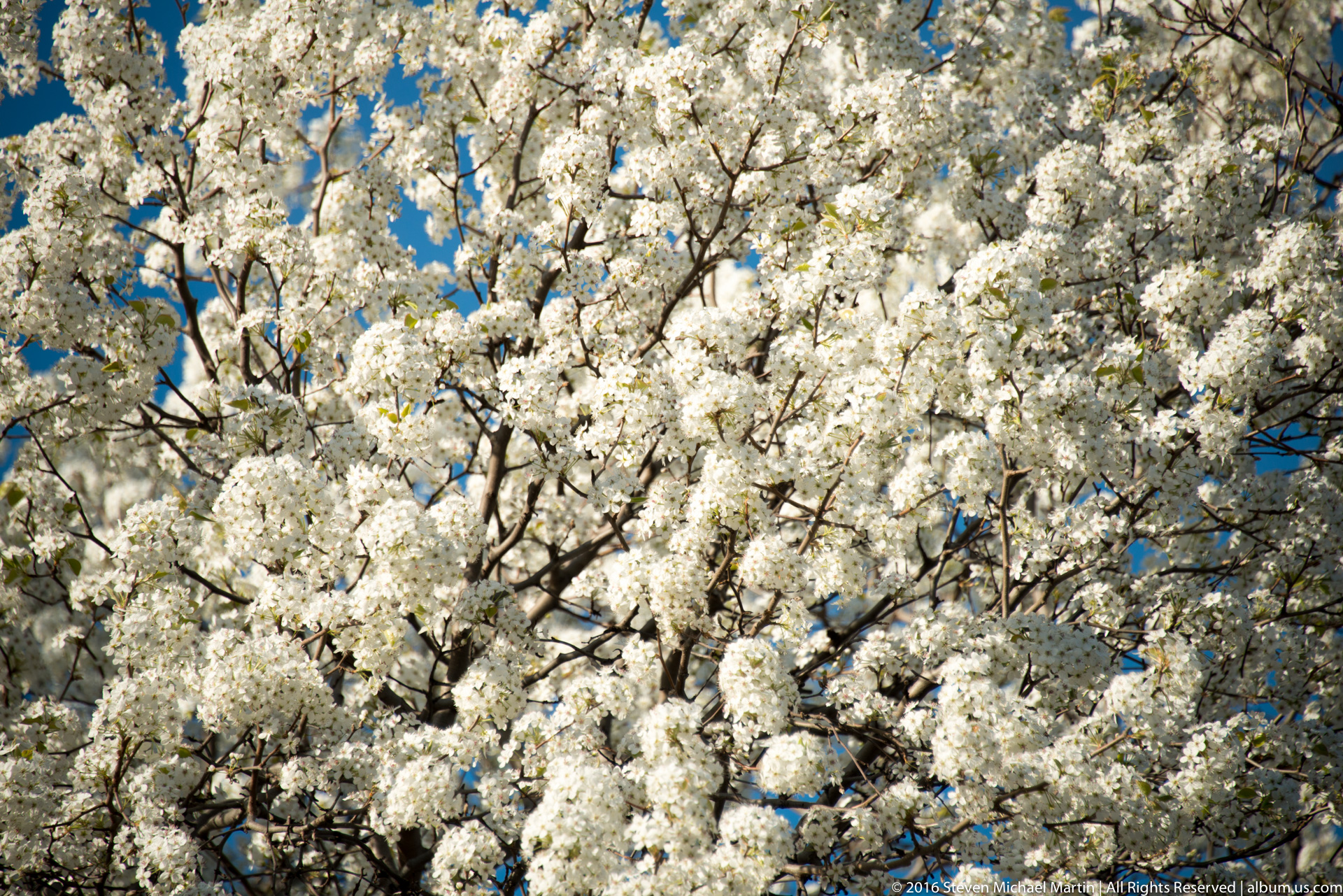
The bloom cycle typically occurs in early spring, when mild temperatures encourage flowering across the Tidal Basin, National Mall, and surrounding parkland. Variations in annual weather patterns influence the precise timing of peak bloom, resulting in subtle differences from year to year in the appearance of the landscape. The 2016 bloom season demonstrates the continuity of this annual transformation, when flowering trees soften the monumental character of neoclassical architecture through color, texture, and ephemeral seasonal contrast.
Cherry blossom season contributes to understanding how designed landscapes evolve through the layering of natural cycles and cultural tradition. The recurring return of spring reinforces the continuity between historical symbolism and environmental change within the capital. The flowering trees provide a visual reminder that even highly planned civic spaces remain connected to ecological rhythms that shape the experience of public environments.