Washington, DC
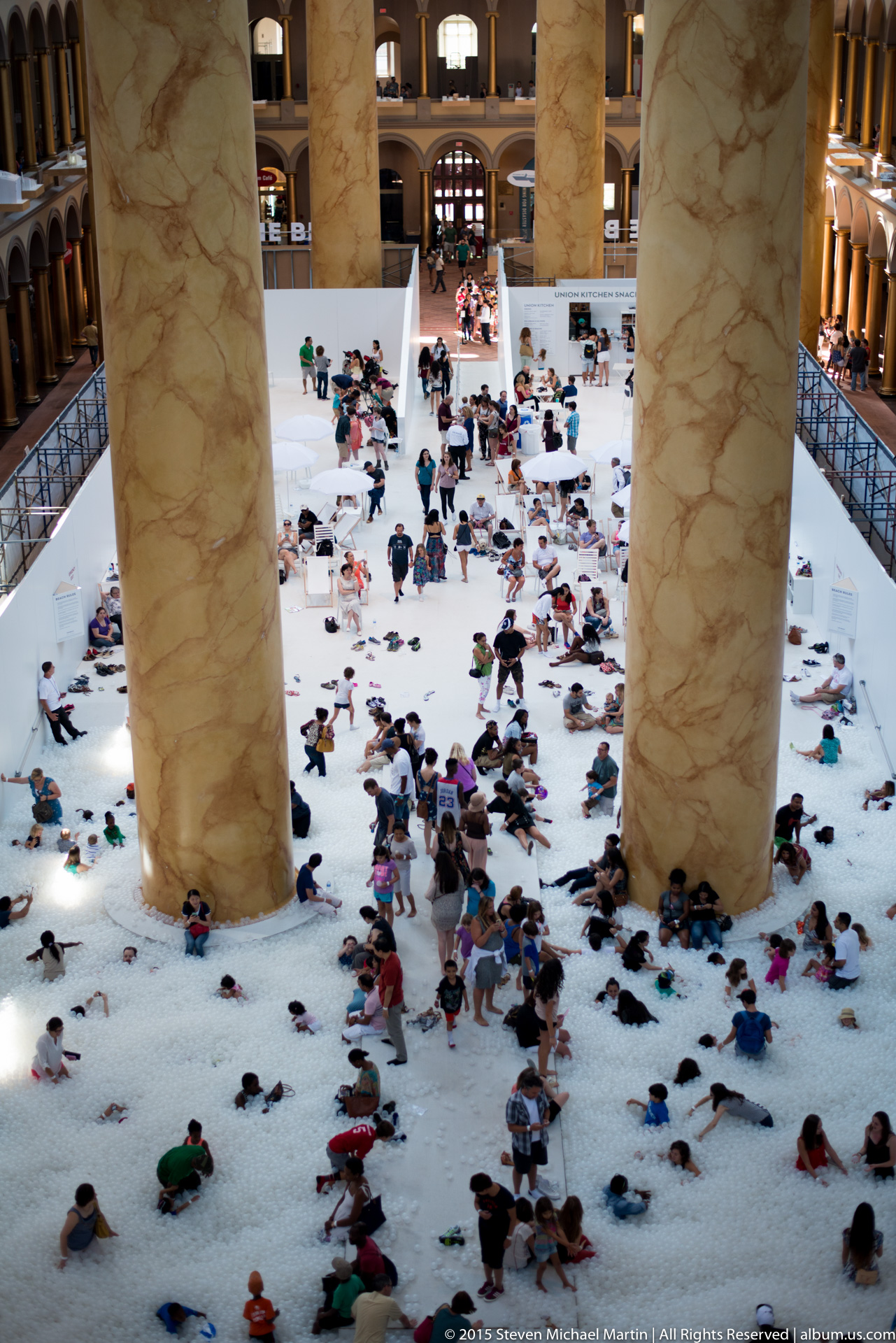
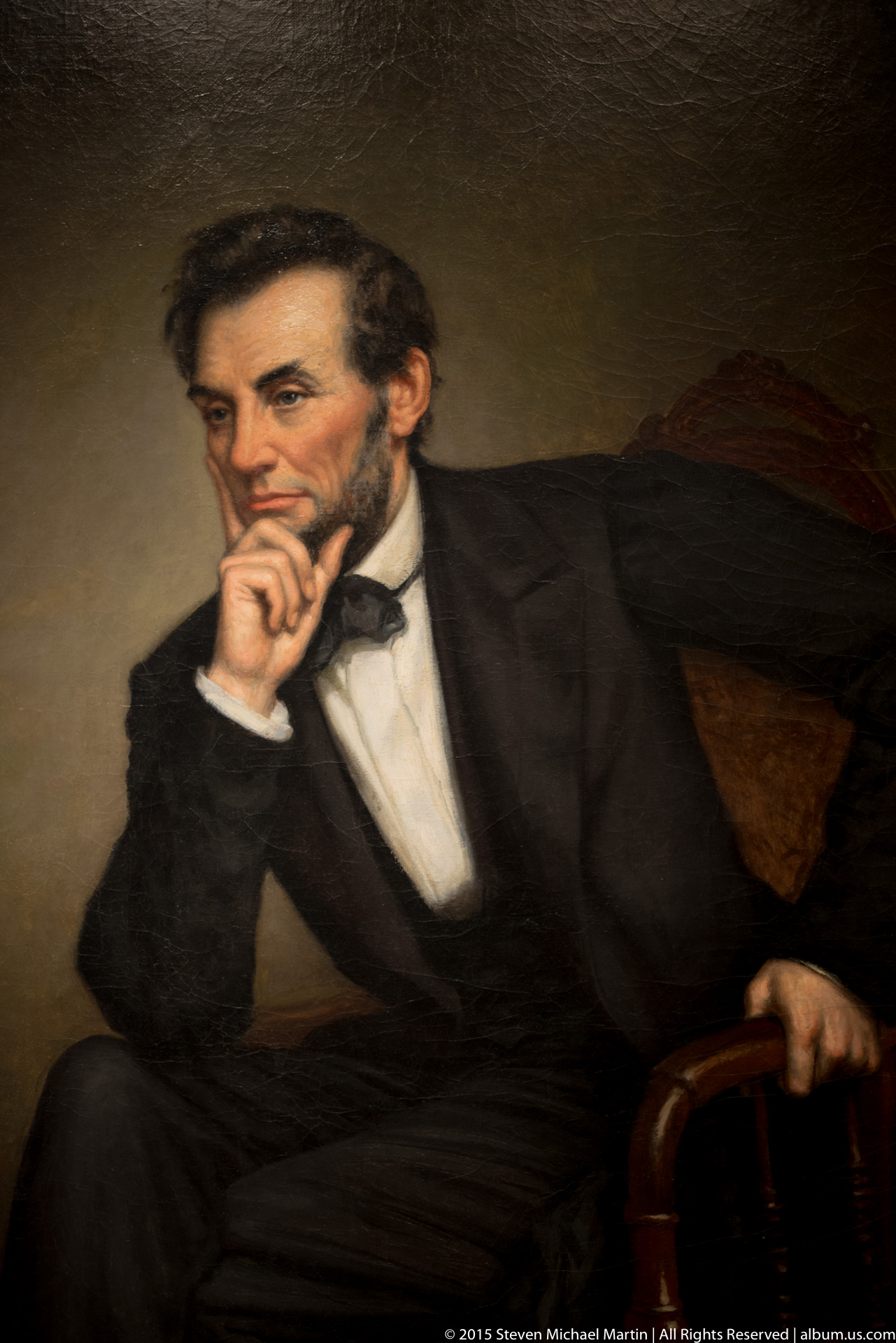
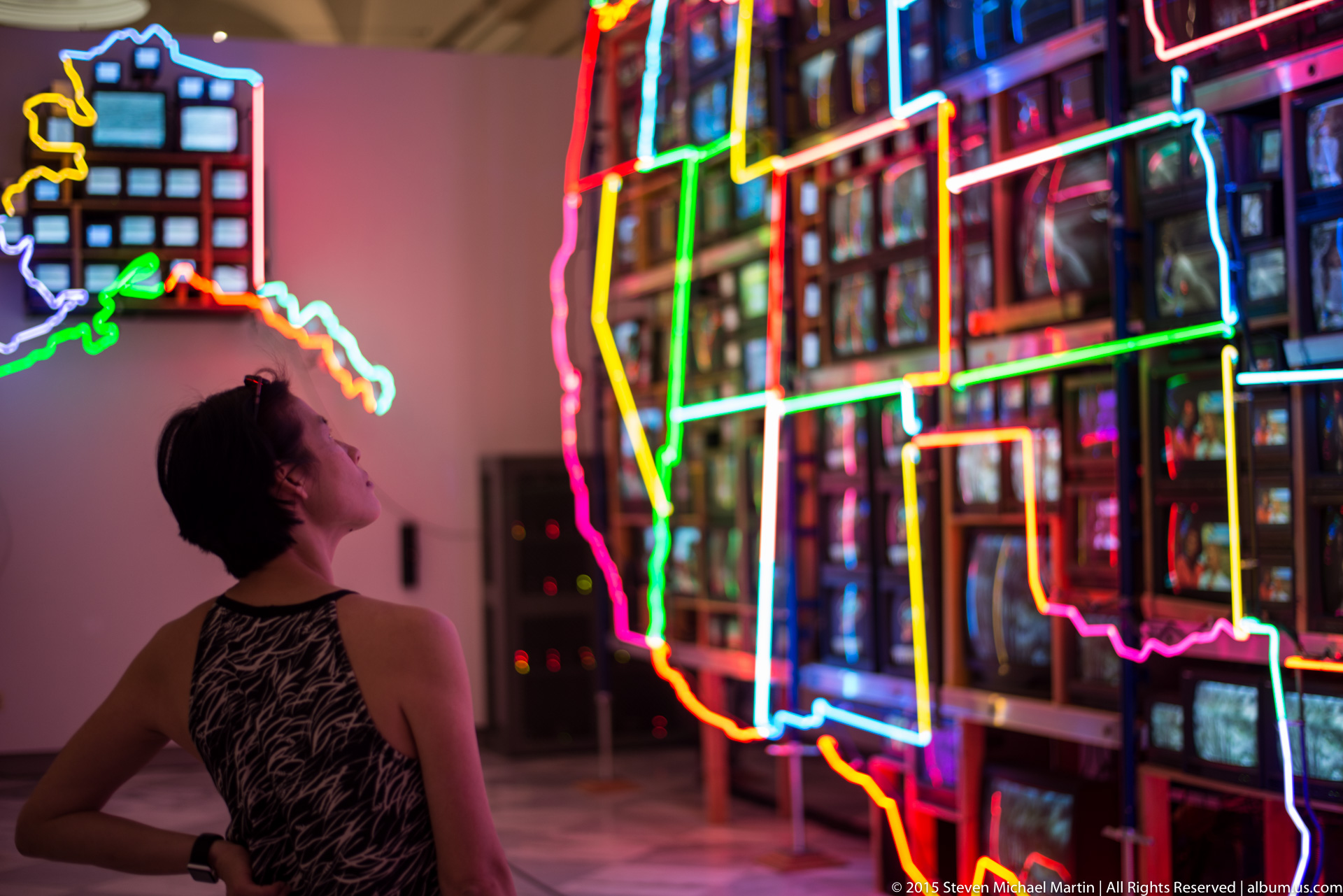
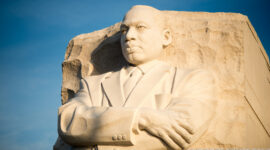
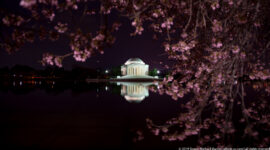
Washington, DC functions both as the political center of the United States and as a city shaped by international connections, cultural exchange, and personal relationships that extend beyond national borders. Planned in the late eighteenth century as a symbolic capital, the city integrates monumental architecture with residential neighborhoods and public spaces that support daily life. Its museums, memorials, and civic institutions reflect the historical development of the nation while also serving as gathering places for visitors from across the United States and around the world.
Visits shared with friends illustrate how the capital provides a setting in which personal relationships intersect with historic landscapes. Time spent together in Washington forms part of broader patterns of travel that extend beyond the United States, reinforcing the continuity between domestic and international exploration documented throughout the portfolio. Experiencing the city with returning travel companions emphasizes how familiar environments can acquire additional meaning when revisited across different stages of shared journeys.
Washington, DC contributes to understanding how national capitals function not only as centers of government but also as places of ongoing cultural interaction and personal memory. The city’s historic and architectural environments provide continuity between public history and lived experience, illustrating how individual narratives unfold within landscapes shaped by political and cultural development. Such visits reinforce the relationship between travel, friendship, and the documentation of place across time.