Abraham Lincoln Birthplace National Historical Park
Abraham Lincoln Birthplace National Historical Park preserves the location traditionally recognized as the birthplace of the 16th President of the United States. Situated in the rolling countryside of central Kentucky, the site commemorates Lincoln’s humble beginnings and the formative environment that shaped his early character. The memorial reflects the national reverence for Lincoln’s legacy and the enduring significance of his leadership during one of the most challenging periods in American history.
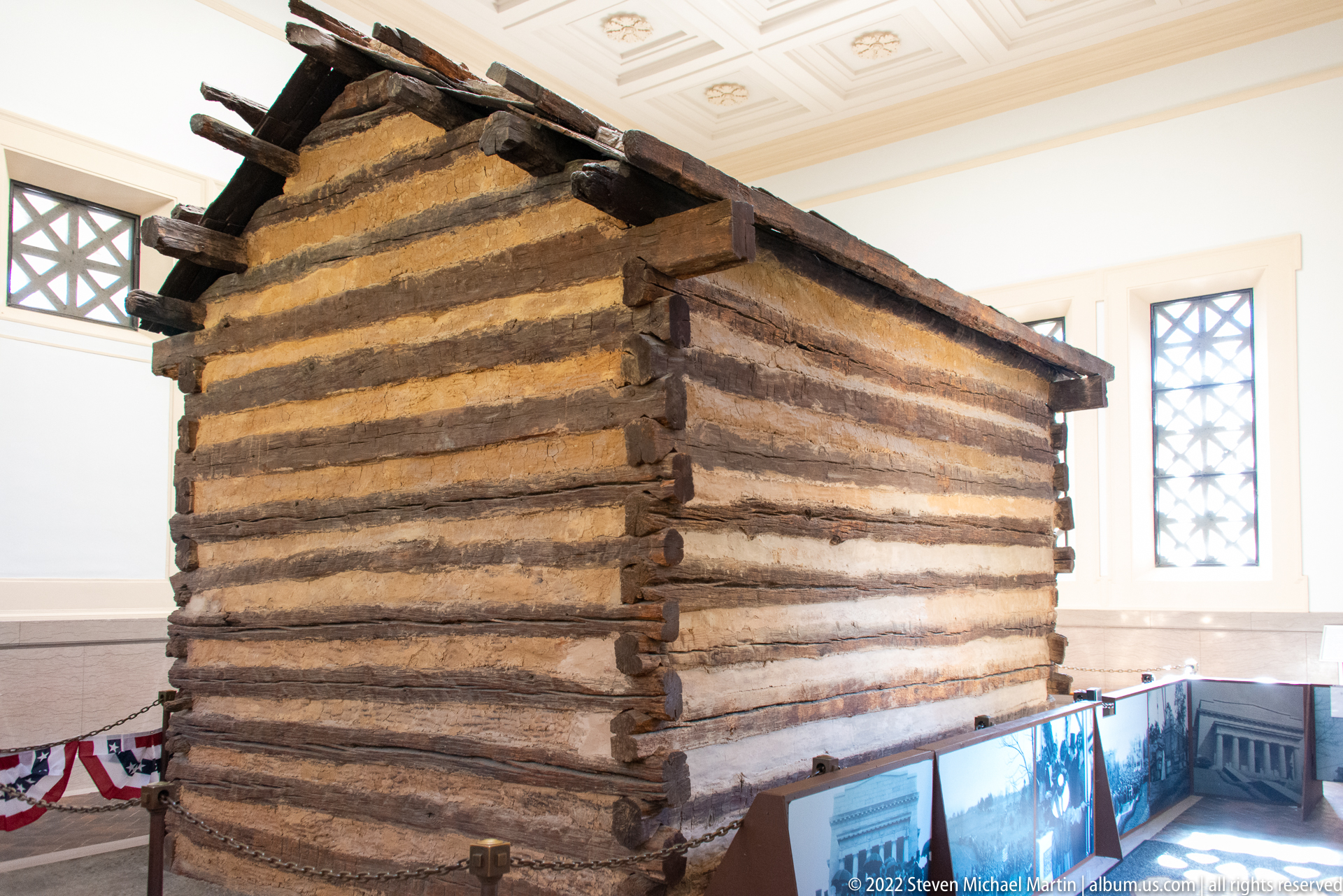
The central feature of the park is the symbolic memorial building that houses a reconstructed log cabin representing the type of structure in which Lincoln was born. Designed in a neoclassical style, the memorial emphasizes both solemnity and historical reflection. The surrounding landscape evokes the rural frontier conditions experienced by Lincoln’s family, highlighting the challenges and opportunities present in early nineteenth-century America.
Visitors experience a contemplative setting that encourages reflection on Lincoln’s journey from frontier beginnings to national leadership. Interpretive exhibits provide context for Lincoln’s early life, while the quiet surroundings reinforce the importance of perseverance, education, and civic responsibility in shaping the nation’s history.
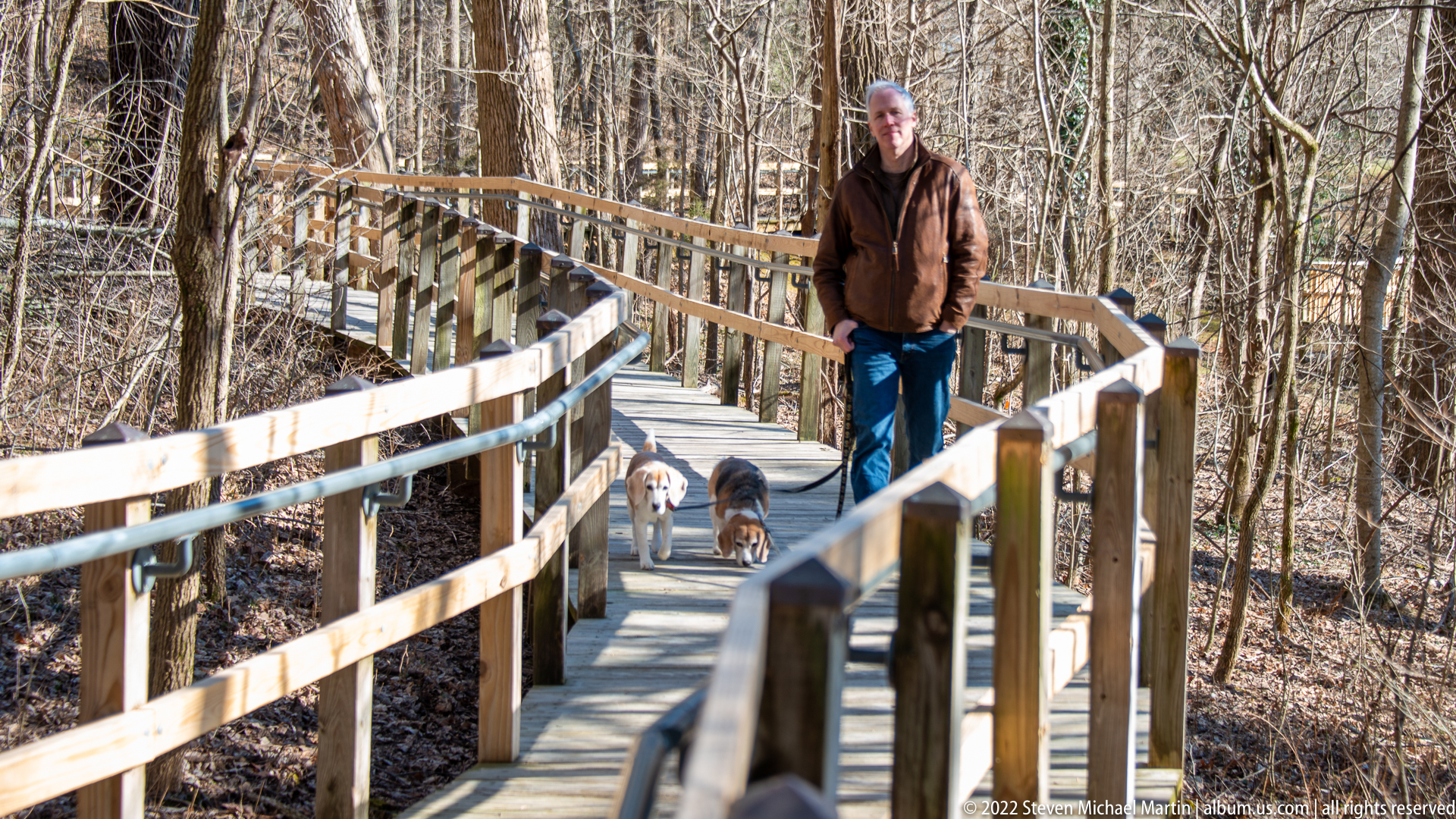
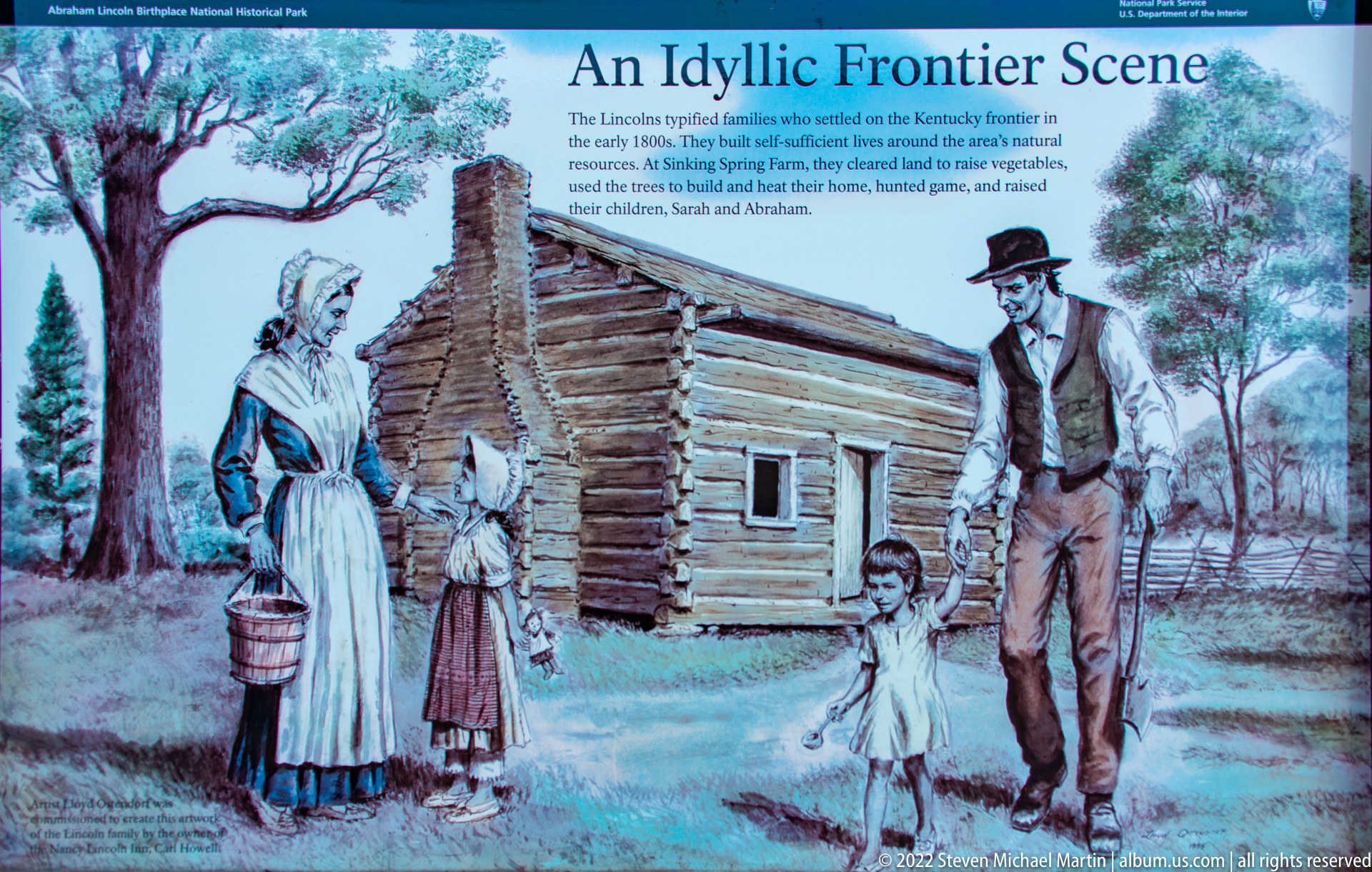
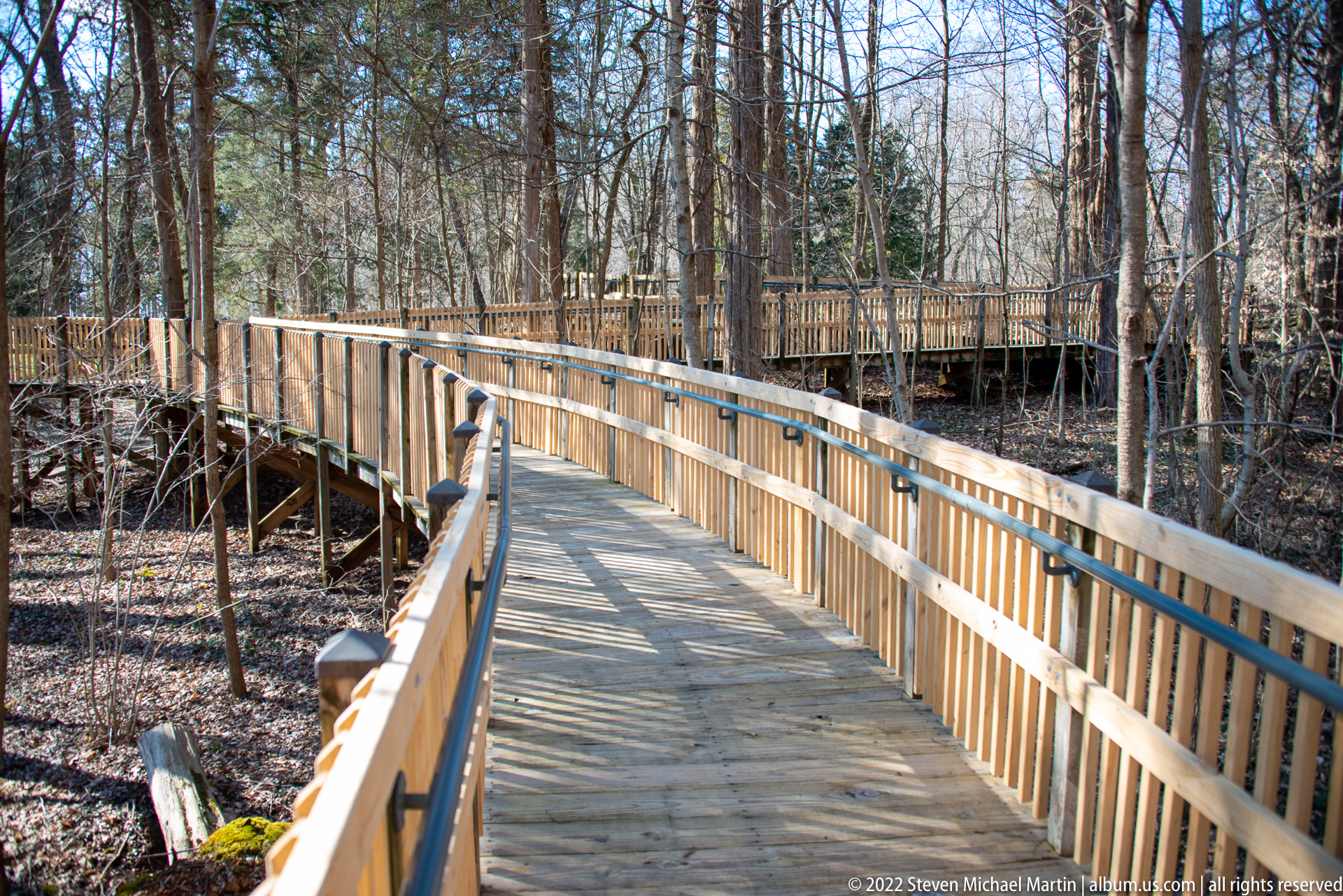
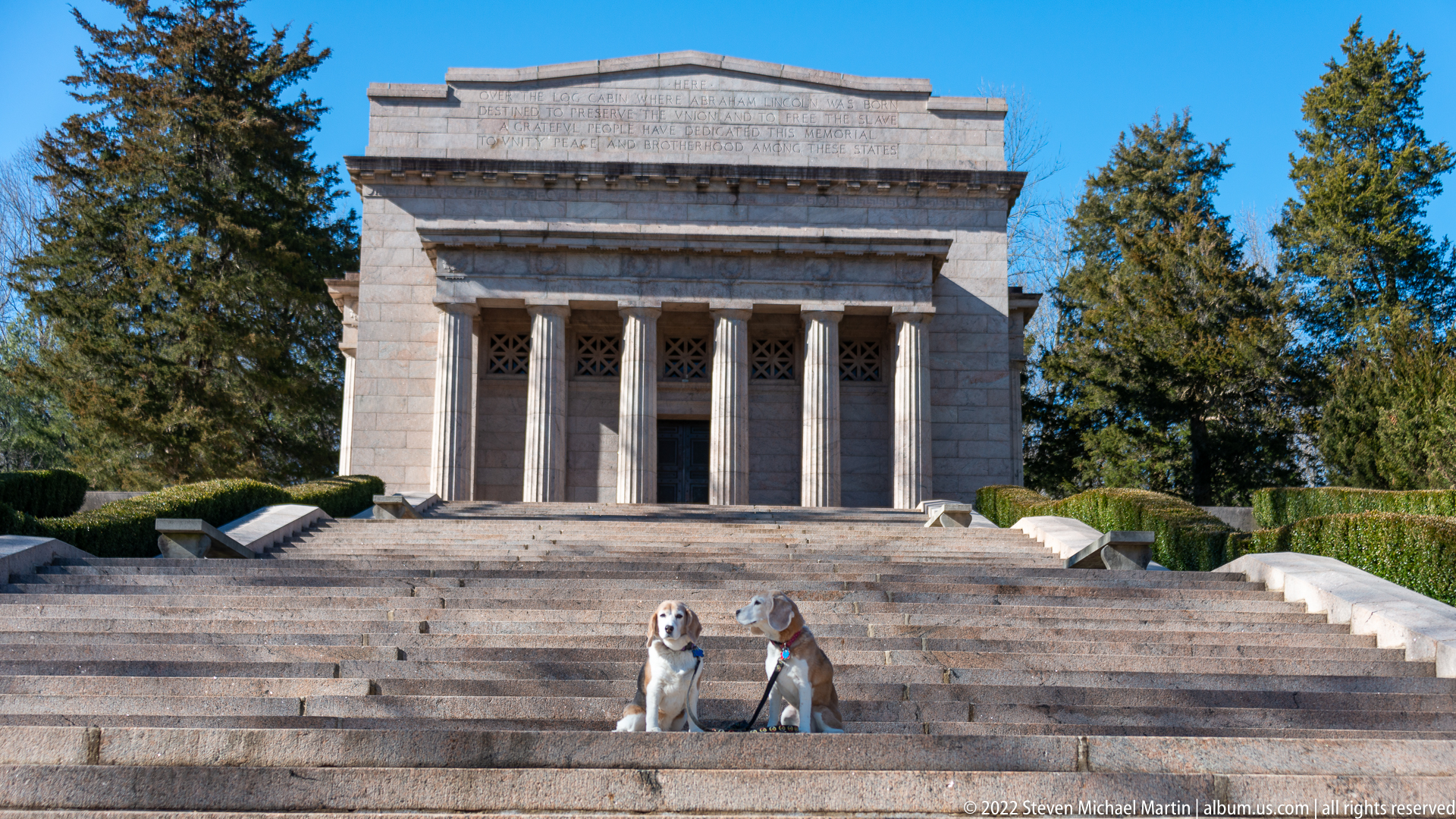
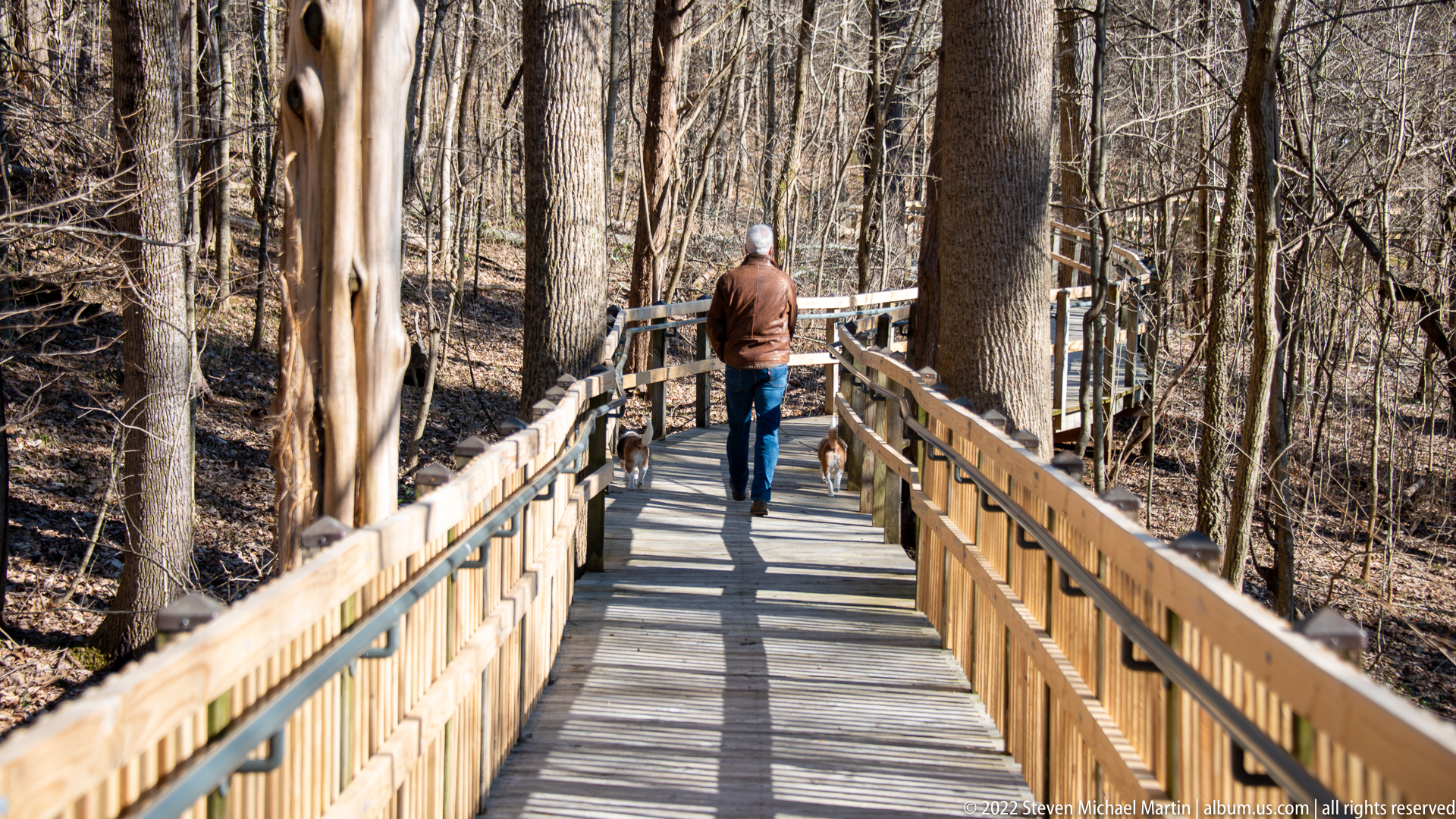
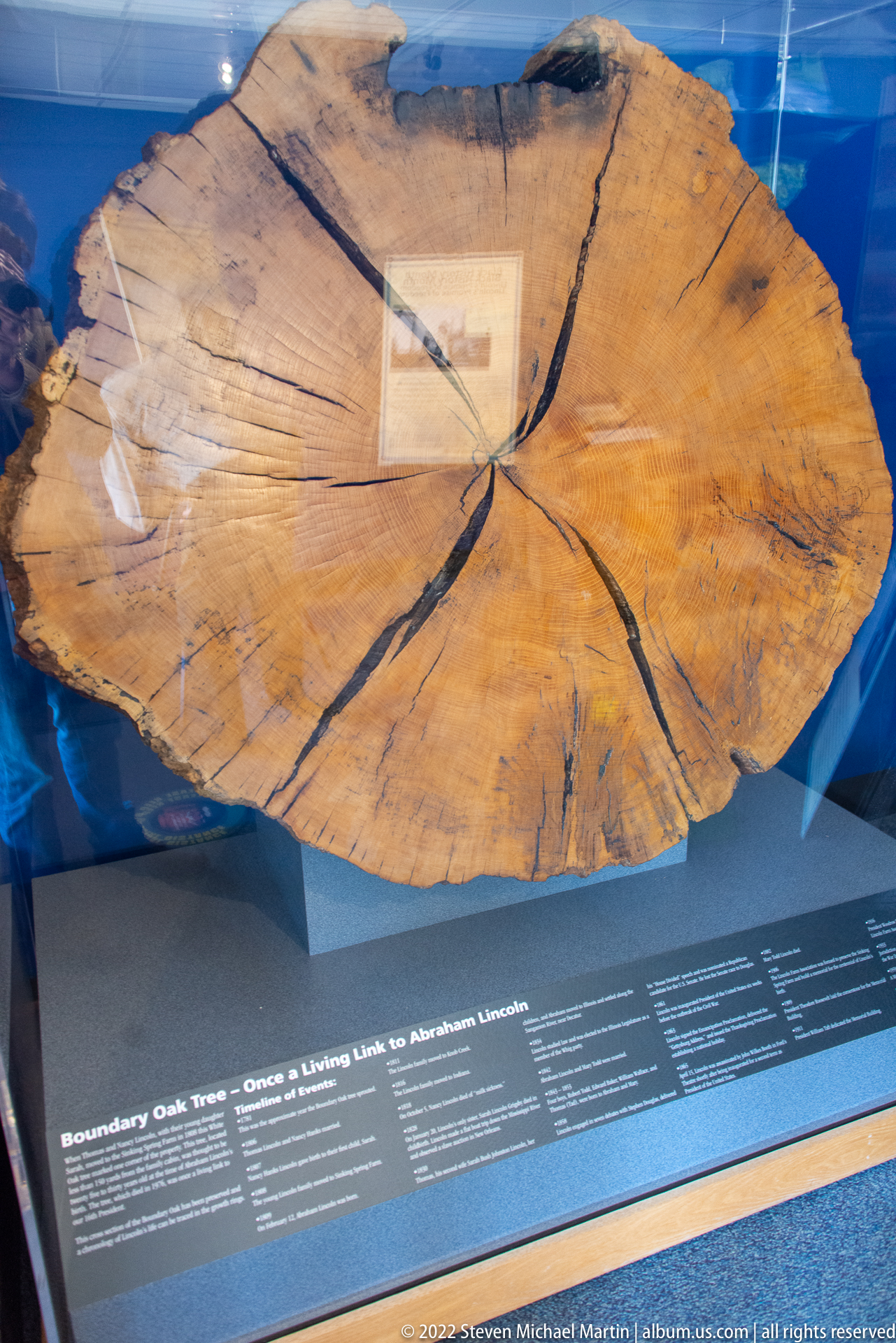
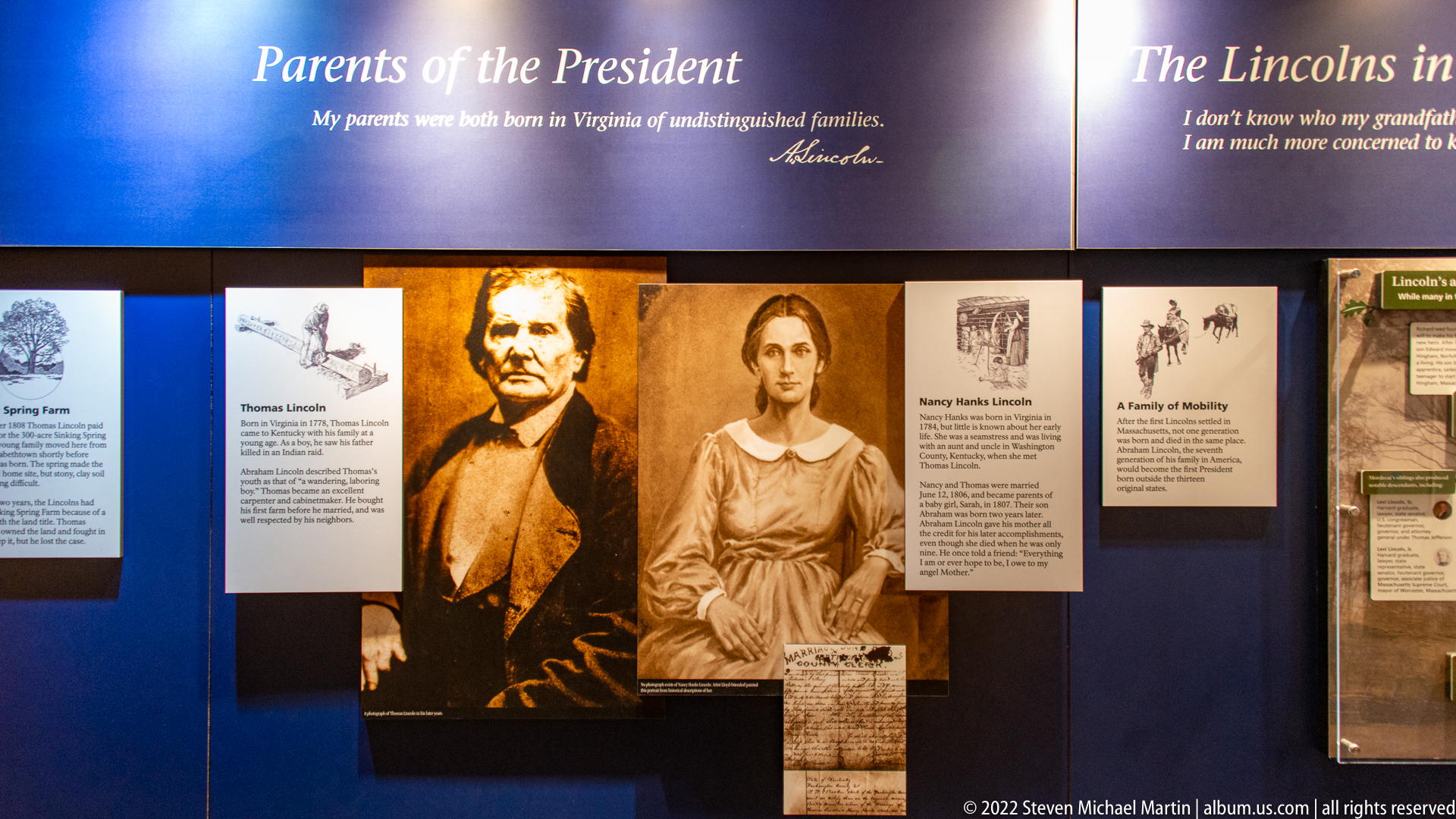
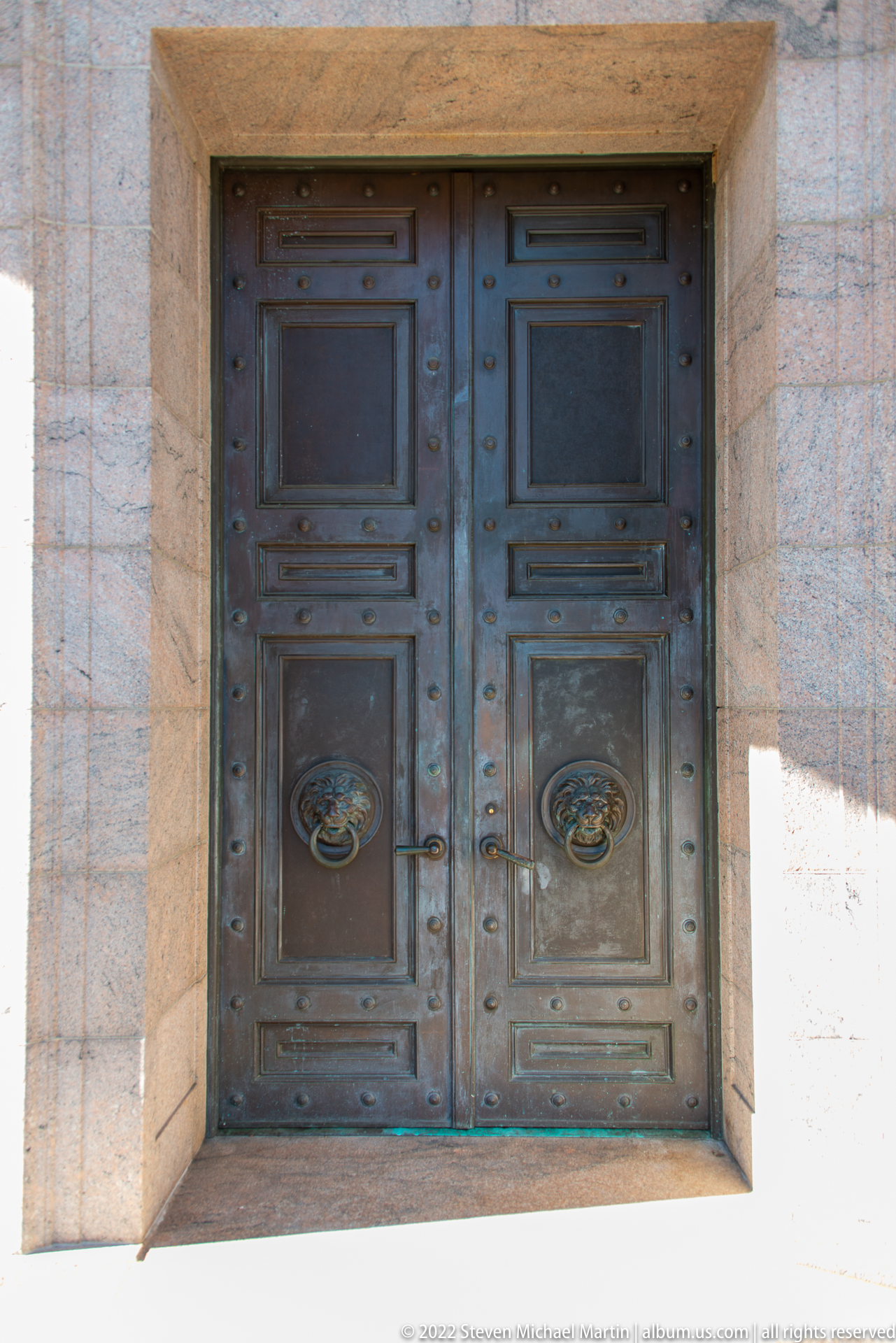
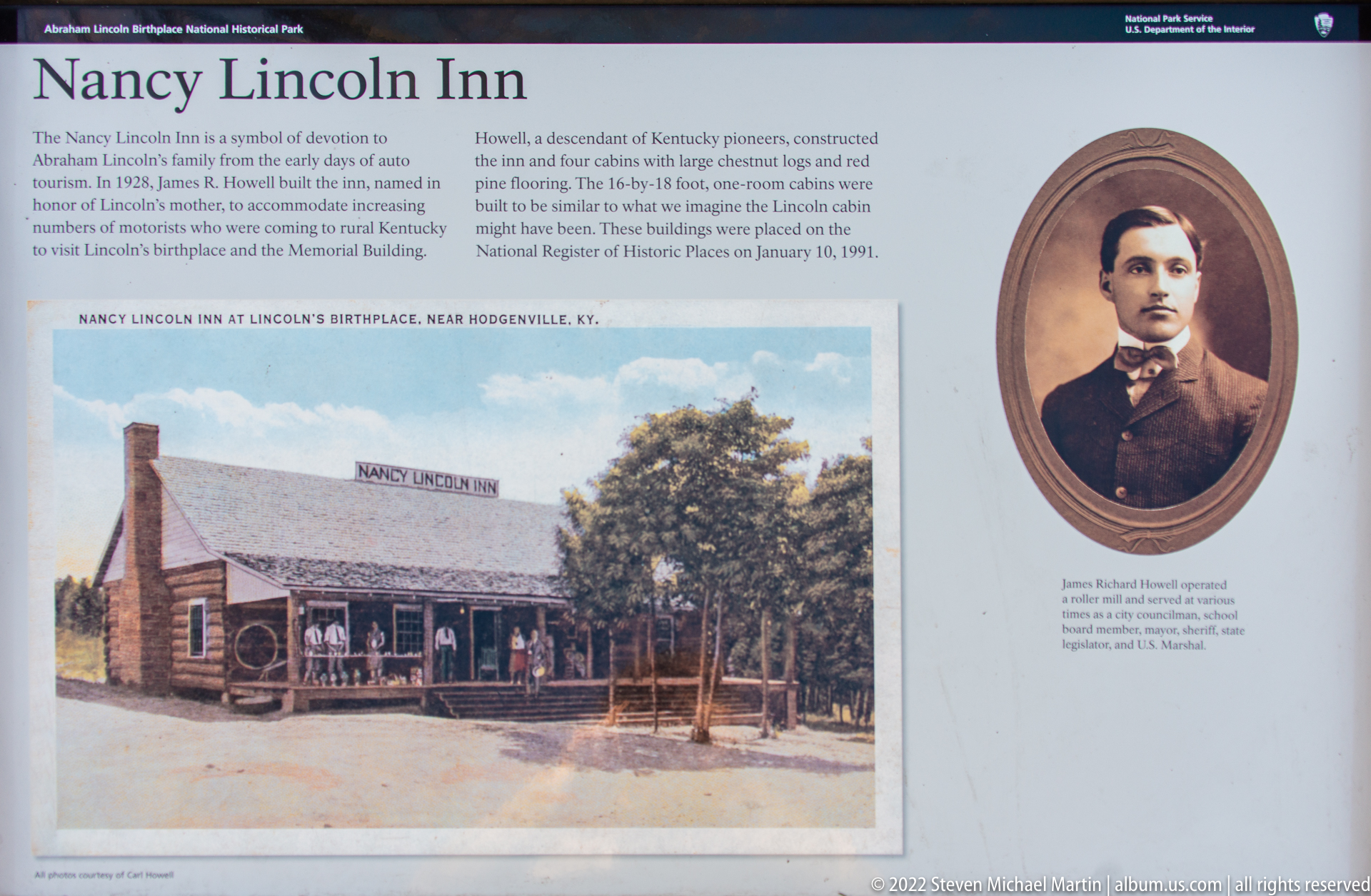
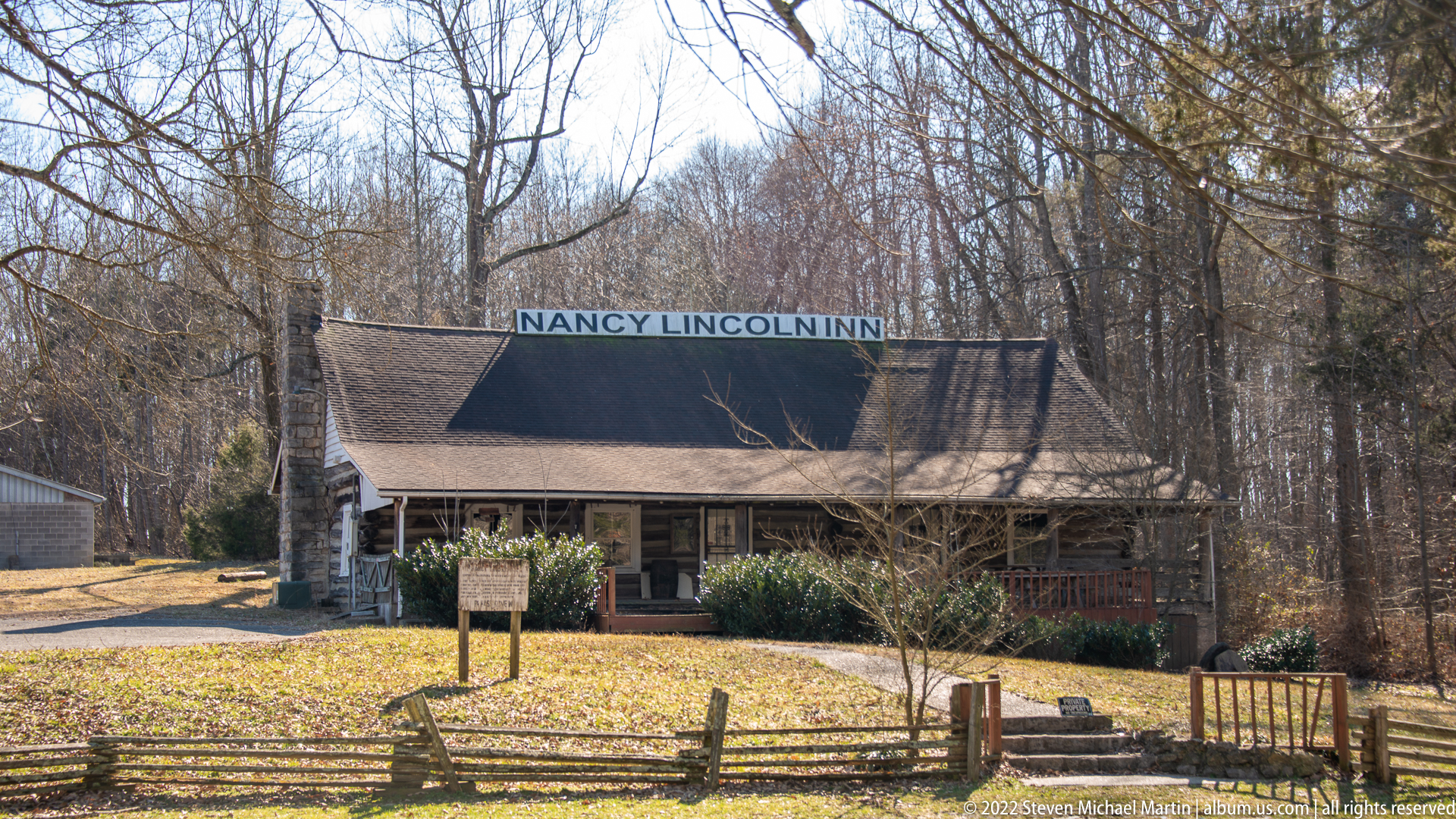
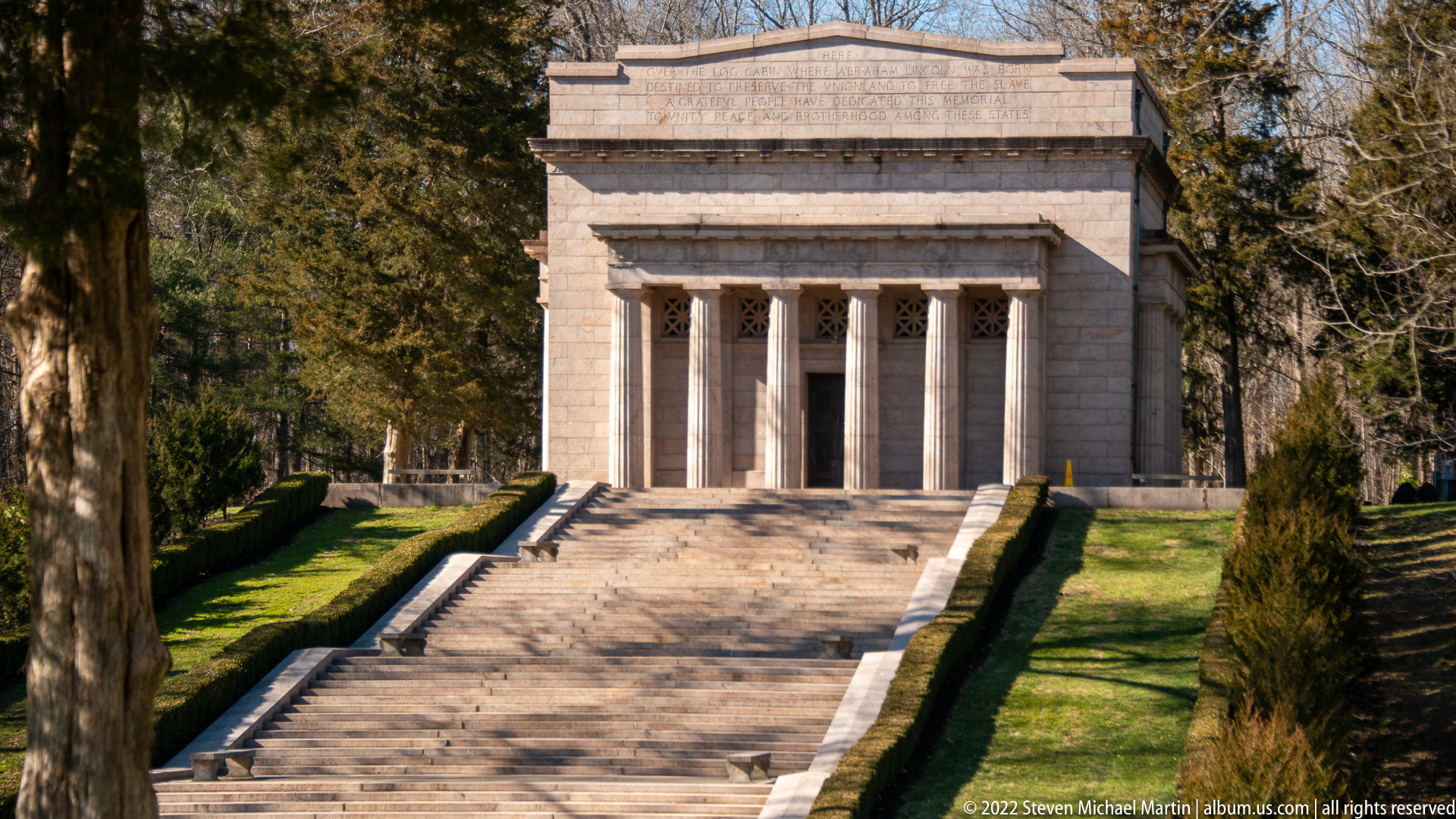
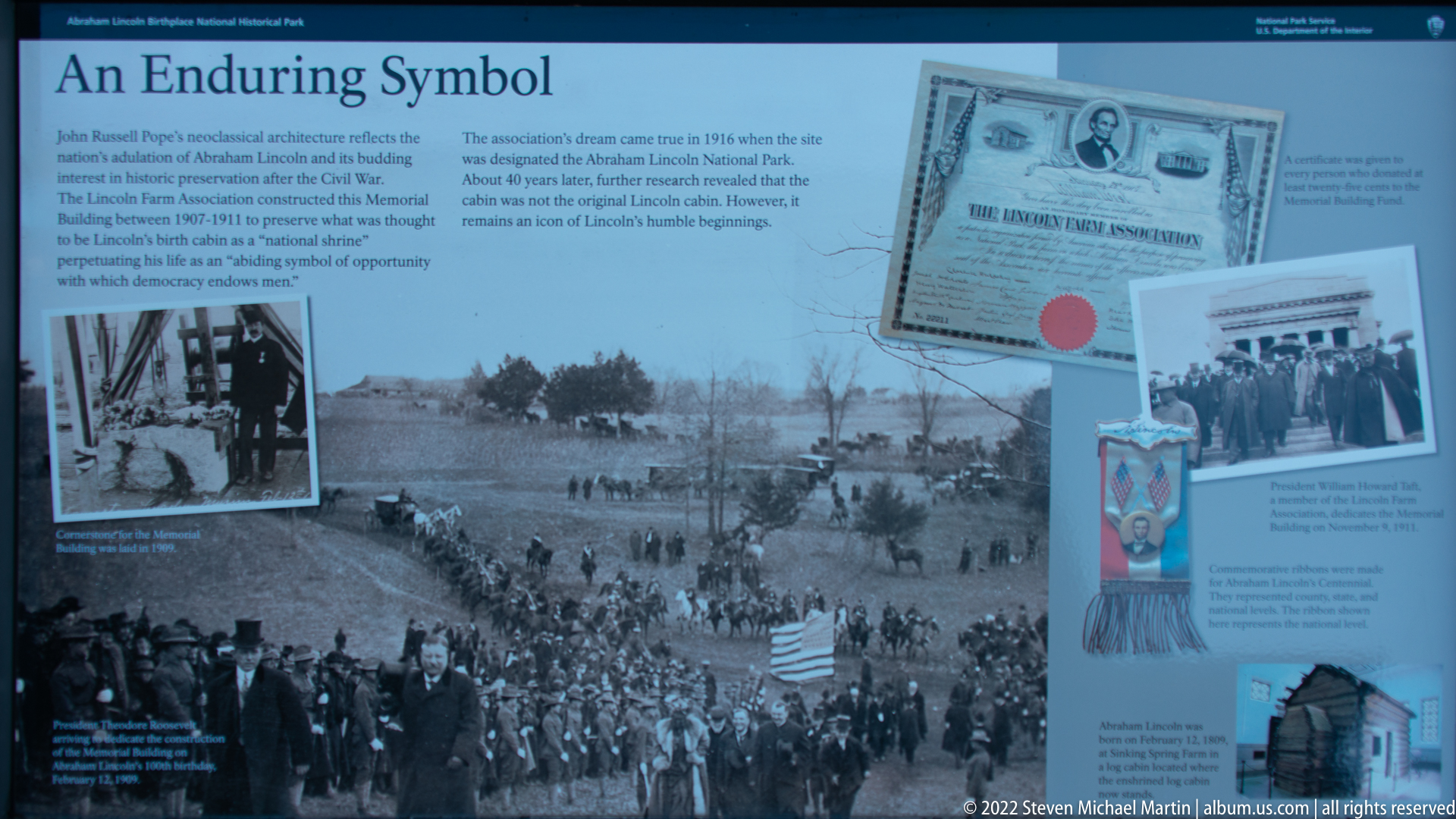
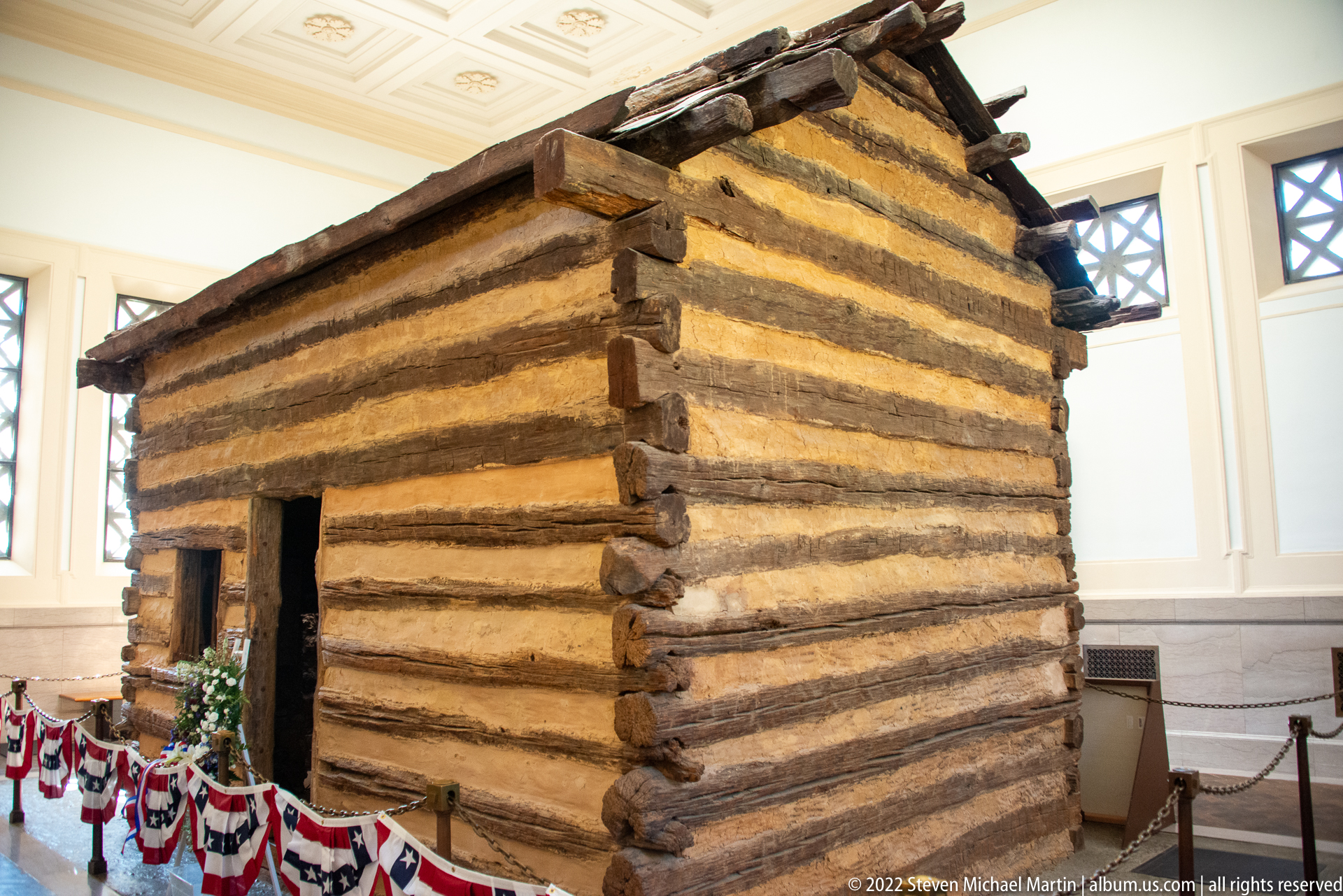
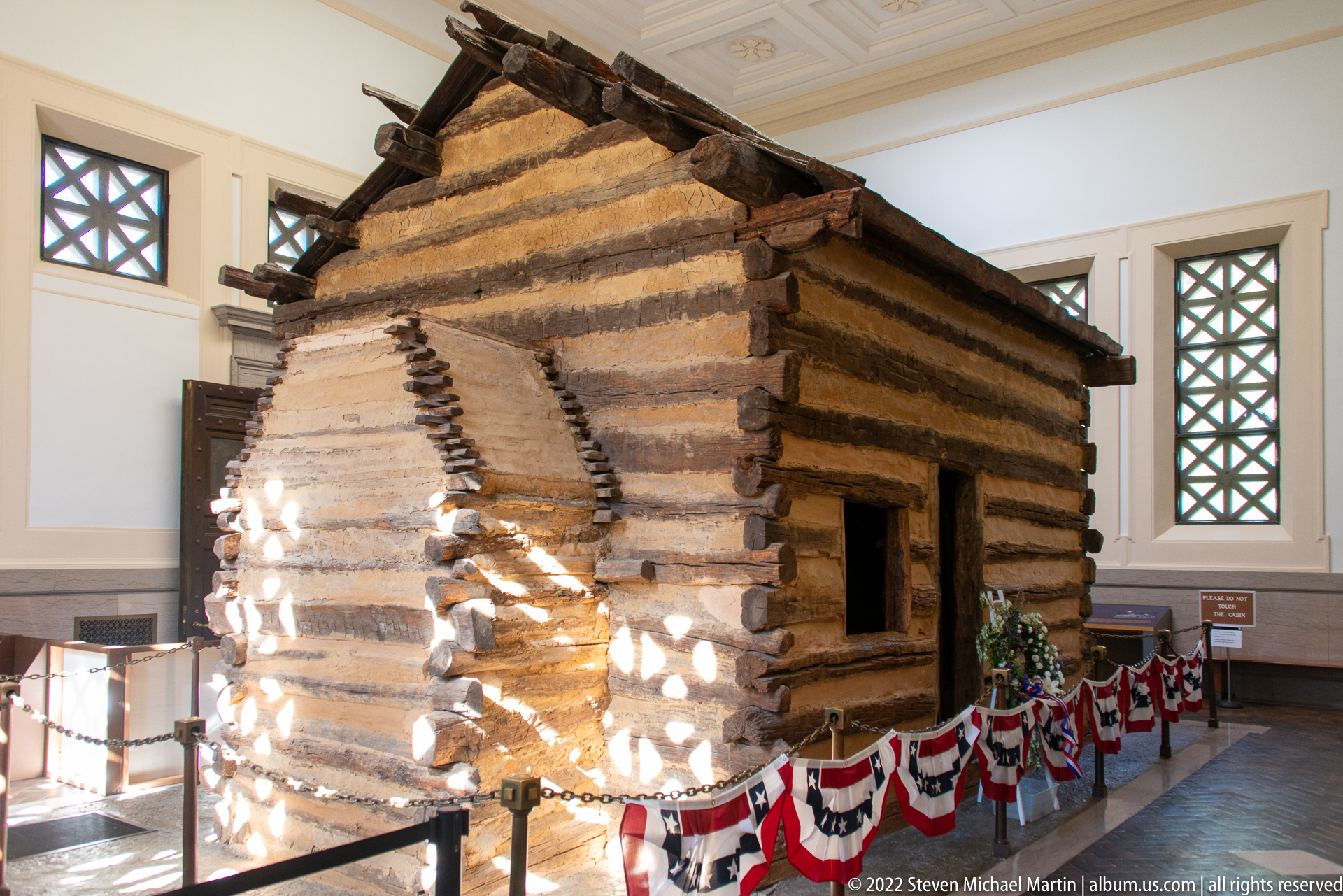
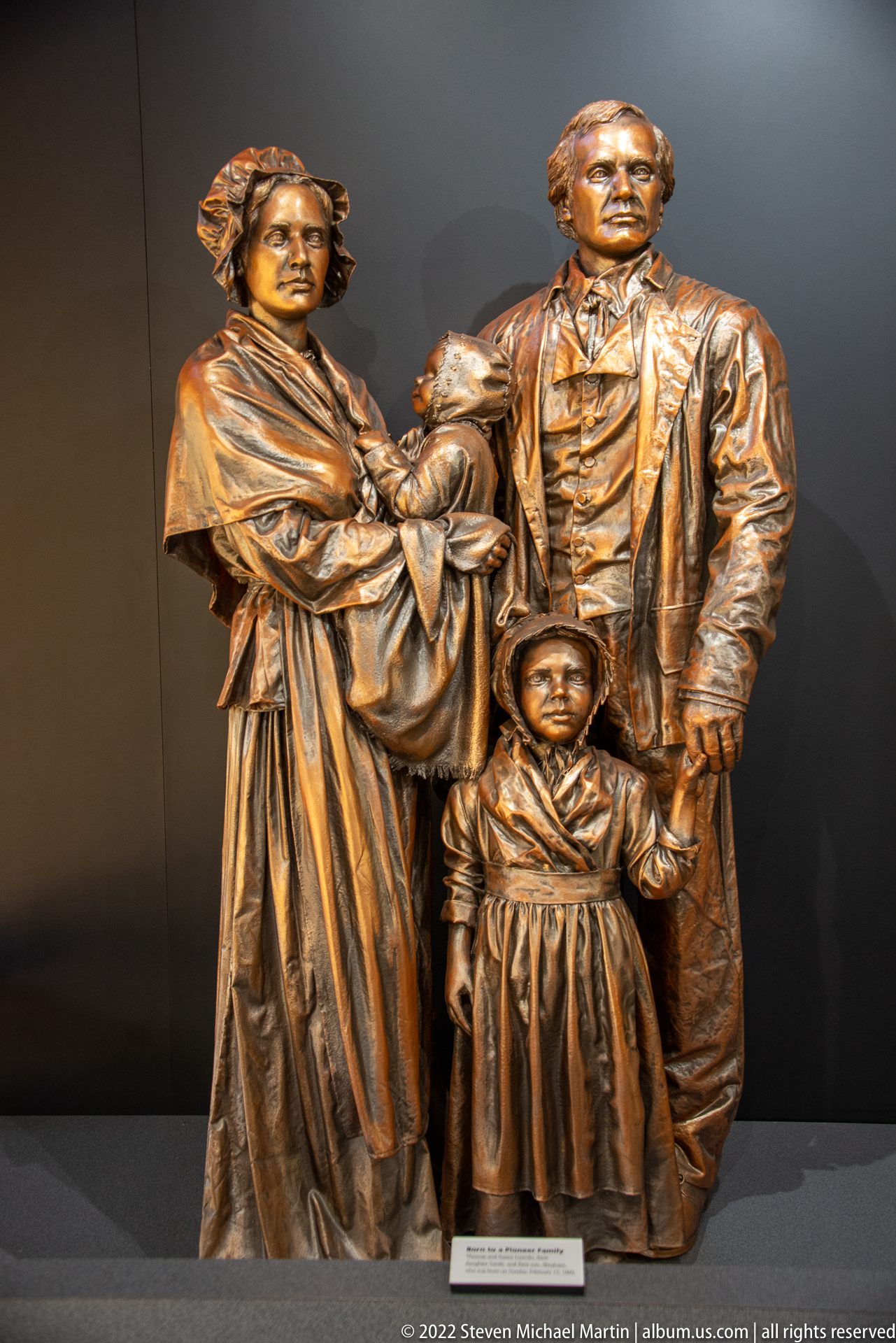
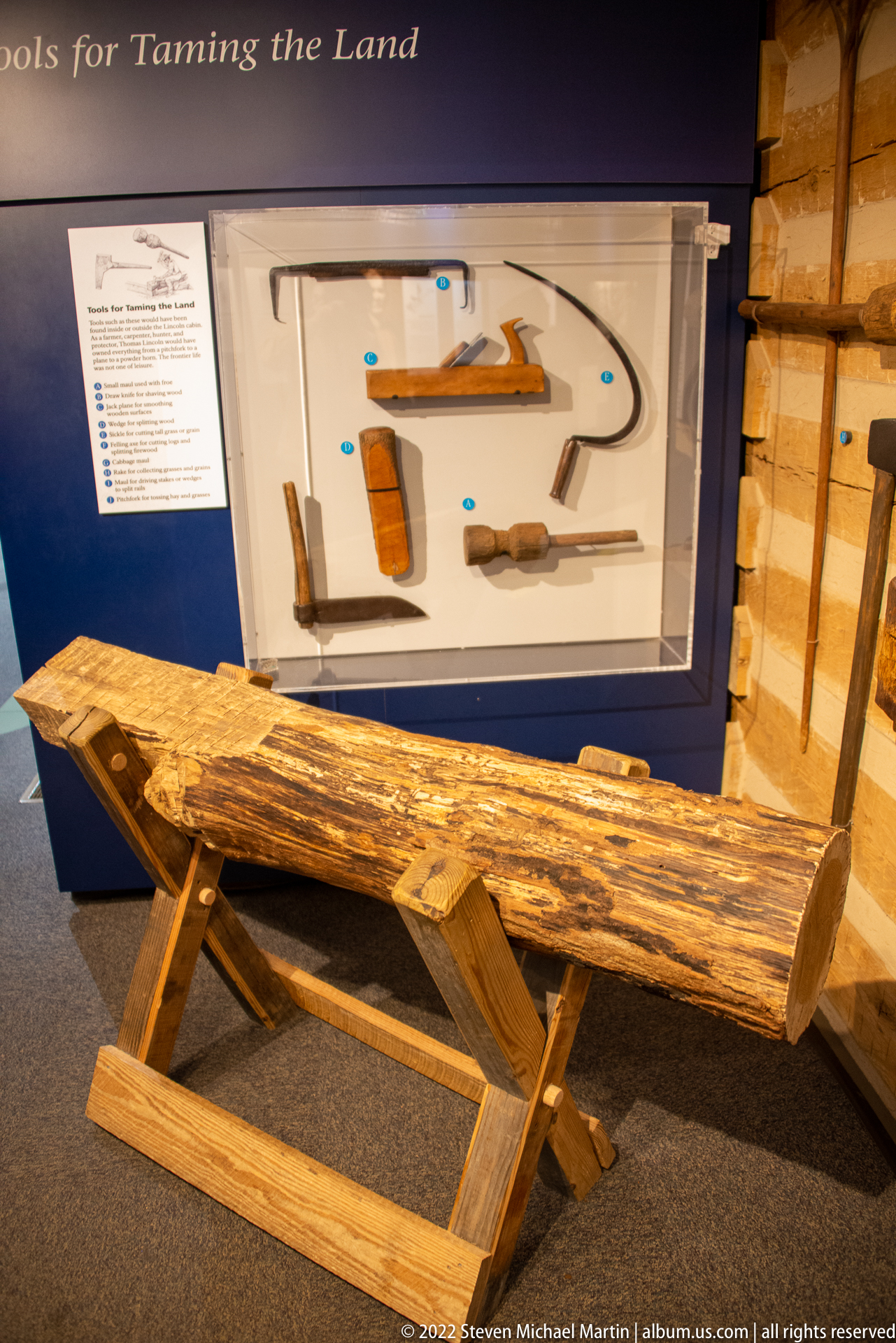
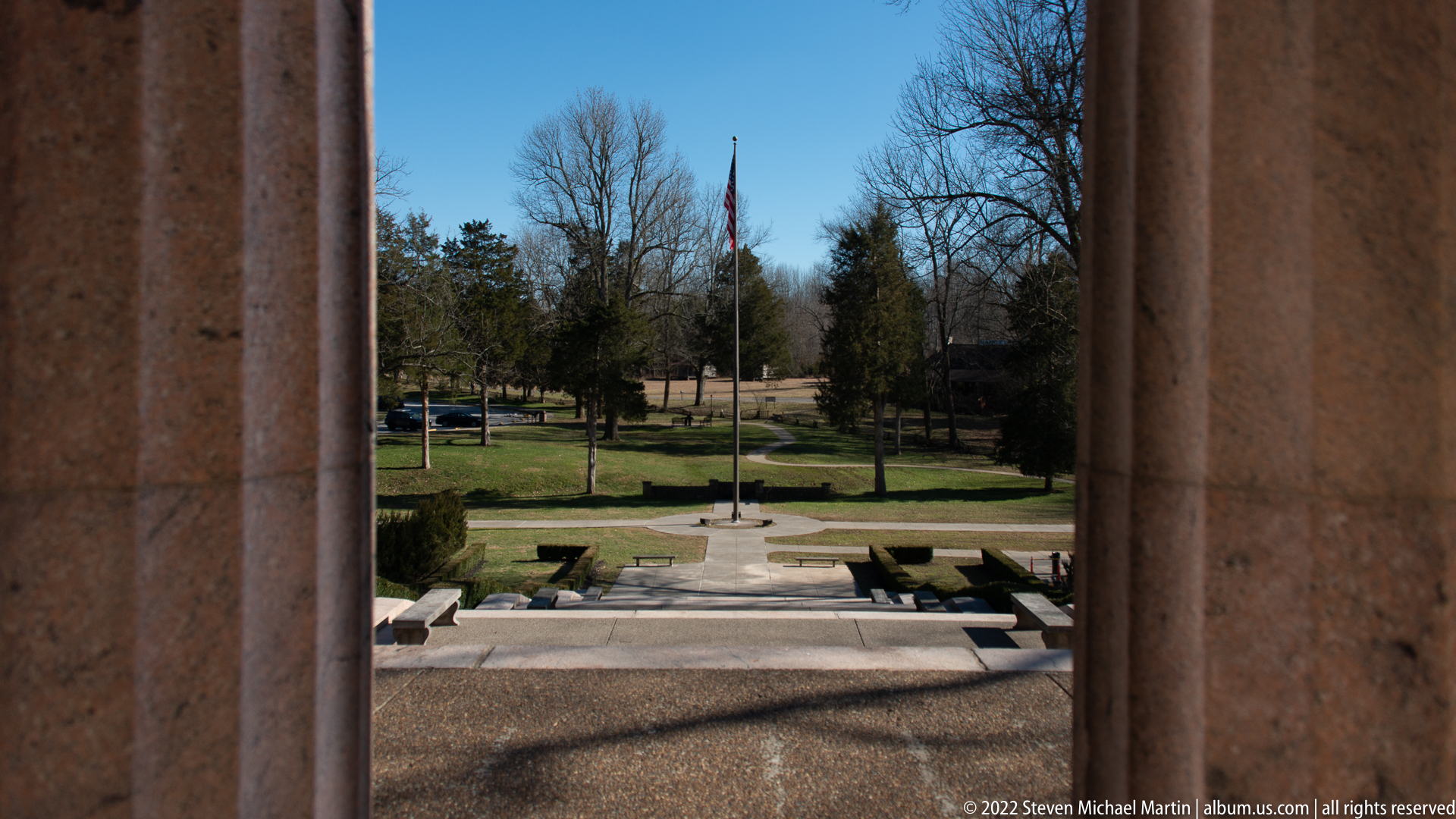
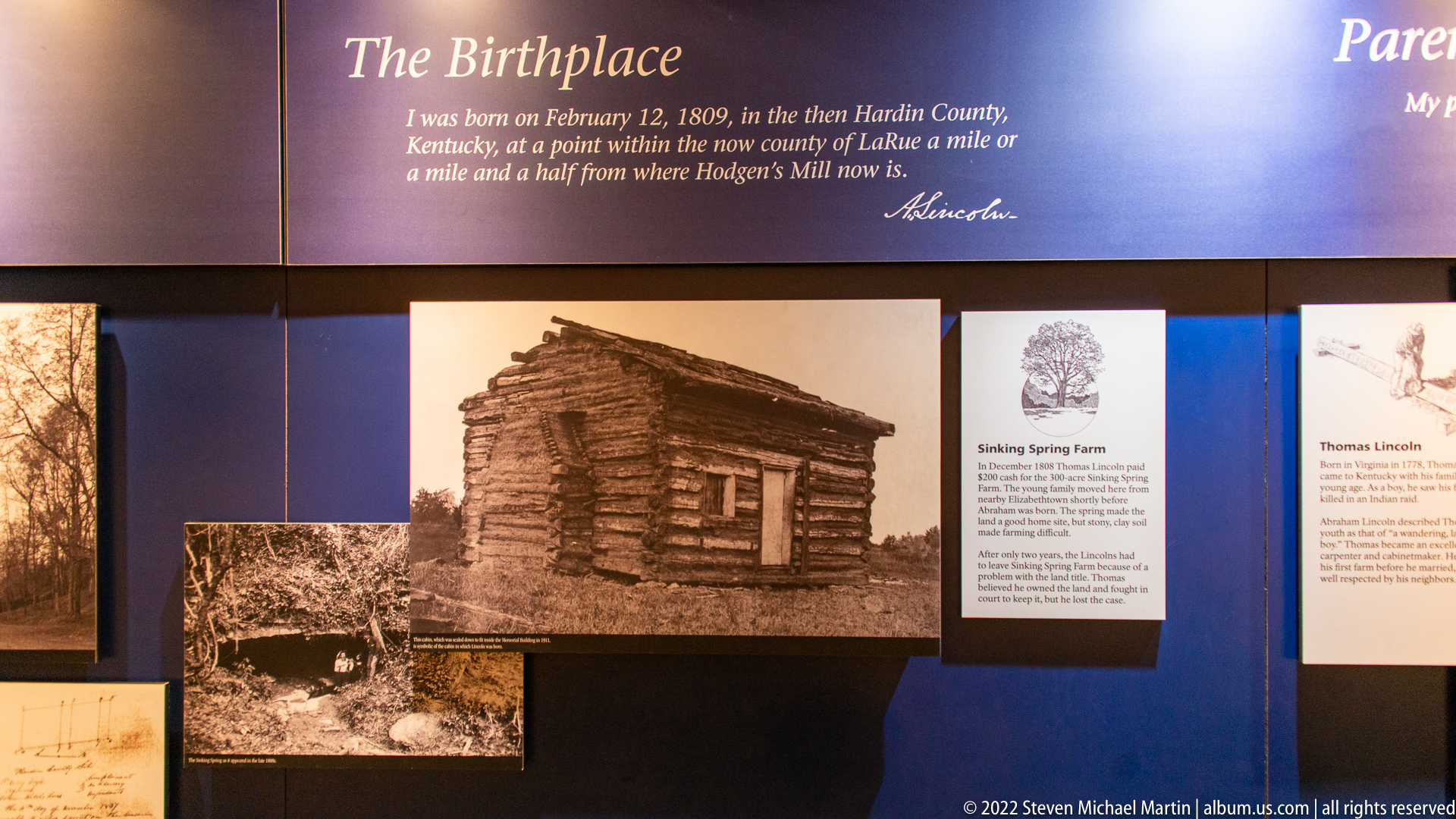
Seen from the axis of the approach, the memorial’s central doorway aligns with the long staircase and straight walk. Low hedges border the steps, and mature trees flank the stone building. The balanced composition emphasizes the site’s formal planning and the relationship between the elevated memorial and its landscaped grounds. Seen from the axis of the approach, the memorial’s central doorway aligns with the long staircase and straight walk. Low hedges border the steps, and mature trees flank the stone building. The balanced composition emphasizes the site’s formal planning and the relationship between the elevated memorial and its landscaped grounds. A man in a brown jacket walks toward the camera on the boardwalk with two small dogs, their leashes extending from his hand. The wooden path bends behind him through bare trees, creating a repeating pattern of rails and planks. This closer view emphasizes the visitor and dogs while retaining the forest setting and elevated route. A man in a brown jacket walks toward the camera on the boardwalk with two small dogs, their leashes extending from his hand. The wooden path bends behind him through bare trees, creating a repeating pattern of rails and planks. This closer view emphasizes the visitor and dogs while retaining the forest setting and elevated route. A printed illustration titled “An Idyllic Frontier Scene” shows a woman, man, and children gathered outside a log cabin in a wooded clearing. Text above and beside the image describes the Lincoln family’s frontier setting and early life. The panel presents a historical interpretation through staged domestic imagery, distinct from photographs of the cabin exhibit itself. A printed illustration titled “An Idyllic Frontier Scene” shows a woman, man, and children gathered outside a log cabin in a wooded clearing. Text above and beside the image describes the Lincoln family’s frontier setting and early life. The panel presents a historical interpretation through staged domestic imagery, distinct from photographs of the cabin exhibit itself. A raised wooden boardwalk curves through a winter woodland, its railings and evenly spaced planks catching bright afternoon sun. The leaf-covered ground lies below the walkway, while a second elevated section crosses between bare tree trunks in the background. The empty path emphasizes the accessible route through the wooded landscape and its gentle change of direction. A raised wooden boardwalk curves through a winter woodland, its railings and evenly spaced planks catching bright afternoon sun. The leaf-covered ground lies below the walkway, while a second elevated section crosses between bare tree trunks in the background. The empty path emphasizes the accessible route through the wooded landscape and its gentle change of direction. Hundreds of copper-colored coins form a tightly repeated pattern across a large display surface, with a circular portrait medallion and small photographs near the lower edge. An interpretive label beneath the coins identifies the installation as a penny mosaic. The close view records the material texture and commemorative design rather than the exhibit’s complete setting. Hundreds of copper-colored coins form a tightly repeated pattern across a large display surface, with a circular portrait medallion and small photographs near the lower edge. An interpretive label beneath the coins identifies the installation as a penny mosaic. The close view records the material texture and commemorative design rather than the exhibit’s complete setting. Two leashed dogs sit side by side on the memorial steps, their small figures centered beneath the distant columned entrance. The broad stairway, clipped hedges, and trees frame them symmetrically, making the animals stand out against the pale stone. The wide view includes both the visitors’ companions and the formal architecture surrounding them. Two leashed dogs sit side by side on the memorial steps, their small figures centered beneath the distant columned entrance. The broad stairway, clipped hedges, and trees frame them symmetrically, making the animals stand out against the pale stone. The wide view includes both the visitors’ companions and the formal architecture surrounding them. A person in a brown jacket walks away along a straight section of boardwalk with a small dog on a leash. Wooden railings converge toward a turn ahead, and the bare trunks and leaf litter place the path in a winter forest. The figure’s movement gives the accessible walkway a clear human scale and direction. A person in a brown jacket walks away along a straight section of boardwalk with a small dog on a leash. Wooden railings converge toward a turn ahead, and the bare trunks and leaf litter place the path in a winter forest. The figure’s movement gives the accessible walkway a clear human scale and direction. A broad, irregular cross-section of a tree trunk fills a blue-lit case, its growth rings and deep radial cracks exposed across the cut surface. The label identifies it as the “Boundary Oak Tree” and describes it as a living link to Abraham Lincoln. The scale of the section and the dark fissures make the wood itself the dominant evidence in this interpretive display. A broad, irregular cross-section of a tree trunk fills a blue-lit case, its growth rings and deep radial cracks exposed across the cut surface. The label identifies it as the “Boundary Oak Tree” and describes it as a living link to Abraham Lincoln. The scale of the section and the dark fissures make the wood itself the dominant evidence in this interpretive display. A blue gallery wall titled “Parents of the President” presents portraits of Abraham Lincoln and Nancy Hanks Lincoln among biographical panels and family photographs. A separate heading, “The Lincolns in…,” continues across the right side of the display. The paired portraits and surrounding text make family relationships the focus, distinct from the birthplace image on the adjacent panel. A blue gallery wall titled “Parents of the President” presents portraits of Abraham Lincoln and Nancy Hanks Lincoln among biographical panels and family photographs. A separate heading, “The Lincolns in…,” continues across the right side of the display. The paired portraits and surrounding text make family relationships the focus, distinct from the birthplace image on the adjacent panel. A compact log cabin fills the memorial hall, its dark hewn logs and projecting corner joints set against a pale decorative interior. A low barrier and interpretive display panels run along its base. The close angle emphasizes the cabin’s rough construction within a formal museum setting, presenting the structure associated with Abraham Lincoln’s birthplace without making claims about its disputed provenance. A compact log cabin fills the memorial hall, its dark hewn logs and projecting corner joints set against a pale decorative interior. A low barrier and interpretive display panels run along its base. The close angle emphasizes the cabin’s rough construction within a formal museum setting, presenting the structure associated with Abraham Lincoln’s birthplace without making claims about its disputed provenance. The entire log cabin is displayed on a raised platform inside a high-ceilinged rotunda, where pale walls and patterned windows frame its dark timber walls. Red, white, and blue bunting follows the barrier around the exhibit, and interpretive panels line the base. The broader view clarifies how the cabin is presented as the centerpiece of a formal memorial interior. The entire log cabin is displayed on a raised platform inside a high-ceilinged rotunda, where pale walls and patterned windows frame its dark timber walls. Red, white, and blue bunting follows the barrier around the exhibit, and interpretive panels line the base. The broader view clarifies how the cabin is presented as the centerpiece of a formal memorial interior. Strong daylight passes through the rotunda’s lattice windows and falls across one side of the cabin, creating bright patches on the old logs and floor. The doorway and intersecting walls are visible beyond the corner, while bunting and a rope barrier keep visitors at a distance. The angled view makes the changing light part of the exhibit’s architectural setting. Strong daylight passes through the rotunda’s lattice windows and falls across one side of the cabin, creating bright patches on the old logs and floor. The doorway and intersecting walls are visible beyond the corner, while bunting and a rope barrier keep visitors at a distance. The angled view makes the changing light part of the exhibit’s architectural setting. A dark rectangular sign is set into a low stone wall beside a split-rail fence and winter-bare trees. Its lettering names Abraham Lincoln Birthplace National Historical Park and credits the National Park Service and U.S. Department of the Interior. Photographed from the lawn, the sign marks the site’s public entrance and places the historic landscape within its protected designation. A dark rectangular sign is set into a low stone wall beside a split-rail fence and winter-bare trees. Its lettering names Abraham Lincoln Birthplace National Historical Park and credits the National Park Service and U.S. Department of the Interior. Photographed from the lawn, the sign marks the site’s public entrance and places the historic landscape within its protected designation. A low rectangular opening framed by thick timber and pale stone reveals the dark stacked-log interior beyond. The close crop excludes most of the room, directing attention to the contrast between rough wood and irregular masonry at the threshold. The small aperture conveys the cabin’s compact scale and the simple construction visible in this preserved structure. A low rectangular opening framed by thick timber and pale stone reveals the dark stacked-log interior beyond. The close crop excludes most of the room, directing attention to the contrast between rough wood and irregular masonry at the threshold. The small aperture conveys the cabin’s compact scale and the simple construction visible in this preserved structure. Two tall bronze-colored doors meet at a central seam, each divided into recessed rectangular panels and fitted with a circular ornamental handle. The smooth pale stone surround contrasts with the darker metal and catches direct sunlight at the edges. This close architectural detail focuses on the entrance treatment rather than the memorial’s full exterior. Two tall bronze-colored doors meet at a central seam, each divided into recessed rectangular panels and fitted with a circular ornamental handle. The smooth pale stone surround contrasts with the darker metal and catches direct sunlight at the edges. This close architectural detail focuses on the entrance treatment rather than the memorial’s full exterior. A pair of dark metal doors sits within a rectangular pale-stone recess, each leaf divided into large inset panels. Circular sculpted handles meet the eye at mid-height, and sunlight illuminates the stone surround. The tightly framed entrance view isolates the memorial’s formal doorway and decorative hardware from the broader columned facade. A pair of dark metal doors sits within a rectangular pale-stone recess, each leaf divided into large inset panels. Circular sculpted handles meet the eye at mid-height, and sunlight illuminates the stone surround. The tightly framed entrance view isolates the memorial’s formal doorway and decorative hardware from the broader columned facade. A museum panel titled “Lincoln Inn” pairs a large historic photograph of a roadside building with an oval portrait of a man identified in the text as James H. B. Hewell. Smaller paragraphs describe the inn and its connection to visitors at the birthplace. The panel’s layout combines portraiture, archival imagery, and interpretive text rather than presenting the building itself. A museum panel titled “Lincoln Inn” pairs a large historic photograph of a roadside building with an oval portrait of a man identified in the text as James H. B. Hewell. Smaller paragraphs describe the inn and its connection to visitors at the birthplace. The panel’s layout combines portraiture, archival imagery, and interpretive text rather than presenting the building itself. A one-story building stands among leafless trees behind a split-rail fence, with “Nancy Lincoln Inn” written across a white roofline sign. A small interpretive marker occupies the lawn in front, and a simple porch spans the facade. This exterior view records a modest roadside structure within the historic park setting, distinct from the formal memorial nearby. A one-story building stands among leafless trees behind a split-rail fence, with “Nancy Lincoln Inn” written across a white roofline sign. A small interpretive marker occupies the lawn in front, and a simple porch spans the facade. This exterior view records a modest roadside structure within the historic park setting, distinct from the formal memorial nearby. A broad flight of stone steps rises between clipped hedges to a pale stone memorial with a deep portico and evenly spaced columns. Tall trees frame the building and cast shadows across the approach. The straight, centered view makes the processional stairway and temple-like facade the principal features of this memorial to Lincoln’s birthplace. A broad flight of stone steps rises between clipped hedges to a pale stone memorial with a deep portico and evenly spaced columns. Tall trees frame the building and cast shadows across the approach. The straight, centered view makes the processional stairway and temple-like facade the principal features of this memorial to Lincoln’s birthplace. The exhibit panel “A Threatened Giant” combines photographs, explanatory text, and an image of a large leafy tree. A small illustration of a chestnut bur and leaves appears above the text, while a visitor stands near the tree at right. The display interprets the American chestnut and its decline, connecting the park’s landscape to a wider story of ecological change. The exhibit panel “A Threatened Giant” combines photographs, explanatory text, and an image of a large leafy tree. A small illustration of a chestnut bur and leaves appears above the text, while a visitor stands near the tree at right. The display interprets the American chestnut and its decline, connecting the park’s landscape to a wider story of ecological change. A straight concrete walk leads through an open lawn to the memorial staircase, with clipped hedges continuing up either side. Benches sit symmetrically beside the path, and bare-branched trees frame the distant building. The wider view extends the building-centered composition into the grounds, showing the deliberate approach visitors follow toward the entrance. A straight concrete walk leads through an open lawn to the memorial staircase, with clipped hedges continuing up either side. Benches sit symmetrically beside the path, and bare-branched trees frame the distant building. The wider view extends the building-centered composition into the grounds, showing the deliberate approach visitors follow toward the entrance. The pale stone facade fills the frame, with a row of tall columns supporting a deep entablature and inscription band. The carved dedication is centered above the portico, while the stair tops enter the foreground. This tighter view distinguishes the architectural detail and commemorative text from the longer approach shown in the preceding image. The pale stone facade fills the frame, with a row of tall columns supporting a deep entablature and inscription band. The carved dedication is centered above the portico, while the stair tops enter the foreground. This tighter view distinguishes the architectural detail and commemorative text from the longer approach shown in the preceding image. The paired dogs remain seated near the center of the staircase, now larger within the frame and more clearly connected by their leashes. The memorial’s columns, dark central doorway, and clipped hedges remain visible behind them. Compared with the wider view, this composition gives the dogs greater prominence while preserving the site’s formal symmetry. The paired dogs remain seated near the center of the staircase, now larger within the frame and more clearly connected by their leashes. The memorial’s columns, dark central doorway, and clipped hedges remain visible behind them. Compared with the wider view, this composition gives the dogs greater prominence while preserving the site’s formal symmetry. Two dogs sit facing the camera at the base of the staircase, their leashes resting on the pavement between them. The steps rise immediately behind, leading toward the columned entrance. The lower viewpoint and tighter crop foreground the animals’ faces and collars, turning a monumental setting into a personal visitor moment. Two dogs sit facing the camera at the base of the staircase, their leashes resting on the pavement between them. The steps rise immediately behind, leading toward the columned entrance. The lower viewpoint and tighter crop foreground the animals’ faces and collars, turning a monumental setting into a personal visitor moment. The upper facade is shown nearly level, isolating the carved dedication above the portico. The inscription refers to the log cabin where Lincoln was born and describes the memorial as a tribute to unity, peace, and brotherhood. Sunlight picks out the lettering and shallow stone relief, while the columns are only partly visible below. The upper facade is shown nearly level, isolating the carved dedication above the portico. The inscription refers to the log cabin where Lincoln was born and describes the memorial as a tribute to unity, peace, and brotherhood. Sunlight picks out the lettering and shallow stone relief, while the columns are only partly visible below. A dark-blue interpretive panel titled “A Living Symbol” combines historic photographs, reproductions of documents, and explanatory text. A large black-and-white gathering photograph occupies the lower center, while smaller images and a printed certificate sit above and to the sides. The layered display explains the memorial’s public meaning through archival material rather than through architecture alone. A dark-blue interpretive panel titled “A Living Symbol” combines historic photographs, reproductions of documents, and explanatory text. A large black-and-white gathering photograph occupies the lower center, while smaller images and a printed certificate sit above and to the sides. The layered display explains the memorial’s public meaning through archival material rather than through architecture alone. The log cabin stands behind a low rope barrier, its notched corners and dark doorway visible beneath a steep roofline. Pale walls and patterned windows of the memorial hall surround the exhibit, while patriotic bunting follows the barrier. This angle brings the cabin’s entrance and layered log construction forward within the formal interior. The log cabin stands behind a low rope barrier, its notched corners and dark doorway visible beneath a steep roofline. Pale walls and patterned windows of the memorial hall surround the exhibit, while patriotic bunting follows the barrier. This angle brings the cabin’s entrance and layered log construction forward within the formal interior. Bright geometric patches of sunlight fall across one wall of the log cabin and the floor around its platform. The open doorway, projecting corner joints, patterned windows, and bunting are visible together, linking the exhibit to its surrounding memorial architecture. The oblique composition gives the cabin’s corner and its changing light a stronger role than in the frontal views. Bright geometric patches of sunlight fall across one wall of the log cabin and the floor around its platform. The open doorway, projecting corner joints, patterned windows, and bunting are visible together, linking the exhibit to its surrounding memorial architecture. The oblique composition gives the cabin’s corner and its changing light a stronger role than in the frontal views. A circular metal fitting with a sculpted face and open ring handle is mounted on a weathered bronze-colored door. Green and blue oxidation traces the raised details, while the surrounding surface shows fine scratches and patina. The close crop reveals the expressive hardware more clearly than the full entrance view. A circular metal fitting with a sculpted face and open ring handle is mounted on a weathered bronze-colored door. Green and blue oxidation traces the raised details, while the surrounding surface shows fine scratches and patina. The close crop reveals the expressive hardware more clearly than the full entrance view. A bronze family group shows a woman and a man standing beside a young child, their period-style clothing rendered in sharply folded surfaces. The child stands in front while the adults look outward, one hand resting near the child’s shoulder. The sculpture is isolated against a dark museum background, allowing the family grouping and material to dominate. A bronze family group shows a woman and a man standing beside a young child, their period-style clothing rendered in sharply folded surfaces. The child stands in front while the adults look outward, one hand resting near the child’s shoulder. The sculpture is isolated against a dark museum background, allowing the family grouping and material to dominate. A long, rough-hewn wooden object rests on a low support in the foreground, while smaller hand tools are arranged in a glass case behind it. The juxtaposition places a large farm implement beside portable tools, giving the exhibit a material focus on work and household life. Reflections and warm gallery lighting partially overlay the case, but the objects remain clearly separated. A long, rough-hewn wooden object rests on a low support in the foreground, while smaller hand tools are arranged in a glass case behind it. The juxtaposition places a large farm implement beside portable tools, giving the exhibit a material focus on work and household life. Reflections and warm gallery lighting partially overlay the case, but the objects remain clearly separated. Looking outward between two massive stone columns, the view centers on a flagpole set in a broad lawn with paths, low hedges, and leafless trees. The portico creates a shaded frame around the sunlit grounds beyond. This reverse viewpoint connects the memorial interior to the landscape and approach visitors have just crossed. Looking outward between two massive stone columns, the view centers on a flagpole set in a broad lawn with paths, low hedges, and leafless trees. The portico creates a shaded frame around the sunlit grounds beyond. This reverse viewpoint connects the memorial interior to the landscape and approach visitors have just crossed. Large dark letters spelling “VISITOR CENTER” are mounted across a pale brick wall beside glass doors. A National Park Service arrowhead emblem sits to the left of the words, and two dark benches line the shaded entrance. The oblique angle captures the building’s public function and the modest seating area outside. Large dark letters spelling “VISITOR CENTER” are mounted across a pale brick wall beside glass doors. A National Park Service arrowhead emblem sits to the left of the words, and two dark benches line the shaded entrance. The oblique angle captures the building’s public function and the modest seating area outside. A large sepia photograph of a log cabin anchors a blue interpretive wall headed “The Birthplace.” Smaller panels nearby identify Sinking Spring Farm and Thomas Lincoln, while additional archival images overlap below. The display connects a specific cabin image with family and place information, though the text is too small here to support a fuller account of the panels’ claims. A large sepia photograph of a log cabin anchors a blue interpretive wall headed “The Birthplace.” Smaller panels nearby identify Sinking Spring Farm and Thomas Lincoln, while additional archival images overlap below. The display connects a specific cabin image with family and place information, though the text is too small here to support a fuller account of the panels’ claims.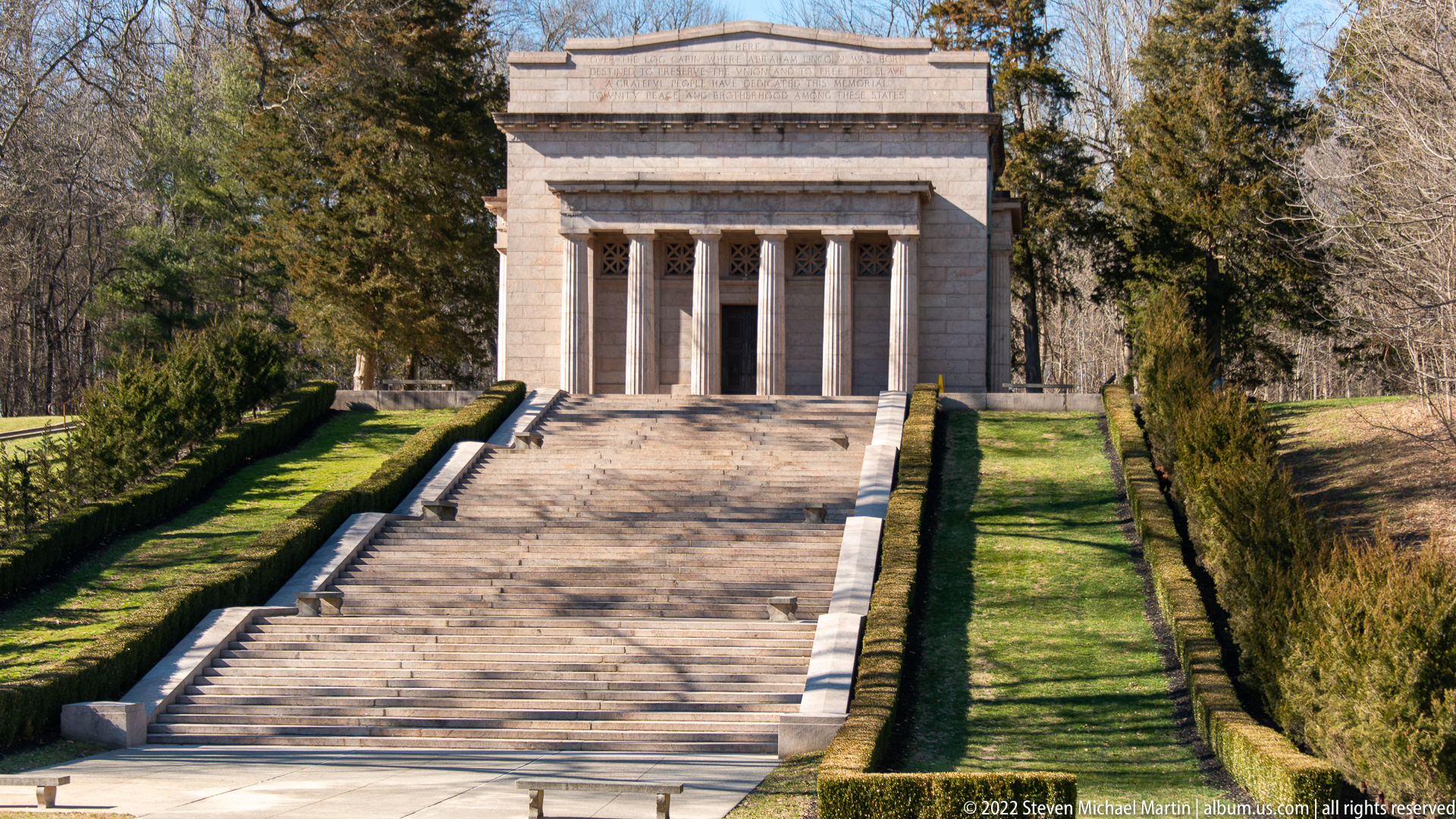
Caption
Caption
Caption
Caption

Caption
Caption
Caption
Caption
Caption
Caption

Caption
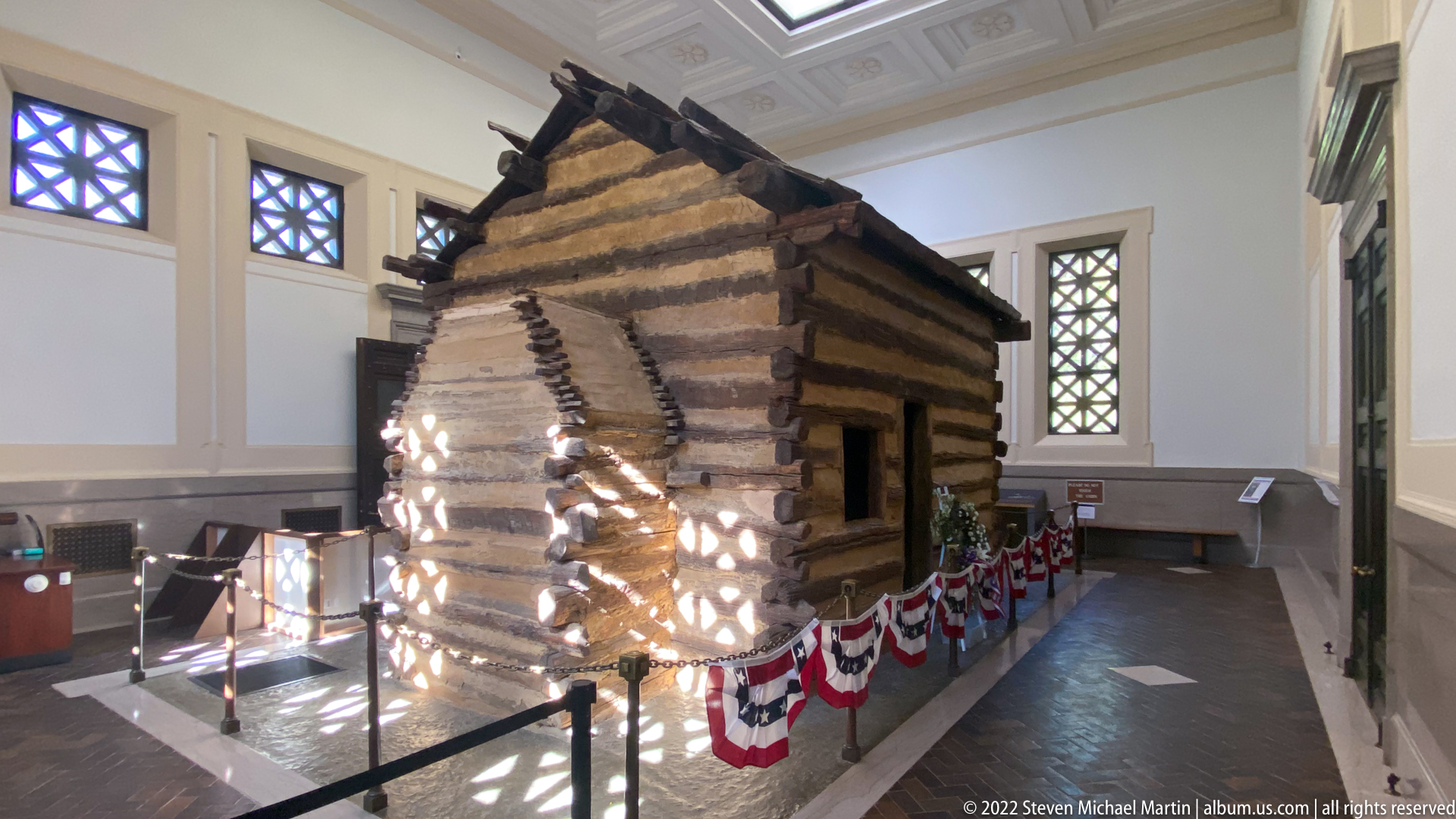
Caption
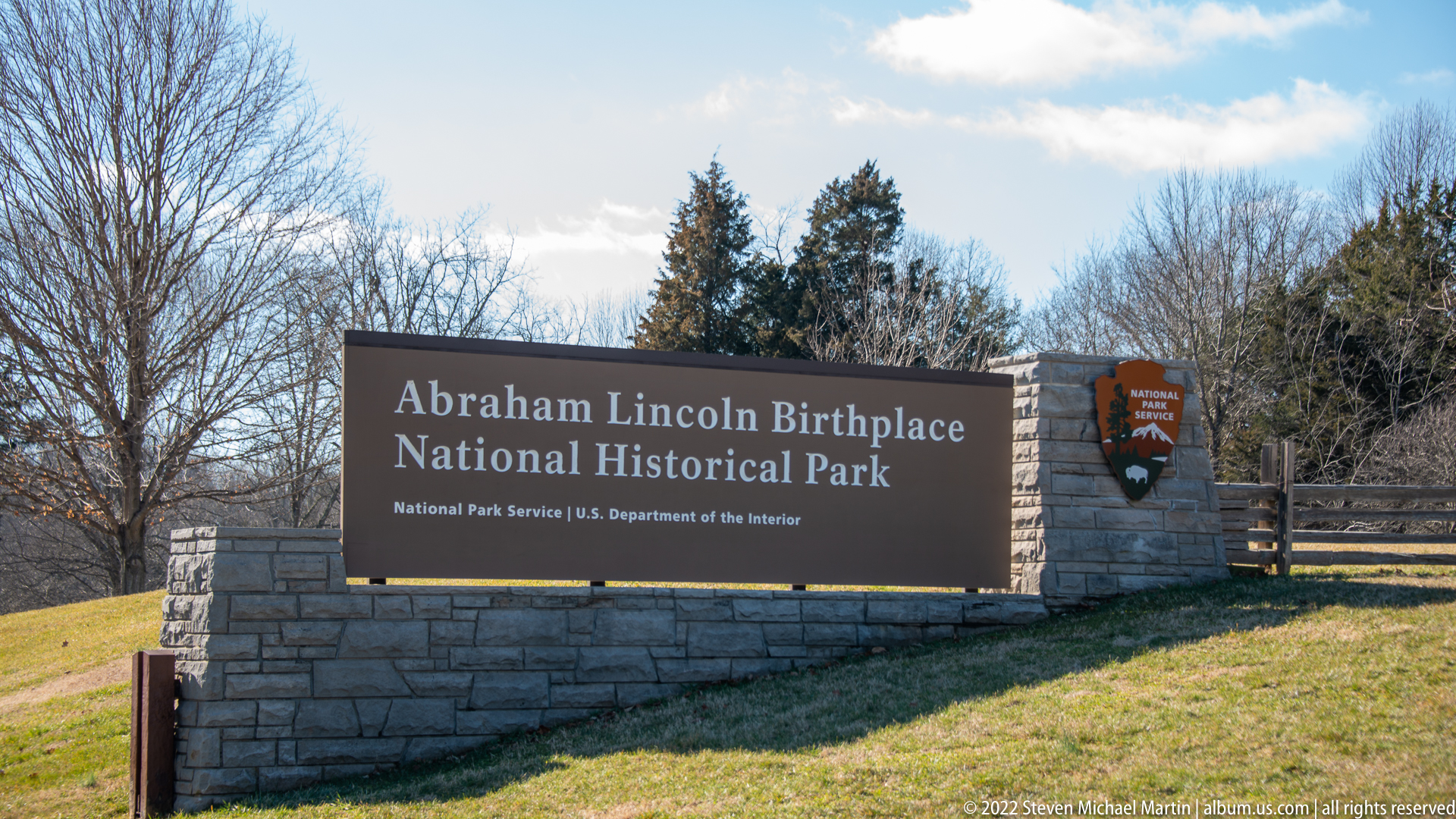
Caption
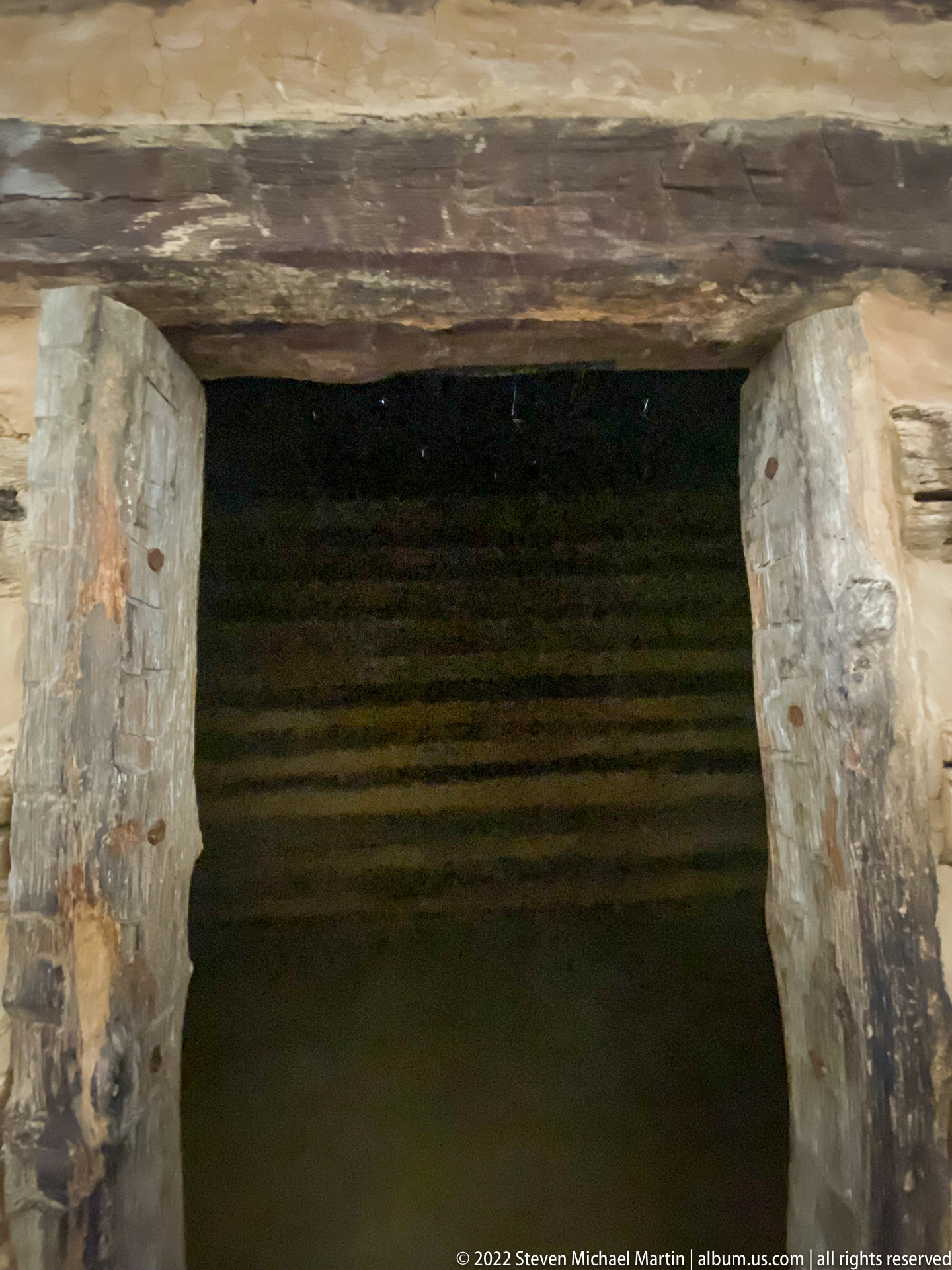
Caption
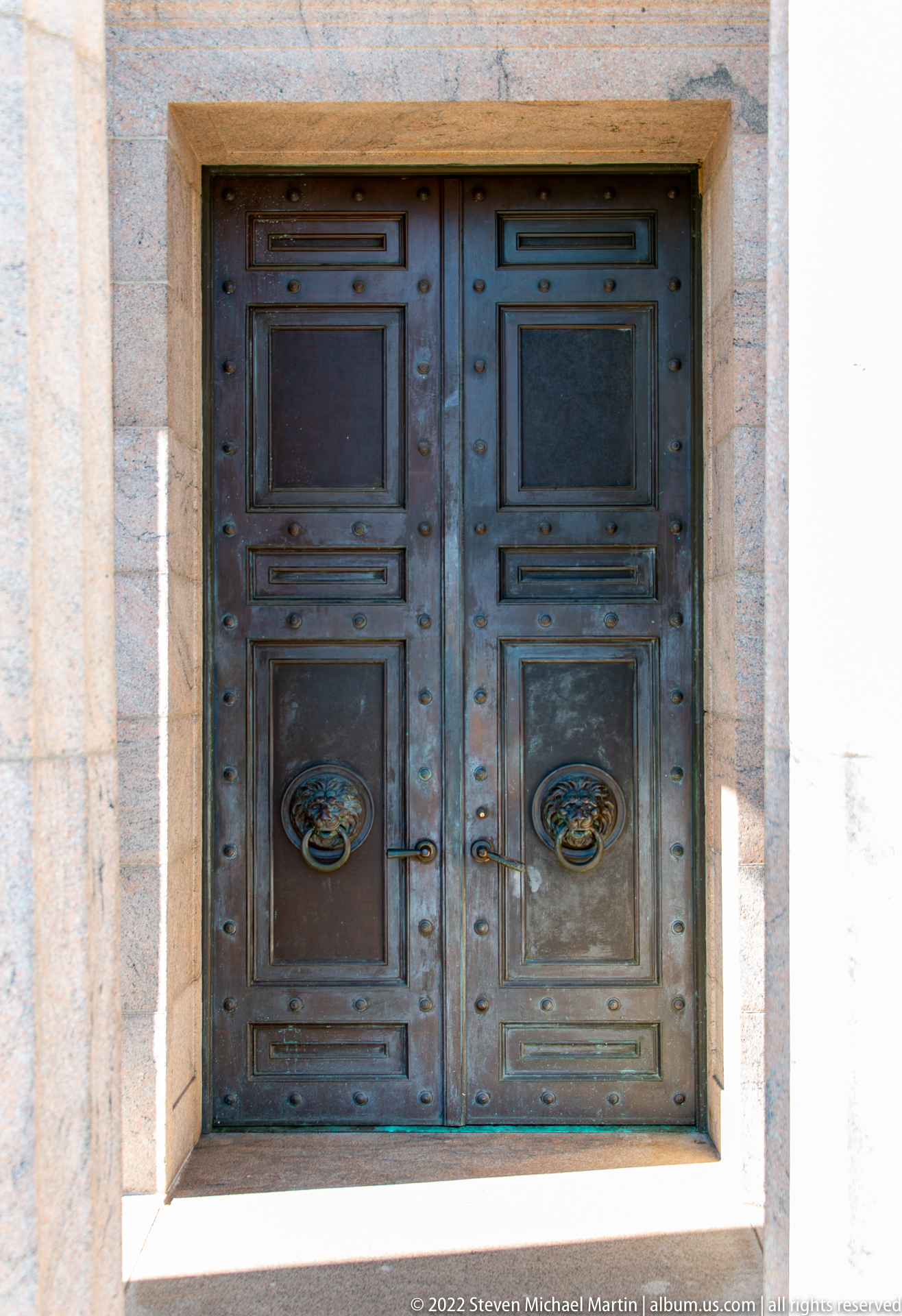
Caption
Caption
Caption
Caption
Caption
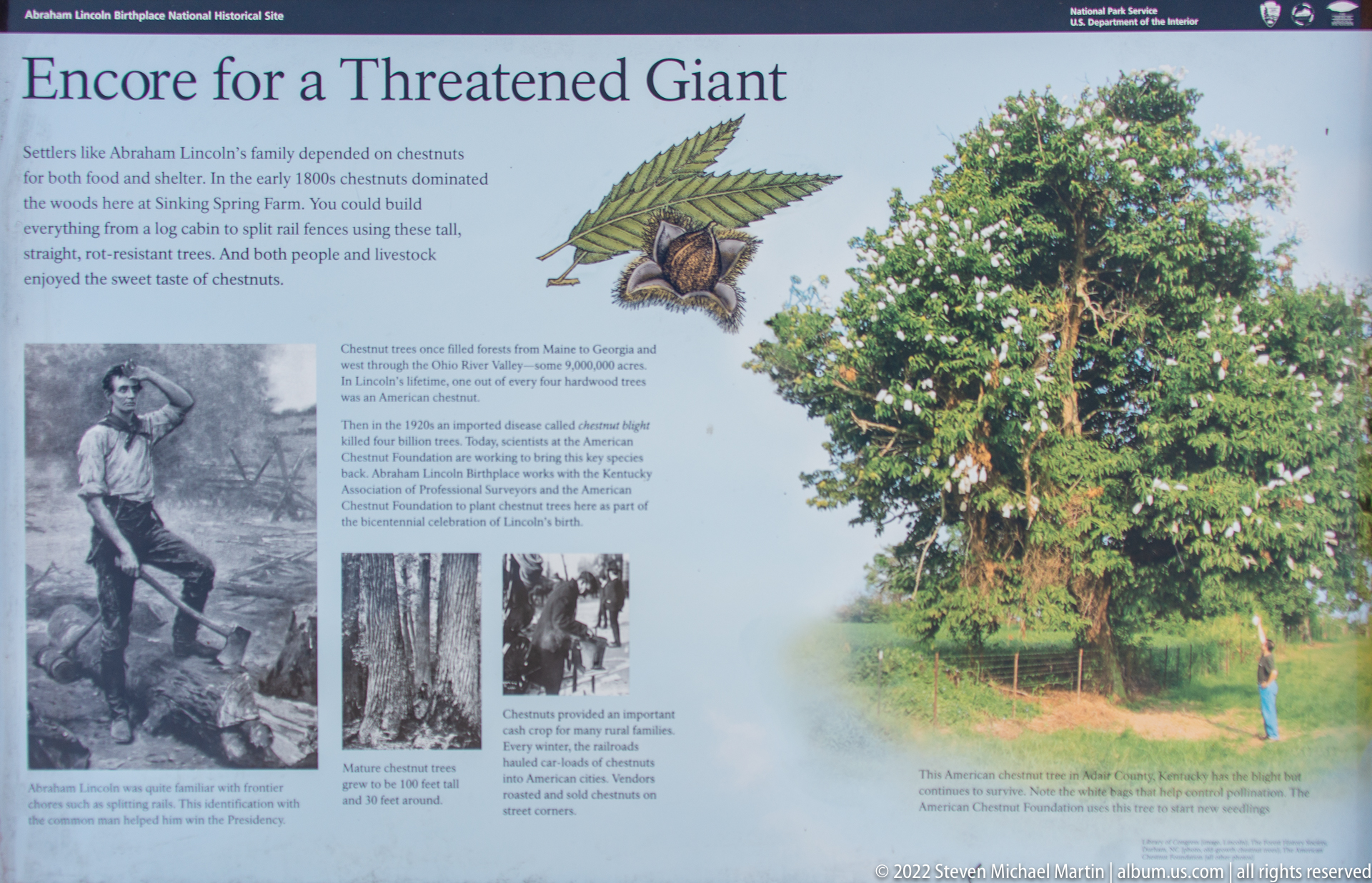
Caption
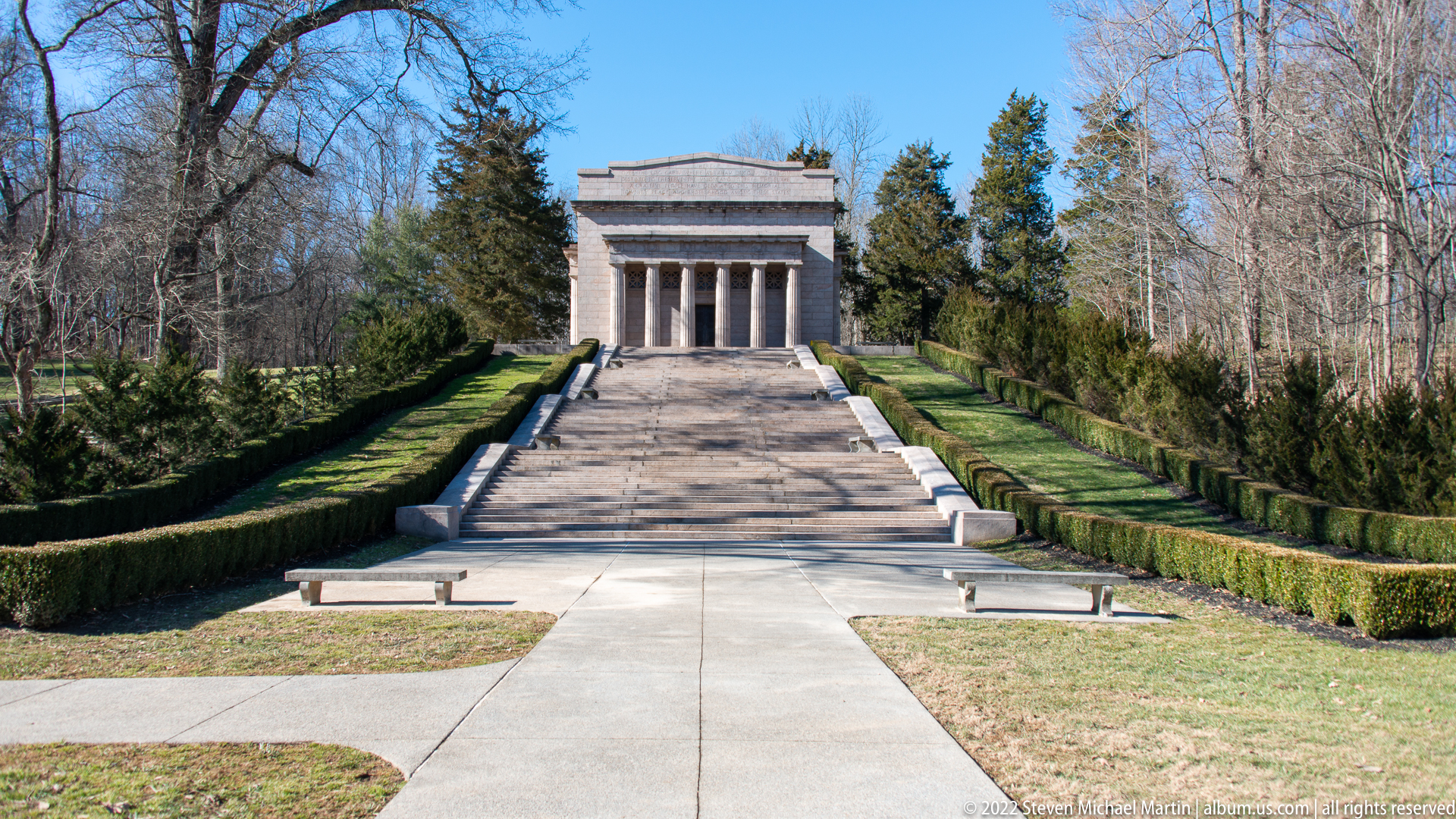
Caption
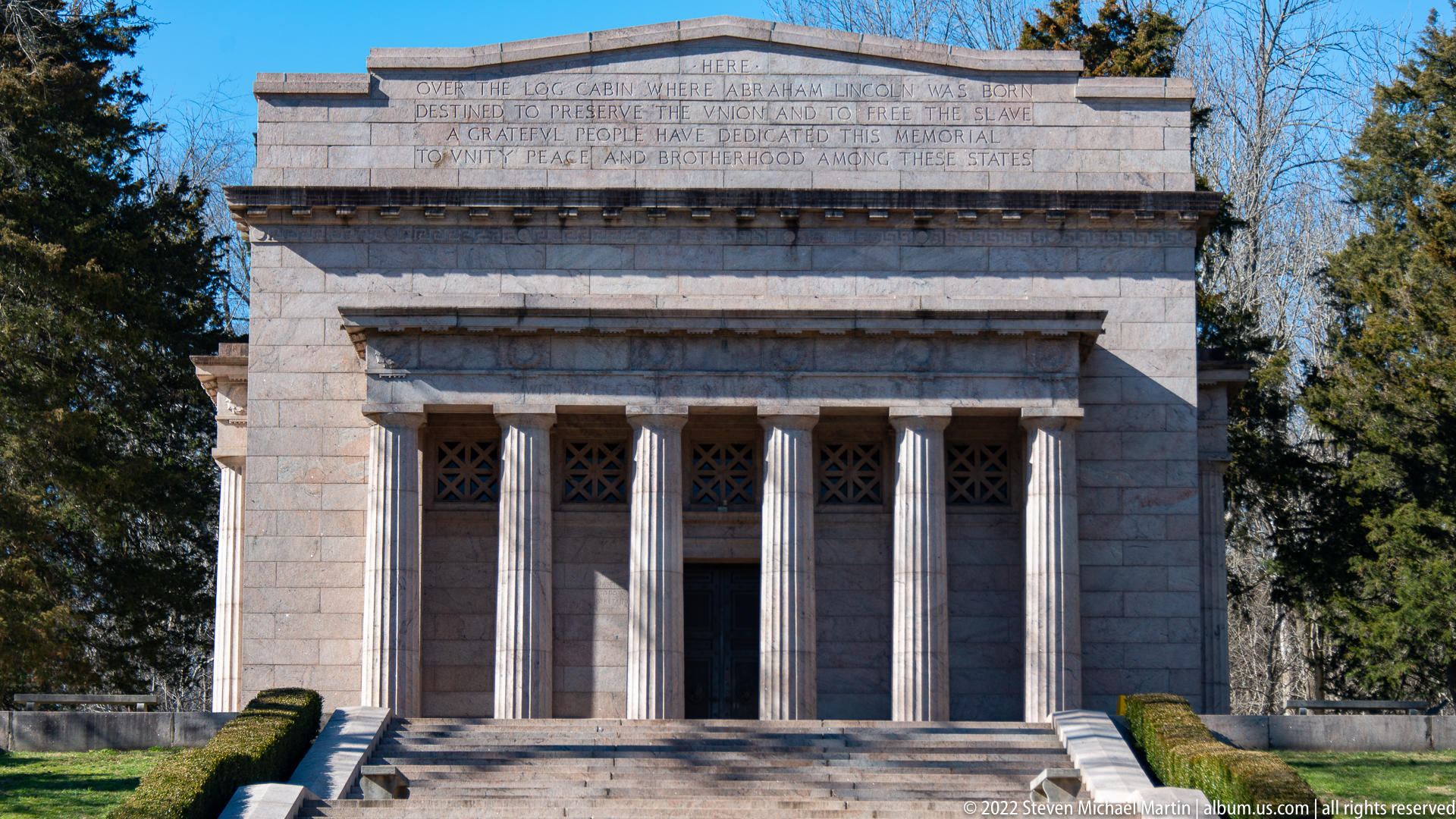
Caption
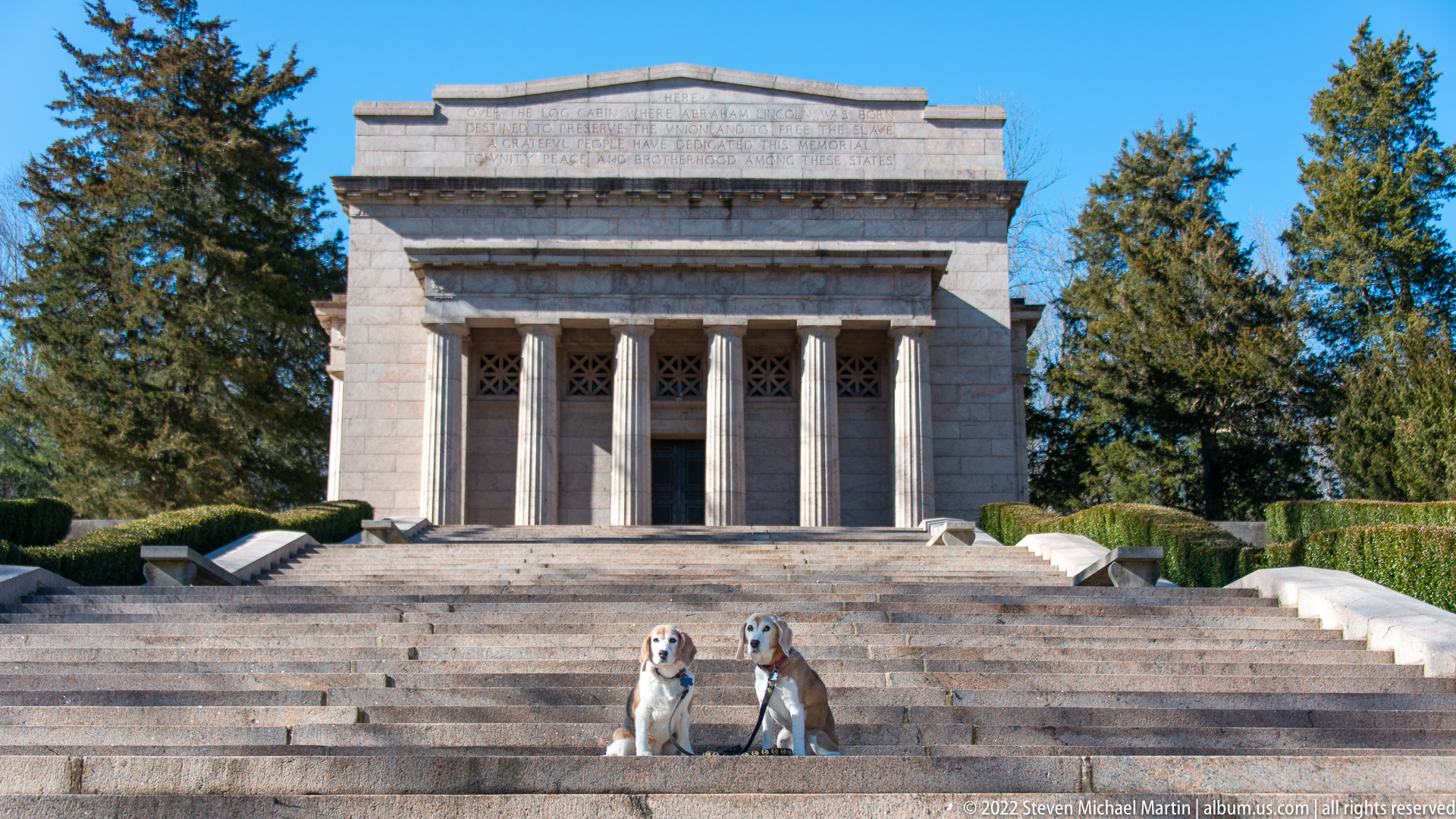
Caption

Caption

Caption
Caption
Caption
Caption

Caption
Caption
Caption
Caption
Caption
Caption