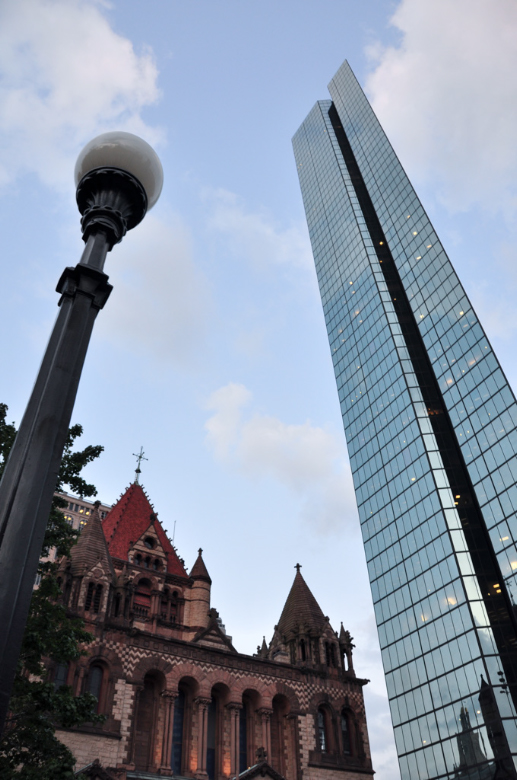
Boston Evening
Boston’s urban landscape reflects more than three centuries of architectural development shaped by its position along the Massachusetts coastline. The city grew around a natural harbor that supported maritime trade, shipbuilding, and commercial exchange linking New England with the Atlantic world. As the city expanded during the nineteenth and twentieth centuries, new civic buildings, residential districts, and cultural institutions transformed the skyline while preserving elements of earlier colonial street patterns.
Evening light emphasizes the relationship between historic and modern architectural forms, revealing the layered development of neighborhoods such as Back Bay, Beacon Hill, and the waterfront districts. Reflections across the Charles River and Boston Harbor highlight the interaction between urban design and coastal geography. Illumination of bridges, public buildings, and waterfront structures illustrates the continuing role of Boston as a regional center of culture, education, and commerce.
Boston at evening contributes to understanding how historic cities adapt to modern urban life while maintaining continuity with earlier architectural traditions. The city’s illuminated skyline reflects the enduring importance of coastal geography in shaping settlement patterns in New England. Boston’s nighttime landscape illustrates the connection between historic urban form and contemporary civic identity.