Dry Tortugas National Park
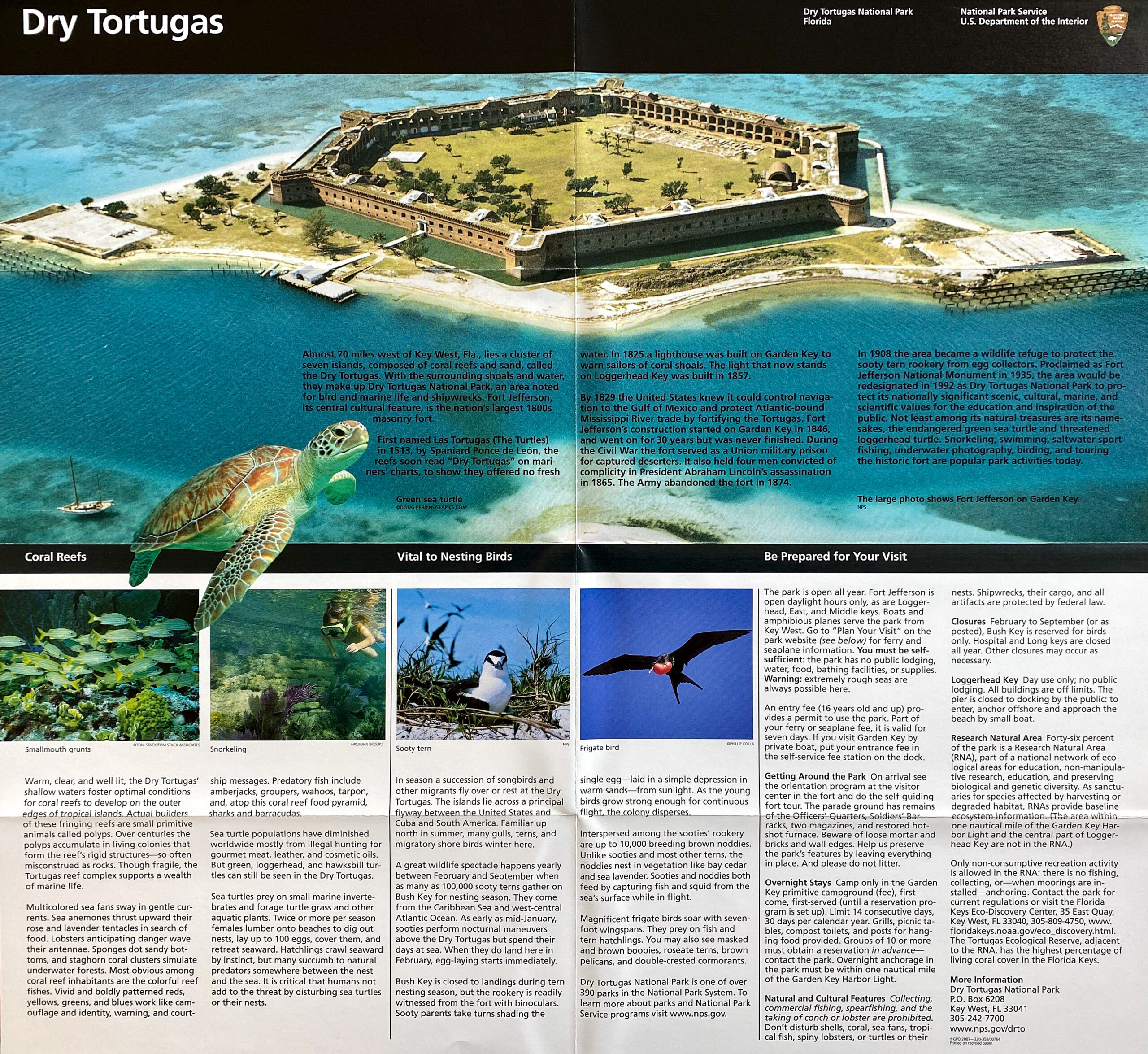
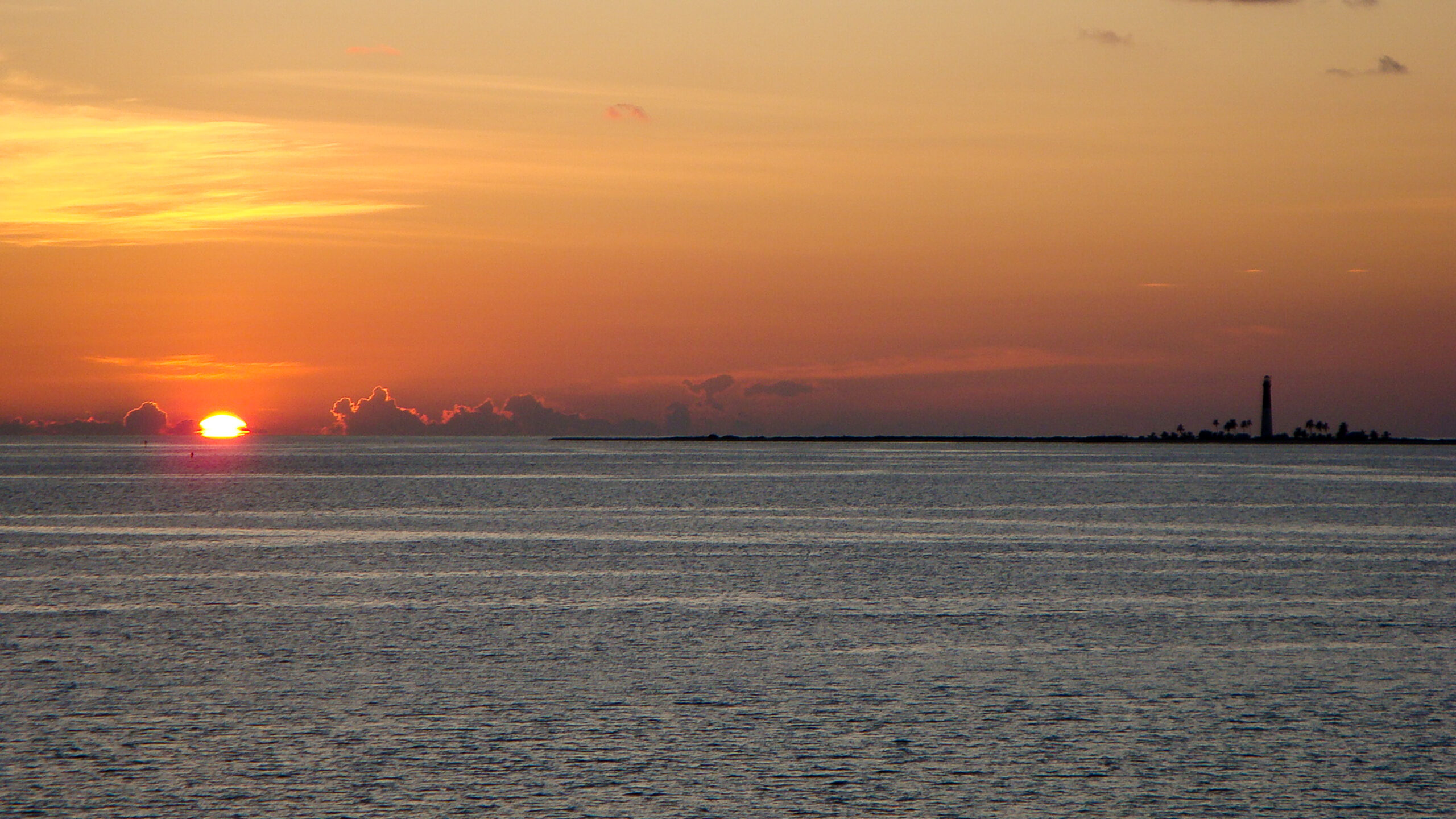
Dry Tortugas National Park preserves a remote maritime landscape located at the western edge of the Florida Keys, where open water, coral reefs, and small islands form part of the broader Gulf of Mexico ecosystem. The park’s isolated setting reflects its historical role as both a navigational reference point and a strategic location for maritime activity in the Caribbean basin. Surrounded by shallow waters and extensive reef systems, the islands illustrate the environmental conditions that shaped travel routes through the Florida Straits.
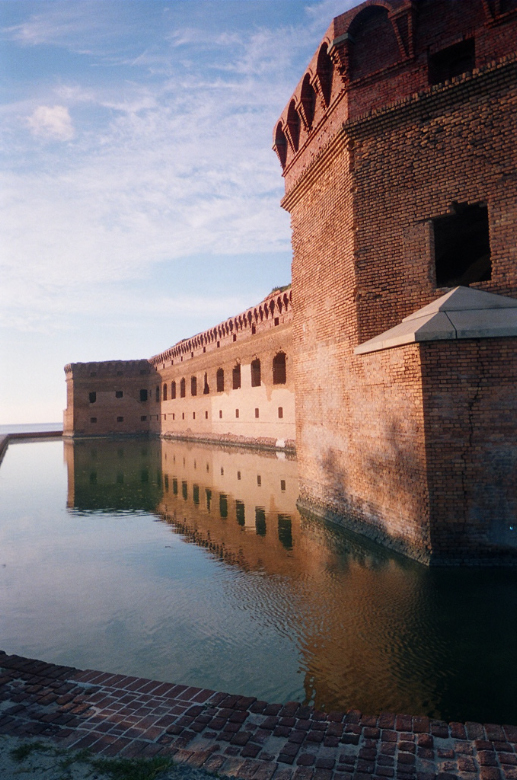
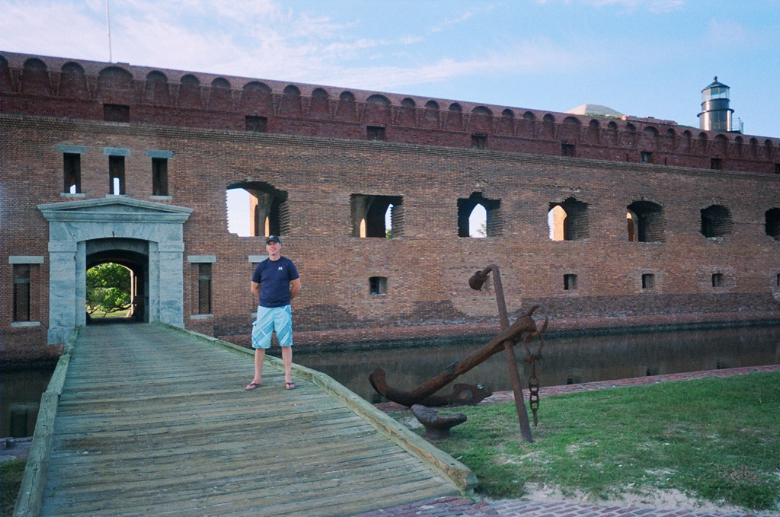
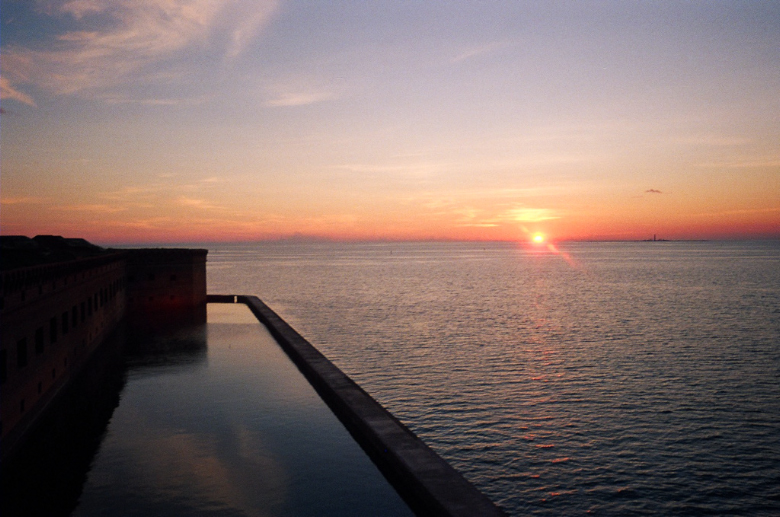
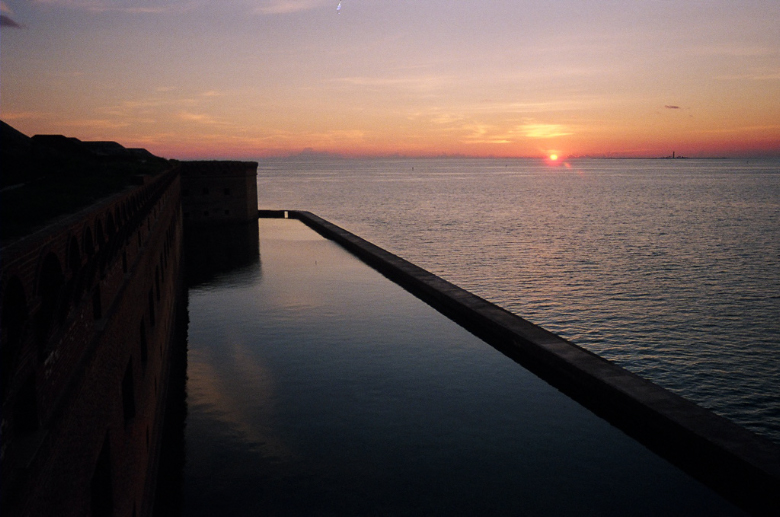
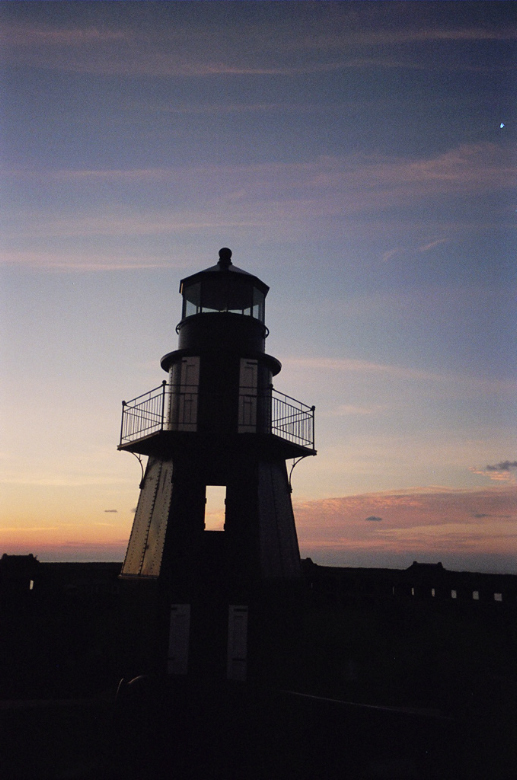
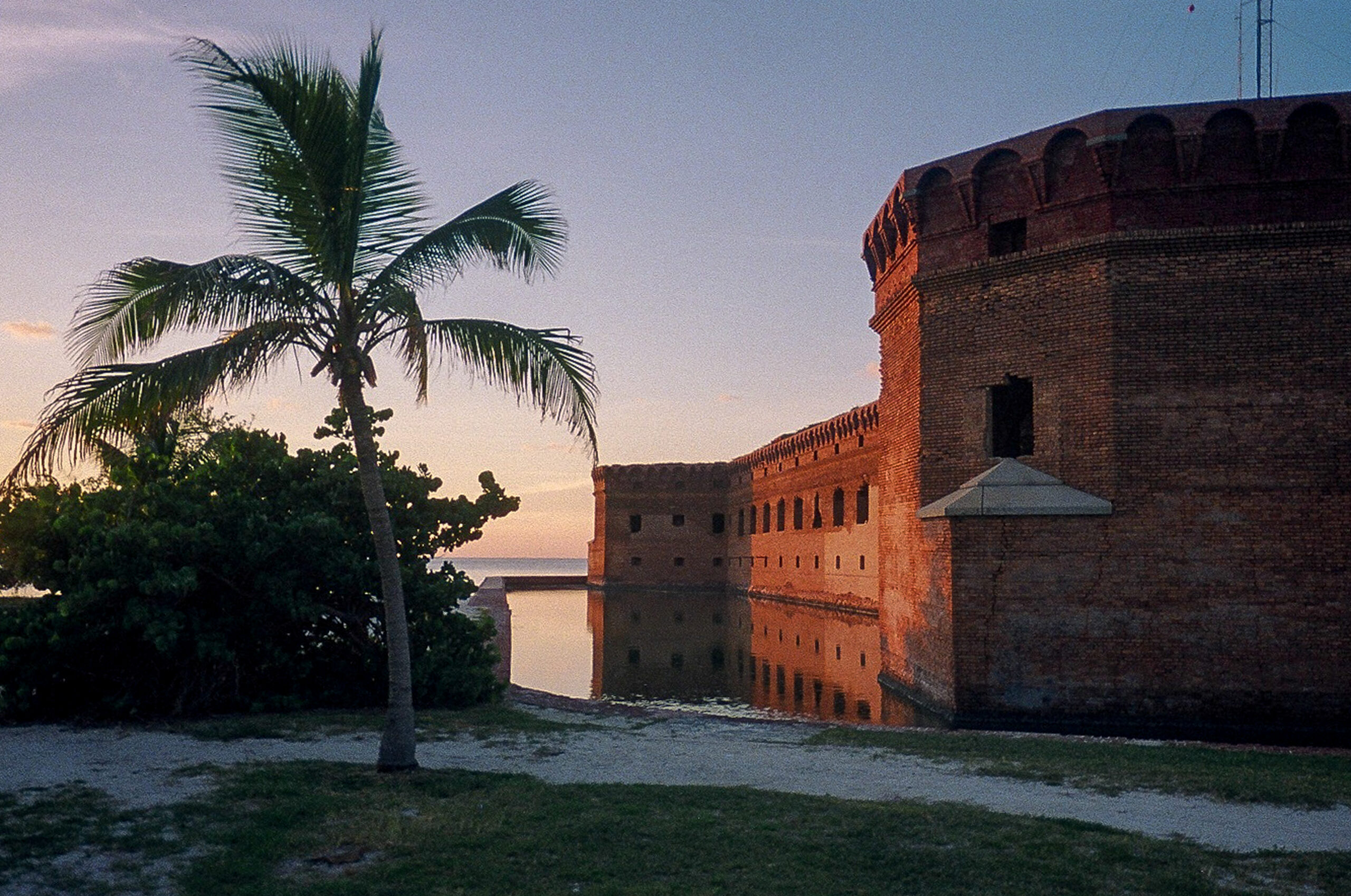
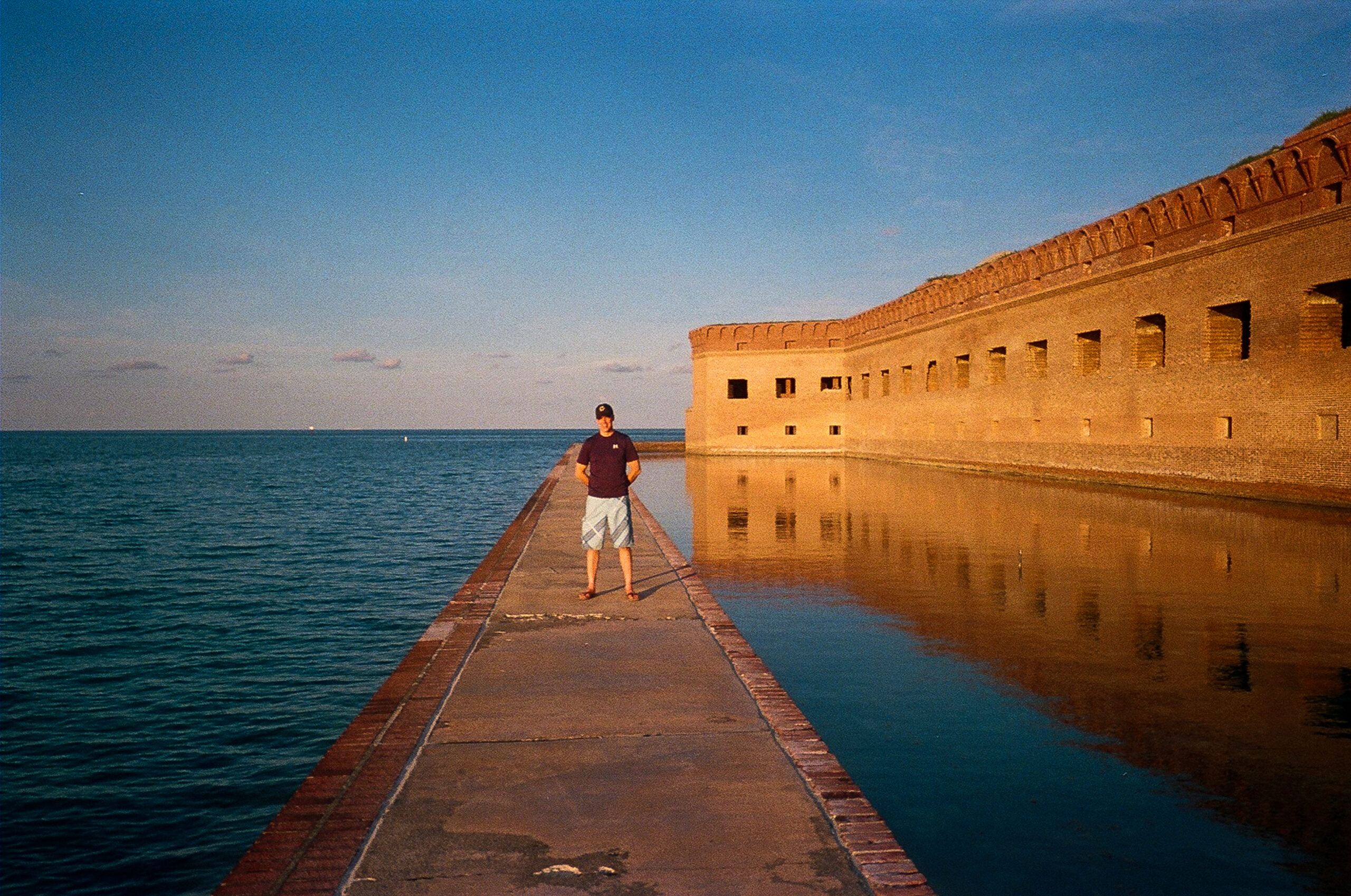
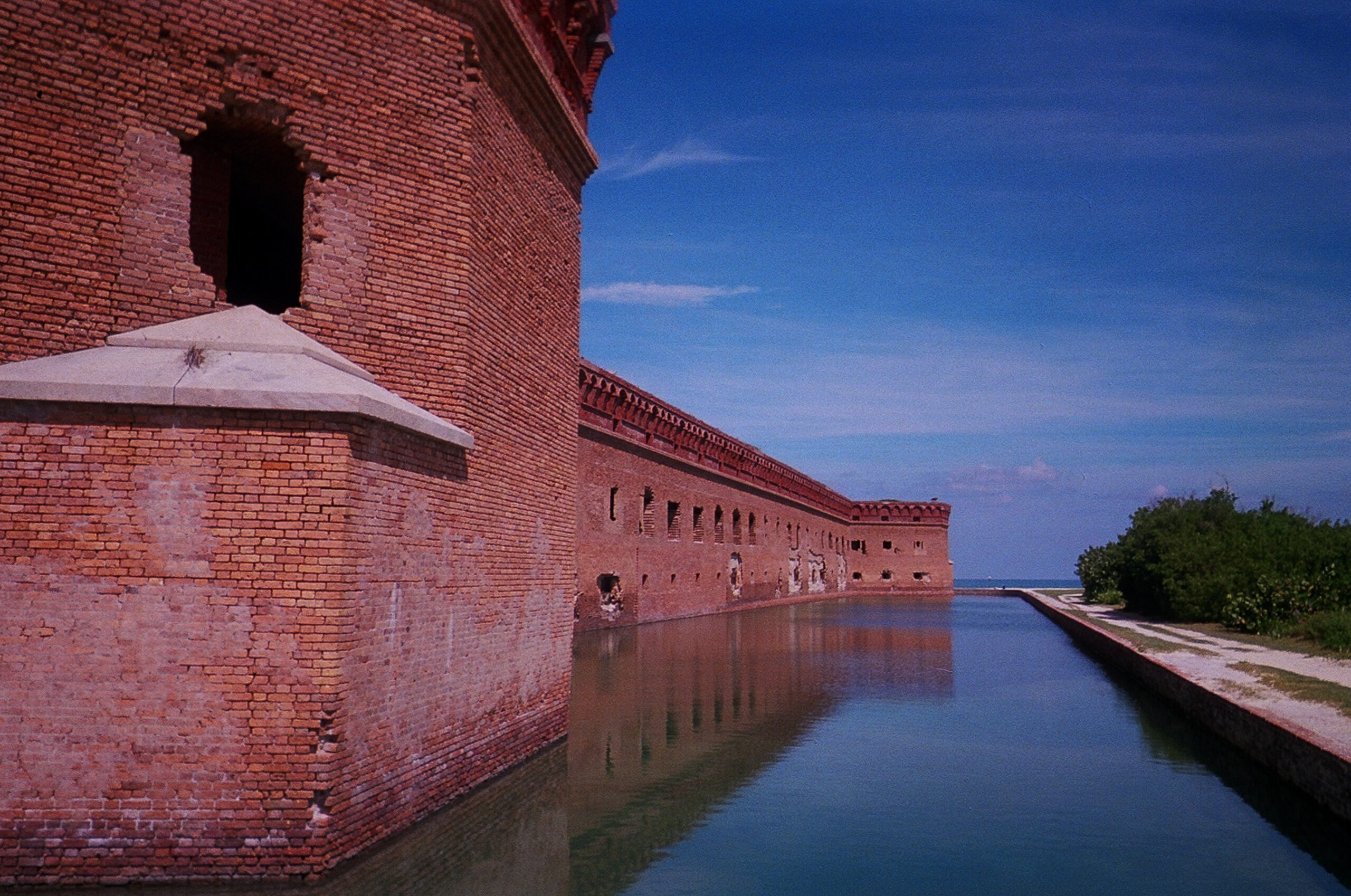
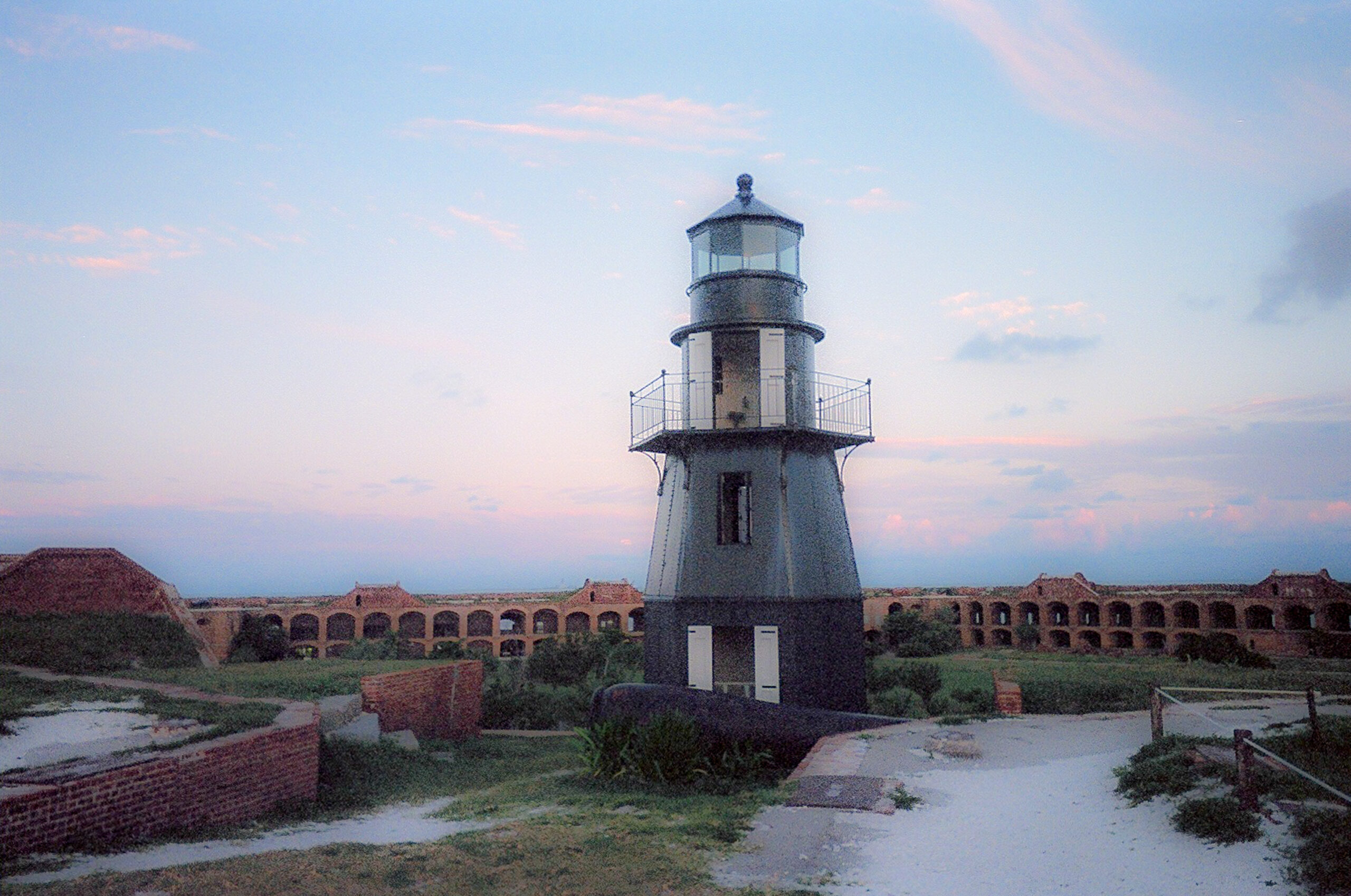
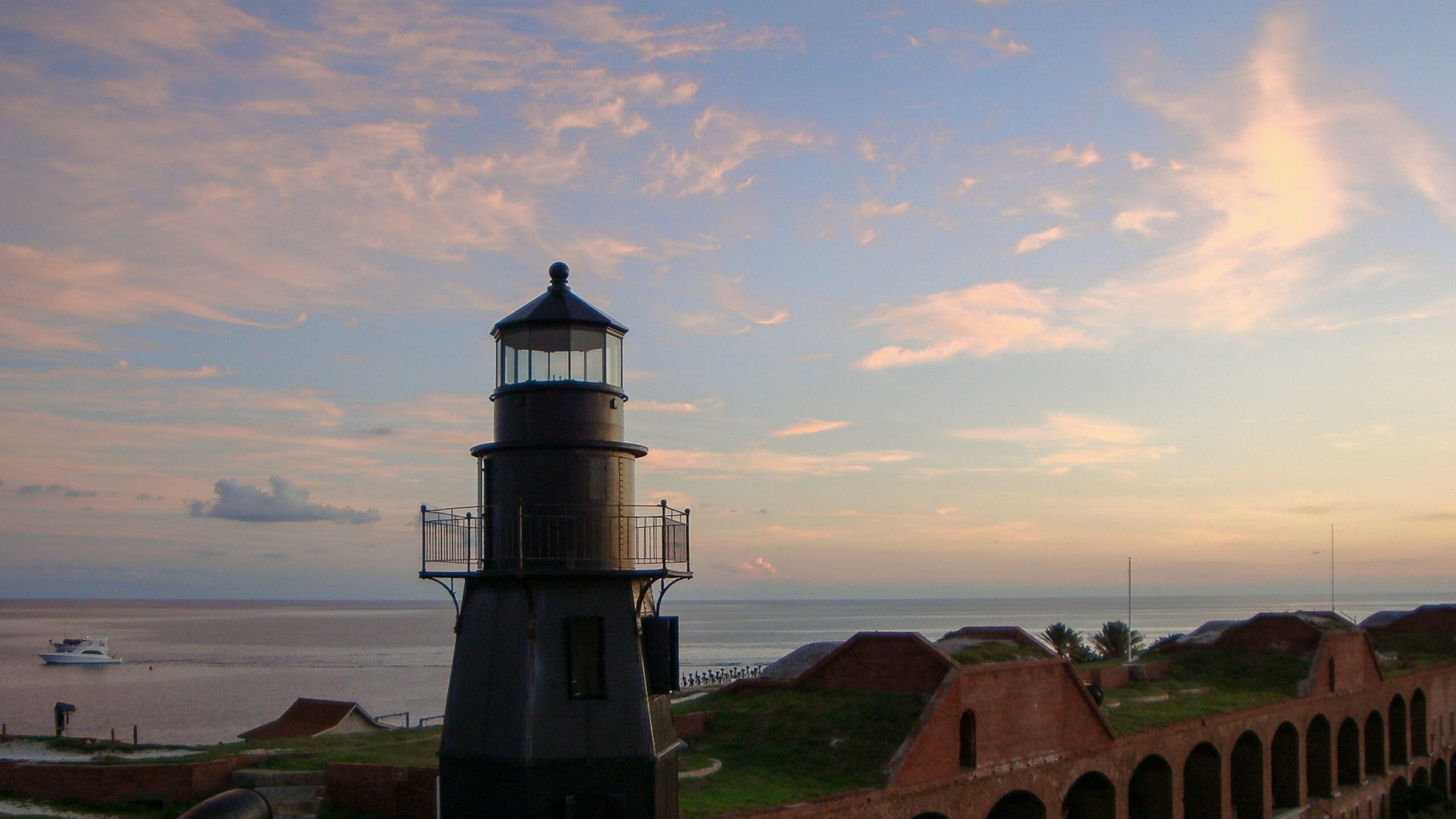
Fort Jefferson, occupying much of Garden Key, represents one of the largest masonry coastal fortifications constructed in the United States, reflecting nineteenth-century efforts to control shipping lanes and protect access to the Gulf Coast. Although never completed as originally envisioned, the structure illustrates the strategic importance of maritime geography in an era when naval power influenced regional security and trade networks. The surrounding marine environment also preserves habitats supporting seabirds, coral communities, and diverse aquatic life.
Today, Dry Tortugas National Park combines cultural and environmental preservation within a setting defined by distance and isolation. The interaction of ocean currents, coral reef development, and historic fortifications illustrates the relationship between geography, maritime navigation, and national defense in the wider Caribbean region.





Dry Tortugas National Park Field Guide
📍 Location
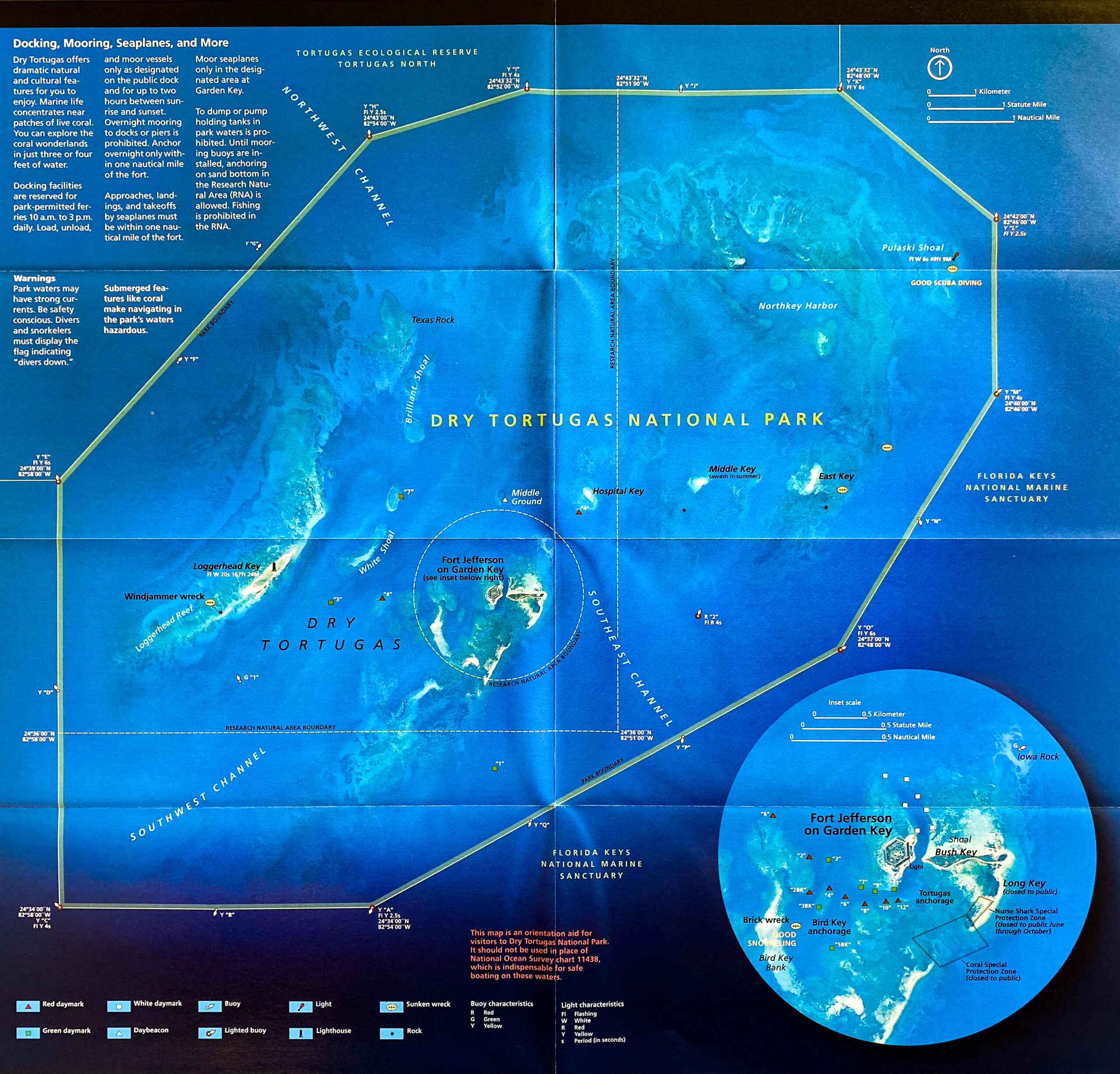
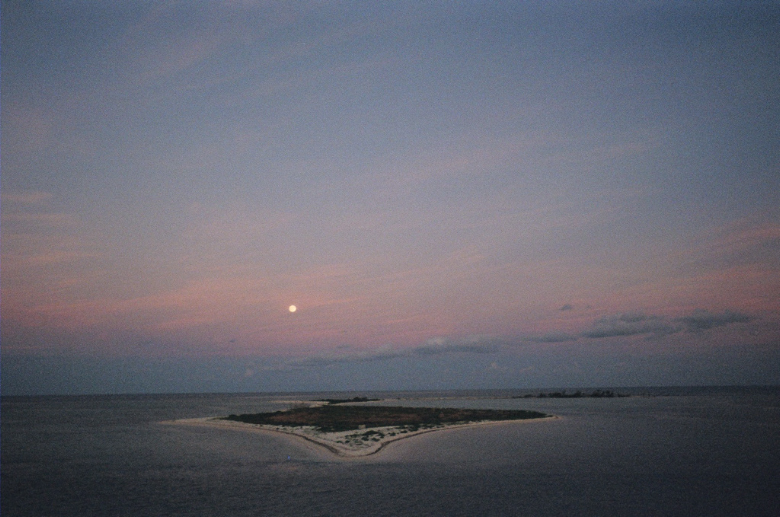
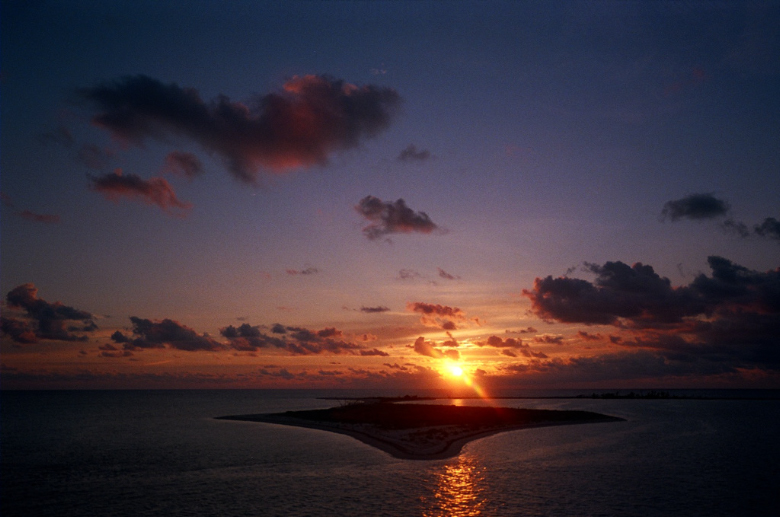
Dry Tortugas National Park lies approximately 70 miles west of Key West in the Gulf of Mexico, forming one of the most remote national parks in the continental United States. The park consists of small coral islands surrounded by shallow reefs and open water at the western edge of the Florida Keys archipelago.
🌎 Landscape
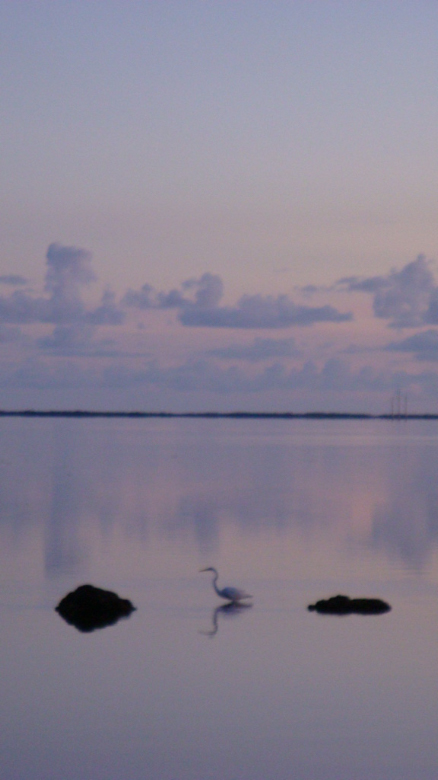
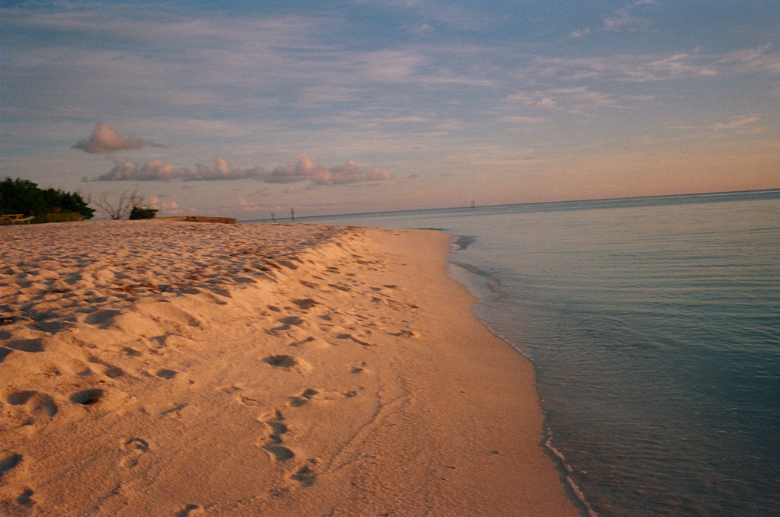
The park preserves a distinctive maritime landscape shaped by coral reef formation, sand deposition, and ocean currents within the Gulf of Mexico. Low-lying islands emerge from shallow tropical waters characterized by clear visibility and extensive reef systems. The surrounding marine environment forms part of a broader ecological network extending through the Florida Keys and Caribbean basin.
🏛 Historical Significance
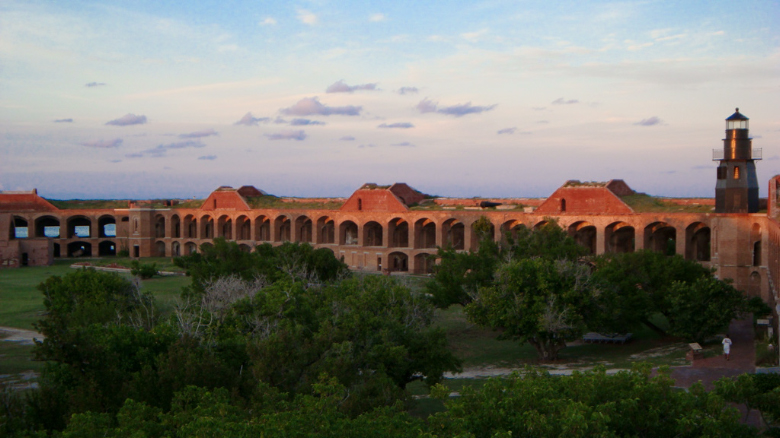
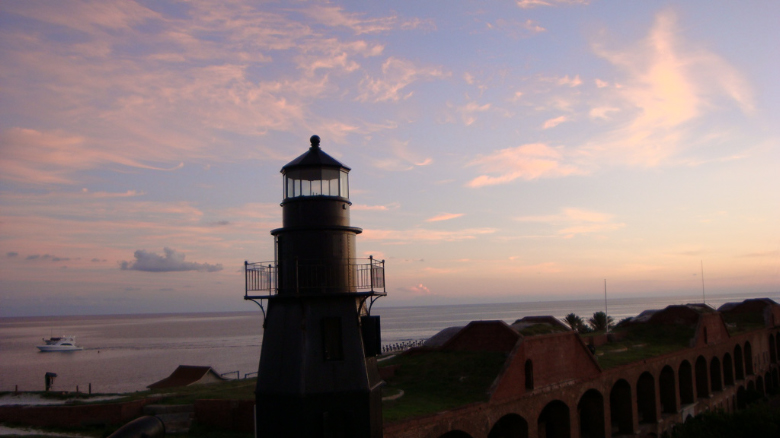
Fort Jefferson, occupying much of Garden Key, represents one of the largest coastal masonry fortifications constructed in the United States. Built between 1846 and 1875 to protect shipping routes entering the Gulf of Mexico, the unfinished fortress illustrates the strategic importance of maritime geography linking Atlantic and Gulf trade networks. The fort also served as a military prison, most notably housing Dr. Samuel Mudd following the assassination of Abraham Lincoln.
🌿 Natural Environment
Dry Tortugas preserves marine ecosystems supporting coral reefs, seagrass beds, and open water habitats that sustain diverse aquatic species. The islands provide nesting habitat for seabirds and serve as important stopover points for migratory birds traveling between North America, the Caribbean, and South America. The surrounding waters support fish, sea turtles, and other marine species characteristic of tropical reef environments.
⭐ Highlights
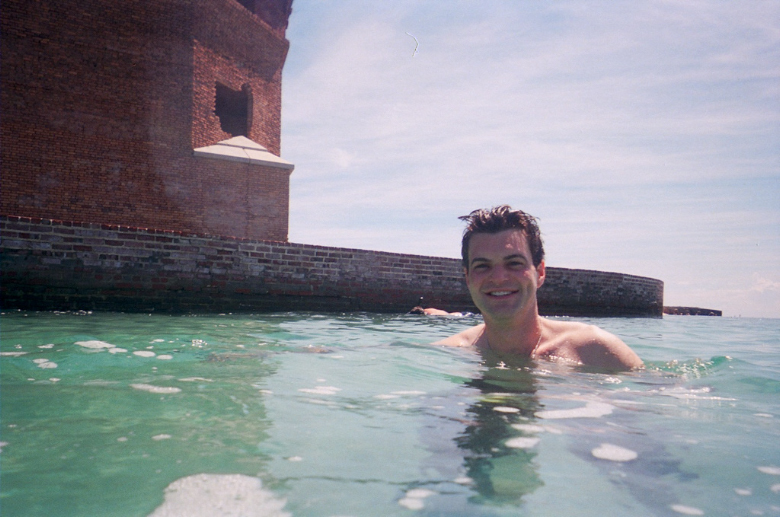
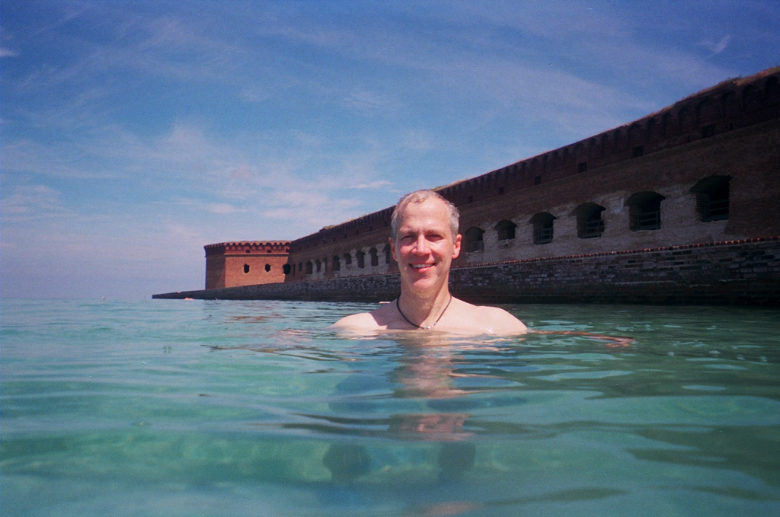
- Fort Jefferson’s six-sided brick structure rising directly from the sea
- Clear shallow waters revealing coral reef formations
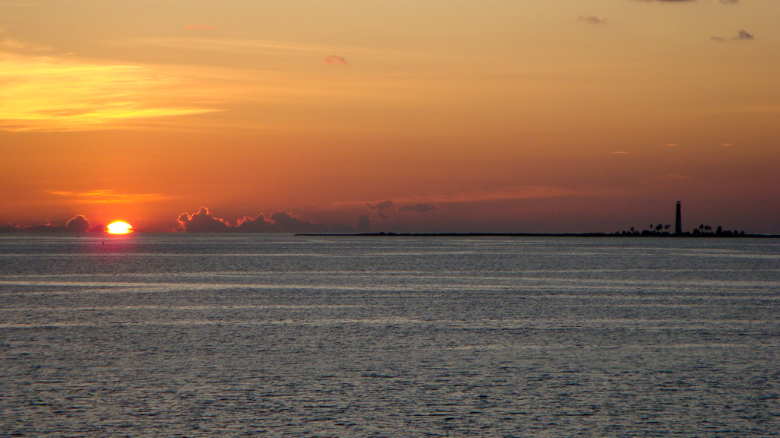
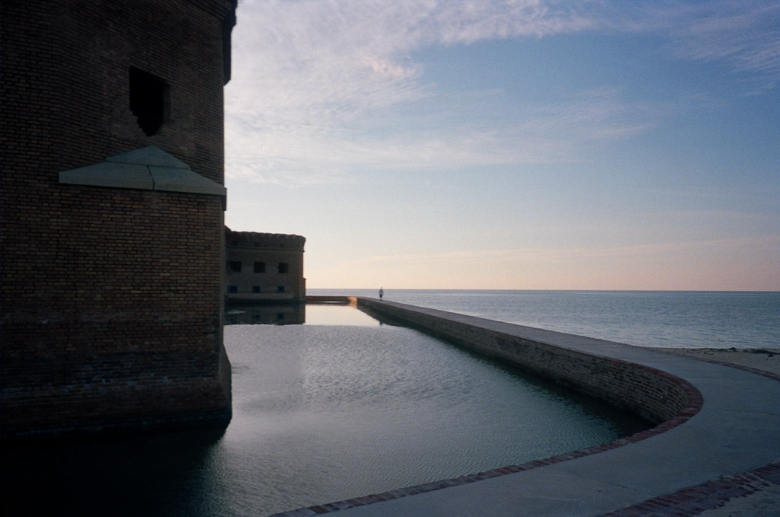
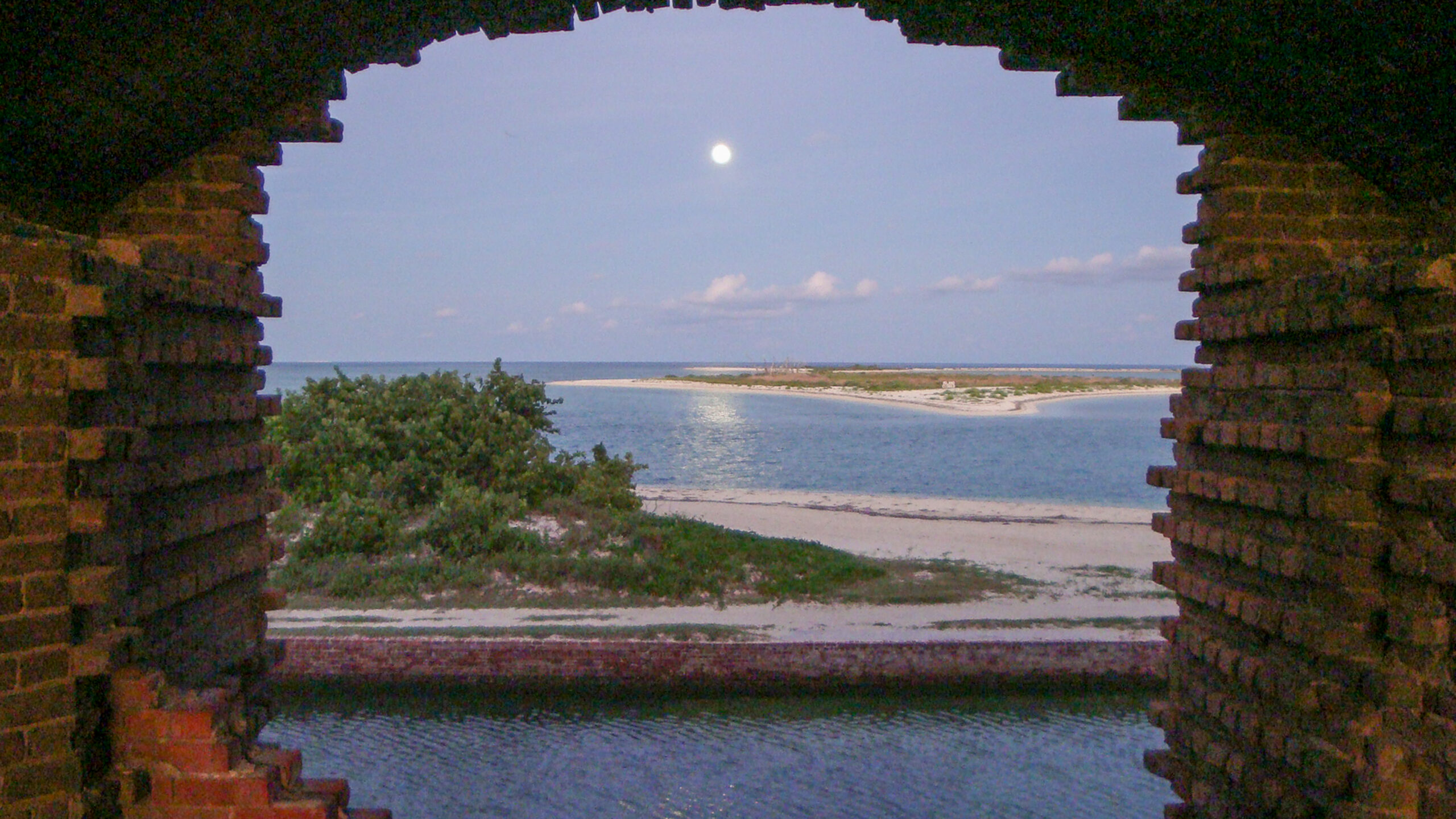
- Views across open Gulf waters emphasizing geographic isolation
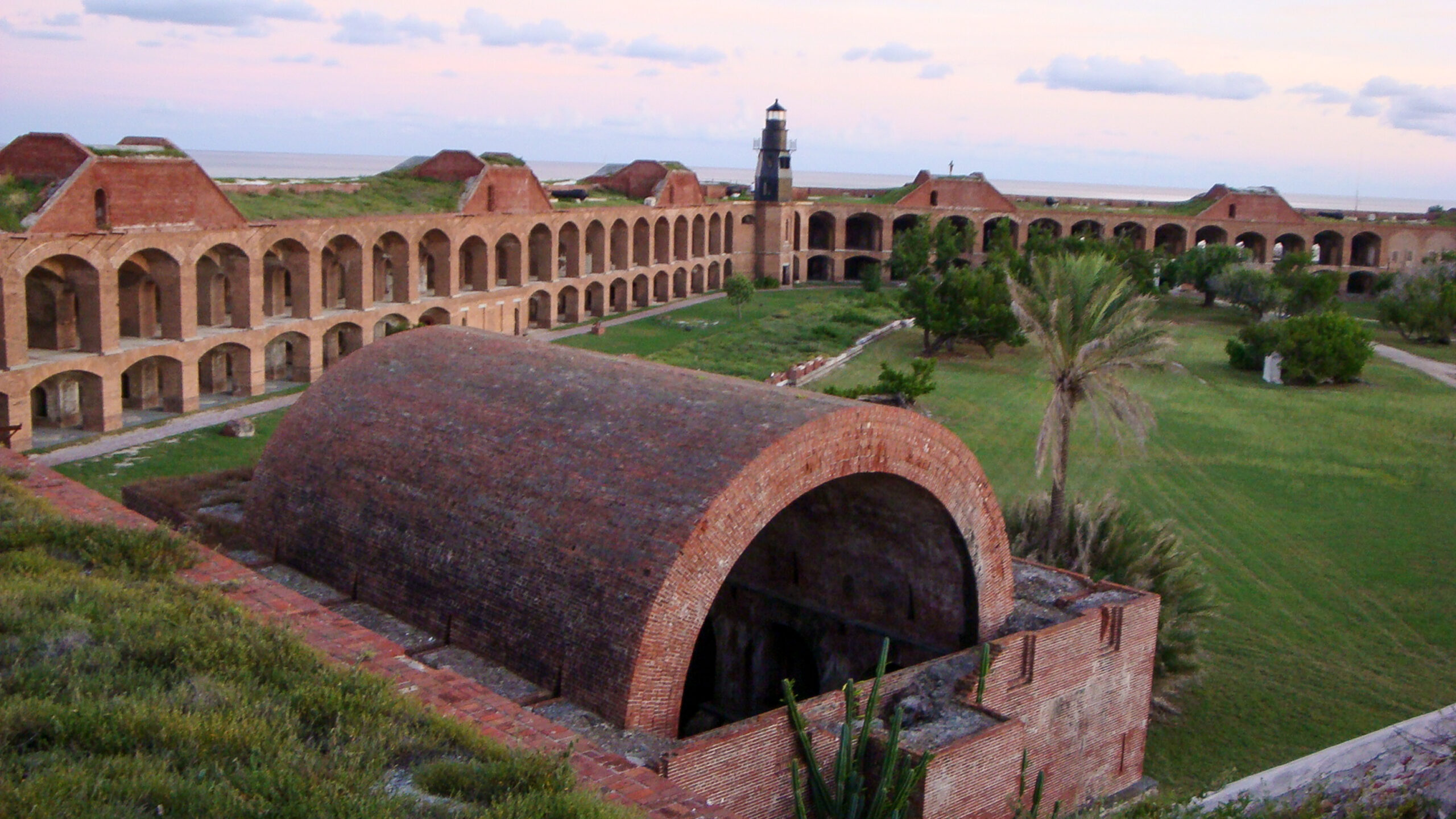
- Historic harbor and brick arcades within the fort interior
- Remote island setting distinct from mainland coastal environments
🦩 Notable Wildlife Encounters
- Brown pelicans, terns, and frigatebirds soaring above the islands
- Tropical fish visible in shallow reef environments
- Possible sightings of sea turtles in surrounding waters
- Seasonal migratory birds using the islands as resting habitat
📷 Photography Notes
- Strong contrast between red brick fort walls and turquoise water
- Wide-angle compositions emphasize the fort’s geometric form
- Elevated views from fort walls create strong symmetry
- Midday light enhances water clarity and color variation
- Minimal visual clutter supports architectural compositions
- Weather patterns influence sky tone and horizon visibility
📚 Summary
Dry Tortugas National Park combines maritime history, coastal geology, and protected marine ecosystems within a remote island environment. The interaction of coral reef formation, ocean geography, and historic fortification illustrates the importance of strategic location in shaping both natural systems and patterns of navigation across the Gulf of Mexico.